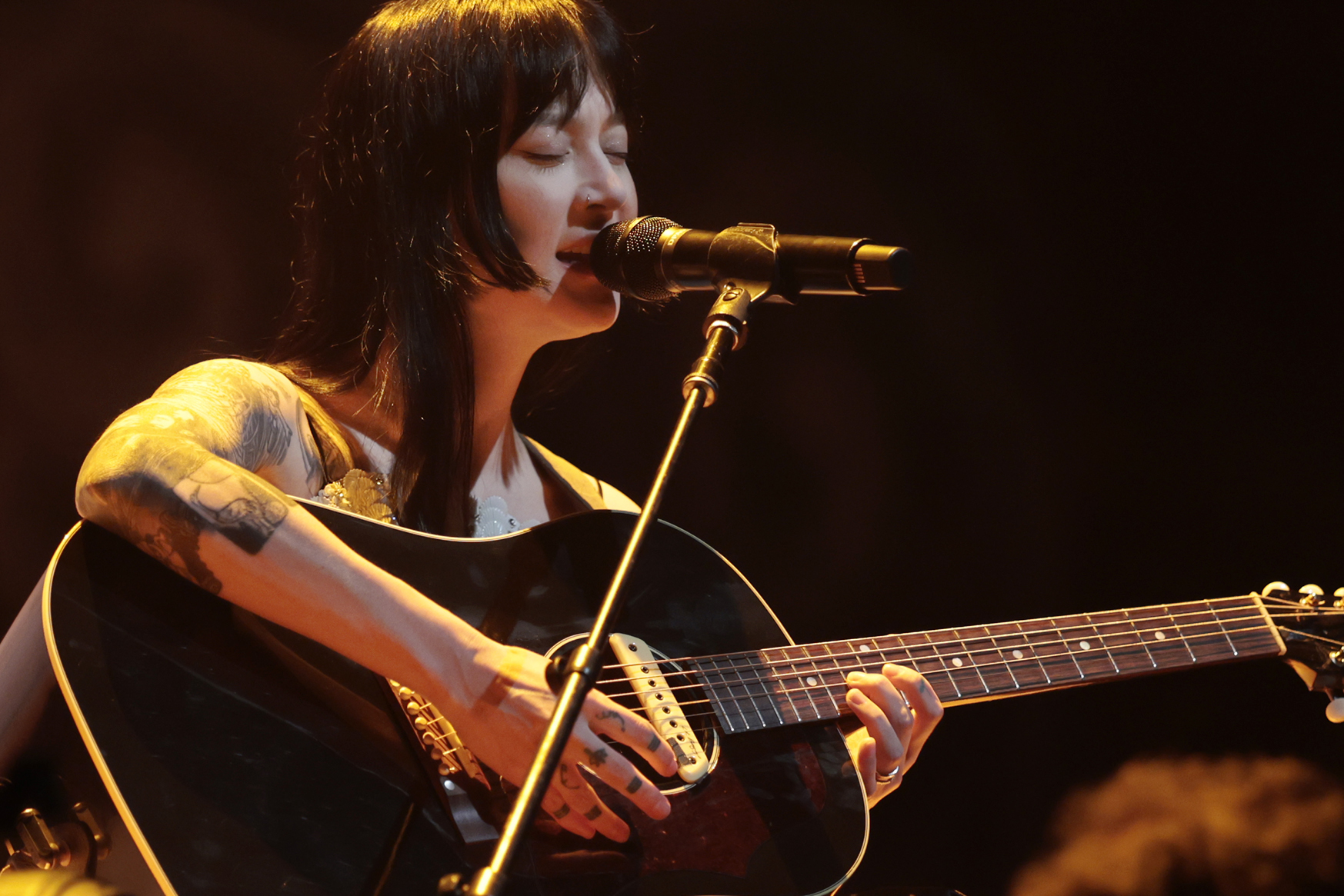
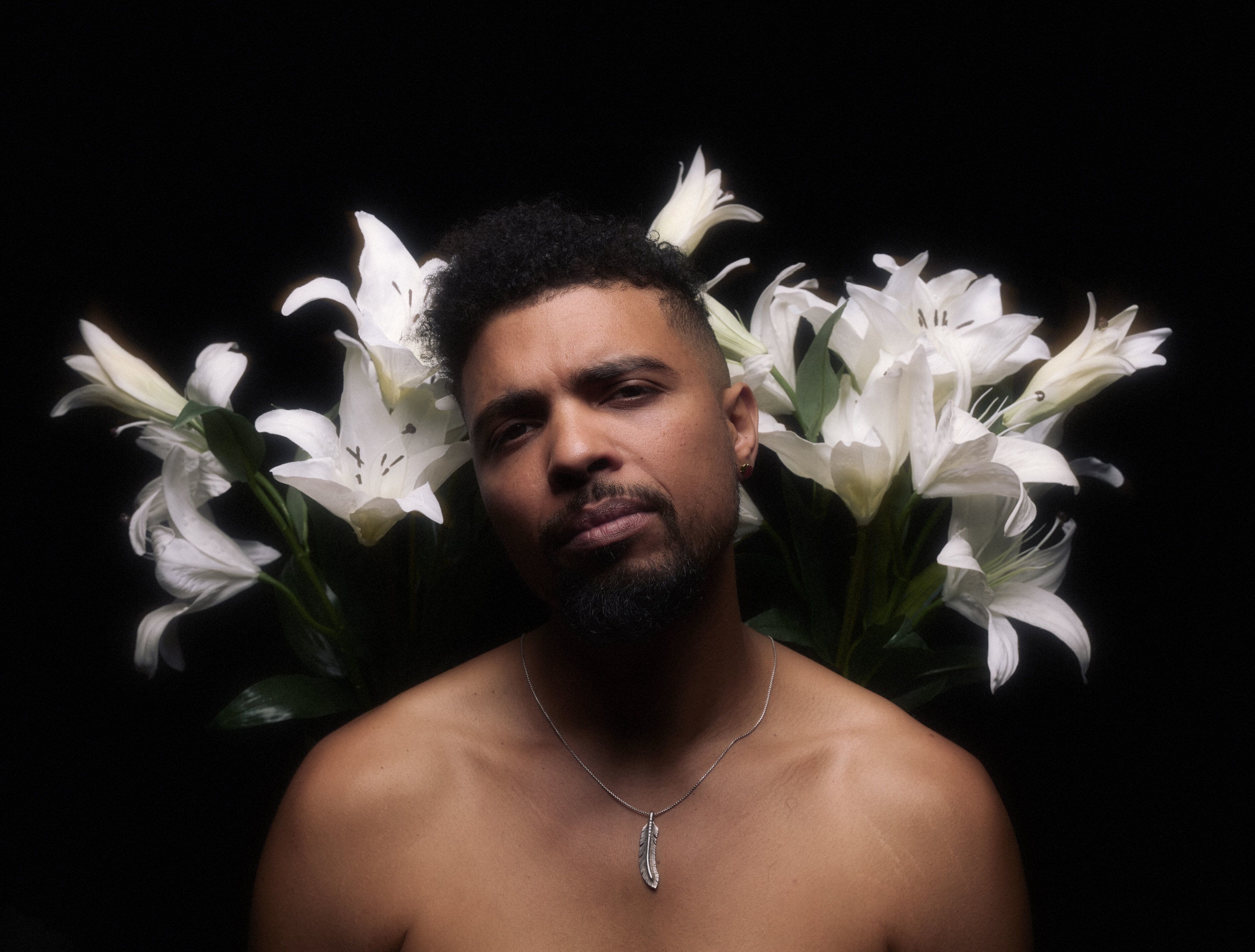
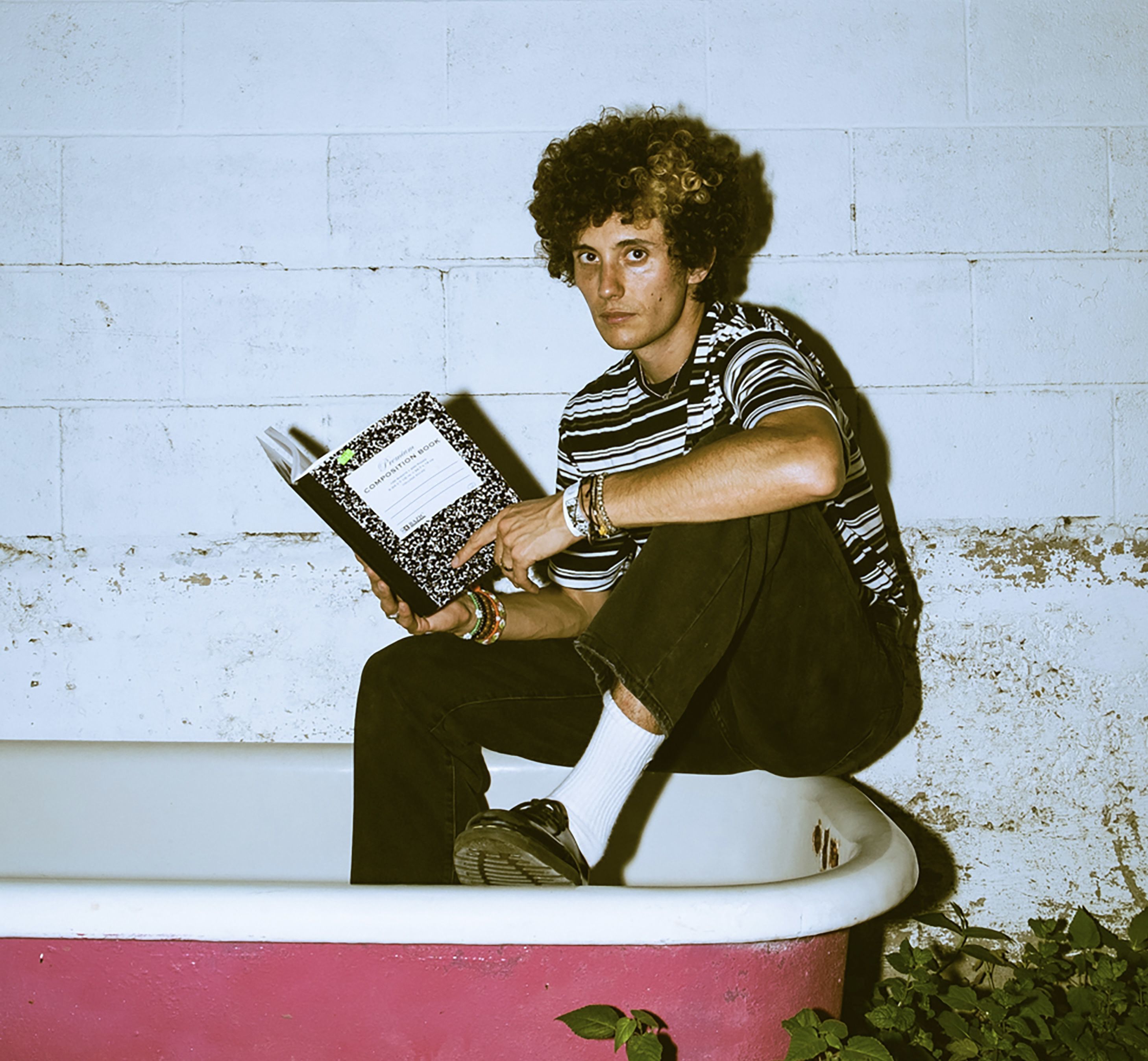
Crying in H Mart, the first book by Michelle Zauner of Philly-born band Japanese Breakfast, was a memoir published in 2021 that mourned the death of her mother, Chongmi, and explored her own Korean identity through food. It was a runaway bestseller.
The book, whose titular Asian grocery store is in Elkins Park, turned the indie songwriter and bandleader into a literary sensation. It spent 67 weeks on the New York Times hardcover nonfiction bestseller list and 43 more on the paperback list.
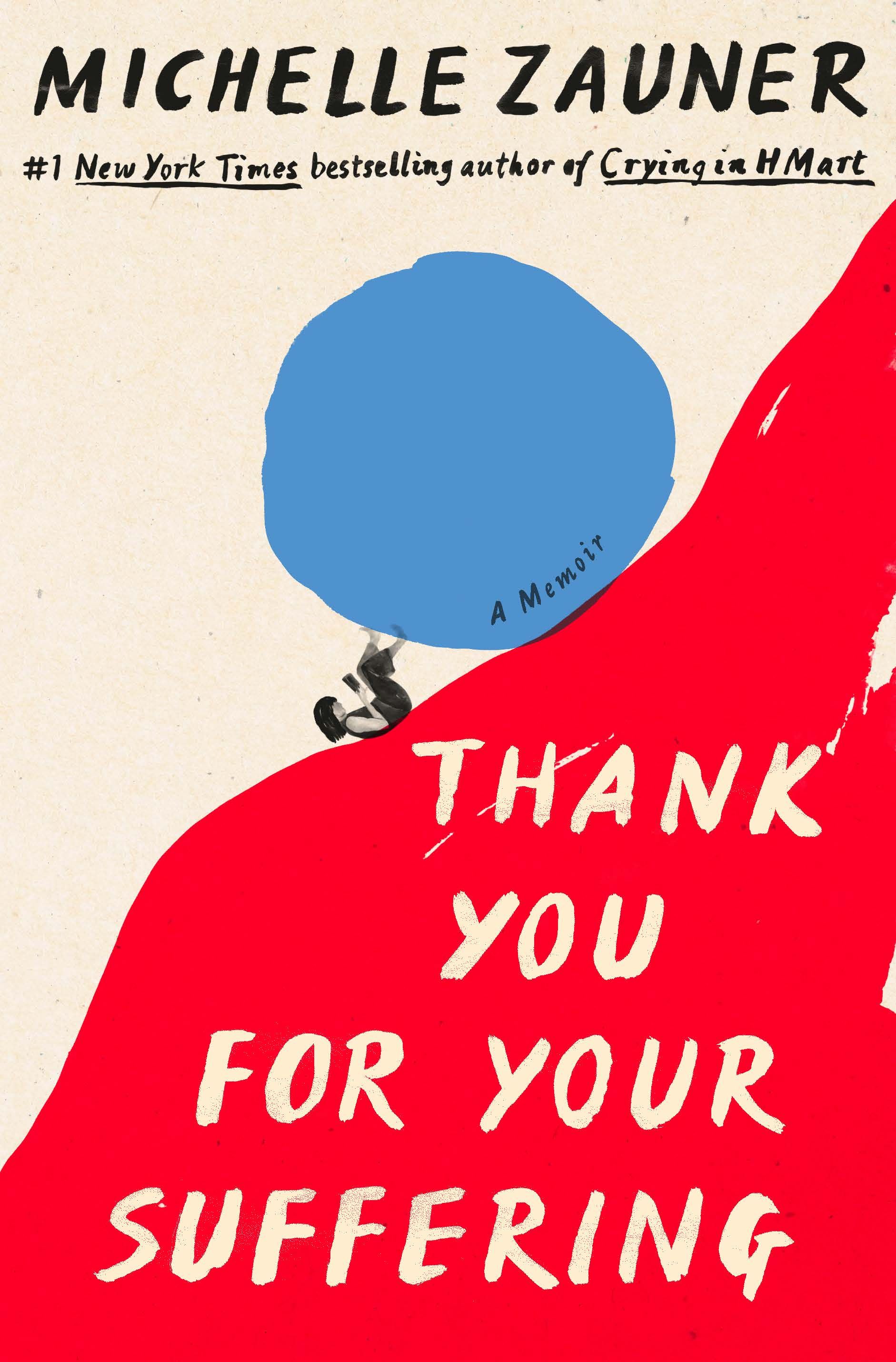
Now, Zauner has announced a second memoir, Thank You for Your Suffering, which will be published by Alfred A. Knopf in April.
The book chronicles the year that Zauner — who was born in Eugene, Ore., and graduated from Bryn Mawr College, before starting her Philly bands Little Big League and Japanese Breakfast — spent living in South Korea, learning the language, and connecting more deeply with her mother’s family.
The cover to Michelle Zauner’s new memoir, “Thank You for Your Suffering.”Alfred A. Knopf
As she explained it in an interview in Elle, the book’s title comes from a phrase she initially heard in a hair salon in Seoul. Gosaeng haesseoyo is a colloquial expression that Koreans use to mean “good job” but literally translates to English as “you suffered.”
“So much of the book is about working really hard,” Zauner toldElle. “I was just so hungry and scared of not doing a good job. I think part of that was this strange psychological feeling after my mom died, of wanting to be this perfect daughter that I wish I could have been when she was alive.”
This July, she and the band, including husband Peter Bradley, played the Highmark Mann, opening for Death Cab for Cutie. Zauner, pregnant with her first child, is due to give birth in the coming weeks.
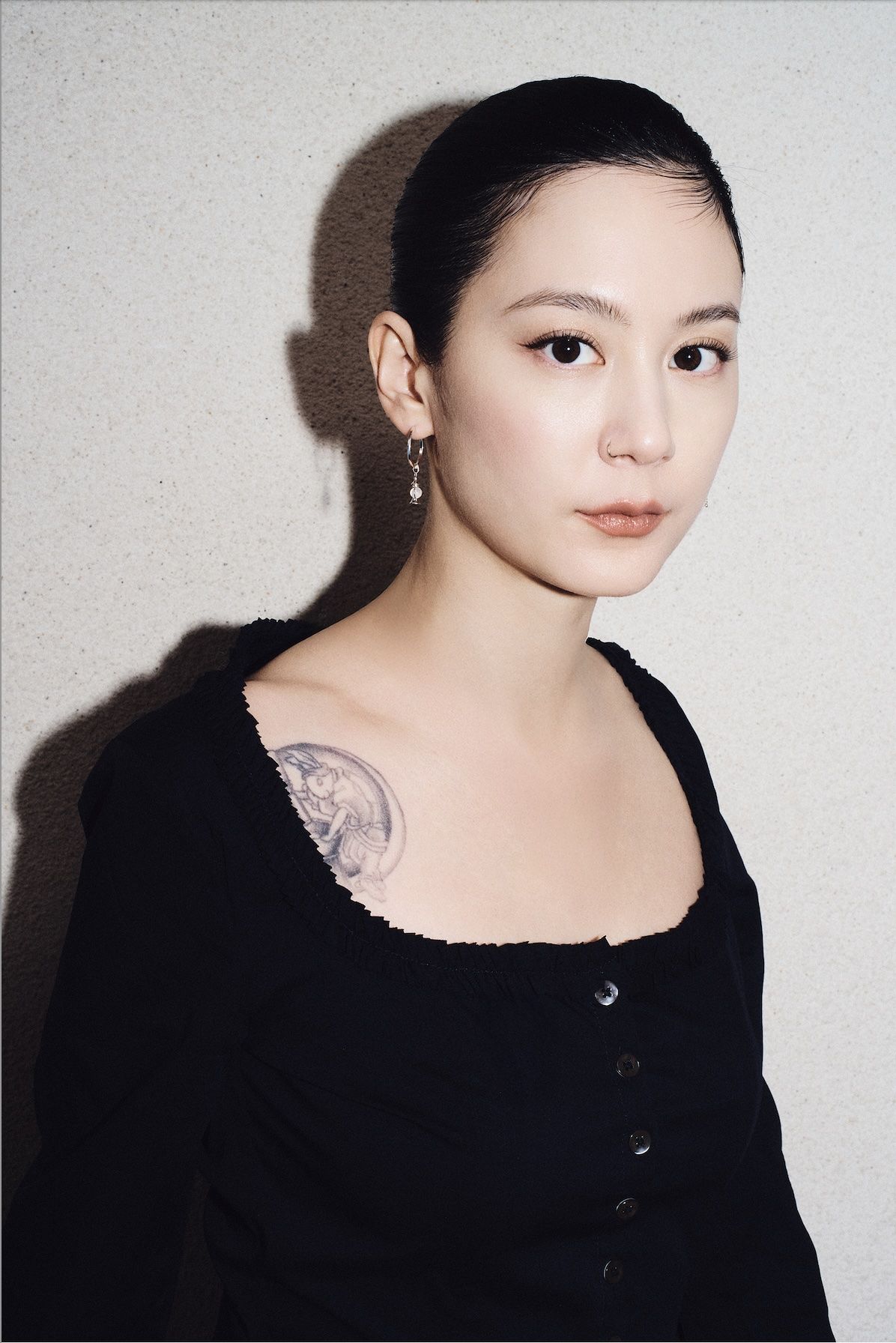
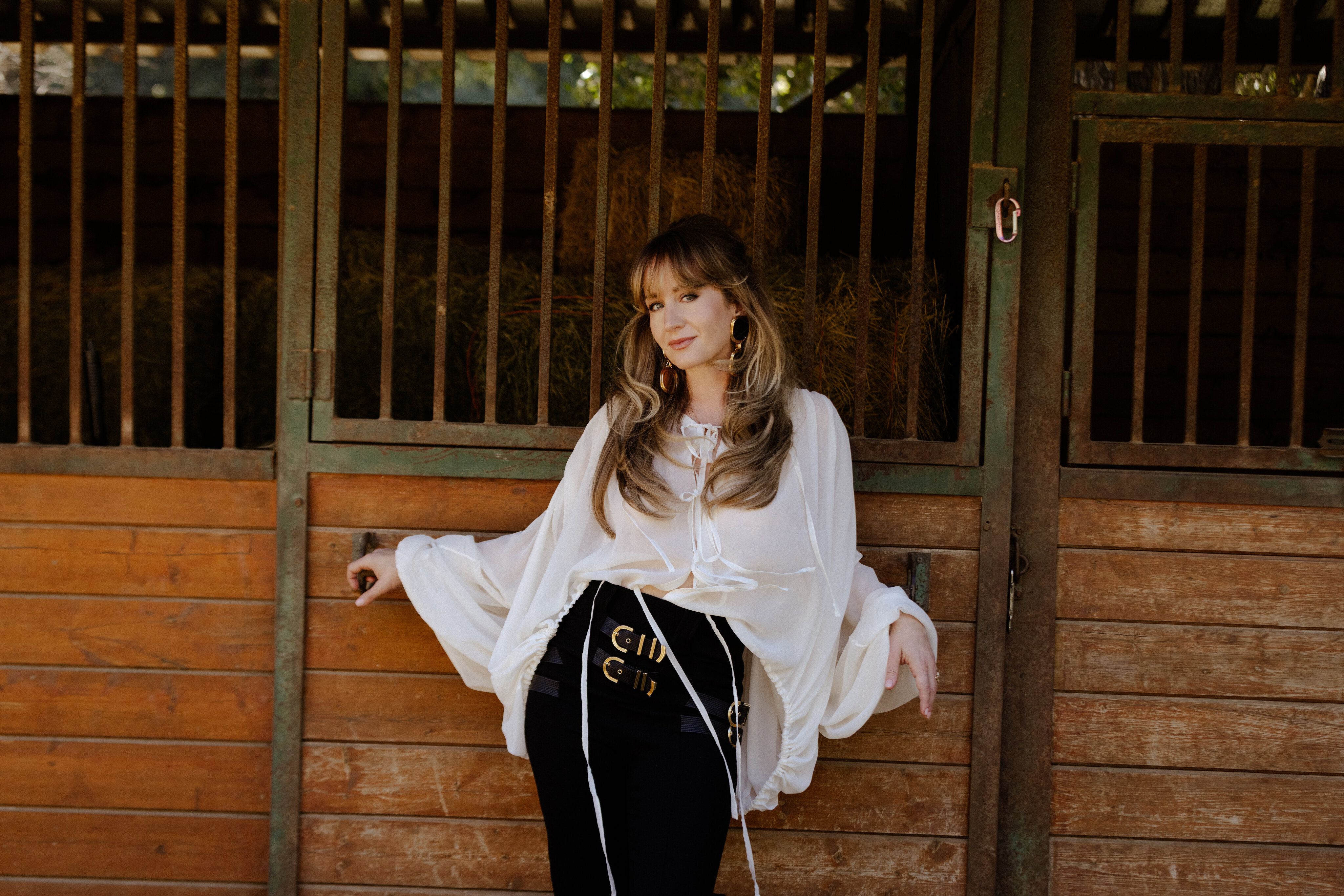
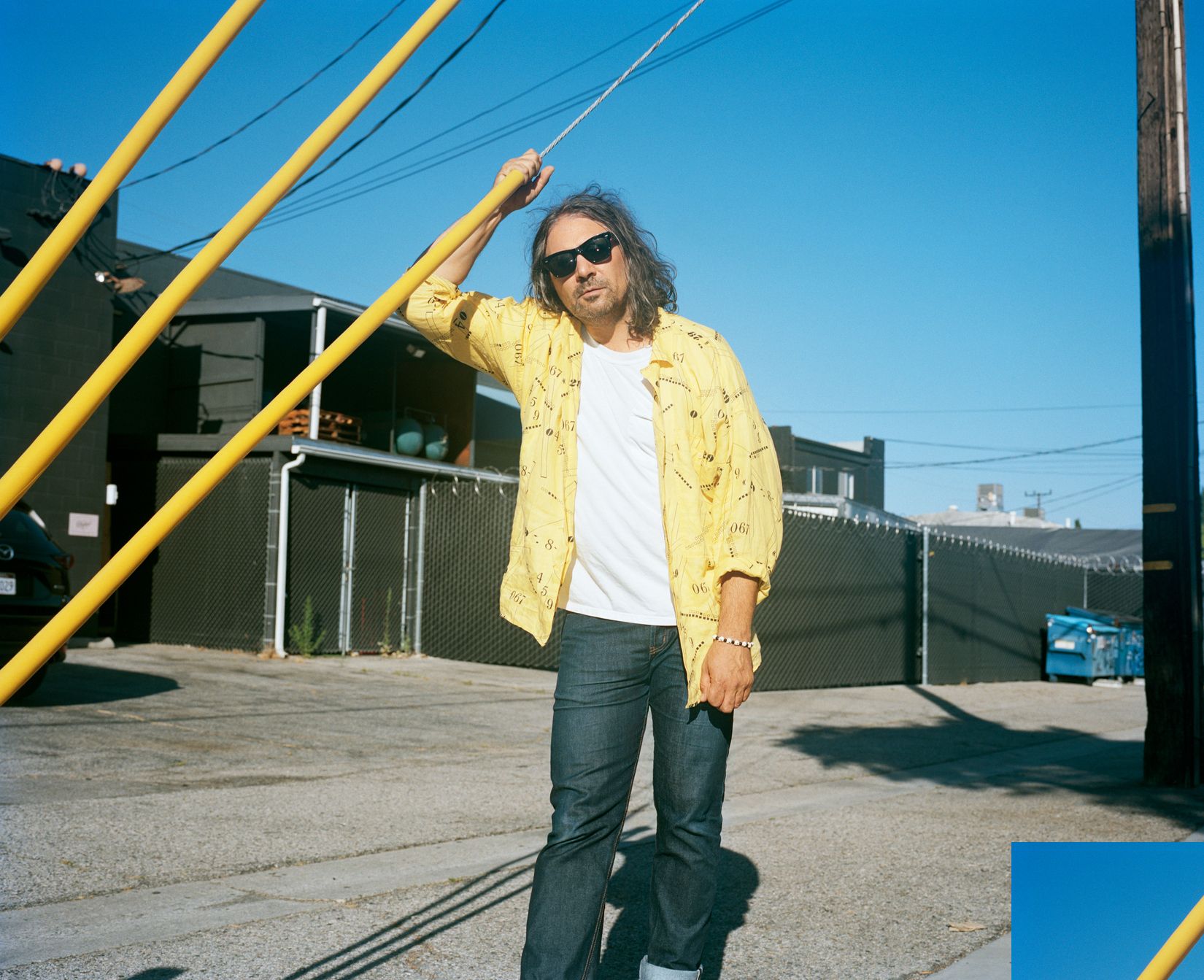
Michelle Zauner. Her new memoir “Thank You for Your Suffering,” will be published in April.Pak Bae
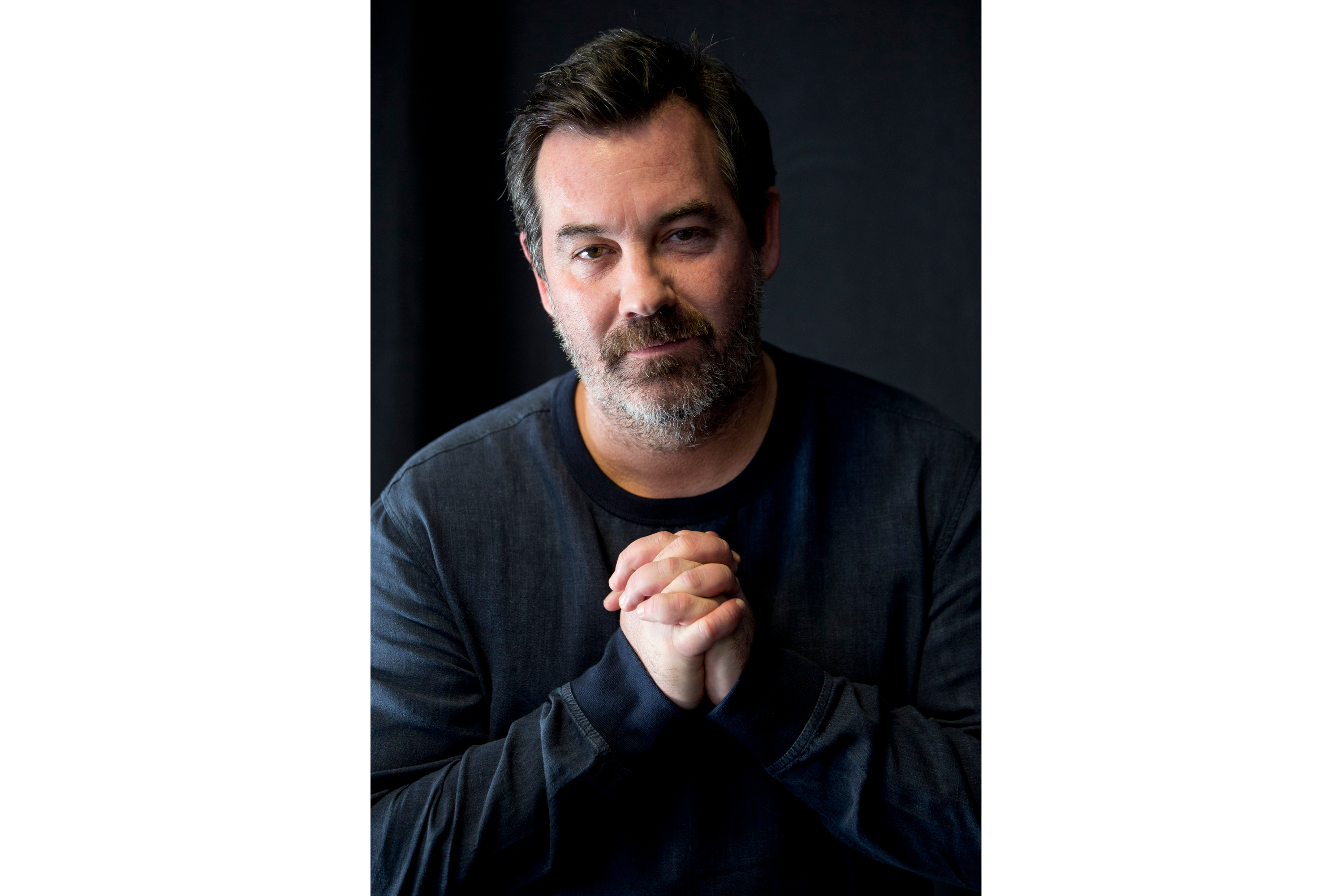
NEW YORK — Duncan Sheik, the Tony- and Grammy-winning singer-songwriter who crafted the music for “Spring Awakening,” has died. He was 56.
Sheik died Thursday from organ failure, his mother Suzanne Sheik told The New York Times. The Associated Press emailed his representatives for comment.
Sheik had been best known for his lasting radio hit “Barely Breathing” when he turned his sights on Broadway with “Spring Awakening,” resulting in the envelope-pushing show that musicalized teenage angst.
“With the exception of our director, we are all kind of Broadway outsiders. We wanted to shake things up a bit. And we just set out to make this really cool piece of theater,” Sheik told The Associated Press in 2007, as the show swept Tony nominations.
Sheik also tackled musicals based on “American Psycho” and “Alice in Wonderland,” and “Barely Breathing” spent 55 weeks on the Billboard Hot 100, peaking at No. 16. But he was probably best known for “Spring Awakening,” which ran for over 860 performances on Broadway starting in 2006.
‘Spring Awakening’ roused a new side of Sheik — and Broadway
The musical — adapted from a 19th-century play by German playwright Frank Wedekind, with music by Sheik and lyrics by playwright Steven Sater — is frank in its portrayals of incest, abortion and suicide. It’s intended partly as a warning that teens need good information about sex to avoid tragic mistakes.
“I don’t mean to be disrespectful to more traditional theater composers,” he told the Los Angeles Times in 2015. “I love Stephen Sondheim. But it’s my mission to make sure that the theater is paying attention to what the rest of the world is listening to.”
Sheik and Sater were practicing Buddhists who met while chanting. They were collaborating on Sheik’s third album, “Phantom Moon,” when Sater mentioned he was working on a new production. Neither had ever written a musical before.
“I said to Steven, ‘I’m happy to do this musical, but I only want to do it if the music in the play is the kind that I and my peers can get behind stylistically and relate to and enjoy,’” Sheik recalled to the AP in 2006.
They made a pact: They’d retain the provincial, 19th-century Germany setting but with, as Sater put it, “the characters breaking into pop-contemporary when they sing.”
“Sheik’s music, spare in its simple orchestrations, lush in the lapping reach of its seductive choruses, embodies the shadowy air of longing that infuses the show, the excitement shading into fear, the joy that comes with a chaser of despair,” The New York Times said in its review.
The show is beloved in the musical theater community for breaking ground in terms of staging and content, alongside the likes of “Rent” and “Hamilton.” It returned to Broadway in 2015 in a well-received production by Deaf West Theatre. An off-Broadway version is slated to open this fall.
The cast of the original show was loaded with breakthrough actors like Jonathan Groff, Lea Michele, Lilli Cooper, Jennifer Damiano, Gideon Glick, John Gallagher Jr., Lauren Pritchard and Krysta Rodriguez, who have each gone on to fame in TV, film and stage. Groff would go on to earn a Tony with “Merrily We Roll Along,” and Michele became a superstar with “Glee.”
Sheik blended musical theater with pop music
Sheik next channeled the music he heard getting past the velvet ropes of trendy, late-1980s Manhattan clubs for a Broadway adaptation of the Bret Easton Ellis novel “American Psycho.”
The 1991 novel — later made into a 2000 movie starring Christian Bale — chronicles a homicidal New York yuppie named Patrick Bateman who is obsessed with high-end clothes and beauty products even as he slashes his way through Manhattan. Sheik, who also supplied lyrics, recalled only getting halfway through the book before throwing it across the room as a Brown University student.
For one standout song, “You Are What You Wear,” he reached out to old girlfriends to ask a question: What were you really into wearing in the late ’80s? He put the answers in the tune about high fashion: “Chanel, Gaultier, or Giorgio Armani/Moschino, Alaïa, or Norma Kamali/Should I rock/The Betsey Johnson/Or stick with classic/Comme des Garçons?”
“Duncan is really a genius and an intellectual and brings something both uniquely his but importantly of this period to the stage,” producer Jesse Singer told the AP at the time.
Because Bateman, played onstage by Benjamin Walker, fancies himself a bit of a music critic — spewing mostly inane ruminations about Phil Collins and Huey Lewis and the News — Sheik also peppered his score with sly reworkings of “In the Air Tonight” and “Hip to Be Square.”
“There’s definitely an art to be able to write a song that on one level is a pop song and one that also has to tell a story and keep an audience engaged in terms of a larger narrative arc,” Sheik told the AP in 2013. “When you’re writing a song for the theater, it has to accomplish all this other stuff. It has to work in tandem with all these other agendas and creative impulses.”
The show, directed by Rupert Goold and with a story by Roberto Aguirre-Sacasa, made its premiere in 2013 in London. On Broadway in 2016, it bombed, lasting less than 90 performances.
“We were all sort of worried that it might be too violent for people and it might seem too misogynist,” Sheik told the AP on the eve of the opening. “But, in fact, the truth is this piece is a critique of a certain way of thinking about things. So in truth it’s better to go all-in.”
‘Barely Breathing’ was nominated for a Grammy
Growing up between South Carolina and New Jersey, Sheik learned guitar as a child and got his first synthesizer when he was 12. He was heavily influenced by Talk Talk, David Sylvian and Nick Drake. His self-titled debut album was released in 1996 and Rolling Stone gave it a four-star review, calling it “a defiant debut — beautiful and benevolent of spirit.”
“Barely Breathing,” from that album, was nominated for best pop vocal performance in 1998 and would be kept alive on TV shows like “Glee” and “Girls.”
Other projects include “Whisper House,” an album and musical — a ghost story that ran in 2010 at the Old Globe Theatre in San Diego — and “Legerdemain,” an album that explored the tension between art and commerce. His most recent album was 2022’s “Claptrap.”
But for someone who had once been a total stranger to Broadway, he told AP in 2016 that he had a sense of mission.
“I feel like it’s become my project to kind of drag different people who might not normally go to musical theater pieces to come see a piece of musical theater,” he said.
This is the last outsized, outdoor Philly music weekend of the summer, with open-air events that include the XPoNential and Making Time festivals, Ed Sheeran in South Philly, Zach Bryan in Delaware, The War on Drugs on the Asbury Park beach, and Boyz II Men at the Highmark Mann.
Thursday Sept. 17
Philly Loves Wilco
The indie all-star Philly Loves Wilco band, spearheaded by the Tisburys’ Tyler Asay, did A Ghost is Born tribute in 2024. This time, the band will mark the 25th anniversary of Wilco’s 2001 release, Yankee Hotel Foxtrot. The guest list is formidable, including Sadie Dupuis of Speedy Ortiz, Maxwell Stern, Emily Drinker and Josh Steingard, John Faye, Joey Sweeney, Don McCloskey, and Grace Gardner. 8 p.m., Ardmore Music Hall, 23 E. Lancaster Ave., Ardmore, ardmoremusichall.com
Circa Survive
In 2022, before the release of its seventh album, Two Dreams, Doylestown-born Philly-based post-hardcore progressive rock band Circa Survive announced an indefinite hiatus. Then the Anthony Green-fronted band surprised fans by reforming. This is the third show of a three-night stand in Fishtown, before the band heads to Louisville for the Louder Than Life festival this weekend. 8 p.m., Fillmore Philly, 29 E. Allen St., thefillmorephilly.com
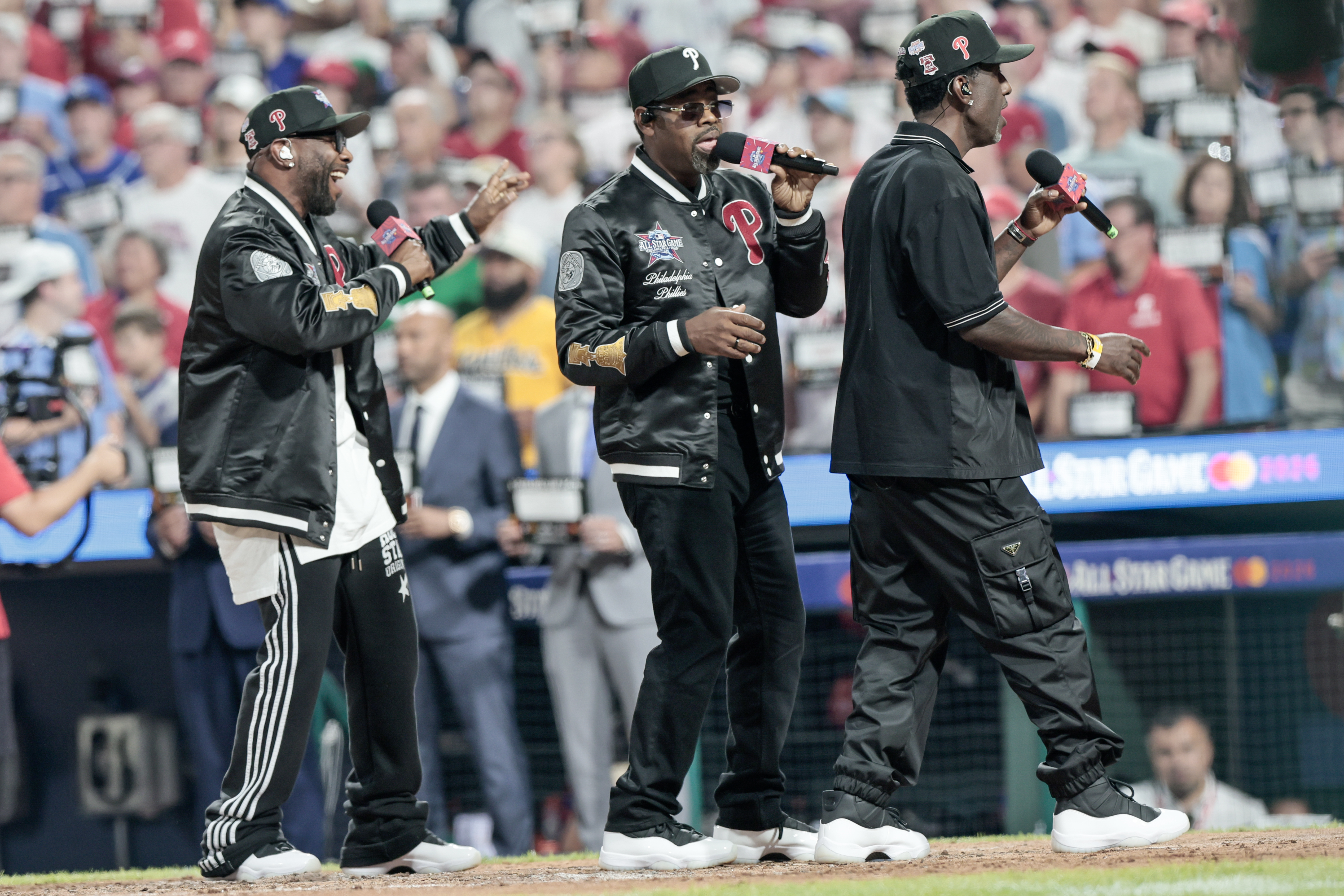
Boyz II Men performs at the All-Star Game on July 14, 2026, in Philadelphia. They play the Highmark Mann on Friday.Elizabeth Robertson / Staff Photographer
Friday Sept. 18
Boyz II Men
Earlier this year, the smooth vocalizers of Boyz II Men — Shawn Stockman, Wanya Morris, and Nate Morris — reunited with the original fourth member, Michael McCary, at a Liacouras Center show, opening for Bell Biv DeVoe. Now the trio is back as headliners, teaming with the Philly Pops. 8 p.m., TD Pavilion at the Highmark Mann, 5201 Parkside Ave., highmarkmann.org
Frank Turner & the Sleeping Souls
Fist-pumping, heart-on-his-sleeve folk-punker Frank Turner’s most recent album is 2024’s Undefeated, a title he came up with after he had that word tattooed on his back. The English songwriter is on his “Road to Lost Evenings IX” tour, ahead of the ninth iteration of the annual festival he curates in Dallas, Texas, which happens next weekend. 7 p.m., Circus Maximus Theatre at Caesars Atlantic City, 2100 Pacific Ave., Atlantic City, caesars.com
Pansy Division
Pioneering queercore San Francisco band Pansy Division was openly gay from its beginnings in the early 1990s, when proudly out bands in the often macho punk rock scene were rare. The witty, high energy band fronted by Jon Ginoli has remained intermittently active this century, with its latest being 2016’s Quite Contrary. With Teenage Halloween and Hot Seat. 8 p.m., PhilaMOCA, 531 N. 12th St., philamoca.org
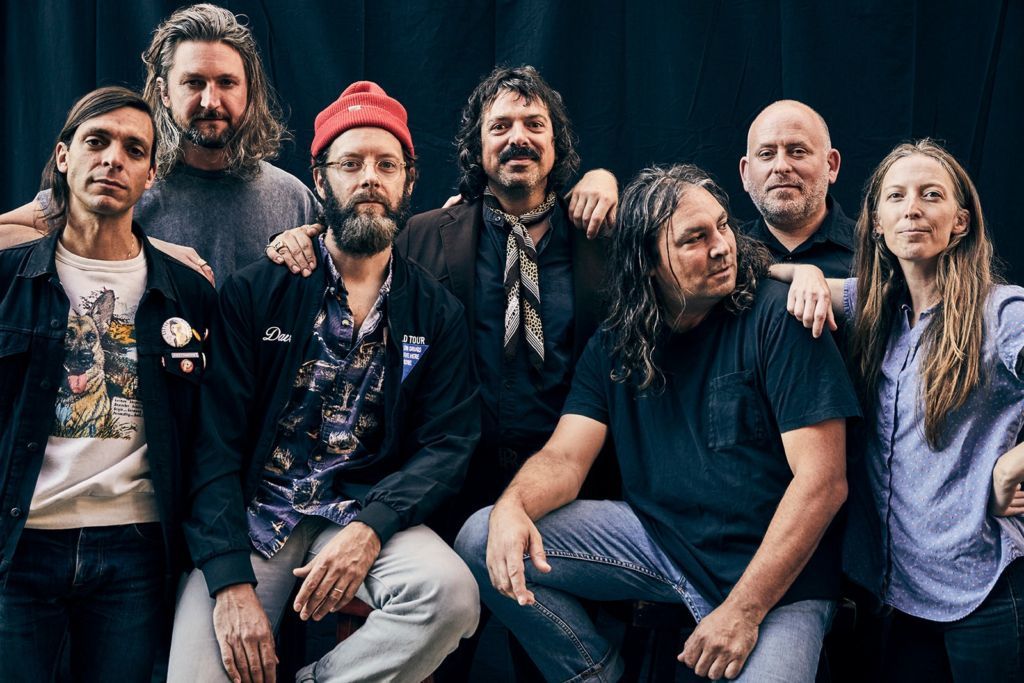
Philly’s The War on Drugs play in Delaware and New Jersey this weekend. Left to right: Anthony LaMarca, Robbie Bennett, Dave Hartley, Charlie Hall, Adam Granduciel, Jon Natchez, and Eliza Hardy Jones.The War On Drugs
Friday and Saturday Sept. 18 and 19
The War on Drugs
The War on Drugs has returned to action with “Who’s That,” the Philly band’s first new song in five years. The Adam Granduciel-fronted septet has a busy weekend. On Friday, it headlines the Queen in Wilmington, with ace Philly instrumental band I Think Like Midnight opening. Then Saturday, it heads to the Jersey Shore for Asbury Park’s Sea.Hear.Now Festival. 8 p.m. Friday, the Queen, 500 N. Market St., Wilmington, thequeenwilmington.com, and at 8 p.m. (doors open at noon) at Sea.Hear.Now on the Asbury Park beach, seahearnowfestival.com
Zach Bryan performs at Lincoln Financial Field in Philadelphia on Tuesday, Aug. 6, 2024. He plays two shows at the Woodland in Dover, Delaware, this weekend.Monica Herndon / Staff Photographer
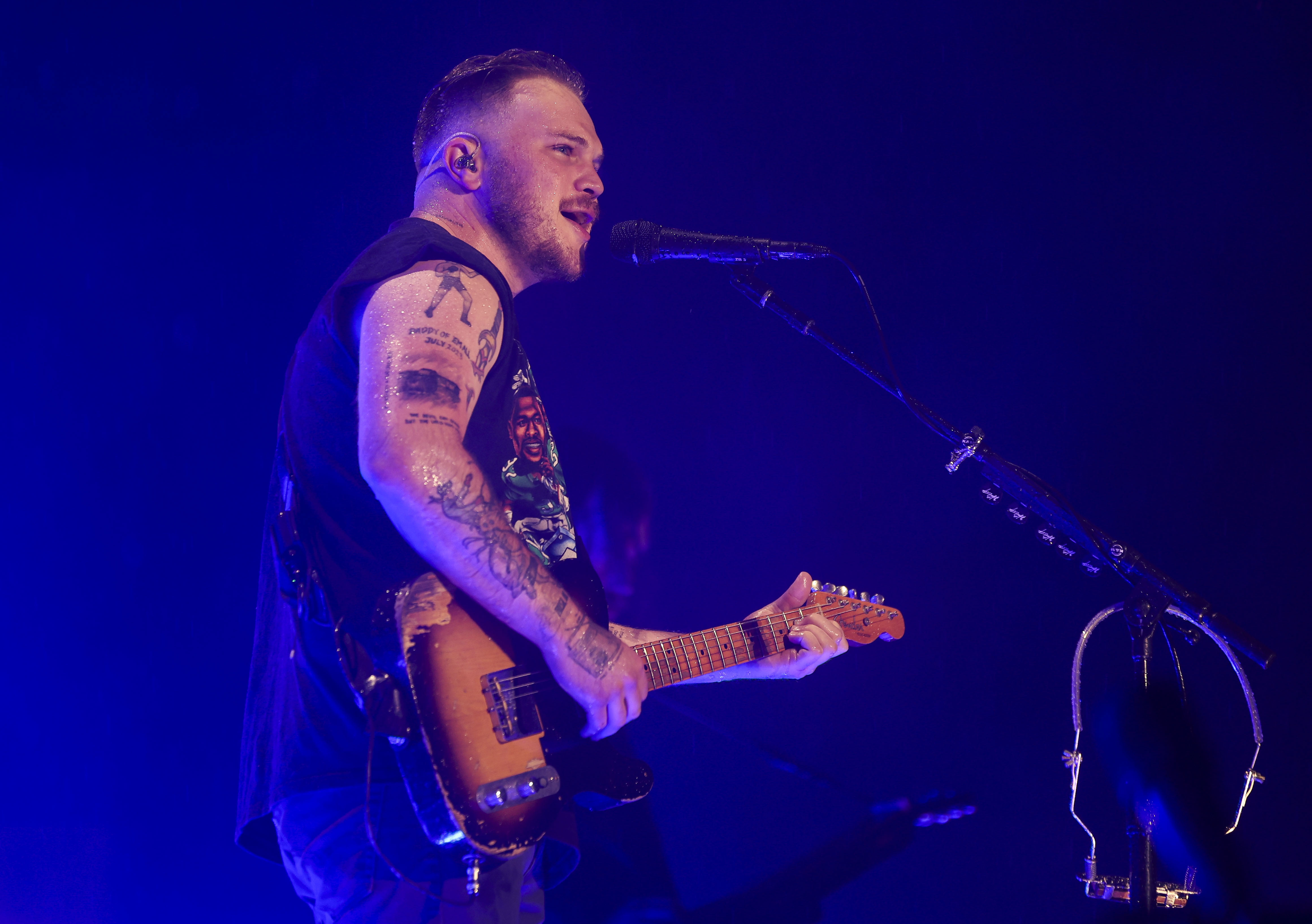
Zach Bryan
After this weekend, the country folk superstar (who was born in Japan, grew up in Oklahoma, and lived in Philadelphia when he was writing most of the songs on his 2024 album, the Great American Bar Scene) can check Delaware off the list of U.S. states that he’s played in.
Touring behind his new album, With Heaven on Top, Bryan is doing two nights at the Woodlands, the bucolic site across Route 1 from Dover Speedway where the Firefly Festival used to happen. On Friday, Kings of Leon, Gabriella Rose, and Fey Fili open. On Saturday, Alabama Shakes takes the Kings’ place. 5 p.m., The Woodlands at Dover Speedway, 1131 N. DuPont Highway, Delaware, zachbryan.com/tour
Devon Gilfillian is playing XPoNential Music Festival at Wiggins Park on the Delaware River waterfront in Camden on Sept. 18-20.Courtesy of the Artist
Friday Sept. 18 to Sunday Sept. 20
XPoNential Music Festival
Back on the Delaware River waterfront in Wiggins Park in Camden, this year’s XPoNential Music Festival presented by Subaru — that’s the official name — kicks off Friday night with Los Angeles brother act Dawes headlining. There’s also a strong local component with Delco soul man Devon Gilfillian, South Jersey jangly quartet Te Vista, and jazz drummer and bandleader Daniel Villareal.
Saturday’s bill is topped by Alaska-born singer John Gourley’s Portugal. The Man, and includes rousing retro-soul band St. Paul & the Broken Bones, Kentucky folk-country songwriter S.G. Goodman, and WXPN 24 Hour Song Challenge winners the Flying Vees. Sunday headliners are 1970s rock band Little Feat, said to be on its final tour, and an impressive under card that includes ReBirth Brass Band, Ratboys, Langhorne Slim, Sierra Hull, Tyler Ballgame, and South Jersey’s Fat Mezz. 4:30 p.m. Friday and Noon on Saturday and Sunday, Wiggins Park, 2 Riverside Park, Camden, xpnfest.com
Avalon Emerson at Fort Mifflin on 2024. She’s return to Making Time Forever this weekend.Making Time
Making Time ∞
David Pianka’s sui generis electronic music-plus fest is in its sixth year at Fort Mifflin, the Revolutionary War-era fort near Philadelphia International Airport.
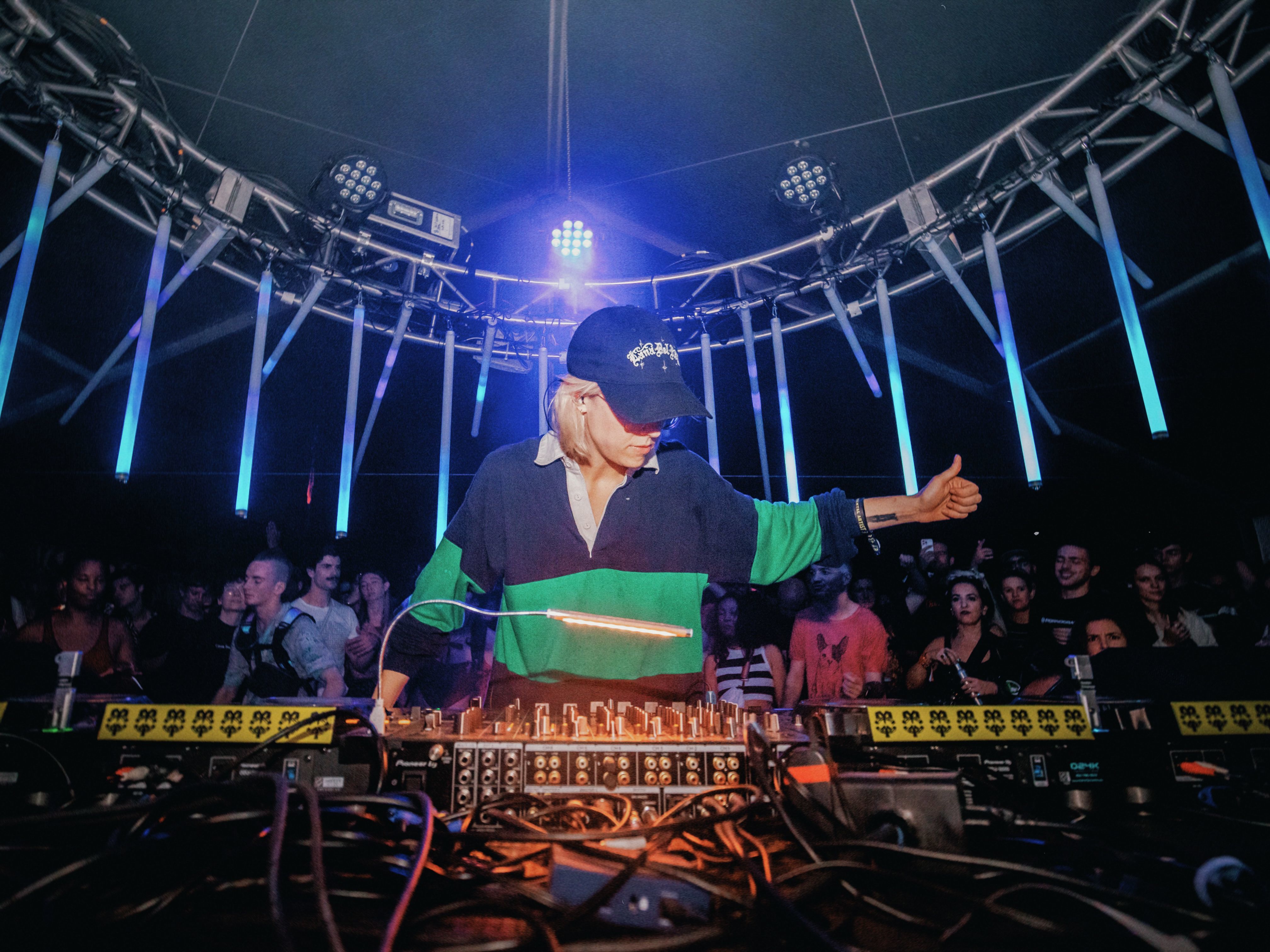
Over 120 acts will perform, mostly DJ-producers like Bicep, Daphni, Skee Mask, and Jewelsea, but also live acts such as Sonic Youth bassist and solo artist Kim Gordon, Philly shoe gazers They Are Gutting a Body of Water, harpist Mary Lattimore and guitarist Jeff Parker, Bolivian American sibling band La Thuthanaka, and Atlas Sound, the project of Deerhunter guitarist Bradford Cox, who will be playing his first show in seven years.
Making Time stands out because it’s small — capped at 3,000 people, with a unique site, trippy KLIP Collective lighting, and a PLURT vibe (that stands for Peace, Love, Unity, Respect, and Transcendence). And the food and drink is unmatched among Philly fests, with vendors including Irwin’s, Dan’s Kitchen, Tabachoy, Two Persons Coffee, A. Kitchen, and Meetinghouse. 1 p.m., Fort Mifflin, 6400 Hog Island Road, off-site parking at ARB Parking, 4700 Island Ave., makingtimeisrad.com
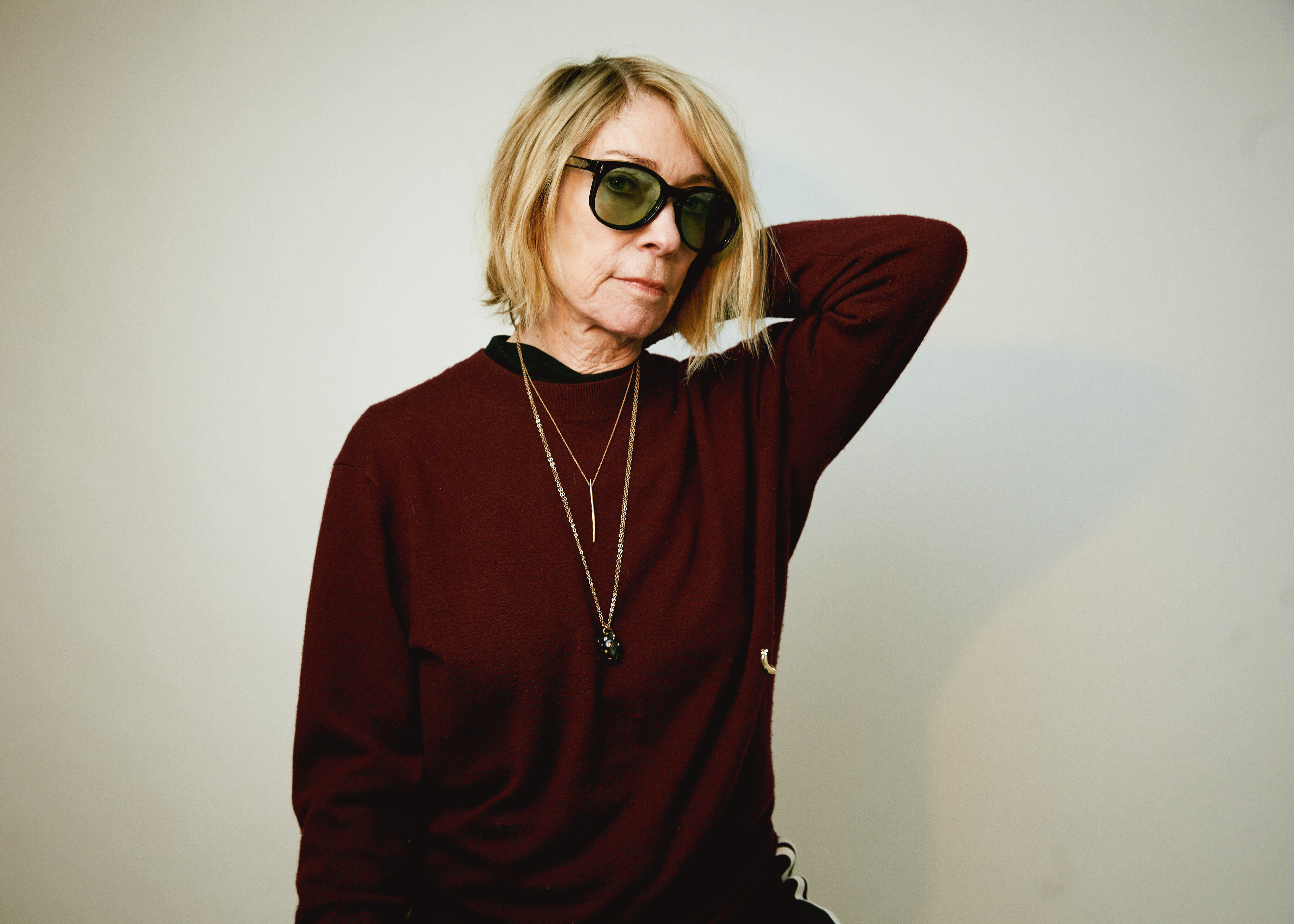
Kim Gordon poses for a portrait on Dec. 9, 2025, in New York. She plays the Making Time festival on Saturday. (Photo by Taylor Jewell/Invision/AP)Taylor Jewell
Saturday Sept. 19
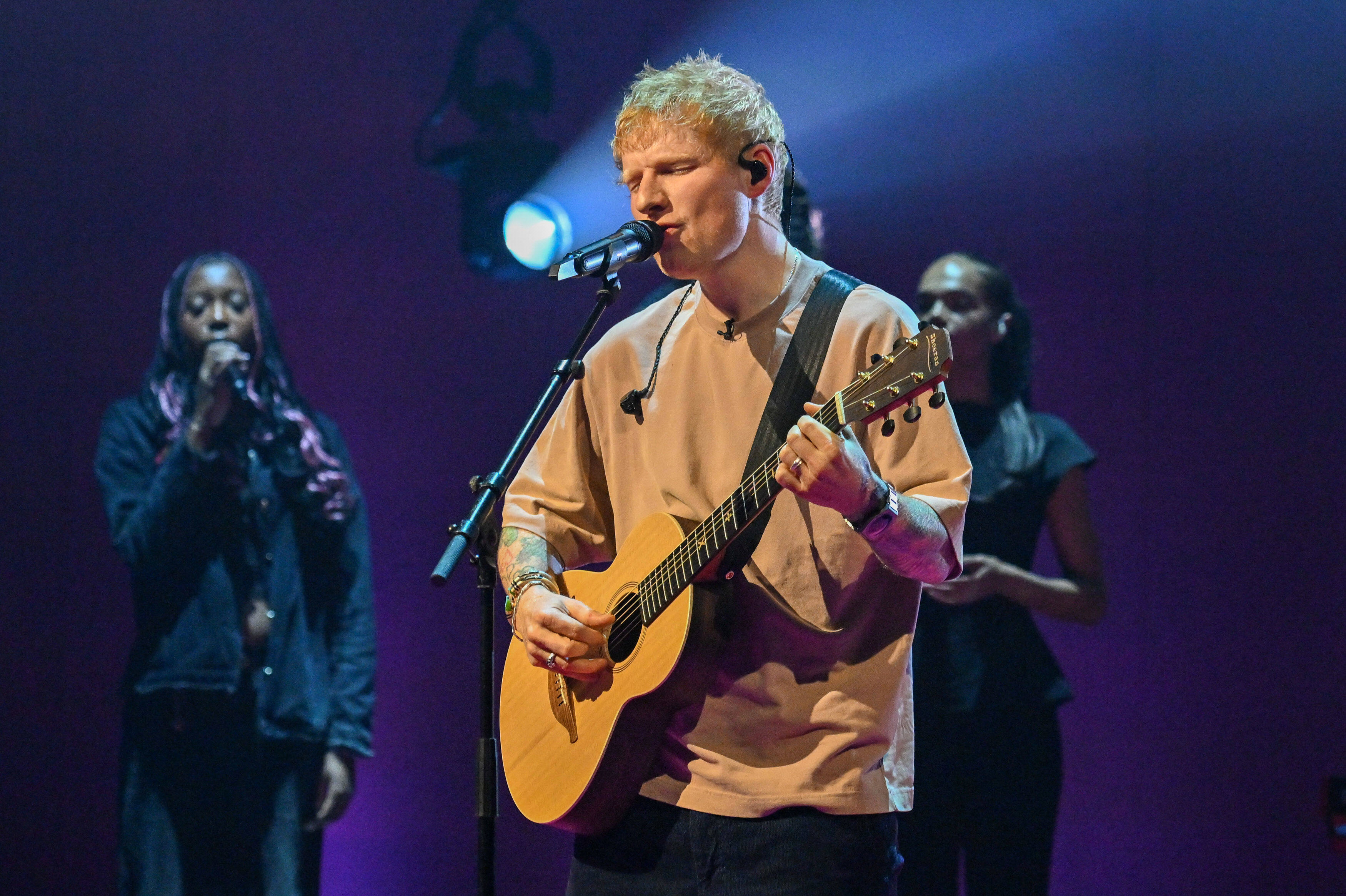
Ed Sheeran
The popular British singer-songwriter is out on his “Loop Tour,” in which he plays solo and builds layered tracks by triggering prerecorded instrumental parts with foot pedals.
The tour is now at the center of free speech and censorship debate after rapper Macklemore was removed from all remaining tour dates, including the South Philly show. This decision came after he performed his 2024 song “Hind’s Hall,” about pro-Palestine demonstrators at Columbia University, at Sept. 4 and 5 concerts at MetLife Stadium in New Jersey, and chanted “Free Palestine,” while a video screen showed footage from the war in Gaza.
Sheeran has said that dropping Macklemore was “the promoter’s decision,” and added that “I do not use my professional platform for politics.”
Previously scheduled openers Lukas Graham, Finneas, and Aaron Rowe have dropped out in solidarity with Macklemore. 5:30 p.m., Lincoln Financial Field, One Lincoln Financial Way, lincolnfinancialfield.com
Pat Metheny
Jazz guitar virtuoso Pat Metheny has won 20 Grammys and by my count, released 55 albums since his 1976 debut. The latest is Side Eye III+, which carries on his Side Eye project of working with younger musicians. For this gig, that includes Chris Fishman on keys, Joe Dyson on drums, bassist Jermaine Paul, and percussionist and vocalist Leonard Patton. 8 p.m., Miller Theater, 250 S. Broad St., ensembleartsphilly.com
Philly songwriter Ron Gallo plays Johnny Brenda’s on Tuesday.Abigail Mueller
Tuesday Sept. 22
Witch & Ron Gallo
Witch is an acronym for “We intend to cause havoc.” The 1970s Zambian psychedelic “Zamrock” band melds African rhythm with the influence of the Rolling Stones and James Brown. Philly good trouble maker Ron Gallo — who in 2025 rolled out a “7AM Songs of Resistance for the internet” series — is the opener. 8 p.m., Johnny Brenda’s, 1201 N. Frankford Ave., johnnybrendas.com
No Philadelphia rock radio station has a richer, more colorful history than WMMR-FM (93.3). And none has showcased more on-air personalities who went on to become Philly institutions.
The station’s beginnings as a progressive rock station date back to 1968 with Dave Herman’s free-form show The Marconi Experiment. In the 1970s, DJs like Ed Sciaky, Michael Tearson, and David Dye helped turned Philly into a stronghold for artists like Bruce Springsteen, Billy Joel, and Yes.
That whole story is told by Erin Riley in The Mighty WMMR: An Oral History of Philadelphia’s Rock Radio Revolution, a new book published by Temple University Press.
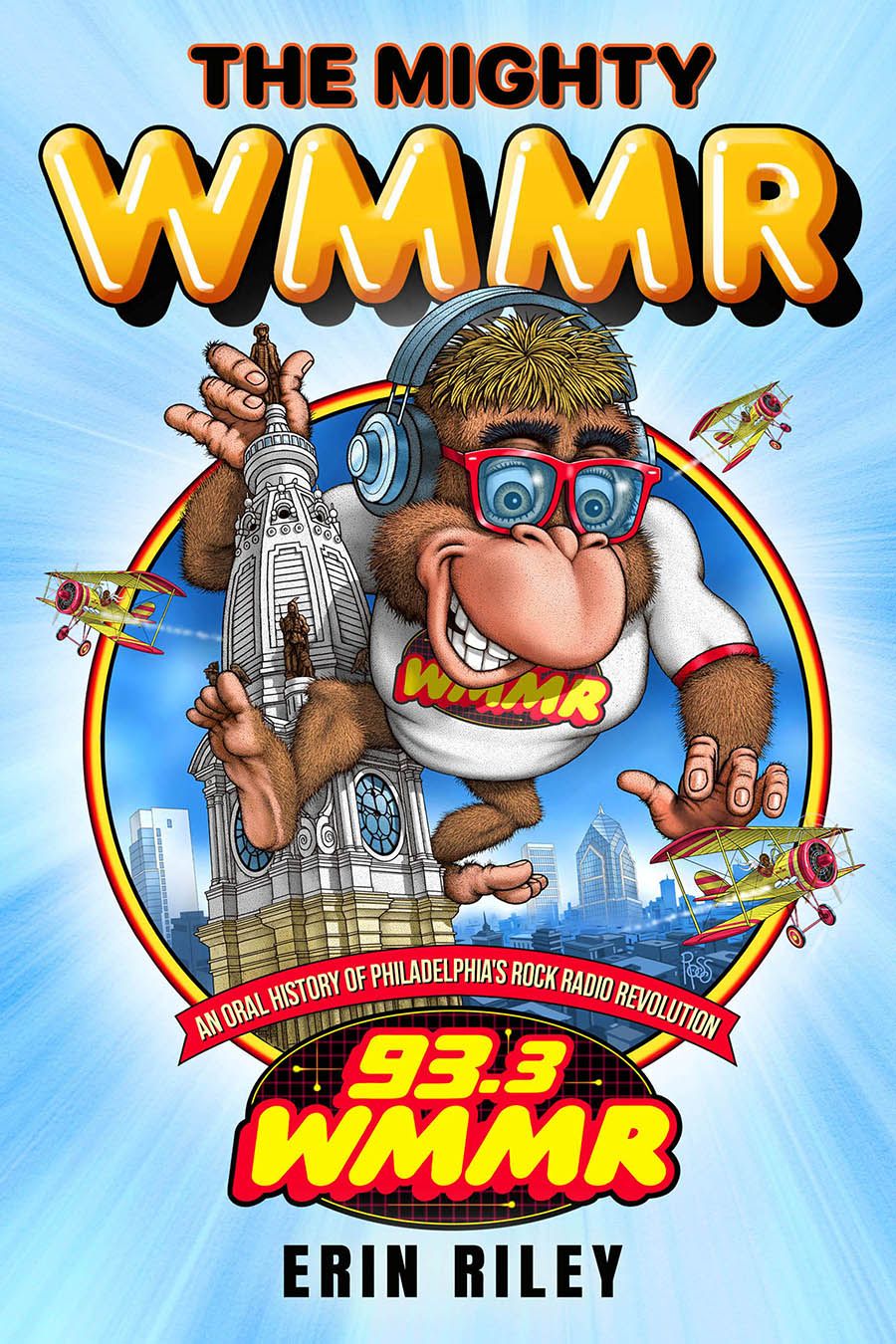
The cover image to Erin Riley’s oral history book “The Mighty WMMR: An Oral History of Philadelphia’s Rock Radio Revolution,” published by Temple University Press. Riley will be in conversation with former WMMR deejay John DeBella at the Parkway Central Library on Tuesday, Sept. 15.Bruce Gore / Scott Ross / Temple University
Riley served as ‘MMR’s music director from 1983 to 1991 and is the author of the memoir A Dark Force: 20 Years with a Covert Narcissist. She gives voice to 60 interview subjects talking about the station that branded itself “the home of rock and roll.”
On Tuesday evening at the Parkway Central Library, Riley will be joined by DeBella, discussing the book and the history of the station.
The book includes DJs and programmers with names known well by longtime Philly radio listeners, such as Cyndy Drue, Lynn Kratz, “Bubba” John Stevens, as well as Mark Goodman, who became one of MTVs original VJs after leaving the station.
Also reminiscing about the station’s glory days are DJs such as former Daily News and Inquirer music writer and WMMR DJ Jonathan Takiff, WMMR and later WYSP-FM (94.1) morning host Anita Gevinson, who, Riley says, came up with the winning idea to tell the station’s story as an anecdote-filled oral history.
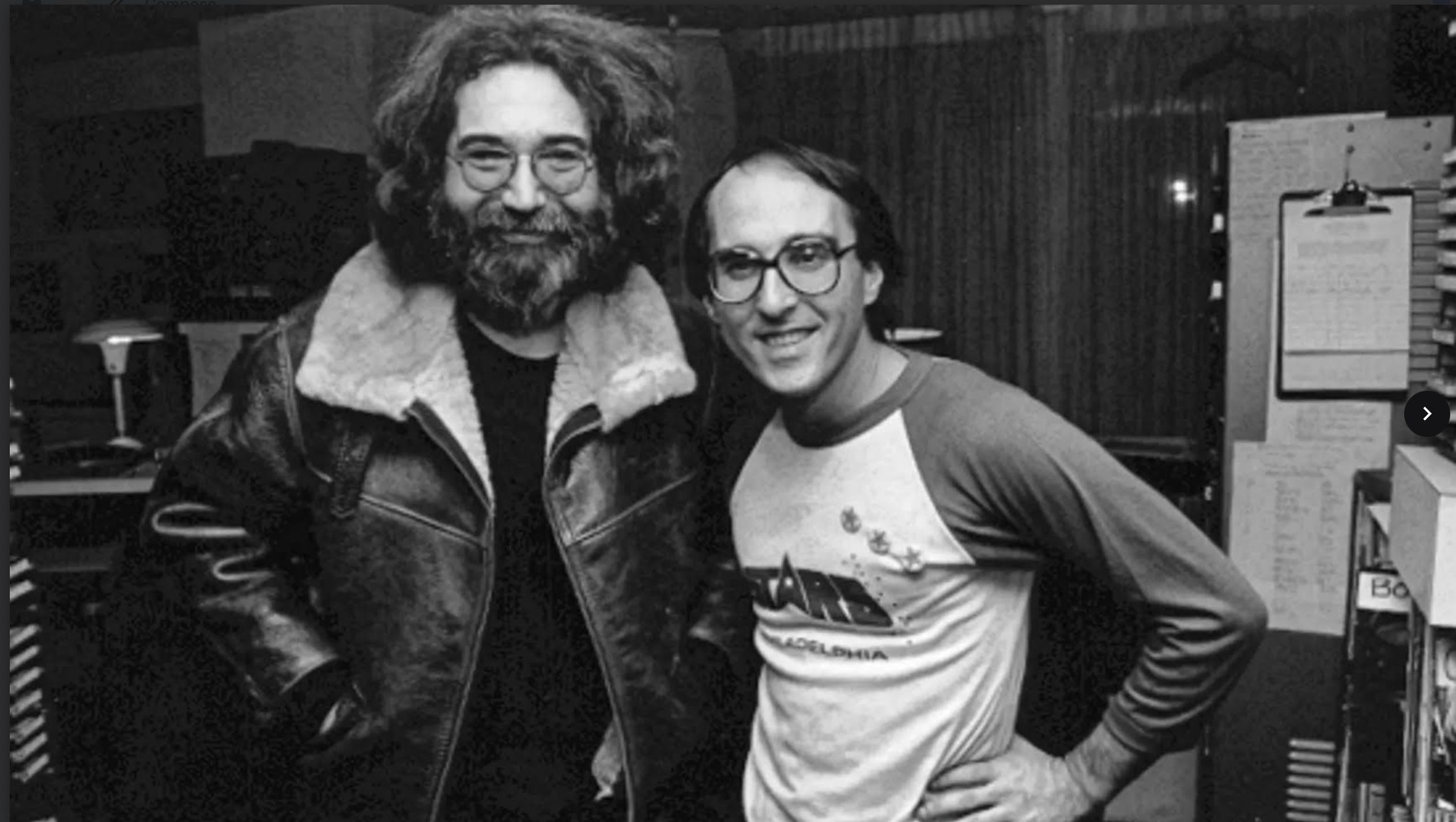
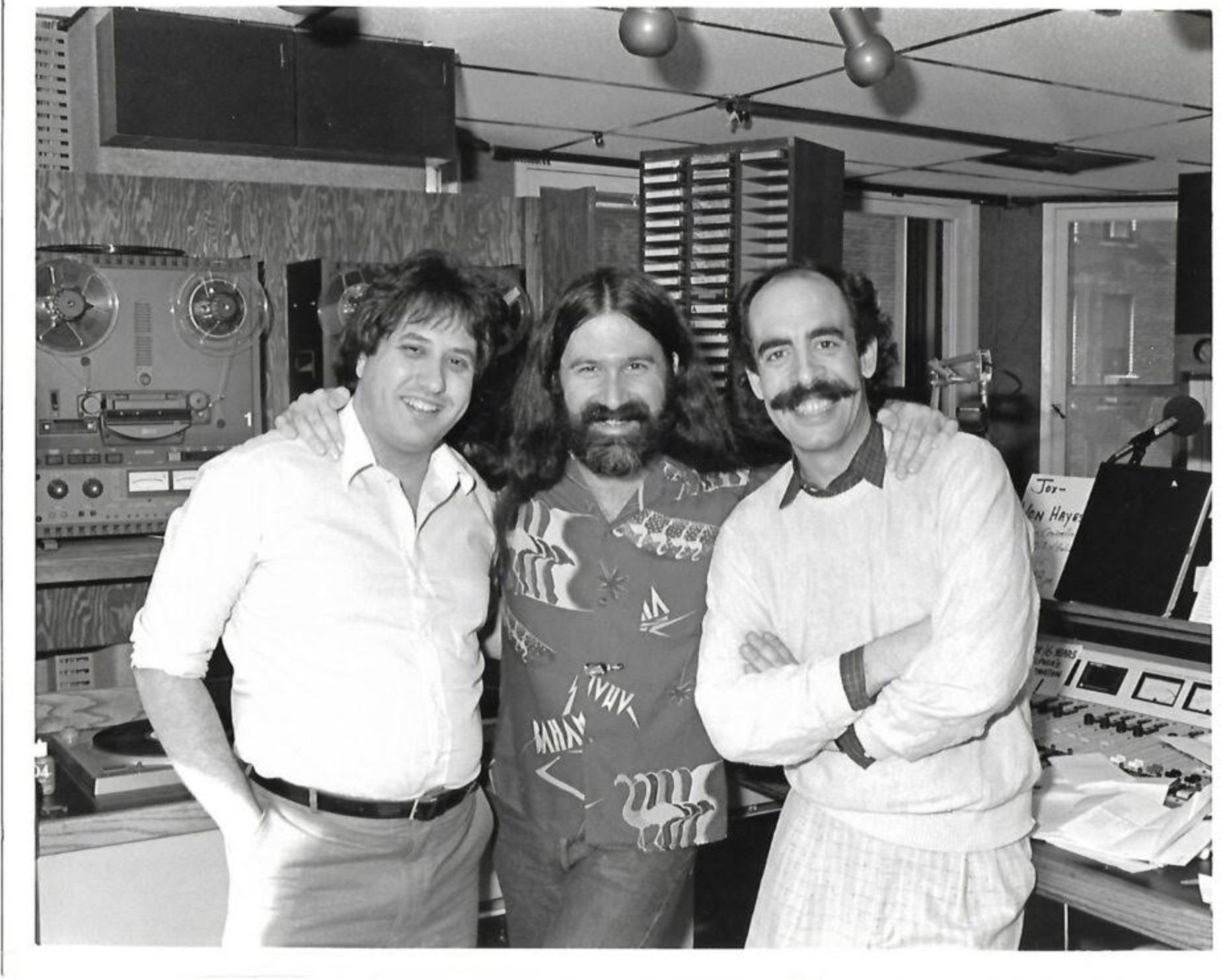
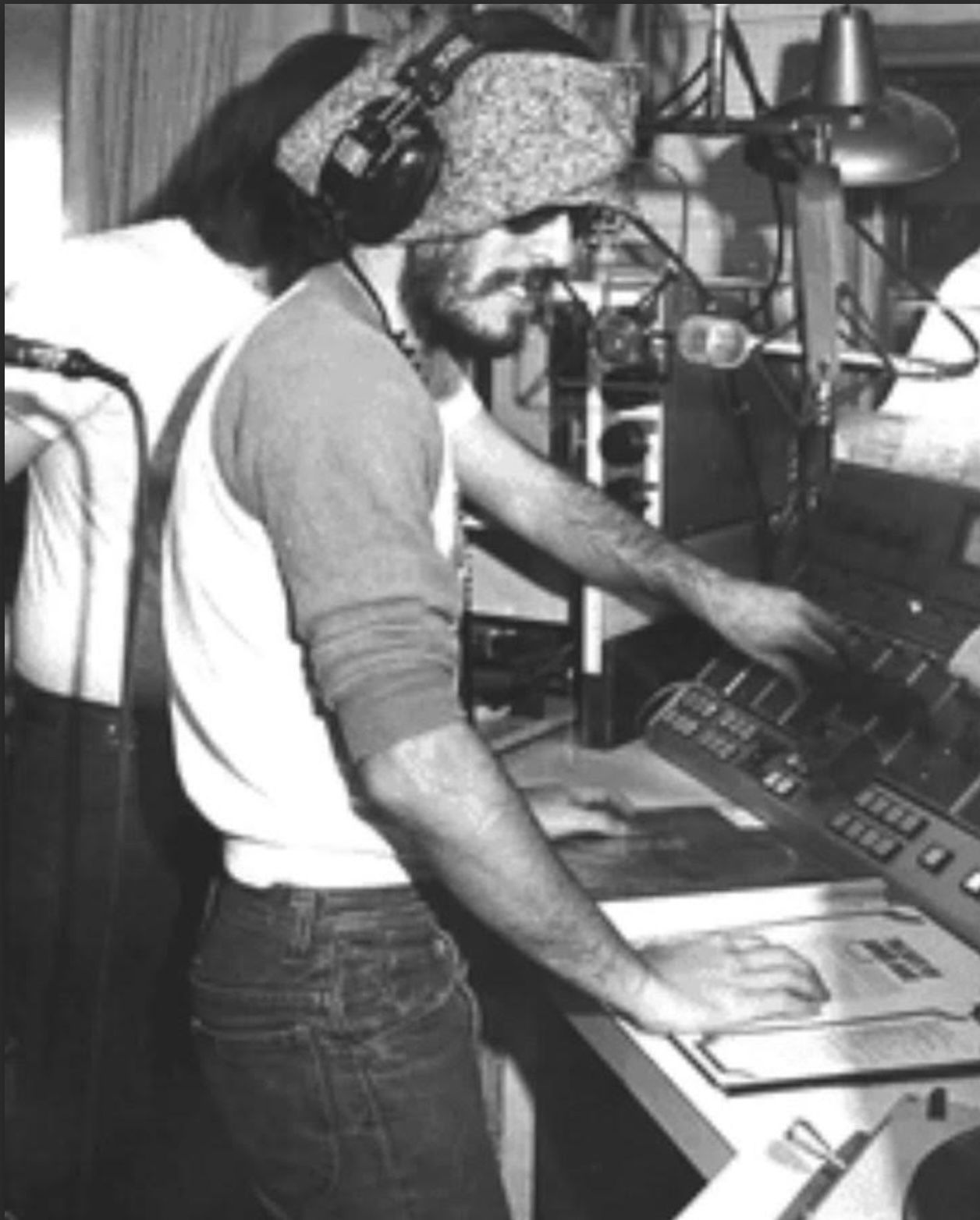
Joe Bonadonna, Pierre Robert, and John DeBella in the Rittenhouse Square studio of WMMR-FM (93.3) in the 1980s. Erin Riley, the former WMMR music director who is the author of “The Mighty WMMR: An Oral History of Philadelphia’s Rock Radio Revolution,” will be in conversation with DeBella at the Parkway Central Library on Tuesday, Sept. 15.Courtesy of WMMR
In the book, Riley writes of her first day of work at the station’s then Rittenhouse Square offices in 1983, when she met Tearson for the first time and he proceeded to immediately roll a joint during their introductory conversation.
“I figured if he’s doing it, no one’s having a problem with this,” she writes.
The Mighty WMMR is a nostalgia fest. Interviewees include artists like Kenn Kweder, Richard Bush of the A’s, and John Eddie telling tales of long gone hot spots like Emerald City, Grendel’s Lair, and Stars, the venue run by Stephen Starr, now a restaurateur but then a club owner and concert promoter.
Eric Bazilian and Rob Hyman of the Hooters tell of how Tearson gave the band its first big break by playing its cover of a Skatalites song on his show Gorilla Theatre.
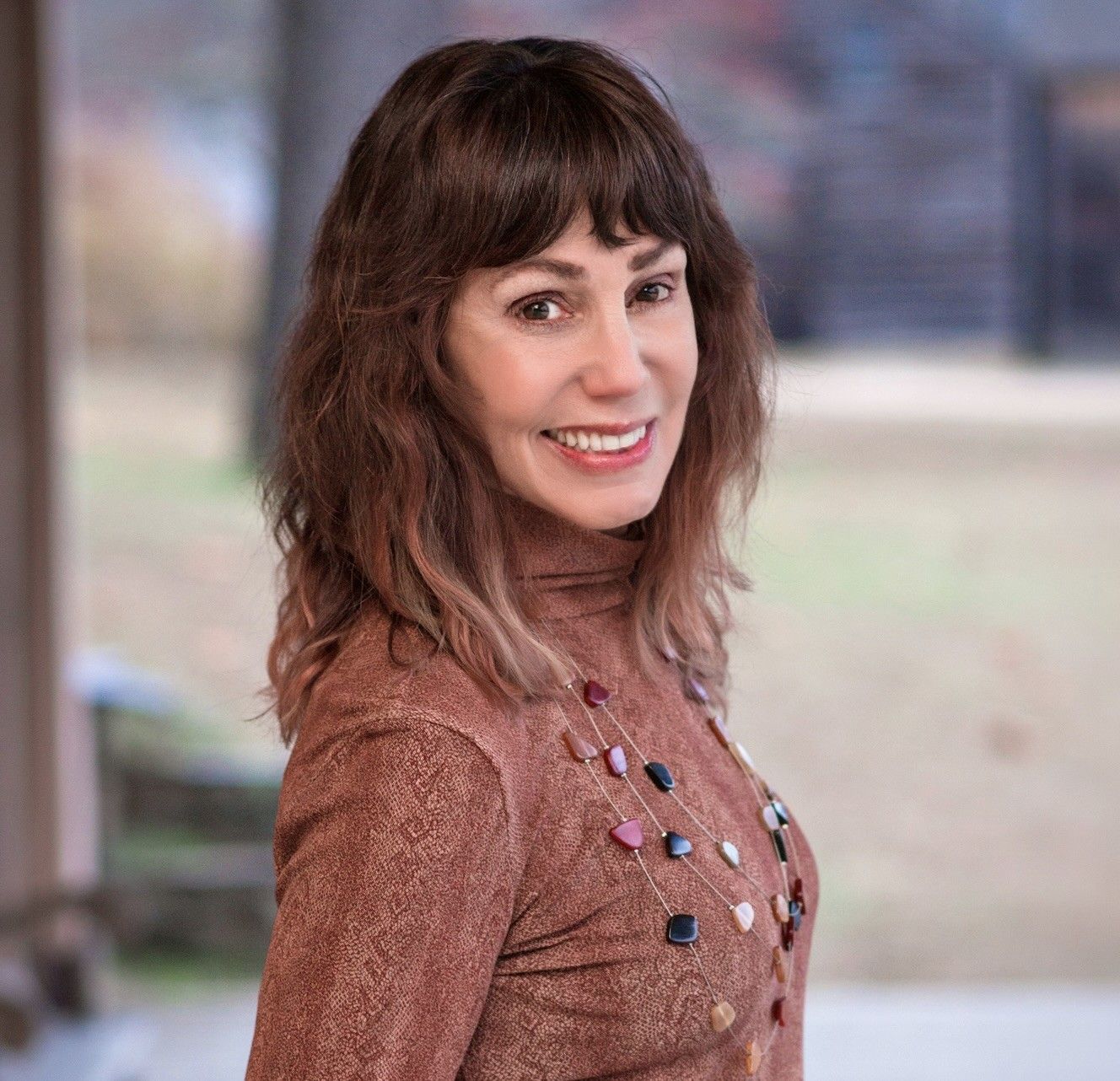
Erin Riley, author of the oral history book “The Mighty WMMR: An Oral History of Philadelphia’s Rock Radio Revolution,” published by Temple University Press. Riley will be in conversation with former WMMR deejay John DeBella at the Parkway Central Library on Tuesday, Sept. 15.Annmarie Young
Judy Sciaky, the widow of Ed Sciaky, who died in 2004, tells of her late husband’s close relationship with Springsteen, who frequently slept on the sofa at the couple’s Lombard Street house during his early 1970s salad days.
WMMR deejay Steve Martorano is one of several who warmly remembers Sciaky, who, he says, “never missed a buffet in his life.”
Springsteen once referred to her husband as “Hungry Ed” in an onstage monologue, Judy Sciaky remembers. The Boss also had a jacket made for the DJ with that nickname stitched on. She adds that Manfred Mann’s hit version of “Blinded By the Light” resulted from Sciaky introducing the band to Springsteen’s song.
Sciaky’s support for artists like Springsteen, Joel, and Warren Zevon is legendary.
“Ed was there first. He believed first, committed to them, and did what he did,” program director Charlie Kendall recalls in the book. But did Sciaky play Greetings From Asbury Park, N.J., Springsteen’s debut album, first?
No, Riley clarifies. That was Tearson, followed by Takiff the same night.
Dye, who later was the founding host of World Cafe on WXPN-FM (88.5), where his Dave’s World airs on Sunday mornings, concurs with the timeline, though Springsteen himself misremembers it in his Born to Run memoir and name-checks Dye in a chapter titled “A DJ saved my life.”
Bruce Springsteen guest DJing in WMMR’s Rittenhouse Square studios in the 1970s. Erin Riley, the former WMMR music director who is the author of “The Mighty WMMR: An Oral History of Philadelphia’s Rock Radio Revolution,” will be in conversation with John DeBella at the Parkway Central Library on Tuesday, Sept. 15.Courtesy of WMMR
Gene Shay, the late Folk Show host who made his home at ‘MMR in the early 1970s, is paid tribute to as well. As is Robert, who came to ‘MMR in 1982 and briefly worked as an assistant music director.
Joe Bonadonna, who hired him, recalls that as an assistant MD, Robert “was terrible.”
“He was so disorganized. … when he started to do part time-work on the air, it just became a natural progression for him. He was not an analytical brain, he was more of an artsy character.”
Robert, who died in October 2025, will be celebrated by David Uosikkinen’s In the Pocket during the Philly all-star band’s In the Pocket at Ardmore Music Hall on Sept. 26.
Erin Riley in conversation with John DeBella plus special guests at 7 p.m. Tuesday, Sept. 15 at Parkway Central Library, 1901 Vine St. Free. Books will be available for purchase. freelibrary.org.
Charli XCX spent over a decade in the electro pop trenches before suddenly blowing up big time in the Brat summer of 2024.
So it’s not a surprise that the British singer, who said “all of my albums work in opposites” and “repel against each other,” would react to long-time-in-coming viral success with a stylistic about-face and pause for self-reflection.
The result is her new album Music, Fashion, Film, which gives its name to the tour that launched at Xfinity Mobile Arena in South Philadelphia on Friday with a hyperkinetic performance in front of a deliriously excitable opening-night crowd.
On its surface, the Music, Fashion, Film album appears to be a turn away from the Dionysian “Club Classics” culture of its predecessor into something more serious-minded and self-consciously mature.
The image on the album cover — and on the $50 T-shirts selling on the concourse — is not of the trendsetting pop star, but a group shot of three titans in their fields — Velvet Underground cofounder John Cale, fashion designer Marc Jacobs, and movie director Martin Scorsese.
Instead of the neon green that lit up Brat summer, the cover shot — and all Music, Fashion, Film imagery — is in black and white.
The album’s lead track, “Rock Music,” which she opened with Friday, Charli, 34, appears to be putting club culture in her rear view.
“Me and my friends,” she sings. “Yeah, we’re on to the next. I think the dance floor is dead / So now we’re making … Rock Music.”
And truth be told, she is — some of the time.
For most of the first and last thirds of the 100-minute show — which included 29 songs, with the briefest of breaks for exhortations like “Philly, this is the Music, Fashion, Film tour, are you [expletive] with me!” — she was accompanied by a three-piece band that included Morrisville, Pa., native Chris Greatti on guitar.
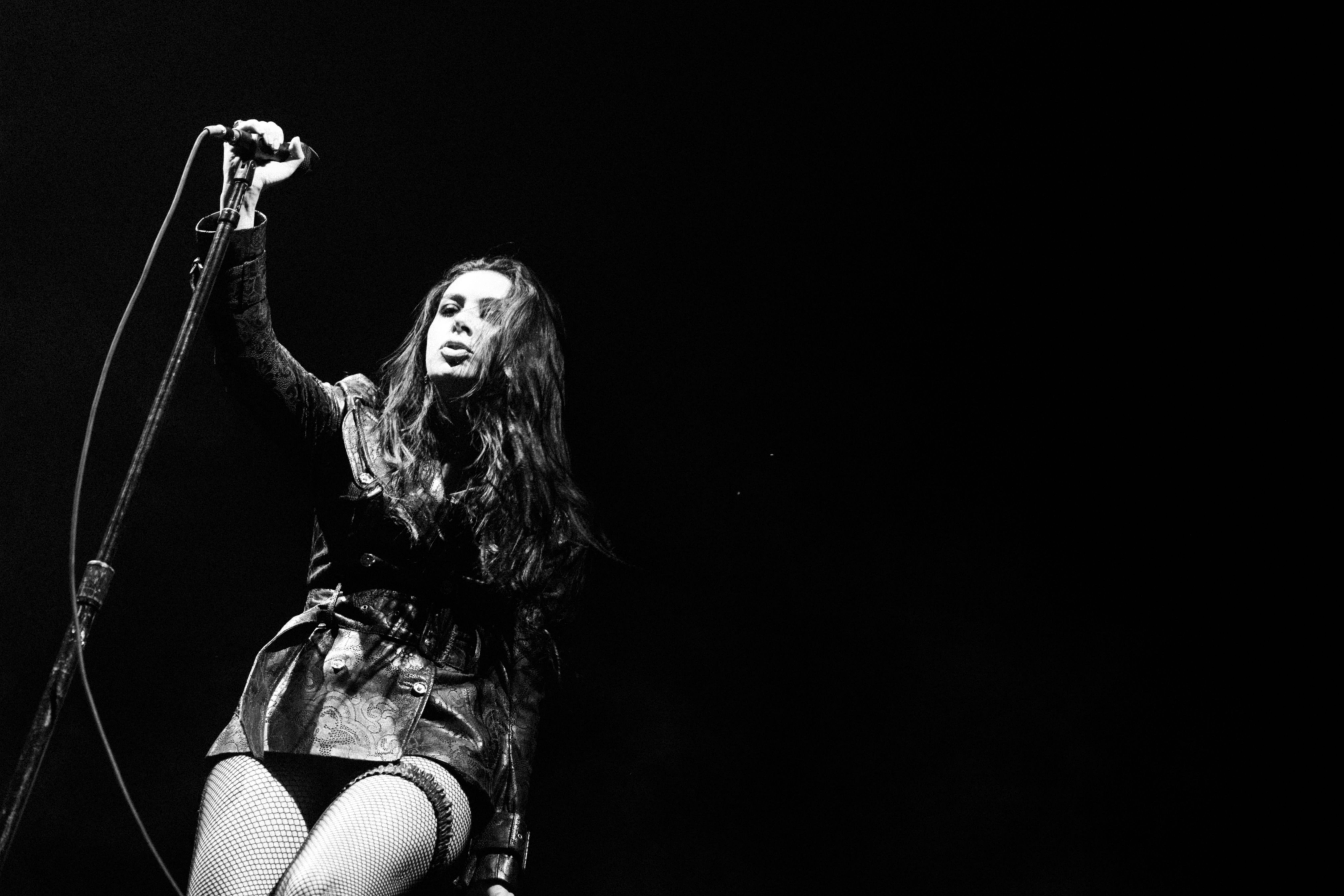
Charli XCX at the Leeds Festival in England in August. The British pop star opened her “Music, Fashion, Film” tour at Xfinity Mobile Arena in South Philadelphia on Friday night.Courtesy of the Artist
Music, Fashion, Film songs like “Wink, Wink,” “Persona,” and “2007” kicked into gear with overdriven guitars and hyper-pop-processed production that upped the adrenaline level.
And Charli — whose given name is Aitchison and whose stage name comes from a teenage online screen moniker meaning “Kiss Charli Kiss “ — fully embraced the rock aesthetic, striking poses that made her look like an Italian neorealist film star in the black-and-white image on the video screens.
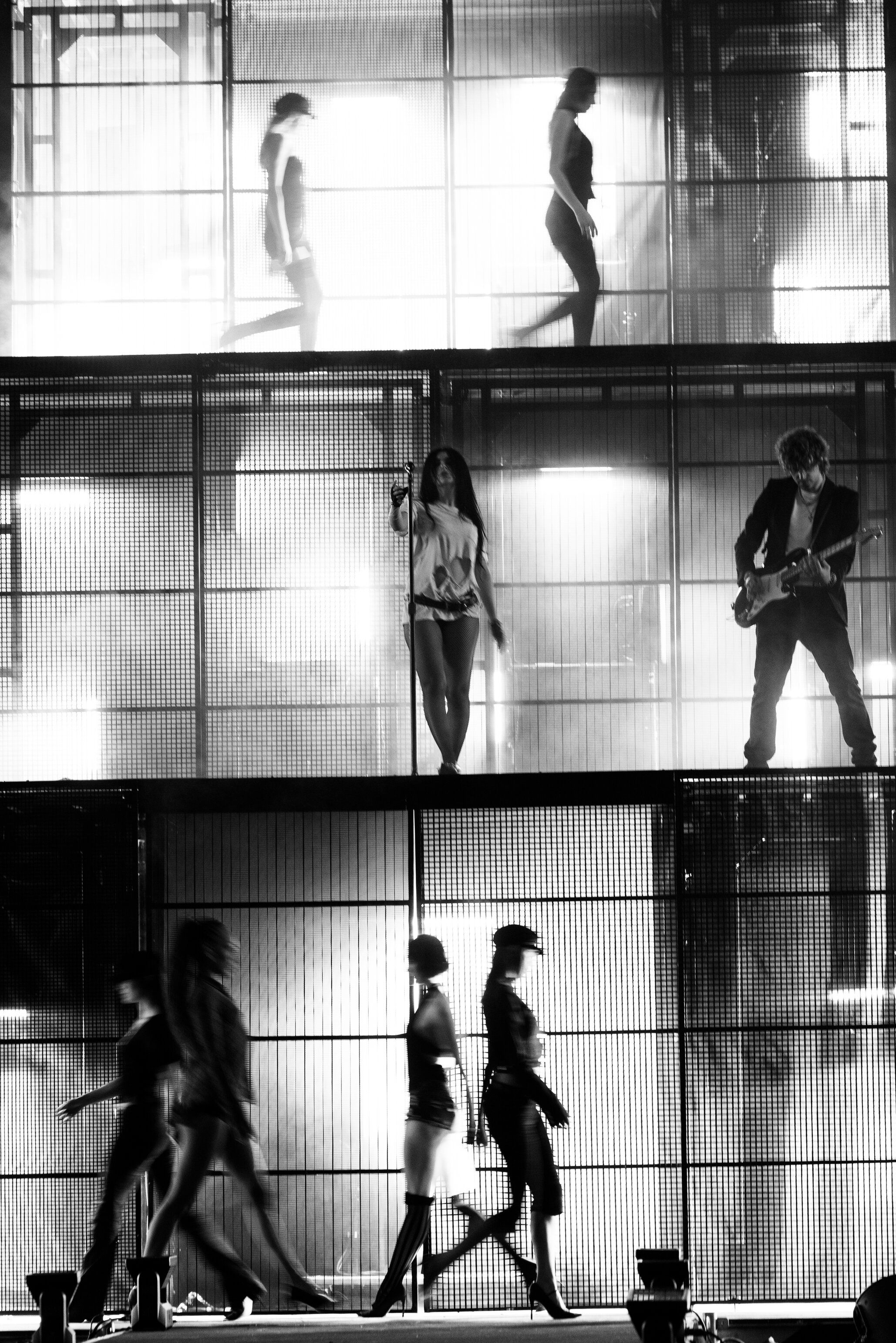
But for all of their brash rock and roll presentation on a three-tiered stage topped by a facsimile of a smoke-emitting giant speaker — and no shortage of pyro going off throughout the show — the Music, Fashion, Film songs are actually introspective and soul-searching.
Not in a navel-gazing, overly earnest way though. Charli XCX couldn’t bore you with self-pitying clichés about the perils of pop stardom if she tried.
Instead, she’s droll and sharply observant and self-aware about a lack of fulfillment from fame. Along with Cale, whose recorded voice was heard on Friday from their collaboration on “House,” from the Wuthering Heights soundtrack released this year, Charli is a also a super fan of his Velvets bandmate Lou Reed.
And several Music Fashion, Film songs display a deadpan dark wit that show she has more in common with Reed than an appreciation for black leather.
Most amusing was “Card Declined,” a song about the failure of retail therapy to come through and transform your essential self when you need it most. “Let’s go shopping,” she sang on Friday. “I’ll buy a handbag. I’ll buy some shoes … a personality, a whole backstory … Card declined.”
Equally astute and self aware were “Persona,” “Wink, Wink” — in which she vowed ”I’m not a bad girl anymore, I promise” — and “Camera,” about being addicted to growing up in public, to a dangerous degree.
Charli played 13 songs from Music Fashion, Film, and included a few older cuts, such as “Party 4 U,” from 2020’s How I’m Feeling Now and the title song from her 2014 EP Vroom, Vroom.
And the surprise of the evening was “Stay Away,” pulled from True Romance, the debut album that brought her to Philadelphia for her first-ever U.S. performance at a Making Time party at Voyeur in the Gayborhood in 2012.
In the lead up to Friday’s show, Charli gave fans fashion tips on social media, saying the dress code is “whatever you want but if you want to commit I’d just get an old T-shirt and rip it to shreds and wear that.”
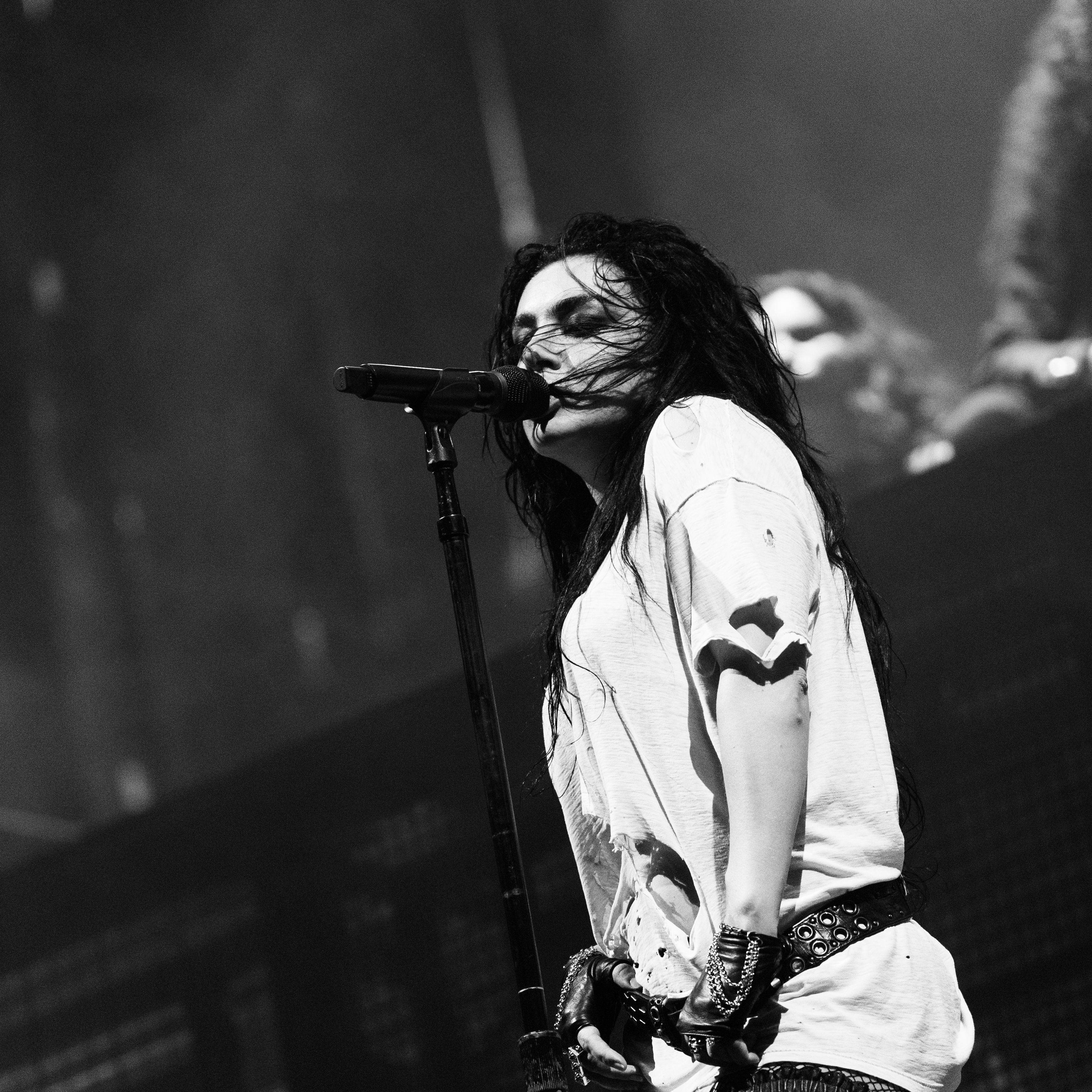
Charli XCX at the Lollapalooza in Chicago in July. The British pop star opened her ‘Music, Fashion, Film’ tour at the Xfinity Mobile Arena in South Philadelphia on Friday night.Courtesy of the Artist
Many women, men, girls and boys took heed, usually pairing the distressed garment with something black leathery, and most leaving Brat gear at home.
The songs from the new album carried the existential theme. Though to be honest, they were delivered with so much energy that the buzz in the room never let up.
But the unadulterated partying — and the shrieks of delight and singing along to every single lyric — really cut loose on the Brat songs that made up the meat in the middle of the show. With the band mostly out of sight, bass-heavy beats thumped as the general admission dance floor pulsated.
Like a boss, Charli prowled the catwalk and writhed on the ground. She was followed around by a coterie of what I counted as 14 associates, who were more like fashion-model voguers than dancers.
It was difficult to tell how many people were onstage at any one time because flashing strobes seemed to go off every millisecond. The group of planning-ahead fans next to me were better prepared than I, having arrived with Charli-esque sunglasses to wear when necessary.
The show got back to existential business at the end. First, with “SS26,” a lovely pop song with a sobering point of view that cast doubt on art’s ability to make a difference.
“Spring, Summer, ’26, when the world is gonna end, no hope for any of it,” she sang. “We’re walking on a runway that goes straight to hell, nothing’s gonna save us, not music, fashion, or film.”
That was followed by the closing, “No One Lasts Forever,” which also closes the album. It’s a song about seizing the day and embracing the here and now, ‘’cause nothing gonna last forever.”
On Friday, Charli put that point across musically as an inviting pop rock song. But then, as on the album, she handed off the mic to the voice of Canadian director David Cronenberg, recorded in conversation with her.
As a trancelike beat throbbed behind him, and Charli and dancers posed motionless on the elevated stage, Cronenberg spoke about how art can live forever, but artists can’t.
When everybody’s time is up — including the pop star being celebrated in that very arena on Friday — Cronenberg’s looped voice repeated 27 times, “They are dead, they are gone, no one lasts forever.”
And what that translates to — he and Charli were arguing — is the artistic license to be inspired and create in the moments that we’re here. That thought was boiled down to three words “Oblivion is Freedom,” which were spelled out on the video screens, and also on a T-shirt sold at the merch table.
Only 76 songs to encapsulate the history of the boundlessly rich and impossibly varied sound of Philadelphia?
That wasn’t nearly enough.
Earlier this year, in time for the approaching Philly 250 celebration of the nation’s Semiquincentennial, and with the help of my classical music colleague Peter Dobrin, I compiled a list of 76 songs made in the city — or about the city, or by people from the city or region — that are essentially Philadelphian.
I’m not complaining. It was fun and sent me on journeys of discovery to learn stuff I didn’t know about the bottomless depth of Philly soul, the city’s enthralling jazz history, or the range of indie rock that’s become a calling card this century.
But list-making is a difficult, fraught process, and I made lots of choices that I immediately had second thoughts about. Like cutting Grover Washington Jr. to make way for the Trammps, or leaving Sister Sledge or Jazmine Sullivan or personal favorites like Go To Blazes off the list. Or including the Soul Survivors’ “Expressway To Your Heart” but leaving “I-76” by G. Love & Special Sauce parked on the side of the road.
Were those stupid decisions? Possibly. So this list that follows — 25 more essential songs of Philadelphia — is a chance to make room for those shoulda-coulda selections and bring the total number up to a more reasonable 101. Which, quite frankly, will still be an inadequate number for any true Philly music lover.
Some ground rules: Artists who were included in the original 76 were ineligible this time. So while the initial list featured the O’Jays’ “Back Stabbers,” I ruled out another undeniably iconic O’Jays song, “For the Love of Money,” to make way for other artists.
And I didn’t consider holiday songs, which belong in a separate category. So apologies to the Philly Specials’ “Fairytale of Philadelphia” and Alan Mann’s “Christmas on the Block.”
Also, these songs are numbered in reverse, but I thought of them more as a playlist than a worst-to-first ranking. They’re all worthy additions to the original 76.
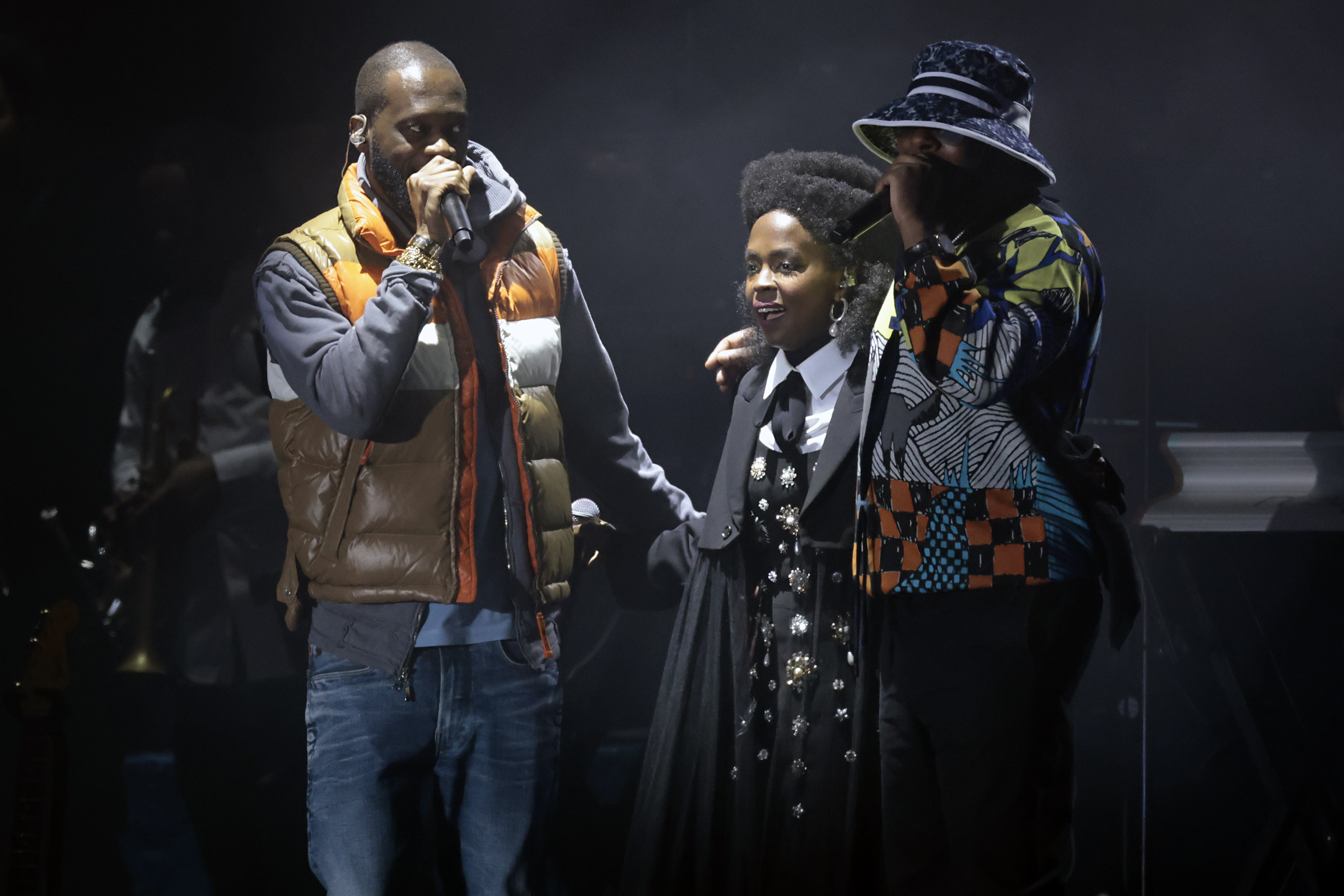
The Fugees reunite as Lauryn Hill (middle) is joined by Pras Michel (left) and Wyclef Jean during the Roots Picnic Philadelphia at the Mann in Fairmount Park on June 3, 2023.Elizabeth Robertson / Staff Photographer
25. The Fugees, “Ready or Not”
The Fugees are not a Philly band — they’re from Haiti and North Jersey. But the hip-hop trio of Lauryn Hill, Wyclef Jean, and Pras Michel recorded for Ruffhouse Records, the Conshohocken label founded by Chris Schwartz and Joe “The Butcher” Nicolo, which also released Hill’s 1998 album The Miseducation of Lauryn Hill, as well as albums by Cypress Hill, Kris Kross, and Ben Arnold. “Ready or Not,” from the Fugees’ 1996 album The Score, represents Ruffhouse because its chorus is based on a Philly soul classic, the Delfonics’ “Ready or Not Here I Come (Can’t Hide From Love),” written by William Hart and Thom Bell.
24. Mark Knopfler, “Sailing To Philadelphia”
“Sailing to Philadelphia” is a song about surveyors. Dire Straits leader Mark Knopfler was making his way through Thomas Pynchon’s 1997 novel Mason & Dixon, about Charles Mason and Jeremiah Dixon, the Englishmen who drew the boundary line that became recognized as the United States’ free states and slave states when he wrote what he once called a “two-minute take on a two-ton book.” (The lovely narrative ballad, which is a duet with James Taylor and the title cut of Knopfler’s 2000 album, is actually five and a half minutes long.)
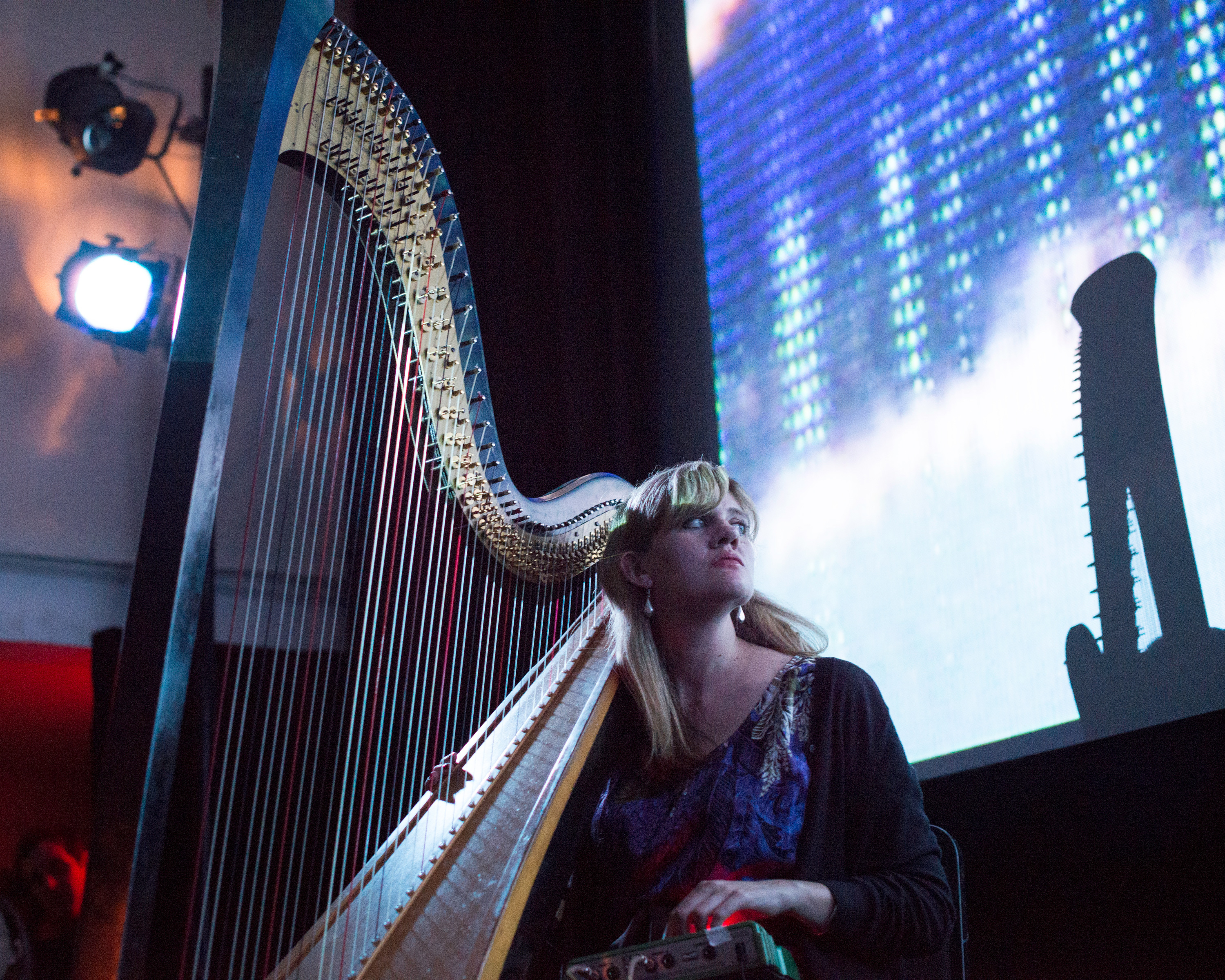
Indie rock harpist and “Wawa By the Ocean” composer Mary Lattimore. Scott Troyan
23. Mary Lattimore, “Wawa by the Ocean”
Philly’s favorite convenience store and the Jersey Shore, all in one song title? Indie rock harpist Mary Lattimore’s sparkling, transporting instrumental was inspired by a Wawa steps away from the beach on Long Beach Island.
22. The Wonder Years, “Came Out Swinging”
The lead track from the Lansdale-born band the Wonder Years’ 2011 album Suburbia I’ve Given You All and Now I’m Nothing reps Philadelphia’s central role in this century’s pop-punk and emo scene, which includes bands like Modern Baseball, Algernon Cadwallader, and Marietta.
Singer Dan “Soupy” Campbell is frank about struggling with his mental health on the song’s coda, repeated three times: “I came out swinging from a South Philly basement, caked in stale beer and sweat under half-lit fluorescents,” Campbell sings (and shouts). “And I spent the winter writing songs about getting better, well, if I’m being honest, I’m getting there.”
21. Clap Your Hands Say Yeah, “The Skin Of My Yellow Country Teeth”
To be honest, I didn’t like this song by the Philly band led by Alec Ounsworth when it came out in 2005. There’s the unappealing title, and I never understood the Talking Heads comparisons, other than a vocal similarity to David Byrne.
But with its driving, hypnotic rhythm, it’s aged well and is a great example of a Philly band at the center of a moment in music history. It’s a “blog-rock” success story from a time when the internet seemed like a wide-open, not malignant place. Bands like CYHSY could make their music available for free download on MP3 blogs and create a buzz that spread like wildfire, resulting in a career still going strong two decades later. Those were the days.
20. Go To Blazes, “New Morning Sun”
Hard-hitting Philly roots-rockers Go To Blazes made a series of bruising blues- and country-infused albums in the 1990s, each one marked by high-quality songwriting by singer Ted Warren and guitarist Tom Heyman that, in retrospect, was ahead of the Americana boom to come. This swaggering song from 1996’s Eric “Roscoe” Ambel-produced Waiting Around for the Crash faces the day after a restless night: “I can’t sleep, for the things I know I had done.”
19. Phyllis Hyman, “Old Friend”
Written by 2026 Rock & Roll Hall of Fame inductee Linda Creed — who died of cancer months before the song’s 1986 release — “Old Friend” is a melancholy ballad by the statuesque Philly soul singer on her first album for Philadelphia International Records. A modest hit, it became a sentimental fan favorite, particularly after Hyman’s death in 1995 at age 45.
18. Bill Haley & His Comets, “Rock Around The Clock”
With his kiss curl and clean-cut image, Bill Haley presented as more palatable to middle America than subversive 1950s sorts like Elvis Presley, Little Richard, and Chuck Berry. But that doesn’t mean Haley didn’t have a sizable pop-cultural impact. With 1954’s “Rock Around The Clock,” which was written by Max C. Freedman and James E. Myers, the singer and bandleader who transitioned from Western swing to rock and roll and grew up in Boothwyn in Delaware County, scored the first rock-and-roll song to top the pop charts in both the U.S. and the U.K.
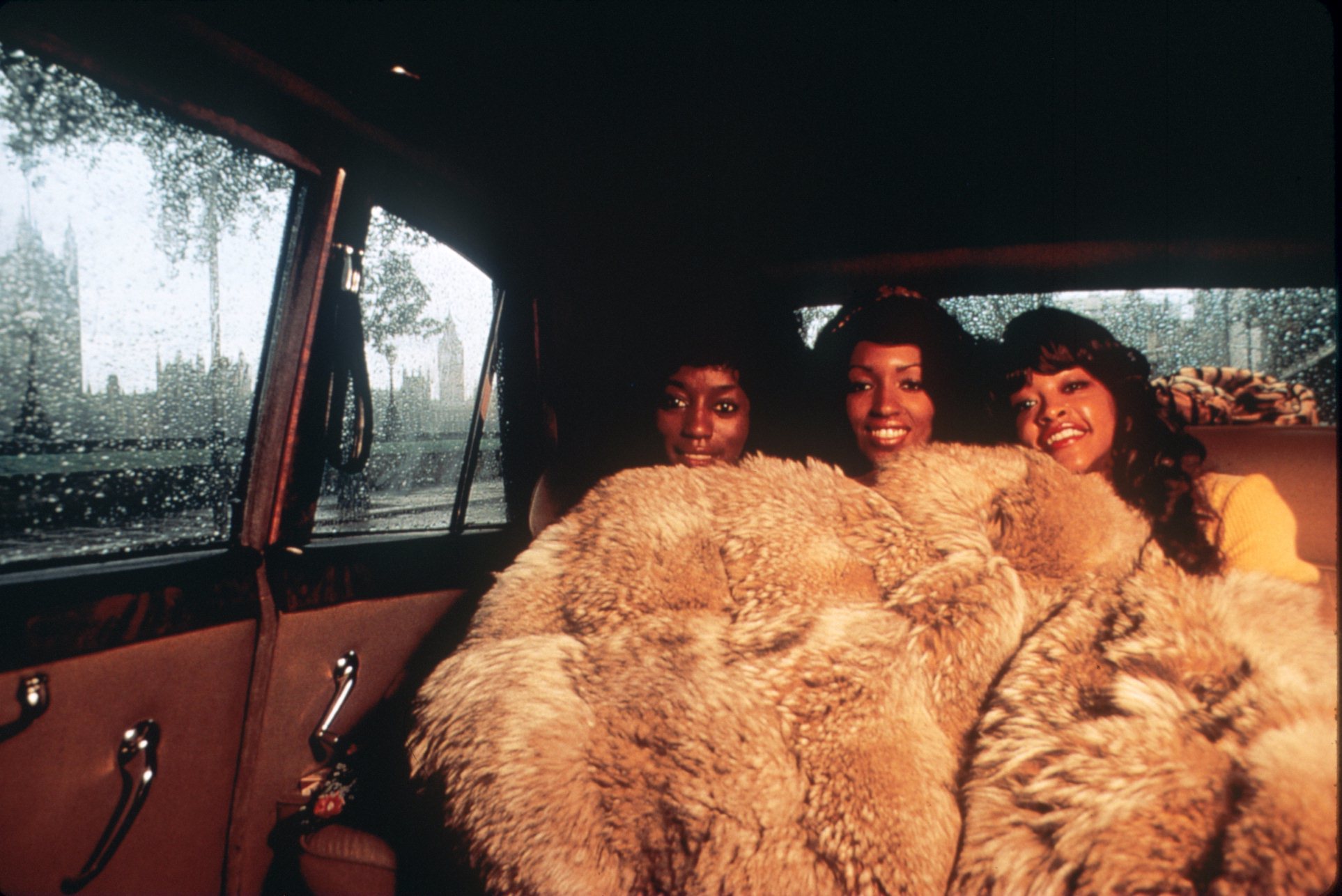
The Three Degrees.Courtesy of the artist
17. The Three Degrees, “When Will I See You Again”
My first exposure to this Gamble and Huff composition with a lead vocal by Sheila Ferguson and support from Fayette Pinkney and Valerie Holiday came from an episode of the 1970s sitcom Sanford and Son in which the Philly soul vocal trio guest-starred as themselves. Another fun fact: In the ‘70s, the Three Degrees were the favorite group of the now-king, Charles III, and performed at his 30th birthday party at Buckingham Palace in 1978 when he was known only as Prince Charles.
16. Benny Golson and the Philadelphians, “I Remember Clifford”
Hard-bop saxophonist Golson — with a band that included his fellow Philly natives Percy Heath, Lee Morgan, Ray Bryant, and Philly Joe Jones — paid tribute to Delaware trumpeter Clifford Brown, who died in a car accident in Pennsylvania in 1956 at 25. The song has been covered by dozens of artists, including Ray Charles and Sonny Rollins.
15. Sylk 130, “The Reason”
Philly DJ, producer, and Blacktronika professor King Britt put his own 1990s house music spin on classic Philly soul with his Sylk 130 project. Jafar Barron’s haunting trumpet and Vicki Miles’ seductive vocal add a touch of class.
14. The Jacksons, “Enjoy Yourself”
Yes, Michael Jackson recorded in Philadelphia. In the years between the Motown era with the Jackson 5 and his partnership with Quincy Jones, Michael and his brothers recorded as the Jacksons at Sigma Sound Studios on both 1976’s The Jacksons and 1977’s Goin’ Places. On the former, the songs were written by Kenny Gamble and Leon Huff. The upbeat “Enjoy Yourself” was the biggest hit from the Jacksons’ Philly years, and the one song from the era that points forward to the unstoppable alchemy that Michael and Jones would find starting with Off the Wall in 1979.
13. Jimmy Smith, “Walk on the Wild Side”
Norristown native Jimmy Smith revolutionized the Hammond B-3 organ as an instrument central to jazz and was the leading light of the long lineage of Philly organists that includes Shirley Scott, Charles Earland, Jimmy McGriff, Trudy Pitts, and Papa John DeFrancesco and Joey DeFrancesco.
“Walk on the Wild Side” is not the Lou Reed song. It’s an instrumental version of the Brook Benton song from a 1962 film noir. Later that year, Smith — whose music would later be sampled by hip-hop artists including the Beastie Boys, Nas, and Gang Starr — scored an unlikely hit from his album Bashin’: The Unpredictable Jimmy Smith.
12. Dee Dee Sharp, “Mashed Potato Time”
A 1962 dance-craze song by Kal Mann and Bernie Lowe that borrowed from the Marvelettes’ “Please Mr. Postman.” The Orlons sang backup vocals on the No. 1 hit from the American Bandstand era, when Philadelphia was the center of the pop music industry until Dick Clark moved the show to California in 1963.
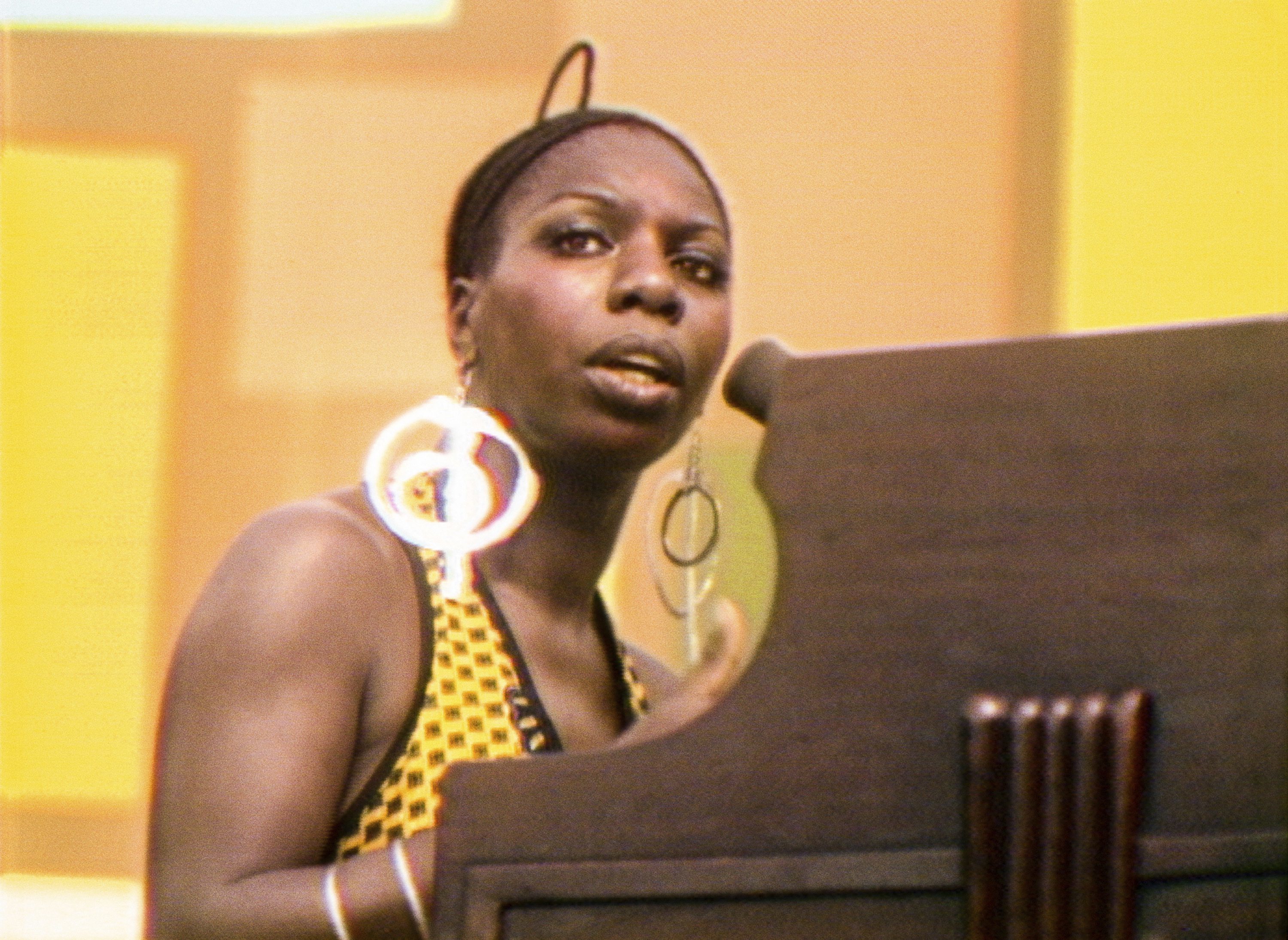
Nina Simone performing at the Harlem Cultural Festival in 1969, featured in the documentary “Summer of Soul.” / AP
But her failure to gain acceptance spurred reinvention: She adopted the stage name Nina Simone while playing piano and singing at the Midtown Bar & Grill in Atlantic City. A great career as an artist and civil rights activist followed. There are many songs to choose from — “Sinnerman,” “Feeling Good”— but I’m going with her most urgent and arresting, written in part as a response to the murder of Medgar Evers in 1963.
10. G. Love & Special Sauce, “I-76”
It might not be the best advice, but it does rhyme: “If you want to get downtown real quick, the only way to go is I-76.” Garrett Dutton’s ode to the Schuylkill Expressway from the hip-hop bluesman’s 1997 album Yeah, It’s That Easy includes shout-outs to Sixers players and the mascot from the 1983 championship year: “Big Shot, and Mo Cheeks and Moses Malone / Julius Erving called Philly his home.”
The Philadelphia rock band the A’s in the late 1970s. Left to right: Terry Bortman, Rocco Notte, Rick DiFonzo, Richard Bush, and Mikey Snyder. Courtesy of the A's
9. The A’s, “After Last Night”
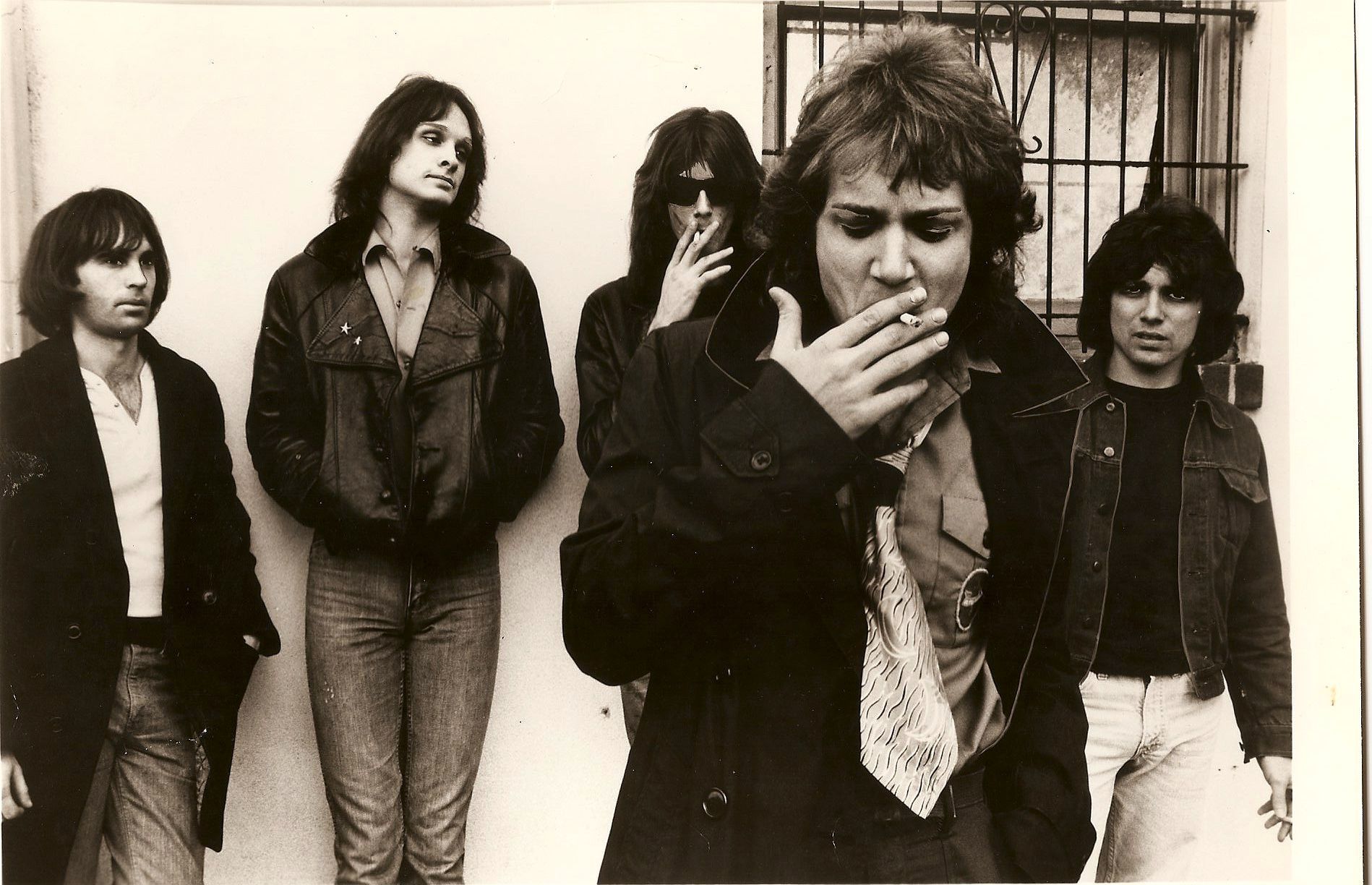
A ripping power-pop masterwork that showcases the magnetism of Richard Bush, the lead singer of the A’s, the New Wave-era band that energized the Philly club scene before breaking up in 1982. One of two killer A’s singles written by Bush — who performs locally with his band the Peace Creeps — and songwriting partner Rocco Notte, along with “A Woman’s Got the Power.”
8. Laura Nyro, “Gonna Take A Miracle”
“Gonna Take A Miracle” is a case study in how Kenny Gamble, Leon Huff, Thom Bell, and Sigma Sound Studios founder Joe Tarsia turned Philadelphia into a music mecca in the early 1970s.
Nyro was a New York songwriter three albums into her career when she came to Sigma Sound in 1971 to record an album of cover songs with Labelle — the trio of Patti LaBelle, Nona Hendryx, and Sarah Dash, who would explode in popularity with “Lady Marmalade” three years later.
The Gonna Take a Miracle album was produced by Gamble and Huff, and featured the MFSB Sigma house band, with horn and string arrangements by Bell and Bobby Martin. And the title cut, originally a hit for the Royalettes in 1965, is cowritten by Teddy Randazzo, one of Bell’s musical heroes.
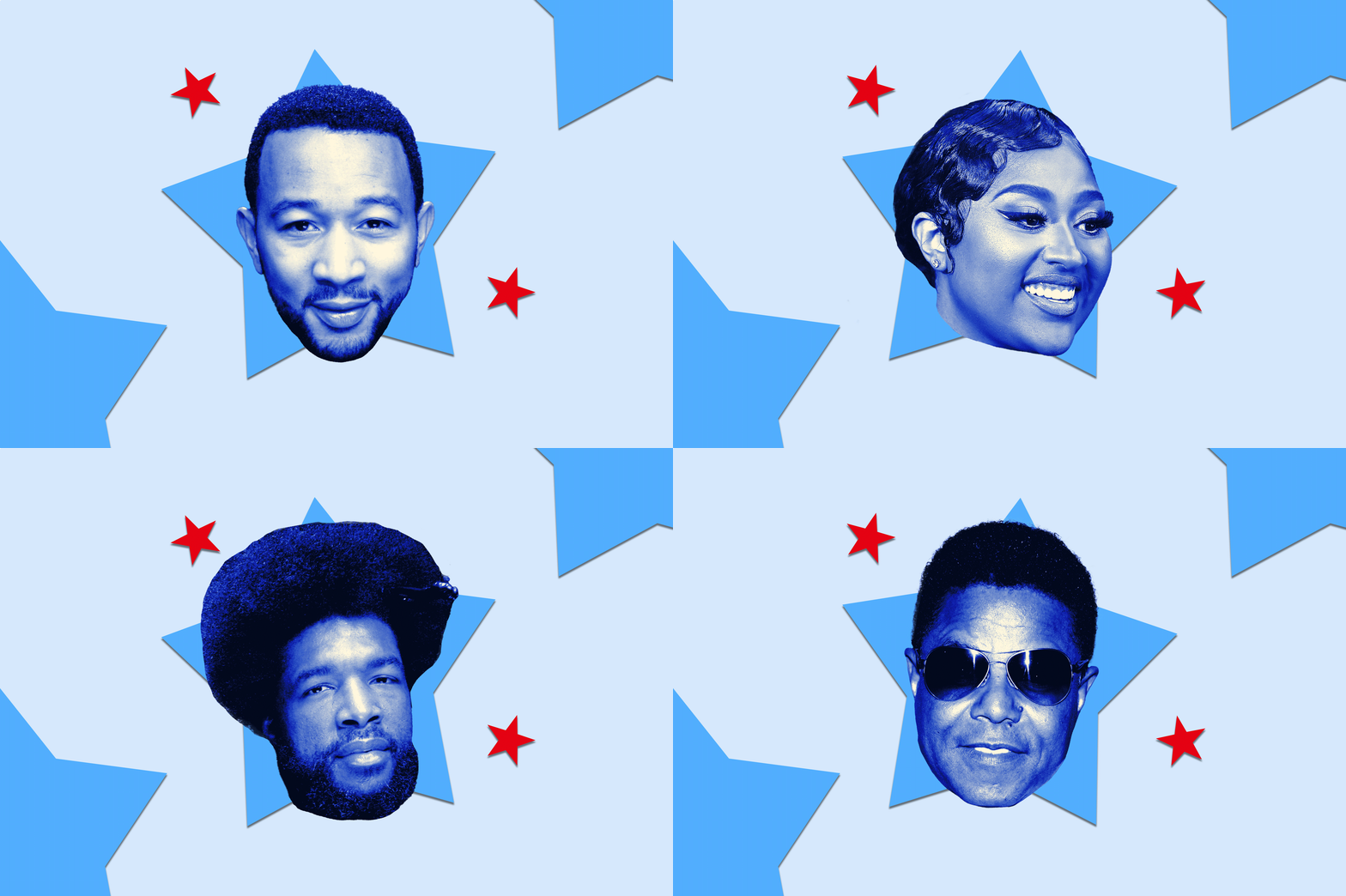
7. John Legend and the Roots, “Wake Up Everybody”
For their 2010 collaborative album Wake Up!, mostly made up of covers of socially conscious R&B songs, Penn grad Legend and the Philly hip-hop band picked a winner. Sure, Legend isn’t equal to Teddy Pendergrass, who sang the original version of the John Whitehead-, Gene McFadden- and Victor Carstarphen-penned title cut from Harold Melvin & the Blue Notes’ 1975 album. But then, who is?
6. The Tymes, “So Much In Love”
Swoony street corner harmony from 1963, written by Tymes singers George Williams and Roy Straigis with producer Billy Jackson, who voices the spoken intro. A hit on the Cameo-Parkway label in pre-Beatles doo-wop era, it was later a hit for R&B vocal group All-4-One in 1993.
In 1983, Robert Hazard filmed a music video for his song “Change Reaction” at what was then J.C. Dobbs.File Photograph
5. Robert Hazard & the Heroes, “Escalator Of Life”
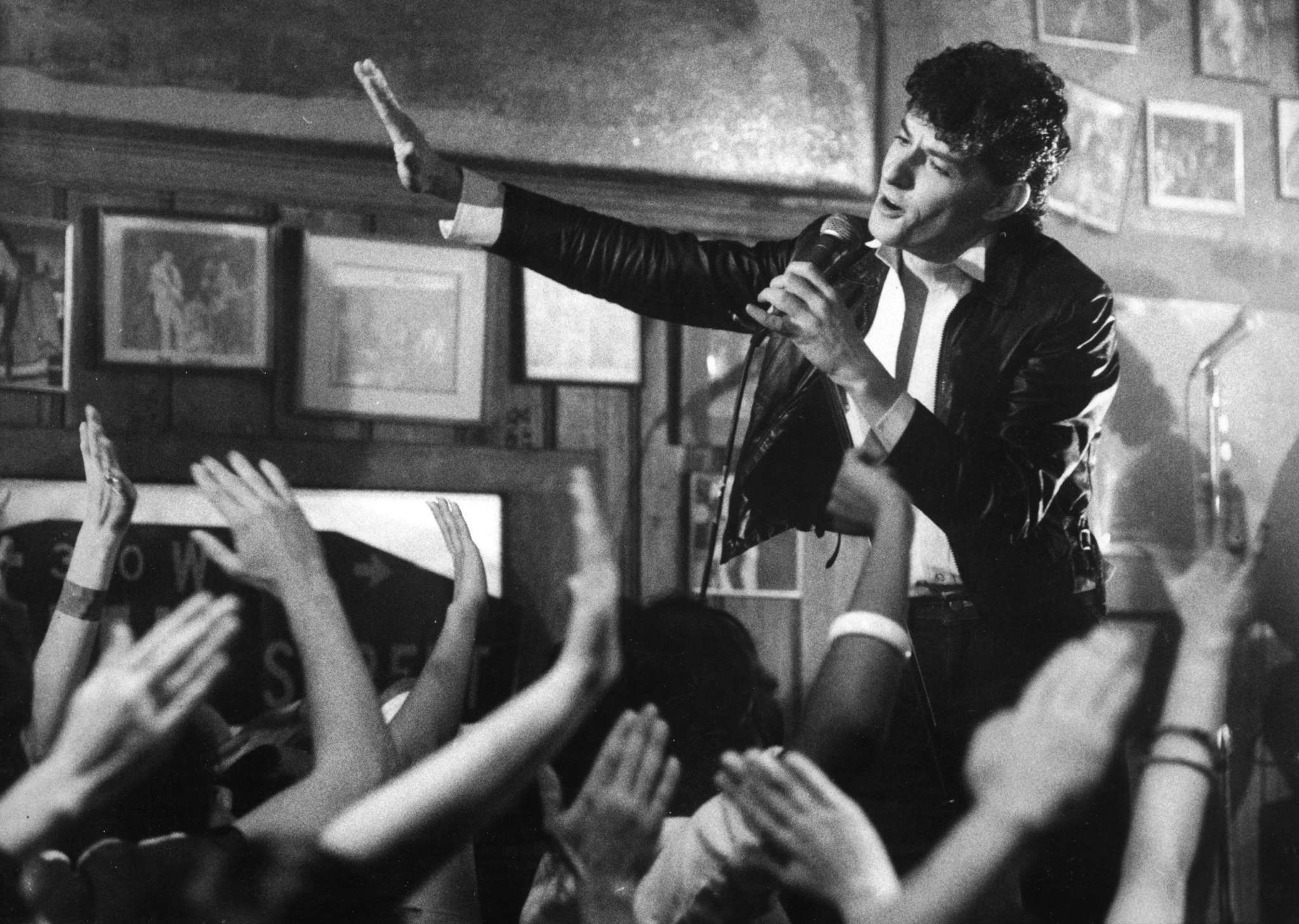
Along with the Hooters and Tommy Conwell & the Young Rumblers — whose “I’m Not Your Man” is a near miss on this list — Robert Hazard was one of the most-likely-to-succeed faces of Philadelphia rock in the 1980s. The son of a Philadelphia Opera Company tenor wrote and recorded “Girls Just Want To Have Fun” in 1979, four years before Cyndi Lauper turned it into a megahit. Hazard was in heavy rotation on FM stations WMMR and WYSP with this echoey electro-pop hit and “Change Reaction,” from his self-titled 1982 EP.
4. Grover Washington Jr., “East River Drive”
“Just The Two of Us,” Washington’s 1980 team-up with Bill Withers, was the much bigger hit. Will Smith repurposed it for a different song of the same name on 1997’s Big Willie Style. And “Mister Magic,” the nine-minute jazz-R&B jam that’s the title cut from his 1975 album is another Grover contender. But I’m going to go geographical on this smooth-jazz mood piece from the Philly saxophonist, who cruised down what is now Kelly Drive on his 1981 album Come Morning.
Kathy Sledge from Sister Sledge performs with the Roots at the July Fourth concert on the Benjamin Franklin Parkway.Yong Kim / Staff Photographer
3. Sister Sledge, “We Are Family”
“You couldn’t find room for Sister Sledge’s ‘We Are Family’ on a list of 76 songs?” was a refrain I heard in various forms. In excluding it I might have given too much weight to the fact that “We Are Family” became closely associated with Pittsburgh after the Pirates used it as their theme song on the way to winning the World Series in 1979.
In any case, “We Are Family” endures, well beyond its origins as a 1979 disco hit that was the first song penned by Nile Rodgers and Bernard Edwards outside of their own band, Chic. Kathy Sledge delivered a stirring version of it with the Roots at the One Philly concert on the Ben Franklin Parkway, and just the other night, I heard it at a Phillies game.
2. Maze, “Before I Let Go”
Frankie Beverly grew up in Germantown and didn’t hit his stride as a purveyor of smooth, sensual soul music until moving to San Francisco in the 1970s. Over time, songs like “Joy and Pain” and “Before I Let Go” sung by Eagles quarterback Jalen Hurts’ favorite musician became essential to Black culture, as “the soundtrack of cookouts and summer music fests … and that kind of bliss that is sweet and peaceful,” as novelist S.A. Cosby put it when Beverly died in 2024. Beyoncé covered “Before I Let Go” at Coachella in 2018, and Questlove has called the song “the happiest breakup song ever” and “the national anthem.”
1. Jazmine Sullivan, “Pick Up Your Feelings”
The standout track from Sullivan’s 2021 tour de force Heaux Tales is full of soaring, swooping vocal runs and staccato syncopations. Along with other hits like “Bust Your Windows,” it demonstrates why Sullivan is the premier contemporary embodiment of the grand Philly soul tradition of great vocalists like Patti LaBelle, Teddy Pendergrass, and Russell Thompkins Jr.
September is concert season. Summer tours are still going, while fall tours are just getting started. This week in Philly music features both Charli XCX and Rod Wave launching tours in South Philly, plus Lil Wayne in Camden, John Fogerty and Steve Winwood in Atlantic City, Iron Maiden in Hershey, and Margo Price in King of Prussia.
Friday, Sept. 11
Charli XCX
“Yeah, we’re on to the next, I think the dance floor is dead,” Charli XCX sings on the opening track of her new album. “So now we’re making rock music.” The pivot isn’t quite radical for the woman behind the Brat summer of 2024. There is still music you can dance to on Music, Fashion, Film, the whip-smart British pop star’s eighth album, which represents its three titular disciplines with a photo of John Cale, Marc Jacobs, and Martin Scorsese on the cover. What will this tour look and sound like? I can hardly wait to find out. 8 p.m. Xfinity Mobile Arena, 3601 S. Broad St., xfinitymobilearena.com.
Rapper Lil Wayne performs during the Roots Picnic Philadelphia at The Mann in Fairmount Park on Sunday, June 2, 2024.Elizabeth Robertson / Staff Photographer
Lil Wayne
Lil Wayne has released 14 albums since making his debut in 1999 with Tha Block Is Hot. Six of those releases have been Tha Carter iterations, most recently with Tha Carter VI in 2025. (The New Orleans rapper’s given name is Dwayne Michael Carter Jr.) Wayne is calling this concert trek, which has 2 Chainz as the opening act, the “Carter Classics Tour,” meaning he will focus on selections from those six albums, no doubt including cuts like “A Milli,” “Lollipop,” “Mrs. Officer,” and “Money on My Mind.” 8 p.m., Freedom Mortgage Pavilion, 1 Harbour Blvd., Camden, freedommortgagepavilion.com.
Mdou Moctar
Nigerien Tuareg guitar hero Mdou Moctar comes to Bryn Mawr for an outdoor show under a gazebo. This solo show is likely to draw from Tears of Injustice, Moctar’s 2025 reworking of his 2024 electric album Funeral for Injustice. Always intriguing Philly guitarist Tim Motzer opens. 7 p.m., Bryn Mawr Twilight Concerts, 9 S. Bryn Mawr Ave., Bryn Mawr, brynmawrtwilightconcerts.com.
John Fogerty & Steve Winwood
Last year, John Fogerty released Legacy: The Creedence Clearwater Revival Years, an album of new versions of his old songs. That might have seemed cheesy coming from another artist, but Fogerty spent decades battling to regain control of his music, finally winning ownership of his songs in 2023. For the “Legacy Tour,” the “Proud Mary” and “Fortunate Son” songwriter is teaming up with his late-1960s contemporary Steve Winwood, who has his own legacy with the Spencer Davis Group, Traffic, and his “Higher Love” solo career. 8 p.m., Ovation Hall, Ocean Resort, 500 Boardwalk, Atlantic City, theoceanac.com.
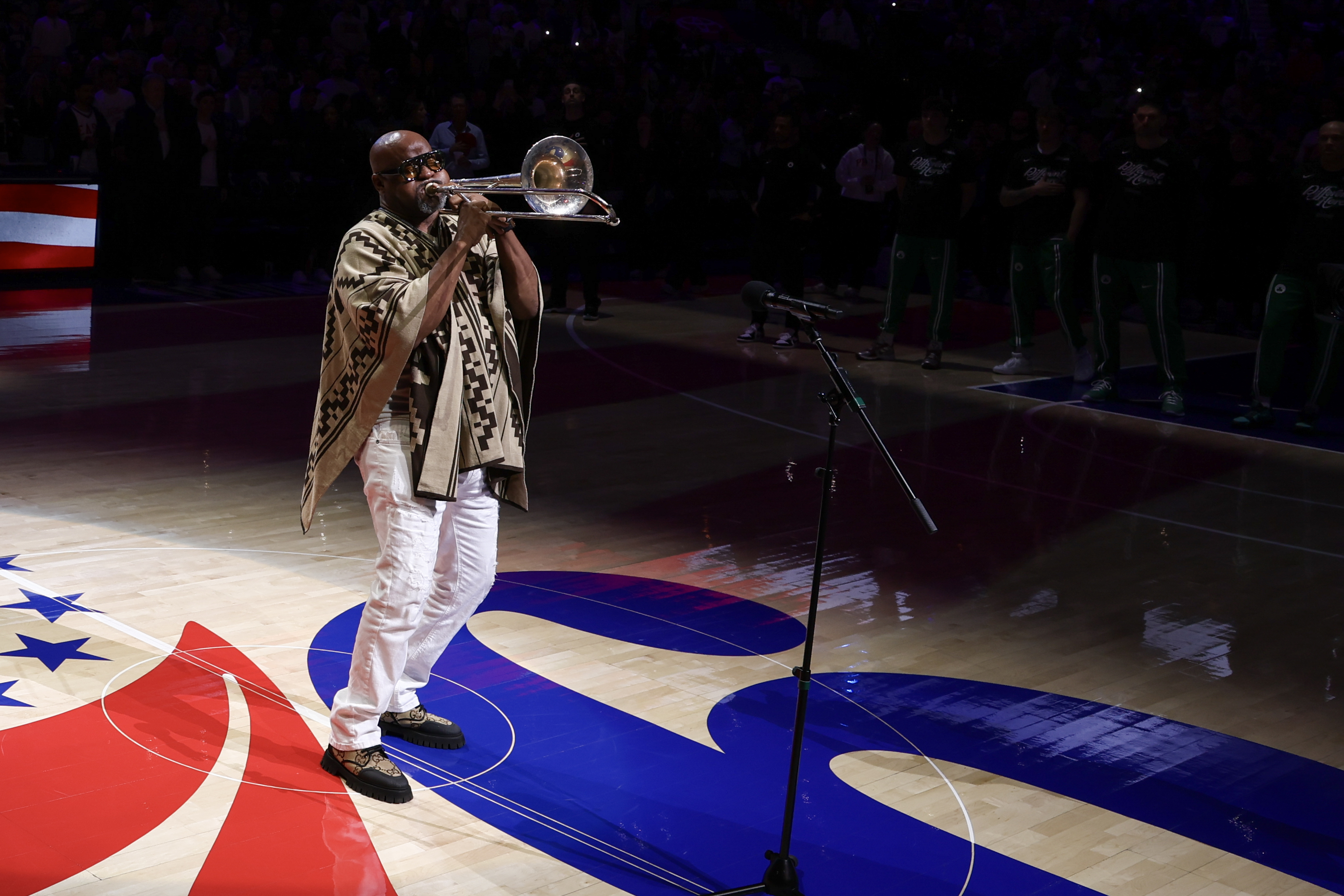
Jeff Bradshaw plays the National Anthem before Sixers play Game 6 against the Celtics in a first-round NBA playoffs basketball series Thursday, April 30, 2026, in Philadelphia. Bradshaw will perform as part of the Atlantic City Jazz Festival this weekend.Monica Herndon / Staff Photographer
Friday, Sept. 11 to Sunday, Sept. 13
Atlantic City Jazzfest
This smooth jazz weekend takes place at Sound Waves at Hard Rock Hotel & Casino Atlantic City. On Friday, Memphis sax player Kirk Whalum headlines a show hosted by Patty Jackson. Saturday, Philly trombonist Jeff Bradshaw tops the bill, and on Sunday morning, sax man Reggie E. Harris makes a jazz brunch go down easy. 7 p.m. Friday and Saturday; 11 a.m. Sunday at Hard Rock Hotel & Casino, 1000 Boardwalk, Atlantic City, theatlanticcityjazzfest.com.
Margo Price plays Concerts Under the Stars in King of Prussia on Saturday.Yana Yatsuk
Saturday, Sept. 12
Ray LaMontagne
Last week at the Ryman Auditorium in Nashville, Ray LaMontagne collapsed on stage, leaving audience members fearing for his life. But no worries: The cause apparently was dehydration, and the New Hampshire-born rustic rock songwriter, who is on tour celebrating the 20th anniversary of his Trouble album, was back on stage the next night in Louisville. Tara Lindeman’s environmentally conscious Canadian folk-rock band the Weather Station opens. 8 p.m., Met Philly, 858 N. Broad St., themetphilly.com.
Spring Garden Sunflower Fest
This third annual free fest — on Fairmount Avenue, not Spring Garden Street — will feature a full day of bands and DJs. Rising indie songwriter Maxwell Stern & the Good Light Band headline, and the lineup includes Celtic folk and Americana group the John Byrne Band, salsa group Un Toque de Cache, and a performance by the youngsters of Rock to the Future. Noon, Fairmount Avenue between 17th and 19th Sts., springgardensunflowerfest.com.
Margo Price
Margo Price got back to her country roots on Hard-Headed Woman, her 2025 album that includes a George Jones cover called “I Just Don’t Give a Damn.” It also offers some life advice with “Don’t Let the Bastards Get You Down,”which was written with her husband, Jeremy Ivey, and Rodney Crowell, plus a posthumous Kris Kristofferson credit. Price is calling this her “Wild at Heart Tour,” and Ivey opens the show. 7 p.m., Concerts Under the Stars, King of Prussia, 175 W. Valley Forge Road, King of Prussia, concertsunderthestarskop.com.
Saturday, Sept. 12 and Monday, Sept. 14
Rod Wave
Trap-soul rapper and singer Rod Wave — born Rodarius Green — has been rising so high of late it’s no wonder he’s titled his new album and tour “Don’t Look Down.” The St. Petersburg, Fla., native cites Tupac Shakur and Kanye West as influences on one hand, and Ed Sheeran and Adele on the other. He last played an arena show in South Philly in December, and now is back for two more to kick off the tour in support of the 24-track Don’t Look Down, which came out last month. Philly hip-hop singer Francis Leblanc — better known as Friday — is the opener. 8 p.m., Xfinity Mobile Arena, 3601 S. Broad St., xfinitymobilearena.com.
FILE – Sandra Denton, left, and Cheryl James, of Salt-N-Pepa, perform at the IHeartRadio Music Awards in Los Angeles on March 26, 2026. Salt-N-Pepa play the Freedom Mortgage Pavilion on Sunday. (AP Photo/Chris Pizzello, File)Chris Pizzello
Sunday, Sept. 13
TLC, Salt-N-Pepa & En Vogue
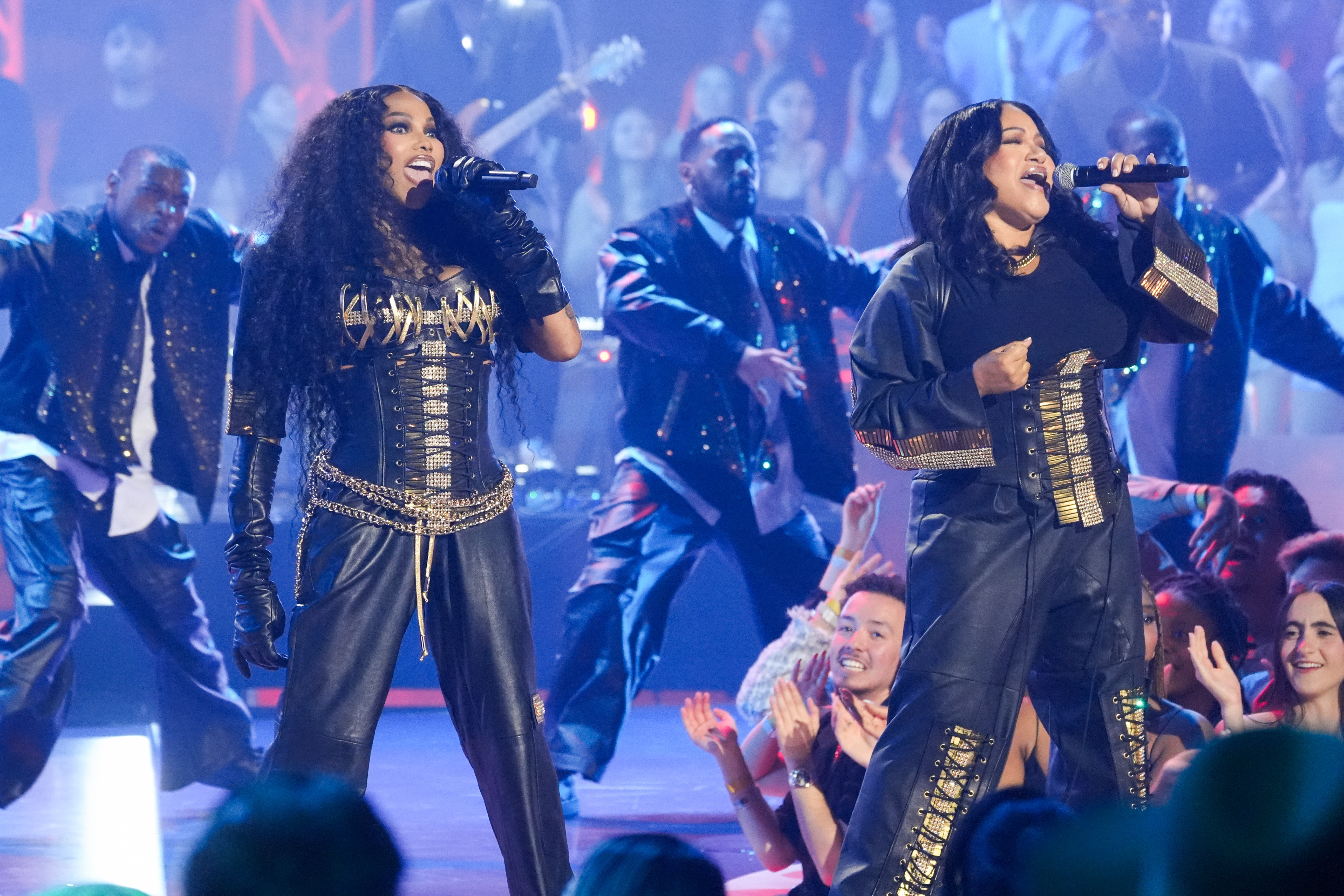
This triple bill — dubbed the “It’s Iconic Tour” — teams up three acts that were standout women in hip-hop and R&B beginning in the 1980s and into the 2000s. In their prime, TLC included Lisa “Left Eye” Lopes, who grew up in the Logan section of Philadelphia and died in a car crash in Honduras in 2002. Some dates on the tour so far have not included TLC’s Tionne “T-Boz” Watkins and have gone on with only Rozonda “Chilli” Thomas because Watkins has been ill with what the band’s manager called “a sickle cell crisis.” Hip-hop heroines Salt-N-Pepa, who were inducted into the Rock and Roll Hall of Fame in 2025, are co-headliners. Vocal group En Vogue opens. 7:30 p.m., Freedom Mortgage Pavilion, 1 Harbour Blvd, Camden, FreedomMortgagePavilion.com.
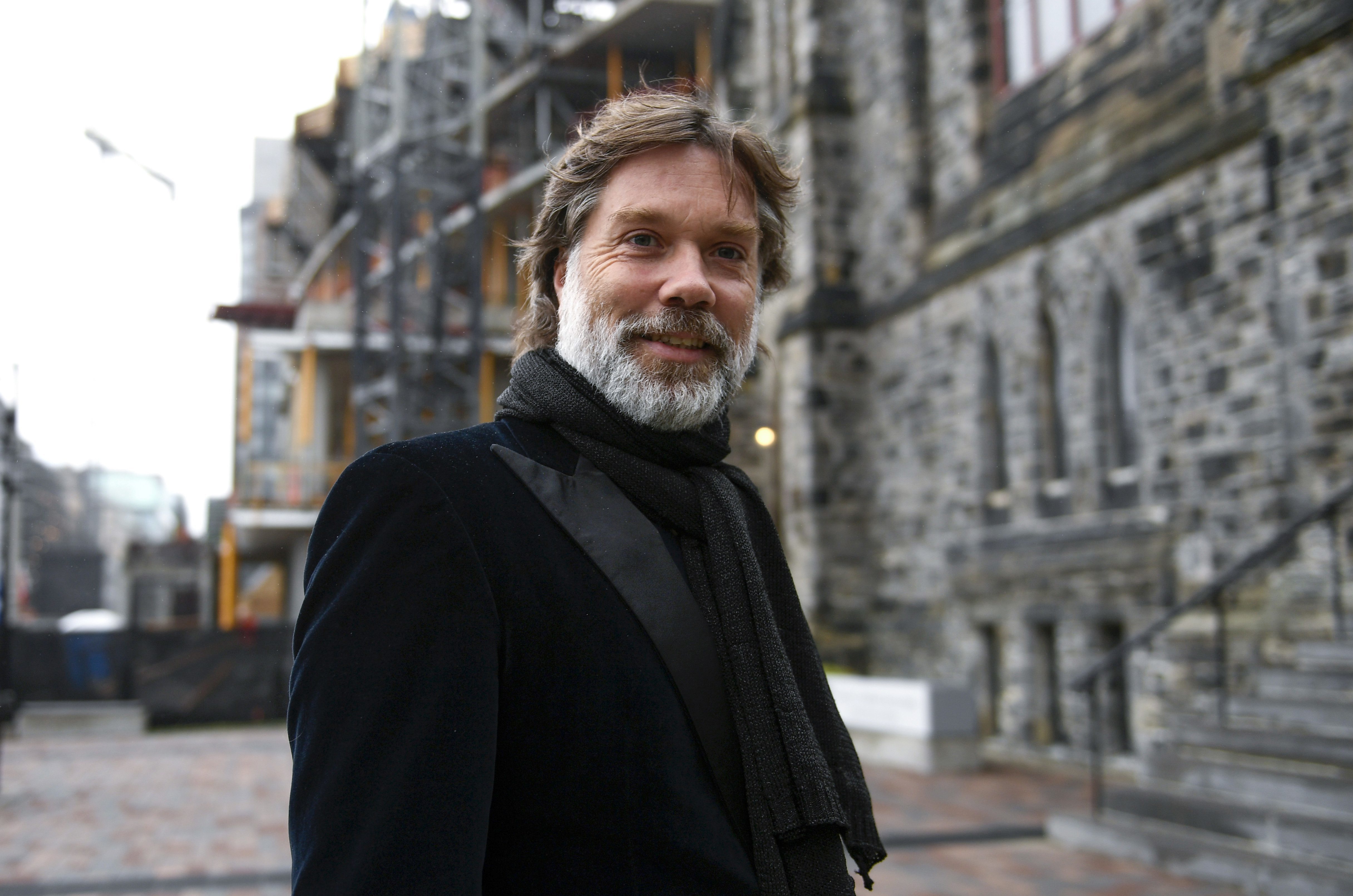
Canadian musician Rufus Wainwright returns after speaking to broadcasters outside Christ Church Cathedral for the National Commemorative Ceremony in honour of Queen Elizabeth II, in Ottawa, Ontario, on Monday, Sept. 19, 2022. He plays three nights at City Winery Philadelphia next week. (Justin Tang/The Canadian Press via AP)Justin Tang / AP
Tuesday, Sept. 15
Iron Maiden
British heavy metallers Iron Maiden was formed in East London in 1975. Now the Bruce Dickinson-fronted band is on its 50th-anniversary “Run for Your Lives World Tour,” which kicked off last year and makes its way to Hershey on Tuesday. Megadeth opens. 7:15 p.m., Hersheypark Stadium, 100 W. Hersheypark Drive, Hershey, hersheyentertainment.com.
Rufus Wainwright
Rufus Wainwright is always up to something interesting. There’s Hadrian, his opera about the last day of a Roman emperor, Dream Requiem, the singer and pianist’s work based on a text by Lord Byron, and recent albums like Unfollow the Rules in 2020 and Folkocracy in 2023, as well as projects like Rufus Does Judy (Garland), Rufus Does (Kurt) Weill. (How about Rufus does Kurt Vile? Now there’s an idea.) On Tuesday, Wainwright begins a three-night stand in which he can do whatever he wants. 7:30 p.m., City Winery Philadelphia, 990 Filbert St., citywinery.com/philadelphia.
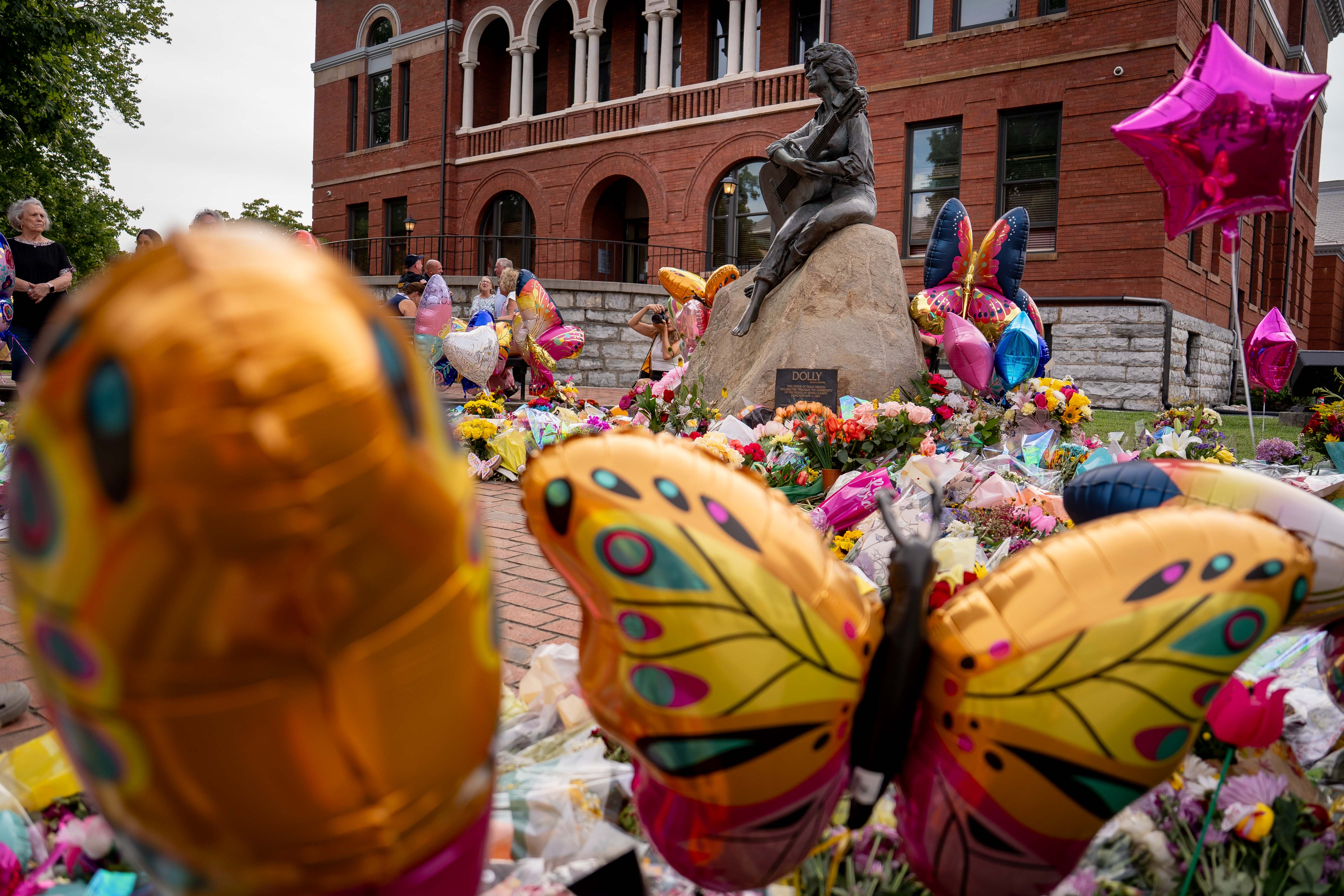
Americans of all stripes are mourning the loss of singer and philanthropist Dolly Parton, who died on Aug. 26 at the age of 80.
The outpouring of grief and mourning has exposed the complex and often contradictory identities Parton inhabited.
She was self-proclaimed poor “trash” from rural Appalachia — and proud of it. She regularly wore loud makeup and big hair, and had even bigger breasts, but she made sure she was taken seriously as a businessperson by the music establishment and Hollywood. She was a multimillionaire who connected with the working class.
Musically, Parton was a symbol of traditional country music, even as she crossed over into pop music in the 1980s. And she was a queer icon, yet, in her honor, the loudly anti-queer Trump administration ordered that flags be flown at half-mast.
Her complexities and contradictions reflected Parton’s enormous contributions to American history and culture, which crossed all sorts of ideological lines and made her genuinely beloved.
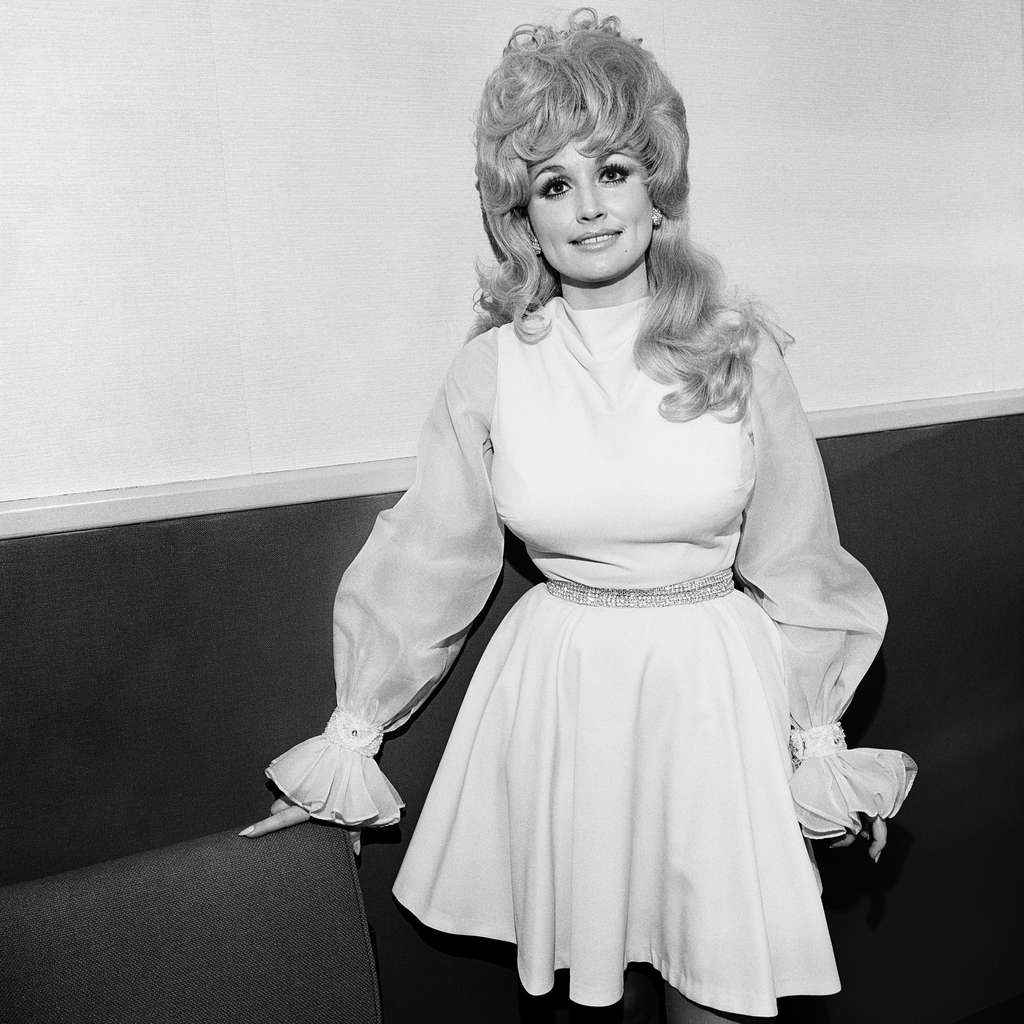
Dolly Parton’s aesthetic and style allowed her to celebrate a background that traditionally had been scorned. Women who were visibly sexual were branded trashy or sluts, and terms like “poor white trash” and hillbilly denoted racial and class hierarchies.
Parton, however, dismissed these historical connotations from her first days in the spotlight. She admitted that her style was “gaudy,” or “tacky,” and confessed that as a little girl she idolized a woman her mother called “trash.” She responded with, “Well mama, I want to look like trash.” She also embraced the “trash” label to talk about her hyperfeminine body presentation, which included ostentatious costumes, long nails and big hair.
As Parton’s star grew in the 1970s, and she refused to adopt markers of high-class femininity, she forced a rethinking of how society characterized women who had long been maligned for their sexuality and poverty.
For instance, in 1971, she released one of her biggest hits, “Coat of Many Colors,” which talked about her poor upbringing and a colorful coat that her mother made for her out of discarded rags. Her classmates ridiculed her, but rather than feeling ashamed, she felt pride in her “new” coat. This story demonstrated the hardscrabble, can-do spirit of the working class and illustrated the love Parton held for her family and her people.
The song’s reception also highlighted Parton’s unique knack for reaching multiple audiences. While its cultural dynamics shined through initially, years later, the song gained a new dimension when it became an anthem for LGBTQ Americans because of its message of pride in one’s self and the colorful similarities the coat shared with the LGBTQ pride flag.
“Coat of Many Colors” reflected how, throughout Parton’s career, her work subtly advocated for the marginalized. Nothing epitomized this better than “9 to 5,” one of her most famous songs and acting roles. In 1980, Parton released the iconic song as the theme for the movie of the same name.
The movie spoke to women, who were entering corporate America at an unprecedented rate. Yet, the Supreme Court had not yet declared sex discrimination illegal, and they encountered an environment full of glass ceilings, discriminatory language, sexual harassment and societal expectations to succeed even while maintaining a traditionally gendered home life. The song and the film took a clear stance: women belonged in offices and deserved to be treated with respect, regardless of their hair color or bust size.
In particular, Parton’s character Doralee spoke directly to the constraints clerical and administrative workers faced. Increasingly, as America deindustrialized, women constituted a growing percentage of the working class, and working class jobs became feminized. Invigorated by second wave feminism, working class women had been pushing for improved workplace conditions, including better wages and expanded opportunities for female administrative workers to move into management positions.
Made By History sponsors. FOR USE ON MADE BY HISTORY STORIES ONLY.Inquirer Staff
Parton’s title track directly addressed the frustrations driving these demands, lamenting, “They just use your mind and they never give you credit … for service and devotion you would think that I would deserve a fair promotion / Want to move ahead, but the boss won’t seem to let me / I swear sometimes that man is out to get me.”
The song was classic Parton, both celebrating workers’ daily grinds and speaking clearly about class exploitation.
The film itself presented these experiences of gender and class discrimination as part of a slapstick comedy. Yet, for mainstream audiences across the country, this softer, comedic approach to feminism and activism, made the very real plight of Judy (Jane Fonda), Violet (Lily Tomlin) and Doralee (Parton) relatable.
Two years later, in 1982, Parton once again used an acting role to speak up for women who were denigrated as disposable items when she starred in the movie adaptation of The Best Little Whorehouse in Texas. Parton’s character Miss Mona was a brothel owner who was fighting against moral crusaders attempting to close her down.
Denouncing the hypocrisy of men who privately availed themselves of women’s sexual services and then publicly shamed them as immoral, Parton’s character firmly established sex workers as people worthy of respect and dignity. Situated against the backdrop of a rising Moral Majority movement that fought to overturn reproductive rights, ban pornography and reverse anti-discrimination laws protecting people based on sexual orientation, Parton again used comedy to bring humor to a very real issue and, in doing so, made visible a group of people usually shunned by society.
Her devotion to calling for acceptance of people excluded from mainstream society continued throughout Parton’s career. In 1991, she released the song “Family,” which referenced LGBTQ people for the first time and exhorted people not to turn their backs on family members who were different. “Some are preachers / some are gay / some are addicts, drunks and strays / But not a one is turned away when it’s family.”
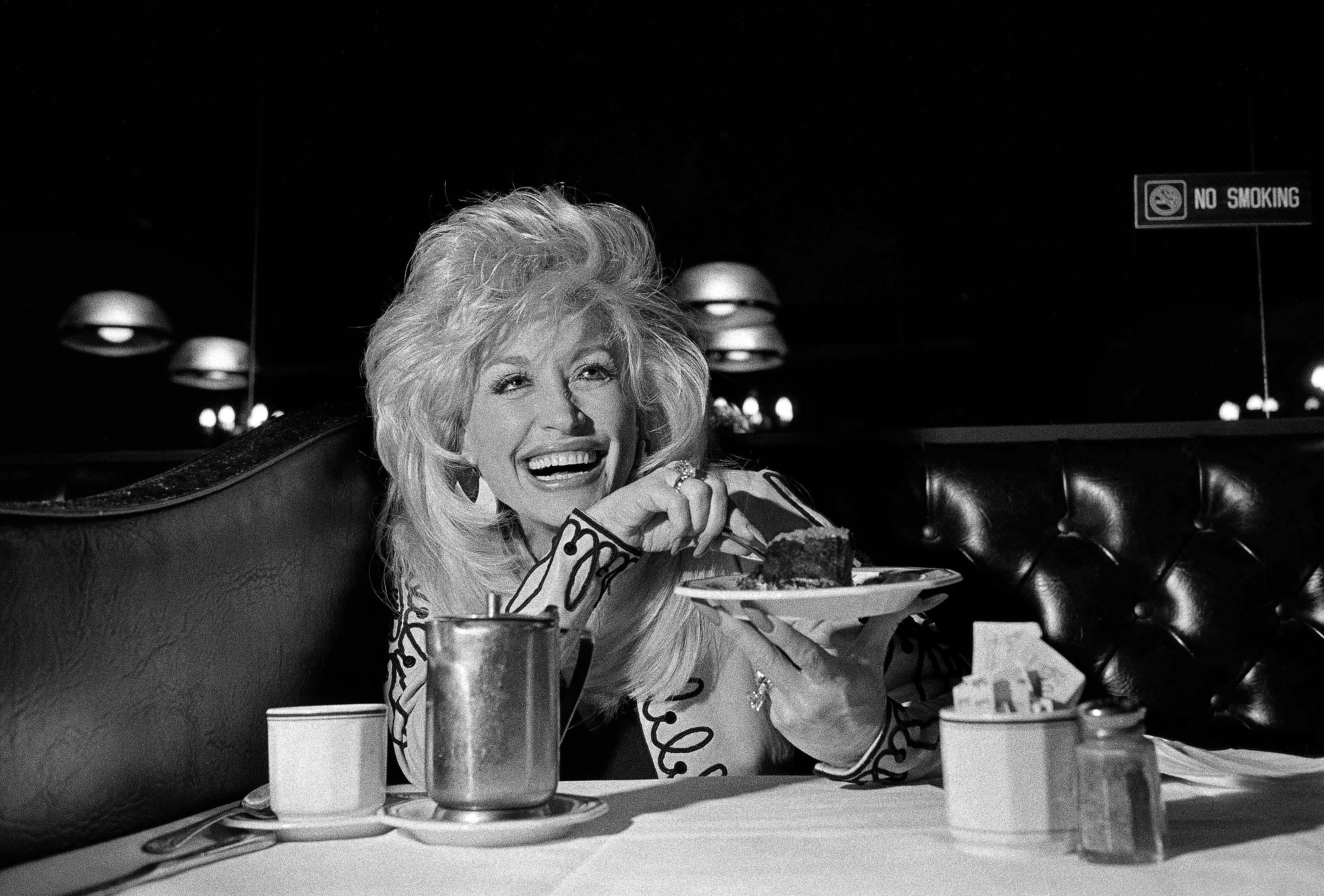
Dolly Parton savoring a chocolate mousse cake in New York in 1992. EDWARD KEATING
This was a powerful message at the height of the AIDS epidemic when gay men and intravenous drug users were among the most at-risk groups — both of contracting the virus, and of being shunned because of it.
At a moment when society was ostracizing and legislating against LGBTQ people, Parton instead called for acceptance. She stood by her message in “The Family” over the following decades. In a 2009 interview, she endorsed same-sex marriage, and in 2016 she opposed bathroom bans that limited transgender people’s access to public toilets.
Because of these stances, the LGBTQ community embraced Parton right back. Her songs and image have become mainstays used by drag performers, and in 2012 Parton related that she once lost a Dolly Parton look-alike contest to a drag queen. The ties between Parton and the queer community became so interconnected that, upon her death, CNN inadvertently aired an image of a drag performer during a tribute to the late singer.
Parton famously said, “Honey, there is no such thing as the real Dolly Parton.” She created a life of contradictions, and while her hair and makeup may have been fake, the power Parton held was very real.
She had a unique ability to transcend boundaries, allowing her to speak for people across classes, gender identities and sexualities. Her calls to support the downtrodden and shunned are her lasting legacy. Her ability to engage in such advocacy while continuing to be beloved across the political divide offers a lesson for all Americans.
Elyssa Ford is associate professor of history at Washington State University. Rebecca Scofield is professor of history at the University of Idaho.
Made by History takes readers beyond the headlines with articles written and edited by professional historians. Opinions expressed do not necessarily reflect the views of The Inquirer.
The Philadelphia band fronted by songwriter Adam Granduciel has released its first new music in five years.
The band’s new single, “Who’s That,” is a synth-heavy slow-building rock song that starts off big and only gets bigger as it builds to a powerful crescendo, War on Drugs-style.
Recorded at Granduciel’s studio in a warehouse in Burbank, Calif., the song features the Drugs leader playing nine instruments in a typically layered, meticulous arrangement.
The “Who’s That” recording includes band members Dave Hartley, Eliza Hardy Jones, Jon Natchez, and Anthony LaMarca, with the latter playing drums rather than the band’s usual drummer, Charlie Hall or sometime studio contributor Patrick Berkery.
The song arrives with a video directed by Max Flick that features Granduciel walking the streets of Burbank on a dark night of the soul. At one point, a newspaper blows into his face. At another, he picks up a guitar out of a trash bin and plays a solo.
“‘Who’s That’ was written in 10 minutes somewhere between first coffee and school drop-off,” Granduciel said in a statement.
“Itʼs a song about trying to love yourself despite things we canʼt always control, like the anxiety, depression, and self-doubt that may stand in the way of living the life we truly desire.”
“There’s a lion hangin on my neck, I can tame it, but he might break free,” Granduciel sings. “Who’s that? It’s only my depression, baby.”
Is “Who’s That” the first song from a forthcoming War On Drugs album, which would be the band’s first since 2021’s I Don’t Live Here Anymore?
No word on that yet. The group is going out on a fall tour, though, which begins with two semi-local dates.
On Sept. 18, the Drugs are playing the Queen in Wilmington. That is followed by a gig the next night on the Asbury Park beach at the Sea.Hear.Now festival on a bill that headlined by Mumford & Sons and also includes the Offspring, Chaka Khan, and Shaggy, among others.
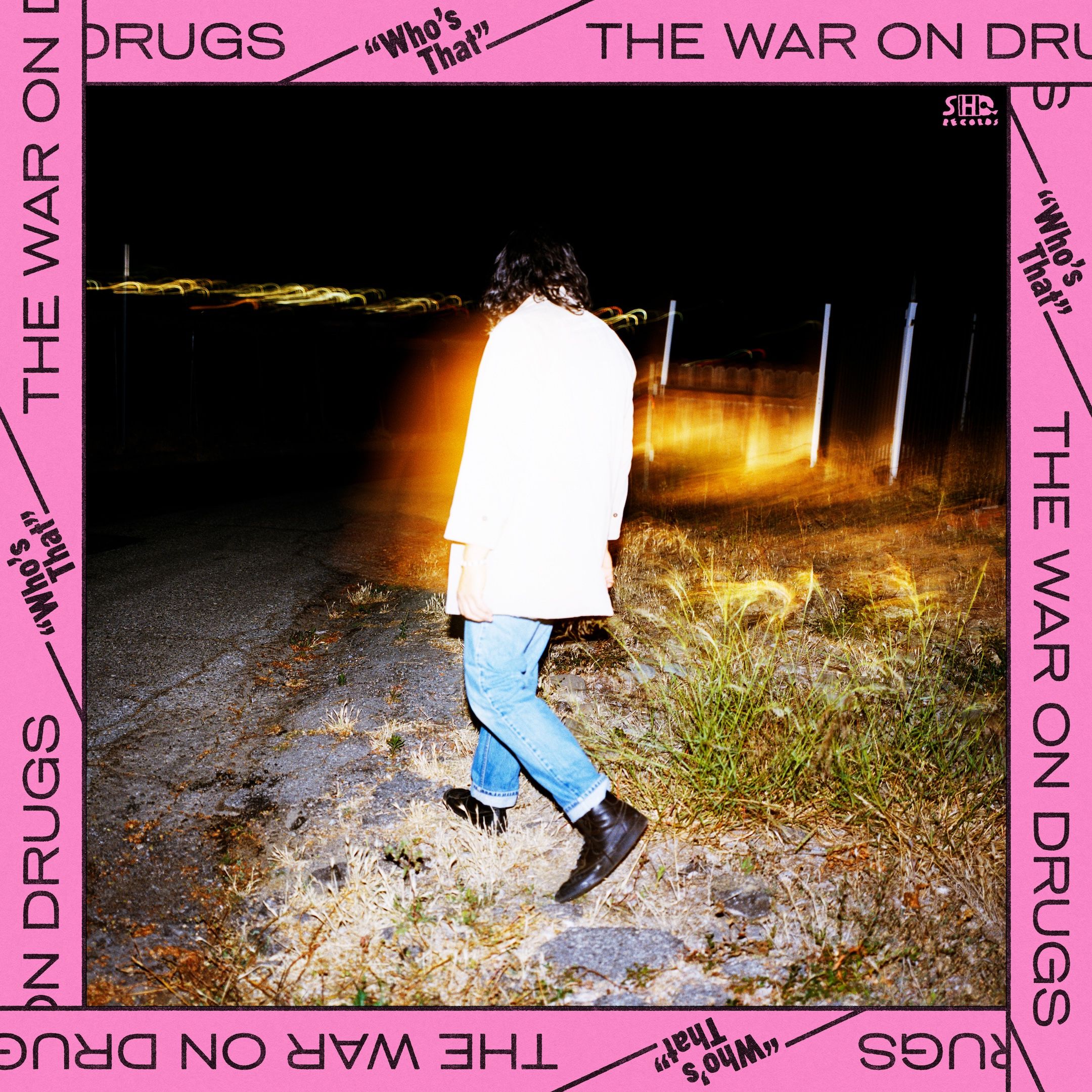
The artwork for The War On Drugs’ new song “Who’s That.”Courtesy of the Artist
Since I Don’t Live Here Anymore, The War On Drugs put out a live album, Live Drugs Again, in 2024. Granduciel also produced two standout releases: British singer Sam Fender’s People Watching, which won the prestigious Mercury Prize last year, and Always Been, the Delaware- and Philly-connected solo album by Craig Finn of the Hold Steady.
Last holiday season, The War on Drugs, who were founded in Fishtown in the mid-2000s and won a best rock album Grammy in 2018 for A Deeper Understanding, played a three-night A Drugcember to Remember stand at Johnny Brenda’s. The shows benefited Philly public schools and included guests such as Finn, Joe Walsh, and Kurt Vile.
Bruce Springsteen and the E Street Band’s “Land of Hope and Dreams American Tour” had its grand finale at the Xfinity Mobile Arena in South Philly this spring.
That May 30 concert — originally scheduled for earlier in the month but moved due to a scheduling conflict with a Sixers playoff game — was the culmination of a tour built around “Streets of Minneapolis,” the anti-ICE protest song Springsteen penned after the deaths of Renee Goode and Alex Pretti at the hands of U.S. immigration and border enforcement officers.
Now, the Philadelphia show is going to be a concert film titled Land of Hope and Dreams (Philadelphia Freedom Cut), which will begin streaming on YouTube on Wednesday.
As of Saturday afternoon, Springsteen had not officially announced the film or any details surrounding it via his social media or a news release. But a trailer for the film appeared on the Bruce Springsteen.net website on Friday afternoon, labeled “Streaming September 9.”
The Philadelphia show began with a speech, as did all the shows on the tour, which opened in Minneapolis in March and played to sold-out arenas across the country, as well as one stadium date, at Nationals Park in D.C.
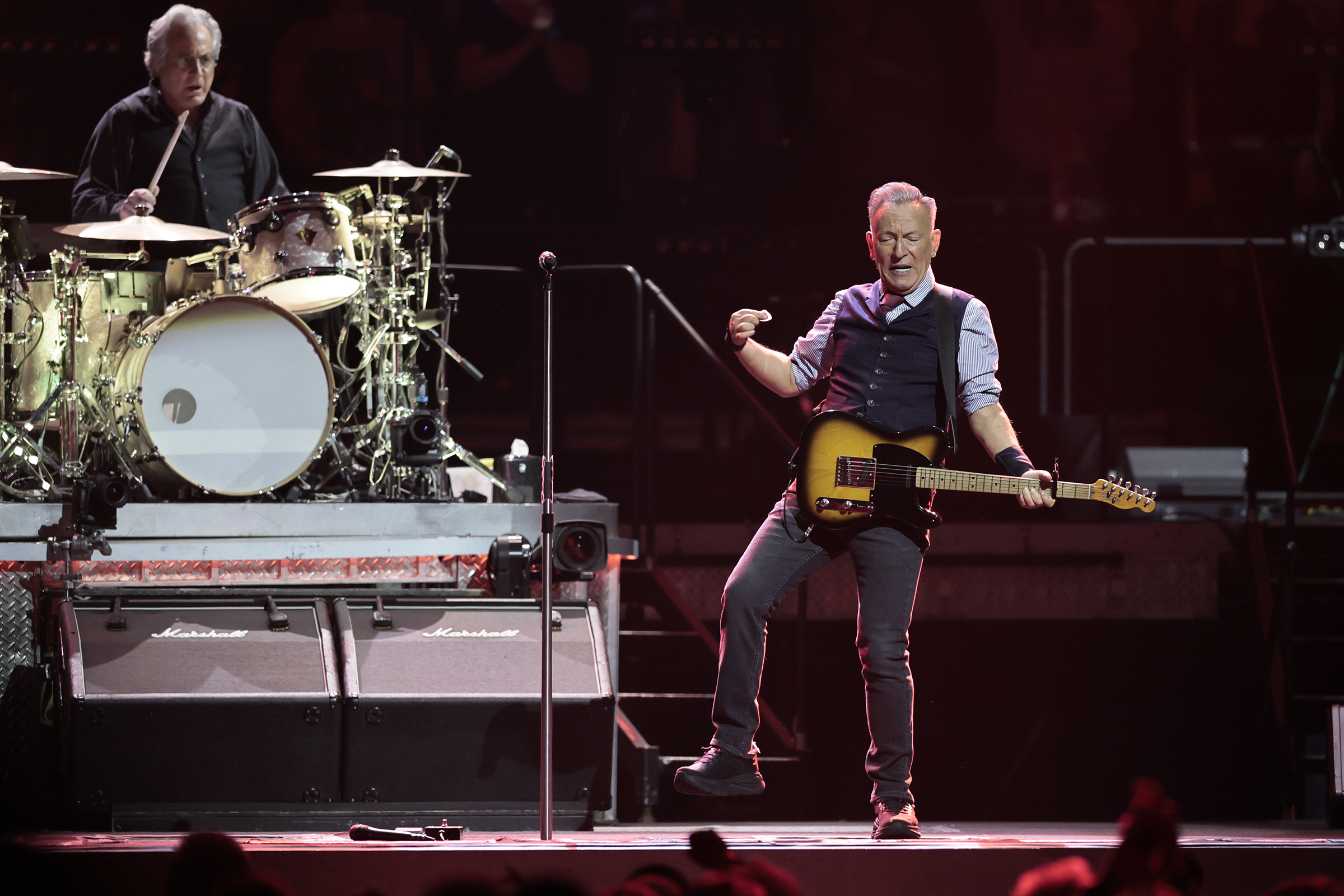
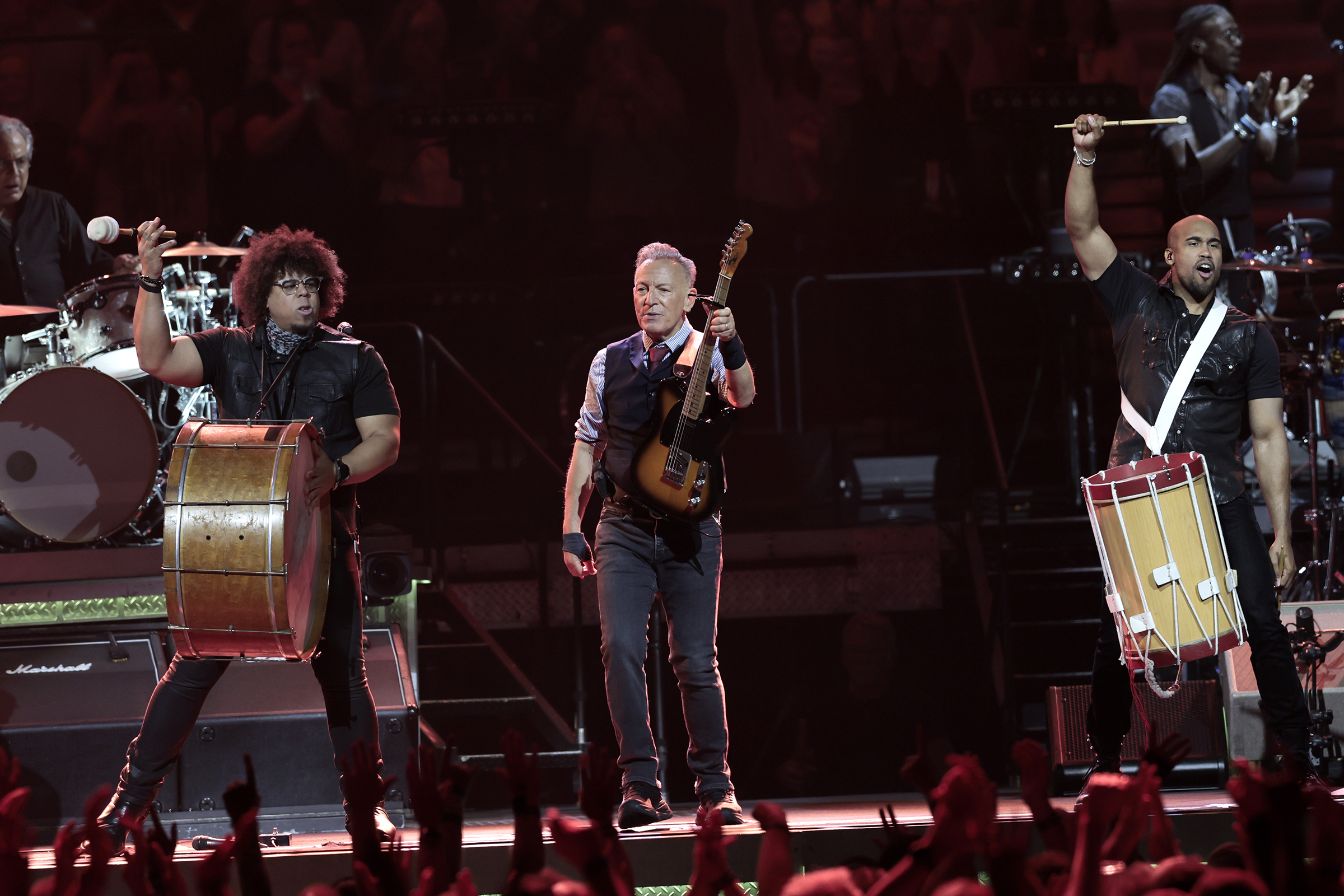
Bruce Springsteen and members of the E Street band perform during their “Land of Hope & Dreams” tour stop at Xfinity Mobile Arena in Philadelphia on Saturday, May 30, 2026. Elizabeth Robertson / Staff Photographer
In it, Springsteen called President Donald Trump’s administration “corrupt, incompetent, racist, reckless, and treasonous.” Trump, in response, has called the Jersey rocker “dumb as a rock” and “not a talented guy,” among other insults.
In The Inquirer’s review of the May 30 show, I called the show “a thrilling, sharply-focused marathon that played like an unabashedly partisan spirit-lifting revival meeting — and sounded astoundingly good in a cavernous sports arena — as the band roared through a standard Springsteen-length three-hour show that included 27 songs and several spoken interludes.”
The show, with guitarist Tom Morello guesting on several songs, featured covers of Edwin Starr’s “War,” the Clash’s “Clampdown,” and Bob Dylan’s “Chimes of Freedom,” as well as Springsteen’s own protest songs, such as “American Skin (41 Shots).”
Watch the trailer, which begins with Springsteen stating the obvious — “It is great to be in Philadelphia” — below.