Category: Movies

  • A Penn professor thought she’d sell 1,000 copies of her ‘Odyssey’ translation. She sold more than a million, thanks to Christopher Nolan.

    A Penn professor thought she’d sell 1,000 copies of her ‘Odyssey’ translation. She sold more than a million, thanks to Christopher Nolan.

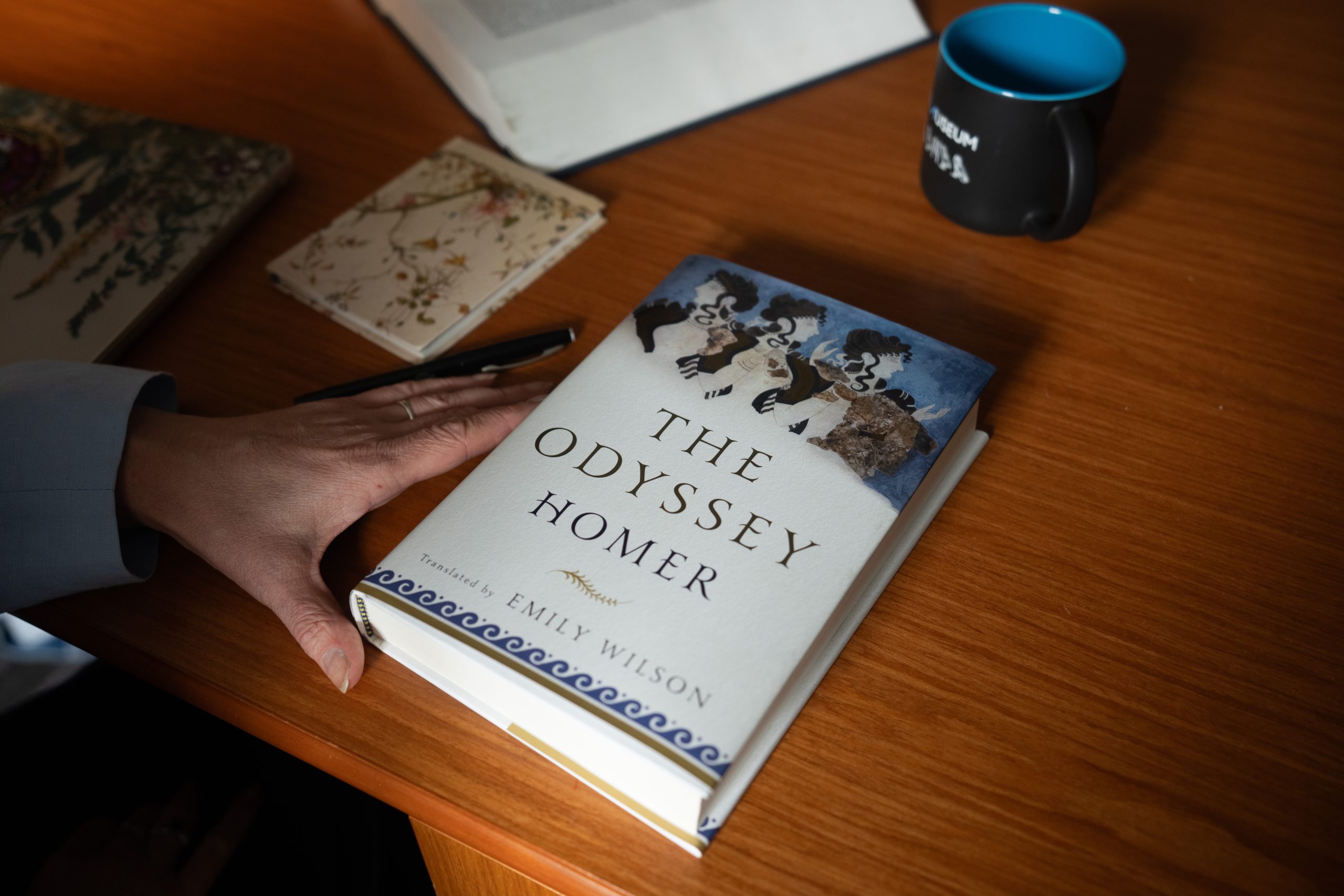
    Classics scholar Emily Wilson was in Greece’s Costa Navarino last year when she heard the news that would change her life: Filmmaker Christopher Nolan was planning to release a star-studded adaptation of The Odyssey, the epic poem that Wilson had spent years painstakingly translating from Homeric Greek into English.

    Nolan’s film crew, Wilson learned, had just left the Greek town where she was now staying. As she walked along the beach, the University of Pennsylvania professor imagined what scenes of adventure had been conjured on the ground where she stood.

    The seductively scary sirens calling out to Odysseus? The giant Cyclops who eats his men? (Spoiler alert: It was the latter, shot at Nestor’s Cave in nearby Messenia.)
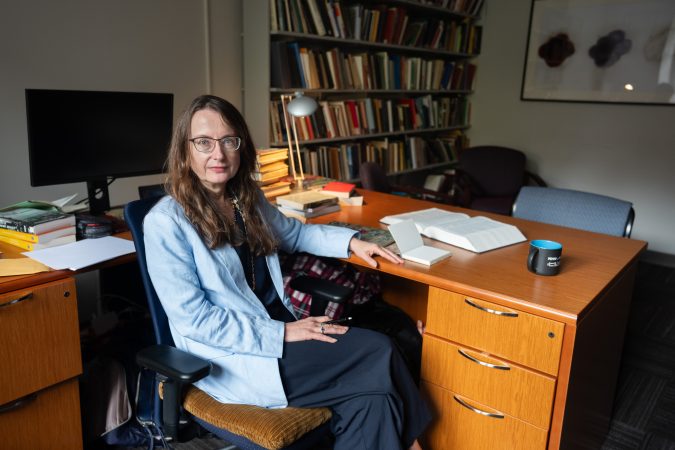
    Professor Emily Wilson, in her office at the University of Pennsylvania, in Philadelphia, July 4, 2026.Jessica Griffin / Staff Photographer

    Nolan’s film was a thrilling prospect for the classicist who made her name penning a quick-paced and strikingly contemporary translation of the nearly 2,700-year-old story for modern audiences. While the Oppenheimer director wrote his own version for the big screen, along with partner-collaborator Emma Thomas, he has cited several translations, including Wilson’s, as references.

    “It’s great that there’s going to be a whole new wave of people who may not have thought much about The Odyssey, may not even be familiar with the narrative, who may then get excited about it, because Christopher Nolan is a big name,” said Wilson, who lives in West Philly with her partner, David Foreman, a Swarthmore College administrator, her two younger daughters, Psyche and Freya, their cats, Pumpkin and Spice, and their dog, Pepper. (Her eldest daughter, Imogen, just graduated from Temple University.)
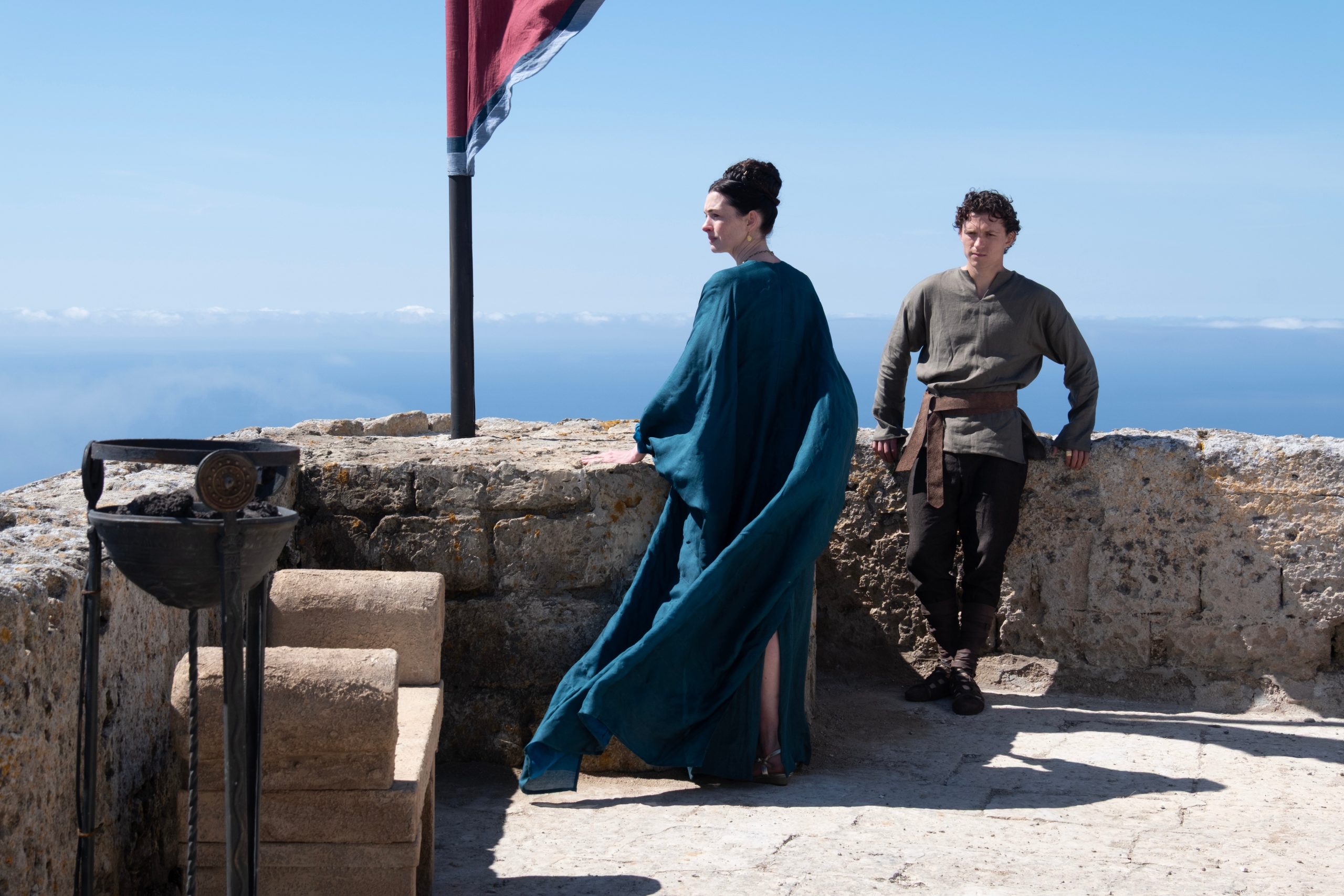
    This image released by Universal Pictures shows, from left, Anne Hathaway as Penelope, and Tom Holland as Telemachus, in a scene from “The Odyssey.” (Melinda Sue Gordon/Universal Pictures via AP)Melinda Sue Gordon

    The Nolan bump is already in effect: The Odyssey made $263.7 million globally on opening weekend, and it has been hailed as a total triumph for the filmmaker behind Inception and Interstellar. The cast features Nolan regulars like Matt Damon (Odysseus), Anne Hathaway (Penelope), Robert Pattinson (Antinous), and Elliot Page (Sinon), as well as Tom Holland (Telemachus, son of Odysseus and Penelope), Zendaya (Athena), John Leguizamo (Eumaeus), and Lupita Nyong’o (Helen of Troy/Clytemnestra).

    But even before the red carpets and glitzy media tours, Wilson saw a surge of interest in her 2017 translation. Last year saw a significant increase in book sales following the film announcement, and those numbers have continued to rise into 2026, said Louise Brockett, head of communications at W.W. Norton & Co., Wilson’s publisher.
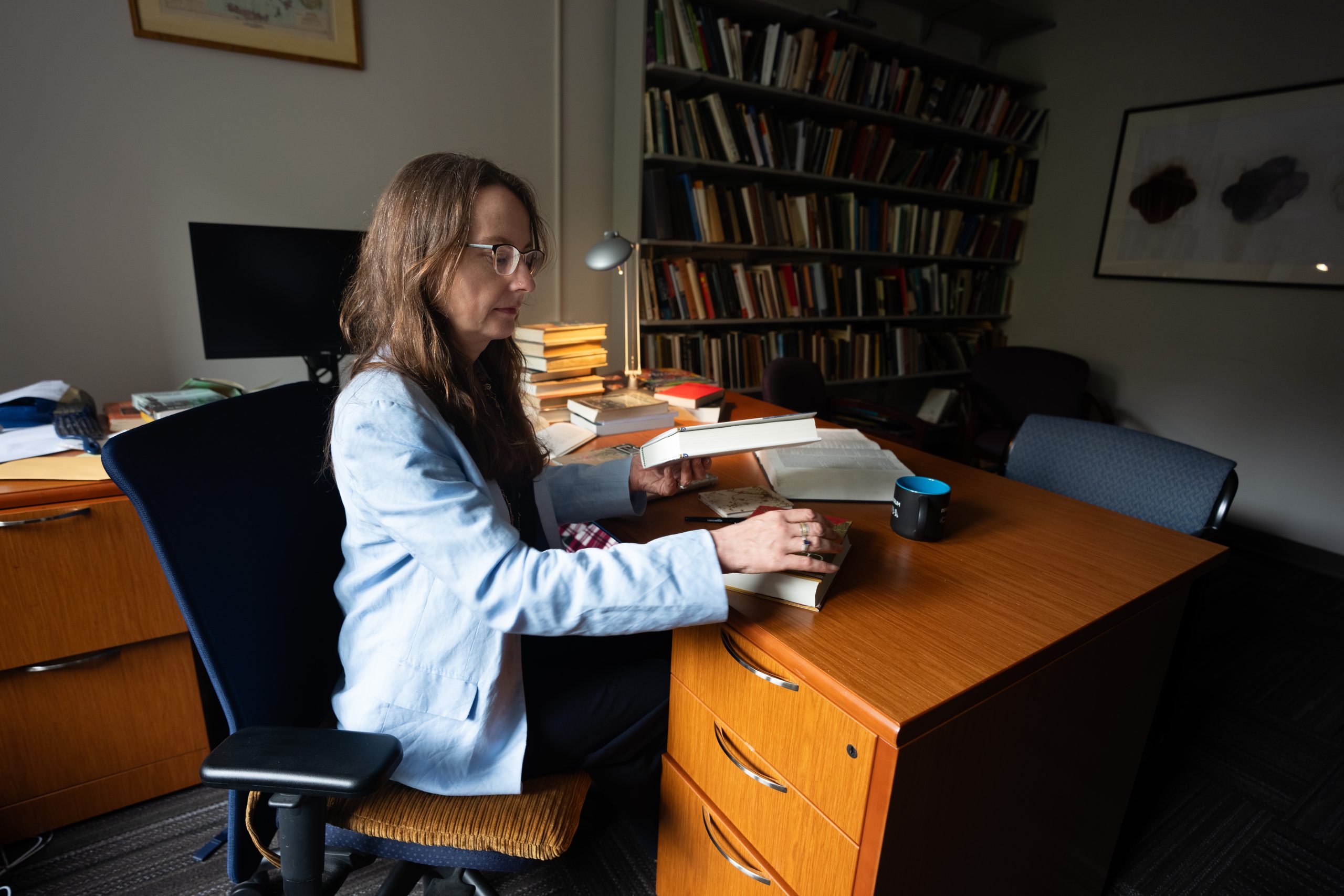
    Professor Emily Wilson, in her office at the University of Pennsylvania, in Philadelphia, July 4, 2026.Jessica Griffin / Staff Photographer

    As of July 2 this year, total sales reached a major milestone: “In 2026, notably, domestic sales across all formats surpassed 1,000,000 copies,” Brockett wrote in an email.

    For Wilson, the overwhelming response has been stunning to witness. Long before The Odyssey again seized the zeitgeist, she took on the project with rather low expectations of readership.

    “I remember being very much aware that most retranslations maybe sell 1,000 copies if you’re lucky … you’re going to work very, very hard on it for five years, and then maybe a tiny number of people will read it — and of course I thought it was still worthwhile,” said Wilson, who first became enamored with Greek mythology as a child growing up in Oxford, England.

    Her book was a success, lauded for its compelling storytelling and accessible, modern language; it led to her being named a prestigious MacArthur “genius” fellow. With its release, Wilson also earned special recognition that initially surprised her: She was the first woman to publish an English translation of The Odyssey.
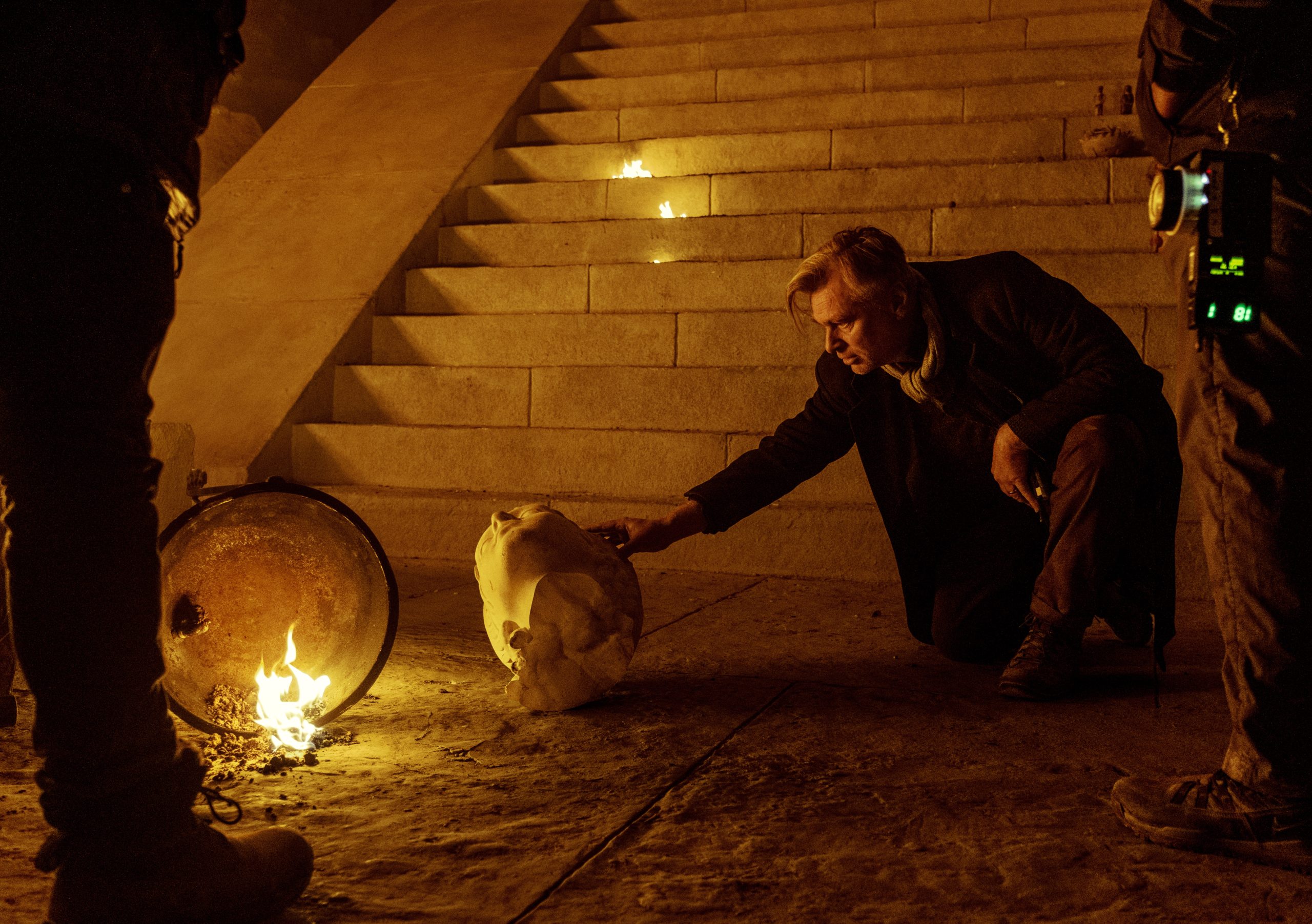
    This image released by Universal Pictures shows director Christopher Nolan on set of “The Odyssey.” (Melinda Sue Gordon/Universal Pictures via AP)Melinda Sue Gordon

    “I used lots of translations of Homer in my teaching, and it hadn’t actually occurred to me that they were all by men. It was only once that became the headline about my translation that I then looked back at it, and realized how there is a pattern here,” she said.

    But that distinction does not quite resonate with her. While classical studies still tend to be male-dominated, Wilson said, literary studies feature many women scholars in classics who have made major strides in scholarship across generations before her.

    “So I guess I partly want to push back against the idea that it’s completely unique to be a woman in classics, because it certainly isn’t,” she said. “There are many other women classicists, and I don’t want the headlines to serve as a way of erasing their work. It makes me really uncomfortable.”
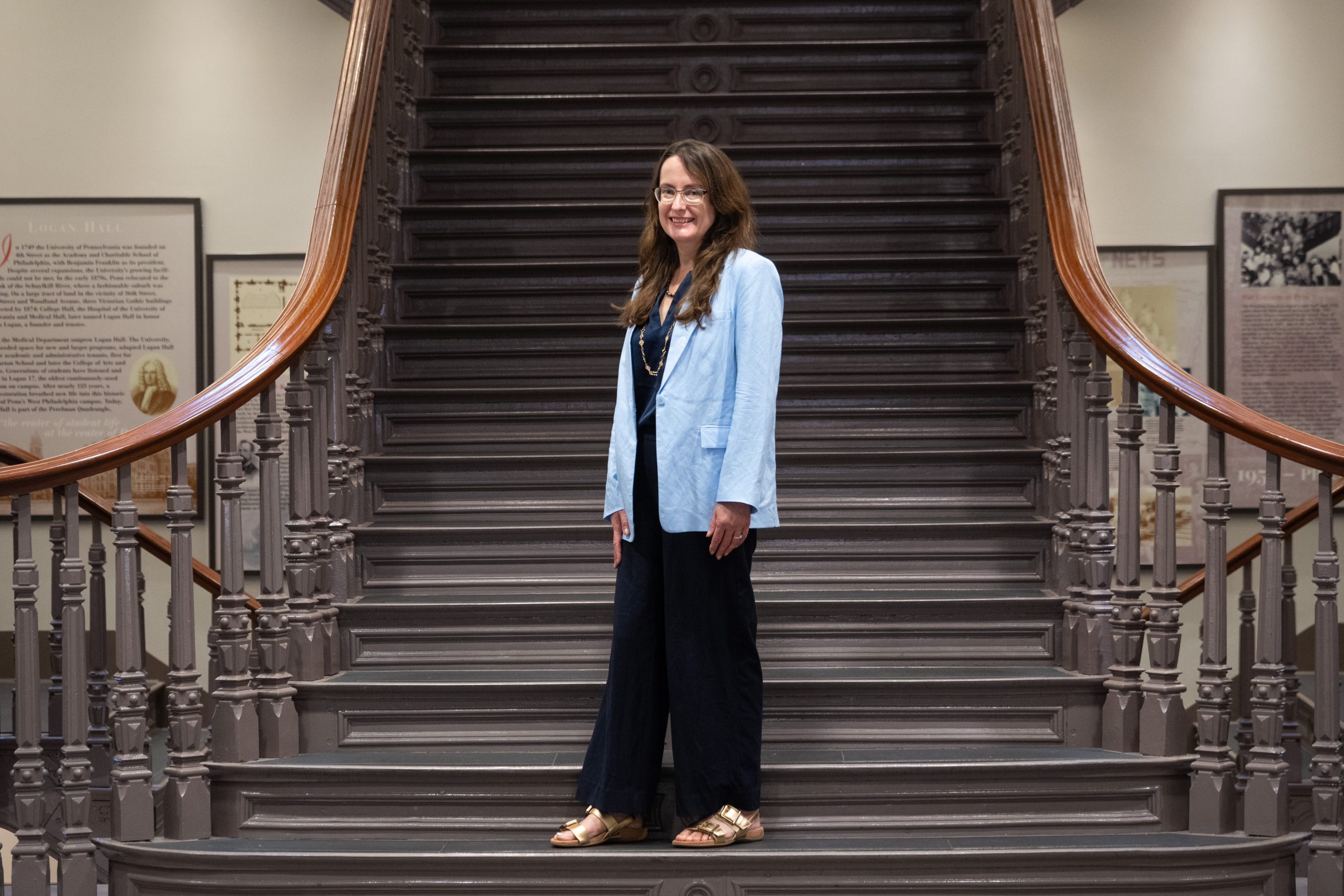
    Professor Emily Wilson, at the University of Pennsylvania, in Philadelphia, July 4, 2026.Jessica Griffin / Staff Photographer

    She doesn’t think her translation is inherently feminist because she has earned the title of “first.” A better example of a feminist retelling, for her, is Circe, Madeline Miller’s popular fantasy novel adaptation of several Greek myths, including The Odyssey. (Miller’s book focuses on the perspective of the eponymous witch who turns men into animals, played by a chilling Samantha Morton in the Nolan film.)

    Still, Wilson’s translation provided new language that stripped away some of the previous translators’ gendered biases: For instance, when the poem mentions the servant women in Ithaca who cater to Penelope’s suitors, other translators called them “sluts” and “whores,” but Wilson eschewed those derogatory terms and instead opted for “slaves” and “house girls.”

    That nuance, however, was lost when Nolan’s Odyssey became a proxy for culture wars on the internet. Scores of mostly male critics decried Nolan’s casting decisions as inaccurate for racist and transphobic reasons (many claim Helen of Troy, portrayed by Nyong’o, cannot be a Black woman).
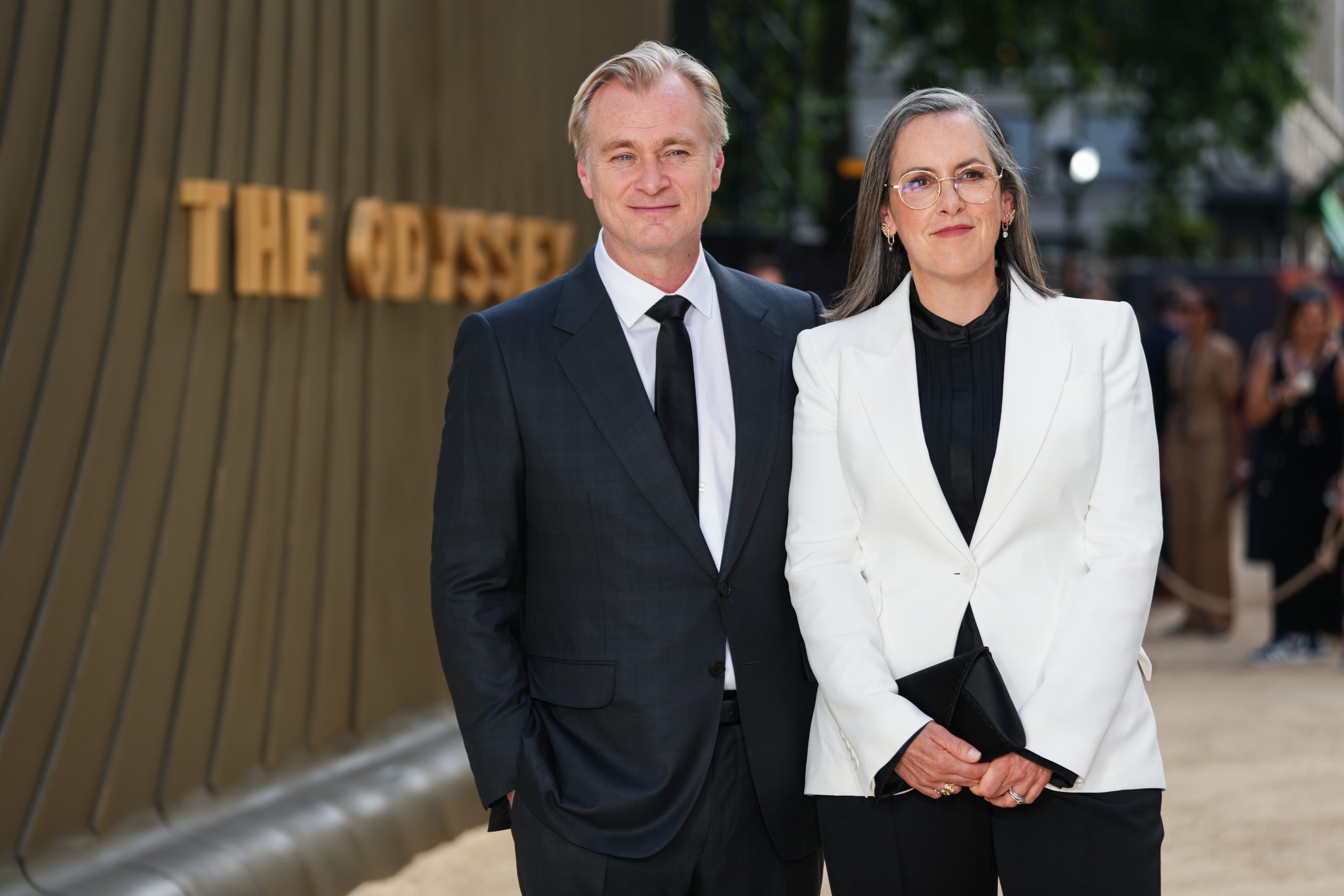
    Director Christopher Nolan, left, and Emma Thomas pose for photographers upon arrival at the premiere of the film ‘The Odyssey’ on Monday, July 6, 2026, in London. (Photo by Scott A Garfitt/Invision/AP)Scott A Garfitt

    Wilson herself has become a target for much of the outrage, too — so much so that she added a contact form to her website specifically marked for “misogynistic trolling” alongside the other button for “kind words and praise.”

    She has brushed off the noise, though, and kept working at her craft with little regard for the haters who believe The Odyssey is meant to portray only one demographic.

    From more than two decades of teaching, she knows they are simply wrong because these myths hold universal power.

    “It is really exciting to see just how many young people, especially young women, are fired up about ancient literature and classics in a new way,” she said. “It’s a whole wave of current classical scholarship and books for the general public that are showing that these texts are not just for men, not just for white people, not just for any particular modern demographic. … This is a subject that anyone from any background can engage with.”

    Wilson’s teen daughters have been swept up in the Nolan excitement, too. After Zendaya was pictured holding her book, Wilson’s daughters were thrilled.

    “There’s nobody cooler than Zendaya, obviously, so now I’ve made it,” she said, laughing.

    Beyond all the film news, Wilson is now hard at work on another translation of The Odyssey with different parameters than her first; primarily that it will be longer. Maybe Nolan’s film will spark some new ideas.

    Her next release, Crossing the Wine-Dark Sea: Journeys Through Ancient Literature, comes out this fall. It is a series of essays about her translation process and the work of connecting modern audiences with ancient literature.

    It can serve as a blueprint for anyone else eager, like her and Nolan, to take on an epic challenge.

    The headline and the article were updated to reflect updated information from the publishing house. The book’s all-time sales surpassed 1 million in 2026.
  • Horror fans bid a bittersweet farewell to an empty Pennsylvania mall full of zombies

    Horror fans bid a bittersweet farewell to an empty Pennsylvania mall full of zombies

    MONROEVILLE, Pa. — When Michelle Parsons was planning her wedding in 2007, she had only one honeymoon destination in mind.

    “My fiance asked, ‘Where do you want to go?’” Parsons recalled. “And I said, ‘The Monroeville Mall.’”

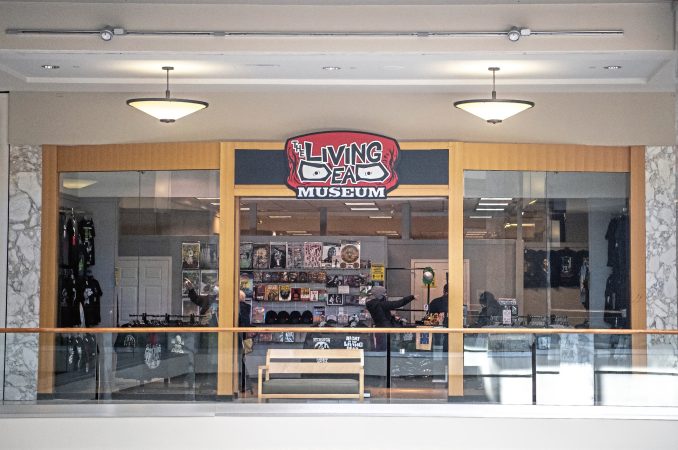
    The modest two-story shopping complex, 20 minutes from downtown Pittsburgh, might not seem like the most romantic choice. But to horror lovers like Parsons, the Monroeville Mall is “a holy place” — not to mention one of the largest and longest-standing movie sets in the country.

    In the late 1970s, George A. Romero, the creator of the modern zombie genre, took over the building to shoot “Dawn of the Dead,” a blood-soaked tale of four survivors who hide out in an abandoned mall as they try to fend off bloodthirsty creatures and greedy bikers. As Romero once told Rolling Stone, the Monroeville Mall epitomized “the false security of the whole consumer America trip,” making it the perfect backdrop for a gory allegory about 20th-century capitalism run amok.

    Since the film’s U.S. release in 1979, “Dawn of the Dead” has attracted generations of fans to Monroeville, including Parsons, a 46-year-old X-ray technologist from Yarmouth, Nova Scotia. When she finally arrived at the mall after her wedding, Parsons began to cry.

    “I was in heaven,” she said.

    The marriage didn’t last. But Parsons’ love for the movie, and for the mall, has endured.

    Last month, she was back in Monroeville for the Living Dead Weekend. This year, it united an estimated 3,000 “Dawn of the Dead” aficionados with more than 60 cast and crew members, its organizer, Kevin Kriess, said. Together, the “Dawn of the Dead” faithful celebrated the building’s history — and began the uneasy process of saying goodbye to the mall.

    In October, Walmart announced it had teamed with Cypress Equities, a development company, to buy the property for $34 million. According to a filing, there are plans to demolish the mall and build a multiuse center. The Living Dead Weekend, which has been held since 2015, will need to find a new home.

    “I’m in denial,” Parsons said. “You just kind of hope there’s a Hail Mary, that maybe they’ll save some part of this.”

    Many Living Dead Weekend attendees expressed a similar disbelief. How could their beloved gathering space simply disappear?

    “It’s hard to fathom, because it’s so iconic to so many people,” said Greg Nicotero, a Pittsburgh native and an executive producer of “The Walking Dead” who got his start as a special-effects makeup artist with help from Romero. “I’d equate visiting the mall to going to Georgetown and standing at the bottom of the steps where Father Karras lands in ‘The Exorcist,’” he said. “Or going to Martha’s Vineyard and seeing Quint’s shack from ‘Jaws.’”

    Given the mall’s imminent closure, the mood over the weekend was bittersweet. There were panel discussions, autograph sessions and VIP parties where former zombies mingled with revelers. Fans, some of whom paid $50 for a three-day pass, re-created their favorite scenes — like a shootout on the mall’s top floor — and met up with other enthusiasts, including people from New Zealand, Sweden and Britain.

    “I’ve told friends and family, ‘If you love this movie, get down here as soon as possible,’” said Joseph Lilagan, a warehouse traffic-support specialist from Mesa, Arizona, who has visited the mall nearly a half-dozen times, and was attending this event for his 38th birthday. “Being here widens the fan vibe within you. Who wouldn’t want to come and enjoy whatever’s left?”

    Retail decay

    As attendees overtook the mall, the building’s declining health was hard to ignore.

    A handful of prominent businesses were shuttered, including a vast Forever 21 store that sat in darkness. Some smaller stores looked as though they’d been abandoned in a hurry: In one hollowed-out location, all that remained were a few skeletal fixtures and a lone red hat; in another store, a limp “Grand Opening” sign sat on the floor.

    Such images of retail decay would no doubt feel familiar to dead mall scholars — as well to viewers of “Backrooms,” the industrial-space horror film playing at the Monroeville Mall’s movie theater.

    “We’ve gone from deindustrialization to de-mallization,” noted Tony Buba, an 82-year-old documentarian who has spent decades chronicling the plight of working-class Pennsylvania. Buba, who had a small role in “Dawn of the Dead,” admitted he was no fan of malls, having watched them put mom-and-pop stores out of business. But even he was feeling sanguine about the Monroeville Mall’s current state. “I think someone should buy it and turn it into an indoor zombie amusement park,” he said.

    During the convention’s first two days, the number of shoppers trickling in was notably low. “It looks like a zombie apocalypse happened here, which is kind of spot-on,” said Scott Yesh, 52, a regional manager for AAMCO Transmissions from Houston who was posing next to a bust of Romero in the courtyard.

    Dennis Biondo, the mayor of Monroeville, said that while the sale of the building had been completed, no plans for its development had been submitted to the municipality. No closing date has been announced.

    In a statement, Walmart said it had no new information, noting only that, “We believe this transformation will create a vibrant, community-centered destination that helps shape a strong, exciting future for the Monroeville area.”

    But given that some tenants have been told to vacate by April 2027, the building’s end seems near.

    A few of the storefronts, including a giant-size former Party City, had been converted into halls for the weekend. On Saturday afternoon during the weekend of the event, Tom Savini, the makeup effects wiz on “Dawn of the Dead” and other classic movies like “Friday the 13th” — and who acted in “Dawn” — signed autographs close to where he had executed a daring stunt.

    “I dove off this balcony into cardboard boxes,” Savini, who played a machete-wielding biker in the film, said. “I can’t even look at it now without my knees getting weird.”

    Savini, 79, said he was taking a stoic approach to the building’s demise. “What can you do?” asked Savini, who directed the 1990 remake of “Night of the Living Dead.” “There are petitions out there, but they’re not going to do a bit of good.”

    Stumbling on escalators

    Such a fate seemed impossible when the mall opened its doors in 1969. Hailed by its founders as “the U.S.’s largest enclosed shopping center,” the building featured an ice-skating rink, a $125,000 clock tower that hosted puppet shows, and more than 100 stores and businesses.

    “It was busy all the time,” remembered Beverly Galando, 76, a longtime Monroeville resident who had stopped by the celebration to do some people-watching. “I used to meet my mom here for walks, and now my sister and my friends walk here. This place is a gem.”

    Romero felt the same way when he toured the mall in 1974. By that point, the Pittsburgh-based filmmaker had been running from zombies for years. After the success of his 1968 thriller “Night of the Living Dead” Romero was inundated with requests for a sequel. “I was just resisting completely,” he recalled in the 2004 documentary “The Dead Will Walk.” “I didn’t want to get typecast.”

    Romero’s visit helped inspire the screenplay for “Dawn of the Dead,” which filmed in late 1977 and early 1978. The cast and crew members shot in the evening and wrapped by 7:05 a.m. the next day. That’s when the mall’s automatic Muzak system switched on, and local cardiac patients arrived for their morning exercise, passing blood-splattered zombies on their way in.

    “The mall was sort of our home,” said Gaylen Ross, a documentarian who played one of the human survivors in “Dawn of the Dead.” “We had complete freedom to roam around,” she said. “And we spent a lot of time waiting for blood to be cleaned up.”

    Romero shot additional sequences at various Pittsburgh-area locations, including a regional airport and a gun shop (both now gone). But nearly all of the action was captured at the mall. That’s where the zombies try to reconnect to their human pasts: They wander through department stores, stumble along escalators and even take to the ice.

    In one exchange from the film, Ross’ character struggles to understand the creatures’ behavior.

    “Why do they come here?” she asks.

    Her boyfriend, played by David Emge, says, “Some kind of instinct.”

    “Memory of what they used to do,” the character adds. “This was an important place in their lives.”

    A hopeful future

    Though Romero took aim at me-decade commercialism in “Dawn of the Dead,” he surrounded that message with plenty of chaos and carnage, not to mention lots of gnarly special effects. That led the U.S. ratings board to slap the movie with an “X,” making it a tough sell in America (Romero ultimately decided to release it in theaters unrated). The movie proved too much for some critics, including Janet Maslin of The New York Times, who left “Dawn of the Dead” after just 15 minutes.

    Nonetheless, the low-budget film eventually became a box-office hit, powered by action sequences — including scenes of motorcycles and cars tearing through the mall — as well as wry humor and an unlikely upbeat message.

    “There’s a family component to the movie, because the survivors only have each other,” said Carl Hoelzl, 61, an insurance-industry employee from Stonybrook on Long Island. He was relaxing in a massage chair in the middle of the mall. “‘Dawn of the Dead’ gives you the sense of, OK, even though the world’s falling apart, people can come together and start building for a hopeful future.”

    Romero would likely never have guessed that the building he used to symbolize excess would become a product itself. And there were plenty of spending opportunities for the Living Dead Weekend attendees: Autographs of many of the zombie actors cost $20 to $60, while old bricks from the mall were available for $75 each.

    On Saturday night during the event, Dan Bertha was killing time near the food court, an unlit cigar in his hand. Bertha, 79, had a long history with the mall: He’d worked on its construction, and played hockey on its ice rink. He’d even starred as a SWAT team member in “Dawn of the Dead.” This was the third convention he’d attended for the film, and it was going well: The fans had been friendly, and he estimated he’d made about $1,000 a day signing autographs.

    For those who wanted a more immersive zombie experience, daily tours of the mall (for $50) were conducted by Larry DeVincentz, 51, an enthusiastic “Dawn of the Dead” authority from Fort Mill, South Carolina. At one point, DeVincentz rolled on the ground for about 100 tour guests, re-creating a scene in which zombies gobble a biker’s guts.

    DeVincentz was confident the “Dawn of the Dead” celebrations would continue.

    He won’t have to wait that long: Over the course of the weekend, word got out that another Living Dead Weekend had been set for October. (Since 2017, the event has been held twice a year, with other installments dedicated to different horror films.) That will allow “Dawn of the Dead”-heads to revisit their beloved mall one last time.

    Parsons said she would be among those returning. Many of the fans here, she noted, had come to feel like family. Last year, she even served as a maid of honor at a wedding of two friends she’d met at the Living Dead Weekend.

    “George Romero brought us all together for this one thing,” Parsons said. “And this is the only vacation I take.”

    This article originally appeared in The New York Times.

  • Bill Wine, Emmy Award-winning film and TV critic, and longtime La Salle professor, has died at 81

    Bill Wine, Emmy Award-winning film and TV critic, and longtime La Salle professor, has died at 81

    Bill Wine, 81, of Philadelphia, three-time Mid-Atlantic Emmy Award-winning film and TV critic, retired tenured associate professor of TV and film at La Salle University, onetime freelance TV critic for the Daily News, freelance writer, playwright, and popular lecturer, died Sunday, June 14, of complications from Parkinson’s disease at his home in Chestnut Hill.

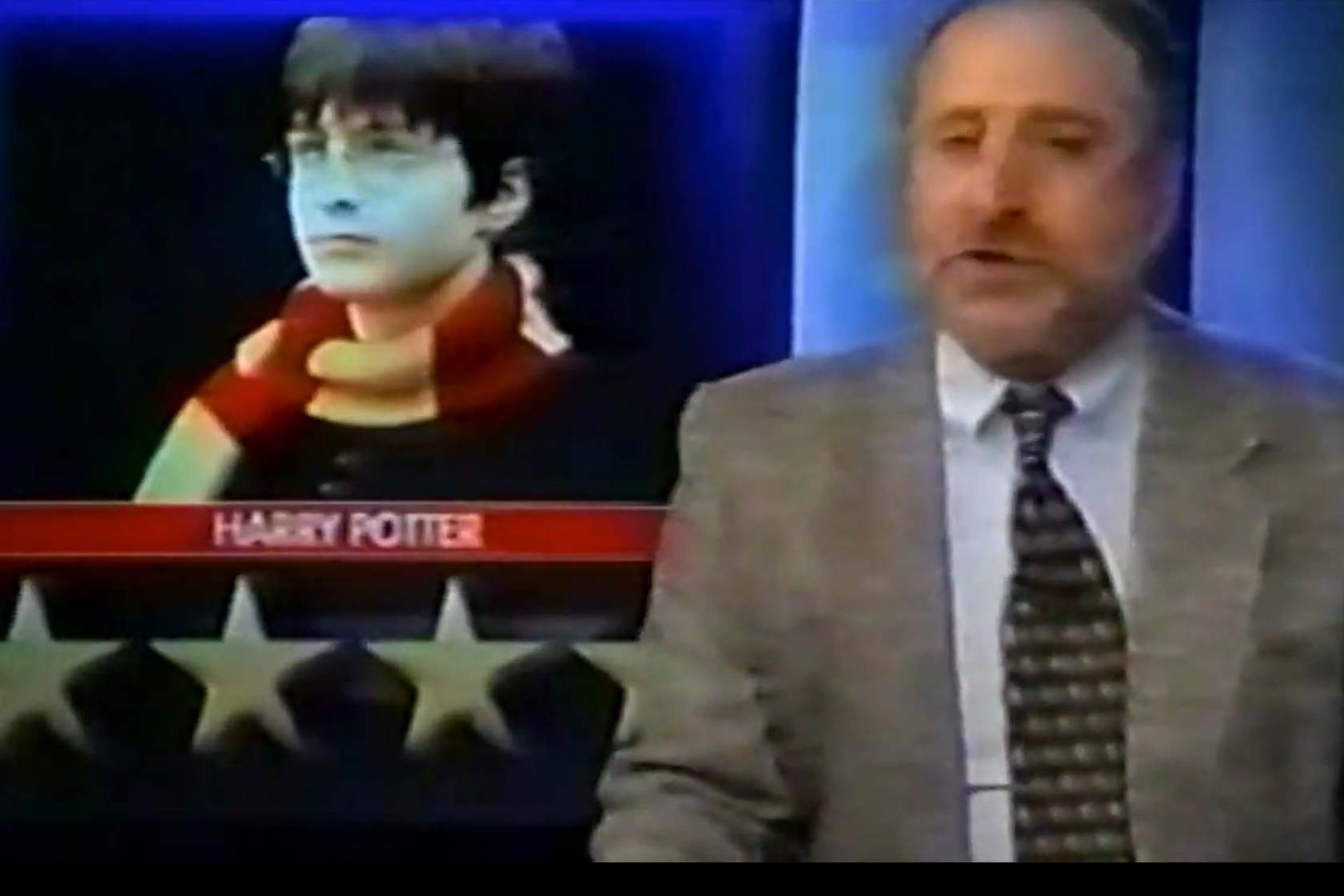
    The son of two part-time amateur actors and a lifelong devotee of theater, film, TV, writing, and teaching, Mr. Wine was a film critic for WTXF-TV, Channel 29, for 12 years and KYW radio for 17 years. Known for his pithy, witty, and often acerbic reviews, and a breezy conversational style of writing, he worked at Channel 29 from 1990 to 2002 and KYW from 2001 to 2018.

    “Bill Wine was a character out of a Neil Simon comedy, more Oscar than Felix,” said Carrie Rickey, former Inquirer movie critic. “You didn’t have to wait long for the punchline.”

    Mr. Wine’s film reviews on Channel 29 were often funny and entertaining. Channel 29

    At Channel 29, Mr. Wine was nominated for eight regional Emmy Awards for commentary and writing, and won three. He appeared regularly on the station’s Ten O’Clock News, in primetime movie preview and review programs, and later on Mondays, Wednesdays, and Fridays on Good Day Philadelphia.

    By 1990, he had already written hundreds of freelance film reviews for the Daily News and Courier-Post, done radio reviews for WPEN, and taught a variety of classes about film and writing for a decade at La Salle. So, despite no previous TV experience, he was hired at Channel 29 over 60 other film critic applicants.

    “I had never been on TV, but I wasn’t nervous,” he told the Daily News in 2001, “because I had been standing in front of 100 students for 10 years.”

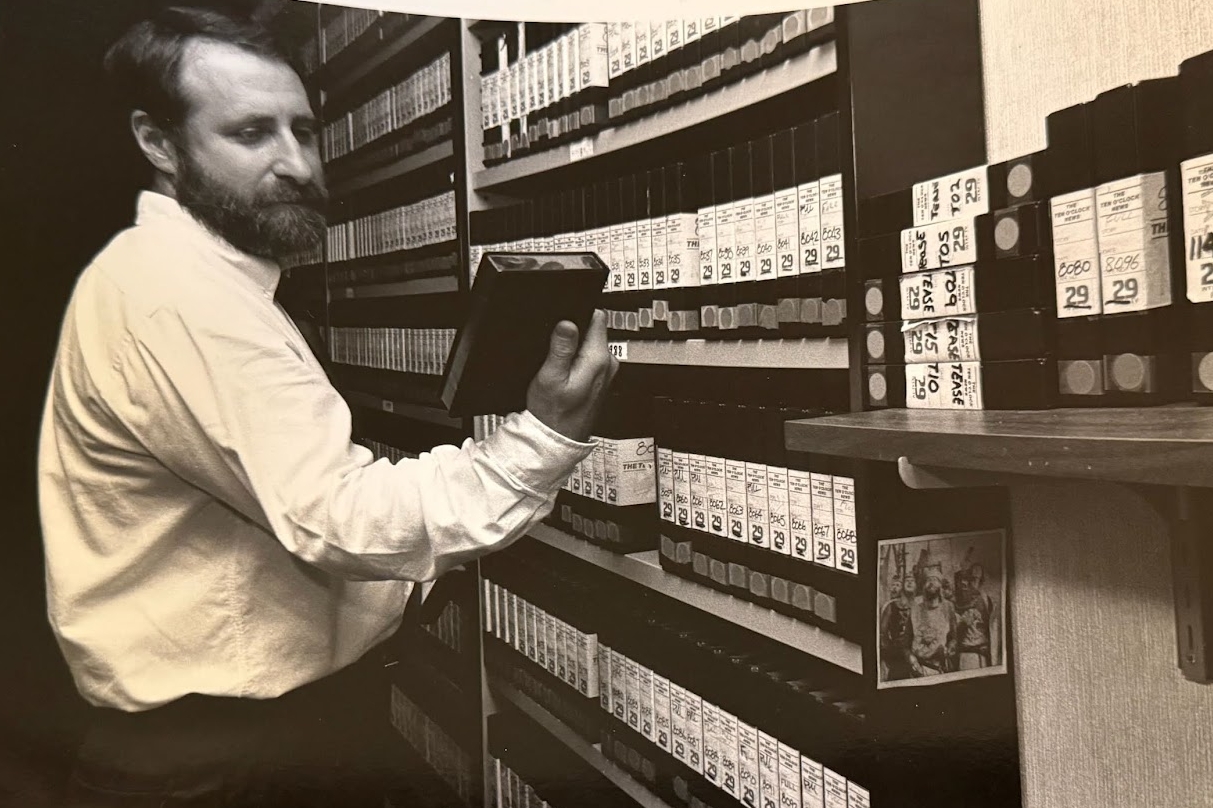
    Mr. Wine worked at at WTXF-TV, Channel 29, for 12 years.Courtesy of the family

    He started at KYW radio in 2001 and usually aired reviews and reports on Thursdays, Fridays, and Saturdays. Sometimes, he watched three movies in one day. He left Channel 29 in 2002 and KYW in 2018 only after both companies eliminated their local film critic position.

    “When I started [writing film reviews], it was before the internet,” he told The Inquirer in 2018. “A lot of people [now] feel like, ‘Who the heck is a movie critic to come on in a minute and to dismiss something that took hundreds of people and millions of dollars to create?’”

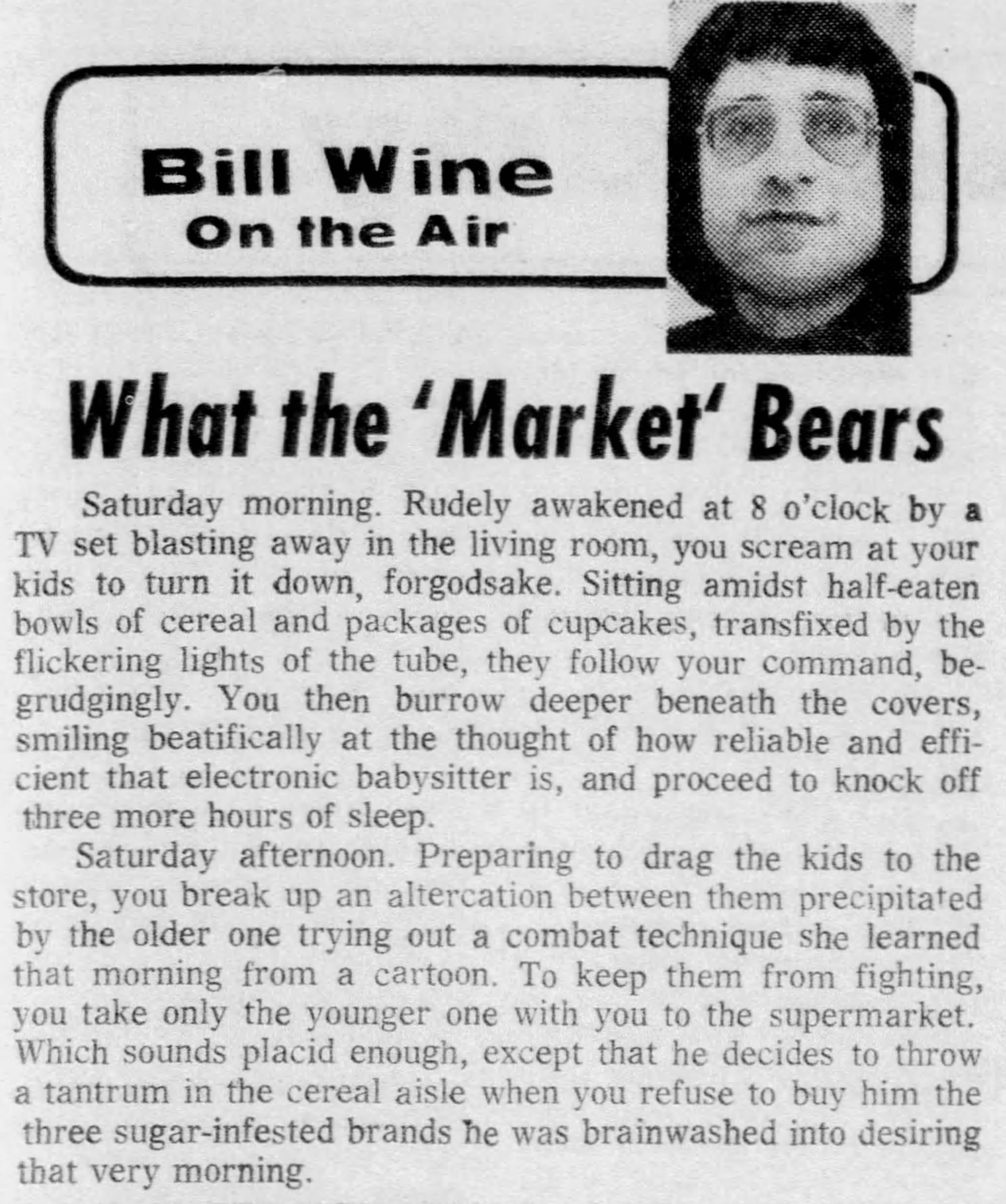
    In the 1970s and ‘80s, he wrote articles and reviewed films, TV shows, books, and plays for WPEN, The Inquirer, Courier-Post, Philadelphia Magazine, and other outlets. In 1975, he wrote dozens of freelance TV columns called “On the Air” for the Daily News.

    Mr. Wine wrote dozens of columns as a freelance TV critic for the Daily News in 1975.Newspapers.com

    He spent three years in California in the 1970s working on plays and film and TV scripts. He hobnobbed with famous writers, producers, and actors in Los Angeles, staged one of his own plays, and was a winning contestant on a new TV game show.

    He wrote 11 plays over the years, and several made it to the stage. “Now the people who disagree with my reviews can come and find out if I’m as dumb as they think I am,” he told The Inquirer in 2002.

    He aired reviews on WIP radio and lectured often at libraries, schools, community centers, theaters, and other venues about his favorite films, adapting books to film, and other topics. “He could be wickedly funny, especially when delivering a pan of a movie,” his family said in a tribute. “One of his favorite quotes was: ‘I had a bad seat. It was facing the screen.’”

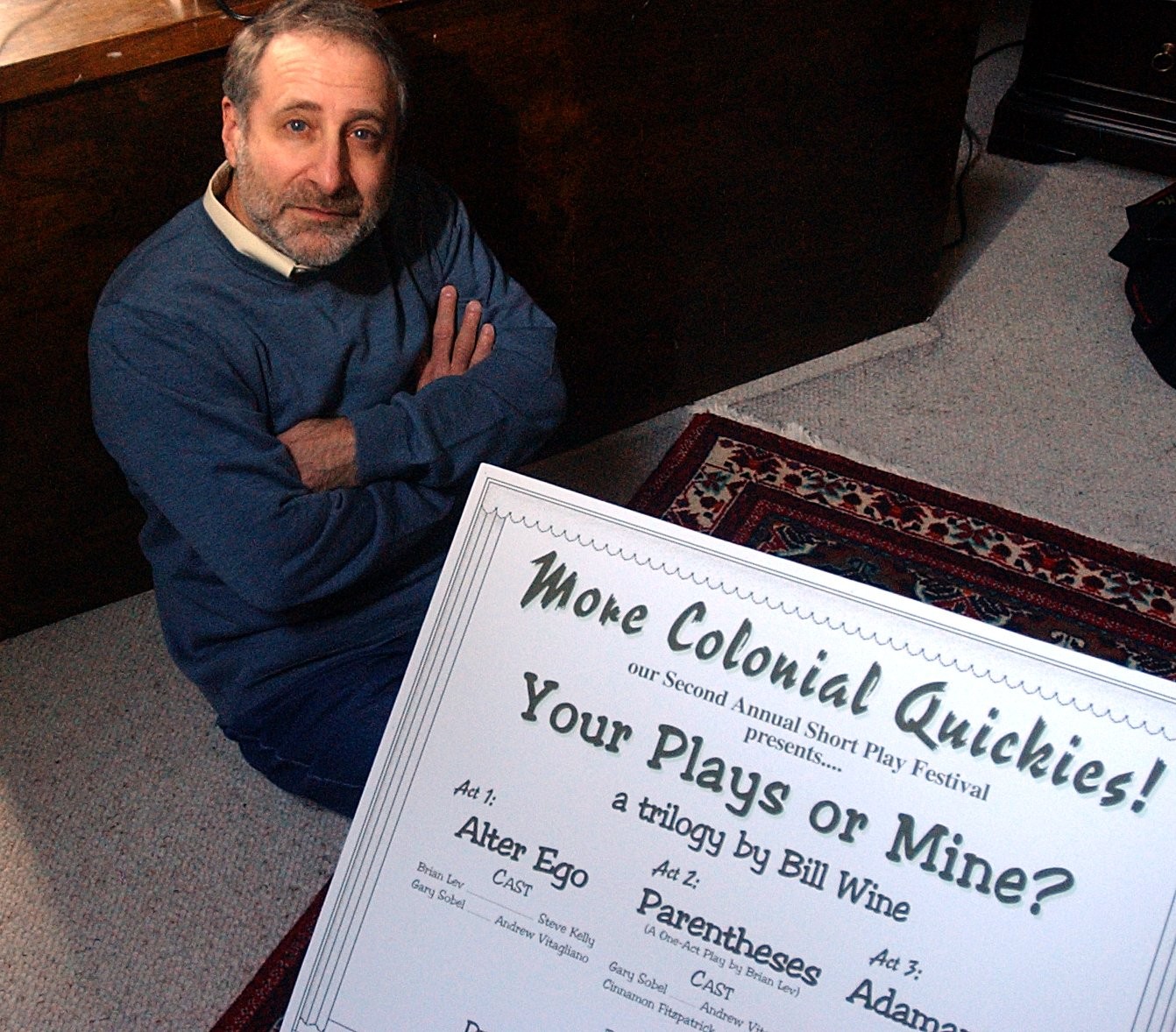
    Mr. Wine was a prolific playwright who enjoyed table readings with family and friends. La Shina Clark / Staff Photographer

    Mr. Wine earned a bachelor’s degree in math at Drexel University and a master’s degree in communications at Temple University. He helped design La Salle’s nascent Communication Department in the 1980s, and school officials called him one of their “Founding Fathers.” He also taught briefly at Drexel, and came close to earning a doctorate at Temple.

    In 2001, he was featured in a Daily News story about “celebrity professors” and said: “You have to remind yourself that this is television, not the classroom. You mention, say, ‘film noir’ on TV, and you get a memo.”

    William David Wine was born June 21, 1944, in Germantown. He grew up in West Oak Lane and Cherry Hill, attended Central High School, and graduated from the old Cherry Hill High School.

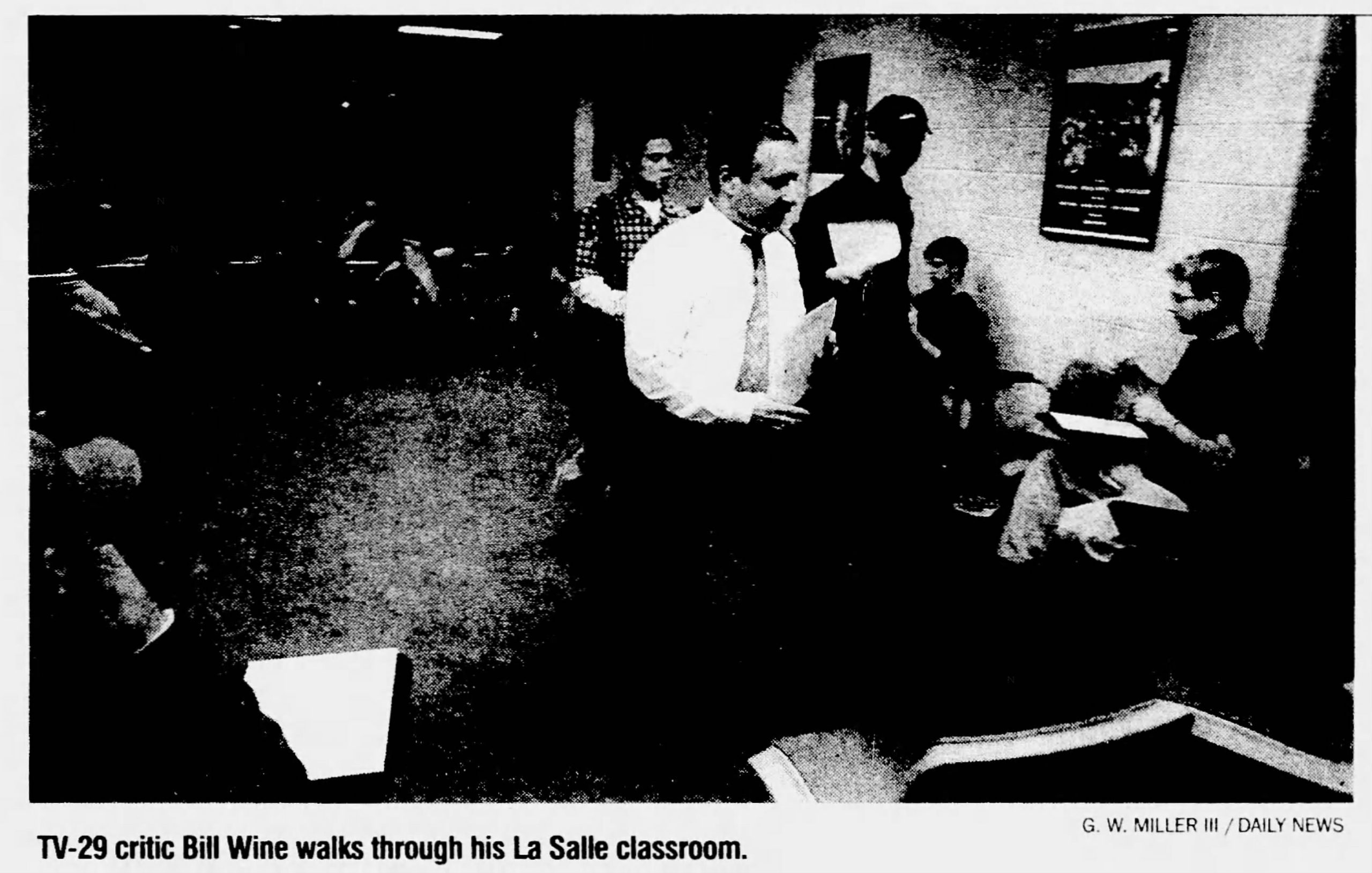
    A story and this photo of Mr. Wine about his time as a professor at La Salle appeared in the Daily News in 2001.Newspapers.com

    As a boy, he devoured newspaper movie reviews and fell in love with film after seeing Alfred Hitchcock’s 1954 thriller Rear Window. He got positive reviews of his own freelance movie review when he was at Temple, and he knew then, he said later, that writing about movies was his creative niche.

    “The first time I saw my byline, I was hooked,” he told Drexel Magazine in 2016.

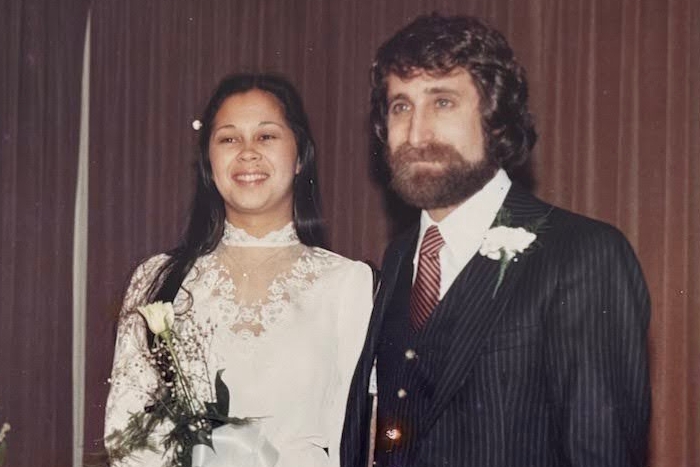
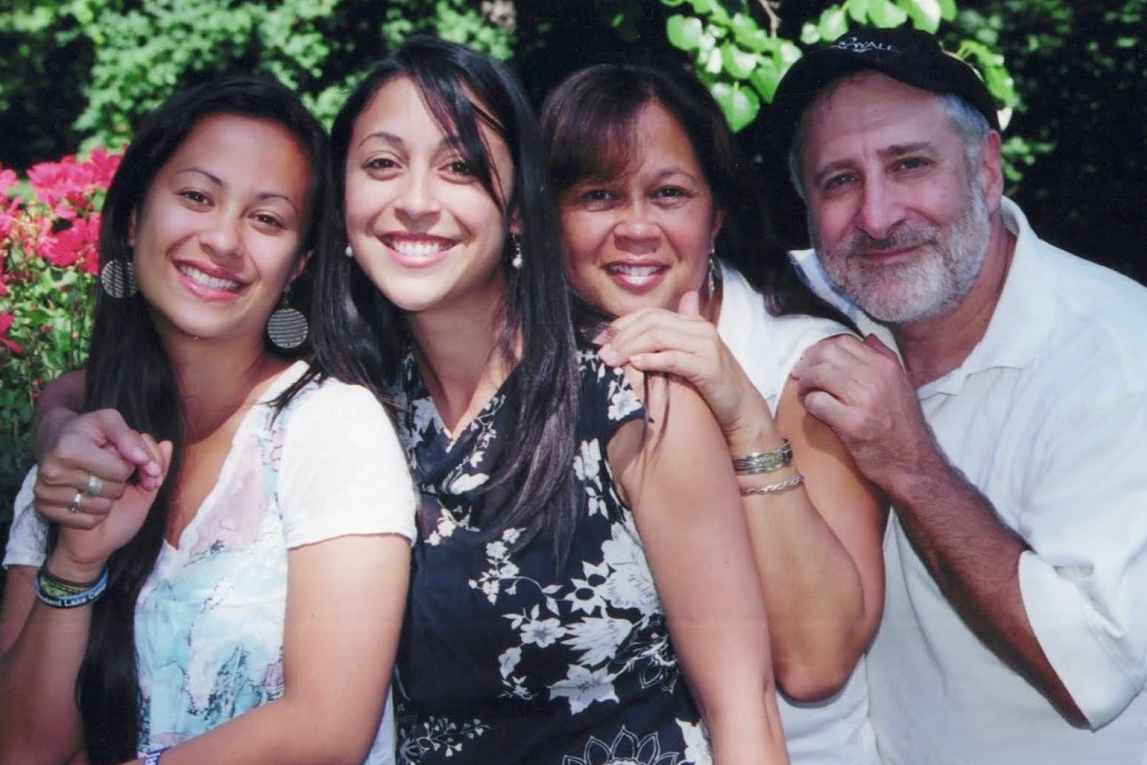
    He married Dina Lichtman, and they divorced later. He married Suzanne Monsalud in 1981, and they had daughters Simone and Paulina, and lived in Germantown, Wyncote, and Chestnut Hill.

    Mr. Wine and his wife, Suzanne, married in 1981.Courtesy of the family

    Together, Mr. Wine and his family traveled to Paris and London, and he and his wife honeymooned in Rio de Janeiro, Brazil. He doted on his daughters and sometimes took them to his La Salle classroom, the Channel 29 TV set, and movie screenings.

    Friends, former colleagues, and former students called him “a force of nature,” “smart and gifted,” and “a rare combination of kindness, professionalism, and humor.” His daughter Simone said: “His humor, warmth, and presence made life brighter.”

    Mr. Wine played tennis, third base on adult softball teams, and pickup basketball into his 70s. He followed the Phillies, 76ers, and Eagles closely, and hit tennis balls with Hall of Famer Rod Laver at a publicity event in Los Angeles.

    Mr. Wine and his family made memorable trips to Paris, London, and elsewhere. Courtesy of the family

    “He was a wonderful father and a dedicated teacher,” his wife said. “He was a real Philadelphian, and we complemented each other.”

    His daughter Paulina said: “Dad, I think you cracked the code. We’ll see you at the movies.”

    In addition to his wife and daughters, Mr. Wine is survived by three grandchildren, a sister, Marcia, and other relatives. A sister died earlier.

    A celebration of his life was held earlier.

    Donations in his name may be made to the Bill Wine Scriptwriting Award at La Salle University, 1900 W. Olney Ave., Philadelphia, Pa. 19141.

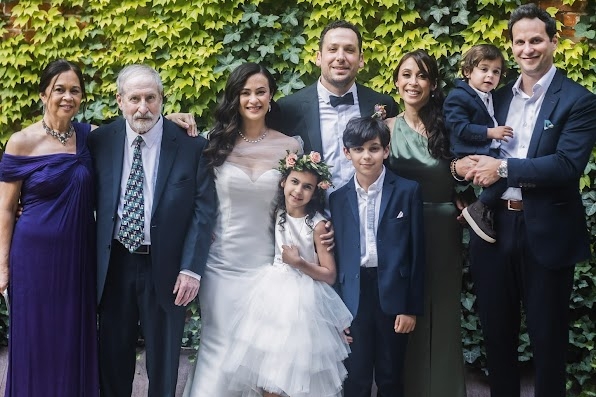
    Mr. Wine (second from left) enjoyed time with his family. Courtesy of the family
  • ‘I was thrilled’: Tony Shalhoub looks back at ‘Big Night,’ the ultimate Jersey Shore movie that turns 30

    ‘I was thrilled’: Tony Shalhoub looks back at ‘Big Night,’ the ultimate Jersey Shore movie that turns 30

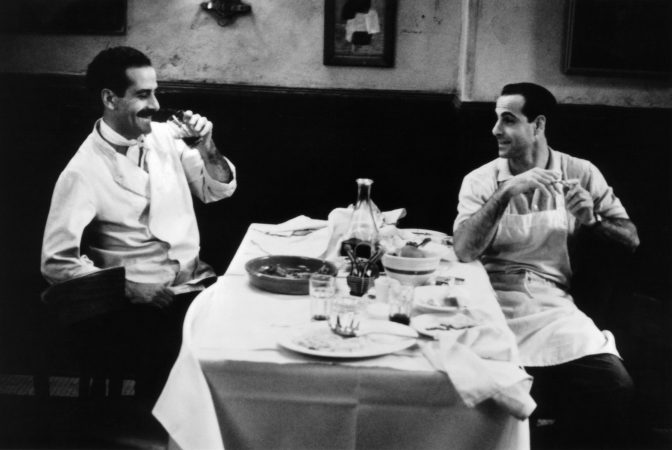
    Big Night is a food movie, an Italian American movie, a movie about brotherhood, and a movie about the immigrant experience. And , it’s a Jersey Shore movie.

    Released in 1996, it stars Tony Shalhoub and Stanley Tucci as Primo and Secondo, a pair of Italian immigrant brothers who operate an authentic but failing Italian restaurant in an unnamed Jersey Shore town in the 1950s.

    Chafing under the competition of the more successful but less authentic restaurant across the street, the brothers stake it all on the eponymous “Big Night” when they’ve been told the jazz bandleader Louis Prima is coming to dine at their spot. Presumably, he’d then talk up the food and save their restaurant.

    Big Night is full of mouth-watering food, starting with the timpano, a complex dish that includes a crust, meat, pasta, and more.

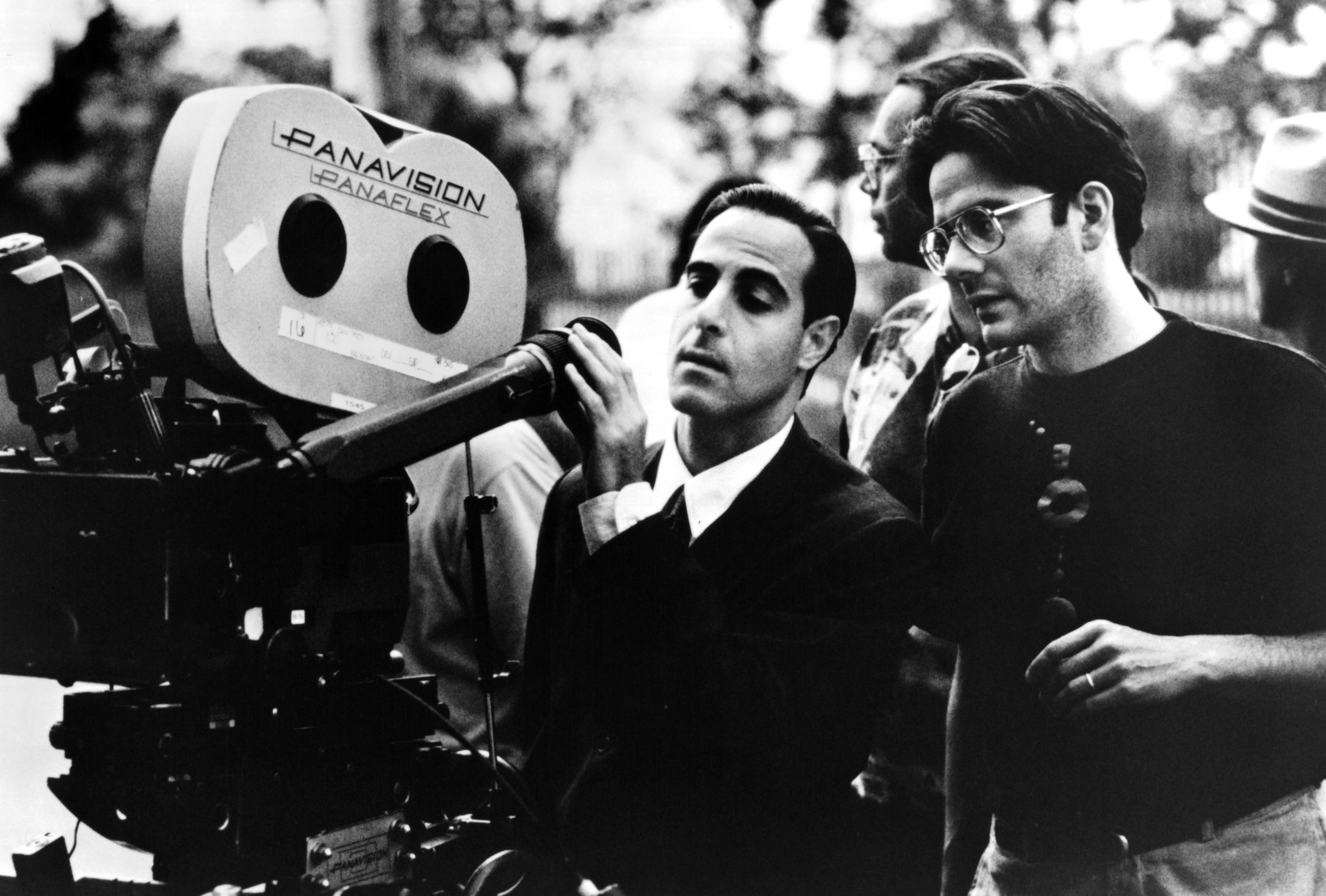
    Codirectors Stanley Tucci (left) and Campbell Scott, on set of the movie “Big Night,” circa 1996. (Photo by Michael Ochs Archives / Getty Images)Getty Images

    While the film’s exteriors were shot in Monmouth County’s Red Bank and Keyport, the film never specifies exactly where it is set. The interiors were shot on a soundstage in New York City.

    “It was really one of those towns that had not changed too much,” Shalhoub said to The Inquirer. “The town, the outside of the restaurant, the beach sequences, were all shot in Jersey.” Even in 1996, the areas easily stood in for the 1950s Jersey Shore.

    Shalhoub, well-known for the TV series Monk and The Marvelous Mrs. Maisel, among numerous movie roles, shot Big Night during a summer hiatus from his sitcom Wings.

    “I knew Stanley Tucci; we had done a play together in the late ‘80s,” he said. “We were both actors in New York, I had seen his work in the theater, [and] we had similar friends and directors in common.”

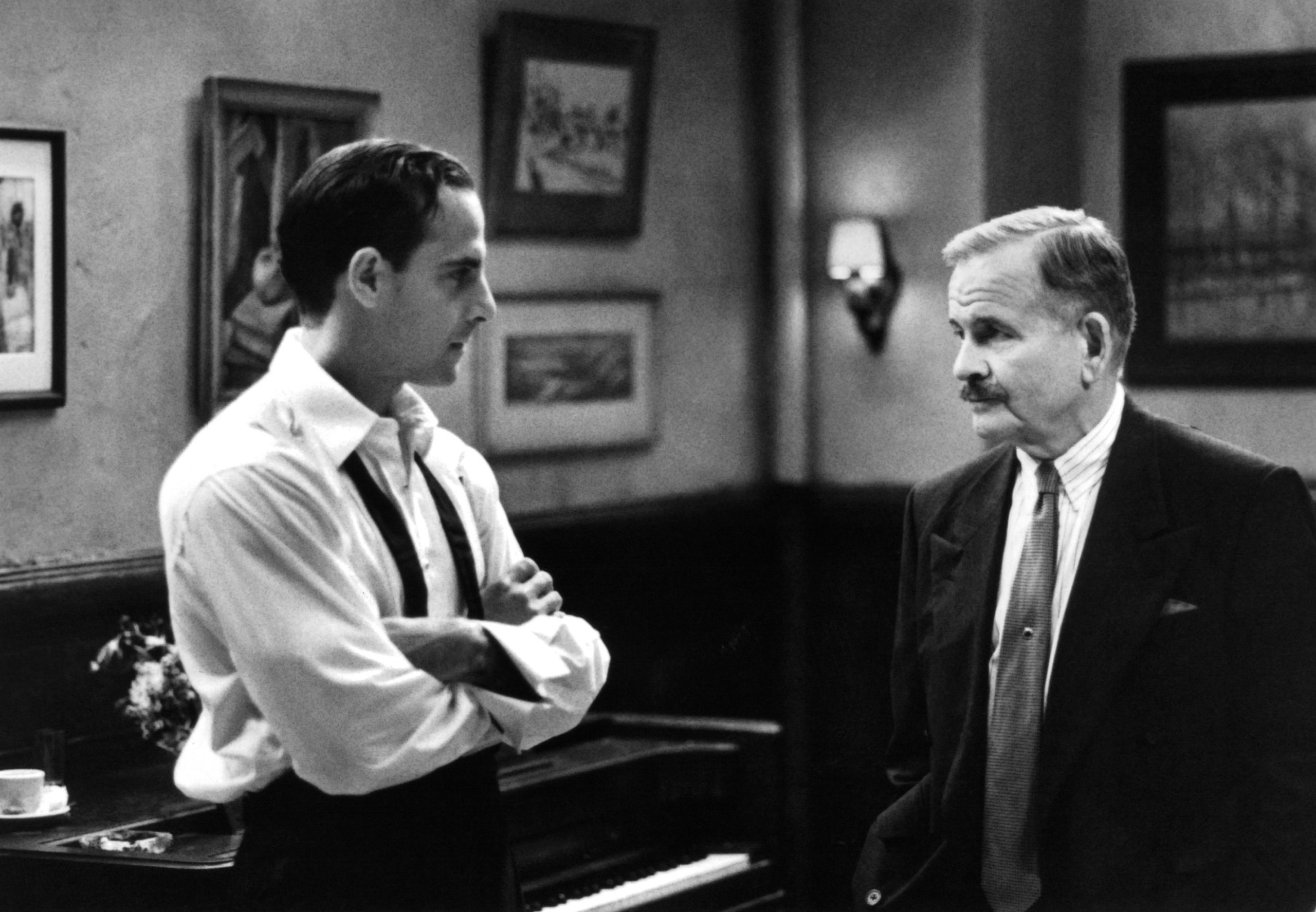
    Actors Stanley Tucci and Ian Holm on set of the movie “Big Night,” circa 1996.Photo by Michael Ochs Archives/Getty Images

    There was a specific reason Tucci decided to make Big Night, Shalhoub said.

    “[He wanted] to sort of begin to establish himself as an actor … not to be pigeonholed into the stereotypical Italian Mafia zone.”

    There was no mention of that in Big Night.

    “It’s all about the brothers,” Shalhoub said. “It’s about the period, it’s about the food, it’s about the old country, Primo having one foot still in the old country.”

    “The closest we get to violence is those two clowns rolling around. They don’t even know how to fight,” the actor said during a conversation recently following a special screening of the film at the Lighthouse International Film Festival on Long Beach Island.

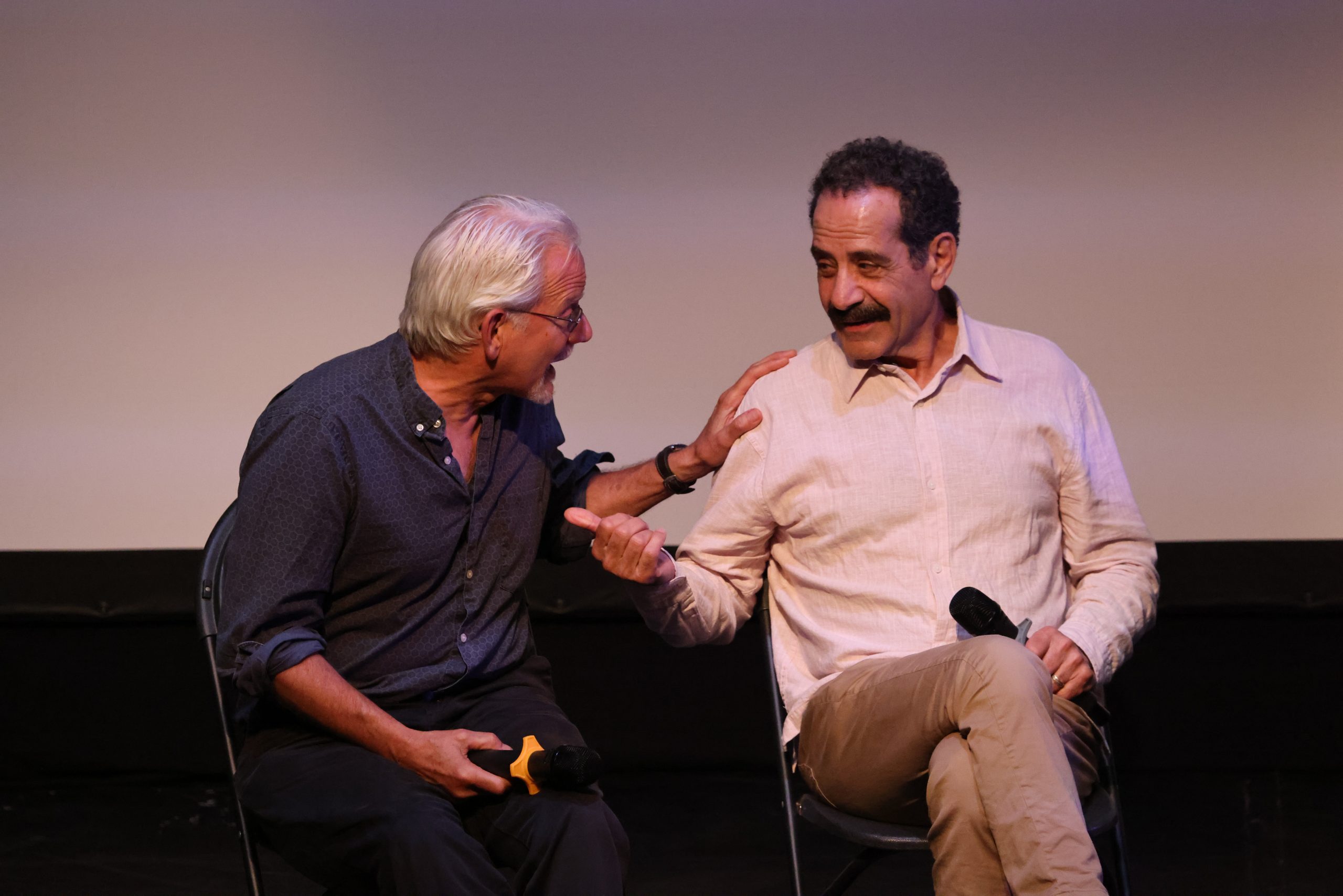
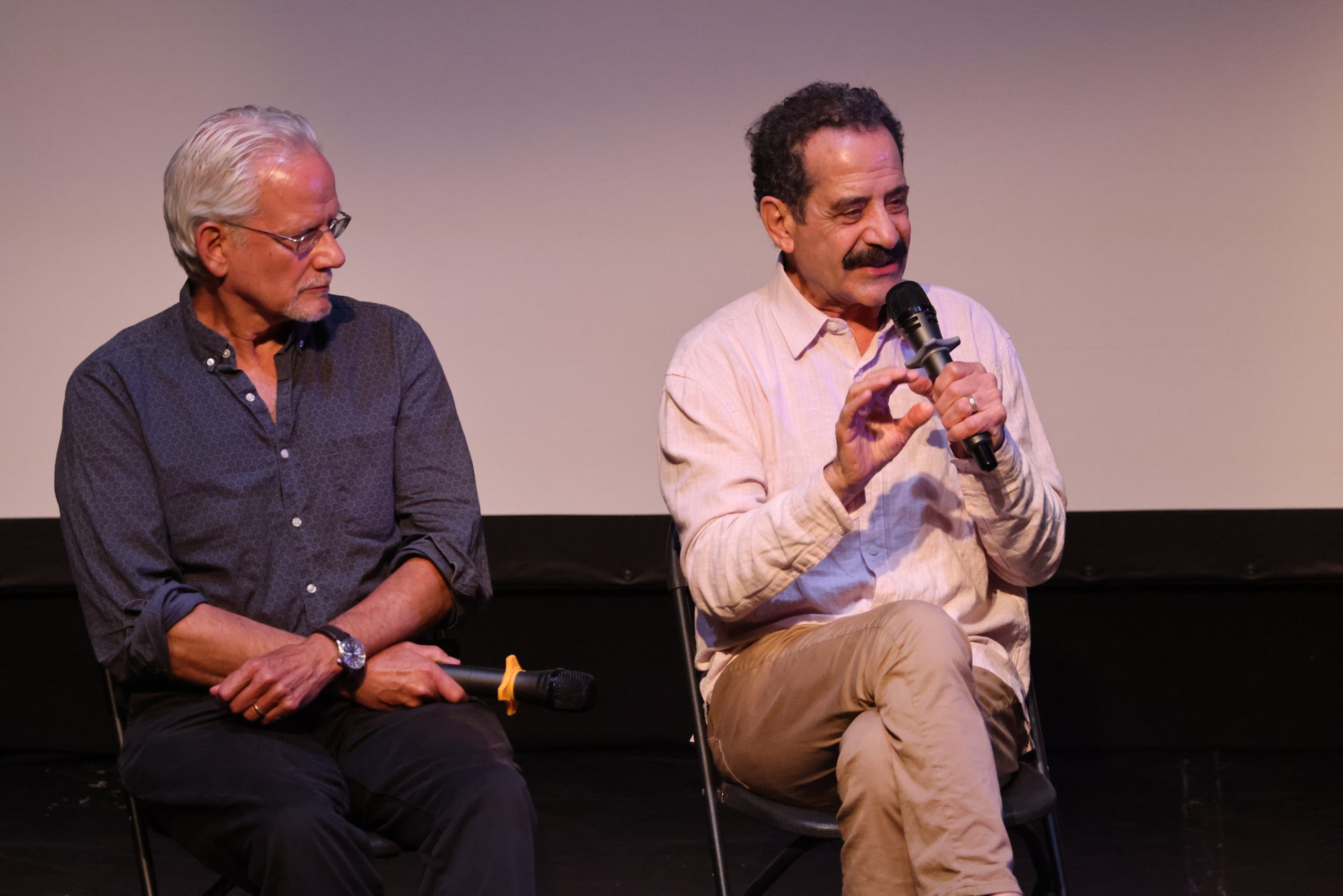
    Campbell Scott (left) and Tony Shalhoub speak at a 30th anniversary screening of their film “Big Night” at Lighthouse International Film Festival on Long Beach Island, on June 12, 2026.Courtesy of Lighthouse International Film Festival

    Big Night had been “in the pipeline” for many years, and Shalhoub had originally auditioned for the role of Pascal, the rival restaurant owner ultimately played by Ian Holm.

    It finally came together in the summer of 1995; the shoot lasted about four weeks.

    “I was thrilled,” Shalhoub said. “Any part, either part, I was happy to join, because I loved the material, and I had a lot of respect for Stanley.”

    Tucci and Campbell Scott, actors who had been high school classmates, codirected the film, which was cowritten by Tucci and his cousin Joseph Tropiano.

    “I don’t know how he wore all those hats,” Shalhoub said of Tucci. “Being a cowriter … and co-directing, and being in almost every scene, and it being his first film.”

    Shalhoub, who is from a large Lebanese American family in Green Bay, Wisc., had limited exposure to Italian American culture growing up. He also didn’t live anywhere near an ocean.

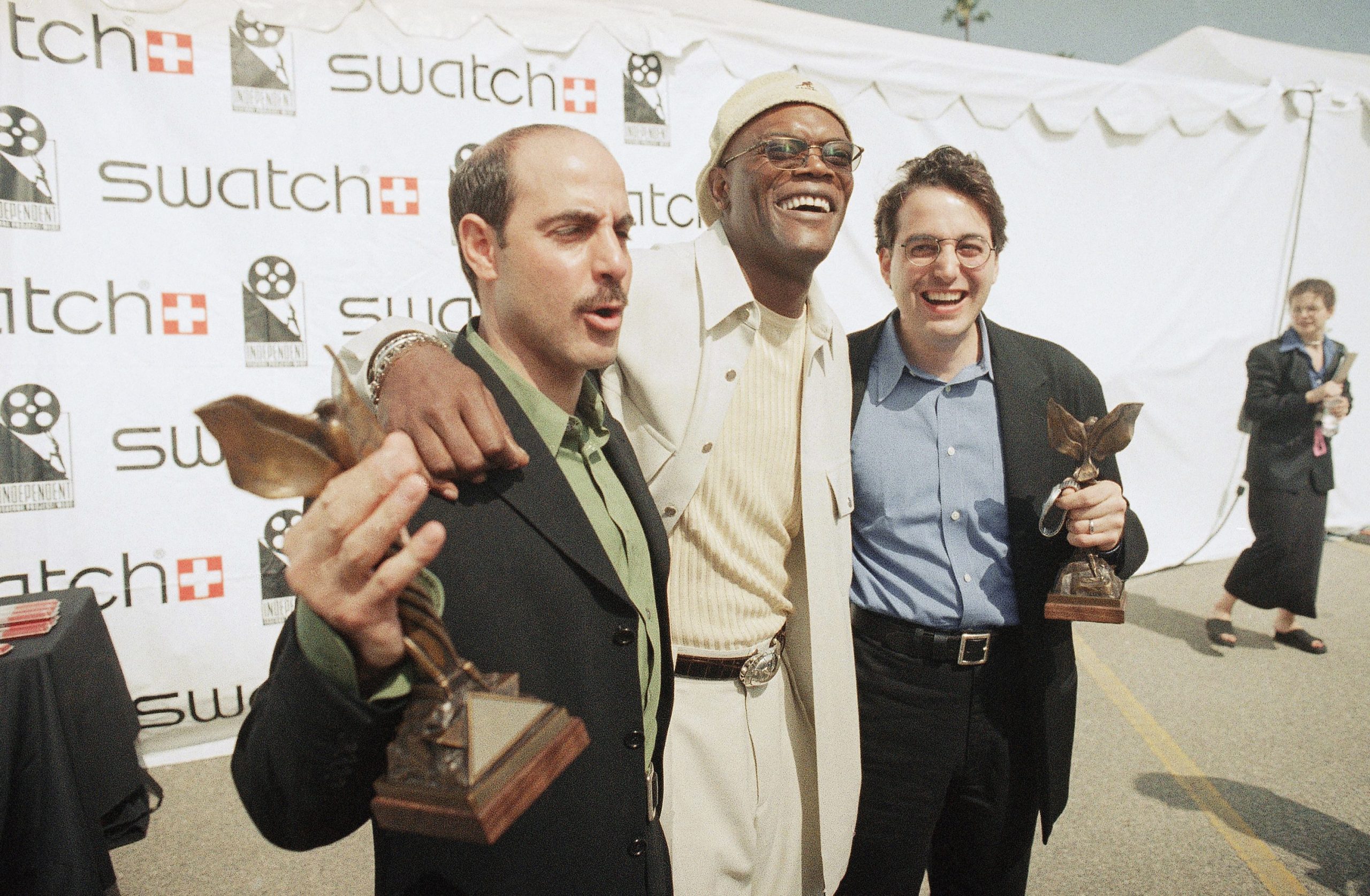
    Master of Ceremonies for the 12th Annual Independent Spirit Awards ceremony, Samuel L. Jackson (center) jokes with Best First Screenplay winners Stanley Tucci (left) and Joseph Tropiano for “Big Night,” on March 22, 1997, in Santa Monica, California.
    (AP Photo/E.J. Flynn)ASSOCIATED PRESS

    The Big Night shoot was his first time at the Jersey Shore. He had, however, had some experience with Italian food.

    Growing up, he remembers being taken to a family friend’s apartment, where an “older Italian woman” made “some pasta dishes.”

    “I don’t know what I was eating, but I couldn’t get enough of it.”

    At 19, after heading East for college at the University of Southern Maine, Shalhoub had his first “Italian sandwich, which I’d never heard of before … And all the variations on an Italian sub, and all those great Italian deli meats.”

    On the sets of Big Night, he said, the crew had food stylists preparing the dinners shown in the film.

    “All these meals that we had to consume on camera … it was delicious!” he said.

    Campbell Scott (left) and Tony Shalhoub speak at a 30th anniversary screening of their film “Big Night” at the Lighthouse International Film Festival on Long Beach Island, on June 12, 2026.Courtesy of Lighthouse International Film Festival

    The film ends with a famous scene — five minutes of no dialogue, just Tucci cooking an omelet and the brothers sitting down to eat it.

    The film’s financiers didn’t understand that scene and wanted it changed or removed, Scott said at the screening. The directors then pulled the old Mel Brooks trick; they said they’d take the scene out but didn’t.

    Tucci and Shalhoub, 30 years later, are not only busy actors, but both have recently hosted food-focused travel shows: Hulu’s Tucci in Italy and HBO’s Breaking Bread, respectively.

    “I could never have imagined that this movie would have the legs that it has, that 30 years in, it would still be a film that people go back to and consider one of the best food movies,” Shalhoub said.

    Philadelphia chef and restaurateur Marc Vetri is a fan.

    “In 1996, chefs were in this kind of zone,” said Vetri, who watched the film shortly after it came out. “We all made the menus, and we had our visions, and we didn’t want to alter anything, and [said] ‘this is how we do it’.”

    He still remembers the unveiling of the timpano in the film.

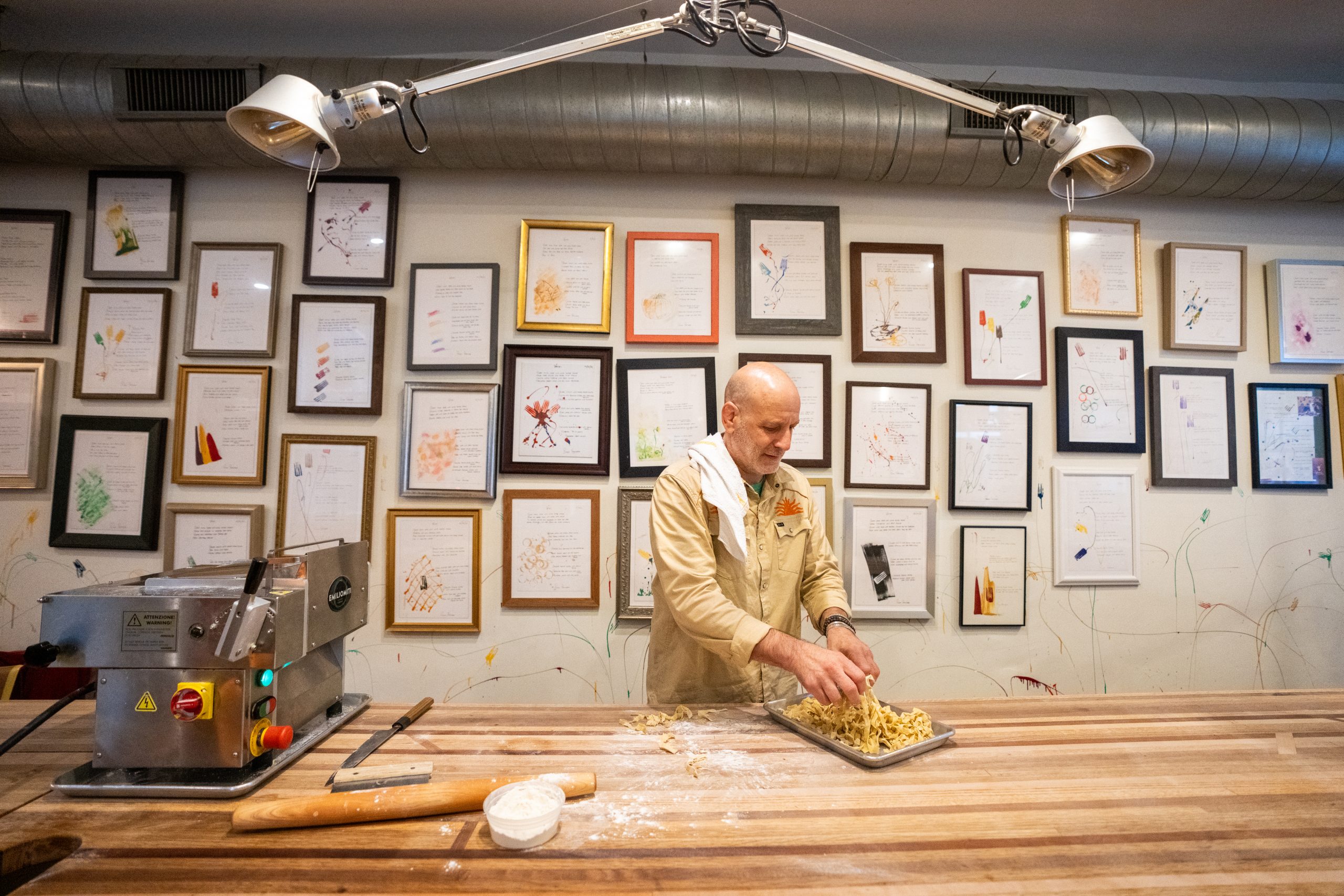
    Marc Vetri makes pasta at Vetri Cucina, in Philadelphia, Oct. 30, 2025.Jessica Griffin / Staff Photographer

    “For me, that was magic,” he said. “I was like, ‘I gotta make that’ … I get that because when I finish something that I’m working on, I have that same look, that same feeling; it looks like I’m in love. That never leaves us.”

    Vetri, who has gone on to cook for many famous people, said the film always reminds him of when, early in the life of his first restaurant, he cooked for famed French chef Jacques Pépin. He cooked whole roasted fish, with cherry tomatoes and olives.

    Thirty years on, Vetri — like many others — remains a fan.

    “The music, the vibes, and even the ending … Everything [with] cooking, you always just want to make it the most awesome thing. Having them make that omelet — it’s just that magical thing that they’re sharing.”