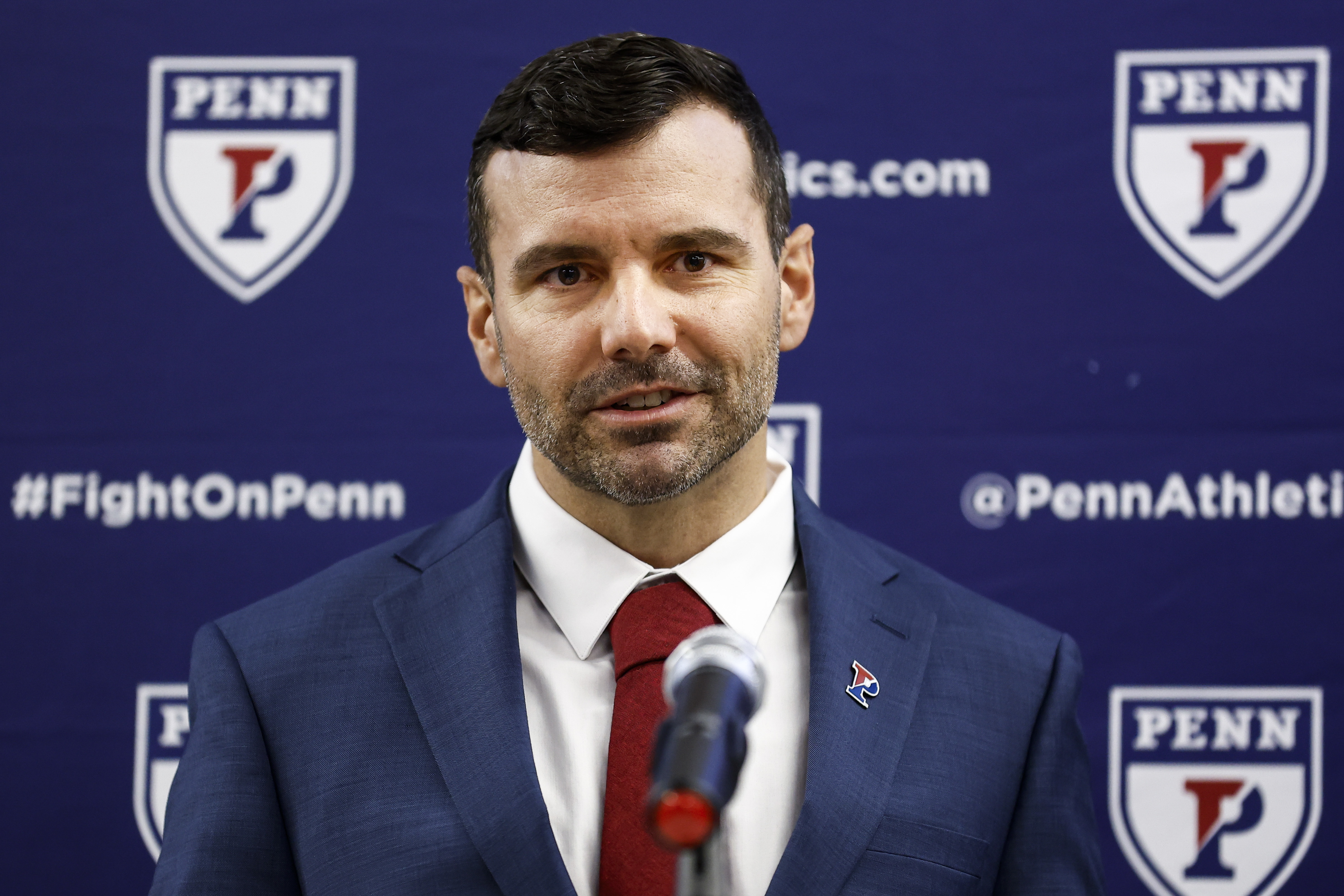
Rick Santos has already implemented changes to Penn football as the new head coach.
While fans won’t see those changes until the Quakers’ season kicks off on Sept. 19 against Bucknell, Santos gave a glimpse inside his program during the Ivy League’s media day on Monday.
Santos, who led New Hampshire to three FCS playoff appearances in five seasons, was hired in December to succeed longtime Quakers coach Ray Priore. He is taking over a program that finished 3-4 in Ivy League play last season and has not won a conference title since 2016.
“I don’t think there was a ton of hurdles [taking over the program],” Santos said. “I just think it was an opportunity for growth for all of us to work as hard as we could to get this thing [going] and lay the foundation that we feel like is going to be sturdy for championships to come.”
Senior guard Luke Sacchetti added: “The overall buy-in is greater than I’ve ever seen rolling into a season. It felt like every day of spring ball was like a new game. Guys were really fighting and battling, whereas some years it felt like we might have just been lulled to sleep. So I’m really excited to see what we can do in the regular season.”
Here are other notable takeaways from Ivy media day.
Penn’s starting QB
Santos confirmed that junior Karson Siqueiros-Lasky will start at quarterback this season.
Siqueiros-Lasky lacks experience in the quarterback room, but the junior, who was named a captain, backed up starter Liam O’Brien last season. Due to Ivy League rules, O’Brien was forced to transfer for his final year of eligibility following his graduation from Penn. He will play at Cincinnati this season.
Siqueiros-Lasky has not started a game in college. He was primarily a pocket passer at Seminole High School in Sanford, Fla.
“I thought it was a really good battle during the spring between Karson Siqueiros-Lasky and [sophomore] Shane Throgmartin,” Santos said. “Those guys battled back and forth. I think by the end of it … Karson really took a stronghold on the position. He finished with a really strong spring scrimmage that we had. Right now, he’s the clear-cut No. 1 going into it.”
Another name at quarterback that Santos briefly mentioned is freshman Miles Teodecki — the highest-rated Penn recruit since 2000. Teodecki originally signed with Kansas State before mutually parting ways with the Big 12 program. The Quakers could see the freshman get time under center this season.
Penn officially announces their quarterback of the future, Miles Teodecki.
Teodecki is the highest rated Penn recruit since 2000. He had originally signed with Kansas State before mutually parting ways with the program. He had multiple P4 offers, but opted for the Ivies. https://t.co/tkp0r6QtKh
Santos brought his codefensive coordinators and cornerbacks coach with him from New Hampshire. Penn will run a similar defensive scheme to the one the Wildcats employed the past few years: a 4-2-5.
The scheme, which sees five defensive backs on the field at once, also plays to the Quakers’ strengths in the secondary. Santos noted that the team will look to lean on the “defensive backfield” spearheaded by senior safety Josh Narcisse and play “a lot of man-to-man.”
Last season, the Quakers gave up 377.4 yards per game — the second most in the Ivy League.
“We’ll take advantage of some of the experience that we have coming back,” Narcisse said. “Overall, when you look at our defense, without getting into the technicals, what you’ll see is a violent defense. We’re going to communicate every single snap before the play, during the play, and we’re going to swarm to the ball. We’re going to tackle well. We’re going to be efficient, and we’re going to limit all explosive plays. We’re going to cause chaos in the trenches.”
Yale’s Abu Kamara named captain
Delaware County’s Abu Kamara, now a senior defensive back at Yale, starred on both sides of the field at Interboro High.
During his final campaign with the Buccaneers, Kamara rushed for 2,832 yards and scored 40 total touchdowns. Defensively, he accounted for 70 tackles and 11 interceptions.
His career at Yale followed suit. Last season, Kamara recorded 76 total tackles, 3.5 sacks, three forced fumbles, and two interceptions. For his efforts, he was named a unanimous All-Ivy selection and a finalist for the Buck Buchanan Award — which is given annually to the best defensive player at the FCS level.
This offseason, Kamara was named a captain for the Bulldogs. However, he is not looking to let the new title change how he approaches his role on the team.
#Delco has taken over Franklin Field as Interboro football alum Abu Kamara is returning home as a member of the Yale Bulldogs. The sophomore defensive back comes into today's matchup versus Penn leading the FCS in solo tackles per game with 7.6. pic.twitter.com/p4hKgsi2DM
“I want to still be that same player,” Kamara said. “Still be that same person that people can come up to and ask questions and be comfortable around. I don’t want there to be some sort of barrier just because I’m of a certain status now. I still want to be known as Abu Kamara, the Yale football player, the funny, charismatic guy on the football team.”
In 2024, when Yale traveled to Penn, the Interboro faithful packed Franklin Field to cheer on Kamara — who finished his day with seven tackles, a sack, and two turnovers. Bucs fans will get the chance to do the same come Oct. 23, when the Bulldogs face Penn at Franklin Field.
As Drue Nicholas approached the tee box of hole No. 1 at Merion Golf Club early Monday morning, he felt jittery.
“[I was] just shaky,” Nicholas said. “It’s like I had a lot of caffeine, but I didn’t have any caffeine.”
The Egg Harbor Township native took the first drive of the U.S. Amateur Championship at his home club, marking the return of the nation’s premier amateur tournament to Merion for the first time since 2005.
Nicholas overcame some early-round nerves to shoot a 71, leaving him tied for 46th at 1-over in the 312-player field Monday afternoon, with many of them still on the course.
Nicholas was a four-time all-Coastal Athletic Association golfer at Drexel before graduating in 2025. He won the Philadelphia Open in July and qualified for the U.S. Amateur with a two-under round during U.S. Amateur Final Qualifying at Llanerch Country Club in Haverford Township.
That qualification opened the door for the Merion member to compete at his home course in his second U.S. Amateur. He finished stroke play 9-over par in the 2025 tournament at the Olympic Club in San Francisco.
Nicholas became a member at Merion in April and estimated he’s played the course 20 times since joining.
He had some trouble through the front nine, with bogeys on Nos. 1 and 6 and a double bogey on hole No. 5, but back-to-back birdies on Nos. 11 and 12, plus an early birdie on No. 3, kept him in contention to make the 64-player match play bracket on Wednesday.
“The back five here are obviously very difficult, but I think I plotted my way around them pretty well,” Nicholas said. “I was thinking they’re hard, but if you hit it in the fairway, there are opportunities. Once I got through the first six holes — granted, I was 3-over and a little disappointed — but I knew I could do something on the back stretch.”
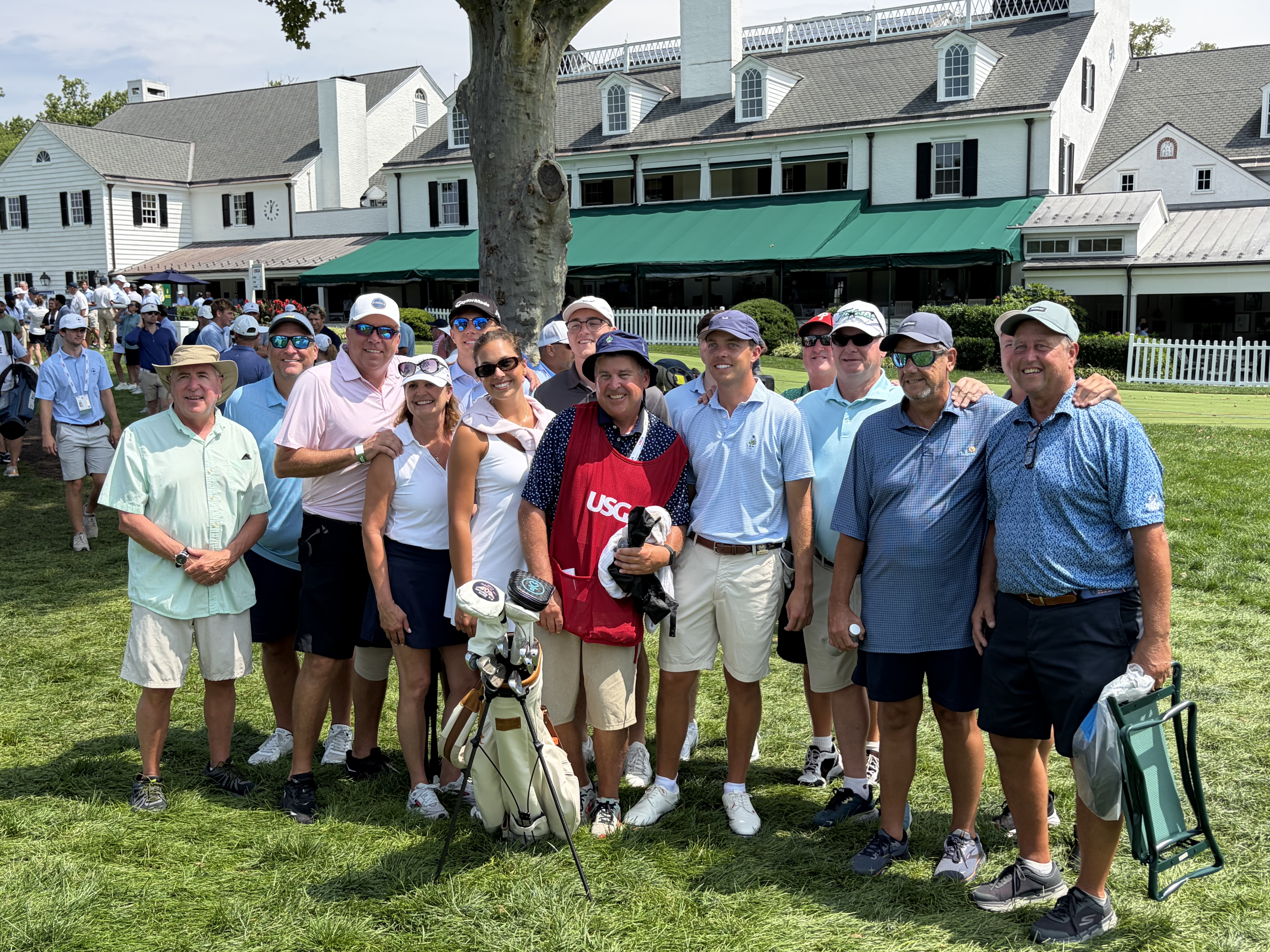
Nicholas had a sizable crowd cheering him on Monday that included family, friends, former Drexel teammates, and Merion members.
After he tapped in a putt on the 18th green to finish his round, he took a moment to pose for a photo with the group that had come out to support him.
Caleb Taylor, Nicholas’ former teammate and roommate at Drexel, said seeing Nicholas compete on this course was a “proud moment.”
“Everybody that loves golf knows Drue,” Taylor said. “He really embraces the golf culture of Philadelphia. As a former Drexel teammate of his, we’re proud as teammates and alumni. He represents Drexel really well. He represents amazingly. He’s a great guy.”
Nicholas will spend Tuesday fighting to make the match play cut at Philadelphia Country Club, which is cohosting the qualifying stroke play with Merion. He’s much less familiar with the course at Philadelphia Country Club, but playing a round away from his home course may relieve some pressure.
While the cut line for match play will be set after Tuesday’s rounds, Nicholas is hoping he could make it with a 1-under round at Philadelphia Country Club on Tuesday.
“If I miss out shooting even, I can sleep at night,” Nicholas said.
Philly roundup
Joshua Ryan missed out on the Philadelphia Open championship in a playoff with Nicholas, but the Norristown native got off to a hot start at Philadelphia Country Club on Monday.
Ryan shot a 67 with six birdies and sat two strokes back of the lead. Ryan, a former golfer at Liberty University, will try to shield his place in the match play bracket at Merion on Tuesday.
“It’s going to be a different test tomorrow,” Ryan said. “You could very easily shoot a high number over there. I’m just going to keep playing. It’s nice to have a little bit of a cushion, but we’ll see where the field sits at the end of the day and just keep playing good golf.”
Downingtown’s Nicholas Gross finished his round at Merion 3-over, and Newtown Square’s Hunter Stetson was 6-over at Philadelphia Country Club.
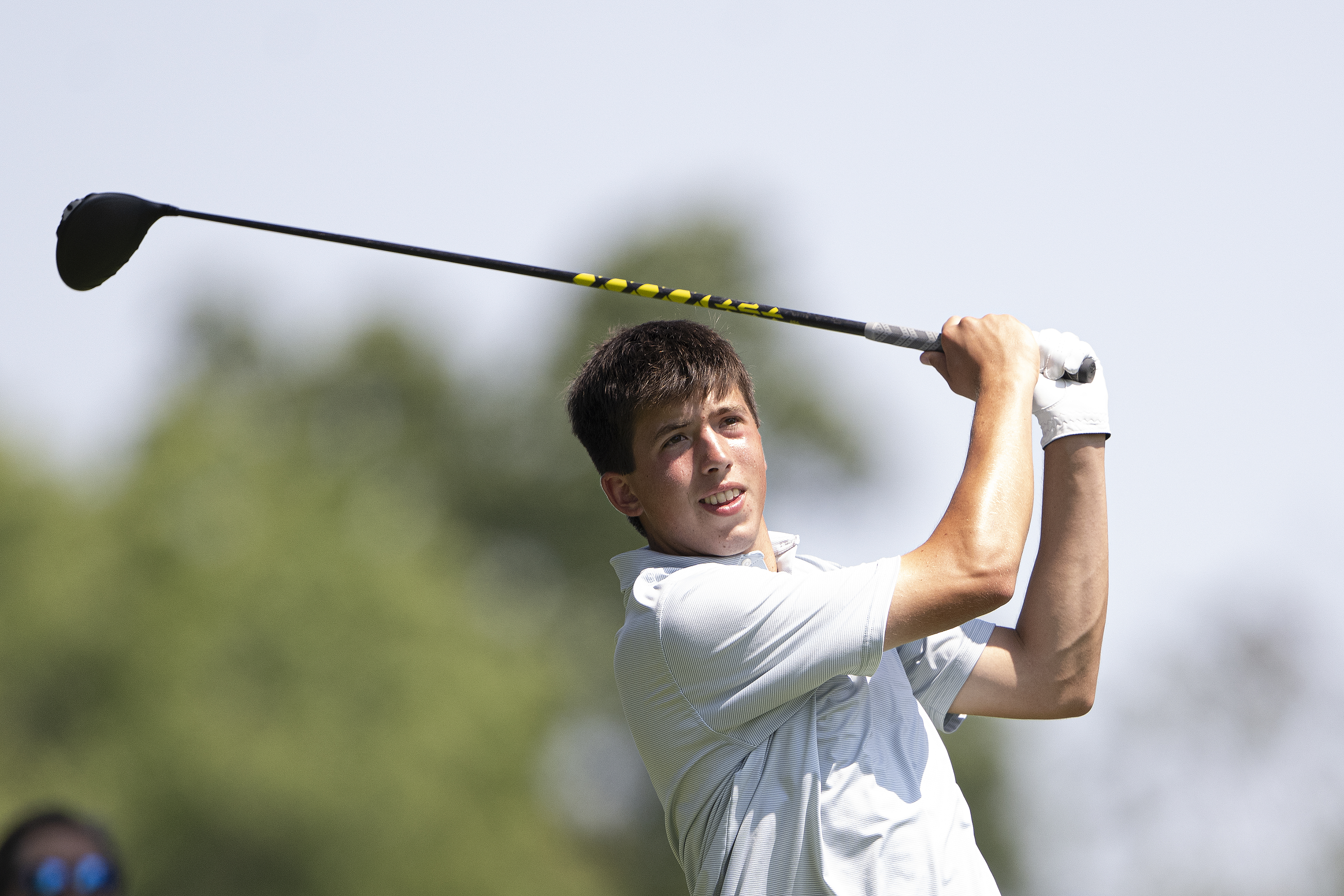
Charlie Barrickman, 18, of West Chester, tees off on the sixth hole during the U.S. Amateur Championship at Merion Golf Club.Jose F. Moreno / Staff Photographer
Some players, including three locals, were delayed by a thunderstorm that led to play being suspended at 5:02 p.m. Players were able to return to the course shortly before 6 p.m.
At Merion, Charlie Barrickman (West Chester) and Michael Lugiano (Jackson Township) both finished the day at 1-over.
Patrick Isztwan (Huntingdon Valley) shot 8-over in his opening round at Philadelphia Country Club.
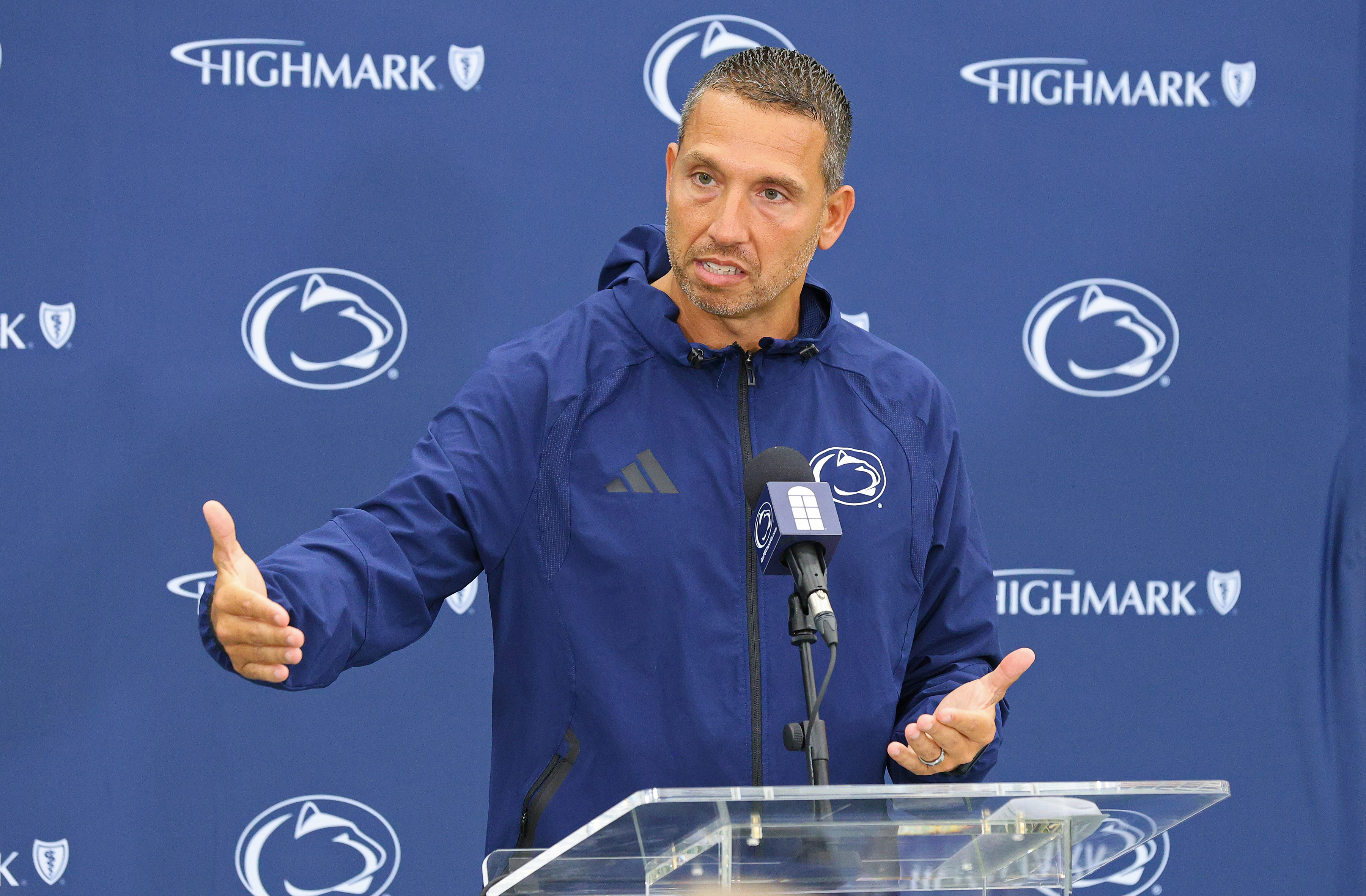
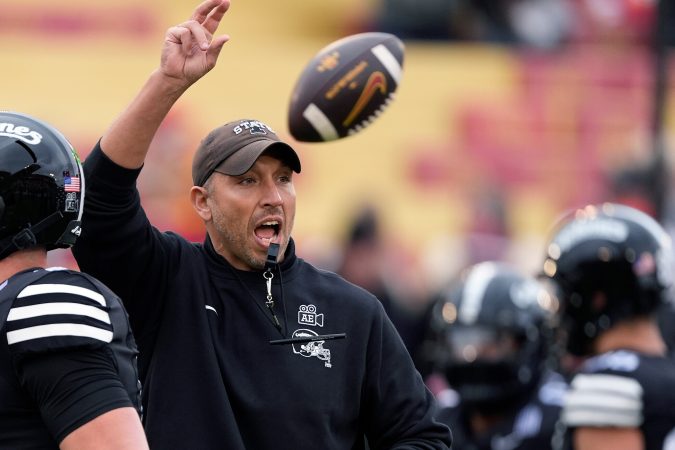
STATE COLLEGE, Pa. — Penn State football coach Matt Campbell said the theme for these next few weeks is “preparation for the journey” as his squad works toward a Week 1 matchup vs. Marshall on Sept. 5 (3:30 p.m., FS1).
“We’ve grown,” Campbell said Friday at the team’s local media day. “It was great to see Practice 1 and 2 because there was great growth between Practice 1 and Practice 2, and we’re going to have to not miss a day as we continue. There’s a sense of urgency.”
Besides Penn State’s continued preparation, here are three other takeaways from Friday’s availability:
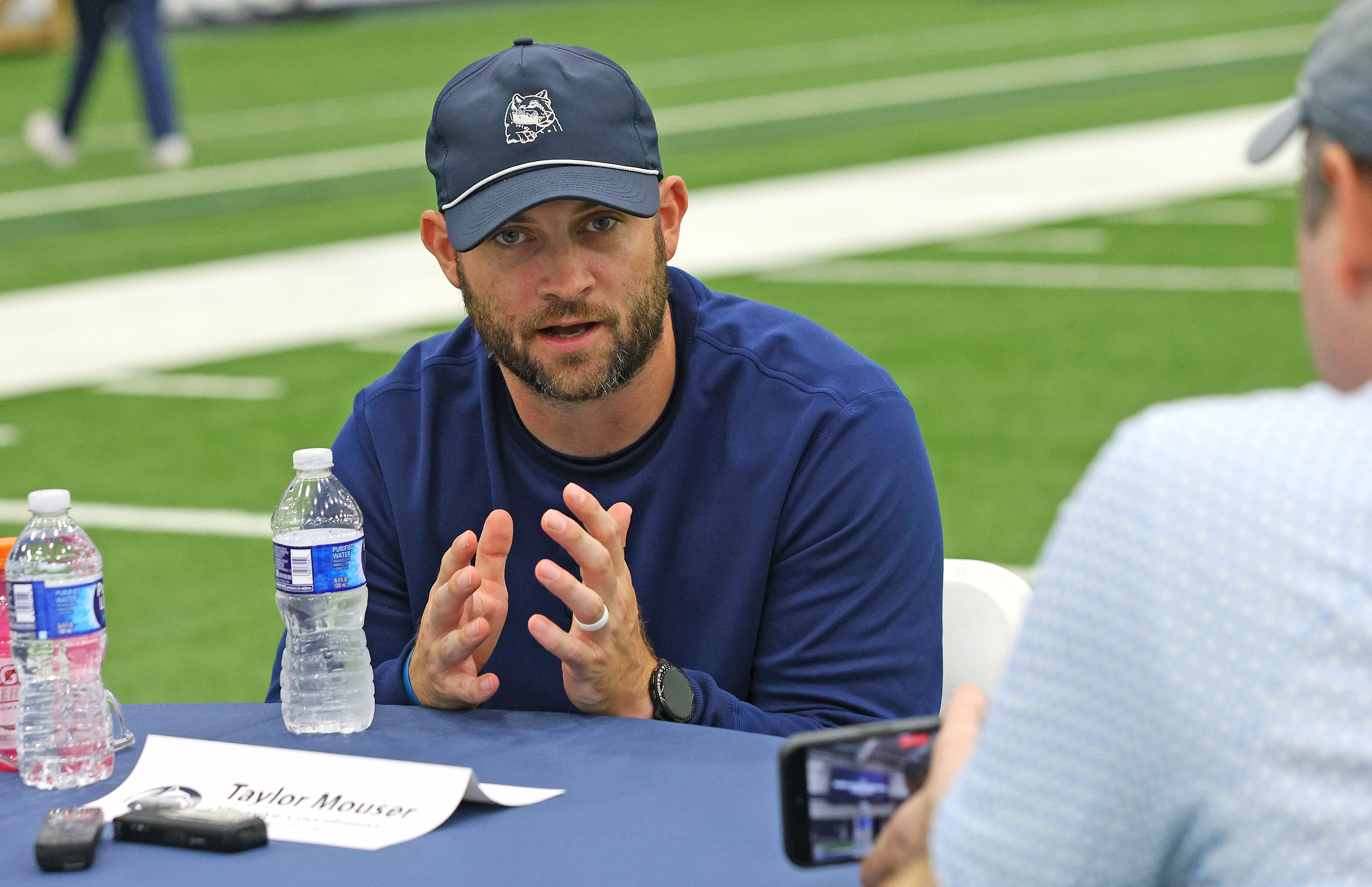
Offensive coordinator Taylor Mouser doubles as Penn State’s tight ends coach.Craig Houtz / For The Inquirer
Tight end takeover
Campbell said 12- and even 13-personnel, meaning two or three tight ends on the field, is going to be prevalent in new offensive coordinator Taylor Mouser’s scheme, mostly because Campbell and Mouser want to design plays that highlight the team’s strengths.
Tight end will be a focal point. Iowa State transfer Benjamin Brahmer was a semifinalist for the John Mackey Award for the nation’s top tight end last season, fellow Cyclones transfer Gabe Burkle is “the guy that cleans up the mess,” according to Mouser, and returnee Andrew Rappleyea began to break out at the end of 2025. Brahmer and Burkle were named to the Mackey Award watchlist earlier this week.
With that comes high expectations for the group, especially considering Mouser is also their position coach.
“We think we’re the smartest on the offense, pretty much, so we always know what we’re doing, and if we do mess up, it’s our fault,” said Brahmer, a senior. “Or if anybody messes up, [Mouser] thinks it’s the tight ends’ fault because we’re kind of the central piece of that offense.”
The idea of playing 12- and 13-personnel excites Rappleyea, who said the tight ends and wide receivers jokingly argue when Mouser calls for more tight ends during practice.
“I think that [Mouser] realizes the way it is,” said Rappleyea, a junior. “The game’s evolving, and if you have big guys that can get open, we’re not going to complain about having two of us on the field instead of three receivers.”
Consistency is key
In any normal year, Campbell likely would have a general depth chart in his head for the season. But this is not a normal year, and Campbell is making every player earn their Week 1 spot.
“Everybody’s either on a new team, at a new place, got new coaches, and everybody’s going in with kind of the same starting lines,” said Campbell, who’s entering his first season as the Nittany Lions’ coach after a decade in the same role at Iowa State. “You got to go earn it. To be honest with you, on a good team, some great teams that I’ve been a part of, championship ball, you kind of got to earn it because there’s enough good depth.”
Ultimately, Campbell emphasized that the players who separate themselves will be the consistent ones, particularly among the wide receivers. The Nittany Lions have developed a reputation for poor wide receiver play in recent years, but Iowa State transfers Chase Sowell and Brett Eskildsen received high praise from Campbell on Friday, alongside returnee Koby Howard, a sophomore.
“I think [Sowell and Eskildsen] give you proven reps that these guys can do it. Can they do it at the consistency now that the great ones look like?” Campbell said. “I think then you look the rest of the way, and you see a guy like Koby. You saw what he could do. I think the same thing I would say about Kobe, and it’s his challenge, and he and I talked about it, is consistency. Can you be the best version of you every day?”
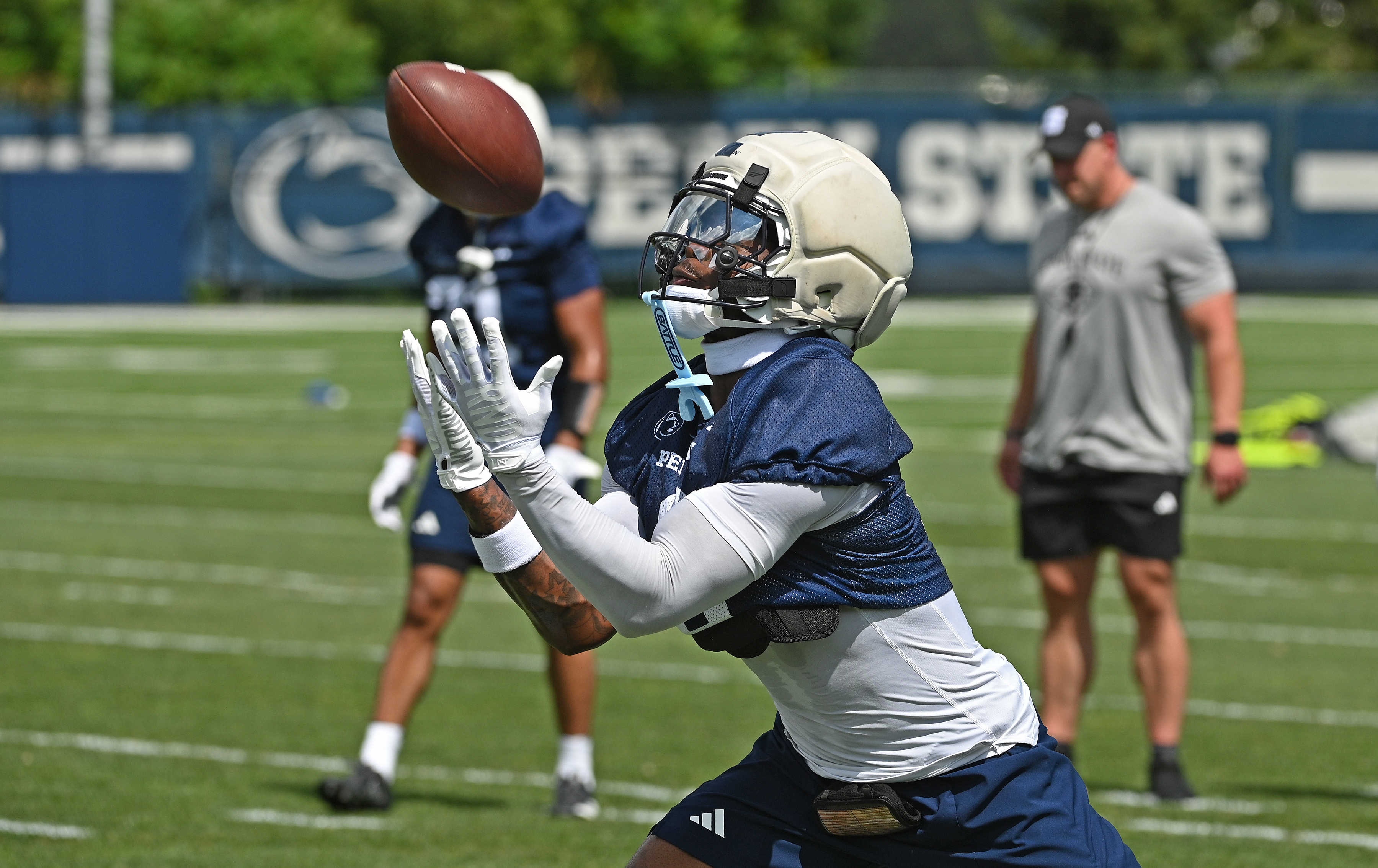
Wide receiver Koby Howard is back with Penn State.Craig Houtz / For The Inquirer
Versatile defense
Campbell has made it known that he believes the defense under new coordinator D’Anton Lynn can be “multiple” in scheme and features Nittany Lions who can play different positions.
He name-checked junior safety Marcus Neal Jr., senior cornerback Zion Tracy, and redshirt junior linebacker Tony Rojas, but they aren’t the only ones adding versatility.
Sophomore defensive end Yvan Kemajou said Lynn’s scheme gives “a lot of freedom to the D-line and linebackers.”
“I feel like we’re very multiple. I like that,” Kemajou said. “So it’s just great learning his scheme, just learning his style of playing defense, and it’s been great.”
Senior linebacker Caleb Bacon, another Iowa State transfer, can play at different spots and has been working out at defensive end to start fall camp. He doesn’t necessarily have a position preference and is more focused on doing what he can to help Penn State.
“If we need edge rushers, if we need linebackers, I think I’m really just ready for whatever,” Bacon said. “Kind of knowing this scheme, it all really helps. And playing strict linebacker in spring ball, and now transitioning a little bit of a mixed role, I think has been super beneficial for my football IQ and just knowledge of the defense in general.”
It was easy for Derrick Morton-Rivera to “fall in love” with basketball. He was always around it.
His father, D.J. Rivera, had his son while he was a sophomore at St. Joseph’s. Even after he transferred to Binghamton University in New York then University of Montevallo in Alabama, his son traveled to games and watched.
“His little eyes would be going up and down the court,” said D.J. Rivera, who grew up in Lawncrest and played nine years professionally overseas. “I gave him a basketball, and he never put it down.”
For the Riveras, basketball serves as a reminder that nothing in life is guaranteed.OnMarch 4, 1990, Gathers collapsed on a court in Southern California while playing in the West Coast Conference tournament semifinals. He suffered cardiac arrest and died at 23 years old.
“With my uncle and his heart condition, you never know when you could play your last game or your last time people seeing you — death is real,” D.J. Rivera said. “It’s the only thing that’s guaranteed in life, so I think while we’re here, you should do what you love.”
It’s why Rivera brought his son to the Danny Rumph Classic for years.
The five-day tournament, which begins Thursday at Drexel, honors Rumph, who died in a pickup basketball game at the Mallery Recreation Center on May 8, 2005.
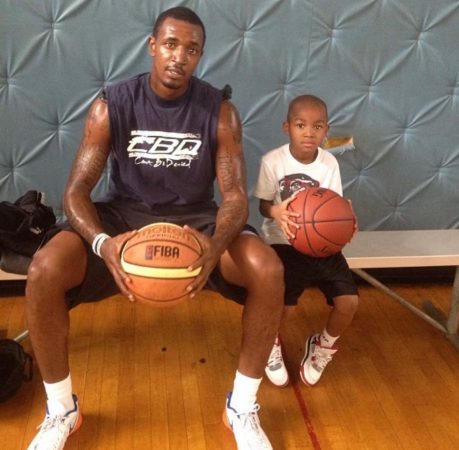
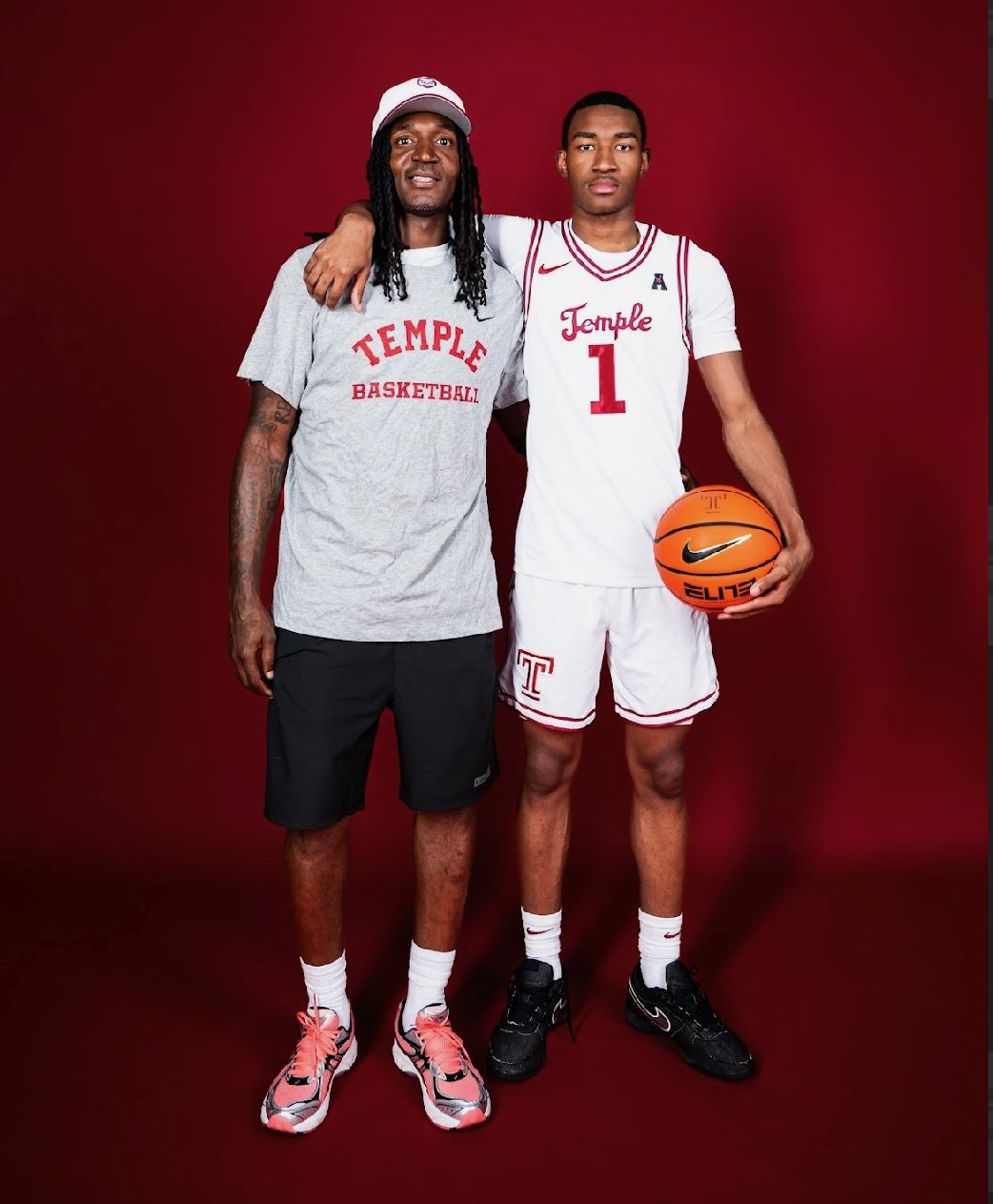
D.J. Rivera with his son, Derrick Morton-Rivera, who will play college basketball at Temple this fall.D.J. Rivera
Rumph died from an undiagnosed heart condition, known as hypertrophic cardiomyopathy, which caused him to go into sudden cardiac arrest. He was 21.
Giving back to a cause that similarly impacted his family was important to Rivera. He played in the tournament in 2012 and did it consecutively for about 10 years. Even Morton-Rivera participated in a youth halftime game during the tournament in 2016, where he recalled winning a $50 Nike gift card and James Harden showing up to play in the final.
The two have made an effort to check out the event each year and plan to attend a game this week.
“I love the Danny Rumph tournament,” Rivera said. “You get to play against pros, NBA players, be highly competitive, get to talk trash, and the crowd’s great. It’s just a great weekend in the city that you look forward to end the summer on.”
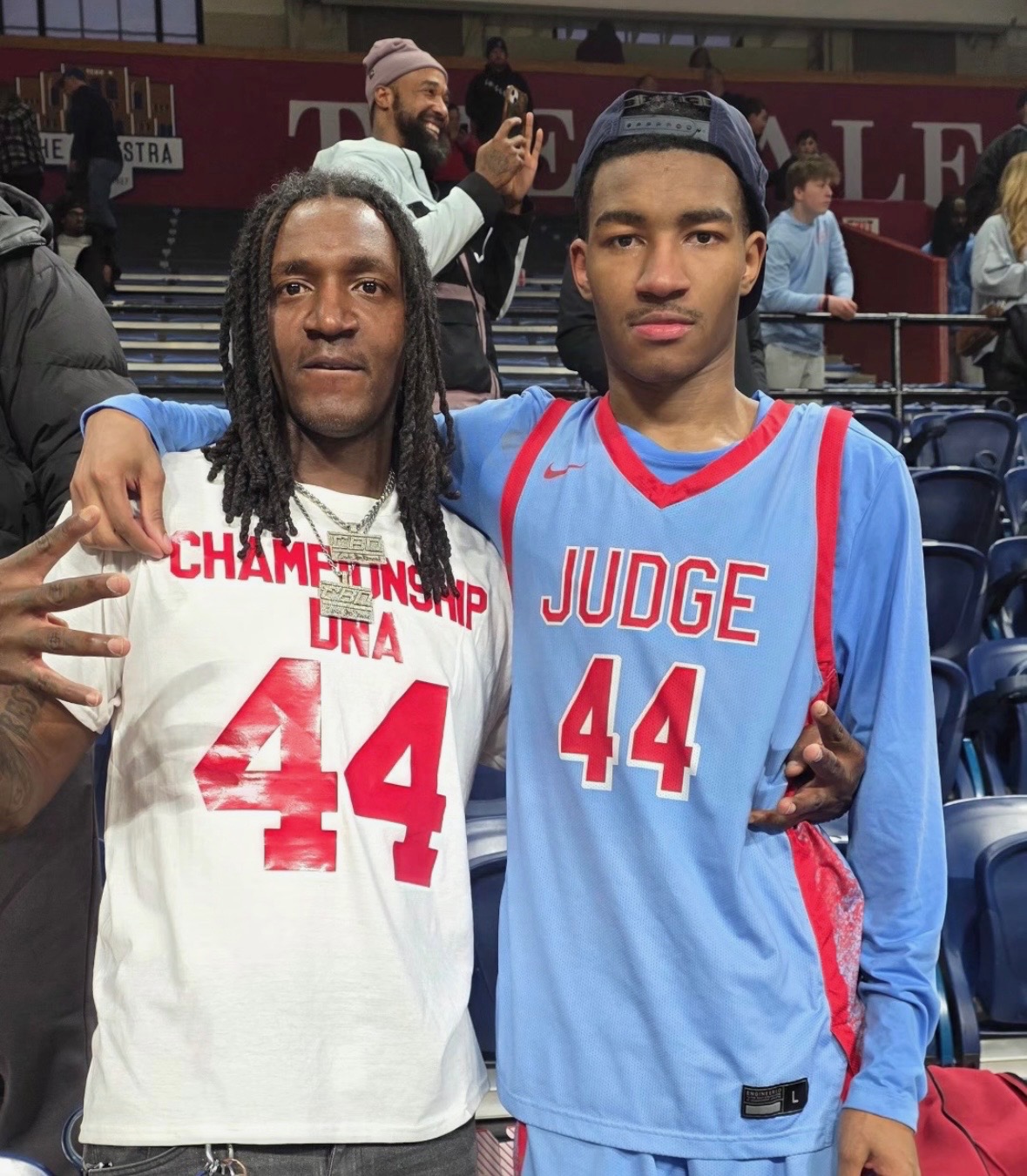
Being exposed to an event like the Rumph Classic has also played a factor in Morton-Rivera, a 6-foot-4 guard, continuing his basketball legacy in Philadelphia. The Father Judge graduate will play at Temple this fall.
“Back in the day, a lot of people used to stay home,” he said. “That’s not normal now. I feel like that should be a normal thing because that brings the community out even more. Like if a lot of hometown kids are staying, a lot of people from Philadelphia are going to the games. It’s just better for the city, it brings everybody together.”
At a young age, Morton-Rivera didn’t fully grasp what happened to Gathers, but as he got older, he had a better understanding.
He took a family trip to California before 2020 and visited LMU, where he saw Hank Gathers’ statue outside of the arena. He also met with a program who detects heart problems and had a screening done.
D.J. Rivera played high school basketball at Neumann Goretti, his son competed at Father Judge.D.J. Rivera
The trip, Morton-Rivera said, brought his family together.
“Even though I didn’t know much about it at a young age, just me hearing about it and knowing what they did inspired me to do what I do,” he added.
Basketball has also been the focal point of him and his dad’s relationship. This past year, D.J. Rivera got to watch his son win back-to-back Catholic League championships with Father Judge, a feat he once achieved 20 years ago with Neumann Goretti.
Both father and son left their respective high schools as the program’s all-time leading scorer.
After Judge won the crown inside a packed Palestra this past February, Rivera surprised his son with a shirt that read on the back, “20 years apart same heart.”
“When my career came to an end, I got to watch his, so it’s like the game never left,” said Rivera, who will graduate from the Philadelphia Fire Academy in three weeks. “That’s something that brings me and him together. … It’s something we can enjoy together because I both know we love the sport.
“Basketball has done a lot for us. It’s just a great feeling to be able to continue that and watch his time be here now. Soon enough, he’ll be playing in the Rumph as a professional.”
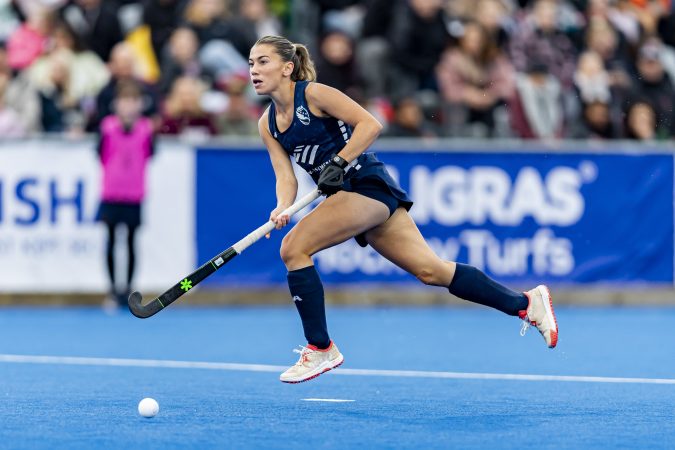
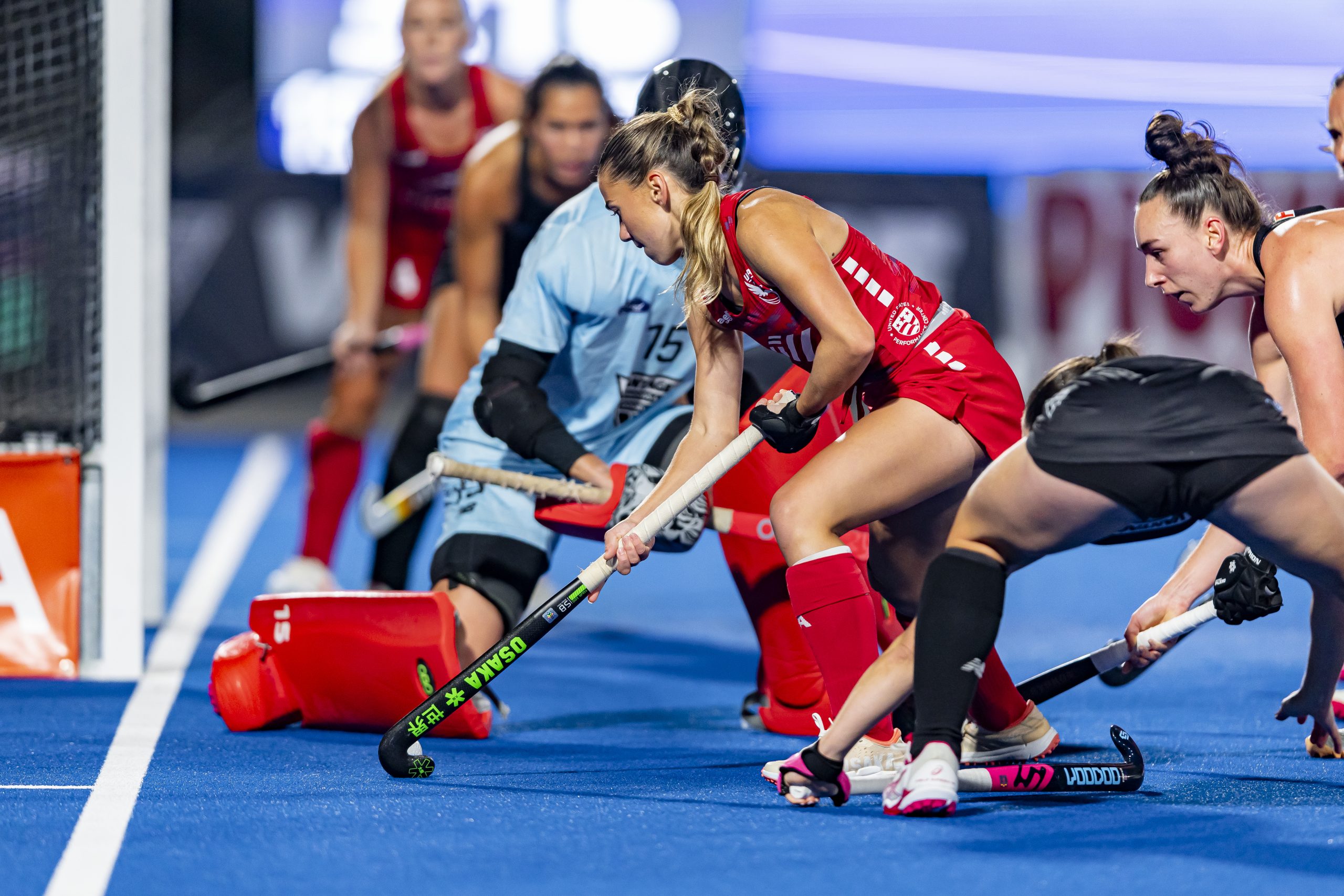
Entering her final season at Northwestern, Ashley Sessa has accomplished nearly everything in her college field hockey career.
After winning the 2022 national championship as a freshman at North Carolina, the Schwenksville native transferred to Northwestern, where she helped lead the Wildcats to back-to-back national titles in 2024 and 2025.
She has earned several accolades and honors, including two Big Ten Offensive Player of the Year awards, two National Field Hockey Coaches Association All-America nods, and a spot on the 2025 NCAA All-Tournament team.
But now, Sessa, 22, is preparing for something new. She will make her first trip to the Women’s International Hockey Federation World Cup with the United States national team from Aug. 14 to 30.
Sessa will travel to Belgium with the rest of the U.S. team for the tournament, which is held every four years in between the Summer Olympics. The U.S. begins its group stage schedule with a match against two-time champion Argentina on Aug. 15 (11:30 a.m., watch.hockey).
Sessa has 62 appearances with Team USA, including at the 2024 Paris Olympics, but she says the World Cup presents a different challenge. The U.S. team left for Europe from Charlotte, where it trains, on Friday.
“We just introduced a few double sessions, two each day, and then [we are] scrimmaging each other on Saturdays,” Sessa said. “It’s been a hard few weeks and months leading up to it, but we’re really excited to see how things go at the World Cup.”
Team USA will look to top its third-place finish in 1994, and it has a large contingent of players from the Greater Philadelphia area. Nine of the 20 players on the roster are from Southeastern Pa., and one from Ocean City, N.J.
Ashley Sessa has made 62 appearances with Team USA, including the 2024 Paris Olympics.World Sport Pics / Simon Watts
Sessa, who played for Spring-Ford and Episcopal Academy in high school, said her familiarity with her teammates is a benefit. She’ll compete alongside current and former teammates from Northwestern in Hershey native Maddie Zimmer and Lebanon County native Lauren Wadas.
“We know each other pretty well,” Sessa said. “I’ve known a lot of the girls since I was at WC Eagles, [a Chester County-based youth club], since I was maybe like 11, 12 years old. We have a good connection, especially through schools, too … Just growing up with the girls and now playing in a World Cup with them is super amazing.”
The U.S. team medaled at an international competition this summer, earning a third-place finish at the FIH Nations Cup, hosted in New Zealand in June.
Sessa scored two goals, including a 46th-minute winner, to lift the U.S. over Chile in the third-place game. The forward was joint top scorer with six goals in the tournament and was named its best player.
Sessa hopes that the momentum the U.S. team built from its best-ever finish at the eight-team Nations Cup will carry forward to the 16-team World Cup.
“I think we have the determination to go out there and prove to each other that the USA is improving in field hockey,” Sessa said. “We have a great team and a great system that allows us to improve every time we step foot on the field.”
In addition to representing her country, Sessa is determined to make field hockey more visible around the U.S. Through her coaching venture, AS3, Sessa has hosted free youth field hockey clinics in Manayunk and Norristown.
Sessa handed out donated equipment at her clinics, and hopes to do more events across the Northeast and Midwest in the future to get more young athletes interested in the sport.
She said the idea to hold free clinics and equipment distributions came from her mother, Tracey Sessa, who grew up in Norristown. Sessa said she remembered playing against Norristown Area High School as a freshman at Spring-Ford, before transferring to Episcopal Academy.
“You could tell the girls loved the sport, it was just the fact that they didn’t have access to the newest stick or the newest shoes to help them be able to perform,” Sessa said. “I don’t think money should prohibit your sporting abilities or for you to be able to compete in something you love.”
In addition to hosting free clinics in the Philadelphia area, Sessa has hosted a talk and donated equipment to a youth field hockey organization in Charlotte, N.C. She hopes to hold an event in Chicago in the near future.
Her goal is to help draw attention to field hockey, which has a large international audience, but remains obscure in much of the U.S.
The sports’ viewership is growing, with an estimated 10 million Americans watching women’s field hockey during the 2024 Olympics, a 220% increase from the 2021 games.
Leading up to the 2028 Olympics in Los Angeles, the first Summer Games on American soil since 1996, Sessa wants to get more Americans interested in the sport.
“I think this is the most important time to do it, especially two years out,” Sessa said. “America is such a huge avenue for sports, and focusing on that, I think if they do it right, it could be a huge opportunity to grow the sport.”
Sessa tries to stay focused on her day-to-day with the national team and her upcoming senior season at Northwestern, but every once in a while, she lets her mind visualize what it would be like to play at the Olympics on home soil.
“If I have a bad practice day, I let myself think forward a bit and just say, ‘You know what, this is good, I’m learning something new,’” Sessa said. “This preparation will help me further in the future for the L.A. Games.
“Just having that mindset, for me, is really good. … It’s still so far away, and [I am] just doing every I can do to get better, not only as an athlete, but as a person as well, to help me grow, to hopefully be a part of those games.”
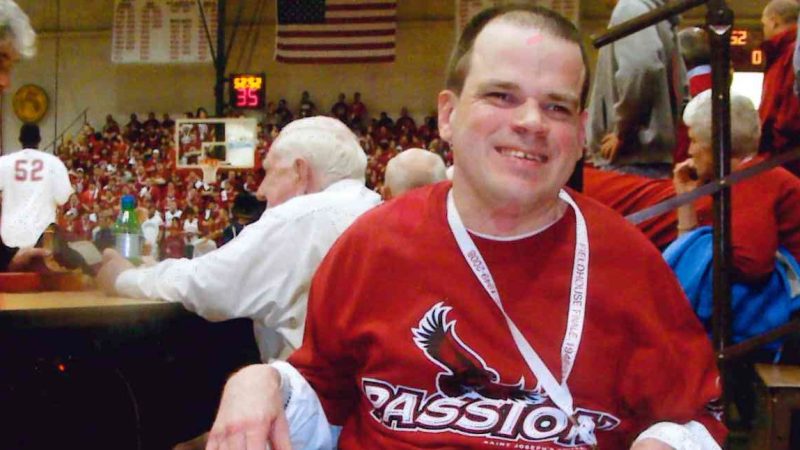
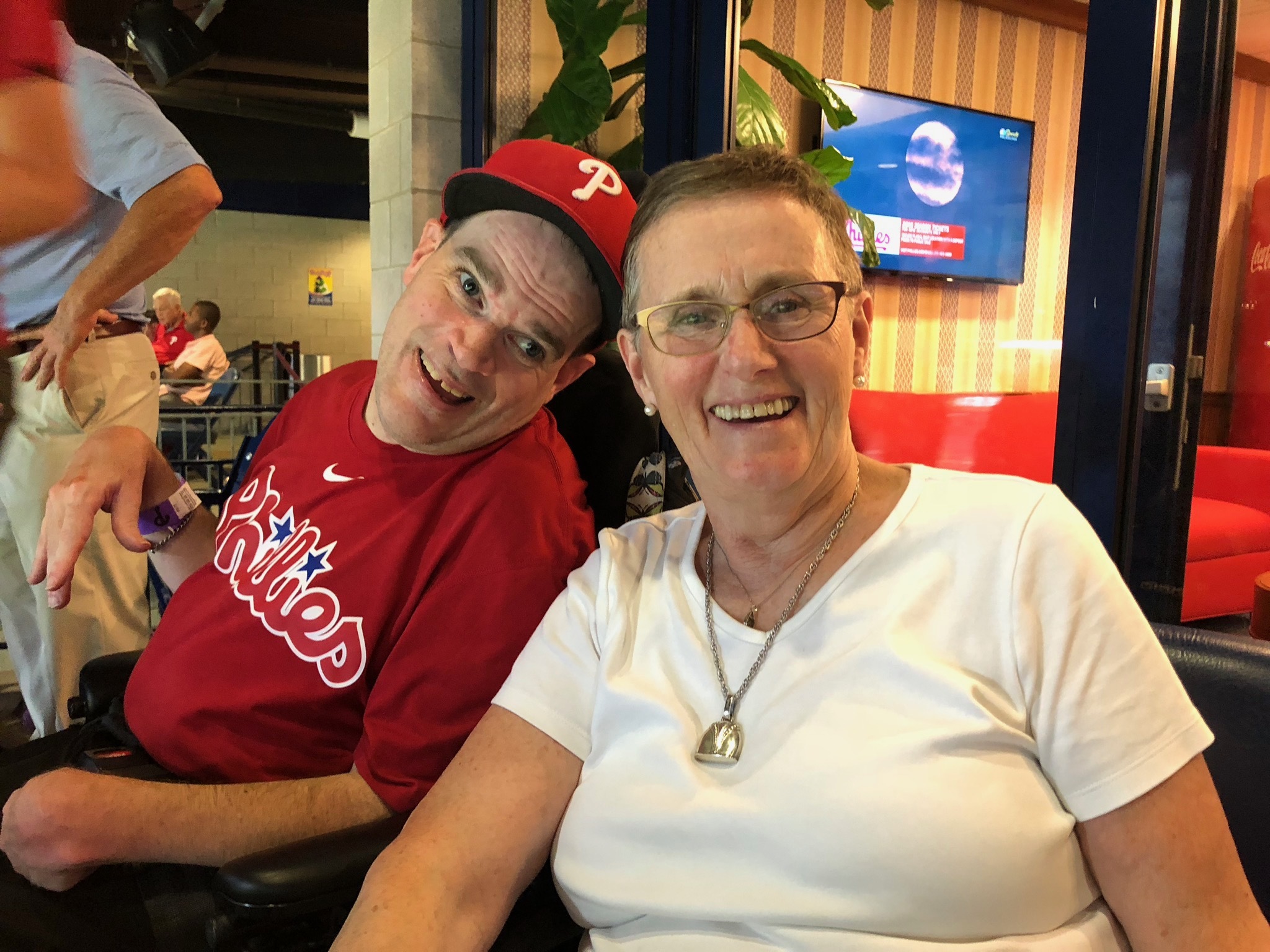
Chris DiJulia spent 56 years living as if he didn’t have cerebral palsy. He’d take “walks” in his wheelchair, down the block from his Havertown home. He was a regular passenger on SEPTA long before paratransit came to the suburbs in 1994.
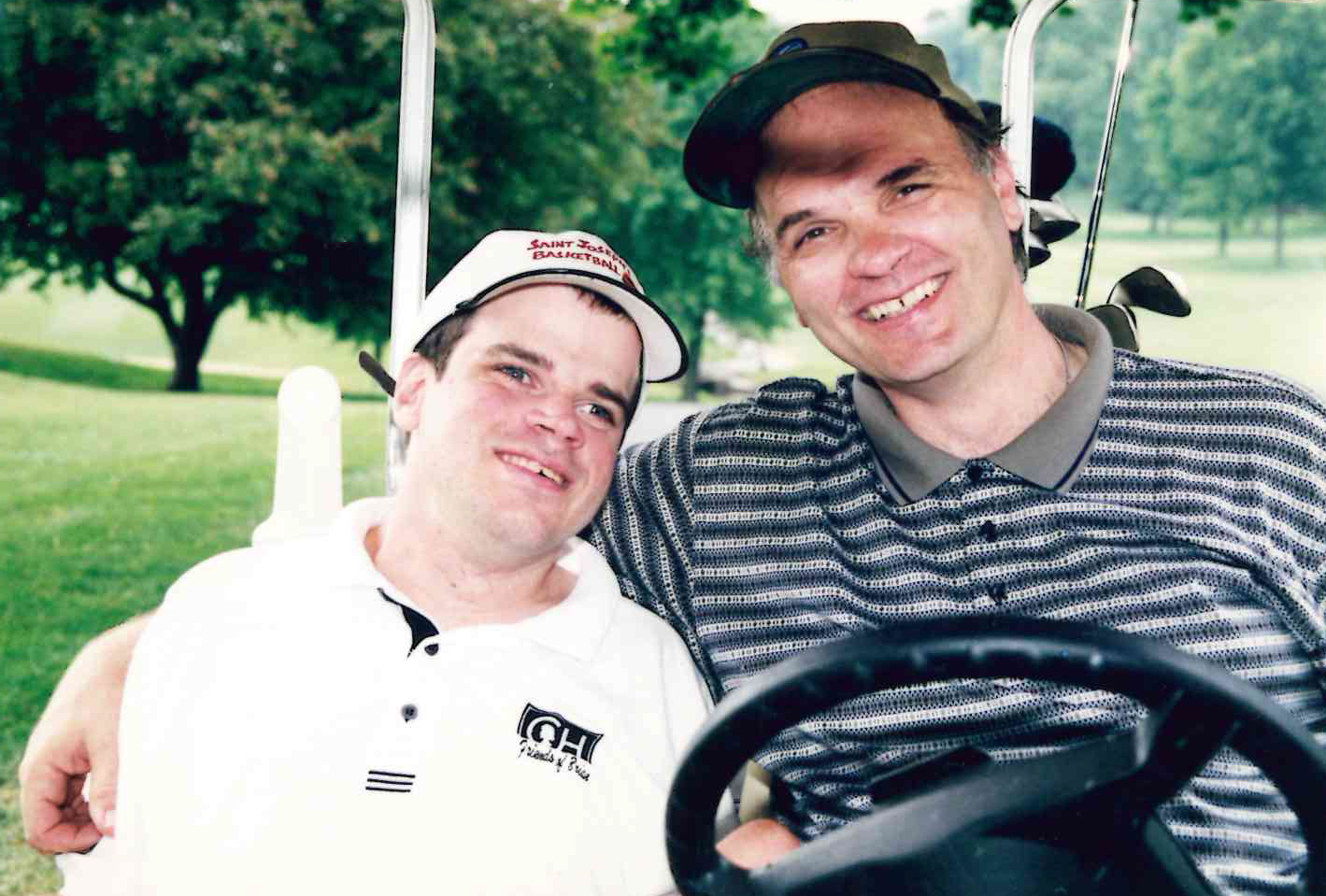
The avid St. Joseph’s basketball fan would often go to Hawk Hill to visit his father, Don, the longtime athletic director, or to watch men’s and women’s basketball practice.
But he’d also venture to Eagles training camp in West Chester, games at the Palestra, Villanova, Temple, all on his own, boldly traversing a city unequipped to take him anywhere.
Of course, this came with its challenges. A broken elevator or an unexpected flight of stairs could derail an entire trip. Sometimes, a bus driver would pretend not to see DiJulia waiting at his stop because they didn’t want the hassle.
But DiJulia was no fool, and certainly no pushover. He’d scribble down the license plate, call SEPTA’s customer service line, and report the vehicle.
“And probably said a thing or two about them as they drove by,” his father added.
This spirit was what made DiJulia special. His limbs were short and stiff, his speech was slow and slurred, but between the ears, he was just like anybody else, and expected to be treated as such.
He frequently signaled this through his humor. If the St. Joe’s fan was among a group of coaches trading barbs, he’d join in. DiJulia was not above yelling “brick” when a player missed a shot, or expanding that sentiment to, “you’re building a whole house!”
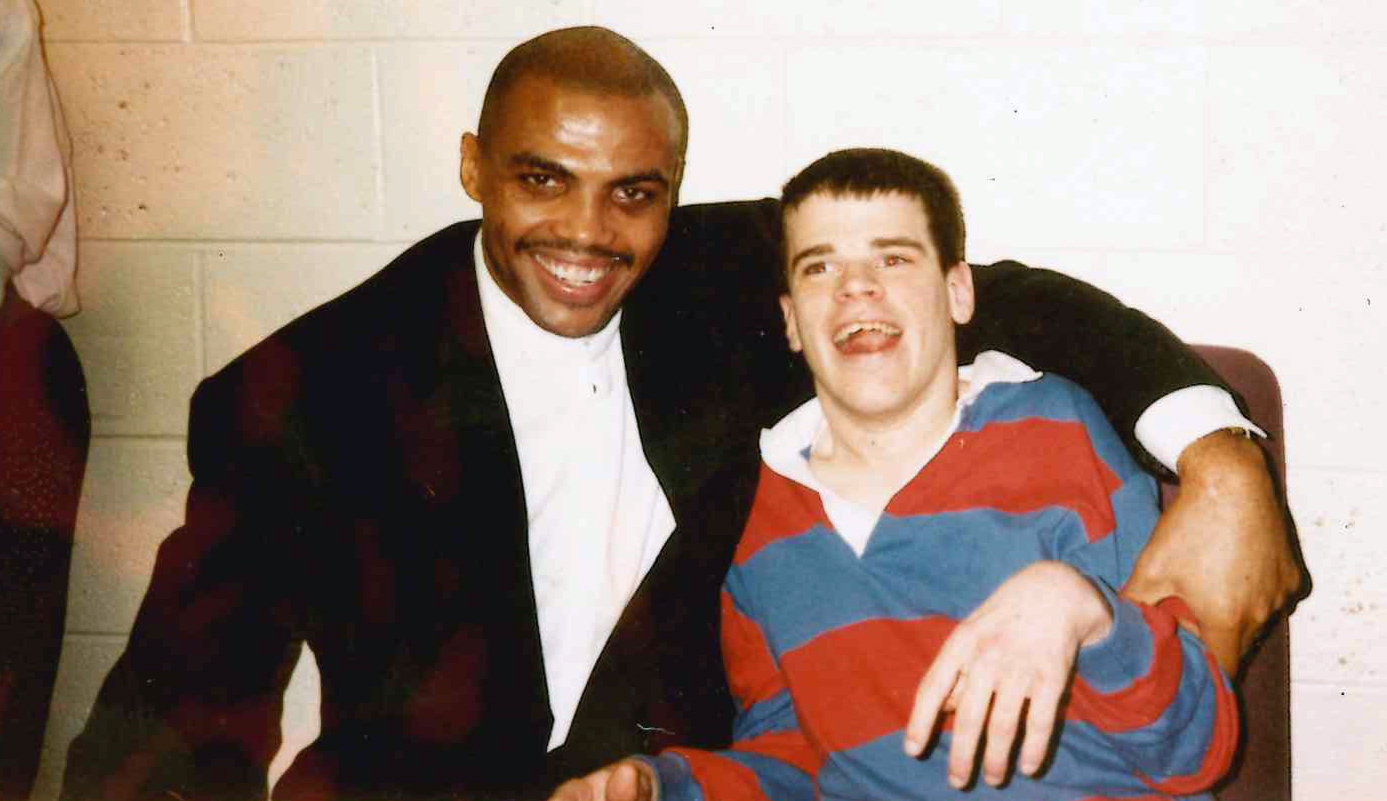
Charles Barkley (left) and Chris DiJulia became friends in the 1980s.provided by Saint Joseph's University
No one was exempt, not even NBA stars. Charles Barkley first met DiJulia in the late 1980s, at the start of his professional career. The Sixers practiced in the morning at St. Joe’s, and the teenager in the wheelchair was always there.
If Barkley had a poor showing, DiJulia would be quick to point it out.
“When I had hair, you never played bad and [went] to a Black barbershop,” Barkley said last week. “You never played bad and [went to] see Chris DiJulia the next morning. You know something bad is going to happen.”
DiJulia could’ve lived a smaller, less-adventurous life in Havertown, and no would have blamed him. But he chose to immerse himself in the world of Philadelphia sports, with all its eccentricities and quirks, and fit right in.
Now, that world is mourning his absence. On July 27, DiJulia died of natural causes stemming from cerebral palsy. The outpouring of support has been immense and wide-ranging.
The DiJulia family has heard from former St. Joe’s basketball players, softball players, field hockey players. Broadcasters and coaches have reached out, many of whom are no longer in the Philadelphia market.
On Thursday morning, Phil Martelli, another close friend of DiJulia’s, texted Delonte West. The former Hawks guard has long struggled with substance abuse and homelessness, but has been sober for the past 190 days.
Phil Martelli (right) was among those on Hawk Hill who drew endless inspiration from Chris DiJulia.provided by Saint Joseph's University
He asked Martelli to relay a message.
“Please send my condolences for Chris,” West said. “[He] was my brother, I carry him in spirit, he used to always have the right words and smile for me.”
A public funeral will be held on Aug. 12. The family is expecting a big crowd. Some will travel hundreds of miles, all to support a man who would do anything to support them.
Pushing through the pain
DiJulia was born in Connecticut in 1969. At first, his parents thought he was healthy; it wasn’t until the baby was baptized that a family member with a medical background noticed his head was oversized.
Doctors diagnosed him with cerebral palsy, and he underwent surgery at three weeks old (the first of over 20 surgeries throughout his lifetime).
Even as an infant, Chris radiated joy, with a big smile and bright blue eyes. Pat DiJulia knew her son had obstacles ahead, but when she’d look at his face, full of expression, she could tell he understood what she was saying.
Don was an assistant college basketball coach at Fairfield at the time. A few years later, when he was hired by George Washington, the family moved to Virginia.
Chris DiJulia (center, with longtime Phillies broadcaster Harry Kalas) developed a love of sports at a young age.provided by Saint Joseph's University
In 1973, he accepted an assistant coaching job at American. Chris was approaching pre-school age, but local options were limited.
The boy would need physical, occupational and speech therapy. The Americans with Disabilities Act was17 years from becoming law, and most schools didn’t provide those kinds of services yet.
So, the DiJulias were directed to three boarding schools on the East Coast. The one closest to them, in Virginia, was more like an institution; instead of catering to a specific population, it housed students with a number of physical and mental disabilities.
They chose to send Chris to Philadelphia instead, to the HMS School for Children with Cerebral Palsy. Both parents had family in the area who could visit him. Don started looking for work there, which is how he ended up becoming the St. Joe’s athletic director in 1976.
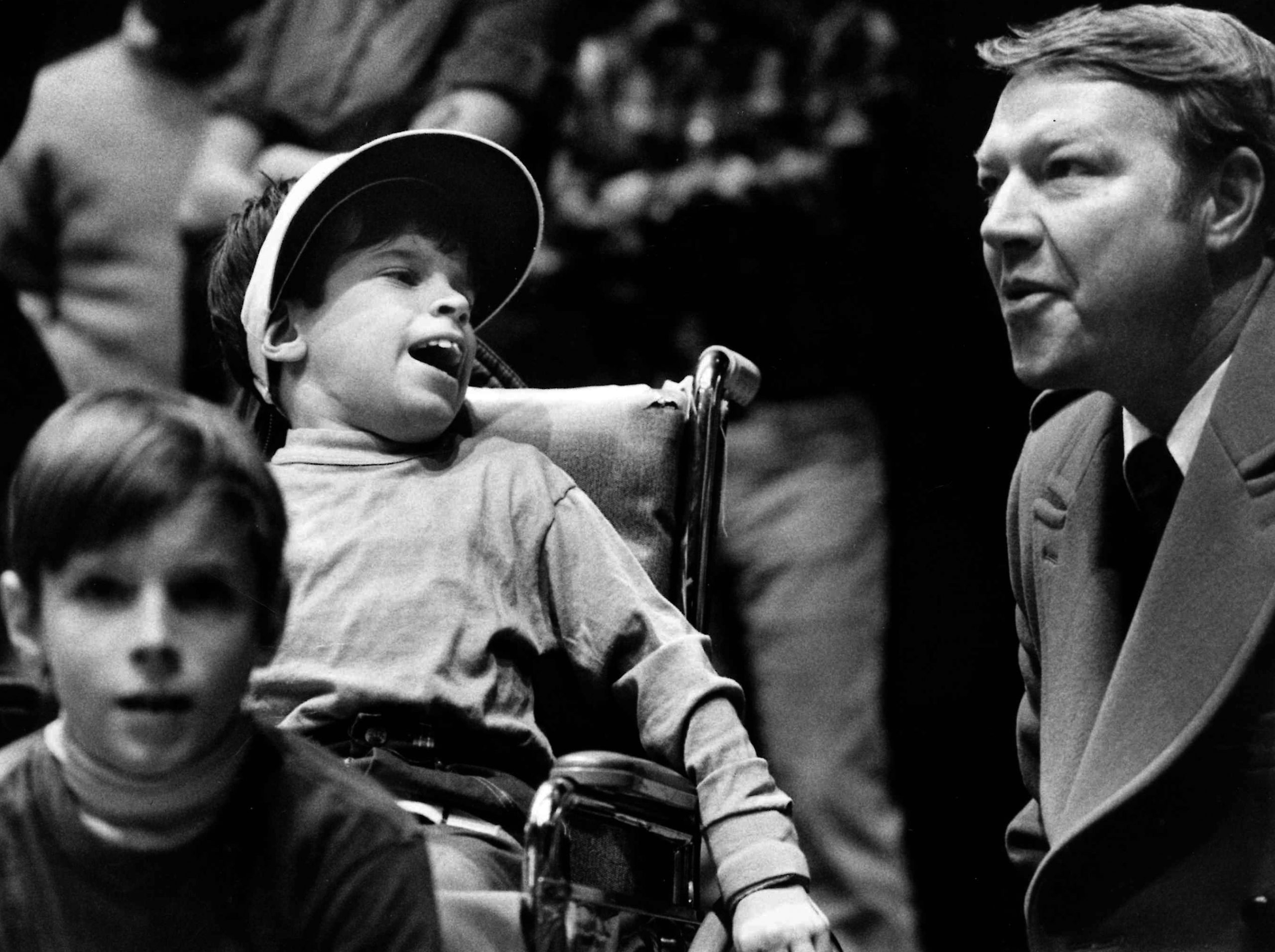
It was at HMS that Chris found his love for Philadelphia sports. Many staff members were Phillies fans and began to watch games with him. He quickly developed a talent for critiquing the local ball club (one that would serve him for the rest of his life).
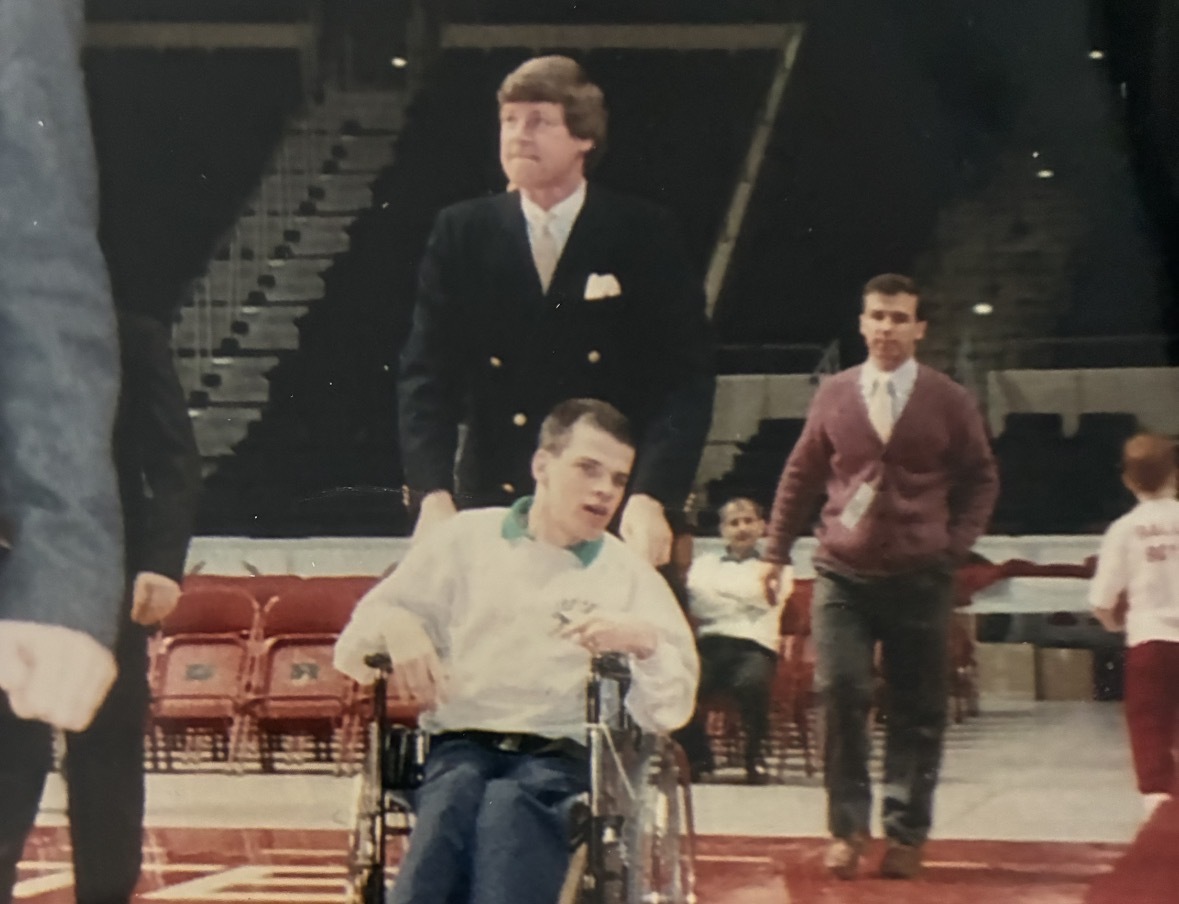
The younger DiJulia would spend his weekends at Alumni Memorial Fieldhouse and the St. Joe’s athletic offices. He did not do so quietly. Women’s basketball coach Jim Foster said the 9-year-old would routinely bust into his office, so much so that he joked he was going to “need a new doorway.”
The family returned to Connecticut in 1984, when Don was named commissioner of the Metro Atlantic Athletic Conference. But they couldn’t stay away from Hawk Hill, and came back in 1988, after Don was re-hired as athletic director, a job he’d keep for the next 30 years before retiring.
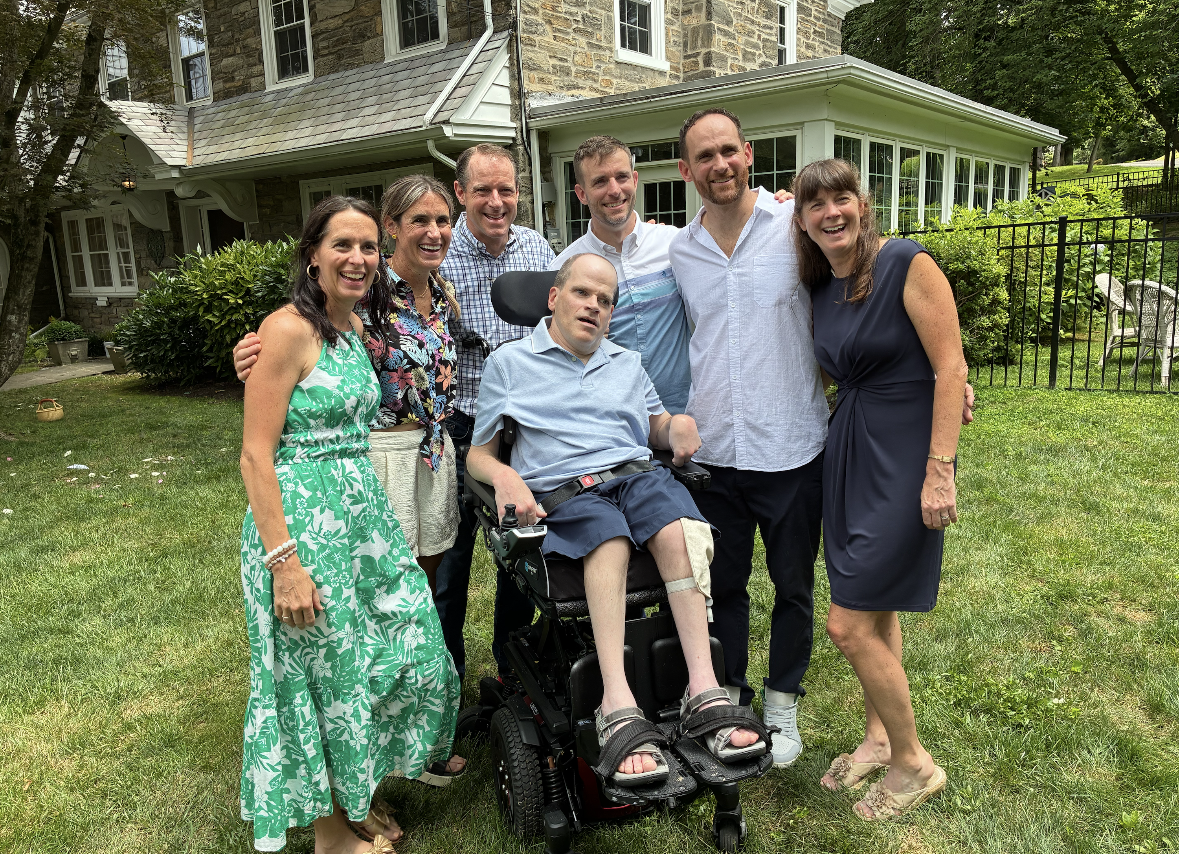
The DiJulia siblings were raised by their parents, Don and Pat, to stick together.provided by Kath DiJulia Cloran
By this point, Chris was a young man, brimming with confidence. This was due in large part to his upbringing. He was one of seven children, and Pat and Don treated him no different than the others.
The family would help Chris where he needed it, but always encouraged him to be independent. If he could lift his arms and put his shirt on with some minor assistance, then he would do it.
If he could shuffle his feet from the wheelchair to the bed, as someone hoisted him up, then he would do that, too.
“He was one of the seven,” his sister, Kath Cloran, said. “And yes, he needed extra care, but he was held to the same standards as all of us.
“He never wanted to be special. He just wanted to fit in and do what all of us did, really, and just live as regular a life as he possibly could.”
Transportation was integral to this. Don and Pat would map out a route for their son before each trip, making sure he was familiar with every curb and stair.
Some of these trips were laborious. To get to his technical school in Norristown, for example, Chris would travel a half mile on Haverford Road, to a platform for a high-speed rail.
Chris DiJulia (with his mother Pat) would stop at nothing to be close to the Philly sports scene.provided by The DiJulia Family
When he arrived at Norristown Transit Center, he’d take an elevator to the street level (if the elevator was working, which was a big if) and “walk” a few more blocks to school.
Despite any setbacks, the process was empowering. And paratransit made it even easier. Before long, Chris could travel all over the city, which meant ample trips to St. Joe’s and elsewhere.
Jim Lynam, the Sixers’ former head coach and DiJulia’s uncle, said it wouldn’t be unusual for his nephew to attend Sixers practice in the morning, St. Joe’s men’s basketball practice in the afternoon, and women’s basketball practice at night.
This was how he met Barkley.
The NBA star quickly realized DiJulia was able — and willing — to spar. So, Barkley and a few of his teammates, Rick Mahorn and Manute Bol, started going back and forth with him.
“Some fans, they’re just a-holes,” Barkley said. “They’re just mean. But the way he said something and just started laughing immediately, it took all the sting away.”
He added: “I literally met this guy 1,000 times, because he was always at practice. And I think it gave him joy. It gave us joy, but I think it really gave him joy, too.”
‘People just loved him’
DiJulia became omnipresent in Philadelphia basketball circles. When he wasn’t at St. Joe’s, he’d be at home, on the phone, usually with a coach.
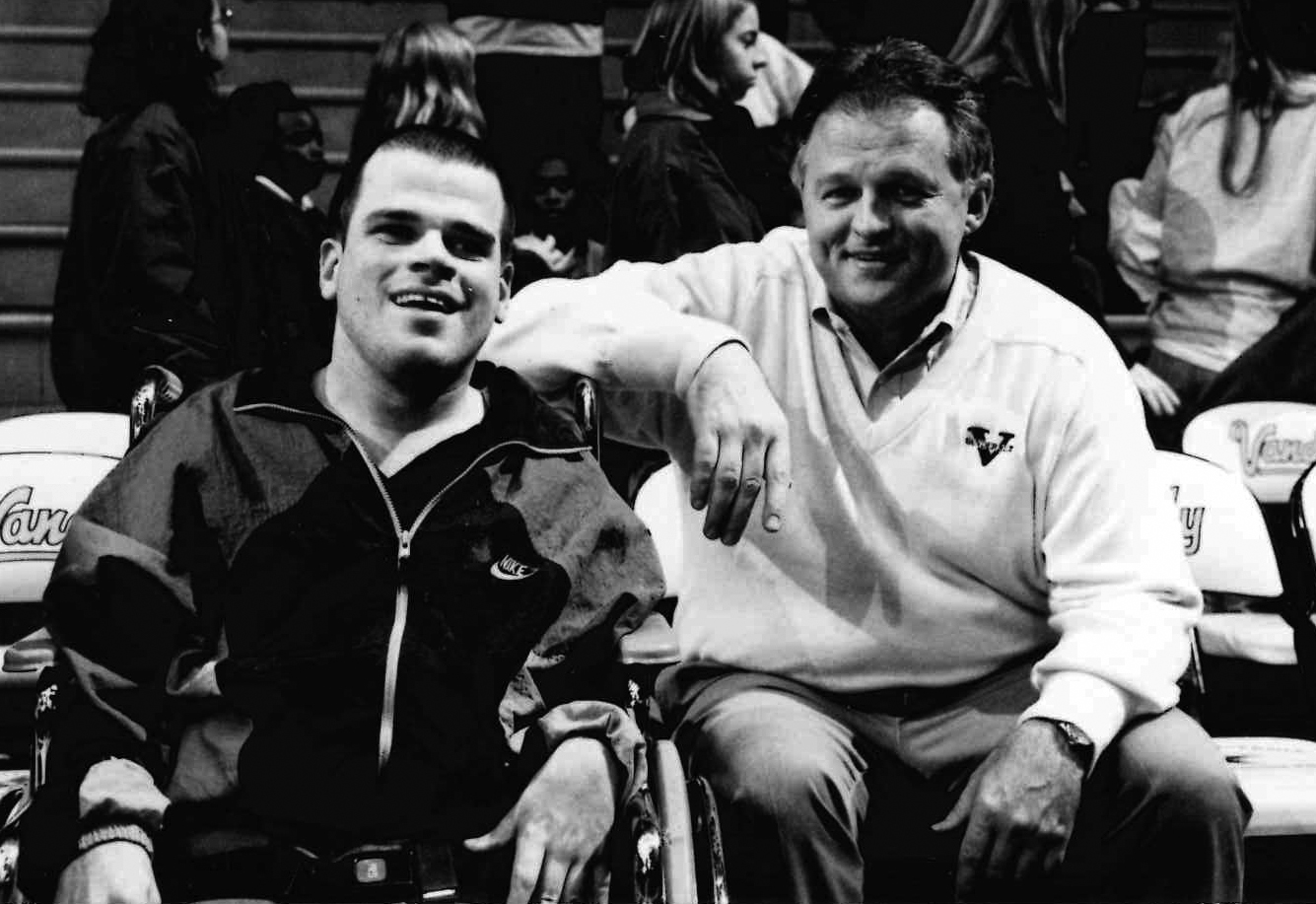
In the late 1980s, Foster invited him to sit on the bench during women’s basketball games (a tradition that continued after Cindy Griffin took over the program).
Chris DiJulia’s friendship with St. Joe’s women’s basketball coach Jim Foster (right) continued after Foster moved on to Vanderbilt.provided by Saint Joseph's University
The coach and his de facto assistant created a pre-game routine. After Foster gave his initial speech, he’d turn to DiJulia, who would share a few words.
“And then he would say, ‘But what it really comes down to,’ and he’d point to his heart,” St. Joe’s Hall of Famer Katie Gardler said. “And then he would point to his head.
“And you looked at all your teammates, and you’re like, ‘We’re doing this for him. Because he can’t get out there. We’re doing this for him.’”
DiJulia soon expanded his network beyond Hawk Hill, attending the NCAA and Atlantic 10 tournaments, among other events. If a coach left Philadelphia, he’d follow their careers, often traveling to go see them.
From the 1990s to the 2020s, DiJulia flew to Vanderbilt, Ohio State and Chattanooga to visit Foster, and drove to Michigan with his father to visit Martelli. Every year, he’d trek to Burlington to see Tom Brennan, the men’s basketball coach at the University of Vermont.
Brennan was among his closest friends. They first met in the 1970s, when the coach was assisting Rollie Massimino at Villanova. Brennan was hired by Yale in 1982, overlapping with DiJulia in Connecticut, which brought them even closer.
The two men discovered that they had a similar sense of humor; or as Pat put it, were “both crazy.” Games at Yale eventually led to daily phone calls, which led to trips to Vermont. In late November 2001, DiJulia visited Brennan when Cleveland State was in town, led by Massimino.
A Philadelphia jewel !! Chris DiJulia was as authentic and loyal as they come . An amazing man and a life full of inspiring others !! Love to the DiJulia family . pic.twitter.com/52X7Wglvvb
After the game, they got dinner with a few other coaches and family members. At one point, DiJulia asked Massimino a question that silenced the entire room.
“He said, ‘Rollie,’” Brennan recalled. “And back then, nobody called him Rollie. It was ‘Coach Mass.’”
The head coach turned to DiJulia, with an air of incredulity.
“Rollie?” Massimino said. “Rollie???”
The St. Joe’s fan grinned.
“That’s your name, ain’t it?”
DiJulia was a fixture at the University of Vermont. Every time he visited, he’d sit on the bench, right next to Brennan, tasked with keeping track of timeouts. This didn’t always go according to plan.
In February 1991, Vermont played at Delaware. It was a close game in the final minutes. Vermont was down three with the ball. Brennan turned to DiJulia and asked if they had any timeouts.
He said yes, but had counted incorrectly. Vermont got a technical foul. Delaware made one of two free throws, took possession of the ball, and won the game.
“The fun they’ve had with that over the years…” said Don.
Chris DiJulia and one of his best friends, Tom Brennan.Provided by the DiJulia family
Chris was also a regular on Brennan’s sports talk radio show on WCPV-FM. One time, he got the coach out of a parking ticket, because a police officer recognized DiJulia, and decided not to “mess up DeJules’ weekend.”
He was so beloved that in 2005, when Vermont was playing to reach the NCAA tournament, a booster chartered a plane to fly DiJulia to Burlington for the America East final. A gaggle of reporters met him at the airport.
After DiJulia returned home, Brennan checked in with his friend.
“I said, “Are you going to see St. Joe’s [in the NIT]?” Brennan recalled. “And he said, ‘Yeah… commercial.’ You got some balls. Commercial!
“But people just loved him. They loved him.”
DiJulia’s unflinching honesty was a big reason why. In the mid 1990s, amid a stretch of below-.500 seasons, he penned an angry letter to Phillies team president Dave Montgomery.
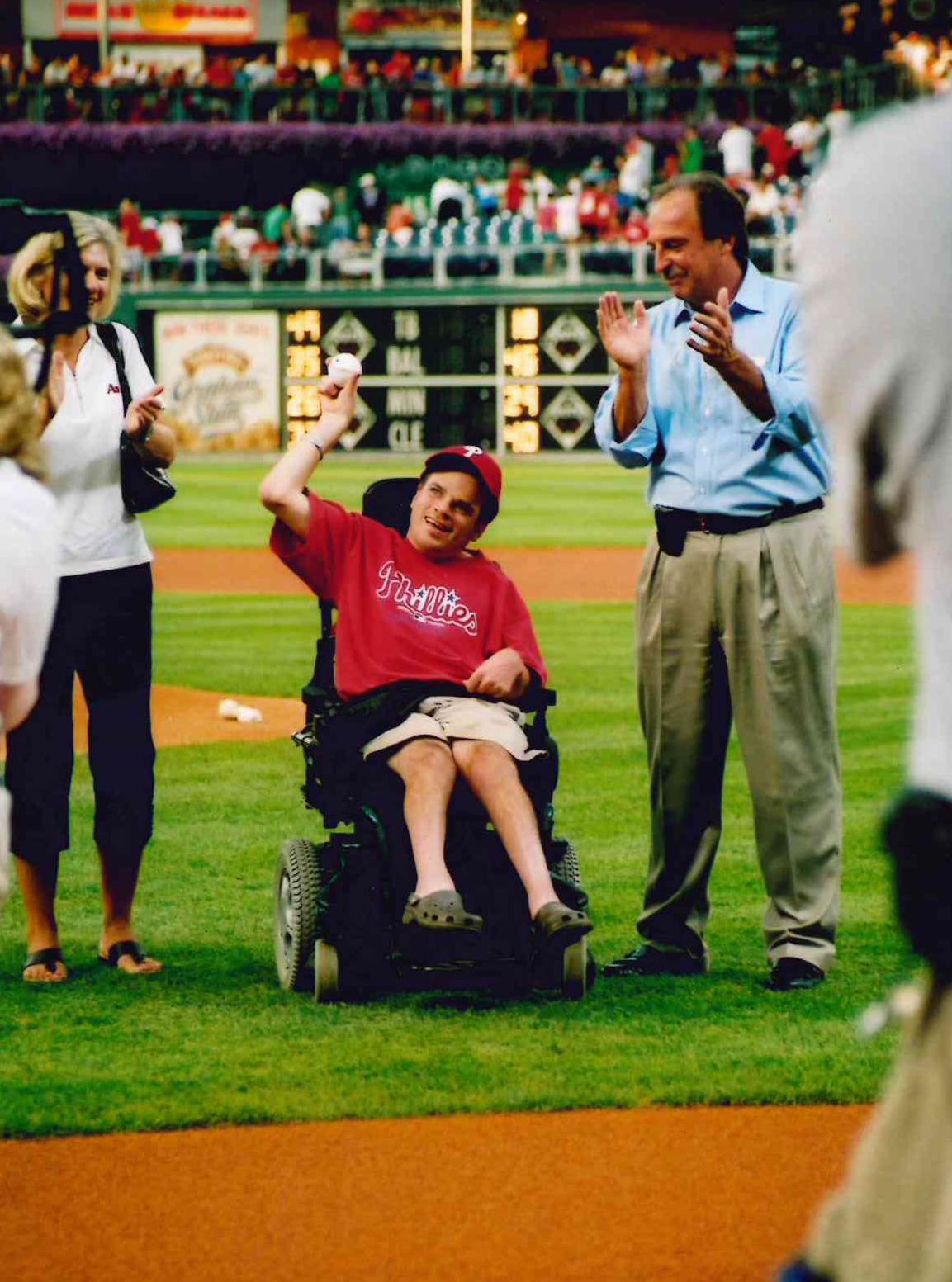
Chris DiJulia (with former Big 5 coach Fran Dunphy on the right and St. Joe’s women’s basketball coach Cindy Griffin on the left) was a massive Phillies fan.provided by Saint Joseph's University
Montgomery invited him to his box, with Brennan and Don DiJulia. The executive asked what he could do for the frustrated fan.
“And he said, ‘The first thing is to stop our team from sucking,’” Brennan recalled.
(Montgomery and DiJulia went on to have a very close relationship, one that improved when the Phillies ended their World Series drought in 2008.)
“He was always ready,” Brennan said. “You couldn’t throw him off his game, man.”
A spirit worth celebrating
DiJulia’s health declined over the past two years. He could no longer feed himself or travel. Sitting on the bench at St. Joe’s was not possible; neither was attending games at Citizens Bank Park.
But DiJulia adjusted, as he always did. He continued to work the phones, keeping in touch with coaches. He’d follow his favorite teams remotely, either on TV or an internet stream, rather than in person.
And through it all, he never lost his spirit. Last Easter, DiJulia’s sister, Tyl Sadoff, gifted him a T-shirt. On the front was a message he thought was hilarious: “Just call me Jesus, I keep coming back.”
Perhaps that is the lesson. Even in the darkest of moments, Chris DiJulia was able to laugh. And since his passing, loved ones have found that is the best way to honor him. To share their favorite stories, of their favorite guy, with a tinge of sadness, but a bellyful of joy.
Temple’s football season is just around the corner — even if the pads haven’t come on yet.
On Wednesday, Temple hosted its first open practice for media, allowing second-year coach K.C. Keeler to give some insight into the team’s offseason. Last year, the Owls finished 5-7, one win short of making a bowl appearance.
Temple opens its season against Rhode Island on Sept. 5 at Lincoln Financial Field (2 p.m., ESPN+).
Here are three takeaways from Temple’s first fall camp practice.
Waiting for a QB to ‘step up’
There’s a quarterback battle on North Broad — one that does not have a timetable, said Keeler.
Jaxon Smolik, who transferred from Penn State, and Ajani Sheppard, who made stops at Rutgers and Washington State, are competing for the Owls’ starting role. Neither have started a game in college. Notably, though, Smolik outplayed Sheppard in the Cherry and White spring game.
“I thought it was a pretty good back and forth all spring,” Keeler said. “And then just the spring game that Jaxon had, obviously that’s what you’re hoping our quarterback can play like this season. … If we get that Jaxon, you know, let’s go. But again, I think we all feel Ajani has a special skill set, too.”
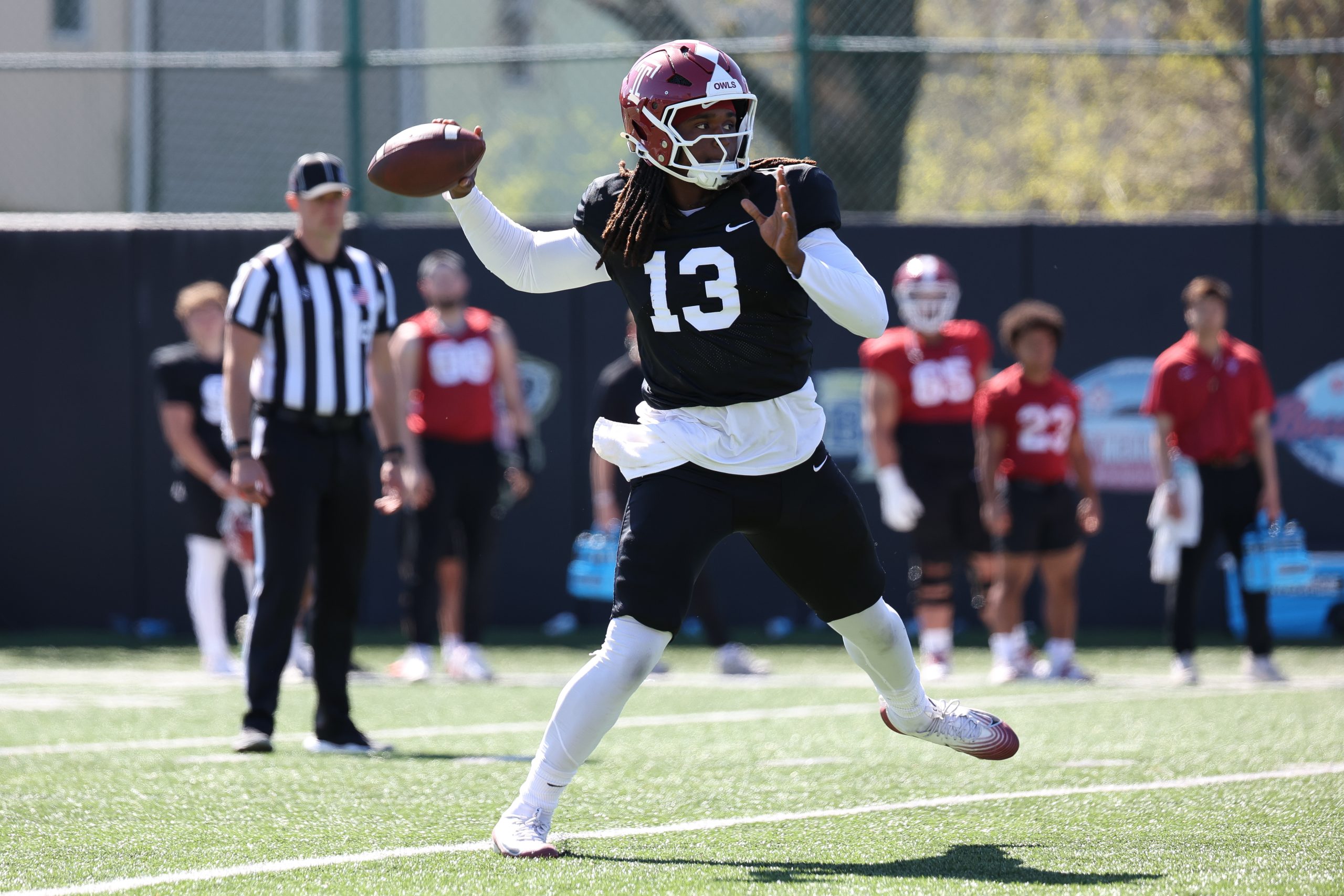
Temple quarterback Ajani Sheppard (13), shown during the Cherry and White spring game in April, has a “special skill set,” said coach K.C. Keeler.Isaiah Vazquez / For The Inquirer
Both quarterbacks took repetitions with the first-team offense. Fifth-year wideout Colin Chase, who finished with 40 receptions, 414 yards, and four touchdowns last season, will be among the top pass catching options for either quarterback.
“Ajani and Jaxon are two great guys,” Chase said. “They’re very mature about their business. … They work very well together. So for myself, it’s whatever they need. If Jaxon needs a couple more throws after practice, if Ajani wants to go watch film after practice, I’m there to assist whoever because as of right now, they’re both the starters in my eyes.”
In 2006, Keeler, who was then Delaware’s coach, presided over a quarterback battle between Joe Flacco and Ryan Carty. Flacco, a future Super Bowl champion with the Baltimore Ravens, did not win out until the “last scrimmage.” Keeler likened this year’s battle to the one two decades ago. Carty is now Delaware’s head football coach.
“You didn’t think it was going to be back and forth,” Keeler said. “I mean, I love Ryan. Ryan was a pretty good little football player too. Joe ended up being the 18th overall pick. So obviously, Joe had this unique skill set, but it took us a while because Ryan just kept on fighting and kept on putting himself in a position where you couldn’t legitimately say Joe was the better one.”
In time, Keeler hopes that one quarterback will “step up” like Flacco did, but he does see a world where their unique skill sets allow both quarterbacks to see action this season. Evan Simon and Gevani McCoy also battled for the starting role during Temple’s fall camp last season before Simon was later named the starter.
“I never love to say we’re playing two quarterbacks, but I’ve been in package situations before where I’ve had guys who like [come in for] red zone packages, short yardage packages,” Keeler said. “Whatever it may be, one guy fits better than the other guy does.”
Retaining key players
Beyond the quarterback position, Temple boasts a slew of returners.
Two weeks ago, during the American Conference’s media day, Keeler noted that the Owls had multiple players who were contacted by Power Four schools. Some were even offered “hundreds of thousands of dollars” to transfer.” However, every eligible starter returned.
One key returner, who could have transferred to a bigger program, is senior tight end Peter Clarke. Last season, he logged 483 yards and six touchdowns. Clarke, a product of the NFL Academy in England, was named to preseason watchlist for the John Mackey Award, given annually to the best tight end in college football.
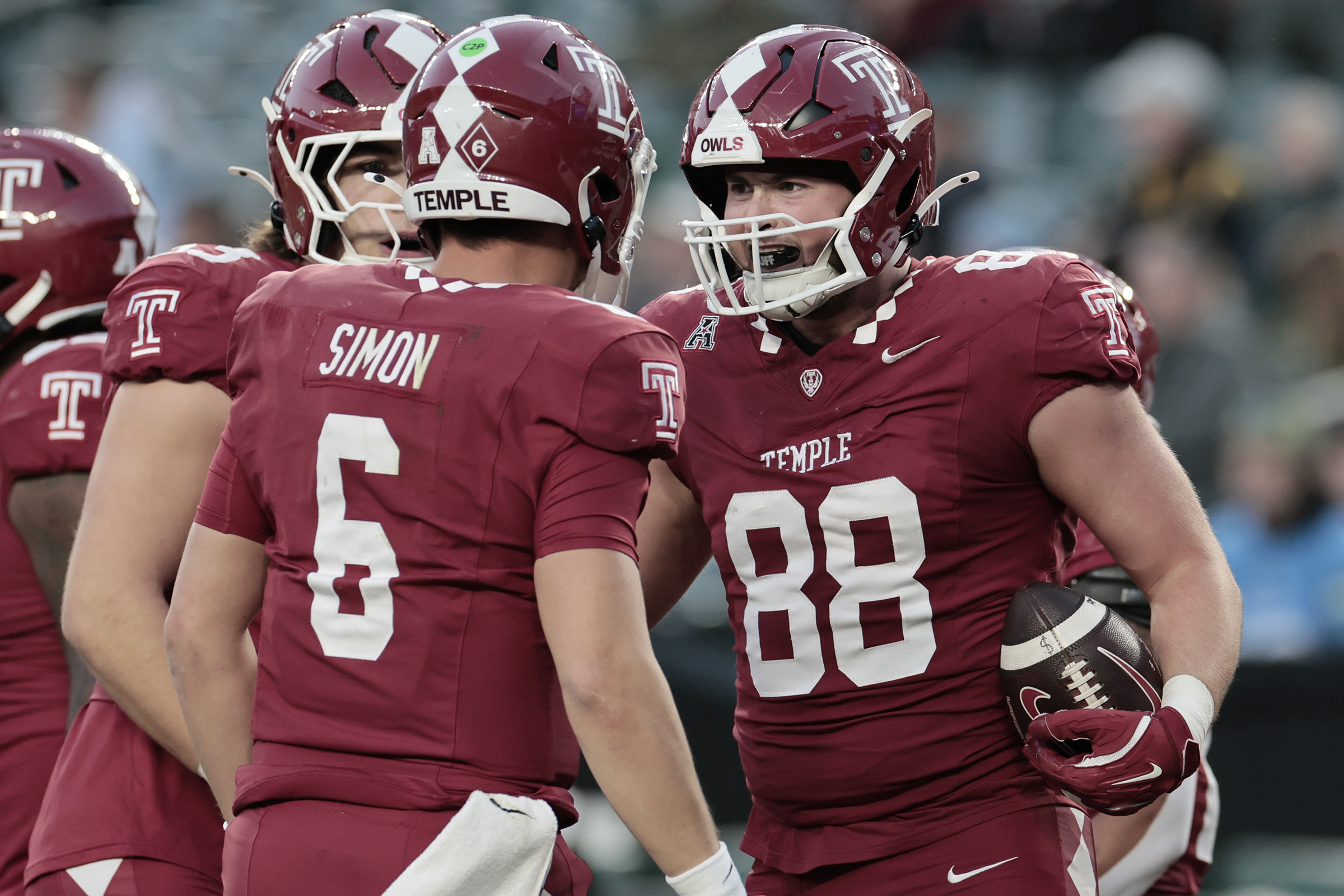
Temple tight end Peter Clarke (right) will anchor the passing game this season.Elizabeth Robertson / Staff Photographer
On Wednesday, Keeler recounted his pitch to Clarke.
“Peter, you had six catches in two years, now you’re one of the top five tight ends in the country coming back,” Keeler said. “How does that happen? Probably in the right system, you probably got a great strength coach, you know you got a great position coach. Your ‘O’ coordinator is brilliant. You obviously have bought into everything we have to offer.”
“This is home to him, and so he wanted to stay in the worst way,” Keeler added. “And we had to find a way to make it financially reasonable. We can’t match, but we’re going to do our best. And I think he appreciated that.”
Along with Clarke, Keeler added that punter Dante Atton and offensive linemen Giakoby Hills and Eric King also turned down bigger programs to stay at Temple.
“Once we got those guys, it made the locker room so much easier to keep [together],” Keller said. “Because it’s like, ‘you guys are turning down what you think is significant money. We turned down a lot more and here are the reasons why we turned down that money, because we believe in where this place is going.’”
Cornerback room takes a hit
On Wednesday, Keeler revealed that sophomore cornerback Devontae Ward-Grant suffered a torn ACL in his right knee during the spring game and will miss the entire 2026 season.
“Every obstacle is an opportunity,” Keeler said. “And even though [Ward-Grant] would have competed to be a starter for us this year, he really needs a year in the weight room. … We’re looking at it like ‘it’s a great year for you to just get your body bigger, stronger, faster,’ and we’ll get him back next year.”
Denzel Chavis (13) is among the returning cornerbacks vying for a starting role for Temple this season.Isaiah Vazquez / For The Inquirer
The loss of Ward-Grant hurts an uncertain cornerback room. Notably, the Owls returned juniors Denzel Chavis and Adrian Laing. The duo combined for just 15 solo tackles last season.
“I think that cornerback spot is the one position you go, ‘I like the guys out there. I just need to see more of them,’” Keeler said. “I like their skill set. I just need to see more of them. So I think that’s where we’re at.”
“There’s one or two guys in that cornerback group that you feel really good about,” he added. “They’re getting in the right position, you know. But now, when the ball’s in the air, you got to make that play.”
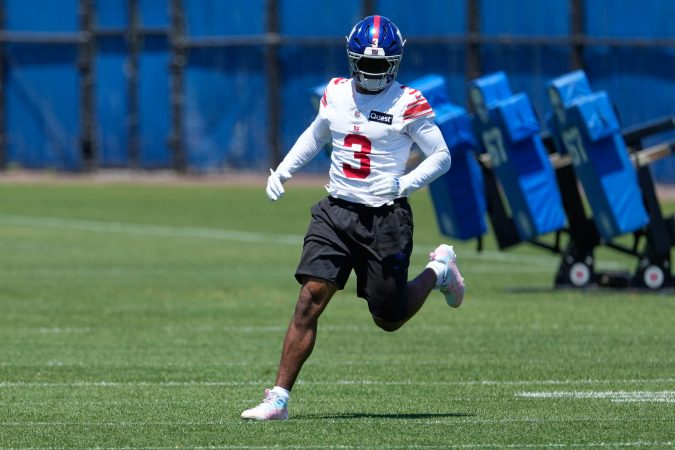
“I want to be Defensive Player of the Year,” Carter said. And he absolutely thinks he can do so right away.
The North Philly native, who starred at La Salle College High School and Penn State, goes into his second NFL season with the New York Giants having come a long way from the edge rusher selected with the third pick in the 2025 draft and who asked Hall of Famer Lawrence Taylor to wear his No. 56 — and was denied. He has visibly evolved as a player and a person since struggling through the first two months as a rookie and getting disciplined twice for off-field team violations.
After finishing strong last year with 3½ sacks in his final five games, Carter has been a disruptive force early in training camp and could soon be an every-down linebacker and a difference-maker in all situations.
“I know what I’m capable of,” Carter said last week at The Greenbrier Resort in White Sulphur Springs, West Virginia. “I know if I put the work in and believe in myself, trusting myself, trust in my teammates, trust in my coaches, I can be whoever I want to be.”
Carter has shown flashes of brilliance in practice, working against established starting left tackle Andrew Thomas and often beating him to the backfield. Thomas notices Carter being better than this time last year.
“He’s using his power more, and you can tell he just has a better understanding for different types of blocks, different types of attacks, recognizing play schemes,” Thomas said, acknowledging Carter has exhibited growth all around. “He wants to be a good player, so when you have that drive, you just have to get it going in the right direction. You just learn as you go. He’s a young kid. He’s going to learn. He’s going to get even better.”
The learning happened in a very public way. Carter had just half a sack in his first 10 pro games, got benched from the first defensive series of his 11th by interim coach Mike Kafka, who then sat him again for the first quarter two weeks later.
Carter, who will be 23 in October, said at the time he owned his mistakes. Asked at this camp if he could tell his younger self anything, he brushed that off as not the way he thinks about life.
“I feel like everything happened the way it was supposed to,” Carter said. “I learned from it, moved on from it, so I’m ready to go into year two.”
“He ended the year strong,” Burns said. “I expect him to break out, pick up where he left off.”
Carter intends to do that by leaning on the video, playbook study and practice habits he has developed. That approach fits in with what Burns and others have observed about Carter showing more maturity.
It doesn’t hurt that Carter also has a new coach in John Harbaugh, who brings Super Bowl-winning gravitas to the job and hired Dennard Wilson to be defensive coordinator. It’ll be up to Wilson to figure out the best ways to use Carter to unlock his potential, though that’s something Harbaugh already has a good idea of.
“Just a consistency level: down, after down, after down, all downs, all situations,” Harbaugh said. “Play the run, rush the passer, all the movements, stunts — things like that — (and) cover for guys on movements. All those things that he’s determined to do, I’ve heard him say it many times, to be a complete player.”
The annual preseason college football coaches poll was released, and Penn State was included despite a disastrous 2025 season.
On Tuesday, Penn State was ranked No. 17. Eight Big Ten schools were included in the Top 25 poll, with Ohio State atop the list.
Last season, the Nittany Lions were ranked third overall in the same preseason poll, which was not indicative of the season the team had. The Nittany Lions finished 7-6 overall and 3-6 in conference play. Longtime head coach James Franklin was dismissed in the middle of the season. Former Iowa State coach Matt Campbell was hired in December to take over the program.
“Over the past six months, we’ve been reminded every day why Penn State was the right fit,” said Campbell during Big Ten media day last week. “The history is special. The tradition is special. But what really resonated with me is how Penn State has always valued integrity, character, and class at its best.”
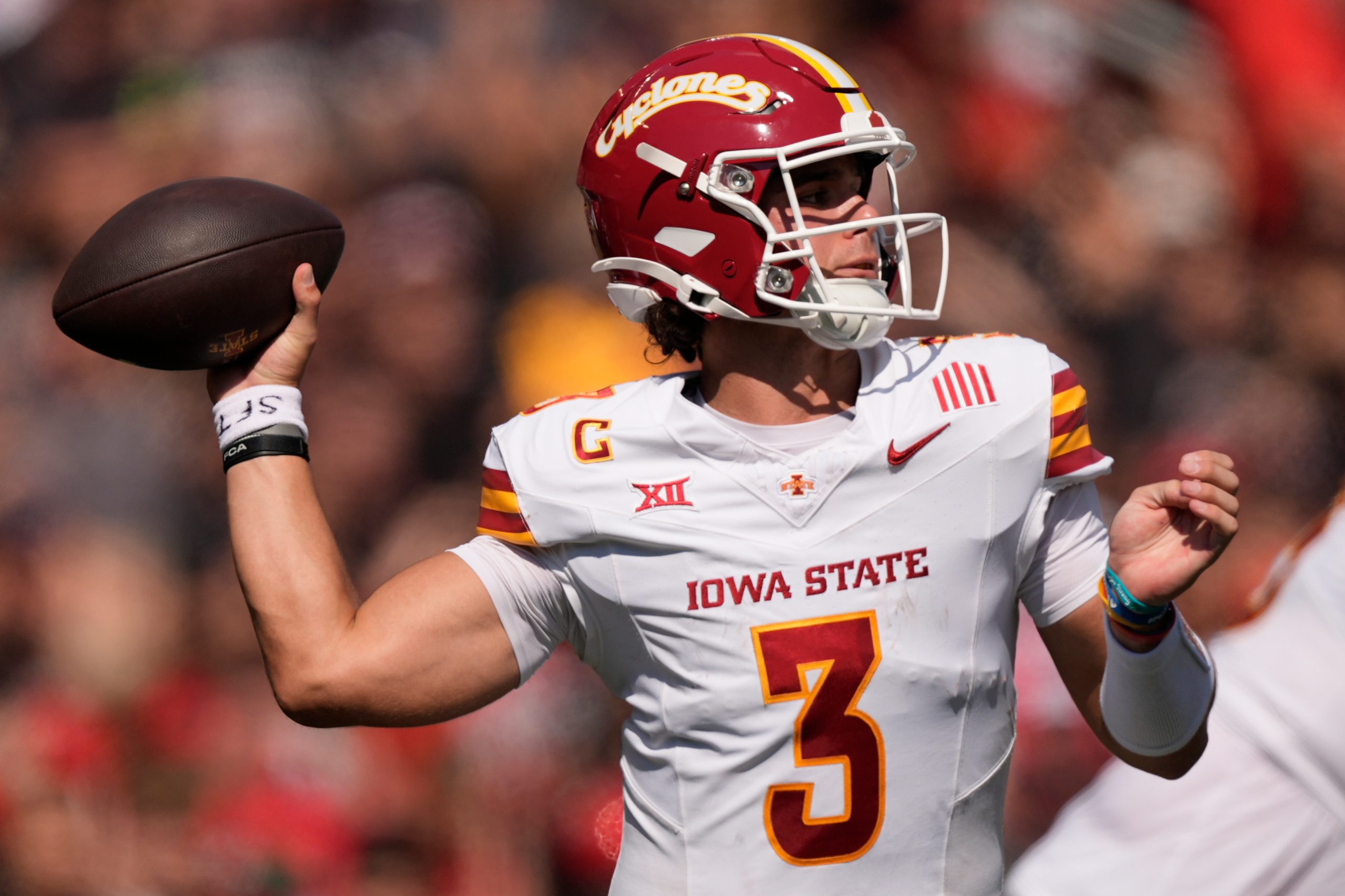
It seems Campbell’s peers believe he can help the program bounce back. To do so, he will lean on some familiar faces, as 24 Iowa State players followed Campbell to Penn State through the transfer portal, including starting quarterback Rocco Becht.
In 12 games last season, playing with a torn labrum on his nonthrowing shoulder, Becht threw for 2,584 yards and 16 touchdowns. He is the winningest returning quarterback in college football.
Quarterback Rocco Becht followed Matt Campbell to Penn State.Carolyn Kaster
“We have our goals in mind, and that’s to win a Big Ten championship and ultimately get to the College Football Playoff to have a chance to win a national championship,” Becht previously told the Inquirer. “With the team that we have now, I think we’re fully capable of doing that. Everybody just has to buy in, be consistent with the standards, and I think we’ll be in good hands.”
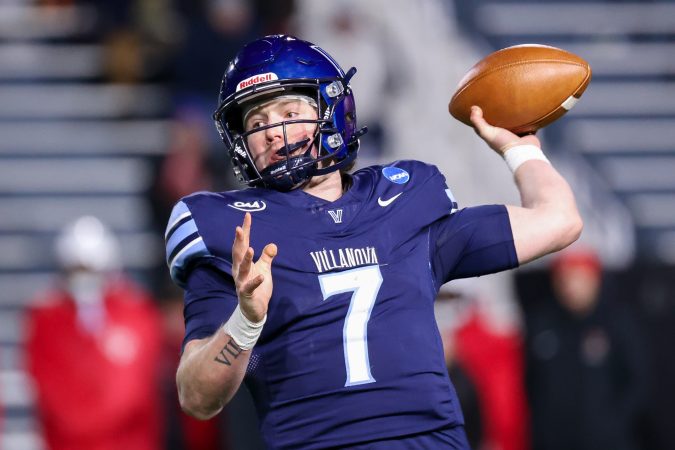
After a legal ruling, it seems that Villanova quarterback Pat McQuaide will suit up this season.
On Saturday, Cuyahoga County (Ohio) Common Pleas Court judge Timothy P. McCormick ruled that the NCAA cannot enforce its eligibility rules against McQuaide, granting the quarterback a preliminary injunction to play this season. McQuaide, who is from Solon in Cuyahoga County, motioned to sue the governing body after the NCAA denied his waiver request to play in 2026-27. The initial waiver was filed by Villanova on McQuaide’s behalf.
“Villanova is aware of the court decision regarding Pat McQuaide’s eligibility for the 2026 college football season,” the university wrote to The Inquirer. “We are working closely with the Patriot League and with Pat to determine the appropriate next steps.”
NEWS: An Ohio judge has ruled that the NCAA is barred from enforcing its eligibility rules against McQuaide or punishing Villanova University, making McQuaide immediately eligible to play Division I football for Villanova in the 2026–2027 season. pic.twitter.com/q7vVsJzlyB
McQuaide, 23, alleged that the onset of the COVID-19 pandemic during his junior year of high school severely disrupted his development and recruitment. Because of this, McQuaide landed at Kent State University as a walk-on. At Kent State, McQuaide redshirted and later transferred to Mississippi Gulf Coast Community College. After one year at Mississippi Gulf Coast, McQuaide played at Nicholls State for two years and Villanova last season.
The legal question around McQuaide’s eligibility pertains to his 2022 season at Mississippi Gulf Coast Community College. Villanova requested that this season should not count against McQuaide’s allotted eligible seasons, as Mississippi Gulf Coast is a junior college program and not under the purview of the NCAA. Additionally, McQuaide landed at the community college because of “extreme circumstances outside the normal recruiting process and outside of McQuaide’s control.”
McCormick cited past legal decisions involving issues of student-athlete eligibility, such as the case of former Vanderbilt quarterback Diego Pavia, and recently adopted NCAA bylaws in his decision to grant a preliminary injunction.
The decision also noted that Villanova is holding a spot on its roster for McQuaide to return as the team’s starting quarterback. With this, it is expected he will return to the Wildcats. Last season, McQuaide passed for 3,123 yards and 25 touchdowns in 15 appearances.