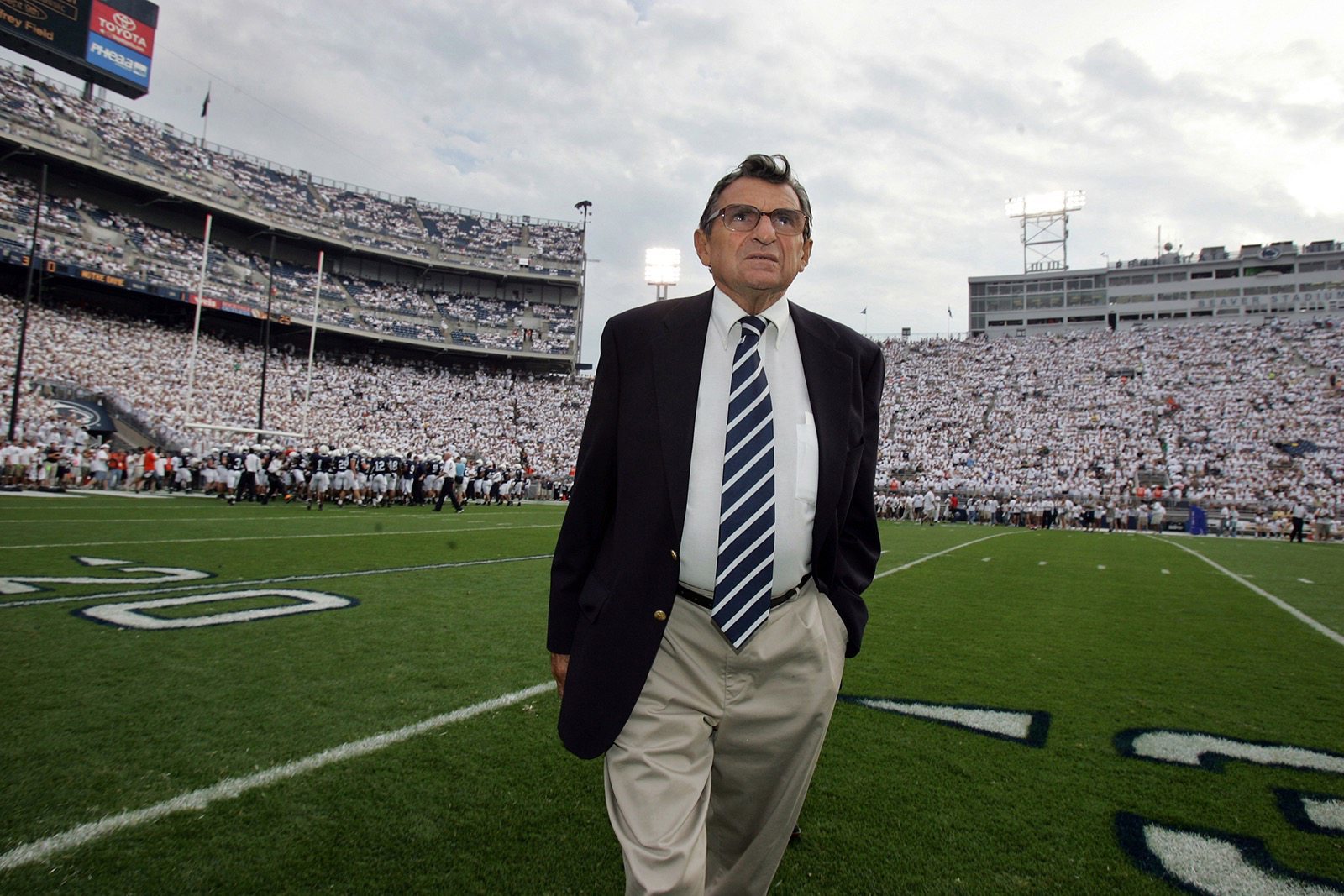
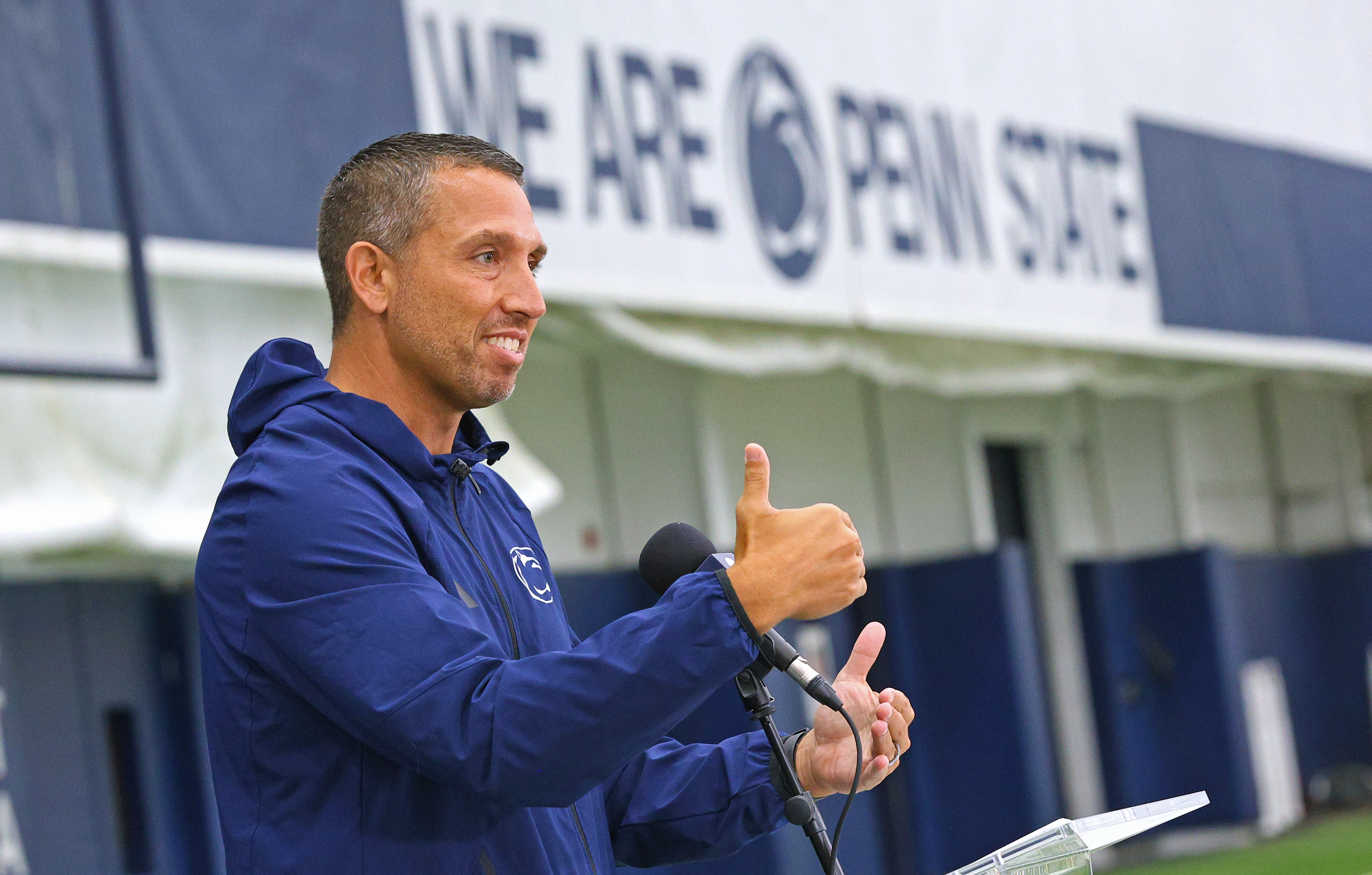
Pennsylvania State University this week announced the opening of the Paterno Family Football Experience Room, named for the school’s iconic — and deeply polarizing — longtime football coach.
The backlash quickly followed.
According to a university news release, the new exhibit — which will be part of the Penn State All-Sports Museum inside Beaver Stadium — will include a slate of features, including Paterno’s original office desk and personal artifacts from his six-decade tenure at the school.
“Penn State Football’s history belongs to generations of student-athletes, coaches, staff, and supporters who helped build this program,” Pat Kraft, Penn State’s vice president for intercollegiate athletics, said in a statement. “This room gives us an opportunity to preserve that history, present it thoughtfully, and create an experience that connects the proud tradition of Penn State Football with its future.”
The release did not directly address how the university settled on the name of the new exhibit, saying only that the school’s athletics department “received a lead gift from an anonymous donor supporting the creation and naming of the Paterno Family Football Experience Room.”
In an email Wednesday, Leah Beasley, a Penn State deputy athletics director, declined to comment further, directing a reporter to the original news release.
The Paterno Family Football Experience Room is set to open to the public Thursday.
The announcement of the new attraction comes 15 years after Paterno’s coaching career came to an abrupt end, when he was fired in 2011 by Penn State’s Board of Trustees over the program’s handling of child sexual abuse allegations involving longtime assistant coach Jerry Sandusky. Paterno died in 2012 at the age of 85.
And on Wednesday, it quickly rekindled the discourse surrounding Paterno’s complicated legacy.
Critics on social media expressed their disbelief at the university’s decision to name the museum after a man who played a role in one of the biggest scandals in college sports history.
“The WHAT Family football experience room!??!?!?!?!?” wrote one user on X.
“Incredibly tone-deaf,” wrote another.
“Yeah I think I’ll pass on the ‘Paterno family football experience room,’” said another.
In an interview Wednesday, Penn State booster Michael Kirschner — who along with wife Patty helped fund the Paterno desk exhibit and historical display in the new project — said he supported the use of the Paterno name.
“I am OK with it,” he said. “Those of us who sit on the Paterno side realize that the character of the man was not such that he would do something like that, and he’s done so much for Penn State that we have an allegiance to him that is lasting.”
Brandon Short, a former Penn State football captain and NFL linebacker who now serves on the school’s Board of Trustees, also praised the announcement.
“As a two-time football captain, PSU Trustee, and Letterman, I’m proud to see the Paterno Family Football Experience Room coming to Beaver Stadium,” Short wrote in a social media post. “Been working on this for a while — grateful it’s finally happening. We Are!”
On the field, Paterno’s success was indisputable. From 1966 to 2011, the coach amassed a 409-136-3 career record, becoming the winningest coach in major college football history. He led the Nittany Lions to two national titles, five unbeaten seasons, and 37 bowl appearances.
But to many, those achievements were far overshadowed by the coach’s role in the case of Sandusky, who was accused of using his association with Penn State football to groom boys for sexual abuse.
Sandusky was eventually convicted of 45 counts of sexual abuse involving 10 boys over the span of 15 years. (Last week, a judge agreed to a hearing in the case after a man said he wanted to recant his allegations against Sandusky.)
In a 2012 report commissioned by the university, former FBI Director Louis Freeh found that Paterno, school president Graham B. Spanier, athletic director Tim Curley, and vice president Gary Schultz “failed to protect against a child sexual predator harming children for over a decade.”
“The most powerful leaders at the university … repeatedly concealed critical facts relating to Sandusky’s child abuse,” the report said.
Shortly after the release of the Freeh report, then-Penn State president Rodney Erickson announced that the seven-foot statue of Paterno in front of Beaver Stadium was being removed, calling it “a source of division” and “an obstacle to healing.”
The coach’s name still adorns the university’s main campus library, The Pattee Library and Paterno Library — and many within the Penn State community have remained vocally supportive of the coach and his legacy.
What effect, if any, the exhibit’s name has on prospective interest remains to be seen — though Kirschner, for his part, doesn’t appear overly concerned.
“The lines to see the exhibit,” he predicted, “will be longer than the lines to the Creamery.”
On Christmas mornings while growing up in Northeast Ohio, Matt and Scott Campbell were excited to fulfill what became a yearly tradition. Most kids raced toward the Christmas tree to open presents and celebrate the holiday, but not the two brothers, who were born four years apart. They raced out the door to get a football game in, even when snow covered the ground.
Those games were one-on-one, mano a mano. Matt “had quite an impressive [size] advantage on me,” Scott said. The memory proved instructive of his older brother’s competitiveness, as Matt steps into his third college football head coaching job.
“It was not uncommon to get your favorite football jersey for a Christmas present. And then Riddell was giving out all those football uniforms that came with shoulder pads, leg pants, and helmets,” Scott Campbell told The Inquirer of his earliest football memories with Matt. “Then you go outside [to play against Matt].
“I never won these games.”
Football runs deep for the Campbells. Rick Campbell, Matt and Scott’s father, was a high school coach at Jackson High School in Massillon, Ohio, and later went into administration.
The sport quickly became the center of Matt’s life, too.
He would attend two-a-days with his dad before his school day started.
“My greatest childhood memories are being in the locker room and being on the football field with my dad, watching him lead and coach a football team,” Matt Campbell told The Inquirer in July. “I wanted to help give back and make a difference [as a coach] because so many people had done that for me.”
(function() {
var l2 = function() {
new pym.Parent(‘campbell2’,
‘https://media.inquirer.com/storage/inquirer/projects/innovation/arcgis_iframe/campbell2.html’);
};
if (typeof(pym) === ‘undefined’) {
var h = document.getElementsByTagName(‘head’)[0],
s = document.createElement(‘script’);
s.type = ‘text/javascript’;
s.src = ‘https://pym.nprapps.org/pym.v1.min.js’;
s.onload = l2;
h.appendChild(s);
} else {
l2();
}
})();
From those early days in their backyard, to stops at Pittsburgh and Mount Union as a player, then coach, and several other stops before landing his highest-profile opportunity yet at Penn State, Campbell has remained the same, his former teammates, players, and coaches across his 24-year coaching career say.
“Anybody that knew younger Matt or played with him or crossed paths with him, I don’t think anybody is surprised [by] the success he’s had,” Indianapolis Colts tight end coach Tom Manning said by phone shortly after Campbell was hired at Penn State. “Obviously, he’s a very good football guy in terms of X’s and O’s, but I think the thing that makes Matt dynamic is his ability to inspire others, certainly a great teacher, but he has this ability to have a relationship with everybody that is authentic and real.
“He creates this culture of unification, of toughness, of having a chip on your shoulder. And I think that every person that’s ever played [in] his football program or coached for him, they just feel like they’re part of something a little bit bigger than themselves.”
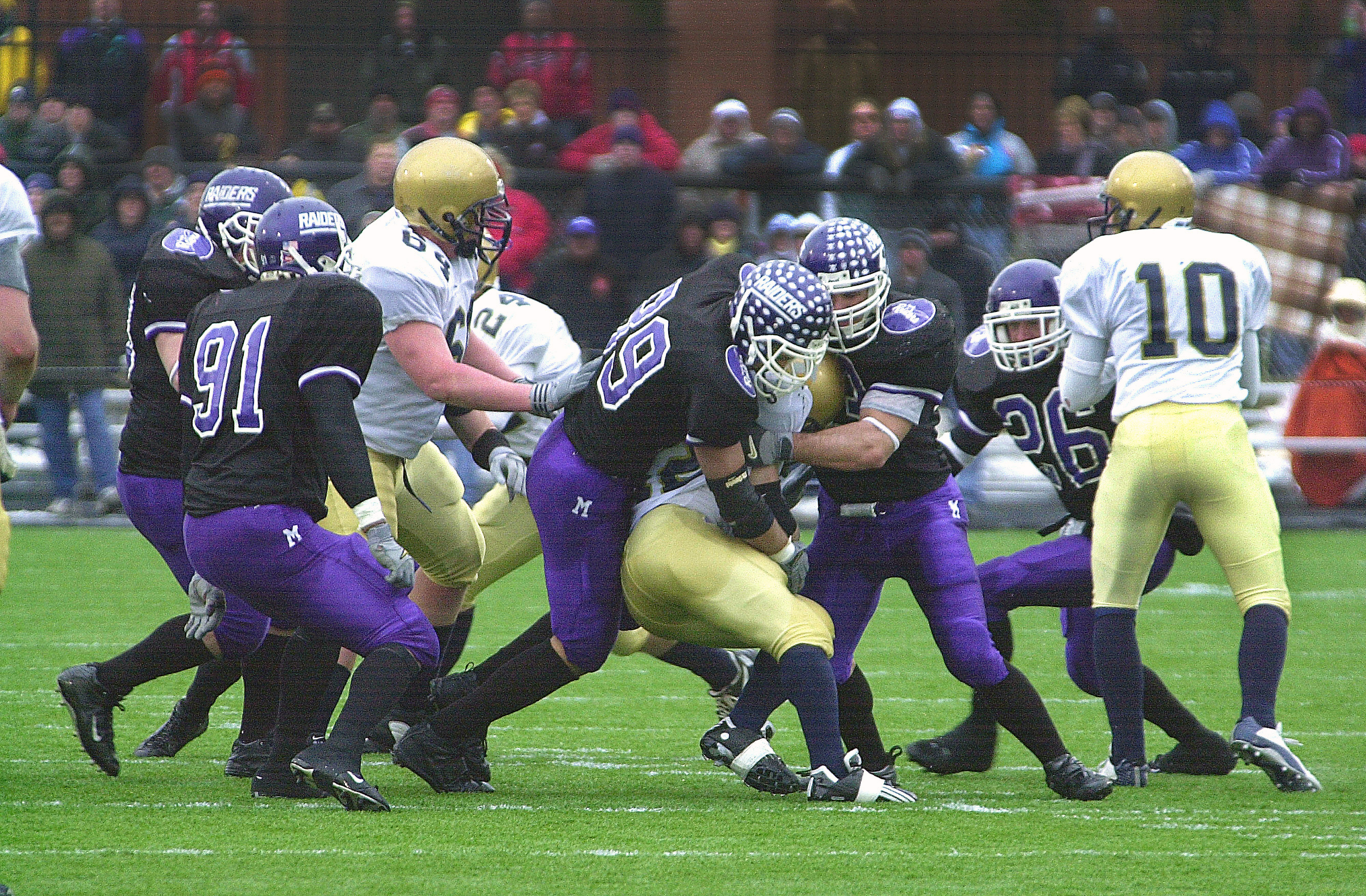
Matt Campbell (center) makes a tackle during a game for Mount Union during his playing days.Courtesy of Cockrill’s Studio
Embracing the ‘abnormal’
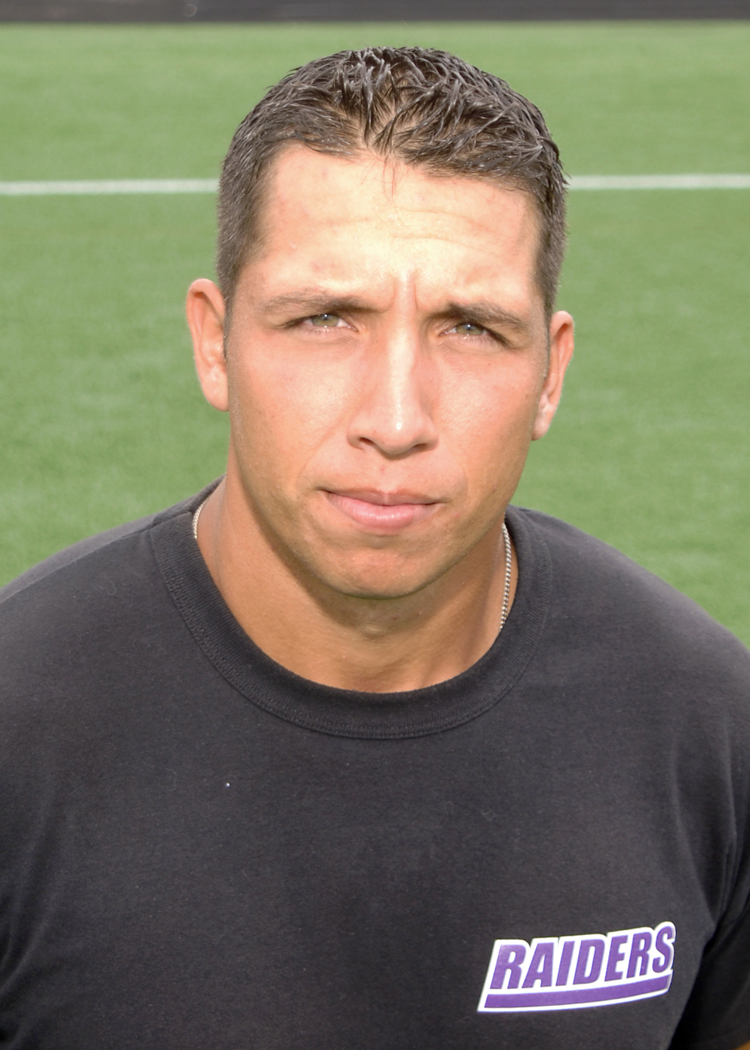
Campbell, now 46, developed into a standout defensive end at Perry High School in the 1990s. Matt was coached there by Keith Wakefield, who is “as inspirational as anybody in his life,” Scott said.
Out of high school, he accepted a scholarship from Pitt, but after the team went 2-9 his freshman season in 1998, he transferred to Division III Mount Union — a move that not only defined his playing and coaching career, but moved him closer to home.
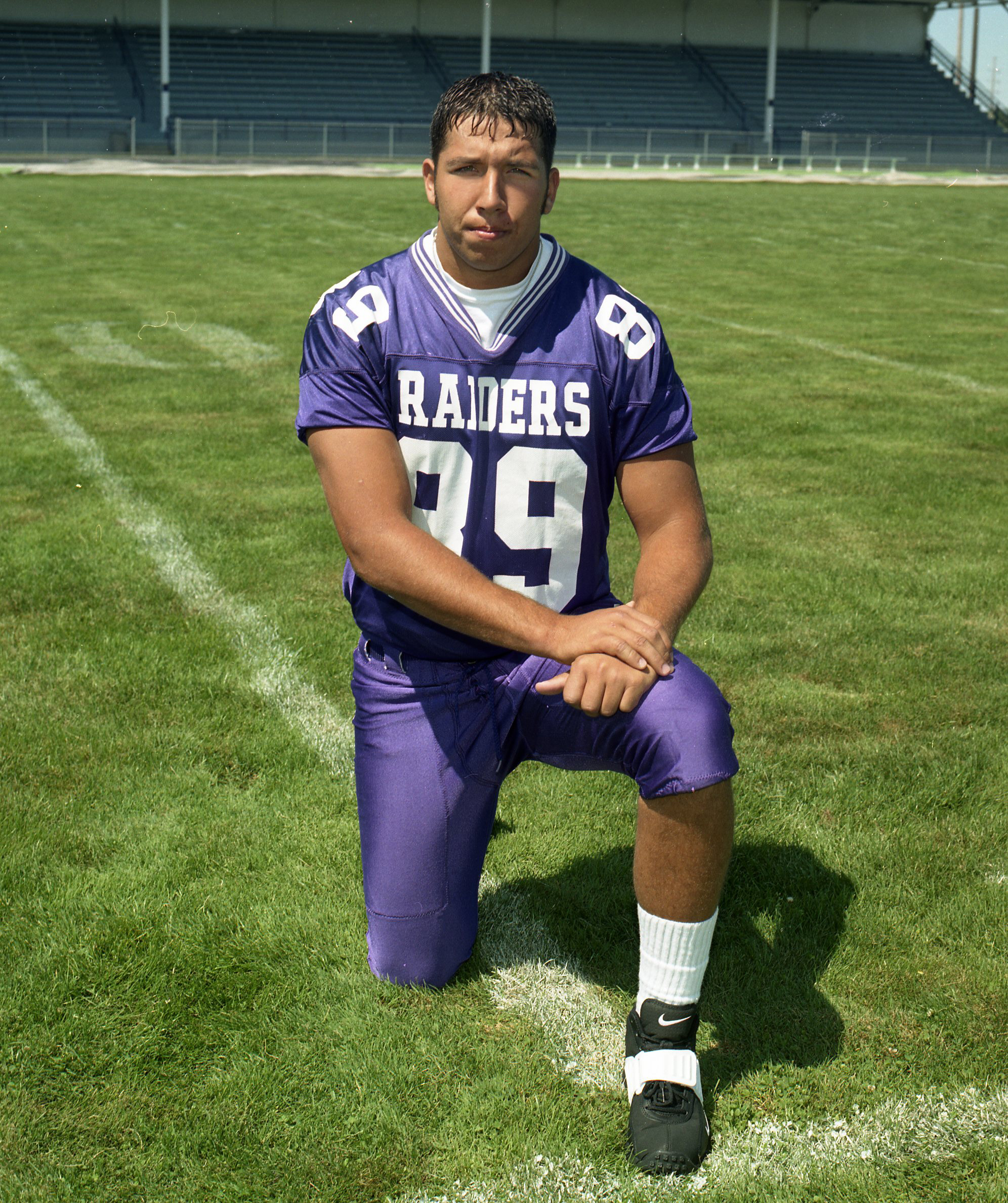
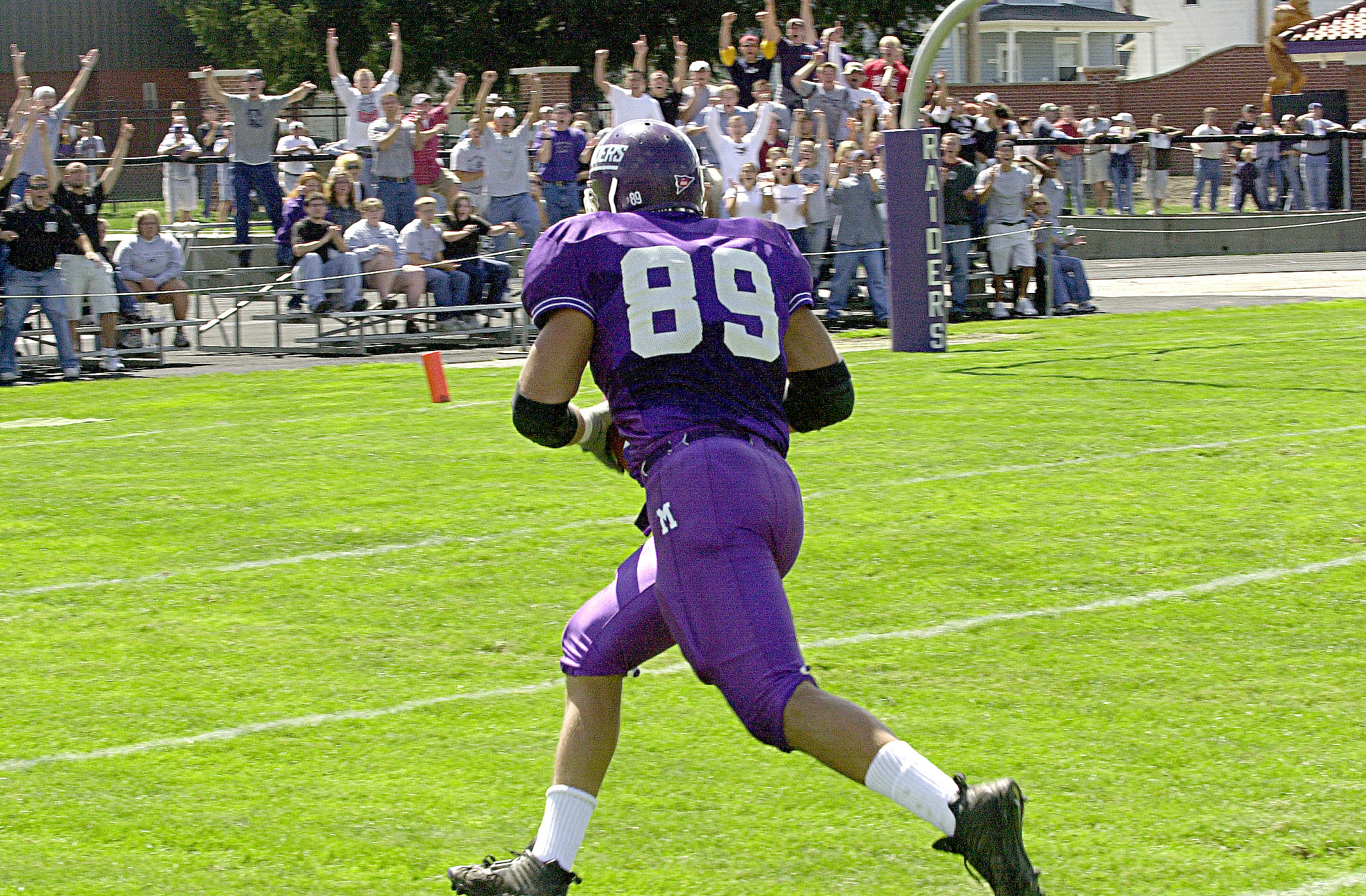
Campbell won three D-III titles from 1999 to 2002 at Mount Union, was named an All-American twice, and was the Ohio Athletic Conference defensive lineman of the year in back-to-back years in 2001 and 2002. But it was during his playing days there, under legendary coach Larry Kehres and alongside lifelong friends and coaching contemporaries, where Campbell first showed an inkling toward his future career.
Matt Campbell played defensive line at Division III school Mount Union after spending his freshman season at Pitt.Courtesy of Cockrill’s Studio
“The connection of understanding the value of ‘People don’t care how much you know until they know how much you care,’ and you go back and you say, ‘Man, why? What made the great coaches that you had impactful in your life?’” Campbell said. “It was a transformational experience rather than a transactional journey. And you’re talking about two of the winningest coaches in the history of Ohio high school football, and certainly in all of college football [in Wakefield and Kehres].
“I think their greatest gift was their gift to connect … and find a way to help make their players better, because their belief [of], ‘Man, they cared about them and they wanted to have a real relationship with them.’ So I think that foundation has been huge.”
Often understated about Campbell’s background is how impactful he was on the field for the perennial title contender. His 182 assisted tackles and 55 tackles for loss rank fourth in school history, his 26 career sacks are seventh, and he is 19th in total tackles (256).
Matt Campbell played and coached at Division III Mount Union.Courtesy of Cockrill’s Studio
His on-field success, though, was anchored by film study. Campbell would know “the play that was coming by whether it was the formation or certain motions that they do into the boundaries, and he was calling the plays out,” said Scott, who joined his older brother on Mount Union’s football team in 2002. Campbell’s teammates also took notice.
“All of them knew the way that Matt prepared for football games was abnormal,” Scott said.
But what made what Matt was doing abnormal?
“I don’t think it’s uncommon for a player to be obsessed at watching film,” Scott said. “Some people get really good at honing their skills and they want to do it. It’s abnormal when they bring people along with them. So when you might get a kid, like a very talented defensive tackle … and some of these guys that he played with, they’re meeting on a Sunday night and doing hard core [film study] because they want to be ready for the next week.
“When you have gravitational pull to bring the people that either you’re leading, which we are seeing it with him as a coach, or the ones that you’re going to war with as a football player … for them to match your intensity, they were buying into that and they saw, ‘Well, Campbell’s doing that. We have to do it.’”
Added Manning, Matt’s teammate for two years at Mount Union: “He was always in the film room. He was always trying to find an edge, in terms of being a player, and he was a guy that was probably more talented than most of the people that he played, and he still had the work ethic and the attention to detail as a player that I think helped him separate himself even further.”
Matt Campbell was twice named to the College Football All-America team and named Ohio Athletic Conference’s defensive lineman of the year at Mount Union.Courtesy of Cockrill’s Studio
‘Just as authentic’
When Campbell finished his playing career at Mount Union in 2002, he went to Bowling Green to work as a graduate assistant, but returned to Mount Union in 2005 and was its offensive coordinator and offensive line coach for the next two seasons.
The program won back-to-back titles, with a staff that included Eagles coach Nick Sirianni (2004 to 2005), Campbell’s college teammate and former roommate, as defensive backs coach in that first year. Connecticut coach Jason Candle (2003 to 2008), another former teammate, and Syracuse defensive coordinator Vince Kehres (2000 to 2019), Larry Kehres’ son, were on the staff both seasons.
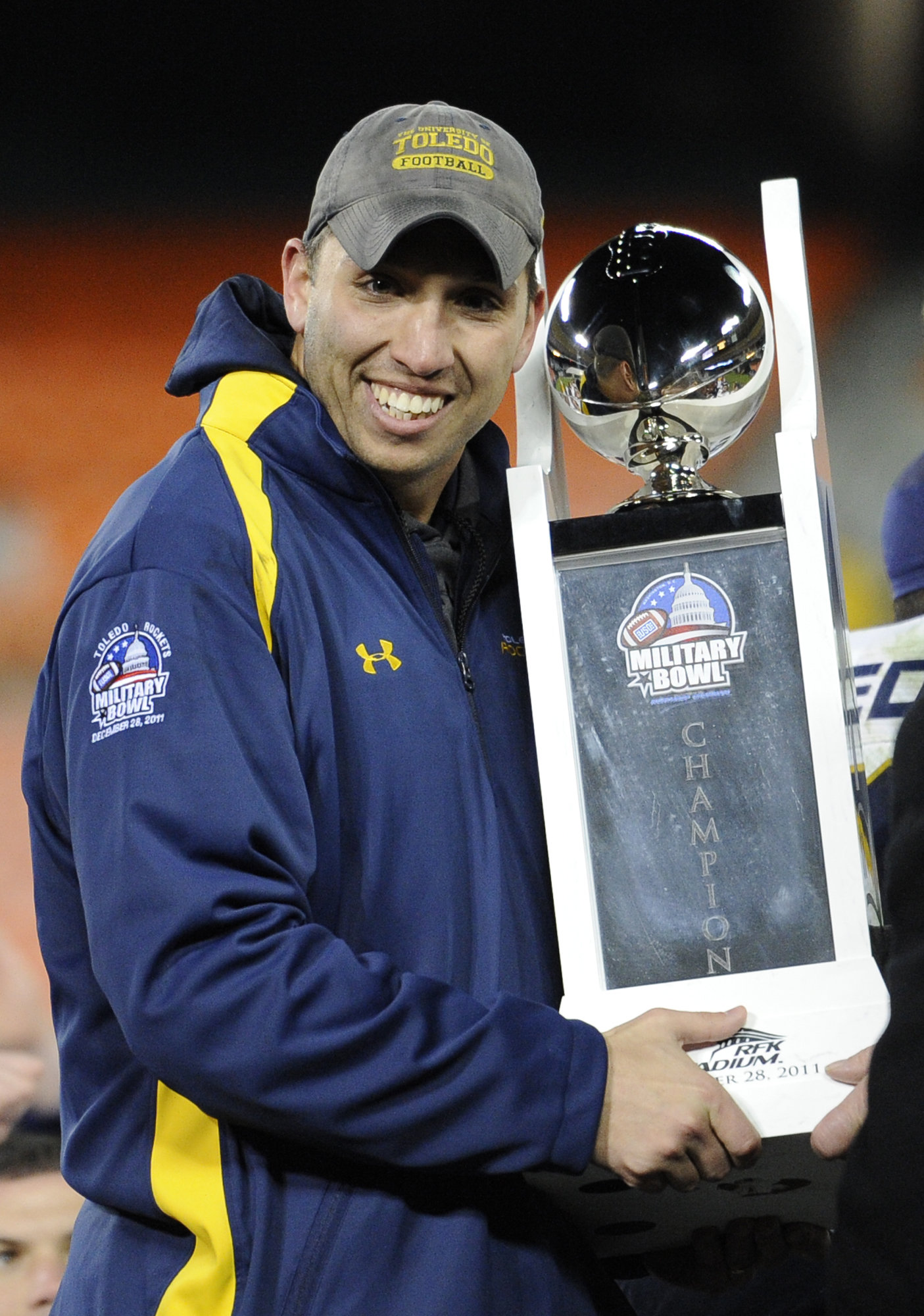
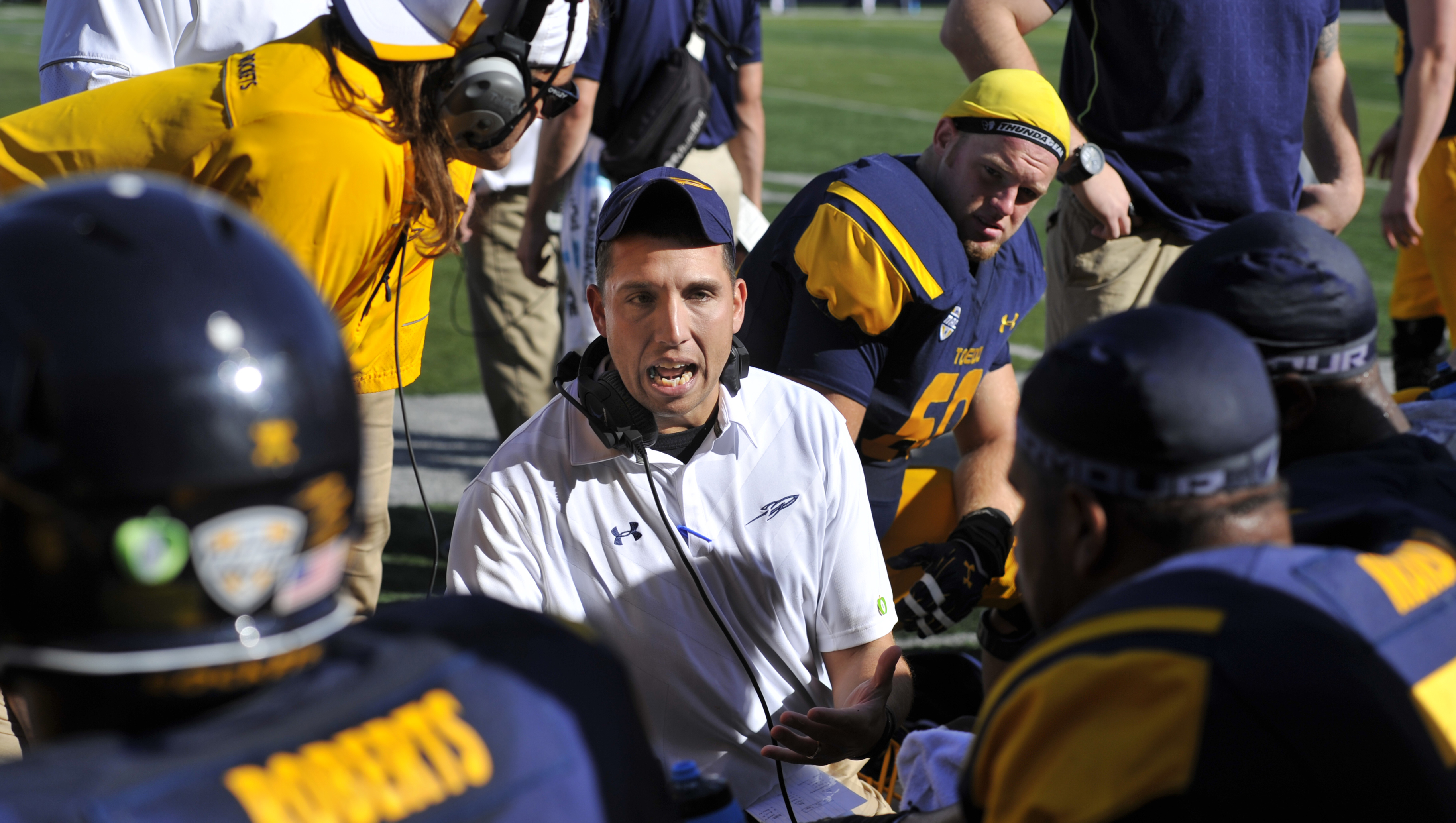
Campbell returned to Bowling Green for two more seasons before landing at Toledo in 2009, first as an offensive line coach and run game coordinator. By 2012, he was the program’s head coach at 32 years old, making him the FBS’s youngest coach at the time.
Colts tight ends coach Tom Manning was teammates with Matt Campbell for two years at Mount Union.Phelan M. Ebenhack
What impressed Manning, who also worked at Toledo as a graduate assistant (2009) and later as its director of football operations and offensive line coach, was how quickly Campbell connected with players and recruits.
“What I really recognized the most was that he was different in recruiting, [he had a] dynamic personality, but I was always impressed, and probably what stuck out the most was that when he had recruits, whether up on campus or visiting him, he had a real relationship with a ton of kids,” Manning said. “I was like, ‘Man, I don’t understand how this guy after just a couple brief contacts, has the ability to know so much about him, have real conversations with him.’ … I knew Matt as a younger guy, and now I knew him in the professional world. I was like, ‘Man, the biggest thing about Matt is he’s just as authentic as he was the day that I met him.’”
And that started with his own teammates. Mount Union was “a player-led program,” and Campbell — along with other leaders like Sirianni, Candle, and Kehres — would open their house and “nurture the young kids because that’s the next generation of leaders in that program.”
Jason Candle followed Matt Campbell to Toledo in 2009 as slot receivers/tight ends coach.Carlos Osorio
“That’s what that whole program was,” Scott said. “It was a program that was giving way before we even knew it was giving to us.”
Matt Campbell worked closely with Candle, who followed him to Toledo in 2009 as slot receivers/tight ends coach, especially when the former assumed play-calling duties under Tim Beckman.
Candle, who considers Campbell a “true friend” and a “great mentor,” recalled the early “camaraderie of the young assistant coaches that we had at the time.”
“Lots of times you don’t get to work with or alongside with or for your college teammates,” Candle said. “And we’ve been through a lot of battles together as players and certainly as young assistant coaches. [Matt’s] been a guy that I’ve learned a lot of football from and a guy that has certainly earned the right to lead one of the top programs in the country.”
Campbell went 9-4 in his first season leading Toledo, and he compiled a 35-15 overall record before moving on to Iowa State at 36 years old.
Matt Campbell compiled a 35-15 overall record while at Toledo.Nick Wass
Campbell “surrounded himself with young and hungry people,” Manning said, particularly on his offensive staffs at Toledo — which featured future Cincinnati coach Scott Satterfield, future Auburn coach Alex Golesh, and Candle. But it was Campbell “doing things the right way” and never being “anybody that he’s not” that stood out.
“Working for him is was one of the greatest experiences of my life,” said Manning, who worked with Campbell for a total of 12 years between Toledo and Iowa State. “You felt like you were doing something. … You were coaching the whole player. It was about character. It was about teaching kids attitude and effort, the ability to be consistent, and to give a little bit more themselves and to play in a unified front — that’s what he does so well.”
Matt Campbell was the head coach at Toledo from 2012 to 2015.David Richard
‘Dog mentality’
In the 10 years before Campbell took over Iowa State, the program had just one winning season and had finished with more than seven wins once since 2000.
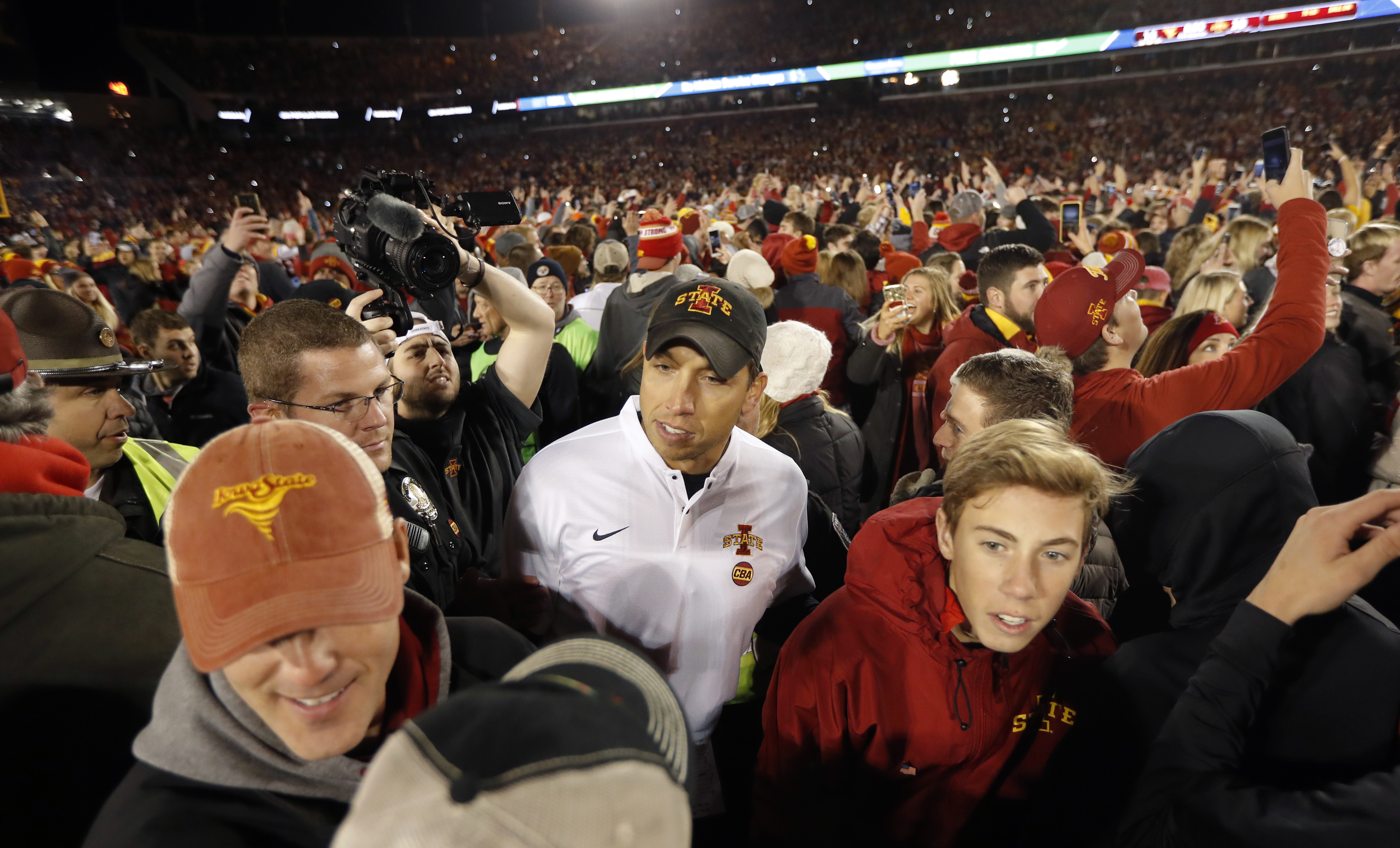
He accomplished those milestones by Year 2. In 2017, the Cyclones went 8-5, their best record in 16 years, and upset No. 3 Oklahoma, 38-31, a memory that is forever etched in the mind of Manning, who was the team’s offensive coordinator and offensive line coach.
“That week, we kind of put in a whole new defense,” Manning said. “We had our middle linebacker who [also] was a quarterback. He played about 40% of the snaps at quarterback. He’s playing both ways. We got a walk-on quarterback who essentially ends up winning us the game, and [Matt’s] belief the whole week, his belief during the game, never wavered. A lot of guys tell themselves like, ‘Hey, we’re going to win this game.’ My man thought we’re going to win the game the entire week, and then we end up winning the game.
Matt Campbell became the Iowa State’s all-time winningest coach.Matthew Putney
“… And to me, it was culture over scheme. Maybe our players collectively weren’t as talented and as good, but, ‘Hey, if we’re united, we have this culture of winning, we do things the right way.’”
That unwavering belief was reflected by his players, too. Among them was former Iowa State quarterback Brock Purdy, a four-year starter who could sense Campbell’s “loyalty” and praised his former coach “who had a vision for [him in] place.”
“Coach Campbell’s coaching style is huge on culture. It’s important because he sets up an organization that is able to withstand adversity, the good, the bad,” said Purdy, who’s now the San Francisco 49ers starting quarterback. “And it’s all about being a real team that trusts in each other, goes through things with each other. And then at the end of the day, he is going to prepare us better than anybody in the country in terms of scheme and making sure our bodies are right for a long season.”
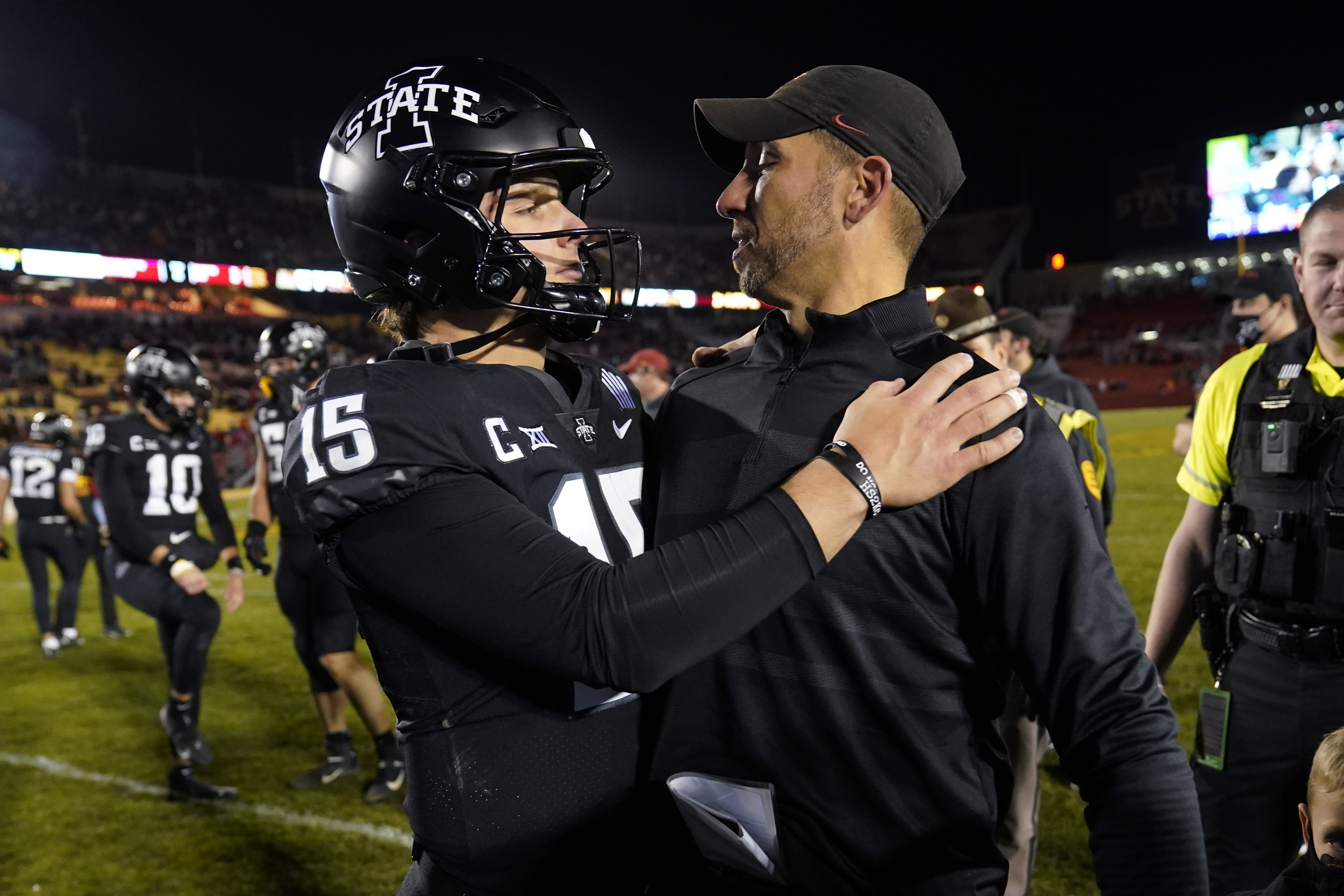
Former Iowa State quarterback Brock Purdy gets a hug from Matt Campbell against TCU on Nov. 26, 2021.Charlie Neibergall
Those Iowa State teams often punched above their weight. Campbell’s highest-ranked recruiting class with the Cyclones was the Class of 2026, which was 48th before he departed for Penn State, taking much of that class with him.
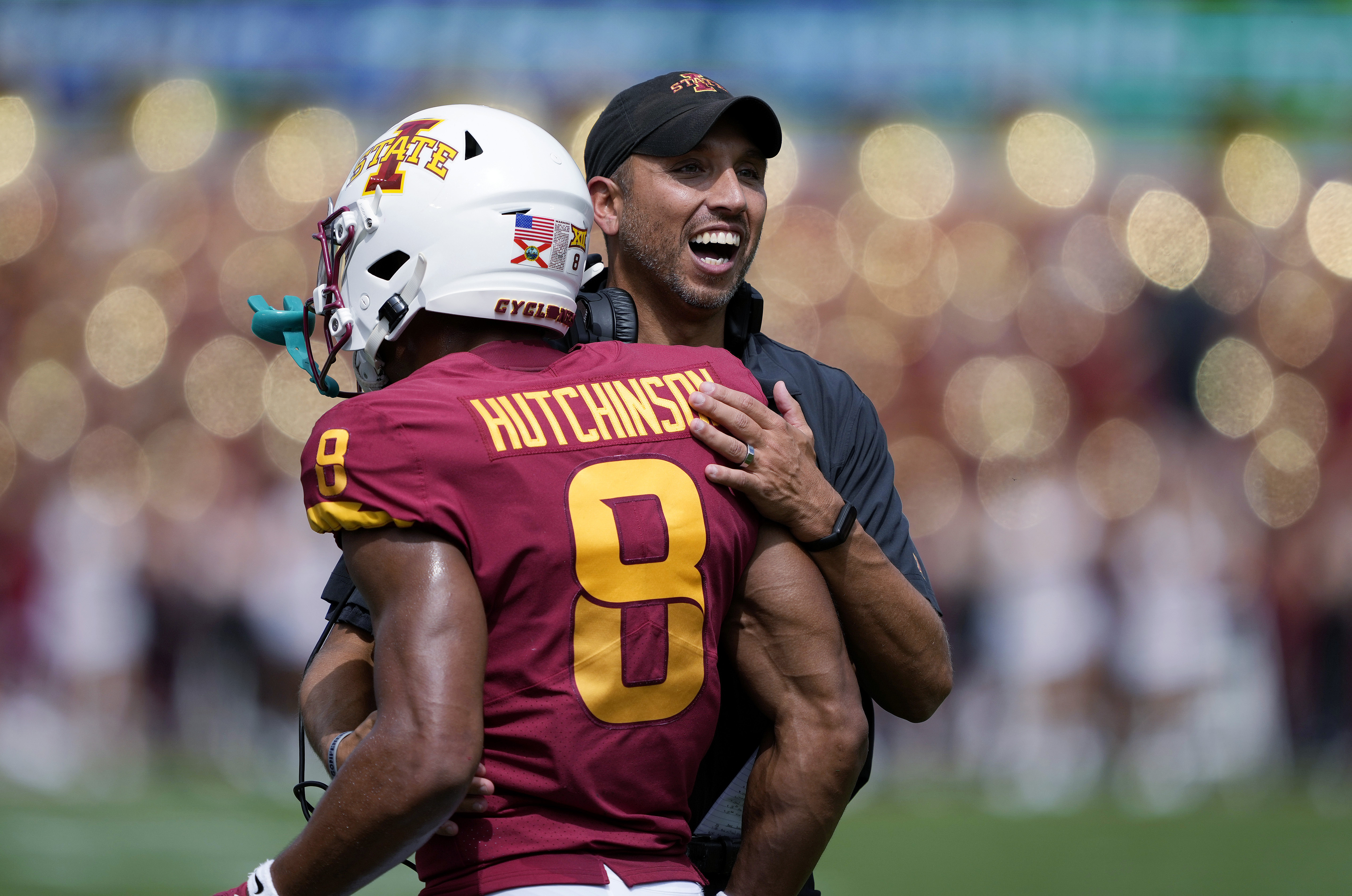
Wide receiver Xavier Hutchinson, who played three seasons at Iowa State from 2020 to 22, said Campbell recruited players that were “like-minded.”
“Everybody went to Iowa State either because you were underlooked, you weren’t valued, or just people thought [other players] were better,” said Hutchinson, who’s now on the Houston Texans with four other former Cyclones who played for Campbell. “We all had like a dog mentality — and I felt like that’s Coach Campbell’s mentality. It’s like the rough side of the mountain. … He wanted guys who have something to prove and had a chip on their shoulder.”
Matt Campbell congratulates former Iowa State wide receiver Xavier Hutchinson on his touchdown against Southeast Missouri State on Sept. 3, 2022.Matthew Putney
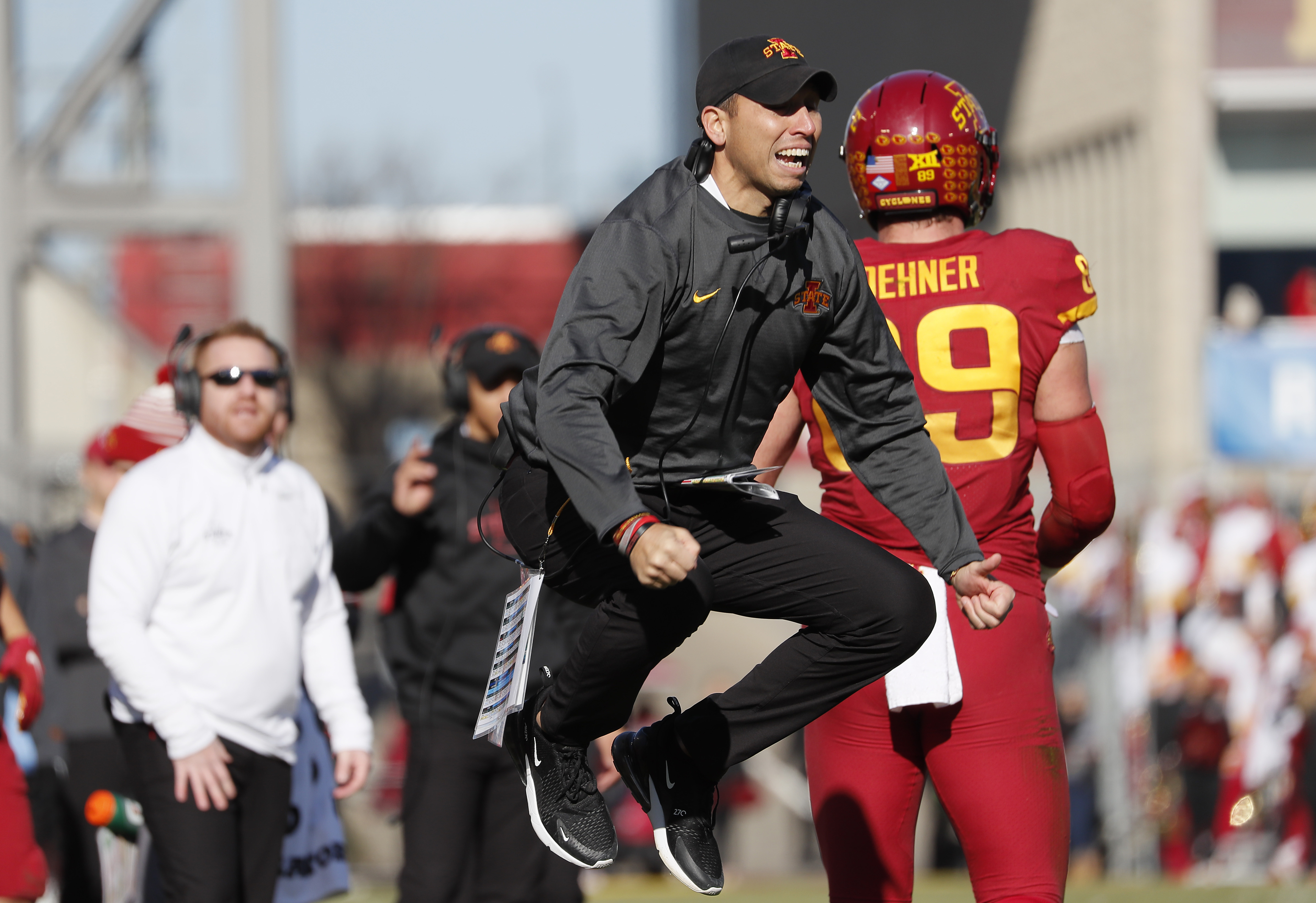
There were plenty of highs in his 10-year run at Iowa State: Two Big 12 championship appearances (2020, 2024), the most wins in a two-year stretch (19 wins across 2024 and 2025) and double-digit wins for the first time in program history. Twelve of his 17 Associated Press Top 25 wins came in that time frame, and he became the program’s winningest coach.
Even in the down years — Campbell and Iowa State missed bowl games just twice in 10 years, once in his debut season (2016) and another in 2022 — Hutchinson says his former coach “never let the success or the failures define him as a coach.”
“He’s taken them all on the chin,” Hutchinson said. “When we’ve had the greatest success, he was there. He still had the same motto even when we started [struggling] a little bit. He was still the same guy every day. And I think when your head coach is the same guy, and he doesn’t get frazzled by the success or the failures — it’s going to bleed into the into the team.”
Matt Campbell led Iowa State to two Big 12 championship appearances.Charlie Neibergall
‘The best version of me’
Campbell will emerge from the Beaver Stadium tunnel for the first time this weekend, marking the next chapter for him and the program. His team has 24 former Iowa State players who followed him to Happy Valley.
At the root of his confidence in leading Toledo, Iowa State, and now Penn State is what he learned from his father, Wakefield, and Kehres, his coaching mentors: “Not trying to be somebody else.”
“I love learning. I love being humble and growing, but I’m just trying to be me, the best version of me,” Campbell said. “What I found is we’ve been able to build trust, loyalty, togetherness in our football program, whether it was at Toledo, whether it’s at Iowa State, and obviously that’ll be a great challenge as we build this Penn State program.
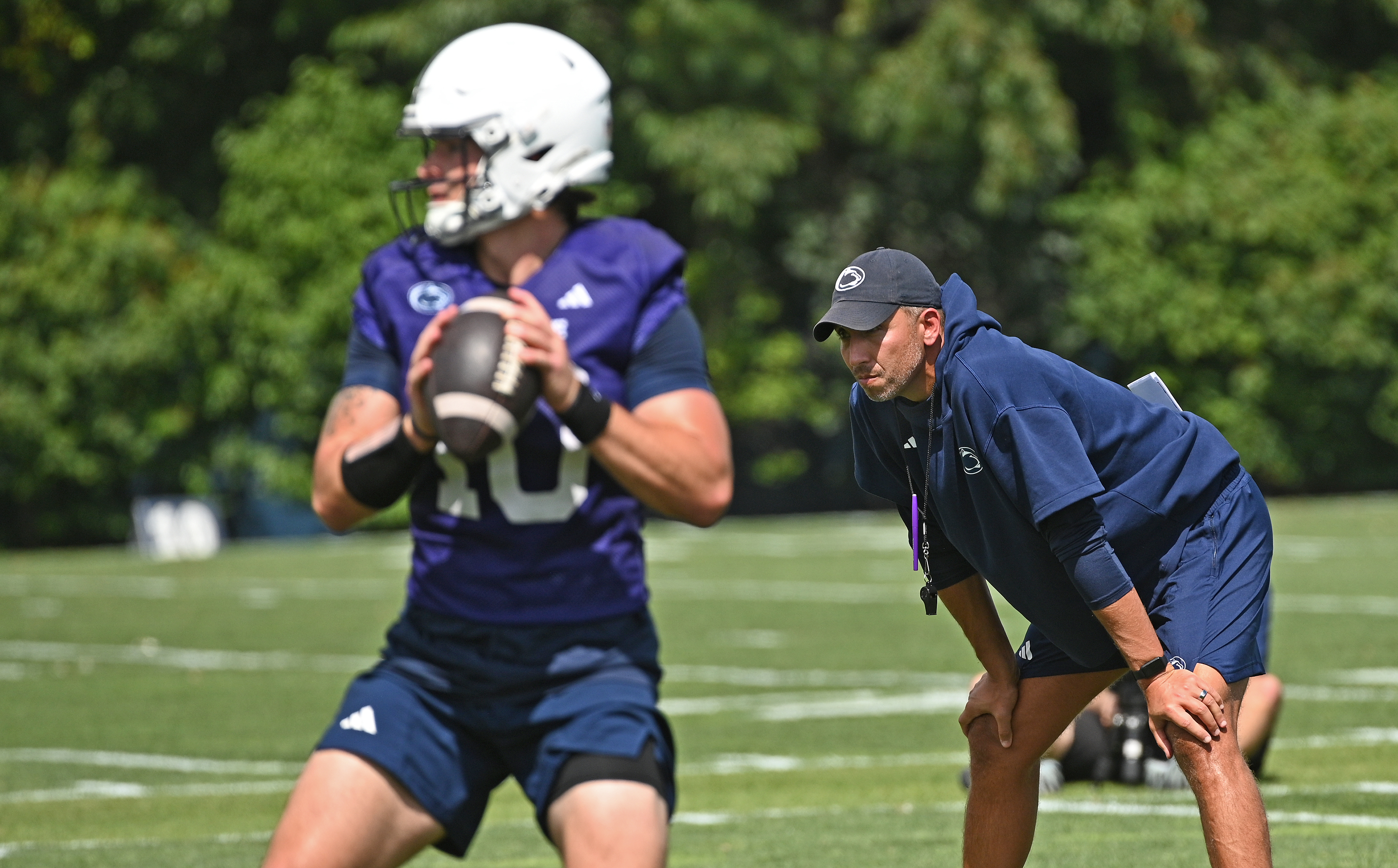
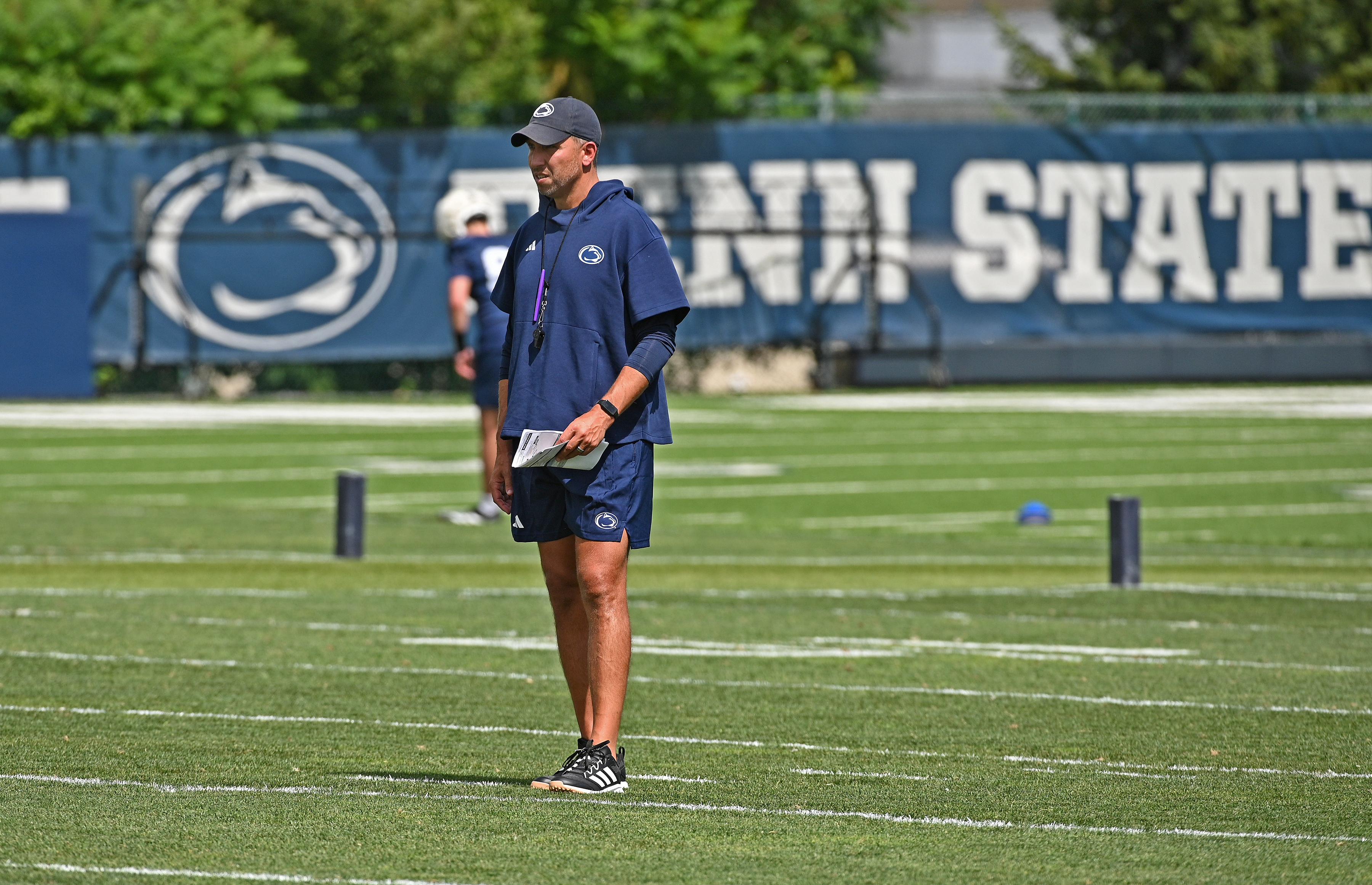
Matt Campbell during Penn State’s first practice of training camp on Aug. 5.Craig Houtz / For The Inquirer
“The attitude and the effort and the consistency to show up every day, and be able to be the same person every day, and allowing your staff and the players on the team to know exactly what they’re going to get … I think those are what I learned and took as a player and a coach from [Kehres and Wakefield], and it’s what I’ve tried to emulate everywhere I’ve been as a football coach.”
His former players, Purdy, Hutchinson, and offensive lineman James Neal III, have no doubts Campbell is ”going to give [Penn State] everything he has” to help it reach new heights. It begins with Marshall on Saturday (3:30 p.m., FS1).
Scott, who joined Wakefield at a Penn State practice on Aug. 13, says his older brother is doing “what he loves.” And it’s why he believes Campbell has sustained success throughout his career.
“If somehow you’re able to get, say, the 400, 500 people that at some point came across Matt Campbell at Mount Union College that played with him or whatever, I would probably say in the high 95 percentile range, every one of them would have told you he was going to be a head coach and a successful head coach at some point,” Scott said. “Matt’s elite trait that he has is that he is beyond competitive.
“He just doesn’t say, ‘We’re going to do this’ because why else would you do it? No. Matt envisions this and believes it. He’s not going to tell you if he doesn’t [believe it.].”
The Matt Campbell era will officially begin at 3:30 p.m. Saturday against Marshall in Beaver Stadium.
It’s hard to say what Penn State could achieve this year, with plenty of new players and coaches expected to blend with the guys who stuck around.
But after spring and fall camp, there’s more of a clear picture of how this team will take shape. With that being said, here are five things to know about the Nittany Lions ahead of their 2026 campaign.
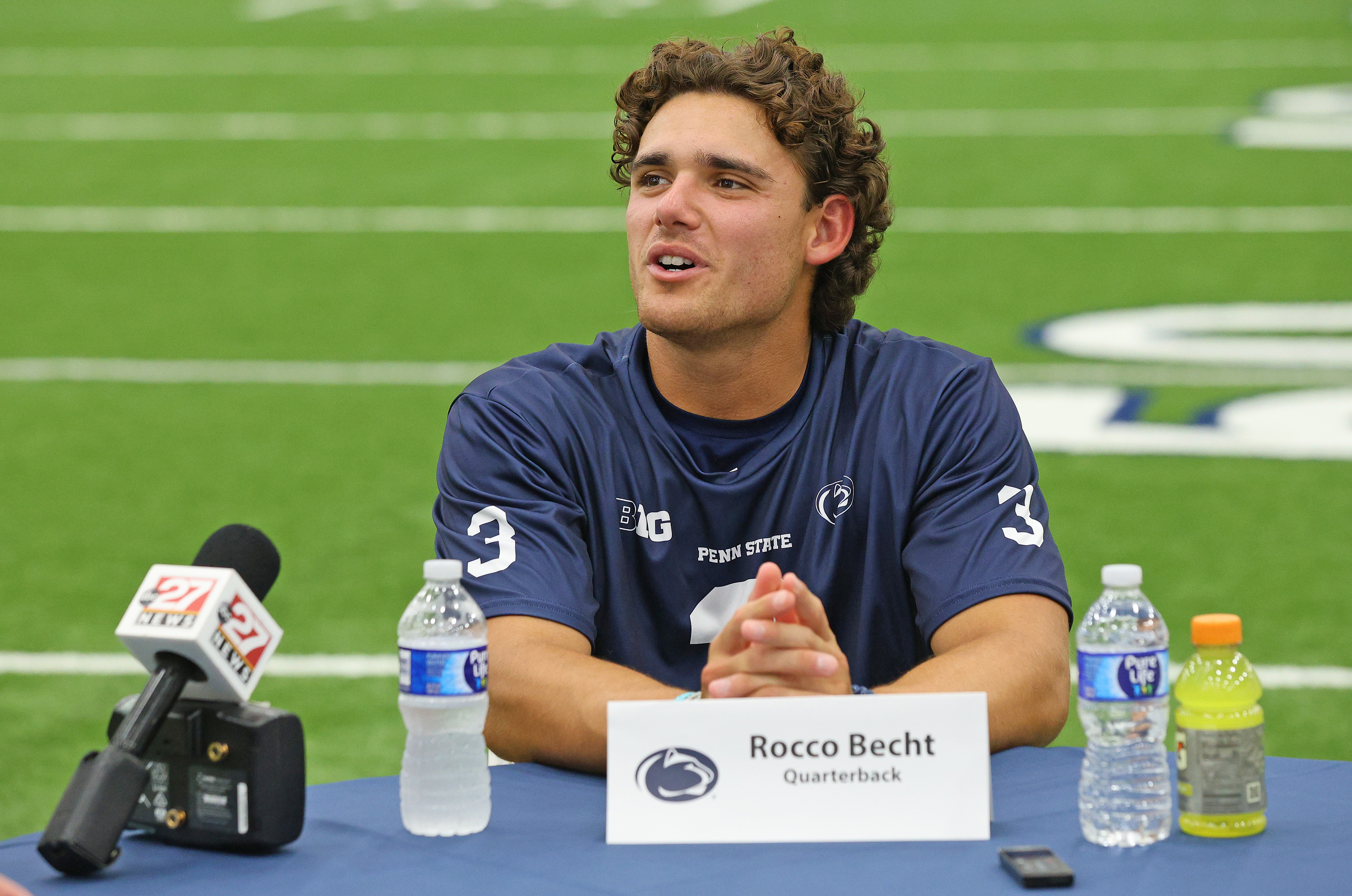
While fifth-year senior Rocco Becht isn’t one of the big names in college football this season, he’s one of the most productive returning quarterbacks.
The Iowa State transfer won 26 games as the starting quarterback for the Cyclones over the past three seasons, the most of any returning starter in the country. Becht has thrown for 9,274 yards across his career with 64 touchdowns and a 60.7% completion rate.
Rocco Becht is the winningest returning quarterback in college football.Craig Houtz / For The Inquirer
Last year was Becht’s least productive season as a starter at Iowa State — he finished with 2,584 passing yards, compared to his 3,505 in 2024. In October 2025, he suffered an AC joint sprain in his throwing shoulder, then in November, he tore the labrum in his left shoulder that required offseason surgery.
Now, Becht is fully healthy after being limited in the spring and ready to bounce back from his less-than-ideal campaign last year.
“I think Rocco’s in a completely different space than I’ve seen him really in his career,” Campbell said on Aug. 20. “What Rocco brings to the table is a guy that’s already gone through the highs of college football, the lows of college football. He’s been in the same system now, going into his fifth year, and he’s played at an elite clip every day.”
Iowa State influx
Campbell brought 24 players with him from Iowa State, and that doesn’t even include those from his 2026 recruiting class who wound up signing with him at Penn State.
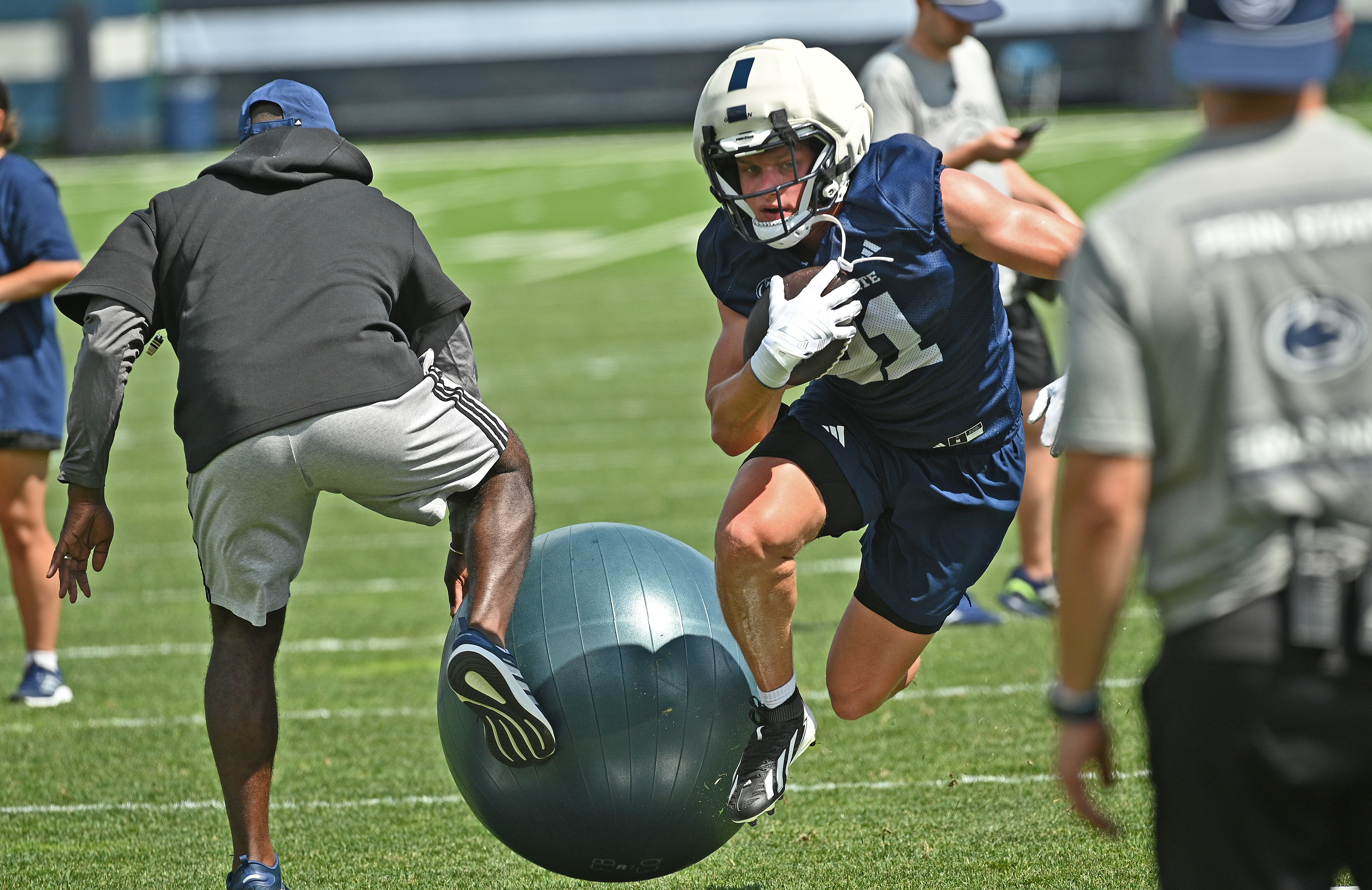
Eleven of those transfers are projected starters, with six on offense and five on defense. Becht is the most notable, but junior safety Marcus Neal Jr., senior running back Carson Hansen, senior tight end Benjamin Brahmer, redshirt senior safety Jeremiah Cooper, and wide receivers Chase Sowell and Brett Eskildsen are also set for big roles.
Carson Hansen (21), a transfer from Iowa State, should play a big role in Penn State’s offense this season.Craig Houtz / For The Inquirer
Most of Penn State’s offensive coaching staff came from Iowa State as well, including offensive coordinator and tight ends coach Taylor Mouser, offensive line coach Ryan Clanton, and quarterbacks coach Jake Waters.
However, with the large contingent of former Iowa State players, the biggest question mark is whether they can adapt to playing in the Big Ten.
Manageable schedule
FanDuel has Penn State’s win total set at 9.5, as does nearly every other sportsbook. Its odds to win the national championship are plus-7000, while its odds to win the Big Ten are plus-1800.
So why do the Nittany Lions have a high win total if their odds to achieve anything of magnitude are so low?
Their schedule is incredibly favorable. Penn State avoids preseason AP Poll No. 1 Ohio State, No. 2 Oregon, and No. 6 Indiana, with its three hardest matchups coming against No. 14 Southern California, No. 16 Michigan, and No. 17 Washington.
The Nittany Lions also play three of the four teams with the lowest projected win totals in Maryland (5.5), Northwestern (5.5), and Purdue (3.5), according to FanDuel. Wisconsin and Minnesota are the other two Big Ten games they’ll play, with both holding projected win totals of 6.5.
Penn State can easily go 10-2 in Campbell’s first season and would just need to win one of its three tough matchups. If that’s the case, 10 wins could be good enough to make the College Football Playoff as a Big Ten team.
Deep running back room
Nicholas Singleton and Kaytron Allen led Penn State’s backfield for the last four seasons, so a big change is coming in 2026 as both moved on to the NFL.
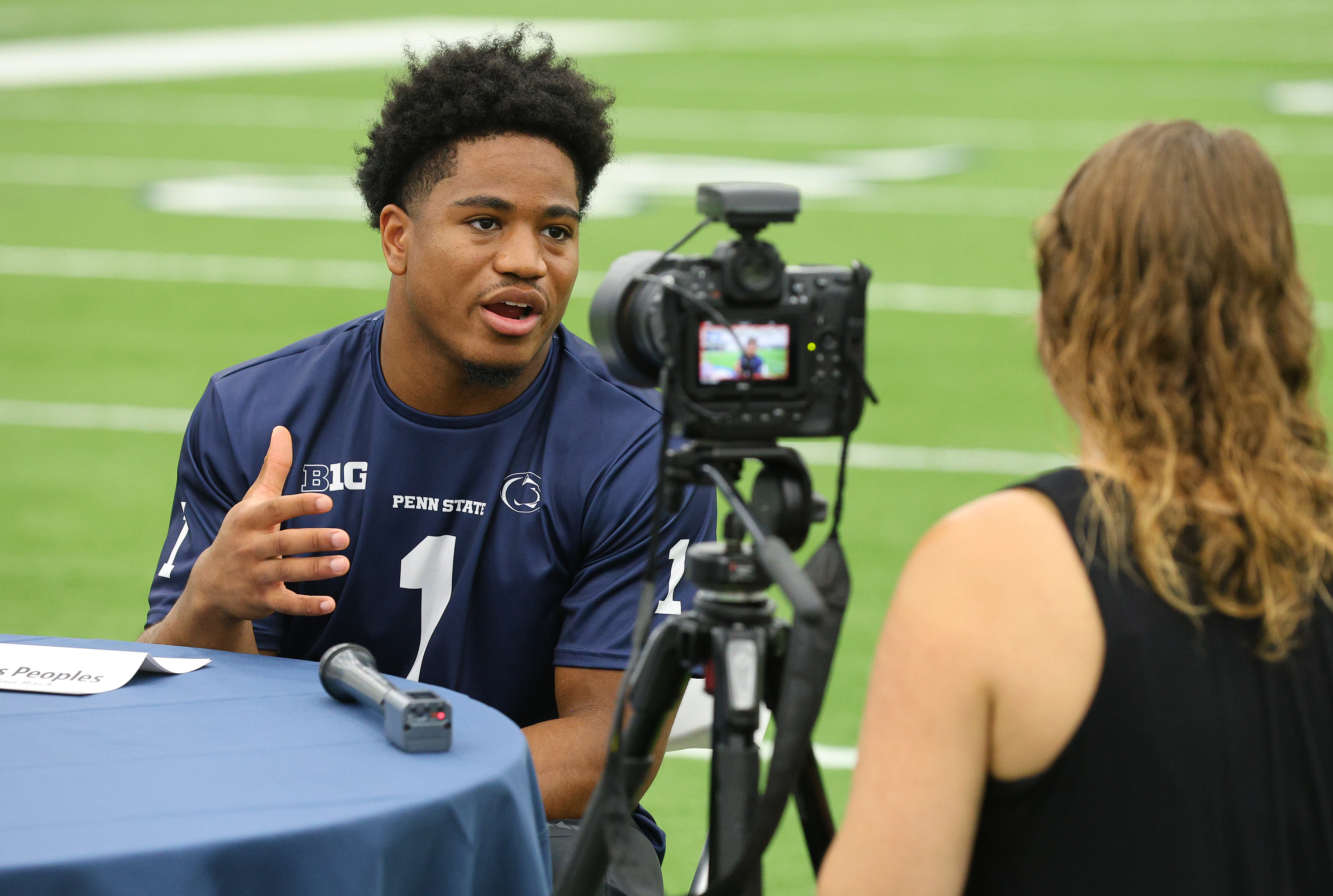
Hansen, Ohio State transfer James Peoples, returning redshirt sophomore Quinton Martin Jr., and returning redshirt junior Cam Wallace will fill the room.
All four could see meaningful minutes this year, but Hansen will likely lead the way, as running backs coach Savon Huggins said he would turn to the senior in a fourth-and-1 situation.
Penn State running back James Peoples transferred in this offseason from Ohio State.Craig Houtz / For The Inquirer
Peoples, Martin, and Wallace have vastly improved this offseason, according to Huggins, but still need to be more consistent if they want to challenge Hansen for the top spot on the depth chart.
“[They] all have had success and some of them haven’t,” Huggins said. “I told them all, ‘Listen, I don’t decide [your impact], you guys do,’ and that’s the cool thing about the competition. I want to see what these other guys do, and they’ve all done a great job when they actually do that. Some of them haven’t come through, but I think it’s all learning experiences.”
Spring to fall evolution
When Penn State began spring practice, time was spent building chemistry, learning new playbooks, and forming a team identity.
Fast-forward to fall camp, defensive coordinator D’Anton Lynn said players are speaking more confidently in meetings about his scheme, and Campbell said they learn more about this team “every single day.”
“We’re growing. Every single day is different,” Becht said. “For all of us, we’re just continuing to be on the same page, continuing to help make that relationship on and off the field, and continuing to grow day in and day out.”
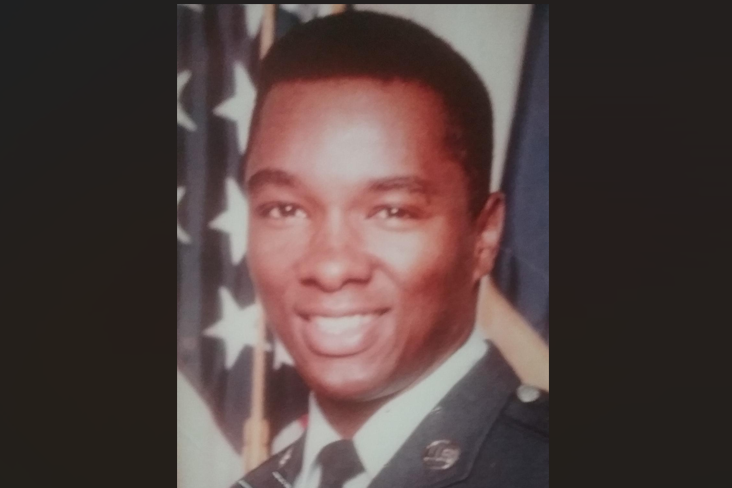
Wendell K. Daniels Sr., 68, formerly of Philadelphia, retired Air Force master sergeant, former facilities manager at Langley Air Force Base in Virginia, mentor, artist, chess wizard, golfer, and basketball player, coach, and referee, died Friday, Aug. 28, of cancer at a hospice center near his home in San Antonio, Texas.
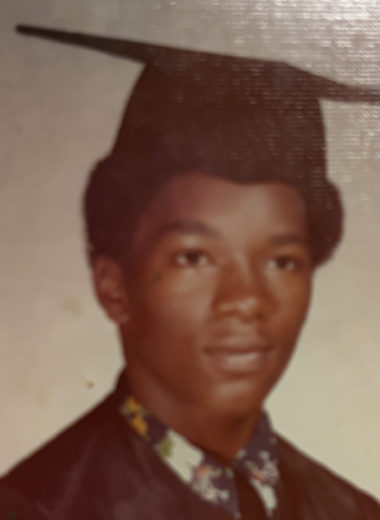
Born and reared in West Philadelphia, Sgt. Daniels joined the Air Force after graduating from West Philadelphia High School in 1976 and spent 24 years and six months serving at military bases in South Korea, Panama, Hawaii, California, Virginia, North Carolina, South Carolina, Texas, and elsewhere.
Before retiring in 2002, he worked in military intelligence at the Pentagon, was stationed at presidential retreat Camp David in Maryland, and took part in the 1989 operation that captured military dictator Manuel Noriega in Panama. He attended leadership programs in the Air Force, rose to master sergeant, and mentored young airmen and junior non-commissioned officers.
He organized relief efforts after natural disasters and earned military awards and medals. He followed his father, uncle, and older brother into the Air Force by enlisting in 1978.
“It was his sense of duty,” his daughter, Lyndell Anderson, said. “It was part of his family.”
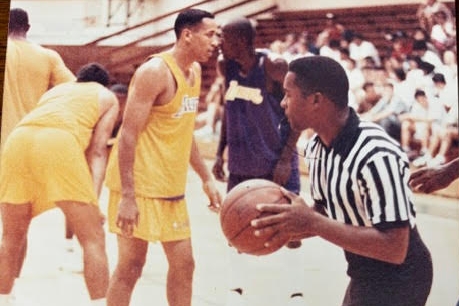
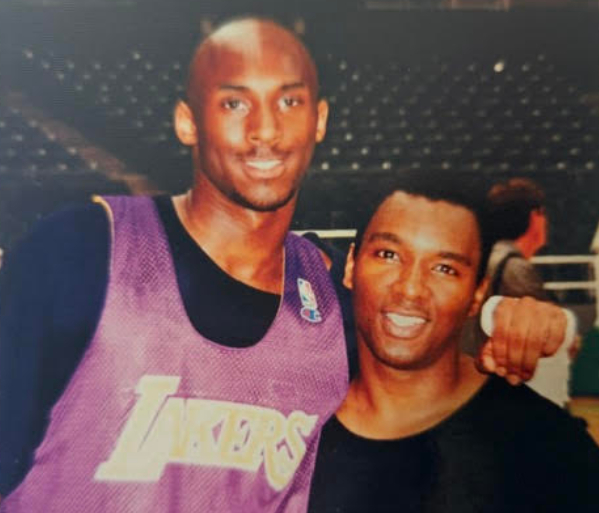
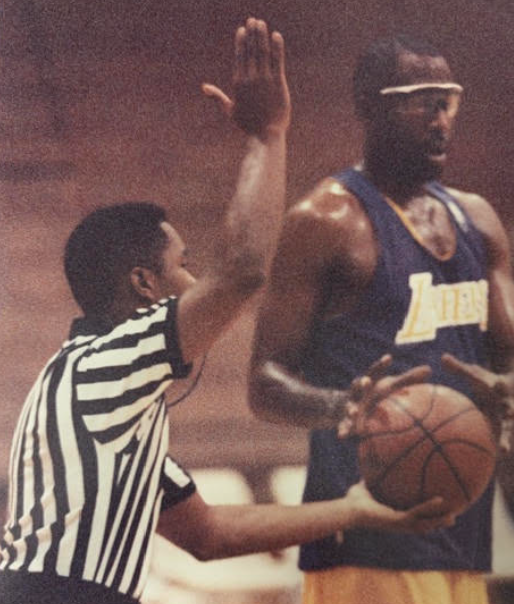
A natural athlete — he played baseball, football, and basketball on West Philly playgrounds as a boy — Sgt. Daniels played basketball on Air Force base teams, coached women’s basketball baseteams, and, certified as a referee, officiated at base games and college games in Philadelphia and elsewhere. He refereed summer camp games for the NBA’s Los Angeles Lakers when he was stationed in Hawaii and smiled in pictures with Kobe Bryant, Shaquille O’Neal, and Jerry West.
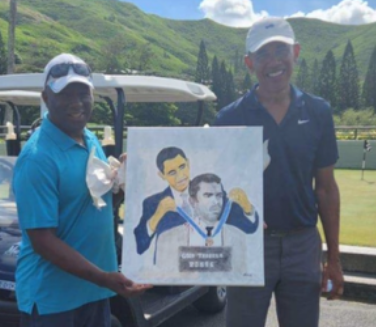
Sgt. Daniels played golf often and met President Barack Obama (right below) in 2023. Courtesy of the family
He started drawing and painting in high school, and considered a career as a cartoonist. In 2023, he personally presented a rendering of President Barack Obama to the president at a golf outing.
He was the best player on his junior high school chess team and later came close to becoming a master. He played golf for years and followed the Eagles and 76ers.
Sgt. Daniels worked as a facilities manager at Langley after leaving the Air Force and settled in San Antonio in 2017. In February, he championed racial equality and more opportunities for Black college basketball officials on a podcast with fellow former college referee Ted Valentine.
Sgt. Daniels graduated from West Philadelphia High School in 1976 (above) and married Lyndery Webb in 1978 (below). Courtesy of the family
“He could be outgoing one minute and reflective the next,” his daughter said. “He liked reading and parties.”
Wendell Kennedy Daniels was born Aug. 13, 1958. He collected autographs as a boy, played varsity baseball, and was a starting cornerback on the high school football team.
He met Lyndery Webb after playing football with her brothers in the neighborhood, and they married in 1978 and had a daughter, Lyndell, and a son, Wendell Jr. He and his wife posed for wedding pictures on the steps of the Philadelphia Museum of Art and moved from base to base for more than two decades. But only after the children had finished the school year, his wife said.
Sgt. Daniels officiated Los Angeles Lakers summer games in Hawaii (above) and posed with Kobe Bryant (left below) for a photo. Courtesy of the family
He stayed in touch with high school friends and was active in West Philadelphia alumni events. “He was the life of the party,” his wife said. “But he was serious about making people happy.”
In addition to his wife and children, Sgt. Daniels is survived by two sisters, two brothers, and other relatives. A brother died earlier.
A celebration of his life is to be held later.
Donations in his name may be made to the American Liver Foundation, Box 299, West Orange, N.J. 07052.
Sergeant Daniels, left in the top photo, was comfortable with big players on the basketball court and with his small daughter, in the bottom photo, at home. Courtesy of the family
The college basketball season is officially over, which means it’s time for the transactional period to begin. Welcome to the 2026 transfer portal.
More than 1,500 men’s basketball players were in the portal in the first 24 hours after it officially opened on April 7. The portal is open for two weeks, but players do not need to make their commitment to a new school during that window. The next few weeks will be filled with salary negotiations during the yearly NCAA free agency process.
We’ll be tracking it all here, from players moving in and out of — or around — the Big 5 to keeping tabs on Philly-area players at other schools. We’ll also take a look at where some of the top local high school recruits from the Class of 2026 will be playing in the fall.
Big 5 portal entries
Here are the players who were at Big 5 schools during the 2025-26 season but have entered the transfer portal.
Villanova
Acaden Lewis (point guard) started for the Wildcats during his freshman year and averaged 12.2 points, 5.3 assists, and 3 rebounds. (Transferring to Miami.)
Bryce Lindsay (guard) was a redshirt sophomore and Villanova’s best scorer during its nonconference schedule. (Transferring to Indiana.)
Malachi Palmer (forward) was a solid contributor off the bench who started down the stretch after Matt Hodge went down. But Villanova recruited multiple forwards out of the portal. (Transferring to Minnesota.)
Chris Jeffrey (guard), a freshman backup point guard who missed time after knee surgery but had promising moments.
Braden Pierce (center), a redshirt freshman reserve who followed coach Kevin Willard from Maryland, played 6.5 minutes per game and averaged 1.2 points. (Transferring to College of Charleston.)
Zion Stanford (forward/West Catholic graduate) transferred to Villanova from Temple, left the team in March after playing in 10 games. (Transferring to Towson.)
Tafara Gapare (forward), a senior, left the program at midseason after playing in just nine games.
Aiden Tobiason (guard) averaged 15.3 points, second on the team, and led the Owls with 39 steals. He’ll have two years of eligibility left. (Transferring to Syracuse.)
Babatunde Durodola (forward), a sophomore, started as a freshman and was a key rotational player this season. (Transferring to Ball State.)
Jamai Felt (forward) started in 23 games and averaged 4.1 rebounds. (Transferring to Arkansas-Little Rock.)
AJ Smith (guard) averaged 7.8 points in eight games and had his season cut short by a shoulder injury.
Spencer Mahoney (forward) made 13 appearances as a redshirt sophomore. (Transferring to Denver.)
Ayuba Bryant Jr. (forward) appeared in 27 games, averaging 8.1 minutes.
Connor Gal (guard/Great Valley High graduate) played 12 minutes across five games and will have one year of eligibility left.
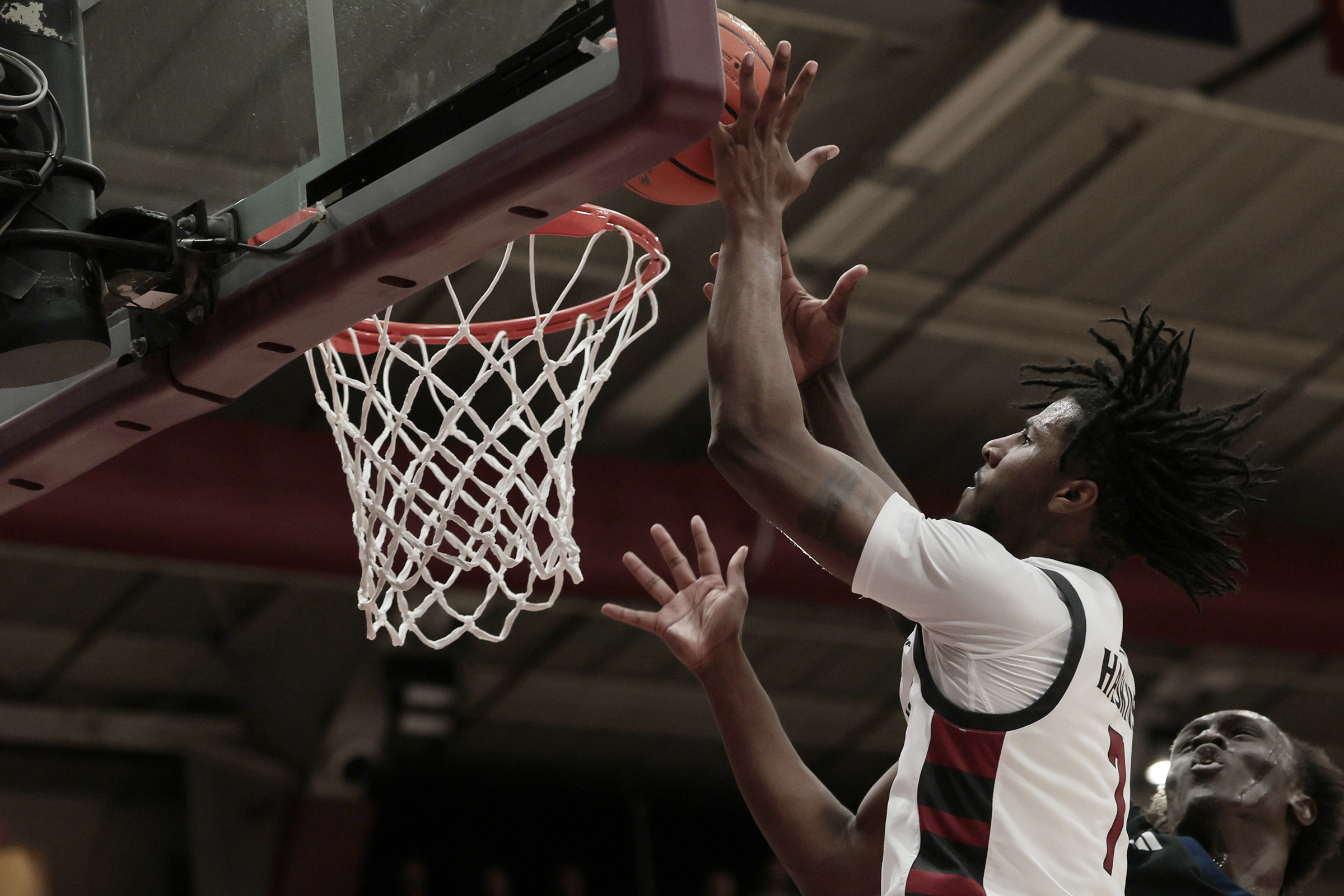
Dasear Haskins was a key starter for the Hawks this season.Elizabeth Robertson / Staff Photographer
St. Joseph’s
Deuce Jones (guard/La Salle), who led the Hawks in scoring during the first two months of the season, was dismissed from the team in December. (Transferring to Alabama-Birmingham.)
Dasear Haskins (guard/Camden High graduate) averaged 11.1 points and started for the Hawks as a redshirt sophomore. (Transferring to Ole Miss.)
Anthony Finkley (forward/Roman Catholic graduate), a junior, averaged 19 minutes in 35 games. (Transferring to La Salle.)
Kevin Kearney (forward) appeared in 14 games as a redshirt freshman. (Transferring to Manhattan.)
Jaden Smith (center) averaged 2.8 points and 1.8 rebounds in 9.1 minutes after transferring from Fordham. (Transferring to Ball State.)
Steven Solano (center), a redshirt freshman, played in eight games. (Transferring to Delaware.)
Al Amadou (center/Springside Chestnut Hill Academy graduate) transferred from Marquette and appeared in 11 games. (Transferring to Wisconsin-Milwaukee.)
Penn
Ethan Roberts (forward) has one year of eligibility remaining — the Ivy League prohibits graduate students from playing intercollegiate athletics — and was the Quakers’ leading scorer (16.9 points per game). (Transferring to Notre Dame.)
Cam Thrower (guard), a senior who spent four years at Penn, averaged 17 minutes in 27 games. (Transferring to Elon.)
Dylan Williams (guard) played in seven of Penn’s first 10 games before the senior missed the rest of the season with an injury. (Transferring to Northwestern)
Michelangelo Oberti (center) appeared in 12 games. (Transferring to Boston University)
Alex Massung (guard), who averaged 5.6 minutes in 10 games played. (Transferring to Saint Anselm.)
Bradyn Foster (forward) saw action in Penn’s season opener.
Drexel
Shane Blakeney (guard) was Drexel’s leading scorer, averaging 14.2 points in 33 games as a junior. (Transferring to South Carolina.)
Kevon Vanderhorst (guard) averaged 9.3 points and 2.9 assists while starting all 33 games for the Dragons. (Transferring to Iona.)
Villiam Garcia Adsten (guard), a junior, averaged 17.5 minutes in 32 games. (Transferring to Maine.)
Horace Simmons Jr. (forward/La Salle College High School graduate) appeared in 13 games.
La Salle
Ashton Walker (guard) started 21 games and averaged 8.2 points as a freshman. (Transferring to Monmouth.)
Eric Acker (guard), a junior, appeared in 26 games, starting 10, and averaged 18.9 minutes. (Transferring to Northern Kentucky.)
Nas Hart (forward) played in 20 games as a freshman. (Transferring to Quinnipiac.)
Edwin Daniel (forward) played 31 games (14.5 minutes) and averaged nearly four points and 3.5 rebounds. (Transferring to Stephen F. Austin.)
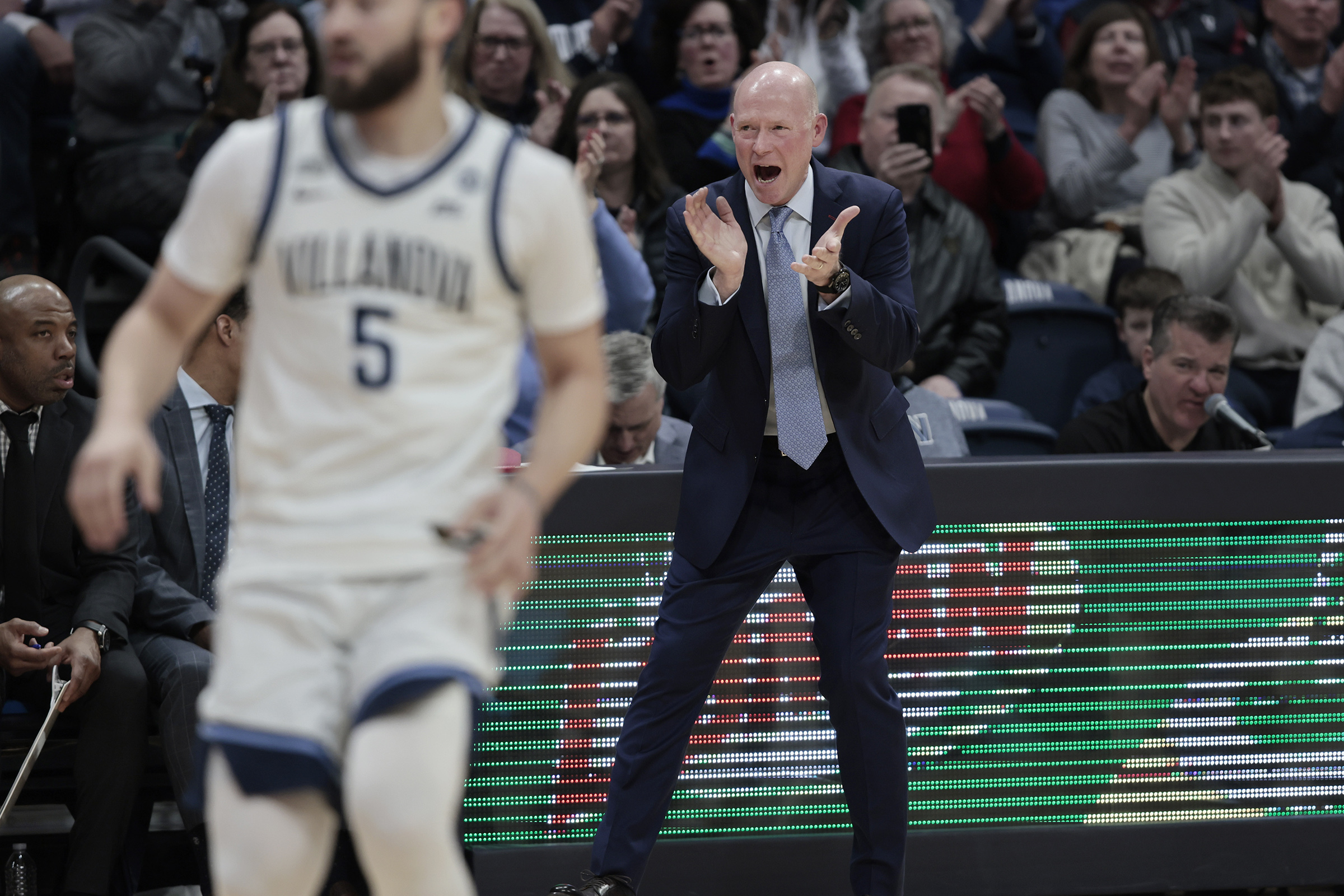
Villanova coach Kevin Willard directs his team against Butler on Feb. 25. Elizabeth Robertson / Staff Photographer
Big 5 portal additions
These are the players who are transferring to Big 5 schools.
One of the biggest unknowns of the 2026 college football season is whether No. 18 Penn State will fare better or worse without James Franklin leading the program.
While many felt it was Franklin’s time to go, it will still be an adjustment that for the first time in over a decade, a new face at the head-coaching position will run out of the gates at Beaver Stadium when the Nittany Lions open their season against Marshall on Saturday (3:30 p.m., FS1).
So how might Matt Campbell’s success at Iowa State translate to Penn State, since comparing the Big 12 to the Big Ten is like devouring an apple and claiming it was the juiciest orange you’ve ever tasted?
A good place to start is the College Football Playoff.
In the history of the tournament, only four teams from the Big 12 have qualified, and none were named Iowa State, the program Campbell led for the last 10 years. Conversely, six Big Ten teams, including Penn State, have qualified for the CFP, with a program in the conference taking home the title the last three years, the latest when Curt Cignetti and Indiana shocked the college football world.
Let’s not forget one of those title teams was nearly the Nittany Lions, who were a mere field goal away from a trip to the championship game in 2024 before it all unraveled for Franklin last season and cost him his job.
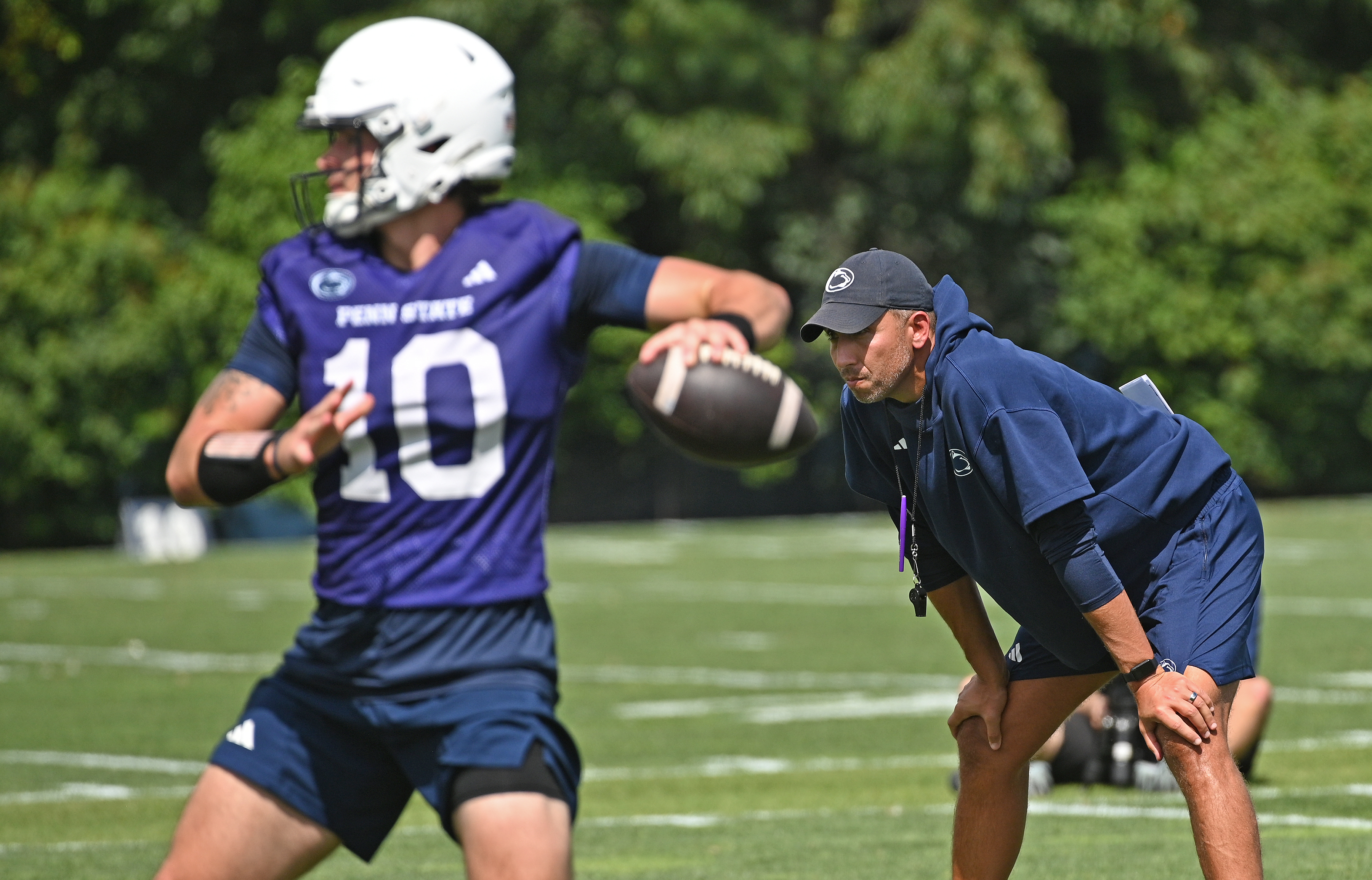
Matt Campbell, previously head coach at Iowa State, watches quarterback Connor Barry (10), a transfer from Christopher Newport University, on Aug. 5.Craig Houtz / For The Inquirer
Here’s what we know about Campbell that bodes well for Penn State.
In his 10 seasons at Iowa State, he left as the winningest coach in program history with 72 victories. He has an offensive mind, and he convinced quarterback Rocco Becht, the former Iowa State QB and son of former NFL tight end Anthony Becht, to transfer in the offseason and join him in Happy Valley.
Becht is a whole other beast. The fifth-year player from Wesley Chapel, Fla., is so invested in helping Campbell restore Penn State’s glory that he’s committed to taking just one class this upcoming semester.
That wasn’t a misprint. One class. Three credits. And it’s an online course, which has legislators questioning how Becht’s situation accurately defines the term “student-athlete.”
Taking one online class is far from being a full-time student.
My amendment to the Protect College Sports Act would address this. The “student” in student-athlete should still matter so they are set up for success, wherever they go next. https://t.co/6Y7ce0TbBg
— U.S. Senator Bill Cassidy, M.D. (@SenBillCassidy) August 21, 2026
So the program has a new coach eager to prove he can bring the success he had in the Big 12 to the elite level of the Big Ten, a quarterback who’s dialed in to simply being all about football, and an athletics department that’s betting a bit of the farm on Campbell to the tune of an eight-year deal in Happy Valley that will see him collect nearly $80 million over the life of the contract.
The Nittany Lions also have one of the most favorable schedules. They face just three teams in the Associated Press Top 25 preseason poll in No. 16 Michigan (Oct. 17), No. 17 Washington (Nov. 7), and will host No. 14 Southern Cal in their annual “White Out” game on Oct. 10 (7:30 p.m., NBC).
The way the Big Ten configuration landed, Campbell will chase a spot in the College Football Playoff not needing to face Ohio State (current AP No. 1), defending champion Indiana, Oregon, or Iowa, all teams in the AP rankings. It’s the perfect schedule for a team not looking to waste time and millions on rebuilding its program.
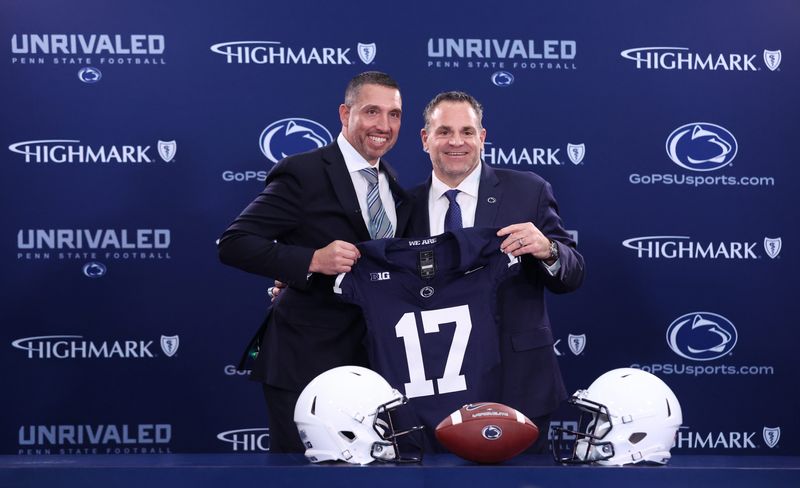
Penn State athletic director Pat Kraft poses for a photo with Matt Campbell, after Campbell was announced as the school’s new head football coach in December. Matthew O'Haren, Imagn Images
In fact, there is no rebuild. If you listen to Nittany Lions athletic director Pat Kraft, Campbell’s upside is believed to be the perfect option to seamlessly right the wrongs that closed out Franklin’s tenure.
This was Kraft’s statement in the press release upon hiring Campbell last December:
“Coach Campbell is, without a doubt, the right leader at the right time for Penn State football. He is a stellar coach with a proven track record of success and his values, character and approach to leading student-athletes to success on and off the field align perfectly with the traditions and values of Penn State.”
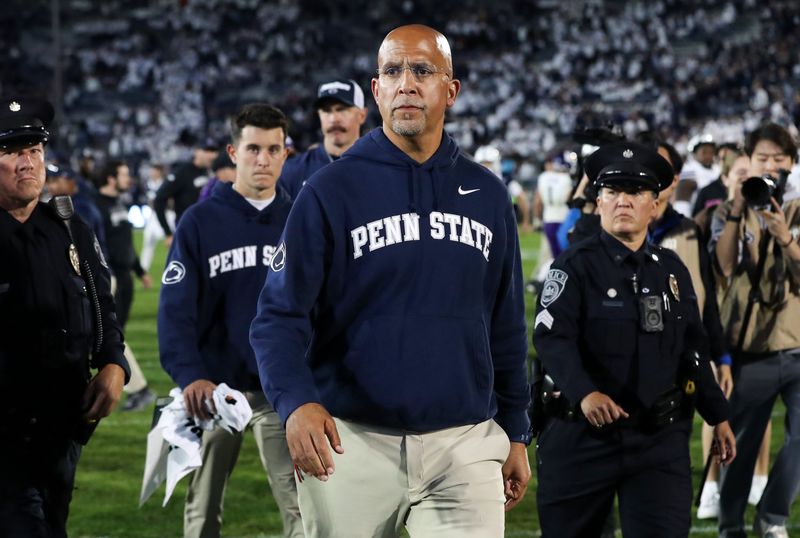
Penn State fired James Franklin on Oct. 12, 2025, after a third straight loss. The Nittany Lions were 104-45 in 11-plus seasons under Franklin.Matthew O'Haren-Imagn Images
Now, it just needs some fine tuning to be driven again. Campbell is squarely in that driver’s seat with the keys in his hands. He’s got the tools when it comes to Penn State’s pedigree, the coins courtesy of a reported 10-year, $300 million apparel deal with Adidas, and the NCAA’s transfer portal, which will continue to provide the resources, especially after the exodus of starters following last season.
Can Campbell take this new-look team and right the wrongs of Franklin’s past? It’s tough to say, especially attempting to judge anything by the first three games of the season, starting with the Thundering Herd this Saturday, followed by Temple on Sept. 12 at Lincoln Financial Field (noon, ESPN2), and Buffalo on Sept. 19 (noon, Big Ten Network).
But the notion certainly does seem worth tuning in for.
Imagine this: A college football player lauded as one of the best in the country gets roped into a collective of other top college players just as good for an All-Star team.
Except these players won’t prove their mettle against other college athletes; they’ll prepare to face the reigning Super Bowl champions.
The annual All-Star game, also formerly known as the Chicago Tribune All-Star Charity Game, featured not just the full preseason roster of an NFL team that won the league championship but also played many of its starters. The Eagles played in the event in 1949, 1950, and 1961, and actually lost the 1950 game.
It was an event that offered an honest proving ground for college players to see if they could handle the rigors of playing in the NFL against the league’s top team.
Imagine being a college player and trying to stop Hall of Fame receiver Tommy McDonald, who scored three touchdowns for the Eagles in the 1961 game.
What about the Steel Curtain of the Pittsburgh Steelers, against the likes of guys like Ernie Holmes and “Mean” Joe Greene? It happened in 1975 and again in 1976, the last year of the event.
But as NFL players got bigger, faster, and stronger, the annual preseason spectacle lost its allure. Once considered an even playing field with college’s best lining up against the cream of the NFL crop, the game began turning into a contest of men against boys.
Fast-forward to today’s college game and NFL, you’ll see that the parity in size, strength, and speed between top college products and NFL players is debatable.
Thanks to advances in sports science, training methodologies, and more recently, players simply being allowed to play longer college seasons, the idea reviving an annual game between college’s best and Super Bowl champions is at least a conversation starter, right?
One argument for the water cooler talk would be the NCAA’s recent “5 in 5 rule,” which will allow Division I athletes up to five years of eligibility as long as their first academic year begins no later than their 19th birthday.
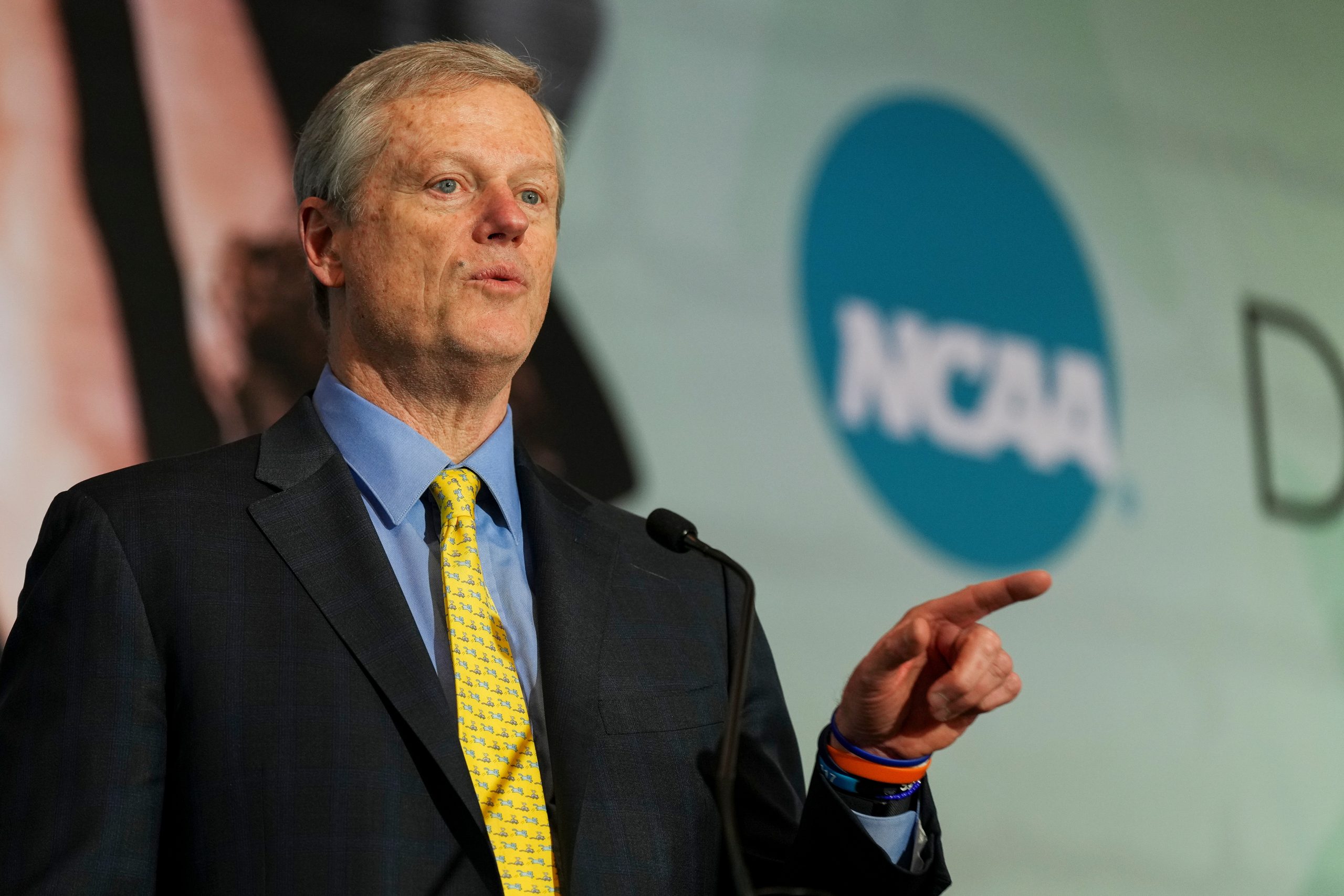
NCAA President Charlie Baker granted athletes five years of eligibility if they enroll in college no later than the academic year after their 19th birthday.
This rule would guarantee that top college athletes could play through their 24th birthday, which already felt like the norm due to the extra COVID-19 year. Earlier this month, a trickle effect began to occur within many college conferences as NFL players who recently signed pro contracts weighed the option to return and play a fifth season of college ball.
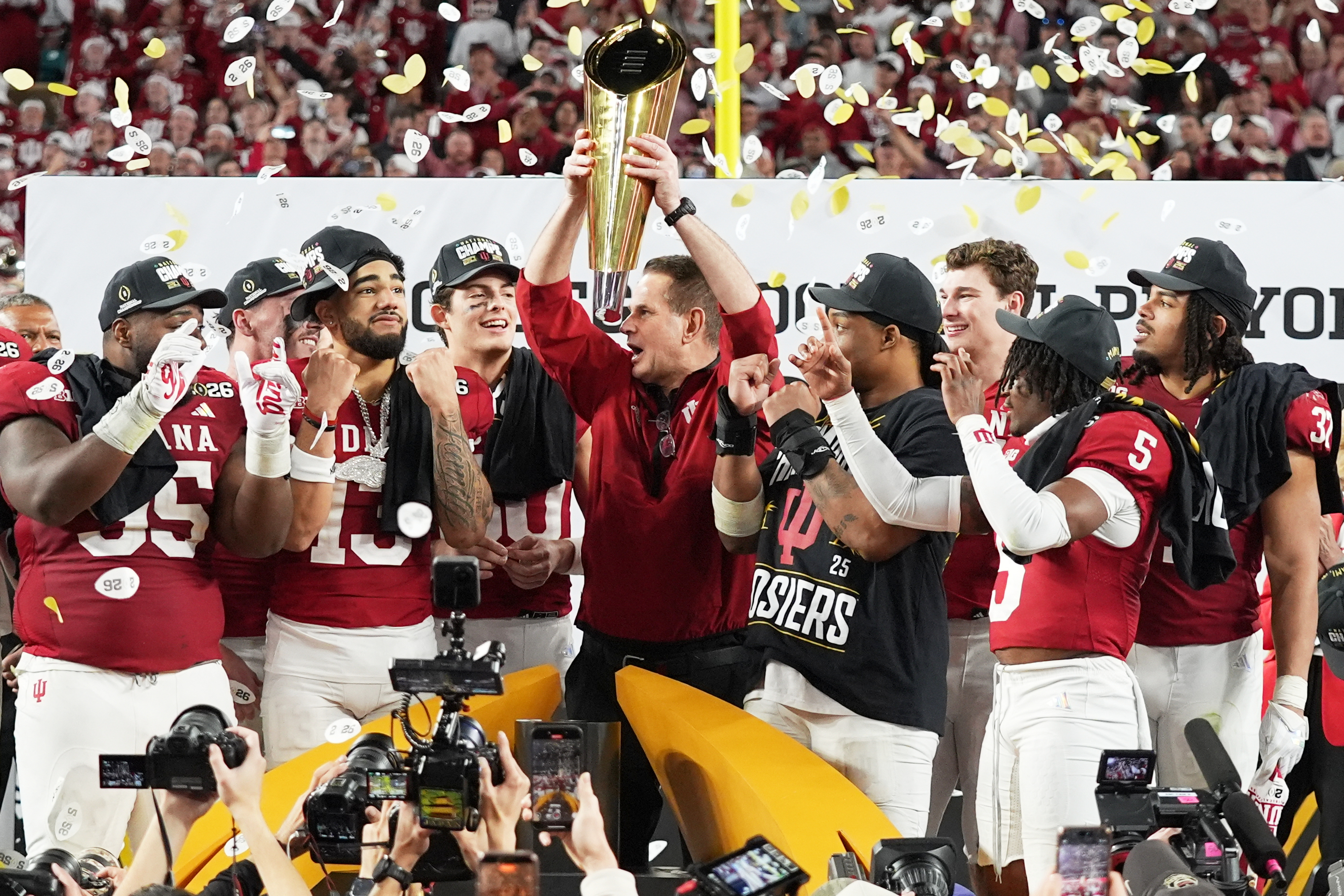
Also, the age gap between a college team and today’s NFL franchise isn’t too wide. Take just last season and look at the Indiana team that ran the table en route to a national championship. Average age? It was 23.1, and 18 of those players cracked the 53-man rosters of NFL teams this season, according to 247 Sports.
The average age of the Seattle Seahawks roster that won Super Bowl LX? Just 26.1.
While there’s precedent for a pro-am like the Chicago Charities College Game to make a return or even have a similar offshoot sprout up, a number of college coaches believe it will never happen — and it has nothing to do with a more level playing field when it comes to athletic abilities.
Indiana won the national championship with a team that had an average age of 23 when it defeated Miami in last season’s game. Lynne Sladky
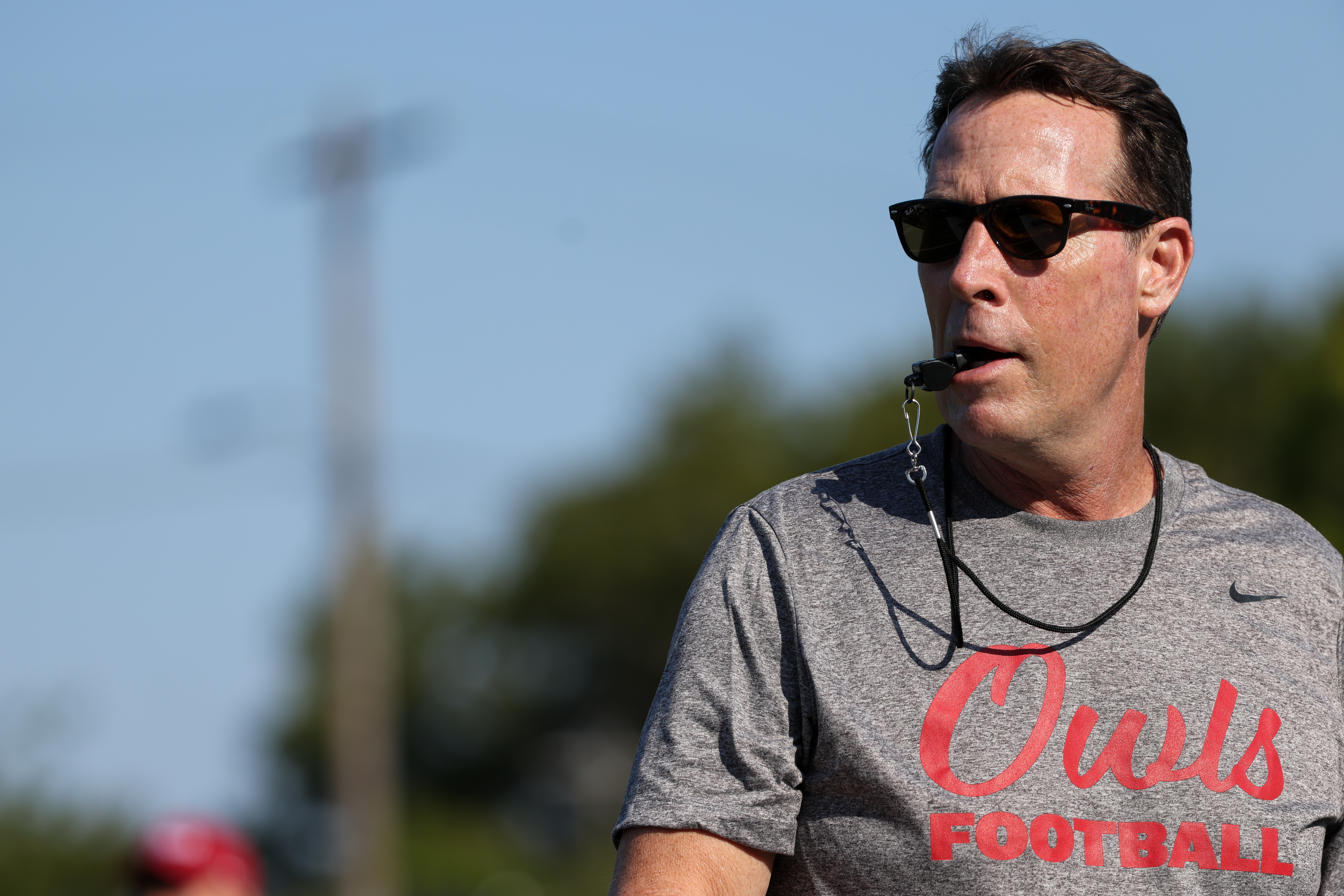
“I think the college kids would be very enthusiastic. I think the NFL guys would be like, ‘Why are we doing this?’” said Temple coach K.C. Keeler, who remembers the old Chicago Charities College All-Star Game well, but contends it has no place in today’s football. “Nowadays, [NFL teams] aren’t even playing their starters in the first preseason game, right? And now you’re talking about a whole game against a bunch of [college] guys who want to prove themselves.
“But this isn’t about athleticism, it’s about money. One injury can change the trajectory of a player’s career in both pro and college ball. I think just looking at the logistics of pro football, you’d be hard-pressed to find anyone that would be willing to match up these days and risk it all against college kids who have that ‘I’ll show you’ mentality.”
Temple head coach K.C. Keeler says there’s too much at risk for players in college and the NFL to consider reintroducing a spectacle like the old Chicago Charities College All-Star Game. Isaiah Vazquez / For The Inquirer
A similar thought process came from Villanova coach Mark Ferrante, who also took a larger look at the state of both college football and the country during the heyday of the annual exhibition.
“My gut tells me that it would be much harder for a college all-star team to beat an NFL Super Bowl champion,” said Ferrante. “And the reason I say that is, even though the college teams are keeping older guys and all the extra years of eligibility that really came through [because of the pandemic], that’s kind of going to get erased [as those eligibility years phase out].
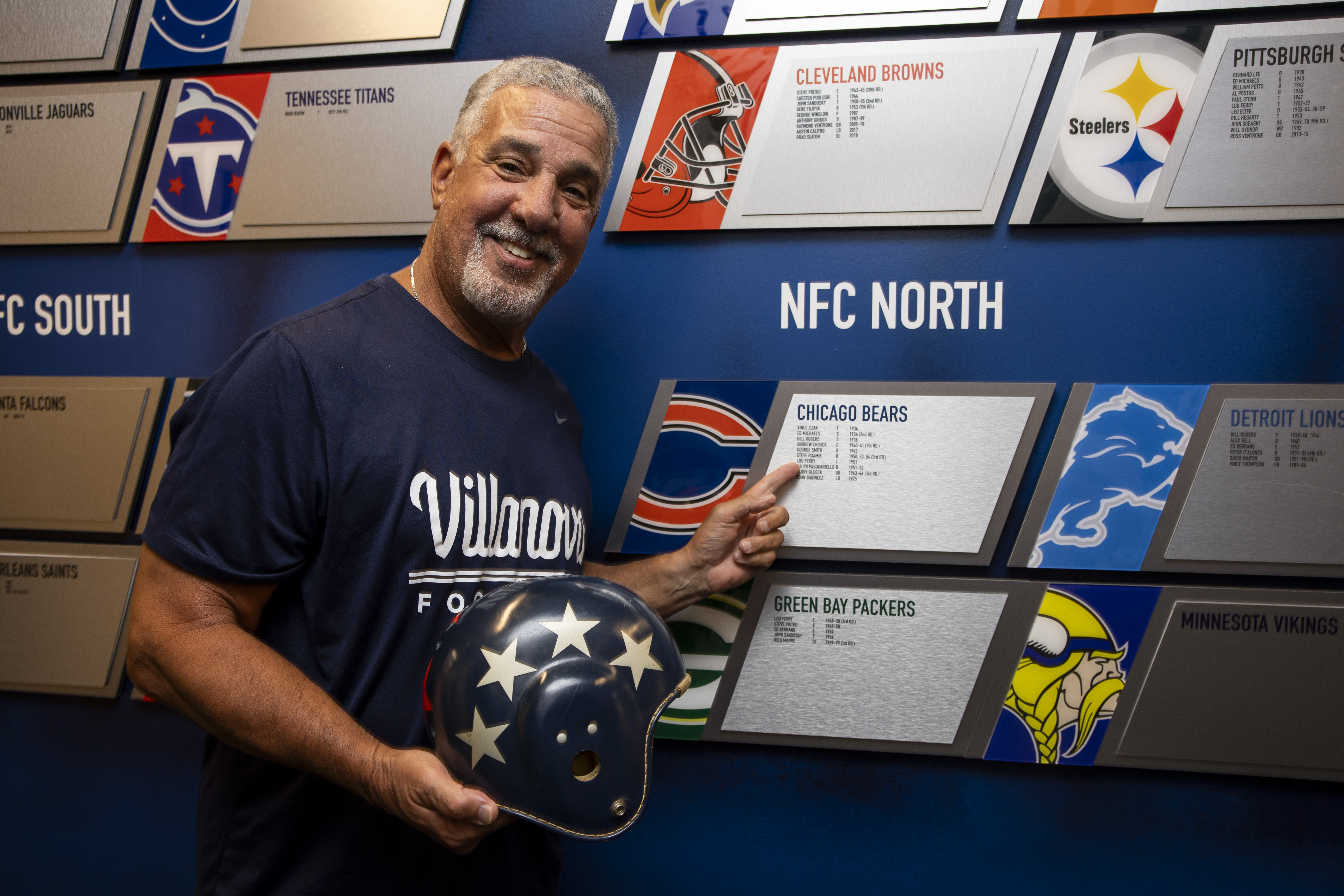
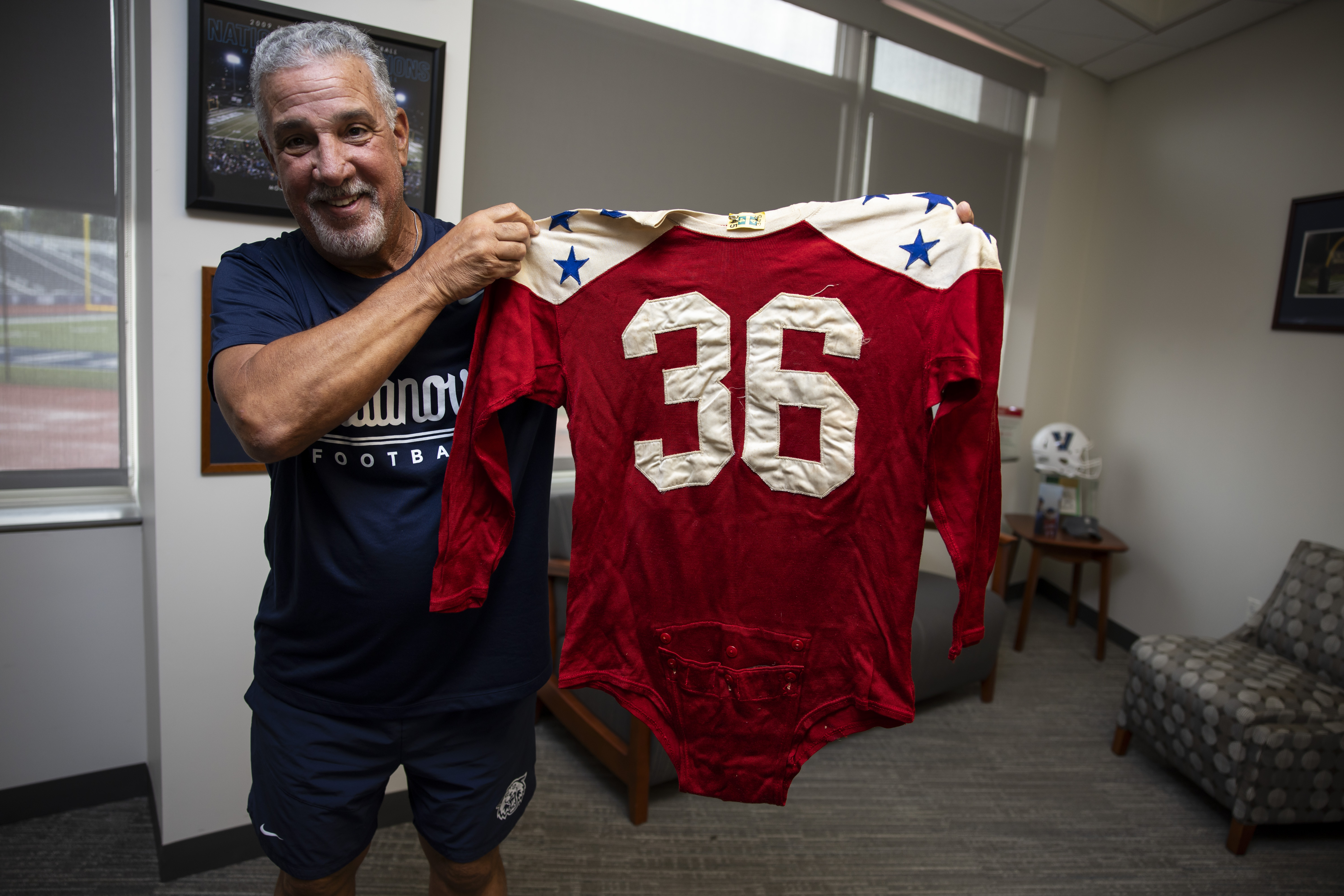
Villanova head football coach Mark Ferrante posed for a portrait with an all-star helmet worn by former fullback Ralph Pasquariello, who played in the 1950 Chicago Charities game, with the team that defeated the Eagles.Monica Herndon / Staff Photographer
“Also, I’d like to see the age rosters of those 1940s and 1950s teams. Because, I bet you a lot of those college guys might’ve actually been the same age or even a bit older than the pro guys they were playing against back then because of [World War II].”
To Ferrante’s point, it’s also harder for a college kid today to crack an NFL roster. There are a little more than 18,500 Division I players competing for 250-plus spots in the NFL draft.
“It’s still under 2% of college guys that make it to that level,” Ferrante said. “And we’re talking about the best of the best, not that it wasn’t the best back then, but it’s just different and dare I say harder to get to the NFL now than it was then.”
But the proving ground for college players in the Chicago Charities All-Star Game was apparent back then, with the Eagles feeling the brunt of it. In 1950, the Eagles lost to a collective of college players, one that featured former Villanova standout Ralph Pasquariello.
A star fullback for the Wildcats, Pasquariello was coming off an MVP performance a year earlier in the 1949 North-South Shrine Game where he scored the game-winning touchdown.
Pasquariello was drafted later that year in the first round (ninth overall) by the Los Angeles Rams. The Eagles’ loss was one of just nine times a college team defeated an NFL champion.
Mark Ferrante holds up an all-star jersey worn by former Villanova fullback Ralph Pasquariello, who played on the 1950 college team that defeated the Eagles in the Chicago Charities College All-Star Game. Monica Herndon / Staff Photographer
But the notion that a college group would beat an NFL champion today — even with a closer-to-equal playing field than we’ve seen between college and professional football in recent years — would be tough to imagine. Between lucrative name, image, and likeness deals in college and blockbuster sponsorship deals in the NFL, both coaches say there’s too much money to be made.
“Listen, it would be something really cool to see all these young players who are going to be 22- or 23-year-old seniors go up against NFL stars, but I just don’t think it’s viable,” Keeler said. “Everyone has a time frame now to make as much money as they can. Also, they’re getting rid of more and more [contests like these].
“I mean, look, they just got rid of the Pro Bowl. Why? The impossibility of suggesting that you can play at three-quarters speed and not get hurt when you’re tackling guys to the ground. That’s just not how this game works anymore.”
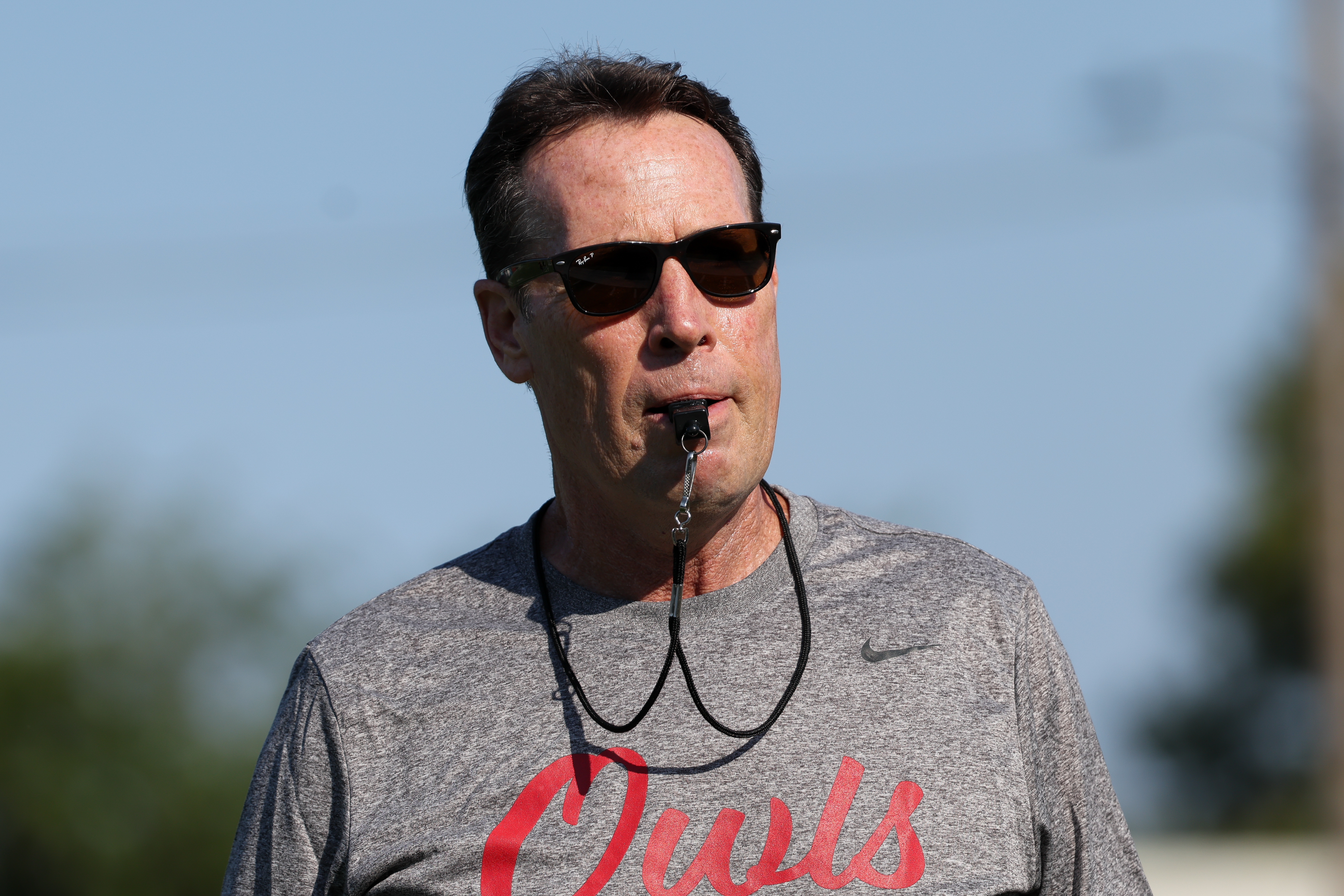
K.C. Keeler is a family man who has built his coaching foundation on the lessons and influence of those he played and coached under.
He has, what some would say, an old-school approach when it comes to running a football program: Juniors and seniors deserve the opportunity to play, academics and community service are just as important, and building a locker room starts with relationships.
As the winningest active head coach across all divisions of college football, Keeler’s philosophy has certainly worked. The second-year Temple coach surpassed 275 career wins (currently at 276) last season and is turning around a program that before last season finished 3-9 for four consecutive years.
In 2025, Temple posted a 5-7 record — one game short of reaching a bowl game, which it hasn’t made since 2019 — and had one-point losses to Navy and Army.
So, where does the program go from here? Well, for the first time in a long time, this program has a real sense of cohesion.
Before Temple’s season opener on Saturday against Rhode Island (2 p.m., ESPN+), Keeler sat down with The Inquirer, where he expressed his commitment to the Owls. He purchased a home in Wilmington, becoming the first Temple coach since Bruce Arians in the mid-1980s to do so. Keeler, who turned 67 in July (and is the third-oldest active FBS coach), wants to finish his college football coaching career on North Broad. But first, his focus is bringing back greatness to Temple.
K.C. Keeler enters his second year as Temple’s head coach. In his first season, the longtime college football coach led the Owls to within one win of bowl eligibility.Isaiah Vazquez / For The Inquirer
Q: [Throughout] your coaching career [at] Rowan, Delaware, and Sam Houston State, you’ve established a track record of building winning programs. How have you shifted or changed as a coach to stay competitive?
A: One of the things that I’ve always done a really good job of is problem-solving. The other thing I’ve always done a really good job of is recognizing talent, not just on the field, but also coaches I’ve worked with. When I got to Rowan, and I got an opportunity at 34 years of age to be a head coach, I had some really good players I had recruited when I was an assistant there. … I learned from my former coach Tubby Raymond [at Delaware], a lot about building a culture, understanding that when you play for, at the time Rowan University, you play for the people who played before you, you play for the people you’re with in that locker room right now, you’re also playing for the people who are going to come after you. You try to develop this sense of belonging, so everywhere I’ve coached, I’ve always tried to emphasize this is a family. It’s its own unique family, but it’s a family, and this family ranges beyond just the guys in this locker room.
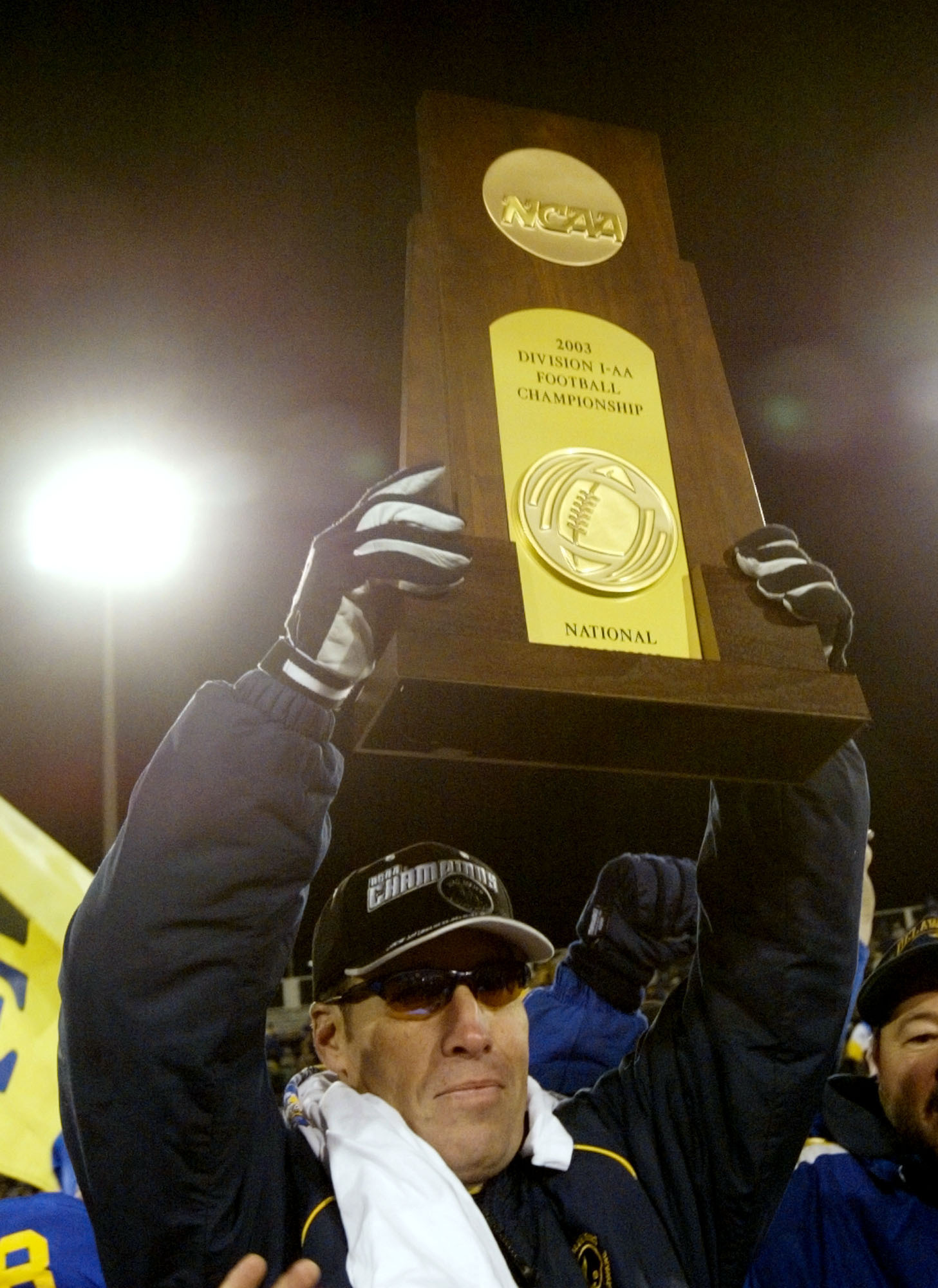
K.C. Keeler after Delaware defeated Colgate for the NCAA Division 1-AA Championship in 2003.AP Photo/Wade Payne
Q: You spent more than a decade at Delaware. How special was it to coach at the school you once played for?
A: Well, nowadays there’s no way that Delaware would hire a Division III coach, just with the headhunters and all the things that people go through now to figure out what coach they’re going to hire. But I was blessed that I had a president and an athletic director. The athletic director — Edgar Johnson, didn’t believe that. … For 11 years, when I pulled up to that stadium, in my office, I pinched myself. I probably had black-and-blue marks for 11 straight years. People always wondered who was going to follow Tubby. I mean, they have his name on the field. He had 300 wins, three national championships, and a guy that I respected in terms of creating that culture. I always say that his 300 wins or him inventing the Wing-T with Ted Kempski, those weren’t his greatest accomplishments. His greatest accomplishment was the culture that he developed.
Q: You’ve also dealt with adversity and losing seasons during your time at Delaware before you were let go in 2012. What was that departure like?
A: Me being fired had nothing to do with wins and losses. It was really more I had become a bit like Tubby did in that small state. Everyone knew what car I drove. Walking in a restaurant, my wife and children would go to the back for dinner, and I would have to stop at all the booths. There was a sense that maybe the administration, the people who were running the place at the time — they didn’t stay much longer after they fired me — they didn’t embrace the fact that I had developed a legacy there. It was hard. It was hard being fired, and I remember very vividly my daughter coming home after me being fired, and she said to my wife and I, ‘You guys are in your uniform, huh?’ Still had our pajamas on. … Then when we were out and we ran into an acquaintance on the street, and I went into my woes of being fired, and I said, ‘How are you doing?’ [They replied], ‘I’m battling cancer right now.’ My wife and I were like, let’s put this in perspective. We got fired from a job. We need to move on.
Q: What was your biggest lesson learned from Year 1 at Temple?
A: I told the guys when I first took over, I don’t want you to be realistic. [Temple] winning whatever it was, 13 games in five years, no one thinks we’re going to do much because we weren’t changing the roster much. It wasn’t like we came in, gutted the roster, brought new players in. We just felt there were so many upperclassmen that wanted to get their Temple degrees and that wasn’t the right thing to do. I still believe in education, and I believe that even though I wasn’t the coach that signed their scholarship papers when they came to Temple, I still represent Temple, I’m not going to cut you and try to get a player who’s that much better. So 5-7 was very disappointing, because we were so close to being a 7-5 team. But at the same time, I do know that there were some limitations because of how much we could change the roster. Those limitations actually led to us keeping all of our starters [this year].
Q: Your team was one of the few Group of Five schools to keep their starters from entering the portal. What does that say about what you’re building here?
A: We believe that our program is built on love and trust. I always explain that you can’t love somebody, you can’t trust somebody, until you know somebody. We work really hard at knowing each other. We’ll do the three H’s: Who’s your hero? What’s your hardship? What’s your history? We’ll do a trivia night where the guys are all mixed up with different positions and different players and coaches, and Clayton [Barnes, Temple’s general manager] leads it. It’s a lot of fun, and it’s a way to be together. … We work really hard in these four walls to develop relationships with our players. The great thing about us going into this year is that the whole strength staff is together, whole coaching staff stayed. … This building has a lot of cohesion.
Q: With the rising power of Name, Image, and Likeness, how have you managed the new landscape of college sports?
A: I wouldn’t have taken this job unless [Barnes] came with me. I know my skill set. I am a problem solver, but I’m not going to be the guy who’s going to be dealing with the agents. I’m not the guy who’s going to figure out the charts in terms of how much money we should allocate to each position and what starters are making at different positions. … That’s not my skill set. That’s [Barnes’] skill set.
I don’t call the offense anymore. I don’t run the defense anymore. I was an offensive coordinator, scored a ton of points — I got too many other things going on. … I’ve turned those things over; same thing with Clayton and the roster. Now we talk about it every day. It’s not like I’m not making final decisions, but I have enough trust.
Q: Your sunglass look became a trademark at Delaware. What is the backstory about the sunglasses?
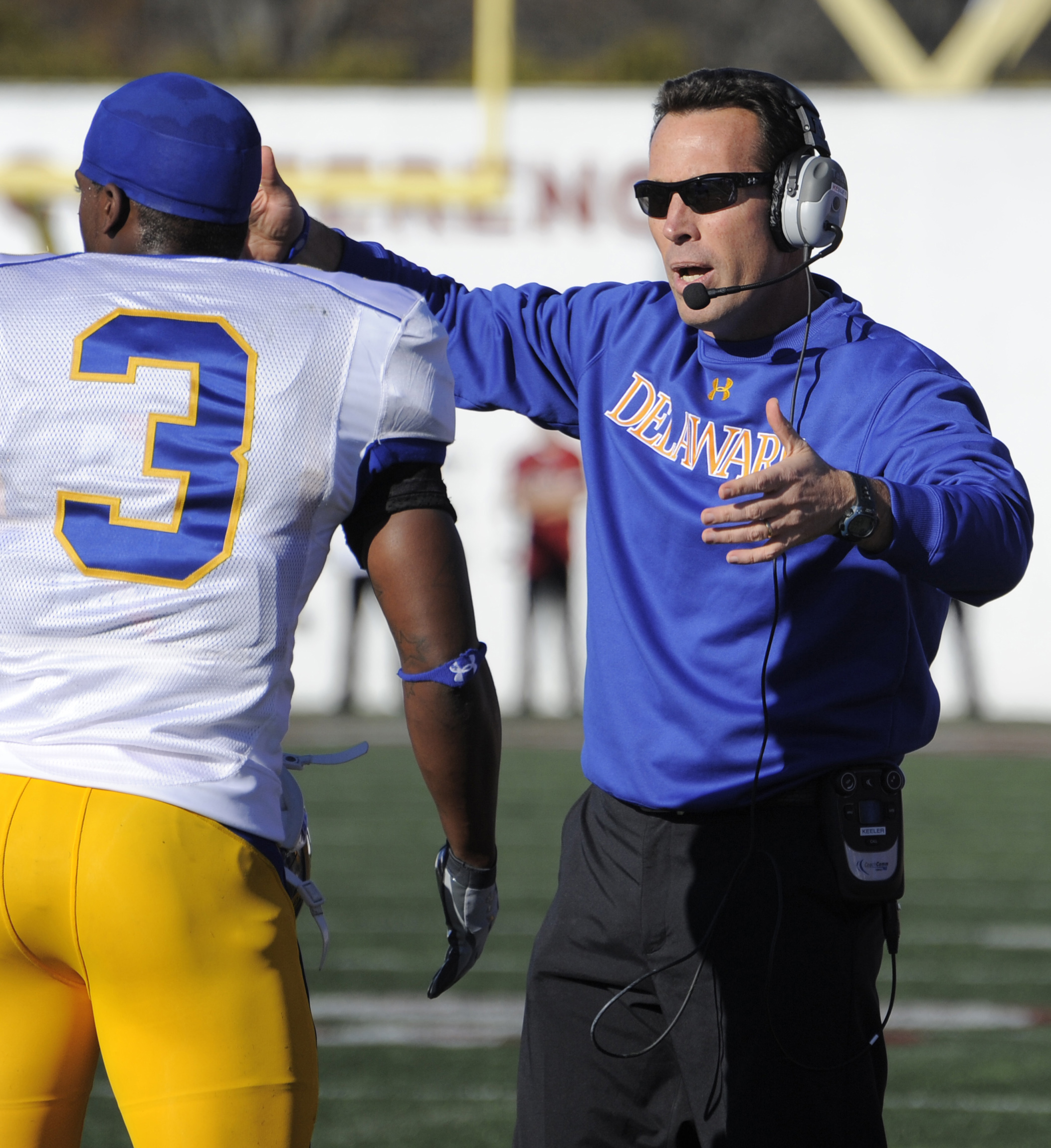
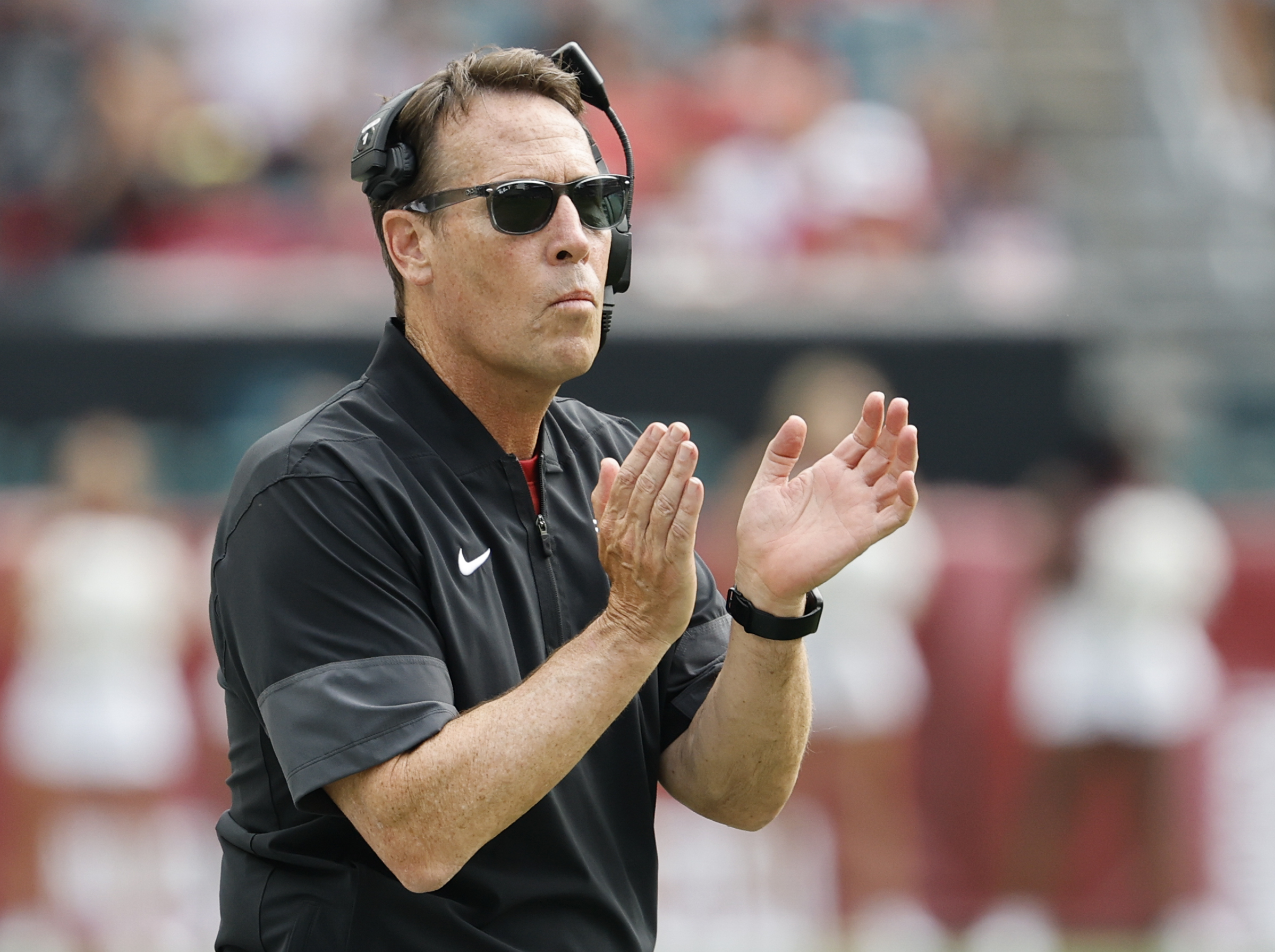
A: I have very sensitive eyes, so the lights really bother me — and I like sunglasses. I have six pairs of Ray-Bans in my backpack right now, so I like to change them up a little bit too. They have a bobblehead of me with my sunglasses on. I’ve been known to support the sunglasses. It’s a little bit of a trademark, but also the sensitive eyes go along with it.
K.C. Keeler spent 11 seasons as the head coach at Delaware.AP Photo/Nancy Palmieri
Q: As someone who grew up in Lehigh County and spent the bulk of your coaching career out East, what does it mean to come back after 11 years at Sam Houston State?
A: My wife’s a Penn grad, we met in the city. I was with the Eagles as a last cut [under] Dick Vermeil, and so we met in the city, fell in love in the city. … We have three grandchildren, and my wife and son-in-law are in Wilmington — this is home. I always tell the story that when the deal was finally done, we had just beaten Liberty Friday night to clinch a 9-3 season and a good bowl game. It was [my wife’s] birthday. I get the call from my agent that the deal’s done. I come back in and tell her, “Hey, listen, we are going back East,’ and she cried for an hour. I’m trying to explain to everybody in the restaurant, these are happy tears.
Q: There’s a lot of anticipation around this team. What would you say to fans about the direction of where this program is heading?
A: There’s been greatness here before. It’s not like I’m trying to reinvent anything. … One of my most vivid memories of any situation in my entire career was a locker room after we played Temple. We [Delaware] were the No. 1 team in the country in 1978 — don’t do the math — going to play Temple at the old Veterans Stadium, and they just embarrassed us. It was a different, physical brand of football that we weren’t used to, and they also just had this tremendous talent. Then the next year, that team I played on at Delaware, we won the national championship. We went 13-1. Our loss? To Temple. I have a pretty good perspective of where this place has been — and Temple can do it again. We had the No. 1 recruiting class in the conference. I don’t remember Temple doing that recently.
K.C. Keeler led the Owls to a 5-7 record in 2025.Yong Kim / Staff Photographer
Q: This year will mark 10 years since Temple last won an American championship. What stands at the forefront when you think about goals this season?
A: We want them to think about winning enough games to go to a bowl, winning a bowl, and maybe we can win enough [games] to get [to] that conference championship game. That’s kind of where I’m trying to set their sights. … If you’re realistic, don’t play for me. I want you to be unrealistic. I want you to dream dreams that are bigger than you possibly could imagine, because life is short. When I was at the FCS level in my first press conference at Delaware and Sam Houston, I talked about winning a national championship. … Our goal here at Temple is to be the best football program in the country. … I do believe we can become a team that can be playing in that conference championship game, and there’s a good chance that team plays in the big tournament.
The reality is that everyone knows we play Penn State the second week. I know it because that’s all I got asked when I was at media day. … But we got to worry about playing Rhode Island.
On Aug. 2, Katie LeGrand, Villanova’s senior associate athletic director for compliance, penned a letter to the Patriot League Policy Committee, urging the conference to grant quarterback Pat McQuaide eligibility for the upcoming season.
LeGrand wrote that “Pat has fought hard to stay positive throughout his collegiate experience. He is the epitome of the word resilience, something that many youth may lack in today’s society.”
McQuaide’s resilience would continue to be tested over the coming weeks, as the Patriot League maintained that McQuaide would not be eligible.
Still, there was a chance McQuaide, who continued to practice with the team, could suit up for Villanova’s opener against league rival William & Mary. That chance became a reality hours before kickoff on Friday.
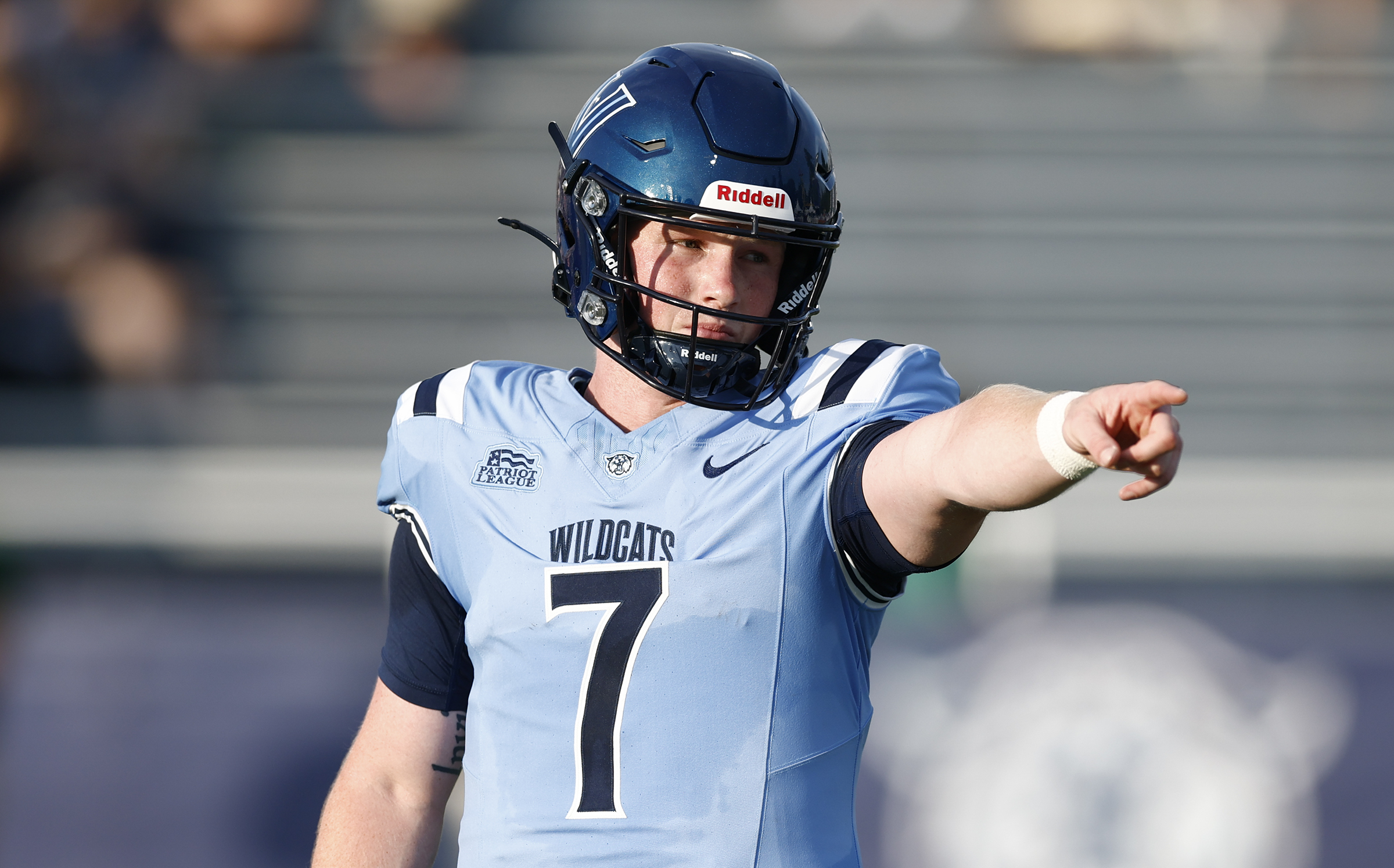
On Friday, Cuyahoga County (Ohio) Common Pleas Court judge Timothy P. McCormick granted an emergency preliminary injunction that named the Patriot League as a defendant, clearing McQuaide to be eligible for league contests. Despite the quick turnaround, Wildcats coach Mark Ferrante opted to start McQuaide against the visiting Tribe.
“Yeah, we found out [Friday],” Ferrante said. “And once we found out, there really was no hesitation. I mean, if it was 6 o’clock and a 6:03 kickoff, he probably would have rolled out there. If it was two hours before, if it was yesterday, [McQuaide would start]. The plan was, get the other guys reps. But if it happens, we’ll roll Pat out there. And he’s had a lot of practice under his belt.”
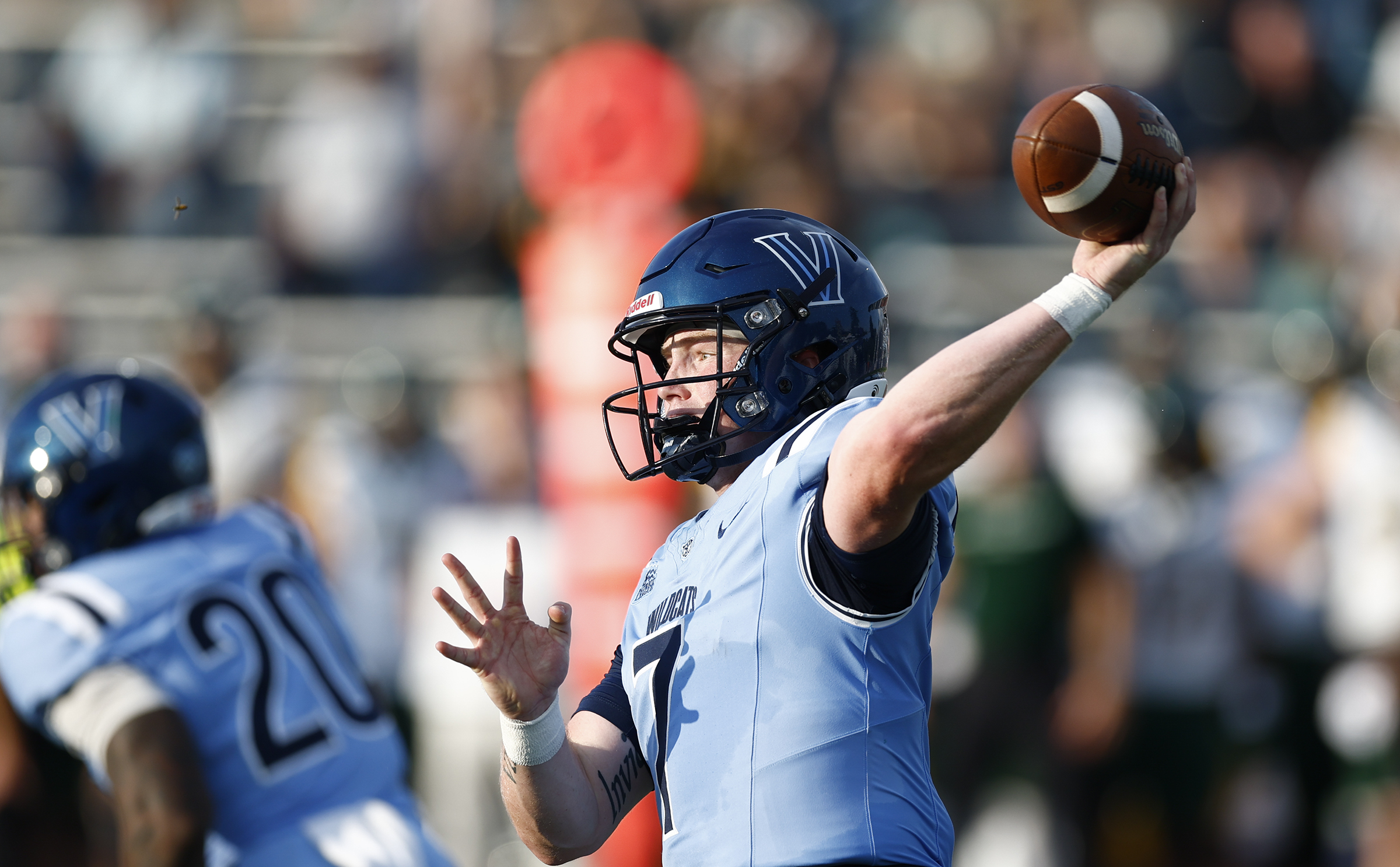
Villanova lost, 35-32, to William & Mary after squandering a 10-point lead in the game’s final minute. McQuaide passed for 270 yards and a touchdown but threw three interceptions, including a pick with 9 seconds remaining that set up the Tribe’s game-winning field goal.
Up 32-22 with just over 2 minutes to go, Villanova had a 99.8% chance to defeat William & Mary, per @espn analytics.
“We made a lot more mistakes than they did,” Ferrante said. “Turnovers, penalties. Never comes down to one play, but unfortunately, it came down to one play.”
Although he struggled, McQuaide’s return was welcomed by his teammates. Last season, after being named the starter days before the season opener, McQuaide emerged as a team leader. During his first year on the Main Line, the Ohio native led Villanova to an FCS semifinal — the team’s best finish since 2010. If McQuaide had not been able to play Friday, senior Robert Russo or freshman Nolan DiLucia was expected to receive the starting nod. Neither has completed a pass in college.
“It’s kind of just second nature, having a guy like Pat back in the locker room,” junior running back Ja’briel Mace said. “Especially back in the offense, really helpful. … Finally get back to the flow of things.”
Villanova quarterback Pat McQuaide threw for 270 yards and a touchdown but was picked off three times on Friday.Yong Kim / Staff Photographer
For the foreseeable future, McQuaide is expected to stay on the field for Villanova. It remains to be seen if the Patriot League will appeal Friday’s preliminary injunction or if the conference will take additional steps to bar his participation.
The league previously denied McQuaide’s eligibility on Aug. 4, despite a preliminary injunction by McCormick, and then rejected Villanova’s appeal on Aug. 22. The NCAA supported the conference’s barring of McQuaide, contending that as the Patriot League was not “served process and is not a defendant” in the original lawsuit, the initial preliminary injunction could not be applied to the conference.
Patriot League commissioner Jennifer Heppel, the liaison for the Patriot League Council of Presidents executive committee that denied the appeal on Aug. 22, attended Friday’s game.
The question around McQuaide’s eligibility pertains to his season at Mississippi Gulf Coast in 2022. Villanova, which submitted the waiver request to the NCAA on behalf of McQuaide, argued that the COVID-19 pandemic led to McQuaide’s single season at the junior college. McQuaide contends the pandemic stunted his development in high school, which led to him walking on at Kent State. After one year redshirting with the Golden Flashes, he transferred to Mississippi Gulf Coast.
In its original eligibility waiver, the school described the move as a “necessary bridge rather than a choice to ‘use’ an additional season.” Additionally, juco programs are not under the purview of the NCAA, but seasons spent at that level have counted toward student-athletes’ eligibility in past decisions.
Pat McQuaide got the start for Villanova tonight.
Earlier today, a Cuyahoga County (Ohio) Common Pleas Court Judge granted a preliminary injunction, specifically naming the Patriot League as defendant, allowing him to play: pic.twitter.com/KKywgmI6CT
After one season at Mississippi Gulf Coast, McQuaide played two seasons at Nicholls State before transferring to Villanova.
This year will mark McQuaide’s sixth in college. He earned his undergraduate degree from Nicholls State and a master’s in higher education and leadership from Villanova. In court documents, McQuaide contended that he is aiming to complete a certification in public administration at Villanova this year, with the goal of becoming an NFL general manager.
The battle between Villanova and the Patriot League over McQuaide’s eligibility comes during the program’s first year in the conference. The Wildcats announced last summer that they would leave their football conference of 18 seasons, the Coastal Athletic Association, to join the Patriot League. Unlike the Patriot League, the CAA supported McQuaide’s eligibility for this season, according to McQuaide’s attorney, Richard Hamilton Jr.
“[McQuaide] had a letter of support from the conference, the old CAA,” Hamilton said. “He had a letter of support from the president of the university and from the athletic department, all supporting the waivers.”
During Matt Campbell’s first year as the head coach at Toledo, he attended a high school coaching clinic in Michigan. There, Campbell discovered a concept that changed the way he concluded fall camp.
Aaron Segedi, a coach at Trenton High School in Michigan, was holding what he called “Victory Day,” on which children with disabilities participated in activities with the team. After seeing the impact it had on the children, Campbell knew he wanted to bring it to college football.
Victory Day became an annual training camp tradition under Campbell, and now he’s brought it to Penn State.
“Great night for our community. Great night for our kids,” Campbell said after Victory Day with the Nittany Lions. “Still, this world’s about giving back and making a difference. And to be able to do that [Friday night], and be able to be with so many great families and young people that may never get the opportunity to play the game of football, it’s a special opportunity for us.”
Friday was the first edition of the event in Happy Valley, as local children and their families joined the Nittany Lions inside Beaver Stadium. Kids could participate in activities like footwork drills, the Oklahoma drill, throwing balls into a net, and playing catch with players.
The highlights of the event, however, were the rushing touchdowns. Children would line up for the chance to run a play with Penn State’s starting offense and defense while their names boomed from the stadium’s sound system. Campbell greeted every kid with a smile and a handshake before huddling everyone up for the play call.
“I know we had a couple of trick plays in there, some special calls in there that weren’t supposed to be leaked,” quarterback Rocco Becht said. “But they were out there for the kids.”
Inside Penn State’s Inaugural Victory Day🏈
I’ve been blessed to cover a lot of awesome things involving my Alma Mater. This is one that makes me proud to be a Penn Stater🦁 pic.twitter.com/mtAMdzBZoZ
Friday was Becht’s fifth Victory Day — he participated in four at Iowa State — so he’s seen firsthand the impact this event can have on a community and those who participate.
The highlight for him this year? Throwing a 15-yard touchdown pass to a youngster down the sideline.
“I think it’s the best day of the year for me to give back to these kids, to see a smile on their face,” Becht said. “It’s truly the best thing in the world. We’re just glad to be here and put a smile on these kids’ faces.”
Penn State quarterback Rocco Becht, an Iowa State transfer, is no stranger to Victory Day. Offensive lineman Trevor Buhr is a fellow Cyclones transfer.Craig Houtz / For The Inquirer
Although the Iowa State transfers have experienced Victory Day before, it was most of the team’s first time participating. Becht said some guys were a “little skeptical” when it began, but, by the end, there wasn’t a face without a smile.
Junior offensive lineman Cooper Cousins still believes THON, the dance marathon that raises funds to help children with cancer, is the best day of the year at Penn State. But Victory Day is now a close second.
“It was awesome seeing the smiles on the kids’ faces, seeing every kid get the opportunity to score a touchdown was awesome, and really just seeing the family’s reactions,” Cousins said. “When you get the opportunity to come out here and hang out with the youth around the community, inspire them, and be with them throughout the night, it was awesome. It was a great time.”
Since becoming Penn State’s head coach in December, Campbell has made it a point to get out into the community and make a difference. From packing lunches for the YMCA of Centre County Backpack Program to doubling the amount of money players raised for THON, Campbell is determined for the Nittany Lions to have a charitable impact.
And Victory Day was the latest example.
“This isn’t a popularity contest. This isn’t trying to sell our program to anybody. This is to make a difference in the lives of other people,” Campbell said. “To be honest with you, the more people we can make a difference in their lives, the better this opportunity is, and the more special this day becomes.”