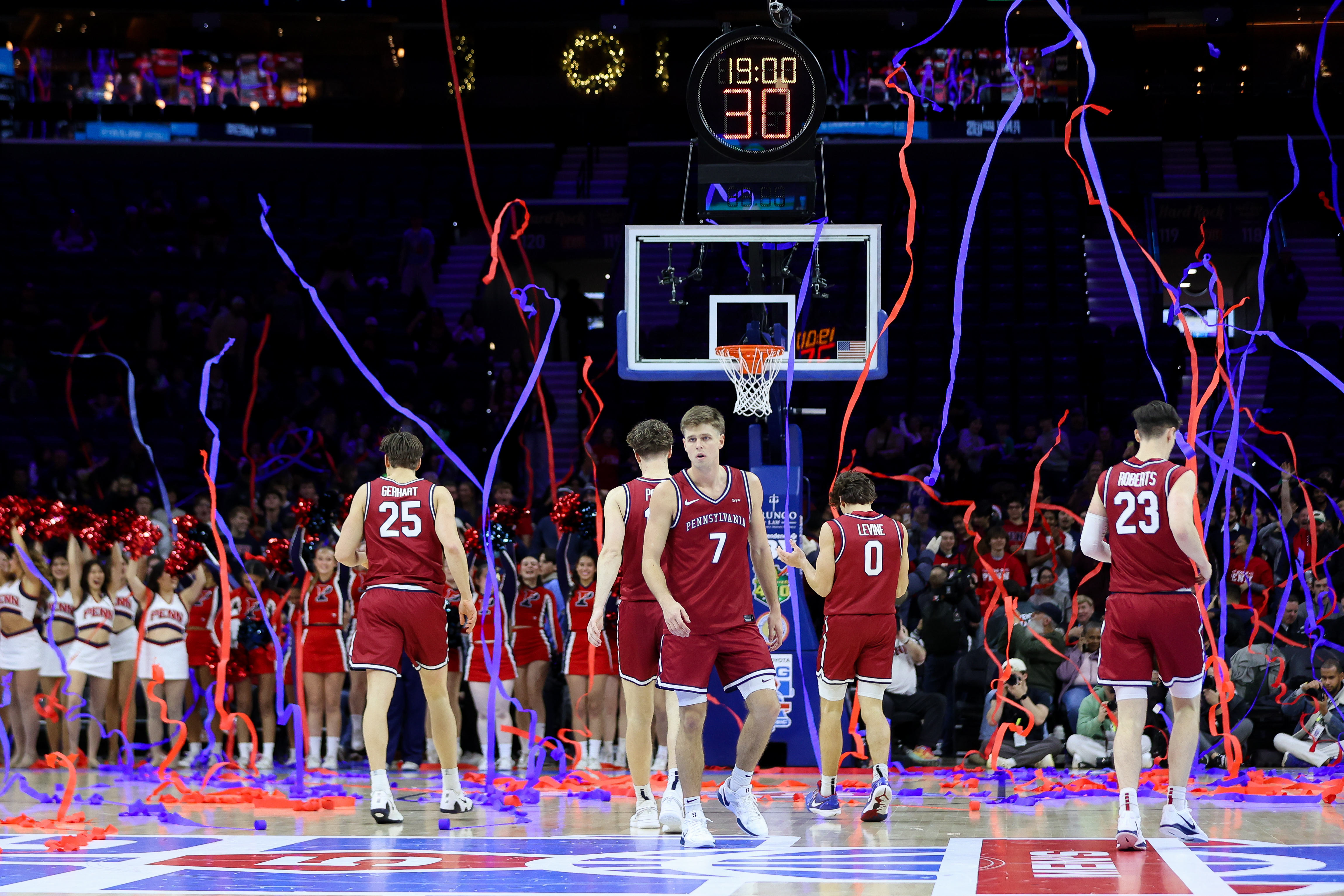
Big 5 men’s basketball will look different next season.
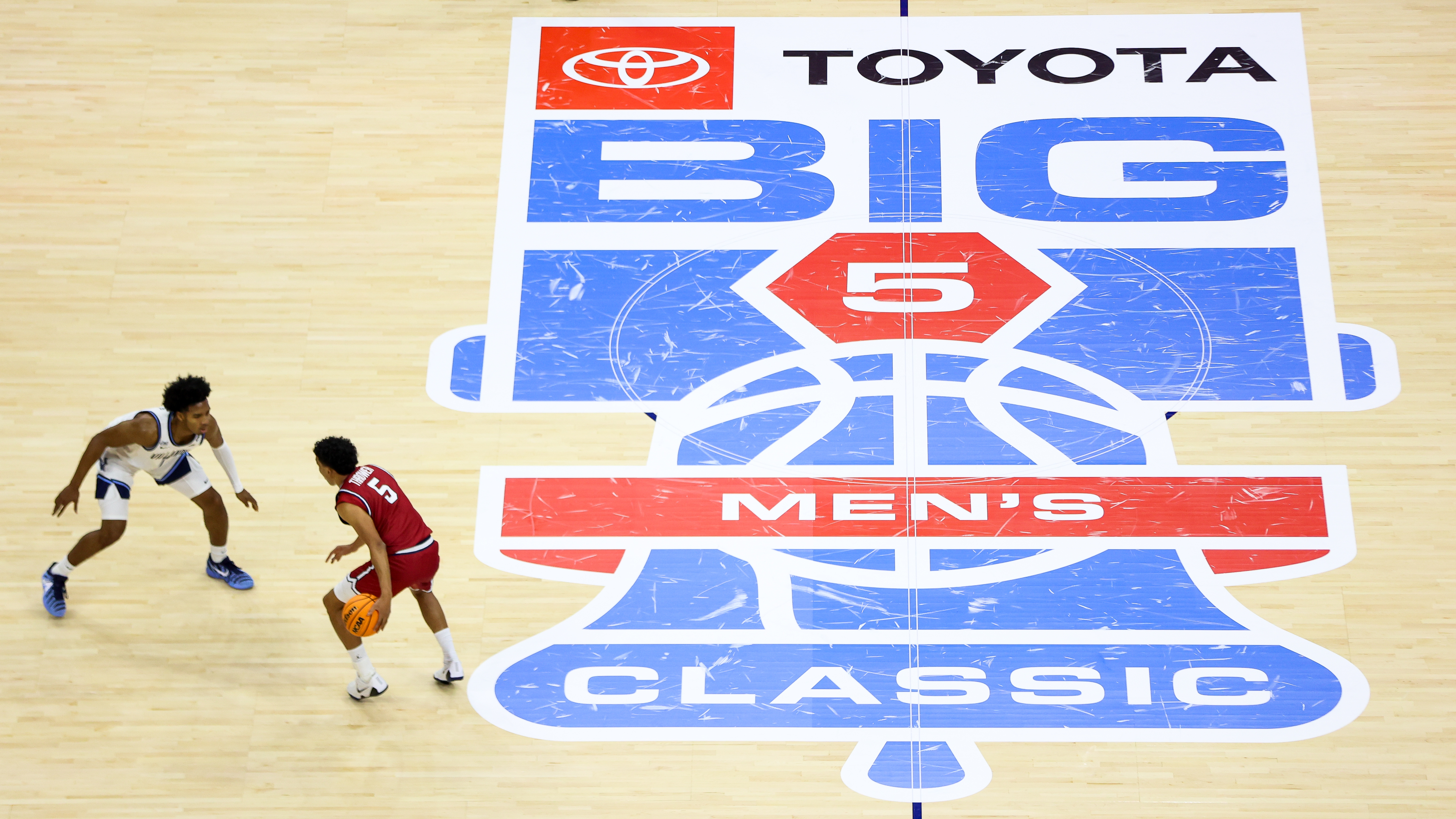
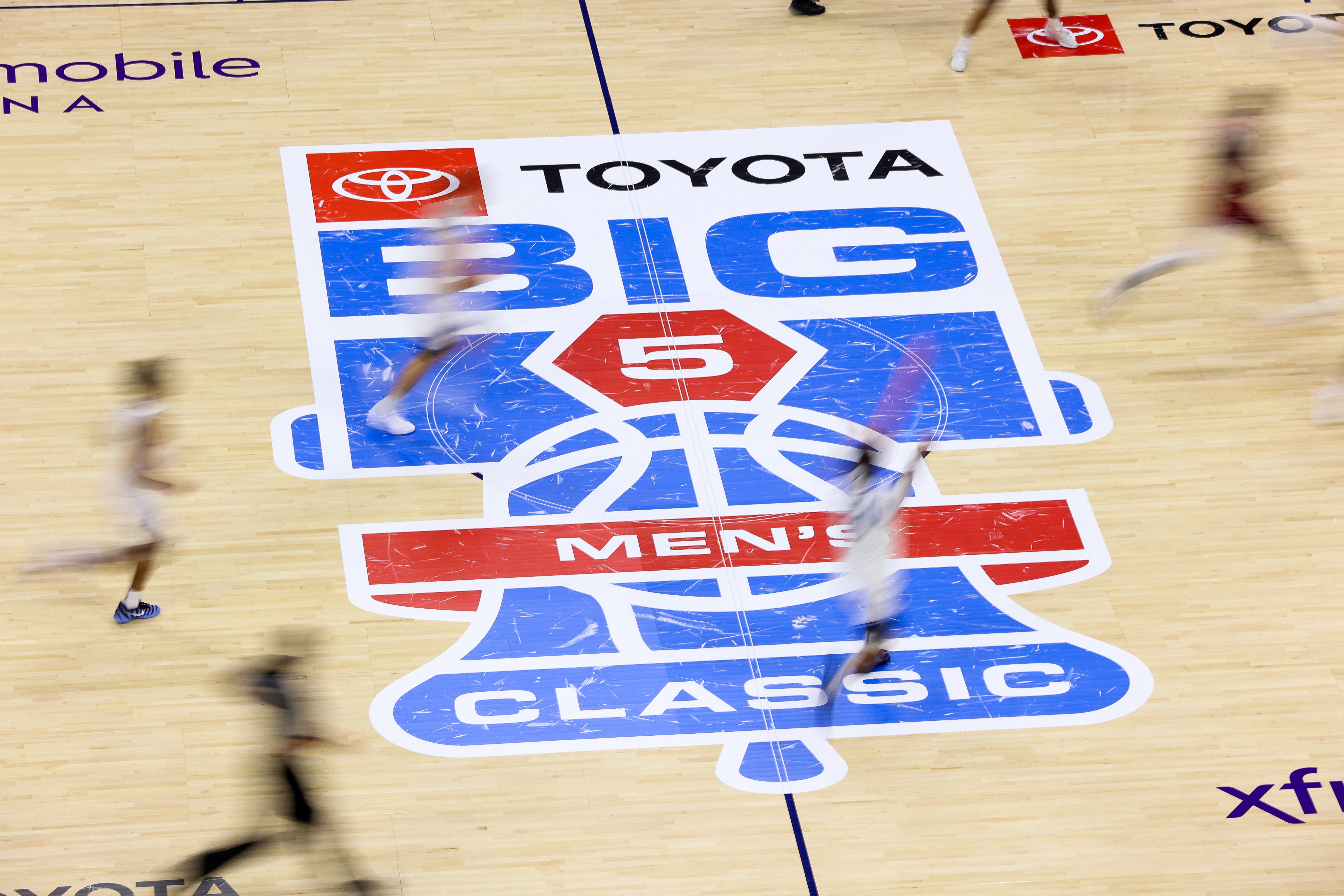
On Thursday, it was announced that Villanova would no longer be a full participant in the Big 5. The current three-year agreement, which saw six teams split into two pods to determine a seeding for the Big 5 Classic, will end following the 2026-27 season. Sources told The Inquirer that Villanova was no longer interested in keeping the current format.
Next season, the remaining five men’s programs will play a round-robin format. All six schools are working toward bringing back a one-day Big 5 Classic tripleheader.
At Thursday’s annual Coaches vs. Cancer luncheon, several active and former Big 5 coaches shared their reactions to the announcement. Villanova coach Kevin Willard was not at the luncheon due to the Wildcats’ preseason game against No. 9 Virginia. In his place, Villanova general manager of basketball Baker Dunleavy attended.
“Being connected to Philadelphia basketball has always been a big part of who we are at Villanova, and always will be,” Dunleavy said. “With the landscape shifting here in college basketball, there’s a lot to be said for that. But I think I’ll allow coach Willard and our athletics director Eric Roedl to speak about it. … Our connections to Philly will continue. It’s just what games look like, what competition looks like in the future will probably shift a little bit.”
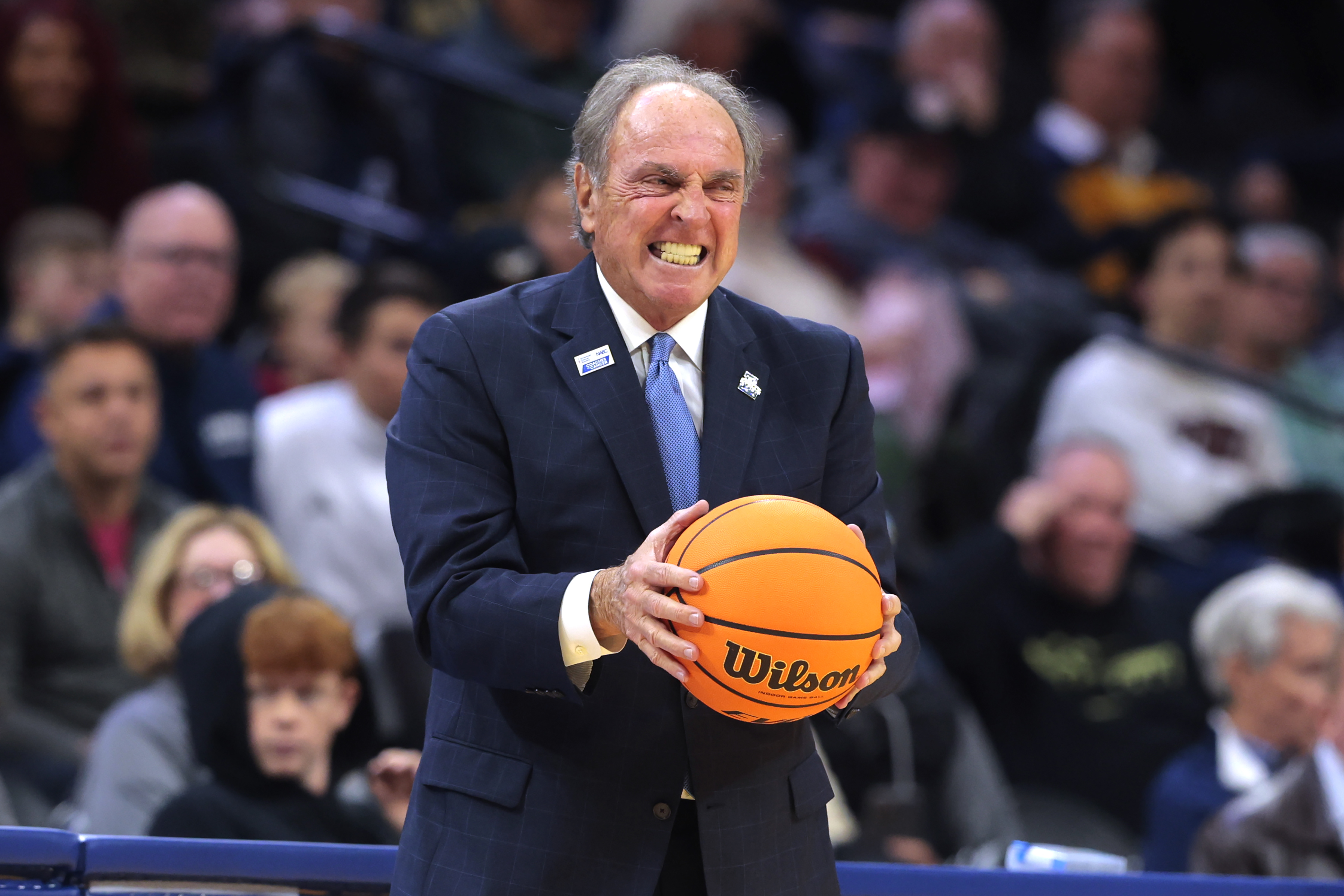
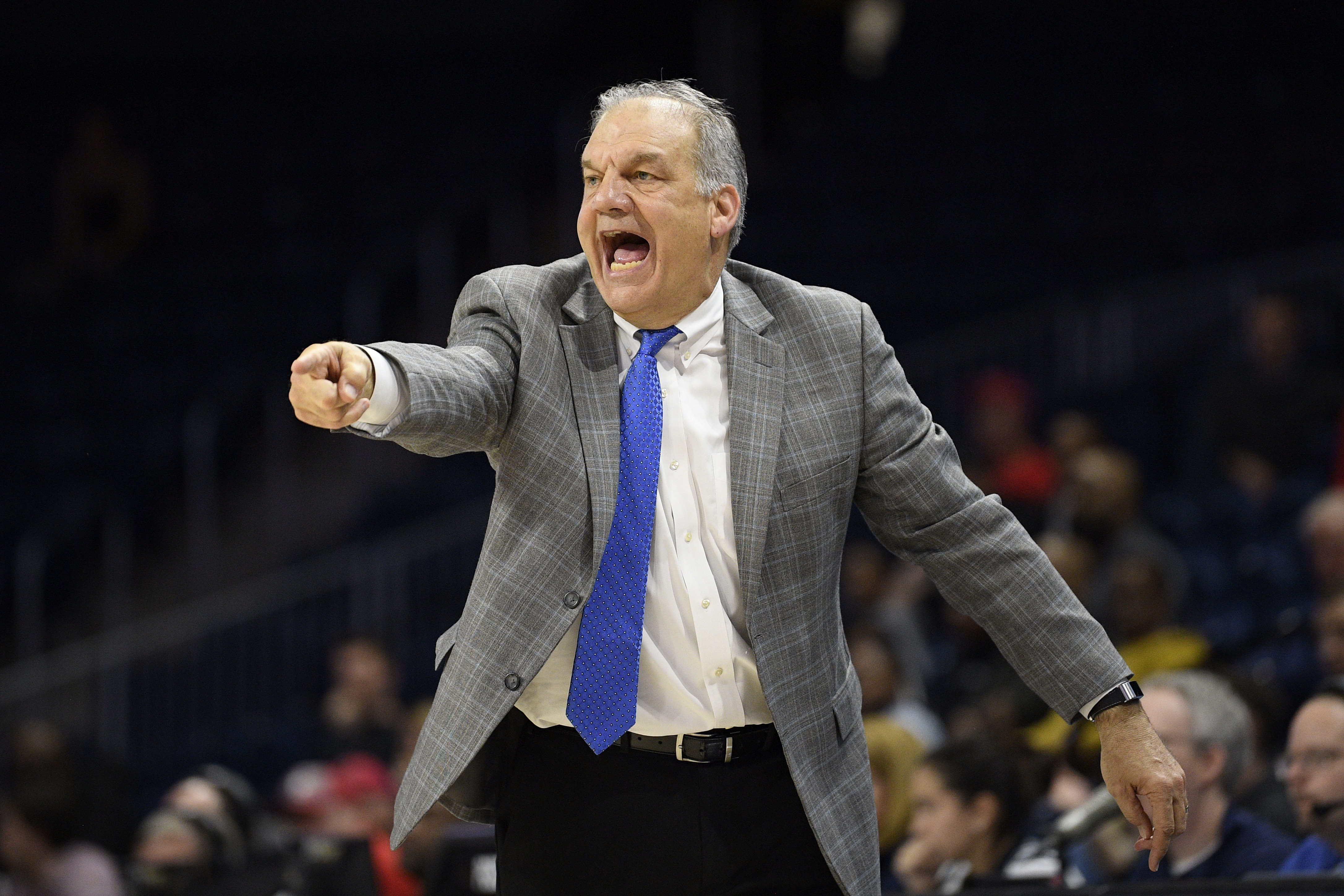
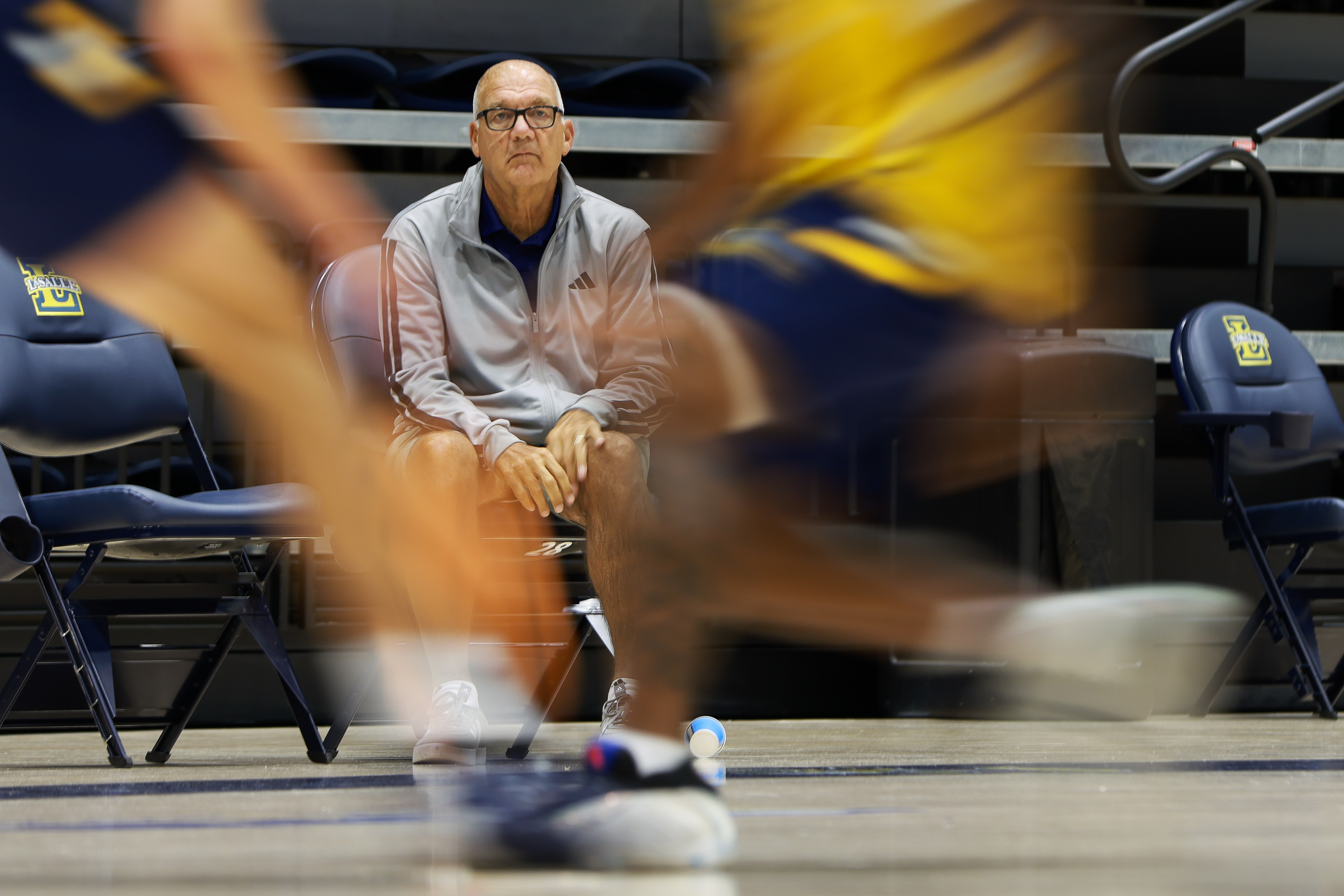
Fran Dunphy, the winningest coach in Big 5 history, expressed disappointment with the announcement. Dunphy coached at Penn, Temple, and La Salle. He retired following the 2024-25 season.
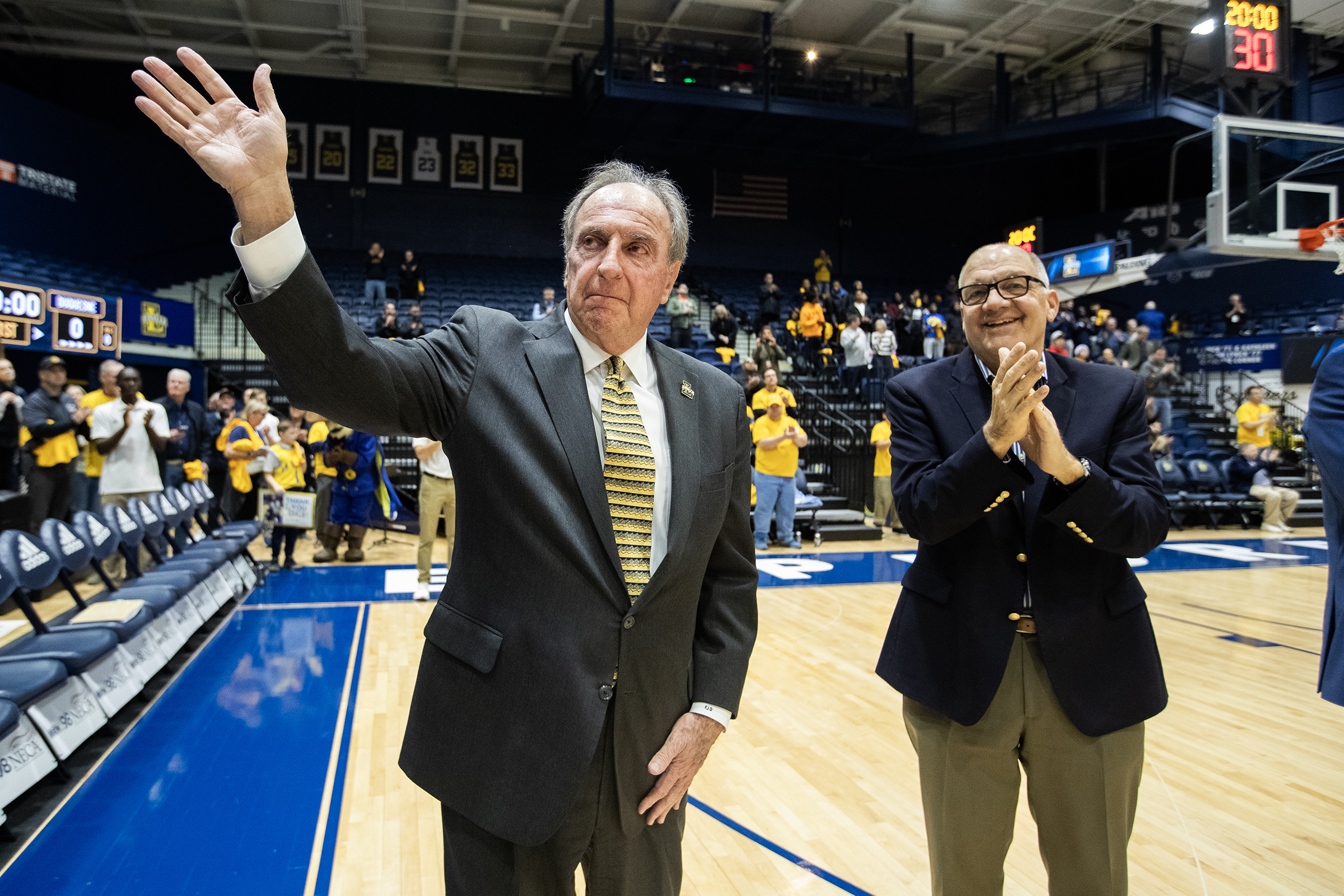
Former Big 5 coach Fran Dunphy is disappointed about the Big 5 Classic changes going into effect next season.Charles Fox / Staff Photographer
“I’m disappointed, but change happens,” Dunphy said. “We’ve got to be ready for change. And hopefully, we can continue to talk and keep the spirit of the Big 5 alive. That would be my greatest wish.”
Under the current format, Villanova loses two potential home games. The first is a road game the Wildcats play in pod-play and the other is the Big 5 Classic. The tripleheader, played at Xfinity Mobile Arena, distributes revenue evenly between the six schools and the venue. Lost revenue from losing home games is a leading reason why the Wildcats are leaving the current format.
I asked Fran Dunphy for his reaction to the news that Villanova will no longer be a full participant in the Big 5:
"I'm disappointed, but change happens. We've got to be ready for change. And hopefully, we can continue to talk and keep the spirit of the Big 5 alive. That would…
“We all heard the rumors,” Dunphy said. “So again, change is inevitable. It all depends on how we look at things. As a Big 5 purist, I wanted to see all of the six schools stay together and make what we have done over all of these years still meaningful. And Villanova has been a huge part of the Big 5 for so many years. I value what they bring to the table.”
St. Joseph’s coach Steve Donahue was on Dunphy’s staff at Penn from 1990 to 2000 before returning to the Quakers as head coach in 2015. He was dismissed by Penn following the 2024-25 season and is now entering his second season at the helm for the Hawks. On Thursday, Donahue said it is “amazing” that the round-robin was continuing, but he was saddened to hear the Wildcats would not be part of it.
“I’m disappointed that Villanova is not going to be a part of it,” Donahue said. “It’s been a part of history, and I’m looking around [the event]. I see guys who played at Villanova, the Big 5 was a big part of that. The Fran O’Hanlons, the Tom Ingelsbys, the Howard Porters, the Ed Pinckneys, and all those guys. That shouldn’t be forgotten. And in some ways, I’m sad. But I’m excited that we can still play that round-robin and hopefully a tripleheader at some point.”
Darris Nichols, who is entering his second year as La Salle’s coach, is relatively new to the Big 5. He is hopeful about its future without the Wildcats.
“I’ve been hearing rumblings about it over the last year or whatever,” Nichols said. “ … I think the biggest thing is like, you can focus on change, but the college landscape is changing every day at a fast pace. So, you know, I’m more excited about the teams that still want to be a part of this.”
The current format of Big 5 men’s basketball will cease to exist after the 2026-27 season.
A three-year agreement that saw the six teams split into two pods to play two games round-robin style to determine seeding for the Big 5 Classic tripleheader at Xfinity Mobile Arena ends after this season.
While it’s possible that a Big 5 Classic remains intact with an annual tripleheader, the current format will be no longer after Villanova was not interested in keeping with the status quo, according to sources. A different setup that Villanova was into — one that would all but guarantee the Wildcats to not have to play another Big 5 road game — could not be agreed upon by all six schools.
Instead, the five non-Villanova schools have decided to continue the 70-plus-year-old tradition with a round robin.
“These institutions are united in their commitment to preserving the history and enhancing the future of the Philadelphia Big 5,” the five schools said in a joint statement. “The round-robin format represents a renewal of the competitive spirit that has defined the city’s college basketball landscape for more than 70 years, while also preserving the future of a partnership that is distinctively Philadelphia.”
All six schools, meanwhile, are working toward a possibility that a one-day Big 5 Classic tripleheader lives on into the future, sources said.
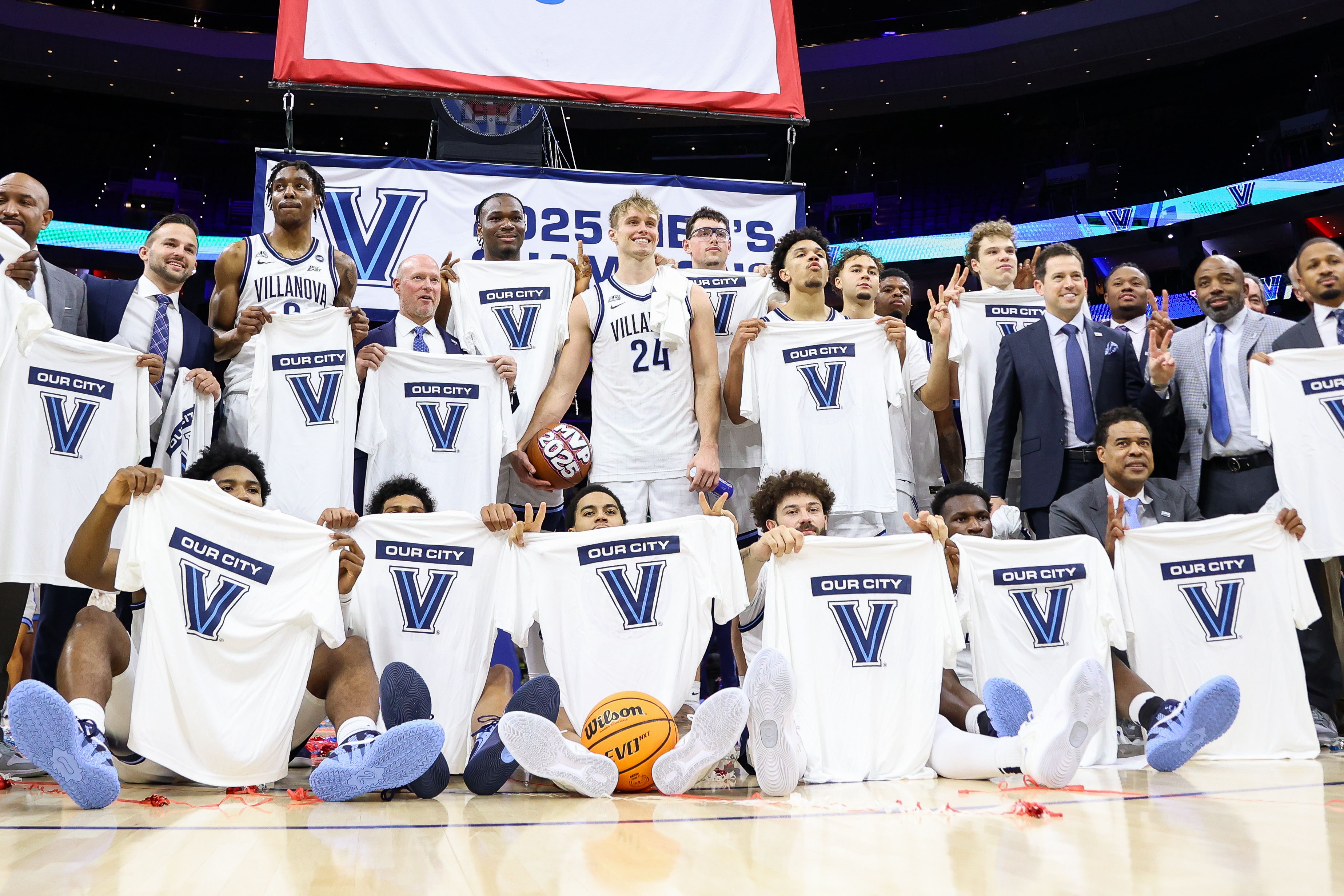
Villanova celebrates after winning the Big 5 men’s basketball championship last December.Isaiah Vazquez / For The Inquirer
The writing had seemingly been on the wall for Villanova not moving into the future with the current format over the last year as the contract neared its end and Kevin Willard took over Villanova’s program and studied its schedule.
“When you play 20 conference games, playing an A-10 road game every year is really difficult,” Willard said in an interview with The Inquirer in June of 2025, a few months after taking the job. “You’re also taking away a home game when revenue has become extremely important.”
The argument there is that the current structure — formed in 2023 with the addition of Drexel in an effort to revitalize the long-running Philadelphia tradition that had both gotten stale and lost fan interest — takes two potential home ticket gates away from Villanova, which routinely sells most or all of the tickets in its 6,500-seat Finneran Pavilion. One is the automatic road game from the two pod-play contests, the other is the Big 5 Classic itself, which divides the pot from ticket sales seven ways between the six schools and the building.
That’s hundreds of thousands of dollars in revenue Villanova isn’t bringing in that it otherwise could by scheduling home games, even buying games against some of the small-conference opponents it pays to come to the Main Line. Villanova will play a road game at Temple this season as part of the current format and last season played at La Salle, where the home team failed to sell out its 3,000-seat arena.
How many power conference teams in today’s college basketball landscape play true road games against mid-majors? The answer isn’t zero, but it’s not many. Only two Big East teams will play a road game in 2026-27 against an Atlantic 10 opponent. One is Providence, which is playing at rival Rhode Island. The other is DePaul, which is playing a road game at St. Louis, the top team in the conference. Otherwise, power conference teams playing true road games against mid-major conferences has become nearly extinct.
The dollars these days are more important than ever before.
Penn fell, 90-63, to Villanova in the Big 5 men’s basketball championship last year.Isaiah Vazquez / For The Inquirer
The Wildcats, who aspire to be a championship contender, likely spend more on their men’s basketball roster than the other five Big 5 schools combined. The gap between Villanova — the only Big 5 program in a power conference with a major television deal — and the rest of the schools has only gotten larger on paper because of that.
Villanova struggled in the first few seasons of the new Big 5 Classic design, but Willard’s team won its three Big 5 contests last year by an average of 20 points, including a 90-63 championship victory over Penn. It wouldn’t be a surprise to see that happen again this season as the Wildcats field a team that received multiple votes in the first Associated Press Top 25 poll of the season.
“Villanova University has great respect for the history and tradition of the Big 5,” the school said in a Thursday afternoon statement. “Over the past year, we have engaged in lengthy discussions with our Big 5 partners about strategies to move forward in the years ahead. Together we explored several models and were close to an agreement at one point but could not get unanimity on a new scheduling format beginning in 2027. Villanova remains committed to supporting Philadelphia basketball. Ultimately, we must also balance what is in the best interests of Villanova basketball for success in the modern landscape of college athletics.”
An argument could be made that the current format isn’t perfect for the non-Villanova schools, some of whom could fetch more revenue getting money to play a road game against a big-conference opponent. But sources said the other five were interested in continuing on with the status quo.
“In recent years, the evolving NCAA landscape has prompted institutions to evaluate how their athletics programs align with broader institutional priorities,” the non-Villanova schools said in statement. “Following thoughtful discussions and consideration of the interests and goals of all involved, the decision was made to move forward with the Men’s Philadelphia Big 5 championship format without Villanova’s participation.”
The future of the women’s version of Big 5 competition is expected to include all six schools moving forward, according to sources, though nothing has been finalized.
The men’s event saw a major dip in interest last year, reigniting the crowd that wants to see the tripleheader event played at the 8,700-seat Palestra. The announced attendance at Xfinity Mobile Arena for last year’s Big 5 Classic plummeted to 10,361, which is about half the arena’s capacity and was down from more than 15,000 in 2023 and more than 14,000 in 2024.
This year’s men’s event is scheduled for Dec. 5 at Xfinity Mobile Arena.
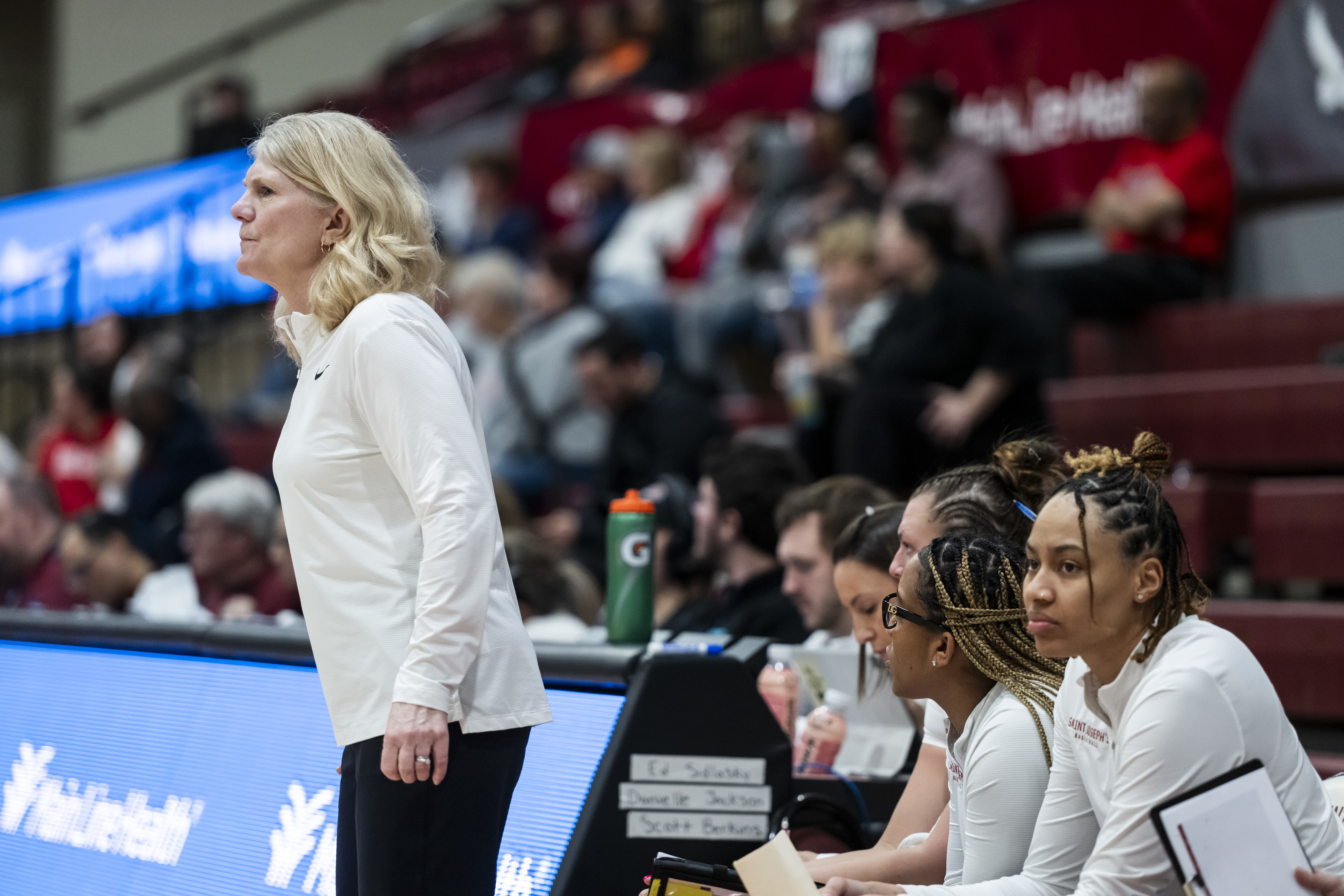
WASHINGTON — For the first time in over two decades, St. Joseph’s women’s basketball was selected to finish first in the Atlantic 10 preseason poll of coaches and media.
The Hawks were unanimously chosen as the preseason favorite, receiving all 14first-place votes.
“It feels good,” Hawks senior guard Gabby Casey said. “We know that it’s just preseason, it’s just a number. It’s a really good accolade, but there’s a lot to work for this year.”
Under coach Cindy Griffin, St. Joe’s has won 20 or more games in four consecutive years. Last season, the Hawks finished their regular season 20-11 overall and 11-5 in A-10 play. They were ousted by Davidson in the quarterfinal of the conference tournament.
Casey received all-conference first-team honors after averaging a team-high 15.7 points and 6.2 rebounds last season, with 3.1 assists. After doubling her scoring output from her sophomore season, the Lansdale Catholic graduate was named the conference’s most improved player.
Casey was not the only Hawk to receive recognition on Monday. Senior guard Aleah Snead, a Penn Charter graduate, was named to the preseason all-conference second-team and all-defensive team. Snead scored 11.6 points per game last season. Meanwhile, junior guard Rhian Stokes was a third-team selection.
One name to watch for the Hawks this season is Deja Evans. The senior forward averaged 9.8 points and 6.4 rebounds with Drexel last season and previously starred at Archbishop Wood.
“[Evans] brings immediate elite rebounding, which we needed to have in order to compete for a championship,” Griffin said. “I think first and foremost, she’s just a great defensive player. She’s a rim protector. She’s able to score with her back to the basket.”
St. Joe’s men
On the men’s side, St. Joe’s was selected to finish sixth out of the A-10’s 14 teams.
After starting slow under first-year coach Steve Donahue, the Hawks rattled off wins in 13 of their final 16 games of the regular season. They advanced to the A-10 tournament semifinals before being eliminated by Virginia Commonwealth. They accepted a bid to the National Invitation Tournament and won a game in the tournament for the first time in 20 years.
Junior Jaiden Glover-Toscano was selected to the conference’s first team. There was buzz that the guard, who averaged 15.7 points, would transfer following last season, but the sharpshooter opted to stay. Glover-Toscano played his freshman year at St. John’s but failed to crack coach Rick Pitino’s rotation.
“The biggest thing I learned about myself is how mentally strong I am,” Glover-Toscano said. “I’ve grown a lot mentally just through everything that I’ve been through, especially last year, playing all season, coming from a place where I didn’t play that much.”
Transfer forward Sean Logan was named to the A-10 all-defensive team after notching a conference-high 2.4 blocks per game with Davidson last season.
“I recruited Sean in high school,” Donahue said of the Westfield, N.J., native. “You can really run an offense through him, he’s a great facilitator. Reads screens well, so he gets in and out of them quickly. Knows how to deliver drill handoffs. Can rescreen well and kind of swallow the guy. Defensively, his discipline has to come that he can’t try to block every shot, and he’s growing into that.”
La Salle women
Despite an impressive 2025-26 campaign, the La Salle women were selected to finish 10th in the conference.
Last season, the Explorers finished 19-14 overall and 10-8 in the A-10 — marking a significant uptick in play. In the previous two seasons, coach Mountain MacGillivray’s squad went 18-45. A big reason why the team may have not been chosen higher is because of two key departures: Ashleigh Connor and Aryss Macktoon. The guards, who both transferred to high-major programs, ranked Nos. 1 and 2 on the Explorers in total scoring last season.
The Explorers did have two honorees on Monday’s poll. Junior Joanie Quinn, a product of Cardinal O’Hara, was named to the conference second team after averaging 11.2 points. With no seniors on MacGillivray’sroster, Quinn is expected to take on a greater leadership role.
“I feel like I was known as one of the younger kids and now I’m obviously one of the oldest on the team,” Quinn said. “That posed an interesting challenge over the summer, but I feel like now we’ve really settled into our roles and I think taking on a leadership position is something that I wanted to do anyway.”
Sophomore Kiara Williams was named to the A-10 third team. The forward put together an impressive freshman campaign last season, notching 9.6 points and 4.9 rebounds per game.
La Salle men
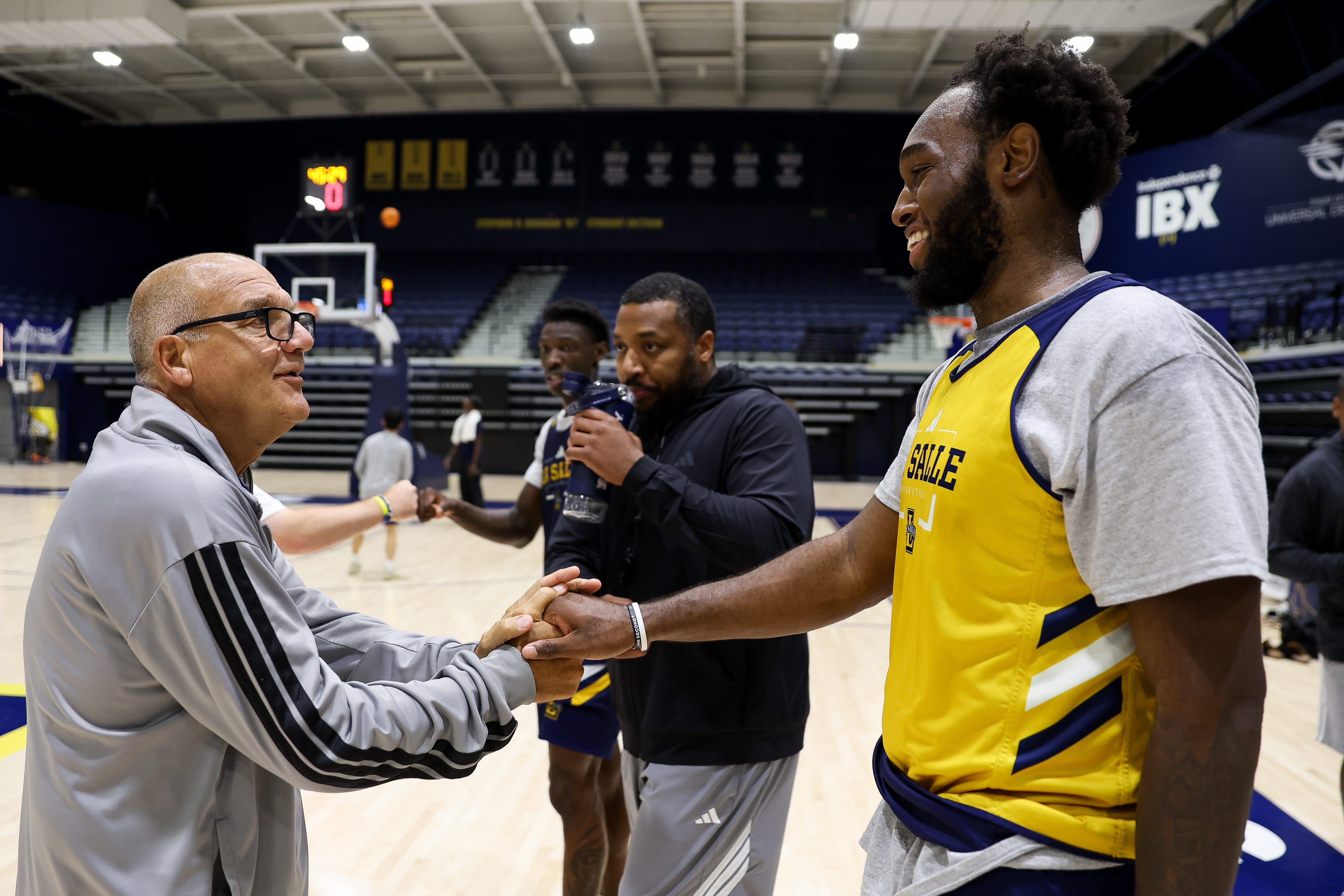
On the men’s side, La Salle was selected to finish 13th in the conference.
Last season, under first-year coach Darris Nichols, the injury-plagued Explorers finished 9-23 and 5-13 in A-10 play. The team was ranked the third-most injured team in Division I and was eliminated by St. Bonaventure in the first round of the conference tournament.
The big story for the Explorers this offseason was the team’s retention of 6-foot-6 guard Rob Dockery. Reports indicated that Dockery, who scored 12.5 points per game last season, had entered the transfer portal. However, two weeks after the initial report, the school announced Dockery would return. He was named to the conference’s second team on Monday.
“Comfortability is big in college basketball,” Dockery said. “Knowing I can trust [Nichols] and coming back and being comfortable while doing it was more important [than transferring].”
Joe Mihalich loves coffee. Dunkin’, specifically. For years, it has been part of his morning routine: picking up a large decaf, hot, with cream, en route to a basketball arena.
Employees at his home Dunkin’, in Mt. Airy, call him by name (“Mr. Joe”). One server, in Flourtown, gave him a black beanie hat with the company’s logo stitched in, as a modest token of appreciation.
Mihalich would usually order ahead on the app, but sometimes, he’d go to the counter, and stick around for refills. He’d often do this before heading to the gym at Hofstra, where he once worked as a head coach.
It was a simple task that gave him joy. Until it wasn’t.
On Aug. 15,2020, the former La Salle point guard was standing in his Long Island driveway, when he suffered a hemorrhagic stroke in his brain.
He underwent an emergency craniectomy; a surgery in which part of the skull is removed to relieve pressure. He came home in a wheelchair, wearing a helmet, unable to say anything but “yes” or “no.”
Mihalich was 64 years old and leading a Hofstra team that had won back-to-back CAA titles. He was on pace for 600 career wins, with likely a decade of basketball ahead. In an instant, that trajectory ceased. How can you coach if you can’t talk? If your right hand is no longer able to draw up plays?
Joe Mihalich was robbed of his voice while coaching at Hofstra… if only temporarily. Nick Wass
Every routine, big and small, was disrupted. Instead of going to practice, Mihalich went to speech, physical, and occupational therapy. Those daily trips to Dunkin’ became infrequent; he couldn’t drive himself, or dictate what he wanted to drink.
Compounding this was the fact that the stroke didn’t affect his cognition. Mihalich was as sharp as he was before. He could still draw up schemes in his mind. He still preferred zone defense over man, and a four-out, one-in offense over three-out, two-in.
He just couldn’t say it. Doctors expressed skepticism that the coach would ever walk or talk at length again. The likelihood of him returning to even a modicum of independence was slim.
But Mihalich decided to throw himself into the challenge, as if he were preparing for a big game. He started working with a speech language pathologist twice a week.
He took his physical therapy seriously, so much so that he was able to go from a wheelchair to a walker, and from a walker to unassisted walking in just over a month.
He gradually began to visit his old haunts. The coach can still remember the day he went back to Dunkin’. It was 2021, in the Garden City location on 7th Street.
Joe Mihalich cries as he recalls his wife and family’s support for his recovery, in a conversation with The Inquirer last month. Isaiah Vazquez / For The Inquirer
Mihalich walked up to the counter with trepidation. What if the attendant couldn’t understand him? What if he was holding up a line? To prepare, he memorized five words that deep down, he knew by heart: “Large decaf, hot, with cream.”
“I had to repeat it twice,” Mihalich said, “but it was OK.”
In 2021, after taking a medical leave, he returned to Hofstra as a special adviser to the athletic director so the basketball program could transition to Mihalich’s assistant, ex-Sixer Speedy Claxton.
In 2022, La Salle offered Fran Dunphy its head coaching job. He said he wouldn’t take it without Mihalich, a lifelong friend and former Explorers player with whom Dunphy had worked when both were assistant coaches in the 1980s.
Mihalich has been with the university since Dunphy brought him aboard. He’s at all of La Salle’s home games and practices, doesn’t skip a coaches’ meeting, and is always unafraid to share his thoughts.
After his day is done, typically around 6 p.m., Mihalich heads to theschool’s speech therapy clinic. Those who’ve worked with him say the progress he’s made is rare, given the severity of his brain injury.
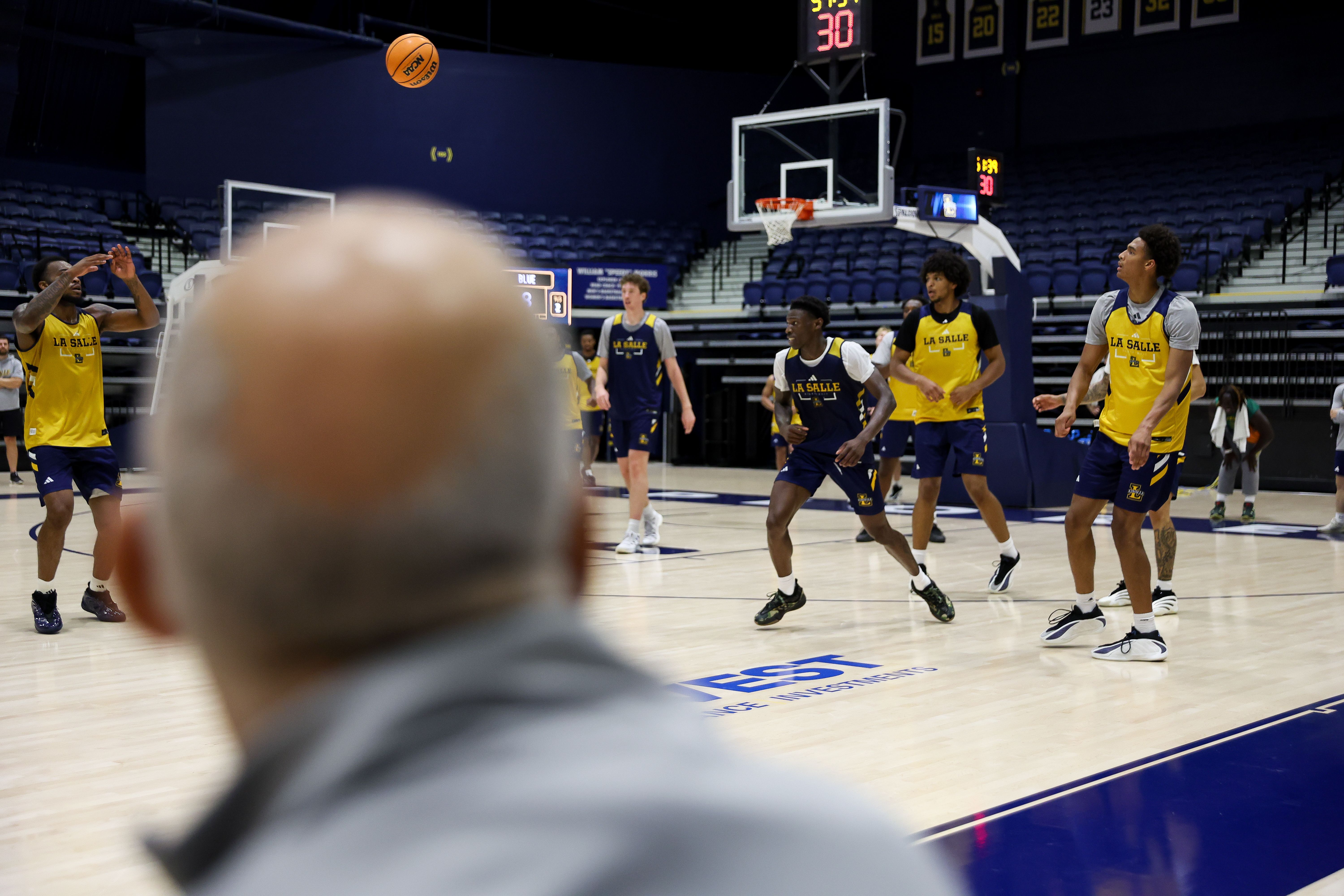
Joe Mihalich looks on from the bench during a La Salle practice earlier this month. Isaiah Vazquez / For The Inquirer
And he’s not finished yet.
“It’s kind of like, ‘You can’t do this?’“ Mihalich said. ”Well, watch me. Watch me.”
Born to be an Explorer
Mihalich was introduced to 20th and Olney at 2 weeks old. His father had gotten a job as a philosophy professor, moving the family from Washington, D.C., to Philadelphia.
They lived on Chew Street in Mt. Airy, a short drive from La Salle. As a child, Mihalich spent most of his time on campus. This remained true until he graduated from the university in 1978.
Fourof his six siblings were students at La Salle; so was Mary, who would become Joe’s wife, and worked as a water girl for the men’s basketball team.
Before Mihalich joined that team, he followed it religiously. The La Salle College High School student regularly attended games at the Palestra. His favorite player was Dunphy, a fellow point guard who made smart decisions and played steady defense.
Mihalich joined the Explorers in 1974 as a walk-on, receiving a basketball scholarship the following semester. After graduating, he took a coaching job at DeMatha Catholic High School in Maryland, where he served under future Hall of Famer Morgan Wootten.
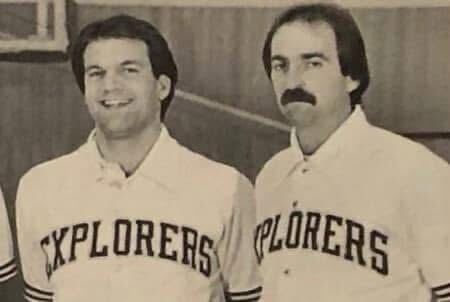
Joe Mihalich (left) and Fran Dunphy were La Salle alums who bonded as members of the Explorers’ coaching staff.provided by La Salle University
In 1981, Mihalich was hired as an assistant for Lefty Ervin at La Salle. Dunphy joined him in 1985, and both men stayed on when Speedy Morris became head coach in 1986.
Together, the two young assistants worked 10- to 12-hour days out of the second floor of Hayman Hall, watching film and meeting with recruits.
They embarked on long road trips to evaluate high school players in Pittsburgh, where the Five-Star Basketball Camp was held. This gave them ample time to get to know the Pennsylvania Turnpike and each other.
Over those 300-plus mile drives, Dunphy and Mihalich mused about someday leading a Division I men’s basketball program.
“I wonder what it’s like,” Dunphy said. “I wonder what kind of pressure the head coach is under, that we’re not seeing. We had great faith in both Lefty and Speedy, when we were together.
“But also knowing that if we ever got that opportunity, we might do it our own way.”
They eventually earned their chance, hundreds of miles apart. Dunphy was named head coach at Penn in 1989, and Mihalich was hired by Niagara University in 1998.
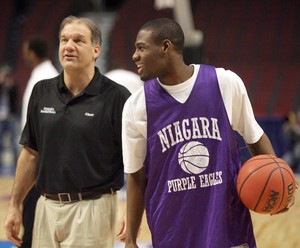
Joe Mihalich (with guard Tyrone Lewis, a product of Truman High in Bucks County) imported an exciting brand of offense when he arrived at Niagara.
The Mt. Airy native immersed himself in the community, going so far as to become a diehard Buffalo Bills fan. He developed a quick-paced, efficient offense, which frequently ranked among the top 75 in the country in offensive rating, according to KenPom.
But even from Western New York, Mihalich never lost touch with his roots. He’d recruit primarily from where he was born (D.C.) and where he was raised (Philadelphia), often targeting kids who were overlooked by the Big 5.
At Niagara, they flourished.
“He would develop them like crazy, from their freshman year to their senior year,” Mihalich’s former assistant Colin Curtin said. “And they would look like totally different players.”
Curtin, a former student manager for Morris at St. Joe’s Prep, has worked with Mihalich for 17 years. When the head coach left Niagara for Hofstra in 2013, he brought Curtin with him, as an assistant.
Mihalich became the second-winningest coach in the school’s history with a record of 154-102. His greatest season there was his last.
In 2020, Mihalich led Hofstra to its first NCAA Tournament berth since 2001. After winning the CAA title, he climbed high atop a ladderwith a pair of scissors, making the final cut of the net.
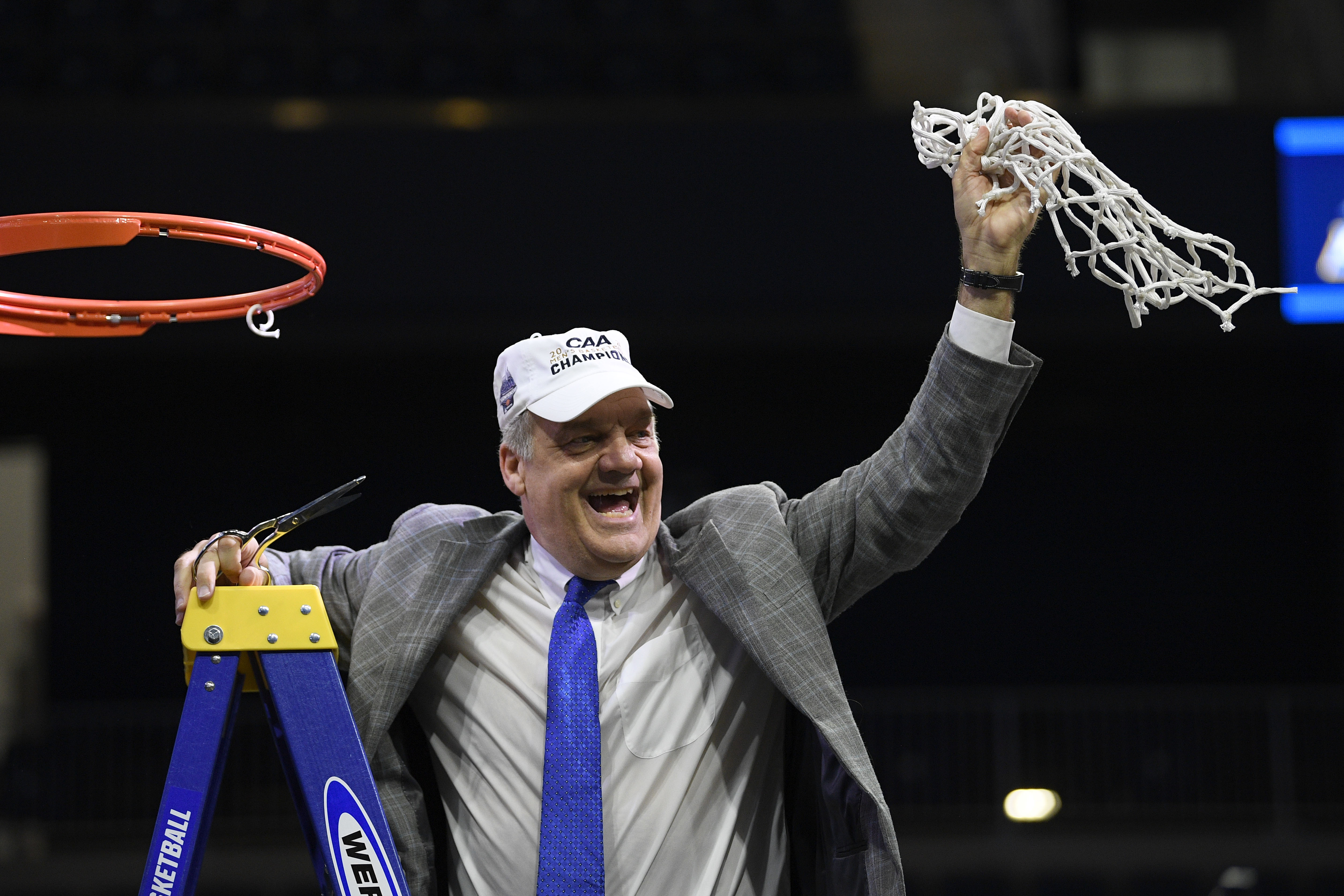
Hofstra coach Joe Mihalich holds up the net after cutting it down following the team’s win over Northeastern in the 2020 CAA final. Days later, the world shut down because of the COVID-19 pandemic and the Pride would miss out on a chance to compete in the NCAA tournament. Nick Wass
But Hofstra never got its moment. Two days later, the tournament was canceled due to the pandemic. Five months after that, Mihalich was at home when he got a call from Mary, who was traveling to Ocean City.
He tried to speak but wasn’t able to. The line went dead. She called Curtin, who found the coach standing in his driveway.
He asked if Mihalich was alright.
“I said, ‘Shake your head, yes or no,’” Curtin recalled. “And he shook his head no.”
An unexpected homecoming
While his team embarked on remote summer workouts, Mihalich was placed on a medical leave. He connected with a local speech language pathologist, Alison Durkin, and began to meet with her in the fall.
The coach had been diagnosed with both aphasia, a language disorder, and apraxia, a motor speech disorder. He also lost some mobility on his right side, which prevented him from writing with his right hand.
Alison Durkin (left) with Joe Mihalich and his wife, Mary.Courtesy of Alison Durkin
Mihalich had spent the last four decades amid a symphony of sneakers and basketballs and whistles. In environments that were exciting and fast-paced and energetic.
Now, life was quiet and slow, in the most literal sense. He and Durkin started their sessions with simple, binary questions. Then, they’d count numbers, recite days of the week, and months of the year.
When Mihalich did speak, he was encouraged to over-enunciate. Buffalo Bills became “Bu-fa-lo Bills.” Niagara Falls became “Ni-ag-a-ra Falls.”
They had some initial discussions about a return to his previous role at Hofstra, but decided that was not an option.
“Not only was the job itself linguistically demanding, because you’re producing language on a stage,” Durkin said. “You’re yelling at people. You have seconds to speak. I mean — very demanding.
“And then on top of that, there’s really no reasonable accommodations that could be implemented to make that feasible. So it was definitely not an easy thing.”
Mihalich wasn’t involved in the day-to-day in his AD advisory role, and didn’t interact with players and staff; a choice he’d made himself, to ensure he wouldn’t overstep.
Joe Mihalich goes through a speech therapy session with La Salle student and speech-language pathologist Ella Verello earlier this month. Isaiah Vazquez / For The Inquirer
The coach described those years as “horrible.” He sorely missed the rhythms of his previous life. But he and Durkin kept working, unaware of whether he’d ever grace a court again.
The speech language pathologist introduced basketball terminology to keep her pupil engaged. Instead of reciting “three-pointer” or “rebound,” Durkin would have Mihalich describe exactly what those activities were.
“He knows what boxing out is,” she said, “but could he produce the language to explain it to someone who did not know? That’s a hard task.”
The exercise inadvertently set him up for an opportunity to come. In April 2022, Dunphy called Mihalich to ask if he’d be his assistant at La Salle.
Mihalich was limited in what he could say. But one word came through.
“‘Wow,’” Dunphy recalled. “And he repeated it dozens of times.”
Mihalich returned to campus that summer, with an iPad in hand, to jot down thoughts during practice. Dunphy’s staff quickly learned that they wouldn’t need to actually talk to communicate.
Joe Mihalich (right) was by Fran Dunphy’s side when Dunphy coached his 1,000th game in 2025. Charles Fox / Staff Photographer
One of the assistant coach’s first suggestions was to implement a continuity offense, with players starting in the same spots, and flowing to different set plays.
Mihalich couldn’t vocalize this. So, he picked up a marker with his less dominant, left hand, and started scribbling on the white board in the men’s basketball office, using a language any coach could understand: Xs and Os, dotted and zigzagged lines.
Then he directed his cohorts to the gym, to demonstrate.
“And he goes, ‘Come on, upstairs! Upstairs!’” recalled former La Salle assistant coach Mike Doyle. “‘Alright, let me put my basketball shoes on.’”
If there was one aspect of the sport Mihalich emphasized less, it was defense. His teams at Hofstra and Niagara were known to run and gun. The former head coach didn’t want players expending too much of their energy by guarding an opponent.
Dunphy was much more defensive-minded. So, every now and then, Mihalich would yell “Zone!”
“And then, as soon as we’d go zone, somebody would make a three-point shot, immediately,” Dunphy said, “and I’d say, ‘All right, that’s it. That’s enough.’”
Joe Mihalich’s work on his speech continued at La Salle, where speech-language pathologist Ella Verello (left) is among the team assisting the coach’s therapy. Isaiah Vazquez / For The Inquirer
Not long after Mihalich joined the Explorers’ staff, Wendy Silverman, who ran Hofstra’s speech-language hearing clinic, reached out to La Salle on the coach’s behalf.
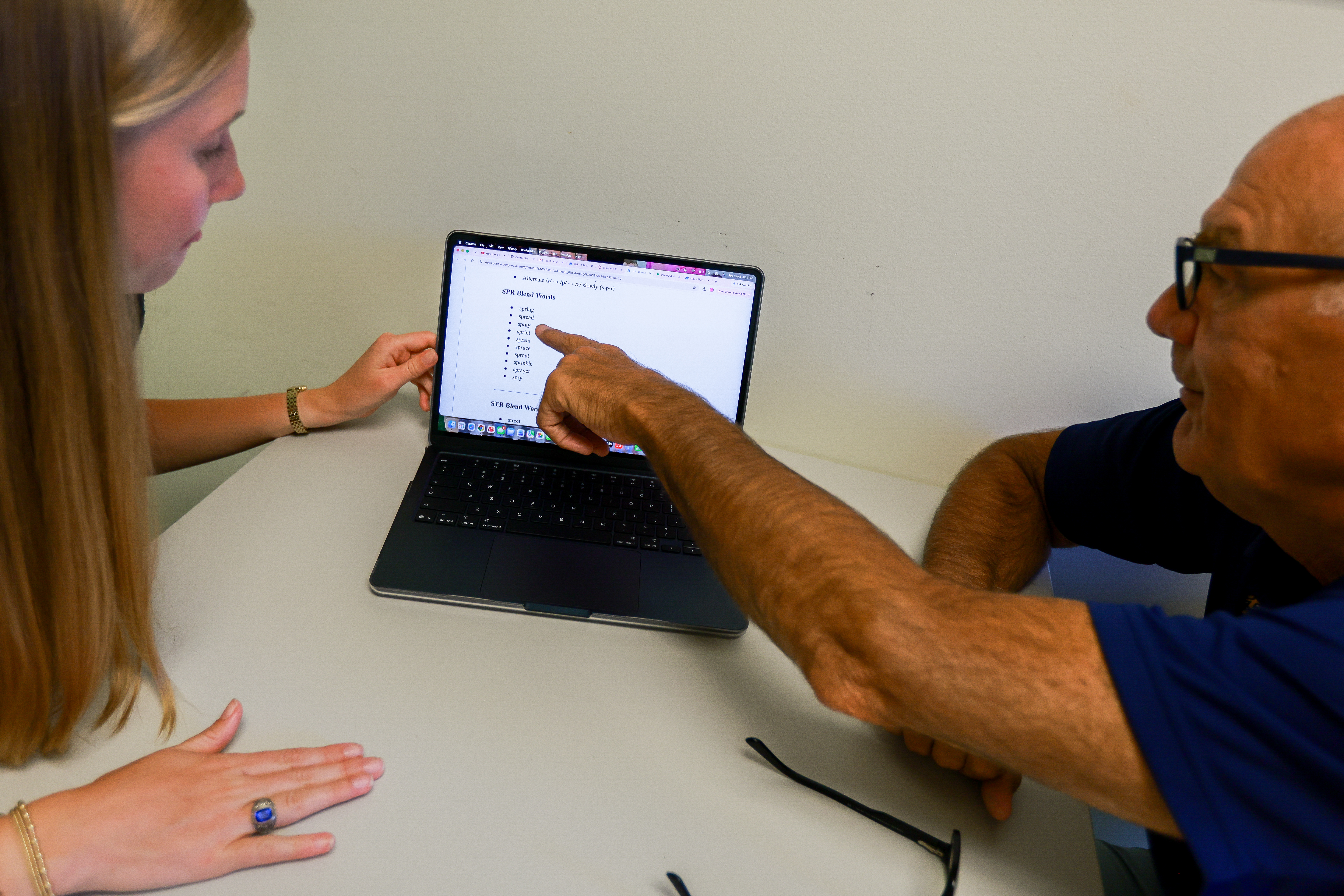
Mihalich began to take weekly sessions with graduate students at La Salle’s clinic, while working with Durkin remotely, on Zoom. The strategies he learned — speaking slowly, over-enunciating — he’d then bring to the court.
By the end of the 2022-23 season, staff and players could hear a marked difference.
Christine Cahill, the school’s director of academic support for student-athletes, sat next to Mihalich during practice.
“And I told him, it went from like 0 to 70%,” she said, “that first year.”
‘A reason to live’
When Dunphy retired in February 2025, Mihalich was unsure of what he would do next. He initially told Curtin that he wanted to get out of coaching.
But after Darris Nichols was hired at La Salle, his calculus changed. Mihalich had worked with Nichols’ brother, Shane, at Niagara and Hofstra. Curtin would be joining the Explorers’ staff, too.
Joe Mihalich had a connection to coach Darris Nichols and was kept on when Nichols was forming his La Salle staff in 2025. Isaiah Vazquez / For The Inquirer
So, Mihalich decided to give it another go, and Nichols was more than receptive. He saw the former head coach not just as a connector between generations, but someone he could learn from.
“Coming into a new program, he’s helped me navigate it,” Nichols said. “It’s great to have him around.”
Mihalich became an active participant in scouting and recruiting meetings. Just as he had with Dunphy, he started recommending offensive strategies (and of course, more zone).
His speech has progressed to the point where he can now work one-on-one with players. Last year, Mihalich developed a bond with junior guard Rob Dockery, who led La Salle in points, rebounds, and steals.
Dockery’s weakness was his jump shot. His mechanics weren’t consistent, mainly because he wasn’t practicing it enough. Throughout the offseason, the former head coach would routinely text him, reminding the guard to get back in the gym.
“Repeating that same shot, over and over again,” Dockery said. “That’s what he told me. Stick to the same shot.”
Mihalich is still going to speech therapy every week, both at La Salle and with Durkin, and the sessions can be laborious. There are moments when he needs to repeat himself one, or two, or even three times to get his point across.
“But I am here,” he said. And his life is starting to look like it once did. The former head coach wakes up every morning, and drives to the Mt. Airy Dunkin’, where he’s greeted as “Mr. Joe.”
Joe Mihalich has reconnected with basketball and remained a presence at his alma mater for the past four years. Isaiah Vazquez / For The Inquirer
He picks up his coffee — large decaf, hot, with cream — and brings it to the arena, leaving behind a trail of Styrofoam cups.
And for two hours, he sits and watches from his chair, as basketball chaos unfolds around him. A lesser man might see a career cut tragically short. But Mihalich sees something entirely different.
The college basketball season is officially over, which means it’s time for the transactional period to begin. Welcome to the 2026 transfer portal.
More than 1,500 men’s basketball players were in the portal in the first 24 hours after it officially opened on April 7. The portal is open for two weeks, but players do not need to make their commitment to a new school during that window. The next few weeks will be filled with salary negotiations during the yearly NCAA free agency process.
We’ll be tracking it all here, from players moving in and out of — or around — the Big 5 to keeping tabs on Philly-area players at other schools. We’ll also take a look at where some of the top local high school recruits from the Class of 2026 will be playing in the fall.
Big 5 portal entries
Here are the players who were at Big 5 schools during the 2025-26 season but have entered the transfer portal.
Villanova
Acaden Lewis (point guard) started for the Wildcats during his freshman year and averaged 12.2 points, 5.3 assists, and 3 rebounds. (Transferring to Miami.)
Bryce Lindsay (guard) was a redshirt sophomore and Villanova’s best scorer during its nonconference schedule. (Transferring to Indiana.)
Malachi Palmer (forward) was a solid contributor off the bench who started down the stretch after Matt Hodge went down. But Villanova recruited multiple forwards out of the portal. (Transferring to Minnesota.)
Chris Jeffrey (guard), a freshman backup point guard who missed time after knee surgery but had promising moments.
Braden Pierce (center), a redshirt freshman reserve who followed coach Kevin Willard from Maryland, played 6.5 minutes per game and averaged 1.2 points. (Transferring to College of Charleston.)
Zion Stanford (forward/West Catholic graduate) transferred to Villanova from Temple, left the team in March after playing in 10 games. (Transferring to Towson.)
Tafara Gapare (forward), a senior, left the program at midseason after playing in just nine games.
Aiden Tobiason (guard) averaged 15.3 points, second on the team, and led the Owls with 39 steals. He’ll have two years of eligibility left. (Transferring to Syracuse.)
Babatunde Durodola (forward), a sophomore, started as a freshman and was a key rotational player this season. (Transferring to Ball State.)
Jamai Felt (forward) started in 23 games and averaged 4.1 rebounds. (Transferring to Arkansas-Little Rock.)
AJ Smith (guard) averaged 7.8 points in eight games and had his season cut short by a shoulder injury.
Spencer Mahoney (forward) made 13 appearances as a redshirt sophomore. (Transferring to Denver.)
Ayuba Bryant Jr. (forward) appeared in 27 games, averaging 8.1 minutes.
Connor Gal (guard/Great Valley High graduate) played 12 minutes across five games and will have one year of eligibility left.
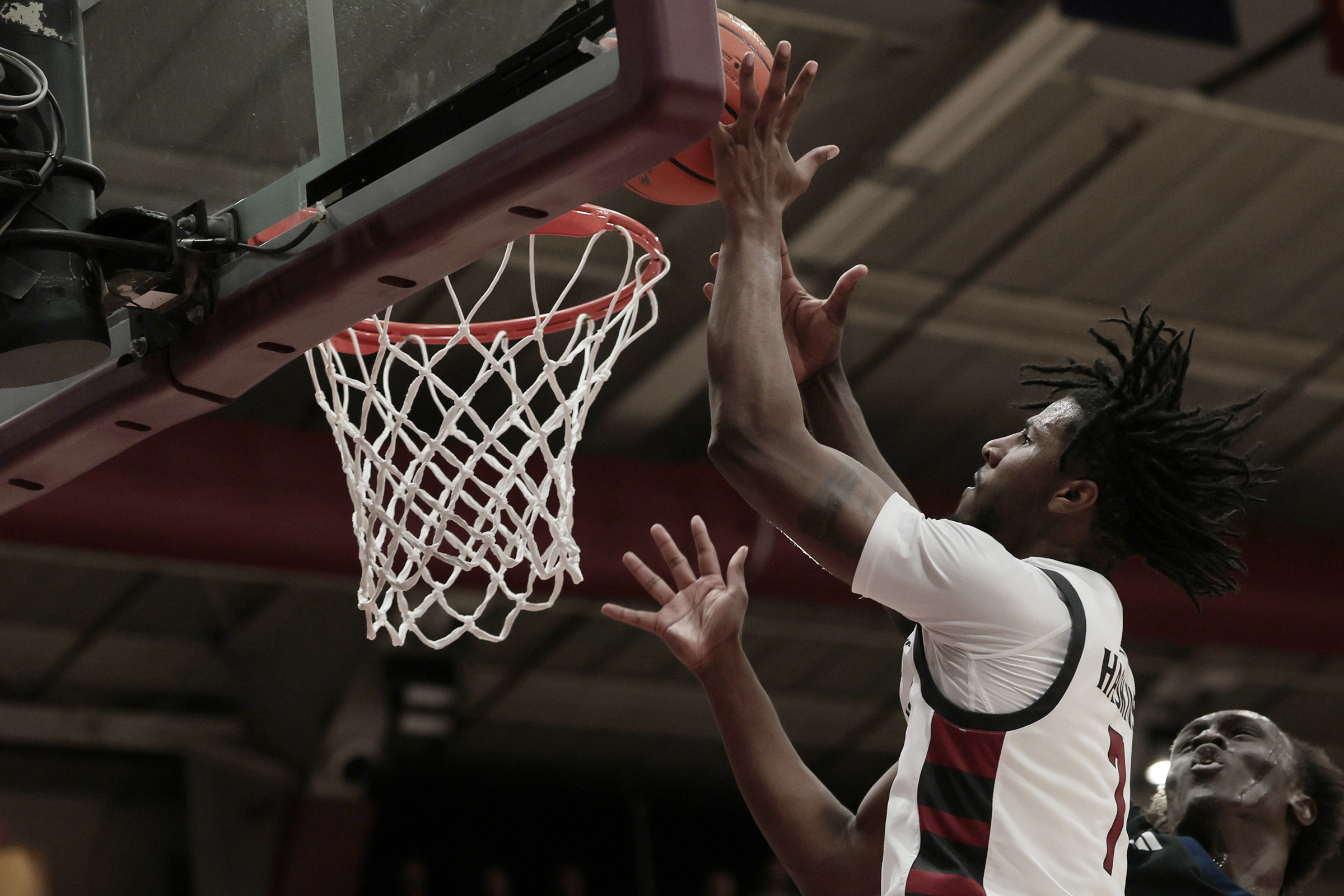
Dasear Haskins was a key starter for the Hawks this season.Elizabeth Robertson / Staff Photographer
St. Joseph’s
Deuce Jones (guard/La Salle), who led the Hawks in scoring during the first two months of the season, was dismissed from the team in December. (Transferring to Alabama-Birmingham.)
Dasear Haskins (guard/Camden High graduate) averaged 11.1 points and started for the Hawks as a redshirt sophomore. (Transferring to Ole Miss.)
Anthony Finkley (forward/Roman Catholic graduate), a junior, averaged 19 minutes in 35 games. (Transferring to La Salle.)
Kevin Kearney (forward) appeared in 14 games as a redshirt freshman. (Transferring to Manhattan.)
Jaden Smith (center) averaged 2.8 points and 1.8 rebounds in 9.1 minutes after transferring from Fordham. (Transferring to Ball State.)
Steven Solano (center), a redshirt freshman, played in eight games. (Transferring to Delaware.)
Al Amadou (center/Springside Chestnut Hill Academy graduate) transferred from Marquette and appeared in 11 games. (Transferring to Wisconsin-Milwaukee.)
Penn
Ethan Roberts (forward) has one year of eligibility remaining — the Ivy League prohibits graduate students from playing intercollegiate athletics — and was the Quakers’ leading scorer (16.9 points per game). (Transferring to Notre Dame.)
Cam Thrower (guard), a senior who spent four years at Penn, averaged 17 minutes in 27 games. (Transferring to Elon.)
Dylan Williams (guard) played in seven of Penn’s first 10 games before the senior missed the rest of the season with an injury. (Transferring to Northwestern)
Michelangelo Oberti (center) appeared in 12 games. (Transferring to Boston University)
Alex Massung (guard), who averaged 5.6 minutes in 10 games played. (Transferring to Saint Anselm.)
Bradyn Foster (forward) saw action in Penn’s season opener.
Drexel
Shane Blakeney (guard) was Drexel’s leading scorer, averaging 14.2 points in 33 games as a junior. (Transferring to South Carolina.)
Kevon Vanderhorst (guard) averaged 9.3 points and 2.9 assists while starting all 33 games for the Dragons. (Transferring to Iona.)
Villiam Garcia Adsten (guard), a junior, averaged 17.5 minutes in 32 games. (Transferring to Maine.)
Horace Simmons Jr. (forward/La Salle College High School graduate) appeared in 13 games.
La Salle
Ashton Walker (guard) started 21 games and averaged 8.2 points as a freshman. (Transferring to Monmouth.)
Eric Acker (guard), a junior, appeared in 26 games, starting 10, and averaged 18.9 minutes. (Transferring to Northern Kentucky.)
Nas Hart (forward) played in 20 games as a freshman. (Transferring to Quinnipiac.)
Edwin Daniel (forward) played 31 games (14.5 minutes) and averaged nearly four points and 3.5 rebounds. (Transferring to Stephen F. Austin.)
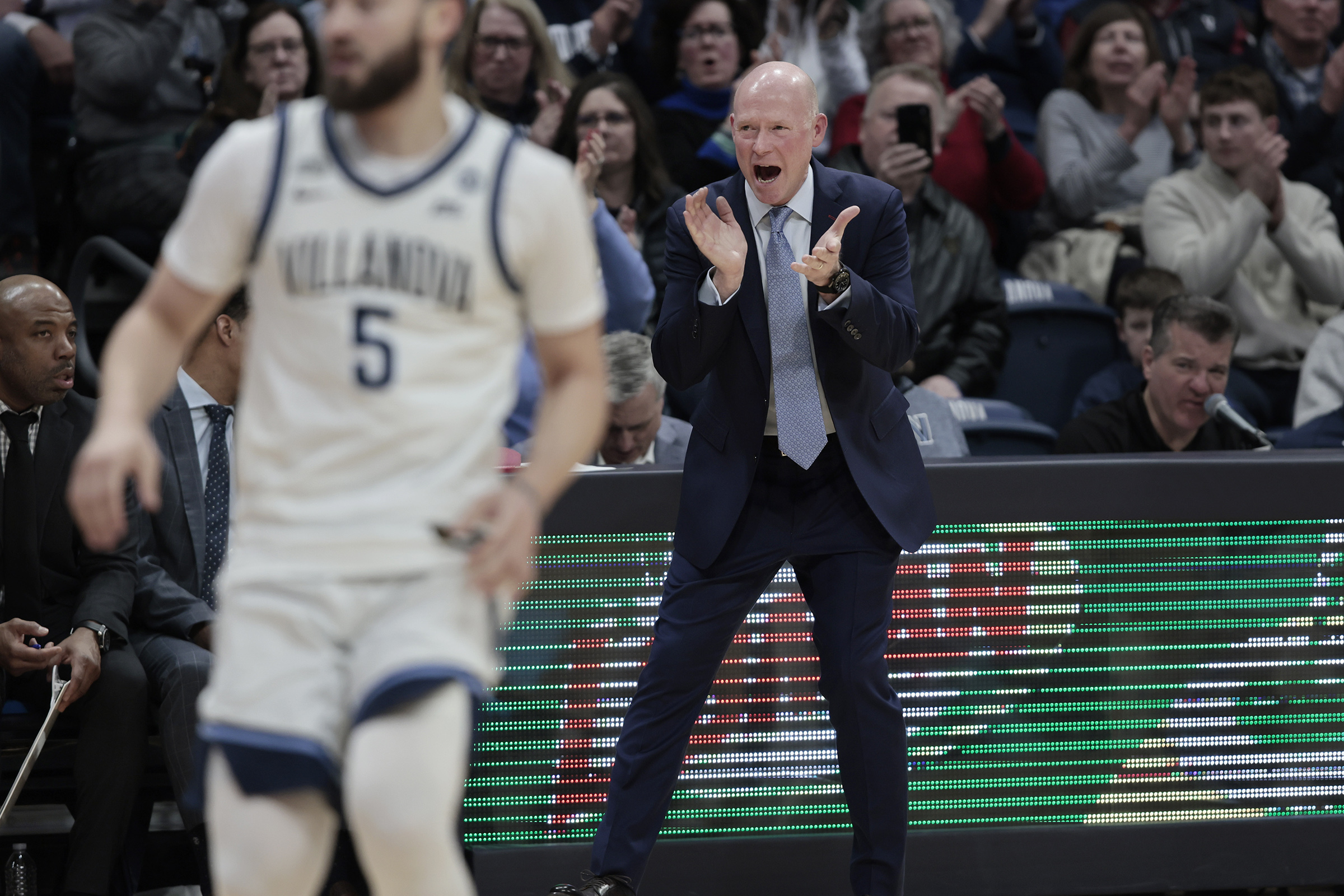
Villanova coach Kevin Willard directs his team against Butler on Feb. 25. Elizabeth Robertson / Staff Photographer
Big 5 portal additions
These are the players who are transferring to Big 5 schools.
The app he was using to track his rowers’ stroke length and the amount of force they were using from the team’s ergometer rowing machines stored the information in different locations. Krakic wanted it on one screen.
Eventually, Krakic contacted and paid the app’s developer to make the fix — which caught the attention of one of his rowers.
“I was like, ‘Dang! My coach is paying $500 for something I could have done in 20 minutes,’” said Will Tran, a senior who primarily rows in the second varsity eight boat. “There’s a real gap in the market here. I used the app as well. I know I could improve this in so many different ways.”
Tran, a computer science major, decided to build his own app.
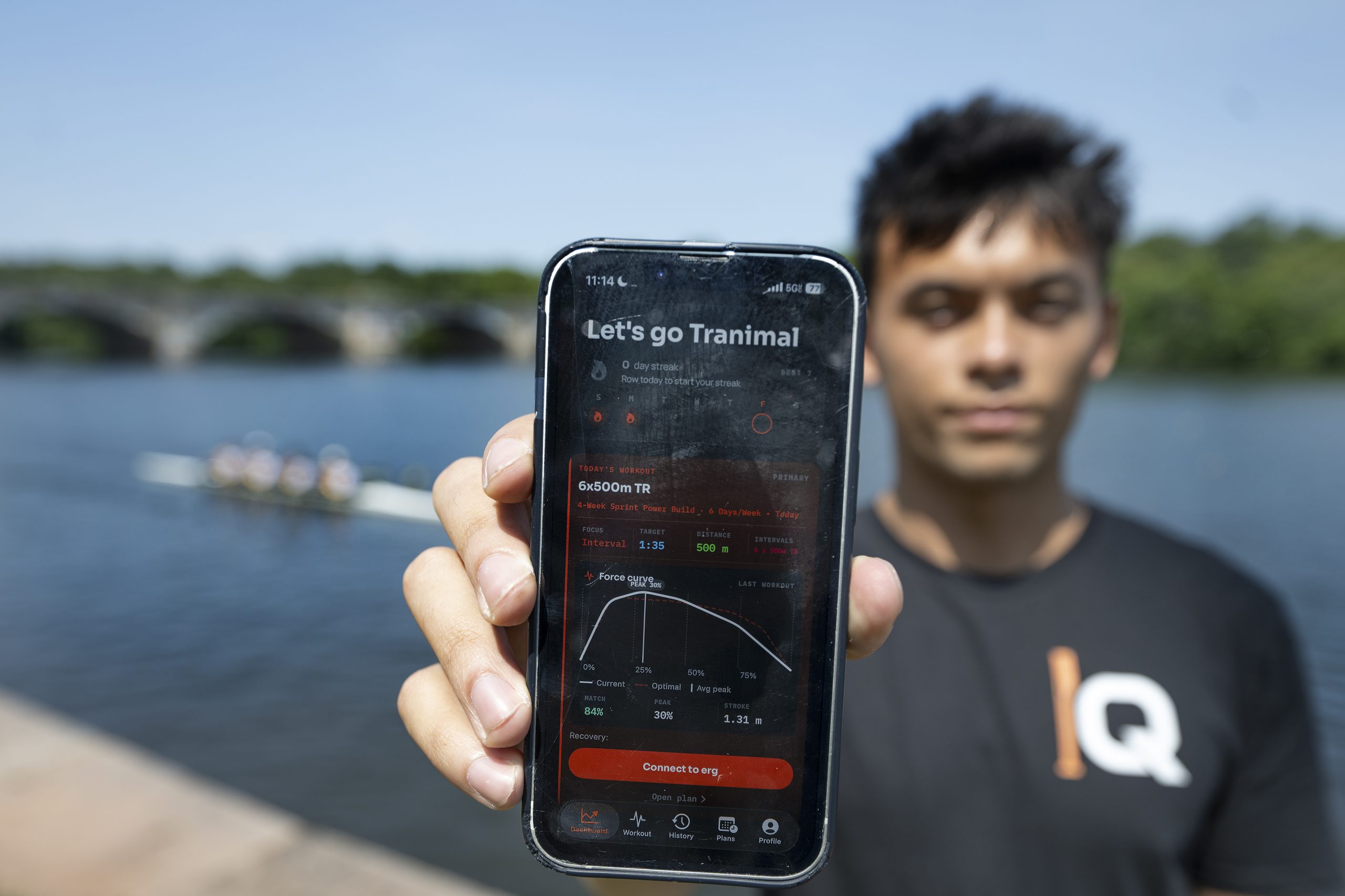
The final product became known as RowIQ. The app is an all-encompassing data ecosystem that uses artificial intelligence to pinpoint where and how rowers can improve. The app processes data from Concept2 ergometer rowing machines, smartwatches, and RowIQFuel — Tran’s nutrition app. In the future, RowIQ will also be able to collect data from on-water rowing monitors.
“We have hundreds of thousands of data points that no one ever looks at,” Tran said. “In rowing, these races are sometimes won by a hundredth of a second, so you need that 1% sometimes. Actually, a lot of the time you need that 1%. What we’re aiming to do is give rowers a complete picture of their training with data that’s never been seen before.”
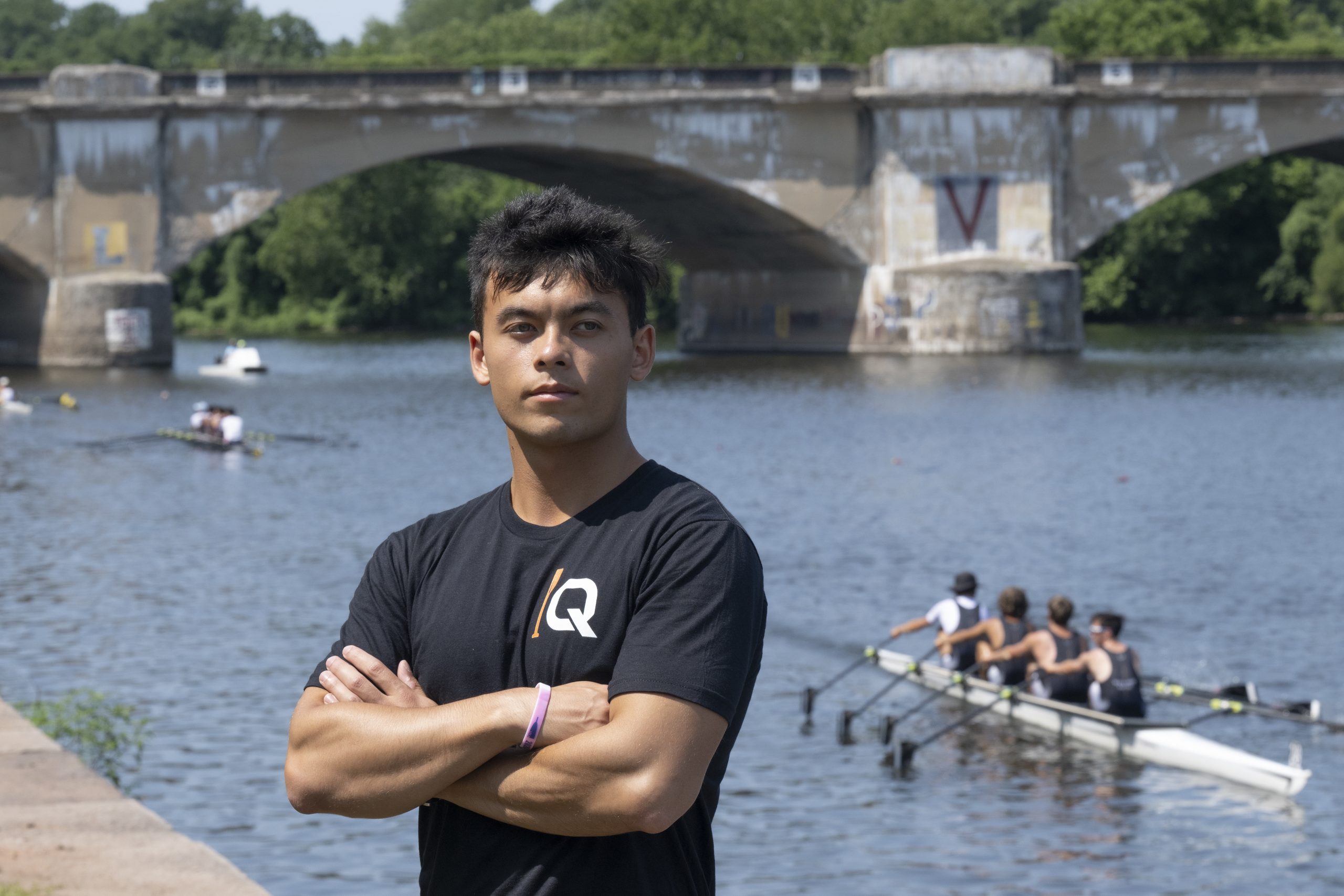
Will Tran displays the training app he created. In the last two months, the RowIQ has received over 1,000 downloads.Jose F. Moreno / Staff Photographer
The app also allows rowers to create groups, so coaches have access to their entire team’s data in one location. Tran noted that this feature lets coaches “see trends in less than a second,” allowing them to understand areas of improvement and create lineup decisions with ease.
“It gives you really good data feedback on your [rowing] curve, how you’re rowing, and essentially what you’re doing and how you’re transferring your power,” Krakic said. “We’re able to match the guys indoors and then transfer that onto the water. We’re lucky to have it. It puts us ahead a little bit.”
In the last two months, the app has received over 1,000 downloads. More importantly though, the app boasts impressive user retention. Tran noted that top users are logging over 200,000 meters per week on the app.
Yin and yang
For the first few months of RowIQ, Tran worked alone. But while he tinkered with the app’s coding, Tran found that he had little time to dedicate to RowIQ’s marketing, so he put together a small team. Fittingly, they all have a background in rowing.
A few members from Penn’s lightweight crew team are developing a telemetry system to fully integrate RowIQ’s data into one central location. Meanwhile, former Harvard lightweight rower Zarret Mills is working as a consultant for the app.
One of the most important members of the team has been Sergej Čipak, a former La Salle rower who moved back to his home country of Serbia to pursue electrical engineering. Tran and Čipak spent one year as teammates at 20th and Olney.
“You spend a lot of time together, even when you’re not like racing or training,” Čipak said. “You’re eating together. You go to parties together. So I really grew close with Will over some time. Will has a very interesting personality. He can be kind of cold sometimes and give not-detailed-enough instructions. But I think we have some kind of dynamic that makes us really productive.”
After starting part-time, Čipak’s role with RowIQ has grown exponentially. While Tran focuses on more big-picture endeavors, Čipak leads the app’s development. With the app’s success, Tran has been able to compensate Čipak — something Tran did not think he “would ever be doing at 22.”
“It’s a yin, yang,” Tran said. “On one side, it’s awesome that someone pays for their apartment and their food via your idea and creation. It’s such a wonderful feeling to be able to provide that for someone and do it through something that you are so passionate about.
“And then the other side of it is, I never want to go to sleep and I never want to get outworked because this person is relying on me, and I feel an obligation to always be on, always be working, always progressing. I never feel off. Sometimes I’m with my girlfriend and I say I’m present, but I’m not. I’m thinking like, ‘Shoot, we got to pay Sergej his monthly paycheck so he can pay his rent and buy his groceries.’”
While Tran is adjusting to the added pressure of managing employees, Čipak is working full-time for a company that is not aligned with the career path he expected to pursue in Serbia. Still, he is on board with RowIQ for the foreseeable future.
“We just crossed 1,000 users a few days ago, so I mean it’s really exciting,” Čipak said. “I never really worked on something like this in my life, and I do plan on keeping on working on this.”
Can’t tell this kid no
In the tech world, “college dropout” is somewhat of a lauded title.
Mark Zuckerberg dropped out of Harvard to run Facebook full-time; Bill Gates did it before him, leaving Cambridge to co-found Microsoft; and Jack Dorsey left NYU a semester before his graduation to move to California, eventually starting Twitter.
The list goes on and on.
Today, chasing the AI boom, tech venture capital firms like Y Combinator and Antler are known to provide college students with hundreds of thousands of dollars to fund their startups. Meanwhile, industry giants like Palantir and Elon Musk’s xAI encourage students to ditch their formal education to work for them instead. Tran is no exception to this pressure.
Will Tran, a rising senior at La Salle, has spent this summer growing RowIQ in the area.Jose F. Moreno / Staff Photographer
“I’ve seriously debated taking this fall semester off,” Tran said. “Like genuinely — we’re continuing to close deals with high school clubs, college clubs, recreational clubs. We’re onboarding probably 70 new athletes a day from clubs. It’s huge, and I don’t know if I will have the time in college to do schoolwork, be a Division I athlete, be a boyfriend, and run RowIQ at the same time.
“I have seriously debated taking the fall off and joining some sort of Y Combinator, coming back to school later. Do I think I’m going to do this? Probably not.”
Tran has already sacrificed opportunities to focus on RowIQ. This summer, he turned down an internship offer from a data analytics company. For now, even if the balancing act can seem impossible at times, Tran will try to have it all at La Salle.
“You can’t really tell this kid ‘no’ or ‘you can’t do it,’” Krakic said. “The more you say ‘don’t do this’ or ‘it’s not possible,’ the more he tries to prove you wrong.”