Category: La Salle

  • In 2020, a hemorrhagic stroke robbed Joe Mihalich of his voice. La Salle has helped him find it again.

    In 2020, a hemorrhagic stroke robbed Joe Mihalich of his voice. La Salle has helped him find it again.

    Joe Mihalich loves coffee. Dunkin’, specifically. For years, it has been part of his morning routine: picking up a large decaf, hot, with cream, en route to a basketball arena.

    Employees at his home Dunkin’, in Mt. Airy, call him by name (“Mr. Joe”). One server, in Flourtown, gave him a black beanie hat with the company’s logo stitched in, as a modest token of appreciation.

    Mihalich would usually order ahead on the app, but sometimes, he’d go to the counter, and stick around for refills. He’d often do this before heading to the gym at Hofstra, where he once worked as a head coach.

    It was a simple task that gave him joy. Until it wasn’t.

    On Aug. 15, 2020, the former La Salle point guard was standing in his Long Island driveway, when he suffered a hemorrhagic stroke in his brain.

    He underwent an emergency craniectomy; a surgery in which part of the skull is removed to relieve pressure. He came home in a wheelchair, wearing a helmet, unable to say anything but “yes” or “no.”

    Mihalich was 64 years old and leading a Hofstra team that had won back-to-back CAA titles. He was on pace for 600 career wins, with likely a decade of basketball ahead. In an instant, that trajectory ceased. How can you coach if you can’t talk? If your right hand is no longer able to draw up plays?
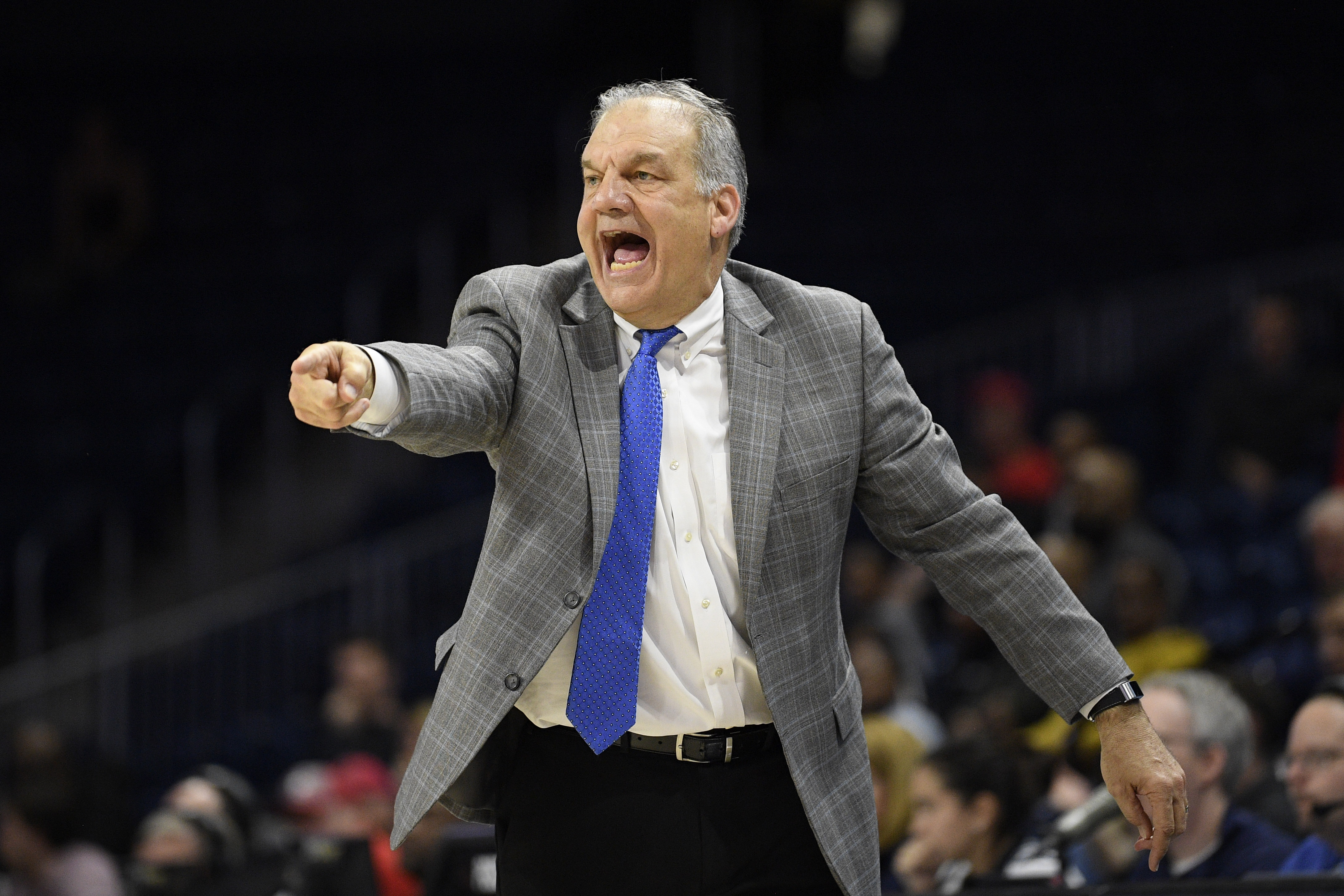
    Joe Mihalich was robbed of his voice while coaching at Hofstra… if only temporarily. Nick Wass

    Every routine, big and small, was disrupted. Instead of going to practice, Mihalich went to speech, physical, and occupational therapy. Those daily trips to Dunkin’ became infrequent; he couldn’t drive himself, or dictate what he wanted to drink.

    Compounding this was the fact that the stroke didn’t affect his cognition. Mihalich was as sharp as he was before. He could still draw up schemes in his mind. He still preferred zone defense over man, and a four-out, one-in offense over three-out, two-in.

    He just couldn’t say it. Doctors expressed skepticism that the coach would ever walk or talk at length again. The likelihood of him returning to even a modicum of independence was slim.

    But Mihalich decided to throw himself into the challenge, as if he were preparing for a big game. He started working with a speech language pathologist twice a week.

    He took his physical therapy seriously, so much so that he was able to go from a wheelchair to a walker, and from a walker to unassisted walking in just over a month.

    He gradually began to visit his old haunts. The coach can still remember the day he went back to Dunkin’. It was 2021, in the Garden City location on 7th Street.

    Joe Mihalich cries as he recalls his wife and family’s support for his recovery, in a conversation with The Inquirer last month. Isaiah Vazquez / For The Inquirer

    Mihalich walked up to the counter with trepidation. What if the attendant couldn’t understand him? What if he was holding up a line? To prepare, he memorized five words that deep down, he knew by heart: “Large decaf, hot, with cream.”

    “I had to repeat it twice,” Mihalich said, “but it was OK.”

    In 2021, after taking a medical leave, he returned to Hofstra as a special adviser to the athletic director so the basketball program could transition to Mihalich’s assistant, ex-Sixer Speedy Claxton.

    In 2022, La Salle offered Fran Dunphy its head coaching job. He said he wouldn’t take it without Mihalich, a lifelong friend and former Explorers player with whom Dunphy had worked when both were assistant coaches in the 1980s.

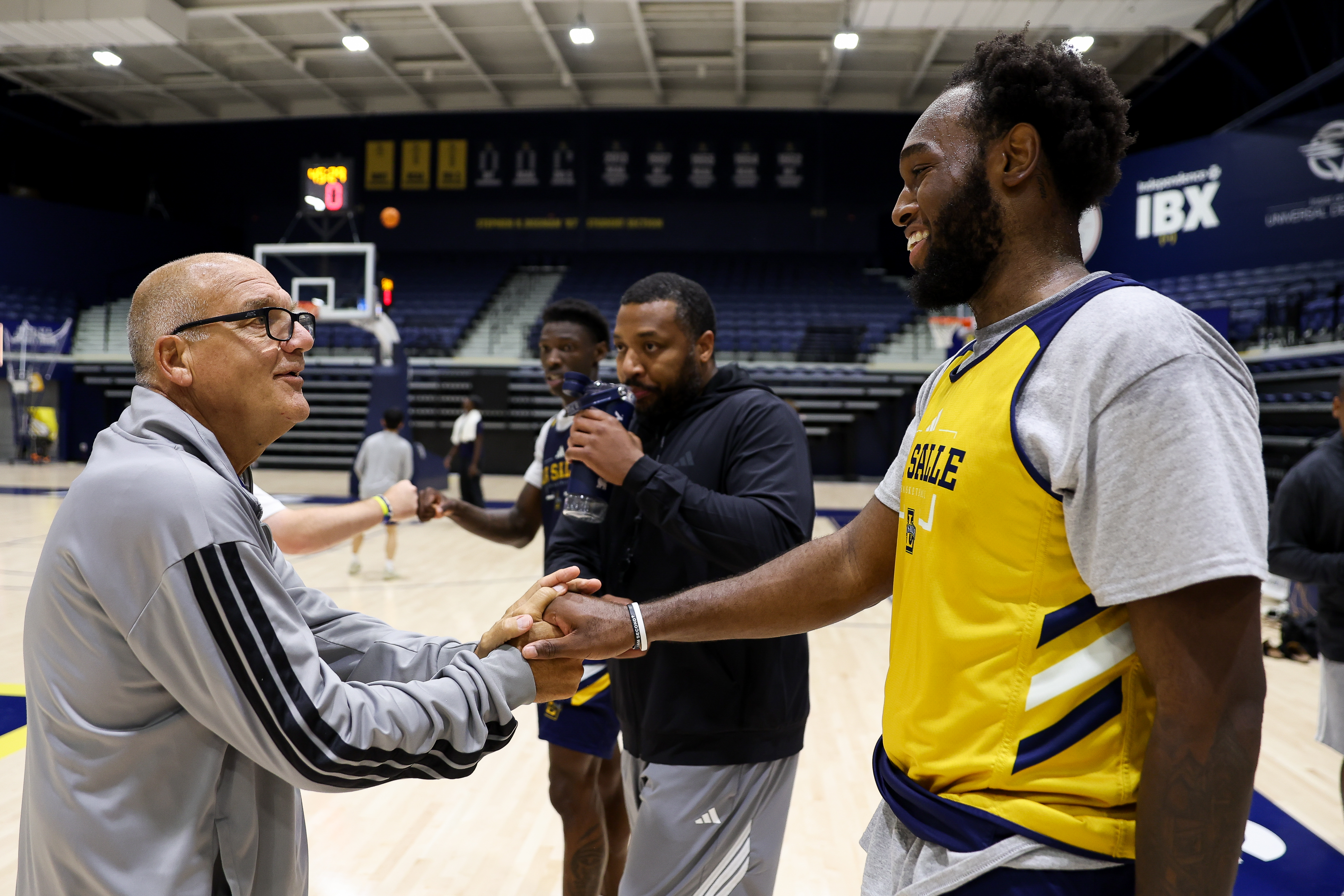
    Mihalich has been with the university since Dunphy brought him aboard. He’s at all of La Salle’s home games and practices, doesn’t skip a coaches’ meeting, and is always unafraid to share his thoughts.

    After his day is done, typically around 6 p.m., Mihalich heads to the school’s speech therapy clinic. Those who’ve worked with him say the progress he’s made is rare, given the severity of his brain injury.
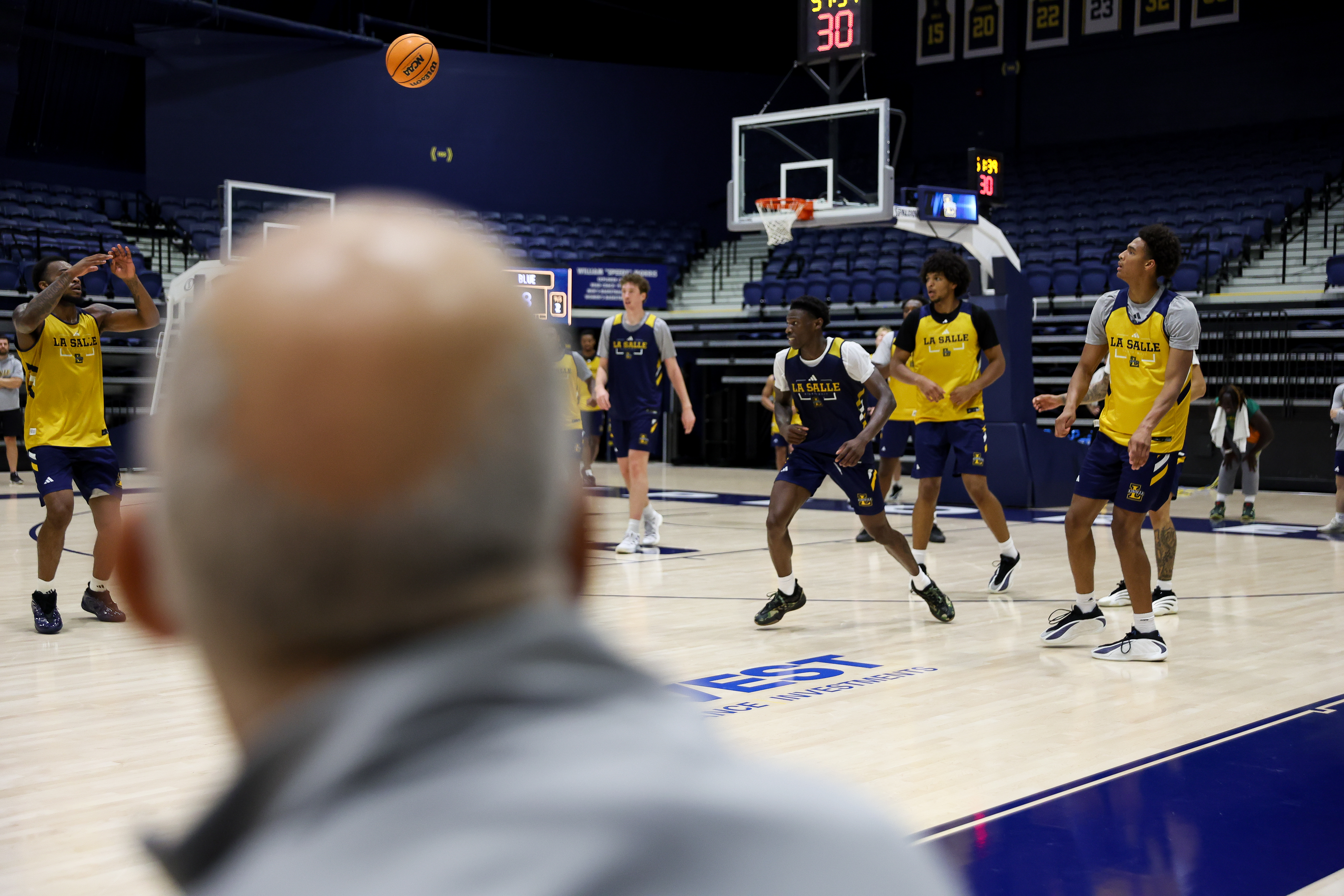
    Joe Mihalich looks on from the bench during a La Salle practice earlier this month. Isaiah Vazquez / For The Inquirer

    And he’s not finished yet.

    “It’s kind of like, ‘You can’t do this?’“ Mihalich said. ”Well, watch me. Watch me.”

    Born to be an Explorer

    Mihalich was introduced to 20th and Olney at 2 weeks old. His father had gotten a job as a philosophy professor, moving the family from Washington, D.C., to Philadelphia.

    They lived on Chew Street in Mt. Airy, a short drive from La Salle. As a child, Mihalich spent most of his time on campus. This remained true until he graduated from the university in 1978.

    Four of his six siblings were students at La Salle; so was Mary, who would become Joe’s wife, and worked as a water girl for the men’s basketball team.

    Before Mihalich joined that team, he followed it religiously. The La Salle College High School student regularly attended games at the Palestra. His favorite player was Dunphy, a fellow point guard who made smart decisions and played steady defense.

    Mihalich joined the Explorers in 1974 as a walk-on, receiving a basketball scholarship the following semester. After graduating, he took a coaching job at DeMatha Catholic High School in Maryland, where he served under future Hall of Famer Morgan Wootten.
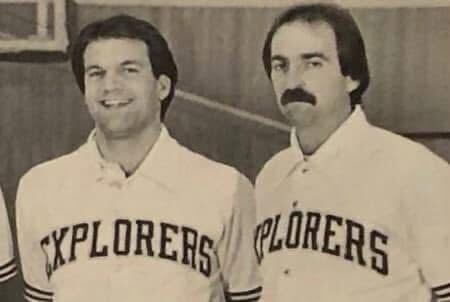
    Joe Mihalich (left) and Fran Dunphy were La Salle alums who bonded as members of the Explorers’ coaching staff.provided by La Salle University

    In 1981, Mihalich was hired as an assistant for Lefty Ervin at La Salle. Dunphy joined him in 1985, and both men stayed on when Speedy Morris became head coach in 1986.

    Together, the two young assistants worked 10- to 12-hour days out of the second floor of Hayman Hall, watching film and meeting with recruits.

    They embarked on long road trips to evaluate high school players in Pittsburgh, where the Five-Star Basketball Camp was held. This gave them ample time to get to know the Pennsylvania Turnpike and each other.

    Over those 300-plus mile drives, Dunphy and Mihalich mused about someday leading a Division I men’s basketball program.

    “I wonder what it’s like,” Dunphy said. “I wonder what kind of pressure the head coach is under, that we’re not seeing. We had great faith in both Lefty and Speedy, when we were together.

    “But also knowing that if we ever got that opportunity, we might do it our own way.”

    They eventually earned their chance, hundreds of miles apart. Dunphy was named head coach at Penn in 1989, and Mihalich was hired by Niagara University in 1998.
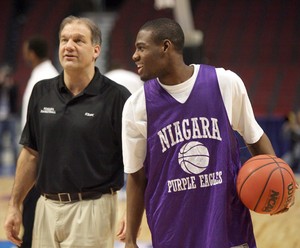
    Joe Mihalich (with guard Tyrone Lewis, a product of Truman High in Bucks County) imported an exciting brand of offense when he arrived at Niagara.

    The Mt. Airy native immersed himself in the community, going so far as to become a diehard Buffalo Bills fan. He developed a quick-paced, efficient offense, which frequently ranked among the top 75 in the country in offensive rating, according to KenPom.

    But even from Western New York, Mihalich never lost touch with his roots. He’d recruit primarily from where he was born (D.C.) and where he was raised (Philadelphia), often targeting kids who were overlooked by the Big 5.

    At Niagara, they flourished.

    “He would develop them like crazy, from their freshman year to their senior year,” Mihalich’s former assistant Colin Curtin said. “And they would look like totally different players.”

    Curtin, a former student manager for Morris at St. Joe’s Prep, has worked with Mihalich for 17 years. When the head coach left Niagara for Hofstra in 2013, he brought Curtin with him, as an assistant.

    Mihalich became the second-winningest coach in the school’s history with a record of 154-102. His greatest season there was his last.

    In 2020, Mihalich led Hofstra to its first NCAA Tournament berth since 2001. After winning the CAA title, he climbed high atop a ladder with a pair of scissors, making the final cut of the net.
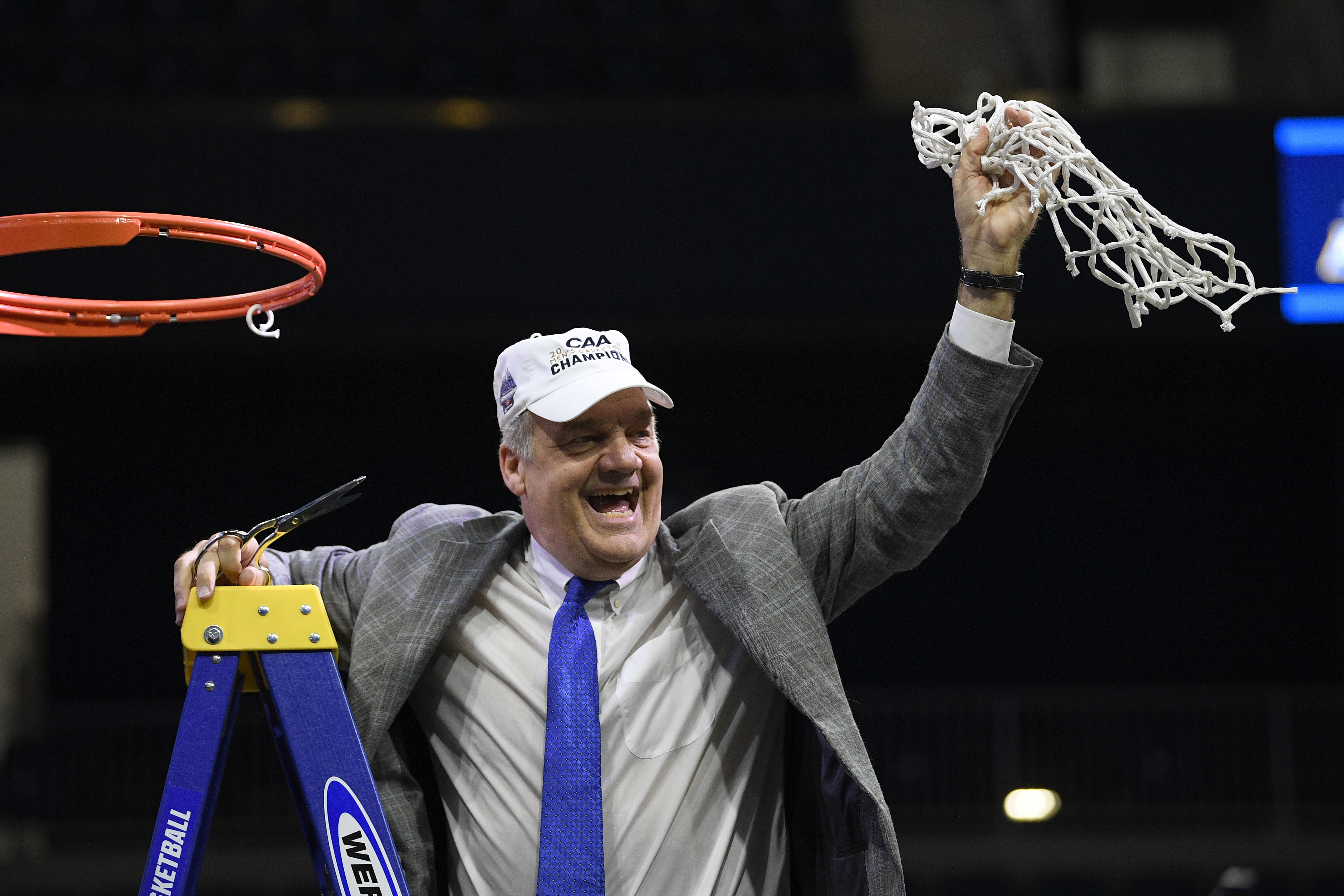
    Hofstra coach Joe Mihalich holds up the net after cutting it down following the team’s win over Northeastern in the 2020 CAA final. Days later, the world shut down because of the COVID-19 pandemic and the Pride would miss out on a chance to compete in the NCAA tournament. Nick Wass

    But Hofstra never got its moment. Two days later, the tournament was canceled due to the pandemic. Five months after that, Mihalich was at home when he got a call from Mary, who was traveling to Ocean City.

    He tried to speak but wasn’t able to. The line went dead. She called Curtin, who found the coach standing in his driveway.

    He asked if Mihalich was alright.

    “I said, ‘Shake your head, yes or no,’” Curtin recalled. “And he shook his head no.”

    An unexpected homecoming

    While his team embarked on remote summer workouts, Mihalich was placed on a medical leave. He connected with a local speech language pathologist, Alison Durkin, and began to meet with her in the fall.

    The coach had been diagnosed with both aphasia, a language disorder, and apraxia, a motor speech disorder. He also lost some mobility on his right side, which prevented him from writing with his right hand.
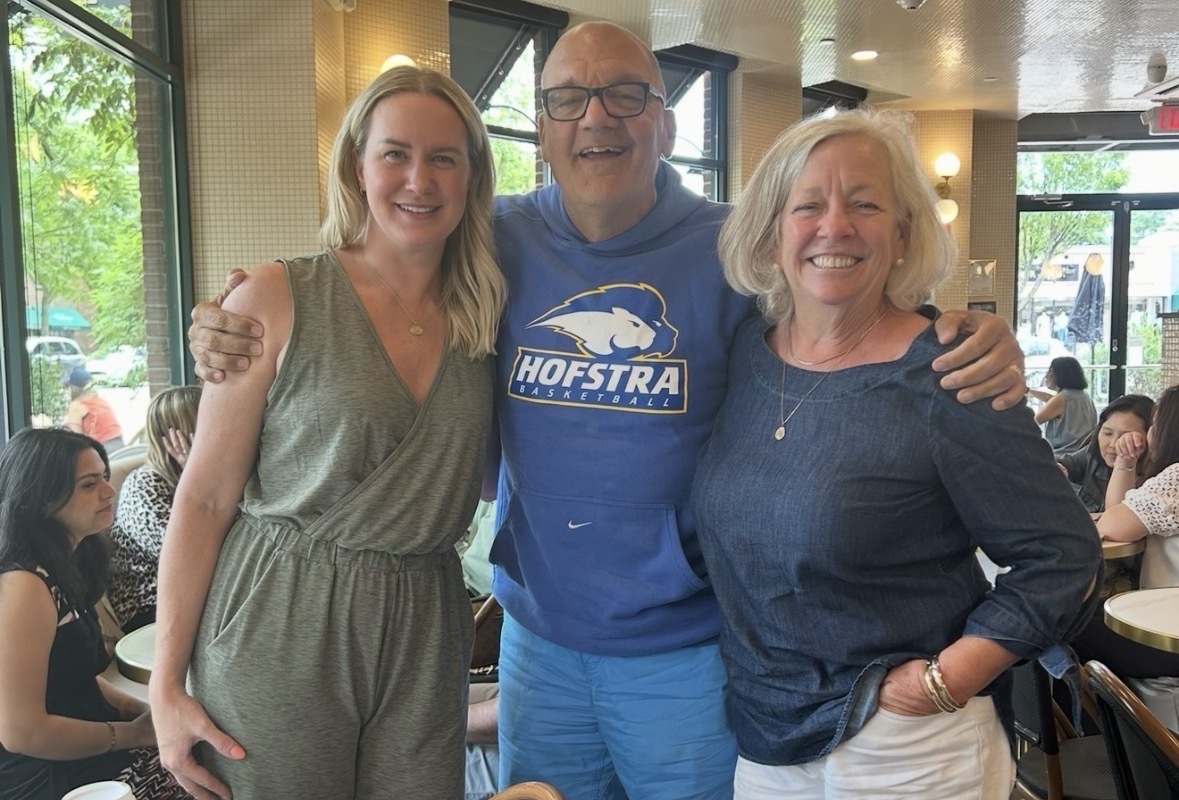
    Alison Durkin (left) with Joe Mihalich and his wife, Mary.Courtesy of Alison Durkin

    Mihalich had spent the last four decades amid a symphony of sneakers and basketballs and whistles. In environments that were exciting and fast-paced and energetic.

    Now, life was quiet and slow, in the most literal sense. He and Durkin started their sessions with simple, binary questions. Then, they’d count numbers, recite days of the week, and months of the year.

    When Mihalich did speak, he was encouraged to over-enunciate. Buffalo Bills became “Bu-fa-lo Bills.” Niagara Falls became “Ni-ag-a-ra Falls.”

    They had some initial discussions about a return to his previous role at Hofstra, but decided that was not an option.

    “Not only was the job itself linguistically demanding, because you’re producing language on a stage,” Durkin said. “You’re yelling at people. You have seconds to speak. I mean — very demanding.

    “And then on top of that, there’s really no reasonable accommodations that could be implemented to make that feasible. So it was definitely not an easy thing.”

    Mihalich wasn’t involved in the day-to-day in his AD advisory role, and didn’t interact with players and staff; a choice he’d made himself, to ensure he wouldn’t overstep.
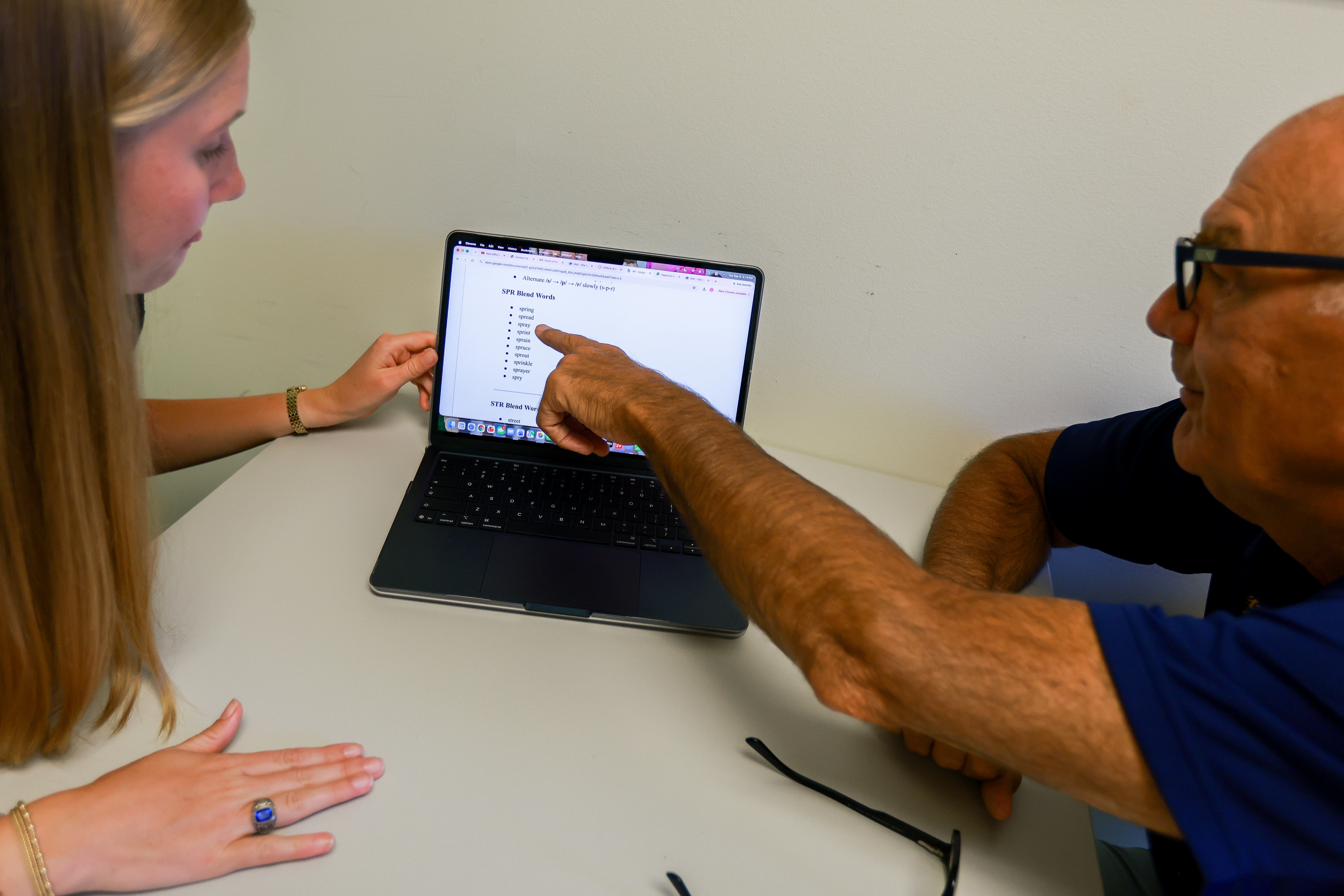
    Joe Mihalich goes through a speech therapy session with La Salle student and speech-language pathologist Ella Verello earlier this month. Isaiah Vazquez / For The Inquirer

    The coach described those years as “horrible.” He sorely missed the rhythms of his previous life. But he and Durkin kept working, unaware of whether he’d ever grace a court again.

    The speech language pathologist introduced basketball terminology to keep her pupil engaged. Instead of reciting “three-pointer” or “rebound,” Durkin would have Mihalich describe exactly what those activities were.

    “He knows what boxing out is,” she said, “but could he produce the language to explain it to someone who did not know? That’s a hard task.”

    The exercise inadvertently set him up for an opportunity to come. In April 2022, Dunphy called Mihalich to ask if he’d be his assistant at La Salle.

    Mihalich was limited in what he could say. But one word came through.

    “‘Wow,’” Dunphy recalled. “And he repeated it dozens of times.”

    Mihalich returned to campus that summer, with an iPad in hand, to jot down thoughts during practice. Dunphy’s staff quickly learned that they wouldn’t need to actually talk to communicate.
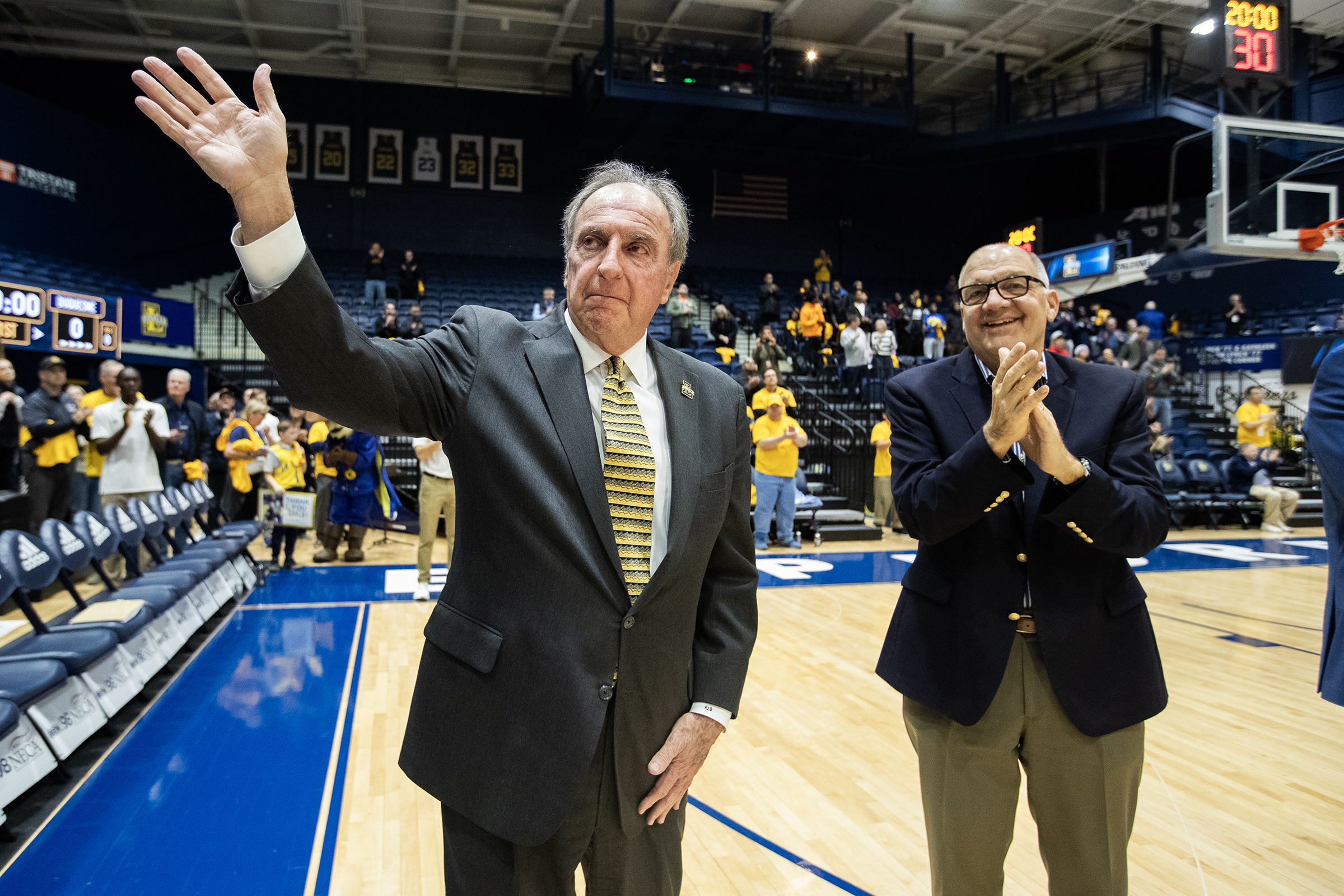
    Joe Mihalich (right) was by Fran Dunphy’s side when Dunphy coached his 1,000th game in 2025. Charles Fox / Staff Photographer

    One of the assistant coach’s first suggestions was to implement a continuity offense, with players starting in the same spots, and flowing to different set plays.

    Mihalich couldn’t vocalize this. So, he picked up a marker with his less dominant, left hand, and started scribbling on the white board in the men’s basketball office, using a language any coach could understand: Xs and Os, dotted and zigzagged lines.

    Then he directed his cohorts to the gym, to demonstrate.

    “And he goes, ‘Come on, upstairs! Upstairs!’” recalled former La Salle assistant coach Mike Doyle. “‘Alright, let me put my basketball shoes on.’”

    If there was one aspect of the sport Mihalich emphasized less, it was defense. His teams at Hofstra and Niagara were known to run and gun. The former head coach didn’t want players expending too much of their energy by guarding an opponent.

    Dunphy was much more defensive-minded. So, every now and then, Mihalich would yell “Zone!”

    “And then, as soon as we’d go zone, somebody would make a three-point shot, immediately,” Dunphy said, “and I’d say, ‘All right, that’s it. That’s enough.’”
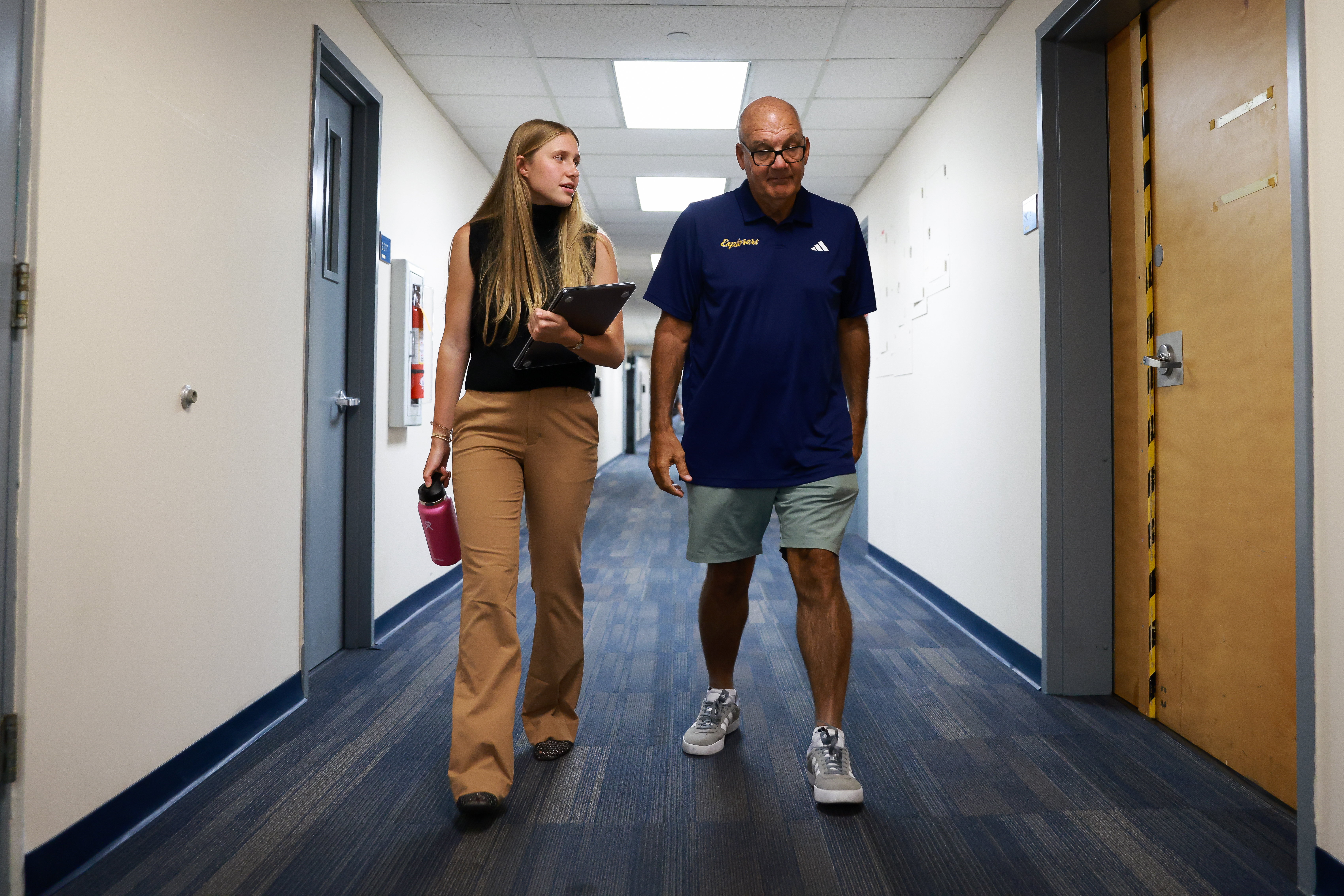
    Joe Mihalich’s work on his speech continued at La Salle, where speech-language pathologist Ella Verello (left) is among the team assisting the coach’s therapy. Isaiah Vazquez / For The Inquirer

    Not long after Mihalich joined the Explorers’ staff, Wendy Silverman, who ran Hofstra’s speech-language hearing clinic, reached out to La Salle on the coach’s behalf.

    Mihalich began to take weekly sessions with graduate students at La Salle’s clinic, while working with Durkin remotely, on Zoom. The strategies he learned — speaking slowly, over-enunciating — he’d then bring to the court.

    By the end of the 2022-23 season, staff and players could hear a marked difference.

    Christine Cahill, the school’s director of academic support for student-athletes, sat next to Mihalich during practice.

    “And I told him, it went from like 0 to 70%,” she said, “that first year.”

    ‘A reason to live’

    When Dunphy retired in February 2025, Mihalich was unsure of what he would do next. He initially told Curtin that he wanted to get out of coaching.

    But after Darris Nichols was hired at La Salle, his calculus changed. Mihalich had worked with Nichols’ brother, Shane, at Niagara and Hofstra. Curtin would be joining the Explorers’ staff, too.
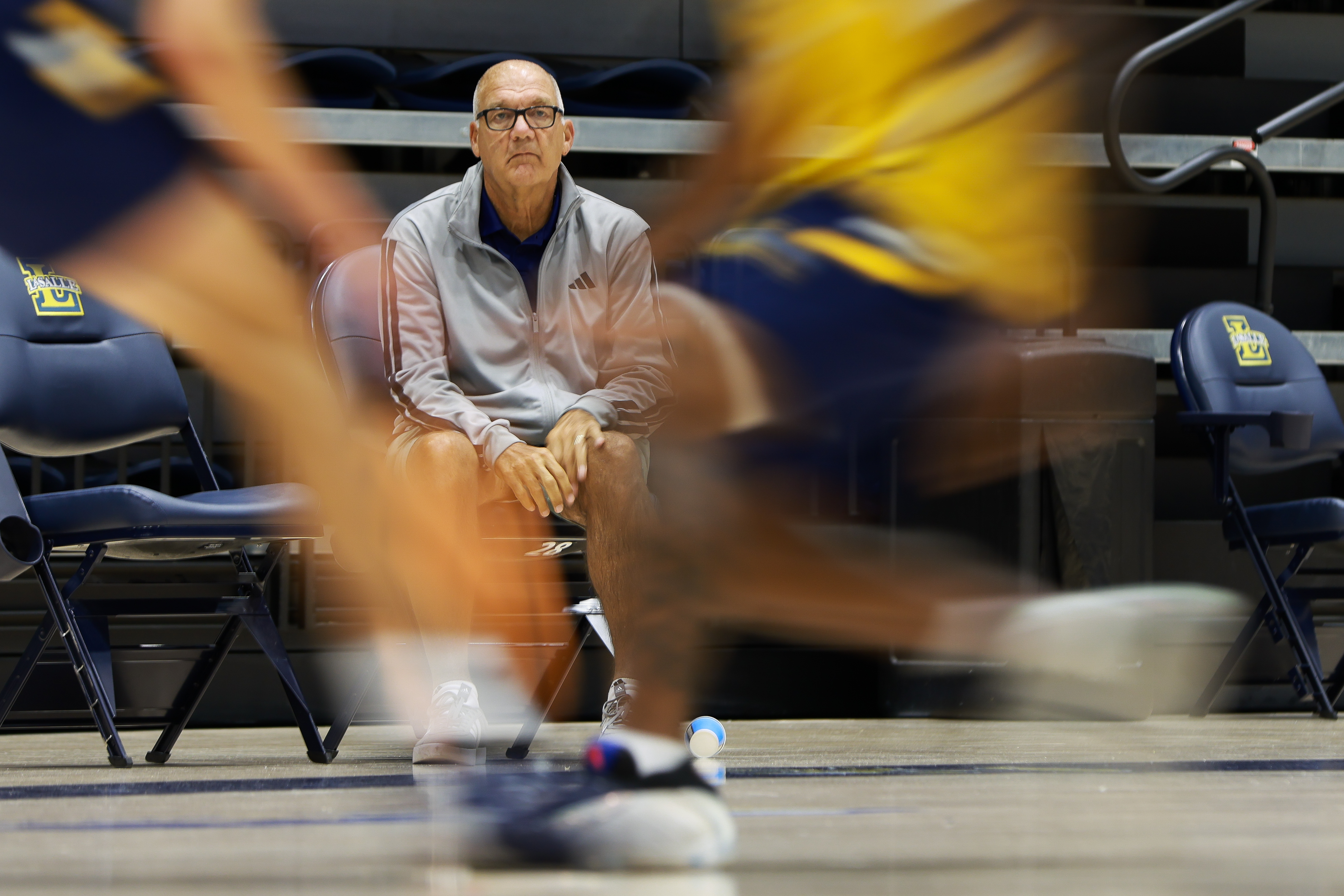
    Joe Mihalich had a connection to coach Darris Nichols and was kept on when Nichols was forming his La Salle staff in 2025. Isaiah Vazquez / For The Inquirer

    So, Mihalich decided to give it another go, and Nichols was more than receptive. He saw the former head coach not just as a connector between generations, but someone he could learn from.

    “Coming into a new program, he’s helped me navigate it,” Nichols said. “It’s great to have him around.”

    Mihalich became an active participant in scouting and recruiting meetings. Just as he had with Dunphy, he started recommending offensive strategies (and of course, more zone).

    His speech has progressed to the point where he can now work one-on-one with players. Last year, Mihalich developed a bond with junior guard Rob Dockery, who led La Salle in points, rebounds, and steals.

    Dockery’s weakness was his jump shot. His mechanics weren’t consistent, mainly because he wasn’t practicing it enough. Throughout the offseason, the former head coach would routinely text him, reminding the guard to get back in the gym.

    “Repeating that same shot, over and over again,” Dockery said. “That’s what he told me. Stick to the same shot.”

    Mihalich is still going to speech therapy every week, both at La Salle and with Durkin, and the sessions can be laborious. There are moments when he needs to repeat himself one, or two, or even three times to get his point across.

    “But I am here,” he said. And his life is starting to look like it once did. The former head coach wakes up every morning, and drives to the Mt. Airy Dunkin’, where he’s greeted as “Mr. Joe.”
    Joe Mihalich has reconnected with basketball and remained a presence at his alma mater for the past four years. Isaiah Vazquez / For The Inquirer

    He picks up his coffee — large decaf, hot, with cream — and brings it to the arena, leaving behind a trail of Styrofoam cups.

    And for two hours, he sits and watches from his chair, as basketball chaos unfolds around him. A lesser man might see a career cut tragically short. But Mihalich sees something entirely different.

    “A reason to live,” he said.
  • 2026 men’s college basketball transfer portal tracker: Latest Big 5 moves, where Philly-area recruits are heading

    2026 men’s college basketball transfer portal tracker: Latest Big 5 moves, where Philly-area recruits are heading

    The college basketball season is officially over, which means it’s time for the transactional period to begin. Welcome to the 2026 transfer portal.

    More than 1,500 men’s basketball players were in the portal in the first 24 hours after it officially opened on April 7. The portal is open for two weeks, but players do not need to make their commitment to a new school during that window. The next few weeks will be filled with salary negotiations during the yearly NCAA free agency process.

    We’ll be tracking it all here, from players moving in and out of — or around — the Big 5 to keeping tabs on Philly-area players at other schools. We’ll also take a look at where some of the top local high school recruits from the Class of 2026 will be playing in the fall.

    Big 5 portal entries

    Here are the players who were at Big 5 schools during the 2025-26 season but have entered the transfer portal.

    Villanova

    • Acaden Lewis (point guard) started for the Wildcats during his freshman year and averaged 12.2 points, 5.3 assists, and 3 rebounds. (Transferring to Miami.)
    • Bryce Lindsay (guard) was a redshirt sophomore and Villanova’s best scorer during its nonconference schedule. (Transferring to Indiana.)
    • Malachi Palmer (forward) was a solid contributor off the bench who started down the stretch after Matt Hodge went down. But Villanova recruited multiple forwards out of the portal. (Transferring to Minnesota.)
    • Chris Jeffrey (guard), a freshman backup point guard who missed time after knee surgery but had promising moments.
    • Braden Pierce (center), a redshirt freshman reserve who followed coach Kevin Willard from Maryland, played 6.5 minutes per game and averaged 1.2 points. (Transferring to College of Charleston.)
    • Zion Stanford (forward/West Catholic graduate) transferred to Villanova from Temple, left the team in March after playing in 10 games. (Transferring to Towson.)
    • Tafara Gapare (forward), a senior, left the program at midseason after playing in just nine games.

    Temple

    • Aiden Tobiason (guard) averaged 15.3 points, second on the team, and led the Owls with 39 steals. He’ll have two years of eligibility left. (Transferring to Syracuse.)
    • Babatunde Durodola (forward), a sophomore, started as a freshman and was a key rotational player this season. (Transferring to Ball State.)
    • Jamai Felt (forward) started in 23 games and averaged 4.1 rebounds. (Transferring to Arkansas-Little Rock.)
    • AJ Smith (guard) averaged 7.8 points in eight games and had his season cut short by a shoulder injury.
    • Spencer Mahoney (forward) made 13 appearances as a redshirt sophomore. (Transferring to Denver.)
    • Ayuba Bryant Jr. (forward) appeared in 27 games, averaging 8.1 minutes.
    • Connor Gal (guard/Great Valley High graduate) played 12 minutes across five games and will have one year of eligibility left.
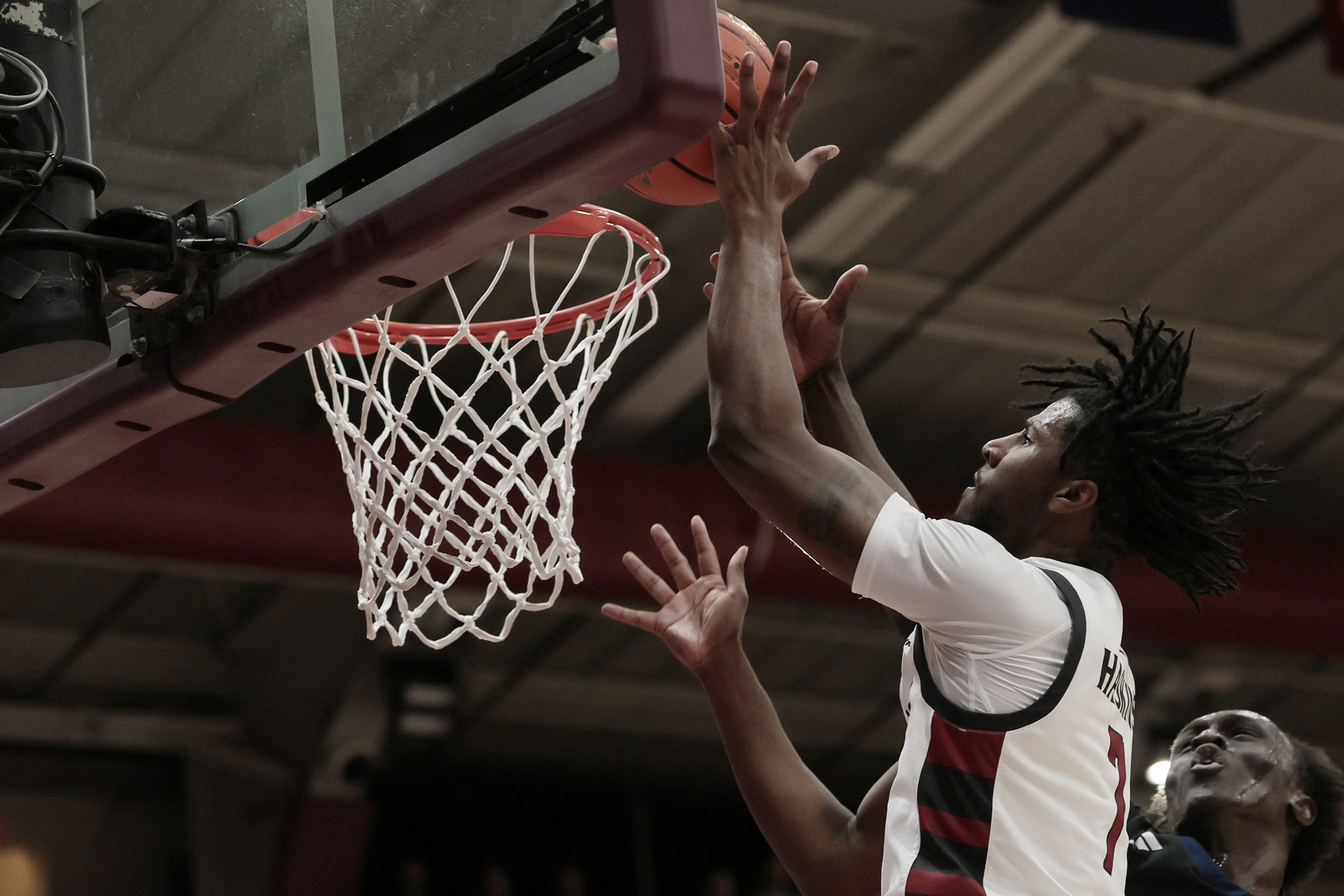
    Dasear Haskins was a key starter for the Hawks this season.Elizabeth Robertson / Staff Photographer

    St. Joseph’s

    • Deuce Jones (guard/La Salle), who led the Hawks in scoring during the first two months of the season, was dismissed from the team in December. (Transferring to Alabama-Birmingham.)
    • Dasear Haskins (guard/Camden High graduate) averaged 11.1 points and started for the Hawks as a redshirt sophomore. (Transferring to Ole Miss.)
    • Anthony Finkley (forward/Roman Catholic graduate), a junior, averaged 19 minutes in 35 games. (Transferring to La Salle.)
    • Kevin Kearney (forward) appeared in 14 games as a redshirt freshman. (Transferring to Manhattan.)
    • Jaden Smith (center) averaged 2.8 points and 1.8 rebounds in 9.1 minutes after transferring from Fordham. (Transferring to Ball State.)
    • Steven Solano (center), a redshirt freshman, played in eight games. (Transferring to Delaware.)
    • Al Amadou (center/Springside Chestnut Hill Academy graduate) transferred from Marquette and appeared in 11 games. (Transferring to Wisconsin-Milwaukee.)

    Penn

    • Ethan Roberts (forward) has one year of eligibility remaining — the Ivy League prohibits graduate students from playing intercollegiate athletics — and was the Quakers’ leading scorer (16.9 points per game). (Transferring to Notre Dame.)
    • Cam Thrower (guard), a senior who spent four years at Penn, averaged 17 minutes in 27 games. (Transferring to Elon.)
    • Dylan Williams (guard) played in seven of Penn’s first 10 games before the senior missed the rest of the season with an injury. (Transferring to Northwestern)
    • Michelangelo Oberti (center) appeared in 12 games. (Transferring to Boston University)
    • Alex Massung (guard), who averaged 5.6 minutes in 10 games played. (Transferring to Saint Anselm.)
    • Bradyn Foster (forward) saw action in Penn’s season opener.

    Drexel

    • Shane Blakeney (guard) was Drexel’s leading scorer, averaging 14.2 points in 33 games as a junior. (Transferring to South Carolina.)
    • Kevon Vanderhorst (guard) averaged 9.3 points and 2.9 assists while starting all 33 games for the Dragons. (Transferring to Iona.)
    • Villiam Garcia Adsten (guard), a junior, averaged 17.5 minutes in 32 games. (Transferring to Maine.)
    • Horace Simmons Jr. (forward/La Salle College High School graduate) appeared in 13 games.

    La Salle

    • Ashton Walker (guard) started 21 games and averaged 8.2 points as a freshman. (Transferring to Monmouth.)
    • Eric Acker (guard), a junior, appeared in 26 games, starting 10, and averaged 18.9 minutes. (Transferring to Northern Kentucky.)
    • Nas Hart (forward) played in 20 games as a freshman. (Transferring to Quinnipiac.)
    • Edwin Daniel (forward) played 31 games (14.5 minutes) and averaged nearly four points and 3.5 rebounds. (Transferring to Stephen F. Austin.)
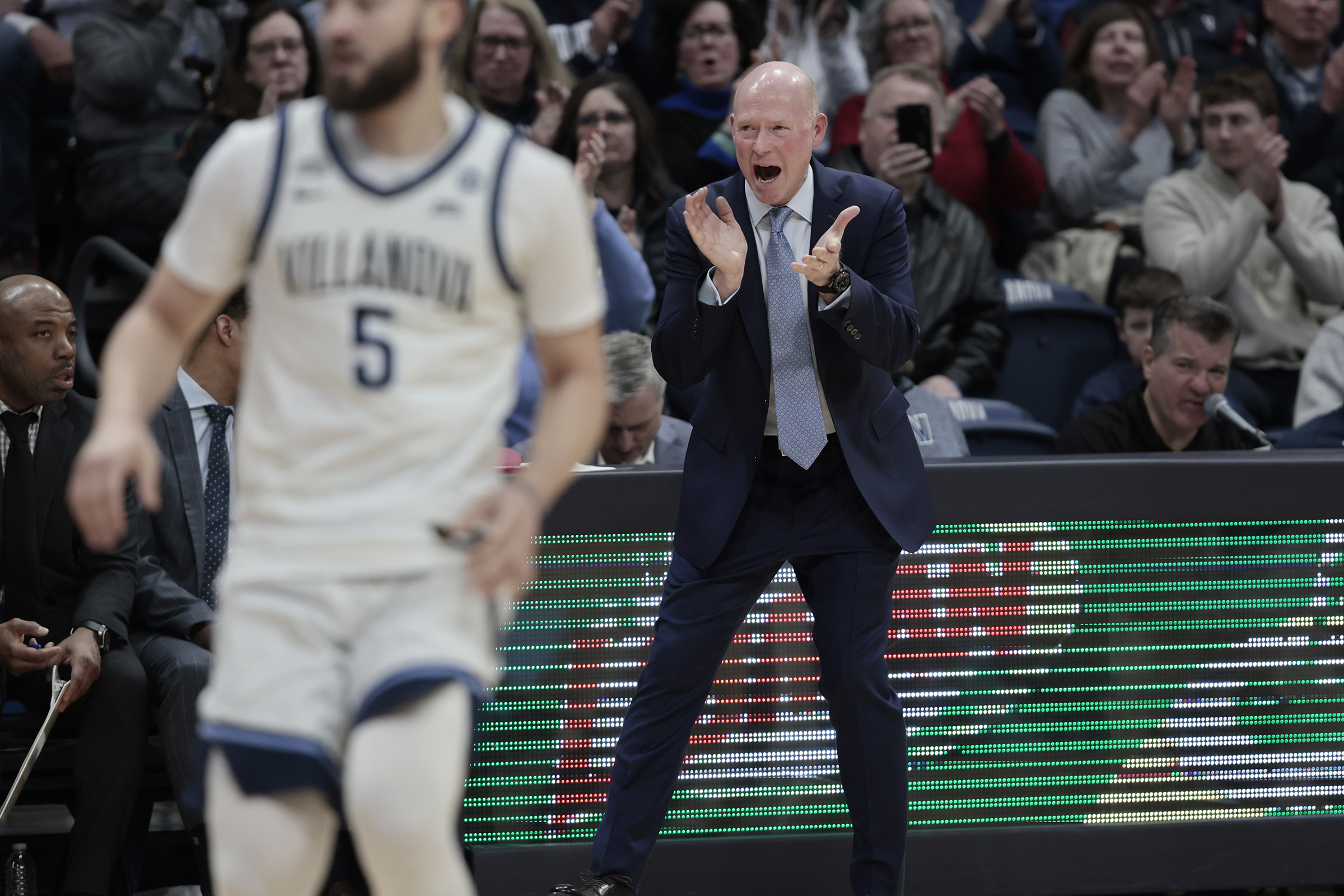
    Villanova coach Kevin Willard directs his team against Butler on Feb. 25. Elizabeth Robertson / Staff Photographer

    Big 5 portal additions

    These are the players who are transferring to Big 5 schools.

    Drexel

    • Panagiotis Pagonis (forward/New Orleans)
    • LaDricus Pittman (guard/LeMoyne-Owen College)
    • Adrian Petkovic (guard/Germany)
    • David Simonovic (center/Le Mans U21 in France)

    La Salle

    • Trey Moss (guard/George Washington)
    • Vice Zanki (forward/Niagara)
    • Anthony Finkley (forward/St. Joe’s)
    • Jamison Lynam (guard/Arcadia)
    • Kam Burton (guard/Stephen F. Austin)
    • Devin Booker (guard/George Mason/Cristo Rey HS)
    • Eunique Rink (forward/Hampton)

    Penn

    • Sir Mohammed (guard/Notre Dame)
    • Dorian Glogovac (guard/California Institute of Technology)

    St. Joe’s

    • Gavin Marrs (center/Oregon State)
    • Logan Carey (guard/Maine)
    • Don Flamer (forward/Elizabeth City State – Division II)
    • Sean Logan (center/Davidson)
    • Luis Nonfon (forward/Augusta University – Division II)

    Temple

    • Dez White (guard/Oregon State)
    • Dallis Dillard (guard/Indiana University of Pennsylvania)
    • Baboucarr Njie (forward/UTSA)
    • Cam Scott (guard/South Carolina)
    • Jason Drake (guard/Indiana)
    • Jordan Marsh (guard/USC)
    • Sir Isaac Herron (forward/Louisiana Tech)

    Villanova

    Local portal entries

    In addition to the local players in the Big 5 mentioned above, here are some notable players from the Philly area who are on the move:

    • Kevair Kennedy, Merrimack to Wake Forest (guard/Father Judge)
    • Jalil Bethea, Alabama to Pittsburgh (guard/Archbishop Wood)
    • DJ Wagner, Arkansas to Maryland (guard/Camden)
    • Justin Moore, Loyola-Chicago to Hofstra (guard/Drexel, Archbishop Wood)
    • Budd Clark, Seton Hall to Ole Miss (guard/West Catholic)

    Where local 2026 recruits are going to college

    Here’s a look at where some of the area’s top boys’ basketball players are heading off to play in the fall.

    • Sammy Jackson, Virginia Commonwealth (small forward/Roman Catholic)
    • Ethan Johnston, Marquette (shooting guard/Hill School)
    • Xavier Blake, Hofstra (shooting guard/Phelps School)
    • Derrick Morton-Rivera, Temple (shooting guard/Father Judge)
    • Mani Sajid, Towson (shooting guard/Plymouth Whitemarsh)
    • Darnell Lloyd, Boston University (center/Perkiomen School)
    • RJ Smith, La Salle (guard/Roman Catholic)
    • Michael Pereira, Penn (center/Plymouth Whitemarsh)
    • Latief Lorenzano-White, Drexel (guard/Imhotep)

    2026 recruits headed to Big 5 schools

    Villanova

    Penn

    • Isaiah Carroll (small forward/Blair Academy of Warren County)
    • Ethan Lin (point guard/Montgomery High of Somerset County)
    • Michael Pereira (center/Plymouth Whitemarsh)
    • Chase Geremia (guard/Newman School)
    • Finley Billy (forward/Bullis School)
    • Johnny Keenan (guard/St. Thomas More)

    Temple

    La Salle

    • RJ Smith (guard/Roman Catholic)
    • Breylon Webb (guard/Western Reserve Academy)

    Drexel

    • BJ Brown (guard/Sumter)
    • Tre Paulding (forward/Lee’s Summit North)
    • Latief Lorenzano-White (guard/Imhotep)

    St. Joe’s

    • BJ Ranson (guard/Mount St. Joseph)
    • Keoni Sacco (forward/Fork Union Military Academy)
  • This La Salle rower built an app that’s changing the way athletes train — and the future of rowing

    This La Salle rower built an app that’s changing the way athletes train — and the future of rowing

    La Salle rowing coach Ivo Krakic had a problem.

    The app he was using to track his rowers’ stroke length and the amount of force they were using from the team’s ergometer rowing machines stored the information in different locations. Krakic wanted it on one screen.

    Eventually, Krakic contacted and paid the app’s developer to make the fix — which caught the attention of one of his rowers.

    “I was like, ‘Dang! My coach is paying $500 for something I could have done in 20 minutes,’” said Will Tran, a senior who primarily rows in the second varsity eight boat. “There’s a real gap in the market here. I used the app as well. I know I could improve this in so many different ways.”

    Tran, a computer science major, decided to build his own app.

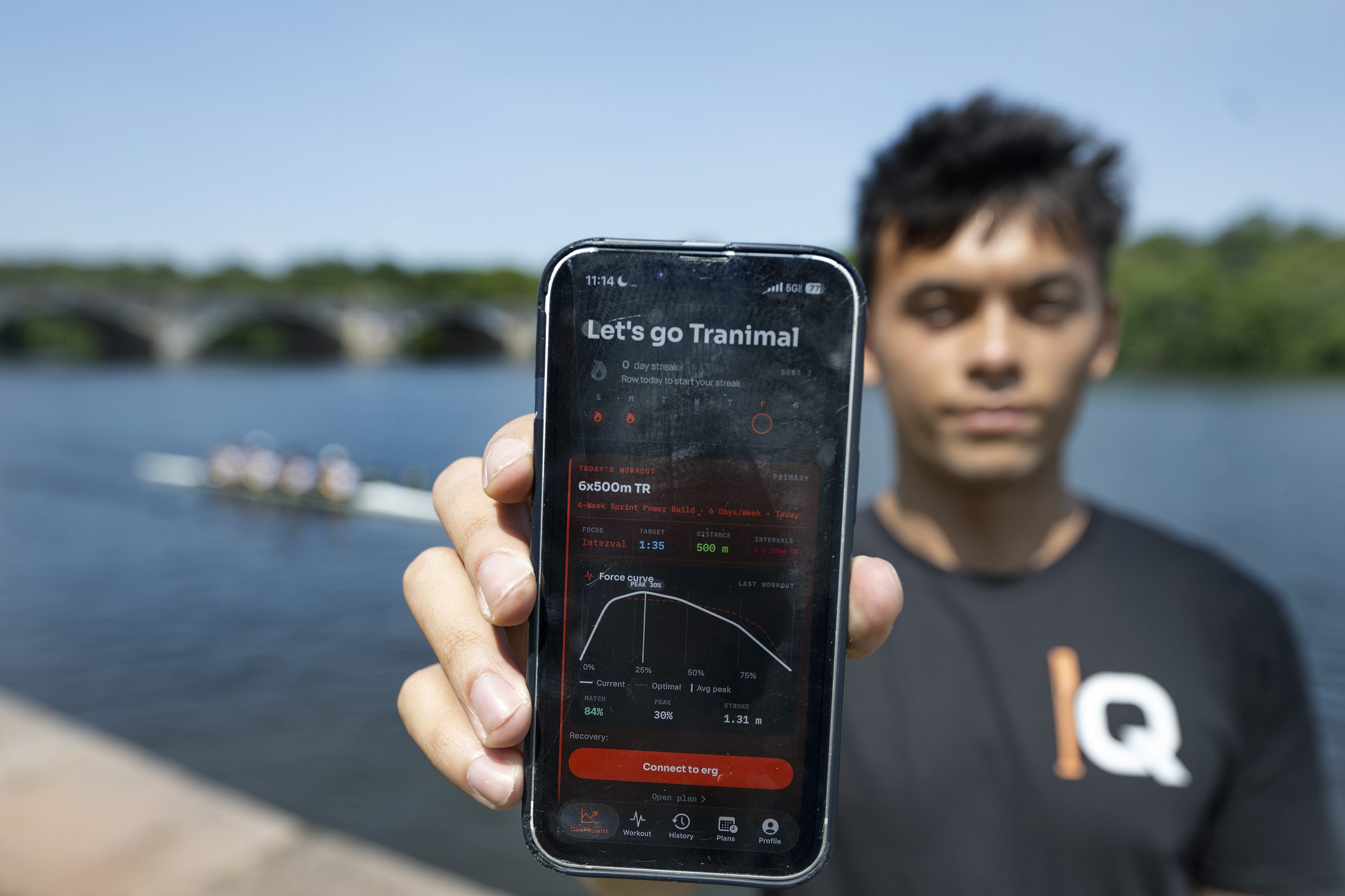
    The final product became known as RowIQ. The app is an all-encompassing data ecosystem that uses artificial intelligence to pinpoint where and how rowers can improve. The app processes data from Concept2 ergometer rowing machines, smartwatches, and RowIQFuel — Tran’s nutrition app. In the future, RowIQ will also be able to collect data from on-water rowing monitors.

    “We have hundreds of thousands of data points that no one ever looks at,” Tran said. “In rowing, these races are sometimes won by a hundredth of a second, so you need that 1% sometimes. Actually, a lot of the time you need that 1%. What we’re aiming to do is give rowers a complete picture of their training with data that’s never been seen before.”

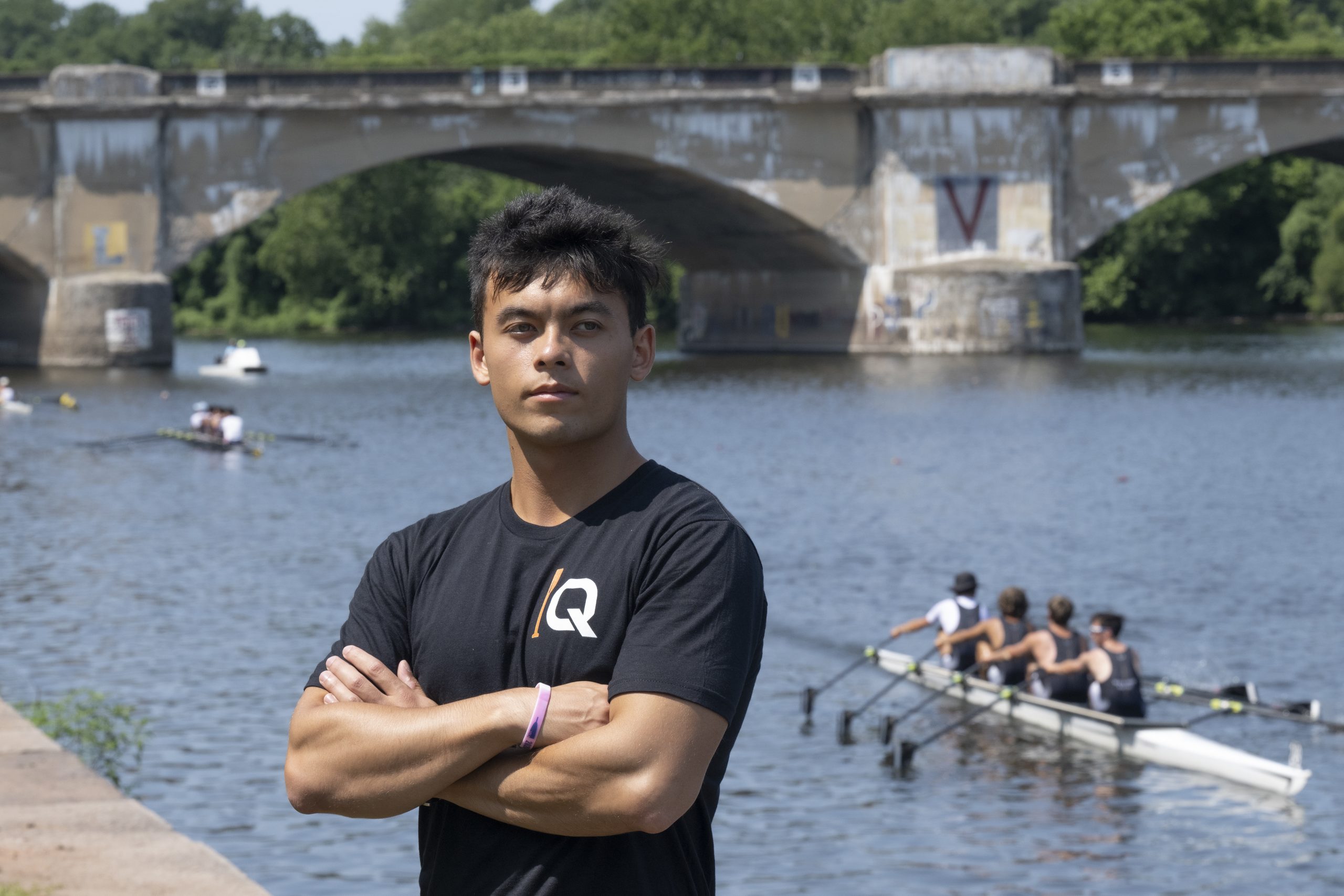
    Will Tran displays the training app he created. In the last two months, the RowIQ has received over 1,000 downloads.Jose F. Moreno / Staff Photographer

    The app also allows rowers to create groups, so coaches have access to their entire team’s data in one location. Tran noted that this feature lets coaches “see trends in less than a second,” allowing them to understand areas of improvement and create lineup decisions with ease.

    “It gives you really good data feedback on your [rowing] curve, how you’re rowing, and essentially what you’re doing and how you’re transferring your power,” Krakic said. “We’re able to match the guys indoors and then transfer that onto the water. We’re lucky to have it. It puts us ahead a little bit.”

    In the last two months, the app has received over 1,000 downloads. More importantly though, the app boasts impressive user retention. Tran noted that top users are logging over 200,000 meters per week on the app.

    Yin and yang

    For the first few months of RowIQ, Tran worked alone. But while he tinkered with the app’s coding, Tran found that he had little time to dedicate to RowIQ’s marketing, so he put together a small team. Fittingly, they all have a background in rowing.

    A few members from Penn’s lightweight crew team are developing a telemetry system to fully integrate RowIQ’s data into one central location. Meanwhile, former Harvard lightweight rower Zarret Mills is working as a consultant for the app.

    One of the most important members of the team has been Sergej Čipak, a former La Salle rower who moved back to his home country of Serbia to pursue electrical engineering. Tran and Čipak spent one year as teammates at 20th and Olney.

    “You spend a lot of time together, even when you’re not like racing or training,” Čipak said. “You’re eating together. You go to parties together. So I really grew close with Will over some time. Will has a very interesting personality. He can be kind of cold sometimes and give not-detailed-enough instructions. But I think we have some kind of dynamic that makes us really productive.”

    After starting part-time, Čipak’s role with RowIQ has grown exponentially. While Tran focuses on more big-picture endeavors, Čipak leads the app’s development. With the app’s success, Tran has been able to compensate Čipak — something Tran did not think he “would ever be doing at 22.”

    “It’s a yin, yang,” Tran said. “On one side, it’s awesome that someone pays for their apartment and their food via your idea and creation. It’s such a wonderful feeling to be able to provide that for someone and do it through something that you are so passionate about.

    “And then the other side of it is, I never want to go to sleep and I never want to get outworked because this person is relying on me, and I feel an obligation to always be on, always be working, always progressing. I never feel off. Sometimes I’m with my girlfriend and I say I’m present, but I’m not. I’m thinking like, ‘Shoot, we got to pay Sergej his monthly paycheck so he can pay his rent and buy his groceries.’”

    While Tran is adjusting to the added pressure of managing employees, Čipak is working full-time for a company that is not aligned with the career path he expected to pursue in Serbia. Still, he is on board with RowIQ for the foreseeable future.

    “We just crossed 1,000 users a few days ago, so I mean it’s really exciting,” Čipak said. “I never really worked on something like this in my life, and I do plan on keeping on working on this.”

    Can’t tell this kid no

    In the tech world, “college dropout” is somewhat of a lauded title.

    Mark Zuckerberg dropped out of Harvard to run Facebook full-time; Bill Gates did it before him, leaving Cambridge to co-found Microsoft; and Jack Dorsey left NYU a semester before his graduation to move to California, eventually starting Twitter.

    The list goes on and on.

    Today, chasing the AI boom, tech venture capital firms like Y Combinator and Antler are known to provide college students with hundreds of thousands of dollars to fund their startups. Meanwhile, industry giants like Palantir and Elon Musk’s xAI encourage students to ditch their formal education to work for them instead. Tran is no exception to this pressure.

    Will Tran, a rising senior at La Salle, has spent this summer growing RowIQ in the area.Jose F. Moreno / Staff Photographer

    “I’ve seriously debated taking this fall semester off,” Tran said. “Like genuinely — we’re continuing to close deals with high school clubs, college clubs, recreational clubs. We’re onboarding probably 70 new athletes a day from clubs. It’s huge, and I don’t know if I will have the time in college to do schoolwork, be a Division I athlete, be a boyfriend, and run RowIQ at the same time.

    “I have seriously debated taking the fall off and joining some sort of Y Combinator, coming back to school later. Do I think I’m going to do this? Probably not.”

    Tran has already sacrificed opportunities to focus on RowIQ. This summer, he turned down an internship offer from a data analytics company. For now, even if the balancing act can seem impossible at times, Tran will try to have it all at La Salle.

    “You can’t really tell this kid ‘no’ or ‘you can’t do it,’” Krakic said. “The more you say ‘don’t do this’ or ‘it’s not possible,’ the more he tries to prove you wrong.”

  • Should Division I men’s soccer become a two-semester season? Here’s where Philly coaches stand.

    Should Division I men’s soccer become a two-semester season? Here’s where Philly coaches stand.

    A change to Division I men’s soccer looks to be on the horizon.

    After years of discussion and debate, the NCAA Men’s Soccer Oversight Committee adopted legislation to shift the sport’s season from the fall to a two-semester schedule. The change was set to go into effect before the 2027 season. But on June 24, the NCAA announced that the Division I Cabinet remanded the proposal for additional review.

    Twenty conferences opposed the measure, according to the NCAA’s release, taking issue with “the duration of the season” and “the lack of clarity about related rules.” Additionally, the Cabinet noted issues relating to how the change could impact the “student-athlete academic experience.”

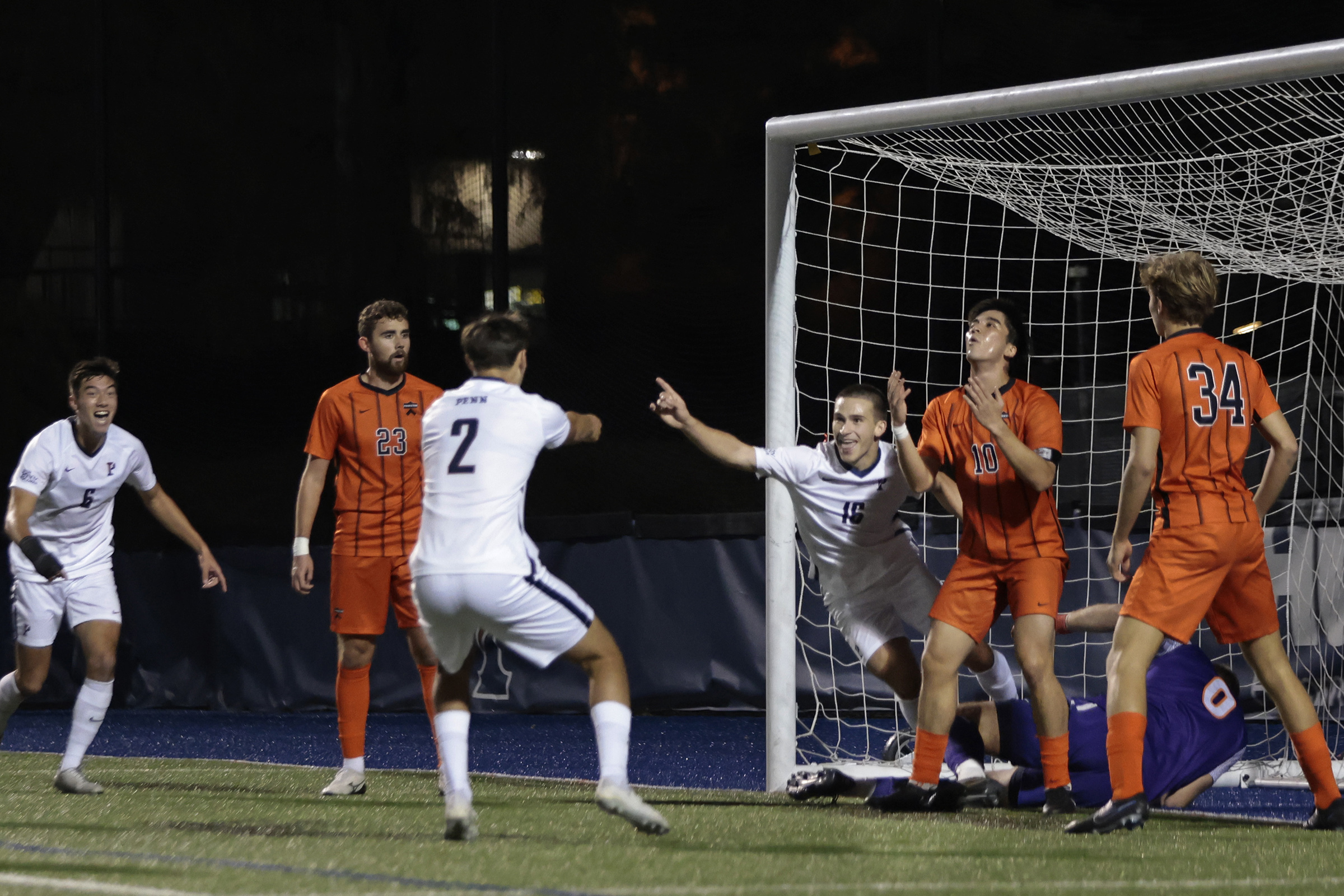
    Philadelphia has six Division I men’s soccer programs: Penn, La Salle, Drexel, Villanova, Temple, and St. Joseph’s. The head coaches of each program reacted to the possible change. Some supported it, while others pointed out a variety of flaws.

    Player development

    Critics of the one-semester season have long lamented that the current setup impacts player development. Villanova head coach Mark Fetrow, who noted his program has been “big supporters” of the new legislation, believes a two-semester format will accelerate development and may be a necessity for college programs.

    “When you space the games out, and now you’re saying we’ve got a year of competition, we can now periodize our training in a way where we’re getting more out of our training sessions from a week-to-week basis,” Fetrow said. “We’re really maximizing performance because guys are just healthier on game days. If we want to stay relevant, if we want to evolve, because the game has evolved a lot in the United States in the past 10 years, then we have got to be willing to make some changes as well.”

    A main competitor for colleges, in terms of acquiring and developing talent on a path to the professional ranks, has been Major League Soccer Next Pro, MLS’s path to pro league. But a longer season could put college soccer on par with the emerging professional league, says Taylor Thames, La Salle’s head coach.

    Oliver Pratt (No. 16) played four years at Penn before signing a pro contract.Elizabeth Robertson / Staff Photographer

    “I think it makes us much more competitive in relation to MLS Next Pro, and some of these USL One contracts that are starting to take some high-level players from the college landscape, and it helps us develop them for longer spells,” Thames said. “There’s a bigger development cycle.”

    Oliver Pratt, a 22-year old defender for MLS Next Pro’s Union II, played four years at Penn. He had to graduate a semester early to sign with an MLS team in time for the season. Having now experienced a full year of training in the pros, Pratt better understands the upside to shifting the college format.

    “I definitely would have been able to maximize [training] more, and I would say be able to significantly improve within one season,” Pratt said. “It’s a different transition for me now. I’m dealing with a 10-month season, and my body’s definitely taking a toll.”

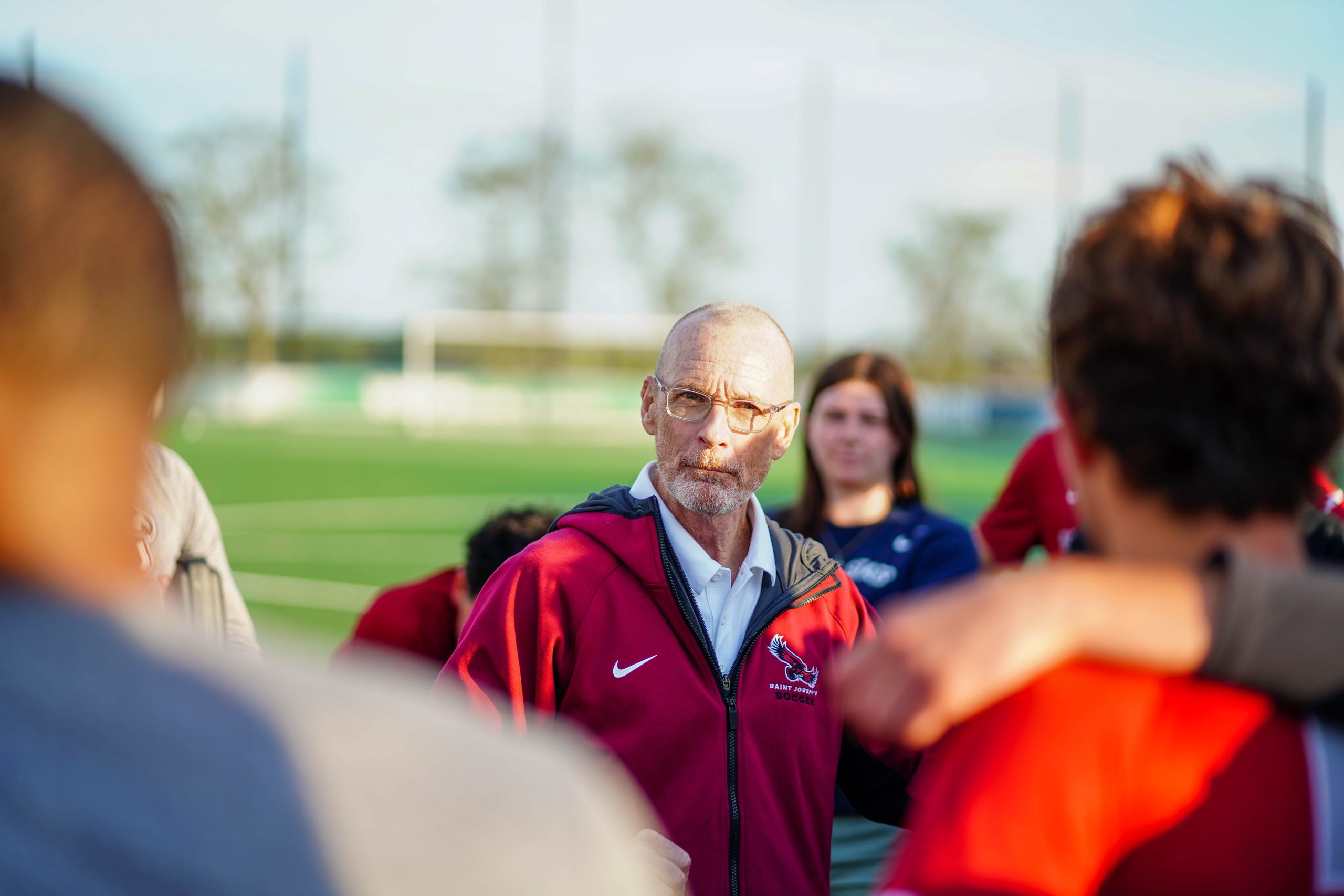
    However, the majority of college players are not going pro, St. Joe’s coach Tim Mulqueen pointed out. He also noted that increased development would benefit the “top 1% or 2%,” but argued “that would happen for the top players anyway.” Mulqueen has seen premier development firsthand. He served in multiple roles with U.S. Soccer, including as an assistant coach for the 2008 U.S. men’s Olympic team.

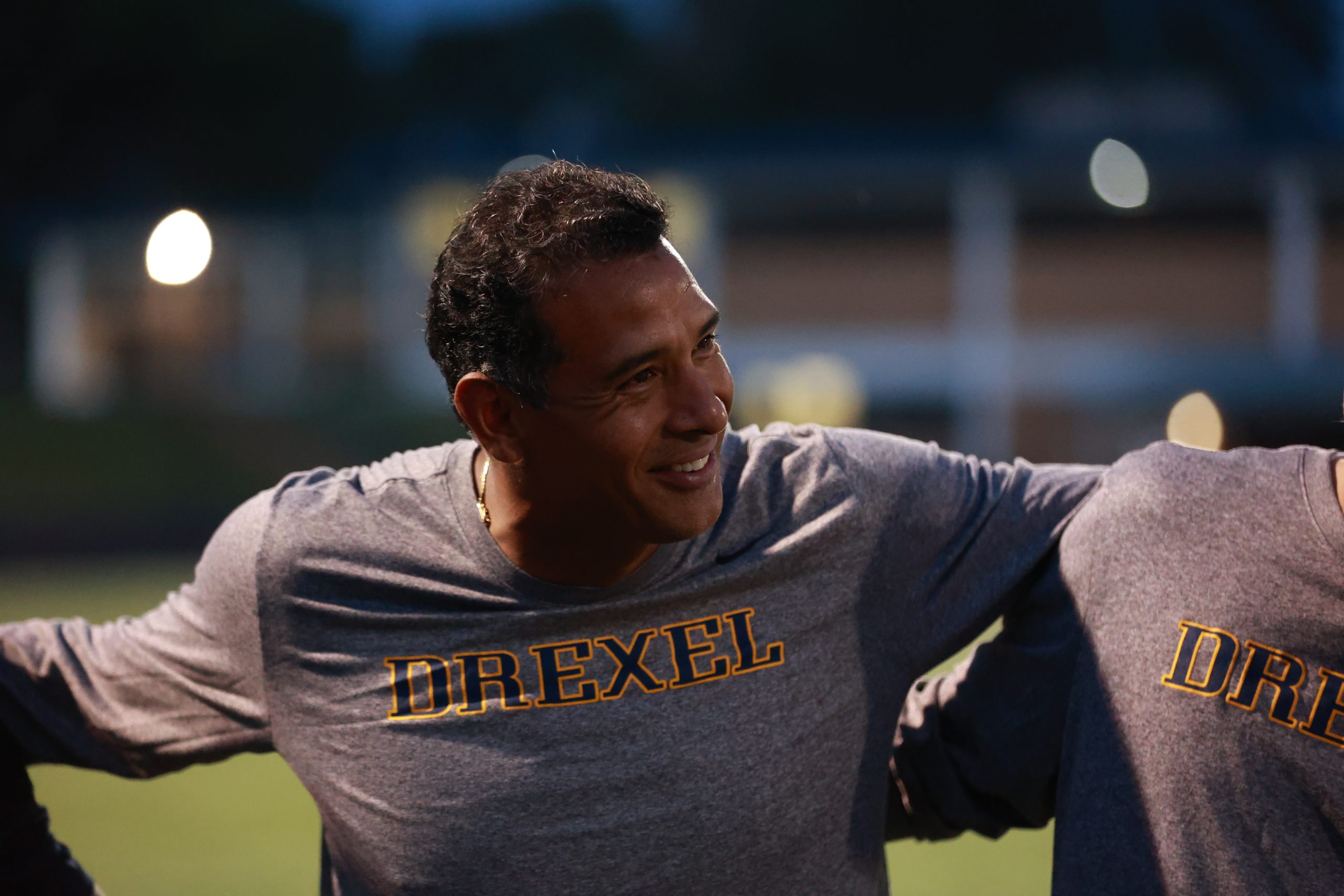
    Meanwhile, Drexel coach David Castellanos believes the current system is yielding strong results and a “drastic change” would not be necessary. He said that the old model has produced “national team guys in the 1990 World Cup” and “MLS head coaches.”

    Scheduling games, shifting operations

    In a two-semester season, programs would have to adjust how and where games are scheduled.

    Under the new format, the maximum match limit for each team would stay at the current cap of 25, meaning no additional games would be added in the 2027 season. With this, programs are required to schedule at least seven games or at most 10 games in the spring season. A team cannot opt to play all of its games in the fall.

    Having to schedule games and additional practices in the spring could create issues for teams that share their facilities with other programs. For example, St. Joe’s shares Sean Sweeney Field with both of the school’s lacrosse teams and the women’s soccer program.

    Tim Mulqueen has served in multiple roles with U.S. Soccer, including as an assistant coach for the 2008 U.S. men’s Olympic team. St. Joseph's Athletics

    “When you’re sharing [facilities] with lacrosse or field hockey, that’s going to stress training times,” Mulqueen said. “It’s going to stress the [operations] people, it’s going to stress our trainers, who in small schools do multiple teams.”

    Penn and Villanova are the only two local Division I programs that boast soccer-specific facilities, meaning that intra-program scheduling conflicts are unlikely to occur. Still, Quakers coach Brian Gill expressed concern with how the change may affect the other resources that his program relies on.

    “Your infrastructure gets shared, so if that’s the actual facility or some of the people: trainers and strength coaches, sports information,” Gill said. “There’s a lot of shared overlap there, so that’s probably one of the biggest challenges. … How do you make this all feasible when it comes down to that stuff?”

    Then, there’s the case of weather. Philadelphia boasts relatively cold Februaries, when spring play is slated to resume. From 1992 to 2021, the city’s average temperature in the month was 36 degrees — a cause of concern for a few of the City 6 coaches.

    “It’s going to be brutal,” said Castellanos. “If you take, for example, the winter that we just had this year and then you’re telling me our playing season is going to be in the spring. You need January, February for preseason to ramp these guys up.”

    Added Thames: “I think any coach should be concerned about competitive advantages — how to protect their program and fight for their program. That’s one concern that I would imagine for teams that don’t have an [indoor] bubble. [La Salle], for example.”

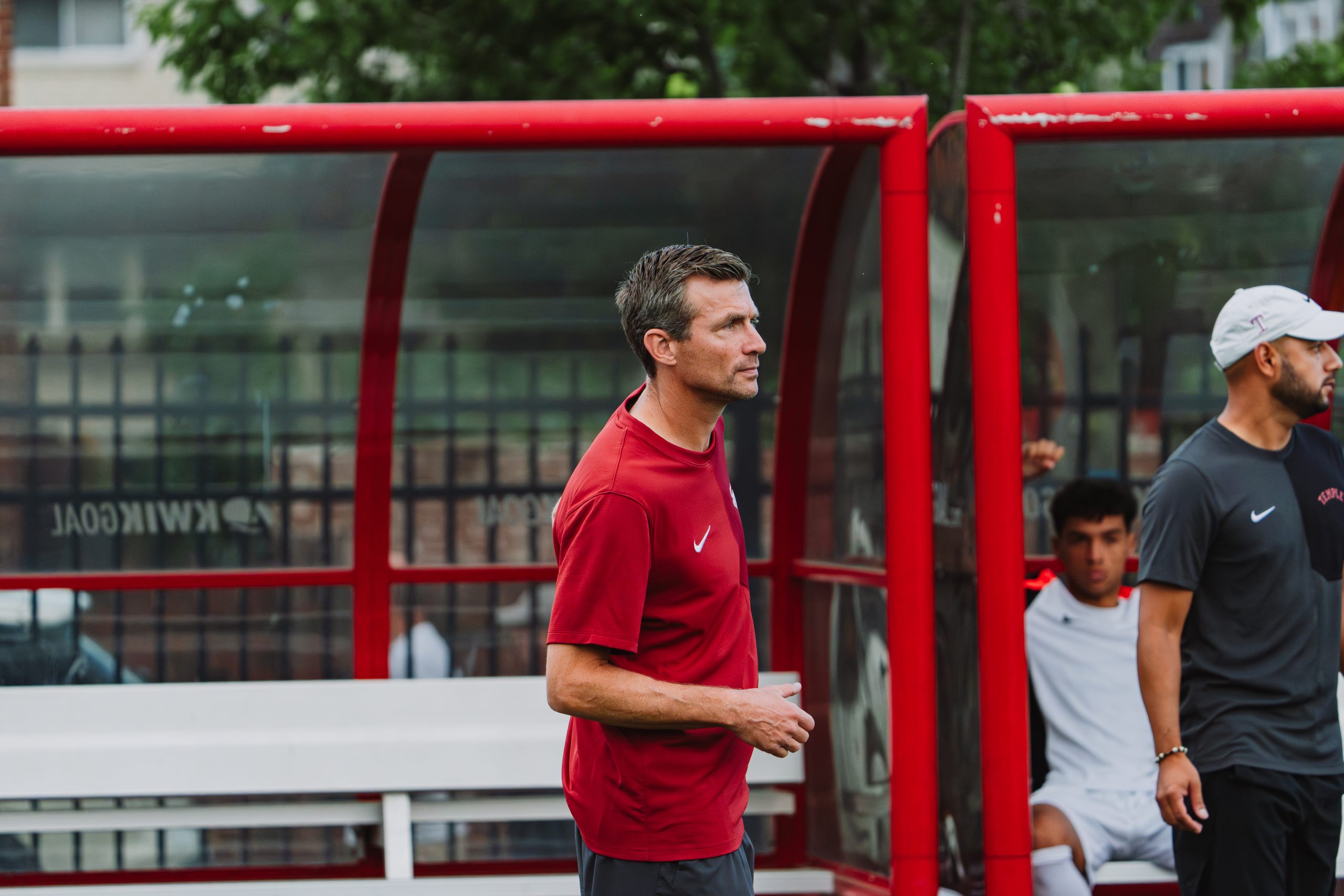
    However, Temple head coach Bryan Green did not feel Philadelphia’s climate was a cause for concern.

    “All the leagues in Europe, like Germany, have a pretty similar climate to us,” he said. “They play in December and January. It’s part of the sport to play outdoors and play in different environments and conditions”

    David Castellanos believes college soccer’s current system is yielding strong results and a “drastic change” would not be necessary.Drexel Athletics

    One way to escape the cold is to schedule early spring matches down South, which is what most of the area’s college baseball teams do. Fetrow noted that he has been in conversation with Villanova to “try to go down to a place like North Carolina” to start the second half of the season. Thames, Mulqueen, and Castellanos all shared similar interest.

    Like anything, though, that will come with additional costs.

    “Those are going to be travel expenses. I don’t see how you can get around it,” Mulqueen said. “We’ve gotten to the stage where the smaller schools, we have to adapt to what’s being done at an NCAA level that we really don’t have much say in.”

    Player health

    A leading factor in the new format’s adaption was the idea that spacing out games would result in fewer total matches missed due to injuries. The NCAA, in its formal announcement, wrote that increased recovery time “could support injury prevention and return-to-play protocol.”

    For the most part, the area’s coaches agreed with the reasoning.

    “Say a kid needs two and a half weeks to get back [from an injury], there’s a good chance that the player missed five or six games through one injury,” Gill said. “Versus [in the new format], the player maybe misses two to three games. You’re sort of giving some space for guys to naturally come back.”

    While Castellanos agrees that total games missed will be cut down due to the new format, he believes that a longer season may bring more “wear and tear” injuries.

    “When we think about these injuries, we think about some of the major ones, but we’re not talking about the soft tissue ones,” Castellanos said. “Now that you go 10 months, you’re on it every single day, right? I think that you know these things can linger. It’s going to put a lot more pressure on the training staff to maintain these guys to be healthy for 10 months.”

    Bryan Green has led the Owls as head coach since 2022.Temple Athletics

    Mulqueen is also concerned about new injuries sprouting due to the format.

    “In my experiences, when you have more time, you do more things,” Mulqueen said. “No one’s going to sit idly by and say, ‘Right, we have 10 months now, or we’re going to give guys time off.’ Well [if] you get bad results, you’re going to do more.”

    Now, Philadelphia’s coaches are in a waiting game to see when the proposal will make its way back to the NCAA’s desk. In the meantime, they will continue to prepare for what feels like the inevitable.

    “There’s all kinds of different challenges every season, no matter what,” Green said. “I think that’s the one thing that college athletics does really well, is they’re nimble and adaptable, and this is just one more thing that we can prove that we can do.”

  • The fifth annual Cathedral Classic returns to the Palestra with expanded five-team field

    The fifth annual Cathedral Classic returns to the Palestra with expanded five-team field

    With this year marking the Palestra’s 100th anniversary, the fifth annual Cathedral Classic is expanding.

    The multiteam event, which previously was a four-team round robin, will boast five teams this year: host Penn, La Salle, Bucknell, Buffalo, and Towson. The classic also is shifting from three days to two and no longer will crown a winner.

    The two days of doubleheaders span Thanksgiving weekend, Nov. 27-28, and open with La Salle vs. Bucknell at 3:30 p.m., then Penn vs. Towson (6 p.m.). The next day, Towson takes on Buffalo (3:30 p.m.), and Penn will face Bucknell (6 p.m.).

    “The Penn men’s basketball program is excited to celebrate 100 years of the Palestra with the return of the Cathedral Classic,” Penn coach Fran McCaffery said in a release. “There is no better way to honor our historic arena than with a weekend of great basketball games.”

    La Salle coach Darris Nichols added: “We’re grateful for the opportunity to play at the Palestra during its 100th anniversary. Honoring the venue’s legacy was important to us when we first talked about this year’s schedule, and we’re excited to take on a good Bucknell team.”

    Last season, Hofstra was crowned the tournament’s champion after defeating Penn to finish 3-0 in the round robin. However, for Big 5 fans, the most memorable game was on Day 2, when the Quakers faced La Salle. In that matchup, Penn erased a 15-point deficit to defeat the Explorers, 73-71.

  • La Salle names Jarett Gerald as its new director of athletics

    La Salle names Jarett Gerald as its new director of athletics

    La Salle has found its new athletic director after Ash Puri departed from 20th and Olney for the same job at St. Joseph’s.

    The university announced Monday that Jarett Gerald will take over as vice president of athletics & recreation and director of athletics, starting in August. He’ll oversee the school’s 23 Division I programs, while managing a recreation department that serves nearly 3,500 students.

    “We are building tremendous momentum across our university, and I believe Jarett is exactly the kind of leader who will accelerate that momentum within Explorer Athletics,” wrote La Salle President Daniel J. Allen. “He understands that athletics is about far more than competition. It is about developing young people, strengthening our university, inspiring alumni and donors, and elevating the La Salle experience for our student-athletes and our entire campus community.”

    Gerald, who has spent 15 years in college athletics, previously served as assistant athletics director for major gifts at the University of Missouri, where he developed a naming rights and an endowment strategy, and secured six- and seven-figure commitments from donors.

    “Great institutions are built by people who believe deeply in a purpose greater than themselves,” Gerald wrote. “Throughout this process, I came to appreciate the strong foundation of faith, hope, and service that defines La Salle, along with the shared belief that the university’s best days are still ahead.”

    Prior to Mizzou, the Columbia, S.C. native spent about four years at Duke, where he moved roles from director of revenue strategy and associate director of administrative operations to the major gifts officer. He was credited for landing $11 million in athletic commitments, including multiple seven-figure gifts.