Category: Business

  • ‘We’ve moved on’: Chester mayor and environmentalists object to LNG terminal proposal

    ‘We’ve moved on’: Chester mayor and environmentalists object to LNG terminal proposal

    Chester Mayor Stefan Roots came up with an idea as he waited to testify Wednesday during a Pennsylvania legislative committee hearing on a proposed gas export terminal.

    “I’m introducing a new initiative,” he said, “WMO — we’ve moved on .… This dangerous facility does not belong in a densely populated urban area like Chester. I’m calling on this committee to do the right thing: Protect some of the most vulnerable people in this commonwealth and say no to an LNG terminal in this region.”

    Roots spoke in response to a yearslong plan by Penn LNG to build a liquefied natural gas (LNG) export terminal in Chester or nearby in southeastern Pennsylvania along the Delaware River. The terminal would tap in to an existing pipeline to carry gas from the Marcellus and Utica formations to a site on the river. There, it would be compressed into liquid gas for export and capitalize on soaring global demand for LNG after Russian’s invasion of Ukraine.

    The hearing, held by the Pennsylvania House Environmental & Natural Resource Protection Committee, was stacked with opponents of the plan, saying it would create pollution and be highly dangerous to surrounding communities. Democratic State Rep. Greg Vitale, the committee chair from Delaware County, said proponents, including Franc James, CEO of Penn LNG, and union leaders were invited but declined.

    Penn LNG has not specified a location but has said it plans to develop a new plant to export 1 billion cubic feet per day of gas from the Marcellus Shale to Europe.

    At previous hearings held by Republican State Rep. Martina White, chair of the Philadelphia LNG Export Task Force, proponents spoke of the economic change the facility would bring, including jobs.

    Vitale said he convened Wednesday’s hearing because he feared the project would “proceed under the radar without sufficient public scrutiny.”

    Indeed, the mood Wednesday was strikingly different from past hearings as opponents told legislators an LNG facility would pose serious health, safety, and environmental justice issues.

    What are the plans for the LNG facility?

    In 2024, former President Joe Biden put a pause on LNG export approvals in 2024 to further study the issue. This year President Donald Trump has made reviving fossil fuel energy projects a priority.

    Reuters reported in June that James, the Penn LNG CEO, had met with officials at the White House over the project.

    Penn LNG wants to export 7.2 million tons a year of LNG from a site near Philadelphia to markets in Europe and Asia and is considering several locations other than Chester, such as in Trainer, Marcus Hook, and Eddystone, the news service reported.

    What are the issues regarding an LNG facility?

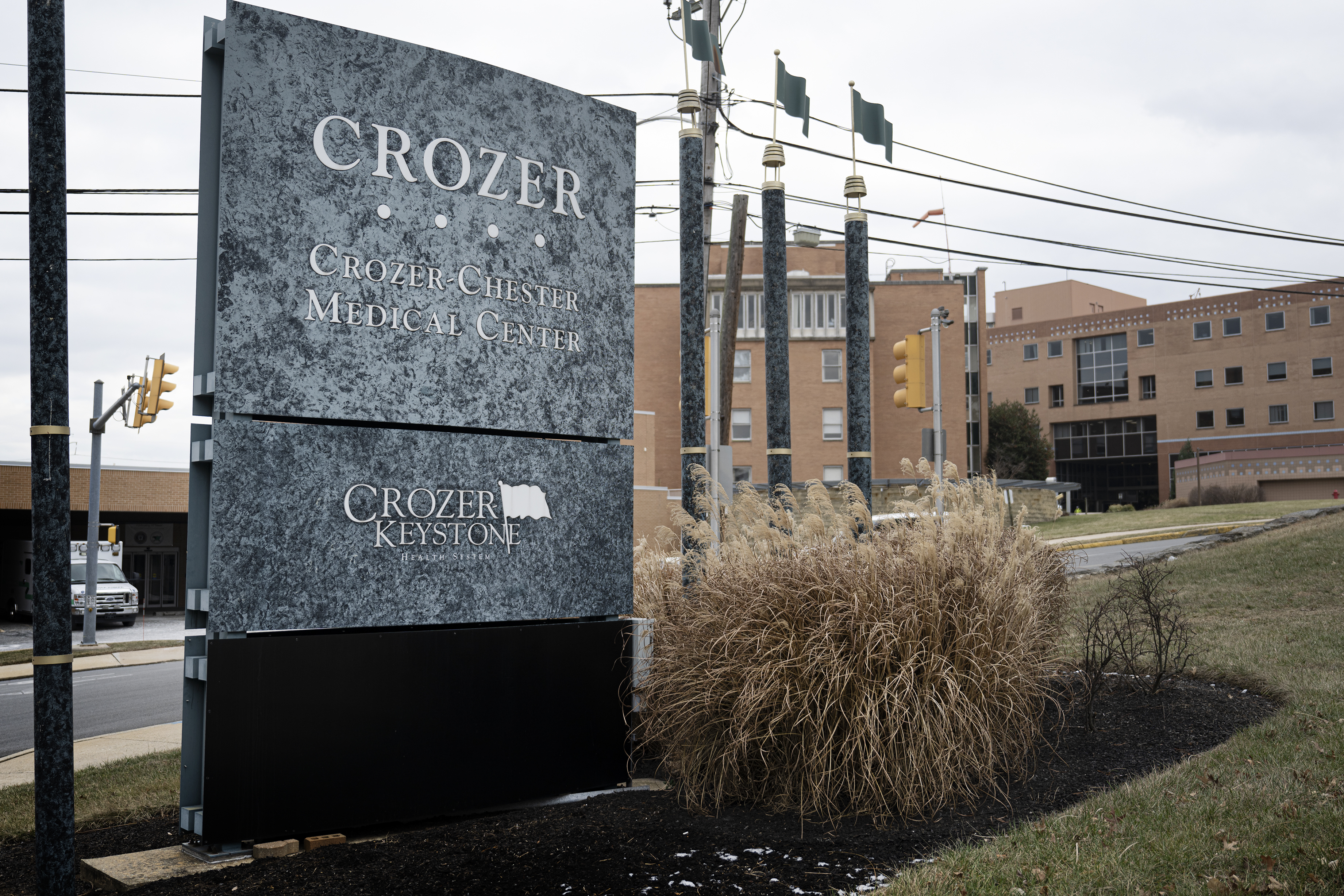
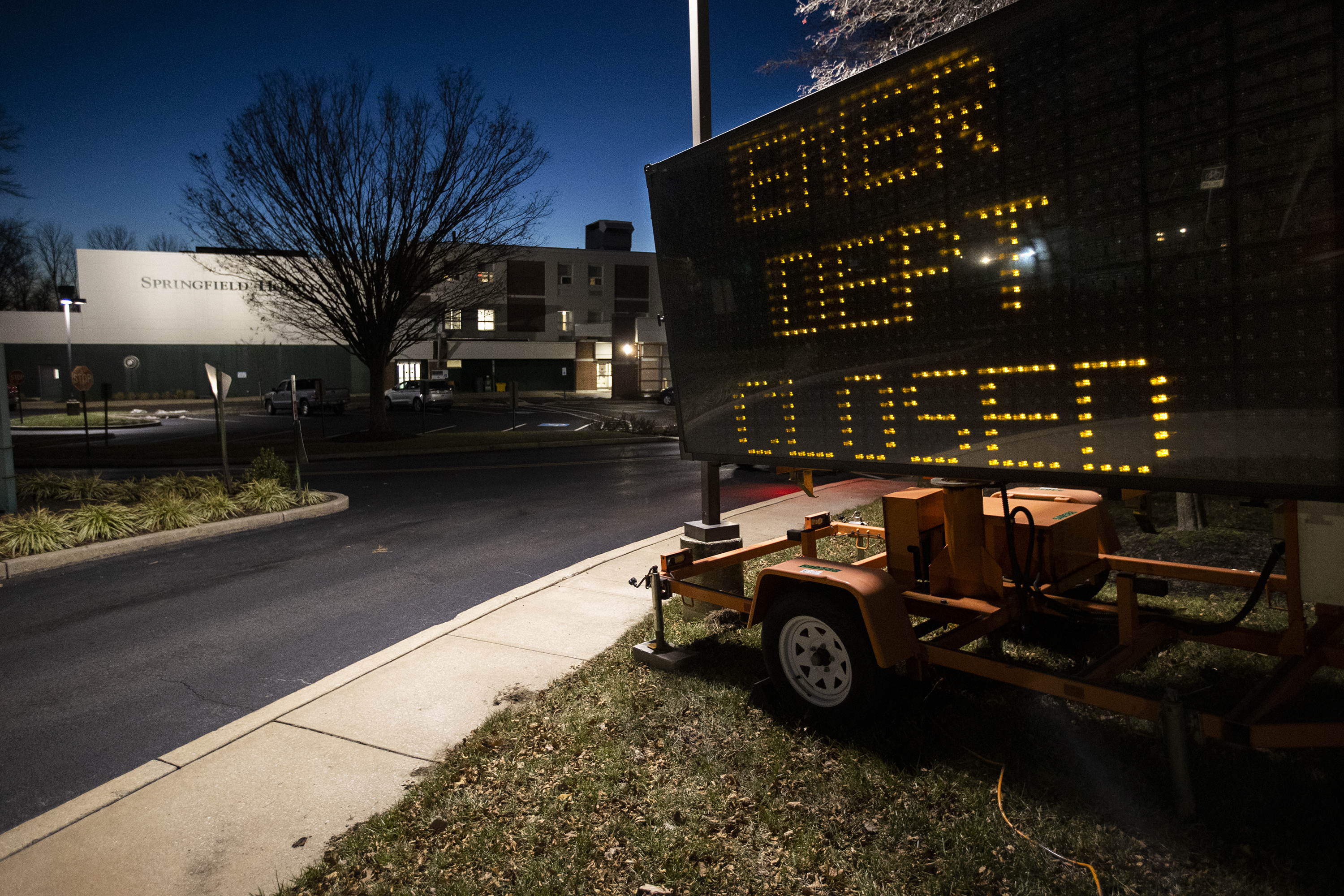
    Opponents believe such a facility would pose a major threat if there is an explosion or fire in an area already densely populated with people and polluting industrial sites. They noted that Delaware County’s Crozer-Chester Medical Center and Springfield Hospital were closed this year amid a bankruptcy auction.

    If there is a catastrophic explosion, they said, the nearest hospital would be 30 minutes away.

    Tracy Carluccio, an advocate with the nonprofit Delaware Riverkeeper Network, said the area is too densely populated for the facility, emphasizing that a major concern is the lack of a sufficient safety buffer, which the federal government advises for LNG terminals.

    She noted that similar facilities in the South are situated in areas with thousands of acres of buffer. She said a new site in the area would likely be around 100 acres.

    “There is no location within the Delaware River watershed, including the bay all the way down to the ocean, for any LNG facility to be located,” Carluccio said.

    Lauren Minsky, a visiting professor of health studies at Haverford College, said an LNG facility would exacerbate existing public health issues in the region.

    She said southeastern Delaware County has already been given a grade of “F” for particle pollution and a grade of “D” for ozone levels by the American Lung Association.

    She cited 2025 research by Johns Hopkins University showing that high levels of volatile organic compounds have been measured in communities near the fence lines of LNG facilities. She also said there are elevated cancer rates in adults living in the area’s riverfront communities, citing the People’s Cancer Incidence Screening Tool, which calculates average annual cancer incidence rates in Pennsylvania.

    “If we value the health of our families, our friends and neighbors, and throughout the commonwealth, we need to build a different future, one in which we can all thrive,” she said.

    Already industrialized

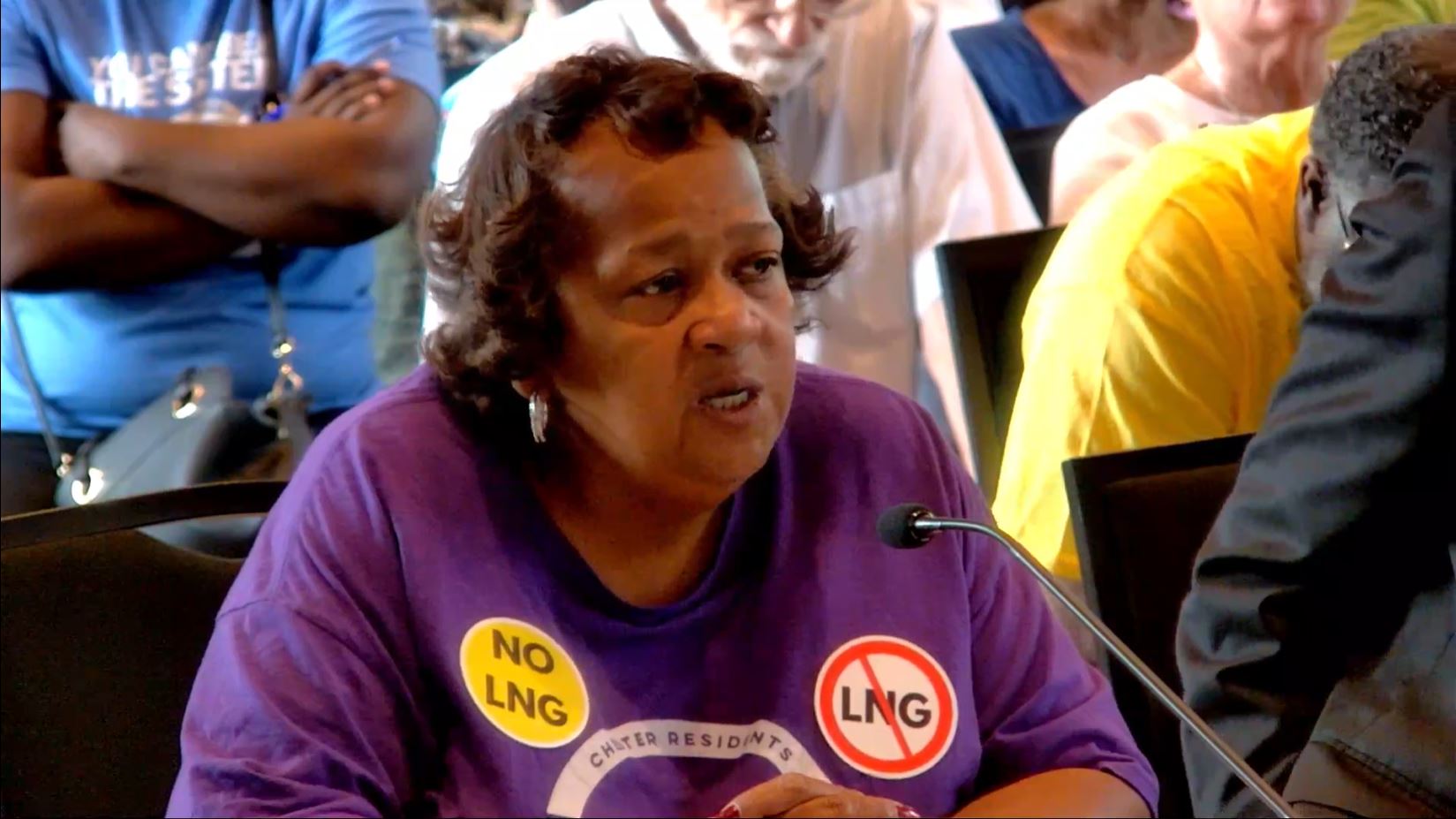
    Zulene Mayfield, an activist with Chester Residents Concerned for Quality Living, said older residents she knows have suffered heart conditions and cancers that she links to living in an already heavily industrialized area.

    Mayfield is a longtime opponent of the Delaware Valley Resource Recovery Facility owned by Reworld, formerly Covanta. The facility burns trash and converts it to energy.

    She said Chester, rimmed by heavy industry, lacks many things other communities take for granted, such as primary-care physicians or entertainment for children.

    “We are being told that we have to accept other industries” that no other communities want, Mayfield said.

    “I’m sitting here right now trying to contain my rage,” she said. “The jobs are temporary, but death is forever.”
  • The fates of Crozer-Chester Medical Center and Springfield Hospital remain uncertain three weeks after bankruptcy auction

    The fates of Crozer-Chester Medical Center and Springfield Hospital remain uncertain three weeks after bankruptcy auction

    Friday marks three weeks since the bankruptcy auction for Delaware County’s Crozer-Chester Medical Center and Springfield Hospital, and it’s not clear how much progress has been made.

    Closing the sales depends in part on local authorities agreeing to tax deals that set the assessments at the transaction prices of $10 million and $3 million, respectively, for a limited period of time.

    Upland Borough, which is home to much of Crozer-Chester, is working on a property tax agreement that will be filed in court, borough council president Christine Peterson said Thursday. “We anticipate that Upland Borough Council will take action in favor of that stipulation once it is complete,” she said.

    A representative for Chester Upland School District did not respond to a request for comment Thursday.

    If the school district also agrees to a tax resolution, a company called Chariot Allaire Partners LLC is clear to acquire the shuttered safety net hospital for $10 million.

    Yoel Polack, who is principal of Chariot Equities and has been talking with local officials and prospective healthcare providers about plans for the hospital, said last Tuesday that he expected to issue what he called a “comprehensive memo” on the property this week.

    Polack said in an email Thursday that there was still no update, but he is hoping to have something in the next few weeks.

    The backup bidder for Crozer-Chester is the same group that won the auction for Springfield. The auction led to Chariot increasing its offer by $3 million.

    Both facilities are owned by Prospect Medical Holdings, whose next bankruptcy hearing is scheduled for Tuesday. Items to be considered include Springfield Township’s lawsuit aiming to force Prospect to improve safety on the hospital campus that it closed in 2022.

    Bankruptcy Judge Stacey Jernigan granted a temporary injunction blocking Springfield from taking any action against California-based Prospect.

    Another topic is a proposed $1.5 million settlement of a lawsuit filed on behalf of Crozer employees who did not receive 60 days notice before losing their jobs in April and May when Prospect closed Crozer-Chester Medical Center and Taylor Hospital, which has since been sold. Federal law requires employers to provide two months notice of layoffs.

    A stalemate in Springfield

    Lawyers for Prospect identified Restorative Health Foundation and Syan Investments as the auction winner with a $3 million bid. But it appears a tax agreement that would assess the Springfield property at the purchase price is nowhere near completion.

    “The township has no interest in agreeing to a tax deal without having a better understanding of the buyer’s intended use of the site and whether it aligns with the township’s comprehensive plan,” spokesperson Pete Peterson said in an email.

    A representative for the winning bidders, Aminah Shabazz Perez, told the Delaware County Times recently that the buyer was in talks with two health systems about moving into the hospital, but one of them told township officials that was not true, Peterson said.

    “In addition, the township already did its due diligence prior to the bankruptcy auction and engaged in discussions with representatives of different health systems,” he said. ”There was no interest in the property due to the cost of improvements the facility would need.“

    Attempts by The Inquirer to reach Shabazz Perez have not been successful. Prospect did not respond to request for comment on the property tax situation.

    The Springfield School Board would also have to agree to a tax settlement, but has not voted “on any proposed resolution of the outstanding tax appeals or the tax assessments relating to the Springfield Hospital and parking garage properties,” the school board’s solicitor Mark Sereni said Wednesday.

    The face value of the Springfield School District’s latest claim in bankruptcy court is $1.43 million. Under an abandonment order signed on Oct. 14 by Jernigan, the district would receive a general unsecured claim, which is not likely to be worth much.

    If Prospect abandons Springfield and Crozer-Chester, the municipalities would have to foreclose on the properties to collect any of the money Prospect owes them.

  • The water wars are escalating in the City of Chester’s historic bankruptcy

    The water wars are escalating in the City of Chester’s historic bankruptcy

    As it approaches its third anniversary, the City of Chester’s historic and contentious bankruptcy also may be approaching a watershed.

    In a filing Tuesday afternoon, the state-appointed bankruptcy receiver asked Commonwealth Court to rule on an issue pivotal to the city’s ability to sell water assets that are keys to Chester’s emergence from bankruptcy.

    Receiver Vijay Kapoor argued that a narrowly tailored state law passed in 2012 that wrested control of the Chester Water Authority from city government was unconstitutional.

    If the judge finds in the receiver’s favor, “It would likely resolve a lot of the legal questions,” Kapoor said.

    The water authority, which serves 46 towns in Chester and Delaware Counties and reported $51.7 million in revenues last year, is the centerpiece of the receiver’s plans of creating a regional water authority. Aqua Pennsylvania offered over $400 million for the authority four years ago. The city’s annual budget is around $65 million.

    The Environmental Protection Agency estimates that, conservatively, U.S. residents collectively spend $100 billion a year on water.

    The receiver’s office has insisted that an owner operate the water assets as a “public entity,” not beholden to stockholders.

    Kapoor said that the state law transferring control of the authority was amended at the last minute and passed without debate.

    Frank Catania, the water authority’s attorney, countered that the receiver’s office is attempting a hijacking and that the receiver and city officials are asking customers, 80% of whom are outside Chester, for a bailout.

    “It’s not like they’re losing something they had,” he said. “They never had it “

    Kapoor also asked the judge to force the authority to turn over financial documents to explain its 14% rate increase earlier this month, adding about $70 to the average annual residential bill.

    He said the authority had undertaken a costly ad campaign, presumably at ratepayers’ expense, that he said appeared to include racial overtones.

    The authority blamed the rate hikes on bankruptcy-related legal fees and lowered credit ratings.

    “We’re a water utility,” Catania said, “and we’re also fighting a war.”

    The law the receiver is challenging

    In his filing, technically a bankruptcy “plan modification,” Kapoor said the 2012 legislation was crafted specifically to refer to the Chester Water Authority and was afoul of state law.

    Rather than the five-member board appointed by the city council, it resulted in the creation of a nine-member board with only two representatives from the city and others appointed by Chester and Delaware County commissioners.

    The law applied only to an authority that serves “parts of at least two counties” and services an area ”five times larger than the incorporating municipality.”

    The authority also had to have “projects in more than two counties.” Part of the Octoraro Reservoir, from which the authority draws water, is in Lancaster County.

    When will the bankruptcy end?

    It was uncertain when the judge might rule, or when the bankruptcy — which as of the end of 2024 had cost the state $11.5 million in legal fees — might end.

    The city, which is 80% Black, has been in the state’s “distressed” status since 1995 and entered receivership in 2020.

    Kapoor’s predecessor, Michael Doweary, took it into bankruptcy in November 2022. Chester had accumulated a $48 million pension deficit and missed several years of payments.

    Kapoor has said that sale of the water assets would be critical to avoiding dramatic cuts in retirement benefits.

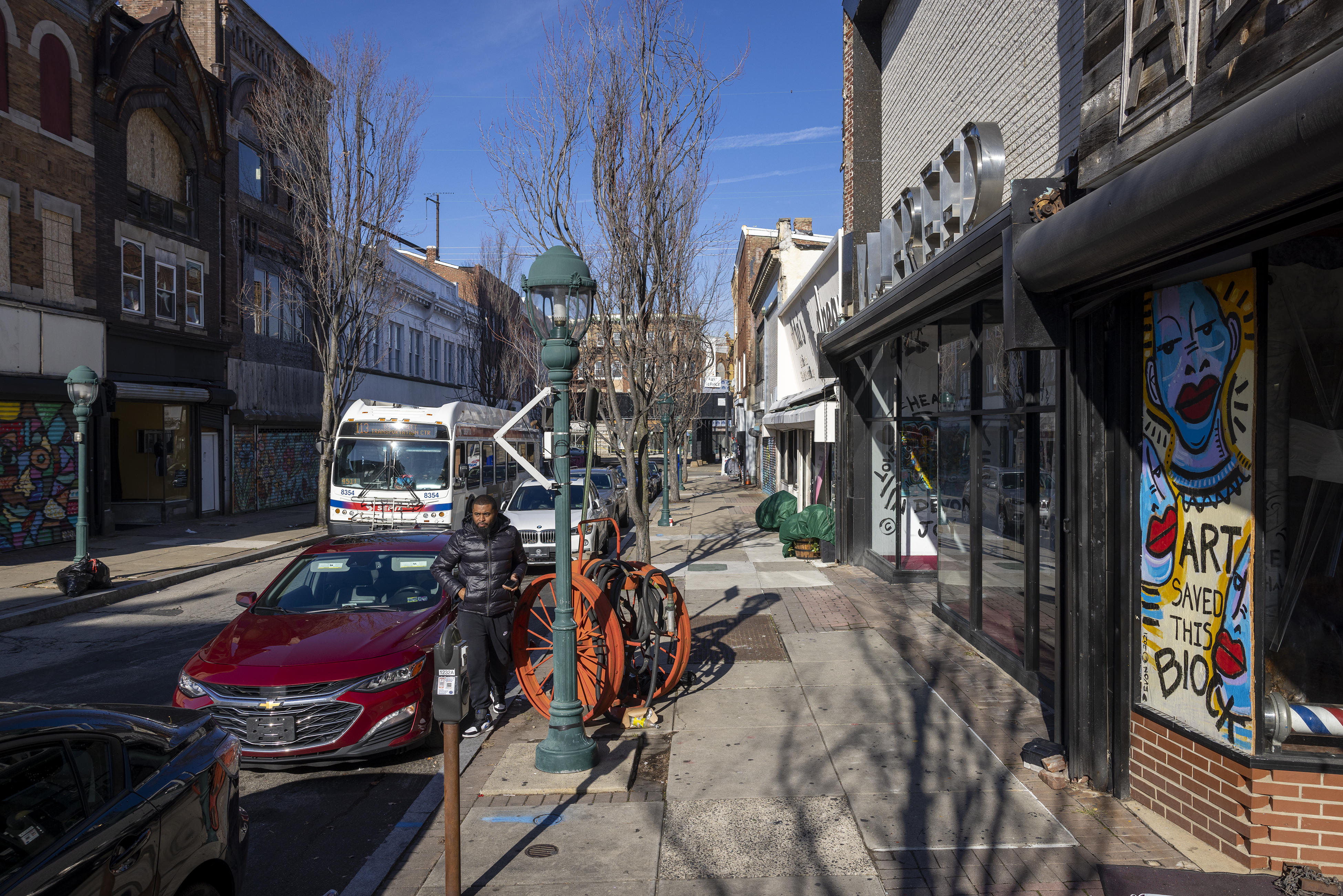
    Chester’s tax base has declined precipitously in the decades since the city’s wartime industrial heydays, and a casino and an incinerator are key contributors to its annual budget.

    Other cities have suffered similar economic trauma, but Chester is a rarity. Of the more than 35,000 towns in the country, only about 30 have filed for bankruptcy.

  • Bankrupt Prospect Medical received bids of $10 million for Crozer-Chester Medical Center and $3 million for Springfield Hospital

    Bankrupt Prospect Medical received bids of $10 million for Crozer-Chester Medical Center and $3 million for Springfield Hospital

    The winning bids at a bankruptcy auction were $10 million for Crozer-Chester Medical Center and $3 million for Springfield Hospital, owner Prospect Medical Holdings Inc. said in a court filing late Monday.

    The California for-profit, which filed for bankruptcy protection in January, identified the top bidders from Friday’s auction as Chariot Allaire Partners LLC for Crozer-Chester in Upland and Restorative Health Foundation and Syan Investments LLC for Springfield.

    Prospect did not say in its filing when it expected the sales to be finalized. Both hospitals are currently closed.

    Yoel Polack, who is in the group that wants to buy Crozer-Chester, initially declined to comment about plans for the property. “We are still working through final administrative details of the sale and will wait until next week to make any statements to the press,” he said in an email over the weekend.

    Polack is identified on LinkedIn as principal at Chariot Equities, which describes itself on its website as a real estate investment and development company. Previously, Polack worked in healthcare real estate, such as medical office buildings, at Simone Development Cos. in New York.

    Polack had an out-of-office reply on his email Tuesday, saying he would have no internet or phone access until Thursday.

    The president of Upland Borough Council, Christine Peterson, did not respond to a request for comment Monday about the winning bidder.

    No definitive information was available on Restorative Health Foundation and Syan Investments.

    A phone number registered under the name Restorative Health Foundation in Philadelphia led to a home care agency called Restorative Home Care. The person who answered the phone Tuesday said she knew of no connection to a bid for Springfield Hospital. Another number for Restorative Health Foundation had a voicemail box that was full.

    Restorative Health and Syan also participated in the Crozer-Chester auction, driving the winning bid up to $10 million from Chariot Allaire’s original $7 million offer. They were identified as the backup bidder for Crozer-Chester, in case Chariot Allaire doesn’t complete the purchase.

    At Springfield, KQT Aikens Partners 2 LLC is the backup buyer. That involves the same group of local investors that bought Taylor Hospital for $1 million last month.

    Prospect shuttered Crozer-Chester this spring, following the failure of government-led efforts to find a new, nonprofit owner. It had closed Springfield in 2022.

  • Prospect gets OK to ‘abandon’ Crozer-Chester Medical Center and Springfield Hospital if sales don’t go through

    Prospect gets OK to ‘abandon’ Crozer-Chester Medical Center and Springfield Hospital if sales don’t go through

    Prospect Medical Holdings Inc. had a $7 million bid for Crozer-Chester Medical Center and a $3 million bid for Springfield Hospital ahead of an auction held in the afternoon, an attorney for the bankrupt company said at a hearing Friday.

    Neither the winning bidders nor the top bids were identified publicly after the auction. Prospect did not respond to a request for information about the prospective buyers. Community members have been pushing for the restoration of hospital services to Crozer-Chester in particular.

    At the same hearing, U.S. Bankruptcy Judge Stacey Jernigan approved Prospect’s plan to “abandon” the two shuttered Delaware County hospitals if the sales fail to close promptly because the properties have become a financial burden to the bankruptcy estate.

    Prospect used a similar tactic last summer in the case of Crozer Health’s two other closed hospitals, Delaware County Memorial Hospital in Drexel Hill and Taylor Hospital in Ridley. Both of those hospitals have since been sold.

    In a court filing Friday morning, Prospect said it had reached agreements with local tax authorities to set the assessments on Crozer-Chester and Springfield at the sale price for this year and next year.

    The properties had elevated assessments because of Prospect’s financial maneuvers since the California for-profit acquired the county’s largest health system in 2016. The current assessment on Crozer-Chester is $114.6 million, according to public records. That figure is $10.9 million for Springfield

    The filing also said school districts and others would accept general unsecured claims in the bankruptcy. Those claims are unlikely to have much value.

    Much of Friday’s hearing on the abandonment motion was taken up with discussion of complications at Springfield. An attorney for Springfield Township said his client had not agreed to the tax deal outlined in the abandonment motion and was not part of the discussions.

    That’s because Springfield Township has not filed a bankruptcy claim for back taxes, according to Prospect’s attorney, Maegan Quajada, of Sidley Austin. A hurdle in any sale is a deed restriction on the Springfield property that requires the operation of an emergency department that is open all the time.

    However, Prospect closed the Springfield Hospital emergency department in early 2022, so it’s not clear how much weight the deed restriction has.

    When Prospect announced late last month that it would hold an auction for Springfield and Crozer-Chester, it said any bids had to have no conditions on them, such as the resolution of tax matters or the Springfield deed restriction.

    But then Prospect changed its mind and accepted conditional bids and rejected one that was unconditional, an attorney said in court Friday.

    Quajada said the unidentified contingencies are being taken care of. “We already know we can meet them,” she said.

  • Weavers Way’s $8 million Germantown grocery store is finally open

    Weavers Way’s $8 million Germantown grocery store is finally open

    For years, the Germantown-based members of Northwest Philly’s Weavers Way Co-op have had to travel north to shop at one of the grocery stores in which they hold a stake. Shopping at the closest one — the original Carpenter Lane store in Mount Airy — means navigating a two-story 3,000-square-foot rowhouse filled to the gills with goods and other customers (1,000 a day, on average). It’s charming but cramped.

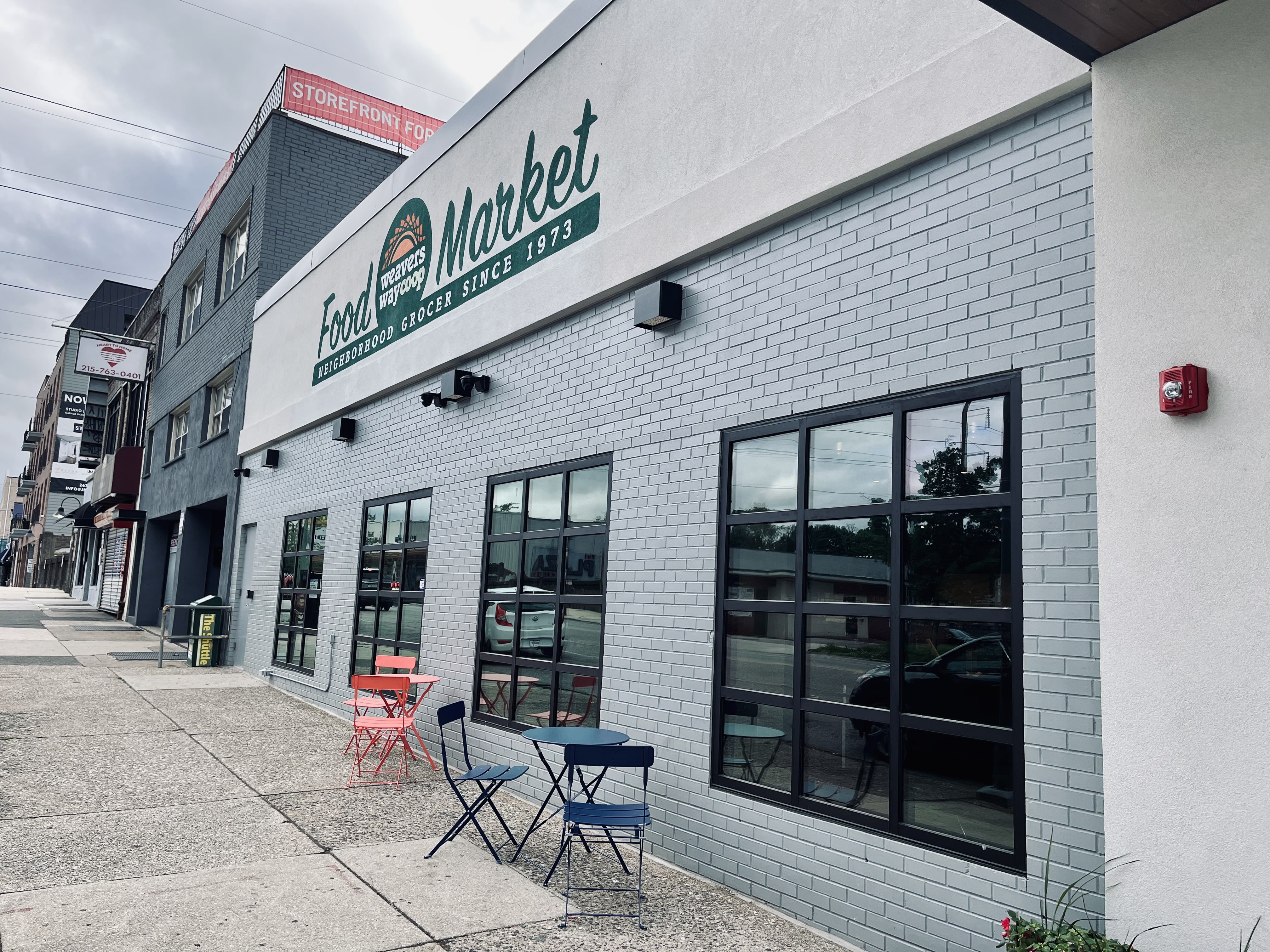
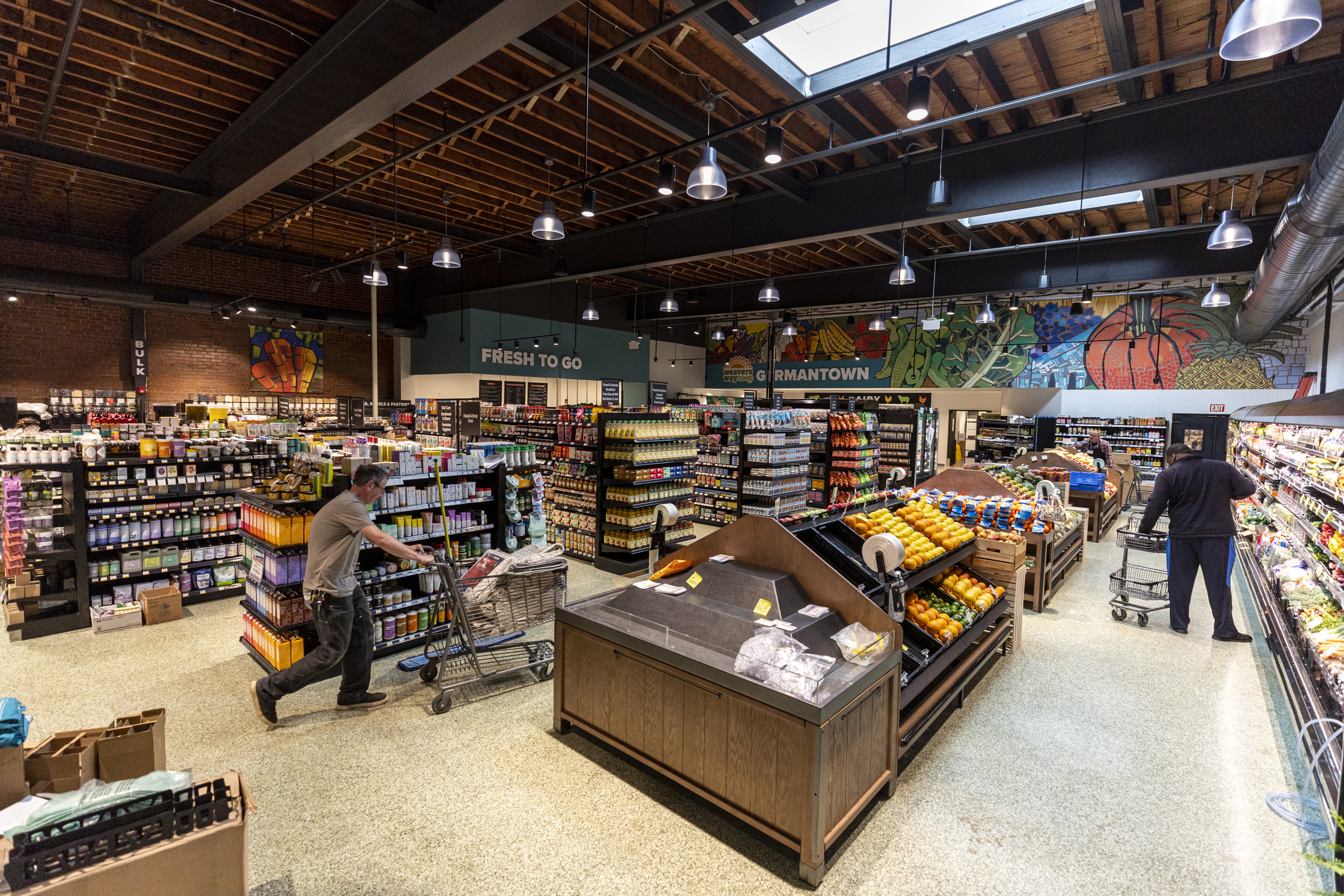
    Germantown shoppers will have room to spread out now that Weavers Way’s latest location, at the corner of Chelten Avenue and Morris Street, is officially open, two years after it was first announced. The 6,000-square-foot full-service grocery store includes a bulk goods section, fresh produce and dairy, prepared foods, a bakery case stocked with fresh-made bread and pastries, and a deli counter offering made-to-order sandwiches and bowls.

    Weaver’s Way Food Market, which will open soon this week in Germantown, Pa., on Tuesday, May 14, 2024.Tyger Williams / Staff Photographer

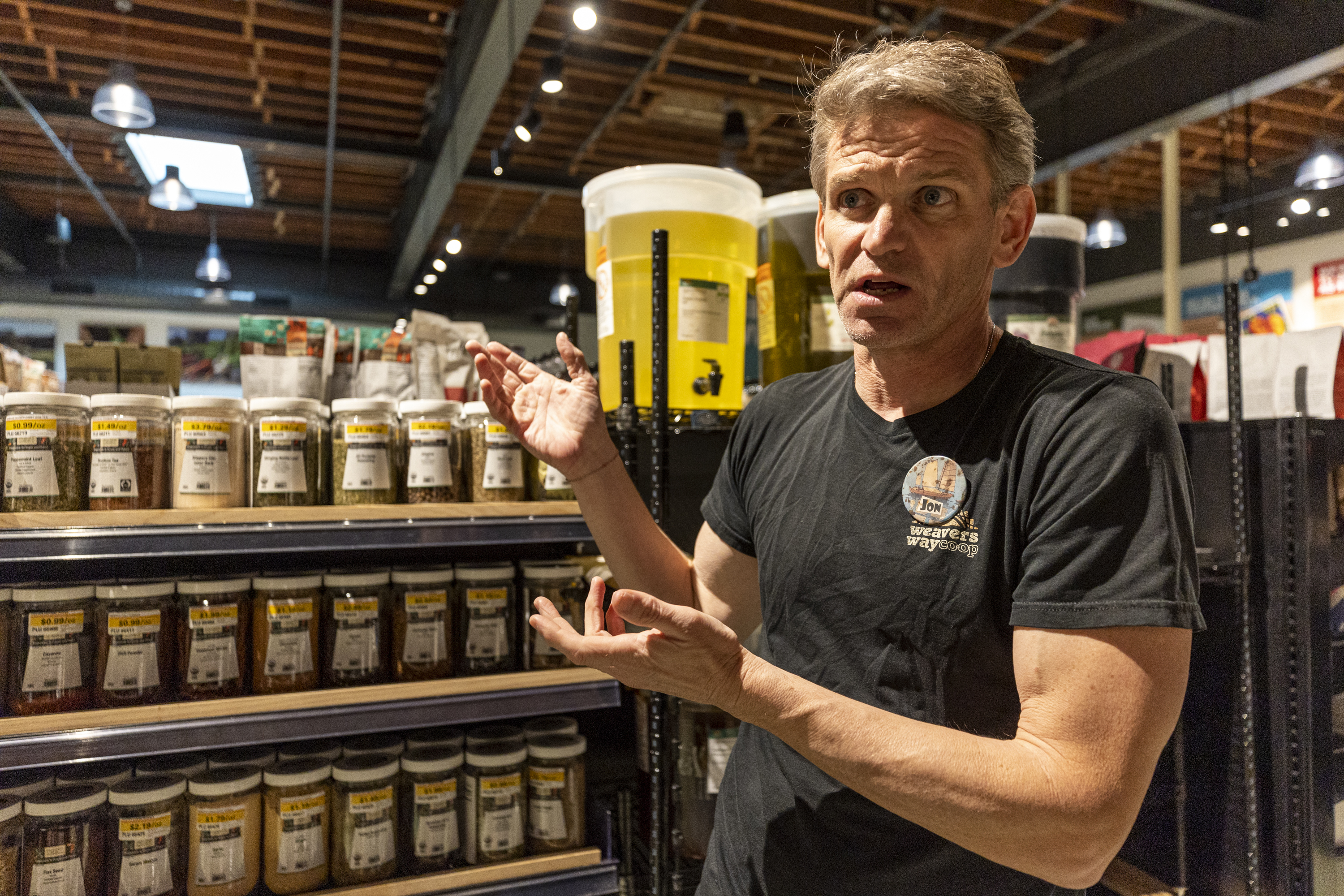
    General manager Jon Roesser said the store’s larger footprint affords more than just a less-stressful shopping experience. “Because this store and [Weavers Way] Ambler are bigger, it allows us to get more flexible with the product mix. We can offer stuff at a lower price point, more conventional stuff — good-quality conventional stuff,” he said in an interview Tuesday, as workers finished stocking the shelves.

    Besides hot roast chicken, store-brand olive oil, bulk cashews, frozen pizza, THC gummies, and houseplants, the store features a deep bench of local products: Dietz and Watson deli cuts, Milk Jawn ice cream, Merzbacher’s bread, beef and turkey from Ed Hipp’s in Olney, injera wraps from Germantown’s Salam Cafe, grab-and-go items from Moshe’s in North Philly, and salad greens grown on Weavers Way’s Henry Avenue farm at W.B. Saul Agricultural High School.

    The store also features products from fledgling businesses like candles from Philly-based Luminous Intentions and body scrubs from Oreland’s Natural Body Essentials. “These are super hyperlocal, very small vendors that have never retailed before and we work with them to get their products onto our shelves and hopefully then they can launch to other shelves,” said development director Kathleen Casey.

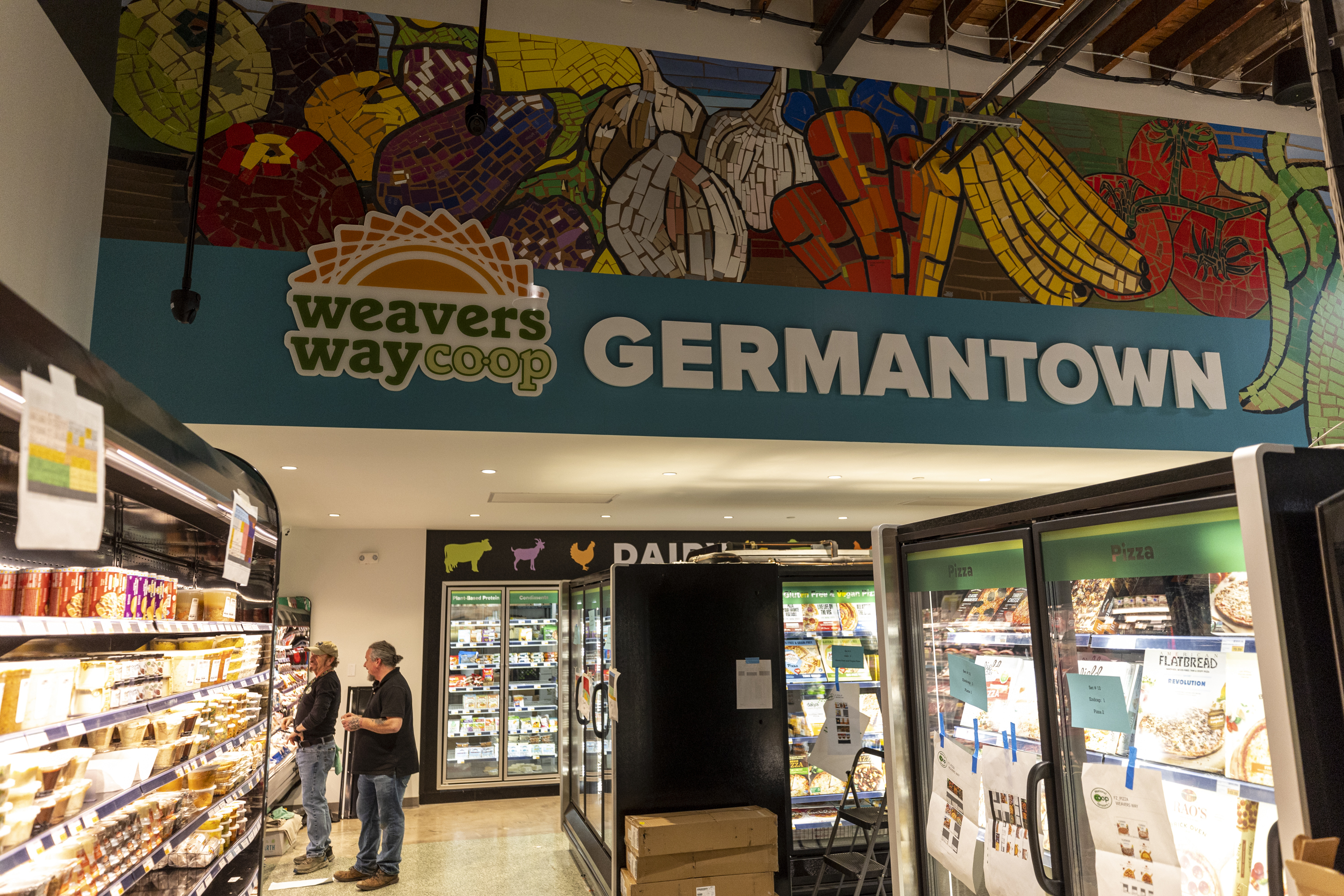
    Weavers Way Germantown features original terrazzo floors, a wood ceiling, exposed brick, and mosaic art made by Philadelphia schoolchildren via the nonprofit Fresh Artists. Tyger Williams / Staff Photographer

    The co-op estimates that the Germantown store will see about 620 customers a day. The member-owned cooperative, founded in 1973, has more than 1,400 members in the 19144 zip code. (Only Mount Airy claims more — about 3,000 members.) You do not need to be a member to shop at Weavers Way, though working members are eligible for a 5% discount on purchases.

    The new store employs 40 workers, most of whom live within walking distance, according to Roesser and Casey. One of them is prepared foods manager Asia Simmons, who has lived in Germantown for five years. “There weren’t a lot of options in this neighborhood for fresh, local food, which is something that I strive for for myself and my family,” Simmons said. “It means a lot that I can actually walk here and get my groceries.”

    Fresh fruits and vegetables stocked up at Weaver’s Way Germantown. The store accepts EBT and will be WIC-certified soon. Tyger Williams / Staff Photographer

    While a Save-A-Lot and an IGA are within a few blocks of the new Weavers Way, Roesser and Casey pointed to recent market studies of the area that identified significant unmet demand for grocery stores, specifically those with healthy and organic options. The studies also indicated Germantown residents did most of their grocery shopping in other neighborhoods.

    “They’re going up to City Avenue, they’re going to the ShopRite on Fox Street, they’re going up to the Weavers Way in Mount Airy or the Acme at Germantown and Sedgwick,” Roesser said, adding that Chelten Avenue sustained several grocery stores in the commercial corridor’s heyday.

    When Weavers Way first announced the Germantown project, it originally targeted opening in summer 2023. The wait for the store’s completion lasted months longer than anticipated, but much of the neighborhood has been waiting even longer. Germantown residents have been vocal about the desire for a grocery store of this caliber for more than a decade. In 2011, a Fresh Grocer at the corner of Chelten and Pulaski Avenues closed after just five years, with the owner citing insufficient business and residents citing unsanitary conditions and poor-quality food in the store. Plans to redevelop the store’s lot and replace it with a Save-A-Lot and a Dollar Tree, among other retailers, rankled the community but were eventually carried out.

    So it was a years-long answer to locals’ wishes when Weavers Way alerted members the new store’s doors had finally opened Wednesday afternoon. Starting Thursday, the store will be open daily 8 a.m. to 8 p.m.

    Originally an Acme, the building at 328 W. Chelten Ave. had been used for social services in more recent years. It had been vacant since 2015 before Weavers Way signed a long-term lease in May 2022. The co-op ultimately purchased the property for $2.4 million in 2023, according to city records, accounting for the most substantial expense in the $8 million project. While Weavers secured numerous grants — from the city, state, and federal governments, as well as healthy-food-focused organizations like the Food Trust — to back the project, Roesser notes the main source of financing came from member loans, which will be repaid over time.

    “We can’t attract private equity, Wall Street’s not interested in investing in a co-op,” Roesser said. “We could not do this without members investing in the business that they own.”

    “As a consumer cooperative, we exist to meet [members’] needs,” says Weavers Way General Manager Jon Roesser. “Our expansion to Chestnut Hill and to Ambler and Germantown has all been predicated on membership expansion in those neighborhoods first.”Tyger Williams / Staff Photographer

    Weavers Way Germantown, 328 W. Chelten Ave., 215-843-1886, weaversway.coop