Author: Jonathan Zimmerman

  • Platner, Fetterman, and the myth of the working-class politician

    Platner, Fetterman, and the myth of the working-class politician

    When I was a kid, my father told me something I’ve never forgotten. When you dislike someone, he said, it’s often because you see a part of them in yourself.

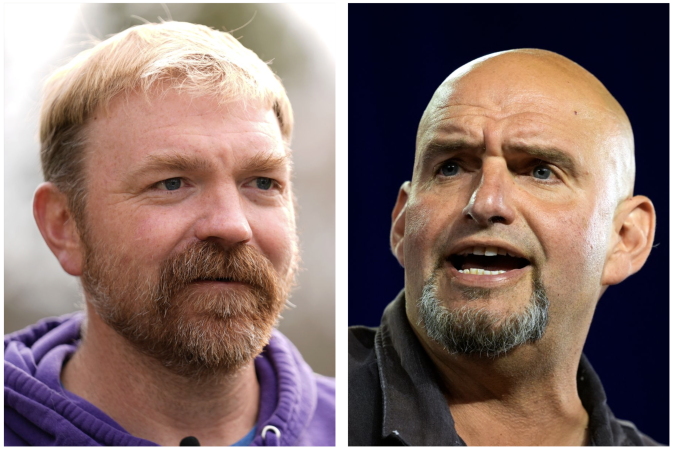
    I’ve been thinking about Dad’s comment during the recent slugfest between Sen. John Fetterman (D, Pa.) and Graham Platner, the Democratic Senate nominee from Maine.

    Noting Platner’s Nazi tattoo (since covered up) and reports about sexually themed messages he sent to several women, Fetterman called Platner a “bona fide dirtbag.” Platner fired back, labeling Fetterman an “a-hole” as well as a “stooge” for the American Israel Public Affairs Committee.

    The two men have important political differences, especially about the Middle East. But here’s what they have in common: They’re both pretending to be rough-hewn, working-class guys.

    In fact, both of them were born into significant family wealth. And so were almost all of America’s political leaders, past and present. We just don’t want to admit it.

    Consider Andrew Jackson, supposedly our first common-man president. In high school, I learned that the first six presidents included four wealthy Virginia planters (Washington, Jefferson, Madison, and Monroe) and two prosperous New England lawyers (John Adams and his son, John Quincy Adams). But then came Jackson, who grew up in hardscrabble circumstances.

    Not quite. Jackson was raised on a Carolina farm with a gristmill, a whiskey still, and enslaved laborers. To be sure, he lacked the elite pedigree of his predecessors. But he was hardly poor or working-class by the standards of his time.

    Ditto for Abraham Lincoln. Supporters celebrated him as a “rail-splitter” who did hard agricultural work as a young man. Lincoln fed that myth, declaring that his childhood echoed the famously sad line in Thomas Gray’s poem “Elegy Written in a Country Churchyard”: “the short and simple annals of the poor.”

    Again, not quite. When Lincoln was born in 1809, his father owned two farms and several town lots. Five years later, Thomas Lincoln was in the top 15% of taxpaying property owners in his rural Indiana community.

    The only early American president who arguably came from poverty was Lincoln’s successor, Andrew Johnson. At 14, Johnson was indentured to a local tailor. He ran away two years later and opened up his own tailor shop, where he earned enough to purchase a modest house.
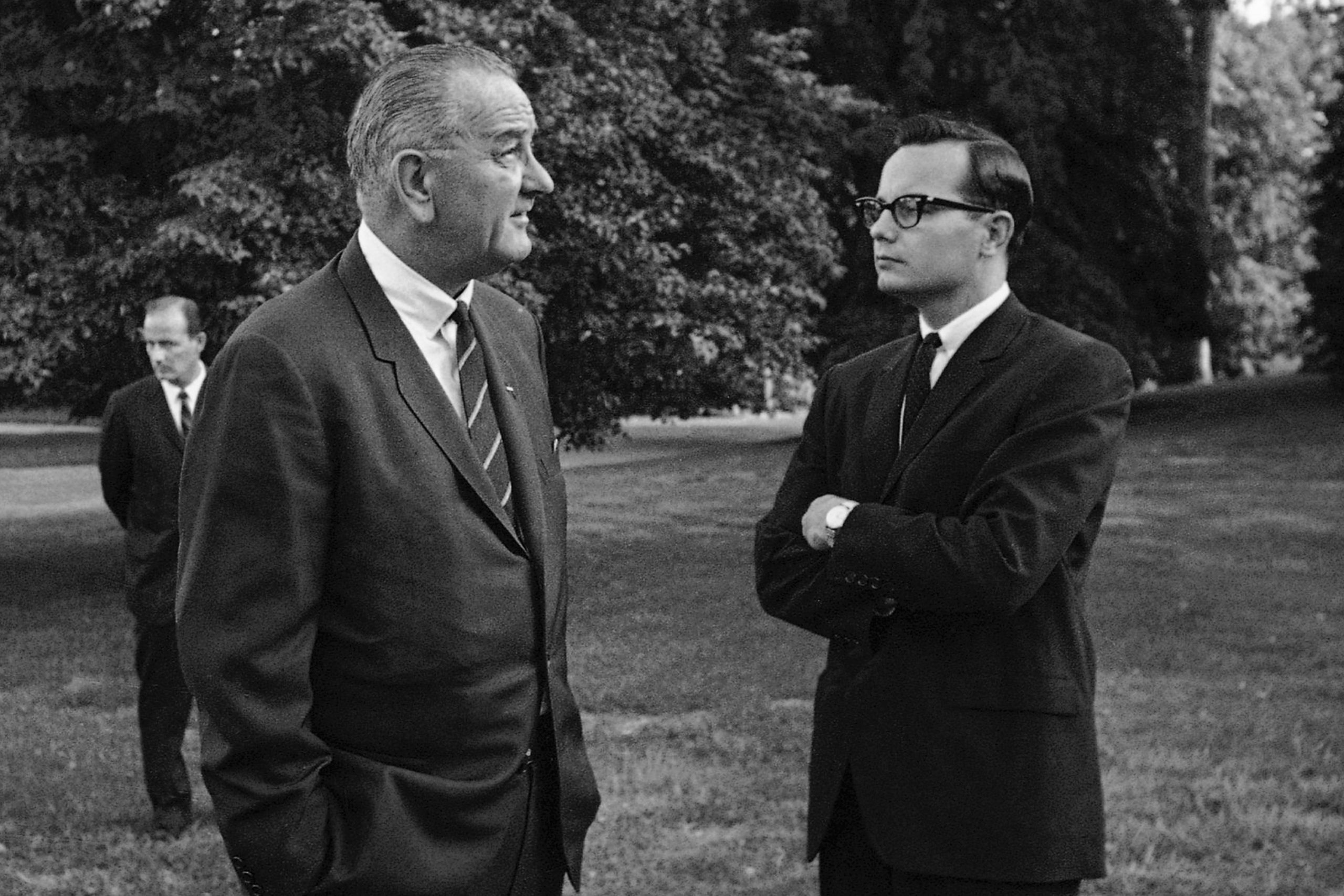
    President Lyndon B. Johnson (here with press secretary Bill Moyers in August 1965) used to say that he grew up in poverty, but his father owned a newspaper and a hotel.William J. Smith

    Lyndon Baines Johnson (no relation to Andrew) liked to say that he had grown up poor, too. But his father owned a chauffeur-driven car, a newspaper, and the only hotel in Johnson City, Texas. And Johnson’s dad was elected to several terms in the state legislature, which was itself a mark of wealth: Lawmakers earned a nominal salary, so only well-to-do Texans could afford to serve.

    Likewise, Ronald Reagan trumpeted his humble roots. “We didn’t live on the wrong side of the tracks, but we lived close enough that we could hear the whistles,” he quipped. But his family was rich enough to send him to college. And after Reagan graduated, his father was put in charge of a New Deal work-relief program in their Illinois town.

    As historian Edward Pessen wrote in The Log Cabin Myth, refuting Reagan’s claims, anti-poverty programs “are not normally directed by men themselves poor.” Pessen’s 1984 book should be required reading for anyone who still believes that our leaders come from the working class. They just pretend to.

    In that sense, Fetterman and Platner are the latest chapters in a story as old as America. In his 2022 Senate campaign, a TV ad for Fetterman called him a “blue-collar tough guy.” But Fetterman grew up in a “cushy” suburb (as he has called it) and received large payments from his parents during the 13 years he served as mayor of Braddock, Pa. The hoodie and shorts say working class. But the financials say something else.
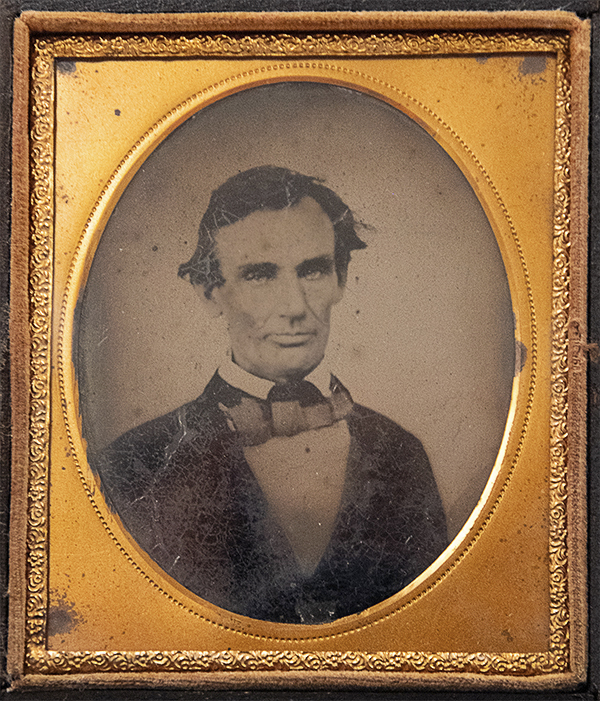
    An ambrotype image of President Abraham Lincoln circa 1858. Supporters praised his years spent doing agricultural work. But his father owned two farms and several town lots.Uncredited

    Likewise, Platner recently told a Maine television station that he’s “a working-class guy that lives a working-class life.” But his father was a prominent local lawyer, and his grandfather was an architect who built a family estate modeled after chateaus in France. Platner briefly attended Hotchkiss, one of America’s most prestigious boarding schools. Yes, he has operated an oyster farm. But his biggest client was a restaurant owned by — wait for it — his mother.

    So both of these guys are scions of privilege who present themselves as working folk. No wonder they don’t like each other. They are more alike than they would care to admit.

    We want to believe that every American can become anything they wish — a senator, or even a president — if they try hard enough. That’s why we’re attracted to figures like Fetterman and Platner, who enact this dream for us. They play the part, and we play along. Maybe it’s time we woke up.

    Jonathan Zimmerman teaches education and history at the University of Pennsylvania. He is the author of “Whose America? Culture Wars in the Public Schools.”
  • Why we should listen to Robert Coles — and to each other

    Why we should listen to Robert Coles — and to each other

    In the spring of 1983, my wife graduated from Williams College. We weren’t married — yet — but I was already in love with her. So I was in the audience on a warm May morning to watch her receive her diploma.

    That’s also where I first encountered Robert Coles.

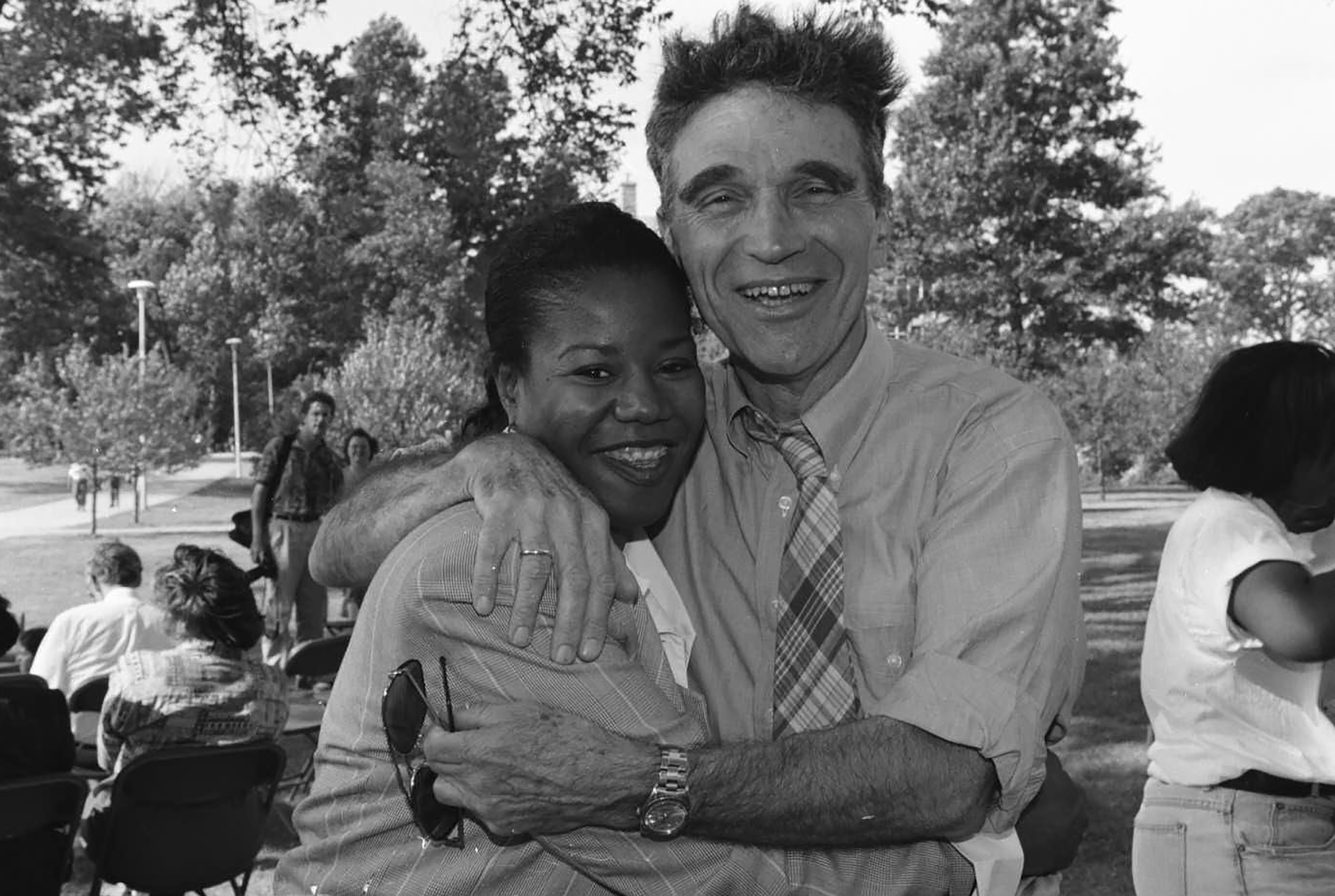
    Coles, who died June 4, was the commencement speaker. I’m embarrassed to admit that I didn’t know anything about Coles, perhaps the most influential psychiatrist in modern America. But as soon as he started talking, I was transfixed.

    He spent his life listening to children and their parents, particularly during moments of trauma or crisis. And he urged the rest of us to listen, too.

    When you listen closely, Coles discovered, every individual you meet becomes exactly that: an individual. They’re no longer a category or a caricature. They’re a human being, trying to make sense of the world. Just like you, and like me.

    That’s why Time magazine, in a 1972 cover story about Coles, congratulated him for “breaking the American stereotypes.” Wherever Coles looked, he saw people distorting — and demeaning — each other. The only antidote for that was conversation, which would “depolarize a divided society” (Time predicted) by allowing us to recognize the humanity in everyone.

    It’s easy to assume we have lost that spirit in America, which seems even more divided than it was a half-century ago. You can hear it in our heated political rhetoric, so full of anger and recrimination. She supports Democrats, so she’s a libtard. He votes Republican? Must be a fascist.

    But Coles reminded us that we can move beyond the vituperation and name-calling. Show compassion and curiosity toward everyone, he insisted. And listen to them before you judge them.

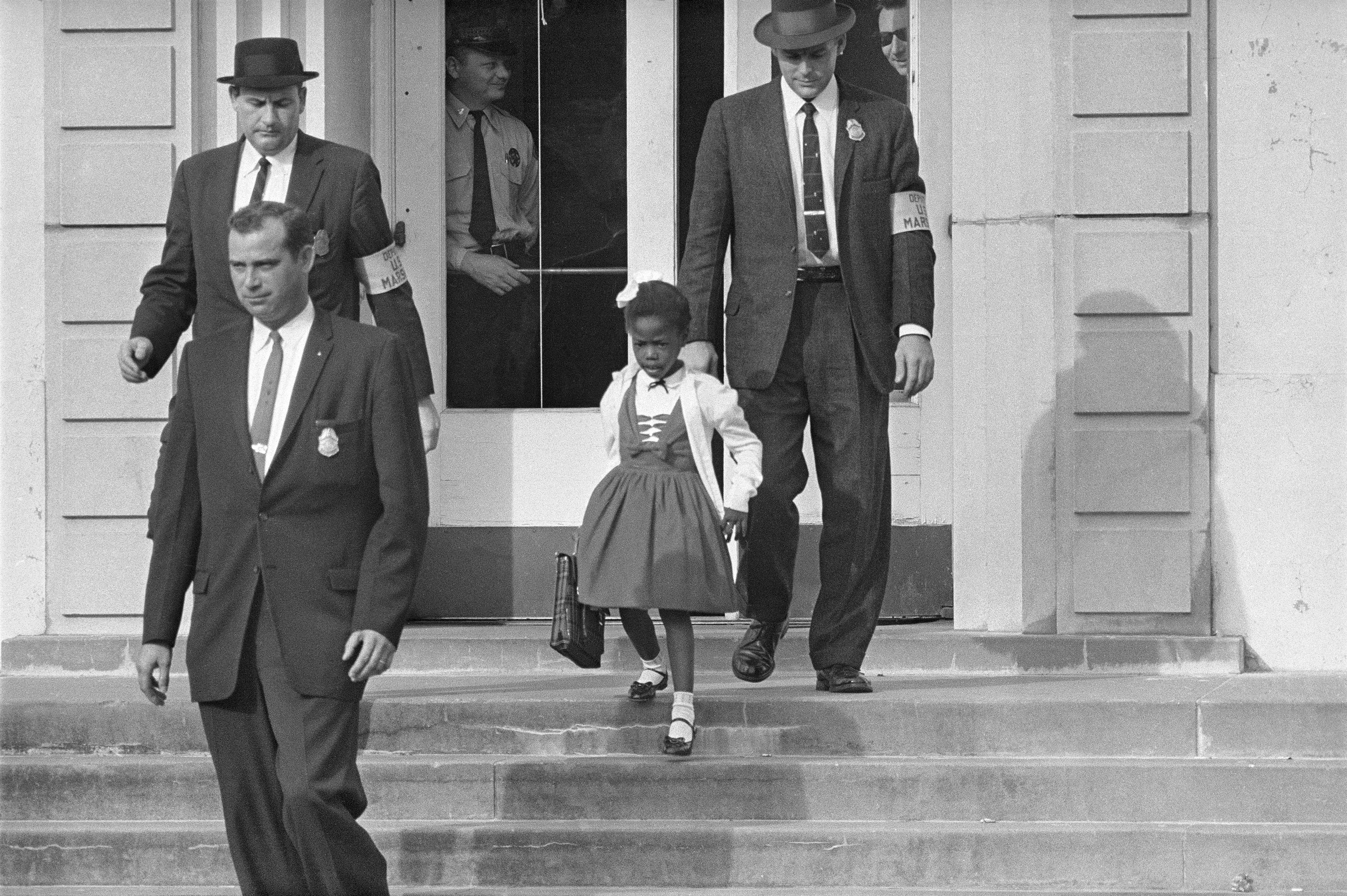
    Coles was best known for his interviews with Black children like Ruby Bridges, the 6-year-old girl who faced a mob of white racists in 1960 while integrating an elementary school in New Orleans. But he also warned against imagining Black people as noble victims, or Southern whites — including opponents of integration — as ignorant bigots.

    “Policemen are not pigs, white Southerners are not rednecks, and Blacks are not all suffering in exotic misery,” his Harvard colleague David Riesman told Time, summarizing Coles’ approach. “What he is saying is ‘People are more complicated, more varied, more interesting, have more resiliency and more survivability than you might think.’”

    Coles’ conversations with poor and right-wing whites confused his liberal friends, who wondered why he would spend so much time with “awful, vulgar, reactionary people,” Coles noted. The reason was both simple and profound: He wanted to understand them.

    “I don’t look upon them as good or bad,” Coles explained. “I look upon them as human beings, strong and sensible, weak and full of faults.” He readily acknowledged “the blindness, the distortions, the racism, the meanness” among them. But he refused to reduce them to that.

    You could find the same negative qualities in any group, Coles insisted. And working people “bore the brunt of change in American society,” he added. Dismissing them as racist was itself an unjust act, committed by people who imagined themselves as agents of social justice.

    In academia, meanwhile, these same tribunes of justice often wrote in impenetrable jargon that only their fellow professors could understand. Coles didn’t do that, either. He used ordinary language, just like the people he interviewed.

    Federal marshals escort 6-year-old Ruby Bridges from William Frantz Elementary School in New Orleans, in November 1960.Uncredited

    That spawned skepticism among some of Coles’ colleagues, who disparaged him as “unscientific” or — heaven forbid — a “popularizer.” But what’s the point of writing something that nobody — other than a small set of specialists — will ever read?

    Coles made a difference in the world precisely because his work was accessible to so many people. At the Williams graduation, he told us Bridges had been moving her lips as she walked past the mob protesting her for desegregating an all-white school. Later, Coles asked her what she had been saying.

    “I was talking for God and praying for the people in the street,” she replied. “I always pray the same thing. ‘Please, dear God, forgive them, because they don’t know what they’re doing.’”

    Bridges’ courage and compassion inspired Norman Rockwell’s famous painting, The Problem We All Live With, which appeared on the cover of Look magazine in 1964. And it inspired Coles to spend his life talking to people about how they experienced the challenges and contradictions of their world. In over 50 books and hundreds of articles, he taught us that everyone — especially children — had something important to say.

    We just have to listen to them. And, I hope, to Robert Coles.

    Jonathan Zimmerman teaches history and education at the University of Pennsylvania. He is the author of “Whose America?: Culture Wars in the Public Schools.”