Author: Scott Sturgis

  • 2026 Lincoln Nautilus: The biggest screen wins

    2026 Lincoln Nautilus: The biggest screen wins

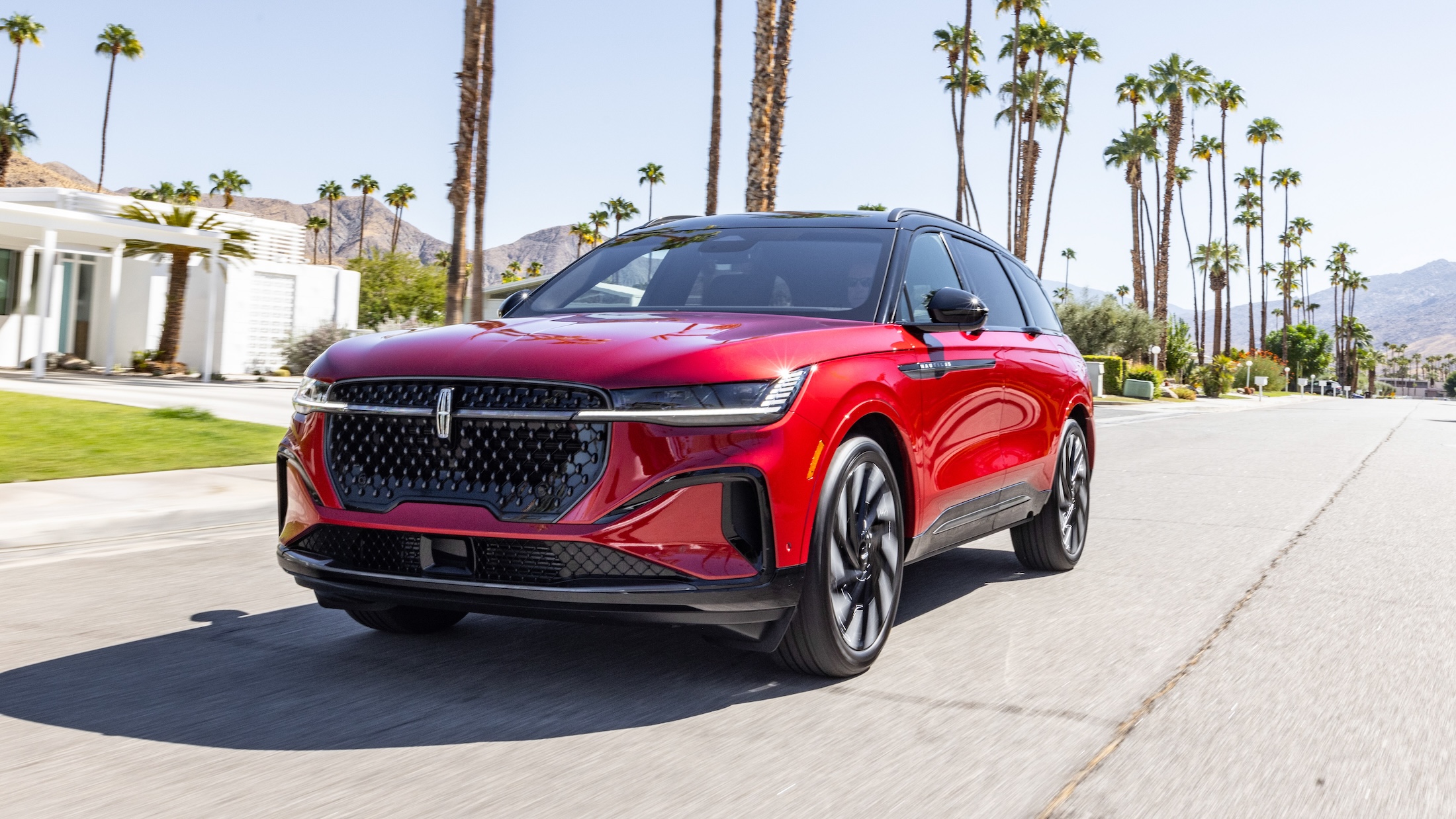
    2026 Genesis GV80 3.5T Prestige AWD vs. 2026 Lincoln Nautilus Hybrid AWD Reserve III: Battle of the big screens.

    This week: Lincoln Nautilus

    Price: $76,380 as tested.

    What others are saying: “Highs: Nicest interior in Lincoln’s lineup, cool extra-wide dashboard display, hands-free driving feature is standard. Lows: Acceleration and road manners are mid, real-world highway fuel economy isn’t better than the nonhybrid model, best features reserved for Black Label trim,” says Car and Driver.

    What Lincoln is saying: “Experience the SUV named best luxury hybrid of 2026.” (A U.S. News and World Report award.)

    Reality: I’m not sure I’ve ever cited U.S. News here, and there’s a reason for that.

    What’s new: The Nautilus was last redesigned for the 2024 model year. It gets a new look for 2027 as well. Time to shop for a deal.

    Competition: In addition to the GV80, there are the BMW X5, Land Rover Defender, Lexus RX, Mercedes-Benz GLE, and Toyota Land Cruiser.

    Up to speed: The Nautilus tested uses a 2.0-liter engine and hybrid motor and battery that together make 280 horsepower. The vehicle gets to 60 mph in 6.6 seconds, according to Car and Driver, which is not bad for a hybrid SUV. There’s also a non-hybridized version which creates just 250 horses.

    Shiftless: Lincoln uses five buttons where the center of the dashboard meets the console for PRNDL, in a nod to the original 1958 Edsel, which pioneered a push-button transmission in the center of the steering wheel. That one was ridiculous because what an odd location; this one is ridiculous because it wastes so much valuable real estate.

    On the road: The Nautilus rides quite nicely, even among luxury midsize SUV competitors. Super smooth and quiet, but not as detached as the Mercedes. It’s not much fun on the curves but definitely easy to get around in, and highways are a delight.
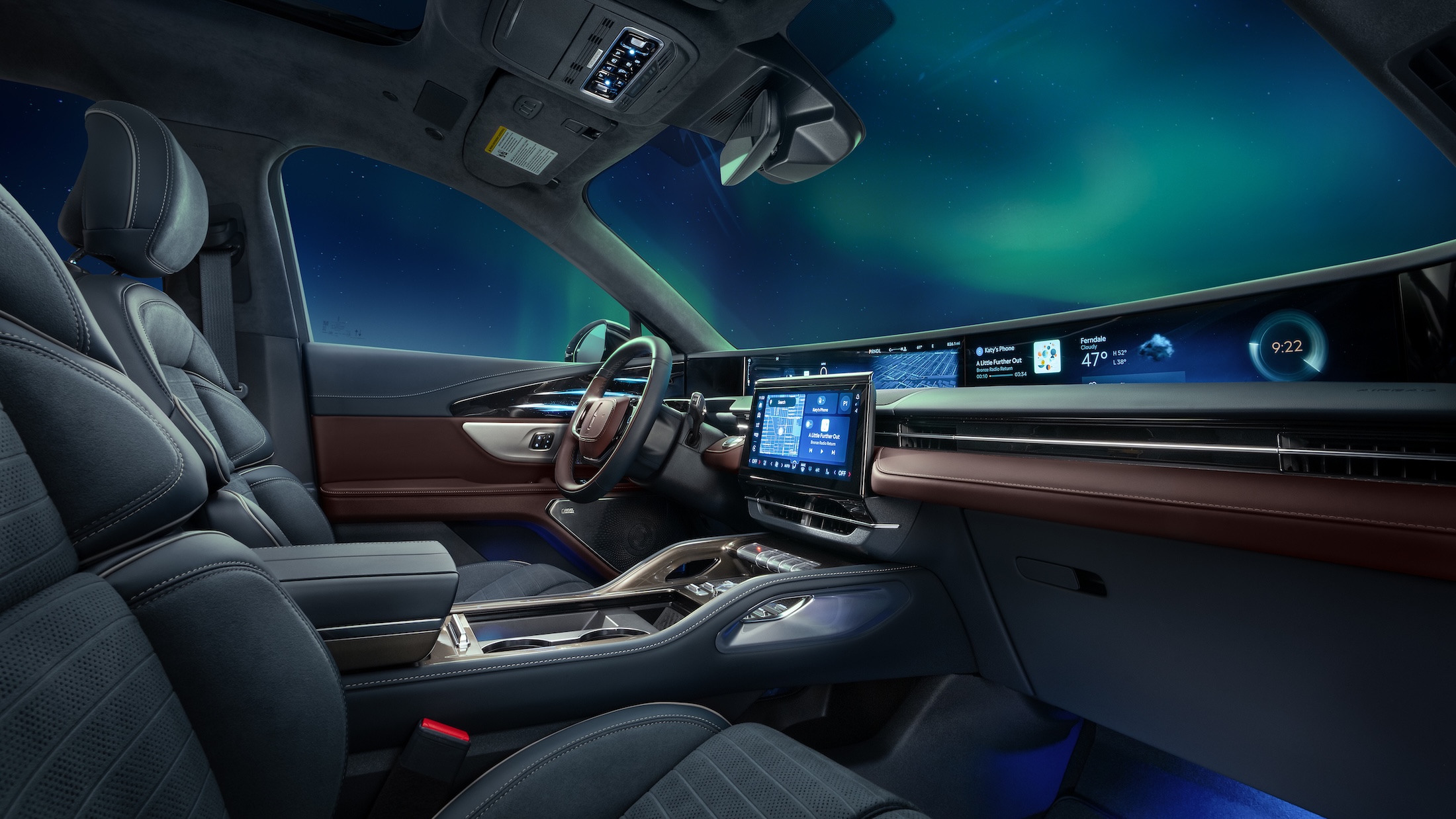
    Unlike the subtle outside, the interior of the 2026 Lincoln Nautilus gets the full Vegas treatment.Lincoln

    Driver’s Seat: First, the screen. I’ve heard raves about the screen, and I’ve seen pictures of the screen. But it is not until you sit in front of the 48-inch screen that you realize the IMAX 3D nature of the screen. The weather. The date, as big as a calendar. The time in huge numbers, turning from the minute before to the current minute and the minute after, flipping like a graphic representation of the old mechanical flip digital clocks. The map. The gauges. All swept across the top of the dashboard in an arc. Mr. Driver’s Seat’s aging eyes approve.

    But in the end it’s kind of a letdown. There are only three changeable screens from a total of six choices. Woo hoo. You still have a separate 11.1-inch touchscreen near you for the things you can change, and that touchscreen faces awkwardly out of your gaze where you might reach for a cup, and it looks smaller than it is.

    The seat itself is super comfy and beautifully proportioned, rife with snuggles, from the shape of the seat and the side bolsters.

    Finally, let’s talk about getting into and out of the Driver’s Seat. Lincoln has long since dispensed with the fake tire on the trunk but the designers made an unexpected nod to tradition with the door handles.

    There’s an exterior trim piece riding the beltline under the windows, and it is there you’ll see the bump-out handles with the opener mechanisms underneath. It took me a minute to find them. This looks to be a nod to the 1960 Mercury Montclair, a vehicle I recall seeing once as a small child, and this design touch completely fascinated me — even almost 50 years later. But it does seem like something for children, honestly. Still, I guess this is better than the pop-out handles that may not, in fact, pop out — or worse.

    The exit ramp from the Nautilus is almost as clever/silly. The door armrest has a large toggle sticking up in the front of the part that you grab to close the door.

    Sturgis Kid 4.0 had to move the vehicle in the driveway and commented on how hard it was to find different features. When I first sat down in it later, I messaged him, “Tried to release the emergency brake. Opened the gas tank.”

    Friends and stuff: The rear seat feels like a letdown compared to the front. It’s flat and kinda blah feeling, not hard nor soft, and yet not just right. Legroom, foot room, and headroom are all awesome, though the middle passenger will dispute that.

    Cargo space maxes out at 71.3 cubic feet.

    In and out: The Nautilus sits at a nice height, so everyone should find it easy to enter and exit.

    Play some tunes: The stereo is mostly controlled by the touchscreen save for an enormous volume dial in the console, something that cars from the 2010s made me think would be the PRNDL. Add this and the transmission controls together, and factor in the six pretty toggles with the fairly illegible-for-a-man-of-a-certain-age labels, and one just wants to shout “WHY?!?!” into the sea.

    Sound from the 28 Revel Ultimate 3D speakers is just fair, about a B+. It had flashes of being better but it was not overall.

    Keeping warm and cool: Most of the controls can be found along the bottom of the touchscreen, and those are fairly easy to sort as long as the vehicle is not in motion.

    The vents look like they stretch across the front of the cabin but they really don’t. I didn’t find any way to redirect the air flow.

    Fuel economy: The vehicle averaged around 26 mpg over about 2,500 miles of travel in various journalist and delivery-driver hands. Advantage, Lincoln.

    Where it’s built: Hangzhou, China.

    How it’s built: The Nautilus Hybrid gets a 2 out of 5 for predicted reliability from Consumer Reports.

    In the end: The fuel economy and the bargain price over the Genesis makes this Lincoln worth a second look, and honestly the cool stuff is kinda cool after all.
  • 2026 Genesis GV80: Because your drive requires a Mood Curator

    2026 Genesis GV80: Because your drive requires a Mood Curator

    2026 Genesis GV80 3.5T Prestige AWD vs. 2026 Lincoln Nautilus Hybrid AWD Reserve III: Battle of the big screens.

    This week: Genesis GV80

    Price: $84,475 as tested. Just an added $650 charge for green paint.

    What others are saying: “Highs: Sumptuous interior, loaded with luxury features and amenities, pricing undercuts the high-image brands. Lows: Handling not as agile as sportiest rivals, cramped third row,” says Car and Driver.

    What Genesis is saying: “Refinement you can feel.”

    Reality: So refined there’s a Mood Curator.

    What’s new: The GV80 came just in time to ferry us on a trip across Pennsylvania. So, over 500-plus miles, Mr. Driver’s Seat got a fairly strong impression of the three-row luxury SUV. It carries over from its 2025 redesign, with a few features added or rearranged.

    Competition: In addition to the Nautilus, there are the BMW X5, Land Rover Defender, Lexus RX, Mercedes-Benz GLE, and Toyota Land Cruiser.

    Up to speed: The 3.5-liter twin-turbo V-6 engine powering the GV80 as tested had plenty of pickup, especially for a large SUV. It gets to 60 mph in 5.7 seconds, thanks to its 375 horses, according to Car and Driver, not the fastest in the class but still swift.

    A 2.5-liter turbo four-cylinder that makes 300 horses comes standard, while the smaller, sportier-looking, two-row GV80 Coupe gets a supercharged twin turbo.

    Shifty: The 8-speed automatic’s gear selector is a twist dial, though it matched the infotainment dial for size. Slightly confusing but I seem to be adjusting with more Genesis tests under my belt. Still, Reverse and Drive are opposite directions, for easier dialing.

    On the road: The all-wheel-drive GV80 was right at home on the Pennsylvania Turnpike, taking some of the 60-mph curves at full speed without much tilt.

    Country-road handling was easy, and I could arrange the vehicle in a tight lane without having to steady myself too much.

    In either case, Sport mode is really the only choice. Normal seemed to have some wander, and hesitation as well.

    A new terrain mode is available for 2026, guiding one through snow, mud, and sand.

    The basest of base GV80 trims comes in rear-wheel drive, if that appeals to you.

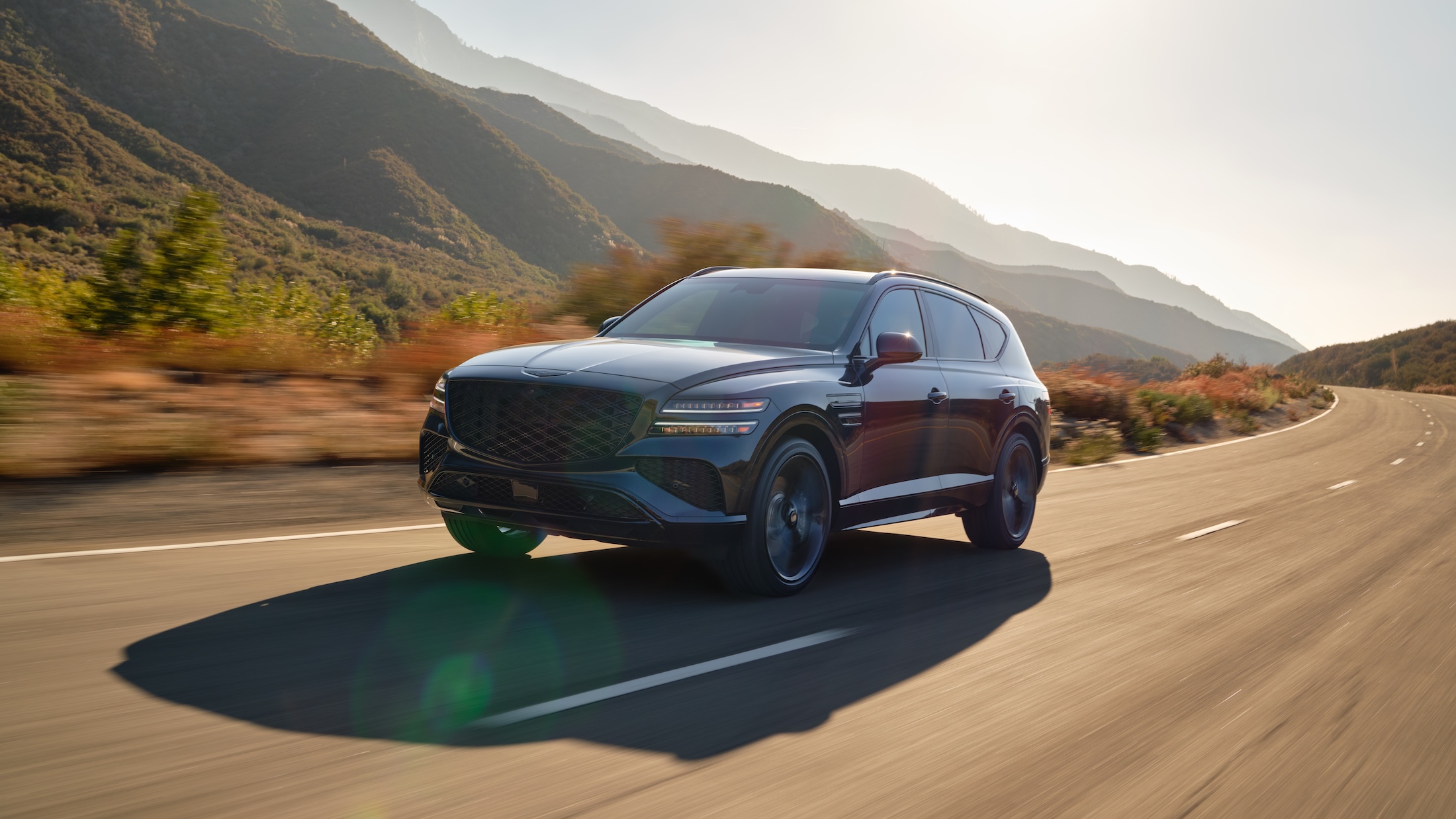
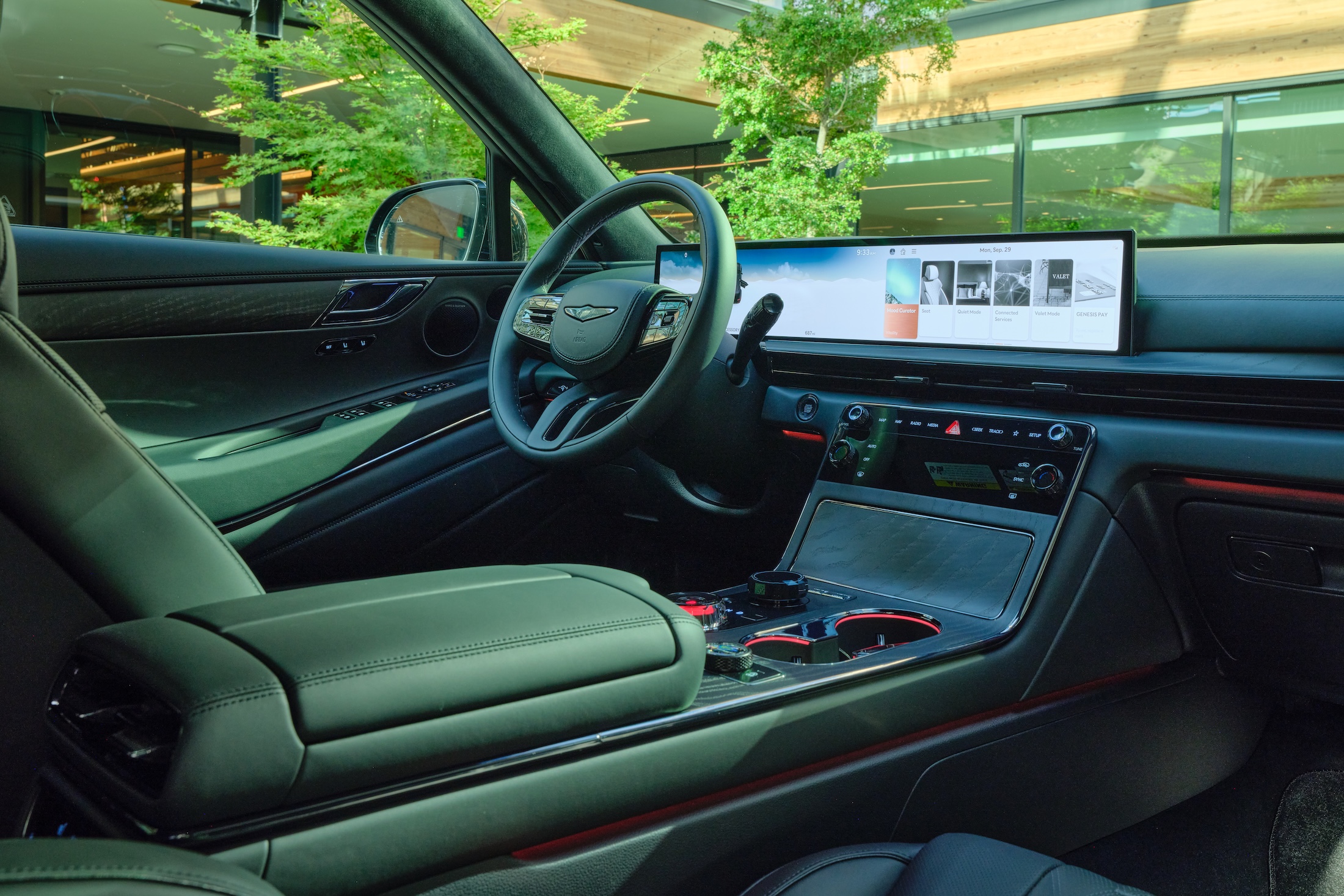
    The interior of the 2026 Genesis GV80 starts with a huge screen, continues through some Nappa leather seats (for a price), then winds up in the tiny rear row.Kelly Serfoss

    Driver’s Seat: Something called a Mood Curator — handling ambient lighting, massage, music, and fragrance — has moved from all trims for 2026 to just the Prestige trims in 2027. I overlooked this nonsense — er, feature — but enjoyed playing with it in the G90.

    Still, the interior is a plush experience, providing drivers with generous accommodations. Even massage seats were on offer, although the 20-minute cutoff time seems stingy. What if I hurt my back switching it back on? Won’t you feel bad, Genesis?

    The Prestige trim levels get Nappa leather, while others get just leather, and cheapos get leatherette. In addition to olive ash trim, most GV80s also get something called Newspaper Wood trim, and Mr. Driver’s Seat approves.

    The 27-inch screen covering the gauges and infotainment certainly is attention-getting. Set the screen to map and you can see half the state, as it bleeds across to the gauge area as well. Ooo ahh. It’s clearer than clear, but the steering wheel blocked some important bits of info.

    Friends and stuff: It was just the Lovely Mrs. Passenger Seat and myself for the trip, so I tested out the other rows but not as extensively as others might have.

    The middle row is comfortable and matches the luxury of the front. Legs, feet, and heads get plenty of space to enjoy, plus the ability to slide forward and back and recline pretty deeply as well.

    The rear row is for kids. The first clue is that the middle-row seat doesn’t really get out of the way. You better have good balance to make the trip, because it’s a scramble over the seat with little stepping area offered.

    And also, once there, be flexible. Like, literally, not in the sense that your boss or your spouse or mom says. Headroom is limited, as Mr. Driver’s Seat’s head needed to be canted to one side. Legroom is tight and foot room fairly nonexistent, at least under the middle-row seat. And your knees will become your new closest friends. Adults back there will not feel the mood curation.

    The GV80 features fold-down seats similar to those that were part of a stop-sale in a Hyundai Palisade — no holding of the button is required to keep them moving. While these reversed when I put my backpack in the way, the backpack got pancaked pretty good. After some consideration, I did not offer up my own leg for testing.

    Cargo space is 11.6, 36.5, or 71.7 cubic feet, depending. Towing is 6,000 pounds for any GV80.

    Play some tunes: Buttons underneath the unit meant many of the adjustments could be made without a touchscreen. Here’s the bright spot of keeping things like they were in 2021.

    Sound from the Bang & Olufsen Premium Audio was about an A-. Everything was clear but no new ground was broken.

    Keeping warm and cool: The ebony touch pad that controlled the HVAC seemed to have a great feel; these can sometimes require too much push or be far too touchy.

    Still, controls required my full attention, except for the dials that adjusted the temperature.

    Fuel economy: The GV80 averaged 19.5 mpg in a lot of highway driving, which might sour your mood.

    Where it’s built: Ulsan, South Korea

    How it’s built: Consumer Reports gives the GV80 a predicted reliability at 2 out of 5, also not offering the mood curation you were hoping for.

    Next week: How does the Lincoln Nautilus compare?

  • 2026 Toyota 4Runner Hybrid: An overdue revision

    2026 Toyota 4Runner Hybrid: An overdue revision

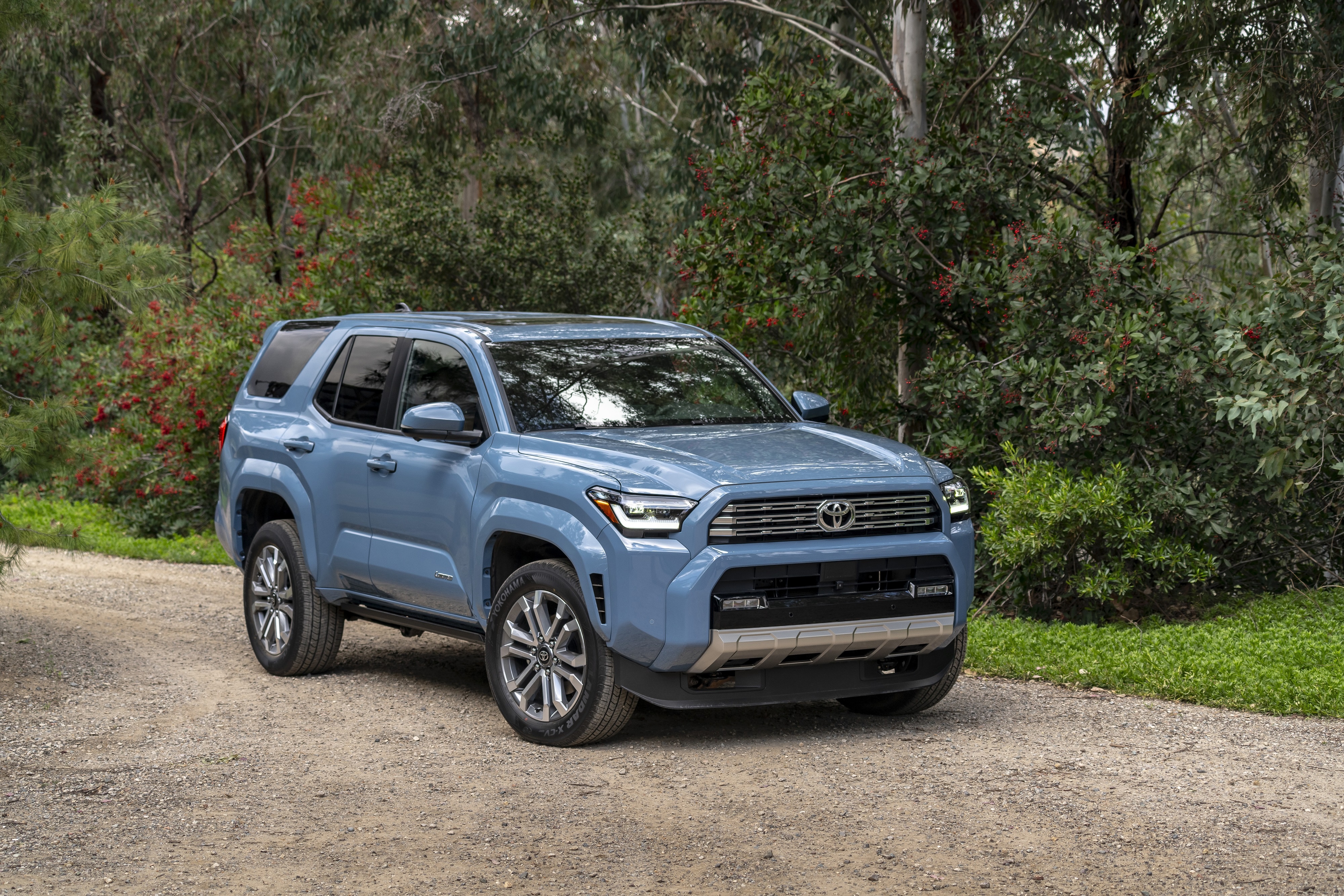
    2026 Toyota 4Runner Hybrid 4WD Platinum: A wilder time off-road, now that fuel will last longer?

    Price: $66,360 as tested. $200 for a tailgate LED light; one more option mentioned below.

    What others are saying: “Highs: Comfortable ride on-road, massively capable off-road, electric assistance makes it peppy off the line. Lows: Hybrid battery reduces cargo space, no available third row, only moderate fuel-economy gains over the nonhybrid,” says Car and Driver.

    What Toyota is saying: “4ever untamed.”

    Reality: It’s a better SUV, but don’t plan on big fuel savings dividends.

    What’s new: The 4Runner was moved into the marketing department’s world of all-newness for the 2025 model year, when it received a new look, upgraded technology, and the very hybrid motor and engine that give it the 4Runner Hybrid name. So we’re expecting some real fuel stretching this time around, right?

    Fuel savings or not, it was definitely overdue for a remake, as noted in the 2023 4Runner review, and heck, even three years before that in a review of the 2020 model.

    Competition: Here’s the shortest list we’ve seen in a while: Ford Bronco and Jeep Wrangler.

    Up to speed: The 4Runner Hybrid features the usual array of drive settings, including Sport and Sport+, that might sound incongruous with a hybrid.

    But the two-part power plant doesn’t slow things down, as the 2.4-liter turbo four-cylinder engine and 48-horsepower hybrid motor make a combined 326 horsepower. These launch the big SUV to 60 mph in 6.7 seconds, according to Car and Driver.

    It takes the non-hybrid — the same four-cylinder turbo but lacking 48 of the hybrid motor’s horses — 7.5 seconds to cover the same ground. That’s half a second faster than the previous generation’s models with the 4.0-liter V-6.

    Shifty: A normal-geared transmission paired with a hybrid is unusual, and Toyota seems to do its usual good job on the eight-speed transmission. That is, until my final test day, when I began to notice some lag now and again when downshifting, especially when turning.

    On the road: The 4Runner seems like a big, ungainly vehicle in the driveway, but like its competitors, it grows on you.

    The Sport and Sport+ modes tighten things up, and with a little practice I could feel where the vehicle was in the lane and how it cornered, but it never felt sporty, and definitely fell short of sport-plussy.

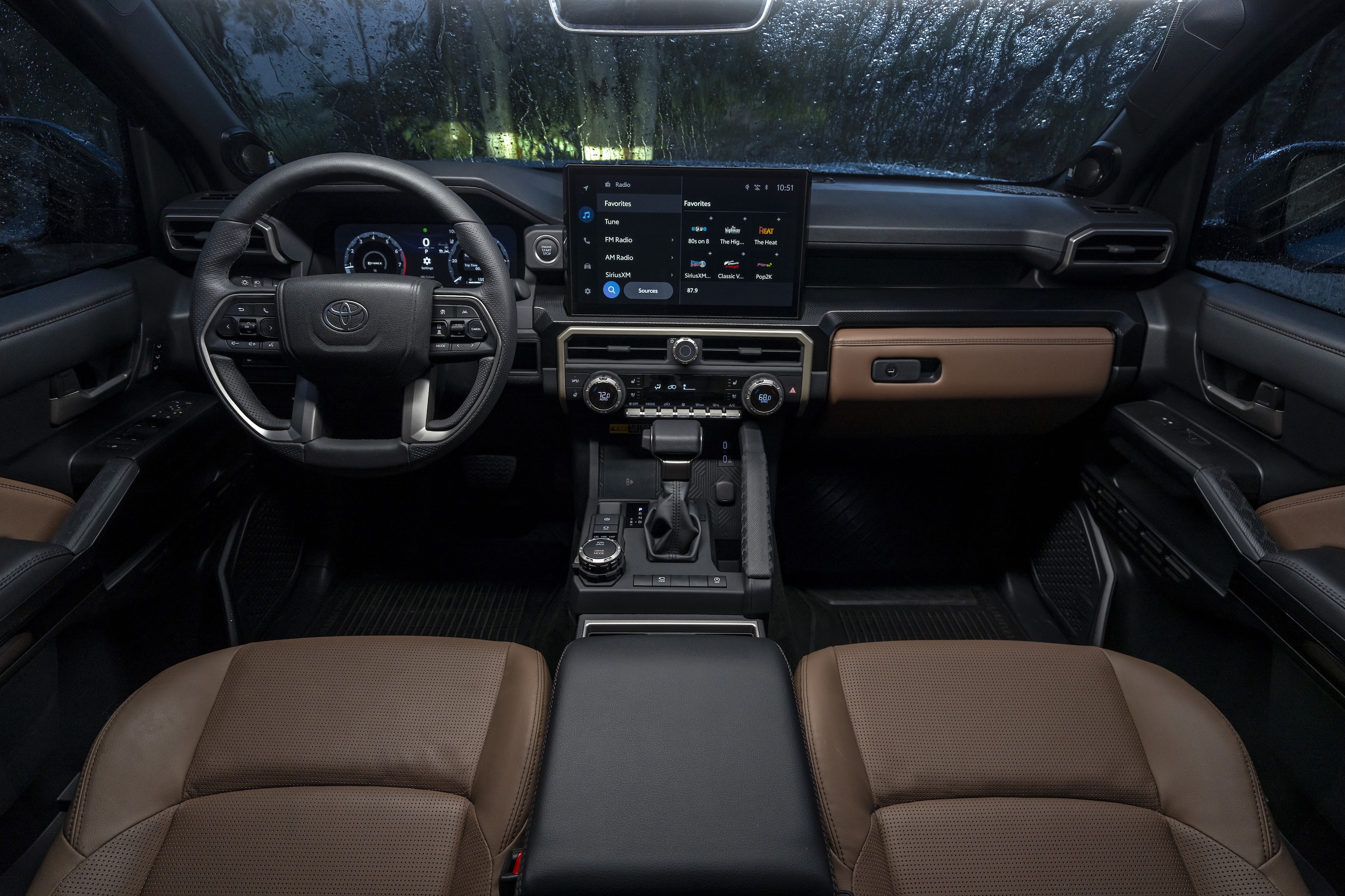
    The interior of the 2026 Toyota 4Runner features lots of big knobs.Toyota

    Driver’s Seat: I’m a fan of the Driver’s Seat. The front seats in the test vehicle were wide and supportive, quite comfortable, heated and ventilated, stitched in blue, and trimmed in leather. We’re definitely beyond the “rugged, rhinoceros hide leather seats” I described in the 2020 version, likening them to something you’d find in a firetruck.

    The gauges are standard for Toyota, but the controls are plasticky with touches of matte gray and exterior-matching blue.

    Friends and stuff: The rear seat is pretty nice as well; the fabric and cushioning feel soft and comfortable, and still offer good support as well.

    Space is at a premium, though, as foot room and headroom are super snug, while legroom is just adequate. A large hump makes the center seat a bad place to be. And the hybrid battery pack cuts into the rear storage as well.

    The big console is nice in the front but also cuts into rear legroom.

    Cargo space is 42.6 or 82.6 cubic feet, depending on the seats. That’s about 10% less than the nonhybrid 4Runner, which also offers three-row versions.

    Both versions of the 4Runner tow up to 6,000 pounds. The right configuration of the Wrangler can tow 5,000 pounds while the Bronco maxes out at 4,500.

    Keeping warm and cool: Big dials operate the temperature and toggles work the fan and blower location.

    The blower is squeezed vertically next to the giant screen and it seems either too strong or too weak, with no “just right” setting.

    Play some tunes: A big dial works the volume and almost everything else is in the ginormous 14-inch touchscreen.

    Sound from the 14-speaker Toyota system including JBL portable speaker is quite good, an A- heading to an A. There were points when I was hearing a little more from songs, but not consistently enough.

    In and out: The automatic running boards ($1,005) are concierge-worthy in helping entry and exit for this tall beast of a vehicle. They sit nice and low, and made it possible for Mr. Driver’s Seat and his herniated disc to enter without loud groaning.

    Fuel economy: I averaged just over 20 mpg with this hybrid vehicle, quite a disappointment.

    The 4Runner clocked 17 mpg in 2020 and 18 three years later.

    The Bronco averaged 16 mpg in Driver’s Seat testing, while the Wrangler Hemi struggled to reach 13. A 2018 Wrangler averaged 17.

    Where it’s built: Tahara, Aichi, Japan

    How it’s built: Consumer Reports gives the 4Runner a 5 out of 5 for predicted reliability.

    In the end: If you have to have a rugged, off-road-type SUV, there’s just no better way to do it than the 4Runner. Rock-solid reliability, nice road manners, strong towing, and plenty of space help it squash the Wrangler and the Bronco like bugs on a rocky trail.

  • Could EVs be on the rebound after the post-rebate cliff?

    Could EVs be on the rebound after the post-rebate cliff?

    Followers of automotive industry news would think the end of electric vehicles is at hand.

    Honda has dropped its Prologue and taken a huge hit financially. Hyundai, Kia, and Volvo have also dropped models or EV trim levels from their lineups.

    The cancellation of $7,500 federal tax credits and the subsequent nosedive in sales last October made the automakers’ choices and the conventional wisdom seem sound.

    But even in the darkness, some glimmers of hope shine through for EVs: Sales have rebounded slightly; two popular brands have added models; used EV prices are experiencing a surprising change, and the largest retail chain in the U.S. is adding more EV chargers across many locations.

    “Now we’re starting to see the demand pick back up,” said Sam Fiorani, vice president of global vehicle forecasting for AutoForecast Solutions in Chester Springs. Shoppers are “finding the prices aren’t going to be that much different than they were even with the incentives a year ago.”

    ‘Underlying demand’ for electric cars

    EVs numbered just under a quarter-million units in the second quarter of 2026, according to Kelley Blue Book, compared to 3.5 million or so combustion-engine cars and hybrids.

    EV sales volume was down 20.5% year-over-year. But second-quarter sales rose 14.7% over the first quarter.

    Even working with small numbers, that’s a hefty rise in demand.

    (function(){function e(){window.addEventListener(`message`,function(e){if(e.data[`datawrapper-height`]!==void 0){var t=document.querySelectorAll(`iframe`);for(var n in e.data[`datawrapper-height`])for(var r=0,i;i=t[r];r++)if(i.contentWindow===e.source){var a=e.data[`datawrapper-height`][n]+`px`;i.style.height=a}}})}e()})();

    “There’s still an underlying demand for EVs,” Fiorani said. “It’s just that we pulled ahead six months’ worth of sales [right before rebates ended] and now the market is right-sizing itself and balancing out in the post-incentive world.”

    In the Philadelphia region, EV sales dropped 28% from the first half of 2025 to the first half of 2026, mimicking the national trend. The market share of EVs went from 5.2% in the first quarter of 2026 to 6.3% in the second. But that’s down from a high of 9% in Q3 2025.

    “The driving force now behind electric vehicles is more economy,” said Mike Gempp, executive director of the Auto Dealers Association of Greater Philadelphia. “Whenever gas prices get high, people start to look at alternatives to try to not tap into the pump as much.”

    Stephanie Valdez Streaty of Cox Automotive said she expects 2026 to end with a 6% national market share for EVs.

    “The next phase of EV growth will likely be driven not only by advances in the technology itself, but by how effectively automakers translate those advances into products that meet consumer expectations for affordability, utility, performance, and ownership experience,” Valdez Streaty, a director of industry insights, wrote in a recent Cox report.

    Add in rising prices at the pump after the Iran war started in February, and consumers are starting to consider alternative modes of power.

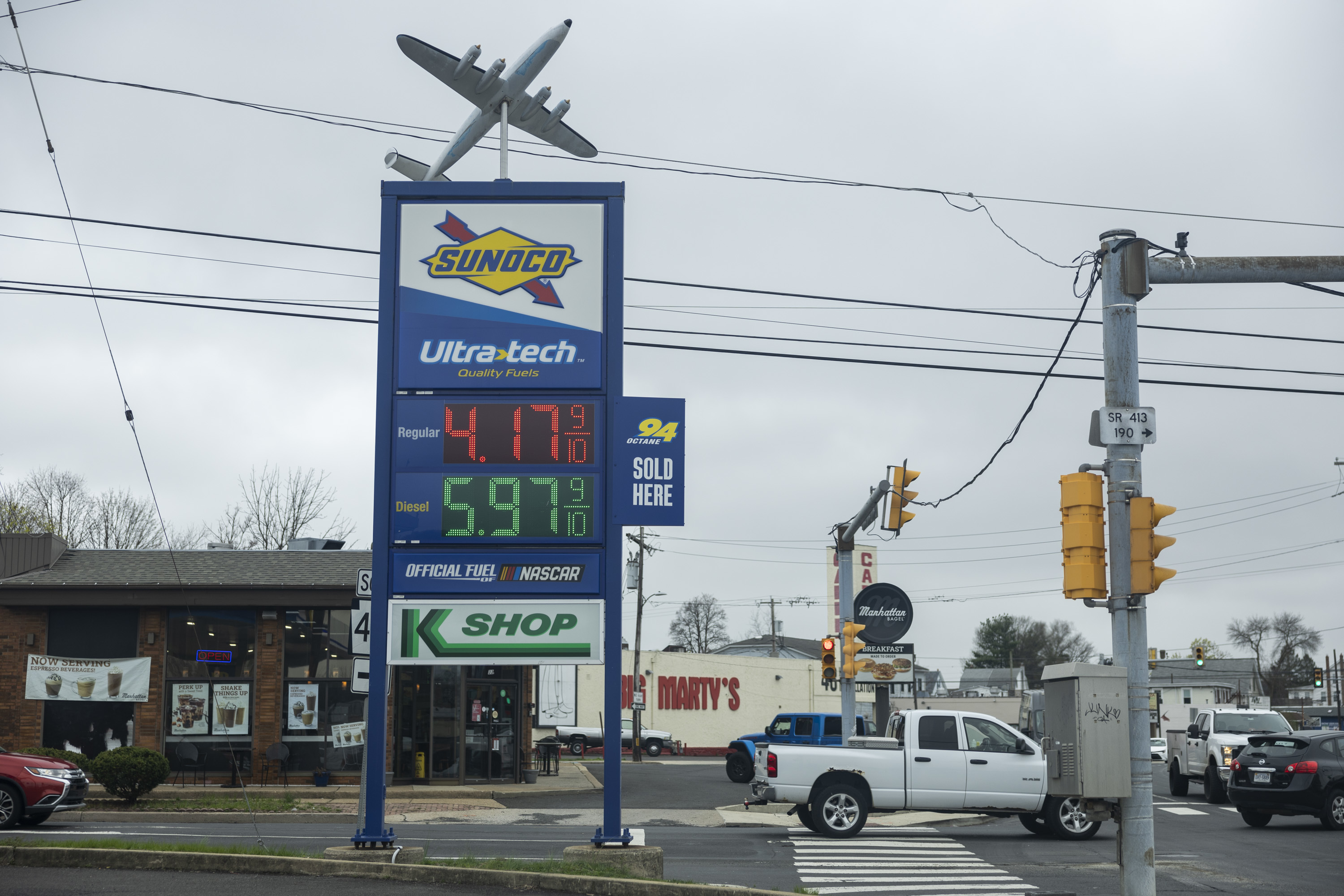
    The price of regular gas had already hit $4.17 at this Bucks County gas station by April. Prices remain high as the war on Iran continues.Tyger Williams / Staff Photographer

    Gasoline prices in Pennsylvania averaged $4.45 per gallon on Sept. 10 and $4.36 per gallon in New Jersey, AAA reports. That’s up from $3.36 and $3.17, respectively, one year ago.

    Which hybrids and EVs are drivers buying?

    Analysts agree and the numbers show that people have been turning more toward hybrids these days.

    Hybrid vehicles, which feature a battery and motor recharged and powered by the engine, regenerative braking, and other features, can stretch gasoline usage by 20% or more.

    In the Philadelphia region, hybrid sales were up 13% in the first half of 2026, comprising 18.1% of new vehicles sold, according to Gempp.

    But EVs have another factor going for them in 2026: Two of the most trusted brands have gotten into the EV market in a big way this year.

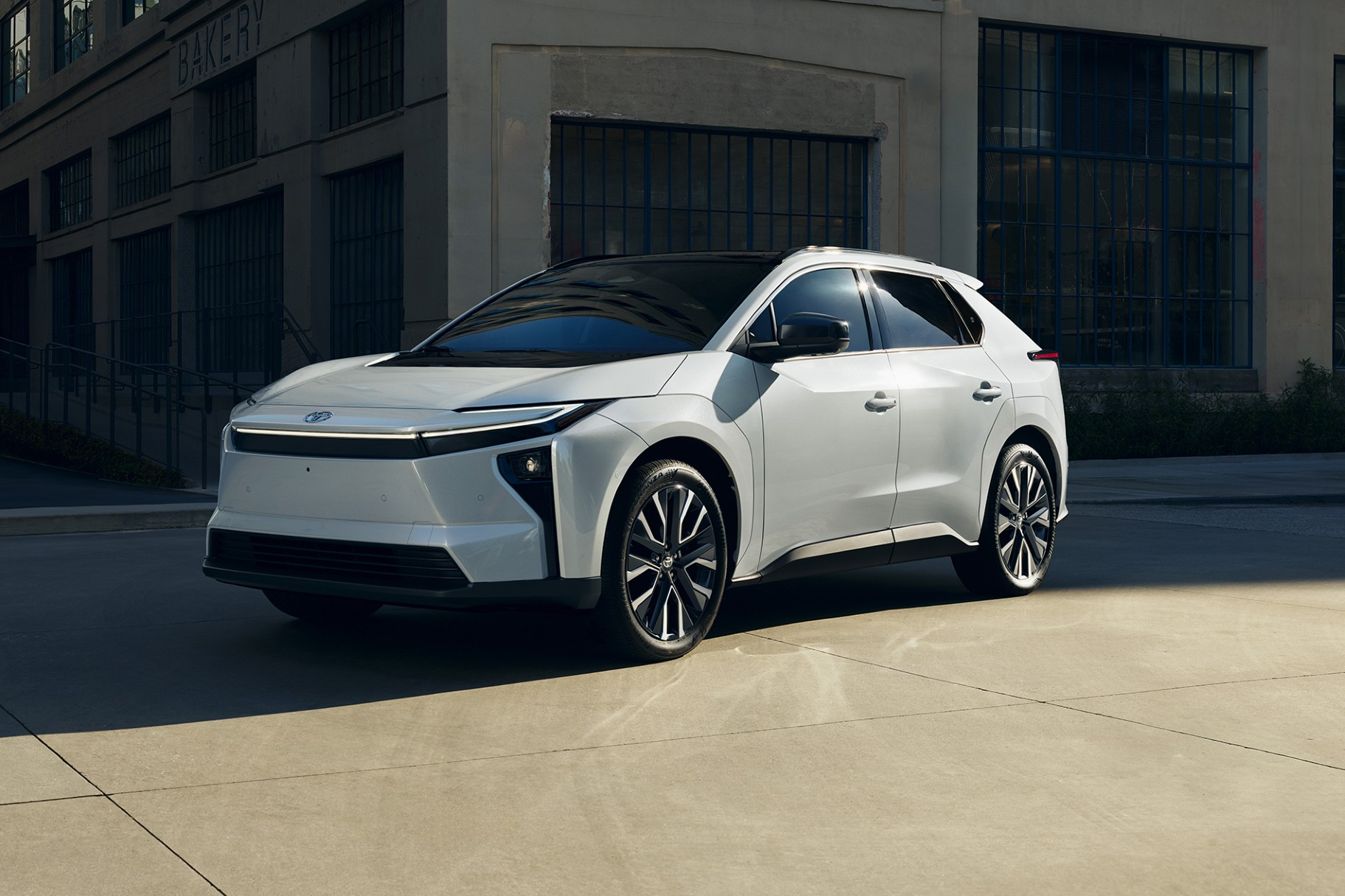
    This photo provided by Toyota shows the 2026 bZ. The 2026 Toyota bZ isn’t flashy, but a comfortable cabin and intuitive tech make it a great daily driver.Uncredited

    Toyota and Subaru have teamed up to make four shared EVs for each brand. The small Toyota CH-R and Subaru Uncharted; midsize Toyota bZ, Subaru Solterra, and Lexus RZ; and Toyota bZ Woodland and Subaru Trailseeker SUVs are on showroom floors now. The three-row Toyota Highlander and Subaru Getaway SUVs are scheduled to arrive in the fall.

    This shows through in market share, Valdez Streaty points out: Toyota’s EV sales are up 124% year over year.

    Toyota and its luxury marquee, Lexus, have been showing up as the most reliable brands in surveys for years. Toyota also has a lot of experience in electrification with hybrids, as a pioneer when it brought the Prius to the United States in 2000.

    Subaru has developed its own niche among outdoorsy, eco-conscious buyers (with a fondness for dogs) and reached number two on a recent Consumer Reports reliability survey of new vehicle brands, between Lexus and Toyota.

    “Subaru has a standard clientele that would be very easily added to the EV market,” Fiorani said. “They’re typically a little more eco-friendly. They like the idea of going outdoors but not rock crawling, but the products that Subaru and Toyota have come out with fit into that mold perfectly.”

    Subaru dealers are seeing that interest in EVs and hybrids.

    “Although we are seeing a very slight uptick in EV interest with Subaru, I don’t necessarily credit that to increased market demand for EV as a whole,” said Jeff Glanzmann, general manager of Glanzmann Subaru in Willow Grove.

    The real surge in demand has been for the new Subaru hybrid models, now offered in the Forester and Crosstrek, Glanzmann said.

    Yet more evidence of the interest is reflected in used EV prices.

    Used EV prices — which generally experience a horrendous depreciation over new prices — are up 7% for the year through mid-July, CNBC reports.

    Increasing convenience for EV drivers

    And in a final piece of the EV positive news puzzle, charging may get a little more reliable outside of metro areas.

    In Pennsylvania, Gov. Josh Shapiro’s administration announced this week that $11 million of federal funding through the National Electric Vehicle Infrastructure (NEVI) program will be used to add EV chargers in the central region of the state, filling in a real gap for EV drivers. The state has already built 50 chargers under the NEVI program, more than twice any other state, and has 41 more under construction, according to the Pennsylvania Department of Transportation.

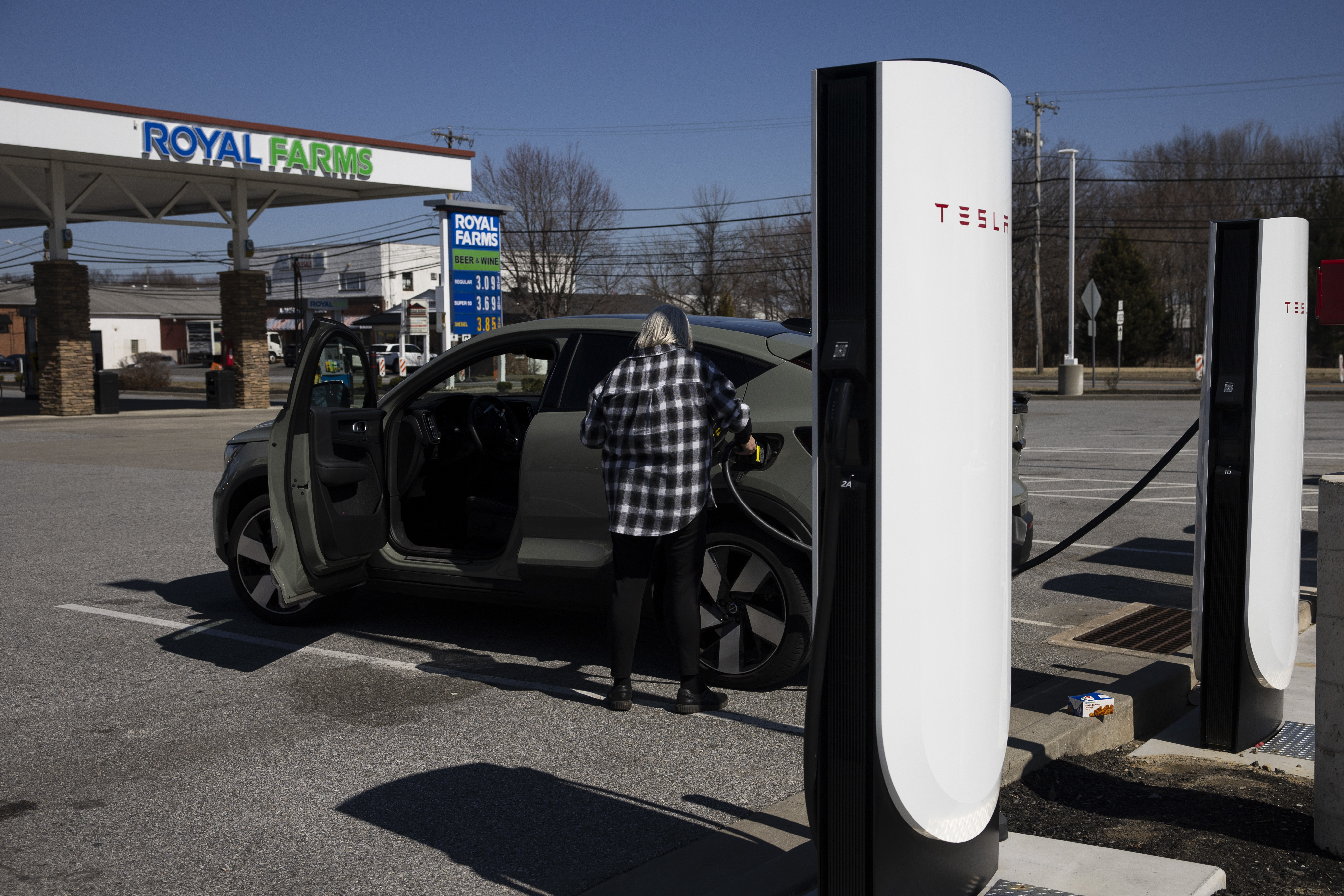
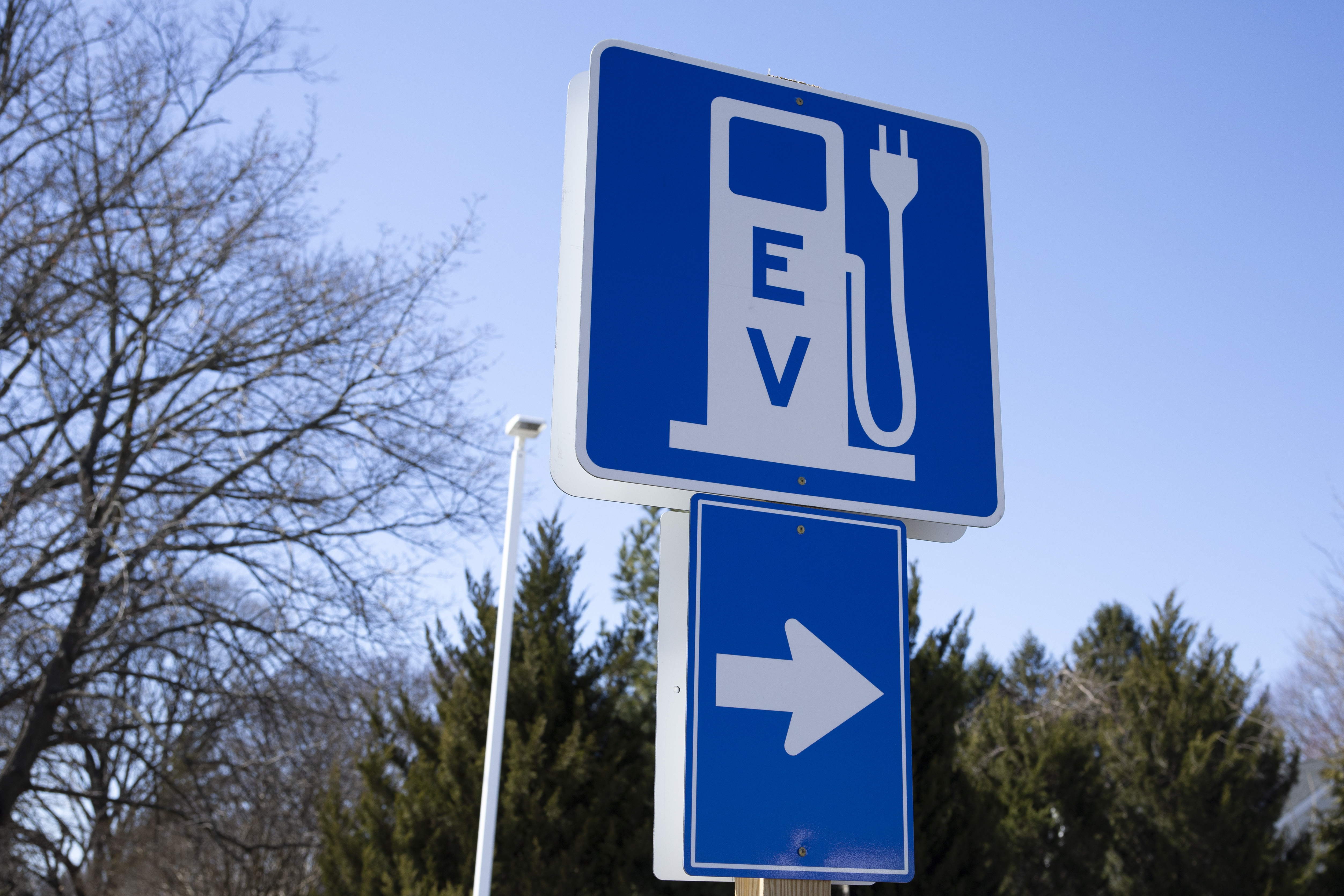
    Signage points to the EV charging station at the Royal Farms in Upper Chichester, Pa.Monica Herndon / Staff Photographer

    Other charger changes are also afoot. While Tesla has long been the charging leader in the U.S., Walmart is now number two, according to Bloomberg. Between January and June, Walmart added 46 public charging stations with 380 plugs.

    A Walmart spokesperson said via email that it has chargers at more than 75 stores and plans to continue expanding, noting that many sites will feature eight to 16 fast-charging stalls.

    Though Walmart declined to elaborate on its plans, automotive industry publication Jalopnik reports 145 new charging locations are coming soon. The greatest expansion will be in Texas with 37 new locations, Florida with 15, Illinois with 14, and North Carolina with 13.

    Currently, the only Walmart in Pennsylvania with charging is in Cranberry Township, outside Pittsburgh. In New Jersey, the sole location is in Freehold.

    Gempp sees how charging speeds — usually requiring 20 minutes to an hour depending on the charger and the vehicle — could be a win-win for consumers an Walmart, though he wondered if the company had outlined its EV charging strategy when more EVs were selling.

    “Inherently it’s a smart idea, but the investment to get those charging stations installed in a market that is shrinking or has shrunk is one that I’m sure that Walmart is reassessing,” Gempp said.

    But on a planet where 25% of new car sales are EVs, the United States’ 5% is an outlier.

    Fiorani is not an EV owner but is a fan, having tested so many in his role as reviewer for AutoForecast Solutions that he has installed a 240-volt charger in his garage.

    “The more experience people get with an electric vehicle, the more they’re going to realize that it fits into their lifestyle and that it’s not that inconvenient for them,” Fiorani said. “The conveniences outweigh the inconveniences by a long margin.”

  • 2026 Chevrolet Equinox: Can a bargain SUV win our hearts?

    2026 Chevrolet Equinox: Can a bargain SUV win our hearts?

    2026 Volkswagen Tiguan SEL R-Line Turbo vs. 2026 Chevrolet Equinox ACTIV AWD: Midsize SUVs flying under the radar.

    This week: Chevrolet Equinox

    Price: $40,985 as tested. Panoramic sunroof added $1,495. More options packages noted below. Advantage, Equinox, by about 10%. But is it?

    What others are saying: “Highs: Attractive design, affordable pricing, impressive standard tech features. Lows: Lethargic acceleration, mediocre fuel-economy estimates, cabin is noisy at highway speeds,” reports Car and Driver.

    What Chevrolet is saying: “Made to do more.”

    Reality: Do more than what exactly?

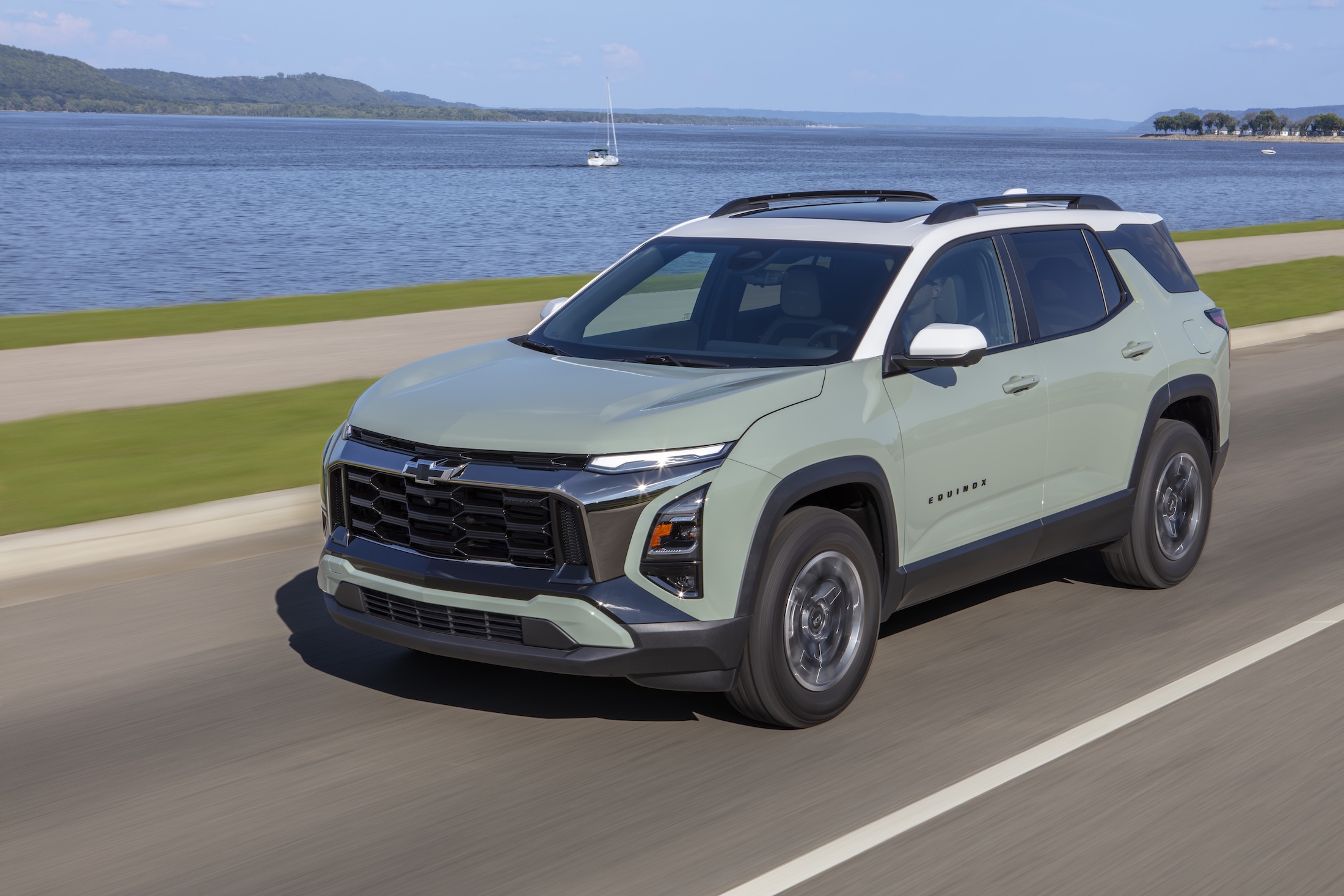
    What’s new: The Equinox was redone for 2025, so it pretty much carries over unchanged. The ACTIV trim is the lowest rung, not the level we usually get to test, as manufacturers like to show off their top tiers, so credit to Chevrolet for that.

    Competition: In addition to the Tiguan, highlights include the Buick Envision, Ford Escape, Honda CR-V, Hyundai Tucson, Kia Sportage, Mazda CX-5 and CX-50, Nissan Rogue, Subaru Forester, and Toyota RAV4.

    In and out: The Equinox ACTIV sits up surprisingly high for a small SUV, high enough to mention from the outset, so plan for some leg raises. I was surprised it features just 17-inch wheels; they looked bigger. (More upscale trims get 19s or 20s.) But with 8 inches of ground clearance, what usually amounts to a side note may explain a lot about the Equinox’s overall performance.

    Up to speed: The Chevrolet Equinox’s 1.5-liter turbocharged four-cylinder engine creates 175 horsepower, and it pales in comparison to the Tiguan’s 258.

    So does its performance. The all-wheel-drive Equinox takes 8.6 seconds to get to 60 mph, according to Car and Driver. And that’s the only engine choice you get. Advantage, Tiguan, by almost 2 seconds. That high profile may be slowing the Equinox down.

    Shifty: The all-wheel-drive Equinox gets an eight-speed automatic transmission. (Front-wheel-drive models are stuck with a continuously variable transmission.)

    The steering column holds the stalk, and triggers can be used to change gears if needed. It’s not a lot of fun.

    On the road: Speaking of not a lot of fun, neither are country roads in the Equinox — no zip, no zig, no other Z-words denoting any sort of hilarity or joie de vivre.

    And yet, neither are highways, where the bumps come with enhancement and the potholes kinda hurt, if I’m being honest. I expected the Equinox’s country-road indifference but not the lack of highway manners. Strong advantage, Tiguan.

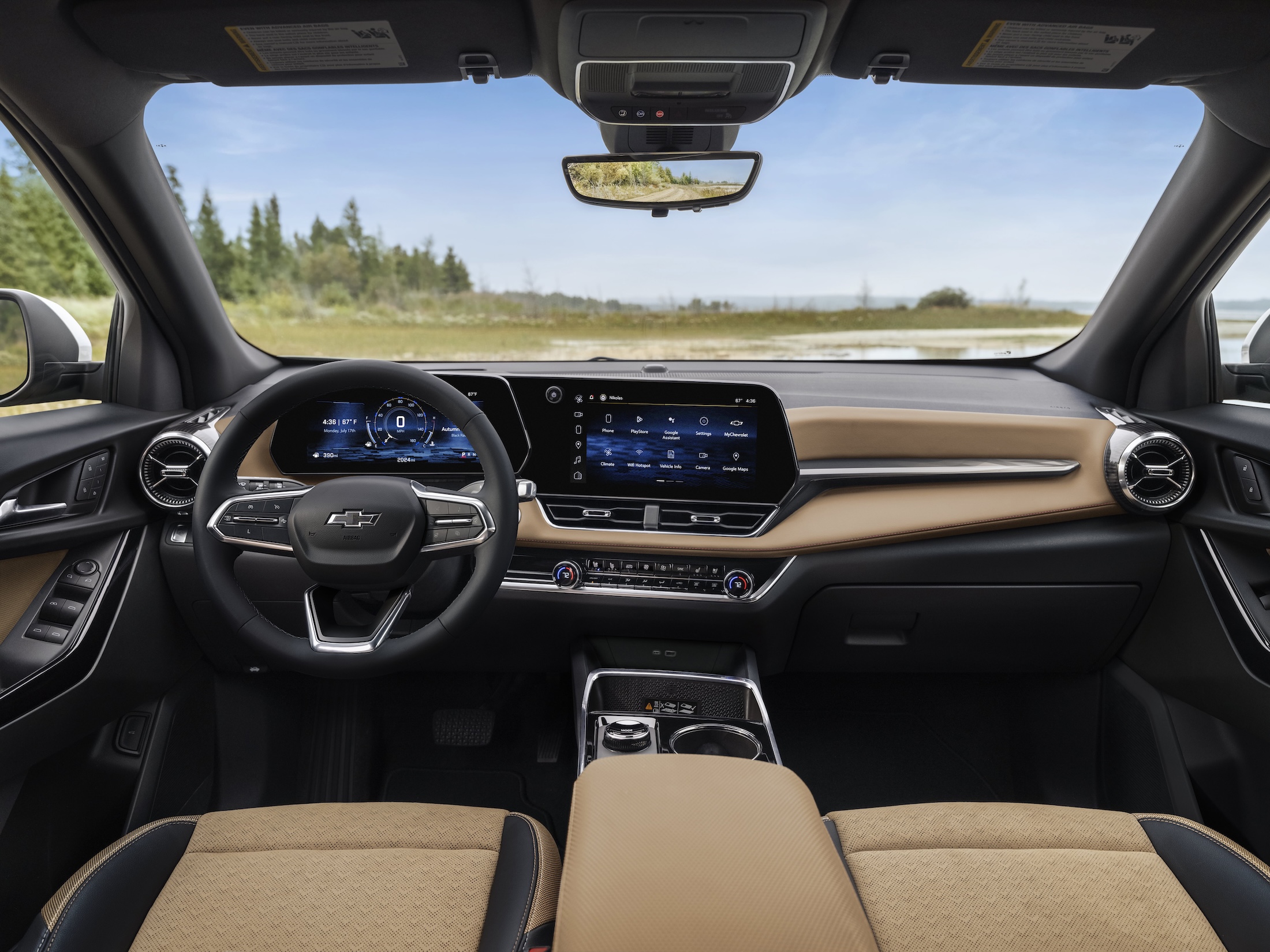
    The interior of the 2026 Chevrolet Equinox is comfortable in the front but not quite so much in the rear.GM-DESIGN

    Driver’s Seat: The Equinox seat was super comfortable and the materials seemed almost luxurious, not a given in a Chevrolet by any means.

    Front seats were heated for free, and ventilated with the help of a $945 package, which also heated the rear corner seats and added more power controls and settings to the front seats. We finally have a tie among the competitors in this category, although the Tiguan upgrades give it a slight advantage.

    I gave up a Subaru Trailseeker (think Outback EV) for the Equinox, and the Equinox seemed so much bigger and harder to see around or fit into snug spaces than the larger Subaru. The Equinox is shaped like a pyramid, while the Subaru has more vertical glass, allowing for better views all around. The short windows further hamper visibility to the side of the vehicle and into the corners.

    Friends and stuff: The rear seat feels very … adequate. It’s not uncomfortable, the fabric feels OK, the Evotex in between the microsuede holds you in place. The center spot is bit of a hump, but the floor is quite flat, helping with legroom there. Still, this would not have been as much fun for my fellow vacationers as the Tiguan, I’m certain.

    Cargo space is 29.8 or 63.5 cubic feet, as folded, about 10% smaller than the Tiguan.

    Play some tunes: The 11.3-inch multimedia display seemed much larger, so getting around the system is easy. A volume knob is the only old-timey control.

    Sound from the unnamed system was quite good, about an A, another tie with the Tiguan.

    Keeping warm and cool: All the HVAC controls are in toggles underneath the infotainment systems. They’re not hard to figure out but the typeface could be a little bolder. Advantage, Equinox.

    Fuel economy: 22 mpg average, which is not too far off the average for small SUVs. The Tiguan Turbo beat it by 5 mpg, though, while moving much more nicely, a real feat.

    Where it’s built: San Luis Potosí, Mexico. Parts are 55% Mexican and 11% U.S. and Canadian.

    How it’s built: Consumer Reports predicts the Equinox reliability to be a 1 out of 5.

    In the end: Its easy to see how the average price of vehicles is pushing upward, when another $4,000 gets you so much more SUV in this competition.

    I love a bargain, but Chevrolet just offers so much less, so Tiguan it would be.

  • 2026 Volkswagen Tiguan turbo: Well, here’s a surprise

    2026 Volkswagen Tiguan turbo: Well, here’s a surprise

    2026 Volkswagen Tiguan SEL R-Line Turbo vs. 2026 Chevrolet Equinox ACTIV AWD: Midsize SUVs flying under the radar.

    This week: Volkswagen Tiguan

    Price: $45,410 as tested. The fancy paint cost $850 and was the only option, but we’re getting within shouting distance of 50 grand.

    What others are saying: “Highs: Rich with features, gutsy turbo engine, interior that punches above its station. Lows: Annoying haptic interfaces, some brake pedal mush, ride could be more compliant,” said Car and Driver.

    What Volkswagen is saying: “Say hello to the good life.”

    Reality: It’s a pretty good life in the Tiguan, but that could be vacation brain talking.

    What’s new: The Tiguan gets a new turbocharged four-cylinder engine that we try for this test; it received updates aplenty when the third generation debuted in 2025.

    A long beach vacation weekend with friends in North Carolina was the scene of our test.

    Competition: Highlights include the Buick Envision, Ford Escape, Honda CR-V, Hyundai Tucson, Kia Sportage, Mazda CX-5 and CX-50, Nissan Rogue, Subaru Forester, and Toyota RAV4.

    Up to speed: Landing on a Saturday morning in Raleigh for a two-hour drive to the beach, we definitely wanted to get there as fast as North Carolina law enforcement would allow.

    The new 2.0-liter turbocharged four-cylinder engine did its darnedest to get us soaking up some rays as quickly as possible. Horsepower is up 67 from the base four-cylinder to 268; 0-60 mph time falls to 6.7 seconds, the leader of its class, according to Car and Driver. The trim level tested is the only way to get the turbo, which seems patently unfair, but read on.

    Shifty: The Tiguan borrows a piece from Volkswagen’s EVs, with a twister stalk for the transmission gear selector. Steering wheel paddles handle shifting if you are inclined to, but I wasn’t; the eight-speed automatic took care of its own needs nicely.

    On the road: The Tiguan definitely handled highways proficiently; nothing upset its composure. It was easy to get used to after leaving RDU. We saw a few curves when we ventured off to Burney’s Sweets & More for glazed, cream-filled croissants (always buy these if you’re within 50 miles), and the Tiguan slid through those turns just like a knife gliding into one of our soft, tasty treats.

    Once we were at the beach and full of sugary goodness, I did get a chance to corner quickly here and there. Picture it: Mr. Driver’s Seat chauffeuring around four women like an aging, designated-driver, U.S. version of James from Derry Girls, and so their sassiness was turned up to 11. There were comments on many a corner, though with fewer f-bombs than the hit Irish series.

    In the weather: On our trip from the airport to the beach, we drove through some heavy downpours, and the Tiguan handled road ponding delightfully. I slow down for bad weather but the sure-footed Tiguan kept us moving faster than almost all the other cars out there. That’s a reassuring feeling from the 20-inch all-season tires.

    Back at the airport, the Tiguan also maintained its composure through some flight-canceling torrential storms that delayed our return to Pennsylvania. These kind of storms seemed more suited to a boat, and while being careful, again I led the pack and the slipping was minimal.

    The interior of the 2026 Volkswagen Tiguan tested also matched this press photo nicely. See how nice?ANDREW TRAHAN PHOTOGRAPHY LLC

    Driver’s Seat: If the horsepower alone isn’t worth the money, the upgraded SEL seating adds a serious bonus for that $5,000 premium. As soon as I sat down my herniated disc felt a great sense of relief, and the massage option helps further subtract the aches and pains. Heating and ventilation were the final piece of the puzzle.

    The seats hold you in place nicely as well.

    Friends and stuff: Those same friends who complained about Mr. Driver’s Seat’s extreme cornering maneuvers changed their tune when it came to the seat comfort — they all found that to be as delightful as the front. Even the middle-seat passenger felt well accommodated.

    Cargo space is 69.8/33.8 cubic feet, depending on the seat position. There is no longer a three-row option as there was in the 2018-2024 model years.

    The wide rear doors that are held over from the previous version drew one friend’s attention, noting it would be easy to get dogs in and out.

    Play some tunes: The Harman Kardon stereo offered great reproduction of long-forgotten songs from the Psychedelic Furs, REM, and Tom Petty for the group, and we took the inspiration to recall stories of high school days. This system gets an A, but doesn’t uncover a lot of new pieces required for an A+ — unlike our stories, where we uncovered all new dimensions of our past lives.

    The system offers only a large volume dial in the console; everything else happens in the huge 15-inch touchscreen, and it works pretty well.

    Keeping warm and cool: Here’s a sad change from the 2018 model reviewed — the beloved VW three-dial system has been co-opted by the touchscreen.

    The temperature settings sit along the bottom of the touchscreen, and a bigger screen opens for blower controls. Some versions of this arrangement actually function well, but not this one. Sigh.

    Fuel economy: The Tiguan averaged 27 mpg in much highway and some beach driving, a great showing, especially for all that oomph.

    Where it’s built: Parts are 37% Mexican, 15% U.S. and Canadian.

    How it’s built: Consumer Reports predicts the Tiguan reliability to be a 3 out of 5.

    Next week: Is the new trim of the Chevrolet Equinox worth a 10% discount over this Tiguan?

  • 2026 Audi Q3: A hot little SUV. Literally, sometimes.

    2026 Audi Q3: A hot little SUV. Literally, sometimes.

    2026 Audi Q3 S line Quattro: Adding some fun to the premium compact SUV?

    Price: $51,790 as tested. This is the only trim level available but the test model featured about $8,000 in options, so there’s some customization to be had.

    What others are saying: “Highs: Big style in a little package, clever controls that aren’t just a gimmick, improved straight-line performance. Lows: More standard features mean a higher standard price, mandatory all-season rubber limits grip, sluggish dual-clutch transmission,” says Car and Driver.

    What Audi is saying: No real slogan; they’re keeping it low-key.

    Reality: A hot SUV. Literally, sometimes.

    What’s new: The Q3 has been redesigned for 2026, with a more powerful version of its turbocharged engine.

    Competition: Acura ADX, Alfa Romeo Tonale, BMW X1 and X2, Cadillac XT4, Lexus UX, Mercedes-Benz GLA, Mini Cooper Countryman, Volvo XC40.

    Up to speed: The 2-liter turbocharged four-cylinder engine creates 255 horses and gets the small SUV to 60 in 5.3 seconds, according to Car and Driver.

    Shifty: Automakers are all trying something different when it comes to getting into gear, and here’s one I’ve never see before. The gear selector is on a plastic disc thing on a stalk, and it — no lie — reminds me of a makeup compact.

    The shifter works well once you figure it out. Use paddles to select your own gears, but the transmission takes such good care of the driver that I said, “Why bother.” Only once did it get stuck in a low gear, when I passed someone in a real hurry and then was stuck going 55 behind the next car before the upshift occurred.

    On the road: The Q3 is naturally quite a sporty model, with extremely fun handling — that part is not a surprise. But highway driving is also the bomb. I drove along a beat-up right lane on U.S. 202 and the ride was quite smooth — and not just for a lower-priced Audi, but for something far less sporty.

    Audi delivers a Sport mode as a toggle with Drive via the shifter, and that mode is really enough to draw out all the power. For the other selections, Audi has decreed The Screen Must Be Touched. Boo!

    The interior of the 2026 Audi Q3 carries on with the spartan premium appearance the brand is known for. But removing the heater controls was not cool.Audi

    Driver’s seat: As a Mr. Driver’s Seat of a certain age, it can be hard to tell where old-man back problems end and hard seats begin. I first suspected that the leather driver’s seat in parchment beige with steel gray stitching might not be the culprit, and fortunately my aches let up in time to decree — it’s just me. The Q3’s seat is fine, comfortable and supportive just like almost all the rest.

    Friends and stuff: The rear corners provide fairly nice accommodations, with seat comfort matching the front to some extent. The seat back has two or three recline positions; the seat also slides forward and back but it’s for naught; the only usable position is all the way back.

    Cargo space is 29 or 50 cubic feet, depending on the seat origami.

    In and out: The Q3 sits at a nice height for hopping in and out, no ducking or climbing required.

    Play some tunes: The 12.8-inch screen isn’t bad for the stereo operation. I switched into CarPlay most of the time but finding other sources is not too hard.

    Sound from the Sonos system is excellent, an A trending toward an A+. It’s very clear.

    Keeping warm and cool: This is where touchscreen joy goes to die.

    Little icons along the bottom of the screen allow for changing the temperature, auto control, seat heater, defrost, and a few other things. But if you want to change the blower speed, you have to open up the HVAC screen, and the blower buttons are pretty small and hard to locate.

    The location of the big screen also means the center blower vents sit quite low, which can make cooling the vehicle a little slower on a hot day.

    Also, hot days interfere with the touchscreen haptics. Good luck making quick adjustments when starting up on 90-degree days; I have the sweaty back to prove it. Well, had; I promise I’ve showered since.

    Fuel economy: I averaged about 24 mpg in 100 or so miles of testing, not many highway miles.

    Where it’s built: Gyor, Hungary. The countries that supply the most parts are Hungary at 37% and Germany at 27%.

    How it’s built: Consumer Reports hasn’t hazarded a guess yet on the Q3’s reliability. But the previous year’s model garnered a 5 out of 5 rating.

    In the end: The Q3 is a delight to drive and to ride in. It’s almost a few dials away from perfection. Try the Countryman for an equal level of delight.

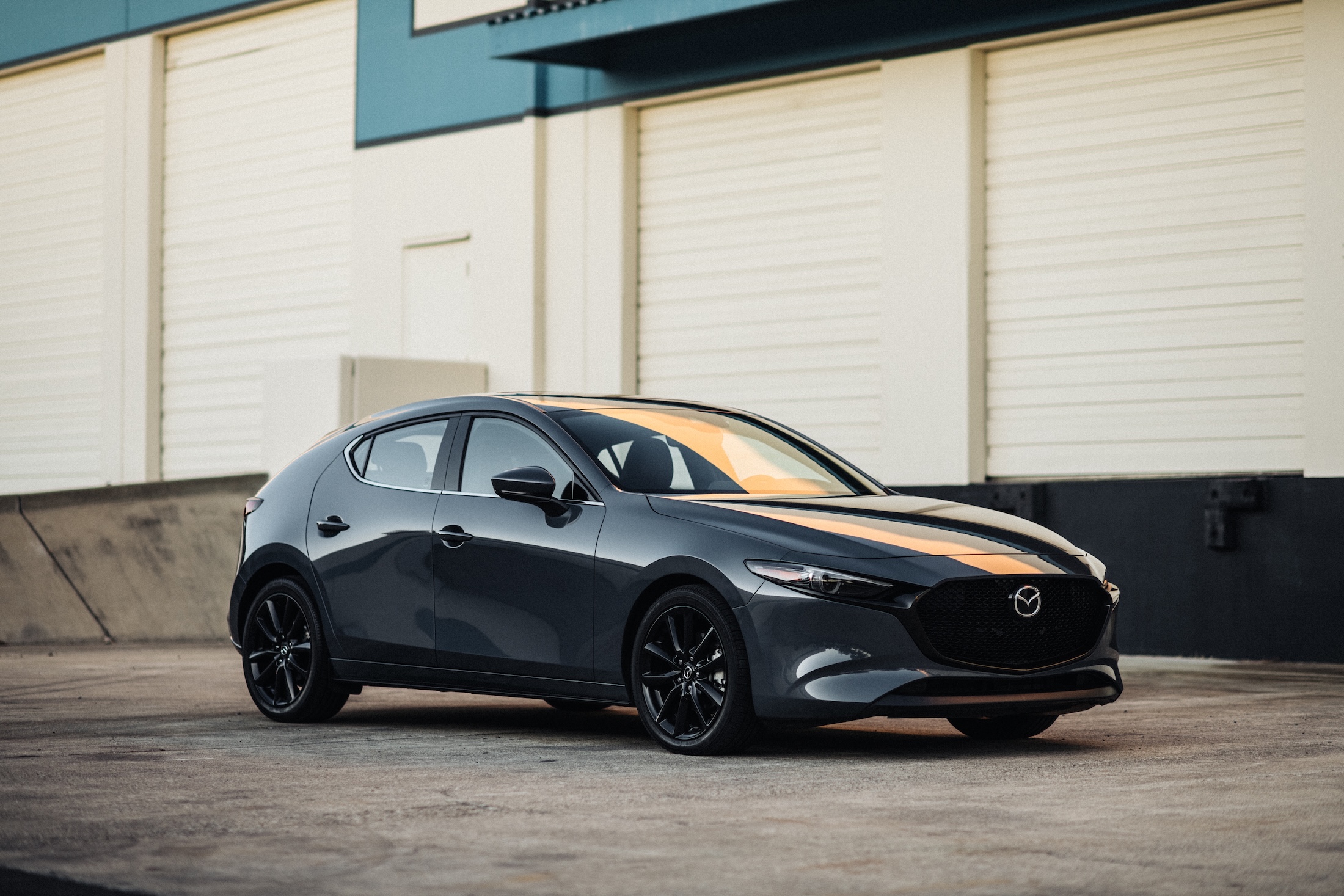
  • 2026 Mazda3 Turbo Hatch: More features, more space, more dollars

    2026 Mazda3 Turbo Hatch: More features, more space, more dollars

    2026 Volkswagen Jetta GLI Autobahn vs. Hyundai Elantra N vs. Mazda3 2.5T Premium Plus AWD Hatchback: Let’s have some fun without breaking the bank.

    This week: Mazda3 Hatchback

    Price: $41,560 as tested. Ouch. Some bank-breaking this week after all.

    What others are saying: “Highs: Posh interior, engaging to drive, manual transmission and AWD options; Lows: The stick is limited to a single setup, abysmal rear visibility with the hatchback,” reports Car and Driver.

    What Mazda is saying: “For the fun of the drive.”

    Reality: Fun comes at a cost.

    What’s new: The aging little hatchback (or sedan) gets some added standard features and packaging updates. Its last major redesign came pre-pandemic in 2019.

    Competition: In addition to the comparison vehicles, there are the Honda Civic Si, Honda Civic Type R, Toyota GR Corolla, Volkswagen Golf GTI, and Volkswagen Golf R.

    The real competition, though, may be built by Mazda itself, in CX-30 form.

    Up to speed: The Mazda3 is fast enough to get you out of jams. Hit the sport mode switch, and the power really comes through.

    The 2.5-liter turbocharged four-cylinder engine definitely adds oomph to the experience, boosting the 186 horsepower in lesser models to 250. That means you’ll get to 60 mph in 5.6 seconds, according to Car and Driver, compared to 7 for the base front-wheel-drive model or 7.5 seconds for the all-wheel drive. The turbo tested matches the Jetta but falls behind the Elantra N.

    Shifty: Knock the PRND gear selector to the left, and you can slice through the six gears on your own. Pull for upshift, as with the Hyundai; the Jetta is the odd sedan out here, with the upshift push.

    Somehow Mazda’s small SUV, the CX-30, felt a lot more fun. Maybe it was the shifter, maybe it was the whole feel, seating position, drivability. Among our test group, though, the Mazda3 is the winner for shifting fun.

    A stick is also available, but not if you want the turbo or all-wheel drive. But clutching could add enough fun to the slower ride and put the vehicle around a more reasonable $30,000 (the manual hatchback starts at $25,650).

    On the road: The Mazda3 provided some joy but not Elantra N-level highs. It also didn’t have the Elantra N-level lows — hitting road seams and bumps with thunderous force. Similarly, the Mazda kept its composure throughout the drive, not frightening me like the Jetta GLI with frantic dances when the gas pedal was stomped. Here, the Mazda3 wins out.

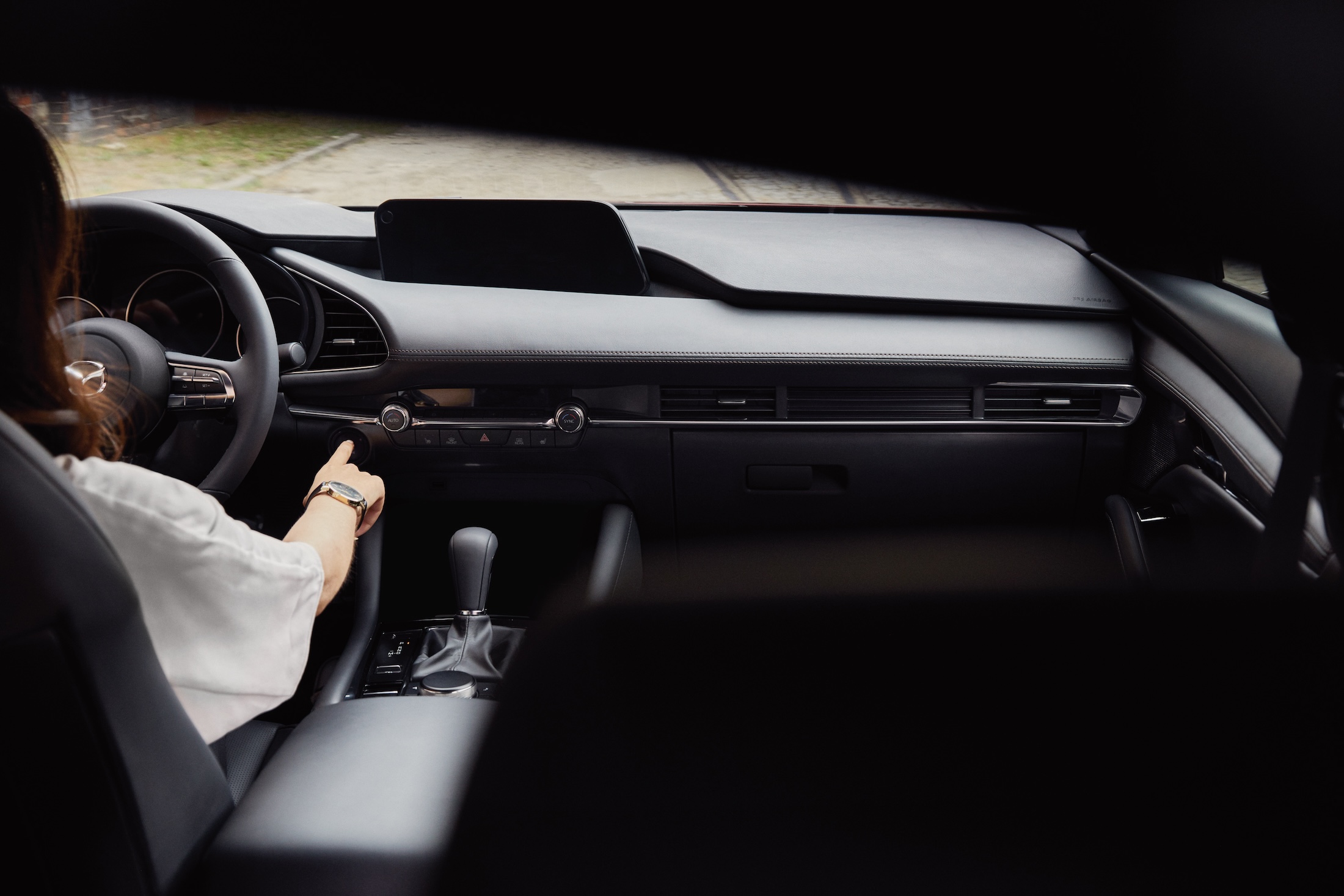
    The interior of the 2026 Mazda3 Hatchback keeps the same look it has for years. The dial controller for the media system and simple gauges remain.Mazda

    Driver’s Seat: The leather-trimmed Driver’s Seat provided plenty of support and comfort and didn’t feel at all too firm on my travels. The gauges remain what Mazda owners are familiar with, and that’s fine — they’re really all you need. Mazda doesn’t have a Toyota or BMW budget for updating willy-nilly, and that suits my ilk. In this category, the Elantra N lags the other two.

    Friends and stuff: Here’s the really nice part about this Mazda3: It was a hatchback. So of course its spaciousness wipes the board compared to the Jetta and the Elantra.

    Cargo space is 20.1 cubic feet behind the rear seat. There’s also a bunch more space when the seat is folded, but Mazda doesn’t share those measurements.

    The rear seat has plenty of foot room, and the hatchback boosts the headroom a bit, but legroom remains a bit challenging. This category is a draw.

    In and out: The Mazda3 skirts sports car territory with its height, so if you’re of a certain age, you’re going to feel it here. (I’ve learned how to stand up leaning on the doorway so it looks nothing at all like I’m approaching age 60, he said delusionally.)

    Play some tunes: Speaking of old, the Mazda3 keeps the dial and buttons for stereo control, in addition to the touchscreen that’s so ubiquitous it must be required by law. The touchscreen does have its uses, but the dial and buttons allow for moving around the choices without looking with some practice. Perfect for, you know, driving, which is kinda why we’re here, no? (That guy driving in front of us obviously disagrees.)

    The sound, unfortunately, is not up to the latest from the competition, a B+ at best. The bass either thudded or was lacking and song clarity was hit or miss. (Shockingly, the CX-30’s got an A rating.)

    Keeping warm and cool: This system also matches all the other Mazdas, dials for temperature and horizontal buttons operating the rest of it, with a small readout.

    Fuel economy: The vehicle averaged 24 mpg over its lifetime, kinda par for the course, tied for the loser spot in this category.

    Where it’s built: Hofu, Japan, and 85% of its components hail from the Land of the Rising Sun, with none from the U.S.

    How it’s built: Consumer Reports rates the Mazda3 a 4 out of 5 for reliability, as it has for the previous two years.

    In the end: Mr. Driver’s Seat is faced with one of his biggest dilemmas ever with this comparison. The Jetta brings so much to the game for a bargain price, which we should reward, but a Volkswagen with a 2 out of 5 reliability rating will not stay a bargain.

    I still daydream about the Elantra N slicing through the curves north of Reading (and Mrs. Passenger Seat probably still cringes when thinking about that ride), but everything else is so less-than. Still, take a spin in the Elantra N.

    The Mazda3 has fun, space, all-wheel drive, and the best reliability rating. But, oh, that price. It’s the same as a similarly equipped CX-30 Turbo, so I’d probably send you to the Mazda dealer and let you choose. Maybe learn to drive a stick if you have to save some dough.

  • In an old Fishtown factory, a new club for city-dwelling car enthusiasts

    In an old Fishtown factory, a new club for city-dwelling car enthusiasts

    Old cars are breathing new life into an empty Fishtown factory.

    But saying vehicles will be stored there is like saying Fairmount Park has a lot of trees — technically correct but missing the point.

    Passersby on Frankford Avenue, between Delaware and Girard Avenues, will see inside what was a long-derelict factory revealing a café that’s open to the public, and further inside, through the glass walls, multiple levels of unusual vehicles.

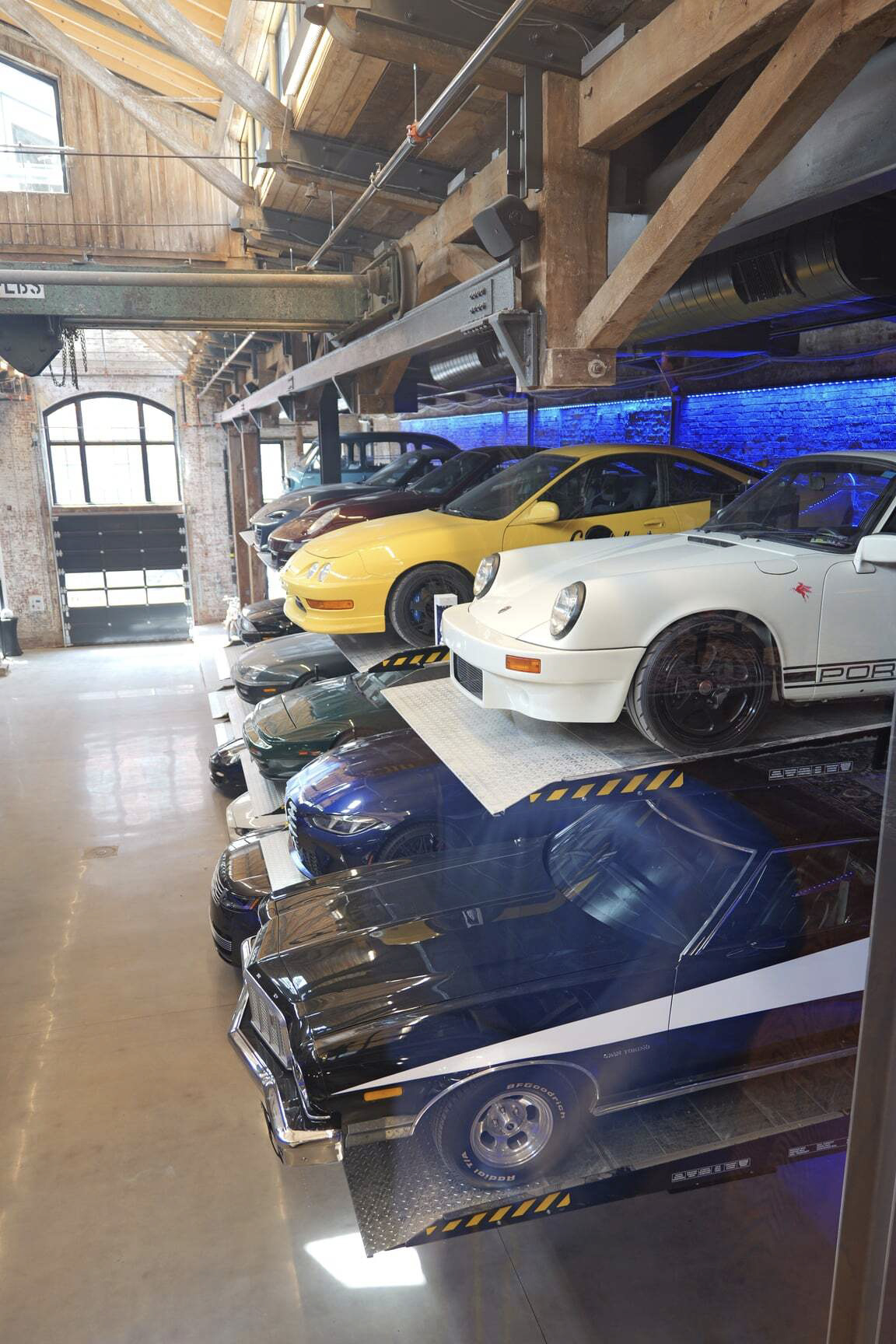
    A black 1976 Ford Gran Torino owned by Tim Bryan of Fishtown sitting beneath a white Porsche 911 underneath the soaring architecture of the old factory at the Cannonball Club in Fishtown. The vehicles were set in place during a special event prior to opening. SITHA PUTH

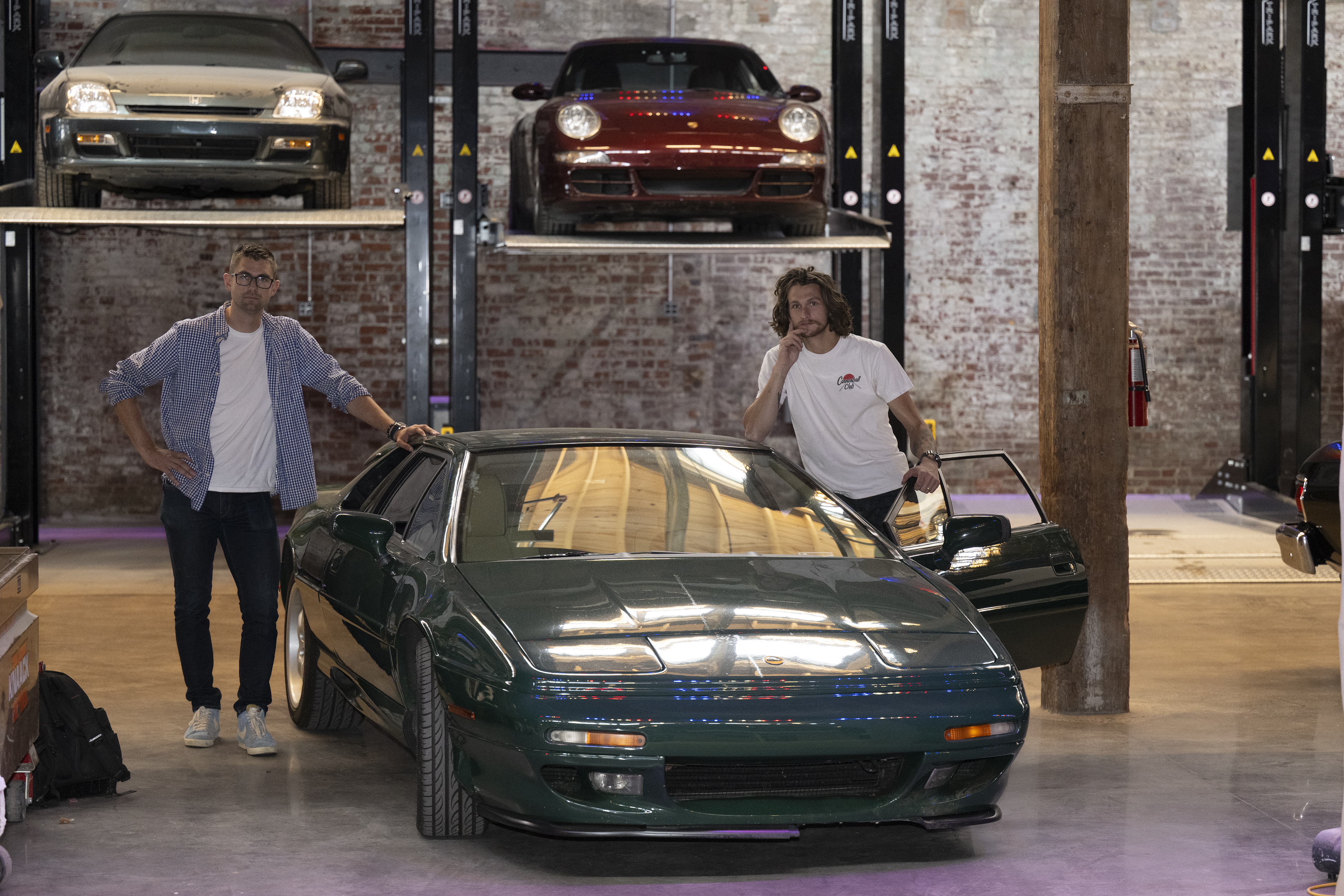
    The backdrop of the new Cannonball Club will comprise a rotating crop of cars; such rare specimens as a Citroen XM or Lotus Esprit will join more well-known offerings like a 1976 Ford Gran Torino. Beyond that glass wall, members can enjoy a multilevel workspace, café, and bar. Memberships are available for car owners and car lovers alike.

    It’s the brainchild of Chris Allen, 32, who runs a similar operation in Huntingdon Valley, though that’s less a daily hangout and more a car-storage facility that also hosts special events. The Fishtown club is set to open for business Sept. 10, and the public-facing café opened last week.

    In Fishtown, “I wanted people to be able to walk by off the street and see the wall of crazy cars,” Allen said as he walked through the unfinished facility in late May, amid the clang of metal and screech of power tools.

    Envisioning a ‘car museum’

    The architecture alone can certainly draw some eyeballs. The 15,000-square-foot facility began as the Morse Elevator Works in the late 1800s. The building more recently housed antique shops, a lighting store, and a bicycle shop.

    The 75 vehicles that will fill the space will be hoisted on elevators and stacked around the building, underneath the rebuilt and refinished clerestory and exposed trusses rising far overhead.

    “I don’t want this to be a high-density parking garage,” Allen said. “This is more like a car museum.”

    And a club. The public cafe serves coffee and pastries, and the bar serves drinks and pub food. The facility’s website says it will be open 8 a.m. to 10 p.m. every day.

    It’s not for car enthusiasts who want the freedom of hopping in their vehicles on short notice. Members need to schedule pickup and drop-off when staff are there to operate the vehicle elevators.

    Allen thinks that will work fine for collectors from the neighborhood and beyond, noting the club’s proximity to I-95.

    “Any collector car owner wants to get the hell out of the city immediately once they get it,” he said.

    Owner Chris Allen sits at the 50-foot-long bar overlooking the vehicles on display inside the Cannonball Club, set to open in September.Jose F. Moreno / Staff Photographer

    What Fishtown neighbors think

    It appeals to Tim Bryan, who’s lived in Fishtown for the past six years.

    Bryan will store his 1976 Ford Gran Torino — “think Starsky & Hutch, but black,” he said — at the facility. It currently is stored miles away from him at Allen’s Huntingdon Valley unit.

    Bryan attended the Fishtown Neighbors Association meeting when Cannonball was still somewhere between a plan and a dream. There, residents had a chance to voice support or concerns and vote to support or oppose the zoning variance Cannonball needed to open as an entertainment center. Neighborhood support was strong, Bryan said, and only a handful of people voiced concerns, which he saw as misplaced.

    “I thought they sort of thought this was going to be Lamborghinis and Porsches and elite cars and all that kind of stuff, but my Gran Torino is not a luxury car,” Bryan said.

    Bryan was also pleased to see the building put to use; it’s been empty since he moved to the area six years ago.

    Fishtown Neighbors Association president John Scott said the group doesn’t usually get too involved in individual projects; they’re more about addressing more general concerns, like pedestrian safety, parking, and other issues.

    But Scott said the association took the opportunity during the zoning board variance meeting to make one unusual request: using the facility as a polling place. Finding appropriate, accessible locations for voters can be difficult in a city of old buildings.

    “They said absolutely, they would love to, so it sounds like they’re going to be good neighbors,” Scott said.

    Even beyond Election Day, Scott sees the facility as a bonus.

    “It’s different and for that alone we’re really looking forward to seeing it,” Scott said.

    Scott, for example, says he loves old cars but doesn’t really want the hassle as a city dweller. Someone in his position can join for $250 a month. Members who want to store cars there pay an extra $550 a month.

    ‘Next level’ for car clubs

    Cannonball owner Allen is a racer and a car collector himself. In early July, his team won in its class at the Historic Sportscar Racing NASCAR Classic to Le Mans Classic Circuit in France. He bought the Huntingdon Valley building just as the pandemic started as a place to store his own vehicles, plus those of family and friends, and then grew from there. He has a team of four working with him on the project and a small group of investors.

    He wants to welcome an involved membership.

    “I don’t want some guy to come in here and just forget about it and not actually interact with the club. In my mind, it’s a waste of one of our spots,” Allen said.

    The idea for the more ambitious Fishtown venue arose from clubs like the Classic Car Club in Manhattan and the Motoring Club in Los Angeles.

    Allen shopped around restaurants for food service but decided it would be easier to run the kitchen in-house. He plans to serve pub food and beer, wine, and cocktails.

    A 52-foot bar on the second floor overlooks the main floor and an exposed-brick wall of cars rising in four levels. Rather than the car paraphernalia and gas pumps typical of this kind of project, Cannonball’s decor is something Allen calls colorful and “maximalist,” with Oriental rugs, plenty of seating options winding around the cars, big leather couches, and orange-velvet wingback chairs.

    “I probably would have advised him not to spend as much money as he spent in renovating and building out this space,” said business consultant Robert Mau of Richmond, Va., who knows Allen from the endurance racing circuit, but isn’t involved in the new Fishtown business.

    “What he’s doing in Fishtown takes [the car club scene] to the next level,” Mau said. “So now it’s like, ‘Let’s have a lifestyle or a culture of cars where people hang out — and, oh, if they store their car here, well, that’s great.’”

    Other than the sibling facility in Huntingdon Valley, two clubs in the Philly suburbs offer a similar experience.

    At CarVault Main Line in Berwyn, members must sponsor new applicants, and the setting is more storage building than historical loft. It advertises a self-serve bar and a place to watch the latest race.

    Pottstown’s Red Horse Motoring Club touts its historic location in a 1922 Chrysler and Dodge dealership, with a members club and the option to rent the venue.

    But nothing seems to exactly match what’s happening in Fishtown.

    Club member and New Jersey resident Mike Kovac will park his 1989 Alfa Romeo Milano Verde at the facility. He was among the first 10 people to sign up. The Alfa is shaped like a 1980s Saab with a distinctly Italian front end, and it’s one of just 75 in the world, Kovac said.

    Kovac knows not everyone is a car person, and that’s what he thinks will make the club work. He describes the challenge of gathering his car friends and non-car friends together.

    “Now with Cannonball launching,” he said, “we have a place where it’s welcoming for both non-car people and car people, and you have that awesome backdrop of classic cars and exotic machinery.”

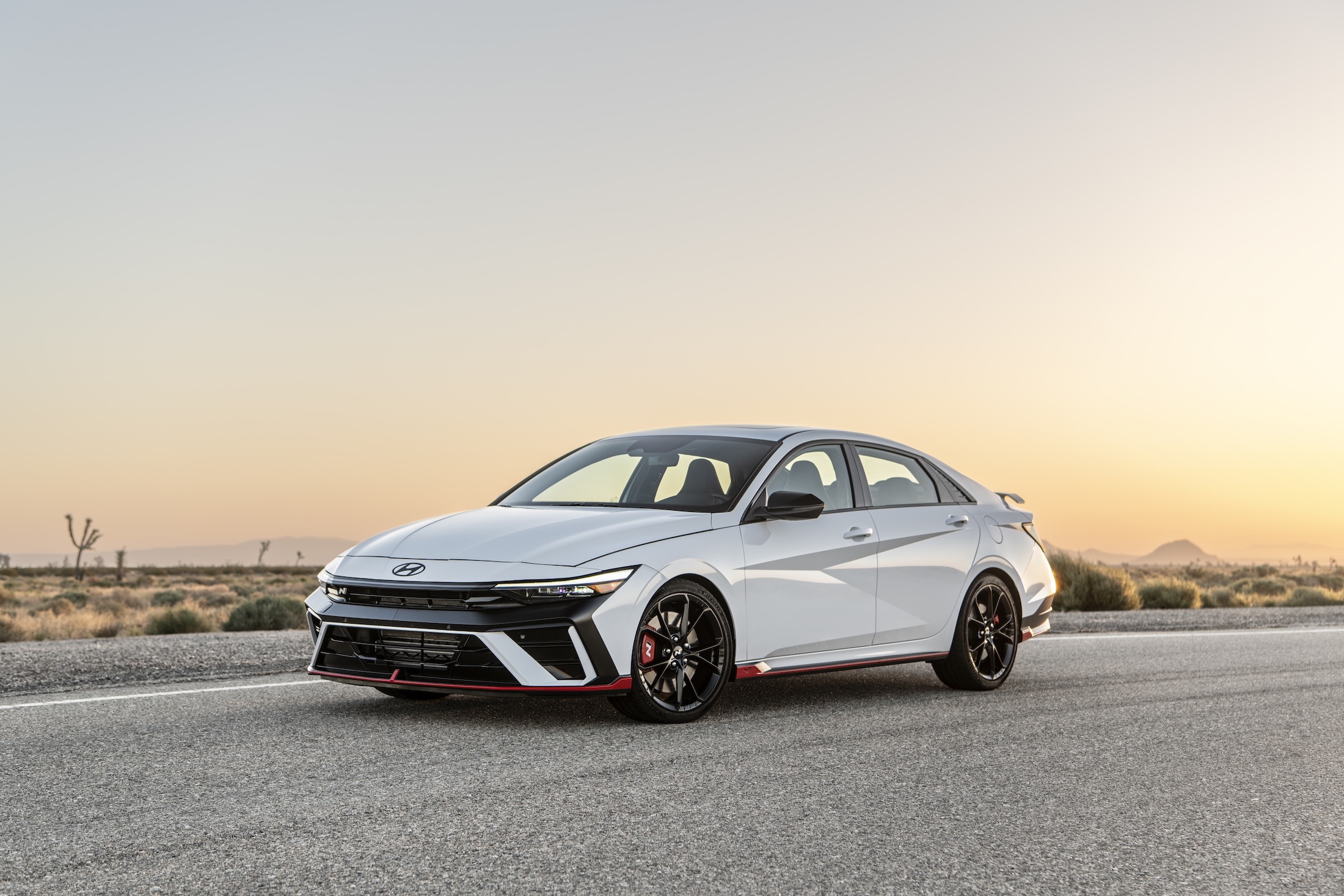
  • 2026 Hyundai Elantra N: When speed alone wins the race

    2026 Hyundai Elantra N: When speed alone wins the race

    2026 Volkswagen Jetta GLI Autobahn vs. Hyundai Elantra N vs. Mazda 3 2.5T Premium Plus AWD Hatchback: Let’s have some fun without breaking the bank.

    This week: 2026 Hyundai Elantra N

    Price: $38,345 as tested; just $500 extra for paint.

    What others are saying: “Highs: Sports sedan handling, rip-roaring turbo four, fuel efficient in real-world testing. Lows: The crease-heavy design isn’t for everyone, some dual-clutch clunkiness at low speed, adaptive cruise control isn’t on the menu,” says Car and Driver.

    What Hyundai is saying: “Our high-performance sport sedan.”

    Reality: Pretty high performance.

    What’s new: The front-wheel-drive Elantra continues without much change since its 2024 refreshing.

    The Elantra has really grown up in the last few years and is probably bigger if you haven’t checked one out in a few years.

    Be aware there’s a high-performance Elantra N like this one and a lesser-tuned N Line.

    Competition: In addition to the comparison vehicles, there are the Honda Civic Si, Honda Civic Type R, Toyota GR Corolla, Volkswagen Golf GTI, and Volkswagen Golf R.

    Up to speed: Yeehaw! The Elantra N sedan really takes its work seriously, employing its 276-horsepower turbocharged 2.0-liter four-cylinder engine to full effect. There’s a mild turbo lag when pulling out, but the engine will make up for lost time quickly.

    The Elantra N gets to 60 mph in a zoomy 4.8 seconds, according to Car and Driver. That dusts the Jetta GLI by almost a second, and the Elantra N didn’t rock and roll under hard acceleration like the Volkswagen did.

    Shifty: The Elantra N came in 8-speed automatic form. It features an old-style PRND shifter with upshift and downshift accessed via a snap to the left.

    I thought only Mazda and BMW gave us pull-to-upshift anymore, The Way It Should Be, but lo, Hyundai does as well. Sadly, the Elantra N shifter had all the feel of your arm after you sleep on it for about five hours and really wasn’t worth the trouble. Paddles on the steering wheel are also available.

    I found shifting overall not worth the bother; the dual-clutch transmission handled the work smoothly, with just enough feel to add some fun when it shifted up or down, especially in Sport mode (which comes with nice sound effects). It holds lower gears a little too long, but I’ve felt worse. Advantage, Elantra N.

    I was excited the Elantra N comes with a 6-speed manual available as well, until I saw Car and Driver’s 0-60 report — that takes almost another second and a half, 6.1 seconds. That would make a noticeable difference.

    On the road: The Elantra N was niiiiiiice on the right roads. I’ve been loath to share my favorite spots in 15 years, but two creekside highways — one in Chester County and one in Berks — featuring plenty of 15 mph curves showed the best parts of the Elantra N. This part of the experience challenges Mazda, Mini, and Volkswagen just fine. It gives the Jetta GLI a run for its money, maybe even besting it.

    On highways, though, it hit seams and bumps pretty hard, but overall the Pennsylvania Turnpike was just fine. Here, though, the Jetta shone.

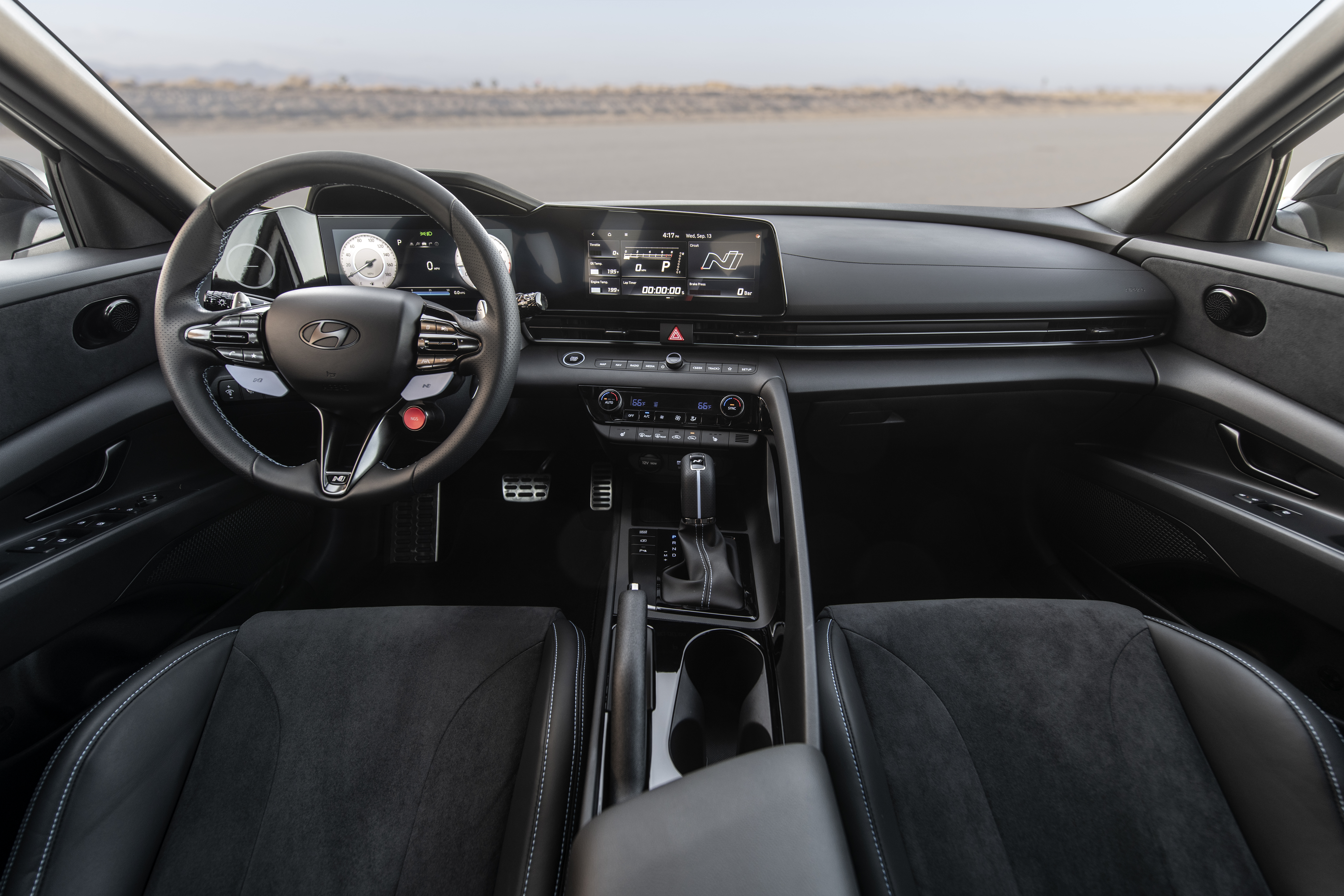
    The interior of the 2026 Hyundai Elantra N features a larger screen than the Volkswagen Jetta GLI, but the fabric could be a dealbreaker for pet owners.DREW PHILLIPS

    Driver’s Seat: This is a firm one, with tight contours that don’t move for you. In fact, the seat was manually adjusted and lacked ventilation, a nod to the vehicle’s price point. Advantage, Jetta.

    The passenger seat gets a cool console grab bar for The Lovely Mrs. to hang on to.

    Friends and stuff: The rear seat is perhaps a little firmer than the front, and it features almost as much contour, so woe befalls the loser stuck in the middle.

    Legroom and foot room are good, but headroom can be a bit challenging.

    The rear seat folds, but only as a single unit. You have to pull both left and right levers from the trunk and then go back to the seat and pull it down. The velour coverings mean pet owners might look for fabric upgrades or a different vehicle altogether.

    Cargo space is 14.2 cubic feet, a tenth of a cube bigger than the Jetta GLI.

    In and out: We rode off to visit Best Friend 1.0’s 91-year-old mom this week, so the first thing I did was test out entry-exit when the vehicle arrived. She has a 35-year head start on me, but I felt like the seat would be easy enough to access, with a wide door. I’m pleased to report no nonagenarians were harmed in the making of this review, but note that she still drives herself and does her own shopping, so your nonagenarian’s mileage may vary.

    Cool looking speakers that resemble giant on-off toggles on your phone are placed in the door, where they make you think they’re door handles at a glance. But no, those are awkwardly down by the armrest. It’s all worth it if the sound system rocks, right?

    Play some tunes: Alas, there will be only the standard level of rocking out in the Elantra N. Sound from the system reflects the price point — it’s a B at best. I couldn’t make the songs show off their hidden gems, but everything sounded as it should. The Jetta wins here.

    The 10.25-inch touchscreen has more than 2 inches on the Jetta’s, but both are easy enough to navigate. A volume dial is all you get outside of the screen.

    Keeping warm and cool: Dials control the temperature and buttons control everything else. Real buttons, too, not touch pad or ebony faux buttons. Advantage Elantra N.

    Fuel economy: The vehicle averaged almost 24 mpg over its lifetime, sucking down almost 20% more fuel than the Jetta.

    Where it’s built: Ulsan, South Korea. Parts are 85% Korean and 0% U.S. or Canadian.

    How it’s built: The Elantra gets a 3 out of 5 reliability rating from Consumer Reports for the 2026 model year.

    In the end: The Hyundai Elantra N provides a whole lot of fun for the price, but the Jetta GLI stuffs in so many more creature comforts — leather, ventilated seats, adaptive cruise, and a more everyday-worthy ride — for an even lower price, that’s tough to turn down.

    Next week: How will the Mazda3 Turbo compare?