Author: Ellie Rushing

  • Judicial disciplinary court weighs whether Philly Judge Scott DiClaudio should be removed from the bench

    Judicial disciplinary court weighs whether Philly Judge Scott DiClaudio should be removed from the bench

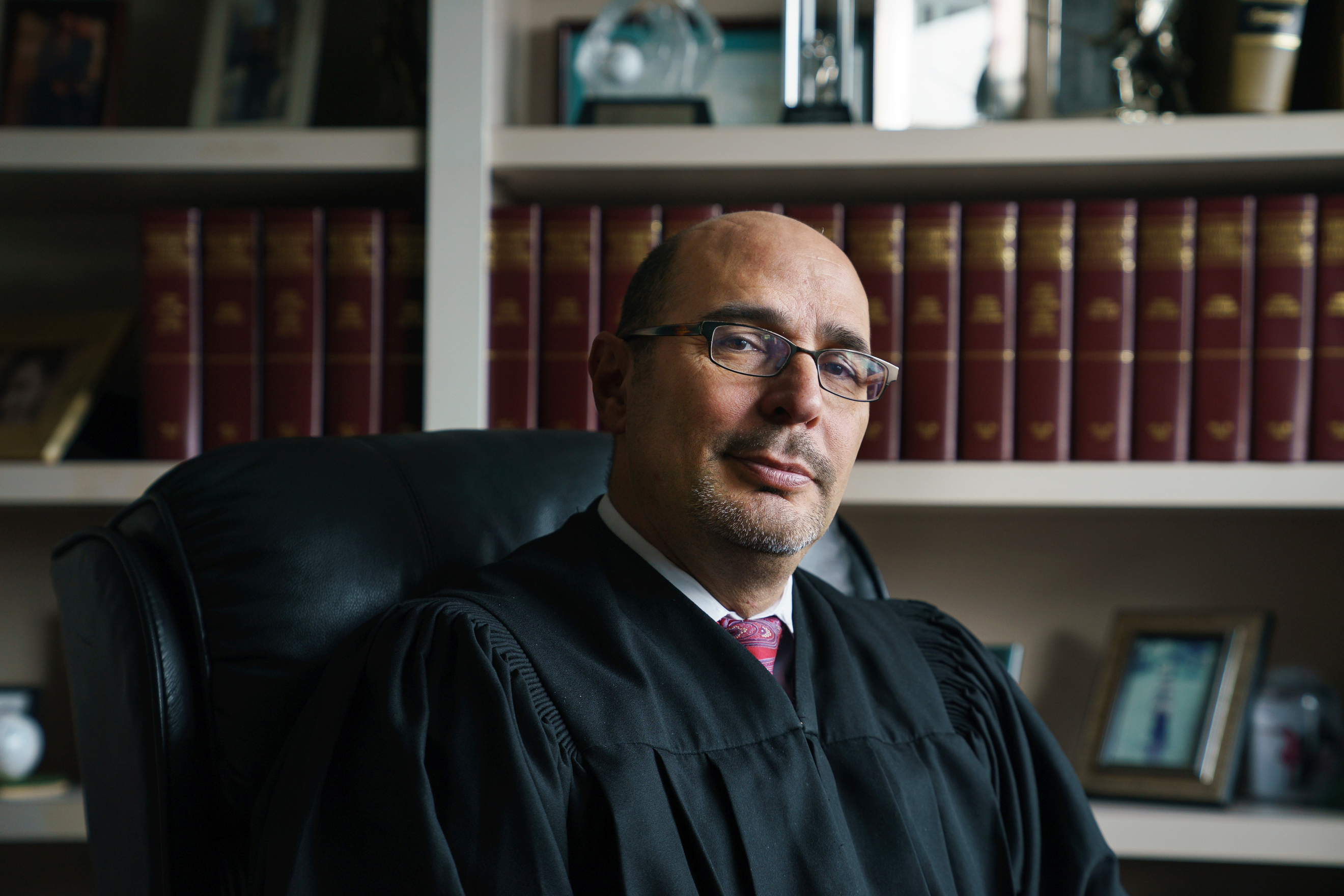
    HARRISBURG ― Pennsylvania’s Judicial Conduct Board on Thursday urged a judicial disciplinary court to permanently remove a Philadelphia judge from the bench, saying he had displayed a pattern of unethical and “boorish” behavior that culminated in an effort to influence a colleague’s decision in a criminal case last year.

    Common Pleas Court Judge Scott DiClaudio showed “little respect for the court and little respect for the rules of the court,” said Elizabeth Hoffheins, deputy counsel for the Judicial Conduct Board.

    DiClaudio had a history of disciplinary issues, she said, and he had not taken adequate responsibility for his actions.

    “Anything less than removal would fall short of restoring the public’s trust,” Hoffheins said.

    The board’s request came after two days of testimony before the Court of Judicial Discipline, which is expected to determine DiClaudio’s fate as a judge in the coming months.

    DiClaudio acknowledged Thursday that his remarks to fellow Common Pleas Court Judge Zachary Shaffer were improper, but insisted it was a complete misunderstanding and was never meant to tilt the scale of justice.

    “I wish I never said it. I regret ever saying it,” DiClaudio said of the comments to Shaffer. “I wasn’t thinking.”

    Shaffer testified that he was on the bench in his courtroom on June 12, 2025, when DiClaudio’s personal assistant, Gary Silver, walked in and said DiClaudio wanted to see him.

    Shaffer said he and his clerk, Nicole Vernaccio, had been in touch with DiClaudio that week about buying T-shirts from the cheesesteak shop owned by DiClaudio’s wife. They assumed the request was to go pick them up.
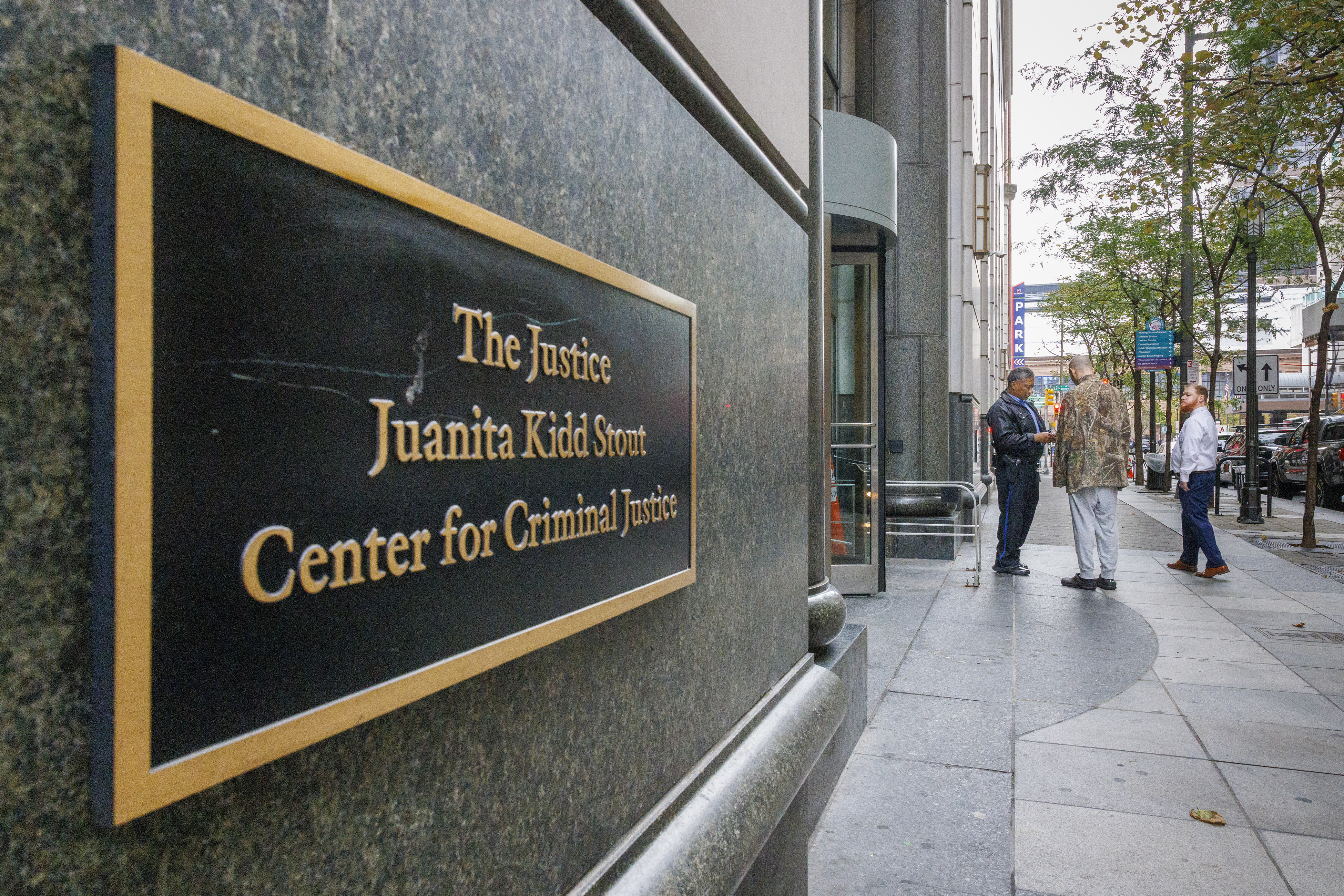
    The exchange occurred in the robing room of DiClaudio’s former courtroom inside the city’s criminal courthouse. Alejandro A. Alvarez / Staff Photographer

    The two walked to DiClaudio’s courtroom, then gathered in his robing room. They spoke for several minutes about various topics, he said, before DiClaudio asked Vernaccio to leave. Vernaccio also testified that she was asked to step out.

    Shaffer said DiClaudio then pulled out a piece of lined paper with “Dwayne Jones, courtroom 905, and Monday’s date” written on it.

    DiClaudio held it out at his side, he said, then looked at him and said, “OK?”

    Shaffer said he was confused, and hesitantly said, “OK.”

    He said DiClaudio ripped up the paper and threw it away.

    As Shaffer started to leave, he said, DiClaudio told him: “‘You probably would have done the right thing anyway.’”

    Shaffer said he was shocked and believed DiClaudio was suggesting he should give a favorable sentence to Jones, who was scheduled to appear before him in the coming days on charges of illegal gun possession connected to a fatal shooting.

    Shaffer reported the conversation to his supervisors the next morning, and they referred the matter to the Judicial Conduct Board. He recused himself from Jones’ case.

    The board charged DiClaudio with multiple ethical violations last September. He was later suspended without pay.

    DiClaudio’s testimony during a hearing last fall and again this week clashed with Shaffer’s in nearly every way.

    All of this came to be, DiClaudio said, after he attended the Roots Picnic in June 2025 — where he said he hung out backstage with Philadelphia rapper Meek Mill. In the common area, he said, Jones approached him and said he had a forthcoming sentencing before Shaffer.

    DiClaudio said he didn’t know Jones, and told him only that his colleague was “a good judge who would do the right thing.” When Jones handed him his business card, he said, he put it in his wallet, not wanting to be rude.

    DiClaudio denied that he later summoned Shaffer to his courtroom, despite an audio recording that showed that shortly before his assistant went to retrieve Shaffer, DiClaudio asked: “Is Judge Shaffer on the bench right now? Can you call down there and see if he’s still on the bench please?”

    DiClaudio said he only asked about Shaffer because he had just addressed a case where a defense attorney Shaffer is dating did not appear in court. He said he wanted to ask Shaffer why she didn’t show. (The courtroom audio confirmed that DiClaudio addressed the woman’s case just before inquiring about Shaffer.)

    He said he did not instruct Silver to visit Shaffer, and was surprised when the judge walked in.

    Once inside the robing room, DiClaudio said, he, Shaffer, and the clerk discussed various topics. It was only as Shaffer went to leave, he said, that he picked up his phone and wallet holding Jones’ business card, and remembered the concert exchange.

    He said he took out the card and told Shaffer: “I saw this guy at a concert. I told him you’re a good judge and you’d do the right thing.”

    Then, he said, he tossed it into the trash.

    “It was improper and wrong. There was no good reason to say that even though it wasn’t my intention to influence the case,” he said Thursday, adding: “I never wanted him to do anything with that statement other than to say thank you.”

    The board had initially said that DiClaudio sought to sway the case because Jones was a friend of Meek Mill. Jones, in an interview last year, also said he was a friend of the artist’s.

    DiClaudio, too, is close to Mill.

    But Hoffheins did not introduce evidence of that during Thursday’s hearing. She said this week that the board still believed that to be true, but did not need to prove a motive in its case.
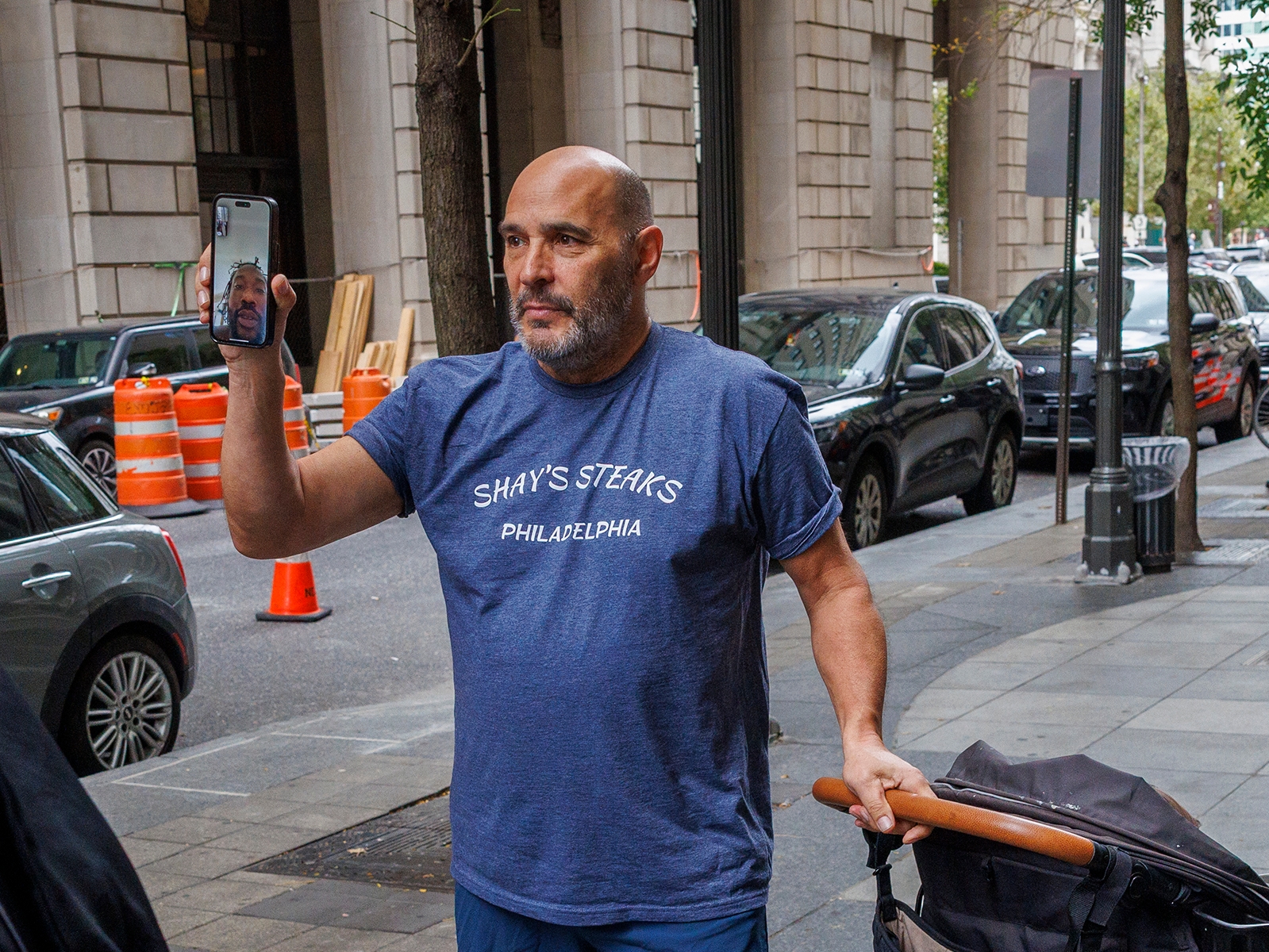
    Common Pleas Court Judge Scott DiClaudio speaks with rapper Meek Mill on Facetime outside the Philadelphia courthouse on Sept. 16, 2025. DiClaudio, while on the call, approached the family of Tyree Musier, whose murder conviction was overturned, and said he thought they would appreciate Mill saying hello.Alejandro A. Alvarez / Staff Photographer

    “This remark was not simply a compliment, not simply an off-the-cuff remark,” she said. “It was calculated to occur three days prior to this man’s sentencing.”

    DiClaudio was elected to Common Pleas Court in November 2015, and took the bench in January 2016. Before his suspension last year, he mostly heard cases filed by people seeking to have their murder convictions overturned.

    He presided over many high-profile exonerations and wrongful-conviction cases, and approved the release or resentencing of dozens of people who had been serving life in prison.

    DiClaudio was known for working long hours, moving cases efficiently, and thoroughly explaining his decisions to the families of victims and the defendants. But he was also unconventional in his at times brash communication style on the bench.

    That was on display again Thursday. He often rambled in a stream of consciousness from the stand, breathlessly veering between accepting responsibility, disputing Shaffer’s testimony, and even relaying his colleague’s dating history. His attorneys, Samuel Stretton and George Bochetto, struggled to reel him in.

    “Just stop,” Stretton interjected several times.

    Hoffheins pointed to the display, as well as DiClaudio’s previous disciplinary record, as proof of a pattern of misconduct.

    Before becoming a judge, DiClaudio was censured by the Pennsylvania Supreme Court for “serial misconduct,” including violating legal ethics rules. Shortly after he took the bench in 2016, Hoffheins said, the Judicial Conduct Board sent him a private disciplinary letter for engaging in “boorish behavior” toward his court staff.

    Then, in 2020, the Court of Judicial Discipline determined that he violated the code of conduct for judges when he failed to report debts on annual financial disclosure forms and repeatedly defied a judge’s orders to pay thousands of dollars in overdue bills to a Bala Cynwyd fitness club. He was suspended for two weeks, and placed on probation through 2026.

    And last April, the Judicial Conduct Board accused him of using his position as a judge to promote his wife’s cheesesteak shop, eroding public trust in the judiciary, and abusing the prestige of the office for personal gain. DiClaudio has denied the allegations, and the case remains ongoing.

    “What I am hearing, what I am feeling, is a persistent theme of your doing things and saying things … that are not wise,” said Judge Charles L. Becker, of the disciplinary panel.

    Judge Carolyn Nichols called it “a painful trail of incidents.”

    In a final plea, DiClaudio, 63, said if he returned to the bench, he would only work the few weeks necessary to secure his pension and lifetime health insurance to support his wife and two young children. Then he would retire, he said.

    He teared up as he spoke of his children and defended his integrity and career.

    “I talk a lot, but it’s my greatest strength and my greatest weakness,” he said. While he might be a “crazier judge,” he said, he’s “a judge who makes the right decisions.”

    “That may be an explanation,” Becker said, “but, frankly, I’m not sure that’s a defense.”

    Stretton, in his closing remarks, asked the panel for mercy.

    “Yes he did something bad. And some of his conduct here can get a little rambunctious,” he said. “… But I see a great, decent judge. He’s done a lot of good in the community and on the bench. He’s well-respected.”

    The tribunal will now weigh the matter, a process that could take months.
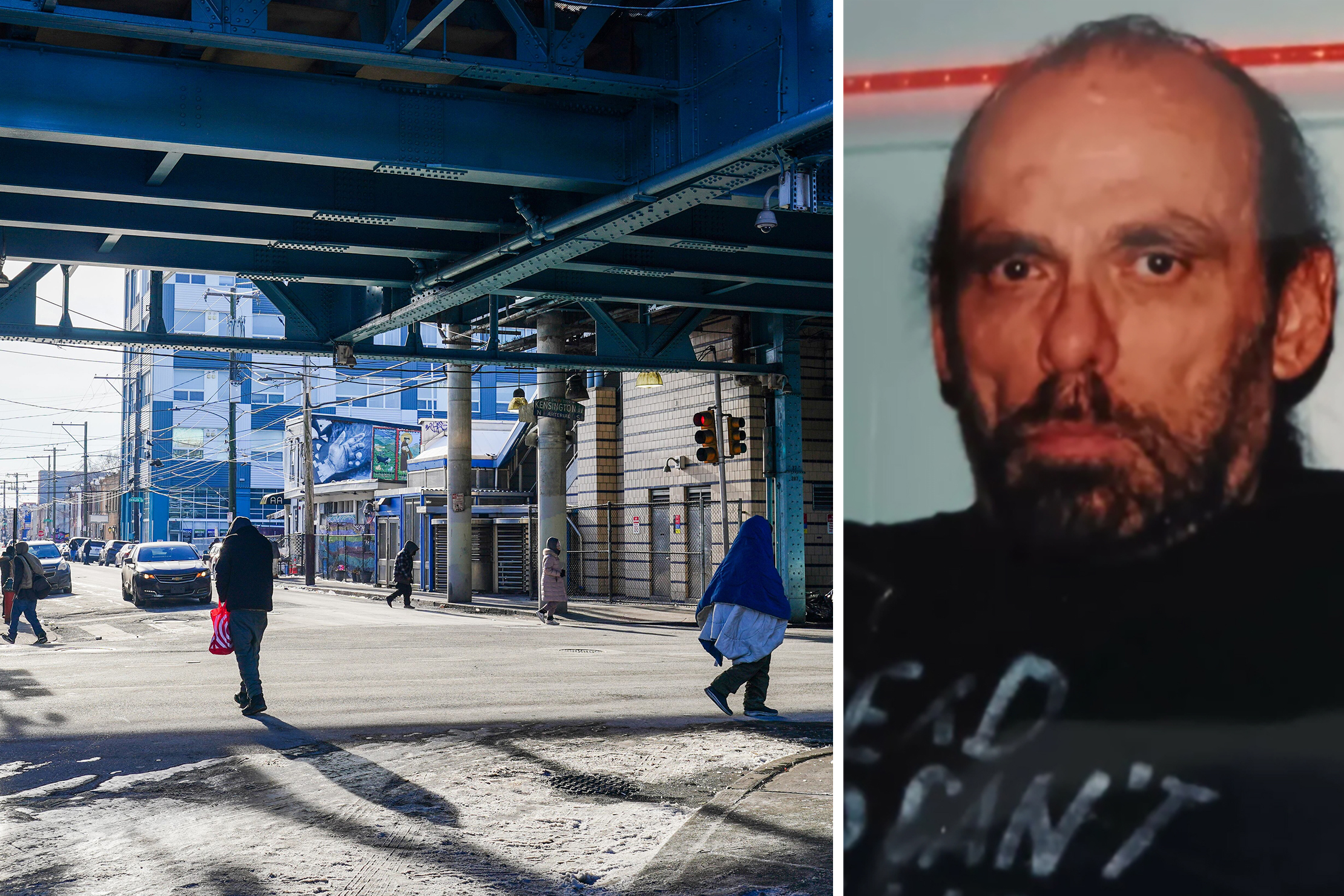
  • Raymond Horsch was convicted of luring a 9-year-old girl to his car in 2009. Now those court records could be destroyed.

    Raymond Horsch was convicted of luring a 9-year-old girl to his car in 2009. Now those court records could be destroyed.

    In 2009, Raymond “R.C.” Horsch — the violent pornographer now linked to seven dead or missing women — was arrested and charged with trying to lure a 9-year-old girl into his green Jeep Wrangler in Kensington.

    “Come here, in my car, sexy girl,” Horsch told the girl, according to an arrest report.

    When police found Horsch circling the neighborhood that March night, officers recovered a pair of high-powered binoculars, a digital camera, a telephoto lens, an eye patch, and a condom from inside his Jeep, the prosecutor on the case said.

    Horsch was convicted of two misdemeanor counts of luring a child into a motor vehicle and corrupting the morals of a minor at a trial in Municipal Court in 2010. He was sentenced to 2½ to 5 years in prison, and would have been required to register as a sex offender under Megan’s Law, said Jill Fertel, the prosecutor who handled the case.

    But Horsch insisted he did nothing wrong, and requested a new trial in Common Pleas Court. Another prosecutor took over the matter.

    The victim and her mother became too afraid to testify in court again, according to two people familiar with the matter. The case fell apart and prosecutors dropped the charges. The original conviction was vacated, and in 2015, Horsch successfully petitioned a Common Pleas Court judge to expunge the case.

    Fertel, in an interview Tuesday, said Horsch — and that outcome — had “haunted her for the last 16 years.”

    Horsch was known to prowl Kensington to recruit women in addiction to appear in his violent pornographic works in exchange for drugs, cash, and a place to stay at his home. But the details of the expunged conviction, which have not been previously reported, indicate Horsch may have also sought underage girls — and suggest that law enforcement was alerted to his troubling behavior nearly two decades ago.

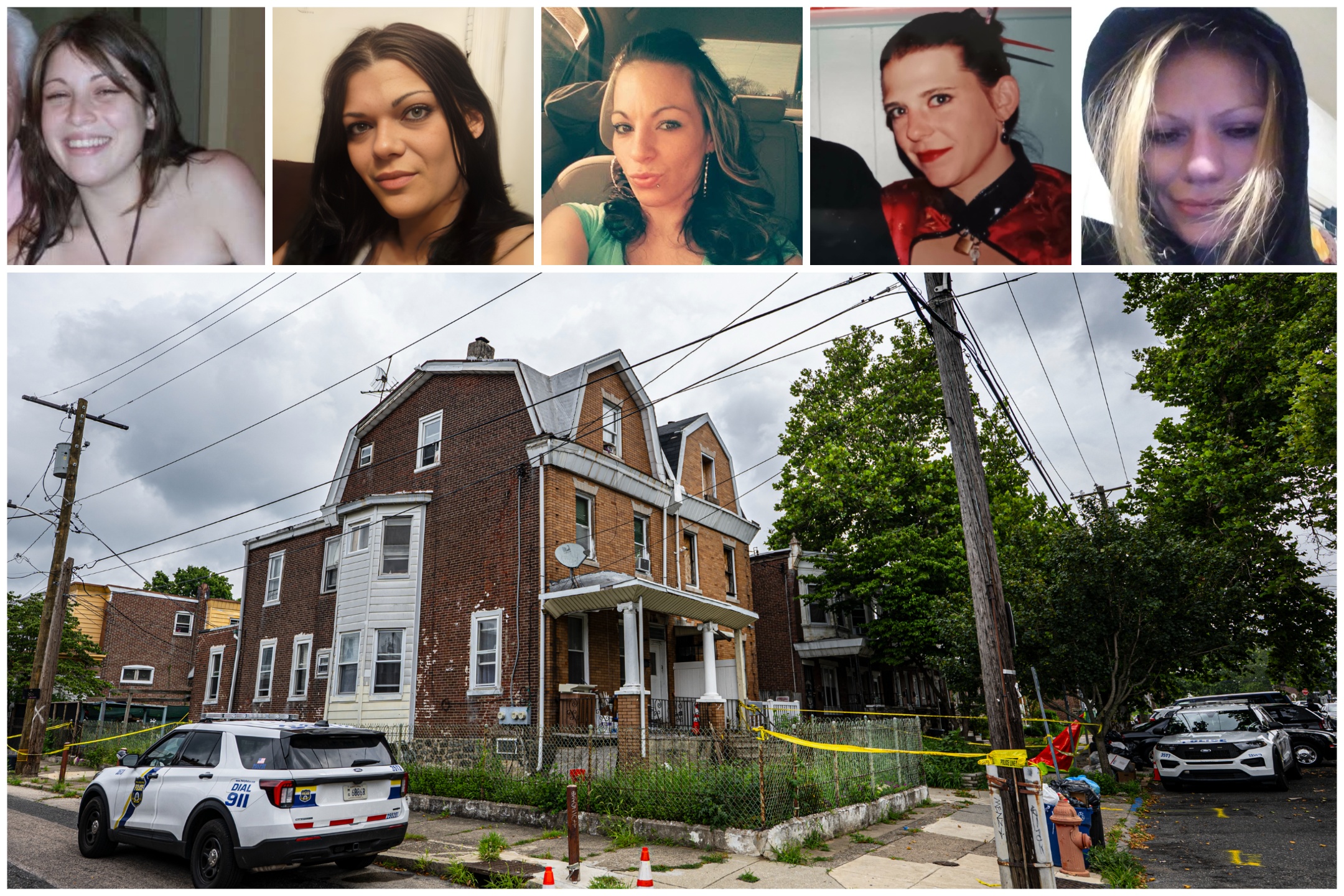
    (Top from left) Gabrielle Amarando, Nicole Fusaro, Maribel Fresses, Amy McHale, and Blair Tonzelli. Nicole Fusaro, Gabrielle Amarando, and Maribel Fresses are presumed dead. Blair Tonzelli and Amy McHale are still missing, but last seen at Horsch’s home.Obtained by The Inquirer

    Now, the court records in the case — the sole known sex crime Horsch is believed to have been charged with — are at risk of being destroyed.

    The records are on file at the Criminal Justice Center, but when The Inquirer sought to review them on Monday, a clerk denied that request.

    Because the case had been expunged, the clerk said, the records should have been destroyed years ago. The filings could not be reviewed, he said, and would ultimately be destroyed in accordance with state law.

    The Inquirer sent a letter Monday night to administrative judges in Philadelphia’s First Judicial District, asking that the records be preserved in the interest of the public, and that they be unsealed because of the ongoing investigation into Horsch’s connection to missing women.

    “Horsch is dead, and this case has extraordinary public interest and news value,” the newspaper wrote. “The filing could hold pieces of information that are irreplaceable and important to the public and the criminal investigation.”

    Fertel — who left the district attorney’s office in 2018 — said there are likely essential records of the case that remain in the court file, including notes of testimony, psychology examinations, and letters from Horsch’s defense lawyer submitted as part of his sentencing hearing.

    She said the sex offenses triggered a sexually violent predator assessment of Horsch, and recalled that the psychologist was “horrified” by Horsch’s pornography and feared he could be violent.

    “This is the only sexual offense he was ever convicted of, that I know of,” Fertel said in an interview Tuesday. “His conduct and his films and video were part of the sentencing. What he was doing [in Kensington] was part of the sentencing. That record is important to have, if we’re to prevent this from happening again.”

    Police said they have so far recovered footage on hard drives inside Horsch’s home that appears to show five women dead — including a video of Horsch filming himself while strangling a woman to death with a zip tie. Two other women, including Horsch’s ex-wife, were last seen at the home but remain missing.

    Luring a child

    Around 7 p.m. on March 20, 2009, the 9-year-old was walking on Ontario Street when Horsch, in a green Jeep, slowed next to her.

    “Yo, come here,” Horsch said, before getting out of his car to approach her and calling her “sexy,” according to the arrest report.

    The girl ran home and told her mother an old man in a green Jeep had asked her to get into his car. The mother ran outside and chased after the Jeep, which circled the block and drove off, the report said. They called police, who responded and found Horsch in his car near the 3200 block of Kensington Avenue, the report said.

    The girl identified Horsch as the man who approached her, the document said.

    Fertel said that during the trial, the victim cried on the stand, at times prompting the judge to leave the bench to comfort her as she testified before Horsch, who was standing just feet away.

    Horsch was released on bail.

    While Horsch was facing those charges in Philadelphia, in July 2009, police responded to his home in Chalfont — where he lived before moving to Olney in 2013 — after a 21-year-old woman called to report a break-in. When officers arrived, they found 455 marijuana plants and two shotguns spread among five partitioned rooms in the basement, according to the Bucks County Courier Times.

    Officers also recovered bondage gear, photographs of bleeding women, and a homemade movie labeled with the word “rape,” the newspaper reported.

    Court records show that the woman who called police later told investigators she struggled with a heroin addiction and had met Horsch while doing sex work in Kensington. (That woman died of an overdose in January 2016 when she relapsed, her mother said in an interview this week.)

    When Horsch returned home that night in July to find police raiding the property, he ran down his tree-lined suburban street, according to the news report.

    He was later arrested and pleaded guilty in federal court to manufacturing drugs and illegal gun possession, and was sentenced to 54 months in prison, plus five years’ probation.

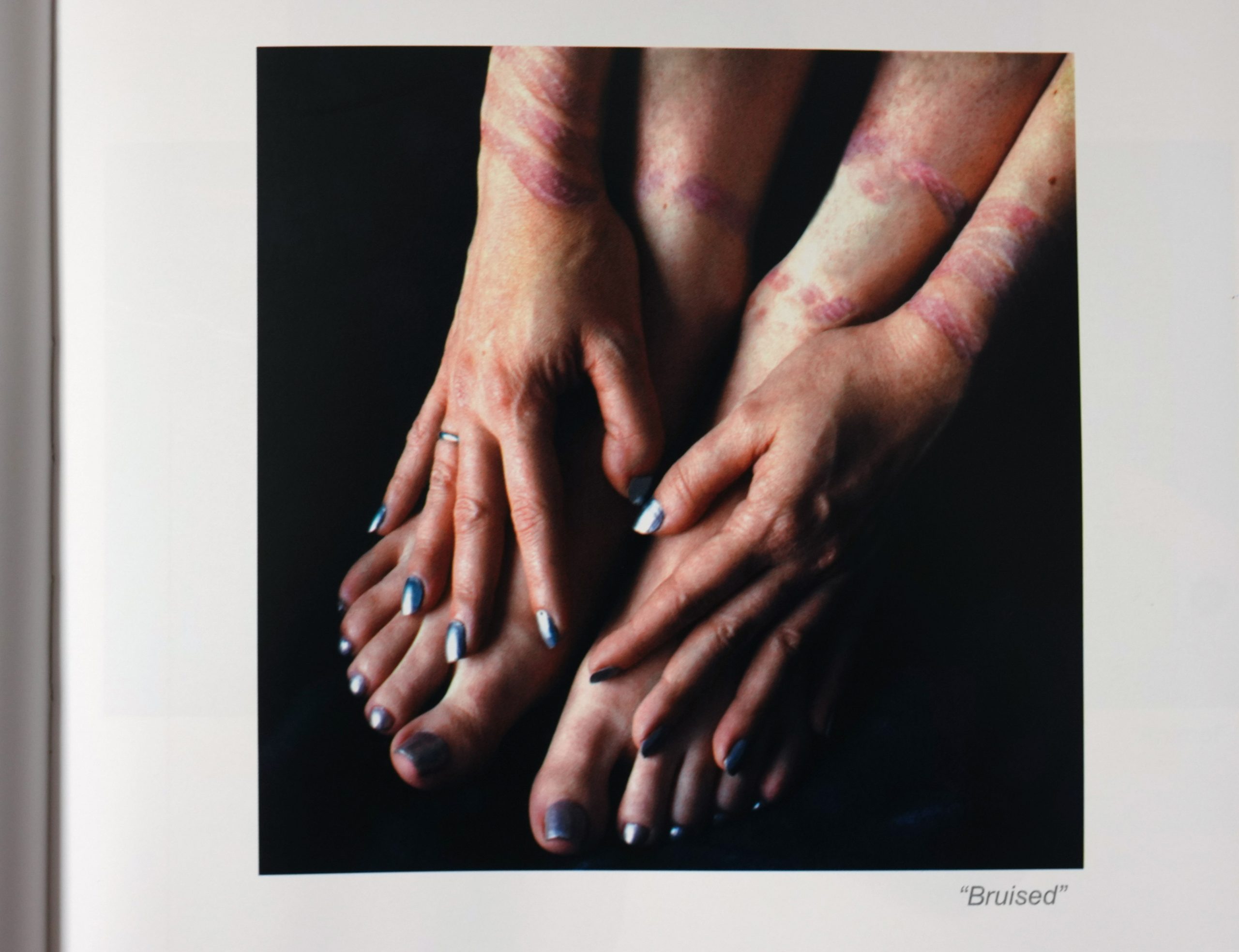
    Ligature marks on the arms of an unidentified woman in Raymond Horsch’s 2003 two-volume photobook “Eroto: To The Prurient Interest.”Obtained by The Inquirer

    Fertel said that, as she prosecuted Horsch in Philadelphia, she learned details of the Bucks County drug raid — including that officers had found disturbing pornography, guns, and explosive materials at his suburban home. That became part of her case, she said, and led her to ask that Horsch be sentenced to the maximum penalty of five to 10 years in prison.

    Common Pleas Court Judge Roger Gordon — who presided over the case — sentenced Horsch to 2½ to 5 years.

    But then Horsch appealed, and the case collapsed after the child and her mother became too scared to testify against him again.

    Fertel said the materials found in Horsch’s home, and the psychologist’s fears of his potential threats to the community, have been seared in her memory ever since.

    “He was able to treat women in this fashion for decades and no one has stepped up to protect them. No one was able to stop him,” Fertel said this week. “Everybody knew about it.”

    A ‘fabricated thing’

    Horsch, who died in May 2025, boasted about his criminal career as a drug manufacturer and document forger. He also spoke openly about how he recruited drug-addicted women in Kensington to appear in his violent pornographic photos and films that featured drug use, overdoses, and staged hangings, drownings, and killings.

    But Horsch vehemently denied ever trying to lure a child into his car. He spoke about it years later, in a 2013 interview with the Rialto Report podcast, and said the 9-year-old girl had lied.

    “It’s just a totally weird, fabricated thing,” he said. “All you have to do is go to the state sex offender list and you won’t find my name there.”

    In his 2003 movie Slaves, Horsch played a semiautobiographical character who, in one scene, described approaching a young girl in a mall. The girl’s mother, Horsch’s character said, then yelled, “Get away from my daughter!”

    “The place froze, literally froze. Time stood still. Every eye was on me, from every direction, hundreds of eyes,” Horsch said in the movie. “And I realized in an instant that, to every single person there, I was a child molester.”

    Raymond “R.C.” Horsch in character for film role, 2014.S. E. Stokowski / Wikimedia

    As Philadelphia police sort through more than one million photos and videos on the hard drives recovered from Horsch’s home on West Chew Avenue in Olney, they have encountered what they believe was staged violence as part of his art — and also photos and a video of what they now believe were real missing women, dead inside Horsch’s home.

    So far, police have identified five women in the footage who they now believe are dead: Maribel Fresses, Gabrielle Amarando, Nicole Fusaro, a 25-year-old woman who has not been identified at the request of her family, and another woman investigators are still working to identify.

    Two other women who were last seen at Horsch’s Olney home — Blair Tonzelli and Amy McHale, his ex-wife — remain missing.

    Police have so far reviewed only about 30% of the materials on the hard drives.

    Fertel said she hopes revelations about the 2009 case will draw more attention to the exploitation of women in Kensington.

    “No one was getting arrested for what Raymond Horsch was doing,” she said. “This is an opportunity for people to recognize that this is wrong and that we can’t let it happen again. We can’t let this happen to more people.”

  • Head of conviction integrity unit in DA’s office steps down after judge points to possible crimes, sources say

    Head of conviction integrity unit in DA’s office steps down after judge points to possible crimes, sources say

    The head of the conviction integrity unit in the Philadelphia District Attorney’s Office has stepped down from his supervisory role, sources said, days after a federal judge said his actions in a contentious post-conviction case could amount to crimes.

    Assistant District Attorney Matthew Stiegler resigned from his position as supervisor of the unit on Thursday, said the sources, who spoke on the condition of anonymity to discuss a sensitive personnel decision.

    Stiegler would remain a prosecutor with the office, the sources said, though it was not immediately clear what his role would be.

    Stiegler did not respond to a request for comment. A spokesperson for the district attorney’s office also did not respond.

    The personnel shake-up comes as Stiegler faces scrutiny over his role in a controversial case that has since drawn extraordinary attention and criticism from a federal judge — and raised questions about one of District Attorney Larry Krasner’s key policy initiatives.

    On Tuesday, U.S. District Judge Paul Diamond said Stiegler and Krasner may have broken the law in their handling of the case, and said he had referred the matter to the U.S. Attorney’s Office to investigate whether the pair should be charged with crimes including conspiracy or obstruction of justice.

    Stiegler came under public scrutiny this spring over his unit’s handling of the case of Dennis Johnson, who was convicted of second-degree murder in 2009. Prosecutors for years had opposed his bid for freedom.

    Then, in 2022, Assistant District Attorney Jaclyn Mason, who worked under Stiegler, filed a brief saying she had discovered problems with Johnson’s case, and recommended the conviction be overturned.

    Diamond scheduled an evidentiary hearing on the matter this spring.

    Ahead of that hearing, Mason’s colleagues in the office’s law division reviewed the filings in the case and found what they called “material misstatements” in the brief. They sought to withdraw Mason’s filing, and apologized to Diamond.

    Mason resigned. Diamond called a hearing on the matter.

    Mason, during the first of a series of explosive hearings in front of Diamond, said she filed the brief only because Stiegler had pressured her to do so.

    Stiegler, she said, had been “colluding” with Johnson’s defense attorneys from the Federal Community Defender Office and the Pennsylvania Innocence Project on the most effective paths to secure Johnson’s release. Neither of them had reviewed key evidence in Johnson’s case before seeking to overturn his murder conviction, she said.

    “Matt told me: ‘If it’s good enough for the Innocence Project, it’s good enough for me,’” Mason said.

    Stiegler denied this and said he has reviewed every case carefully.

    In a subsequent hearing, supervisors in the law division testified that Stiegler, in an attempt to avoid blame, then suggested they review Mason’s cases to look for other errors in her work to paint her as a “rogue” prosecutor who was routinely making mistakes.

    Those supervisors said Krasner later echoed that potential course of action, saying he had learned it from Stiegler and it was a “good idea.”

    The supervisors refused.

    Diamond said those actions were particularly troubling, and suggested Krasner and Stiegler were conspiring to “present a false narrative to the Court.”

    Diamond also said he found Stiegler’s testimony “was often contradictory, evasive, or outright dishonest,” and that Stiegler may have committed perjury while on the stand.

    In a statement Tuesday, Krasner said, “I respectfully and vigorously disagree” with Diamond’s findings.

    “I look forward to appealing to the higher court as soon as the law allows,” he said, adding that he could not comment further because the case is pending.

    Staff writer Chris Palmer contributed to this article.

  • Police find more photos of women who appear dead in pornographer R.C. Horsch’s home, bringing the number of missing to 7

    Police find more photos of women who appear dead in pornographer R.C. Horsch’s home, bringing the number of missing to 7

    Police have recovered images they believe show two additional women dead inside the residence of the late Raymond “R.C.” Horsch, officials said Wednesday — bringing the total number of dead or missing women linked to the violent pornographer’s Olney twin home to seven.

    The discovery marked the latest turn in a sprawling local and federal investigation into the drug, sex, and porn operation Horsch ran out of his home. Horsch left behind a digital archive of more than a million photos and videos that detectives now believe shows a mix of real and staged violence — as well as potential killings.

    During a news conference Wednesday, Deputy Police Commissioner Frank Vanore said investigators recovered photos that showed a 25-year-old woman unconscious, with visible injuries, inside the Chew Avenue home where Horsch and his son, Eugene, lived for decades.

    The woman, who was from Philadelphia, had not been reported missing, police said. Vanore declined to identify her at the request of her family.

    Detectives also recovered images showing another woman lifeless with injuries. Investigators have not yet been able to identify her, Vanore said, but she appeared to be in her mid-20s.

    Nicole Fusaro was reported missing in 2018 when she was 27. Police believe she was killed by Raymond “R.C.” Horsch in his Chew Avenue home.Courtesy of Jonathan Hallo

    Vanore also confirmed that police recovered a video that appeared to show Horsch strangling a woman. Horsch used two cameras — one mounted in the room, and another that he held — to film the assault, he said. In the video, he said, the woman used drugs before Horsch gave her money and handcuffed her to the bed. He was naked and tightened a zip tie around her neck until she became unconscious, Vanore said.

    That woman has been identified by a family member as Nicole Fusaro, who went missing in 2018 at the age of 27.

    Police last month also announced they recovered images that appeared to show two women dead inside the home: Maribel Fresses, who was 27 when she was reported missing in February 2018, and Gabrielle Amarando, who went missing in September 2012 at the age of 22.

    Vanore said the metadata of those images shows both were photographed in 2017.

    Police have not recovered any human remains.

    Gabrielle Amarando, (left) missing since 2012 and Maribel Fresses, 27, reported missing in 2018. Police believe they were killed inside the Olney home.Obtained by The Inquirer

    Horsch died last year at age 82 of lung issues.

    Special Agent Wayne Jacobs, of the FBI in Philadelphia, said federal agents have been assisting city homicide detectives in downloading and sorting through the excessive amount of digital evidence. So far, he said, they have reviewed about 30% of the existing materials.

    “The objective here is thoroughness, not simply speed,” he said.

    Vanore said investigators have identified 58 people in the images and videos they have reviewed. Of those, five women appeared to be dead.

    There are 10 other women who subsequently died of an overdose elsewhere, he said. Police have interviewed 16 people who are still alive, he said. They are still working to track down 25 others.

    The investigation has been protracted, in part because Horsch spent decades producing pornography that often focused on the brutalization of women in addiction — producing photos and videos for books, movies, and his website that featured women in various staged scenarios, including being drowned, shot, and strangled.

    “Some of this is playacting, and some of it we believe could be real,” Vanore said. “But we’re not there yet. We don’t want to end our investigation before it even — we’re not even in the middle of it. There’s a lot more to unpack.”

    Police Commissioner Kevin Bethel (left) looks on as Ryan Gallagher, of the forensics lab, speaks Wednesday.Elizabeth Robertson / Staff Photographer

    Police Commissioner Kevin Bethel also counseled patience. A large team of detectives, he said, was diligently and carefully reviewing the materials and working to ensure any identified victims and their families are handled with care.

    “We have a duty to those families who are all concerned about whether their loved one lost their lives in that house, or maybe somewhere else,” he said. “And so we’re going to take the time, we’re going to put the effort in. We’re going to do all the things that we have at our disposal.”

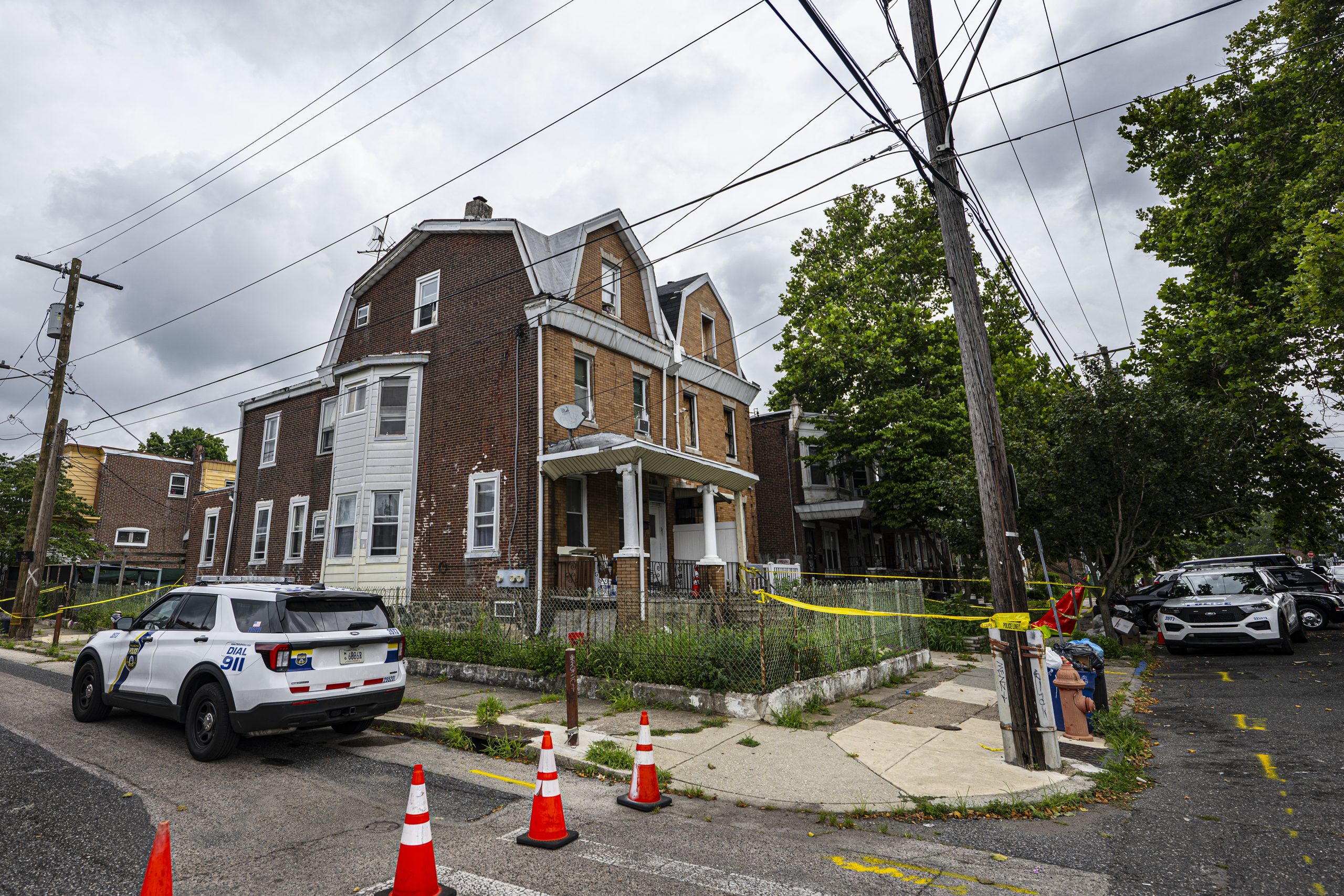
    Police started searching the home of Raymond Horsch, and his son Eugene, at 417 Chew Ave. in June. Jose F. Moreno / Staff Photographer

    Police will search the home again

    Police started looking into Horsch and his son, Eugene, in June, after a car stop near Independence Hall.

    A U.S. park ranger encountered Eugene Horsch and a woman inside his black BMW on June 19, police said. When the officers questioned them, the woman produced a fake ID in the name of Blair Tonzelli, a woman who had been missing since 2023. Police searched the car and found two guns, drugs, a cattle prod, and a phony federal drug enforcement badge.

    Local and federal law enforcement spent weeks searching the home on Chew Avenue and found additional drugs and weapons, as well as a basement holding vats of mysterious fluids and a 55-gallon drum leading to a water line.

    Police also recovered five urns containing cremated remains. Ryan Gallagher, the police department’s assistant director of forensics, said authorities now believe those urns hold the ashes of Raymond Horsch, his sister, and a friend. Investigators are still working to identify the other two, he said.

    Tests for DNA and of the chemicals in the basement remain ongoing.

    FBI Philadelphia Special Agent in Charge Wayne Jacobs (center) looks to Deputy Police Commissioner Frank Vanore (left) during a press conference, regarding the Raymond “RC” Horsch case, at the Philadelphia Police Headquarters on Wednesday, September 16, 2026.Elizabeth Robertson / Staff Photographer

    The case expanded when investigators learned Raymond Horsch’s ex-wife, Amy McHale, had been reported missing in 2016, and was also last seen at the home.

    Police then excavated the yard of the home in search of physical evidence linked to the missing women.

    Vanore said investigators have not recovered any digital evidence as to the whereabouts of Tonzelli or McHale.

    Eugene Horsch, 44, remains in federal custody on drug and gun charges. Vanore said investigators have not found evidence that connects him to the dead or missing women.

    Bethel said police intend to return to the Chew Avenue home in the coming weeks to recover additional materials, and will meet with neighbors.

    Staff writer Barbara Laker contributed to this article.

  • At 17, he killed a 14-year-old outside Roxborough High — and then killed again. He faces decades in prison.

    At 17, he killed a 14-year-old outside Roxborough High — and then killed again. He faces decades in prison.

    A 21-year-old man was ordered to spend decades in prison for killing two teens in 2022 and 2023 — including firing dozens of bullets outside Roxborough High School in a shooting that left a 14-year-old dead and four other teens seriously wounded.

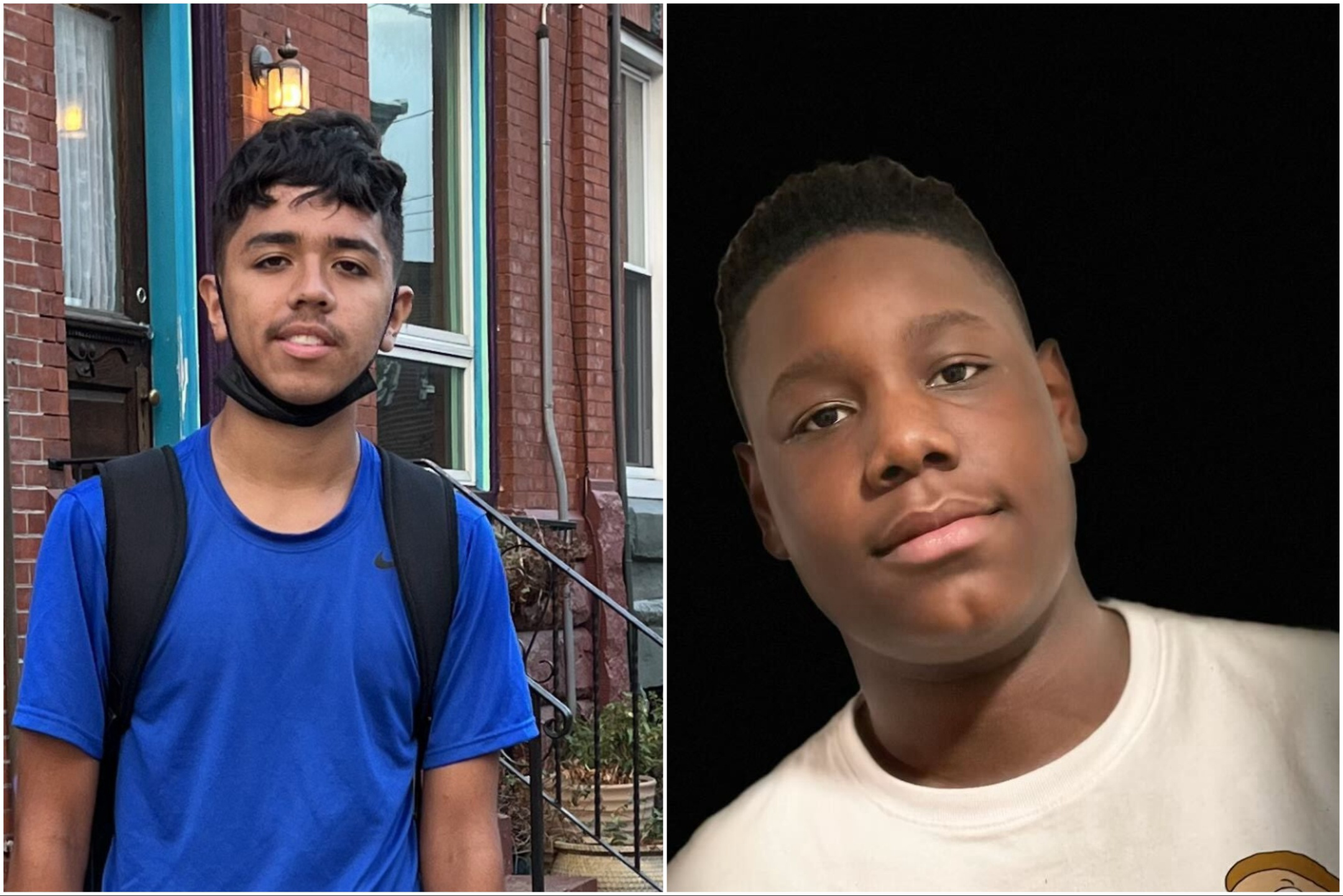
    Following an emotional sentencing hearing Friday, Common Pleas Court Judge J. Scott O’Keefe ordered Zaakir McClendon to serve 40 to 80 years in prison for his part in the shootings that killed Nicolas Elizalde and Nafis Betrand-Hill seven months apart.

    McClendon’s streak of violence began when he was 17. First, on Sept. 27, 2022, he and five others drove to Roxborough High School looking to shoot a teen who McClendon believed had hurt a young woman he was close to, said Assistant District Attorney Ashley Toczylowski.

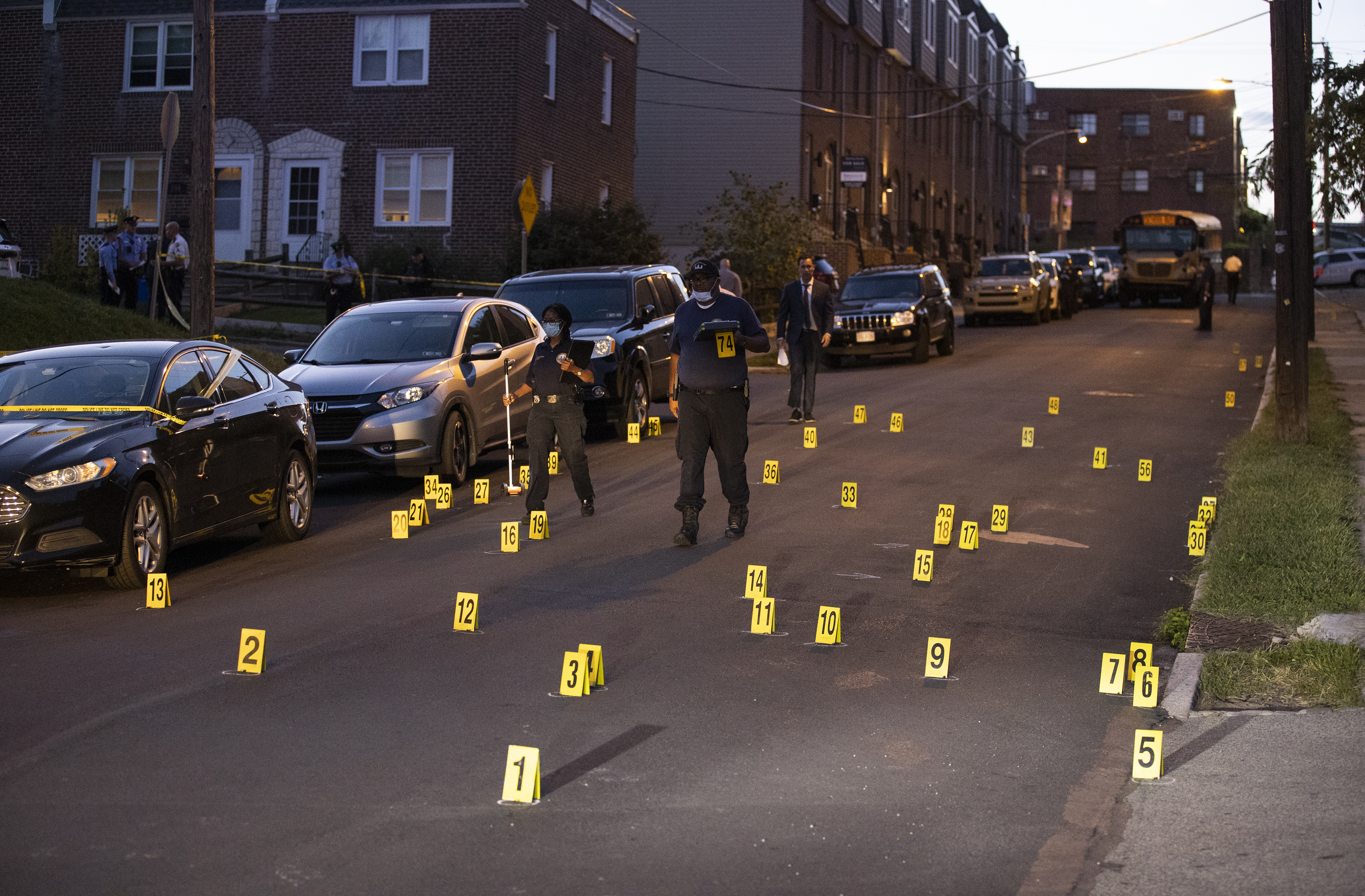
    They parked their dark green Ford Explorer outside the school’s football field, and as dozens of kids walked toward the locker room, McClendon and four others fired more than 60 shots in all directions toward the players.

    More than 60 shots were fired outside Roxborough High School on Sept. 27, 2022.Charles Fox / Staff Photographer

    Five teens were shot. Nicolas Elizalde, a junior varsity player, was struck once in the chest by a stray bullet. His mother, Meredith, ran to his side in the aftermath, and held him as he died.

    “This was a planned, coordinated mass shooting at a high school football game,” Toczylowski said. “And [McClendon] was the reason why this happened.”

    In the months after the shooting, homicide detectives identified five of the six people involved, ranging in age from 15 to 21. But McClendon remained free and unknown to police for years.

    In that time, he killed again.

    On the night of April 13, 2023, McClendon and at least two others drove to 23rd Street and West Montgomery Avenue in North Philadelphia, where they shot Nafis Betrand-Hill, 16, multiple times near his home.

    McClendon was finally charged with both killings last year, after DNA evidence linked him to each crime scene: on a fired cartridge casing recovered at Roxborough and on a blue sweatshirt worn by one of the gunman who killed Betrand-Hill.

    He pleaded guilty to both murders in April.

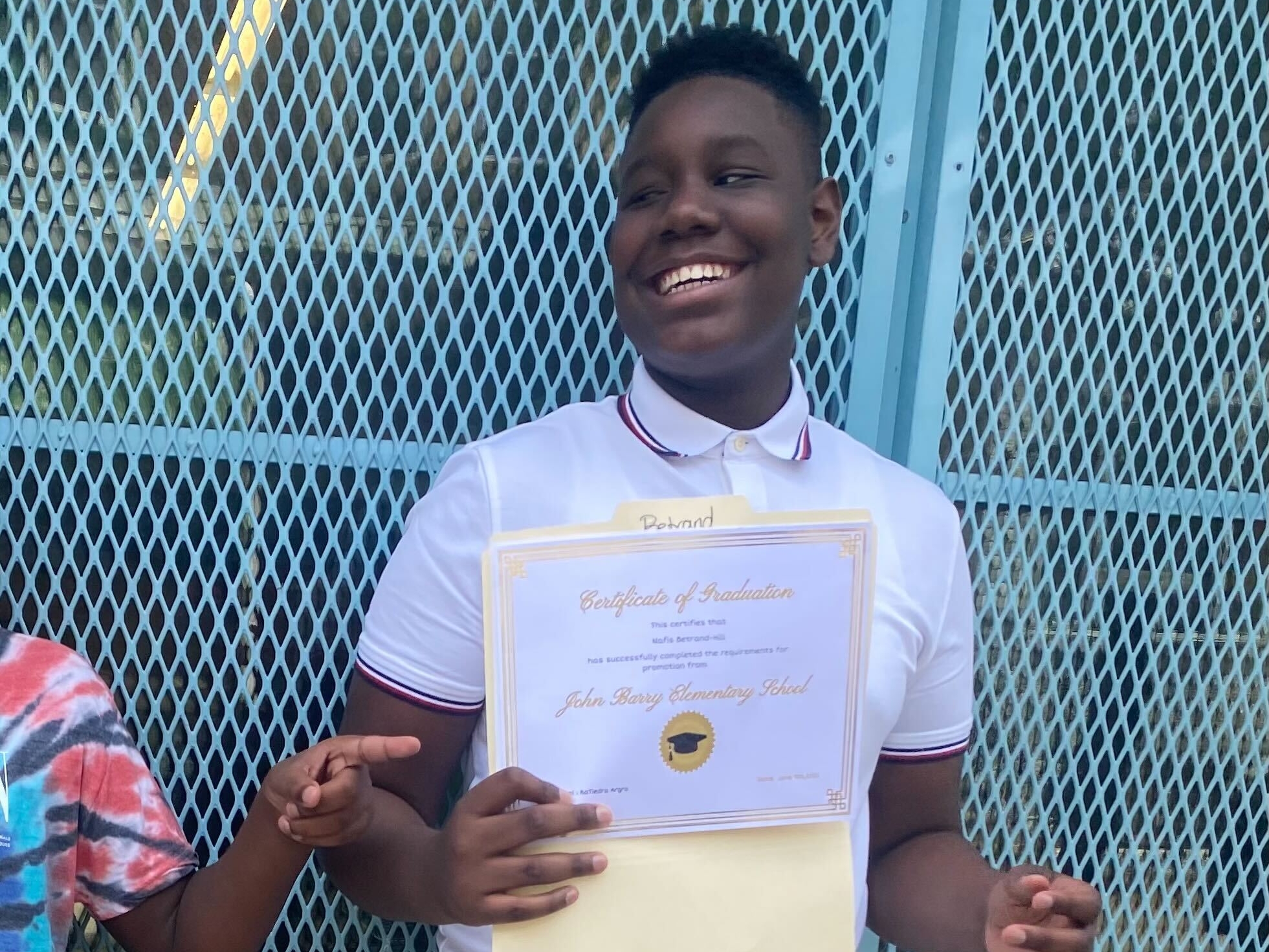
    Ashante Betrand on Friday remembered her stepson, Nafis, as full of life and joy, “a child who deserved to grow up surrounded by love.“ A sophomore at Sayre High School, he was the oldest of four brothers and three sisters. They called him ”Fisso” or “Bo.”

    Nafis Betrand-Hill, 16, was shot and killed in North Philadelphia in April 2023.Courtesy of Ashante Betrand

    Her family, she said, will never stop grieving the “many ordinary but precious moments of adulthood” that he will never experience. They still don’t understand why he was targeted, she said.

    “His life was worth more than a name, a reputation, a street,” she said, adding: “We will never stop loving him, we will never stop missing him and his light.”

    Nicolas Elizalde’s aunt and grandmother spoke next. They wanted McClendon to know about the gentle person he killed — how Nick loved rescuing animals, watching Marvel movies, playing with Legos, and swimming in the pool. He was a freshman at Walter B. Saul High, and should have been finally heading off to college this fall.

    “Did you know that, Mr. McClendon? Do you care?” Nick’s grandmother Marge LaRue asked.

    “I don’t know you, and I don’t want to,” she said. “But you brought evil to my family, and it’s ugly and it’s lonely here. We are joyless. We are empty.”

    Then, Meredith Elizalde stood up, ordering McClendon to look at her. It was the least he could do, she said, after ruining her life.

    McClendon, his small frame hunched in a wooden chair, looked toward her briefly, before turning away again as she spoke.

    When two other teens involved with the crime pleaded guilty last year, Elizalde was firm, but compassionate. She had met and spoken with each of them before their sentencings, and asked a judge to allow each of them to spend a piece of their lives free in Nick’s honor.

    But McClendon, she said Friday, mocked her family and her son’s life by running free for years after the shooting — and killing again. She said she would not ask for any leniency.

    “Did you watch my pleas on TV?” she asked. “I hope to leave this courtroom and never think of you again.”

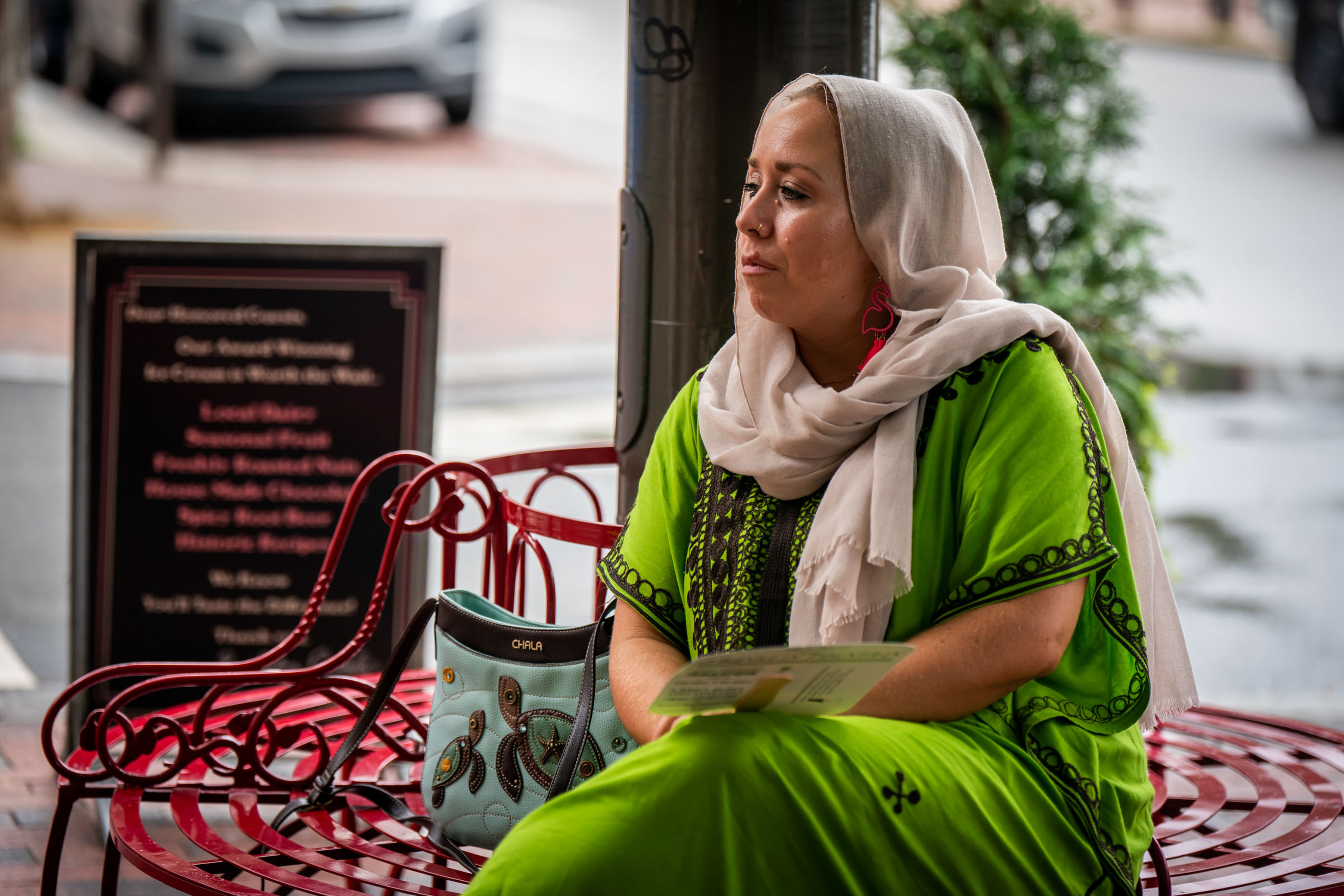
    Meredith Elizalde at Franklin Fountain, where she and her son Nicolas used to go prior to his death, in Philadelphia, July 24, 2024.Jessica Griffin / Staff Photographer

    Finally, McClendon spoke. His actions, he said, were cowardly.

    “I was still young, your children were still young,” he said, beginning to cry. “I’m sorry. I’m mad it happened the way it did. I’m mad I even made that decision.”

    “I cannot look you in the eyes because I gotta live with what I did,” he said. “I am a menace to the community. … but I will try to be better.”

    His mother’s sobs filled the courtroom as he spoke. Moments earlier, she told the judge she’d raised her son in a loving home. He was a funny, curious child who grew up attending Catholic schools and playing sports. It didn’t make sense.

    At the judge’s sentence, she collapsed into herself.

    After the court hearing, Meredith Elizalde asked the public to remember her son and what he loved — nature, museums, learning — and to invest less in punishment for violence and more in the people, places, and institutions that can prevent it.

    “On Sept. 27, the fourth anniversary of Nick’s murder, the Academy of Natural Sciences — one of Nick’s favorite places and where he celebrated his ninth birthday — is closing its doors to the public.”

    “Think about what these places represent, where children encounter science and nature … and discover the world is bigger than them and there is a place for them in it,” she said. “We cannot punish our way into a healthy society. Prevention is investment, art, nature, community.”

    Accountability for her son’s death belongs to all Philadelphians, she said, and that means protecting the children who are still here.

    Elizalde and her family will return to the courthouse in February, when the three remaining defendants charged with her son’s death are expected to face trial.

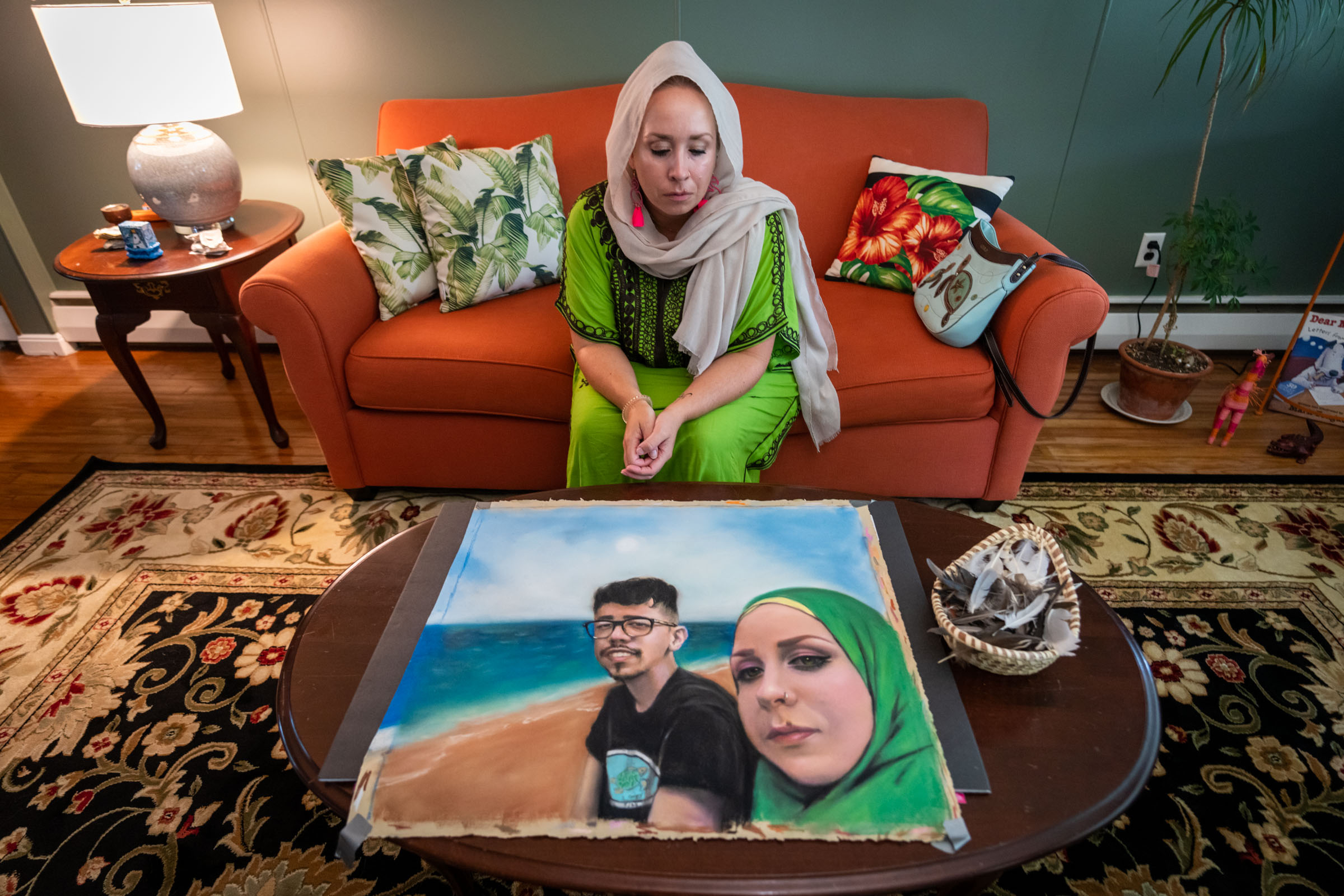
    Meredith Elizalde with a painting of her and her son Nicolas, by Laurie Cooper. Jessica Griffin / Staff Photographer
    Correction: This story has been updated to correct the spelling of the prosecutor’s name.
  • Nicole Fusaro, missing since 2018, identified as woman who police believe Raymond Horsch killed

    Nicole Fusaro, missing since 2018, identified as woman who police believe Raymond Horsch killed

    The woman who police believe was killed by pornographer Raymond Horsch on camera has been identified by family members and law enforcement sources as Nicole Amanda Fusaro, who has been missing since July 2018.

    Fusaro was 27 when she was last seen in Kensington, and after she disappeared, her mother, Diane, combed the streets of the Philadelphia neighborhood looking for her only child. Diane died in January 2020 without answers, and Fusaro’s father, Thomas, had died in 2009. That left Fusaro’s friends and her cousin, Jonathan Halloran-Koren, to continue searching and hoping that one day she might turn up.

    Last month, investigators recovered a video on one of numerous hard drives recovered from Horsch’s decrepit Olney home while in search of clues for other missing persons linked to the property. Law enforcement sources said they believe the video shows Horsch strangling Fusaro to death.

    Nicole Fusaro was reported missing in 2018 when she was 27. Police believe she was killed by Raymond “R.C.” Horsch in his Chew Avenue home.Courtesy of Jonathan Hallo

    Police met with a member of Fusaro’s extended family several weeks ago to alert them of the discovery. Those relatives asked police not to publicly release her name. The relatives declined to speak with a reporter this week.

    Halloran-Koren, in an interview, said those relatives told him Thursday that police had visited their home in recent weeks with the news of his cousin’s death.

    He said he wants her name to be known so that she is not forgotten.

    “Hopefully more attention will be made to missing persons so this doesn’t happen again,” he said, adding that he is still seeking additional information from law enforcement.

    The police department is legally required to release the names of homicide victims, as they consistently do in a typical case. But because Fusaro’s body has not been found, the Office of the Medical Examiner has not ruled her death a homicide, creating a legal gray area.

    Police also have no suspect to charge: Horsch died last year, at the age of 82, of a lung condition.

    Sgt. Eric Gripp, a spokesperson for the police department, said the investigation into the Horsch home at 417 Chew Ave. remains extensive and ongoing. He said officials expect to provide an update to the public next week.

    “As part of that investigation, detectives have spoken with numerous family members, witnesses, and other individuals, and continue to review evidence gathered during the investigative process,” he said in a statement. “Because this is an active investigation, we are not confirming the identities of any individuals who may be connected to specific evidence or discussing information that has been shared privately with families.”

    Last month, police officials announced that they recovered photographic evidence that appeared to show two other missing women — Maribel Fresses and Gabrielle Amarando — dead inside the home.

    Fresses’ and Amarando’s bodies have also not been recovered, and the medical examiner has similarly not ruled a cause or manner of death. Their families gave the department permission to release their names.

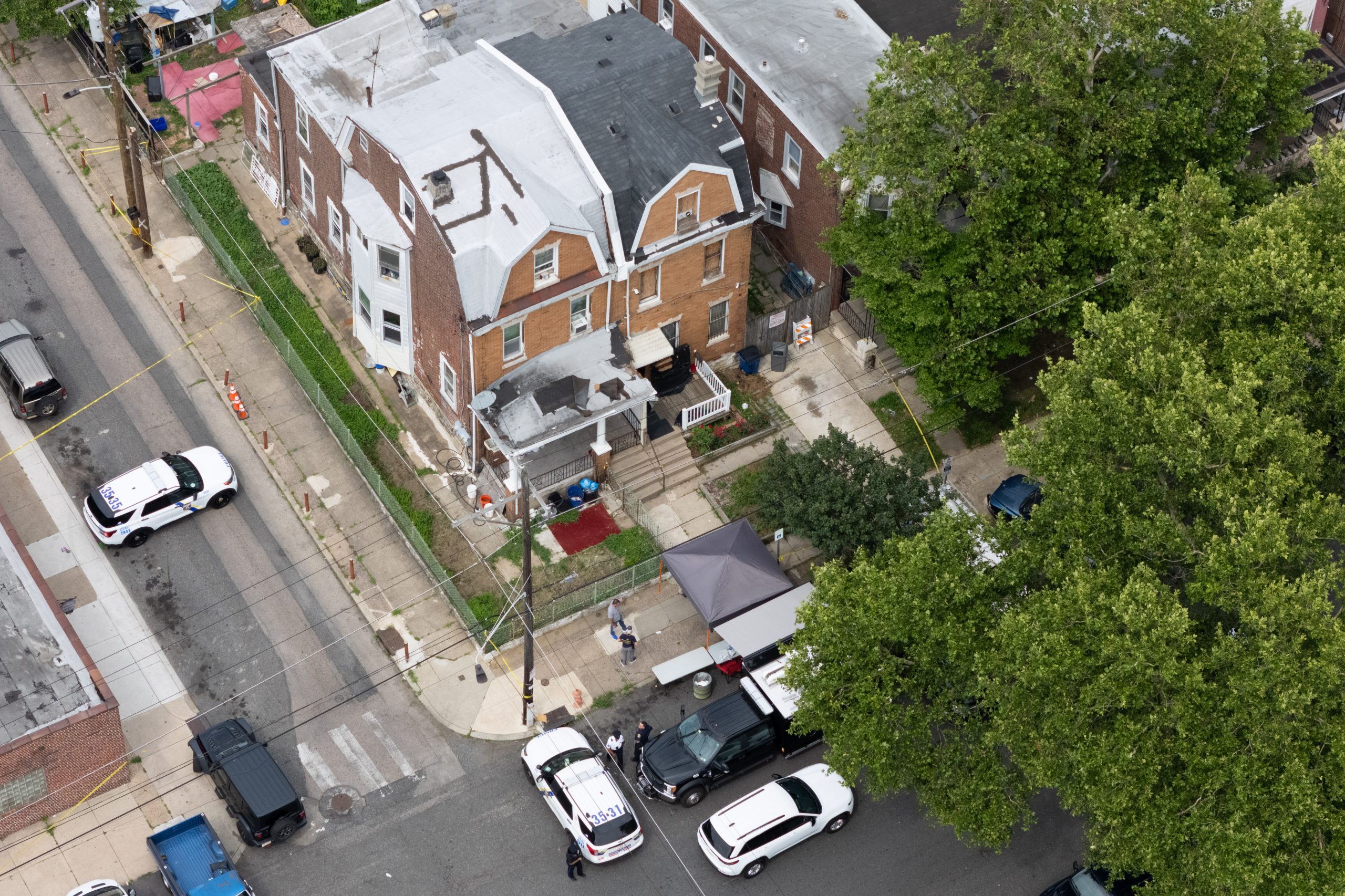
    Investigators searched the home of Eugene Albert Horsch on West Chew Avenue (grey roof) in the Onley section of Philadelphia in June 2026.Gabriel Coffey / Staff

    Fusaro is the fifth dead or missing woman to be tied to the home on Chew Avenue where Horsch lived with his son, Eugene, for decades. Raymond Horsch lured women in addiction with drugs and cash to star in his violent pornographic videos and photos.

    Halloren-Koren said he had come to terms with the reality that his cousin likely died several years ago after so much time had passed without a sighting.

    “I came to grips with that,” he said, of her death. “How it happened is something that is going to take me a little while.”

    Fusaro, who was raised in Northeast Philadelphia, attended George Washington High School, according to her Facebook page. She had dark brown hair and striking, light eyes, and was known as an outgoing young woman who enjoyed being around friends and family.

    Halloren-Koren said she was light-hearted and loved animals. As kids, he said, she enjoyed watching Vampire Diaries and listening to all types of music, from Green Day to the Notorious B.I.G.

    After Halloren-Koren moved overseas for work in 2003, he said he only saw her at sporadic family reunions. His family, he said, was splintered and scattered across the region, and Fusaro’s parents both struggled with addiction. His cousin started using drugs in her late teens, he said, and she fell deeper into addiction in her 20s before drifting into the streets of Kensington.

    When Halloran-Koren sought to reconnect with family in 2020, he learned his cousin was missing and tried to help his aunt’s friends find her, he said. He spoke to women across Kensington who knew her and heard various theories, including that she was last seen getting into a car near Kensington and Allegheny Avenues.

    He asked the women, he said, whether there were any strange men in the neighborhood, and they scoffed — this was Kensington, and there were men like that everywhere.

    But there were a few he said they mentioned: a guy who drove a van without a license plate, and a “creepy” man with the last name Horsch who picked up women on the Avenue.

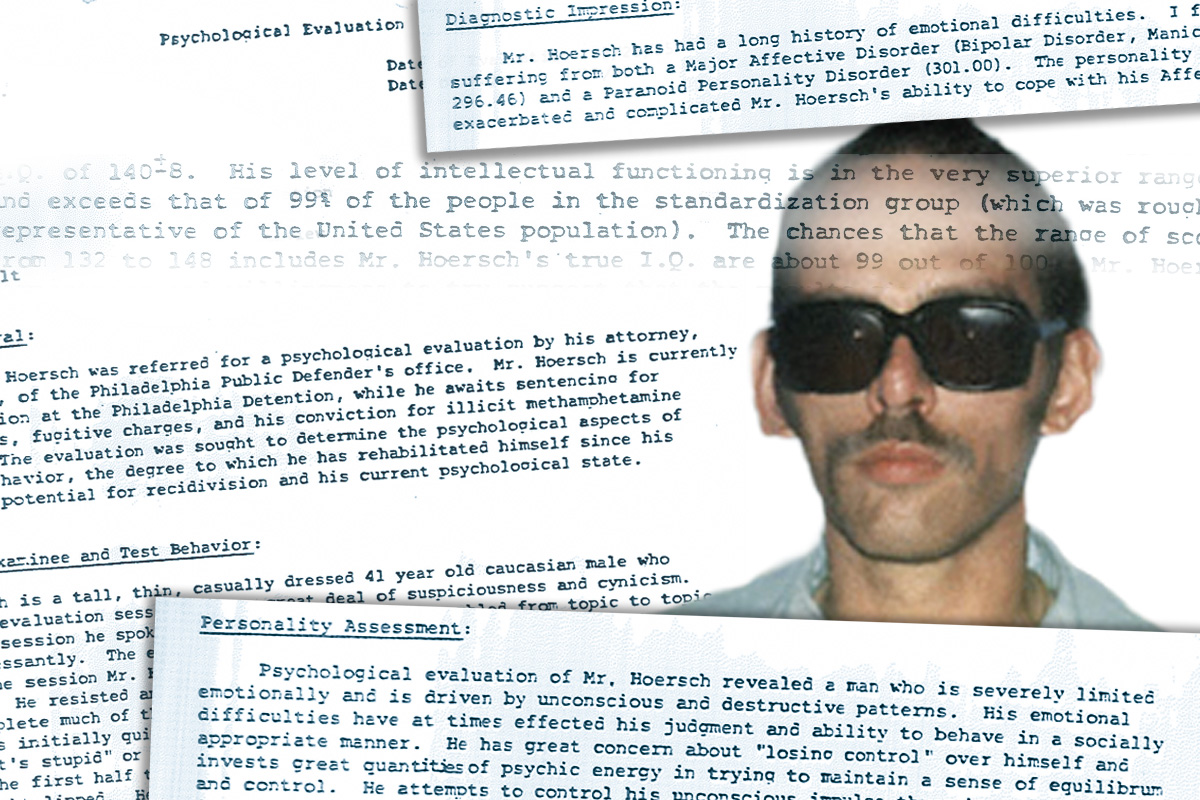
    Raymond Horsch underwent a psychological examination in 1985 with results showing an above-average intelligence, deep-rooted emotional problems, and a diagnosis of a paranoid personality disorder.John Duchneskie / Staff Illustration / Photo obtained by The Inquirer

    Horsch was known to trawl the streets of Kensington in search of sex workers, photographing some from the shadows. He’d offer to pay them in drugs and cash to be featured in his films or photos, often using drugs and in fantasies of being beaten, strangled, or killed.

    He had a lengthy criminal record for manufacturing drugs and other non-violent crimes. And while his ex-wife, Amy McHale, was last seen at his home in 2016 before she went missing, he was never charged with any crimes connected to her disappearance before he died last year.

    The investigation into his connection to the missing women began June 19, after his 44-year-old son, Eugene, was arrested near Independence Mall.

    A federal park ranger found a fake ID in the car in the name of Blair Tonzelli, another woman who was reported missing in 2023, and was last seen at Horsch’s home. Police then interviewed women who said Eugene Horsch had bragged about knowing how to use chemicals to melt bodies in his basement.

    Eugene Horsch has only been charged with illegal drug and weapons violations and has not been linked to any of the disappearances. He is currently in a federal detention center awaiting trial.

    After arresting Eugene Horsch, local and federal law enforcement searched the Horsch home, at 417 W. Chew Ave., even excavating the yard for clues to the disappearance of Tonzelli and McHale. They found drugs, guns, a 55-gallon drum and vats of liquid, as well as a mysterious letter referencing putting drug-addicted women out of their misery.

    Police also recovered dozens of hard drives that they said contained hundreds of thousands of images and videos — including some that showed several women presumably dead at the home. Investigators continue to pore over those materials to determine how far Horsch’s crimes extended and who was involved.

  • Police believe a new video shows violent pornographer Raymond ‘R.C.’ Horsch killing a woman on camera, sources say

    Police believe a new video shows violent pornographer Raymond ‘R.C.’ Horsch killing a woman on camera, sources say

    Philadelphia police have recovered video footage that they believe shows the late pornographer Raymond “R.C.” Horsch killing a woman on camera, law enforcement sources said.

    The footage, discovered on a hard drive inside Horsch’s house in Olney, appeared to show him strangling the woman at his home, said the sources, who spoke on the condition of anonymity to discuss an ongoing investigation.

    Police have not disclosed the woman’s identity, but have notified a relative, the sources said. It was not immediately clear when the footage was taken, and the sources said police have not found her body.

    Deputy Police Commissioner Frank Vanore declined to comment Friday. The department has said it is working with forensic experts to discern the authenticity of the materials on the 50 hard drives found in the house, a process that could take months.
    The discovery is the most significant breakthrough yet in the sprawling investigation, and means that at least five missing women are now linked to the Chew Avenue property where Horsch lived for decades with his son, Eugene.

    Police have digital evidence that they believe indicates at least three of those women are dead, according to the sources. Earlier this month, police said they recovered images that showed two women who had been reported missing were inside the home and were later photographed dead there. The new footage adds a third victim.

    Police block the entrance to 417 W. Chew Ave. during an investigation in June. Jose F. Moreno / Staff Photographer

    Sources said police expect the number of missing women connected to the home to grow as investigators sort through the hundreds of thousands of videos, photos, and pages of writings recovered on the hard drives at Horsch’s house.

    The development also means police may have to confront the possibility that the property and hard drives hold evidence of killings that went undetected for years — and at the hands of a man who spoke and wrote publicly about his fantasies of killing women for decades with little scrutiny.

    Police have not found any human remains in the house.

    Horsch died in May 2025, at the age of 82, from lung issues.

    Horsch built a career luring women in addiction in Kensington to his home with drugs and cash. He photographed and featured them in pornographic films that often depicted graphic violence — including hangings, stranglings, and drownings. He adopted the persona of an “empathetic” serial killer who murdered addicts to end their pain, and he claimed his writings were autobiographical, yet laced with threads of fiction that often left his audience wondering what was real.

    Two weeks ago, police said they had recovered “dark and graphic” images on the hard drives that indicated Maribel Fresses, missing since 2018 at the age of 27, and Gabrielle Amarando, who was 22 when she was reported missing in 2012, were dead.

    Gabrielle Amarando, (left) missing since 2012 and Maribel Fresses, 27, reported missing in 2018. Police believe they were killed inside the Olney home.Obtained by The Inquirer

    Police said they had not recovered footage of the women being killed, but instead had images of both women alive inside the house — and then dead. Officials have not determined what happened to their bodies.

    But sources say police have since discovered additional footage that is far more disturbing.

    The investigation began this summer after a chance encounter near Independence Hall.

    On June 19, police said, a U.S. park ranger came upon Eugene Horsch near Sixth and Market Streets acting suspiciously inside his black BMW. When officers searched the car, they found drugs, two illegal guns, a cattle prod, and a fake drug enforcement badge. What’s more, the woman who was with him presented a license in the name of Blair Tonzelli, who had been reported missing in 2023.

    Documents show that police interviewed people connected to Eugene Horsch who said he had bragged about knowing how to mix chemicals that could melt human remains and make a body so small “it could be flushed down a toilet.”

    Records show that Tonzelli was reportedly last seen at the Horsch house in 2022, and Raymond Horsch posted at least one nude photograph of her — with a black eye and bloody lip — on his website. Her friends reported her missing in February 2023.

    Raymond Horsch’s ex-wife, Amy McHale, who went missing in 2016, was also last seen at the Chew Avenue house. Investigators have since renewed the inquiry into her disappearance.

    Amy McHale.Courtesy of the family of Amy McHale

    Local and federal law enforcement searched the Horsch home in the weeks that followed the car stop and said they found an “astonishing” amount of evidence: five urns of cremated remains, more than 20 containers full of unknown chemicals and oily substances, and 50 hard drives and other electronic devices holding more than 600,000 images, 70,000 videos, and 10,000 pages of writings and drawings.

    Police also found additional guns and drugs. And in the weeks that followed, investigators excavated the yard of the Chew Avenue home and recovered a piece of a pipe for additional forensic testing.

    Police continue to investigate the whereabouts of Tonzelli and McHale.

    Eugene Horsch, 44, remains in federal custody, charged with illegal gun possession. Police have declined to say whether they believe he played a role in his father’s business. He has not been charged with any crimes connected to the women’s deaths or disappearances.

    His attorney has declined to comment.

  • Barbara McDermott, a longtime Philadelphia homicide judge who worked with jurors and resentenced juvenile lifers, has died at 71

    Barbara McDermott, a longtime Philadelphia homicide judge who worked with jurors and resentenced juvenile lifers, has died at 71

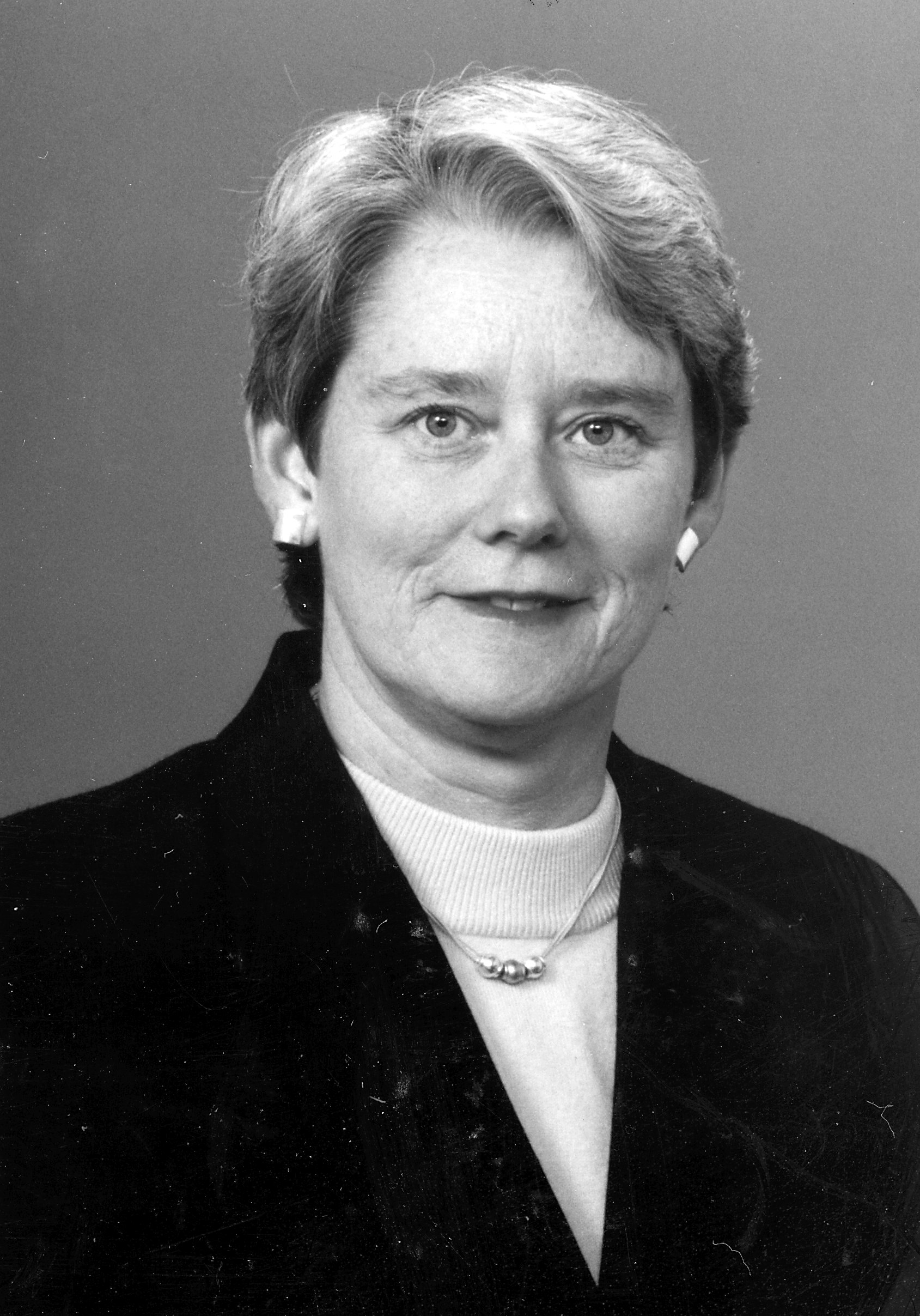
    Barbara Ann McDermott, 71, a former Philadelphia judge who, for 40 years, spent nearly every workday inside the city’s criminal courthouse defending, prosecuting, and later presiding over some of the city’s most serious criminal cases, died Tuesday, Aug. 11, following a yearslong battle with a rare form of uterine cancer.

    “Heaven will now be well-run and much more efficient,” her family wrote in an obituary shared online.

    Judge McDermott spent nearly 14 years in Philadelphia’s Common Pleas Court — the majority of that time presiding over homicide cases — before retiring earlier this year.

    She was known for running a tough and orderly courtroom, starting her day promptly and putting up with little fuss and few excuses from prosecutors, defense attorneys, police, and defendants alike.

    Born and raised in Aliquippa, in Western Pennsylvania, Judge McDermott said in an interview this spring that, growing up, she was a tomboy who pushed the boundaries of her small, steel mill town. She delivered the local paper even when supervisors said the work was only for boys. When leaders of her local Catholic school balked at her request to start a girls basketball team — saying young women “weren’t strong enough” to play full-court — she found a coach who would let her.

    She attended Seton Hill College, then an all-women’s university outside of Pittsburgh. There, she became passionate about pastoral theology and social justice, and led the student government association.

    She initially thought she would follow local tradition and become a teacher or establish a chain of daycares, but then, she said, “I realized … I’ve been gifted with a brain. I want to do something more than the tradition.”

    She took an interest in legal issues and attended Georgetown Law School. (She enjoyed pointing out that she was rejected by the University of Pennsylvania.)

    Barbara McDermott in 2001.Courtesy of Barbara McDermott

    She first worked in the attorney general’s office, but longed to practice in Philly, where she said she was inspired by female judges like Lois Forer, Lisa Richette, and Juanita Kidd Stout.

    “I wanted to practice around lawyers that were better, and I wanted to practice around a diverse bench,” she said.

    She joined the Philly DA’s office in 1984 under Ron Castille’s leadership, but left after several years due to what she described as “disagreements,” including that she did not support the death penalty.

    She started her own practice as a criminal defense attorney, and adopted two daughters, Nicole and Colette, in the early 1990s. She raised them alongside her partner — and, later, wife — of 37 years, Jeanne Buckley.

    Buckley, in an interview with the Philadelphia Gay News, said she and Judge McDermott had been introduced by friends at St. Vincent de Paul Catholic Church in Germantown, a service-oriented congregation they remained a part of through their life.

    She told the outlet that, early in their relationship, they went to Rehoboth Beach, Del. There, Judge McDermott asked her to close her eyes and placed sparklers around her. This was what life would be like together, she said.

    As their life together went on, Judge McDermott was later elected to Common Pleas Court, joining the bench in 2012. Soon afterward, she started overseeing homicide cases.

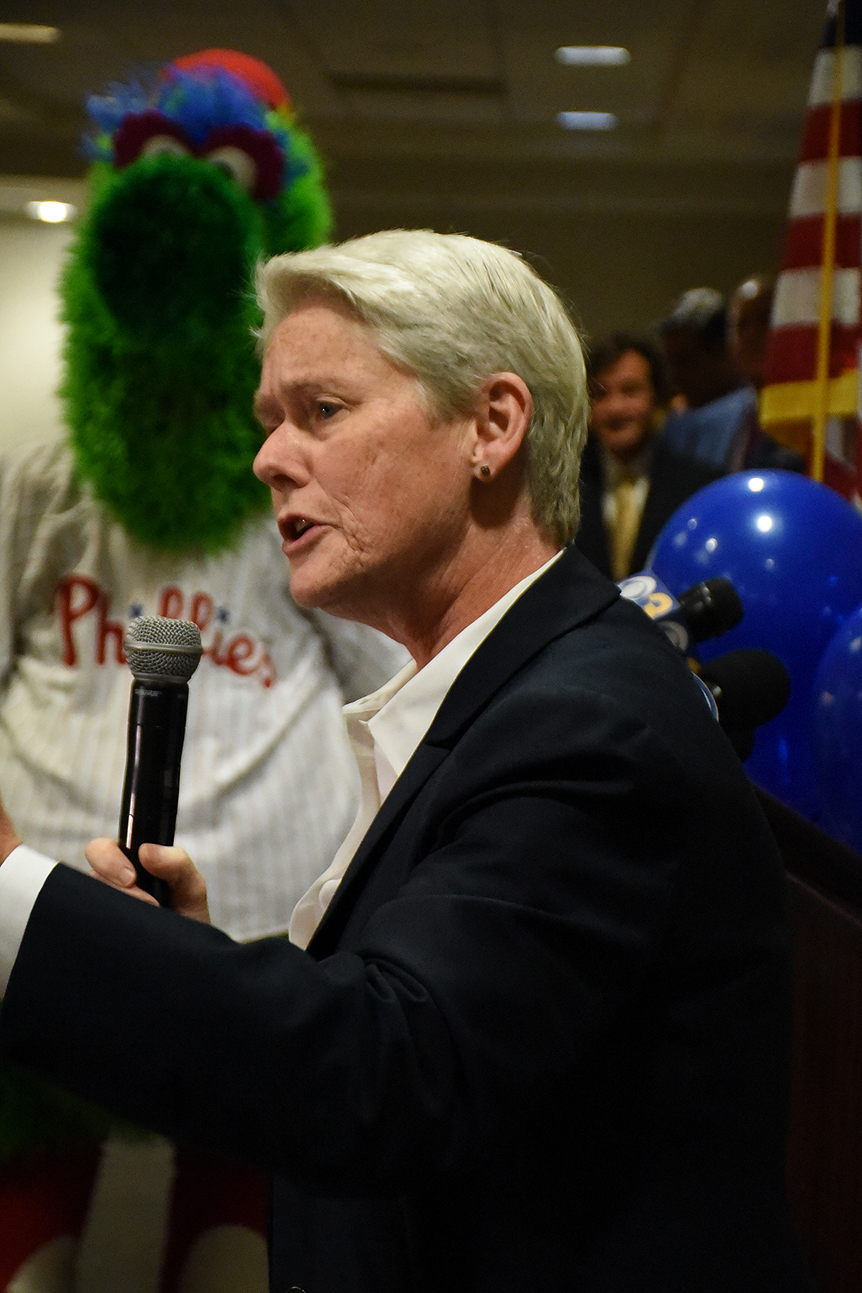
    Barbara McDermott speaks at an event with the Phillie Phanatic in the background.Courtesy of Barbara McDermott

    She presided over numerous resentencings of former juvenile lifers, in one case surprising both defense lawyers and prosecutors when she decided to exonerate one, Terrance Lewis, who had been found innocent by a federal magistrate judge but remained in prison on a procedural issue.

    She said that work, seeing how people changed over time, was some of the most fulfilling of her career.

    But she also drew criticism from some youth justice advocates who said she was unduly harsh in dealing with teenagers accused of violent crimes, denying requests to transfer their cases to juvenile court and imposing substantial state prison sentences.

    Judge McDermott could be exacting from the bench. But her concern for how people experienced the courthouse and the justice system extended beyond the parties before her.

    Colleagues called her a trailblazer for women and LGBTQ+ attorneys, and said she worked to get more female judges in leadership at the First Judicial District. She helped create a curriculum on how judges and court staff should treat transgender witnesses and victims. She also sought to improve conditions for jurors, and coordinated efforts to add a lactation booth to the criminal courthouse.

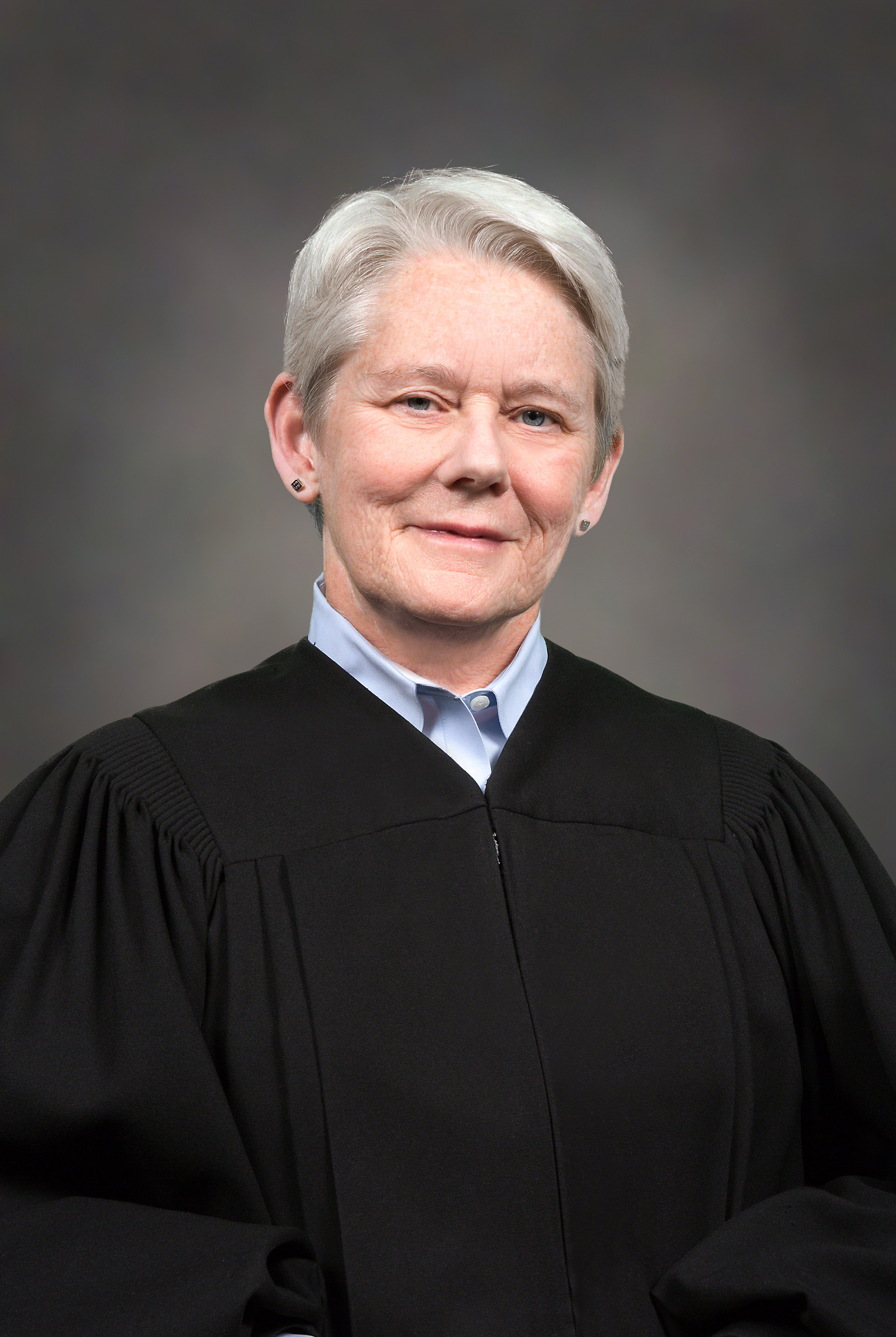
    Barbara McDermott joined Philadelphia’s Court of Common Pleas in 2012.Anthony Leonardo

    When she was fed up with how rundown the furniture was in the jury deliberation room, she brought in a sander and refinished the tables and chairs herself. A pungent smell took over her courtroom that “did linger longer than I thought,” she later joked.

    Jury Commissioner Pat Martin said their work with jurors led to an unexpected friendship.

    “I don’t know how or why,” he said. ”But I’m grateful.”

    He particularly enjoyed her dry sense of humor.

    “She took on people and didn’t care. She didn’t worry about the feathers that she ruffled,” he said.

    Outside of court, she enjoyed volunteering, biking, camping, hiking, traveling, and spending time with her family and grandchildren, her family wrote.

    Friend and retired Common Pleas Court Judge Ann Butchart recalled a time when she and her wife had plans to meet Judge McDermott and her wife for dinner. McDermott invited them to go on a walk beforehand — which quickly became a challenging, miles-long hike.

    “It’s getting darker and darker, and the hills are getting steeper and steeper,” she said. “We ended up at some hole in the wall in Roxborough.”

    That was Judge McDermott, she said: “This very intense, very, very funny, very, very smart, and very, very determined woman.”

    On the bench and in their friendship, she said, Judge McDermott was complex and honest, and rarely wavered in her positions.

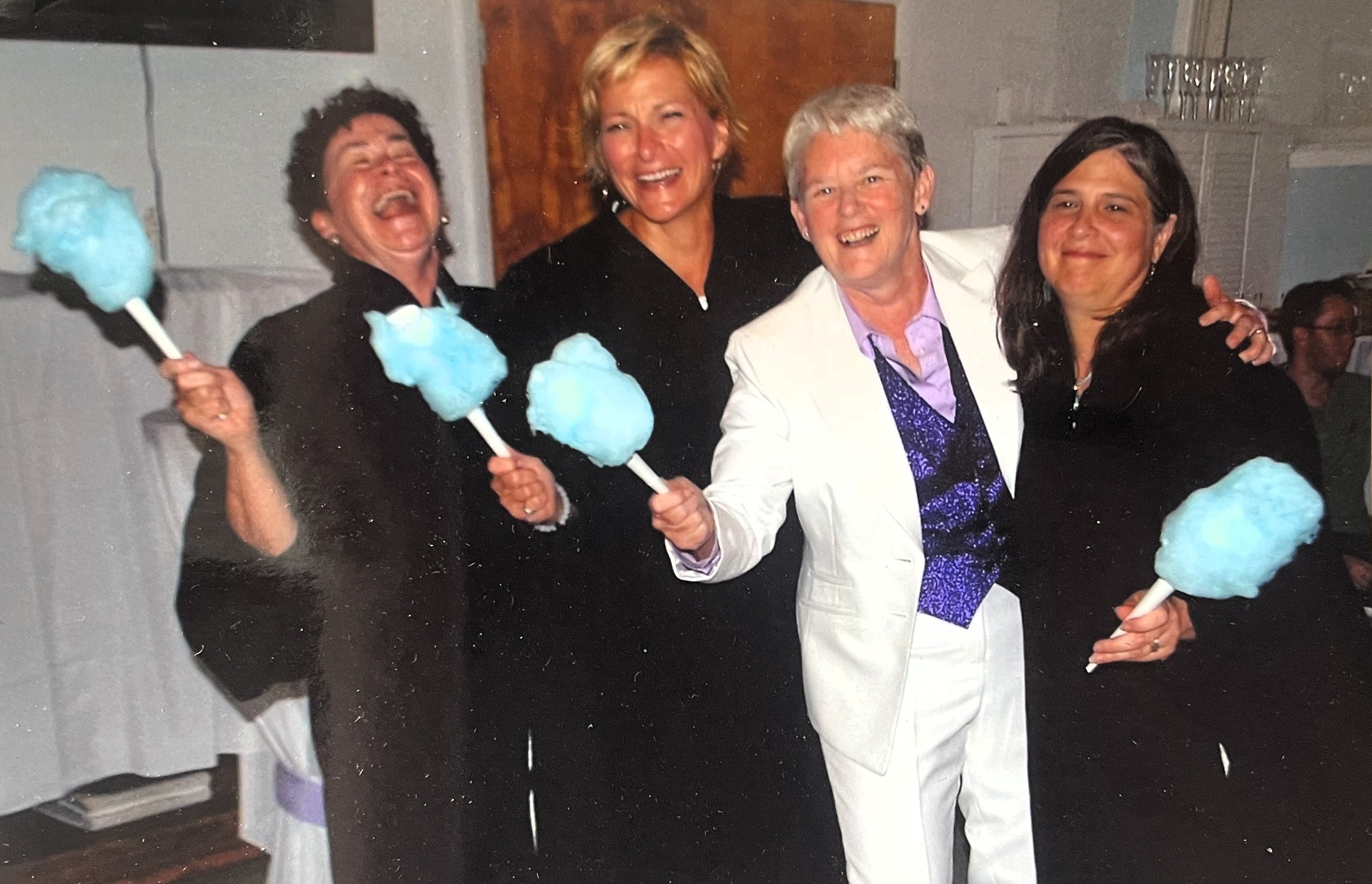
    Barbara McDermott, center right, with fellow judges at her wedding in 2014.Courtesy of Barbara McDermott

    She pointed to a Latin saying: “Sometimes wrong, but never in doubt.”

    “She was so fiercely certain of her decisions and her perspective and her positions on things,” she said. “It was challenging at times, but to see and live in that confidence is a pretty amazing place to be. She manifested that in every part of her life, including her approach to her illness.”

    When Judge McDermott was diagnosed with a rare form of cancer several years ago, Butchart said, there was little research on the illness and many doctors were unsure about the best course of treatment.

    “She challenged every doctor. She was certain that if an approach had been recommended, it wasn’t thorough enough, wasn’t complete enough, wasn’t the best,” she said. “I think personally it added a good year and a half to her life.”

    Martin and Butchart said they will never forget the unveiling of her judicial portrait at the criminal courthouse. A ceremony that is typically stale and sleepy became a celebration of her life.

    She asked her colleagues to perform a skit that featured “a day in the life” of her courtroom, 507.

    Butchart said she and other judges wore sparkly collars on their robes, waved little flags, and sang a personalized song to the tune of “Gloria” by Laura Branigan.

    When they finished, she said, Judge McDermott quipped that the song was not even original — they had sung that at her birthday.

    They could only shake their heads and laugh.

    “This was so vintage Barb,” Butchart said. “She never had an experience that she couldn’t have improved upon or found wanting in some way.”

    And then, naturally, she gifted them shirts donning her portrait.

    Judge McDermott, in the months before her death, said she embarked on a “World Tour” to see and thank the people who had touched her over the years. It reinforced, she said, that her life was a gift.

    “You’ve had 70 years,” she said she told herself. “You’ve had a life.”

    Judge McDermott is survived by her wife and daughters, three grandsons, six siblings, and 20 nieces and nephews.

    A celebration of her life is to be held in mid-September.

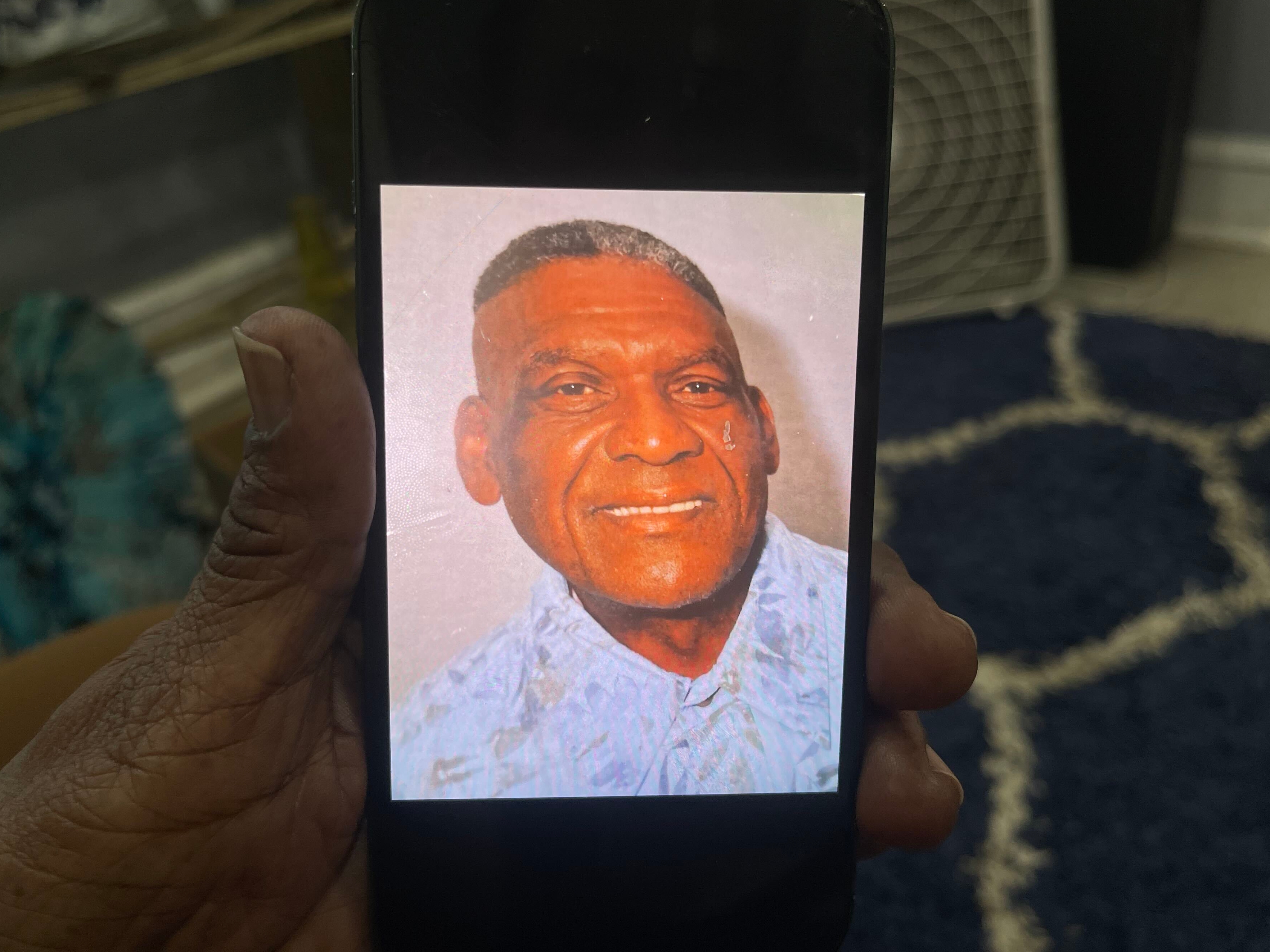
  • A 78-year-old survived cancer. Then, he was killed by a stray bullet in North Philadelphia.

    A 78-year-old survived cancer. Then, he was killed by a stray bullet in North Philadelphia.

    Two years ago, Steve Alexander “rang the bell” inside a Media hospital, celebrating the end of treatment for colon cancer.

    On Tuesday afternoon, his life ended when a stray bullet struck him in the back in North Philadelphia. He was 78.

    Police say that, shortly before 5 p.m. Tuesday, as the 2200 block of Ridge Avenue bustled with bystanders and cars during rush-hour traffic, a light-colored SUV pulled up and four gunmen fired more than 50 shots toward a group of young men on the sidewalk.

    A 71-year-old and a 30-year-old were wounded by gunfire. Alexander was struck in the back, and died at Temple University Hospital shortly after.

    No arrests have been made.

    Alexander’s sister, Paulette Coles, said he was picking up cigarettes when the gunfire erupted.

    Coles, 73, said in an interview from her Strawberry Mansion home on Wednesday that her brother was the eighth of 10 children, born in Mobile, Ala. Her mother, she said, brought her and her siblings to the Philadelphia area in 1960 to be closer to family.

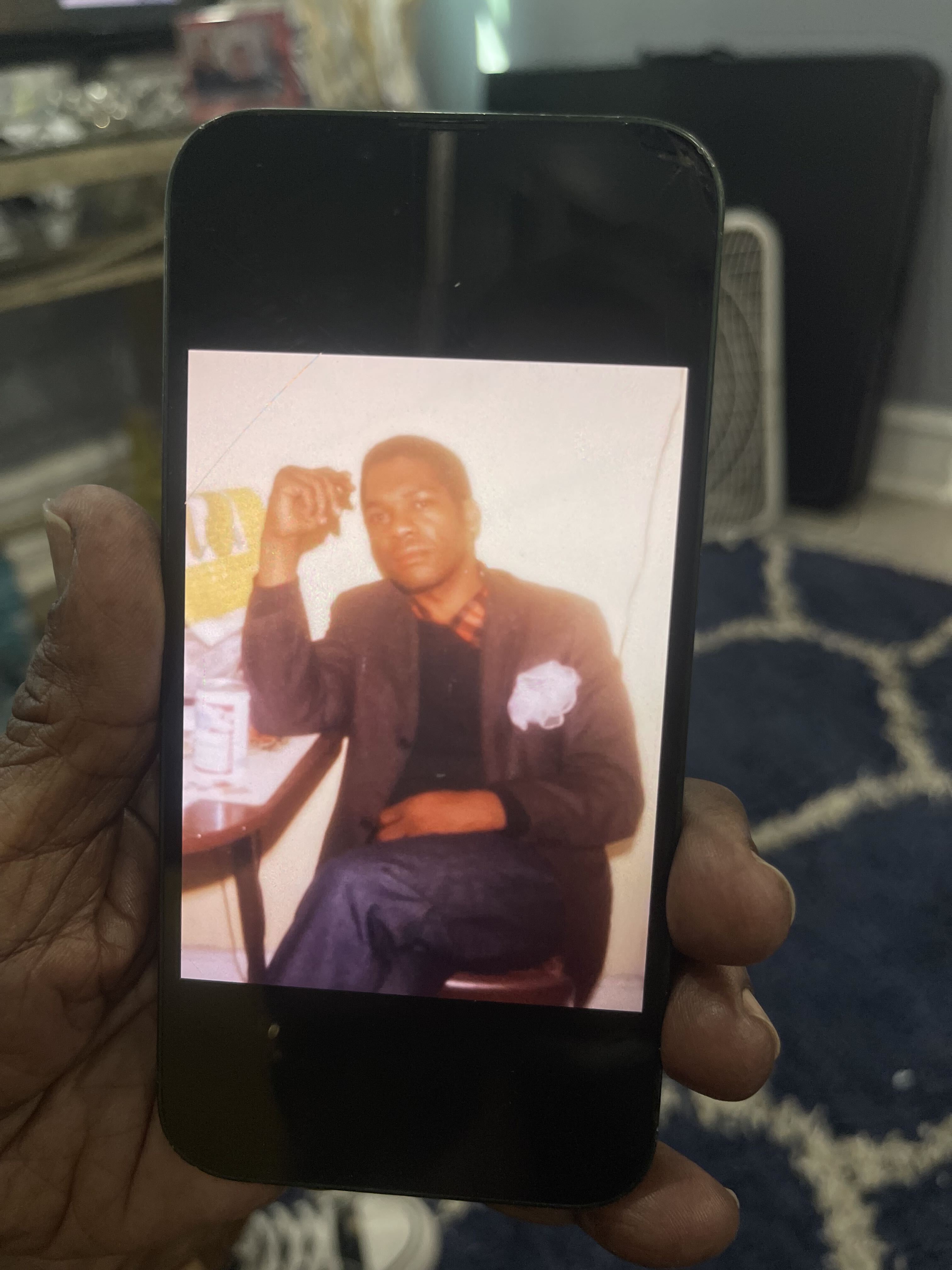
    A younger Steven Alexander, in a photo shared by his sister. Courtesy of Paulette Coles

    Alexander lived in Lansing, Mich., for several years, working for General Motors, before returning to Philly in the 1970s, she said. He worked odd jobs through the remainder of his adult life and had two children who are now grown, she said.

    “Anything you say goes with him. He was just a happy-go-lucky guy. He never argued with nobody,” Coles said.

    “All he wanted for was a cigarette and a beer,” she said. “He was just happy.”

    Happy, she said, even as he navigated life’s challenges. Cancer. Housing. He had spent the last year or so living at the Bethesda Project shelter, at 19th and Oxford Streets, but was on his way to living independently again.

    He had just had an appointment with a housing specialist and visited an apartment in South Philadelphia last week, she said.

    “He was going to be on his own again,” she said. “And then this happened.”

    Staff and residents at the Bethesda Project facility on Wednesday said Alexander was always seated in a green lawn chair outside the building, cigarette in hand, greeting passersby and staff as they arrived each morning.

    Tanya Cleveland said he was social and helped introduce new residents. He welcomed her each morning when she arrived to start her shift.

    He took care of his appearance, she said, and often changed his clothes several times a day to make sure his shirts were crisp and clean.

    Every morning, at 6:30 a.m., he would bring his outfits for the day down to the community room and iron them. He was the only one in the facility who used the iron, a staff member named Kelly joked.

    On Wednesday, she said, her boss placed the ironing board in the basement. It was too painful to look at.

    Investigators continue to search for the gunmen. Anyone with information is asked to submit tips to police at 215-686-TIPS (8477).

  • ‘I knew she was gone’: Police say at least two missing women likely killed inside Olney home linked to violent pornography

    ‘I knew she was gone’: Police say at least two missing women likely killed inside Olney home linked to violent pornography

    Philadelphia police now believe at least two women were killed inside the decrepit Olney home at the center of a sprawling missing persons investigation, officials said Wednesday — a stunning breakthrough in a probe that began nearly two months ago after a chance encounter near Independence Mall.

    Inspector Raymond Evers said homicide detectives had recovered photos and videos on hard drives inside the home that appeared to show the deaths of two women who had been reported missing — neither of whom had been previously linked to the case.

    Evers identified the women as Maribel Fresses, who was 27 when she was reported missing in February 2018, and Gabrielle Amarando, who went missing in September 2012 at the age of 22.

    The announcement at a Wednesday news conference was the latest and most striking development in a case that has drawn national attention since police launched an investigation in June into the disappearances of two other women last seen at the home of Eugene Albert Horsch, 44, and his late father, Raymond “R.C.” Horsch.

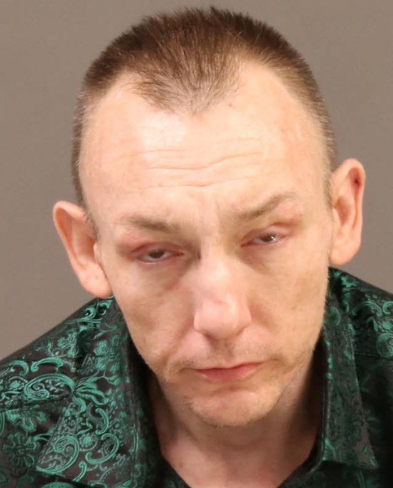
    Eugene Albert Horsch, 44, of Philadelphia.Courtesy of Philadelphia police

    Evers said the two-month search of the home, on the 400 block of West Chew Avenue, involved over 95 search warrants and surfaced an “astonishing” array of evidence: five urns of cremated remains, more than 20 containers full of unknown chemicals and oily substances, and 50 hard drives and other electronic devices holding more than 600,000 images, 70,000 videos, and 10,000 pages of writings and drawings.

    Inside one of those hard drives, Evers said, detectives found images and videos that appeared to show Fresses and Amarando alive inside the house — followed by “graphic and dark” depictions of what appeared to be their dead bodies.

    But the investigation is complicated, he said, because police have not recovered any human remains inside the home. And forensic tests of the substances in the basement, and of what initially appeared to be blood inside the house, did not test positive for human blood or DNA, law enforcement sources have said.

    Without the bodies, he said, the Philadelphia Office of the Medical Examiner cannot officially declare the women dead. He said the case would likely have to go through Orphans’ Court.

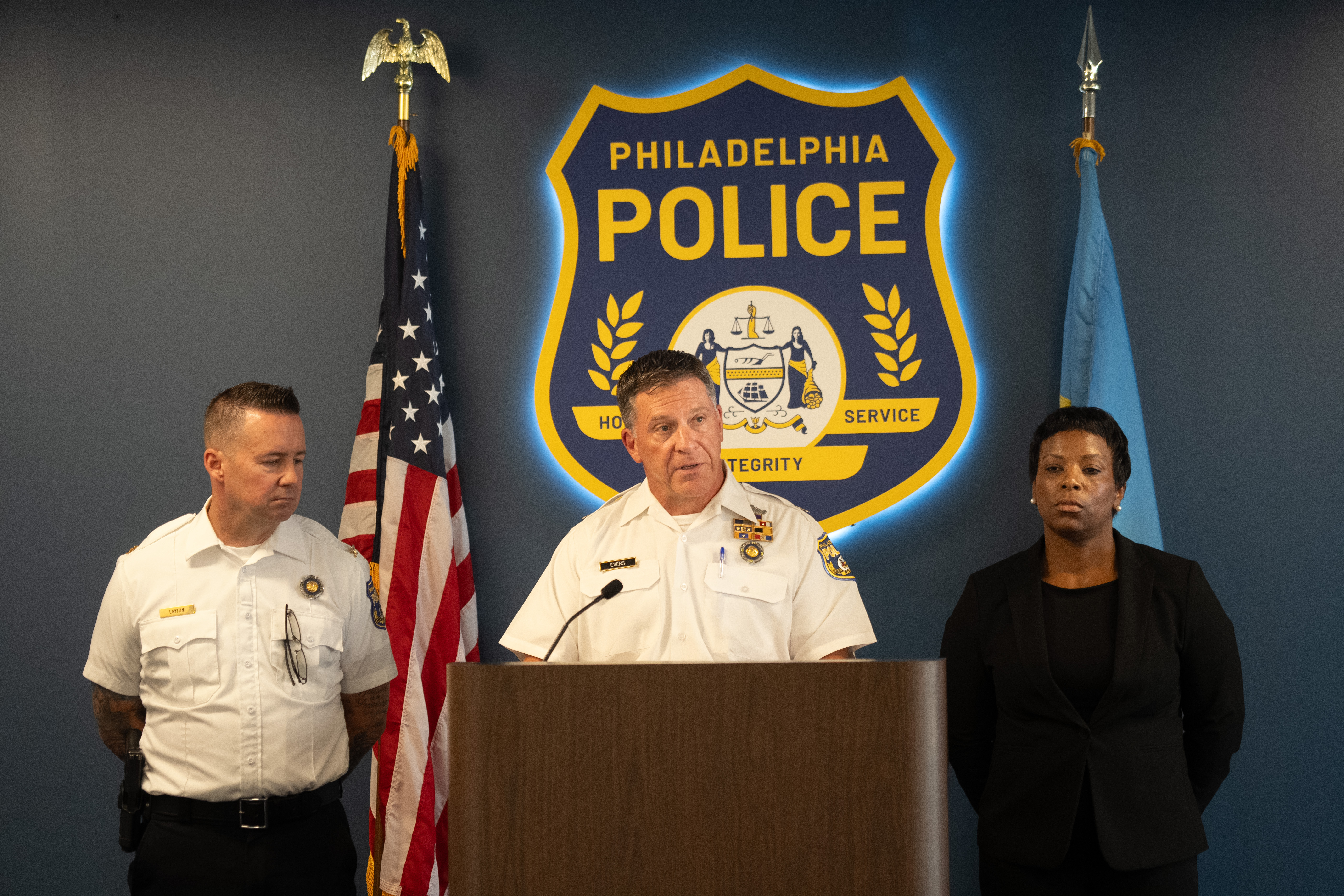
    Philadelphia Police Inspector Raymond Evers gives an update on the investigation into the house on Chew Avenue.Jessica Griffin / Staff Photographer

    Still, he said, the medical examiner’s office said that “if the images and the video are real and not altered in any way,” the women are dead.

    Police are still working to determine when the women died.

    Eugene Horsch has not been charged with any crimes connected to the women’s deaths or disappearances. Evers declined to say whether investigators believed he — or his father, a creator of erotic and pornographic art — may have been involved.

    “Eugene lived there. He lived there for a long time. His dad lived there for a long time,” Evers said when asked about their possible connection to the deaths.

    He said investigators had reviewed only about 5% of the digital materials so far and had hundreds of thousands more to go through.

    A lawyer for Eugene Horsch did not immediately respond to a request for comment Wednesday.

    The missing women

    Police said they notified the families of Fresses and Amarando on Wednesday morning.

    Ricardo Fresses, 61, said that, in his gut, he had known his daughter, Maribel, or “Bella,” was dead.

    “She called me every day. Absolutely every day she called me, and one day she stopped calling me,” he said. “And as the years went by I knew she was gone.“

    His daughter grew up in Holland, Bucks County, he said, and started using drugs in high school.

    “She was a beautiful girl, a loving girl, always daddy’s girl,” he said, even as she slipped into opioid addiction.

    He last saw her on June 19, 2018. They met for a slice of pizza in Kensington, and he gave her $50. He never heard from her again. He reported her missing shortly after.

    “It’s a horrible situation that my family has to go through,” he said about what police found inside the hard drive.

    Amarando’s family said the news followed 14 years of hope that she might finally turn up.

    ”I’m just so devastated. This brings some closure, but it still hurts,” said Lora Timmons, Amarando’s stepmother. “She was a sweet little girl. She was always just such fun to be with. She and her father were best friends.”

    Timmons said Amarando, who grew up in Doylestown, had been interested in modeling from a young age but “always found the wrong crowd.” She had struggled with addiction since she was a teen, her stepmother said.

    Amarando would often come to visit Timmons, who lives in North Carolina, and her sisters, but they lost contact in September 2012.

    ”She just went away,“ she said. “We searched here and there but we never found her. … We always thought she was just off doing her drug thing, living her life.”

    Timmons had not heard of the Horsches until Wednesday.

    ”I always hoped I’d see her again,” she said. “I didn’t want to think the worst.”

    Police declined to say how the women might have known Raymond or Eugene Horsch.

    For decades before his death, Raymond Horsch offered drugs, cash, and shelter to women struggling with addiction, in exchange for nude photo and video shoots. Horsch’s visual works featured graphic violence — and sometimes death scenes. He also penned semi-autobiographical novels featuring serial killers who preyed on women in addiction.

    Raymond “R.C.” Horsch in character for a film role, 2014.S. E. Stokowski / Wikimedia

    How the case began

    Wednesday’s developments came nearly two months after police began combing through the Horsch home in connection with at least two other missing women, following a chance encounter near Independence Mall.

    On June 19, a U.S. park ranger saw Eugene Horsch and a woman acting suspiciously inside his parked BMW. After searching the car, the officer found drugs, guns, and various other weapons, along with a counterfeit U.S. Drug Enforcement Administration badge.

    The woman with Horsch was also found with a fake ID in the name of Blair Tonzelli, a woman who was reported missing in 2023 and last seen at Horsch’s Olney home.

    That also renewed suspicions about Horsch’s father, who died in May 2025. Raymond Horsch’s ex-wife, Amy McHale, was reported missing in 2016 and last heard from at the Chew Avenue house.

    A witness later told police that Tonzelli was a home healthcare aide who had worked for Horsch’s father, and that she believed Tonzelli and Eugene Horsch had a disagreement over money, according to law enforcement sources.

    Investigators interviewed people who knew Horsch and were told that, in the past, he had bragged about killing people and melting their bodies with chemicals in his basement, said the sources, who spoke on the condition of anonymity to discuss an ongoing investigation. Horsch, they said, said he could make a body so small it “could be flushed down a toilet.”

    Workers and police investigators remove pipes and debris at the entrance to the home of Eugene Albert Horsch on West Chew Avenue in the Olney section of Philadelphia as investigators search for possible evidence on July 22.Jose F. Moreno / Staff Photographer

    Since the June arrest, Horsch has remained in federal custody on charges related to illegal gun possession. Police continued to search the Olney home in hopes of learning the whereabouts of Tonzelli and McHale.

    They went so far as to excavate the home’s yard and remove a pipe to test for DNA.

    FBI agents, meanwhile, continued examining hundreds of pages of text messages, handwritten and typed documents, CDs, and videos — including many of Raymond Horsch’s artistic works.

    It was in there, police said, that there was evidence of Fresses’ and Amarando’s deaths.

    Fresses’ father said the discovery confirmed his worst fears. For months, years even, he said, he would wake up in the middle of the night and drive through Kensington. He would look into the faces of the women on the streets, hoping he would see his Bella.

    “But I was just hurting myself because I knew she was gone,” he said. “I knew in my heart that my daughter was not around anymore.“