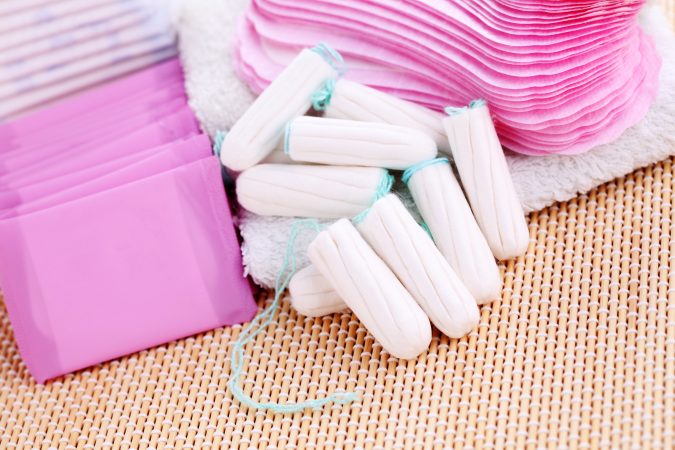
A new study from the U.S. Food and Drug Administration detected heavy metals, including lead and arsenic, in popular tampon brands, but not enough to raise health concerns.
“While trace metals are present in tampons, the amount released during use is too small to cause harm,” the agency announced this week.
The Inquirer spoke with Robyn Faye, an OB-GYN at Jefferson Abington Hospital, about what prompted the FDA study, what women should know about it, and the latest trends in menstrual products.
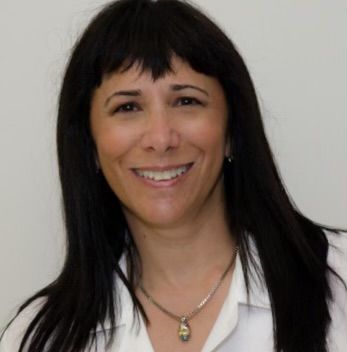
Robyn Faye, a gynecologist at Jefferson Abington Hospital, specializes in menopause and sexual health.Courtesy of Robyn Faye
The study found lead concentrations were higher in non-organic tampons, while arsenic was higher in organic tampons.
Tampons are made with cotton, rayon, or both. Researchers believe cotton can absorb metals from water, soil, or industrial contaminants near fields. Some metal might get added to tampons during manufacturing.
Metals have been linked to increased risk of dementia, cancer, kidney damage, and cardiovascular and neurological harm.
The Berkeleystudy had a major shortcoming, however. It showed that metals exist inside raw tampon materials, but it did not test whether they leach out or get absorbed into the body, and if so, how much.
“Obviously, there was a concern about what the exposure would be to women using these tampons,” Faye said. “So they needed to look into the potential toxicological risk.”
What did the new FDA study find?
The FDA-led study, recently published in the journal Toxicological Sciences, tested 11 tampon products from six different brands sold in the United States. It did not name the brands, nor test any scented tampons.
The agency regulates tampons as “medical devices.”
While FDA scientists detected 19 metals at trace levels in tampons, they found “negligible toxicological concern.”
“The levels of metals released from tampons are not expected to result in adverse health effects,” the study concluded.
Scientists created a “worst-case” exposure, using a testing method that extracted as much metal out of the fibers as possible, under circumstances far more intensive than normal tampon use.
“They exaggerated the risk,” said Faye, who did not work on the study. “So the real-world exposure is probably even lower.”
The bottom line, she said, is tampons are safe to use.
What concerns do your patients have about tampons?
Faye said older women still worry about “toxic shock syndrome,” a rare bacterial infection caused from an open cut or vaginal wound. Many women still mistakenly believe it is a common risk from wearing a tampon too long.
Most younger patients, however, don’t use tampons.
“The trend in the younger women population is actually throwing out their tampons,” Faye said. “It’s interesting that the FDA is now doing a study on tampons when fewer girls are using them.”
The young woman with muscular dystrophy wanted a motorized scooter, but her health insurance would only cover a wheelchair.
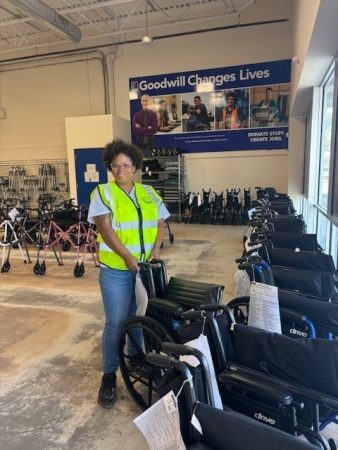
So she went to Goodwill’s only medical equipment store in South Jersey, where she found a dozen scooters to choose from. She test drove one she liked and bought it at a steep discount.
“She burst into tears and said, `You have no idea what a difference this is going to make in my life,’” recalled Mark Boyd, Goodwill’s president and CEO.
Goodwill Home Medical Equipment on Wednesday opened the region’s second location. The new store is located in Gloucester County, while its flagship, 16,000-square-foot retail store and warehouse is in Camden County.
Both sell sanitized and refurbished medical equipment, including power and manual wheelchairs, hospital beds, canes, walkers, and lift and shower chairs. The stores also offer unopened medical supplies, like adult diapers and colostomy bags.
“When people go to a Goodwill store, they don’t really know what they are looking for — they’re on a treasure hunt,” Boyd said. “But when you get sick or somebody in your family gets sick, all of the sudden you need a specific piece of equipment, and it can be quite daunting.”
The nonprofit thrift organization began offering used medical equipment at roughly one-third the retail price about 15 years ago, Boyd said.
“Financially, it’s a break-even operation, but it’s such a great service to the community,” he said, adding they cater to people with no or limited insurance, or high deductibles.
The new store on Mantua Pike in Woodbury Heights will be open Monday through Saturday from 9 a.m. to 6 p.m., and Sundays from 10 a.m. to 6 p.m. The location on Benigno Boulevard in Bellmawr is open Monday through Saturday from 9 a.m. to 3 p.m., and Sundays from 9 a.m. to 1 p.m.
The two South Jersey stores are the only Goodwill Home Medical Equipment retail locations in the country, according to spokesperson Juli Lundberg.
“The savings are so great that people do travel to us from New York City, the Philly burbs, and Jersey Shore,” Lundberg said. “We have had many other Goodwills across the country inquire about the concept.”
People can donate their medical equipment and unopened supplies at any Goodwill location in New Jersey and Pennsylvania. Donation sites and regular thrift stores can be found at https://www.goodwillhomemedical.org/store-locator. Goodwill staff also will pick up home medical equipment that is too large for a car, according to Lundberg.
During her internship at Virtua Mount Holly Hospital, student Alyssa Eiring greeted cardiology patients with her signature charm, “Welcome to cardiologyyyyyyy!”
Her disarming and bubbly personality quickly put patients at ease, said medical secretary Heather Davenport, who mentored Eiring in the hospital’s cardiology department.
“Coming into the hospital for testing isn’t someone’s happy place but Alyssa sure made it feel like that for everyone,” Davenport said.
Eiring and five other students formed the inaugural class of Project SEARCH, a collaboration between Virtua Health and the Burlington County Special Services School District. The nine-month internship program gives students with intellectual and developmental disabilities hands-on job training.
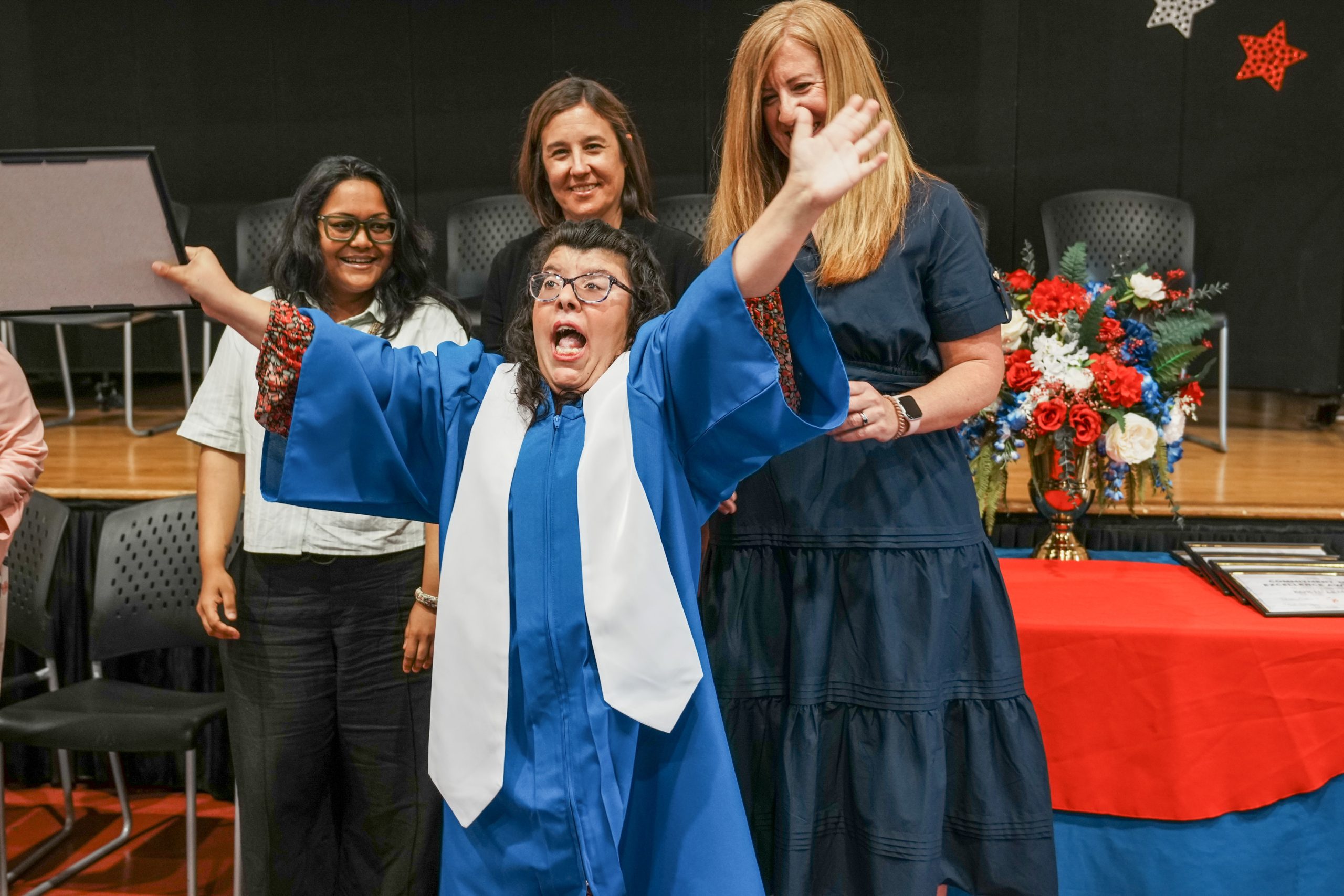
Eiring was born with Cornelia de Lange syndrome, a rare genetic disease that causes cognitive and developmental delays. At a graduation ceremony Tuesday, she won the “Compassion in Action Award” for “excellence in customer service.”
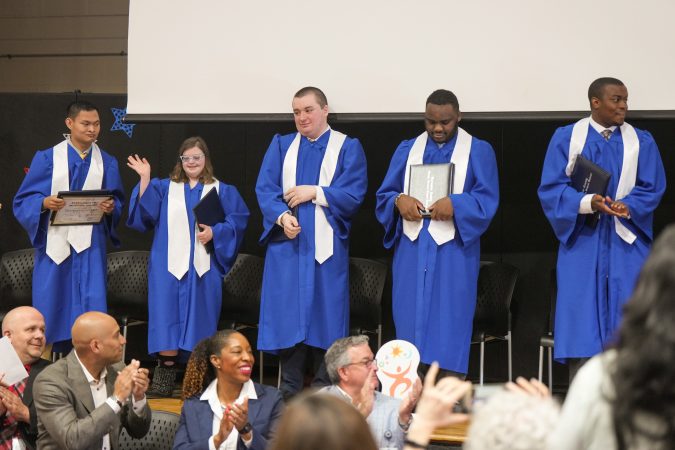
The 21-year-old from Florence Township led the procession of graduates in royal blue gowns onto a stage festooned with blue, red, and silver balloons. She then took to the podium — one of two commencement speakers.
“I have built real skills, gained so much confidence, and discovered what I am truly capable of achieving,” she said, addressingfamily, friends, educators, and Virtua employees gathered in a gymnasium on the campus of the Burlington County Special Services Transition Program in Westampton, N.J.
“We are ready to take everything we have learned here and step out into the employment world.”
“We did it!” she shouted, eliciting cheers.
Alyssa Eiring, 21, of Florence Township, celebrates her graduation from Project SEARCH.Jessica Griffin / Staff Photographer
Eiring will now begin looking for a job. Her 26-year-old sister, Toni Eiring, said she’s up to the task.
“She has more faith in herself in the workplace,” her sister said. “Her demeanor changed. The way she stands on her own two feet. It’s almost like she developed a different part of her brain.”
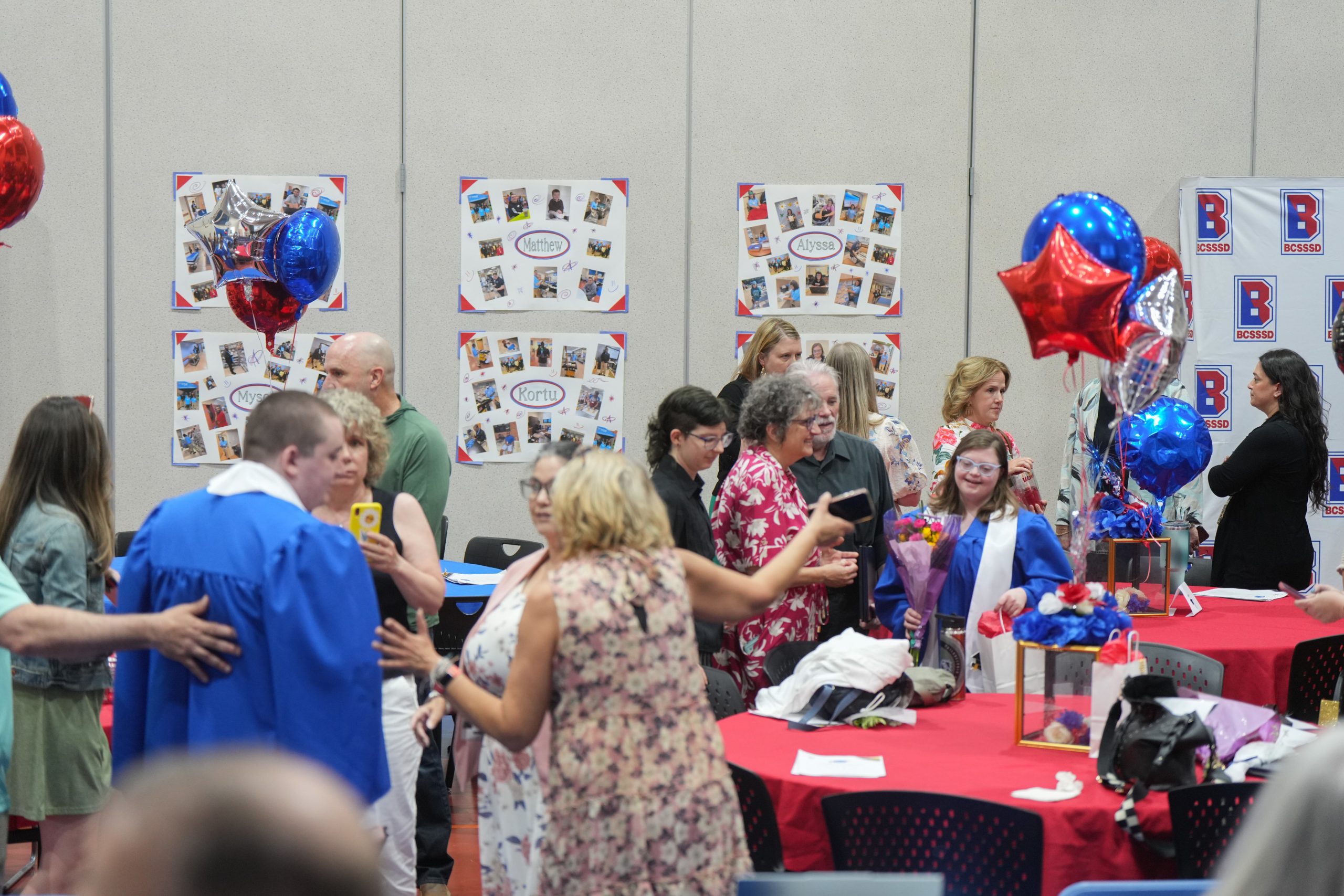
Grace Sullivan (back right, blue eyeglass frames) celebrates her graduation from Project SEARCH with her mother, Teresa Sullivan, and other family members inside the gymnasium on the Westampton campus of the Burlington County Special Services Transition Program. Jessica Griffin / Staff Photographer
`A true turning point’
Each student completed 10-week rotations in three hospital departments over the schoolyear. Fellow graduate Tristian Villafuerte, who has autism, started off in patient transport and finished in food services.
The 21-year-old Burlington Township resident calledhis second internship in equipment services “a true turning point.”
“I was given the autonomy to independently navigate the hospital,” he said in his speech, noting he was responsible for collecting soiled equipment and bringing it back to the central supply for sterilization.
“Having that trust placed in me changed everything,” Villafuerte said.
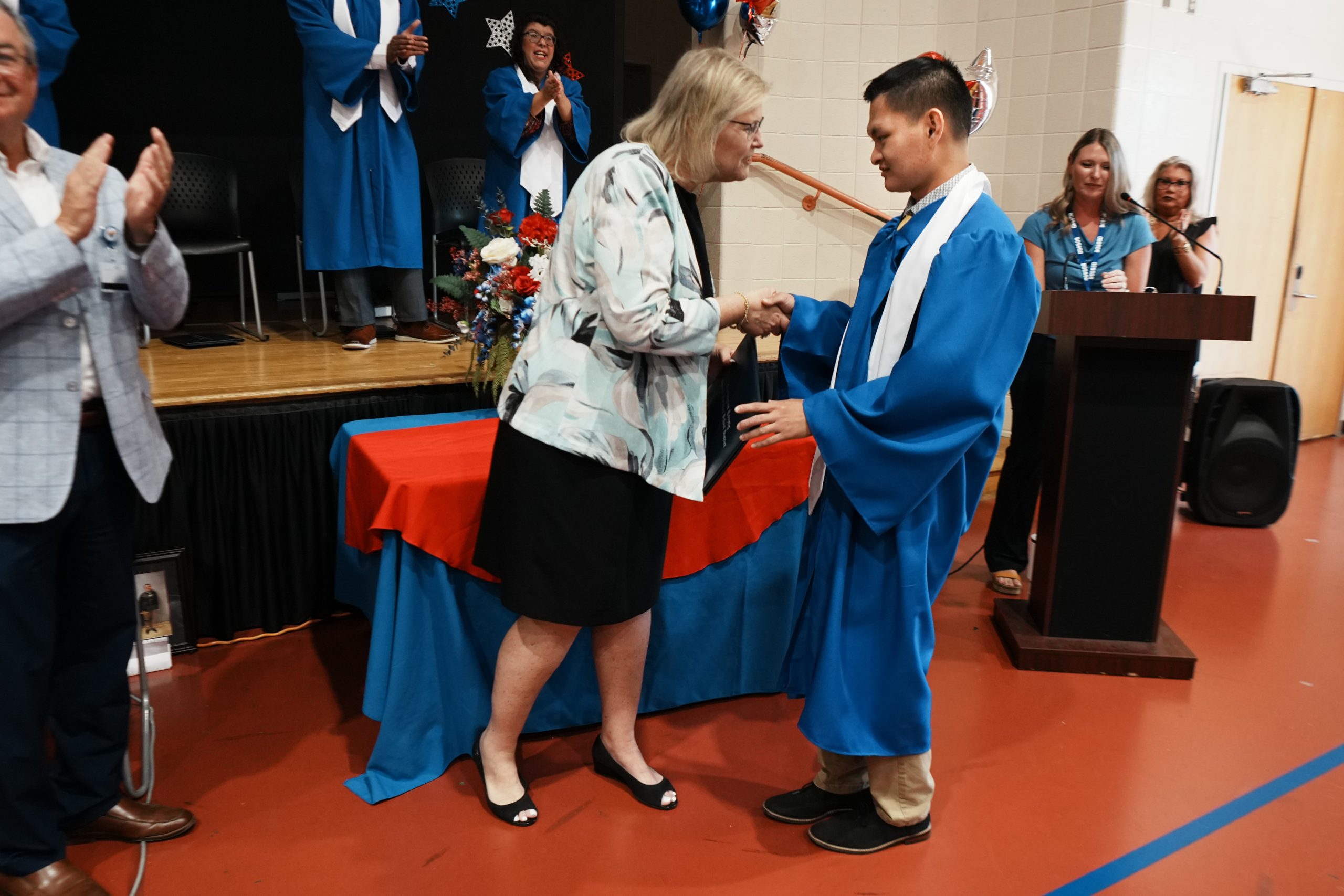
Mary Jean Kneringer, principal of the Burlington County Special Services Transition Program, congratulates graduate Tristian Villafuerte. The 21-year-old from Burlington Township was hired by Virtua Health after completing an internship at its Mount Holly hospital.Jessica Griffin / Staff Photographer
Villafuerte now joins Virtua Health, one of two graduates hired out of the program. He will work as an equipment services technician at Virtua Voorhees Hospital in Camden County.
The program creates a new pipeline of employees in hard-to-fill areas, said Katherine Kealey, Virtua’s director of workforce development.
“We have to start thinking about looking at other populations that we haven’t really tapped into previously,” Kealey said. “This is a really great opportunity for us to expand our workforce, mirroring the communities that we serve.”
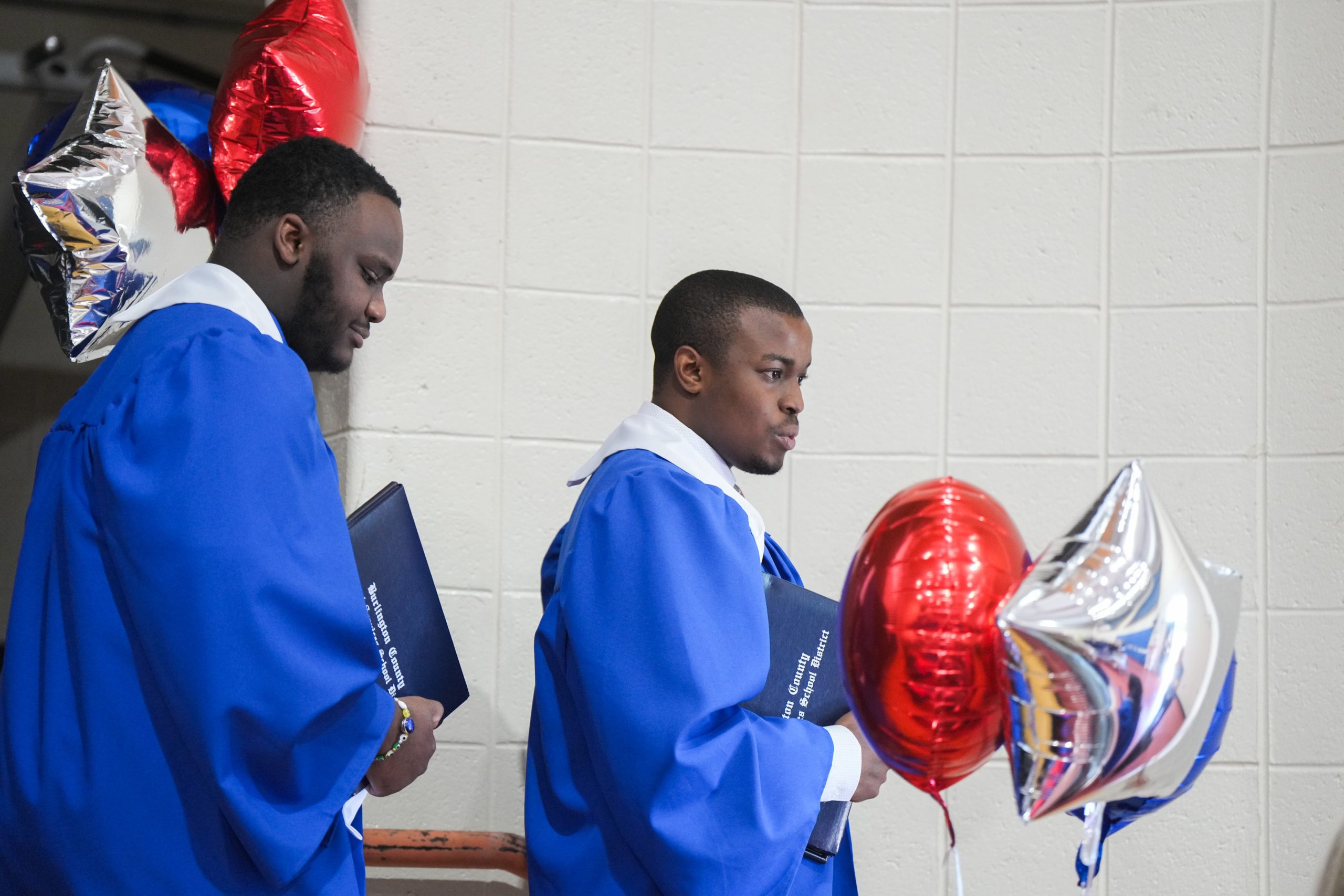
Myson Parham, left, and Kortu Lemu attend graduation at Virtua Health at Burlington County Special Services Transitions Campus, in Westampton, NJ, on June 16.Jessica Griffin / Staff Photographer
Landing a `perfect’ job
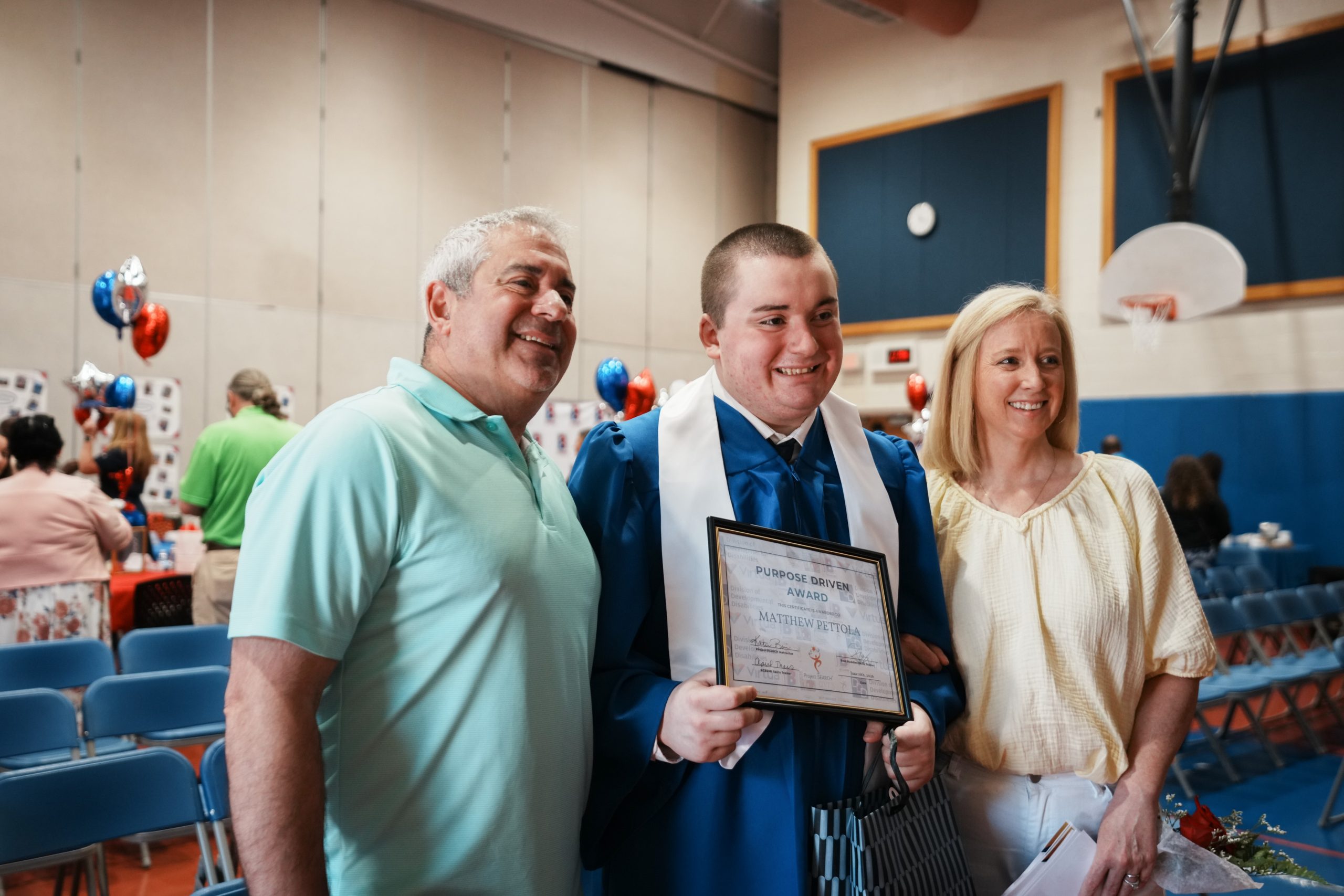
The program landed graduate Matthew Pettola, 21, of Cinnaminson Township, a job at Virtua. He starts later this month as a food services worker at the hospital’s Mount Holly location.
Pettola won the “Purpose Driven Award,” recognizingthe intern who “used unexpected challenges as a compass — turning difficult experiences into valuable insights.”
He is autistic, and the frenetic pace of kitchen work proved a “perfect fit,” said his stepmom, Tracey Pettola.
“Doing the tray line, food prep, dishwashing. It was real fast-paced, which is great for him because he’s fidgety,” she said. “It just worked for him. He loved it.”
“Every day, he came home so much more confident. He was so excited to talk about his day. What he learned. He made friends. He became more social,” she said.
Pettola’s father, also named Matthew Pettola, described the program as a “godsend.”
Matthew Pettola (center) shows off the award he won after completing an internship at Virtua Mount Holly Hospital. His father, also named Matthew Pettola, and his stepmom, Tracey Pettola, attended his graduation on June 16.Jessica Griffin / Staff Photographer
Teresa Sullivan watched her 21-year-olddaughter become increasingly independent during her internship in the rehabilitation department.
Grace Sullivan would tell her mother to relax and “stay in bed,” because she wanted to get herself up and out the door on her own.
She took the bus to the hospital aloneand started insisting on making her own meals once back at her Florence Township home. Her communication skills and ability to follow directions sharpened, her mother said.
“We used to give her a little bit more guidance — now she puts her hand up and says, ‘I got it,’” Teresa Sullivan said.
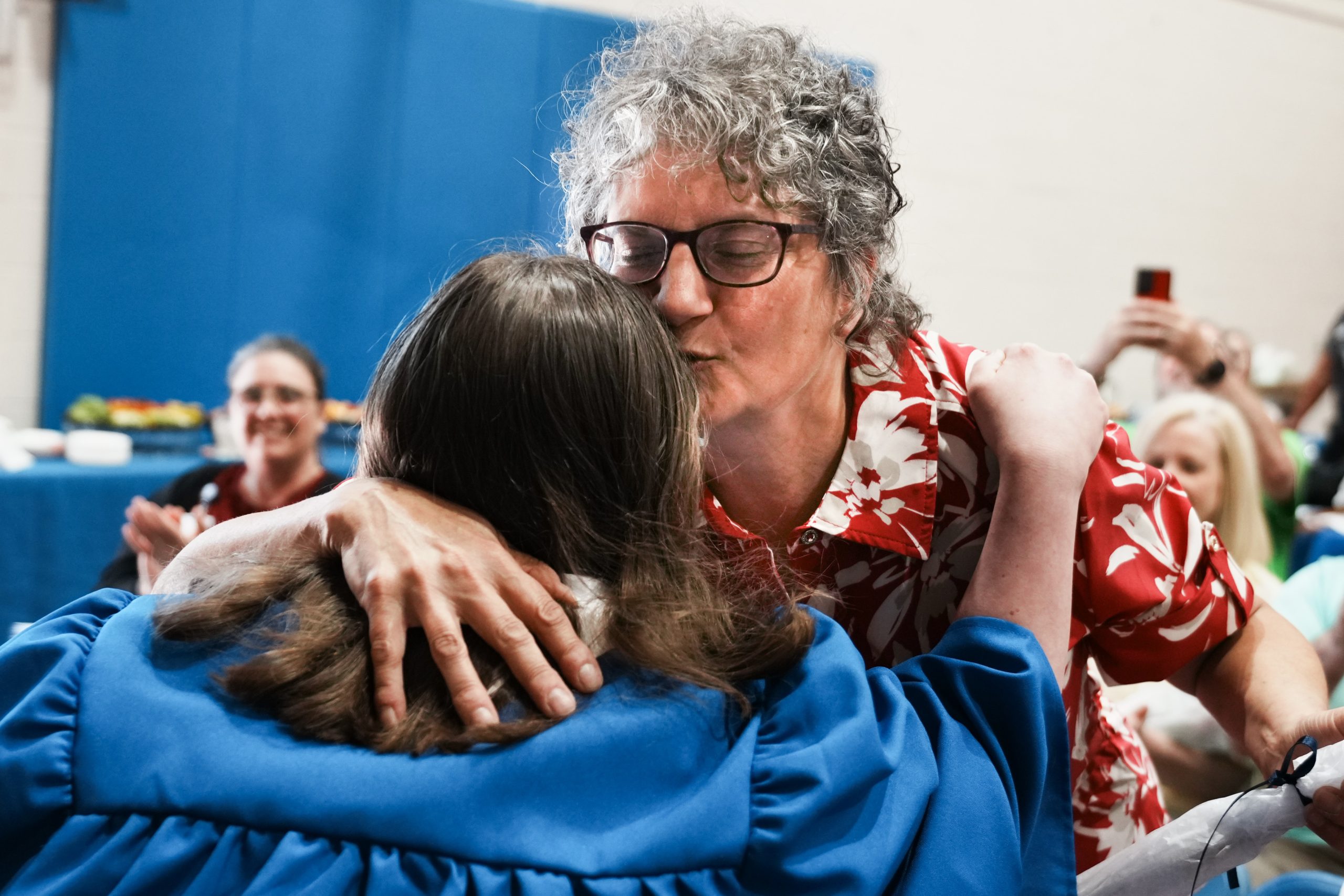
After accepting her certificate, Grace Sullivan, who was born with Down syndrome, walked to her mother in the audience. Smiling broadly, she handed her a rose as a thank you for supporting her.
Her mother accepted the flower through tears.
“I feel good. I liked all of it,” Grace Sullivan said after the ceremony. “My favorite thing was the patients and making friends with my coworkers.”
The program is accepting applications for new interns, who will start Aug. 31.
Teresa Sullivan embraces her daughter, Grace Sullivan, from the audience of her graduation ceremony. After receiving her certificate, Grace Sullivan walked over to her mother and handed her a rose to thank her for her support. Jessica Griffin / Staff Photographer