Author: Tommy Rowan

  • đŸ‡ș🇾 Touring incomplete history | Morning Newsletter

    Happy John Adams Day, Philly. And buckle up: It’s going to be hotter than Satan’s left sock.

    This holiday weekend, tourists are coming from far and wide to visit the city and to tour Independence National Historical Park. But at the embattled President’s House Site tourists will not be seeing the complete version of history. So we asked them what they thought.

    And heading into this historically hot weekend, we looked at mid-summer temperature changes throughout the years and learned that July in Philly has become 4.4 degrees hotter since 1940 on average.

    Plus, we missed a link to the top story in yesterday’s newsletter about how different this year’s July Fourth celebration will look — and how much more it will cost taxpayers. You can read that story here.

    — Tommy Rowan (morningnewsletter@inquirer.com)

    If someone forwarded you this email, sign up for free here.

    An incomplete version of history
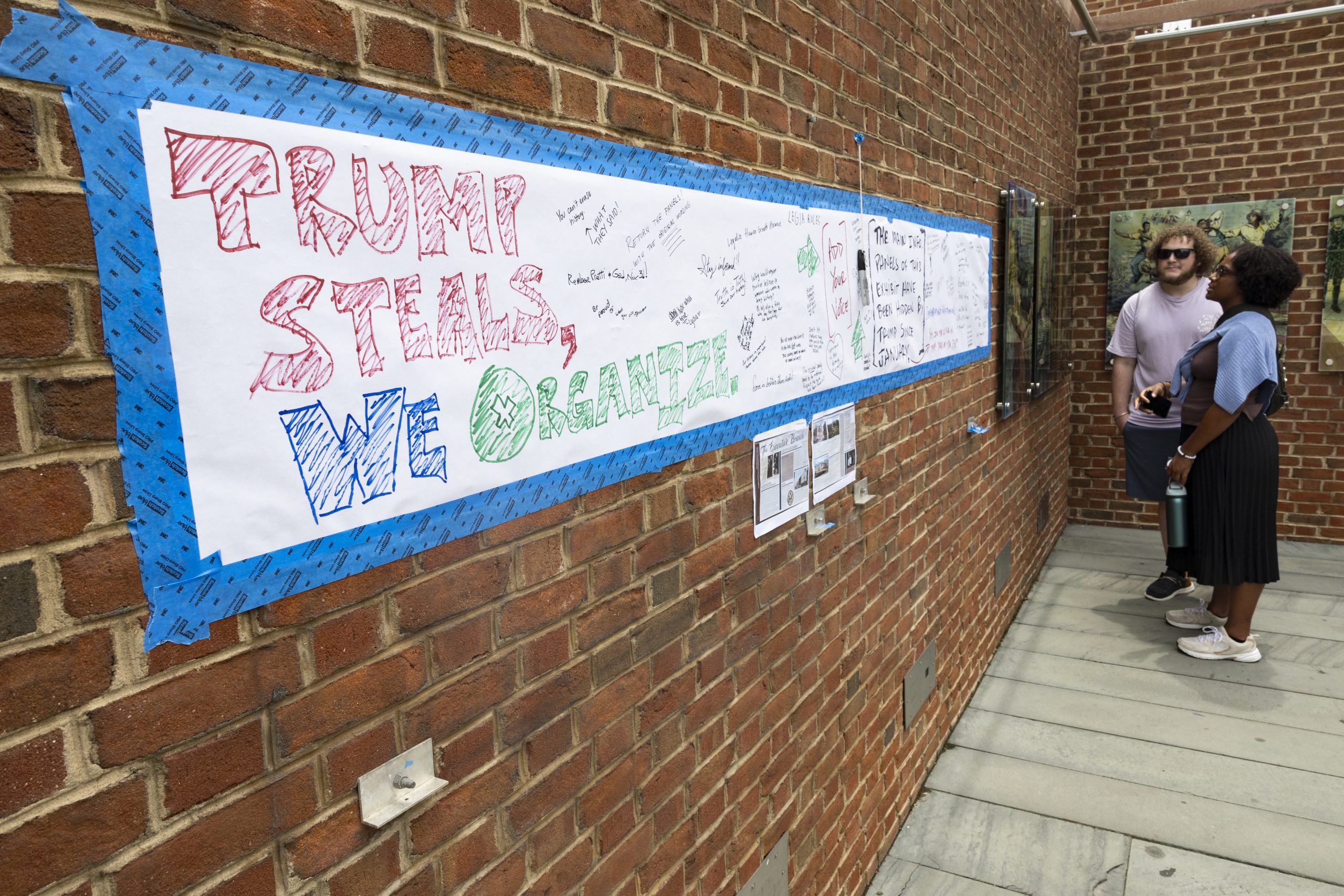
    An influx of tourists visiting Philadelphia in the lead-up to the city’s Semiquincentennial festivities find themselves confronted with large gaps of brick wall at the President’s House site, where exhibits about slavery were removed by order of President Donald Trump.

    The gaps are evidence of the partisan battle playing out over how to tell the complicated story of America’s founding.

    Ahead of the 250th, both Philadelphians who have been engaged in the fight to protect historical exhibits, and tourists who have wandered through the President’s House for the first time, have lamented the Trump administration’s changes to the exhibit, which was largely dismantled by the administration earlier this year.

    Tourists told The Inquirer that the missing panels, such as those that discuss the brutality of slavery, do a significant disservice to understanding the full picture — even the ugly parts — of U.S. history.

    Read the full story from reporters Fallon Roth and Andrea Padilla.

    July in Philly is much warmer
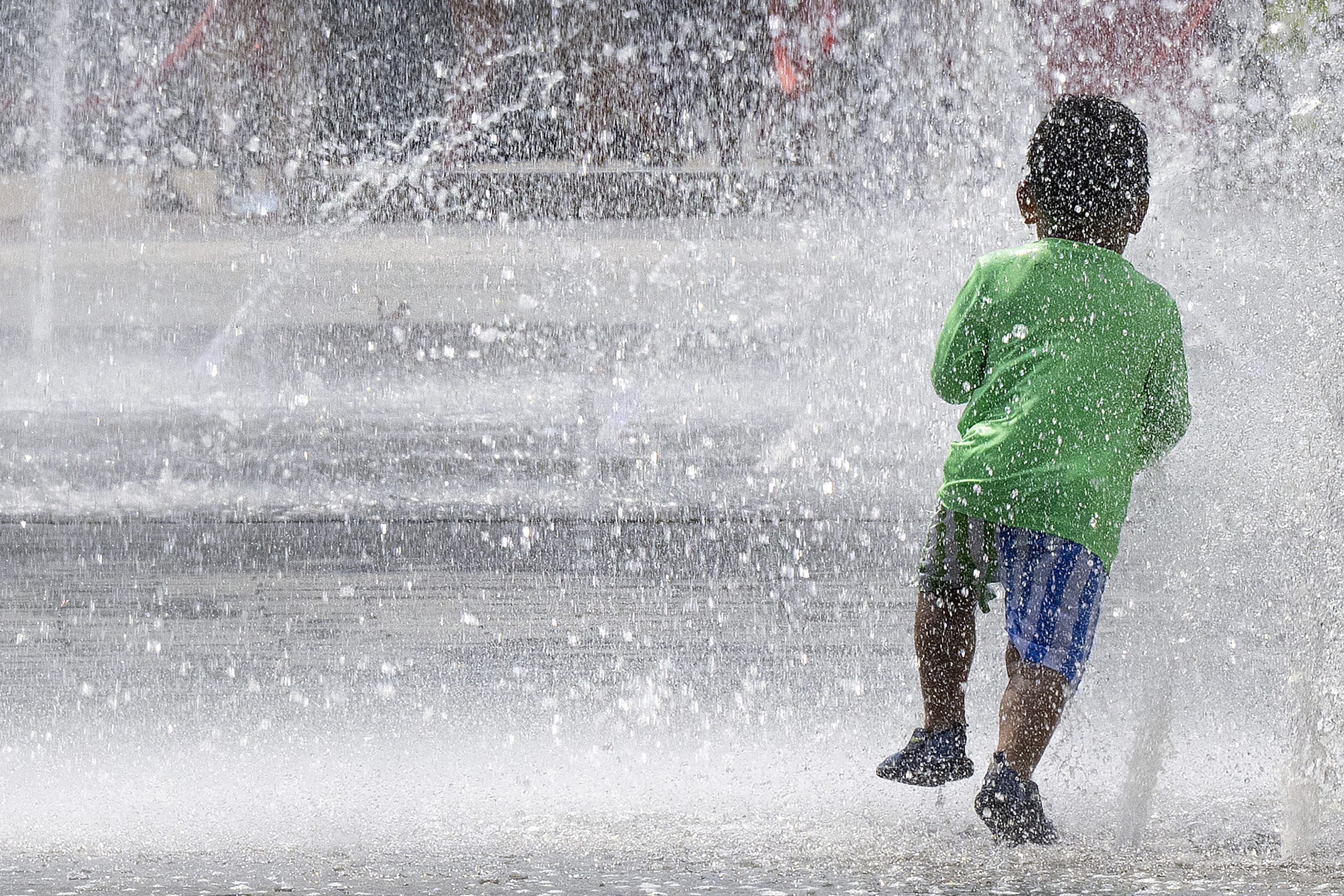
    Over the past 85 years, the average July temperature in Philadelphia has risen 4.4 degrees, according to an analysis of historical weather data.

    Philadelphians sweated through Julys in the 1940s, brooding over World War II as temperatures averaged in the mid-to-upper 70s, including nighttime lows.

    But today, we swelter under average July temperatures of around 80 degrees — and those nighttimes have become warmer.

    Reporter Frank Kummer has the full story.

    What you should know today

    • Last summer, police scoured the basement of the crumbling Olney house at the center of a sprawling investigation into the disappearance of at least two women. But last year, drugs — not missing women — were their focus, despite pleas from concerned relatives.
    • Mayor Cherelle L. Parker defended the city’s decision to go ahead with its upcoming seven-hour outdoor July Fourth concert amid concerns over the nearly 100-degree forecast and revelations that the event will cost taxpayers millions more than in years past.
    • Peco and its workers union, IBEW Local 614, resumed bargaining for a new contract Wednesday morning, with three days to go before a strike deadline.
    • Pa. Gov. Josh Shapiro will attend 250th celebrations across Philly in the coming days, and he said he plans to share his optimism for America’s future amid deep concerns that President Donald Trump has led the nation astray from its founders’ design.
    • Bucks County approved its first paid parental leave policy. Full-time employees with at least one year of service will now be able to take up to eight weeks of consecutive leave.
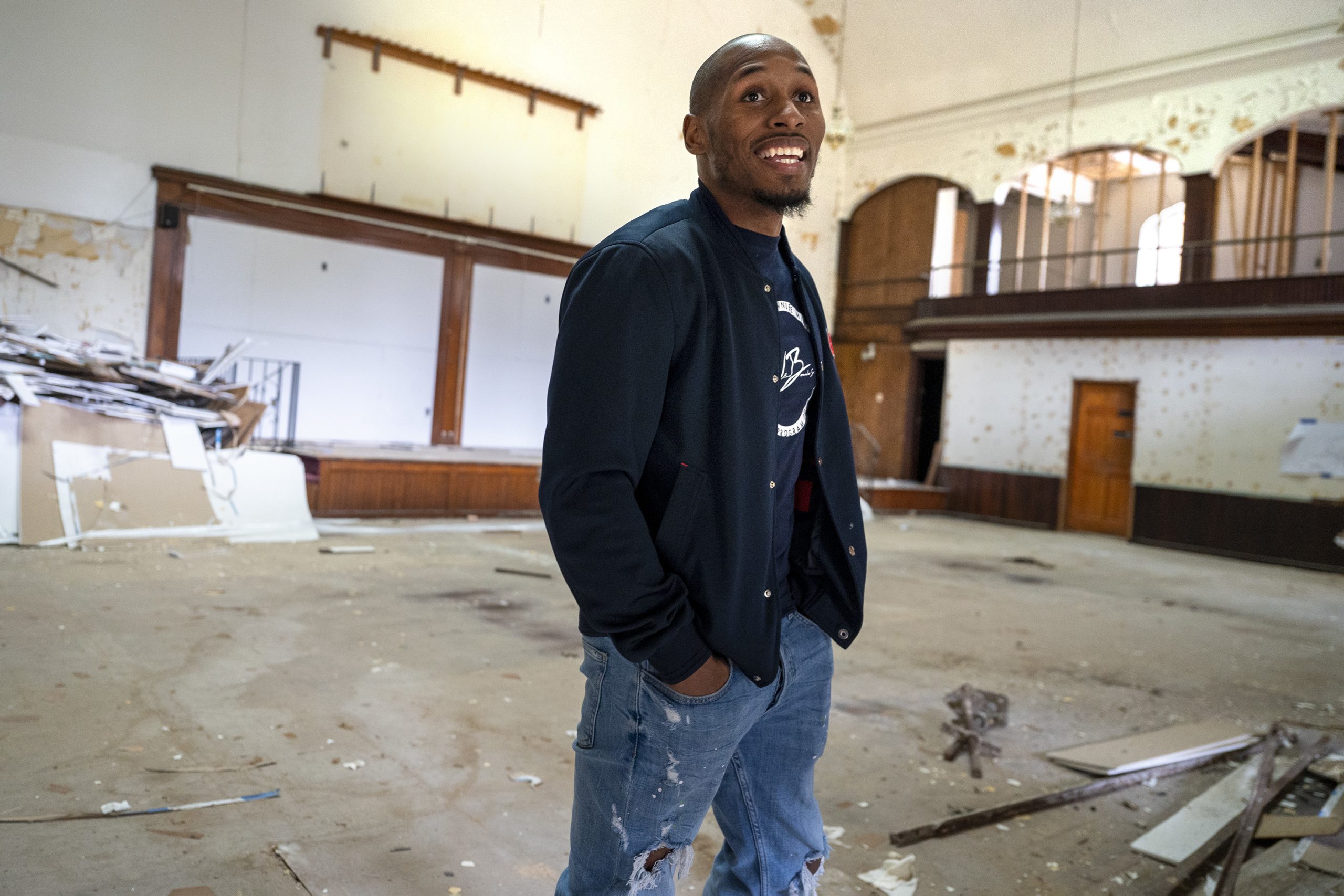
    • A developer has plans to turn a church at South 42nd and Pine Streets into 35 apartments, some with affordable rents.
    • The 76ers have entered the summer of blockbuster trades, agreeing to acquire All-NBA wing Jaylen Brown from the Boston Celtics in exchange for Paul George, two first-round draft picks, and two second-round draft picks.

    Quote of the day
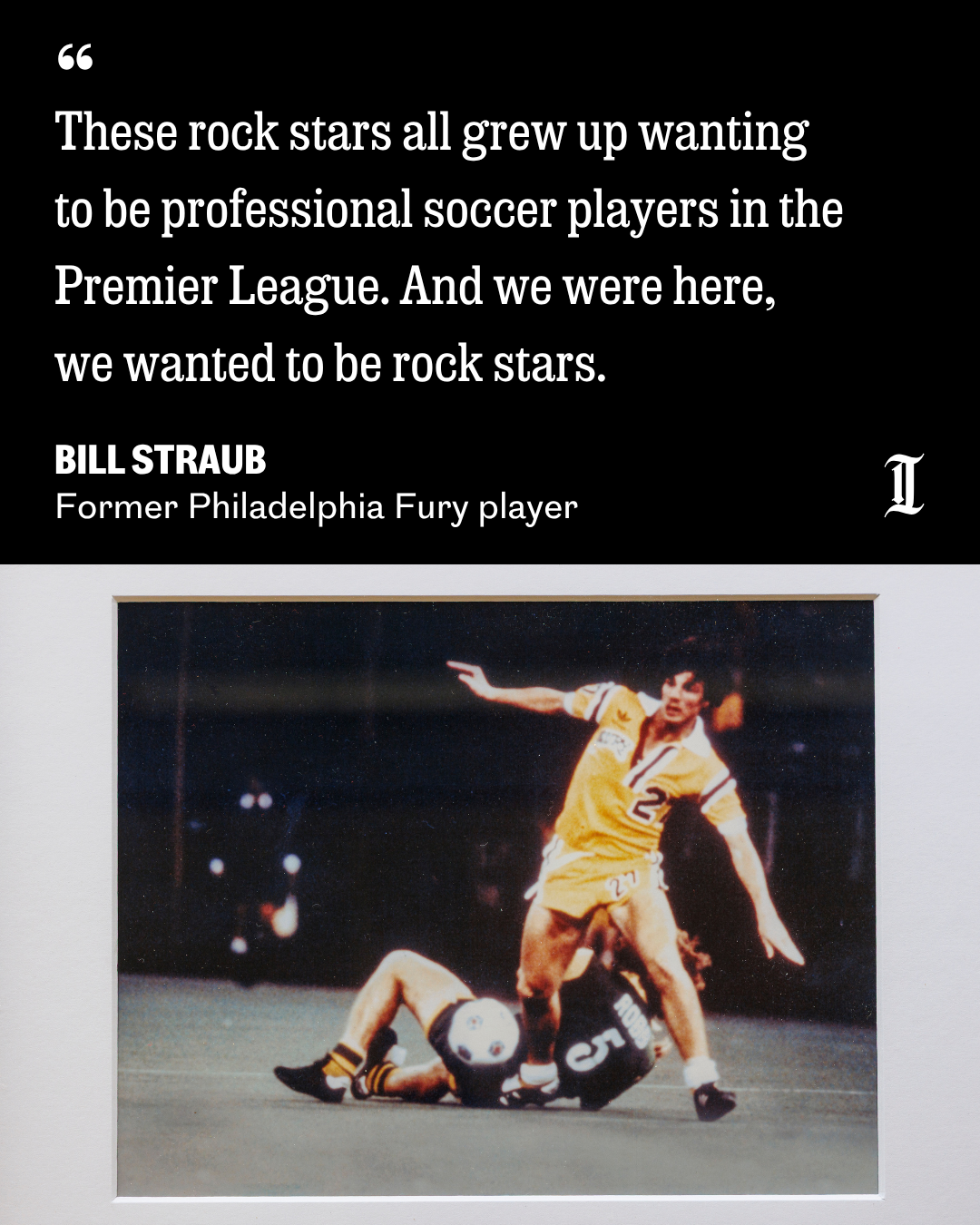
    In 1978, a professional soccer team launched in Philly with rock star owners.

    Peter Frampton, Paul Simon, and Rick Wakeman of Yes — and rock executives like Rolling Stones manager Peter Rudge and music agent Frank Barsalona — had stakes in the Philadelphia Fury of the North American Soccer League.

    But the Fury couldn’t make soccer happen in Philly until the Union arrived in 2010. Reporter Matt Breen has the full story.

    🧠 Trivia time

    This Founding Father believed in Philadelphia’s prosperity and insisted that the Federal Bank be headquartered in the city.

    A) Benjamin Franklin

    B) James Madison

    C) John Jay

    D) Alexander Hamilton

    Think you know? Check your answer.

    What we’re…

    đŸœïž Noting. We knew that a list of 76 iconic Philadelphia foods would leave something out. After hearing from readers — and revisiting a few of our own debates — we had to mention six items that deserve a place in the city’s culinary canon.

    🍾 Drinking. The water ice martini, garnished with a pretzel stick, has the energy of a South Philly summer distilled into a cocktail.

    🎡 Considering. Columnist Jenice Armstrong traveled to Washington, D.C., to check out President Trump’s “America’s Great State Fair.” She left underwhelmed.

    🏀 Waving goodbye to. Kelly Oubre is leaving the 76ers. He reportedly agreed to a two-year, $17 million deal with the Indiana Pacers.

    đŸ§© Unscramble the anagram

    Hint: This singer has been recruiting Philly area “soldiers” for her concert on the Fourth of July.

    ACTS AIRING HAULIER

    Email us if you know the answer. We’ll select a reader at random to shout out here.

    Cheers to Rich and Lucie Lipko, who solved Wednesday’s anagram: Barrington. A Tennessee-based packaging company is closing its plant in the Camden County borough.

    Photo of the day
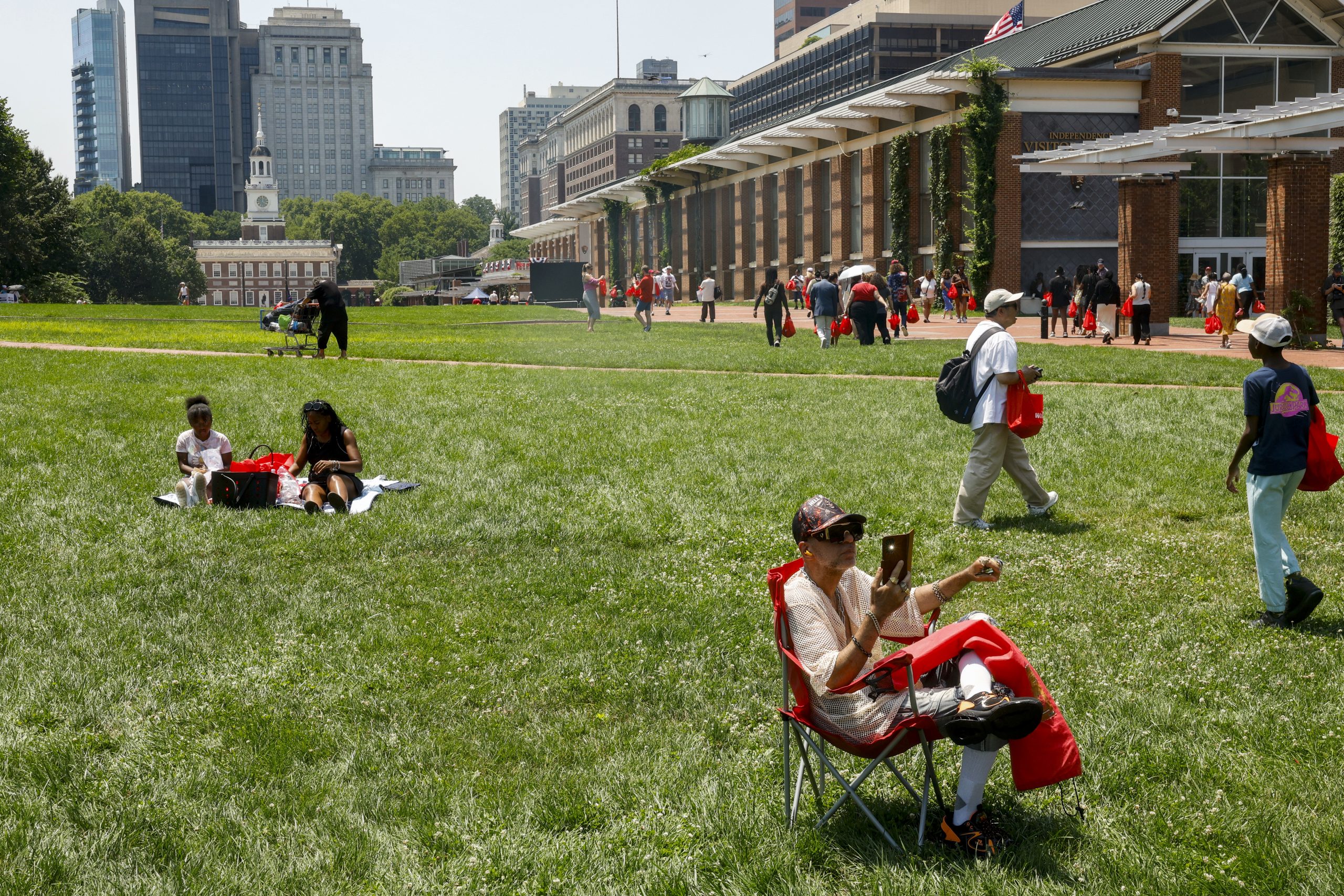
    Attendees relax and enjoy their free hoagies at Independence Mall.Aidan T. Gallo / Staff Photographer

    Philly’s city-recognized hoagie holiday — yes, Philly really has one — returned to Independence Mall on Wednesday, bringing 30,000 six-inch Wawa turkey Shortis to hungry — and overheated — residents.

    👋 Thanks for starting your day with The Inquirer. Paola PĂ©rez has you covered tomorrow.

    By submitting your written, visual, and/or audio contributions, you agree to The Inquirer’s Terms of Use, including the grant of rights in Section 10.
  • The United States had its first mutiny on this week in Philly history

    The United States had its first mutiny on this week in Philly history

    The Constitution was not written yet, and soldiers had not yet let down their guard, when the United States had its first mutiny.

    And, naturally, it all went down in Philadelphia.

    The weeklong saga started in late June 1783, when a group of unpaid Revolutionary War soldiers marched against the country’s primitive government, then called the Confederation Congress, and sent them fleeing from Philly to Princeton, N.J.

    There was a two-year delay between England’s surrender in 1781 and the end of peace negotiations that culminated with the signing of the Treaty of Paris in September 1783.

    And the troops who fought for independence and remained on duty wanted to get paid.

    Financial overseer Robert Morris thought it could take years to figure out the claims and payments for members of the Continental Army and state militias. So our new Congress, backed by Gen. George Washington, encouraged soldiers to go home and make money while the government got its act together.

    According to the history archives of the U.S. House of Representatives, members of the Pennsylvania militias in Philadelphia and Lancaster were among the least happy with the lack of back pay and their discharge dates.

    So on June 20, 1783, they mutinied.

    Fewer than 100 officers and militiamen from Lancaster marched toward the seat of the new government in Philadelphia, to meet up with the other disgruntled soldiers.

    The show of force, despite being nonviolent, combined with unfounded robbery rumors riled up the members of this crude Congress.

    New York’s Alexander Hamilton demanded that the leader of Pennsylvania’s state government, John Dickinson, call in members of the still-loyal state militia to put down the rebellion.

    Dickinson objected.

    So when the Lancaster troops arrived at the Philly barracks that night, Hamilton decided to try to talk to them, and urge them to return home.

    It did not go well.

    The troops took exception to Hamilton’s signature arrogance and condescending tone.

    The number of troops grew to about 400 by the next day, and they protested outside Independence Hall as their leaders met with Dickinson.

    Hamilton pushed for the Confederation Congress to meet for an emergency gathering.

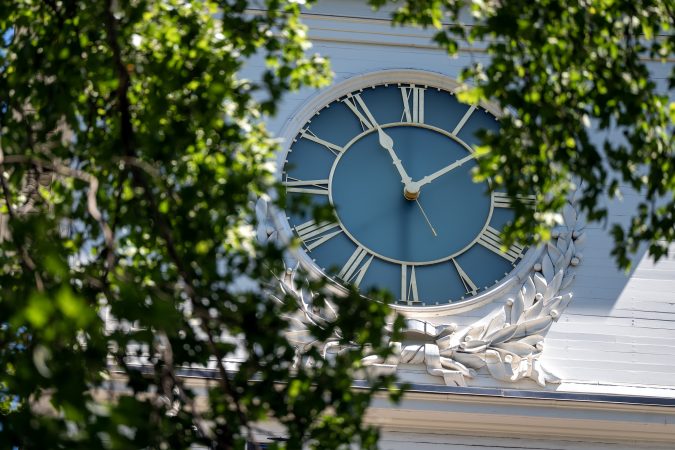
    “Soldiers shook their fists and jeered when delegates peered out the windows,” according to House archives. “In the afternoon local tavern keepers, in an effort to calm and cheer the soldiers, gave away drinks — a tactic that unnerved Virginia Delegate James Madison inside.”

    Delegates, feeling unsafe and disgusted by the protest, announced on June 22 that the Congress would flee to Princeton.

    But when they arrived, the then-small town did not have enough beds for all of the delegates, who would return to Philadelphia four months later.

    Meanwhile, in Philadelphia, order was restored as mutiny leaders fled and remaining mutineers who stayed offered apologies for the attempted rebellion.

  • Getting the DROP | Morning Newsletter

    Good morning, Philly. And good news for Curaçao and Cîte d’Ivoire: It’s shaping up to be a good day to play in the World Cup.

    Today we’re starting with a look at a City Hall power couple that stands to reap up to $750,000 by briefly retiring — then continuing to work for the city.

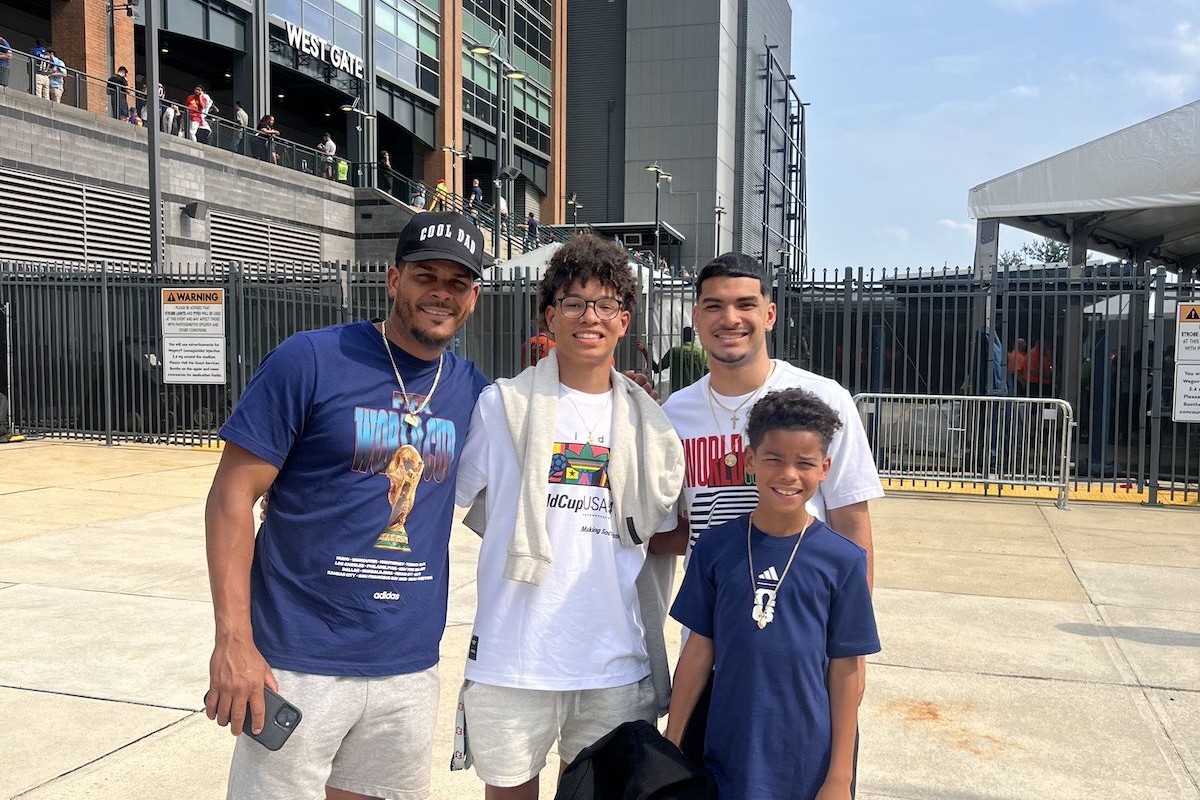
    And speaking of FIFA’s soccer spectacle, we heard from several Philadelphians who had planned the perfect World Cup weekends for their families — but never made it into the stadium.

    Plus, most Philadelphians back sanctuary city status, and more news of the day.

    — Tommy Rowan (morningnewsletter@inquirer.com)

    If someone forwarded you this email, sign up for free here.

    Power moves

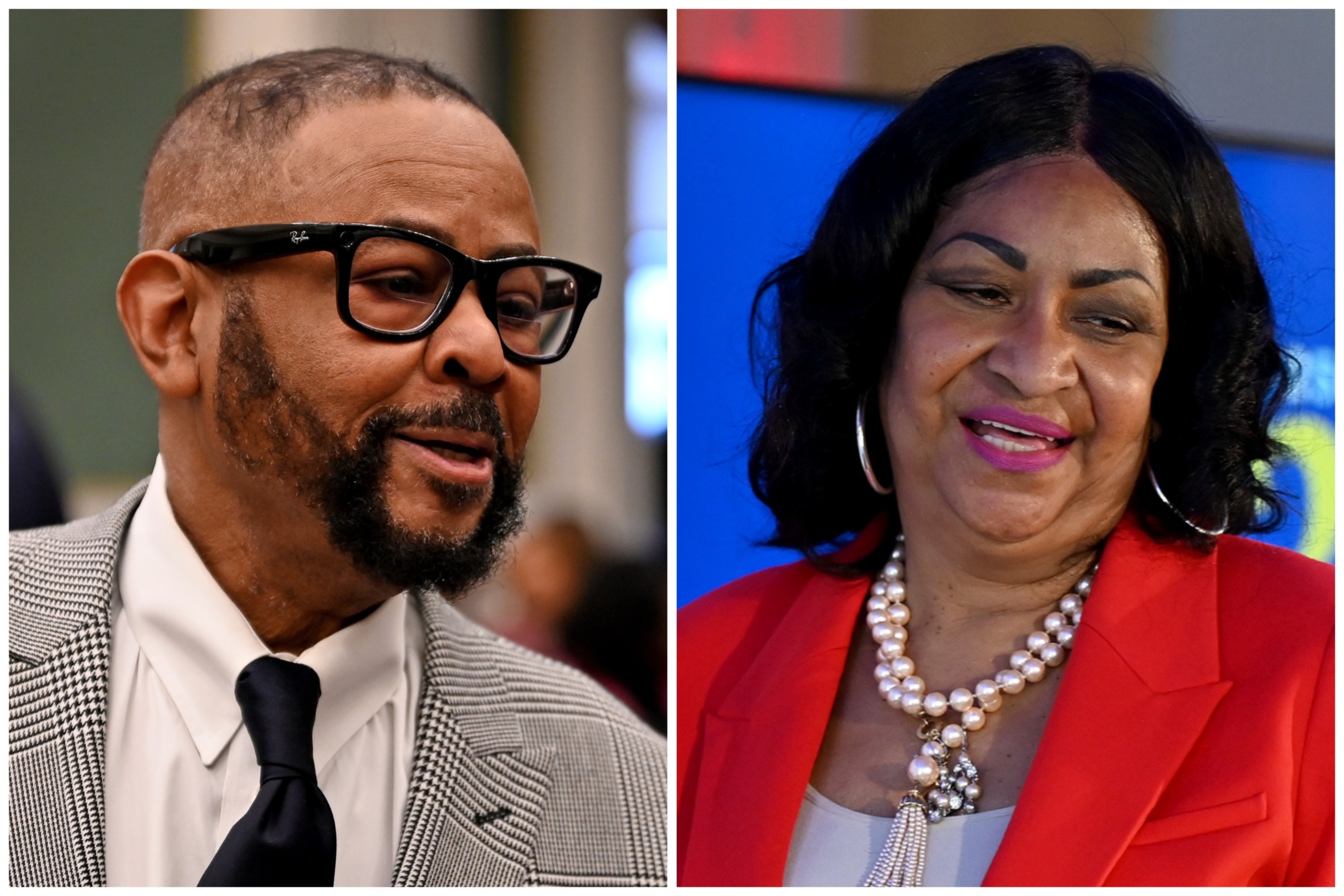
    City Hall power couple Councilmember Curtis Jones Jr. and City Representative Jazelle Jones are poised to collect up to $752,000 in combined payouts from Philadelphia’s widely criticized DROP program.

    The program, the Deferred Retirement Option Plan, is an early retirement incentive for city workers that two decades ago sparked a major scandal in City Hall.

    But neither of the city officials, who are married, is actually retiring.

    Check out the full report from Ryan Briggs and Sean Walsh.

    Short of the goal

    Fans in Atlanta, Boston, Dallas, Houston, New Jersey, Seattle, and Philadelphia have all shared the same story.

    People across U.S. host cities arrived at stadiums for the World Cup hoping their tickets would be transferred, but to no avail.

    Most faced issues with StubHub, while other reports indicate fans are having similar issues on SeatGeek.

    “We’re standing outside the stadium and obviously everybody is in full celebration, and here we are, supposed to be living this World Cup moment together for the first time, and there’s just this feeling of disappointment,” said Fishtown resident Georgette Luna, whose family never made it in.

    Read the full story from reporters Henry Savage and Michelle Myers.

    In related news: The World Cup was originally expected to generate a $770 million economic impact in the Philadelphia region. But just $30 million to $90 million is likely to stay in the area, according to a new report.

    What you should know today

    • A significant majority of residents want Philadelphia to remain a sanctuary for immigrants, according to a new poll that shows the overwhelmingly Democratic city is undeterred by President Trump’s threats to defund so-called sanctuary cities.
    • A former Delaware County woman with ties to a cult-like group is charged with shooting her parents in her childhood home. The arrest follows years of suspicion.
    • Exton Square Mall, Chester County’s only enclosed mall, will close its doors next week after five decades as a retail hub.
    • The Pennsylvania Supreme Court’s decision to limit city prosecutors’ ability to work to overturn old murder convictions took square aim at one of District Attorney Larry’s Krasner’s signature initiatives.
    • A former employee at a Hatboro daycare injured a child with special needs by slamming him, hard, into a chair and, later, onto the floor, prosecutors said.
    • A Pennsylvania program that assists homeowners and small landlords by financing repairs was on track Wednesday to expand nationwide. Then Trump refused to sign the bill.
    • Police said a 25-year-old man who posed as a student repeatedly gained entry to Abington Senior High School and later tried to rape a student.
    • Project HOME is adding 20 beds to a Hunting Park shelter to house hospital patients who have nowhere to go once they’re discharged.

    Quote of the day

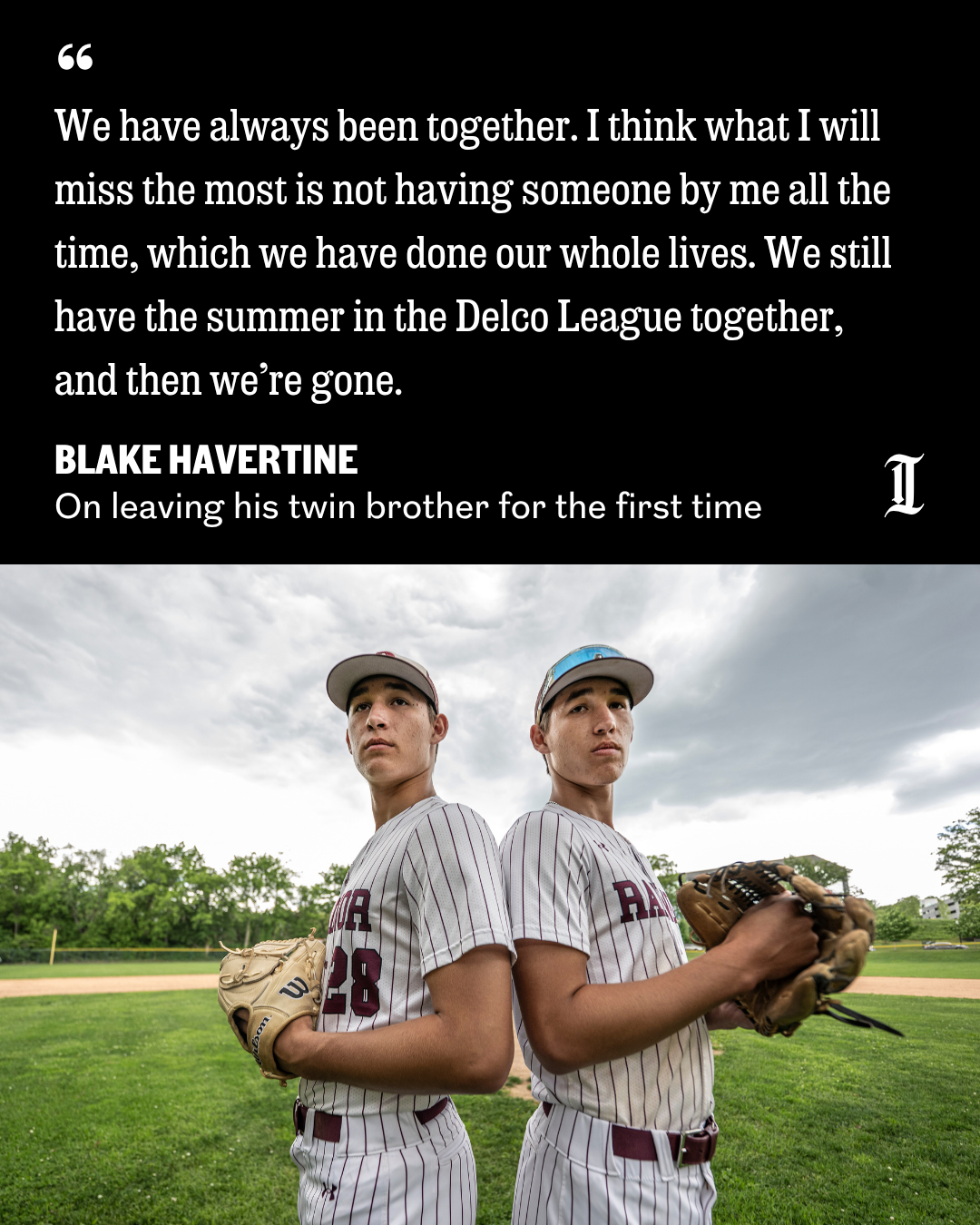
    Wherever they went, whatever they did, Twins Blake and Austin Havertine did it together. Soccer, basketball, football, and baseball, when it came to sports the Havertine twins were inseparable. What they also did together was leave an indelible legacy for Radnor High School baseball that may never be surpassed by a pair of brother pitchers,

    Now, for the first time in their lives, they will be going their separate ways.

    🧠 Trivia time

    This week we’re counting down the 76 most iconic Philly songs, and today we’re unveiling No. 32-11. Which of these didn’t make the cut?

    A) Bill Conti’s “Gonna Fly Now (theme From ‘Rocky’)”

    B) Patti LaBelle’s “If Only You Knew”

    C) Boyz II Men’s “Motownphilly”

    D) They’re all groovy

    Think you know? Check your answer.

    What we’re…

    🏀 Excited about. Labaron Philon Jr., landing with the Sixers with the 22nd overall pick in the NBA draft was worth the wait. Go inside his draft night, and his unexpected fall to the “perfect spot” in Philadelphia.

    📖 Reading. For her Inquirer column, “Parent Trip,” writer Andee Hochman attempted to answer one question: What does the road to parenthood look like for people who don’t follow the family “norm”? And now she’s distilled those nine years of reporting and 468 parenthood columns into a forthcoming book.

    🏡 Inspecting. A historic Philly mansion has been listed for sale with 10 fireplaces and nine bedrooms. But there’s a catch — once a year, the owner must permit “a re-enactment of portions of the Battle of Germantown” on their front lawn.

    🍾 Curious about. Developers are planning to add a new rooftop nightclub along the Camden waterfront. The club would be built atop a four-floor parking garage.

    đŸ§© Unscramble the anagram

    Hint: SEPTA is planning an 86-unit apartment complex near this station.

    INK JON WENT

    Email us if you know the answer. We’ll select a reader at random to shout out here.

    Cheers to Barbara Goudarzi, who solved Wednesday’s anagram: Triple Bottom Brewing. The Spring Garden brewery is adding an exciting new food vendor: revered Mexican restaurant South Philly Barbacoa.

    Photo of the day

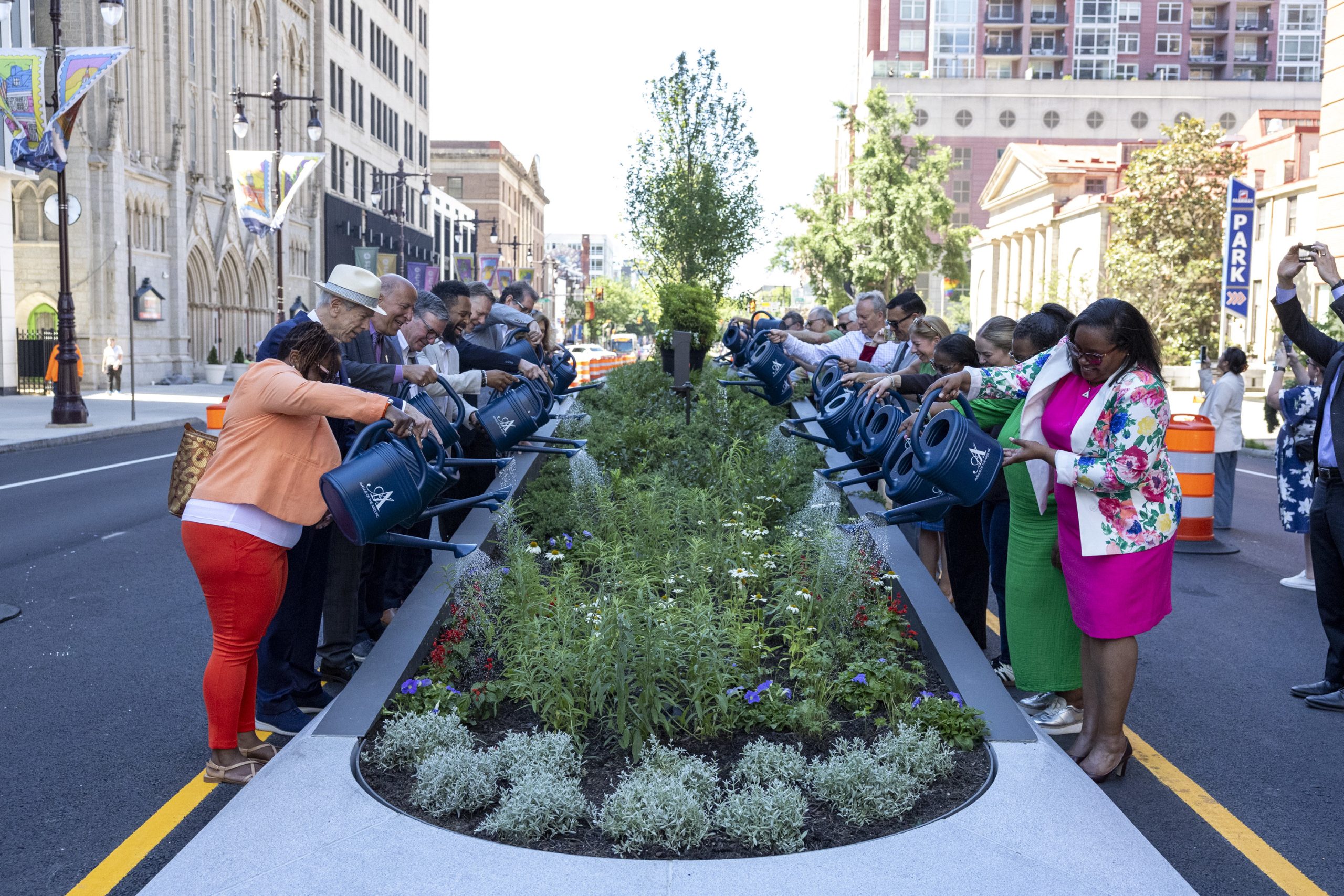
    Folks water flowers inside a redesigned median on South Broad Street in Center City.Tyger Williams / Staff Photographer

    And we end with the debut of a new landscaped median on South Broad Street in front of the Kimmel Center. The new feature has been under construction for months and is a down payment on a promised major redo of the Avenue of the Arts streetscape.

    👋 Thanks for starting your day with The Inquirer. Paola PĂ©rez has you covered tomorrow.

    By submitting your written, visual, and/or audio contributions, you agree to The Inquirer’s Terms of Use, including the grant of rights in Section 10.
  • Sheriff’s fixers have money problems | Morning Newsletter

    Howdy and hello, fine humans. It’s looking like a stormy Fridee Jr. According to superb weather reporter Tony Wood, “the Philly region may be in for tropical-storm force gusts and strong thunderstorms Thursday.”

    Otherwise, we’re starting with a look at the Sheriff’s Office, which announced new top officials but kept their names secret.

    We also have a quiz that will help you find your new favorite restaurant from The 76.

    Plus, an activist offered money to a committeeperson and asked him to vote against Councilmember Cindy Bass, and more news of the day.

    — Tommy Rowan (morningnewsletter@inquirer.com)

    If someone forwarded you this email, sign up for free here.

    New leaders, questionable qualifications

    Philadelphia Sheriff Rochelle Bilal announced last week that she has appointed new top officials to fix a series of financial issues, including the dysfunctional sheriff’s sale process.

    She just won’t say who the people are.

    But The Inquirer has learned that two individuals she has tapped for those roles have each lost their own properties in a sheriff’s sale and faced other serious financial issues.

    Read the full story from investigative reporters William Bender and Ryan W. Briggs.

    Find your new place to eat

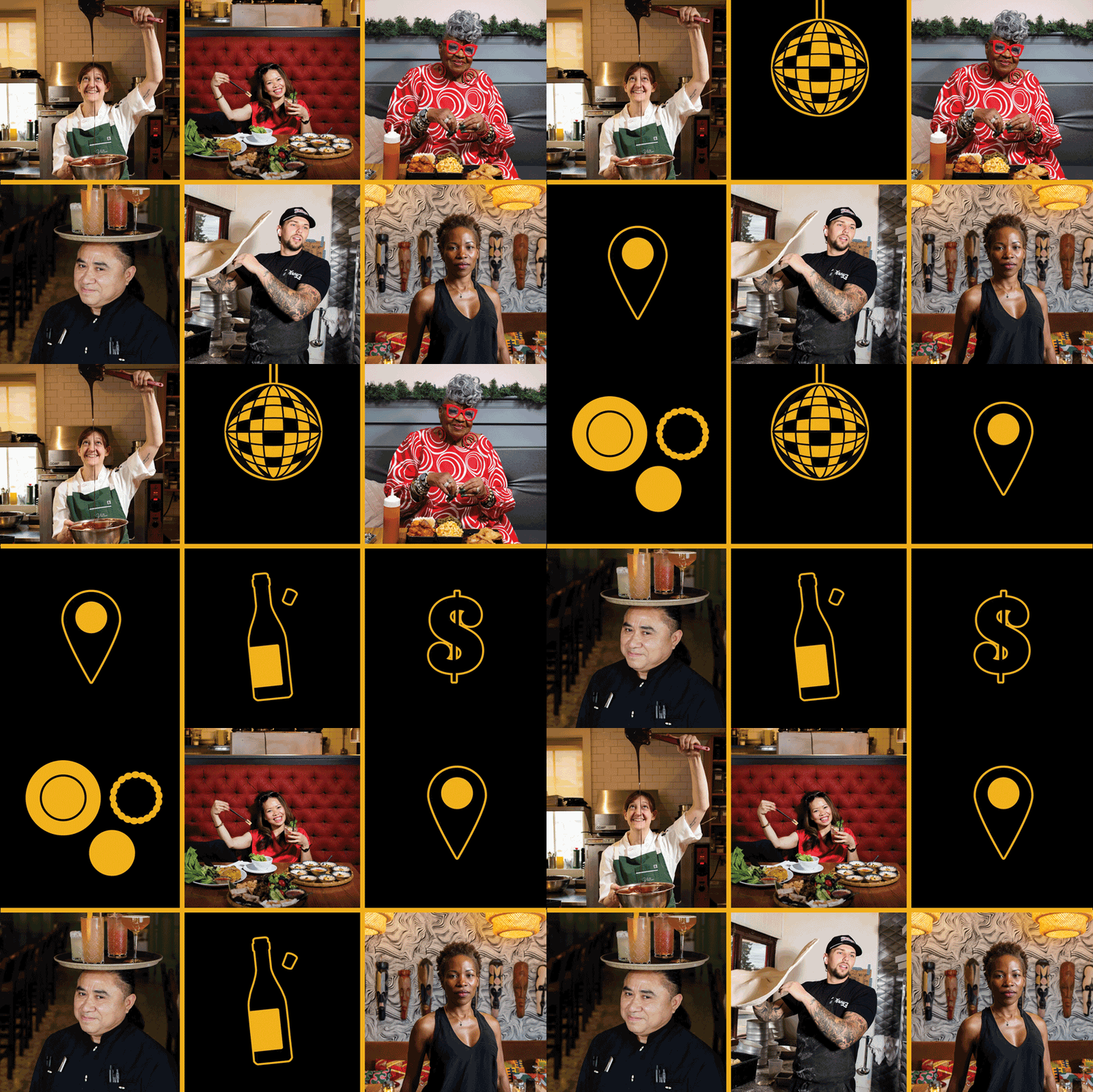
    Take our quiz and find your new favorite restaurant from The 76

    In case you missed it, The 76, The Inquirer’s annual list of the most essential restaurants in the Philadelphia area, returned in October 2025 for its second year.

    The new list looked a little different, with more than half the restaurants changing from the previous year. It’s still just as comprehensive, so we forgive you if you don’t know where to start.

    That’s why we’re here to help you narrow down your favorites with our 76 quiz. Answer a few questions, and we’ll recommend a few spots based on your preferences.

    What you should know today

    • In a 22nd Ward election controversy, an activist offered money to a committeeperson and asked them to vote against Councilmember Cindy Bass, videos obtained by The Inquirer show.
    • Police say a firearms instructor who cared about gun safety and reducing crime shot three Philly officers. Those who knew him are perplexed.
    • Three weeks after members of Congress listened to and then publicly shared concerns from inside Pennsylvania’s largest immigrant detention center for the first time, U.S. Rep. Madeleine Dean said she was blocked from speaking with detainees while visiting the same facility.
    • More people in Philly and the surrounding region are struggling with insufficient food after President Donald Trump’s cuts have increased hunger to the highest levels in six years, according to a study released last week by the New York Federal Reserve.
    • Measles was detected in wastewater samples taken in Delaware County on two days last week, officials said.
    • The union representing transit police and SEPTA reached a tentative deal on a new three-year contract Wednesday that includes a 12% raise and avoids a possible strike during the region’s summer of big events.
    • Citing increased safety concerns, a Burlington County township has canceled this year’s annual Independence Day celebration.

    Quote of the day

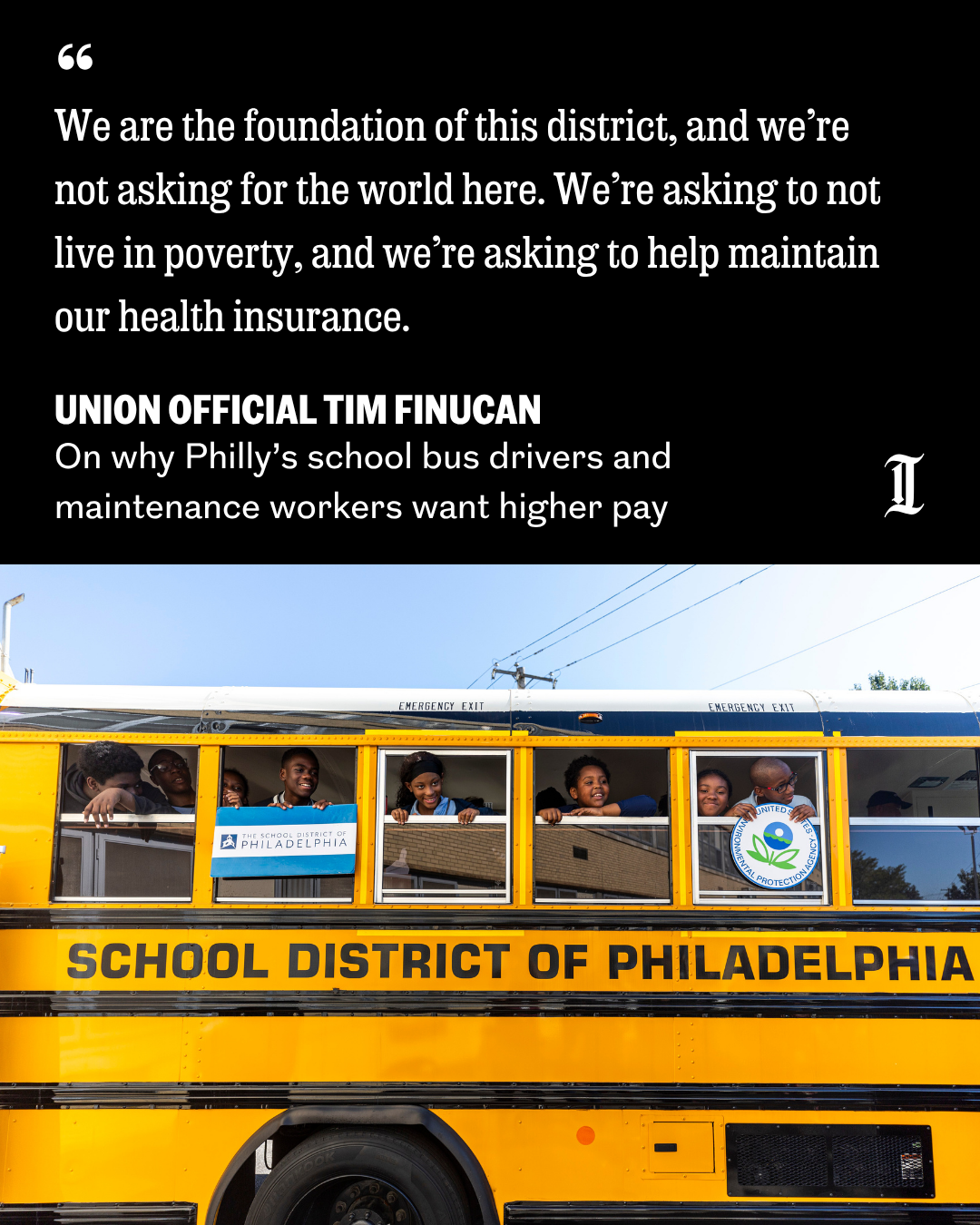
    Philadelphia School District bus drivers, maintenance workers, cleaners, and tradespeople are entering contract season. Leaders of 32BJ SEIU District 1201, which represents 2,000 workers, are scheduled to begin talks with Philadelphia School District officials Thursday. Their current contract expires Aug. 31. The bottom line for members of 32BJ SEIU District 1201 is higher pay, officials said.

    🧠 Trivia time

    Before Leon Rose built the NBA’s New York Knicks, he was a gym rat at this local high school.

    A) Father Judge

    B) Haverford

    C) Cherry Hill East

    D) Roman Catholic

    Think you know? Check your answer.

    What we’re 


    🎹 Appreciating. A pop art mural painted on the side of a Point Breeze rowhouse is the last of its kind. And you can live there.

    ⚟ Sad about. The Phillies demoted up-and-coming pitcher Andrew Painter to the minor leagues.

    🏡 Lamenting. Villanova is the only community in the Philadelphia region with million-dollar entry-level homes. Since the pandemic, the number of these communities in the U.S. has tripled.

    ⛳ Respecting. Charlie Sifford is known as the Jackie Robinson of golf. Now, a scholarship in his honor helps students attend historically Black colleges and universities.

    đŸ§© Unscramble the anagram

    Hint: This sacred place is the canvas for a new immersive light show.

    ABRA CLASHED ITALIC

    Email us if you know the answer. We’ll select a reader at random to shout out here.

    Cheers to John Piernikowski, who solved Wednesday’s anagram: Whole Foods. The grocery store’s Philly workers voted to join a union in 2025. This week they cleared a major hurdle, paving the way to negotiating their first union contract.

    Photo of the day

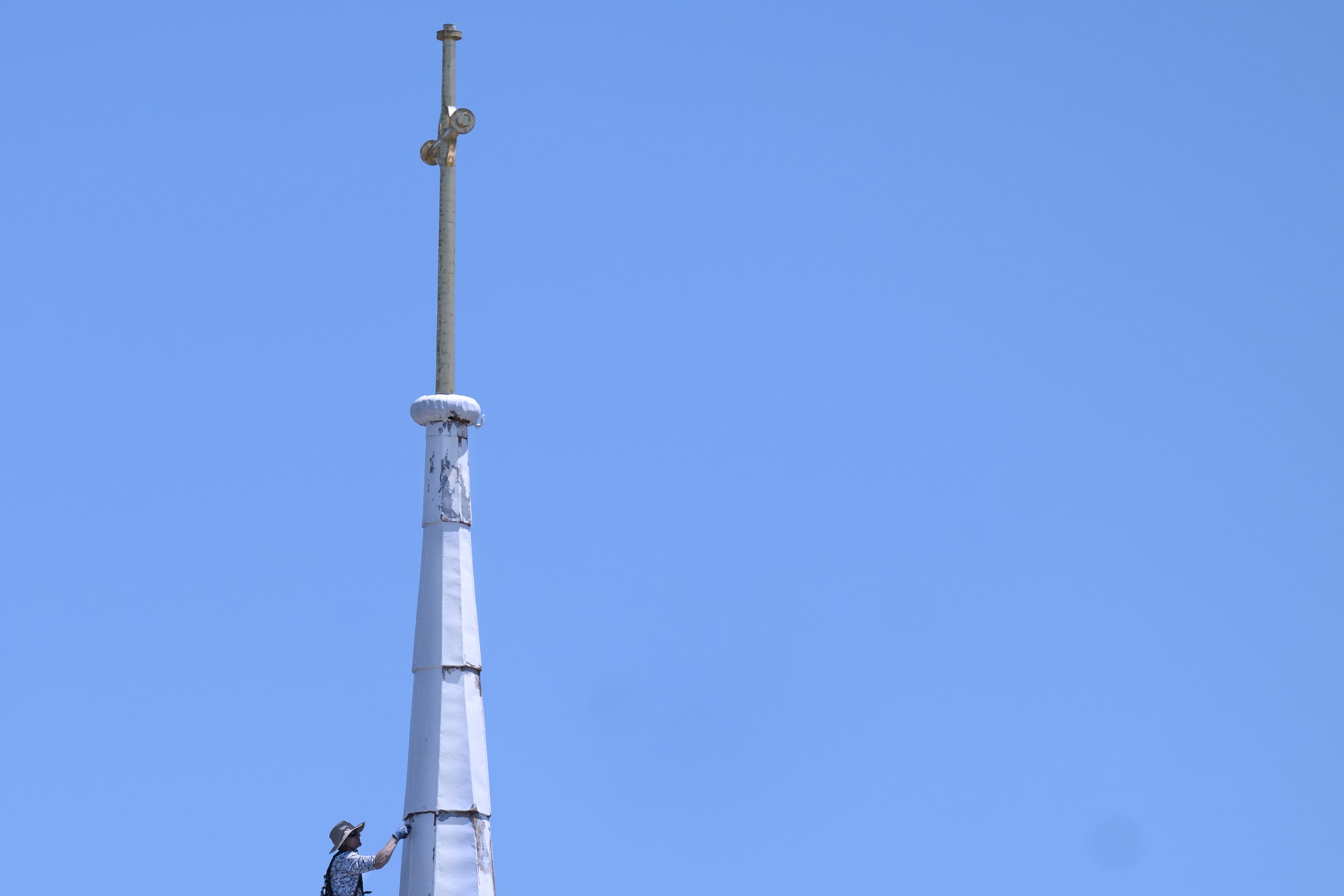
    A worker paints the steeple.Jose F. Moreno / Staff Photographer

    We end with this lovely photo of a worker painting the steeple atop Trinity Presbyterian Church on a sunny day in Cherry Hill, N.J.

    👋 This newsletter will be taking a break in observation of Juneteenth, but we’re still reporting the latest news over on Inquirer.com. Paola PĂ©rez will catch up with you here again on Sunday. Until then, be well.

    By submitting your written, visual, and/or audio contributions, you agree to The Inquirer’s Terms of Use, including the grant of rights in Section 10.
  • Future Hall of Fame MLB owner planted ivy at Penn on this week in Philly history

    Future Hall of Fame MLB owner planted ivy at Penn on this week in Philly history

    It’s not just the Chicago Cubs who have a history with ivy.

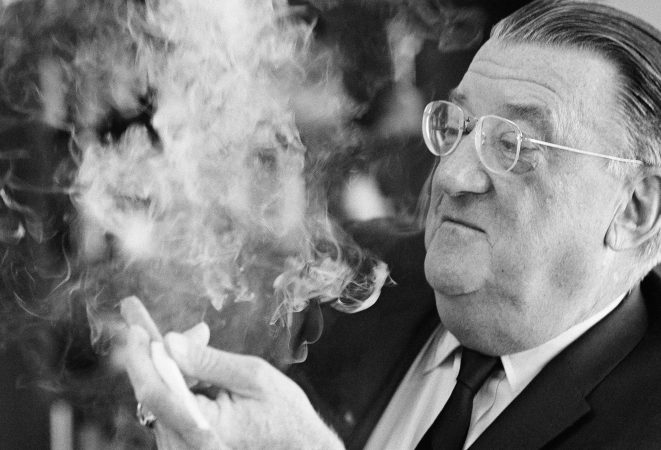
    On June 15, 1926, as the senior class president, future Los Angeles Dodgers executive Walter O’Malley delivered the salutatory address to his classmates during the University of Pennsylvania’s 170th commencement.

    And as part of the tradition, he planted a sprig of ivy representing the 1,700 members of the Class of 1926.

    He was a native New Yorker (forgive him), but at Penn, he was a distinguished undergraduate, leading his class in several significant ways.

    He was his junior and senior class president. And at the Weightman Hall ceremony he was awarded the “Spoon Man” honor, which is voted on by the senior class. The award, a wooden spoon, is a bigger deal than it sounds. It reflects the winner’s leadership and popularity.

    After Penn, he earned a law degree from Columbia. He became associated with the Dodgers when they were still in Brooklyn in 1932. He took over as team president and majority owner in 1950, and he made the controversial decision to move the team to Los Angeles in the mid-1950s. He ran the club until 1979.

    He served as a Penn alumni trustee and board member from 1966 until his death in 1979.

    O’Malley would go on to become the first Penn alumnus to be inducted into the National Baseball Hall of Fame. And he never even played a game.

    He was inducted posthumously into the Hall of Fame in 2008. He is one of only 16 owners among the 354 inductees.

    “Walter O’Malley was as great an executive talent as I have seen,” MLB Commissioner Bowie Kuhn said in 1979. “While baseball was his medium, his skills would have flourished in any walk of life.”

  • A city music festival drew 80,000 with Louis Armstrong on this week in Philly history

    A city music festival drew 80,000 with Louis Armstrong on this week in Philly history

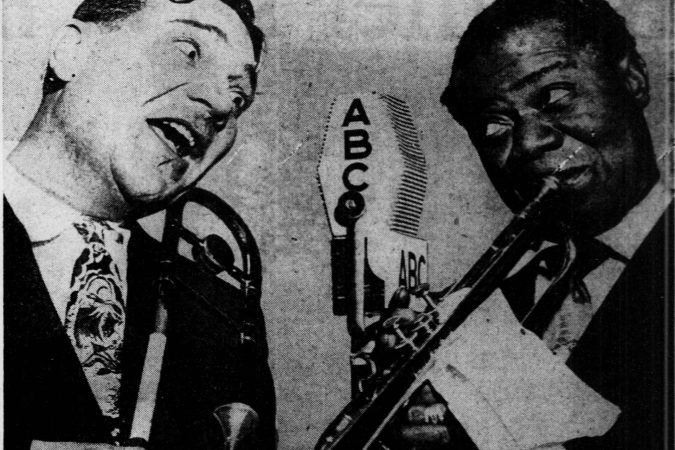
    Before Jay-Z at the Roots Picnic or Bad Bunny at Made in America, there was Louis Armstrong at the Philadelphia Music Festival.

    Before there was the American Idol competition, there was Philly’s “Voices of Tomorrow.”

    Shortly after Germany surrendered, but a few months before Japan followed suit, Philadelphia put on its first true citywide music festival.

    In 1945, the city held its inaugural festival, creating an event leaders claimed was for the kids and a distraction from war, and a celebration of Philly’s robust music scene. It also made use of a large stadium during the slower summer months post-World War II.

    By 1949, the city was on its fifth event, and the festival had proved to be an opportunity to raise money and spirits.

    ‘Symposium of the arts’

    On Friday night, June 10, 1949, the city’s festival held its fifth iteration.

    The Inquirer, which sponsored the event, called it a “symposium of the arts.”

    “On a magnificent June night with a great golden moon peeping over the rim of Municipal Stadium, an exited and delighted throng of 80,000 people, largest crowd ever to attend a cultural event in this city, roared their applause last night for the star-studded fifth annual Philadelphia Music Festival,” The Inquirer reported the following day.

    The paper said the total eclipsed the previous year’s attendance of 72,000, with acts like jazz legend Armstrong, violinist Jeanne Mitchell, and pianist and vocal improvisationalist Alec Templeton.

    These performances included local acts from area high schools, bugle corps, and marching bands.

    ‘Voices of Tomorrow’

    In its annual “Voices of Tomorrow” contest, four young singers rose above a field of more than 2,000 competitors, singing in opera and “other fields” hinting at what was coming in the following decade. Competitors would sing in front of the crowd, which would choose the four winners by applause.

    And the nearly four-hour event closed with the playing of “The Star-Spangled Banner.”

    Municipal Stadium, which was opened in 1926 for the Sesquicentennial, would be named after John F. Kennedy in the 1960s, and would close in 1992.

    The city’s 11th annual music festival in 1955 was its last until the 1960s brought the Philadelphia Folk Festival, Beatlemania, and a cultural revolution.

  • A school’s fight over Black history | Morning Newsletter

    Happy Tuesdee. It’s shaping up to be a lovely spring morning.

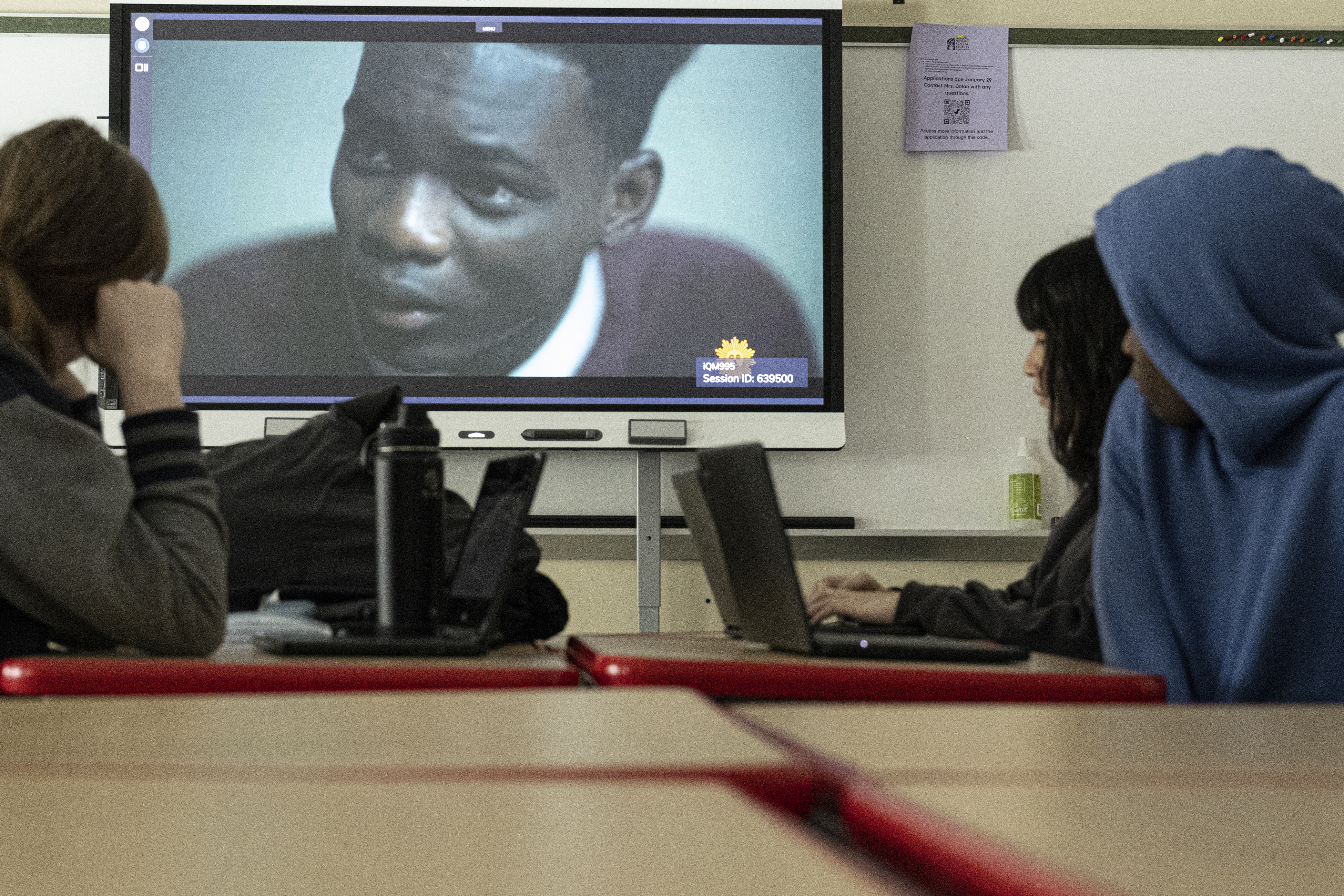
    We’re starting with a look at the Cherry Hill school board and its debate over the possibility of ending its African American history requirement.

    And, our food team has cultivated a list of the most iconic Philadelphia dishes of all time.

    Plus, the sheriff’s office will undergo a shakeup, and more news of the day.

    — Tommy Rowan (morningnewsletter@inquirer.com)

    If someone forwarded you this email, sign up for free here.

    Cherry Hill schools dropping African American history mandate?

    In the 2021-22 school year, Cherry Hill was the first New Jersey district to mandate a Black history class to graduate.

    It made national headlines.

    Five years later, the board has debated whether the course should be dropped as a requirement in light of budget problems in the largest South Jersey school system.

    And while officials have assured the community that the course will remain part of the curriculum, the debate highlights the difficult choices that districts are facing during a tough budget year.

    Melanie Burney has the full report from South Jersey.

    If you want to keep it super local, sign up here for our weekly Cherry Hill newsletter, which is a free and easy-to-read guide to everything from local headlines to weekend plans.

    And next week we’re launching a daily South-Jersey-centric newsletter that is part of our expanded reporting across the region. Sign up here.

    76 iconic Philly dishes

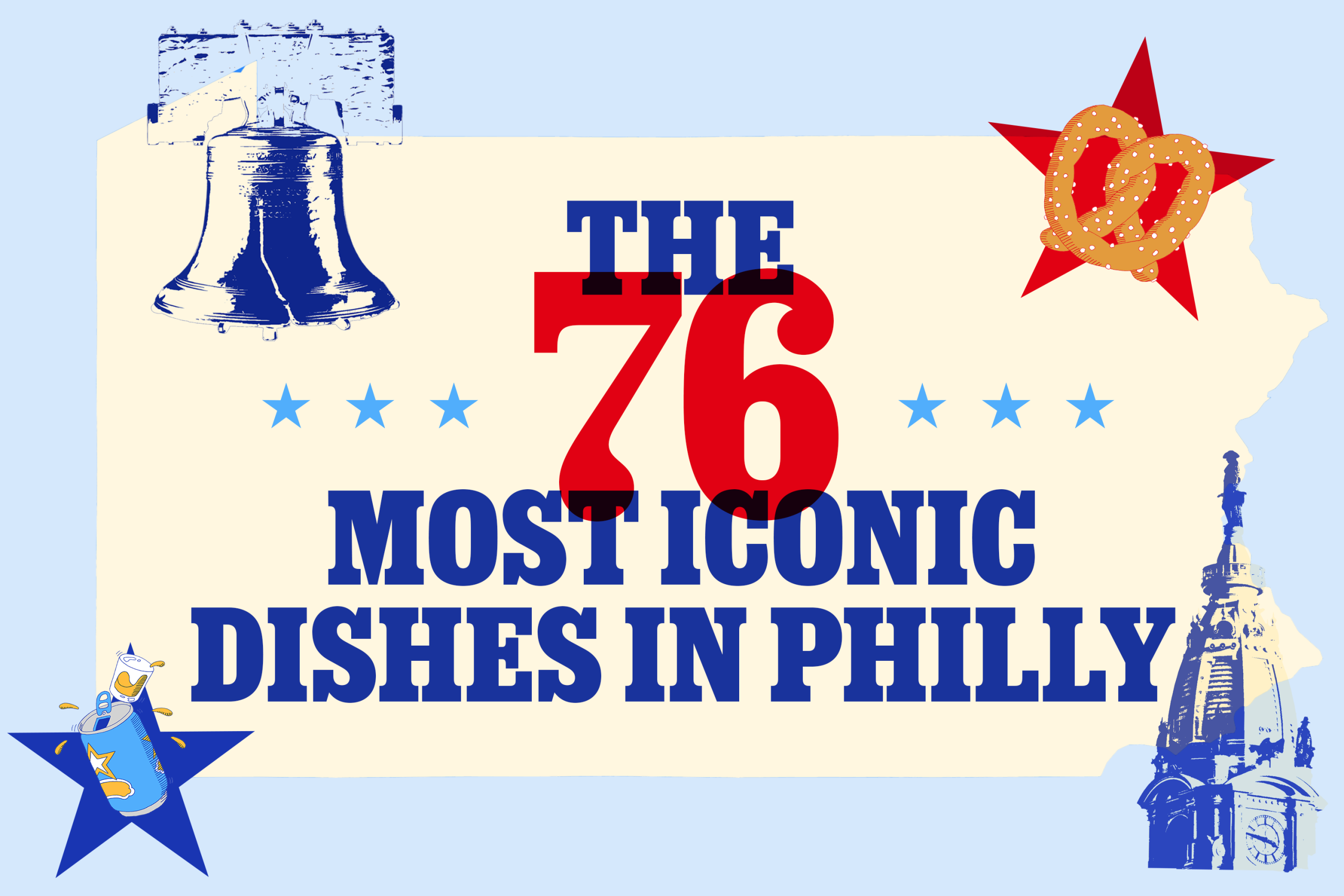
    We’re counting down the 76 most iconic Philadelphia dishes all week.

    Today, we’re highlighting entries 76 through 55.

    And throughout the week we’ll be counting down to No. 1.

    We asked ourselves: What are the foods that have most shaped the culinary scene in Philadelphia?

    That’s what the food team has set out to answer.

    So check out our picks, starting at No. 76.

    What you should know today

    • Sheriff Rochelle Bilal announced a major restructuring of her office to reduce a problem she previously claimed she’d fixed. Some details aren’t public.
    • Fifteen people were arrested on Sunday during Pride events in the Gayborhood, officials said. The police response drew criticism from residents over how crowd control was handled.
    • District Attorney Larry Krasner publicly criticized Mayor Cherelle Parker on Monday over what he said was an inadequate budget. Krasner’s televised appeal came as rumors swirl that he may run for mayor next year.
    • The Bucks County district attorney has sued the makers of Roblox, which he said had allowed sexual predators to exploit children.
    • A body believed to be that of a swimmer who went missing in the Delaware River was found by police after it washed ashore on Monday in Palmyra Township, Burlington County.
    • Former President Joe Biden made a surprise appearance at the annual Stonewall Awards in Philadelphia on Sunday, delivering a 20-minute speech to a packed crowd in Center City.
    • FIFA Fan Fest opens Thursday and will feature music, food, shopping, and a showing of World Cup games. There will also be transportation headaches.

    Quote of the day

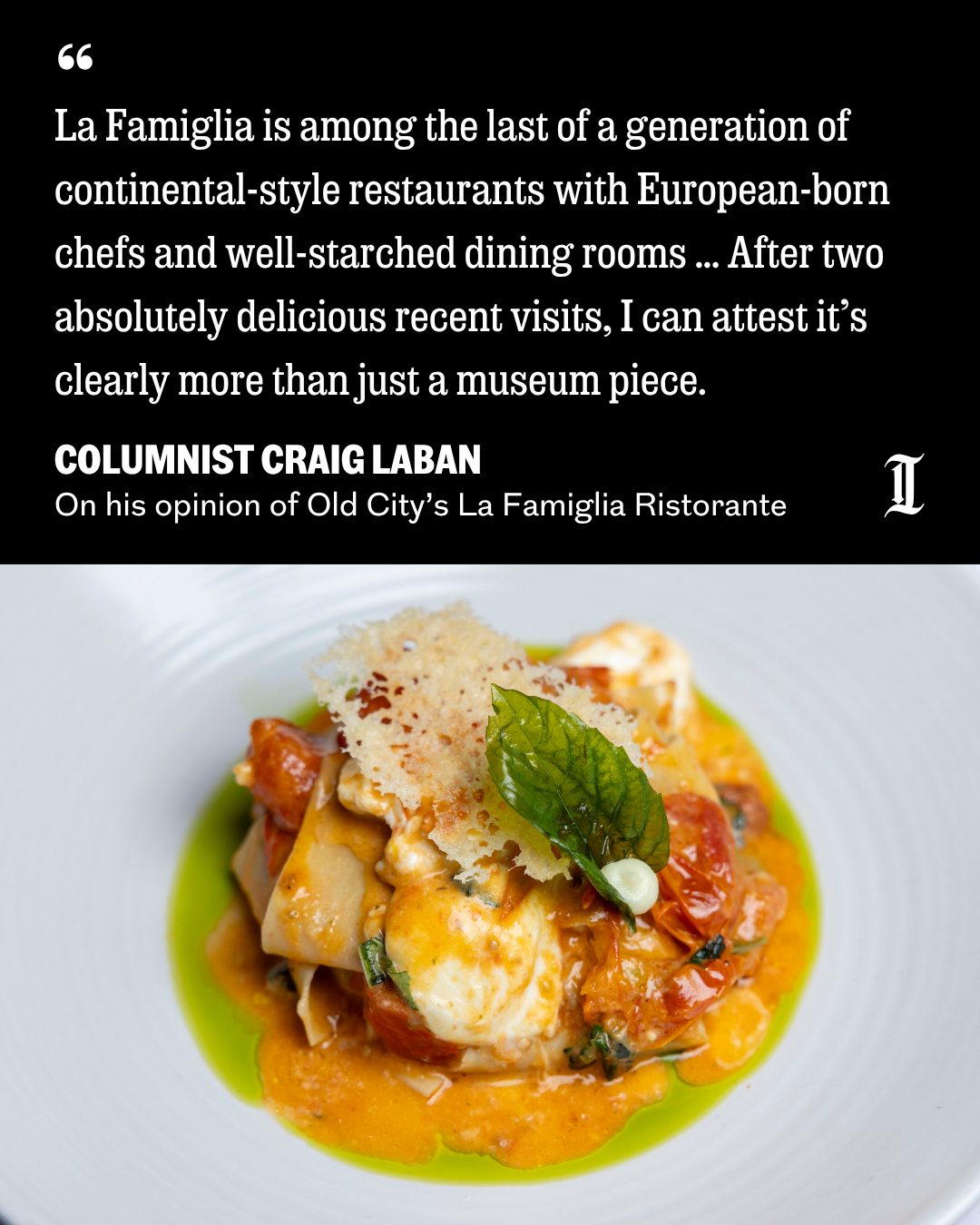
    After 50 years of service, this Old City Italian restaurant remains a retro experience. It’s still a unique and worthy place to dine, restaurant critic Craig LaBan writes.

    🧠 Trivia time

    What famous boy band member was recently in Delaware and ate at a Craig LaBan-approved restaurant?

    A) Justin Timberlake

    B) Harry Styles

    C) AJ McLean

    D) Nick Jonas

    Think you know? Check your answer.

    What we’re…

    đŸŽ¶ Harmonizing. Some Main Line dads started getting together in the ’90s to do some old-fashioned harmonizing. Their fanbase is now international.

    🎭 Recognizing. Amina Robinson made history as the first Black woman to win a Barrymore for directing a musical. And now she’s going to lead Theatre Horizon.

    đŸ«Ÿ Translating. The colorful markings on Philly-area streets and sidewalks might look like gibberish, but they are the language of utility companies.

    🏀 Cautiously optimistic about: In his first news conference since taking the Sixers’ top job, Mike Gansey didn’t sound like he planned on undertaking a major roster overhaul.

    đŸ§© Unscramble the anagram

    Hint: What store recently ditched an unpopular section.

    LIVE OF WEB

    Email us if you know the answer. We’ll select a reader at random to shout out here.

    Cheers to Matthew Zipin, who solved Monday’s anagram: Haverford College. Haverford and Bryn Mawr Colleges have long had a partnership that allows students on both campuses to take classes at the other.

    Photo of the day

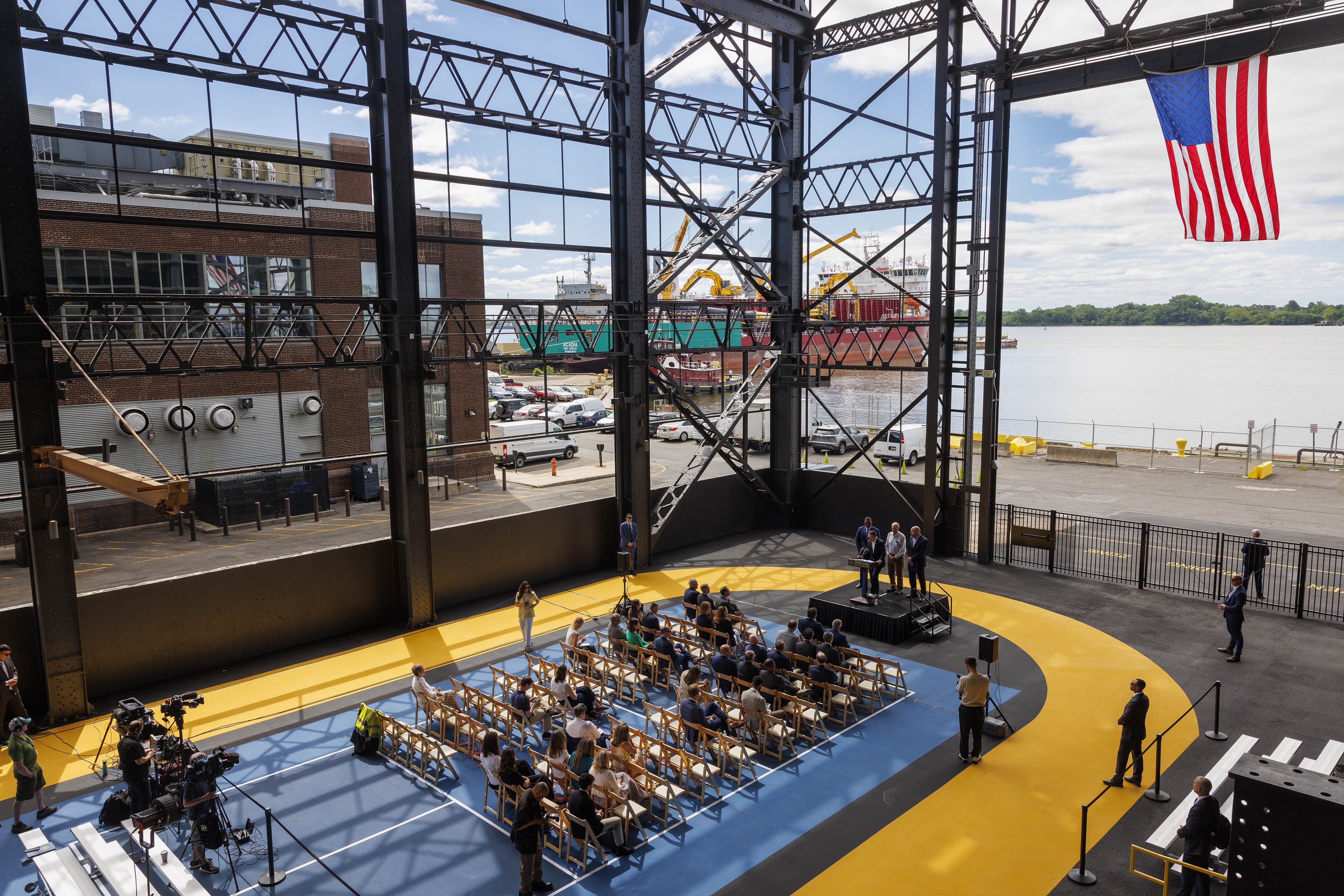
    Pennsylvania Gov. Josh Shapiro held a news conference in the newest building at the Urban Outfitters campus in the Navy Yard on Monday.Alejandro A. Alvarez / Staff Photographer

    Urban Outfitters says it plans to hire 1,000 workers in the Philly region. Most will be added at a new distribution site in the suburbs.

    👋 Thanks for starting your day with The Inquirer. Paola PĂ©rez has you covered tomorrow.

    By submitting your written, visual, and/or audio contributions, you agree to The Inquirer’s Terms of Use, including the grant of rights in Section 10.
  • This week in Philly history: Girard College quietly admits first Black students

    This week in Philly history: Girard College quietly admits first Black students

    By the afternoon of Sept. 11, 1968, the hostility had faded.

    Neither the Rev. Dr. Martin Luther King Jr. nor Cecil B. Moore was making rousing speeches outside Girard College’s wrought-iron front gates.

    No human barricade of police officers blocked the entrance, and no civil rights groups marched through North Philadelphia.

    After a brutal fight to desegregate the private boarding school, which started with an intense seven-month demonstration and then spent years tied up in the court system, the color barrier was pierced without protest.

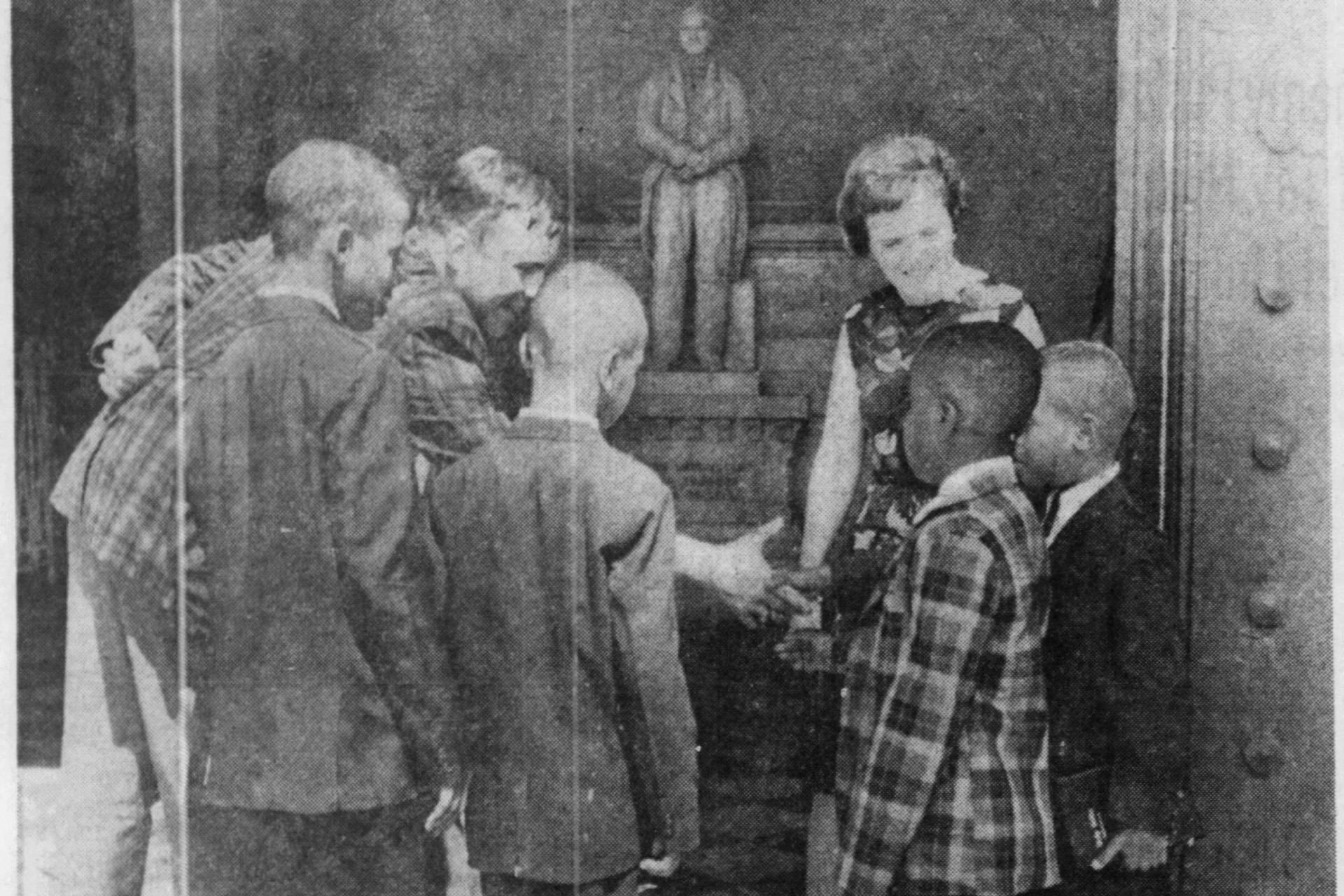
    Four little boys, dressed in suits and ties and carrying their favorite board games, walked to the front door of marble-faced Founder’s Hall at 21st Street and College Avenue, and reported for their first day of second grade.

    Mothers and grandmothers and siblings accompanied each child, and a gaggle of photographers and reporters attempting to capture the otherwise-calm moment circled each family.

    “Nice place,” 11-year-old William Lenzy Dade told The Inquirer, “I didn’t expect it.”

    The school was the brainchild of French merchant Stephen Girard, a childless entrepreneur who amassed an immense wealth in Philadelphia in the aftermath of the American Revolution. Upon his death in 1831, he set aside a then-fortune of $2 million to start a boarding school for “poor, white, male orphans.” The school opened in 1848, and offered a premium education at no cost to select students whose families had a single guardian.

    By the 1960s, the campus’ imposing stone walls became a metaphorical obstacle to the enclosed white-columned buildings. Moore, then the Philadelphia NAACP president, led the charge and a lawsuit to force Girard to desegregate. In 1965, the animosity escalated into sometimes-violent confrontations with police. But demonstrators continued undaunted, singing and chanting and marching so those four boys could be the first Black students admitted to the private school.

    Owen Gowans III was 7 when he walked through those gates in his bright, green-and-brown plaid jacket, the last of the four to arrive.

    “Are you nervous?” a reporter asked.

    He just shook his head.

    In 2015, as part of an anniversary celebration of the school’s integration, Gowans found the words.

    “I’m just humbled by what transpired,” he told The Inquirer. “I’m appreciative to the people who put up with beatings and bad words so people like me could go to school here.”