Faces from the past were dragged into the present.
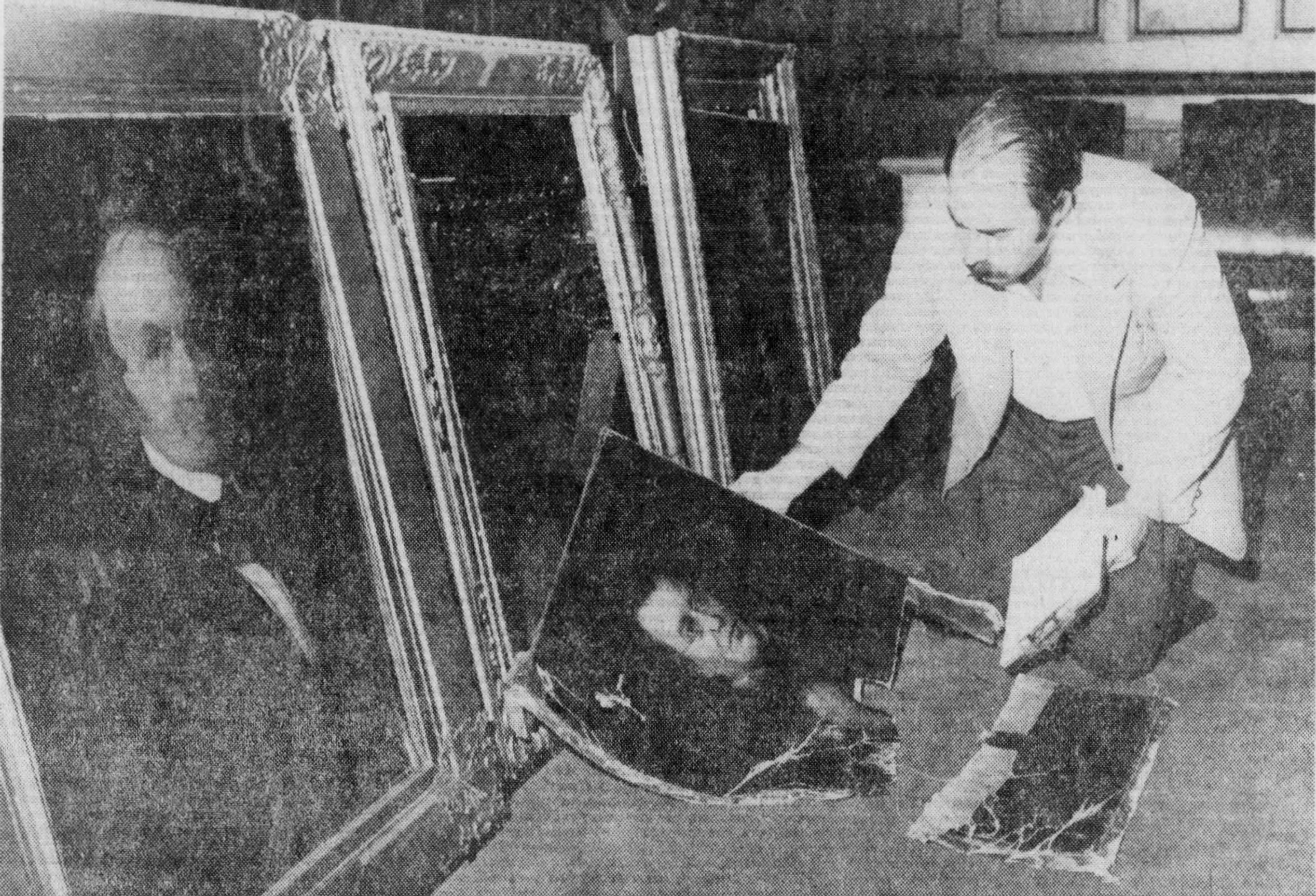
Oil portraits in City Hall of three former Philadelphia mayors were defaced on Sept. 27, 1978.
Around 4:30 p.m., a former city employee smashed the portraits that were hanging in a gallery on a lobby wall outside the second-floor Mayor’s Reception Room. The gallery features stately portraits of the city’sdozens of former mayors.
A 21-year-old recently fired city carpenter, Russell Byrd from Ogontz, pulled four framed, two-foot-by-three-foot portraits off the wall and smashed three against nearby railings and stairs. He left a fourth portrait — of John Barker, mayor from 1808 to 1812 — unharmed.
A cop on duty watched Byrd suspiciously pacing the stairway and went to investigate. He found the portraits in the second-floor stairwell, and followed Byrd into a men’s room and placed him under arrest.
Byrd was charged with theft, burglary, receiving stolen goods, and criminal mischief. He pleaded guilty to the mischief count in June 1979 and was sentenced to two years of probation, court records show.
The damaged paintings were of Isaac Roach, who served in the 1830s; Robert Conrad, who led the city in the 1850s; and William Smith, who helmed the big desk in the 1880s.
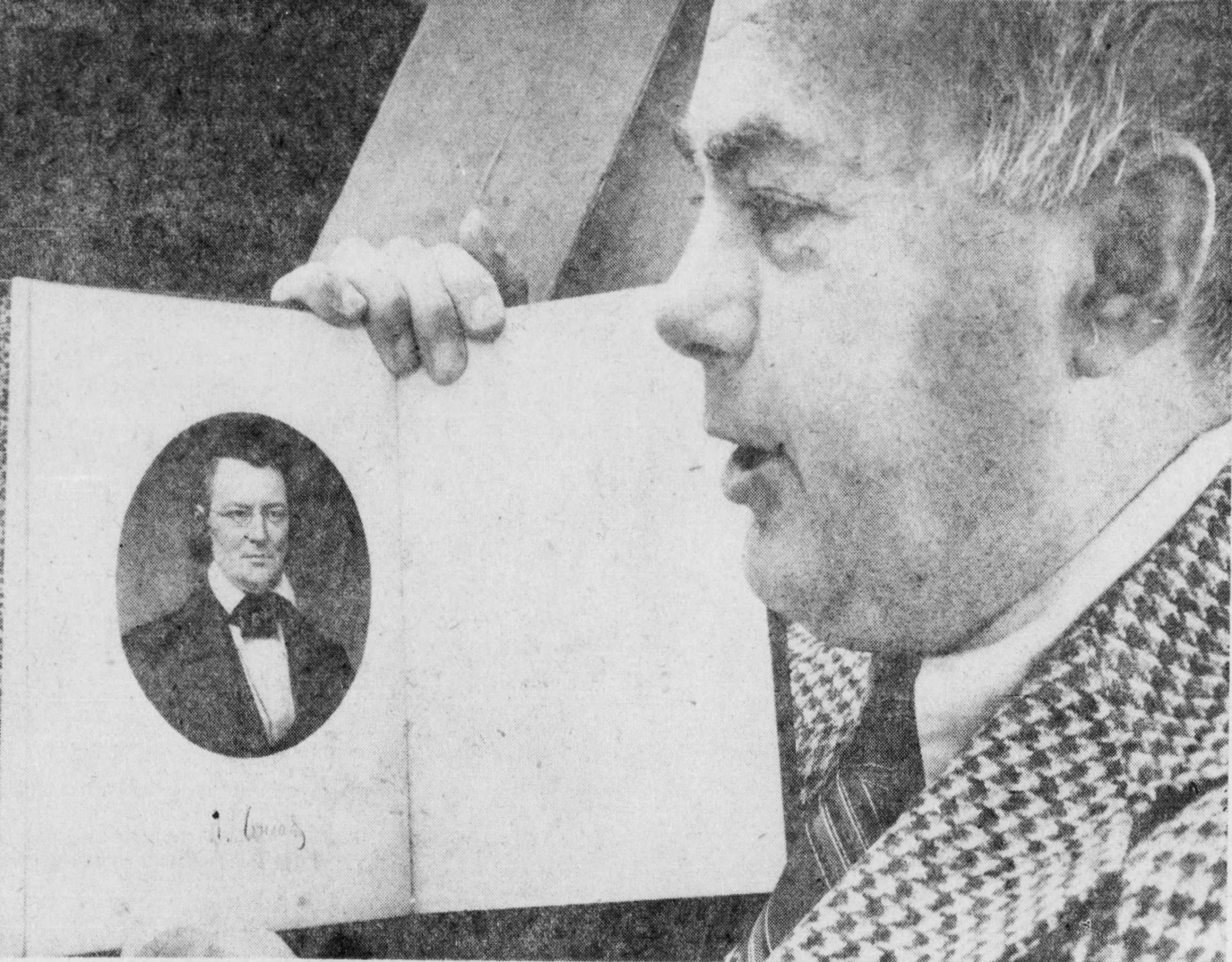
A descendant of Conrad, his great-great-grandson Wendell W. Oberholtzer, read about the destruction the next morning in the newspaper.
After the City Hall portrait-defacing in 1978, Wendell W. Oberholtzer holds a book with an engraving of his ancestor, Mayor Robert T. Conrad.Robert L. Mooney / Staff Photographer
Oberholtzer called City Hall and offered to help.
He said he would lend the city a personally owned portrait of his famous relative, or he could supply photos, for an artist or engraver to useto create a replacement portrait.
But the donations were not necessary. Robert Silver, commissioner of public property, said conservators from the Philadelphia Museum of Art sized up the situation and decided the portraits were not beyond repair.
Silver told The Inquirer that he could have the portraits restored to “practically their pre-smash condition” within a few months.
And the honored could once again return to their rightful places in history.
The pope who came in peace arrived in a Philadelphia seemingly under occupation.
For the roughly 1 million people who descended upon Philly to try to catch a glimpse of Pope Francis over his two-day visit in September 2015,there was an unprecedented level of security. Center City was put under 24-7 military supervision by armed personnel in vehicles stationed at busy intersections.
Security had not been as strict in 1979. When Pope John Paul II stepped off “Shepherd One” to kick off his not-quite 24-hour visit, he was met by a genuflecting Mayor Frank Rizzo before passing and waving to a mass of Catholics lined up on Broad Street.
Francis’ six-day tour covered three cities — including New York and Washington — as part of the first-ever World Meeting of Families, touted as the largest global gathering of Catholic families held on U.S. soil.
On his first night in town, in an address at Independence Hall, Francis emphasized the right to religious freedom, touched on immigration and the plight of refugees, and called for “peace, tolerance, and respect for the dignity and rights of others,” without specifically addressing same-sex marriage or abortion rights.
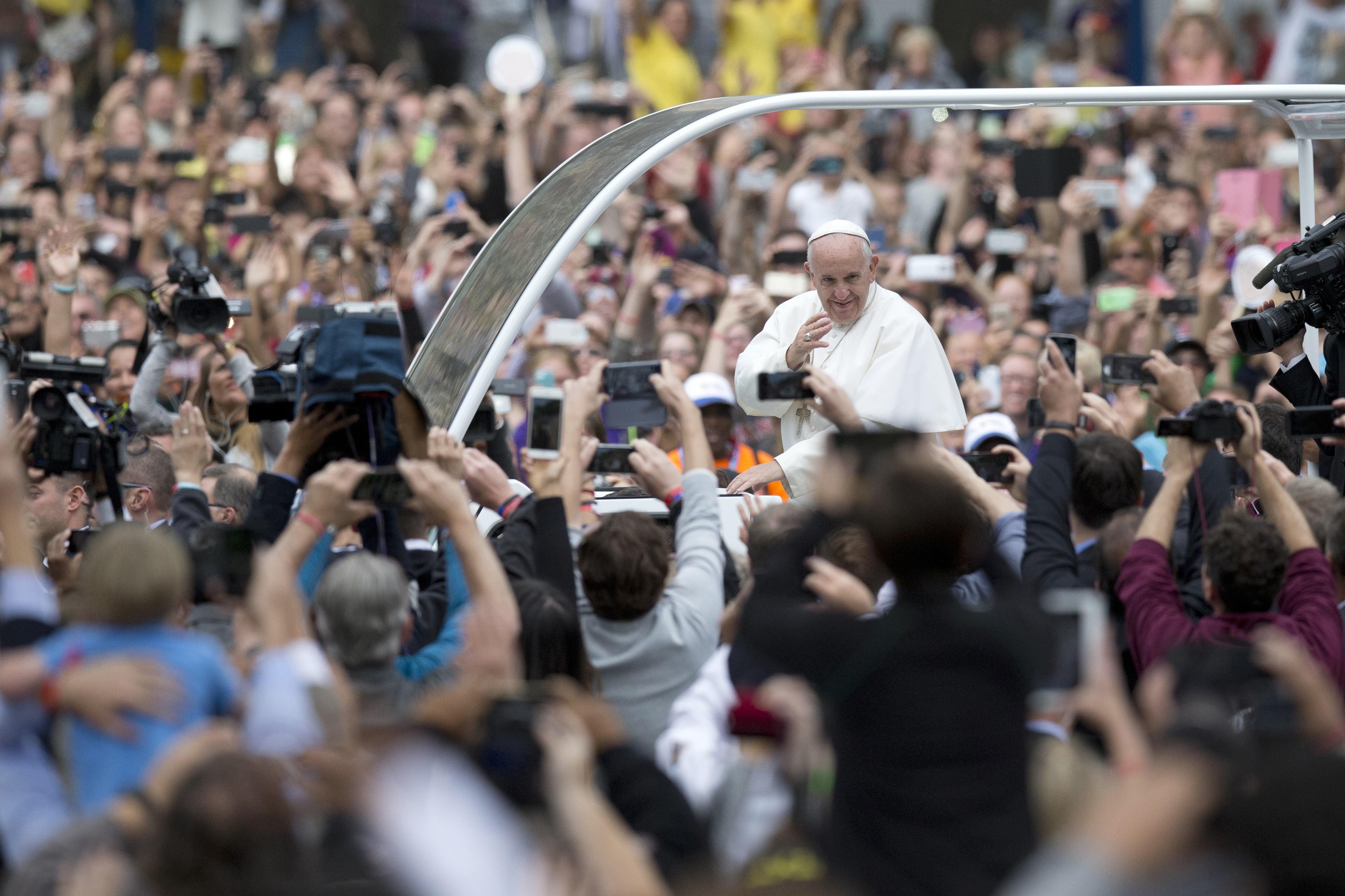
Despite the increased security, on night two, Francis rode in his popemobile up and down the Benjamin Franklin Parkway, to City Hall and back, before moving on to the night’s primary venue.
In an address on the Parkway, Francis preached to a throng of believers about the importance of family and again pleaded for more tolerance, faith, and love.
“Love is something we learn,” he said. “Love is something we live.”
Much like John Paul II’s visit, supporters filled Logan Square, streaming in from the Philadelphia Museum of Art, City Hall, and beyond. But despite being a sizable crowd, it was not as large as first anticipated because of the security restrictions.
To get in and out that night, visitors faced the aptly named papal box, which encased Center City ina safety cocoon. Vehicle travel was a nonstarter, with streets cut off by cement dividers, and pedestrians could enter the cocoon only after walking through serious-looking metal detectors.
Despite the restrictions, an overwhelming sense of joy permeated the city, as more than a million people united in celebration of a 78-year-old man and his relentless pursuit of a better world.
“It feels like a big embrace,” Katherine Brennan of Rhode Island told The Inquirer. “We feel like everybody here is family. This is a microcosm of what the world could be if we all embraced each other the way he does.”
Happy fall, y’all. The fall equinox starts tonight, ushering in the Halloween season and an October chill.Dayside, though, looks damp and breezy. Meanwhile, a nor’easter is threatening to hit the region later this week.
Today, we start with a deep dive into mental illness in the trades, and what Philadelphia’s unions and industry leaders are doing about it.
The construction trades constitute a workforce that is deeply woven into Philadelphia’s civic identity.
Roughly 121,000 people across the Philadelphia metropolitan area work in construction. Politicians court their support. The city celebrates the buildings, roads, and public projects they build.
But under all that civic pride and remarkable growth are hardhats with heavy hearts: A work force for which traumatic events come with the territory. Take this past April, when three construction workers died as a result of aparking-garage collapse.
It all amounts to a mental health crisis roiling the construction industry.
A district judge ruled Monday that four former Cheltenham High School football coaches presided over a “cone of silence” last year by failing to report that one of their players had been beaten by his teammates in two locker room assaults.
Pennsylvania has recorded nearly 800 cases of measles this year, officials said Monday.
Flights into Philadelphia International Airport were grounded for much of the day Monday due to a stop instituted by the Federal Aviation Administration that impacted hundreds of flights in the Northeast in the wake of equipment outages.
Swarthmore College has renamed the former Trotter Hall and its adjacent lawn for two Black scholars who feature prominently in its history.
Philly laws conflate drag shows with strip clubs — a definition similar to that in southern states. City Council wants to change that.
The Pennsylvania Turnpike has begun work on a $90.5 million project to widen a section near an I-95 interchange in Bucks County as part of an overarching plan to rebuild the toll road, which opened in the fall of 1940.
Quote of the day
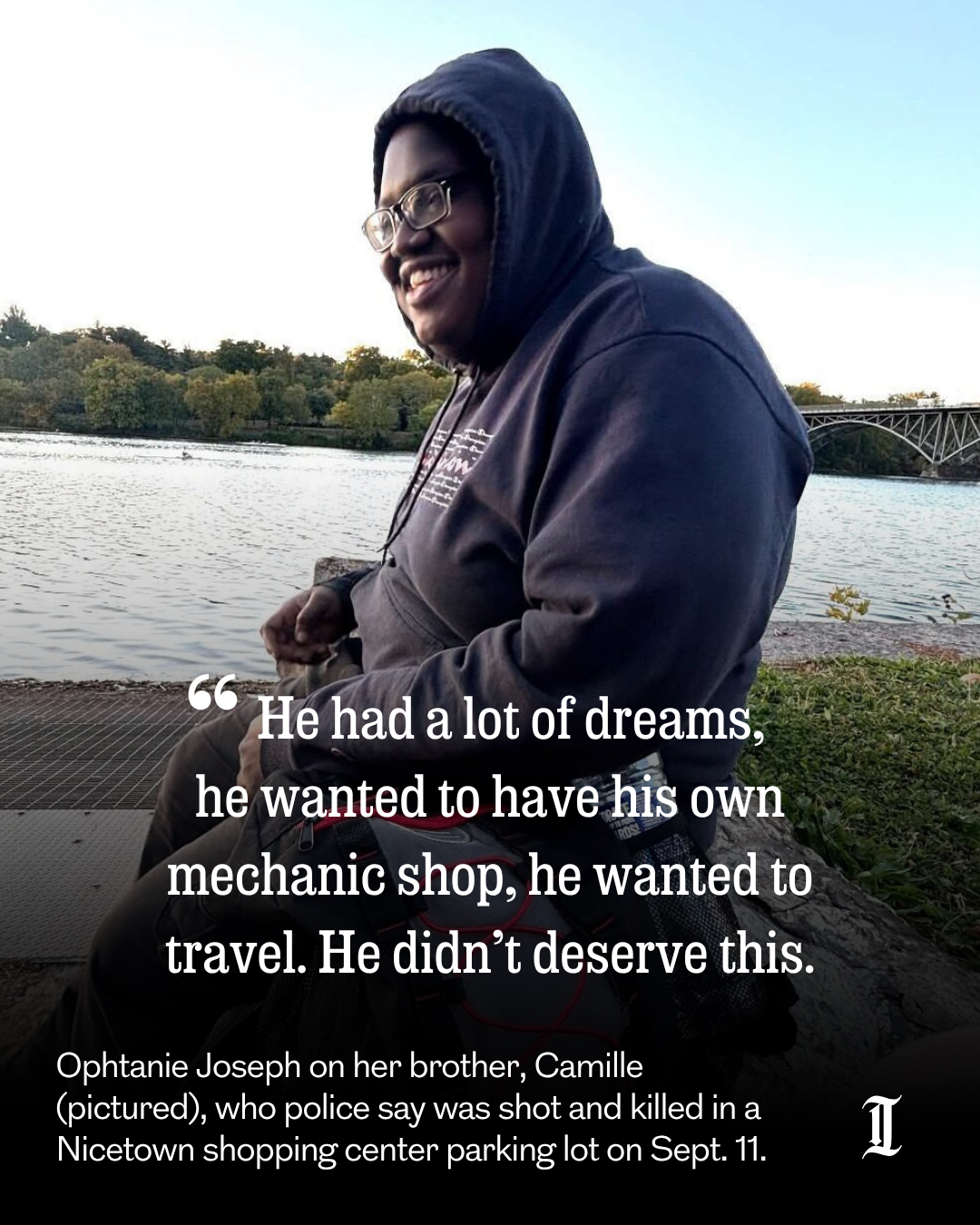
Camille Joseph left Haiti for a better life in Philadelphia. His family wonders why he was fatally shot in Nicetown.
🧠Trivia time
This NFL Hall of Famer is in Eagles’ fans’ crosshairs for comments he made about quarterback Jalen Hurts during Sunday’s win over the Tennessee Titans.
🎸 Hyped for. Fall pop music season is underway. From Phoebe Bridgers, to AC/DC, to Gorillaz, and Doja Cat, here are 30 pop music concerts you cannot miss this autumn.
⚾ Preparing for. A fifth straight postseason is in sight for the Phillies. But there are plenty of questions going into the final homestand of the regular season.
🫶 Learning more about. Nakashima, Noguchi, and Asawa are artists who helped shape the American mid-century aesthetic, and changed the way Americans thought of design. A Barnes exhibit wants to showcase their art without forgetting their trauma.
🦅 Tipping our cap to. After 12 seasons and 805 NHL regular-season games, former Flyer Kevin Hayes announced his retirement from professional hockey.
🧩 Unscramble the anagram
Hint: On the day that tests revealed Eagles tight end Dallas Goedert sprained an MCL and will miss multiple weeks, the team announced the signing of this fan-favorite name from the past.
Cheers to Carol Basile, who correctly guessed Monday’s answer: Gillie da King. The Eagles hype man is back with a new dance video, this time set to Bruno Mars’ “Uptown Funk.”
Photo of the day
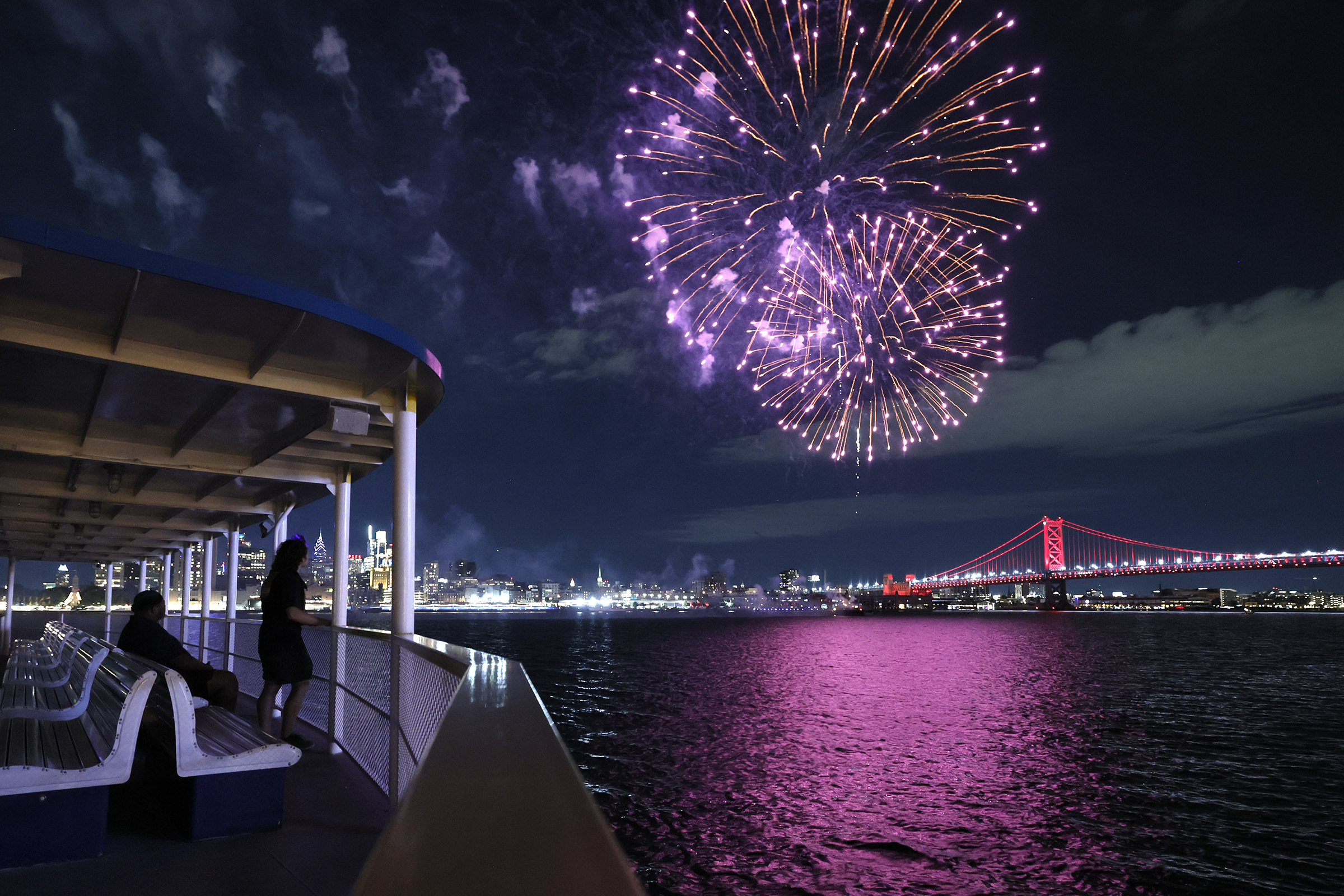
RiverLink Ferry Freedom crew watch the fireworks from the ferry at Wiggins Park in Camden on Friday.Elizabeth Robertson / Staff Photographer
And we end today with a wonderful fireworks shot from staff photographer Elizabeth Robertson, who captured this scene from a Delaware River ferry during the weekend. Feels fitting that a fireworks display should help close out the summer season.
👋 Thanks for spending some time today with The Inquirer.
By submitting your written, visual, and/or audio contributions, you agree to The Inquirer’s Terms of Use, including the grant of rights in Section 10.
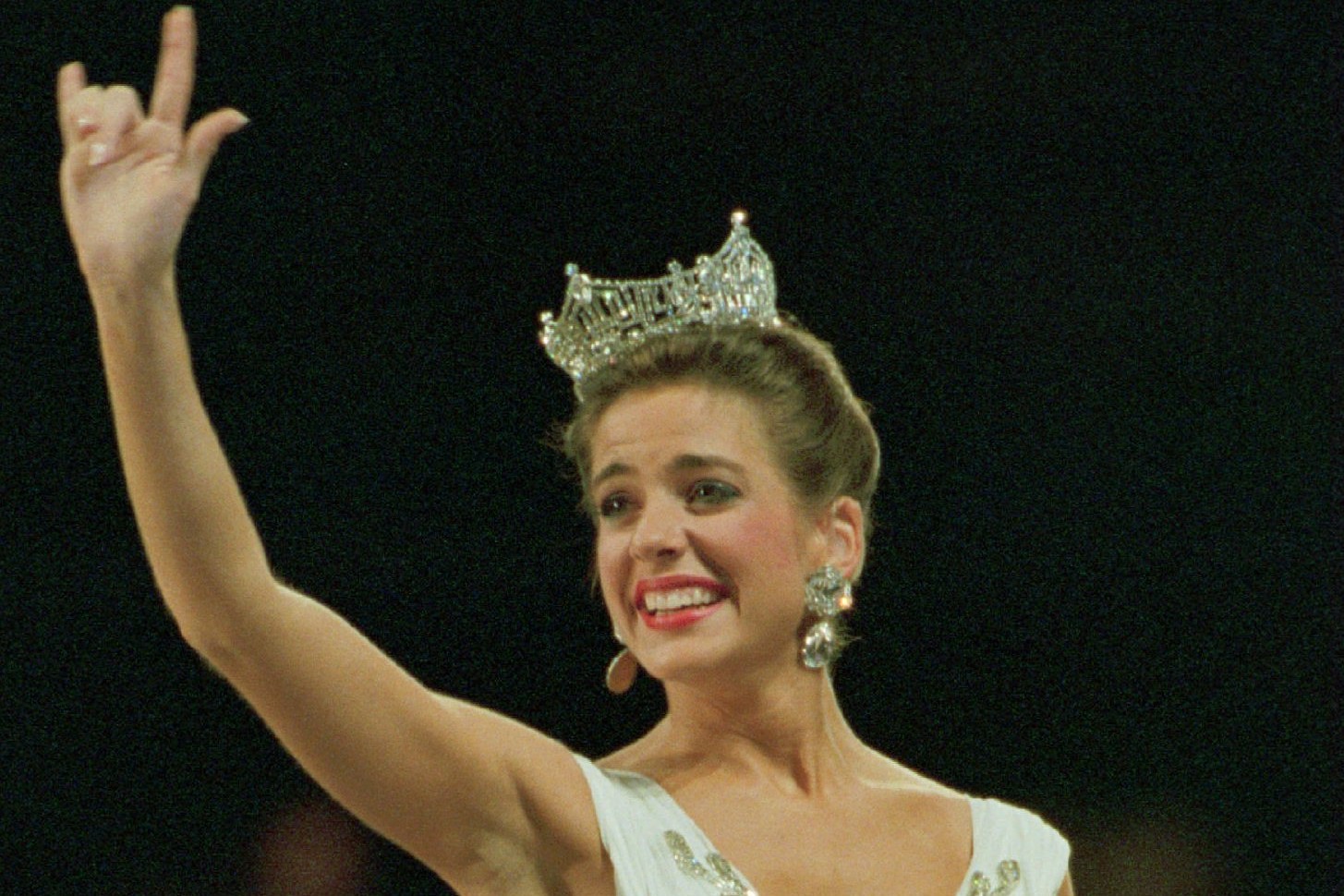
As Heather Whitestone’s dream veered toward reality, her hearing aid wasn’t working and she had lost sight of Regis Philbin’s lips.
The 21-year-old Miss Alabama couldn’t hear the talk show host, or read his lips, when he announced the winner of the Miss America pageant on Sept. 17, 1994.
Rebecca Blouin — Miss Mississippi — turned to her fellow Southerner and shared the news, which broke a barrier at what many consider the United States’ most-celebrated beauty contest.
For the first time in the event’s history, which dates back to 1921 at the Jersey Shore, a deaf woman would wear Atlantic City’s most prestigious award: a rhinestone tiara.
Years of therapy taught her how to speak, and she utilized hearing aids, but Whitestone navigated her way through life primarily by reading lips.
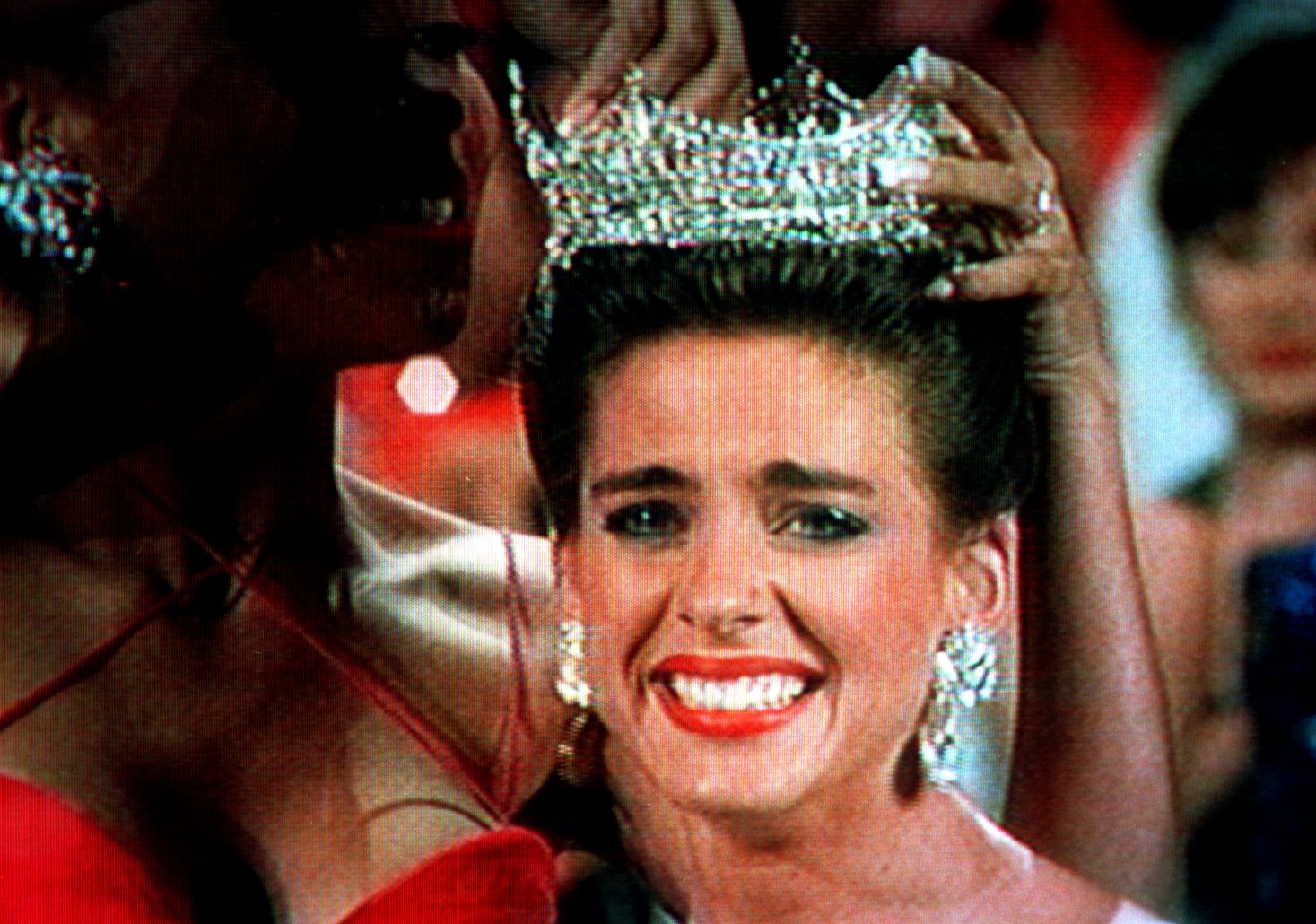
Former Miss America Kimberly Aiken, left, crowns Miss America 1995 Heather Whitestone, of Alabama, after Whitestone won the 74th annual pageant in the Atlantic City Convention Hall in September 1994.Charles Fox
In media interviews during the pageant,she didn’t use an interpreter.
“It’s a physical challenge, not a handicap,” she told The Inquirer in an interview prior to her win. “I really believe the most handicapped people are those who have a bad attitude.”
Feeling the love
Leading up to the main event, attendees showered the Birmingham, Ala., woman with standing ovations as she made it through the pageant’s three nights of preliminary competition.
That affection carried over into the finals, when the ballet dancer dazzled judges Philbin and Kathie Lee Gifford with her talent and chutzpah.
As Christian singer Sandy Patti performed the song “Via Dolorosa,” Whitestone glided along on her tippy toes — counting beats in her head to help keep pace.
“She is an extraordinary human being,” Gifford told The Inquirer.
Crowning achievement
Whitestone was not the first deaf contestant, but she remains the only deaf woman to have won.
A reporter would later ask Whitestone about the potential challenges she faced fulfilling such a public-facing role.
“I think I’m doing just fine,” she said with a wry smile. “I mean, look at us now.”
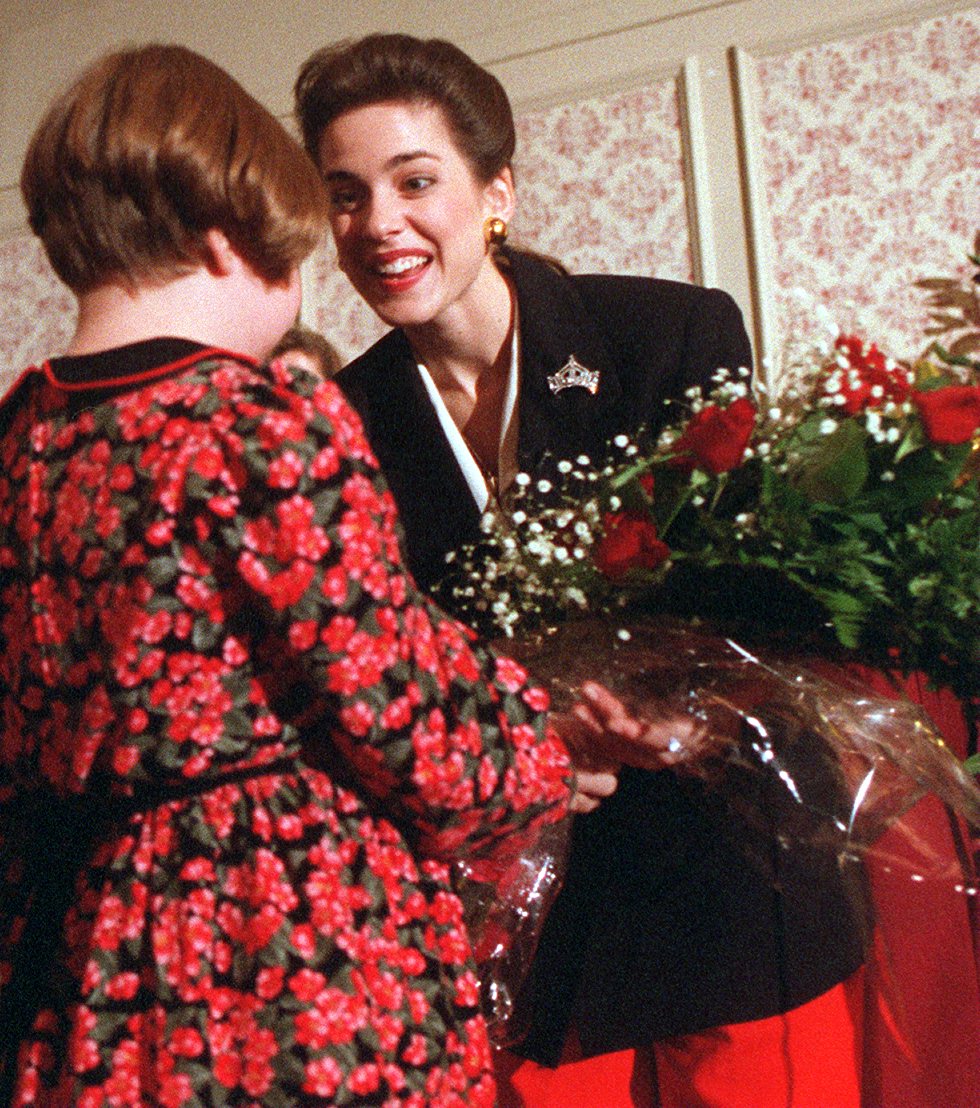
Miss America Heather Whitestone receives flowers from Christina Simeone, age 9, from Wallingford Elementary School in January 1995.G. Loie Grossmann / Staff Photographer
When Whitestone, as the newly crowned Miss America for the forthcoming 1995,took her victory walk down the runway, she raised her hand to the thousands in Convention Hall, signing “I love you.”
Whitestone couldn’t hear their response — the hearing aid in her left ear was overwhelmed by the thunderous ovation and transmitted only static — but she didn’t need to.
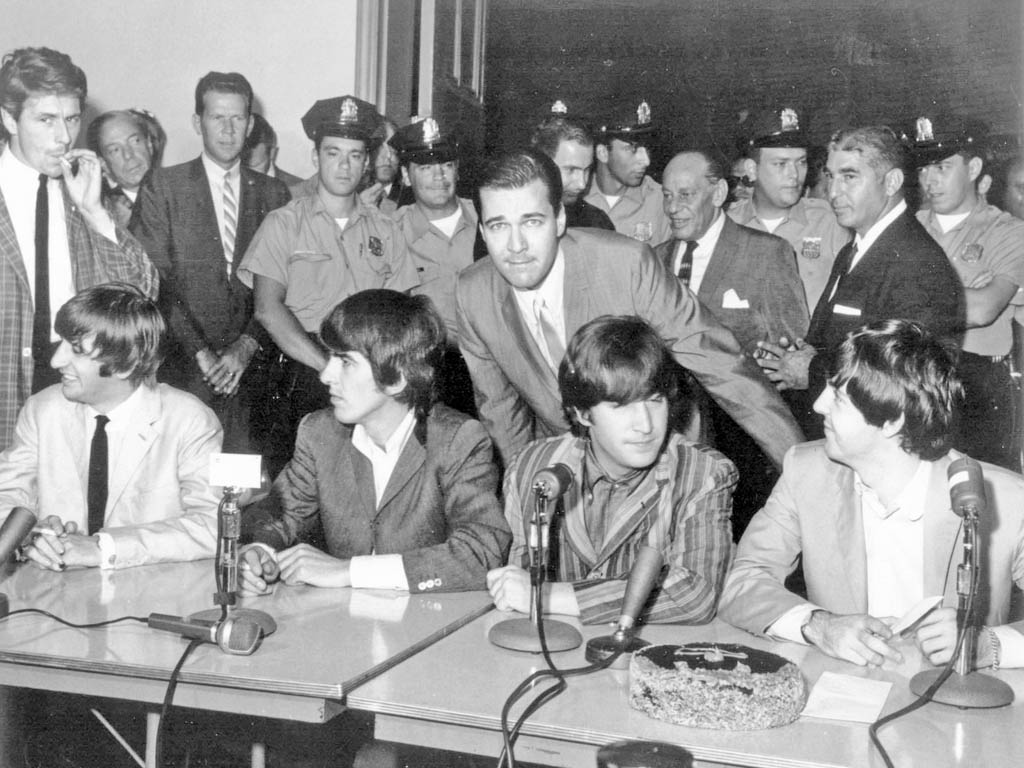
Four of the most influential musicians the world has ever seen had a concert to play in West Philadelphia on Sept. 2, 1964. But they needed an inconspicuous way to get in.
Philly’s finest knew exactly what to do to get the Beatles into Convention Hall.
“They came in a Hackney’s fish truck,” Lit said.
Here comes the sun
The Beatles were playing in Philly nearly eight months after their February appearance on The Ed Sullivan Show, which introduced the Fab Four to the U.S. audience.
By September 1964, the band’s first U.S. tour and Beatlemania were in full swing.
Lit was promoting the band’s Philly appearance at Convention Hall, at 34th Street and Civic Center Boulevard, on behalf of popular radio station WIBG-AM.
More than 12,000 fans paid $2.50 to $5.50 to take part in the festivities, which also featured opening performances from Clarence “Frogman” Henry and Jackie DeShannon.
Which songs the Beatles played that night are almost irrelevant, as the songs were accompanied by a chorus of teenagers shrieking.
A hard day’s night
Frank Rizzo hadn’t yet risen to the rank of police commissioner.
In 1964, he was second-in-command to Commissioner Howard Leary. But he ranked high enough to meet the band that had galvanized his city, and to help smuggle them into Philly and Convention Hall.
Lit told Jasner that it was Rizzo who came up with a plan to fake out the crazed fans.
Rizzo arranged for a couple of buses and a police escort to divert attention, while sneaking the band into what we now call University City in a very non-posh accommodation.
More than 100 years later, record-keepers call it baseball history.
The game
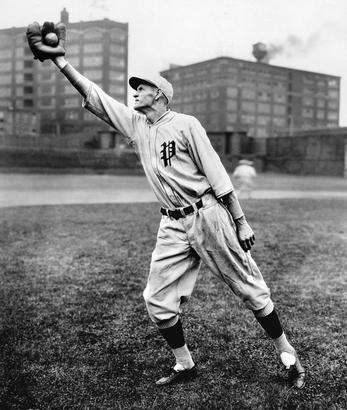
On Aug. 25, 1922, a windy-day matchup between the visiting Philadelphia Phillies and the Chicago Cubs accounted for 49 runs, the most ever recorded in a Major League Baseball game.
That record remains unbroken.
“Cubs and Phillies hooked up in what was advertised as a baseball game,” The Inquirer noted, “but which turned out early to be a comic opera to the tune of base hits.”
More than 7,000 fans turned out for the Friday matinee, which started well enough: The Cubs jumped to a one-run lead, but a series of Cubby errors put the Phils up by three in the second inning.
But the Phillies would not lead again for the rest of the game.
The Cubs scored 10 runs in the second inning, and 14 in the fourth.
The Phillies put up six runs between the third and fifth innings, eight runs in the eighth inning, and six more in the ninth, but could not fully catch up.
When the basepath dust had settled, the two teams accounted for 51 hits, and 49 runs, “which established a new world’s mark for modern baseball,” The Inquirer noted.
The teams also set records for most runs in one inning (14), number of at-bats by one player in one inning (3), number of hits by a team in one inning (11), and the season record for number of runs scored by one team over nine innings, besting the previous record of 19.
The Philadelphia baseball club got some measure of revenge more than 50 years later, beating the Cubs in a 10-inning slugfest at Wrigley Field, 23-22, on May 17, 1979. Their combined 45 runs counts as the second-most runs ever scored in a game.
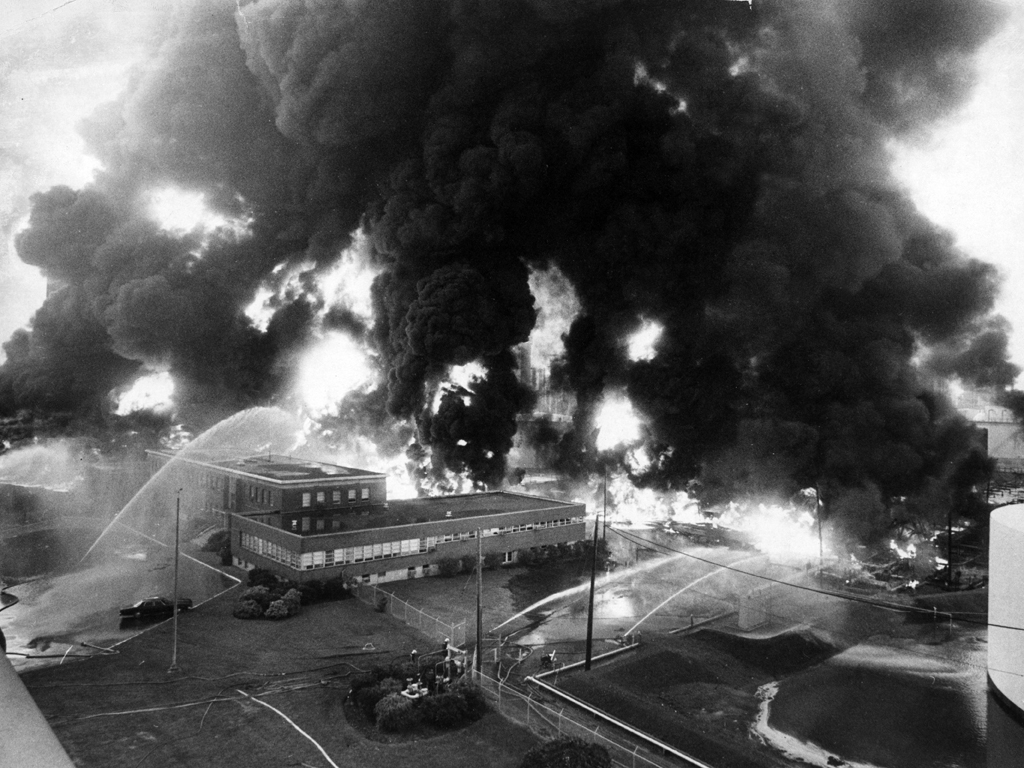
In the early hours of a summer Sunday morning, vapors snuck out of an overfilled oil storage tank and snaked through the hulking Gulf Oil Refinery smeared along the Schuylkill in Southwest Philly.
What happened next was so destructive, and so deadly,it was assigned a chilling and haunting label: “Refinery Holocaust.”
The overfilled storage tank, which at the time was being filled from a Venezuelan tanker, contained more than 70,000 barrels when the fire started.
The explosion at the sprawling refinery Gulf called Girard Point drew a massive response from local fire departments.
Teams coated the oil-slicked flames with firefighting foam, and the six-alarm blaze was declared under control just before 9 a.m.
Eight hours later, a second explosion rocked the refinery, spreading to more storage tanks and sending racing flames through waist-deep pools of water mixed with oil and chemicals and engulfing a group of firefighters standing in those pools.
The second explosion elevated the inferno to 11 alarms.
Ruin and ashes
Under thick clouds of charcoal-gray smoke a day later, three Gulf employees steered a rowboat over the toxic pools to shut off a valve that was spewing liquid naphtha. The highly flammable chemical used in the refining process was fueling the last fire, and the last dangerous threat.
On Aug. 26, nine days after the escaped vapor silently swept through the refinery and ignited a blaze that wreaked $10 million (or more than $60 million today) in damage, the last of the flames were finally and fully extinguished.
The Daily News noted that the occasion was celebrated by those in attendance with cigars and watermelon.
Investigators ultimately concluded that inattentive employees had let the tanks overfill, and the buildup of flammable vapors ultimately led to the explosions. The city cited and fined the corporation for code violations.
Many large storage tanks, the refinery’s office building, and an assortment of pipelines and processing units were wiped out.
Six firefighters died at the scene, two others succumbed later to severe burns, and more than 30 were injured — two critically — in what is considered one of the deadliest days in the department’s history.
“The tanks, the line — maybe you can replace them,” Bill Zahner, then a Gulf fire safety man, told the Daily News in 1975, “but the bodies you just can’t replace.”
We start with a tragic story about a woman who went missing in the Pine Barrens more than two years ago, and her stricken mother who’s been left with more questions than answers, and more fear than grief.
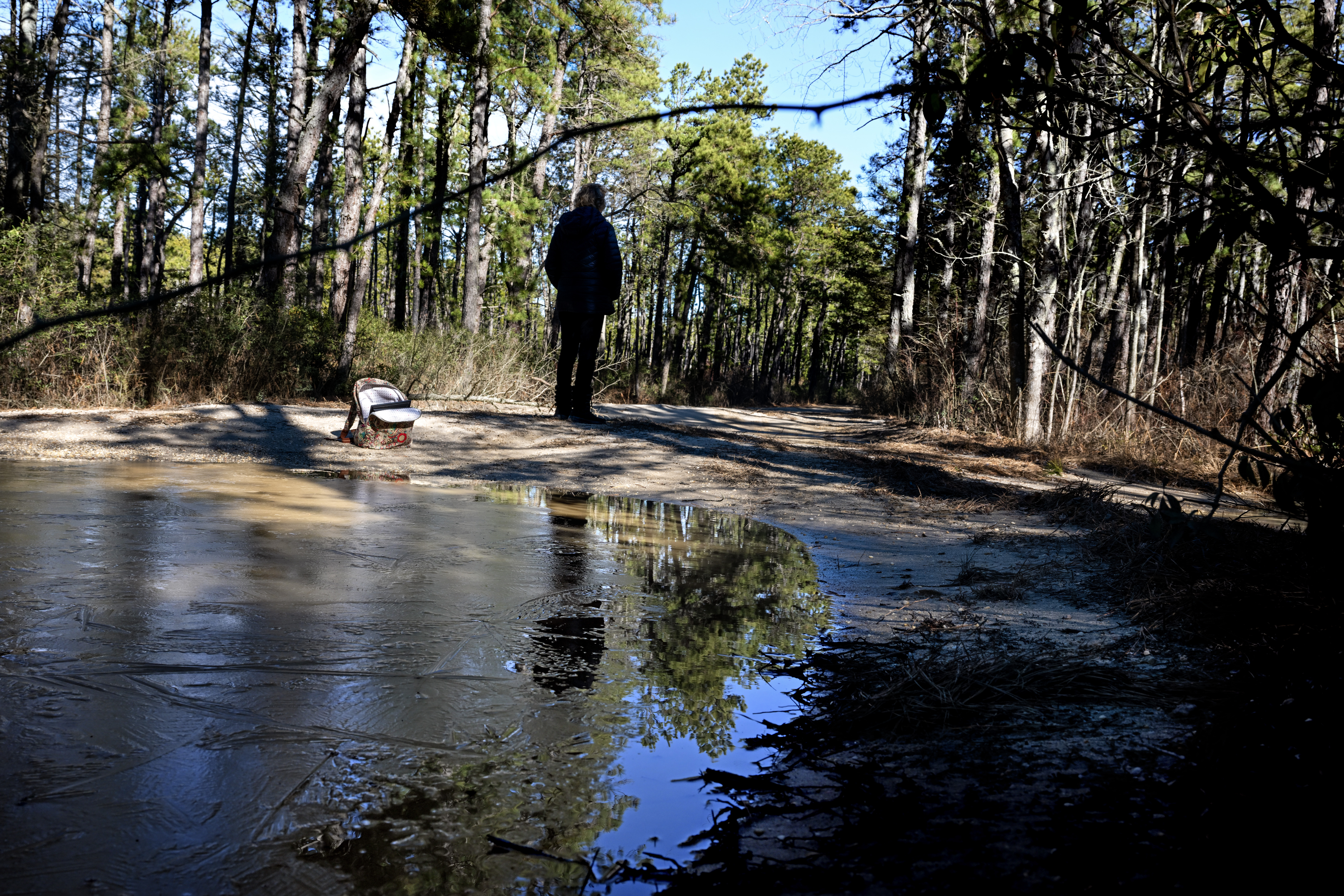
Danielle Lopez disappeared in April 2024 while camping with her boyfriend in New Jersey’s Brendan T. Byrne State Forest — in the Pine Barrens.
Security cameras recorded her leaving a Burlington County Wawa not far from the couple’s camping ground, and she was later spotted walking alone along Lost Lane in Woodland Township.
And she hasn’t been seen since.
For millions of visitors, these Pine Barrens are full of folklore. For Sue Quackenbush, the pines feel ominous, a place to fear ever since her daughter disappeared.
Quackenbush, who has lost two other children, describes the last two-plus years as agonizing and torturous.
She believes people possess information about Lopez’s disappearance and is appealing for answers.
She’s looking for closure, which would help transform her terror into grief.
“Confidence is shaky in the construction industry,” one contractor told The Inquirer.
In past years, a commercial slowdown meant falling back on “eds and meds” — college, hospital, and drug-company jobs.
But federal funding cuts, combined with general confusion caused by shifting priorities under the Trump Administration, has left contractors asking an ominous question:
Federal authorities say the owners of the Penrose Hotel in South Philly, which was derided by a reviewer as a “tower of terror,” have been accused of using chronically understaffed and underfunded hotels to fraudulently obtain loans as part of a $100 million Ponzi scheme.
Philadelphia police released images of a suspect in the fatal shooting of an off-duty officer outside an after-hours nightclub in Southwest Philly during the weekend.
Members of a Penn State drug ring have been charged with trafficking cocaine through off-campus fraternity houses in State College between 2023 and 2024 and distributing it to classmates, according to the state attorney general’s office.
Summer break ended Monday for 9,000 Philadelphia School District teachers, counselors, nurses, and others. Meanwhile, Kensington High School staff were rerouted to an old middle school more than seven miles away. They’re bracing for a “chaotic year.”
Life sentences are no longer mandated for some murder convictions in Pennsylvania. Families and courts are waiting for answers from lawmakers.
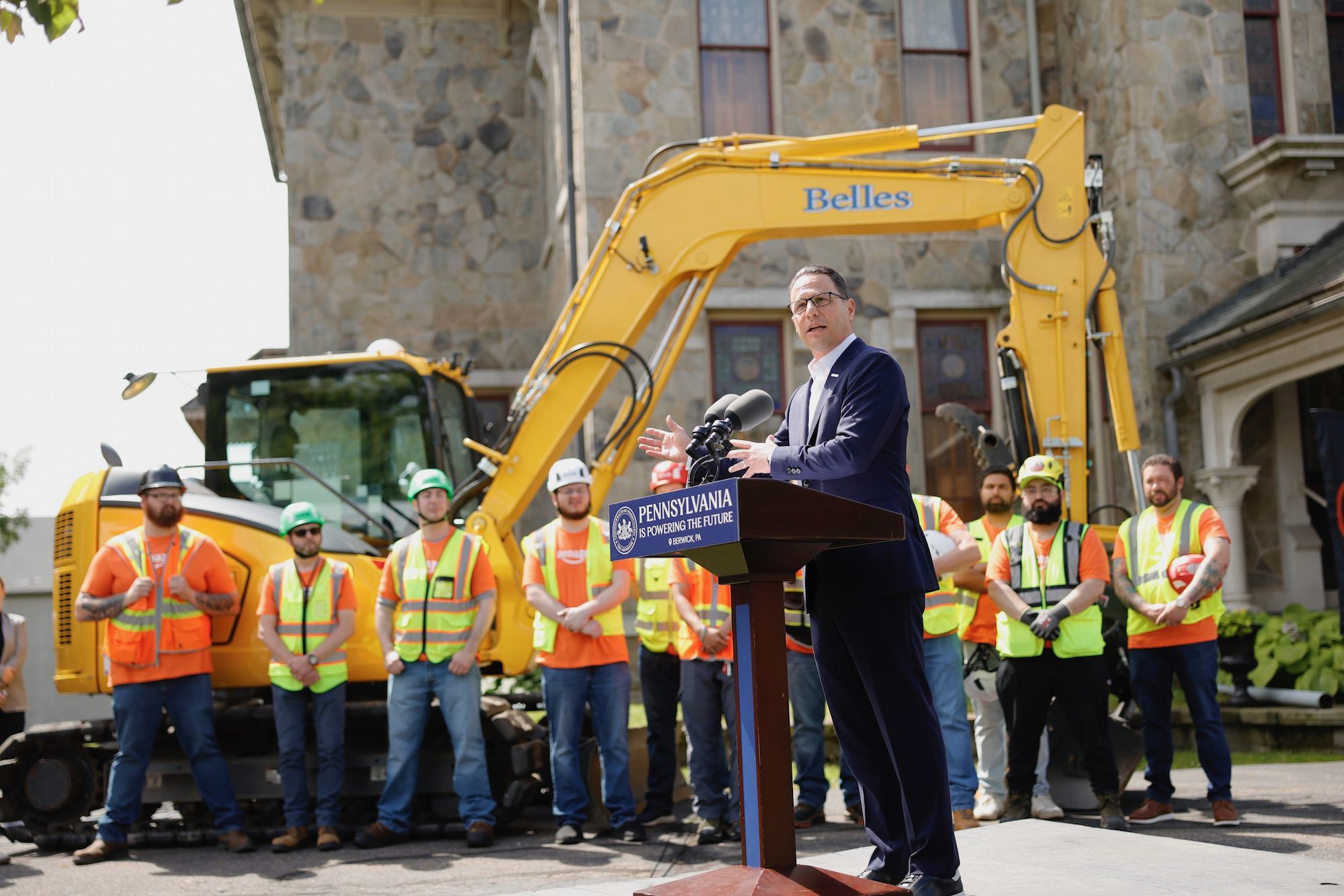
Seeking President Donald Trump’s support is a risky strategy in a swing state. And yet Stacy Garrity, who is challenging Josh Shapiro in the race for Pennsylvania governor, is doing it anyway.
A 24-year-old Portuguese man was sentenced to seven years in federal prison for stealing more than $1 million in cryptocurrency from unwitting victims, including a resident of Montgomery County.
Quote of the day
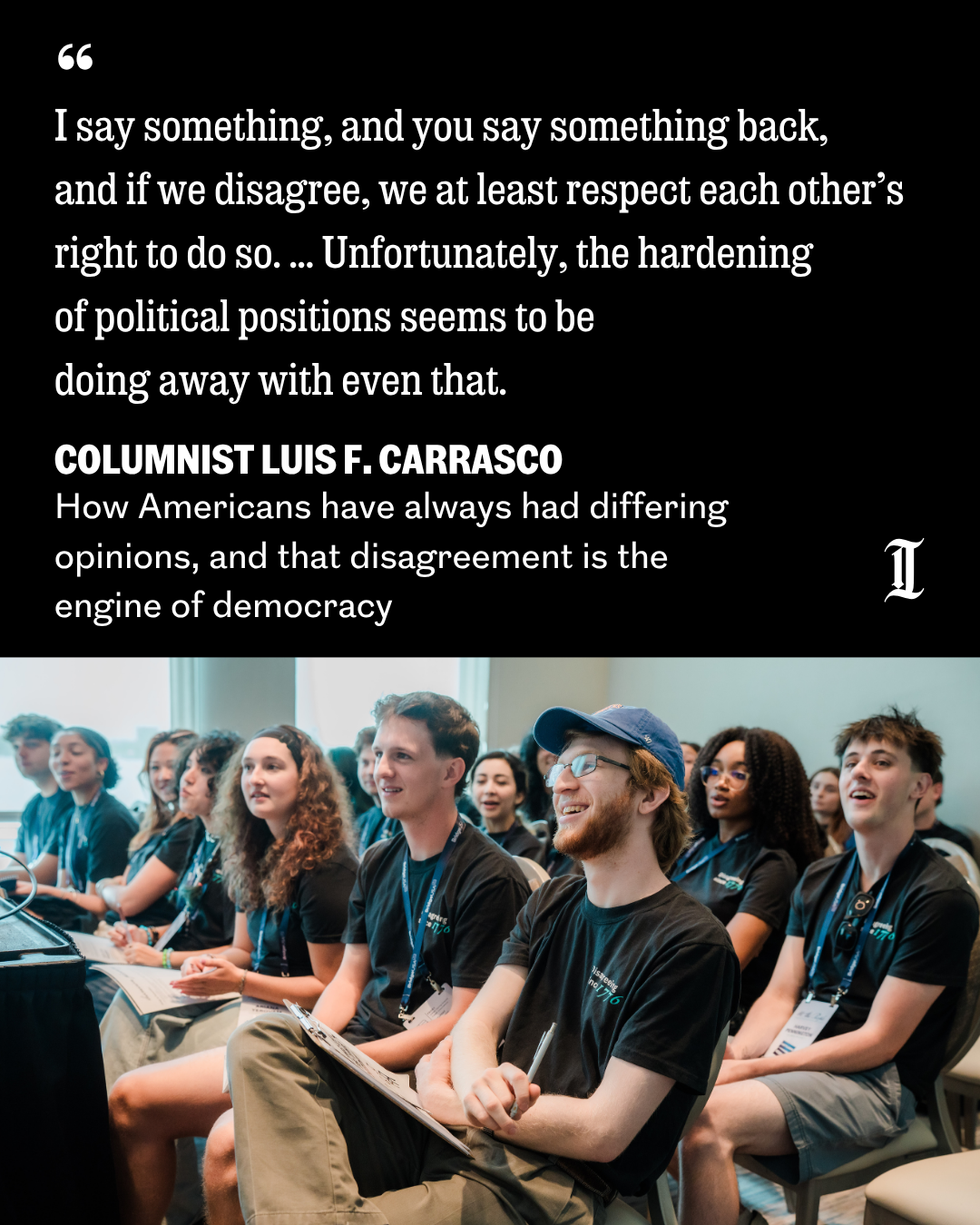
Columnist Luis F. Carrasco argues in favor of talking to people you disagree with. Not only is it possible — he says it’s the whole point of politics.
🧠Trivia time
This Hulu crime dramedy set in Philadelphia (but filmed in Chicago) has been canceled after two seasons.
🍽️ Taking note of. For restaurant critic Craig LaBan, there is only one cleaver-swinging duck chef who has a legitimate claim to the title: “Chinatown’s Wizard of Ducks.” Sure, there are larger and better-known duck houses in the neighborhood. But this wizard’s cozy 20-seater, with no decorations on the walls, is LaBan’s vote for Philly’s best.
🎸 Following. Avalon will allow its bars to host outdoor live music until 9 p.m., which gives the shore-town venues an extra hour of revelry — despite objections from nearby residents.
⚾ Considering. Is Alec Bohm a stud player? Probably not, says sports columnist Marcus Hayes. But Bohm does not stink, and if Phillies fans are wise, Hayes argues, they would choose to appreciate what they have in the 30-year-old infielder.
🧩 Unscramble the anagram
Hint: A Wawa customer said this new menu item tastes like a “World Series win with a sprinkling of Mets’ tears.”
Cheers to Valerie A. Metzler, who correctly guessed Monday’s answer: Subaru Park. The Union’s home field is where the Maryland Charm beat the California Palms, 16-13, to claim the first-ever Women’s Lacrosse League championship.
Photo of the day
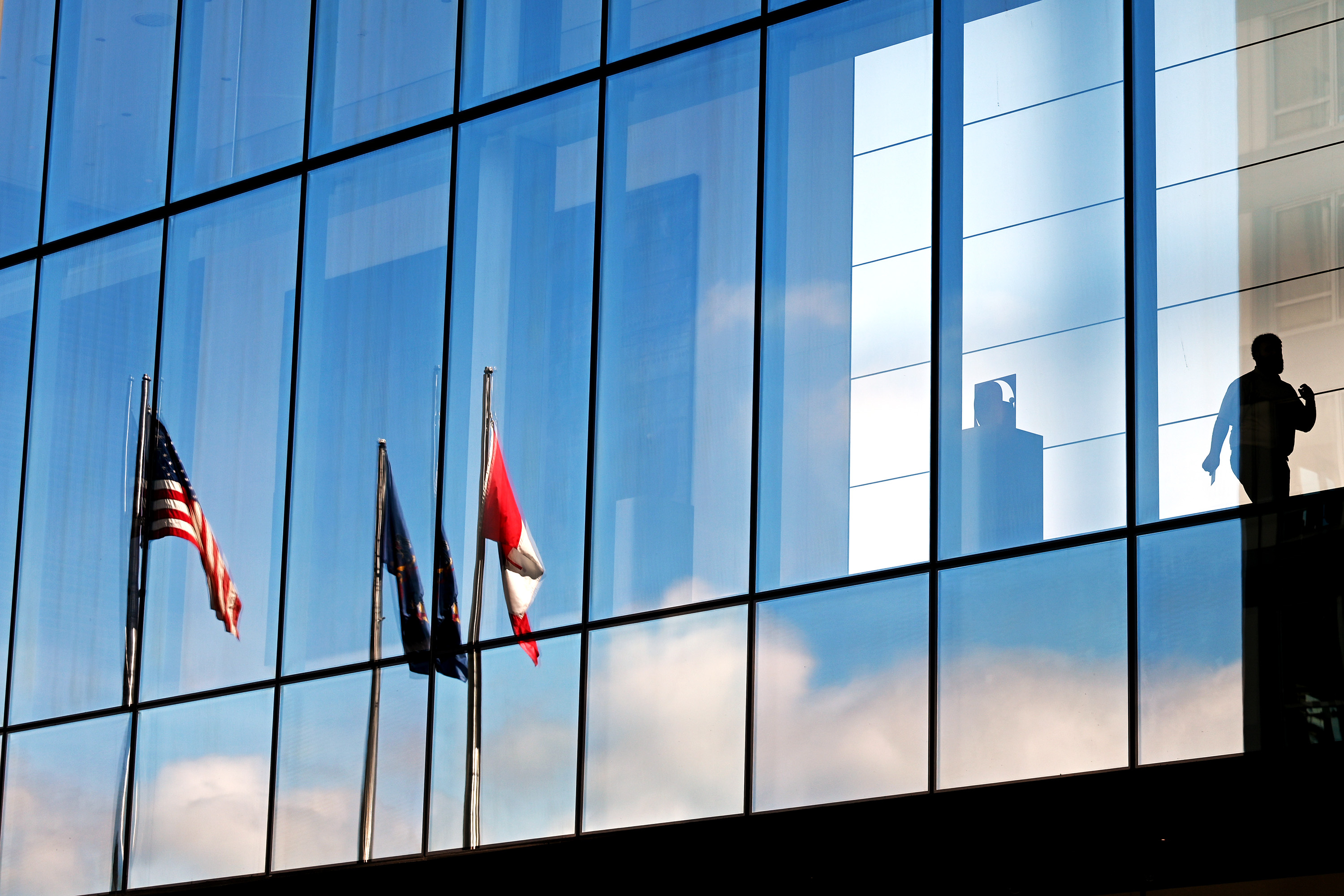
Flags and a bright blue sky are reflected in the windows of a Center City Philadelphia hotel.Tom Gralish / Staff Photographer
And we end today with a reflection of —mercifully — stilled banners. Tuesday’s forecast calls for clear skies, reasonable temperatures, mild winds, and rain chances in single digits. Enjoy it while it lasts.
👋 Thanks for starting your day with The Inquirer. Laura Benshoff, our new Morning Newsletter shepherd, will write her first edition tomorrow. Be nice to her.
By submitting your written, visual, and/or audio contributions, you agree to The Inquirer’s Terms of Use, including the grant of rights in Section 10.
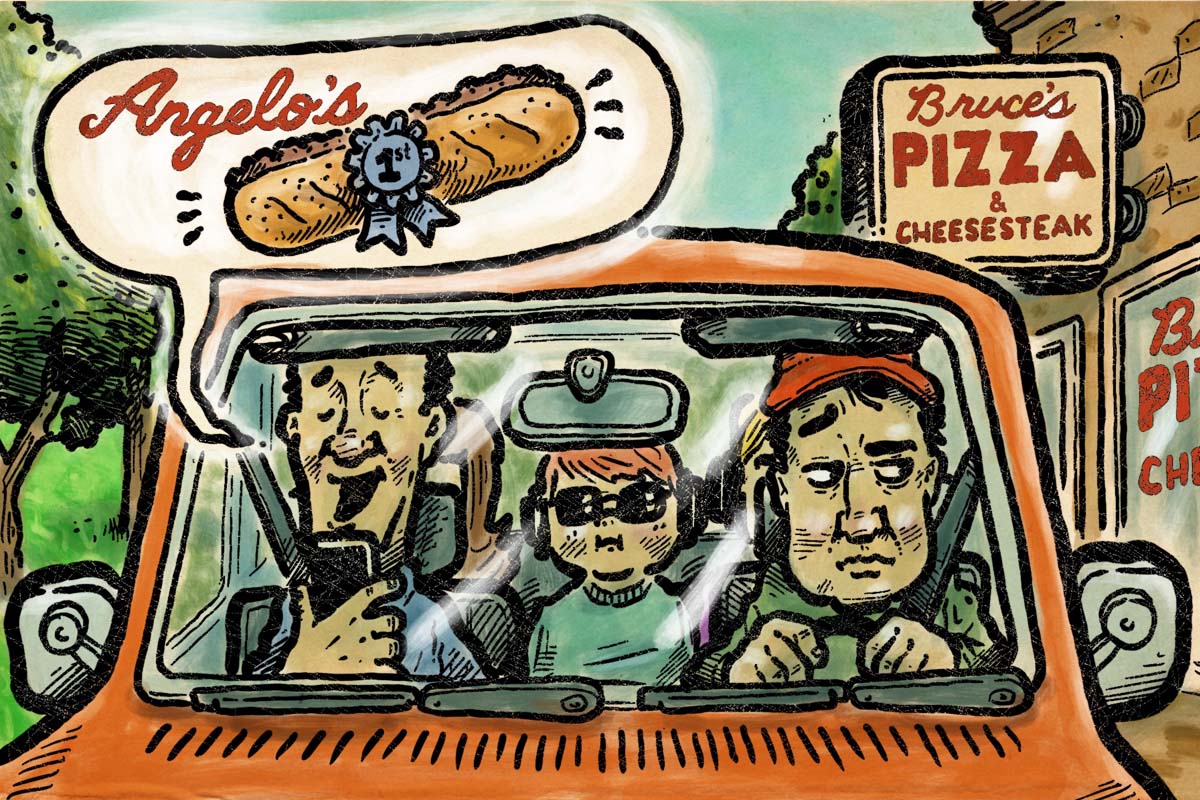
I have family visiting and they want an “authentic Philly cheesesteak.” Should I take the entire day, battle traffic and parking, and shuttle them down to South Philly? Or can I order takeout from our local pizza place in the burbs? Is there that much difference?
Stephanie Farr, features columnist
I don’t want to start any beef, but I’m a big believer that wherever you get your cheesesteak (as long as the shop is in Philly, the burbs, or from certain portions of South Jersey) it’s probably just fine for an authentic Philly cheesesteak meal to an outsider.
Now, if they want the authentic Philly cheesesteak experience — standing in a ridiculous line, overhearing people argue, seriously pondering whether they want liquid cheese ladled onto something they will consume, now that is a different story. What do you think, Tommy?
Tommy Rowan, programming editor and cheesesteak connoisseur
That’s totally cool! You can find good sandwiches anywhere. But I’m a snob, and I want a certain type of roll, and a certain type of cut of meat, and certain cheese options. So I’m the kind of person who would brave the traffic and parking to get something that tastes as authentic as possible.
Stephanie Farr
Great, now I feel terrible that I just ordered my dad a cheesesteak from our local pizza shop when he came to visit last year! Missteaks were made, obviously.
Tommy Rowan
You should not feel terrible! If he enjoyed it, that’s all that matters!
Stephanie Farr
Let me ask, if your out-of-town guest wants an authentic cheesesteak experience and requests to go to Pat’s or Geno’s, as a cheesesteak snob, would you take them or try to convince them to let you take them somewhere else (and, if so, where)?
Tommy Rowan
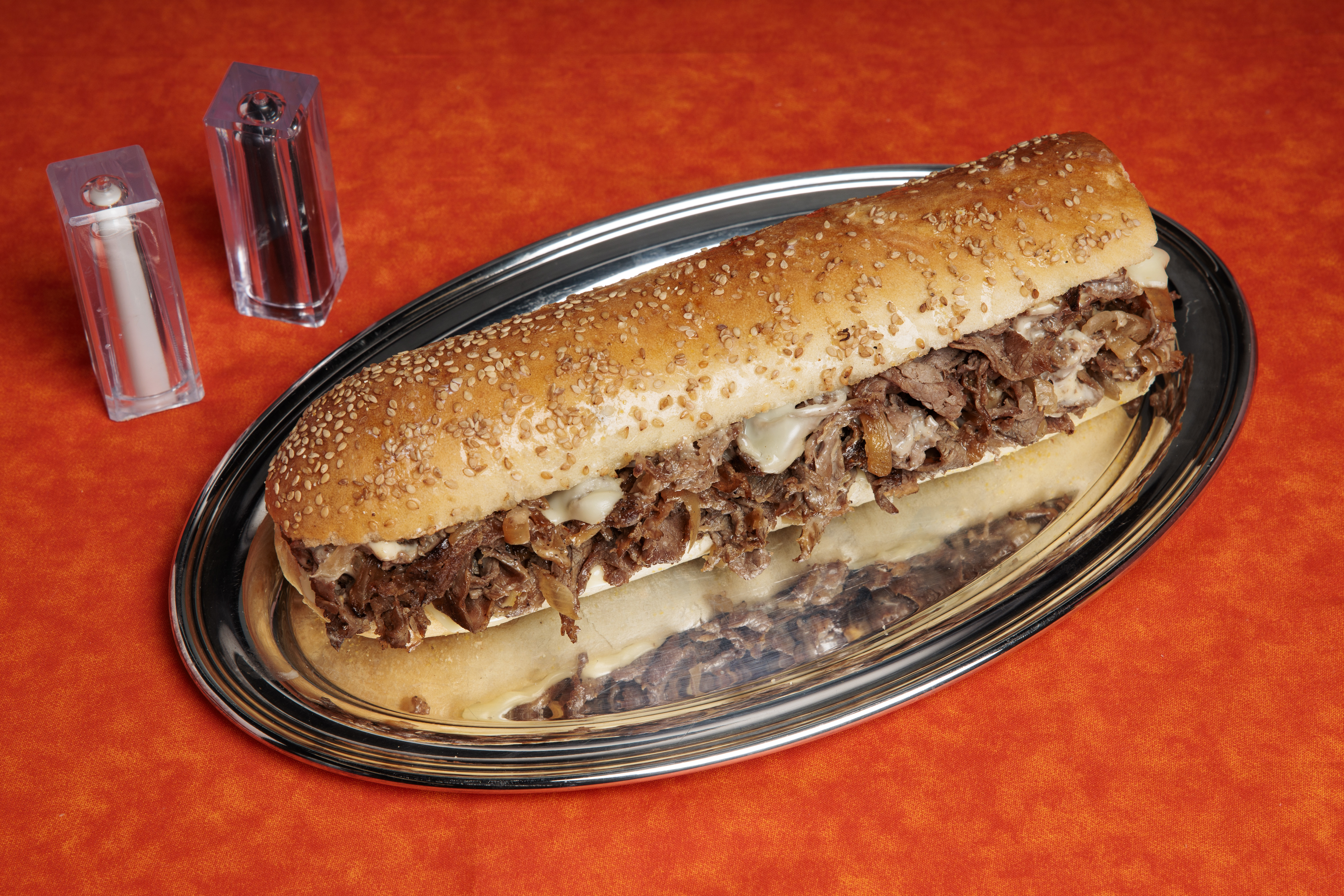
I would absolutely convince them to go otherwise. At its best, cheesesteaks from John’s Roast Pork, Angelo’s, or Shay’s offer an authentic taste of home: a fresh-baked roll worth its salt, tender meat with taste, and cheese that doesn’t soak the whole thing into submission. And, to your excellent point, all three offer an interesting experience. All three are in uniquely Philadelphia buildings, in uniquely Philadelphia spots, and you can pick them up on the way to the ballgame. And the people you meet will add to the experience of eating an authentic sandwich.
John’s Roast Pork cheesesteak at the Inquirer studio on March 5, 2025. Food styling by Emilie Fosnocht.Monica Herndon / Staff Photographer
Stephanie Farr
I fully support your last point. The people you meet when ordering a cheesesteak in Philly definitely flavor the experience.
Would you feel the same way if this reader was asking about another of Philadelphia’s gastronomical delights: Is the hoagie from your local pizza shop the same as one from say a Cut Above Deli or Fink’s or Paesano’s?
Tommy Rowan
Absolutely!
But again, I’m picky with these things. And variety is what makes life great. What is your favorite spot to get a steak, Steph?
Stephanie Farr
My local pizza shop! I’m really not very picky about my steaks and I don’t eat them often, maybe once or twice a season (is eight cheesesteaks a year a lot? When I write it out it sounds like it, but I feel like I’m below average).
Now hoagies on the other hand, I do think it matters where you get those if you’re trying to impress someone with the local culture. I find serious hoagie shops seriously impressive. I’ve definitely called some hoagies works of art before, but I can’t recall ever doing the same for a cheesesteak.
As a cheesesteak snob, do you go for taste or presentation when trying to impress an out-of-town guest? I feel like a lot of folks I’ve taken for cheesesteaks don’t find them as aesthetically pleasing as they’d imagine (where I come from cheese is usually placed on top of the steak and toasted, not mixed all up in it).
Tommy Rowan
I get it! I think cheesesteaks are to me what hoagies are to you. If you are passionate about something, you have rules.
The cheesesteak is a heavy sandwich, but there is definitely an art to the composition. And the best places keep an eye on both taste and look. The key is making sure it’s not a soggy mess.
Stephanie Farr
I feel like the key to cheesesteaks, hoagies, and life is to make sure it’s not a soggy mess!
Tommy Rowan
Amen!!!
Stephanie Farr
Out here in Delco, I love the hoagies at A Cut Above in Newtown Square and Pagano’s in Drexel Hill, but this conversation has made me realize I need to try some new places — both for cheesesteaks and hoagies. I’m a creature of habit, so I tend to find a place I like and stick with it, but there are so many options in the region and so many I haven’t tried yet it’s embarrassing!
Tommy Rowan
We may have to do a part II. I’ll go with you to a few hoagie places and you come with me to a few cheesesteak places and we can compare notes!
Stephanie Farr
Oh, I am so in! Lettuce proceed on this noble quest before us!
Not all Philadelphians who answered President Franklin D. Roosevelt’s call to action were soldiers and civilians.
Even the artists went to war.
Like renown sculptor — and local legend — Walker Kirtland Hancock, these educated Americans charged into the bomb-pocked battlefields of World War II to also confront unprecedented evil.
Their task? Saving priceless pieces of art.
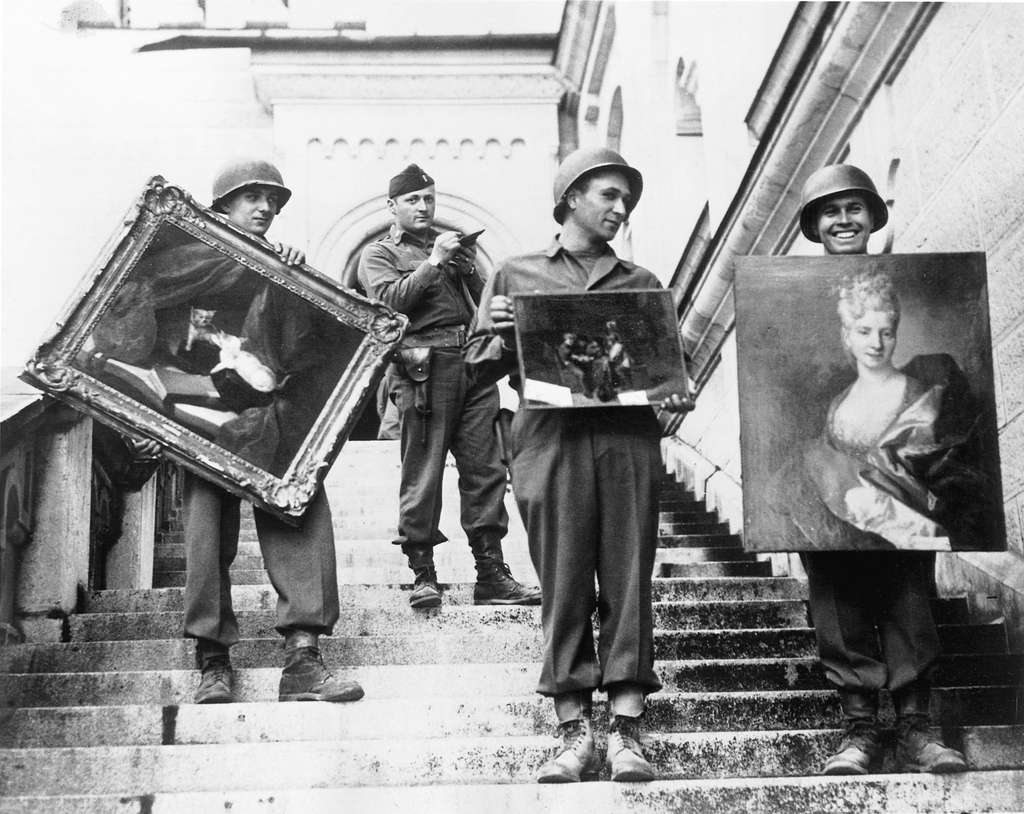
Hancock was part of the “Monuments Men,” an outfit of about 345 men and women who were sent overseas to try to pry Europe’s cultural treasures from the grip of the Gestapo.
“I was really prepared,” Hancock told the Daily News in 1991. “I knew where I was going and what I was looking for.”
A group of “Monuments Men” retrieving stolen art in Germany in 1945. National Archives
He enlisted in the Army in his mid-40s and was trained as a medic, but later transferred to the Army’s Monuments, Fine Arts, and Archives outfit.
The unit’s monumental task: reclaim art the Germans had stolen and then hidden throughout the countryside in caves, on trains, in castles, and in hospitals.
But it was in a salt mine in Bernterode, Germany where Hancock struck gold.
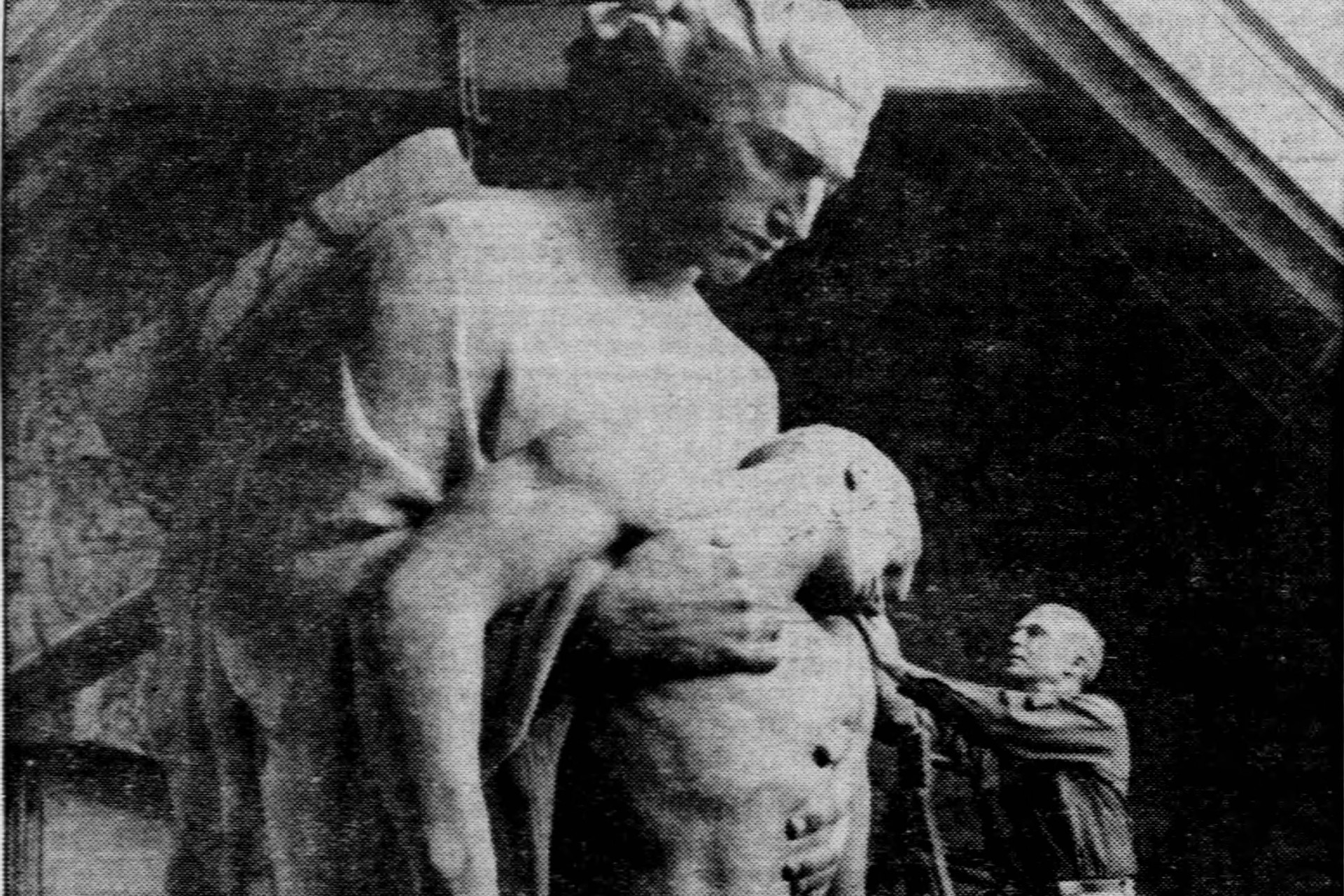
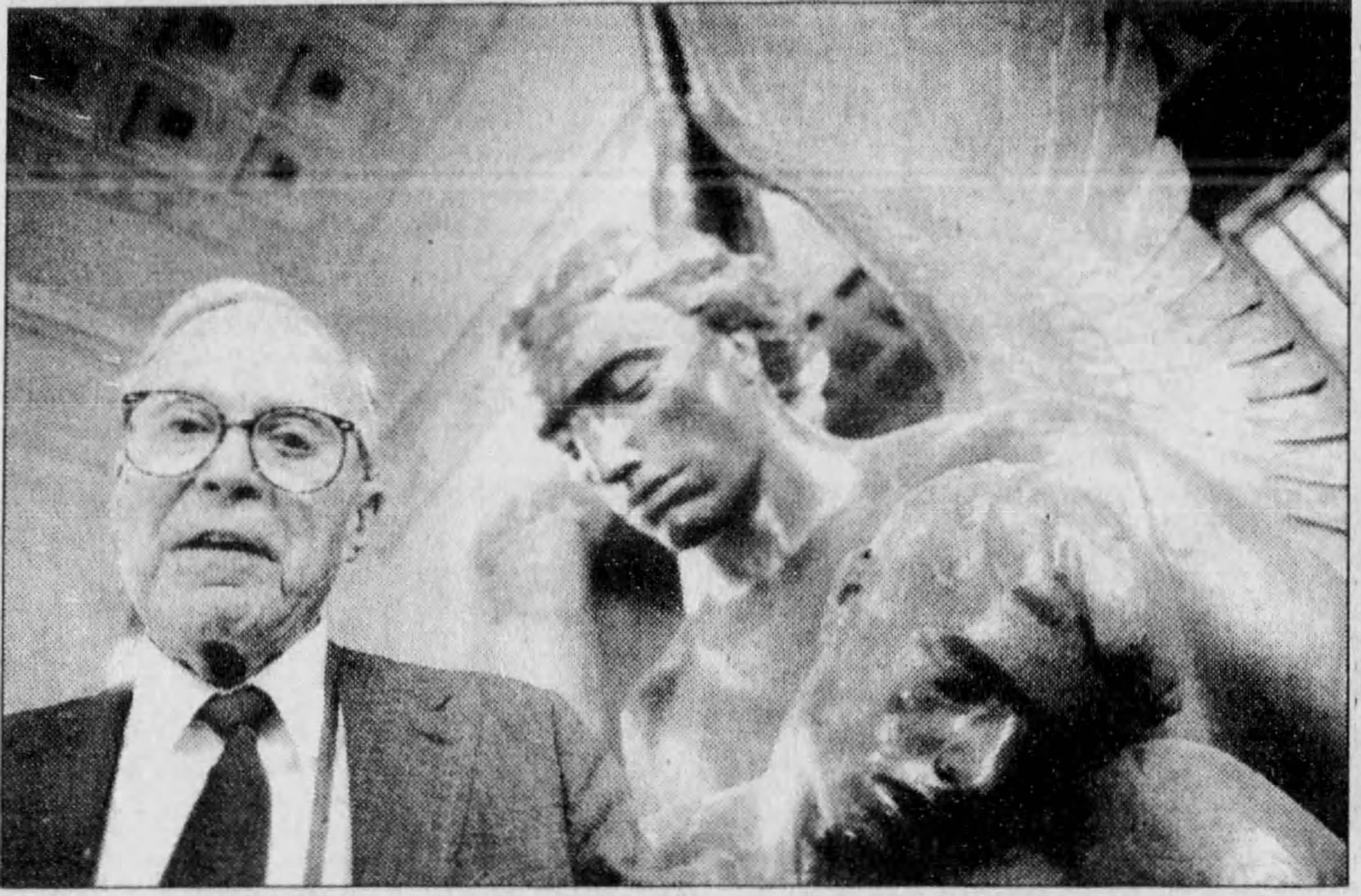
Walker K. Hancock, considered the dean of American figurative sculpture, taught at the Pennsylvania Academy of Fine Arts.Inquirer Archives
The first painting he rescued was a work by Jean-Antoine Watteau, Embarkation for Cythera, what he described as “one of the greatest paintings” the artist ever completed.
“The surprise was so enormous to see a very famous old friend like that standing on the ground without any frame on it,” he told the Daily News.
The mine was also filled with other treasures: the great seal of Prussia; an emperor’s scepter; the art collection of Frederick the Great, which was considered to be the best collection of French paintings in the world; and palatial libraries.
The group’s efforts to reclaim precious pieces of human achievement were documented in a 2009 best-selling book. In 2014, their tale was given the “based on a true story” treatment and made into a star-studded motion picture dubbed The Monuments Men, featuring names like George Clooney, Matt Damon, Bill Murray, and John Goodman.
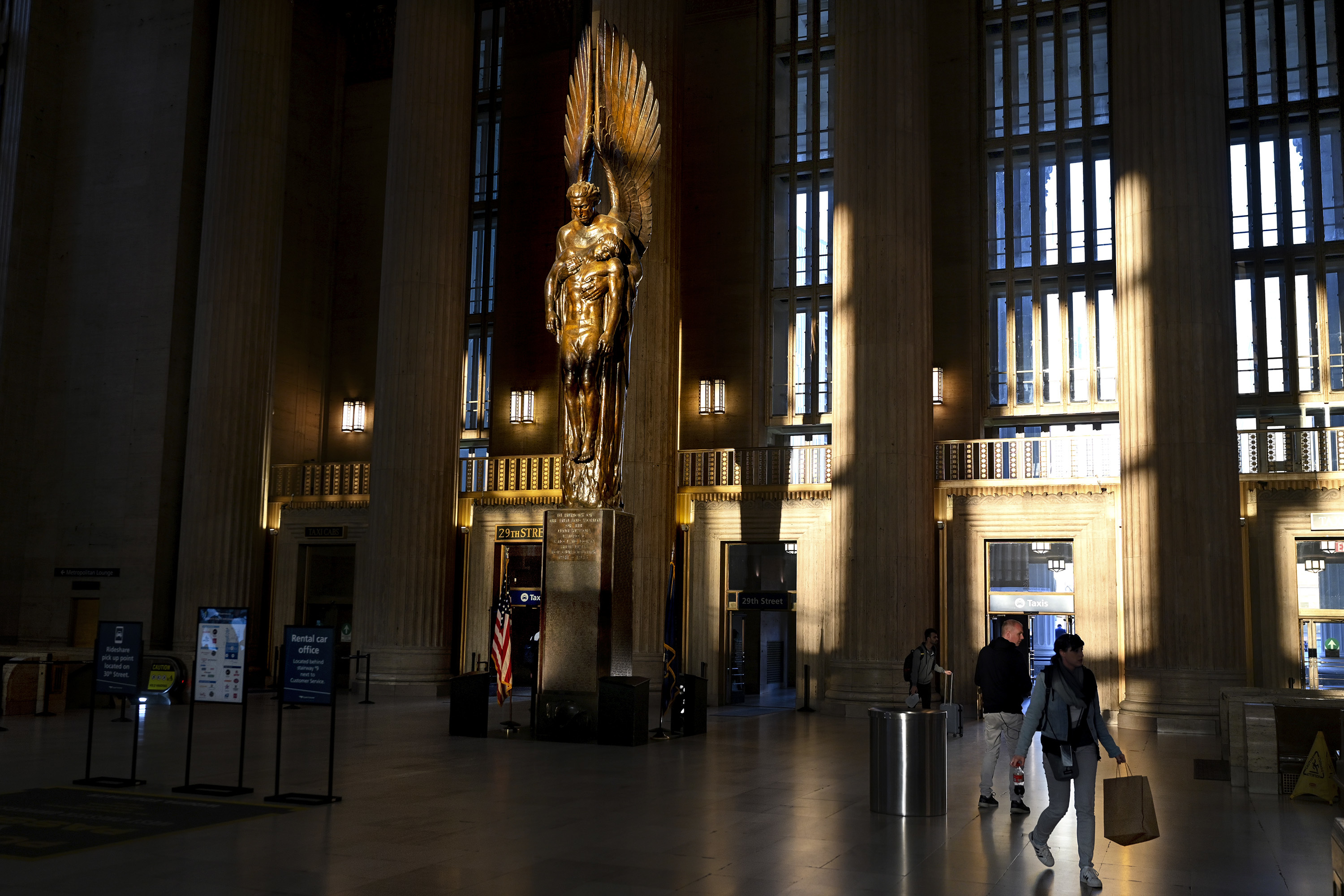
Today, Hancock’s public works can be found all over the country, and locally, his most notable work sits at the east end of 30th Street Station.
The Pennsylvania Railroad War Memorial (1950, installed 1952) by Walker Kirtland Hancock (1901 – 1998) in the lobby of 30th Street Station.Tom Gralish / Staff Photographer
The 39-foot-tall, 10½-ton Statue to War Dead depicts an angel holding a dying soldier. It commemorates in bronze the 1,307 employees of the Pennsylvania Railroad who died during World War II. Gen. Omar N. Bradley was on hand to help dedicate the artwork on Aug. 10, 1952.
Hancock died in 1998 at age 97 but his sculpture remains the station’s monumental centerpiece.