Author: Marnie Old

  • Spain’s most famous wine region is mixing it up with this native grape

    Spain’s most famous wine region is mixing it up with this native grape

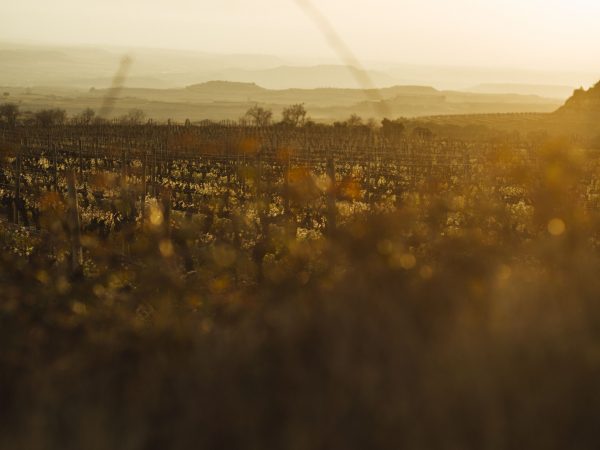
    Many wine lovers think of grenache as a French grape — after all, it’s the backbone in red blends like Côtes-du-Rhône and Chateauneuf-du-Pape. However, this grape is native to Spain, where it is known as “garnacha.”

    While this prolific vine is planted extensively in Spain, garnacha is overshadowed by the country’s No. 1 red grape, tempranillo, in export markets like the United States. However, it’s worth keeping an eye out for Spanish garnacha since these are some of Spain’s most interesting red wines nowadays. That’s the case with this surprising offering from the Rioja region, Spain’s most recognized and most widely exported wine appellation.

    Rioja is almost synonymous with tempranillo, but other grapes are planted here, too. While garnacha has typically been a minor ingredient in Rioja’s tempranillo-based blends, a growing number of wineries there are branching out to bottle it separately in wines like this “limited edition” from one of Rioja’s largest wineries.

    Garnacha makes lovely wines that are spicy in flavor profile and quite expressive — conveying different tastes depending on where they are grown. In Rioja, garnacha makes wines that are lighter in color, fruitier, and more delicate than the alternatives, which leads winemakers to scale back the use of oak barrels in maturation to preserve their freshness. Here, the wine has a delightful flavor of wild strawberries with hints of white pepper and balsamic glaze. This makes for a great choice with anything off the grill — from salmon or chicken to steaks and beyond.
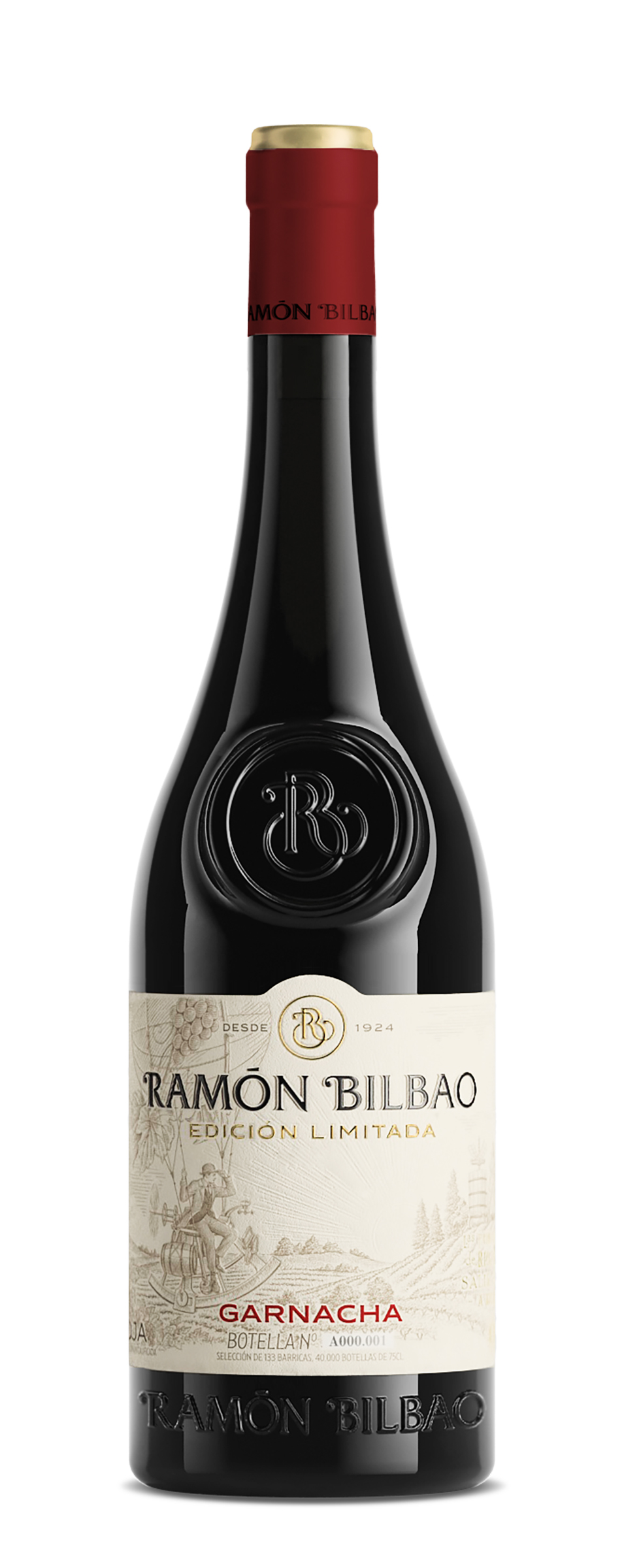
    Ramón Bilbao Rioja GarnachaRamón Bilbao

    Ramón Bilbao Rioja Garnacha

    Rioja, Spain; 14% ABV

    PLCB Item # 100049341 — on sale through Aug. 2 for $16.99 (regularly $19.99)

    No alternate retail locations within 50 miles of Philadelphia according to Wine-Searcher.com.
  • Looking for affordable wines with big flavors? Buy from Chile

    Looking for affordable wines with big flavors? Buy from Chile

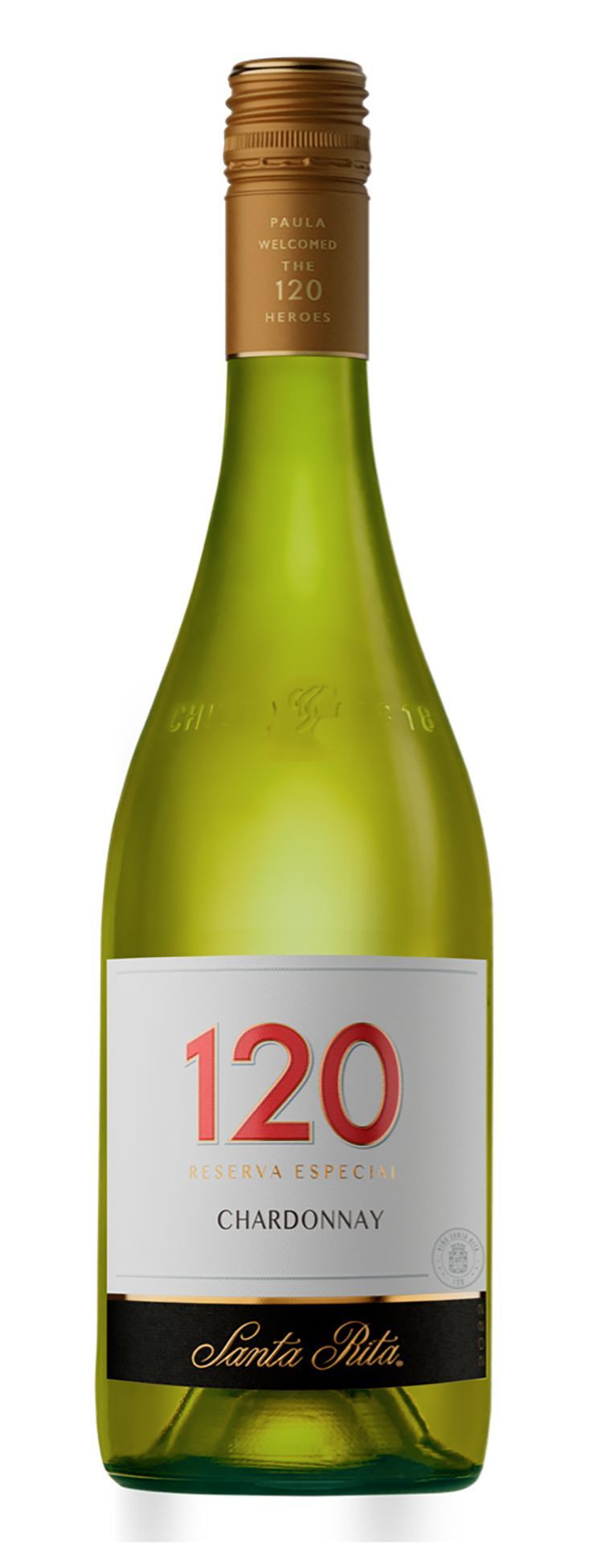
    Chile is among the world’s leading exporters of fresh fruit, and grows outstanding wine grapes as well. But here in the United States, the country’s top wines don’t get much attention. What we do see, however, is that bottles in the Chilean section of the wine store perform well in the value-oriented tier. This chardonnay is a perfect example, delivering far better quality and more finesse than anyone has a right to expect nowadays from a $10 bottle — and with slightly less alcohol than usual for this style, too.

    This wine is made in Chile’s Valle Central, or Central Valley, a vast wine appellation anchored by the capital city of Santiago. Think of it as the equivalent of California in the U.S., or Mendoza in neighboring Argentina. Every facet of this region’s geography seems tailored to boost the quality of its wines. Its terrain is made up of a series of four short-but-scenic valleys sandwiched between the snow-capped peaks of the Andes to the east and the chilly Pacific to the west. These dueling influences are a natural form of refrigeration at night, slowing how long it takes for grapes to ripen while preserving the freshness of flavor.

    Best of all, the region’s Mediterranean climate rarely sees rain during grape growing season, which reduces risks from both insect pests and fungal disease. These ideal conditions allow vintners to make balanced wines that have great ripeness and preserve the acidity necessary for refreshment. It also allows them to do so at very low cost.

    This easy-drinking chardonnay is lightweight in texture but vibrant and surprisingly concentrated in flavor. It tastes of fresh-picked apricots and honeydew melons, but with the zingy finish of a good homemade lemonade. Plus, it has a great synergy with summer salads and shellfish.

    Santa Rita 120 ChardonnayCourtesy of Viña Santa Rita

    Santa Rita 120 Reserva Especial Chardonnay

    Chile; 12.9% ABV

    PLCB Item #100056915 — regularly priced at $9.99

    Also available at: Wine Warehouse in Voorhees ($6.79; winewarehousenj.com), WineWorks in Marlton ($6.98; wineworksonline.com), and the Original Canal’s Discount Liquor Outlet in Glassboro ($8.99; canalsofglassboro.com).

  • How Washington state beats California when it comes to merlot

    How Washington state beats California when it comes to merlot

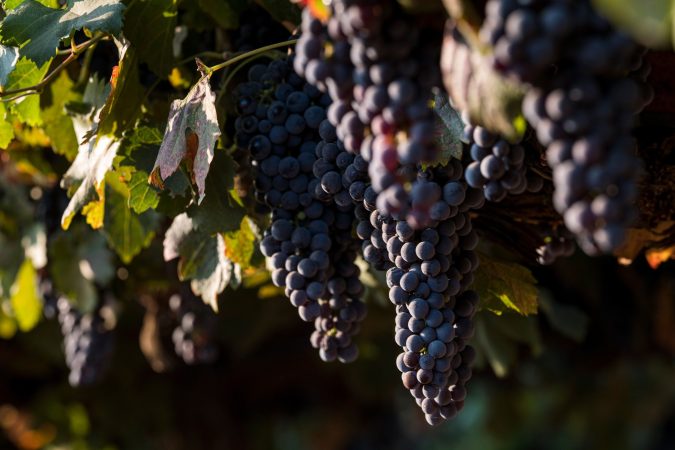
    Red wines may look dark as night in the glass, but they taste like bottled sunshine. That’s because it takes extra sunlight during the summer months to fully ripen dark-skinned grapes. Plants use photosynthesis to turn light into energy, and this process helps explain why Washington state has a natural advantage over California when it comes to making bold and concentrated merlots, like this value-priced example.

    During this time of year, Philadelphia gets the same amount of sunlight per day as Napa in California’s wine country — roughly 15 hours per day. Washington’s Columbia Valley is more than 700 miles north, which adds up to almost 10 degrees of difference in latitude. This differential provides Washington vineyards with an extra hour of sunlight in the critical weeks of the summer growing season.

    With more sun, vines don’t just ripen faster. They also produce more of the dark phenolic compounds in grape skins, which add color, flavor, and antioxidant properties to wine. The resulting difference is quite subtle in wines made using the very thickest-skinned red wine grapes — like cabernet sauvignon and syrah — but the effect is more noticeable in wines made using merlot.

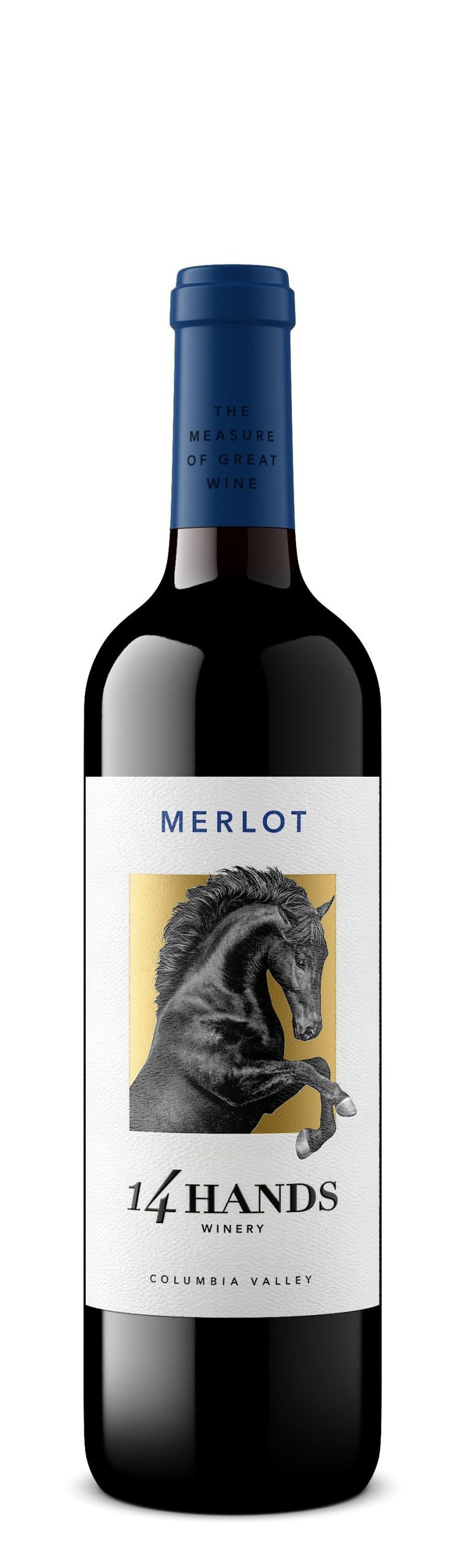
    It would be difficult to find a California merlot that delivers this much concentration and substance for the dollar, with enough tannic grip on the palate to handle a juicy steak off the grill. Its flavors of blackberries and black plums taste fresh with only a hint of oak influence, similar to a light dusting of cocoa.

    14 Hands MerlotCourtesy of 14 Hands Winery

    14 Hands Merlot

    Washington; 13.5% ABV

    PLCB Item #98025 — $10.99 through Aug. 2 (regularly $13.99)

    Also available at: Moorestown Super Buy Rite in Moorestown ($9.49; moorestownbuyrite.com), WineWorks in Marlton ($9.98, wineworksonline.com), and Total Wine & More in Claymont and Wilmington, Del. ($9.99, totalwine.com).

  • How to choose the right wine for frosé, a summertime cocktail staple

    How to choose the right wine for frosé, a summertime cocktail staple

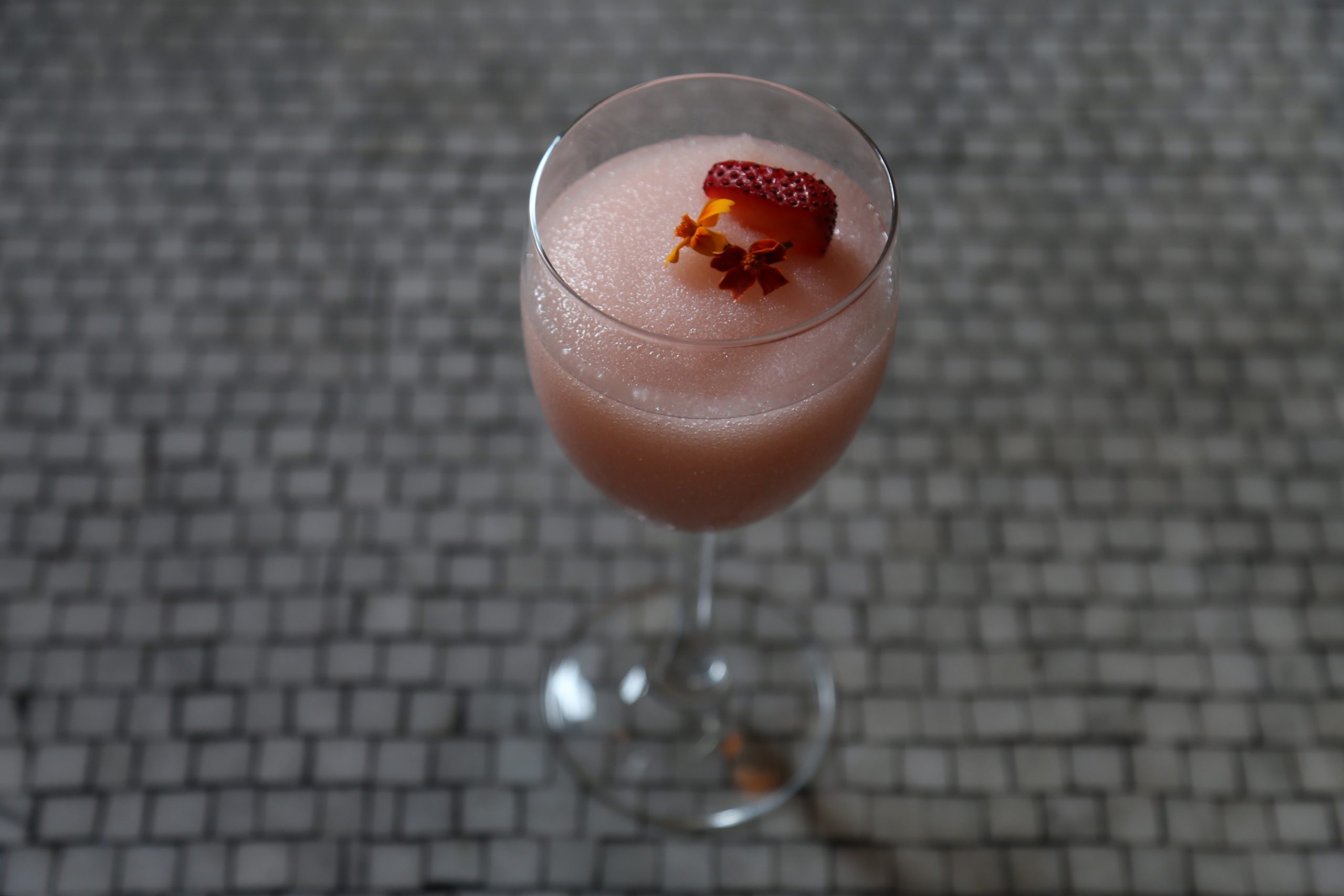
    It’s the 250th anniversary of the signing of the Declaration of Independence in Philadelphia, and this week is packed with activities to celebrate. It’s also the 10th anniversary of another historic event: The 2016 frosé — or frozen rosé — frenzy that kicked off when New York City’s Bar Primi put the drink on their cocktail menu and nearly broke the internet.

    Concocted in a slushie machine, the eye-catching frozen treat became an instant social media sensation, leading Bon Appétit magazine to publish a variation on the recipe that summer that topped their charts for months on end. Since July 4th weekend looks like it will be a scorcher, now is the perfect time to make frosé at home to celebrate both of these important contributions to the pursuit of happiness.

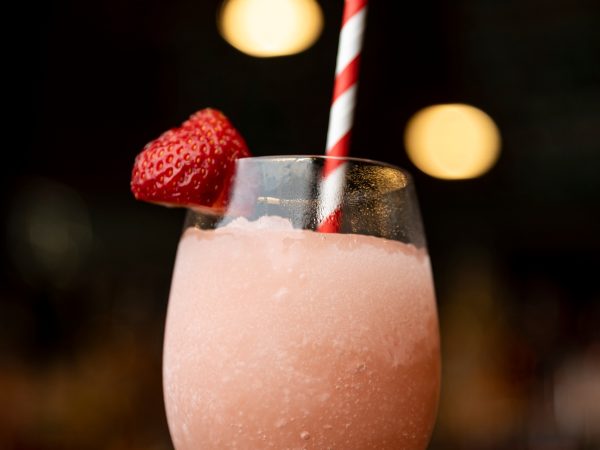
    Frosé at Parc.DANIELLE DELRE

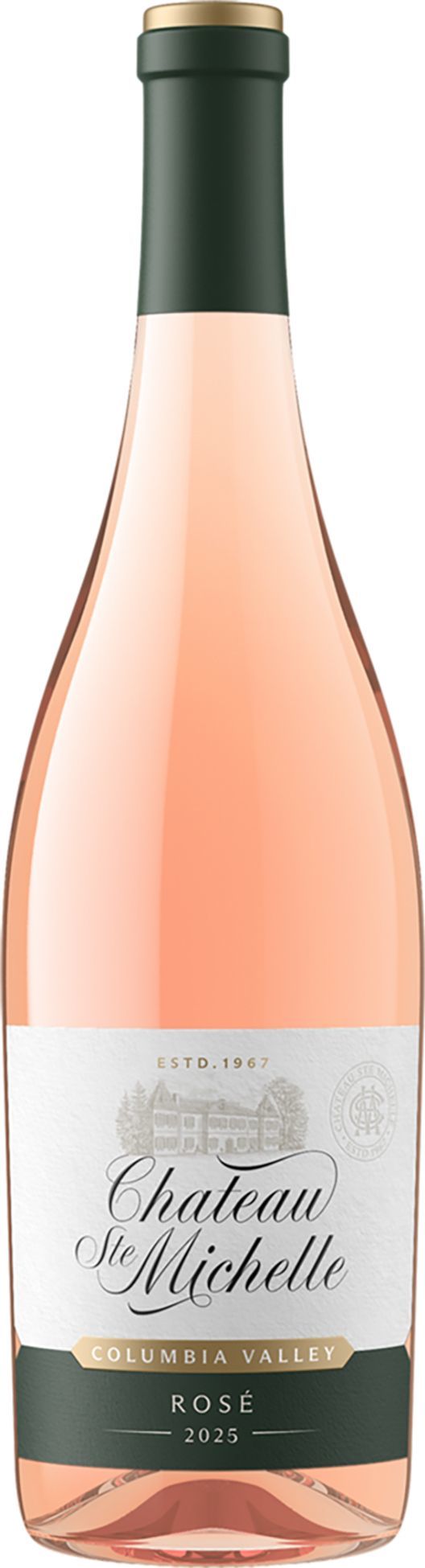
    Frosé is not the place for pricy rosés, so save the pale, understated beauties of Provence in the south of France to be enjoyed on their own. The frozen cocktail needs wines with bolder flavors and deeper colors to overcome the dilution and serving temperature, so opt for one with a color that pops on the shelf, like this wine from Washington’s Columbia Valley. There, darker grape varieties like syrah and cabernet sauvignon dominate the blend.

    The simplest way to frosé at home is the smoothie method: Fill your blender with frozen strawberries or watermelon and pour in enough rosé wine to cover the fruit and blend, adding sugar to taste as needed. For a more sheer and polished texture, make the drink with ice in place of frozen fruit and stick to clear ingredients. You may also need to spike with vodka and sweeten with a fruit liqueur to overcome the dilution.

    The original Bon Appétit recipe explains how to dissolve sugar in water with strawberries and lemon juice on the stovetop to make a simple strawberry syrup suitable for flavoring your frosé and deepening its color, which yields a refined and faithful variant on the Bar Primi classic. If you like your wines pure, undiluted, and dry, and you just happen to own an ice cream maker, your method is much easier. Pour this bottle in and churn about 20 minutes to get the perfect slushie machine texture you know and love.

    Chateau Ste Michelle RoséCourtesy of Chateau Ste Michelle

    Chateau Ste. Michelle Rosé

    Columbia Valley, Wash.; 12.5% ABV

    PLCB Item #98215 — $10.99 through July 5 (regularly $13.99)

    Also available at: Moorestown Super Buy Rite in Moorestown ($10.99; moorestownbuyrite.com) and Hopewell Super Buy Rite in Pennington ($10.99; hopewellbuyrite.com).

  • In Spain, Cava is more about technique than a sense of place

    In Spain, Cava is more about technique than a sense of place

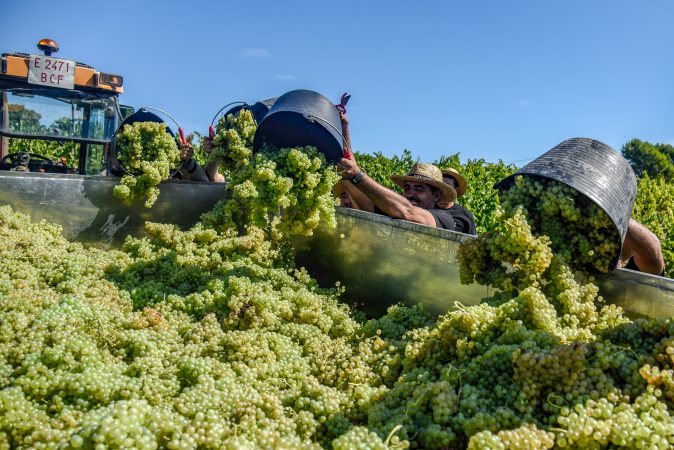
    Sparkling wines are having a moment, and it’s hard to beat Spain in this category when it comes to great value. The country may be most commonly associated with red wine, but sparkling, white, and even rosé wines from Spain are all seeing significant growth in total exports. While there are other sparkling wine appellations in Spain, the vast majority — including this example — are labeled as cava.

    Where most wine appellations take their name from a place — think Champagne from France’s Champagne region — cava is different. The term means “cave” or “cellar,” referring to how it is made. Cava wines must, by law, follow the same traditional method of production as Champagne, which involves a second fermentation that takes place inside each bottle. The mechanism for adding the bubbles and letting the wine patiently age in a cellar is also central to its quality.

    Cava’s appellation was first conceived as a means for wineries across Spain to be able to sell a high-quality sparkling wine regardless of their region. In practice, however, most cava is grown and produced in northeastern Catalonia, near Barcelona, using native Spanish grapes such as macabeo, parellada, and xarel-lo. That’s the case for this wine as well, which is labeled under the name of a Rioja-based brand better known for their reds. In Spain, it’s not uncommon for large wineries in one region to extend their range by sourcing wines from partners elsewhere.

    Cava wines can be found at every level of ambition and price, from the cheap and cheerful to the ambitious and gastronomic. This wine falls at the simpler end of the continuum (as the price might suggest), with a delicate mouthfeel and refreshing flavors of apple, lemon, and blanched almond. It’s an ideal choice for relaxed day-drinking — mimosas highly recommended.

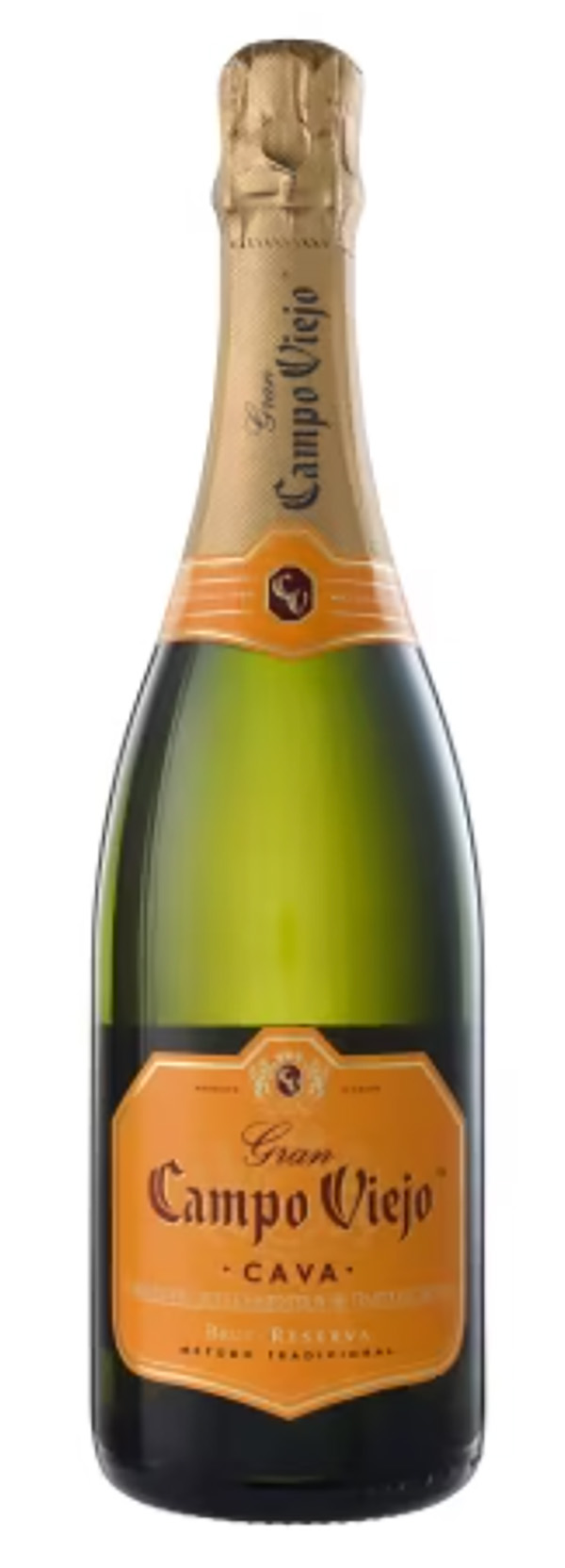
    Gran Campo Viejo Cava Brut ReservaCampo Viejo

    Gran Campo Viejo Cava Brut Reserva

    Spain; 11.5% ABV

    PLCB Item #6563 — $10.49 through July 5 (regularly $13.49)

    Also available at: Canal’s Liquors in Pennsauken ($10.91; canals-liquors-pennsauken.myshopify.com), Total Wine & More in Cherry Hill ($9.67; totalwine.com), and Moorestown Super Buy Rite in Moorestown ($9.66; moorestownbuyrite.com).

  • Is New Zealand becoming the next pinot noir capital?

    Is New Zealand becoming the next pinot noir capital?

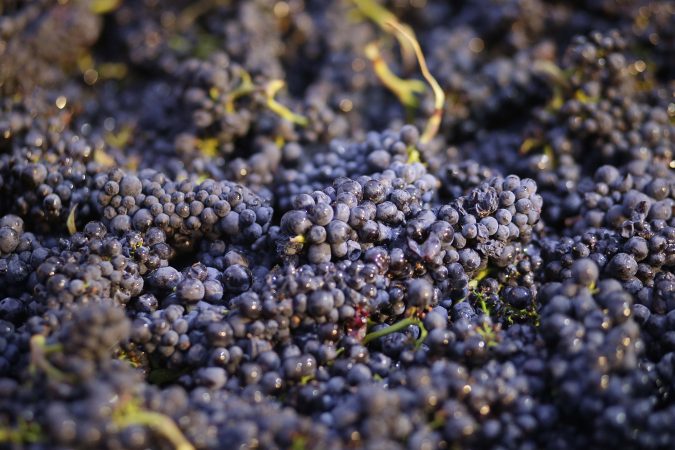
    Pinot noir is known as the “heartbreak grape,” and not just because its wines can be achingly beautiful. It’s probably the hardest of all fine wine grapes to grow, thriving only in very narrow climate conditions that are neither too hot, nor too cool. Not much pinot noir is made in the southern hemisphere, but the most popular examples hail from the tiny South Pacific island nation of New Zealand.

    Pinot noir is such an ancient grape variety (its roots trace back well over a thousand years to Burgundy) that it struggles under the demands of modern farming. Where most of the red grapes grown today yield bumper crops of thick-skinned berries that make dark and flavorful wines, pinot noir gives paltry crops of thin-skinned grapes with little natural resistance to rot or pests. They can break easily during harvest.

    The wine industry’s recent global expansion has yielded new options for pinot noir devotees, as cool climate regions from around the world rise to meet the pinot noir challenge. Among these, New Zealand has proven itself to be a real contender. Surrounded by frigid ocean currents, drenched in sunshine, and sheltered from rain, regions such as Marlborough and Central Otago on the South Island are able to make charming pinot noirs at very fair prices.

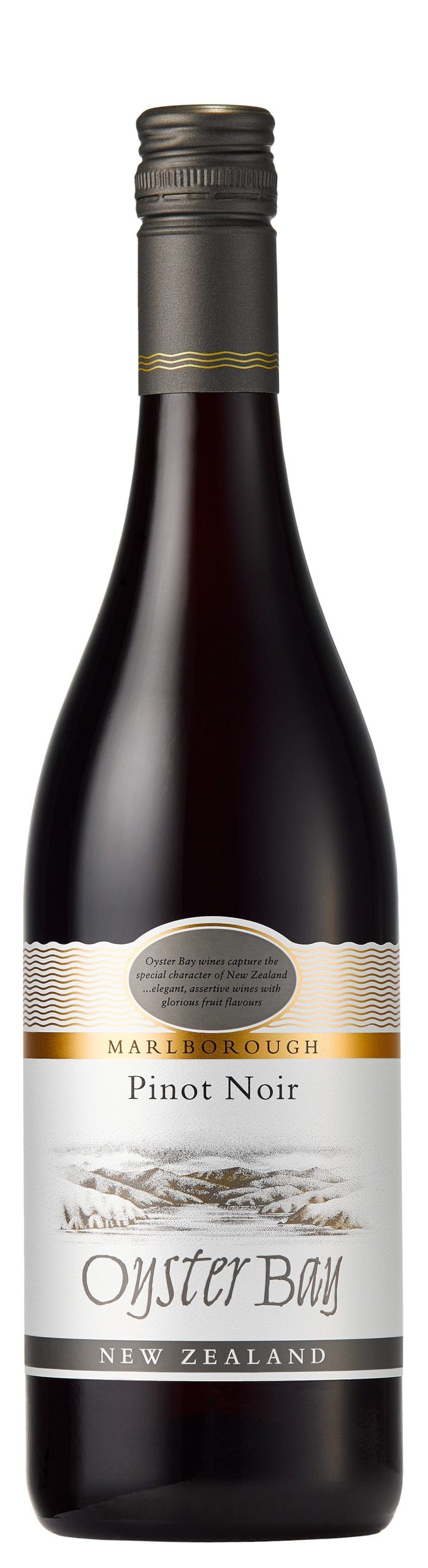
    This wine from Marlborough makes a perfect example. A midweight,it’s bracingly fresh in its strawberry and red cherry flavorsand designed to be enjoyed young. Most importantly, it has the subtle thread of earthy aromatics that gives pinot noir its je ne sais quoi think a savory whiff of wild mushrooms or root vegetables. It’s a perfect partner for poultry, cheeses, and charcuterie.

    Oyster Bay Pinot NoirCourtesy of Oyster Bay Wines

    Oyster Bay Pinot Noir

    Marlborough, New Zealand; 13.5% ABV

    PLCB Item #100048815 — $17.99 through July 5 ( regularly $19.99)

    Also available at: Canal’s in Mount Ephraim ($15.99; mycanals.com), WineWorks in Marlton ($16.98; wineworksonline.com), and Total Wines in Wilmington and Claymont, Del. ($14.99; totalwine.com).

  • In Umbria, sweet white wines still reign

    In Umbria, sweet white wines still reign

    White wines with a subtle touch of sweetness do not get the respect they deserve. This delightfully fruity example from Umbria hovers on the boundary between fully dry and overtly sweet in a way that can be written off as unserious among Italian whites. It is seriously delicious though, with a succulent pearlike flavor profile that makes it an ideal partner for many of the acidic and bright delights from neighboring Tuscany, like panzanella or pappa al pomodoro.

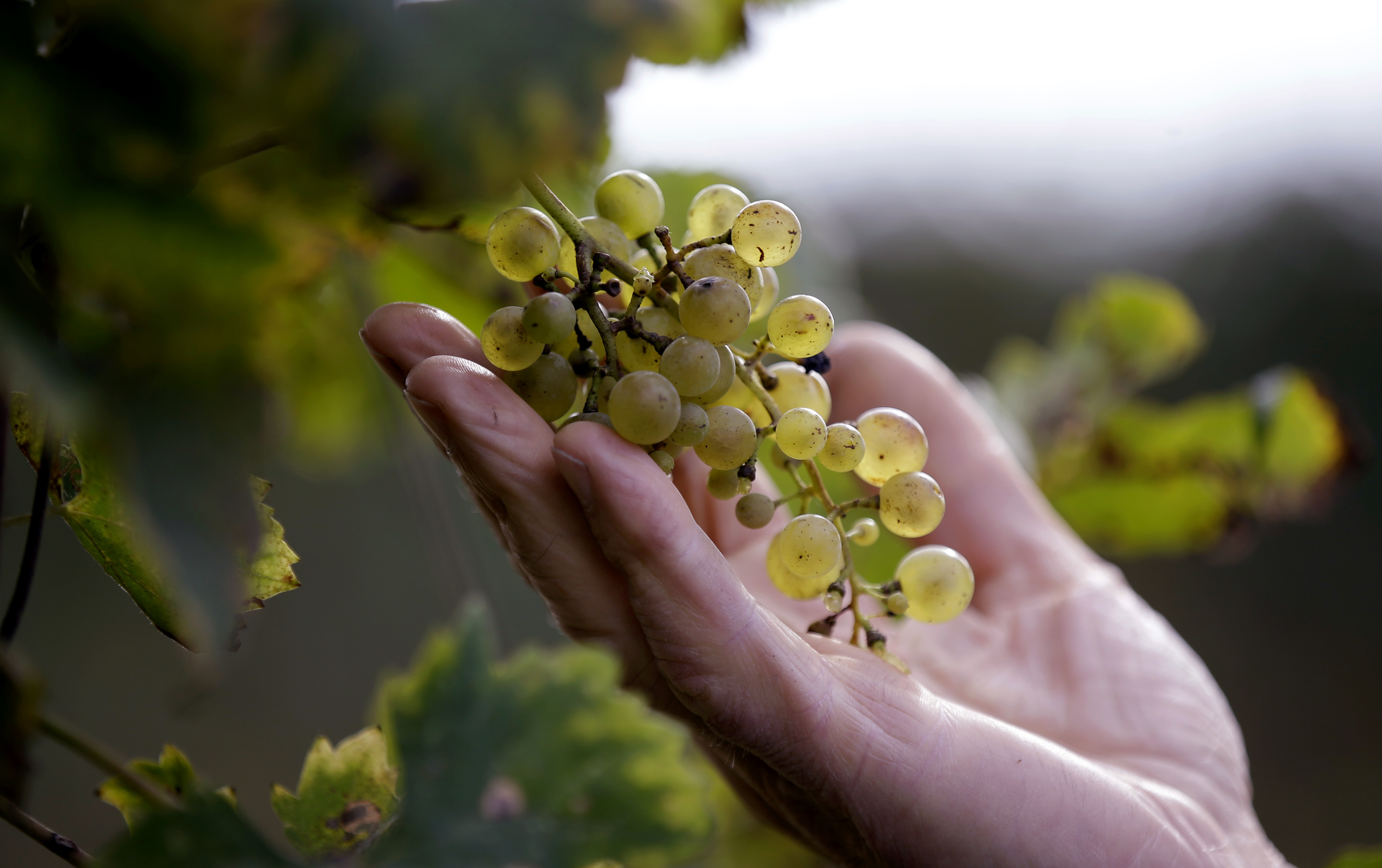
    Sweetness in white wines is often unfairly associated with the cheapest boxed wines, since a hint of sweetness can mask the weak flavors of low-quality grapes very effectively. However, there are some regions that have a longstanding tradition of making their wines taste faintly sweet simply because they like it. The Umbrian town of Orvieto, for example, has been known since the Middle Ages for a hyper-sweet dessert wine once prized by popes and kings. That historical association led the region to produce semi-sweet and faintly sweet versions using a similar mix of grapes, with the local grechetto and trebbiano varieties taking the lead in the blend.

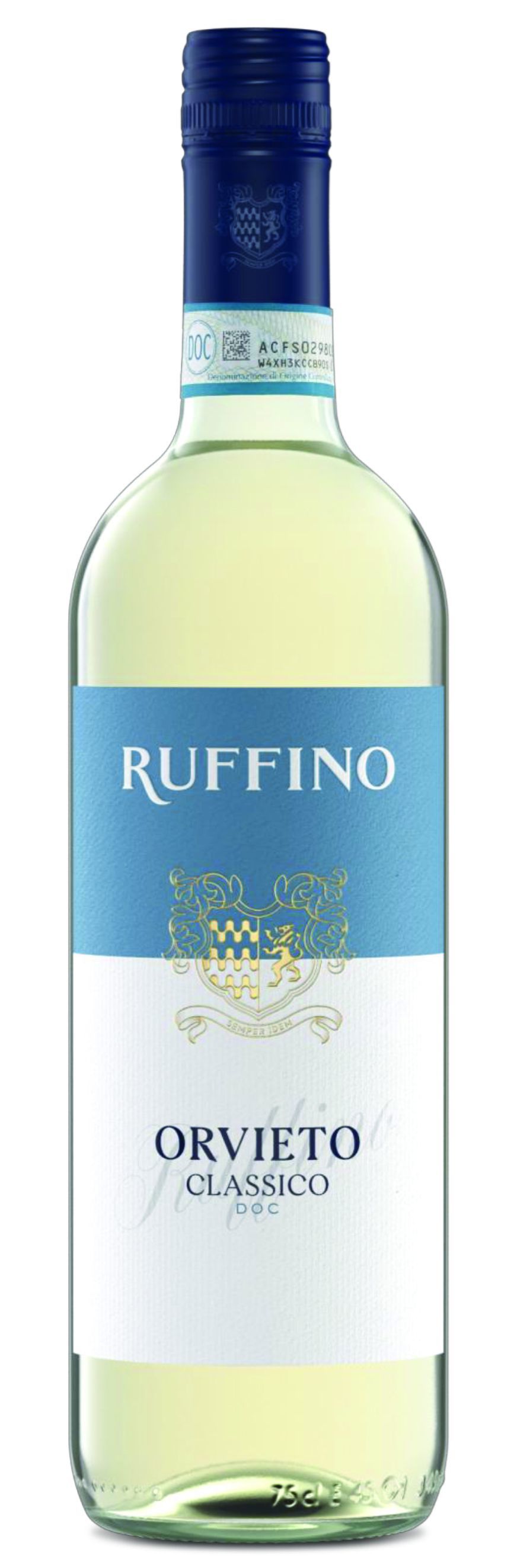
    This particular example of Umbrian wine is on the drier side. It tastes light, fresh, and just faintly sweet, at a similar level to that found in most Italian prosecco. This whisper of sweetness adds a dessertlike quality to its flavors of fresh-picked orchard fruits — think wine-poached pears with pistachio custard cream. Specific, but it works. This kiss of sugar also helps the wine partner brilliantly with foods that contain sugar or spice, from brunch classics to Asian sauces that have a kick.

    Ruffino Orvieto ClassicoCourtesy of Ruffino

    Ruffino Orvieto Classico

    Umbria, Italy; 12.5% ABV

    PLCB Item #5724 — $10.39 through July 5 (regularly $11.39)

    Also available at: Canal’s in Mt. Ephraim ($11.99; mycanals.com), Moorestown Super Buy Rite in Moorestown ($11.49; moorestownbuyrite.com), and Total Wine & More in Wilmington and Claymont, Del. ($11.49; totalwine.com).