Author: Marnie Old

  • French vineyards are growing grapes with minimal chemicals — and making better wines

    French vineyards are growing grapes with minimal chemicals — and making better wines

    Burgundy is in many ways the birthplace of fine wine. Not only is it the native region for both chardonnay and pinot noir, but Burgundy also was the first place where winemaking practices were systematically organized in Medieval times around quality, not quantity.

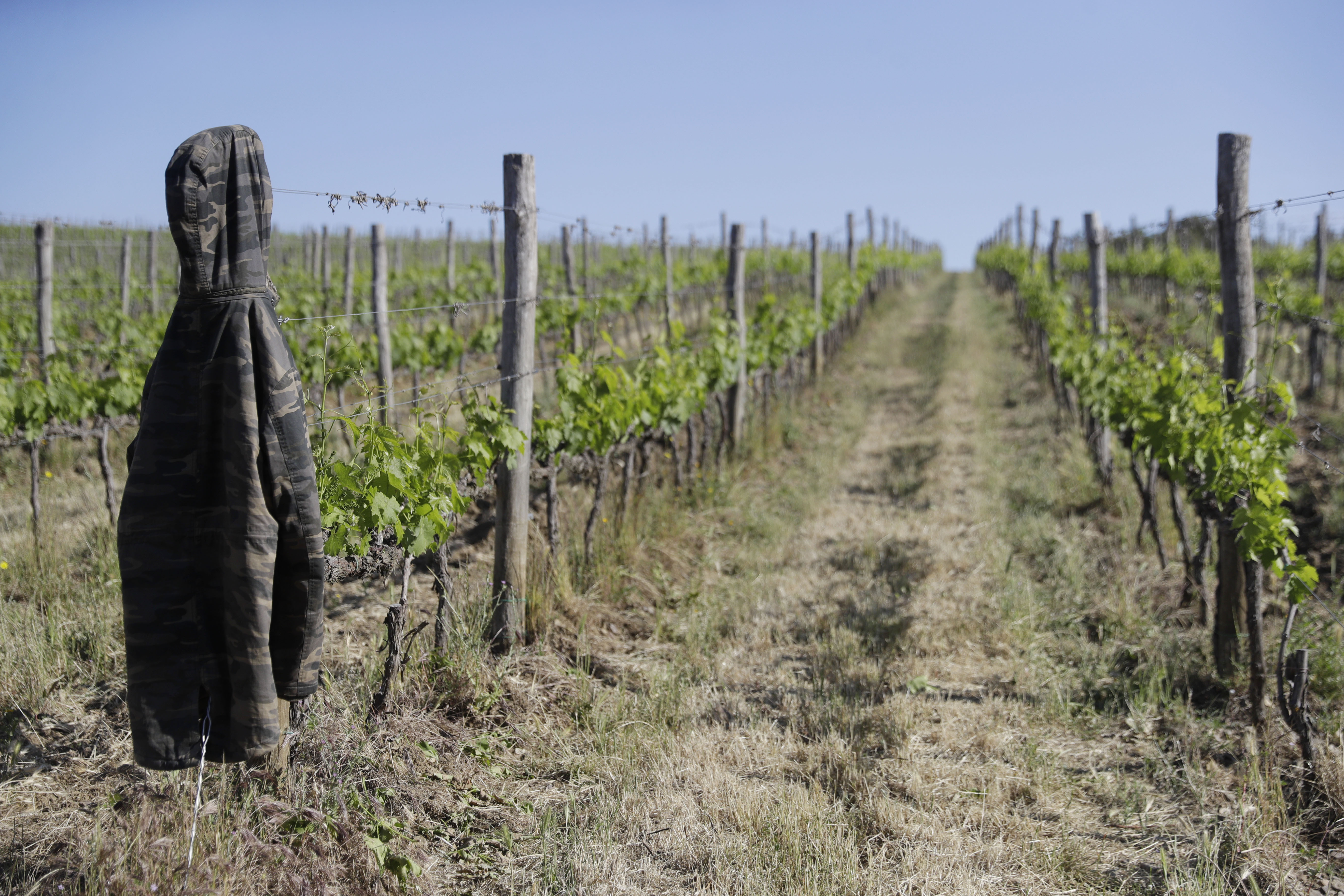
    Today, Burgundy is still viewed as the world’s most ambitious wine region, which helps explain why more and more of its small producers — including this one — are embracing an “organic lite” approach to grape growing.

    The cachet of a certified organic label continues to grow within the wine world, but obtaining the certification is far more costly in some regions than others. In dry and sunny places where fungus and other pests are naturally suppressed, such as southern Spain or most of Chile, certification can be relatively cheap and come with little risk. In cooler and more humid regions like Burgundy, though, a commitment to organic farming can force growers to watch as their entire crop is destroyed before their eyes.

    It’s in this context that we see more producers find a middle ground between relying on chemical sprays for pest control and a zero-tolerance policy for manmade chemicals. The French call this lutte raisonée — or the “reasonable fight” — because sprays are avoided where possible but not prohibited. They can be used when absolutely necessary.

    This common sense approach also produces more interesting wines, since the regular use of chemical sprays can result in a loss of character and complexity. Here, we find a clean, bright chardonnay with layers of pear and apple flavors that’s laced with palate-cleansing minerality, all in the understated style Burgundian monks first pioneered almost 1,000 years ago.
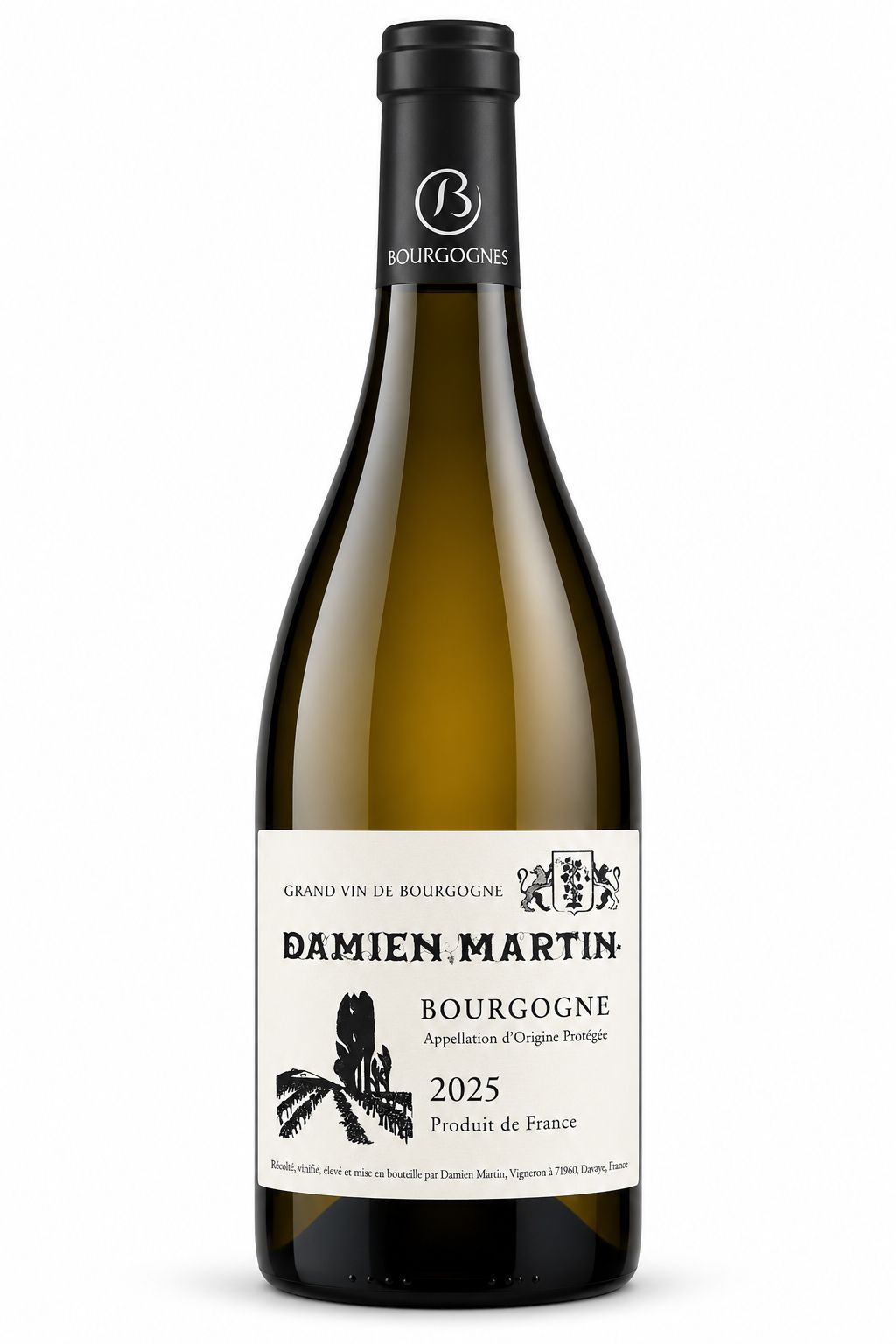
    Damien Martin Bourgogne BlancCourtesy of Damien Martin

    Damien Martin Bourgogne Blanc

    Burgundy, France

    13% ABV

    PLCB Item #100048584

    On sale for $17.99 through Oct. 4 (regularly $19.99)

    No alternate retail locations within 50 miles of Philadelphia. according to Wine-Searcher.com.
  • Australian wine gets a bad rap, but it’s not all Yellow Tail

    Australian wine gets a bad rap, but it’s not all Yellow Tail

    It’s a shame that fine independent wines from Australia have been so hard to find in recent years. The sole upside is that when one does find a bottle from a genuine independent, small-scale vintner like this one, the price tends to be more than fair for the quality of wine inside the bottle, making it tempting to stock up.

    Sadly, the devaluation of Australian wines in the eyes of American buyers is largely driven by the runaway success of one single bargain brand: Yellow Tail makes gluggable, chuggable, sweetish wines that are so cheap and so popular that their proliferation of flavors and styles has more or less swallowed whole the Australian section of most liquor stores. In the process, an entire generation of wine shoppers has concluded that the only wines made Down Under must be plonk.

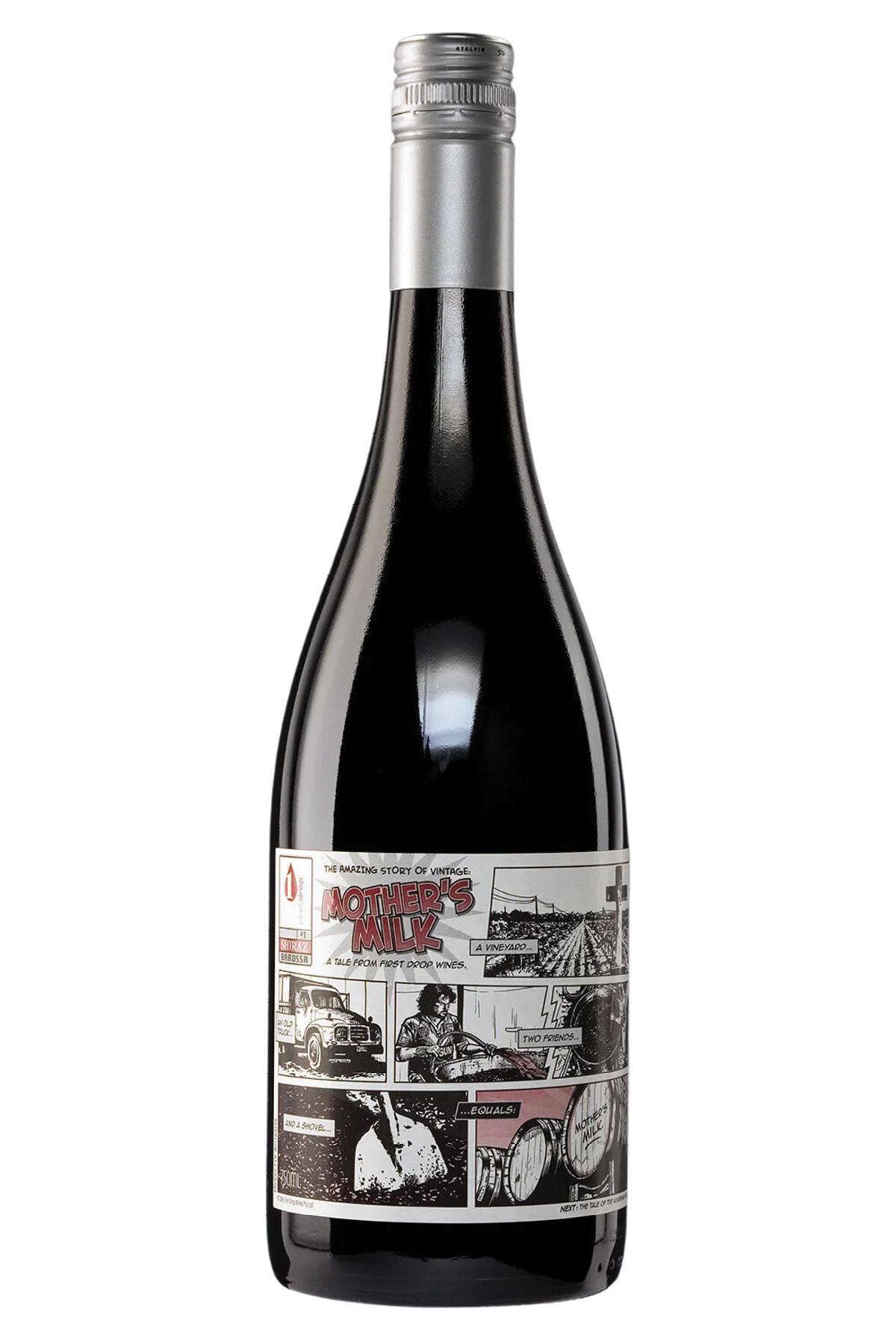
    Australian wineries do make a stunning range of more ambitious wines as well, from soulful reds to bracing whites and everything in between. Where Australia’s bulk wines come from the continent’s hot and irrigated inland flats, this wine’s fruit is grown closer to the coast, near Adelaide. Here in the foothills of Barossa, vineyards with very different climate and terrain produce considerably less fruit per acre, but their berries are hyper-saturated in color, flavor, and aromatics, without tipping over into the cooked flavors of overripe grapes. This wine’s scent conjures fresh blackberries, cherry pie, and Chinese five-spice, making it an ideal partner for the heartier meats we cook toward the tail end of grilling season.

    First Drop “Mother’s Milk” Barossa ShirazCourtesy of First Drop Wines

    First Drop “Mother’s Milk” Shiraz

    Barossa, Australia

    14.5% ABV

    PLCB Item #100033583

    On sale for $17.99 through Oct. 4 (regularly $19.99)

    Also available at: WineWorks in Marlton, N.J. ($17.98; wineworksonline.com), Wine Warehouse in Voorhees and Mantua, N.J. ($17.99; winewarehousenj.com), Super Buy Rite in Moorestown and Hopewell, N.J ($18.99; moorestownbuyrite.com, hopewellbuyrite.com)

  • Decoding the most misunderstood of Spain’s fine wines

    Decoding the most misunderstood of Spain’s fine wines

    Sherry is the most misunderstood of all Spain’s fine wines, and those in the “fino” category are the most baffling of all for newcomers. These quirky fortified white wines are very strong, very dry, and taste decidedly strange to newcomers on first sip — as if someone had added a splash of some kind of natural cleanser to a dirty martini. There’s a good reason to look past the initial shock to the senses: Fino sherries partner so well with tapas and other salty snacks, they’re well worth acquiring a taste for.

    Outside of Spain, sherry is typically seen as a sweet dessert wine that’s most often used in cooking — like port, but made from green grapes, not red. If Americans can picture sherry at all, the mental image is of an amber-colored sweet wine served in tiny glasses by British people in old movies. Within Spain, though, there has always been a preference for the younger, fresher, and paler sherries that fall in the fino category, some of which are labeled as “manzanilla.”

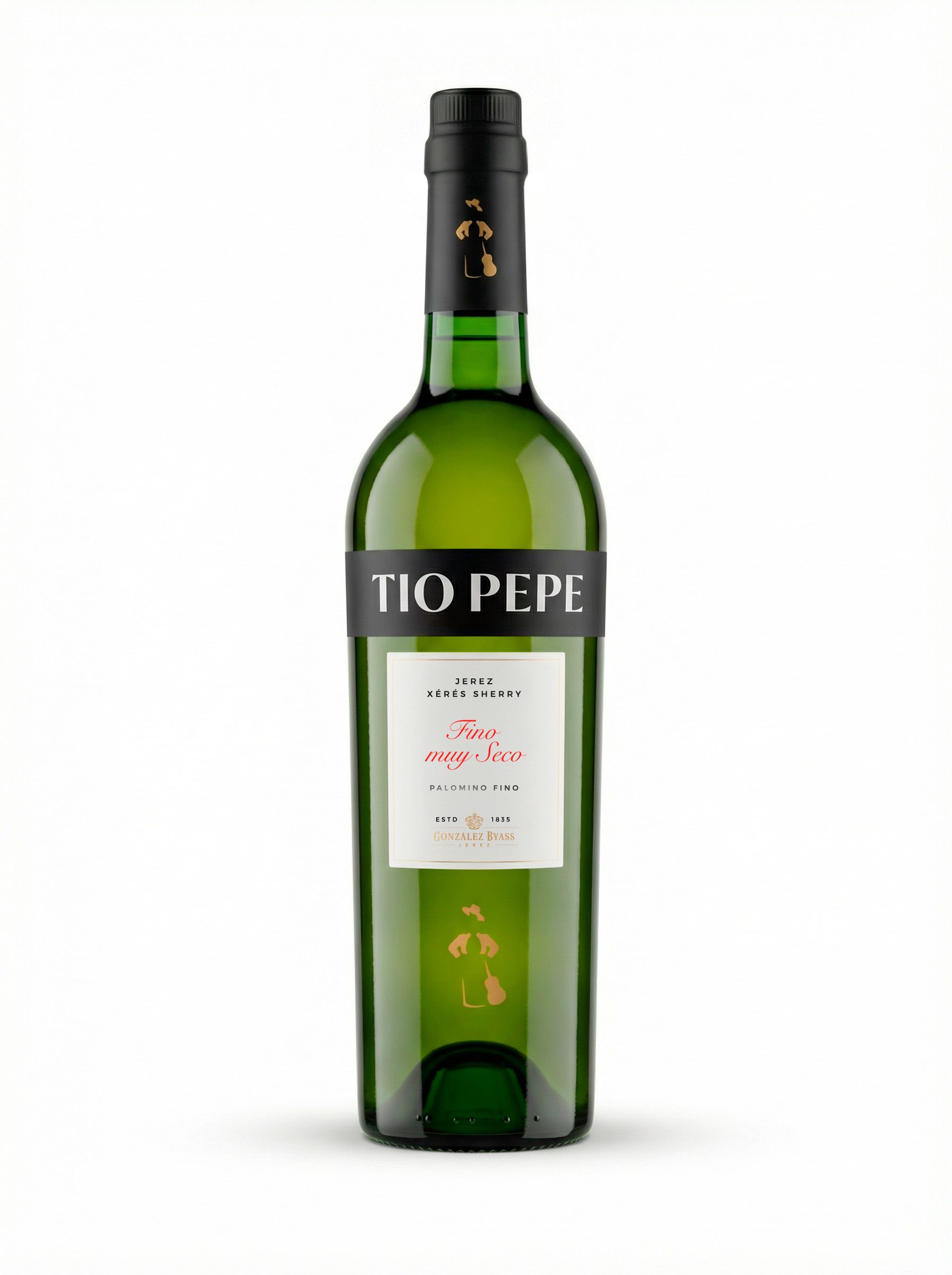
    Fino sherries are made with the palomino grape in the Andalucia region that dominates the south of mainland Spain. Their unique flavor is acquired through long-aging under a veil of living yeasts known as flor. This yeast slowly converts the wine’s glycerin into aldehydes that give the wine a pungent scent of raw almonds, green olives, and bruised crab apples, amplified by a light fortification with grape brandy.

    The wine should be served well-chilled and in small 2- or 3-ounce portions with the type of salty snacks Spain is famous for — cured jamon, oil-cured olives, and almonds or virtually any seafood that is salted, smoked, tinned, or fried. In this food context, fino wines like this one are a delight, tasting lighter and fruitier, like a palate-cleansing green-apple tonic.

    Tio Pepe Fino SherryCourtesy of Gonzalez Byass]

    Tio Pepe Fino Sherry

    Andalucia, Spain; 15% ABV

    PLCB Item #100057072 — on sale for $19.99 through Oct. 4 (regularly $21.99)

    Also available at:

  • Unoaked chardonnay is overtaking its buttery, barrel-aged counterpart

    Unoaked chardonnay is overtaking its buttery, barrel-aged counterpart

    In California, oaked chardonnay was once the norm, with its faint accents of butterscotch. Nowadays, the unoaked style has come into its own, and this seems likely to continue. Almost all of the world’s white wines are unoaked, and the current fashion favors refreshment over richness, so it’s no surprise that even chardonnay specialists known for an oakier style might want to broaden their portfolio.

    Kendall-Jackson is not just known for its chardonnay — the brand has helped to define California chardonnay as an oaky white wine in the minds of Americans. Their “Vintner’s Reserve” bottling has been the top-selling chardonnay brand in the U.S. for over 30 years. That wine has always featured the bright apple-pear profile of the chardonnay grape itself, intensified and enriched with a layer of flavors derived from fermentation and aging in new oak barrels, adding a taste similar to butter pecan ice cream.

    Applying new oak to a chardonnay wine results in the kinds of flavors you get when you add butter and sugar to fresh apples and bake them. So when chardonnay is labeled as “unoaked,” shoppers should not expect that caramelized quality. Instead, they will find a flavor profile that is lighter and more tangy — closer to that of fresh apples and pears than to baked fruit desserts — since no new toasted oak is involved.

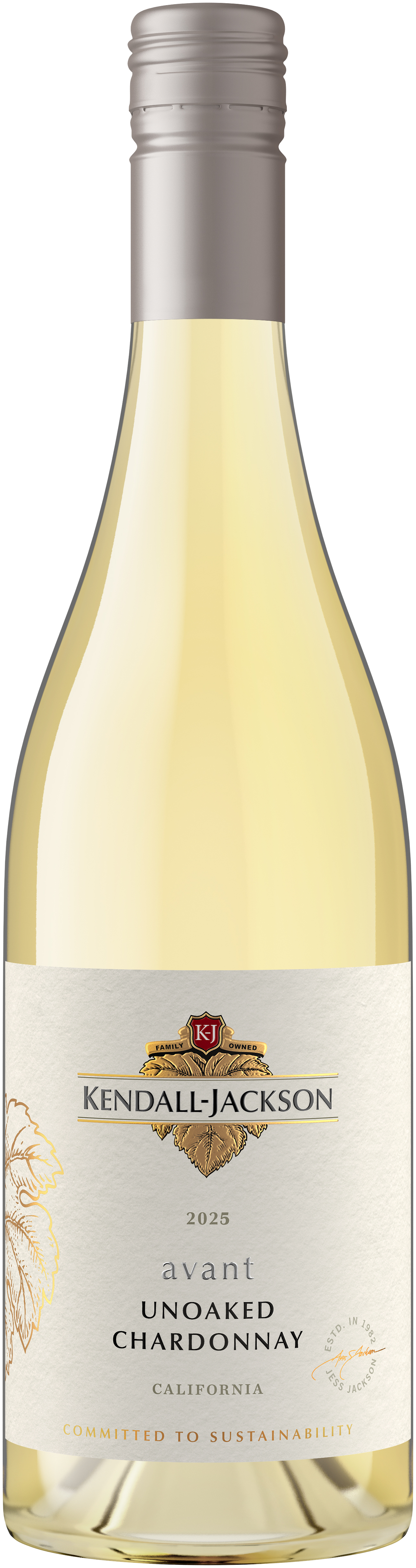
    The grapes for Kendall-Jackson’s Avant chardonnay are sourced entirely from coastal counties of California, adding a bright lemony freshness and hints of pineapple to chardonnay’s apple-pear core that make it a great partner for seafood and poultry.

    Kendall-Jackson “Avant” Unoaked ChardonnayKendall-Jackson

    Kendall-Jackson “Avant” Unoaked Chardonnay

    California; 13.8% ABV

    PLCB Item #3697 – on sale for $14.99 through Oct. 4 (regularly $17.99)

    Also available at: Total Wine & More ($12.99, totalwine.com) in Wilmington and Claymont, Del.; Hopewell Super Buy Rite ($13.99, buyrite.wine) in Pennington, N.J.; WineWorks ($14.98, wineworksonline.com) in Marlton, N.J.

  • Labor Day weekend is the perfect time to break out the boxed wine

    Labor Day weekend is the perfect time to break out the boxed wine

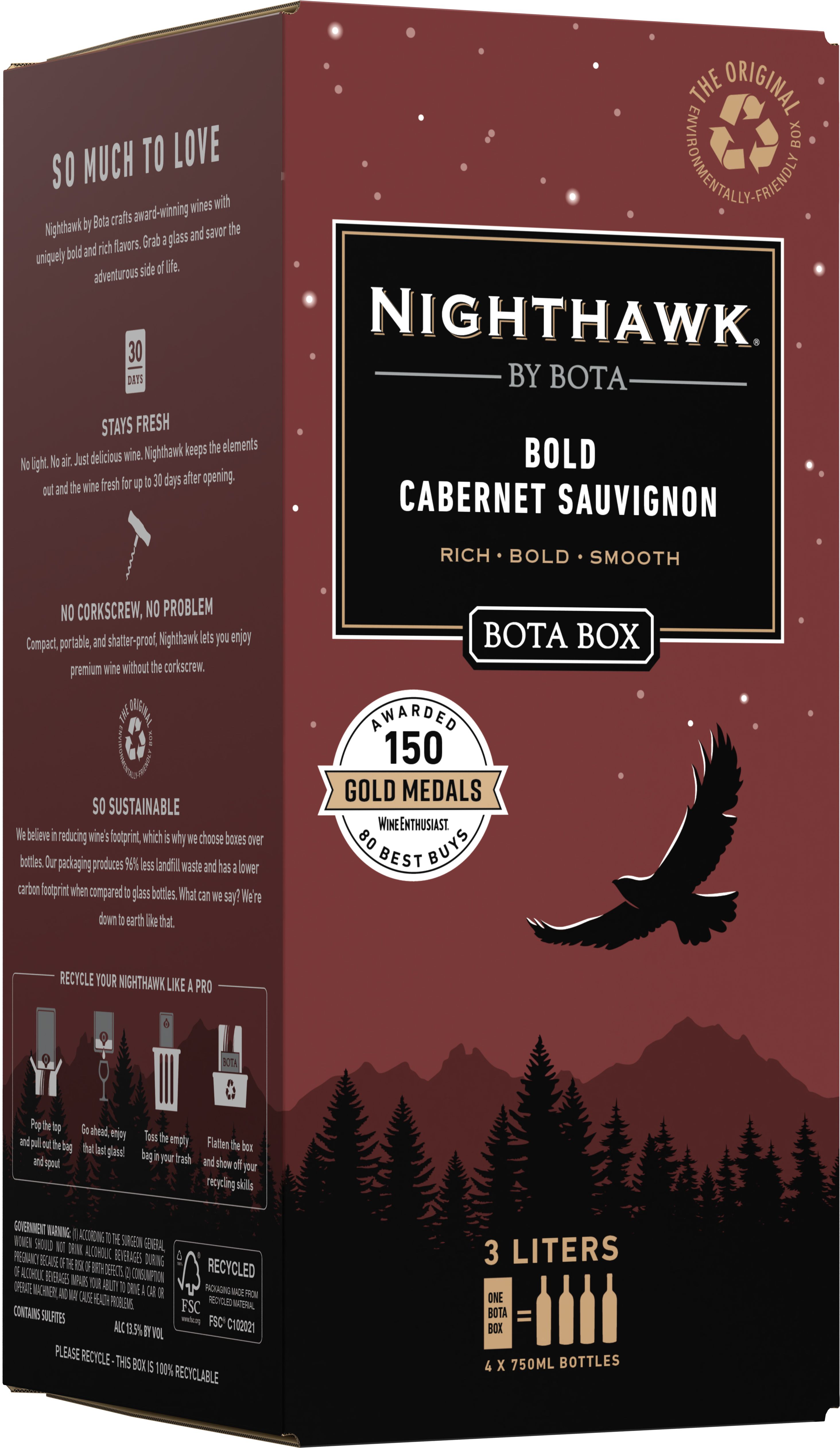
    Bottled wine has its upsides, but sometimes it’s impractical. Heading into the holiday weekend, many people have plans to celebrate outdoors, at the beach, on boats, or poolside — where glass is prohibited or discouraged. And bottles can be too heavy and bulky for ease of use in campgrounds or for picnics in the park. This is where the advantages of a 3-liter bag-in-box wine shine, as with this vibrant California cabernet sauvignon.

    The 3-liter size hits the sweet spot for bargain seekers, since the box contains the equivalent of four standard bottles of wine for the price of two. There’s no need to rush to polish all the liquid off once you’ve opened it thanks to the bag-and-tap system, which can keep the wine tasting fresh for up to 4 weeks. The same volume of wine in a box weighs a lot less and occupies far less space, making it easier to pack for adventures. Added benefits include lowering the wine’s shipping and storage costs and shrinking the carbon footprint, too.

    Stylistically, this wine is dark in color and intense in taste without being too strong in alcohol to be enjoyable on a sunny day behind the grill. Its tannins are also soft enough for this red wine to taste good on ice if it gets hot out, and the concentration of its cherry and raspberry flavors also make an excellent base for sangria. Best of all, this style tastes fantastic with a juicy cheeseburger or grilled chicken.

    Nighthawk by Bota “Bold” Cabernet SauvignonCourtesy of Bota Box Vineyards

    Nighthawk by Bota “Bold” Cabernet Sauvignon

    California

    13.5% ABV

    PLCB Item #2496

    On sale for $22.99 through Oct. 4 (regularly $24.99)

    No alternate retail locations within 50 miles of Philadelphia according to Wine-Searcher.com

  • Pinot grigio is wildly popular for a good reason. Here’s where the best ones come from.

    Pinot grigio is wildly popular for a good reason. Here’s where the best ones come from.

    Italian pinot grigio is one of the most popular imported wines in the U.S., but one result of that success has been a tarnished reputation that leads delicious examples like this one to be overlooked simply because they cost a few dollars more.

    As white wine grapes go, pinot grigio is an odd duck on many levels. It is a grape of French origin that is better known by an Italian name. Its fruit is used for white-winemaking but consists of grapes that look dusky purple on the vine. Indeed, it is technically not a true “grape variety” in its own right in botanical terms, but rather a paler-skinned mutation of a prized red grape variety: pinot noir.

    Pinot grigio was originally known as pinot gris and found its way from France to northern Italy by way of German-speaking regions in between. Known as grauer burgunder in Germany and Austria, it proved adept there at producing pleasant wines even when harvested before reaching full ripeness. Early harvests mitigate many of a grower’s risk factors, from bad weather to rot and disease, making brisk, lightweight pinot grigio a sensible crop in regions with short growing seasons and high humidity. These traits led to this grape’s widespread adoption in northeastern Italy, from the muggy plains surrounding Venice up into the alpine foothills of the Dolomites.

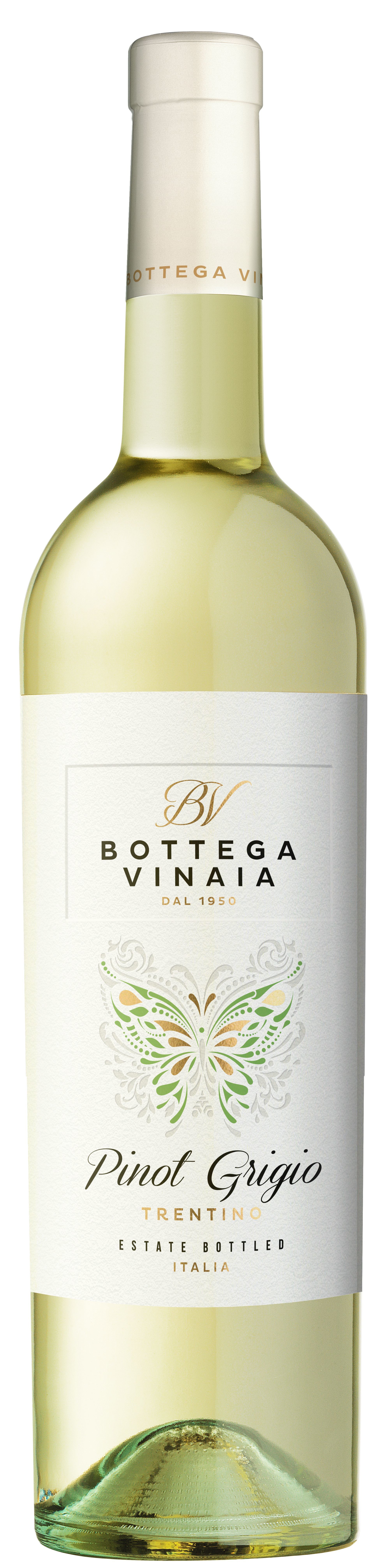
    The best quality is found in subregions like Trentino, Alto Adige, and Friuli, as with this lovely wine grown near the Austrian border. Where cheaper pinot grigios can taste watery and bland, this crisp, clean dry wine features flavors of fresh yellow pears and ripe kiwi that bring us back for a second glass. It’s hard to beat as a food partner, shining with everything from shrimp cocktail to roasted chicken to sweet corn on the cob.

    Bottega Vinaia Pinot GrigioCourtesy of Bottega Vinaia

    Bottega Vinaia pinot grigio

    Trentino, Italy; 12.5% ABV

    PLCB Item #4097

    On sale for $17.99 (regularly $19.99) through Aug. 31

    Also available at the Original Canal’s Discount Liquor Outlet in Glassboro, N.J. ($15.99, canalsofglassboro.com)

  • Here’s the key to pairing red wine with barbecue

    Here’s the key to pairing red wine with barbecue

    With only a few weeks of peak barbecue season left and Labor Day weekend around the corner, there’s no better time to stock up on wines like this one that are equipped to handle a rack of ribs.

    Red wines and red meats go together so well that it’s tempting to think that anything goes as long as the colors match. If you’re a fan of leaner, drier reds from places like Italy or France, it’s helpful to know that they will not taste their best with barbecue sauce. With only a handful of fruity exceptions like valpolicella or Beaujolais, those combos are almost guaranteed to clash due to the ultra-dryness of most European classic reds and the sticky sweetness of most barbecue sauces.

    Red wines from the Americas or the southern hemisphere are better equipped for barbecued ribs, chicken, or even BBQ-flavored chips because they taste so much riper and register as sweeter, even when their actual sugar content is almost as low.

    Bold red blends from California are a great choice for barbecues because, in addition to tasting less dry and more fruit-forward, they align nicely in other dimensions as well. Most are quite intense in their concentration of flavor and almost all feature prominent oak flavors that harmonize with the smoky taste of barbecue sauce.

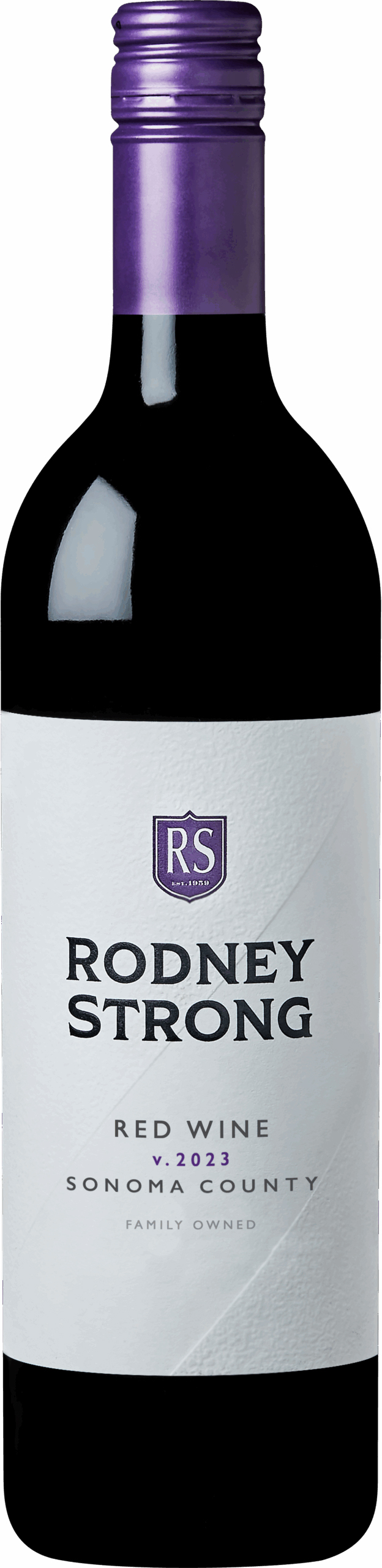
    Cheaper reds may acquire oaky flavor through the use of extracts or wood chips, but premium wines like this Sonoma red blend from Rodney Strong get their oak taste the old-fashioned way — by aging in newly toasted oak barrels. Here, grapes like merlot and cabernet sauvignon contribute a blackberry backbone while jammier malbec and zinfandel add a sweet black cherry component. The result is a robust blend that is juicy enough to handle ribs and all the other barbecue staples, but still dry enough for red wine lovers to sip on and enjoy by itself.

    Rodney Strong Red from Sonoma County.Rodney Strong

    Rodney Strong Red

    Sonoma County, California; 14.5% ABV

    PLCB Item #96511

    On sale for $18.99 through Aug. 31 (regularly $22.99)

    Also available at: Canal’s in Mt. Ephraim, N.J. ($15.49; mycanals.com), Hopewell Super Buy Rite in Pennington, N.J. ($15.49; buyrite.wine), Moorestown Super Buy Rite in Moorestown, N.J. ($15.99; moorestownbuyrite.com)

  • Why chenin blanc is one of the most underrated wine grapes of all time

    Why chenin blanc is one of the most underrated wine grapes of all time

    Chenin blanc ranks among the most underrated wine grape of all time in terms of its quality potential. When grown and made with care, as with this California example, its wines can be spectacular. Combining the aromatic finesse of riesling with the tactile opulence of chardonnay, chenin blanc rivals the finest of white grapes.

    However, chenin blanc has struggled to shake off a bulk-wine reputation because its strengths are so easy to exploit in making cheaper wines, especially sweeter wines.

    Depending on decisions made by vintners, any green grape can make wine that is still or sparkling, sweet or dry, oaked or unoaked. Whether the wine is lightweight or heavyweight is determined by how ripe the fruit is at the moment of harvest. Most wine grapes perform better in one or two styles, and people come to know what to expect from them. Sauvignon blanc is almost always dry and unoaked, for instance, while riesling is more often made to be sweet. Chardonnay is usually dry but fuller-bodied and often oaked, and almost every other grape has a similar “classic” style.

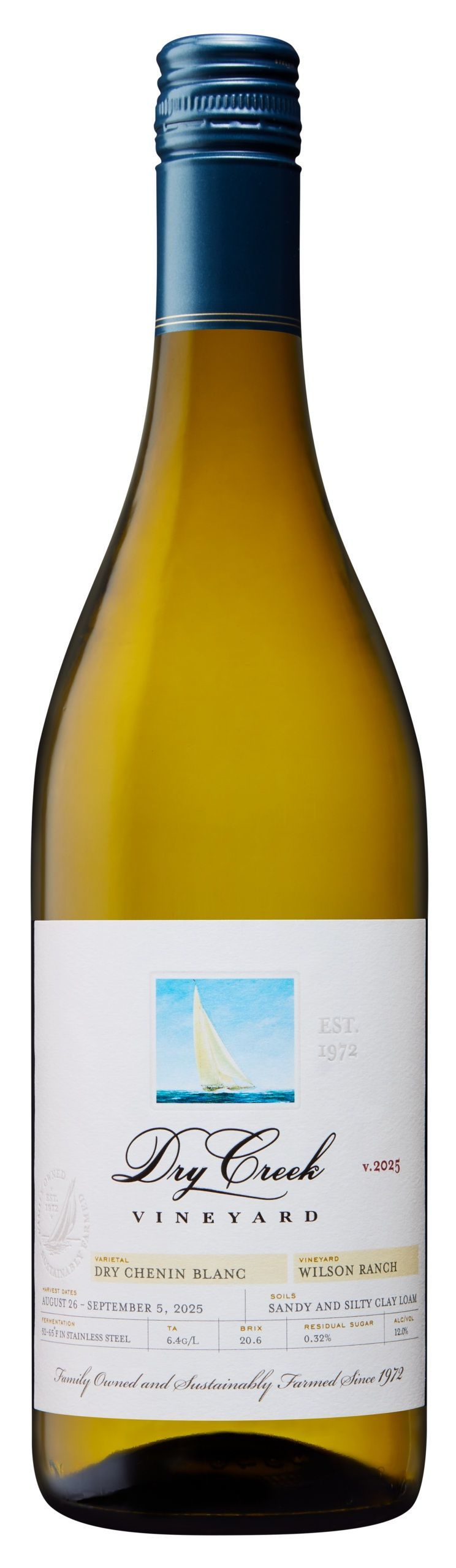
    This is where chenin blanc has a truly perverse problem from a marketing perspective — it is simply too good at making too many styles to have carved out any single recognizable stylistic niche. This makes every bottle purchased a bit of a leap of faith for the buyer, who can’t be sure quite what they’re going to get. That’s why it is so helpful that Dry Creek Vineyard shares this wine’s technical data right up front, confirming that the wine is made in a style that is light in body, at only 12% alcohol, and quite dry. Most vintages contain less than half a percent of residual sugar, which is well below the threshold of perception for most drinkers.

    Where many California chenin blancs are barrel-fermented as if they were chardonnays, this wine’s back label confirms that it is unoaked. In the glass, the wine has strong green apple and golden apple flavors, accented with notes of mandarin orange and honeydew melon. It is brisk, clean, and dry and makes an excellent partner for sushi or heirloom tomatoes.

    Dry Creek Vineyard Dry Chenin BlancCourtesy of Dry Creek Vineyard

    Dry Creek Vineyard Dry Chenin Blanc

    Clarksburg, California; 12% ABV

    PLCB Item #86917

    On sale for $15.99 (regularly $17.99) through Aug. 30

    Also available at: Moorestown Super Buy Rite ($13.49) in Moorestown, N.J., moorestownbuyrite.com; Hopewell Super Buy Rite ($15.99) in Pennington, N.J., buyrite.wine; and WineWorks ($16.98) in Marlton, N.J., wineworksonline.com.

  • How one French wine region manages to keep prices steady

    How one French wine region manages to keep prices steady

    Red Côtes-du-Rhône is consistently one of the best bargains to be found in the French wine aisle. Not only have their prices held reasonably steady over the past decade as other French regions have seen notable price increases, but their price-to-quality ratio has remained reliably high as well.

    Côtes-du-Rhône is a generic regional wine appellation that covers most of France’s Rhône Valley as the river flows from Lyon to the Mediterranean. In practice though, only wines made in the stony flats of the southern Rhône are affordable enough to be sold under this name. While 21 different grapes are technically permissible in this appellation, the Grenache grape dominates, typically comprising at least 60% and up to 100% of any given red Côtes-du-Rhône.

    Grenache is capable of producing excellent wine at a lower cost than most other grapes due to its freakish ability to produce large volumes of flavorful fruit even in arid conditions — vintners can rely on bumper crops to keep production costs low. The weakness of Grenache is that its grapes contain lower levels of the dark phenolic compounds in grape skins that give red wine its color and help it resist oxidative spoilage. This explains why vintners here typically blend in at least two other local grapes, Syrah and/or mourvèdre. Both are thicker-skinned varieties that deepen wine’s color and boost its antioxidant properties.

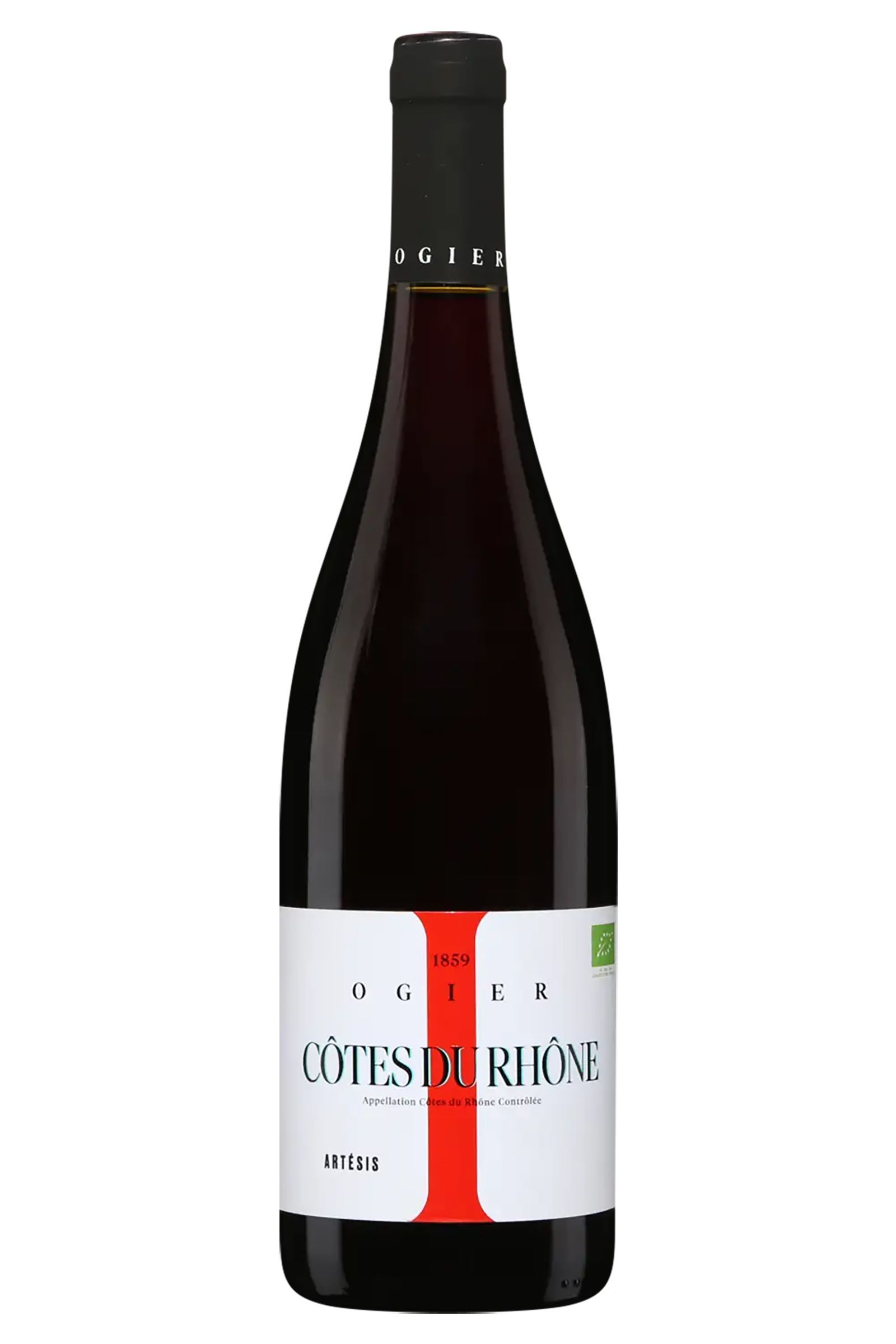
    This wine from one of the region’s most historic producers features vibrant flavors of fresh blackberry and red cherry, and an appetizing spiced-meat aroma reminiscent of soppresata salami.

    Ogier Côtes-du-Rhône “Artésis”Courtesy of Maison Ogier

    Ogier Côtes-du-Rhône “Artésis”

    Rhône Valley, France; 14.5% ABV

    PLCB Item #100048783 — on sale for $12.99 through Aug. 30 (regularly $14.99)

    No alternate retail locations within 50 miles of Philadelphia, according to Wine-Searcher.com

  • Try a New Zealand sauvignon blanc that shows why Kiwis took the wine world by storm

    New Zealand wines were rarely encountered in the U.S. before the 1980s, when their distinctive citrusy take on unoaked sauvignon blanc took the world by storm, starting with the Marlborough region. Almost all the examples of New Zealand wine available stateside still come from there. However, there is considerably more to explore than Marlborough, as with this tasty sauvignon blanc from the scenic Waipara Valley.

    Like Marlborough, the Waipara Valley is located on New Zealand’s sparsely populated South Island, but it has significant differences of climate and terrain that create noticeable differences in wine flavor. Marlborough’s vineyards are centered on a broad expanse of cool and moist coastal flats at the northern tip of South Island. The Waipara Valley lies further south, near Christchurch, with vineyards that tend to be even cooler, higher, and drier in a network of sheltered valleys. This provides grape growers with a cooler but longer growing season, which develops more prominent tropical fruit flavors while remaining quite light-bodied and refreshingly tart.

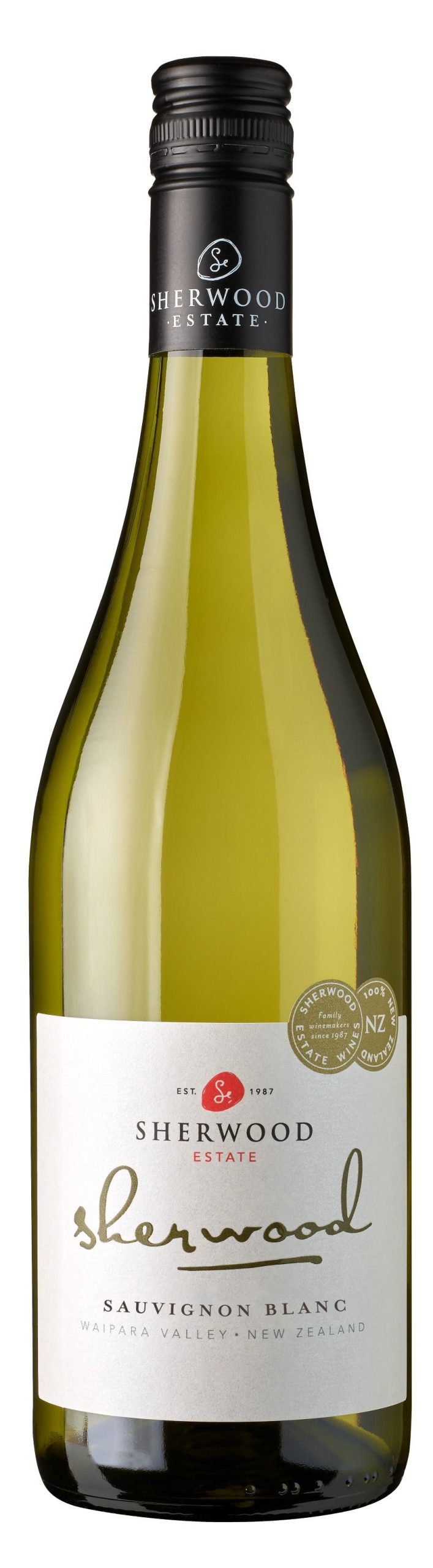
    Like most New Zealand sauvignon blancs, this iteration still features the green and leafy aromatics that give the best ones a savory, ceviche-like profile. This delightful example offers vibrant flavors of passionfruit and guava; zesty, lime-like acidity; and a fragrance with notes of fresh cilantro and parsley.

    Sherwood Estate Sauvignon BlancCourtesy of Sherwood Estate

    Sherwood Estate Sauvignon Blanc

    Waipara Valley, New Zealand; 13% ABV

    PLCB Item #100056939 — on sale through Aug. 2 for $17.99 (regularly $19.99)

    No alternate retail locations within 50 miles of Philadelphia, according to www.wine-searcher.com.