Author: Michelle Myers

  • The Garces Foundation is changing its name and expanding to Kennett Square

    The Garces Foundation is changing its name and expanding to Kennett Square

    Olivia Ponce left her native Mexico for South Philly in 2001, with a young daughter and no extended family; she strongly felt the lack of a support system.

    Putting her own health and personal growth on the back burner to give her child a better life, she worked unceasingly in the restaurant industry for more than a decade. A phone number on a light pole offering English classes changed her life.

    The digits belonged to the Garces Foundation, created in 2012 by Ecuadorian American chef Jose Garces and Cuban dentist Beatriz Garces after the death of a friend who had avoided seeking medical care out of fear of deportation.

    Since then, the organization has helped Philadelphians from 26 countries in 12 languages, providing access to English classes, free healthcare, and support as they adapt to their new home, regardless of insurance or immigration status.

    Now, to honor its communal sentiment, the foundation has changed its name from Garces Foundation to Comunidad Garces, beginning Tuesday.

    As the organization approaches its quinceañera, the new name is just one change. The agency is expanding its free community health days from Philly to Kennett Square, where more than 28% of the population is foreign-born.

    For Beatriz Garces, the new name responds to the way people have already come to see the organization: as a community.

    “We felt like, given everything the community is going through at this moment, it was even more important to evolve the name to something that really feels welcoming to all immigrants,” she said.

    Although the word comunidad is Spanish for community, Beatriz Garces said, the sentiment and their doors are open to people from all walks of life.

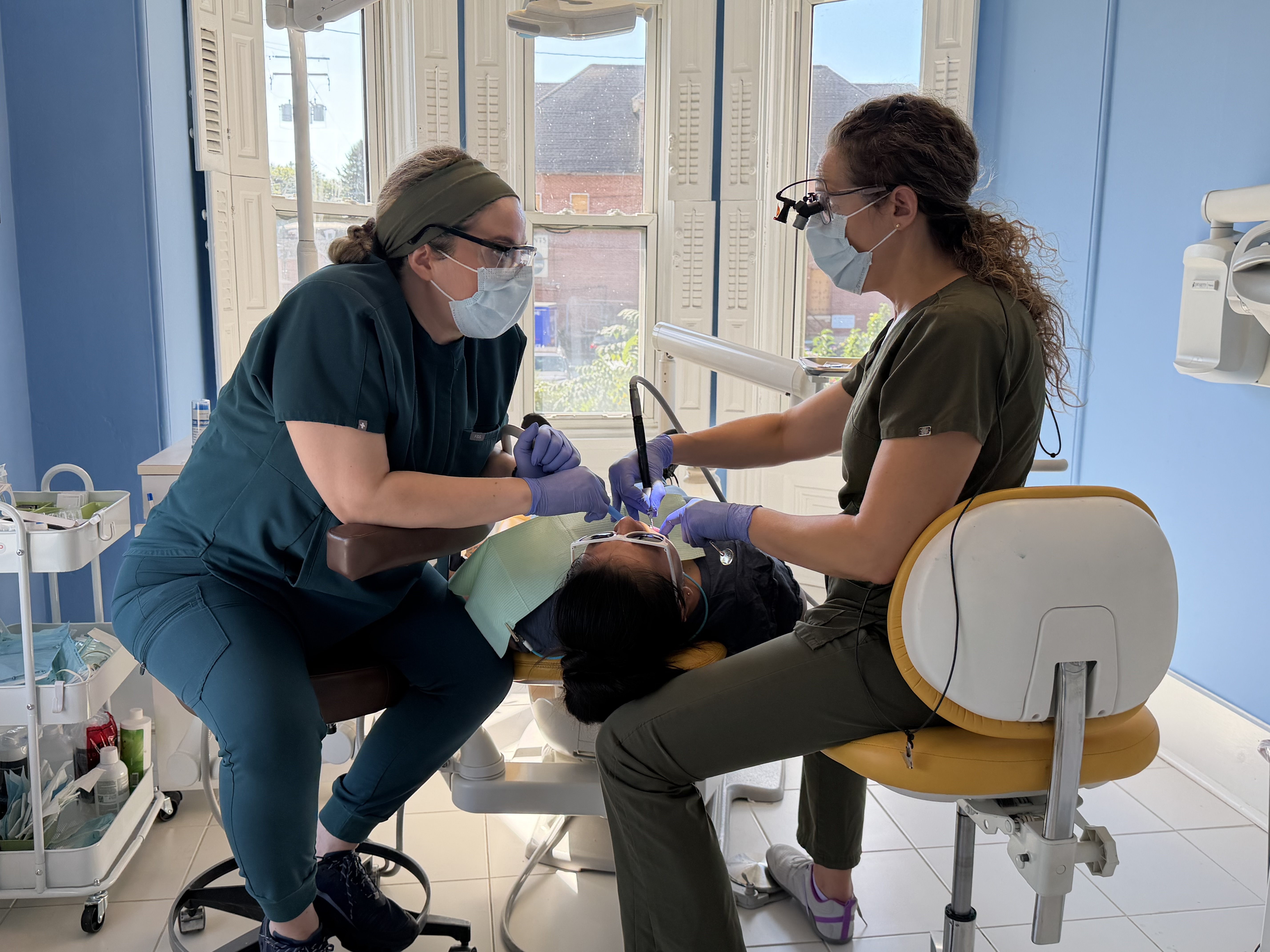
    For years, Comunidad Garces has been holding Community Health Days about every other month in Philly to make medical and dental care free and accessible for people who otherwise would not have it.

    Since 2021, the foundation has treated about 5,000 people through medical assistance and the dental program, Beatriz Garces said.

    Colon and prostate cancer screenings are now available, as well as mammograms through Penn Medicine’s mobile mammography program.

    Now, these services will expand to Kennett Square in partnership with Laurel Dental of West Grove.

    “It’s the first time we expanded beyond Philadelphia,” Jose Garces said. The first Kennett Square community health day was held Saturday.

    “Just on our first day, we discovered five abnormalities in women through our mammogram screening and were able to pass them on to Penn Medicine to continue their evaluation, so day one already making an impact.”

    In the last two years, Comunidad Garces has been expanding to adapt to the needs of a growing immigrant community living through challenging times, Beatriz Garces said.

    Since 2025, the foundation has also offered digital literacy classes, even providing computers so folks can enroll in the program.

    Ponce herself learned English, got her GED certificate, discovered and treated her prediabetes, and found a support system through the organization.

    “Immigration always leaves pain in us, but there is something about the power and resistance we find through this community,” Ponce said. At the South Philadelphia-headquartered foundation, “it feels like you are loved, like there is this family vibe.”

    Most recently, Ponce was hired as a case manager at the foundation. She now helps community members find housing, employment, and schools and manage their healthcare visits.

    The expansion to Kennett Square is, in part, a way to make sure immigrants have access to what they need to build their new lives in the United States, Beatriz Garces said.

    As the name change unfolds, Jose Garces hopes the community feels more included and welcome.

    “Our name is changing, but the world remains the same,” he said. “Comunidad means community, and that means our door is open to everybody.”
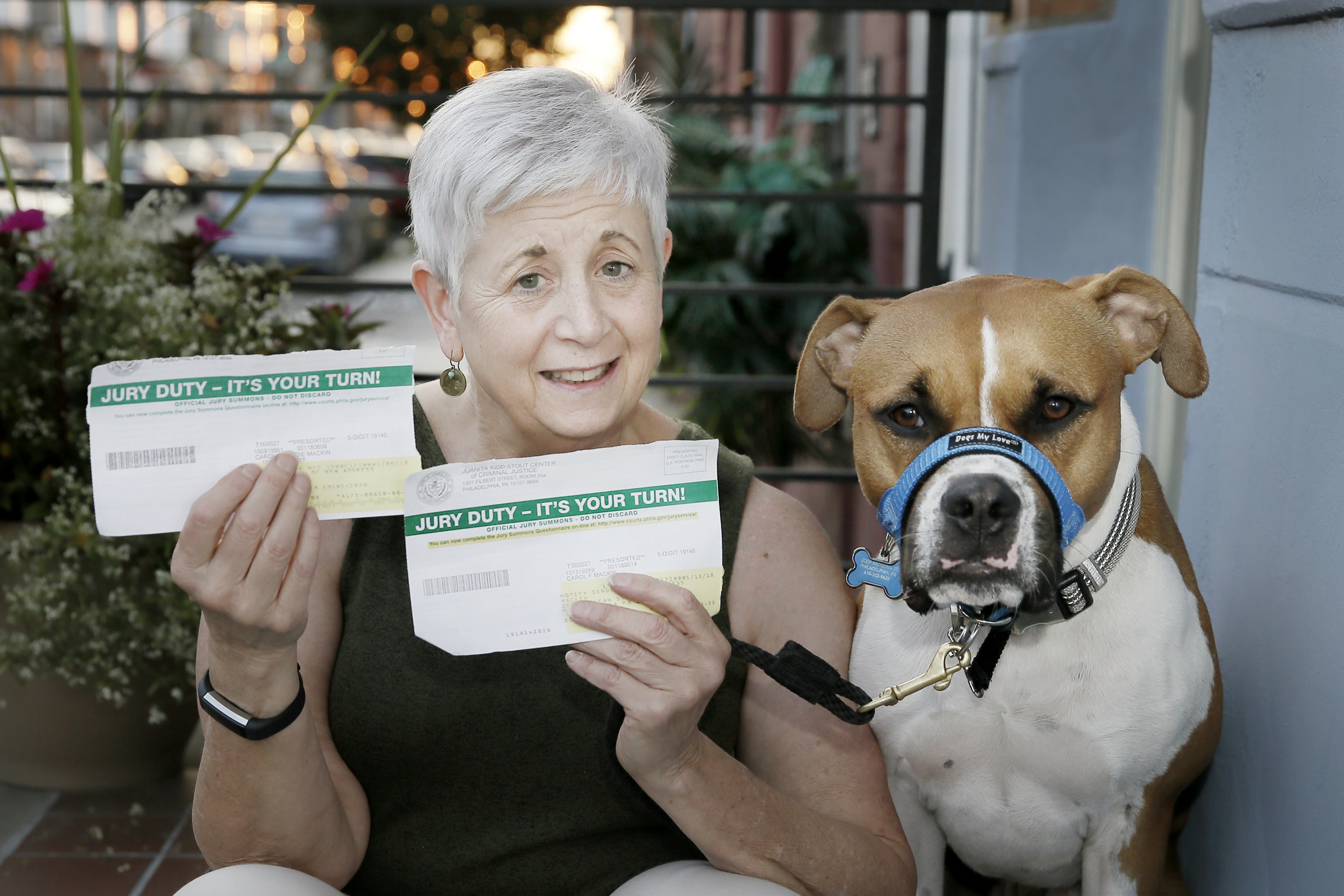
  • Is there an age limit for serving on a jury in Pennsylvania? No, but you can get an exemption.

    Is there an age limit for serving on a jury in Pennsylvania? No, but you can get an exemption.

    Benjamin Franklin once said there were two certainties in life: death and taxes. Then, the Jury Selection and Service Act of 1968 codified a third: getting summoned to jury duty.

    While some people may get called more often than others, all qualified citizens who receive a summons are required to show up unless they meet one of the legal exemptions.

    For senior folks, age could be the qualifying factor to excuse them, leaving a reader to ask Curious Philly, The Inquirer’s forum for questions about the city: Is there an age limit on serving for jury duty in Pennsylvania?

    » ASK US: Have something you’re wondering about the Philly region? Submit your Curious Philly question here.

    As long as you are an adult citizen, residing in Pennsylvania, and have a beating heart, frankly, the answer is no.

    Anyone with an able body and mind who can read, write, and speak English and has never been convicted of a felony or crime punishable by more than a year in prison is can participate in jury duty well into their sunset years.

    That said, in Pennsylvania state courts, people 75 years and older can request an exemption from fulfilling jury duty to not have to show up, under state law.

    The process, however, isn’t as easy as just choosing not to appear.

    Ages for excusal from jury duty

    In federal courts, summoned jurors can often be excused as early as their 70th birthday, said Corey McCrea, a courts public affairs specialist.

    The precise age, however, depends on the district court a person is summoned to; some may have higher or lower age requirements, McCrea said.

    Septuagenarians and older citizens can request to be excused from jury duty, but can still choose to fulfill their jury service if they want to, McCrea said.

    State courts also have varying ages for exemptions.

    Across the river, in New Jersey, residents must be 75, like in Pennsylvania. They have to prove their date of birth to the jury management office.

    But in Mississippi, people 65 years old and older can be excused, and only need to file an online form.

    Folks in the state of Washington, on the other hand, need to reach 80 years old before qualifying for an age-related excuse. Even then, they need to prove they can’t serve due to health reasons through an attestation form.

    Requesting an age-related excusal for jury duty in Pennsylvania

    Older Pennsylvanians who are summoned for jury in state court may request to be excused, with the specific procedure varying by county.

    Those summoned in federal court — the Eastern District of Pennsylvania for residents in Berks, Bucks, Chester, Delaware, Lancaster, Lehigh, Montgomery, Northampton, and Philadelphia Counties — must send an email to ejuror@paed.uscourts.gov within five days of getting the summons to submit their excusal request.

    Change on the way?

    Seven decades might soon become the rule for all Pennsylvanians, including those summoned in state court.

    A new bill in the Pennsylvania General Assembly proposes to lower the jury duty age exemption for all Pennsylvanians to 70.

    “When you see people that are 75 years old having trouble just walking into there, to me that’s a bring it down, bring it down to 70,” said Nancy Guenst, the Montgomery County Democrat sponsoring the bill.

  • Reading Terminal Market’s efforts to prevent food waste get the attention of the EPA

    Reading Terminal Market’s efforts to prevent food waste get the attention of the EPA

    The Reading Terminal Market is often bustling with voices, crowded aisles, and populated hallways. But on Monday, the real motion was behind the scenes, among the trash cans and scraps.

    After two years of diverting as much food waste from landfills as possible, the market has managed to keep 1,045,931 pounds of organic waste from the trash fields.

    A pilot program began in April 2024, through a partnership with the composting service Mother Compost, and 10 of the market’s sellers. Now, as part of the celebrations for the nation’s 250th, the Environmental Protection Agency’s Feed it Onward program is highlighting initiatives that ensure food resources are redistributed instead of wasted.

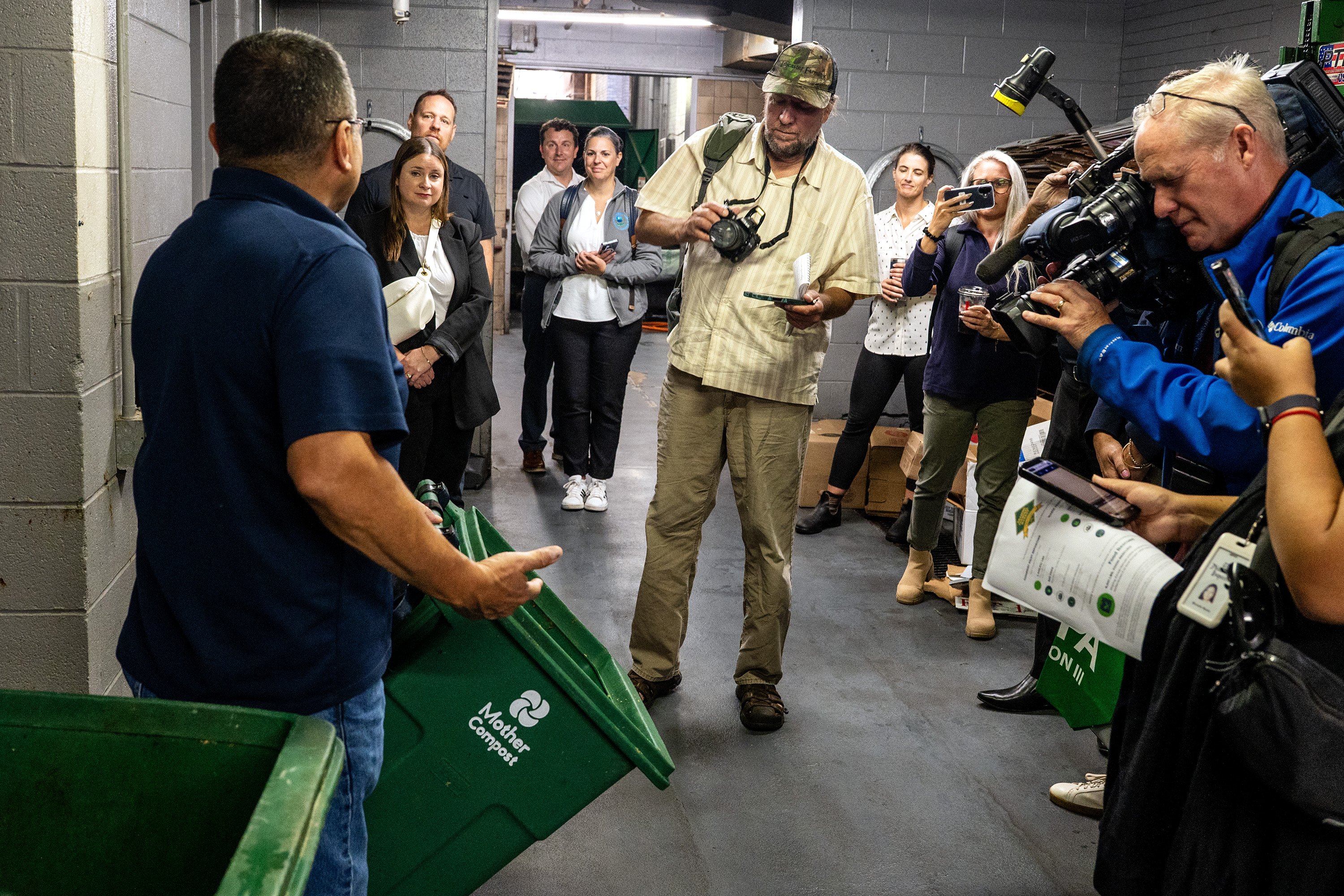
    EPA officials toured the market’s facilities on Monday, getting a behind-the-scenes look at how the composting and other recycling and reuse programs work.

    “We are not just one organization championing for change, but more than 80 small, family-owned businesses under one roof who have the potential to make a difference,” said Annie Allman, Reading Terminal Market CEO and general manager.

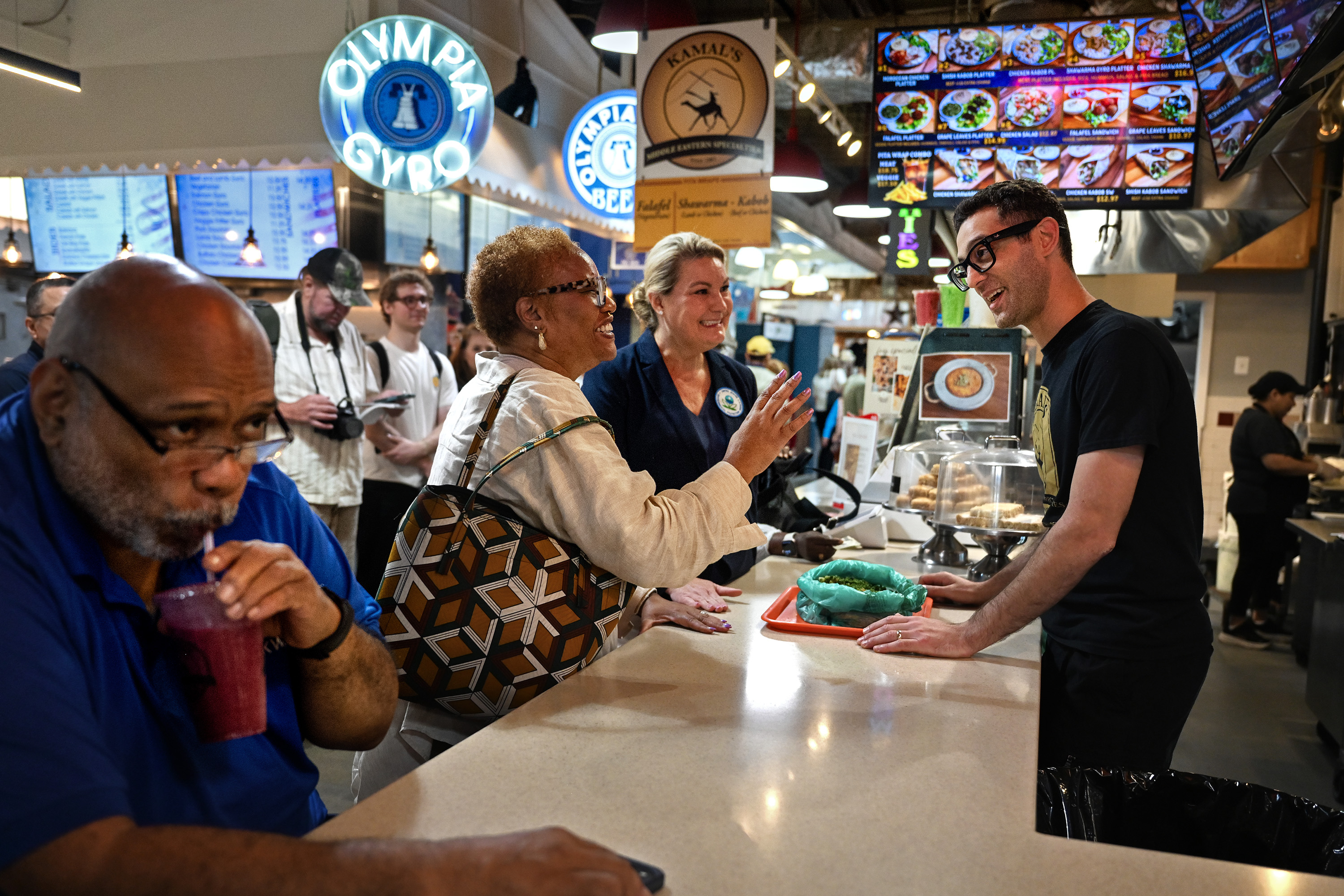
    Kamal’s Middle Eastern Specialties is one of them. Its owner Adham Albarouki, has been in the market for 45 years and sees in the composting program a way for his juice bar to give back.

    “We produce about 15 to 30 pounds of waste per day. Being part of something a little bit bigger here we can contribute a lot more,” Albarouki said. “It’s something to give back to mother nature.”

    The process is easy, Albarouki said. He or his workers run the vegetables and fruits through juicers. The juice goes to the customers, while the peels, fiber, and leftover organics are taken to a merchants-only area.

    Behind closed doors, 20 Mother Compost green trash cans are lined up, waiting to be fed scraps.

    Miguel Servellon (left), assistant general manager at Reading Terminal Market, gives merchants, EPA officers, and news media a behind-the-scenes tour of the market’s food waste diversion operations and sustainability programs on Monday. The green bins are from Mother Compost, a local, woman-owned pickup service, that composts organic materials to keep food scraps out of landfills and return their nutrients to local soils.Tom Gralish / Staff Photographer

    Miguel Servellon, the market’s assistant general manager, runs a tight machine to ensure the compost doesn’t get contaminated.

    On Monday morning the cement room smelled like orange peels, as one trash can had already been loaded with the citrusy scraps ahead of an early pick up, Servellon said.

    Fruit and vegetable peels, meat, eggs, cheese, milk, coffee grinds, and even fish all go inside the green containers.

    “The smell is not so inviting; occasionally it can be a challenge,” Servellon said.

    The organic waste is layered on top of each other.

    Mother Compost takes as much as 1,300 pounds of composting per pickup, which happen three times a week, Servellon said. The waste then goes to be repurposed at Linvilla Orchards, in Delaware County.

    But organic waste is not the only thing being recycled.

    At the other end of the room, two big gray containers sat full of vegetable oil waiting to be picked up by LifeCycle Renewables.

    Since 2022, the market has gathered 100,209 gallons of oil from sellers to be used as heating fuel in commercial buildings, Allman said.

    And since 2023, the nonprofit Sharing Excess has been working with the market’s sellers to redistribute surplus food.

    Earlier this year, Sharing Excess got its own fridge inside the market where sellers can deposit their donations to be redistributed in places with food insecurity.

    “We come by five days a week, and our driver weights them and tracks who donated each so we can give them their proper tax credit,” said Braden Walper, Sharing Excess retail rescue manager.

    The food goes to stock food pantries and provides as much as 100 meals a day for people experiencing food insecurity, Walper said.

    These Reading Terminal Market programs are crucial to inspire businesses across the region to reuse and recycle their food, said EPA Mid-Atlantic regional administrator Amy Van Blarcom-Lackey.

    “More than one million pounds diverted from landfills is an impressive milestone, but what really stands out to me is how the merchants made these practices part of their everyday operations,” Van Blarcom-Lackey said. “It’s important to continue because it’s good for the community and better for the environment.”

  • At Feria del Barrio, Philadelphia’s Puerto Rican community celebrates its culture and claims its space

    At Feria del Barrio, Philadelphia’s Puerto Rican community celebrates its culture and claims its space

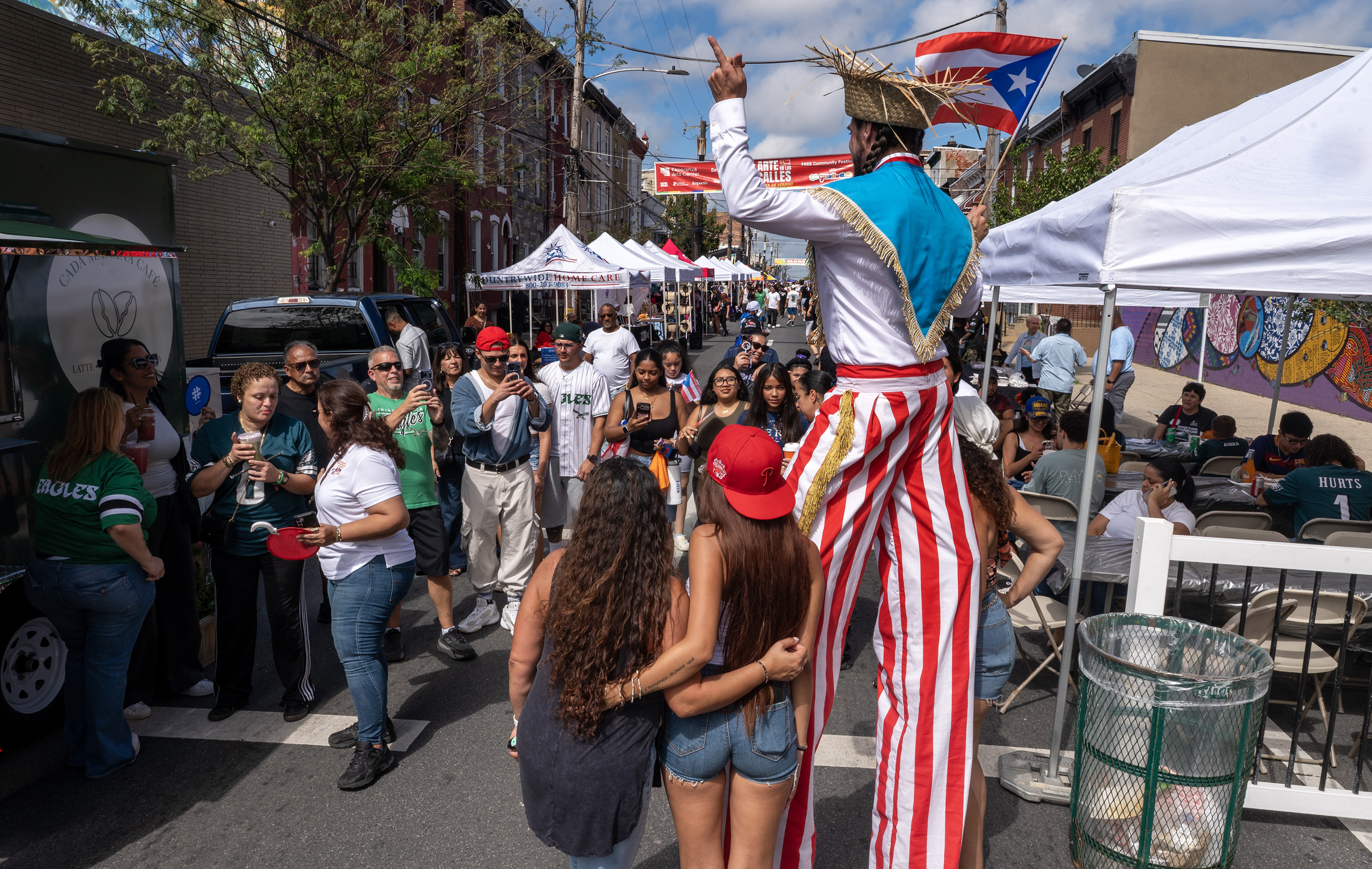
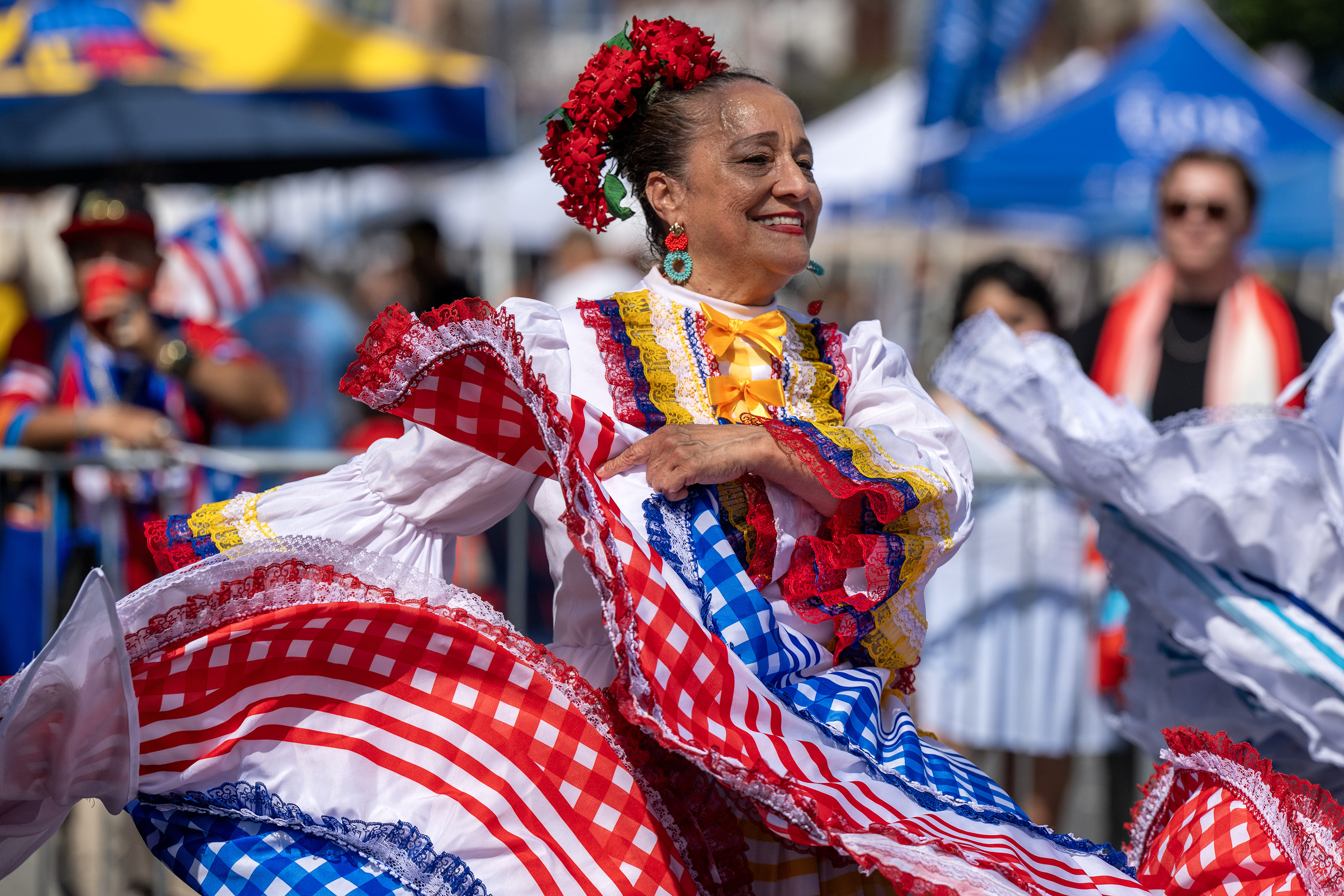
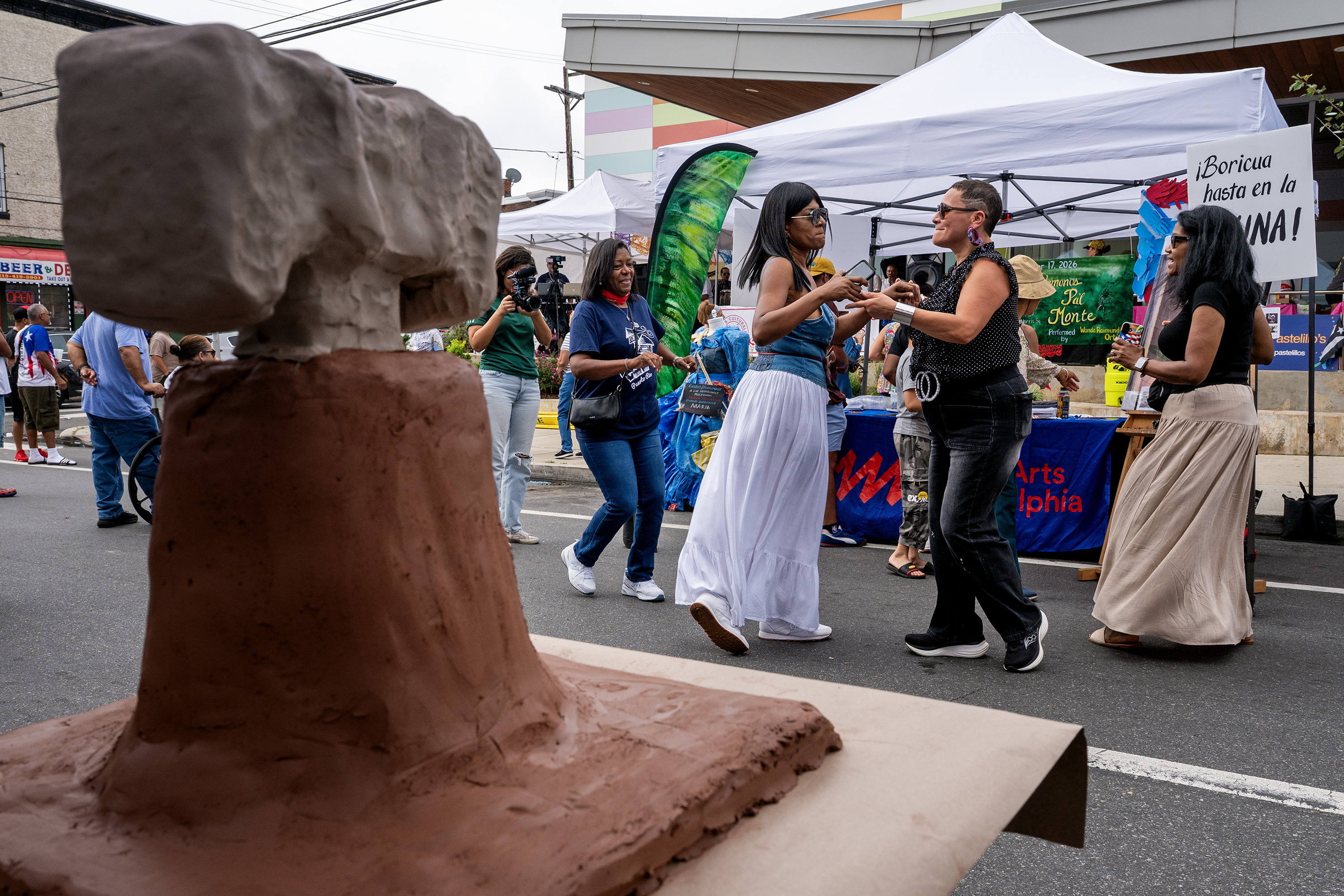
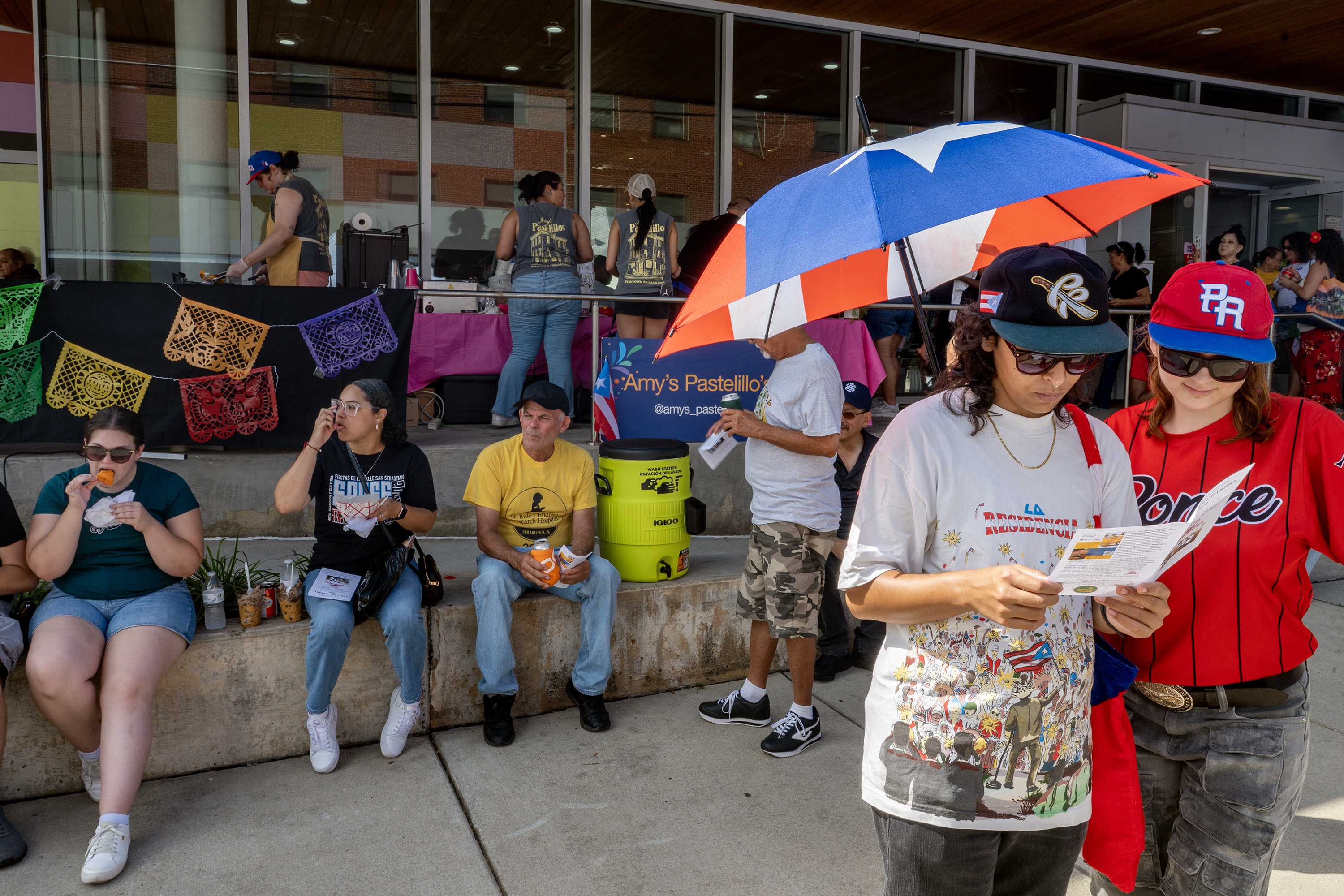
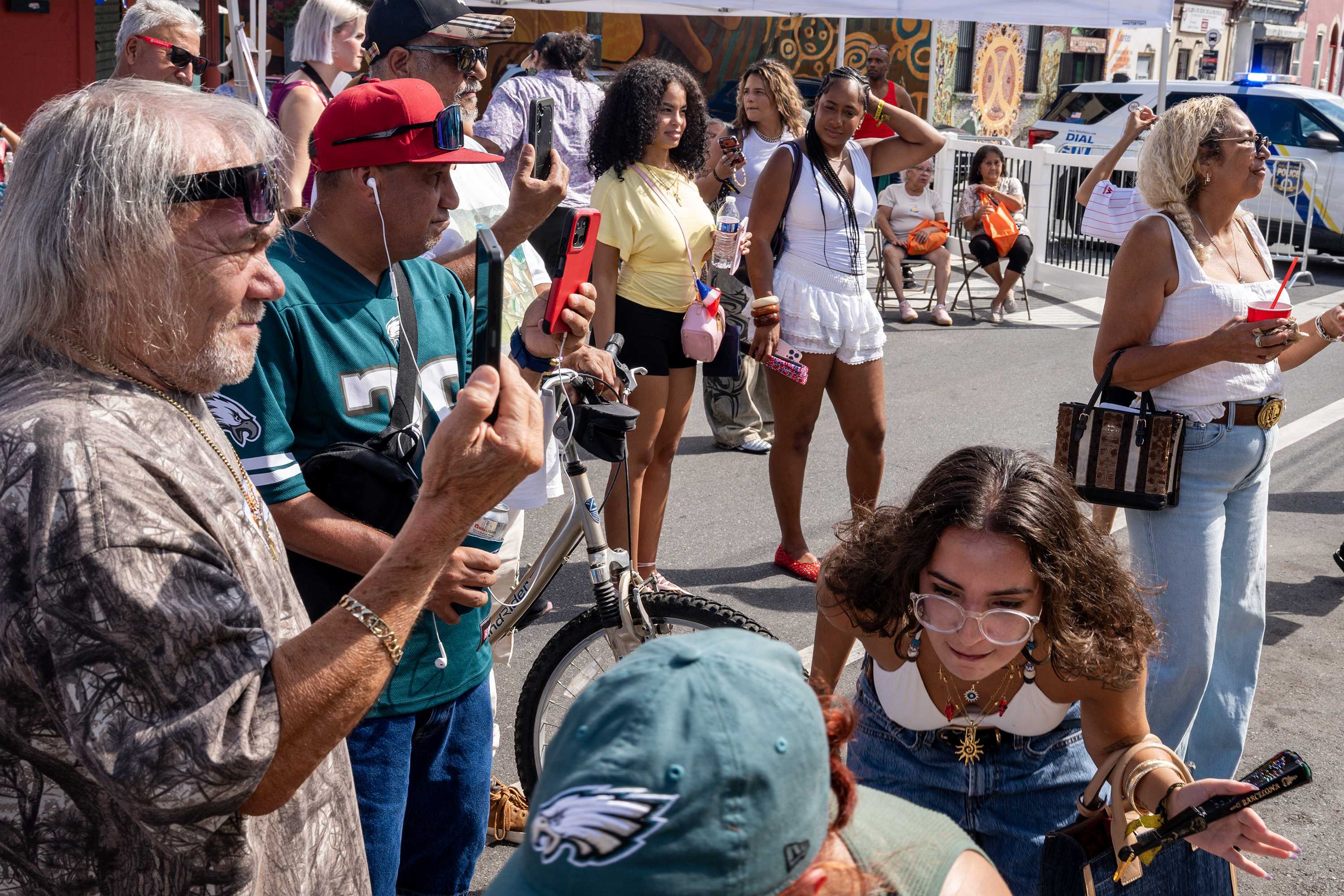
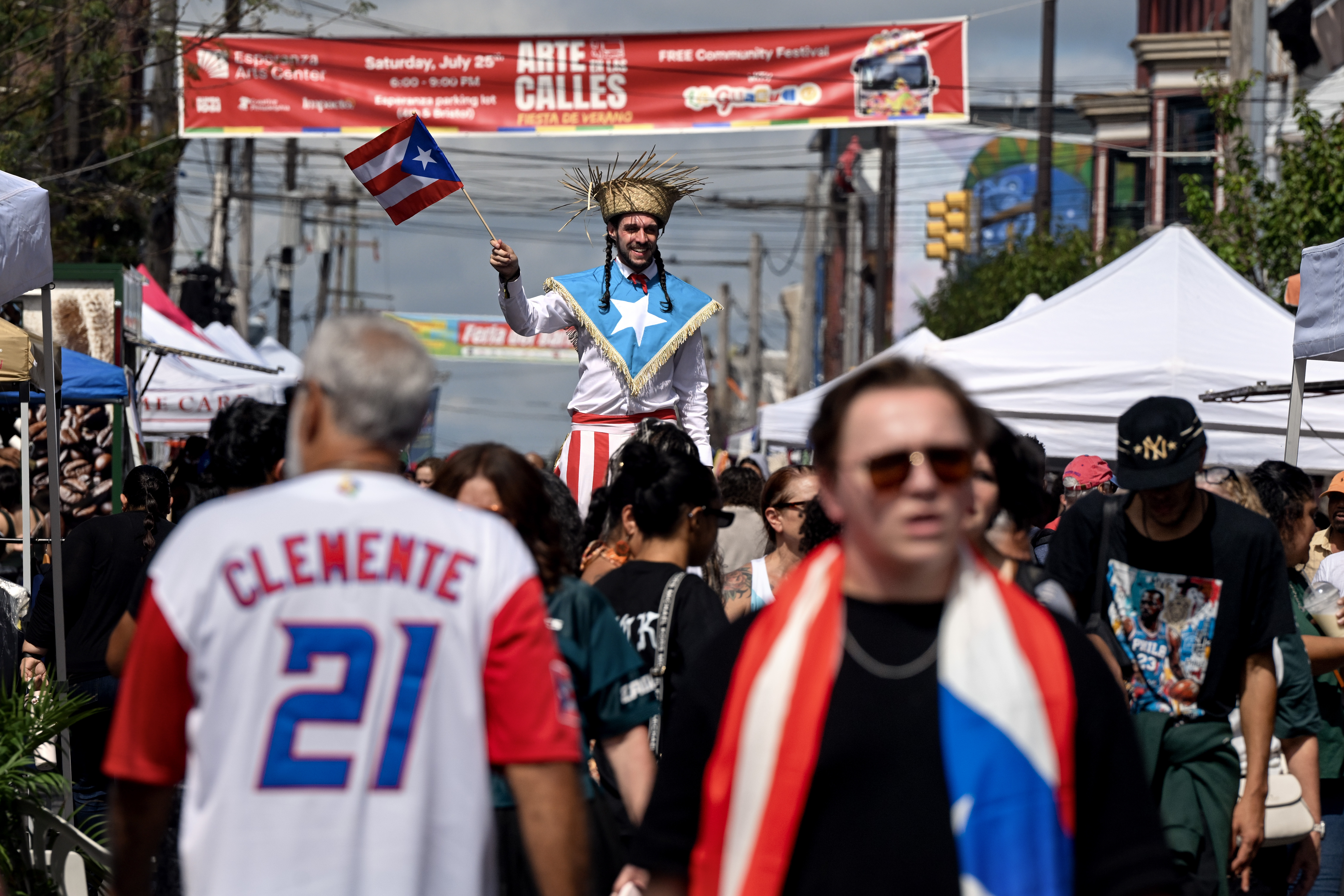
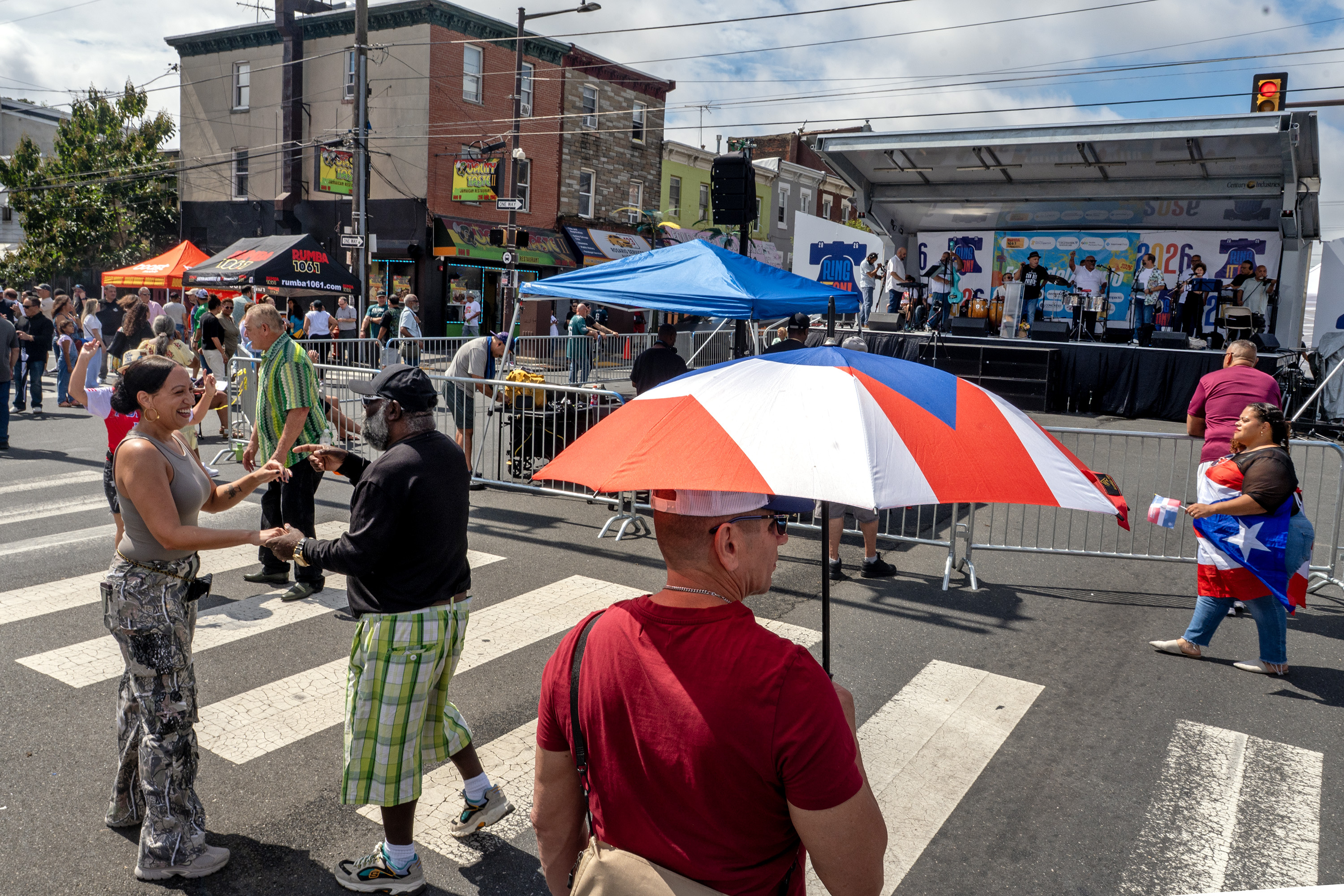
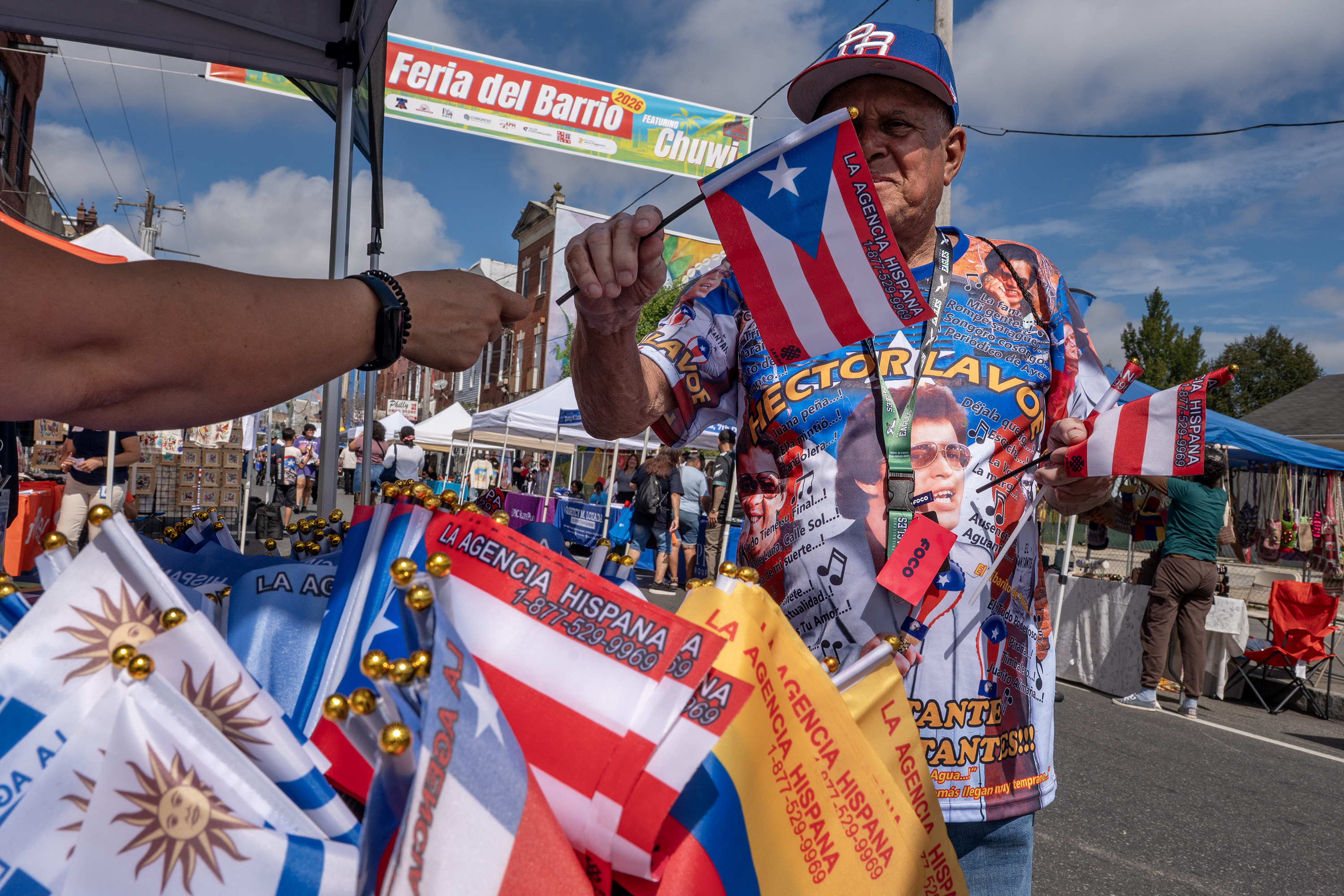
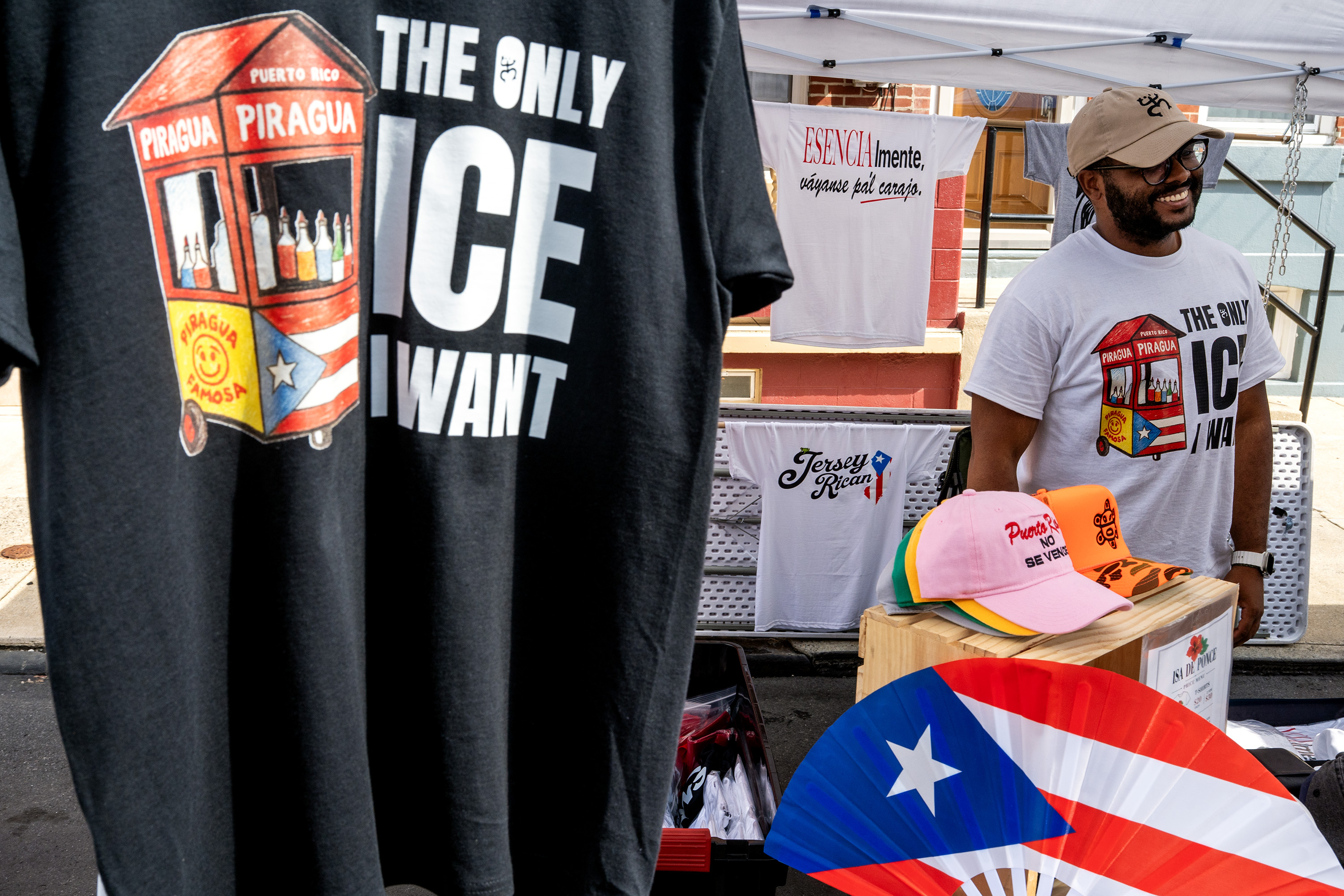
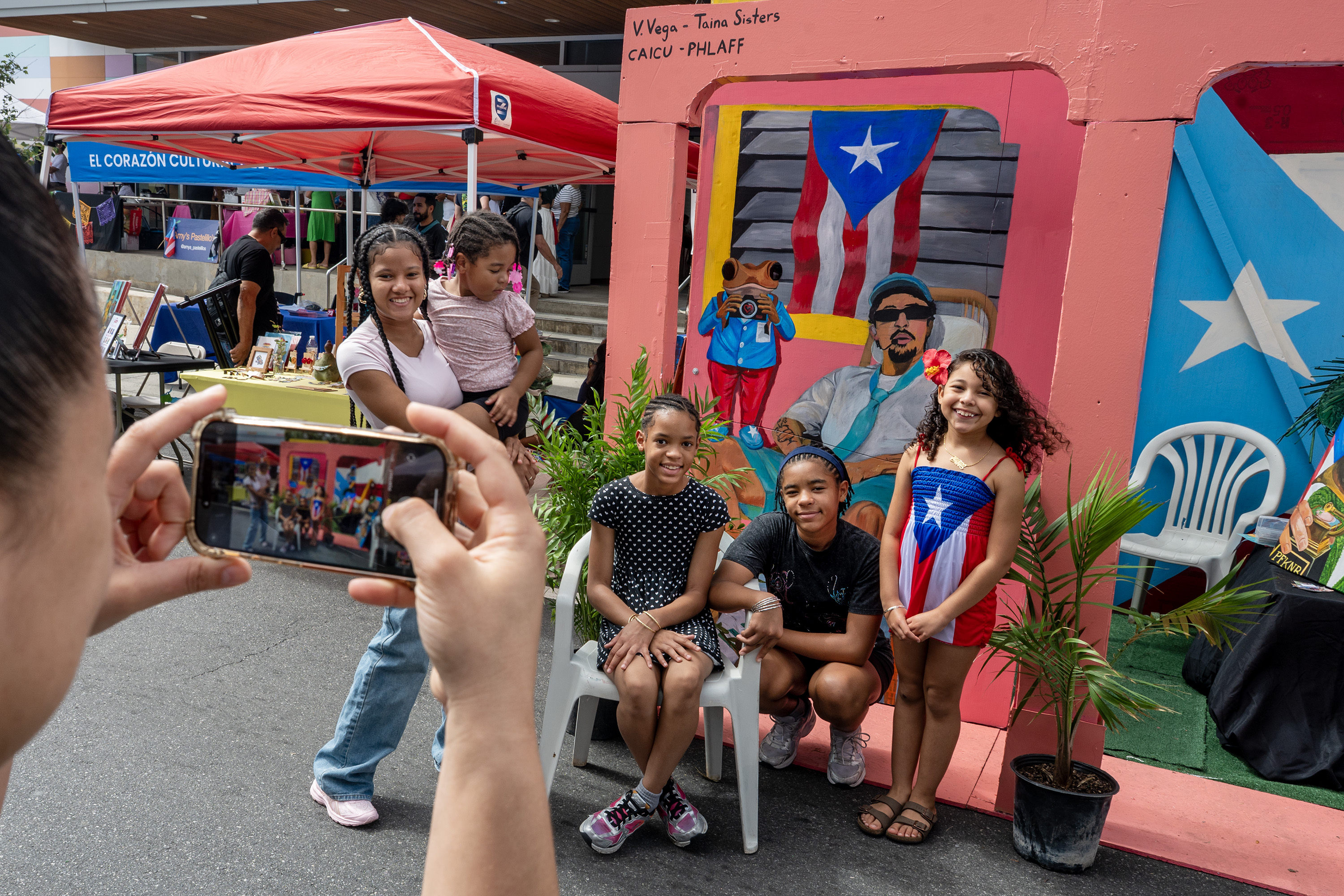
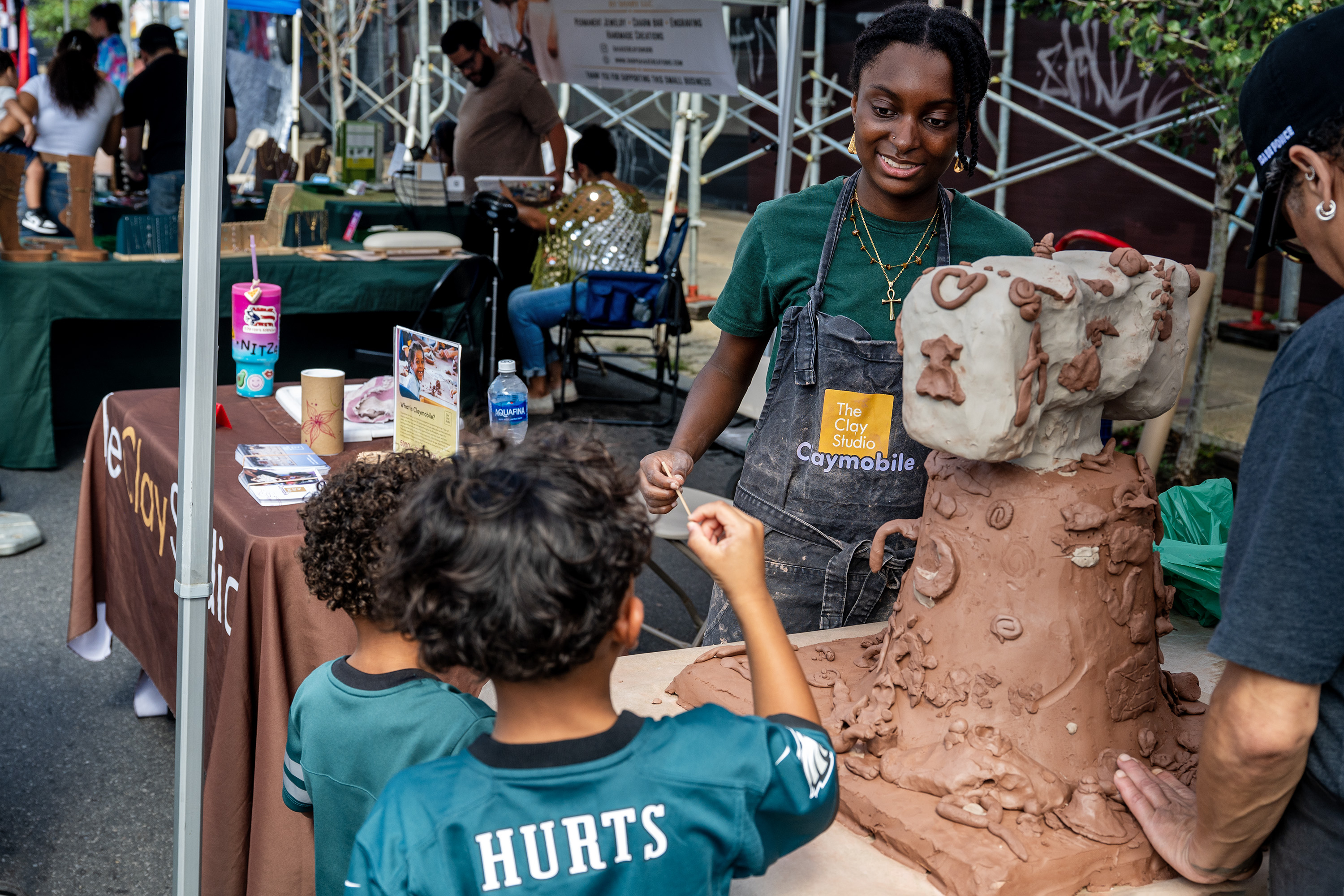
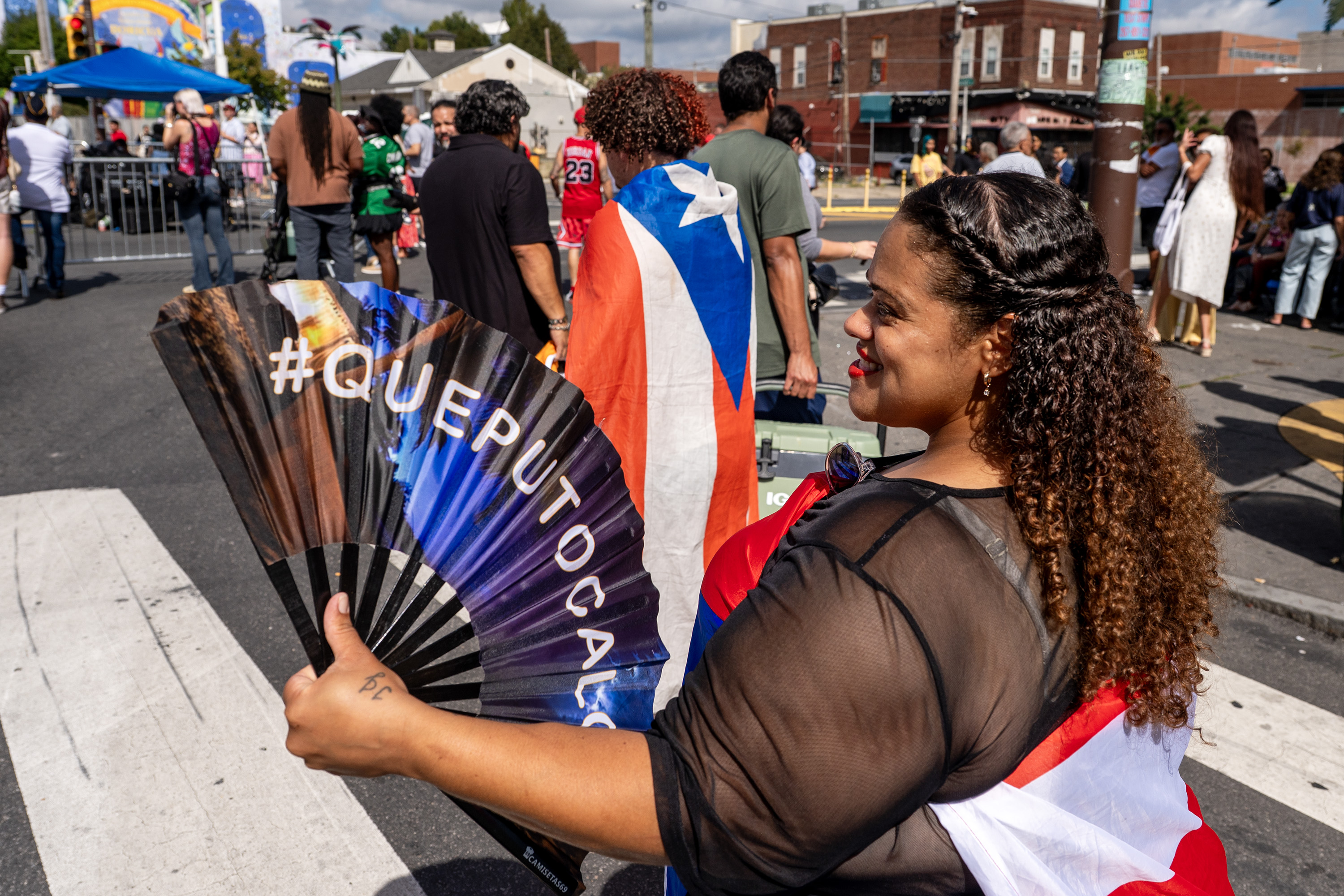
    To the sound of bomba, the storm parted ways on Sunday, making way for the 42nd Feria del Barrio celebrations in Fairhill.

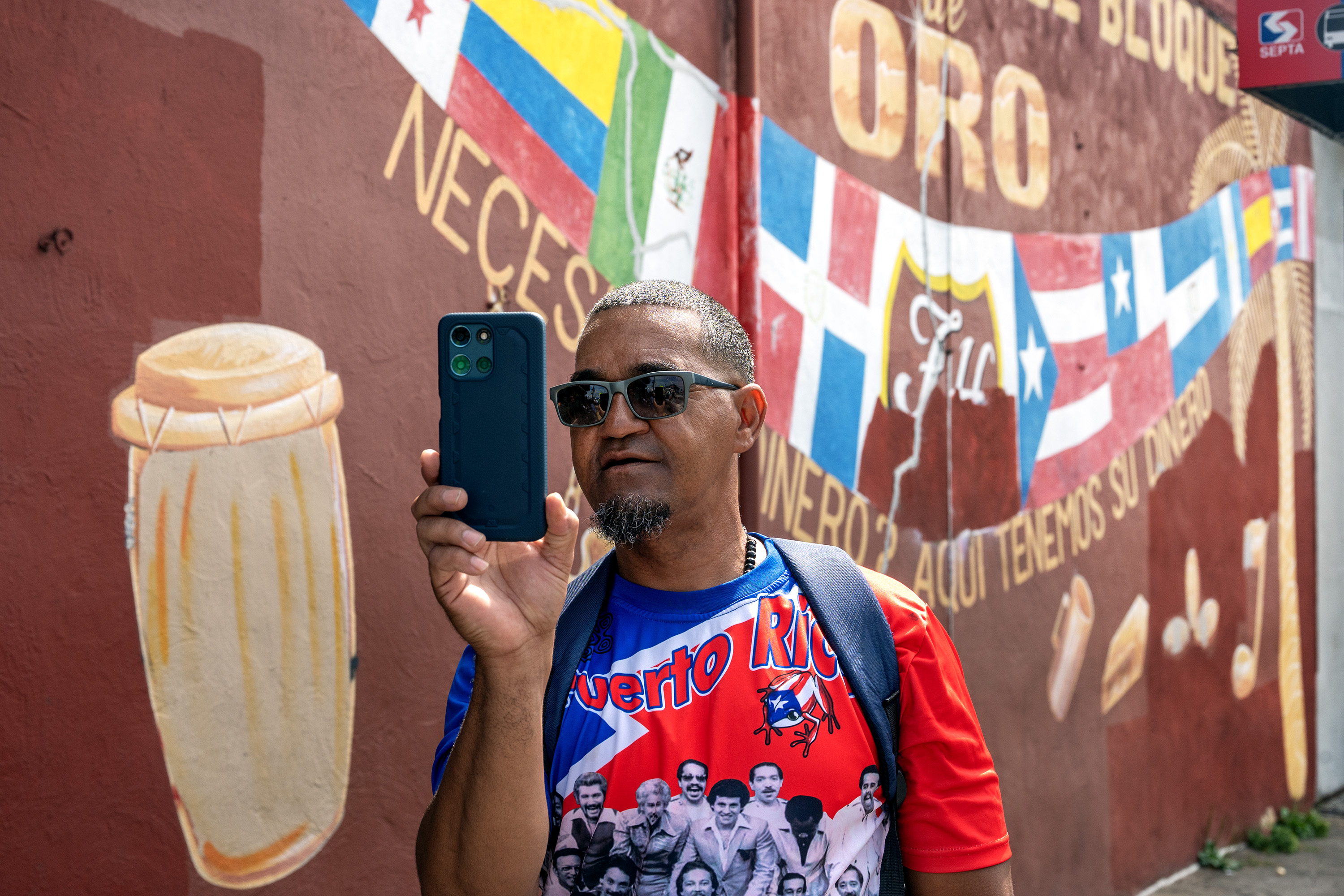
    The annual event honors El Bloque de Oro and Puerto Rican culture, bringing hundreds of people to North Fifth Street, between Huntingdon and Lehigh Somerset Streets.

    “There is this bad, negative connotation with El Bloque de Oro, where we are considered the Badlands of Philadelphia,” said Annais Delgado Sánchez, Taller Puertorriqueño visual communications manager. “But it’s called El Bloque de Oro for a reason: There is true community here.”

    In the ’80s, during the crack epidemic, the media labeled some of the heavily Latino areas in North Philly as “Badlands,” Delgado Sánchez said.

    For people living here, however, this is the “golden block,” she said, a place they call the heart of the Latino, particularly Puerto Rican, community in Philadelphia.

    On Sunday, as the live music pulled the crowd around the stage at Fifth and Lehigh, Sonia Lopez, 77, gathered in the corner with her sister and daughter ready to spend the day at the festival.

    Lopez has lived in the neighborhood since before the first Feria del Barrio. She said the celebrations fill her with pride.

    “Every year the artists get better; there is more food, and music,” Lopez said, sitting on a folding chair, surrounded by bags full of umbrellas, hand sanitizers, towels, aspirin, and even toilet paper.

    “She only lives three blocks away, but once Feria starts, she’s not going anywhere,” her daughter, Eneida Martinez, said.

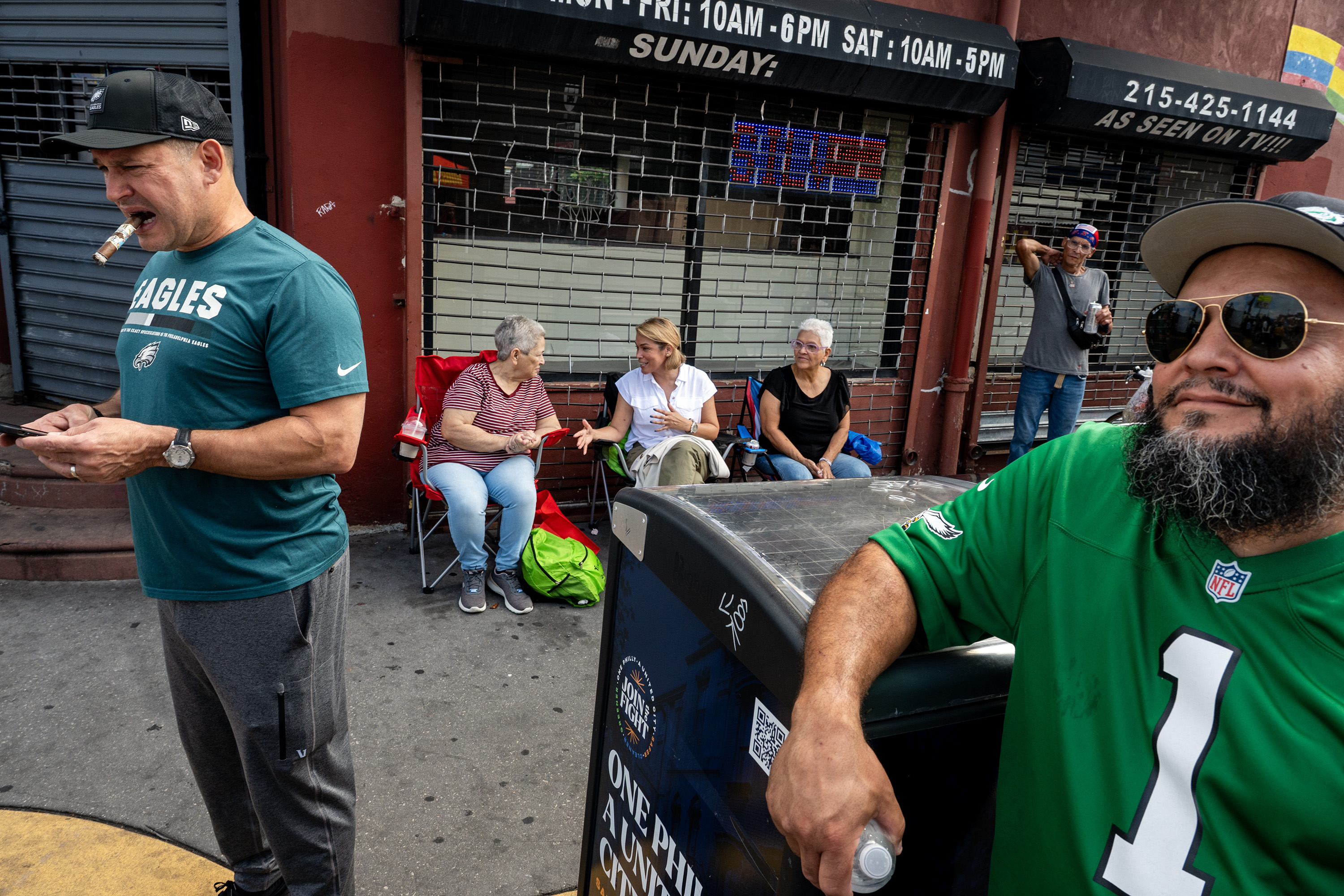
    Arriving early, Eneida Martinez sits with her aunt, Sonia Lopez (left) and her mother Eneida Martinez (right) along North Fifth Street, also known as El Bloque de Oro, in the heart of Philly’s Latino neighborhood on Sunday. 2026. They live just blocks away but brought chairs and even toilet paper (there are porta-potties nearby) because they weren’t leaving until it’s over. Eagles fans and friends Milton Norat (left) and Hector Franco (right) will be gone long before the festivities end as they planned to head home to watch the Eagles game together.Tom Gralish / Staff Photographer

    Martinez, 56, moved to Colombia a couple of years ago but came back to town to enjoy Feria with her mom.

    “Growing up here was a bit frightening, but things have changed so much,” Martinez said. “And that’s not due to the new people moving in; that’s a product of the Puerto Rican resiliency. Without us in these blocks, this would no longer be El Bloque de Oro.”

    Economic downturns, gentrification, and the COVID-19 pandemic have forced the neighborhood to reshape itself, but residents and community organizations continue to center their culture and traditions, Delgado Sánchez said.

    The festival has allowed the community to hold on to its identity, she said.

    “It’s a way for us to fight back and show that we are here and we are here to stay, and we are here to make sure our culture is preserved and celebrated,” Delgado Sánchez said.

    That feeling is what keeps Leida Garcia, 76, at every Feria del Barrio.

    “Back in my day, it truly felt like the block was made out of gold, there were so many stores open, and people in and out shopping, the neighborhood felt alive,” Garcia said. “Things have changed, but when the Feria takes the streets, it’s like happiness is back; any sadness or concern is left behind, that’s why I never miss it.”

    The Feria, the retiree said, gives her a break from worrying about keeping her home in the neighborhood amid rising property taxes.

    “They can try, but I will only be leaving this block if they take me out of my home and into the grave,” Garcia added.

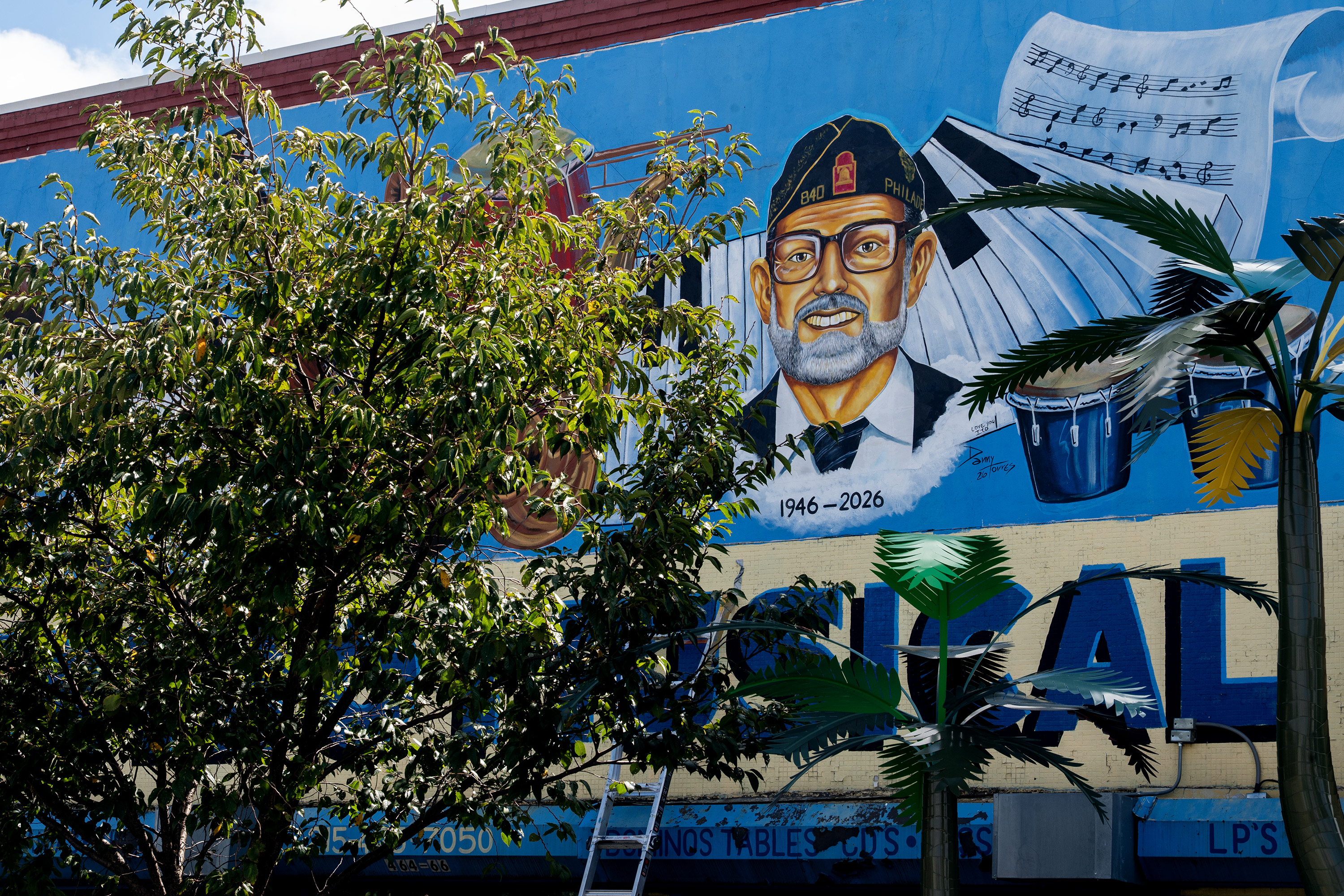
    Reinaldo Melendez, owner of Centro Musical, said the festival is meaningful for him and his family, especially now when the Latino community seems to feel more vulnerable amid the political climate.

    “Just take a look around; La Feria is a reminder for us to be proud of being Latino, especially with everything going on right now,” Melendez said. “We are proud people, and we fight to be here; we fight for our rights; we stand firm here, and we are alive and relevant.”

    Auri Rivera photographs her sisters along North Fifth Street as the Puerto Rican community welcomes people to he annual block party Feria del Barrio hosted by Taller Puertorriqueño.Tom Gralish / Staff Photographer
  • How South Philly’s full-block light displays work

    How South Philly’s full-block light displays work

    The twinkling of colorful lights can make everything feel more vibrant — like the Miracle on South 13th Street display during Christmas.

    For some South Philadelphia blocks, however, holiday lights are not enough: They light up the night all year round.

    Wondering about the blocks with iconic lights strung across the street, a reader asked Curious Philly, The Inquirer’s forum for questions about the city: “How does one get the decorative street lights and who looks after them?”

    » ASK US: Have something you’re wondering about the Philly region? Submit your Curious Philly question here.

    For many residents, the lights had inhabited the streets before they even moved in, so the answer is not straightforward. But it seems to fall on block captains and rely on the neighbors agreeing and paying the bill.

    Anthony Scola III, 66, remembers when the decorative lights were set up on his block, the 1600 block of South 13th Street. He was 6 years old and his father, Anthony Scola II, was part of the neighborhood group that organized putting them up, he said.

    At first, Scola said, neighbors wanted the holiday lights only on the trees, then around their homes, and soon the light show continued to grow.

    He doesn’t remember the organizing process, or how the adults got the lights, and with his 94-year-old father recently dying, that part of neighborhood history remains untold.

    But, as he pointed to the tree outside, Scola showed how the lights connect through a window to an outlet inside his home. Most of the lights are on year-round, he said, but Christmas lights are not lit until the Saturday after Thanksgiving.

    If the lights are affecting his electric bill, he said, he hasn’t noticed it.

    At the end of the block, Julia Morrison and her husband, Michael Edmonds, are settling into the neighborhood. The couple moved in over the summer, after having lived around the corner for six years.

    “We always thought the lights were owned by the city, but the neighbors told us that everyone has to pay for the cost,” Edmonds said.

    According to Peco, how the string light displays are paid for depends on the specific installation and location.

    Some connections go directly into homes, and the cost comes out directly in each homeowner or resident’s electric bill. Other displays, however, can be paid for through a separate account specifically for the lights. Then that account gets billed instead of each individual neighbor with lights connected to their home.

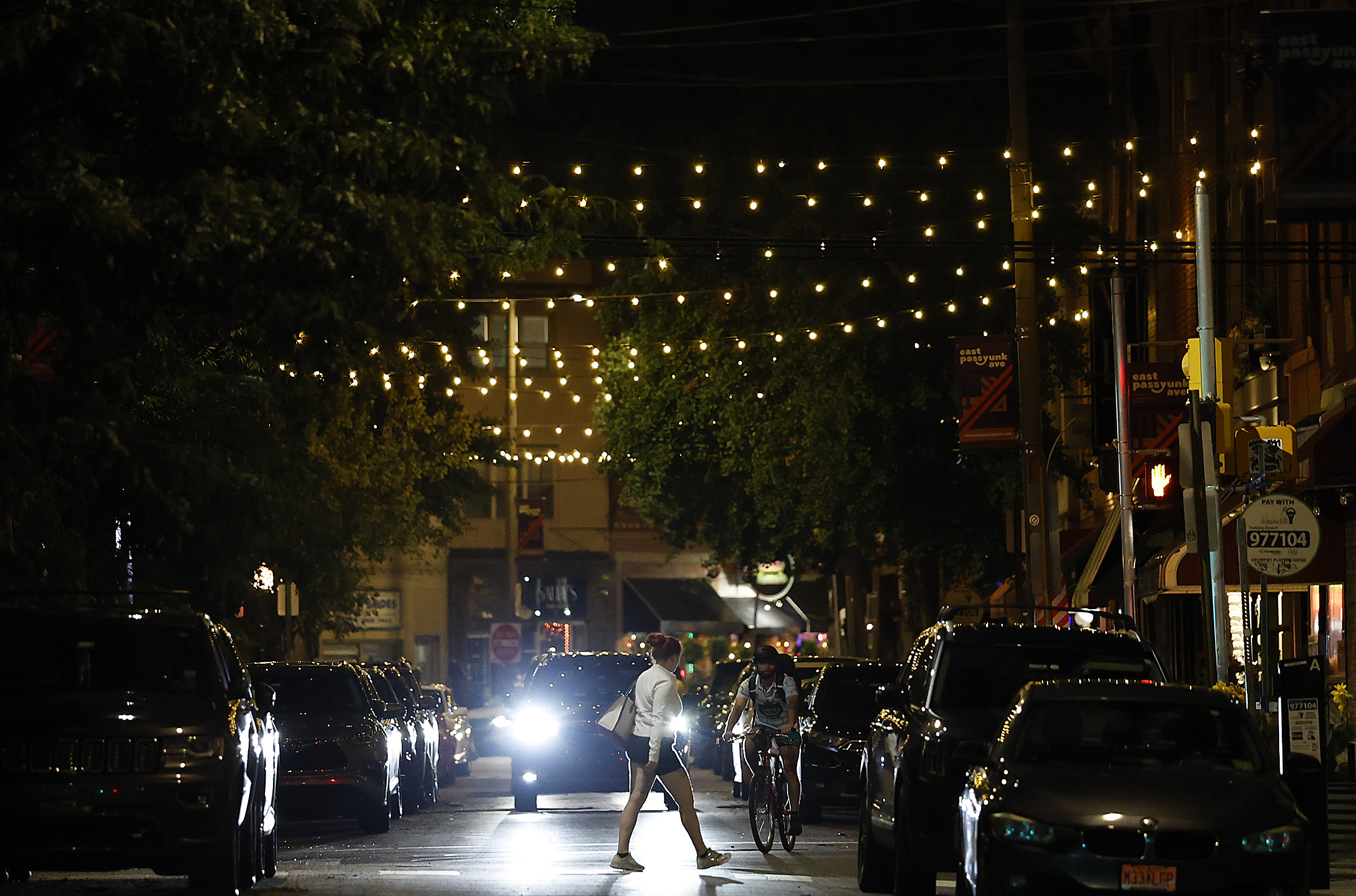
    Lights string across the street along East Passyunk in South Philadelphia on Thursday, Sept. 3, 2026.Yong Kim / Staff Photographer

    The couple is not sure how much the bill will be for the year-round lights. They are hoping to find out more after Thanksgiving, when everyone in the block comes out to set up the Christmas lights.

    Whatever the cost, they said, it is worth it for the effect on the block.

    “It brings the people together, and it’s just cheer,” Morrison said. “It brings the community street together, makes people feel closer.”

    On the 1200 block of Wolf Street, tiny blue, yellow, and red light bulbs dance in the wind on a zigzag above the street.

    They have been there for as long as Maryann Mooney, 69, remembers.

    “When I was a kid, it was magical to see the lights,” Mooney said.

    Over the years, she said, the tradition shrank to only putting big lighting displays out for Christmas, but small light fixtures remain all year round.

    She has moved away from the block but works at a hair salon in the area, and the lights continue to make her feel like “the block is alive,” she said.

    Karen Farrell, the salon owner, said the block captain comes to collect the money for the light bill, usually in December. He also is in charge of replacing any broken bulbs throughout the year, she said.

    “Last year they asked for $35,” Farrell said. “I like it. I think it is pretty. It makes it festive.”

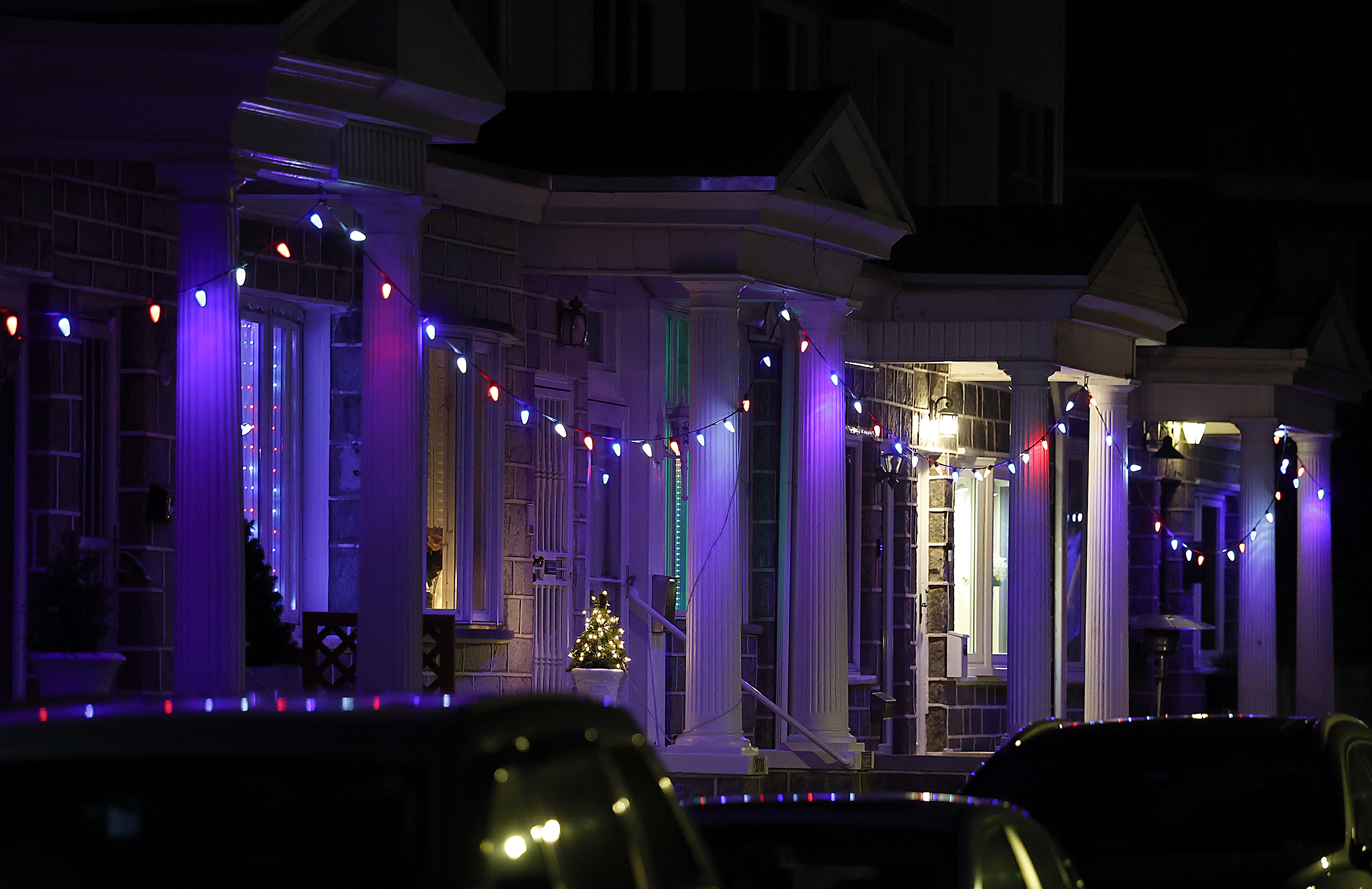
    On the 2700 block of South Smedley Street, blue, red, and white lights hang from every house. They put up Christmas lights, too, but these ones are up all year long.

    Ryan Schubert, 31, moved to the block in 2022. The house, he said, belonged to his wife’s grandmother, so the lights hanging from his front porch preceded their ownership.

    Schubert does not know when exactly the lights arrived, but he keeps a postcard from 1991 that already features the lights across the home’s porch.

    “Right now, they are red, white, and blue for the Fourth of July, but the light bulb colors are changed depending on the occasion,” Schubert said.

    As far as Schubert knows, the block captain is in charge of changing the bulbs and asking neighbors for collaboration to pay the bill.

    “We chip in once a year. It’s not a requirement, and it’s a pretty cool time,” Schubert said.

    The most he has contributed is $100, but he has also given $20, he said.

    According to Peco, neighbors looking to set up an additional account for this type of lights can contact customer service for information through an online form or by calling 1-800-494-4000.

    “The Christmas display can be a little annoying because lots of people come, but I love it and it’s worth it because everyone seems happy,” Schubert said. “The all-year lights feel unique to our street, but to be honest I’m so used to big displays that I don’t even pay much attention or register the little ones.”

  • Open Streets is returning to the Rittenhouse Square area on Sundays this fall

    Open Streets is returning to the Rittenhouse Square area on Sundays this fall

    Fall is near, and though peak foliage has yet to come, another autumn staple is waiting around the corner: the Center City District’s Open Streets program.

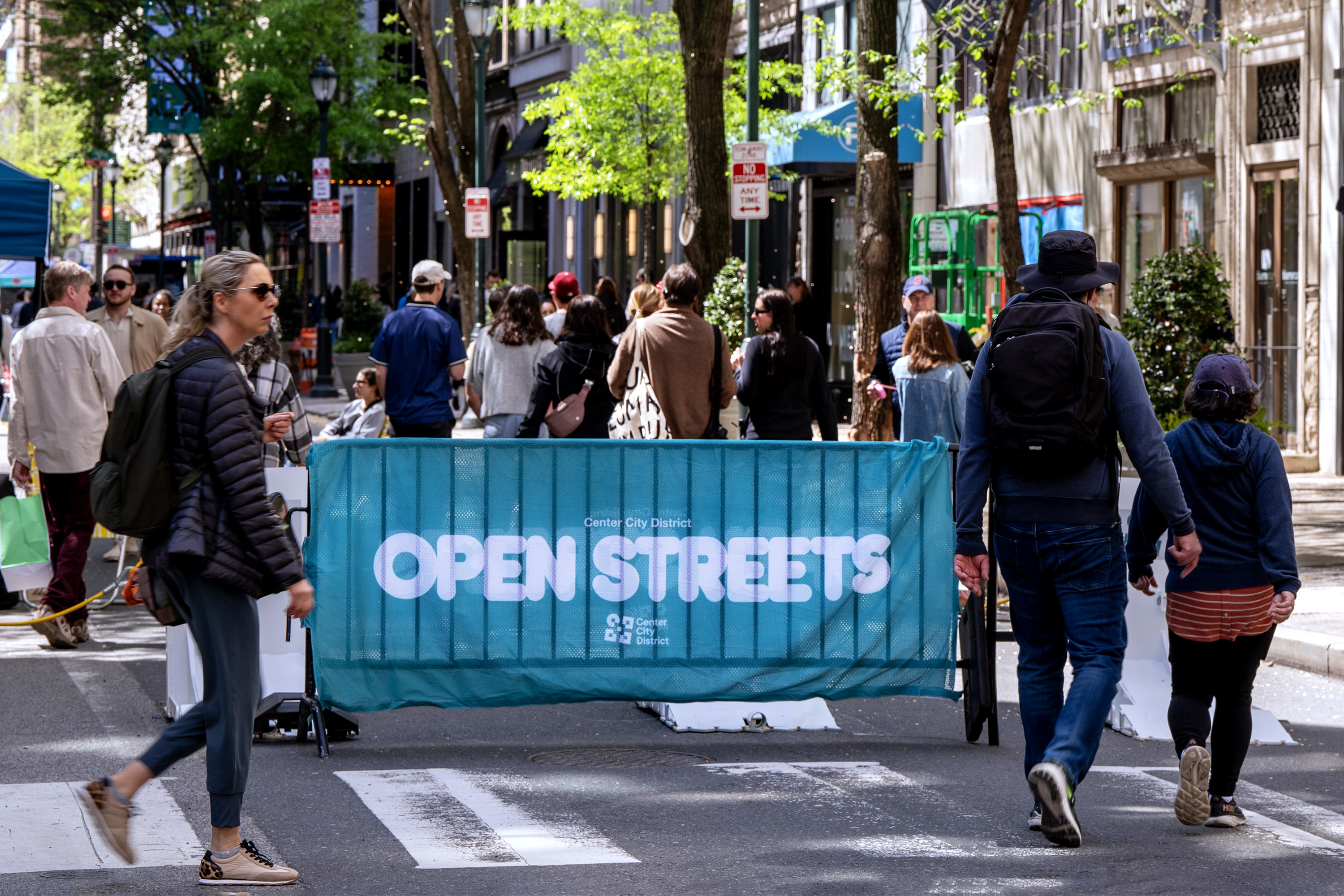
    Between Sept. 13 and Oct. 25, the street closure program shuts down car access to eight blocks in the Rittenhouse Square area on Sundays to let pedestrians enjoy more of the urban space.

    Open Streets runs along Walnut Street from Broad to 19th Streets, and on 18th Street between Locust and Chestnut Streets.

    From 10 a.m. to 5 p.m., Philadelphians will be able to walk in the car lanes, and have access to sidewalk retail and outdoor dining — featuring local vendors with special promotions or exclusive experiences, according to the Center City District.

    Every Sunday brings different activities, including double Dutch lessons, live music, mini golf, and broadcast of Eagles games at the Fulton Fun Zone at 18th and Chestnut Streets.

    Two things the event won’t have are restrooms and rain dates, so plan accordingly.

    Most activities are wheelchair accessible. However, bikes, e-bikes, scooters, skateboards, and similar devices can be in the area only if they are walked through the street.

    Sponsored by Fulton Bank, the program has been in place since 2024, bringing more than 10,500 visitors each Sunday, according to the Center City District.

    Fifteenth, 16th, 17th, and 19th Streets will remain open to cars, as will the 1700 and 1800 blocks of Sansom Street.

    Road closures and parking restrictions begin Sunday at 7 a.m. and go on until 6 p.m.

    Planning on taking SEPTA? From 6:30 a.m. to 6 p.m., detours will be in place for Routes 9, 12, 21, and 42. Check the bus system status at septa.org.

  • This Philadelphia man lost a friend in the 9/11 attacks. He now offers hugs to the world in his friend’s memory

    This Philadelphia man lost a friend in the 9/11 attacks. He now offers hugs to the world in his friend’s memory

    Twenty-five years ago on Sept. 7, David Hale Sylvester hung out with his friend Kevin Bowser in their South Philly neighborhood. They didn’t share a parting hug.

    Four days later, on Sept. 11, Sylvester would wrestle with that moment as he anxiously waited to hear from Bowser, who worked in the World Trade Center complex.

    Bowser perished in the terror attacks on the twin towers that day along with thousands of others.

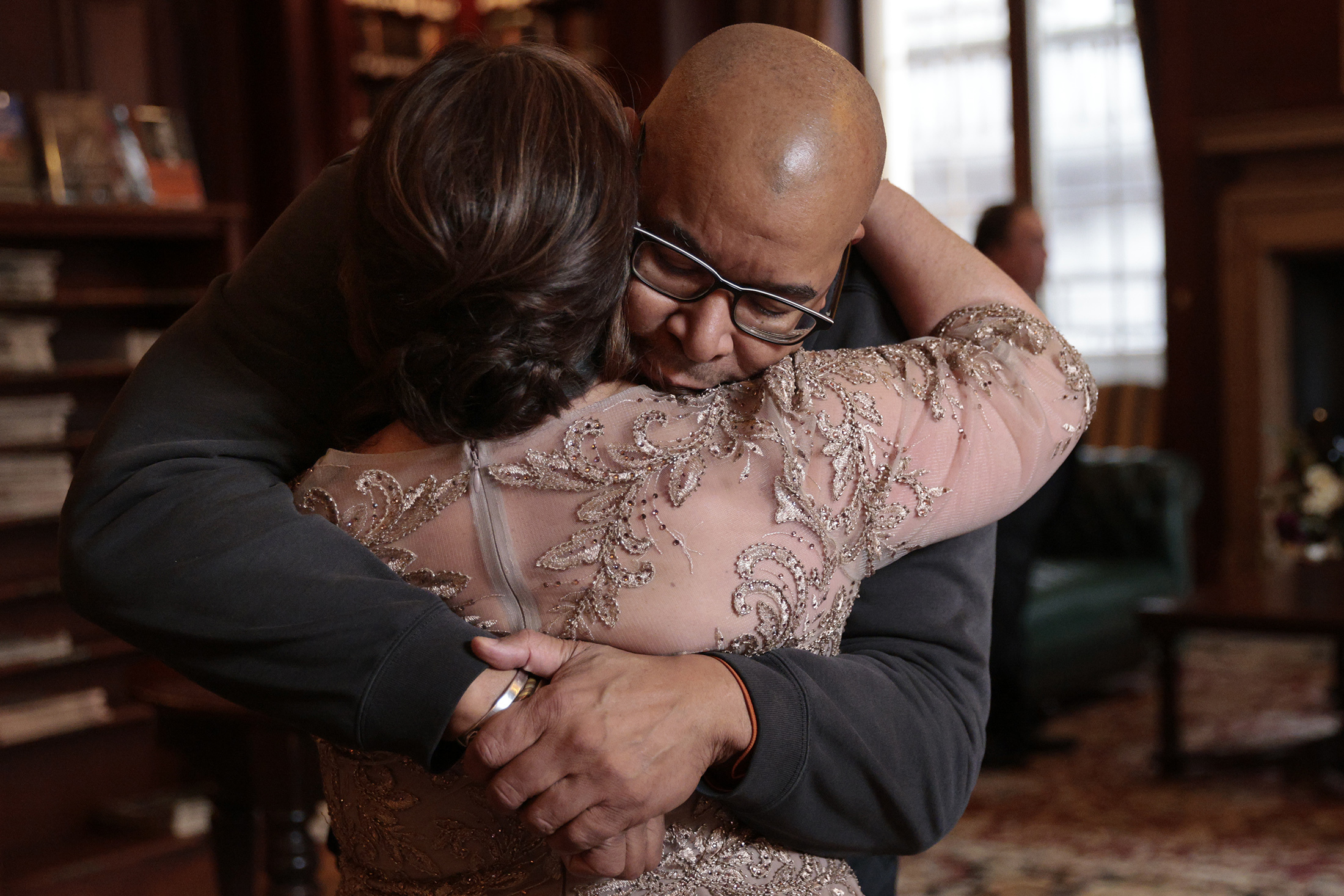
    For Sylvester, that missed opportunity to embrace his beloved friend one last time pushed him to create a movement of hope and hugs.

    This week, on Friday, as Americans once again gather to remember the victims of 9/11, Sylvester will hold space at the Philadelphia Film Society Center with a Hug Hub, a photo installation featuring strangers embracing each other through tragedy and loss. He will also be there waiting, arms wide open, for anyone who needs a hug.

    “It’s a space where people can come as strangers and leave with a hug,” Sylvester said.

    How a missed embrace became a man’s mission

    As Sylvester mourned his friend, he said he realized he was not alone in his journey of grief.

    “Every American felt vulnerable during that time and wanted to connect in some way,” Sylvester said. “I have never seen a time like that where everybody in the country, no matter the race, no matter if you are a Democrat or Republican, we all just needed to be connected.”

    Carrying that loss and that last missing hug, Sylvester in 2002 mounted his pain on a bicycle and rode through 50 states, hugging strangers in small towns and big cities.

    As the years went by, and despite the pandemic, Sylvester continued his mission, eventually riding his bike through 42 countries, hugging over a million people, he said.

    Through it all, he remembered Bowser — who, despite being 10 years his senior — always made time to teach and mentor him.

    “Kevin helped me with driving lessons, helped me with school, with sports, with everything,” Sylvester said. “Everybody needs a big brother or a big somebody in their life, and he was my big.”

    The last time the pair hung out, Bowser told Sylvester he was “beyond him” and that he was extremely proud of him and the man he had become, Sylvester said. Hearing his friend’s words, Sylvester said that he was overcome with emotions, which prevented him from hugging Bowser one last time.

    “I should have hugged Kevin, but I didn’t, so when I did not have the opportunity to do it anymore, that sort of guided me,” Sylvester said.

    ‘I choose to hug’

    Sylvester has dedicated his life to offering hugs to strangers and loved ones in the hopes that people feel less alone, he said. That feeling further deepened when another friend, Scott, died by suicide in 2022, on the anniversary of Sept. 11.

    “People need to see hope; they need to see goodness in action,” Sylvester said. “Maybe that will stop people from being so violent, maybe that will stop somebody from taking their own life.”

    Through his journeys, Sylvester has collected more than 3,000 pictures; 2,000 of those will be featured on Friday at the Philadelphia Film Society Center along with portraits of Bowser and Scott.

    He said he has no idea how many people will attend the free event, between 8:30 a.m. and noon. He just wants to make sure that those in attendance feel they have company as they commemorate a day that marked a before and after in his life and the life of a nation.

    “We all experience loss, but it’s what you do with that feeling that counts. How do you say thank you to somebody who is not there anymore? Maybe there is another way, but I choose to hug,” he said.

  • Woman charged with forging checks to steal from a Delco Little League team

    Woman charged with forging checks to steal from a Delco Little League team

    A woman is facing multiple charges, including forgery, after authorities said she stole more than $7,000 from a Little League team in Delaware County.

    Robin Massing, 57, was charged Tuesday, following an investigation into fraudulent checks.

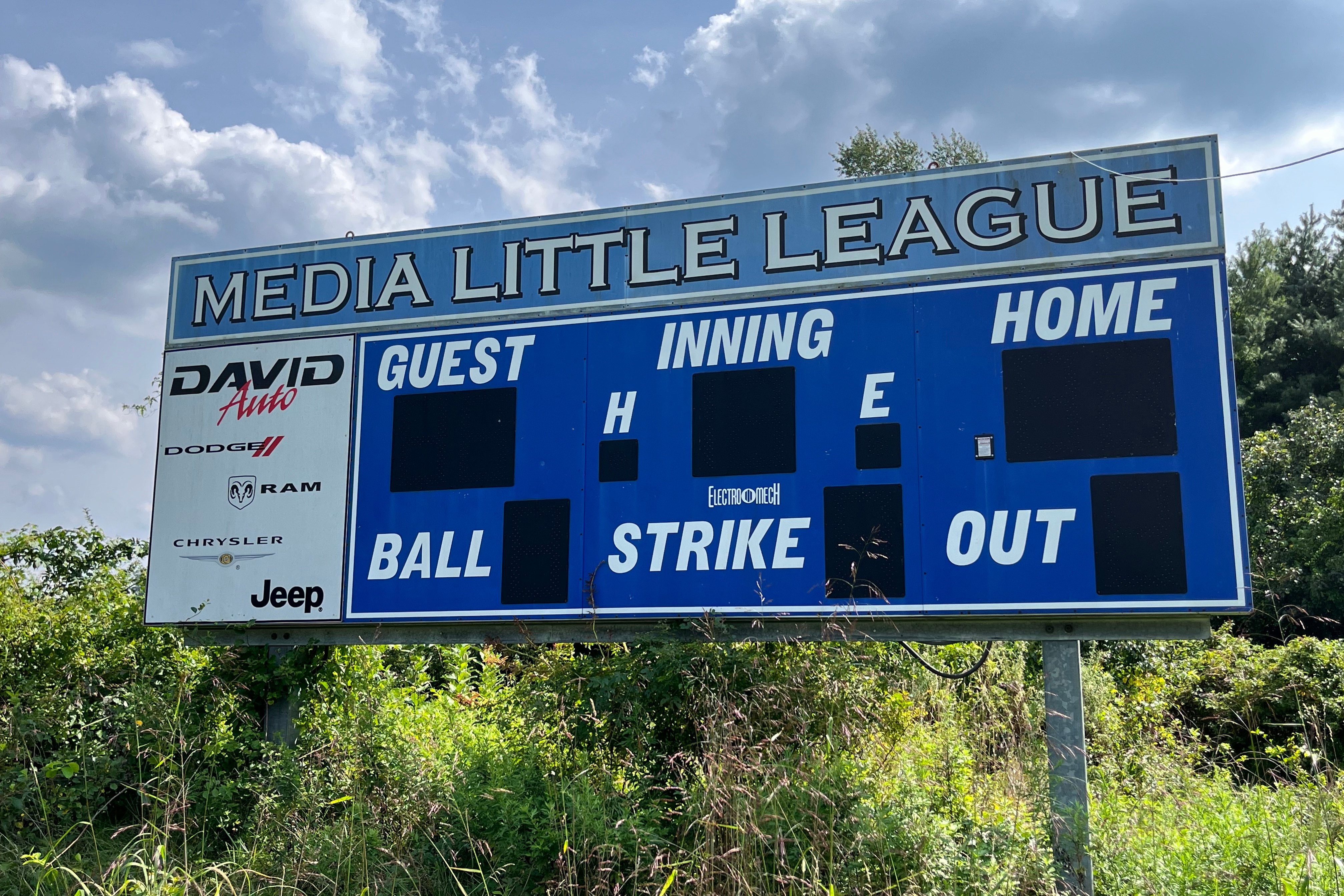
    Media Little League upper management contacted the Delaware County District Attorney’s Office to report check fraud, telling authorities three checks were mailed on behalf of the organization and sent through a mailbox in Upper Providence Township, in May 2025.

    In February, the Little League got word that one of the checks was deposited via mobile to Philadelphia Federal Credit Union for $7,200. But the amount, endorsement, and signature had been changed.

    A month later, a Fulton Bank in Southampton contacted the Little League management to verify a payment they found suspicious, the District Attorney’s Office said.

    Like the February check, the name and amount had also been changed, but the check number was the same as the February one, leading the bank to open its own investigation.

    According to the District Attorney’s Office, the bank retrieved footage that identified Massing as the person behind the theft.

    No lawyer is listed in court records for Massing, who was described in the affidavit as homeless.

    In June 2025, Massing was detained in Chester County for producing and forging a check at TD Bank, the District Attorney’s Office said.

    Now, Massing faces one count of forgery, bad checks, theft by unlawful taking, and receiving stolen property.

    The Media Little League has been organizing and teaching baseball to the community since 1952. In 2023, they made it all the way to Little League Baseball World Series in Williamsport.

    “It is hard to imagine a more disappointing target for personal greed than an organization raising money for kids,” said District Attorney Tanner Rouse in a Wednesday statement.

    The money was meant to go to uniforms, equipment, fields, and other resources for the kids, Rouse said.

    “To steal those funds and use forged checks to divert money for personal benefit is not just a financial crime; it is a profound betrayal of the entire community,” Rouse said.

  • A Kensington restaurant makes New York Times’ greatest Mexican restaurants list

    A Kensington restaurant makes New York Times’ greatest Mexican restaurants list

    Frankie Ramirez’s aguachiles, lamb-neck birria, and seasonal tlayudas have already earned his Kensington restaurant, Amá, a spot in Philadelphians’ hearts. Now, the chef has notched even higher-profile praise.

    Ramirez’s contemporary Mexican menu landed Amá on the New York Times’ list of the greatest Mexican restaurants across the U.S.

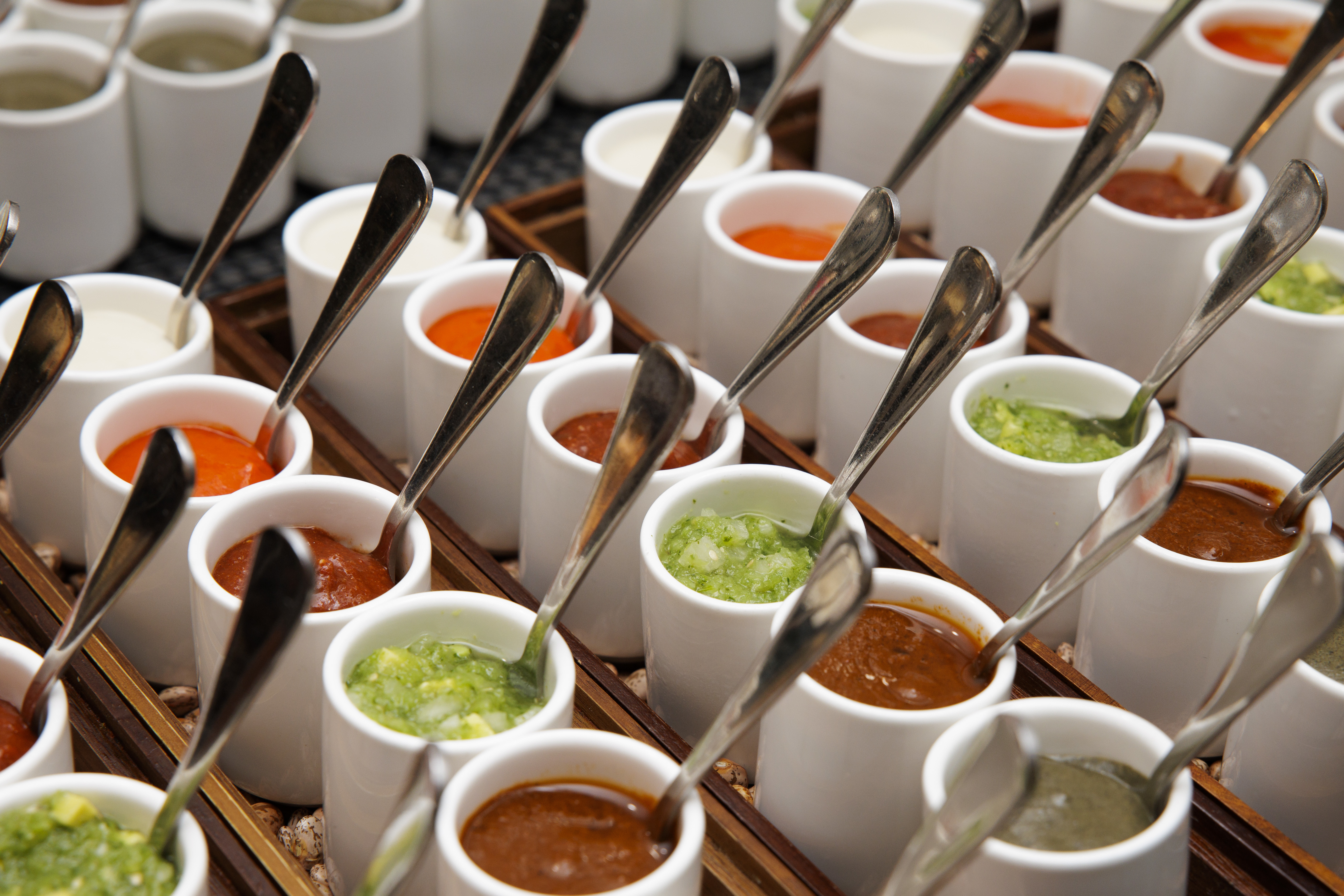
    “While Mexican restaurants [in Philadelphia] have long been shaped by Puebla, the home state of many local families, Mr. Ramirez offers a broad taste of the country’s extraordinary regional variety,” Times’ contributor Regan Stephens wrote of Amá, praising its standout chips and salsa combo — with house-nixtamalized heirloom corn tortilla chips and six artisan salsas — among other dishes.

    A variety of salsas representing different regions in Mexico, are lined up in the kitchen at Ama on Wednesday, July 16, 2025 in Philadelphia.Monica Herndon / Staff Photographer

    Inquirer critic Craig LaBan also singled that starter out in his 2025 review of Amá, whose ambitious menu signals “a golden moment for the city’s Mexican restaurant scene,” LaBan wrote.

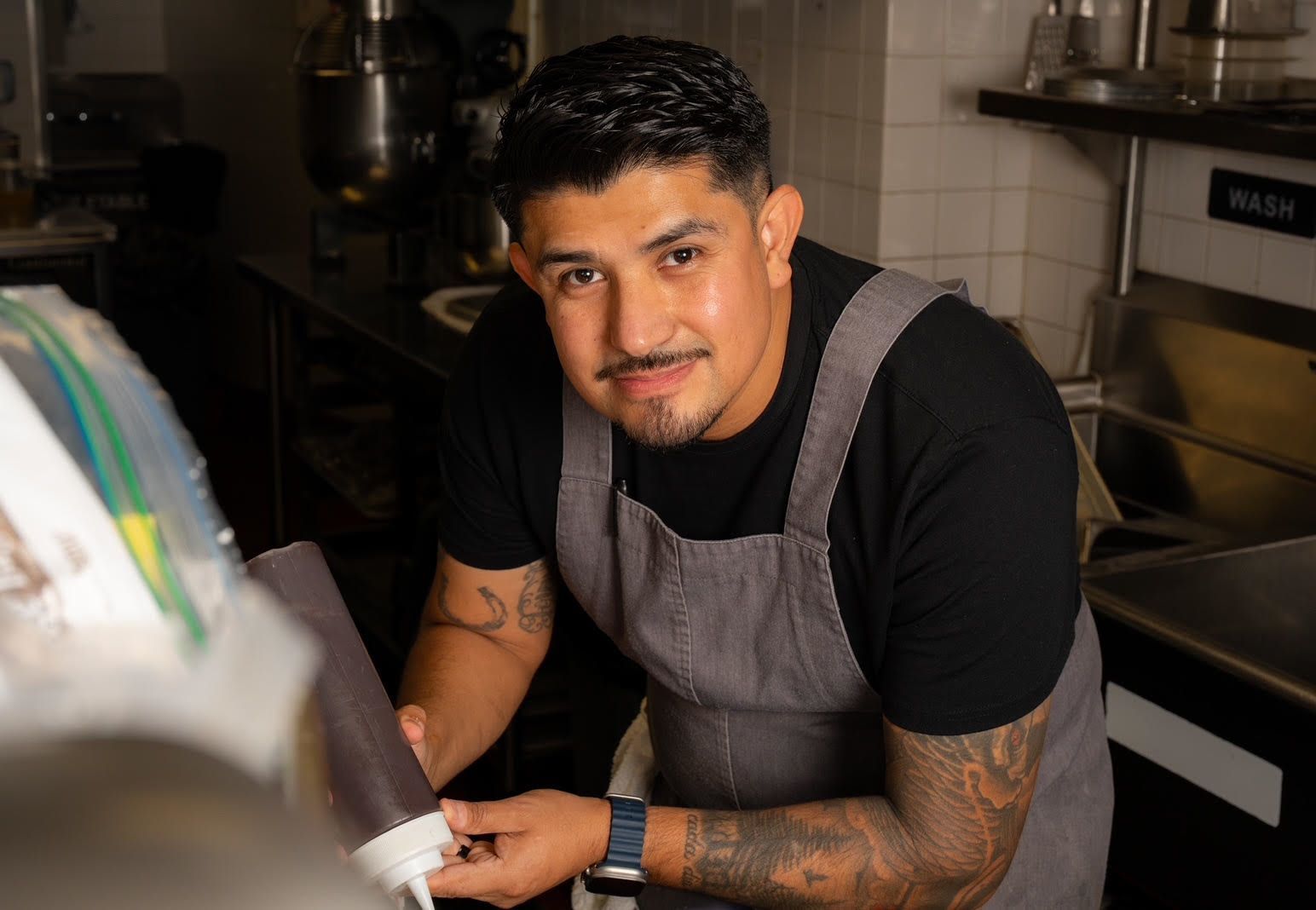
    Amá, which opened in May 2025 at Front and Oxford Streets, is Ramirez’s ownership debut. The chef worked in Philadelphia kitchens for several years, starting as a dishwasher at Marcus Samuelsson’s Washington Square before moving on to a string of roles with Starr Restaurants, including executive chef at LMNO. His partners in Amá include his wife, Veronica, and Delaware County restaurateurs Crisalida Mata and Roberto Medina.

    Chef Frankie Ramirez is opening Amá at Front and Oxford Streets.Mike Prince

    Earlier this year Ramirez earned a nod from the James Beard Awards committee as a semifinalist for emerging chef. The restaurant was also a close contender for the 2025 edition of The 76 best restaurants in Philadelphia.

    “My goal is to change the way people stereotype our cuisine, and I think the time is right for Philly,” Ramirez told The Inquirer last summer.

    The restaurant, at 101 W. Oxford St., is open for dinner seven days a week, with reservations on Resy.

  • Philadelphia’s Colombian community rallies to help earthquake victims

    Philadelphia’s Colombian community rallies to help earthquake victims

    Joy Huertas, 33, woke up Monday morning in her Philadelphia home to multiple messages in her family’s WhatsApp group: Her parents were nowhere to be found.

    A 7.4-magnitude earthquake had struck her hometown of Pereira, Colombia, as well as other areas of the country, leaving more than 200 people dead and thousands missing.

    Huertas knew her father had a doctor’s appointment in the center of the city that morning before heading to the airport for a flight to Bogota.

    A quick look on social media showed her that Pereira’s airport had a half-collapsed roof and that the building in which the doctor worked had been reduced to rubble.

    “I started to panic,” Huertas said.

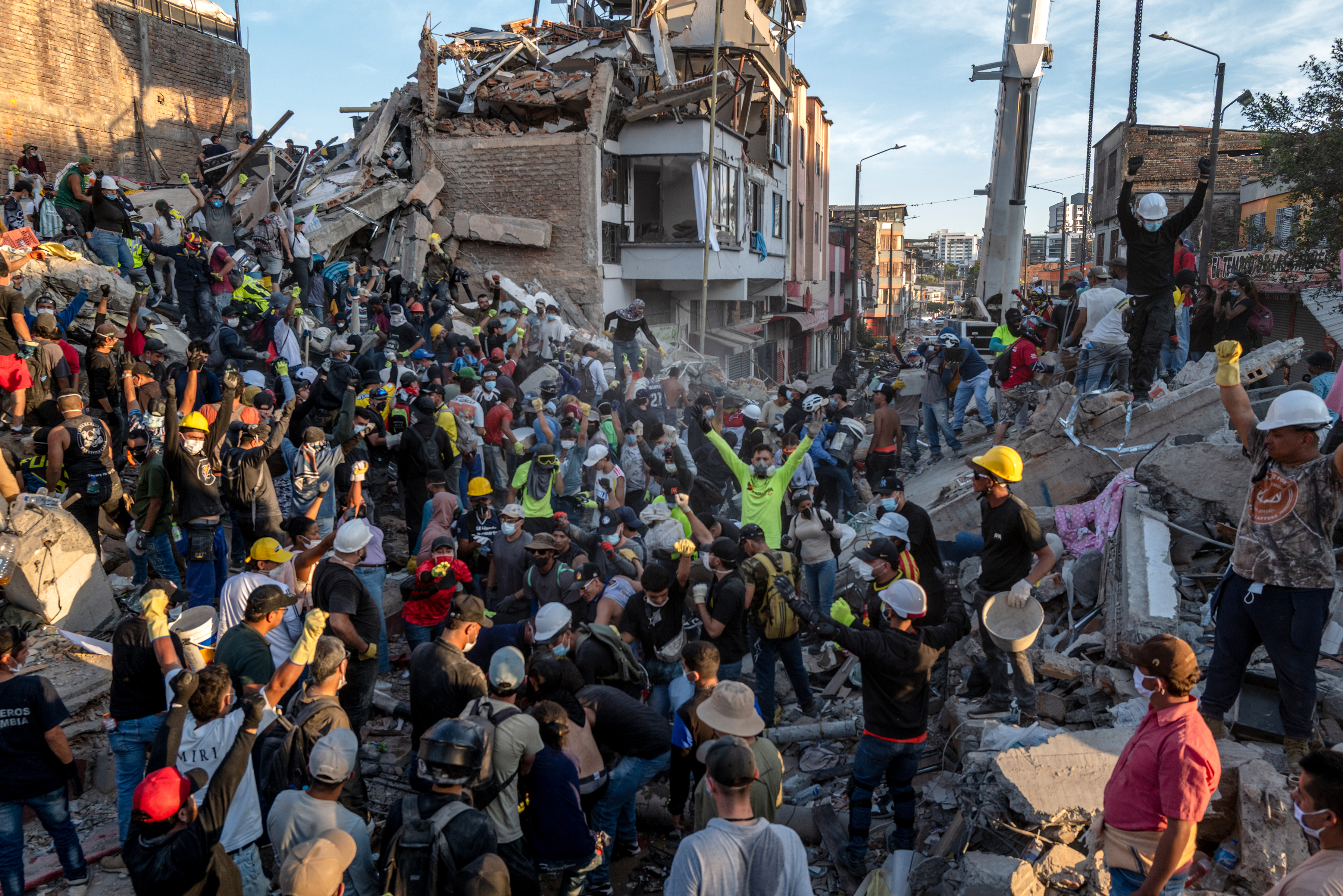
    Volunteers and rescue workers search for survivors at the site of a collapsed building, one of several destroyed during Monday’s 7.4-magnitude earthquake in Pereira, Colombia, on Tuesday.JUAN ARREDONDO

    An hour later, she managed to get hold of her brother. Her parents were safe.

    Fortunately, her father’s doctor had rescheduled his appointment to an earlier time, before the earthquake. But, with the power out and the internet connection spotty, she had not been able to contact any family members until well past noon.

    “My mom said that it felt like the land had turned into the sea, and that it went on for so long, everything around them was shaking,” Huertas said, holding back tears. “She said everyone was so scared to go back inside.”

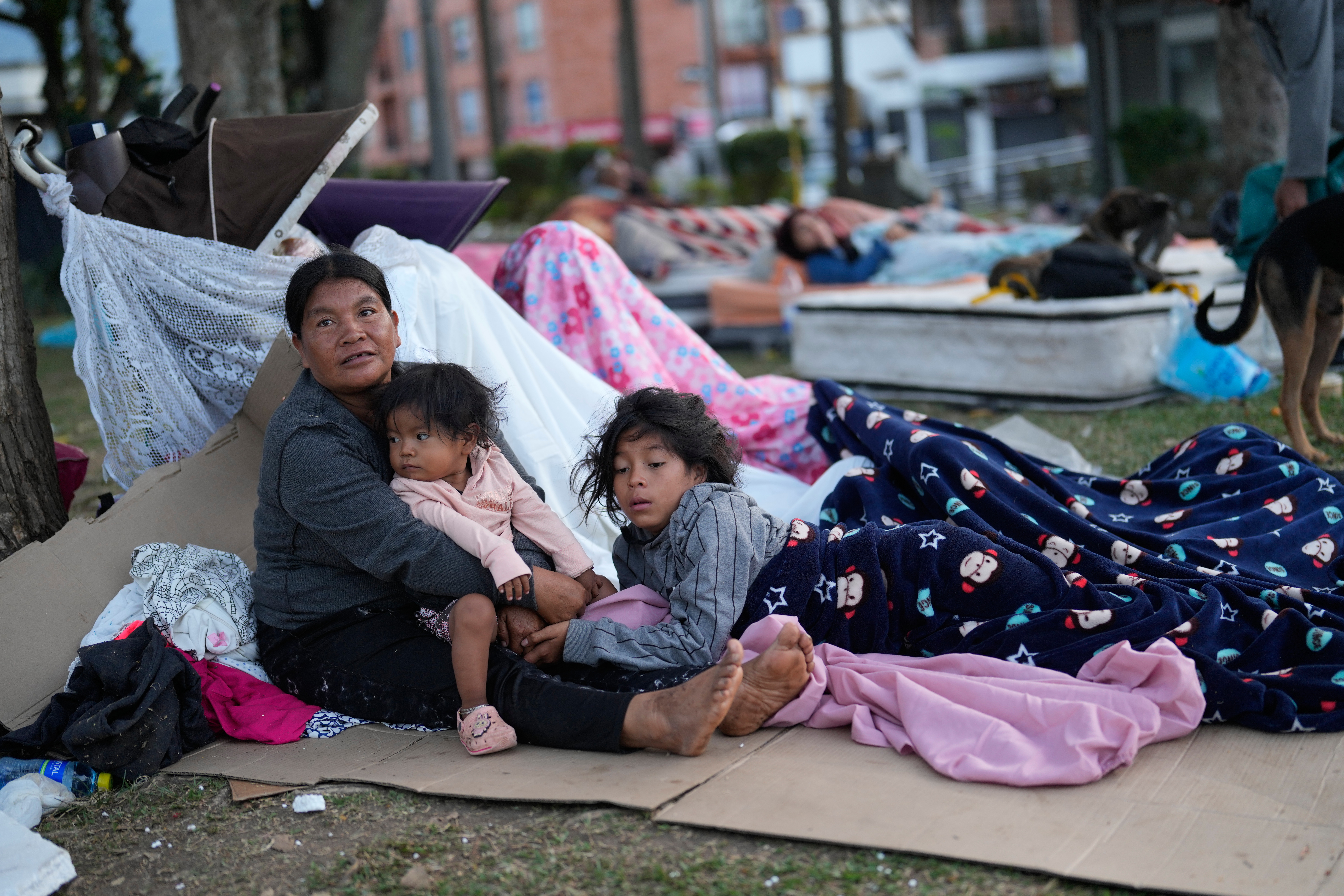
    By Tuesday, conditions had not improved. The aftershocks had Huertas’ Pereira neighbors dragging mattresses out and sleeping in front of their homes.

    People camp out in a park on Wednesday, after after an earthquake damaged their homes.Fernando Vergara

    “Mom said it feels like being back in the pandemic because the lines to buy supplies are so long, and when your turn comes mostly everything is gone,” Huertas said. “They have no water, people are running out of food, and the trucks with supplies can’t access the area to put food back in the grocery stores.”

    Still with a heavy heart, Huertas found solace in a Wednesday night vigil organized by Acción Colombia. The Philly community nonprofit provides resources, coordinates events, and serves as a cultural bridge for the more than 8,000 Colombian nationals living in Philadelphia, as well as folks in New Jersey and Delaware.

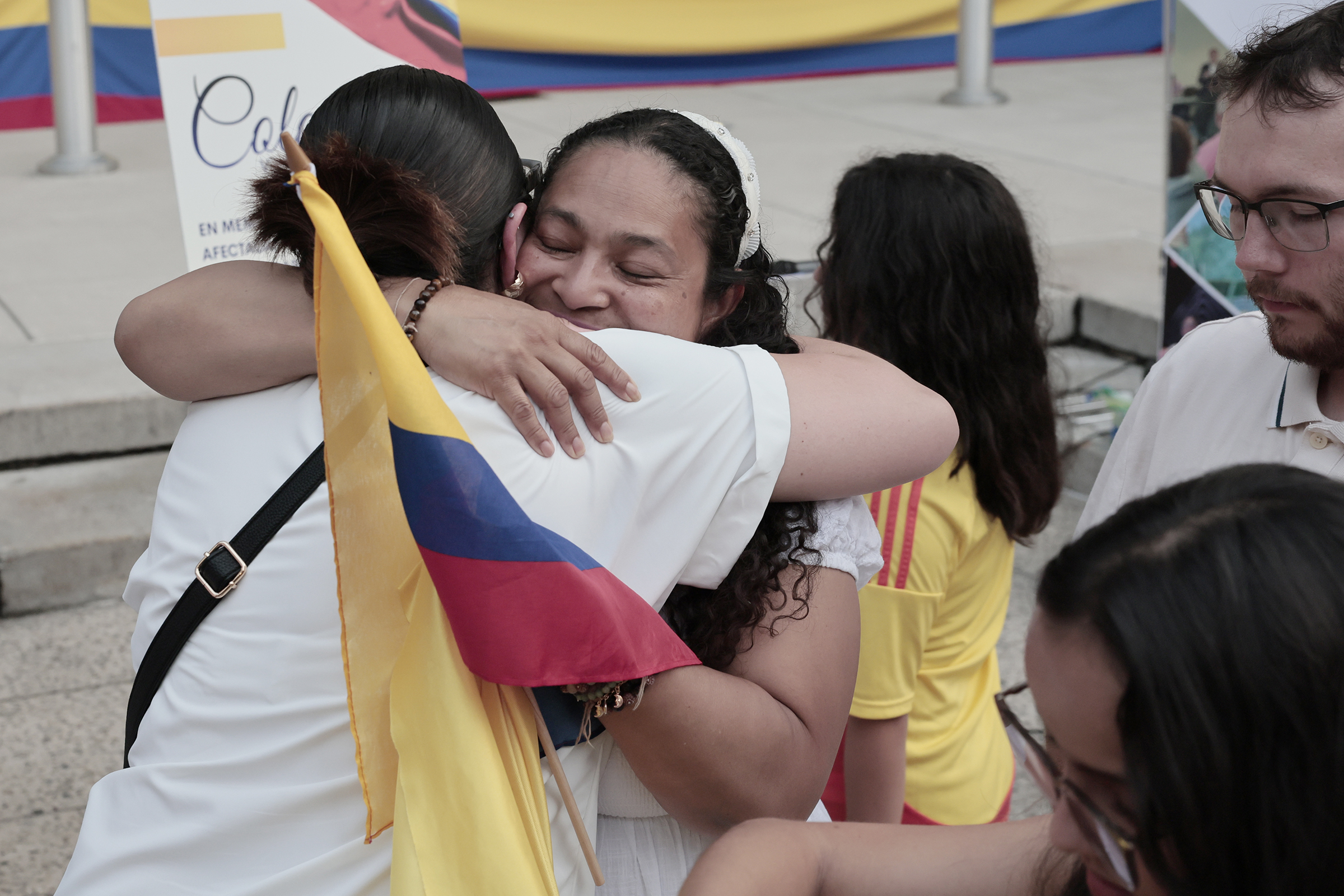
    Dozens of people, many with Colombian flags, gathered outside City Hall to hold one another through the sense of loss. Through live music and a moment of silence to pay respect to the dead, one thing was clear: The community wanted to help.

    “We’ve come to give Colombia a hug and show our solidarity so that people find the strength to rebuild after such a catastrophic event,” said Leity Rodriguez Largo, director of Acción Colombia.

    Moved by how many people in Philadelphia reached out to the group looking to help people back home, Acción Colombia began organizing to send resources to the earthquake-affected areas.

    “Philadelphians have been wonderful. They need to know that every ounce of help counts and is appreciated,” Rodriguez Largo said.

    On Saturday and Sunday, Acción Colombia will be holding multiple events in and around Philly to collect donations. Here is how to help:

    Resources needed

    Before donating, make sure perishable items have not expired and other items have not been opened.

    • Food: Canned goods such as chicken, tuna, sardines, beans, vegetables, and fruit. Also: rice, cereal, pet food, and powdered hydration drinks.
    • Hygiene and baby products: Diapers (for all ages), baby wipes, formula, feminine hygiene products, soap, shampoo, toothpaste, toothbrushes, and deodorant.
    • Emergency equipment: First aid supplies, flashlights, batteries, work gloves, helmets, and face masks.
    • Packing tools: Scissors, packing tape, and medium boxes.

    What not to bring

    According to Rodriguez Largo, water bottles are not being accepted because they are hard to transport and can be found in areas not affected by the earthquake. Clothing items will not be accepted, either.

    Where to donate in Philadelphia

    Acción Colombia will be at these locations both Saturday and Sunday:

    5 a.m. to 3 p.m.: Amigo’s Colombian Bakery, 6216 Bustleton Ave., Oxford Circle.

    3 to 8 p.m.: Lighthouse Field/Oblea Fusion, 101 E. Erie Ave., North Philadelphia.

    Where to donate outside Philadelphia

    Donations will be collected in Malvern on Saturday, between noon and 8 p.m., near Mi Pais restaurant, 477 Lancaster Ave.

    How to volunteer

    Philadelphians who would like to volunteer to pack and classify the items are welcome to text Acción Colombia at 267-423-9020, Rodriguez Largo said.

    For monetary donations

    Rodriguez Largo recommends directly supporting groups already on the ground in Colombia. She advises monetary donations go to Manos Visibles, a nongovernmental organization helping people in the most affected areas.

    A firefighter working on rescue efforts holds a Colombian flag amid the rubble on Thursday.Ivan Valencia