Author: Lacey Latch

  • Cherry Hill will get rid of its 10 Flock cameras at the end of the year

    Cherry Hill will get rid of its 10 Flock cameras at the end of the year

    As public pushback against the use of automated license plate readers continues to grow nationwide, Cherry Hill announced this week that it will not be renewing its contract with controversial company Flock.

    The township’s contract with the company expires on Dec. 31, Cherry Hill Mayor Dave Fleisher announced at the Sept. 14 township council meeting.

    “The Cherry Hill Police Department continues to evaluate its use of technology,” Fleisher’s chief of staff, Brian Bauerle, said in an email Friday. “In conjunction with that evaluation, Cherry Hill Township was also aware of ongoing nationwide conversations concerning the Flock network.”

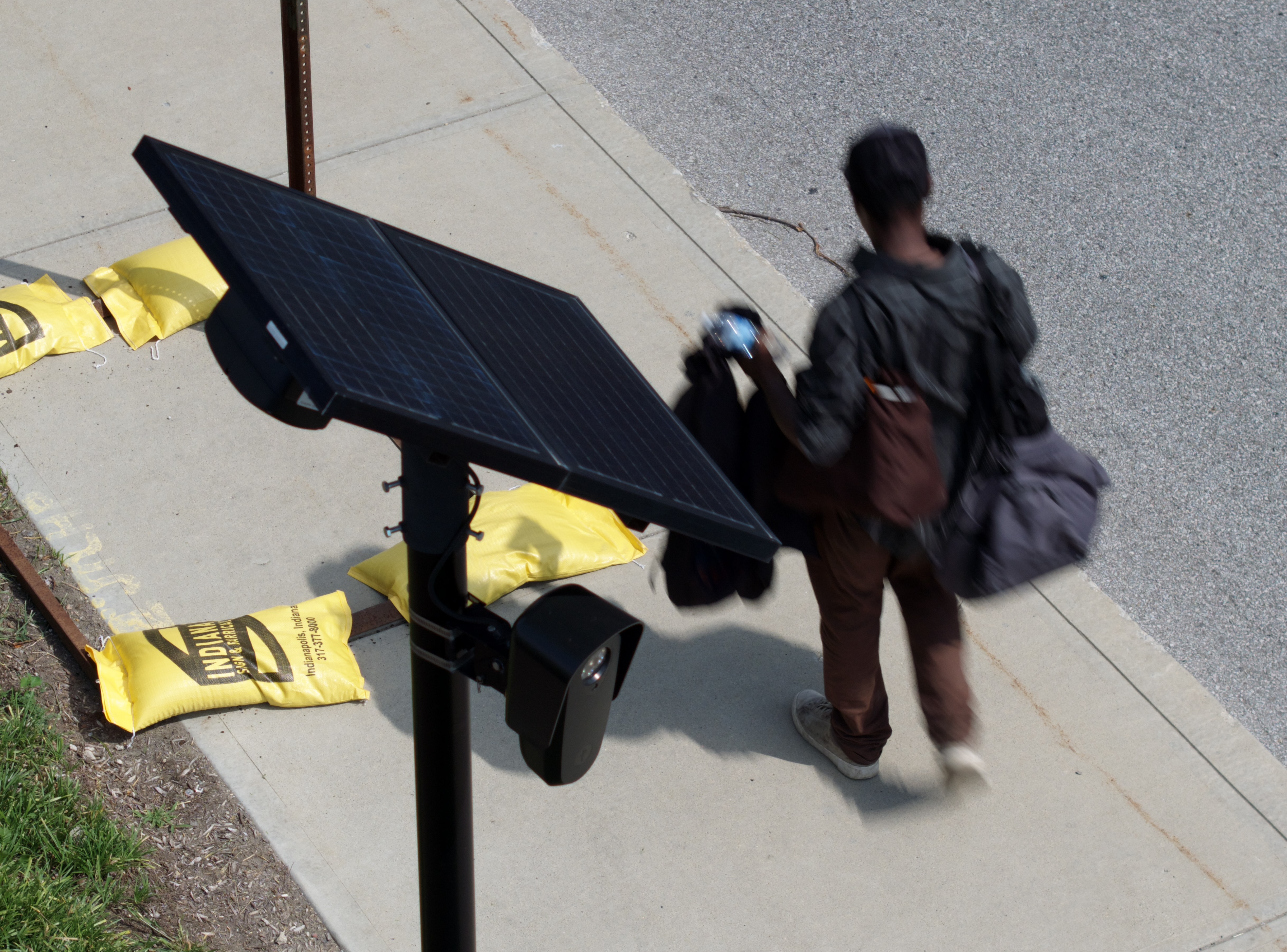
    Flock cameras capture the license plates and identifying features of passing vehicles, including bumper stickers and dents, in addition to the make, model, body type, and color. That information is then compiled into a searchable database that can be accessed by law enforcement and private owners of the cameras.

    In 2022, Cherry Hill entered into a two-year, 10-camera pilot program with Flock, Bauerle said.

    Once the contract expires, the cameras, which were installed at the end of 2024, “will become inactive immediately with the hardware to be removed by the vendor,” he said.

    As the township prepares for the cameras to come down, the Cherry Hill Police Department is now looking into other options for similar technology that can be used in town.

    “The police department is in the final stages of evaluating Axon automated license plate readers,” the same company that provides the department’s body-worn and dash cameras, Bauerle said. Axon’s dash cameras can serve as mobile automated license plate readers while the police car is in operation, he said.

    “These cameras do not connect to the Flock network,” Bauerle noted. “The Department uses automated license plate recognition technology only for authorized law-enforcement and public-safety purposes and in accordance with both New Jersey law and New Jersey Attorney General directives.”

    The department has not yet moved beyond the “evaluation phase” of the Axon cameras, but if it does, Bauerle said, the decision will be subject to various approvals by the township.

    Cherry Hill’s decision to sever ties with Flock comes as people across the country increasingly push back against the technology. Critics argue that the cameras amount to mass surveillance and unconstitutionally track the movements of citizens.

    Earlier this month, rural Shamong Township in neighboring Burlington County introduced an ordinance that would ban the cameras within the township for one year.

    “Flock cameras basically create a surveillance system for people who have done nothing wrong,” Shamong Mayor Michael Di Croce said at the time.

    “We should not create a permanent or searchable record of where law-abiding residents drive merely because they happen to pass a government camera or, in the case of Flock, private-entity cameras,” Di Croce said.
  • A shuttered South Jersey golf course was approved for warehouses. Almost 2 years later, construction hasn’t started.

    A shuttered South Jersey golf course was approved for warehouses. Almost 2 years later, construction hasn’t started.

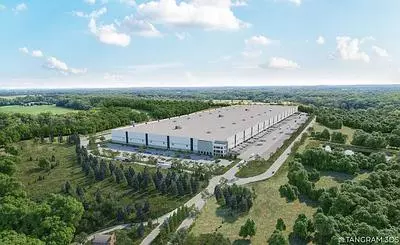
    Nearly two years after Chesterfield Township approved a plan to build a warehouse on a shuttered golf course, construction still has not begun.

    The Old York Country Club was purchased by New Jersey-based real estate developer Active Acquisitions in 2022 with plans to build at least one warehouse totaling up to about 1.1 million square feet, according to the redevelopment agreement. The project currently includes plans for a single building, but a second warehouse could be permitted — with the two buildings totaling up to 1.3 million square feet — if it were to be dedicated to cannabis cultivation or manufacturing, according to the township.

    Four years later, the developers are still working to obtain the final approvals and permits needed to start construction at 228 York Rd., with hopes to finally break ground early next year, Active Acquisitions founder Seth Gerszberg said.

    The developers have not identified a tenant for the future site, but Gerszberg said that regardless of who moves in, the property will operate as a traditional warehouse or logistics center with large trucks coming and going from the building throughout the day.

    The anticipated work at the 156-acre property was approved in November 2024 and comes more than six years after the township designated the site as an “area in need of rehabilitation” in May 2020.

    The sprawling golf course closed in 2021 in part due to pandemic-era drops in revenue and memberships. In the years since, the township’s redevelopment efforts have drawn some public pushback.

    Following the initial approval of a redevelopment plan for the site in October 2022, a neighborhood group called Save Old York filed a lawsuit against the township. While it was ultimately dismissed in court, the lawsuit argued that the redevelopment plan did not conform to the township’s master plan and amounted to “spot zoning” from agricultural to commercial.

    But Chesterfield administrator George Jackson, who began working in the township in 2024, argues that the project presents a rare opportunity for the township to welcome a new taxpayer with deep pockets.

    Much of Chesterfield’s 21 square miles is preserved farmland that is unable to be developed, Jackson said, which significantly limits new commercial development opportunities. The tax rates for preserved farmland are also much lower than the rates for residential or commercial properties, he said.

    “You need the balance in your ratables,” Jackson said of the township’s tax base. The warehouse “could take some of the burden off of our residential taxpayers.”

    In a town with a municipal budget of roughly $6.7 million in 2026, the potential yearly tax revenue generated by the new warehouse is expected to be around $2 million — roughly 30% of the total budget, he said.

    “Our opportunities to increase our tax base are very, very limited, and this is an opportunity to really increase it dramatically,” he said.

    As the developers work to secure an end user for the future warehouse, both Gerszberg and Jackson emphasized that the one thing they know for sure is that it won’t be an Amazon fulfillment center.

    The redevelopment agreement specifically prohibits that type of warehouse use on the site, while also requiring that vehicles exiting the property make a left turn onto Old York Road in an effort to keep truck traffic out of the center of town, Jackson said.

    Additionally, the site’s location about a half mile from Route 206 and adjacent to two existing warehouses across the street make it “a prime location for warehouse development,” Jackson said.

    “The township went through some great measures to ensure that it doesn’t turn into a big commercial trucking route in certain areas of the township,” he said. “They want that traffic to go out to the highway.”

  • Burlington County’s free shuttle bus will finally hit the road next week

    Burlington County’s free shuttle bus will finally hit the road next week

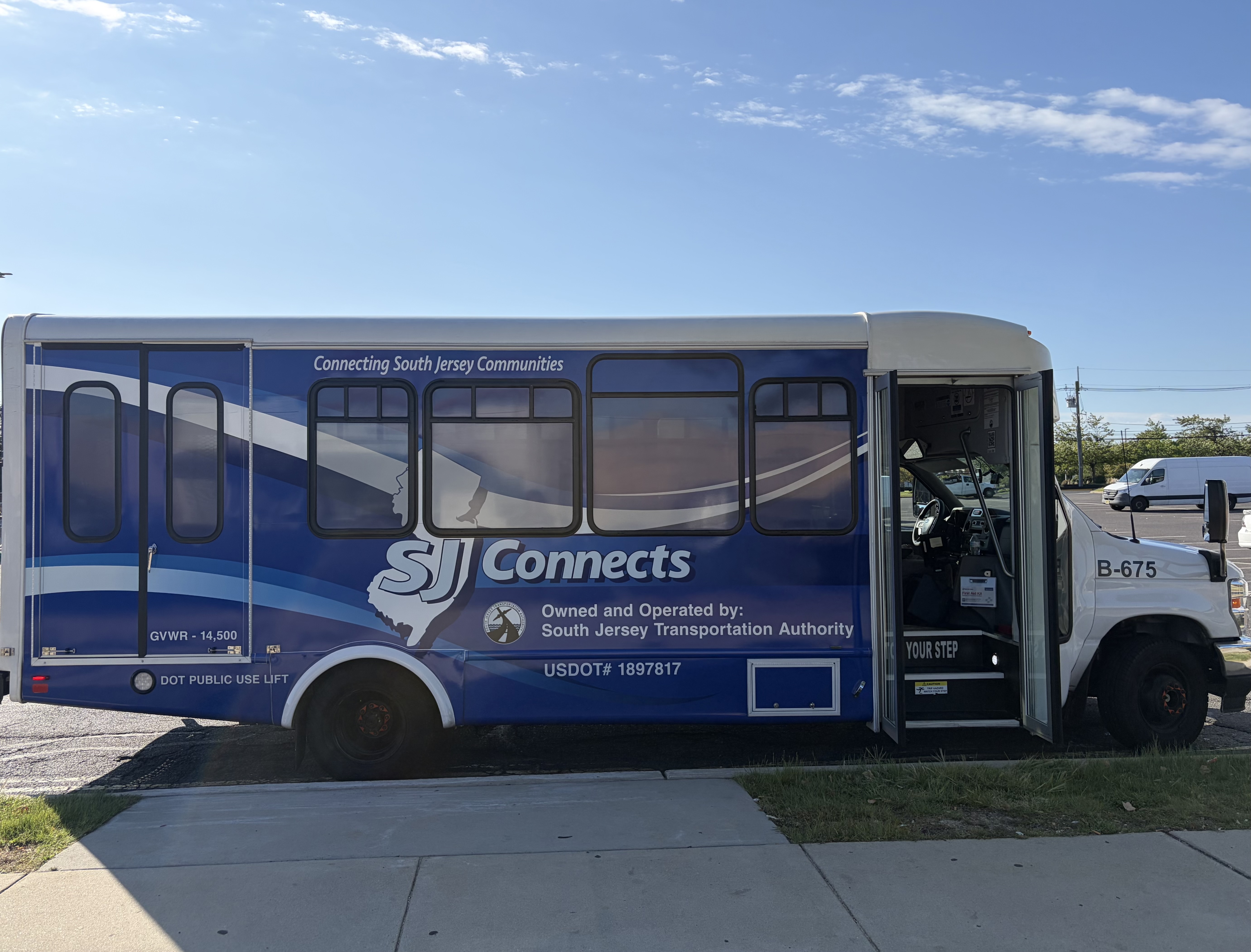
    Some Burlington County residents might see an unfamiliar blue shuttle bus on the roads next week as the region welcomes its first new public transit option in more than two decades.

    The new route will officially start service on Sept. 21, the last of six new shuttle lines that form SJ Connects, a free bus service run by the South Jersey Transportation Authority (SJTA). The first five lines were launched on June 1 while the transportation authority worked to get formal authorization to operate in the county.

    Together, the shuttles can take riders from Cape May Court House to as far north as Palmyra with connections to other shuttles, SJTA routes, NJ Transit lines, and more sprinkled throughout.

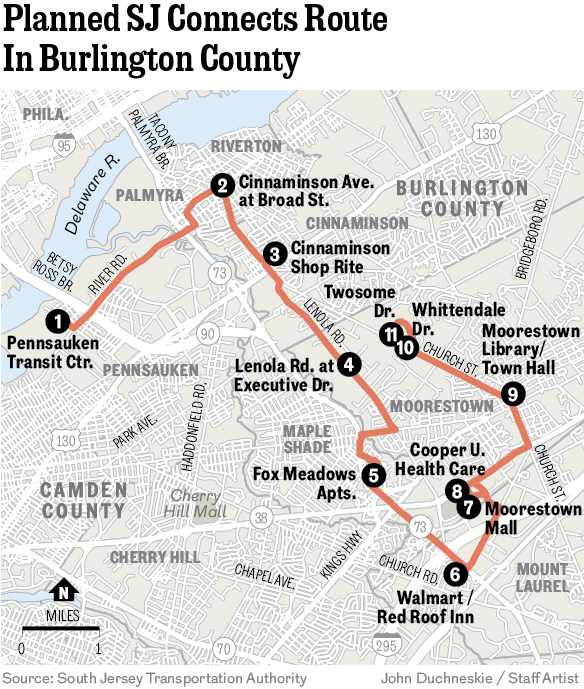
    Though the newest route is called the Burlington County Shuttle, it technically begins over the Camden County line at the Pennsauken Transit Center before concluding 10 stops later at Twosome Drive and Church Street in Moorestown.

    Along the new route, up to 20 riders per bus can hop on or off at various locations including the Cinnaminson ShopRite, Fox Meadow Apartments in Maple Shade, or at Cooper University Healthcare’s Moorestown Mall location.

    Stretching from early morning to late evening, the shuttles will make a total of five visits to each of the stops along the route throughout the day.

    The first shuttle leaves from the Pennsauken Transit Center at 7 a.m. with the final drop-off scheduled for 8:11 p.m., according to the SJTA schedule. A full schedule for the Burlington County shuttle is available online.

    SJ Connects received $5 million in state funding from former Gov. Phil Murphy’s administration for an 18- to 24-month trial run to boost transit services in the region.

    Map of planned SJ Connects route in Burlington County.John Duchneskie

    The investment was secured in part thanks to the efforts of state Sen. Troy Singleton, a longtime Burlington County resident who called the county “the crown jewel of South Jersey.”

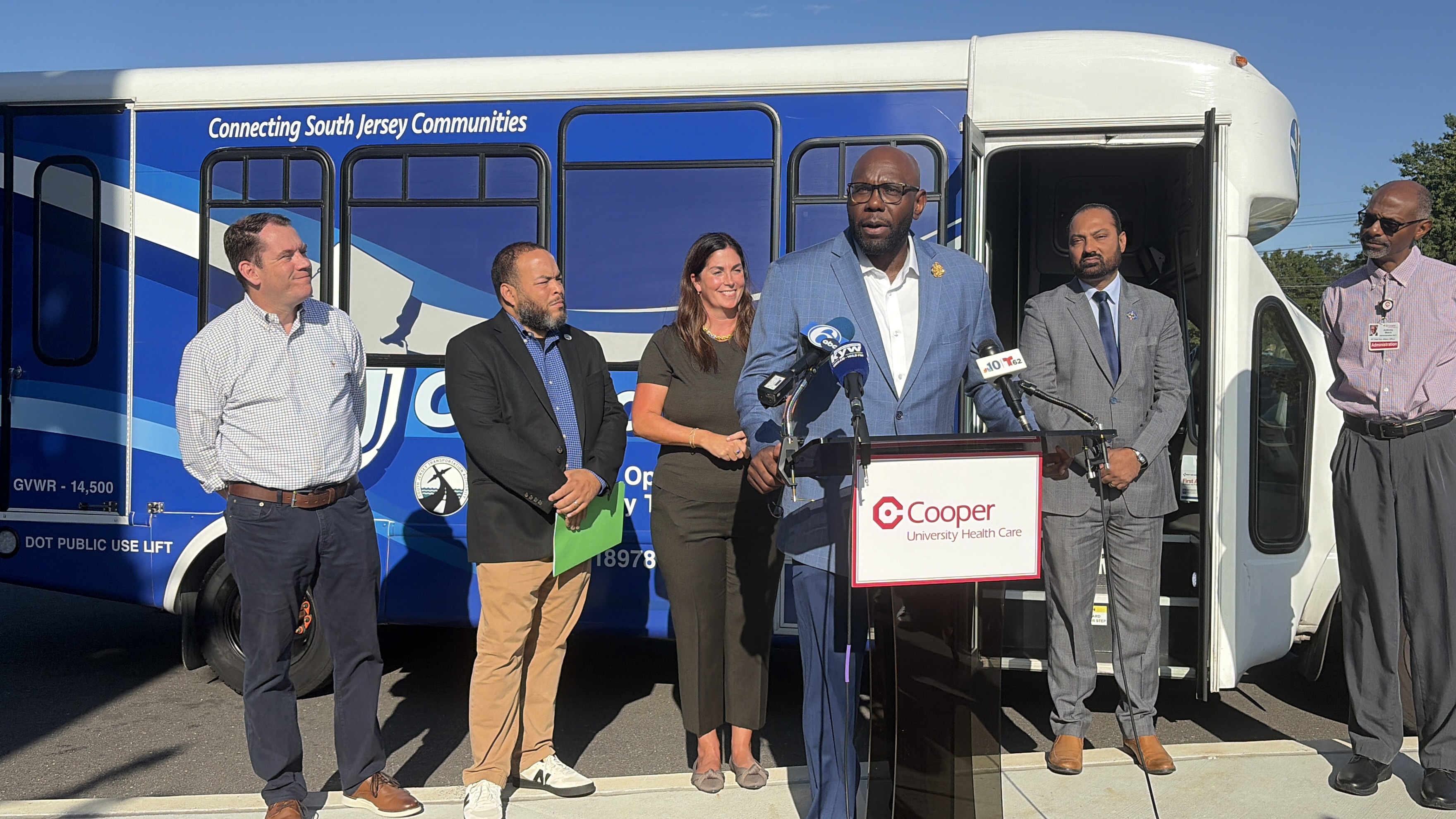
    “Burlington County is the largest county by land mass here in New Jersey and being able to connect what was a lot of former farmland to economic and educational opportunities is critically important,” Singleton said during a ride-along of the new route Monday.

    “We know that there’s enormous economic opportunity here in South Jersey as it connects to Philadelphia and connects to other parts of New Jersey so continuing that investment is one of my responsibilities that I take really personal,” he said.

    Many of the stops along the SJ Connects routes were chosen to help South Jersey residents travel between medical centers, educational institutions, and other areas of interest, said Stephen Dougherty, SJTA’s executive director.

    The Burlington County Shuttle will begin service on Sept. 21, 2026.Lacey Latch

    The half-dozen routes include stops at multiple Cooper and Inspira locations in addition to the region’s various community colleges and universities. The routes also have stops located at or near large employers, Dougherty said, including Logan Township’s Pureland Industrial Complex, the second largest industrial park east of the Mississippi River.

    “We know that these routes are crucial — based on the nature of what these stops are — to people’s everyday lives,” Dougherty said.

    Now that all six of the SJ Connects shuttles are ready for riders, local leaders are simply asking South Jersey residents to hop on for a ride.

    The more demand there is for this service in Burlington County, the more likely it will be for legislators to get state funding to keep the rides free and create more routes in the future, Singleton said.

    “My hope and my ask of the public is to utilize this free resource — their tax dollars coming to their benefit — in order for us to try and expand it even more,” Singleton said.

  • Take a look inside Cherry Hill’s new Asianfresh Food Market

    Take a look inside Cherry Hill’s new Asianfresh Food Market

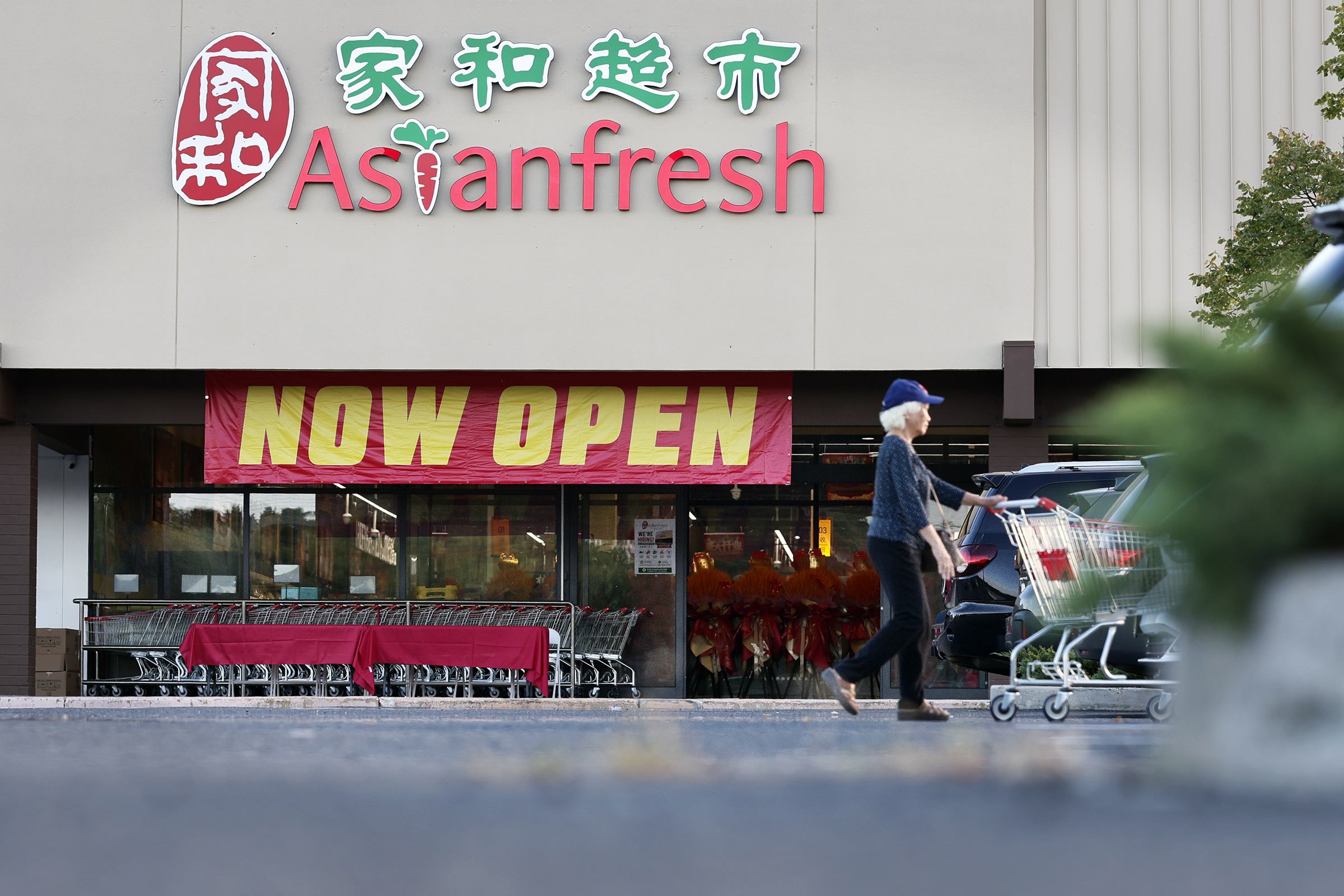
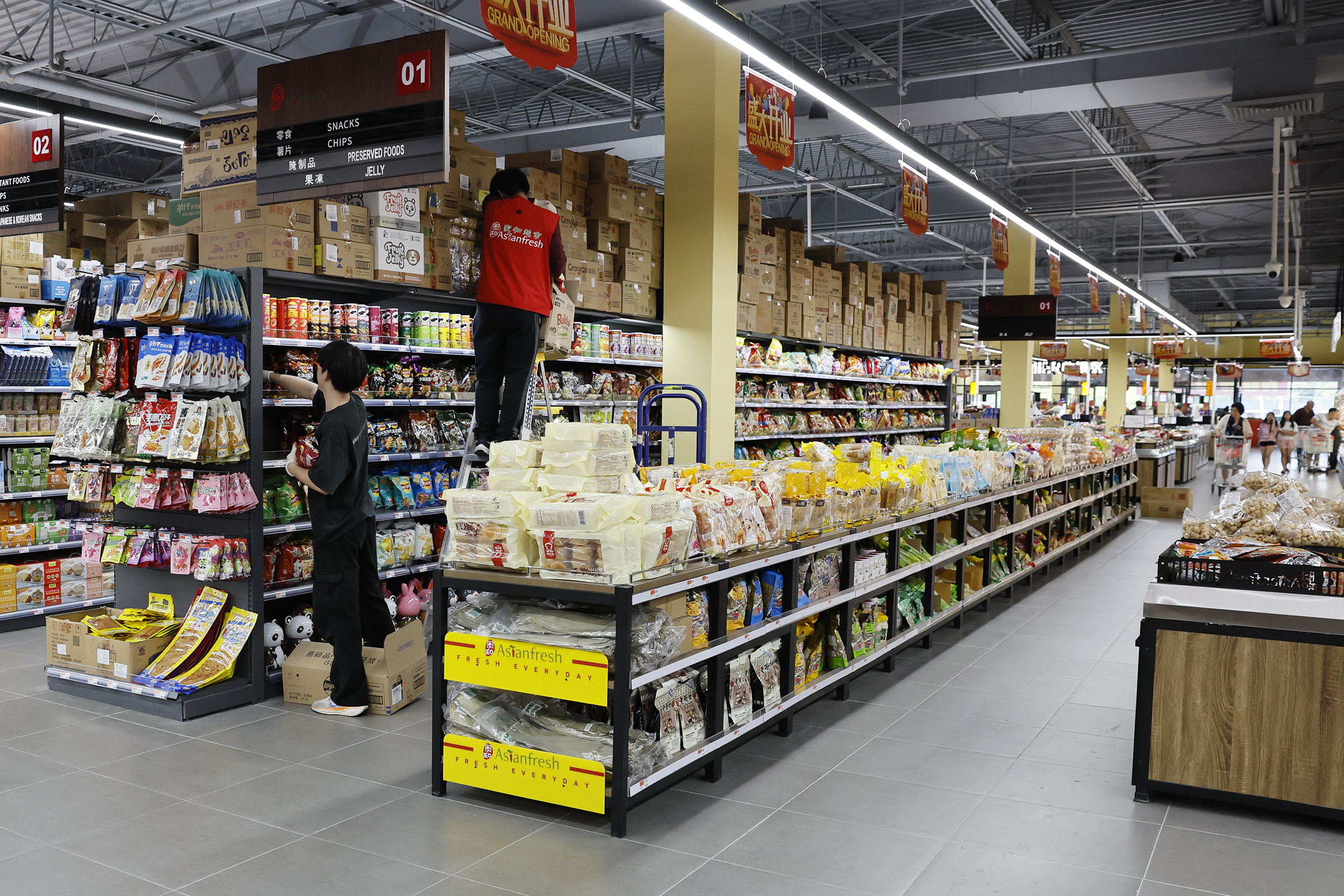
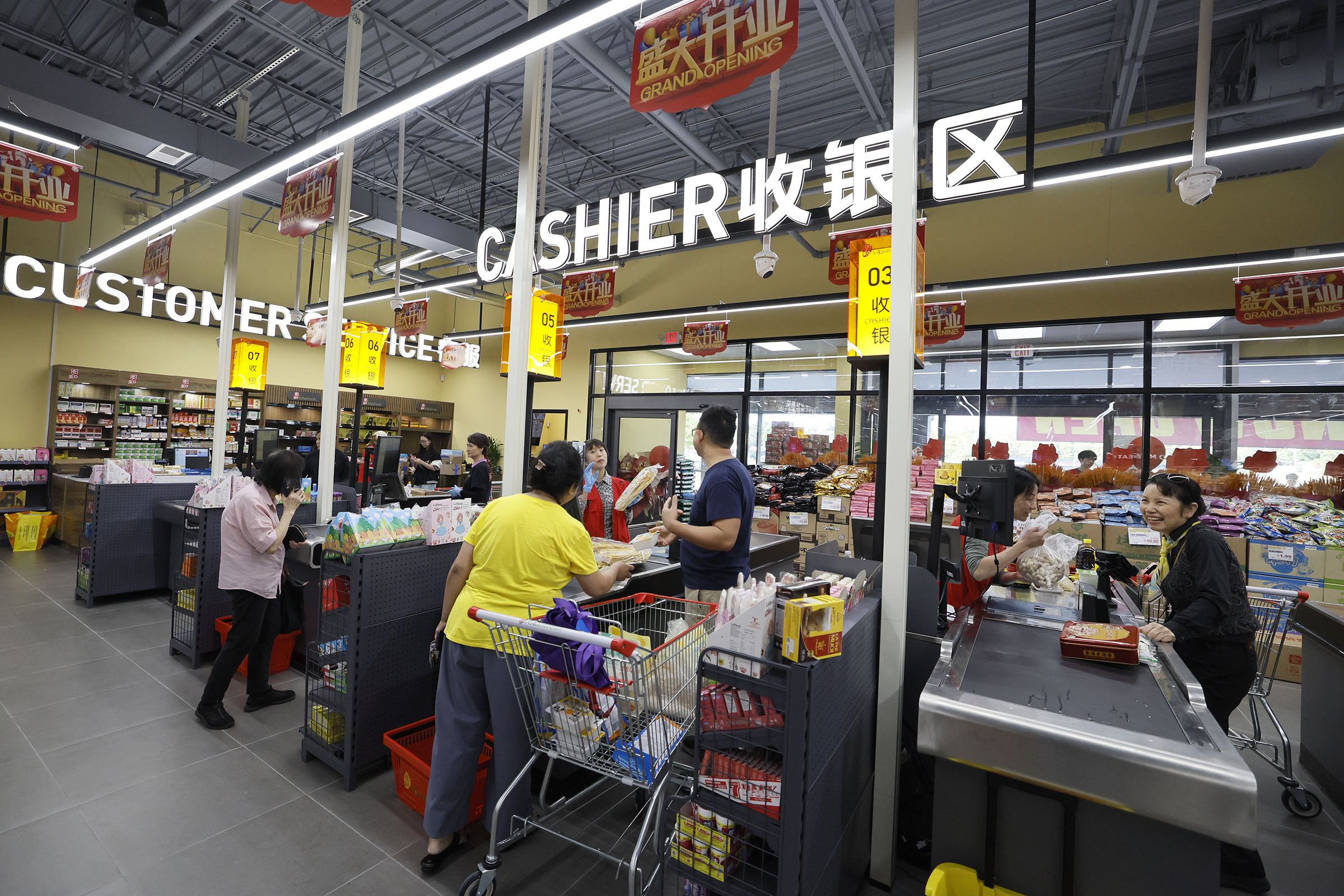
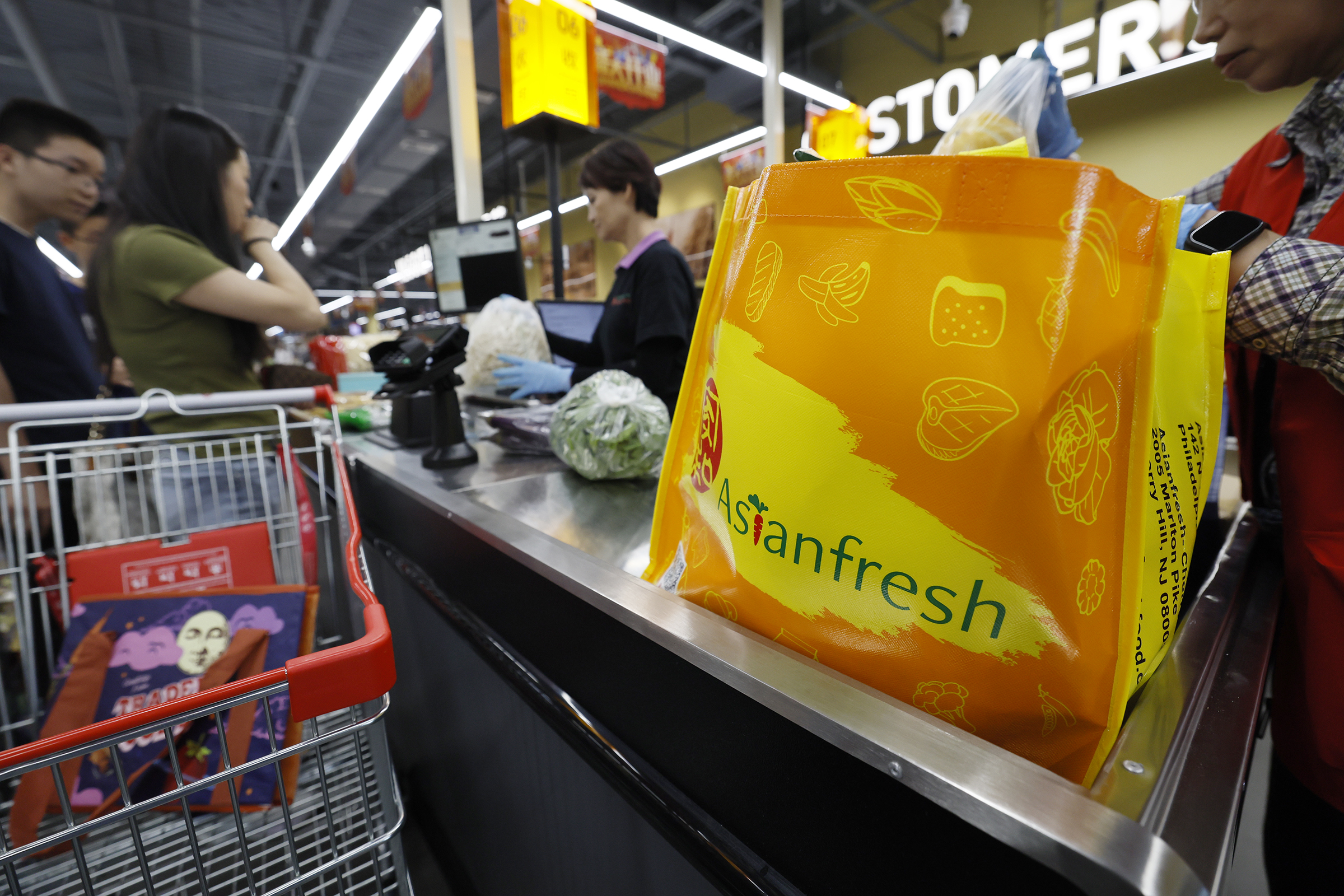
    Hundreds of early-bird shoppers have gotten a sneak peek at the new Asianfresh Food Market in Cherry Hill ahead of the store’s grand opening this weekend.

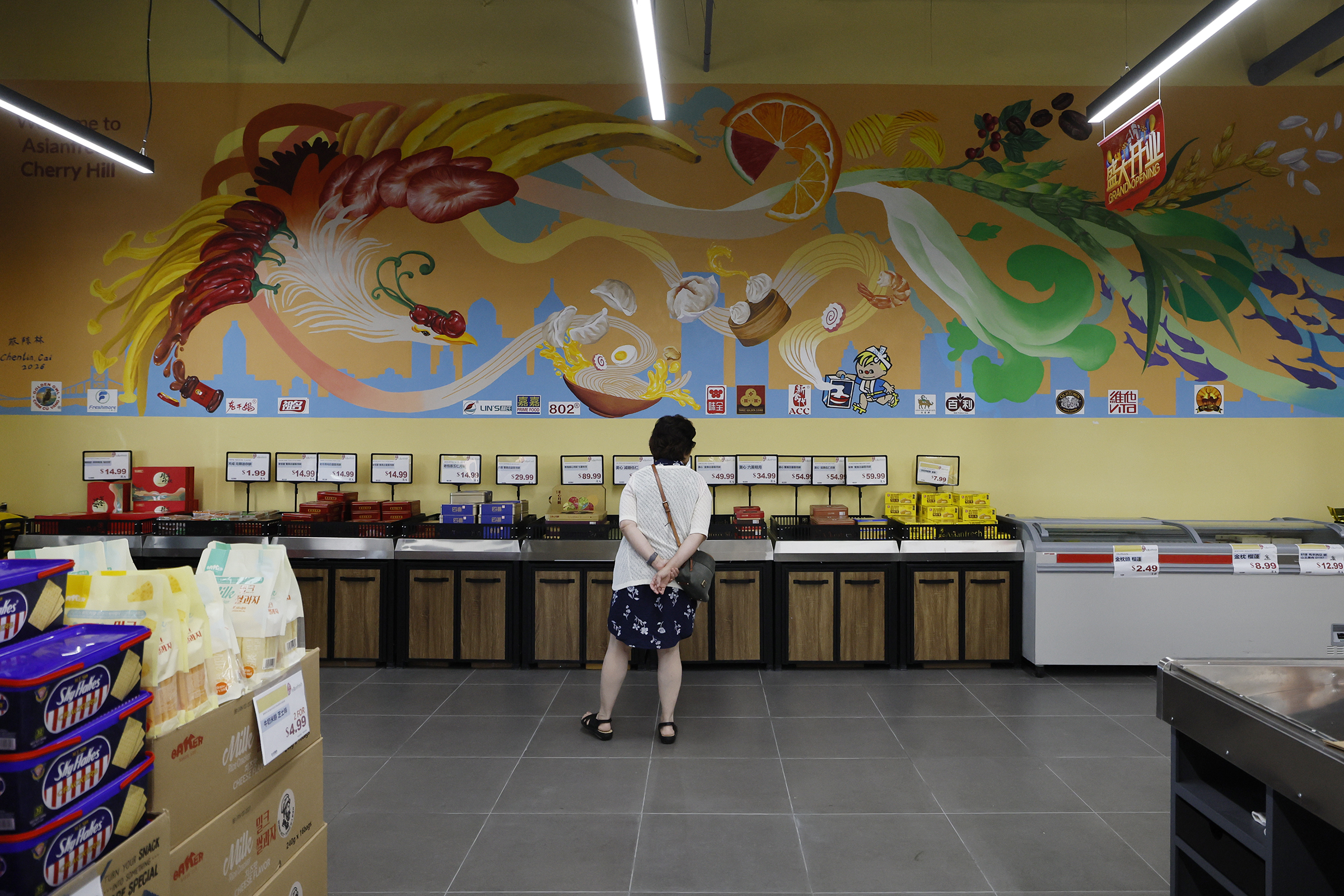
    A colorful mural by Chinatown artist Chenlin Cai welcomes shoppers into the sprawling store at 2005 Route 70 East, the second location of the popular specialty market offering hard-to-find Asian imports.

    Shoppers at the Asianfresh Food Market in Cherry Hill on Thursday, Sept. 10, 2026.Elizabeth Robertson / Staff Photographer

    Stocked with a wide variety of fresh produce, seafood, and specialty products from across Asia, the new store expands on the offerings available at the two-story flagship on 10th Street in Philadelphia that opened in 2019.

    “Anyone with an Asian background can come and find something that they need,” including Cambodian, Vietnamese, Filipino, and Thai staples, spokesperson Karen Louie said.

    Employees stocked the shelves at Asianfresh Food Market in Cherry Hill on Thursday, Sept. 10, 2026.Elizabeth Robertson / Staff Photographer

    For siblings Eric Alindogan and Daffodil Evans, the opening of Asianfresh creates another option for them to hunt for the best bargains in South Jersey.

    The pair primarily cook vegetarian Chinese and Filipino dishes, they said, which often requires trips to multiple grocery stores to get all of the necessary ingredients at a reasonable price.

    Jason Huynh, of Cherry Hill, kept the youngsters entertained while his wife shopped at Asianfresh Food Market on Thursday, Sept. 10, 2026.Elizabeth Robertson / Staff Photographer

    “We’re just doing research right now,” Evans said as they moved through the aisles, carefully filling their cart while mentally comparing products and prices to other international grocers in the area.

    The store’s grand opening event will kick off at 11 a.m. on Saturday and will include a durian eating contest — the winner of which will get a one-minute shopping spree for free drinks and snacks in the store, Louie said.

    Shoppers check out at the Asianfresh Food Market in Cherry Hill on Thursday, Sept. 10, 2026.Elizabeth Robertson / Staff Photographer

    Given the “overwhelmingly positive” response to the store since its soft opening on Sept. 3, she said they’re prepared for Saturday’s event to be packed.

    Once officially open, the store will welcome shoppers daily from 8 a.m. to 8 p.m., boasting large refrigerated and frozen food sections alongside aisles of items ranging from snacks to housewares.

    Shoppers at the Asianfresh Food Market in Cherry Hill on Thursday, Sept. 10, 2026.Elizabeth Robertson / Staff Photographer

    Similar to popular big-box warehouse stores like Costco and Sam’s Club, Asianfresh also sells a number of items in bulk, both to individuals and to local restaurants, Louie said.

    The arrival of Asianfresh in South Jersey comes just months after the Korean grocery store H Mart reopened down Route 70 after extensive renovations.

    Shoppers in the check-out line at the Asianfresh Food Market in Cherry Hill on Thursday.Elizabeth Robertson / Staff Photographer

    The major investments by both international grocers has come as the demand for these types of products continues to grow nationwide.

    Asian Americans are the fastest-growing racial or ethnic group in the U.S. and Cherry Hill Township’s Asian population has followed that trend — growing by 32% between 2014 and 2024, according to U.S. Census Bureau data.

  • Clementon’s century-old amusement and water park is closing again

    Clementon’s century-old amusement and water park is closing again

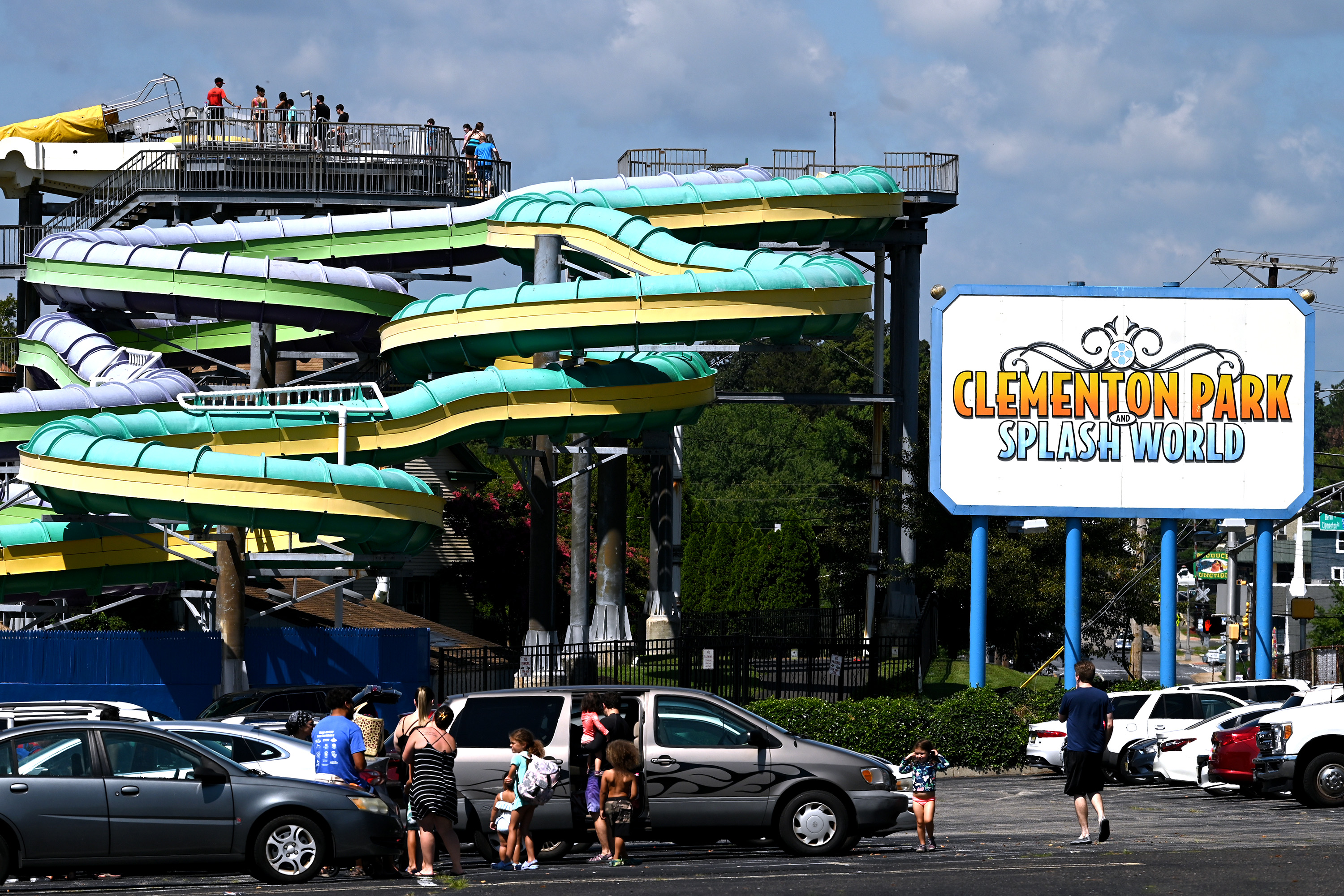
    A historic amusement park in Camden County has closed its gates and will soon be back on the market just five years after it was purchased at a bankruptcy auction.

    After more than a century in South Jersey, the future of Clementon Park & Splash World is uncertain as its owner works to “find a buyer who shares our love for Clementon Park and will carry its history and legacy forward,” the amusement park’s owner said when announcing the closure on its website and social media accounts Wednesday. The park’s final day of operation was Labor Day.

    “After five memorable years, we are saddened to announce that we have made the difficult decision to close the park and plan to offer the park for sale,” the statement said. “It has been a privilege to care for a place that has meant so much to generations of families.”

    The park’s owner, IB Parks & Entertainment, did not respond to requests for comment.

    The company bought the park for roughly $2.37 million in a 2021 public bankruptcy auction after financial struggles led to its sudden shutdown two years earlier.

    Clementon Park is one of five amusement properties owned by IB Parks & Entertainment across the country, including West Berlin’s Sahara Sam’s.

    During Clementon Park’s heyday in the early 20th century, it was a popular destination for families across South Jersey, who could be shuttled directly to the park’s entrance by a trolley running from Camden.

    Opened in 1907 by state Assembly member Theodore B. Gibbs and his sons, the park was independently owned by various local families over the years before it was bought by its first private amusement park operation company in 2007.

    Various management companies expanded the park over the next decade, adding multiple thrill rides, coasters, children’s attractions, and a 23,000-square-foot wave pool to the 52-acre park.

    The most notable of the park’s long-standing attractions was the Jack Rabbit, a wooden coaster that was considered state-of-the-art when it opened for riders in 1919. After 83 years, the popular ride was one of the oldest operating roller coasters in the world by the time it closed in 2002.

  • Collingswood’s mob-themed Italian eatery has filed for bankruptcy

    Collingswood’s mob-themed Italian eatery has filed for bankruptcy

    After more than a decade as a must-visit eatery for Mafia aficionados in South Jersey, Collingswood’s Kitchen Consigliere has run into some financial troubles.

    The mob-themed Italian restaurant on the borough’s bustling Haddon Avenue, named and designed to play up owner Angelo Lutz’s ties to the Philadelphia mob, filed for Chapter 11 bankruptcy protection on Sept. 2.

    “Like a lot of small businesses, we’ve gone through some very difficult financial periods,” Lutz said in a statement posted to social media Wednesday. “I made decisions along the way to keep our staff working, pay our vendors, keep the lights and gas on, and keep this restaurant operating.”

    “We fell behind on certain obligations, including taxes owed to the State of New Jersey and I take full responsibility for that. We are addressing those obligations and have been working through a payment plan,” Lutz said, before emphasizing that the restaurant is operating as usual and all gift cards will be honored.

    “The food, the recipes and the experience people have come to know and love are not changing one bit,” he said. “For me, this restaurant has always been more than the food. … It’s about the people who work here and the customers we love to serve — who have supported us over the number of years.”

    Lutz first opened Kitchen Consigliere as an 11-table cafe in 2010, but it soon outgrew its original location on Powell Lane. Boosted by an online crowdfunding campaign, he was eventually able to expand to the restaurant’s current home at 700 Haddon Ave. in 2013.

    Lutz’s culinary career began in earnest following a seven-year stint in prison on various charges related to organized crime.

    The mobster-turned-restaurateur was tried in 1999 along with Joseph Merlino, Frank Gambino, and other high-ranking members of Philadelphia’s Mafia.

    When embarking on his second act, Lutz did not shy away from his criminal past — a consigliere is a trusted adviser or right-hand man to Mafia leadership, and the restaurant’s signage is styled to resemble the font used with The Godfather trilogy.

    Now, Kitchen Consigliere Cafe LLC’s estimated assets total less than $50,000 while the company owes up to $500,000 to dozens of creditors, according to the bankruptcy filing.

    The company’s largest outstanding debt, $117,663.73, is owed to S&M Provisions Inc., a West Philadelphia-based food and deli supply company.

    Kitchen Consigliere is disputing the next two largest creditor claims listed in the filing: $102,000 owed to New Jersey’s taxation division and $58,503 owed to regional utility service provider PSE&G.

    The next hearing in the case is a meeting of the creditors on Oct. 5 at 10:30 a.m., according to the court docket.

  • A Philadelphia-based developer may score Haddon Heights’ first liquor license

    A Philadelphia-based developer may score Haddon Heights’ first liquor license

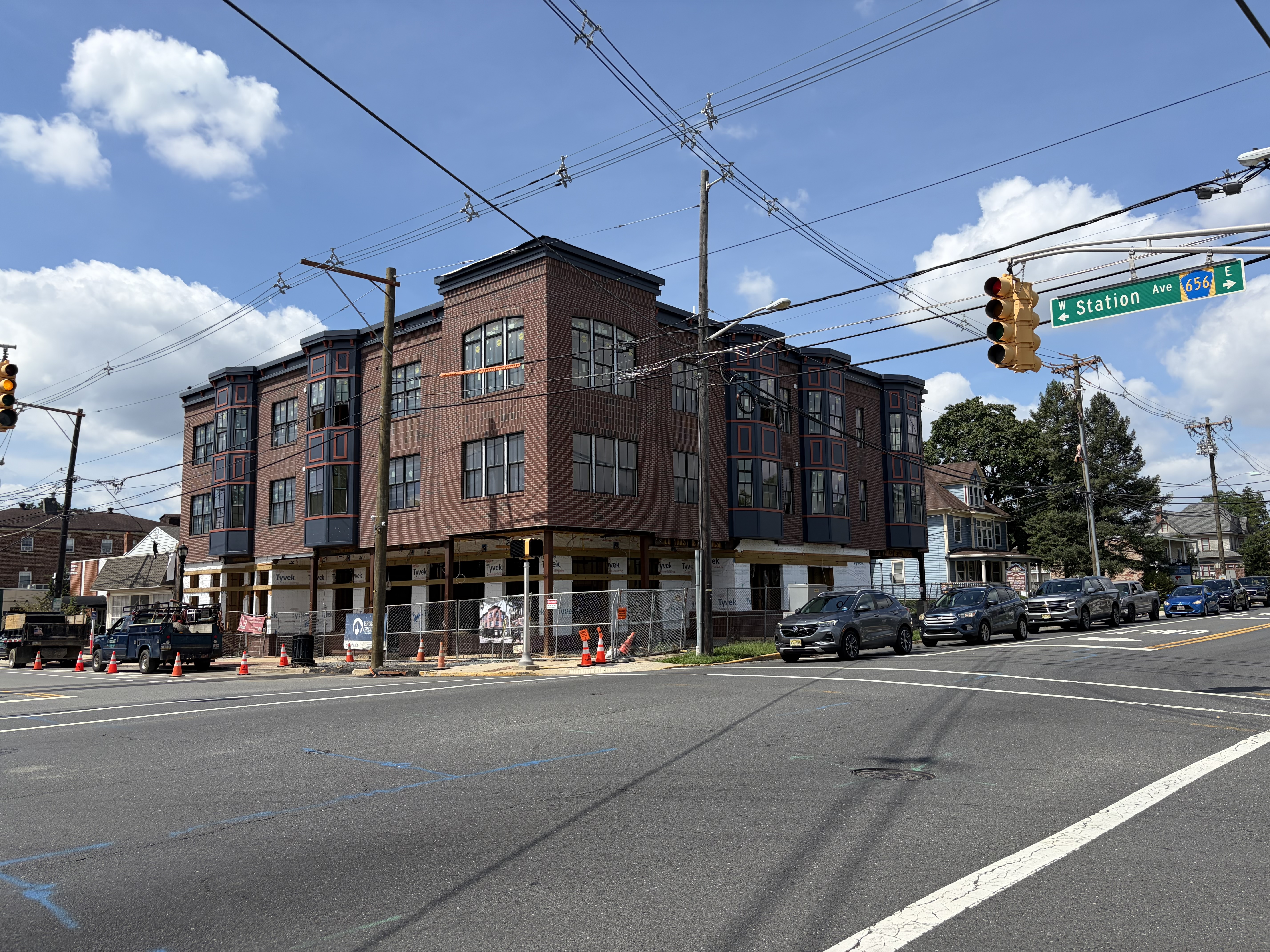
    Only one applicant has been pre-qualified to bid on Haddon Heights’ first retail liquor license — a Philadelphia-based developer with plans for a restaurant and luxury apartments on the corner of Station Avenue and the White Horse Pike.

    Haddon Heights Borough Council unanimously approved the resolution prequalifying Station Avenue Partners LLC to bid on the license during its Sept. 1 work session.

    The company submitted an application for a retail liquor license at 501 Station Ave. at the northeastern entrance of the borough’s downtown corridor, according to the resolution.

    The team behind Station Avenue Partners also own Broken Ground Properties, which is redeveloping the property at the corner.

    Plans for the site include a 2,750-square-foot first-floor restaurant or commercial space with outdoor seating and a rooftop deck, Broken Ground Properties owner Gary Farrell said. The top two floors will be home to a dozen luxury apartments and a nearly 3,000-square-foot rooftop area for residents, he said.

    The entire project will stretch across both 501 and 503 Station Ave., adjoining properties that were previously home to buildings dating back to the early 20th century. The buildings had fallen into disrepair over the years and the borough included the property in its redevelopment plan in 2023.

    With utility lines placed and construction moving along, Farrell said he expects the project to be finished by February. The commercial space will likely be the last part of the project completed, he said, because the future tenant will be in charge of the remaining outfitting and design.

    So far, Farrell said, they’ve been in talks with multiple restaurant groups interested in the property, but they’re waiting to officially have the liquor license in hand before putting it on the market.

    The company was the only applicant for pre-qualification ahead of the Sept. 15 public auction for the license, Haddon Heights Mayor Zachary Houck said.

    Pre-qualification is required to participate in municipal liquor license auctions in New Jersey to ensure that all bidders are legally and financially eligible to hold a liquor license under the state’s Alcoholic Beverage Control laws.

    But pre-qualification does not automatically mean the license is awarded; Station Avenue Partners will still need to participate in the upcoming public auction.

    The minimum bid for the license is $200,000 after being reduced by the borough from its original $400,000 starting price.

    In 2024, voters approved a referendum ending the borough’s 120-year status as a dry town and permitting Haddon Heights to issue two plenary retail consumption licenses that allow the sale and consumption of alcoholic beverages on licensed properties.

    Following a successful first public auction, Houck said, the administration would consider initiating the same process for the borough’s second liquor license by the end of the year or sometime in early 2027.

    Just a few miles away, historically dry Collingswood is following Haddon Heights’ lead.

    Last month, a community petition was successfully filed in the borough to put the question of local alcohol sales in the hands of voters. If liquor licenses are approved in November, it would bring an end to a ban that dates to the 19th century.

  • A rural Burlington County town is considering a one-year ban on Flock cameras

    A rural Burlington County town is considering a one-year ban on Flock cameras

    As concerns about surveillance cameras mount nationwide, Shamong Township is taking steps to limit the use of Flock cameras and other automated license plate readers.

    Shamong Mayor Michael Di Croce introduced an ordinance Tuesday that would establish a one-year moratorium on automated license plate readers and other vehicle surveillance technology on township rights-of-way and on township-owned property.

    Flock cameras capture the license plates and other vehicle features, like bumper stickers or dents, of each passing car and compiles them into a searchable database.

    “Flock cameras basically create a surveillance system for people who have done nothing wrong,” Di Croce said at Tuesday’s township committee meeting.

    “I am opposed and I hope that my fellow committee members will agree that we don’t need to create another surveillance system that tracks people and where they’re going,” he said, noting that location data is already collected through E-ZPass and cell phone GPS.

    “We should not create a permanent or searchable record of where law-abiding residents drive merely because they happen to pass a government camera or in the case of Flock, private-entity cameras,” he said.

    Di Croce also referenced recent high-profile issues surrounding Flock cameras including law enforcement misuse and system errors that led to a driver who was wrongfully pulled over and detained at gunpoint as even more reason to be wary of the technology.

    “I’m not opposed to technology that helps the police solve crimes,” Di Croce said. “I’m opposed to turning Shamong into a surveillance community without demonstrating that the benefits outweigh the cost, violating our privacy implications with the potential for misuse and the loss of local control over our residents’ data.”

    Shamong is not alone in its concerns about the use of surveillance technology.

    Pennsylvania Gov. Josh Shapiro has “real concerns” about Flock cameras and is open to considering a statewide ban on the technology, a spokesperson said this week.

    In Montgomery County last month, Abington police decided not to renew their contracts with Flock after thousands of the department’s searches were leaked.

    The ordinance is “just a statement that we don’t want these cameras in Shamong and we’re not going to have them on any township property,” Di Croce said.

    Residents can weigh in on the proposed ordinance before the committee votes on its adoption on Oct. 6 at the Shamong Municipal Building.

  • Evesham Library is getting its first upgrade in nearly 30 years

    Evesham Library is getting its first upgrade in nearly 30 years

    One of Burlington County’s most popular public libraries is getting a major upgrade — its first in nearly three decades.

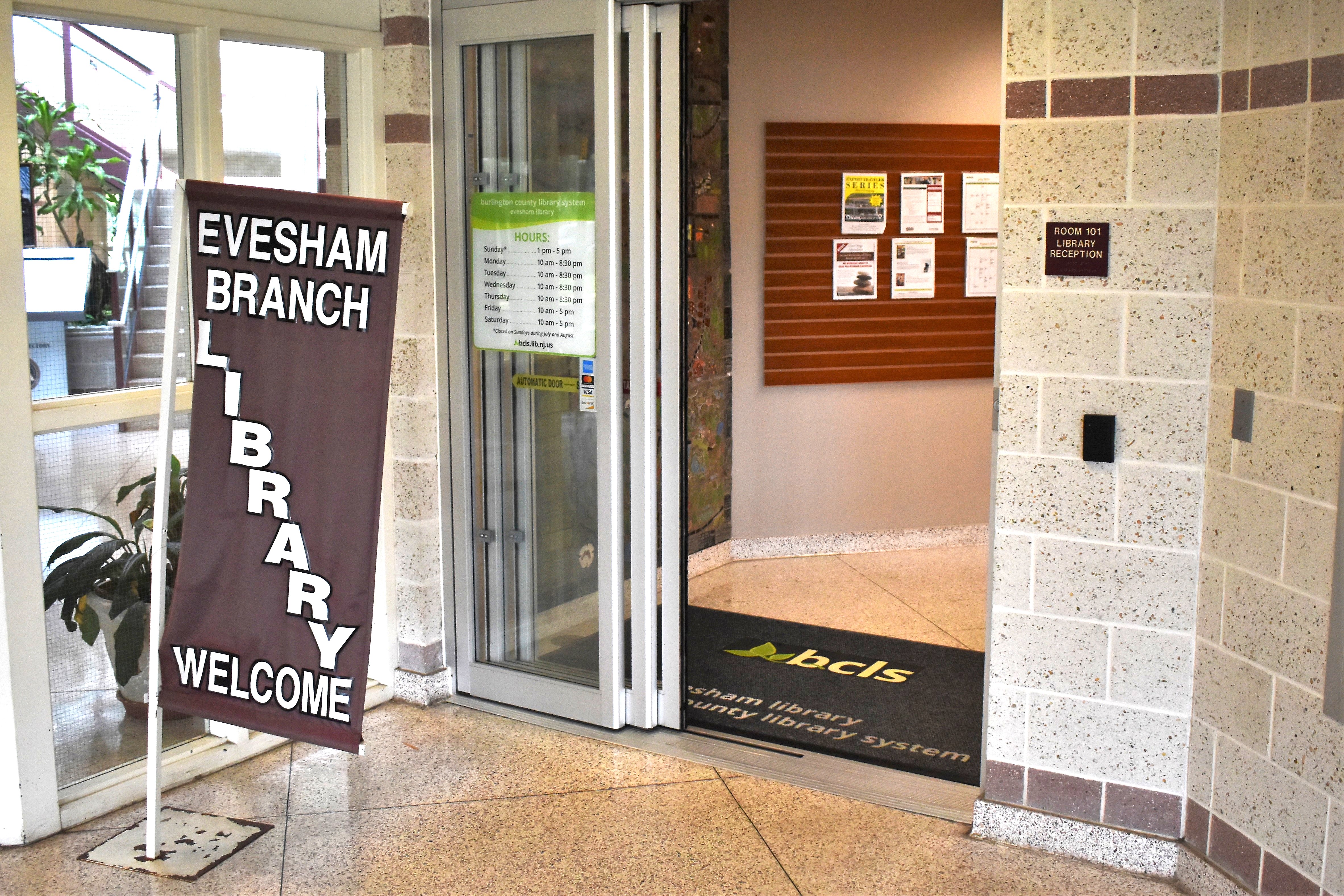
    The Evesham Library in Marlton, part of the Burlington County Library System (BCLS), will be getting a new technology center and expand its children’s area and activity/meeting room as part of the $500,000 project.

    “The improvements planned for the Evesham library will allow it to better serve residents of all ages and become an even greater resource for the community,” Burlington County Library Commission Chair Jonathan Chebra said in a statement announcing the effort.

    Renovations are underway and expected to wrap up by the end of the year, the county said.

    The library, which opened in 1998 as part of Evesham Township’s new municipal building complex, will remain open for visitors during the renovations.

    The Evesham branch is the second most-used location in the BCLS, the county said, recording more than 215,390 checkouts in 2025. The Evesham location also has the second-highest active library users in the BCLS with nearly 10,000 active accounts.

    “Evesham is Burlington County’s most populous municipality, so it’s absolutely essential that it continue to have a state-of-the-art library to serve the town and the surrounding communities,” Burlington County Commissioner Tom Pullion, liaison to the BCLS, said in a statement.

    Half the funding for the project came from a $1 million state grant for capital improvements to the BCLS as part of the New Jersey’s 2023 budget. The library system matched the remaining $250,000 for the renovations in Evesham, the county said.

    Burlington County’s main library branch in Westampton and the libraries in Pemberton and Cinnaminson will share the rest of the state funding, according to the county.

    Pemberton branch’s renovation wrapped earlier this year and work on the Cinnaminson library is expected to finish in the fall, the county said. Meanwhile, renovations at the main branch in Westampton are still in the early stages of planning and design.

    “Burlington County’s libraries are proven difference-makers and the investments we make to improve them directly benefit our residents and communities,” Burlington County Commissioner Randy Brolo said in a statement.

  • Could Collingswood lose Knight Park if its liquor ban is lifted? We dig into the ‘persistent rumor’

    Could Collingswood lose Knight Park if its liquor ban is lifted? We dig into the ‘persistent rumor’

    As Collingswood residents consider the prospect of finally permitting alcohol sales in the borough, the discussion has revived a long-standing concern that the move would put the sprawling Knight Park at risk.

    Legend has it that the continued ban of liquor sales in Collingswood, which dates back to 1873, was a stipulation when the park was dedicated in 1888. If alcohol sales were ever permitted, the story goes that the nearly 70-acre park would cease to be a public asset and would be sold to developers.

    With Collingswood voters set to decide on the future of alcohol sales in November, questions about the potential impact on Knight Park have swirled on social media and reached borough officials.

    “Knight’s Park [sic] existence depends on the longtime tradition of Collingswood being a dry town,” one person wrote on Facebook.

    “I recall hearing that if Collingswood was no longer a ‘dry town’ they would lose Knight’s Park [sic] as that was part of the agreement when the family donated it. Anybody know if this is true?” another person asked.

    So, is there any truth to the rumor? No, according to officials.

    “It’s an old wives tale,” borough administrator Cassandra Duffey said in an email. “There is no relationship between Knight Park and liquor licenses.”

    Duffey, a 20-year resident of the borough, said she’s not sure of the rumor’s origin and that it predated her arrival in Collingswood.

    “I’ve had to dispel this rumor every year I’ve been here,” she said.

    The triangle-shaped park in the center of the borough was gifted by businessperson Edward C. Knight, in memory of his parents, according to the park’s website.

    The park has been overseen by an independent seven-person board of trustees that works with the borough to coordinate and run local sports leagues and public events.

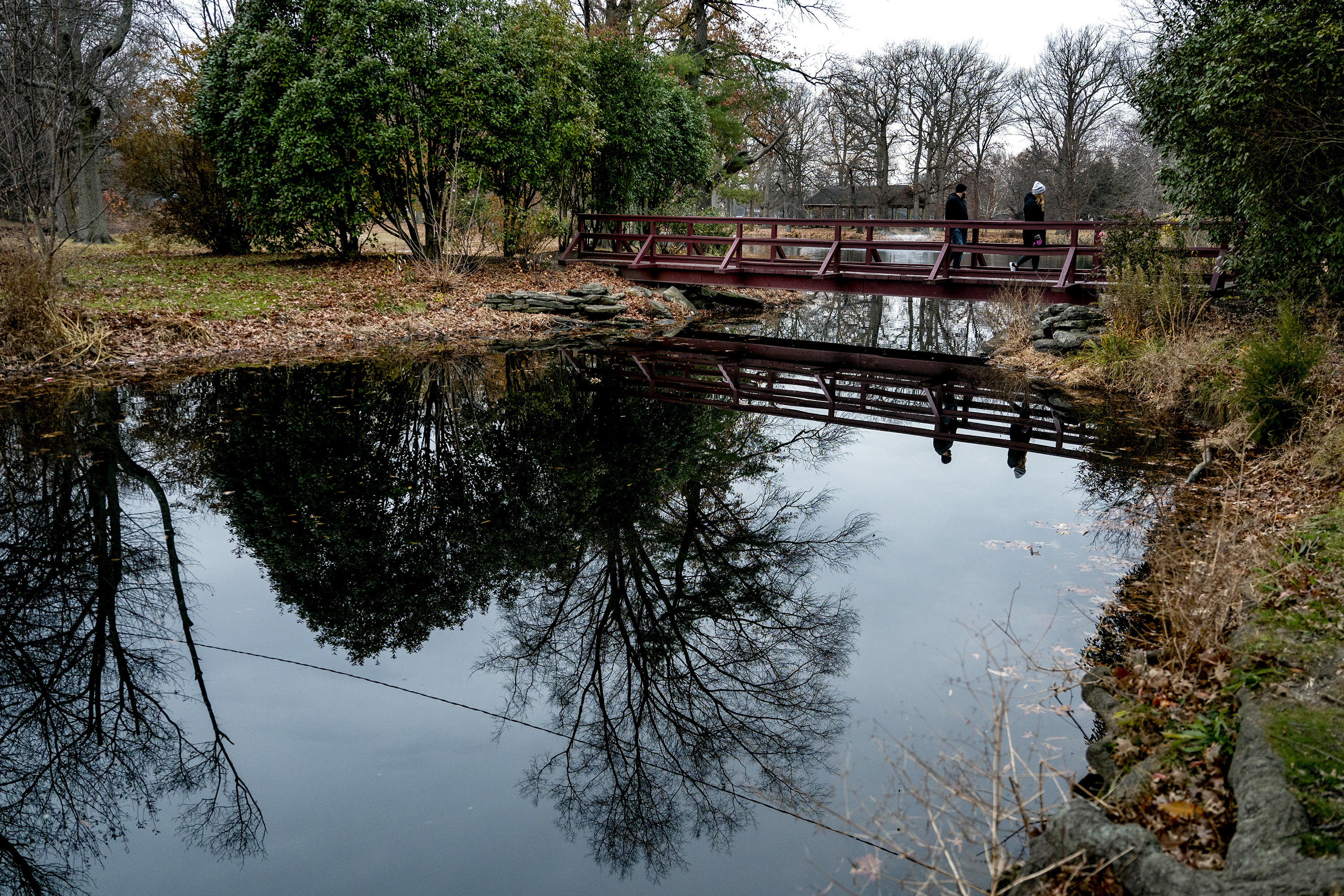
    Bordered by Browning Road and Collings and Park Avenues, Knight Park boasts athletic fields, a walking and biking path, a playground, and a pond. Over the years, the park’s popular gazebo has become a local destination for weddings and other celebrations.

    Like other public parks in Collingswood and across South Jersey, alcohol is not permitted — though that appears to be the only alcohol-related rule officially connected to the property.

    The future of Knight Park has no connection to liquor sales in the borough, Collingswood officials emphasized.

    “It’s a persistent rumor, but only that,” Duffey said.