Though he’s currently behind bars at the Federal Correctional Institution at Fort Dix, Willingboro Township council member Nathaniel Anderson has not resigned from his position on council.
Now, prosecutors have filed a civil complaint in New Jersey Superior Court seeking to remove Anderson from office, the Burlington County Prosecutor’s Office announced Friday.
The action asks the court to declare that Anderson, who previously served as Willingboro’s mayor, has forfeited his ability to serve on the council.
Anderson was reelected to a four-year council term last November before being convicted by a federal jury in January of conspiracy to commit wire fraud affecting a financial institution, bank fraud, and two counts of making a false statement on a mortgage application.
He was sentenced in June to one year and one day in prison and ordered along with his co-defendant to pay about $221,000 in restitution to the victims.
While state-level convictions trigger immediate, automatic removal from office upon a guilty verdict, prosecutors must petition the state Superior Court to remove an elected official who refuses to resign following a qualifying federal conviction.
A hearing on the order to show cause is scheduled for Sept. 11.
Public health officials are advising South Jersey residents to be alert and avoid wild animals after a report of a rabid raccoon that bit a man in Gloucester County last weekend.
The Glassboro resident told 6abc Wednesday that the wild animal charged him outside of his home and bit the front of his leg before being captured and testing positive for rabies.
Gloucester County posted an alert on social media Wednesday reminding residents to make sure their pets are up to date on their rabies vaccinations and to avoid contact with wildlife. County officials did not respond to questions about the alleged attack Thursday.
“Rabies is a serious disease, but it is preventable,” the county wrote. “If you see a wild animal acting unusual; such as appearing aggressive, unafraid of people, drooling, or unsteady; keep your distance and report it to your local health department or animal control.”
Anyone bitten or scratched by a wild animal should wash the area with soap and water, seek medical attention, and contact local animal control or health officials, the county advised.
6abc reported that authorities said the infected animal involved in the attack was seen fighting with another raccoon before it was captured, and that the county is now working to locate the potentially rabid animal.
Five Camden County towns could owe some current and former property owners more than half a million dollars collectively as part of a proposed settlement in a class-action lawsuit involving vacant and abandoned properties.
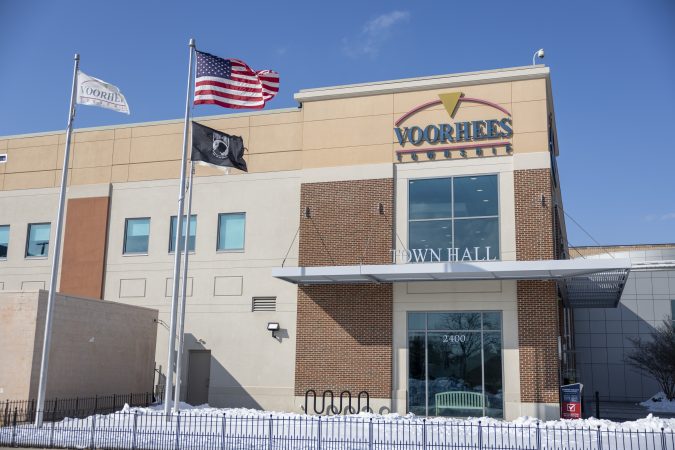
The case alleges that the vacant and abandoned property registration programs previously operated in Barrington, Bellmawr, Runnemede, Voorhees, and Gloucester Township violated New Jersey law. These programs were in place largely to prevent blight by funding the town’s upkeep of vacant properties, but the suit alleges that for a time, the towns were collecting fees unlawfully.
Many of the property owners who were forced to pay fees to these programs had never actually abandoned or vacated their homes, the suit alleges, and the towns unlawfully earned a revenue from these fees as a result.
The settlement proposes a fund of about $545,600. The amount contributed by each town varies based on the total amount collected through program fees, said Stephen DeNittis, an attorney representing plaintiffs in the case.
Here is how much each town will have to pay if the settlement is approved:
Gloucester Township: $280,000
Runnemede Borough: $111,300
Voorhees Township: $94,120.43
Bellmawr Borough: $33,932.50
Barrington Borough: $26,271.57
Because it is a class-action lawsuit, the proposed settlement still needs to be approved by a court, DeNittis said.
A hearing is scheduled for Aug. 14, and if preliminary approval is granted, notices will be sent out within 30 days informing other potential claimants of the case and providing instructions on how to file a claim if they paid into their town’s vacant property program between 2018 and 2022.
Claimants can file for a simple refund of $200, or they could receive 60% of the total amount they paid into the program if they can provide sufficient documentation and proof of payment, DeNittis said.
As part of the settlement, the towns do not admit any liability or wrongdoing.
Officials with both Voorhees Township and Runnemede Borough independently declined to comment on the case, saying they do not publicly discuss litigation. The other municipalities named in the lawsuit did not respond to a request for comment.
Assuming the court grants preliminary approval of the settlement in August, DeNittis said, a final approval hearing will likely be held later this fall.
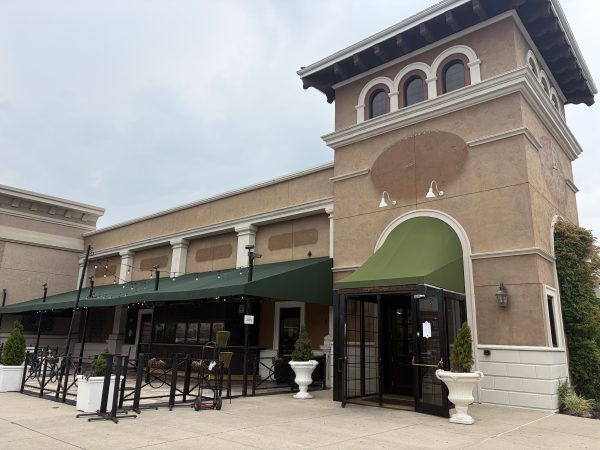
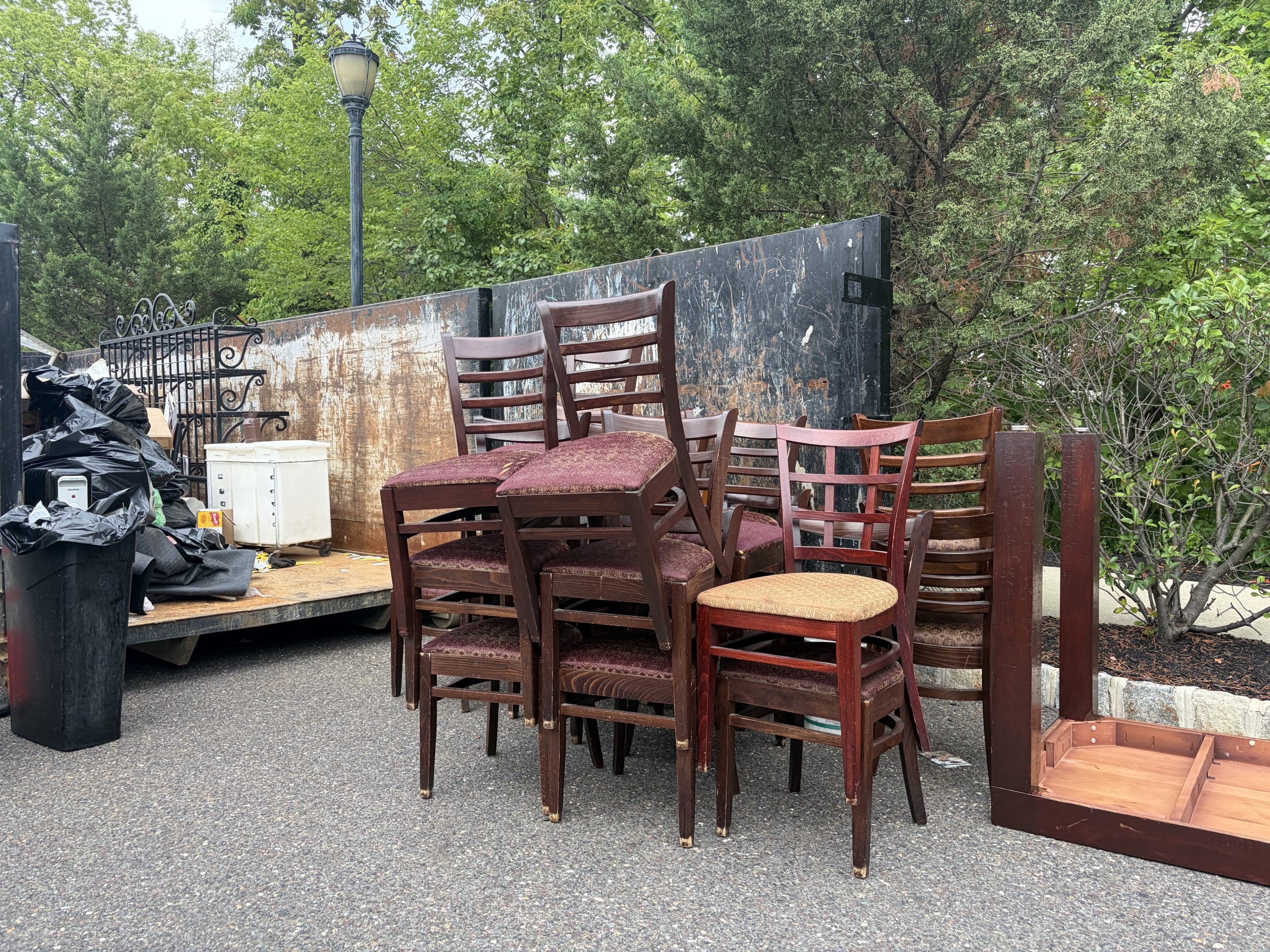
The signage is down and the furniture and appliances were on their way out of Cherry Hill’s Brio Italian Grille on Tuesday after the restaurant permanently shut its doors.
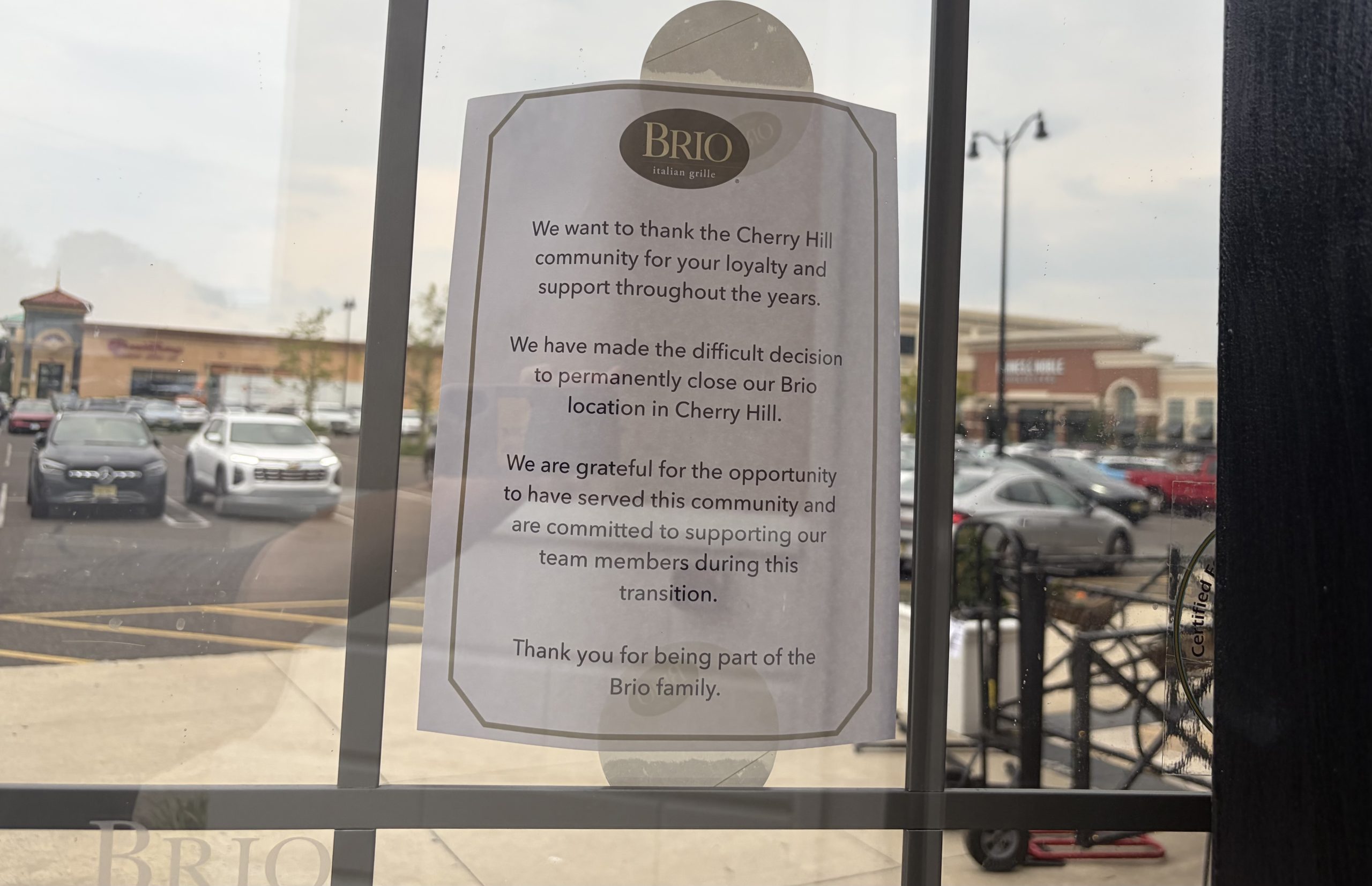
“We have made the difficult decision to permanently close our Brio location in Cherry Hill,” a sign posted to the restaurant’s entrance reads. “We are grateful for the opportunity to have served this community and are committed to supporting our team members during this transition.”
A sign posted to the entrance of Brio Italian Grille in Cherry Hill announces the permanent closure of the restaurant on July 28, 2026.Lacey Latch
Calls to the restaurant went unanswered Tuesday and the location had been removed from the Brio Italian Grille website.
The other Brio Italian Grille location in Marlton closed in May, less than a year after the chain’s parent company filed for bankruptcy for the second time in five years.
South Jersey residents interested in a visit to the Italian restaurant will now have to travel more than 200 miles to the nearest location, in Connecticut.
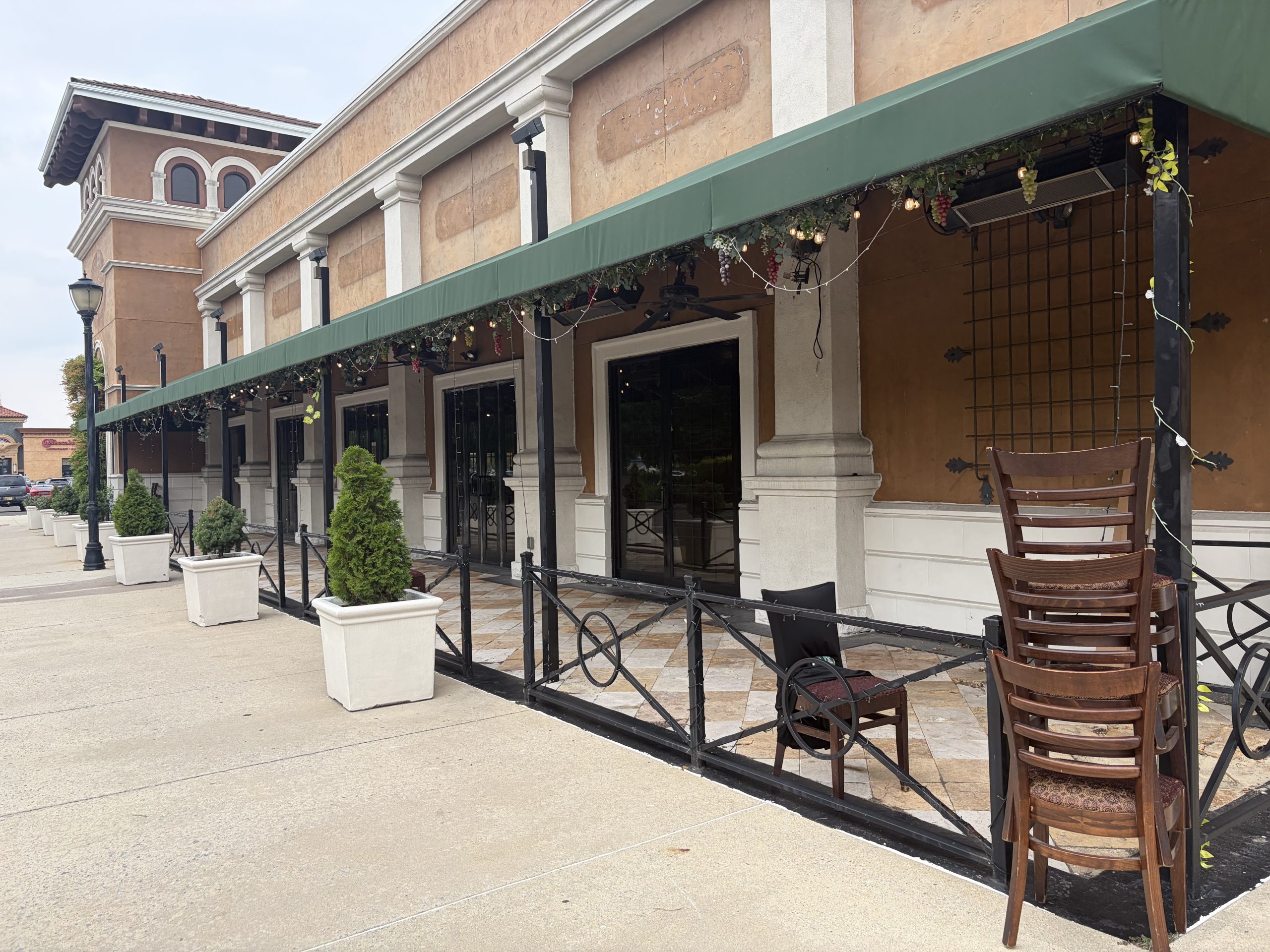
The patio at Brio Italian Grille in Cherry Hill was cleared of all furniture save for some stacks of chairs on July 28, 2026 after the restaurant’s sudden closure.Lacey Latch
Is Fogo de Chão moving in?
As rumors of closure swirled last month, so, too, did rumors that Fogo de Chão Brazilian Steakhouse would move into the space.
42 Freeway, a publication covering development in South Jersey, first reported the news in May, followed by NJ.com, which cited project plans filed by Fogo de Chão and the owners of the Towne Place shopping center to the Cherry Hill Township Zoning Board of Adjustment in April.
Those plans propose a remodeled restaurant with 296 seats, and the required zoning permits for the conversion to the steakhouse have already been issued, Cherry Hill Township attorney Cosmas Diamantis previously told The Inquirer.
Staff were at Cherry Hill’s Brio Italian Grille on July 28, 2026 clearing out the restaurant following the sudden closure.Lacey Latch
Now, with Brio closed, it is still unclear if the steakhouse plans to lease the property.
A spokesperson for Fogo de Chão declined to comment on the matter last month and again on Tuesday.
Joe Morris, an executive for M&M Realty Partners, which owns the landlord entity that manages Towne Place tenants, previously said that the chain has inquired about joining the Cherry Hill retail center for more than a decade. Morris did not respond to requests for comment this week.
“I can absolutely tell you, if Brio gives their space back, Fogo is 100% a tenant we would be interested in speaking with,” Morris said last month amid the first round of closure rumors.
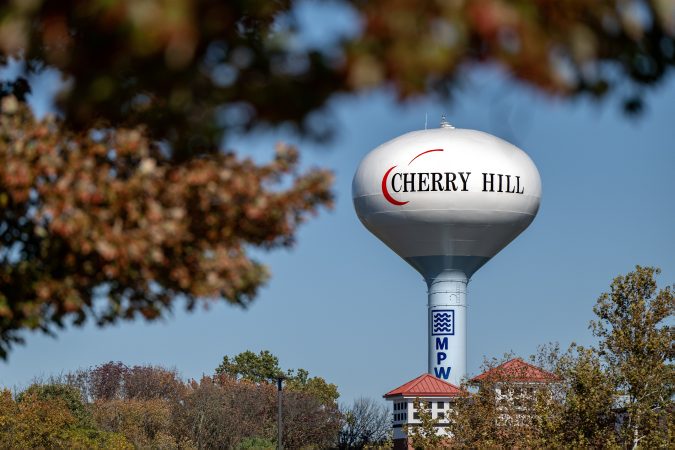
Cherry Hill just became the latest municipality in New Jersey to formally ban the development of large-scale data centers.
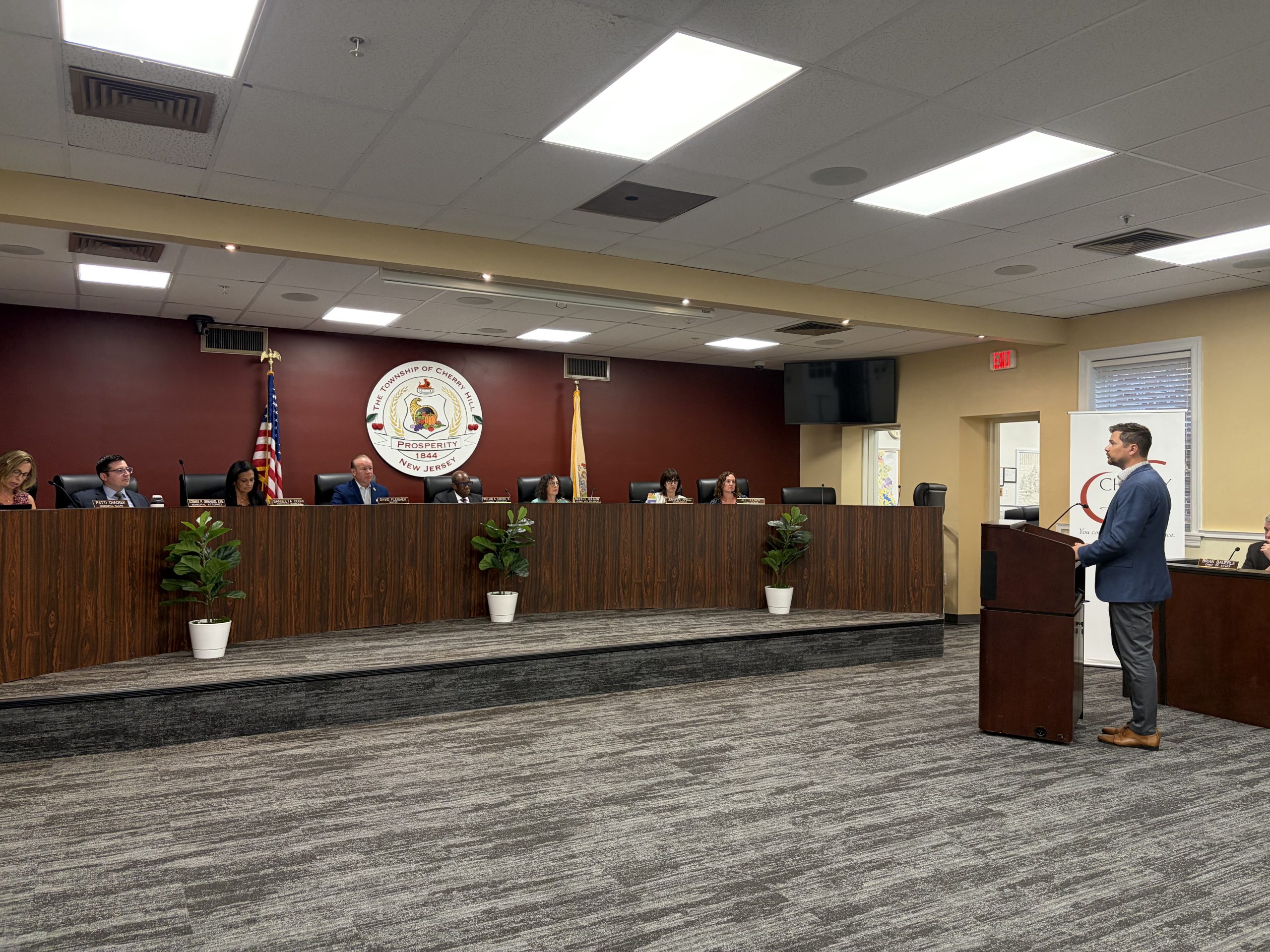
The township council unanimously passed an ordinance Monday night that lists data centers as a non-permitted land use within the township’s borders.
“We don’t think that Cherry Hill should be a guinea pig,” Cherry Hill Mayor David Fleisher said after the council meeting. “So while the technology is evolving, we wanted to be proactive and make sure that we eliminated a problem before it became one.”
The ordinance also clarifies the difference between the now-forbidden data centers used for artificial intelligence or cloud storage and the small server rooms used by standalone businesses for file storage, which will still be permitted.
Certified planner Christopher Dochney presents information about an ordinance banning data centers to the Cherry Hill Township Council on July 27, 2026.Lacey Latch
The move is consistent with the goals outlined in Cherry Hill’s master plan, said Christopher Dochney, a certified city planner who worked with the township on the ordinance.
This includes “maintaining Cherry Hill as a garden suburb, maintaining a desirable visual environment and attractive community, and wanting to preserve natural resources,” he said.
It also aligns with the economic development portion of the plan, he said, which prioritizes job creation, job retention, and “providing an economic boon to the residents of Cherry Hill.”
“[Data centers] consume a lot of land, they use a lot of water, they take up a lot of energy, and they also tend to be very big, ugly buildings,” Dochney said. “Things that are all directly inconsistent and contradictory to the stated goals of your master plan.”
For a data center to be built in the future, a developer would need a land-use variance from the township’s zoning board — generally the most difficult land-use approval to obtain, he said.
Up to this point, no data center developers have approached the township, “and we wanted to keep it that way,” Fleisher said.
“As you see in some other towns, by the time an application is submitted, legally it might be too late,” he said. “And we didn’t want to find ourselves in that position.”
Data center pushback in South Jersey
Cherry Hill, the most populous municipality in Camden County, is the latest of a growing number of South Jersey towns to pass similar bans as debate around data centers continues across the country.
This month, Burlington County’s Mansfield and Chesterfield Townships also approved bans after Medford Township did the same a month prior. Millville in Cumberland County banned large-scale data centers in May after promotions for a new 66-acre “Millville Energy & Data Center Campus” circulated online.
In Gloucester County, a real estate developer is suing Monroe Township for $300 million after the municipality issued a ban on data centers and subsequently denied its plans to build a 1 million-square-foot data center and a warehouse.
With the restrictions on data centers now in place in Cherry Hill, Fleisher said he is not worried about potential legal action against the township.
“We were very cautious to be very thoughtful and methodical about how we were going to address this,” he said. “We made sure we had the appropriate professionals go through the right process and have all the accurate information on the record before we took formal action.”
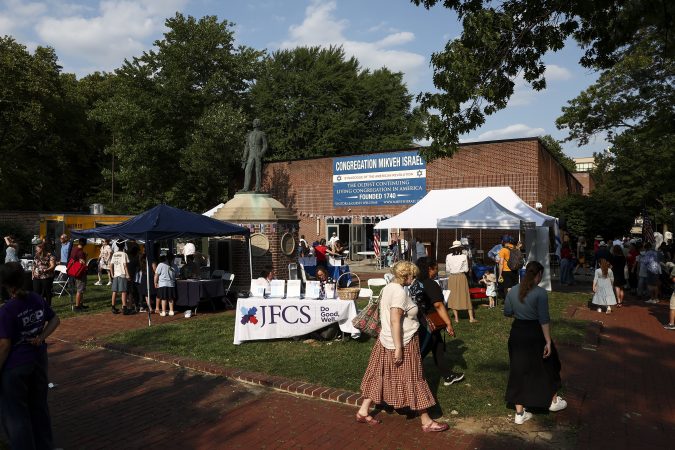
While Philadelphia’s Fourth of July visitors might be long gone, hundreds of people were at Congregation Mikveh Israel in Center City on Sunday afternoon celebrating the Semiquincentennial while looking back at more than 250 years of Jewish contributions to the United States.
At Jewish America 250, visitors of all ages were met by more than 60 vendors, food trucks, and live music at the historic synagogue — the oldest in Philadelphia — for an interfaith celebration highlighting the nation’s history and founding principles, Rabbi Yosef Zarnighian said.
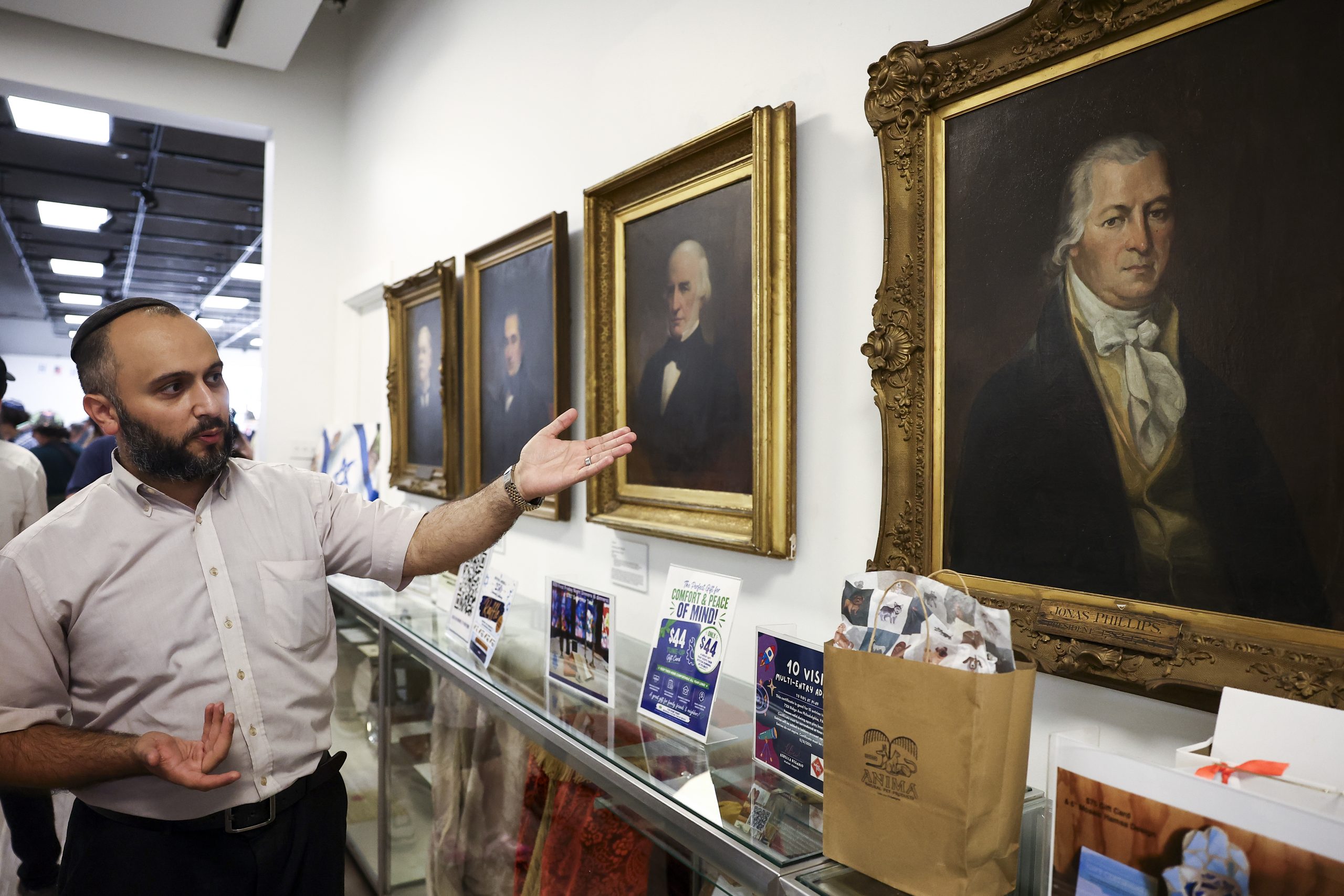
Rabbi Yosef Zarnighian speaks about Jonas Phillips during Jewish America 250 at Congregation Mikveh Israel on Sunday in Philadelphia.Monica Herndon / Staff Photographer
“We thought that it would be quite appropriate to honor the 250th celebration of the United States by having the entire community, doesn’t matter your religion, your race — totally irrelevant. If you are part of the Philadelphia community, we want you to come showcase your business, your institution, your restaurant here,” Zarnighian said.
“From 1788 to now, we’ve been about interfaith dialogue and sharing that common American heritage that doesn’t recognize religion or race or anything like that — it’s about being American,” he said.
Congregation Mikveh Israel has a rich history in Philadelphia tracing back to before the nation’s founding.
Visitors viewed historic artifacts in Congregation Mikveh Israel’s museum during Jewish America 250 Sunday. Monica Herndon / Staff Photographer
The synagogue’s artifacts and displays highlight the impact Philadelphia’s Jewish community has had throughout history: from protesting the inclusion of a religion oath in the Constitution to founding the Association of Jewish Immigrants in 1884.
The synagogue’s Spruce Street Cemetery recognizes some of this history, with part of the burial ground dedicated specifically to Jewish Revolutionary War soldiers, Zarnighian said.
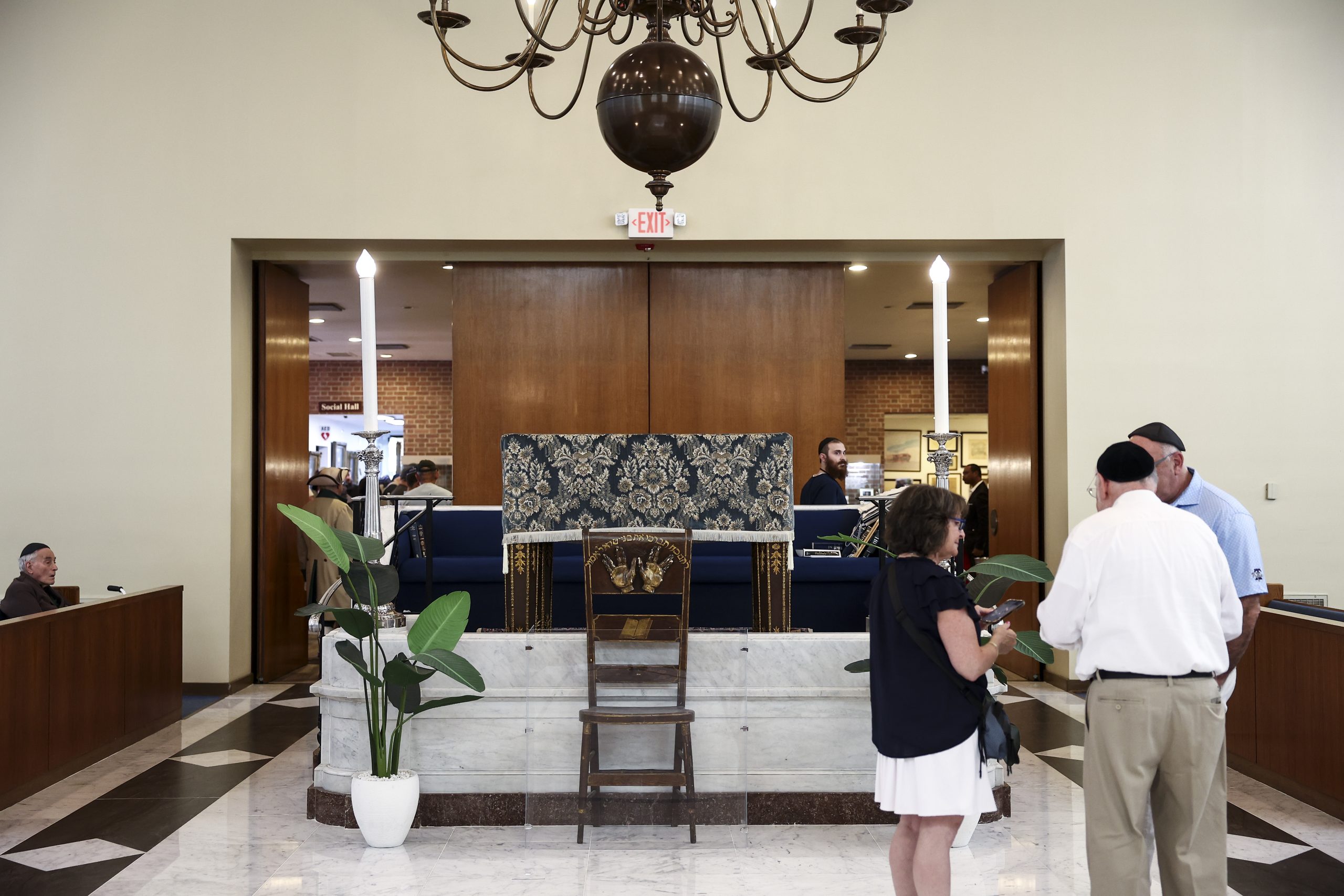
In the synagogue at 44 N. Fourth St., the centerpiece of the synagogue’s connection to its past — a prayer table that has been used for centuries of services — sits atop a marble Civil War-era platform.
“It’s the symbol of uninterrupted Jewish prayer in Philadelphia since 1782,” Zarnighian said.
Historic pieces, including the table from 1782, the marble platform from 1859 and the wooden chair from 1816, were available for public viewing during the event at Congregation Mikveh Israel on Sunday.Monica Herndon / Staff Photographer
Siblings Sheryl Kline and Mark Fried, longtime members of the congregation, had a special connection to the history on display at Sunday’s event and were excited to share it.
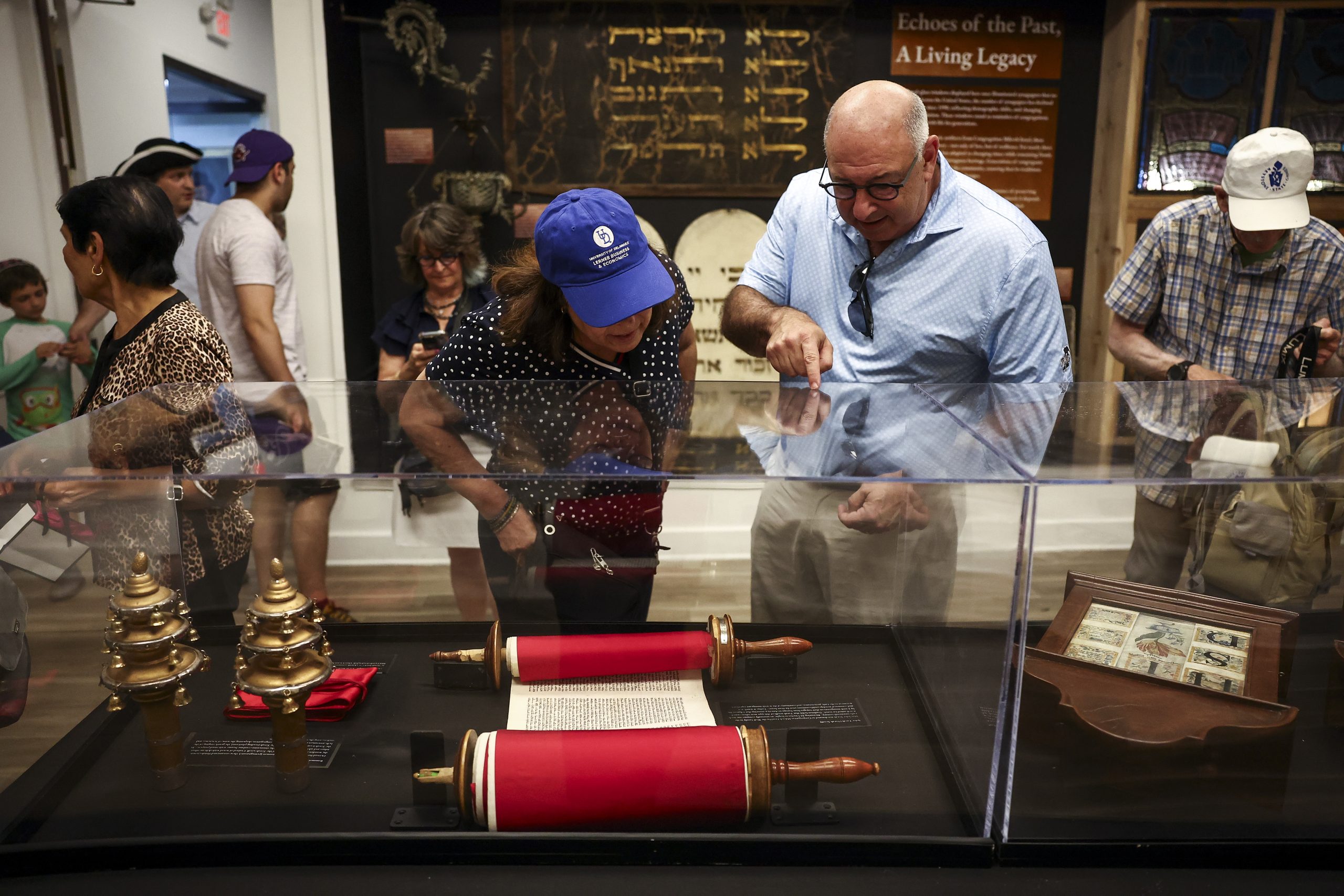
The pair looked down at the rare travel Torah, kept safe behind protective glass, that had belonged to their grandfather, Gustav Cohn.
At roughly one-third the size of a regular Torah, the scroll was easy for Cohn to bring along as he made his way across the country as a traveling salesman.
Sheryl Kline, left, of Chester County, and Mark Fried, of Bucks County, look at their great grandfather’s Torah Sunday at Congregation Mikveh Israel.Monica Herndon / Staff Photographer
He eventually settled in Philadelphia and, in his later years, moved in with his daughter’s family, who were longtime members of Mikveh Israel.
“We’re very proud,” Kline said. “We’re very proud to be part of the celebration of the country and the synagogue.”
Now living in the suburbs, the siblings do not travel into the city for services every week, but there is one special service that cannot be missed.
Per Cohn’s instructions when he lent the Torah, it must be read at least once a year, Kline said, “usually on my grandmother’s birthday.”