Author: Michael Klein

  • The best things we ate this week

    The best things we ate this week

    The Maddie J at the Biscuit Lady

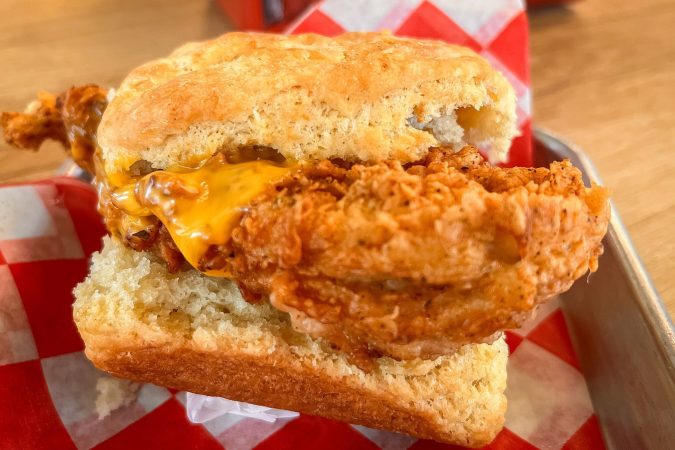
    Two great new moves by Tara Finder at the Biscuit Lady’s Plymouth Meeting location: later hours on weekends (till 8 p.m. for dine-in or takeout) and a chicken biscuit sandwich that’s only available after 2:30 p.m.. The Maddie J is 5 ounces of crispy fried chicken juiciness, a slice of American cheese, and a swipe of house Buffalo sauce. There’s a huge crunch and a zingy kick, but keep your plate handy because the light, flaky biscuit can barely contain all that goodness. It’s the perfect late-day counterpoint to morning specialties, such as the smash burger with bacon, fried egg, and jalapeño pimento cheese (Don’t Go Bacon My Heart) and the cheesesteak riff with ribeye, Cooper sharp, egg, and onion (the Stella). The Biscuit Lady, 115 Plymouth Rd., Plymouth Meeting, 484-243-6957, visitthebiscuitlady.com

    — Michael Klein
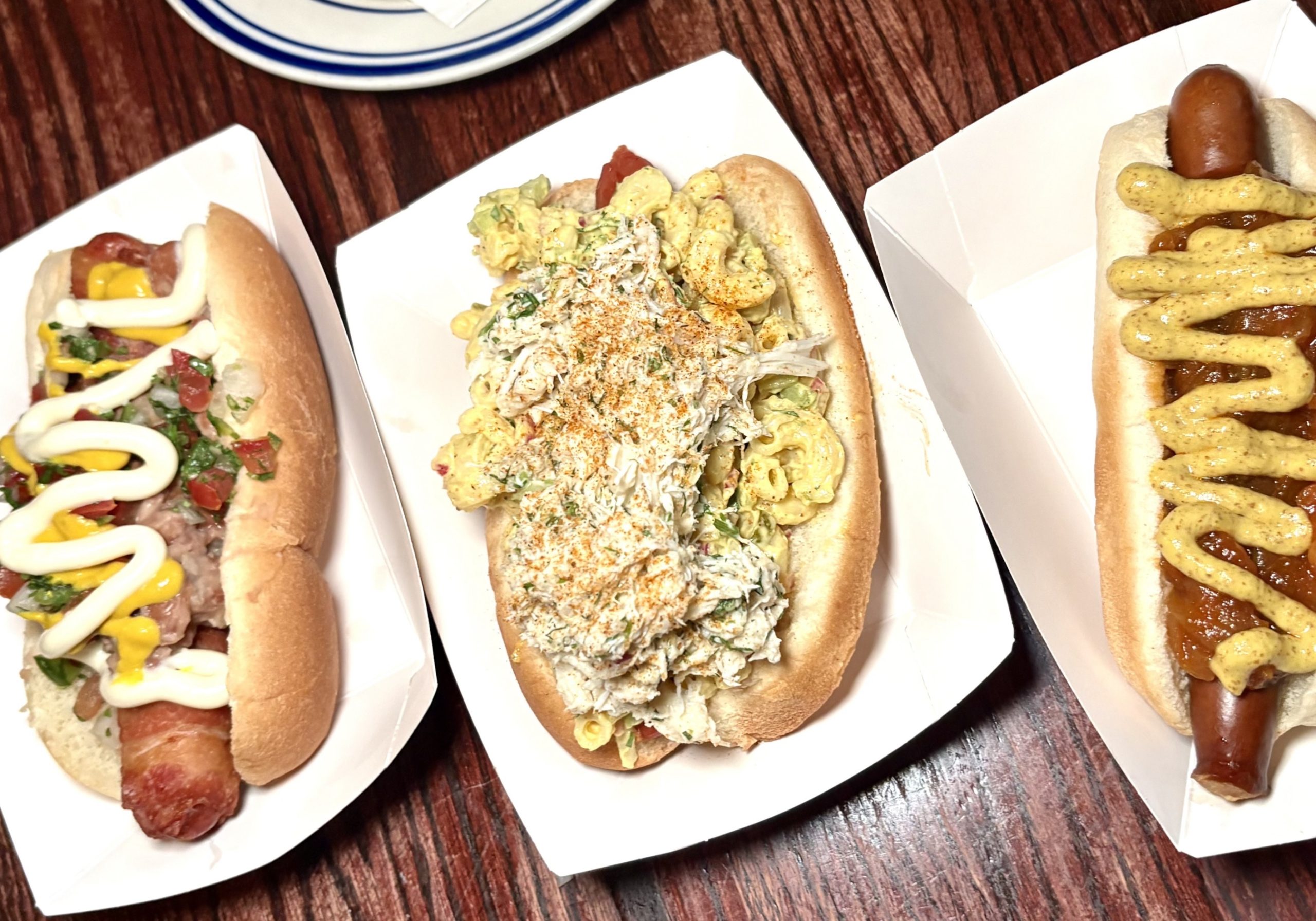
    Three weekly specials from Royal Tavern’s July-only hot dog menu. From left: a fried Diamondback Dog wrapped in bacon with salsa and beans, an Old Bay Bomber topped with Old Bay macaroni salad and crab, and Barrel It Up The Bronx topped with onion sauce and brown mustard.Craig LaBan / Staff

    Dog Days hot dog specials at Royal Tavern

    If you grew up in a hot dog culture like I did, devouring every Coney I could find in metro Detroit, the snap of the natural casing on Royal Tavern’s bespoke wieners is a flashback revelation. The Bella Vista bar’s third annual Dog Days of Summer event is in full throttle through the end of July, and they’re not serving skinless franks — the industrial norm — here. The taut-yet-delicate resistance on these artisanal links unleashes a savory rush of meaty juice, the pureed pork-beef blend harboring a balanced soupçon of coriander, garlic, and applewood smoke.

    Royal Tavern chef Nic Macri — whose butchery chops are still intact from his charcuterie run with La Divisa at Reading Terminal Market — began Dog Days two years ago as a labor of love to boost the bar’s typical summer doldrums. He ended up selling over 5,000 dogs that first July, then 7,000 in 2025, limiting it once again to the month due to the logistical challenge of transforming his small kitchen into a temporary frankfurter factory. This year, the restaurant aims to hit 10,000. To do so, Macri has turned to Happy Valley Meats to co-pack its proprietary recipe with responsibly-raised meats.

    But the creative challenge is still considerable: Four new preparations are unveiled every Monday for five weeks, pairing different techniques (steamed, chargrilled, fried, griddled) with an array of flavor toppings. No modifications allowed. I was charmed by the Baltimore-themed picnic of a dog last week topped with Old Bay macaroni salad and a scoop of fresh crab. But the purist in me kept returning to the Bronx-inspired steamer topped with saucy onions and brown mustard that still allowed that quality link to shine. There will be new cast of dogs next week themed to the World Cup, then a final quad dog bracket to bring it home, culminating in all 24 returning July 31 to celebrate a month of memorable wiener studies. The chef insists it will then be time to return to the fall programming of burgers, smoked beef, and fish sandwiches, no matter how much I plead our case: If Macri hasn’t turned Philly into a true hot dog town by then, no one can.

    Royal Tavern, 937 Passyunk Ave., 215-389-6694, royaltavern.com

    — Craig LaBan
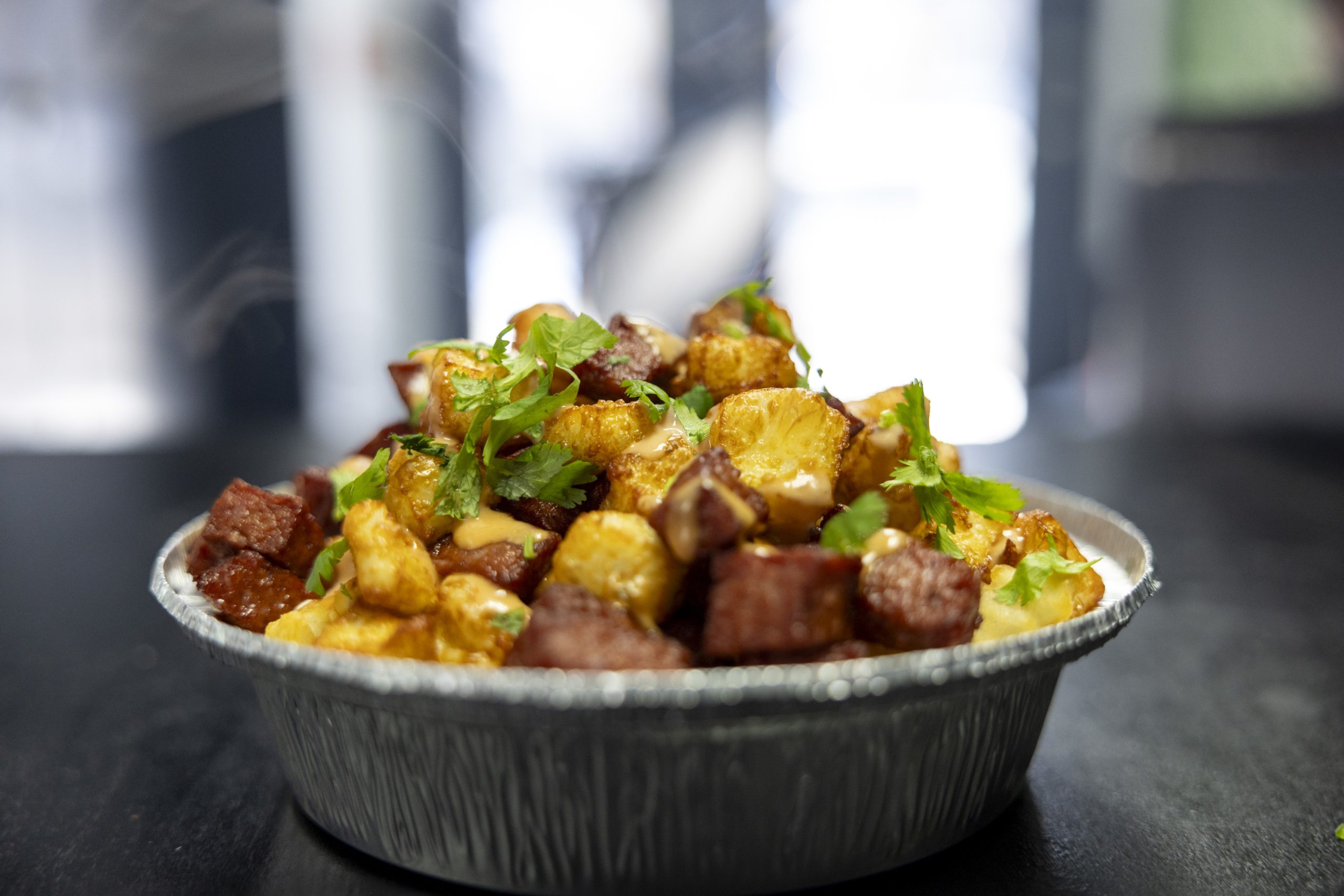
    Loaded fries at El Sazón R.D., 1030 N. Second St.Tyger Williams / Staff Photographer

    Loaded fries at El Sazón R.D.

    El Sazón R.D. in Northern Liberties only serves three things: smash burgers, empanadas, and fries — all with a Dominican twist. Luckily, it does them extremely well. The smash burgers have a crisp, lacy edge and come topped with queso de freir, a fried slab of slightly salty white cheese that elevates the sandwich from just a burger into something I’d wait in line for.

    The limited menu’s true hero, however, are the loaded fries. The dish is a decadent play on salchipapas — a street food ubiquitous across Latin America that combines fries with cut-up hot dog links — that comes with cubes of queso de freir and two hefty drizzles of tangy mayo-ketchup. The franks are juicy enough that they pop in your mouth, while cubing and frying the white cheese basically renders them into delectable cheese curds. Beware, though: These fries are very heavy, a meal in and of themselves that I often have to follow up with a nap. El Sazón R.D., 1030 N. Second St., 917-920-1316, elsazon-rd.com

    — Beatrice Forman
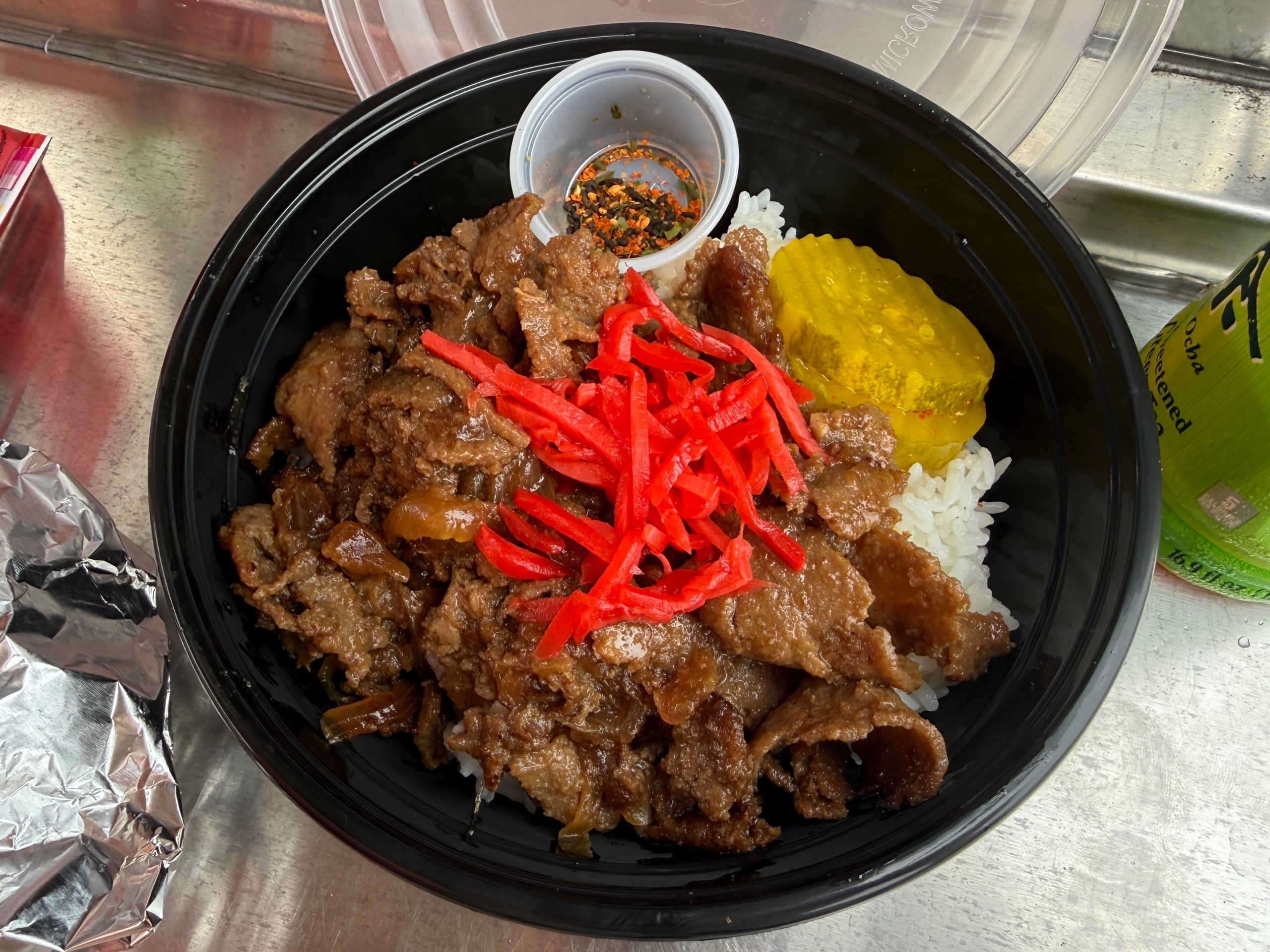
    Gyu-don at Haha’s Kitchen, a food cart that typically parks at 471 N. Seventh St. in Spring Garden.Kiki Aranita /

    Gyu-don at Haha’s Kitchen

    When Shikoku, Japan, native Shiho Utsunomiya first came to Philadelphia in 2000 and tried a Philly cheesesteak, she exclaimed, “This is a gyu-don! Well, the meat is anyway.” Eighteen years later, she began serving a chipsteak-based gyu-don at her food truck, Haha’s Kitchen (“Haha” means “mother” in Japanese), which typically parks in Spring Garden. The $10 bowl has tremendously tender beef, laced through with sweet, slow-cooked onions and decorated with a neon pink crown of pickled ginger. Served over steamed kokuho rice, it’s decadent and filling, and perhaps one of the best lunch deals in town.

    It’s also a marvel to watch Utsunomiya doing absolutely everything in the cart, from taking orders to preparing a large menu that encompasses American lunch standards like Italian sausage and hot dogs to chicken karaage, onigiri, and of course, this magnificent gyu-don. The best part of lunch may be witnessing how her cheerful but fierce independence comes to bear in the small kitchen. Utsunomiya worked at the now-closed Hikaru in between bearing and raising children, “but it’s very difficult to have kids and work in a restaurant kitchen,” she said. You should also grab one of the $3.50 tuna mayo onigiri for later. Generously sized and lovingly made, it tastes like a Japanese mother tucked it into your lunchbox. Haha’s Kitchen, 471 N. Seventh St., instagram.com/hahas_kitchen

    — Kiki Aranita
  • Philly fans came out to pay for All-Star Game merchandise in a record-breaking way

    Philly fans came out to pay for All-Star Game merchandise in a record-breaking way

    Philadelphia fans did more than fill the seats during Major League Baseball’s All-Star Week. They also helped turn the event into one of the strongest retail performances in the history of the Midsummer Classic.

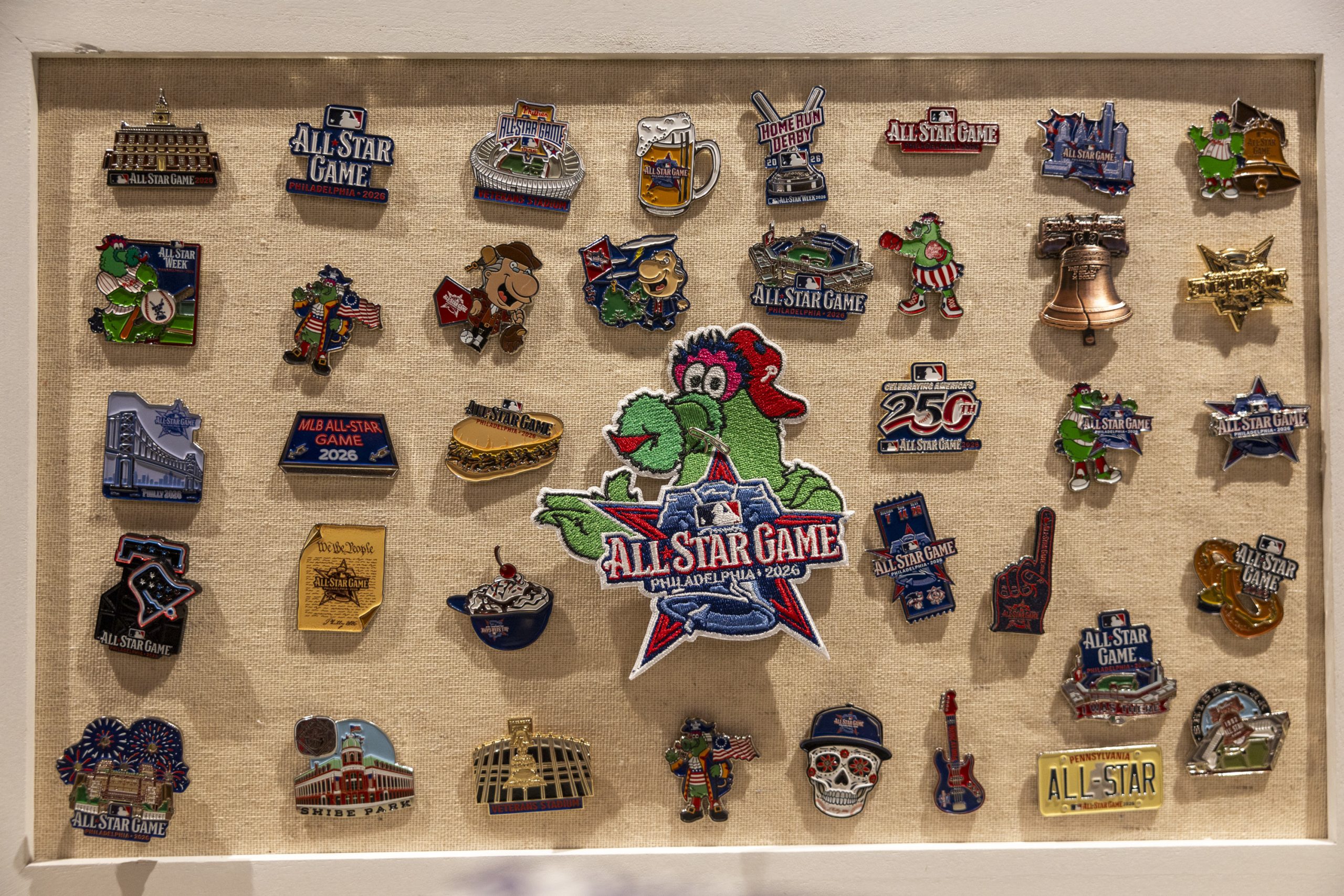
    Major League Baseball does not disclose dollar figures for merchandise sales. But the MLB said fans bought a record number of souvenirs and collectibles, including jerseys, caps, and especially collectible pins — more than 12,000 sold over three days at Citizens Bank Park alone.

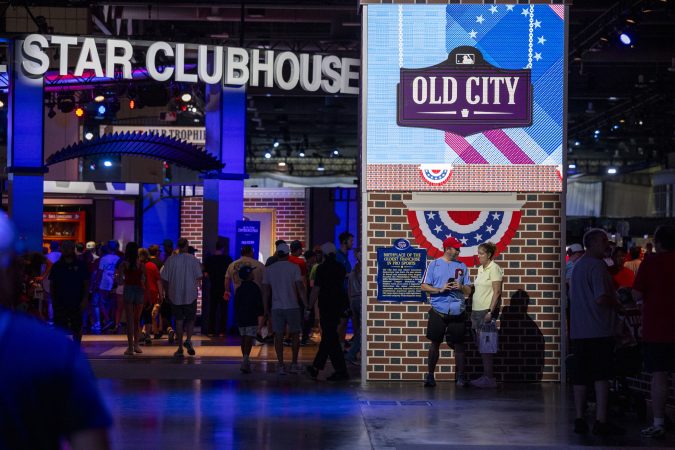
    The biggest draw was the All-Star Village at the Convention Center, where 111,616 people attended the four-day fan festival, according to Jamie Leece, MLB’s senior vice president of global consumer products. That made it the most-attended All-Star fan event since Los Angeles in 2022, the year MLB shortened the festival from five days to four. Leece noted that the Los Angeles event also included a free outdoor component that Philadelphia did not have.

    The crowds translated directly into sales.

    Pins, on display at the retail store at Citizens Bank Park, were a hot seller during All-Star Week.Tyger Williams / Staff Photographer

    Through Tuesday, merchandise sales at the official MLB shop inside All-Star Village, operated by Fanatics, exceeded the previous sales record set at the 2022 fan festival by double-digit percentages. Sales also were up 45% from the 2025 All-Star celebration.

    Across every retail channel — including All-Star Village, Citizens Bank Park, and MLBShop.com — total merchandise sales matched the record-setting performance from the 2022 All-Star Week in Los Angeles.

    At Citizens Bank Park, merchandise sales during All-Star Week rose 25% from 2025. MLB, working with the Phillies and Aramark, operated retail outlets during the HBCU Swingman Classic, the Futures Game, MLB’s 3-on-3 event, the Home Run Derby, and Tuesday night’s All-Star Game.

    Online demand also surged, with sales up 34% over the previous year’s All-Star Week, producing the second-best online All-Star retail performance since MLB launched its e-commerce business in 1998.

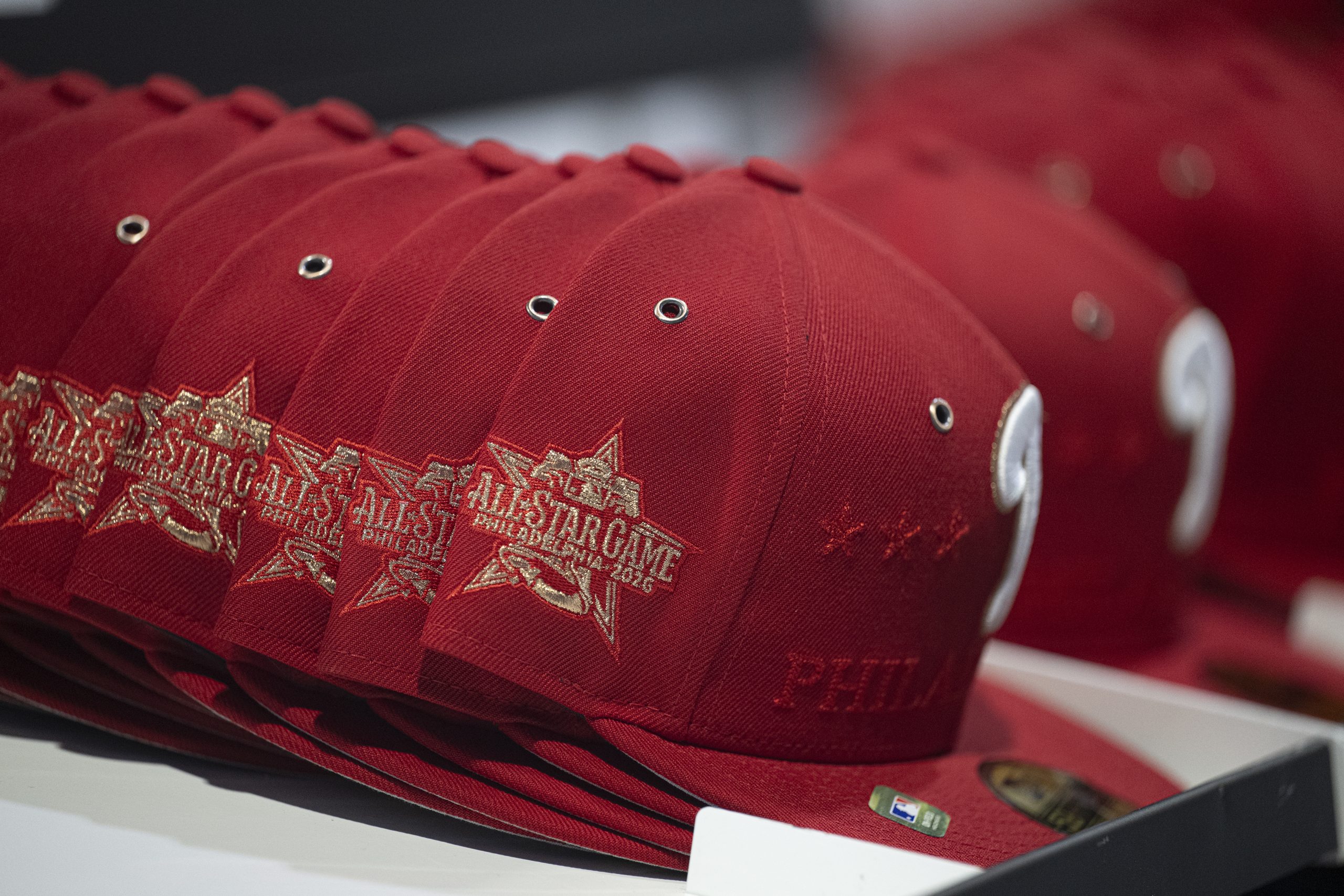
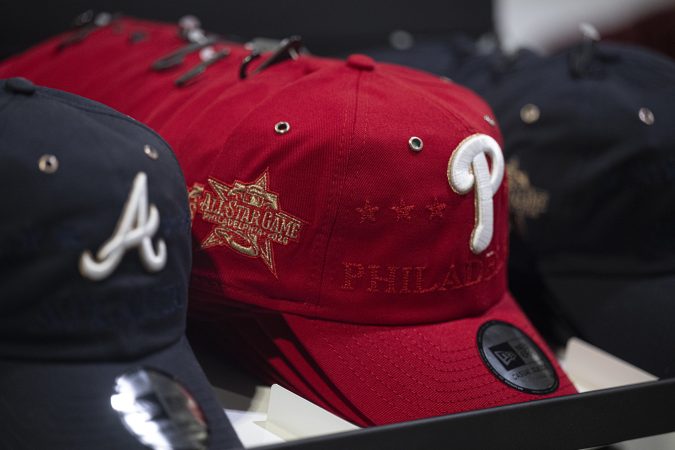
    Headgear accounted for 25% of merchandise sales, according to MLB.Jose F. Moreno / Staff Photographer

    Leece credited Philadelphia’s fan base for helping drive the record performance.

    “Philadelphia fans are deeply passionate and loyal,” he said. “They showed up hours before our events to celebrate, they deeply supported their team and favorite players, and that came through in the retail experience.”

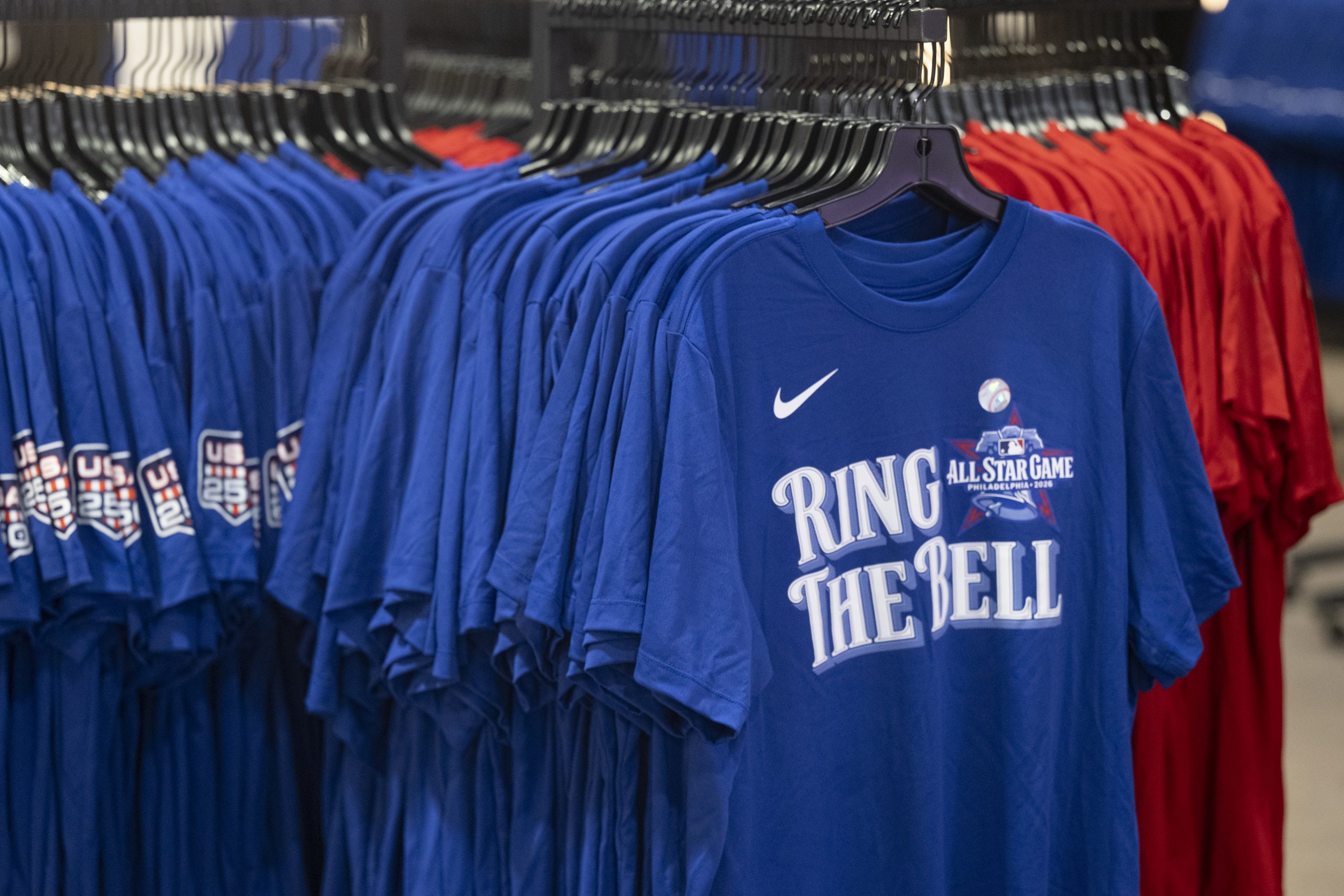
    MLB would not identify its top-selling items, although headwear accounted for a quarter of all sales. Leece said demand was broad across the merchandise lineup, which consisted entirely of Phillies- and All-Star-branded products sold at All-Star Village.

    As for any unsold merchandise, Leece said some will be offered online, while the rest will be donated to a local charity that has yet to be determined.

  • EMei owner leases Bookbinder’s space in Old City, his fourth landmark restaurant acquisition in a year

    EMei owner leases Bookbinder’s space in Old City, his fourth landmark restaurant acquisition in a year

    Dan Tsao, the owner of the Chinatown Sichuan restaurant EMei, has leased the former Olde Bar at Second and Walnut Streets in Old City. It’s the fourth landmark restaurant property he has taken on in the Philadelphia area in the last year.

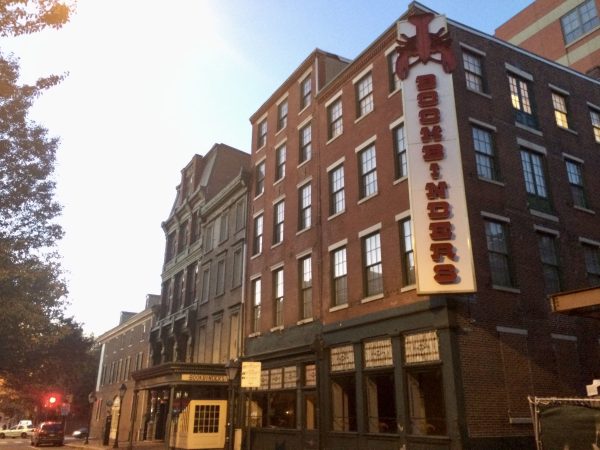
    The building, home to Old Original Bookbinder’s for generations before becoming Olde Bar in 2015, joins the former John Henry’s Pub in Ardmore, Marra’s in South Philadelphia, and Irish Pub in Rittenhouse in Tsao’s portfolio.

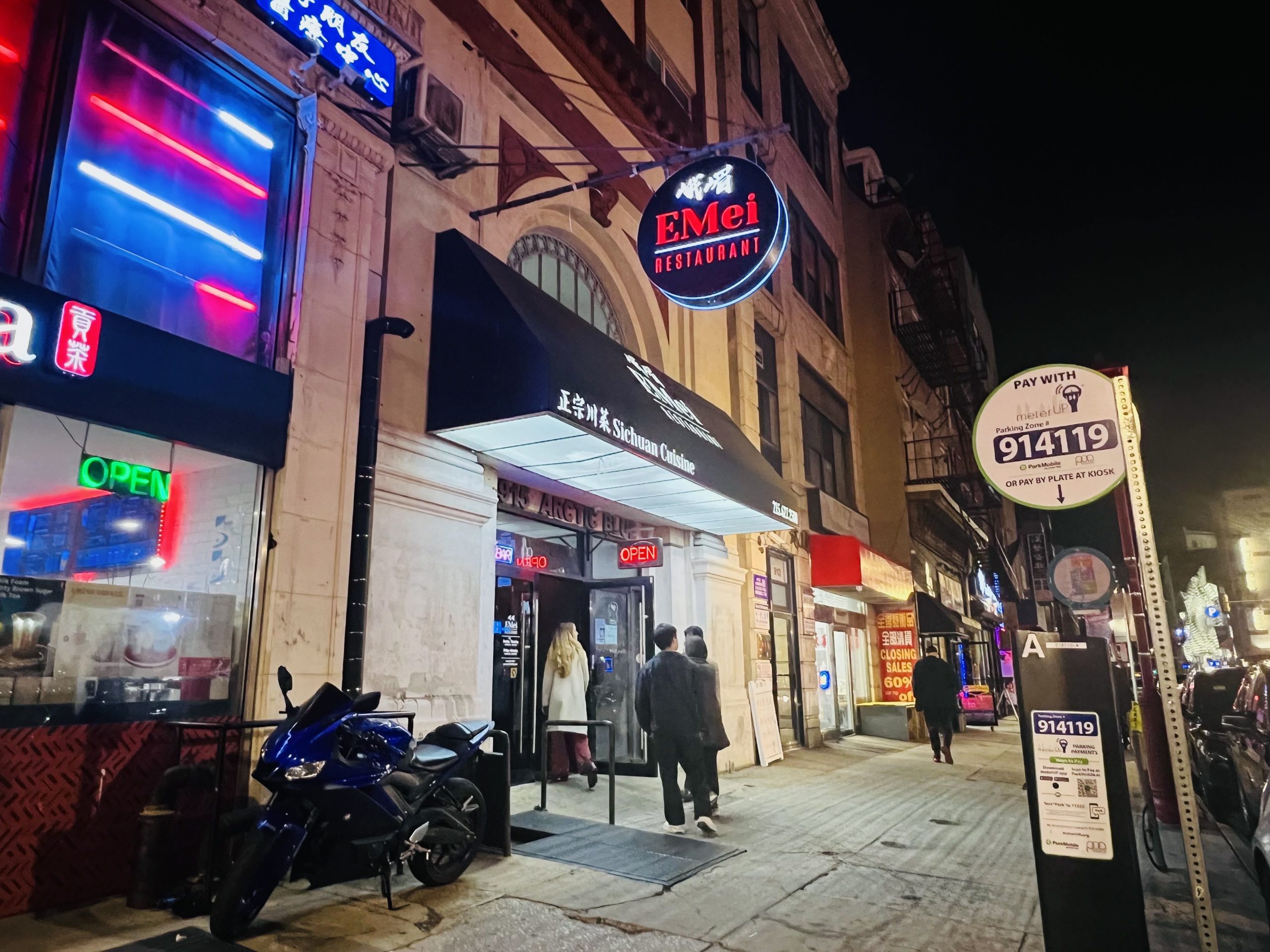
    Tsao said this deal marks the end of an expansion plan driven by the long lines and limited capacity of the basement kitchen at his restaurant at 915 Arch St. EMei is one of Philadelphia’s most acclaimed Chinese dining rooms, earning a spot on The Inquirer’s 76 list of essential restaurants in 2024.

    “People see Bookbinder’s as another restaurant,” Tsao said. “I see it as the large production kitchen we’ve been dreaming about. We’ve insisted on making everything from scratch — our chili oil, dumplings, egg rolls, scallion pancakes, sauces — you name it. We’ve never wanted to cut corners. This gives us the space to keep doing things the way we’ve always believed they should be done.”

    Dan Tsao, publisher of Metro Chinese News and other publications, and owner of EMei, in 2022.Joseph N. DiStefano

    “From the outside, it may look like we’ve been on an acquisition spree, but that really wasn’t the goal,” Tsao told The Inquirer. “Our focus now is opening these locations one at a time and making sure each one succeeds before we think about anything else.”

    Each property will have a different role, Tsao said. The former John Henry’s, on Cricket Avenue, and Marra’s, on East Passyunk Avenue, are both destined to become future EMei restaurants. Old City will first serve as a commissary kitchen before adding a dining room, bar, and event venue, while the former Irish Pub — a mixed-use building spanning 2007-11 Walnut St. — is being developed as a broader hospitality concept rather than another EMei location.

    Tsao, who emigrated from China in the 1990s and graduated from Pennsylvania State University in 1999, owns EMei and nearby TingTing’s Cafe, along with New Mainstream Press, publisher of Metro Chinese Weekly and Metro Viet News. His mother-in-law, Jinwen Yu, and chef Yongcheng Zhao opened EMei in 2011; Tsao and his wife, TingTing, took over the business in 2019. (Zhao is still the chef.)

    Dan Tsao’s restaurant EMei at 915 Arch St. in Chinatown in 2025.Michael Klein

    Tsao said the acquisitions were never intended to happen simultaneously — several independent opportunities simply surfaced within a short period. “It may look like we’re expanding quickly, but internally we’re actually slowing down,” he said.

    “The way I look at these projects is that I’m buying them partly as a long-term real estate investor and partly as an owner-operator,” he said. “That gives us the flexibility to move at our own pace, take the time to figure out each space, and make sure we do it the right way instead of rushing to open.”

    A kitchen too good to pass up

    The Olde Bar/Bookbinder’s property is different from the others: Rather than purchase the condominium space outright, Tsao signed a lease with an option to buy. The Philadelphia Business Journal first reported EMei’s application for a liquor license at the address.

    The biggest draw wasn’t the stained glass and landmark dining rooms, decked out in late-19th-century furnishings — it was the kitchen. Spanning nearly half the ground floor, it includes five walk-in refrigerators and freezers and two 32-foot cooking lines beneath exhaust hoods, allowing Tsao to begin operations without the extensive demolition and rebuilding required at his other properties.

    “If not for the kitchen space, I would not consider it,” Tsao said. “It is very hard to find such a large kitchen in Center City.”

    The property, at 125 Walnut St., includes about 13,000 square feet on the ground floor, plus 5,000 square feet of basement storage. The first phase will be largely behind the scenes: Tsao plans to use the building as a commissary kitchen to relieve pressure on the Chinatown restaurant, while also running takeout and delivery as EMei Old City. Later, he expects to open a roughly 60-seat dining room and bar, followed by an event venue. He’s considering calling the overall complex the Bindery and the bar the Publisher Bar — nods to both the building’s Bookbinder heritage and his own nearly two decades in publishing.

    The vertical neon Bookbinder’s sign on the east corner of the property “has to stay,” Tsao said.

    Work has begun at all four properties, but Tsao said they will open one at a time. Because the kitchen is largely intact, the Old City site may be the first of the new locations to begin limited operations, with dining and event spaces to follow as renovations continue in Ardmore, on Passyunk, and in Rittenhouse.

    A building with many lives

    Old Original Bookbinder’s traces its roots to an oyster saloon that Samuel Bookbinder opened in 1893 at 525 S. Fifth St. before moving to 125 Walnut St. in 1898. Over the next century, it became one of Philadelphia’s signature restaurants, drawing presidents, politicians, celebrities, and generations of diners for oysters, lobster, and its famed snapper soup. For many, it was their first ritzy dining experience in the days when people dressed up for dinner.

    It also spawned a crosstown rival after a family split. Bookbinders Seafood House opened in 1935 at 215 S. 15th St. and closed in 2003. It was later an Applebee’s, which ran from 2005 to 2020, and is now a music bar called Vinyl.

    After a major renovation and condominium conversion in the early 2000s, Bookbinder’s struggled financially and closed in 2009 amid bankruptcy. The Taxin family, who bought the original Bookbinder’s in 1945, still owns an Old Original Bookbinder’s restaurant in Richmond, Va., which opened in 1999.

    Chef Jose Garces revived the landmark in 2015 as the Olde Bar, preserving much of the historic architecture while reimagining it as a contemporary oyster house and cocktail bar.

    The restaurant filed for Chapter 11 bankruptcy protection in 2018 and later was acquired by investors. The restaurant closed for public dining in 2024 but continued as an events venue and served as headquarters for Garces Events, the catering company founded by Garces and owned by Compass Group USA. Compass closed both Garces Events and the Olde Bar last year.

  • South Philly’s newest cafe has a home-run breakfast sandwich and lines out the door

    South Philly’s newest cafe has a home-run breakfast sandwich and lines out the door

    All Jeremy Asch and Abby Armstrong wanted was a good breakfast sandwich close to their Point Breeze home.

    “At some point, you say, ‘Screw it, I’ll do it myself,’” Asch said. “If we want it, I’m sure somebody else wants it, too.”

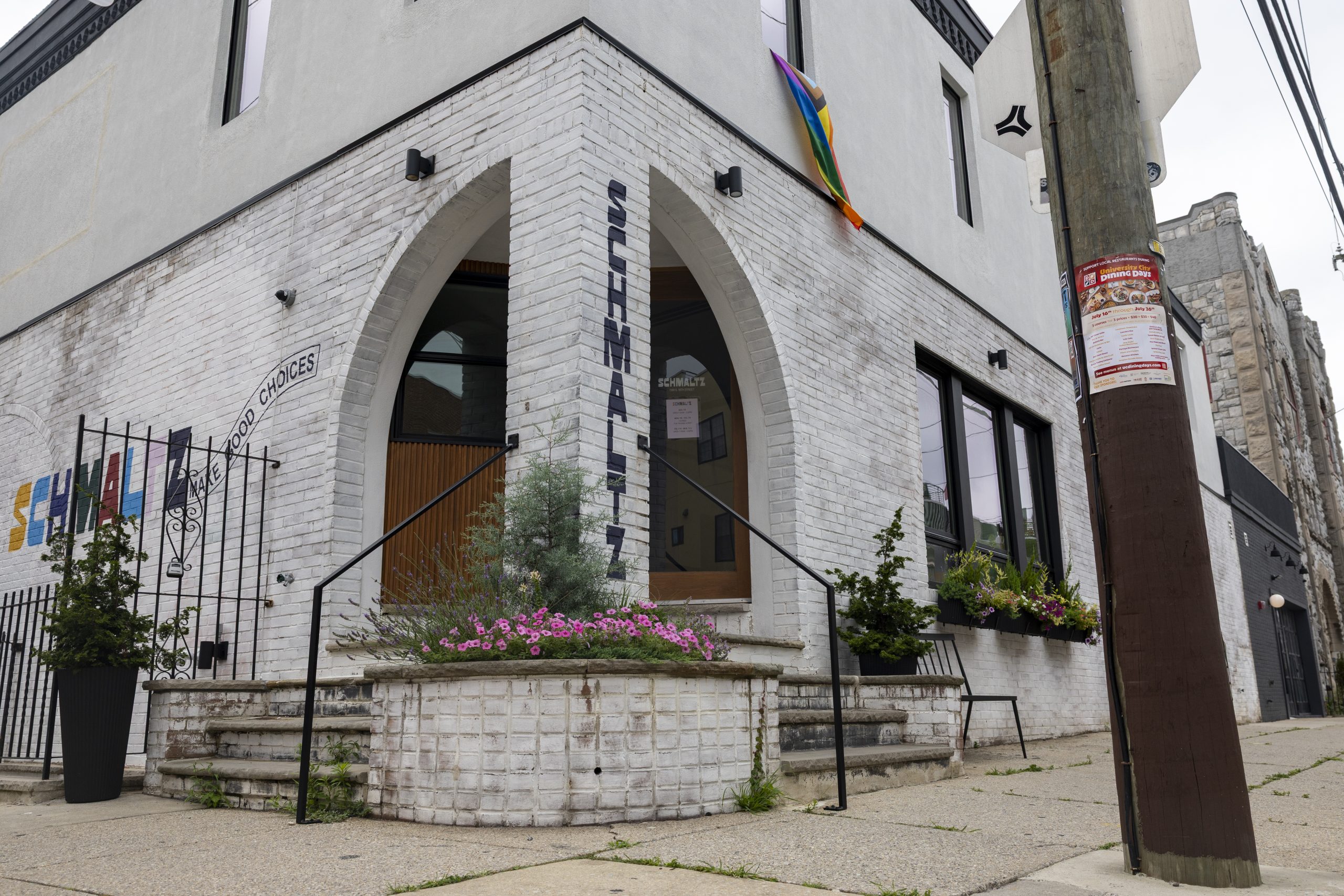
    The result is Schmaltz, a new breakfast-and-lunch café at 18th and Wharton Streets serving a deliberately tight menu of latkes, blintzes, and egg sandwiches on house-baked English muffins. Since opening earlier this month, it has drawn lines during its Friday-through-Monday service.

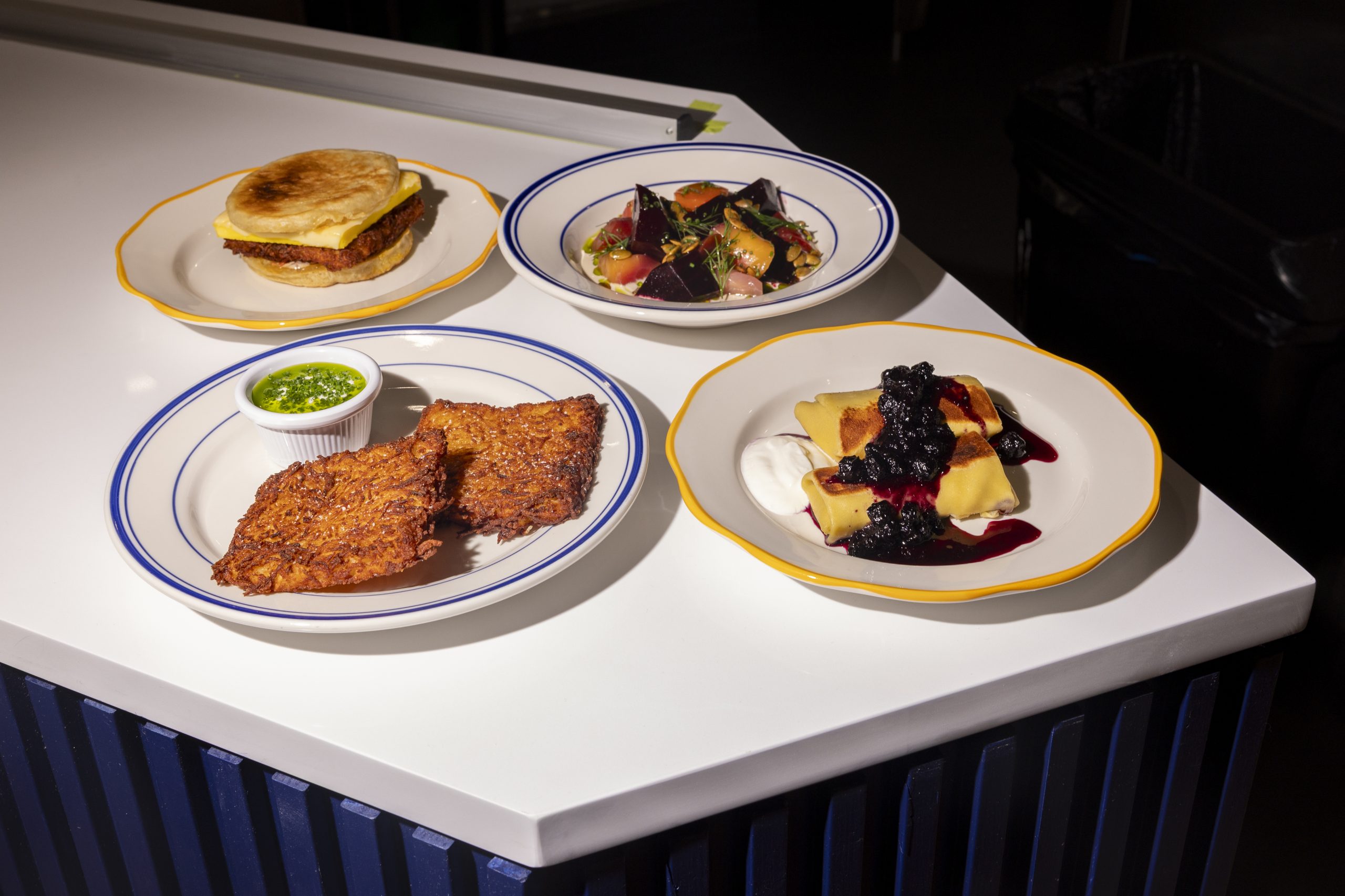
    Cheese blintzes, latkes, beet salad, and breakfast sandwich make up most of Schmaltz’s menu.Aidan T. Gallo / Staff Photographer

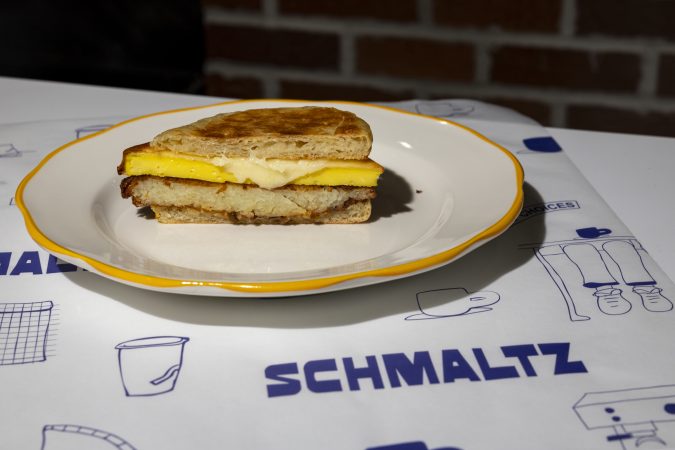
    The sandwich that Asch and chef Sam Chertock devised satisfies that craving with an oniony potato pancake perched atop a slow-baked egg, whose firm texture helps the sandwich hold together. Tallarico’s hoagie spread, blended with seasoned mayo, supplies a Philadelphia accent.

    “Are we breaking culinary boundaries? No,” Asch said. “It’s a latke on an egg-and-cheese sandwich.” Customers can also add gribenes — chicken-skin cracklings — and have the English muffin slathered with schmaltz, or rendered chicken fat.

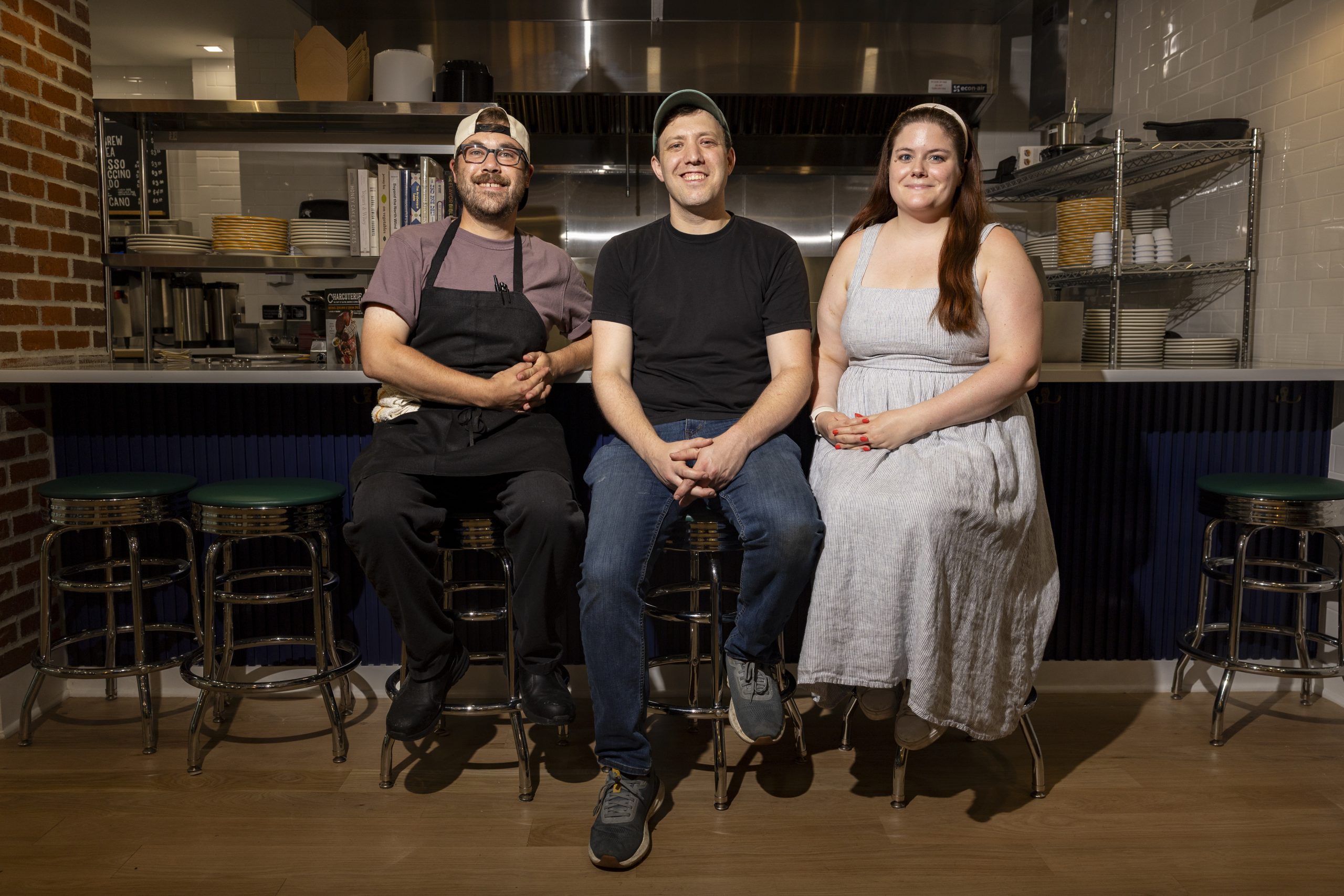
    Chef Sam Chertock (left) and owners Jeremy Asch and Abby Armstrong at Schmaltz’s kitchen counter.Aidan T. Gallo / Staff Photographer

    Schmaltz joins newer neighborhood arrivals including Little Susie’s Coffee & Pie and Hannah K Cafe. American Sardine Bar, which opened in 2011, is about two blocks north.

    The couple bought the building at 1300 S. 18th St. in 2023, creating a wide-open room with an espresso station and order counter, six stools facing the kitchen, six more along the window, table seating, and a small merchandise counter. The couple built a ramp leading toward the rear of the dining room, which toddlers have happily treated as a runway while their parents wait for food.

    The building previously housed the Pharmacy, a DIY music venue, art gallery, and coffee shop. Before that, it was the medical practice of Walter Lomax Jr., a pioneering Black physician.

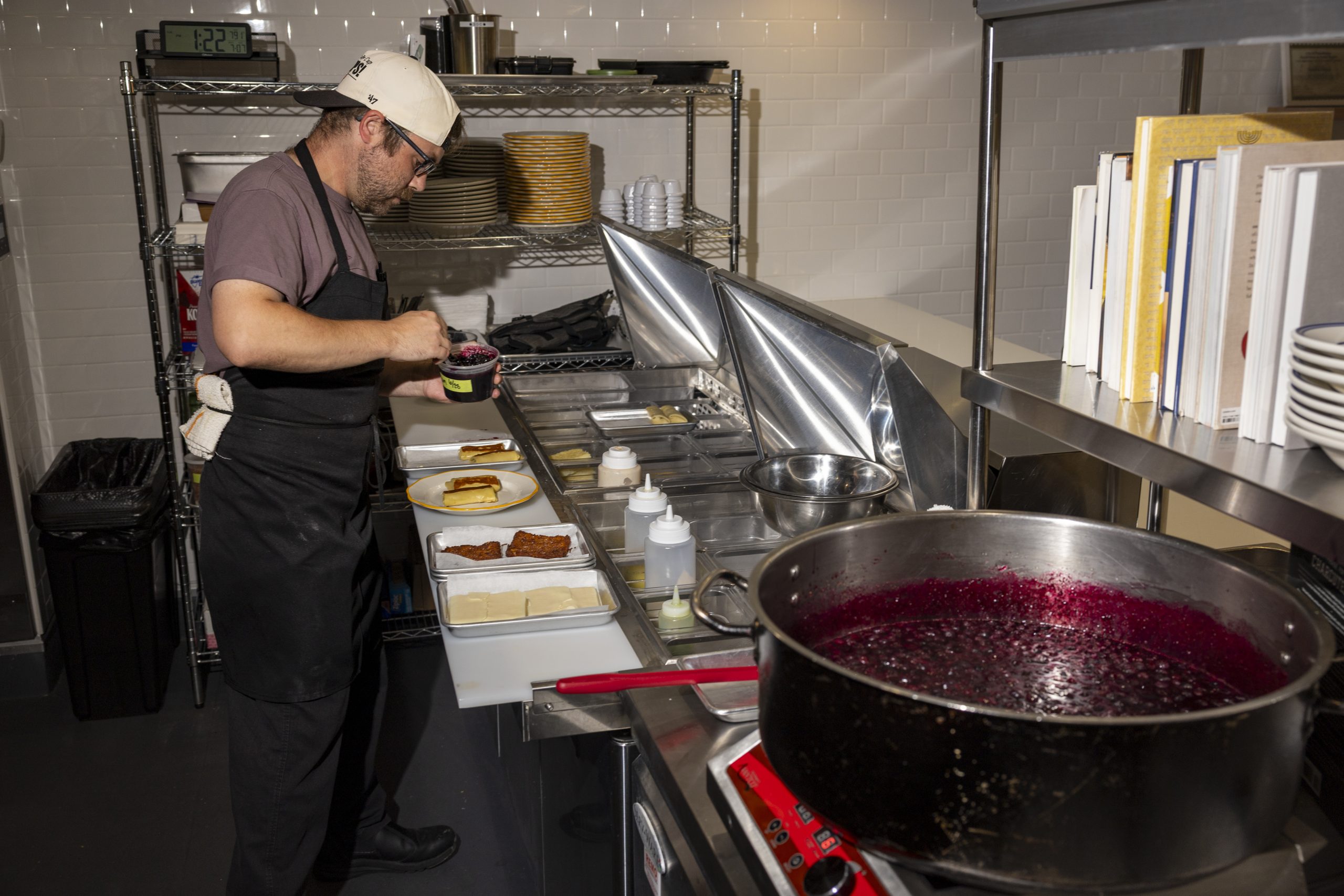
    Chef Sam Chertock works at Schmaltz. A pot of jam is on the stove as a side for the blintzes. Aidan T. Gallo / Staff Photographer

    That neighborhood accessibility is central to Schmaltz’s approach.

    It’s a casual counter, not a full-scale Jewish restaurant or deli, Asch said. The opening menu is deliberately small. Besides the signature sandwich, cheese blintzes, and latkes, there’s a roasted beet salad and a shawarma-spiced chicken salad sandwich on rye, plus coffee, cold brew, espresso drinks, teas, and soda.

    But no bagels.

    “I will die on this hill,” Asch said. “There’s a lot more to Jewish restaurants than the bagel.”

    Selling bagels, he said, can quickly define a restaurant, requiring staff and equipment to produce large quantities while pushing the rest of the menu into supporting roles. Schmaltz may eventually serve a locally made bagel as part of a specific dish, but Asch does not want it to become a bagel shop.

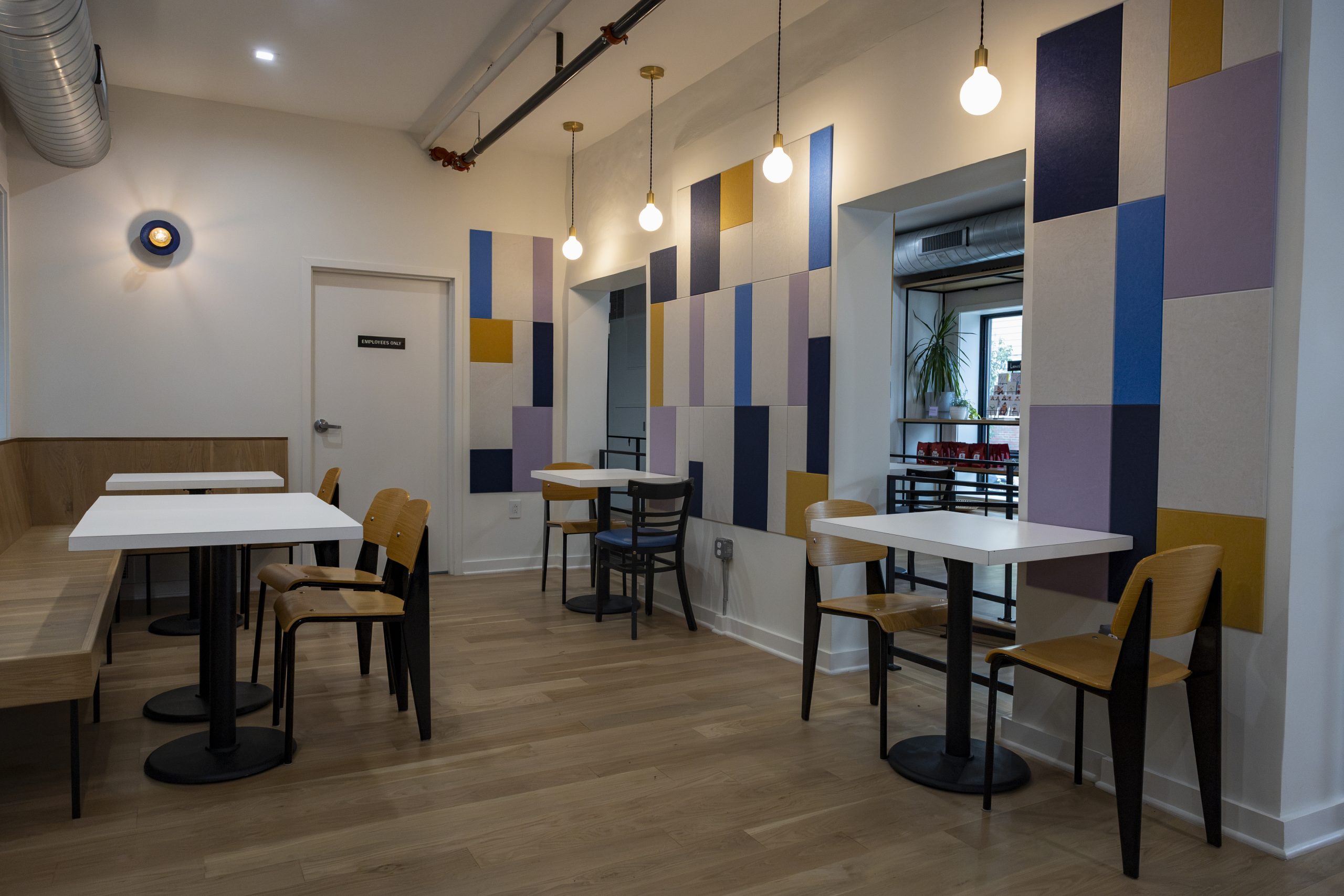
    Table seating at Schmaltz.Aidan T. Gallo / Staff Photographer

    Instead, the cooking draws broadly from the Ashkenazi and Eastern European food Asch and Chertock grew up eating. The blintzes, made from Asch’s recipe, are filled with lightly sweetened farmer’s cheese and served with Chertock’s jam.

    Asch, who grew up in Bryn Mawr and attended Episcopal Academy, did not initially plan a restaurant career. After graduating from Brandeis University, he returned to Philadelphia in 2015 and spent several years working in clinical research at Penn Medicine.

    Around the start of the pandemic, he left research and began cooking professionally, first at Grace Tavern. He later worked at Baology with Judy Ni and Andy Tessier before joining a.kitchen.

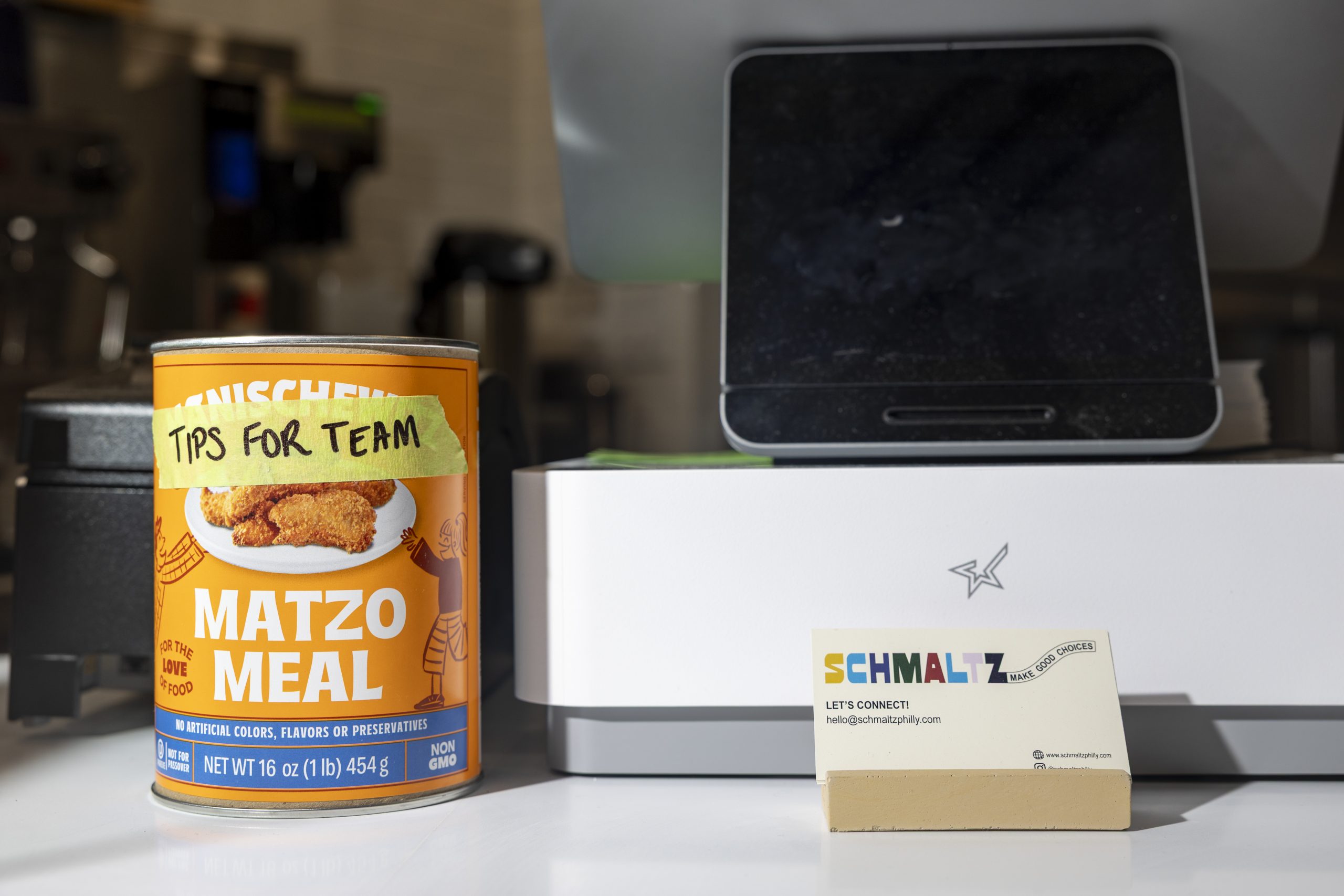
    The tip jar and business cards at Schmaltz.Aidan T. Gallo / Staff Photographer

    Ni and Tessier became mentors as Asch and Armstrong navigated zoning, vendors, construction, and the operational details that cannot be learned on the line.

    “They took a huge weight off my shoulders of that knowledge burden,” Asch said. “They’re the reason we were able to do this.”

    Armstrong, who grew up in Portland, Maine, studied theater at Brandeis before moving into investment and wealth management. She later earned an MBA at the Wharton School. Her work included chief-of-staff and operations roles, experience she likens to staging a complicated production.

    “How do we make this whole orchestra, this whole production, work?” she said.

    Chertock brings the deepest restaurant résumé of the trio. Trained as an architect at Syracuse University, he worked at a Lambertville firm while cooking nights at Charcoal BYOB in Yardley, his home town. He later joined the opening team at K’Far Cafe, worked his way up to sous chef, and went on to Zahav and Vernick Food & Drink.

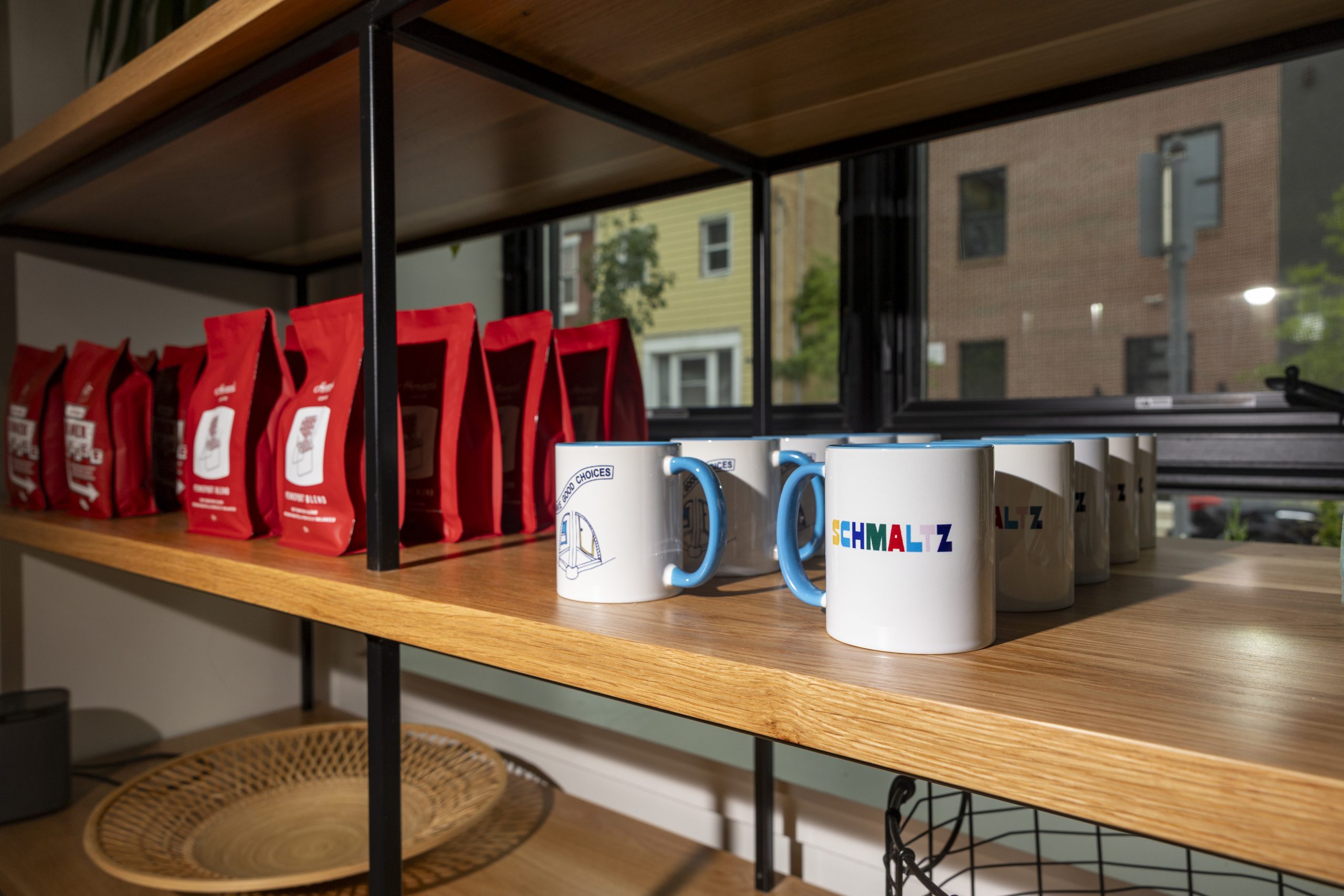
    Schmaltz merchandise has its own counter.Aidan T. Gallo / Staff Photographer

    He found Schmaltz almost by accident. Chertock, who once lived nearby, was biking through South Philadelphia when he noticed the restaurant name on the freshly painted building.

    “‘Schmaltz’ immediately caught my attention,” he said.

    Despite the term’s cultural focus, Asch said Schmaltz is neither kosher nor intended as a political statement. Asch said his parents worried that openly identifying the restaurant as Jewish might invite problems, but he said the response has been overwhelmingly supportive.

    Schmaltz at 18th and Wharton Streets.Aidan T. Gallo / Staff Photographer

    “We make food,” Asch said. “Maybe calling it Schmaltz is in itself a statement, but we can’t live in fear about what might happen.”

    For now, the more immediate challenge is keeping up with the crowd outside. Asch expects most regulars to come from within a few blocks rather than from Center City.

    That suits the couple, who bought the building with the idea of investing in the neighborhood where they live.

    “We want to nourish it,” Armstrong said. “We want to be a part of it.”

    Schmaltz, 1300 S. 18th St., schmaltzphilly.com. Opening hours: 7 a.m. to 2 p.m. Friday to Monday.

    A previous version of this article incorrectly described the ramp in the restaurant. The owners added it to comply with ADA requirements.

  • The internet’s toughest food critic loves Philly cheesesteaks

    The internet’s toughest food critic loves Philly cheesesteaks

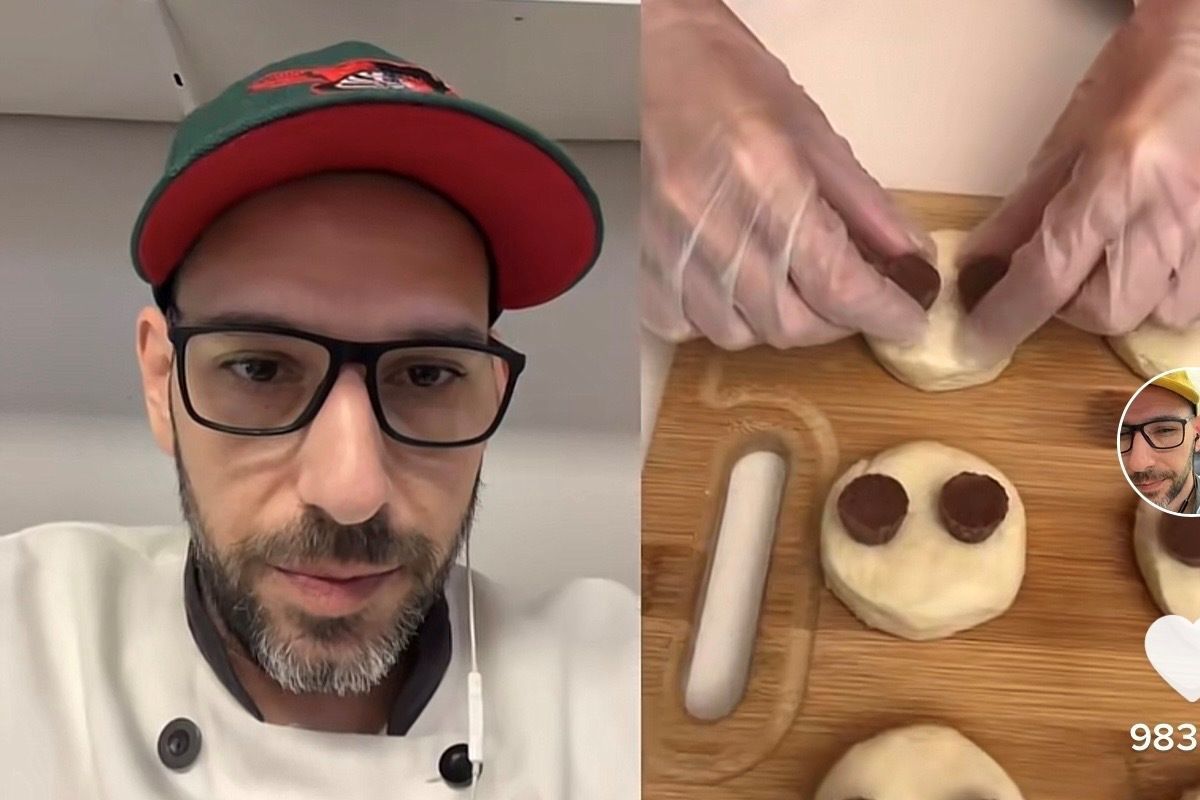
    Few content creators have turned food criticism into entertainment quite like @ChefReactions.

    Instead of cooking on camera, the chef dissects viral recipe videos with professional-kitchen know-how, dry sarcasm, and the occasional compliment. His split-screen reactions have attracted more than 6 million followers across TikTok, Instagram, and YouTube over the last four years.

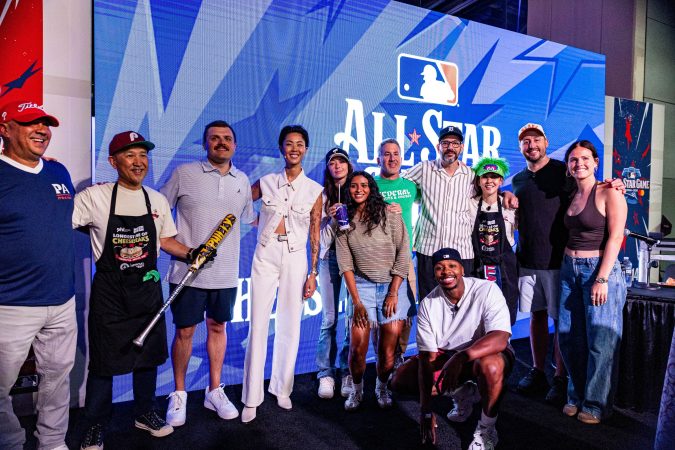
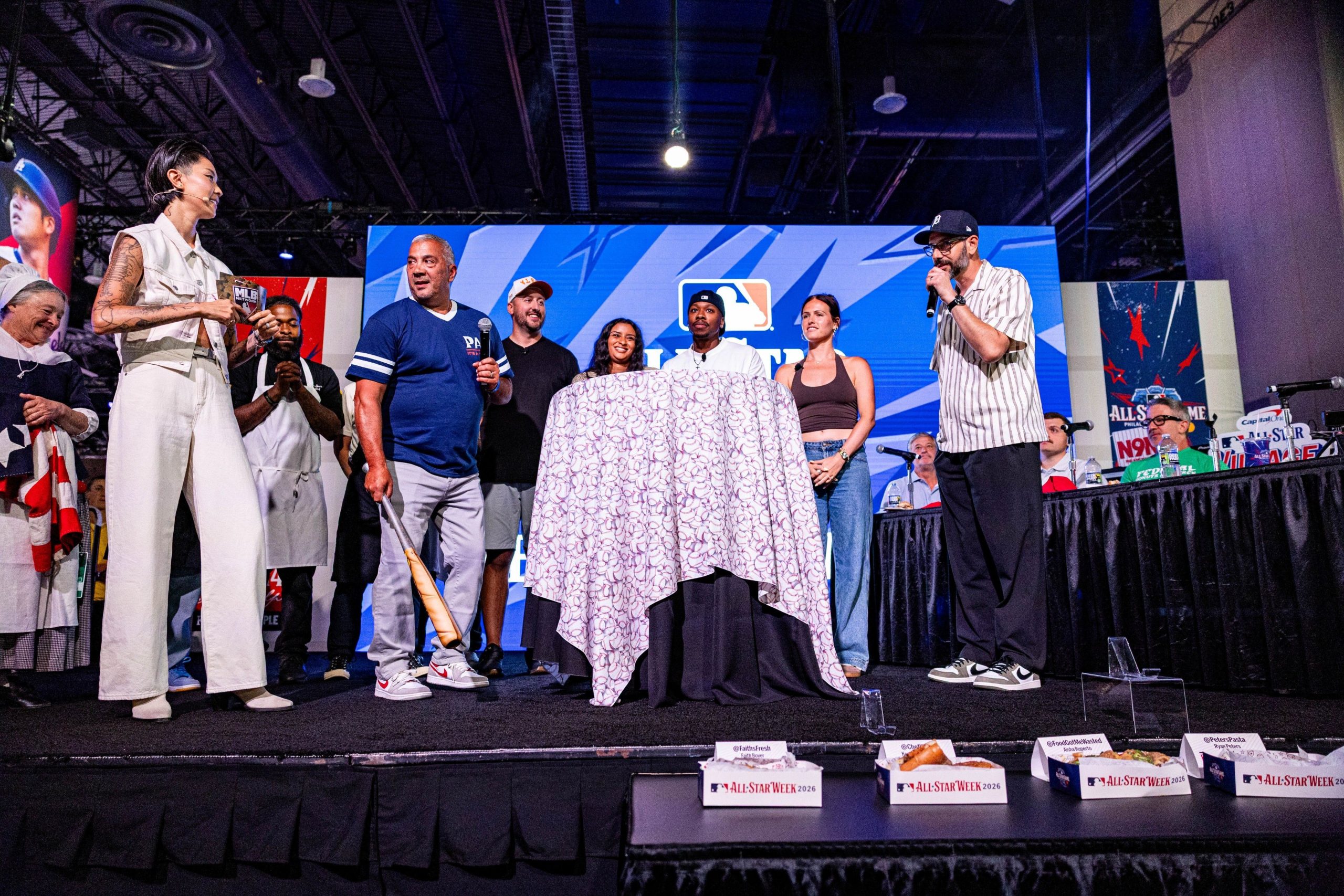
    Chefreactions (right) is introduced by host Kristen Kish (left) at the Cheesesteak Challenge on July 12, 2026, at All-Star Village.Courtesy of MLB

    This week, ChefReactions brought his famously deadpan commentary to Philadelphia, where Major League Baseball enlisted him to judge a cheesesteak competition during All-Star festivities.

    ChefReactions joined chef Michael Solomonov, former Phillies pitcher Jamie Moyer, and fellow TikTok stars Dylan Reese of @shelbanddyl and chef Olivia Tiedemann of @livforpasta in awarding top honors to Kosuke Chujo, co-owner of Nihonbashi Philly in Tokyo, whose cheesesteaks have earned acclaim from Inquirer critic Craig LaBan.
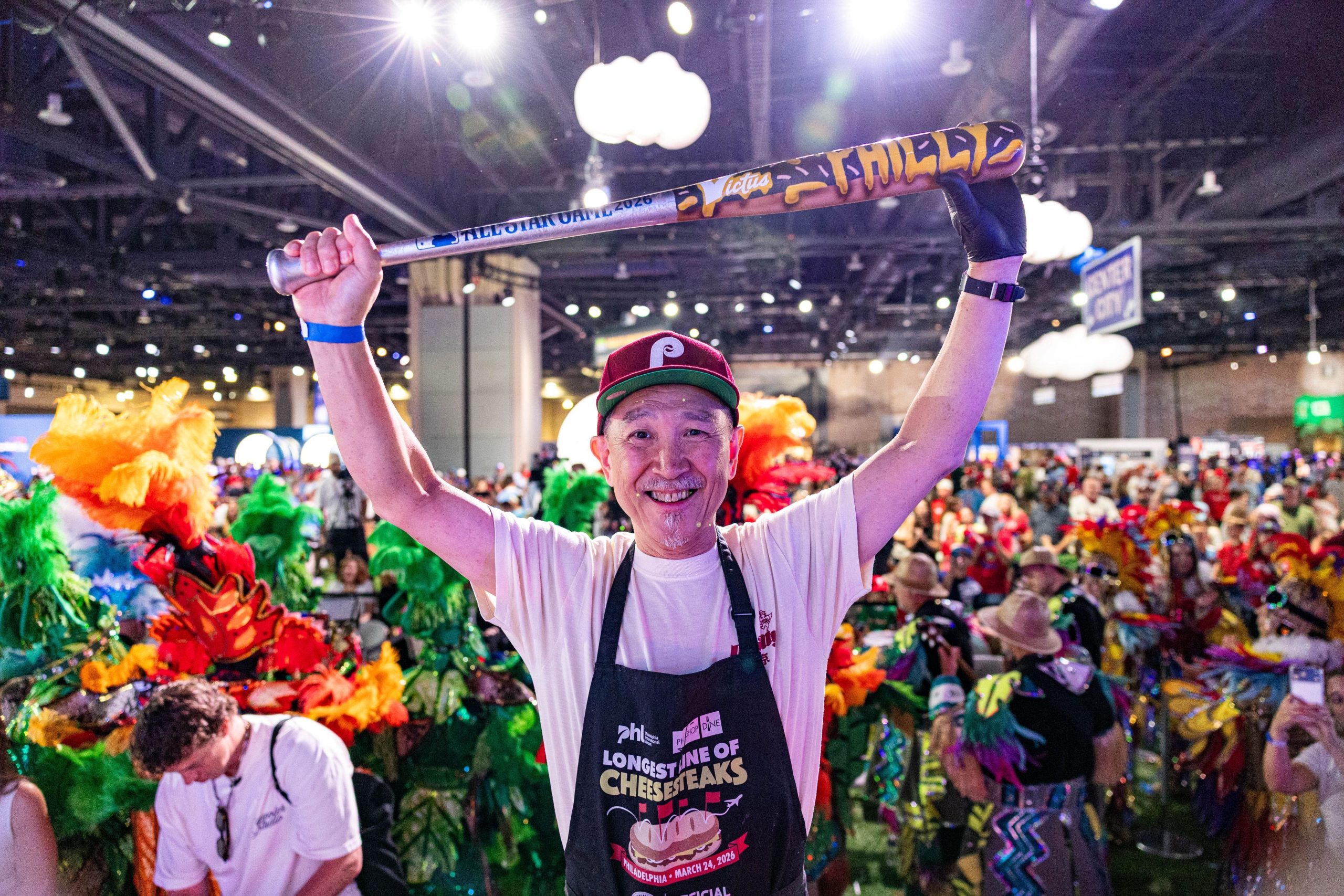
    Chujo’s prize: a cheesesteak-shaped Victus bat.
    ChefReactions, who started making videos during his work breaks as a way to blow off steam, guards his real name about as closely as Coca-Cola guards its formula.

    Nihonbashi Philly owner Kosuke Chujo exults as the winner of the Cheesesteak Challenge at All-Star Village on July 12, 2026.Courtesy of MLB

    But he was game to answer a few questions about his obsession with baseball, his impressions of Philadelphia’s food scene, and whether he felt any pressure critiquing one of the city’s most iconic foods.

    Tell me about your new-found love of baseball. What started it?

    I liked baseball as a kid but it was never really my thing. As an adult, I worked in kitchens, mostly between the hours of 12 p.m. and whatever o’clock a.m. Midday double headers meant something different in my world. Fast-forward to me making videos on the internet, leaving the restaurants and caring for my grandma full-time and actually having some free time to figure out what I like that wasn’t in a restaurant.

    A year ago, I was on a plane to Iowa to shoot some content and I randomly decided to watch a baseball documentary on Netflix. Then another. When I got to my hotel room? Field of Dreams.

    The chef who calls himself @chefreactions, as he narrates a duet with a food video.Screenshot via TikTok

    During that trip, I met someone who had the literal Field of Dreams built in their backyard. It was serendipitous. I had also quit smoking cigs six months prior, so maybe I was looking for a new addiction.

    A year later, I’ve been to six ballparks (itching to see more), watched Ken Burns’ Baseball four times (not exaggerating), and consume baseball every day. It’s a big part of what little personality I have. I truly love it.

    What were the high points of your trip to Philly?

    The people, and the food.

    People that watch my videos online and meet me in public are usually very nice because they (typically) like my videos. I’m very lucky for that, and it wasn’t any different in Philly.

    What stood out to me was that it wasn’t just the people that recognized me as that guy from the internet [who were nice] — everyone was friendly, pleasantly sarcastic, and funny, and very proud of their city.

    @chefreactions #duet with @Li’l Judy Fun Fun nacho, nacho man #chef #chefreactions #fyp ♬ Civil and Ann – Li’l Judy Fun Fun

    It was cool to experience as a guest.

    The food is made with the same pride, and it shows through the flavors and vibrancy of the food culture. Everyone talks about cheesesteaks (which are fantastic, obviously) but Philly has a diverse and underrated food scene that I can’t wait to explore more of when I come back.

    You’ve built a huge following by giving honest reactions. Did you worry about criticizing an iconic regional food like the cheesesteak?

    I think the goal of MLB’s Cheesesteak Challenge was to allow creators to pay homage to the icon that is the cheesesteak by having some fun and cooking their interpretation of a Philly classic. To that end, I think they all did a great job of showcasing their food and their personalities. Cooking competitions are hard work. The judges had it easy. We just had to eat.

    I’ve gotten the impression that, in Philly, honesty earns you respect, and I’m very much the same way. I call it like I see it, and so does Philly.

    Also, what’s there to criticize about a cheesesteak?

    It’s got beef, cheese, bread and, in my case (wit) onions. It’s perfect. 10/10. I kinda want one right now.

  • Bagel chain Call Your Mother signs a third Philly location before the first two have opened

    Bagel chain Call Your Mother signs a third Philly location before the first two have opened

    Call Your Mother, the Washington, D.C.-based bagel sandwich shop, has signed for a third Philadelphia location, before its first two have spread a single schmear.

    The chain, founded eight years ago by husband-and-wife team Andrew Dana and chef Daniela Moreira, will open at the Jessup House apartment building at 12th and Sansom Streets in Washington Square West. The new shop will join under-construction locations in the former Metropolitan Bakery space at 262 S. 19th St. near Rittenhouse Square, and in a new building at 1500 Frankford Ave., across from El Chingón Fishtown.

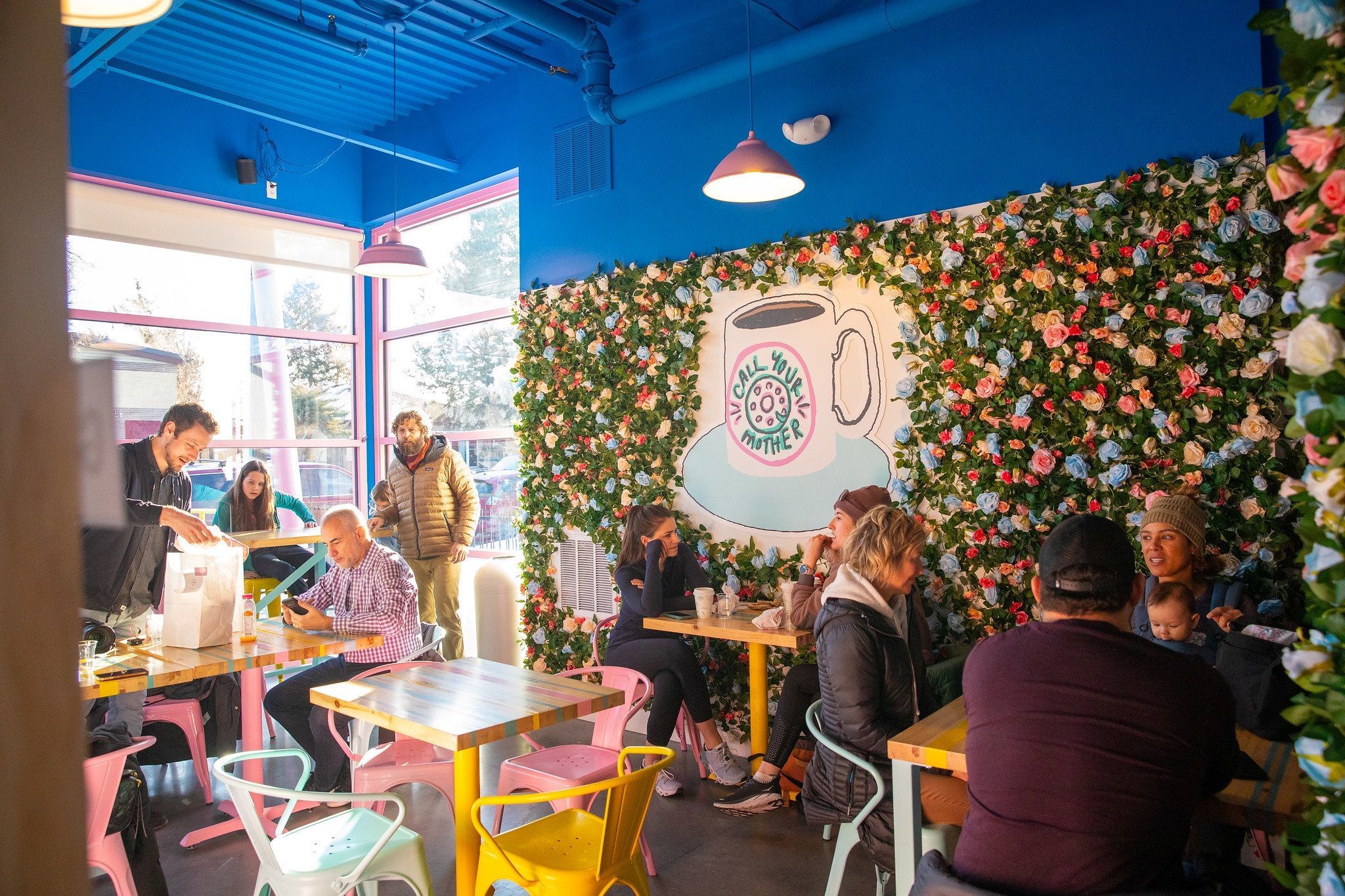
    Call Your Mother bagel sandwich shops have a subtropical feel.Courtesy of Call Your Mother

    Fishtown is expected to open first, around Aug. 31, followed just weeks later by Rittenhouse Square, Dana said. Washington Square West likely will open in early 2027.

    Dana told The Inquirer that Call Your Mother committed to a third Philadelphia location before opening the first two because of “simple math” and confidence in the market.

    Three locations in one city would justify hiring an area manager to oversee general managers at each shop. Just as important, he said, is the company’s belief that Philadelphia will embrace the concept. “We’re just that bullish on Philadelphia,” he said. The strategy echoes that of other fast-growing regional chains entering the market, including New York-based 7th Street Burger, which has signed four Philadelphia-area leases before opening its first restaurant.

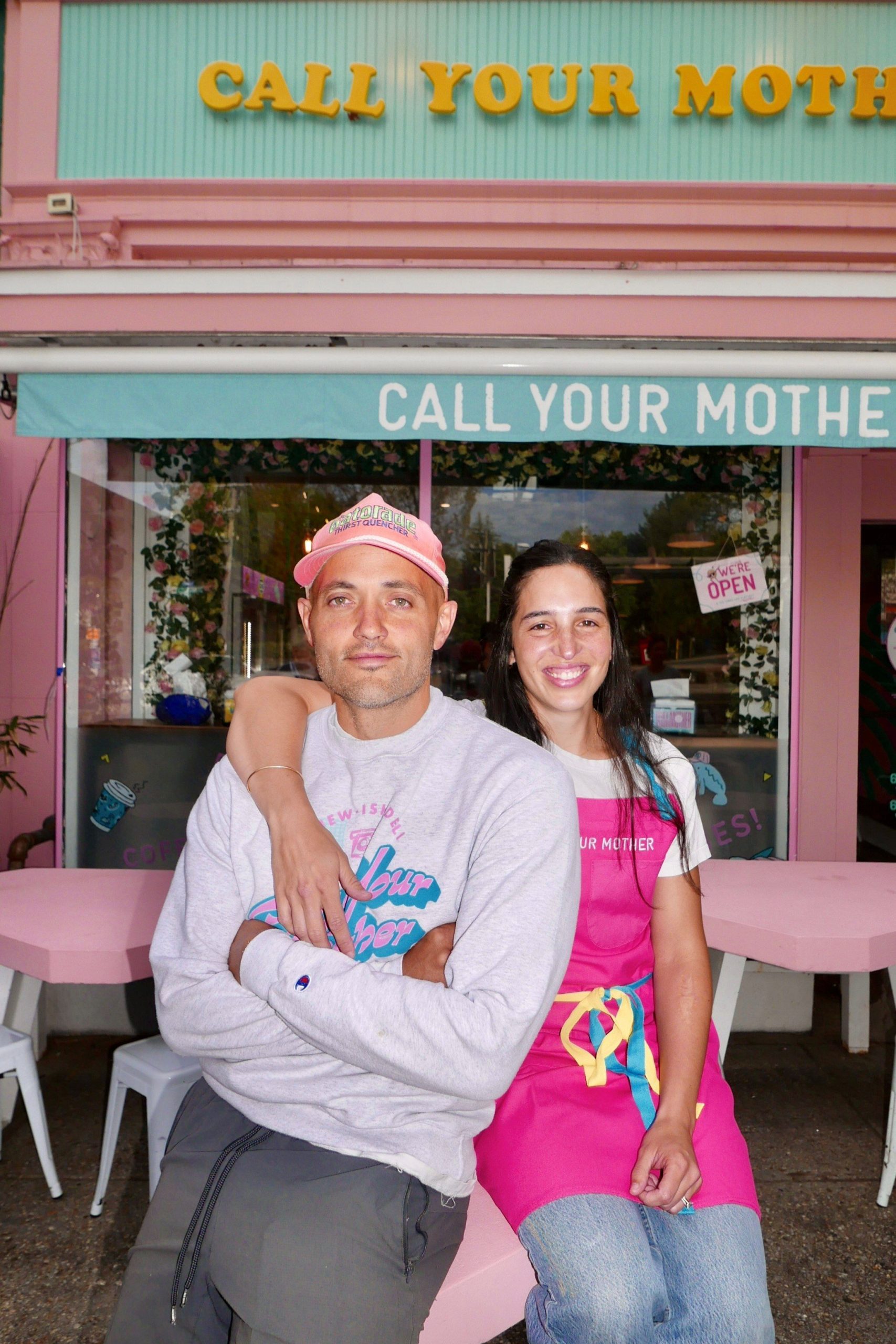
    Andrew Dana and Daniela Moreira founded Call Your Mother in 2018.Courtesy of Call Your Mother

    The chain has grown rapidly since Dana, a former pizza food-truck operator whose mother grew up in Germantown, and Moreira, an Argentine-born chef, opened the original Call Your Mother in Washington in October 2018. The couple met while haggling over the last carton of eggs at a Washington farmer’s market. They eventually became business partners before marrying.

    The restaurant’s name came after months of brainstorming. Looking for something that captured the playful spirit of Jewish deli culture, Dana asked friends, “What’s something funny our Jewish moms or grandmothers would say?” The answer “was like fireworks went off in my brain,” Dana said. “I said, ‘Oh my God, that’s it.’”

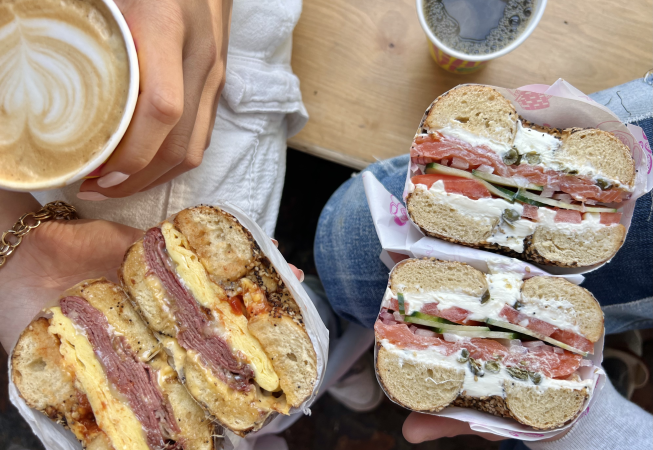
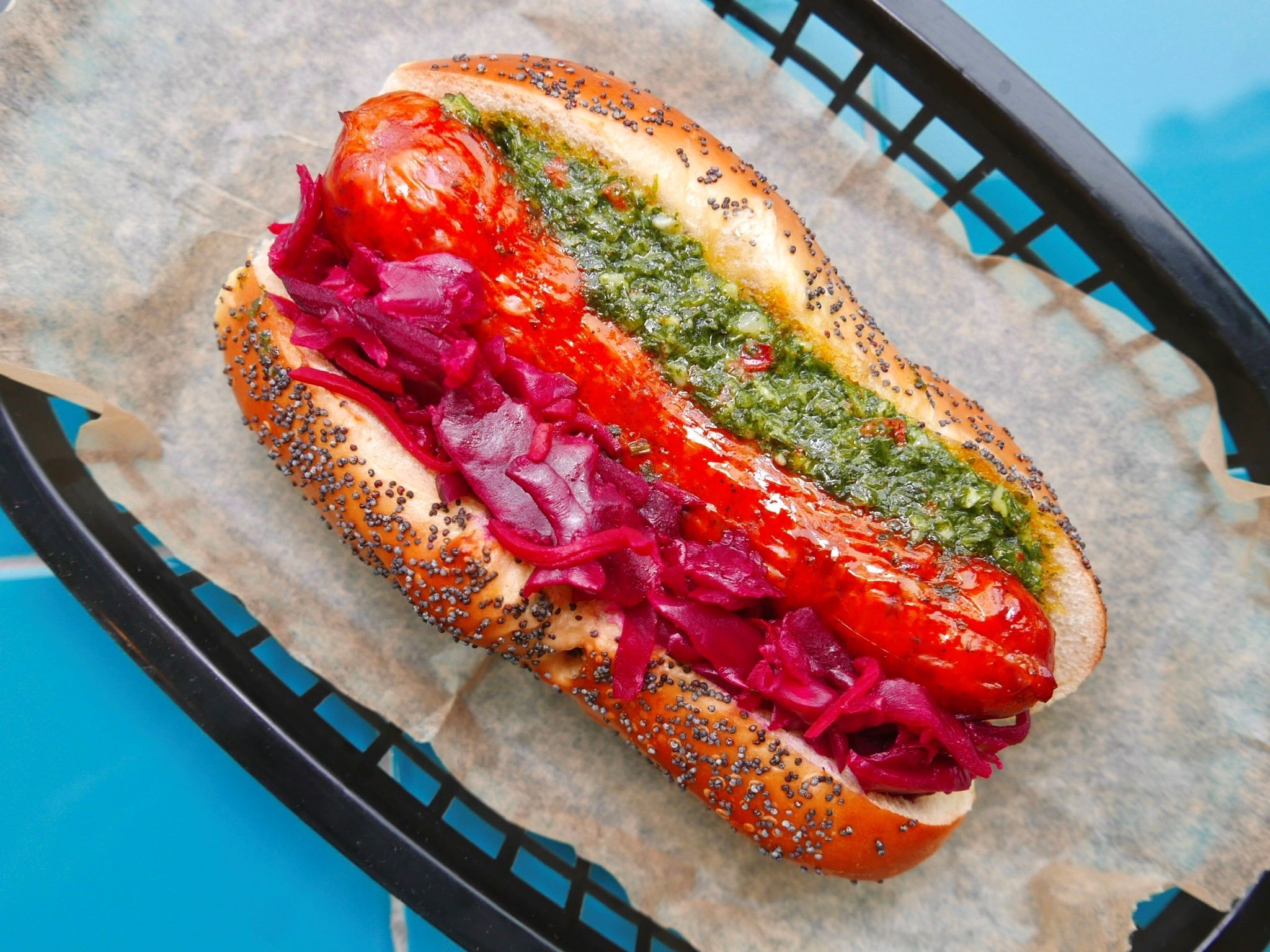
    Dana envisioned a brand inspired by the bright colors and easygoing vibe of the South Florida delis he visited while spending time with his grandparents in Boca Raton. Moreira’s upbringing in Argentina brought a fresh perspective to the menu, which pairs hand-rolled bagels with inventive sandwiches and toppings. (Example: the Alta Gracia Choripán, which layers smoked Argentine chorizo, chimichurri, and pickled vegetables on a poppy seed Hawaiian bagel bun.)

    Call Your Mother’s Alta Gracia Choripan is an Argentine-inspired sandwich featuring a smoked Argentine chorizo, chimichurri, and pickled vegetables on a poppy seed Hawaiian bagel bun.Courtesy of Call Your Mother

    Today, Call Your Mother operates 23 locations, with an additional six to eight in development, including the three in Philadelphia. Beyond Philadelphia, new stores are planned for the Washington suburbs, Colorado, and Chicago.

    The company’s expansion accelerated after it sold a majority stake in January 2025 to New York investment firm Invus, an early investor in Cava. Dana said the deal was less about fueling rapid expansion than finding a long-term partner that would provide additional resources while allowing the founders to continue running the business.

    “We didn’t need outside capital, so we were only going to do it if we found the right partner,” Dana said. “There’s no mandate that says we have to open a certain number of stores. If food quality or the guest experience starts slipping, we can take our foot off the gas and strengthen the foundation.”

    The 12th Street shop will occupy ground-floor space in Jessup House, whose other commercial tenants include Rival Bros Coffee and Solidcore. Dana expects it to seat about 20 people. Like the chain’s other locations, it will offer counter service for dine-in and takeout.

    Dana said the neighborhood appealed because it has a dense residential population, strong daytime foot traffic, and nearby hospitals, creating the kind of all-day customer base the company enjoys at several Washington-area stores.

    The restaurants, open from 6:30 a.m. to 2 p.m. on weekdays and until 3 p.m. on weekends, position themselves as bagel sandwich shops rather than breakfast restaurants. Breakfast and lunch draw roughly equal business, though sandwiches account for the bulk of sales, Dana said.

    Philadelphia has become a hot bagel market, but Dana welcomes the competition.

    “We’re big believers that all boats rise with the tide,” he said. “We’re always looking for ways to create great bagel sandwiches, and we think Philadelphia is the kind of city that appreciates that.”

  • We’ve found Philly’s ice cream capital | Let’s Eat

    We’ve found Philly’s ice cream capital | Let’s Eat

    So many ice cream shops out there, and one neighborhood seems to have more than its share.

    • Craig LaBan’s favorites: Our critic visited dozens of Shore restaurants, and we mapped out his picks.
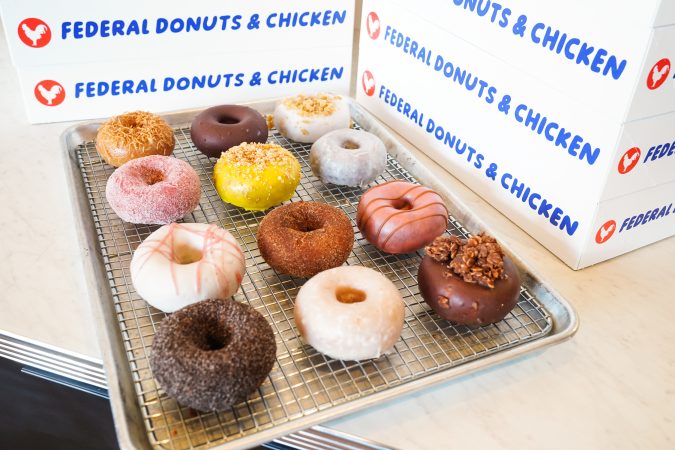
    • Federal and Goldie contract: The CookNSolo-founded chains are closing three stores each.
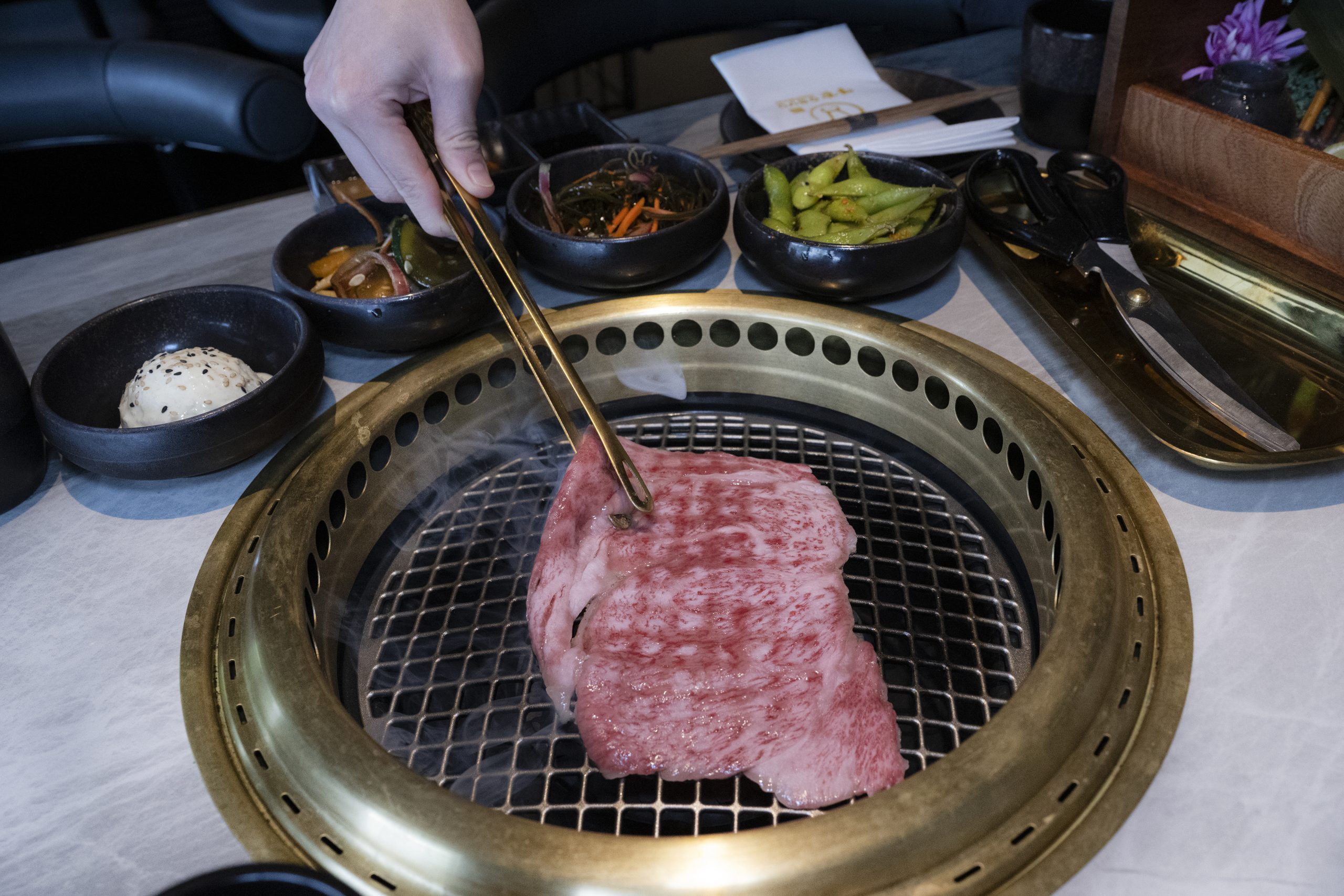
    • They’re cooking: Japanese tabletop barbecue comes to the Main Line.

    — Mike Klein

    If someone forwarded you this email, sign up for free here.

    We’ve found Philly’s ice cream capital

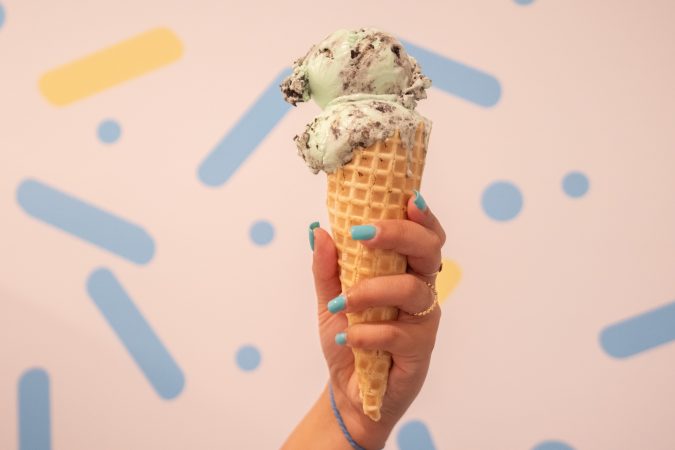
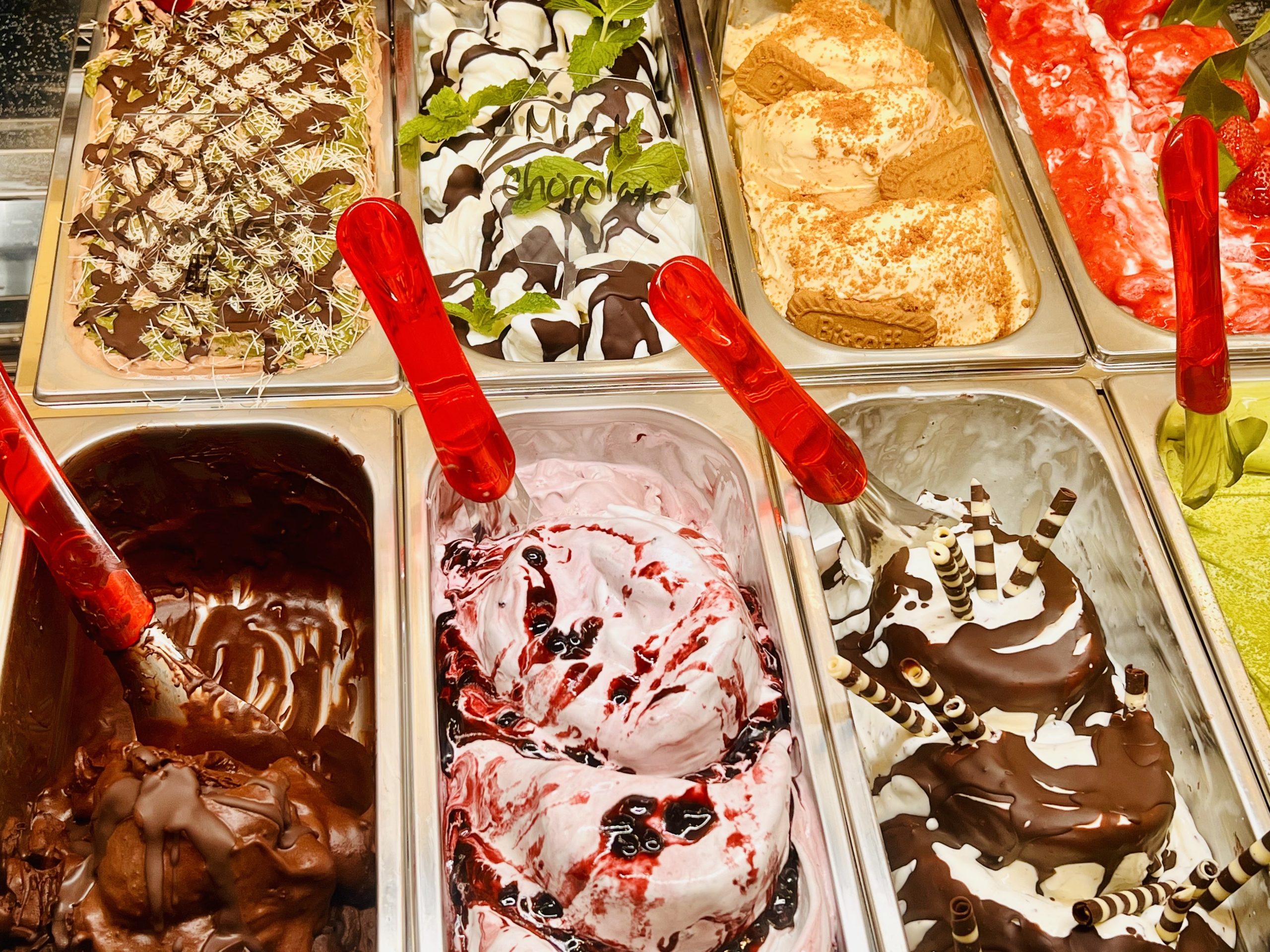
    Yet another ice cream shop has opened on the Fishtown-Kensington border — this time with brownie sandwiches, gluten-free cones, and puppy popsicles all the way from Idaho. Beatrice Forman tells us what’s different about Stella’s, and what’s up with all the competition along Frankford Avenue.

    Speaking of cool treats and stiff competition, give a warm welcome to Moment Gelato & Coffee, which soft-opened (is there any other kind?) last week at 129 S. 18th St. near Rittenhouse Square.

    Software engineer Jack Chen and his teacher-wife, Xiaoyu Ma, have joined rich competition, what with Jeni’s, Van Leeuwen, Weckerly’s, 1-900 Ice Cream, Gran Caffe L’Aquila, Malai, and Veda nearby. Ma grew up in Kaifeng, one of China’s Eight Ancient Capitals, and says family history suggests ancestors were chefs for the emperor. The couple and their two boys are ice cream lovers, “but as a mom, I really care about what my children eat,” Ma said. She blends natural fruits in her sorbet and opts for less sugar everywhere. There are 12 flavors at all times, as well as matcha and espresso drinks (grapefruit cold brew!).


    Moment Gelato & Coffee, 129 S. 18th St. Hours: 7 a.m.-11 p.m. Monday-Friday, 8 a.m.-midnight Saturday, and 8 a.m.-11 p.m. Sunday.

    Craig LaBan’s favorite Shore restaurants, in one handy map

    Craig LaBan visited more than two dozen restaurants from Long Beach Island to Cape May for this year’s Jersey Shore dining round-up. Here are the 27 greatest hits, wrapped up into one searchable map.

    🩴 For more in-depth coverage, check out his full dispatches from the mainland, LBI to Margate, and Ocean City down Route 9.

    Federal Donuts and Goldie tighten up

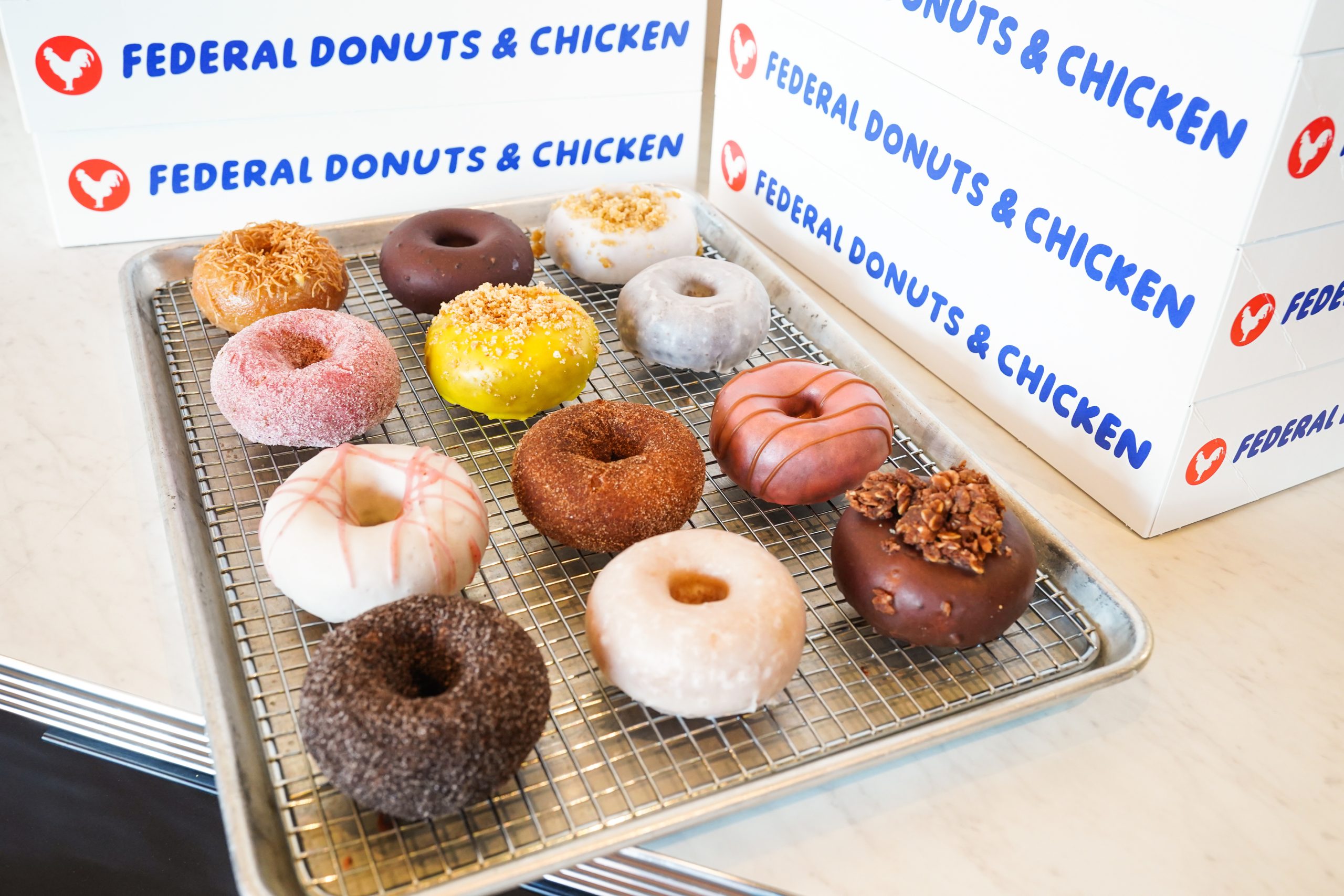
    The CookNSolo-founded Federal Donuts & Chicken and Goldie chains are closing three stores apiece. Cofounder Steve Cook attributes the retrenchment to weakened lunch business and shifting consumer spending. CookNSolo has been the target of a boycott and demonstrations by pro-Palestinian activists, who cite the partners’ support for Israel.

    Does Collingswood need bars?

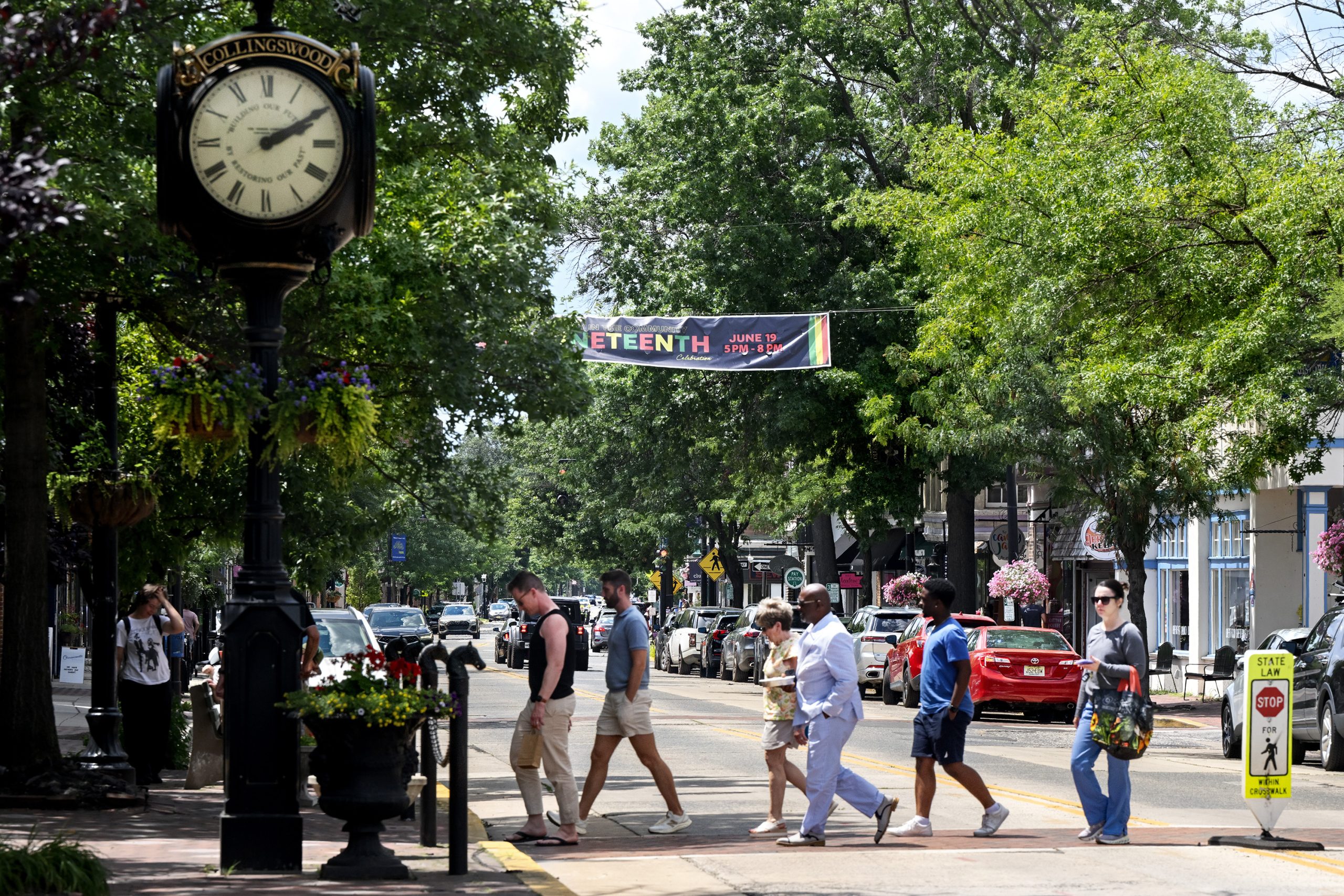
    Haddon Avenue in Collingswood is hopping during the day. But restaurant owners say the dinner scene is losing out, perhaps because Collingswood, unlike some neighboring areas, is dry. The matter may go to a vote, reports Zoe Rosenberg.

    No one has ordered this drink yet

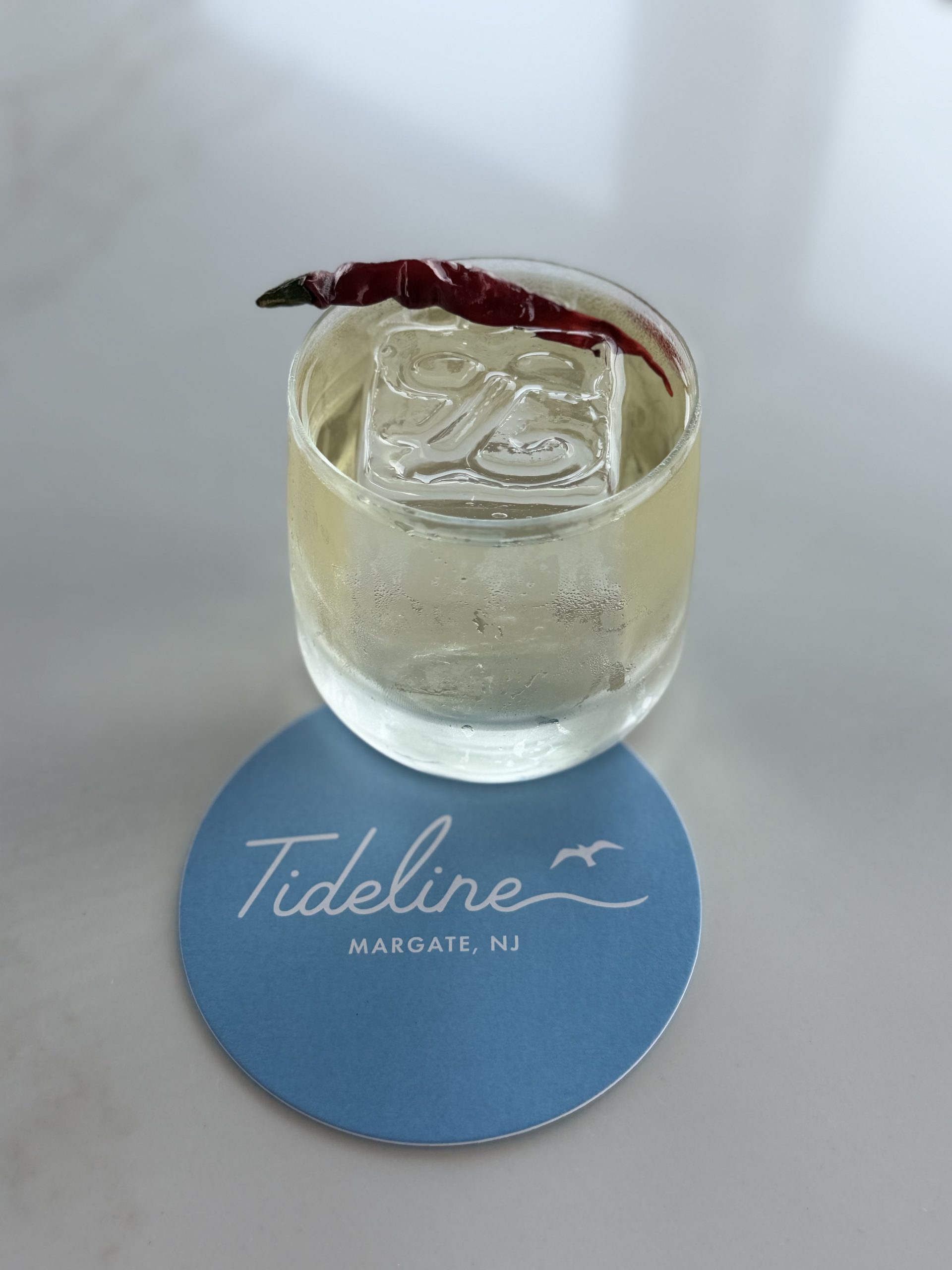
    The Liquid Asset, on the menu at Tideline in Margate, N.J., consists of tequila, an ice cube, and a red chili pepper, and it’s $1.1 million. As Hira Qureshi writes, it’s the sidecar — in fact, a custom-built boat — that pushes up the price.

    The best things we ate last week

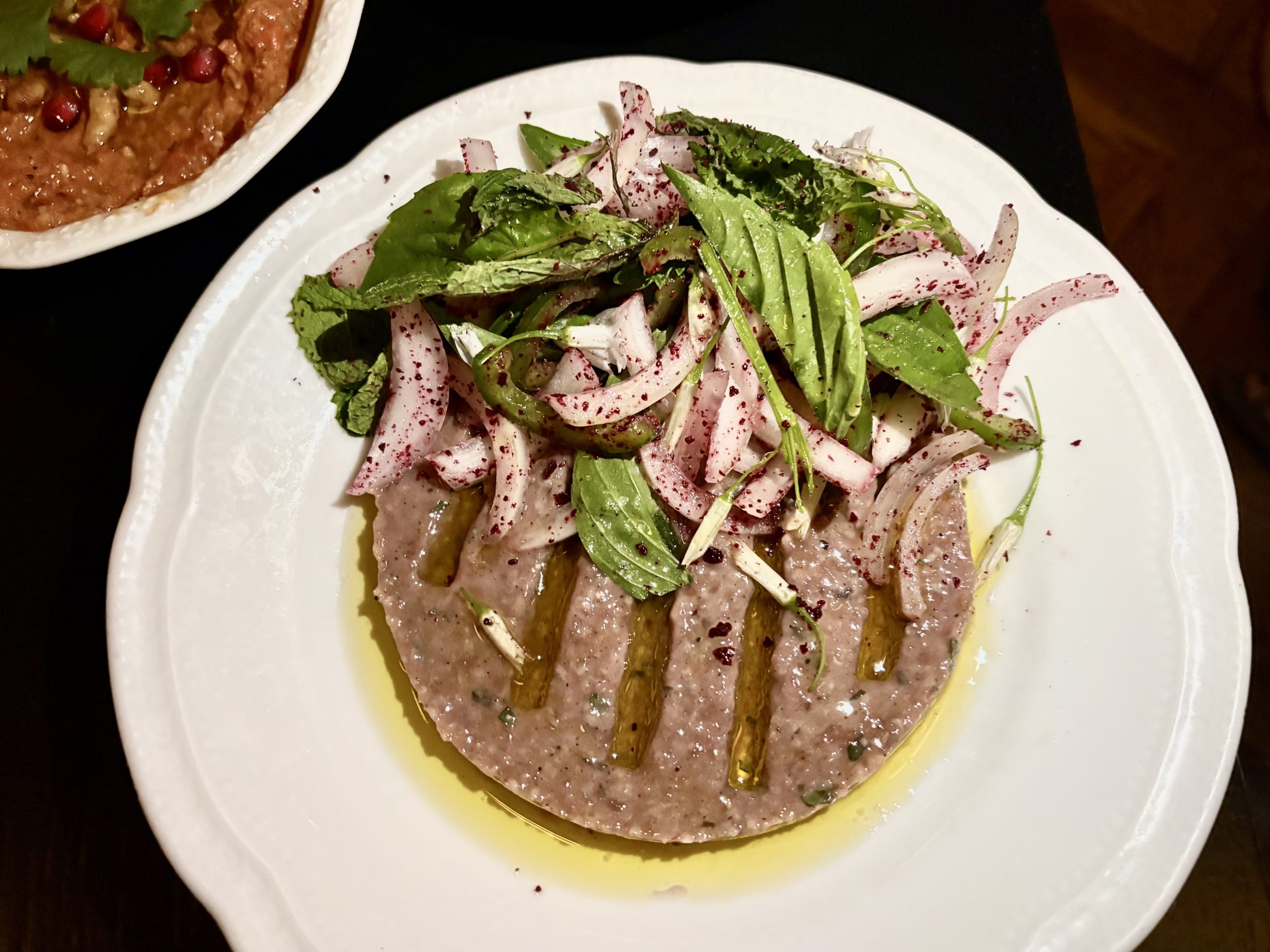
    The food team’s consumption included classic kibbeh nayyeh in Fishtown, a $150 omakase feast in Center City, excellent fried rice in South Philly, and a jar of chicken liver mousse in Old City.

    Scoops

    New York smashburger chain 7th Street Burger has signed its fourth lease for the Philadelphia area, in advance of a rollout. No. 1, as I noted in January 2025, is due to open in early August at 1215 Frankford Ave. in Fishtown. The second is expected to open this fall at 1518 Chestnut St., in Amma’s South Indian Cuisine’s previous space. A third is being teed up for early 2027 at Plymouth Square Shopping Center in Conshohocken, replacing the shuttered Federal Donuts & Chicken. The University of Pennsylvania has leased 3931 Walnut St. in University City, the former Hummus Grill, to 7th Street for a potential fall opening. College friends Kevin Rezvani and Paras Jain founded 7th Street with three cooks on the grill, three items on the menu, and nine ingredients in the restaurant. Signature burgers are topped with grilled onions, melted American cheese, pickles, and house sauce, and are served on a Martin’s potato roll.

    Ashni Kumar and Priya Trivedi, who closed their Newtown restaurant Guru’s Indian Cuisine last December, return to Bucks County’s restaurant scene Friday with Ardas Social Kitchen at 800 Bustleton Pike in Richboro. Opening day (starting at 11:30 a.m.) will feature a pay-what-you-wish vegetarian lunch buffet and regular dinner service, with all proceeds benefiting Ivy, a senior rescue dog being treated for a seizure disorder. Ardas, as did Guru’s, operates a nonprofit, Guru’s Guardian Angels, that rescues, rehabilitates, and cares for stray animals.

    Mixto, the Cuban, Latin American, and Caribbean mainstay at 1141 Pine St., closed Sunday after 26 years. Owner Jorge Mosquera and family, who announced a sale months ago, are directing aficionados to Tierra Colombiana, the restaurant they opened in 1989 at 4535 N. Fifth St. in Hunting Park. There’s a new restaurant on the way to Mixto’s space, but owners are laying low until settlement. Just down the block is Chibanos, Evan Fong Jaroff’s Chinese-Cuban sandwich shop, which took over for Effie’s earlier this month at 1127 Pine.

    Nan Zhou Hand Drawn Noodle House could be moving from its home of 14 years at 1022 Race St. in Chinatown. City records show an application for a sign bearing the restaurant’s name at 919-921 Race St., a double-wide property now undergoing renovation. It happens to be a few doors from Nan Zhou’s original home at 927 Race, where it opened around 2003. Management did not respond to my inquiry.

    Restaurant report

    Ogyu Japanese BBQ & Bar, serving an all-you-can-eat menu of foods cooked on tabletop grills, has opened in the former Iron Hill in Ardmore. There’s lots of flash going on, what with the sizzling meats and flashy dry ice presentations. Denali Sagner chatted up owner Sam Li, who also owns Osushi in the same shopping strip.

    Southeast Asian Market in FDR Park, which was heavily damaged in last weekend’s storm, will reopen this coming weekend, reports Kiki Aranita.

    Briefly noted

    RIP, Bill Curry. He fell in love with South Street in the early 1970s while covering nightlife for The Inquirer and changed careers (not entirely his choice) to open landmark eateries including Copabanana and Cafe Nola.

    Queen Village (speaking of South Street) has its restaurant week from July 24-Aug. 9. See the lineup of restaurants here.

    The Wicked Gluten Free Expo returns to the Greater Philadelphia Expo Center in Oaks on Saturday (10 a.m. to 5 p.m.) with 100-plus exhibitors.

    From the Boot has moved its Lafayette Hill location about a mile to 400 Germantown Pike, next to Wawa in the Shops of Lafayette Hill. The family-friendly trattoria opened in 1999 and spawned an offshoot in Ambler.

    HipCityVeg’s University City location at 40th and Walnut Streets just closed. A sign directs customers to 127 S. 18th St. — the first HipCityVeg and its sole remaining location.

    Just Salad’s Willow Grove location, replacing Mod Pizza at 4025 Welsh Rd., will donate $1 from every in-store purchase next Wednesday to Wissahickon Trails.

    Cathedral Kitchen in Camden picked up a $50,000 grant from the Jacques Pépin Foundation as one of its four 2026 Partnership Circle Grant Awardees. The nonprofit has provided culinary-arts training to unemployed and underemployed people since 2009.

    YèShì Chinatown Night Market has set Oct. 8 as its next date, with festivities centered at 10th and Race Streets.

    ❓Pop quiz

    How many miles did Craig LaBan drive for his Jersey Shore reporting? Email your guess, and I’ll send swag to the reader with the closest answer. (I was amazed when he told me.)

    Ask Mike anything

    Are you aware of any lunch specials/deals in Old City or Chinatown? My office is near the Constitution Center and I get so disheartened spending $20 on a sandwich and beverage when I go out. — Madeline D.

    How about a bulgogi, egg, and cheese on a bagel for under $9? That’s from Cafe Walnut, a subterranean sandwich shop at 703 Walnut St. Or a chicken burrito at Tu Rinconcito (17 N. Third St.)? My favorite budget-lunch destination in Chinatown is Yin Ji Rice Roll at 908 Cherry St. The congee ($9-$11) and rice rolls ($6-9) are filling; get a $2 fried dough stick to dip into your congee. Also worth noting: Beginning Aug. 3, Center City District’s Let’s Do Lunch promotion will return, with weekday lunches priced at $10, $15, or $20 at participating restaurants. One tip: Skip the sandwich and splurge on a typically big-portioned noodle bowl at, say, Sang Kee or Nan Zhou, neither of which is that expensive anyway; eat half and take the rest home for dinner or lunch the next day. Second tip: Skip the beverage and opt for water.

    📮 Have a question about food in Philly? Email your questions to me at mklein@inquirer.com for a chance to be featured in my newsletter.

    By submitting your written, visual, and/or audio contributions, you agree to The Inquirer’s Terms of Use, including the grant of rights in Section 10.

  • Several Federal Donuts and Goldie locations in Philadelphia are closing amid a slowdown in fast-casual lunch business

    Several Federal Donuts and Goldie locations in Philadelphia are closing amid a slowdown in fast-casual lunch business

    Restaurant group CookNSolo will close three Center City Federal Donuts & Chicken locations and shrink its Goldie falafel chain from four shops to one as owners Steve Cook and Michael Solomonov retrench, citing weakened demand for fast-casual dining, particularly at weekday lunch.

    Federal Donuts’ shop at 1909 Sansom St. — designated only months ago as the company’s flagship after the South Philadelphia location closed in February — shut down after business Sunday. Locations at 21 S. 12th St. and 18th Street and Benjamin Franklin Parkway are expected to close by July 31, although Cook said staff departures could accelerate the timetable.

    Of Federal’s 45 employees, 27 will be laid off, Cook said. Eighteen employees will be retained to staff the two remaining Philadelphia stores, on Fairmount Avenue and on South Street. Federal launched in 2011 in South Philadelphia with a menu of fried chicken, coffee, and hot doughnuts from a robotic fryer.

    Federal Donuts founders (from left) Tom Henneman, Michael Solomonov, and Steve Cook at the Federal Donuts & Chicken location at 1776 Ben Franklin Parkway in 2022.Michael Klein / Staff

    Goldie, which debuted in 2017 with a menu of falafel, fries, and tehina shakes, will close its restaurants at 1218 Sansom St., Franklin’s Table food hall at 34th and Walnut Streets, and the Whole Foods Market at 2101 Pennsylvania Ave. in late July or early August. The lone remaining Goldie, at 1911 Sansom St., will absorb the chain’s delivery, takeout, and catering business.

    Eighteen of Goldie’s 36 employees will lose their jobs. Cook said the company is working to help find former Federal Donuts and Goldie workers other roles. Hourly staffers will not be given severance, Cook said, as is standard industry practice.

    Cook said the closures reflect a restaurant landscape that has changed dramatically since the pandemic.

    Dozens of fast-casual and quick-service restaurants have opened in recent years. “We feel like we’re oversaturated in the city, given the economy right now and the demand for fast-casual restaurants,” he said. Federal Donuts has experienced “significant” year-over-year same-store sales declines, he said. He hopes the closures stem the losses.

    “We have two great brands here that are worth saving, and we feel like economically this is the best way to preserve those brands.”

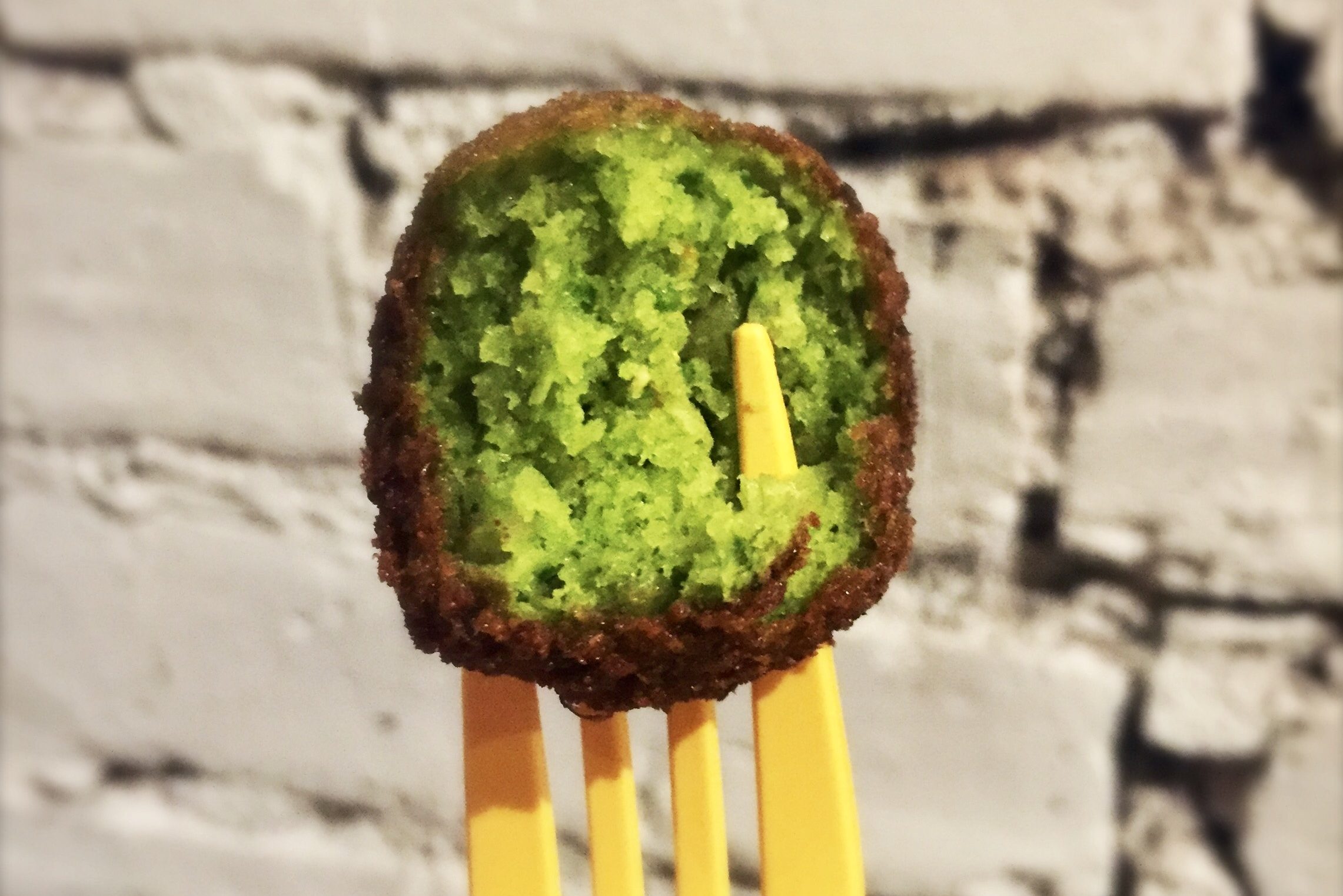
    Falafel from Goldie.Craig LaBan / Staff

    The company’s full-service restaurants — including Zahav, Dizengoff, K’Far Cafe, Jaffa Bar, and Laser Wolf — are unaffected by the shutdowns.

    ‘A mixed bag’

    Cook cited both the lingering decline in Center City office workers and inflation as contributing factors to the closures.

    “Post-COVID, while we’ve seen really good rebounds in the dinner, more fine-dining side of our business, weekday lunch traffic has never really returned to full strength,” he said. “The $10-to-$15 lunch is an easy thing to kind of do without.”

    Cook’s assessment reflects broader industry trends.

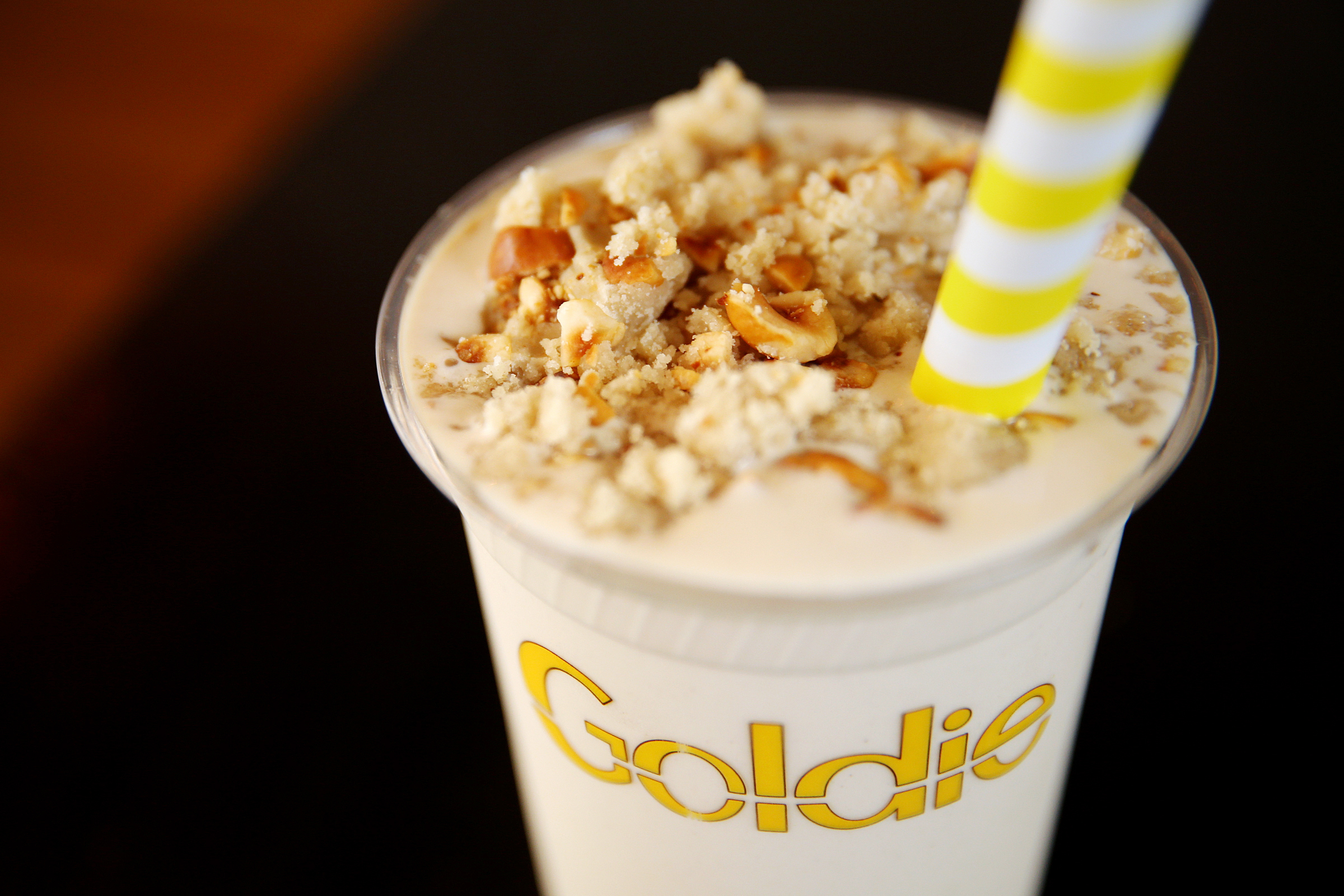
    Tehina shakes are a signature product at Goldie.Tim Tai / Staff Photographer

    While some national fast-casual brands such as Chipotle and Cava continue to post strong results, many regional chains are struggling as consumers increasingly choose prepared foods from grocery stores and convenience stores instead of restaurant meals, according to R.J. Hottovy, head of analytical research at Placer.ai, a location analytics and foot-traffic company.

    While fine-dining restaurants have generally continued to gain traffic through much of 2026, “fast-casual has been more of a mixed bag,” Hottovy said.

    Placer.ai’s findings show visits to grocery stores, convenience stores, and wholesale clubs increasing from a year earlier while overall restaurant visits have declined. “Middle-income consumers are increasingly substituting restaurant visits with meals at home,” Hottovy said.

    Restaurants also continue to battle rising labor costs while customer traffic softens as menu prices rise. “Price increases are increasingly showing up as lost visits,” he said.

    A sharp reversal

    The Federal Donuts closures mark a sharp reversal from its expansion ambitions after Radnor-based NewSpring Capital acquired a controlling interest in 2022.

    Federal then operated 11 locations and arena concessions, and executives envisioned a franchise system that eventually could reach 150 stores.

    The company’s largest franchisee later closed its restaurants in Radnor, Conshohocken, and Willow Grove and returned several Philadelphia stores to the company. In April, Cook and Solomonov announced plans to regain control of those city locations, simplify operations, and improve execution.

    At the time, the Sansom Street restaurant was designated as the flagship to redevelop menu items. “I thought we would get a significant bounce in sales [there] and it just didn’t happen,” Cook said.

    Cook said NewSpring remains the majority owner of Federal Donuts, while he and Solomonov retain a significant ownership stake and seats on its board. Representatives of NewSpring did not respond to requests for comment.

    Under the restructuring, two Philadelphia stores will remain. CookNSolo will take over the location at Seventh Street and Fairmount Avenue, now owned by the company, as a franchisee around Aug. 1.

    Federal cofounder Tom Henneman confirmed that he was in talks to operate the location at Sixth and South Streets as a franchisee.

    Cook said those stores were chosen because of their historical performance and geographic separation. Consolidating delivery and takeout in two locations instead of five should improve profitability, he said.

    Besides the two city stores, Federal will continue operating independently owned franchises in Marlton, Lancaster, and the Hard Rock Hotel & Casino in Atlantic City, along with its licensed airport and stadium locations.

    Goldie, unlike Federal Donuts, is owned entirely by CookNSolo.

    CookNSolo has also been the focus of pro-Palestinian demonstrations and boycott campaigns since the start of the Israel-Hamas war on Oct. 7, 2023. Activists have criticized the restaurant group for raising money for an Israeli emergency medical nonprofit as well as Cook’s and Solomonov’s outspoken support for Israel. The chefs have said their support for Israel was “not unqualified” and have criticized the Netanyahu government’s efforts to thwart a two-state solution.

    A group with the Instagram handle @boycottcooknsolo on Monday reported word of the store closings, contending that the boycott had softened sales.

    Cook disagreed. “Any time there’s been a protest, it’s always resulted in a short-term increase in business,” Cook said. “This is really an economic decision that goes back many years at this point.”

    (function(){function e(){window.addEventListener(`message`,function(e){if(e.data[`datawrapper-height`]!==void 0){var t=document.querySelectorAll(`iframe`);for(var n in e.data[`datawrapper-height`])for(var r=0,i;i=t[r];r++)if(i.contentWindow===e.source){var a=e.data[`datawrapper-height`][n]+`px`;i.style.height=a}}})}e()})();

  • Bill Curry, who helped make South Street a destination with Copabanana and Cafe Nola, has died at 85

    Bill Curry, who helped make South Street a destination with Copabanana and Cafe Nola, has died at 85

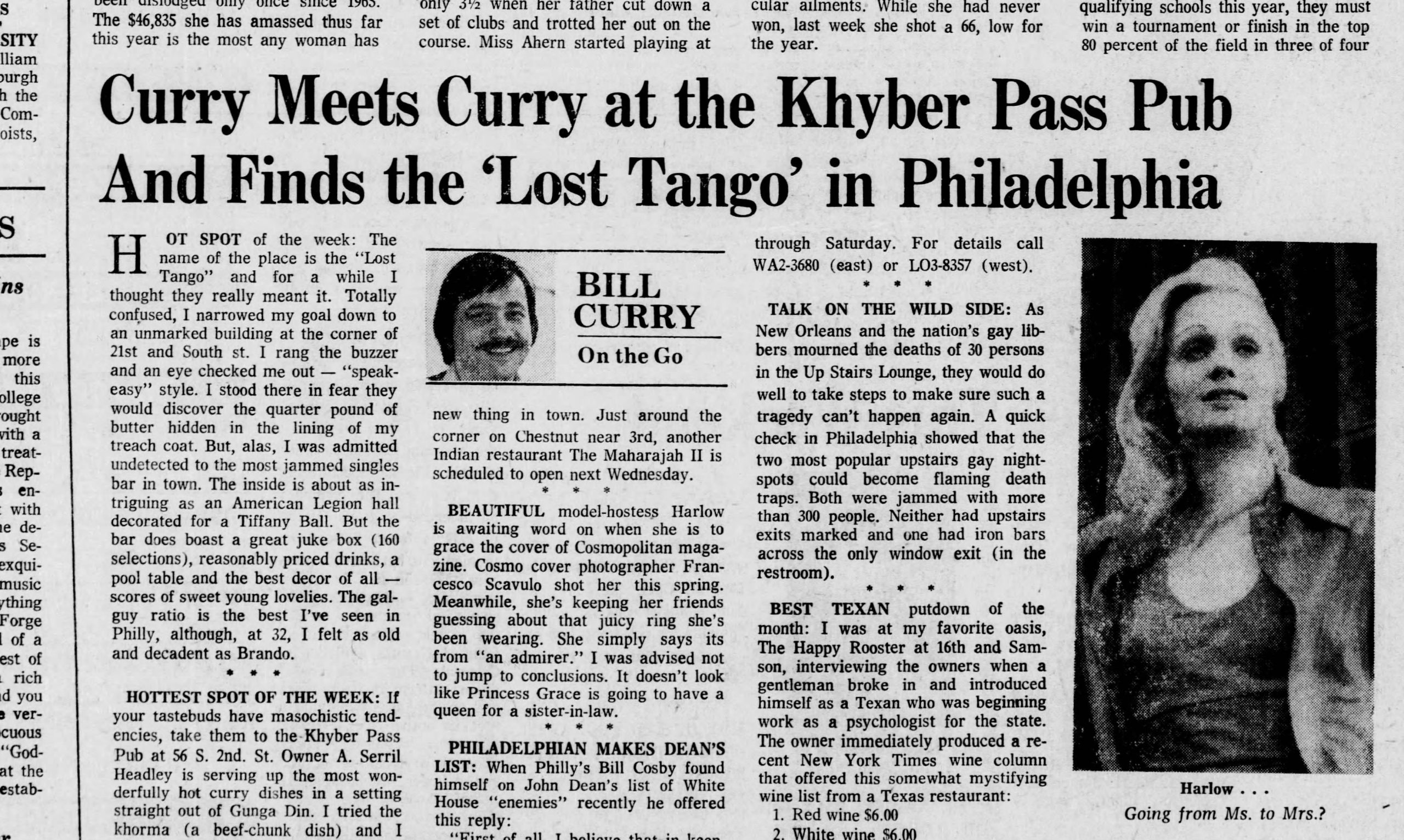
    Bill Curry, 85, the former Inquirer columnist who traded his byline for a barstool and transformed a modest South Street tavern into the landmark Copabanana, died Wednesday, July 1, after a long illness.

    For generations of Philadelphians, Mr. Curry’s name was synonymous with the colorful restaurant and bar he opened in October 1978 at Fourth and South Streets. Mr. Curry expanded it into a collection of restaurants and nightlife ventures that helped define South Street’s modern identity, including Cafe Nola and Hurricane Alley. The original Copabanana closed last year.

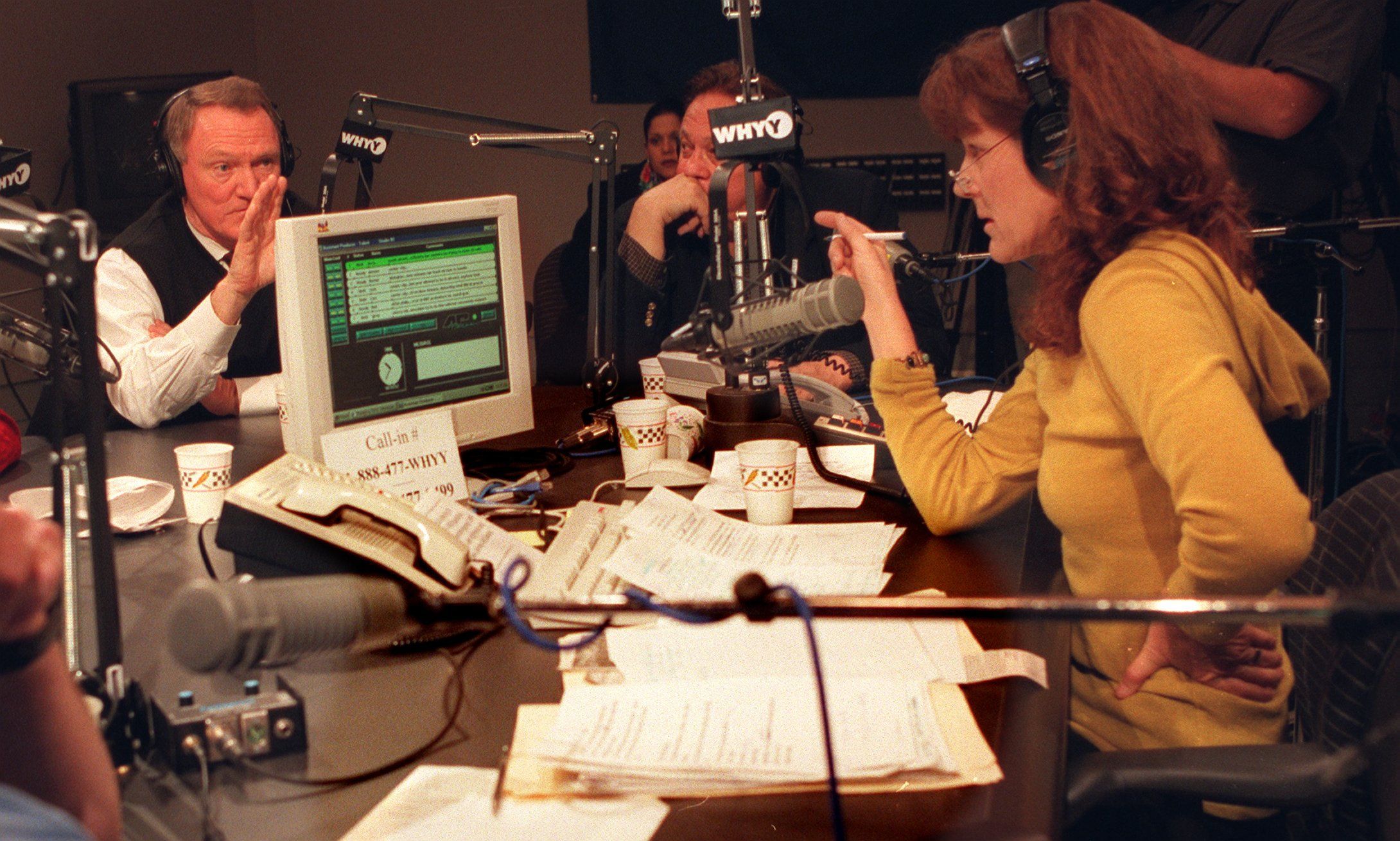
    Copabanana owner Bill Curry (center) joins Police Commissioner John Timoney on Marty Moss-Coane’s WHYY radio show for a discussion of Mardi Gras in 2001.April Saul / Staff Photographer

    Drawing on his South Florida upbringing, Mr. Curry filled Copabanana with the sounds and aromas that became its trademark: an art deco setting of bartenders squeezing fresh limes for margaritas, burgers sizzling in the front window, and nachos and signature Spanish fries topped with jalapeños and onions crowding nearly every table. It was a time when South Street — a once-thriving commercial district that had languished for years under the threat of a never-built crosstown expressway — was still more counterculture enclave than tourist destination.

    But Mr. Curry’s influence on South Street extended well beyond a single restaurant. First as a journalist and later as an entrepreneur, he became one of the corridor’s most visible champions.

    South Street’s renaissance was still in its early stages when Mr. Curry arrived in Philadelphia in 1971 from the Miami Herald — initially as an art director on The Inquirer’s Sunday magazine and soon after as a nightlife writer. The corridor had become a magnet for artists, musicians, entrepreneurs, and preservationists who were filling vacant storefronts with galleries, boutiques, restaurants, and bars. Few people did more to promote that hippie-into-punk transformation than Mr. Curry in his column, “On the Go.”

    One of Bill Curry’s 1973 “On the Go” nightlife columns from The Inquirer.Philadelphia Inquirer

    “I had fallen in love with the neighborhood and wanted to be a central part of its freewheeling, Bohemian culture,” he told an interviewer in 2015.

    “Bill had a quality of world-weary amusement about ‘it all’: politics, serious young journalists, himself, his column, his New Orleans mojo,” said former Inquirer columnist Clark DeLeon.

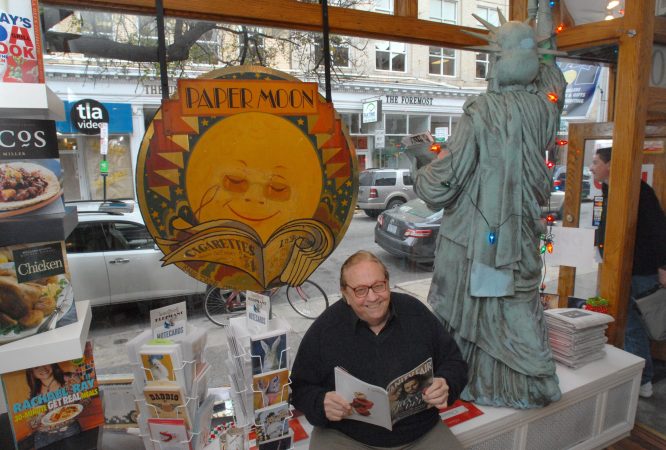
    In 1975, Mr. Curry opened a card shop and newsstand called Paper Moon at 329 South St., stocking it with out-of-town papers, international magazines, and specialty cigarettes. A year later, he backed a second location at 15th and Locust Streets called Le Corner Store.

    Mr. Curry’s newspaper career ended in September 1978 after he informed executive editor Gene Roberts that he planned to open Copabanana. Roberts concluded that Mr. Curry’s business interests amounted to a conflict of interest and took away the column. He offered Mr. Curry a non-writing role, but Mr. Curry said he chose to leave.

    Copabanana opened a month later. When asked whether he had restaurant experience, he told an interviewer: “No, but I had been to plenty — I got paid to drink. I was around town all the time telling folks what was good and what was bad. So I was ready to do it.”

    Copabanana — across from Jim’s Steaks and Lickety Split, and down the block from the Theatre of Living Arts — quickly became a destination. In 1981, Mr. Curry and business partner Judy DeVicaris opened the far more refined Cafe Nola a few doors away. With an adventurous, New Orleans-inspired menu and a lush decor, it enjoyed a 15-year run before closing in 1996.

    Mr. Curry also developed or helped operate Copa Too!, a Center City offshoot where Jose Pistola’s is now, as well as a still-operating Copabanana at 40th and Spruce Streets in University City.

    “He lived for the moment, all the time,” said his nephew David Christensen, who worked for his uncle for a spell. “On the culinary and restaurant side, he was always looking to expand, always wanting to do more. He stretched his assets to the limit, trying to bring in investors and make the next project happen. It was a wild ride.”

    Mr. Curry became as much a symbol of South Street as any of his restaurants. “He was the unofficial mayor of South Street,” said Brian Phillips, who in 2003 bought the University City Copabanana from Mr. Curry. “He tirelessly promoted the South Street way of life to make it ‘the hippest street in town.’”

    Julia Zagar, who with her artist husband, Isaiah, opened Eye’s Gallery on the next block in 1968, said Mr. Curry “embraced the South Street community with his intellect and tastes, books, magazines, and food. He understood the street life.”

    The original Copabanana occupied a shot-and-a-beer bar owned by a former longshoreman named Frank “Turk” Jaworski. Neighborhood lore said Turk’s once housed a Prohibition-era speakeasy reached through a concealed staircase hidden behind a phone booth — a story Mr. Curry happily embraced.

    Mr. Curry sold Paper Moon in 1983, and the shop closed two years later. In 2011, he revived the name for a new location nearby on Fourth Street.

    Asked after decades in business why Copabanana endured while so many restaurants came and went, Mr. Curry offered a simple explanation: “Consistency. You can go somewhere once and love it, but if you go back and it’s not good, you might never return. Good consistent food, and consistent drinks.”

    The restaurant struggled in its later years. In 2023, Copabanana sought bankruptcy protection as Mr. Curry battled a series of health problems. Later that year, Copabanana moved into Hurricane Alley’s former space two doors away. It closed in January 2025.

    The original South Street property, long on the market, is now under agreement of sale, said Billy Creagh, owner of National Realty Commercial, a brokerage.

    Mr. Curry’s life partner, Jim Bush, died several years ago. Besides his nephew, Mr. Curry is survived by a sister, Charlotte Christensen, and another nephew, Tom.

    A memorial service is being planned, Phillips said.

  • Take me out to the gift shop: How the All-Star Game has become a major-league merchandising machine

    Take me out to the gift shop: How the All-Star Game has become a major-league merchandising machine

    The All-Star Game returns to Philadelphia in coming days with more than baseball.

    It arrives with two sprawling shopping destinations, hundreds of exclusive products, and a merchandising operation at both the Convention Center and Citizens Bank Park. Fanatics, the sports-commerce giant, will anchor All-Star Village with a flagship store, while Aramark has transformed the two-level Phillies New Era Team Store at the ballpark into a showcase of All-Star-exclusive merchandise.

    Like the FIFA World Cup, Super Bowl, Formula One races, and the recent PGA Classic at Aronimink Golf Club in Newtown Square, Major League Baseball treats its marquee events as multiday fan festivals. The result: The Midsummer Classic has become as much a retail event as a baseball event.

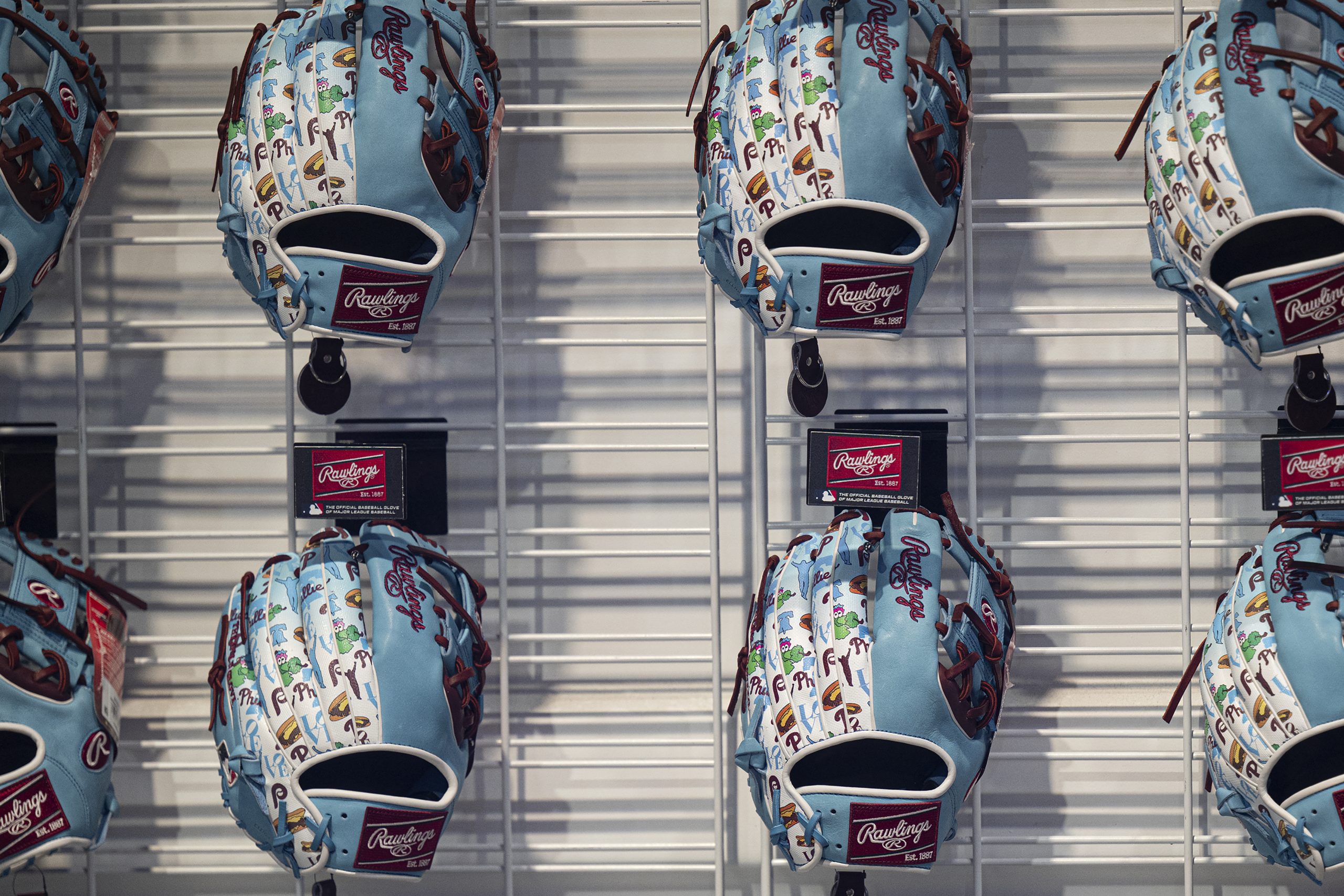
    All-Star-theme baseball gloves on display at All-Star Village inside the Convention Center.Jose F. Moreno / Staff Photographer

    “Commercially, it ranks in our top three events,” said Jamie Leece, a senior vice president with MLB. “From a business perspective, I’d say it’s our most important because we’re bringing every team together in one place.”

    Unlike the postseason, where only a handful of teams remain, the All-Star Game draws fans from all 30 teams. MLB expects more than 80,000 people to visit All-Star Village over the four days.

    “We have passionate fans who travel to multiple All-Star Games, and we also have people attending for the first time,” Leece said. “We want to make sure they have an incredible experience and can find merchandise that reflects their fandom.”

    A temporary retail city

    The biggest attraction inside All-Star Village may also be its biggest business.

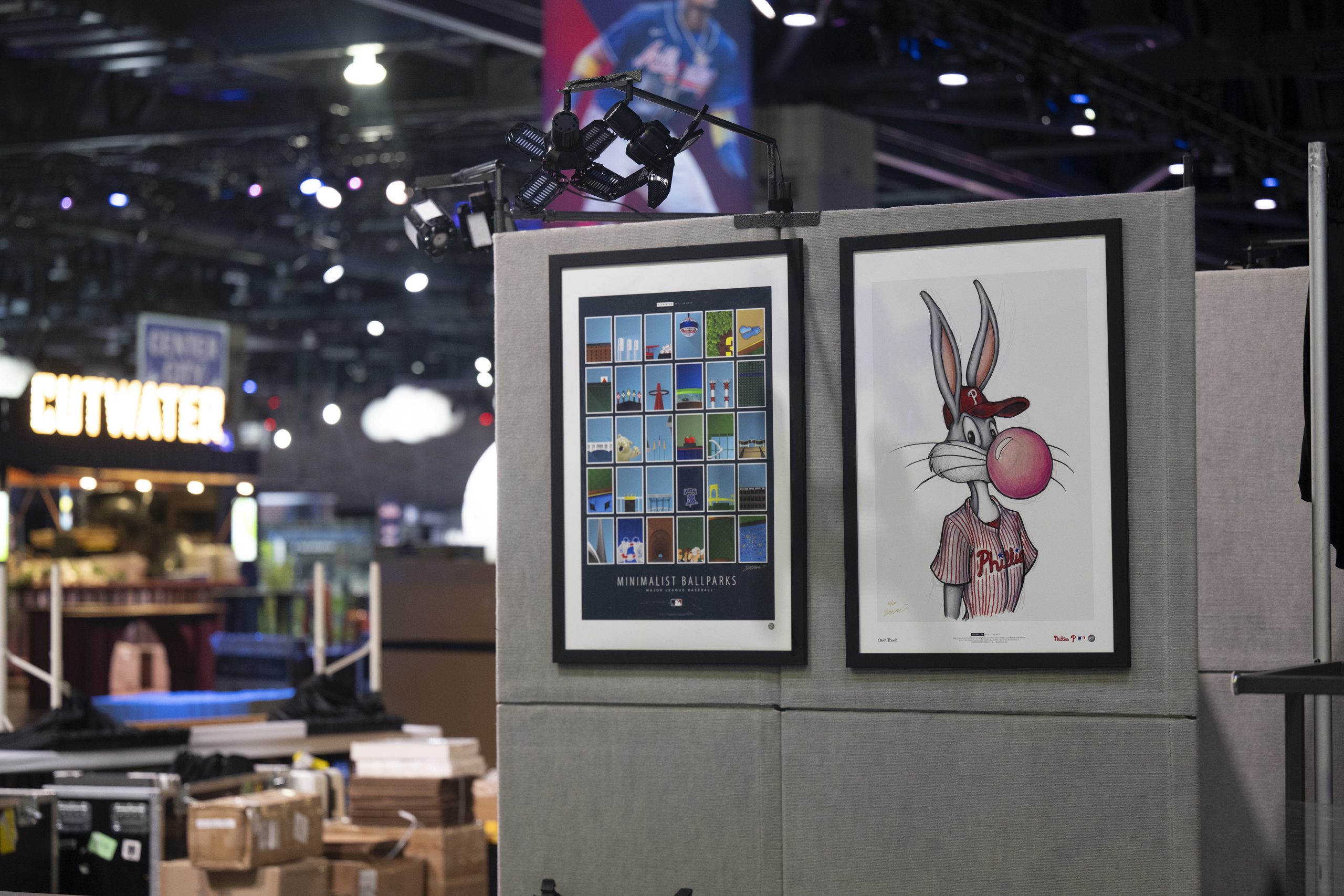
    The merchandise at All-Star Village inside the Convention Center includes posters and original art.Jose F. Moreno / Staff Photographer

    Fanatics, led by Philadelphia-area entrepreneur Michael Rubin, will operate a 16,000-square-foot flagship store at the Convention Center — its largest All-Star retail footprint since Los Angeles hosted the game in 2022. The company says the store, open to ticket holders, will carry more than 400 product styles from Nike, New Era, Mitchell & Ness, Homage, WinCraft, ’47 Brand, and Fanatics.

    The assignment is fitting for a company with deep local roots. Fanatics traces its modern growth to Rubin’s King of Prussia-based GSI Commerce, which acquired the business in 2011. After eBay purchased GSI, Rubin bought Fanatics back and transformed it into one of the world’s largest sports-commerce companies.

    Today, analysts say the privately held company expects about $13 billion in revenue this year and employs more than 22,000 people worldwide. In addition to operating licensed merchandise for the major professional leagues, it owns Topps, the baseball-card maker, and has expanded into collectibles, sports betting, live events, and media.

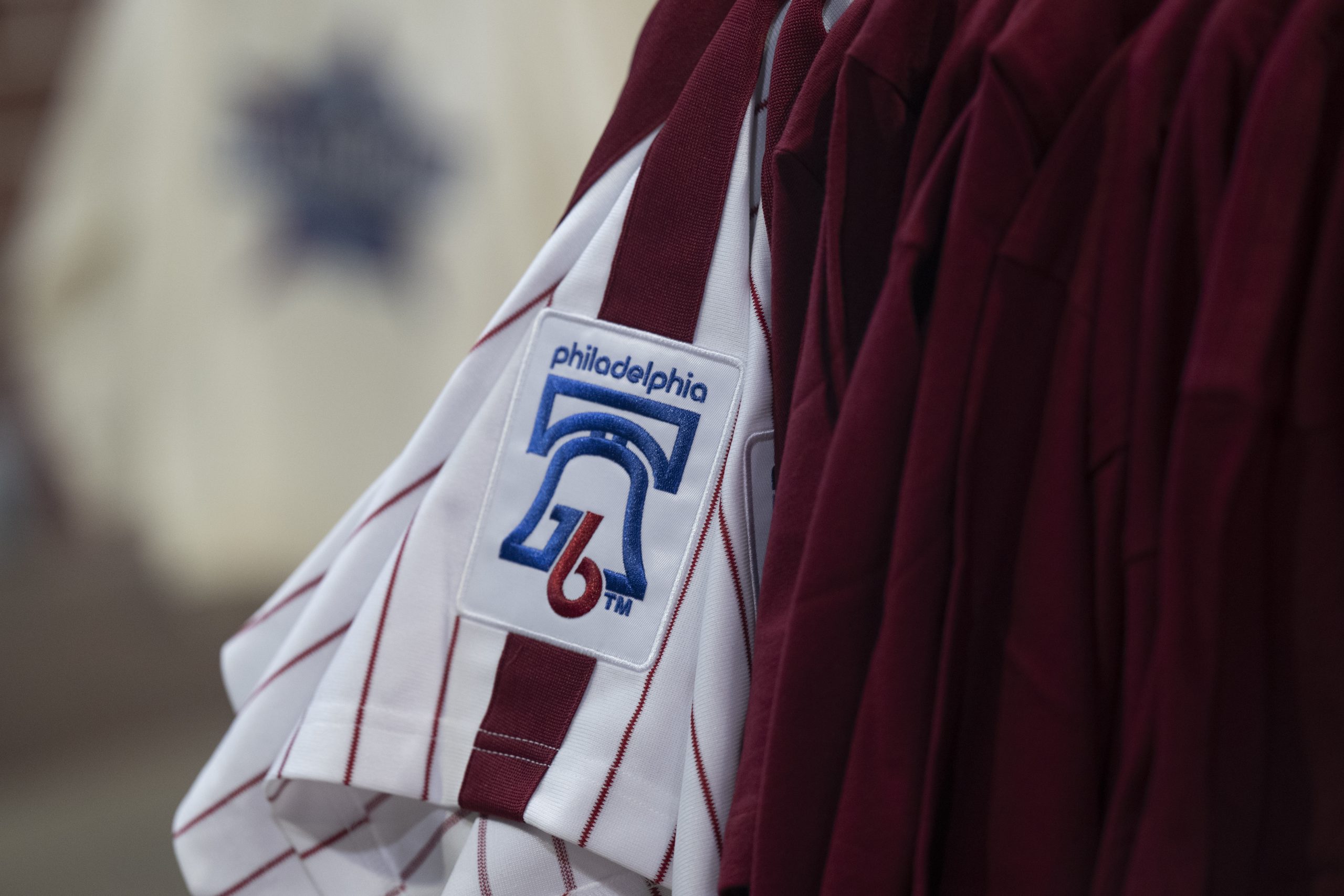
    A Phillies throwback jersey on sale at All-Star Village inside the Convention Center.Jose F. Moreno / Staff Photographer

    Under a long-term partnership with MLB and Nike, Fanatics manufactures and distributes much of Major League Baseball’s licensed fan apparel, making the All-Star Village store the public face of a merchandising operation that extends far beyond All-Star Week in Philadelphia. Most of the merchandise in the store was conceived, approved, manufactured, and shipped months before fans ever walked through the Convention Center doors.

    This year’s assortment leans heavily into Philadelphia.

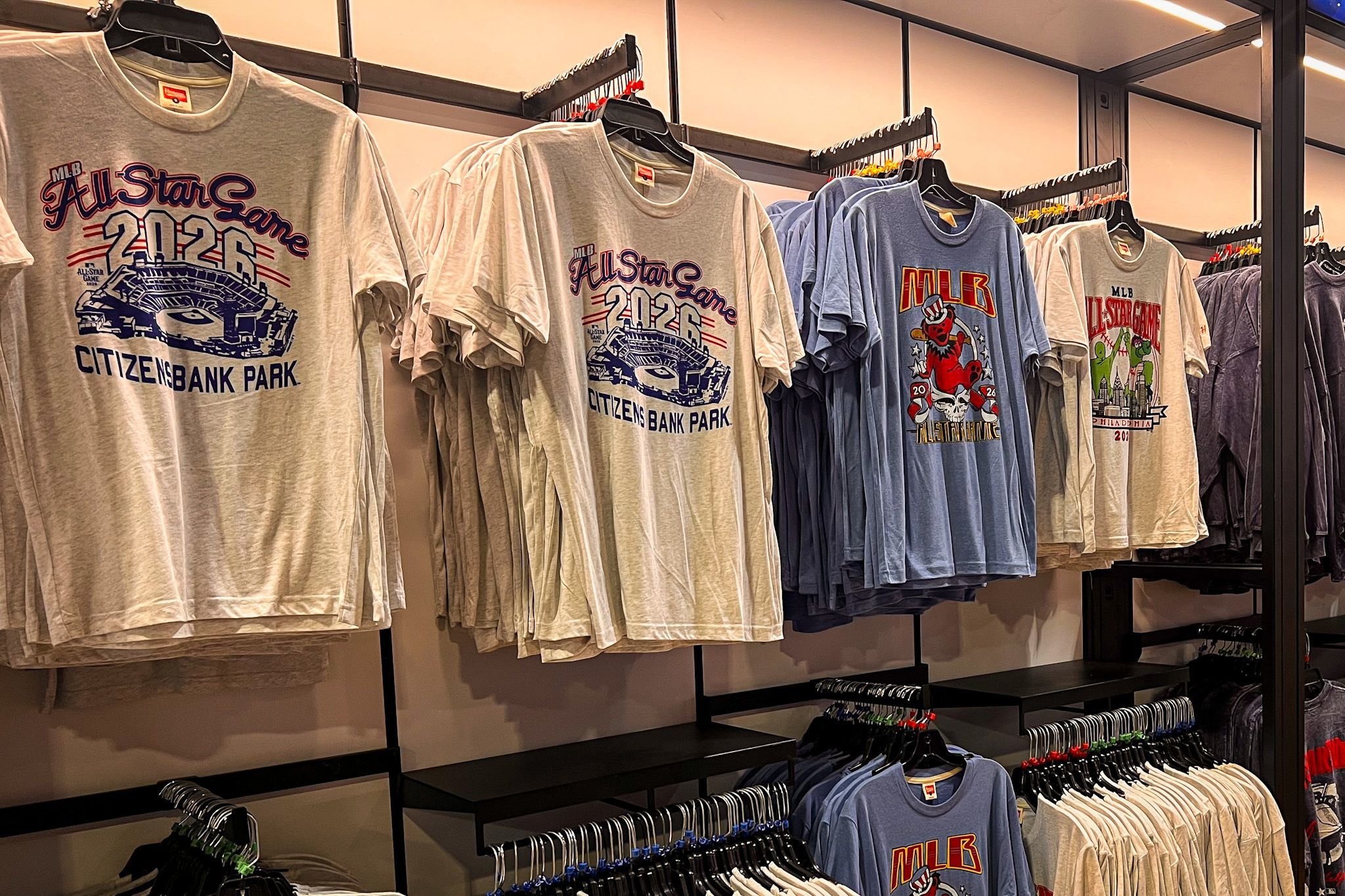
    Shirts available at the All-Star Village at the Convention Center.Michael Klein / Staff

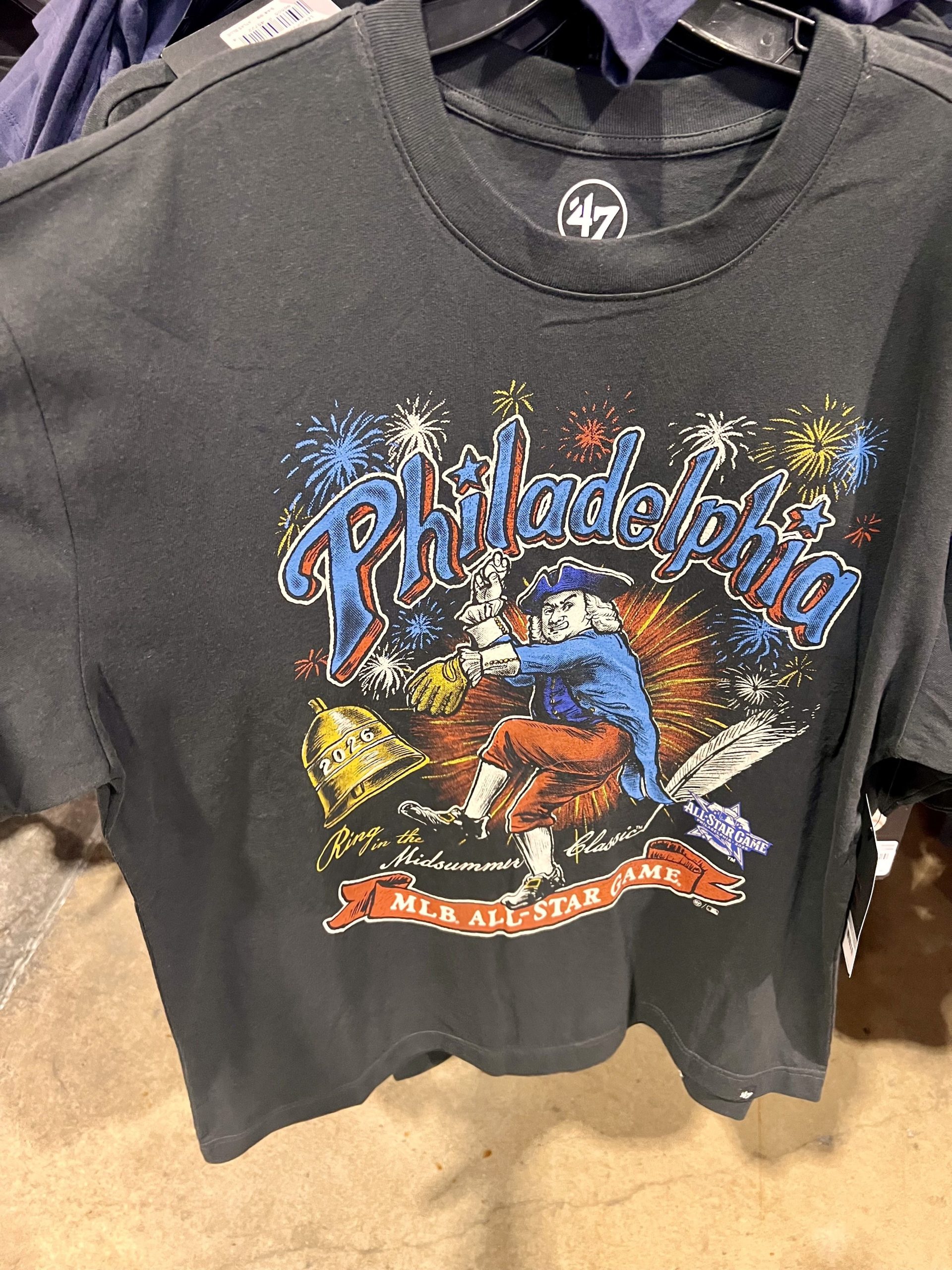
    The company said host-city merchandise, particularly jerseys and hats, has become an increasingly important part of every All-Star collection. Philadelphia-themed offerings include Homage’s Grateful Dead-inspired Patriot T-shirt and “Always Sunny in Philly” shirt, ’47 Brand’s “Hit That Jawn” and cheesesteak-themed designs, and Sportiqe’s Elton John-inspired “Philadelphia Freedom” T-shirt.

    Home-field advantage

    If Fanatics anchors the Convention Center, Aramark — the Phillies’ concessionaire — is treating Citizens Bank Park as a shopping destination in its own right. Its two-story shop is open daily to the public except for Sunday.

    After the July 2 home game against the Pirates, Aramark workers cleared the store of all regular Phillies merchandise and began loading in All-Star items. The store was expanded in the offseason to about 7,500 square feet.

    Some of the 84 All-Star pins designed by Aramark that are for sale at Citizens Bank Park. Tyger Williams / Staff Photographer

    Francis Winkey, Aramark’s senior merchandise manager at the ballpark, said the store has about 400 All-Star items, about 75% of them exclusive. Winkey, a pin collector himself, commissioned 84 pins, including one representing each major-league team.

    Behind the displays is a manufacturing process that begins more than a year before the first pitch. MLB develops the event’s logos and branding, then works with dozens of licensed manufacturers specializing in a wide range of products — caps, jerseys, drinkware, collectibles, and other souvenirs. Companies submit designs for league approval before production begins, often months in advance, at factories overseas.

    The biggest complication is that no one knows who will make the All-Star teams until shortly before the game. Most merchandise, therefore, celebrates the event or the host city rather than individual players. When player-specific products are planned, manufacturers often build in flexibility so they can be finished after the rosters are announced.

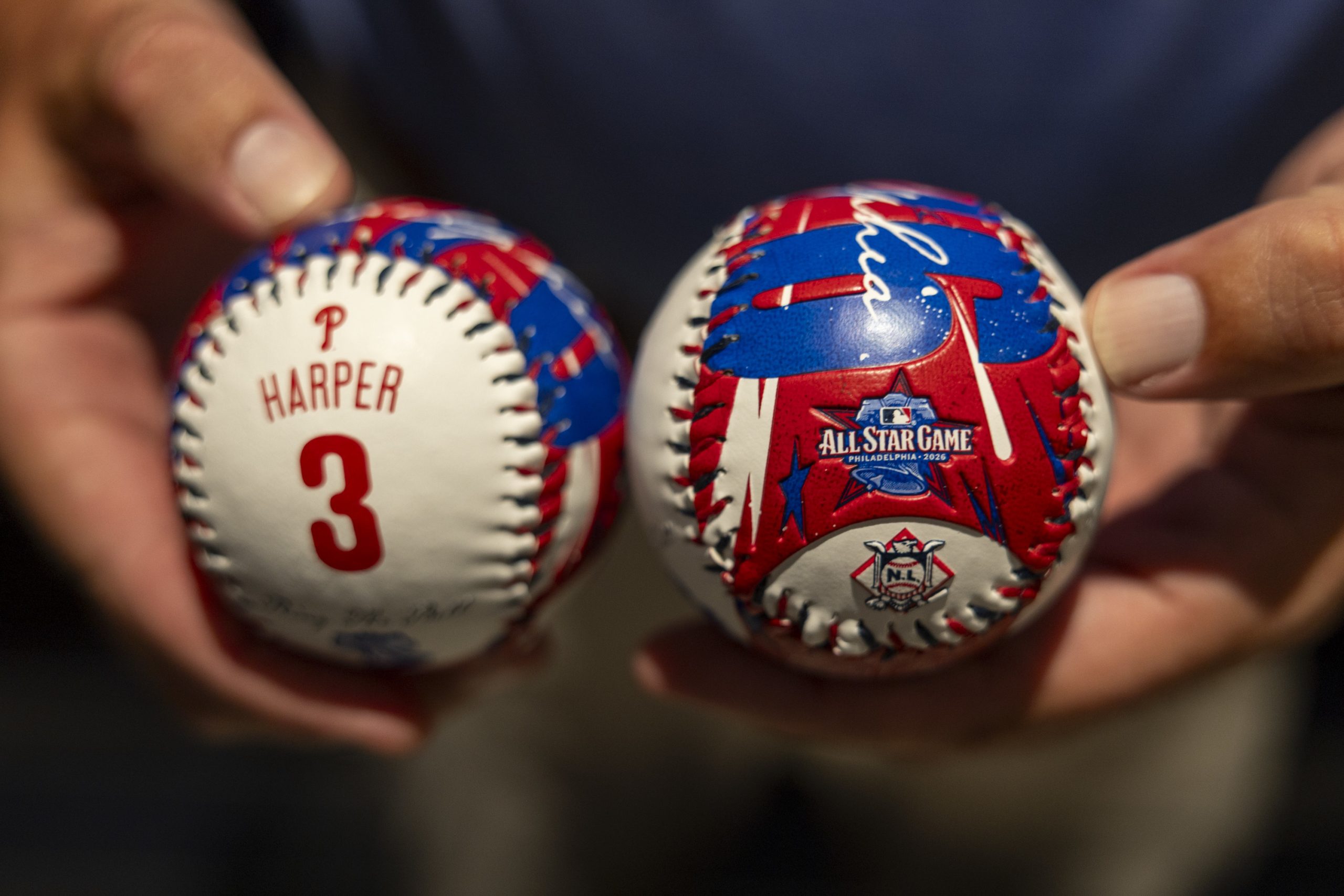
    At Citizens Bank Park, Aramark’s Francis Winkey holds souvenir baseballs that were stamped with Bryce Harper’s name after he was named to the All-Star Game roster.Tyger Williams / Staff Photographer

    Take the commemorative baseballs that Winkey dreamed up. Last fall, he ordered Rawlings baseballs featuring bold All-Star graphics that intentionally had one blank panel.

    Once the rosters were announced, Winkey had a domestic factory finish the baseballs. “When I knew Shohei Ohtani made the team, I could put Ohtani’s name on it,” Winkey said. “It’s a combination of long-term planning and a short-term reaction.”

    The store carries six player editions, including Ohtani and Phillies sluggers Bryce Harper and Kyle Schwarber, for $17 a throw.

    Bigger every year

    MLB executives say the retail operation has grown alongside the event itself.

    “Whenever we’ve expanded the retail space, we’ve seen the business grow,” said Leece, of MLB. “It’s always a balancing act because All-Star Village is a celebration of baseball, not just a shopping destination. We want activations, interactive experiences, and things for fans to do beyond buying merchandise.”

    The assortment has expanded, too. “We have more licensees creating more unique items,” Leece said. “International fandom has grown significantly, so we now have fans traveling from all over the world. As the audience has expanded, so has the variety of merchandise. One category that’s really emerged over the last several years is oversized chains and necklaces. They’re a good example of a product category that really came out of nowhere.”

    A commemorative shirt from Fanatics affiliate ’47 available at the All-Star Village at the Convention Center.Michael Klein / Staff

    Philadelphia’s role as host city during the nation’s 250th anniversary celebration also shaped the collection. “It always starts with the identity of the host city,” Leece said. “Philadelphia’s history aligns naturally with the Phillies’ identity.”

    Across the ballpark, All-Star Village, and MLB’s online stores, about 600 products will be available during the week.

    One operational change won’t be visible on the sales floor.

    “We’ll have the largest on-site retail staff we’ve ever had, both at All-Star Village and the ballpark,” Leece said. “We want fans to spend less time waiting in line and more time enjoying everything else the event has to offer.”

    In addition to those stores, Fanatics brand Mitchell & Ness is selling All-Star merchandise at its new store at 1513 Walnut St.

    Retail analysts say the All-Star Game occupies a unique niche in the licensed sports business.

    Commemorative T-shirts on display at All-Star Village.Jose F. Moreno / Staff Photographer

    “The All-Star Game is really about on-site souvenirs,” said Matt Powell, founder of the sports retail consultancy Spurwink River. “People are there and want something to commemorate the experience because it’s essentially a one-off event.”

    Neil Saunders, managing director of GlobalData, said demand tends to split between wearable keepsakes and collectibles.

    “One is simple products like T-shirts or caps linked to the Phillies or the All-Star Game,” Saunders said. “The other is collectible items that can be more expensive. The real fans or those who love collecting are enthusiastic about these.”

    The All-Star retail boom reflects the growth of licensed sports merchandise into a multibillion-dollar global business. One industry estimate valued the market at $38 billion in 2025, with North America accounting for more than half of sales. Apparel remains the largest category, helping explain why jerseys, caps, and other wearable souvenirs dominate event retail.

    Unlike merchandise driven by blockbuster trades or new uniforms, Powell said, All-Star merchandise derives much of its value from the event itself.

    Fans aren’t simply buying apparel. They’re buying proof they were there.

    Yet for all the focus on merchandise, Leece said the larger goal is creating memories.

    “I hope they slow down,” he said. “I hope they walk in, look around, and appreciate that they’re somewhere special. This is baseball’s World’s Fair. It only happens once a year, and for Philadelphia it only comes around every couple of decades.”