Author: Nate File

  • Mark Donovan Hagins, an actor, playwright, and educator who nurtured Philly’s theater community, has died at 56

    Mark Donovan Hagins, an actor, playwright, and educator who nurtured Philly’s theater community, has died at 56

    Mark Donovan Hagins, 56, an actor, teacher, and producer who knew everyone in Philadelphia’s theater community, from the upstarts to the grizzled veterans, died Wednesday, June 24, at his home. His family said his death was sudden but could not provide further details.

    As a resident producer with the Philadelphia Young Playwrights nonprofit, Mr. Hagins mentored, educated, and staunchly advocated for countless young members of the city’s theater community. Mr. Hagins was known as a laid-back person who could calmly solve problems under pressure, while remaining curious and dedicated to serving his students. Those who worked with him said he was an imaginative, collaborative artist who understood the history of Black theater in Philadelphia and was interested in cultivating its future. He had a talent for bringing entertaining stories to life, with even the barest of tools.

    His acting career included productions with Philadelphia’s Freedom Theatre, Azuka Theatre, Walnut Street Theatre, and the Rutgers-Camden Center for the Arts, appearances in the second season of the HBO show The Wire, and roles in other theater workshops, television shows, and independent films.

    One of his first roles came in 1999, when he connected with Philadelphia Young Playwrights as a student at Temple University and performed in the organization’s annual New Voices festival. After graduating in 2000, Mr. Hagins joined the nonprofit as a teaching artist and classroom actor to guide young playwrights and actors, even while his own theater career was just beginning. He produced numerous works by the city’s youth, including through the New Voices festival, where middle, high school, and even elementary school playwrights have their works performed by adult actors.
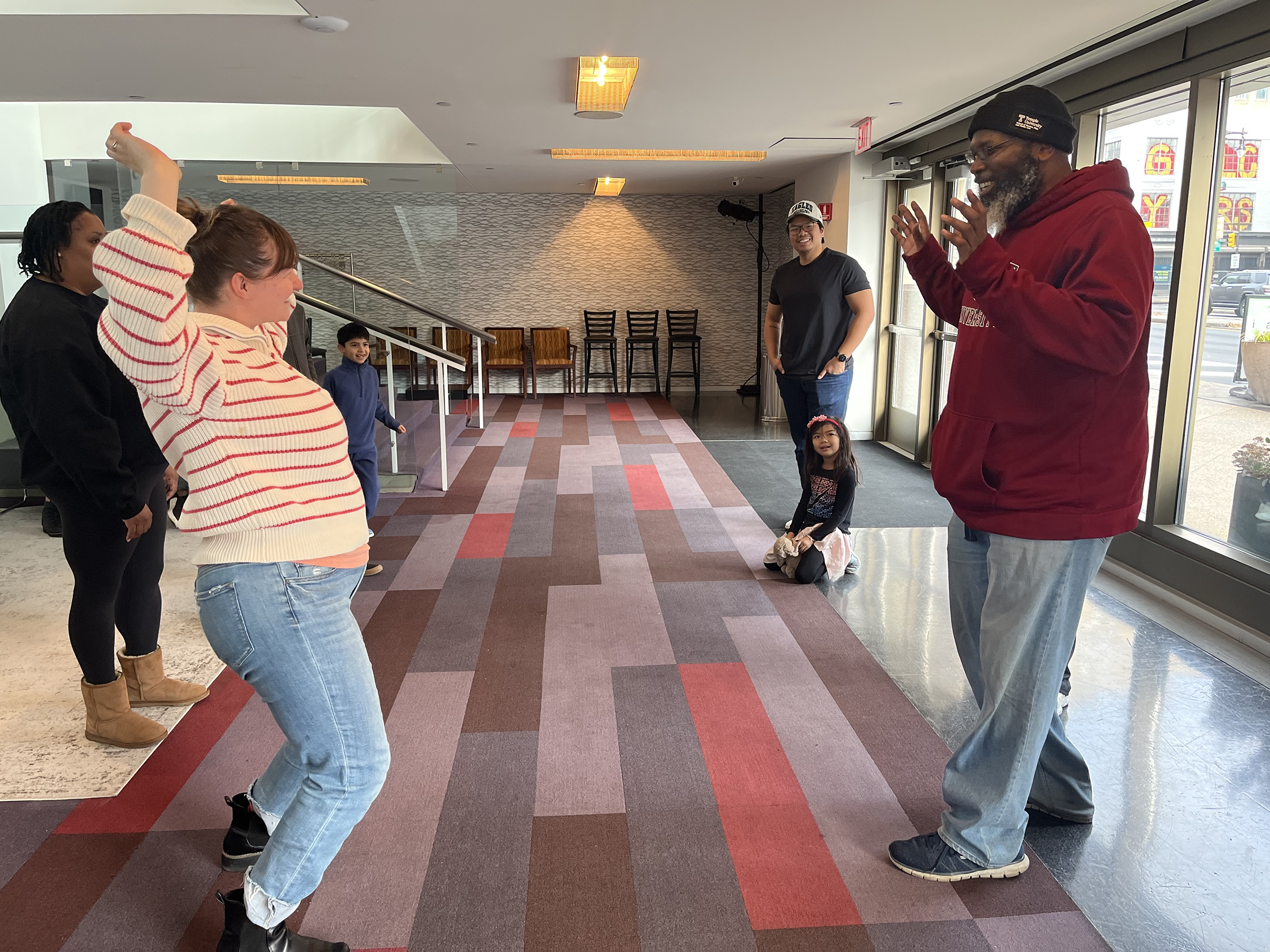
    Mark Donovan Harris teaching Philadelphia Young Playwrights students. He first connected with the organization when he was a student at Temple University in 1999.Philadelphia Young Playwrights

    “He believed that coming back to North Philadelphia … could make a difference in young people’s lives. And he said, if you could get through them through acting … you could change their momentum. You could change their environment. You could change their way of thinking. When they became adults, you know they would be better people in the world. So he invested into them,” said his aunt Millicent Platt.

    Mr. Hagins was born July 2, 1969. He grew up in the Hartranft section of North Philadelphia with his parents, the Rev. Paul Hagins and Vermell Hagins, and sister, Ramona Johnson, and spent his summers visiting family in North Carolina. Mr. Hagins, who went by his middle name, Donovan, in the theater world, always was interested in theater, but found it to be his passion once he enrolled at Temple, his family said.

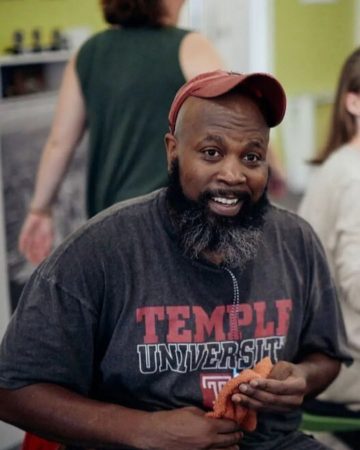
    “A fixture of our Temple Theaters community, Donovan was a proud Temple alum invariably seen repping his school with a hat or shirt,” Temple Theaters posted in an online tribute. “He lived in Cherry and White. Donovan embodied the values of generosity and collaboration, showing an unwavering belief in the power of young voices.”

    Professional actors who worked with him spoke highly of how he curated and directed student productions, said LaNeshe Miller-White, executive director of Philadelphia Young Playwrights. While he had a calming, comforting presence around people, Mr. Hagins was always willing to have fun, too, whether it be playing a silly character written by a student or taking hold of the microphone for his weekly karaoke outing, she said. He took his relationships with students seriously, and stayed in touch with some of his mentees long after their time with the program ended.

    “Donovan’s dedication to young artists and to PYP was unwavering, and his generosity, wisdom, and kindness touched countless students and colleagues across Philadelphia and beyond,” her organization wrote after his passing.
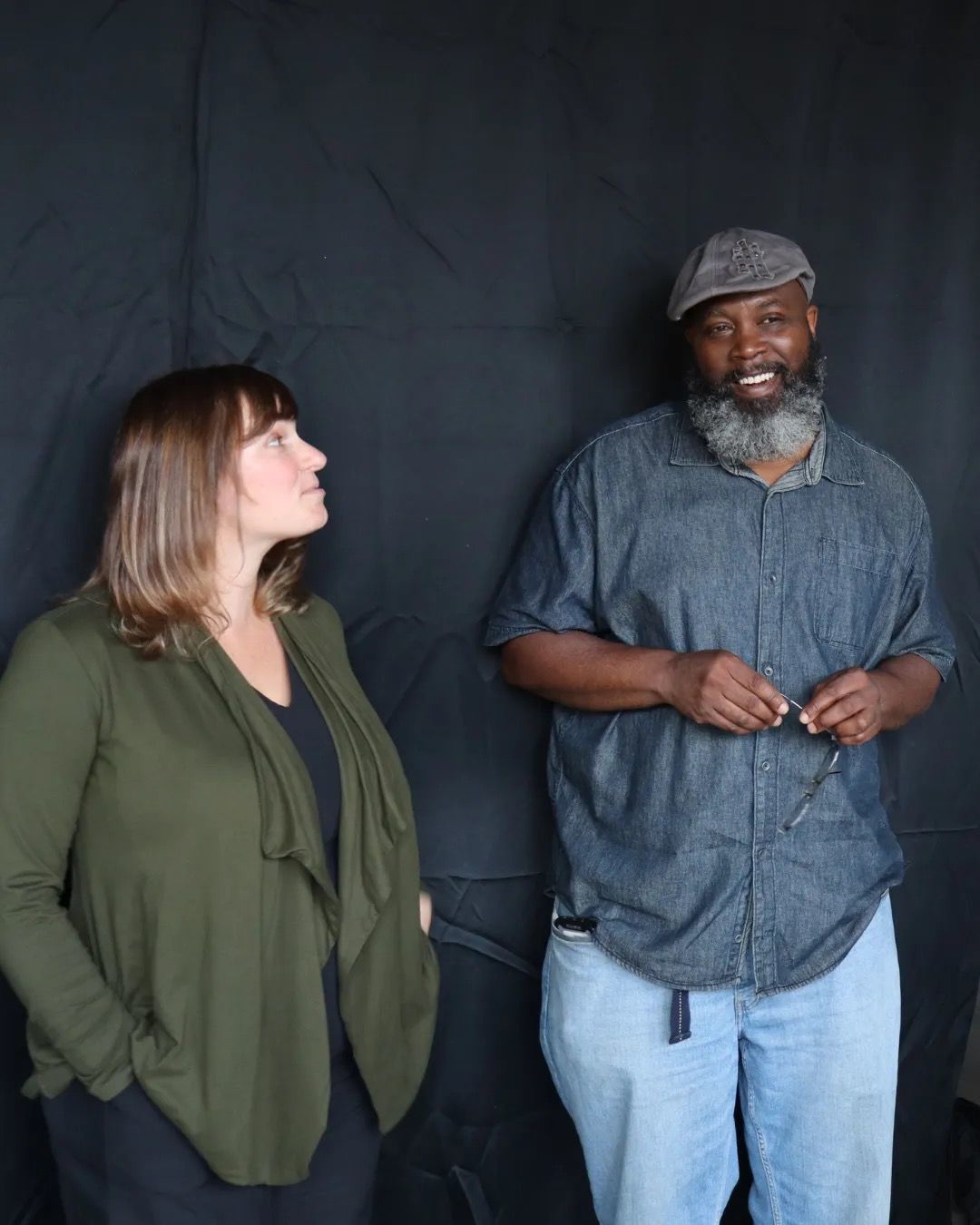
    Mark Donovan Hagins stands with Philadelphia Young Playwrights operations manager Ali Nebistinsky.Philadelphia Young Playwrights

    And while playwriting and theater drove him, Platt said, Mr. Hagins’ niece, Ragan Johnson, 25, and his nephew, Gregory Johnson III, 22, were his heart.

    His niece remembered visiting her uncle in Philadelphia, where they would eat cheesesteaks or visit Reading Terminal Market, and bond over Michael Jackson’s music. She said he was a great listener, and recalled how fun it was to watch him perform onstage in Washington during a period when he lived with her family. She will miss their phone calls, she said, when they used to go over her schoolwork together.

    Mr. Hagins’ parents and sister died earlier. He is survived by his niece and nephew; Platt and another aunt, Ella Mae Frederick; an uncle, Phillip Platt; a brother-in-law, Gregory Johnson II; and other family members.

    His family will hold a memorial service, open to the public, on Saturday, July 18, at 11 a.m. at Nix & Nix Event Venue, 1525 W. Dauphin St., Philadelphia.
  • CEO of Welcome America is leaving the organization after the city took over Philly’s Fourth of July show

    CEO of Welcome America is leaving the organization after the city took over Philly’s Fourth of July show

    The president and CEO of Welcome America Inc. has resigned. While the reasons were unclear for the departure, Monday’s announcement followed the city’s decision to take over Philly’s Fourth of July concert and fireworks from the group that has been involved with organizing the event since 1993.

    In a statement, Michael DelBene said this year’s celebration of America’s 250th birthday — interrupted by a storm that pushed back the fireworks finale to the early hours of Sunday morning — “was a spectacular accomplishment. … I am humbled by what we have accomplished together, and excited about what lies ahead for the organization.”

    DelBene had held the role since 2019. In a post to his LinkedIn account on Monday evening, DelBene said he was stepping down, and “as for what’s next? I don’t know yet. And I find that completely exhilarating!”

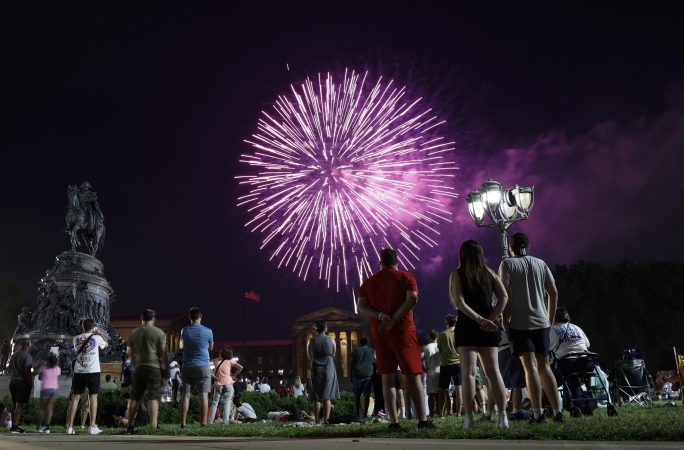
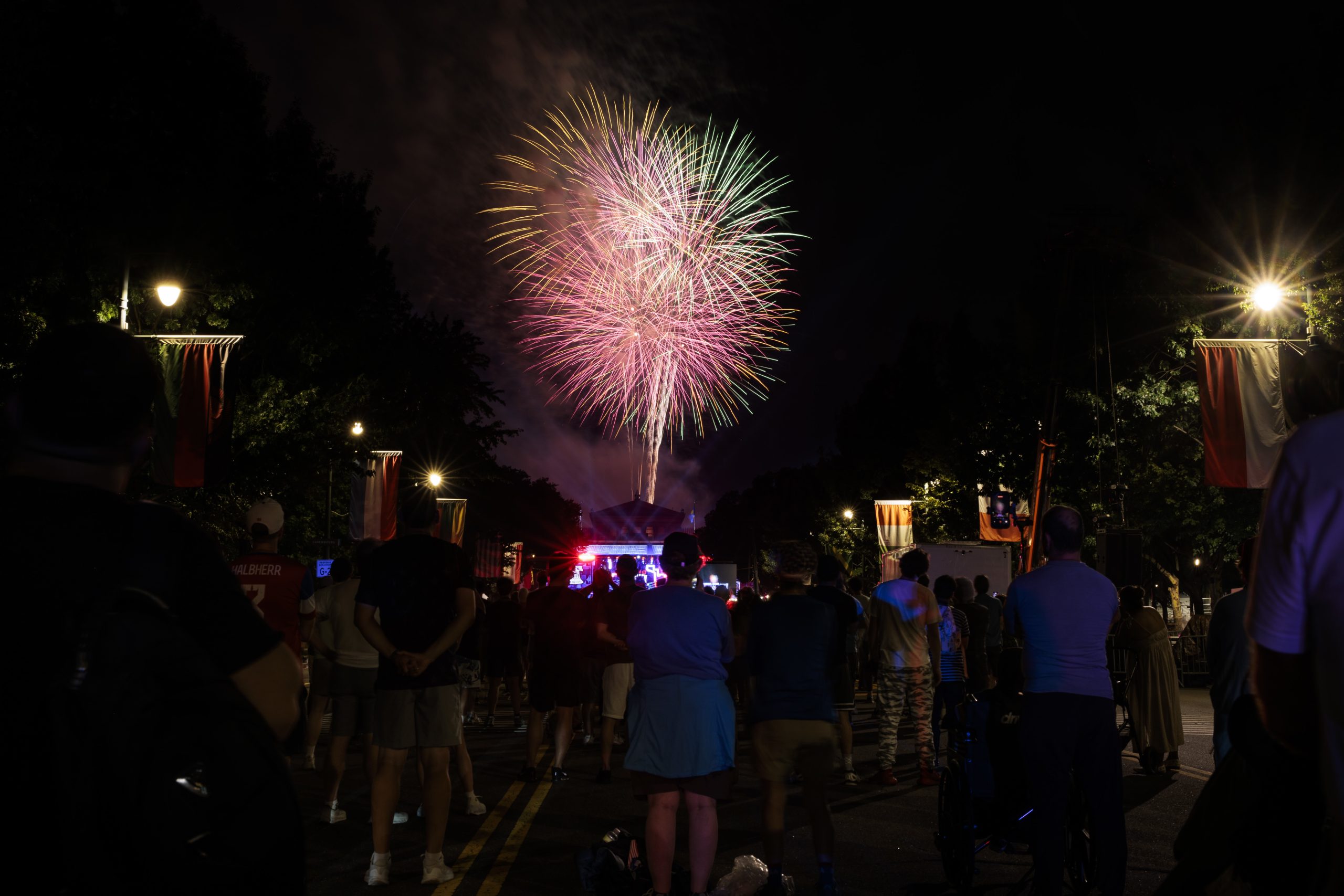
    Fireworks fill the sky at the One Philly: Unity Concert for America on the Benjamin Franklin Parkway early Sunday morning.Monica Herndon / Staff Photographer

    Welcome America is a public-private partnership that receives city and state funding as well as corporate sponsorships. Mayor Cherelle L. Parker and Councilmember Mark Squilla are board members.

    It was uncertain when Welcome America plans to name its next president and CEO. DelBene was the organization’s longest serving CEO, and the only one whose tenure spanned multiple mayoral administrations. DelBene has had a busy summer — he also has been working as an executive producer with FIFA World Cup 26 Philadelphia, overseeing the Fan Festival in Lemon Hill and other parts of the fan experience.

    Despite planning Welcome America’s days of programming leading up to the nation’s 250th celebration, DelBene was not involved in the final signature event. This year, Parker’s administration took control of the city’s free concert on July Fourth from Welcoming America, rebranded it as the “One Philly: Unity Concert for America” in reference to her “One Philly: A United City” slogan, and spent significantly more taxpayer dollars in the process.

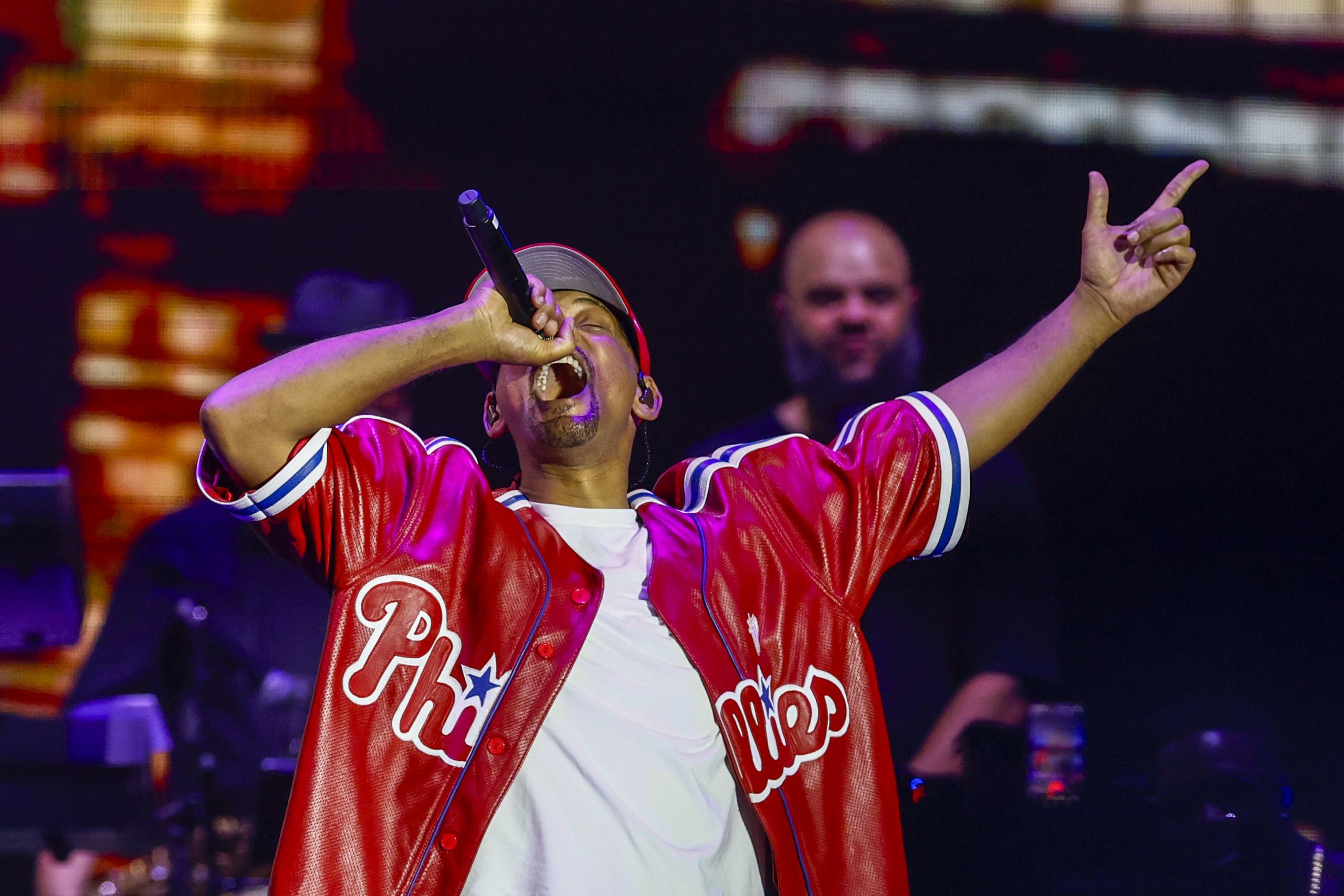
    Will Smith performs at the One Philly: Unity Concert for America. Yong Kim / Staff Photographer

    The city hired ESM Productions to put on the 250th anniversary fireworks show and concert for $15.5 million, which cost Welcome America only about $3 million to produce last year.

    ESM’s pay was almost triple Welcome America’s $6.6 million budget in 2024, of which $5.3 million came from government grants, according to its federal nonprofit disclosure.

    Despite a lengthy storm delay, Philly’s Fourth of July celebration went forward with performances from Will Smith, the Roots, and Meek Mill, and a fireworks show that technically began and ended on July 5 — coincidentally just a few minutes shy of 2:50 a.m.

  • Some Black and Indigenous people say freedom is unfinished business on the 250th Independence Day

    Some Black and Indigenous people say freedom is unfinished business on the 250th Independence Day

    In 1852 Frederick Douglass famously asked, “What to the Slave is the Fourth of July?” Now on the cusp of the nation’s 250th birthday, some Philadelphians still question if the holiday is meant for them.

    Many Black and Indigenous people say they have complicated feelings about celebrating Independence Day, when the holiday did not represent independence or freedom for their ancestors. And their fight for their rights continues in 2026.

    When the nation declared its independence, “people like me, we not only did not have rights, but we were literally relegated [to] property,” said Timothy Welbeck, professor and director of the Center for Anti-Racism at Temple University. “So much of this nation’s history has been marked by the struggle for Black people to have a modicum of liberty and equity.”

    “I belong here. But I certainly don’t take part in their celebration,” said Donna Fann-Boyle, a Bucks County resident of Choctaw and Cherokee descent who led the fight to change the name of Neshaminy High School’s mascot.

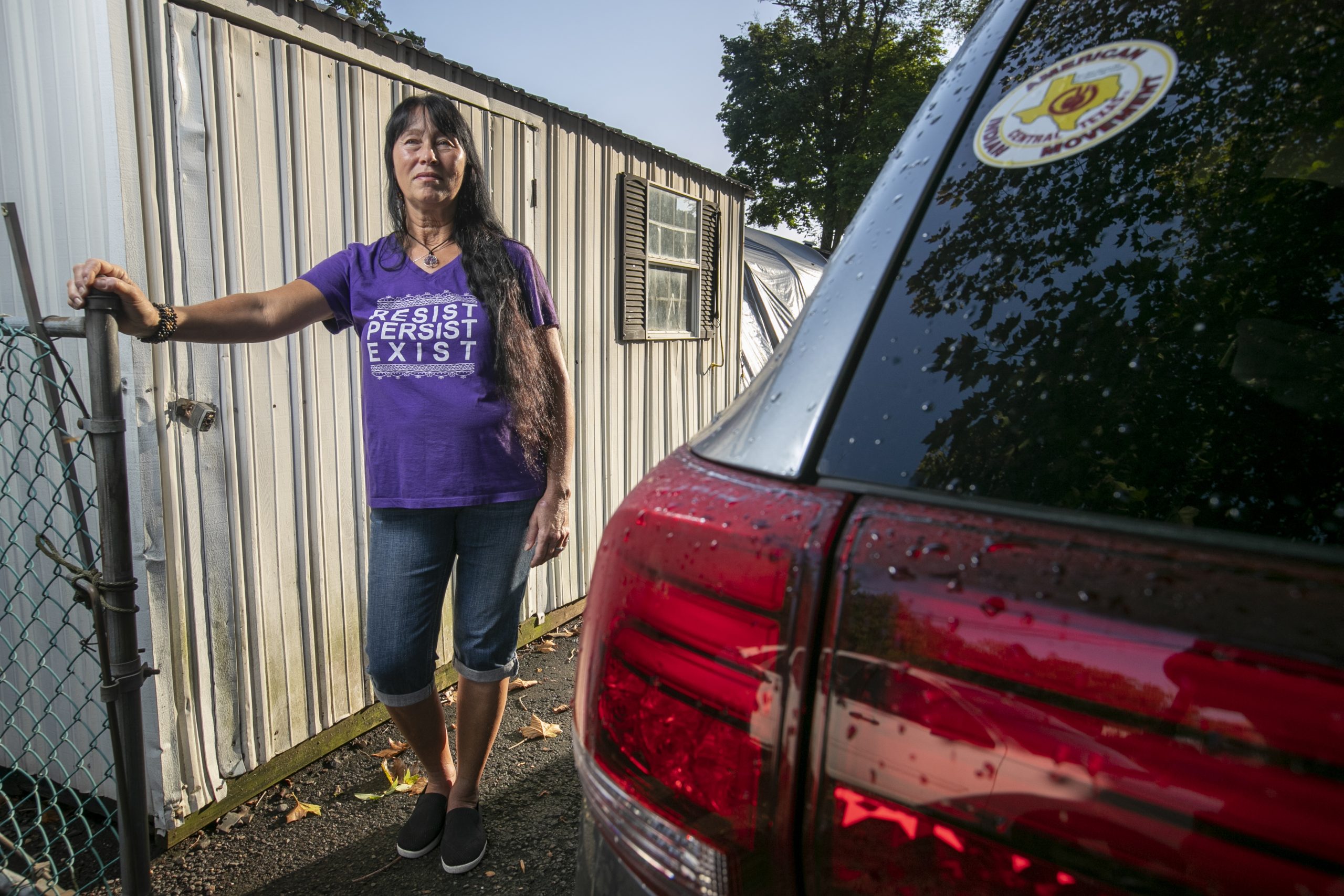
    Donna Fann-Boyle of Langhorne, PA., is a leader in CNA, the Coalition of Natives and Allies, and has been fighting for years to make the Neshaminy school district drop it’s nickname. Photograph taken at her home on Friday morning September 4, 2020.ALEJANDRO A. ALVAREZ / Staff Photographer

    She said anytime she hears mention of the semiquincentennial celebration on the TV or radio, she reminds herself that this land and its Indigenous people were here long before 250 years ago.

    “I think it’s very hypocritical … only certain people have those freedoms,” she said of the holiday.

    It took nearly another hundred years after the Declaration of Independence was signed for slavery to end, and another hundred after that for African Americans to have a say in their nation with the passage of the Civil Rights and Voting Rights acts. And when the new nation announced itself July 4, 1776, Native Americans had already been living on the land for hundreds of years, but were still forcibly displaced from their homes and later confined to reservations.

    For some, the holiday is not a day to ignore, but a tool. The Rev. Carolyn Cavaness, the pastor of Mother Bethel AME Church in Society Hill, said the Fourth of July is an opportunity to talk about the nation’s contradictions and to argue that Black people should have always been included in its vision of independence.

    “We have responsibility to lift up these truths,” she said.

    “There is a piece of the brain that says, ‘Well you should sit out.’ But then I also know that when I think about my ancestors, and when I think about the institution that I am called to serve… we have to be out front to show and to celebrate that people of African descent have always been a part of this country,” she said.

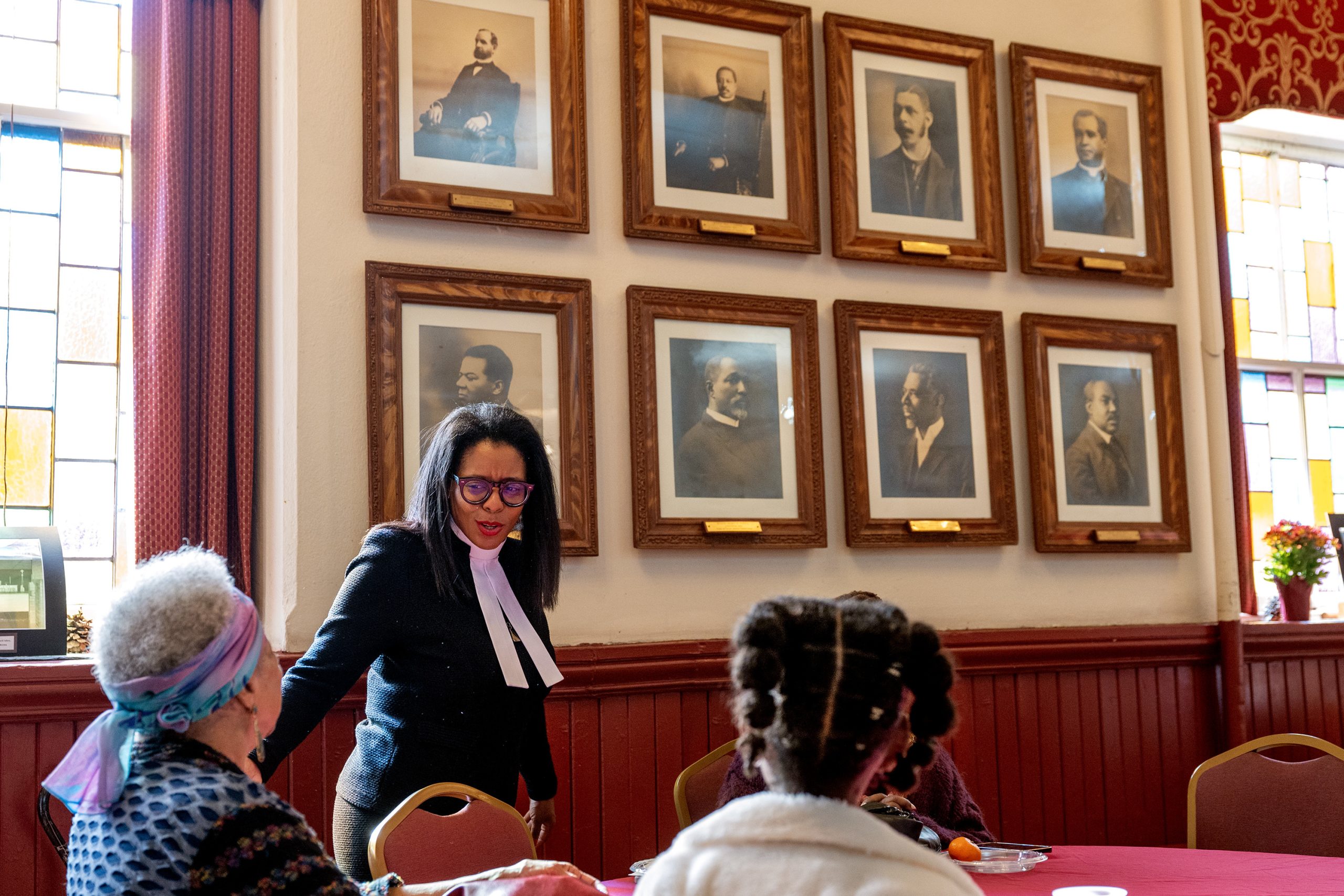
    In front of a wall of portraits of former bishops, Rev. Carolyn Cavaness greets members of the congregation during a fellowship reception Sunday, Nov. 10, 2024 the day after historic Mother Bethel A.M.E Church appointed her the first woman pastor in its 230-year history.Tom Gralish / Staff Photographer

    Freedom not realized

    When he was growing up in South Dakota, the Fourth of July was mostly just like any other day for Eugene Black Crow. It wasn’t something he or his community ever celebrated, because it wasn’t their holiday. Black Crow, who is of Oglala Lakota descent, learned more about the country’s Independence Day when he was sent off to a boarding school for Native American children.

    “We got beaten into speaking English,” Black Crow, 70, said, having only spoken Lakota before then. At the boarding school, he saw Fourth of July fireworks for the first time. He and his classmates learned to recite the Pledge of Allegiance, though they didn’t really understand what the words meant until years later.

    Black Crow now lives in the Franklinville section, and over the years, he said he’s noticed more Native Americans celebrating the holiday, even in his South Dakota hometown. He used to take his children to watch fireworks when they were young, but there’s been a dissonant feeling to the experience.

    “It was always in the back of my mind — why are we Natives celebrating this?” he said.

    Even in the 18th and 19th centuries, people of color made the Fourth of July into a day of protest, and celebrated alternative independence days from other nations instead, said Morgan Lloyd, programming coordinator for the African American Museum in Philadelphia. She believes today, the holiday is a useful moment to consider and reflect on the whole history of the United States, where Black and Indigenous people have helped shape the country despite their exclusion from its loftiest ideals of freedom.

    “It is for me, a conversation starter around what does independence and what does full recognition look like,” she said.

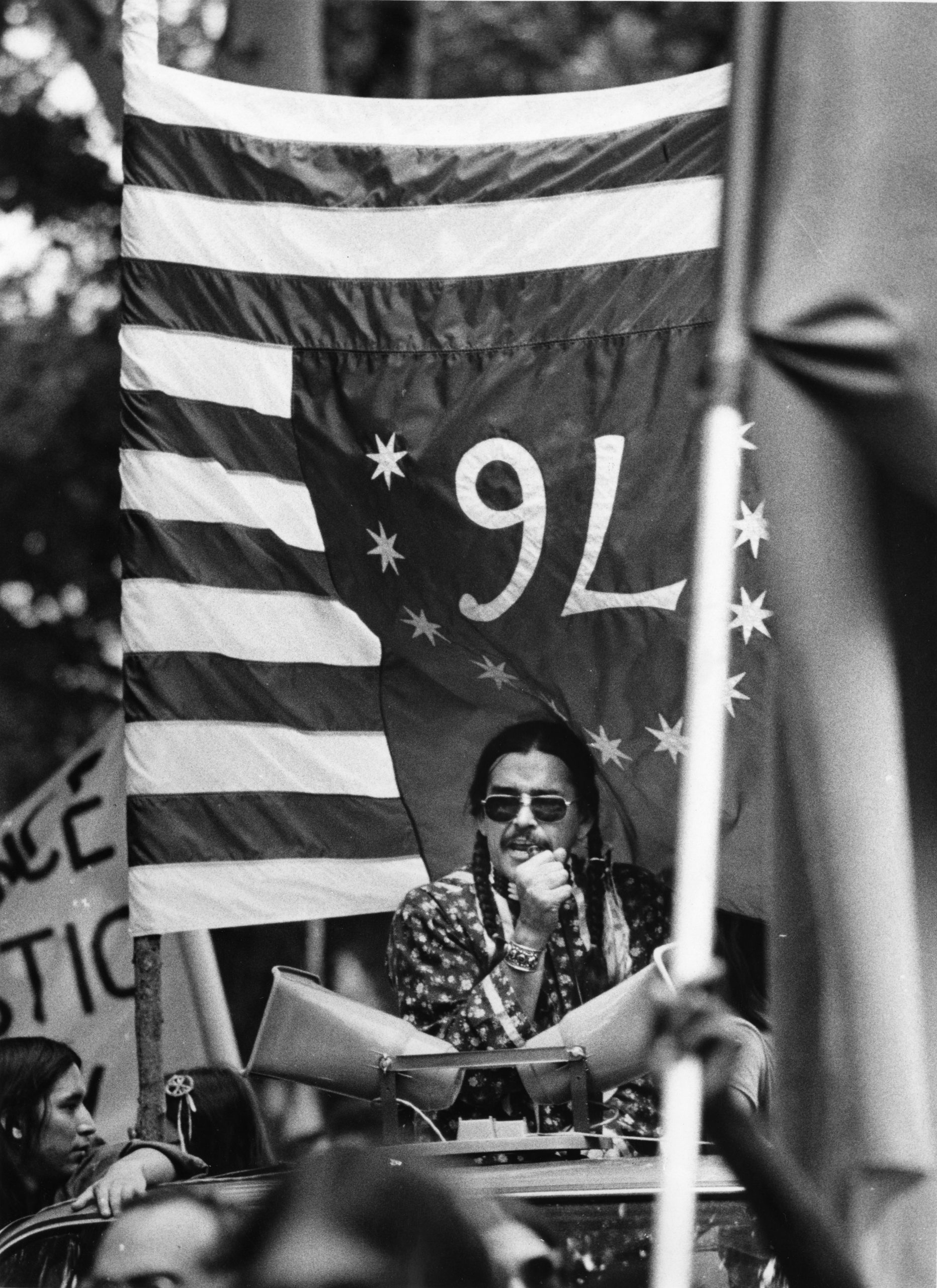
    A group of native Americans lead a ‘July the Fourth Coalition’ protest parade at 33rd. & Diamond streets in Philadelphia, on July 4, 1976.George D. McDowell Philadelphia Evening Bulletin Photographs

    Cavaness thinks about the holiday in a similarly inclusive way, and said she plans to speak with her congregation about the nation’s 250th anniversary, representing how freedom is unfinished business.

    “There is still freedom not realized. And every generation goes through this notion of what does freedom look like, who is left out, who needs to be brought in,” she said.

    From his North Philly home, Black Crow teaches students how to speak Lakota over Zoom. His Lakhota Woglakapo Project is intended to ensure the mostly spoken language doesn’t get lost to time. He plans to visit his old reservation this fall, so he can record other Lakota speakers for posterity.

    He attended a pro-immigration rally in Philadelphia this week, just a few days after the U.S. Supreme Court ruled President Donald Trump‘s administration could revoke protected status for Haitian and Syrian immigrants. Black Crow spoke to the crowd filled with immigrants, expressing his solidarity.

    “You’re welcome to America,” he told them.

  • The Pennsylvania House passes two bills protecting parental rights, including for incarcerated people

    The Pennsylvania House passes two bills protecting parental rights, including for incarcerated people

    The Pennsylvania House has approved a measure that could help reinstate the rights of parents whose children are in state custody and another that would protect the parental rights of incarcerated people.

    The latter bill clarifies that a person’s incarceration status cannot be the sole reason for taking away parental rights.

    It gives courts flexibility in parental-right termination cases by allowing them to consider an individual’s efforts to comply with family service plan requirements despite being incarcerated. Also, courts could delay filing for termination when incarceration is the primary reason a child has been placed in foster care.

    The Joint State Government Commission’s Task Force on Children recommended the changes in 2011.

    The other bill would give parents whose children have been in the custody of the state for at least 15 months, or who are at least 17 years old, a process to reinstate their parental rights. Those parents would now be able to petition the court and demonstrate they are willing and able to properly care for their children.

    Both bills, which were passed earlier in the week with minimal opposition, now head to the Senate for consideration.

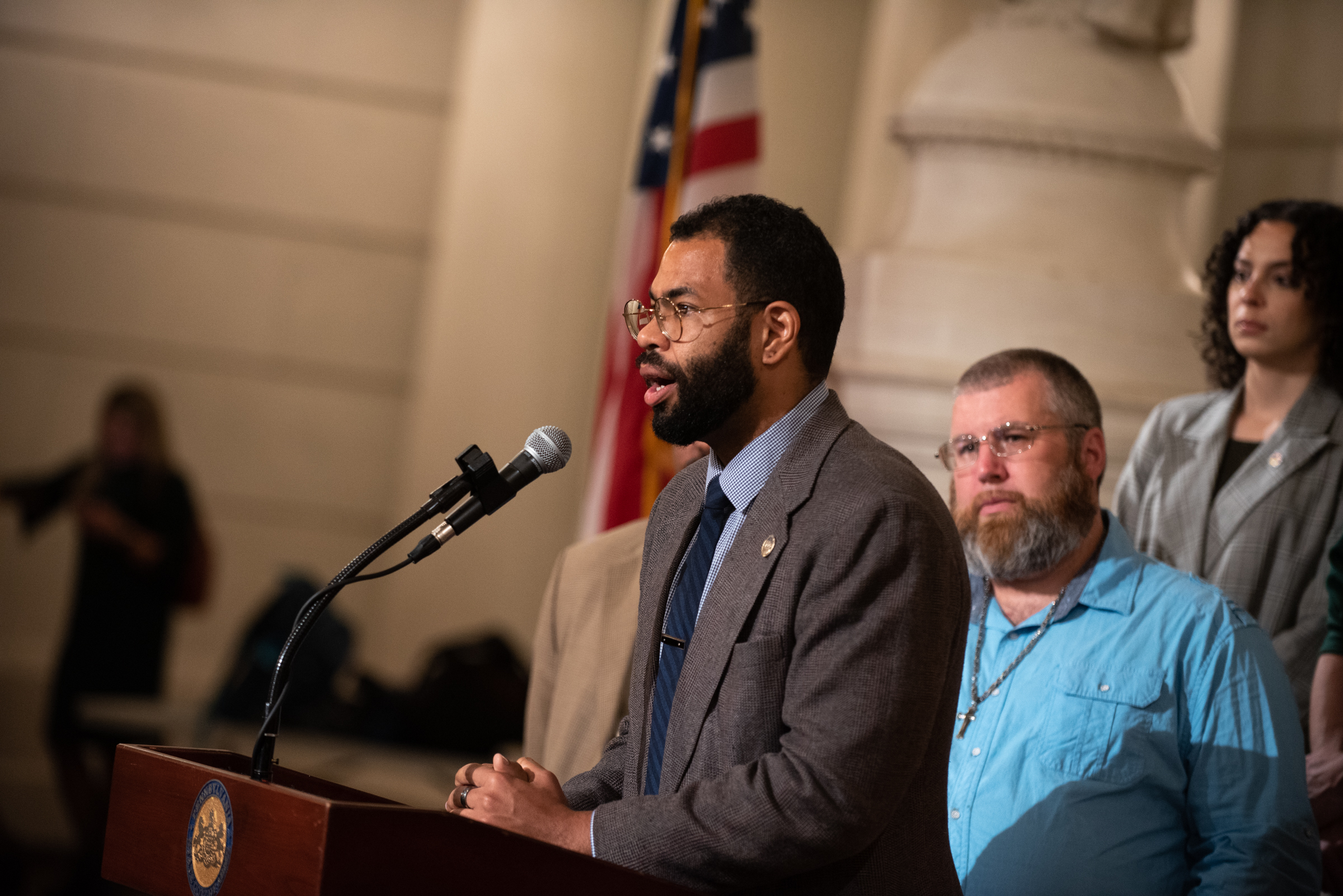
    Democratic State Rep. Rick Krajewski, whose district covers West and Southwest Philly, introduced both bills. Krajewski said that under current law, it is extremely difficult for people whose parental rights have been removed to get them reinstated, and he is interested in providing people second chances.

    “It doesn’t mean those parents are any less loving, any less caring, or any less willing to show up for their children. And unfortunately, people make mistakes … people are also not static. People grow, they go through changes,” he said.

    PA Democratic State Rep. Rick Krajewski speaks to people gathered for a protest in 2022.Erin Blewett

    Krajewski said his personal experience witnessing his stepfather being incarcerated and other family members being involved in the criminal justice system helped him understand how detrimental separating children and parents can be for both parties. He said removing a person’s parental rights solely because of incarceration is cruel.

    “This feels like an additional punishment that isn’t relevant to whatever harm they caused. … I don’t think it’s just to add this additional penalty on top,” he said.

    Krajewski has also introduced another child-welfare-related bill that would end the practice of intercepting benefits intended for foster children, and instead place the benefits in a savings account. City Council banned the practice in Philadelphia in 2022 following an Inquirer investigation, but the Philadelphia Department of Human Services still kept over $1 million a year meant for foster children and the practice remained common statewide. The bill was passed out of committee on Wednesday and will be considered by the full House.

    Local advocates like Community Legal Services Philadelphia and Philly Voice for Change, a nonprofit working to prevent family separation, voiced their support for the parental rights bills after they passed.

    “The bipartisan support in the House demonstrates a commitment to families and a recognition that children should not remain in the system when their parents are ready, willing and able to provide safe and loving care,” said Philly Voice for Change cofounder April Lee in a statement.

    “This vote is an important step toward keeping families together, promoting reunification and ensuring that children have every opportunity to return home when it is in their best interest,” she said.

  • The city’s graffiti cleanup program doesn’t cover areas where residents request it the most

    The city’s graffiti cleanup program doesn’t cover areas where residents request it the most

    To make its best first impression on the droves of visitors expected this summer in Philadelphia, the city has launched an anti-graffiti cleanup campaign. But those cleanup areas do not match up with where Philadelphia residents actually ask for it the most.

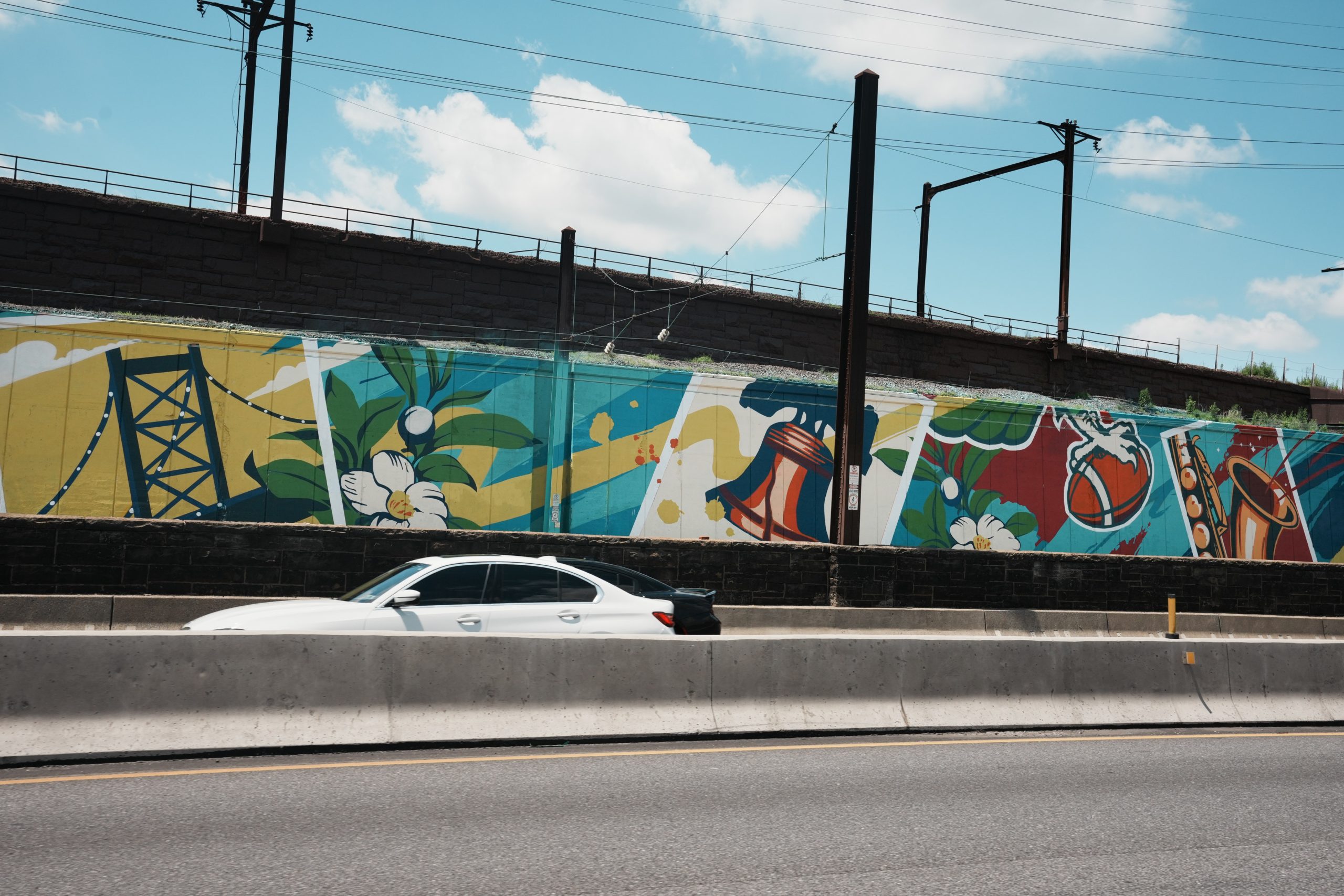
    In the fall, the city began an $11.5 million beautification project ahead of this summer’s series of major events — the World Cup, the nation’s 250th celebration, and the MLB All-Star Game — that included new landscaping and graffiti cleanup. The Gateways to Philadelphia project focused on seven major transit areas that could be a visitor’s first glimpse of the city, where new murals and fresh flowers replace sparse medians and graffiti.

    Those gateways were:

    • 26th Street Gateway at Penrose Avenue.
    • South Street Bridge, walls, medians, and ramps.
    • 30th Street Station walls, medians, and ramps.
    • I-676 interchange at 15th and 16th Streets and Vine Street.
    • I-676 interchange at Sixth and Eighth Streets and Callowhill/Vine Streets.
    • I-76 and I-95 interchange at Second and Third Streets and Callowhill/Vine Streets.
    • CSX/Amtrak wall at Spring Garden Street.

    Meanwhile, the hot spots for graffiti cleanup requests through 311 last year were most densely clustered in West Philly, South Philly, and Northern Liberties. Despite three gateway locations being a short distance from high-density areas, they are on the opposite side of the Schuylkill from the hot spots.

    In 2025, residents submitted 10,141 requests for graffiti removal, and nearly all of them have since been marked closed. There was a seasonal spike in the spring, with residents filing over 1,100 requests each in March and April.

    (function() {
    var l2 = function() {
    new pym.Parent(‘iframe_test’,
    ‘https://media.inquirer.com/world_cup_graffiti/iframe_graffiti_wc_map.html’);
    };
    if (typeof(pym) === ‘undefined’) {
    var h = document.getElementsByTagName(‘head’)[0],
    s = document.createElement(‘script’);
    s.type = ‘text/javascript’;
    s.src = ‘https://pym.nprapps.org/pym.v1.min.js’;
    s.onload = l2;
    h.appendChild(s);
    } else {
    l2();
    }
    })();

    Sara Lorenz, 45, lives in one of the corridors with a high amount of graffiti cleanup requests, along Baltimore Avenue in West Philly. She said graffiti typically gets cleaned up fairly quickly in the area, particularly near businesses, but sometimes it lingers and becomes an eyesore. Lorenz makes a distinction between artful graffiti and careless markings, and said it would do some good if the city had an initiative targeting the latter on blocks like hers.

    Lorenz said she understands the city’s desire to make its best appeal to tourists this summer, but it would be nice if the beautification efforts went toward the typical Philadelphian, too.

    “As residents, we also deserve respect,” she said.

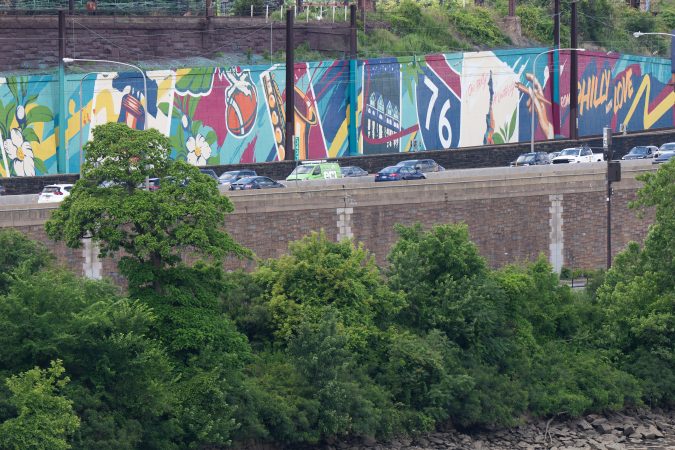
    The city has painted a new, wide postcard style mural to cover graffiti.Jessica Griffin / Staff Photographer

    Efficient response time

    It could be that some Philly residents also want graffiti removed from the city’s chosen gateways, and that people are less likely to contact 311 for what they witness while driving on major roadways. Some other residents living near Lorenz said they had not noticed graffiti much around them and were not bothered about the city’s beautification plans.

    The city is clear that the gateways project was prompted by visitors, but there are plans for at least some of it to continue after the guests leave. The beautification project is expected to be completed sometime this summer, and a maintenance plan has been put in place for the new installations, according to Keisha McCarty, a spokesperson for the Philadelphia Office of Clean and Green Initiatives.

    “If you want the city to look clean, you want to do it where it’s most visible,” said Fikru Bekele, 75, the owner of multiple properties along Baltimore Avenue, who said he understands the city’s focus on visitors. He said he has gotten used to residents not receiving as much attention as higher-profile projects do.

    “It’s not the right thing but it’s the way it is. … Neighborhoods need to be taken care of, too,” he said.

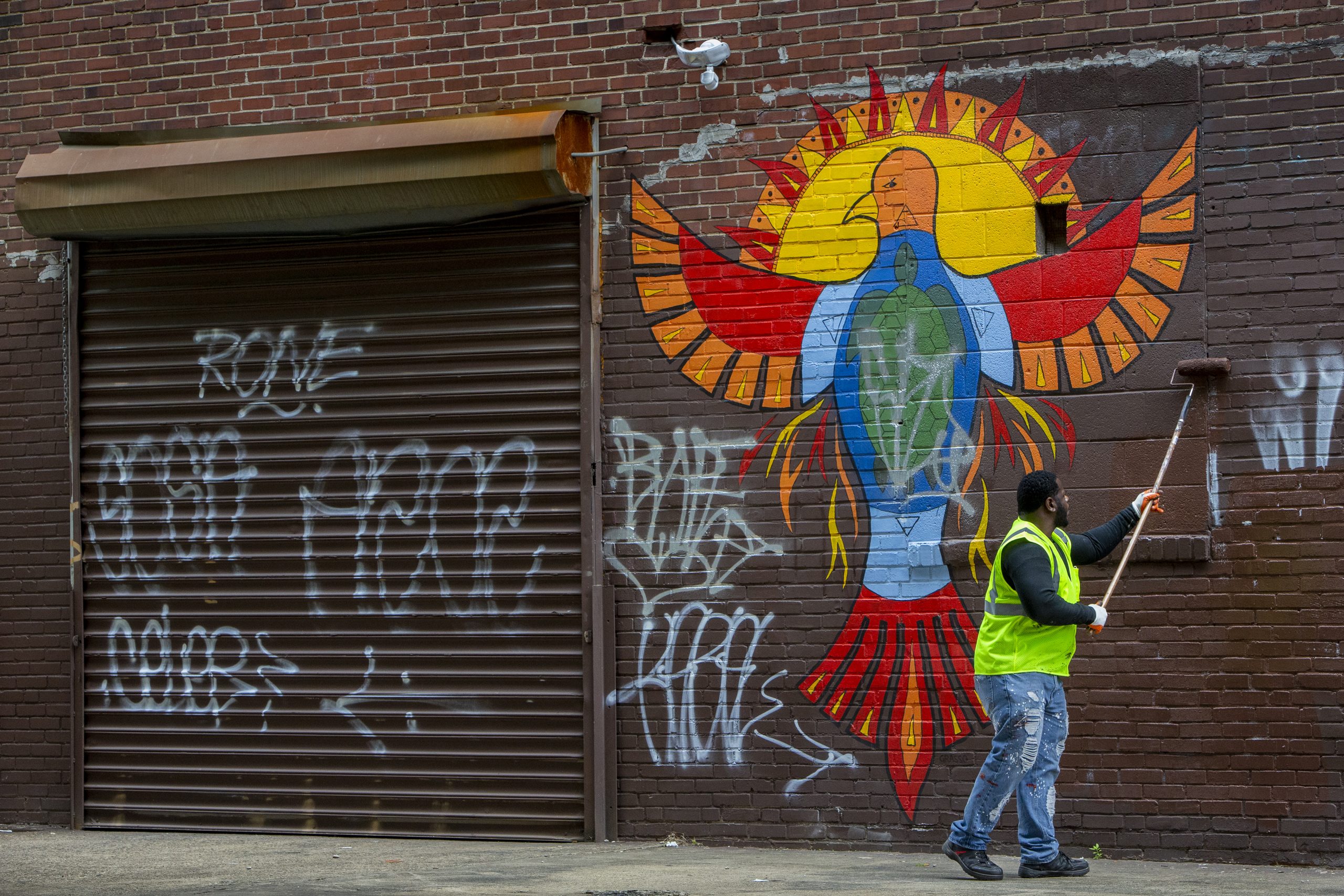
    William Scott with the CLIP, Community Life Improvement Program, removes graffiti from wall around a colorful bird along North 9th Street near Jefferson on Tuesday, April 20, 2021.ALEJANDRO A. ALVAREZ / Staff Photographer

    However, graffiti removal in Philadelphia neighborhoods might not need additional focus, because the city’s existing program appears to be working efficiently. Graffiti removal requests submitted to 311 are passed along to the Philadelphia Community Life Improvement Program, known as CLIP. It took 311 and CLIP crews eight days on average to close graffiti removal requests last year, with five days as the median closure time.

    If there is a 311 submission in South Philly, there is a decent chance it’s coming from Joe Eastman. The retired Navy veteran is a 311 neighborhood liaison, part of a city program that trains certain residents how to report issues more effectively. Eastman, 75, goes on walks and reports what he sees in the neighborhood, and often finds himself alerting 311 to the same spots, like a stop sign near Broad Street and Snyder Avenue.

    “I’m sure if I go back in two weeks it’ll have graffiti again,” he said.

    Eastman is pleased with 311 and CLIP’s responsiveness, and said he has no problem with the anti-graffiti focus on visitors if CLIP continues at its current pace.

    “I get what they’re doing. And as long as they are being as responsive as they have been, I think we can all get along with this,” he said.

  • This weekend’s Philly Fair 250 sets the stage for the nation’s big anniversary

    This weekend’s Philly Fair 250 sets the stage for the nation’s big anniversary

    The authors of the Declaration of Independence wrote a preamble to set the tone for the document following it. Now, Philadelphia will have a preamble event ahead of the nation’s 250th celebration to match.

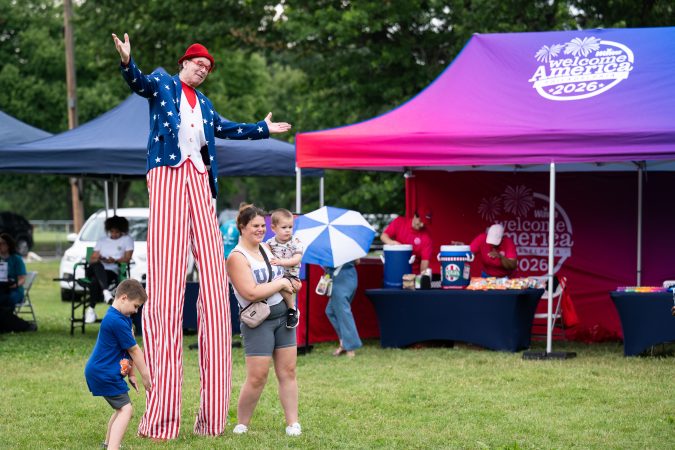
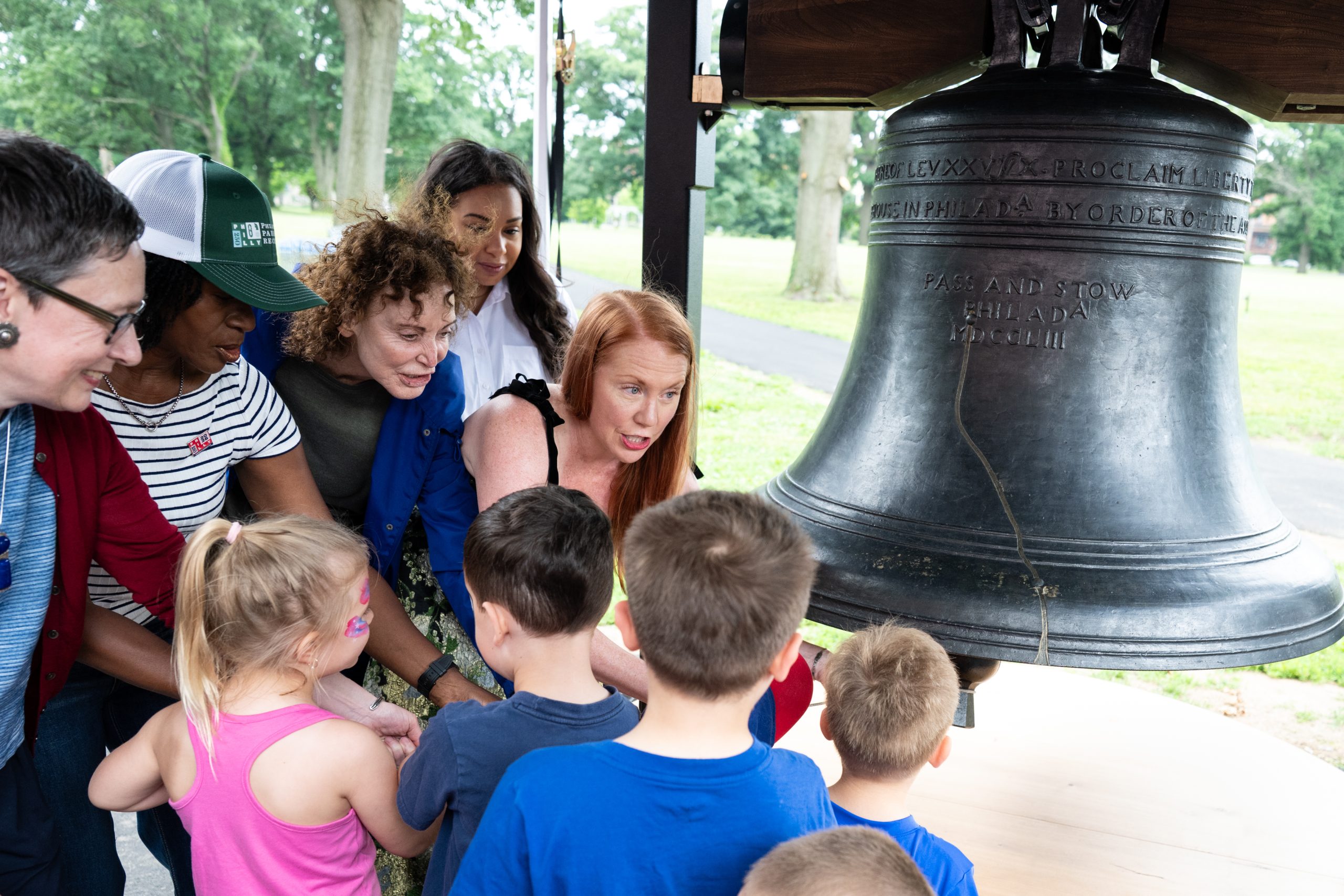
    From Saturday through Monday, Wawa Welcome America and Philadelphia Parks and Recreation will host Philly Fair 250, a free series of family-friendly events including fireworks, musical performances, a trapeze experience, and a full-size replica of the Liberty Bell anyone can ring.

    Philly Fair 250 will be held in Fairmount Park’s Centennial District, in front of the Please Touch Museum. Events will run from 2 p.m. to 9:30 p.m. Saturday and Sunday, and from 2 p.m. to 8 p.m. Monday.

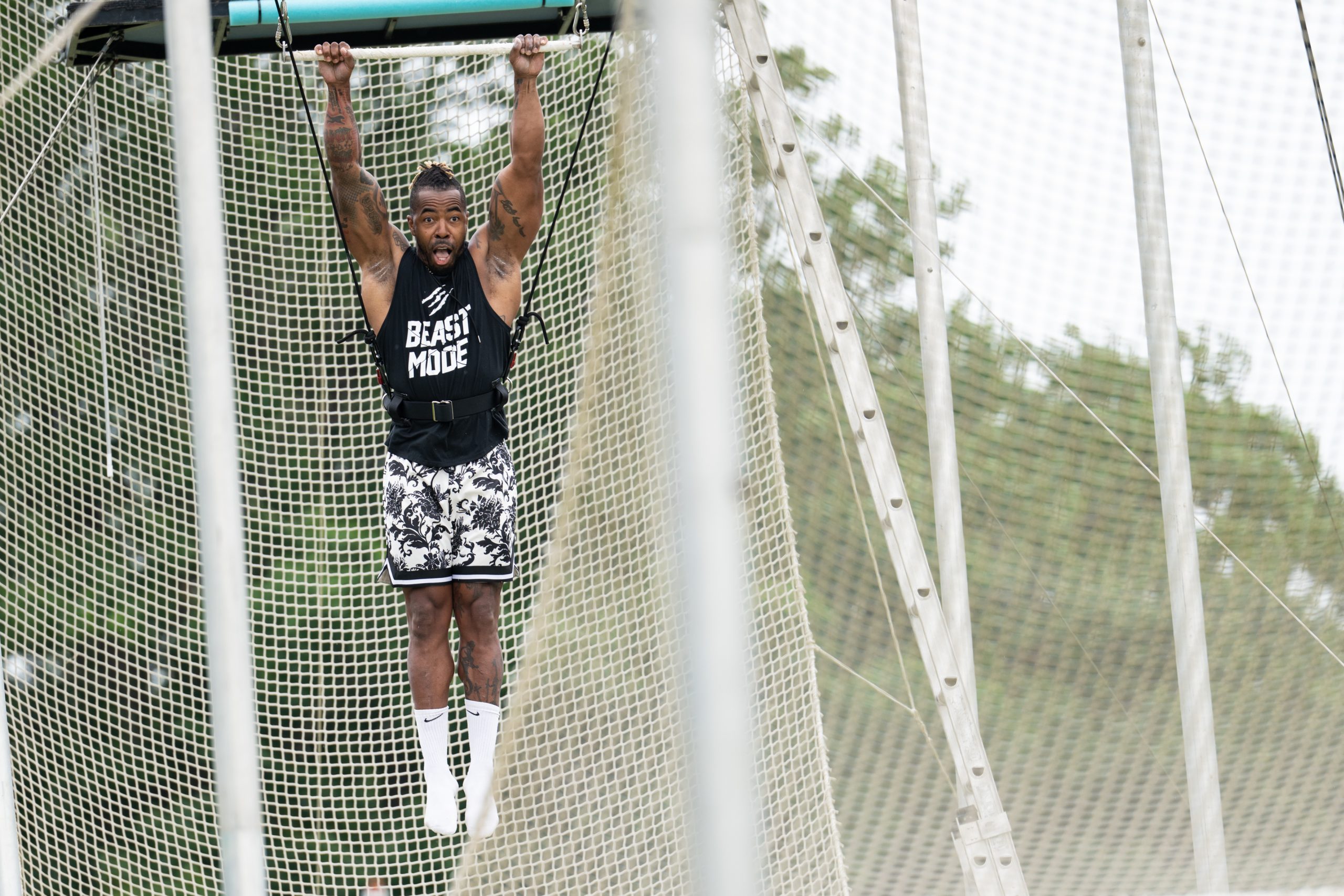
    Everett Jackson, professionally known as DJ Hollywood, tries out the trapeze activity set up for visitors to the Wawa Welcome America media preview for the Philly Fair 250 outside the Please Touch Museum.Erin Blewett / Mural Arts

    As a Philly Fair 250 partner, the Please Touch Museum will be free Saturday and Sunday.

    Parks and Recreation Commissioner Susan Slawson said it was exciting to host the event in the area where the city welcomed visitors for the Centennial Exhibition of 1876, the first world’s fair located in the United States. She said the fair was meant to celebrate “democracy, freedom, and all the opportunities you have here in the city of Philadelphia.”

    There should be something for everyone at Philly Fair 250. The event will honor U.S. history with 13 food trucks, each offering food representing one of the original colonies. Philadelphia’s own Pink Sweat$ will headline an array of music performances on Sunday, and trainer Noel Davis will lead a workout on each weekend date.

    Sue Slawson (center, left), commissioner of Philadelphia Parks and Recreation, and Jane Golden (cente, right), founder of Mural Arts, ring a replica of the Liberty Bell with other organizers and young attendees at the media preview for the Philly Fair 250.Erin Blewett / Mural Arts

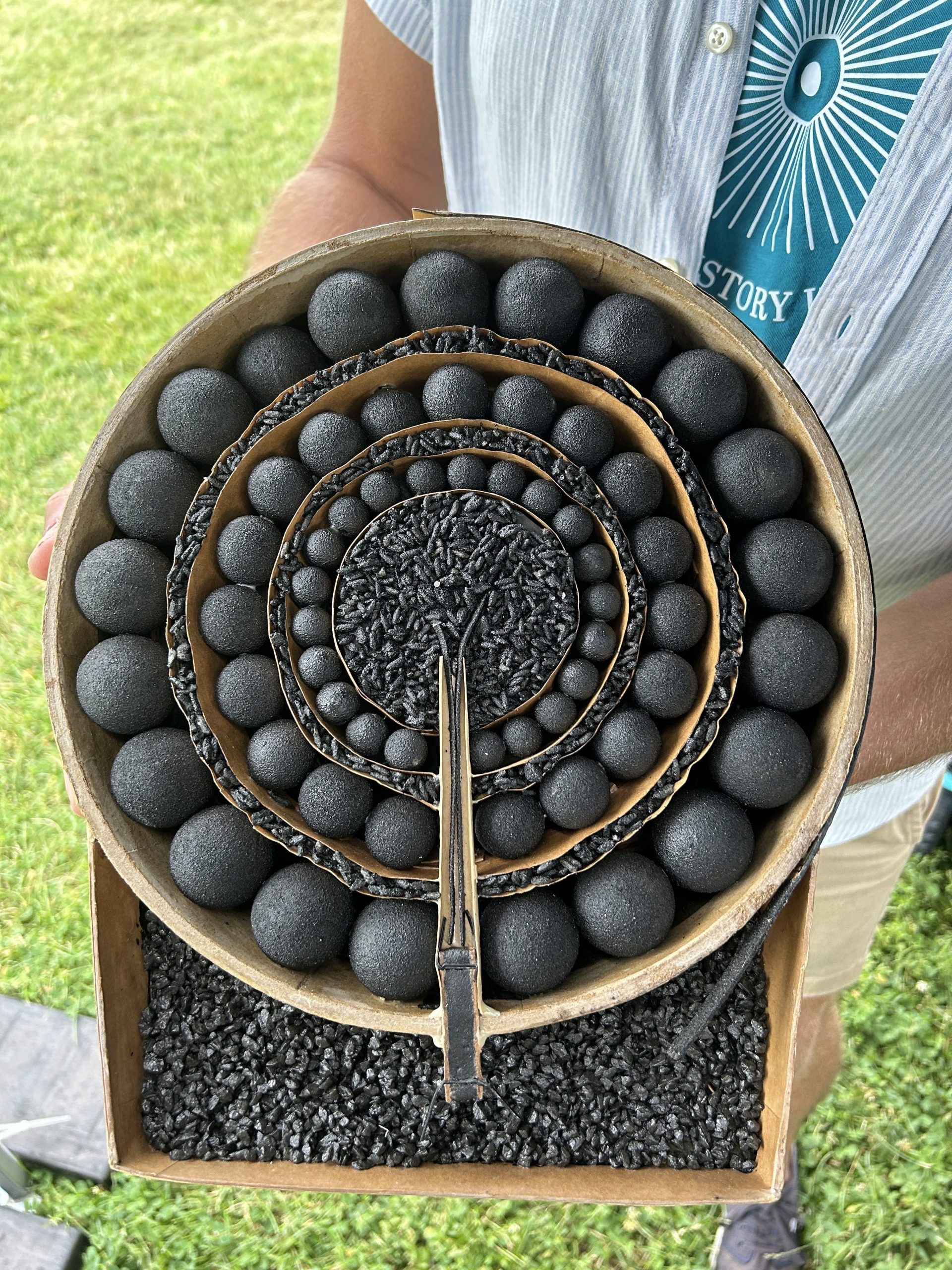
    And no summertime event would be complete without fireworks. The Science History Institute will have shows on Saturday and Sunday nights, as an extension of its new “Flash! Bang! Boom!” exhibition detailing the history and chemistry behind fireworks. While most people know fireworks originated in ancient China, much of the chemistry behind the modern style and color was shaped in the United States, said David Allen Cole, president and CEO of the Science History Institute.

    “Really, since the birth of the American republic, fireworks have been a big feature of our lives,” he said.

    Jesse Smith, vice president of interpretation and education and museum director at the Science History Institute, shows off the inside of a firework to demonstrate how it functions.Nate File / Staff
  • City Council votes to ban horse-drawn carriages in Philadelphia

    City Council votes to ban horse-drawn carriages in Philadelphia

    In the middle of mundane City Council procedures on Thursday, cheers erupted inside Council chambers.

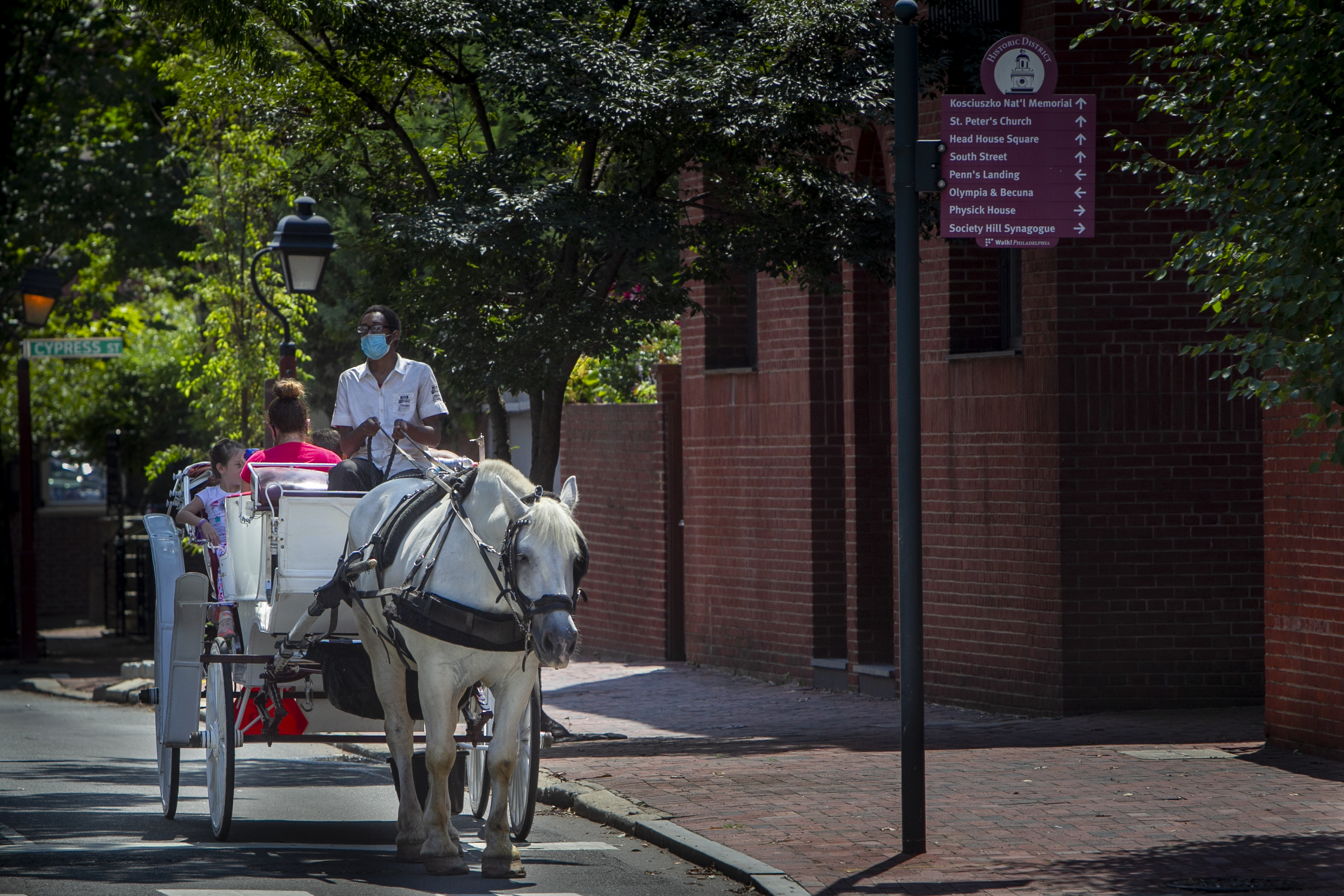
    Supporters were celebrating the passage of a bill that will outlaw horse-drawn carriages in Philadelphia. The ban would take effect after Mayor Cherelle L. Parker signs it into law.

    The city’s last operating horse-carriage business, 76 Carriage Co., ceased operations in 2023, but people have taken noncommercial horse carriages to South Street in recent weeks.

    Councilmember Mark Squilla, who introduced the bill, and animal-welfare advocates have been working to ban the practice for several years. The advocates have argued that horse-drawn carriages are cruel and onerous to the animals, and dangerous for surrounding traffic and pedestrians.

    A horse in New York City died earlier this week while pulling a carriage, and lawmakers have planned to reintroduce legislation that would ban the practice in that city.

    Philadelphia City Council was slated to vote on the bill last week, but that version would have banned only commercial horse-carriage use. Advocates like Janet White, executive director and founder of Carriage Horse Freedom, successfully pushed for the bill to be amended to include a ban for both commercial and noncommercial uses.

    The new proposal allows for some exceptions, which would be regulated and monitored by animal control and the Philadelphia Department of Licenses and Inspections. Violations of the ban could result in fines of $1,000 per day for someone operating a horse carriage.

    Council voted nearly unanimously for the amended bill’s passage in its last session before summer recess, with Councilmember Nicolas O’Rourke casting the lone vote in opposition.

    O’Rourke said his nay vote was “benign,” because he has deep respect and connection with horses since his mother taught him how to ride and care for them. His objection came from concern about how the language of the legislation potentially could make it difficult for movies filming in the city to use horse carriages, he said, and he would like to continue talking about the issue over the summer.

    White said the bill’s passage made her hopeful, and she believes it will help Philadelphia move into a better future for animal welfare.

    “It is a moral and civic milestone — one that reflects who we are today and the humane, forward-looking city we aspire to be,” she said in a statement.

    Staff writer Andrea Padilla contributed to this article.

  • Philly is opening ‘hospitality hub’ public restrooms on the Parkway in time for summer visitors

    Philly is opening ‘hospitality hub’ public restrooms on the Parkway in time for summer visitors

    There is good news for anyone without a steel bladder visiting the Benjamin Franklin Parkway this summer.

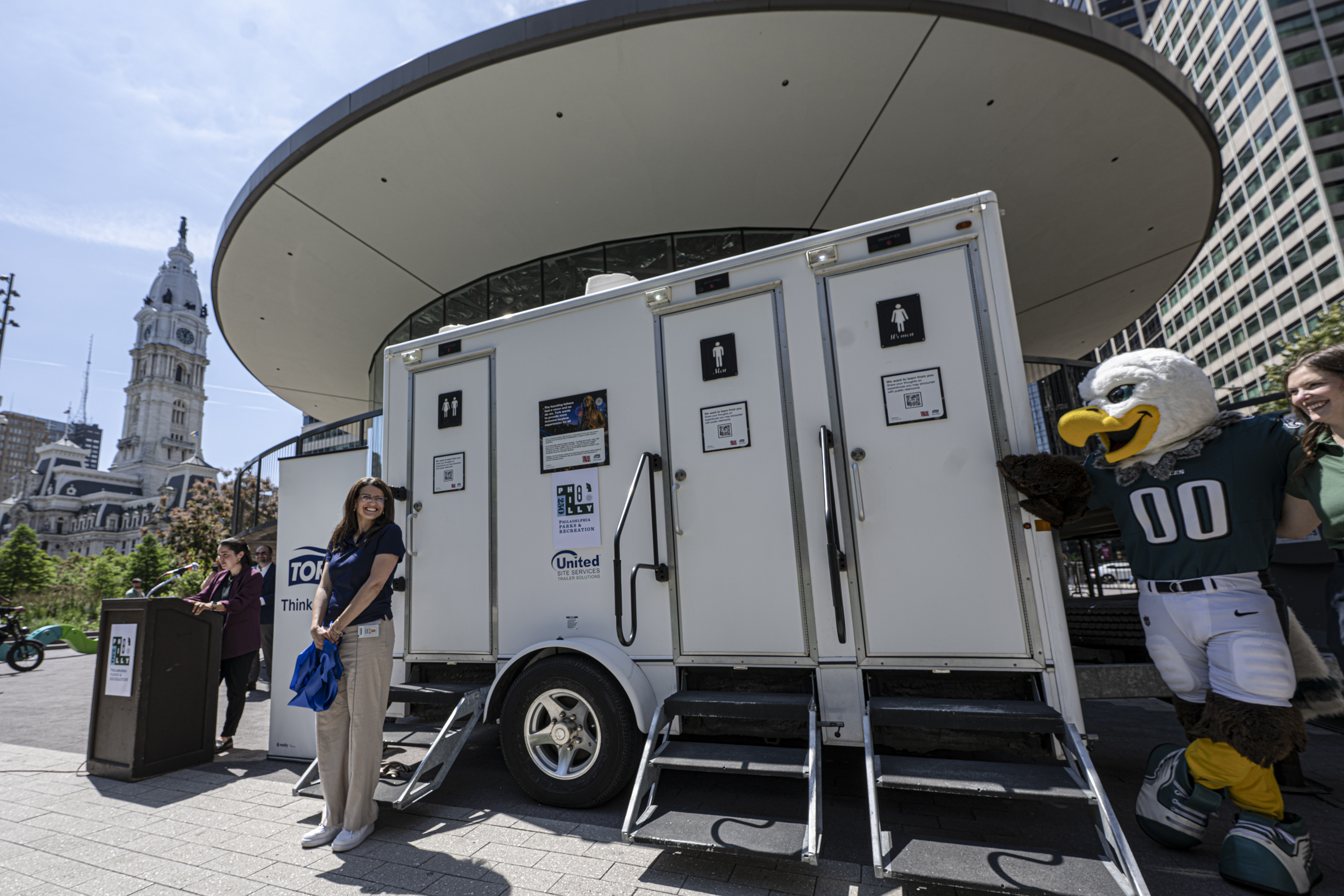
    On Tuesday, the city opened four new “hospitality hub” restrooms along the Parkway to welcome and accommodate the many visitors expected in Philadelphia over the next two months. The restrooms come through a partnership among Philadelphia Parks and Recreation, the nonprofit Parkway Council, and Tork, a hygiene and cleaning products company.

    “As we prepare to welcome residents and visitors to some of our city’s best public spaces this summer, our goal is simple: make it easy for people to enjoy Philadelphia,” said Katie Burns Kays, director of business and event development for Philadelphia Parks and Recreation, at a news conference.

    “Hospitality hubs are designed to provide the services people need when spending time in our parks and public spaces, whether that’s access to restrooms, handwashing, hydration stations, seating, visitor information, or simply a comfortable place to take a break,” she said.

    Each of the restroom trailers has four genderless stalls and an adjacent port-a-potty for individuals who cannot make it up the restroom steps. Each stall has a sink, soap, paper towels, and “air care” to keep it smelling fresh, according to Amy Bellcourt, a spokesperson for Essity, the parent company of Tork.

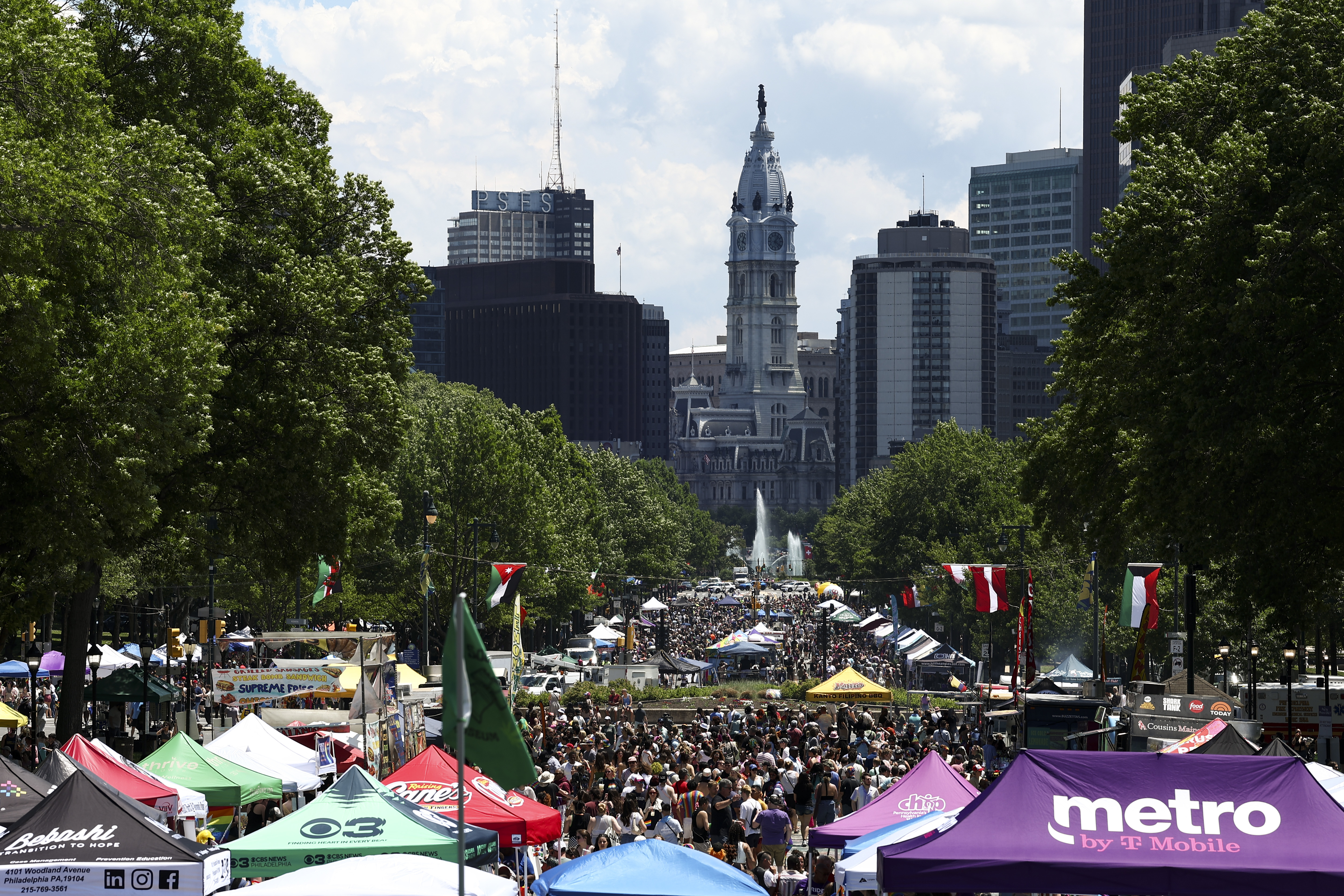
    People fill the street during the Philly Pride Festival on the Ben Franklin Parkway on Sunday, June 7, 2026 in Philadelphia. Future events will have more bathroom options. Monica Herndon / Staff Photographer

    The restrooms are open from 10 a.m. to 8 p.m. each day, and are staffed by an attendant who will clean the stalls at least once an hour, Burns Kays said. The locations of the four hospitality hubs are: LOVE Park, Logan Square, Eakins Oval, and by Lloyd Hall Recreation Center on Boathouse Row.

    The restrooms are just part of the full hospitality hub experience. Each also includes an adjacent visitor center for information, seating, and stations for water refills, Burns Kays said.

    The restrooms will be in place through the end of July, but the rest of the hospitality hubs will be removed after July 19 once the city’s major summer events are over, Burns Kays said.

    The lack of permanent public restrooms along the Parkway is one of the major pieces of feedback the city has received about events there, she said, and can dissuade people from attending public events. It is possible the city will make the restrooms a permanent fixture in the future, she said.

    Previously, the city installed a handful of public restrooms through its Philly Phlush pilot initiated by former Mayor Jim Kenney‘s administration, but the restrooms were slow to roll out and it is unclear if the city will continue to fund them once the pilot ends.

  • FDR Park’s massive slide didn’t meet new safety standards, keeping the playground closed for months

    FDR Park’s massive slide didn’t meet new safety standards, keeping the playground closed for months

    A real-life lesson in patience is here for Philly’s young playground users.

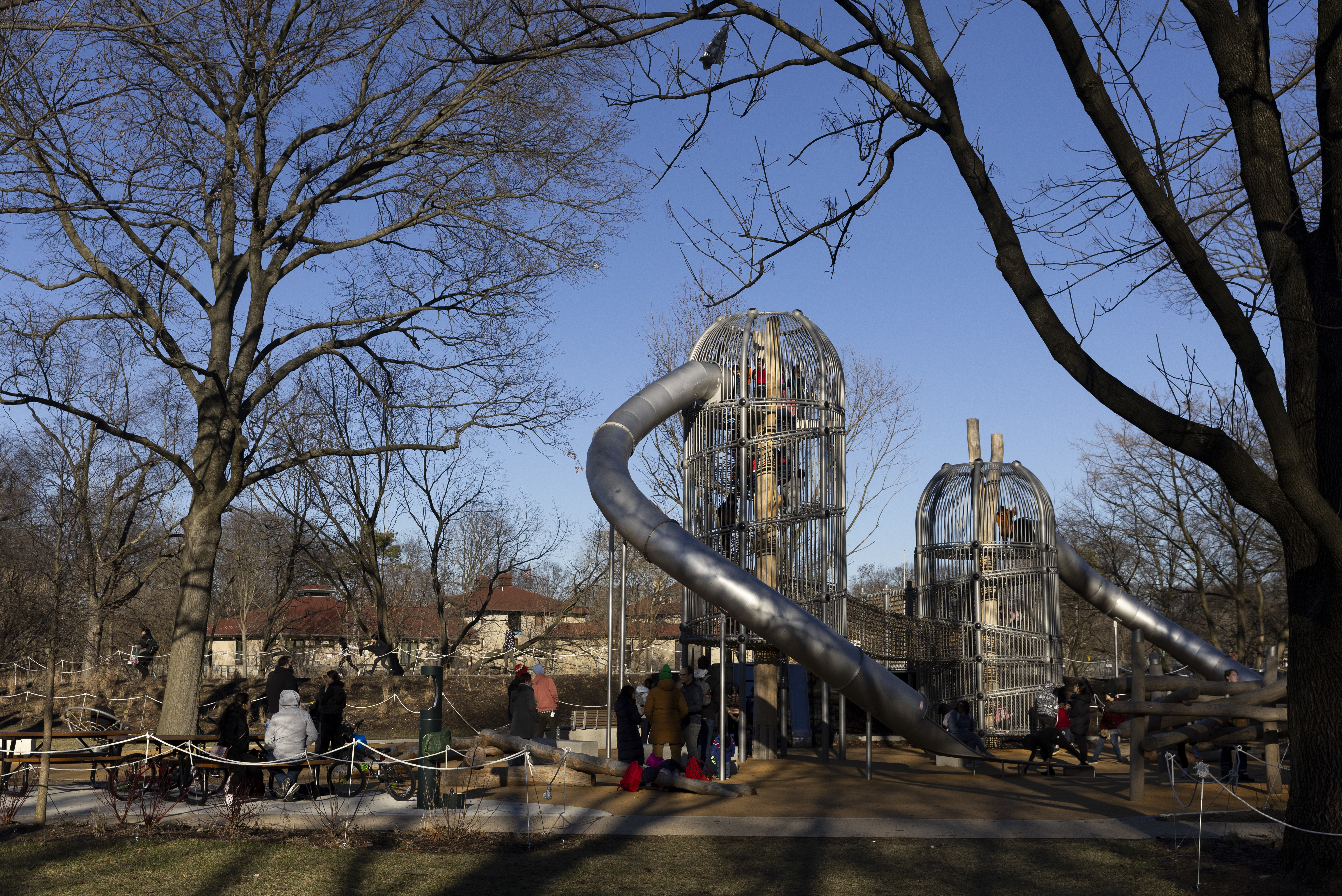
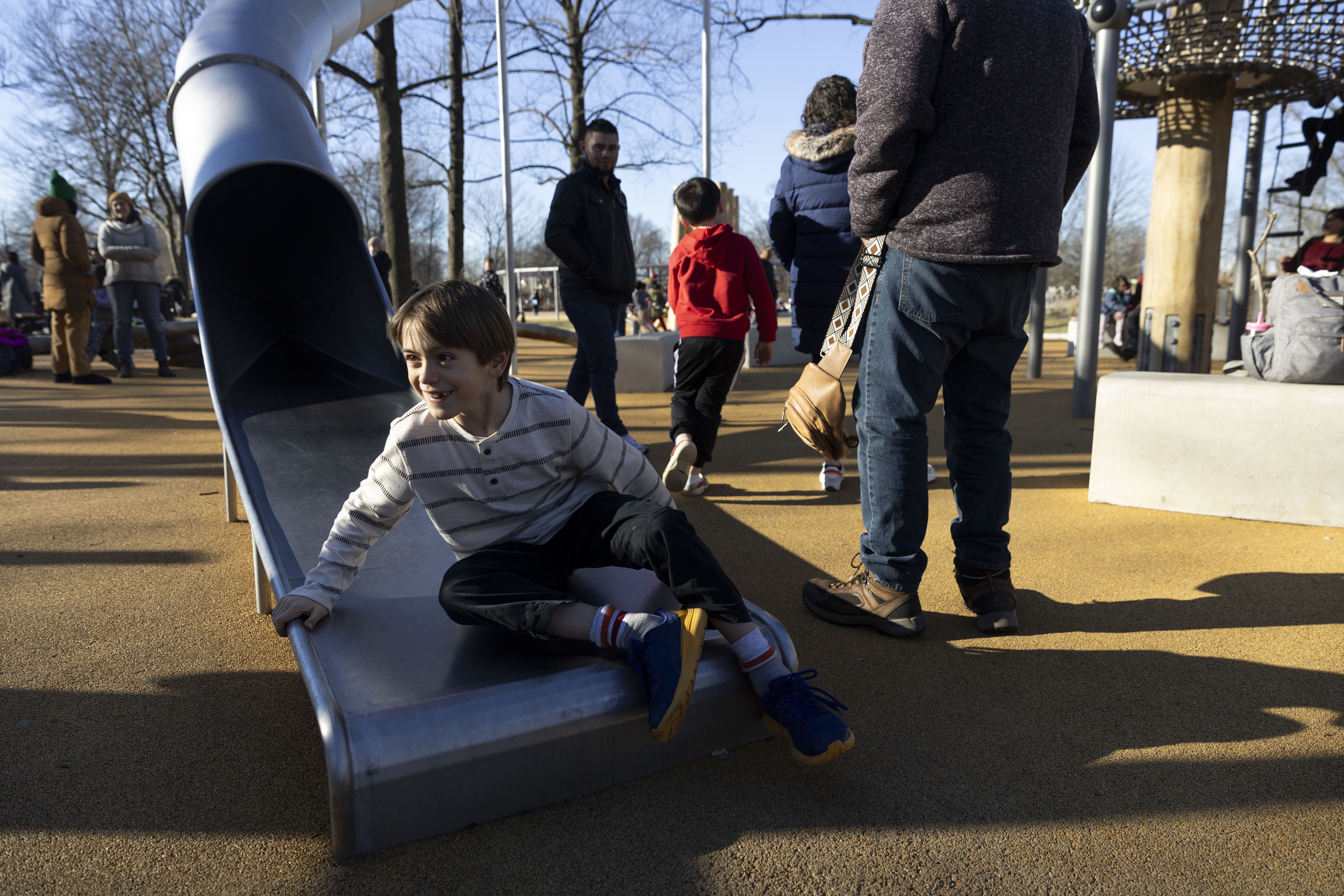
    Already closed since the winter, FDR Park’s Anna C. Verna Playground will be fenced in for at least another few weeks while it awaits the arrival of new parts for its massive 30-foot slide, after an inspection found the equipment did not meet updated voluntary safety guidelines. The award-winning playground and home of the largest “Megaswing” swing set in North America was a signature piece of FDR Park’s $250 million revamp.

    The playground’s construction was overseen by the nonprofit Fairmount Park Conservancy, and Verna opened to the public in October 2023. Following its completion, ownership of and responsibility for the playground passed over to the city. A final safety audit before opening day found it to be in compliance with the voluntary guidelines in place at the time, according to Meghan Talarowski, the playground designer and executive director of Studio Ludo.

    Last year, two organizations issuing standards and recommendations for playgrounds — the Consumer Product Safety Commission and American Society of Testing and Materials— each created new safety recommendations regarding tall towers, like the Verna slide. Previously, there was no such guidance, Talarowski said.

    After Philadelphia Parks and Recreation conducted a routine inspection of the playground in January, it found the slide did not meet those new recommendations, which included having safety guards along the structure.

    The department immediately shut the entire playground down and put chain-link fences around it, according to Parks and Recreation Commissioner Sue Slawson, who began her role in 2024. The inspector also determined the structure users climb to get to the top of the slide had many missing or loosened bolts, she said.

    Previous Philadelphia Parks and Recreation inspectors had identified missing or loose bolts and replaced them, but this was the first time the guard issue has been raised, she said. Last summer, a video went viral of a little boy climbing the outside of the slide and falling to the ground, luckily without major injury.

    “Once we realized that there was an issue and we were concerned about liability and safety for the young people that were using it, we put up the fence. And our goal was to ensure that it was not used until we got the necessary pieces to ensure that the playground was safe,” Slawson said.

    Nicky Talarowski, 8, plays on a slide at the new Anna C. Verna Playground at FDR Park in Philadelphia, Pa. on Sunday, Feb. 4, 2024.Monica Herndon / Staff Photographer

    The city ordered the necessary bolts and guards from the playground’s parts manufacturer in Germany in March, and they are expected to arrive later this month. Installation will begin upon their arrival, according to parks and recreation department spokesperson Ra’Chelle Rogers.

    Philadelphia Parks and Recreation has put up signage informing visitors the playground was closed “for maintenance,” Slawson said. But the precise cause of the closure has not been well known or advertised. Visitors have regularly pried open the fence to use the playground despite the department resealing it multiple times, Slawson said.

    While Verna could reopen relatively soon, another significant Philadelphia Parks and Recreation closure does not figure to be remedied in time for this summer. Towey Recreation Center in North Philadelphia announced its closure last week, after an assessment determined its roof was structurally compromised and required immediate repairs, Rogers said.

    Towey will be closed indefinitely while the city determines a renovation plan. Repair work could take several months.

    In the meantime, its playground will remain open, Rogers said. Towey’s summer camp will be moved to Cruz Recreation Center, which has the capacity to accommodate campers from both sites. Other programming will be accommodated at nearby Philadelphia Parks and Recreation facilities.