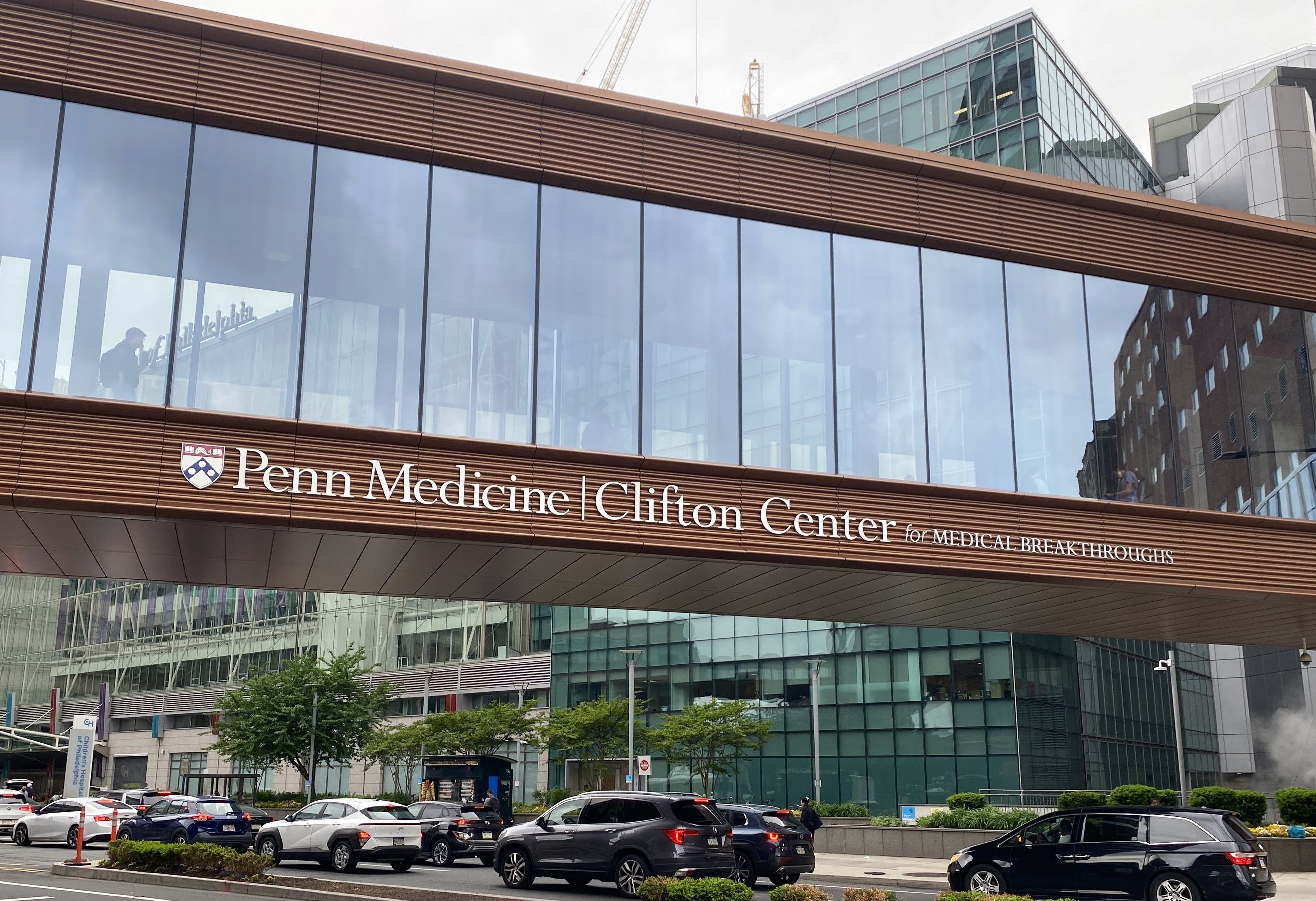
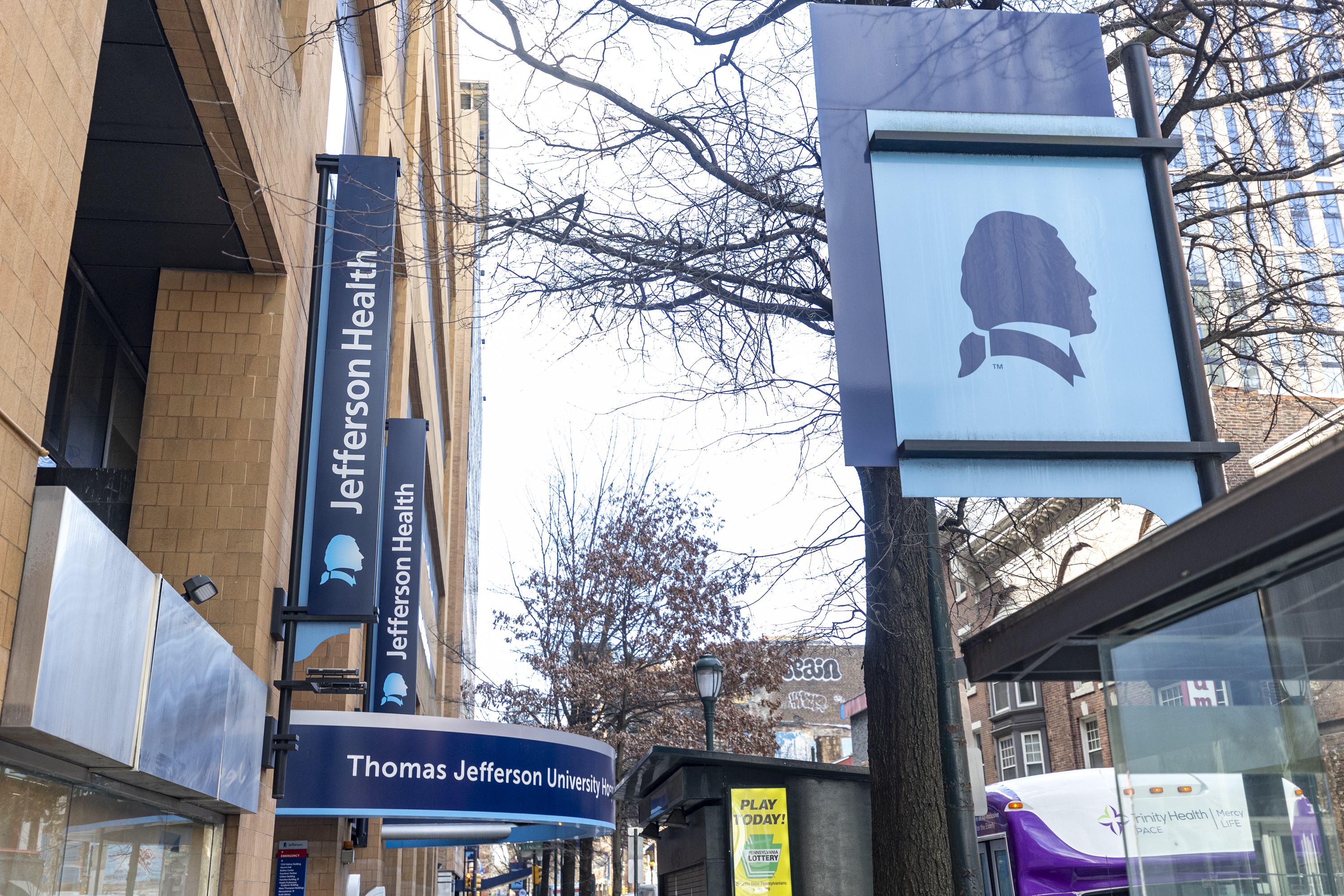
The two busiest surgery centers in the Philadelphia region last year were operated by Penn Medicine in Radnor and Jefferson Health in Center City.
Such facilities have grown increasingly popular as a cost-saving option for procedures that do not require intensive hospital resources or overnight stays.
While they offer convenience, the facilities operated by Penn and Jefferson both count as hospital departments for billing purposes, which means they cost more than surgery centers operated by independent physicians or other companies.
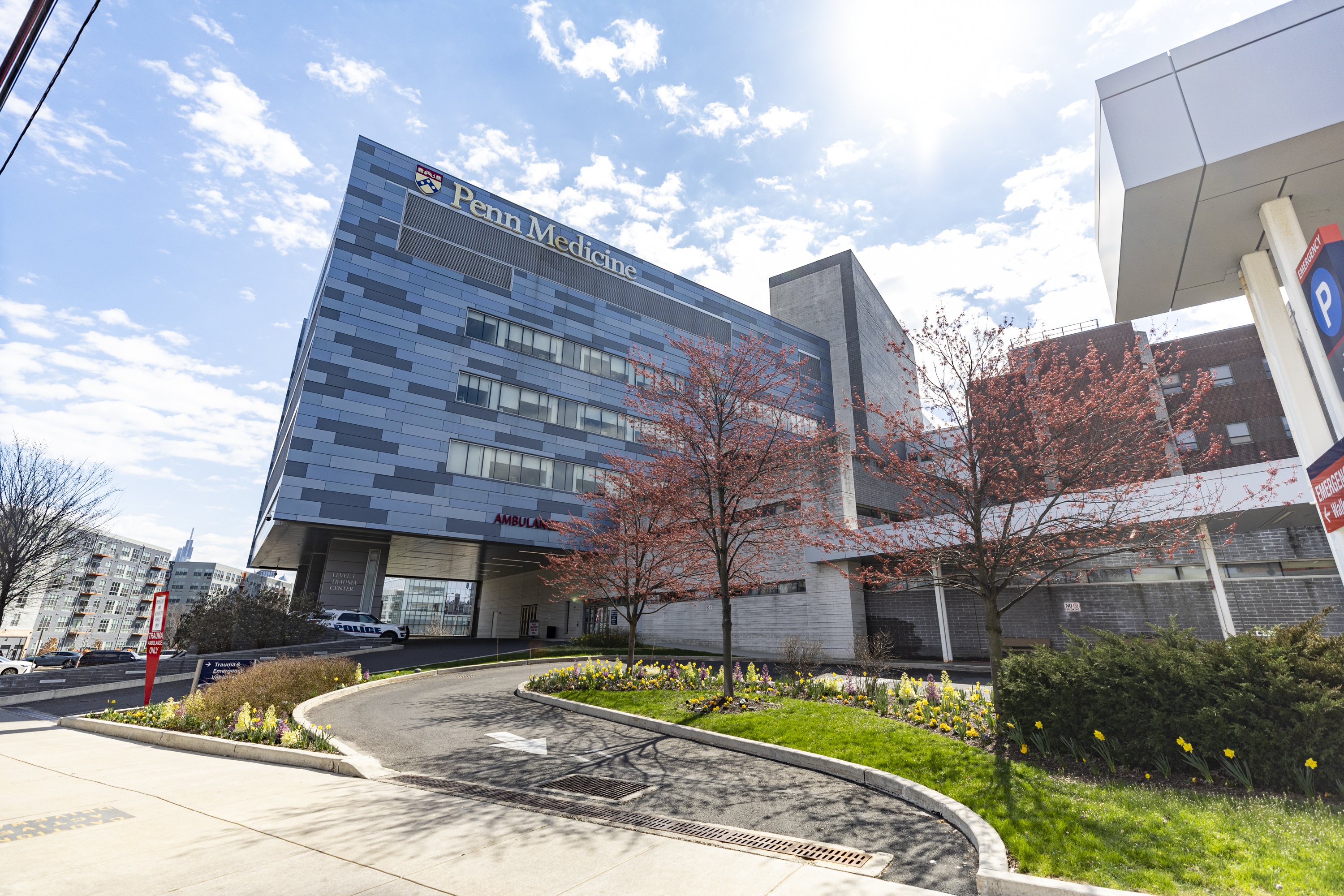
Penn Medicine Radnor Surgery Center operates within a large outpatient facility near the intersection of I-476 and Route 30. It logged 12,464 surgical visits in 2025, up from 8,961 the year before, according to data published last month by the Pennsylvania Department of Health.
Penn attributed the growth to the addition of new gastroenterologists in Radnor to perform colonoscopies, upper endoscopies, and other procedures. Colonoscopies, in particular, account for a large portion of the overall volume in surgery centers outside hospitals.
Jefferson Surgery Center was close behind, with 12,261 surgical visits, up from 2,639 in 2024. It sits within the Honickman Center, which opened in 2024 at 1101 Chestnut St. in Philadelphia. Jefferson has gradually expanded the array of surgical services offered there.
“Growth has been driven by both increasing patient demand and the strategic transition of services from other Jefferson locations, allowing us to provide care in a state-of-the-art outpatient environment,” Jefferson said in an email.
Other fast-growing surgery centers include two independently operated facilities focused on orthopedics, Premier at Exton Surgery Center in Exton and Restore Orthopaedic Surgical Institute in Chadds Ford.
(function(){function e(){window.addEventListener(`message`,function(e){if(e.data[`datawrapper-height`]!==void 0){var t=document.querySelectorAll(`iframe`);for(var n in e.data[`datawrapper-height`])for(var r=0,i;i=t[r];r++)if(i.contentWindow===e.source){var a=e.data[`datawrapper-height`][n]+`px`;i.style.height=a}}})}e()})();
Surgery center ownership matters
Even though the Penn and Jefferson outpatient facilities are not in hospitals, their ownership by large hospital systems enables providers to get paid as if they were located inside the Hospital of the University of Pennsylvania or Thomas Jefferson University Hospital.
Hospital outpatient department billing rates are sometimes twice as much as the rates paid to independent surgery centers.
For example, surgery to remove torn cartilage from a knee can cost $7,190 when performed on an outpatient basis in a hospital, nearly three times the $2,477 cost in ambulatory surgery centers (ASCs), according to Philadelphia-area commercial insurance averages from Turquoise Health.
Health insurers Independence Blue Cross and Highmark have implemented policies this year seeking to save money for employers and patients by moving care out of hospitals and into ambulatory surgery centers or ASCs. Both insurers say they will only pay for certain procedures if they are done in an ASC.
But it’s not enough to move surgeries to a setting outside a hospital, given the hospital-like billing status of certain surgery centers.
“The cost savings from an ASC depend on the facility’s ownership, licensing, and billing model,” Richard Snyder, IBX’s chief operating officer, said in a email to The Inquirer.
IBX would like to see more ASCs in its Southeastern Pennsylvania market and is “prepared to help catalyze growth through continued value-based arrangements, strategic partnerships, and investments,” Snyder said.
Litigation over ASCs and other policies
In a July lawsuit against IBX, Jefferson claimed that the insurer’s ASC policy amounted to a change to the financial terms of their contract that needed to be negotiated.
The lawsuit said that ASC mandate will cost the health system $35.4 million, but doesn’t specify over what time period.
IBX filed a motion last weekto dismiss the lawsuit, which was moved to U.S. District Court in Philadelphia from the Philadelphia Court of Common Pleas.
The insurer says that the lawsuit was premature because Jefferson filed it before completing a contractual process designed to resolve such policy conflicts.
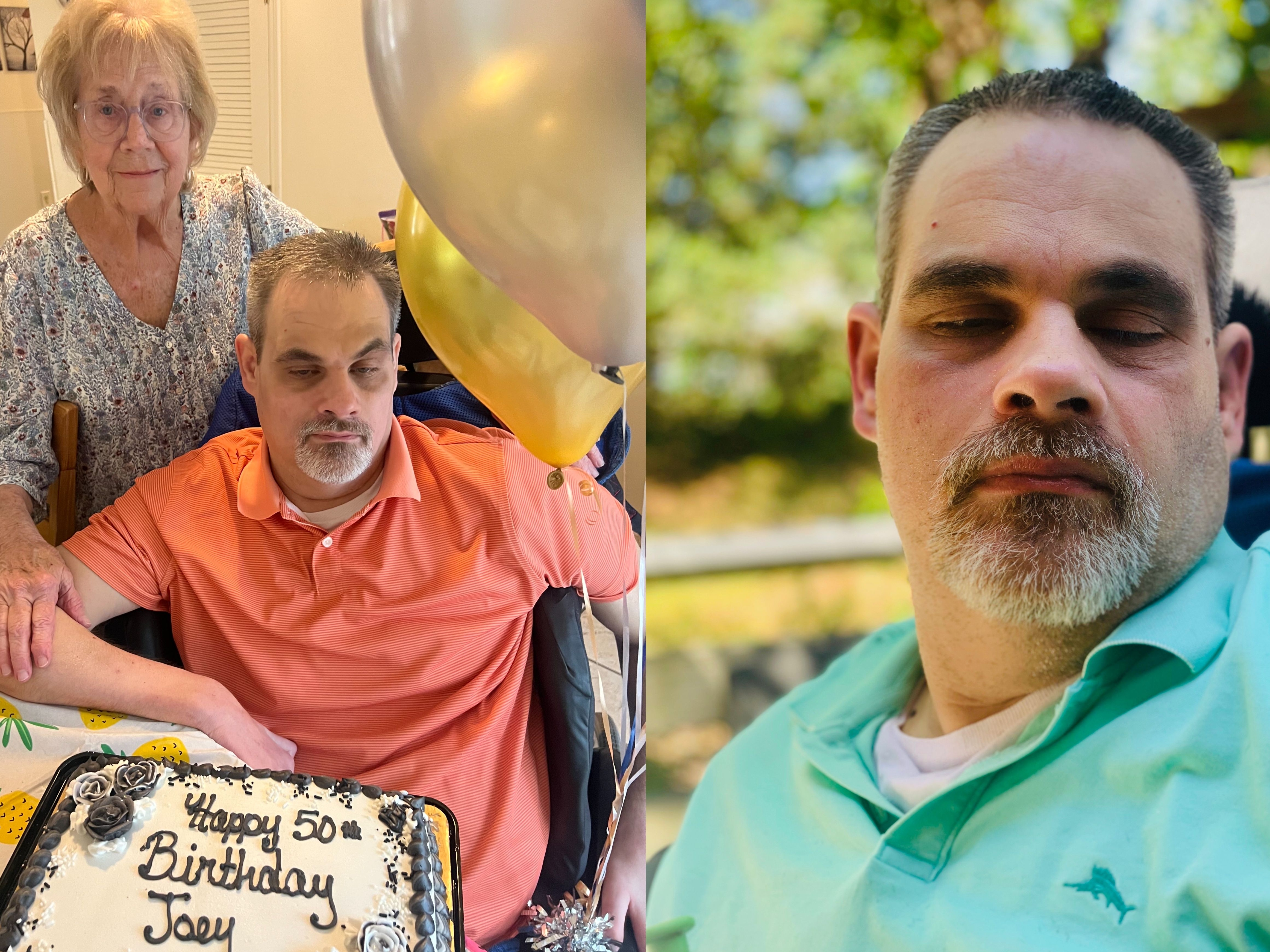
Joey Shevenock suffered repeated urinary tract infections, kidney stones, partially amputated toes, and a broken hip during his last years living in a Reading-area group home for people with intellectual disabilities.
Then, on July 2, the 52-year-old with a history of swallowing difficulties choked and breathed in rice while he was being fed. That led to cardiac arrest. Shevenock died three days later at Reading Hospital.
The Shevenock family has hired a lawyer and plans to file a lawsuit claiming that negligence led to his death, which came 15 months after state regulators had revoked the license of the operator of his Exeter Township group home, Supportive Concepts for Families.
State law allows the nonprofit owned by Inperium Inc. to continue operating while it appeals the revocation,which followed at least four deaths, 11 abuse incidents, and dozens of cases of neglect at Supportive Concepts’ homes in the year ended February 2025.
The license revocation covered 103 of its group homes across northeastern Pennsylvania, including those in Berks County.
Joey Shevenock’s brother, Jeff, questions why state law gives Supportive Concepts so much time.
“I’m a chef, and they’ll shut a restaurant down for X, Y, or Z, and they don’t let you reopen until you correct whatever the violations are,” he said.
“It just blows me away that they know this is going on, but they’re like, well, we’re going to give you six months, a year, whatever, to work on it,” he said.
Supportive Concepts CEO Colleen Miller declined to comment, citing privacy laws. “We remain committed to the health, safety, and well-being of the individuals we serve,” she said in an email Wednesday.
Inperium did not respond to questions about the license revocation.
Homes like the one where Joey Shevenock lived for more than 20 years are regulated by the Pennsylvania Department of Human Services, which said it “cannot comment on specific incidents or investigations, and we cannot comment on pending appeals.”
Like many states, Pennsylvania gives operators time to correct deficiencies, with no set timeline on how long an appeal can go on. “It’s not unusual to allow them to continue operating,” said Mark Davis, CEO of Pennsylvania Advocates and Resources for Autism and Intellectual Disabilities, a Harrisburg trade association for service providers.
During appeals, providers are subject to more frequent, unannounced inspections.
The deathat Supportive Concepts reflects a bigger problem in Pennsylvania’s system of care for adults with autism and intellectual disabilities, said Dee Coccia, cofounder of Vision for Equality, a Philadelphia nonprofit advocacy group for these individuals and their families.
Shevenock’s death, detailed to The Inquirer by his family, follows 25 choking-related deaths reportedin Pennsylvania group homes for intellectually disabled individuals in the last 3½ years through June 30, according to state data.
“You wouldn’t stand for it if you were taking care of animals,” Coccia said.
Deteriorating conditions for Joey Shevenock
Cyndi Shevenock, Jeff’s wife, started closely monitoring Joey’s care about eight years ago, after her in-laws moved to South Carolina.
Joey was blind, had cerebral palsy, and needed a wheelchair to get around. He required support for most daily living activities, including dressing, eating, and getting into bed.
After the July Fourth holiday weekend in 2025, a Supportive Concepts staffer took Joey to the hospital with a urinary tract infection, Cyndi recalled.
Cyndi said anurse called while she and Jeff were driving from their home near Baltimore to the hospital and told her that Joey’s urine had become a concerningly darkiced tea-like color.
The nurse also shared that, according to the aide who brought Joey to the hospital, his urine had started smelling three or four days earlier.
Cyndi said “by the time they took him in, the infection was so bad” that the nurse advised the family to report the incident to Adult Protective Services. The investigator found no signs of neglect, Cyndi said.
Cyndi subsequently reviewed 1,448 pages of Joey’s medical records andfound a half dozen urinary tract infections in the last couple years, two choking incidents that he survived, and 26 hospitalizations between January 2020 and his death.
Joey was prone to urinary tract infections and kidney stones because he was incontinent and spent all his time either in his wheelchair or lying down.
He sat in wet diapers far too long before being changed, Cyndi said, and almost always had sores in that area. Regulators consider bed sores a sign of poor care, often found in nursing homes.
In Cyndi’s view, the lack of dignity in his careextended beyond medical needs.
Every visit, she would check his clothes, to make sure they were clean. She invariably found that they “were just shoved into drawers, inside out, wrinkled, shoved in any drawer,” she said. “Sometimes, the clothes weren’t even his.”
Ongoing troubles at Supportive Concepts
A week after Joey’s death, Inperium announced its founding CEO Ryan Smith had returned to Supportive Concepts as acting president.
Smith had started at Supportive Concepts in 1993, rising to CEO in 2000. He remained in that position until 2018, according to hisLinkedIn profile.
He continues to serve as CEO and chairman of Inperium, a nonprofit also based in Reading, which Smith founded a decade ago to acquire Supportive Concepts — and since then dozens of other typically financially struggling nonprofits.
After acquiring a nonprofit, Inperium consolidates back-office and other business functions in a subsidiary called Apis Management Services to save money.
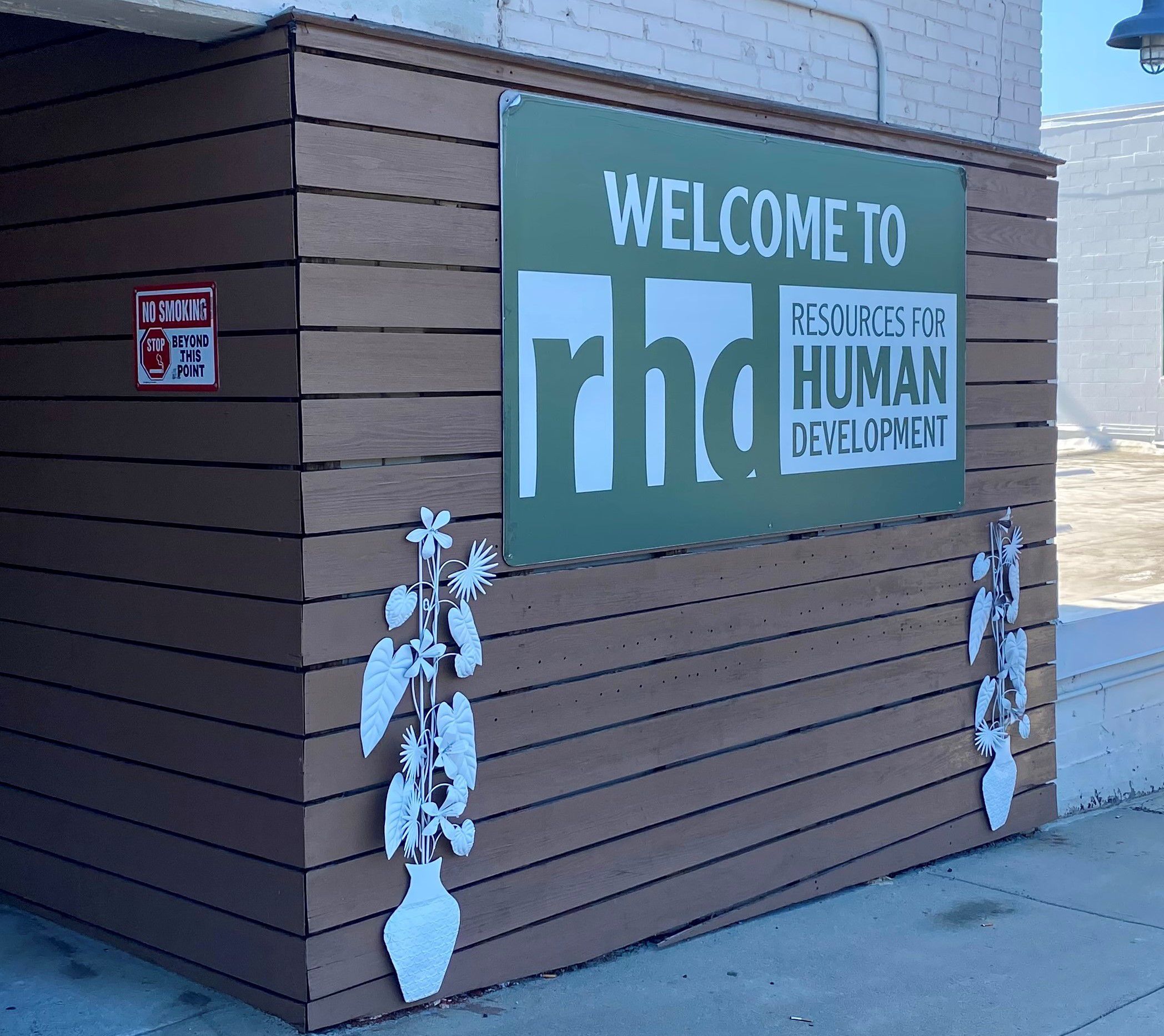
For example, Inperium told investors recently that Apis saved $8 million at Philadelphia-basedResources for Human Development, which it acquired in 2024.
The main entrance to Resources for Human Development on Wissahickon Avenue in Philadelphia. It was acquired by Inperium Inc., a Reading nonprofit that has grown rapidly through acquisitions since its founding in 2016.Harold Brubaker / Staff
Smith’s return to Supportive Concepts has not ended its license revocation affecting operations in 15 northeastern Pennsylvania counties, including Berks. Under the terms of the revocation, the organization cannot open any new homes or accept new clients in existing properties.
State regulators have alsofound significant violations of care standards at Supportive Concept group homes in Western Pennsylvania. Since February, 17 facilities have been operating under provisional license, Inperium disclosed in a recent bond offering statement. The provisional status requires them to implement a correction plan.
The sanctions have led to sharply lower profits for the Supportive Concepts, according to Inperium’s bond statement.
The state sanctions haven’t stopped Inperium from making additional acquisitions in Pennsylvania as Smith aims to build a $1 billion enterprise. (Inperium reached $819 million in revenue for the 12 months that ended June 30.)
Inperium’s most recent sizable acquisition brought into its portfolio KidsPeace, a financially troubled provider of youth mental health services based in Lehigh County.
Inperium’s track record is troubling, said Leonard G. Villari, a Philadelphia lawyer hired by the Shevenock family to represent them in a lawsuit against Joey’s death. He pointed to its ability to keep growing a business largely funded with Medicaid through acquisitions with little state intervention.
“This looks like a very concerning company to me,” he said. “It’s only getting bigger, and they’re aggressive. They’re bolder.”
Bright spots for Joey
Before his choking death, Joey had some memorable relationships with Supportive Concepts staff, the family recalled.
A part-time caregiver would go to Joey’s house on Sundays, give him a fresh shave, make sure he had a nice shirt on, and take him to church with her. After church, they would go out to lunch, Cyndi said, noting the visits ended when the woman stopped working at Supportive Concepts.
In an Instagram comment to a familypost about Joey’s death, another former caregiver recalled how much they loved listening to oldies music like Johnny Cash and Elvis Presley. Joey knew every word of Wizard of Oz and Home Alone, she wrote.
“We’d sit outside together and he was always interested in what the birds and squirrels doing. He’d laugh at the cutest stuff,” she wrote.
The Fourth of July was a significant holiday for Joey and their father, Jeff said. Even though he couldn’t see the fireworks, he loved the sound.
Jeff was so saddened by the thought of his brother dying on that day that the family waited to end his life support the next day.
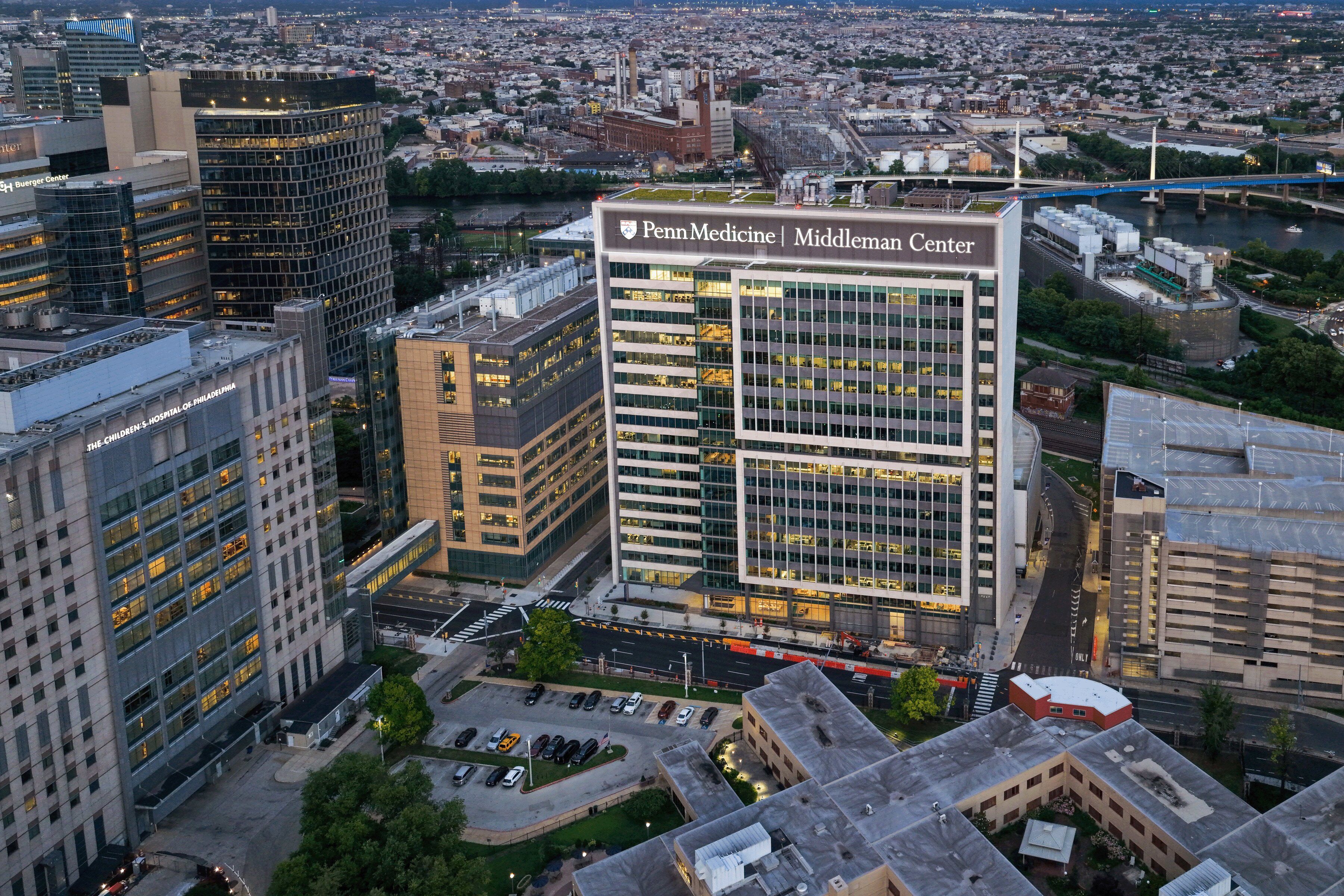
Penn Medicine announced a $50 million gift from Stanley C. Middleman on Thursday to support early-stage research and will name a recently expanded building at 3600 Civic Center Blvd. in the businessman’s honor.
Income from the fund will be used to accelerate work on therapies for cancer, autoimmune diseases, infectious diseases, and other serious conditions, with a goal ofshortening the path from the laboratory to the market, Penn said.
“I was born and raised in Philadelphia, and I’m proud to support Penn Medicine and the extraordinary work being done there to advance medicine and improve people’s lives,” Middleman said in a news release provided to The Inquirer in advance.
The Middleman Center “will bring together the people and ideas” to support new approaches to treatment and scientific discovery, he added.
The $50 million gift marks his first to Penn. He previously donated undisclosed amounts to his alma mater, Temple University, and to Children’s Hospital of Philadelphia, which named the main patient tower at its King of Prussia hospital for Middleman’s family.
Middleman founded privately owned Freedom Mortgage Corp. in South Jersey in 1990 and grew it into one of the nation’s largest lenders before moving the company’s headquarters to Florida in the early 2020s.
The building being renamed for Middleman underwent a $376 million, 217,000-square-foot expansion that opened last year. Itadded seven floors, including as many as 37 labs. Penn originally opened the building in 2018 with eight floors and 250,000 square feet of office space, which has also been renovated.
The new floors house the Colton Center for Autoimmunity at Penn and the High-Throughput Institute for Discovery, a specialized lab testing patient samples to help make diagnoses and guide treatments. The Middleman Center also includes a Biosafety Level 3 lab, which is specially equipped to handle infectious disease specimens.
“Anchoring the western edge of Penn Medicine’s campus, the Middleman Center is uniquely positioned to bring together biomedical researchers, physicians, medical students, patients, and experts from engineering, business, and other areas of the University of Pennsylvania,” said university president J. Larry Jamesonin the news release.
“This creates an extraordinary environment for discovery — not just sparking ideas but seeing them all the way through to the moments where lives change for the better, as a result of discovery,” he said.
Highmark plans to end its Pennsylvania contract with Rothman Institute on Oct. 1, according to a letter to members. The insurer claimed that about a half-dozen Rothman surgeons had abused a federal process designed to protect patients from unforeseen out-of-network bills.
The dispute centers on the use of out-of-network physician assistants by Rothman surgeons who do not have residents or fellows working for them and need help treating patients, Rothman president Alexander Vaccaro said in an interview Wednesday.
Rothman physicians are under contract with Highmark, but the physician assistants used by some doctors work for a separate company that Rothman has no control over, he said. He said it’s hard for some doctors to keep physician assistants on staff because there’s so much demand for those skills.
“Now they’re kicking us out, so now we’ll be that out-of-network provider. We will be that individual that Highmark is trying to go after,” Vaccaro said.
From Highmark’s perspective, the use of out-of-network clinicians violates a contract that took effect at the beginning of last year, said Dan Tropeano, president of Highmark’s Southeastern Pennsylvania market.
Even if some Rothman surgeons use out-of-network assistants, they don’t have to go through arbitration for payment, he said. They could instead accept standard out-of-network reimbursement, he said. That’s usually based on Medicare rates, plus some additional percentage.
Help for patients turned into controversy
Congress passed the No Surprises Act in 2020 to prevent patients from facing unexpected bills from out-of-network doctors when they receive care at an in-network hospital. This was a particular problem in emergency departments. The law has been successful on that front.
However, it also created what has become a controversial arbitration process to determine what insurers should pay out-of-network clinicians. Sometimes, that has led to arbitration decisions for amounts that are many times the in-network price, according to the New York Times and other news outlets.
Highmark’s dispute with Rothman centers on that arbitration process, also known as independent dispute resolution (IDR).
“We feel like they’re egregiously abusing the No Surprises Act and the arbitration or IDR process that comes along with it,” Tropeano said in an interview.
Rothman physicians’ use of arbitration for out-of-network physician assistants had caused “significant increased costs to Highmark and its self-insured clients,” Highmark said in a statement posted to its website in July.
Vaccaro said that if Highmark paid a fair rate for physician assistants some doctors need to use, arbitration wouldn’t be needed.
Patients caught in the middle
The dispute is bad news for James Pavlock, a retired federal prosecutor who has a form of Medicare supplemental insurance from Highmark.
“It’s a big deal for me. I’m supposed to have surgery on Oct. 13. Do I go forward and pay thousands of dollars potentially?” the Fairmount resident said in an interview Tuesday, the day he received a letter from Highmark dated Sept. 2 about the termination.
Highmark said 10,100 Highmark members had used Rothman services in the past year.
Highmark will help patients in Pennsylvania find alternate sites of care, including at Penn Medicine and Main Line Health.
Rothman will work with patients to use out-of-network benefits to continue receiving care from Rothman, Vaccaro said. The dispute with Highmark will not impact New Jersey patients, he said.
The University of Pennsylvania Health System had $337 million in operating profit in fiscal 2026, up from $247 million the year before, the Philadelphia nonprofit reported to bond investors Friday.
“We saw good growth in several of our clinical programs that helped us to generate the operating performance,” Julia Puchtler, the health system’s chief financial officer, said in an interview.
That’s money “we’re going to be able to reinvest in the academic missions and in our clinical programs and our workforce,” she said.
Here are more details:
Revenue: Penn’s total revenue rose 13.7%, to $13.6 billion from $12 billion the year before. Revenue from patient care accounted for $11.4 billion of the total in fiscal 2026, according to Penn’s report to bondholders.
Outpatient cancer care and outpatient surgeries by urologists and ear, nose, and throat doctors stood out as areas of growth, Puchtler said. On the inpatient side, neurosciences and transplants had notable increases, she said.
Expenses: For the first time since 2021, the average length of time a patient spent in the hospital fell below 6 days. Longer stays have higher expenses, even though hospitals generally don’t get paid more for them.
The average in fiscal 2026 was 5.93 days, from 6.14 days the year before. That looks like a small decline, but it adds up when spread over the health system’s more than 161,000 admissions in the year. The reduction helped Penn reduce expenses relative to revenue. It also freed capacity for more patients, Puchtler said.
In employee benefits, Penn had an additional $20 million in expenses because it aligned retirement plans across the system, Puchtler said.
Notable: Penn refinanced about $300 million in debt last month at a lower interest rate. That means the health system will save $28 million in interest payments over the next 9 or 10 years, Puchtler said.
Universal Health Services Inc. has long dominated as the nation’s largest provider of behavioral health services through its network of 182 hospitals and 110 outpatient facilities.
Last week, the King of Prussia company added a new dimension, completing the acquisition of Talkspace Inc., a virtual behavioral health company, for $835 million. It was UHS’s biggest deal in 15 years.
“We look at this as a real significant moment for healthcare,” UHS CEO Marc D. Miller said in an interview Tuesday. “It’s not simply a transaction for the company, but creating something in behavioral health that hasn’t existed.”
UHS’s goal is to create what Miller described as a new mental health continuum of care — including an AI agent introduced in June with human oversight and immediate intervention by licensed clinicians for safety if needed.
Talkspace’s network of 6,000 therapists conducted 933,000 treatment sessions with patients covered by insurance or employee assistance plans in the first half of this year. It had an additional 5,000 active patients who paid directly for the service during that period, according to Talkspace’s quarterly report.
The New York-based company reported $123.4 million in revenue and a $7.8 million net loss for the first six months of 2026.
UHS’s behavioral health arm had $3.9 billion in revenue and $773 million in profit before taxes in the six months that ended June 30. Philadelphia-area facilities include Friends Hospital in Philadelphia, Horsham Clinic in Ambler, and KeyStone Center in Chester.
UHS also owns the largest behavioral health company in the United Kingdom. Including its 30 acute-care hospitals, UHS’s six-month revenue totaled $9.1 billion.
The Inquirer spoke with Miller about how Talkspace is expected to complement UHS’s current business. This interviewhas been lightly edited for length and clarity.
What made Talkspace attractive to UHS?
By acquiring Talkspace for UHS, we’re creating the industry’s first nationally scaled end-to-end connected continuum in all of behavioral healthcare. Nobody has what we now have. For example, you can go to Talkspace to get treatment on your phone through the app, access therapists wherever you are, whatever’s comfortable for you. The vast majority are patients that UHS never would have touched.
Now, they’re going to know about UHS, so it would be natural that if they need excess care after they’ve had some care with Talkspace, they’re going to immediately be referred to all of the different options that UHS offers. On the flip side, we’re now going to have this Talkspace option after somebody’s either in one of our more intensive outpatient programs or an inpatient, so we can quickly say, as part of your aftercare, you might want to go to Talkspace, which is a subsidiary of UHS.
The concept makes sense. How do you make it work?
It’ll be totally integrated. Most of the insurers that they’re contracted with we’re contracted with, so there won’t have to be huge changes. There are some different contracts, and there will certainly be some things to work out, and there are some small pockets where they’re with somebody that we’re not. But for the most part, that’s not a big concern.
As far as the referral networks, we’re just doubling what we have. So there’s the current referral networks that go into UHS. There’s the current referral networks to Talkspace that are vastly different.
We’re now going to put this together, and we’re going to kind of double up the opportunities to both companies. It’s incredibly positive.
Talkspace’s AI agent Tee has gotten attention. Why is it different from using ChatGPT or Claude like a therapist?
Tee was purpose-built for mental health. Rather than just adapting a general purpose chatbot to a clinical context, this was built for this. That’s a huge difference. This was built by mental health experts who had safety and privacy in mind, and it was designed to complement human care.
People right now are going to ChatGPT and Claude and all these things and asking them questions that are totally disconnected, totally disjointed from any care they could be getting. If they’re not getting care, they’re really relying on something that is not expert to help them in a most serious endeavor.
Editor’s note: This article has been updated to correct UHS’s revenue and profit for the six months that ended June 30.
AmeriHealth Caritas, a Medicaid insurer based in Delaware County, has agreed to invest $15 million in Deon Health, a Michigan start-up that works with states and insurers to improve care for people with intellectual and developmental disabilities, the two companies announced Friday.
Deon was founded in 2024 to work with local providers to help people with intellectual and developmental disabilities (I/DD) overcome the silos that make it hard to coordinate primary care, specialty services, behavioral health, and long-term supports needed to allow individuals to live in community settings.
“We built Deon Health to create a better way to organize care around people with I/DD, their families and the professionals who support them every day,” Sara Ratner, chief executive of Deon Health, said in a news release. “AmeriHealth Caritas brings deep Medicaid experience and shares our commitment to a model built around strong local relationships.”
Other investors in Deon include Town Hall Ventures, First Trust Capital Partners, and Difference Partners.
Independence Health Group, the parent company of Independence Blue Cross, is the majority owner of AmeriHealth Caritas. Independence’s partner in the business is Blue Cross Blue Shield of Michigan. Among the nation’s largest Medicaid insurers, AmeriHealth Caritas has contracts in 13 states and Washington D.C.
Tower Health reported an $8.5 million operating profit in the year that ended June 30, compared to a $20.6 million loss the year before.
The fiscal 2026 profit will be Tower’s first in eight years, if the result holds in its audited financial.
In the Berks County nonprofit’s preliminary financial report to bond investors Friday, Tower management called the result “an important milestone in Tower Health’s ongoing journey toward sustained financial strength.”
In addition to Pottstown, Tower owns Phoenixville Hospital and Reading Hospital in West Reading, and half of St. Christopher’s Hospital for Children in North Philadelphia in a joint venture with Drexel University.
Here are more details:
Revenue: Tower reported a 2% increase in revenue, to $2.07 billion from $2.03 billion. Reading Hospital in West Reading logged an 11% increase in revenue, while the combined revenue of Phoenixville and Pottstown Hospitals fell 8%.
Patient volumes: Pottstown saw an 11% decrease in hospital admissions, likely because Tower closed the hospital’s intensive care unit at the beginning of the this year. Phoenixville had a small gain of 0.7% in admissions, while Reading was flat. Total surgeries across the system were flat.
Notable: A year ago, Tower reported a preliminary operating profit of $5.9 million for fiscal 2025, thanks to a gain on the sale of the former Brandywine Hospital. That would have been the system’s first profit in seven years, but it turned into a $20.6 million loss in Tower’s audited financial statements. Auditors from KPMG decided that Tower needed to boost medical malpractice reserves and give up on collecting millions owed by patients.
In an email to The Inquirer, Tower CEO Michael Stern expressed confidence this year’s audit will uphold the preliminary result, giving Tower its first profitable year since 2017.
Aramark and the University of Pennsylvania Health System launched a partnership this year to offer the food service giant’s Philadelphia-area employees healthcare in a test of a new model for reducing costs.
Aramark employees who choose the benefit option, called the Penn Medicine Premier Plan, face no deductibles and lower copays when they and their dependents use Penn doctors and facilities.
The move by Aramark into what is called direct contracting comes as employers are contending with years of surging healthcare costs. It’s an example of experimentation designed to slow spending growth in spending and perhaps improve quality, experts said.
“We certainly would like to save money on the model, but its primary focus is to make benefits more affordable” by getting lower prices than it would get by going through an insurer, said James Startare, Aramark’s vice president for benefits.
The model is called direct contracting because Aramark negotiated prices and other terms of the contract directly with Penn, instead of relying on an insurer to negotiate prices.
It’s Penn’s first such contract and the first large-scale direct contract in the Philadelphia region. Aramark talked with other systemsin the area, but Penn emerged as the partnerwilling to enter into the experimental contract. Penn described the deal as a multiyear contract ultimately expected to roll over from year to year.
Aramark didn’t provide details on savings, but its goal was to negotiate prices that are lower than those it would pay though a benefits administrator, such as Aetna.
By eliminating deductibles that function as a barrier to care, the plan is expected to encourage primary care visits. Thiscould reduce long-term costs by catching patients’ health problems early.
For health systems like Penn, such contracts offer a chance to increase market share, streamline payments, and hone their ability to manage the health of a population.
The Penn Medicine Premier Plan features no deductibles and lower copays when Aramark employees and their dependents use Penn doctors and facilities. Harold Brubaker / Staff
Aramark’s move into direct contracting
Penn is Aramark’s third major direct contracting partner.
Employers, even those like Aramark that are self-insured, typically rely on an insurer’s negotiated prices.
With the new direct contract, an Aetna administrative unit still processes the claims for Aramark, and patients who go outside Penn for care use the Aetna network.
Aramark launched its first such contract in 2024 in Dallas and expanded to Chicago last year, each time getting a strong employee enrollment, though it took two years in Chicago, Startare said.
In the Philadelphia region, 35% of eligible employees (those who work 30-plus hours a week on average) have chosen the Pennplan, which took effect Jan. 1, Startare said. That amounts to 800 employees.
Employees who were moving to Aramark with the food services contract were worried about losing their Penn benefits, said Megan Lieberman, a patient services manager at Chester County Hospital who was among those who became an Aramark employee.
But the Penn Premier Plan was very similar to what they were used to. “It was definitely a huge relief to know that we got to hang on to those benefits,” Lieberman said.
A separate contract covers pediatric services at Children’s Hospital of Philadelphia for Aramark employees and their families.
Next year, Aramark plans to take direct contracting into central New Jersey, but did not name the system it’s using there.
What’s in it for Penn
The Aramark contract is an opportunity to focus on “chronic disease management, preventive care, cancer screenings, things like that” for a specific group of 1,400 patients who are motivated to stay within the Penn system, said Mark Angelo, Penn’s chief medical officer for population health.
A key goal is to reduce the deductibles, copays, and prior authorizations that can slow access to preventive care. The model is designed totake care of people before they end up in high-cost places like the emergency department or hospital, Angelo said.
Keeping more patients within Penn is expected to result in savings because of better care coordination and fewer repeated tests, Angelo said. Penn Premier plan members can seek care outside of Penn, but it will cost them more out-of-pocket.
As it is, the typical Penn patient also uses other health systems for some services, said Roy Schwartz, Penn’s vice president for payer strategy.
“Sometimes it’s the right choice, sometimes it can fragment their care,” Schwartz said. “There should be savings just simply coming from having integrated, coordinated care at a place like Penn.”
Penn does not yet have much of its own data on Aramark employees, but indications from Aramark are that the plan’s members were using more Penn services in the first six months, Schwartz said. “It was not just patients who were using Penn anyway for pretty much everything.”
Penn and Aramark officials plan to meet regularly to review results and consider modifications. “We’re hoping this works out well for everybody because we’d love to do some more of these,” Schwartz said.
Momentum behind direct contracting
Employers nationally have long contracted directly with doctors and health systems for specific procedures, like joint replacements, cancer care, and heart surgery. For years, they’ve also paid directly for primary care through on-site clinics.
Aramark’s move to an all-encompassing healthcare plan with a single providerfits into a newer trend gaining momentum nationally. Investors have created platforms like Cost Plus Wellness, Mishe Health, Nomi, and Transcarent to help health systems implement direct contracts.
Northwell Direct’s biggest contract covers 100,000 building service workers in the New York area and their dependents. Ittook effect this year and is expected to save 20% in the first year.
Big savings to start are not guaranteed.
“They may not go into it with a lower cost, but they’re going to go into it with better access, better quality for their employees, and what they’re finding is eventually those lower costs will come,” said Jenny Goins, chief of staff at the National Alliance of Healthcare Purchaser Coalitions.
The Washington nonprofit is putting together a direct contracting advisory council to help more employers to do what Aramark is doing, Goins said.
The model is not expected to replace traditional coverage anytime soon in the Philadelphia region.
“It is not for everyone, and it does take effort and coordination on the part of the employer,” said Tom Belmont, CEO of the Greater Philadelphia Business Coalition on Health. “Also, some health systems are ready for the discussion, while others are not.”
Thomas Jefferson University and Jefferson Health posted an operating loss of $181.5 million in the year that ended June 30, an improvement over last year’s $208 million loss. In both years, the loss was concentrated in Jefferson’s insurance business.
The fiscal 2026 results, reported to bondholders Friday, included $112 million in costs for layoffs and other moves designed to put the Philadelphia region’s largest health system on firmer financial ground.
Jefferson highlighted in its preliminary report to investors that results improved each quarter of fiscal 2026 — from an operating loss of $103.8 million in the first quarter to a $71.1 million operating profit in the fourth quarter.
“We’ve made significant progress strengthening Jefferson’s financial performance, yet those gains are increasingly threatened by the actions of commercial insurers in Pennsylvania,” Jefferson’s chief financial officer, Michael Harrington, said in an email.
“Despite already paying some of the lowest reimbursement rates in the nation, certain payers are now attempting to unilaterally rewrite or reinterpret existing contract terms to further reduce payments and improve their own margins at the expense of providers and the patients they serve,” he said.
Separately, Jefferson sued Aetna in April over a policy that reduces payments for hospital stays for Medicare Advantage patients that Aetna decides aren’t sick enough to qualify for full payment.
Insurers are under pressure from employers to slow healthcare expense growth. Independence said in response to the lawsuit that it acts in the best interest of its customers. Aetna said its policies comply with federal laws and regulations.
Here are more details on Jefferson’s results:
Revenue: Jefferson’s revenue reached $17.7 billion, up from $15.8 billion the year before. Fiscal 2025 included just 11 months of Lehigh Valley Health Network results. Jefferson completed that acquisition on Aug. 1, 2024, expanding its reach into Northeastern Pennsylvania and giving the nonprofit more than 30 hospitals.
Jefferson Health Plans: Jefferson’s insurance arm had a $130.3 million loss in fiscal 2026, an improvement over a $169.9 million loss the year before. The insurance arm had 415,172 members on June 30, up from 366,780 the year before. The plan is diversifying away from Medicaid as it increases enrollment in Medicare Advantage and the Affordable Care Act markets. The percentage of membership in Medicaid fell to 75% this year from 87% last year.
Notable: The fourth quarter of fiscal 2026 was Jefferson’s first profitable quarter in at least four years, according to Inquirer calculations that exclude investment income. Unlike other local health systems, Jefferson follows accounting rules for higher education, allowing it to include a portion of investment income in revenue.