An Illinois-based masonry company and its owner have agreed to a $7 million resolution of civil claims stemming from a 30th Street Station renovation project, U.S. Attorney David Metcalf announced last week.
Officials said Mark 1 Restoration Company, along with owner Mark Snedden, provided hundreds of thousands of dollars in gifts to an Amtrak official overseeing the project in exchange for “favorable changes to a contract.”
“Integrity in federal contracting isn’t optional,” Metcalf said in a statement. “If you try to buy favors or submit false certifications, expect both civil and criminal consequences.”
Snedden, along with three other Mark 1 executives, previously pleaded guilty to criminal charges in the case.
Snedden admitted then that he and the three other executives conspired to provide more than $320,000 in jewelry, vacations, cash, dinners, entertainment, and even a dog, to Ajith Bhaskaran, the Amtrak official in charge of the renovation project. In exchange, officials said, the Amtrak employee made contract modifications that resulted in $2 million in over-billing to Amtrak as part of the project.
As part of last week’s civil resolution, Snedden and his company agreed to pay $2.4 million and release Amtrak from any claim to $4.8 million “in additional funds that Amtrak retained or otherwise did not pay to Mark 1 after learning of the kickback scheme,” according to a release from the U.S. Attorney’s Office, Eastern District of Pennsylvania.
“Bribery strikes at the heart of the rule of law,” said Wayne A. Jacobs, special agent in charge of the FBI’s Philadelphia Division. “Stealing and misusing federal funds is not only a crime, but it betrays the trust of the communities we serve and erodes confidence in the systems they rely on.”
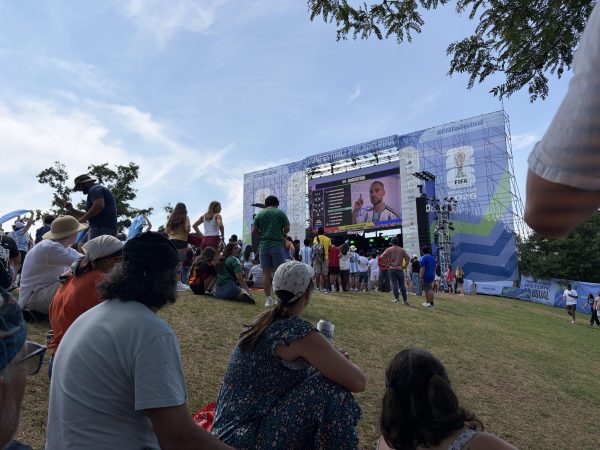
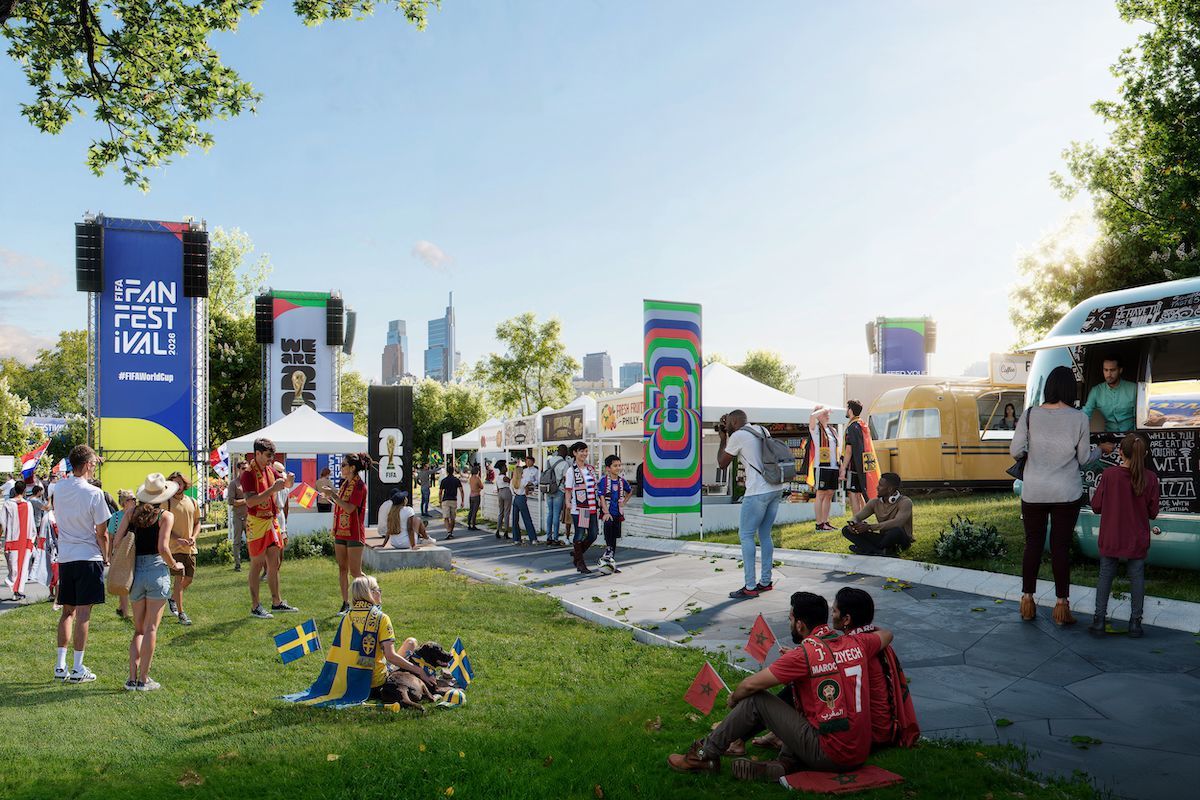
For the past month-plus, the grounds of East Fairmount Park have been a buzzy constant for local and visiting soccer fans, a carnival-like collection of food, games, live music, and — most notably — the city’s official World Cup watch party.
No longer.
Sunday marked the conclusion of the 39-day marathon FIFA Fan Festival at Lemon Hill, as Argentina and Spain faced off in the 3 p.m. World Cup Final at MetLife Stadium in East Rutherford, N.J.
For the last month and a half, the festival — which was free to attend — was met largely with positive reviews, as fans have flocked to the grounds even after the last World Cup game hosted in Philadelphia came and went.
An ambitious endeavor years in the making, the event took up one million square feet of space and was billed, at least in part, as an accessible way for soccer fans to enjoy the World Cup, as skyrocketing game ticket costs had made live attendance impossible for many.
In addition to soccer, the festival played host to a variety of concerts, including Leon Thomas, Bebe Rexha, and the All-American Rejects.
“Having it at the park has been a great idea,” said Akio Wise, who is originally from North Philly and was in town visiting family from the West Palm Beach, Fla., area. “Everyone seems to be having a good time.”
Indeed, it wasn’t lost on many how the festival — and the World Cup in general — had brought a sense of bliss to this notoriously curmudgeonly city.
“People have just been nicer,” said Suzanne Bachman, 66, of Philadelphia, who joined the masses at Lemon Hill. “We needed something positive.”
Fans began gathering early for Sunday’s final, with thousands of people lining the streets of the neighborhood surrounding the park, waiting for gates to open at 2 p.m.
Some were old pros, having made multiple trips to the festival over the summer. Others wanted to make sure they got a taste of the event before it was shuttered.
Cathy and Clyde Maynard, who are originally from Trinidad and Tobago, said they couldn’t let the experience pass without seeing it for themselves.
Their verdict?
“They did a nice job,” said Clyde.
Some, certainly, weren’t ready to see it go.
Asked whether he’d miss the festival, Oscar Bibian chuckled.
“Of course,” said the 38-year-old, who lives in the Philly area. “Watching soccer and drinking a beer is great.”
Not surprisingly, it wasn’t just soccer that brought people to Lemon Hill on the festival’s final day.
“My wife wanted to get one of the bracelets,” said Wise.
The ultra-viral — and difficult to procure — charm bracelets have been a social media sensation, and the primary objective of at least some of those in attendance. (As has been common all summer, Sunday’s line for the free bracelets, a Bank of America giveaway, snaked through the festival grounds.)
But by game time, the festival’s main viewing area was packed with fans hoping for a dramatic conclusion to the summer tournament.
As fans congregated around the main stage viewing area, and Michael Buffer bellowed, “This is the moment you’ve all been waiting for …” from the screen, it felt to some like the unofficial conclusion to a Philly summer that has included no shortage of high-profile events.
“It’s too bad this is it,” said Bachman. “I don’t know what there is to look forward to the rest of the summer.”
“But what can you do?” she added. “Just enjoy what you have.”
The buyers: Eric Murchison, 35, vice president and commercial loan officer
The house: A 2,617-square-foot townhouse in East Falls with 4 bedrooms and 3 baths built in 2025.
The price: Listed for $525,000; purchased for $490,000.
The agent: Marvin Capps, Marvin Capps Realty, Inc.
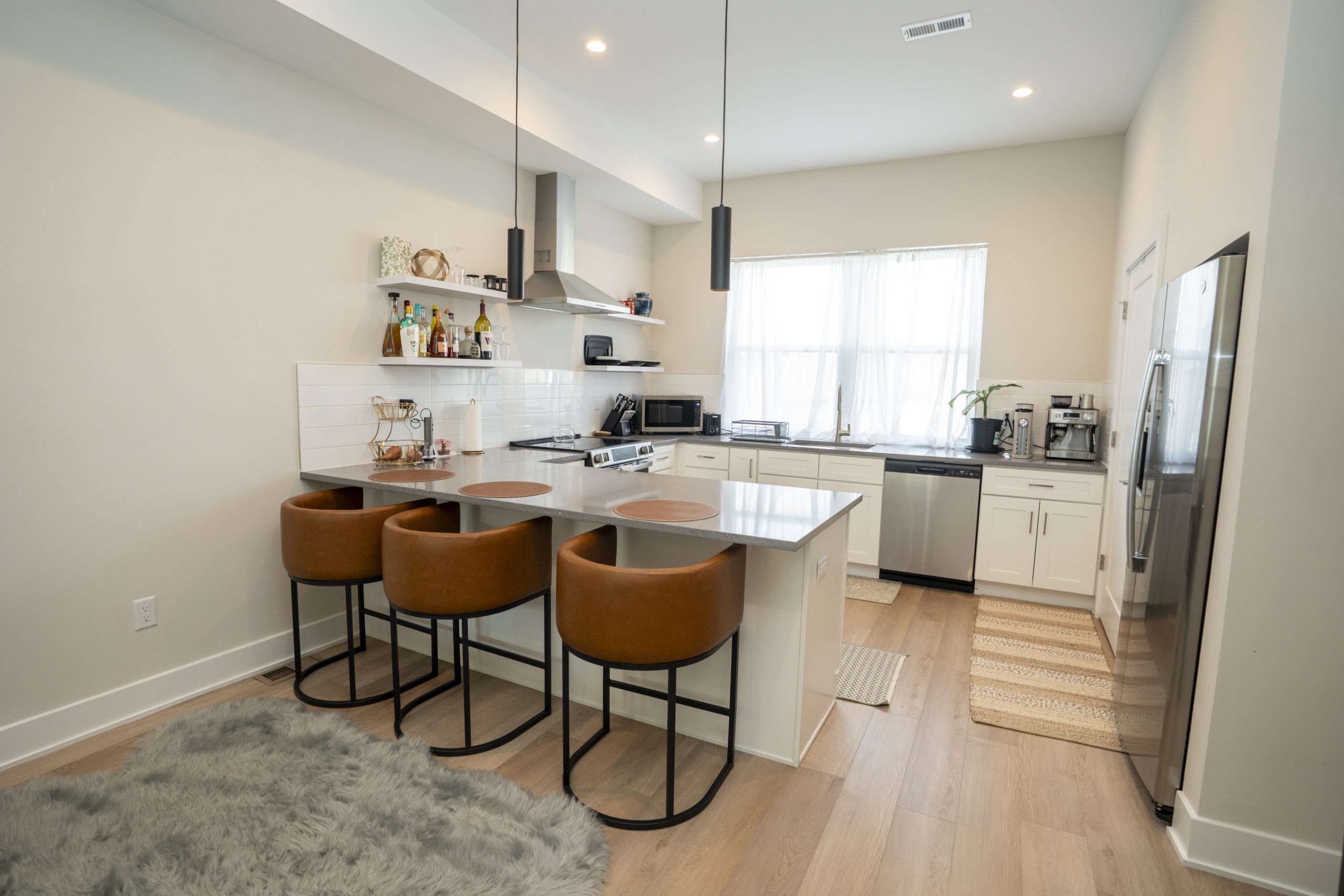
The kitchen of Murchison’s new East Falls townhouse.Jessica Kourkounis / For The Inquirer
The ask: The idea of buying in Philly had begun to feel impossible to Eric Murchison.
Born and raised in North Philly, he’d watched prices in the city skyrocket for years, convincing him that in order to own a nice home, he’d need to move somewhere like Texas. He’d already begun telling friends that he’d be gone within two or three years.
But when a work client urged him to think about buying in his home city — Why would you leave your hometown? Why not own a piece of it? — he began to think seriously about the possibility.
“I kind of couldn’t sleep at night after he said that to me,” Murchison said.
What he was looking for wasn’t extravagant. He wanted a garage and a rooftop space, along with a separate bathroom for his 16-year-old daughter — which he didn’t have in his rental in Bala Cynwyd. And to be “in an area where you could visually see that developers are in this space.”
He hoped to find all that under $500,000, even as his real estate agent tried to temper expectations.
“When I said ‘under a half-million,’” Murchison recalled, “he said, ‘Eric, are you kidding me? That’s [probably] not going to happen.’”
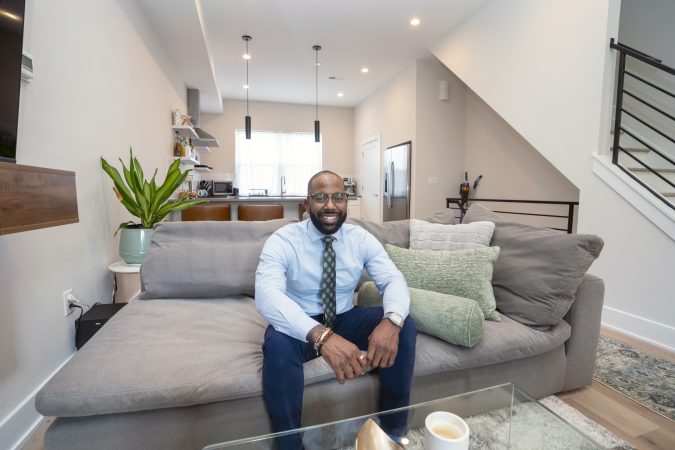
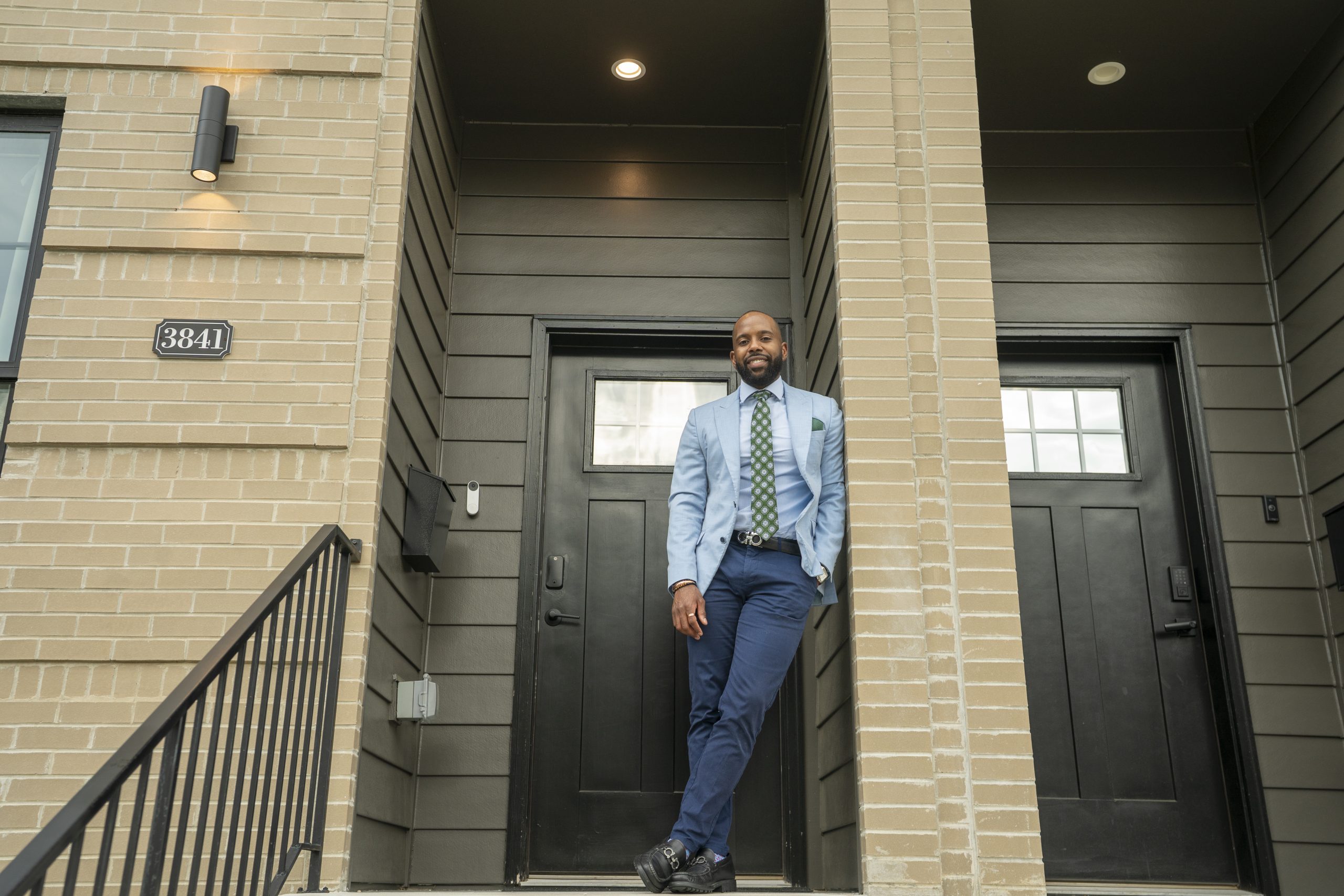
Eric Murchison, 35, on the front steps of his new East Falls townhouse.Jessica Kourkounis / For The Inquirer
The search: By his own admission, Murchison’s search was “very spontaneous and random.” He’d see a potential home while searching online during his lunch break and decide to go check it out.
One — a duplex near Temple University — was well over his budget, at $750,000. (He’d liked the idea of buying a duplex and renting out one of the units while living in the other.)
Another home he liked in South Philly was priced around $550,000, with no wiggle room. “The guy just was not budging on the price,” Murchison said.
Discouraged, he let his property manager know that he was renewing his lease for the following year.
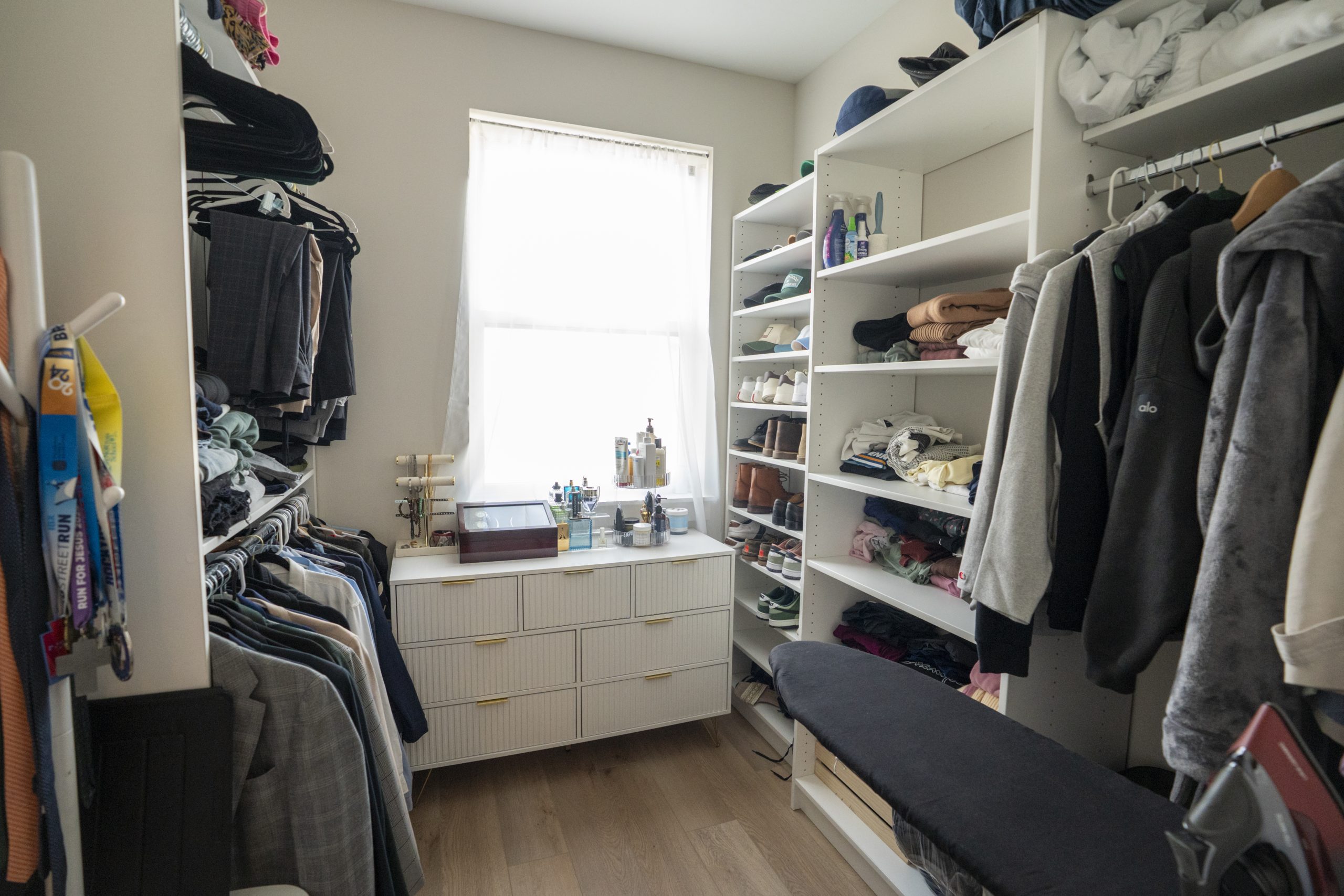
The primary suite includes a walk-in closet.Jessica Kourkounis / For The Inquirer
The appeal: The first time he came across his future home was on Zillow. It was also on his drive to work, so he’d passed it on his commute, admiring the newly constructed townhouses.
But when he randomly met the developers through work, he said, it felt like kismet.
The development was across from a cemetery and a bit over budget at $525,000. But it was just a 10-minute drive to Center City and a half-mile walk to Kelly Drive, where Murchison liked to go running. He liked the neighborhood, too, which he felt was poised for a boom.
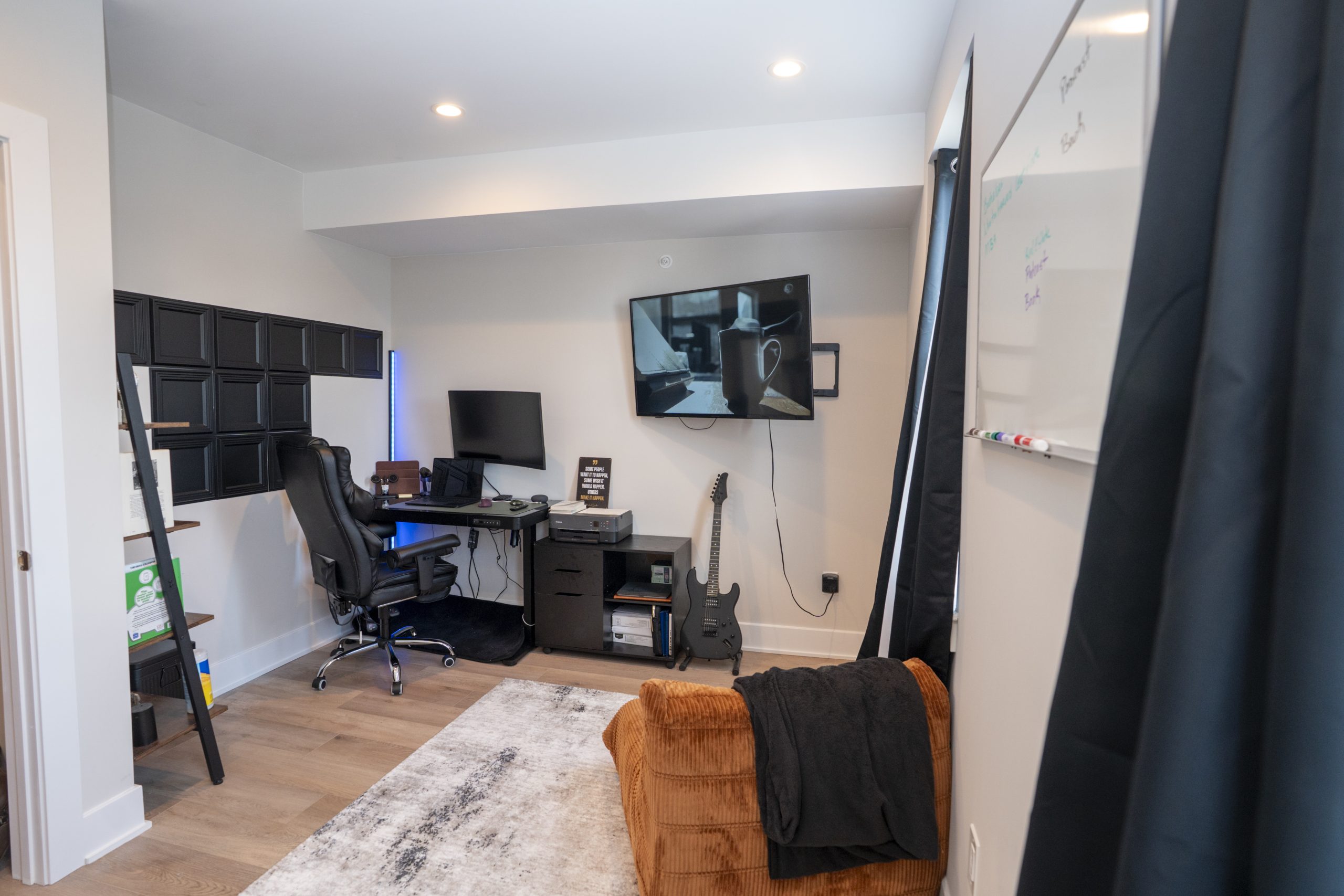
Murchison turned one of the home’s four bedrooms into an office and meditation space.Jessica Kourkounis / For The Inquirer
Because it was a newly constructed home, it was part of a city program that provides a 10-year tax abatement to buyers who bought into certain new construction projects in the city.
“But what ultimately made me move on it was that feeling like, ‘This feels like it could be home,’” he said. “I remember having that feeling, and seeing my daughter, envisioning us like having popcorn and watching TV, and I kind of had in mind where I could put the furniture.”
By the time he toured a second time, he was sold.
The first floor of Murchison’s new townhouse. At 2,617 square feet, it’s more than twice the size of his previous rental. Jessica Kourkounis / For The Inquirer
The deal: Listed at $525,000, Murchison initially offered $480,000 before settling on $490,000, with a 6% seller’s assist.
Though it was a new home, an inspection turned up some minor issues — a loose faucet and a noisy kitchen range fan — that the developer agreed to fix.
The money: Murchisonwas prepared to put 3% down on the new home.But when he inquired with another lender, he said, he was able to get a more attractive deal, in which a down payment wasn’t required.
“I actually got a refund at settlement because I had the 6% seller’s assist,” he said. “So the only down payment was like transfer tax, closing cost, all those things.”
Today, his mortgage is $3,400 — $400 more than his previous rent — and because of the tax abatement, he pays just $68 a month in taxes, he said, instead of the roughly $500 he’d otherwise owe.
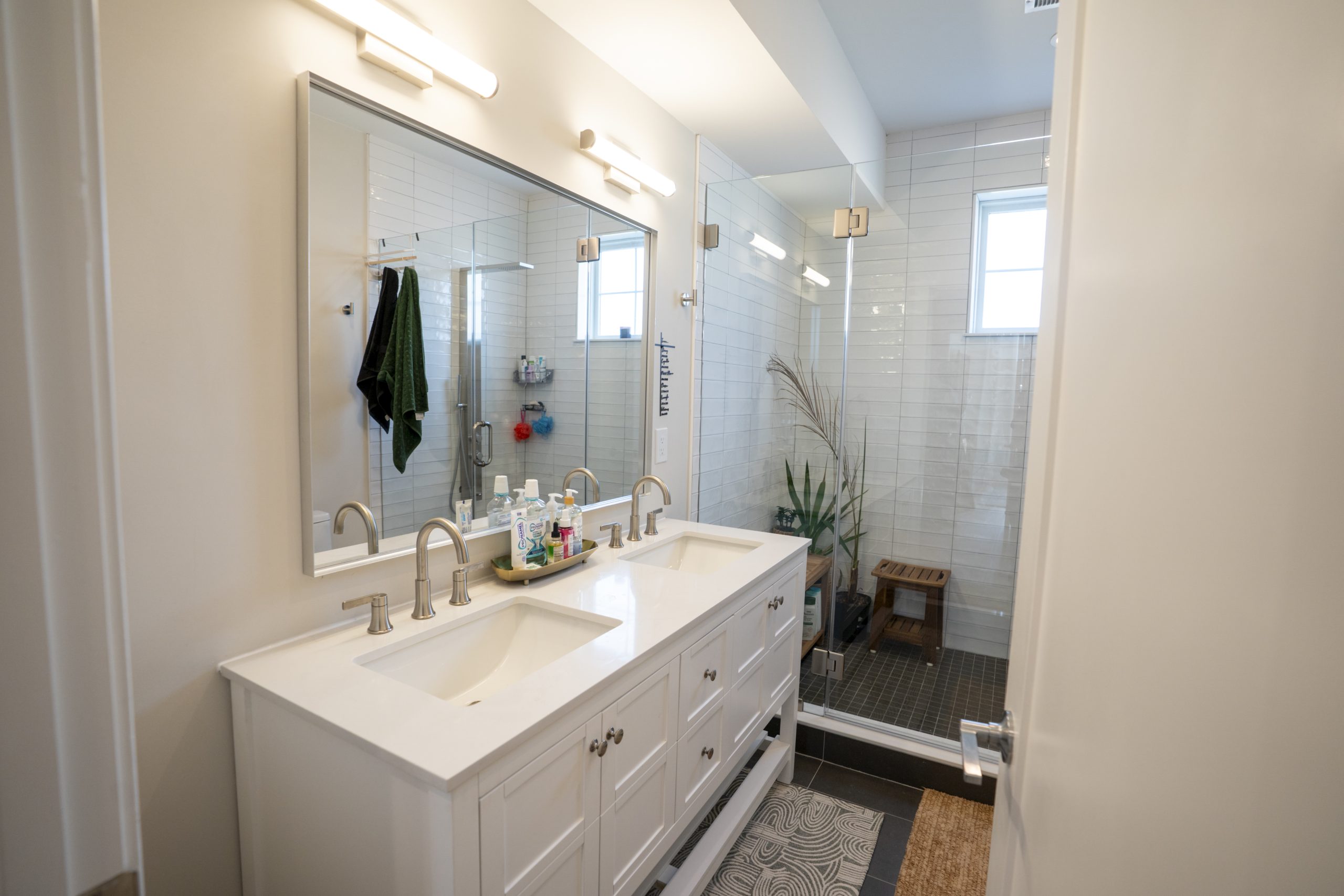
The primary bathroom in Murchison’s new townhouse.Jessica Kourkounis / For The Inquirer
The move: With the money he was able to save by not putting down the 3% down payment, he was able to pay for movers, plus a nice dinner for his first night in his new home.
He moved in the same day he closed on the home. “Iclosed Feb. 6, I think at like 10 a.m., [and] the movers were done by 1 p.m.,” he said.
Life after close: At more than 2,500-square-feet, the new home dwarfs Murchison’s previous rental, which was about 1,000 square feet.
In addition to bedrooms for both him and his daughter, he also has a meditation/prayer room.
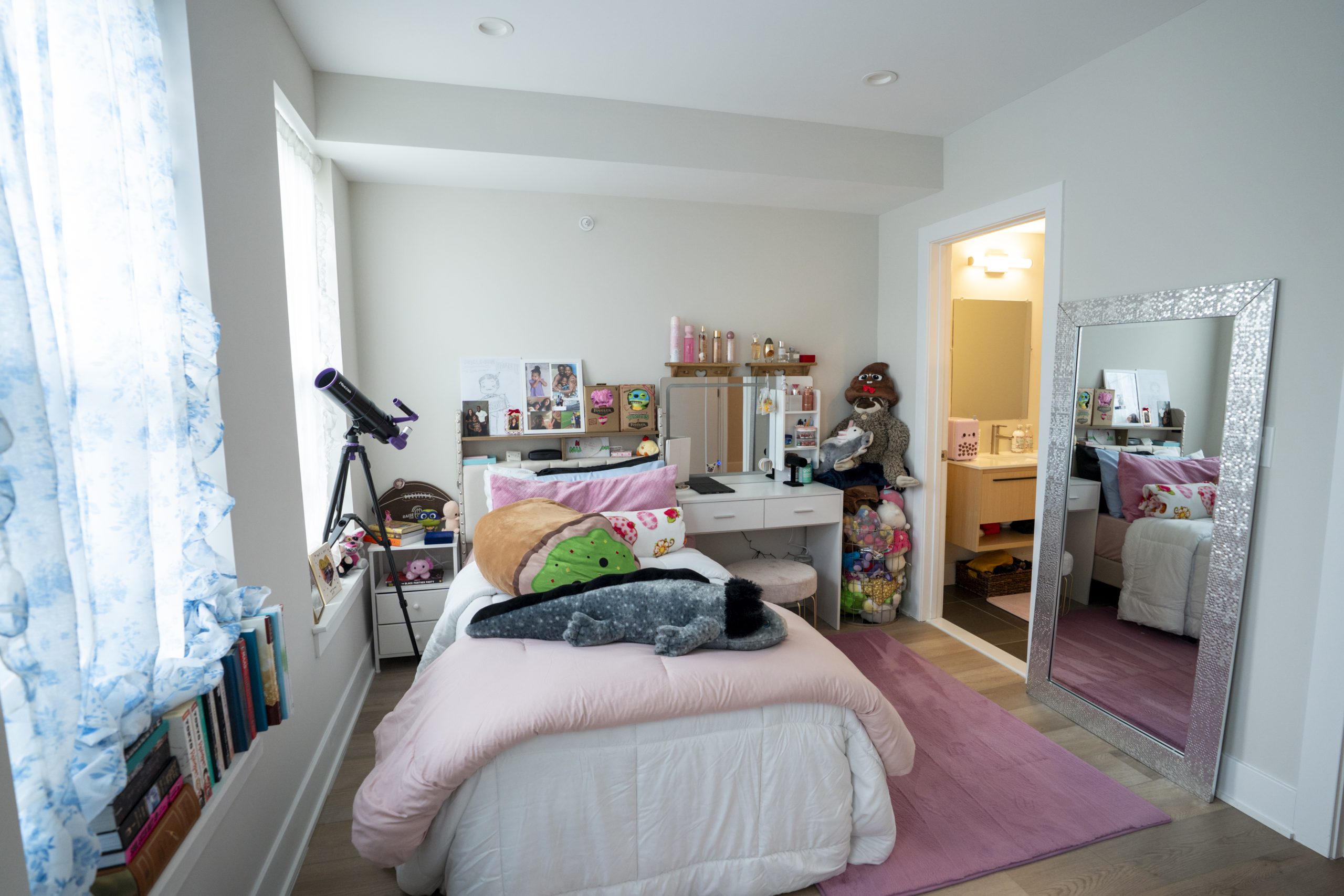
Eric Murchison’s daughter’s bedroom in his new East Falls townhouse.Jessica Kourkounis / For The Inquirer
So far, he’s had one small renovation project done — removing some shelving in a hallway between his bedroom and bathroom — with plans to make two more improvements in the not-too-distant future: adding a sauna, as well as some shade to the rooftop.
He considers himself “very happy” with his new home, and hopes his story inspires other Philadelphians that homeownership in the city remains possible.
“People need to know — especially Philadelphia natives who think they have to leave — like, hey, if you have a good real estate agent and you have creative financing, you might as well buy.”
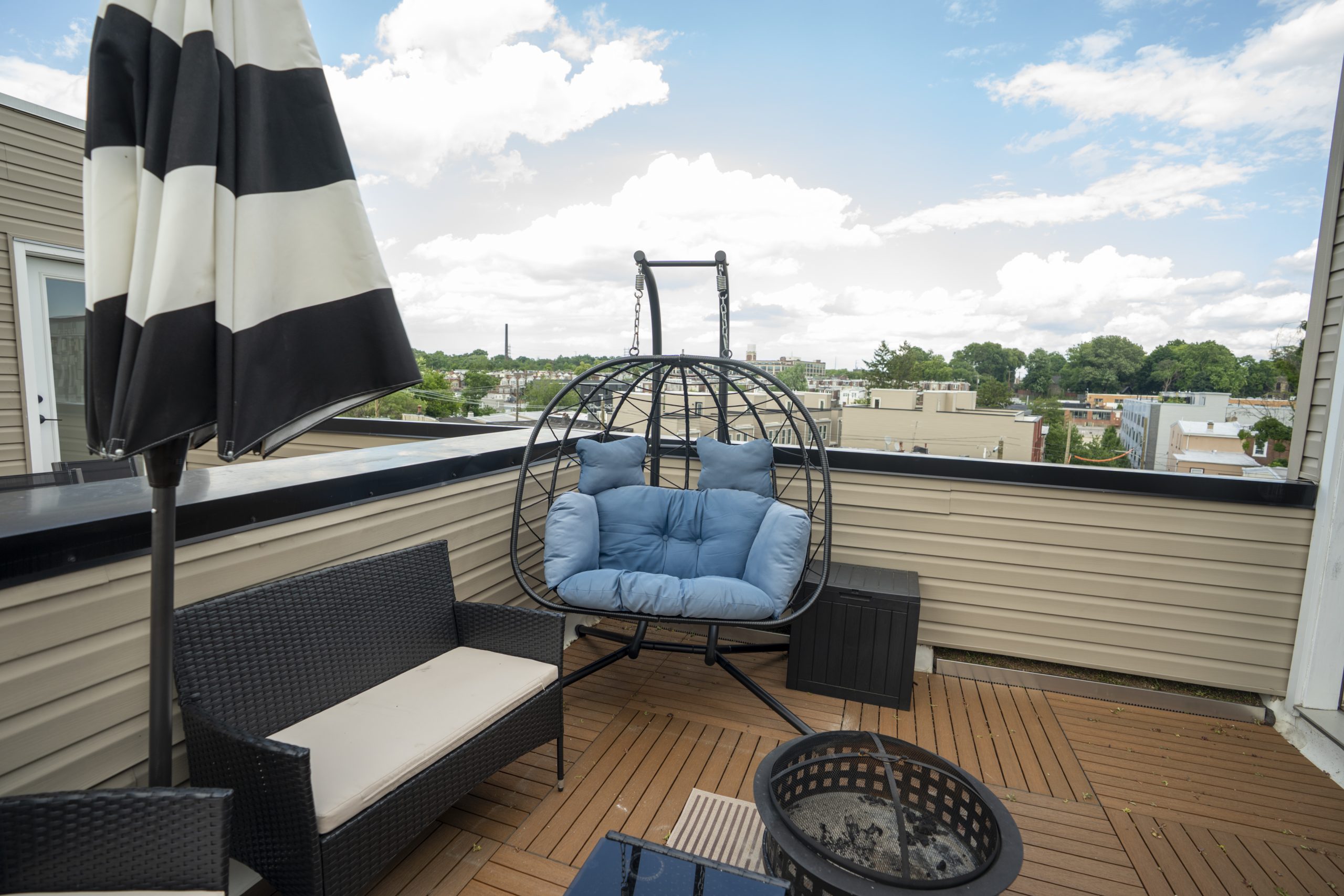
A rooftop deck is one of amenities Murchison was seeking in his new home. He got it.Jessica Kourkounis / For The Inquirer
Did you recently buy a home in the Philadelphia area or South Jersey? Share the story of how you did it. Email Inquirer real estate reporters at properties@inquirer.com.
It might not have been a long time, but Colman Domingo certainly seemed to have himself a good time during a whirlwind 24 hours in Philadelphia for Saturday’s Fourth of July festivities.
The West Philly native and Emmy Award-winning actor was in town to accept an award from Mayor Cherelle L. Parker as part of the city’s Semiquincentennial celebration. And he did what many Philadelphians would do to deal with the heat: eat a cheesesteak and wash it down with a water ice.
“Oh Philly! A time was had in 24 little hours,” Domingo wrote on Instagram on Saturday, with photos from a variety of Philly sites and restaurants, posing with his husband, Raúl Domingo. “Thank you to Mayor Parker for the tremendous honor this morning at Constitution Hall. Got me a cheesesteak and a water ice and I am good!”
Domingo, who has vaulted to stardom through roles in HBO’s Euphoria and the Academy Award-nominated film Sing Sing, among others, joined the throngs of visitors that filled the city for the celebration of America’s 250th birthday.
The actor stopped at South Street, where he patronized Jim’s South Street and Rita’s Italian Ice & Frozen Custard.
“We were in here doing our thing like normal, and [people] were like, ‘Oh, my God,’” Earon Waiters, the manager at Jim’s, said of Domingo’s surprise appearance.
“He’s a very down-to-earth, chill guy, funny, real relaxed — very pleasant to talk to,” Waiters added. “Some staff recognized him immediately, but he didn’t want any special treatment; he went through the line, placed his order.
“He was really cool.”
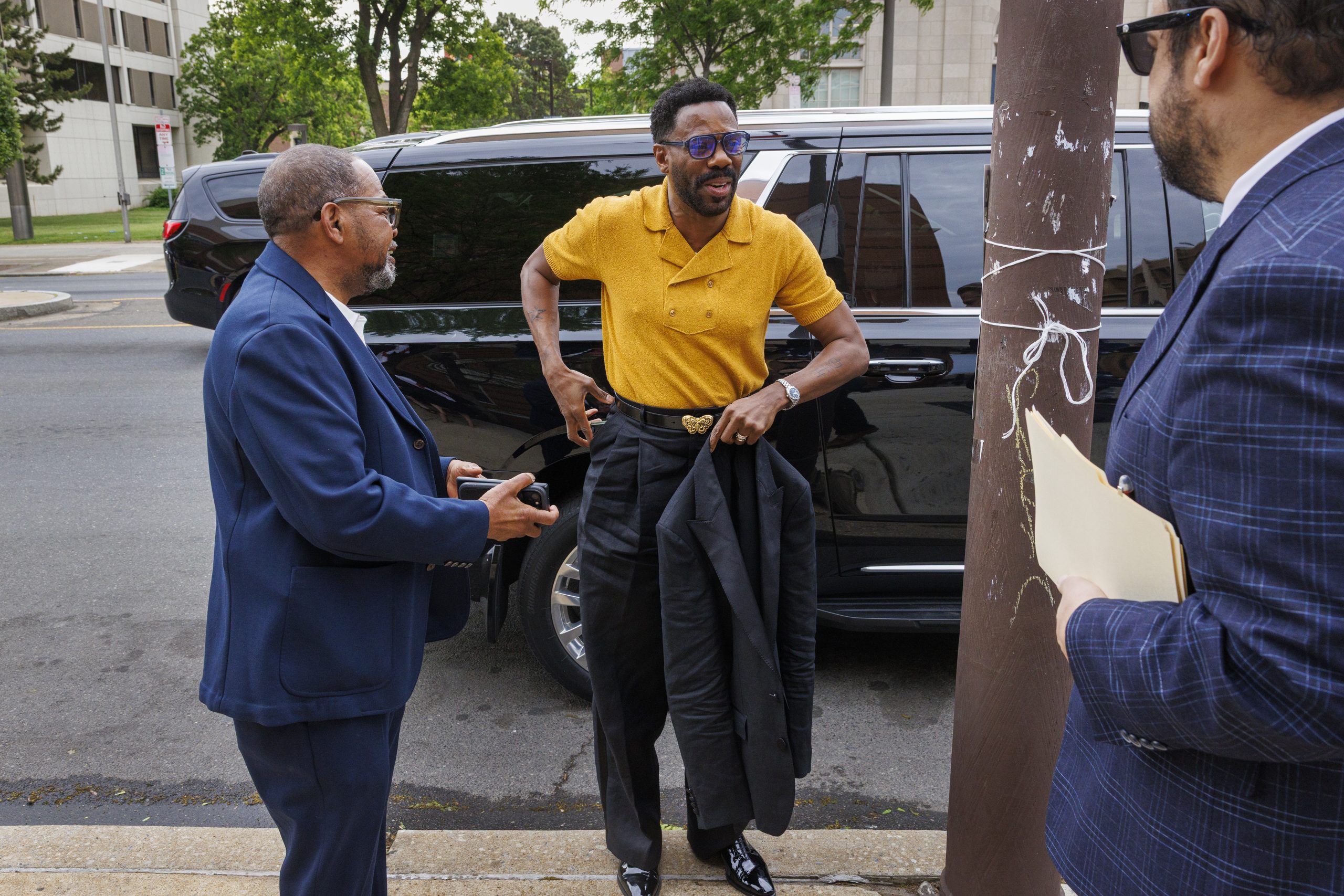
Colman Domingo, actor and former Temple University student, arriving at graduation at Temple University on May 6, 2026. He was awarded an honorary degree during Temple’s 139th Commencement ceremony and gave the commencement address.Alejandro A. Alvarez / Staff Photographer
Waiters said Domingo was at the restaurant for about a half hour, eating and taking photos with customers and members of the staff.
Asked about Domingo’s order, Waiters paused to check with the cooks.
“They say he ordered a Whiz with onions,” he reported back.
(His cheesesteak order, the actor told The Inquirer in 2023, consisted of “cheesesteak with Whiz, grilled onions, salt, pepper — you always gotta say salt, pepper, ketchup — pickle, and sweet peppers.” )
Domingo’s stop at Rita’s — a few minutes’ walk from Jim’s — was more covert.
Aaliyah Neal, an employee at Rita’s, was working on Saturday when Domingo stopped by with a group of people. She didn’t immediately know for sure it was him, she said, as he was wearing a hat and sunglasses.
“Him and all the people he was with were very nice,” said Neal, who recognized the actor from Euphoria and his role in Michael, the recent Michael Jackson biopic. “I recognized him, but … I wasn’t sure if it was him. I didn’t ask, because I didn’t want to bother him.”
“He got a small water ice — I just don’t remember the two flavors he had gotten,” she added.
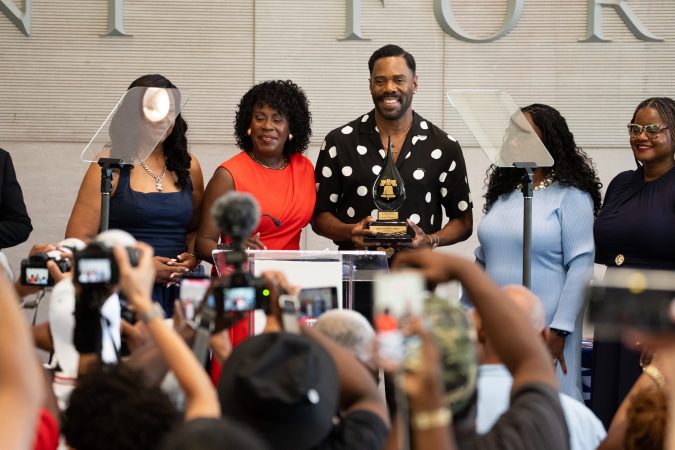
Colman Domingo and Mayor Cherelle L. Parker, at the Constitution Center during the City of Philadelphia Celebration of Freedom event on July 4, 2026.Jessica Griffin / Staff Photographer
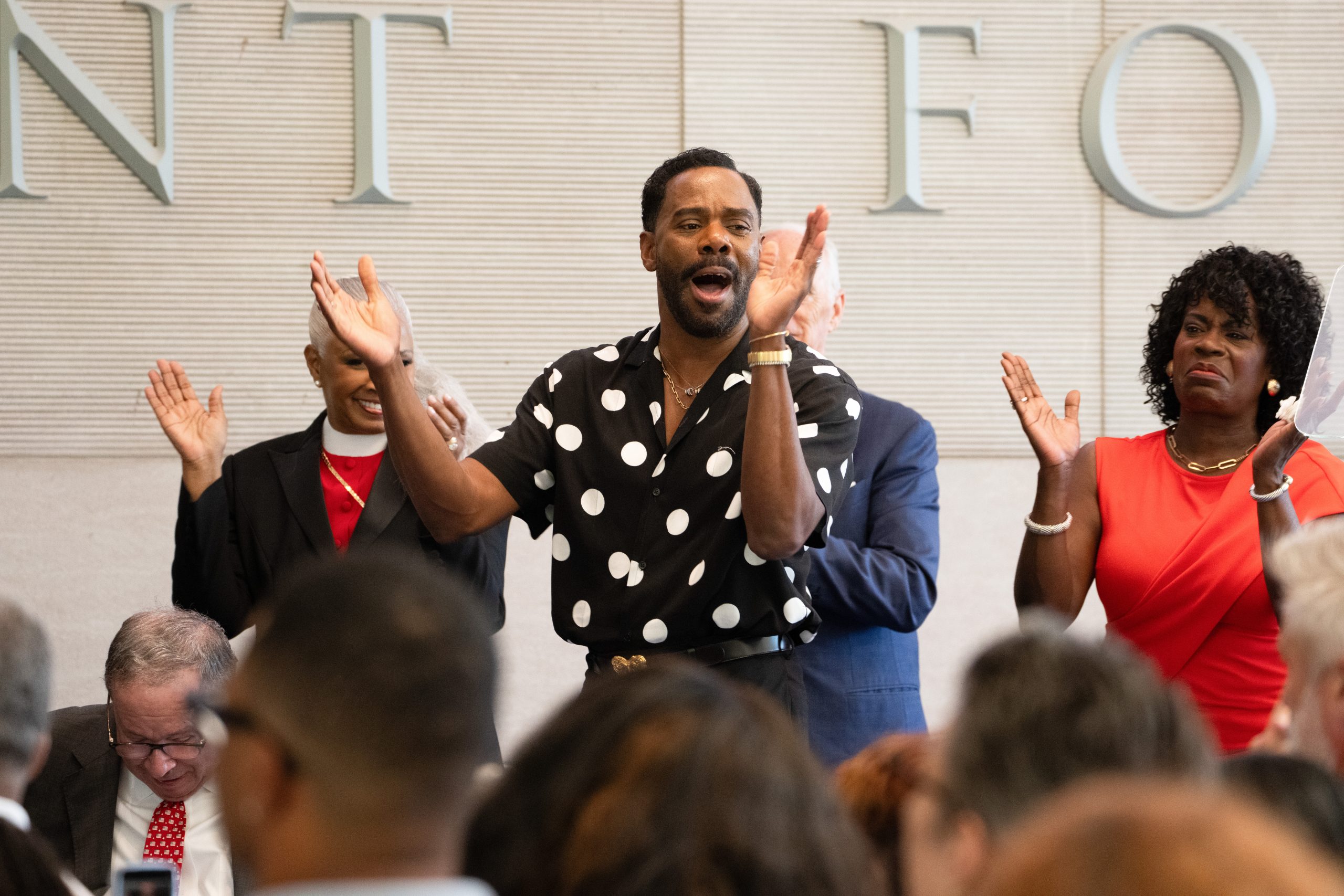
On Saturday, the actor was honored, along with six others, during a ceremony at the National Constitution Center celebrating the nation’s Semiquincentennial. Domingo, who attended Temple University, was presented with the “One Philly Award for the American Voice” by Parker.
His social media post included a photo of him with WDAS host Patty Jackson and singer Yolanda Adams, who sang the national anthem at the event.
As he often does, Domingo spoke glowingly of the city that shaped him.
“Philadelphia, I love you so much,” he said in his address to the gathered crowd. “I love the people, the spirit. And baby, let me tell you something, when people say, ‘Where do you get your style from?’ I said, ‘I come from Philly.’ ‘Where do you get your work ethic?’, ‘I come from West Philly.’ ‘Where do you get your stride?’ I said, ‘Just look around at the people in Philly — they’ll show you everything.’”
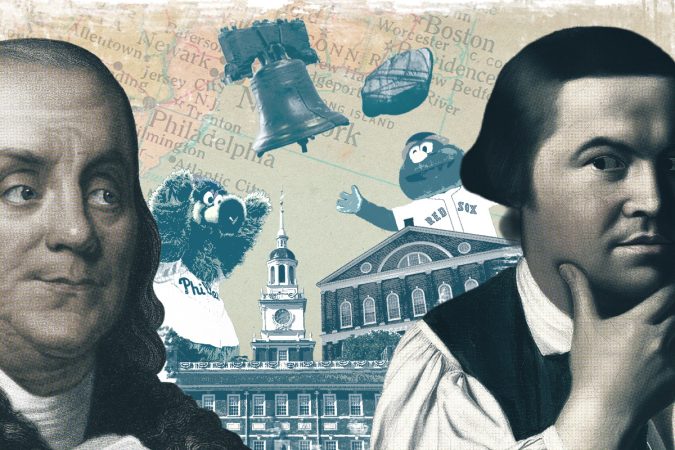
BOSTON — Not long ago, the folks over at the Boston Globeturned their spotlight on, of all places, Philadelphia. With the nation’s 250th birthday fast approaching, the newspaper dispatched a reporter to our fair city to determine how it stacks up, historically speaking, to Boston.
The story revealed that — despite being primarily known for bad weather and baked beans — Boston apparently fancies itself a city with a robust and impressive history. In fact, some seemed to be of the opinion that Boston’s Revolutionary history might even be better than Philadelphia’s.
“As the old saw goes,” one Massachusetts historian told the paper, “Boston did the hard work of making the Revolution, while Philadelphia did the paperwork.”
Admittedly, this came as a bit of a surprise to us here at The Inquirer. What we had assumed is that when your city lays claim to the Liberty Bell, the Declaration of Independence, the U.S. Constitution, and a starring role in the 2004 Nicolas Cage film National Treasure, any debate over historical prominence is bound to be a little one-sided.
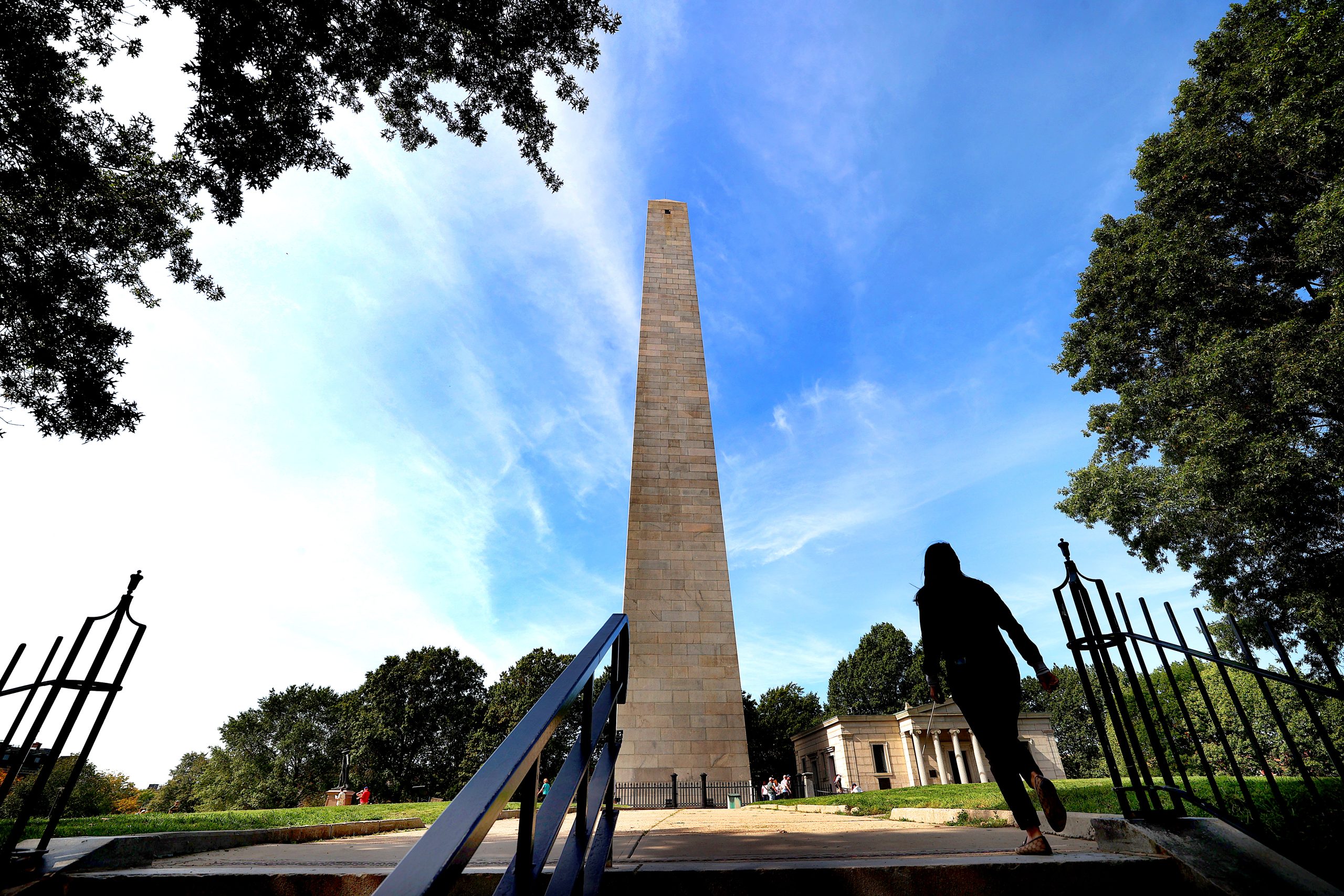
The 221-foot Bunker Hill Monument – which actually sits atop Breed’s Hill – seen here on Sept. 30, 2025.David L Ryan/ Globe Staff
Having myself once lived in Boston, I, too, was a bit miffed, as it had always been my understanding that the city’s history amounted to little more than drunken shenanigans and historical fan-fiction — a bizarre collection of half-truths and falsehoods.
But like the Founding Fathers themselves (at least five of whom are buried at Philadelphia’s Christ Church, though who’s counting?), I remain open to new ideas.
And so I set off recently for that little New England burg to the north, eager to experience firsthand the rich and vibrant history that we Philadelphians had apparently been missing out on.
A trail of freedom and fabrication
It was mid-June when I arrived in Boston, which meant that winter would be wrapping up in just a few short weeks, and the city was abuzz.
Hollywood might have you believe that Boston is a grim, gray place where residents spend all their time robbing banks and inquiring about one another’s fondness for fruit, but in truth, the city is a lively hub of art, education, technology, and — as I’d recently learned — history.
And how better to delve into that history than by joining a walking tour of Boston’s famed Freedom Trail, a 2.5-mile path featuring several of the city’s most significant historical landmarks?
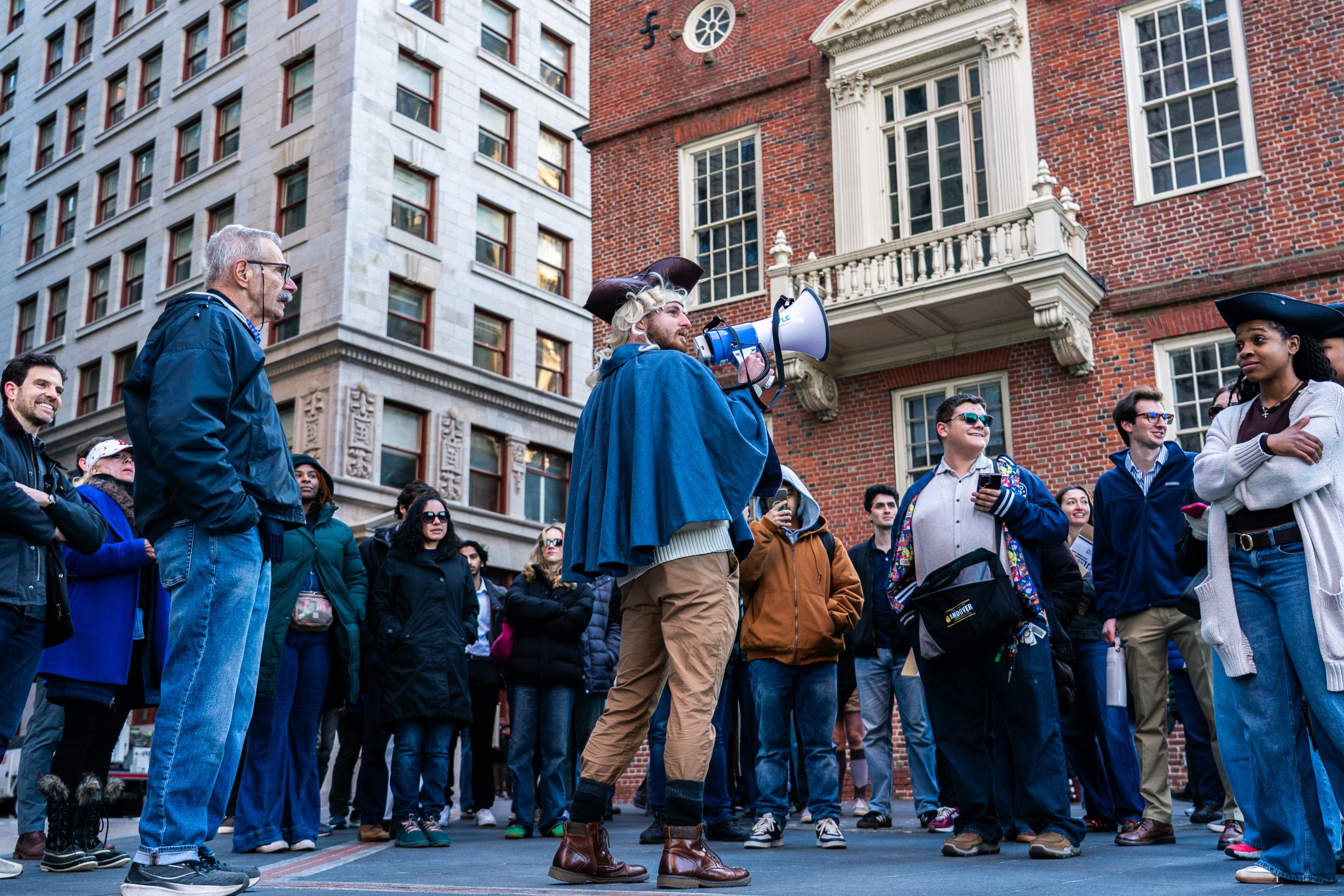
As a dozen or so of us set off with our guide, Kenneth — a friendly fellow dressed in authentic Revolutionary garb consisting of a polo shirt that said “Boston History Company” — it was hard not to feel a swell of patriotic pride.
What quickly became apparent, however, is that — when it comes to its history — Boston has spent the past 250 years playing a little loose and fast with the facts.
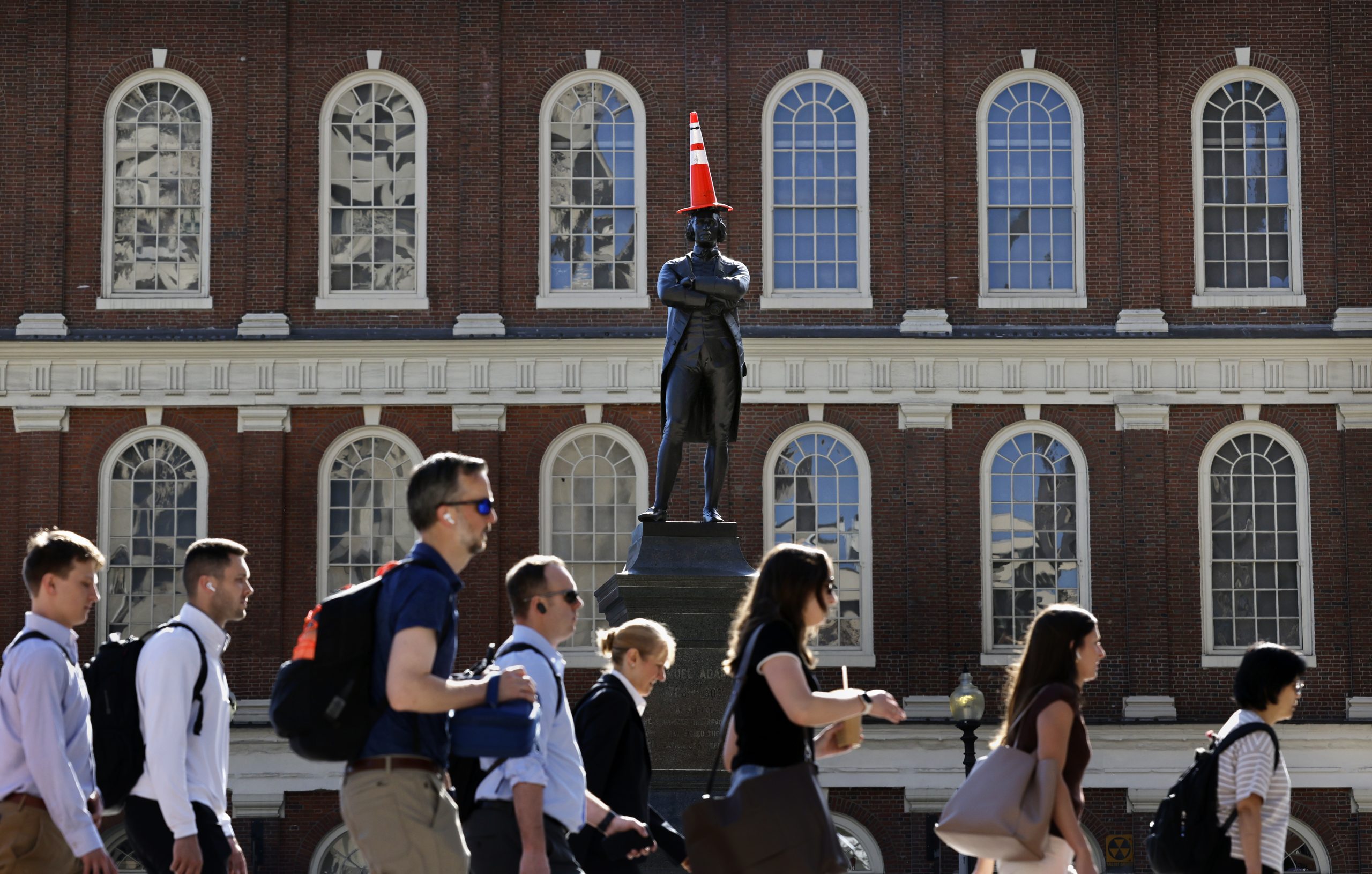
A traffic cone sits atop the statue of Samuel Adams as morning commuters pass Faneuil Hall in Boston on June 17, 2026. Craig F. Walker/Globe Staff
Take Paul Revere, arguably the city’s best-known historical figure.
You might recall Revere from his famous “midnight ride,” detailed in Henry Wadsworth Longfellow’s iconic poem, during which Revere successfully alerts fellow colonists of a coming British invasion.
In reality, Kenneth explained, Revere had pulled on his boots, set off on horseback into the New England night — and been promptly captured by British soldiers.
In fact, of the three riders sent out that night, our guide said, Revere was the only one who’d failed to complete the mission.
There was also the matter of the city’s most famous Revolutionary battle, the Battle of Bunker Hill — namely, that it was fought not on Bunker Hill but at a completely different location, called Breed’s Hill.
Rather than correct the record, Boston in 1843 built a massive 221-foot monument atop Breed’s Hill, labeled it “The Bunker Hill Monument,” and marketed it as a major civic attraction — though, luckily, there was a perfectly reasonable explanation for this bit of misdirection:
“[Bunker Hill’s] got the better name,” Kenneth explained. “So that’s what we went with.”
But a city’s history, of course, is about more than just names and dates and stories — it’s about monetizing those stories through a carefully curated local tourism industry.
The tourist experience
Proponents will tell you that, much like Philadelphia, Boston has done a terrific job preserving the city’s historical aesthetic, and this certainly seemed to be the case.
For instance, if you ignored the Chipotle, the CVS, the Walgreens, the Sweetgreen, the TJ Maxx, the Shake Shack, the cell phone repair shop, the Falafel King, and the 47 or so Dunkin’ locations lining the Freedom Trail, it was pretty much impossible not to feel like you’d been transported right back to the 1700s.
Trey Fuccillo, 23, of Boston leads attendees during a “Democracy Walk” with David Hogg, co-founder of Leaders We Deserve, and Patrick Roath, candidate for Congress, outside of the Old State House in Boston on Wednesday, April 8, 2026. Finn Gomez for the Boston Globe
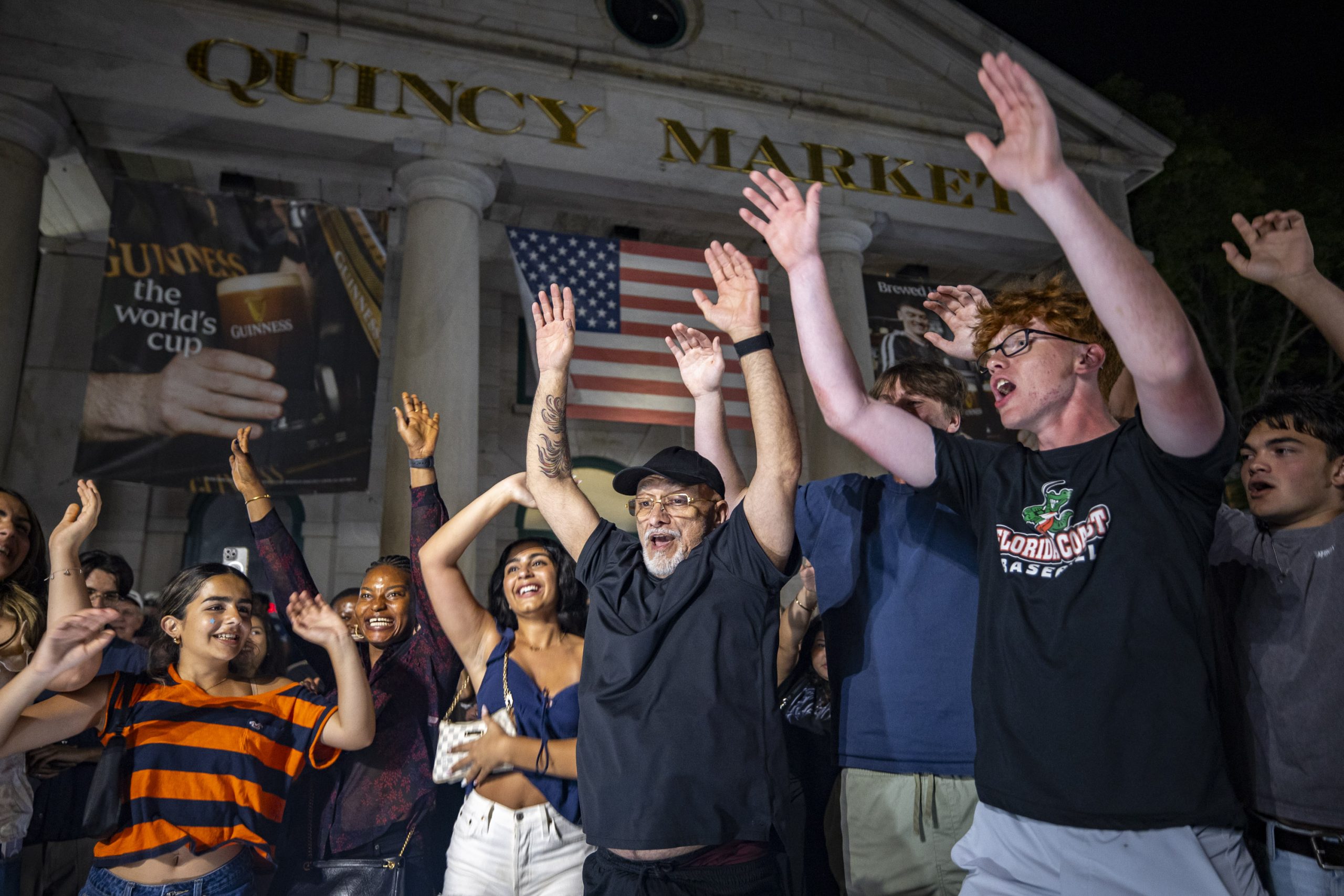
The crown jewel of the city’s historical district is the bustling Faneuil Hall Markeplace — which once served as a prominent meetinghouse for the Sons of Liberty and today is a very good place to get, say, a $23 bowl of chowder and a key chain with a shamrock on it.
Like Philadelphia’s Independence Hall, which remains a meticulously maintained ode to Philadelphia’s Revolutionary history, Boston’s Faneuil Hall — and nearby Quincy Market — is also a site that shows great reverence to the city’s past.
For instance, when you walk past the Sephora and take a left at Jimmy Buffett’s Margaritaville — if you reach the Sunglass Hut, you’ve gone too far — you will eventually arrive at a small shop selling tasteful tributes to the city’s storied history, such as:
A T-shirt featuring three cartoon men in wigs, chugging beers below the words, “The ‘Pounding’ Fathers.”
A T-shirt featuring an image of Benjamin Franklin wearing sunglasses and holding a red Solo cup, along with the words, “Ben Dranklin.”
Despite such thoughtful offerings, it turns out that Boston’s quest to attract history-focused tourists in the lead-up to America’s 250th birthday hasn’t always been easy.
“Philadelphia’s been cleaning our clock in terms of getting people to come to Philadelphia to see history,” says Robert Allison, president of the Colonial Society of Massachusetts and co-chair of Revolution 250, a consortium of New England organizations dedicated to honoring the nation’s Semiquincentennial.
But back to Ben Dranklin for a moment…
Rambod Hashemi, center, leads dances as Cory Allen Staats performs outside Faneuil Hall in Boston on Saturday, June 20, 2026.Christian Kantosky for The Boston Globe
The Franklin conundrum
One issue that tends to get a little sticky between Boston and Philly is which city possesses a stronger claim to Benjamin Franklin, the wacky, kite-flying Founding Father.
Franklin’s story is a tale as old as time: Child is born in a small town (Boston), longs for something more, and, as a teen, eventually works up the courage to set off for the big city (Philadelphia), whereby, suddenly surrounded by other brilliant minds, he blossoms.
Despite this, Bostonians have struggled to relinquish their ties to Franklin, whose name and likeness are plastered across the city.
One afternoon, for instance, I found myself at the Mount Auburn Cemetery in nearby Cambridge, staring up at an enormous monument marking Franklin’s burial spot.
This was notable only in the sense that Franklin is very much buried 300 miles away, at the Christ Church Burial Ground in Philadelphia.
During our tour, Kenneth, the guide, had shared an improbable story. Apparently, an eccentric rich man named Thomas Dowse — in an effort to get more people to visit Dowse’s own grave site — had arranged to have a false burial monument to Franklin constructed nearby.
“A psych-out,” Kenneth called it.
Certain Kenneth must be mistaken — that not even in Massachusetts could someone be so arrogant and status-obsessed as to erect a fake burial monument — I called the cemetery in question and sheepishly recounted the story I’d heard.
“That’s absolutely true,” replied Meg Winslow, the senior curator of historical collections and archives at Mount Auburn — and a Philly native.
“It’s pretty big,” she added of the monument. “In the cemetery world, we call it a ‘cenotaph’ — which is a memorial without a body.”
As my first day in Boston drew to a close, I tried to take stock of what I’d learned. In truth, after 24 hours in the city, I’d yet to uncover the kind of historical magic I’d hoped to find.
But maybe, I realized, I’d been setting my sights too narrow.
To fully appreciate the local history, maybe I needed to go a bit further back in time.
Plymouth Crock
The next morning, I awoke early and — with a renewed sense of optimism — headed south on I-93, toward the one historical landmark that was guaranteed to impress: Plymouth Rock.
Like every American child, I’d grown up learning about this vaunted slab of stone — the very rock where the Mayflower Pilgrims had made landfall back in 1620.
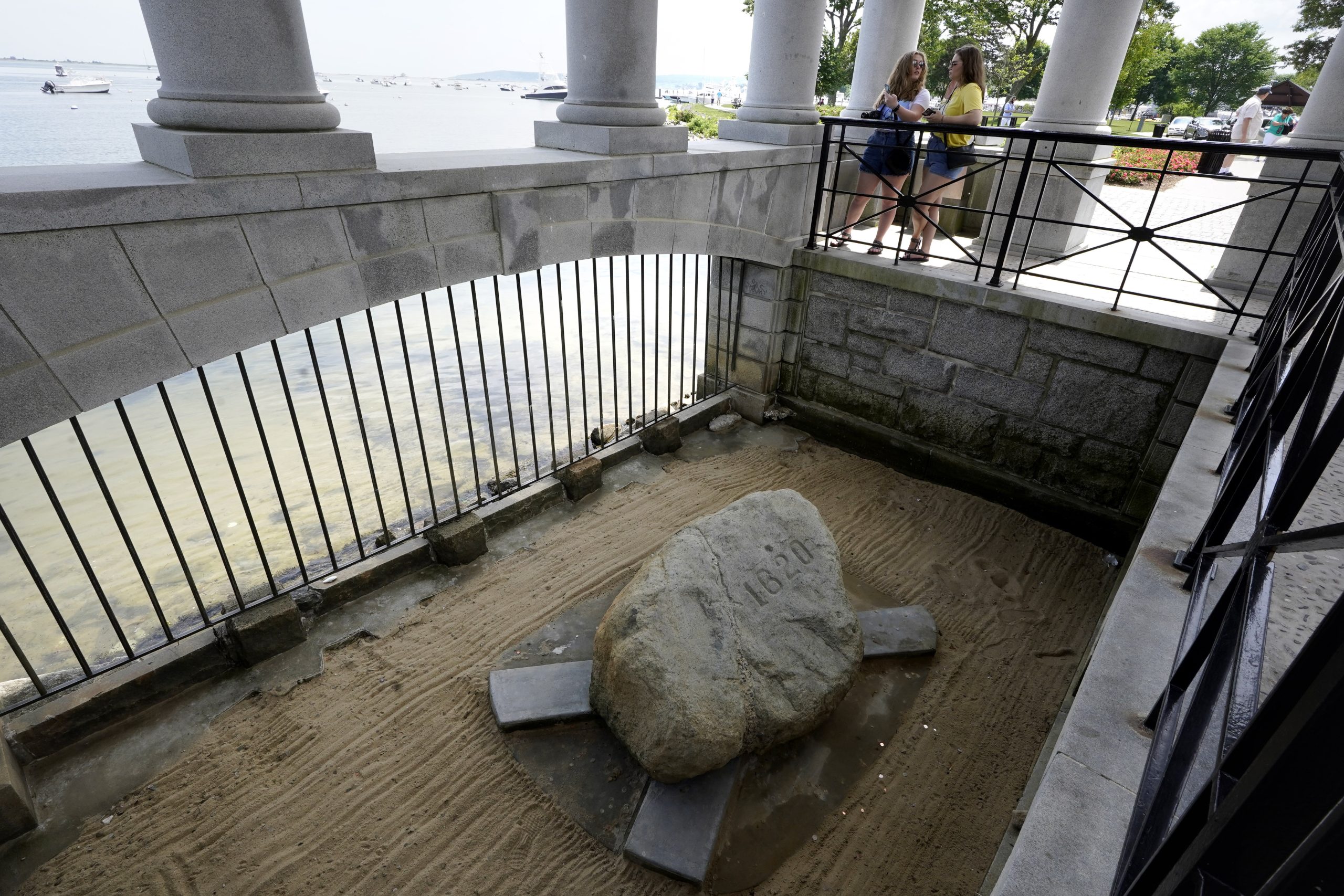
Today, the rock is featured in a prominent seaside park 30 miles outside of Boston, and though some Yelp reviews have been lukewarm — “This rock is smaller than my dog’s bed.” … “How can a rock be so famous and [yet] such a let down at the same time?” … “I am so glad I am dying of a terminal disease so I don’t have to ever visit here again.” — I was not going to let a few naysayers dampen my spirit.
Visitors stand in a pavilion that shelters Plymouth Rock, below, in Plymouth, Mass., in June 2021. (AP Photo/Steven Senne)Steven Senne
While it’s true that the rock is on the smaller side, and that the vast majority of tourists who’d made the pilgrimage did not immediately appear blown away (“Corny-ass rock,” grumbled one teenager in headphones), none of that took away from the rock’s significance — or the sense of awe I felt while gazing upon it.
This — right here in front of me — was the actualrock that the Pilgrims first set foot upon when they disembarked from the Mayflower more than 400 years ago.
“Actually, that’s a little bit of a myth,” explained a nearby park ranger, a skinny fellow with a wily white beard. “They arrived in winter, so there was snow and ice. No one’s stepping onto rocks with snow and ice.”
OK. But still: This — right here in front of me — was the veryspot where the Mayflower had come ashore…
“The Mayflower didn’t come in,” corrected the ranger. “It was anchored a mile and a half out. A smaller vessel came in.”
Fine. But what was indisputable was that the town of Plymouth — the town in which I now stood, the town that has staked its entire identity to Plymouth Rock — was absolutely, positively the veryfirst place the Mayflower Pilgrims landed when they arrived…
I looked at the ranger.
“They stopped first at the tip of [Cape Cod],” he said, “in a place called Provincetown.”
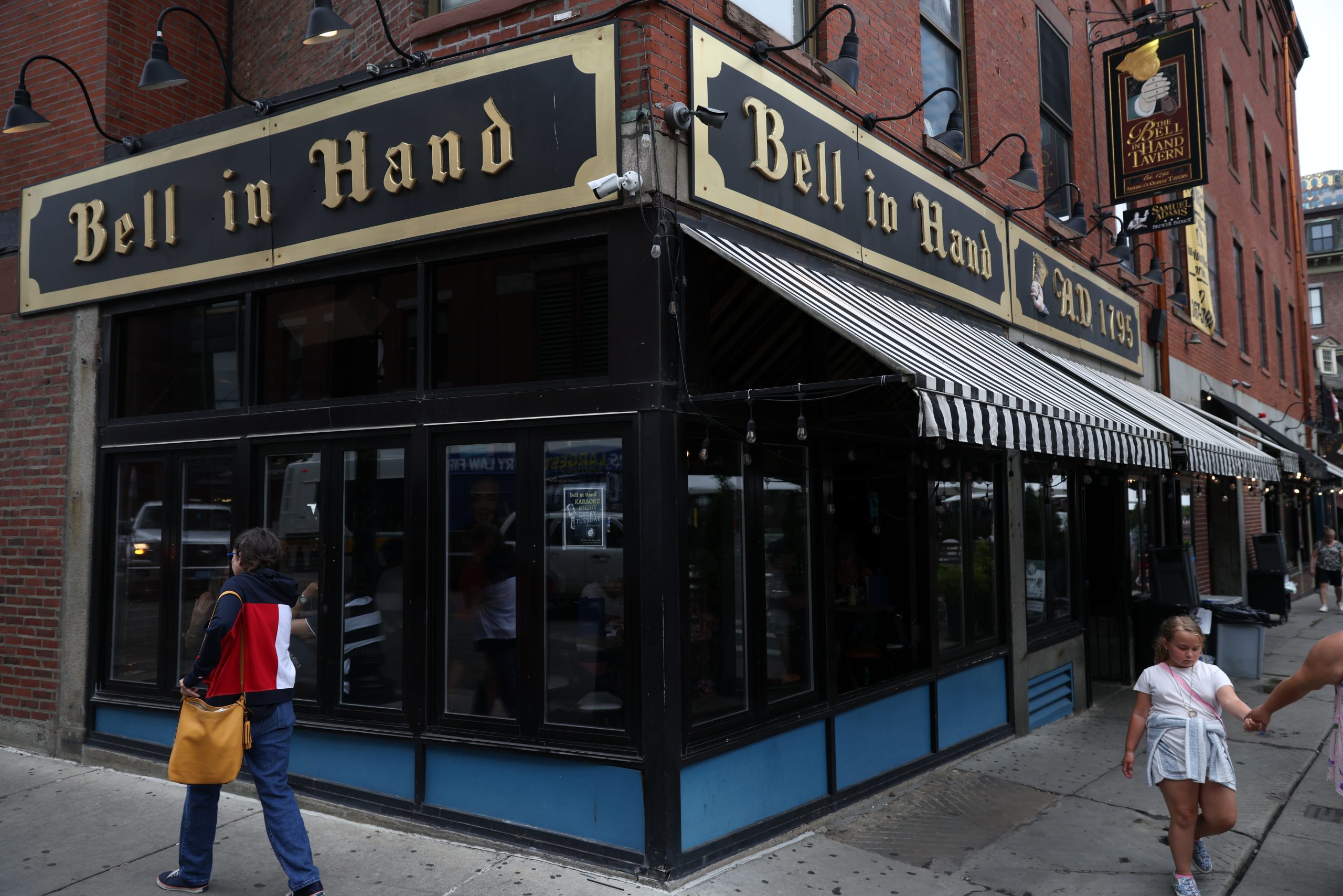
The Bell in Hand Tavern on Tuesday, July 9, 2025. Jonathan Wiggs/Globe Staff
The verdict
Back in Boston later that day, it was hard not to feel a bit dejected.
I’d arrived in the city two days earlier with high hopes and an open mind, ready to immerse myself in its history; now, it seemed I’d be leaving with little more than some blisters and moderate-to-severe sun damage.
On my last afternoon in town, I was wandering glumly through the city’s streets, wondering if the trip had been for naught, when I stumbled upon an old business.
The Bell In Hand Tavern, a sign out front read. Oldest Tavern in America.
I walked in and took a seat at the bar.
Maybe it was the cool breeze flowing in from the open windows. Maybe it was the middle-aged finance guys flirting unsuccessfully with their server at a nearby table.
But sitting there, in the oldest tavern in America — trying to decide, like so many great patriots before me, between the loaded nachos and the steak-and-cheese spring rolls — I suddenly realized that I’d been looking at things all wrong.
In the end, history isn’t some gaudy competition. We all play a role in this great nation. Sometimes, as in the case of Philadelphia, that role includes having the Liberty Bell, the U.S. Constitution, the Declaration of Independence, and being the literal birthplace of democracy. And sometimes, as in the case of Boston, it means erecting fake burial monuments and celebrating small rocks of dubious historical significance.
Does that make one city “better” than the other?
Yes.
Obviously.
But the point is, it all matters.
For the first time since my arrival, I felt a pang of appreciation for this scrappy New England city, with itscute little history tours andincorrectly placed monuments.
And though my train back to Philadelphia would soon be departing, I was overcome by the urge to mark this moment in the only way that seemed right.
“Excuse me,” I called to the bartender, brimming with a newfound sense of patriotism. “I’ll have a Samuel Adams lager.”
This inaugural citywide arts festival has been running strong since late-May, but the coming weeks offer a deep slate of programming ahead of the July 4 weekend.
Launched to “foreground our city’s artists as interpreters of this complex moment in American history,” the multidisciplinary festival includes puppetry, dance, music, books, film, and more through July 2.
The lead-up to Independence Day features multiple exhibitions and events, many of them free, making it an affordable way to celebrate the nation’s milestone birthday.
The Brandywine Valley Symphony will perform “Masterworks 3: Made in America” in the open-air venue at Longwood Gardens. Before the concert, organizers for Dare to Declare will attempt the region’s largest public reading of the Declaration of Independence.
🕒 June 25, 7 p.m., 💵 $20-$65, 📍 1001 Longwood Road, Kennett Square, PA 19348, 🌐 bvsymphony.org
Play trivia, test your knowledge against a historian, and attend a town hall on the “shared principles at the heart of the American idea.” It’s all free and part of the weeklong lead-up to July 4, when the National Constitution Center celebrates America’s 250th birthday.
🕒 June 29-July 4, times vary, 💵 Free, 📍 525 Arch St., Philadelphia, PA 19106, 🌐 constitutioncenter.org
Headlined by 20-time Grammy winner Kirk Franklin, this two-hour gospel music celebration features a choir of more than 250 voices against the backdrop of Independence Hall. Seating is first-come, first-served.
🕒 June 28, 7 p.m., 💵 Free, 📍 599 Market St., Philadelphia, PA 19106, 🌐 july4thphilly.com.
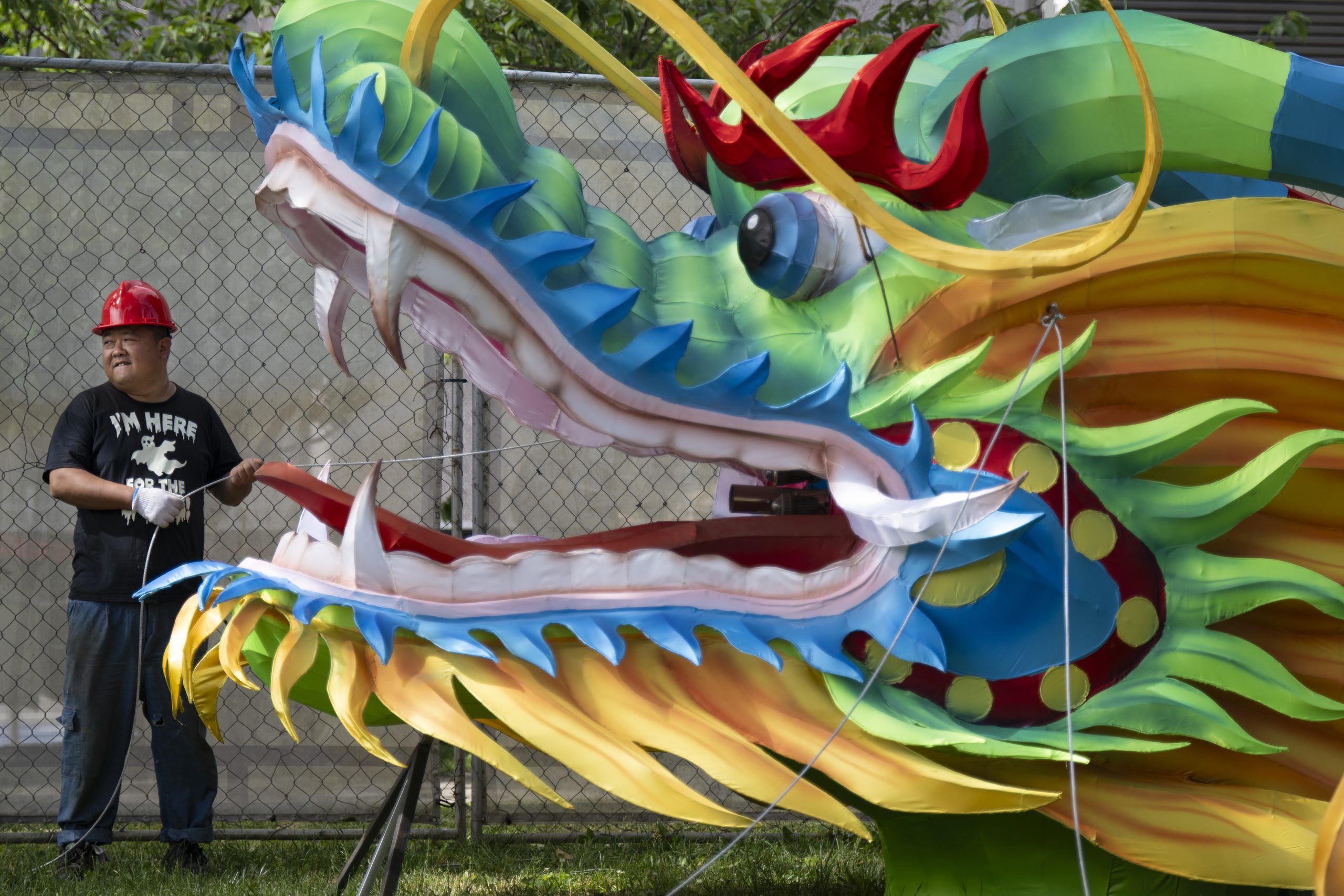
A worker prepares to raise the head of a fire-breathing dragon lantern in preparation for the Philadelphia Chinese Lantern Festival at Franklin Square this year.Jose F. Moreno / Staff Photographer
The festival is back with a special nod to the global events arriving in Philadelphia this summer. Handmade sculptures take over Franklin Square, with nightly performances held on three stages: face-changing, table foot-juggling, and head-balancing.
🕒 Open daily between now and Aug. 2, 💵 Adults $28-$32, with discounts for children and seniors, 📍 200 N. Sixth St., Philadelphia, PA 19106, 🌐 phillychineselanternfestival.com
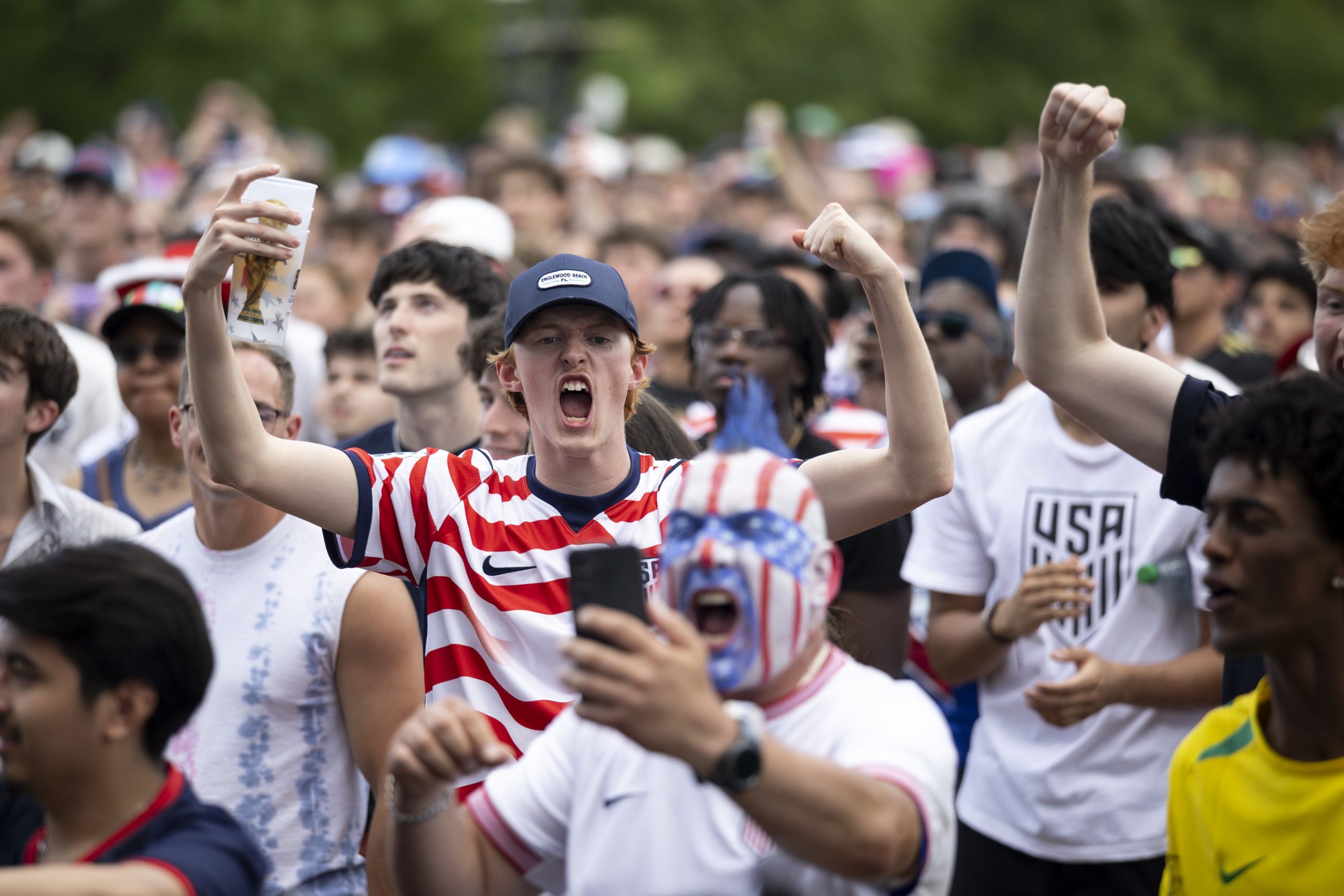
Cam Gorman, 23, of Gilbertsville, Pa., cheering with Philly Sports Guy at the FIFA Fan Festival at Lemon Hill, as USA beats Australia on June 19.Tyger Williams / Staff Photographer
With the U.S. team still battling for a title, what better way to celebrate the lead-up to 250th birthday than by cheering on the team in the World Cup?
The tournament, with several matches hosted in Philadelphia, has transformed the city into a summer-long party. Much of the action centers on the Fan Festival at Lemon Hill, where visitors can enjoy music, food, drinks, and watch parties. Admission is free, though preregistration is required.
Two Round of 16 matches are scheduled for July 4, at 1 p.m. and 5 p.m., though the participating teams have yet to be determined. The 5 p.m. game will be played at Lincoln Financial Field.
🕒 Various dates and times, 💵 Free (registration required), 📍 Lemon Hill Park, 1 Lemon Hill Drive, Philadelphia, PA 19130, 🌐 phillyfwc26.com.
Philadelphia’s Historic District goes all out with a full day of events welcoming visitors to America’s “most historic square mile.” Highlights include a giant human Liberty Bell, plus a block party and street music festival featuring more than two dozen acts. At 7 p.m., Queen Latifah performs with the Army Field Band and Soldiers’ Chorus on Independence Mall. A 13-minute drone show follows later that evening.
🕒 July 2, 7 a.m. to 9 p.m., 💵 Free, 📍 Philadelphia’s Historic District, 🌐 july4thphilly.com
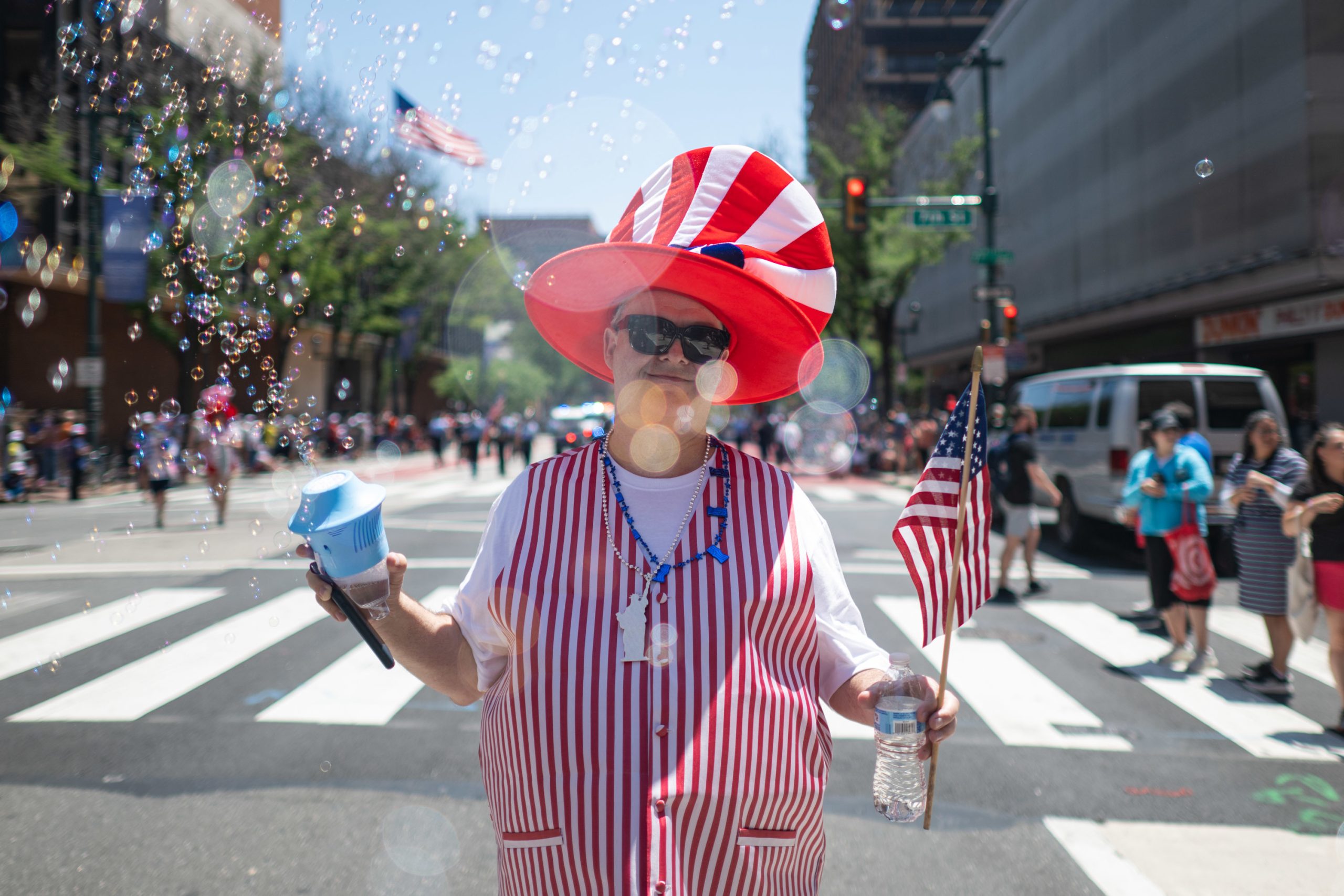
Dan St. Mary poses for a portrait with his bubble dispenser during the Salute to Independence Parade on July 4, 2025, in Center City.Kaiden J. Yu / Staff Photographer
This year’s parade features an extended route, along with 50 marching bands, 19 floats, and tributes to all 50 states and U.S. territories. The event begins at 5th and Chestnut Streets and winds through Center City before ending near Broad and Chestnut Streets. Feel like skipping the crowds? Catch it live on NBC 10.
🕒 July 3, noon to 4 p.m., 💵 Free, 📍 Independence Hall to Benjamin Franklin Parkway, 🌐 july4thphilly.com
The Philly Pops are joined by Broadway legend Idina Menzel for a two-hour concert on the eve of Independence Day. A pre-show block party featuring food trucks and giveaways begins at 5 p.m. Seating is first-come, first-served.
🕒 July 3, 7 p.m., 💵 Free, 📍 599 Market St., Philadelphia, PA 19106, 🌐 july4thphilly.com
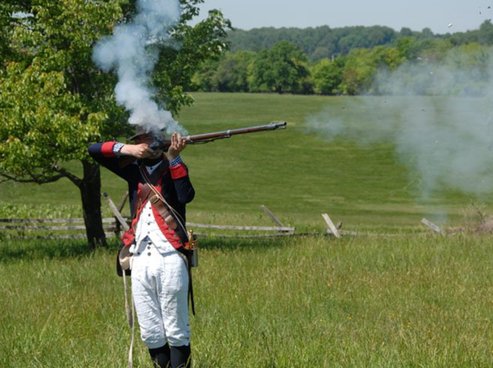
Musket firing will be a part of the Independence Day Celebration at Valley Forge National Historical Park.
Valley Forge marks 50 years as a national historical park with three days of commemorative programming, including Revolutionary War reenactors, musket firings, and artillery demonstrations.
SEPTA Bus 125 will get you to the park, and a park shuttle runs throughout the celebration from July 3-5. Plus, there are bike rentals on-site. All events are free to attend, and you can find a complete schedule of the weekend’s events at the National Park Service website.
🕒 July 3-5, 9 a.m. to 5 p.m. daily, 💵 Free, 📍 North Outer Line Drive in Valley Forge National Historical Park, 🌐 nps.gov.
A three-day slate of activities begins July 3 with extended First Friday hours at the Heritage Center and an evening car show at the East Greenville Fire Co. The next day features a parade, a reading of the Declaration of Independence, performances by the Brandywine Colonials Fife and Drum Corps and the Red Hill Band, followed by fireworks. On July 5, the Heritage Center hosts a free family-friendly event from noon to 4 p.m. with exhibits and refreshments.
🕒 July 3-5, times vary, 💵 Free, 📍 Various locations, 🌐 schwenkfelder.org.
In addition to musical performances from Yolanda Adams and DJ Diamond Kuts, a collection of speakers — including Philly Mayor Cherelle L. Parker — are slated to reflect on the nation’s history on the morning of its 250th birthday.
🕒 10 a.m. to 11 a.m., July 4, 💵 Free, 📍 599 Market St., Philadelphia, PA 19106, 🌐 visitphilly.com
The courtyard of the Betsy Ross House will be filled with animals on the morning of July 4, during the annual patriotic pet parade and costume contest. Pets will be judged in five categories — Most Patriotic, Best Betsy Ross Influence, Best Duo with Owner, Best Non-Canine, and Best in Show — so make sure they arrive dressed to impress.
🕒 10:30 a.m., July 4, 💵 Free (pet registration required), 📍 239 Arch St., Philadelphia, PA 19106, 🌐 historicphiladelphia.org
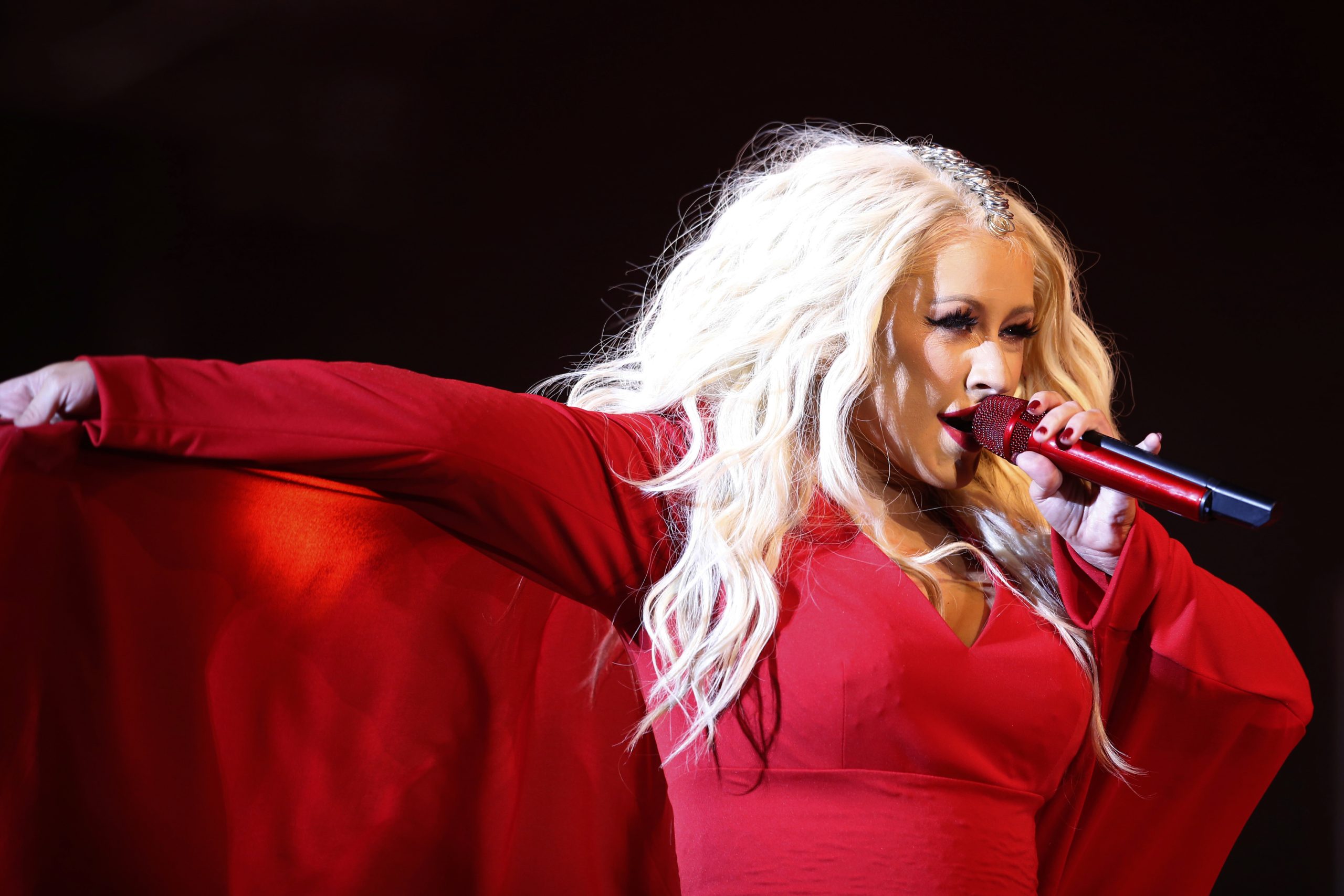
Christina Aguilera, pictured here in 2016 in Morocco, is one of several musicians performing at this year’s One Philly: Unity Concert for America on July 4. Abdeljalil Bounhar
This July 4 star-studded concert on the Benjamin Franklin Parkway features Christina Aguilera, The Roots, Jill Scott, Meek Mill, Will Smith, DJ Jazzy Jeff, Seal, and others.. Comedian Wanda Sykes serves as host. Doors open at 3 p.m., and performances begin at 5 p.m.
🕒 5 p.m. to midnight, July 4, 💵 Free, 📍 Benjamin Franklin Parkway, 🌐 visitphilly.com.
LAWNSIDE — For nearly 200 years, the historic Peter Mott House — believed to have once served as a stop on the Underground Railroad — has managed to withstand the encroachment of the outside world.
In the 1950s, construction of the New Jersey Turnpike brought a heavily used trafficway within just a few hundred feet of the home.There was the time, in the 1980s,when a developer bought up a patch of surrounding land with plans to raze the structure and build housing units. And the arrival of the COVID-19 pandemic in 2020 left the home shuttered for three years — and its future temporarily uncertain.
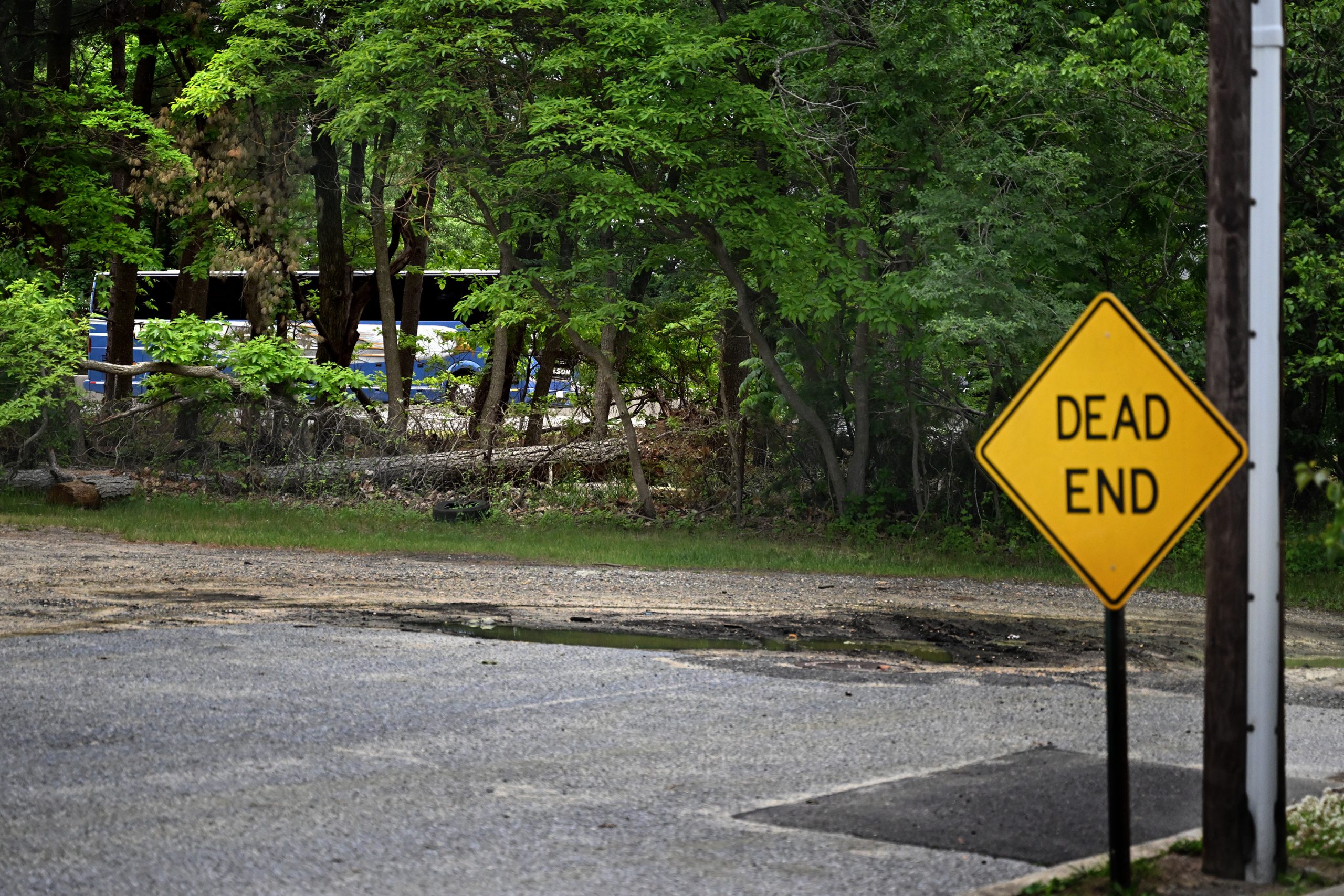
Now, the New Jersey Turnpike Authorityplans to soon begin work on a $2 billion project to expand the turnpike, which would bring the highway — currently located just 220 feet from the Mott House — 12 feet closer to the building.
The plans have prompted a wave of pushback from a small but vocal group of Lawnside residents, who fear that vibrations from the construction could damage the nearly two-century-old structure and that already “deafening” traffic noise in the area could become unbearable.
Already, says Linda Shockley, the longtime president of the Lawnside Historical Society, which owns and maintains the Mott House, it can be difficult for visitors to hear over the hum of the turnpike. The back of the house, which boasts a quaint patio, is essentially unusable without the use of microphones, she said — and this is to say nothing of the potential environmental and safety implications of bringing a heavily traversed highway even closer to a residential area.
The expansion, which also includes plans to widen nearby Warwick Road, has become — in Shockley’s words — “like a sword of Damocles hanging over us.”
“What are you doing and when are you going to do it?” Shockley said. “And what say do we have over how it’s done?”
Traffic on the New Jersey Turnpike passes at the end of a cul-de-sac near the historic Peter Mott House in Lawnside, N.J. Tom Gralish / Staff Photographer
Theconstruction arrives at a seminal moment for the historic borough, which this year is celebrating the 100th anniversary of its incorporation.
Originally settled by formerly enslaved people who escaped or were freedand considered the first independent, self-governing African American community north of the Mason-Dixon Line, Lawnside has long boasted a historical significance far outsizing its modest 1.4-square-mile footprint.
In the 1930s, it was home to a bustling entertainment district, drawing high-profile acts such as Ella Fitzgerald and Billie Holiday. Three decades later, Lawnside’s school district became one of the first U.S. governmental entities to declare the Rev. Dr. Martin Luther King Jr.’s birthday a holiday.
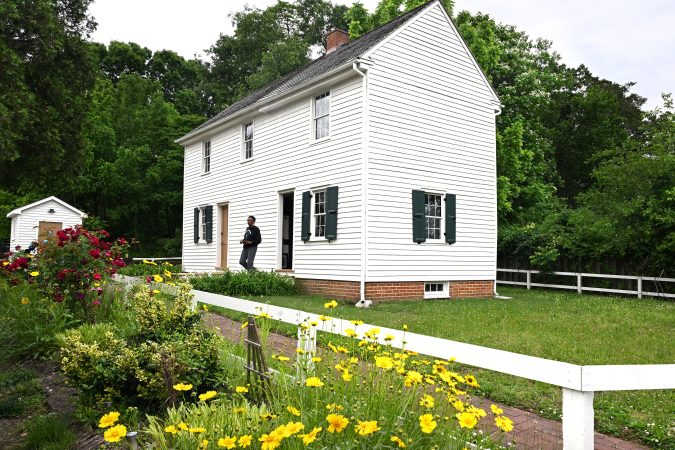
No aspect of Lawnside’s history, however, has remained as vital to its identity than the Mott House, the onetime home of Peter Mott,a free Black farmer, preacher, and abolitionist, who, along with wife Elizabeth, was a conductor on the Underground Railroad.
Built around 1845, the home is Lawnside’s oldest known house and is widely believed to have been a refuge for enslaved people traveling from the South — making it a strong symbol for the community at large.
“This town has been a beacon of hope for African Americans,” said Darryl Lee Dozier, 60, a longtime Lawnside resident. “To be able to walk outside and say, ‘Harriet Tubman came through this town’ — that’s iconic, man.”
At least 18 municipalities across Salem, Gloucester, Camden, and Burlington Counties will be affected by the turnpike project, but the proximity of the Mott House — as well as a neighboring housing development — to the construction has stoked fears that it will be uniquely vulnerable. State officials say they are working closely with local leaders to ensure that any adverse effects of the project are minimal.
(function() { var l = function() { new pym.Parent( ‘peter-mott__graphic’, ‘https://media.inquirer.com/storage/inquirer/ai2html/peter-mott/index.html’); }; if(typeof(pym) === ‘undefined’) { var h = document.getElementsByTagName(‘head’)[0], s = document.createElement(‘script’); s.type = ‘text/javascript’; s.src = ‘https://pym.nprapps.org/pym.v1.min.js’; s.onload = l; h.appendChild(s); } else { l(); } })();
AECOM, the infrastructure firm handling the engineering work for the turnpike project, told The Inquirer recently that Lawnside qualifies for noise barriers to help alleviate the effects of the project, and that “vibration monitoring,” as well as inspections, would be conducted throughout the course of the project.
“Should the vibrations for any reason exceed a threshold that would cause concern, then the activities would pause and we’d figure out what’s going on,” said Matthew Rao, a project manager with AECOM.
New Jersey Assemblyman William F. Moen Jr., who grew up in the area, said he has been engaged in conversations with the New Jersey Turnpike Authority about the project since 2020 and has been cognizant of the questions raised by Shockley and others.
“I’m acutely aware of her concerns, and I think they’re valid,” he said. “This is the time to be talking about those things, and making sure, to the extent that they can be, that they’re reflected in the final plan of what’s going to happen.”
Still, many in Lawnside remain wary.
Kia Jones at her home next door to the Peter Mott House in Lawnside, N.J. Tuesday, May 26, 2026. Plans to expand the nearby New Jersey Turnpike have left local residents concerned about how it could affect a beloved institution as well as neighboring homes.Tom Gralish / Staff Photographer
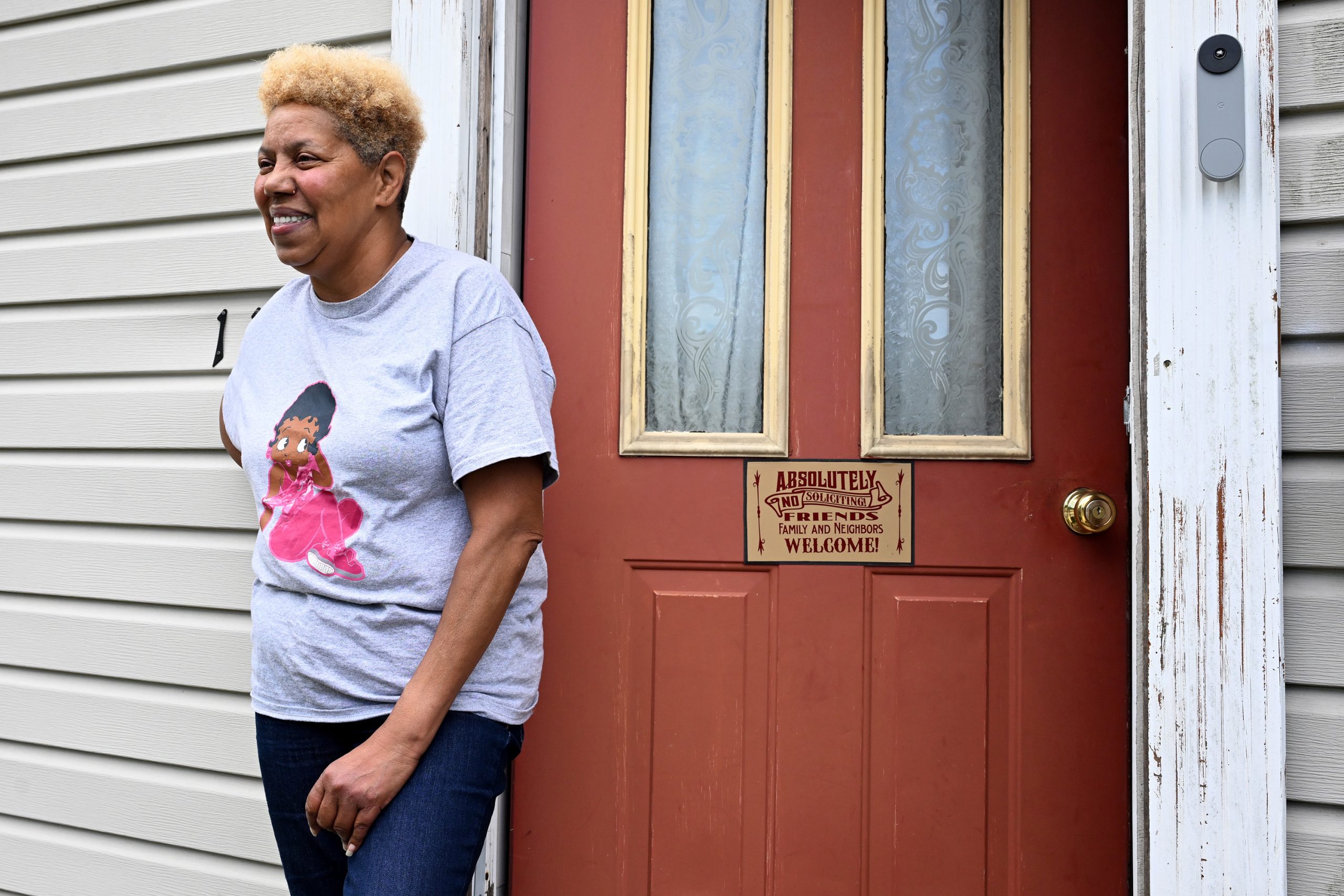
Despite meetings with officials, said Kia Jones, 60, whose home sits near the proposed turnpike expansion, residents have largely felt powerless throughout the process.
“Their whole attitude seems to be, ‘It’s a done deal — we’re just talking to you because we have to, but nothing’s going to change,’” she said.
For some in this South Jersey borough of roughly 3,000 residents, meanwhile, the expansion raises unmistakable echoes of the 1950s, when construction of the turnpike left a profound impact on the community.
At the time, America’s vast network of highways was displacing — and often targeting — Black communities across the country.
Initially, Shockley said, only six homes in Lawnside were supposed to be affected by the turnpike’s creation. But by the time it opened in November 1951, she said, 27 families had been affected.
“Some people’s houses were purchased, some houses were condemned,” Shockley said. “I’ve seen pictures of houses on flatbed trucks, being moved.”
(It was not lost on some in Lawnside, Shockley points out, that the turnpike conveniently curves around the nearby Tavistock Country Club, a private golf club founded in 1920.)
Though few in Lawnside are old enough to remember the turnpike’s arrival, many have felt the ripples.
Lorraine Pollitt, 70, a lifelong Lawnside resident, grew up hearing about her great-grandparents’ farm, which, she said, had fallen in the turnpike’s right-of-way and, as a result, had to be sold.
Seventy-five years later, Pollitt said, the expansion project feels like more of the same.
“Just taking more from us here,” she said. “It’s always something.”
For Shockley, who has served as president of the historical society since 1994, the effort to preserve and protect the Mott House has been a nearly 40-year endeavor.
She first got involved in the late 1980s, when a local developer, Mark DeFeo, received permits from the borough to raze the house in order to build a small housing development.
A group of residents organized to try to stop the home’s demolition, and Shockley — who was raised in Lawnside and had recently moved back from New York — joined the effort.
It took three years and considerable legal wrangling, but the developer eventually agreed to sell the home to the group for $1.
For its efforts, Shockley later told the New York Times, the group found itself in possession of “a decaying, vacant house … in danger of collapsing.”
In the years since, however, the historical society, buoyed by a dedicated collection of volunteers, has turned the property into a gem that has garnered national renown. The group has raised hundreds of thousands of dollars toward upgrades and repairs through grants and donations.
The house opened to the public in 2001, and, today, it offers a variety of programming, including a weeklong summer camp for middle schoolers on the history of the Underground Railroad, sitting on both the national and state registers of historical places.
In her mid-30s when she joined the effort, Shockley is now in her 70s, her hair flecked with gray. She retired in 2021 from her job at the Dow Jones News Fund, a journalism nonprofit foundation.
“Don’t tell anyone,” she joked one morning recently, from a seat inside the Mott House, “but I’m getting older.”
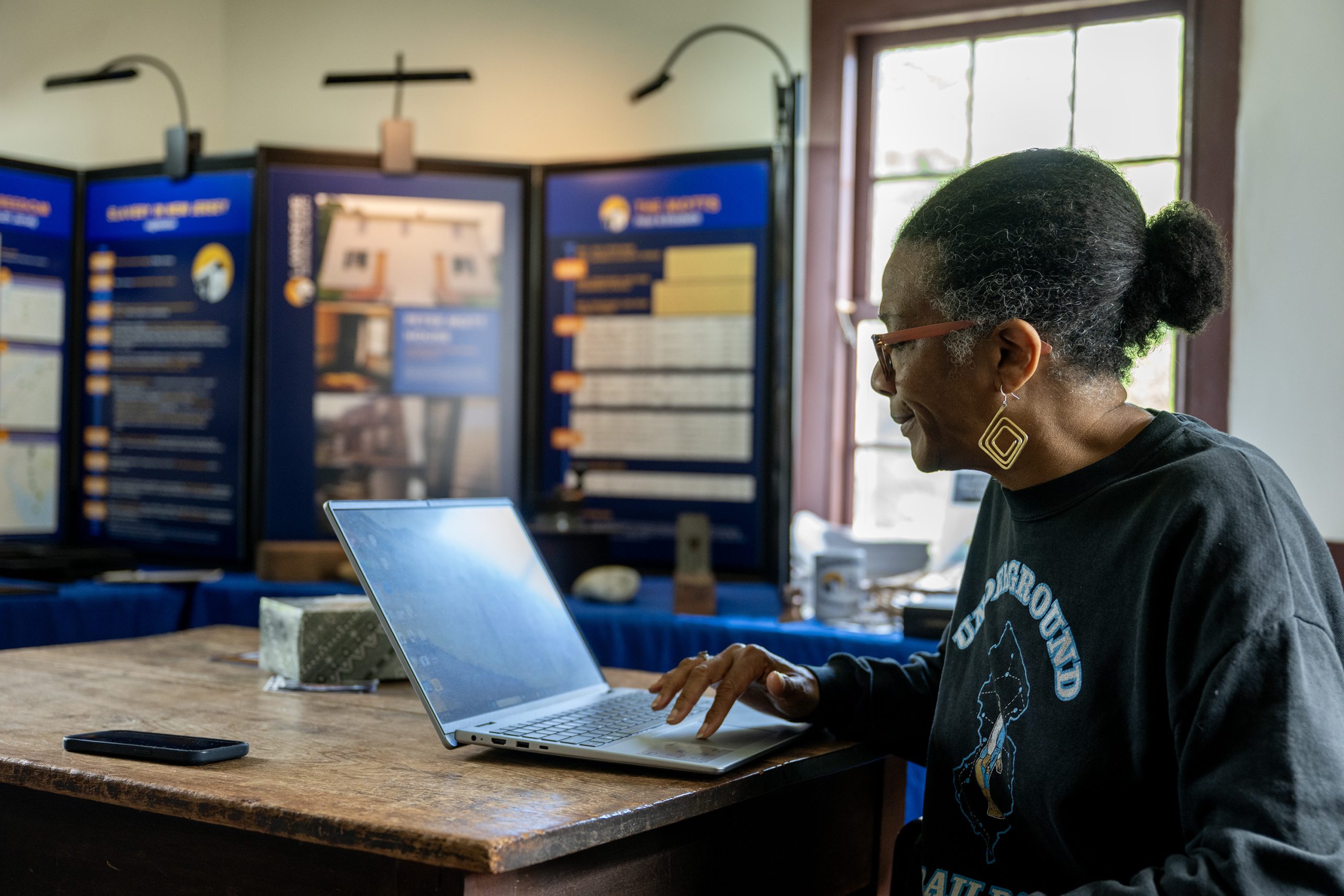
Linda Shockley, president of the Lawnside Historical Society, at the Peter Mott House in Lawnside, N.J. Tuesday, May 26, 2026. Shockley has served as president of the local historical society since 1994. Tom Gralish / Staff Photographer
But while there is still work to be done, she remains dedicated to doing it — one more battle in a long string of them.
“Ask anybody who’s trying to do anything with historic buildings, or restore history or culture, and you find that, yeah, there’s always something — and there are always threats to it,” she said.
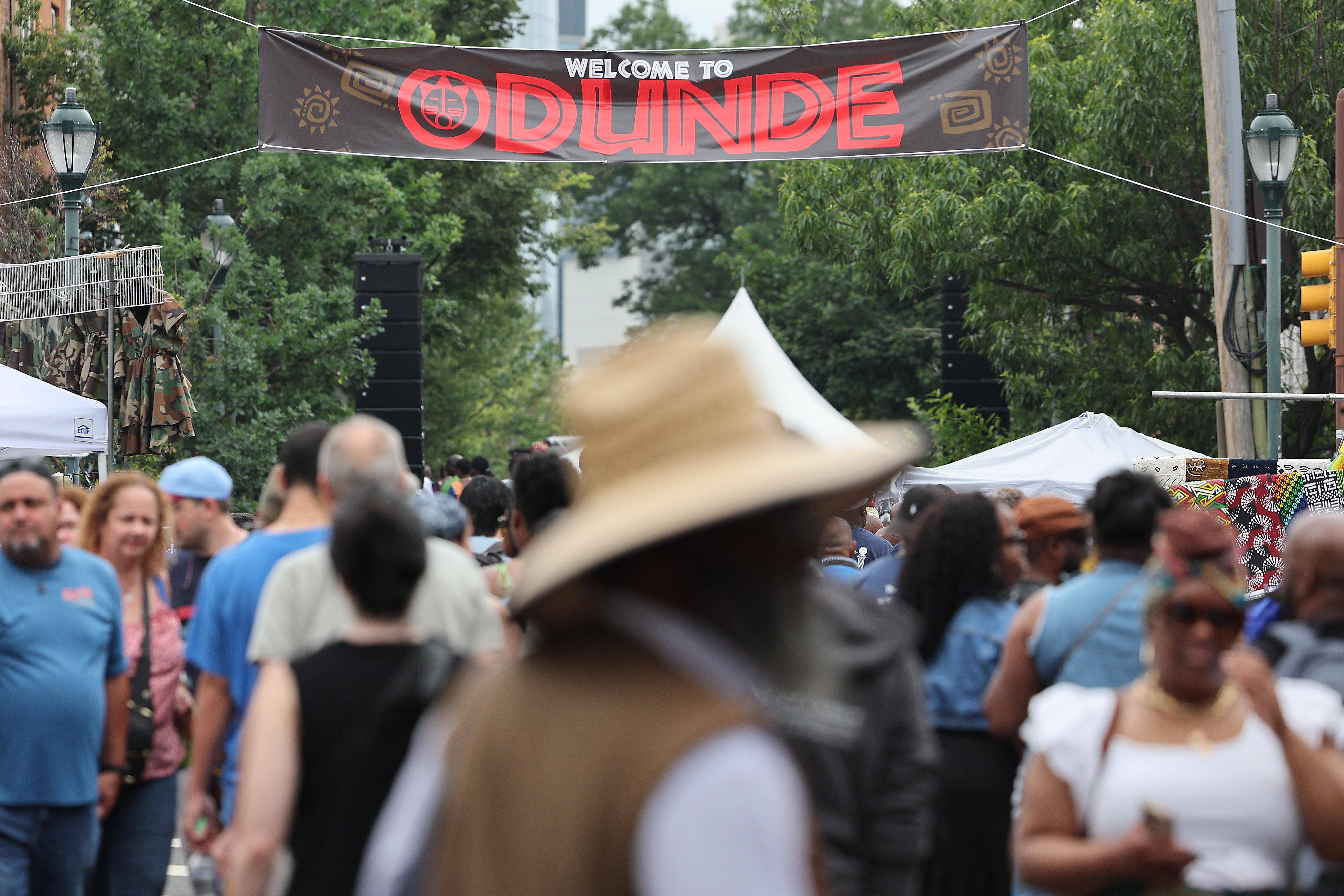
What sprouted from humble beginnings — the inaugural edition was funded by a $100 grant — has transformed into a daylong festival spanning 16 city blocks and including more than 100 vendors.
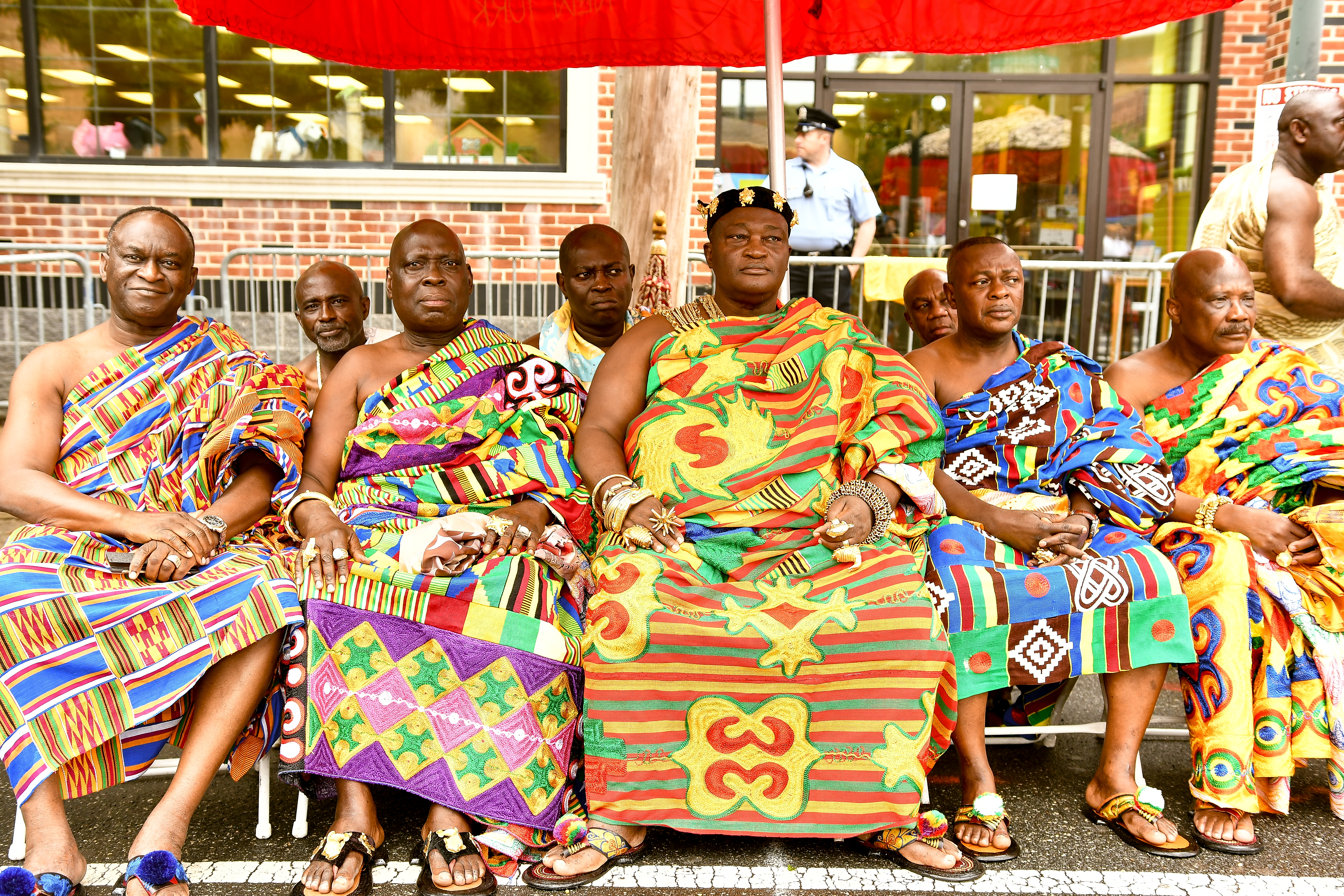
Billed as North America’s largest African American street festival, the Odunde Festival annually brings up to 500,000 visitors to Philadelphia’s Graduate Hospital neighborhood.
The lead up to the festival includes a week of events, culminating with the daylong celebration on Sunday, June 14, featuring an array of foods, arts and crafts, and musical performances.
Best of all, it’s free.
Here’s what you need to know ahead of this year’s festival:
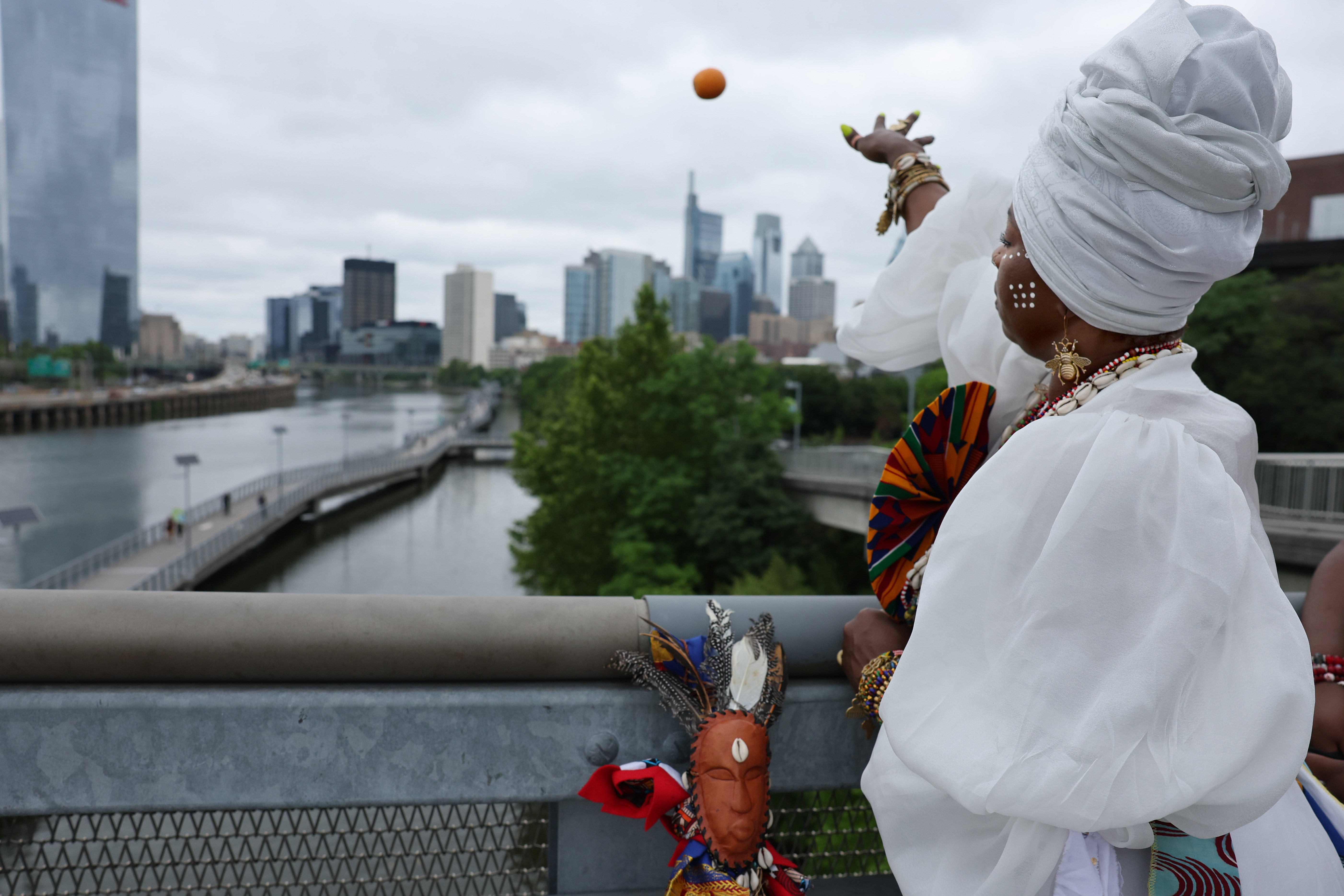
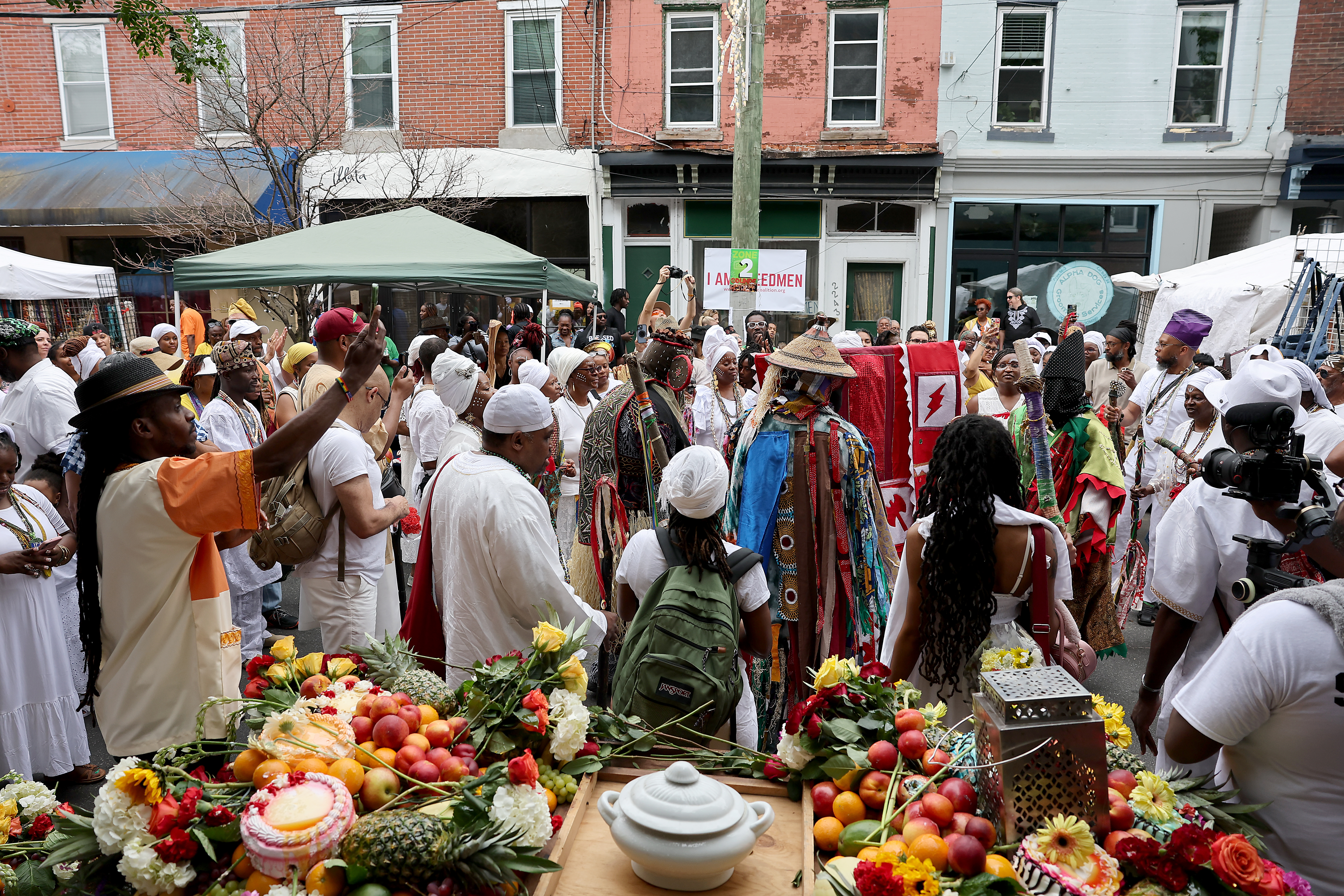
Oduyemi Oniwason, of South Philadelphia, makes an offering to the goddess Oshun during the Odunde Festival in Philadelphia on Sunday, June 8, 2025.David Maialetti / Staff Photographer
When is the Odunde Festival?
This year’s festival will take place on Sunday, June 14, from 10 a.m. to 8 p.m.
The South Street Stage, at the corner of 23rd and South Streets, will serve as the event’s main stage, with additional performers slated for a stage along Grays Ferry Avenue.
The Odunde procession
The festival includes a spiritual procession that starts at noon at 23rd and South Streets, and moves to the Schuylkill, where participants make traditional offerings — including fruit and flowers — to Oshun, the Yoruba goddess of the river. The ritual, which honors the festival’s West African roots, is open to all and serves as the cultural and spiritual kickoff to the day’s events.
Events and performers at the Odunde Festival
Bel Biv DeVoe — the Boston-based band that formed out of the group New Edition — is slated to headline this year’s festival, and the day will feature a variety of additional acts across two stages.
For a full schedule of events and performances, check the festival’s website, where you can also find a map of the festival grounds.
Participants in the procession to the Schuylkill dance in front of the offering to the goddess Oshun during the Odunde Festival in Philadelphia on Sunday, June 8, 2025.David Maialetti / Staff Photographer
Arts and crafts vendors
More than 100 vendors will line the streets, offering handmade goods like jewelry, clothing, and artworks. The African marketplace also features authentic wares from Africa, the Caribbean, and South America, making it one of the most vibrant and diverse shopping experiences in the city.
Will there be food and drink?
Yes.
One of the highlights of the festival is its various food offerings, which include African, Caribbean, soul, and Brazilian fare — available on a pay-as-you-go basis.
Road closures
These streets will be closed from 6 a.m. to 11 p.m. on Sunday, June 14:
1600 – 2400 blocks of South Street, between 16th and S. Bambrey streets.
500-600 blocks of 23rd Street, between Lombard and South streets.
500-600 blocks of 22nd Street, between Lombard and Bainbridge streets.
2200-2500 blocks of Grays Ferry Avenue, between South St. and Washington Ave.
All affected side streets
No parking will be allowed on these streets during this timeframe, with violators being relocated.
How to get to the Odunde Festival
Crowds and street closures might make parking difficult, but there are various ways to get to the festival via public transit.
SEPTA’s 7, 12, 17, and 40 bus lines will all get you close to the action — though detours will be in place from 5 a.m. on Sunday, June 14, through 1 a.m. on Monday, June 15 — as will the Broad Street Line.
An image from a past Odunde Festival. The free public festival is the largest African American street festival in North America, drawing up to 500,000 attendees each year.Courtesy of ODUNDE Festival
Where does the money go?
Odunde is a nonprofit organization. The funds generated by the festival go toward Odunde 365, a program that provides yoga, dance, fashion, karate, fitness, videography, and other programs for Philadelphia youth.
As a general rule, Sam Marshall is not used to drawing a crowd.
At 70 years old, with glasses and a plop of silver hair, the Haverford grandfather is a semiretired regulatory lawyer with a fondness for trains and the print version of the Wall Street Journal.
Yet, there he was last month, at a wedding in Big Sky, Mont., loitering near the dance floor when a young woman approached.
“You’re famous!” she said.
Before Marshall could respond, the woman was grabbing her friends and pulling them over.
“Hey!” she called out. “This is the guy from that group we follow!”
Such is life these days for the Tonics, a men’s a cappella group made up largely of Main Line fathers and grandfathers who might very well be the city’s hottest musical act.
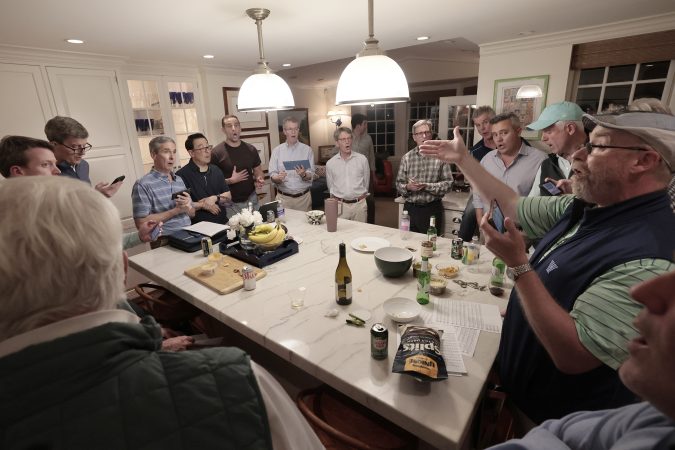
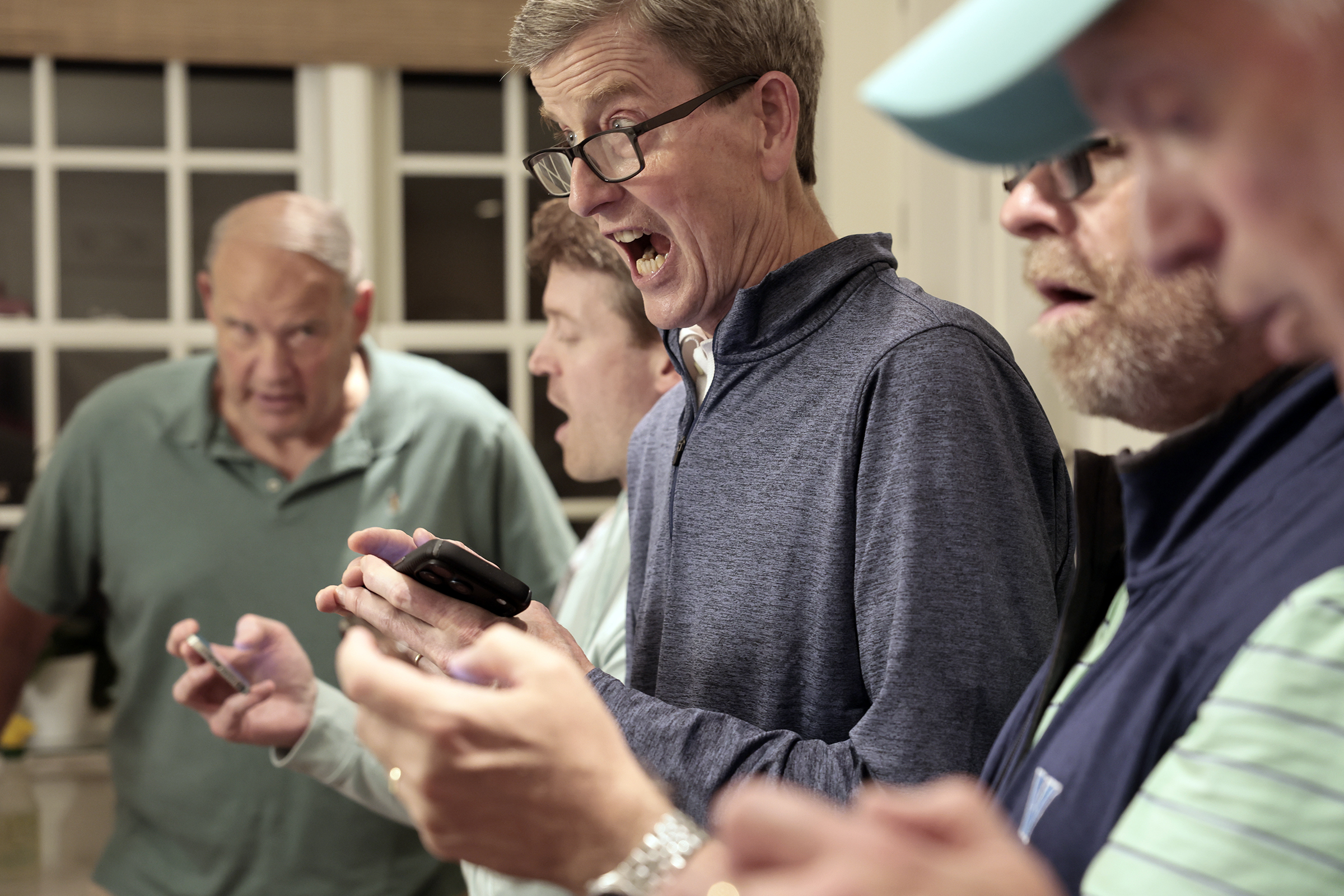
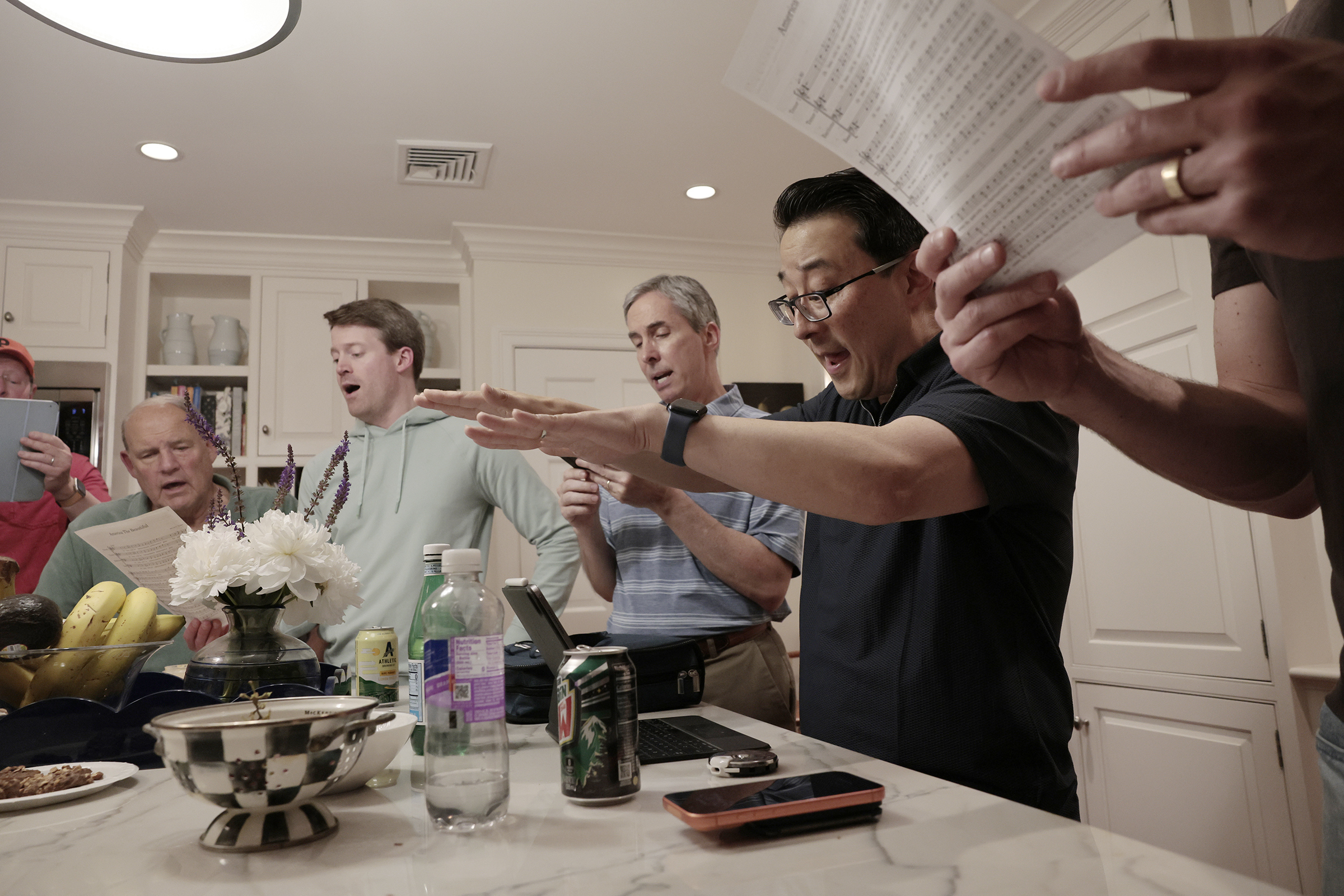
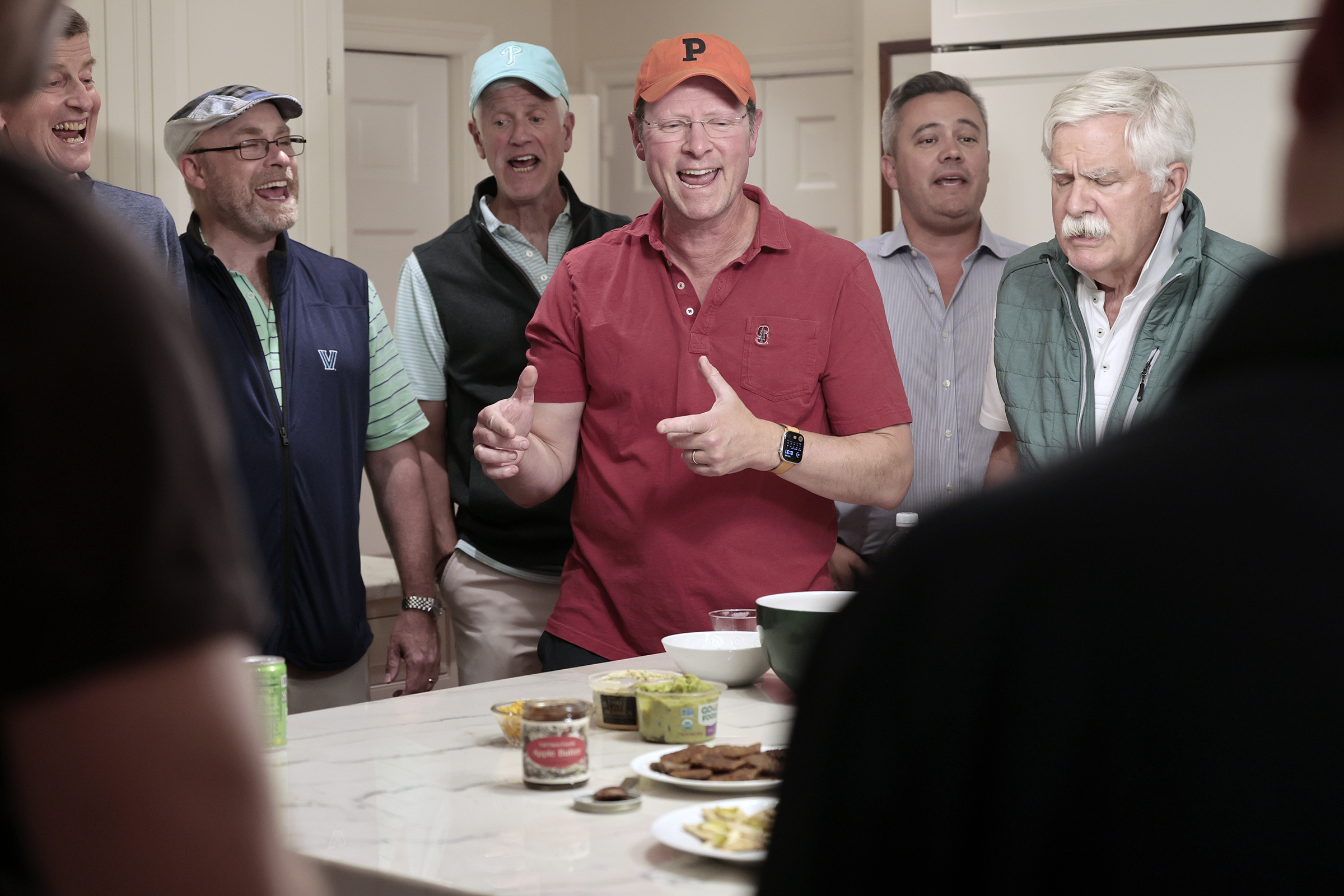
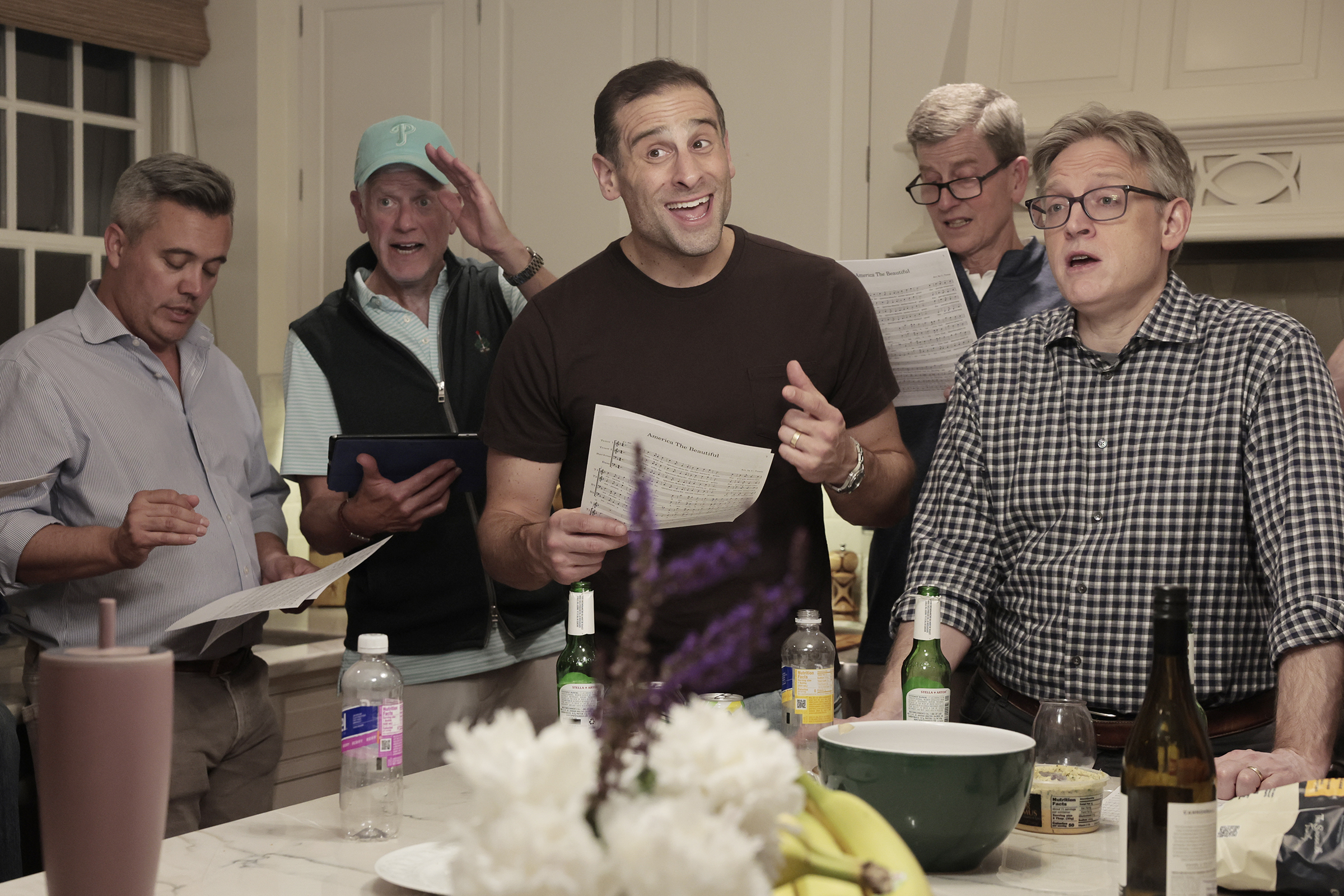
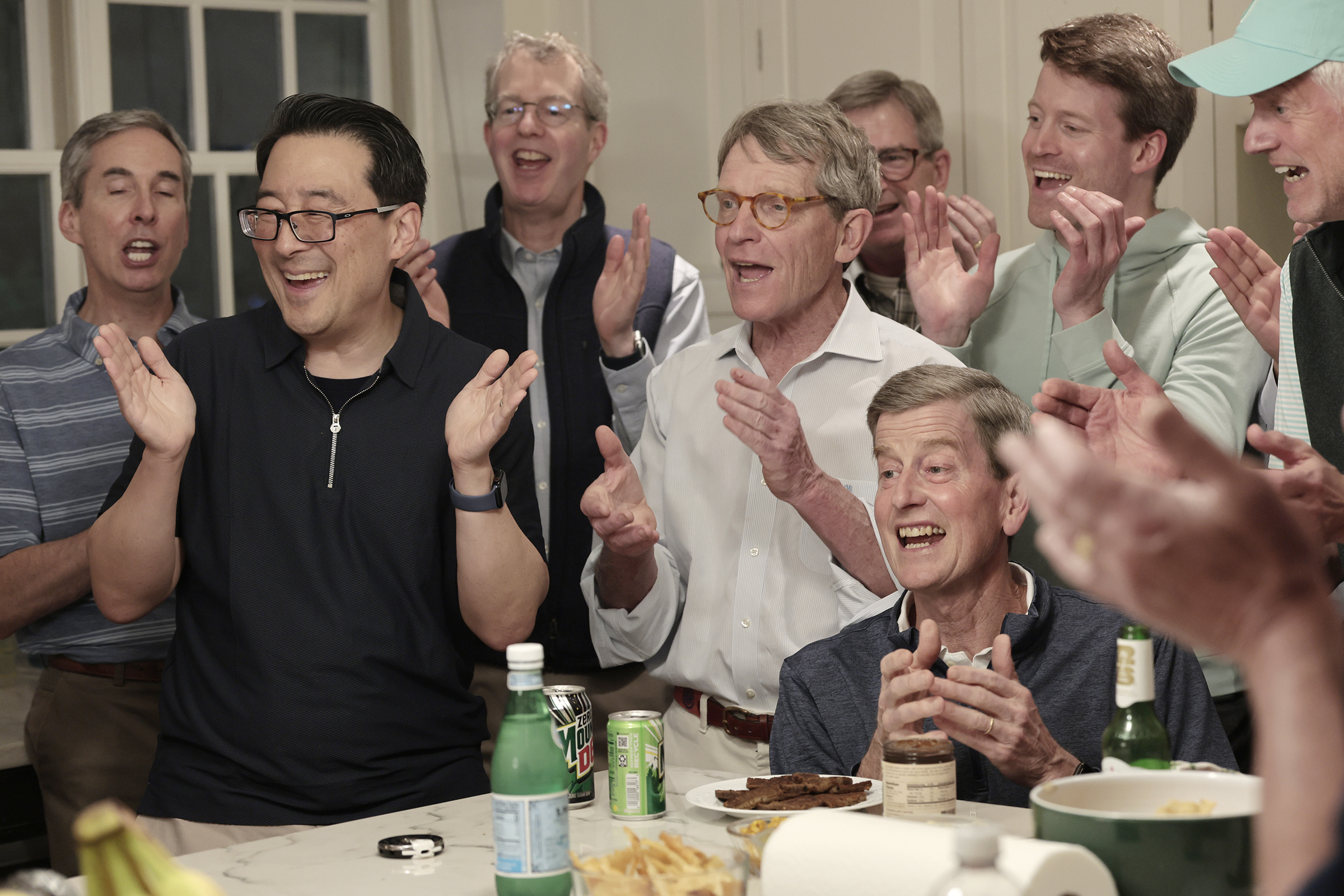
Since videos of the group’s endearing kitchen rehearsal performances began circulating on social media recently — racking up millions of views — no one can seem to get enough of Philly’s a ca-fellas.
In the comments section of their videos, the Tonics’ most ardent fans break down everything from their impressive hairlines to their choice of rehearsal snacks.
Elizabeth Robertson / Staff Photographer
Online, the Tonics are putting up kittens-doing-cute-things numbers: 2.9 million Instagram views for a rousing rendition of “Lean on Me”; 4.1 million for a performance of “Werewolves of London.”
Supermodel Gigi Hadid is a fan. The singer Michael Bublé responded to their rendition of his song “Haven’t Met You Yet” with a string of heart emoji.
So meteoric has been their rise, meanwhile, that they’ve broken U.S. containment.
“Evidently,” says Mike Reese, a 46-year-old Wayne resident who sings second tenor for the group, “we’re very popular in Australia.”
The appeal is undeniable; in a digital world where every piece of content seems carefully curated, the Tonics have remained their unassuming selves.
Of the group’s 19 members, most are middle-aged and older — with full-time careers as doctors, lawyers, and educators. Their collective look — an assortment of khaki slacks, quarter-zip sweaters, and sensible loafers — might best be described as CPA chic. It is not uncommon, meanwhile, for one of the group’s members to pull a handkerchief from his pocket mid-performance and blow his nose.
During a Saturday afternoon performance at a restaurant in Wayne last month — where even the waitstaff couldn’t help clapping along — supporters clamored to make clear they’d been fans before the group’s mainstream success.
“I have all of their CDs,” said a woman named Esther, from her perch at the bar. “I put them on when I’m paying bills.”
Unlike many of their musical contemporaries, the Tonics did not set out for musical stardom.
Back in 1990, a couple of them — who’d previously been part of a cappella groups and missed the camaraderie — got to thinking: Why not get some guys together and do a little jamming?
They began meeting every Thursday night, rotating between members’ homes, where for two hours they could leave their stresses — family responsibilities, demanding careers — at the door and enjoy a little old-fashioned harmonizing with the boys.
“There’s something very spiritual that happens when you’re standing in a group and singing a song, making harmony together,” says Peter Evans, one of the group’s original eight members.
It wasn’t long before they were movin’ and snappin’ their way into the hearts of the masses — or at least the occasional graduation party, bat mitzvah, and assisted-living facility.
Through the years, they managed to achieve a modicum of local renown. They performed “The Star-Spangled Banner” at Phillies games. They recorded four studio albums. A catalog of their music — covers of hits spanning the decades — is available to stream on Spotify and Apple Music.
It wasn’t until earlier this year, however, that things started to get a ca-crazy.
Youngmoo Kim (right) serves as the Tonics’ music director and de facto social media manager. Elizabeth Robertson / Staff Photographer
The Tonics’ crescendo
During a rehearsal one evening last November, the group’s members stood around a well-appointed kitchen island, belting out a rendition of “Drift Away.” Someone captured a short video of the performance, and afterward, Youngmoo Kim — the Tonics’ 53-year-old music director — posted it to the group’s sparsely followed Instagram page, thinking little of it.
Maybe it was their wholesome vibe. Or the earnestness of their instrument-less performance.
Maybe, at a time when adult males — especially those over 50 — report feeling increasingly lonely, it was simply the novelty of a group of men gathering to do something that didn’t involve “golf and cigars and bourbon,” says Philip Pearson, a 57-year-old Tonic from Chestnut Hill.
“To be able to carve out a couple hours to do something special with a bunch of guys you like to hang out with is a pretty special thing these days,” adds Reese.
Whatever the reason, the Tonics struck a chord.
When Kim checked the group’s Instagram page a few days later, he was astounded.
“I’m used to seeing 300 views,” he says. “All of a sudden, it was 300,000.”
The majority of the group’s 19 members were part of college a cappella groups, including several who performed with the renowned Tigertones at Princeton University. As for the viral success? “We have no idea why this happened,” said Philip Pearson, a longtime member of the Tonics. Elizabeth Robertson / Staff Photographer
More videos followed, and soon, Instagram feeds across the world were filling with a dozen or so middle-aged guys from the Philadelphia area cutting loose around a kitchen island — their impassioned performances rivaled only by the stream of good-natured jokes that accompanied them.
“Room full of good credit,” read one comment on Instagram.
“A case of sparkling water hates to see these fellas coming,” read another.
“I just know they have a [favorite] length of grass.”
These days, everyone’s jockeying for a piece of the Tonics.
There were the folks from North Carolina who wanted to book the group for a summer wedding. And the woman from Chicago who begged the group to record a “Happy Birthday” video for her fiancé, a huge fan. (The Tonics — whose performance fee ranges from free dinner to $1,000 — agreed, but only after ensuring they weren’t being pranked.)
There have been collaboration requests and brand partnership offers, including one — much to the confusion of the group’s members — from a company selling skinny jeans.
“You’ve seen our shapes — our shapes are not all great,” says Jim Buck, 66, of Bryn Mawr, a cofounder of the Tonics. “But if they’re really looking to appeal to a bunch of 40-to-70-year-olds, then we’re your guys.”
In addition to serving as the Tonics’ beatboxer, Ed Glassman (center) is a teacher at Springside Chestnut Hill Academy. When the group went viral recently, his students didn’t miss a beat. “It was a full day where every kid that came up to me that day had seen that video,” Glassman said. “They were having a good time with it.”Elizabeth Robertson / Staff Photographer
Their future
The Tonics, of course, would not be the first band to succumb to the pressures and temptations that accompany overnight fame.
But while there has been the occasional sign of their newfound stature — “I do notice that maybe people comb their hair a little more before rehearsal,” says Marshall — the group’s members insist that they have remained cool and levelheaded about the whole thing.
Indeed, at a recent Thursday night rehearsal in a leafy Haverford neighborhood, there were no signs of swollen heads or raging egos. As they trickled in, the group’s members mingled and backslapped. They picked from an assortment of snacks — a family-size box of Triscuit crackers, some Di Bruno’s-sourced cheeses — and hammed it up in that uniquely suburban-dad kind of way.
“We got a photographer here tonight,” someone quipped. “Don’t pick your nose!”
“Bad-lookin’ guys in the back!” called another.
On this night, however, there was plenty to do. There was their suddenly packed calendar of gigs to prepare for — at the Woodmere Art Museum, the Wayne Music Festival, the Philadelphia Cricket Club.
And their forthcoming live performance on Australia’s The Morning Show.
And so, as the evening sunlight dwindled and the diet soft drinks flowed, the Tonics took their places around the kitchen island — van Gogh at his canvas — and got to work.
The Tonics’ members have a variety of careers. Among the group are teachers, attorneys, and several doctors. “We have pretty much every affliction covered,” joked Tonics cofounder Jim Buck. Elizabeth Robertson / Staff Photographer
While the six World Cup games at Lincoln Financial Field from June 14 to July 4 will certainly get top billing, the city will be humming with soccer-related programming, offering numerous ways for residents and visitors to feel connected to the action.
“Not everyone in our city, unfortunately, is going to get to go to the games,” said Elizabeth Clinton, development manager at Safe-Hub, a Kensington-based youth soccer organization and a board member for the CASA Soccer Leagues. “But there are going to be so many ways we as a community can enjoy the World Cup.”
From watch parties to soccer camps to a LEGO World Cup trophy replica, here’s how to feel the energy when the world’s largest sporting event comes to town.
The city’s biggest gathering spaces
Lemon Hill will no doubt be the beating heart of the city’s soccer action this summer, with a high-profile fan fest running from June 11 to July 19 in East Fairmount Park. But there are plenty of places that are likely to see fan gatherings throughout the city.
At Union Yards and Reaney Street, outside of Subaru Park, the Philadelphia Union will host what the team is calling “Soccer Celebration.” There, you’ll find dedicated viewing areas for select World Cup matches, interactive fan activities, giveaways, and live music — while food offerings will rotate to include menu items specific to competing nations. Entry is free with advanced registration.
Additionally, the Union will offer a pair of chances to watch the Côte d’Ivoire men’s national team up-close during its preparations for the World Cup tournament — first in a friendly match against Union II on June 8 at 7 p.m., and again during a community training session on June 12 at 6:30 p.m. Both events are free but require advance tickets, which can be secured at the Union website.
For the theatrically inclined, select AMC Theatres locations — including Cherry Hill and Bensalem — will be showing Telemundo’s live Spanish-language broadcasts of certain games, with advance tickets available through the AMC website.
Officials are also expecting various neighborhoods across the city to be hubs of action depending on the matchups. When Brazil plays on June 19, for instance, there figures to be a good amount of energy along Castor Avenue in Northeast Philadelphia, home to a sizable Brazilian population.
Where to play, not just watch
If you feel like pulling on a pair of boots and hitting the pitch yourself, you’ll find no shortage of options.
CASA Soccer Leagues — the region’s largest independent amateur soccer league — will host a World Cup-style adult soccer tournament from May through July at various sites across the city, from South Philadelphia to the campuses of Temple University and Drexel University.
The group also hosts regular pickup games, as well as beginner programs for those hoping to learn the sport.
“Adults who want to try a new sport and get involved and learn a little bit,” said Clinton. “Every week, you’ll come, a coach will kind of teach the group the basics of soccer, [and] you can just come in your sneakers.”
(For those looking to socialize without all the running, the organization is also planning a slew of watch parties.)
Down the road in Chester, the WSFS Bank Sportsplex boasts a number of playing fields and is a regular hive of activity.
“There’s soccer there almost every day of the week,” said Mike Blankemeyer, travel director for Sons of Ben, an independent supporters group for the Philadelphia Union. “I go over the bridge a lot for work, and there’s always somebody out there on the pitches.”
The Kensington-based organization, which uses soccer to create safe spaces to the community, is planning a number of youth-focused events throughout the course of the World Cup festivities — among them, the Grassroots Cup on June 13-14, a youth tournament featuring more than 300 kids.
“We really want to use the World Cup as a way to get kids in the door,” said Clinton. “To experience a love of the game and be in a safe space that’s really soccer-centered.”
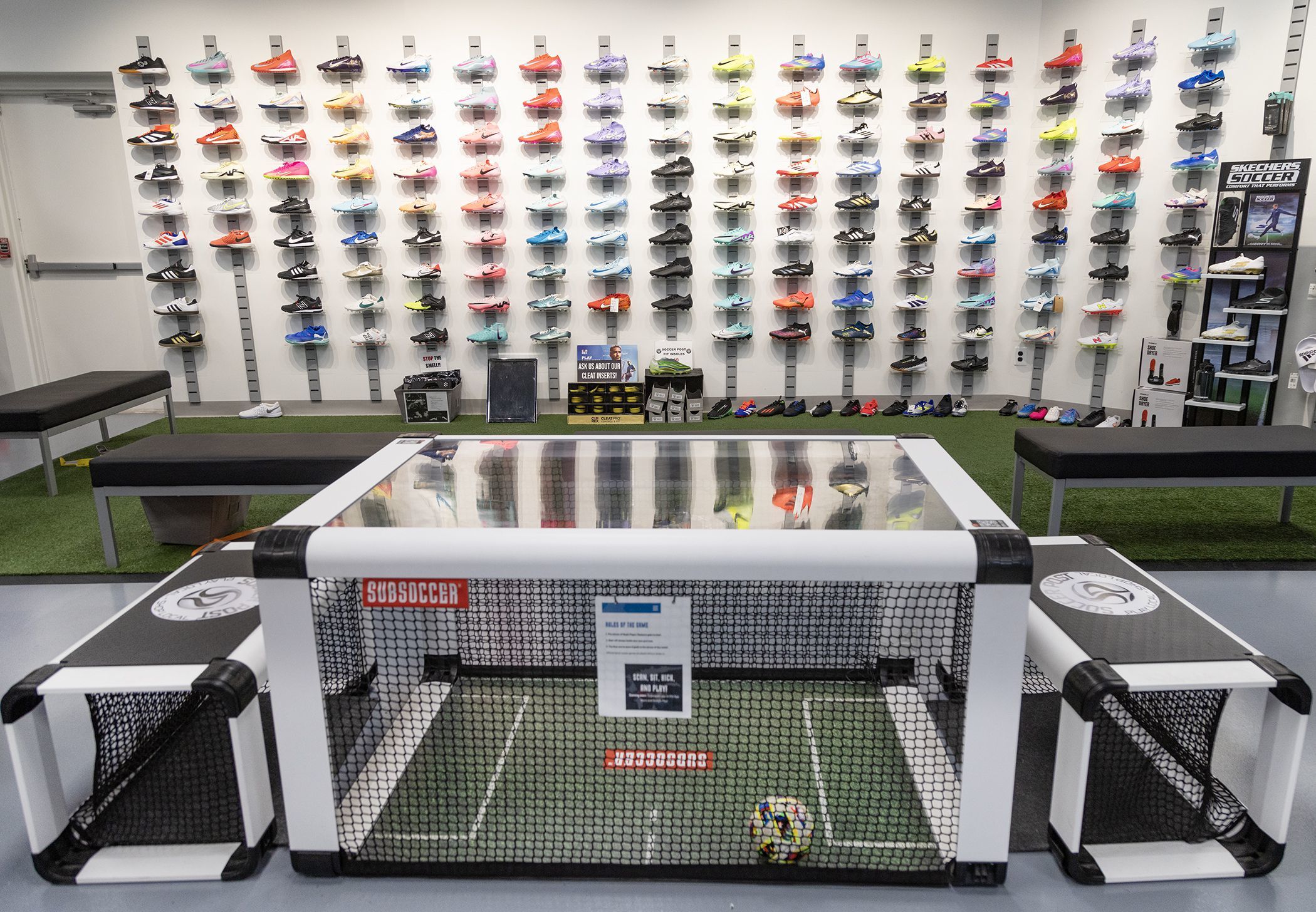
In addition to being a mecca of soccer gear and merchandise — including a LEGO replica of the World Cup trophy — Soccer Post Cherry Hill has seven TVs that will be tuned to the World Cup.
The site will also host a four-day soccer camp for kids ages 8-11, running from Aug. 24-27, that will include various forms of training and conclude with a mock-World Cup tournament.
The wall of cleats at Soccer Post Cherry Hill, which will be hosting a World Cup-themed youth soccer camp this summer.Photo courtesy of Soccer Post Cherry Hill
And for the more bookish young fan, the Free Library of Philadelphia is slated to offer soccer-themed programming throughout the spring and summer.
Choose your own adventure
If being on the fringes of the action isn’t quite enough, there’s always the option of simply wading into the eye of the storm.
“Even if I don’t get tickets, I’ll probably head down to the [Lincoln Financial Field], just to experience what it’s about,” said Chris Turk, 54, of Fairmount, a contributor to the Philly Soccer Page, a website devoted to the city’s soccer scene.
“I think Philadelphia is really gonna put on an awesome showing,” he added. “[And] I think people who come here this summer for soccer are going to be amazed by how cool Philadelphia is.”