Author: Jenice Armstrong

  • It may be ‘A Different World,’ but ageism and misogyny still rule

    It may be ‘A Different World,’ but ageism and misogyny still rule

    The reboot of A Different World on Netflix is a welcome distraction from ruminating about the upcoming midterm elections and worrying about whether AI will kill us all.

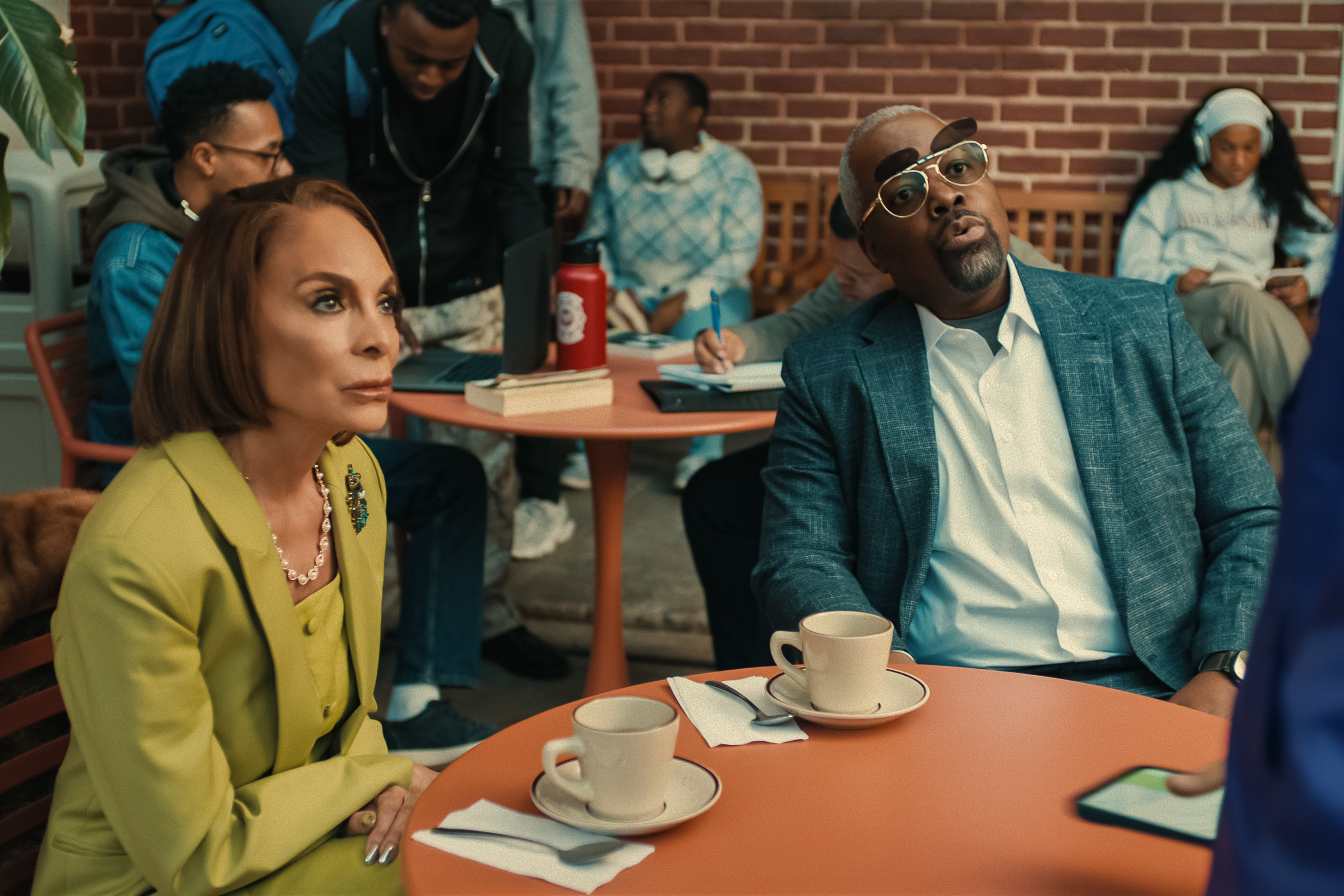
    I’ve enjoyed getting reacquainted with the characters from The Cosby Show spinoff, which originally debuted in 1987 and is set on the campus of the fictitious HBCU Hillman College. The show’s leads, Whitley Gilbert, played by Jasmine Guy, and Dwayne Wayne, played by Kadeem Hardison, have gone from being undergraduates to serving as the president and first lady of Hillman. They both look considerably older, and therein lies the proverbial rub.

    Hardison, who was a skinny kid with flip-up glasses during his days on the show, is heavier now and has gray hair. Guy, who in our modern vernacular would have been considered a WCW back in the day, has visibly matured, too. At age 64, she’s refined, elegant, graceful, and still attractive, but she doesn’t look 25 anymore and — despite the vitriol she’s getting on social media — that’s completely natural and not a bad thing.
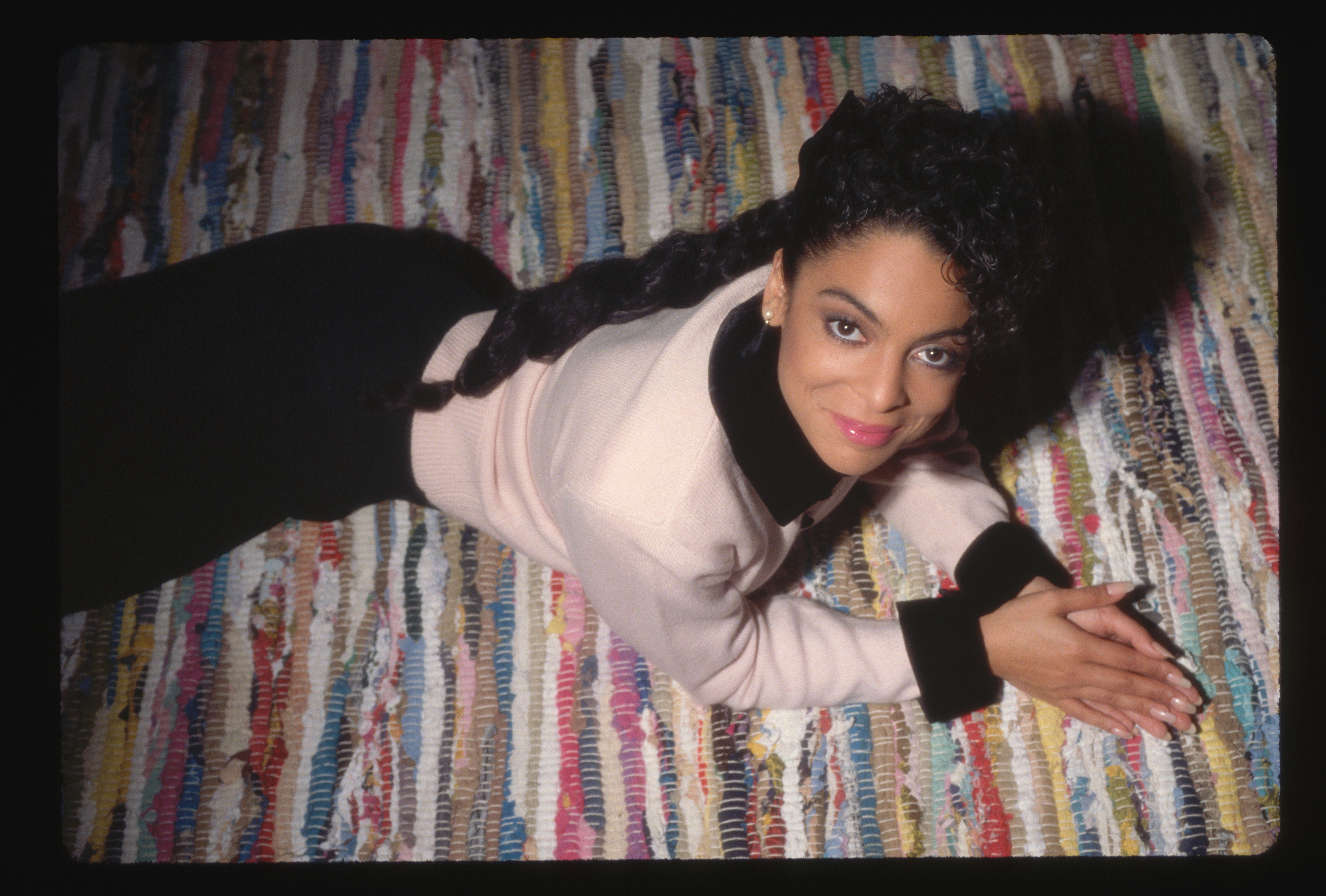
    The actress Jasmine Guy in 1988 when she was 26 years old.Lynn Goldsmith / Getty Images

    This shouldn’t be a big deal. Maturing — emotionally and physically — is part of life. But from the way some commenters have criticized Guy for looking older, you’d think she was the only one on the show who has been touched by the hands of Father Time.

    I take umbrage at some of the online vitriol. I was a young woman myself when the show first aired and have gotten older right along with the cast members. An awful lot has happened since the show ended in 1993.
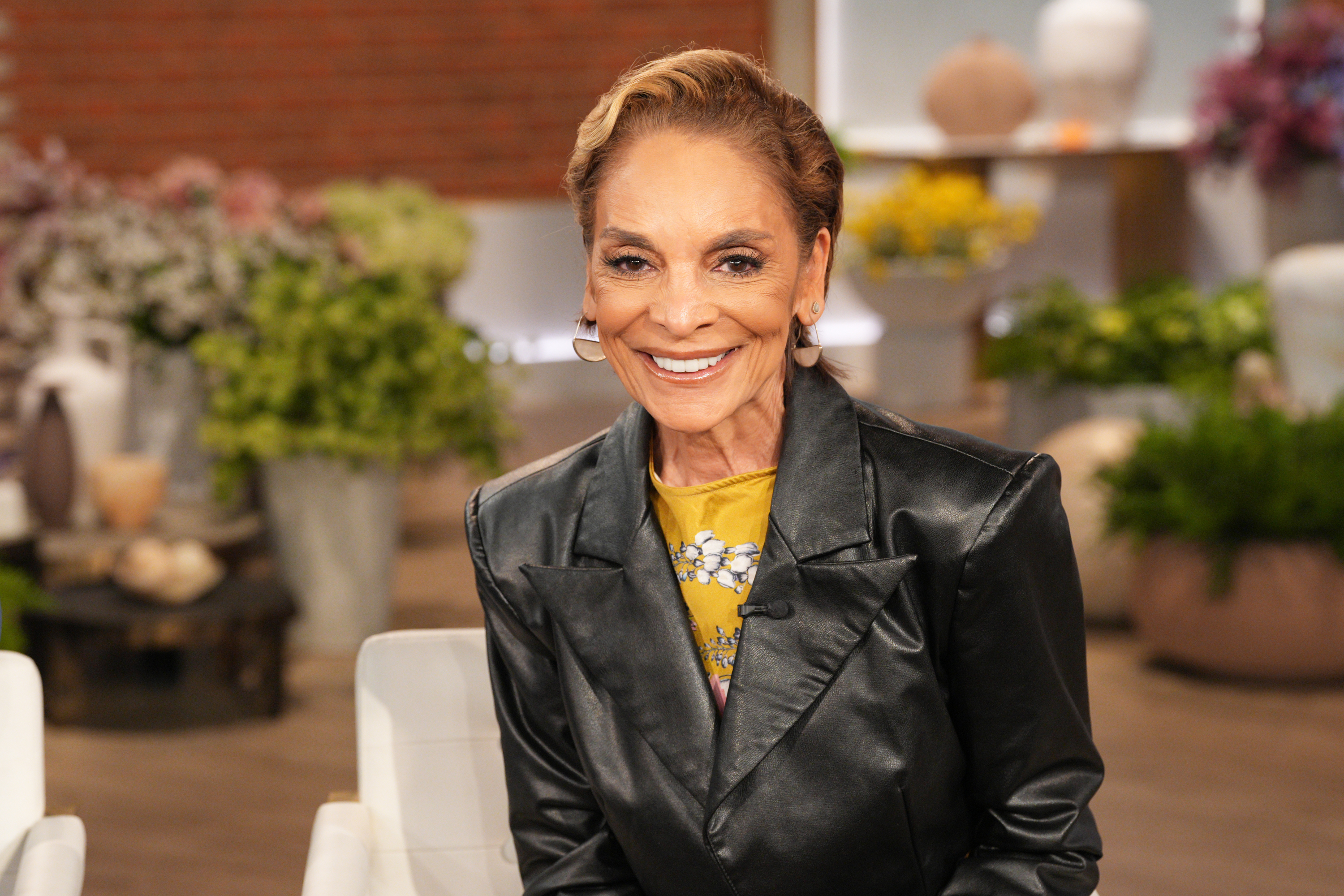
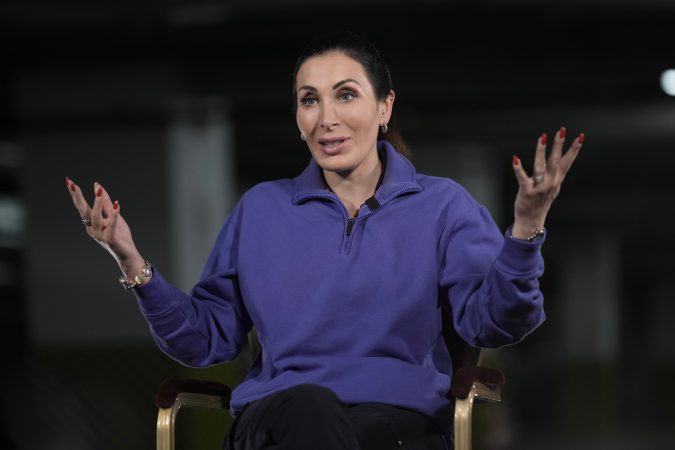
    Guy, 64, during an appearance on “The Jennifer Hudson Show” last month.Chris Haston /WBTV via Getty Images

    Guy must have read some of the terrible things people have been saying online about her appearance because on Monday, she addressed them by posting on social media: “The internet can be brutal to women as we grow older. It asks us to celebrate life while criticizing every sign that we’ve lived it.”

    Some national cultures venerate older people, but that’s not so here in the United States. We are obsessed with beauty and youth, which is why TikTok filters and AI-generated “de-aging” photos proliferate. Older women in all walks of life don’t always get the respect they deserve. It irritates some people when older females refuse to fade quietly into the sunset. An estimated two out of three female workers over 50 regularly face ageism, according to a survey by AARP.

    Former Secretary of State Hillary Clinton experienced this when she ran for president in 2016. Instead of being praised for launching a presidential bid when she was 68, she faced questions about her age. Donald Trump, who happens to be two years Clinton’s senior, publicly mocked her after she contracted pneumonia on the campaign trail and claimed she lacked the stamina to be president. Trump also accused her of not looking presidential enough for the job.

    Democratic presidential nominee Hillary Clinton speaks as Republican presidential nominee Donald Trump listens during a presidential debate in St. Louis in October 2016.Rick T. Wilking

    You’d think female Republicans would have automatically disqualified him for that. Instead, many nodded right along with his ageist, sexist rhetoric and most voted for him. This is one reason why America is in the situation it is today, with a narcissistic megalomaniac running the country.

    Deep-seated bias against older women might also be what keeps America from electing a female president during our lifetime. I respect former CNN anchor Don Lemon and his work as an independent journalist. But Lemon uttered what a lot of voters thought when he said on air in 2023 that then-GOP presidential candidate Nikki Haley, who was 51, “isn’t in her prime.” He went on to say, “If you google when is a woman in her prime, it will say 20s and 30s and 40s.”

    Meanwhile, white male politicians don’t have to waste inordinate amounts of time convincing skeptics that their advanced age doesn’t automatically disqualify them from holding elected office. Female candidates shouldn’t have to, either. The same should apply to women in other walks of life, as well.

    It’s A Different World, all right. But when it comes to ageist bias against women, some things haven’t changed a bit.
  • NYT writer practiced her principles with her daughter’s schooling

    NYT writer practiced her principles with her daughter’s schooling

    My parents were big supporters of public education.

    Teaching was their life’s work. They spent almost their entire careers in the District of Columbia Public Schools system. However, they chose to send my four siblings and me to Catholic schools through grade 12. They sacrificed almost everything to do it. Many of their educator friends made similar choices.

    My husband’s mother made a similar pick. He still recalls how out of place he felt after his mom — also a schoolteacher — enrolled him in an expensive, predominantly white boarding school in New England when he was just 11. Last year, during one of his school reunions, I walked around and marveled at the beauty of the campus.

    At the same time, though, the thought of him dressed in his little blazer and being so far away in Massachusetts makes my heart ache for the adolescent version of him. Not that he regrets it. It put him on the path to Princeton University.

    Like many other middle-class families, our parents faced a difficult decision: send us to our neighborhood schools with all of their problems, or identify the best possible educational opportunity for us elsewhere.

    Add in a bunch of other variables that Black students in predominantly white private schools often still face — including social isolation and subtle discrimination — and the decision becomes even more difficult.

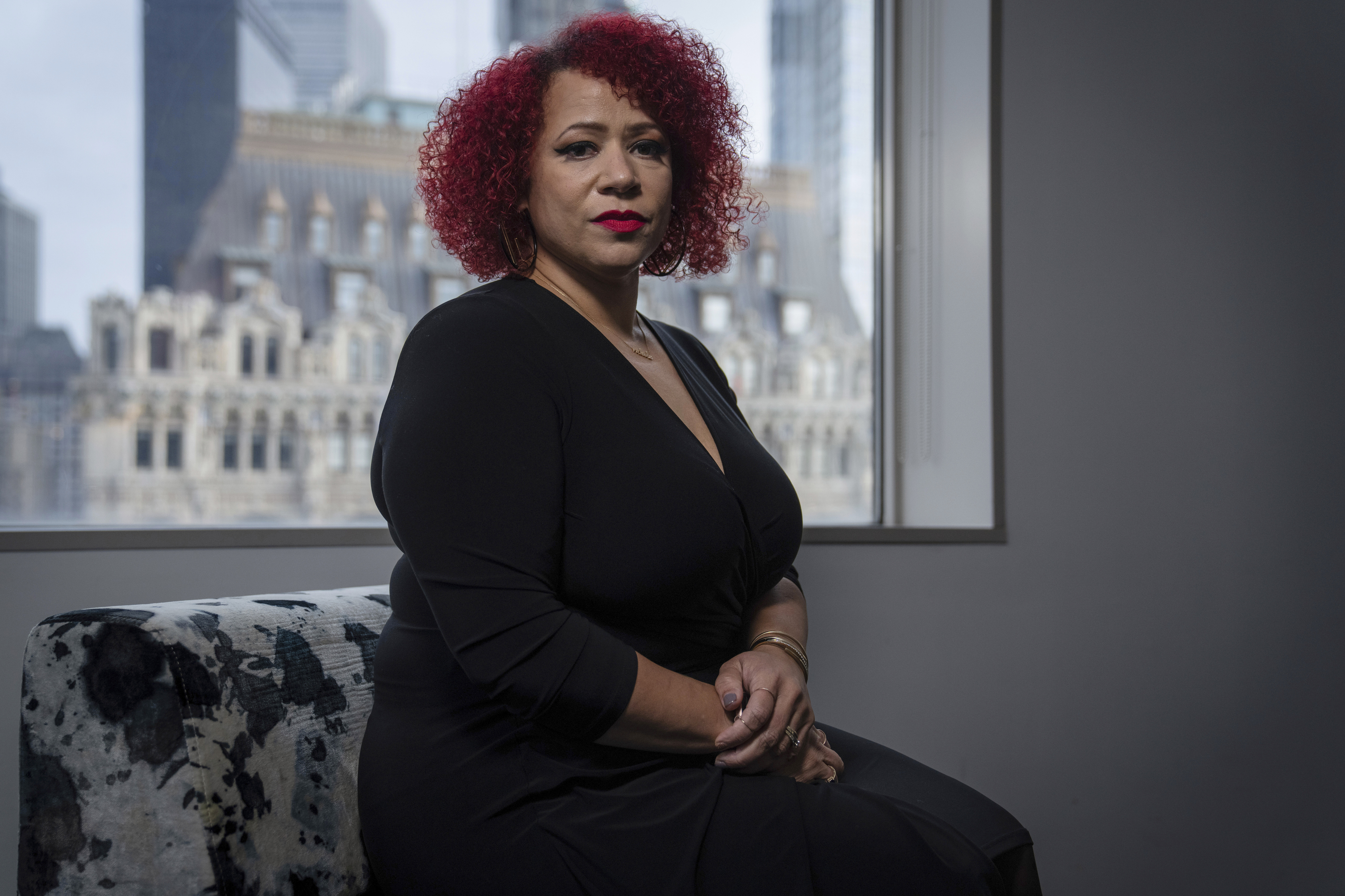
    I’ve been thinking a lot about the choices Black parents have to make for their children after reading Nikole Hannah-Jones’ essay in the New York Times about what her family went through getting her daughter educated in New York City public schools.

    The Pulitzer Prize winner, who founded the 1619 Project, could have afforded to send her daughter to the most exclusive school in the city. Instead, she enrolled her only child in a segregated, high-poverty public elementary school in Brooklyn across from a public-housing project.

    Because she and her husband were well-off financially, Hannah-Jones naively thought they could use their resources and networks to help the school thrive. It was a decision based “on the collective good and not just our individual advantage,” she wrote.

    She acknowledged that her decision returned to haunt her years later when her daughter was in middle school and confronted her, saying, “So you had money to send me to one of the best schools, and you chose not to?”

    Gulp.

    As Hannah-Jones noted in a response to a reader comment about the article, teenagers have a way of humbling us.

    In the piece, Hannah-Jones delves deep into why she made the choice that, she eventually concludes, was a mistake.

    “Najya deserved better. They all did. But she was mine. This girl, my only child, looked to me to protect her, to give her what she needed to thrive. And I had not chosen her.”

    It was a stunning admission.

    Not to mention brave.

    When it comes to choosing schools, there aren’t always suitable options, especially for socially conscious Black parents like Hannah-Jones. People sometimes find themselves having to make a no-win choice the way she did.

    “Which struggle are we asking our children to bear? Stay in the neighborhood school and risk being underserved; leave for a more selective or whiter school and risk isolation, racism, and the message that the children left behind are not worth saving,” Sharif El-Mekki, CEO of the Philly-based Center for Black Educator Development, told me in an email.

    Hannah-Jones’ daughter, Najya, now attends a selective, predominantly white and Asian public high school. Hannah-Jones wrote she is better off academically, but racism is a factor. “My daughter had never been part of a minority in a school, and now she sat in classrooms where some classmates casually tossed around racial slurs as if it were cool.”

    Najya also has regular homework assignments, which was something she wasn’t used to. She hadn’t learned to study on her own. Her grades faltered. Her parents hired an algebra tutor and learned that their student “had huge gaps in many of the building blocks of math that she should have learned in elementary school, like mastery of long division and fractions.”

    Eventually, Najya was able to get her footing and started getting A’s and B’s again.

    I reached out to Shanée Garner, executive director of Lift Every Voice Philly, a grassroots, Black-led parent organization, who pointed out, “The most heartbreaking aspect of [her] story is how clearly it reveals a trap any of us can fall into: Believing that being right, or having access and influence, is enough.”

    She added, “There is no perch high enough and no argument brilliant enough to produce the seismic and enduring shifts our public systems require.”

    Public education needs widespread systemic reforms to better serve diverse populations.

    That’s where critics should be directing their outrage — not at Hannah-Jones for the choice she made about schooling her daughter, a decision that was rooted, as others have noted, in an attempt to live out her principles. Some people are mad at the wrong things. As Hannah-Jones noted, Najya will be fine. She “has learned resilience,” her mother told a reader online.

    But what about all of the children enrolled in schools that don’t adequately serve them? They must not be ignored. Their schooling matters, too.

    When it comes to those often-forgotten students, we already know where Hannah-Jones stands on the principles of equity, fairness, and equal educational opportunities. What about the rest of us?

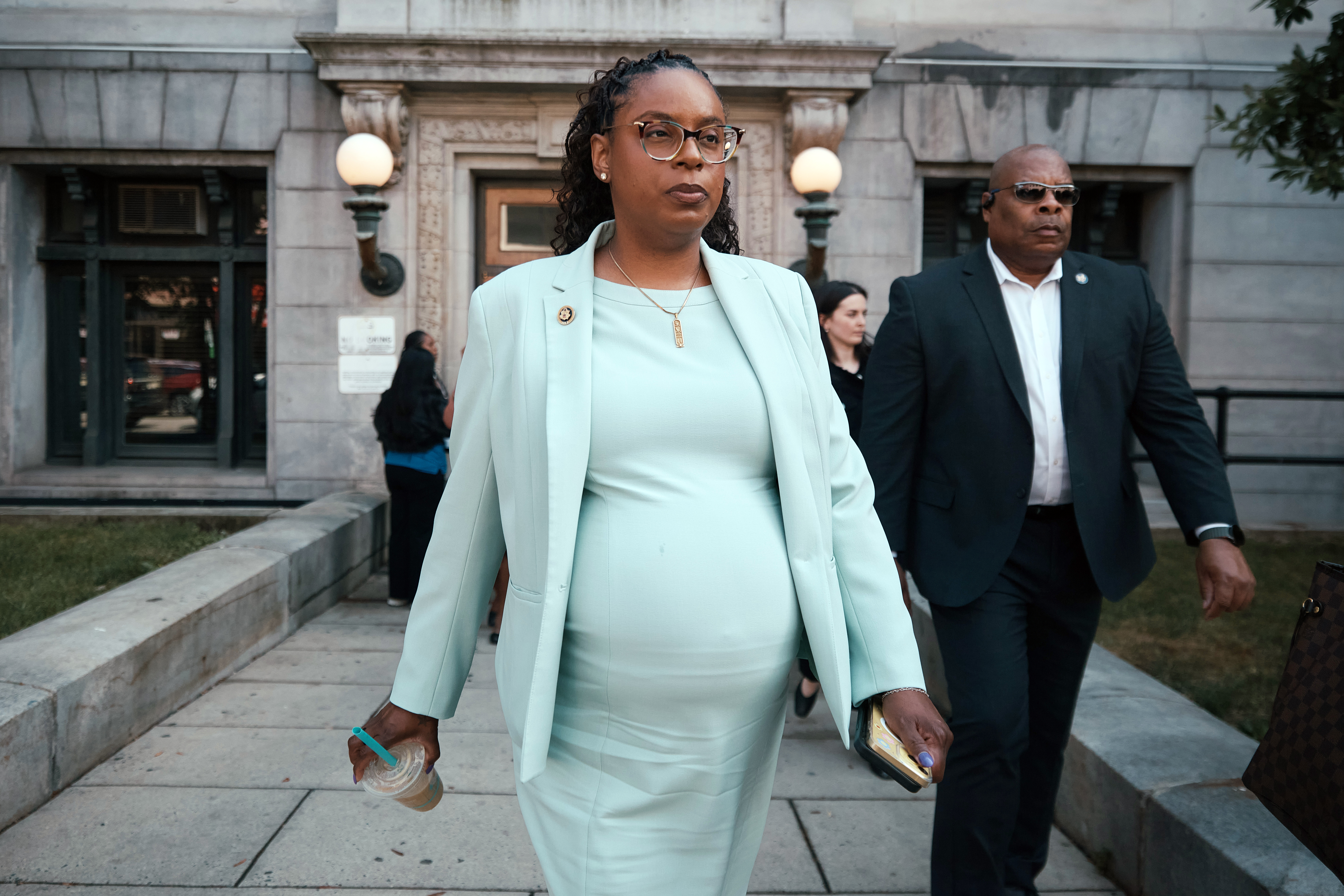
  • U.S. Rep. LaMonica McIver is eight months pregnant and — after a skirmish with ICE — facing 17 years in jail

    U.S. Rep. LaMonica McIver is eight months pregnant and — after a skirmish with ICE — facing 17 years in jail

    U.S. Rep. LaMonica McIver hasn’t put her life on hold to fight what she sees as totally unfounded charges by the Trump administration that she supposedly assaulted a U.S. Immigration and Customs Enforcement (ICE) officer during a protest last year.

    Instead, the first-term Democratic congresswoman is expecting her second child next month, she’s up for reelection in November, and because of Congress’ backward policies on parental leave (as in, there are none), she continues to put in long hours representing New Jersey’s 10th Congressional District, which includes her hometown of Newark.

    Lurking in the background, however, is the knowledge that if convicted on two charges of assaulting an ICE officer, she could be sentenced to as much as 17 years in prison.

    It’s way more than most people in her situation could handle.

    McIver’s inner strength is next level.

    She is running for reelection on Nov. 3 while fighting efforts by the Trump administration to make an example out of her. McIver is also repping her constituents in Newark in Washington, D.C., all while caring for — and expanding — her family.

    Her journey to motherhood hasn’t been easy. McIver, 40, has spoken openly about her yearslong struggles with fibroids, her use of in vitro fertilization (IVF), and her opposition to President Donald Trump’s merciless immigration enforcement campaign. She hopes her candor resonates with women who also are trying to balance career, pregnancy, and motherhood.

    Meanwhile, she is scheduled to give birth to her second child on Oct. 16. After she delivers, McIver will become one of fewer than 20 members of Congress ever to have done so.

    My jaw dropped during the interview in which McIver informed me that as a member of Congress, she isn’t entitled to maternity leave. Postpartum, McIver also won’t be able to cast votes for legislation remotely or by proxy.

    “They give you nothing,” McIver said. “It makes no sense that you have to give birth and instead of focusing on healing and nursing, you have to literally put that to the side and share that with getting back to work. It’s honestly disgusting. It’s unbelievable in 2026 that this is where we are still at.”

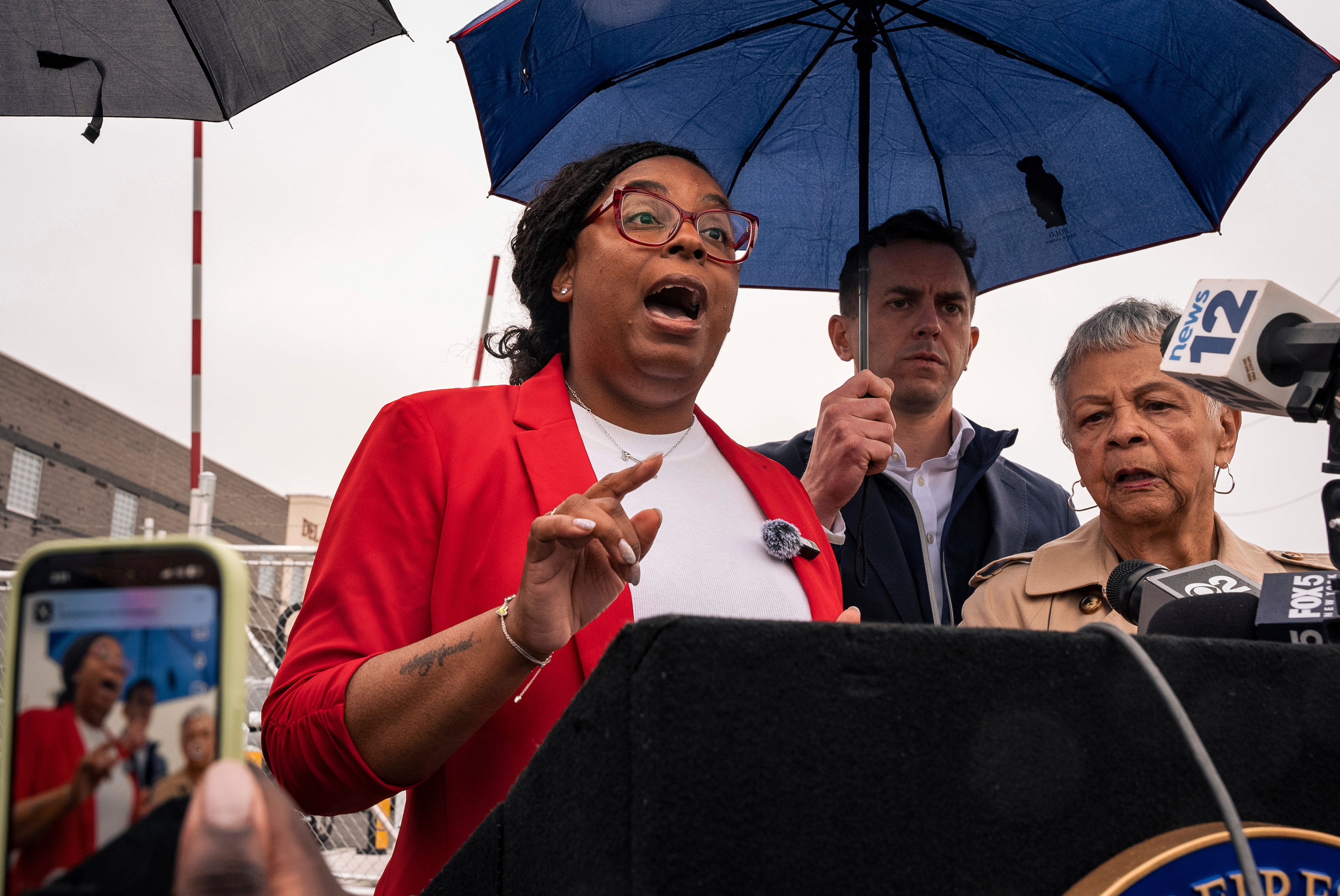
    U.S. Rep. LaMonica McIver (D., N.J.) speaks to reporters after Newark Mayor Ras Baraka was arrested while protesting at the Delaney Hall ICE detention center in May 2025.Angelina Katsanis

    Legislation that would have greatly helped her and other members of Congress in her position failed to garner adequate Republican support to pass last year. McIver blamed House Speaker Mike Johnson, among others, whom she said “don’t give a damn — and don’t want to make this a place that works for moms because they don’t want moms here.”

    After the election on Nov. 3, McIver intends to immediately return to Washington and get back to work. Luckily, she will have help from her “great village” that includes her mother. “I’m a stickler about not missing votes,” McIver pointed out, adding, “There are so many things that Republicans are going to be trying to do.”

    Trump has made a point of going after high-profile Black female elected officials such as New York Attorney General Letitia James and Lisa Cook, a governor of the Federal Reserve. Trump called McIver “woke” and “out of control.”

    McIver, along with several other elected officials, had been attempting to inspect conditions at Delaney Hall, a 1,000-bed facility along an industrial stretch of land near Newark Liberty International Airport in May 2025 when a scuffle broke out.

    McIver placed herself next to Newark Mayor Ras Baraka to shield him during the melee. I’ve watched the video numerous times. It doesn’t show her throwing a punch or striking anyone. No one was injured, either. But that didn’t stop Alina Habba, a former defense lawyer for Trump who briefly served as a U.S. attorney in New Jersey, from filing assault charges against McIver.

    McIver attempted to get the charges dismissed. In August, an appeals court ruled that McIver’s actions were nonlegislative and not protected by constitutional immunity, which clears the way for legal proceedings against her to proceed.

    Glynda C. Carr, the founder of Higher Heights for America PAC, described what happened as a “flash point” of the anti-immigration detention center movement that future generations will read about in history books.

    “This is bigger than LaMonica McIver,” Carr said, adding that the case could establish a baseline for whether elected officials will be permitted to conduct oversight of ICE detention centers without fear of prosecution.

    As for McIver, I’m sure her case will be tied up in the courts until after Trump leaves office, and then thrown out once new people come into office. Meanwhile, because members of Congress are prohibited from accepting pro bono legal work, McIver has to raise money to pay her legal bills, which are expected to exceed $1 million.

    It’s a lot to juggle, along with being pregnant, serving as a member of Congress, and being under attack by a government hell-bent on making life more difficult for working women, especially African American women.

  • A judge wouldn’t let Trump put his name on the Kennedy Center. So he closed it.

    A judge wouldn’t let Trump put his name on the Kennedy Center. So he closed it.

    A federal judge wouldn’t let the man-baby in the Oval Office put his name on the Kennedy Center for the Performing Arts. So President Donald Trump shut it down.

    Trump claimed on Truth Social that it was closed “for safety reasons.” He also said renovations won’t happen unless his name can be on the front of the building.

    So there.

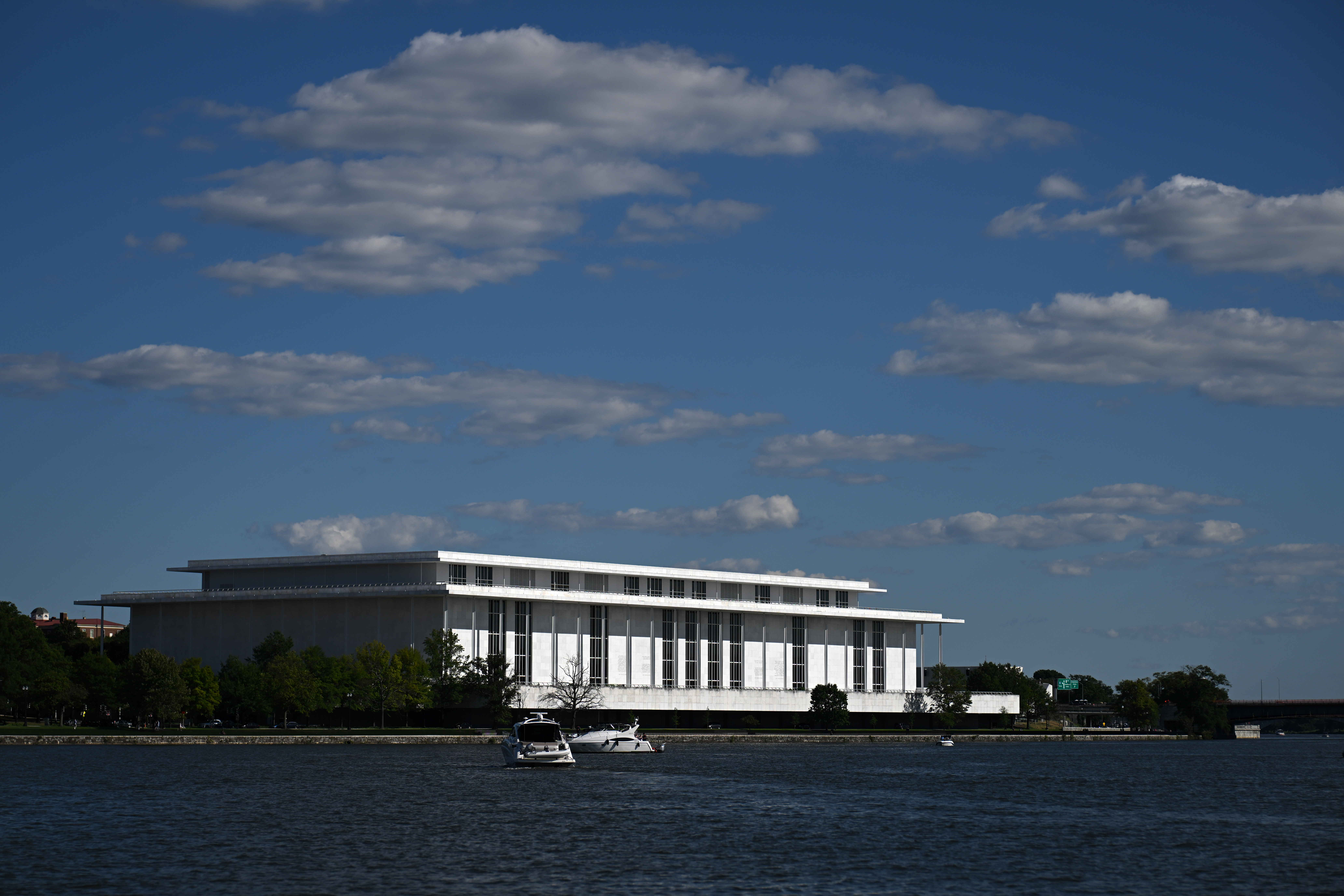
    Closing the Kennedy Center is narcissistic even for someone like Trump. His huge ego now stands between Americans and our right to enjoy one of the most beautiful landmarks in Washington, D.C.

    Yes, I’m mad.

    I grew up in the nation’s capital. D.C. residents are in and out of the Kennedy Center like Philadelphians are in and out of the Kimmel Center. During college, I worked as a tour guide, and I never passed by the building without marveling at its beauty.

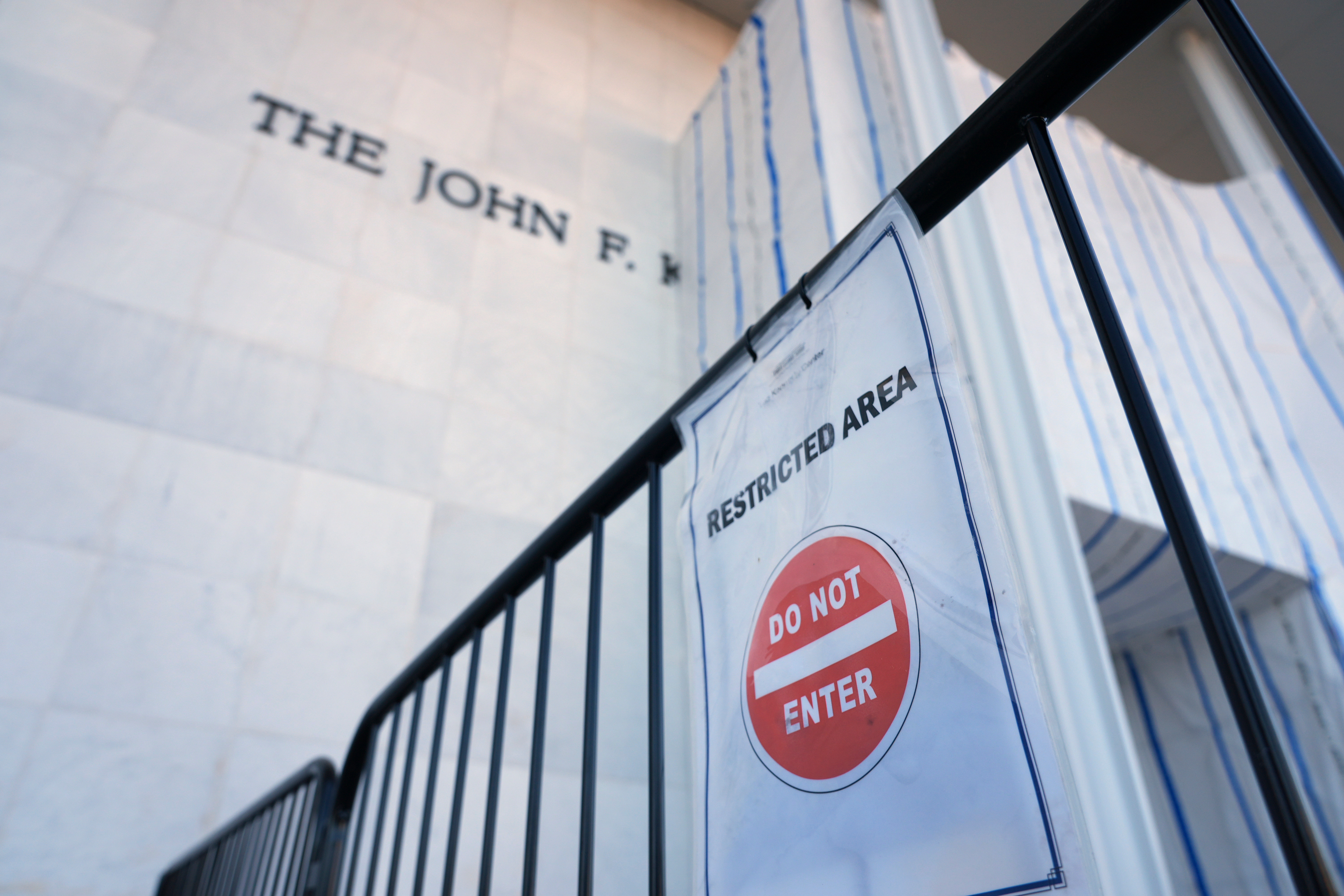
    A sign is placed on a gate outside the John F. Kennedy Center for the Performing Arts in Washington, Tuesday.Jacquelyn Martin

    I’m grateful that I got to spend time inside twice in recent months. The first time was in June after I took a train to Washington to see for myself what was going on with the Reflecting Pool and Trump’s renovation fiasco there.

    Afterward, I headed to the Kennedy Center to see if Trump’s name had been removed as a court had ordered. It was hard to tell for certain because a giant white tarp had been placed in front of the building.

    I gazed up at that for a bit before deciding to venture inside. Many performers canceled their shows following Trump’s hostile takeover of the venue’s board of directors, purportedly because the center’s programming was too “woke.”

    A uniformed guard directed us to a massive sunlight-filled dining room with glorious views of the skyline. Our jaws dropped. We practically had it to ourselves. We were the only visitors. A cafeteria worker piled an extra-large helping of teriyaki salmon and rice on my plate, while my sister placed an order for a smash burger. We carried our trays to a table near one of the gigantic windows so we could enjoy the view. The food tasted as good as homemade.

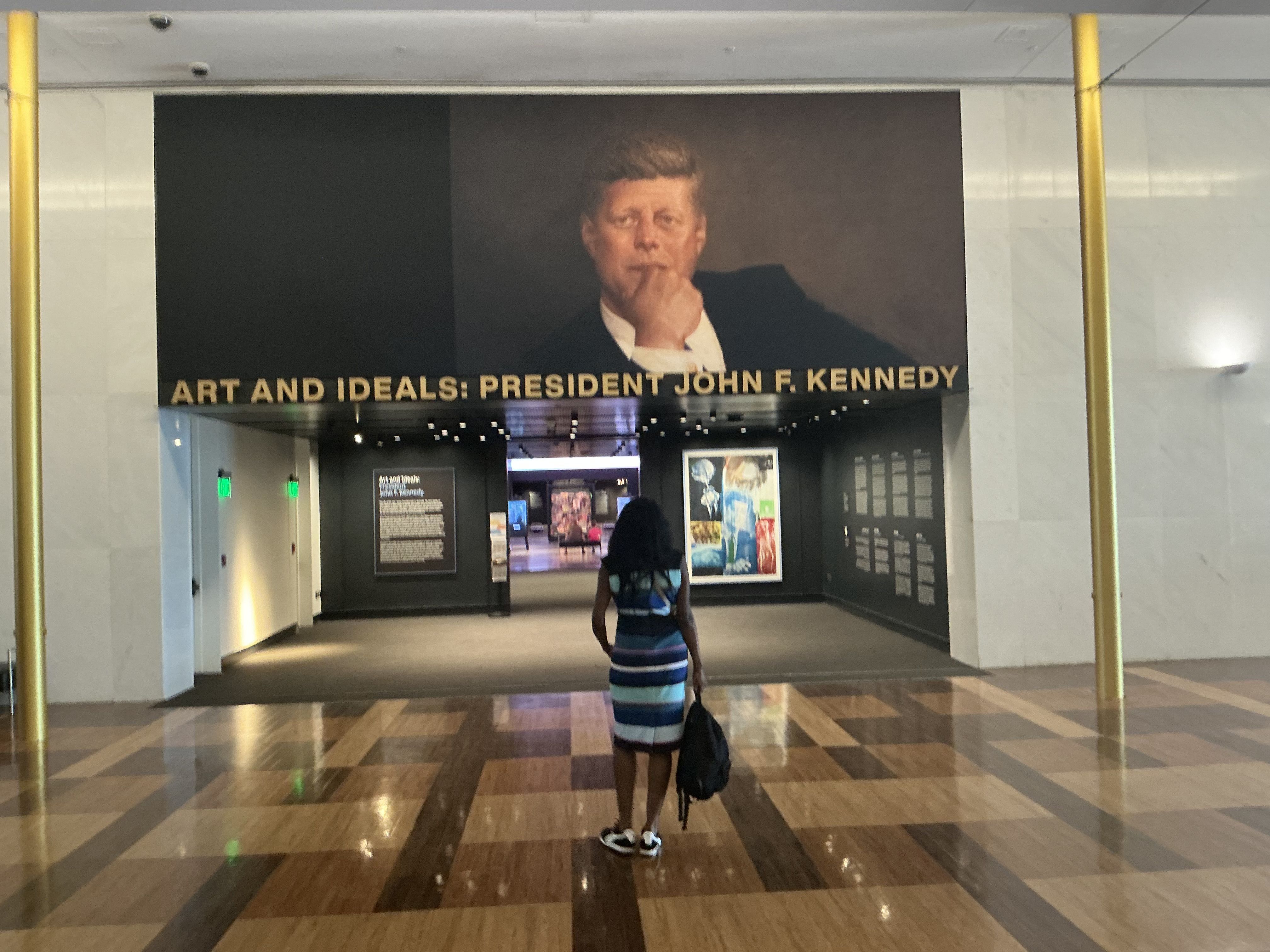
    Inquirer columnist Jenice Armstrong pauses outside an interactive exhibit about the life of President John F. Kennedy inside the Kennedy Center for the Performing Arts in Washington, D.C., in June.Jenice Armstrong

    Afterward, we decided to explore the interactive exhibit dedicated to the art and ideals of President John F. Kennedy. We took our time wandering around. Perhaps we sensed that with all the orange spray-tanned storm clouds hovering over the institution, this might be a moment to savor — and that a major change was imminent.

    Reading about the Kennedy era made me nostalgic. My late parents had been huge fans because of Kennedy’s work advancing the cause of civil rights. My mother admired the grace and style of first lady Jacqueline Kennedy so much that she considered naming me after her.

    Kennedy personified youthful optimism. He inspired Americans to be civic-minded and urged people to “Ask not what your country can do for you — ask what you can do for your country.” Kennedy founded the Peace Corps and created the U.S. Agency for International Development, which the Trump administration decimated last year.

    The two presidents couldn’t be more different. Kennedy, a Democrat, was a decorated hero of World War II; Trump never served, reportedly getting five draft deferments, including one by claiming he had bone spurs.

    Trump intentionally stokes racial divisions. He launched his presidential campaign in 2015 by calling Mexicans rapists and drug dealers. Kennedy sent federal troops and U.S. marshals to the Jim Crow South to protect Black civil rights demonstrators.

    I went back to the Kennedy Center about a week later, after returning to the National Mall to write about Trump’s Great American State Fair — which wasn’t so great. This time around, we arrived too late to eat, so we grabbed a few bags of chips and sat in a lobby for a bit.

    Again, I took my time at the exhibit about the life and legacies of the Camelot era. I noted how the first lady back then transformed the White House Rose Garden into an oasis.

    There are no oases allowed in the Trump era, however. He tore up the roses, poured cement over the garden, and rendered it lifeless.

    Sounds a lot like what he’s doing to the Kennedy Center.

  • Trump ally Laura Loomer publicly insulted prominent Black women. Where are the GOP calls for civility?

    Trump ally Laura Loomer publicly insulted prominent Black women. Where are the GOP calls for civility?

    Pennsylvania House Speaker Joanna McClinton was listening to a sketch by comedienne Zainab Johnson when Florida State Rep. Angie Nixon’s name came up. Johnson mentioned how Nixon, who is vying to become the Sunshine State’s first African American U.S. senator, had been attacked by a right-wing influencer named Laura Loomer.

    McClinton is closely following Nixon’s race and immediately wondered: “Who’s Laura Loomer? Who is she?”

    McClinton found out soon enough.

    Loomer, reportedly a close ally of President Donald Trump, has been publicly going after Black female legislators and other prominent women — including U.S. Supreme Court Justice Ketanji Brown Jackson — calling them “ghetto” and the B-word.

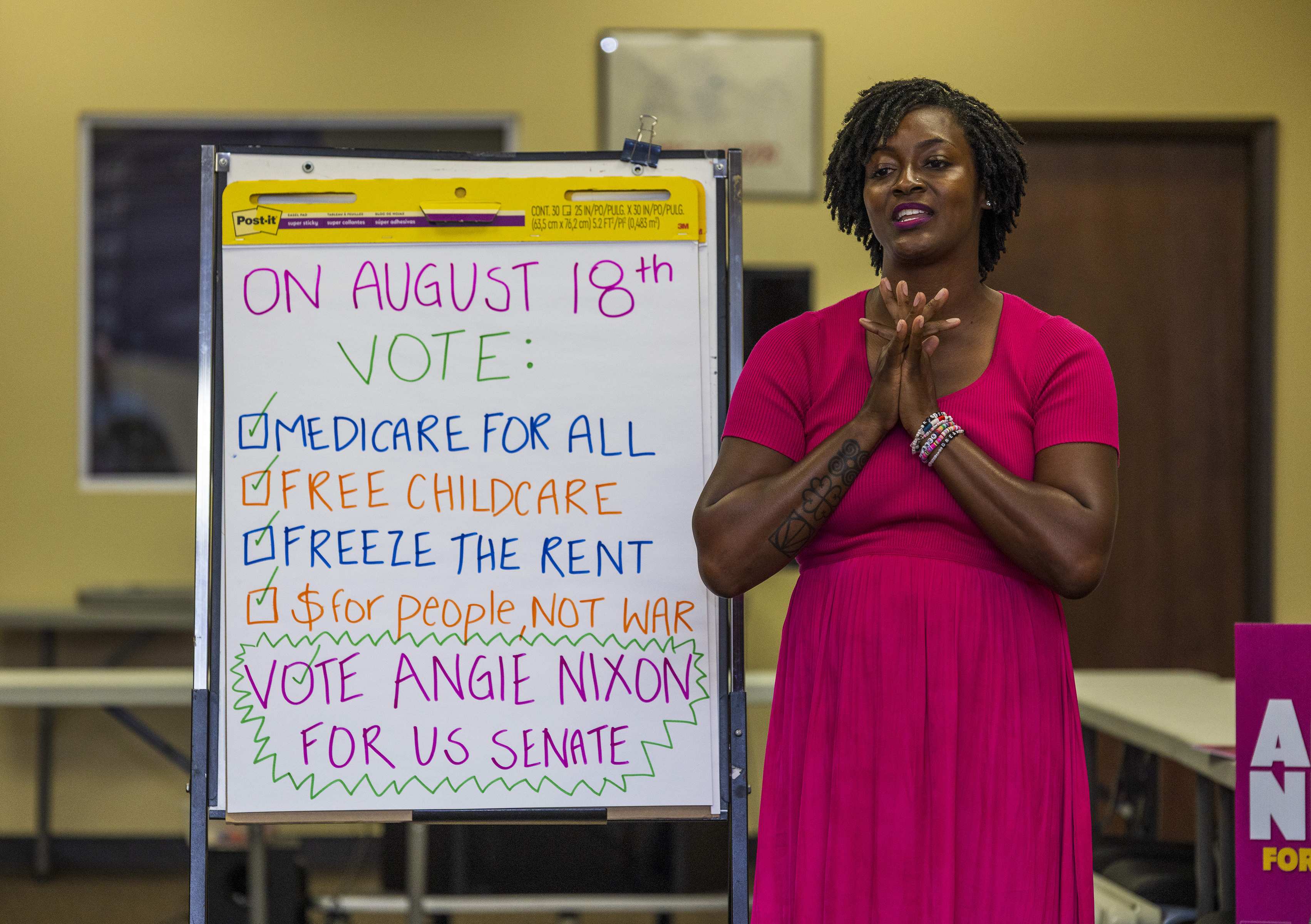
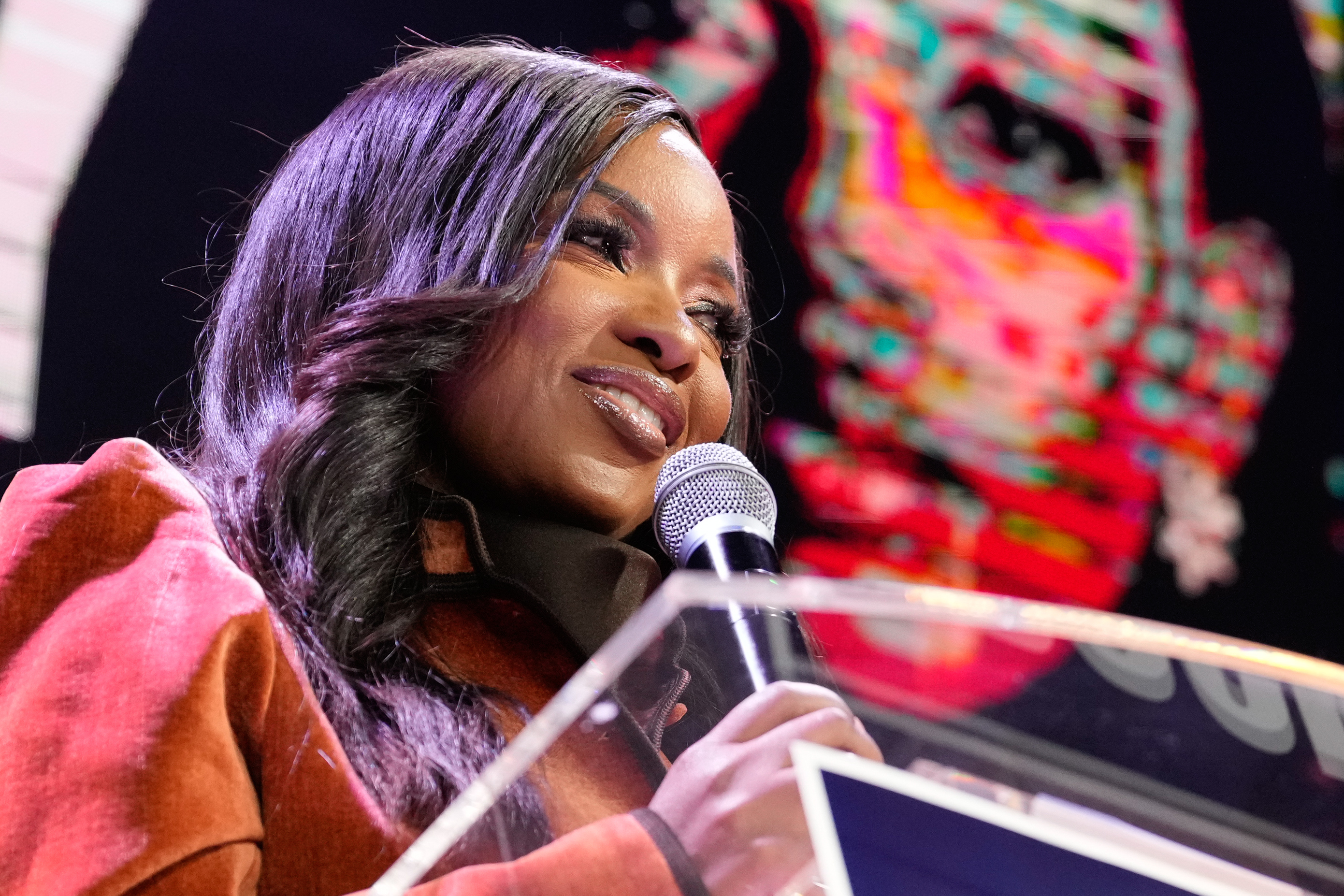
    State Rep. Angie Nixon, a Democratic candidate for U.S. Senate, during a canvassing event in Fort Lauderdale, Fla., in August.SAUL MARTINEZ

    The MAGA influencer zeroed in on Nixon last month after she won Florida’s Democratic Senate primary and accused her of using Ebonics. She also likened the former grassroots organizer to a dog, saying, “Maybe I need to bark at you and tug your leash and then you’ll finally understand.”

    Loomer has also posted about Reps. Ilhan Omar, Ayanna Pressley, and LaMonica McIver, and former Rep. Cori Bush, saying they’re “entitled,” “destructive,” and “race-obsessed.”

    I don’t know, Laura — you might want to look in the mirror to see who’s really “entitled,” “destructive,” and “race-obsessed.”

    She made me mad.

    A lot of people may have brushed it all off, but as you can tell, I haven’t.

    Former Rep. Marjorie Taylor Greene has condemned Loomer. Where are the other Republicans who pride themselves on being civil and having family values? Every member of the GOP should speak out against what’s been happening.

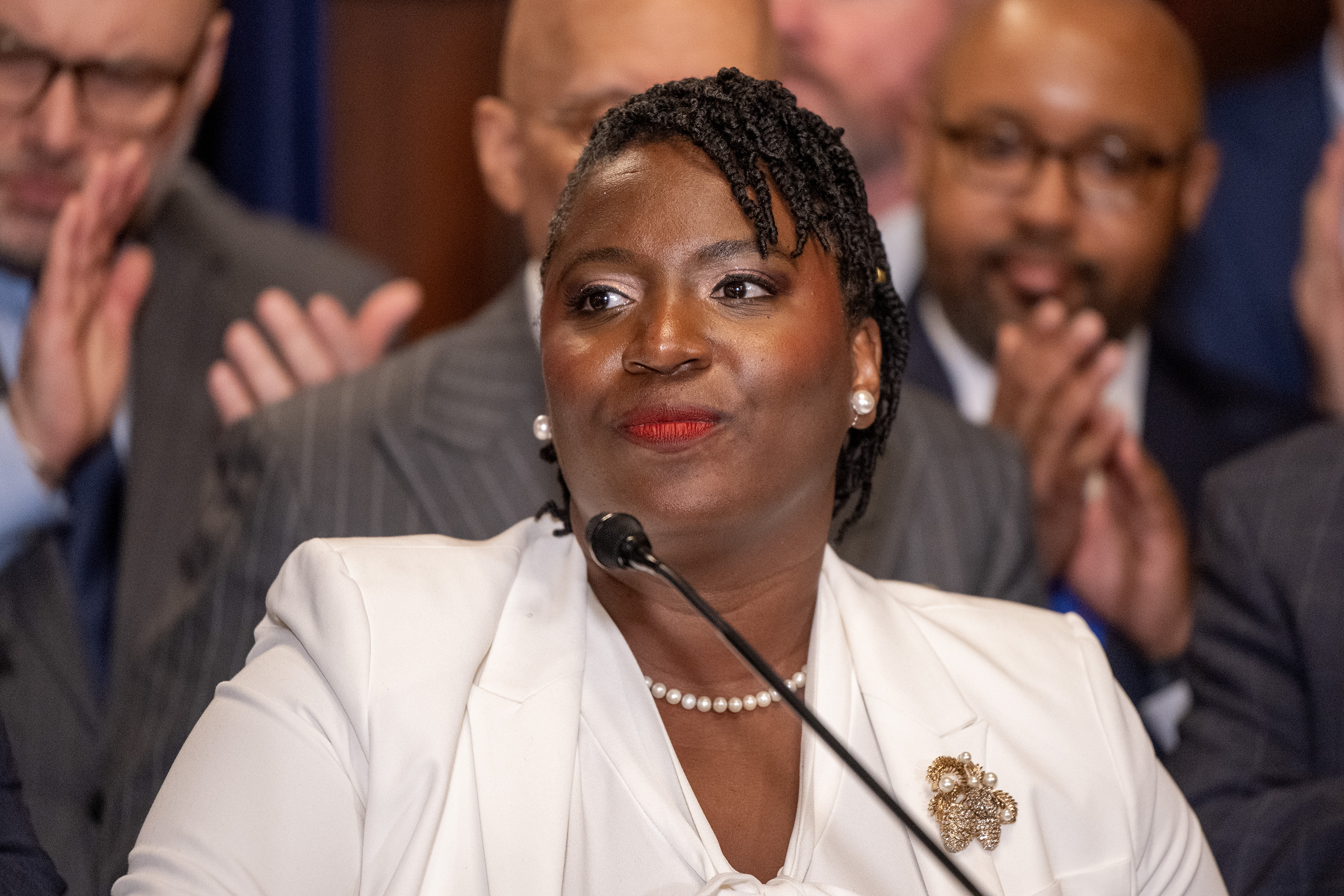
    House Speaker Joanna McClinton during a news conference at the Capitol in Harrisburg in February.Tom Gralish / Staff Photographer

    “We need the president to condemn these comments,” McClinton told me, adding that U.S. Senate leadership should also act. “Unfortunately, attacking Black women is nothing new.”

    She added, “We have been fighting with racism and misogyny for as long as we have been a democratic republic.”

    I won’t repeat all of the racist things Loomer has uttered on her podcast or posted online lately about Black female politicos. If you’re curious, you can go on social media and see for yourself.

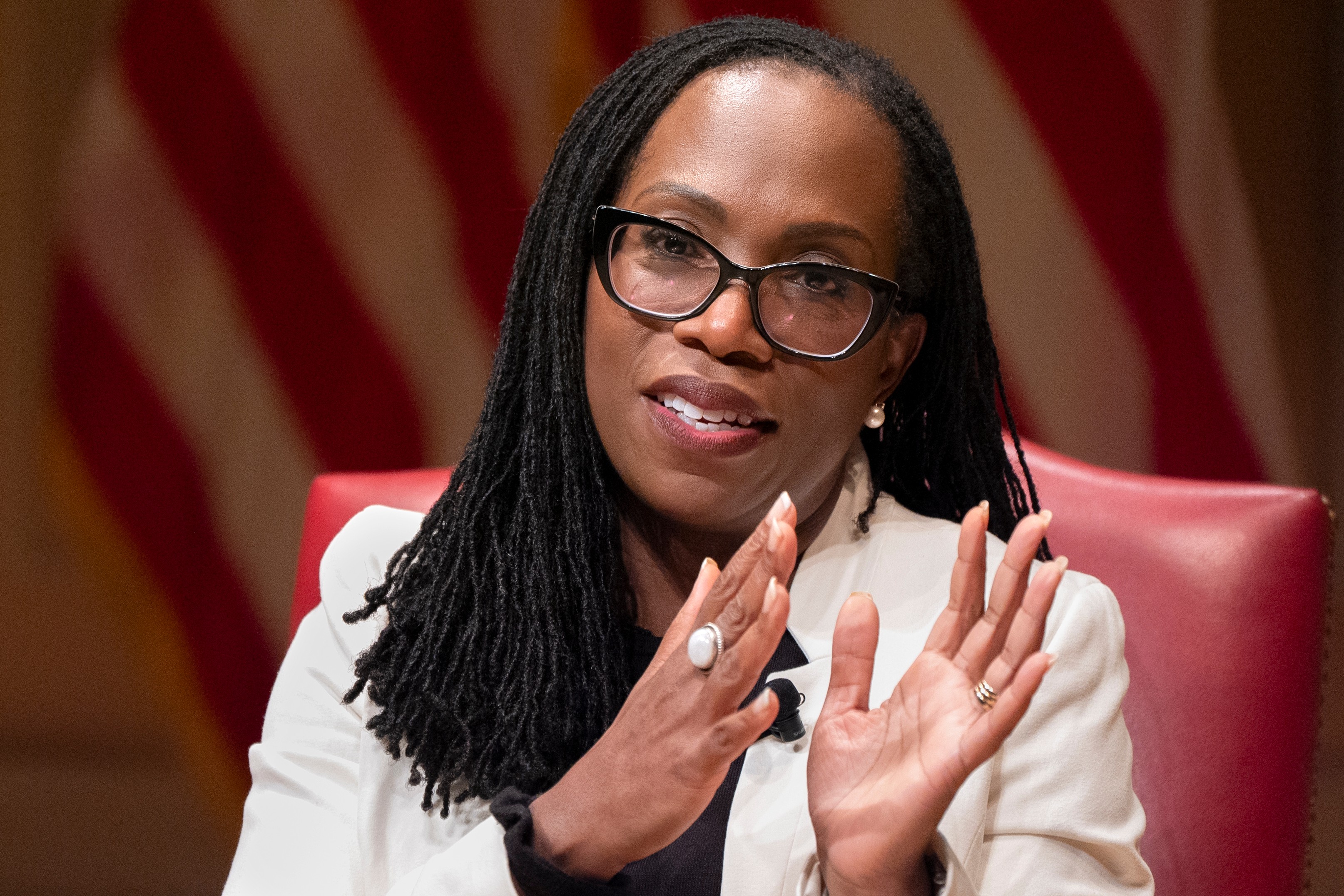
    U.S. Supreme Court Justice Ketanji Brown Jackson speaks to the 2025 Supreme Court Fellows Program, Feb. 13, 2025, at the Library of Congress in Washington.Jacquelyn Martin

    While you’re there, you can check out her Islamophobic posts.

    I thought long and hard about ignoring what’s been happening and writing off Loomer as just another right-wing extremist.

    But she has traveled with the president numerous times, visited Mar-a-Lago, and reportedly has Trump’s ear. Her platform is huge — nearly two million followers on X, the social media site formerly known as Twitter. And she doesn’t hesitate to use it.

    That’s political currency — not just in Washington. In this era of the attention economy, the most strident voices get traction.

    Maryland Gov. Wes Moore was spot on when he posted a statement directed at Loomer saying, “You attack and insult Black women because you believe peddling racism is good for your clicks and your business model.”

    It felt good to see Moore, who is a possible presidential contender, defend Black lawmakers against Loomer’s looney tunes. Same with House Minority Leader Hakeem Jeffries, who called her a “stone-cold racist.”

    Being a Black woman in traditionally white spaces can be challenging. Nixon appeared near tears during a recent appearance on Don Lemon’s YouTube show and said she was tired. “It’s become so normalized for people to continue to attack us,” she said.

    Timothy N. Welbeck, director of Temple University’s Center for Anti-Racism, said he wasn’t surprised there hasn’t been a more fervent pushback against Loomer.

    “Things like woke and DEI were politically expedient slurs to convey anti-Black sentiments,” he told me. “And now people like Laura Loomer are forgoing the veiled statements.”

    It has felt like open season on Black women ever since Trump’s return to office.

    We have been disproportionately impacted by widespread cuts to the federal workforce. Trump weaponized the U.S. Department of Justice to try to prosecute Federal Reserve Governor Lisa Cook and New York Attorney General Leticia James.

    Black women are survivors, though. Ever since we were dragged through the Middle Passage and forced into bondage, we have managed to make a way out of no way, as my mother used to say.

    This is our heritage.

    This is our legacy.

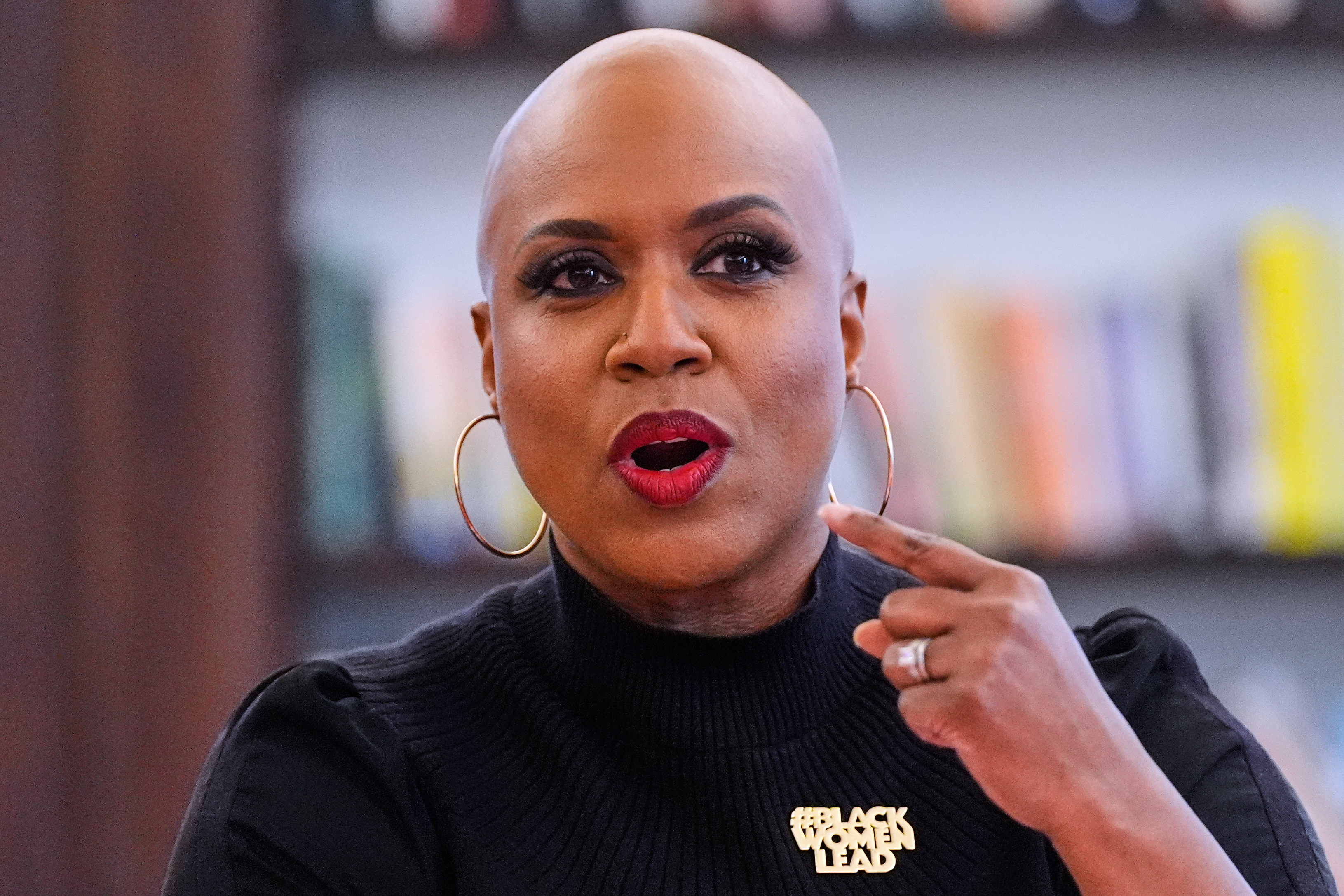
    U.S. Rep. Ayanna Pressley (D., Mass.) gestures while addressing a gathering at a roundtable meeting in November in Boston.Charles Krupa

    In the spirit of the late Shirley Chisholm, the first Black female member of Congress, and all of the other ancestors, we will get through the Trump era, too.

    And we’ll be inspired by the passion of Nixon, the style and commitment of Pressley, and the sheer brilliance of Justice Jackson.

    That’s what we do.

    As Moore pointed out, “We will never let anyone steal our joy or let those that don’t matter too much, matter too much.”

    We’ve come too far.

  • Note to cops: Don’t drive away from a person lying in the road

    Note to cops: Don’t drive away from a person lying in the road

    There’s a special place in hell for a cop who leaves a human being lying in the street, and they get run over by a car.

    It doesn’t matter who the person is, or if they are under the influence of a substance. It doesn’t matter if they resist. They need to be escorted to safety. If needed, rescue workers or a behavioral health expert should be summoned. No one — and I mean no one — should be left lying in the street.

    If the police officer who encountered the 48-year-old pedestrian who wound up lying in the bike lane in the 5500 block of Rising Sun Avenue in the wee hours of Aug. 27 had a shred of humanity left in his soul, that man would still be alive today.

    Instead of being a hero and saving that man’s life, the officer talked to the victim as he lay on his back in the roadway, then got into his police cruiser and drove away. Minutes later, the man was fatally injured by a hit-and-run driver. Two unidentified people pulled the man out of the street and contacted authorities.

    The same officer who had encountered the man earlier was the first to respond. Did he even try to make up for what happened? Not according to First Deputy Commissioner John Stanford, who said at a news conference on Friday that the officer didn’t administer first aid or file a police report. “That goes against everything that we stand for,” Stanford told reporters. “We talk about empathy. We talk about compassion as an organization, and none of those things were on display.”

    The officer, whose name hasn’t been released, has since been placed on administrative leave and is still on the Philadelphia police force.

    He shouldn’t be.

    His job is to serve and protect. But he lacks the human decency and compassion it takes to do that.

    What happened last week reminds me of a similar incident that took place four years ago, which I also wrote about. In that case, Elizabeth Negron had wandered into the middle of Germantown Avenue near Coulter Street around midnight one hot summer night in 2022.

    It’s unclear what exactly was going on with her, but clearly something was off. She stood in the roadway and blocked the path of a SEPTA bus as vehicles veered around her in different directions. Soon, a police car arrived. Officers got out of their vehicle and interacted with her briefly before driving off, leaving Negron still in the roadway.

    They left her in the street like an old discarded shoe. At one point, Negron can be seen lying on her back. A video, recorded by a nearby business, ends shortly thereafter, leaving viewers to imagine what happened next as a passing car ran her over and then fled the scene.

    I’ve had the privilege of meeting and interviewing many incredible police officers over the years. Most are good people both on and off the job. But there are some who forget that the people they encounter out on the streets acting oddly are as human as anyone else. They matter, too.

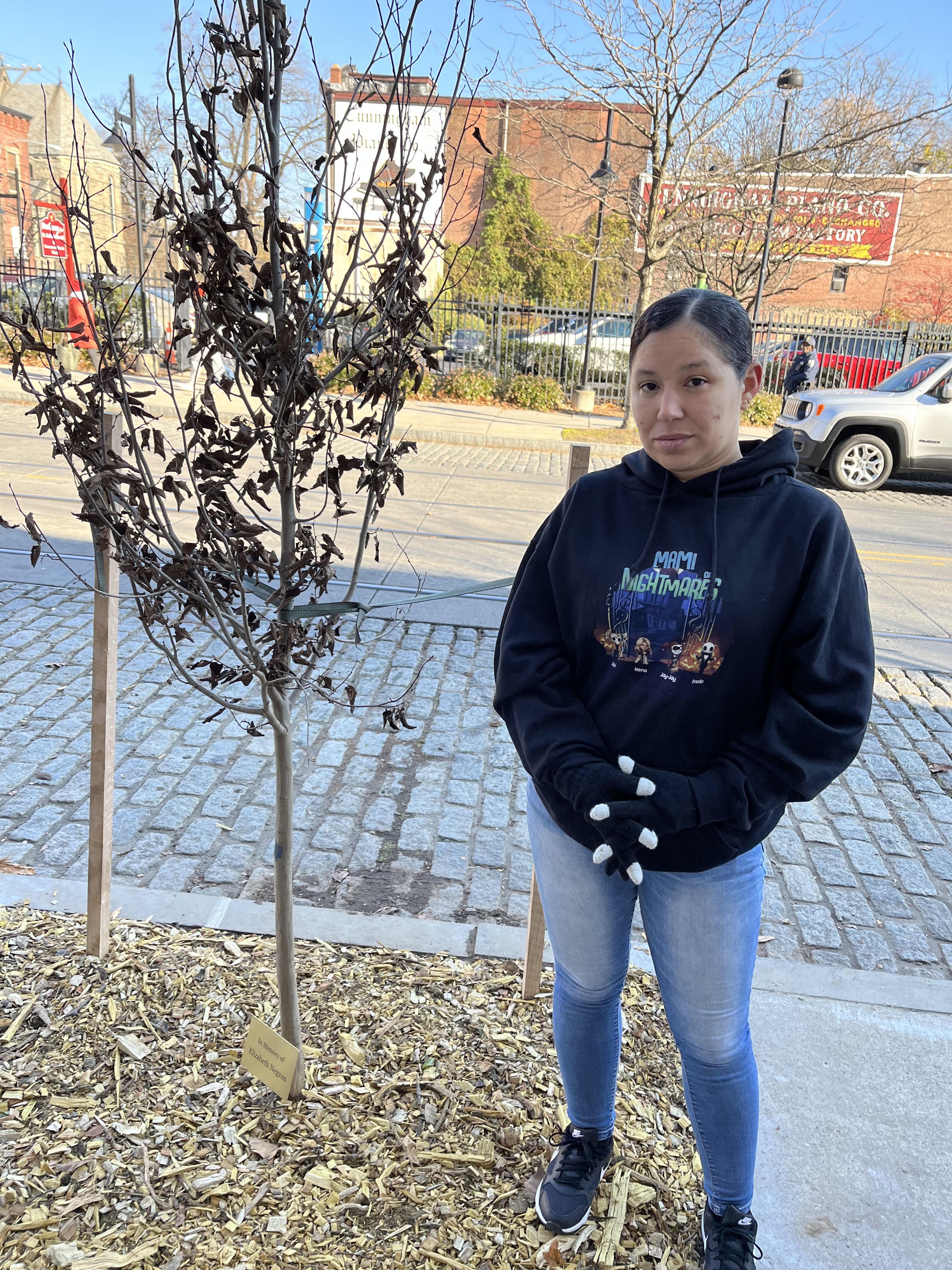
    Negron was loved by her two young daughters, a devoted sister, and others who still mourn and miss her. Her sister, Jackie Martinez, told me she had been scrolling on her phone when she learned someone else had suffered a similar fate. “I’m hanging in there and trying my best to not let it bother me,” she said.

    Martinez said she would never just walk by someone in harm’s way. “You put them somewhere safe,” Martinez said. “If you walk away and they end up back in the middle of the street, at least you know that was on them.”

    Jackie Martinez poses next to a tree planted in honor of her sister, Elizabeth Negron, who was killed on Germantown Avenue near Coulter Street by a hit-and-run driver in July 2022.Jenice Armstrong

    David Fisher, a 29-year veteran of the Philadelphia Police Department and president of the National Black Police Association, agreed, saying, “You don’t leave somebody on the street needing care.”

    It’s really that simple. It should be obvious. But apparently it isn’t.

  • I don’t care what anyone says: Being ‘woke’ isn’t a bad thing

    I don’t care what anyone says: Being ‘woke’ isn’t a bad thing

    I was chatting with a friend recently whom I’ve known for a long time when she used the term woke as if it meant something disgusting.

    I was so stunned that I didn’t bother trying to correct her. But I hung up the phone thinking about how the concept has become a political football, with even some Dems kicking it around.

    African Americans created this vernacular. It preexisted MAGA’s hijacking of it by decades, dating back to the days of civil rights activist Marcus Garvey, founder of the Universal Negro Improvement Association. It has long been a part of pop culture, showing up in musical performances by everyone from Depression-era blues singer Lead Belly to Erykah Badu in her 2008 song, “Master Teacher.”

    I first heard it during the early 1990s. Back then, if someone said, “You’re not woke,” it was considered the ultimate insult, right up there with being an Uncle Tom — or worse. Being woke refers to being alert to racial transgressions. The opposite of woke is to be asleep, and therefore oblivious to systemic racism and injustice.

    No matter how President Donald Trump and Secretary of Defense Pete Hegseth attempt to vilify the term, I stand by the notion that being woke is a good thing. As in the exhortation, “Stay woke, brother.”

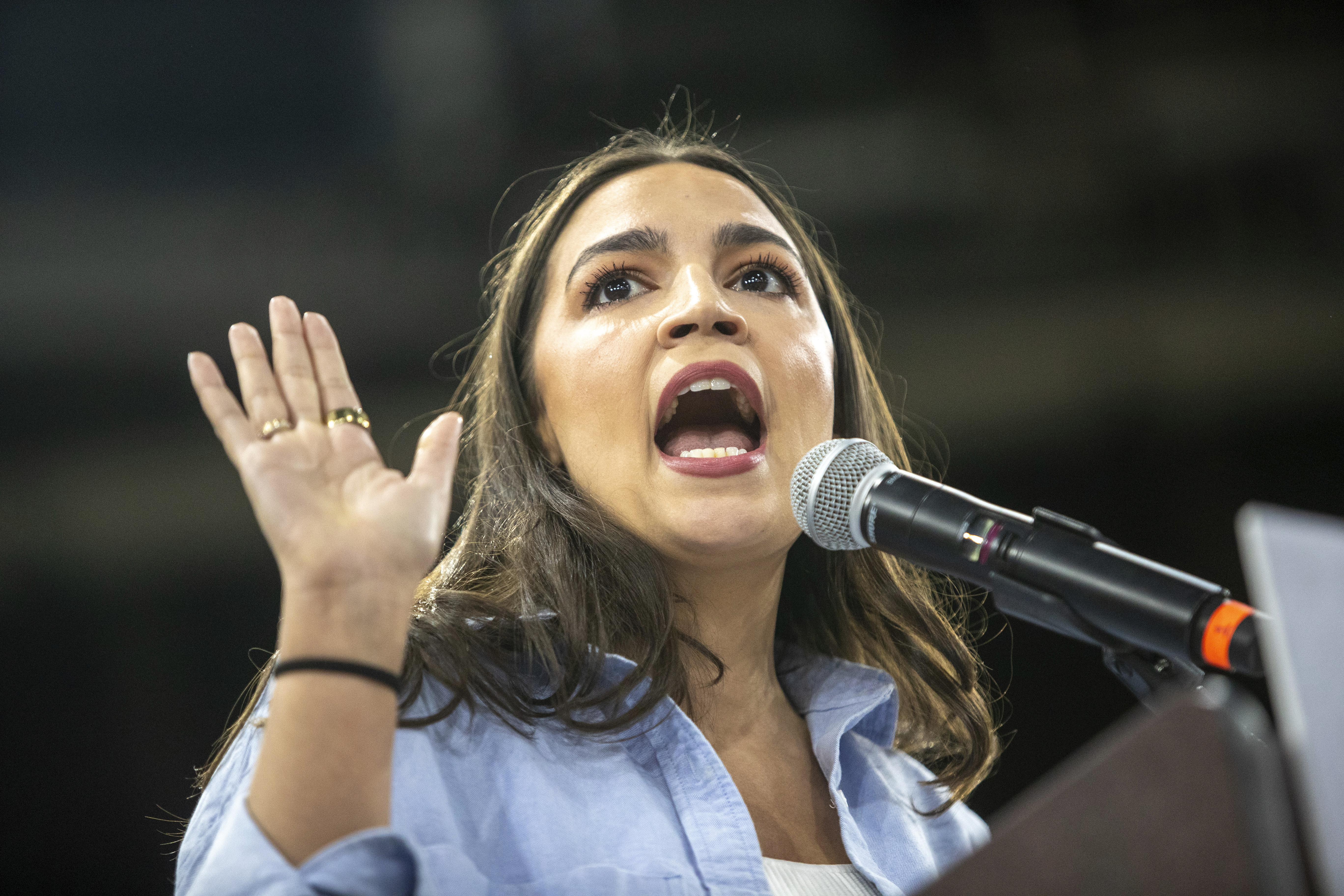
    It’s galling to watch politicians bastardize it. U.S. Rep. Alexandria Ocasio-Cortez recently brought it up during an ABC News interview when she said, “I have a local city councilman that has this saying: ‘Woke 1 was crazy.’”

    She was talking about Francesca Hong, a progressive candidate running for governor of Wisconsin with a history of making radical statements, and was also quoting New York City council member Chi Ossé, who used the “woke 1” term on social media. I get that Ocasio-Cortez was referring to far-left calls to defund the police — which most Black people never fully supported — among other extremist ideas. But her words still stung.

    I found myself wondering: Since when did the concept of being woke become a bad thing for Democrats?

    I have an awful lot of respect for Ocasio-Cortez. I recognize she may be weighing a run for the presidency in 2028 and trying to center herself politically. But this kind of virtue signaling won’t be as beneficial as she hopes if it also alienates African Americans.

    M.K. Asante said that “the idea of staying woke became associated with consciousness,” but that the meaning of the term has changed after being co-opted by the mainstream.

    For insight, I reached out to M.K. Asante, a professor at Morgan State University whose father is Molefi Kete Asante, a renowned professor of Africology at Temple University. “The idea of staying woke became associated with consciousness,” Asante told me, but added that the term was co-opted around 2020 following the widespread uprisings after the murder of George Floyd by a police officer.

    Asante pointed out, “Now it does not have the same meaning in the mainstream.”

    That’s mainly because of Trump, who, after his return to the White House, immediately began vilifying woke and other things associated with diversity.

    He declared an all-out war on diversity, equity, and inclusion efforts in both federal and private sectors, and has also taken aim at museums he says are “essentially, the last remaining segment of ‘WOKE.’” Trump also has cut funding from key government programs that support DEI.

    Even the military hasn’t been immune. Trump summarily dismissed Air Force Gen. Charles Q. Brown Jr., who was the second Black person to serve as chairman of the Joint Chiefs of Staff, and set about renaming military bases after Confederate generals.

    Earlier this year, Pentagon spokesperson Sean Parnell announced on X that officials were targeting Stars and Stripes, an independent newspaper that covers the military, in part to “refocus its content away from woke distractions that syphon morale.” Since then, the paper’s publisher, editor-in-chief, and a reporter have all been terminated, ending 155 years of editorial freedom, as my colleague Will Bunch reported.

    Meanwhile, the United States is at war with Iran, Canada, our closest ally, has announced retaliatory tariffs on U.S. products, and American consumers are wondering if the influx of tariff-free foreign beef imports Trump is pushing will be safe to consume.

    Yet, Trump says woke is the enemy.

    Despite the president’s best efforts, he can’t stamp the term or its real meaning out.

    As Asante pointed out, “You can co-opt a word, but the spirit of what ‘stay woke’ means is alive and well.”

  • NABJ’s Thumbs Down Award should be a wake-up call for ESPN’s Stephen A. Smith

    NABJ’s Thumbs Down Award should be a wake-up call for ESPN’s Stephen A. Smith

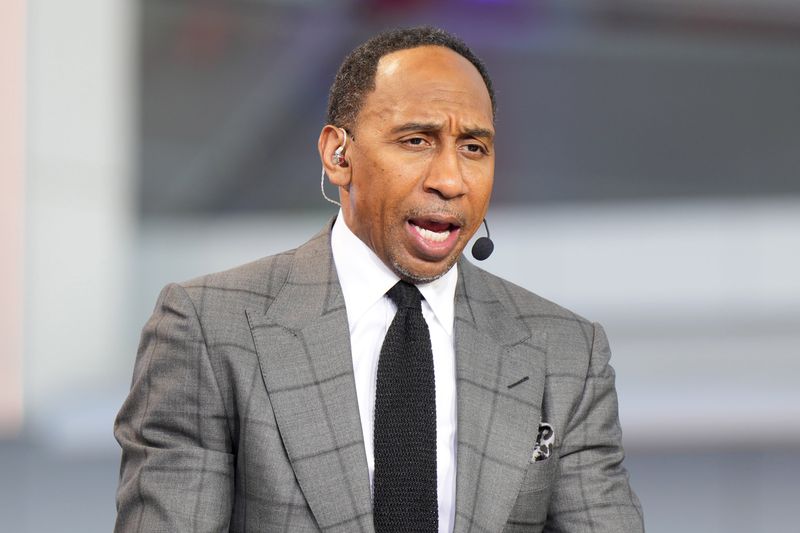
    I was in the ballroom of the Marriott Marquis hotel in Atlanta Saturday night when sports talk show host and political commentator Stephen A. Smith was named a recipient of the National Association of Black Journalists’ 2026 Thumbs Down Award.

    Talk about a fork-drop moment.

    People gasped. Others groaned. There were cheers and boos as the realization of what had just happened registered. Smith — whose smiling face was plastered up on a giant screen — had gotten an award nobody ever wants to get. A voice-over announcer explained that he had been selected because of his “recurring public pattern of disparaging commentary directed at prominent Black women across politics, sports, and media.”

    Smith, the star and executive producer of ESPN’s First Take, was not in attendance. But he promised a bold response, posting ominously on X that Christmas had arrived early. He wrote: “I’ve shut my mouth for years. Now y’all started something.”

    Fox News host Sean Hannity wasted no time in getting Smith on his conservative talk show, and asked if the award had to do with Smith’s criticisms of so-called radical people on the left. Hannity also brought up U.S. Rep. Jasmine Crockett (D., Texas) and former MSNBC host Joy Reid, and accused them both of saying “nutty things.” That was rich coming from him.

    Smith should have let him have it for that. But instead of defending these smart, accomplished Black women, Smith made it all about himself. He brought up how he had been raised by a Black woman and has four older sisters, 10 nieces, and two daughters, and called NABJ’s indictment a “flat-out lie.”

    “I don’t know what the hell they are talking about,” Smith said about NABJ.

    U.S. Rep. Jasmine Crockett (D., Texas) speaks during a primary election watch party in March in Dallas. Tony Gutierrez

    Oh, I think he does.

    Smith, a registered independent, publicly apologized last year after catching major heat for criticizing Crockett, saying she used “rhetoric for the streets” and questioning how it served her constituents. Smith has been similarly critical of tennis legend Serena Williams, former Vice President Kamala Harris, as well as Reid.

    We know this game. Black women make easy targets for provocateurs like Smith who cater to a largely white male audience. Greater energy should go into going after politicians like President Donald Trump, who thinks Smith is “low IQ” and “dumb as a rock.”

    In a video released Tuesday, Smith asked: “Where are your facts? You don’t have facts. You have feelings. Everything that I am. Everything that I’ve achieved, that has uplifted me in my life, has been associated with Black women. Black women have been my strength, my source of inspiration, and so much more my entire life.”

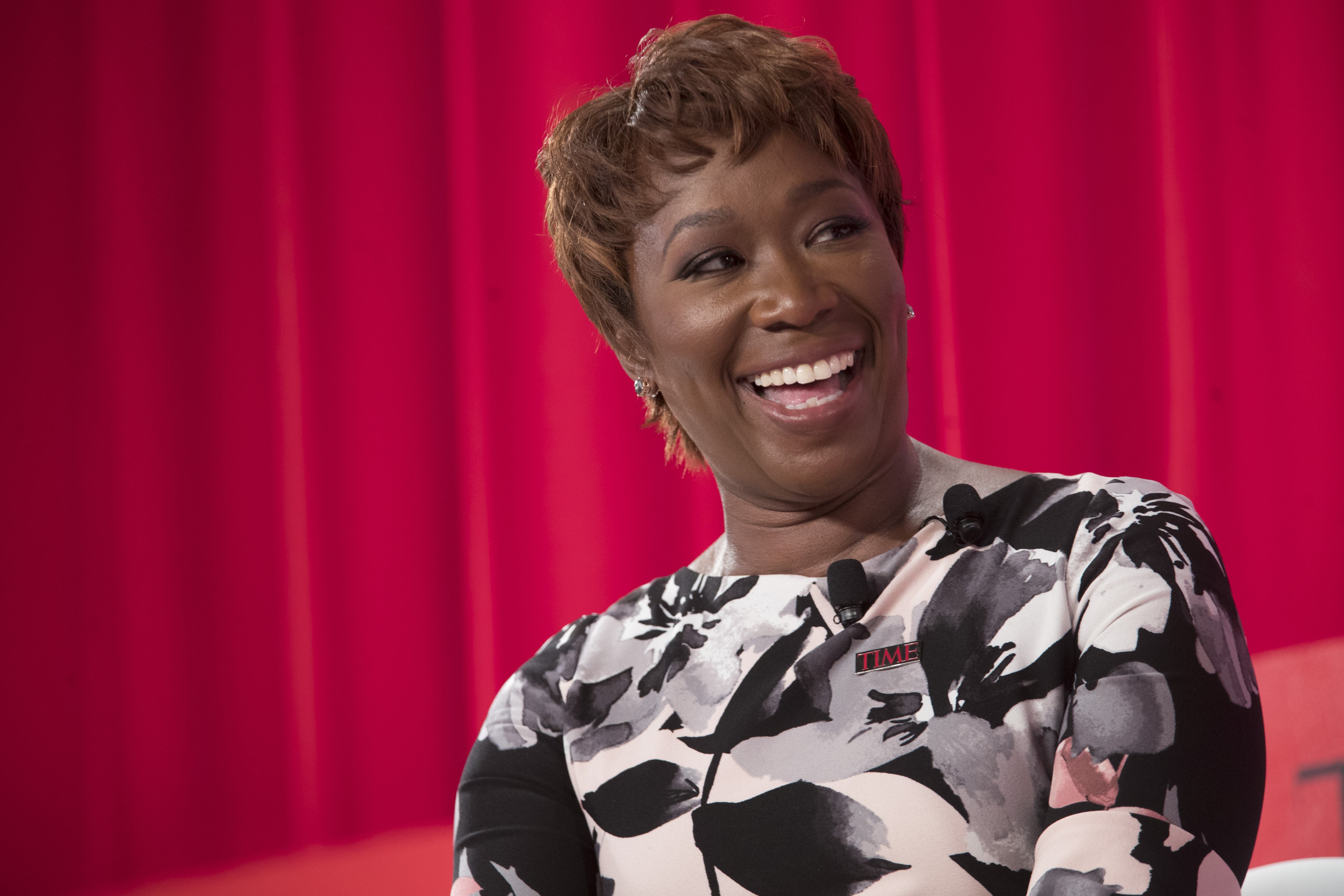
    Joy Reid photographed during the TIME 100 Summit in 2025 in New York. Mary Altaffer

    Other recipients of this year’s Thumbs Down Award include Federal Communications Commission Chair Brendan Carr, DuJuan McCoy, the owner of Circle City Broadcasting, CBS, and the Washington Post.

    This isn’t new. NABJ has been calling out individuals and institutions since its founding in 1975.

    The late Daily News columnist Chuck Stone planted the first seeds for the Thumbs Down Award a half century ago when he went after Agriculture Secretary Earl L. Butz, who made a racist remark about Black voters, according to former NABJ president DeWayne Wickham during an interview on #RolandMartinUnfiltered. During NABJ’s very first convention in 1976, Stone, who was president, organized a news conference demanding Butz’s ouster.

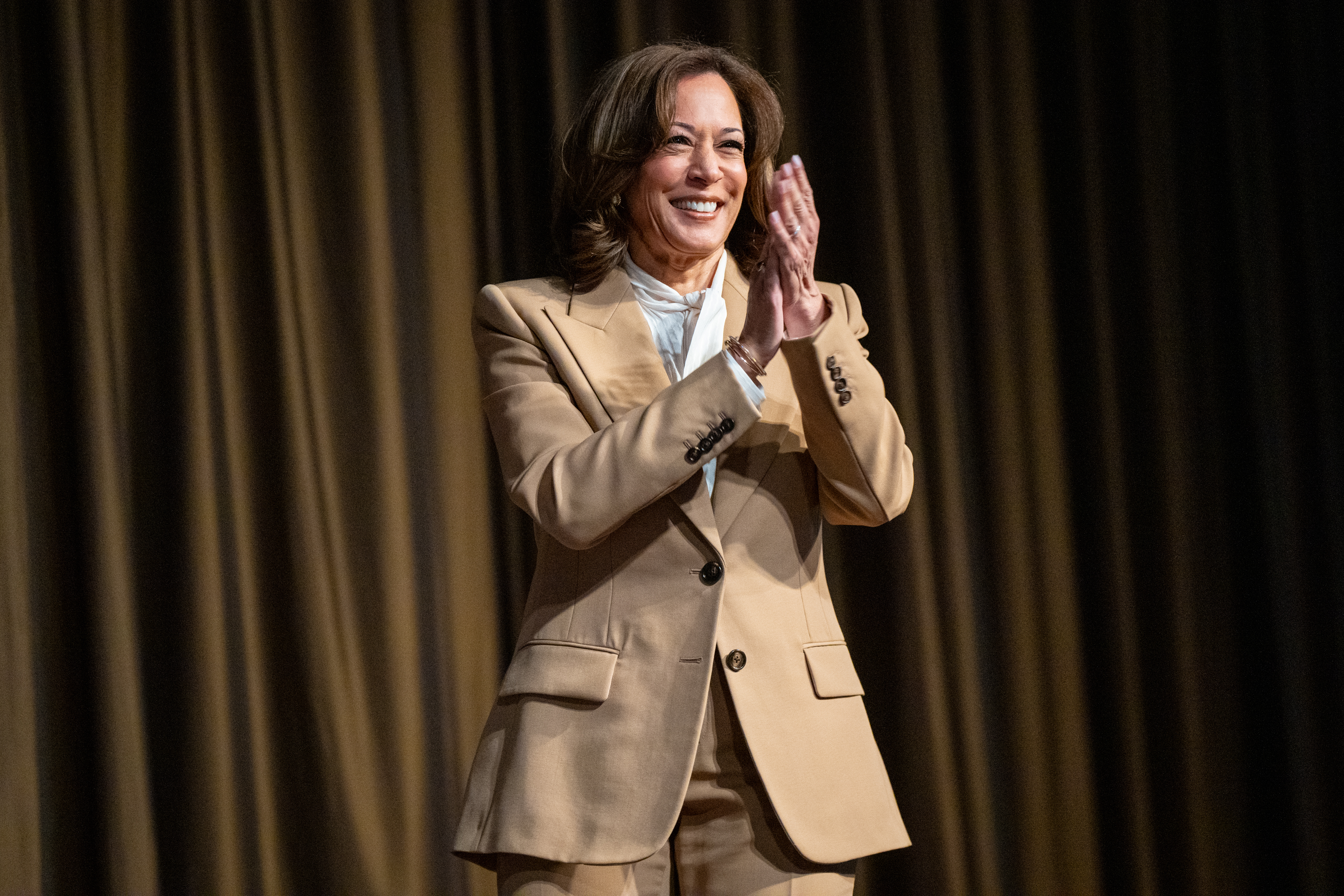
    Kamala Harris, former vice president and 2024 presidential candidate, at the National Action Network Convention in New York in April.Angelina Katsanis

    I met Smith years ago when we were both still early in our careers. He worked for The Inquirer; I was at the Daily News.

    Like me, he credits NABJ for helping jump-start his journalism career. Last year, he aired his show, First Take, from the convention in Cleveland. He’s also mentored young journalists and recruited at the career fair. Smith refers to members of NABJ’s sports task force as his “brothers.”

    His ESPN contract is reportedly worth $100 million for five years. Next month, he’ll be inducted into the Broadcasting and Cable Hall of Fame, which has recognized Oprah Winfrey, Dan Rather, and Barbara Walters, among others.

    There’s no telling what’s next for him. TV and film projects? A run for the presidency?

    I don’t rule anything out.

    I just hope that instead of being defensive, Smith reflects. He should think about whether his words have uplifted the community of Black women he says have played such a big role in his achievements. He has to ask himself if some of his own rhetoric has been “for the streets.” And he needs to take NABJ president Errin Haines’ advice and view the Thumbs Down Award as a “call to do better.” The door is open. The opportunity for change is there.

    But Smith has to want it.

  • Gov. Josh Shapiro should fast-track admissions decisions for students unenrolled by Howard

    Gov. Josh Shapiro should fast-track admissions decisions for students unenrolled by Howard

    Maryland Gov. Wes Moore has offered expedited admissions decisions to state-run colleges for incoming freshmen who were abruptly unenrolled by Howard University, as has New York Gov. Kathy Hochul. Pennsylvania Gov. Josh Shapiro should follow suit.

    This could be a win-win situation for both the students and the Keystone State.

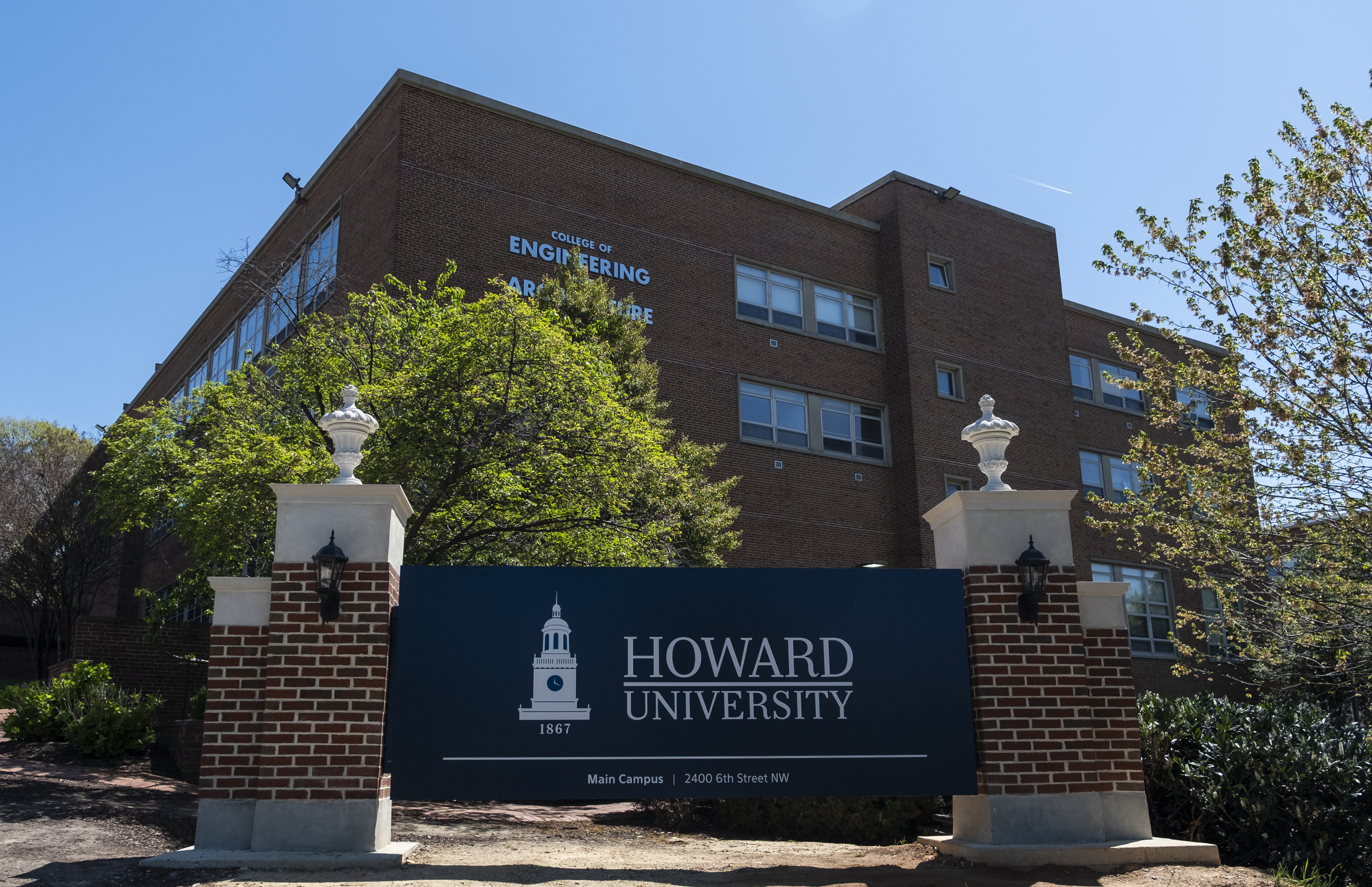
    Everyone who knows me recognizes how much I love Howard, which is my alma mater. To call the four years I spent on the campus in Washington, D.C., life-changing would be an understatement. It was the former leader of HU’s journalism department, Lawrence Kaggwa, who set me on my career path, informing me that I was going to work in the newspaper industry.

    But I can’t defend Howard’s unceremonious unenrolling of 502 incoming freshmen just weeks before classes start Aug. 17 because they missed a payment deadline last month.

    The first-time college students — some in tears — responded by posting videos on social media about their plight. They were hard to watch. Some went viral and even made the national news.

    School officials defended what happened, saying payment notices had been going out since March about deadlines and enrollment requirements. Some students said they didn’t get them, or else received a notification on the same day their bill was due.

    Nikiyah Clark told ABC News, “I was so scared because Howard University is my dream school, like, my grandma went there.” She hopped on a bus from Fairport Harbor, Ohio, to D.C. to advocate for herself in person. It paid off, because she has been reinstated into Howard’s first-year class.

    But now Clark faces perhaps an even bigger hurdle: paying for tuition. Tuition plus room and board is $66,000, according to Howard’s website.

    HU’s interim president, Wayne A.I. Frederick, called for an internal investigation into what went wrong, but it’s going to take a lot more than that to heal the damage to the school’s reputation.

    “If another school in the city said that things had to be paid at a certain point, I think people would do that,” he told the Washington Post. “Nobody would make a fuss about the fact that somebody was suggesting a bill be paid on time.”

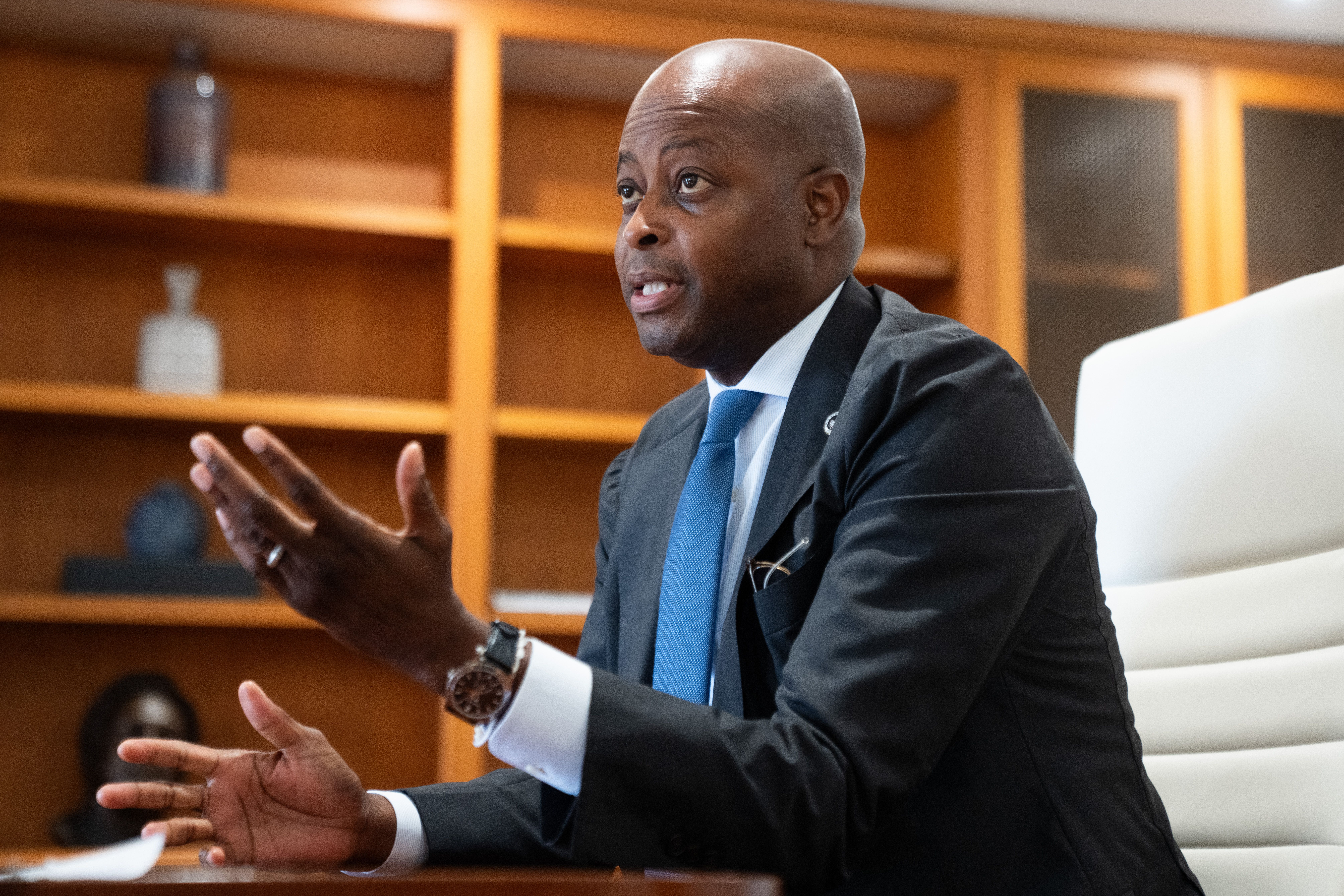
    Howard University interim president Wayne A. I. Frederick sits for an interview July 29.Allison Robbert

    And the fact is, HU needs the money. Trump administration officials ended a series of annual payments meant to support the construction of the university’s new hospital. That move resulted in a cut to the historically Black college or university’s (HBCU) annual federal appropriation for the current fiscal year of about $64 million, or more than 20%. The Chronicle of Higher Education reported on Thursday that HU has offered buyouts to 600 employees.

    Still, that’s no excuse for how the first-time college students were treated. We expect more of institutions like Howard, which was founded in 1867 to educate newly emancipated Black Americans.

    “HBCUs are known for being nurturing and family environments,” said Marybeth Gasman, who runs the Rutgers Center for Minority Serving Institutions. “That’s why this comes off as being kind of shocking to parents and students and some alumni, and some people in the HBCU community and beyond.”

    As I pointed out earlier, expediting admissions here could be a real win-win both for the students unenrolled from Howard and Pennsylvania’s state colleges and universities. Incoming freshmen could further their educations, and state institutions — which have struggled with diversifying their student bodies and declining enrollments — can take a step toward changing those narratives.

    No matter what President Donald Trump would have you believe, diversity matters.

    “In higher education, we do a better job as teachers and as researchers when we work in a diverse environment,” David Oppenheimer, a leading scholar on issues of discrimination and equality, told InsideHigherEd.com earlier this year.

    Oppenheimer, who is the author of The Diversity Principle, added: “Students learn more. In a science lab, scientists make more significant discoveries when the scientists working in the lab are diverse. It’s a real thing. It’s not just a psychological argument.”

    Following all of the public outcry, Howard has readmitted more than 200 of the freshmen who had been dropped, but it’s unclear what all of the other students will do.

    Shapiro should recognize that there’s a real opportunity here — and that Pennsylvania should take advantage of it.

  • Tuskegee University’s ban on hair bonnets and do-rags in class? I’m here for it.

    Tuskegee University’s ban on hair bonnets and do-rags in class? I’m here for it.

    Say what you want about Tuskegee University’s new ban on hair bonnets, bedroom slippers, and do-rags in classrooms and the dining hall. But the historically Black college’s iconic first president, Booker T. Washington, would be all for it.

    Born into slavery and educated at what is now Hampton University, Washington was nothing if not pragmatic. He was hired as the first principal at the school in central Alabama in 1881. Given the economic subordination of African Americans in the post-Reconstruction era, he believed that Black people needed to do whatever they could to survive.

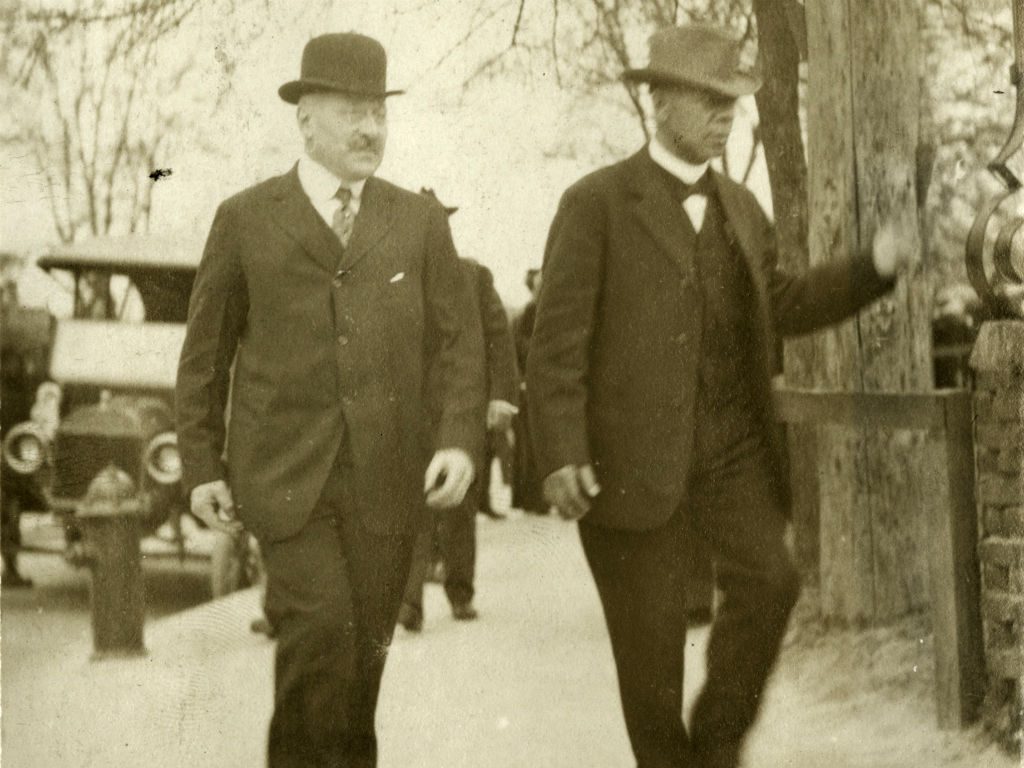
    Sears founder Julius Rosenwald (left) with Booker T. Washington at the Tuskegee Institute in 1915. The Institute became Tuskegee University in 1985.

    Students dressed in uniforms and learned skills such as shoemaking, dressmaking, carpentry, and other practical trades. The renowned educator recalled in his autobiography Up From Slavery that ”when the students march out of chapel in the evening and their dress is inspected, as it is every night, not one button is to be found missing.”

    Newly emancipated Black Americans had few rights and were often forced to work as sharecroppers. Critics might not think of Washington as having been woke, as they say, but he was convinced that, “No white American ever thinks that any other race is wholly civilized until he wears the white man’s clothes, eats the white man’s food, speaks the white man’s language, and professes the white man’s religion.”

    Fast forward to today where at Washington’s beloved HBCU in rural Alabama so much has changed but other things haven’t.

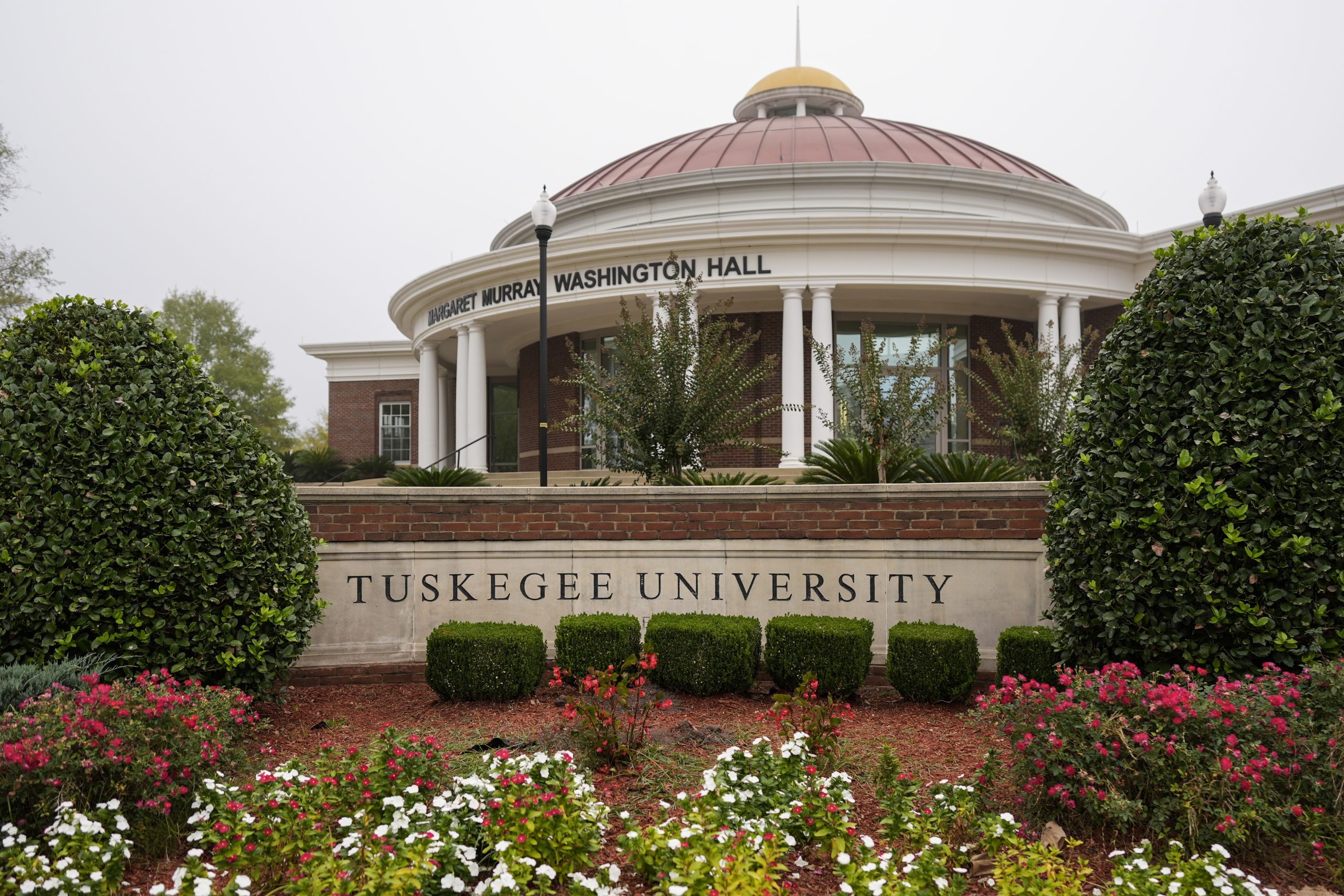
    The entrance to Tuskegee University in Tuskegee, Ala., in a photo from 2024.Mike Stewart

    Mark A. Brown, Tuskegee’s current president, recently addressed the issue of proper attire on the school’s sprawling 5,000-acre campus. In a letter to students Brown wrote that the goal is to prepare them for the workforce, adding, “Employers are less forgiving and too often presentation may overrule stellar preparation.”

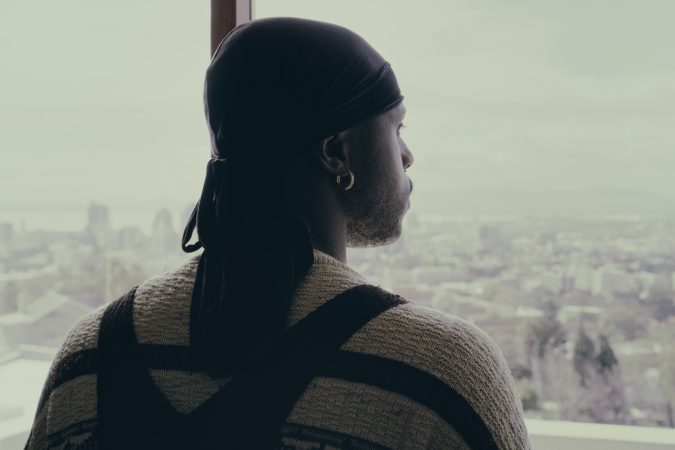
    Many take exception to the ban on hair bonnets and do-rags, which customarily are worn to protect Black hairstyles while people sleep. In recent years, it has become much more common for people to also wear them on airplanes, at the mall, and in classrooms.

    As for me, I’m old school when it comes to this sort of thing. I don’t wear hair bonnets outside. I hate to admit it, but I low-key judge others when they do. So, even though it smacks of respectability politics — which refers to the adjustments people make to fit in with mainstream culture to shield themselves from racism — I am not mad at Tuskegee’s new dress code.

    It’s about having standards and encouraging young adults to take pride in their appearance. During my days at Howard University, we tried to look as good as we could whenever we stepped onto The Yard. It’s part of the HBCU mystique. Whenever I see old photos of my parents at their alma mater, North Carolina Central University, they were dressed in what today we’d consider business casual clothes — slacks, pencil skirts, collared shirts.

    Ever since the news broke about Tuskegee’s new policy, commenters have been buzzing on social media about the topic. Many see their ability to wear what they want — when they want and absolutely wherever they want — as an issue of personal freedom.

    “I can guarantee you that none of these people are walking into meetings and boardrooms in their do-rags and hair bonnets,” pointed out Danyl Patterson, an attorney from West Philly. “This is no different from code-switching. We know when and how to do it.”

    She brought up the issue of comfort. “When you’re a student, you drag yourself,” Patterson recalled. “You might be tired and you’re telling me this is the only food I have access to and I need to get fully dressed to go get cereal?”

    She presents a great argument.

    But I still cringe at the idea of people showing up for class in what I consider nightwear. It’s not too much to require college students to present themselves a little better. Tuskegee students also are now prohibited from wearing revealing clothing to class, the cafeteria, and convocation.

    Isis Rodriguez, whose son is a senior at Tuskegee majoring in veterinary science, agrees with the changes. “After COVID, it seems as if people slid into a state of complacency and comfortability. We all were in bonnets and pajamas.”

    That was then, she added: “But at some point, we had to get out of that rut and this is the time — because we need to send our young people into the professional world wearing real clothes.”

    African Americans fare much better than when Washington presided over Tuskegee, but we continue to face widespread systemic disadvantages in the workplace. President Donald Trump and members of his administration are doing all that they can to end DEI, which helps level the playing field for Black people, women, people with disabilities, and so many others.

    Newly minted graduates need to be ready to compete on day one. Preparation for that starts with them showing up to their classes regularly sans bedroom slippers, hair bonnets, and do-rags.

    Besides, as Iyatunde Garrett, a registered nurse who lives in Southwest Philly, said to me: “What professor wants to sit in a classroom with a bunch of students who look like they literally just got out of bed?”