A 40-year-old North Carolina man was charged with homicide by vehicle after killing a 67-year-old woman and injuring two others in back-to-back DUI collisions in Northwest Philadelphia on Sunday, according to police.
Robert James Pennington, of Nashville, N.C., was arrested that afternoon in West Mount Airy after attempting to flee the scene of the second crash.
Pennington first struck a Ford Fiesta in his Dodge Ram pickup truck around 4 p.m. at the intersection of Wissahickon Avenue and Rittenhouse Lane in Germantown, police said.
The collision seriously injured the Fiesta’s driver, a 53-year-old man, who was taken to Einstein Medical Center in critical condition.
Pennington then fled the scene and drove at a high rate of speed to West Mount Airy, where he struck a Toyota at the intersection of Johnson Street and Walnut Lane, police said.
The Toyota’s driver, a 51-year-old woman, and a passenger were taken to Einstein, where the driver was listed in stable condition.
The passenger, a 67-year-old woman whom officials have not identified, suffered serious injuries and was pronounced dead at the hospital several hours later, according to police.
Officers arrested Pennington near the scene after he abandoned his pickup truck and fled on foot. They later found he had been driving while intoxicated, police said.
Court records for Pennington were not immediately available Monday.
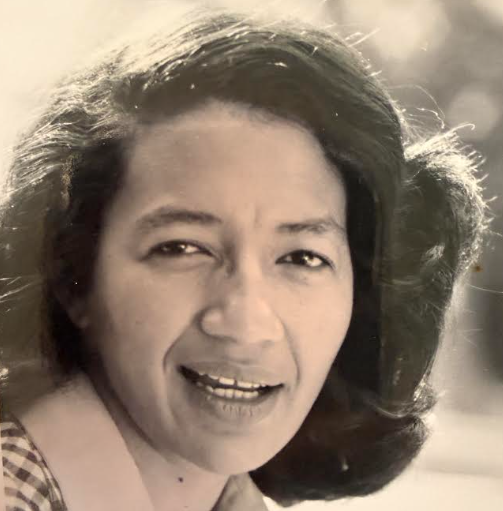
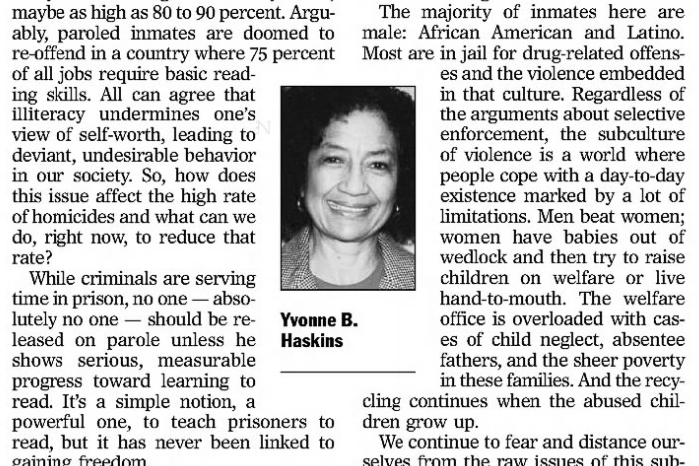
Yvonne B. Haskins, 88, of Philadelphia, longtime real estate attorney, the first female regional director for what is now the Pennsylvania Commission on Crime and Delinquency, the first female district director of the Pennsylvania Board of Probation and Parole, the first female head of security at the University of Pennsylvania, and one of the first female Philadelphia police officers, died Tuesday, Sept. 29, of metastatic breast cancer at her home in Germantown.
Mrs. Haskins was also the interim city attorney for Camden, a former manager of the old police community relations department of the Philadelphia Commission on Human Relations, and a tireless local community development and historic preservation activist.
Born in Atlanta and reared in several small Georgia towns, Mrs. Haskins came to Philadelphia with her two sons in 1962. She worked briefly as a secretary and, on impulse, tested to be a Philadelphia police officer. To her surprise, she said later, she passed the examand joined the police department in 1965.
That job, she told department colleagues years later, kicked off her climb to nearly a dozen local leadership roles in law enforcement, government, education, and community development. She was especially focused on serving young people at every stop.
“Young people need what we all need,” she told The Inquirer in 1992. “We all have to have hope, and we all have to have self-esteem.”
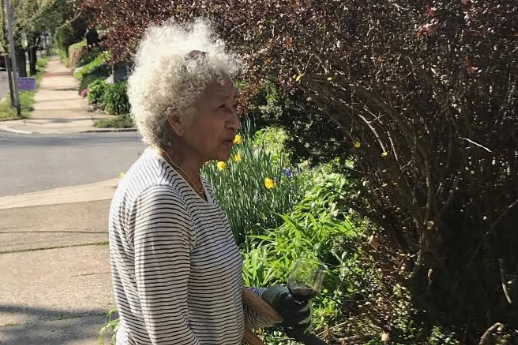
Mrs. Haskins enjoyed tending neighborhood parks and working outside with others. Courtesy of the family
Mrs. Haskins earned a law degree at Temple University night school in 1986, specialized in real estate law and community revitalization, and opened Haskins Law Firm with offices in Philadelphia and Camden. She became an outspoken expert on zoning, financial, and political issues, and was appointed by then-Camden Mayor Arnold Webster to serve as interim city attorney for 90 days in 1996.
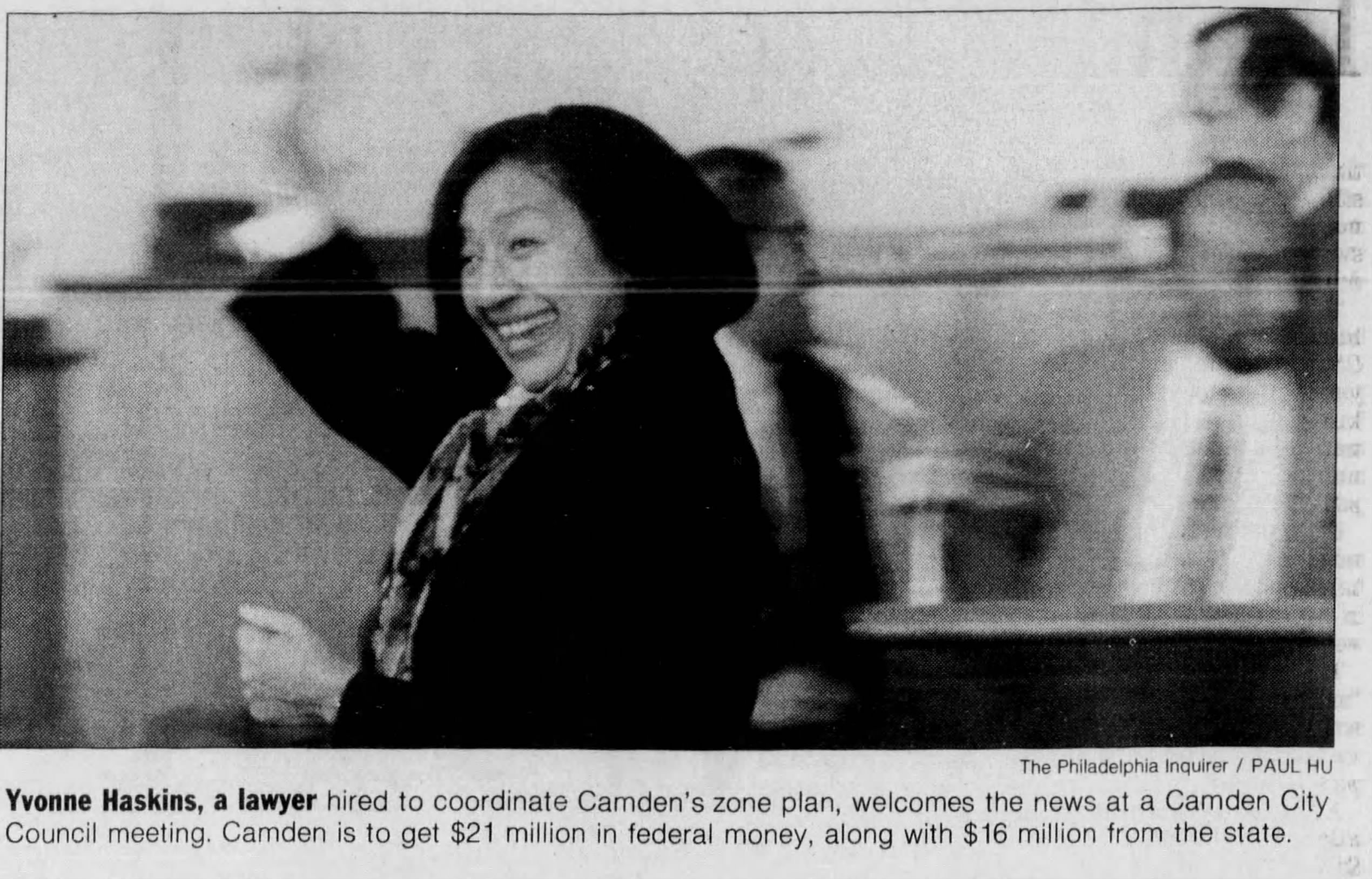
She had already spent much of 1994 writing most of Camden’s proposal for a multimillion-dollar community zoning federal grant. A fellow Camden community activist told The Inquirer in 1994: “She knows how to lay out a plan, get back to you, follow the rules, and play the game the way it’s supposed to be played.”
While working for the police from 1965 to ’69, Mrs. Haskins earned a bachelor’s degree with honors and awards in social welfare at Temple in 1968. She was assigned to juvenile aid, human relations, and criminal justice planning for the police, and, as a liaison to the Philadelphia Commission on Human Relations, helped organize the city’s first police-community workshops.
“I’m assigned to a police and community program,” she told The Inquirer in 1968. “The community to understand the police, the police to understand the community. Understanding. That’s really the whole thing, isn’t it?”
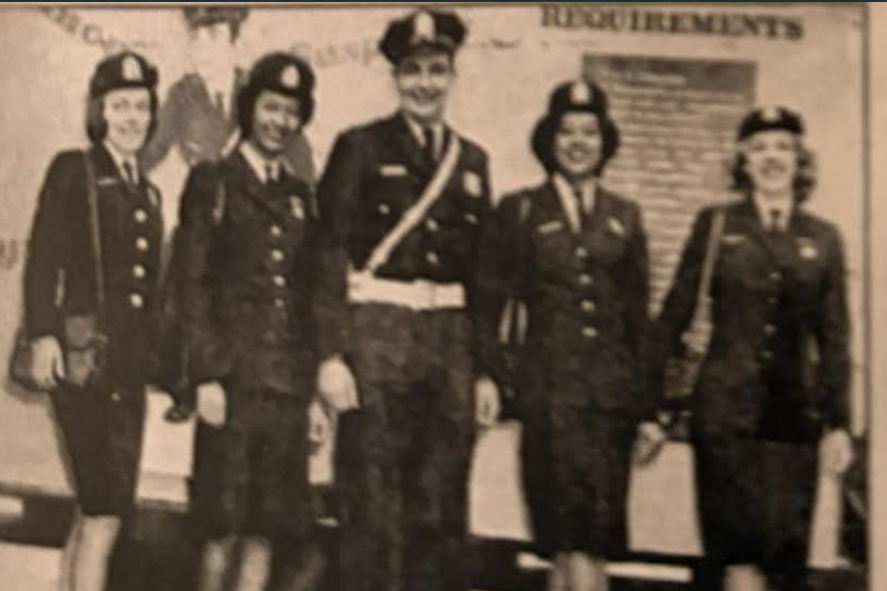
Mrs. Haskins (second from left) appeared in a Philadelphia Police Department recruiting promotion in 1968.Philadelphia Police Department
She joined the human relations commission full-time in 1969 and left for the Pennsylvania Commission on Crime and Delinquency in 1973. There, she oversaw a project budget of $100 million, funded the nascent local chapter of Women Organized Against Rape, and established a juvenile law project.
As Philadelphia’s district director for the Pennsylvania Board of Probation and Parole from 1977 to ’87, she directed a $4 million budget and a staff of 175. She was also a community program planner for the Philadelphia School District, the first female head of security at Penn in 1973, and a senior business development officer for the Fannie Mae mortgage organization.
“Our house was a hub of community activity,” said her daughter, Kristin Haskins Simms. Neighborhood colleagues recently renamed Trolley Car Park on Germantown Avenue after her and placed a plaque with her nickname, “Good Trouble,” on a nearby bench.
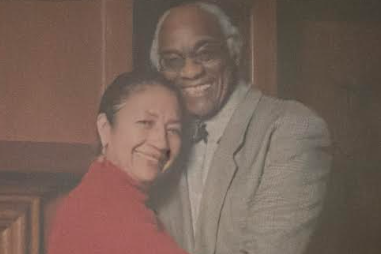
Mrs. Haskins met her husband, Harold, through a mutual friend, and they married in 1969. Courtesy of the family
She graduated as valedictorian of her high school at 15 and took premed classes and made the dean’s list for two years at Spelman College in Atlanta. She left Spelman after her sophomore year and married Walter Booker, and they had sons Russell and Randall.
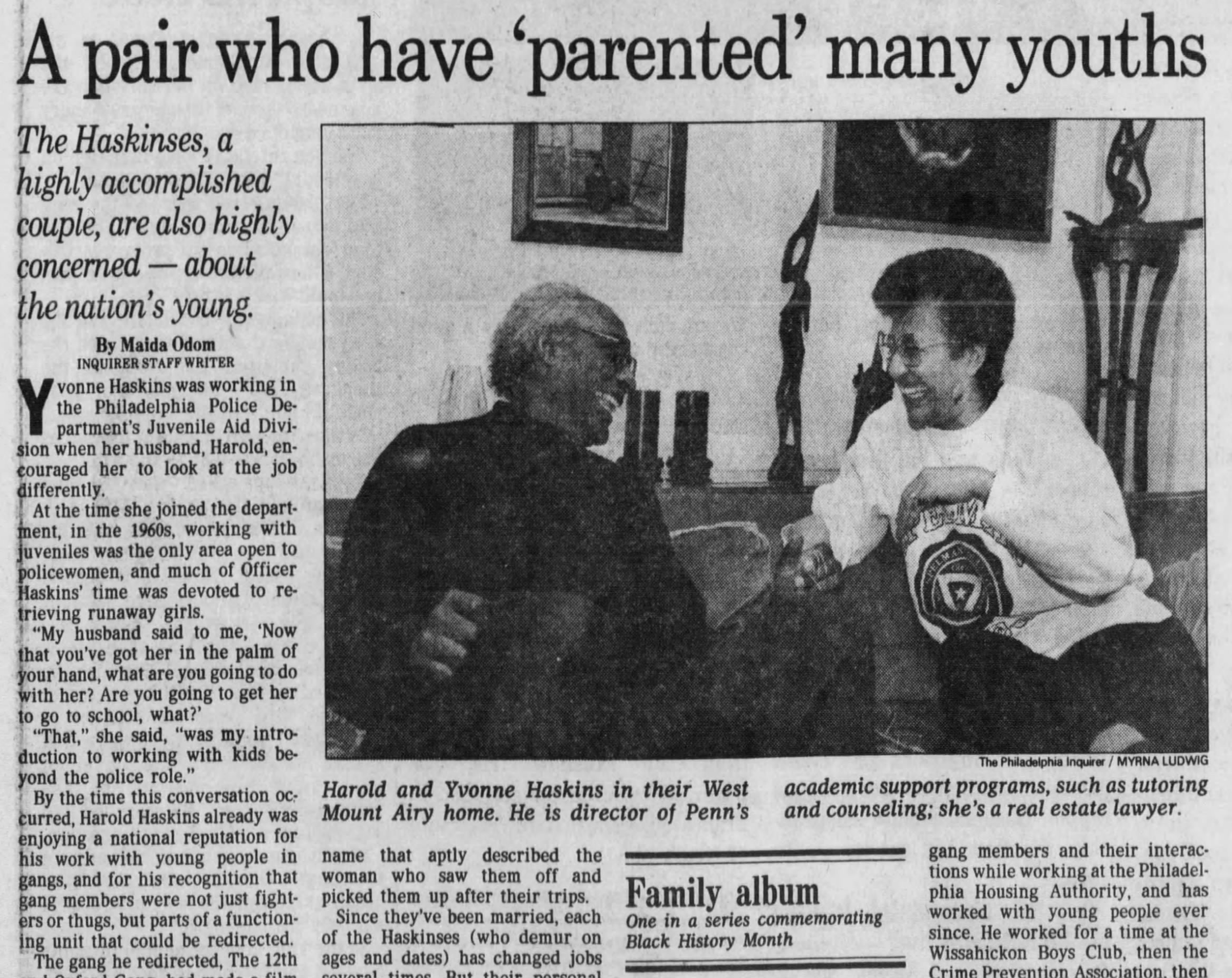
Mrs. Haskins was featured in The Inquirer in 1992 (above) and 1994 (below).Newspapers.com
They moved to Washington and, after a divorce, she moved to Philadelphia, where her parents lived.
She met Harold Haskins, also a social activist, through a mutual friend, and they married in 1969. They had a daughter, Kristin, and lived in West Mount Airy. Her husband died in 2020, and she moved to Germantown.
Family and friends called Mrs. Haskins “Peachy” because of her Georgia roots. She played piano and enjoyed gardening and impressionist art.
She lived for years with myeloma cancer and walked in many cancer research fundraisers. She never really retired and wrote about her 2024 breast cancer diagnosis on Facebook. “As much as I want to stay engaged and busy, I may not be able to do much,” she said. “Your understanding and keeping me in the loop of things will be much appreciated.”
Mrs. Haskins graduated as valedictorian of her high school at 15.Courtesy of the family
Her daughter said: “She didn’t believe in retirement. She wanted to do the work, stay engaged, fight for justice.”
In addition to her daughter, Mrs. Haskins is survived by a grandson, a great-grandson, a brother, and other relatives. Her former husband and sons died earlier.
Services are to be at 11 a.m. Saturday, Nov. 7, at First United Methodist Church of Germantown, 6001 Germantown Ave., Philadelphia, Pa. 19144.
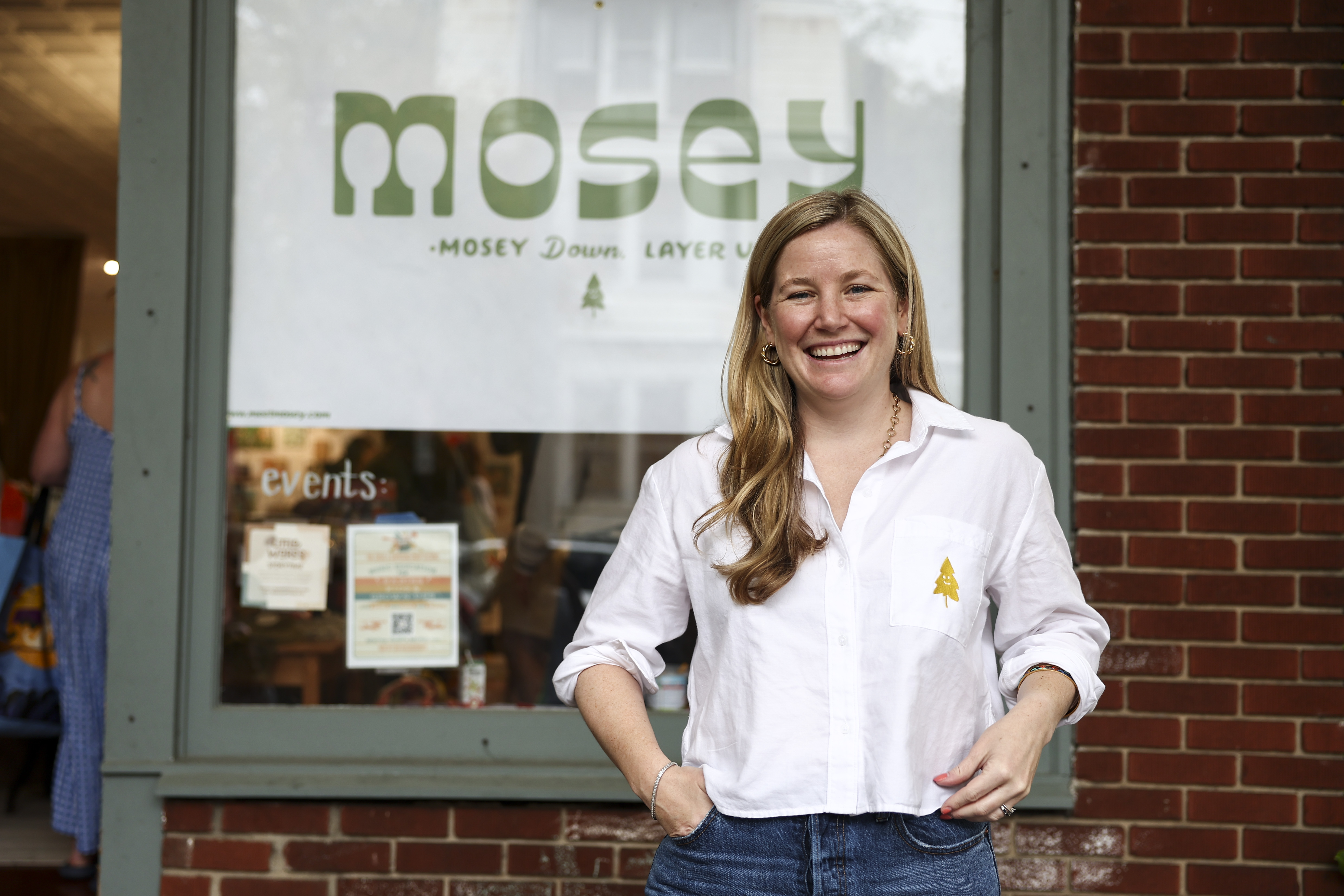
Throughout her career in online auctions and resale marketplaces, Leslie Jacoby Hack, 36, of Wyndmoor, has been in love with a question: “Why sell something once?”
“It is one of those core values that kind of takes me day-to-day through my work,” she said.
Hack works for eBay’s toy department. Before that, she worked for Philadelphia-based Urban Outfitters, focusing on the company’s Reclectic brand, which sells secondhand clothing.
Now, Hack is using her career insight to address a problem all parents face: children outgrowing clothing.
“After having my first baby, I was blown away by how quickly kids grow out of their clothes,” she said.
The company aims to solve a common problem parents face when trying to get rid of children’s clothing: It takes time and effort to find the right place for each item amid brick-and-mortar consignment shops, resale platforms, community giveaway groups, and in-person donation sites.
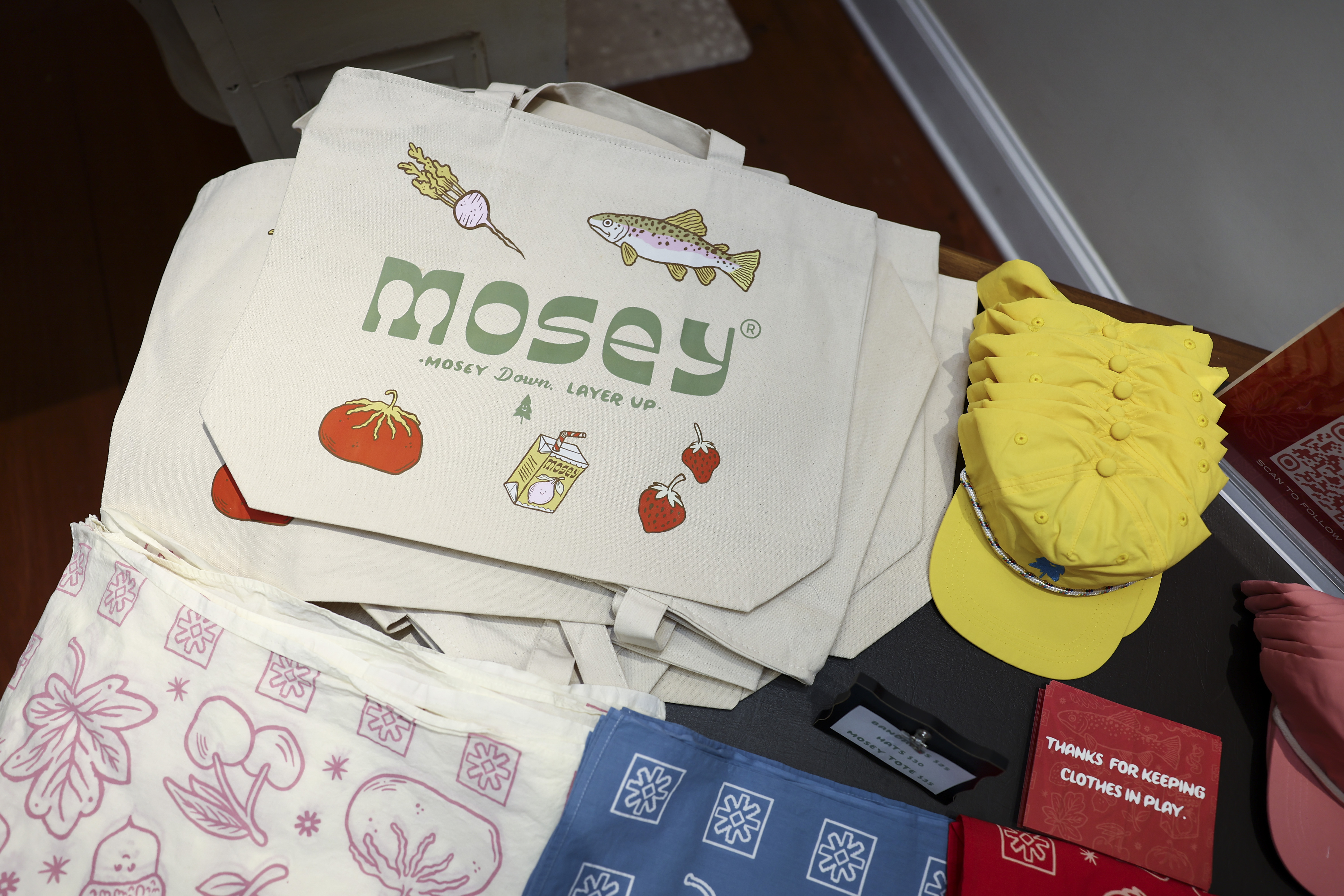
Mosey’s solution to eliminate the overwhelming decision process? A $25 bag. Customers buy it to fill with clothing their children no longer wear, then they mail it to Mosey, which lists the items online for sale.
In return, customers get at least $30 in online store credit to purchase secondhand items sent by other parents. Customers that send in premium brands or items such as outerwear and fleeces can get up to $50 in credit per bag.
Hack declined to share financial figures, noting the business is in early stages and “very much bootstrapped through friends and family.”
The business has two part-time employees, and no physical space yet, but the goal is to have a warehouse in Philadelphia by next year.
Since launching, Mosey has received hundreds of clothing items, Hack said.
“Parents all over, both in the U.S. and globally, share the same issue,” she said. “Where do I put these things … that my kids only wore once?”
Trash bags full of clothes
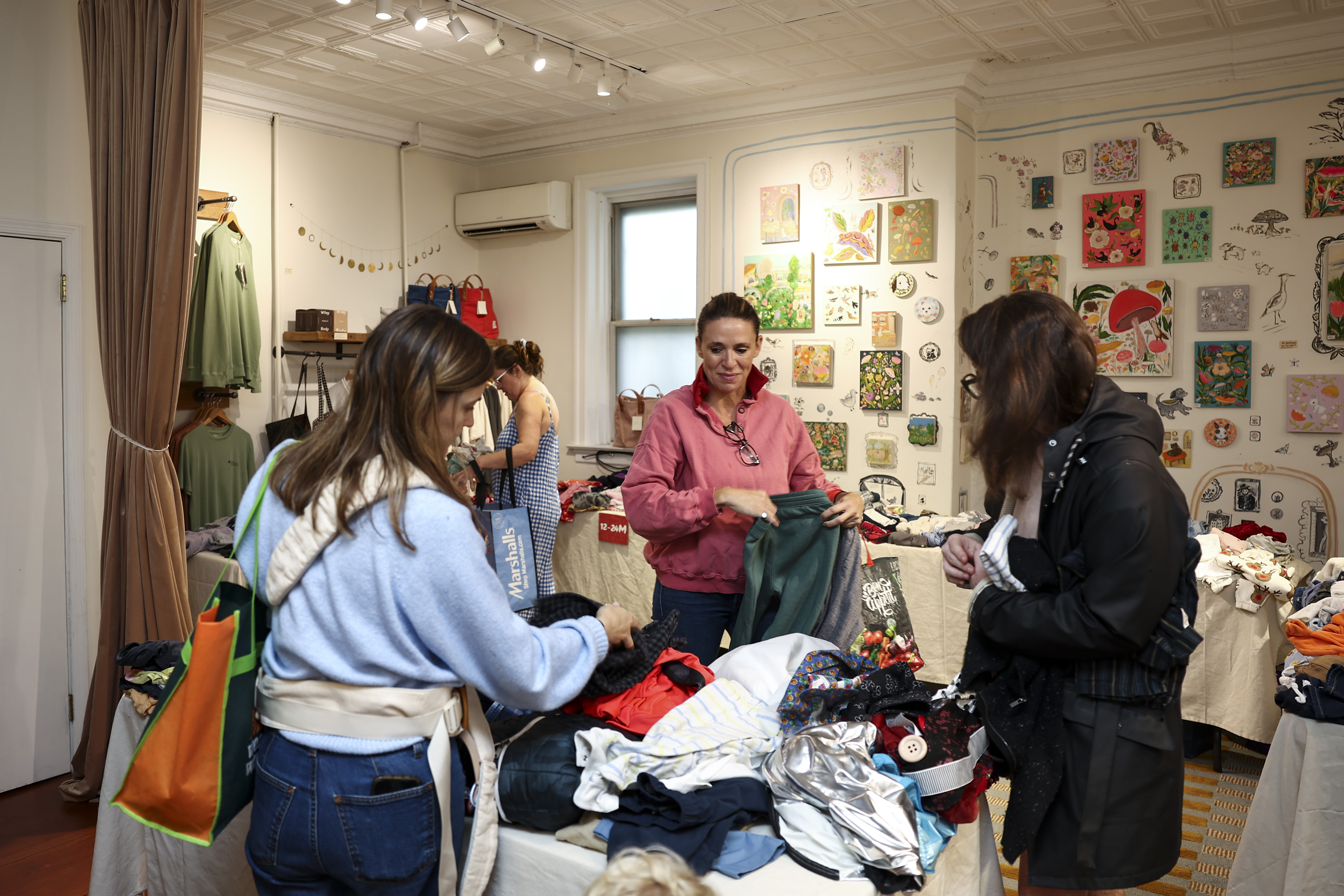
On a recent Sunday in September, a steady stream of people stopped intoLittle Wares in Chestnut Hill for a children’s clothing swap hosted by Mosey.
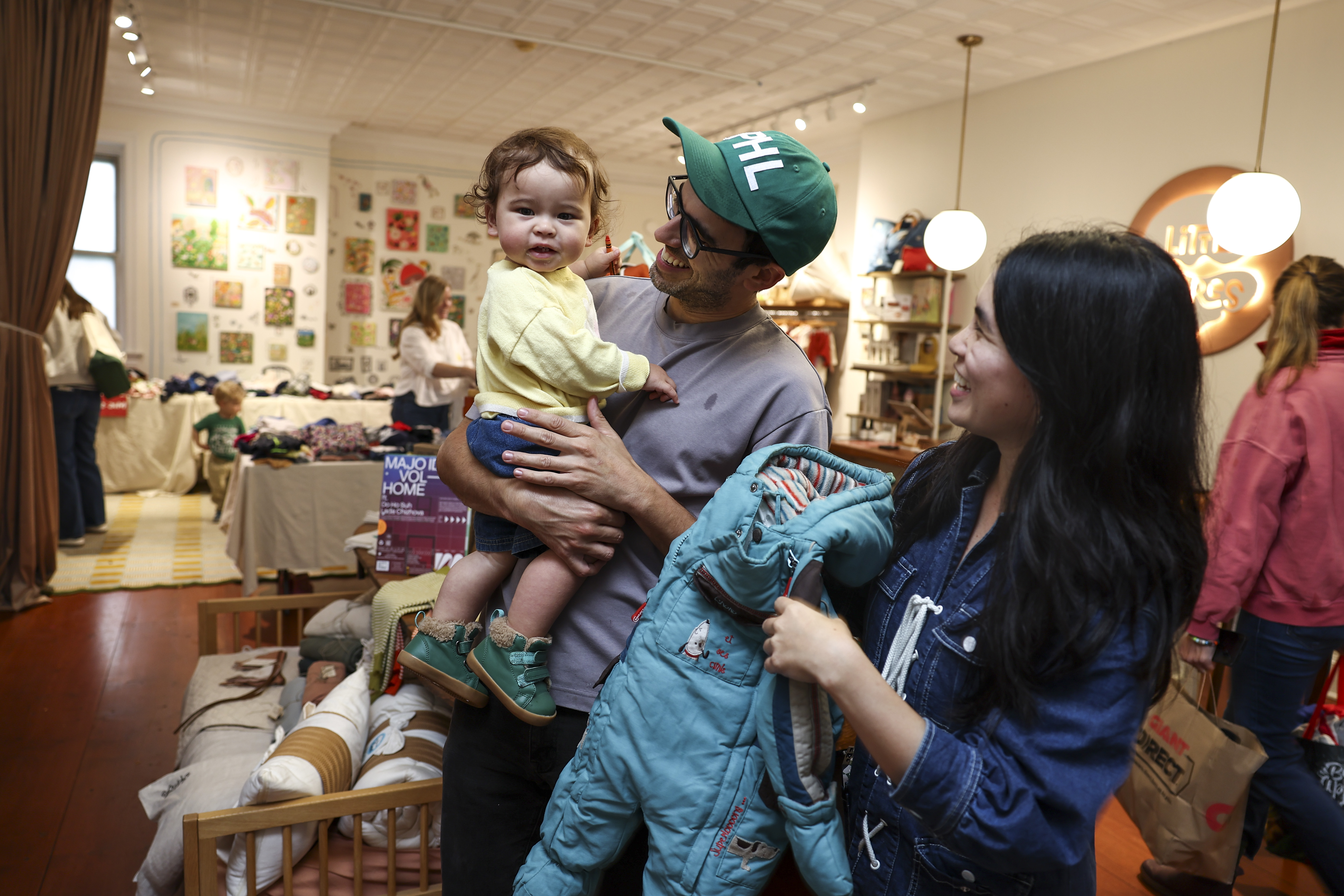
Sandra Hwang, 34, from Wissahickon, showed up with clothes her 15-month-old son had recently outgrown. She sifted through tables full of clothing organized into piles by age, and found a few gems: a vintage snowsuit from Canadian brand Deux par Deux, some pieces from Hanna Andersson, and a denim overall from OshKosh B’gosh.
Hwang said roughly 95% of her own wardrobe is secondhand. She usually takes her son’s used apparel to Nesting House, a children’s consignment shop in West Mount Airy, but the store is selective, she’s found, preferring not to sell certain brands or more worn items.
That leaves her “driving around with this clothing, trying to find the outlet for it that will increase the lifespan as long as possible,” she said.
She might hand it off to friends or family, but that still takes time and effort.
“We have ourselves gotten huge contractor-grade trash bags of clothing in our neighborhood that [are] just being passed around,” she said. “People have kids, and then they go through tons and tons of clothing. It’s very overwhelming to go through this process.”
While Mosey aims to be an online marketplace with no brick-and-mortar store, connecting with potential customers like Hwang in person is important. It helps “drive word-of-mouth interest,” Hack said. She hopes to make clothing swaps and other events a regular part of the business.
Martín Vilariño (center) holds Índi Vilariño as Sandra Hwang (right) shows off the snowsuit she found during a children’s clothing swap hosted by Mosey.Monica Herndon / Staff Photographer
Store credit up front
Platforms abound for those looking to sell their clothing online, including Poshmark, Depop, Vinted, and ThredUp.
Mosey’s business model is not entirely new, but it stands out because of its focus on kids, says Chris Baeza, associate program director of the fashion industry and merchandising program at Drexel University. Mosey’s guaranteed store credit encourages givers to become buyers, she says, and differs from consignment platforms that only pay once an item sells.
On a recent day in September, items for sale online included a Mini Boden button-down shirt with printed colorful sharks for $20, red Baby Gap shorts for $9, and a Hanna Andersson skirt with fruit designs for $16. The company also sells a selection of new items.
Mosey asks customers to launder the clothing before sending it in. But if something needs “a little bit of love, we will try to take that extra step to make sure it’s clean,” says cofounder Hack. Shoes, bibs, and a few other categories of children’s goods are not accepted.
Mosey cofounder Leslie Hack says in-person events are important to the company, which aims to operate entirely online as an e-commerce platform. It helps “drive word-of-mouth interest,” Hack said.Monica Herndon / Staff Photographer
Erica Lyon, 39, who lives outside Boston, ordered her first Mosey bag in July. As of late September she had sent in four bags of outgrown clothing from her daughters, ages 5 and 1.
Between the price of the bag, the credits she received, and buying four new-to-her items, she recalls spending roughly $20.
“I’m sending in nice stuff that at one point I did spend a substantial amount of money on, but otherwise there would have been zero return,” Lyon said. She learned about the company because she used to work with Hack, years agoat online art marketplace Artsy.
Before discovering Mosey, Lyon said, it felt overwhelming to sift through her children’s clothing to find things that could be donated or given to a friend.
Lyon is excited for more secondhand clothing to be available on Mosey. In the early days, she would pester Hack, saying, “I’m ready to buy stuff. She’s already noticed an increase in inventory since then, she said.
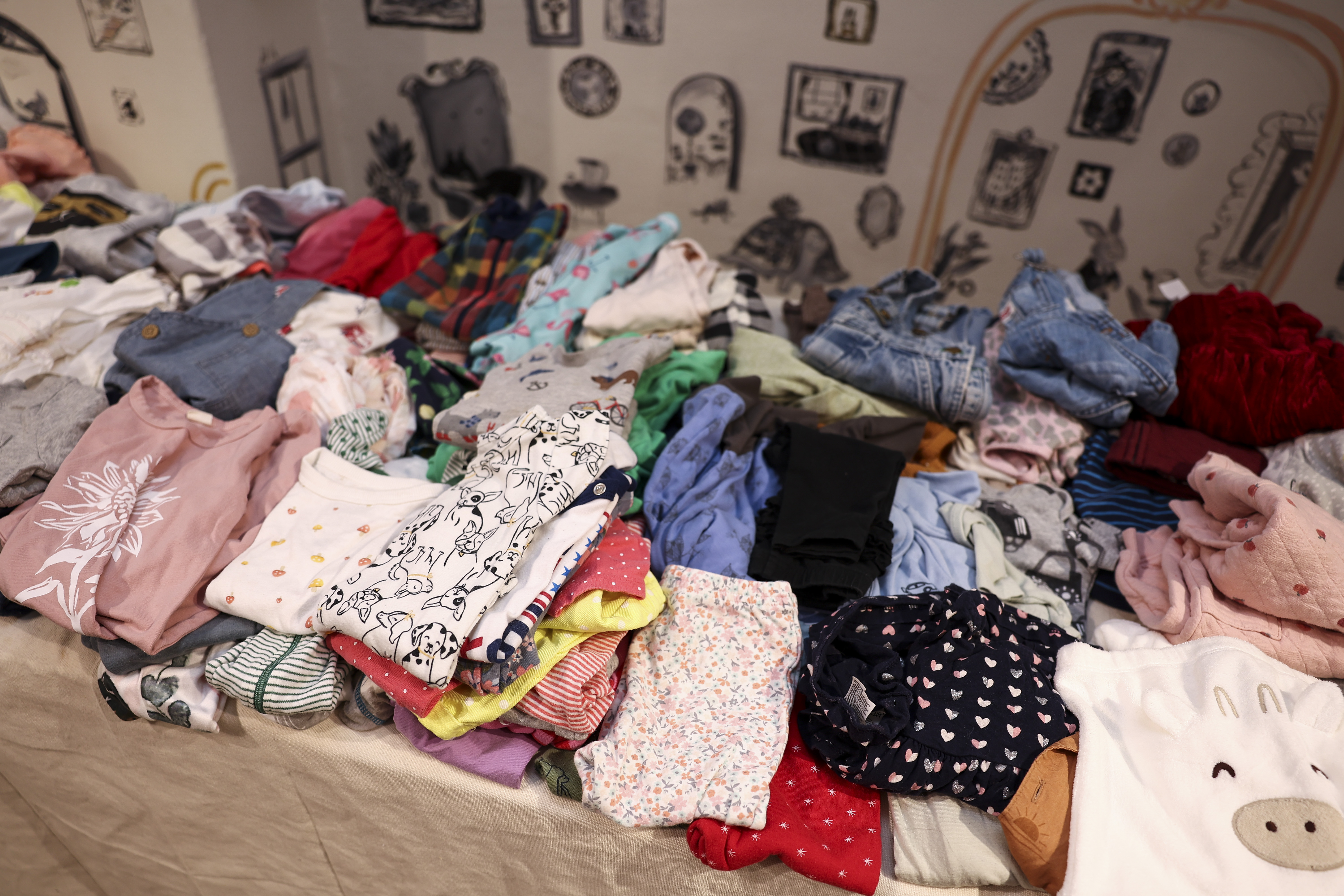
Tables full of clothing on display during a children’s clothing swap hosted by Mosey at Little Wares on Sept. 20 in Philadelphia. Monica Herndon / Staff Photographer
Selling more than used clothing
The secondhand industry is already booming.
Online consignment storeThredUp estimates the secondhand apparel market will reach $78.8 billion by 2030 in the U.S. and that the online resale market will to continue to grow in the coming years.
Hack said she believes there’s “a lot more willingness to participate in secondhand, for kids specifically” than there once was.
Mosey launched in July as a way to help parents declutter their homes of children’s clothing. Monica Herndon / Staff Photographer
Consumers want to know what happens to their clothing after they get rid of it, says Baeza of Drexel.
“One thing people are getting really keen about is transparency and authenticity, and really understanding where things are going,” she said.
Mosey could have access to a generation that’s already used to buying secondhand too, says Baeza. More Gen Zers, known for their affinity for thrifting, will soon become parents.
Mosey could face challenges as they get more clothing if it leads to a bottleneck of items that need to be photographed for the website, says Baeza.
Meeting customers’ quality and inventory expectations can be a challenge for secondhand sellers, because they can’t control what people send in, said Sheri Lambert a marketing professor at Temple University.
The goal, Lambert said: “make resell feel as easy and dependable as buying new.”
“Mosey is selling more than used clothing. They win … if they’re stressing more than that,” says Lambert. “They’re selling convenience, financial value, and a simplified shopping experience.”
Janine and Jeffrey Yass, the Pennsylvania billionaires who have poured millions into school-choice causes, gave $600,000 to three Philadelphia schools this week.
Salt and Light Academy for Boys won $500,000 as a finalist for the Yass Prize; Girard College and Cooking4Autism each won $50,000 as semifinalists. The awards were given Tuesday at the conclusion of a summit on education innovation held at the National Constitution Center, which featured speakers including Florida Gov. Ron DeSantis.
The three Philadelphia schools were among 26 from across the U.S. competing for the funds from the Yass’ educational philanthropic fund. Jeff Yass is a Republican mega-donor and the richest person in Pennsylvania; his wife, Janine Yass, is a founder of Boys’ Latin of Philadelphia Charter School.
Salt and Light, based out of the New Covenant Church of Philadelphia in West Mount Airy, is a microschool serving 22 students. Microschools are very small learning environments that exist outside of traditional schools.
Salt and Light employs a hybrid model, with students enrolled in a cyber charter school but also receiving tailored academic and other support from in-person staff. Its founders are Jéneen Winters Barlow and Omar Barlow. Both are educators; Omar Barlow is also a pastor and former chief executive officer of Eastern University Charter School, closed by the school district in 2019 over academic and compliance issues.
Girard College, a historic boarding school in North Philadelphia founded in 1848 by financier Stephen Girard, educates students from economically disadvantaged families in a residential setting. (It was founded for “poor, white, male orphans,” integrated by the U.S. Supreme Court in 1965, and later opened to girls and students from single-parent homes.)
Armstrong was a plaintiff in the landmark school funding lawsuit that resulted in Pennsylvania’s school-funding formula being determined as unconstitutional and ordered replaced. She has also been affiliated with the group Moms for Liberty.
The top Yass Prize, which comes with $1 million, was awarded to the Learning Lounge in Pine Bluff, Ark., “a learning model that unites education freedom, rural opportunity and community renewal to help rebuild the economic and civic life of communities that have lost schools and educational options.”
The prize honors schools deemed by the Center for Education Reform as “sustainable, transformational, outstanding and permissionless.”
“We are so honored to be able to do this work, and to find and support heroes who never stop advancing great education for kids. Across every sector, region and type of community, the members of the Yass Prize community go above and beyond to do right by kids,” Janine Yass said in a statement.
The Yasses’ school-choice advocacy has long drawn fire from advocates of traditional public schools, who often say that their efforts come at the expense of schools that must take all students.
The Yass event Tuesday attracted some protesters to a “Billionaires, Hands Off Our Votes” rally.
“Billionaires like Jeff Yass want to destroy public education and democracy because those two pillars of a free and just society go hand in hand,” said Art Steinberg, the president of the Philadelphia Federation of Teachers, who attended the protest. “And what Big Tech billionaires are doing in collaboration with ICE and the Trump administration is totally at odds with a free and peaceful democracy. It’s just plain evil.”
‘We would love to do more in Philadelphia’
Janine Yass said her school-choice work stemmed from a desire to send her children to the school closest to her home.
That school happened to be a private school, the Haverford School, where she met David Hardy, an educator from Philadelphia.
“He was the gentleman that showed me what was going on in the city, where his boys would have gone to school if they didn’t get into the Haverford School,” Janine Yass said. “I was shocked. Jeff was shocked. And the fact that we had the freedom to choose where our children went, and that 99% of the people in Philadelphia do not have that freedom, was appalling to me.”
The Haverford School’s upper school tuition currently nears $50,000 per student.
Janine Yass’ friendship with Hardy led to the founding of Boys’ Latin of Philadelphia, a charter still in existence today. Hardy has led Girard College for the last few years.
Janine Yass, in a Tuesday interview, said much of her family’s work is focused elsewhere in the country.
“We would love to do more in Philadelphia,” she said. “It breaks my heart that we can’t do more in Philly,” but “they won’t let us start charters. We’ve been dismissed from the conversation.”
The Yasses did make headlines after they offered “Opportunity Knocks” scholarships of $8,000 to any student who opts to leave a closing Philadelphia School District school to attend a city private school.
Janine Yass said that there has been lower-than-expected interest in the scholarship to date, but that she is still interested in the effort.
There was no curbing Philadelphians’ enthusiasm at the first Philadelphia Parallel Parking Association (PPPA) Championship at Headhouse Plaza in Society Hill on Saturday, as hundreds of revved-up spectators gathered to watch 14 competitors put themselves into a tight spot.
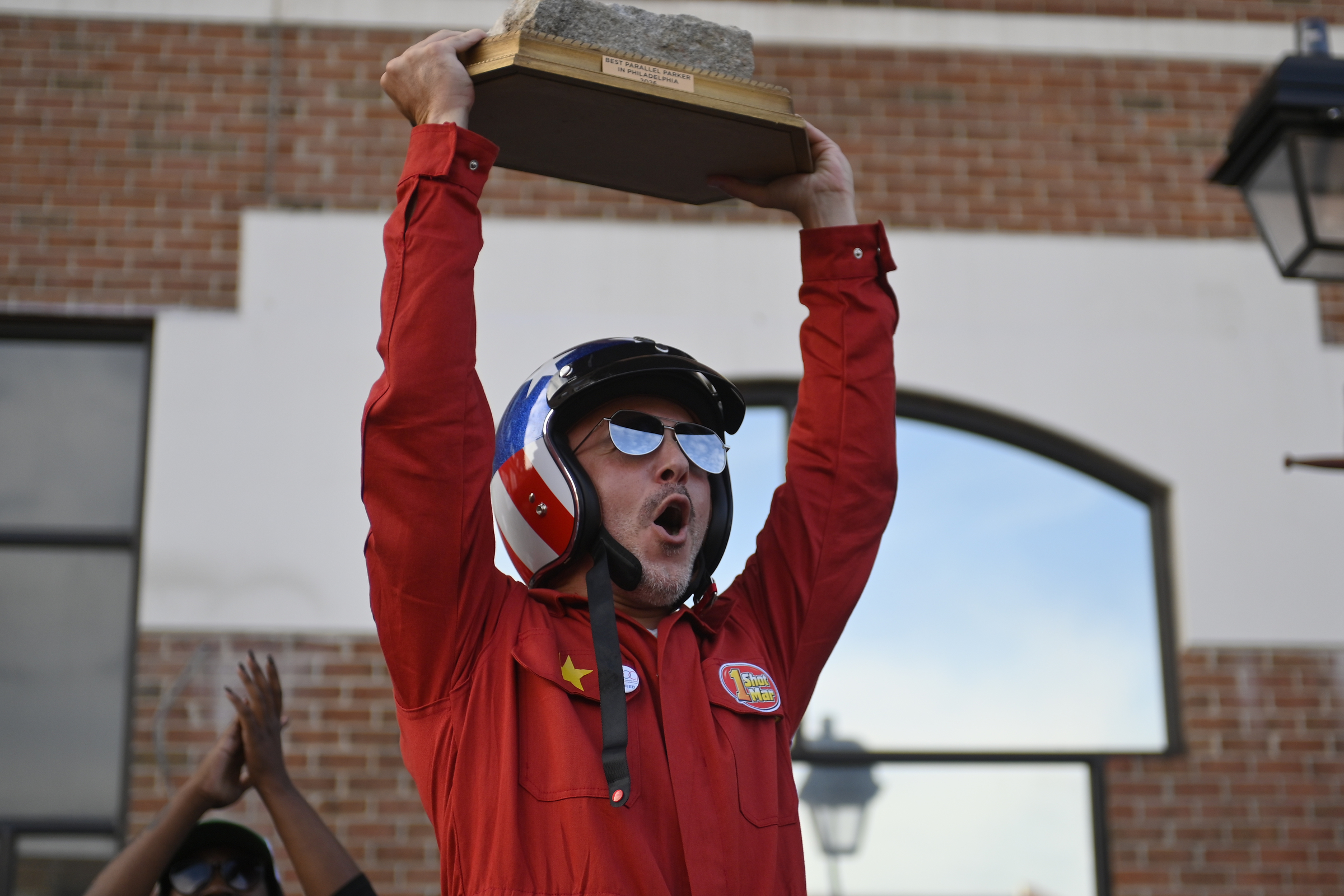
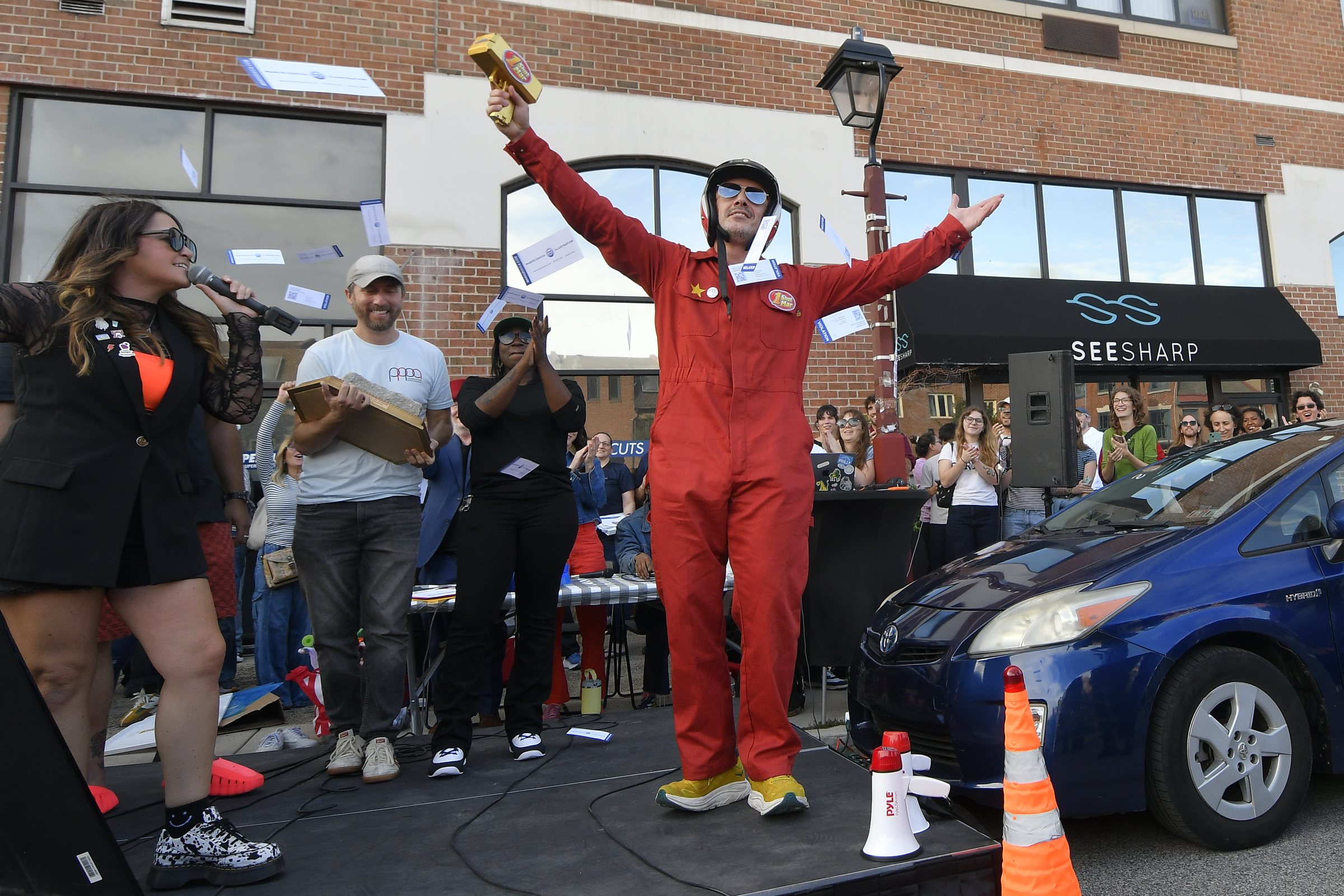
After several rounds, one of which involved dodging things like a spontaneous Eagles fan celebration and a snow-shoveling citizen using a folding chair for savesies, Mario “One-Shot Mar” Zucca of West Mount Airy was crowned the Best Parallel Parker in Philadelphia.
“Total bliss,” Zucca said, of the feeling that washed over him when he won the title. “It was amazing.”
Mario Zucca wins the first Parallel Parking Championship at Headhouse Plaza.Bastiaan Slabbers/ For the Inquirer
While his win had a lot to do with skill, it also had a lot to do with flair. Zucca, who is an artist and illustrator, donned a red stuntman suit and, just before competing in the final round, opened up the hatchback of his 2012 Mazda and out popped a bunch of balloons, including a gold “1,” which remained tied to his car as he parked. After revealing the balloons, he then ran up and down the crowd with a money gun shooting fake Philadelphia Parking Authority (PPA) traffic tickets with his nickname on it into the audience.
For winning the title, Zucca received bragging rights for a year, a trophy with a piece of a curb on it, and $76 to pay for his next parking ticket.
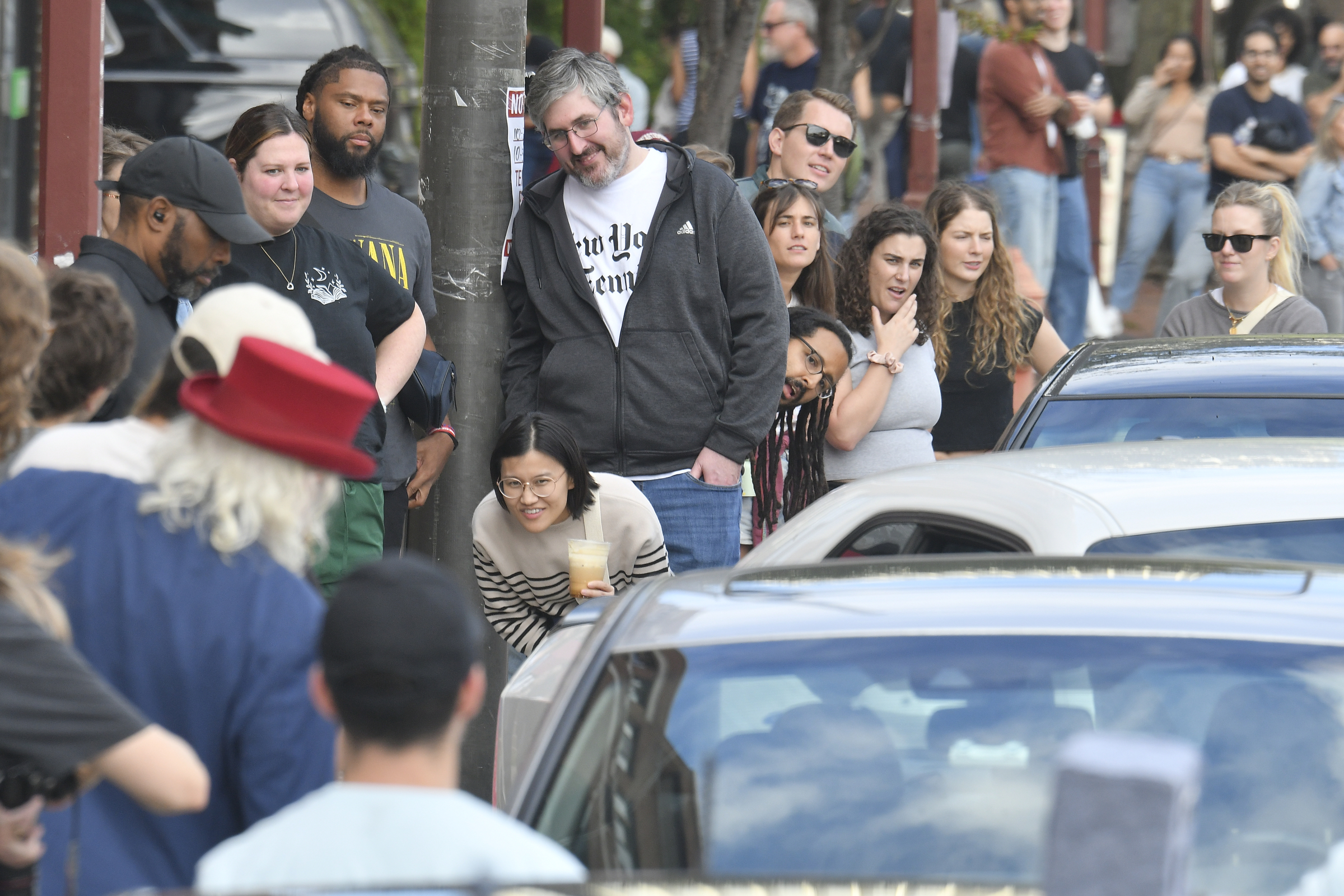
The crowd looks on as drivers compete in the first Parallel Parking Championship at Headhouse Plaza on Saturday.Bastiaan Slabbers/ For the Inquirer
Adam Wodka, self-appointed commissioner of the newly formed PPPA, which is not affiliated with the PPA, also made a surprise announcement at the start of the championship that the PPA had reached out to him and promised to give the top three finalists free parking in any Center City garage for the month of October.
Rounding out the finalists were LaTasha “Tasha” Hall of Northeast Philly, a heavy-equipment operator who works at the Delaware River Port Authority, and Shafir “Pirate One Shot” Mondal of Norris Square, whose dad owns Mondal Driving School.
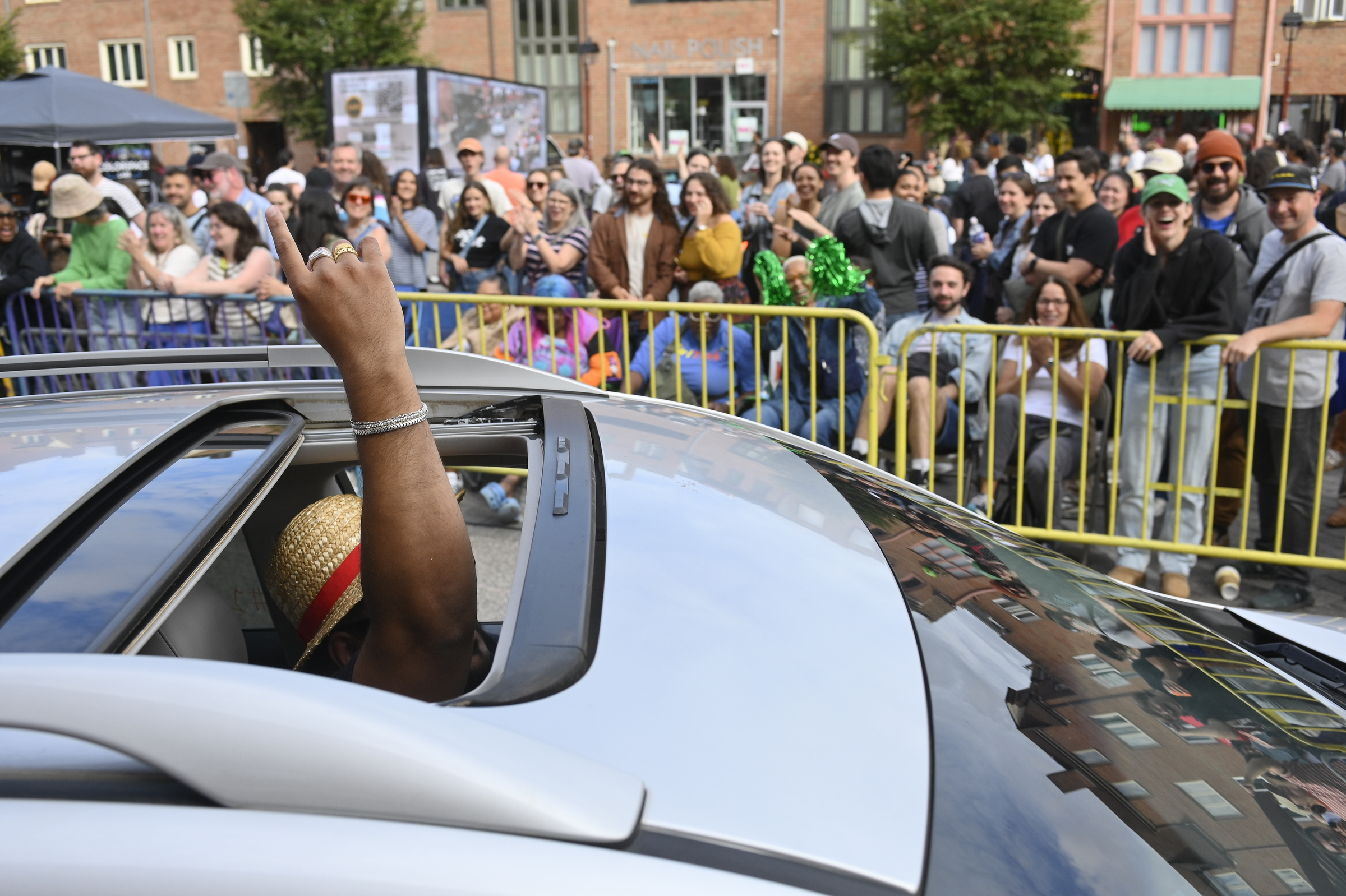
Mondal, who outfitted his car with decals from the manga series One Piece and wore a Monkey D. Luffy hat, said even though he didn’t win, the experience was worth it.
The crowd reacts as Shafir “Pirate One Shot” Mondal sticks his hands through the sunroof of his car after competing in the first Philadelphia Parallel Parking Championship at Headhouse Plaza Saturday. Bastiaan Slabbers/ For the Inquirer
“I feel great. I loved the energy that people had for parallel parking and the love they had for Philadelphians,” he said.
Nearly 900 people applied for the first PPPA Championship, which Wodka created earlier this year to promote excellence in parallel parking. Ten finalists were chosen by PPPA’s executive board, which is made up of seven of Wodka’s friends, and five were chosen by a popular vote online.
In classic Philly fashion, one of the competitors didn’t show up (he’s probably still circling the block looking for a space) and most of those who did participate didn’t use their turn signals.
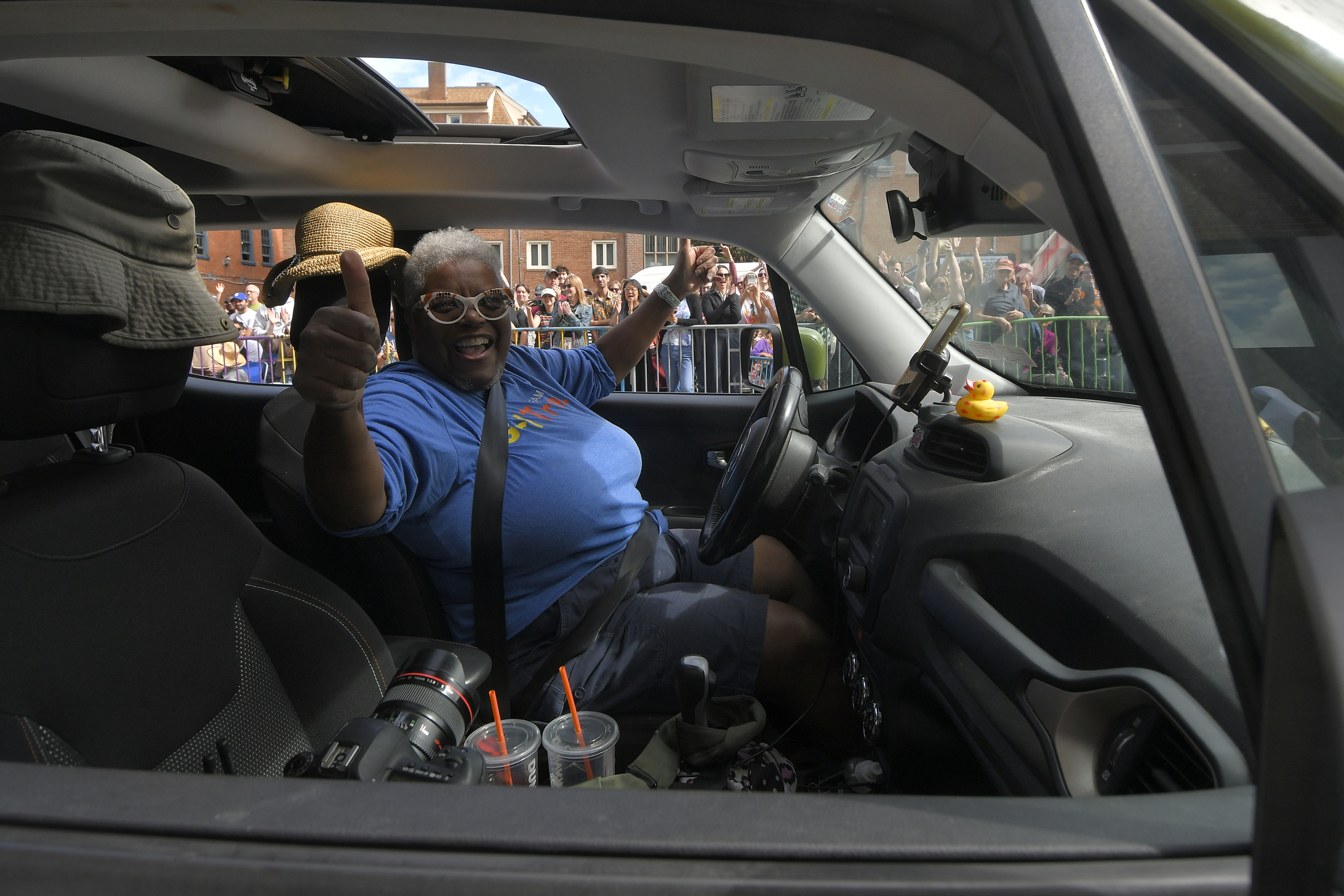
Cynthia Malachi White, aka “Cynthia Strawberry,” of Mount Airy, competes in the first-ever Philadelphia Parallel Parking Championship at Headhouse Plaza on Saturday.Bastiaan Slabbers/ For the Inquirer
As DJ Elevator Machine Room pumped music about cars and emcee Marisa Magnatta and referee Rebekah Rickards pumped up the crowd, competitors faced off in their own vehicles without using their backup cameras in three separate categories:
One shot: Get closest to the curb in one attempt.
Tight squeeze: With 18 inches of clearance, park closest to the curb using the least amount of moves.
Under duress: Park as fast as you can while faced with distractions.
The tight squeeze category was definitely the most challenging, with many competitors giving more than just a light tap to the cars in front and behind them. Those vehicles were owned by Wodka and his partner, who offered them up as a sacrifice.
Under duress was a crowd-favorite category in which drivers had to try to ignore any number of things they might encounter on a Philly road, including a Mummers parade, a spontaneous fan celebration, a trash can fire, Philly Elmo and his drum line, a Ben Franklin impersonator, and, of course, a woman with a folding chair and a serious case of the savesies.
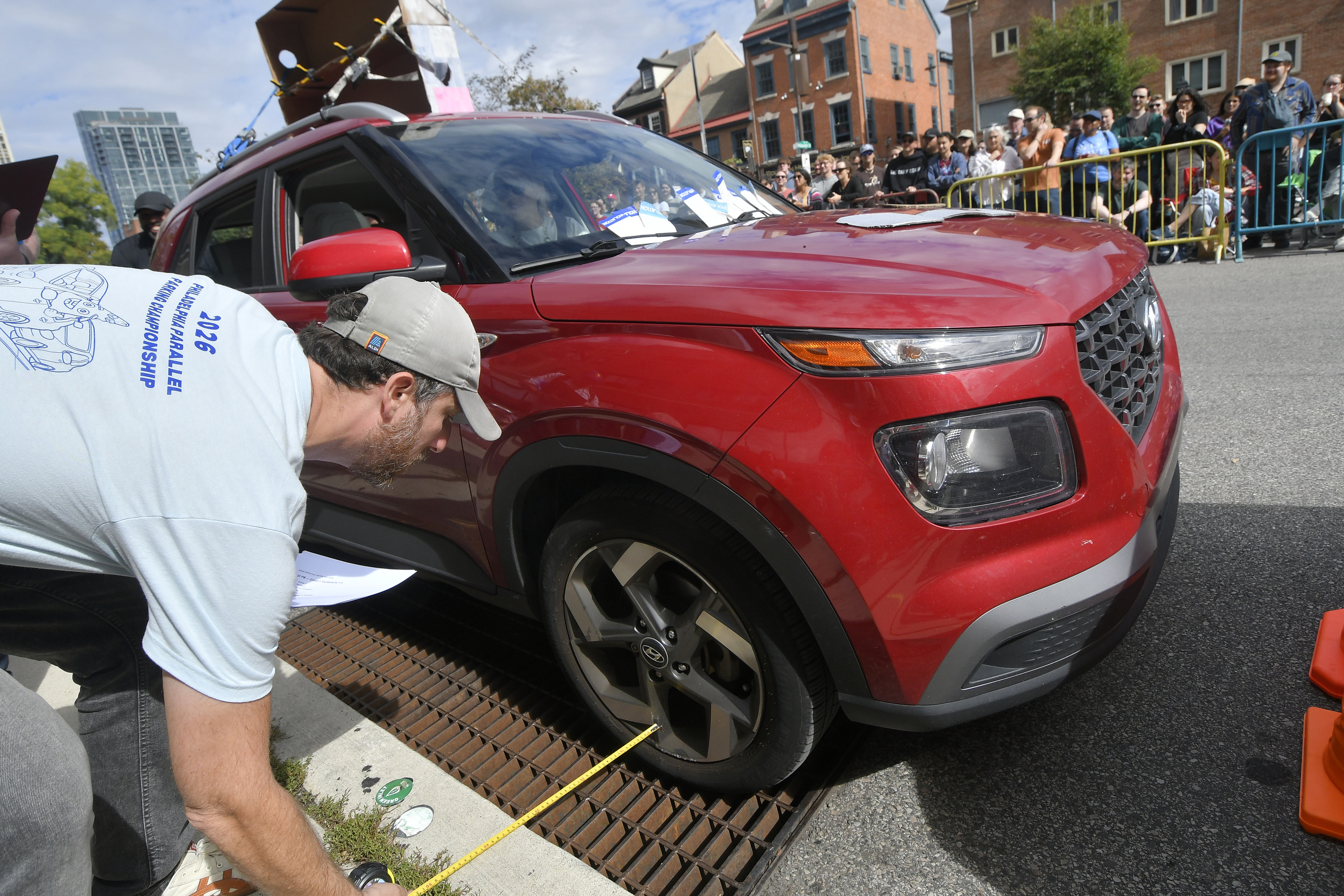
Philadelphia Parallel Parking Association Commissioner Adam Wodka measures a competitor’s distance from the curb during the PPPA Championship Saturday. Bastiaan Slabbers/ For the Inquirer
Competitors were given points based on their closeness to the curb and how many moves they made. The three judges — pub owner Fergus “Fergie” Carey, viral crossing guard Jamele Ransom, and comedian and social media influencer Betsy Kenney — were also able to hand out three points every round to whomever they chose to influence the scores. The top three scorers then went on to the final round, where the winner was chosen by the judges.
“I always say parking is made worse with an audience and this is one hell of an audience,” Carey said.
The crowd of backseat drivers came with kids, dogs, and posters, and residents around the plaza came out on their balconies and rooftops to watch the spectacle.
Philadelphia’s newest mascot also made his debut at the event. Parallel Pete is a giant orange traffic cone with fuzzy dice, rearview mirrors, and an unsettlingly anxious face.
A fundraiser held by the PPPA raised more than $4,400 for Families for Safe Streets Greater Philadelphia. All sponsorship money, minus event expenses, also went to the nonprofit, according to Wodka.
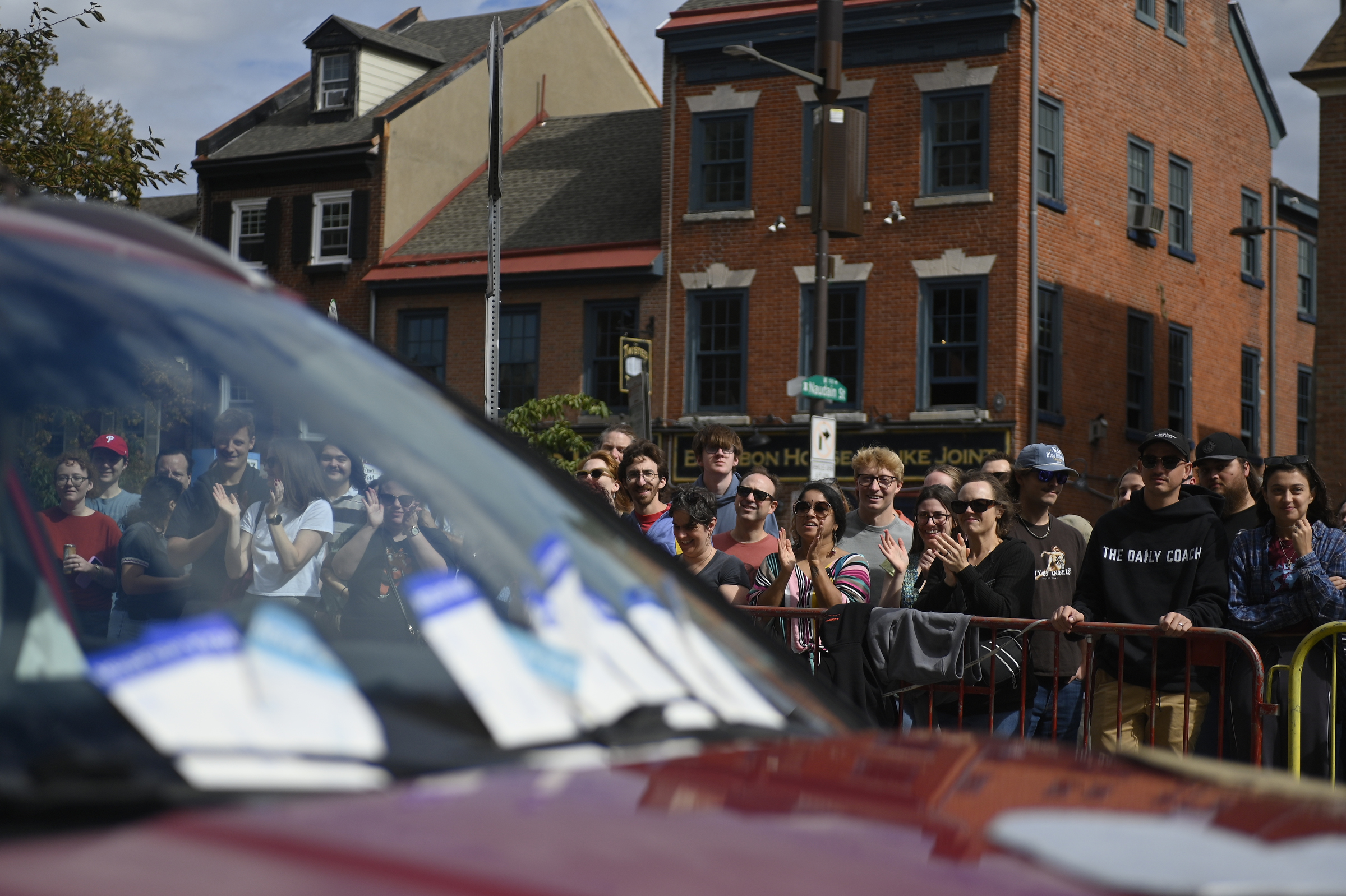
The crowd reacts as a driver who has papered their windshield in parking tickets competes in the Philadelphia Parallel Parking Association Championship on Saturday at Headhouse Plaza. Bastiaan Slabbers/ For the Inquirer
While he made no promises, Wodka said he’d love nothing more than to have the championship become an annual event.
“I love the energy. I love that people had fun with it,” he said. “It’s tough out there and we all have stuff going on, so it was really great for a few hours to just celebrate and be silly and have fun.”
Correction: Correction: This story has been updated to reflect that a PPPA fundraiser raised money for Safe Streets Greater Philadelphia.