Tag: Wawa

  • Wawa is testing sushi in the Philly suburbs. I drove 23 miles to try it

    Wawa is testing sushi in the Philly suburbs. I drove 23 miles to try it

    The phrase “gas station sushi” is enough to make some stomachs churn.

    Not for Wawa.

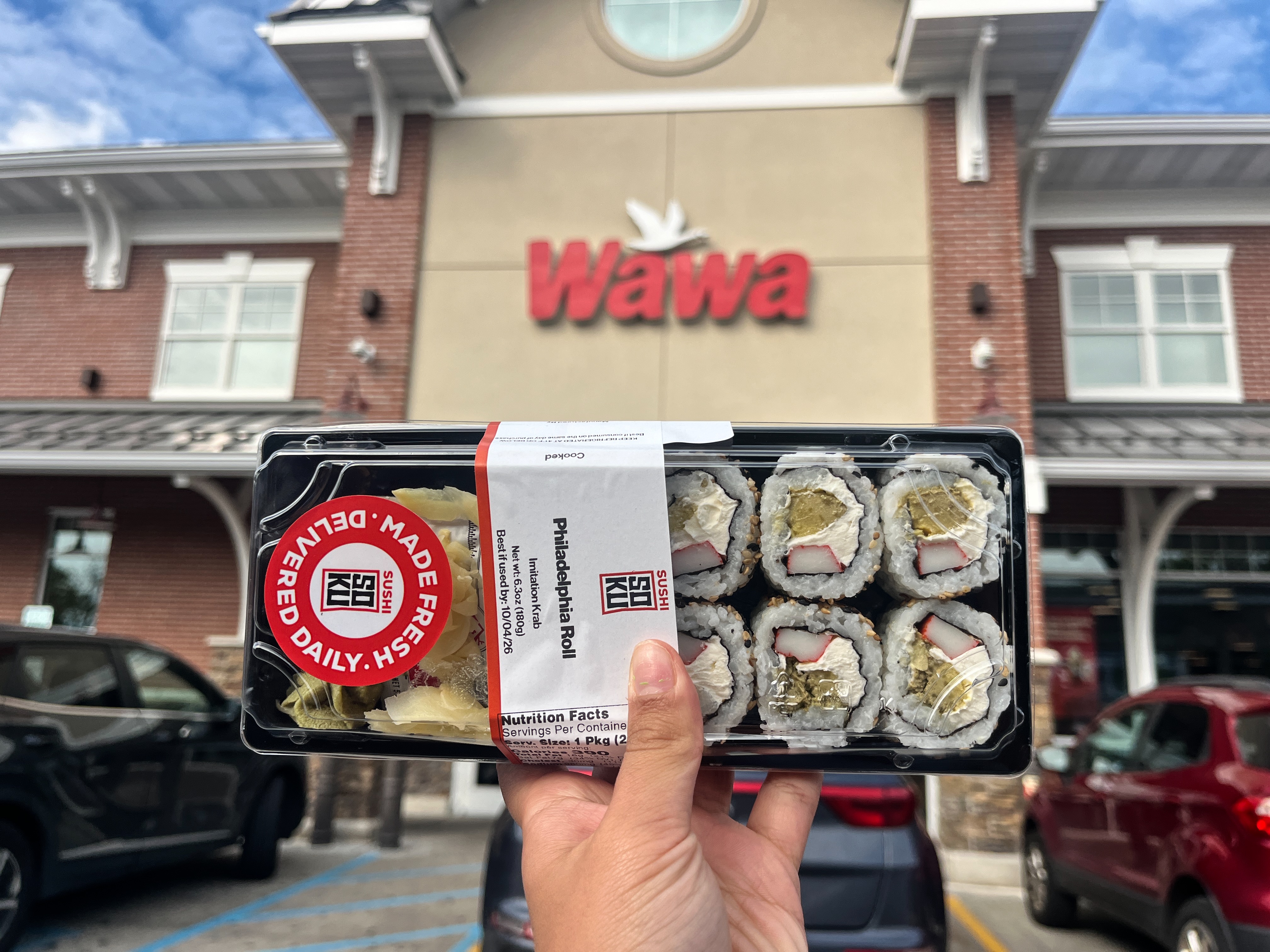
    The Delaware County-based convenience store chain has been quietly testing premade sushi rolls at select stores since midsummer, based on customer TikTok videos.

    Found in the refrigerated grab-and-go cases among such items as deli meat pinwheels and Buffalo chicken wraps, the rolls are sold under the name Sushi Soku and made by the company Hissho Sushi, a prepared-sushi distributor with products in 2,500 stores across the U.S., including supermarkets and airports.

    A red sticker on each container advertises the sushi as “made fresh and delivered daily.” To some online, it sounds like a threat.

    “We should’ve stopped at egg rolls. What is this?” said Media-based food influencer the Delco Filipino in a TikTok posted on July 27. The first publicly documented Wawa sushi encounter, their video has been watched more than 206,000 times.

    “I love Wawa as much as the next girl, but I would never in my life get sushi” there, said Philly-based content creator Alexa Green in a video with over 51,000 views.

    @thedelcofilipino Idk how I feel about this. At least it’s not Wawa brand sushi. Who knows, maybe it’s good? Does your Wawa have sushi?? #wawa #wawasushi #delco #delcopa ♬ original sound – The Delco Filipino 🇵🇭

    “It’s still a gas station, people. Let’s not,” wrote one commenter. “They need to stay in their lane,” wrote another. “I want a hoagie from 2010.”

    Some were more optimistic: It couldn’t be worse than Wawa’s three different attempts at pizza or whatever they sell at Sheetz.

    A spokesperson for Wawa confirmed via email that the chain is currently testing six cooked sushi rolls from Hissho Sushi’s Sushi Soku brand in select stores. They declined to share when the pilot began or the locations of participating stores, saying only that Wawa regularly tests products near their corporate campus in Delaware County “for speed in gaining feedback.”

    “The initial response [to the sushi] is very favorable,” the spokesperson wrote, while also declining to share the criteria used to reach that conclusion. A representative for Hissho Sushi declined to answer questions about the partnership.

    @redheadeddakota Was genuinely stunned walking into wawa today lol I honestly love supermarket sushi but I didn’t see this until after I ordered my smoothie but did see a warm pretzel at the checkout line!!! #phillytiktok #phillyfoodies #wawa #wawarun #philly ♬ original sound – superduperminionlover81

    There have been confirmed sushi sightings at Wawas in Media and West Chester. Employees at the Wawas at 750 N. Pottstown Pike in Exton and 970 Baltimore Pike in Glen Mills confirmed over the phone that their stores are selling sushi.

    While the “gas station sushi” label certainly applies here, the sushi is also technically supermarket sushi: Hissho Sushi supplies prepackaged rolls to Sprouts Farmers Markets and Giant grocery stores throughout the Philly region, often under the Hissho name or their Oumi Sushi label. The Hissho Sushi rep also declined to answer questions about what, if anything, differentiates the Sushi Soku line carried in Wawas from the ones already available in supermarkets.

    Is it the quality? Is it the flavor? Is it a secret third thing that I could only discover by driving 23 miles from Fishtown to Delco to find out?

    With all of these questions swirling, I did what I had to do: I ate the Wawa sushi.
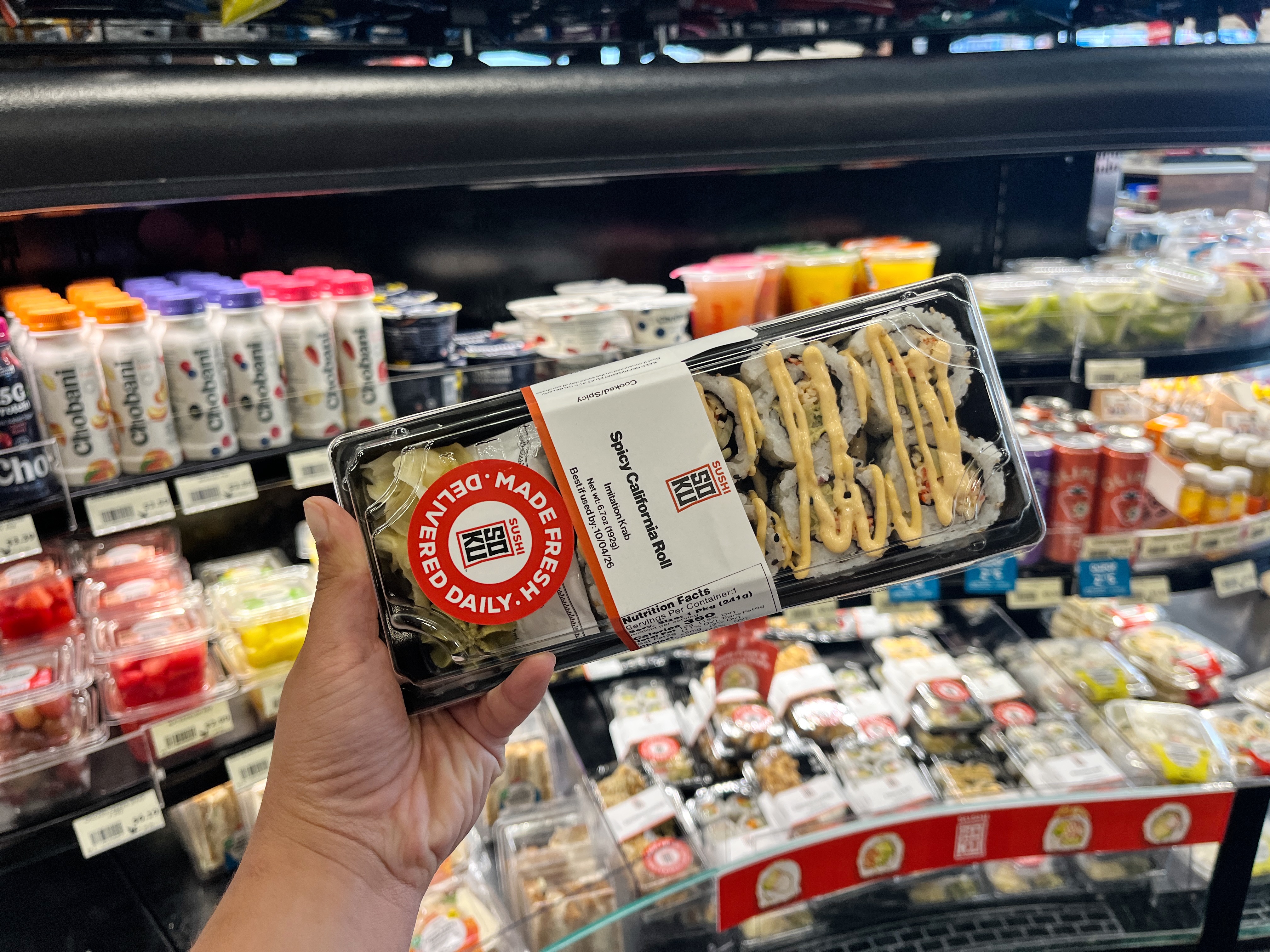
    Spicy California rolls are one of six rolls from Hissho Sushi’s Sushi Soku brand that are being tested at a Wawa in Media.Beatrice Forman

    What does the Wawa sushi taste like?

    When I pulled up to the Wawa at 435 E. Baltimore Ave. (which happens to sell gas) the sushi stuck out like, well, seafood at a place that sells hoagies, pretzels, and lukewarm-yet-delicious bags of fried ravioli.

    As part of the pilot, selected Wawas are carrying Philadelphia rolls, vegetable rolls, spicy shrimp crunch rolls, and three different kinds of California rolls (traditional, spicy, and crunchy). Each costs upward of $9 and comes with eight individual pieces of sushi, wasabi, ginger, and a soy sauce packet. Chopsticks were nowhere to be found.

    I opted for the Philadelphia roll (duh) and the spicy shrimp crunch roll because I wanted both spice and crunch. Sitting outside, I ate them as I imagined Wawa intended: with my bare hands and a creamsicle-flavored energy drink to wash it down.
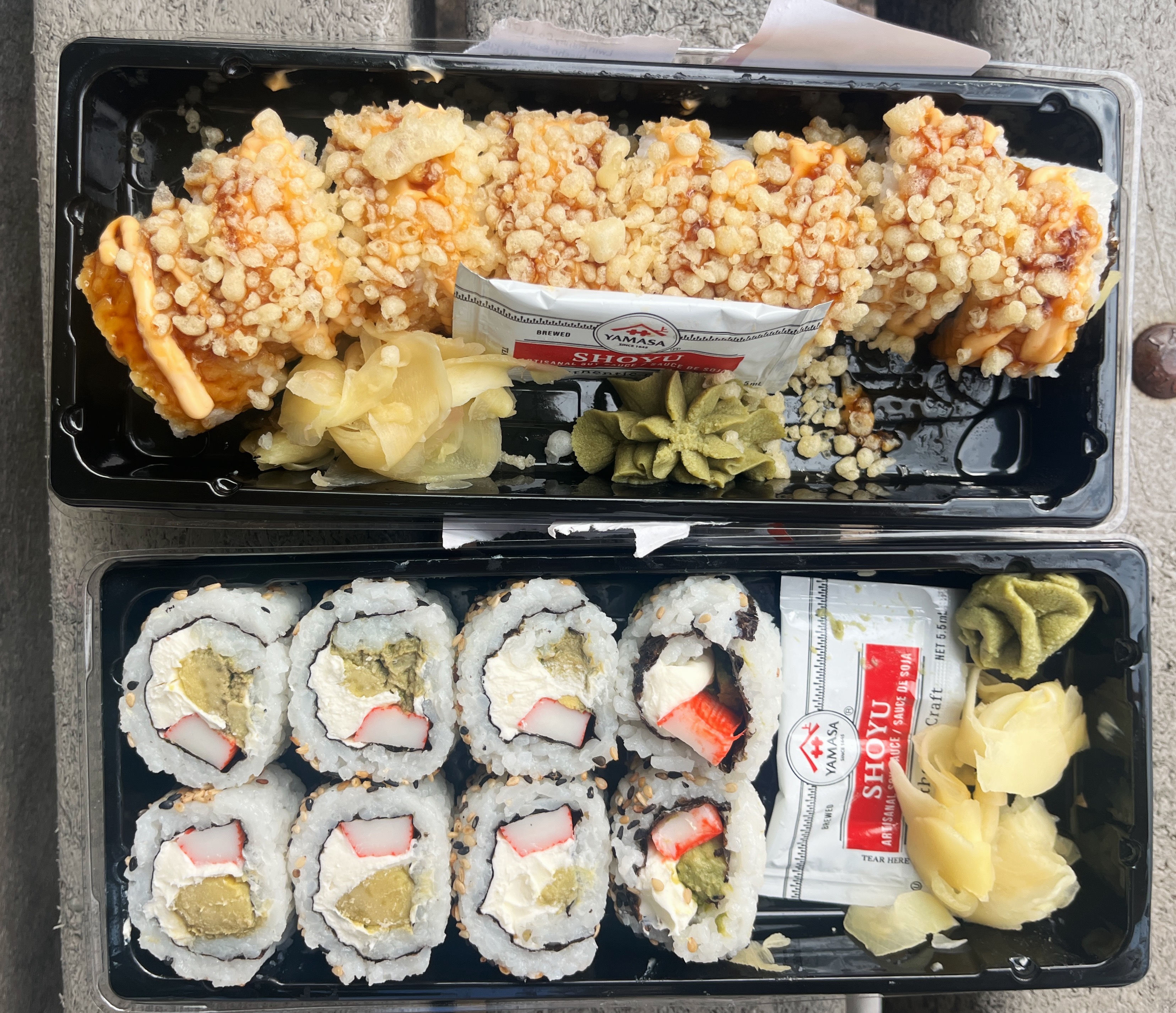
    The Spicy Shrimp Crunch (top) and Philadelphia Roll (bottom) from a Wawa in Media.Beatrice Forman /S

    The Philly roll had seen better days. Stuffed with a glob of cream cheese, imitation crab, and avocado well past its prime, it was shoddily assembled, with the sushi filling hanging out of some pieces. It was oddly flavorless, save for the feeling of mushy avocado mixing with cream cheese.

    “This,” I said incredulously to the friend who joined me, “would never happen at Wegmans.” He agreed.

    The spicy shrimp crunch roll was fine. Composed of a mayo-and-Sriracha shrimp salad with avocado, the roll comes topped with what Hissho Sushi refers to as tempura puffs. It was mildly spicy. It was mildly crunchy. Perhaps that’s all you can hope for from a gas station.

    We didn’t finish either of them. Then, we made the 40-minute drive back home, both a little hungry and deeply cognizant of the effort we put in to track it down.
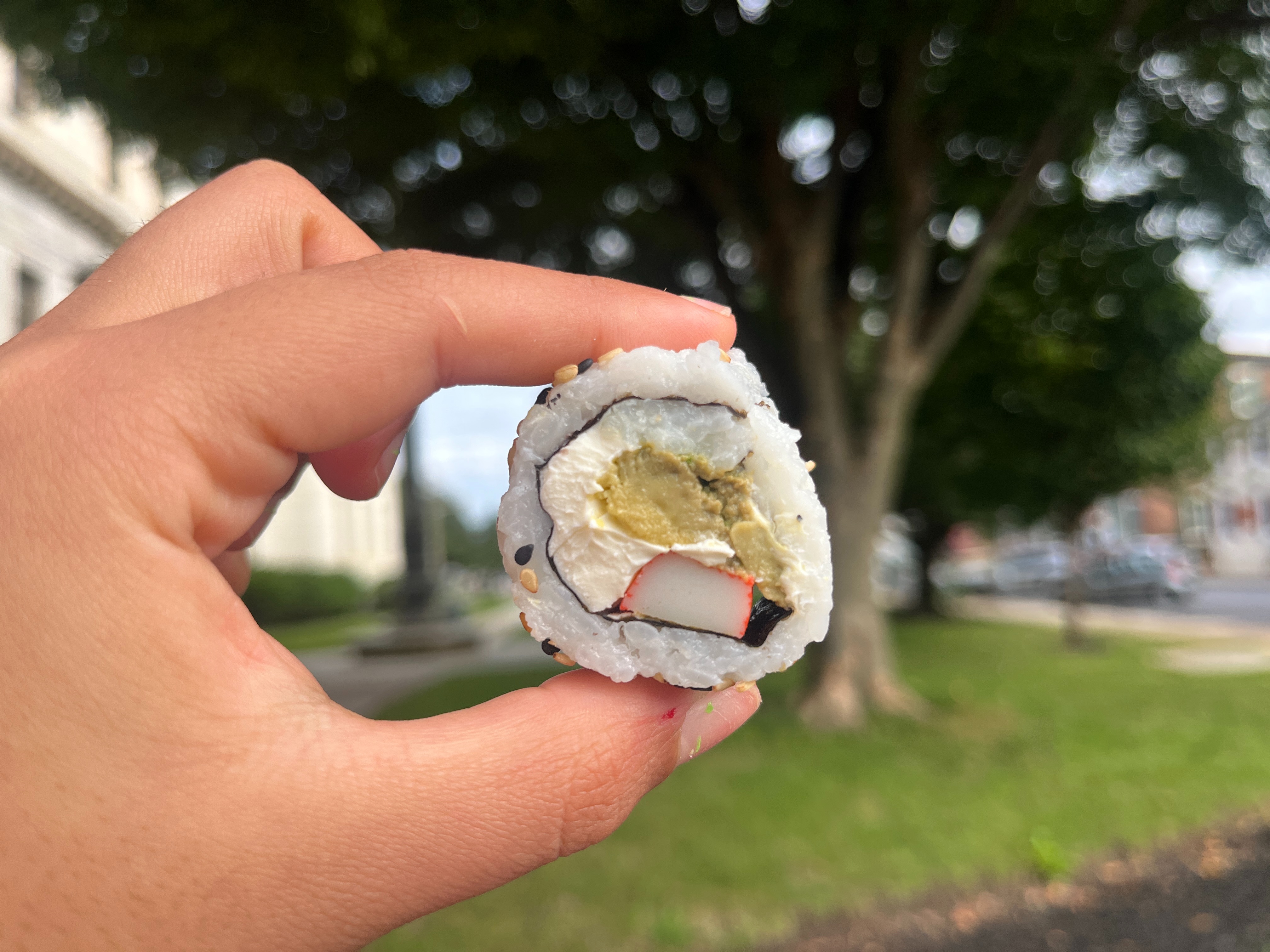
    The Sushi Soku Philadelphia Roll from Wawa has seen better days.Beatrice Forman / Staff

    Wawa has shed its humble roots as a Delco dairy farm to become a convenience store behemoth with 1,200 stores in 14 states, with plans to open 600 more by 2030.

    Getting there, however, has involved doing things few self-respecting Philly businesses would. They’re making bad pizza. They’re using our mascots to promote smoothies that are actually milkshakes. They sold $40 branded bucket bags that were only available in New Jersey stores. They’re even letting employees debase hoagies by calling them “subs.”
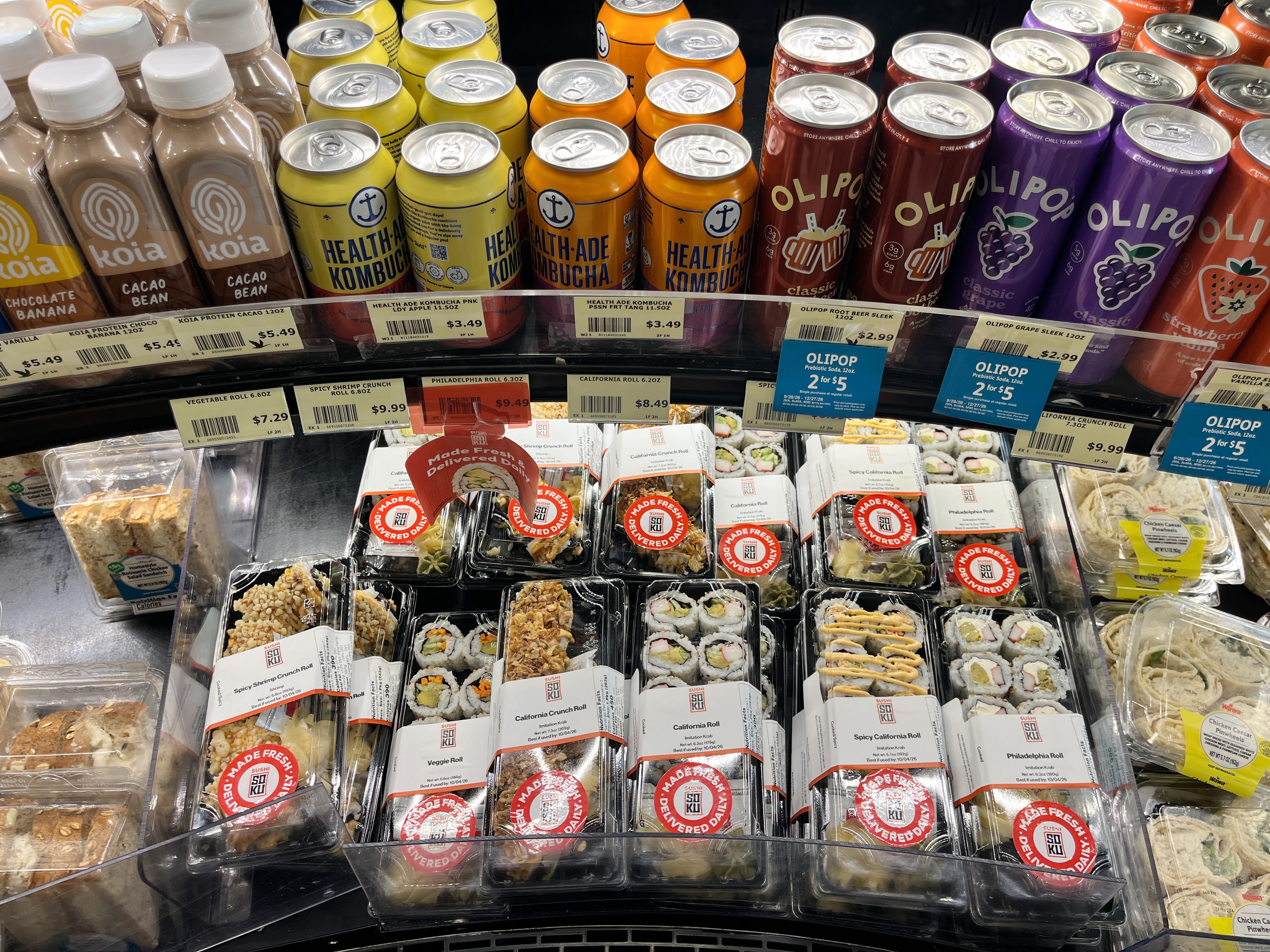
    At select Wawas in Delaware and Chester Counties, pre-packaged sushi is available in the grab-and-go cases.Beatrice Forman /

    None of these things feel necessary, and none feel authentic to Wawa, whose superpower is the fact that it’s ordinary in the best possible way.

    Wawa is the place I get a pretzel from to break up a bad day at work. It is the place where I get a hoagie on the way to a Phillies tailgate after I realize I forgot to eat. It is the place where I order mac ’n’ cheese after a night out and the cashier tells me to get home safe.

    It will never, under any circumstances, be the place where you should buy sushi.
  • Wawa is once again tied with Sheetz for second-best convenience store chain in national survey

    Wawa is once again tied with Sheetz for second-best convenience store chain in national survey

    Wawa and Sheetz customers across the country are equally satisfied for the second year in a row, according to a new survey.

    But Wawa did gain an edge in the Northeast region — which includes Pennsylvania and New Jersey — where it narrowly beat out Sheetz for the top spot. Last year, Wawa and Sheetz tied for first place in the region. In the latest survey, Sheetz tied BP and Shell for second place in the area.

    Nationwide, Delaware County-based Wawa, Altoona-based Sheetz, and Oklahoma-based Quiktrip tied for second place in the third-annual American Customer Satisfaction Index (ACSI) Convenience Store Study, released Tuesday.

    All three chains received a score of 80 out of 100, two points behind Meijer, the Michigan-based chain that held sole possession of the top spot. Both Wawa and Sheetz dropped two points since last year, when they also tied for second place.

    Sheetz ranked no. 1 in the Midwest, while Wawa once again claimed first place in the South, just above Sheetz, Texas-based Buc-ee’s, and Quiktrip. Wawa was the only chain to take the top spot in two regions.

    “We appreciate being included in the list and are proud of the role that Wawa and other convenience store brands play in consumers’ daily lives,” Wawa spokesperson Lori Bruce said Monday in a statement.

    Wawa, which has this store on Independence Mall, was the only chain to rank no. 1 in two regions in the latest ACSI Convenience Store study.Tyger Williams / Staff Photographer

    A Sheetz spokesperson did not return a request for comment on Monday.

    Among all convenience stores in 2026, the study found the average customer-satisfaction rating dropped 1% amid slight declines in mobile-app quality, as well as layout and store cleanliness.

    “Convenience stores are asking customers to do more inside the store and more on the app than ever before. Order ahead, scan loyalty cards, redeem offers, pick up food,” Forrest Morgeson, Michigan State University marketing professor and director of research emeritus at the ACSI, said in a statement. “But every new capability is a new expectation.”

    “When the app is clunky, the bathroom is neglected, or the store feels disorganized, that shapes how customers judge the entire visit,” Morgeson added. “The industry has figured out what to sell. Now the experience of buying it has to catch up.”

    Inside convenience stores, food service now accounts for more than 28% of sales and nearly 40% of gross profit, the study’s authors noted, citing industry data. And, they added, about 15% of customers picking up prepared foods at convenience stores chose to do so over stopping at a quick-service restaurant.

    Overall, fuel accounts for 65% of sales at convenience stores, according to industry data, and 39% of gross profit.

    Customers say they are drawn to chains with convenient hours. Many Wawas are open 24/7. Tom Gralish / Staff Photographer

    Consumers are drawn most to stores with accessible locations, convenient hours, dependable food and beverages, and quick service, the study found.

    Earlier this year, Wawa CEO Chris Gheysens said the homegrown company excels in all those categories.

    “For a lot of people, it’s their daily routine,” Gheysens said. “It becomes a part of their neighborhood. It’s a relationship that’s built on consistency, on trust” — and on getting customers out the door in five minutes or less, depending on the time of day.

    Wawa has about 1,200 stores in 13 states and Washington, D.C., and has expanded as far as Florida and Kentucky. Sheetz has about 800 stores in seven states.

    In Pennsylvania, the chains’ footprints — Sheetz’s in Western and central Pennsylvania and Wawa’s closer to Philly — have increasingly overlapped in recent years. Wawa opened its first central Pennsylvania location within eyesight of a Sheetz in 2024, and has since added more stores in the region.

    Sheetz opened its first Philly-area outpost in Montgomery County earlier this year, and has expressed interest in building stores in Delaware and Chester Counties.

    A customer orders at the first Philly-area Sheetz in Limerick Township, Montgomery County, in February.Tom Gralish / Staff Photographer

    The ACSI Convenience Store Study was based on 9,475 email surveys completed by a random selection of U.S. consumers between October 2025 and September 2026. Recipients were asked to evaluate their recent store experiences, as well as their perceptions of quality and value.

    Wisconsin-based Kwik Trip, which beat out Wawa and Sheetz for last year’s No. 1 spot, fell five points in this year’s survey, tying Arkansas-based Murphy USA for third place.

  • Affordability is on voters’ minds in Pa. swing districts as the cost of gas and groceries skyrockets

    Affordability is on voters’ minds in Pa. swing districts as the cost of gas and groceries skyrockets

    SCRANTON — Four of Mike Parry’s tenants can no longer afford to pay their rent. Suddenly, their financial pain is his.

    “It’s the affordability of everything that’s the problem,” said Parry, 60, of Clarks Summit, Lackawanna County. “We’re all feeling it now.”

    With the war in Iran rocketing gas to almost $5 a gallon, inflation surging to 3.4% from 2.6% in 2025, and food prices up nearly 3% over last year, the high cost of living is weighing on the minds of many voters — and candidates — as the midterm elections draw near.

    Nowhere is that more critical than in four tightly contested Pennsylvania congressional districts that could decide the control of the U.S. House — in Bucks County, the Lehigh Valley, the Harrisburg area, and Northeast Pennsylvania.

    Mike Parry of Clark Summit, Lackawanna County.Courtesy of Mike Parry

    Parry, a Republican and supporter of President Donald Trump, said he is aware that many Americans hold the president and his party accountable for the affordability crisis, including in the 8th Congressional District, where Parry plans to back GOP U.S. Rep. Rob Bresnahan over Scranton Mayor Paige Cognetti, the Democratic nominee.

    But other voters might not be so kind to Trump-aligned incumbents this fall.

    Among likely voters in Pennsylvania, 75% disapprove of how Trump is handling the cost of living, compared with just 25% who approve, according to a recent poll from The Inquirer, the New York Times, and Siena University. And 73% disapprove of how he has handled gas prices, vs. 24% who approve. About 65% disapprove of his handling of the economy, vs. 34% who approve.

    “It doesn’t matter what party you’re in,” Parry said. “We’re all getting hammered the same.”

    ‘Spend less’

    At his local Wawa gas station in Allentown, P.J. Santos, 32, removed his finger from the pump trigger before his tank filled.

    “Now I tell myself to spend less,” said Santos, a Democrat who is supporting former firefighter Bob Brooks over Republican U.S. Rep. Ryan Mackenzie in the Lehigh Valley’s 7th Congressional District.

    P.J. Santos of Allentown.Courtesy of P.J. Santos

    “So I buy less than I need,” he added, tightening his gas cap. “Same goes for date nights with my wife: Spend less.”

    That is harder when you’re buying food, said Tammy McCoy, 52, of Easton, in the same district. “Walk into any grocery store,” said McCoy, a Democrat and professional cook. “It’s like you have to hand them $50 at the door.”

    (function(){function e(){window.addEventListener(`message`,function(e){if(e.data[`datawrapper-height`]!==void 0){var t=document.querySelectorAll(`iframe`);for(var n in e.data[`datawrapper-height`])for(var r=0,i;i=t[r];r++)if(i.contentWindow===e.source){var a=e.data[`datawrapper-height`][n]+`px`;i.style.height=a}}})}e()})();

    Trump, she remembered, promised to lower prices on Day 1 of his presidency. Not only did that not happen, she added, he raised tariffs, making imported staples like coffee, nuts, and olive oil more expensive. “Because of that,” McCoy added, “I’m against him and Republicans.”

    Tapping into the frustration over food prices, Democrat Janelle Stelson’s campaign is pointing to the cost of hamburgers as she seeks to oust Republican U.S. Rep. Scott Perry in the 10th Congressional District.

    Janelle Stelson (left) and Rep. Scott Perry, R-Pa.(right) from a Stelson campaign photo in 2024, the last time the two squared off against each other in a bid to represent the 10th Congressional District. Stelson Campaign, AP

    Stelson eats a burger in a TV ad that says Americans now pay $7.29 for a pound of ground beef — a result of tariffs Trump imposed and Perry supported.

    But criticism of Trump’s tariffs will not sway Tammy Green, 60, a Republican voter in the 8th Congressional District who supports Bresnahan over Democrat Cognetti.

    “Because he’s a businessman, President Trump understands the economy. … He’s negotiating fair prices with tariffs,” said Green, a former travel agent who lives in West Wyoming, Luzerne County.

    More households need help

    On a hot September day in Levittown, people gathered to celebrate the grand opening of the new headquarters of the United Way of Bucks County. Focused on helping anyone experiencing financial hardship, the building features an expanded HELP Center, where diapers, fresh produce, and clothing are available at no charge.

    As need skyrockets, the nonprofit expects a 40% to 50% increase in demand this year, Marissa Christie, president and CEO, said in an interview.

    “Folks are telling us that in the grocery store, their budget is not going as far as it used to,” Christie said. “When they go to fill up their gas tank, their money is not going as far as they expected.”

    Attending the event alongside other local lawmakers was U.S. Rep. Brian Fitzpatrick (R., Bucks), who secured $4.15 million in federal funds for the building and said the agency will “always be in that top-10 list” of key nonprofits helping those in need.

    U.S. Rep. Brian Fitzpatrick (R., Bucks) speaks outside the U.S. Capitol about legislation to put national restrictions on gerrymandering on Sep. 16, 2026.Sam Janesch / Staff

    The cost of living has become a focal point in the 1st Congressional District race as Fitzpatrick fends off a challenge from Democratic County Commissioner Bob Harvie in the Bucks County-based swing district.

    Pennsylvania Democrats, including Harvie, have centered their campaign messaging on affordability in hopes of appealing to voters across the political spectrum.

    “Costs are what affect people every single day … whether it’s at the pump, whether it’s in the grocery store,” Harvie said in an interview with The Inquirer’s Editorial Board. “Housing costs obviously are huge. It’s a major issue here in this district, especially in the county.”

    (The Editorial Board, which runs The Inquirer’s opinion pages and decides endorsements, operates independently from the newsroom. Newsroom editors and reporters have no role in endorsements, and opinion staffers have no role in news coverage.)

    Fitzpatrick, too, acknowledged in an interview at the U.S. Capitol last month that affordability is the top issue not just in this election, but in every election.

    “The No. 1 priority, the No. 1 focus, has to be on affordability — has to be,” he said. “That’s the issue that got Trump elected in ’24. It’s what got [New York Mayor Zohran] Mamdani elected in ’25. It’s what people care about.”

    ‘Affordability front and center’

    Demonstrating their awareness of voter focus on the high cost of living, Trump administration officials and local Republicans repeatedly emphasized “affordability” as they touted their work to combat rising electricity prices at a PPL Electric Utilities facility in Allentown last week.

    “This is a quick way to lower electricity prices and increase reliability,” U.S. Energy Secretary Chris Wright said as he announced up to $71.5 million in federal funding for PPL, which was among $2 billion in new spending aimed at improving the electric grid.

    Upgrades to existing transmission lines will include new technology like sensors to detect weather conditions, improving efficiency and ultimately lowering electricity costs, according to the Energy Department.

    Asked how quickly consumers might see those improvements, Wright did not specify a timeline but noted that new, large-scale energy users — like data centers — are negotiating with utilities about how much of the increased demand they will cover.

    Mackenzie, a freshman lawmaker whose district includes the Lehigh Valley and Poconos, also emphasized a bill he supports that would set federal standards for data centers to pay for their electricity use, and another to promote transparency around retail electric costs.

    President Donald Trump invites 7th District U.S. Rep. Ryan Mackenzie (right) to the stage to visit Mack Trucks in Macungie, outside Allentown in the Lehigh Valley, in June.Tom Gralish / Staff Photographer

    Mackenzie said energy policy needs to keep “affordability front and center.”

    The war’s economic consequences

    Some Trump voters say they are willing to pay more for gas and other essentials as the president pursues his policy goals at home and in Iran.

    “We incur a cost that stinks now to avoid another Sept. 11 later,” said T.J. Fitzgerald, 60, a Republican bail bondsman from Nanticoke, Luzerne County, in the 8th Congressional District. “Fighting Iran, a terrorist organization, is worth inflation at the pump.”

    Ryan Kavulich, a 37-year-old project manager from Dunmore in nearby Lackawanna County, disagreed with that logic.

    “The war’s a nightmare with what it’s costing for diesel,” said Kavulich, a Democrat who plans to back Cognetti in November.

    (function(){function e(){window.addEventListener(`message`,function(e){if(e.data[`datawrapper-height`]!==void 0){var t=document.querySelectorAll(`iframe`);for(var n in e.data[`datawrapper-height`])for(var r=0,i;i=t[r];r++)if(i.contentWindow===e.source){var a=e.data[`datawrapper-height`][n]+`px`;i.style.height=a}}})}e()})();

    People in the 8th District know that Bresnahan voted against ending the war with Iran in September, Kavulich said.

    “And that makes voting for Paige [Cognetti] in November the easiest choice ever,” he said. “So many people around Scranton have a blue-collar, kitchen-table, commonsense vibe. They know going into Iran isn’t what you do. They know it’s time to be over Bresnahan and Trump.”

    As the cost of fuel continues to climb, even some longtime Republicans in the district are expressing their doubts about the economic consequences of Trump’s war.

    “I voted for Trump three times,” said Greg Kerrick, 58, a Republican voter from Scranton.

    “But I don’t like him pushing up gas prices,” added Kerrick, who is unemployed. “And I feel for anyone paying over $4 a gallon.”

  • Super Wawa on Route 73 at the Voorhees-Berlin border is likely headed for final approval in October

    Super Wawa on Route 73 at the Voorhees-Berlin border is likely headed for final approval in October

    A proposed Super Wawa on the Voorhees-Berlin border protested by residents and rejected by the Voorhees planning board will likely be approved in two weeks.

    Developer NIKI-J&J Voorhees Cooper Partners LLC sued after the planning board last September did not approve its plan for a Wawa between Route 73 northbound and Cooper Road located in both Voorhees and Berlin Township.

    In August, the board and the developer agreed to a settlement in state Superior Court in Camden that calls for the planning board to reconsider based on a proposal from NIKI-J&J to make improvements to Cooper Road to address traffic concerns.

    Reconsideration of the developer’s preliminary and final major site plan is scheduled for the Oct. 14 board meeting. The Berlin Township planning/zoning board approved the Wawa on Aug. 18.

    Under the plan, a 5,915-square-foot Wawa store with 12 gasoline-fueling stations would be built on 4.95 acres. Driveways would be on Route 73 and Cooper Road. The property is about a quarter mile south of the intersection of Cooper Road and Route 73.

    Residents testifying at a Voorhees board hearing last September expressed concerns over traffic from the planned Cooper Road driveway.

    “It’s a disaster … the traffic backs up all the way to the entrance of Forrest Hills Drive,” resident Harry Garabedian, who lives on Forrest Hills Drive, told the board of existing traffic conditions on Cooper Road. “There’s nothing that Wawa is going to do that’s going to alleviate that; it’s only going to add to the burden.”

    Board member Jason Ravitz, also a member of the Voorhees Township Committee and deputy mayor, said at the hearing: “This road already backs up during rush hour. … This is going to be a real issue in the operation.”

    70and73.com is a hyperlocal news site focused on South Jersey, including the communities of Cherry Hill, Evesham, Mount Laurel, Voorhees, Medford, Medford Lakes, and Moorestown.

  • House of the week: A four-bedroom century-old stone house in Bryn Mawr for $699,000

    House of the week: A four-bedroom century-old stone house in Bryn Mawr for $699,000

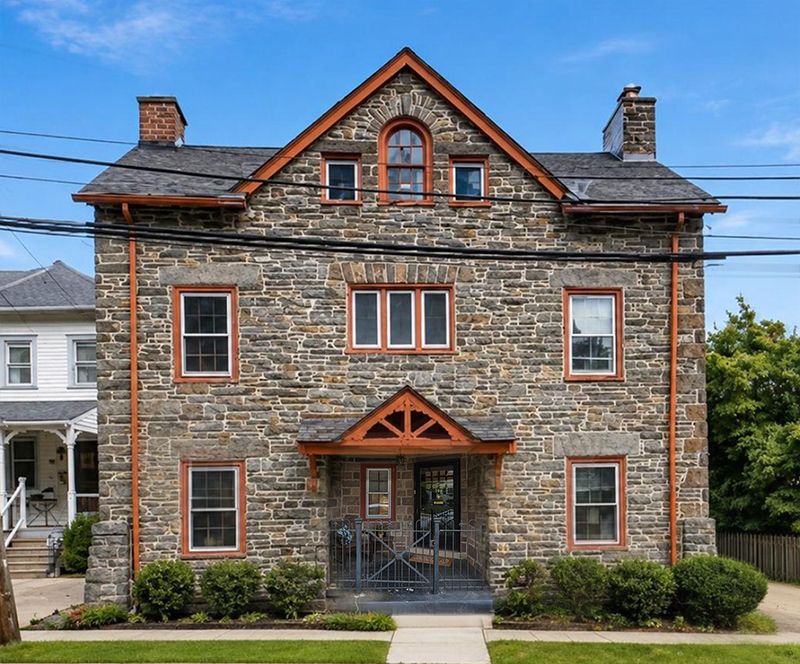
    Elizabeth Monroe was living in New Jersey with her son in 2006 when she saw a listing in Bryn Mawr, and thought it might be time to go back to the town where she’d grown up.

    “I hadn’t even gone inside it,” she said. “but I loved the Tudor look and the stone.

    “It’s a soulful kind of house. A friend once called it my ‘sanctuary,’” she recalled.

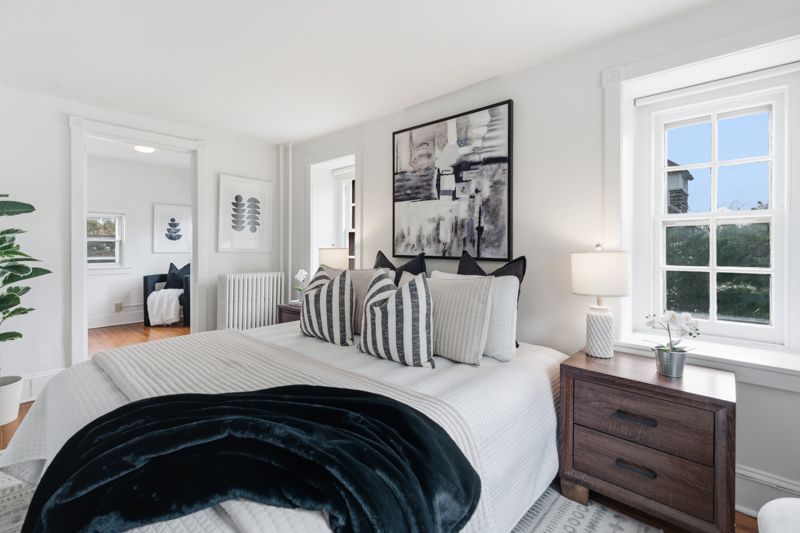
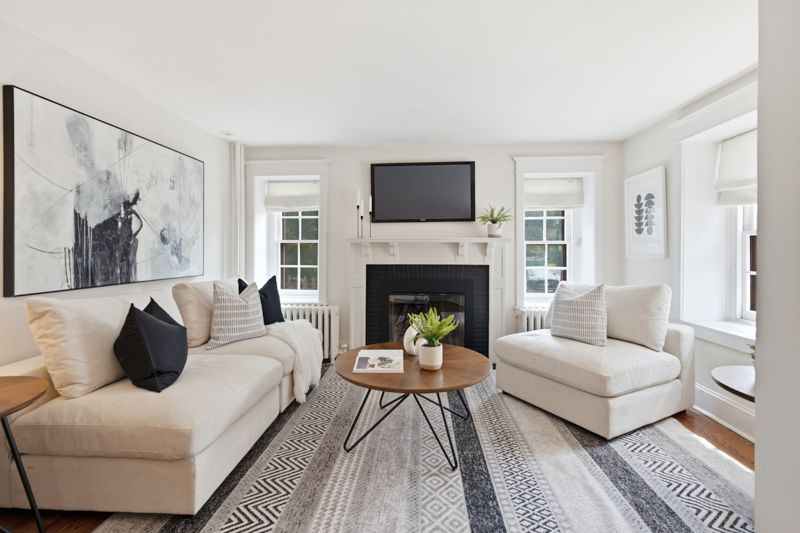
    One of the bedrooms in the Bryn Mawr home features large windows to let in the light. Brendan Farrell

    The four-bedroom, two-bathroom house spans 1,762 square feet.

    Monroe, an ordained Presbyterian minister who mostly worked as a hospice chaplain, said she had considerable renovations done, mostly on the first and second floors.

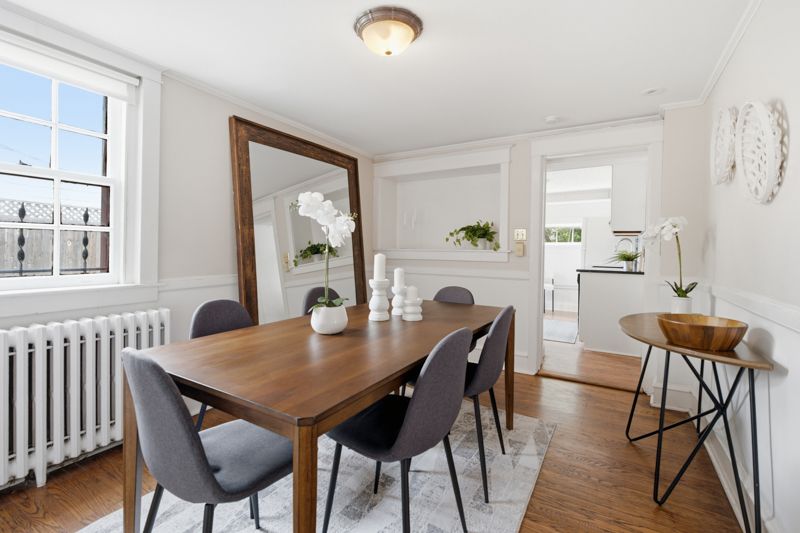
    The house, has a gated front porch, original hardwood floors, and deep-set windows.

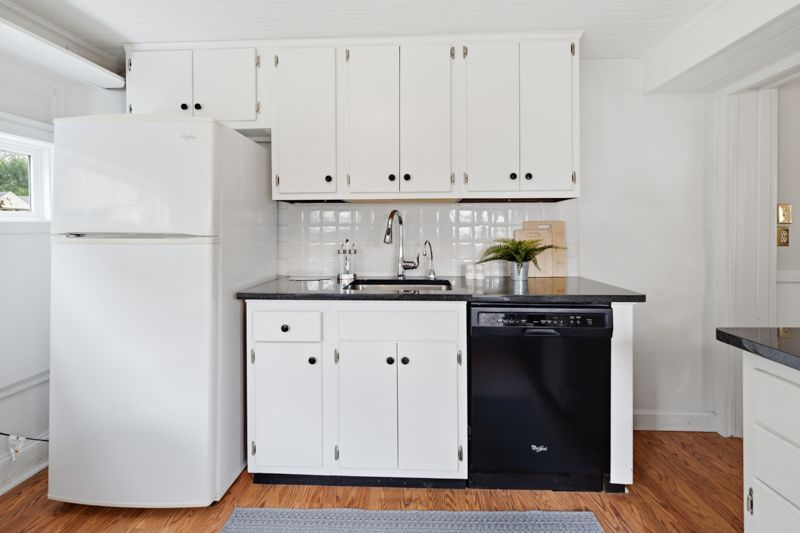
    The kitchen has updated appliances. Brendan Farrell

    The kitchen has white cabinetry, black granite countertops, and updated appliances.

    The living room has a working gas fireplace.

    Each of the two second-floor bedrooms has its own sitting room, which could be used as a home office, reading room, art studio, or playroom.

    A working gas fireplace is a highlight of the living room.Brendan Farrell

    The third floor has two additional bedrooms and a hall bathroom.

    There is high velocity central air and 200-amp electrical service.

    There is a private brick patio, a fenced outdoor space, and a detached one-car garage. It is walkable to the Bryn Mawr Regional Rail station.

    The dining room can fit a table for six.Brendan Farrell

    And “it’s walkable to the Wawa,” Monroe joked. And since the parking lot there is often congested, “I thought that this might be a selling point.”

    The house is in the Radnor School District.

    It is listed by Colleen Whitlock and Brianna Golden of Keller Williams Main Line for $699,000.

  • This Philly chef goes crabbing in Sea Isle City every year

    This Philly chef goes crabbing in Sea Isle City every year

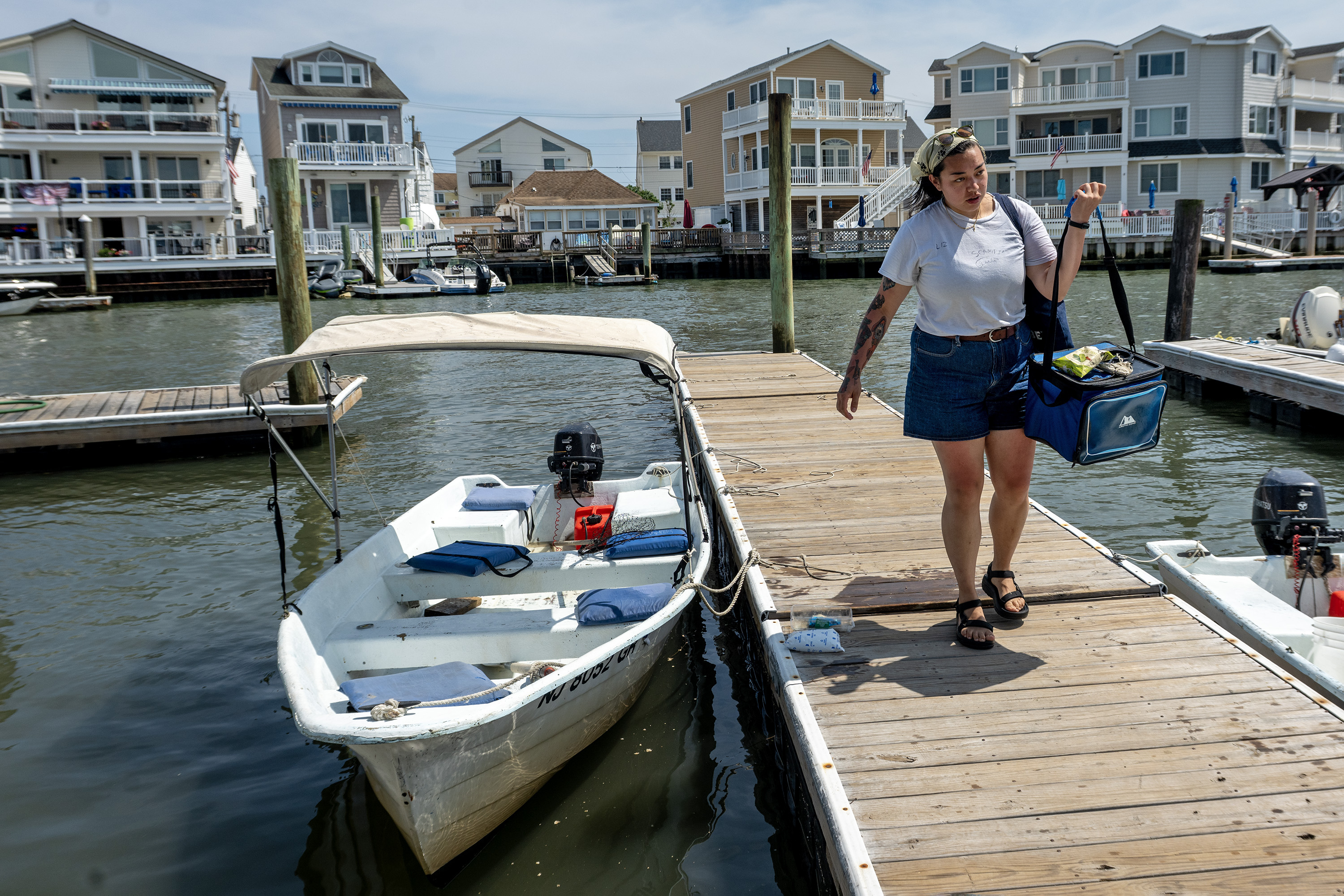
    Sitting on a skiff on the bay in Sea Isle City, chef Liz Grothe slowly pulled up a submerged string from the lapping waters while holding onto a half-eaten Wawa hoagie.

    On the string, a blue crab emerged, clinging to the severed fish head at the end of the bait holder, called a handline. The crustacean was too small for New Jersey’s recreational size minimum (3 inches long), Grothe and her companions determined. With a sigh, she dropped the crab back into the water.

    It was an hour into Grothe’s Sunday crabbing expedition, and her crew had already caught a handful of crabs.

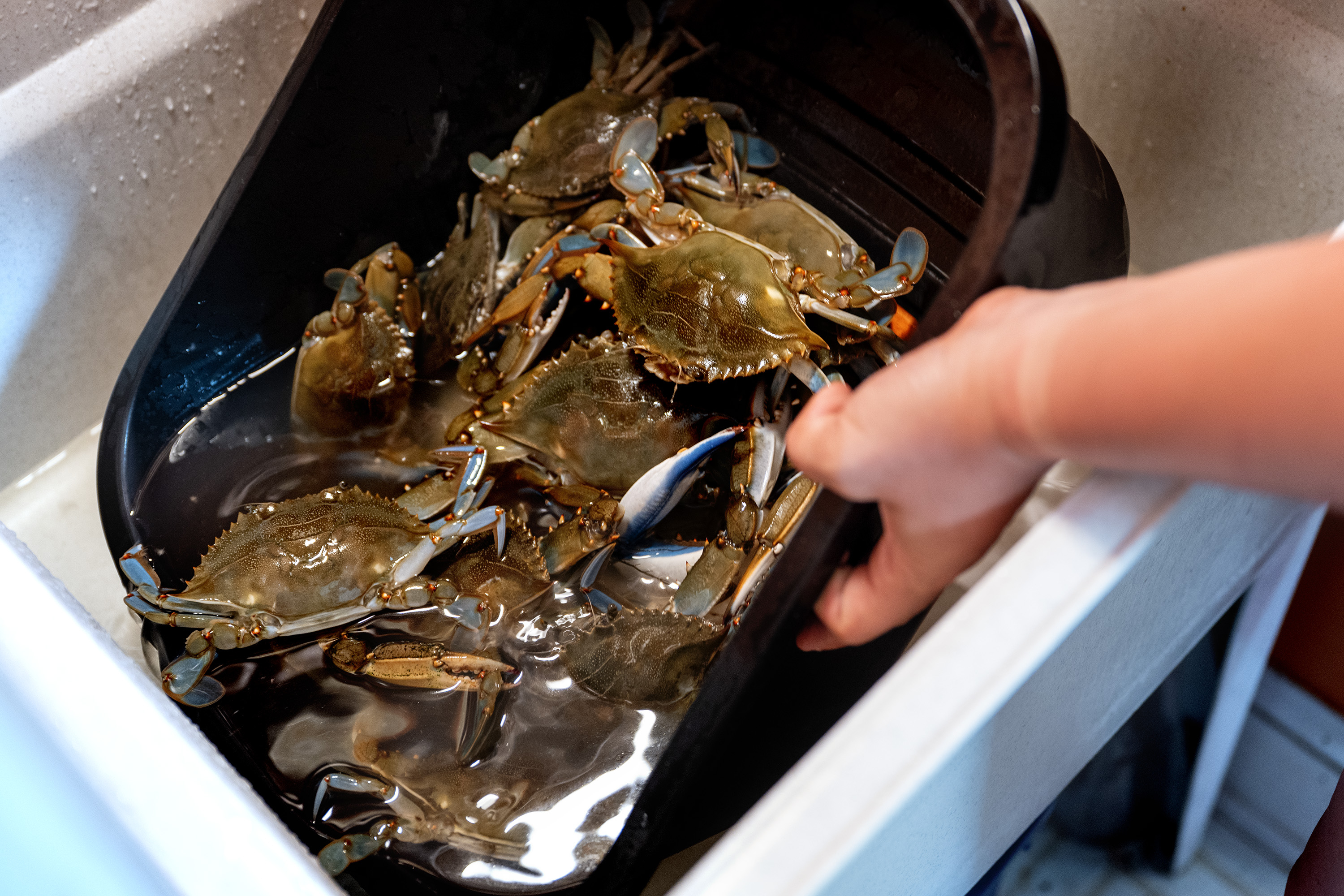
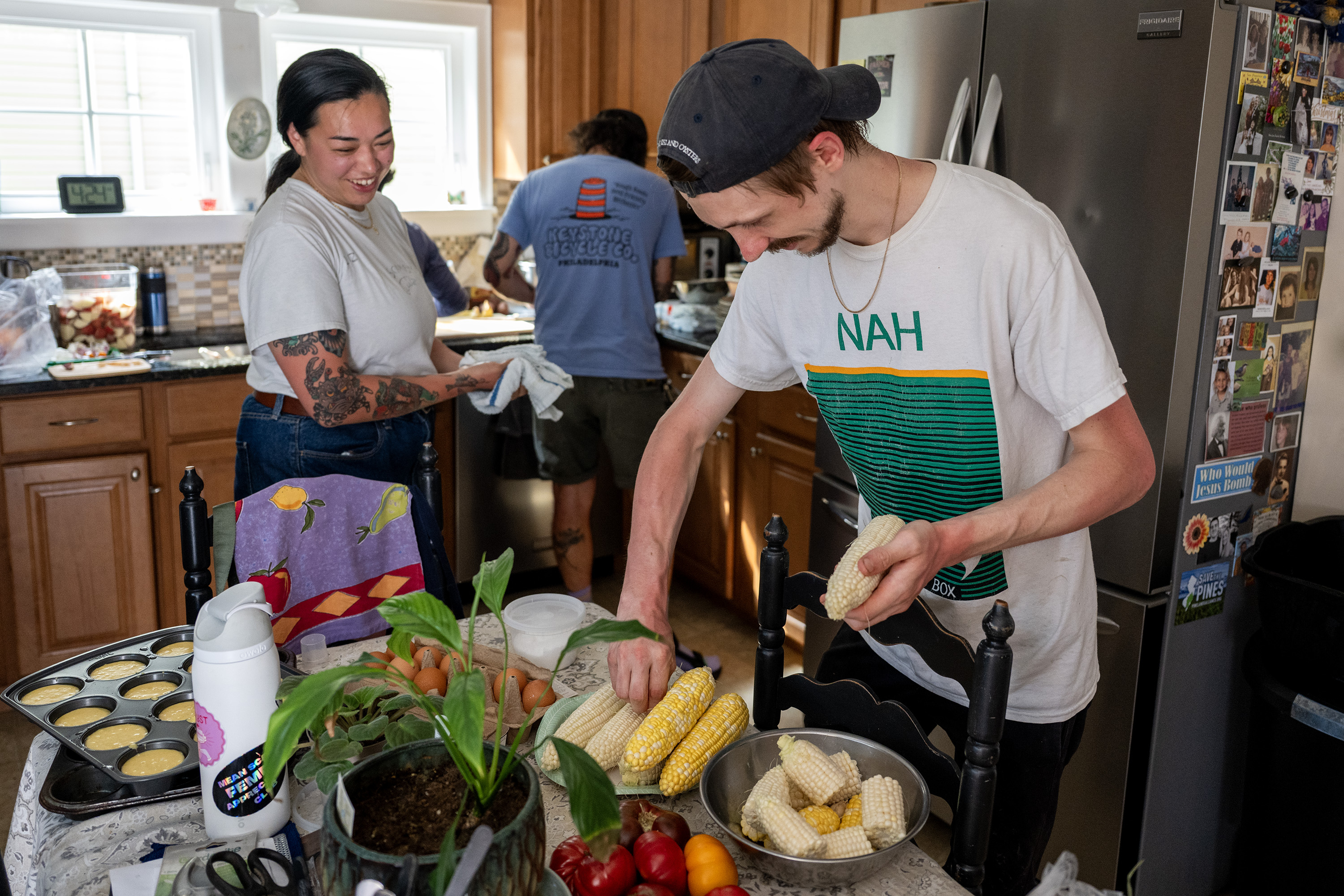
    Chef Liz Grothe washing the day’s catch of grabs in the laundry-room sink of her partner’s family home in West Cape May, Sunday, Aug. 2, 2026. Grothe spent the afternoon crabbing out of Sea Isle City and was making dinner for the family
    Tom Gralish / Staff Photographer

    With bright skies and calm waters that day, she rented two skiffs from Bay Breeze Marina with her partner, Jacob Lance, and Lance’s family to embark on her favorite Shore hobby: crabbing on the bay — and later, cooking up her catch in Cape May.

    “We get all our ‘beach’ time down the Shore at the bay,” Grothe, who owns the Italian-ish Queen Village restaurant Scampi, said. “[The bay] is more like Oklahoma-style waters, where it’s just a shallow lake rather than like the rough seas of the ocean. So this is more my speed.”

    Grothe grew up catching catfish in the creeks of Oklahoma. But it wasn’t until six or seven years ago that an ex-boyfriend introduced her to Sea Isle City’s bay and its crustaceous inhabitants. “He took me on his boys’ excursion, which was crabbing,” she said. “We broke up later — being the kind of girl I am, I stole it. I go to the same place they rented their boats; we do it in the same way I learned.”

    Grothe named her restaurant after a seafood dish, so it’s no surprise she has strong feelings about crabs, the scavengers of the sea. Don’t expect these to show up on her menu, though — they are for personal eating only. The once-a-summer hobby lets her “touch grass, so to speak, and have something to do that’s not the harrowing day-to-day that we deal with in the kitchen,” she said.

    Being close to water was always a priority for her family — Grothe’s mom is originally from the Philippines. Her interest in seafood, however, comes from the love of catching and cooking it. “Eating is just the secondary part of the fun,” she said.

    “I’m in it for the love of the game, not the catch,” she said, while tossing the handline back into the water.

    Bay Breeze Marina rents a boat for $109 for four hours, including gas, cushions, anchor, paddle, cutting board, and a net. The rental also offers a map of the best areas to catch the crabs. It was a no-brainer for Grothe and crew.

    Around 10:30 a.m., she and Lance took one boat, and Lance’s brother and sister-in-law hopped into their own. (Grothe and Lance’s boat didn’t have a bucket, so they improvised, throwing their crabs into a cooler.)

    For four hours, the crew tossed their baited handlines in various areas of the bay — deep waters, shallow areas, just off the coast — to catch as many crabs as they could. They found that chunky pieces of bait — like the trout head — were the best lures.

    Chef Liz Grothe (left) as her partner Jacob Lance preps the corn at his mother’s home in West Cape May, Sunday, Aug. 2, 2026. They spent the afternoon crabbing out of Sea Isle City and were making dinner for the family
    Tom Gralish / Staff Photographer

    “What kind of music do crabs like?” Lance asked the group. “They don’t seem to be digging country.”

    “Crabs are chaos; try house music,” Grothe said. “I could see them vibing to it.”

    But Daft Punk and Prince were the “certified crab bangers,” as Grothe put it.

    By the end of the excursion, the crew caught more than a dozen crabs of varying sizes. After docking their skiffs, Grothe assessed which crabs were too small to keep and dropped those back in the water.

    Left with 14 crabs, the crew decided to supplement their haul with other catch for a big boil. They stopped by the fish market at the Lobster House in Cape May to pick up mussels, shrimp, and clams before heading to Lance’s mom’s house in West Cape May, where the live crabs were washed and tossed into the boiling water.

    The key to cooking a crab boil, according to Grothe: a lot of Tony Chachere’s Creole Seasoning. “Maryland and up, people use Old Bay. But if you go south, those who know reach for Tony Chachere’s,” said Grothe, shaking a big container of it into a pot inside the Lances’ kitchen. “Tony is a saltier, spicier, better Old Bay,” Lance added.

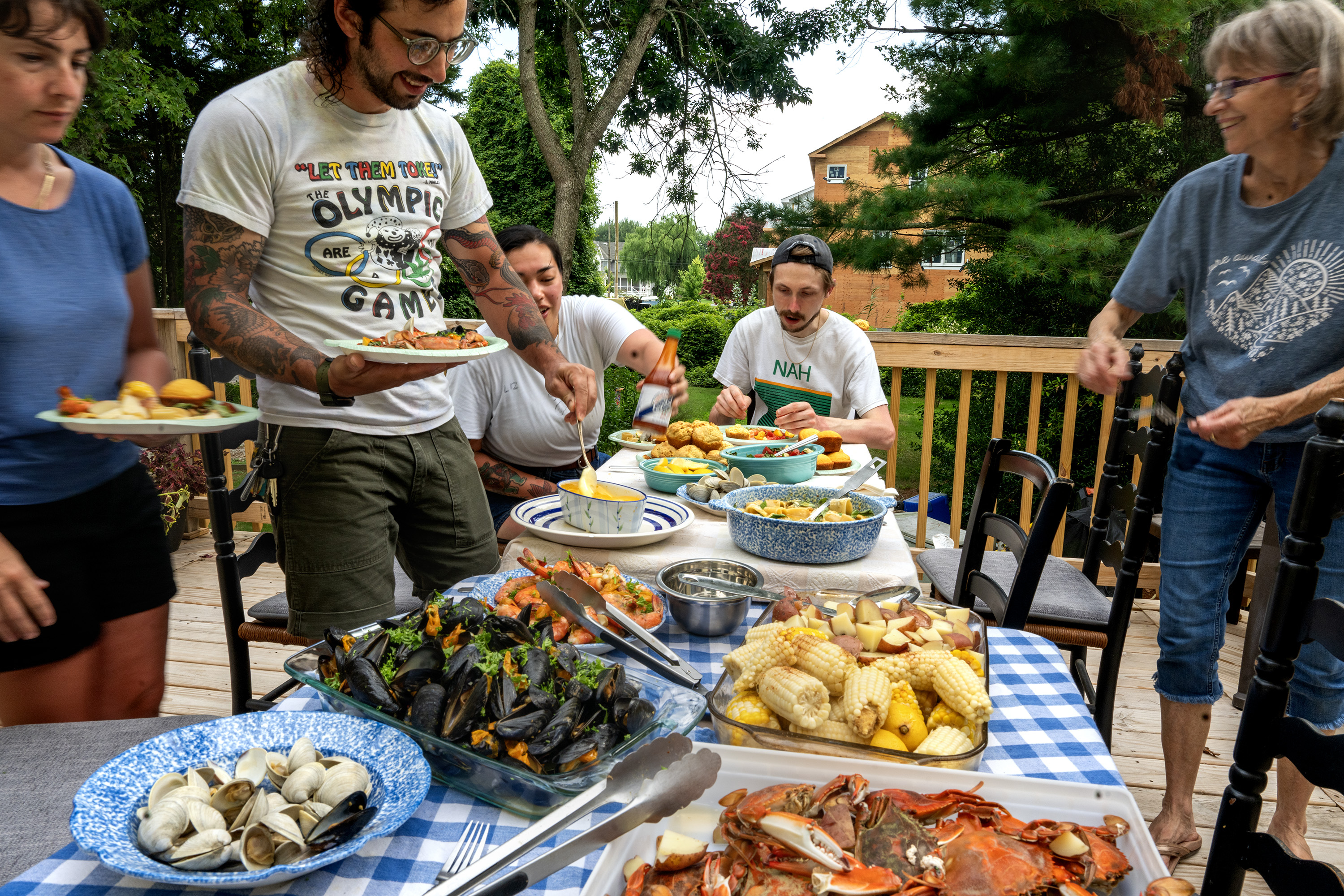
    Family members fill their plates at dinner by Liz Grothe, of Scampi, at her partner’s family home in West Cape May, Sunday, Aug. 2, 2026, after an afternoon crabbing out of Sea Isle City.Tom Gralish / Staff Photographer

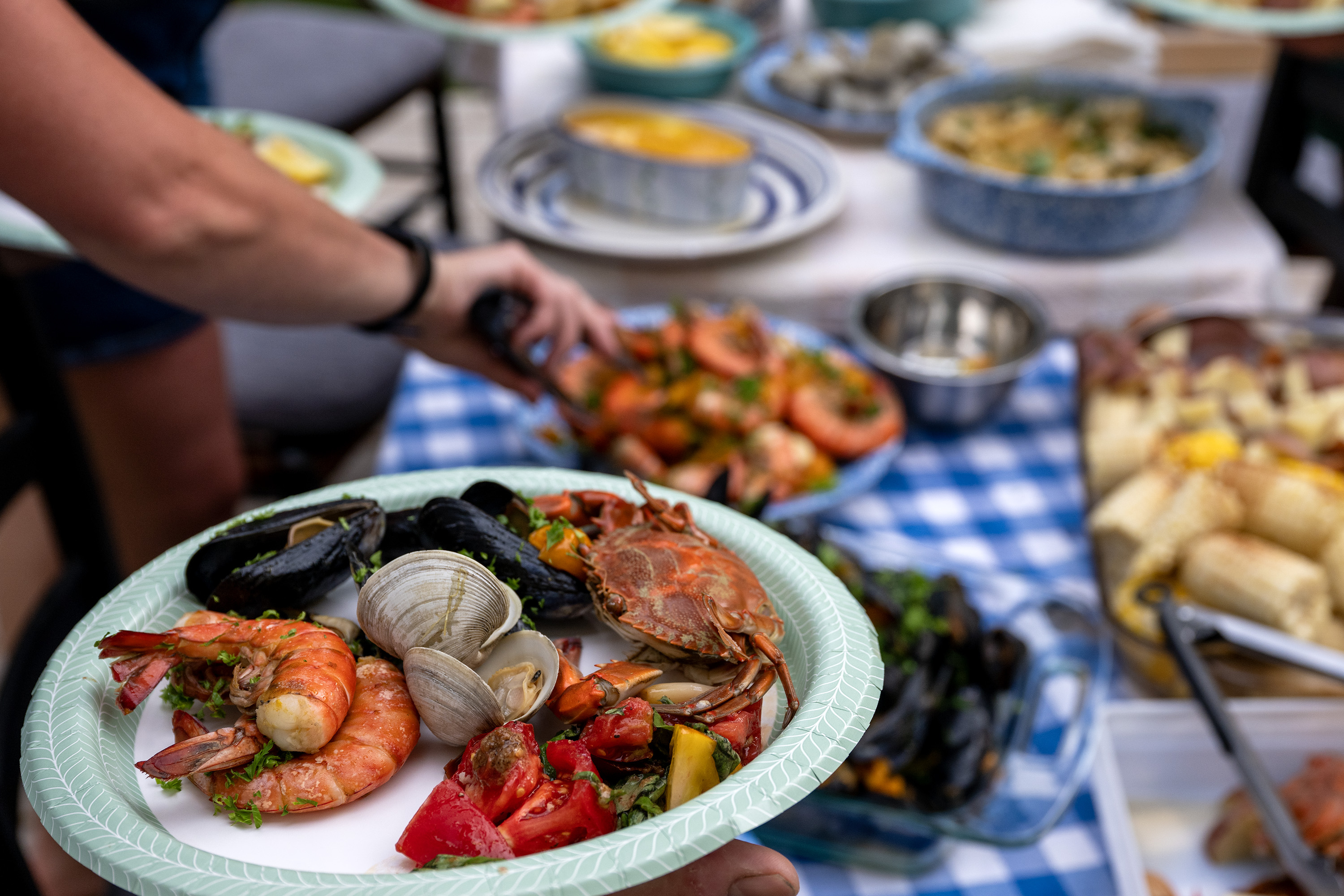
    By 5:30 p.m., the table was set with plates of steamed mussels, poached and steamed shrimp with a sungold tomato broth, calamarata pasta, boiled crabs and clams, gluten-free and regular cornbread, and tomato salad. The menu was prepared with leftover ingredients, including sungold tomatoes, basil, and butter from Scampi — “things that were going to go bad and that we had excess of, just a little something to share with the crew.”

    After an almost seven-hour expedition, Grothe and the Lances settled down on the backyard patio, cracking crabs and enjoying the fruits of their labor.

    “If you’re gonna go crabbing, that’s gonna be your activity for the day — you catch them, and then you gotta deal with them,” Grothe said.

    “Doing something that is very labor-intensive, sharing a part of me with other people that’s fun and interesting — even if it’s not the most industrious or profitable thing — is what I love about cooking,” Grothe added. “Just bringing the family together and showing them that I care via doing this stuff makes me feel good.”

    Chef Liz Grothe of Scampi (rear, center) and her partner Jacob Lance eat dinner at his mother’s house in West Cape May, Sunday, Aug. 2, 2026. At left are Lance’s brother and sister-in-law Shmem Rose and Zachary Rachelle, and on the right is his mother, Christina Johnson.Tom Gralish / Staff Photographer
  • Welcome America Inc.’s new interim CEO is local PR executive Nicole Cashman

    Welcome America Inc.’s new interim CEO is local PR executive Nicole Cashman

    Welcome America Inc., the nonprofit behind Philly’s Wawa Welcome America festival, has named Philly public relations executive Nicole Cashman as its interim CEO.

    The founder and CEO of communications firm Cashman & Associates, Cashman will follow Michael DelBene, who served as CEO since 2019 and grew the July Fourth festival and other large-scale events to new heights and a wider audience. DelBene left the organization earlier this year.

    Cashman & Associates has worked with Welcome America Inc. for 25 years as its marketing and communications arm. This long-standing relationship and intimate knowledge of the organization led to the decision to name Cashman as the new CEO, officials said.

    “Nicole has spent her career helping tell Philadelphia’s story and bringing people together around the experiences that make our city extraordinary,” said Mayor Cherelle L. Parker, who chairs the Welcome America board of directors. “Nicole understands the important role Welcome America plays in our city, creating moments that bring together our communities, welcome visitors, and showcase Philadelphia on a national and international stage.”

    Fireworks over the Philadelphia Museum of Art and the statue of George Washington at Eakins Oval during the Wawa Welcome America Festival on July 4, 2023 following a free concert featuring Demi Lovato and Ludacris on the Benjamin Franklin Parkway.

    Cashman founded her agency in 2001 and has accumulated a portfolio of some of the city’s high-profile agencies and events, including Comcast, Adventure Aquarium, and Philabundance. She has also served in leadership roles at Atlantic City Alliance and Visit Philadelphia.

    The PR exec will join Welcome America as it transitions between CEOs and prepares for the coming year’s slate of celebrated civic events and cultural experiences. Welcome America is a public-private partnership that receives city and state funding as well as corporate sponsorships. Parker and City Councilmember Mark Squilla are board members.

    “I have had the privilege of working alongside Welcome America for 25 years and have seen firsthand the extraordinary impact this organization has on Philadelphia and the region,” Cashman said. “… Welcome America means a great deal to me, and I’m excited to help guide it through this next chapter as we reimagine the organization for 2027 and beyond.”

    Welcome America will look for a permanent CEO, Cashman said, as she will not fill the position long term, just during the period between DelBene and the nonprofit’s next executive leader.

    “Michael set the bar high. He was great to work with and I have enormous respect for what he accomplished — I want to build on that success,” Cashman said.

    She will enter the role on the heels of the city’s decision this year to take over Philly’s Fourth of July concert and fireworks from Welcome America for the first time since 1993. The Parker administration ended up paying around $12 million more for its July Fourth concert than Welcome America’s $3 million budget of years past. Parker’s “One Philly: Unity Concert for America,” a reference to her “One Philly: A United City” slogan, was slated to go much later into the night than previous years — a move some residents criticized as “not a family-friendly decision.”

    Despite storm delays pushing the celebration into the early hours of July 5, ending around 2:50 a.m., the crowds that stayed experienced Will Smith, the Roots, Meek Mill, and an extravagant fireworks display.

    Cashman could not say who would run 2027’s Fourth of July concert but did say Welcome America would surely be a part of the 16-day festival thrown each year.

    Besides the Fourth of July festival, Welcome America also oversees the city’s official holiday tree in Dilworth Plaza. The 55-foot concolor firs, planted decades ago and brought into Philly each December, serve as a meeting place for holiday shopping and traditions, amid the Christmas Village and other attractions scattered around City Hall.

    This holiday celebration is what Cashman and Welcome America are moving full steam ahead on, with planning already underway, she said.

    “We know how important this level of programming around the holidays is to the city, our partners, the public, and visitors,” Cashman said. “So I’m really focusing on finalizing those plans, and that is our primary focus for the remainder of 2026.”

  • Wawa’s new Phanatic smoothie tastes like a ‘World Series win with a sprinkling of Mets tears’

    Wawa’s new Phanatic smoothie tastes like a ‘World Series win with a sprinkling of Mets tears’

    As Philly guys go, the Phanatic is one suave dude. His gyrating belly, chameleonlike tongue, and ability to burn our opponents without uttering a single word have charmed generations of Philadelphians.

    Now, this smoothie operator has a smoothie all his own and it tastes like the tears of our rivals — sweet, salty, and delicious.

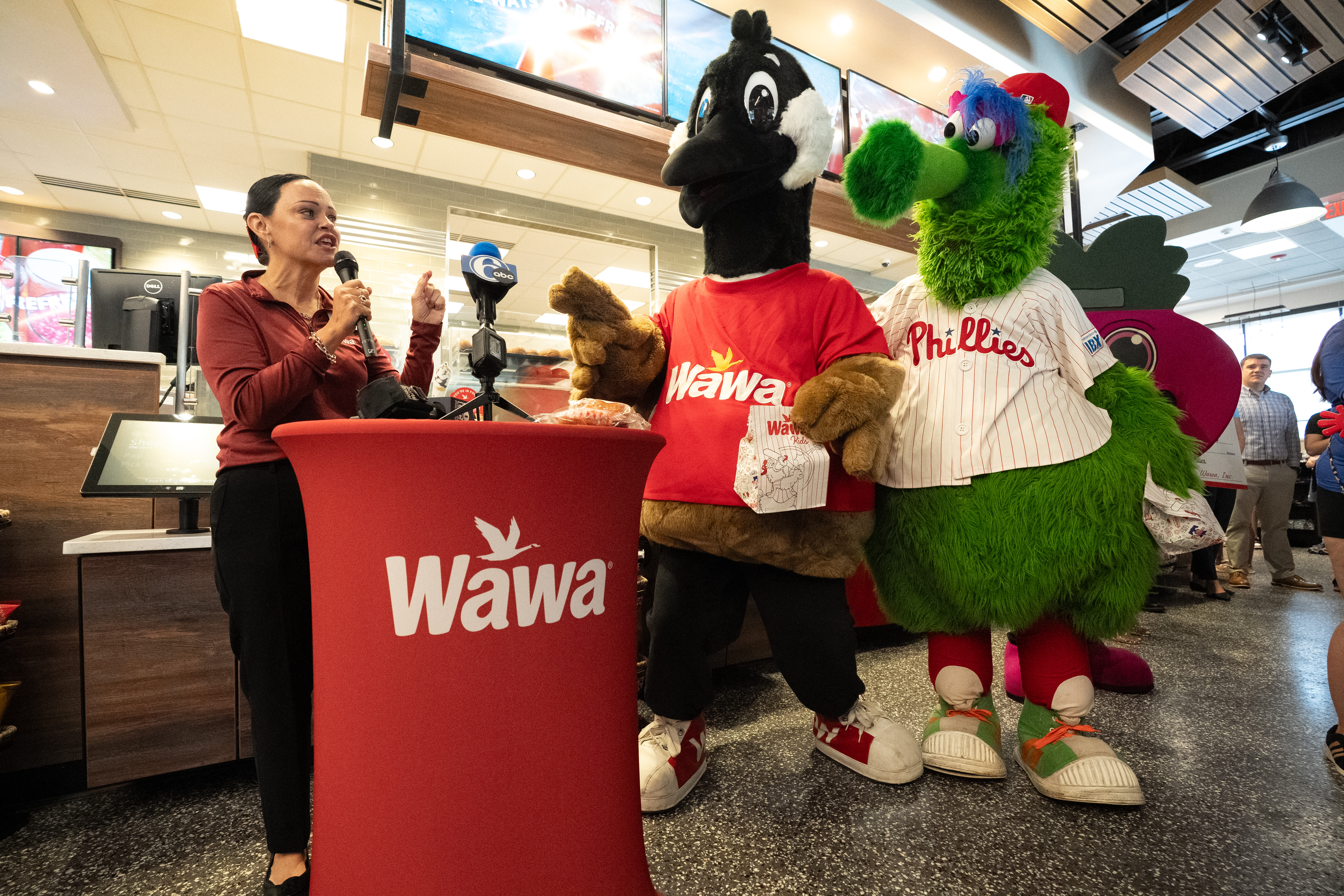
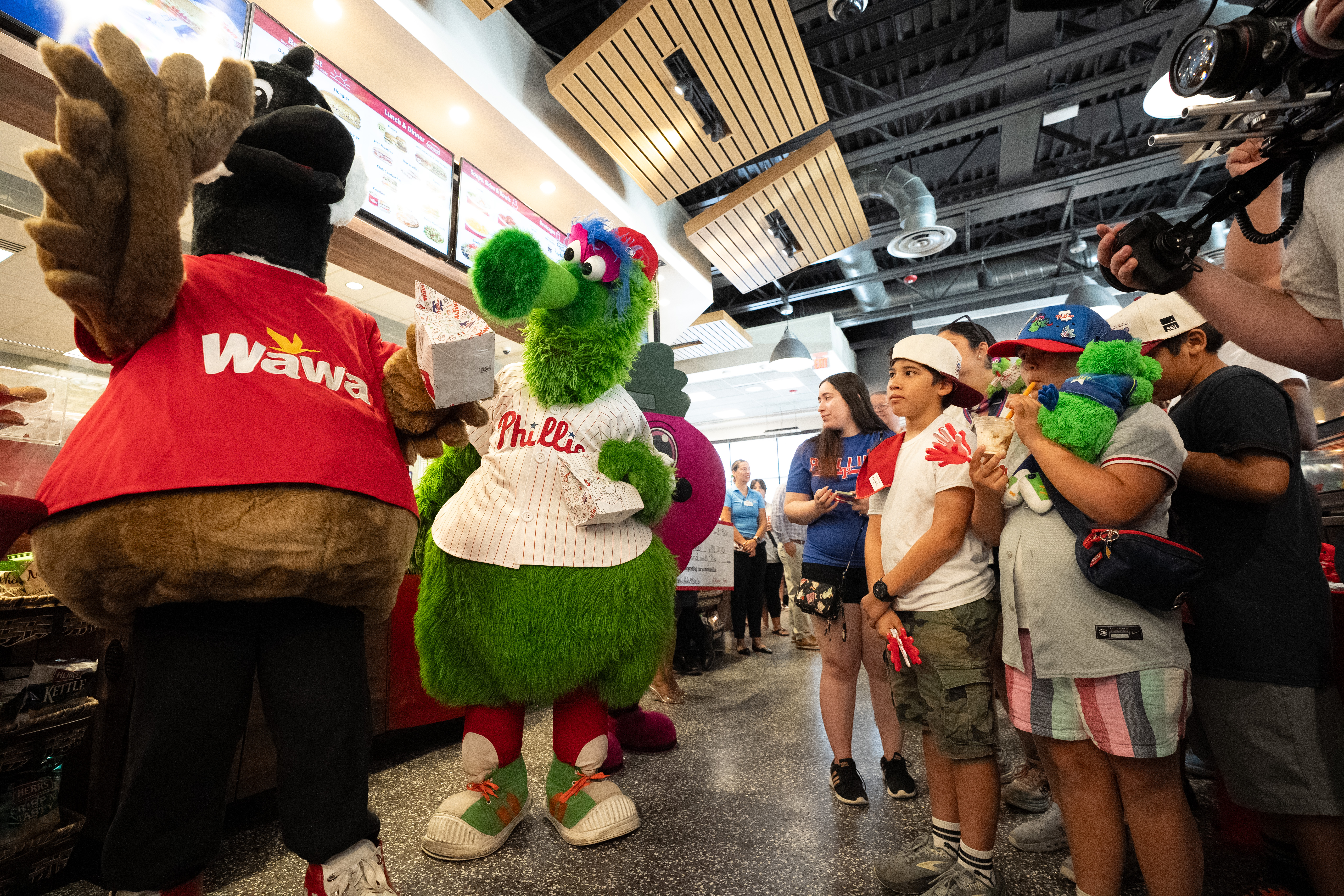
    Kim Rodriguez, Wawa manager, along with the Wawa mascot Wally Goose and the Phillie Phanatic in Philadelphia on Aug. 17, 2026.Jessica Griffin / Staff Photographer

    Wawa debuted its new, limited-edition Phanatic Caramel Curveball Cream Smoothie during an event at the chain’s Penrose Avenue store Monday that was part news conference, part pep rally, and perfectly preposterous.

    Fans packed the store — for what, they weren’t exactly sure — they just knew it would be a chance to “hang with the Phillie Phanatic and Wally Goose,” according to Wawa’s Facebook page for the event.

    The two-birds-one-store offer was enough to bring out a flock of more than 75 people dressed in Phillies, Phanatic, and Wawa gear, including sisters Elizabeth and Jennifer Bertolet of Doylestown. They arrived 90 minutes before the event and decided that whatever was about to happen, it was “going to be awesome.”

    “Wally is going to be here and the Phanatic is going to be here. Why wouldn’t we be here?” Elizabeth Bertolet said.

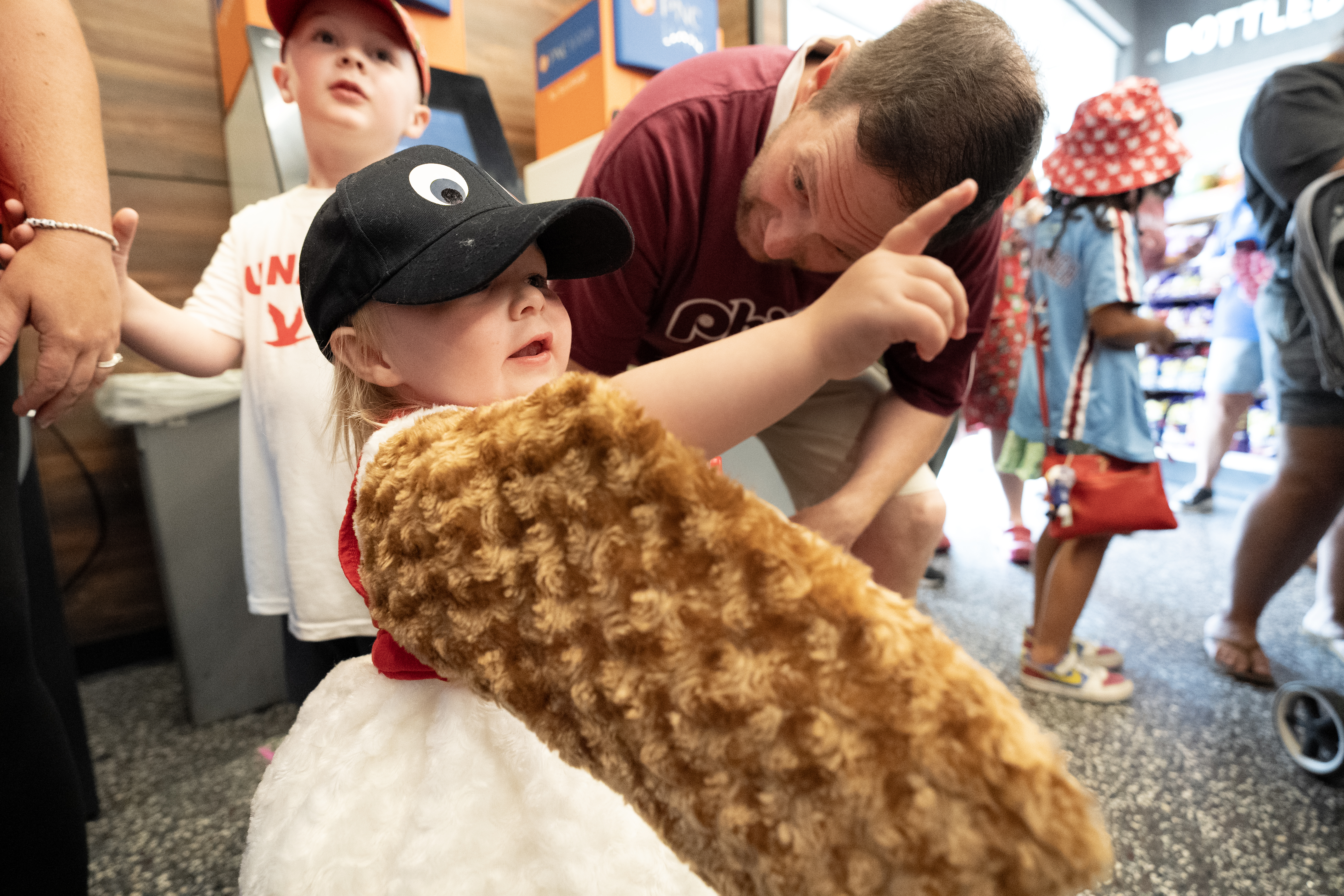
    Maggie McNulty, who is dressed as Wally Goose, and her father, Glenn McNulty, attend an event at Wawa’s Penrose Avenue store celebrating the partnership between the Phillies and Wawa. Jessica Griffin / Staff Photographer

    Justin Tichy, chief operations officer for Wawa, announced during his remarks that the smoothie is part of a new partnership between Philly’s hometown baseball team and its hometown convenience store.

    Fans at Friday’s Phillies’ game against the St. Louis Cardinals will receive a Wawa Kyle Schwarber bobblehead, samples of the Phanatic smoothie, and a chance to see Wally Goose throw out the first ceremonial pitch.

    When asked how he’s feeling about taking the mound, Wally shuddered with nervous energy then practiced his pitching wing.

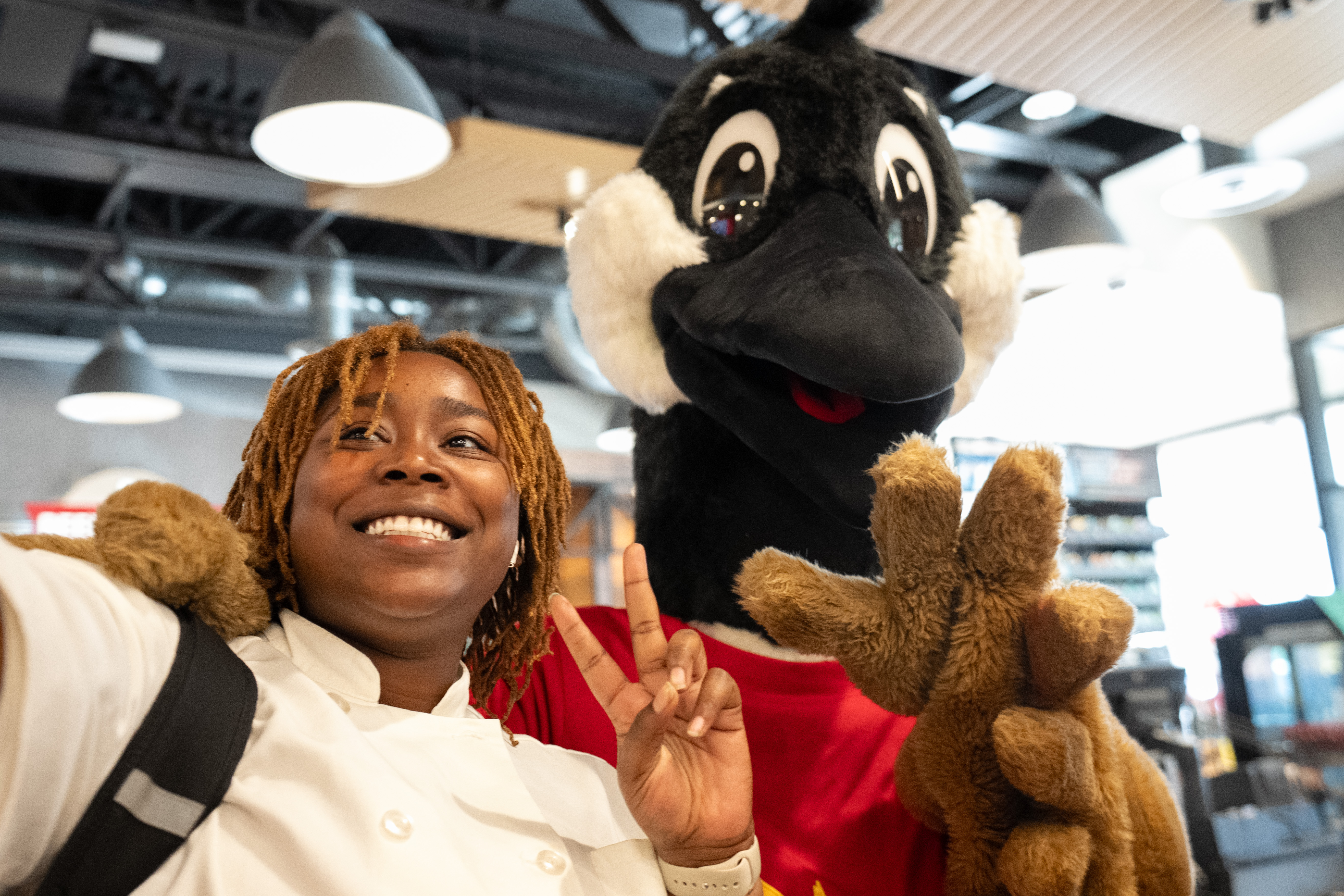
    She Willians, of Job Corps culinary, and the Wawa mascot Wally Goose at Wawa’s Penrose Avenue store Monday. Jessica Griffin / Staff Photographer

    Perhaps he’ll throw a curveball like Wawa did by not making its Phanatic smoothie green. A source said it’s because the Phanatic is unlikely to put anything green in his smoothie, which 100% tracks. You don’t get that bouncy belly by drinking kale.

    When asked what he thought about the new drink bearing his name, the Phanatic raised his arms overhead then circled his belly around in approval.

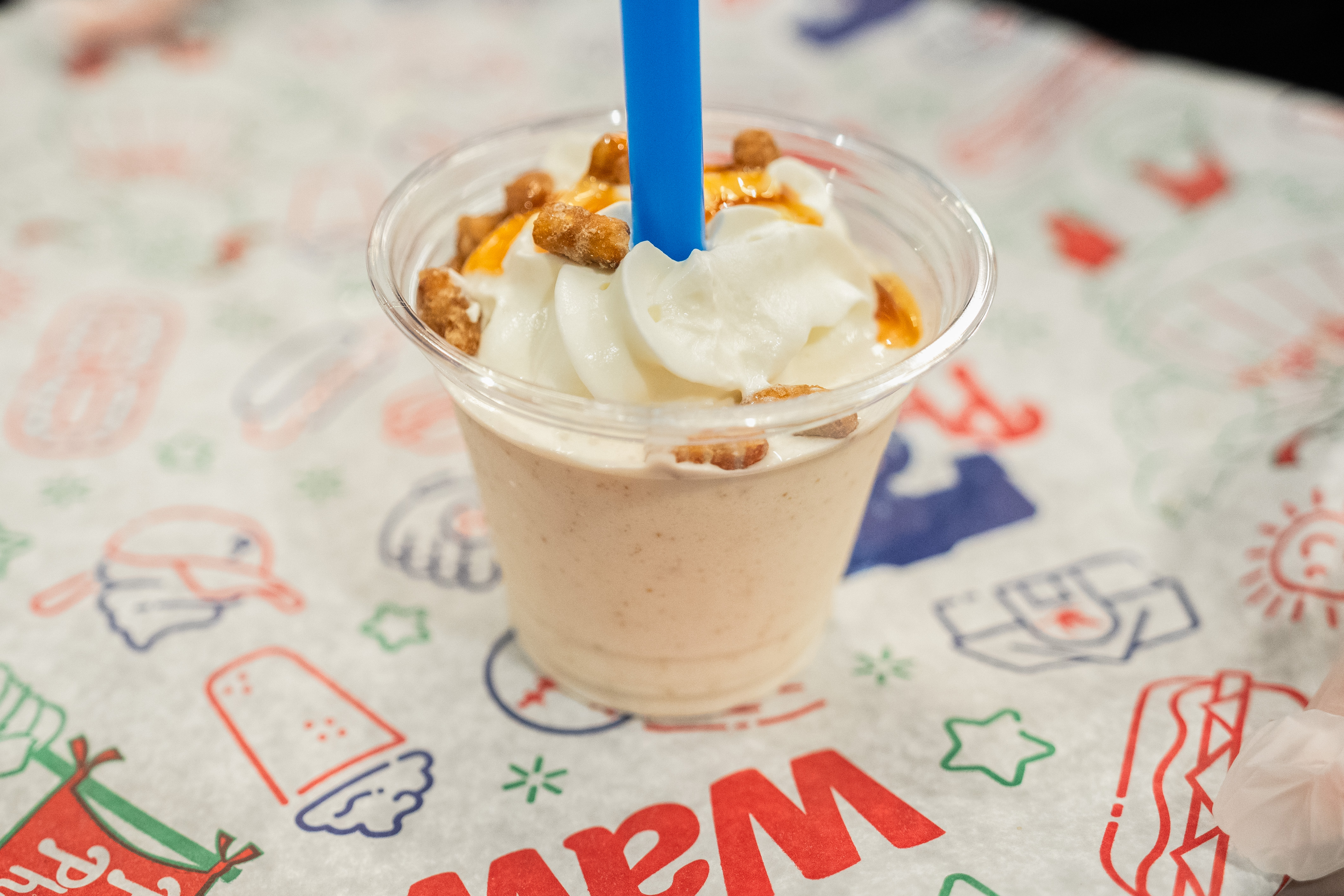
    The smoothie is made with vanilla ice cream, caramel sauce, whipped cream, salted caramel syrup, and sea salt pretzel pieces. It comes in a limited-edition cup featuring the Phanatic’s eyes and the tip of his snout and it only comes in one size — phanatically large — clocking in at 970 calories.

    The new Phanatic smoothie

    [image or embed]

    — Stephanie Farr (@farfarraway.bsky.social) August 17, 2026 at 1:39 PM

    Zack Sminkey of Woodstown, N.J., who wore a matching red shirt-and-shorts combo featuring repeating patterns of the Phanatic, brought his 7-year-old daughter Zoe to the event. Both approved of the new smoothie in the big green guy’s honor.

    “It’s really good. It’s very ballpark-tasting,” Sminkey said. “I almost feel like it tastes like Cracker Jacks. It’s delicious.”

    Jennifer Bertolet described it another way as she and her sister toasted their free samples of smoothie.

    “It tastes like World Series win with a sprinkling of Mets tears,” she said.

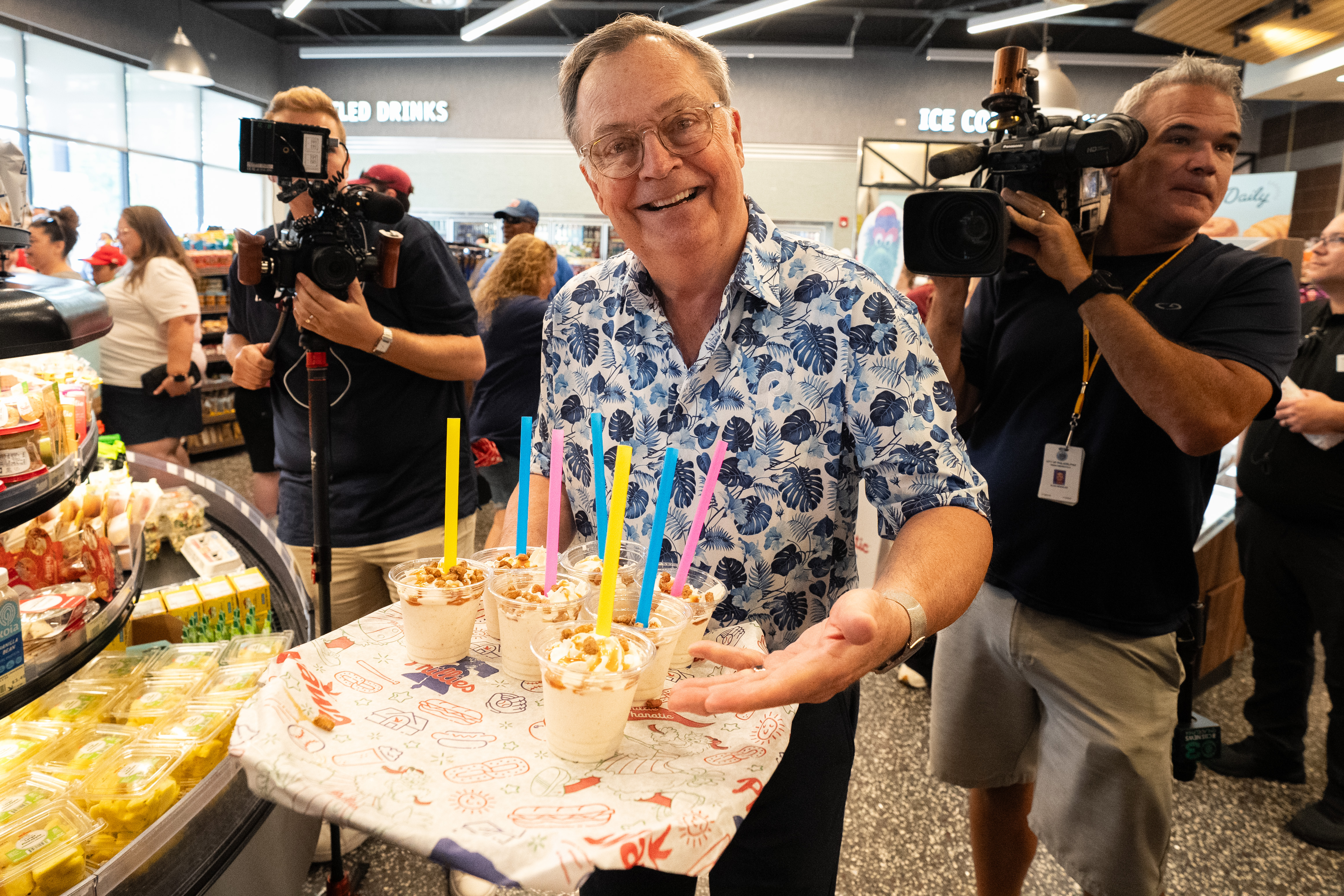
    Phillies ambassador Scott Palmer with a tray of new Wawa limited-edition Phanatic Caramel Curveball Cream Smoothies.Jessica Griffin / Staff Photographer

    When Wawa released a limited-edition Gritty Smoothie in the spring in honor of Philly’s prince of chaos, it was only a matter of time before the OG mascot king got one of his own, too.

    The partnership between Wawa and the Phillies solidified Wawa as the team’s official hoagie in June. Wawa hoagies now come wrapped in Phillies-themed paper, and the chain is selling red-and-white striped Phillies doughnuts and Phillies-themed kids meals, which come with stickers of the Phanatic and Wally Goose. A portion of the proceeds from the kids meals go to Philabundance.

    In turn, Wawa has an increased presence at Citizens Bank Park with new advertising and ballpark activations.

    Wally Goose and the Phillie Phanatic represent Wawa and the Phillies at a news conference on Monday about their recently-announced partnership. Jessica Griffin / Staff Photographer

    But the Phillies and Wawa were in a situationship long before they made things official this summer. Whenever the Phillies make the playoffs, Wawa brings back its Kyle Schwarber-themed Schwarberfest, a Hoagiefest spinoff featuring discounted hoagies. And in 2024, Bryce Harper was fined by MLB for showing his love for the chain by wearing custom-made Wawa cleats and a headband during a game.

    The Phillies and Wawa collaborations, including the Phanatic smoothie, will be available at stores in the region through Sept. 28.

    No word on if the offers will be extended in the event of a Red October.

    Today while interviewing a woman inside of a Wawa whose baby was dressed like Wally Goose, I was surprise-attacked from behind by the Phanatic, who put me inside of his shirt.

    That is a sentence only a Philly journalist could write – and believe and live through.

    [image or embed]

    — Stephanie Farr (@farfarraway.bsky.social) August 17, 2026 at 1:26 PM

  • New Trump-promoted Freedom Fuel station pops up in Philly. Another could be shut down.

    New Trump-promoted Freedom Fuel station pops up in Philly. Another could be shut down.

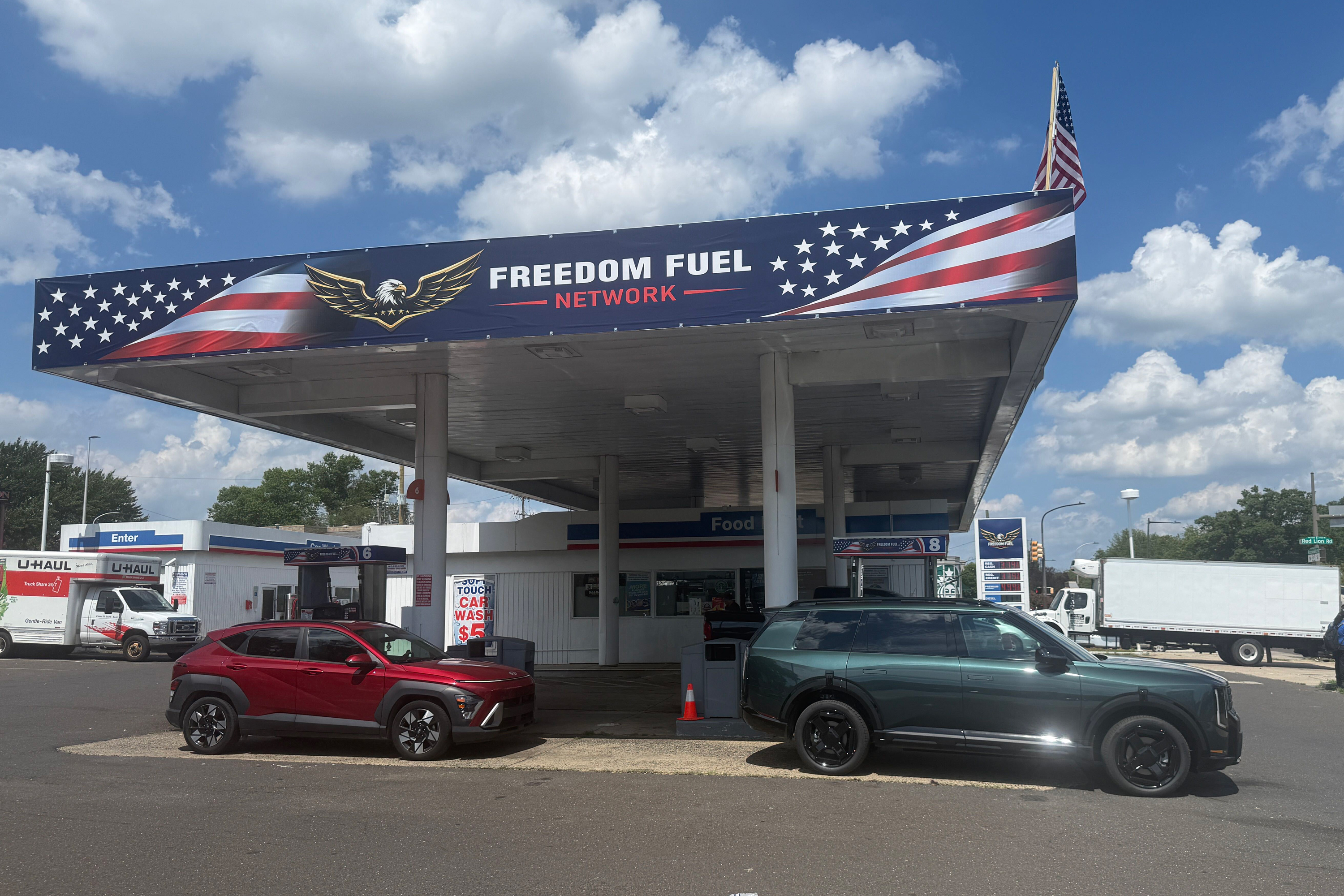
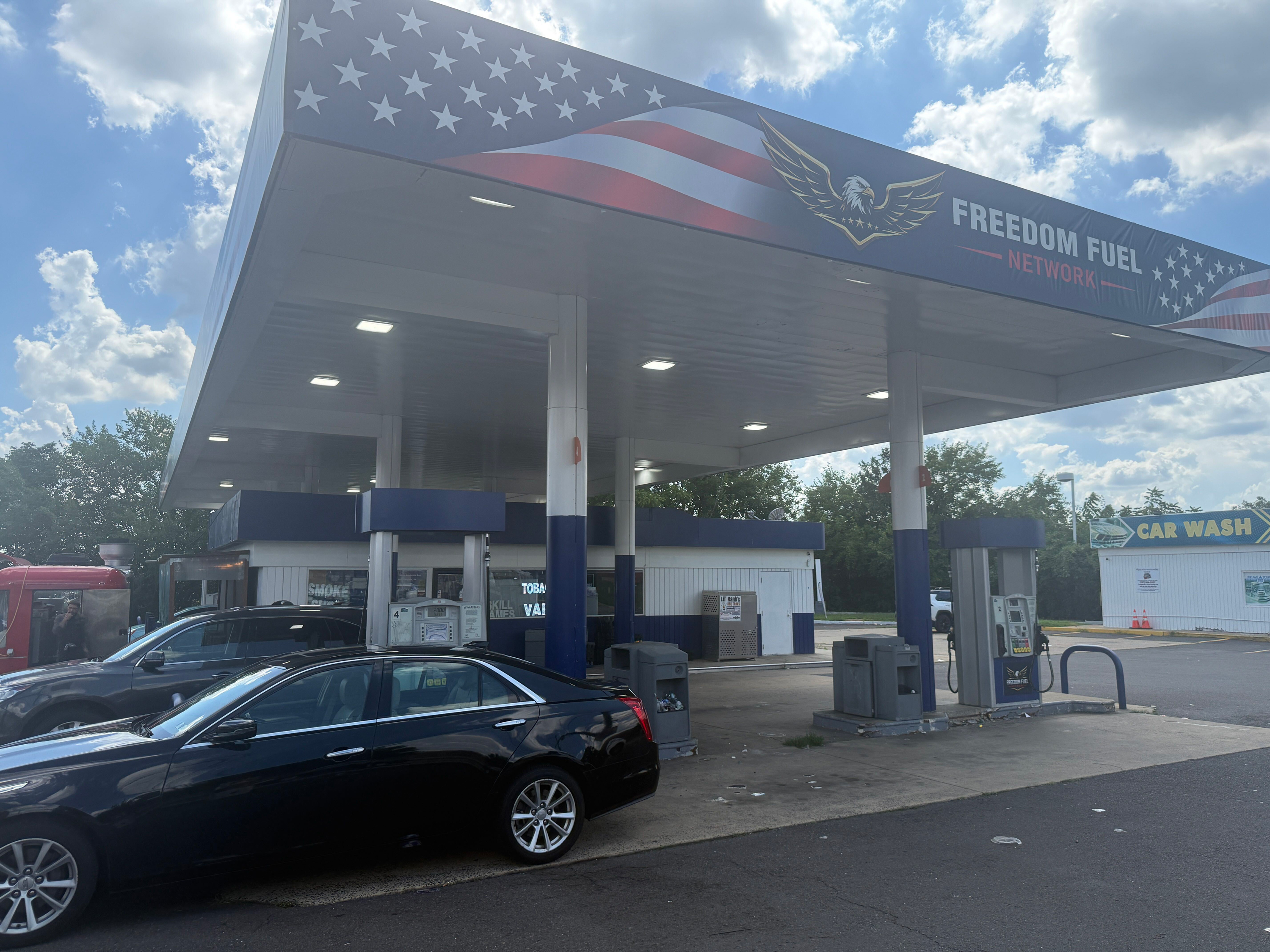
    Philadelphia drivers looking to save a few bucks at the pump streamed into the city’s newest Freedom Fuel station Friday afternoon, even while the station’s deep discounts remain a mystery.

    The station, located in Bustleton on Roosevelt Boulevard, is one of four new Freedom Fuel locations added this week. The other three are in New Jersey, including one all the way up in Morris County.

    The gas network, which was promoted by both the White House and President Donald Trump last month, is now up to 29 stations across the Philadelphia region, stretching east to the Jersey Shore.

    (function(){function e(){window.addEventListener(`message`,function(e){if(e.data[`datawrapper-height`]!==void 0){var t=document.querySelectorAll(`iframe`);for(var n in e.data[`datawrapper-height`])for(var r=0,i;i=t[r];r++)if(i.contentWindow===e.source){var a=e.data[`datawrapper-height`][n]+`px`;i.style.height=a}}})}e()})();

    Nearly all the pumps were full at Philly’s newest Freedom Fuel spot Friday afternoon, with the station selling a gallon of regular gas for $3.79 a gallon. That’s nearly 35 cents a gallon less than a Wawa just up Roosevelt Boulevard, where a gallon of regular gas went for $4.13 on Friday.

    A nearby Lukoil was a bit closer to Freedom Fuel’s prices, offering a gallon of regular gas for $3.99.

    An enduring mystery remains how Freedom Fuel has been able to consistently offer lower prices than nearby competitors.

    Experts told The Inquirer Freedom Fuel was likely suffering losses for selling fuel at such a low price, especially since many of the company’s stations don’t have robust convenience stores or car washes to create revenue.

    “It becomes unsustainable,” Eliezer Fich, a finance professor at Drexel University’s LeBow College of Business, told The Inquirer last month. “Unless prices go down. But if they do, they go down for everybody.”

    According to public records, the newest Freedom Fuel station is owned by Celik Plaza II l.l.c., which had previously run it under a “Red Lion Fuel” banner. Engin Celik, who is listed as a principal with the company, according to documents reviewed by The Inquirer, did not respond to a request for comment.

    Philly Freedom Fuel station faces closure after failing inspection

    The Freedom Fuel station on Bustleton Ave. in Philadelphia. Dana Munro / staff

    While Freedom Fuel is adding locations, it could soon lose one in Philadelphia.

    The station on Bustleton Avenue, one of at least six locations linked to Cherry Hill developer Shamikh Kazmi and his brother Syed Kazmi, has an expired fuel dispensing license and failed an inspection last week, according to city records.

    If unresolved, the station could be forced to close by Sept. 4, according to a city spokesperson.

    The Kazmi brothers, who have been embroiled in at least two lawsuits related to previous gas station ventures, could not be reached for comment.

    Freedom Fuel owners remain quiet

    Ravens special teams coach Randy Brown signed Freedom Fuel’s formation papers. Terrance Williams

    While Freedom Fuel’s launch was proudly promoted last month by Trump, the company’s owners have remained quiet about the enterprise and how they’re able to maintain low fuel prices.

    A White House spokesperson previously told The Inquirer Freedom Fuel is a private company receiving no government subsidies and not accessing fuel at a lower cost.

    “Freedom Fuel Network is a privately owned and proudly patriotic company — along with its convenience store operators, haulers, sign companies, and operational partners — that answered President Trump’s call to action to lower prices at the pump,” the company said in a statement on its website.

    Baltimore Ravens assistant coach Randy Brown, the former mayor of Evesham Township, N.J., and a self-proclaimed “proud Trump supporter,” signed Freedom Fuel’s certificate of formation in Delaware on June 23. Brown has declined to comment on the enterprise.

    Former commodities trader Yoni Gontownik also signed the certificate of formation, and has not responded to requests to comment. Gontownik and his wife, Bellen, have hosted Republican fundraisers through NORPAC, a New Jersey-based political action committee supporting pro-Israel lawmakers in both parties.

    Staff writer Ryan W. Briggs contributed to this article.

  • Meet the South Jersey business making food carts for Jersey Shore vendors and Disney World

    Meet the South Jersey business making food carts for Jersey Shore vendors and Disney World

    In a country-industrial stretch of Hammonton halfway between Philadelphia and Atlantic City sits a concrete-block maze of machine shops, where workers have built thousands of stainless-steel hot-sandwich and coffee carts and catering trucks.

    This is the one-story home of Custom Mobile Food Equipment, which for 74 years has built these customized portable kitchen-storefronts of varying sizes, and kept them on the road with extra helpings of customer support. They roll onto Jersey Shore boardwalks and Center City street corners, at weeklong public festivals and private events across America, and in fancy resorts and on military bases abroad.

    It’s a South Jersey fixture, with Camden roots and deep Philly ties.

    “We started small,” with hot dog carts cut to fit, not block, city sidewalks, said Custom vice president David Kyle. He said his family helped Philadelphia officials write the city’s street vendor ordinances, and made sure the carts fit.

    Custom has outlasted food fashions and changes in the ways workers lunch. Kyle said he’s confident the enterprise will outlast recent inflation, global competition, and import tariffs: “A lot of our business is repeat business, and the big names we go after,” he said during a tour of the plant. “People rely on us to turn out a product that will last.”

    From pony-cart produce to theme-park fixture

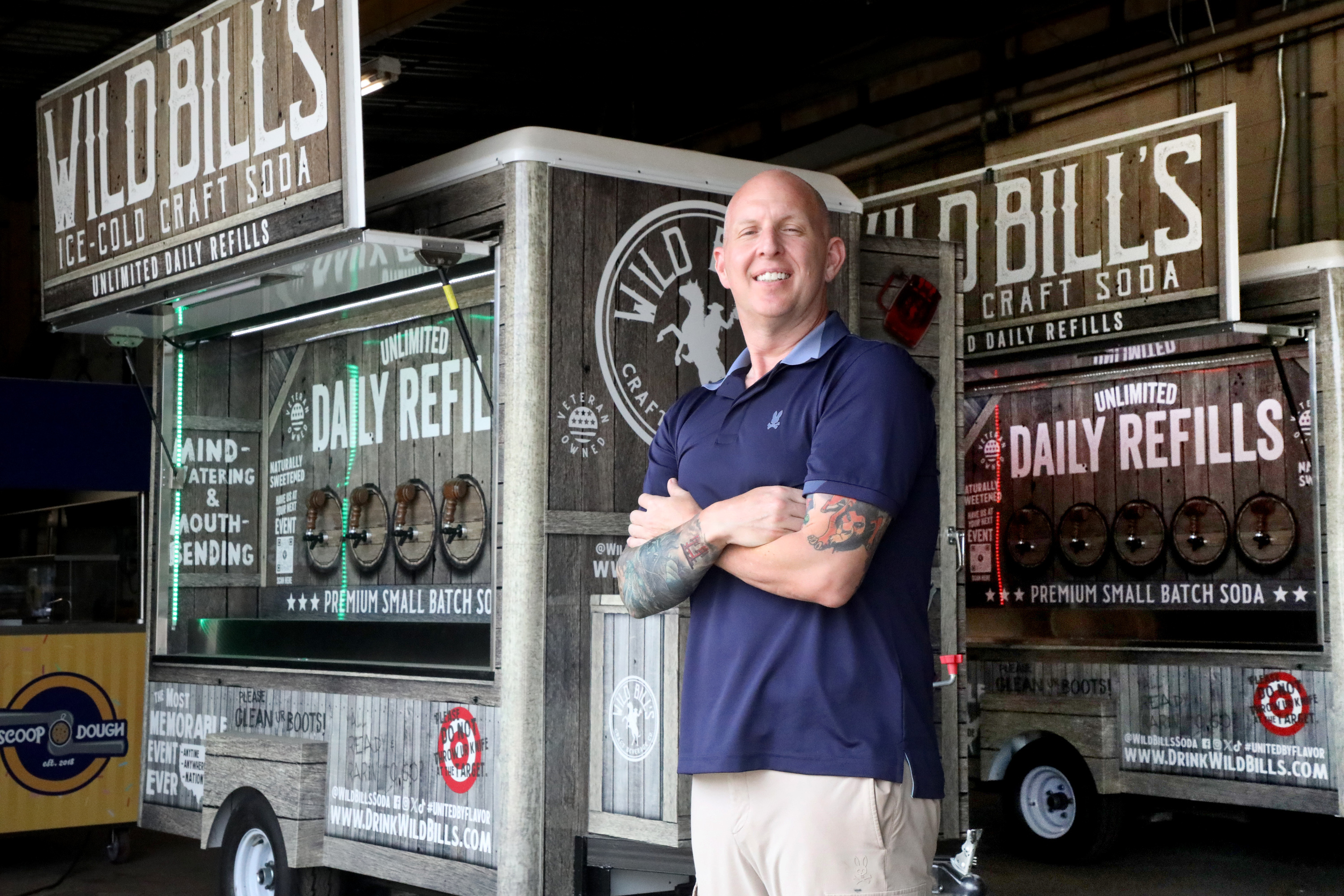
    Lehigh Valley-based Wild Bill’s Craft Beverage Co. serves its old-fashioned sodas from kegs mounted in Custom vehicles of several sizes. They sell drinks at crowded motorcycle rallies in Gettysburg and Sturgis, S.D., the Ohio State Fair, the Great State of Maine Air Show in Brunswick, San Diego Comic-Con, and Schuylkill regattas.

    “These are high-end, unique stands. We have 60 of them. We add a couple a year,” said Wild Bill’s chief executive, Mike Quilty. “One of our franchisees in Utah just drove one of Custom’s self-propelled Ford barrel wagons to Vancouver.”

    To make trips like that, the equipment has to be built well, Quilty said, noting Custom’s “unlimited support” for when technical issues arise, which doesn’t require buying a service contract.

    Custom’s late founder, William Sikora, developed the catering truck in the early 1950s as a kitchen on wheels installed on a Detroit-made chassis. Sikora as a grade-school kid in Camden had sold vegetables from a pony-drawn cart, then opened a grocery. He bought apartment buildings and diners, and became a top officer of First Peoples Bank.

    Walking room to room past heavy presses and cutters on the Hammonton shop floor, Sikora’s grandson Kyle said 40 workers build more than 100 pieces of equipment a year — food trucks, trailers, catering wagons, specialty equipment with kitchen-sized stoves, refrigerators, freezers.

    “We’ve sold to Disney World and SeaWorld, Sesame Place, and U.S. bases in Japan,” Kyle said on a muggy midsummer morning as room fans, metal-forming machinery, and new-cart test motors whirred. “We have 18 projects going right now.”

    Custom built 32 commercial kitchens on caster wheels for Carnival Cruise Line’s Calypso Lagoon in the Bahamas, which opened last year, with rounded bull-nose counters instead of sharp industrial edges to accommodate peak work flow.

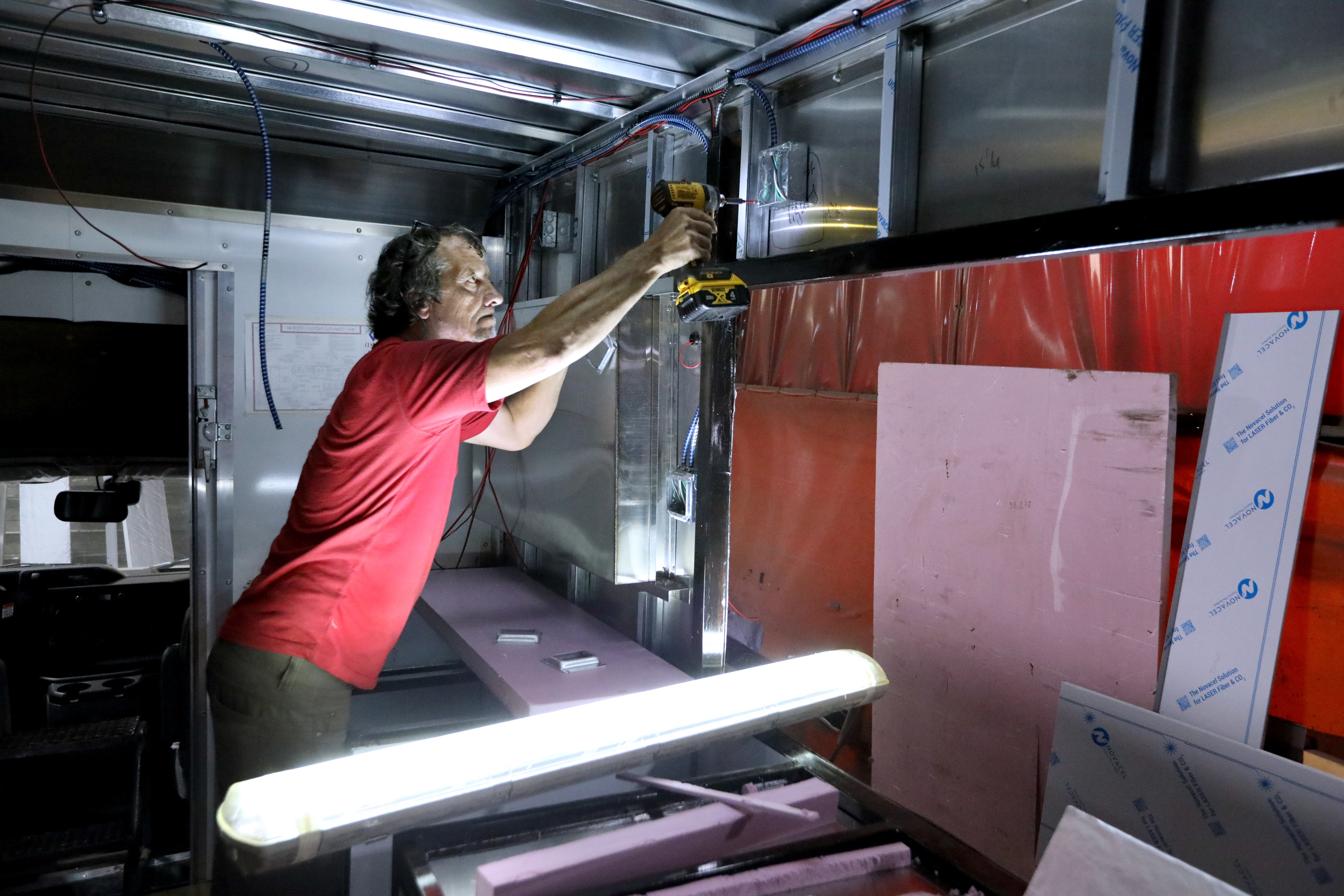
    Paul McIlvaine, an electrician, works on the interior of a Chickie & Pete’s food cart at Custom Mobile Food Equipment, in Hammonton, Tuesday, July 21, 2026.Vernon Ogrodnek / For The Inquirer

    How much does it cost to launch a kitchen cart?

    Today, Custom’s basic Model 525 carts retail for around $6,500. For that sum, plus storage, food, fuel, and licensing costs, “you’re in business serving food,” said Kyle.

    “It’s rewarding, you get to meet so many kinds of people,” he added.

    New catering trucks start at more than $125,000, like a high-end camper.

    All the carts and trucks are built from stainless steel sides, stamped with Custom’s distinctive elongated-diamond pattern over tubular steel framing. The company uses multiple steel suppliers, including Allegheny Ludlum Steel Corp. in Pittsburgh. It was harder to find domestic steel when the U.S. auto industry demand was stronger, Kyle said. But now materials costs are much higher, often in response to higher tariffs.

    “We try to use built-in-USA [materials], but some stuff you cannot get here,” Kyle said. Robertshaw Controls, for example, makes the only burner controls that fit Custom’s standards. They moved the operation to Mexico from Texas, so Custom now imports them.

    Cart metal is just one inflating cost vendors face, said Christian Subashi, second-generation owner of Loudogs hot-dog carts in Sea Isle City. Refrigerators were 50% cheaper before last year’s new tariffs, he said, and sausage prices have “gone through the roof.”

    Kyle said his company’s hot-dog cart price “has gone up $1,000 or $2,000 in 10 years,” lower than the general inflation rate. “We have to absorb some. It’s how you do business,” he said. He’s confident steel prices will stabilize eventually.

    The future of food carts

    The company has no plans to automate, Kyle said. “All our products are custom built — handmade and hand-fabricated. No two carts are exactly alike,” he said, noting that the company also retrofits and rehabs units as needed. “They can last forever.”

    “Our pricing is more, but it lasts longer than assembly-line stuff coming in from Mexico or China at low cost.”

    One once-robust market that has all but evaporated is carts for vendors who work construction sites. Custom employed over 100 during the building boom of the late 1990s. The company built a catering truck a day, on average, back then; now it’s closer to one a week.

    “Wawa and DoorDash are delivering deli trays to jobs sites now. And Wawa has built out so many stores in their area, guys can just leave the job and run to Wawa. So that business is down for us,” said Kyle.

    The focus now is on larger orders that can be built more efficiently. Plus it’s gotten harder, Kyle said, to hire skilled craftsmen.

    Local buyers of carts and trucks include Shore ice cream and water-ice vendors, as well as the food vendors that sell at breweries, thanks to the New Jersey’s restrictions on breweries serving food

    But Custom is also very much “a national brand,” said James Evans, who runs the food-truck division for Ocean City-based Manco & Manco Pizza, including eight Phillies stadium locations.

    Like Custom, Manco is a third-generation South Jersey business, and Evans said he wouldn’t have gone anywhere else to build stadium-ready trailers. The two firms cut a deal last February for Custom to build an initial “food truck you can drive, available for private parties, corporate functions, MLB events, anywhere we can take a truck.”

    The first was delivered in July, with four propane-fueled Baker’s Pride deck ovens “to cook our pizzas to Manco standards.”

    Custom faces a string of manufacturing challenges with any order, Kyle said.

    But from Manco’s perspective the passage of his project from plan to delivery “was seamless,” said Evans.

    “As we morph into their larger trucks, we will add wings and tenders,” he said. “If everything in business and life went that easy, it’d be great.”