Tag: Wallingford

  • Here are the runners to look out for at this year’s Delco 10 Miler

    Here are the runners to look out for at this year’s Delco 10 Miler

    The Delco 10 Miler hits the road for the second time Sunday. This year’s race will have a new course and a new pace, and is open to twice as many runners.

    Here are a few of the runners to look out for:

    Dad and son run for a personal cause

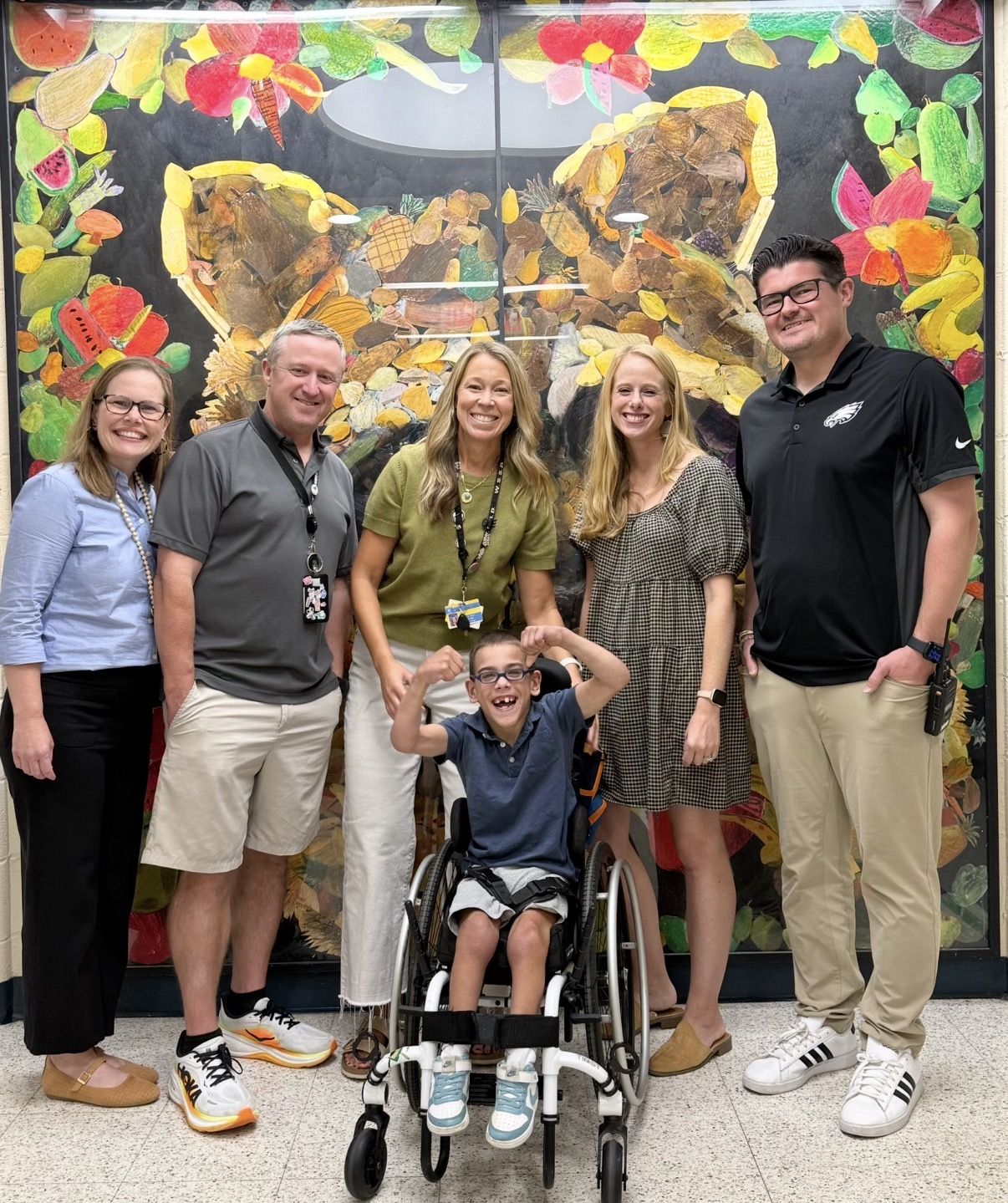
    Will Getty, 8, is pumped to run the Delco 10 Miler, said his mom, Jessica, and dad, Mark, who will push him in an adaptive jogging stroller on Sunday. But it’s more than just a fun run for Will, who has cerebral palsy, and his family.

    It is also part of an effort to raise money for an accessible playground at Wallingford Elementary School with help from the Kyle Pease Foundation.

    Pease, 41, who also has cerebral palsy, visited the school in 2025 to meet students and share his foundation’s purpose: creating inclusive opportunities in sports and endurance races for people with disabilities.

    After his visit, teachers began brainstorming. What if Will and Pease participated in the Delco 10 Miler together? And could they support fundraising for the playground at the same time?

    “It was a perfect opportunity to cheer them both on and to hold an event where we could raise the money and awareness of what we’re trying to do here,” special education teacher Lauren Bannon said.

    The school, which is on the race course on Providence Road, will hold a festival with food, games, and a station to create signs for Will from 8 to 10 a.m. on the morning of the race. School officials recommended getting there early before Providence Road closes and using the school’s rear entrance on Kershaw Road.

    The Kyle Pease Foundation donated Will’s jogging stroller and is managing fundraising for the playground. Donations can be made at https://givebutter.com/wes-loves-pease.

    Will’s dad said a group of Wallingford teachers will take turns pushing Will to the finish line. Training has become a new way to bond for Will and his dad, and a playlist of Will’s favorite band, Coldplay, has been essential listening during practice runs.

    “He sees people, waves to them, and if I put the music down for a second, he’s telling me to turn it back up,” Mark Getty said.

    Allie Wilson won a heat in the women’s 800-meter run during the U.S. Track and Field Olympic Team Trials on June 21, 2024, in Eugene, Ore.Charlie Neibergall

    Just a normal Sunday for Olympian Allie Wilson

    Running 10 miles on a Sunday is part of the normal training routine for Strath Haven grad and Olympian Allie Wilson. This weekend, there will be a little more fanfare to it.

    Wilson’s older sister, Val, is running the Delco 10 Miler and asked Allie to join her.

    “I might as well have fun and get to be around other people for once, since I’m usually just running by myself,” Allie Wilson said.

    Is a gold medal in the bag? It’s a little bit longer than her usual race, Wilson said, by 9½ miles.

    “My race is 800 meters,” Wilson said. “It’s less than two minutes long. Like, I’m borderline a sprinter.”

    But you don’t get to the Olympics without a competitive edge. Wilson originally planned to stick with Val in the race, but she said her sister told her not to.

    “I know I’m going to get excited and I’m going to feel left out if I want to be trying to go with the people up front,” Wilson said. “We decided my competitiveness might come out too much.”

    Next up for Wilson after the Delco 10 Miler: She will continue training with her sights set on a return to the Olympics in Los Angeles in 2028.

    Zach Miller crossed the finish line first at the Delco 10 Miler on Sept. 28, 2025.PEL Productions for Visit Delco

    A run down memory lane for last year’s winner

    The Delco 10 Miler charts a course through some of the most important parts of Zach Miller’s life.

    The starting line is near Rose Tree Park, where Miller ran cross-country races in high school and later proposed to his wife, Heather. It goes through Media, where he grew up, and passes through Widener University, which is Miller’s alma mater and the place he met Heather.

    “It’s these little nuggets that make the race kind of special to me,” said Miller, 43, of West Chester.

    One more nugget to make it special: Miller won the inaugural 10 Miler last year.

    He has been waking up at 5:15 a.m. on Wednesdays to train with longtime Downingtown West High School cross-country coach Scott Burns and a group of fellow runners.

    “I really wouldn’t be training or, you know, competing at the level I am without the support and kind of accountability of that group,” Miller said.

    Miller said he is excited for this year’s race but considers Steve Jordan, another member of his group who is also training for the Olympics, to be the front-runner.

    This suburban content is produced with support from the Leslie Miller and Richard Worley Foundation and The Lenfest Institute for Journalism. Editorial content is created independently of the project donors. Gifts to support The Inquirer’s high-impact journalism can be made at inquirer.com/donate. A list of Lenfest Institute donors can be found at lenfestinstitute.org/supporters.
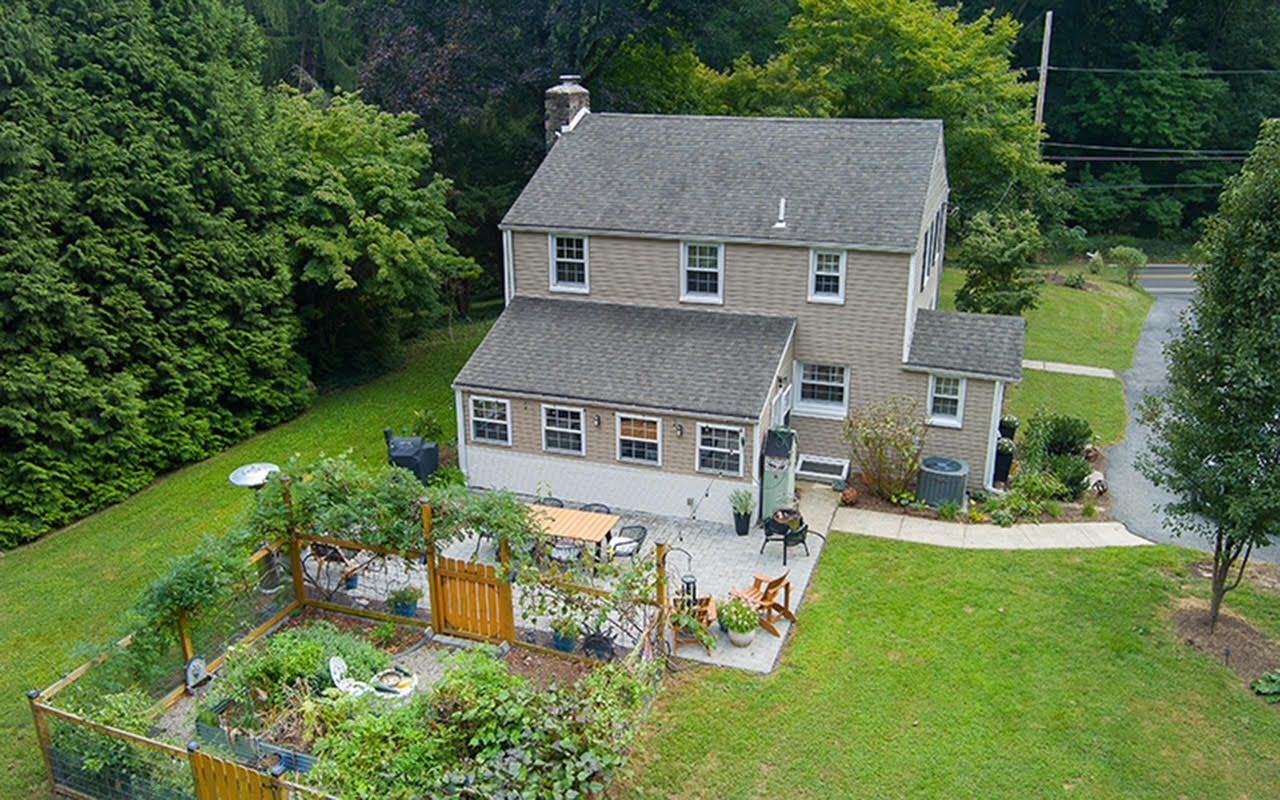
  • House of the week: A three-bedroom stone Colonial in Wallingford for $545,000

    House of the week: A three-bedroom stone Colonial in Wallingford for $545,000

    Presti’s Bakery was established about 120 years ago in Little Italy, Cleveland, but its influence has reached into the 21st-century Delaware County housing market.

    Mike and Tori Gentile are leaving the Wallingford home they have loved so Mike can take over the family enterprise.

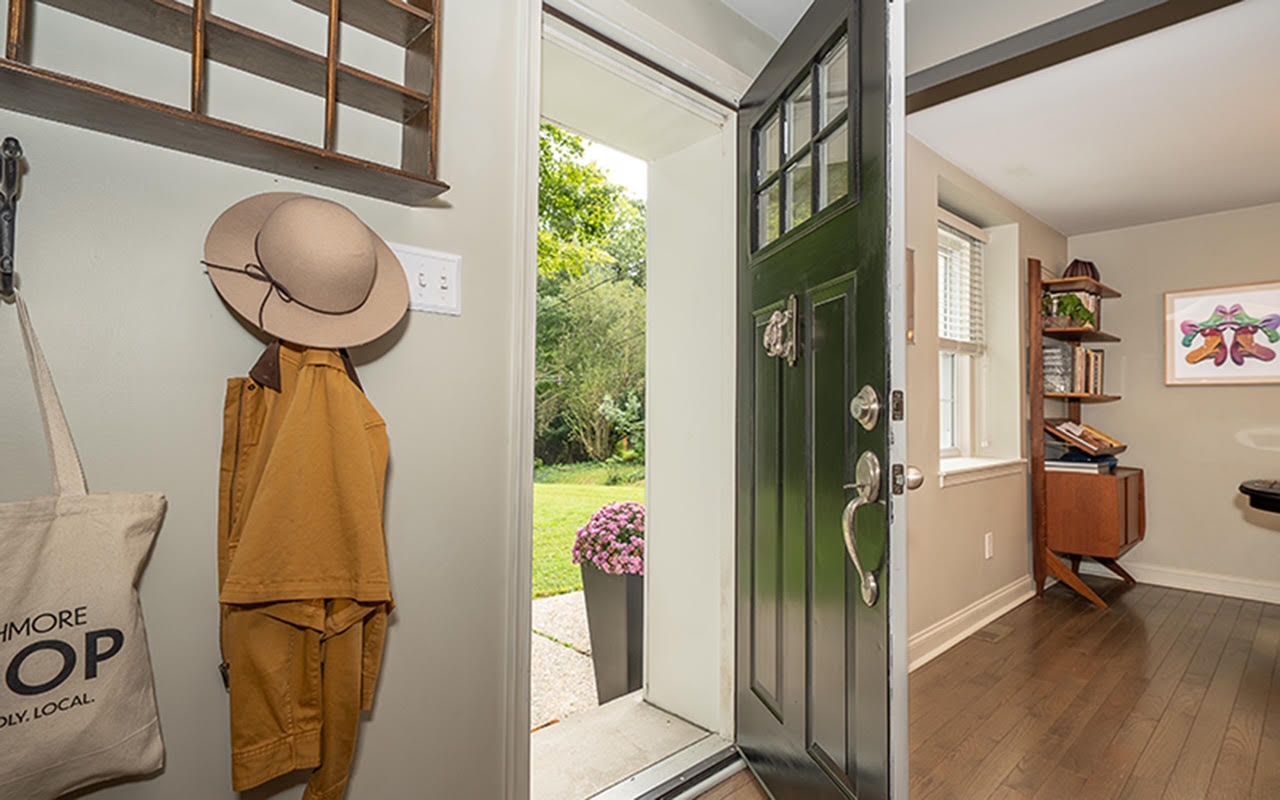
    The green front door leads to the foyer at 5 Waterville Rd. in Wallingford.Dave Ocenas

    The Gentiles bought the three-bedroom, 2½-bathroom, 1,622-square-foot Wallingford home in 2019, right before the COVID-19 shutdown, expecting a long stay.

    “We really liked the Media-Swarthmore area,” said Tori, an interior designer for an architectural firm. Mike sells BMW cars. She thought the area was charming, and loved the nearby farmers market.

    The house has a 0.77-acre lot, which Tori appreciated because it provided room for the family to grow. Plus, she said, “I liked the Pennsylvania stone and the open layout.”

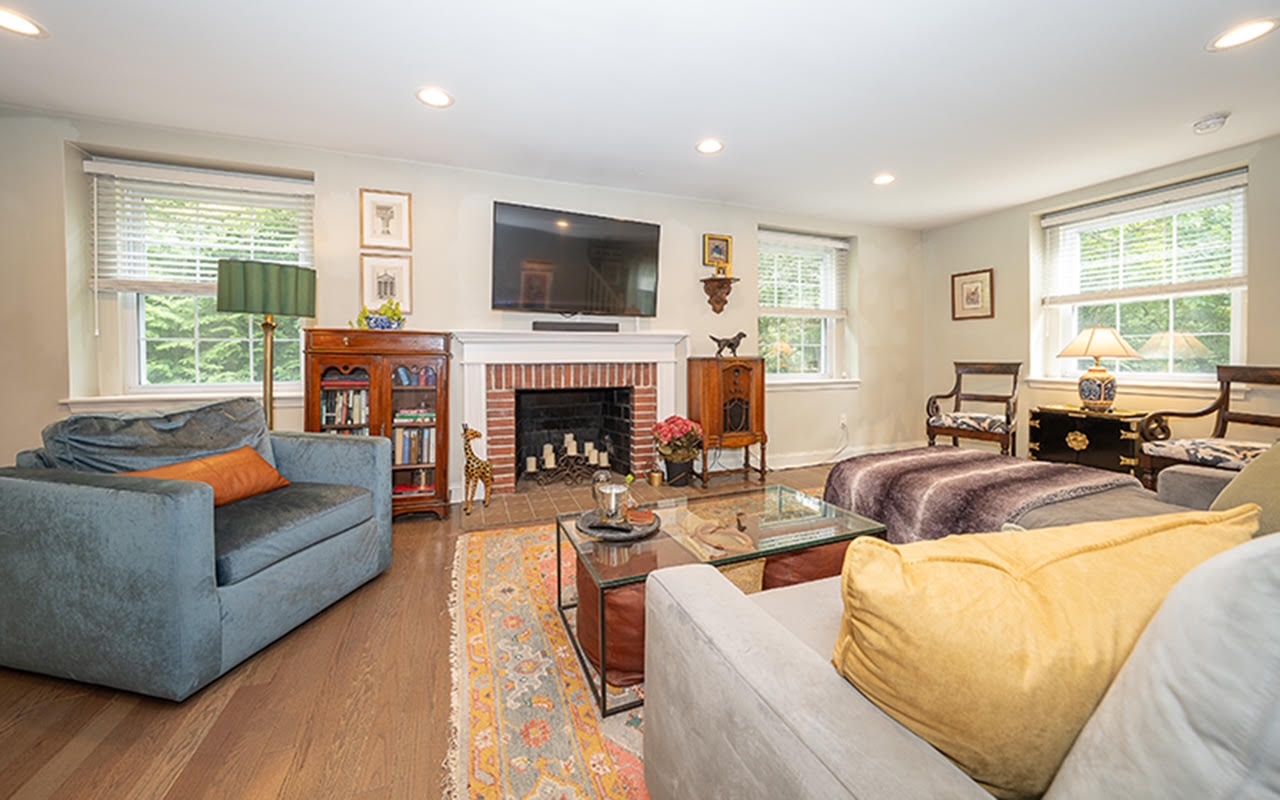
    The living room is anchored by a classic brick fireplace and custom mantel.Dave Ocenas

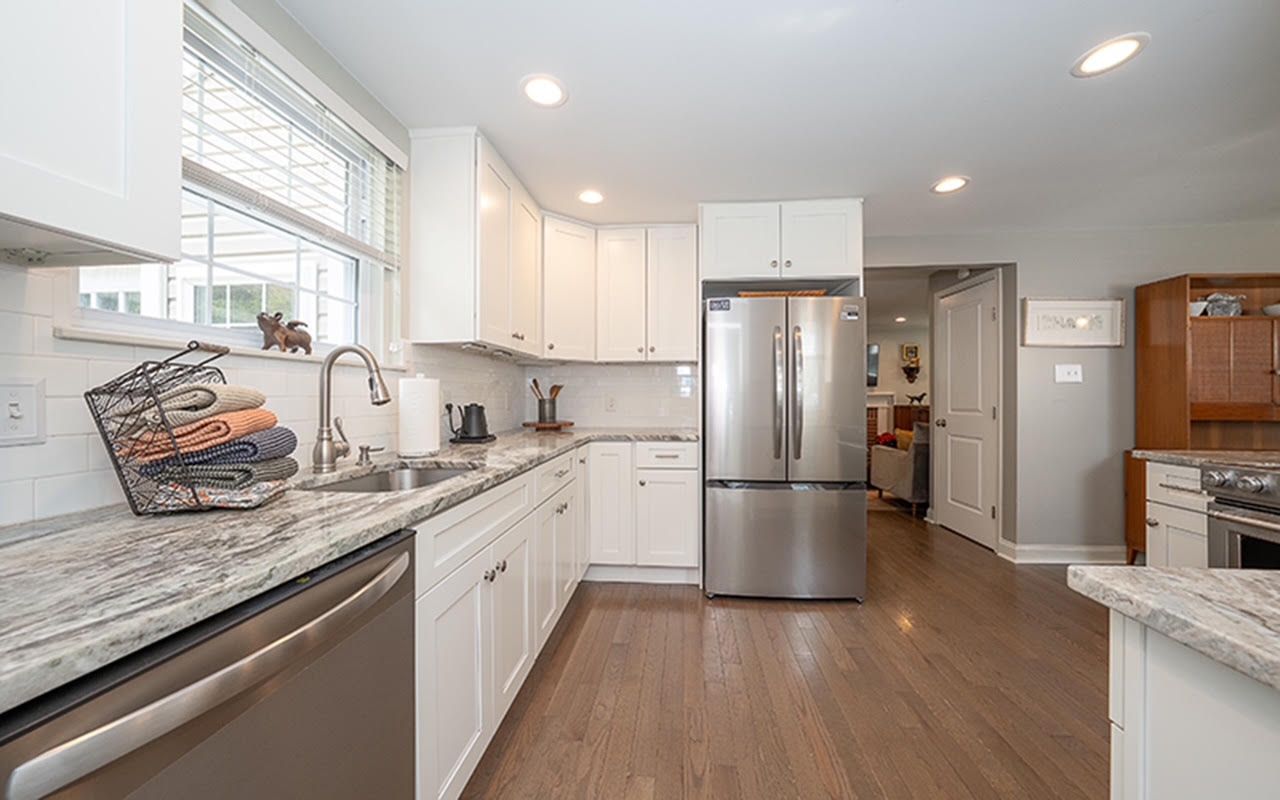
    The first floor is home to the kitchen, dining room, living room, and family room. The kitchen has granite countertops, stainless steel appliances, and a subway tile backsplash, with a new refrigerator, dishwasher, and microwave. The living room has a brick fireplace.

    There is a mudroom just off the kitchen with a dedicated laundry area and direct driveway access, and a bonus room with exposed brick has direct access to the backyard.

    The spacious kitchen features granite countertops, new stainless-steel appliances, and subway tile.Dave Ocenas

    The second floor has all three bedrooms and two bathrooms. The primary bedroom has dual closets and an en suite bathroom, and the hall bathroom has a barn-door vanity and tiled tub/shower surround.

    A new French drain system was installed in 2019 and HVAC was replaced in 2020.

    The unfinished basement has ample natural light.

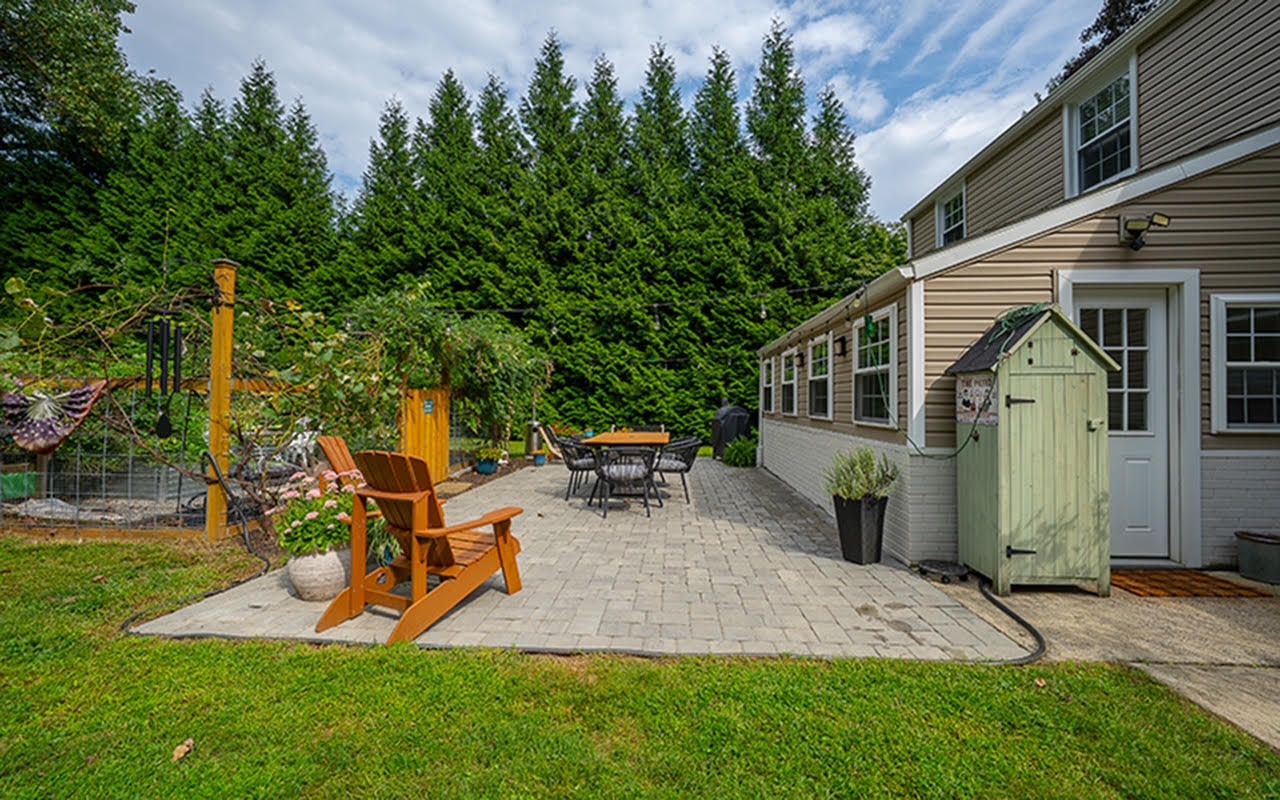
    The Gentiles used the COVID-19 “break” to install a paver stone patio and fenced-in garden.

    The backyard has newer paver stone.Dave Ocenas

    There are several close-by SEPTA Regional Rail stations and convenient access to I-95 and the Blue Route. Philadelphia and Wilmington are less than a half hour away.

    There is a large one-car garage and driveway space for four cars.

    The house is in the Wallingford-Swarthmore School District.

    It is listed by Marisa Bruder of BHHS Fox & Roach Wayne-Devon for $545,000.

  • Three Wallingford-Swarthmore schools locked down Monday during a police search outside

    Three Wallingford-Swarthmore schools locked down Monday during a police search outside

    Students at Strath Haven High School and Middle School and Wallingford Elementary School sheltered in place Monday morning as police searched the area for a suspect who had fled during a traffic stop.

    The incident began when a Nether Providence Township police officer stopped an Acura at 9:07 a.m. Monday on South Providence Road, police said in a statement. The driver fled in the car, which police determined was stolen, and the officer lost sight of it.

    Then at 9:41 a.m., a resident contacted the police to report a car abandoned in a backyard on Hickory Lane, near the high school, police said. Officers determined the car was the same one that had been driven by the suspect, and police began searching the area.

    Police said they worked with school officials to place the three Wallingford-Swarthmore schools, which enroll about 2,600 students, “in a ‘Teach in Place’ status while officers searched the surrounding area.”

    Wallingford-Swarthmore Superintendent Russell Johnston said the lockdown “kept the kids safe inside the buildings” during the police search. Classes continued during that time, he said.

    “What we did was out of an abundance of caution,” Johnston said. He said school officials believed police had guns drawn during the search.

    Police reviewed video surveillance that showed the suspect “fleeing toward the rear of Strath Haven High School” before being picked up by another car. The schools returned to their normal status after it was clear the suspect had left the area, police said.

    Nether Providence Township police are still investigating the incident, and are asking anyone with information to call the department’s detective division at 610-892-2875.

  • Schools around Philly are no longer giving laptops to kindergartners and scaling back on screen time. It’s a tech backlash.

    Schools around Philly are no longer giving laptops to kindergartners and scaling back on screen time. It’s a tech backlash.

    As her children start second and third grades in the Colonial School District, Elise LaChapelle expects they will spend no more than 20 to 30 minutes a day on their Chromebooks — limits the Montgomery County district has announced to parents.

    Colonial also no longer allows elementary school students to take their laptops home at night. “That seemed to be an acknowledgment on the district’s end that changes were needed,” LaChapelle said.

    Amid a spreading backlash to screens in classrooms, public school districts across the Philadelphia region are placing more limits on technology use — including by pulling back on one-to-one device programs once touted as critical for ensuring every student had access to technology.

    The Tredyffrin/Easttown School District has stopped assigning iPads to kindergartners, and students across the district’s elementary schools will no longer take their tablets home at the end of the day.

    In Methacton, the district has transitioned from individual devices to a shared model for kindergartners and first graders, with Chromebooks available for center-based activities, according to a district spokesperson.

    The Phoenixville Area School District has ended its one-to-one device program for kindergarten through third grade, while in Wallingford-Swarthmore, kindergartners through second graders will take fewer online assessments, and kids up to fifth grade are no longer able to search and browse YouTube.

    Parents who have been pushing schools to scale back on computer use are applauding the new restrictions as a step in the right direction of promoting teacher-led instruction and reducing screen-based distractions.

    But they also question how much will change in practice, because children will still have access to devices in many classrooms. Some parents who have been battling for less screen time want schools to go further to address what they see as excessive reliance on technology at older grade levels.

    In Lower Merion, which adopted a new technology policy last month that no longer assigns personal devices to kindergartners through second graders, seven parents are suing the district for rescinding their ability to opt out of computers entirely. The parents argue the district is violating their constitutional rights by requiring their kids to use internet-connected computers without adequate safeguards.

    Yair Lev, a parent who opposes Chromebook use in Lower Merion schools, speaks at a March 23 forum at Harriton High School about technology use in the school district.Maddie Hanna / staff

    For many districts, reducing computer usage in elementary schools “seemed like the low-hanging fruit,” said Alex Bird Becker, a Wallingford-Swarthmore parent active in PA Unplugged, a statewide group with about 5,000 supporters that advocates for limits on educational technology. But “when you get to middle school, the device culture has become really ingrained with curriculum. That’s where it gets harder to disentangle.”

    Wallingford-Swarthmore, a 3,700-student district, has been soliciting applications from parents to join a new Technology Advisory Council that will advise the district on further changes, including related to device use in grades six to 12. (In Lower Merion, parents have been pressing the district to create a technology review committee that includes parent representation.)

    “We know there’s even more we want to do in this area,” said Russell Johnston, Wallingford-Swarthmore’s superintendent.

    Johnston said the district was trying to ensure its use of technology was “focused” — posting online for parents to see which portions of the district’s elementary curriculum will incorporate technology, with lessons connected to Pennsylvania standards.

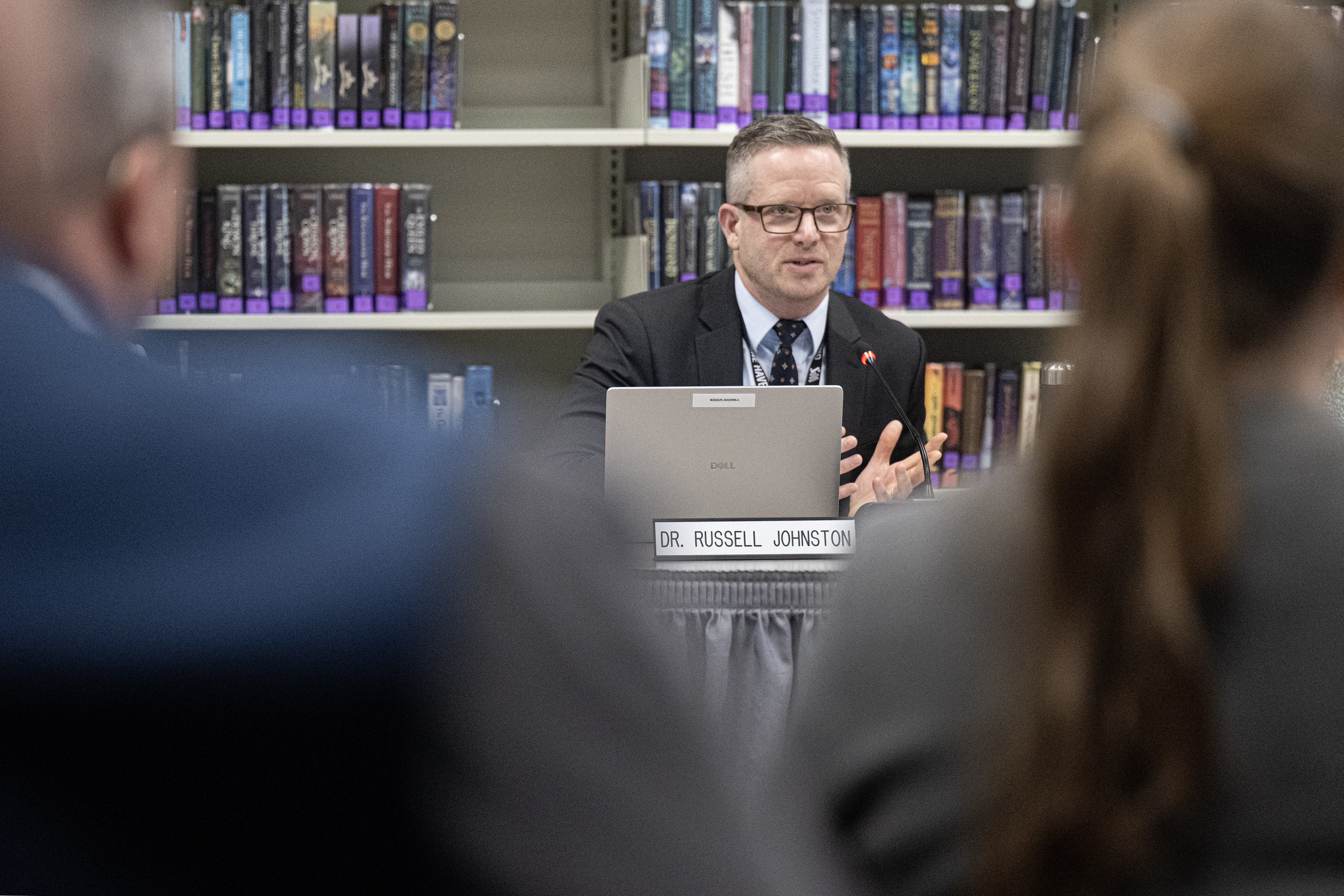
    Wallingford-Swarthmore School District Superintendent Russell Johnston speaks during a Feb. 24 school board meeting in Wallingford.Jose F. Moreno / Staff Photographer

    Wallingford-Swarthmore is also reevaluating how laptops are used during “curriculum enrichment” time, Johnston said, when students are broken into small groups to receive extra help.

    In Phoenixville, which ended its one-to-one device program for kindergarten through third grade, “students will continue to have access to appropriate and approved educational technology for academic purposes only,” district spokesperson Nicole McClure said.

    Alair Southerton, a Phoenixville parent who has been pushing the district to make changes, said the school board had approved “strong language” around when devices should be used in classrooms.

    But “we’re still kind of crossing our fingers with the rollout,” Southerton said. She questioned whether teachers had clear guidance from administrators, and whether the district would consider educational technology apps that some parents object to as “gamified” as essential for learning.

    “We want to really fine-tune what needs to be done on a device on a screen,” said Southerton, who is a member of a new district Edtech Advisory Council.

    Alair Southerton, pictured at her home in May with the Phoenixville Area School District website on her laptop. Southerton is leading a group of Phoenixville parents who are calling on their district to reduce screen time in school.Steven M. Falk / For The Inquirer

    While Phoenixville this fall adopted a new program, Qustodio, to let parents monitor their child’s device usage, Southerton said it has been less revealing than she hoped. The program reports which websites students accessed at 15-minute intervals throughout the school day but does not say how long they actually spent online, she said.

    In Colonial, LaChapelle is awaiting the district’s launch of a different program, Securly, that will also allow parents to monitor what their kids accessed.

    While the district has placed limits on screen time — 20 to 30 minutes in kindergarten through third grade, 40 to 50 minutes in grades four and five, and 2½ to three hours in grades six through 12 — “accountability and transparency are key,” LaChapelle said.

    Colonial spokesperson Jessica Lester said the district had “done more this year to try to communicate what our approach is” to technology.

    LaChapelle noted that in order to register her children for school, she had to consent to a list of more than 100 software programs used by the district; officials have since told her they plan to revise that, she said.

    LaChapelle hopes the district will continue to make changes. Taking an intentional approach to technology use could be a selling point for districts trying to show leadership, she said.

    “We’re doing and saying a lot of the right things,” she said. But “this isn’t a one-and-done conversation.”

  • The can’t-miss fall festivals and markets to visit around Philadelphia

    After a summer of nonstop action — the World Cup, Major League Baseball’s All-Star Game, the festivities surrounding the nation’s 250th birthday — things have finally calmed a bit in Philadelphia.

    But that doesn’t mean there’s not plenty still to come this fall.

    The area will once again host a variety of festivals and markets in the coming weeks and months, celebrating everything from food to the arts and everything in between.

    Here’s a guide to what’s in store.

    Philly Halal Food Festival

    Now entering its fourth year, the festival celebrates Muslim-owned establishments in and around Philly. Last year’s version featured more than 100 vendors and 6,000 attendees.

    📅 Sept. 19,📍King of Prussia Mall, 160 N. Gulph Road, King of Prussia, Pa. 19406, 🌐 phillyhalalfoodfest.com

    Scene of the swan boats from the 2023 Delaware River Festival held both in Philadelphia and Camden.Partnership for the Delaware Estuary

    Delaware River Festival

    The event combined two former festivals, the Partnership for the Delaware Estuary’s Coast Day and Alliance for Watershed Education’s River Days Festival. Expect lots of family-friendly activities, from ferry rides and pedal boats to crafts and water-related education. Events take place at both Penn’s Landing on the Pennsylvania side of the river, and Wiggins Park on the New Jersey side.

    📅 Sept. 26, 10 a.m. to 4 p.m., 💵 ,📍101 N. Columbus Blvd., Philadelphia, Pa. 19106 and 2 Riverside Dr., Camden, N.J. 08103, 🌐 delawareriverfest.org.

    Mt. Airy Arts Festival

    Held at Allens Lane Park, this fourth-annual festival features live performances, food, an art market featuring the work of local vendors — but also the opportunity to make some art yourself, with stations for painting, printmaking, and ceramics.

    📅 Oct. 3, 11 a.m. to 4 p.m., 💵 Free,📍601 W. Allens Lane, Philadelphia, Pa. 19119, 🌐 allenslane.org.

    First Fridays at Cherry Street Pier

    First Fridays return to the Cherry Street Pier, complete with artist studio tours, markets, and exhibit openings along the Delaware River. Upcoming dates are Aug. 7, Sept. 4, Oct. 2, Nov. 6, and Dec. 4. Events begin at 4 p.m.

    📅 Various dates, 💵 Free,📍121 N. Columbus Blvd, Philadelphia, Pa. 19106, 🌐 cherrystreetpier.com

    St. Nicholas of Tolentine Italian Festival

    Since 1987, St. Nicholas of Tolentine Parish has held this annual event dedicated to Italian culture. The day kicks off with a 10:30 a.m. Mass and subsequent neighborhood religious procession, and there’s plenty of live music, Italian food, and family-friendly activities.

    📅 Oct. 4, noon to 8 p.m., 💵 ,📍1700 S. 9th St. Philadelphia, Pa. 19148, 🌐 stnicksitalianfestival.com

    OURfest

    This three-day event in and around Philly’s Gayborhood celebrates National Coming Out Day. Things kick off Oct. 9, with a variety of pre-parties and kickoff events. The following day, Oct. 10, is a night of dancing at Voyeur Nightclub, and the festival concludes with a parade on Oct. 11.

    📅 Oct. 9-11, times vary, 💵 Prices vary by event,📍Various locations, 🌐 phillygaycalendar.com

    Made in Philadelphia Fall Market

    The fall market this year celebrates its 10th year at Dilworth Park near Philly’s City Hall. Held over three days in October, this pet-friendly event brings a slew of artists and makers together, from jewelry and photography to glassware and woodwork.

    📅 Oct. 9-10 (noon to 8 p.m.) and Oct. 11 (noon to 6 p.m.), 💵 Free,📍1 S. 15th Street, Philadelphia, Pa. 19102, 🌐 madeinphila.com

    Scrapple & Apple Festival

    A day of celebration in honor of one of Pennsylvania’s most iconic foods: the Dutch breakfast meat, scrapple. Reading Terminal Market turns into a scrapple haven, as vendors offer a variety of scrapple-themed items. There’s live entertainment, cooking demonstrations — even a scrapple-sculpting competition (held Oct. 15, the Thursday before the festival).

    📅 Oct. 17, 10 a.m.-5 p.m., 💵 Free entry, pay as you go,📍1136 Arch St., Philadelphia, Pa. 19107, 🌐 readingterminalmarket.org

    The fifth annual Philly Bike Ride kicks off at the Philadelphia Art Museum on Saturday, Oct. 17.Courtesy of Philly Bike Ride

    Philly Bike Ride

    Now in its fifth year, this annual ride takes cyclists past some of the city’s top landmarks. The 20-mile course is closed to traffic, making it a great event for riders of all ages and experience levels. Afterward, celebrate with food trucks and a beer garden. Registration is required; early-bird prices (through July 12) range from $43 to $200.

    📅 Oct. 17, 7:30 a.m., 💵 Prices vary,📍Benjamin Franklin Pkwy., Philadelphia, Pa. 19130, 🌐 phillybikeride.com

    East FallsFest

    There’s live music all day, pumpkin decorating for kids, and a variety of items from local shops, crafters, and artisans. Local vendors will be on hand, with a beer garden from Wissahickon Brewing.

    📅 Oct. 17, 11 a.m. to 5 p.m., 💵 Free admission,📍Ridge and Midvale Avenues, Philadelphia, Pa. 19129, 🌐 discovereastfalls.org

    Manayunk Fall Festival

    Last year’s inaugural event went so well that organizers are running it back. Main Street will be taken over by local artists and vendors, food trucks, live music, and — ahem — a mac and cheese crawl.

    📅 Oct. 17, 11 a.m. to 4 p.m., 💵 Free admission,📍Main Street, Manayunk, Philadelphia, Pa., 19127 🌐 manayunk.com

    Philly Coffee Festival

    The 23rd Street Armory hosts this annual celebration of all things coffee. More than 20 roasters have already been lined up (with more expected soon) for this two-day event that also includes food and live music.

    📅 Oct. 17-18, 9 a.m. to 4:30 p.m., 💵 Tickets are $25-$73,📍22 S. 23rd St., Philadelphia, Pa. 19103, 🌐 phillycoffeefestival.com

    Cherry Hill Harvest Festival

    More than 100 artists, crafters, and vendors are expected at this year’s annual family-friendly festival held at Croft Farm. Mechanical Brewery will have a beer garden, plus there’s free pumpkins, a petting zoo, and live entertainment.

    📅 Oct. 18, noon- 4 p.m., 💵 Free entry, pay as you go,📍100 Bortons Mill Rd., Cherry Hill, N.J. 08034, 🌐 chnj.gov

    Community Arts Center Fall Fest

    This free event gives visitors a peek behind the scenes of the Community Arts Center in Wallingford. There’s 30 vendors, plus demos and tours, art activities for children, and a pumpkin-painting contest — plus live music. For a full schedule of the day’s events, check out the Community Arts Center website.

    📅 Oct. 25, 11 a.m. to 4 p.m., 💵 Free admission,📍414 Plush Mill Road, Wallingford, Pa. 19086, 🌐 communityartscenter.org

    Philly Flannel Fest

    The Braid Mill in Germantown hosts this fourth annual fall festival, with food trucks, wine and cocktails, local bands and DJs, and a craft marketplace. Early-bird tickets are available at a steep discount if purchased before Oct. 1.

    📅 Oct. 25, noon-5 p.m., 💵 $20 for entry ($12.51 before Oct. 1), pay as you go,📍346 E. Walnut Lane, Philadelphia, PA 19144, 🌐 phillyflannelfest.com

    The first-ever Inquirer Food Festival was held last year at the Fillmore in Fishtown. This marks the event’s second year.

    The Inquirer Food Fest

    The city’s premier food festival returns to the Fillmore this fall, featuring a lengthy lineup of top area restaurants. Sao, Pine Street Grill, and The Bread Room are among the participants already confirmed for this year’s event. There’s also an empanada-making workshop from chef Jezabel Careaga, with music from DJ Na$h, plus the chance to try off-menu dishes.

    📅 Nov. 14, 11 a.m. to 6:30 p.m., 💵 Ticket prices vary,📍29 E. Allen St, Philadelphia, Pa. 19123, 🌐 foodfest.inquirer.com

  • Access to high school sports in Pa. depends on where you live, a new report finds. Here’s a breakdown.

    Access to high school sports in Pa. depends on where you live, a new report finds. Here’s a breakdown.

    More than 30% of high school students in the affluent Radnor and Wallingford-Swarthmore districts played sports in the 2024-25 school year.

    In the Philadelphia school district, less than 10% of high school students did.

    The disparities are part of a pattern, with fewer students playing sports in lesser-resourced urban schools, according to Research for Action, a Philadelphia-based educational research organization that released a report Thursday analyzing high school sports participation rates across Pennsylvania.

    The report, which looked at sports as another barometer of opportunities available to students, found participation varies widely — as does school spending on sports programs.

    It also found a link between funding and sports participation, with more students on average playing in higher-spending districts.

    “The degree to which a student may have access to school athletics really depends on what district they’re in,” said Maja Pehrson, the report’s lead author.

    Here’s what the report found — and what questions it raises about access to high school sports in Pennsylvania.

    There are big differences in sports participation rates

    Participation in school sports “hasn’t really been looked at very much,” Pehrson said. Research for Action analyzed data that school districts and charter schools are required to report to the Pennsylvania Department of Education on athletic opportunities.

    The report found participation rates in the 2024-25 school year ranging from 5% in some school districts, to a handful of districts with rates above 40%.

    Topping the list locally were Jenkintown School District, at 35%, and Springfield Township School District in Montgomery County at 34%; followed by Radnor and New Hope school districts, at 31%; Wallingford-Swarthmore, at 30%; West Chester, at 28%; and Upper Dublin, at 27% — all majority white, relatively affluent districts.

    Below the Philadelphia school district’s 9.6% rate were Upper Darby, at 9%; William Penn and Norristown, at 8%; and Chester-Upland, at 6% — all districts that are majority non-white and high-poverty.

    Overall, large, urban districts tended to have the lowest participation rates, meaning “almost half of Pennsylvania high school students are enrolled in districts where the likelihood of participating in a school athletics team is relatively low,” the report said.

    Those “very low” participation districts — with 5% to 17% of students participating — also offered fewer sports per 1,000 students than high-participation districts, the report found.

    Naima DeBrest, a spokesperson for the Philadelphia district, said the district had expanded athletic opportunities in recent years “by introducing new sports such as girls wrestling and girls flag football” and creating intramural programs at the elementary and middle school levels.

    Despite “common challenges” faced by urban districts, “the district remains committed to expanding access to high-quality athletic opportunities and ensuring students have meaningful opportunities to participate in sports that support their academic success, well-being, and overall development,” DeBrest said, noting that the district’s rate is comparable to other urban districts.

    <iframe title="Sports Participation and Athletics Spending Among Local School Districts" aria-label="Table" id="datawrapper-chart-dyc1W" src="https://datawrapper.dwcdn.net/dyc1W/1/" scrolling="no" frameborder="0" style="width: 0; min-width: 100% !important; border: none;" height="971" data-external="1"></iframe><script type="text/javascript">(function(){function e(){window.addEventListener(`message`,function(e){if(e.data[`datawrapper-height`]!==void 0){var t=document.querySelectorAll(`iframe`);for(var n in e.data[`datawrapper-height`])for(var r=0,i;i=t[r];r++)if(i.contentWindow===e.source){var a=e.data[`datawrapper-height`][n]+`px`;i.style.height=a}}})}e()})();</script>

    There are also big gaps in spending

    The report found a relationship between money and sports participation rates. Among the 10% of school districts deemed most underfunded by a state formula calculating what schools need to adequately educate students, more than half had “very low” sports participation rates, while more than two-thirds had “very low” or “low” participation, according to the report.

    And looking at what districts spend on athletics, it varied widely, the report found. Districts with “very low” participation reported spending an average of $409 per high school student on athletics, while “very high” participation districts — with 28.2% to 61.6% of students participation — spent an average of $939 per student.

    Locally, the Jenkintown, West Chester, Phoenixville, and Colonial school districts reported spending more than $1,100 per high school student on athletics, compared with $145 per high school student in Philadelphia.

    The report noted that those figures don’t fully reflect spending on school sports. Many districts didn’t report any spending on athletic facilities, for instance; Pehrson said it was likely hard for schools to calculate how much of their overall facilities spending was tied to athletics.

    The data also don’t reflect any activities fees paid by students.

    Charters have lower participation rates — but in line with Philly

    Statewide, brick-and-mortar charter schools, which are publicly funded but independently run, reported lower rates of sports participation. On average, 8.4% of charter high school students participated in sports, compared with 18.1% in district schools. (Cyber charter schools reported no participation; charter students who participate in district programs are counted by districts.)

    Rather than a difference between the charter and district sectors, however, the gap could largely be a product of school district conditions, the report said. Half the state’s charter high schools are located in Philadelphia, where the charter sports participation rates largely mirror the district’s, the report said.

    In front of their boarded up dilapidated stadium, Olney High School athletes Cindi Lizardo (from left), Emma Blanco, Sidi Traore; and principal Michael Roth, coach Siena Childs, recent graduate Ysis Rivera, and athletic director Jorge Gonzalez point out the deplorable condition the sports facilities are in July 24, 2025. Olney High School, which spent a decade under charter management, was turned back over to the Philadelphia school district in 2022.Tom Gralish / Staff Photographer

    Gender gaps persist

    Boys participated in sports in 2024-25 at a higher rate than girls — at an average rate of 20.3% compared with 15.8%, the report found.

    And those gaps persisted across different types of school districts, the report found. For instance, in districts with “very low” overall sports participation, 14% of boys participated, compared with 10% of girls. In districts with “moderate” participation, 24% of boys participated, compared with 19% of girls. And in “very high” participation districts, 35% of boys participated, compared with 30% of girls.

    What’s driving the disparities?

    The report found that access to high school sports in Pennsylvania “is not evenly distributed and is strongly shaped by structural conditions.”

    “Districts with fewer athletic opportunities are more likely to be urban districts with large high schools and more students of color, and they tend to offer a narrower range of teams and spend less per student on athletics, limiting the extent to which students can engage,” the report said.

    But district funding alone isn’t responsible for disparities, the report noted. The gender gap, for instance, is found in well-funded and poorly funded districts.

    The pattern of higher-spending districts seeing more participation “doesn’t line up neatly for every district,” Pehrson said, noting that the data can’t fully answer questions about what’s driving differences in participation.

    Other possible factors could include transportation and sports outside of schools, Pehrson said.

    DeBrest, the Philadelphia spokesperson, noted that urban districts may also have limited athletic facilities, and practice space “and the need for some students to balance academics, work, or family responsibilities.”

    Pehrson hopes the findings prompt more investigation into the availability of school sports, which “are a key part of students’ educational opportunities,” Pehrson said — from boosting physical and mental health, to promoting social-emotional skills and building community.

    “There are clear disparities in terms of sports opportunities students are having,” Pehrson said. “Why is that, and how can we move forward and try to figure out these differences?”

    Editor’s note: This story has been updated to reflect that Jenkintown and Springfield Township were the local districts with the highest sports participation rates.

  • Wallingford-Swarthmore may lay off teachers and increase class sizes amid tight budget outlook

    Wallingford-Swarthmore may lay off teachers and increase class sizes amid tight budget outlook

    The Wallingford-Swarthmore School District is planning to reevaluate class sizes next school year, and layoffs are a possibility if the district cannot trim its budget in other ways, its superintendent said at a meeting Tuesday.

    At a school board finance committee meeting, Russell Johnston said that with the district’s expenses projected to rise next year at double the rate of revenues, the district will have to continue to reduce staffing, even after implementing a reorganization plan this year that eliminated about 20 positions and losing four more through attrition.

    The district will also look at which classes have the smallest enrollments, Johnston said, and might “scale back” on certain offerings.

    Johnston said cuts would be necessary. Otherwise, Wallingford-Swarthmore would be on pace to use more than 30% of its reserves to balance the budget, he said.

    Here is what the superintendent said about possible cuts coming to the affluent district:

    Retirement incentives, attrition and layoffs

    District leaders have said Wallingford-Swarthmore cannot sustain its current staffing levels, which grew significantly in recent years.

    Of the projected $6 million growth in the district’s $106 million budget next year, nearly $4 million is coming from salaries and benefits for the district’s 541 employees, officials said.

    Laying out options for cutting those costs, Johnston — who became superintendent last year — said the district could offer staff an incentive to retire early, though he was not sure whether that would generate enough savings.

    The district will also evaluate whether it needs to fill positions that become vacant as someone retires or resigns, Johnston said.

    “If we do have to invoke layoffs,” Johnston said, the savings likely will not be as great as by reducing staff through attrition, because more junior and less costly employees will be laid off due to union seniority protections.

    Board members voiced concern about rising benefits costs in particular: Prescription costs for district employees are projected to grow by 50% next year, a $1.8 million increase.

    Johnston, who noted that benefits are part of a collective bargaining agreement that does not expire until 2028, said the district was in “ongoing dialogue” with its teachers union.

    Bigger class sizes, fewer offerings

    Johnston said the district would be looking “hard at class size and enrollment” as it tries to find areas to cut.

    While the district has an “amazing array” of offerings for students, it could ”perhaps scale back where we don’t have enrollment to justify that,” Johnston said.

    He did not offer specifics but said the district would perform a class size analysis at the start of the coming school year.

    Reduced capital projects

    District officials indicated Tuesday they intend to move forward with a reduced scope for the planned Strath Haven High School renovation — down from $99 million to less than $70 million — with a focus on fixes to keep the building “safe, warm, and dry,” and fewer interior renovations.

    The district will also look to cut back other aspects of its capital plan, which board members said would reduce a $1.5 million increase in debt service projected for next year.

    Parental concerns

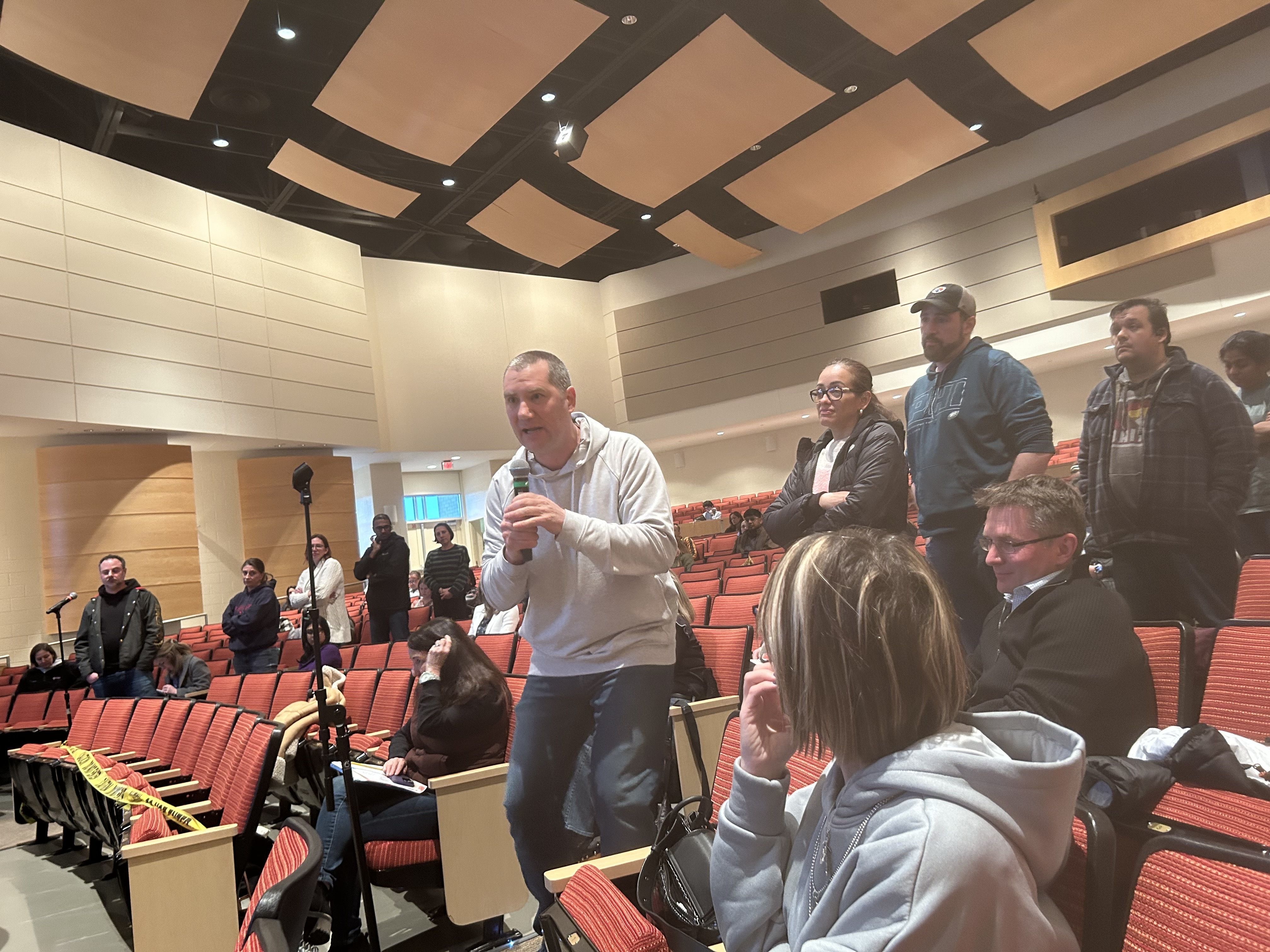
    Some parents have started to raise concerns about the budget cuts.

    Lindsay Doyle, whose children attend Nether Providence Elementary, said she was dismayed to learn that class sizes at her children’s school would be increasing in fourth and fifth grades due to the district not filling two teaching positions.

    Doyle, who said class sizes would grow from about 20 students to 26 or 27, is worried that core instruction will suffer.

    “It’s no longer about administrative inefficiencies and discretionary spending,” Doyle said. “When I see we’re now cutting back on teachers, that’s when I’m like, red flag.”