Tag: topic-link-auto

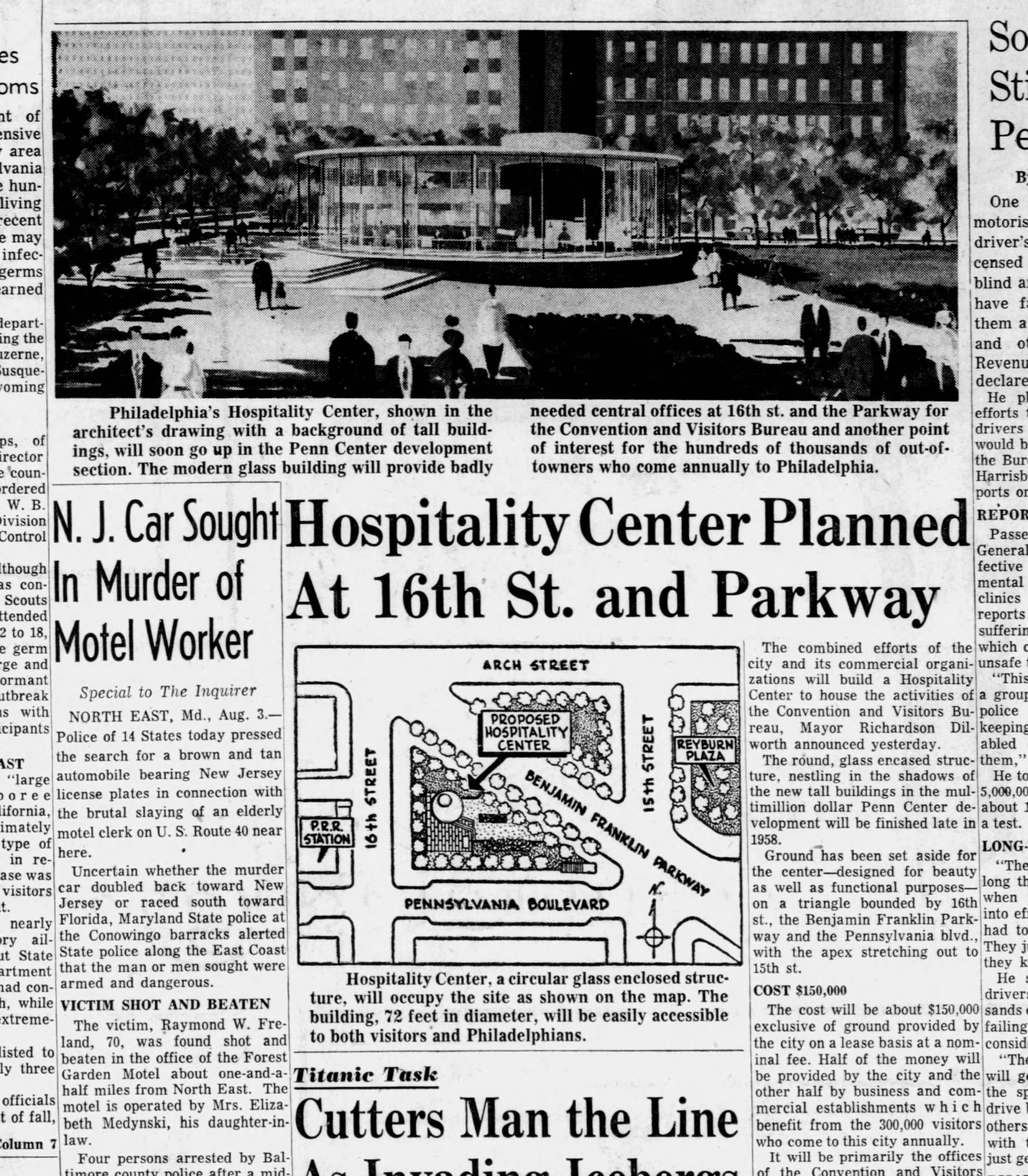
  • Phillies’ Derek Hill uses his artistic side to paint his own cleats as a ‘little getaway from the game’

    Phillies’ Derek Hill uses his artistic side to paint his own cleats as a ‘little getaway from the game’

    During the Phillies’ rain delay last week in Washington, Derek Hill kept himself busy with a Sharpie and pair of cleats.

    The outfielder spent the hour and a half coloring the white shoes red with a marker. It was just a way to pass the time while the Phillies waited for their game to start, but it’s not the first pair of spikes that Hill has customized.

    It’s actually a hobby of his, although typically it involves more elaborate designs and acrylic paint instead of a Sharpie.

    “It’s like a little getaway from the game,” Hill said. “It’s pretty addicting. So, once I get going, I’ll go for like two months, and then I’ll stop for like two months, then I’ll just pick it up and just keep on going. But I got to make some for Philly.”

    @derek_hill

    Drop in the comments what design I should do next 🙏🏽 #fyp #mlbb #art #mlb #baseball

    ♬ original sound – derek_hill

    Hill, 30, has always been artistic. Not only does he love to draw and paint, he also had an interest in metalwork and ceramics growing up.

    This is the first year he’s tried painting his cleats, though, and found that the process helps him unwind.

    “Just don’t have any outside noise,” Hill said. “Just sitting there, it’s just quiet, and you get to relax, and just focus on one thing, and not worry about anything outside of that.”

    His new teammates don’t yet know about this side of him, as Hill was only acquired from the White Sox on June 11.

    He has already made an impression in the clubhouse with two clutch ninth-inning home runs in Washington and a home run-robbing catch against the Mets in New York. In 14 games since the trade with the White Sox, Hill is batting .313 with a .865 OPS. He’s become a key utility platoon outfielder, primarily starting against lefties or coming off the bench.

    But so far, his affinity for art has been under wraps. Even Brandon Marsh, who shares the outfield with Hill and played with him in 2019 as prospects in the Arizona Fall League, was unaware.

    “I had no idea how much of an artiste he was,” Marsh said.

    Hill said the favorite shoes he’s done recently were a colorful pair he made for Easter, with bright purple, orange, green, blue, and pink on a white base.

    The entire process, starting with a plain white pair, takes him about two days.

    “I acetone them down, to get rid of all the finisher that they put on it,” he said. “And then let that dry, throw my paint on, throw my clear coat on, and let it dry, and it’s good to go.”

    Most of the cleats Hill has designed were with the White Sox in mind. He has a red, white, and black pair in his Phillies locker, but originally wore them with Chicago’s City Connect uniform, which draws inspiration from the red Chicago Bulls basketball jersey.

    For him, inspiration can come from anywhere.

    “Honestly, I just see something and I’m like, ‘Oh, let me see if I can recreate that,’” Hill said.

    Now that he’s settling in with his new team, he has plans for more at some point — maybe a pair that incorporates the Phillies’ powder blues.

    “We’re going to have some heat on the feet,” Hill said.

    Lou Trivino’s contract was selected by the Phillies on Tuesday.Yong Kim / Staff Photographer

    Extra bases

    The Phillies made a bullpen swap ahead of Tuesday’s game, optioning Chase Shugart and selecting the contract of right-hander Lou Trivino, a Green Lane, Montgomery County native. “Just needing a fresh arm,” said interim manager Don Mattingly. “Bullpen’s been on fumes. I know Shug gave up a couple homers lately, but he’s really good for us this year. He did what we needed from that role, taking the ball a lot, always ready to take it.” … Brad Keller (right forearm tendinitis) threw a live batting practice session on Tuesday. The Phillies will re-evaluate him on Wednesday to determine next steps. … Zack Wheeler (8-1, 2.03 ERA) is scheduled to start Wednesday opposite Pirates right-hander Paul Skenes (6-7, 3.10).

  • Serena Williams loses in opening round at Wimbledon in first singles match in nearly four years

    LONDON — Serena Williams showed plenty of what made her a 23-time Grand Slam tennis champion in her first professional singles match in nearly four years on Tuesday.

    But Williams, 44, couldn’t quite dominate like she used to and was beaten, 6-3, 6-7 (6), 6-3, by an opponent less than half her age, 20-year-old Maya Joint of Australia, in the opening round of Wimbledon.

    “It was really great to be back at Wimbledon. I never expected to be here,” Williams, who did not meet with media after the match, said in a statement released by Wimbledon organizers. “The atmosphere was amazing. Walking out was amazing. I definitely relished it and missed it and enjoyed the moment more than anything.”

    Williams displayed the same powerful serve and heavy groundstrokes that led her to seven Wimbledon singles titles, but the 87th-ranked Joint handled her pace and won more of the big points by hitting beyond Williams’ reach on Centre Court.

    “I don’t know what just happened, to be honest,” Joint said. “I didn’t get much sleep last night. I was up until like 2 a.m. just thinking about it.

    “She has such an aura, she’s just a legend, and this court has so many huge names that have played on it. I’ve been dreaming about this moment since I was a little kid, so this is pretty crazy.”

    While Williams played two doubles matches just before Wimbledon to announce her comeback to the sport she once dominated, she hadn’t played a singles match since the 2022 U.S. Open.

    Williams has 98 career victories in singles on the hallowed grass of the All England Club. By contrast, it was Joint’s first Wimbledon victory in just her second appearance at the All England Club after losing in the opening round last year.

    But Joint won a Wimbledon warmup in nearby Eastbourne last year and knows how to play on grass.

    Doubles match still to come

    Williams, who has no singles ranking after being out for so long, was given wild card invitations by Wimbledon organizers to play singles and doubles with her older sister, Venus. Her doubles match is later this week.

    Williams has said that having her two daughters off from school inspired her comeback, and it marked the first time that her younger daughter, Adira, who is almost 3, saw her play singles. Adira sat next to her 8-year-old sister, Olympia, in the front row of Serena’s players’ box.

    Standing ovation

    Williams was given a standing ovation as she walked on court before the match started under a closed roof and several supporters held up signs with messages like “Welcome Back” and one wore a T-shirt with the text “Unstoppable Queen.”

    Williams executed a delicate topspin lob winner early on and then cranked out a 121 mph ace to hold for 3-3 in the first set. But Williams also had a costly double fault that led to the only break of the first set.

    In the second set, Williams came back from 0-40 and saved four break points to hold for 6-5. Then Williams saved a match point in the tiebreaker with a big serve down the T followed by a forehand approach winner. Another big serve — clocking in at 122 mph — set up Serena’s first set point, which she converted when Joint missed a forehand long.

    After winning the set, Williams pumped her fist calmly.

    But Joint took control early in the third and a forehand from Williams sailed long on Joint’s third match point to conclude the encounter after 2 hours, 22 minutes.

    Williams then smiled as she walked off the court to loud applause.

    Williams and Joint both had 37 unforced errors, while Joint led, 40-26, in winners.

    Zverev, Świątek advance

    After opening day featured wins for No. 1s Jannik Sinner and Aryna Sabalenka, along with Novak Djokovic, French Open champion Alexander Zverev and defending Wimbledon champion Iga Świątek made it into the second round on Tuesday.

    In a match between hard servers, the second-seeded Zverev beat Alexander Blockx, 6-4, 6-7 (8), 7-6 (5), 7-6 (0).

    Świątek, who had her father and sister looking on from the Royal Box, struggled with her serve and committed nine double-faults before overcoming Taylor Townsend, 6-1, 2-6, 6-3.

    No. 2 Elena Rybakina also advanced, beating Lois Boisson, 6-4, 1-6, 6-3.

    Fourth-seeded Ben Shelton, a quarterfinalist here last year, lost to 140th-ranked Finnish qualifier Otto Virtanen in five sets, 6-4, 3-6, 6-7 (8), 6-2, 7-6 (9).

    Matteo Berrettini, a finalist in 2021, beat Stan Wawrinka, 6-7 (7), 7-6 (16), 7-6 (7), 7-6 (5). It was the final Wimbledon match for Wawrinka, who plans to retire at the end of the year.

  • Philly declares a heat emergency and Welcome America alters events as 100-degree temperatures loom

    Philly declares a heat emergency and Welcome America alters events as 100-degree temperatures loom

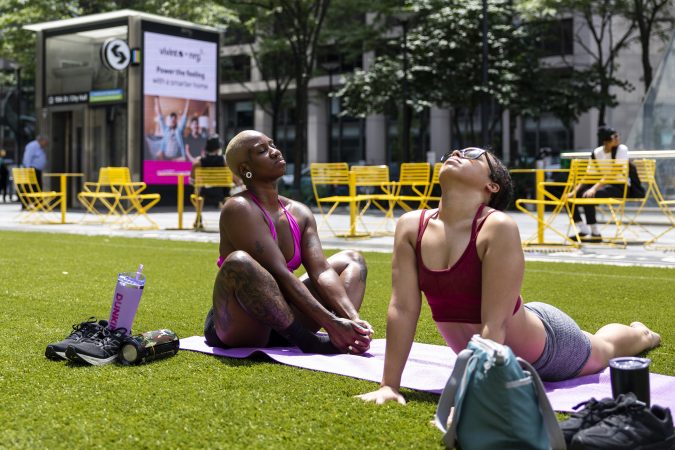
    The National Weather Service on Tuesday issued an “extreme heat” warning for the entire region through July Fourth, with a record-tying three consecutive days of 100-degree temperatures possible in Philadelphia.

    Though heat warnings may lack the sizzle of warnings for blizzards or hurricanes, health officials advise that they can be more dangerous — slow-motion disasters that target the most-vulnerable populations. Plus, the timing of this one couldn’t be much worse.

    Along with the daytime heat indexes approaching 110, the nights aren’t going to be much cooler. Temperatures Friday morning may not get below 80 degrees in the city, said Sarah Johnson, the warning coordination meteorologist with the National Weather Service in Mount Holly, which has been briefing emergency managers since late last week.

    “It’s very concerning,” she said.

    The city on Tuesday declared a “heat health emergency” in effect from 1 p.m. Wednesday through 8 p.m. Saturday, activating its pioneering heat-response system.

    In deference to the heat, Wawa Welcome America announced several schedule changes, including canceling Thursday’s All-American Block Party, and moving back start times for concerts Thursday and Friday.

    It also said the Liberty Medal ceremony on Friday honoring Pope Leo XIV would be moved to inside the Constitution Center and the route of the Semiquincentennial Parade, which begins at Fifth and Chestnut Streets, would end at Broad and Chestnut, rather than proceeding to Logan Circle as originally planned.

    PJM Interconnection, the region’s electric grid operator and one of the nation’s largest, already has sounded alarm bells regarding power demands. Peco advised that it has a contingency plan in case workers go on strike Saturday, as they have threatened.

    SEPTA is making preparations for what would have been a challenging week even if the weather was cool (as it was in 1776, by the way). At Philadelphia International Airport, a bigger concern would be pop-up thunderstorms that could disrupt the weekend celebrations that have been 250 years in the making.

    The heat wave will have staying power in Philly

    Only twice has Philly had three consecutive days of triple-digit temperatures — in 1993, and on July 2, 3, and 4 of 1966. That could happen again on July 2, 3, and 4 of 2026, the weather service says.

    Officially it reached 90 degrees Tuesday at the airport, the 16th time this year that the high reached at least 90 degrees, the second-most number of days before Jul 1 in records dating to 1874. Wednesday’s forecast high, in the mid to upper 90s, would be the prelude to the holiday heat festival.

    Along with the heat, of concern for event planners is the potential for strong thunderstorms on Saturday afternoon and evening during the climax of the Semiquincentennial events.

    Preparing for the heat and storm threats in the region

    At Philadelphia International Airport, it’s not the heat so much as the attendant storm threat that is the major concern, said spokesperson Heather Redfern.

    The national extent of the extreme heat — the result of a so-called heat dome of high pressure — and the pop-up storm threat could “impact flights with delays, diversions to other airports and cancellations,” she said.

    The airport was expecting more than 680,000 departing and arriving passengers from Wednesday through next Tuesday. Redfern advised travelers to sign up for airline flight alerts.

    In its forecast discussion Tuesday, the weather service cautioned “that any holiday weekend festivities could be impacted by thunderstorms,” adding that “the environmental setup would be favorable for strong to severe” storms.

    SEPTA was expecting a crush of passengers, especially Saturday when in addition to the 250th bash, a World Cup soccer match will be played in South Philly. The agency may set up misters outside stations where long lines may develop, spokesperson Andrew Busch said. The agency would try to make some cooling buses available if the city requests, he said.

    A Saturday complication for Peco is a threatened strike by 1,500 union members. The company said it has a “contingency plan” in place to keep customers’ air-conditioning systems operating and would be able to respond to any severe storm issues.

    With or without storms, in deference to the heat SEPTA will be reducing speeds on all rail lines, said Busch, as extreme heat can cause overhead lines to sag and tracks to buckle.

    Heat-wave response is a Philly thing

    It’s not in a league with the Rocky statue or cheesesteaks, but heat response is a very Philly thing that got its start in the 1990s when the city won high praise from the Centers for Disease Control and the National Oceanic and Atmospheric Administration.

    The impetus was the summer of 1993 when Philadelphia recorded 118 heat-related deaths — about triple the combined total of 2015-16. That summer was also the last time the city had three consecutive days of 100-plus degree temperatures.

    The relatively inexpensive program includes setting up more than 50 cooling centers; health officials hold that even a short break from extreme heat can save lives. Residents are encouraged to look in on elderly neighbors, and the Philadelphia Corporation for Aging will be operating a heat hotline, 215-765-9040.

    Variants of Philly’s response system have spread to other cities around the country.

    In Philadelphia, even though summer temperatures have been rising, heat-related deaths have declined dramatically.

    May that trend continue.

    Staff writer Ariana Perez-Castells contributed to this article.

  • Shelter-in-place order lifted after freight train derailment in Bucks County

    Shelter-in-place order lifted after freight train derailment in Bucks County

    No injuries were reported after a CSX freight train derailed Tuesday afternoon in Bensalem Township in Bucks County, and shelter-in-place and evacuation orders have been lifted, authorities said.

    Hazmat teams and other emergency personnel responded to the derailment that occurred between Street Road and the Neshaminy Falls train station just before 2 p.m., and no hazmat leaks were found, authorities said.

    A SEPTA spokesperson said the West Trenton Line on the agency’s Regional Rail service was suspended, but later was cleared to resume.

    “We operate on our own tracks in this area, but the CSX tracks are sort of parallel to ours in that area, so we had to suspend due to the emergency response,” said SEPTA spokesperson Andrew Busch.

    Bensalem Township police said 72 train cars were traveling eastbound when 13 cars derailed, though CSX said 16 cars derailed. Three of the derailed cars were marked as possibly containing hazardous materials.

    “Out of an abundance of caution, the Bucks County Hazardous Materials Response Team was activated while police officers established a shelter-in-place order for the surrounding area. Officers also conducted door-to-door notifications along Grove Avenue and Old Lincoln Highway to evacuate nearby residents and businesses,” the Bensalem Township police said.

    “Residents are asked to avoid the area and stay away from the railroad tracks while cleanup operations continue,” the police said.

    A spokesperson for CSX said the train derailed near the crossing of East Bristol Road and Grave Avenue.

    “Our primary focus remains the safety of onsite personnel and the surrounding community,” CSX spokesperson Jonathan Stuckey said in an email.

    “CSX crews are currently on scene and working as safely and quickly as possible to restore the impacted site. The cause of the incident is currently under investigation. We will provide more information as it becomes available,” Stuckey said.

    U.S. Rep. Brian Fitzpatrick, who represents all of Bucks County, said he was closely monitoring the situation and the cause of the accident was under investigation.

    “In moments like this, every minute matters. Response time, coordination, calm under pressure, bravery, and professionalism are what keep people safe,” Fitzpatrick said.

    “We are grateful for the safe outcome, and for the incredible men and women on scene this afternoon who protect our community day in and day out,” Fitzpatrick said.

  • 2 teens sought in shooting death of Penn State student in South Philly

    2 teens sought in shooting death of Penn State student in South Philly

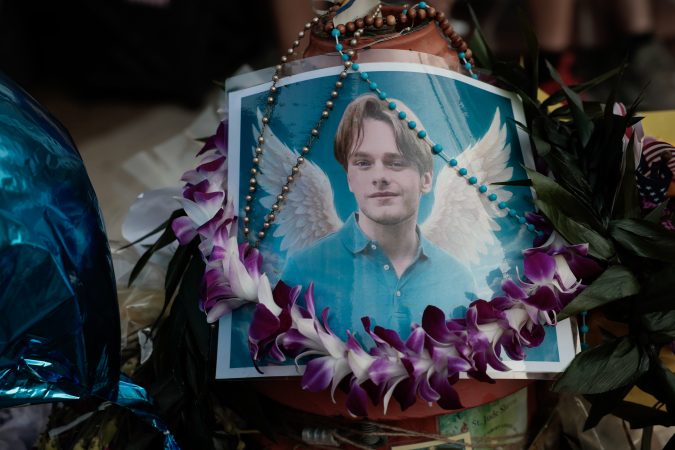
    Two 16-year-olds are being sought for the fatal shooting of a 22-year-old Penn State student in South Philadelphia, police said Tuesday.

    Police obtained arrest warrants for Kaiseem Smith and Azzubair Outen-Fleming on charges of murder and related offenses in the death of William “Billy” Schmidt, said Deputy Commissioner Frank Vanore.

    On June 6, Schmidt was gunned down just footsteps from his home on the 2300 block of South 20th Street in an apparent robbery attempt.

    Schmidt was pronounced dead at Penn Presbyterian Medical Center a short time later. Schmidt was studying digital journalism and media at the Penn State World Campus, the university’s online campus.

    His father told 6abc that Schmidt was returning home after watching the NBA Finals at a nearby bar with friends.

    His two assailants were captured on security footage both approaching the scene and fleeing the area after the shooting.

    Anyone with information helpful to police in this case can call 215-686-TIPS-8477.

  • The Bay Area’s famed rallying cry rings true with the USMNT in town for the World Cup: Just win, baby

    The Bay Area’s famed rallying cry rings true with the USMNT in town for the World Cup: Just win, baby

    SAN JOSE, Calif. — No one needed the reminder at this point, but it came anyway.

    While the U.S. men’s soccer team’s charter flight from Orange County to the Bay Area was in the air, a lightning bolt struck the World Cup when Paraguay toppled Germany.

    Germany undoubtedly wasn’t good enough, and not for the first time in this tournament. There must have been kegs worth of angst in the air at Brauhaus Schmitz on South Street, Philadelphia’s most famous fussball destination, among fans who’d dreamed of seeing the four-time champions come to town on July 4.

    But to lose to the same Paraguay squad that the U.S. ran off the field in their tournament opener? That was a shock and the latest of many lessons in this World Cup.

    Yes, anyone can get a result against anyone else these days. Which means the 64th-ranked Bosnia and Herzegovina team the U.S. faces on Wednesday night has more than a chance against the cohosts, who return to the site of an infamous loss in the 2016 Copa América and a triumph in the Gold Cup final a year later.

    There’s no taking any World Cup game for granted these days, especially when it’s a knockout contest. Nor can you take a moment off, as all three of Monday’s games proved. Before Paraguay-Germany, Japan gave up a 95th-minute winner to Brazil. Afterward, the Netherlands played a lot of ugly soccer, gave up a 90th-minute equalizer to Morocco, then lost on penalties.

    “Hopefully we can get it done in regular time — the extra 30 minutes plus pens can get a little bit dangerous,” U.S. centerback Chris Richards said. “We saw the upset yesterday, so us going into this game, [it’s] making sure that we take care of business and go on.”

    The point really should have been hammered home in the American camp by the last-kick-of-the-game loss to Turkey in the group stage finale. But if it was your youth soccer team, Little League baseball team, or CYO basketball team, wouldn’t you make one last nudge before the big game?

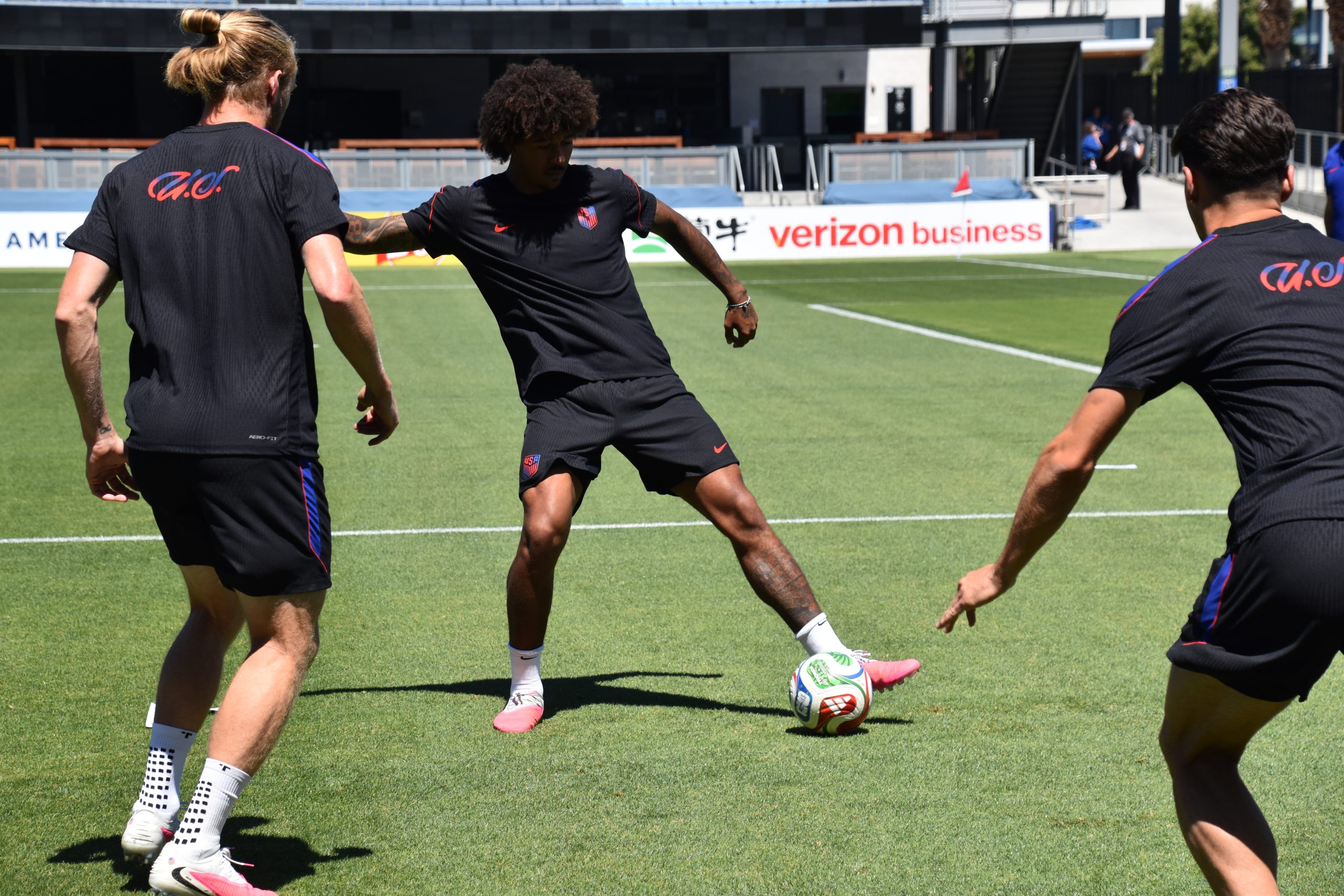
    Chris Richards (center) on the ball during a drill at Tuesday’s practice.Jonathan Tannenwald

    “It’s a World Cup. You’re never going to get the so-called favorite winning every single time,” said playmaker Christian Pulisic, who called himself “definitely ready” to start after coming off the bench against Turkey.

    “This is soccer. This is the way things go: you can defend all game and win in a penalty kick shootout, and that’s the beauty of the game,” he continued. “So we have to be ready for whatever’s to come tomorrow. We don’t think it’s going to be easy by any means, so we have to put on a really high-level performance.”

    If it feels like this point has been overstated this week, it’s because it ranks so much higher than everything else there is to say.

    Sure, there’s a tactical analysis to write about how Richards will fare against 40-year-old Bosnian striker Edin Džeko, a veteran of big clubs including England’s Manchester City, Italy’s AS Roma and Inter Milan, and Germany’s Wolfsburg and Schalke. Or how young right winger Esmir Bajraktarević will fare against U.S. defender Antonee Robinson.

    Esmir Bajraktarević celebrates one of Bosnia’s goals against Qatar in their group stage finale last Wednesday.Lindsey Wasson

    There’s certainly much to say about Bajraktarević, and for good reason. The 21-year-old grew up in Appleton, Wis., and his parents were refugees from the Bosnian war of the 1990s.

    He spent a season in the Chicago Fire’s youth academy (2019-20), then moved to the New England Revolution, where he turned pro and spent three seasons before a move to Dutch club PSV Eindhoven — and is now teammates with U.S. veterans Ricardo Pepi and Sergiño Dest and formerly Malik Tillman.

    Along the way, Bajraktarević played for U.S. youth national teams at the under-19 and under-23 levels, and earned one cap for the senior U.S. squad in a January 2024 friendly. But because that wasn’t in an official competition, he could change nationality.

    When Bosnia called a few months later, he made the switch, and debuted in the fall. A year and a half later, he scored the shootout penalty kick that qualified the Dragons for this World Cup with a playoff upset of Italy.

    But if the U.S. team has its way, that story will become just a sidebar when the opening whistle blows. At that point, the motto will become one that’s well-known at the other end of San Francisco Bay from here, in Oakland: Just win, baby.

    Even Tillman, who was born in Germany and has grown into understanding American sports, gets the point.

    “Yeah, it’s true,” he said, when asked his opinion. “In the end, the win is the most important. And I think after, of course, you can analyze the game, but if you go to the next round, this is the most important.”

    I asked Mauricio Pochettino what he thinks of the "Just win, baby" slogan – and whether his saying "it's the final of the World Cup tomorrow" means more focus on winning at all costs, and less on tactics.

    Pochettino gave a long answer. Here it is in video form:

    youtu.be/iGVv_P8__jM?…

    [image or embed]

    — Jonathan Tannenwald (@jtannenwald.bsky.social) June 30, 2026 at 6:56 PM

  • Supreme Court upholds birthright citizenship in momentous immigration ruling

    Supreme Court upholds birthright citizenship in momentous immigration ruling

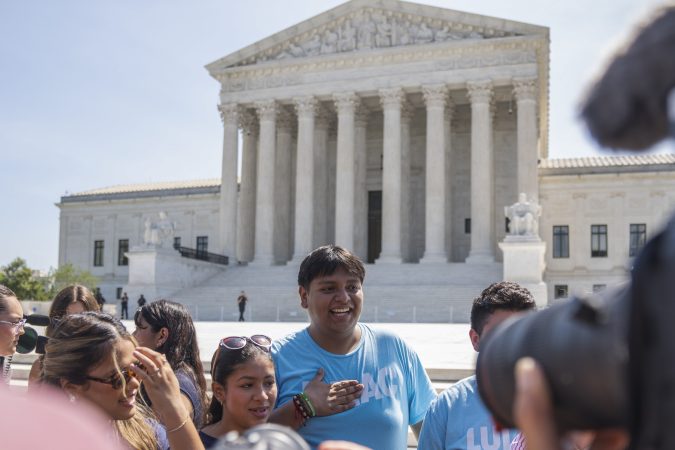
    The Supreme Court upheld the principle of birthright citizenship in a ruling for the ages on Tuesday, affirming amid rancorous national debate that people born in this country are American citizens.

    The decision handed a key loss to President Donald Trump in a case that represented a major goal of his administration ― the denial of citizenship for children born on American soil to undocumented parents.

    Instead, the court upheld what has been recognized as the law of the land for nearly 160 years, enshrined in the Constitution by ratification of the 14th Amendment shortly after the Civil War.

    “Citizenship, then and now, was the right to have rights — to freely participate in our political community. The Framers of the Fourteenth Amendment extended that promise to ‘every free-born person in this land,’” Chief Justice John Roberts wrote for the court. “We keep that promise today.”

    The court ruled 6-3, with three conservative justices voting to let Trump’s proposed restrictions take effect.

    Reaction flooded in immediately, with Cathryn Miller-Wilson, executive director at HIAS Pennsylvania, the immigrant-support organization, saying the decision fell “on the right side of history.”

    “It shouldn’t be a surprise because birthright citizenship is enshrined in our Constitution,” she said of the decision. “But unfortunately there are many other things that have been enshrined that the Supreme Court has ignored. So it was a point of anxiety, I think, for all of us.”

    Trump’s planned restrictions had been blocked by lower courts and had not taken effect.

    The Pennsylvania Immigration Coalition, an advocacy organization based in Philadelphia, called the decision “a victory for families, for immigrant communities, and for the shared values that should guide our country: belonging, safety, and unity.”

    “Today’s decision affirms what our communities have always known: no child’s belonging should be up for debate,” said Jasmine Rivera, the coalition executive director.

    Democratic Gov. Josh Shapiro said on social media that Trump’s effort to end birthright citizenship was cruel and “goes against centuries of hard work to advance American freedom.”

    Days before the nation’s 250th birthday, Shapiro said, the court affirmed “that the fundamental promise of America still rings true — that this is a land of freedom and opportunity for all.”

    In New Jersey, one of the first states to sue over the issue, Attorney General Jennifer Davenport said she was thrilled by the decision.

    “The president cannot change our citizenship laws with the stroke of a pen. We stood up for the rule of law, we stood up for our residents, and we won,” said Davenport, an appointee of Democratic Gov. Mikie Sherrill.

    Meanwhile, House Speaker Mike Johnson (R., La.) said that he was “very disappointed” by the ruling, that it will subject the country to “serious challenges going forward and we’ll have to deal with that.”

    Johnson, who has worked as a constitutional lawyer primarily on religious issues, said the 14th Amendment is being abused by people who are coming to the U.S. to have children in a practice called birth tourism.

    U.S. Rep. Scott Perry, a York County Republican, railed against the court, saying that it had “failed the American people,” and that justices Roberts and Amy Barrett were joining an effort to protect birthright citizenship specifically for the children of undocumented immigrants.

    “Now, more than ever, we must ensure the security of our borders and to prevent those who wish to do us harm by exploiting our immigration system are unable to do so; which means closing EVERY. SINGLE. LOOPHOLE,” Perry said in a statement.

    U.S. Rep. Chrissy Houlahan, a Chester County Democrat, mentioned the path trod by her father, a Polish-born Holocaust survivor who emigrated to the U.S. as a child.

    “I’m deeply grateful for the Supreme Court’s protection of the 14th Amendment, and for all of the first-generation Americans who make our community stronger,” she said on social media.

    On April 1 the Supreme Court heard oral arguments on one of the most important cases of the time, one that had been expected to define who gets to be a citizen of the United States. Trump traveled to the court to hear the arguments in person, departing after government lawyers wrapped up their presentation.

    There was no indication at the time of how the justices might rule, though several of the justices seemed skeptical of the administration’s arguments and peppered government attorneys with sharp questions.

    When Solicitor General John Sauer argued that “we’re in a new world now,” Roberts responded, “It’s a new world. It’s the same Constitution.”

    On Tuesday, the longest-serving justice, Clarence Thomas, joined by Neil Gorsuch, offered a 91-page dissent, saying the ruling added “to the sad history of the Fourteenth Amendment, which was designed and understood to secure equal rights for the freed Blacks but has instead been repurposed for political projects that the Reconstruction Congress did not support.”

    On the day he was inaugurated for a second term in 2025, Trump signed an executive order to end birthright citizenship for children born in this country to undocumented immigrants. That marked an attempt to reverse legal and Constitutional precedent, which has long held that people born in the United States are U.S. citizens.

    The ACLU sued within hours, and New Jersey officials went to court the next day, with then-Attorney General Matt Platkin saying, “Presidents in this country have broad powers, but they are not kings.”

    Birthright citizenship, simply put, is the legal foundation under which American citizenship is automatically conferred upon people who are born in the United States, with limited exceptions. The formal term is jus soli, Latin for “right of the soil.”

    Automatic citizenship also extends to children who are born abroad to U.S. citizens.

    Birthright citizenship is guaranteed in the Constitution by the 14th Amendment, ratified in 1868 after the end of the Civil War. It says that “all persons born or naturalized in the United States, and subject to the jurisdiction thereof, are citizens of the United States and of the state wherein they reside.”

    Trump and other opponents argue that the practice encourages people to enter the country illegally, so that children who are born here will automatically gain American citizenship. Those citizens, at age 21, can sponsor close family members to live permanently in the United States.

    The Trump administration contended that birthright citizenship had limited intent, meant only to ensure that formerly enslaved people and their children were U.S. citizens.

    The administration focused on the clause “subject to the jurisdiction thereof,” saying that excludes people with temporary or unlawful presence. The president’s order would have denied citizenship to babies born in the U.S. unless at least one parent is a U.S. citizen or lawful permanent resident at the time of the birth.

    Trump’s opponents said reliance on those five words makes no sense, that of course people who live in the United States without permission are subject to its jurisdiction ― its laws, orders, and government regulations ― the same as everyone else.

    The administration also invoked the practice of birth tourism as a main argument for revocation, elevating what was a side issue to a central cause.

    Birth tourism is when people from other countries travel to the U.S. for the purpose of giving birth, thereby obtaining citizenship for their babies.

    It’s relatively rare, the high estimate at 26,000 births a year, from the Center for Immigration Studies, which advocates for low immigration. That’s a fraction of the roughly 3.6 million children born annually in the United States.

    In Pennsylvania, all eight Democratic federal lawmakers who represent the state opposed Trump’s attempt to end birthright citizenship.

    Along with 208 other Democrats in Congress, they signed an amicus brief in February arguing that the 14th Amendment set a “constitutional minimum — a floor — for birthright citizenship” and that the administration’s arguments were incoherent.

    The Democrats who signed were U.S. Sen. John Fetterman and U.S. Reps. Houlahan, Brendan Boyle, Dwight Evans, Madeleine Dean, Mary Gay Scanlon, Summer Lee, and Chris Deluzio.

    Some Republicans in Congress filed amicus briefs supporting Trump’s case, though none of the 11 Republicans representing Pennsylvania signed on to them.

    The Republicans argued that within the 14th Amendment, the words “subject to the jurisdiction” were key.

    “The Framers would have recoiled at the present debasement of citizenship, understanding that ‘jurisdiction’ requires more than mere physical presence,” they wrote. “It demands total allegiance to the sovereign. To hold otherwise places sovereignty, citizenship, and our nation’s survival in jeopardy.”

    Staff writers Andrea Padilla, Sam Janesch, and the Associated Press contributed to this article.
  • Peter Grove, award-winning science educator and lifelong environmentalist, has died at 82

    Peter Grove, award-winning science educator and lifelong environmentalist, has died at 82

    Peter Grove, 82, of Narberth, longtime award-winning science teacher at Friends’ Central Lower School in Wynnewood, former executive director of the Norris Square Neighborhood Project in West Kensington, lifelong environmentalist and conservationist, prolific writer, lecturer, British Special Air Service Reserve veteran, mentor, and world traveler, died Wednesday, May 6, of age-associated decline at his home.

    Reared in rural Surrey, England, Mr. Grove arrived in Philadelphia in 1972 and spent the next 45 years teaching science, horticulture, and civic responsibility to students young and old. He also mentored other teachers and fellow naturalists, and created dozens of notable community gardens and wildlife habitats around the region.

    “Gardening,” he told The Inquirer in 1986, “is a real way to bring about change.”

    He earned bachelor’s and master’s degrees in English and education at the University of Pennsylvania in the 1970s, and joined the Friends’ Central Lower School faculty in 1987. Until his retirement in 2017, Mr. Grove taught thousands of preschool and elementary school-age students at Friends’ Central about gravity, butterflies, bees, birds, mold, trees, and other scientific wonders.

    He was a gifted young student of horticulture back at the old Surrey County Merrist Wood Farm Institute in the 1950s and ‘60s, and he dreamed up dozens of riveting scientific demonstrations for his students. They launched hot air balloons, waded in streams to study fungi, and traversed fields and woods on orienteering treasure hunts.

    They even pulled his car up a hill every year with a scientific pulley system. “He made learning come alive,” a colleague said in a tribute.

    Outside his brick-and-mortar classroom, Mr. Grove and generations of students landscaped much of Friends’ Central’s Lower School campus on Old Gulph Road. They designed fish ponds, a bird blind, a bridge, and flower and vegetable teaching gardens.

    In 1995, they collaborated with students at Overbrook School for the Blind to make a fragrance and texture garden for blind people. “This was great for our kids,” Mr. Grove told The Inquirer. “They’re all digging and working, and making new friends, and learning about a different kind of school.”

    Mr. Grove and his wife, Nancy Greene, scaled Mount Kenya in Africa.Courtesy of the family

    Before Friends’ Central, Mr. Grove taught second graders at the Miquon School in Montgomery County. He was also an adjunct science professor at Rosemont College in the 1990s, a summer camp science instructor for the Smithsonian Institution in Washington, D.C., in the early 2000s, and a science instructor for Penn’s Teach for America program from 2007 to 2010.

    In 1981, he became executive director of the Norris Square Neighborhood Project and supervised the building of a solar greenhouse in 1983 and the cleanup of Norris Square Park in 1985. “Everything we do here is slanted toward the neighborhood,” he told The Inquirer in 1983. “It’s all aimed at being able to produce something, do something, or find something.”

    He was also an award-winning lifetime honorary board member at the Riverbend Environmental Education Center in Gladwyne and onetime president of the Narbrook Park Improvement Association. During a sabbatical from teaching one year, he volunteered in Costa Rica to protect leatherback turtle eggs from poachers.

    He earned a lifetime achievement award from the Lower Merion Township Environmental Advisory Council, was a semifinalist for the National Science Teachers Association’s Teacher of the Year Award, and received more than a dozen other honors.

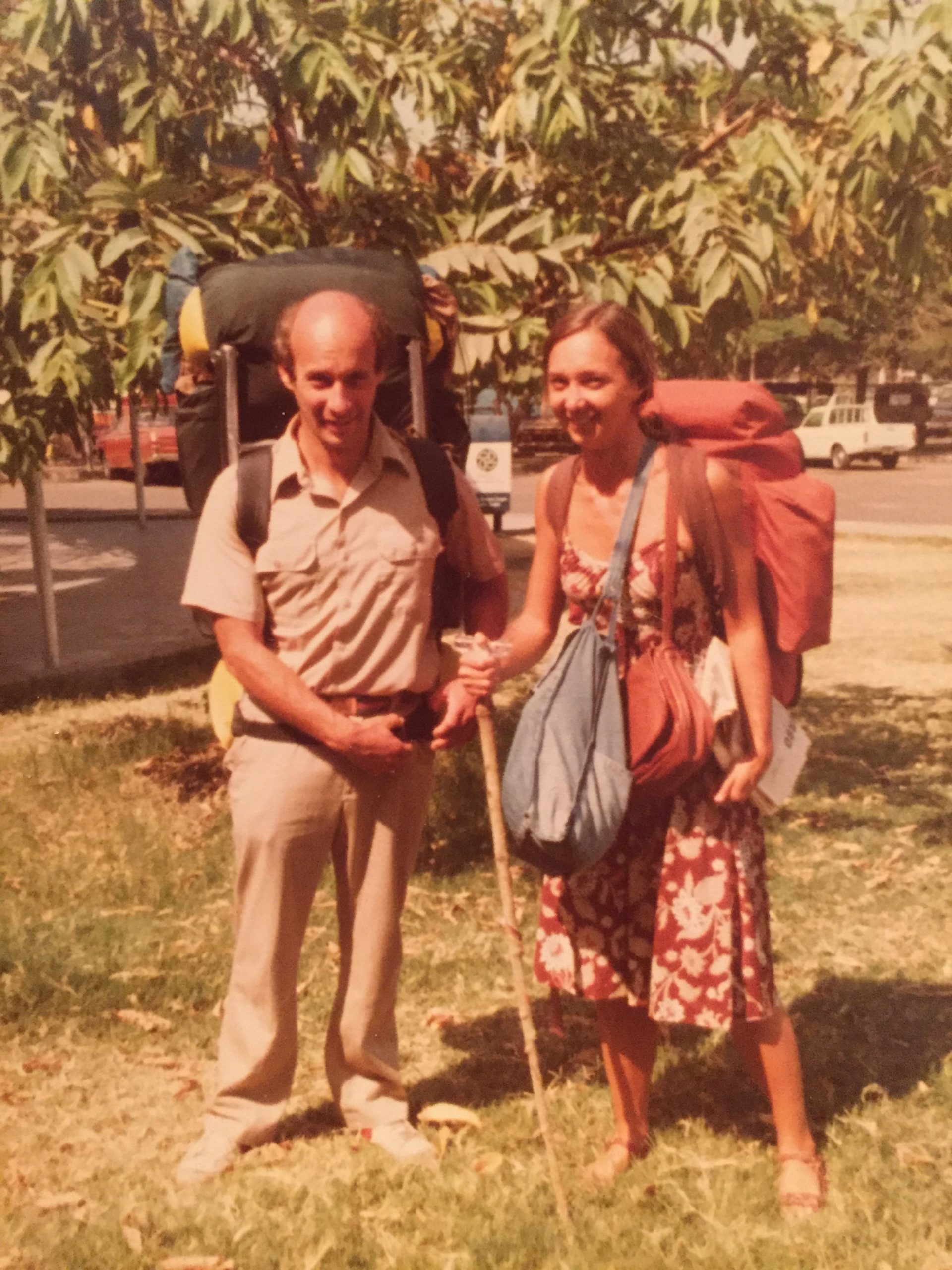
    Inspired by the 1956 film Around the World in 80 Days, he signed on with a Norwegian oil tanker in 1966, bicycled across North America, and returned to Europe on a Swedish oil tanker in 1968. He then hitchhiked to India, worked for two years on agricultural improvements for underserved communities, and met his future wife, Nancy Greene, a longtime Philadelphia resident.

    Amazingly, she was also inspired by Around the World in 80 Days and on her own global road trip. After India, Mr. Grove moved on to construction jobs in New Zealand and Australia. He finally settled in Philadelphia and married Greene in 1976.

    For the next 50 years, the two adventurers hiked trails in Borneo and New Zealand, and climbed Mount Kenya and Mount Kinabalu. “I was his biggest supporter,” his wife said.

    Born June 1, 1943, Peter Adrian Grove grew up in Send, a village about 28 miles southwest of London. He connected with nature as a boy, worked as a landscaper and carpenter in the early 1960s, and spent two years in the British Special Air Service Reserve.

    Mr. Grove and his wife, Nancy Greene, traveled the world together for decades. Courtesy of the family

    He earned an associate’s degree in English and biology in 1974 at Montgomery County Community College, and his bachelor’s degree at Penn in 1976 and master’s degree there in 1977. He constantly wrote and recorded audio clips about his life and adventures, and he shared those tales enthusiastically in school and at public events.

    He and his wife had a son, Evan, and a daughter, Marian, and lived in Fitler Square and then Narberth. He doted on his children and grandchildren, and bonded with his dogs.

    Mr. Grove constantly whipped up candlelit gourmet dinners for his family. He was funny, everyone said, and he loved to sing, dance, and fish.

    He called himself a simple man despite his many achievements and lived with cancer for years. “He was,” his wife said, “quite simply one of a kind.”

    Mr. Grove met his wife, Nancy Greene, in India in 1968.Courtesy of the family

    In addition to his wife and children, Mr. Grove is survived by five grandchildren and other relatives. Two sisters died earlier.

    A celebration of his life is to be livestreamed on YouTube.com at 1 p.m., Saturday, Aug. 8, at Wayne Presbyterian Church, 125 E. Lancaster Ave., Wayne, Pa..

    Donations in his name may be made to Friends’ Central School, 228 Old Gulph Rd., Wynnewood, Pa. 19096; the Lower Merion Conservancy, 1301 Rose Glen Rd., Gladwyne, Pa. 19035; and Friends of the Earth, Box 7010, Merrifield, Va. 22116.

    Mr. Grove was an avid fisherman.Courtesy of the family
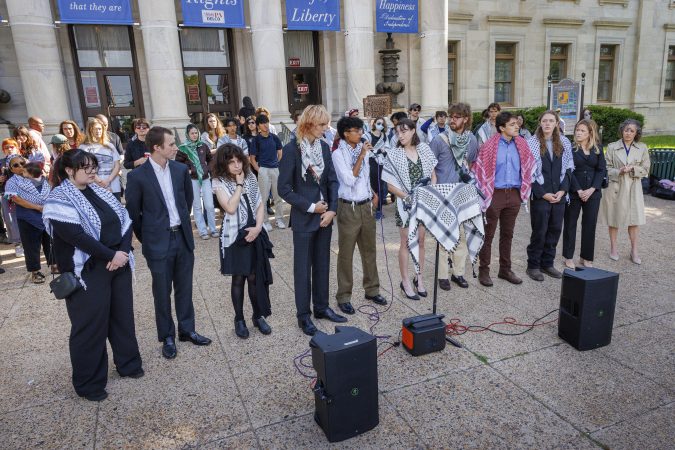
  • ‘Swarthmore 9’ protesters plead no contest to noise violation for pro-Palestinian encampment

    ‘Swarthmore 9’ protesters plead no contest to noise violation for pro-Palestinian encampment

    Nine protesters who were charged with trespassing for refusing to leave a pro-Palestinian encampment at Swarthmore College last year have entered no-contest pleas to summary noise violation offenses, ending a contentious legal case that had spanned more than a year.

    The so-called Swarthmore 9 entered the pleas late Monday, the day before their trial was expected to begin before Delaware County Court Judge Dominic Pileggi.

    As part of the plea negotiation, all nine agreed to perform eight hours of community service and pay court costs.

    The group had been charged with misdemeanor trespassing, and had refused to accept an earlier, similar plea offer made by District Attorney Tanner Rouse that would have had the same outcome. Doing so, they said at the time, could chill future student protests.

    In a statement Tuesday, members of the group said the decision to take the plea deal was “an incredibly difficult and far from unanimous decision.” They said they felt they had “no good options” and accepted the deal to avoid probation or jail time.

    “We are deeply grateful for the outpouring of support in solidarity with our case,” the statement said. “The community’s work in pressuring the DA and condemning Swarthmore’s repression and complicity only strengthens our upcoming fight for divestment and an end to the genocide.”

    Rouse, for his part, said the case came to a close in “the same way that every other defiant trespass case that we have handled during my time in the office has concluded.”

    “This offer had been on the table since the morning of their arrest, and in fact the case would have been withdrawn entirely, as they requested and as other protesters have had their cases withdrawn, if they had performed the same community service before formal arraignment,” he said in a statement Tuesday.

    The group was arrested and briefly detained outside the college’s Trotter Hall in May 2025 when officers from surrounding police departments dismantled their encampment protesting the war in Gaza and Swarthmore’s IT contract with Cisco, a company that does business with the Israeli government.

    Of the nine people arrested, only one, Jace Boland, is a student at the college. Another, Brendan Cook, is a former student who was suspended for participating in an earlier protest in 2024.

    The others — Jonathan Britt, Mara Helen Cahill, Daria C. Dressler, Thomas Falcone, Colin Buckley Malcarney, Riley J. McManus, and Andrew Thomas — are not affiliated with Swarthmore.

    Last week, Pileggi denied a motion to dismiss the charges against them, ruling that prosecutors had presented sufficient evidence for the case to proceed to trial.

    Swarthmore issued multiple orders to protesters last spring to leave the campus, citing concerns over vandalism and public safety. Many of the protesters wore masks, refused to identify themselves, and were not affiliated with the school, according to administrators at the college.

    Prosecutors noted that other protesters at the encampment avoided arrest by following an order to leave the area and were allowed to continue chanting and holding protest signs elsewhere on the campus.

  • The ‘flying saucer’ building at LOVE Park will host a beer garden and then a restaurant

    The ‘flying saucer’ building at LOVE Park will host a beer garden and then a restaurant

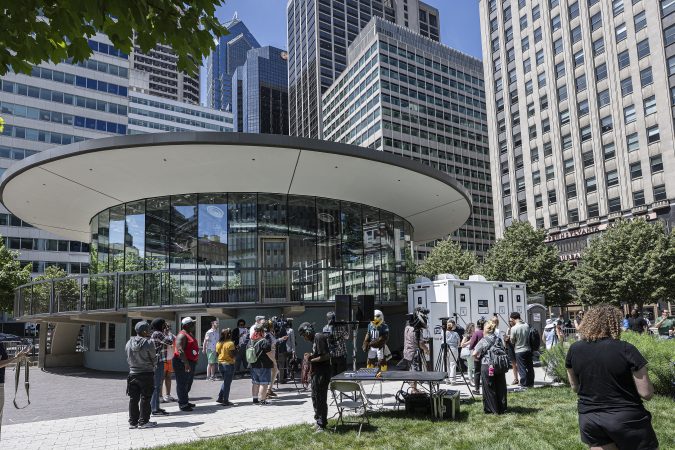
    More than six decades after it landed in LOVE Park, Philadelphia’s long-shuttered “flying saucer” building is preparing for its next mission. The first step begins Saturday — not inside the circular glass pavilion itself, but with a new outdoor beer garden surrounding it.

    Broad Street Beer Garden at LOVE Park is the opening phase of a food-and-drink operation led by Broad Street Brewing, the Bucks County brewery selected by the Philadelphia Department of Parks & Recreation as its operator after years of fits and starts.

    Saturday’s debut, on the final FIFA World Cup game in Philadelphia and amid the hoopla surrounding America250 festivities, will feature a beer garden with a limited food menu. Two Philadelphia companies, Rival Bros. Coffee and High Street Hospitality Group, will be involved as well. High Street, which operates Fork, a.kitchen, and the Bread Room, will assume a larger culinary role when the restored pavilion itself reopens in early 2027 as a year-round cafe, restaurant, and coffee bar. Its name has not yet been announced.

    Broad Street Brewing’s partners (from left) Ed Webber, Tim Lohse, and Brandon Wellington with brewer Andrew Balmer.Courtesy of Broad Street Brewing

    For the Parks & Recreation Department, the concession is about more than filling the building at 16th Street and JFK Boulevard. Revenue from the operation will be reinvested in LOVE Park and the Benjamin Franklin Parkway, helping fund programming, maintenance, and improvements.

    “This has been a long time coming,” said Katie Burns Kays, the department’s director of business and event development. “Our goal wasn’t just to find somebody to fill the space. We wanted a strong partner who would bring the kind of energy and story we want to be telling at LOVE Park, for both residents and visitors.”

    Kays said officials hope the arrangement becomes “a sustainable funding model for our public spaces.”

    Broad Street Brewing, which opened three years ago in Bristol, emerged from a field of applicants that included Four Corners Management, operator of Parks on Tap; Triple Bottom Brewing Co.; Tica’s Taco; Bower Penn, which operates Bower Cafe locations; and Little Susie’s Coffee & Pie, according to city documents.

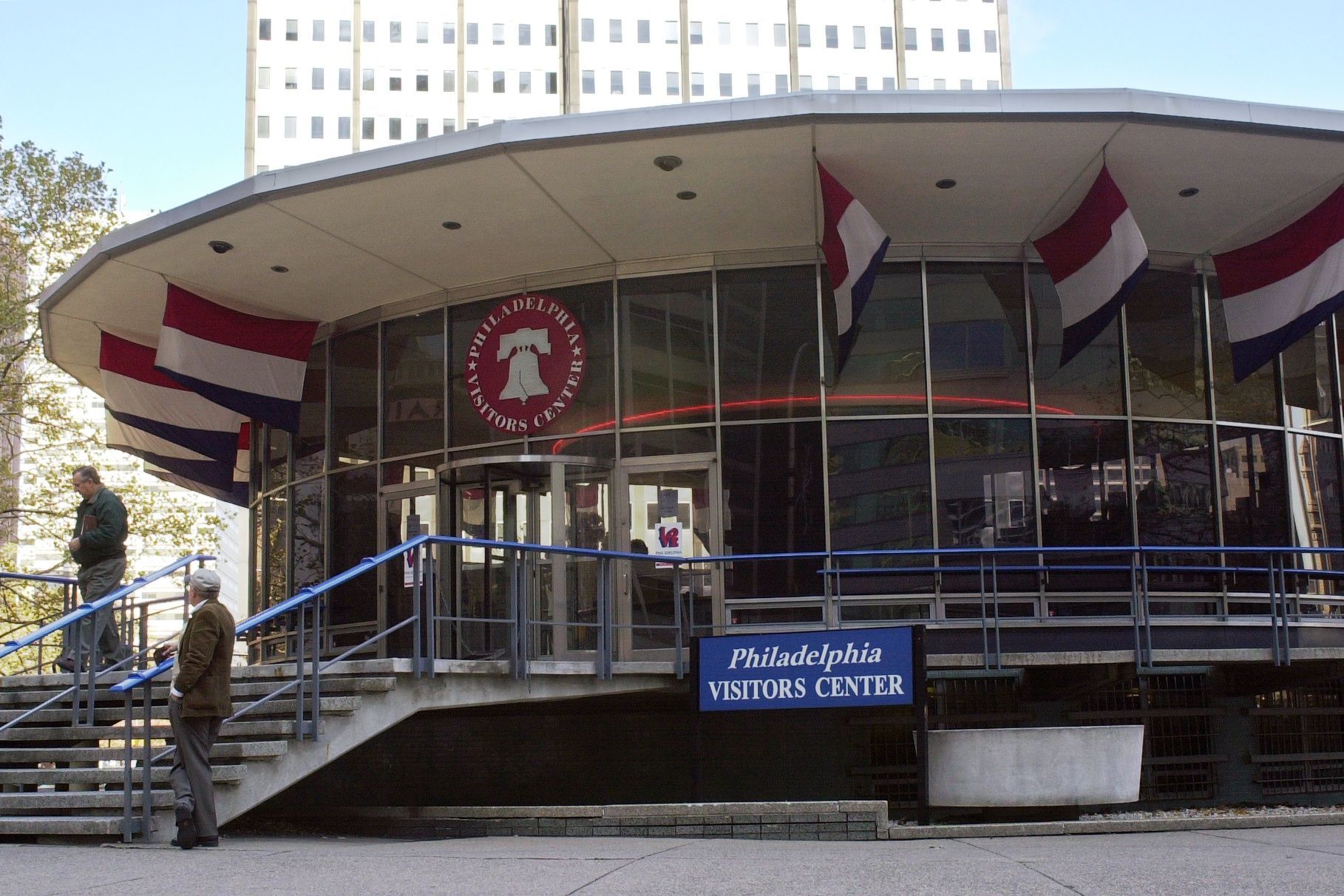
    The center in November 2001, just before the Independence Visitor Center opened at Sixth and Market Streets. Tom Gralish / Staff Photographer

    Kays said the city used what it calls a “best value” procurement process, weighing community engagement, operational experience, partnerships, and programming alongside revenue. Financial terms were not disclosed. The department’s standard concessions run for one year with up to four renewals, and Parks & Recreation plans to seek City Council approval this fall for a longer-term agreement to support the investment, Kays said.

    “It’s exciting to feature three local businesses rather than a national chain,” Kays said. “We really want visitors to experience Philadelphia through Philadelphia businesses.”

    For Broad Street co-owner Brandon Wellington, the project is also something of a homecoming. When Wellington lived at Broad and Race Streets, he first began brewing beer before setting the hobby aside for more than a decade. During the pandemic, he and longtime friends Ed Webber and Tim Lohse left their previous careers to launch Broad Street. Although the brewery established its production facility and taproom there, Wellington said the long-term goal was always to return to Philadelphia. He reached out to High Street partner Ellen Yin — whom he knew through his commercial kitchen-ventilation business — about partnering.

    The opening phase will occupy the terrace surrounding the pavilion and about a third of the adjacent lawn, with about 250 seats divided among cafe tables, picnic tables, and Adirondack chairs. Wellington said the goal was to create a gathering place for commuters, office workers, tourists, and park visitors while bringing regular live music and community programming to LOVE Park. The initial beverage program will feature at least eight Broad Street beers on draft.

    Broad Street Brewing expects to operate the outdoor beer garden through late October, serving beer alongside grab-and-go items such as smash burgers and maintaining a presence during Christmas Village as the permanent indoor build-out continues.

    Once the historic pavilion can be outfitted with a commercial kitchen, the partners expect to open a year-round operation with about 100 indoor seats. High Street will oversee the food program, while Rival Bros. anchors the cafe. Wellington said they also envision rotating guest chefs and an automated tap wall pouring Broad Street beers alongside selections from breweries across Philadelphia. The indoor operation is expected to debut around March 2027.

    “I just don’t want people to think this is simply a beer garden,” Wellington said. “While it’s being quarterbacked by a brewery, this will be Center City’s ultimate open-air hub — an oasis where local commuters, corporate professionals, and tourists can relax and connect.”

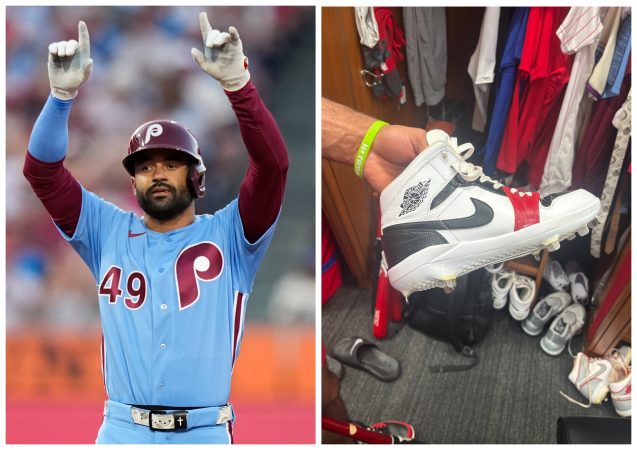
    On Aug. 4, 1957, The Inquirer reported the plan for what become the flying saucer-like building. In those days, Ben Franklin Parkway extended through what is now JFK Plaza to City Hall.Newspapers.com

    Long before it became known as Philadelphia’s “flying saucer,” the pavilion was conceived in the late 1950s as the Philadelphia Hospitality Center at what was then the corner of 16th Street and Pennsylvania Boulevard. News accounts placed the price tag at $150,000, exclusive of the land provided by the city.

    Designed by Roy F. Larson of Harbeson, Hough, Livingston & Larson, the circular building opened in 1960 as a visitor information center for an era when families increasingly arrived by automobile. Its broad cantilevered roof and nearly continuous glass walls embodied the optimism of the Space Age and Philadelphia’s postwar redevelopment under city planner Edmund Bacon.

    The pavilion predates both Robert Indiana’s LOVE sculpture and the boulevard that now borders it. When it opened, the roadway, which bisected the plaza, was called Pennsylvania Boulevard. Following President John F. Kennedy’s assassination in 1963, it was renamed John F. Kennedy Boulevard, giving the plaza the name by which it is now universally known.

    Renamed the Fairmount Park Welcome Center shortly after opening, the building later served as park offices, a cafe, a concession stand, and exhibition space. After the Independence Visitor Center opened at Sixth and Market Streets in 2001, however, it gradually lost its original purpose and sat vacant for years.

    Its future appeared uncertain during LOVE Park’s 2016-18 reconstruction. Although some questioned whether the aging structure should be demolished, preservation advocates successfully argued that it was among Philadelphia’s finest surviving examples of midcentury modern civic architecture. The city instead invested about $5.6 million to restore the pavilion, replacing its roof, mechanical systems, and custom-curved glass while preserving its distinctive appearance. It was added to the Philadelphia Register of Historic Places in 2025.

    The rehabilitation did not immediately produce a tenant. In 2019, restaurateurs Marcie Turney and Valerie Safran planned a restaurant called Loveluck before withdrawing during the pandemic, and a subsequent request for proposals drew no bids.

    Last year, the city broadened its search, seeking a cafe, taproom, or other community-oriented food-and-beverage concept instead of a traditional restaurant. More than 50 prospective operators responded.

    Kays said the city deliberately slowed the process to avoid repeating earlier missteps.

    “The city has tried this before, and the business was not set up for success,” she said. “We wanted to be much more intentional this time.”