Tag: topic-link-auto

  • Mayor Parker moves to renew Philadelphia’s contract with controversial Chester incinerator

    Mayor Parker moves to renew Philadelphia’s contract with controversial Chester incinerator

    Philadelphia last week took a step toward renewing its contract with a controversial Chester trash incinerator after a high-profile bill to ban the city from doing so failed to garner enough support in City Council.

    Mayor Cherelle L. Parker’s administration issued a notice on Friday that it intends to enter into a new four-year contract for waste processing and disposal with Reworld, which operates a waste-to-energy facility in Chester. The city sends about a third of its garbage to the incinerator, the Delaware Valley Resource Recovery Facility.

    Carlton Williams, who leads Parker’s Office of Clean and Green Initiatives, said in a statement that the city’s contracting process resulted in a deal that is “financially sound, environmentally safe, and includes the best option for the city to explore alternative methods for disposal.”

    But advocates, local officials in Chester, and some City Council members have accused the company of severe pollution and environmental racism, saying it releases toxic chemicals into the air that cause adverse health effects in the majority-Black city that’s about 15 miles south of Philadelphia.

    The amount of money the city intends to pay Reworld was not immediately clear on Monday. Parker administration officials issued a notice that they intend to renew the city’s existing contract with the company, but did not publish the contract itself.

    Reworld was one of three companies selected to process and dispose of the city’s waste. The other two, Republic Services and Waste Management, operate landfills.

    Council will need to approve legislation to greenlight the new contract with Reworld. The next scheduled meeting is in September.

    It’s unclear what fate the bill might meet in Council. Last year, Councilmember Jamie Gauthier, a Democrat who represents parts of West Philadelphia, introduced the Stop Trashing Our Air act, which would have banned the city from entering into contracts with companies that burn trash or recyclables.
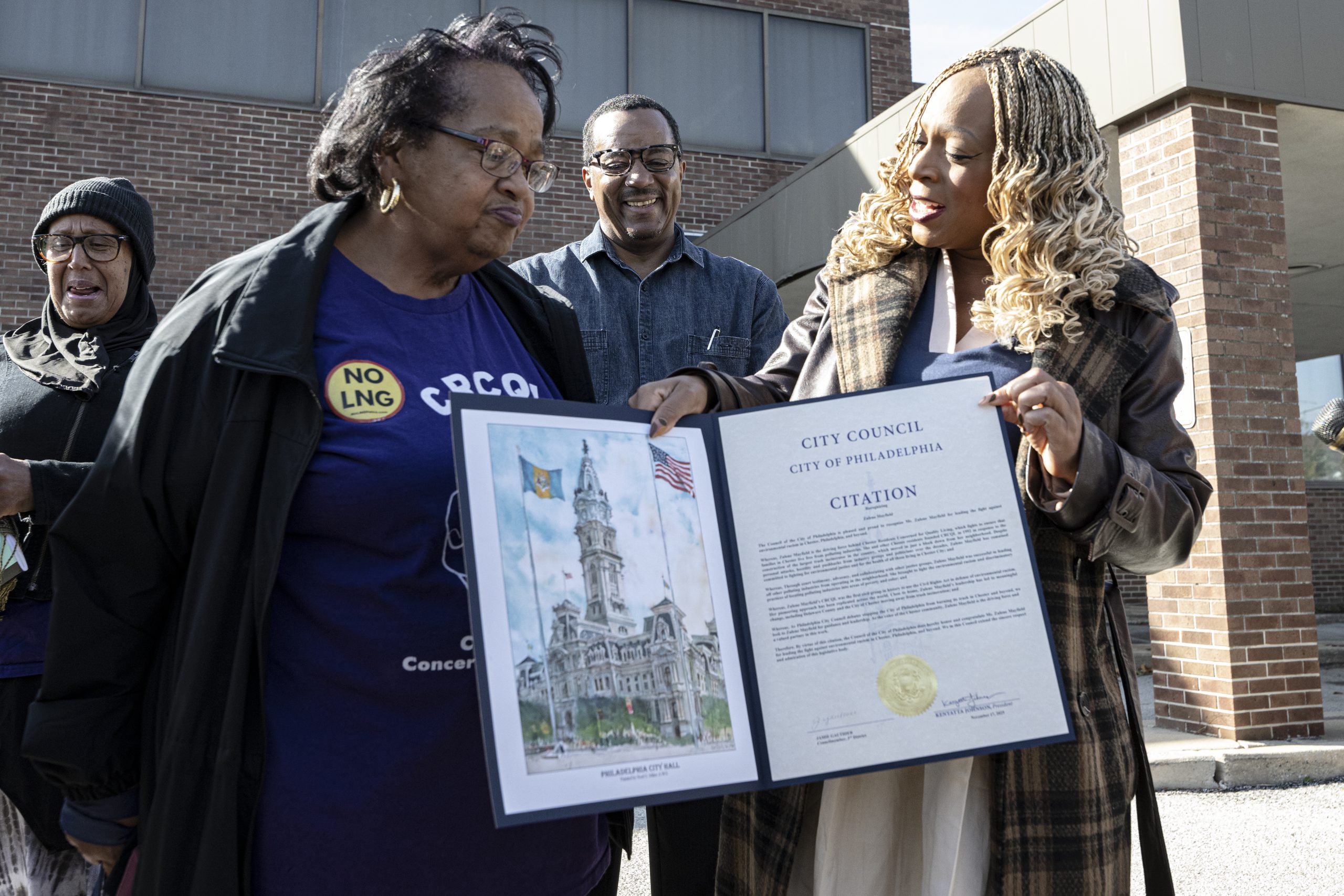
    Chester resident Zulene Mayfield (left), Philadelphia Councilmember Jamie Gauthier (right), and Chester Mayor Stefan Roots meet to discuss Gauthier’s “Stop Trashing Our Air Act,” which would ban the city from incinerating waste, during a visit with lawmakers and staff in Chester on Nov. 7, 2025.Jose F. Moreno / Staff Photographer

    But she never called the bill up for a vote, and ultimately put it on hold after it failed to garner support from a majority of the 17-member body.

    Gauthier said in a statement Monday that dirty air causes asthma and cancer, and that Parker’s administration is “condemning Philly and Chester to at least four more years of toxic air and ash.”

    “This is a choice. A choice that breaks Mayor Parker’s own campaign promise,” Gauthier said. “A choice that disproportionately harms Black and brown communities. A choice that makes every Philadelphian and Chester resident sicker.”

    The incinerator became something of a flashpoint when Parker ran for mayor in 2023. During a debate, one of her rivals, businessman Jeff Brown, made comments dismissive of complaints about the environmental impact of burning trash in Chester.

    Parker, who ran on a platform of making the city “safer, cleaner, and greener” seized on it and told Brown: “That response is the same way you treat the Black and brown community.”

    But Parker’s administration opposed Gauthier’s legislation, saying it would hamstring the city from being able to choose the best value waste disposal contractor through its typical competitive bidding process.

    That process, city officials said in a news release Friday, included considerations of cost, as well as impacts on transportation in the region and the environment. The administration hired two independent firms to conduct environmental impact analyses.

    The city previously held a seven-year contract with Reworld, which expired in June. Parker’s administration extended it for six months, ahead of selecting the company for a four-year renewal with the potential for three additional one-year extensions.
  • Penn State, Temple to receive first installment in performance-based funding under state new budget

    Penn State, Temple to receive first installment in performance-based funding under state new budget

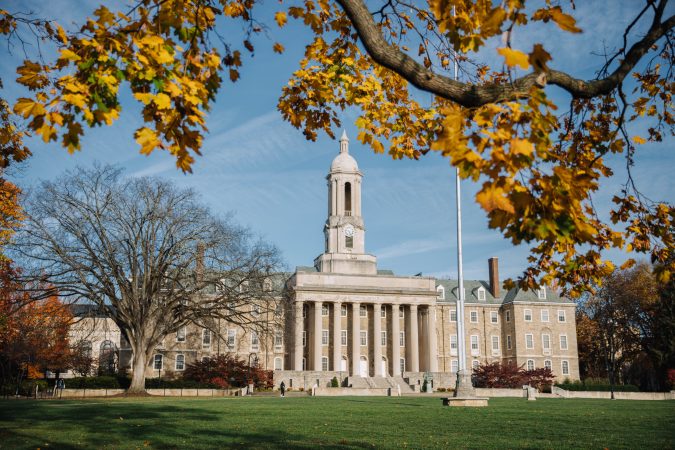
    Pennsylvania State University, Temple and the University of Pittsburgh will split $10 million in the state’s first allotment toward performance-based funding under the new budget.

    It’s the first time since the legislature passed the new performance-based formula last November that the three so-called state-related universities are receiving the funding in addition to the general appropriation they received last year. The formula considers overall enrollment, graduation rates, number of lower-income students as measured by those receiving federal Pell grants, students receiving degrees in high demand areas, and other factors.

    For Penn State, the new funding will amount to a little over $4 million, raising its general education subsidy to $246.1 million, the school said in a news release. The school said it was its first increase in state education funding since 2019.

    “This initial investment is an important first step that recognizes the essential role higher education plays in strengthening our commonwealth,” Penn State president Neeli Bendapudi said. “The metrics at the heart of this model align closely with Penn State’s mission and values.”

    Temple said it would receive a little over $2 million in performance-based funding, in addition to its $158.2 million general appropriation. The North Philadelphia-based university also is set to receive $500,000 for its “University College,” which helps adult and non-traditional students and lifelong learners pursue degrees. A university spokesperson said the money is for the school’s bachelor of general studies program.

    The performance-based funding grew out of a longstanding battle between the legislature and state-affiliated universities over transparency and accountability. State-related universities received hundreds of millions in state funding, yet have a quasi-public status exempting them from much of the state’s open records laws, a fact that has long been criticized by some legislators.

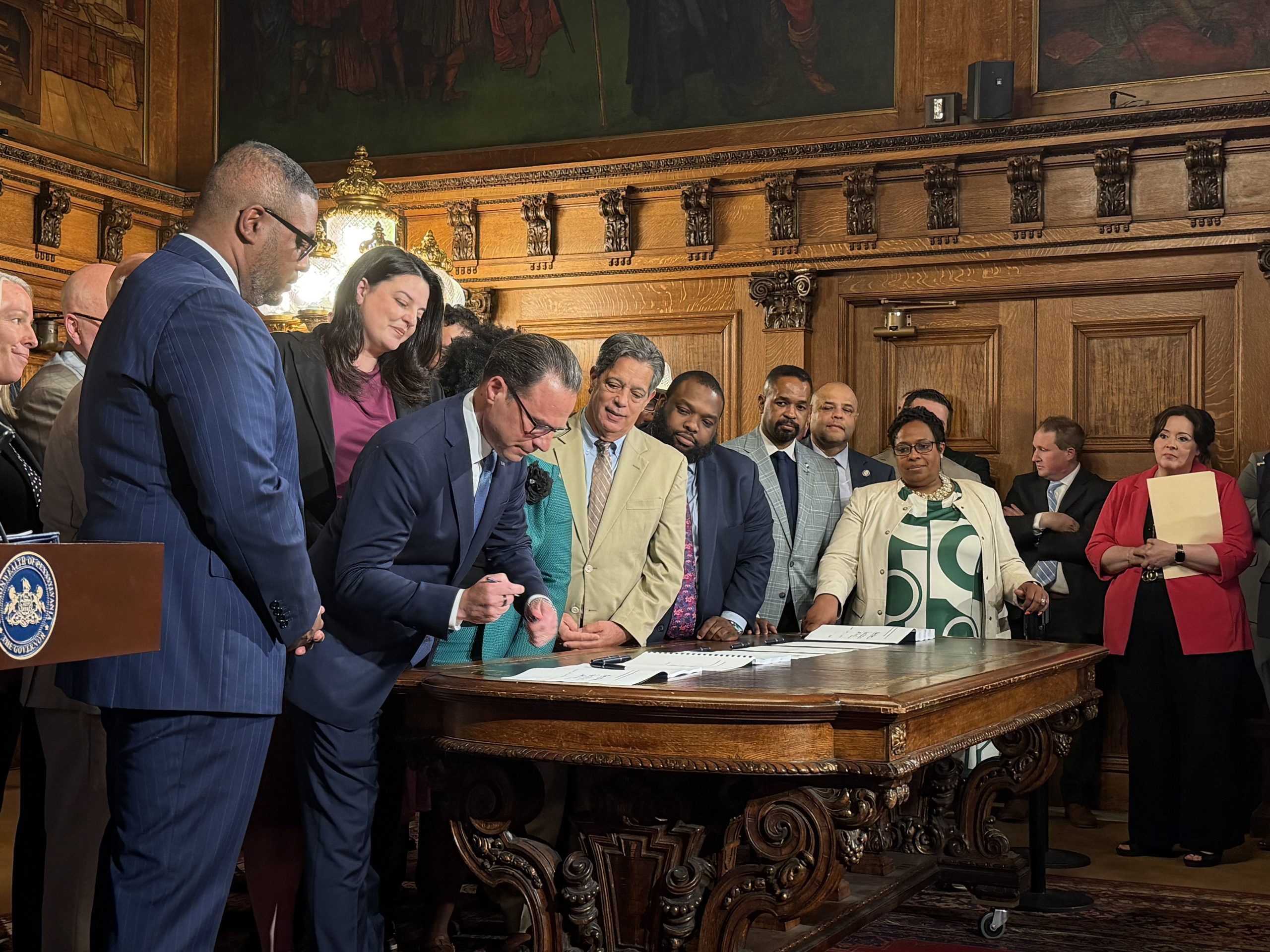
    Gov. Josh Shapiro, a Democrat, signed the $50.8 billion budget deal Sunday, applauding leaders from both parties for their work on the issue. He specifically highlighted House Minority Leader Jesse Topper (R., Bedford), who has led the charge to create the new performance-based funding model.

    “That’s something that leaders in Harrisburg have talked about for years and years and years, but we came together and we got it done,” Shapiro said during a news conference before signing the budget deal into law.

    Meanwhile, the system that oversees Pennsylvania’s 10 universities including West Chester and Cheyney will receive $626.1 million, up about $5 million over last year. The Pennsylvania State System of Higher Education had been seeking a $31 million or a 5% boost in order to roll back a 4.3% tuition increase its board approved last week.

    System spokesperson Kevin Hensil said Monday that the tuition increase would stay in place.

    In-state students, who make up the vast majority of the system, will pay $8,338 annually, up $344 from $7,994.

    The extra $5 million from the legislature, Hensil said, was “due to the expiration of funds related to a transfer workforce development partnership initiative” and would not impact the tuition increase.

    The budget also included $78 million for debt relief in the system, but Hensil said that also would not impact the tuition increase.

    “We are determining how it will be used, as we have in the past when such money was provided,” he said. “That analysis is underway.”

    By the state covering the PASSHE debt, Shapiro said it would enable the state’s 10 state-owned universities to “shift those dollars into more funding for our faculty, more funding for our students, and more funding for our academic programs.”

    In addition to West Chester and Cheyney, the other universities in the 83,005-student system include: Commonwealth, East Stroudsburg, Indiana, Kutztown, Lock Haven, Millersville, Penn West, and Shippensburg.

    Lincoln University, which also is a state-related school, is not included in the performance-based funding plan, but it received a $1.1 million boost.

    Funding for the state’s community colleges was held flat.

  • Glenside man charged with attempted murder for running over a 24-year-old he believed stole a bike, prosecutors say

    Glenside man charged with attempted murder for running over a 24-year-old he believed stole a bike, prosecutors say

    A Glenside man intentionally drove his Jeep into a cyclist, Montgomery County prosecutors said Monday, throwing the victim 90 feet and leaving him in critical condition with a serious head injury.

    Phillip Prince, 40, has been charged with attempted murder and related crimes in the crash, which took place Sunday evening on Meyer Avenue.

    It was not clear if Prince had hired an attorney.

    Investigators said Prince crashed into Colin Cassidy, 24, as Cassidy and a group of teens were riding bikes through Glenside. Multiple witnesses said Prince intentionally sped up “full throttle,” drove onto a sidewalk, and crashed into Cassidy just before 8:30 p.m., according to the affidavit of probable cause for his arrest.

    Prince told one of those witnesses that he was chasing Cassidy because he believed Cassidy had stolen the BMX bike Cassidy was seen riding through Glenside, the affidavit said.

    One of the teens who was with Cassidy on Sunday told police Cassidy had been riding a scooter before briefly disappearing and returning with the bicycle, according to the affidavit.

    Not long after, Prince drove up to the group in a Jeep Cherokee, attempted to grab Cassidy, and began chasing them.

    After the crash, as Prince went over to the unresponsive Cassidy, the teen turned off the Jeep and took the keys out of the vehicle so Prince would not drive away, the affidavit said.

    Prince and teen got into a brief fight, during which Prince punched the teen in the mouth, police said.

    Prince was still at the scene when Abington Township police arrived and took him into custody.

    Cassidy was taken to Jefferson Abington Hospital, where he underwent surgery for severe head trauma. He remained there Monday in critical condition, according to investigators.

  • Bill Curry, who helped make South Street a destination with Copabanana and Cafe Nola, has died at 85

    Bill Curry, who helped make South Street a destination with Copabanana and Cafe Nola, has died at 85

    Bill Curry, 85, the former Inquirer columnist who traded his byline for a barstool and transformed a modest South Street tavern into the landmark Copabanana, died Wednesday, July 1, after a long illness.

    For generations of Philadelphians, Mr. Curry’s name was synonymous with the colorful restaurant and bar he opened in October 1978 at Fourth and South Streets. Mr. Curry expanded it into a collection of restaurants and nightlife ventures that helped define South Street’s modern identity, including Cafe Nola and Hurricane Alley. The original Copabanana closed last year.

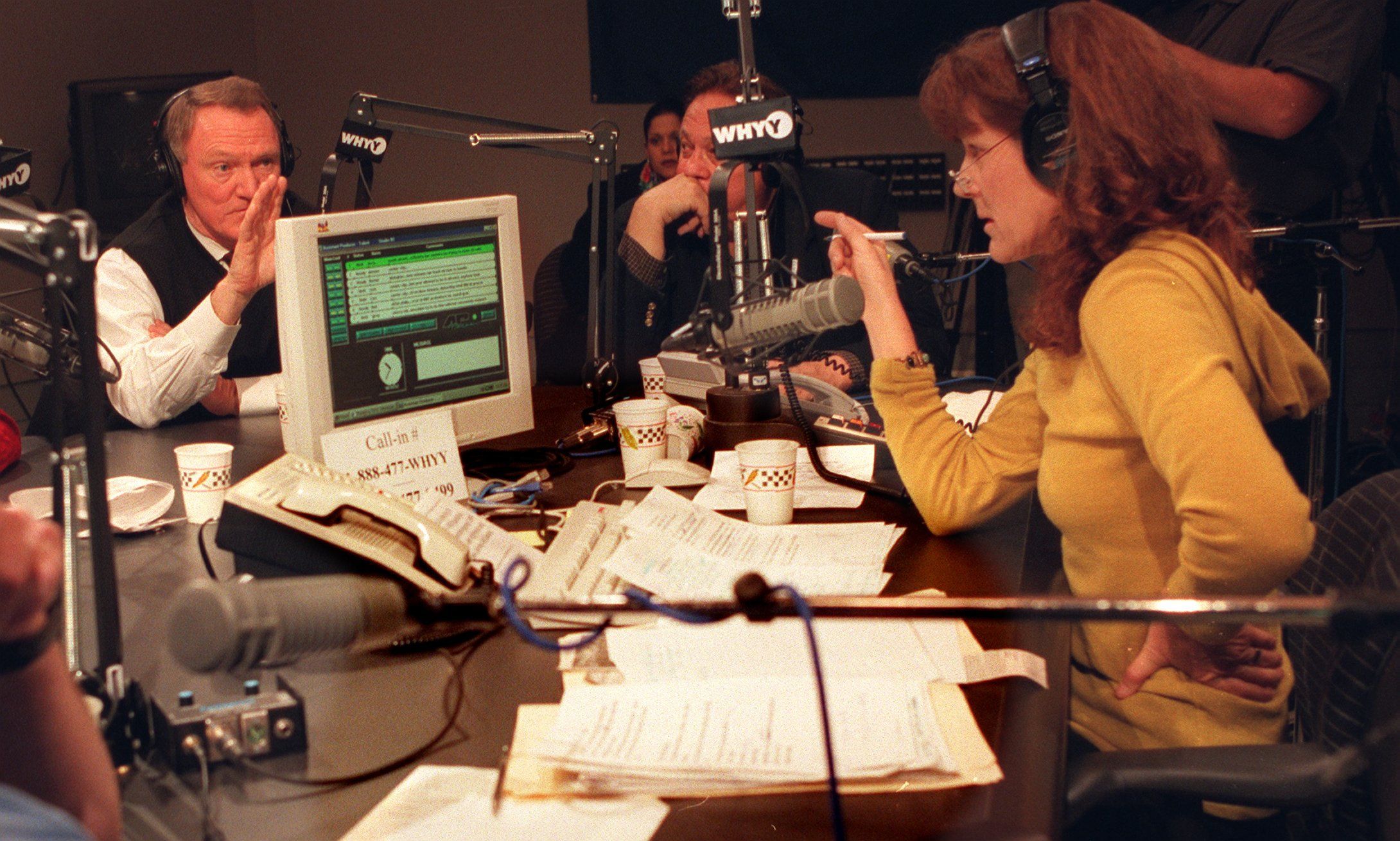
    Copabanana owner Bill Curry (center) joins Police Commissioner John Timoney on Marty Moss-Coane’s WHYY radio show for a discussion of Mardi Gras in 2001.April Saul / Staff Photographer

    Drawing on his South Florida upbringing, Mr. Curry filled Copabanana with the sounds and aromas that became its trademark: an art deco setting of bartenders squeezing fresh limes for margaritas, burgers sizzling in the front window, and nachos and signature Spanish fries topped with jalapeños and onions crowding nearly every table. It was a time when South Street — a once-thriving commercial district that had languished for years under the threat of a never-built crosstown expressway — was still more counterculture enclave than tourist destination.

    But Mr. Curry’s influence on South Street extended well beyond a single restaurant. First as a journalist and later as an entrepreneur, he became one of the corridor’s most visible champions.

    South Street’s renaissance was still in its early stages when Mr. Curry arrived in Philadelphia in 1971 from the Miami Herald — initially as an art director on The Inquirer’s Sunday magazine and soon after as a nightlife writer. The corridor had become a magnet for artists, musicians, entrepreneurs, and preservationists who were filling vacant storefronts with galleries, boutiques, restaurants, and bars. Few people did more to promote that hippie-into-punk transformation than Mr. Curry in his column, “On the Go.”

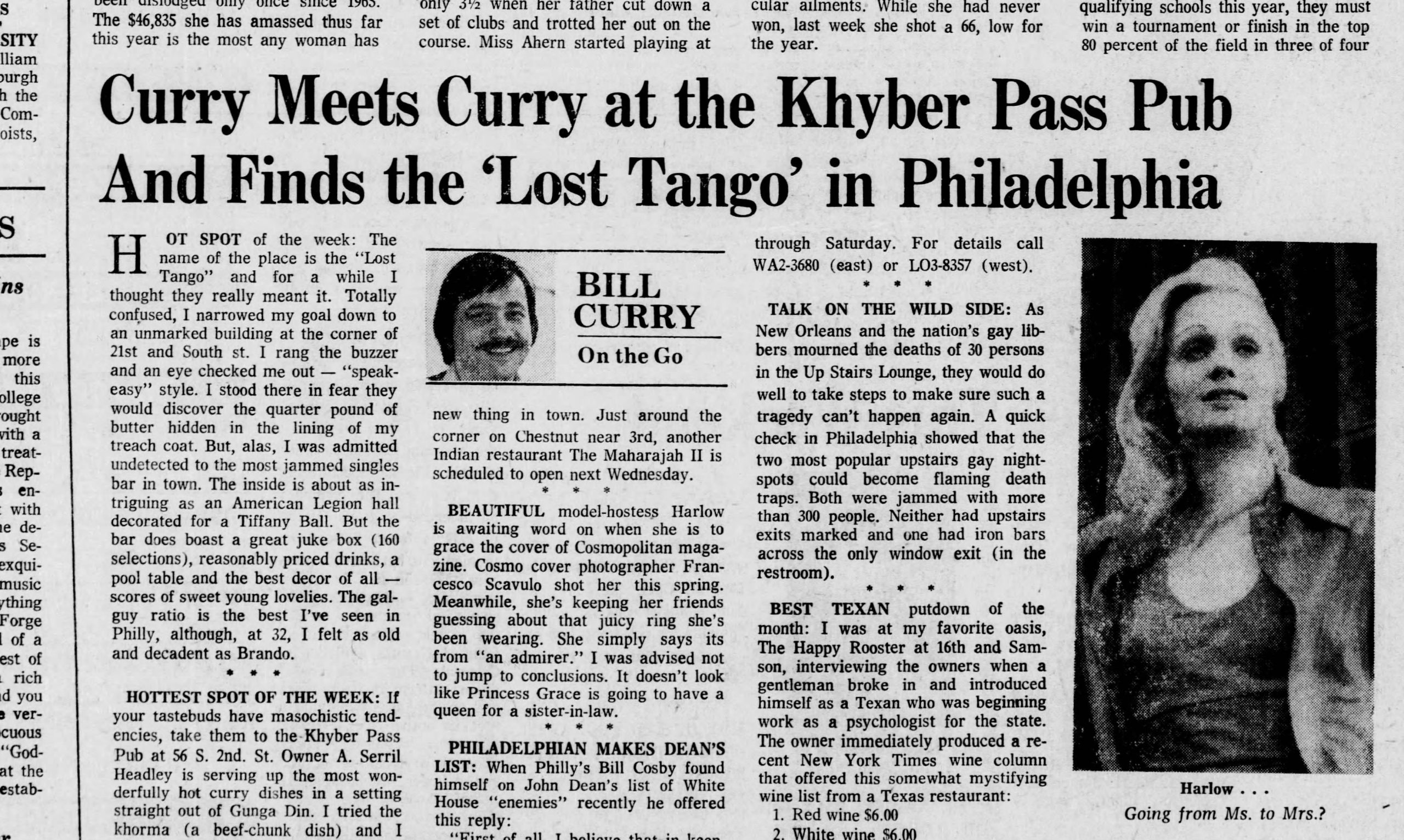
    One of Bill Curry’s 1973 “On the Go” nightlife columns from The Inquirer.Philadelphia Inquirer

    “I had fallen in love with the neighborhood and wanted to be a central part of its freewheeling, Bohemian culture,” he told an interviewer in 2015.

    “Bill had a quality of world-weary amusement about ‘it all’: politics, serious young journalists, himself, his column, his New Orleans mojo,” said former Inquirer columnist Clark DeLeon.

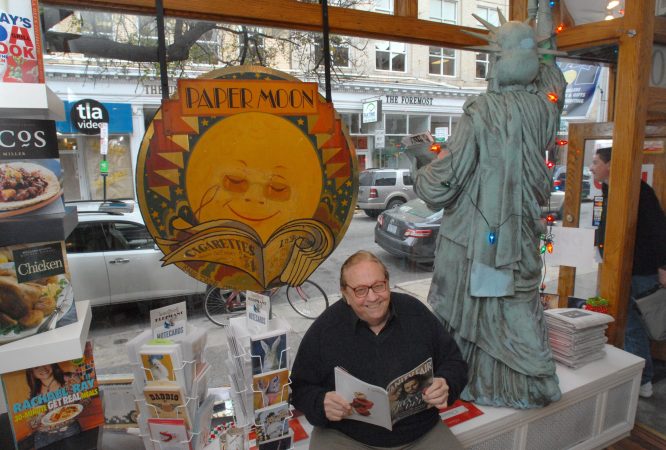
    In 1975, Mr. Curry opened a card shop and newsstand called Paper Moon at 329 South St., stocking it with out-of-town papers, international magazines, and specialty cigarettes. A year later, he backed a second location at 15th and Locust Streets called Le Corner Store.

    Mr. Curry’s newspaper career ended in September 1978 after he informed executive editor Gene Roberts that he planned to open Copabanana. Roberts concluded that Mr. Curry’s business interests amounted to a conflict of interest and took away the column. He offered Mr. Curry a non-writing role, but Mr. Curry said he chose to leave.

    Copabanana opened a month later. When asked whether he had restaurant experience, he told an interviewer: “No, but I had been to plenty — I got paid to drink. I was around town all the time telling folks what was good and what was bad. So I was ready to do it.”

    Copabanana — across from Jim’s Steaks and Lickety Split, and down the block from the Theatre of Living Arts — quickly became a destination. In 1981, Mr. Curry and business partner Judy DeVicaris opened the far more refined Cafe Nola a few doors away. With an adventurous, New Orleans-inspired menu and a lush decor, it enjoyed a 15-year run before closing in 1996.

    Mr. Curry also developed or helped operate Copa Too!, a Center City offshoot where Jose Pistola’s is now, as well as a still-operating Copabanana at 40th and Spruce Streets in University City.

    “He lived for the moment, all the time,” said his nephew David Christensen, who worked for his uncle for a spell. “On the culinary and restaurant side, he was always looking to expand, always wanting to do more. He stretched his assets to the limit, trying to bring in investors and make the next project happen. It was a wild ride.”

    Mr. Curry became as much a symbol of South Street as any of his restaurants. “He was the unofficial mayor of South Street,” said Brian Phillips, who in 2003 bought the University City Copabanana from Mr. Curry. “He tirelessly promoted the South Street way of life to make it ‘the hippest street in town.’”

    Julia Zagar, who with her artist husband, Isaiah, opened Eye’s Gallery on the next block in 1968, said Mr. Curry “embraced the South Street community with his intellect and tastes, books, magazines, and food. He understood the street life.”

    The original Copabanana occupied a shot-and-a-beer bar owned by a former longshoreman named Frank “Turk” Jaworski. Neighborhood lore said Turk’s once housed a Prohibition-era speakeasy reached through a concealed staircase hidden behind a phone booth — a story Mr. Curry happily embraced.

    Mr. Curry sold Paper Moon in 1983, and the shop closed two years later. In 2011, he revived the name for a new location nearby on Fourth Street.

    Asked after decades in business why Copabanana endured while so many restaurants came and went, Mr. Curry offered a simple explanation: “Consistency. You can go somewhere once and love it, but if you go back and it’s not good, you might never return. Good consistent food, and consistent drinks.”

    The restaurant struggled in its later years. In 2023, Copabanana sought bankruptcy protection as Mr. Curry battled a series of health problems. Later that year, Copabanana moved into Hurricane Alley’s former space two doors away. It closed in January 2025.

    The original South Street property, long on the market, is now under agreement of sale, said Billy Creagh, owner of National Realty Commercial, a brokerage.

    Mr. Curry’s life partner, Jim Bush, died several years ago. Besides his nephew, Mr. Curry is survived by a sister, Charlotte Christensen, and another nephew, Tom.

    A memorial service is being planned, Phillips said.

  • More than 80,000 Pa. retired teachers, police officers, and firefighters will get a pension bump — some for the first time in decades

    More than 80,000 Pa. retired teachers, police officers, and firefighters will get a pension bump — some for the first time in decades

    HARRISBURG — For the first time in two decades, more money will soon be flowing into the pockets of Pennsylvania’s retired public school teachers, firefighters, police officers and other state employees.

    Negotiated as part of this year’s state budget, more than 80,000 retired public sector employees will receive monthly increases to their pension plans as part of a cost-of-living adjustment that advocates have sought for years.

    Passing a pension bump has long been an objective of state lawmakers in both parties. And after legislators and Gov. Josh Shapiro approved the spending plan on Sunday, both Democratic and Republican leaders claimed credit for the pension boost, saying it was a product of their advocacy during negotiations.

    Public school teachers and other state employees who retired before July 2, 2001, will receive a tiered monthly payment based on their date of retirement. Similarly, police officers and firefighters who retired more than five years ago will receive additional monthly payments ranging from $50 to $300 dollars depending on how long they have been retired.

    In 2001, the state legislature passed Act 9, which gave a pension boost to public sector workers who retired after 2002, but it was not retroactive and does not increase with inflation.

    “Nobody gets into public education to become rich, they do it because they have a great love for the educating of our public school students,” said Aaron Chapin, president of the Pennsylvania State Education Association. “We know that when we get into education that we’re not going to retire very wealthy and be millionaires. We understand that. But we also need to make sure that these pensions are keeping up with the cost of living.”

    Retired teachers and other former public workers will begin seeing the cost-of-living increase to their pensions this month, while retired police officers and firefighters will see the bump starting next month.

    The state’s largest teachers union has advocated for the adjustment for many years. Those efforts included a union-coordinated campaign for teachers who retired before 2001 and did not receive a pension bump to share their stories with lawmakers, through meetings, letters, and media appearances.

    Chapin said the former teachers told their representatives “the stories of how challenging this has been for them and their colleagues, whether it was paying the mortgage or the rent, paying the electricity bills, maybe not taking medication that month.”

    At a news conference on Sunday evening before signing the $50.8 billion state budget, Shapiro called the pension increase “real money back in people’s pockets.”

    Democratic lawmakers in the state House, he said, “made crystal clear that they wanted to stand up and put more money back in the pockets of workers who had given our commonwealth so much.”

    Gov. Josh Shapiro, flanked by fellow state Democrats, signs the 2026-27 Pennsylvania state budget in Harrisburg on Sunday.Gillian McGoldrick / Staff

    “It’s definitely something our retirees have said to us for years,” said Kevin Ressler, the secretary of the Pennsylvania Professional Fire Fighters Association. “When you think about what things cost just 10 years ago until now, everything has gone up.”

    State legislators last approved a cost-of-living adjustment for police and firefighters in 2002. Since then, inflation has resulted in a 86% price increase, according to the U.S. Bureau of Labor Statistics.

    State Sen. Frank Farry (R., Bucks), a volunteer fire chief in Lower Bucks County, said members of both parties felt that it was time to pass the pension increase.

    First responders “dedicated decades of work to the community, just like our educators who dedicated decades of work to helping our young people grow and learn,” he added.

    While municipalities pay a portion of the pensions for first responders and public school teachers, the state will pay for all costs associated with the pension increase, Farry said. The increase, estimated to cost around $168 million annually, will come from revenue generated from an existing tax on internet gaming, he said.

    The state’s Fraternal Order of Police said in a statement that while no adjustment “can fully repay the commitment these men and women made throughout their careers,” the increase “restores a measure of fairness by helping ensure their retirement benefits better reflect today’s economic realities.”

    State Sen. Katie Muth (D., Montgomery) said the pension increases are the “high point” of this year’s policy changes negotiated as part of the overall budget deal.

    “These are our oldest retirees, many of them living in poverty,” she said. “This is a good moment, but a late moment. This should have been done quite some time ago.”

    The average age of retirees eligible for the cost-of-living increase in the state’s main two pension funds is just over 81 and 84 years old, respectively.

    The new pension bump, meted out monthly, is not set to automatically increase next year. Lawmakers from both parties have pushed for pensions to increase annually, indexed to inflation.

    State Sen. Tracy Pennycuick (R., Montgomery) — who sponsored a bipartisan bill to provide the pension increase to first responders — said that she hopes Harrisburg can now work to pass legislation to provide a yearly cost-of-living adjustment.

    “This is sending a very powerful message to young professional firefighters and police officers that we will continue to take care of you with cost-of-living adjustments in retirement,” she added.

    Ethan Young is an intern with the Pennsylvania Legislative Correspondents’ Association.

  • The landmark Jan. 6 criminal case against former Philly Proud Boys leader Zach Rehl was officially dismissed by a judge

    The landmark Jan. 6 criminal case against former Philly Proud Boys leader Zach Rehl was officially dismissed by a judge

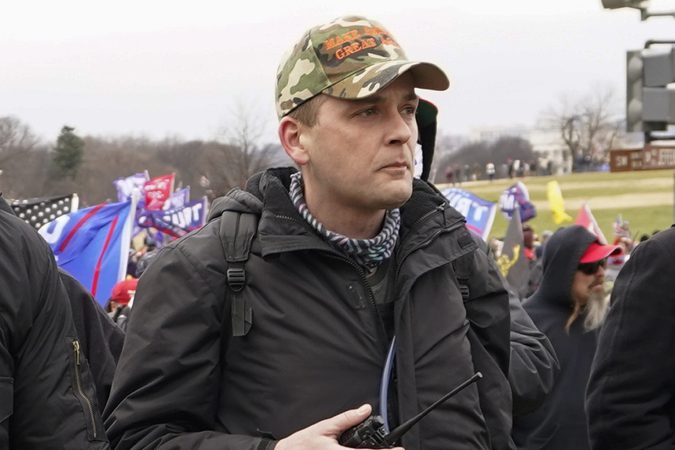
    A federal judge has officially dismissed the seditious conspiracy case against former Philadelphia Proud Boys leader Zach Rehl, putting an end to a landmark prosecution that had at one point served as a leading example of the Justice Department’s effort to seek criminal consequences for people who attacked the U.S. Capitol on Jan. 6, 2021.

    U.S. District Judge Timothy Kelly wrote in a memorandum Friday night that he effectively had no other choice but to dismiss the case against Rehl and his three codefendants, Proud Boys Ethan Nordean, Joseph Biggs, and Dominic Pezzola.

    An appeals court earlier this year had already granted a Justice Department request to vacate the men’s convictions because prosecutors said they no longer believed in them, Kelly said.

    And in 2025, President Donald Trump — the intended beneficiary of the Jan. 6 melee — also signed an executive order that prohibited prosecutors from continuing to pursue any cases against Jan. 6 defendants in court.

    Against that backdrop, Kelly wrote, he had “no grounds” to rule that the case against Rehl and his codefendants remain open, and he granted the government’s request to dismiss all charges.

    “President Trump’s views about the prosecution of those who attacked the U.S. Capitol on January 6 — whether those views are based on fact or fiction — are well known, as is his intention to extend clemency to them through the Executive Order,” Kelly wrote. “The Government’s request to dismiss this case is consistent with that general approach.”

    Rehl celebrated the ruling on social media, writing: “Finally, it’s ALL OVER! January 6th can now be a thing of the past for me!”

    Kelly’s ruling serves as the latest example of how Trump has consistently sought to rewrite the history of what occurred at the Capitol more than five years ago — and how he has attempted to use the levers of power since he returned to the White House last year to effectively undo any consequences for those who participated in it.

    Rehl, of Port Richmond, was one of the most prominent figures from the attack. A jury in 2023 concluded that he and his codefendants had spearheaded a plan to try to block Congress’ certification of Joe Biden’s win in the 2020 presidential election by riling up a mob that went on to violently storm the Capitol.

    The verdict served as one of the most significant examples of a sprawling Justice Department investigation. Prosecutors charged more than 1,500 people in connection with the attack, some of whom faced only misdemeanor trespassing offenses while others were accused of serious felonies, including assaulting police officers.

    Rehl, his codefendants, and several other leaders of the Proud Boys and Oath Keepers were convicted of the rarely used sedition charge and cast as ringleaders. And when Rehl was sentenced to 15 years behind bars, prosecutors at the time said a lengthy sentence was warranted because he had “threatened the bedrock principles of our country.”

    But in the years after the attack, Trump consistently downplayed the gravity of what happened that day, and he said the Justice Department’s investigation into it was politically motivated and corrupt.

    Then, last year, just hours after he was sworn back into office to begin his second term, Trump issued blanket pardons to nearly everyone who was charged in connection with the riot. He also ordered the Justice Department to to drop and dismiss hundreds of other cases that were still pending.

    Rehl was one of the few defendants who received a commutation instead of a pardon, meaning his prison sentence was cut short but his conviction remained intact.

    But Kelly’s decision last week — made at the urging of Trump’s Justice Department — has now wiped out Rehl’s conviction as well, effectively clearing him of all criminal culpability from the episode.

    Kelly — who was appointed by Trump during his first term — did not shy away from describing Jan. 6 in stark terms, writing in his memorandum that it was “a perilous event,” and an “attack” on people, police officers, Congress, and the peaceful transfer of power.

    “Moving forward,” the judge wrote, “if this Nation’s experiment in self-government is to last another 250 years, the American people — no matter their partisan preferences — will have to act together to preserve, protect and defend that miracle through our constitutional framework.”

  • Philly temperatures are forecast to near 100 degrees, again, this week

    Philly temperatures are forecast to near 100 degrees, again, this week

    No rest is in sight for the weary Philadelphians still recovering from the scalding week that led up to the city’s July Fourth festivities. Temperatures this week are expected to near 100 once again.

    The National Weather Service has issued an extreme heat watch for Wednesday, when temperatures are expected to peak at 99 degrees, accompanied by a heat index of up to 108. Before then, a high of 93 is expected on Tuesday. Temperatures should return back down to 93 on Thursday and settle at 92 on Friday, according to the service’s forecast.

    The forecast doesn’t anticipate anything quite as severe as the series of triple-digit days leading to July Fourth, but it will surely be humid, hot, and uncomfortable, said Zack Cooper, a meteorologist with the National Weather Service’s Mount Holly office.

    Similarly to the early July heat stretch, rain is possible to follow the heat over the weekend, Cooper said.

    The city has tallied eight heat-related deaths this year, according to the city health department.

    This blanket of heat in the atmosphere “probably won’t be centered” over the Philadelphia area, Cooper said. “What really set the last event apart from this one was that high pressure center being right over the area for a period of a few days where, in this case, it’ll mostly be suppressed down to our south.”

    Virginia and West Virginia are anticipated to experience the brunt of this heat spell, he added.

    Temperatures this week are unlikely to break records, Cooper said, as the hottest recorded temperature in the Philly area on a July 15 was 103 degrees, set in 1995.

    Still, Cooper advised Philadelphians to treat this heat similarly to the early July heat wave — limit time outdoors, dress in lightweight clothing, and check up on neighbors.

    “It still will be dangerous heat,” he said.

  • Bryce Harper responds to controversy over his personal video message to a FanDuel customer with a gambling addiction

    Bryce Harper responds to controversy over his personal video message to a FanDuel customer with a gambling addiction

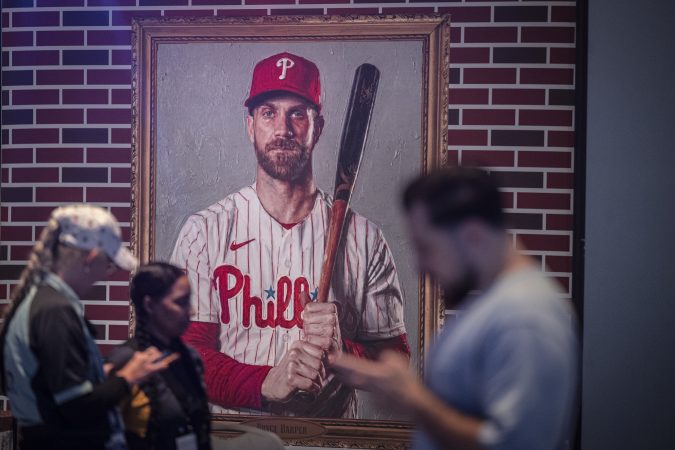
    Bryce Harper, the Phillies’ All-Star first baseman, said on Monday that he was unknowingly working on behalf of FanDuel when he recorded a personalized video for a man with a gambling addiction who had placed millions of dollars in bets on the site.

    Harper, in a story on his verified Instagram account, wrote that he thought he was just doing a message on the site Cameo — in which celebrities are paid to record videos for fans — but “what happened here went beyond anything I knew about or approved.”

    “I did not know this video would be used for commercial purposes,” Harper wrote. “The request included a short script. I read it in good faith. FanDuel then put its own logo on the video and used it as a gambling promotion. I did not know FanDuel would do this, I did not consent to it, and FanDuel had no right to do it.”

    The Inquirer obtained a copy of the 21-second video from November 2024, which is marked with a blue FanDuel logo and shows Harper offering a greeting to the bettor, Terry Thompson, and Thompson’s son, by name.

    Harper’s statement also said he has no affiliation with FanDuel and that “Contrary to the Inquirer’s suggestion, I did not know that the Cameo video would be used for a FanDuel VIP promotion.”

    However, in the video Harper states that he’s reaching out at the request of Thompson’s VIP manager — “your host Bryttanni at FanDuel.” Harper also posted the Cameo script, which included the same language about FanDuel.

    The Inquirer reported on the video on Thursday. Harper had declined to comment until Monday. His statement came ahead of his planned appearance at Monday night’s 2026 MLB Home Run Derby at Citizens Bank Park.

    Beginning in 2020, Thompson wagered $18.5 million with FanDuel and lost $1.5 million, according to a lawsuit that the Public Health Advocacy Institute filed in March in Common Pleas Court in Philadelphia on behalf of Thompson and against FanDuel and DraftKings, to which Thompson also lost money.

    Harper says he did not know anything about Thompson.

    “Had I known FanDuel’s true intent, I would not have made the video,” Harper wrote on Instagram. “The same is true had I known anything about Terry or his situation, or about any alleged ‘partnership’ between Cameo and FanDuel.”

    On the advice of counsel, Harper wrote, he would not comment further. Harper did not discuss the matter further during a media availability Monday.

    Cameo notes in its terms of service that celebrities are not required to follow a purchaser’s instructions exactly. Harper, however, mostly stuck to a short script that made clear to Thompson that the Thanksgiving message was arranged by the FanDuel host.

    Cameo has not responded to requests for comment.

    FanDuel did not respond Monday to Harper’s Instagram post. Last week the company released a statement:

    “FanDuel is committed to fostering a culture of responsible gaming and protecting our customers. Unlike illegal offshore sportsbooks, FanDuel employees are trained to recognize and flag signs of problem gambling and offer resources and tools, and we continue to review and strengthen our policies to ensure we have the industry’s strongest consumer protection initiatives.”

    The Phillies and Major League Baseball have so far declined to comment on the video.

    The Pennsylvania Gaming Control Board, which regulates casinos, online gambling and sports wagering, said on Friday that it is examining the video, but a spokesman for the board declined to provide details.

    The Inquirer will continue to report on issues related to the growth of gambling addiction — among teens and adults — across Pennsylvania. If you, or someone you know, wants to speak with a reporter, please contact David Gambacorta or William Bender at dgambacorta@inquirer.com and wbender@inquirer.com

  • Richard D. Wood Jr., Wawa chair emeritus and ‘guiding heart and soul,’ has died at 88

    Richard D. Wood Jr., Wawa chair emeritus and ‘guiding heart and soul,’ has died at 88

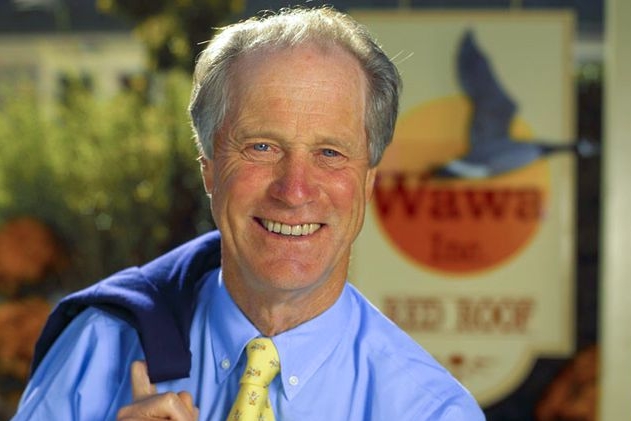
    Richard D. Wood Jr., 88, of Wawa, Delaware County, chair emeritus and former chief executive officer and president of Wawa Inc., Convenience Store News Hall of Famer, lawyer, trustee, mentor, veteran, and philanthropist, died Friday, July 10, of age-associated decline at his home.

    Born in Philadelphia, Mr. Wood earned a law degree at what is now the University of Pennsylvania’s Carey Law School in 1964 and joined his family’s nascent Wawa food market company in 1970 as its first general counsel. His great-grandfather founded the Wawa dairy in 1902, and his father’s cousin opened the first Wawa food market in 1964.

    By 1977, Mr. Wood had ascended to president of the company, and its innovations, including 24-7 hours of operation and custom-made hoagies, made it the region’s dominant convenience store. He became CEO in 1980 and chair in 1982, and was named chair emeritus in 2020.

    In 2020, Inquirer business writer Joseph N. DiStefano said Mr. Wood “presided over the board during the period of Wawa’s rapid growth from a regional cokes-smokes-milk-and-hoagies chain to a convenience store and gas outlet with more than $12 billion in annual sales and 850 stores from New Jersey to Florida.”

    For more than 40 years, Mr. Wood supervised Wawa’s multistate expansion, addition of gas pumps, expanded inventory, rigorous employee training, and popular employee stock ownership plan. During his tenure, the company grew to more than 36,000 associates and was one of the largest privately held companies in the country.

    Through it all, Mr. Wood was affable and curious, friends and family said. He wanted to know everybody’s name and what they thought, and he enjoyed touring the stores and chatting up associates and customers, especially on Christmas Day. He told colleagues he wanted to “create an environment where each of us believes that we can make a difference.”

    “Dick Wood was our true lead goose who was the guiding heart and soul of the company,” Chris Gheysens, Wawa’s chairman and CEO, said in a tribute. “He is the reason why Wawa is the company we are today and why we enjoy so much share of heart from our customers and dedication from our associates.”

    Mr. Wood hired students and women to work in the stores, and offered flexible schedules to accommodate their availability. He oversaw Wawa’s $200 million of donations to community nonprofits and its college tuition reimbursement plan for associates.

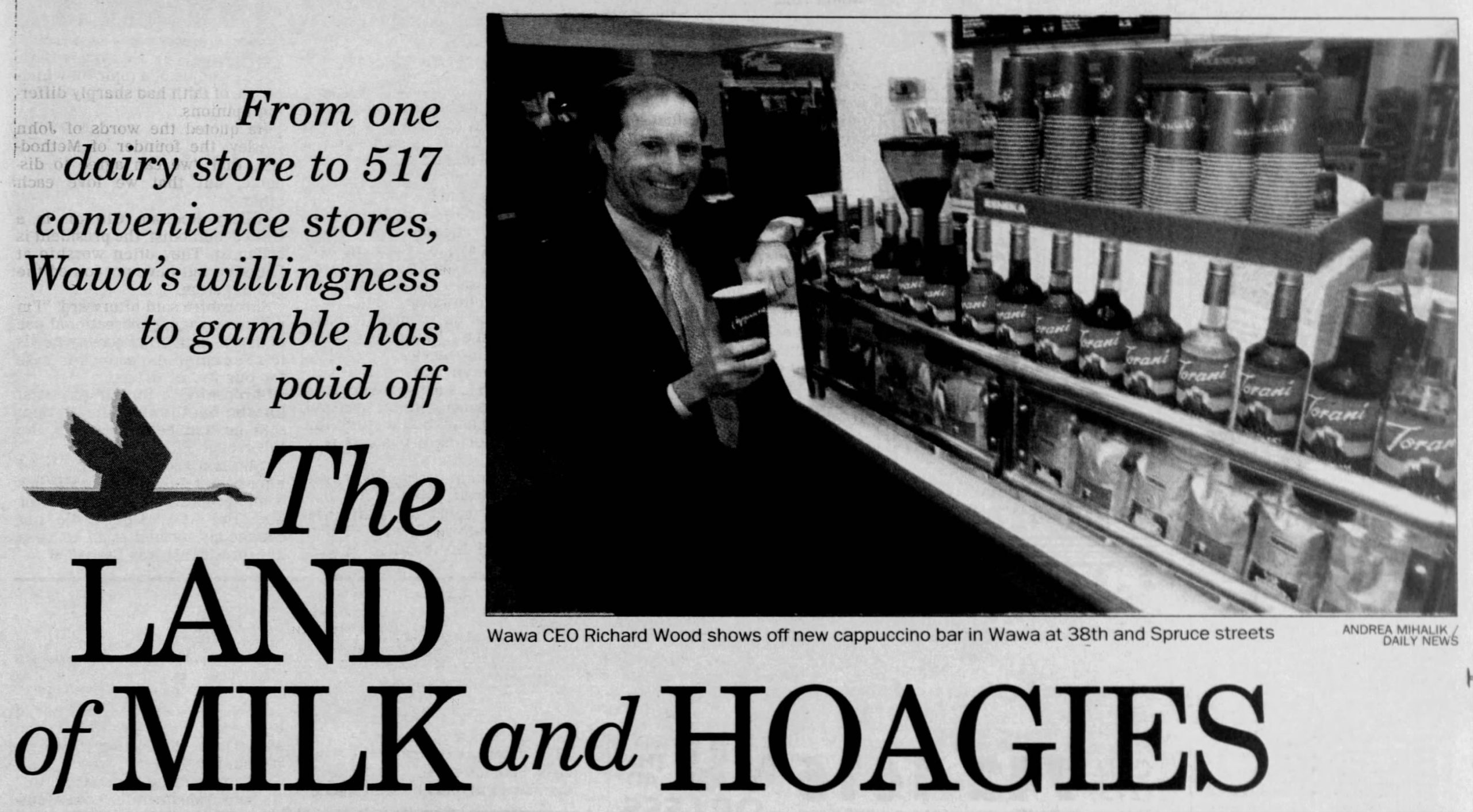
    This photo of Mr. Wood and a story about Wawa appeared in the Daily News in 1994. Newspapers.com

    In 2021, to mark his 50th anniversary at the company, Wawa established the Dick Wood College Scholarship Fund for associates. He told Inc. magazine in 2018: “Values and culture mean more in this company than being smart.”

    Colleagues called him “humble, gracious, curious, and kind” and “a beloved treasure to the company” in tributes. His life-size bronze statue greets visitors at Wawa’s corporate headquarters.

    “He made people feel important,” said Barbara Ennis, his longtime assistant, ”because to him, they were.”

    Mr. Wood was onetime chair of the executive committee of the National Association of Convenience Stores and on boards at Children’s Hospital of Philadelphia, Riddle Memorial Hospital, Philadelphia National Bank, Bok Tower Gardens in Florida, and other organizations. He appeared often in The Inquirer and Daily News, spoke on panels and at conferences about corporate leadership, and was inducted into the Convenience Store News Hall of Fame in 1996.

    Mr. Wood (left) worked closely with fellow CHOP trustee N. Scott Adzick.Children's Hospital of Philadelphia

    He served on the Chester Heights Borough Council in the early 1980s and was named 1996 businessman of the year by the Great Valley Regional Chamber of Commerce. Before Wawa, Mr. Wood was a public defender in Philadelphia and a lawyer at Montgomery McCracken.

    “People loved to follow him,” said his son, Richard D. Wood III. “He was larger than life,” said his daughter, Lisa Wright.

    As a philanthropist, Mr. Wood and his family donated $25 million to Children’s Hospital of Philadelphia in 2021, and CHOP named its Richard D. Wood Jr. Center for Fetal Diagnosis and Treatment in his honor. His family also funded the Richard D. Wood Jr. and Jeanette A. Wood Endowed Chair in Pediatric Diagnostic Medicine, and he instituted a volunteer services program at CHOP.

    Sometimes, his family said, Mr. Wood walked the halls of the hospital, sharing Wawa coffee and conversation with patients and families. CHOP honored him at its 2019 Carousel Ball. Madeline Bell, CEO at CHOP, said: “I will truly miss his warmth, wisdom, and generous spirit.”

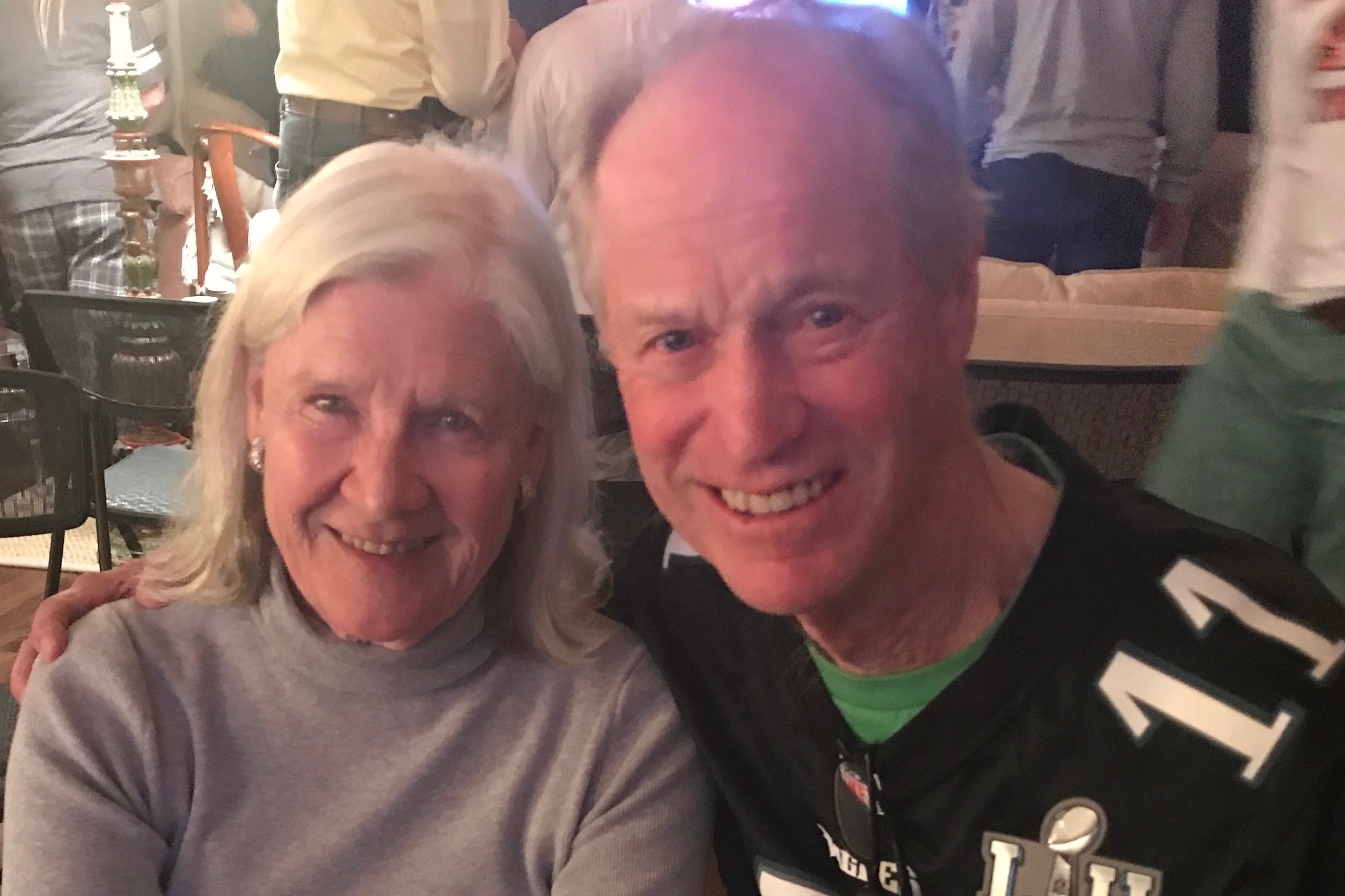
    Mr. Wood and his wife, Jeanette, married in 1964.Courtesy of the family

    Howard Stoeckel, former Wawa vice chair, CEO, and president, said in a tribute: “He had a special mix of heart, compassion, empathy, and humility that made him a true believer and practitioner of servant leadership.”

    Richard Davis Wood Jr. was born March 4, 1938. He graduated from St. Paul’s School in Concord, N.H., earned a bachelor’s degree in business at the University of Virginia, and served for a year in the Marine Corps and later in the Marine Corps Reserve.

    He met Jeannette Andrews when he was visiting New York with friends, and they married in 1964. They lived in Philadelphia and Wawa, and had a daughter, Lisa, and a son, Richard III. His wife died in 2025.

    Mr. Wood was an avid golfer, and he belonged to the Gulph Mills and Pine Valley Golf Clubs, and the Mountain Lake Club in Florida. He played tennis and bridge, and was a longtime season ticket holder for the Eagles and Flyers.

    Mr. Wood (right) enjoyed meeting and talking with Wawa associates and customers.
    Jonathan Wilson / Staff Photographer

    He and his wife traveled, hosted family holiday parties, and spent memorable winters in Lake Wales, Fla. He drove his favorite Honda Accord for years and followed Virginia college football and basketball closely.

    He championed conservation, education, and health. “He treated every single person the same,” his daughter said. His son said: “Humility defined him.”

    Mr. Wood said in a 2020 video for CHOP: “It’s a great feeling to know that you’re helping out.”

    In addition to his children, Mr. Wood is survived by five grandchildren, a sister, a brother, and other relatives. Two brothers died earlier.

    A celebration of his life is to be held later.

    Donations in his name may be made to the Richard D. Wood Jr. Center for Fetal Diagnosis and Treatment at Children’s Hospital of Philadelphia, Box 781352, Philadelphia, Pa. 19178; and Bok Tower Gardens, 1151 Tower Blvd., Lake Wales, Fla. 33853.

  • Where microburst storm damage has been reported around Philly, mapped

    Where microburst storm damage has been reported around Philly, mapped

    Cleanup from Saturday’s storm was continuing Monday, as communities around the Philadelphia region deal with aftermath of fallen trees, flooding, and high winds.

    A series of four “microbursts” brought severe damage to a limited area Saturday, with wind gusts traveling up to 60 to 70 miles per hour. Those isolated bouts of high winds, which ripped through parts of Philadelphia and Montgomery County, toppled hundreds of trees and damaged or collapsed several buildings, while sudden and severe rains caused floods around the region.

    Microbursts, the National Weather Office said, occur when there is a rapid increase in the updraft of a thunderstorm. Once that updraft stops, the mass of the storm system crashes back down, resulting in severe winds.

    As of early Monday afternoon, Peco continued to restore power to affected customers, with more than 170 outages impacting nearly 2,400 people. And though a comprehensive account of damages was not immediately available, damage reported to the weather service and select other entities indicated dozens of recorded incidents.

    (function() {
    var l2 = function() {
    new pym.Parent(‘july_11_storms’,
    ‘https://media.inquirer.com/storage/inquirer/projects/innovation/arcgis_iframe/july_11_storms.html’);
    };
    if (typeof(pym) === ‘undefined’) {
    var h = document.getElementsByTagName(‘head’)[0],
    s = document.createElement(‘script’);
    s.type = ‘text/javascript’;
    s.src = ‘https://pym.nprapps.org/pym.v1.min.js’;
    s.onload = l2;
    h.appendChild(s);
    } else {
    l2();
    }
    })();