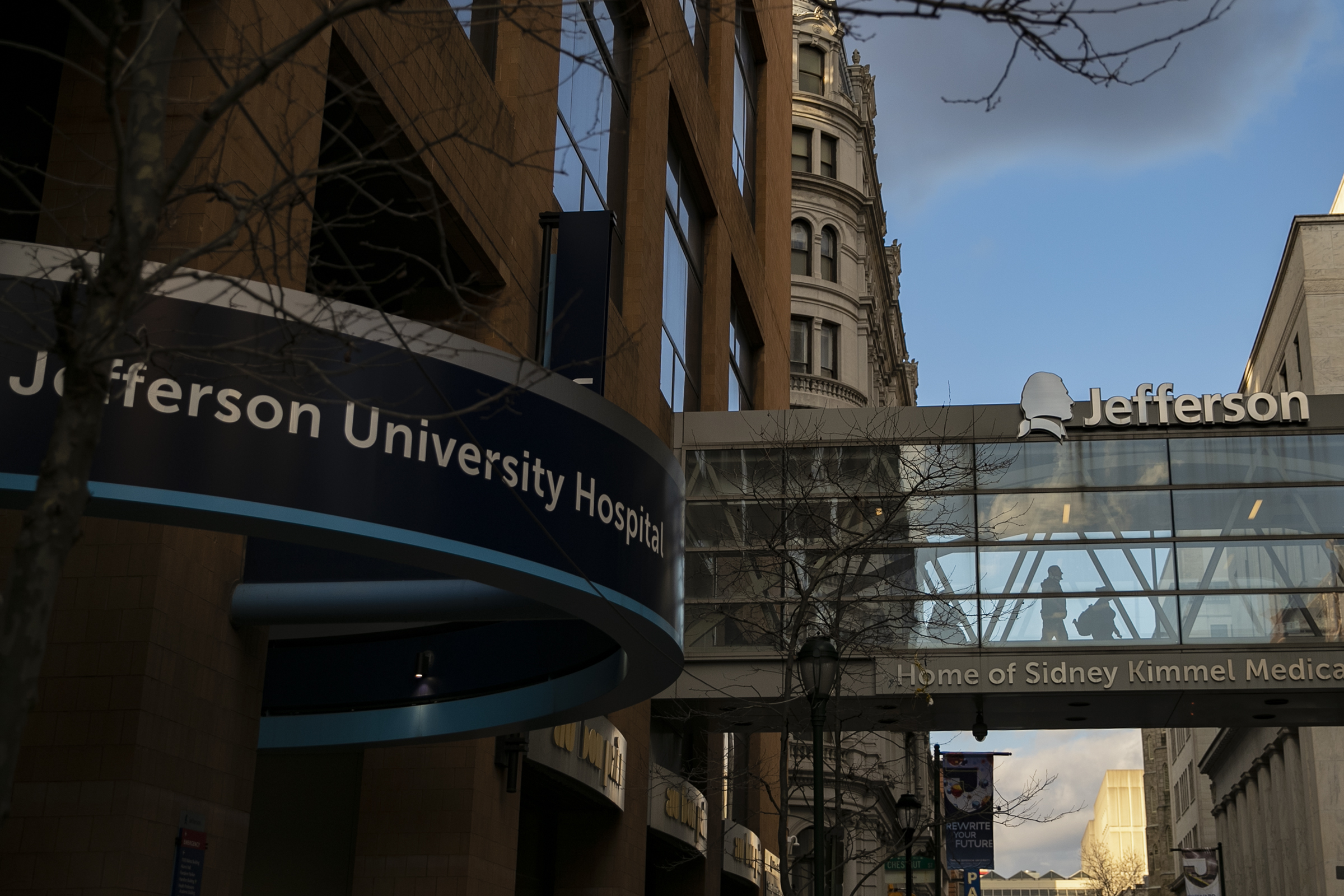
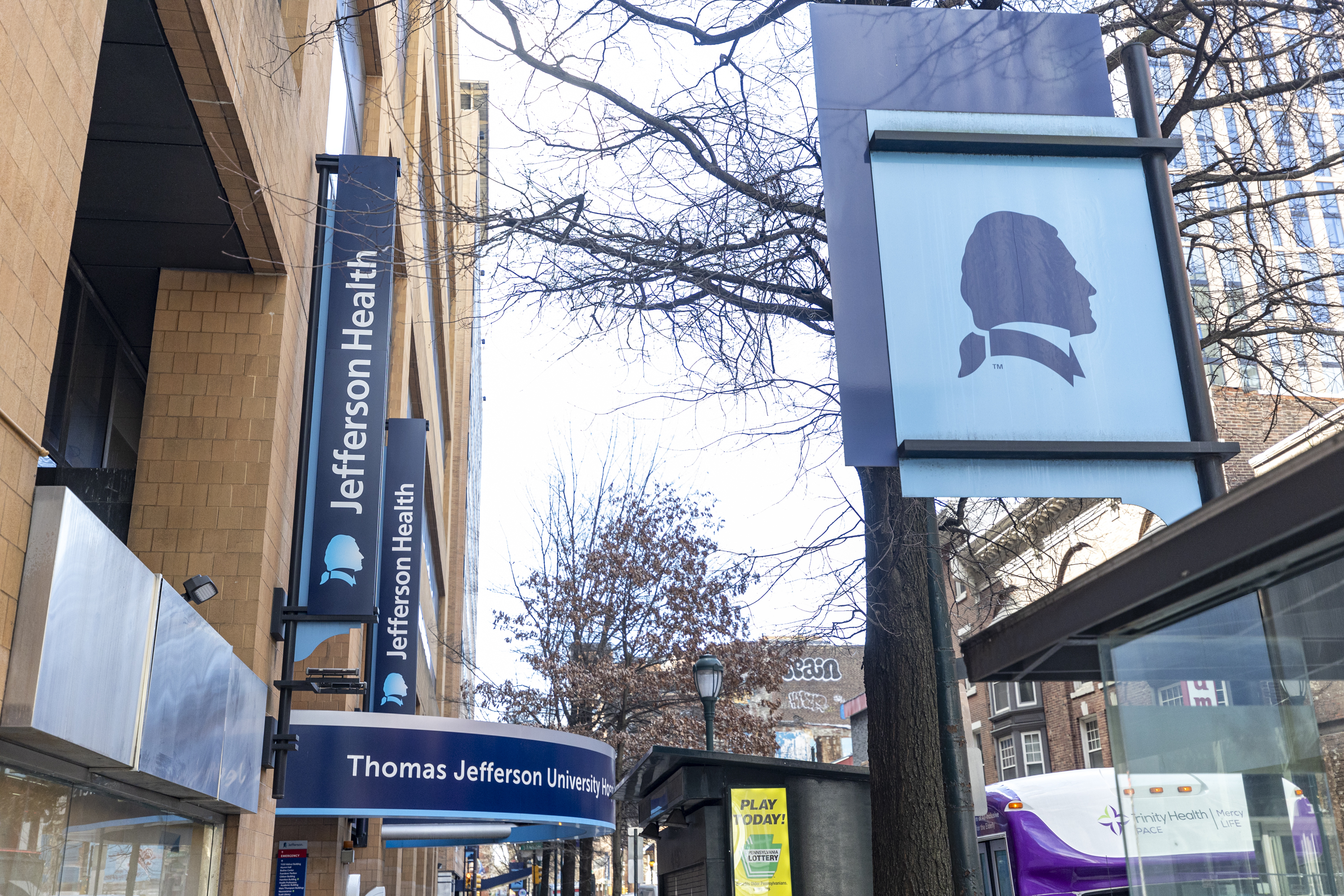
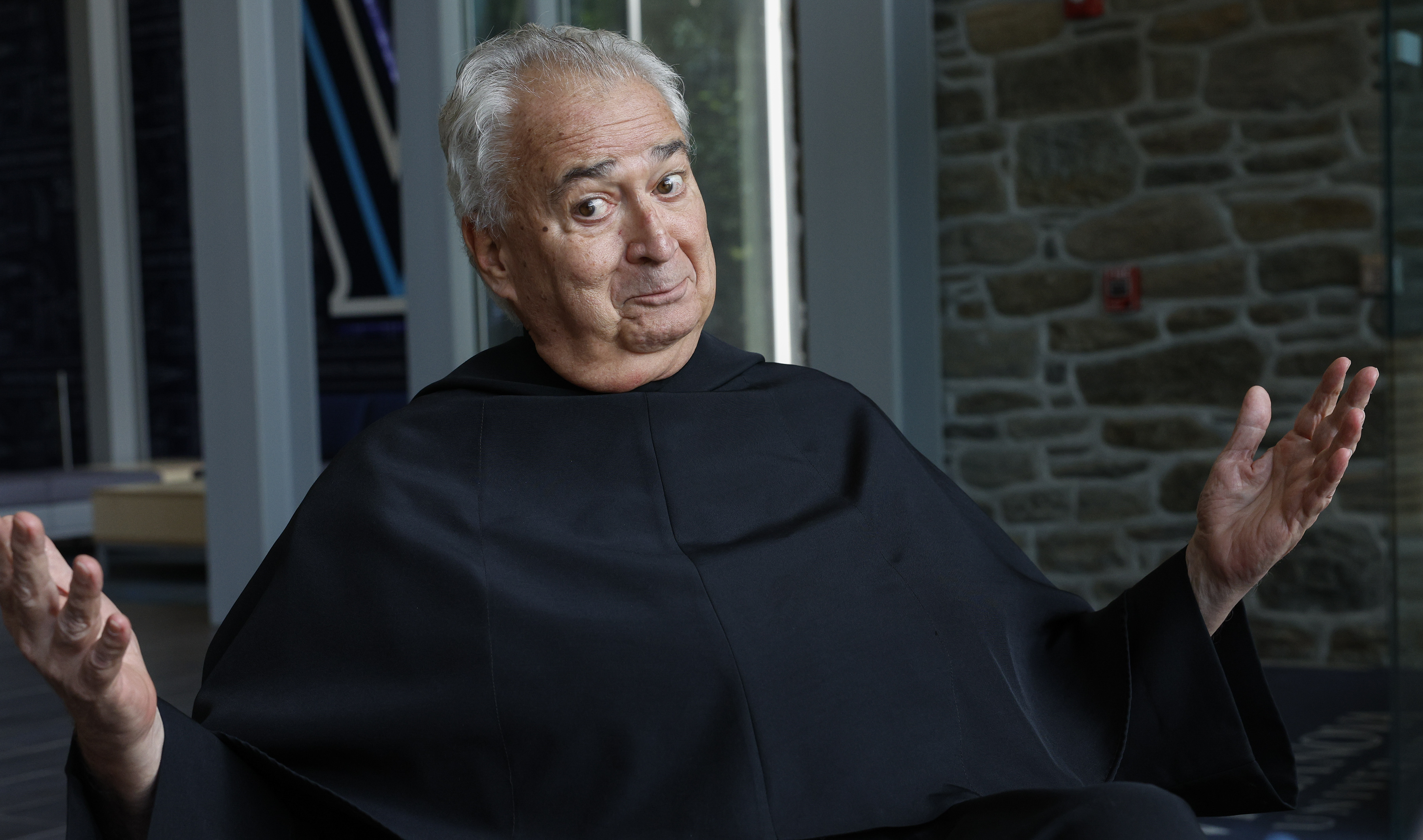
The CEO of Jefferson Health and Thomas Jefferson University will be the local chamber of commerce’s next chair, and he’s focused on a feeling of safety in the city.
Joseph G. Cacchione, Jefferson’s CEO since 2022, will chair the Chamber of Commerce for Greater Philadelphia’s board of directors beginning Oct. 15, the chamber announced Tuesday.
The new role comes just a year after Cacchione said Jefferson could move its headquarters out of the city. But now he says that’s no longer on the table, crediting Mayor Cherelle L. Parker and the city’s police chief for making “great strides in improving safety.”
“We’re here. We’re Jefferson. We’ve been in Center City for 200 years. We’re not moving,” he said in an interview Tuesday.
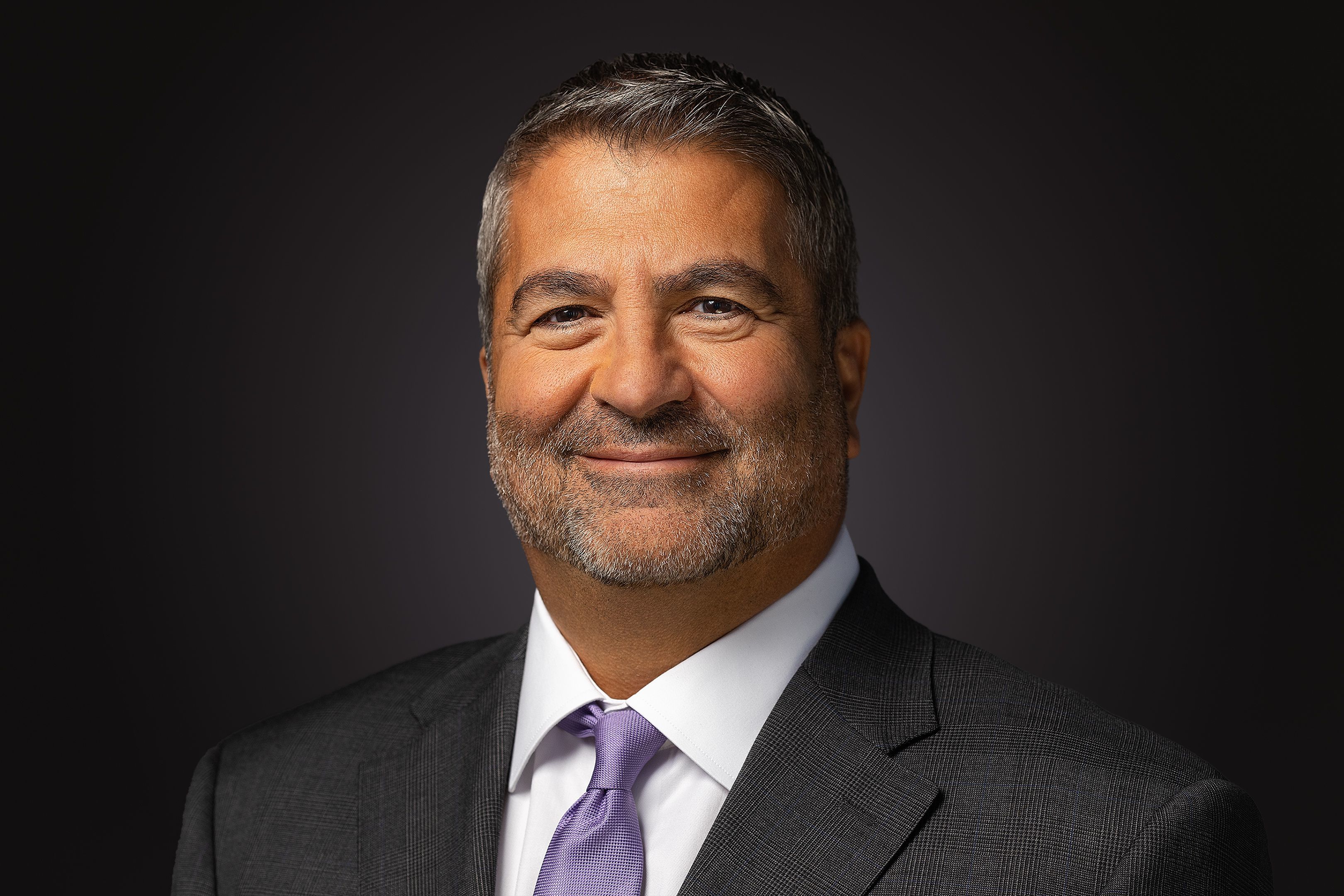
Joseph G. Cacchione will begin his role as board chair at the chamber on Oct. 15.Thomas Jefferson University
Cacchione says some of the region’s remaining challenges can be tackled through partnerships between business and government.
“For me it’s about never standing back and watching but to actually roll your sleeves up and get in there and mix it up,” he said.
Jefferson teamed up with the city police department and SEPTA transit police in one such partnership in June, launching a public safety hub in partnership in Market East.
“East Market Street particularly has had challenges over the years,” he said Tuesday. “We saw an opportunity to have more visible police presence.”
But recently, he said, the area has felt safer and more vibrant. He pointed to the pop-up businesses that opened along that corridor this year, as well as the pop-up plaza outside Reading Terminal Market.
“We continue to need to work on that quality of life,” he said. “It’s not just East Market Street. It’s the entire city that we want to be safer.”
More good jobs for the region
Cacchione’s priorities also include supporting small and medium-sized businesses, continuing regional job growth, and improving access to healthcare.
The chamber’s board of directors includes CEOs, presidents, and other leaders of area institutions such as CHOP, Aramark, Temple University, Comcast, Girl Scouts of Eastern Pennsylvania, and the Philadelphia Eagles.
Its recent efforts include a new regional partnership to create good jobs in business software, biomedical engineering, and production, and specialized manufacturing, where business leaders see potential to grow. Jefferson Health and Thomas Jefferson University are early partners in the group.
“We are at an inflection point for our region, and we have to make decisions to lean in so that we can continue to grow,” Chamber CEO Chellie Cameron said Tuesday. “I’m talking about attracting new businesses and growing existing businesses, creating jobs — not just any job, but opportunity jobs and pathways to those jobs.”
Cacchione, as the leader of a very large employer in Center City, “gets it,” Cameron said, adding that he’s not just invested in the city, but the region as a whole.
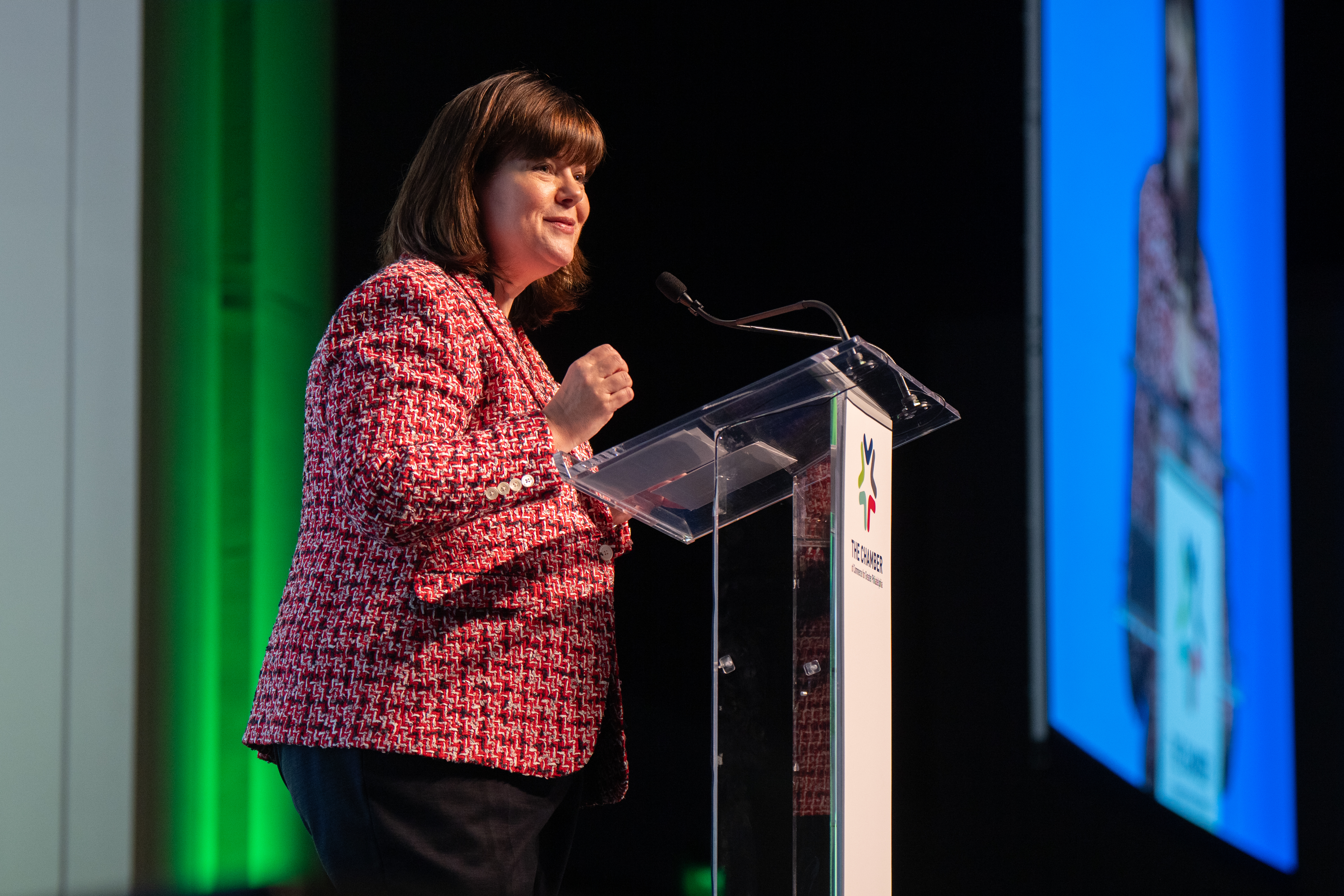
Chellie Cameron, CEO of the Chamber of Commerce for Greater Philadelphia, at a chamber event in 2025.Jessica Griffin / Staff Photographer
Cacchione added that AI will “change how we do business,” calling it an “enabler of business.” The chamber could help train workforces that don’t have experience with AI, he said.
Jefferson employees have been adopting AI tools to improve efficiency. Nurses use it for note-taking, he said. By 2028, Jefferson aims to save over 10 million hours of clinician’s time by using AI — creating more time for “face-to-face” interaction with patients, Cacchione said.
The hoped-for result, he said: “Our doctors are spending more time with patients and less time in front of a computer.”
Pay and benefits typically account for more than half the total costs in hospital systems at a time when healthcare costs are rising sharply in the Philadelphia region and nationally.
Local nonprofit health systems reported compensation ranging from $1.2 million to $3.7 million in 2024 for the 100 highest-paid employees listed in their most recent federal nonprofit tax returns. The ranking excludes system CEOs.
Meanwhile, employers are expecting insurance increases approaching 10% for the coming year, according to several national surveys by benefits consultants. Experts cite increased use of healthcare services, widespread use of expensive specialty drugs, and rising hospital prices as key factors leading to overall rising benefit costs.
Clinicians accounted for 60 spots in The Inquirer’s top 100 ranking, which is based on compensation reported in dozens of 990 tax forms from Philadelphia-area hospitals, affiliated physician groups, and other related entities.
Highly specialized neurosurgeons accounted for the highest number of top-paid clinicians, followed by cardiac and cardiothoracic surgeons and orthopedic surgeons.
Chief financial officers and chief operating officers were well represented in the management ranks.
The region’s largest health system also claimed its highest-paid non-CEO, Jefferson Health president and physician Baligh R. Yehia. His $3.7 million in compensation also topped that of all but two CEOs, as disclosed in a previous Inquirer analysis.
Thomas Jefferson University, which is Jefferson Health’s parent entity, had 30 executives and physicians in The Inquirer’s top 100. The Jefferson group includes four executives who left during or before 2024, but not salaries reported through the Lehigh Valley Health Network, which Jefferson acquired in August of that year.
Children’s Hospital of Philadelphia had the second-largest number of employees in the top 100, with 18, including surgeons and numerous top executives, such as CFO, general counsel, and head of human resources.
Virtua was third, with nine employees, mainly surgeons.
Across the region, 176 nonprofit health system employees received at least $1 million in total compensation in 2024. That amounts to one in five employees in The Inquirer’s database of more than 800 people.
IRS rules require nonprofits to report compensation for officers, highest-paid employees, and employees with a certain level of responsibility.
(function(){function e(){window.addEventListener(`message`,function(e){if(e.data[`datawrapper-height`]!==void 0){var t=document.querySelectorAll(`iframe`);for(var n in e.data[`datawrapper-height`])for(var r=0,i;i=t[r];r++)if(i.contentWindow===e.source){var a=e.data[`datawrapper-height`][n]+`px`;i.style.height=a}}})}e()})();
The two busiest surgery centers in the Philadelphia region last year were operated by Penn Medicine in Radnor and Jefferson Health in Center City.
Such facilities have grown increasingly popular as a cost-saving option for procedures that do not require intensive hospital resources or overnight stays.
While they offer convenience, the facilities operated by Penn and Jefferson both count as hospital departments for billing purposes, which means they cost more than surgery centers operated by independent physicians or other companies.
Penn Medicine Radnor Surgery Center operates within a large outpatient facility near the intersection of I-476 and Route 30. It logged 12,464 surgical visits in 2025, up from 8,961 the year before, according to data published last month by the Pennsylvania Department of Health.
Penn attributed the growth to the addition of new gastroenterologists in Radnor to perform colonoscopies, upper endoscopies, and other procedures. Colonoscopies, in particular, account for a large portion of the overall volume in surgery centers outside hospitals.
Jefferson Surgery Center was close behind, with 12,261 surgical visits, up from 2,639 in 2024. It sits within the Honickman Center, which opened in 2024 at 1101 Chestnut St. in Philadelphia. Jefferson has gradually expanded the array of surgical services offered there.
“Growth has been driven by both increasing patient demand and the strategic transition of services from other Jefferson locations, allowing us to provide care in a state-of-the-art outpatient environment,” Jefferson said in an email.
Other fast-growing surgery centers include two independently operated facilities focused on orthopedics, Premier at Exton Surgery Center in Exton and Restore Orthopaedic Surgical Institute in Chadds Ford.
(function(){function e(){window.addEventListener(`message`,function(e){if(e.data[`datawrapper-height`]!==void 0){var t=document.querySelectorAll(`iframe`);for(var n in e.data[`datawrapper-height`])for(var r=0,i;i=t[r];r++)if(i.contentWindow===e.source){var a=e.data[`datawrapper-height`][n]+`px`;i.style.height=a}}})}e()})();
Surgery center ownership matters
Even though the Penn and Jefferson outpatient facilities are not in hospitals, their ownership by large hospital systems enables providers to get paid as if they were located inside the Hospital of the University of Pennsylvania or Thomas Jefferson University Hospital.
Hospital outpatient department billing rates are sometimes twice as much as the rates paid to independent surgery centers.
For example, surgery to remove torn cartilage from a knee can cost $7,190 when performed on an outpatient basis in a hospital, nearly three times the $2,477 cost in ambulatory surgery centers (ASCs), according to Philadelphia-area commercial insurance averages from Turquoise Health.
Health insurers Independence Blue Cross and Highmark have implemented policies this year seeking to save money for employers and patients by moving care out of hospitals and into ambulatory surgery centers or ASCs. Both insurers say they will only pay for certain procedures if they are done in an ASC.
But it’s not enough to move surgeries to a setting outside a hospital, given the hospital-like billing status of certain surgery centers.
“The cost savings from an ASC depend on the facility’s ownership, licensing, and billing model,” Richard Snyder, IBX’s chief operating officer, said in a email to The Inquirer.
IBX would like to see more ASCs in its Southeastern Pennsylvania market and is “prepared to help catalyze growth through continued value-based arrangements, strategic partnerships, and investments,” Snyder said.
Litigation over ASCs and other policies
In a July lawsuit against IBX, Jefferson claimed that the insurer’s ASC policy amounted to a change to the financial terms of their contract that needed to be negotiated.
The lawsuit said that ASC mandate will cost the health system $35.4 million, but doesn’t specify over what time period.
IBX filed a motion last weekto dismiss the lawsuit, which was moved to U.S. District Court in Philadelphia from the Philadelphia Court of Common Pleas.
The insurer says that the lawsuit was premature because Jefferson filed it before completing a contractual process designed to resolve such policy conflicts.
Thomas Jefferson University and Jefferson Health posted an operating loss of $181.5 million in the year that ended June 30, an improvement over last year’s $208 million loss. In both years, the loss was concentrated in Jefferson’s insurance business.
The fiscal 2026 results, reported to bondholders Friday, included $112 million in costs for layoffs and other moves designed to put the Philadelphia region’s largest health system on firmer financial ground.
Jefferson highlighted in its preliminary report to investors that results improved each quarter of fiscal 2026 — from an operating loss of $103.8 million in the first quarter to a $71.1 million operating profit in the fourth quarter.
“We’ve made significant progress strengthening Jefferson’s financial performance, yet those gains are increasingly threatened by the actions of commercial insurers in Pennsylvania,” Jefferson’s chief financial officer, Michael Harrington, said in an email.
“Despite already paying some of the lowest reimbursement rates in the nation, certain payers are now attempting to unilaterally rewrite or reinterpret existing contract terms to further reduce payments and improve their own margins at the expense of providers and the patients they serve,” he said.
Separately, Jefferson sued Aetna in April over a policy that reduces payments for hospital stays for Medicare Advantage patients that Aetna decides aren’t sick enough to qualify for full payment.
Insurers are under pressure from employers to slow healthcare expense growth. Independence said in response to the lawsuit that it acts in the best interest of its customers. Aetna said its policies comply with federal laws and regulations.
Here are more details on Jefferson’s results:
Revenue: Jefferson’s revenue reached $17.7 billion, up from $15.8 billion the year before. Fiscal 2025 included just 11 months of Lehigh Valley Health Network results. Jefferson completed that acquisition on Aug. 1, 2024, expanding its reach into Northeastern Pennsylvania and giving the nonprofit more than 30 hospitals.
Jefferson Health Plans: Jefferson’s insurance arm had a $130.3 million loss in fiscal 2026, an improvement over a $169.9 million loss the year before. The insurance arm had 415,172 members on June 30, up from 366,780 the year before. The plan is diversifying away from Medicaid as it increases enrollment in Medicare Advantage and the Affordable Care Act markets. The percentage of membership in Medicaid fell to 75% this year from 87% last year.
Notable: The fourth quarter of fiscal 2026 was Jefferson’s first profitable quarter in at least four years, according to Inquirer calculations that exclude investment income. Unlike other local health systems, Jefferson follows accounting rules for higher education, allowing it to include a portion of investment income in revenue.
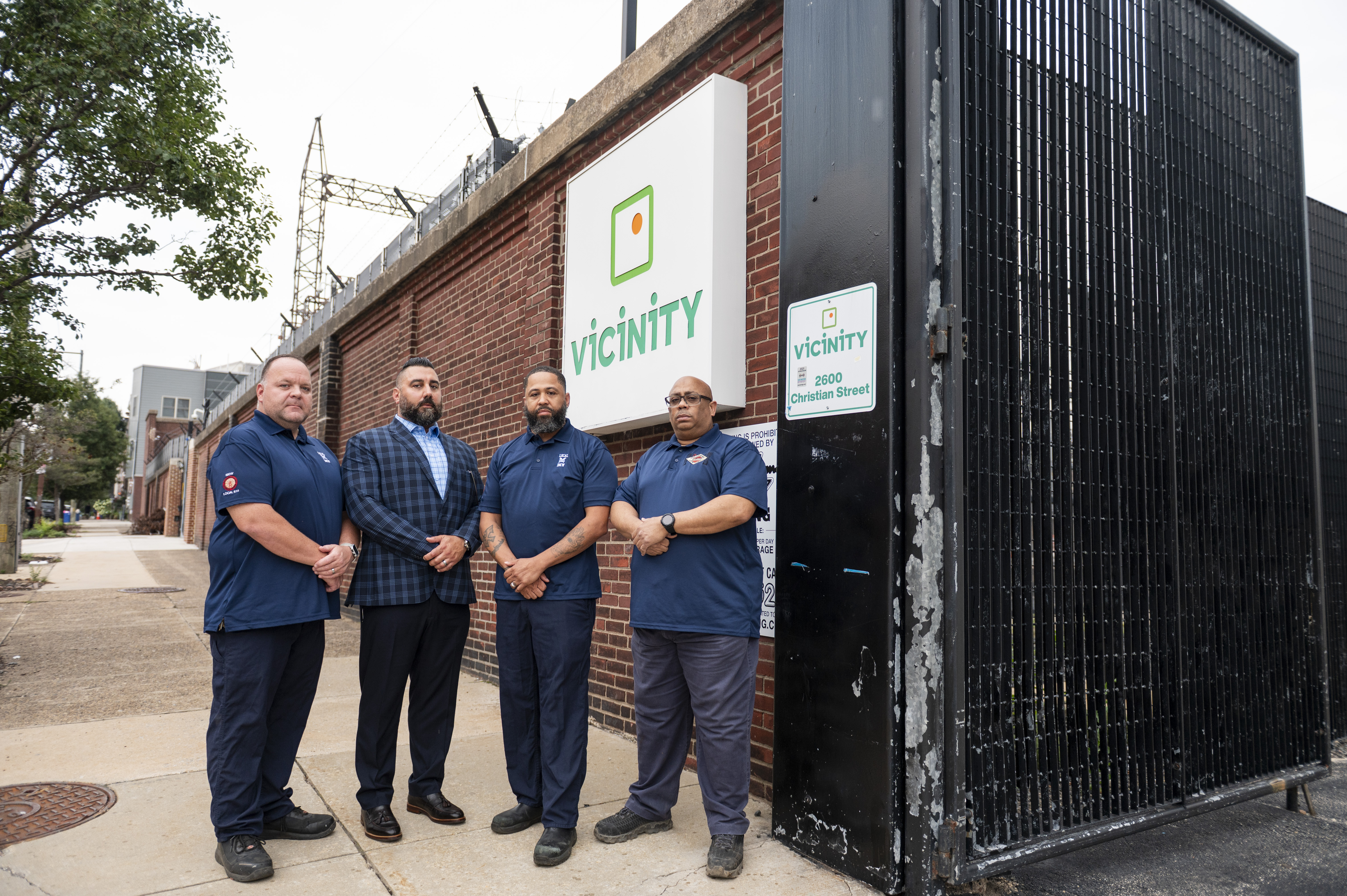
Thomas White is a control room operator at a Philadelphia plant working with chillers and steam boilers to provide heat and air-conditioning for Jefferson Health and Thomas Jefferson University. When he started his job some 18 years ago, he and many of his coworkers had served in the U.S. Navy.
That shared experience was an advantage, he says, because they all came with the same training. The Navy used steam-driven ships.
“You just had to learn where things were because you already knew what they did, you knew how to do it, spoke the language,” he said.
White and his colleagues work around-the-clock shifts for Vicinity Energy, operating a system that generates steam and electricity to provide customers with heat, air-conditioning, and chilled water. In Philadelphia, Vicinity serves hundreds of buildings, includingTwo Liberty Place, Thomas Jefferson University Hospital, and the Philadelphia Museum of Art, as well as the University of Pennsylvania, which buys over half the steam Vicinity sells in Philadelphia.
Since he’s been on the job, White says the Navy-veteran hiring pool has shrunk, as the Navy moved away from steam and toward diesel and gas turbines. Now hires come from refineries shutting down or trash plants, and they need training.
“There’s just a few of us older guys that are left over to try to pass this institutional knowledge down,” said White, who is a member of IBEW Local 614, along with 56 other Philadelphia employees of Vicinity. They do this training on their own time, White said, so they don’t get paid for it.
Their union is negotiating a new contract and could go on strike if they can’t reach a deal. They want raises, better short-term disability pay, a safer workplace, and compensation for the time they spend training new hires. Their current agreement expired in March.
“Vicinity Energy is committed to bargaining in good faith and believe those discussions belong at the bargaining table, not in the media,” a spokesperson for the company said in a statement. “Throughout this process, the safety of our employees, customers, and the communities we serve remains our top priority, and we remain committed to safe, reliable operations.”
The steam plant workers voted to authorize a strike on Saturday if their union calls for it, with 77% participating in the vote, and 97% voting yes.
If they do walk off the job, they’d be closely following in the footsteps of IBEW Local 614’s Peco employees, who recently went on strike before reaching a contract deal last month. A strike authorization vote doesn’t guarantee a strike will happen but can be used as leverage in bargaining.
The union has alleged that a Vicinity supervisor threatened to “discharge” workers who strike, according to an unfair labor practice charge filed with the National Labor Relations Board earlier this month. Vicinity did not comment on the charge.
The union is still bargaining in good faith, president Larry Anastasi said.
Steam plants require human operators, so a strike could be very disruptive for steam-powered buildings across the city. Given that, Anastasi said, it’s important “that we do everything in our power” to keep a strike from happening.
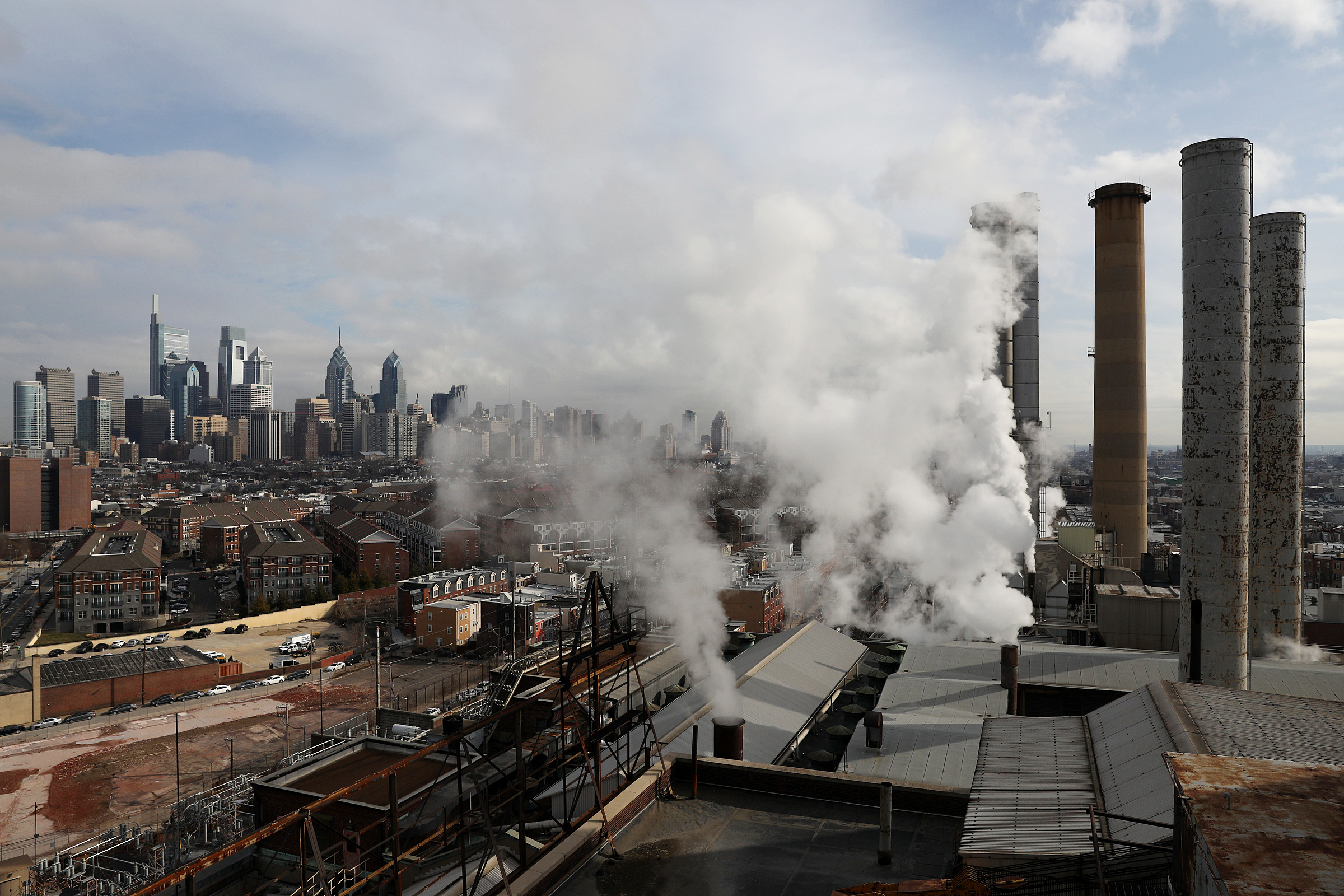
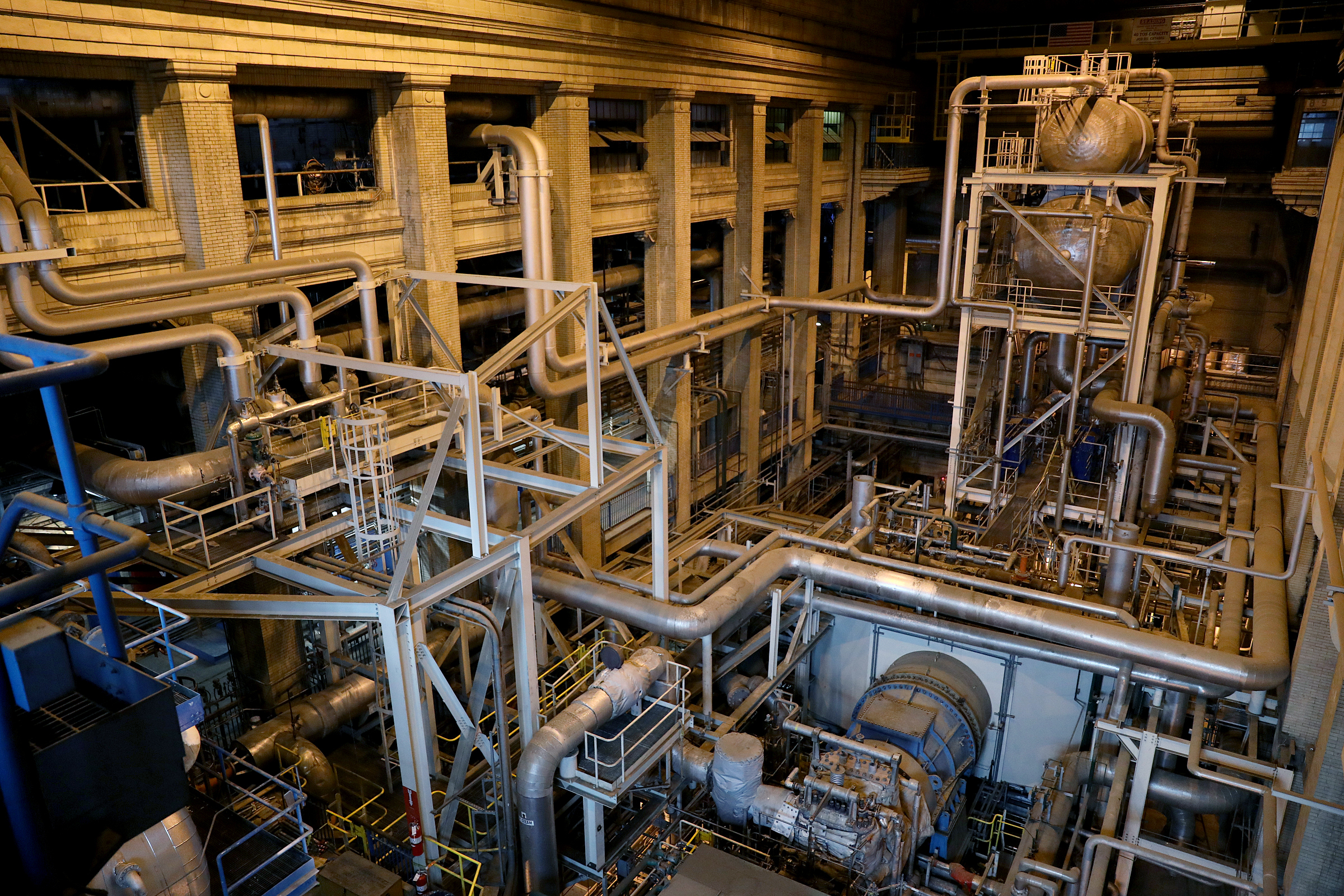
The Vicinity Energy cogeneration plant is pictured in Philadelphia’s Grays Ferry section in 2020. The plant, originally opened by Philadelphia Electric, produces electricity and steam for heating Center City buildings.Tim Tai / Staff Photographer
“Because it’s so old, I think people forgot its value,” Anastasi said.
Veolia Energy bought the system in 2007. Vicinity’s parent company, private-equity firm Antin Infrastructure Partners, bought it from Veolia in 2019 as part of a larger deal valued at $1.25 billion. At the time, the company committed to $50 million in capital spending over five years in Philadelphia.
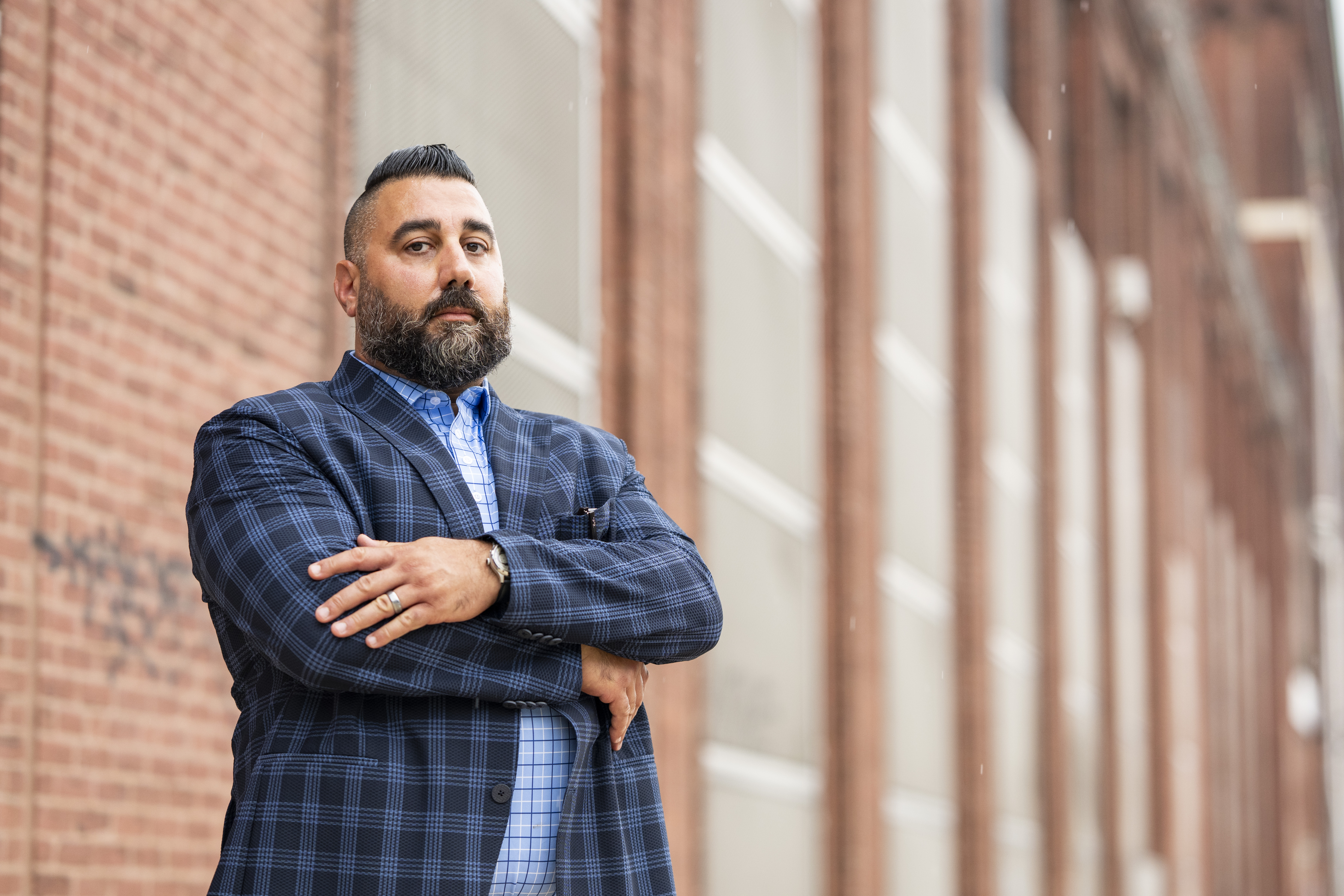
Larry Anastasi, president of IBEW Local 614. The union leader also represents Peco employees who reached a new contract with the company in July. Allie Ippolito / For The Inquirer
Boston-based Vicinity manages some 41 miles of underground pipe infrastructure in Philadelphia, according to the company’s website. The business services 400 buildings in Philadelphia, and its main plant is in Grays Ferry, at 2600 Christian St.
Vicinity’s Philadelphia business brought in over $99 million in revenue last year but reported a net loss of $11 million in 2025 after paying for fuel, operating expenses, and other costs.
The turbine hall is pictured inside the Vicinity Energy plant in Philadelphia’s Grays Ferry section in 2020. Tim Tai / Staff Photographer
What do workers want?
After months of negotiations, it’s hard to keep morale up among workers, said Kenneth Gordy, a union shop steward and control room operator. Gordy said he feels workers are underpaid for the highly skilled and dangerous work they do.
Operators typically clock in for 12-hour shifts beginning at 6 a.m. or 6 p.m. They get two weekends off per month.
Operators earn roughly around $50 an hour, said Anastasi. He said “substandard” wages and benefits have led to turnover.
“We want our wages to reflect the knowledge, the level, the skills, the things that we do. We’re not asking for extraordinary things,” White said.
Union members also want fully funded short-term disability. They used to be able to get 100% pay during short-term disability years ago, but they now get around 60% during such leave, Anastasi said.
“Guys are using their bodies in this plant. We’re beating ourselves up,” said Sean Finnegan, an auxiliary operator who maintains equipment.
The workers also want their employer to make repairs to the plants where they work, citing unsafe conditions such as asbestos, as well as standing water in work areas, Anastasi said. Part of the ceiling was falling down in one area recently, White recalled.
“A new private equity firm takes over, and none of the repairs get made,” Anastasi said.
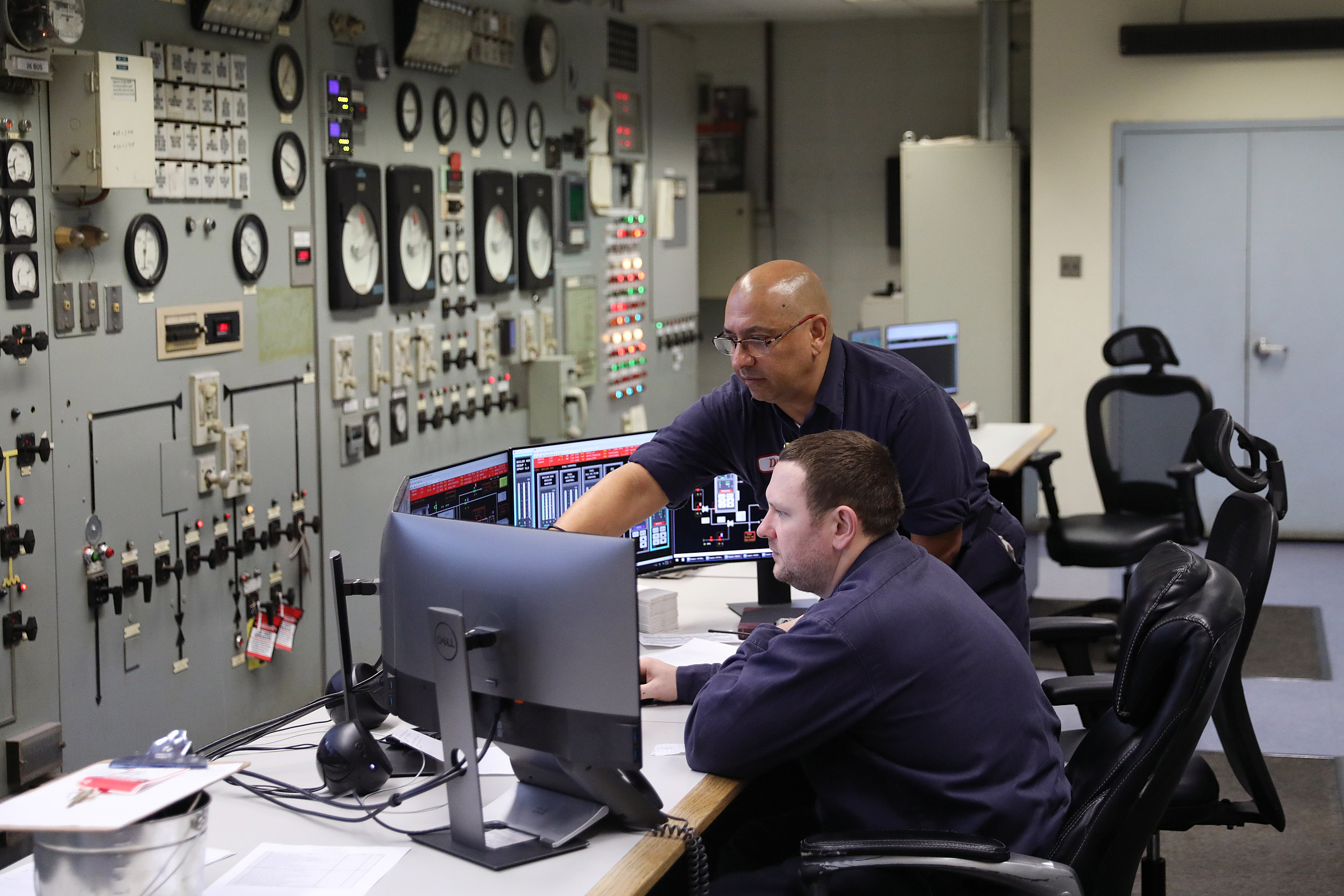
Control room operators work at the Vicinity Energy cogeneration plant in Philadelphia’s Grays Ferry section in 2020. Tim Tai / Staff Photographer
Anastasi also wants to improve retirement benefits for the Vicinity workers. He wants their employer to contribute to the union’s annuity program, so workers can get monthly payments upon retirement.
Anastasi is coming off a retirement win for his union’s Peco members, who clawed back pensions in their recent contract with the energy company. The union heralded the deal as a “historic contract victory.”
The steam plant workers’ most recent bargaining session was Aug. 3. The next session has yet to be scheduled, the union said Thursday.
The former Cabrini University campus has undergone a more than $100 million, Villanova-fueled rebirth, and students will begin attending classes and living there this month.
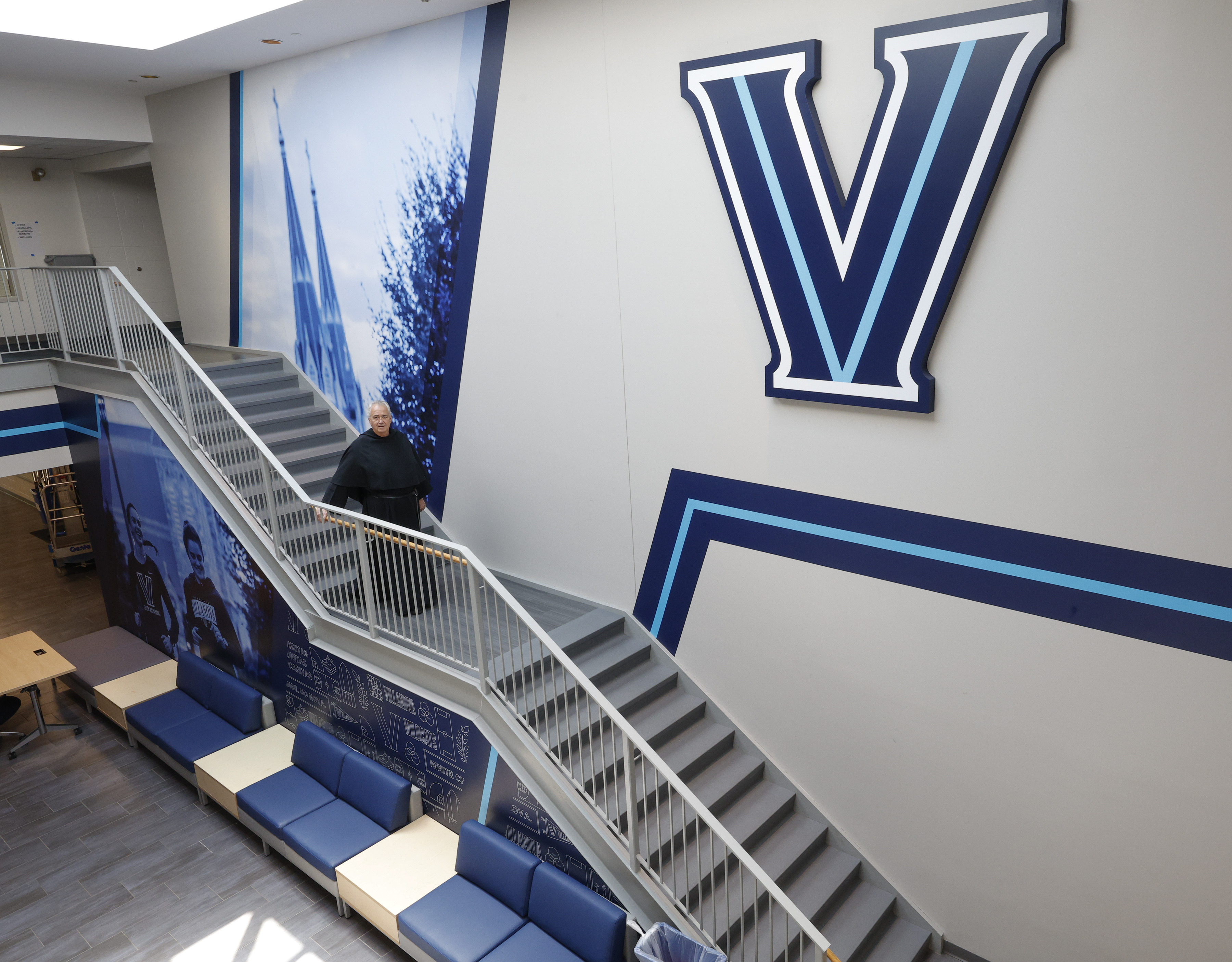
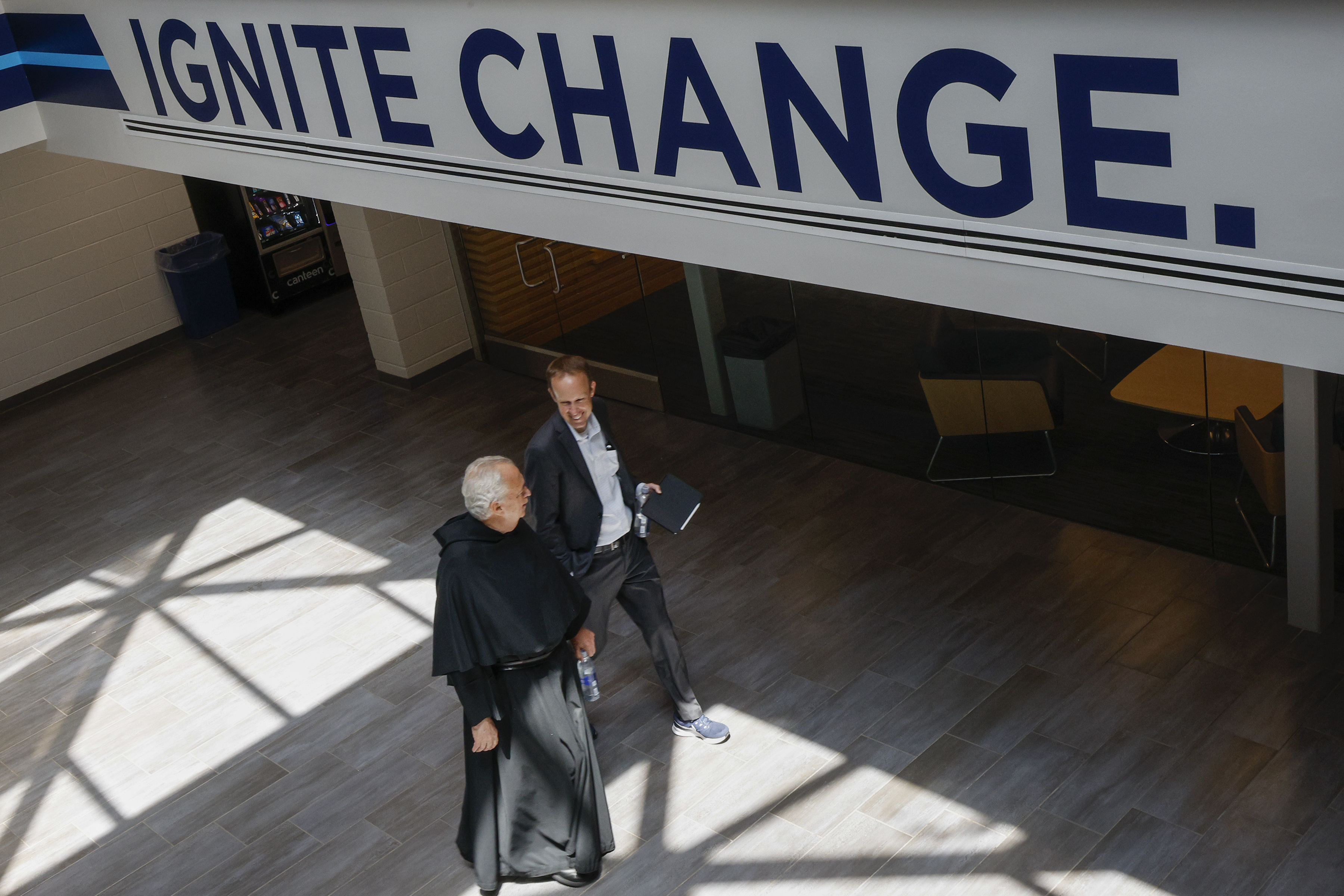
Large signature blue and white V’s for Villanova University are everywhere. “Ignite Change. Go Nova,” says a wall in the student recreation center. Beds in the residence halls now have navy blue sheets, and many of the buildings have been renamed to honor Villanova’s Augustinian heritage.
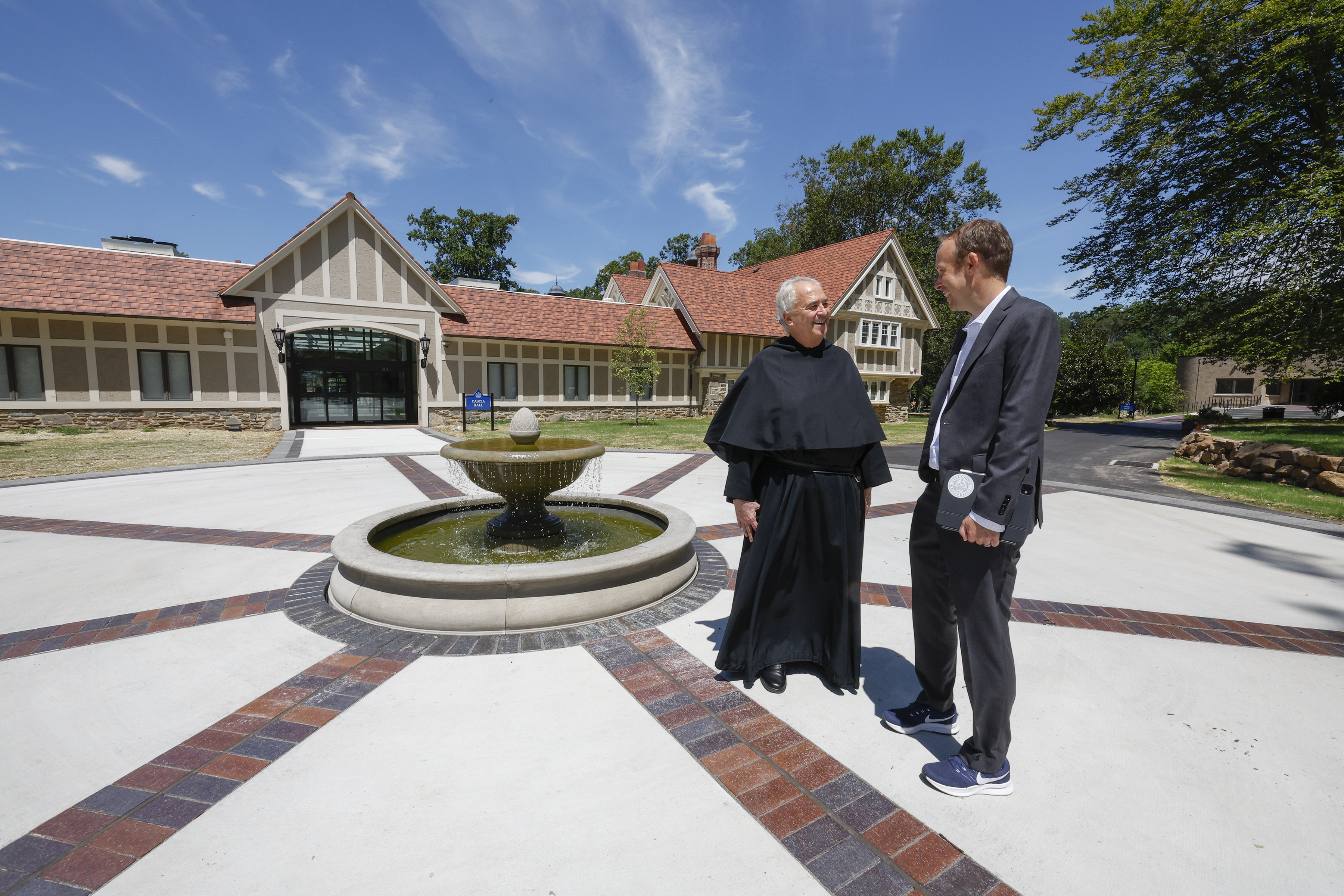
The Radnor campus once in dire need of maintenance sports a fresh look, including new light poles, landscaping, painting, furniture, boilers, roof repairs, a running fountain, pickleball courts, and restored architectural flourishes, in addition to upgraded educational technology for classrooms.
The university removed dead trees, installed firepits on the campus green, and connected the two campuses’ phone and internet systems.
Villanova President Rev. Peter M. Donohue walks down the stairs at the Dixon Center, which has been covered in Villanova signage and colors. Steven M. Falk / For The Inquirer
It is all part of Villanova’s effort to make the 112-acre campus that it acquired from the shuttered Cabrini look and feel decidedly Villanovan. The campus has been closed for the last two years as the planning and upgrades took place.
“It’s always been a beautiful campus, but it looks very Villanova now,” said Kelly Tuzio, assistant director of Villanova’s graduate nursing program, who worked at Cabrini from 2005 to 2011.
“You can feel the change,” she said, helping to ready the Iadarola Center, the building she works in, for the opening. “Everything is just done to perfection.”
Some things remain largely untouched, like the signature statue of Mother Cabrini on the green and the Mansion, Cabrini’s former administrative building, which is on the National Historic Register. It was renamed Montefalco Hall. Masses will continue to be celebrated in the chapel: Cabrini was a Catholic university, as is Villanova.
Villanova University purchased the nearby campus of the now shuttered Cabrini University two years ago and has had the site closed for remodeling. But this fall, students will live and study there. Steven M. Falk / For The Inquirer
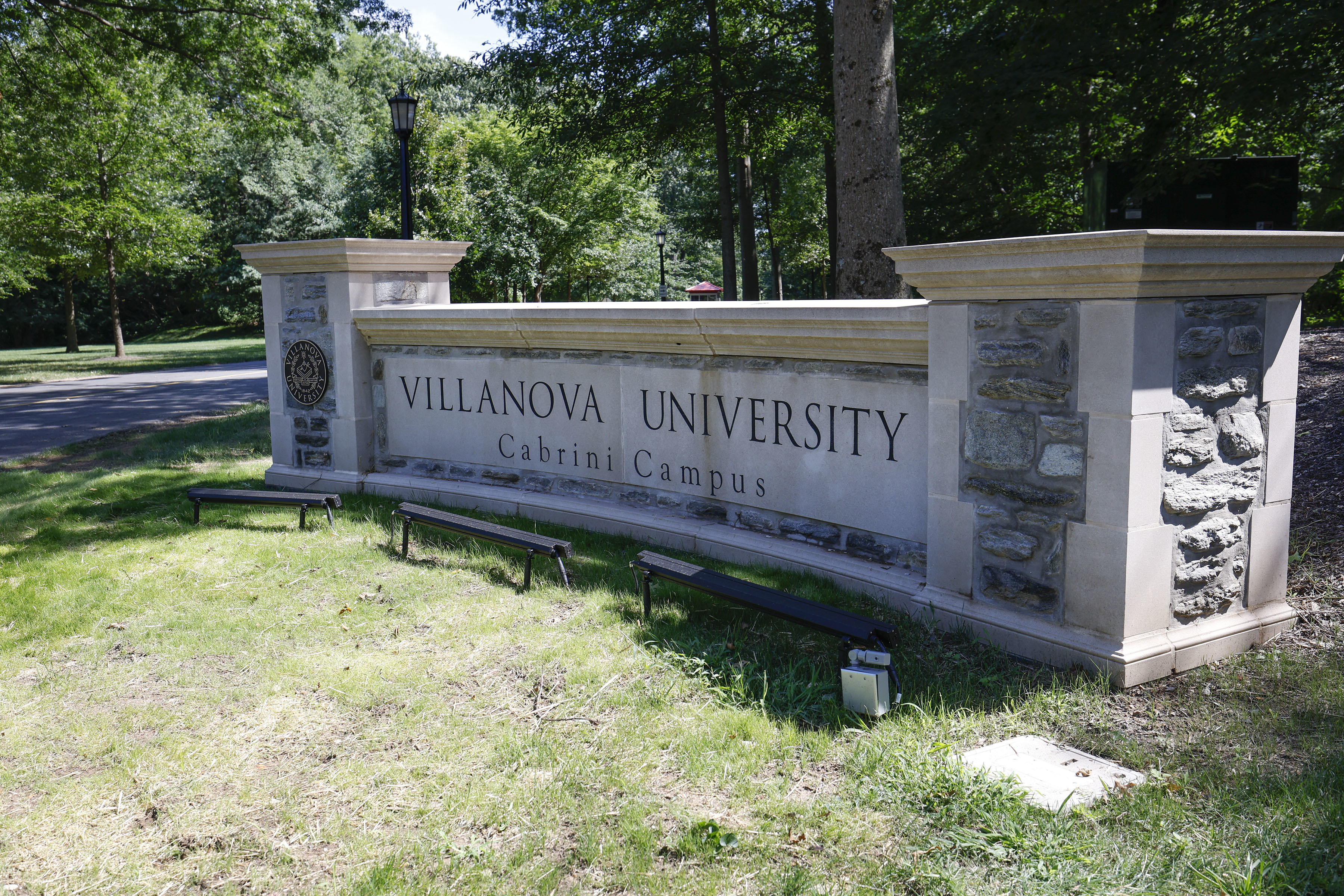
And signs at the entrance to campus say: Villanova University, Cabrini Campus — a nod to Villanova’s larger promise to retain Cabrini’s legacy.
A new era of growth
The acquisition of the campus, which officially opens for fall classes Aug. 24, marks an era of new growth for Villanova.
As many other colleges have lost enrollment in recent years, Villanova plans to grow its undergraduate student body, now at about 7,000, to 8,000 over the next four years, said the Rev. Peter M. Donohue, Villanova’s president. That growth started this year with about 250 additional freshmen. And the school plans to maintain its selectivity; it admitted just 29% of applicants for this fall’s class and saw more than a 10% surge in applications over the last year.
Villanova, which has a 260-acre main campus, will expand 43% in size with the addition of Cabrini.The university’s acquisition of Rosemont College — which will be complete in 2028 — will add 58 acres, increasing Villanova’s total to 430 acres.
The Cabrini campus will house five academic departments: psychological and brain sciences, graduate nursing, education and counseling, ethics, and part of communication. About 75 faculty — 10% of the total — will be based there.
Villanova University President the Rev. Peter M. Donohue left, and Timothy Hoffman, vice provost for finance and administration, stand in front of a newly installed fountain outside Cascia Hall, which received a lot of renovations inside and out. It houses the student center. Steven M. Falk / For The Inquirer
About 900 sophomores — roughly half of those enrolled at Villanova — will live on the campus, expanding the percentage of undergraduates who live on Villanova’s campuses to more than 80%.
In addition, more than 2,000 undergraduate and graduate students — about a fifth of Villanova’s overall student population — will take classes at the Cabrini campus in the fall, said Timothy Hoffman, vice provost for finance and administration.
“I’m just excited to see life again on the campus,” said Michelle Filling-Brown, formerly dean of academic affairs at Cabrini and now associate vice provost for the integrated student experience at Villanova.
She has been designing themed living and learning communities for the new Cabrini campus.
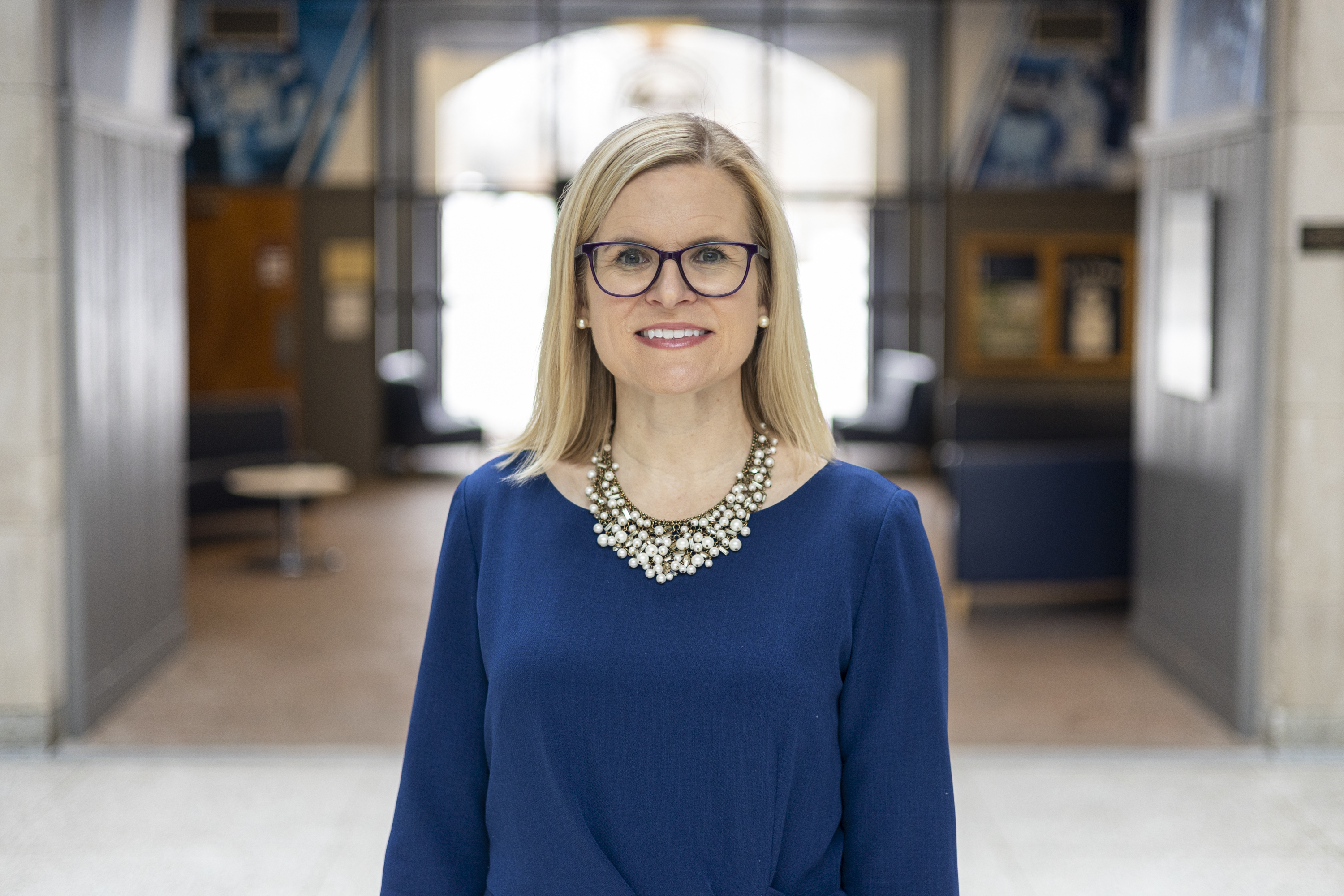
Michelle Filling-Brown, a former top administrator at Cabrini, now works at Villanova.Tyger Williams / Staff Photographer
Started in 1957, Cabrini was the only college founded by Sister Francesca Cabrini’s Missionary Sisters of the Sacred Heart. The university announced in 2023 it would shut the next year and Villanova would take it over, giving students and employees a year to find a new runway. The decision came as enrollment plummeted, finances tightened, and deferred campus maintenance mounted.
Donohue said Villanova has not yet made specific plans for Rosemont.
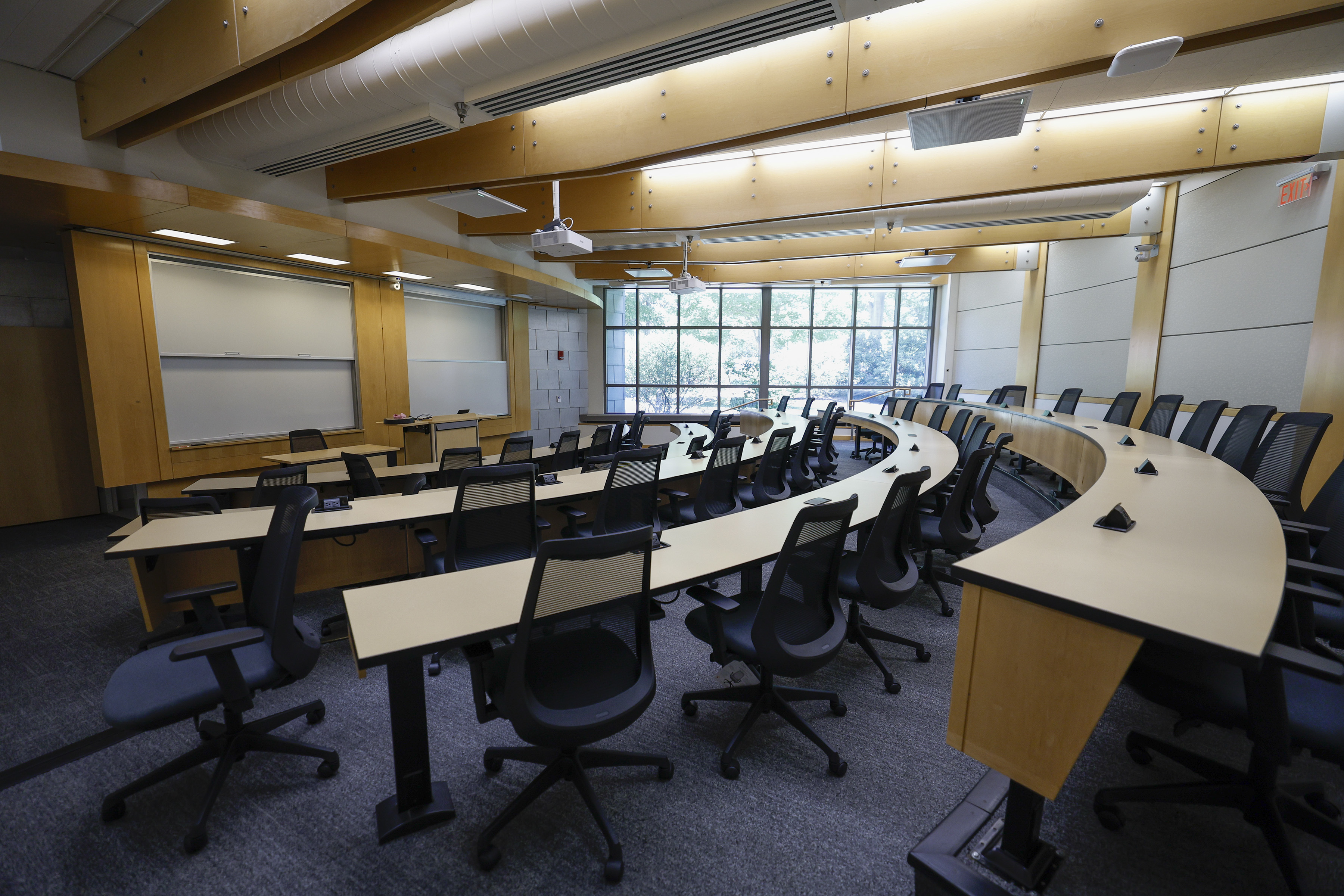
A classroom with new educational technology at the Iadorala CenterSteven M. Falk / For The Inquirer
Before beginning renovations, Villanova invited Cabrini alumni to collect memorabilia, Donohue said. The school also donated truckloads of old furniture and materials that it did not plan to use to nonprofits.
A $170 million-plus investment
The university has invested more than $170 million into the Cabrini purchase, including the $70 million it paid to close out Cabrini’s debt and acquire its land, buildings, and assets, and more than $100 million on renovations. Donohue said it will take just four years for the school to recover that money through the operation of the campus.
The university was able to keep $15 million of Cabrini’s $42 million endowment, the school said.
Though the campus has not officially opened yet, a few students have begun to move in. Last Tuesday, a group of young staff members huddled in a room, planning grand-opening activities. Others unpacked and organized nursing equipment.
Graduate student Curtis Wesley stops by the Iadarola Center where he will study this fall.Steven M. Falk / For The Inquirer
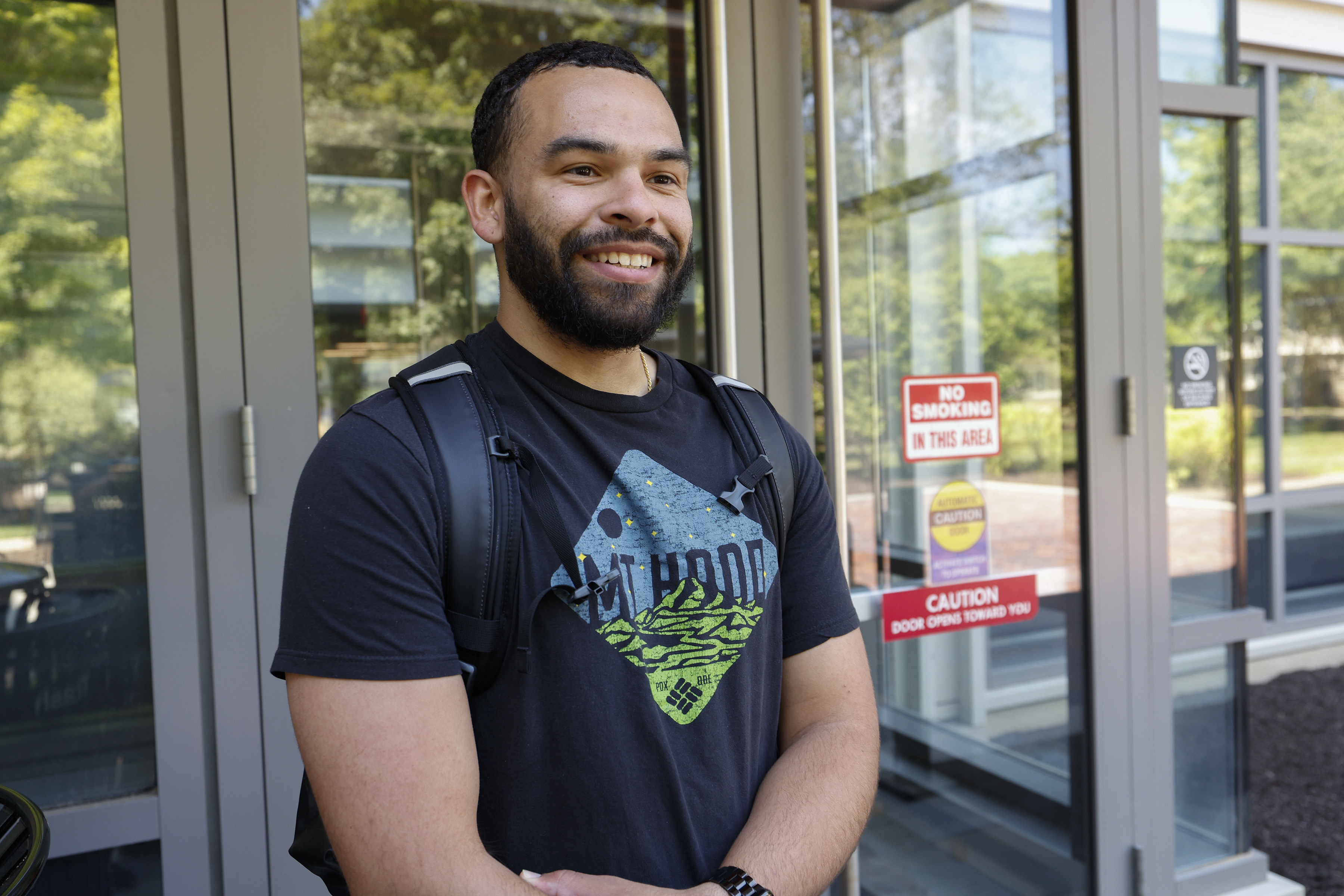
Curtis Wesley, 26, an incoming graduate student in the nurse anesthesia program, strolled out of the building where his classes will be.
“I just wanted to come and check it out,” said Wesley, who is from Kansas. “I was excited to see all the new technology.”
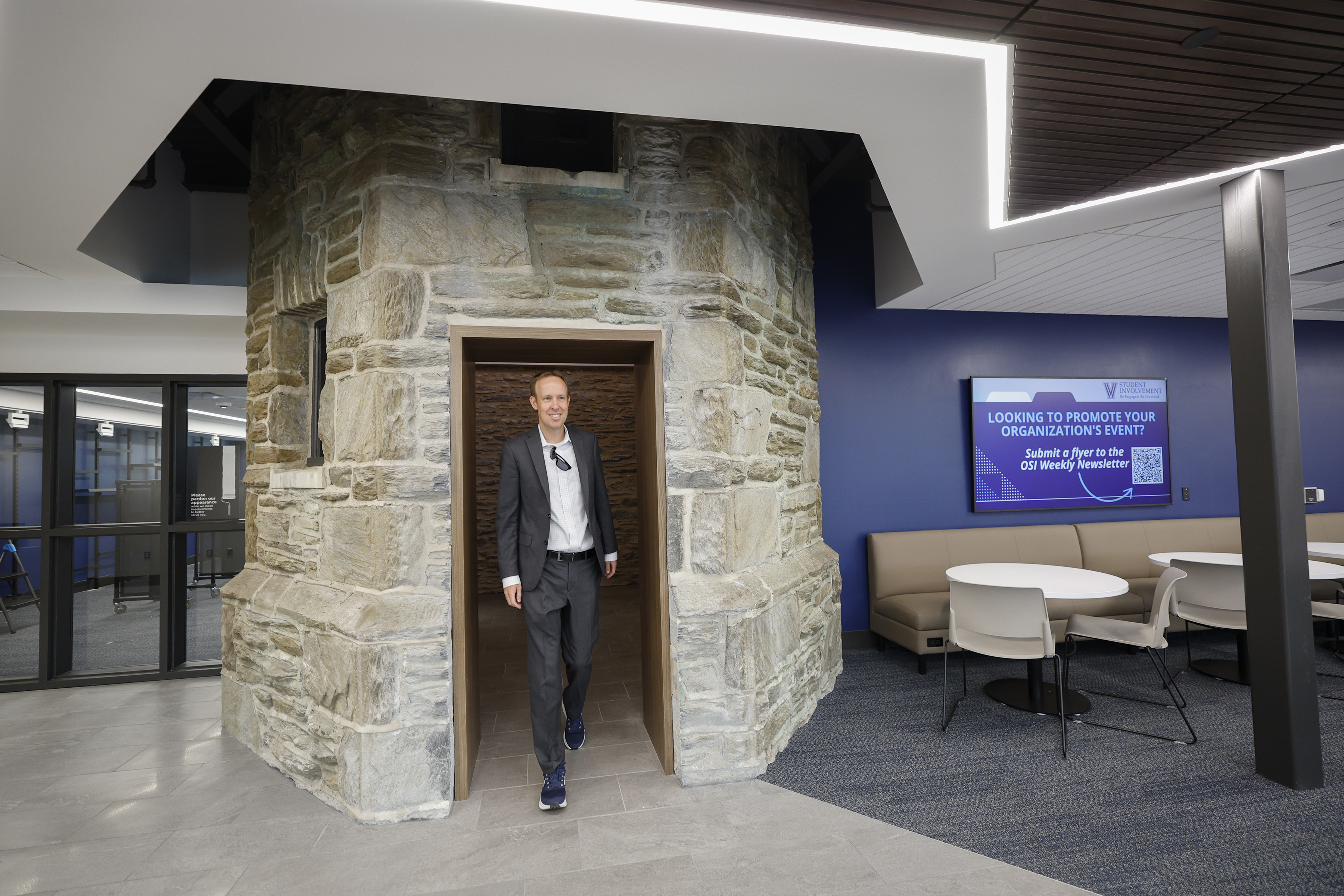
Timothy Hoffman, vice provost for finance and administration, emerges from the stone-walled turret leading to what will be a Villanova apparel shop. The turret was uncovered during remodeling at Cascia Hall. Steven M. Falk / For The Inquirer
One of the buildings that received the most renovation was the former Grace Hall, now Cascia Hall, home to the student center. The building used to be a stable house for the Woodcrest Mansion. Over the years, Cabrini put up drywall and turned much of it into office space.
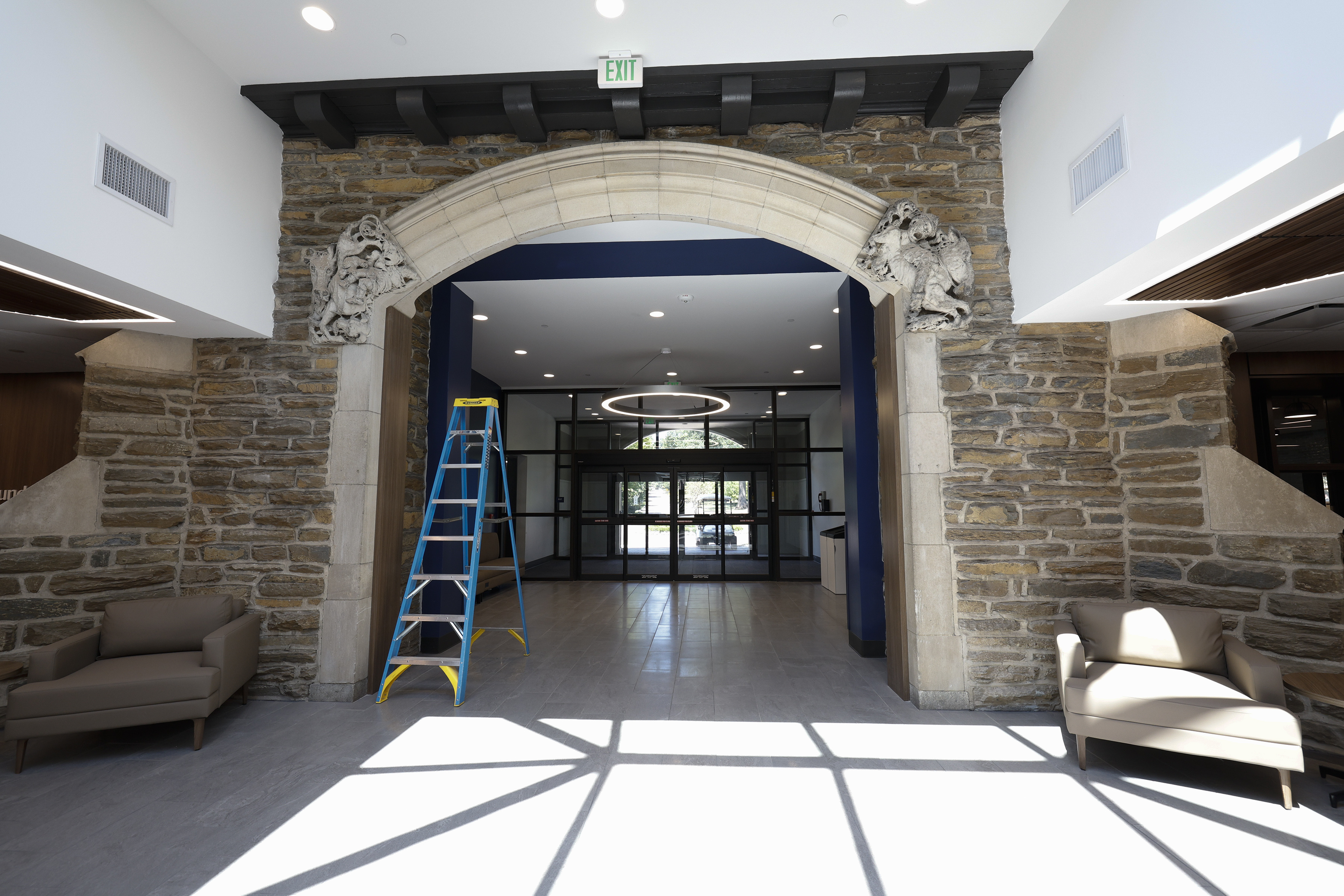
Villanova knocked those walls down and uncovered architectural flourishes including gargoyle-like stone carvings and a cavernous, stone-walled turret with a wooden-framed doorway, leading to what will be a Villanova apparel shop.
Renovations at Cascia Hall uncovered some architectural flourishes, including these stone carved gargoyles. Steven M. Falk / For The Inquirer
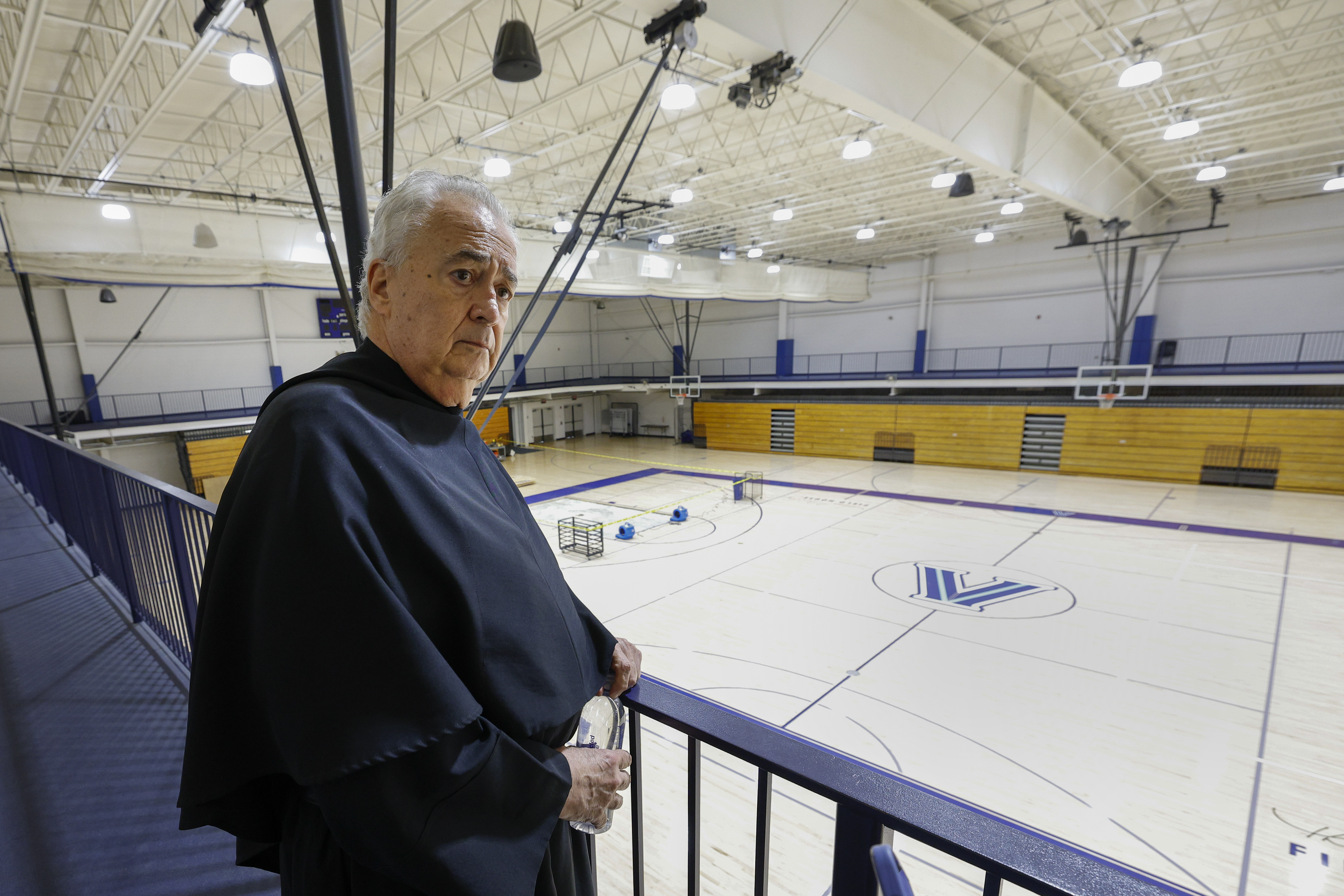
The Dixon Center will remain an athletic facility, but now the basketball court has a large V in the center and the smoothie bar will offer treats such as the Brunson, named after Villanova Wildcats basketball star-turned-New York Knicks standout Jalen Brunson, and the Father Peter Power, honoring the university president.
Donohue couldn’t name the ingredients in his new signature drink.
“I didn’t know it existed,” he said.
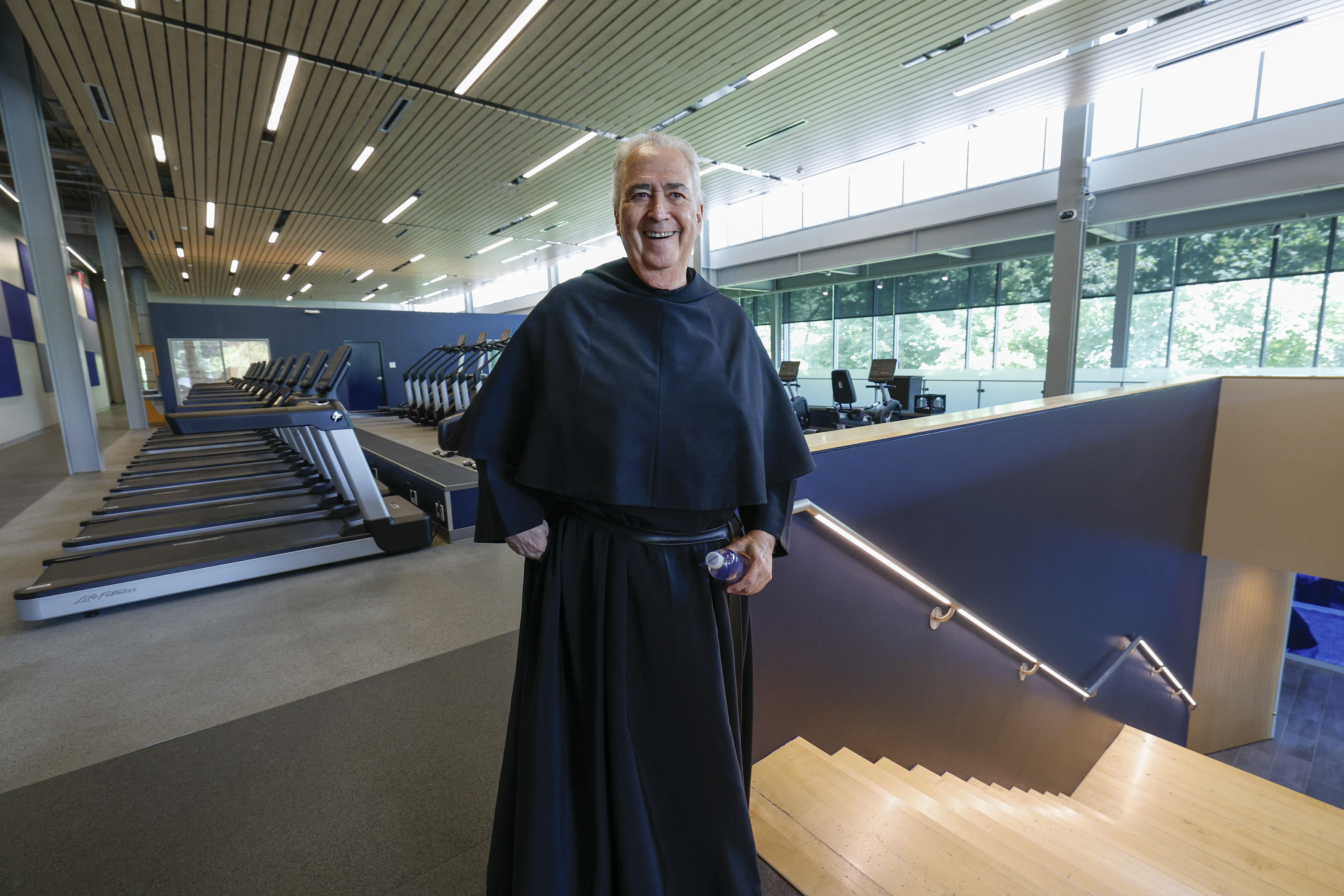
The facility, which also got new cardio equipment and reupholstered weight benches, will be used for non-varsity sports recreation.
Villanova President the Rev. Peter M. Donohue overlooks the basketball court at the Dixon Center. Steven M. Falk / For The Inquirer
“Our intramural basketball activity goes into the wee hours because we’re limited in our number of courts, so we are delighted to have this space,” Hoffman said.
The Iadarola Center, Cabrini’s former science building, includes a new nursing simulation facility that Cabrini had recently finished. But Villanova added upgrades, including a vivarium for psychology department research and more space for the brain science program. The former Cabrini library has been converted into student study space.
‘Many more dorm options’
Seven residence halls will house students, including two that had been closed amid Cabrini’s enrollment decline. One of them had a malfunctioning boiler — not anymore.
Sophomores were given the choice of living at Cabrini. Villanova ran tours of the campus for students last academic year. Those who chose Cabrini said they were attracted to the renovated dorms and larger room configurations that allow them to live with several roommates and share a bathroom. Options on main campus for sophomores are largely limited to doubles with a large bathroom shared by an entire floor or wing.
Villanova University sophomore Molly Dunphy-Culp has moved into her new apartment on the Cabrini campus.Courtesy of Molly Dunphy-Culp
“With Cabrini, there are so many more dorm options,” said Molly Dunphy-Culp, 19, a sophomore who was born in Boston and grew up in Abington.
She will be sharing an apartment in Lecceto Hall with three classmates.
She acknowledged that she will have to take the shuttle to main campus for classes, but said the short ride will be worth it. Dunphy-Culp also has a job on Cabrini as a recreation center supervisor — another plus for living there.
About half the students on campus will be allowed to have cars. Sophomores do not have that option on main campus.
“Two of my close friends are both going to have cars on campus,” said Ella Hayman, 19, a sophomore from just outside Boston. “This will give us a little more freedom we didn’t have last year. That was a big motivation.”
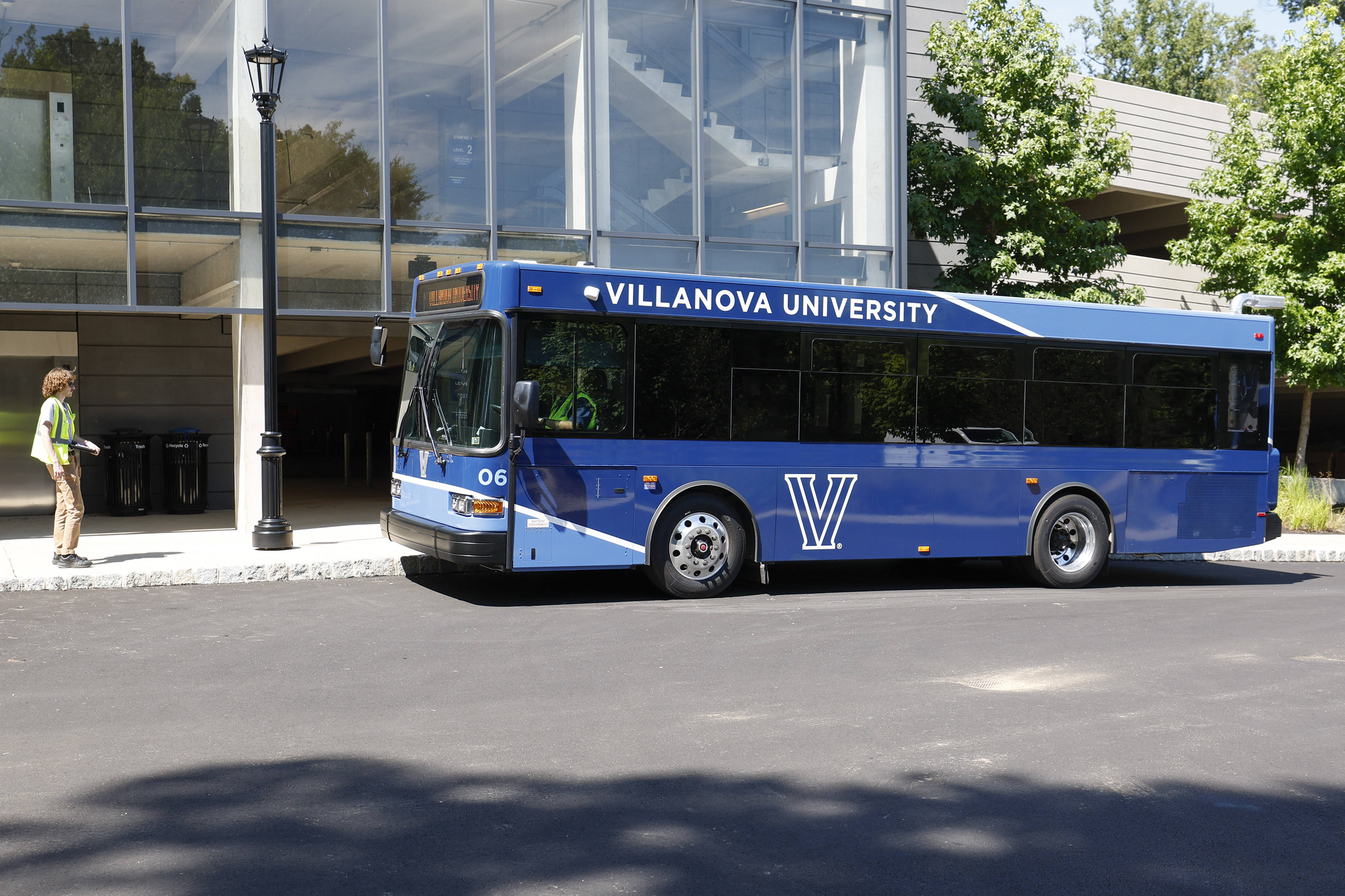
Shuttle buses including this one will transport students between Villanova’s main campus and the Cabrini campus 1.9 miles away. Steven M. Falk / For The Inquirer
Thirteen shuttle buses will transport students between the two campuses, which are 1.9 miles apart — a seven- to 12-minute ride, Hoffman said. A team of Villanova employees over the last couple of years visited five universities with multiple campuses, including Lehigh and George Washington, to learn how best to integrate them. They looked closely at models for a shuttle system that would keep students informed of where and when buses would be arriving and departing, Hoffman said.
Among new dining options on the campus is the restaurant-style Table 1842, named for Villanova’s founding year, where students can order off a menu. It is located in the former Founder’s Hall, now Bellesini Hall, which also was heavily renovated, including the installation of a new entrance that leads directly into dining facilities so people do not have to climb as many steps.
Bellesini has become the third-largest classroom building at Villanova. Some of the nearly 30 classrooms on the Cabrini campus had to be expanded to accommodate slightly larger class sizes, Hoffman said. Cabrini’s classes were 12 to 14, and Villanova starts at 16, Hoffman said.
Villanova University President the Rev. Peter M. Donohue left, and Timothy Hoffman, vice provost for finance and administration, walk through the Dixon Center. Steven M. Falk / For The Inquirer
Some improvements are still to come, including renovations to the former Mansion, which will be costly, and a nature trail, Donohue said.
Villanova named Francesca and Xavier Halls for Mother Cabrini and is continuing Cabrini’s Center for Immigration; Villanova converted it to the Mother Cabrini Institute on Immigration. Villanova also launched an elementary education major in honor of Cabrini’s former program.
Preserving a legacy
“They had a strong desire to make sure some of their legacy lasted, and we wanted to protect that,” Donohue said.
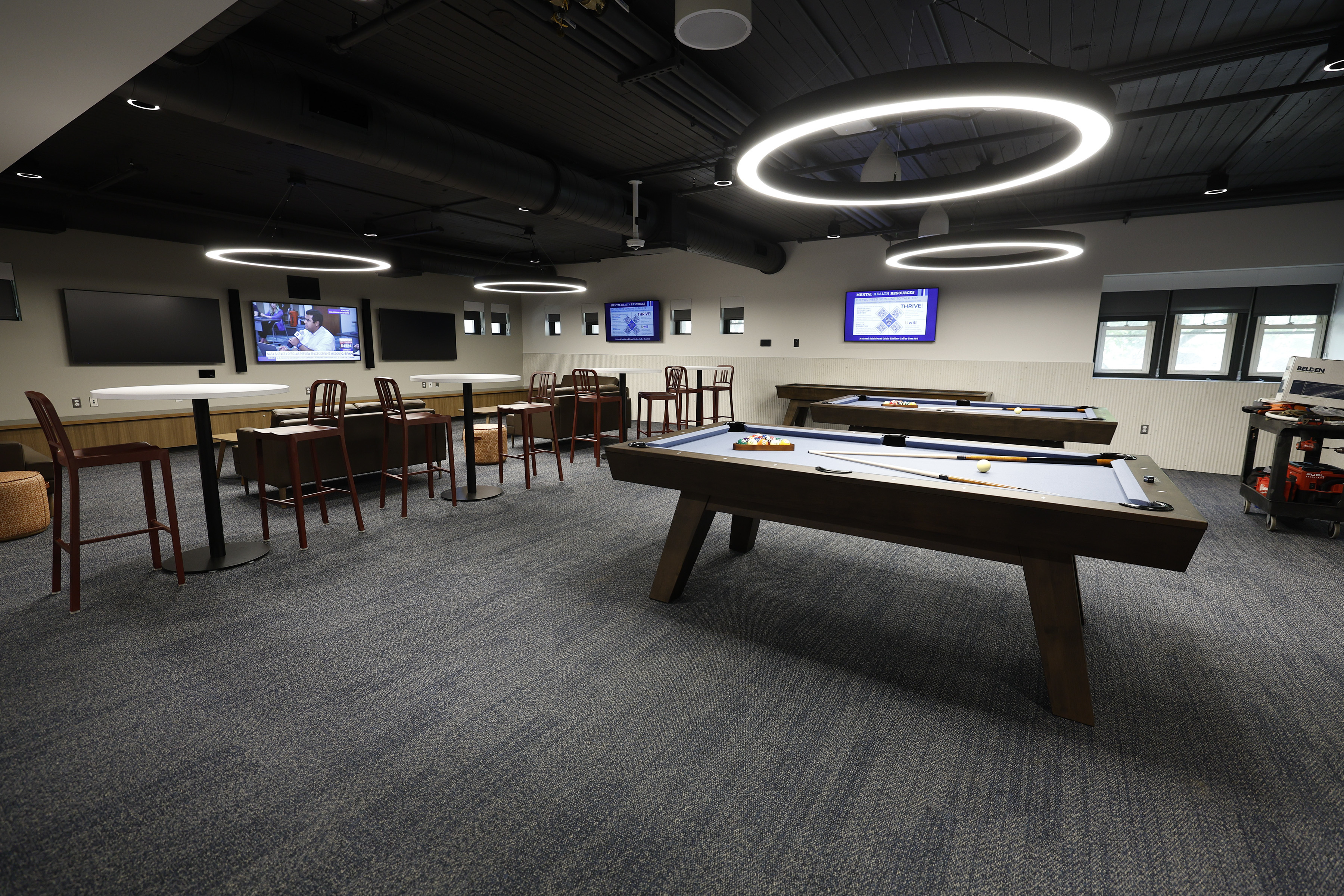
The game room at Cascia HallSteven M. Falk / For The Inquirer
Coincidentally, there is a stained glass window of St. Augustine — namesake of Villanova’s founding order — in Cabrini’s chapel and a stained glass window of Mother Cabrini in Villanova’s Corr Hall chapel.
Filling-Brown, the former Cabrini administrator now at Villanova, said it seems meant to be.
“It’s beyond my wildest dreams for the campus,” Filling-Brown said. “It’s the best outcome to see Catholic higher education continue on that campus.”
Villanova President the Rev. Peter M. Donohue discusses all it took to remodel the Cabrini campus. Steven M. Falk / For The Inquirer