Tag: Springfield

  • New doula directory will help Delaware County families find support

    New doula directory will help Delaware County families find support

    Family and friends cooked, cleaned, and took care of Alejandra McBride after she gave birth to her first child in Ecuador, so that the young mother could focus all her energy on her newborn.

    She felt much more alone when she gave birth to her second child 14 years later, in Delaware County.

    “I have friends who would come for a few minutes to see the baby – and then go,” said McBride, who lives in Springfield. “It was hard to recover.”

    Now she is training to be a doula through a new initiative in Delaware County to provide other women with support during and after pregnancy.

    McBride is among 30 doulas trained through the Delco Doula Collaborative, designed to build the maternity care workforce and expand patient resources in Philadelphia suburbs where prenatal care options have dwindled since last year’s closure of Crozer Health, which operated the county’s largest birth center.

    Earlier this month, an online directory launched where families can access doula services — which are covered by Medicaid and some private health insurance plans. Delaware County spearheaded the initiative with Family Village, an initiative of the Foundation for Delaware County that brings together support services for families and parents-to-be.

    “Every family deserves to feel supported, informed, and empowered throughout pregnancy, childbirth, and the postpartum period,” Lora Werner, director of the Delaware County Health Department, said in a statement. “By expanding access to this trusted support, we are advancing health equity and helping to build a healthier future for parents, babies and families across Delaware County.”

    Doulas are not medical professionals, but rather provide emotional support around pregnancy, and can serve as an advocate for patients.

    Research has found that parents who work with a doula experience lower rates of cesarean section births, reduced anxiety, and higher rates of breastfeeding, in part because they are more empowered to advocate for their wishes and feel heard by their medical providers.

    Doula training in Delaware County

    With part of a $600,000 grant from the U.S. Department of Labor’s Employment and Training Administration, the Delco Doula Collaborative provided free training and licensing assistance to 30 county residents.

    Participants work alongside certified doulas to learn about patient advocacy, childbirth education, and how to interact with patients.

    Family Village also helped participants apply for certification through CAPPA, a leading international doula certification organization, and a Pennsylvania license.

    Participants worked with a Medicaid billing consultant to help them establish their own Medicaid contract or join the organization’s contract. In Pennsylvania, doula services are covered by Medicaid. The government-funded health program covers about one-third of births statewide. Some private health plans also pay for doulas.

    The organization hopes to provide scholarships to support more certification training in the future.

    In the meantime, doulas who are already certified can join the collaborative for networking and additional training opportunities, and to be part of the online directory.

    Individuals interested in self-funding their initial doula training should visit the national CAPPA Website, or other doula organizations in Philadelphia or surrounding areas.

    For expectant parents, a doula can be a valuable resource, said Erica Loizos, the doula program coordinator for Family Village. They can talk to first-time parents about the stages of labor, postpartum care, and breastfeeding.

    Doulas play the critical role of advocating for the person who is giving birth at a time when medical attention often shifts to the baby.

    During labor and maternal medical appointments, some patients may struggle to speak up for what they want, or may not know what questions to ask. Doulas can coach them on how to advocate for themselves, or be the advocate, voicing their client’s wishes when they are unable to. Doulas often attend the birth to help advocate for the birthing person.

    “The most important thing is getting to know their family,” Loizos said of the service doulas provide.

    Zainab Waites, who works as a daycare teacher in Chester, embraced that mission. She has worked with eight families since beginning her training last year, many of whom were “really alone,” she said.

    “I always see myself as coming in to be a family member,” Waites said. “Whatever it is, even if you just want to complain about something, I’m here.”

    Learning from personal experience

    McBride said she was surprised how different pregnancy is treated in the United States, compared to where she grew up in Ecuador. Parents are faced with many more decisions and choices, which can be especially hard to navigate if they come from a different culture or do not speak English as their first language.

    “With my third birth, I was pretty much saying yes to whatever the doctor said,” McBride recalled. She didn’t know doulas existed, or that it was possible to push back against a doctor’s initial recommendation.

    McBride had a C-section because she didn’t know she could ask to wait a little longer to see if she would go into labor naturally.

    “Every woman is different,” she said. “My job is to advocate for these families and make sure they are delivering in a safe and warm place.”

  • The incalculable impacts of Trump’s attack on TPS

    The incalculable impacts of Trump’s attack on TPS

    It’s terrible what’s going on with Haitians and Syrians who have been living under a special designation known as Temporary Protected Status (TPS).

    They’ve literally been in panic mode since last month’s U.S. Supreme Court 6-3 ruling cleared the way for the Trump administration to strip away their ability to legally work and be protected from deportation. Roughly 350,000 Haitians and 6,000 Syrians are scrambling to figure out what their next moves will be.

    Will they relocate to Canada? South America? Somewhere else? Or even go underground? Pause for a moment and imagine having to find a whole other country that will take you in.

    Many fled Haiti’s 2010 earthquake and have lived in the United States for more than 15 years. We’re not talking about illegal aliens. These people are here legally. They are our neighbors. They own homes. Some have children who are U.S. citizens. They pay taxes. They hold jobs. Many work in hospitals, nursing homes, and retail establishments. Some are entrepreneurs. What are they supposed to do? Where do they go? Do they take their American-born children with them?

    MAGA dismisses them, saying, “Go back to Haiti.” But it’s not that simple. The tiny Caribbean nation is on the U.S. Department of State’s Do Not Travel list. It’s not safe there. Not for Americans. Not for native-born Haitians, either.

    Same thing for Syria.

    The Trump administration has dramatically restricted the number of refugees allowed in this year to just 7,500, but makes exceptions for white South Africans.

    As an African American, it galls me to have to sit back and watch this kind of racial preference play out. Granted, disparate treatment like this is nothing new. America has always been racially divided — but what’s happening now reaches a new depth of inequality.

    It starts at the top.

    President Donald Trump’s disdain for Haitians is deep and well documented, having falsely accused those living in Springfield, Ohio, of eating their neighbors’ pets and “destroying their way of life.” He has a long history of racial animus directed at Black people, famously referring to Haiti as being a “shithole country” and claiming many of its immigrants “probably have AIDS.”

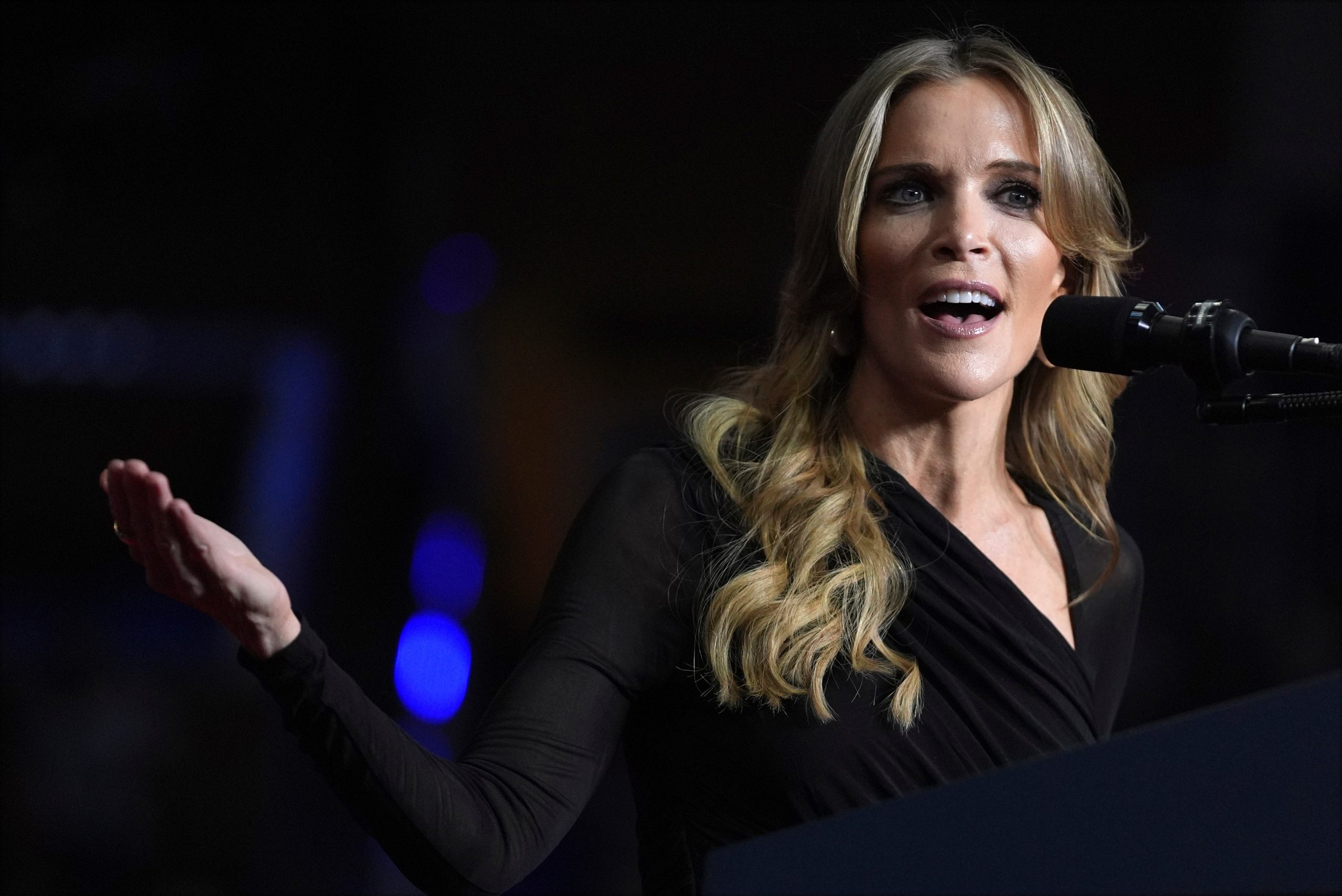
    Former Fox News host Megyn Kelly may be feuding with Trump, but it certainly sounded as if she were speaking for his administration last month when she said this about Haitians: “We don’t want you. We don’t care if you’re offended.”

    Bigot Barbie wasn’t done, adding: “Get out. Go home,” before using an expletive to tell immigrants to go back to Haiti. Kelly delivered her vile commentary shortly after the Supreme Court’s conservative majority ruled that government officials could end Temporary Protected Status for those who had come to America to escape violence and natural disasters.

    Megyn Kelly speaks at a Donald Trump campaign rally at PPG Paints Arena in Pittsburgh in advance of his election in 2024.Evan Vucci

    Congress created the TPS program in 1990 to protect noncitizens regardless of their immigration status.

    Now that the protections Haitians and Syrians have been living under have effectively ended, Trump can extend his campaign pledge and include those until now legally residing here in his mass deportation efforts.

    This is scary.

    And potentially life-threatening.

    Yet, it’s not on a lot of people’s radar.

    I reached out to the Rev. Jennifer Joseph, the lead pastor at Zion Community Church in Yeadon, where many Haitians worship. She told me people need to know that “folks on TPS are not illegal, and they are not criminals.”

    Joseph added, “Those who are not well versed about immigration law just assume that these people shouldn’t have come [and that] they should have known better.”

    Yes, I’ve heard that, too.

    Many don’t know what TPS is, and that the program doesn’t offer its own path to citizenship.

    It’s great that the U.S. allows immigrants to reside here when their homelands are in turmoil. But once people arrive and become long-term, law-abiding residents, they need more pathways to permanent legal status.

    They also need to be protected from the political whims of people like Trump or Homeland Security Secretary Markwayne Mullin.

  • King of Prussia Mall to get new stores including Pop Mart and Candyland Adventure playground

    King of Prussia Mall to get new stores including Pop Mart and Candyland Adventure playground

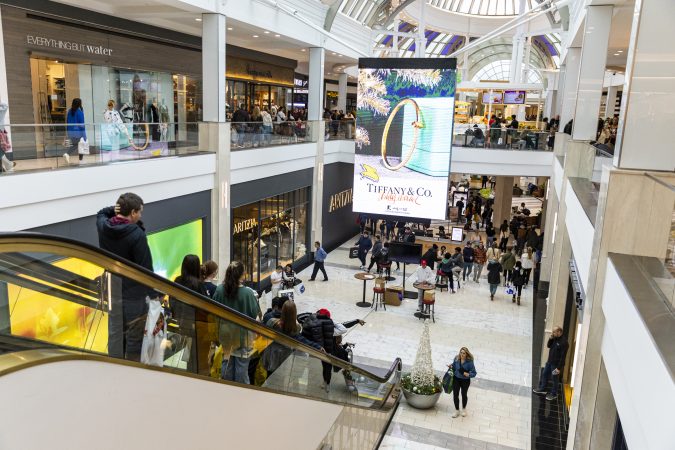
    The King of Prussia Mall is set to get several new shops and restaurants in the coming months.

    As some other retail centers struggle, die, and transform, the massive Montgomery County complex has remained a thriving shopping destination, with a wide array of retailers, dining options, and experiential concepts.

    Over the past year, the 2.9 million-square-foot mall has become home to the world’s first Netflix House — which contains a restaurant and four paid immersive experiences in an old Lord & Taylor — as well as Eataly, an Italian marketplace, and the Philly region’s first Sloomoo Institute, an interactive slime playground.

    More experiential retail is in the works. Next year, Level99 is set to open a 46,000-square-foot live social-gaming venue on the ground floor of the former JCPenney.

    The mall’s expansion comes as others in the region have become ghost towns. One of the vacant complexes, Exton Square Mall, closed Tuesday after more than six decades as a Chester County retail hub.

    Stores coming soon to the King of Prussia Mall

    By the end of 2026, the mall plans to open the following stores:

    The Pandora store will also move from the Court to the Plaza, and the David Yurman store will undergo a facelift. David Yurman will open a temporary boutique near Neiman Marcus while its permanent location is renovated.

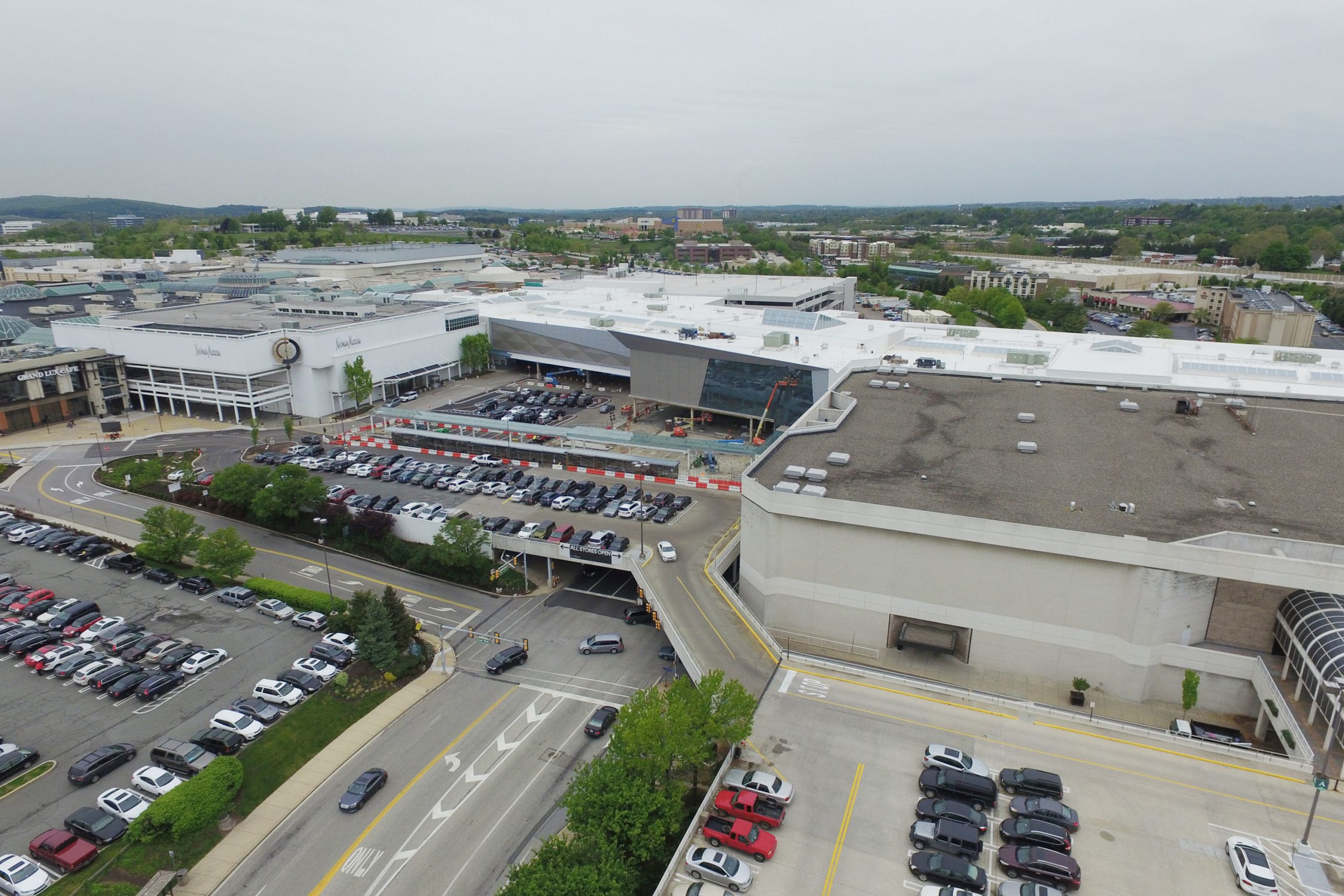
    King of Prussia Mall Tuesday, May 10, 2016.David Swanson / Staff Photographer

    New stores at the King of Prussia Mall

  • 🍸 The coolest drink of the Summer of 2026 | Let’s Eat

    🍸 The coolest drink of the Summer of 2026 | Let’s Eat

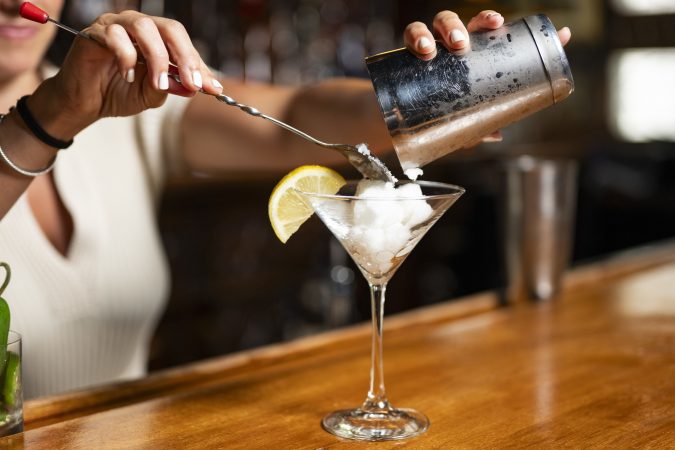
    The temperature is approaching triple digits. (Or is that tipple digits?) Here’s one boozy relief drink you should know about.

    Also in this edition:

    • Down the shore: Craig LaBan hits the mainland for tasty meals.
    • Flying saucer returns: The city finally has signed a restaurant tenant at LOVE Park.
    • “Cambodian speakeasy”: Read on for restaurant dish.

    — Mike Klein

    If someone forwarded you this email, sign up for free here.

    Water ice martinis and other cooling treats

    The water ice martini is the cocktail of the summer, and Beatrice Forman chatted up the owner of John’s Water Ice, who developed it with Saloon.

    🍧 Extraordinary “ordinary” water ice: Here are our favorites.

    Ice cream options

    🍦 Stella’s Ice Cream out of Idaho (yes, Idaho) just opened on Front Street in Fishtown/Kensington, and Bea has the early scoop.

    🍦 Winners, rocking a feel-good message, is new on South Street in Graduate Hospital. As Kiki Aranita says, Winners’ appeal is more than just the flavors, like Sweet Success S’mores.

    🍦 Our guide to our favorite ice cream is right here.

    Down the shore with Craig LaBan

    Critic Craig LaBan is back from his annual Jersey Shore exploration, and he’s shaking the sand out of his notebook. In Part One of his roundup, he heads to the mainland to find some gems. Read that here.

    Looking ahead: Part Two, Craig’s reviews from Long Beach Island and thereabouts, will be online this weekend. On July 11, he’ll share his discoveries from points farther south in Part Three.

    Ember & Ash shuttered by fire

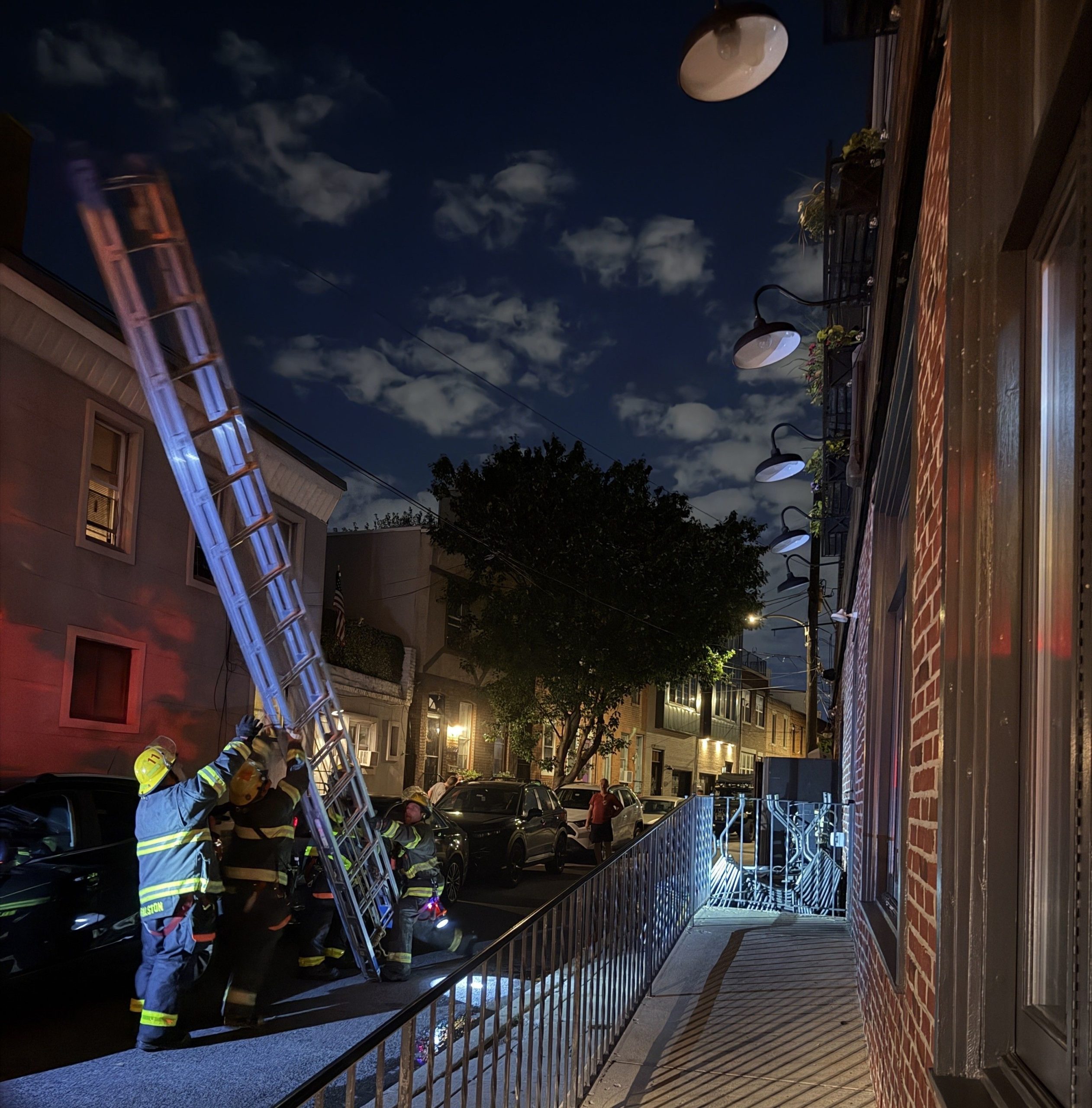
    Ember & Ash on East Passyunk Avenue will be closed for an undetermined period after smoke and flames shot up through the ventilation last week just after closing time. No injuries were reported.

    ‘Flying saucer’ building has liftoff

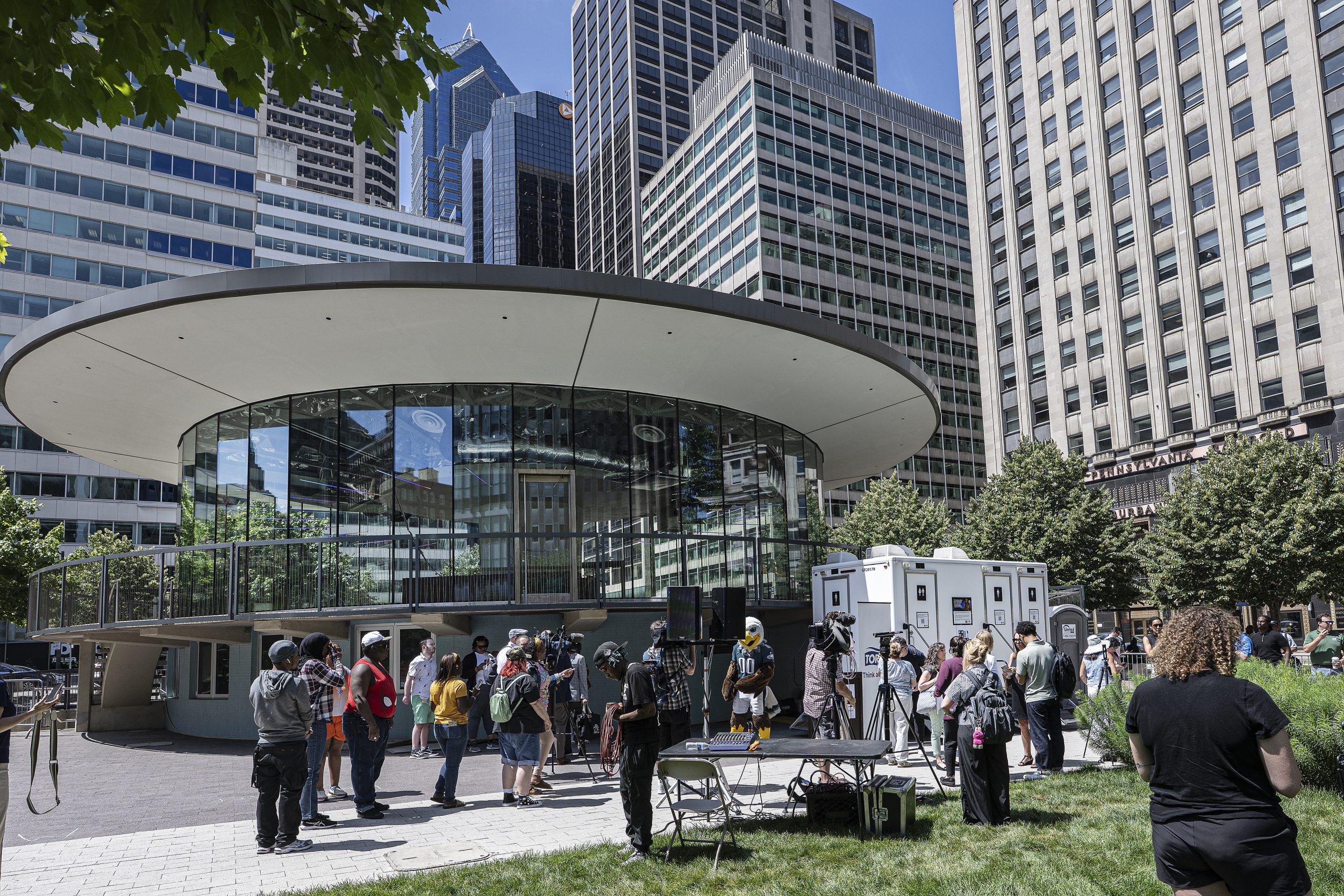
    This weekend will see the debut of Broad Street Beer Garden at LOVE Park, the first phase of a planning reuse of the so-called flying saucer building at 16th and JFK. Here’s the long history of the city landmark.

    The best things we ate last week

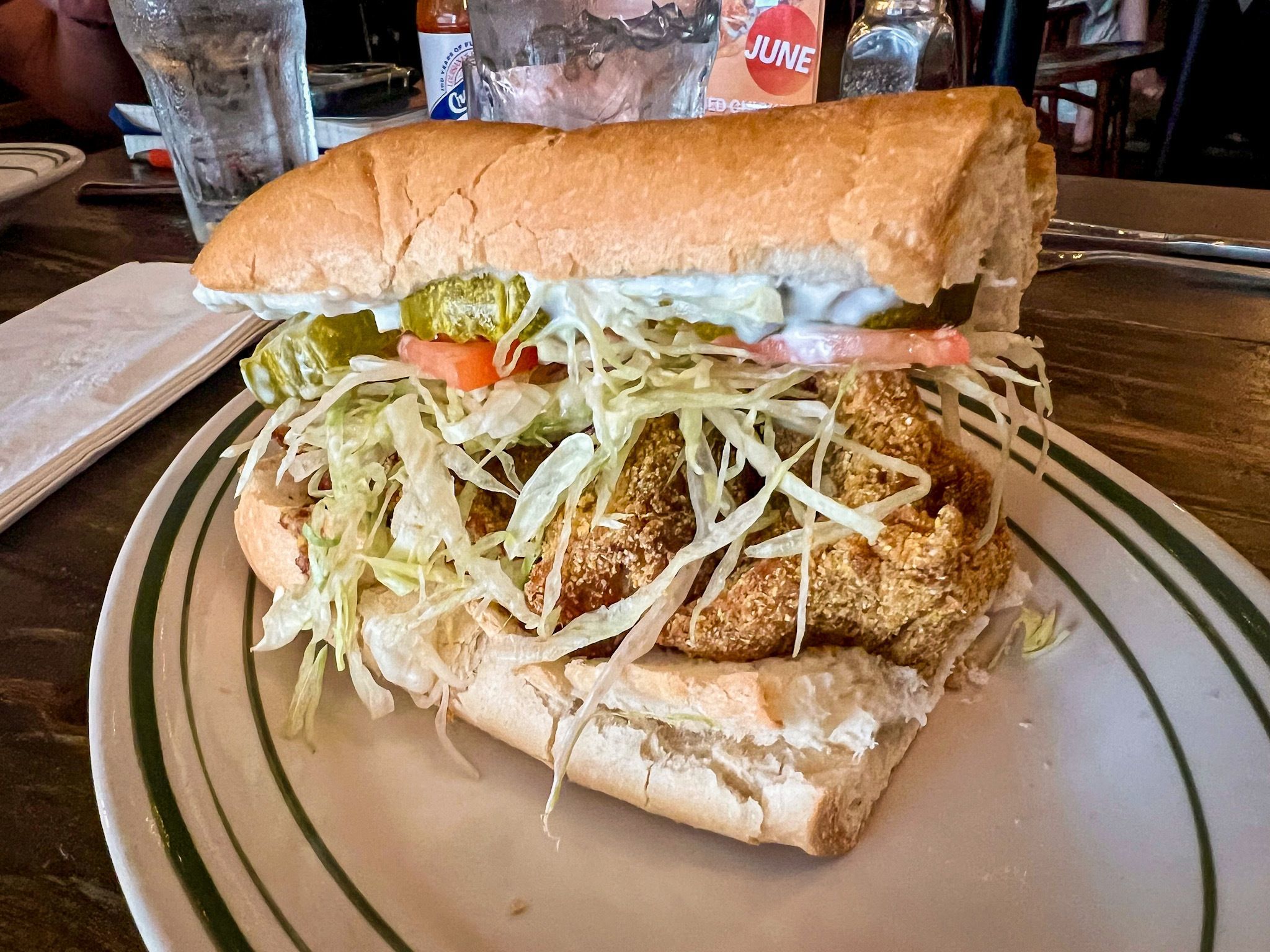
    We munched on fried silverfish that reminded us of French fries in Little Saigon, Argentine empanadas in West Philly, and a vegan po’ boy in Old City that tasted like the original.

    Scoops

    Intrigue! Albert Zheng, whose holdings include Javelin in Fairmount, is backing a yet-to be-named dual concept on the way to 808 Chestnut St., formerly a Dunkin’ Donuts. In front, the feature will be wagyu omakase, while the rear will be what he calls a Cambodian speakeasy. He says it’s six or seven months out.

    Mylar Bar, a cocktail bar inspired by the spirit of South Philly’s Dino’s Party Center, is expected to open later this summer from hospitality veterans Liv Arterbridge and Gina Piccari. They bought the former building at Ninth and Morris Streets where Dino’s sold balloons, decorations, and party supplies for decades before it moved across the street. “We want the whole thing to feel like a party,” Arterbridge said. “Nostalgic, fun, a little silly, intentionally unserious — but not a theme bar,” Piccari said. Cocktails will include martinis, punches, and classic drinks, alongside draft beer and familiar favorites. A full kitchen, led by chef Colin White, formerly of Sally and Emmett, will serve shareable “party snacks” and larger plates. They plan to offer late-night desserts, so food will be available until 1 a.m. with the bar wrapping at 2. Arterbridge, whose resume includes Cry Baby, Poison Heart, and a.bar, met Piccari while working at Boot & Saddle, where Piccari was manager. Piccari is now behind the bar at Le Virtù.

    Restaurant report

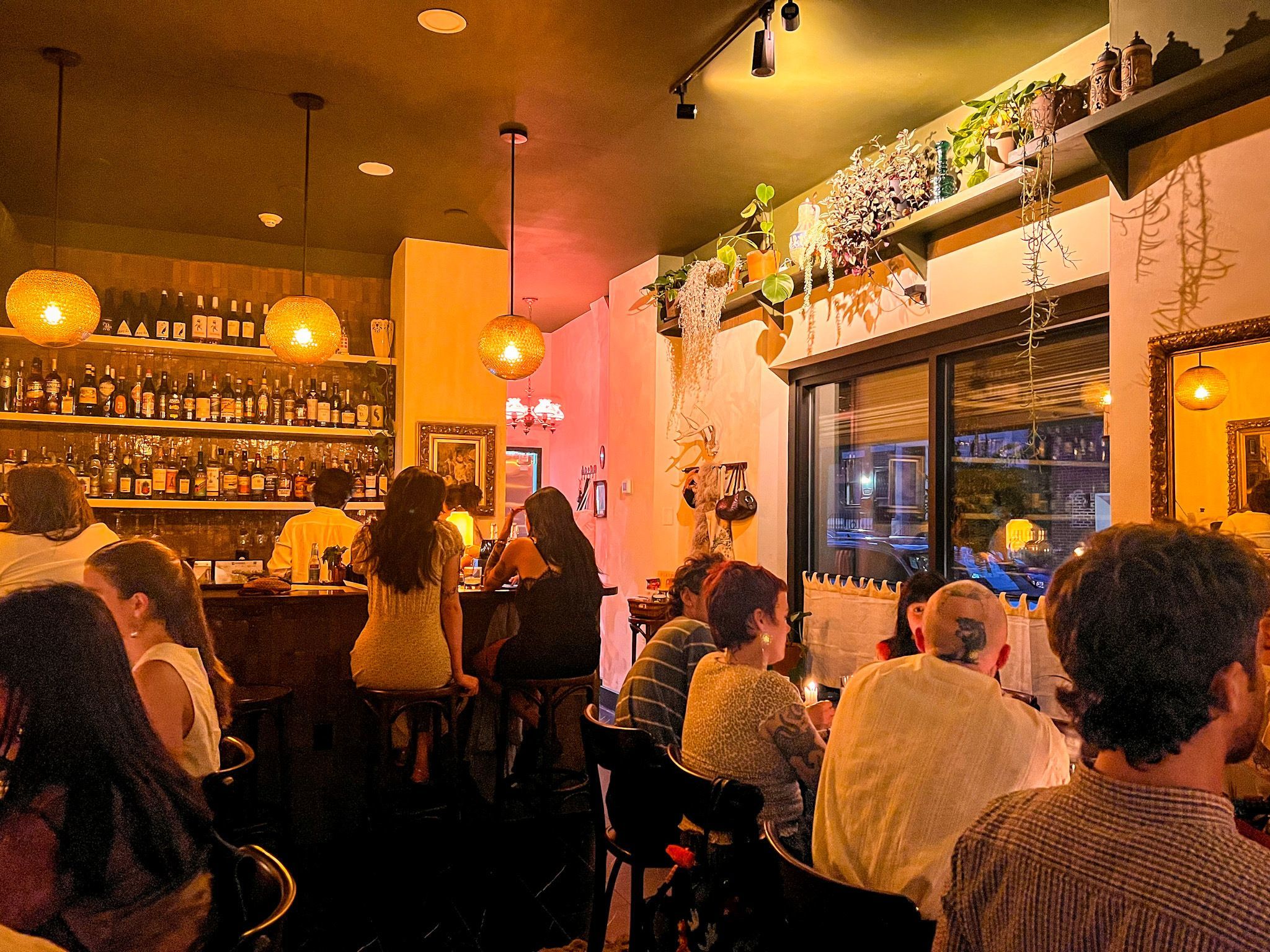
    Sixteen restaurants, bakeries, cafes, and bars — including Lillian’s, shown above — are opening in July. Read on for the rundown.

    Penny’s Bagels, on its way (for the last two years) to 212 Kings Highway East in Haddonfield, will hand out 250 red, white, and blue bagels on July 3 at the borough’s parade. The shop is eyeing an August opening, says owner Chris Fetfatzes.

    Maru, a fast-casual Korean-inspired restaurant from David Backhus and the team behind the now-closed Oori, is expected to open in August in what is now Collective Coffee & Bakery, which Backhus also owns, at 2922 Conestoga Rd. in Glenmoore. Maru’s menu will feature Korean fried chicken sandwiches, wings, tenders, house-made mochi doughnuts, and specialty coffee, while continuing to serve Collective Coffee and honor existing coffee subscriptions.

    Briefly noted

    Ota-Ya in Newtown has announced that Friday will be its last day after 30 years with the retirement of owners Jeff Wong and Cindy Tam.

    PETA is launching its “Nice Cream Trail,” highlighting 10 shops across the state serving vegan ice cream, and there are five local spots on the list: Dreams Ice Cream Factory in Glenside, Lu & Aug’s in Ardmore, the Main Freeze in Lansdale, Milk Jawn in South Philadelphia and Northern Liberties, and Scoop DeVille in Center City and Queen Village. The first Pennsylvania resident to complete the trail by visiting all 10 participating shops through August will win a vegan ice cream party with PETA’s “iScream” truck for themselves and up to 50 guests. Details are here.

    Two local BBQ chefs, Matt Groark (Medford Lakes, N.J.) and Maxwell McGibbon (Newark, Del.), are competing on Food Networks’ Pitmasters, premiering July 13 at 9 p.m.

    Diner en Blanc registration is still open. This year’s version of the pop-up picnic is Aug. 20.

    Miller’s Ale House, in the shopping center next to the Home Depot in Springfield, Delaware County, closed this week after 13 years, while Fishtown is abuzz with speculation that Bottle Bar East, which opened at 1308 Frankford Ave. around the same time in late 2012, has closed. The phone is down, and owners could not be reached for comment

    We all tried a new cheesesteak-flavored olive oil. I won’t say you have to.

    ❓Pop quiz

    Fountain Porter, the South Philly bar, just raised the price of its celebrated burger. How much is it now?

    A) $5

    B) $7

    C) $8

    D) $9

    Find out if you know the answer.

    Ask Mike anything

    When is Adda ever going to open in Fishtown? — Rich C.

    True, Adda has been a long time coming, since I initially wrote about it in June 2025 with an end-of-2025 target. Adda — from New York City’s Unapologetic Foods, whose establishments are acclaimed for their bold, no-holds-barred approach to Indian cooking — is now looking at a late-fall opening at 1700 Frankford Ave., the new building across from the Fishtown post office.

    Corrigendum: Reader Stephanie points out that Kalaya is the third Philadelphia restaurant, not the second, to win the James Beard Award for outstanding restaurant, as I wrote two weeks ago. Zahav was the first in 2019, while Friday Saturday Sunday won in 2023.

    📮 Have a question about food in Philly? Email your questions to me at mklein@inquirer.com for a chance to be featured in my newsletter.

    By submitting your written, visual, and/or audio contributions, you agree to The Inquirer’s Terms of Use, including the grant of rights in Section 10.

  • How realistic is new owner’s ‘aspirational’ plan for Crozer-Chester Medical Center campus?

    How realistic is new owner’s ‘aspirational’ plan for Crozer-Chester Medical Center campus?

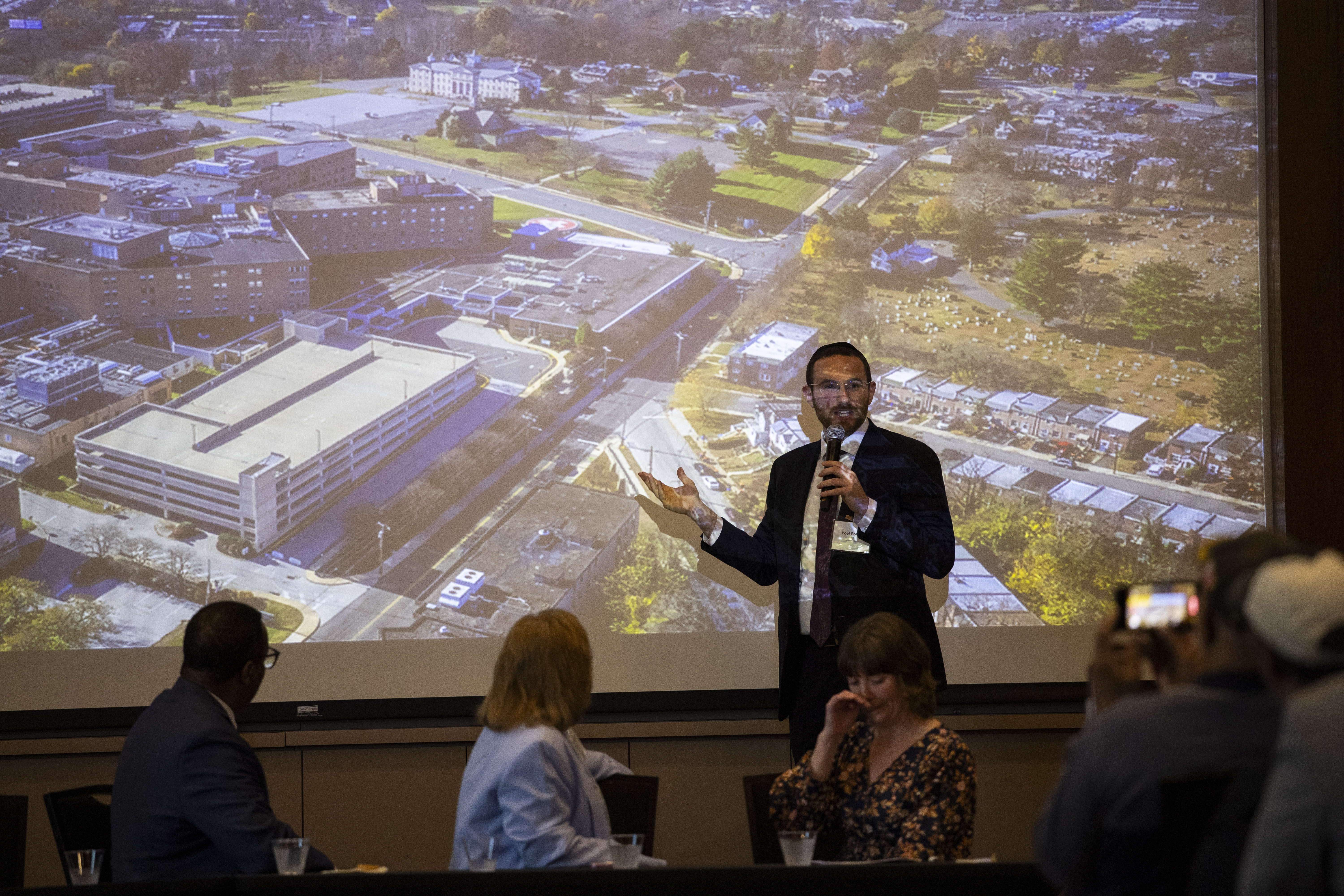
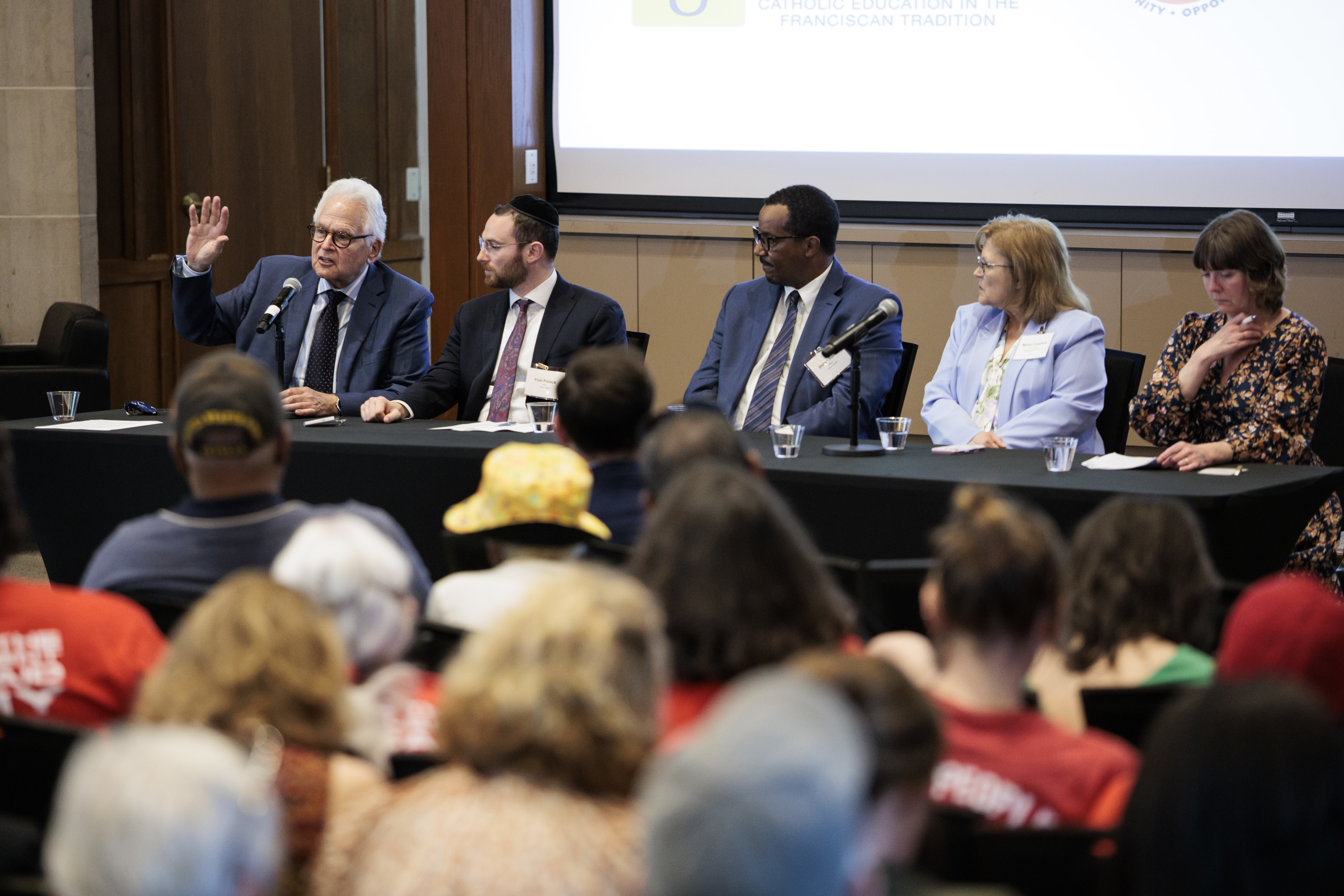
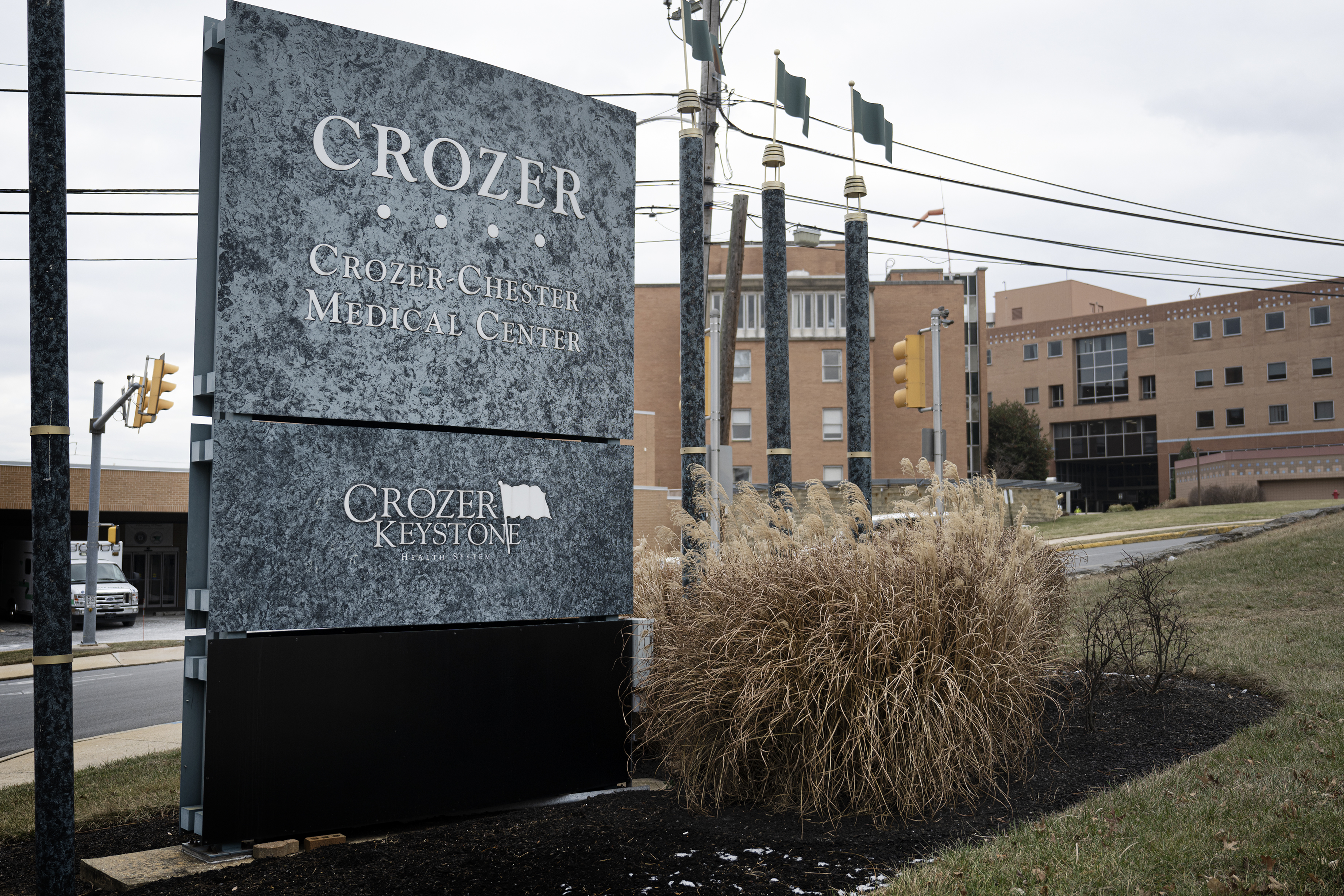
    The new owner of the shuttered Crozer-Chester Medical Center in Delaware County shared what he called an “aspirational” plan to restore healthcare services to the Upland facility at a town hall meeting Tuesday in Chester.

    The vision includes reopening of the emergency department, creating a small hospital above the ED, and developing outpatient services — all operated by one or more local nonprofit health systems, Yoel Polack told a standing-room-only crowd of more than 200 at Widener University.

    Polack is CEO of Chariot Allaire, the for-profit partnership that paid $10 million for Crozer in January. His group has been talking to all the regional health systems for months and expects soon to begin “a study process with two and hopefully three of the major academic medical centers in the region,” he said.

    That is expected to last up to 90 days, he said, “and hopefully at the end of that period, we’re going to be having some outline of partnership with the system.” Polack described his anticipated partner as an institution “you know and trust.”

    The entire process could take two or three years after a partnership is formed, he said Polack, whose company is registered in Lakewood, N.J.

    He provided no details on how much Chariot Allaire would be willing to invest to attract a health system to the site, where state-led efforts previously failed to save a major safety-net provider for Delaware County that closed last May amid the bankruptcy of its California-based owner, Prospect Medical Holdings Inc.

    Chariot Allaire paid relatively little for the 64-acre campus, which gives the company a low cost basis for owning the site. But that doesn’t mean it will be easy to attract a partner at a time of thin to nonexistent profit margins for the region’s health systems.

    “It does not seem like there’s an easy and obvious candidate,” said Dan Grauman, managing director at VMG Health, a national healthcare consulting firm.

    “There’s no question there’s need for care and for services, said Grauman, who has decades of familiarity with the Philadelphia region’s healthcare market.

    A welcome public meeting

    During an hourlong question and answer session, residents expressed gratitude for the meeting with Polack and his senior medical adviser, Arthur Klein, a pediatric cardiologist who spent decades as an executive at nonprofit health systems in New York.

    A town hall meeting Tuesday in Chester about plans for the former Crozer-Chester Medical Center drew a large crowd.Monica Herndon / Staff Photographer

    “Many times things happen in our community, and we are the last to know, so you started off very, very well,” said Zulene Mayfield, chairperson of Chester Residents Concerned for Quality Living, a community group known for the fight to close a large trash incinerator in the city.

    Some residents pushed back against Polack and Klein’s plans for a much smaller hospital than the more than 400 beds Crozer-Chester Medical Center had at its peak. During a March interview with The Inquirer, Klein suggested the new hospital could have 80 beds.

    “You don’t want a hospital of the 1990s,” Klein said Tuesday.

    The current hospital structure encompasses 750,000 square feet — now completely empty. Crozer’s shuttered ED took up 30,000 of the square feet. Chariot Allaire contemplates opening a hospital a tenth of the size of the old hospital.

    Operating that hospital cost way too much, Polack said. ”It also doesn’t meet the way medical care is done today, which is mainly on the outpatient side,” said Polack, who has worked in healthcare real estate development in New York.

    Simone Development Cos., where Polack worked before striking out on his own, often collaborated on real estate deals with Montefiore, a health system in the Bronx that serves many patients with Medicaid insurance, Grauman said.

    That experience is relevant to the effort here, he said, given that Crozer also served large numbers of people with Medicaid, which pays significantly lower rates than private insurers.

    The role of local health systems

    Before Prospect’s bankruptcy filing in January 2025, a few local health systems explored establishing a new nonprofit to take over Crozer-Chester Medical Center. Those talks continued during the bankruptcy, but failed to produce a solution.

    The University of Pennsylvania Health System said it remains at the table.

    “We continue to work with committed partners to restore crucial healthcare services for Delaware County residents,” Penn said in a statement. “It’s important that any new models for the former Crozer-Chester site are built to be sustainable amid a rapidly changing healthcare landscape and persistent financial challenges.”

    ChristianaCare, which plans to open a micro-hospital in Aston in June, is not in discussions with Chariot Allaire, it said, but supports “their efforts to expand access to quality heath care in Delaware County.”

    Arthur Klein, senior medical adviser (left), and Yoel Polack, CEO of Chariot Allaire, greet attendees during a town hall in Chester on Tuesday.Monica Herndon / Staff Photographer

    While Chariot Allaire is wooing health systems, the new owners of two other closed Crozer Health hospitals, Taylor and Springfield, are doing the same thing. Local investors paid $1 million each for those hospitals. Those low prices could allow the owners to offer below market rate leases to attract tenants.

    Polack noted that if no local systems want to bring services to the Crozer site, he would look farther afield.

    “We don’t control hospital systems and operators, but we are doing everything that we can to put the pieces together to illustrate the opportunity that we see here to those hospital systems,” he said.

  • The new owner of Crozer-Chester Medical Center wants to restore hospital and emergency services

    The new owner of Crozer-Chester Medical Center wants to restore hospital and emergency services

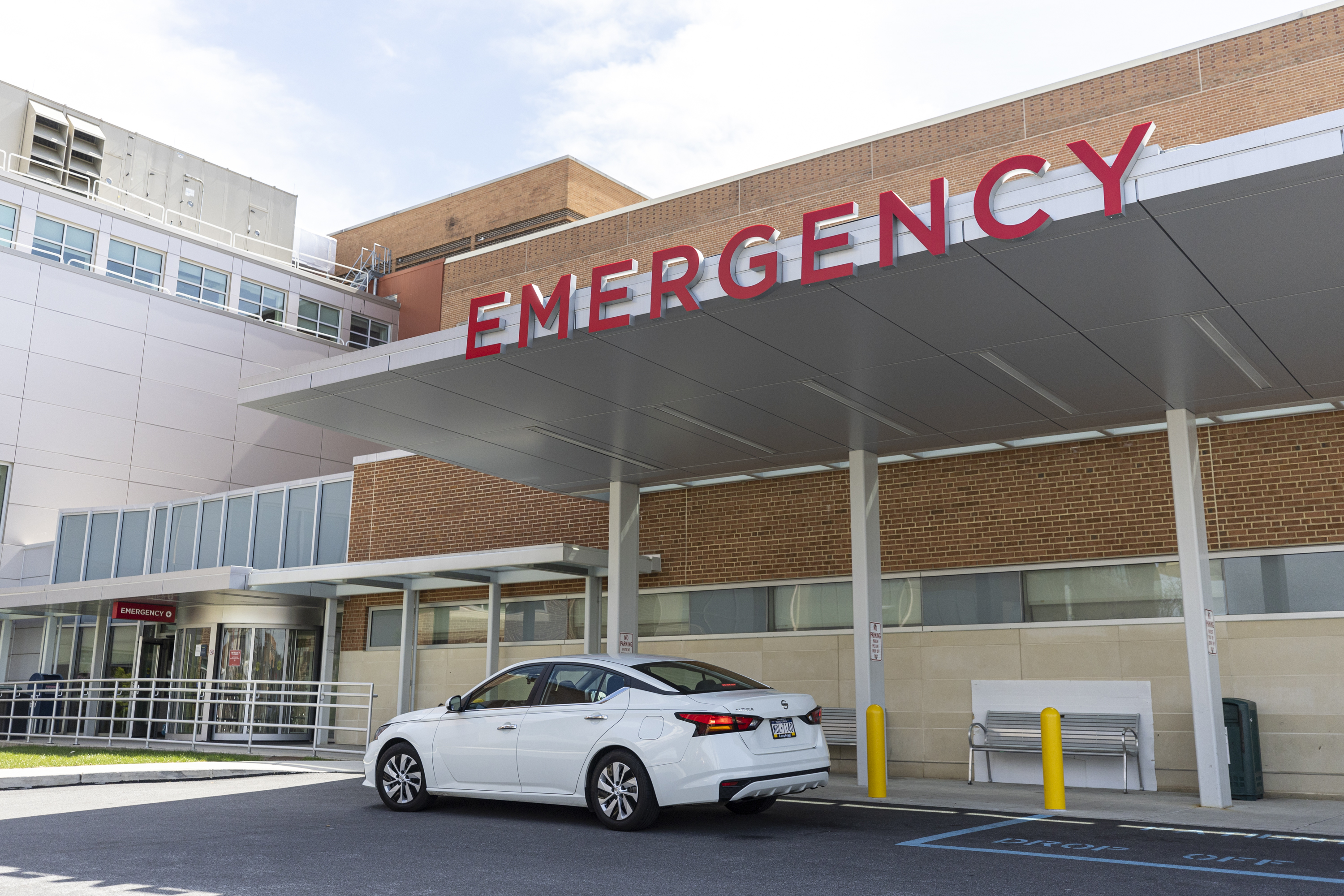
    The new owner of the defunct Crozer-Chester Medical Center wants to restore hospital and emergency services to the 64-acre campus that straddles Chester and Upland Township in Delaware County.

    Newly formed Chariot Equities completed the $10 million purchase Wednesday. The for-profit entity said it expected within six months to have an agreement with a health system that would operate a “right-sized” hospital and emergency department at the facility that had been the county’s largest provider of those services before closing last year.

    The idea is then to open the first phase within two years, Chariot said in a statement.

    Chariot did not say how much it would spend on refurbishing Crozer-Chester, which had suffered from years of neglect under its two previous owners.

    Chariot’s partner at Crozer-Chester is Allaire Health Services, a Jackson, N.J.-based for-profit operator of nursing homes.

    The partners said they are in talks with regional and national nonprofit health systems regarding an operating partnership, but provided no details. The amount of money needed for the project would likely depend on what prospective tenants would want to do at the property.

    “Our belief in Delaware County’s future, and the community’s need for sustainable healthcare access, made this an effort worth committing to well before the finish line,” said Yoel Polack, Chariot’s founder and principal.

    Little is known about the new owners. Polack worked in healthcare real estate in the New York City area before setting his sights on redeveloping Crozer-Chester.

    Federal records list Allaire’s CEO Benjamin Kurland as an owner of 20 nursing homes, including three in the Philadelphia area. Chariot’s statement said Allaire owns a total of 29 facilities in five states.

    Philadelphia-area facilities associated with Kurland are the Center For Rehab & Nursing Washington Township, which was acquired from Jefferson Health; Riverview Estates Rehab & Senior Living Center in Riverton; and West Park Rehabilitation & Nursing Center in West Philadelphia.

    Local interest?

    Main Line Health has been involved in discussions about reopening emergency services at three former Crozer hospitals — Crozer-Chester Medical Center, Springfield Hospital, and Taylor Hospital — at the request of state lawmakers and the property owners, Ed Jimenez, CEO of Main Line Health, said Wednesday at a Riddle Hospital event.

    Jimenez said he would “entertain the concept” of restoring emergency services at one of the hospitals as part of a partnership with other health systems, but only if it can be done on a break-even basis.

    All three of the former hospital buildings visited by Main Line officials are in poor condition and were stripped of medical equipment after the closures. Main Line’s experts estimated it would cost between $15 million and $20 million just to make the emergency department at Taylor functional, Jimenez said.

    ChristianaCare, Delaware’s largest health system, considered acquiring Crozer in 2022. Instead, it took a different path to expansion in Southeastern Pennsylvania. It is planning to open two micro-hospitals in Delaware County. The nonprofit system also took over five former Crozer outpatient locations. Its credit rating was recently downgraded by one notch because of lower profitability.

    The importance of Crozer-Chester

    Crozer-Chester closed in early May during the bankruptcy of owner Prospect Medical Holdings Inc., a for-profit company based in California, and after the failure of government-supported efforts to form a new nonprofit owner for Crozer-Chester and other Crozer Health facilities.

    Crozer-Chester was particularly important as a safety-net provider for a low-income area of Delaware County that has few other nearby options. The Crozer system, which had four hospitals, was the county’s largest health system and largest employer for many years.

    Two local Democratic officials, State Rep. Leanne Krueger and Delaware County Council member Monica Taylor, said they were encouraged by the approach being taken by Chariot and Allaire.

    At Taylor Hospital, the other Crozer hospital that closed last year, new owners are also looking for healthcare tenants. Local investors bought the Ridley Park facility for $1 million. It is less than four miles from Crozer-Chester.

    The same group agreed last week to pay $1 million for Springfield Hospital, another facility that had previously shut down under Prospect ownership.

  • Pa.’s new budget has financial help for Delco’s Riddle and Mercy Fitzgerald Hospitals

    Pa.’s new budget has financial help for Delco’s Riddle and Mercy Fitzgerald Hospitals

    Pennsylvania’s new budget has $5 million in supplemental payments for the two Delaware County Hospitals that have seen significant increases in patient volumes since Crozer-Chester Medical Center and Taylor Hospital closed in the spring.

    Main Line Health’s Riddle Hospital, near Media, is getting $3 million. The amount for Trinity Health Mid-Atlantic’s Mercy Fitzgerald Hospital, in Darby, is $2 million, according to budget documents.

    The $5 million will be doubled by a federal match, said Democratic State Sen. Tim Kearney, who represents part of Delaware County. The $5 million is from a fund used to help hospitals the serve a large number of patients with Medicaid and used to go to Crozer Health, Kearney said Friday.

    Main Line said in a statement Thursday that the money will help it maintain services in the county.

    “Since Crozer’s shutdown in April, Riddle’s Emergency Department has experienced an unprecedented surge — 46% more patients than the same period last year, an increase of nearly 4,000 overall,“ the nonprofit said.

    Main Line, which also owns Lankenau Medical Center, Bryn Mawr Hospital, and Paoli Hospital, said it has seen 55,000 patients from the Crozer market — a 15% increase over the same time period last year. That figure includes 8,000 patients who went to a Main Line facility for the first time, the health system said.

    Trinity Health did not respond to a request for comment.

    Shuttered hospitals in limbo

    While Riddle and Mercy Fitzgerald have scrambled to accommodate patients who used to rely on Crozer Health, efforts are underway to bring healthcare services back to at least Taylor Hospital in Ridley.

    Local investors bought that facility in September for $1 million and are trying to entice one of the region’s nonprofit health systems to bring it back as a hospital.

    A group from New Jersey called Chariot Allaire Partners LLC has agreed to pay $10 million for the former Crozer-Chester Medical Center in Upland but has not disclosed its plans. That facility served as a key safety provider for a low-income area of Delaware County.

    A partnership of Restorative Health Foundation and Syan Investments won an auction for Springfield Hospital for $3 million, but it does not have support from township officials.

    Delaware County legislators also obtained $1 million from the state to buy emergency department equipment if one of the closed hospitals, such as Taylor, reopens, Kearney said.

    Editor’s note: This story has been updated with additional detail on the funding.

    This suburban content is produced with support from the Leslie Miller and Richard Worley Foundation and The Lenfest Institute for Journalism. Editorial content is created independently of the project donors. Gifts to support The Inquirer’s high-impact journalism can be made at inquirer.com/donate. A list of Lenfest Institute donors can be found at lenfestinstitute.org/supporters.

  • ‘We’ve moved on’: Chester mayor and environmentalists object to LNG terminal proposal

    ‘We’ve moved on’: Chester mayor and environmentalists object to LNG terminal proposal

    Chester Mayor Stefan Roots came up with an idea as he waited to testify Wednesday during a Pennsylvania legislative committee hearing on a proposed gas export terminal.

    “I’m introducing a new initiative,” he said, “WMO — we’ve moved on .… This dangerous facility does not belong in a densely populated urban area like Chester. I’m calling on this committee to do the right thing: Protect some of the most vulnerable people in this commonwealth and say no to an LNG terminal in this region.”

    Roots spoke in response to a yearslong plan by Penn LNG to build a liquefied natural gas (LNG) export terminal in Chester or nearby in southeastern Pennsylvania along the Delaware River. The terminal would tap in to an existing pipeline to carry gas from the Marcellus and Utica formations to a site on the river. There, it would be compressed into liquid gas for export and capitalize on soaring global demand for LNG after Russian’s invasion of Ukraine.

    The hearing, held by the Pennsylvania House Environmental & Natural Resource Protection Committee, was stacked with opponents of the plan, saying it would create pollution and be highly dangerous to surrounding communities. Democratic State Rep. Greg Vitale, the committee chair from Delaware County, said proponents, including Franc James, CEO of Penn LNG, and union leaders were invited but declined.

    Penn LNG has not specified a location but has said it plans to develop a new plant to export 1 billion cubic feet per day of gas from the Marcellus Shale to Europe.

    At previous hearings held by Republican State Rep. Martina White, chair of the Philadelphia LNG Export Task Force, proponents spoke of the economic change the facility would bring, including jobs.

    Vitale said he convened Wednesday’s hearing because he feared the project would “proceed under the radar without sufficient public scrutiny.”

    Indeed, the mood Wednesday was strikingly different from past hearings as opponents told legislators an LNG facility would pose serious health, safety, and environmental justice issues.

    What are the plans for the LNG facility?

    In 2024, former President Joe Biden put a pause on LNG export approvals in 2024 to further study the issue. This year President Donald Trump has made reviving fossil fuel energy projects a priority.

    Reuters reported in June that James, the Penn LNG CEO, had met with officials at the White House over the project.

    Penn LNG wants to export 7.2 million tons a year of LNG from a site near Philadelphia to markets in Europe and Asia and is considering several locations other than Chester, such as in Trainer, Marcus Hook, and Eddystone, the news service reported.

    What are the issues regarding an LNG facility?

    Opponents believe such a facility would pose a major threat if there is an explosion or fire in an area already densely populated with people and polluting industrial sites. They noted that Delaware County’s Crozer-Chester Medical Center and Springfield Hospital were closed this year amid a bankruptcy auction.

    If there is a catastrophic explosion, they said, the nearest hospital would be 30 minutes away.

    Tracy Carluccio, an advocate with the nonprofit Delaware Riverkeeper Network, said the area is too densely populated for the facility, emphasizing that a major concern is the lack of a sufficient safety buffer, which the federal government advises for LNG terminals.

    She noted that similar facilities in the South are situated in areas with thousands of acres of buffer. She said a new site in the area would likely be around 100 acres.

    “There is no location within the Delaware River watershed, including the bay all the way down to the ocean, for any LNG facility to be located,” Carluccio said.

    Lauren Minsky, a visiting professor of health studies at Haverford College, said an LNG facility would exacerbate existing public health issues in the region.

    She said southeastern Delaware County has already been given a grade of “F” for particle pollution and a grade of “D” for ozone levels by the American Lung Association.

    She cited 2025 research by Johns Hopkins University showing that high levels of volatile organic compounds have been measured in communities near the fence lines of LNG facilities. She also said there are elevated cancer rates in adults living in the area’s riverfront communities, citing the People’s Cancer Incidence Screening Tool, which calculates average annual cancer incidence rates in Pennsylvania.

    “If we value the health of our families, our friends and neighbors, and throughout the commonwealth, we need to build a different future, one in which we can all thrive,” she said.

    Already industrialized

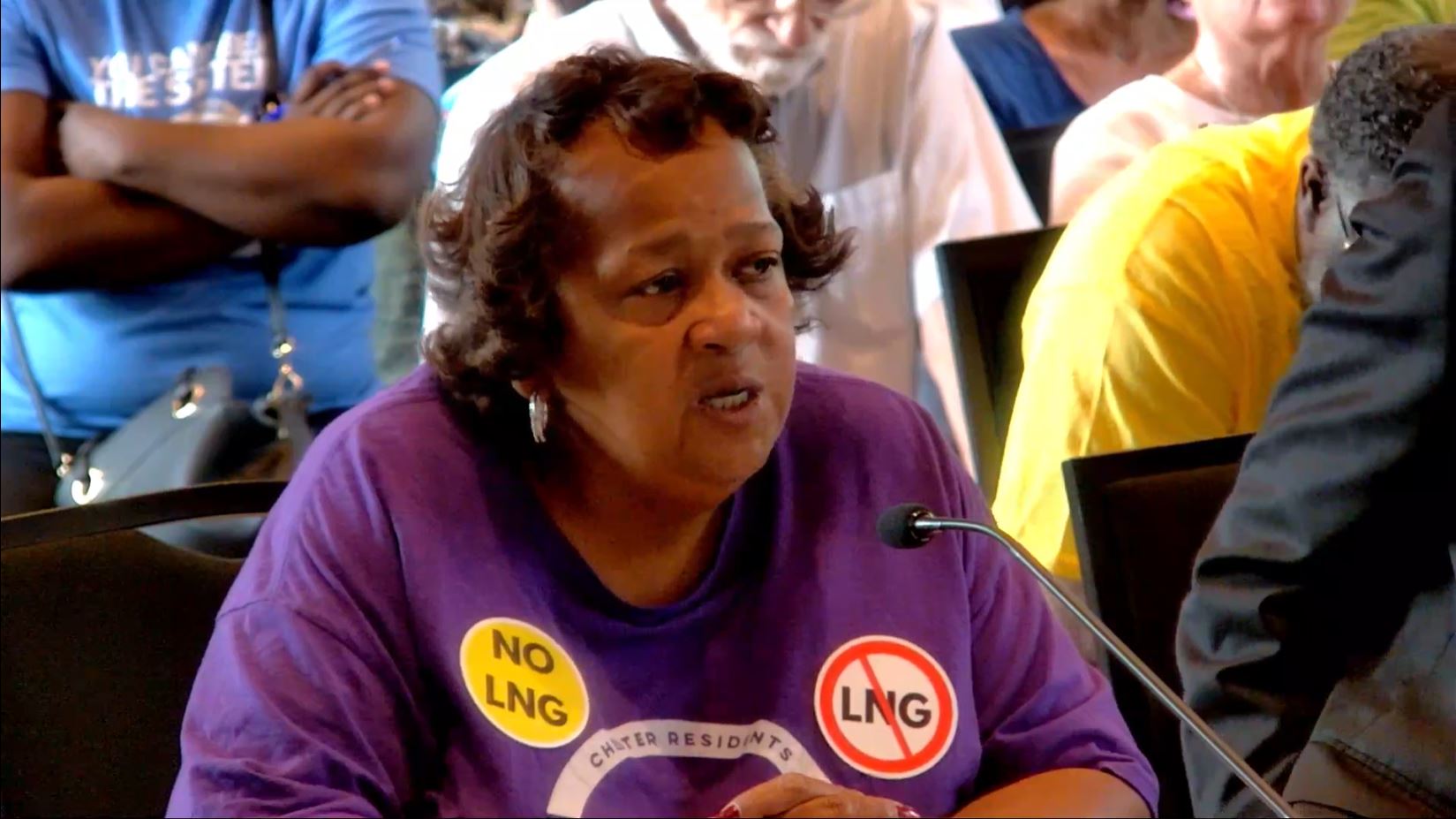
    Zulene Mayfield, an activist with Chester Residents Concerned for Quality Living, said older residents she knows have suffered heart conditions and cancers that she links to living in an already heavily industrialized area.

    Mayfield is a longtime opponent of the Delaware Valley Resource Recovery Facility owned by Reworld, formerly Covanta. The facility burns trash and converts it to energy.

    She said Chester, rimmed by heavy industry, lacks many things other communities take for granted, such as primary-care physicians or entertainment for children.

    “We are being told that we have to accept other industries” that no other communities want, Mayfield said.

    “I’m sitting here right now trying to contain my rage,” she said. “The jobs are temporary, but death is forever.”

  • The fates of Crozer-Chester Medical Center and Springfield Hospital remain uncertain three weeks after bankruptcy auction

    The fates of Crozer-Chester Medical Center and Springfield Hospital remain uncertain three weeks after bankruptcy auction

    Friday marks three weeks since the bankruptcy auction for Delaware County’s Crozer-Chester Medical Center and Springfield Hospital, and it’s not clear how much progress has been made.

    Closing the sales depends in part on local authorities agreeing to tax deals that set the assessments at the transaction prices of $10 million and $3 million, respectively, for a limited period of time.

    Upland Borough, which is home to much of Crozer-Chester, is working on a property tax agreement that will be filed in court, borough council president Christine Peterson said Thursday. “We anticipate that Upland Borough Council will take action in favor of that stipulation once it is complete,” she said.

    A representative for Chester Upland School District did not respond to a request for comment Thursday.

    If the school district also agrees to a tax resolution, a company called Chariot Allaire Partners LLC is clear to acquire the shuttered safety net hospital for $10 million.

    Yoel Polack, who is principal of Chariot Equities and has been talking with local officials and prospective healthcare providers about plans for the hospital, said last Tuesday that he expected to issue what he called a “comprehensive memo” on the property this week.

    Polack said in an email Thursday that there was still no update, but he is hoping to have something in the next few weeks.

    The backup bidder for Crozer-Chester is the same group that won the auction for Springfield. The auction led to Chariot increasing its offer by $3 million.

    Both facilities are owned by Prospect Medical Holdings, whose next bankruptcy hearing is scheduled for Tuesday. Items to be considered include Springfield Township’s lawsuit aiming to force Prospect to improve safety on the hospital campus that it closed in 2022.

    Bankruptcy Judge Stacey Jernigan granted a temporary injunction blocking Springfield from taking any action against California-based Prospect.

    Another topic is a proposed $1.5 million settlement of a lawsuit filed on behalf of Crozer employees who did not receive 60 days notice before losing their jobs in April and May when Prospect closed Crozer-Chester Medical Center and Taylor Hospital, which has since been sold. Federal law requires employers to provide two months notice of layoffs.

    A stalemate in Springfield

    Lawyers for Prospect identified Restorative Health Foundation and Syan Investments as the auction winner with a $3 million bid. But it appears a tax agreement that would assess the Springfield property at the purchase price is nowhere near completion.

    “The township has no interest in agreeing to a tax deal without having a better understanding of the buyer’s intended use of the site and whether it aligns with the township’s comprehensive plan,” spokesperson Pete Peterson said in an email.

    A representative for the winning bidders, Aminah Shabazz Perez, told the Delaware County Times recently that the buyer was in talks with two health systems about moving into the hospital, but one of them told township officials that was not true, Peterson said.

    “In addition, the township already did its due diligence prior to the bankruptcy auction and engaged in discussions with representatives of different health systems,” he said. ”There was no interest in the property due to the cost of improvements the facility would need.“

    Attempts by The Inquirer to reach Shabazz Perez have not been successful. Prospect did not respond to request for comment on the property tax situation.

    The Springfield School Board would also have to agree to a tax settlement, but has not voted “on any proposed resolution of the outstanding tax appeals or the tax assessments relating to the Springfield Hospital and parking garage properties,” the school board’s solicitor Mark Sereni said Wednesday.

    The face value of the Springfield School District’s latest claim in bankruptcy court is $1.43 million. Under an abandonment order signed on Oct. 14 by Jernigan, the district would receive a general unsecured claim, which is not likely to be worth much.

    If Prospect abandons Springfield and Crozer-Chester, the municipalities would have to foreclose on the properties to collect any of the money Prospect owes them.

  • Bankrupt Prospect Medical received bids of $10 million for Crozer-Chester Medical Center and $3 million for Springfield Hospital

    Bankrupt Prospect Medical received bids of $10 million for Crozer-Chester Medical Center and $3 million for Springfield Hospital

    The winning bids at a bankruptcy auction were $10 million for Crozer-Chester Medical Center and $3 million for Springfield Hospital, owner Prospect Medical Holdings Inc. said in a court filing late Monday.

    The California for-profit, which filed for bankruptcy protection in January, identified the top bidders from Friday’s auction as Chariot Allaire Partners LLC for Crozer-Chester in Upland and Restorative Health Foundation and Syan Investments LLC for Springfield.

    Prospect did not say in its filing when it expected the sales to be finalized. Both hospitals are currently closed.

    Yoel Polack, who is in the group that wants to buy Crozer-Chester, initially declined to comment about plans for the property. “We are still working through final administrative details of the sale and will wait until next week to make any statements to the press,” he said in an email over the weekend.

    Polack is identified on LinkedIn as principal at Chariot Equities, which describes itself on its website as a real estate investment and development company. Previously, Polack worked in healthcare real estate, such as medical office buildings, at Simone Development Cos. in New York.

    Polack had an out-of-office reply on his email Tuesday, saying he would have no internet or phone access until Thursday.

    The president of Upland Borough Council, Christine Peterson, did not respond to a request for comment Monday about the winning bidder.

    No definitive information was available on Restorative Health Foundation and Syan Investments.

    A phone number registered under the name Restorative Health Foundation in Philadelphia led to a home care agency called Restorative Home Care. The person who answered the phone Tuesday said she knew of no connection to a bid for Springfield Hospital. Another number for Restorative Health Foundation had a voicemail box that was full.

    Restorative Health and Syan also participated in the Crozer-Chester auction, driving the winning bid up to $10 million from Chariot Allaire’s original $7 million offer. They were identified as the backup bidder for Crozer-Chester, in case Chariot Allaire doesn’t complete the purchase.

    At Springfield, KQT Aikens Partners 2 LLC is the backup buyer. That involves the same group of local investors that bought Taylor Hospital for $1 million last month.

    Prospect shuttered Crozer-Chester this spring, following the failure of government-led efforts to find a new, nonprofit owner. It had closed Springfield in 2022.