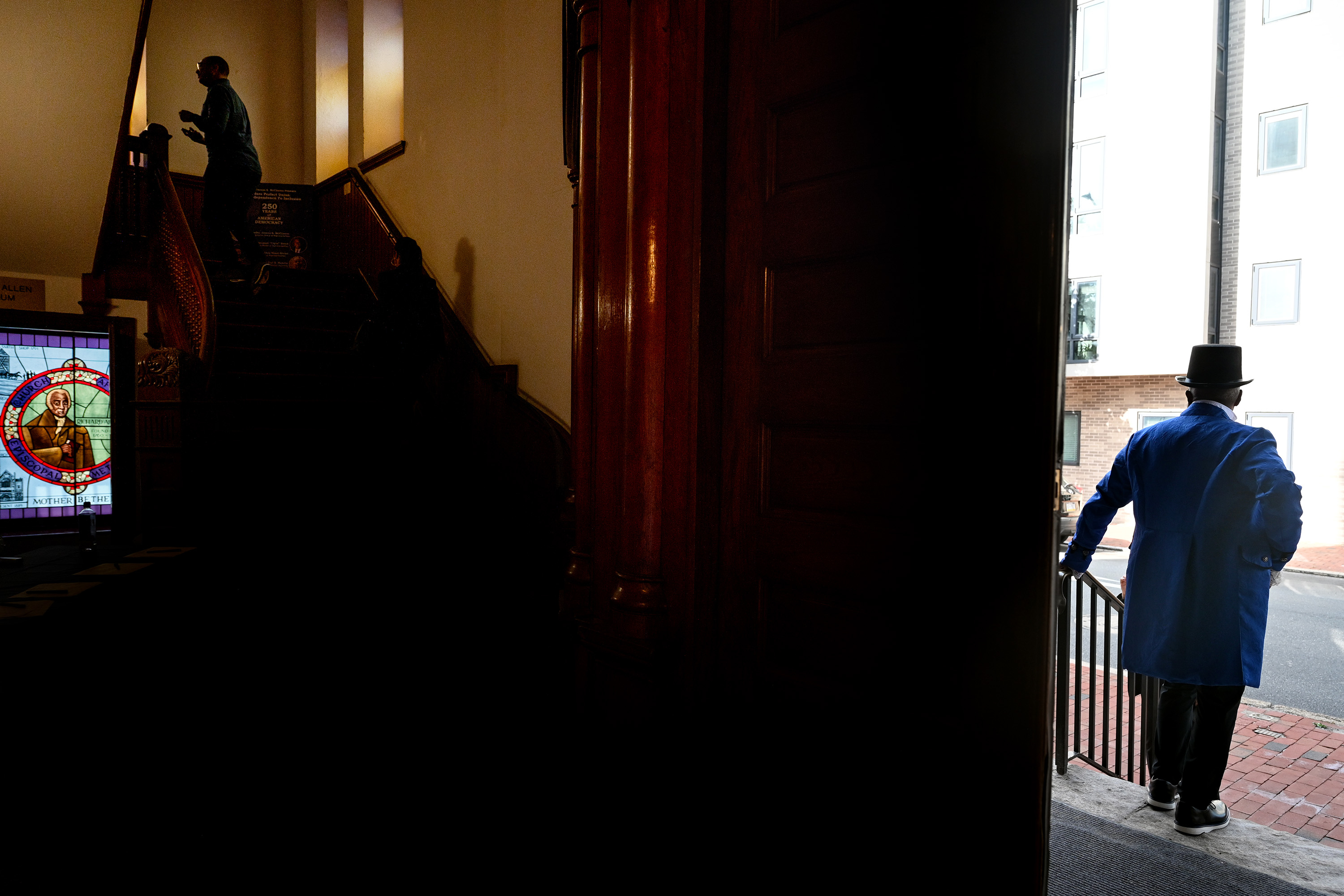
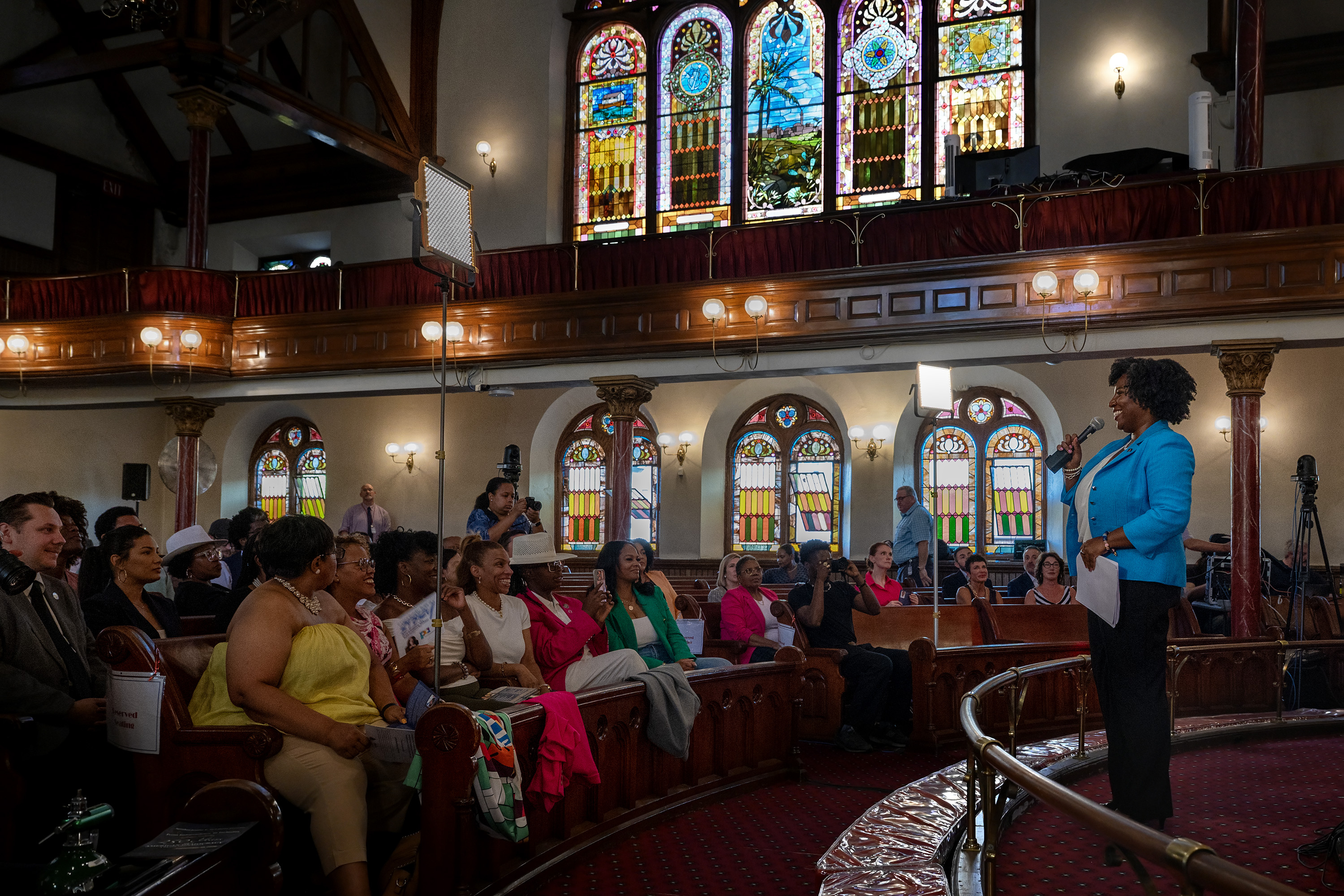
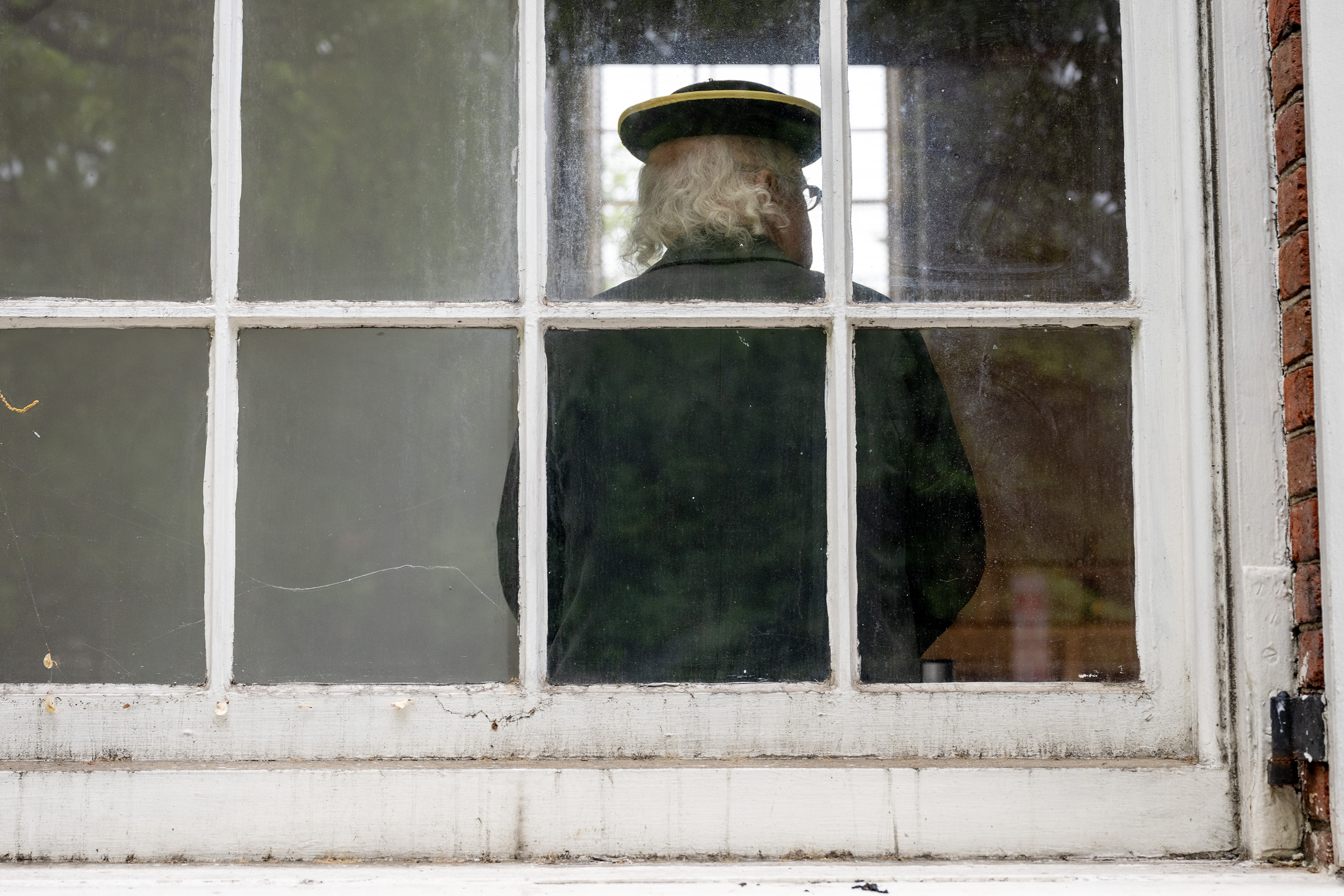
I was standing next to a big sign before the start of an event this week. It had a photo of the host and the large words “America 250.” More than one person arriving wondered out loud, “Why the 250?” Or, “Isn’t that passed?”
They weren’t asking me. I was just there, inside looking out the front door, waiting for re-enactor Chris Lewis to step into a favorable position so I could make the photo above.
The registration table was farther inside, so nobody was there to say something like, “Just because July 4 is behind us doesn’t meant we can’t continue the celebration of what was accomplished in 1776. Or we could think about what we want the next 250 years to look like.”
House Speaker Joanna McClinton hosts an America 250 Conversation at Mother Bethel AME Church Thursday Sept. 10, 2026.Tom Gralish / Staff Photographer
I did my own share of looking both back and forward while covering another anniversary this week. Those of us old enough to remember knew even on that day that nothing about our future would never be the same again.
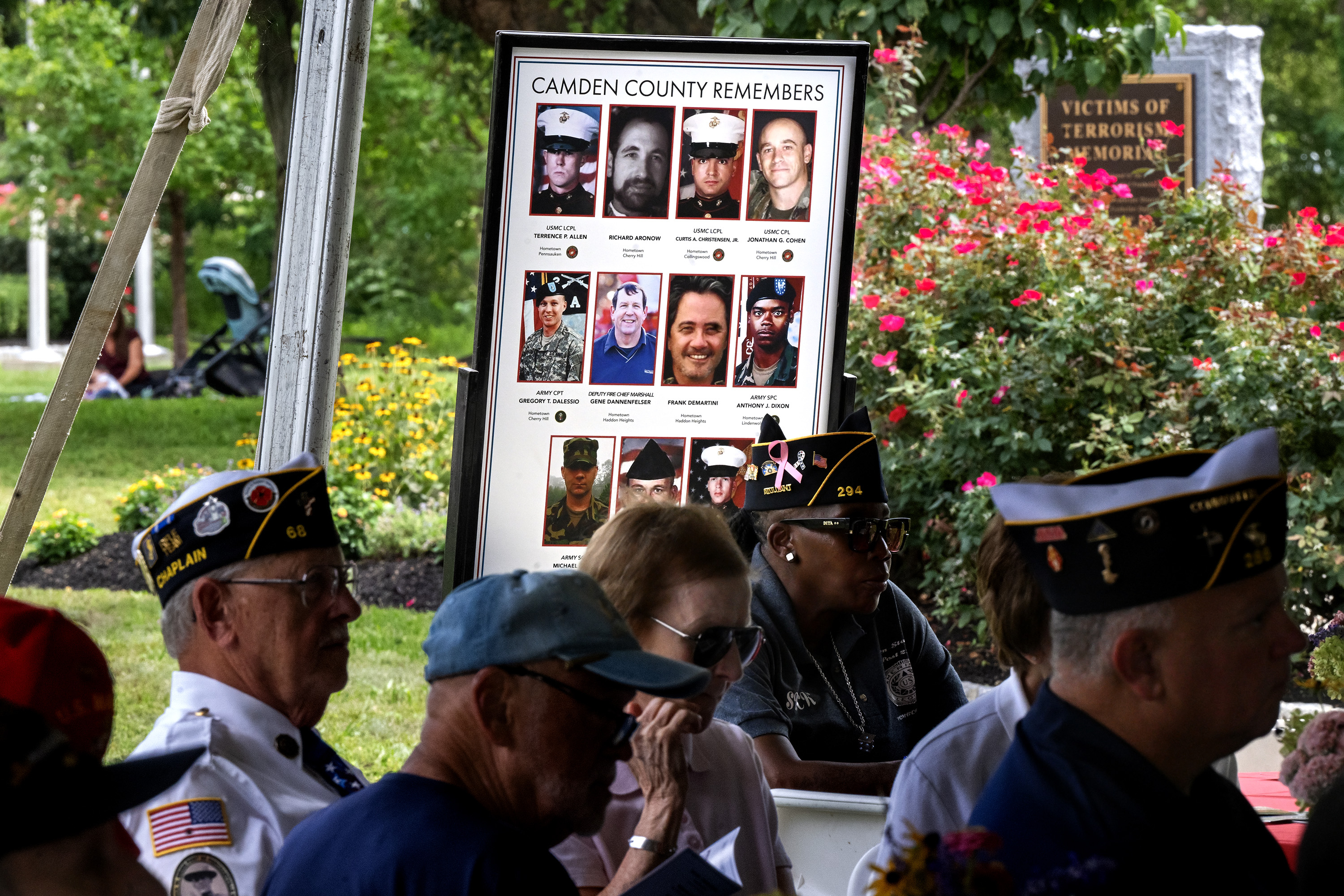
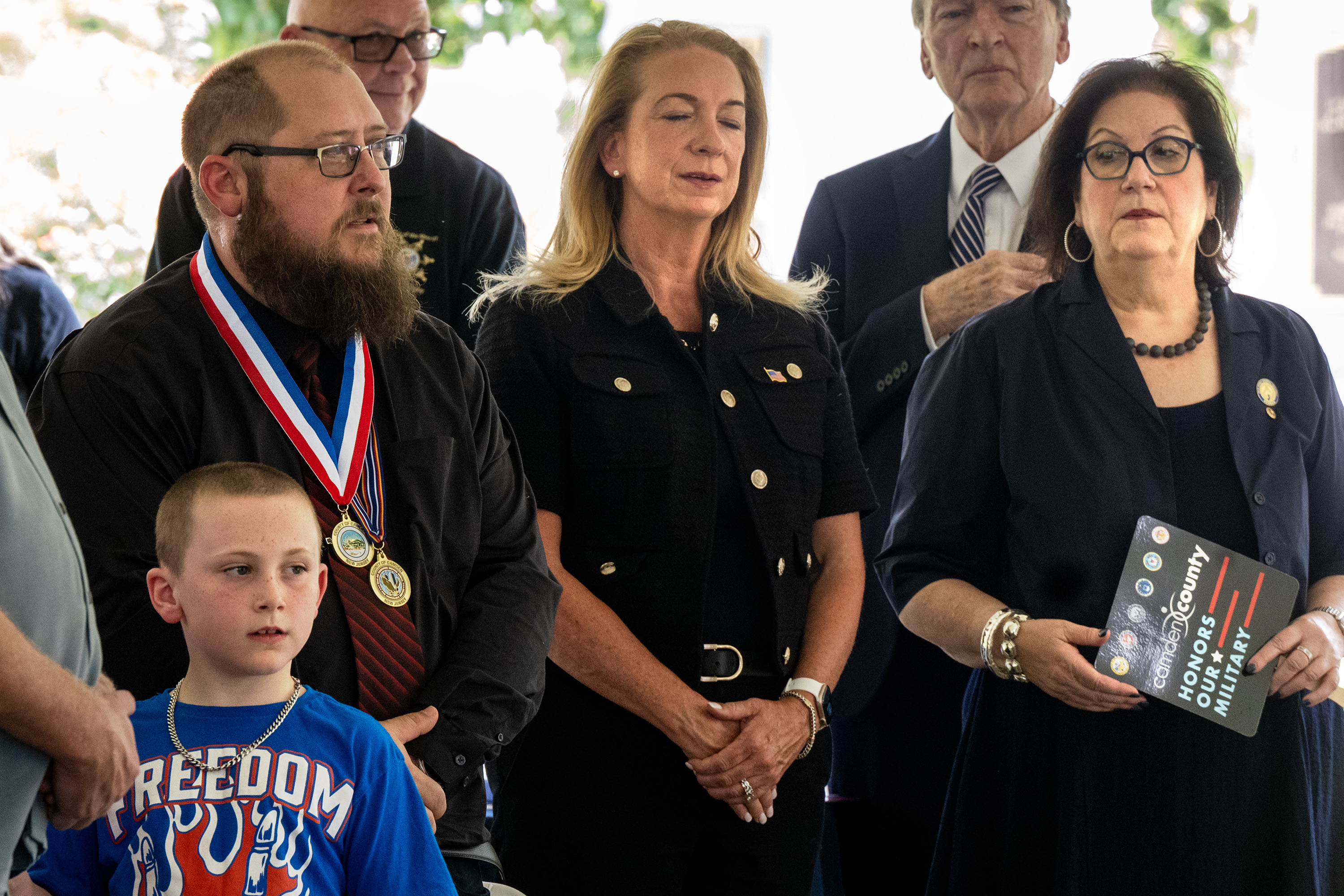
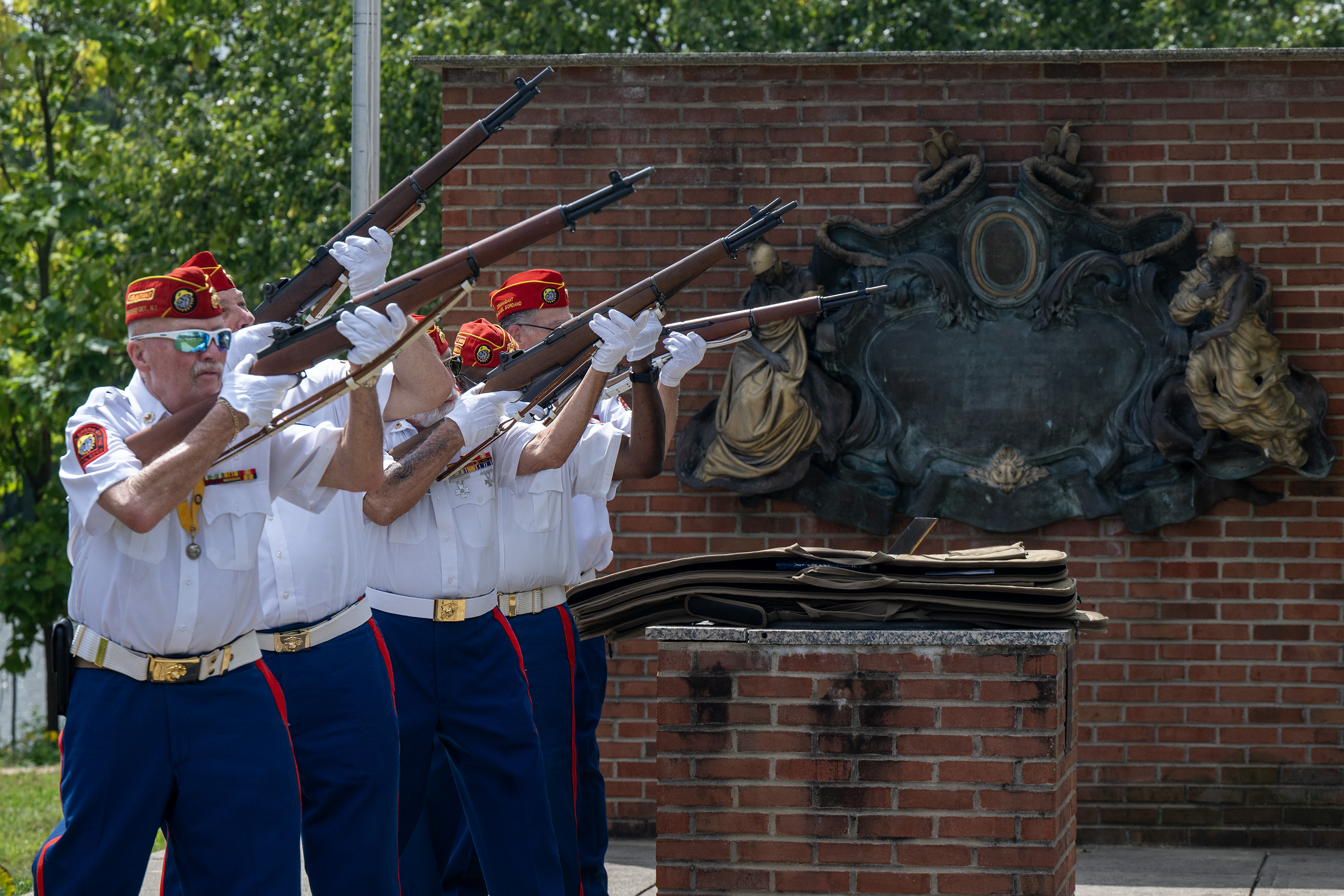
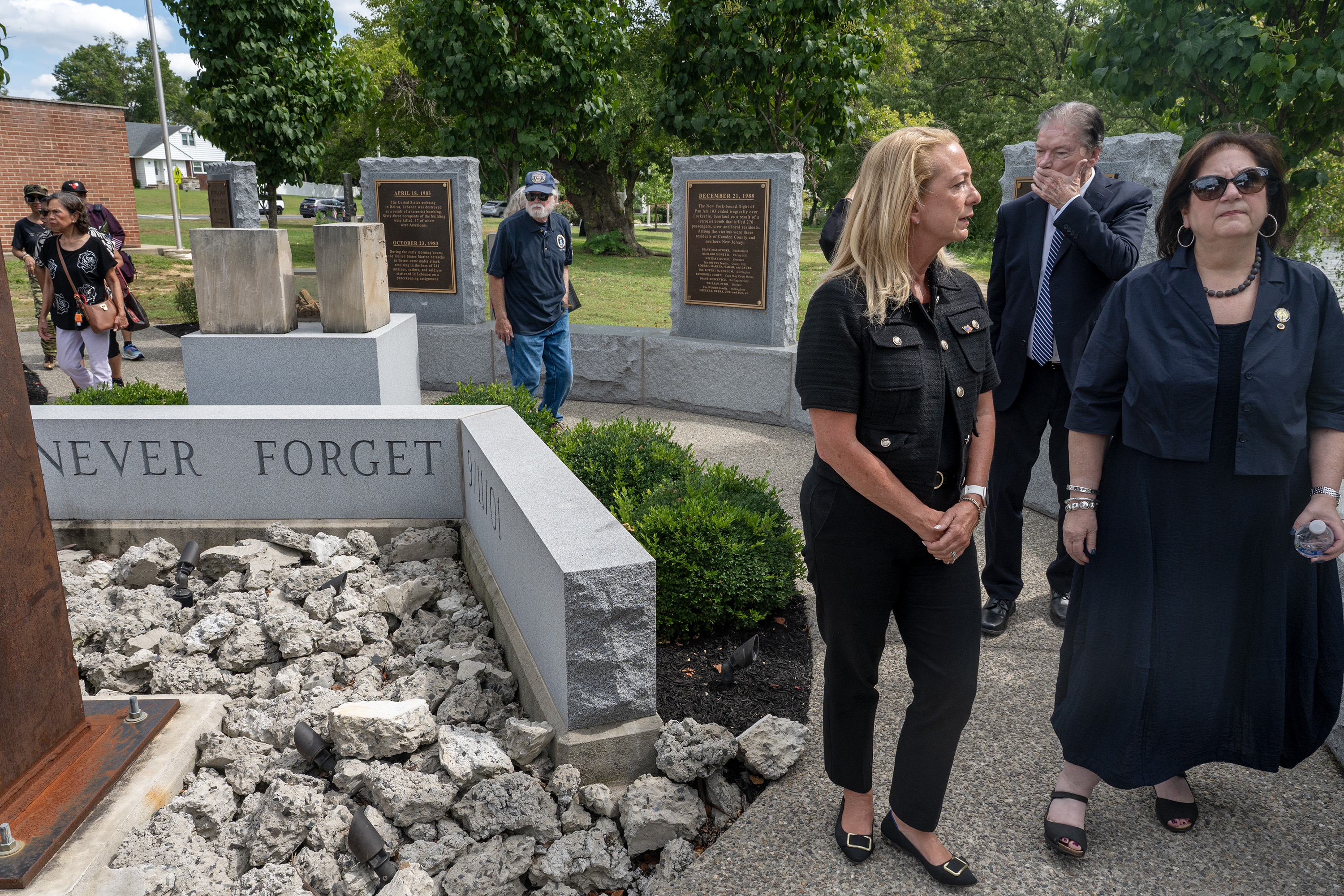
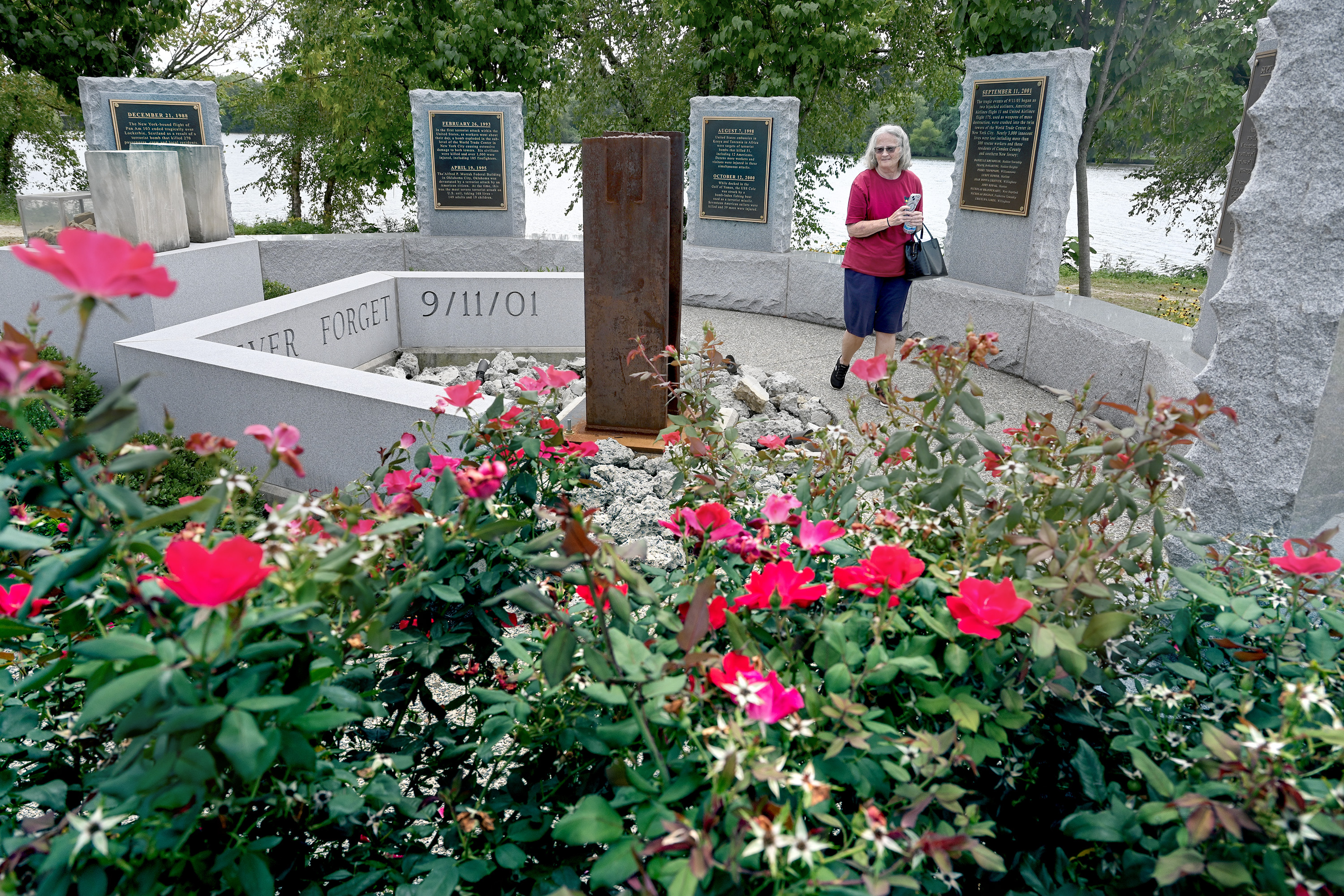
Names and photos of County residents who died on 9/11 and in the War on Terror following the September 11 attacks are posted during a medal ceremony at the Victims of Terrorism Monument in Cooper River Park in Pennsauken on Thursday, Sept. 10, 2026. Tom Gralish / Staff PhotographerOne of the medal recipients, U.S. Army veteran Michael R. Newberg of Chesilhurst and his son, Connor, 8, stand with elected officials during the ceremony.Tom Gralish / Staff PhotographerA Marine Corps League honor guard with the PFC Daniel Giordano detachment 200 in Somerdale fires a rifle salute.Tom Gralish / Staff PhotographerCamden County Commissioner Jennifer Cooley Fleisher (left) and State Assemblywoman Melinda Kane (right) visit the Victims of Terrorism Monument following the medal ceremony. Kane is a Gold Star Mother whose 22 year-old son, Marine Lance Corporal Jeremy Kane was killed in 2010 in Afghanistan. He was deeply affected and felt “compelled” to enlist, joining the Marines on Sept. 11, 2006—exactly five years after the terrorist attacks. Tom Gralish / Staff PhotographerAlice Hastings of Gloucester Township visits the Victims of Terrorism Monument. She was there with her husband Tom Hastings, who was among the local veterans honored for their bravery, sacrifice, and service. Hastings served in the U.S. Air Force, including with the dignified transfer of remains at Dover Air Force Base, Del. Tom Gralish / Staff Photographer
After 9/11 the flag became a symbol of shared feelings, giving people a way to express emotions that words could not.
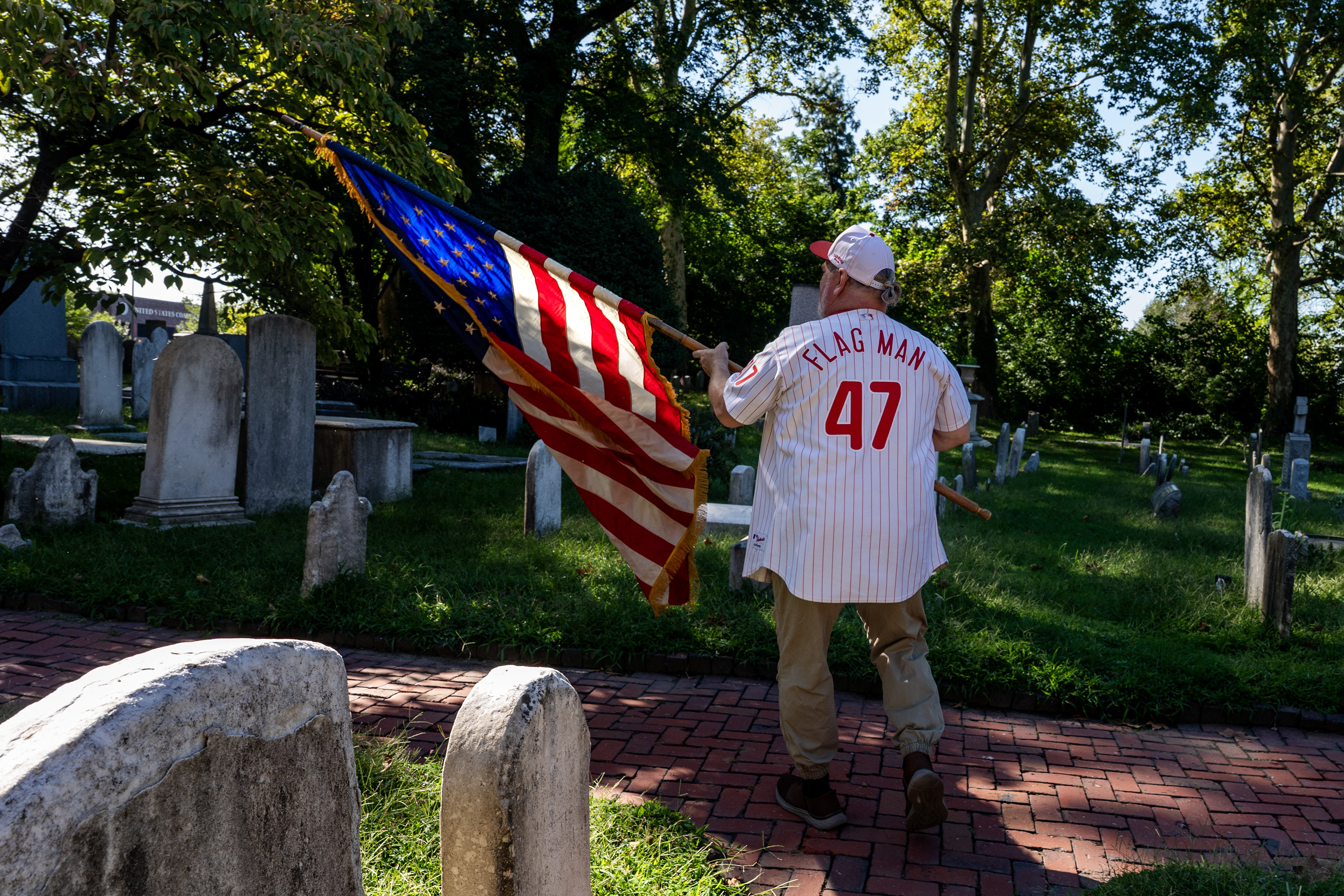
Sports reporter Matt Breen — a Northeast Philly native and Temple grad — writes the kind of stories I like to read, full of history and nostalgia, trivia, and tidbits. And plenty of “Only in Philadelphia” characters. Like Flag Man.
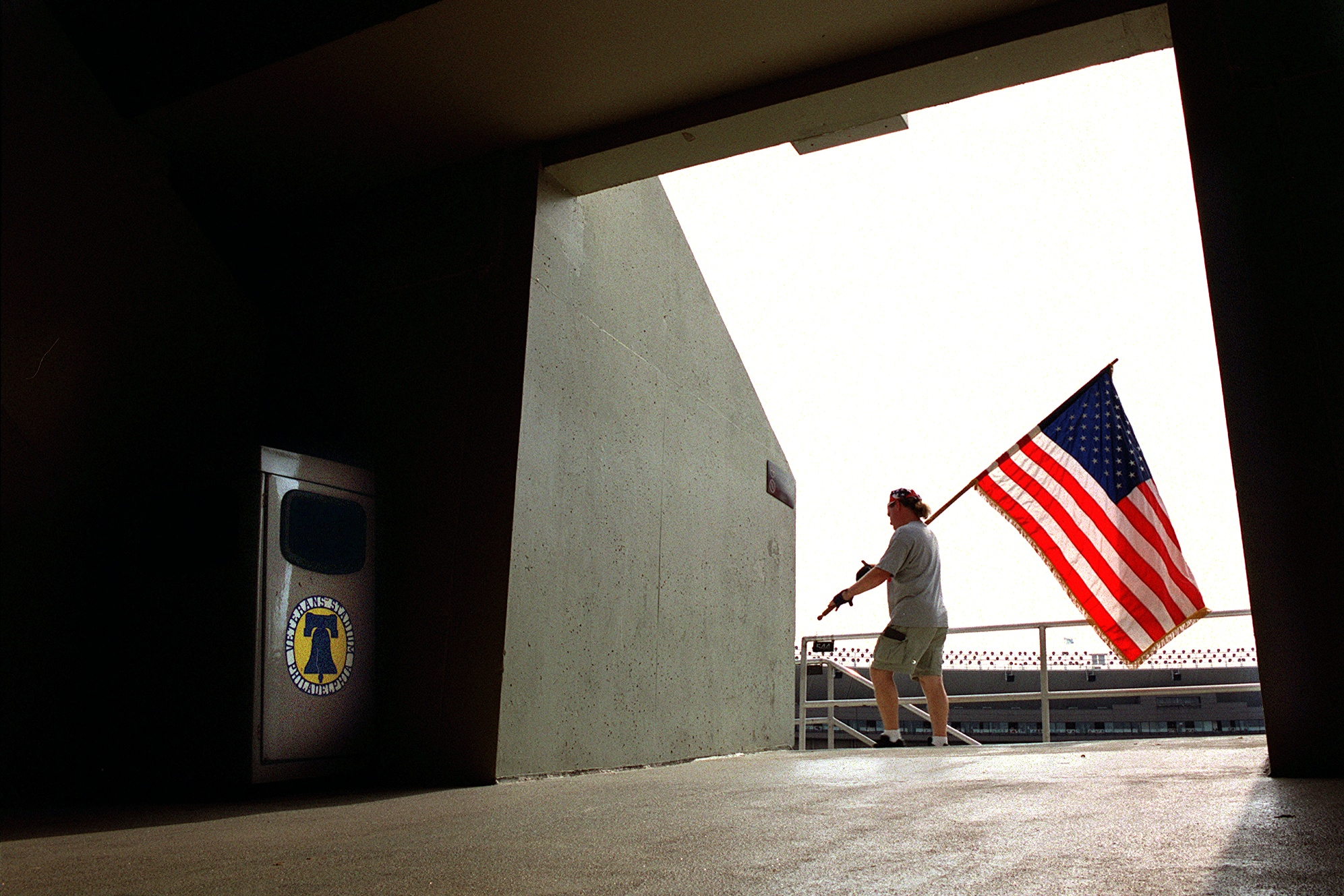
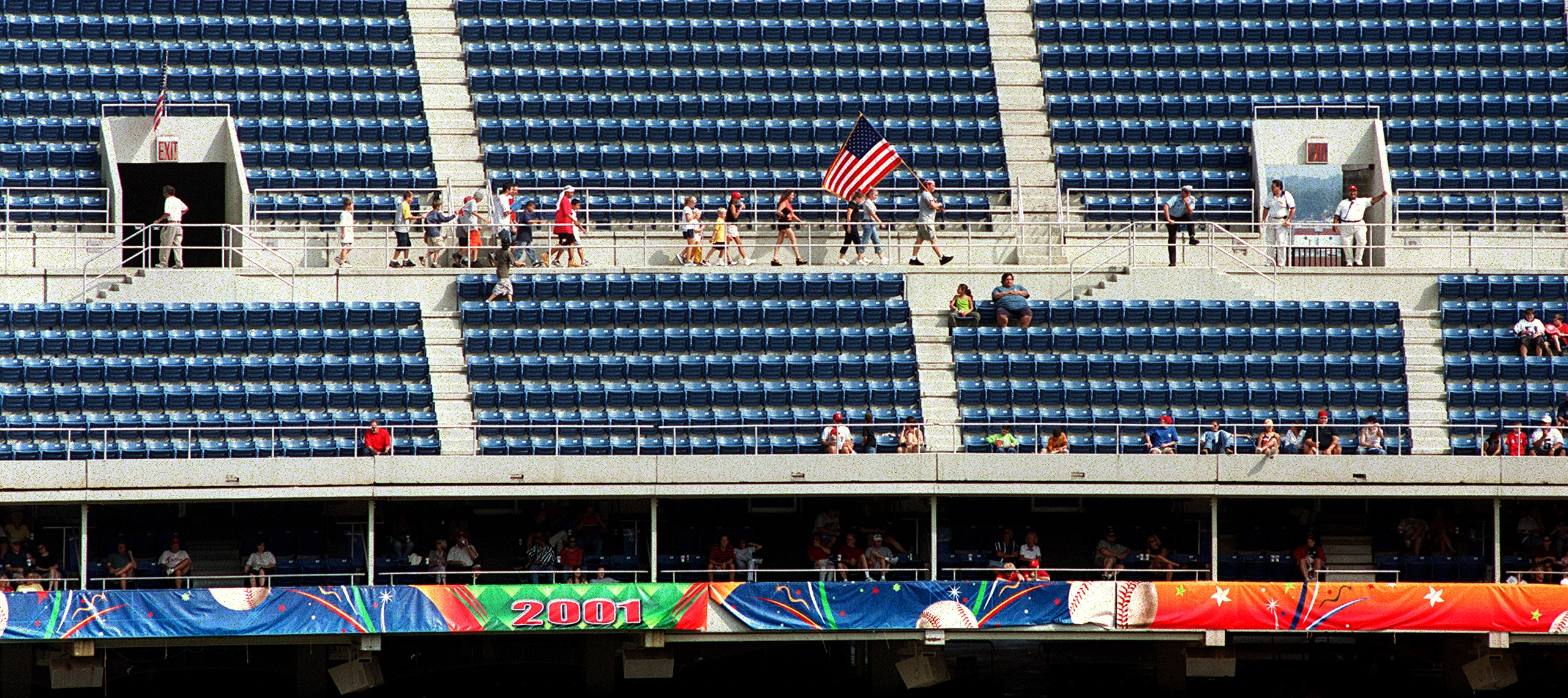
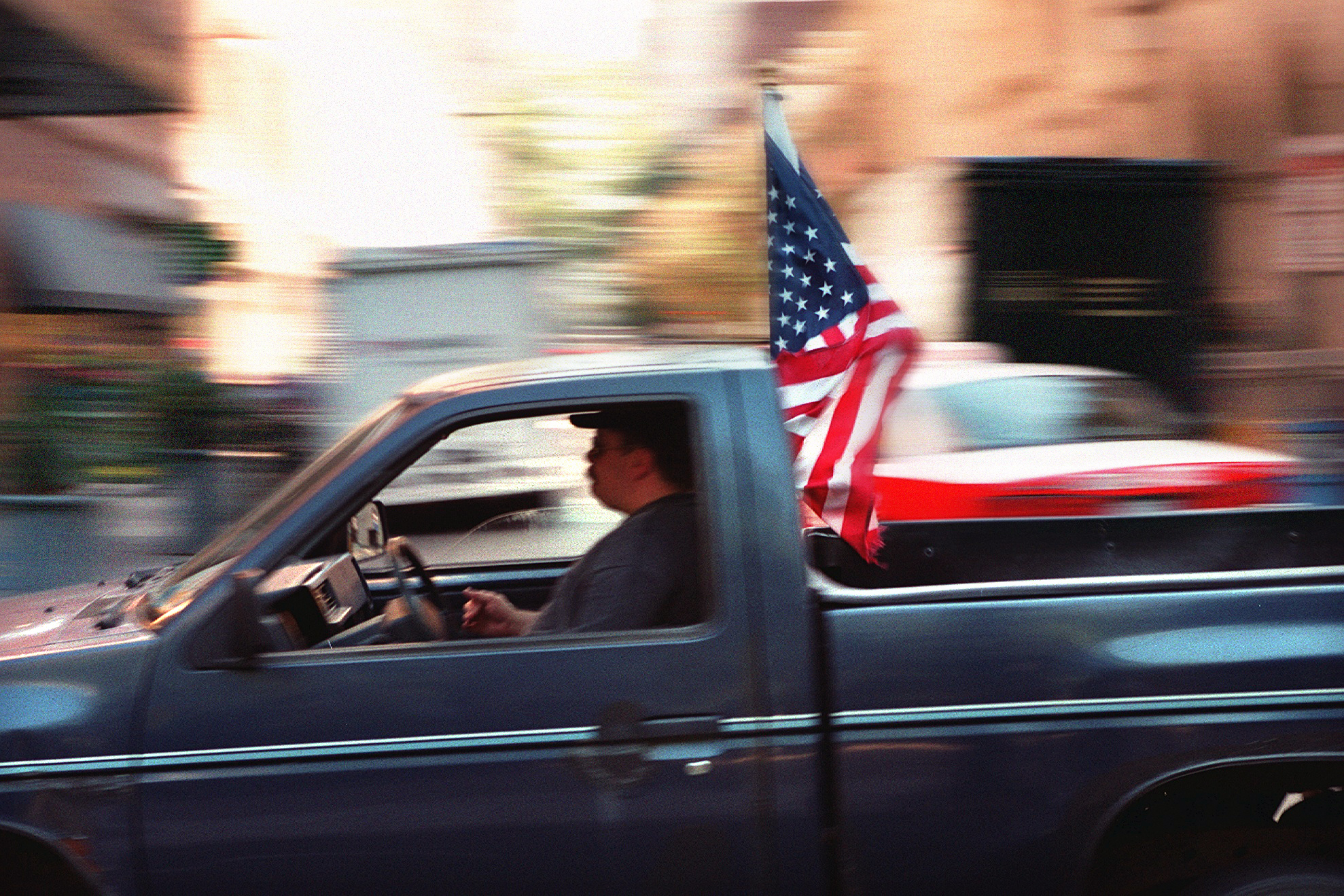
Jim Minacci at Veterans Stadium, September, 2001.Tom Gralish / Staff Photographer
I photographed Jim Minacci twenty-five years ago when the Phillies were back at Veterans Stadium after the season was paused following 9/11.
He and his son walked around all the concourses carrying a large American flag — trailed like the Piped Piper by a line of kids. They did it at every home game for the rest of that season as he became a symbol of patriotism.
Minacci still attends Phillies games and he still has the flag (but it’s too big to be allowed into Citizens Bank Park).
Jim Minacci at Gloria Dei Old Swedes Episcopal Church Tuesday, Sept. 8, 2026.Tom Gralish / Staff Photographer
Surprisingly, while there have been stories about the Minaccis — and the dozens of music events they host all yearlong to raise money for the historic church — it looks like Matt is the first one to write about Flag Man since 2001.
Looking ahead, it would be great if Americans could reclaim that feeling today, reclaim the sense of community that emerged from the tragedy (without something else terrible having to happen).
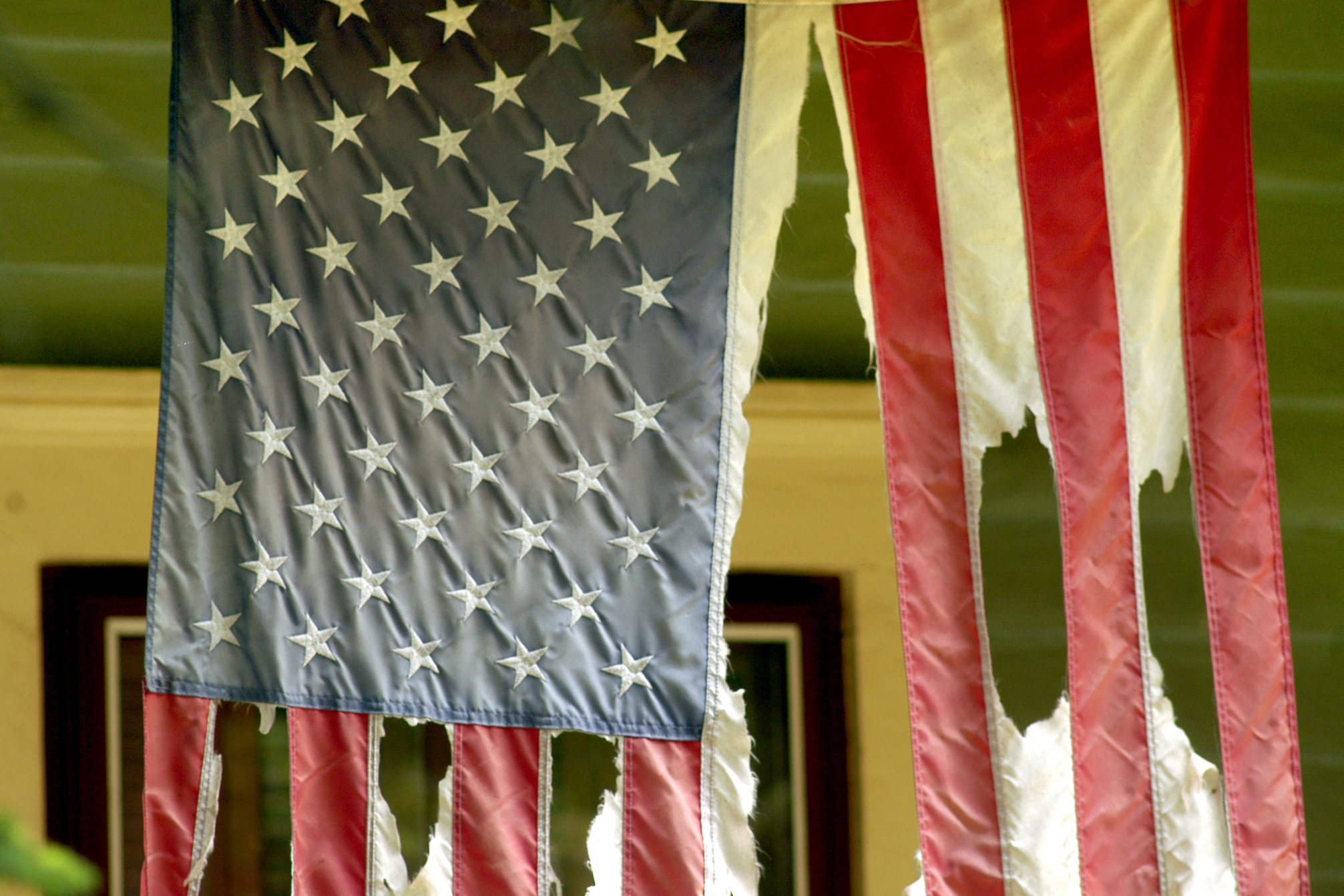
A flag at a South Jersey home on Flag Day, June 14, 2005, tattered, torn and tarnished by time over the years after 9-11, when well-intentioned home-owners bought flags to display in the heat of patriotism. Tom Gralish / Staff Photographer
Since 1998 a black-and-white photo has appeared every Monday in staff photographer Tom Gralish’s “Scene Through the Lens” photo column in the print editions of The Inquirer’s local news section. Here are the most recent, in color:
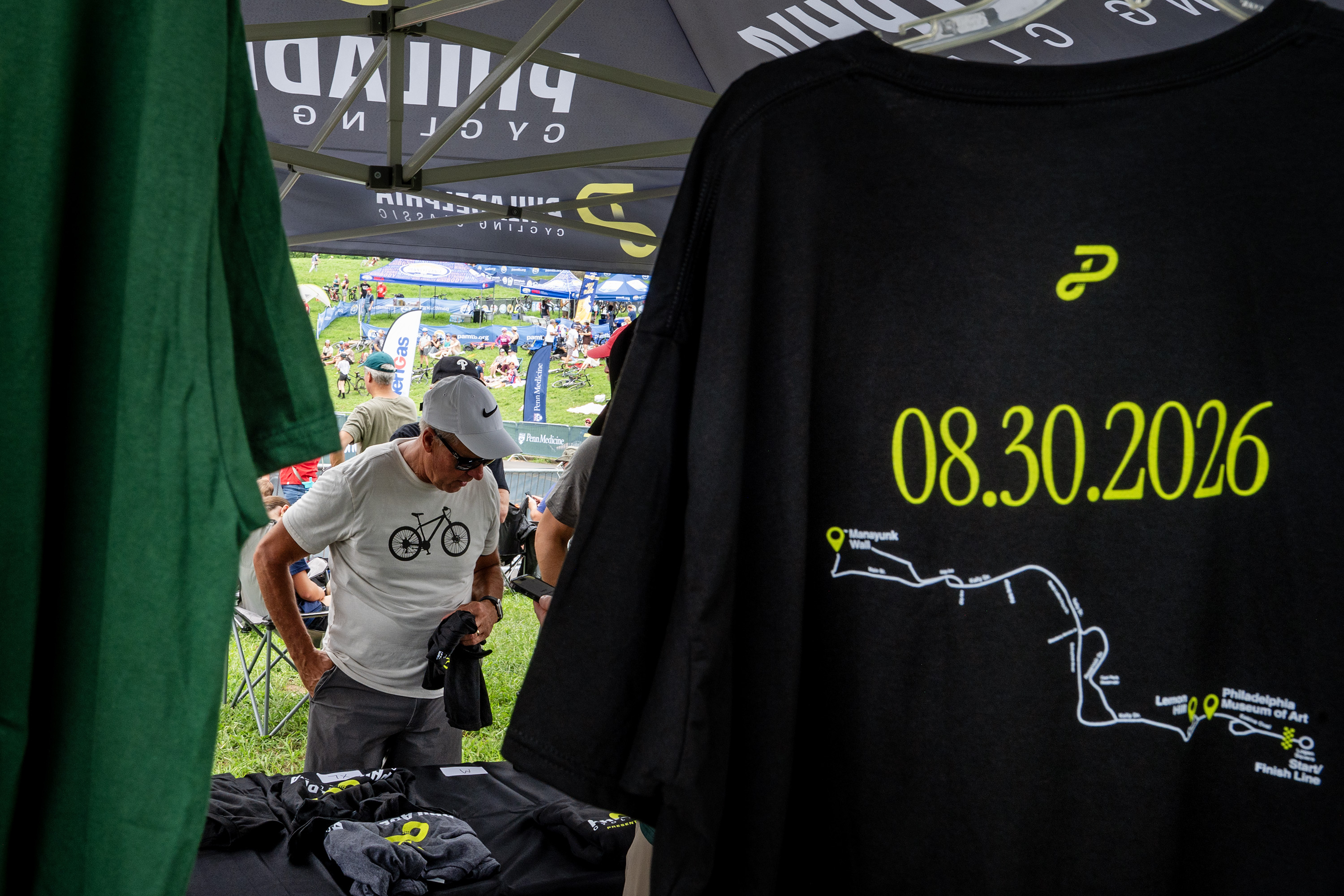
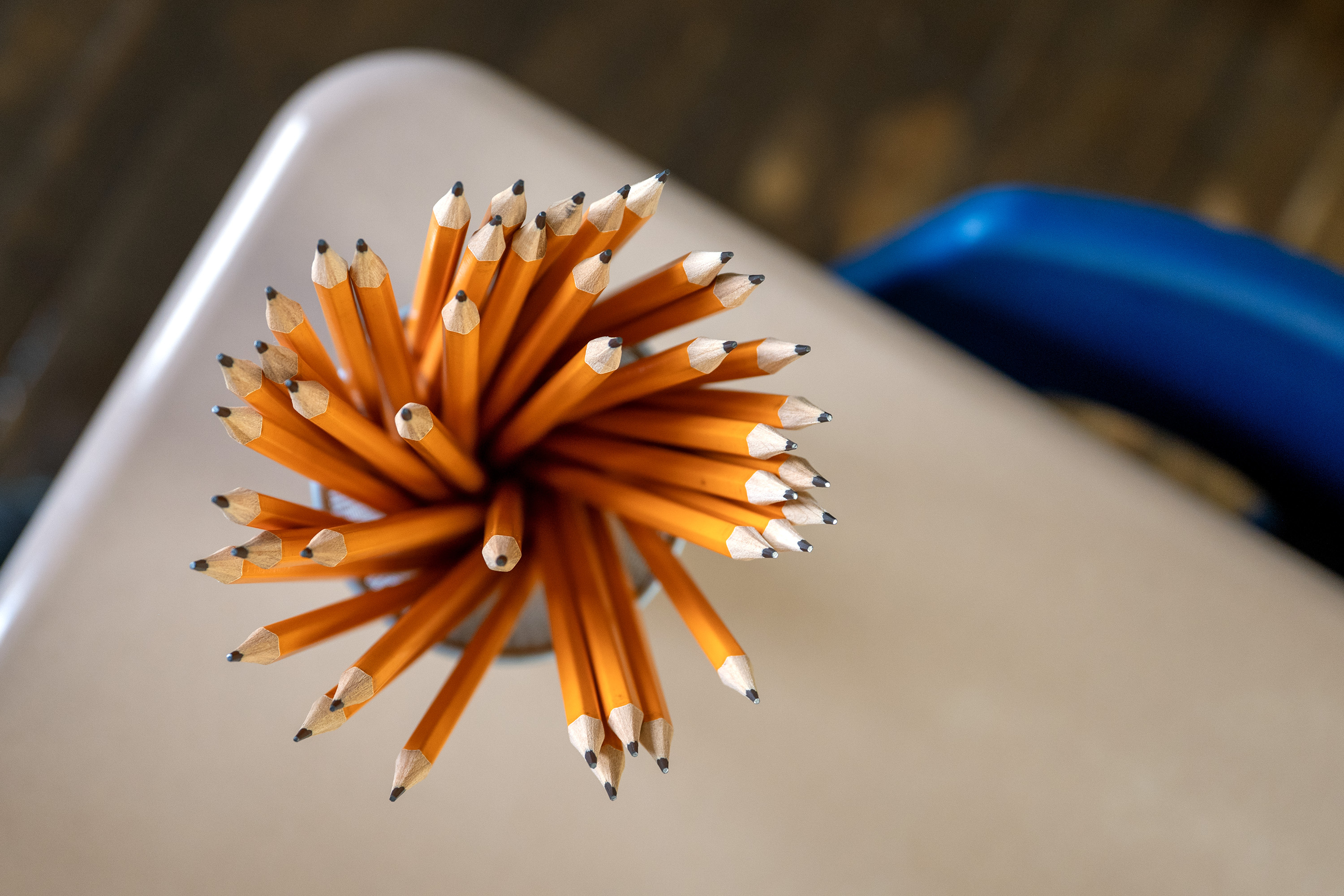
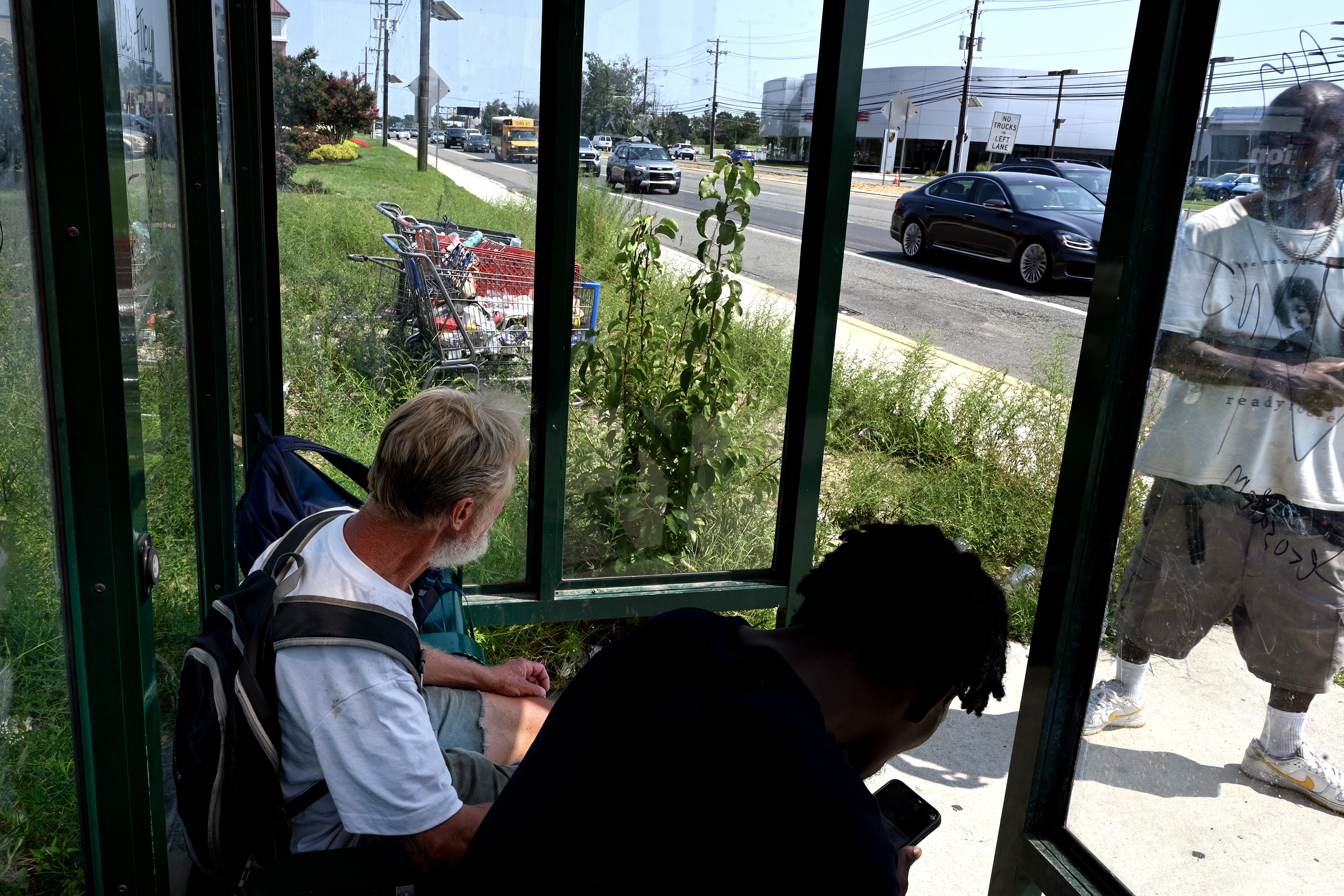
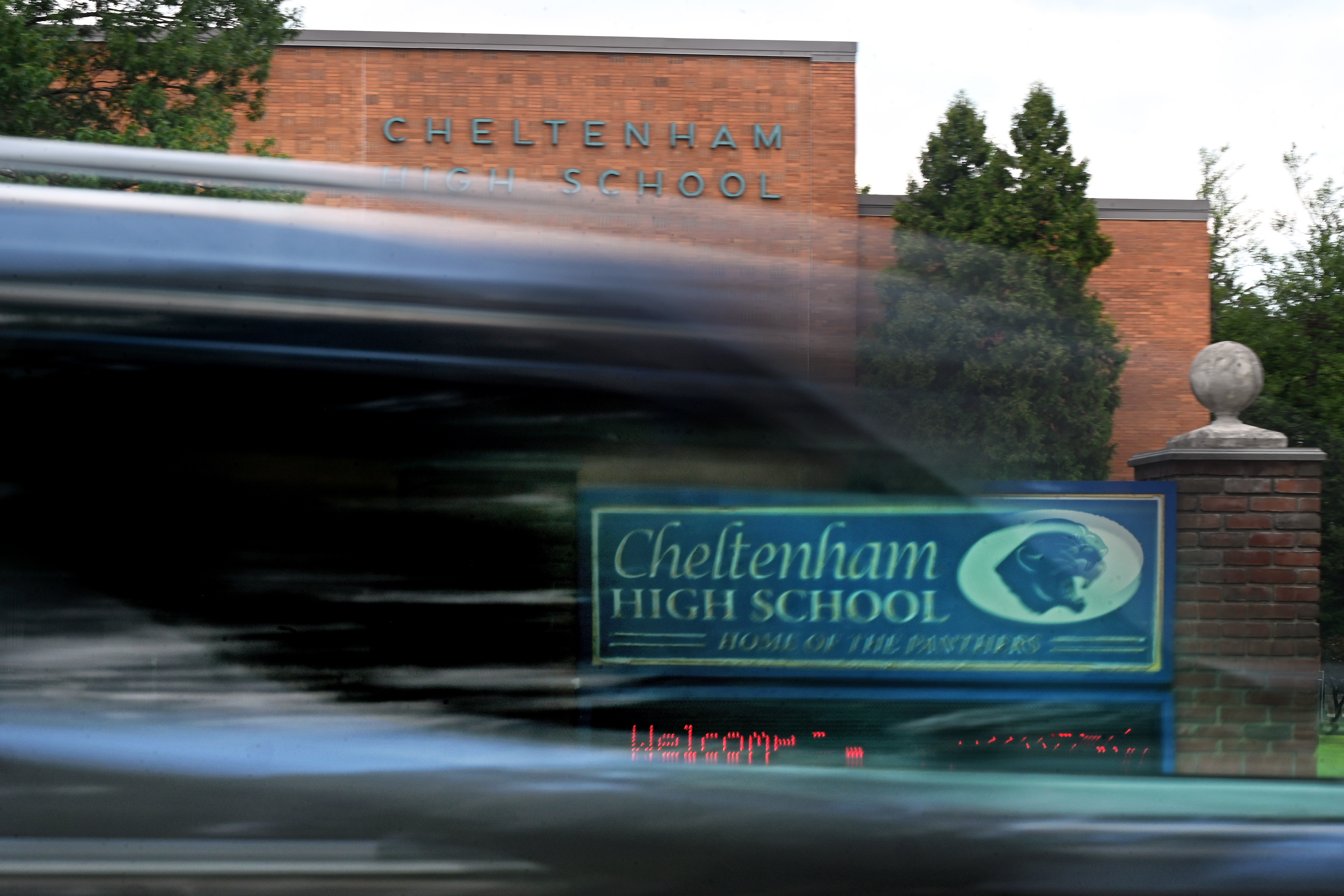
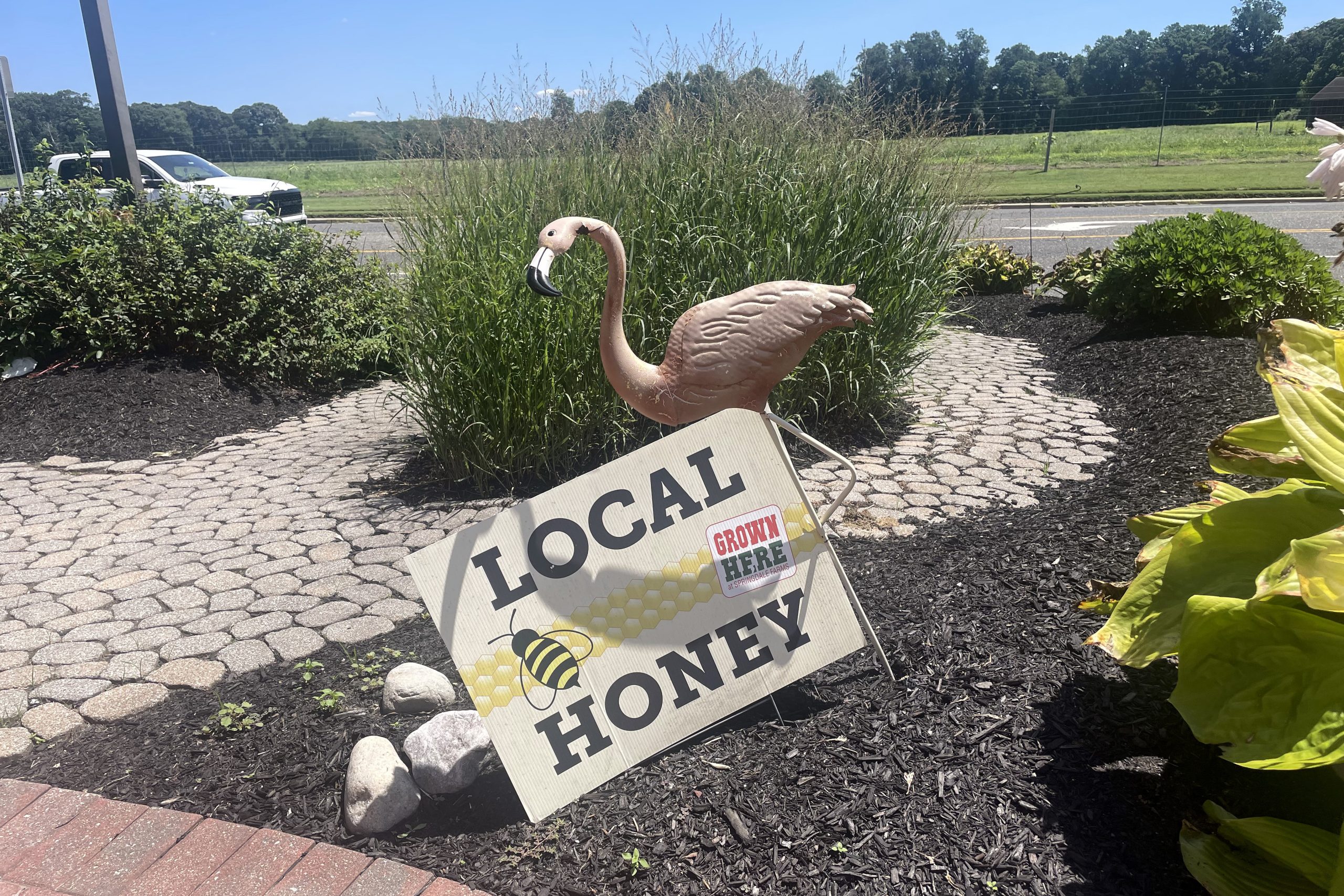
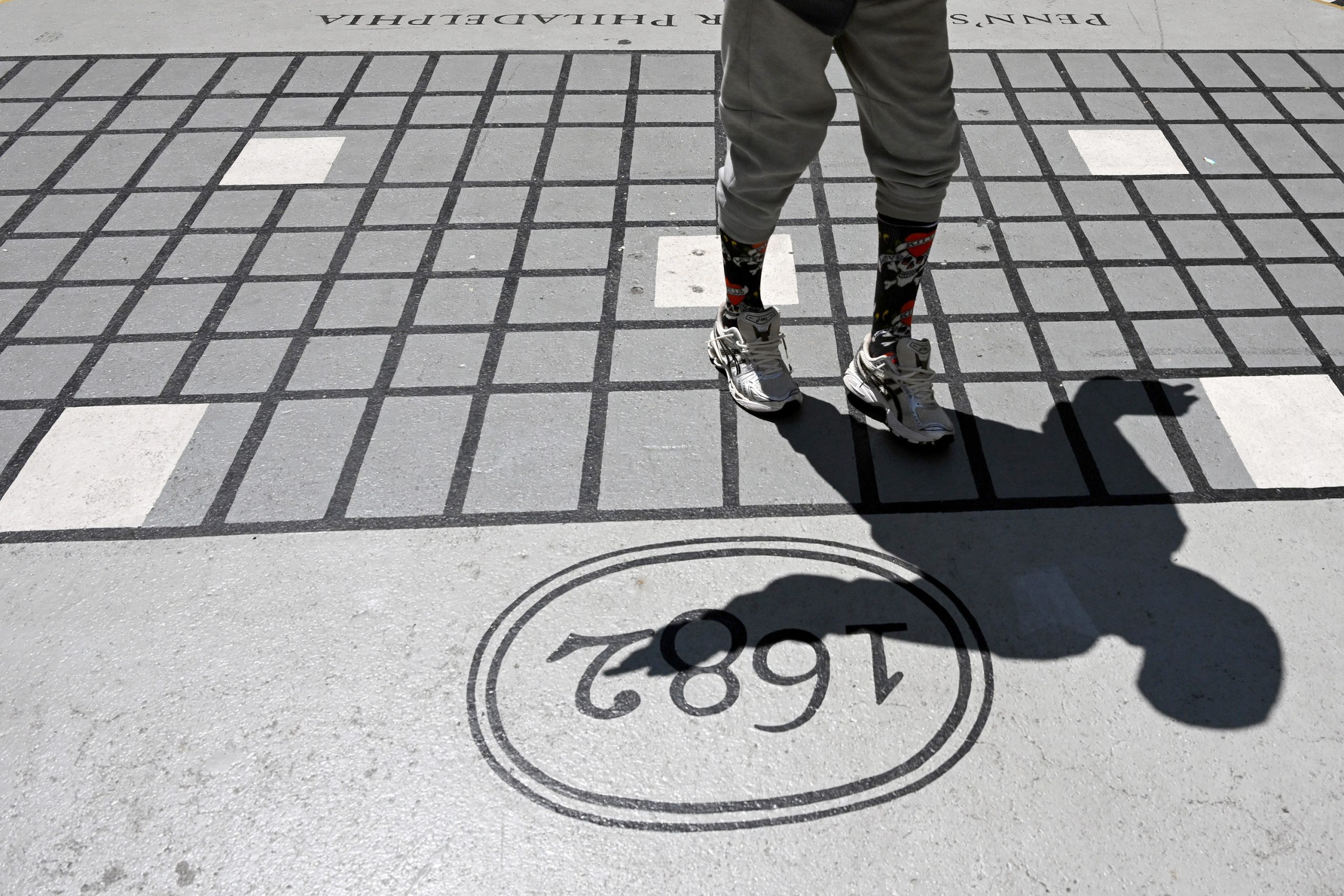
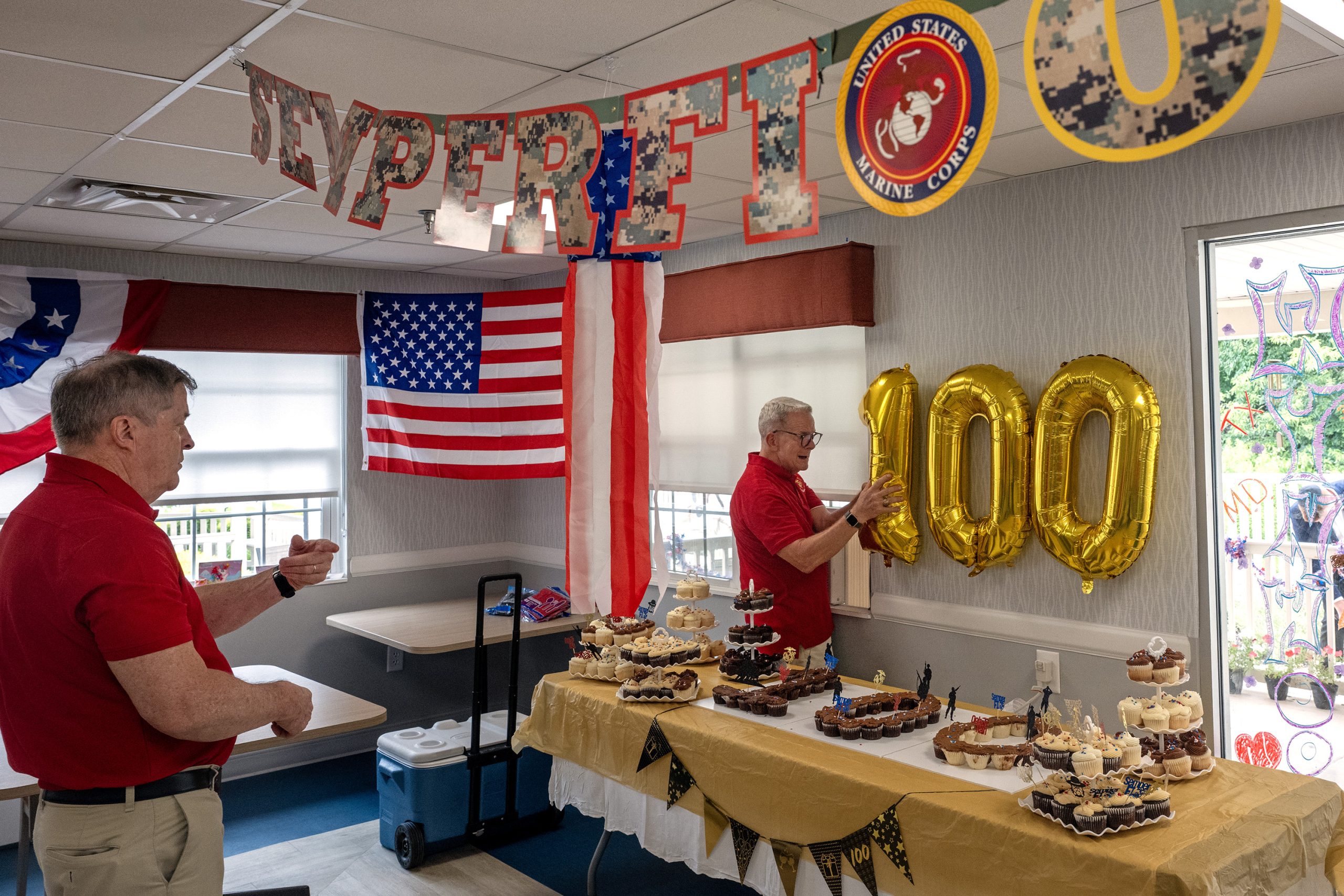
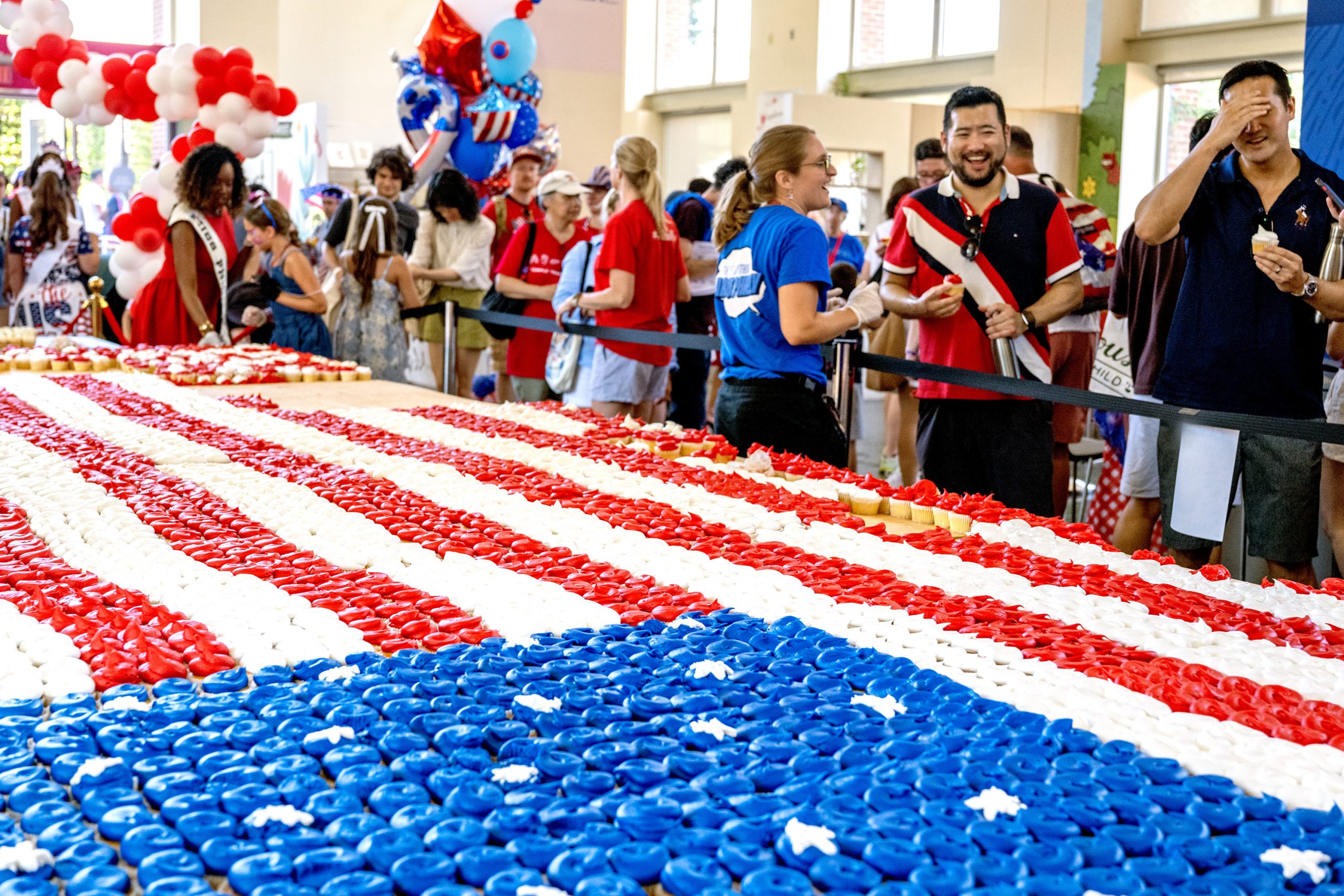
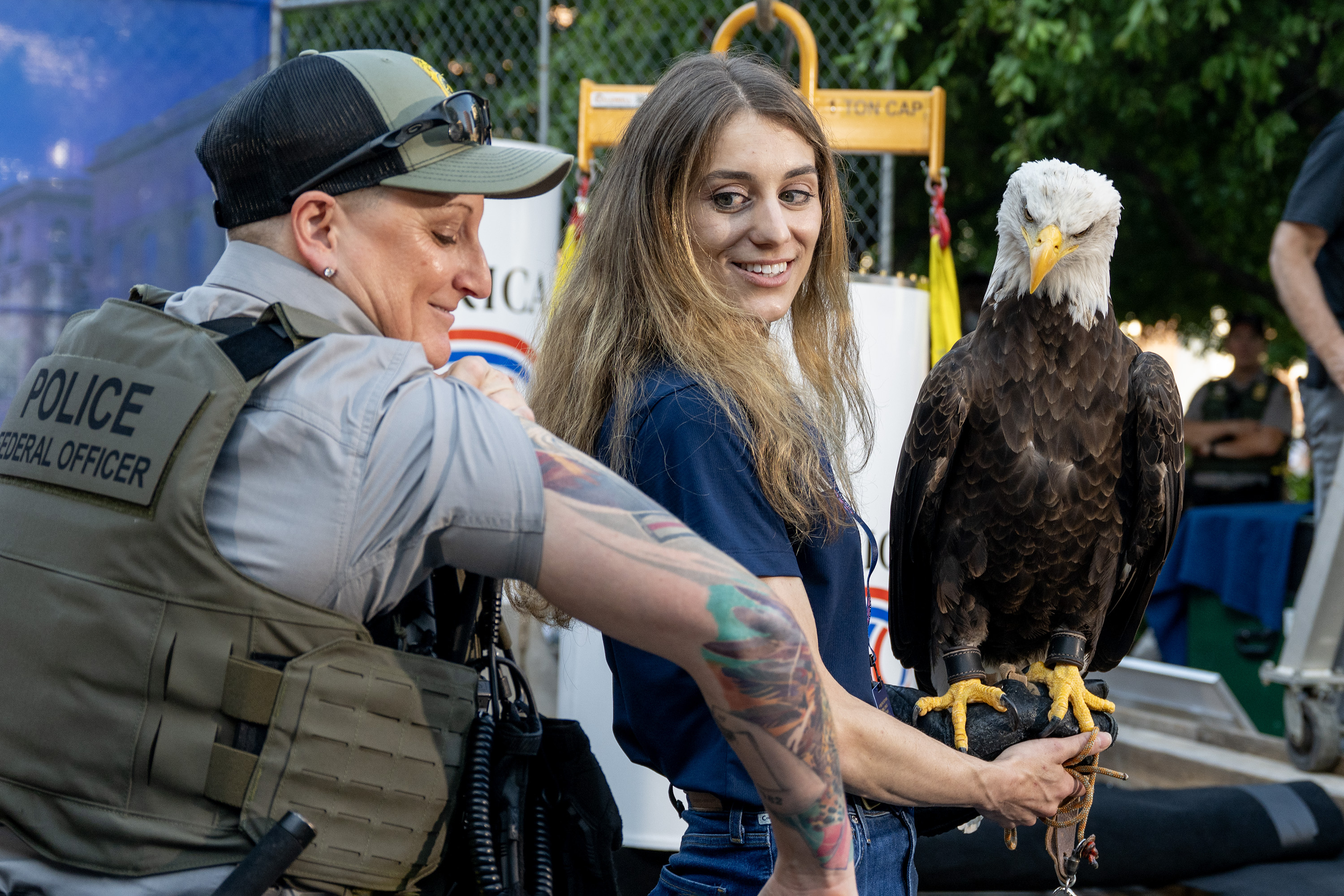
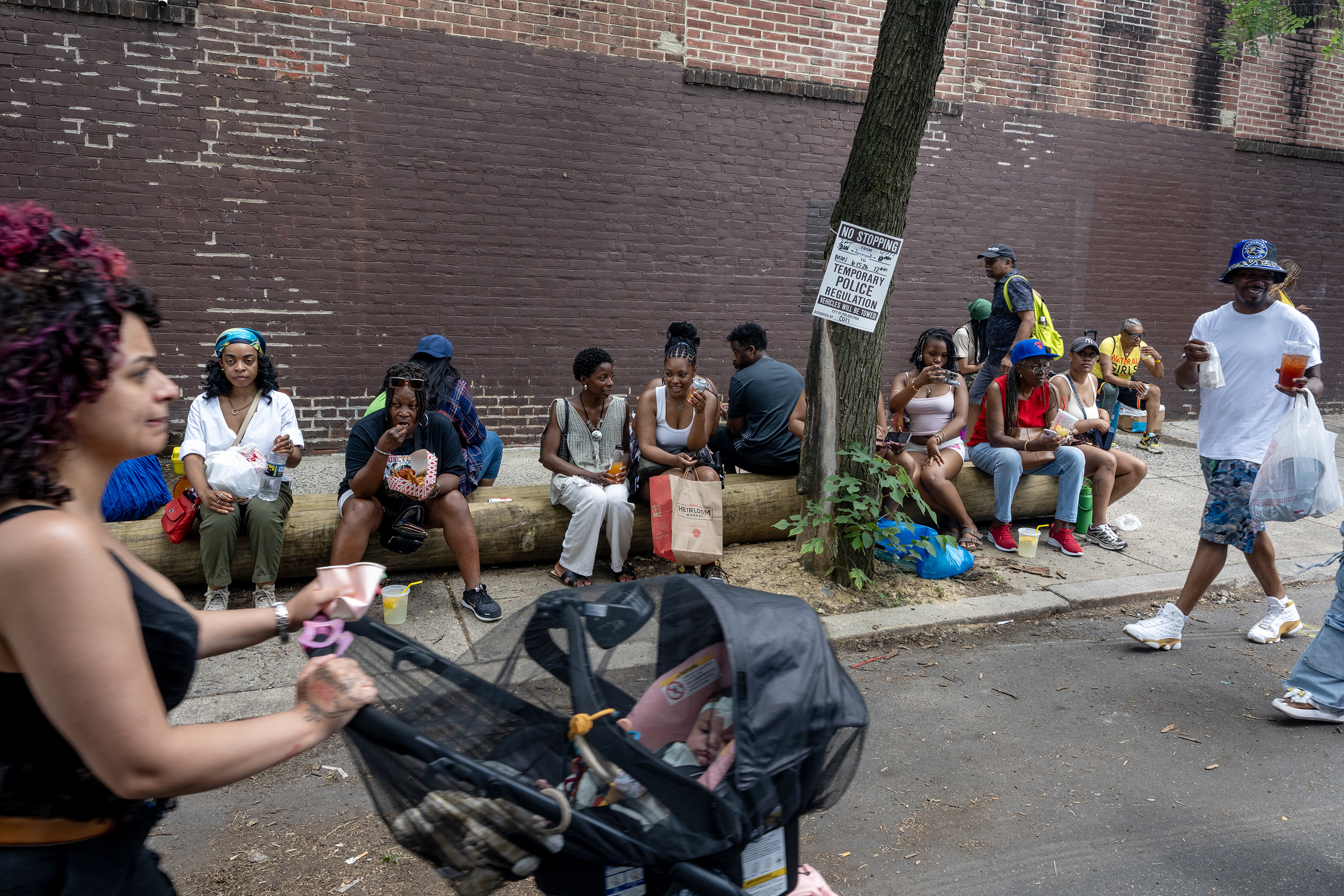
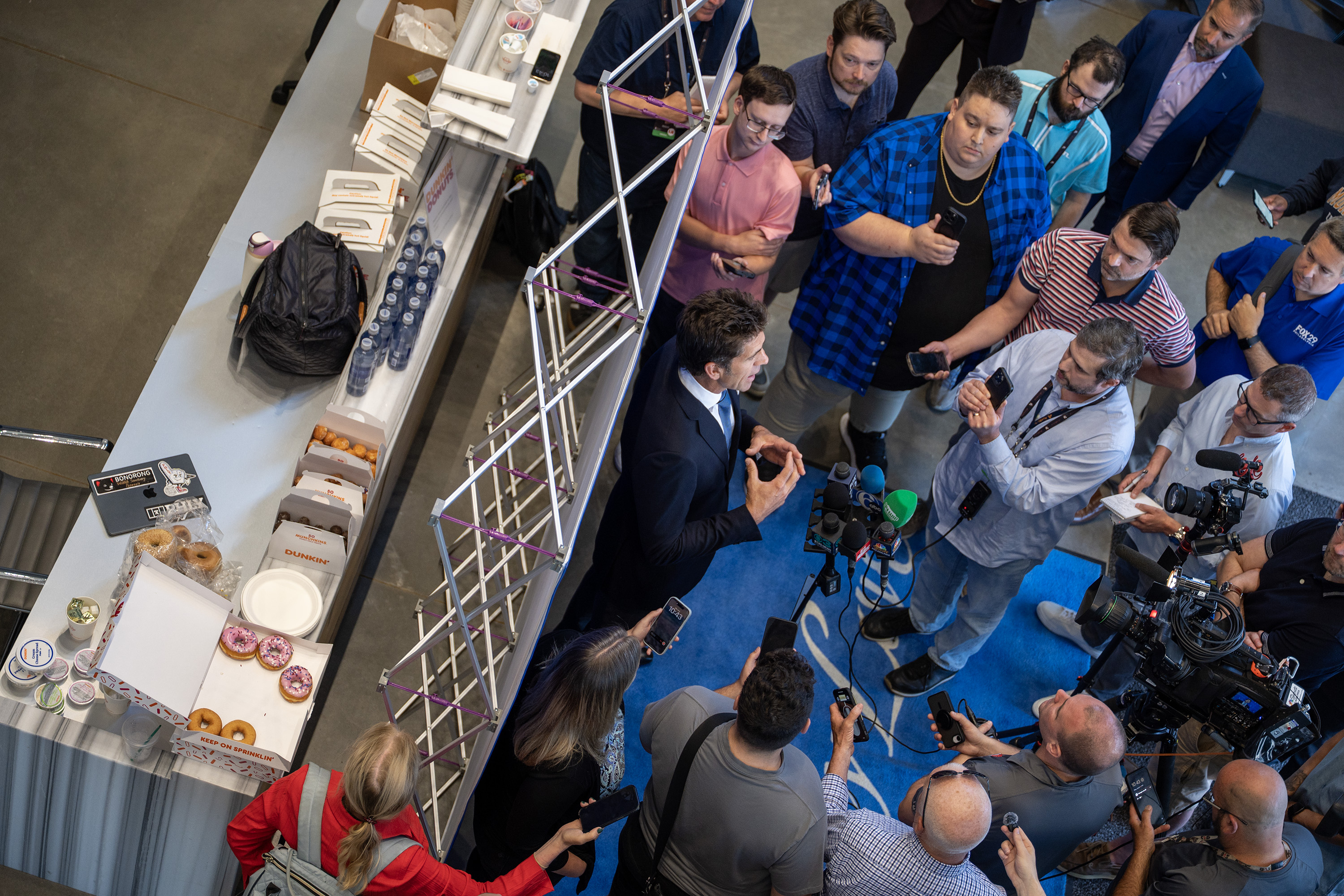
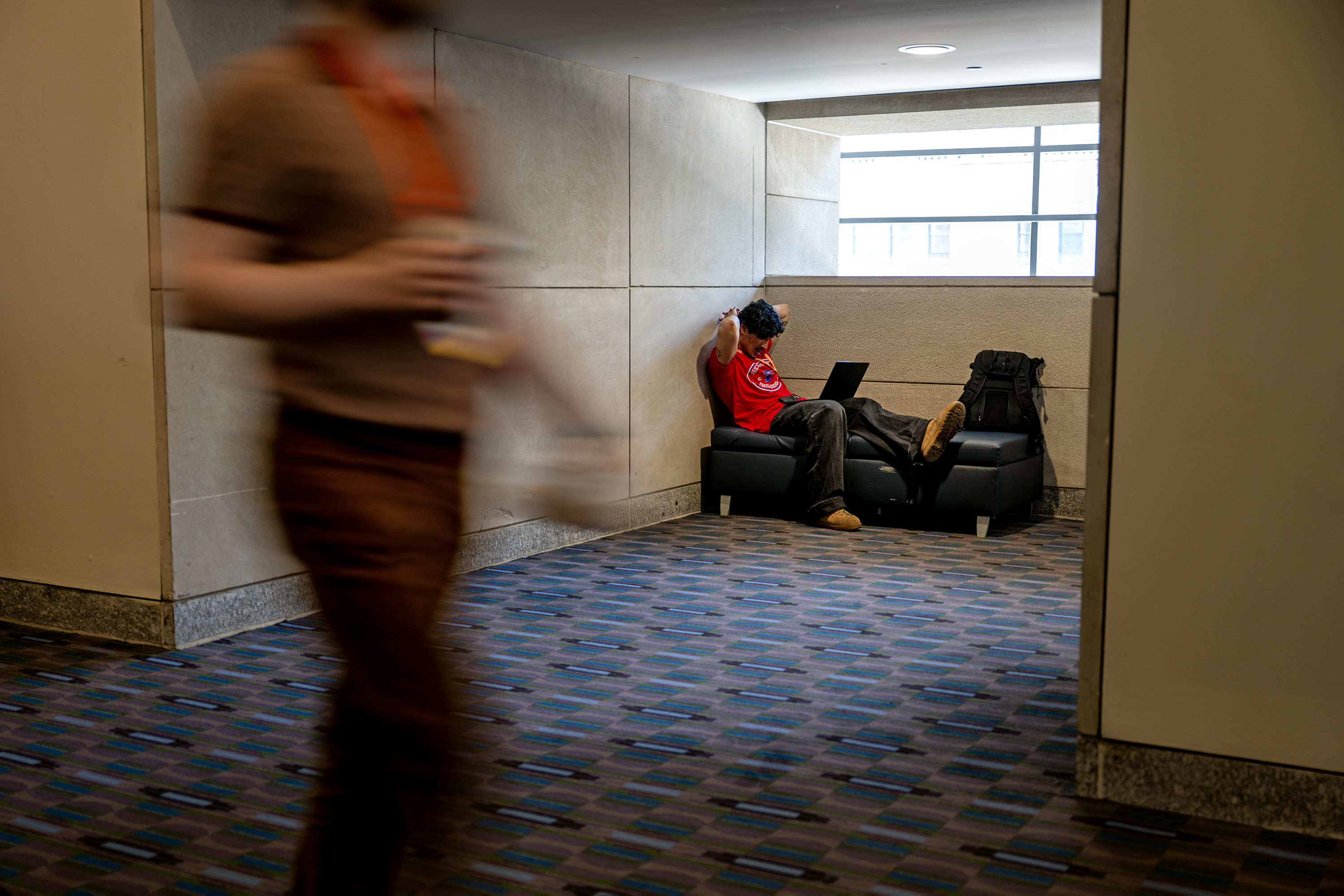
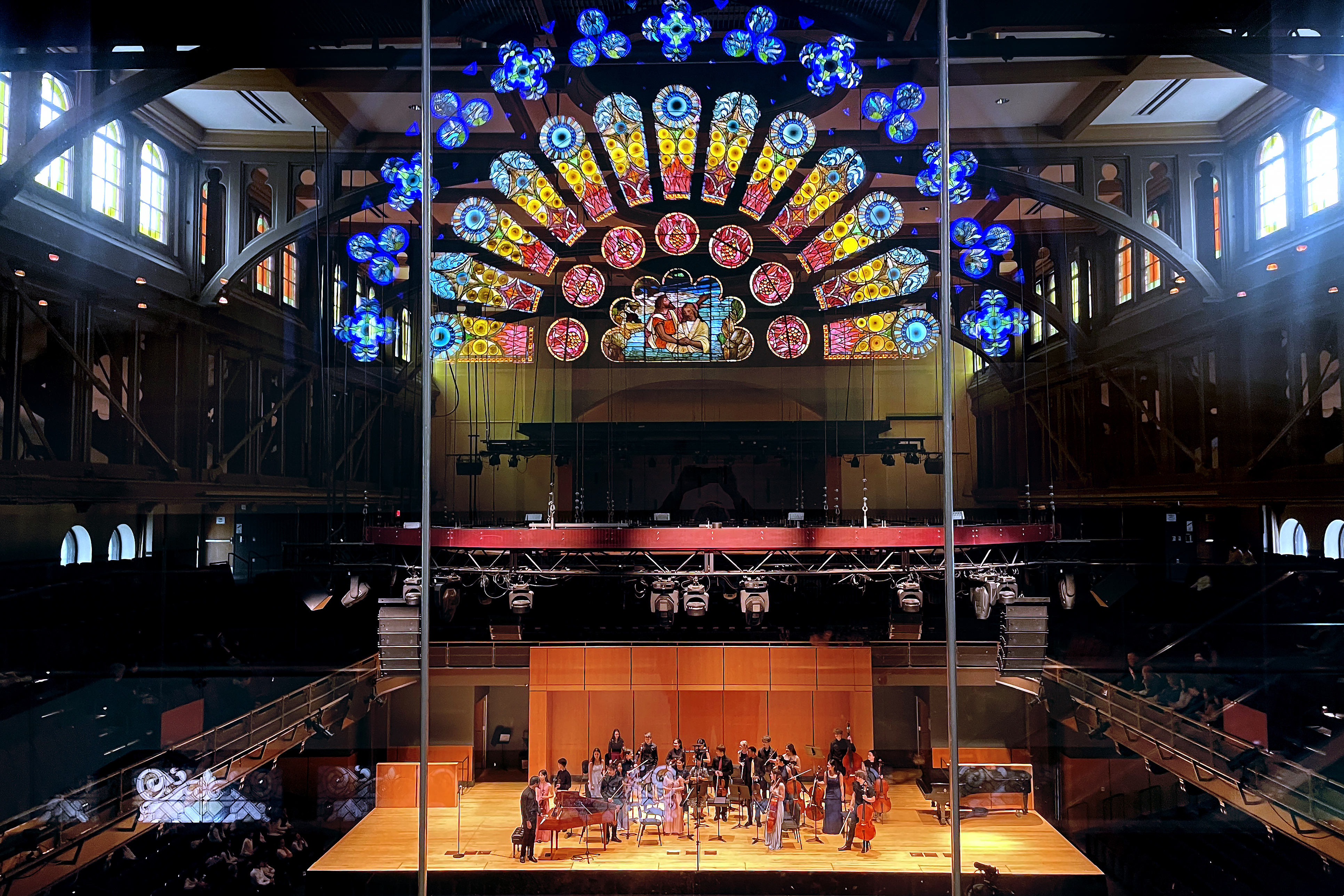
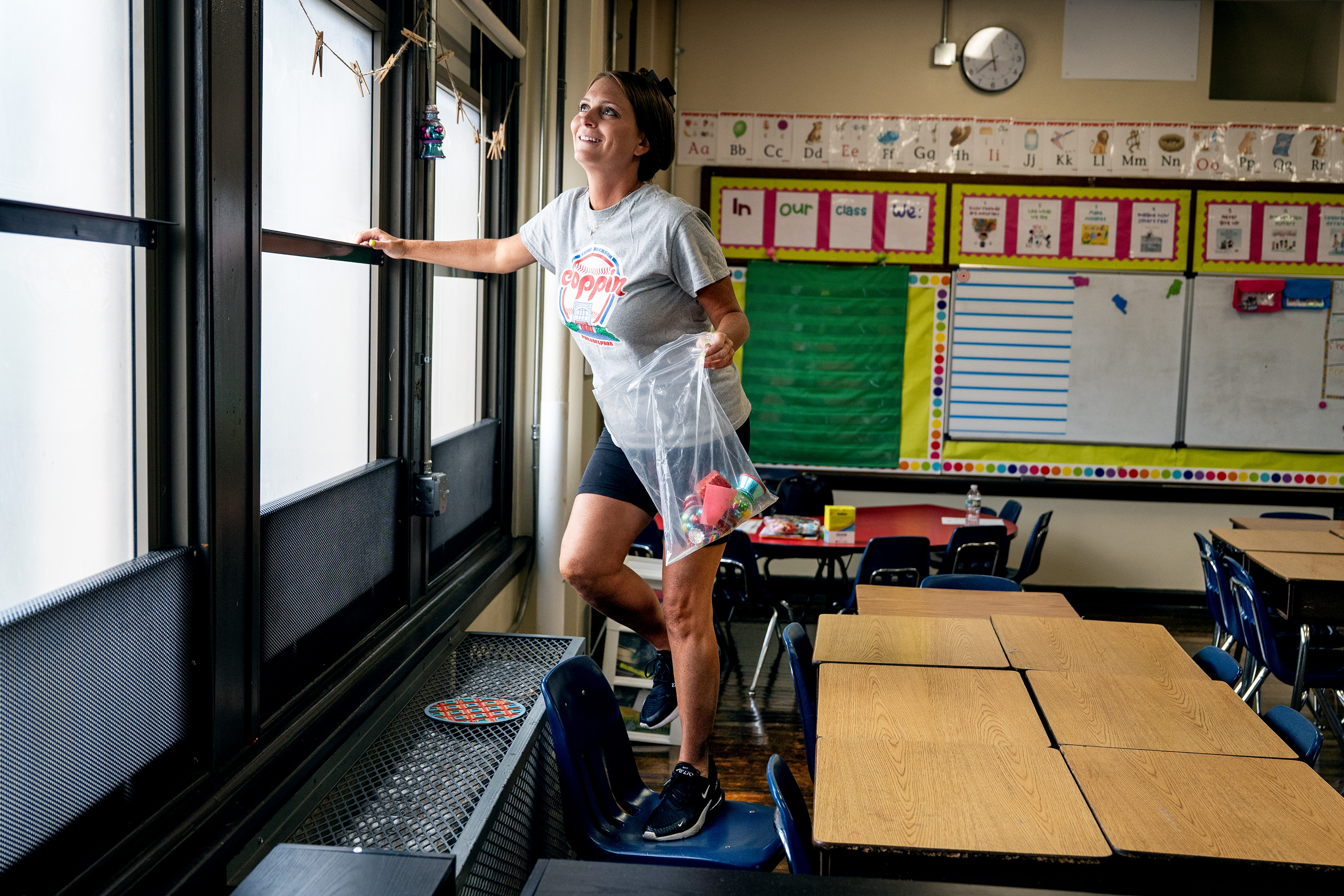
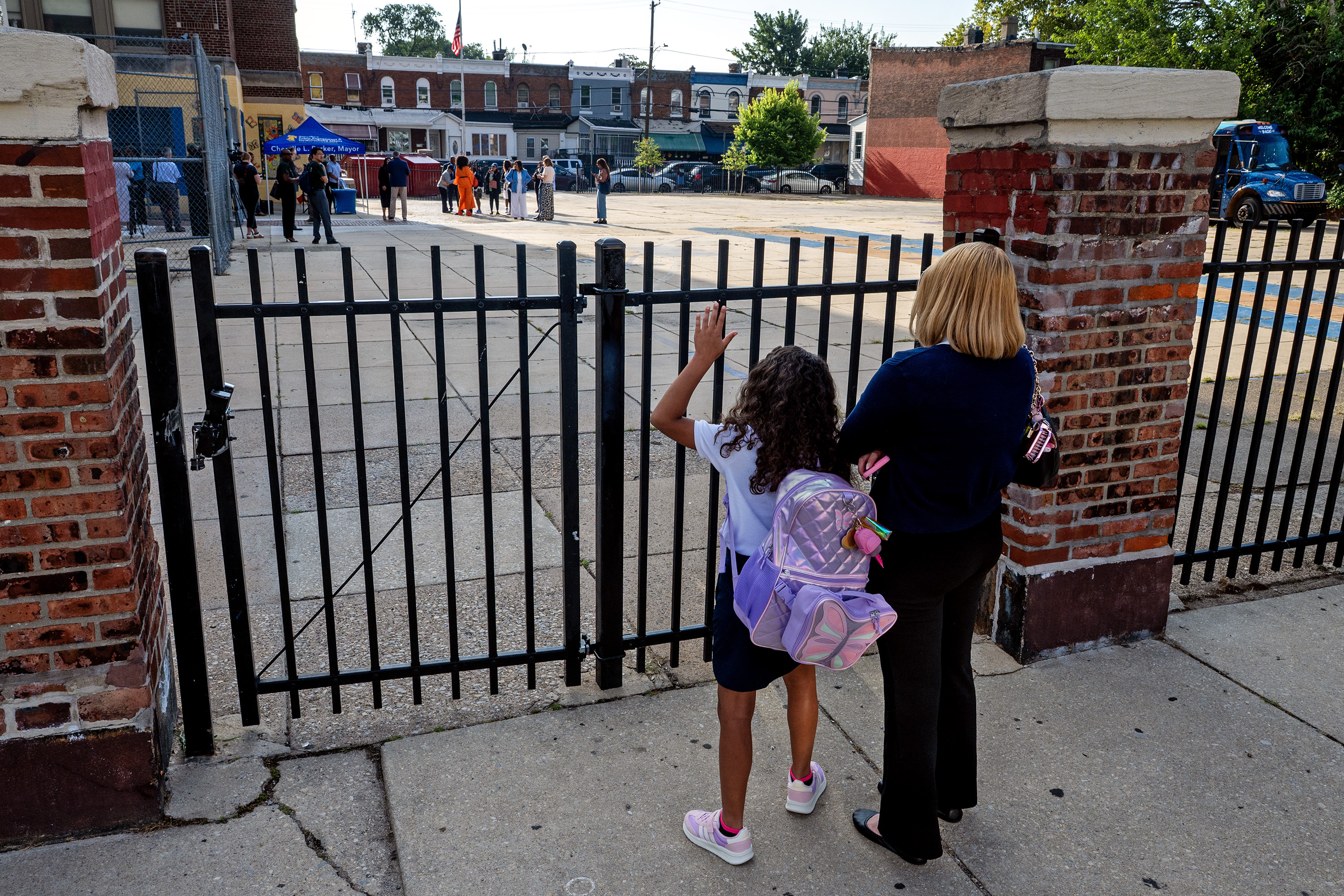
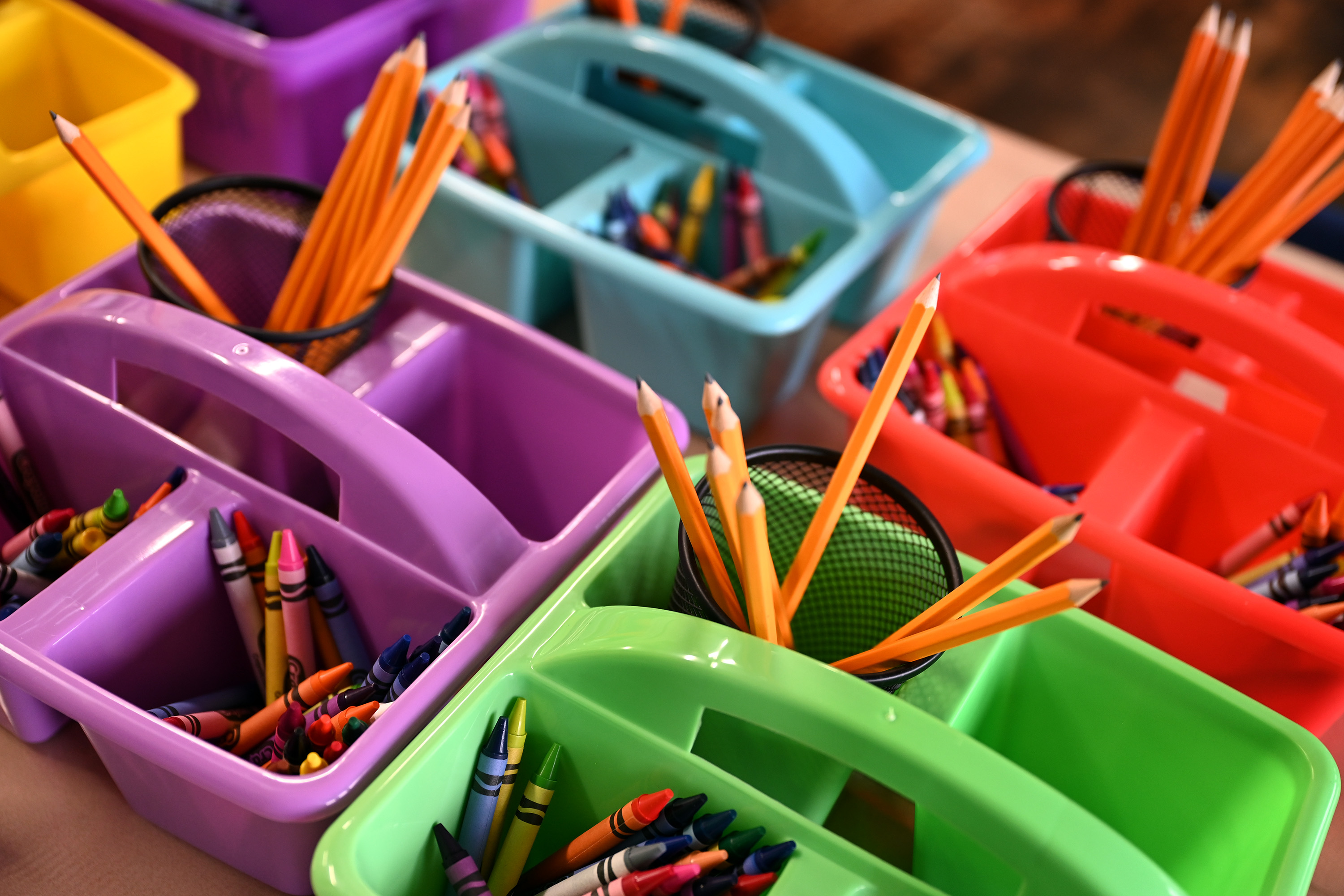
September 7, 2026: Joe Ackler of Skippack shops for a race T-shirt during a lull between laps in the Philadelphia Cycling Classic on Aug. 30. He is wearing a shirt he bought in 2003 when he attended the Tour de France. Tom Gralish / Staff PhotographerAugust 31, 2026: Robin P. Cooper (upper right) watches as Superintendent Tony B. Watlington Sr. (far left) gathers school and city officials for a group photo outside the district bus, stopped at McClure Elementary on the first day of school in Philadelphia. The bus was on its annual back-to-school celebration visit to schools throughout Philadelphia. Cooper later left the bus to join in the photo. Tom Gralish / Staff PhotographerAugust 24, 2026: Pencils were sharpened in the first-grade classroom of teacher Lauren Cucinotta at Fanny Jackson Coppin Elementary as she prepared for the start of the new school year for the Philadelphia School District on Monday.Tom Gralish / Staff PhotographerAugust 17, 2026: Wayne Peters (left) and Bobby White (right) wait for the #406 bus to Camden, on Rt. 70 in Cherry Hill, near the entrance to stores at the Garden State Pavilion shopping center and NJ Transit’s Cherry Hill station. Peters says it “Gotta be the worst bus stop in the state,” with White adding, “You’d think something in Cherry Hill would be better. How hard would it be to put a trash can here?” Before their bus arrives, Peters, trying to be positive about the shelter, reminds him “They fixed a broken window once.”Tom Gralish / Staff PhotographerAugust 10, 2026: Cheltenham High School in Wyncote, on the day the Montgomery County district attorney announced charges in connection with two assaults in the school’s football locker room. A photo of the static signs was made more visually interesting by using a slow camera shutter speed to blur the passing cars. Tom Gralish / Staff PhotographerAugust 3, 2026: Sign for locally “grown” honey outside the market at Springdale Farms, the only working farm left in Cherry Hill. Before WWII, when it was still known as Delaware Township, there were 82 farms in operation feeding South Jersey markets and supplying the massive fresh vegetable and crop demands of the Campbell’s Soup Company in Camden. Tom Gralish / Staff PhotographerJuly 27, 2026: Lyn-el “The Torch” Wright pauses on the City Hall Courtyard’s rendering of William Penn’s Philadelphia city grid plan. Penn designed the 1,200-acre “Greene Countrie Towne” between the Delaware and Schuylkill rivers with wide, crisscrossing streets to prevent the overcrowding and fires he had witnessed in London. July 20, 2026: Pat Dailey (left) and Ken Hopper with the Tun Legacy Foundation prepare a room at the Wynwood Rehabilitation & Healthcare Center in Cinnaminson, N.J., for a surprise 100th birthday party for WWII U.S. Marine Corps veteran Stephen Anderson. Dailey founded the nonprofit that supports veteran causes, Masonic charities, and educational scholarships. The organization is also rebuilding and reestablishing an authentic reproduction of the original Tun Tavern building in Philadelphia. The Tun, constructed in 1693, was the first documented lodge in North America and the birthplace of the U.S. Marine Corps in 1775.July 13, 2026: The Independence Visitor Center offers free birthday cake to the public on the Fourth of July, in the form of a massive American flag made of 5,000 cupcakes frosted red, white and blue.July 6, 2026: National Park Police Deputy Chief Rebekah Spedaliere shows off her own bald eagle tattoo while posing for a photo with bald eagle “Indy” and handler Amanda Sweeney with the Auburn University Raptor Center, during ceremonies over the July Fourth weekend. Indy came to Auburn, in Alabama, in 2018 after suffering a wing injury as a young bird and imprinted on humans during rehabilitation, so she couldn’t be released back into the wild. Now, she serves as an ambassador bird, teaching people about raptors, conservation, and the ecosystems that sustain them. Not her first rodeo in Philly, she made her first appearance at the Linc for an Eagles’ game in 2023. Tom Gralish / Staff PhotographerJune 29, 2026: Shecky Perlman as Ben Franklin is inside the Free Quaker Meeting House on Independence Mall as he and other historical reenactors receive their diplomas after weeks of intensive, immersive training for the 21st season of Historic Philadelphia’s Once Upon a Nation program — where costumed actors perform first-person interpretations of real 18th-century Philadelphians in the Historic District and at Valley Forge National Historical Park.Tom Gralish / Staff PhotographerJune 22, 2026: A downed utility pole serves as a quiet place to eat, away from the crowd at the Odunde Festival, billed as the largest African street market in North America.” Tom Gralish / Staff PhotographerJune 15, 2026: Bob Myers, president of Harris Blitzer Sports & Entertainment, owner/operator of the 76ers and the NHL’s New Jersey Devils, as well as a future Philadelphia WNBA team, talks to reporters after Mike Gansey made his first appearance as Sixers president of basketball operations at the Penn Medicine Philadelphia 76ers Training Complex in Camden. June 8, 2026: Obet Montalvo, a digital strategist with Radicle Digital, finds a quiet nook at the Convention Center on Thursday June 4, 2026, while attending Netroots Nation, the country’s largest annual gathering for progressive political activists, and organizers. The fan fest is an outgrowth of the blog Daily Kos, and brings together thousands of grassroots organizers to participate in training sessions, panel discussions, and keynote addresses.Tom Gralish / Staff PhotographerJune 1, 2026: The signature half-rose stained glass window of the 1891 Grace Baptist Church is reflected in a glass wall inside the Temple Performing Arts Center, as a spring concert by Temple University Music Prep’s Center for Gifted Young Musicians gets underway below. A school started at the church so working men unable to afford traditional college could attend at night eventually became Temple University, and the congregation relocated to the suburbs. Over the years the building deteriorated and in 1986 university trustees voted to demolish it. Public outcry and help from the Preservation Alliance of Greater Philadelphia convinced Temple’s leaders to preserve the building, and a few years and $30 million later the old church was reborn in 2010 as a 1200-seat, multipurpose state-of-the-art event center. Tom Gralish / Staff Photographer
The ancient Greeks and Romans knew the annual appearance of Sirius, the brightest star in the constellation Canis Major (“Greater Dog”), would bring them the most sultry and sweaty stretch of summer.
I’ve always associated the “Dog Days” with images of a lazy city, slowing down in August; this year especially after our once-in-every-250-years July.
It’s standard practice across Europe — “Les grandes vacances,” the really big holidays — for offices, factories, and ministries to shut the doors for most of the month. Even here the mayor’s daily media advisory on many days last month just read, “The Mayor has no public events scheduled.”
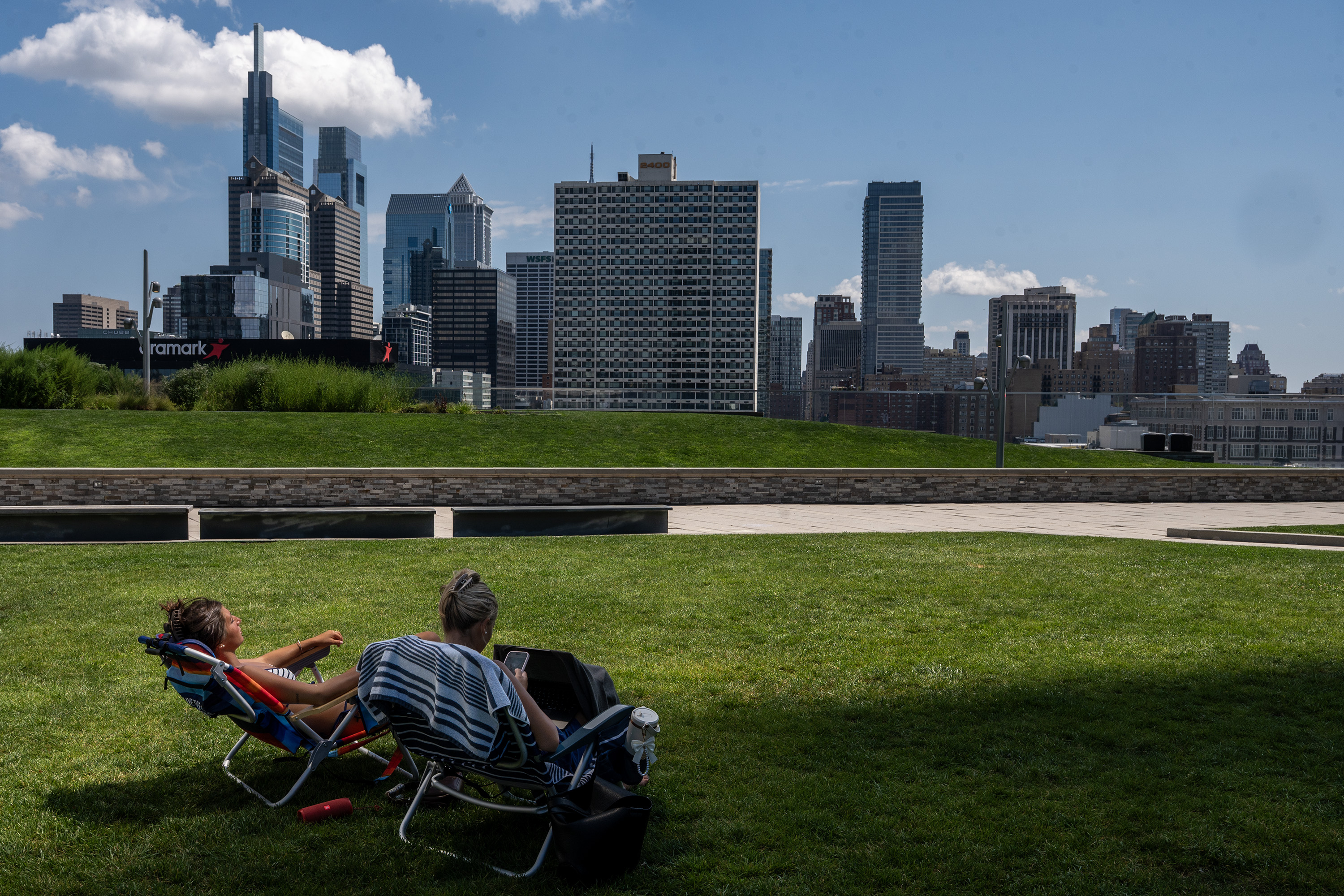
Madelyn Moore and Lea Cifelli (right) have the rooftop Cira Green park – and the view – all to themselves on a lazy August afternoon.Tom Gralish / Staff Photographer
So it’s surprising for me to look back at what a wonderfully full, fascinating, and fun month August was for photography.
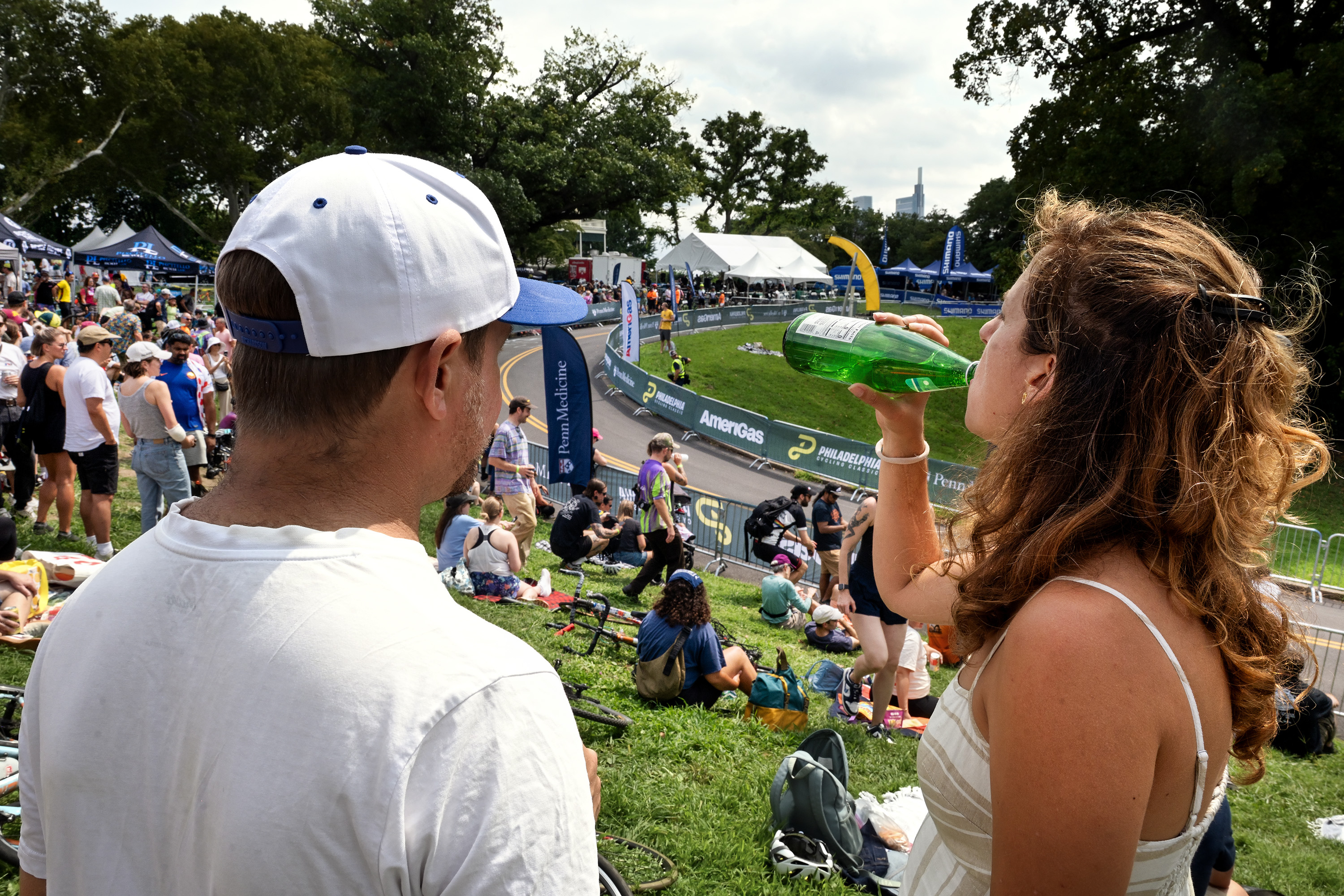
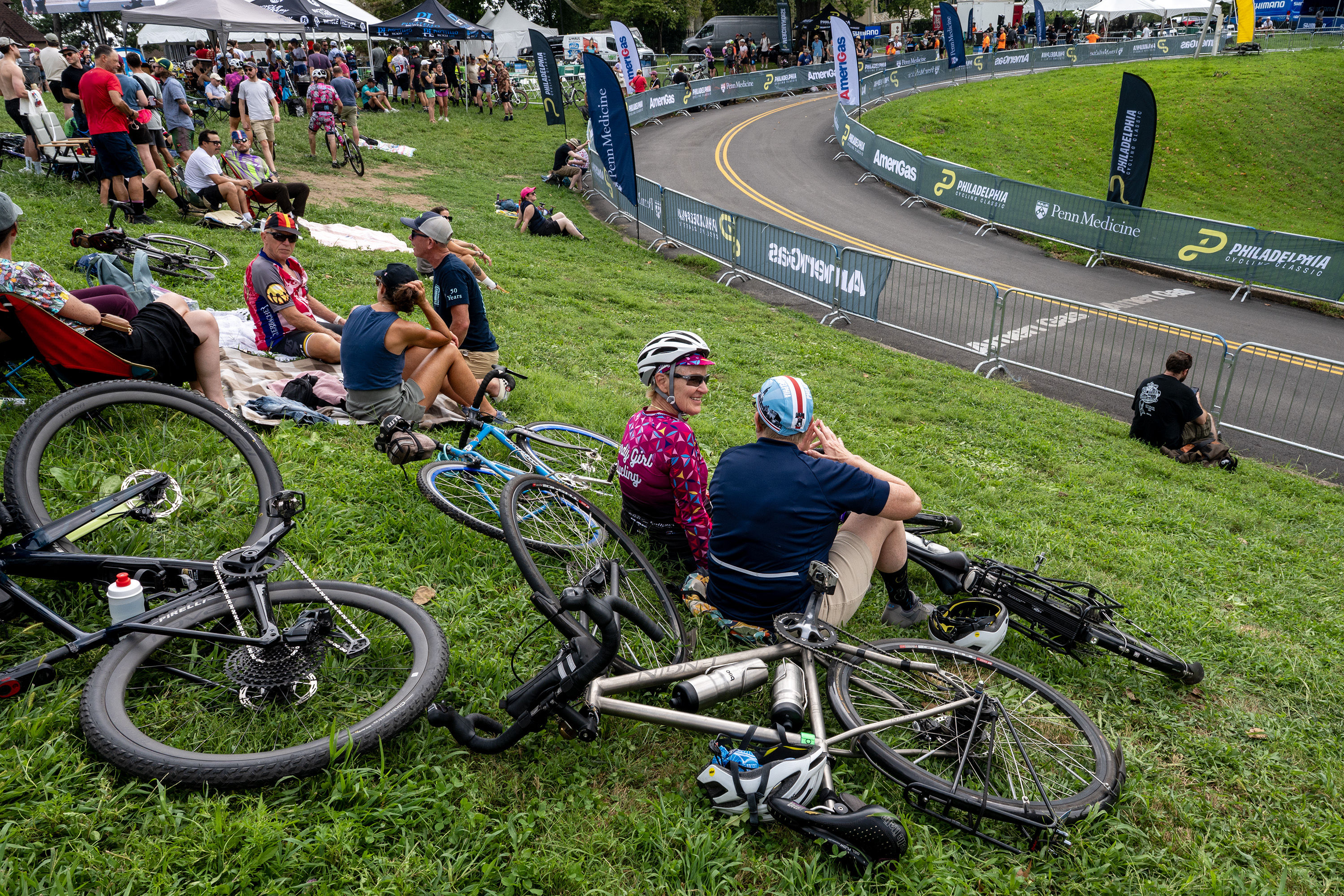
Dan O’Halloran and Sonja Nakasian (right) wait on Lemon Hill between laps.Tom Gralish / Staff PhotographerJody Twer (left), 75, of Kindnersville, Pa. has been biking for decades and lately rides with the club Sturdy Girl Cycling.Tom Gralish / Staff Photographer
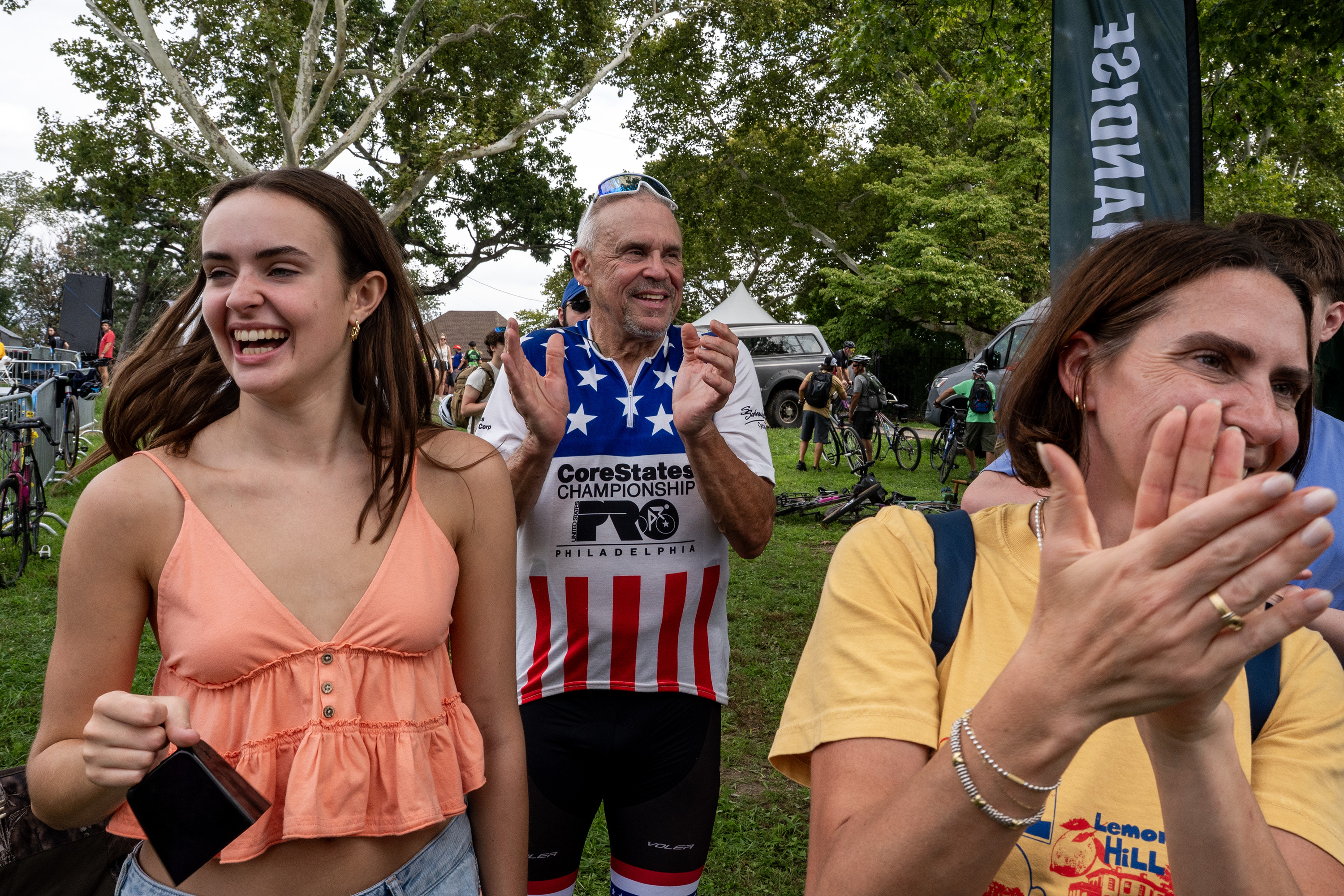
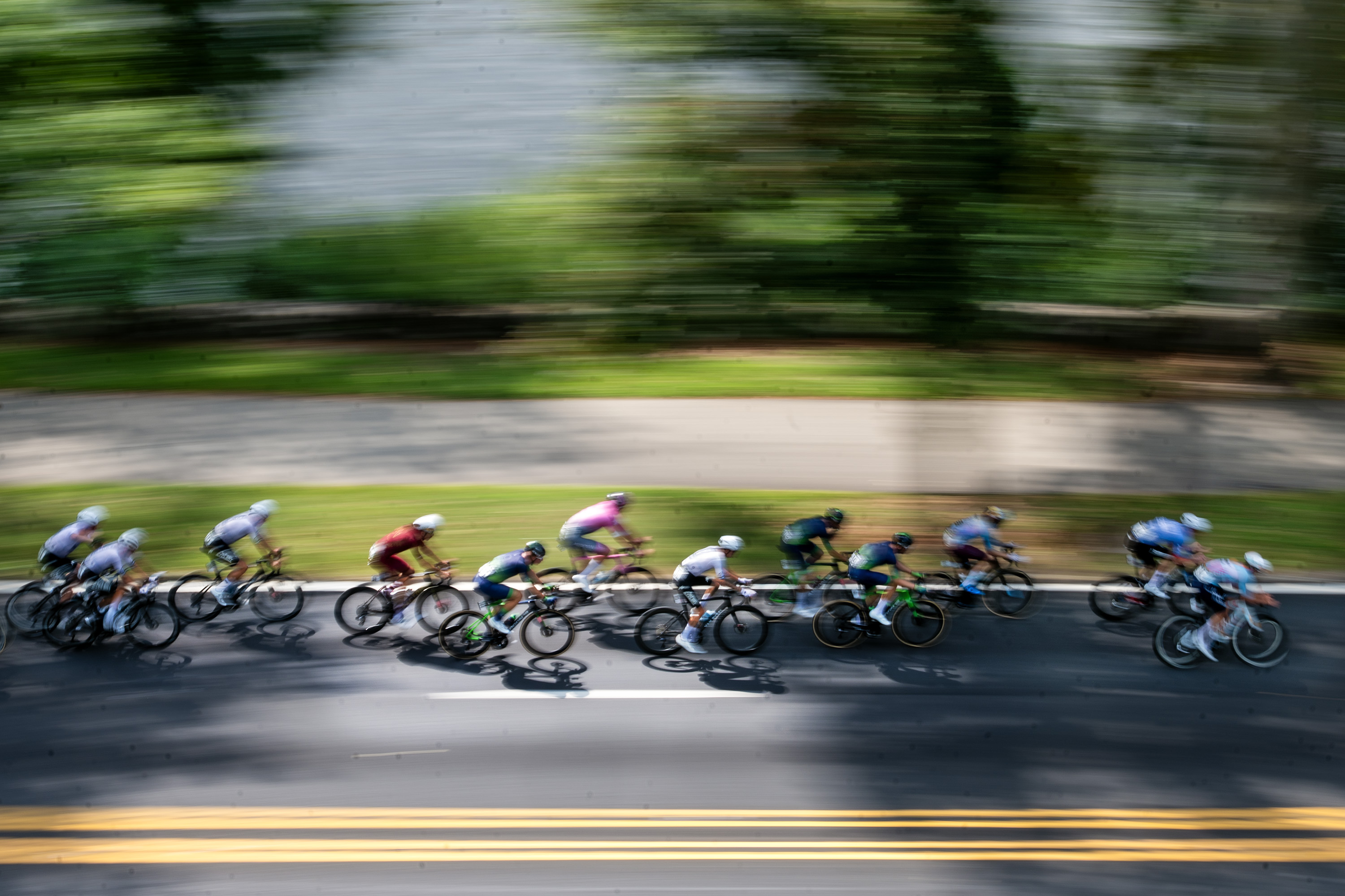
In the lulls between laps — 8 for the men, 4 for the women — I tried to scope out different vantage points to make the most of each 10 second pass the bikes made every half hour. And spot spectators I could focus on.
Having covered the race in its first year, when I saw the T-shirt Joe Manacchio was wearing I immediately recognized the logo as one from the original 1985 CoreStates USPRO Championships (won by Olympic gold medal speed skater Eric Heiden). Joe was there with his family, and they pointed out he was the 2024 Masters (Men 65-69) National Champion at the USA Cycling National Championships in Georgia.
Joe Manacchio with daughter Arbella Cherkis (right) and granddaughter Talia Cherkis.Tom Gralish / Staff Photographer
Theirs were not the only friendly faces I met in the crowd. Most, like me, rode bikes into the park and almost everyone seemed to be having as much fun as I was.
Besides composing for the course’s curves there in Fairmount Park, I also wanted to make the cliched but fun (there’s that word again) photos where the bikes are relatively sharp but the background is streaked and blurred.
To make those, it’s best to be positioned perpendicular to the riders and on a straightaway so you can pan during the exposure, use a slower shutter speed (around 1/15th sec), and move the camera smoothly at the same speed as the passing cyclists.
I know from covering snowstorms, and regattas, and flooding on the Schuylkill that there are great vantage points looking down from Laurel Hill cemetery. Except in late August trees block most of the views of Kelly Drive, so I had to hike along the edge to find a clearing.
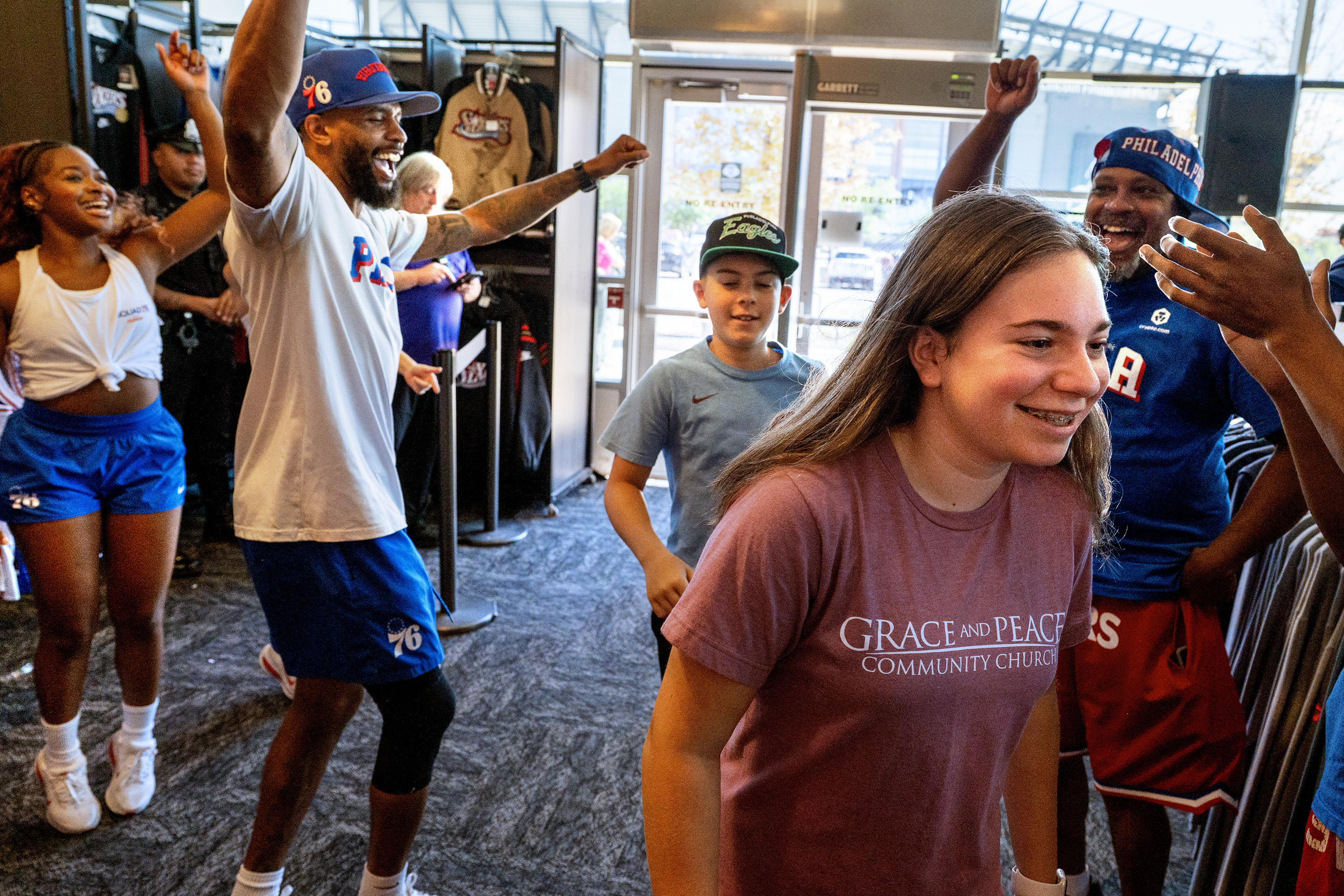
In other sports news, the LeBron hype continued as Sixers fans lined up outside the team store at Xfinity Mobile Arena for James (and Jaylen Brown) jerseys.
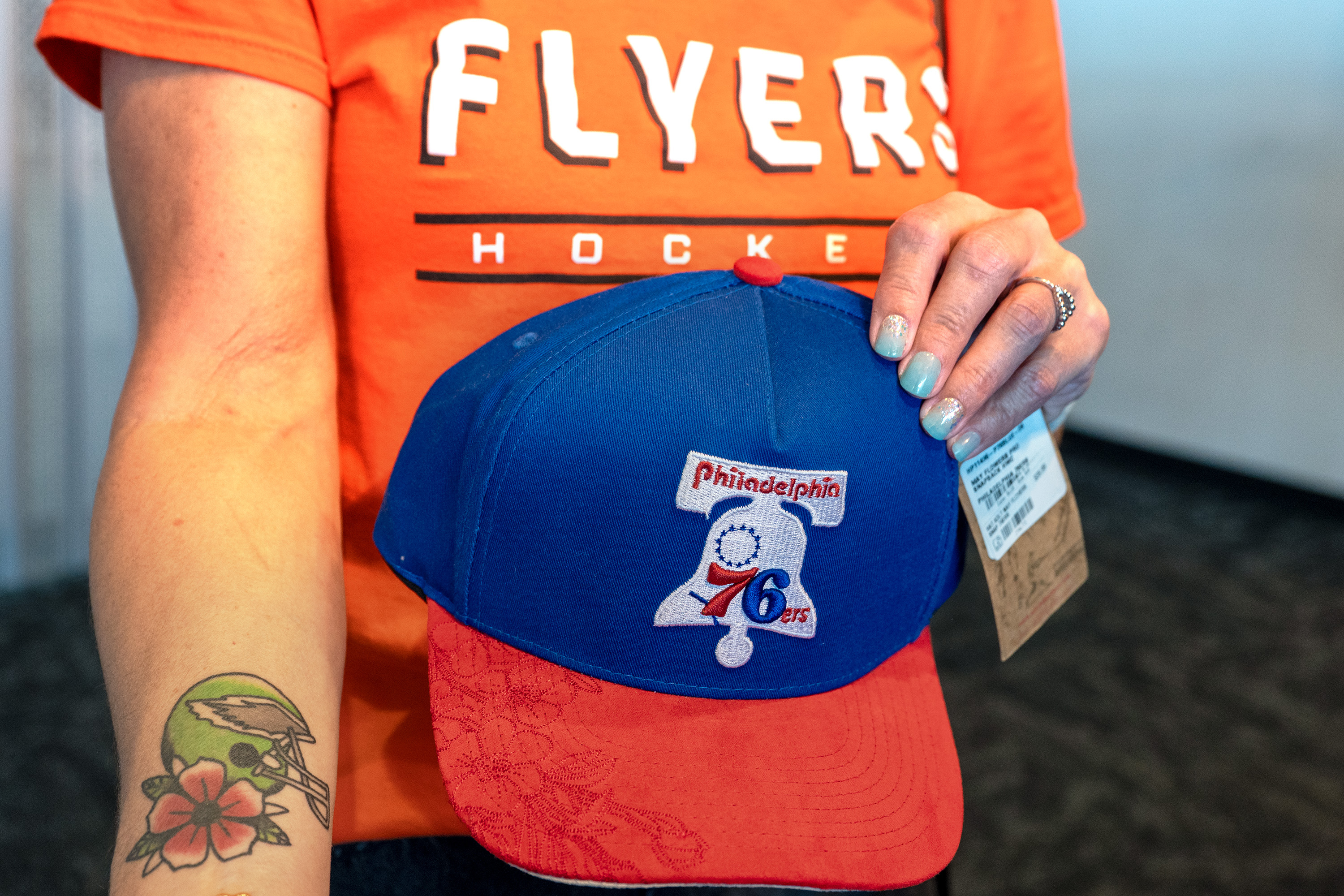
Evelina, 12, and Anthony Capelli, 10, of South Philadelphia were there with their dad, Chris Capelli. He won a free LeBron jersey, but the kids left empty-handed as the store didn’t have any youth sizes. Wearing her Flyers T-shirt, I met Stacy Romeo — also from South Philly — who showed me her Eagles tattoo while shopping for Sixers merch.
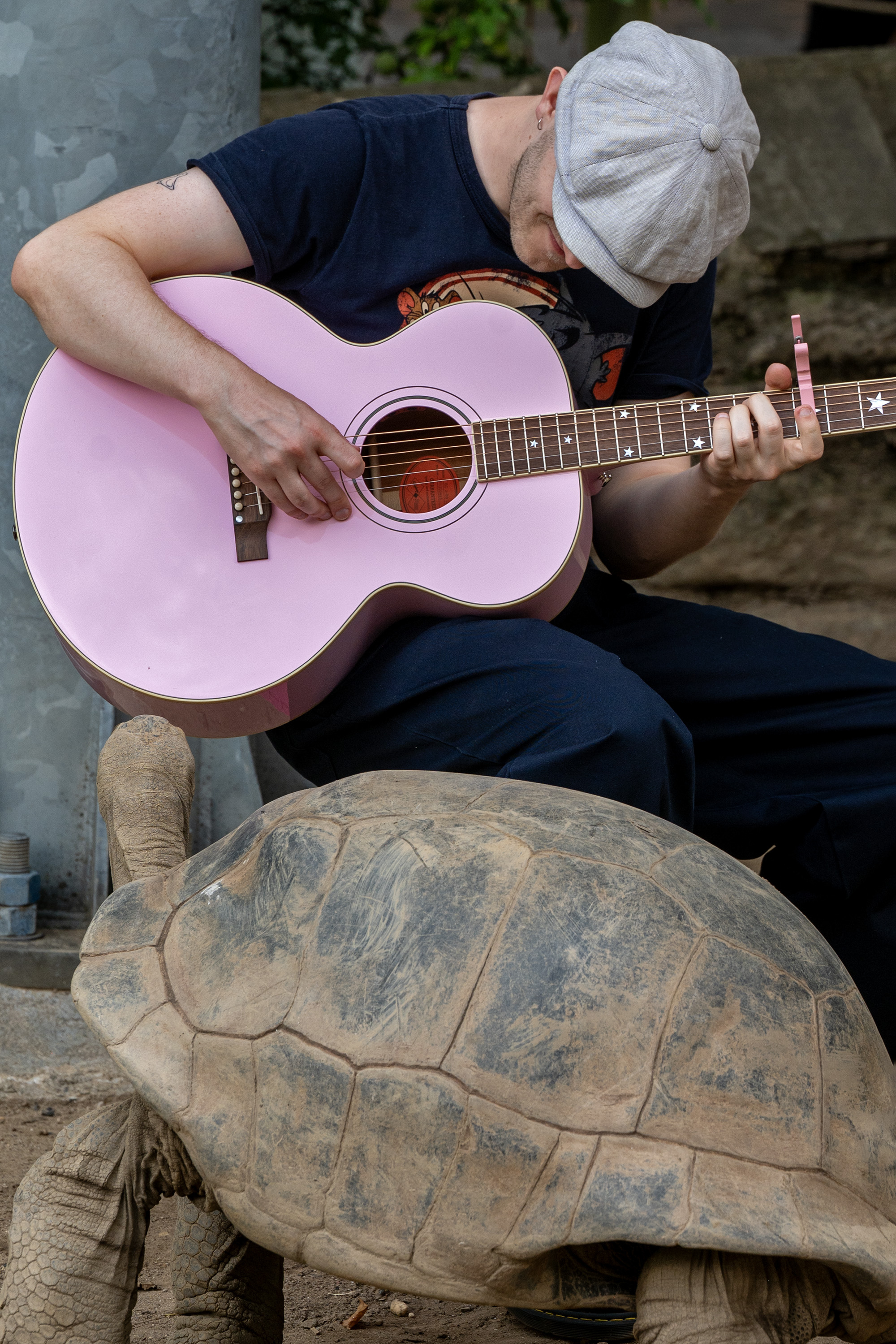
My daughter (the same one who first exposed me to Buc-ee’s) shared viral videos of French singer-songwriter and animal advocate Loris Assadian, known as Plumes, serenading farm and zoo animals with his flamingo-pink guitar. Count former President Barack Obama among the millions of viewers worldwide who have been mesmerized.
When she told me he would be making his very first appearance at any U.S. zoo, I had to let her know I wouldn’t get to cover it because his sold-out appearances were all in the evening. Then I got the chance to meet Assadian (and his mom and brother social media team) and watch him as he made a day-before visit to the tortoises at the Philadelphia Zoo.
Tom Gralish / Staff Photographer
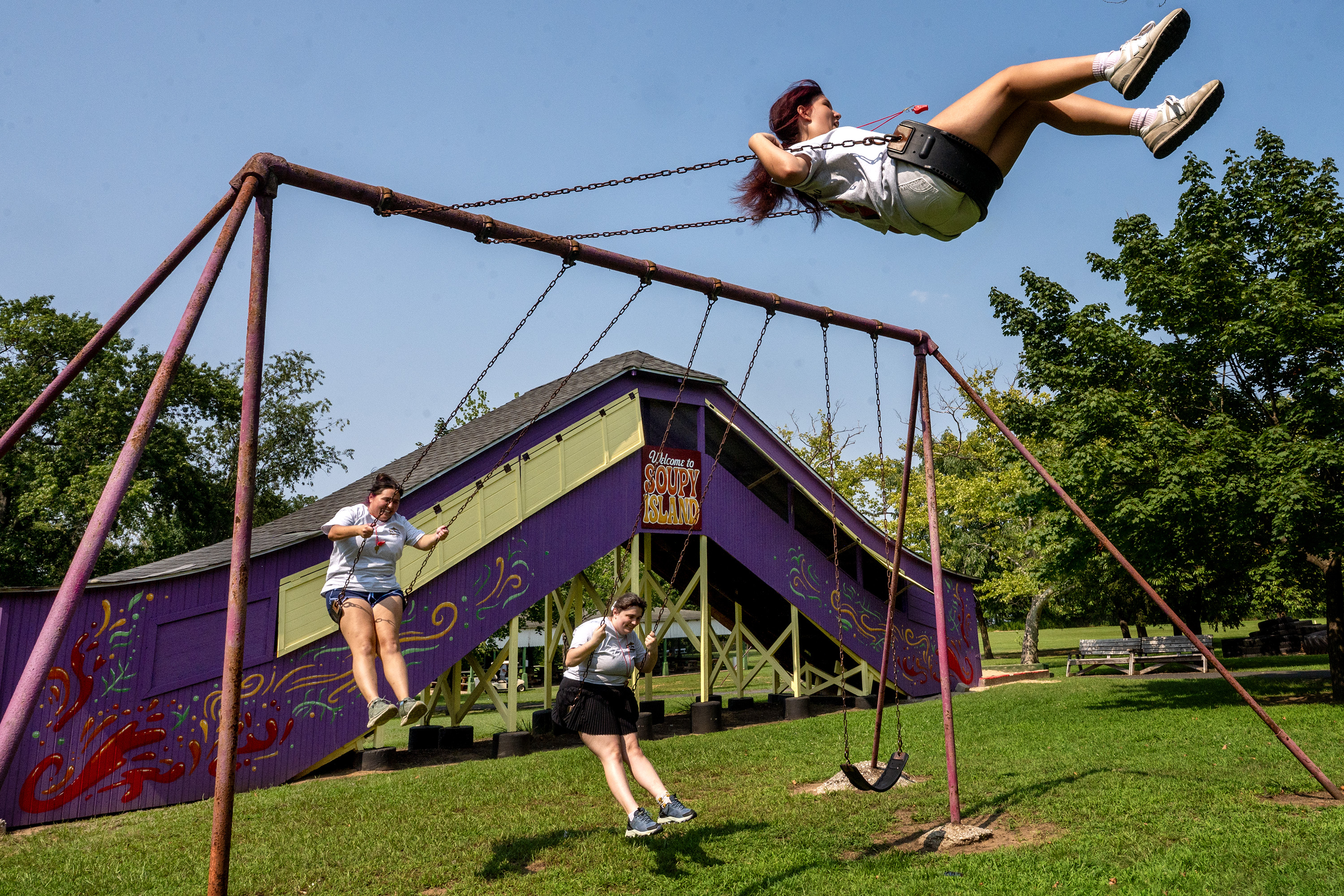
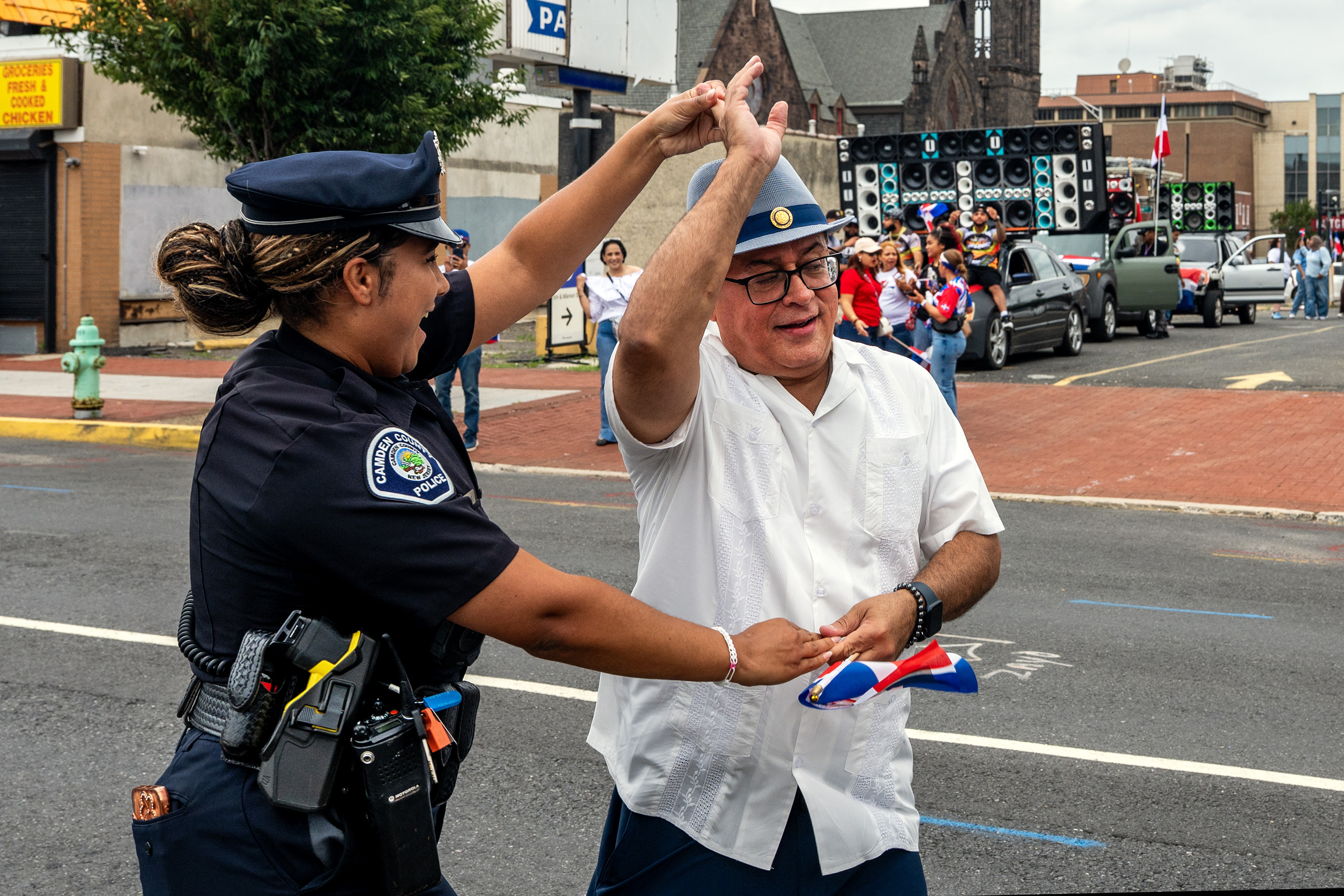
Also in August, the young counselors at Soupy Island in West Deptford, N.J. unwinded at the end of their day at the free summer day camp founded in 1877 to give sick city kids fresh outdoor air. That weekend, Camden County Police Officer Marina Urena danced in the street with City Council President Angel Fuentes before a parade celebrating Dominican pride.
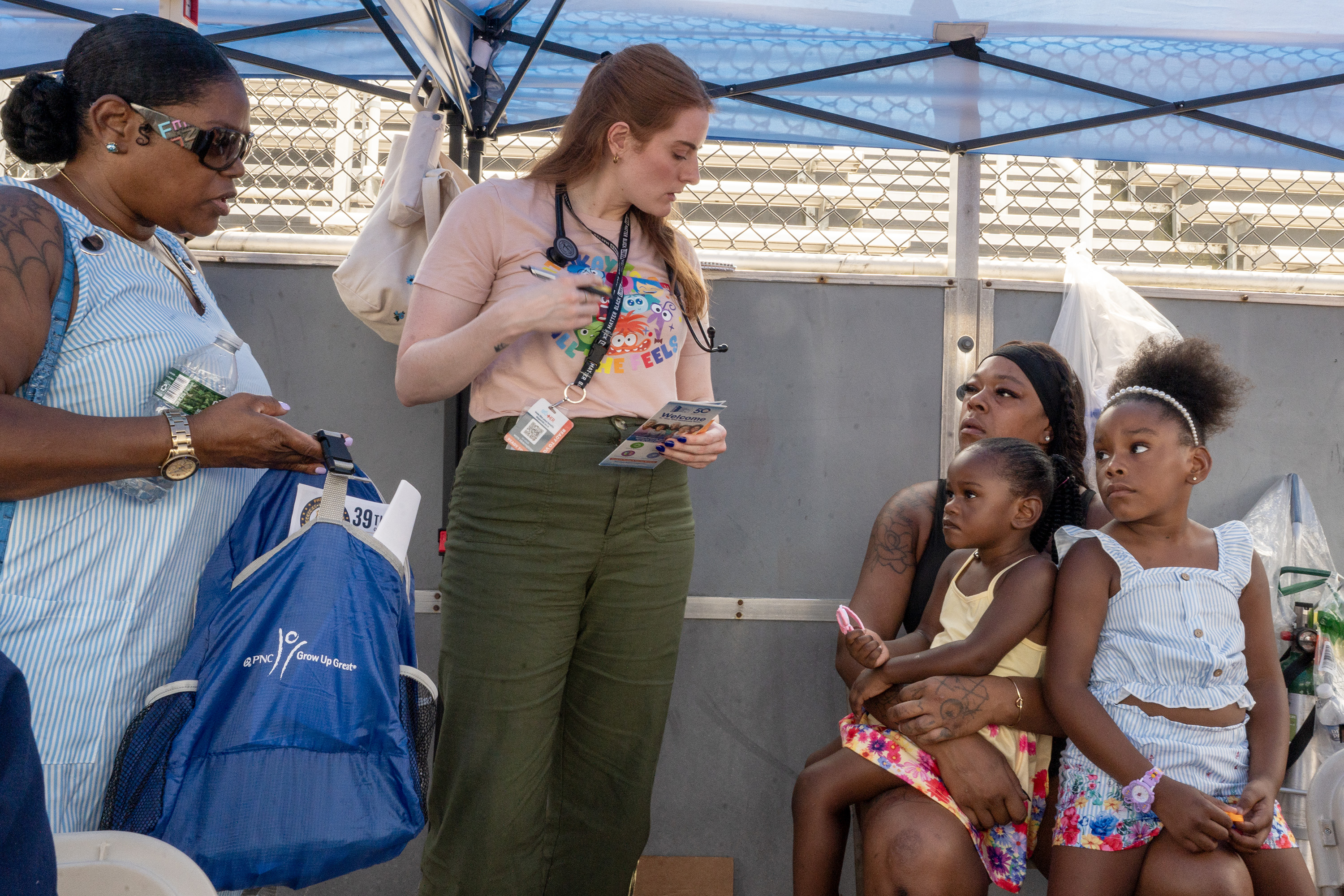
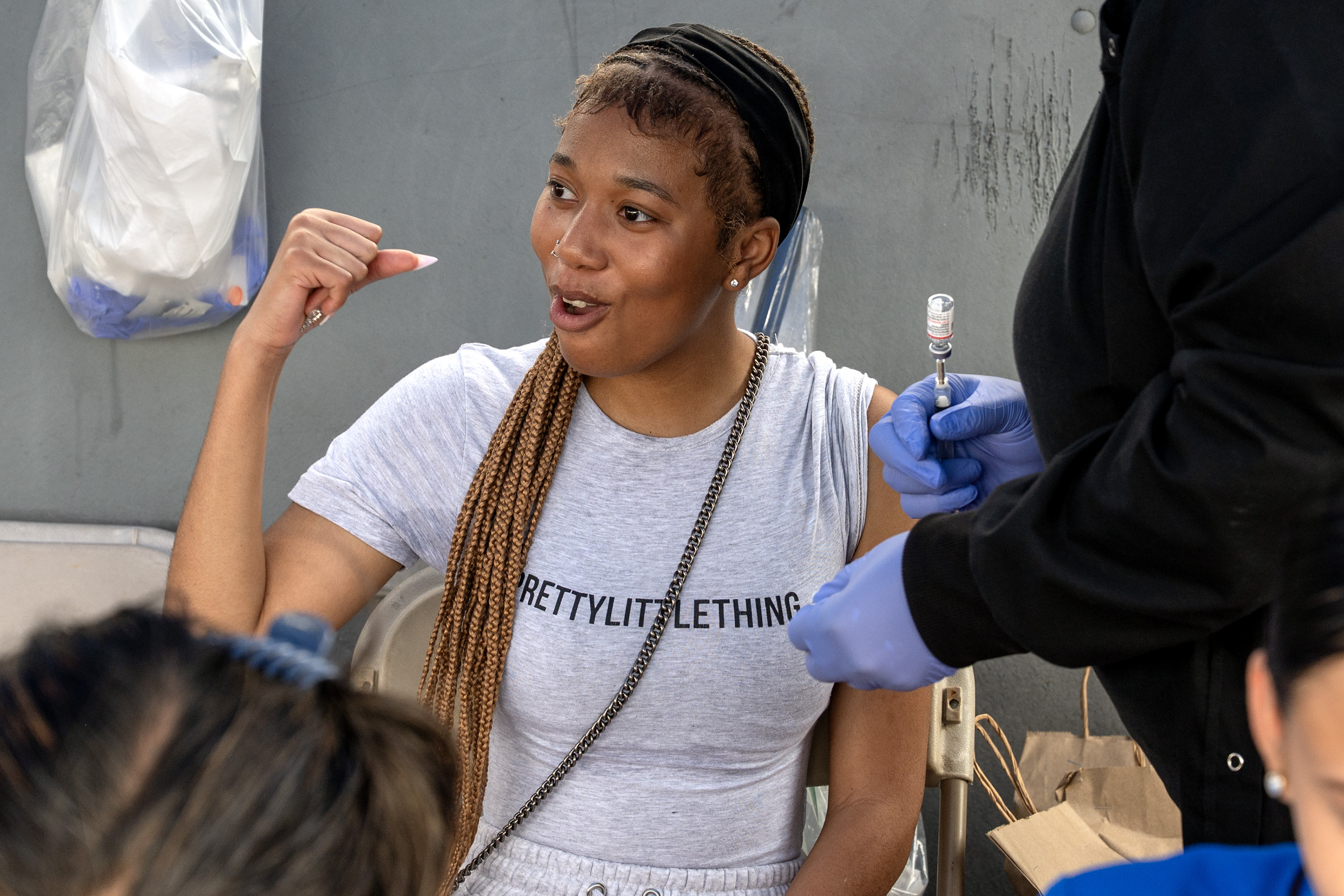
For a story on measles vaccination rates declining in the Philadelphia area as an outbreak spreads across Pennsylvania, I met three generations of the Jason family and high school junior Cianey Brown at a back-to-school clinic where pediatrician Amanda Bernard was giving out the shots — and important health information.
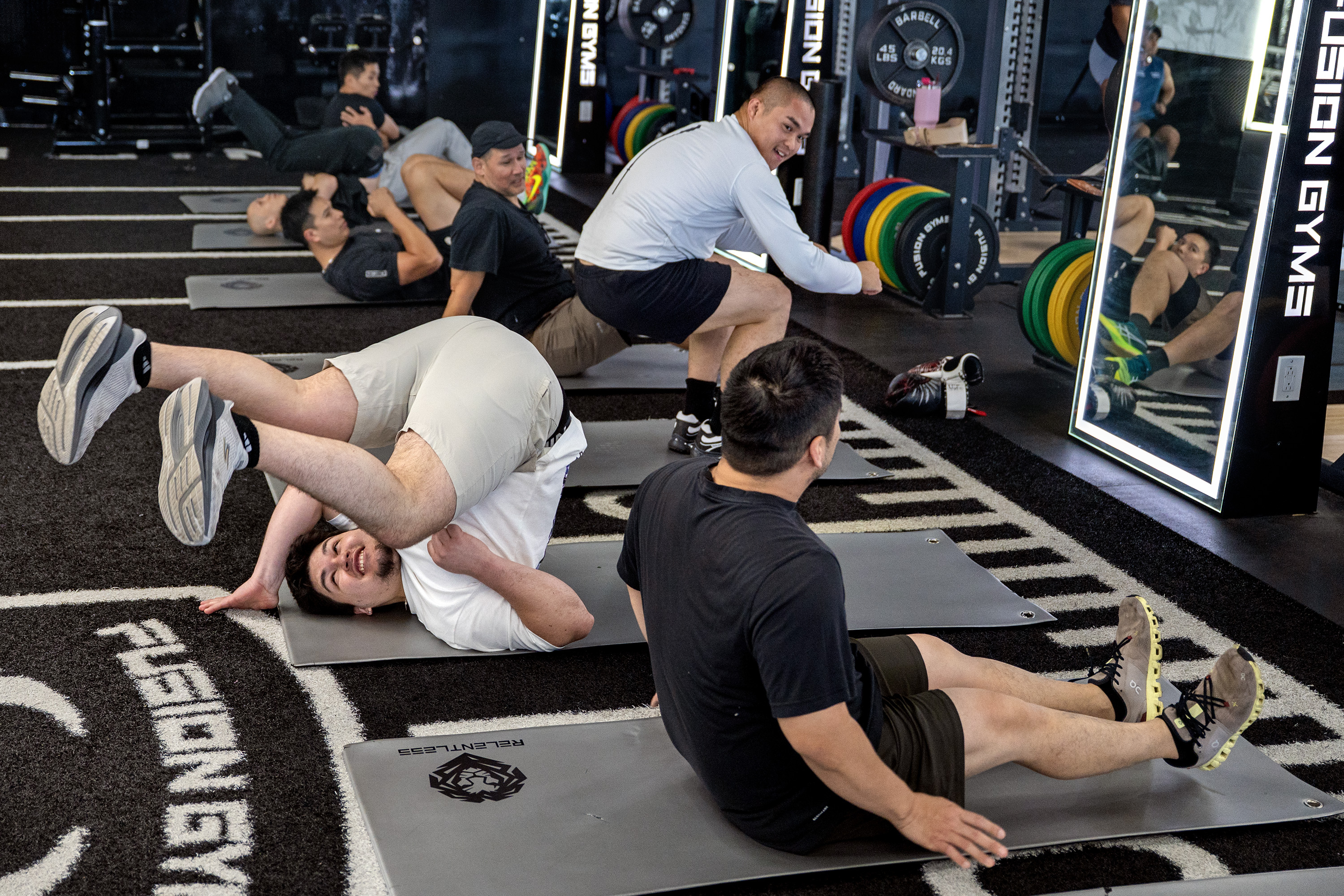
Also in August, I saw firsthand how exercising with friends boosts your workout motivation as I joined food writer Kiki Aranita who was reporting on seven sushi chefs who work out together, spotting one another as they lifted weights equivalent to a bluefin tuna.
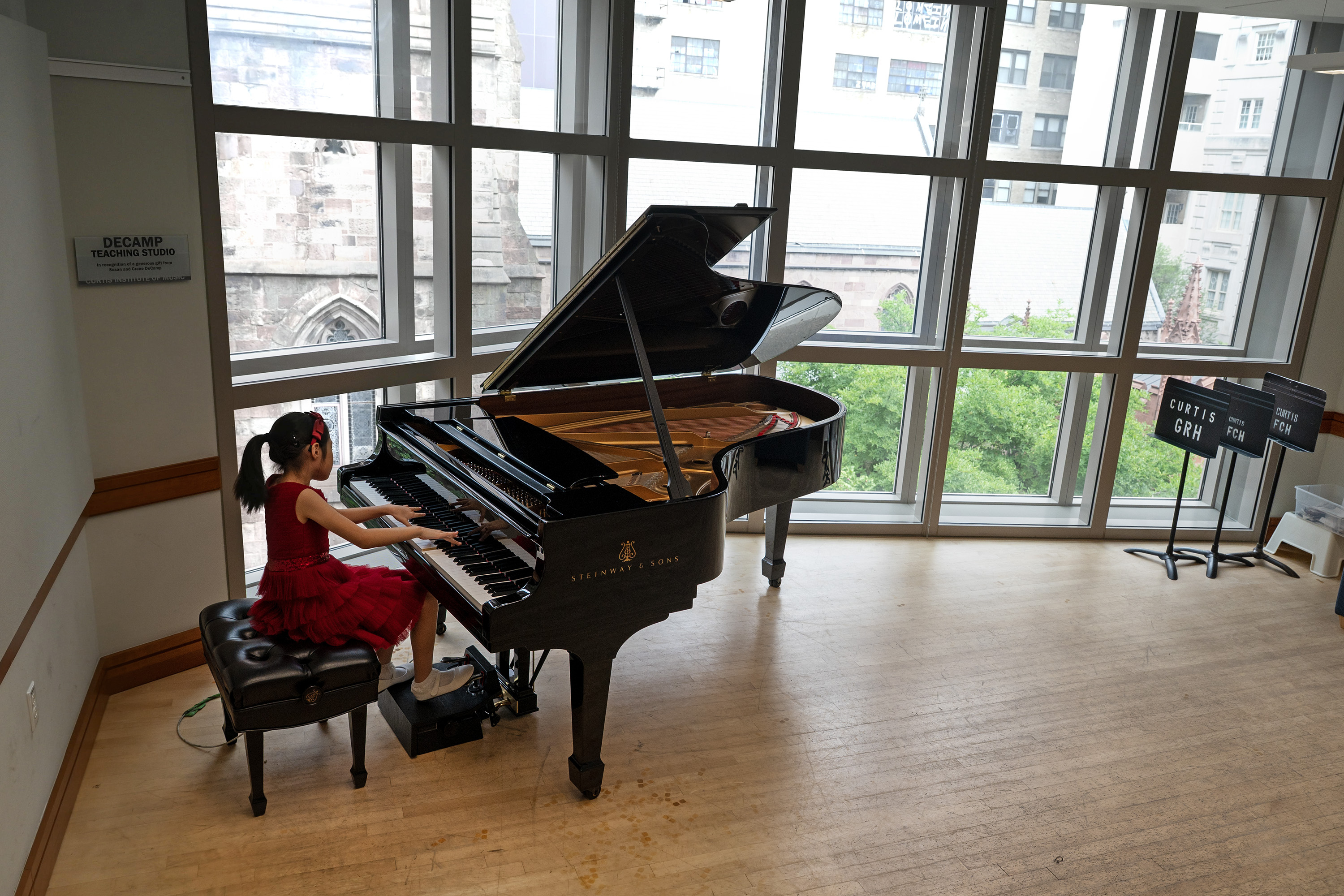
The end of summer means the start of a new school year. I met teachers like second grade’s Gabrielle DiCrosta getting ready at Fanny Jackson Coppin Elementary in South Philly, and a seven-year-old pianist — believed to be the youngest student to study at the Curtis Institute of Music since 1950.
First-day Kindergarten siblings Makenna (left) and Makenzie Lucas arrive at the New Albany School in Cinnaminson, N.J. Tom Gralish / Staff Photographer
Finally, next week America will be marking the 25th anniversary of the Sept. 11 attacks.
On that day in 2001 I was working a noon-8 p.m. shift, so I was running errands in the morning. I had just gotten back into my car at the bank when I heard the first reports of a small plane hitting the World Trade Center on KYW News Radio. My first thought was of the 1945 crash of a B-25 bomber into the 78th floor of the Empire State Building. I switched between my car’s AM radio and WHYY-FM to listen to NPR’s reporting as more information came in — including news of another plane crashing into the second tower.
I rushed home, tossed some things in a suitcase and told my wife I was headed to the New Jersey Turnpike.
By then The Inquirer had already dispatched a team of reporters and my photo colleagues to New York so I was instead sent to Independence Hall and the Liberty Bell to document the local reaction.
Over the next few days, like everyone else, I couldn’t take my eyes off the news coverage, including the work of Daily News photographer Jim MacMillian, who just wrote about that first day and night at Ground Zero. He had gone there with reporter Chris Brennan, who later wrote his own story about their journey.
Jeff Tull, 40, of Doylestown tried to drive to Manhattan but ended up watching with lots of other people near exit 16 on the New Jersey Turnpike. “After Pearl Harbor you could join the army, plant victory gardens, or have a scrap drive. But we don’t know what to do with ourselves this time,” he told me when I saw him two days later driving around Center City.
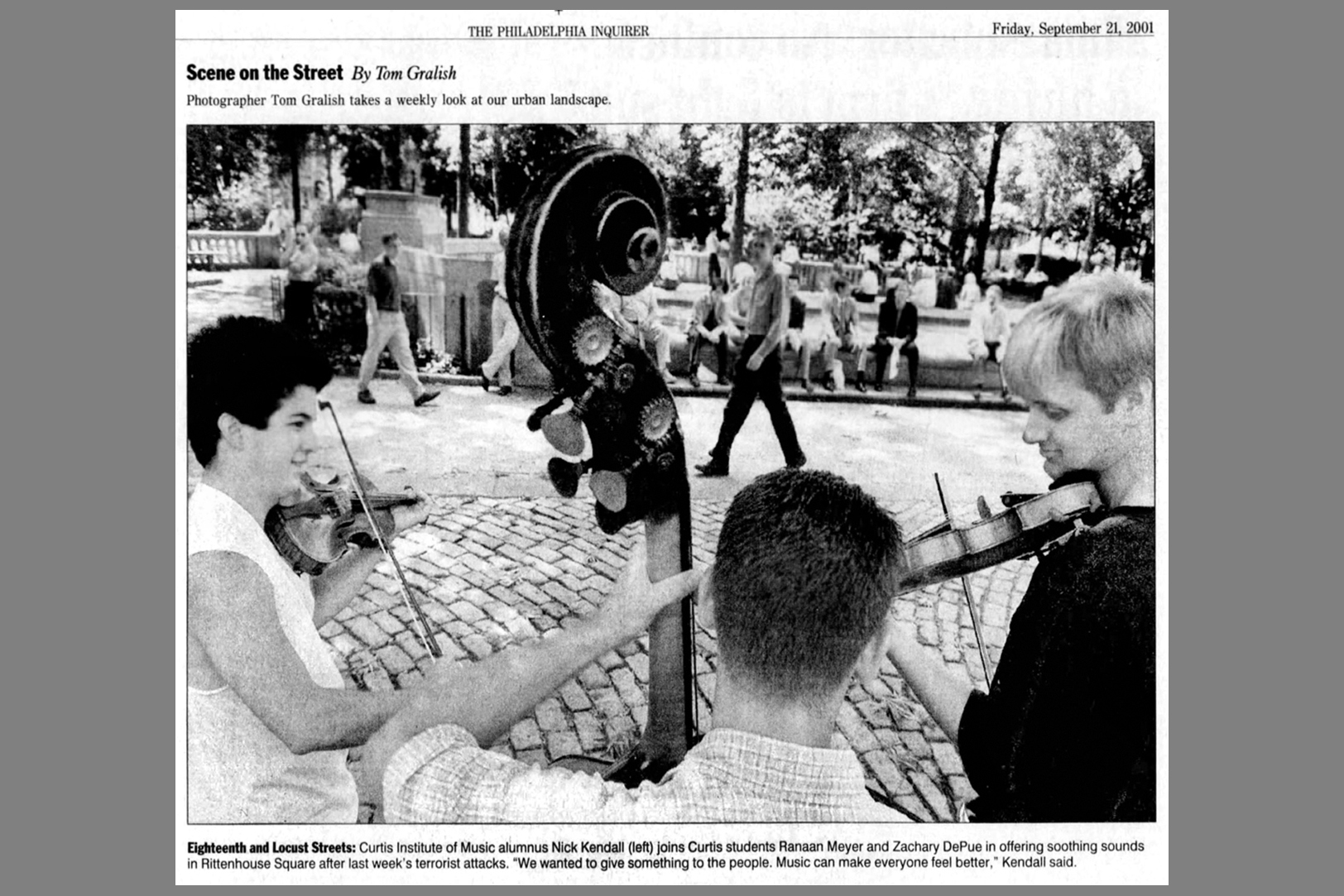
One of the most memorable moments for me that week was hearing the soothing sounds of a classical trio in Rittenhouse Square. Curtis Institute of Music alumnus Nick Kendall was joined by current Curtis students Ranaan Meyer and Zachary DePue offering their talent to “give something to the people,” Kendall told me. “Music can make everyone feel better.” They called themselves Time for Three, and over the years I ran into them on other assignments, as they went on with their careers in music.
Five years ago for our story on the 20th anniversary of 9/11, I was in the Western Pennsylvania borough of Shanksville to visually report on the nearby Flight 93 National Memorial, where a pathway marks the final flight path of the Boeing 757. A marble wall stands with the names of the 40 passengers and crew, the crash impact site serving as their final resting place.
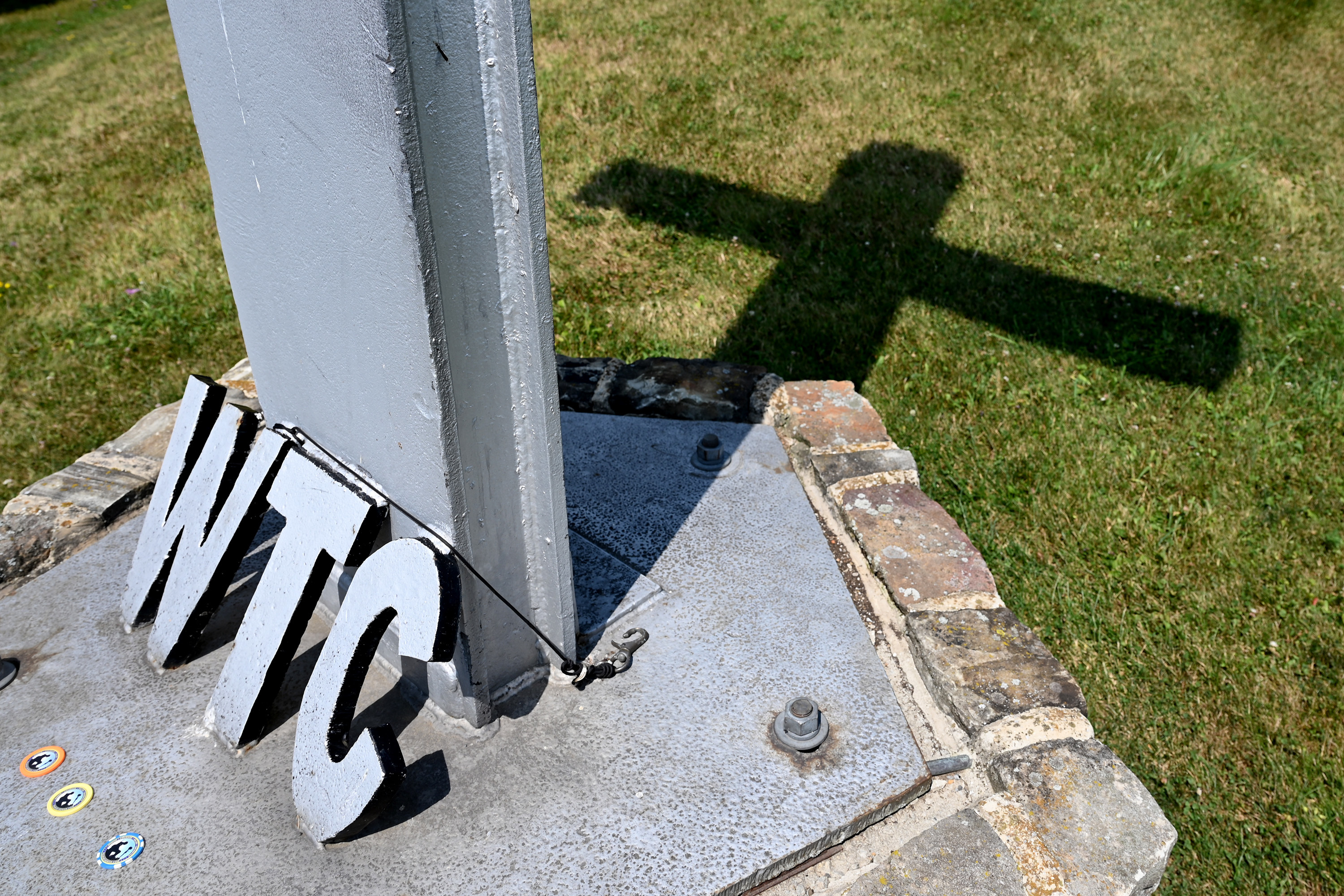
For another photo essay that year, I visited some of the hundreds of artifacts — steel fragments of the World Trade Center — that were distributed across the U.S., and beyond, to create local memorials.
A cross made of World Trade Center steel from the North Tower is outside Shanksville Volunteer Fire Company Aug. 12, 2021. There are 154 artifact pieces in New Jersey towns, 82 in Pennsylvania.Tom Gralish / Staff Photographer
Since 1998 a black-and-white photo has appeared every Monday in staff photographer Tom Gralish’s “Scene Through the Lens” photo column in the print editions of The Inquirer’s local news section. Here are the most recent, in color:
Among the most common types of newspaper photo assignments, I have a least favorite: a portrait of someone being interviewed by a reporter. Or being interviewed by a bunch of reporters. (Don’t worry, this is not a half-empty glass gripe. Keep reading, it’s actually a positive post.)
On TV they’re called “talking heads” and in still photos they’re “headshots.” But they’re not really heads. Their sole purpose is to show viewers/readers what a person looks like. A face.
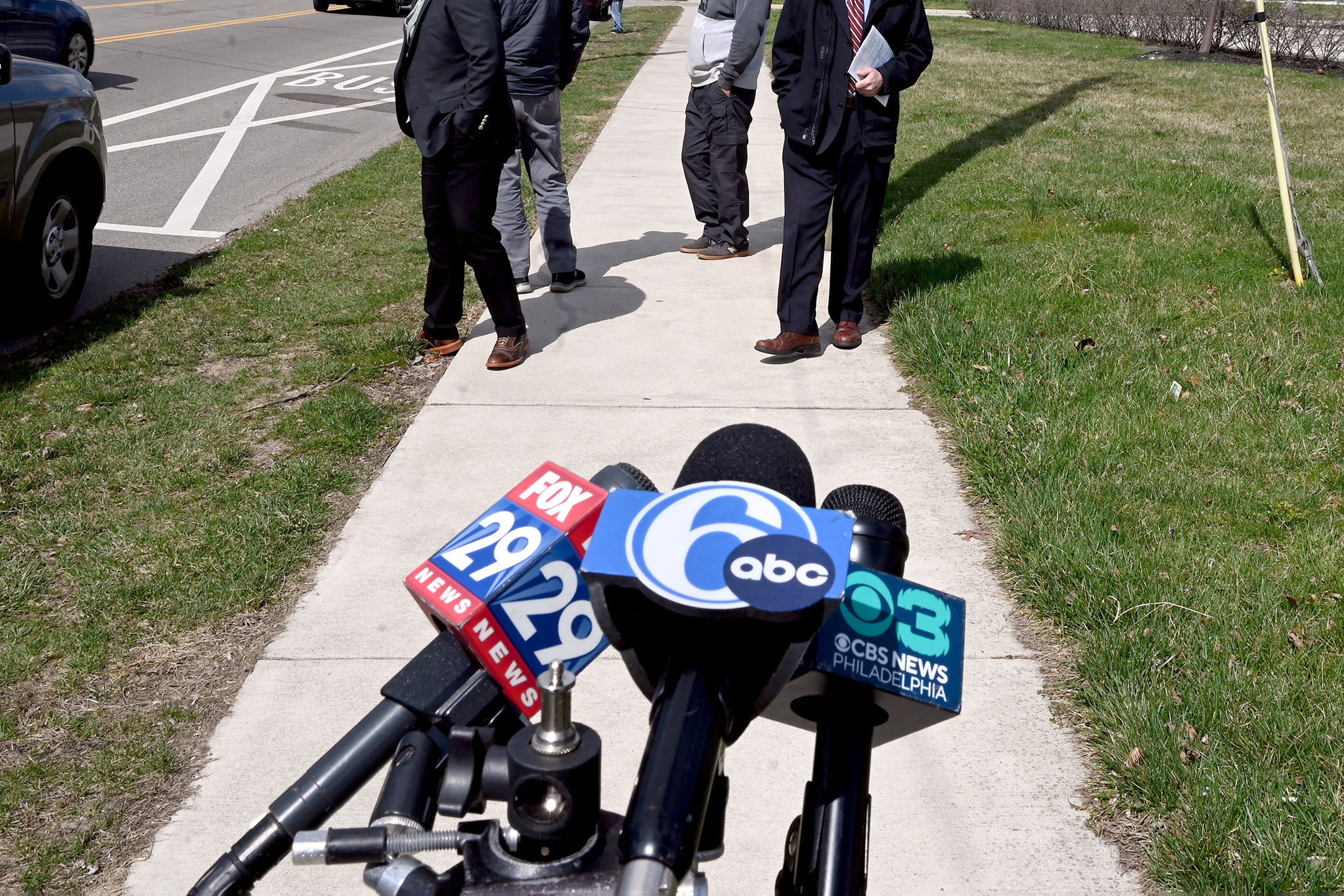
Attorneys arrive for a press conference after filing a civil lawsuit Mar. 19, 2024.Tom Gralish / Staff Photographer
A while back, possibly while focused on a person standing behind a bank of microphones, my mind wandered and I started to think about different ways of photographing the press conference. Call it an anti-headshot.
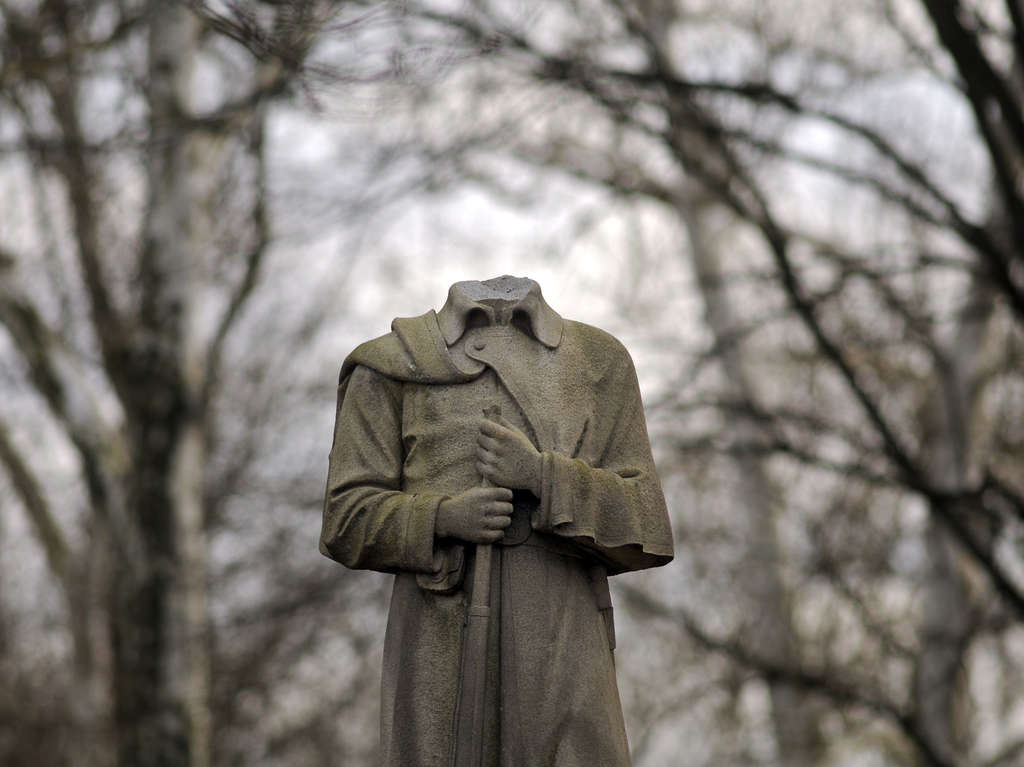
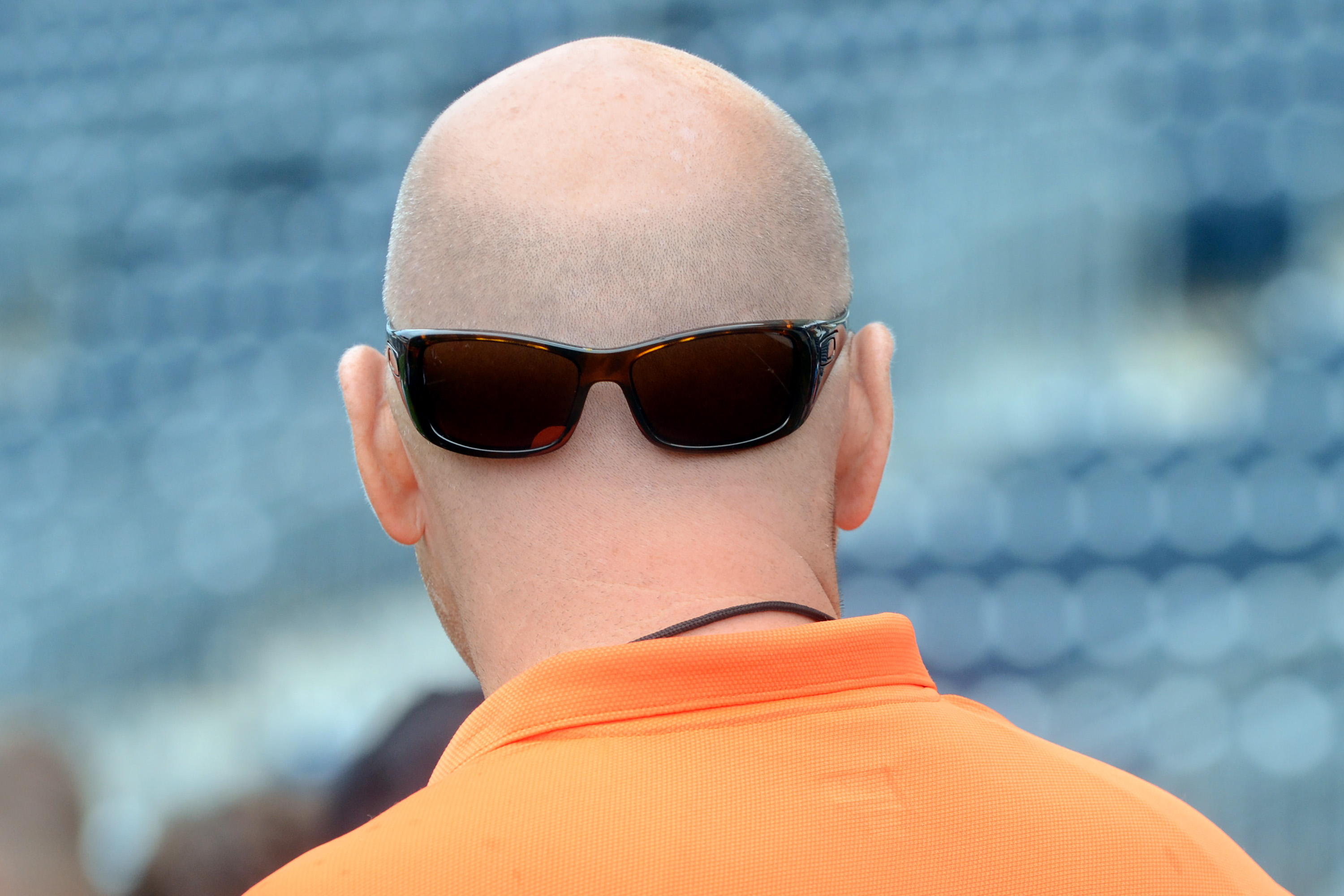
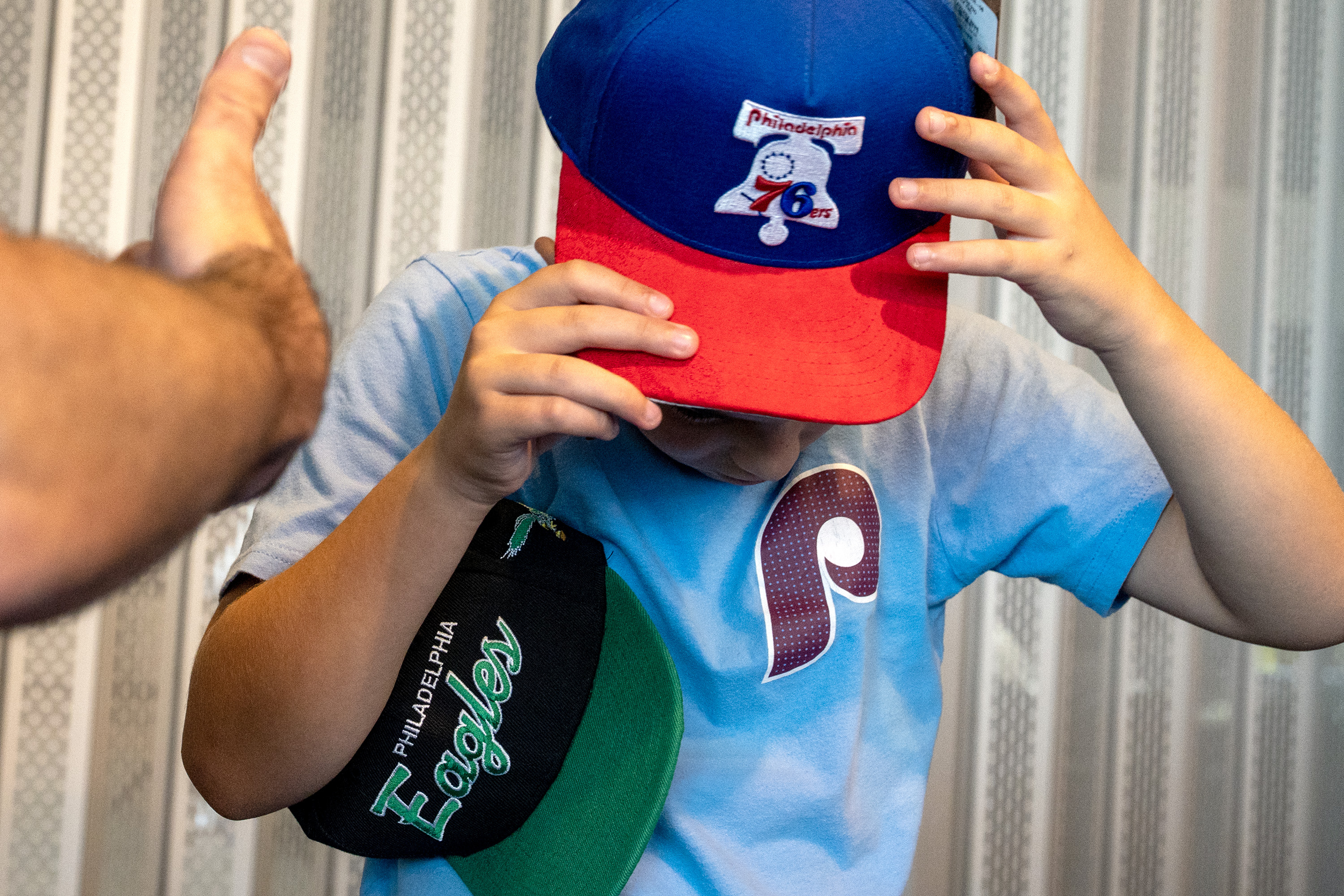
That evolved into something I continued, collecting unconventional views of non-faces.
A vandalized Civil War memorial in Bridgeton, N.J., Jan. 31, 2012.Tom Gralish / Staff PhotographerMajor League Lacrosse team practice at PPL Park in Chester Aug. 23, 2013.Tom Gralish / Staff PhotographerA fan of all Philly teams shopping for Sixers merchandise and jerseys Aug. 25, 2026.Tom Gralish / Staff Photographer
At some point, maybe with more press conference daydreaming, I wondered what if… Say the images ended up on an art gallery wall? A highfalutin critics might say something like “the work is a meditation on our identity and desire to be seen. Gralish turns the idea on its head (no pun intended), showing us images that conspire against the countenance, and therefore, counter the very premise of a portrait.”
If I weren’t having fun with photography I would have stopped doing it decades ago.
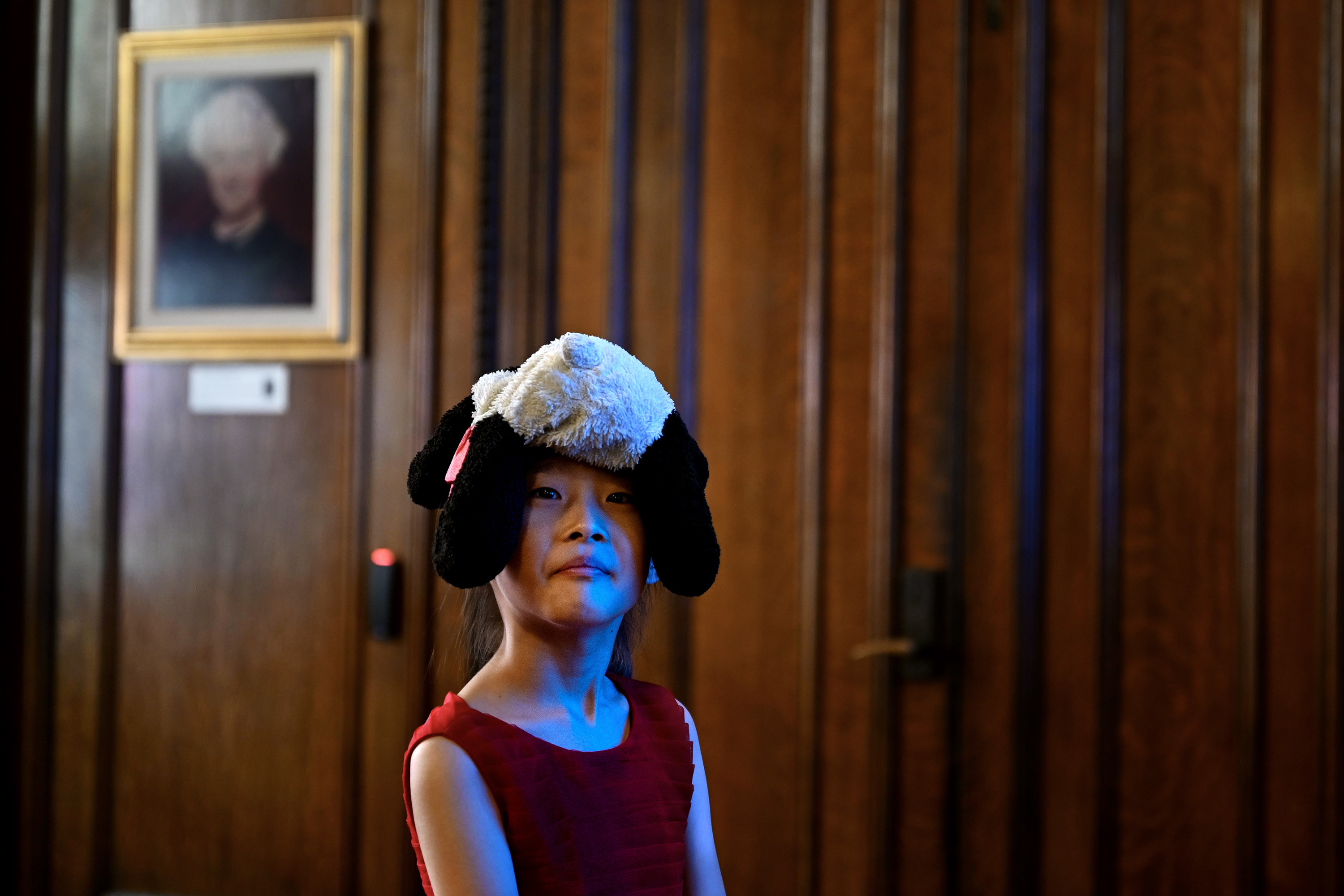
My “funnest” assignment this week? My colleague Peter Dobrin’s sweet story of a musical prodigy, and what it takes to get into a top music conservatory while still in elementary school.
Seven year-old pianist Olivia Li with her stuffed panda in the lobby of the Curtis Institute. She began studying the piano at age four and will receive a full-tuition scholarship to the prestigious institution. On the wall is a Norman Rockwell painting of Curtis founder Mary Louise Curtis Bok Zimbalist (1877–1970).Tom Gralish / Staff Photographer
As is often the case with businesses and institutions, the public relations department always has ideas of how to pose the picture — usually with their sign, name or logo prominent. After photographing the young pianist playing — with an extender to reach the piano’s pedals — I just watched her as we toured the conservatory.
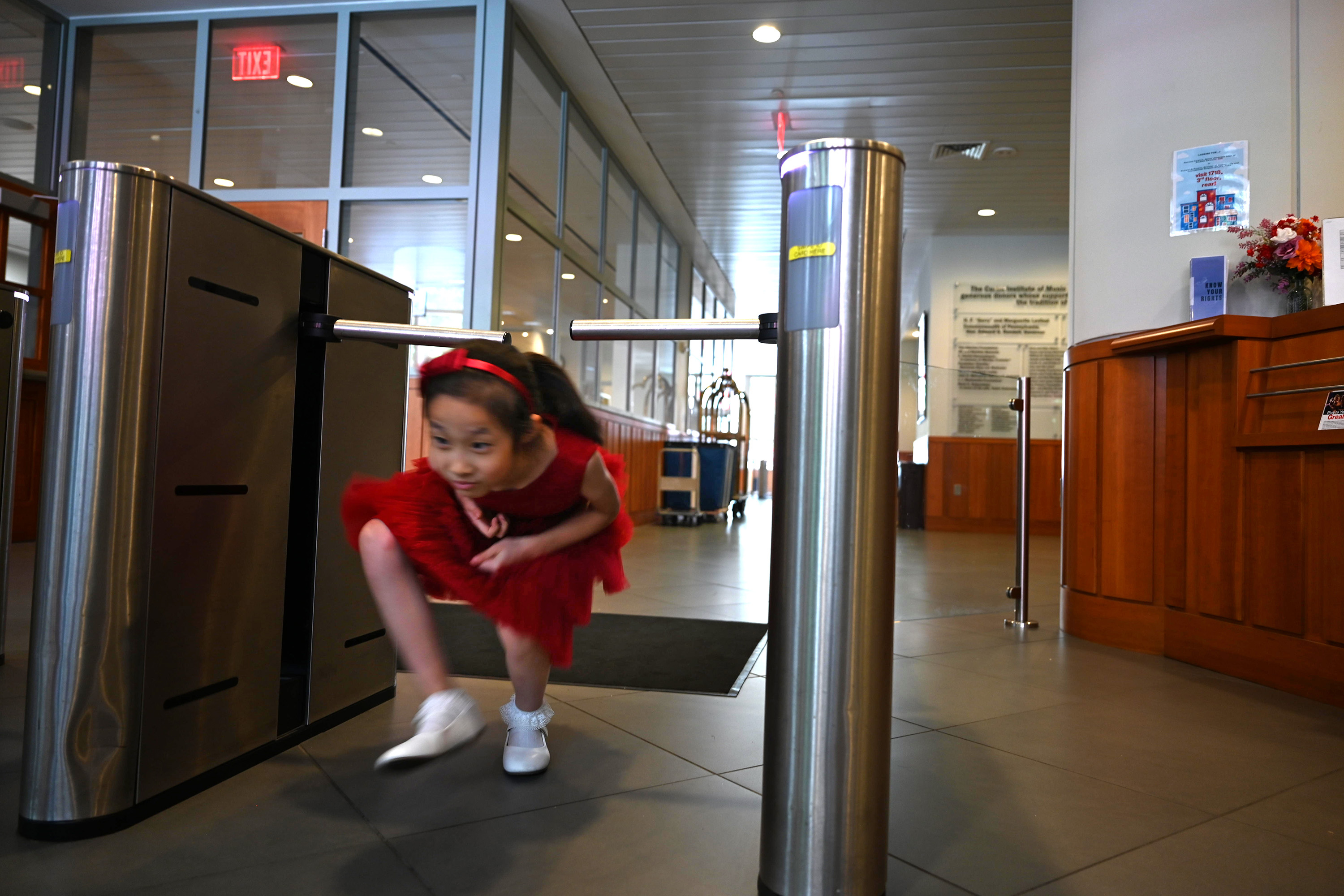
I prefer letting things unfold in front of me, anticipating what a person might do. Sometimes it works, and sometimes it doesn’t. I wondered how Olivia would pass though the security entrance. I guessed correctly — but used too slow a shutter speed. But, my glass was still half full. I had plenty of good photos (even one that likely made Curtis happy — with their name displayed).
Having just one person to focus on is a joy, but I also love photographing when there are lots of people and lots of action at events or gathering. The difficulty for me is just dealing with the visual overstimulation. Sometimes there is just too much going on.
Over the years, I have learned how to cope. I try to find one or two people in the crowd, meet them, and let them get used to me and to being photographed. Then I watch for them throughout the rest of the time I’m there. Sometimes even arriving early.
Tanisha Ortega and her daughter Ahlaura Conley, 7, are the first to arrive, before the gates even open getting an early start on second grade at McClure Elementary Aug. 24, 2026 on the first day of school in the Philadelphia.Tom Gralish / Staff Photographer
That way, no matter how distracted I get as my head is spinning around while I keep turning to see things happening all around me and missing other photos while I write down names, I always have those first folks I can return to.
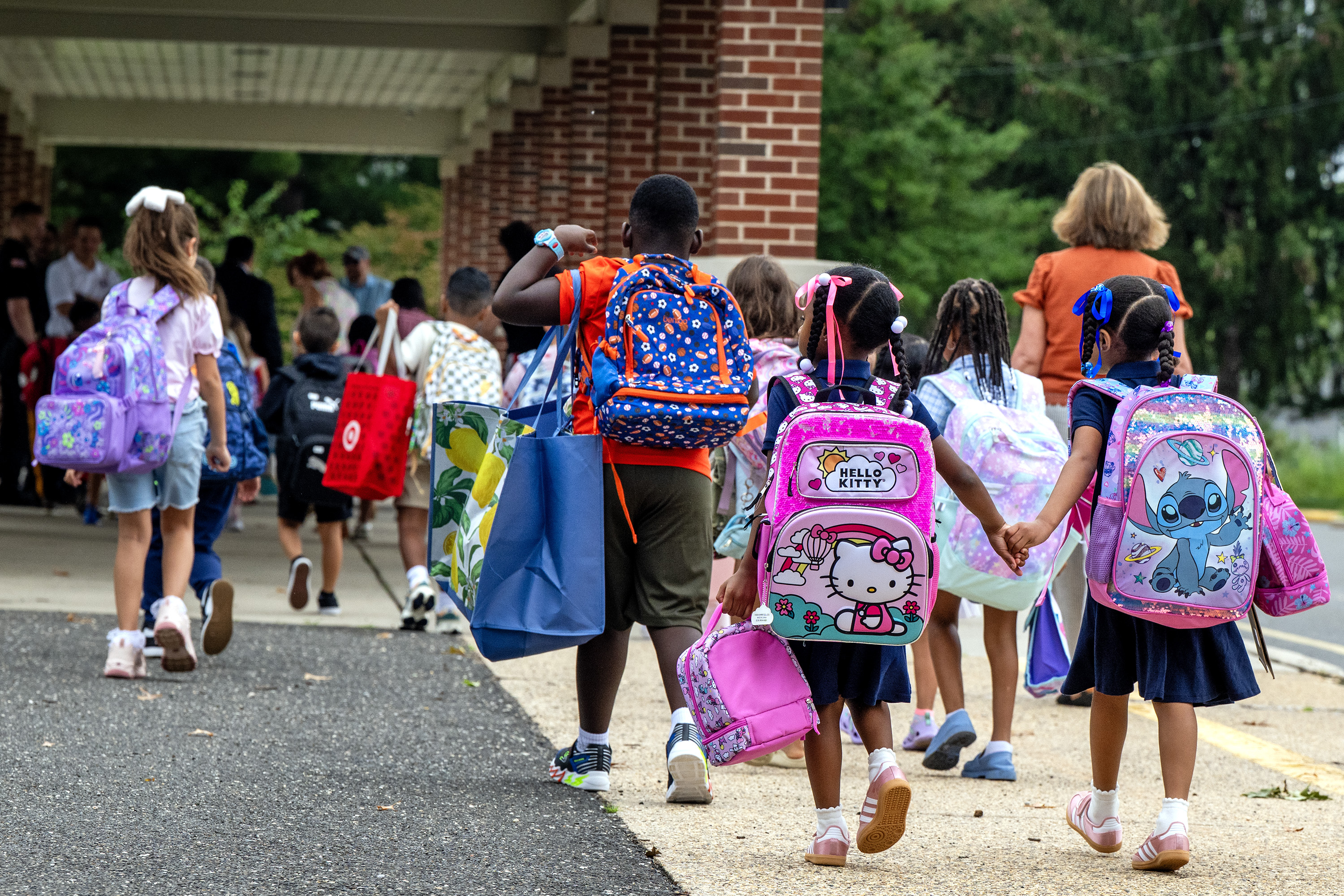
That brings me back to the photo at the very top. I had noticed officials looking out of a window of the district’s bus on its annual Back-to-School Celebration visit to schools all around Philadelphia.
But I knew I had my photo when Superintendent Tony B. Watlington Sr. (at far left in the photo) started to gather everyone together for a group photo outside the bus and the president of the principals union showed up in the window. (She then left the bus to join in the photo.)
Since 1998 a black-and-white photo has appeared every Monday in staff photographer Tom Gralish’s “Scene Through the Lens” photo column in the print editions of The Inquirer’s local news section. Here are the most recent, in color:
This week Philly teachers were prepping for the start of a new school year and I went to Fanny Jackson Coppin School in South Philadelphia to photograph them hanging posters, arranging desks, taking new books out of boxes, and opening packages of supplies,
I walked from classroom to classroom, saying hi and introducing myself. Most were happy to have me come in and show the newspaper’s readers how they spend hours making their room feel welcoming and comfortable.
I was definitely feeling at ease by the time I got to the first grade classroom of teacher Lauren Cucinotta.
Because I wrote just last week about the senses triggering memories I was expecting all morning that what’s known as the “Proust phenomenon” would kick in. But it wasn’t the waxy smell of the crayons.
No, as a visual person it was the sight of a cup full of freshly sharpened pencils.
There is nothing more basic, more ordinary than a pencil — well except maybe for paper. But then we get into a chicken or the egg thing, and I don’t want to go there, so I’m sticking with pencil.
All those little points of graphite evoke a feeling of possibility. More than being ready to make the first marks of a new school year, I see them representing a clean slate (page) or even a new way to look at an annual recurring photo assignment.
You can’t see them in the photos, but for a moment even the erasers at the other end of the pencils evoke memories of my own first days of school and remind me that yesterday’s mistakes do not have to follow me into today, that there is always something new to see and photograph.
That’s enough navel gazing for one column, so let’s talk about this week’s installment of my colleague Elizabeth Wellington’s series highlighting a Philly “first” for the ongoing celebration of America’s 250th birthday. This week celebrated the first selfie still in existence, which was taken in Philadelphia in 1839.
They were first called self-portraits, and before smartphones, they involved putting cameras on tripods or tabletops and using timers or long cable shutter releases. Photographers — especially after small 35mm cameras came along — did use a wide-angle lens with the “extend your arm” technique, and the first I can remember seeing was when our wedding photographer took one of himself with me and my bride.
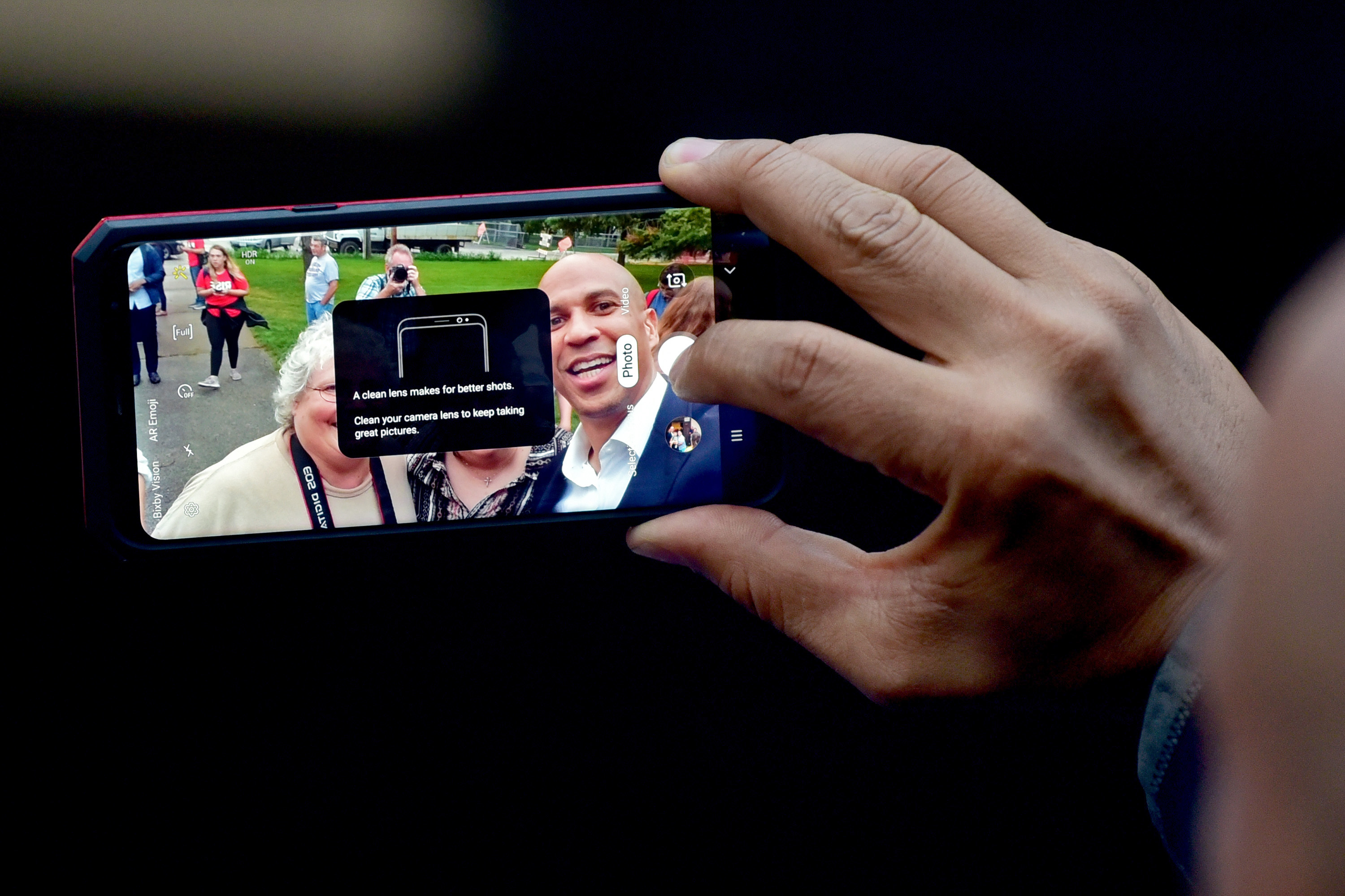
That’s a cherished selfie, but my all-time favorite selfie is one with U.S. Sen. Cory Booker when I spent time with him in Iowa during his short-lived 2020 presidential campaign. And since then, often on his home turf, in New Jersey. You can see me in the background — right behind the helpful photography tip a supporter’s cell phone offered (he cleared the message before taking the photo).
Which brings me to a few other photos to share from this week:
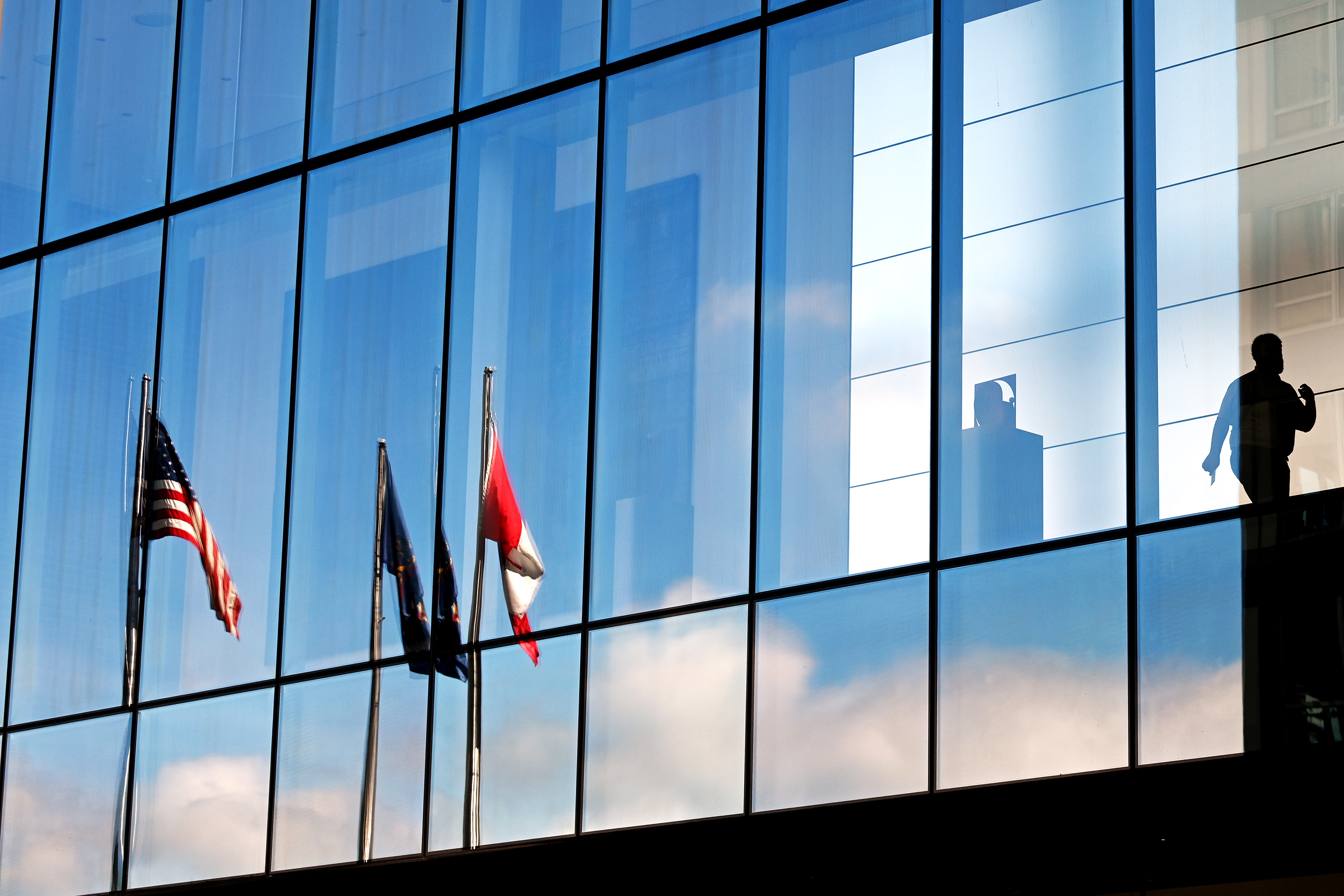
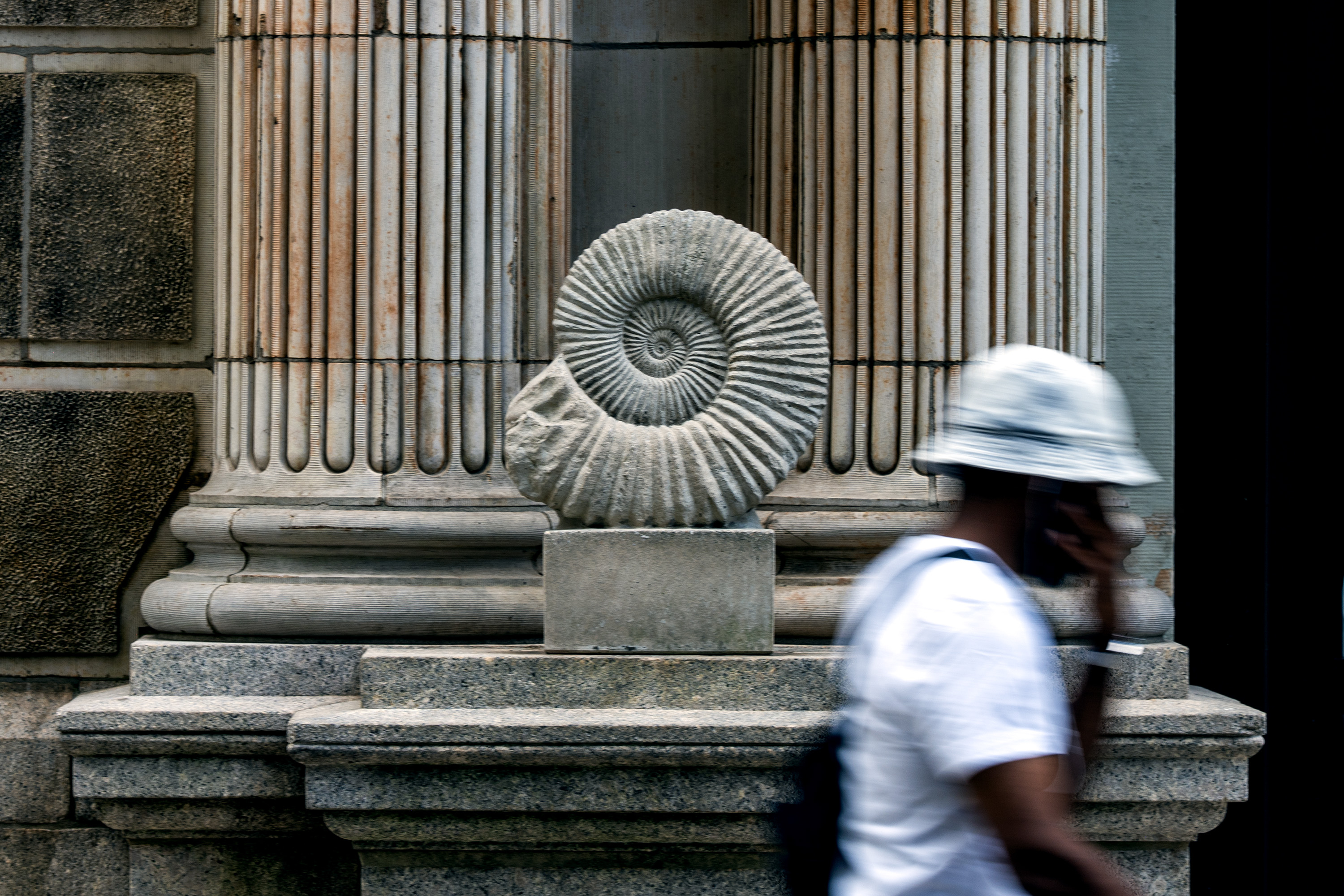
Flags and a bright blue sky are reflected in the windows of a Center City Philadelphia hotel on Monday.Tom Gralish / Staff PhotographerOne of two shell sculptures placed on either side of the entrance on the 19th Street entrance to the Academy of Natural Sciences of Drexel University on Monday. Created by unidentified artists and installed in 2010, a Philly public art website describes the small shell sculptural details as a “complement [to] the museum’s historic focus on malacology (the study of mollusks and their shells).”Tom Gralish / Staff Photographer
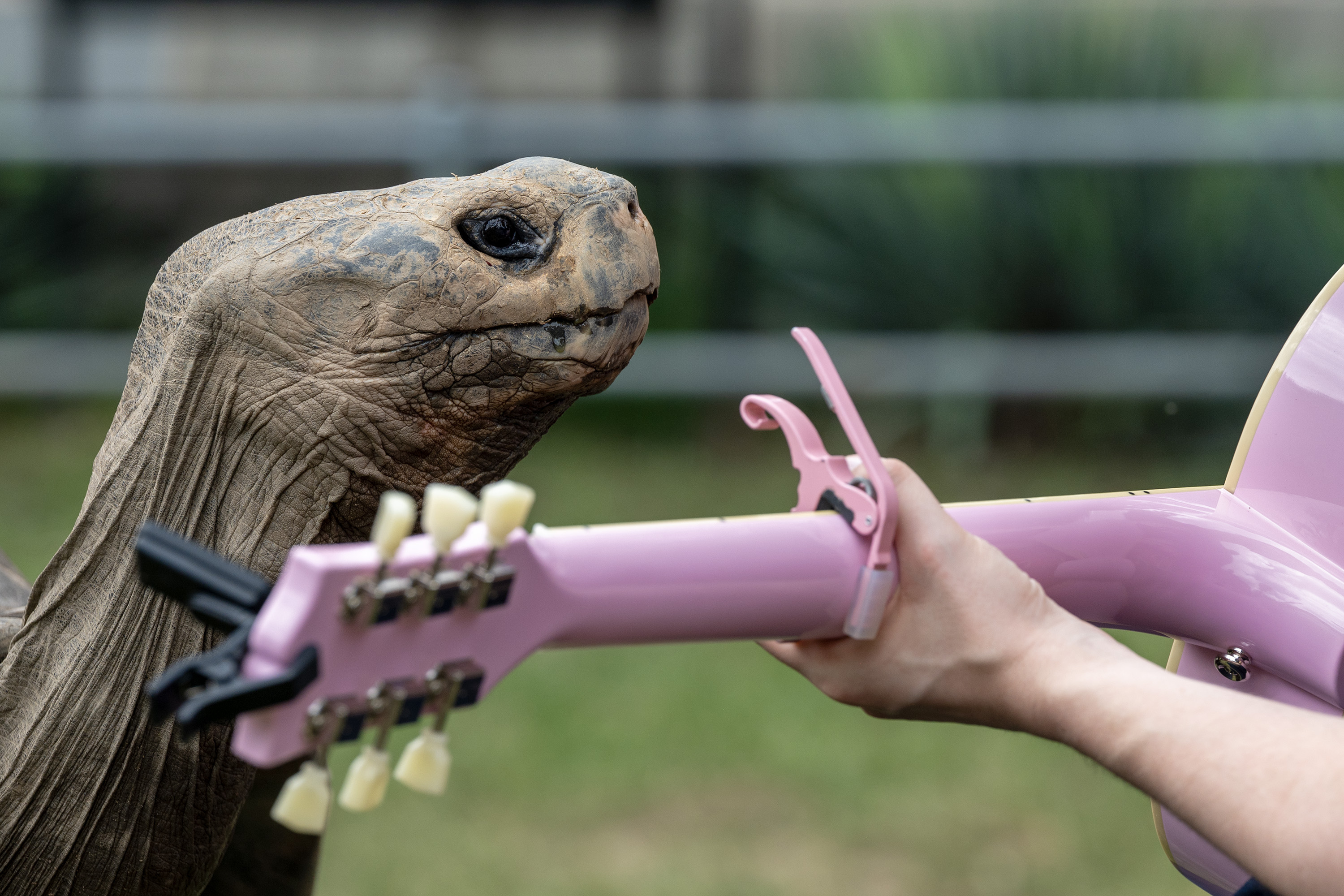
And a story I wrote this week on viral French singer-songwriter and animal advocate Loris Assadian, known as Plumes, who sang for tortoises at the Philly Zoo.
Assadian serenades Abrazzo, a Western Santa Cruz Galapagos tortoise estimated to be around 97 to 100 years old.Tom Gralish / Staff Photographer
Since 1998 a black-and-white photo has appeared every Monday in staff photographer Tom Gralish’s “Scene Through the Lens” photo column in the print editions of The Inquirer’s local news section. Here are the most recent, in color:
Say you’re delivering packages, pizzas, or people. Or you’re a newspaper photographer out looking for pictures. If you’ve been driving around a city for a few years, the streets might seem ordinary, but then something about an intersection, a store front or a sign gives you that feeling of Déjà vu.
Of all our senses, sound, taste and smell are usually considered the most powerful memory triggers. Like when Sam “Plays it again” in Casablanca or Anton Ego tastes Remy’s ratatouille. Or when any of us open a brand new box of Crayola crayons.
But as a photographer it is the visual reminders that are powerful. Driving in the city I am always taken back to a graduation party I photographed down a particular street, or the sunset I framed. Or how I negotiated a hill in a snowstorm, or covered a shooting on that block.
Sometimes I feel like I have been leaving bread crumbs behind me as I drive everywhere, waiting to be remembered.
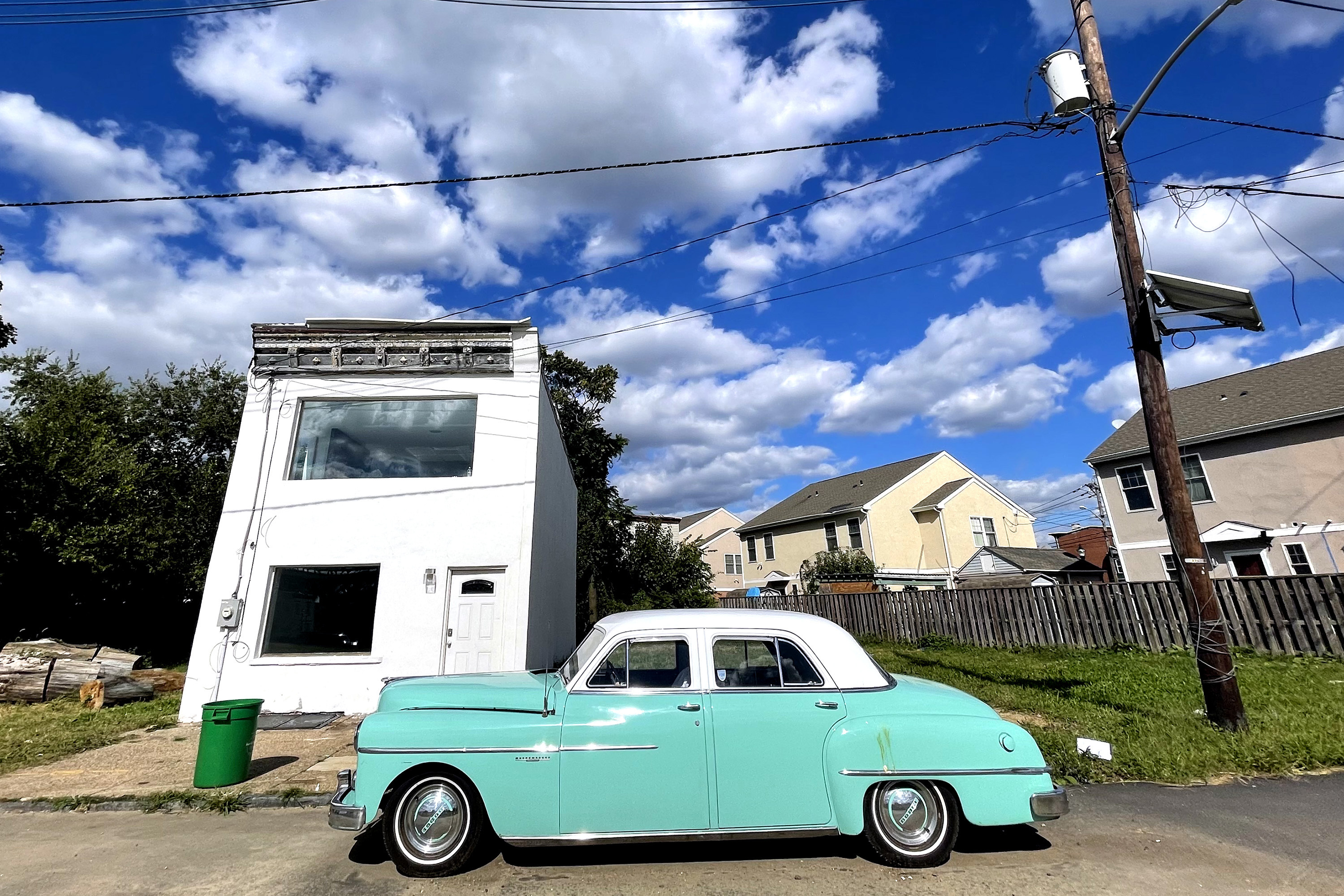
A 1950s Dodge Meadowbrook parked near Front and Main Streets in Camden.Tom Gralish / Staff Photographer
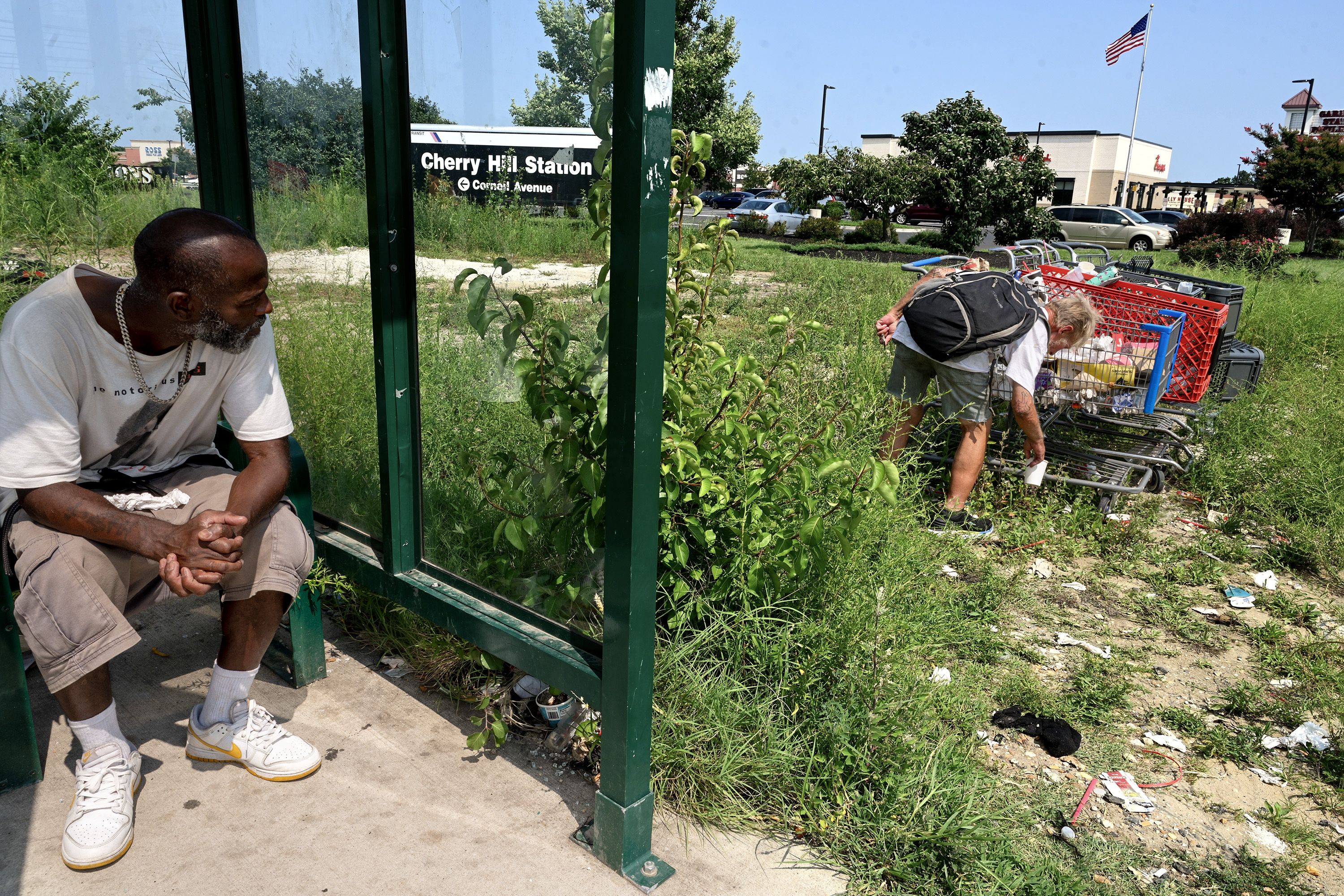
Stalled in backed-up traffic for the ongoing construction on Rt. 70 in Cherry Hill last week, I glanced over at a bus shelter. I recalled years ago seeing riders standing in the slim shadow of a utility pole to get just a tiny bit of some shade from the sun while waiting for their bus.
They waited next to a multimillion dollar retail development on the site of the former Garden State Racetrack. The mostly minimum wage workers who rode the bus to their jobs there didn’t even have a bench to sit on — let alone relief from the elements while waiting to go home. Back then I photographed commuters sitting on overturned shopping carts and tried to interest an editorial writer to take up their cause.
Eventually, a bench was put there, and a few years later a shelter was installed. But as I sat in my car the other day, it still didn’t look right. I turned into the shopping center and walked over.
Wayne Peters picks up trash while waiting for a bus with Bobby White.Tom Gralish / Staff Photographer
Wayne Peters tells me he’s been taking NJ Transit’s 406 bus to and from Camden for about two years, and says this stop has “gotta be the worst in the state.” He says he always picks up trash when he’s there, and adds more to the piles already in the shopping carts that serve as receptacles.
Fellow rider Bobby White added, “You’d think something in Cherry Hill would be better. How hard would it be to put a trash can here?” Before their bus arrives, Peters, trying to be positive about the shelter, reminds him “They fixed a broken window once.”
Another thing about revisiting so many corners of our region is it becomes easy to think I’ve seen it all. And then I hear about a place I didn’t know anything about.
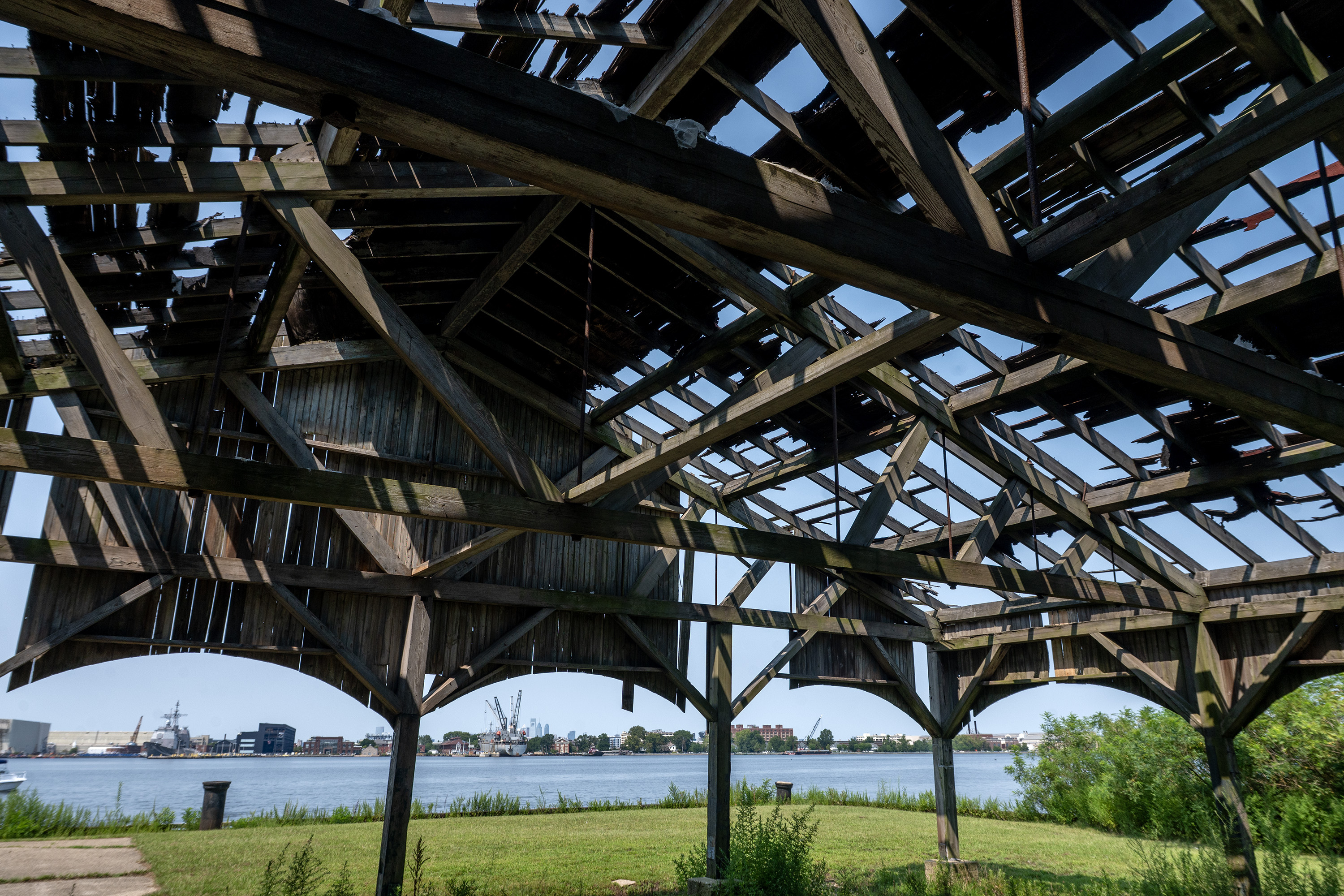
A semi-retired friend from Bucks County and her friend try to take weekly drives every Thursday they call “Highways of History.” Last week she texted me some photos saying “guess where we are.”
My photo of an old wharf and pavilion on the Delaware River Wednesday, Aug. 12, 2026. The Nary Yard in Philadelphia is across the river.Tom Gralish / Staff Photographer
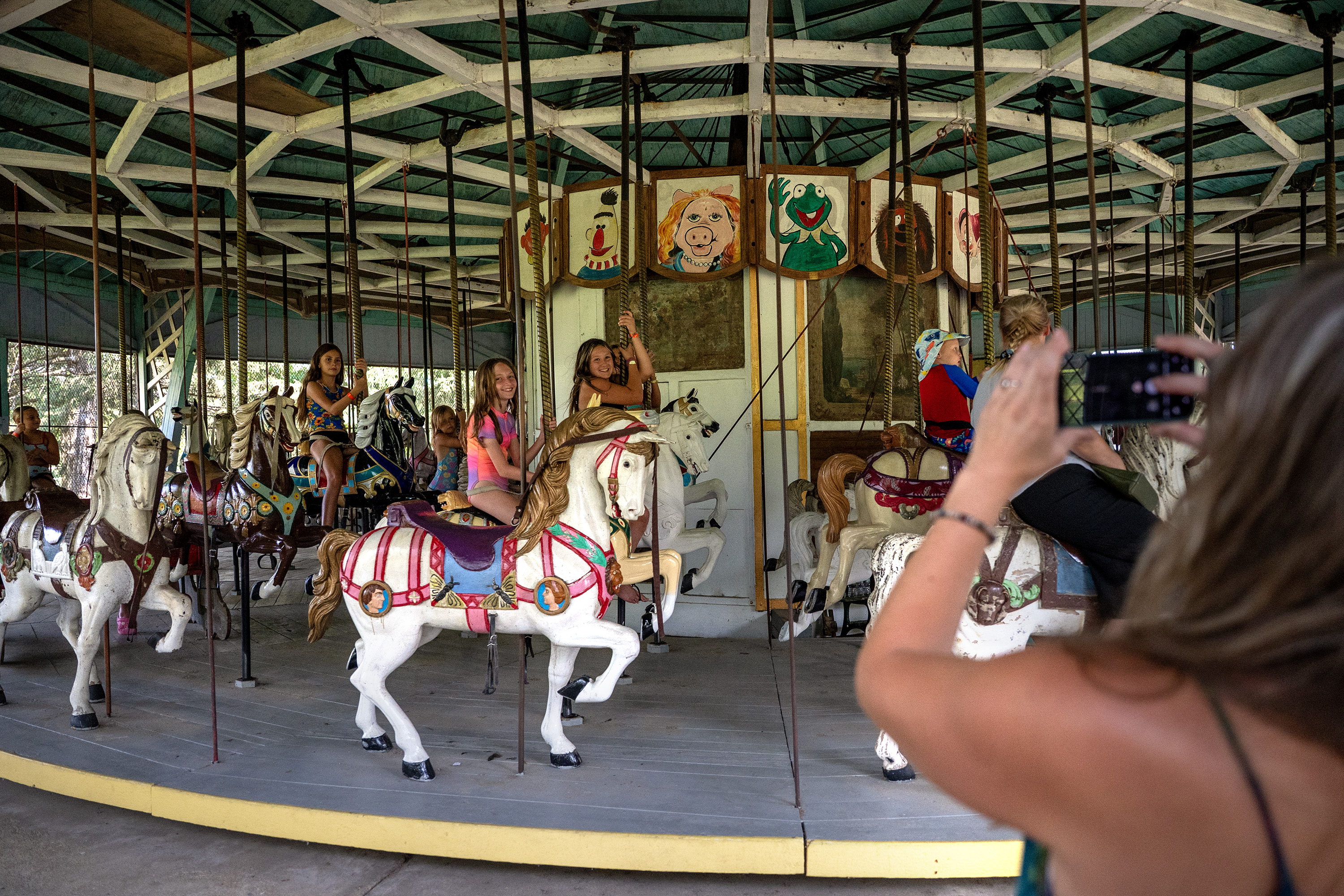
Now in all my years of being like a UPS, DoorDash, or Lyft driver I had never been to the place in her pictures. I could tell from her other stops that she was nearby, which made it even more mysterious. There was a carousel and other things for kids, like a smaller version of the giant covered wooden slide I’d been to at Smith Memorial Playground & Playhouse in Philadelphia’s Fairmount Park.
Just like the well-known Philly playground that is considered a childhood rite of passage, a New Jersey version has been around for well over a century and when she told me it was only twenty minutes from my house I was completely gobsmacked.
Not only had I never even heard of the place as a journalist, but it never even entered my consciousness during those years when my wife and I were constantly googling “things to do with a toddler” finding ways to keep our kids — and ourselves — entertained and out of the house.
She told the me her father took the ferry there from Penn Treaty Park in Fishtown and “spent many a happy day along with hundreds of other poor kids in the 1930s for free soup and crackers and a carefree day.”
It’s called Soupy Island. It was founded in 1877 on an island in the Delaware River by the Sanitarium Association of Philadelphia, a group of doctors who wanted to help sick city kids with tuberculosis recover with fresh air, playtime, and that free soup. When the Delaware was dredged a few years later and the island was wiped out, the camp moved to the mainland, on the Jersey banks of the river.
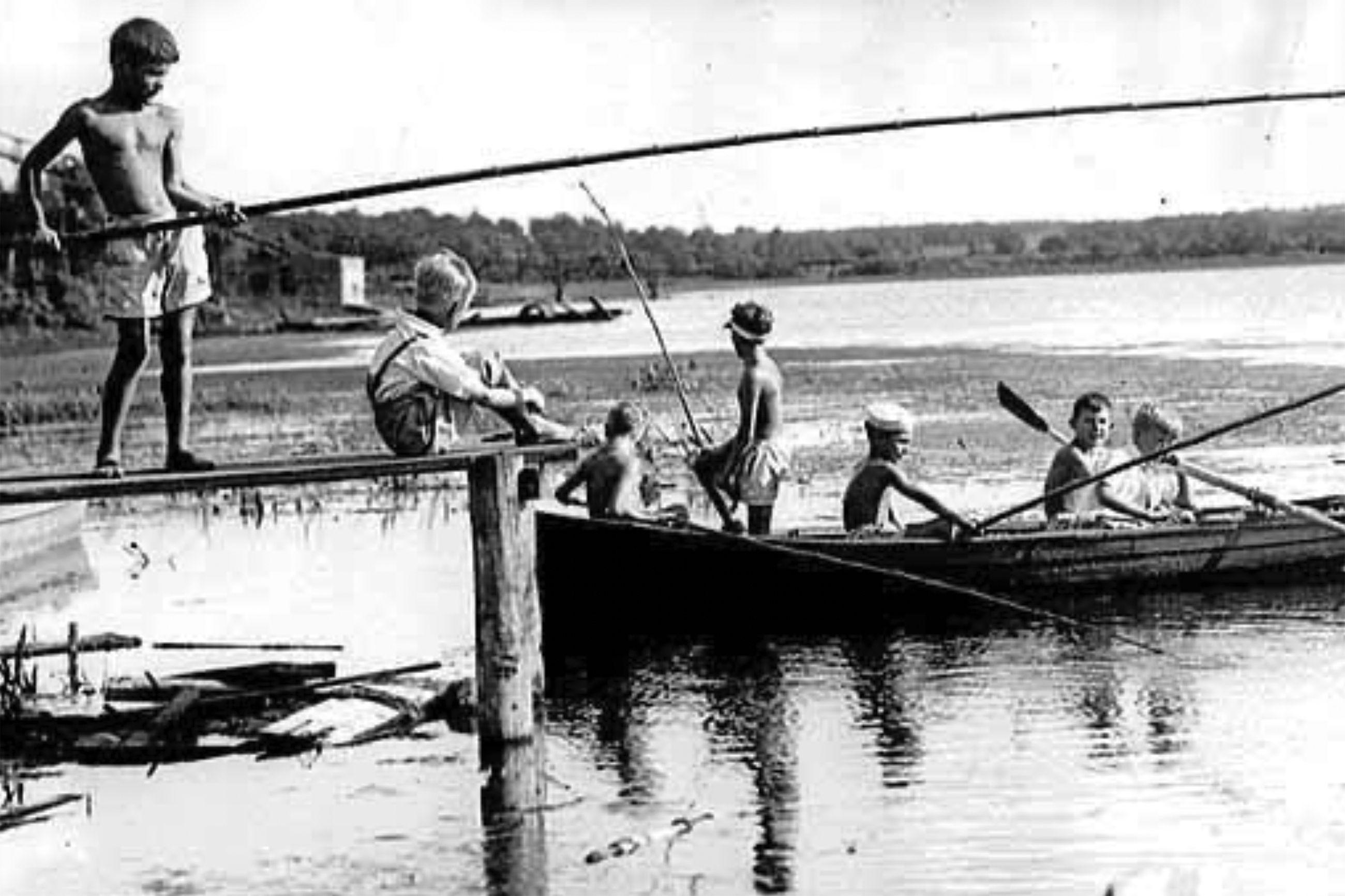
My love of history was sparked and I could not believe the connections. My own father, growing up in St. Paul, Minnesota, was sent away every summer to the “Prev.” He shared many great memories with me of learning how to swim and fish at a preventorium on a lake.
Boys fishing at the Children’s Preventorium on Lake Owasso near Shoreview, Minnesota in the 1930s.Minnesota Historical Society
As its name implies, it was designed to halt tuberculosis among children by getting them away from their crowded, mostly immigrant inner-city neighborhoods and out to the country.
I spent the weekend digging around and reading everything I could to learn all about Soupy Island, amazed to see The Inquirer had done a number of stories about it, even in the years I’d lived here (kids were still coming over by ferry from Penn Treaty well into the 1980s.)
An original 1930s German-made Ferrari-Heyn carousel at Soupy Island.Tom Gralish / Staff Photographer
Seeing that it was closing up for the summer, I planned to reach out the caretaker on Monday to go make pictures. That’s when I learned my colleague, reporter Sarah Nicell, was visiting on their penultimate day of the season. She grew up in South Jersey, and she had never heard of it before either.
Since 1998 a black-and-white photo has appeared every Monday in staff photographer Tom Gralish’s “Scene Through the Lens” photo column in the print editions of The Inquirer’s local news section. Here are the most recent, in color:
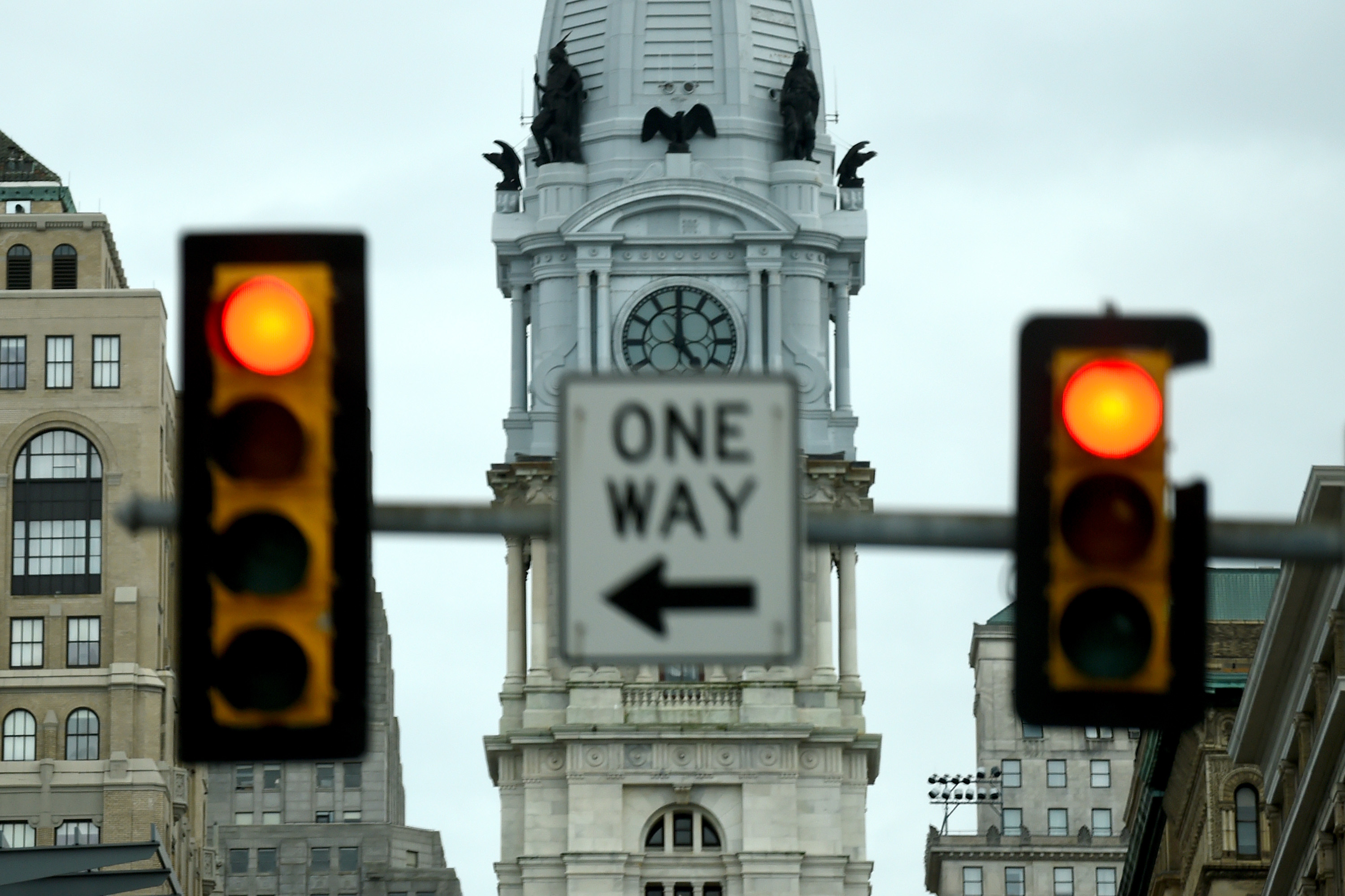
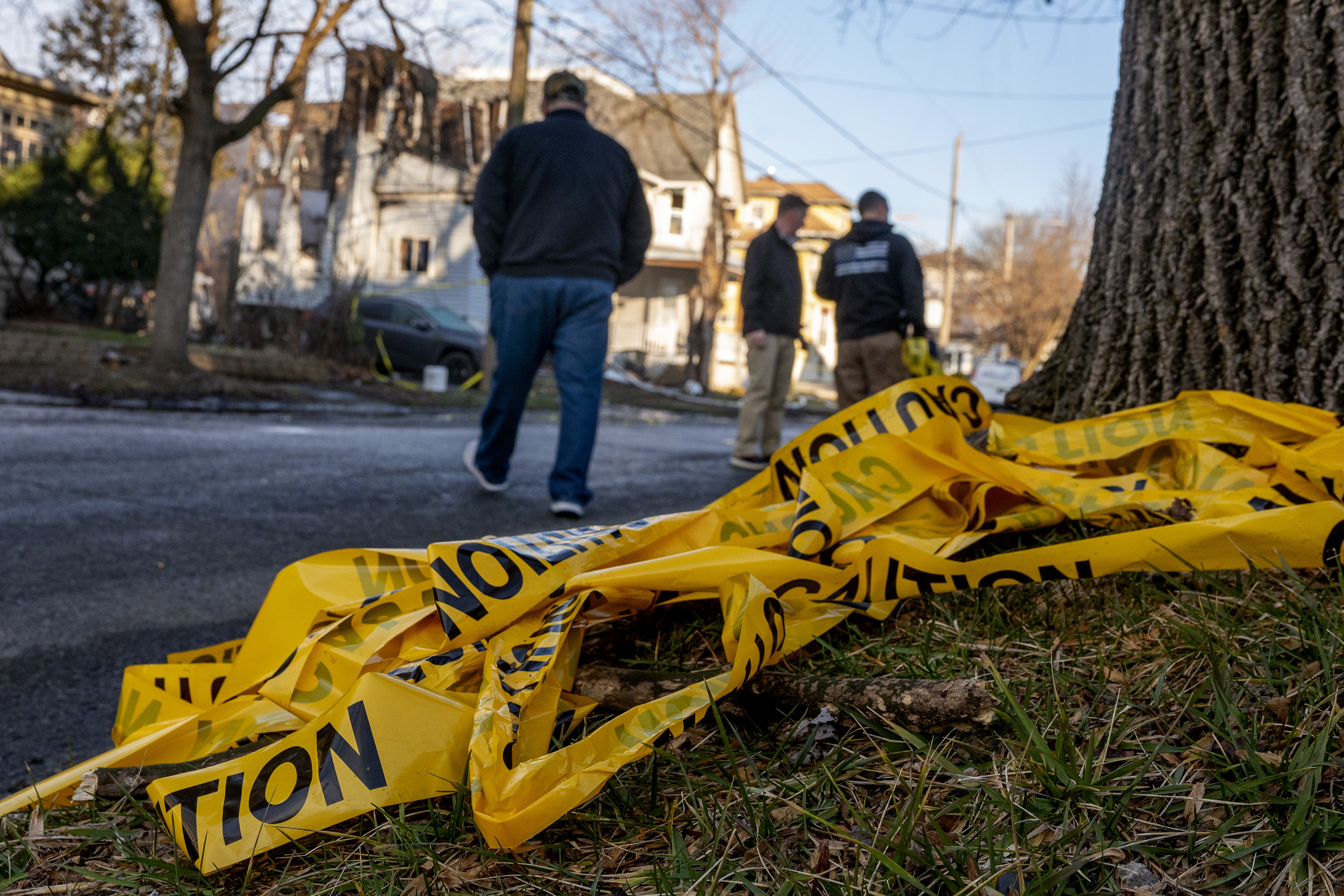
In late July when I covered Montgomery County’s District Attorney announcing charges in connection with two assaults in a Cheltenham High School football locker room, I knew the story was something we would be writing about for some time.
Aware that we used the same photo, taken in 2018, with stories about the high school hazing leading up to the indictments, I left from the DA’s office across the street from the Courthouse in Norristown and drove to the school in Wyncote to take “fresh” ones.
I wrote last week about the web’s appetite for photos. But there’s another kind of photo: the thumbnails that are attached to every story, whether or not they are “live” photos.
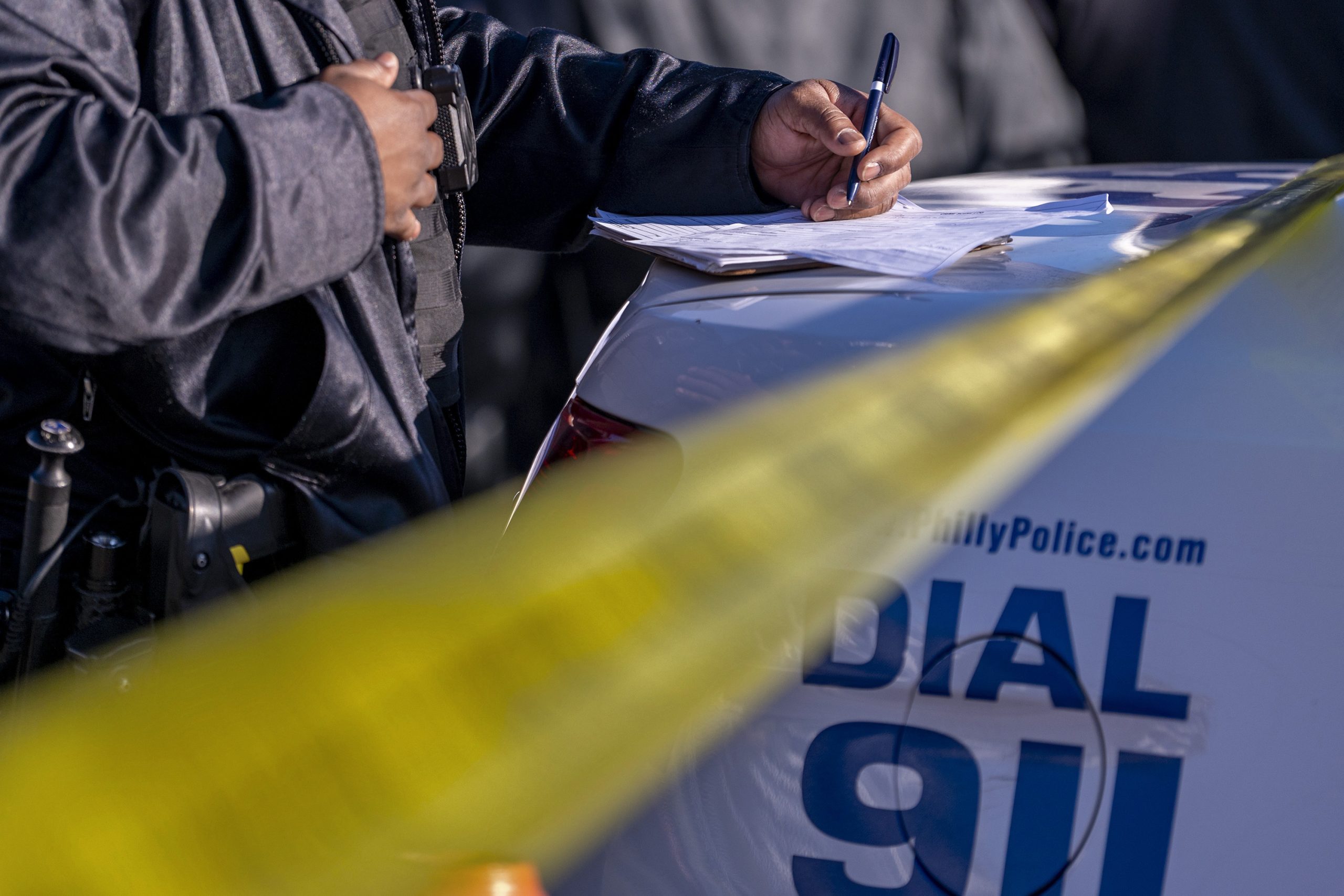
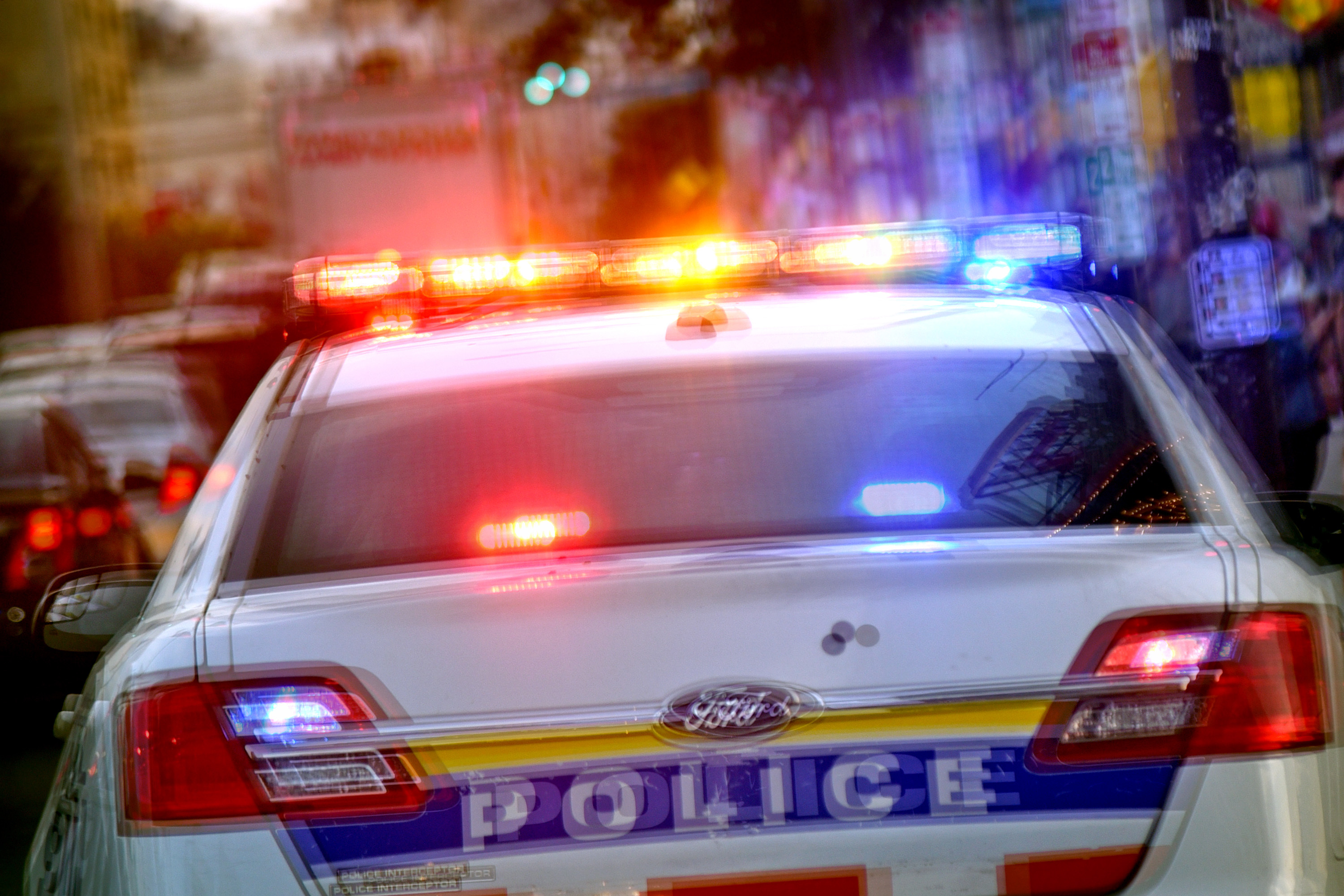
Most of those little horizontal photos — none are verticals — of flashing police lights or yellow tape; headshots of politicians; city street scenes and skyline, or many, many photos of signs and buildings are file photos.
Like the 2018 one of Cheltenham High School. And the July 2026 version — in a variety for views — that I made last week, that already have and will be used again and again.
The frame at the top was made with a aperture of f/22 so I could get both signs in focus, at shutter speed of 1/15 second to blur the passing cars. Getting the window was just good luck.
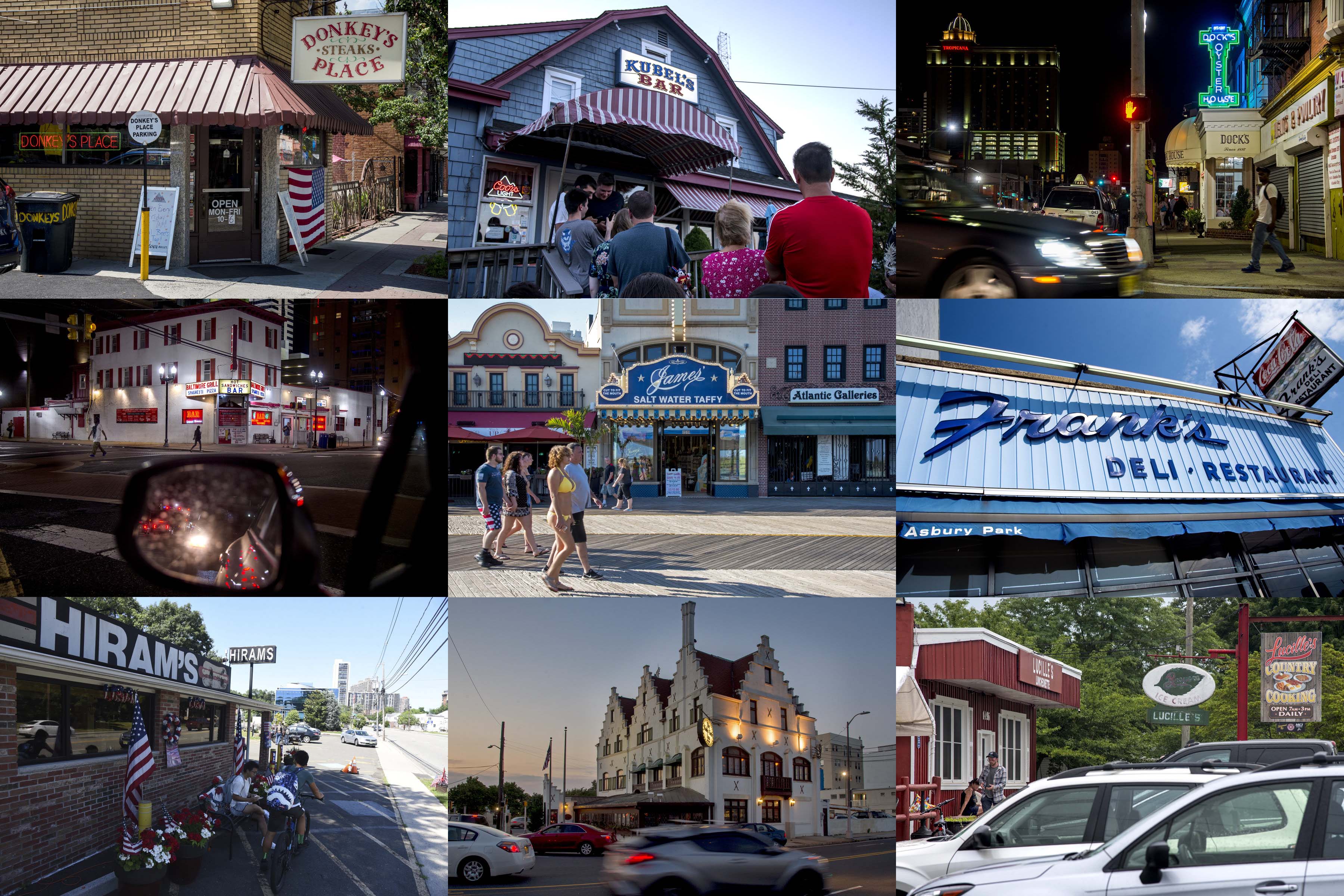
I thought of file photos this week when another one of mine was used in a story about N.J. Gov. Mikie Sherrill declaring a steak place in Camden has better cheesesteaks than the “millions” she has tried in Philly.
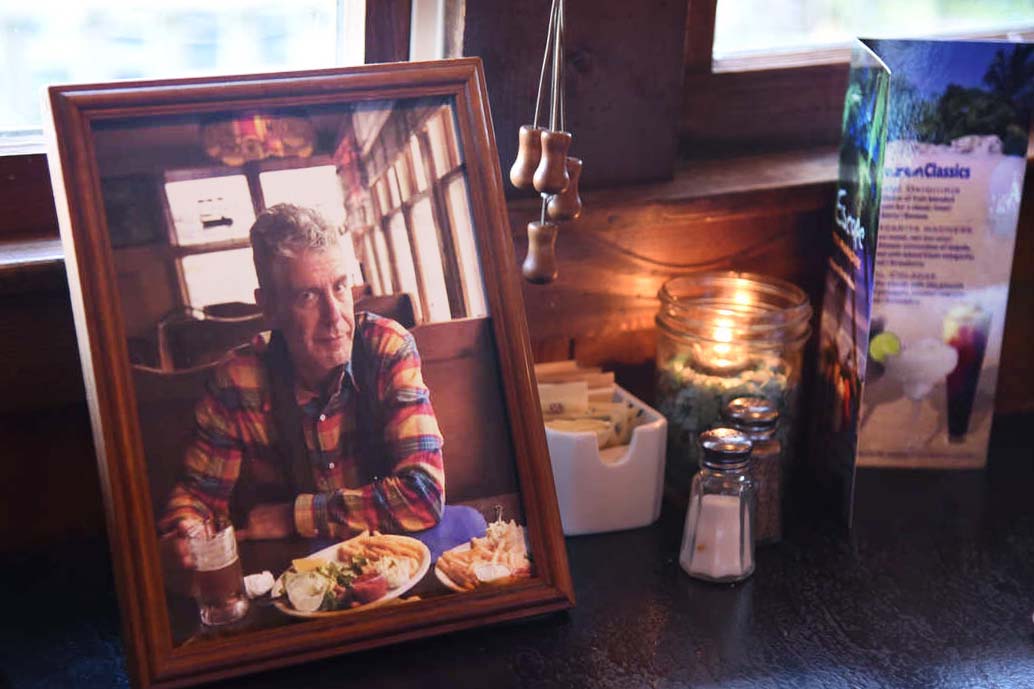
After celebrity chef Anthony Bourdain died in 2018 I set out to photograph — and eat — at some of the food destinations he visited on his Emmy Award-winning CNN show Parts Unknown.
The booth at Kubel’s in Barnegat Light, where Bourdain ate clams with his brother, Chris.TOM GRALISH / Staff Photographer
Following in the footsteps of the globe-trotting adventurer, I flew not to some far-flung place with exotic cuisine but drove instead to all 10 spots he featured in an episode on the food and culture of his home state, New Jersey.
It was one of my top 10 favorite stories of my career. Foodstagrammers had visited many of the places featured in the episode but I couldn’t find any foodies who had been to all of them.
Each one had its own history, personality, and flavor, but together all captured exactly what Bourdain loved about New Jersey: community and authenticity, and incredible food without the pretense.
Donkey’s Place in Camden was one of the most memorable. I made three trips there for the story, and took hundreds of photos while sitting at the bar with cheesesteak aficionados and talking with third generation owner Rob Lucas (his grandfather, Olympic boxer Leon Lucas, had a punch they said was like the kick of a mule).
I could go on about the memories served at each of the places Bourdain was drawn to, but getting back on the file photos track, of all the photos I made that summer, the one image that gets reused the most often is one from Donkey’s, made as I was walking to my car after my last visit.
I paused, waiting for anyone to walk in or out. I’d just spend a couple hours there, and it was slow by then, mid-afternoon, and the light wasn’t that great anyway, so I took a quick picture and left, figuring it’s close by (compared to the other places) and I could come back at lunchtime later.
Of course that never happened before the story published, and the straightforward photo of the outside of the restaurant was used. I had lots of other really good photos (if you haven’t already, click through the embedded gallery). So, no big deal. Except that exterior view ends up being the only photo in our photo library with the Donkey’s sign so it gets used every time we write about the place! And the only picture among the dozens from all the other nine places that ever gets republished (I really need to go back and update).
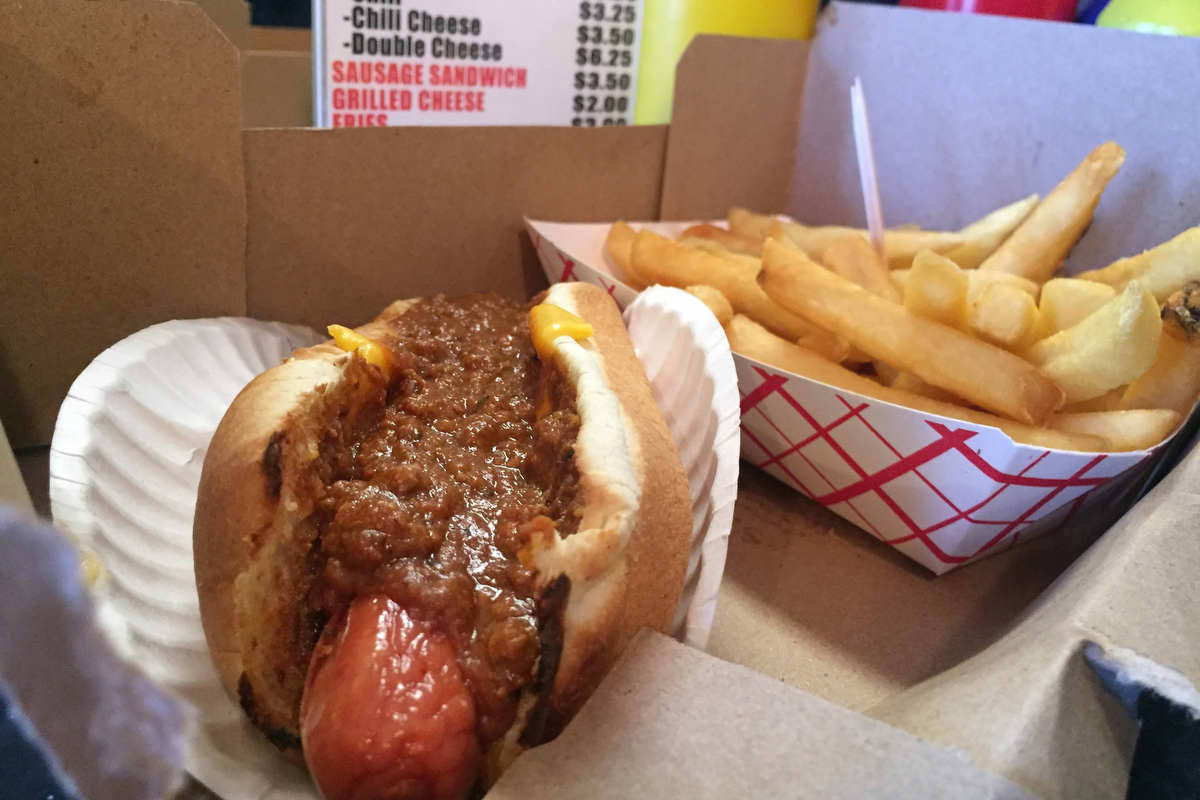
The “ripper” fried hot dog and French fries (with wooden toothpick) at Hiram’s Roadstand, in Fort Lee, one of ten eateries Anthony Bourdain visited in a 2015 episode of his ‘Parts Unknown” TV show in New Jersey.TOM GRALISH / Staff Photographer
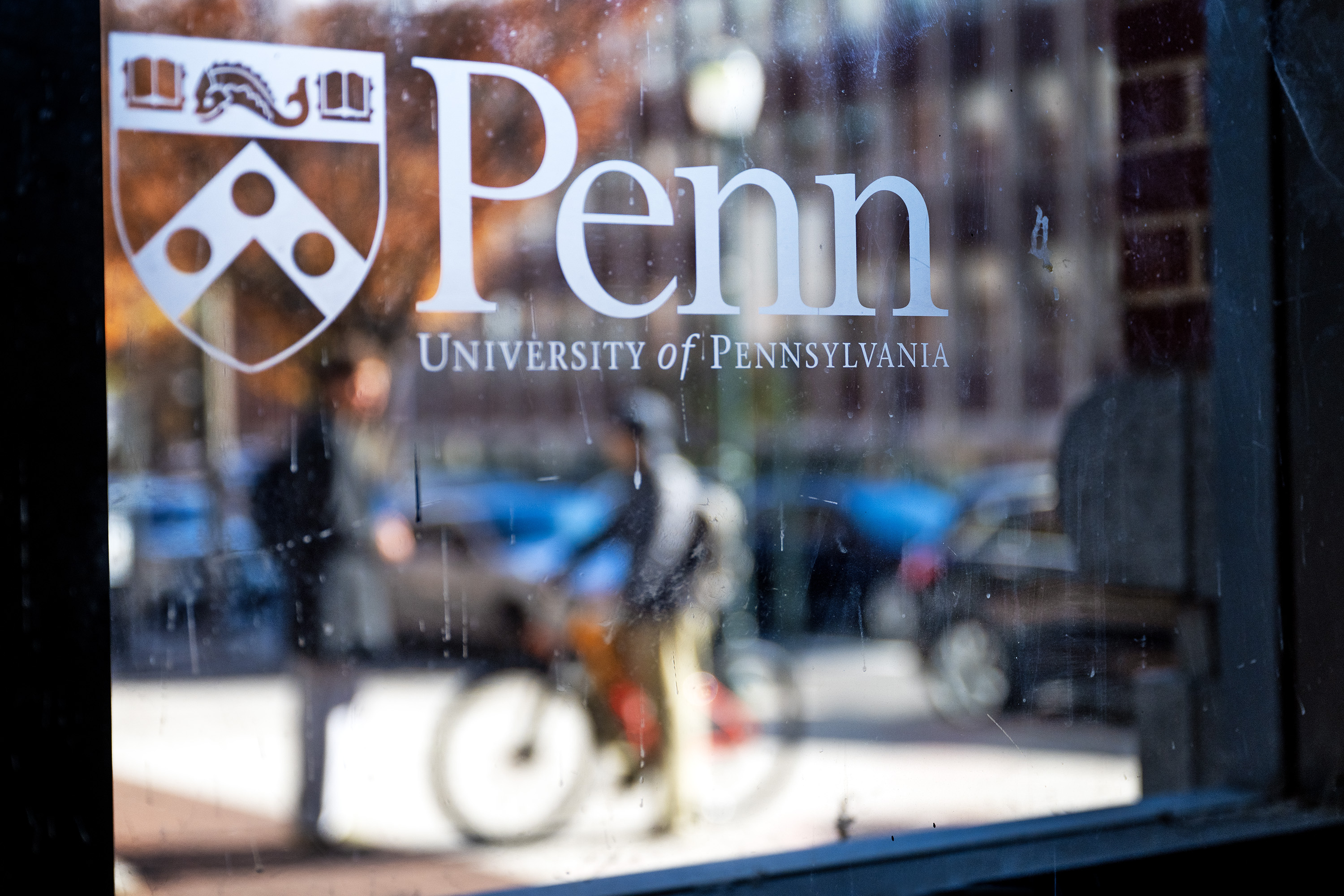
Another file photo I have updated, among my most-published, is a photo I first took at the University of Pennsylvania. We do lots of stories there, and once while leaving a parking garage, I noticed a logo on the window of the elevator.
I rode it up and down, over and over, looking for the cleanest spot on the glass, trying different camera exposures — just like with the Cheltenham signs — and getting different angles in the background.
I have also photographed sculptures, signs, and scenes around campus when on other assignments, but the parking garage image seems a favorite whenever a generic Penn file photo is needed.
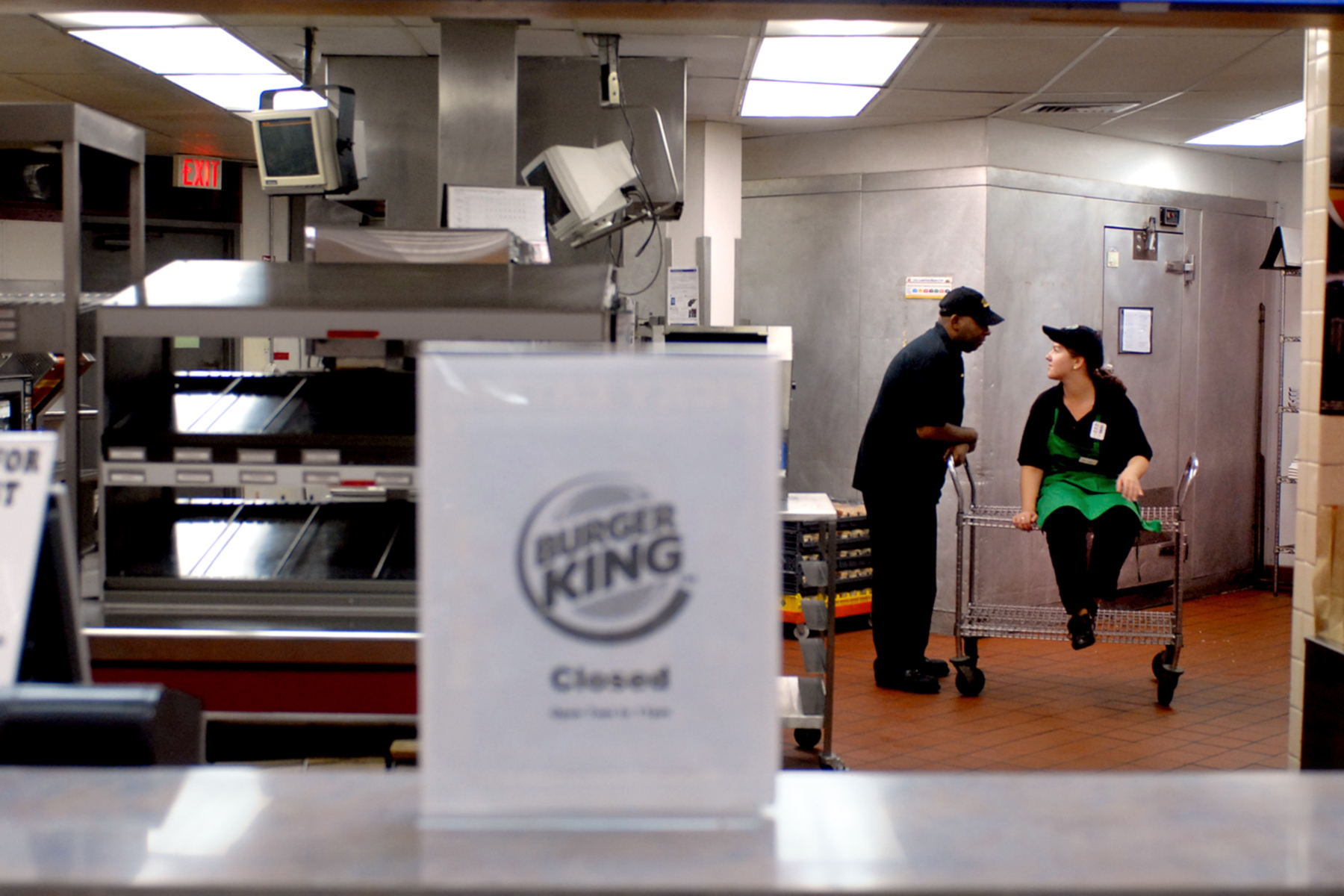
Finally, in the early days of the web, my most-used file photo was one I made during this column’s first summer (then, in 2007, called a blog). While making weekly roadtrips and posting every day or two about the places and pictures I went, I spent one late night that faded into early morning.
Rahsan Allen (left) and Tanya Krekmanova talk in the closed Burger King during a break at 4:45 a.m. July 19, 2007, on their night-shift jobs at the North Neshaminy Service Plaza, Westbound on the Pennsylvania Turnpike. They make up two thirds of the overnight shift at the rest stop. Allen works at the Travel Mart and Krekmanova is a Starbucks barista. She is a university student in Sofia, Bulgaria, one of twenty-four International students working at the rest stop. The others come from Russia, Turkey and the Ukraine, for four months with the U.S. State Department’s Summer Work and Travel Program.Tom Gralish / Staff Photographer
I stopped at service plazas along the Pennsylvania Turnpike. The story is here — but with only one photo (a future column will lament how even when stories get archived by newspapers the pictures that accompanied them are often not saved).
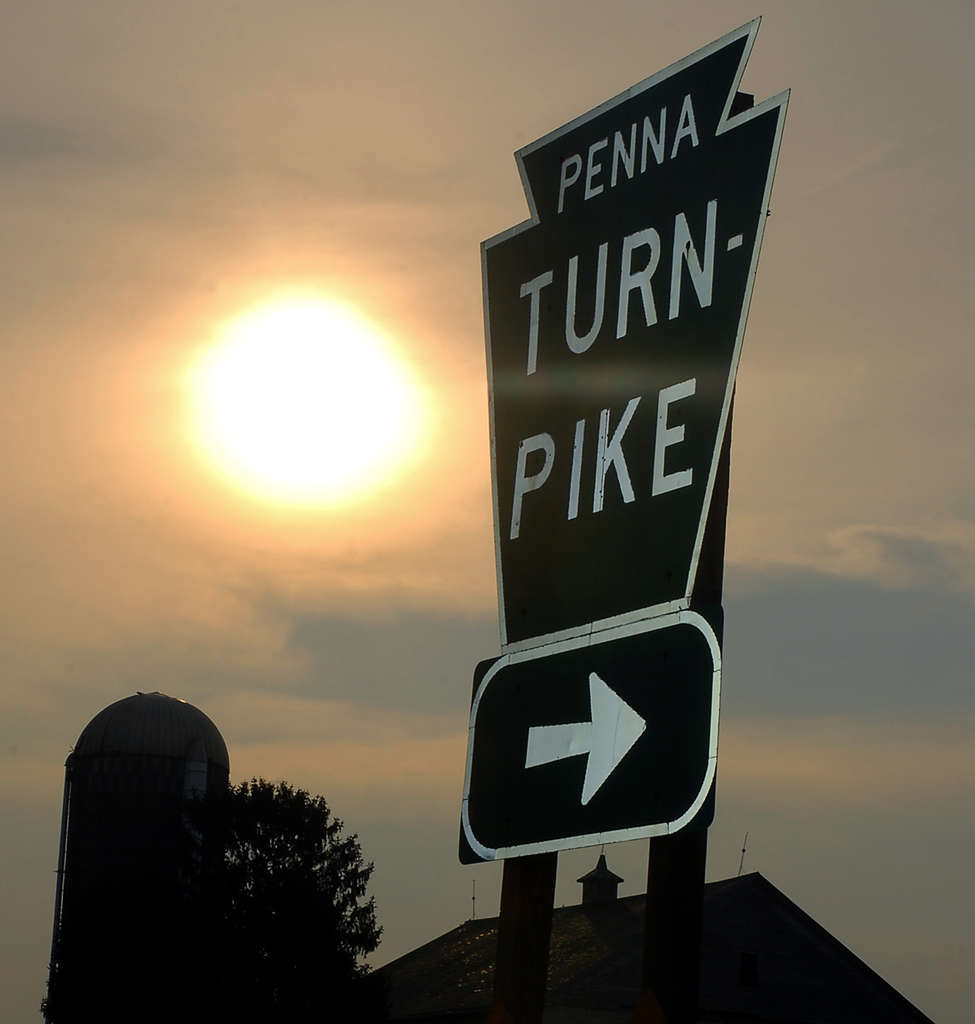
While getting on and off the turnpike at different exits to backtrack, I photographed the sun rising behind a turnpike sign. It was a vertical, but has been recropped many times to fit the web’s 3:2 thumbnail ratio.
I guess you could call it one of my “greatest hits.” My legacy.
Since 1998 a black-and-white photo has appeared every Monday in staff photographer Tom Gralish’s “Scene Through the Lens” photo column in the print editions of The Inquirer’s local news section. Here are the most recent, in color:
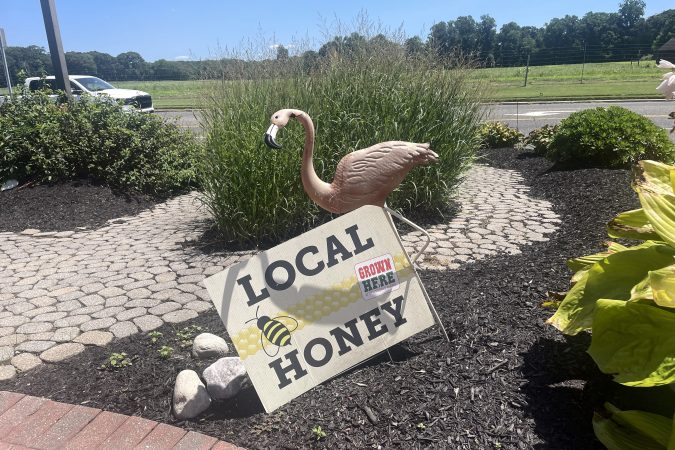
The juxtaposition of a flamingo and a honey bee may not have doubled you over in laughter, but it had me pause while walking into a South Jersey farm market. And it made me smile.
Then I started to overthink it. Am I missing a joke here? “Q: What’s the difference between a flamingo and a honey bee?” Or, “a bee and a flamingo walk into a bar.”
Nope. That doesn’t work either. Nor does a meme about having “the” birds and the bees “talk.”
All this to justify picking that picture to feature with this column. Some weeks it’s an easier choice, and this week’s got me thinking about what in the newspaper business is called a standalone photo.
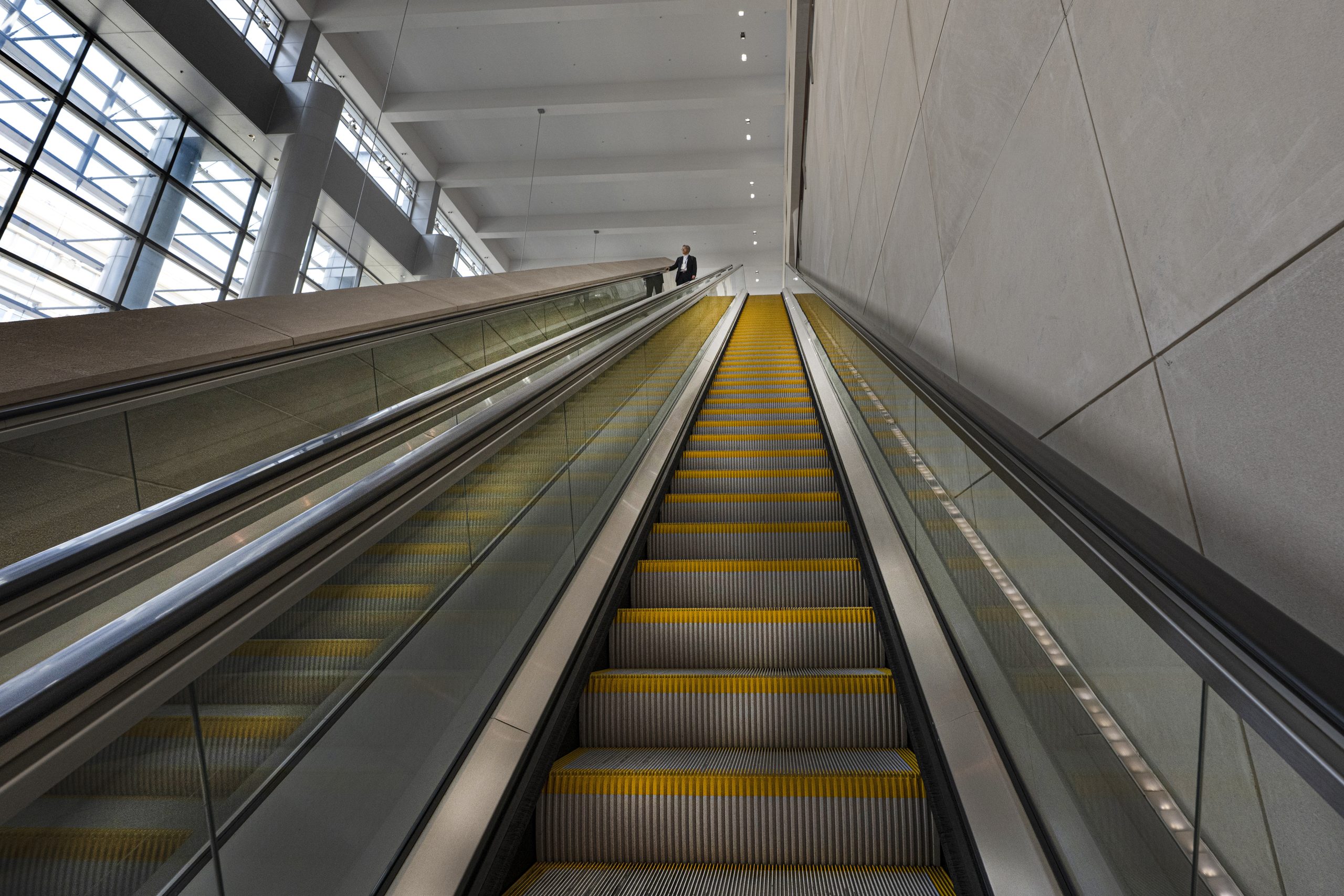
A standalone photo made while my colleague was taking the escalator to his assignment at the International Congress of Mathematicians at the Convention Center on Monday.Jose F. Moreno / Staff Photographer
Aka, a photo feature or wild art, a standalone is a picture published without an accompanying article. I talked about it in a previous column (click bonus: the photos there are from a cold, snowy January day. Maybe refreshing to look at now, as we’re here in the dog days of summer).
In the heyday of dead-tree, printed ink-on-paper analog versions of newspapers not every story had a picture, so standalones were used when editors wanted to add some visual variety to a page that was all gray. That is precisely the 1998 origin of this column: it broke up a text-heavy page containing community news, calendars, traffic reports, school information, and volunteer listings.
Online publishing changed everything, and digital design evolved toward image-heavy layouts. Since our brains process pictures much faster than words, photos make a story more likely to grab a reader’s attention while scrolling.
Suddenly every story on news websites had an image attached. Pictures became plentiful.
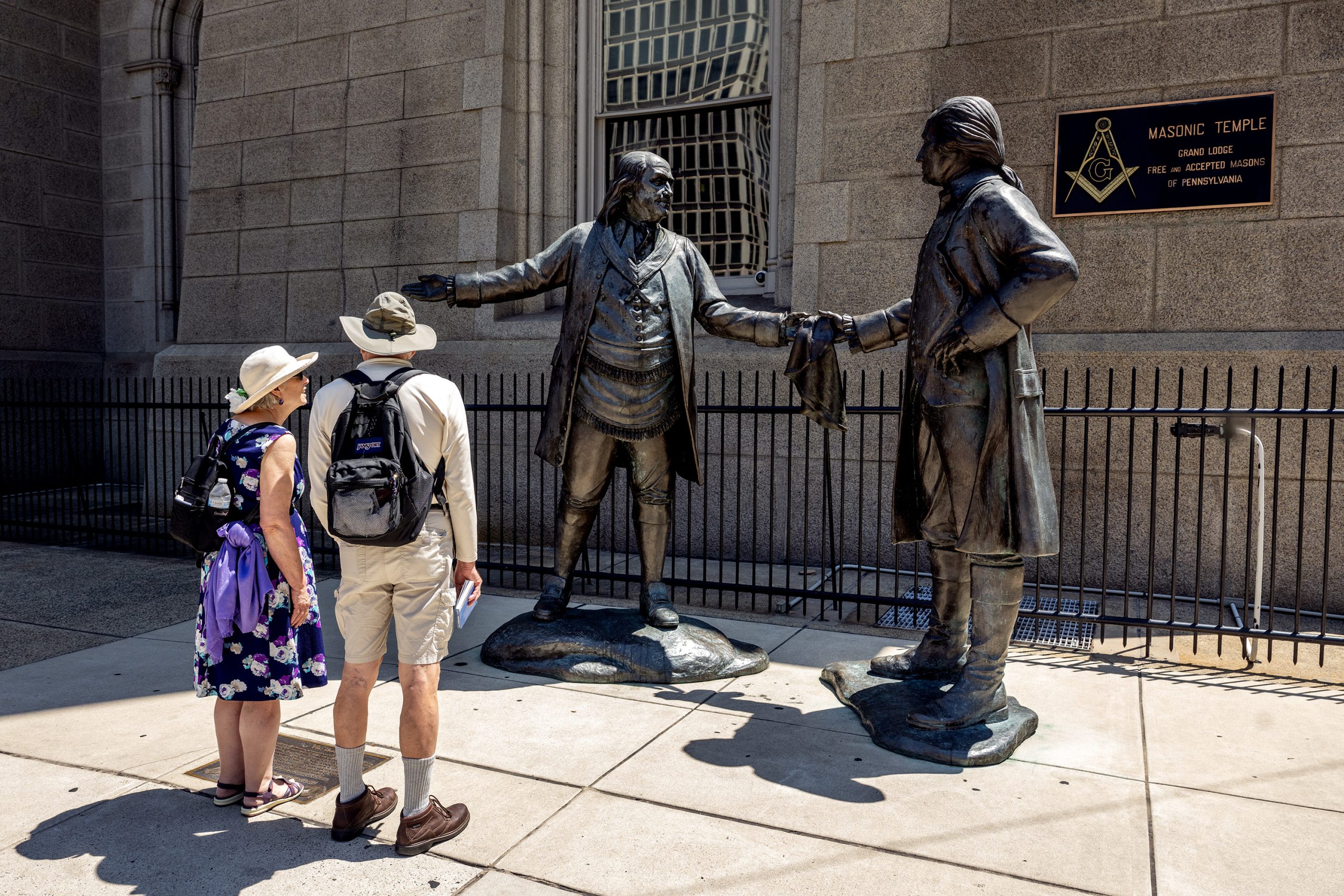
A standalone of two prominent Freemasons – Benjamin Franklin and George Washington – standing in bronze outside the Grand Lodge Masonic Library and Museum across the street from City Hall. (“The Bond” was created by sculptor Jim West in 2018.)Tom Gralish / Staff Photographer
And that’s the paradox. Even though the internet is highly visual, it favors rapid consumption rather than contemplation. Lost in the mishmash array of thumbnails on a website, it is harder to appreciate a storytelling standalone photo, or enjoy the much slower experience of pacing through a dozen images and captions in lengthy photo essays.
And that brings me around to a photo I saw this week. A reader submitted a picture they’d snapped of a young man outside Reading Terminal Market dressed in a solid-color button-down shirt with trousers held up by suspenders instead of a belt and wearing a broad-brimmed straw hat closely examining a parked Uber Eats’ delivery bot.
I reacted to it just as I did with the flamingo/honey bee, with a smile.
For decades the old weekly LIFE magazine had a standing feature on the last page called Miscellany. It was mostly pictures of people and animals in unexpected or humorous situations. A standalone.
Even with an abundant canvas there really isn’t a place on our website for a standalone photo — like the bot — without an attached story.
Or maybe there is. I have this column where my unattached images are displayed every Saturday and I’m happy to share some of the space (means less writing for me). So readers, if you see and take a picture like those on LIFE’s back-of-the-book page, email it to me.
(By the way, even though it was taken in a public place we wouldn’t have used the Amish/bot photo anyway. The subject may belong to a community that doesn’t enjoy being photographed, and he was minor. The photographer needed to talk to him — and a parent — to provide more context. But then it would no longer be a standalone.)
And remember, if a bee lands on you, freeze. Let it investigate and it will leave without stinging as long as it doesn’t detect a threat. If a flamingo lands on you, well, you’ve got a different problem.
Since 1998 a black-and-white photo has appeared every Monday in staff photographer Tom Gralish’s “Scene Through the Lens” photo column in the print editions of The Inquirer’s local news section. Here are the most recent, in color: