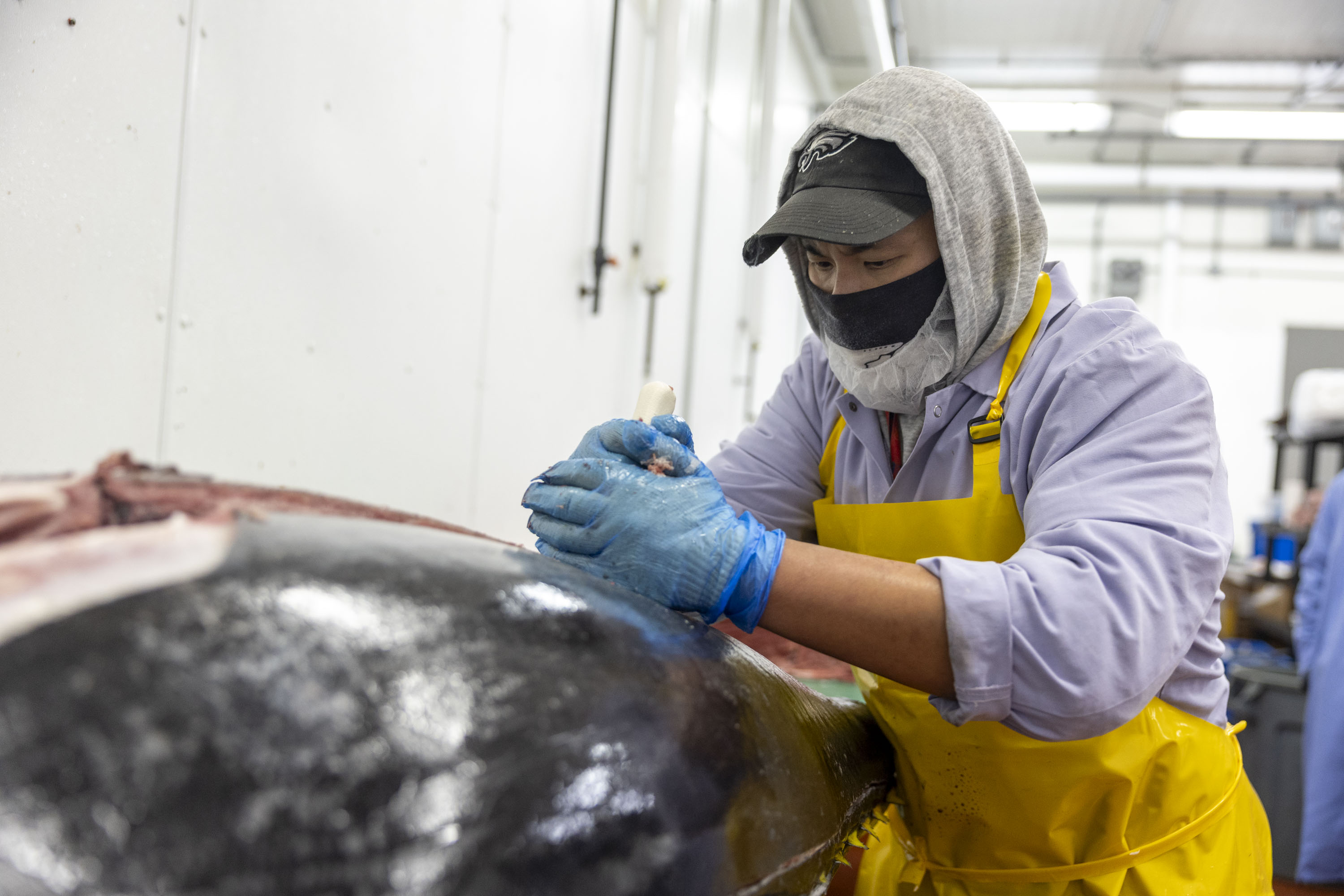
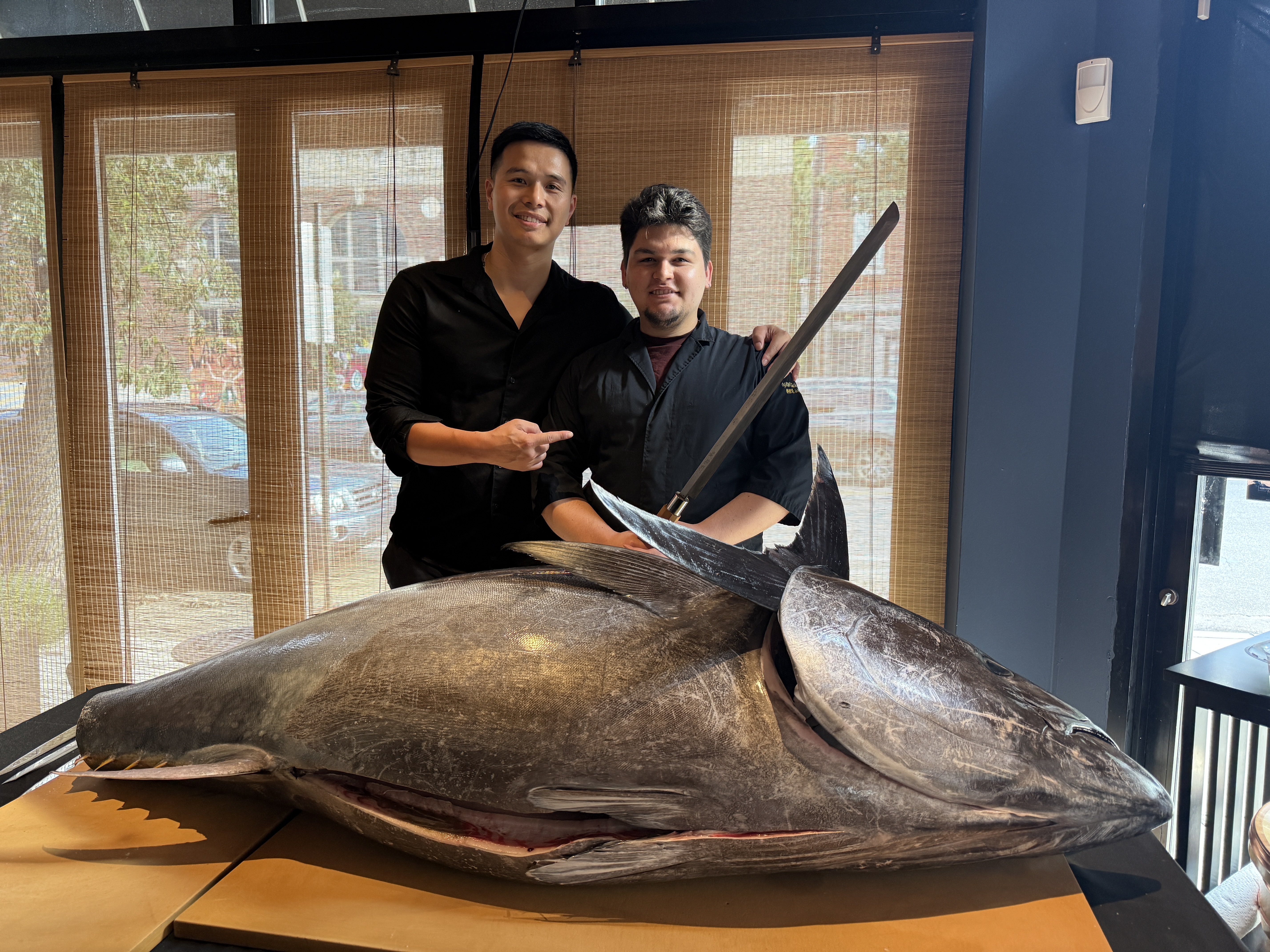
It takes four people to carry a whole bluefin tuna into Da-Wa in Fishtown. It happens in summer and fall, when chef-owner Joseph Kim orders the fish directly from Spain. In winter, Kim sources smaller Hokkaido bluefin straight from Japan. Kim breaks them down solo, into pieces suitable for service. The whole process takes him hours, and on tuna delivery days, he doesn’t make it home until 3 a.m. or later if he’s working on a 300-pound fish.
Kim’s palate is so attuned to the nuances between bluefin that he can taste them blind and tell you their provenance. Spanish bluefin is particularly soft and fatty. Hokkaido bluefin is less fatty and much smaller, at around 150 pounds vs. the 300 pounds that Spanish tunas average. Compared to more common, smaller varieties of tuna, like skipjack or albacore, bluefins are exceptionally buttery. In terms of fattiness and richness, Kim compared bluefin to wagyu.
No other varietal of the tuna passes through the door. But for Kim, the effort is worth it. “Bluefin has richness throughout the entire fish.” said Kim. “It is the heart of the sushi restaurant.”
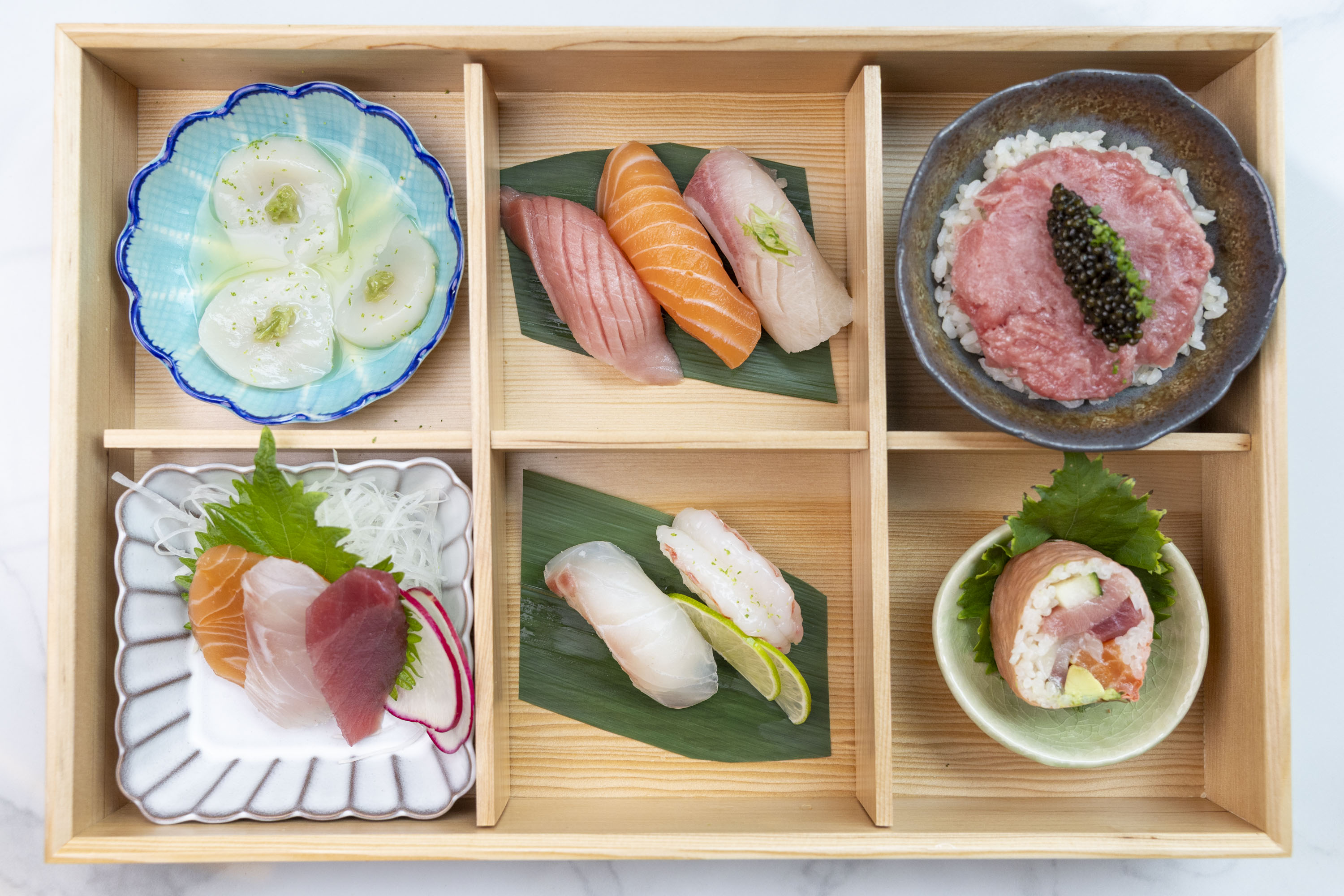
It’s not just Da-Wa. Bluefin, once a controversial menu addition, is back in a big way. And the surge isn’t just restricted to high-end omakases, even though bluefin is some of the most expensive fish available. Bluefin is now at many of Philly’s newer midrange sushi restaurants like Palm Vintage, Javelin, and Oroshi, as well as restaurants that straddle the line between fine dining and neighborhood-driven, like Little Water and Alice. Bluefin is everywhere.
Bluefin tuna was, for years, an illicit luxury, though it never fully left menus. A decade ago, conservation groups were staging boycotts against consuming the fish, chefs were swearing off serving it, and demand for the increasingly rare fish was so high, it was fetching eye-watering prices. But now the coveted ultrasoft and fatty fish is back on the menu all over Philadelphia and far beyond.
Off the menu
The return of bluefin tuna to restaurant menus was a long process. In the 1980s, sushi started trending stateside and eating tuna surged in popularity, which led to severe overfishing. In 2006, the International Commission for the Conservation of Atlantic Tunas (ICCAT) implemented a 15-year recovery plan to prevent the tuna population from collapse. This plan limited fishing seasons and raised the minimum allowable size of tuna for fishing.
Those measures worked, and the population bounced back. In 2021, the International Union for Conservation of Nature (IUCN) moved Atlantic bluefin tuna from the list of endangered species to those of least concern.
But it hasn’t just been Atlantic tuna returning in droves. Pacific bluefin, once restricted from fishing for environmental reasons, is now fair game again. To the delight of chefs in San Diego and Baja California, fishermen are catching bluefin tunas of record weight — nearly 500 pounds — in their waters. Giant bluefins have also returned to British waters (and even in the Baltic Sea), which have been mostly absent of the species since the 1960s.
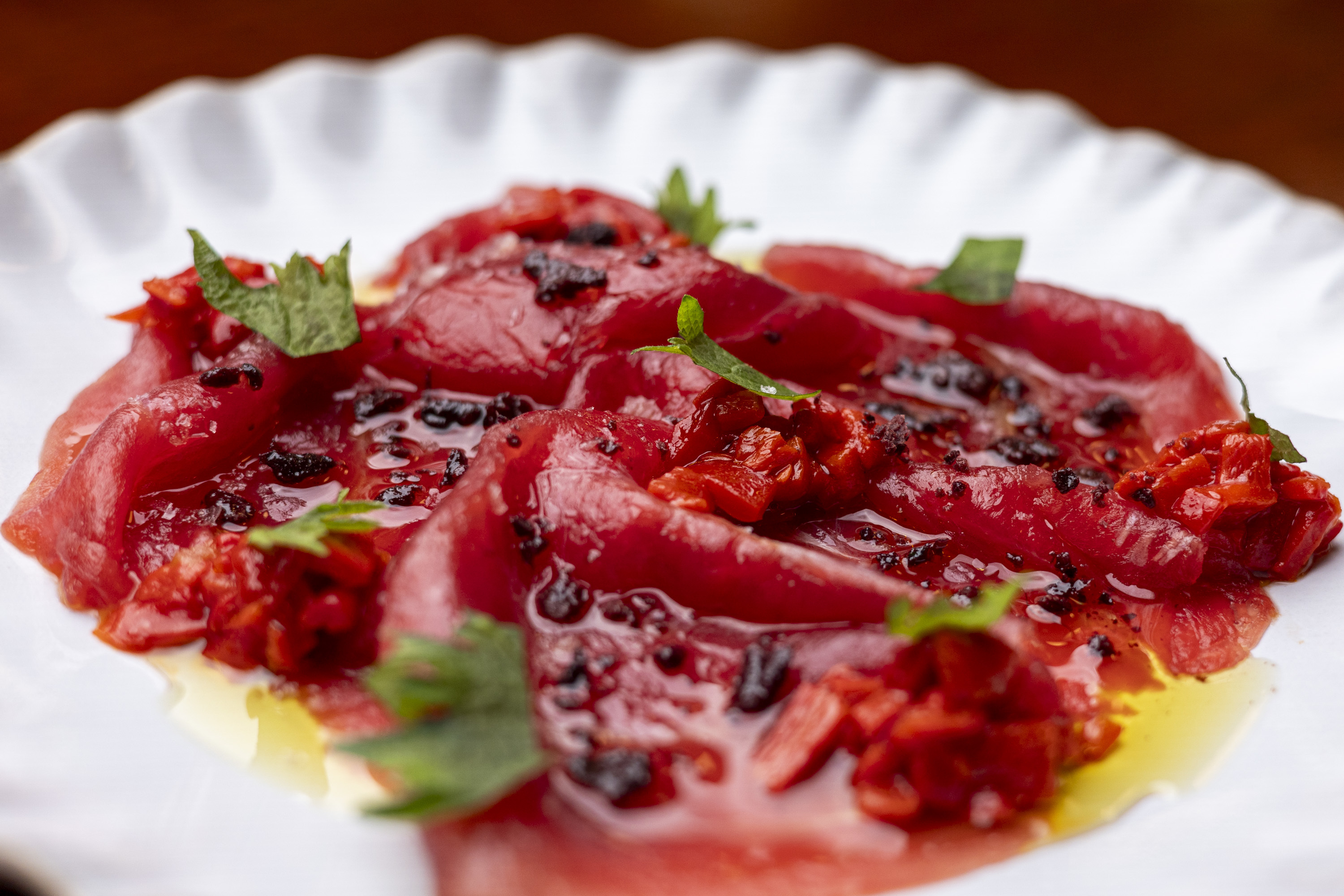
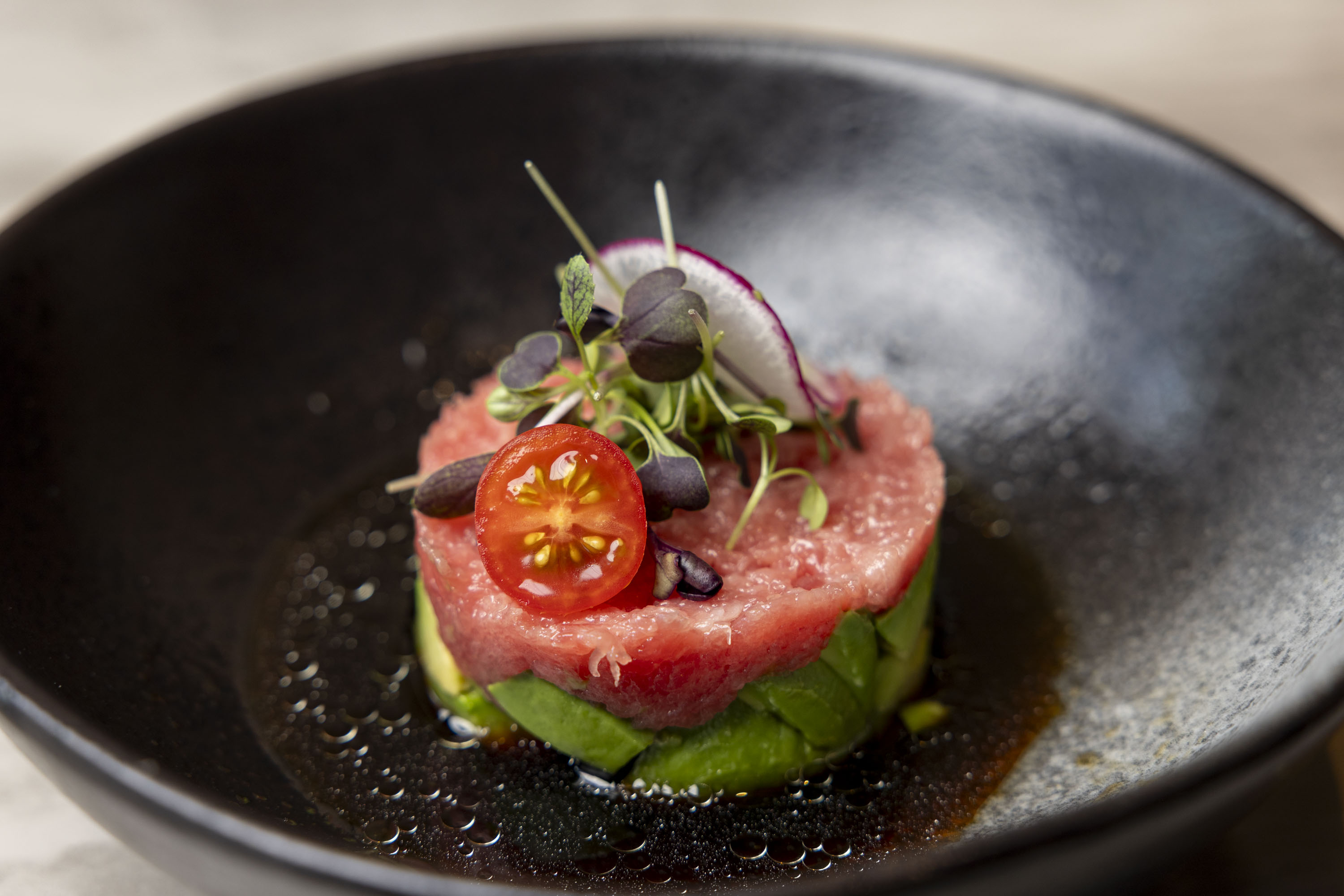
At South Philadelphia-based seafood distributor Samuels Seafood Co., the tunas come in from all over the world — in the summer months from along the East Coast and currently, from the Mediterranean, though also from the Carolinas and some from South Africa. They’re sold to customers along the East Coast, as far down as South Florida, and in some parts of the Midwest and Las Vegas.
Joe Lasprogata, the company’s senior vice president of product development (who also trained as a marine biologist), oversees tuna shipments and their breakdown into loins for customers. At Samuels, it takes tuna cutter David Lam about 15 minutes to cut a whole 350-pound bluefin into loins and collars, to be further broken down by chefs and at sushi restaurants. The record weight for a bluefin brought into Samuels is 820 pounds.

The bluefins — or as Lasprogata calls them, “apex predators of the ocean” — that Samuels brings in twice a week are both wild and ranch-raised.
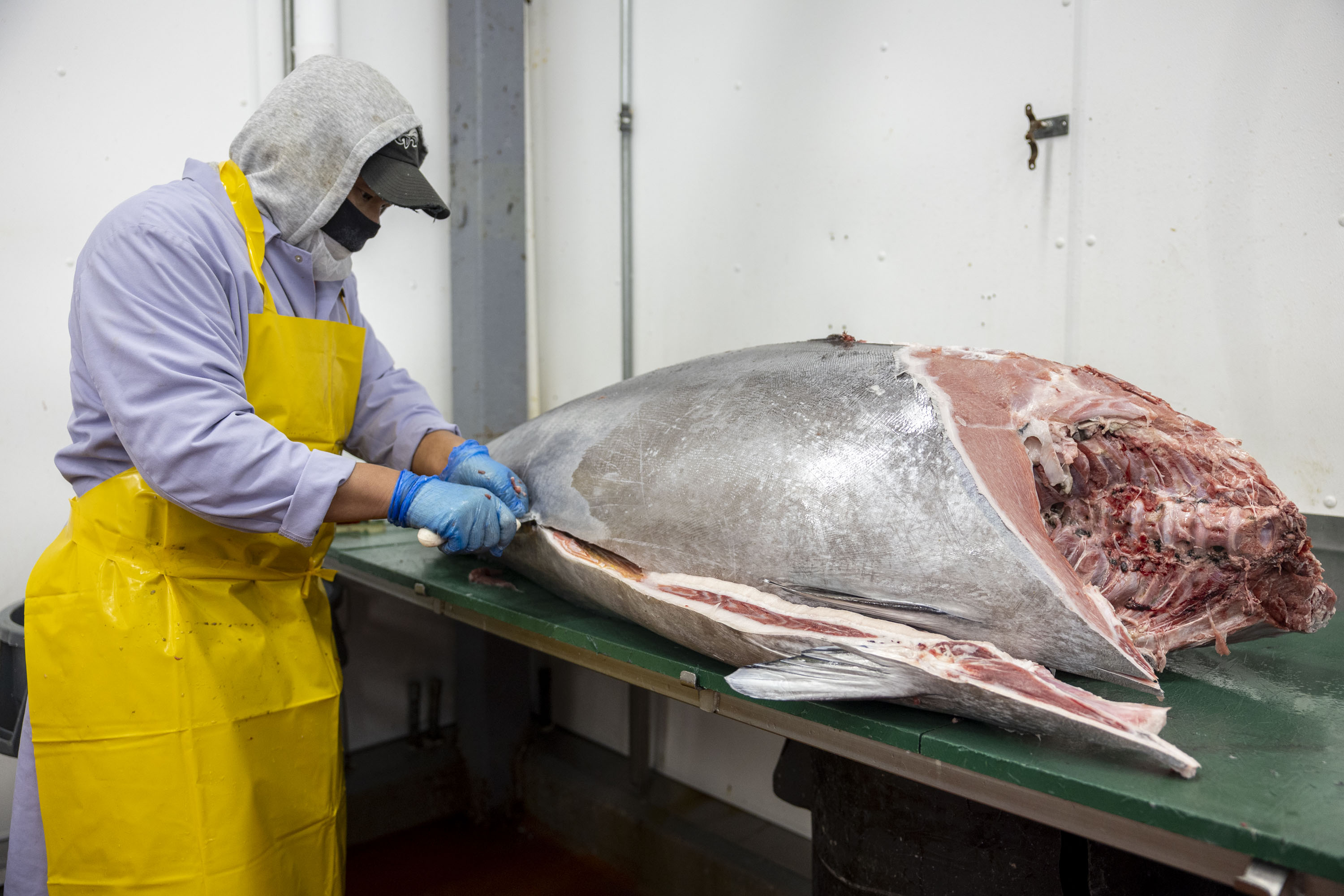
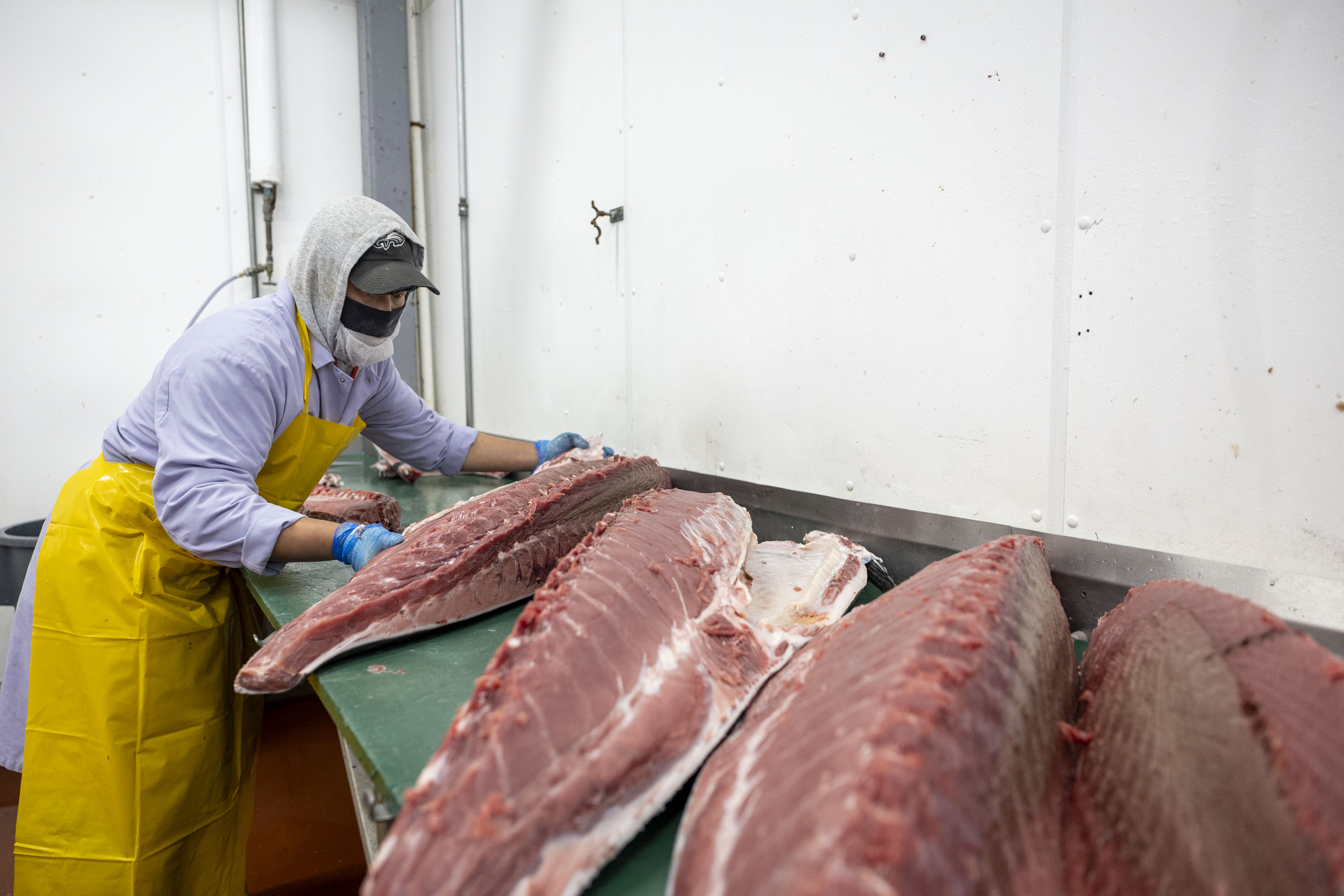
“People are all excited about [bluefins coming back] but I think it’s a little premature,” said Lasprogata. “It’s great that the bluefin are coming back, but we’re also seeing other stocks lessening. So there’s still something out of balance.”
“Everything is cyclical,” he said.
Size does matter
Chefs like Kim of Da-Wa in Fishtown and seafood purveyors like Lasprogata of Samuels Seafood will tell you that bluefin has a sweet spot in terms of weight for prime deliciousness, and that’s around 300 pounds.
And they can get far larger, which means they have incredibly long lifespans and long gestation periods, according to Jackie Marks, the senior PR manager of the Marine Stewardship Council (MSC), which certifies marine fisheries, as opposed to the Aquaculture Stewardship Council (ASC), which sets responsible practices for farmed fish. “And that means they reach sexual maturity later in their lives and when you think about how that affects fishing, which often targets younger fish — they’re not able to reproduce yet,” said Marks. From her perspective — a biological one — the larger the tuna, the better.
If we overconsume bluefin, we’ll know by their size. “If the tuna that are being brought in are smaller and smaller, then we have a reason to be concerned [again],” said Marks. And keeping watch will take a coordinated effort among countries and governing councils.
Wild caught, if possible
Not just any bluefin is migrating back to Philadelphia sushi restaurants. Much of it, like the 300-pound bluefins regularly broken down at Samuels, is ranch-raised. This is a controversial practice that sits in between aquaculture (or seafood farming) and wild fishing, due to high FIFO or fish-in-fish-out ratios. The average ratio is 15:1, meaning that for every ton of ranch-raised tuna, 15 tons of feed is required. As a point of comparison, the FIFO ratio of farmed salmon is 0.82:1.
“It’s like Hansel and Gretel-ish,” explained Lasprogata. “You put them in a pen, feed them, fatten them up, and then harvest them.”
The benefit, he says, is that they can be harvested larger and more mature, after they’ve had the opportunity to procreate. The fish, so long as they’re dispatched properly, are also extremely high quality, with rich and oily, well-marbled flesh. Tuna ranches also operate year-round.
But chefs who are fanatical about bluefin tend to seek out wild bluefin, which can only be caught seasonally (and given that they’re a migratory species, the seasons change around the world), which is why Kim has to store his fish after breaking it down in three super freezers, set to between -64 and -110 degrees Celsius, which cost him $100,000. They keep his costly tuna fresh as he uses it over the course of three months.
“I don’t make money on tuna, but I am a chef, not a businessperson,” said Kim.
At Little Water and River Twice, Randy Rucker gets his tuna from the East Coast. “Wild bluefin tuna has a depth of flavor that is hard to compare to,” said Rucker, who works with his sous chef, Jeff McConnell, to use every part of the fish, incorporating the bloodline in their house-made XO sauce and meat scraped from bones in their seafood charcuterie program.
“We choose wild-caught bluefin tuna because of its incredible flavor, texture, and richness. But not all bluefin is the same. We pay close attention to the fat, color, texture, and how the fish is handled,” said Carlos Wills, the executive chef at Ogawa in Old City, which uses bluefin tuna on its omakase menu. Wills has also performed annual bluefin tuna breakdowns at Ogawa and Javelin in Fairmount, sourcing the massive fish from Spain, just as Kim from Da-Wa does.
And of all the fish in the sea, “There’s nothing else — no texture like bluefin. It’s so fatty and marbled, but also it can be intense and irony,” said Kim. With a close eye on bluefin stocks worldwide, right now, we can indulge in this wagyu of the sea.