Tag: Rite Aid

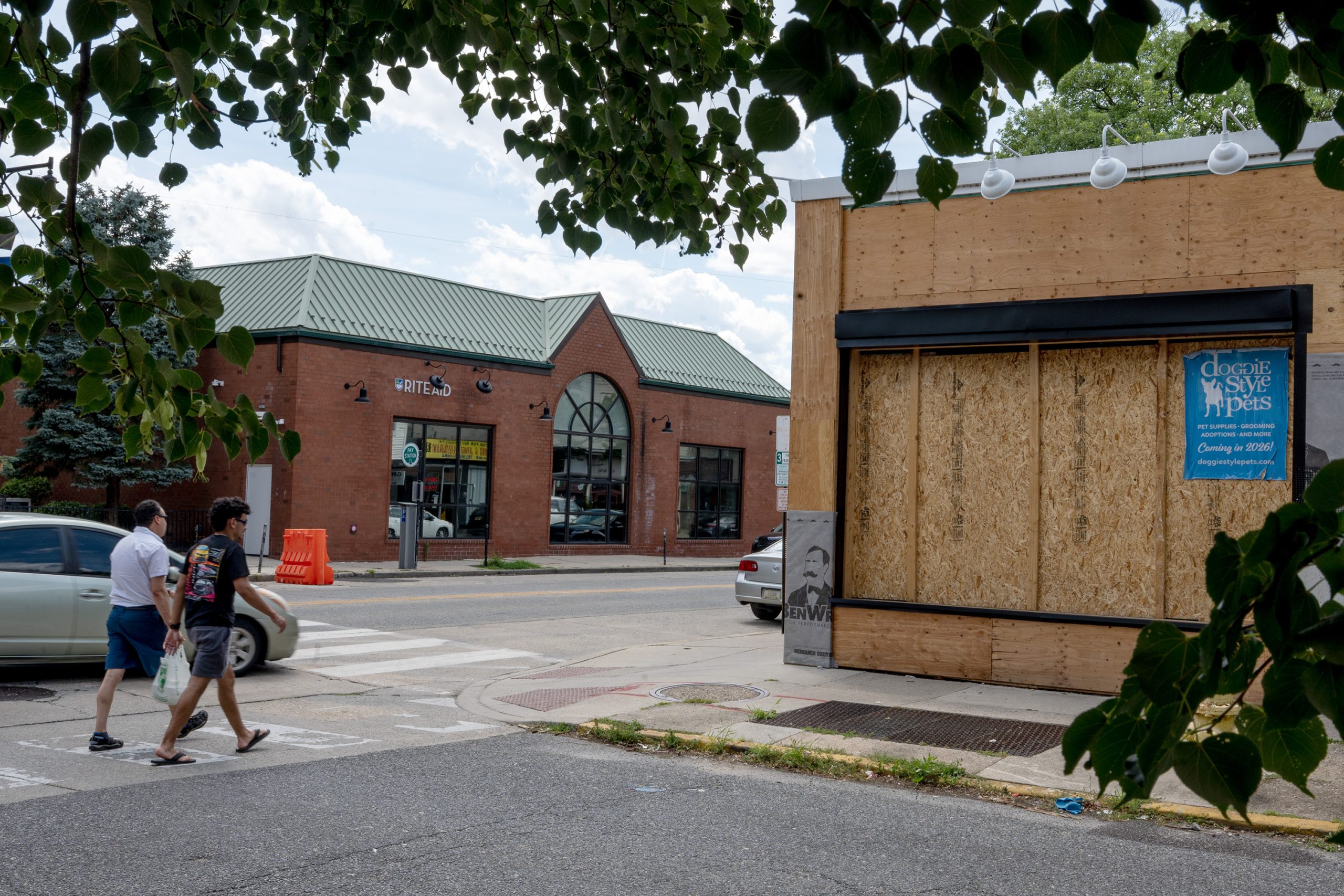
  • A 118-unit apartment tower is proposed for 23rd and Walnut Streets, replacing a Rite Aid

    A 118-unit apartment tower is proposed for 23rd and Walnut Streets, replacing a Rite Aid

    An 118-unit apartment building at 2301-11 Walnut St. received a warm welcome from a city-designated panel of architects and planners at Tuesday’s meeting of the Civic Design Review committee.

    The eight-story proposal is slated for land that once housed a suburban-style Rite Aid and its surface parking lot.

    The new building would include 46 underground parking spaces, 2,750 square feet of retail on Walnut Street, and 5,675 square feet of amenity space facing an interior courtyard.

    The property has long been held by Patriot Development Associates, a company that owns and operates parking facilities throughout Center City.

    In 2022, developer Trammel Crow Co., based in Dallas, proposed a 172-unit tower on the site, but the project was scuttled when interest rates began rising sharply.

    The new plans show Patriot developing the property themselves. The president of the company, Richard Zeghibe, did not respond to requests for comment.

    Philadelphia-based Boxwood Architects is designing the project. The firm is known for high-end restaurant and bar design, as well as multifamily projects.

    The architect plans a variety of plant life features, including new street trees, a green roof, and a garden in the courtyard facing Bonsall Street, as well as design detailing on the side of the building.

    “We introduced an artistic gesture on Bonsall Street, inspired by the movement of the Schuylkill River, to activate the streetscape and connect the courtyard to the neighborhood through brick screens and sculptural metal railings,” said John Weckerly of Boxwood.

    The detailing on Bonsall Street is “inspired by the movement of the Schuylkill River,” according to the project architect.[Box]wood Architects

    “Gardens and green spaces are situated throughout the project to reduce the heat island effect and create a more welcoming experience for residents and neighbors,” Weckerly said.

    The overwhelming majority of the project is comprised of one-bedroom units, with only 13 two-bedrooms.

    The proposal does not require any breaks from zoning law, so the developer only had to meet with the local community organization — the Center City Residents Association (CCRA) — in advance of Tuesday’s advisory-only meeting.

    “[We] welcome the addition of housing to the neighborhood, additional residents, and retail opportunities for more businesses,” Alex Roederer, head of CCRA’s zoning committee, said at the Tuesday meeting.

    He noted that Patriot Development had expanded the bicycle room in response to the neighborhood’s feedback and that the company was considering a Community Benefits Agreement as well. Details are not yet available.

    A close-up rendering of Patriot Development’s proposed building, with the green roof visible.[Box]wood Architects

    The Civic Design Review committee generally praised the aesthetics of the project and its potential to enliven Walnut Street as it approaches the Schuylkill.

    Multiple street-level businesses in the blocks of Walnut Street leading up to the river have shuttered since 2020.

    Some members of the CDR committee encouraged the developer to add more street-level commercial space — currently only the Walnut Street side features room for retail — and others urged the architects to bring more definition to the existing street frontage.

    Alternatively, they suggested wrapping amenity space, such as a gym, around to Walnut. (Currently, the space faces the courtyard, with residential units lining Sansom and 23rd Streets.)
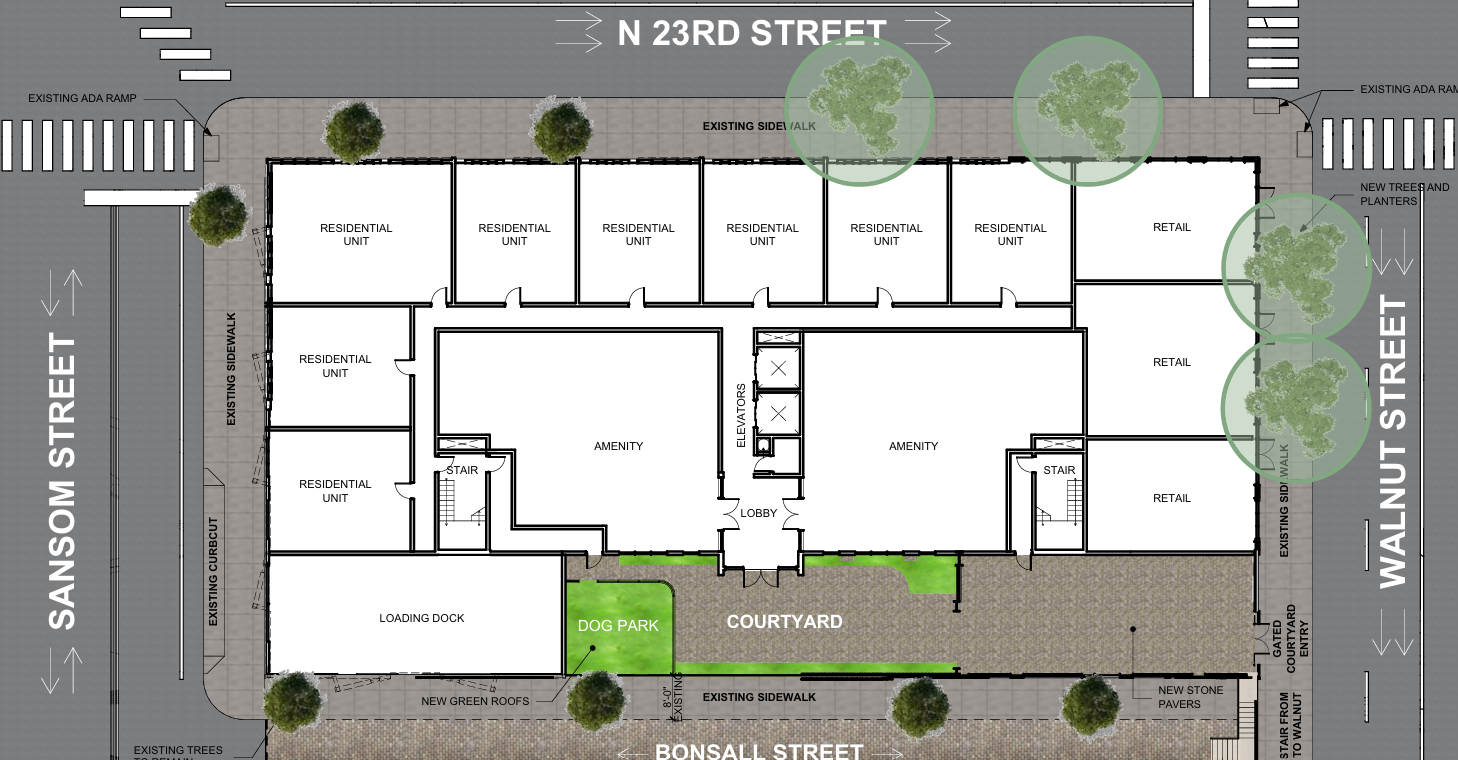
    A map of the ground floor of the proposed building, which unusually has apartments on the ground floor.[Box]wood Architects

    “I would just love to see how you can … make this more special because right now I’m afraid it’s just a glass surface on the sidewalk,” said Ximena Valle, an architect who chairs the committee. “If they remain empty, which they might, it’s really quite ominous. It would be more of what’s already there” — vacant space.

    When asked about specific amenities — beyond a dog park — Weckerly of Boxwood noted that those details have not been fleshed out.

    Neither have potential retail offerings, with committee members noting that the current configuration did not appear to have the back-of-house space needed to sustain a restaurant.

    However, the committee on the whole praised Boxwood and Patriot Development’s design, a contrast with the reception of Trammell Crow Co.’s project in 2022.

    “Sometimes we have developers come in, and they do the absolute minimum to make an apartment, and this is more than that,” said Dan Garofalo, an architect who is the committee’s vice chair.

    This is the second major development recently announced this summer on the western edge of Walnut Street. A 372-unit building from PMC Property Group is planned just to the west at 200-10 S. 24th St.

    “I was excited to see the project come through. It provides a great opportunity of connecting West Philly and the east side of the Schuylkill,” Valle said. Right now, “I think that pedestrian experience, pre-bridge, heading west is pretty miserable.”


  • Larry Krasner’s exoneration push faces a reckoning

    Larry Krasner’s exoneration push faces a reckoning

    No one should have to spend even a single day behind bars for a crime they did not commit. But in his zeal to right legal wrongs, District Attorney Larry Krasner lost the plot.

    Since first getting elected in November 2017, Krasner, a former defense and civil rights attorney, has pushed for scores of exonerations for people convicted mainly of murder. But, it turns out, most are not exonerations in which the convict’s innocence is proven through incontrovertible evidence, such as DNA.

    Instead, the DA’s office often sides with defense attorneys who claim some sort of procedural error, such as withheld evidence or inadequate defense counsel. In most of these cases, there isn’t a court hearing in which the new findings get presented, and witnesses testify under oath. Instead, the prosecutors offer what is known as a concession, which often results in dropping the charges and letting the person go free.

    But state and federal courts are starting to challenge Krasner’s tactics.

    In June, the state Supreme Court rebuked the DA’s handling of a case in which it was seeking to vacate a 2004 murder conviction of Laver Brown, who was convicted of second-degree murder and robbery following the shooting death of Michael Richardson, a Rite Aid worker at a North Philadelphia store.

    In July, former Assistant District Attorney Jaclyn Mason testified in federal court that Krasner’s office did not investigate the appeal of another convicted murderer and instead relied on the claims of his defense attorneys — and then encouraged her to lie about the lack of independent verification. Instead of going along with the scheme, Mason said, she quit.

    That hearing before U.S. District Judge Paul S. Diamond was continued to Aug. 27, where more damning testimony may come.

    The state Supreme Court has already seen enough. The court ordered the state attorney general to be allowed to review future cases in which Krasner’s office is seeking to overturn a conviction.

    “What we have seen in this case and too many others is the opposite of justice,” Justice Kevin Dougherty wrote in the scathing 109-page opinion.

    The high court found Krasner’s office misled the courts and submitted false statements when asking a lower-court judge to vacate Brown’s life sentence.

    In June, the state Supreme Court ordered Pennsylvania’s attorney general to be allowed to review future cases in which Krasner’s office is seeking to overturn a conviction.Tom Gralish / Staff Photographer

    After his conviction, Brown’s attorneys said some earlier witness statements were not provided to his trial lawyer, which violated his right to a fair trial. Krasner’s office agreed and argued that the case file revealed a “pattern of prosecutorial misconduct” and requested Brown receive a new trial.

    But lawyers for the families of Richardson and a second man Brown was convicted of killing in a separate incident asked the state Supreme Court to intervene.

    Lawyers for the victims’ families argued that Krasner had a conflict of interest because two of his former law partners had been involved in Brown’s case.

    The high court ordered a hearing that shed a harsh light on the conduct of Krasner’s prosecutors.

    “We find the [district attorney’s office] … violated its duty of candor to the [Post Conviction Relief Act] court, withheld material evidence from the court, opposed efforts by [the victims’ families] to gain access to this evidence, submitted a false stipulation of fact, misstated facts in its pleadings, failed to conduct a reasonable investigation, and opposed a required evidentiary hearing,” Dougherty wrote.

    Whoa. What the heck is going on?

    The Supreme Court also found the prosecutors filed a joint document with Brown’s attorneys that “was false in multiple respects.”

    The court rejected claims by the DA’s office that it conducted a thorough review of the record in the case. Instead, the court said prosecutors “cut corners” and failed to interview a single witness or any of the original investigators involved in the case.

    The DA’s handling of Brown’s case is troubling enough. But it turns out this was not a one-off blunder. The Supreme Court found the case fit a disturbing pattern.

    “There have been numerous instances of untrustworthy concessions, lack of candor, misrepresentations of fact, lack of adequate investigation, and avoidance of hearings,” the opinion said.

    The Supreme Court went on to highlight problems with the DA’s handling of 10 additional cases, and said there may be many more.

    One case involved efforts by Krasner’s office to overturn the death sentence of Robert Wharton, who was convicted in the 1984 strangulation and drowning deaths of a couple in their East Mount Airy home, leaving their then-7-month-old child alone. She survived.

    The case eventually ended up before a three-judge panel of the U.S. Court of Appeals for the Third Circuit. In a unanimous decision, the panel found that Krasner’s office misled the court and “slant[ed] the facts” surrounding Wharton’s case before a lower federal court in 2019 in an attempt to vacate the death penalty and instead let Wharton remain in prison for life.

    Again, with the lack of candor.

    U.S. District Judge Mitchell S. Goldberg denied the request and imposed penalties that required Krasner to write a letter of apology to the family of Wharton’s victims, which the appellate panel found were both “mild and fitting.”

    “Courts rely on lawyers’ honesty; lawyers may not mislead them,” Circuit Judge Stefanos Bibas wrote in the panel’s March 2024 opinion. “But the Philadelphia District Attorney’s Office did just that.”

    Back to the state Supreme Court.

    After highlighting problems with the Brown case and 10 others, the court wrote, “These cases, and the present one, likely represent only a fraction of the [district attorney’s] problematic concessions since January of 2018.”

    The court said many of the DA’s concessions did not include hearings in which sworn testimony from both sides is presented, which the court wrote “is generally the best means to expose problems and ensure a reliable and just outcome.”

    For his part, Krasner was unrepentant. He issued a video statement following the Supreme Court opinion that leaned on his electoral victories to claim the ruling “undermines the value of a vote in Philadelphia as compared to every other county.”

    District Attorney Larry Krasner (left) and G. Lamar Stewart, head of the community engagement and government affairs division, at Independence National Historical Park in February.Tom Gralish / Staff Photographer

    Krasner added that social justice efforts like his often face a familiar pattern of resistance: “First they ignore you — we’re past it. Then they laugh at you — we’re past that. Then they fight you — and we have been fighting for 8½ years.”

    The district attorney’s website trumpets 59 “exonerations” by the Conviction Integrity Unit created by Krasner. But the National Registry of Exonerations said the total number of exonerations by the DA’s office during Krasner’s tenure is 75 — an extraordinary number given that reversing a conviction faces a high bar and often takes years.

    Nearly all of those set free have been Black men, underscoring how the legal system is often stacked against people of color. At the same time, no new charges have been brought in those cases, leaving killers and other wrongdoers walking the streets.

    There is no denying systemic racism exists across our legal system, including in Philadelphia. I witnessed abuses and failures of cops, prosecutors, lousy defense attorneys, eyewitness misidentifications, and forced confessions up close as a reporter covering the courts years ago for the Wall Street Journal.

    I wrote a story about a Latino man who was convicted of murder in the Bronx, N.Y., despite having a solid alibi: On the night of the murder, he was in prison in the Dominican Republic.

    That’s all to say wrongful convictions happen, and sending someone to prison for a crime they didn’t commit — or worse, putting them to death — is the most heinous abuse of the legal system imaginable.

    That’s why I welcomed Krasner’s efforts to review cases in which misconduct or errors may have occurred.

    But the sloppy work by Krasner’s office has undermined his theory of the case. Sadly, those who have been truly wrongfully convicted will be the ones to suffer because judges will no longer trust the DA’s office.

    When judges in state and federal courts and former prosecutors in Krasner’s own office are citing similar patterns of corner-cutting and lying, there is a serious problem.

    Krasner built his career on demanding accountability from the system. He owes Philadelphians no less from his own office.

  • Rite Aid is gone. Its shells remain, with some becoming gyms and car washes.

    Rite Aid is gone. Its shells remain, with some becoming gyms and car washes.

    It’s been almost a year since the last Philly-area Rite Aids closed their doors for good after years of financial trouble.

    But the pharmacy chain’s distinct facade still dots the landscape — in suburban shopping centers, on the corners of congested intersections, sometimes even smack dab in the middle of city blocks.

    Some of these buildings are still vacant, surrounded by overgrown grass and empty parking lots. Others are getting new life as dollar stores, medical clinics, daycares, Spirit Halloweens, and a Rally House sports retailer.

    A former Rite Aid (left, rear) and former Wawa (right) sat empty in Collingswood in June. Tom Gralish / Staff Photographer

    The 8,000- to 16,000-square-foot shells are ideal for only so many tenants, real estate experts have said, and it is not unusual for these kinds of properties to take several months or more to lease.

    Here is a look at what’s happening at a few local zombie Rite Aids:

    South Jersey Rite Aids are becoming fitness centers

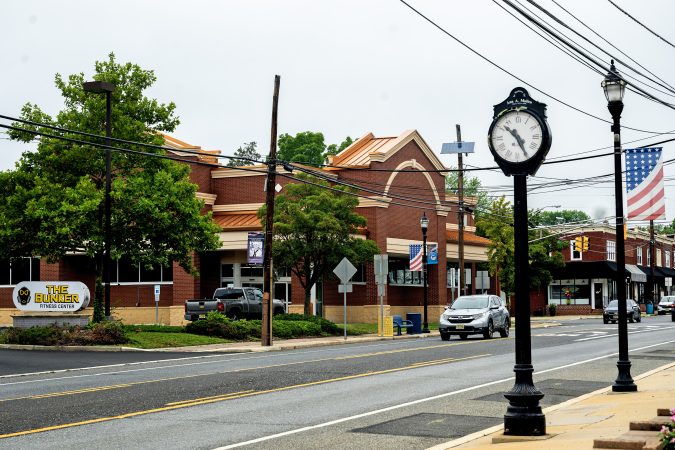
    A former Rite Aid in Blackwood, Camden County, has been a gym for more than a year, and its owners soon plan to open a second location at another old Rite Aid in Cherry Hill.

    Nick Bennett, CEO of the Bunker Fitness Center, said the owner of the Blackwood Rite Aid building approached him after seeing the gym’s content on TikTok. At the time, Bennett said, the gym was outgrowing its 3,000-square-foot space in Franklinville, Gloucester County.

    When he went to see the 13,000-square-foot former Rite Aid in Blackwood, he said, it had already been demolished inside.

    “It was just wide open,” Bennett said. “That floor plan works for our business model because gyms are open. You don’t really need to put up walls.”

    Steve Cristelli works out at the Bunker Fitness Center in Blackwood. Tom Gralish / Staff Photographer

    Another plus, he said: Pharmacies have rows of refrigerators, which require electrical outlets, and the Bunker crew could use those outlets to plug in workout equipment.

    The old Rite Aid on Black Horse Pike needed “very little” work, just paint and rubber floors, Bennett said, and was easily transformed into the exercise and recovery space he had envisioned. The gym opened in 2025.

    “We’re smashing it,” Bennett said, with thousands of members who pay between $49 and $59 a month for the 24/7 gym, which has cardio and strength machines, weights, a sauna, and a cold plunge. He declined to provide specific sales or membership figures for competitive reasons.

    The Bunker Fitness Center operates inside a former Rite Aid in Blackwood.Tom Gralish / Staff Photographer

    But Bennett said the business is doing so well that it is expanding into another former Rite Aid, 12 miles away in Cherry Hill with franchisee Jack Prendergast.

    That 10,000-square-foot pharmacy shell at Brace and Kresson Roads closed more recently and needs a bit more work inside, Bennett said. When they signed the lease, he said, it “looked like a Rite Aid.”

    Bennett said he and Prendergast are demolishing the interior, aiming for a September opening.

    In Delco, a Rite Aid could become a township’s first car wash

    The former Rite Aid in Newtown Square may get new life as a car wash.

    The store at West Chester Pike and St. Alban’s Circle closed last year. In February El Car Wash, a Florida-based chain looking to expand into Pennsylvania, New Jersey, and Maryland, applied to open there, said Newtown Township Solicitor Rich Sokorai.

    On its website, El Car Wash lists several other Philly-area locations as “coming soon,” including Cherry Hill, Drexel Hill, Feasterville, and Maple Shade.

    The Newtown Square Rite Aid operated a drive-through, Sokorai said, and drive-throughs are permitted in that commercial zone. After a June meeting, the township zoning hearing board is considering whether to permit the car wash, with a decision expected in the coming weeks.

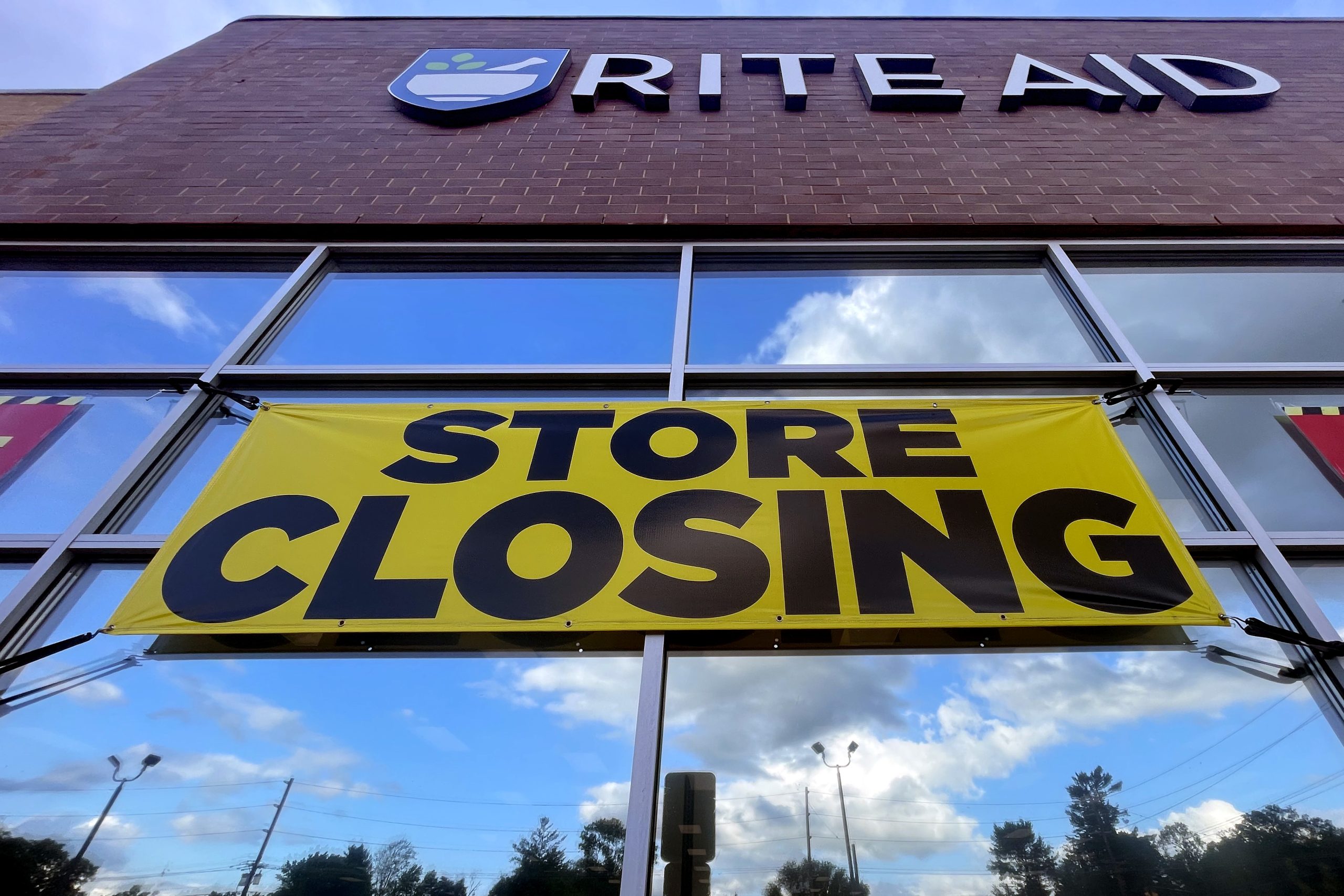
    A Rite Aid with a “store closing” sign last summer.Tom Gralish / Staff Photographer

    If approved, it would be the only car wash in Newtown Township, the solicitor said.

    Residents of the neighborhood behind the old Rite Aid have expressed concerns to local officials, Sokorai said, “because they fear traffic.”

    Others have said they are looking forward to a new business moving into the vacant space on a prime corner, Sokorai said. Even before the Rite Aid closed last summer, its shelves were often empty, the solicitor said, and “it was dying a slow death.”

    Temple University buys another old Rite Aid

    Temple “T” flags fly on North Broad Street.Tom Gralish / Staff Photographer

    Temple University recently bought a second former Rite Aid on North Broad Street.

    The school recently closed on the old Rite Aid building on the 2100 block of North Broad for $9.25 million, according to spokesperson Stephen Orbanek. He said ArchWell Health, which operates a primary-care clinic for seniors there, will remain the tenant.

    “This property’s location, directly across the street from James S. White Residence Hall, supports the priorities of our campus safety and physical environment plan,” Orbanek said.

    This latest Rite Aid acquisition comes two years after Temple bought a Rite Aid and its surrounding shopping center near Temple University Hospital for $8.2 million. The Rite Aid is being converted into Temple Health neurology offices.

    The moves are part of a broader expansion of the university’s footprint on Broad Street, which includes the January acquisition of a vacant property at the site of a former McDonald’s for $8 million.

    Editor’s Note: This story has been updated to indicate that Temple Health plans to open neurology offices at the previously acquired Rite Aid building.

  • Pharmacy benefit manager legislation proposed by Pa. GOP legislators would harm Black and brown communities

    Pharmacy benefit manager legislation proposed by Pa. GOP legislators would harm Black and brown communities

    Pennsylvania’s Republican lawmakers are on the verge of deepening the state’s pharmacy access crisis — and Black and brown communities will pay the highest price.

    Earlier this year, three Republican state senators announced intended legislation that purports to “protect” Pennsylvanians’ access to care. While not yet introduced, this proposed legislation would do the opposite, forcing the closure of chain pharmacies that are owned by companies that also own pharmacy benefit managers.

    Verbatim, the announcement says the bill would, “prohibit PBMs from holding a pharmacy license in Pennsylvania.” If enacted, hundreds of brick-and-mortar and mail-order pharmacies could lose their licenses and be forced to shut down.

    Closing pharmacies is not protection. It is a deliberate harm to vulnerable seniors, working families, and the communities that already struggle most to access care. Academic studies document that socioeconomic barriers can influence access to pharmacies.

    Pennsylvania is already deep in a pharmacy desert crisis. Since 2020, more than 1,100 independent and chain pharmacies have closed across the commonwealth — including Rite Aid, which filed for bankruptcy and permanently shuttered in 2025.

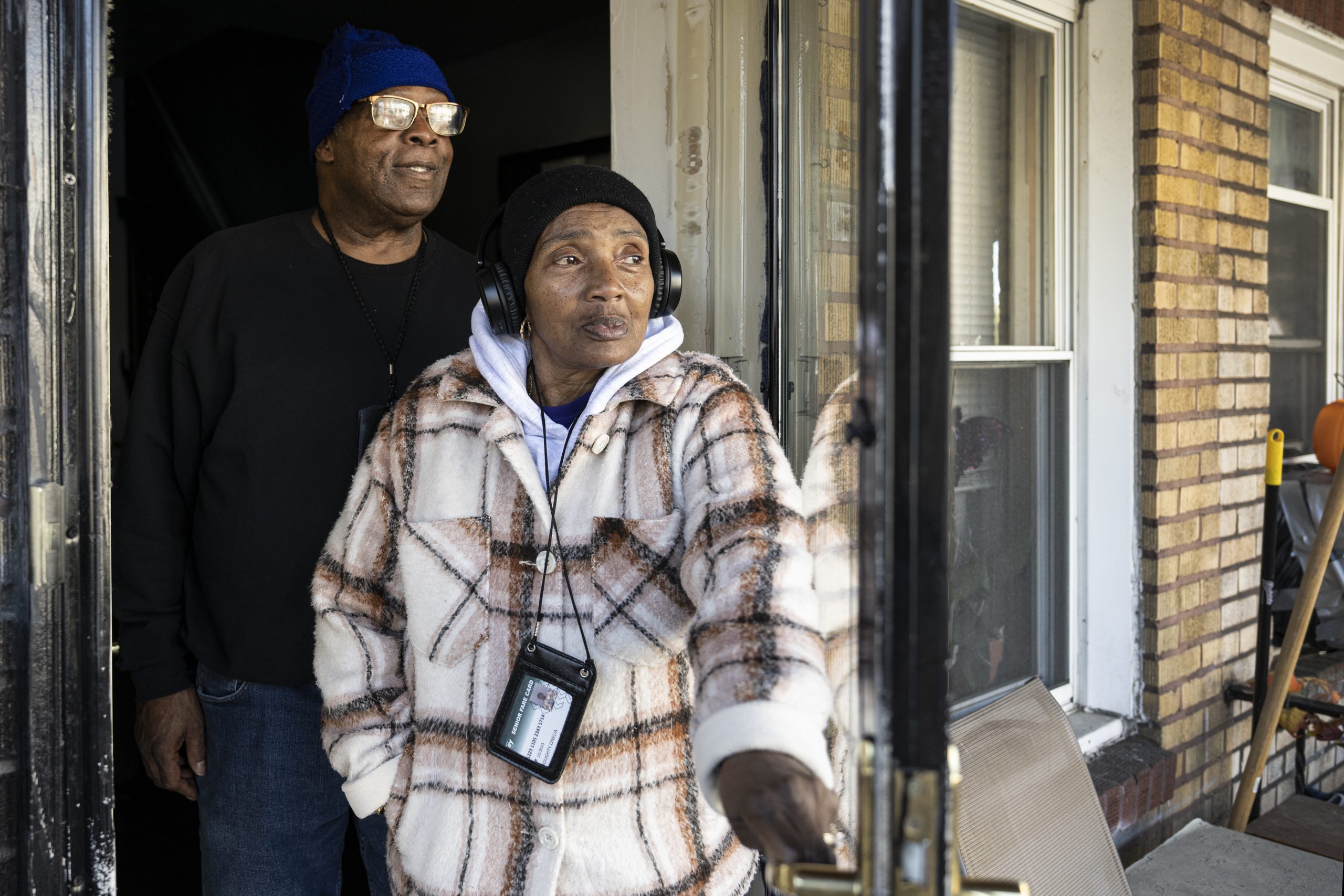
    Ronald and Onelia Doughty, photographed at their Grays Ferry home in November 2023, take dozens of medications between them for various health conditions. But to get those medications, Ronald, who walks with a cane, now has to get a bus to South Broad Street or borrow a car from his son who lives in West Philadelphia. Their neighborhood Rite Aid was among those that closed earlier in 2023.Jose F. Moreno / Staff Photographer

    Residents in predominantly Black and brown neighborhoods in Philadelphia, Pittsburgh, and Allentown, as well as those in rural townships, already face long distances and real hardships just to fill a prescription.

    The health stakes are high. Hispanic Pennsylvanians, in particular, experience higher risk factors for chronic disease, asthma, and multiple cancers than white residents. Managing chronic conditions requires consistent, affordable access to medication — and when that access is severed, patients split pills, skip doses, or abandon prescriptions entirely.

    Managing chronic conditions requires consistent, affordable access to medication — and when that access is severed, vulnerable communities are the most impacted.Rebecca Blackwell

    Medication adherence is already lower in minority communities. This legislation would make a serious problem catastrophic.

    Proponents argue that independent pharmacies can fill the void. We’ve seen how that plays out. When Rite Aid collapsed, independent pharmacists reported being overwhelmed, creating waitlists and turning away patients on less profitable insurance plans. The chaos that followed will repeat — and intensify — if hundreds more pharmacies are shuttered at once.

    This legislation also ignores legal reality. Arkansas passed a similar law that was immediately halted in federal court for violating the Commerce Clause and interfering with TRICARE, the healthcare program for veterans and military families. Tennessee faced fierce opposition from patient advocates and state Medicare officials.

    Pennsylvania should avoid repeating these costly mistakes.

    Pennsylvania’s Act 77, passed in 2024, already established meaningful oversight, transparency, and fairness in pharmacy benefit management — with the explicit goal of preventing pharmacy closures. These new proposals directly contradict that intent.

    Communities of color cannot absorb more neglect. The National Hispanic Health Foundation strongly opposes this legislation and urges its immediate rejection.

    Pennsylvania’s must instead pursue reforms that strengthen — not destroy — the healthcare lifelines our communities rely on.

    Elena Rios is president of the National Hispanic Health Foundation, a leading national organization dedicated to transforming the healthcare system through leadership, research, and education to improve the health of Hispanics.

  • Bennett L. Aaron, longtime attorney and honorary trustee of the Jewish Federation of Greater Philadelphia, has died at 92

    Bennett L. Aaron, longtime attorney and honorary trustee of the Jewish Federation of Greater Philadelphia, has died at 92

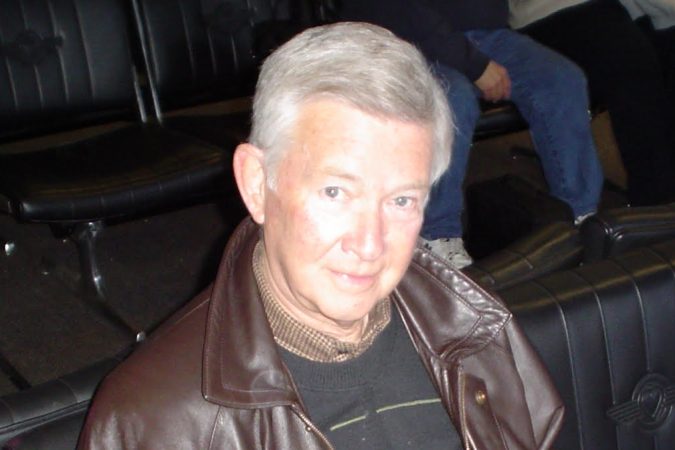
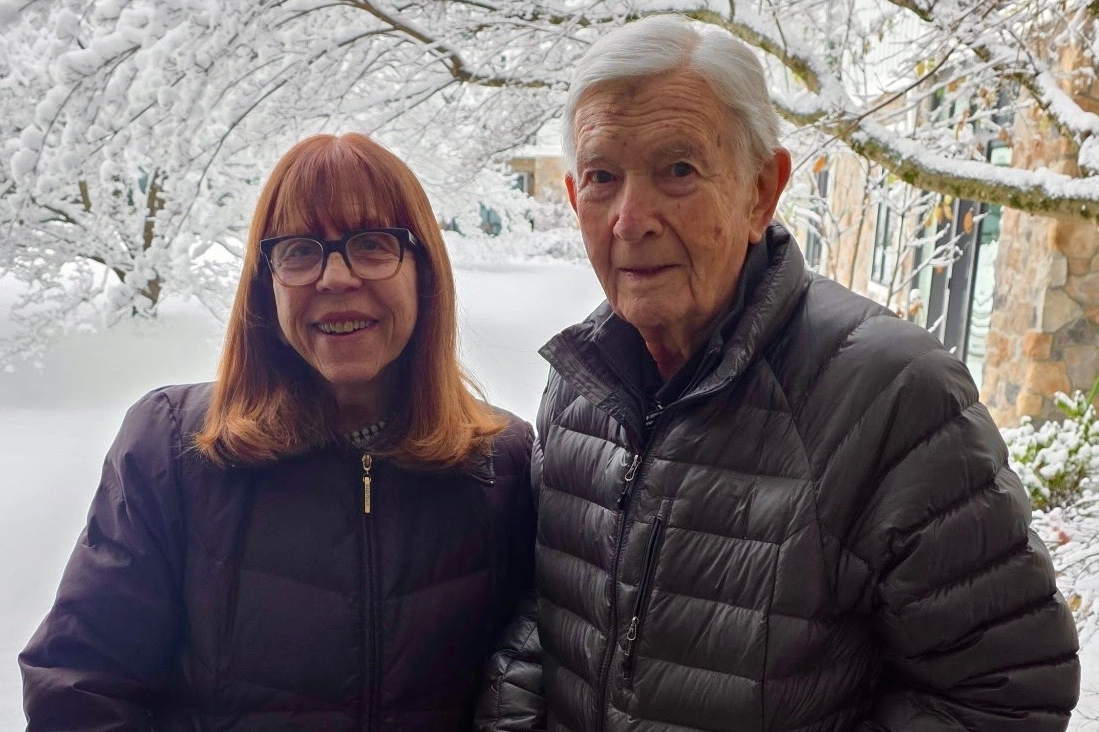
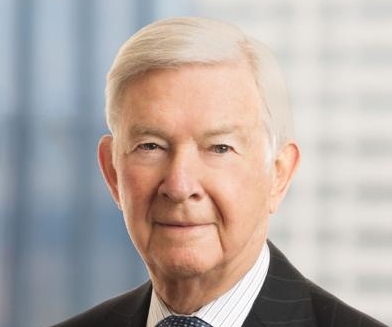
    Bennett L. Aaron, 92, of Bryn Mawr, longtime Philadelphia attorney, honorary trustee of the Jewish Federation of Greater Philadelphia, former president of the Federation of Jewish Agencies of Greater Philadelphia, board member for the Jewish Agency for Israel, onetime chair of the United Israel Appeal, mentor, volunteer, and world traveler, died Monday, June 1, of age-associated decline at Beaumont at Bryn Mawr retirement community.

    Born in Brooklyn, Mr. Aaron earned his law degree at Columbia Law School in New York in 1957, moved to Philadelphia, and spent the next six decades, until his semi-retirement in 2019, focusing on estate planning, gift taxation, probate, and trust law at Cohen, Shapiro, Polisher, Shiekman & Cohen and, later, Pepper Hamilton law firms.

    His clients included principals at Pocono Raceway and the Rite Aid Corp., and colleagues praised his ability to engage through both professional and personal connections. “He understood that estate planning was not merely about documents and tax strategy,” his family said in a tribute, “but about values, legacy, and protecting treasured family succession plans.”

    His son Steve said: “He was a superior listener and problem solver. That was his superpower.”

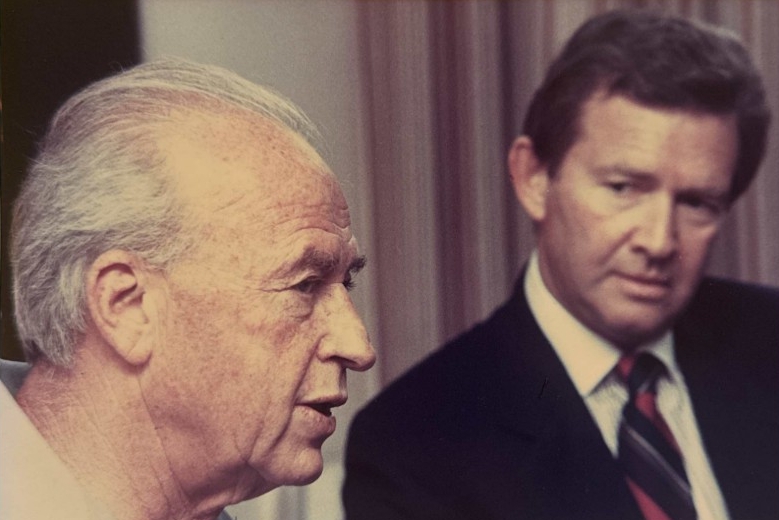
    Mr. Aaron (right) listens to Yitzhak Rabin, former primer minister of Israel.Courtesy of the family

    Mr. Aaron was friendly and energetic, his family said, and he excelled at collaborating through phone conversations and face-to-face encounters. He rarely micromanaged big contracts, colleagues said, but was available if something extra was needed.

    He mentored young lawyers and talked frequently with former Gov. Ed Rendell, former Sens. Arlen Specter and Bob Casey, and other government officials. Colleagues called him “a tremendous community leader and visionary” and “the smartest, warmest, most terrific guy” in online tributes.

    One colleague said: “It was easy to see the positive impact he had on those around him.”

    The son of a New York rabbi, Mr. Aaron was a prolific fundraiser and the local public face of Jewish philanthropy for decades. He served as president of the Federation of Jewish Agencies of Greater Philadelphia from 1983 to 1987, as chair of the United Israel Appeal for the United Jewish Appeal, as chief volunteer officer for the Jewish Federations of North America, and in other roles.

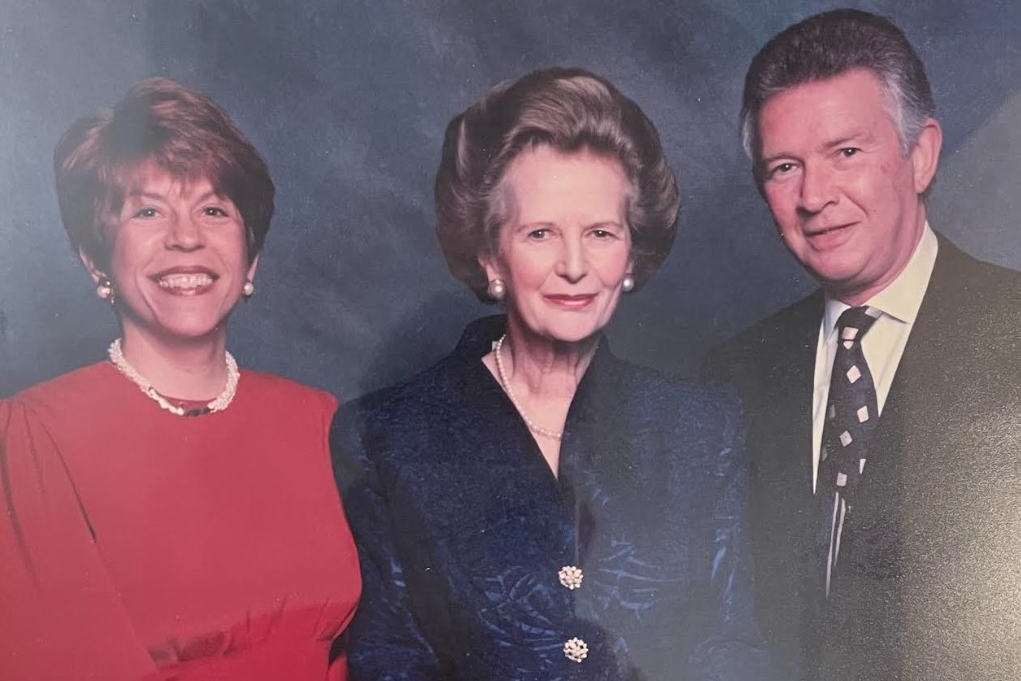
    Mr. Aaron and his wife, Carol (left), met Margaret Thatcher, former prime minister of the United Kingdom, on their travels.Courtesy of the family

    He was adept at balancing assets and liabilities for the nonprofit agencies. He oversaw record-breaking fundraising campaigns in Philadelphia and helped other leaders determine the direction of international Jewish philanthropy.

    His 10-hour fundraising phone-athon at the Civic Center in 1986 drew more than 2,400 volunteer callers and raised a then-record $2.4 million in pledges to the United Jewish Appeal. “We have no trouble getting more than enough volunteers for this,” Mr. Aaron told The Inquirer. “People look forward to coming here all year. There’s camaraderie and plenty of fun.”

    Colleagues at the Jewish Agency for Israel called him “an inspiration to many” and “a true mensch whose character, integrity, and warmth will be greatly missed.”

    Mr. Aaron traveled to Israel often and met with former Prime Minister Yitzhak Rabin, former U.K. Prime Minister Margaret Thatcher, and other leaders. “He worked tirelessly to foster understanding and solidarity between his Philadelphia community and Israel,” his family said. “He leaves behind a legacy of integrity, service, and enduring impact on the city he came to cherish and the causes that defined his life.”

    Mr. Aaron and his wife, Carol, married in 1955.Courtesy of the family

    Bennett Louis Aaron was born Oct. 2, 1933. He and his older brother, Joseph, shared a tiny bedroom, played stickball after school, and cheered for the old Brooklyn Dodgers baseball team.

    He graduated from high school at 16 and earned a bachelor’s degree at Columbia University in 1954 and a master’s degree in taxation at New York University School of Law in 1966.

    He met Carol Perlmann in 1953 at the Pennsylvania summer camp his parents owned, and they married in 1955. They lived in Merion and Bala Cynwyd before moving to Beaumont, and reared daughters Marjorie and Roberta, and sons Morrie and Steve. His daughter Roberta died in 2003.

    Mr. Aaron was an avid tennis player. He had season tickets to Eagles games and traveled with his wife to four Olympic Games.

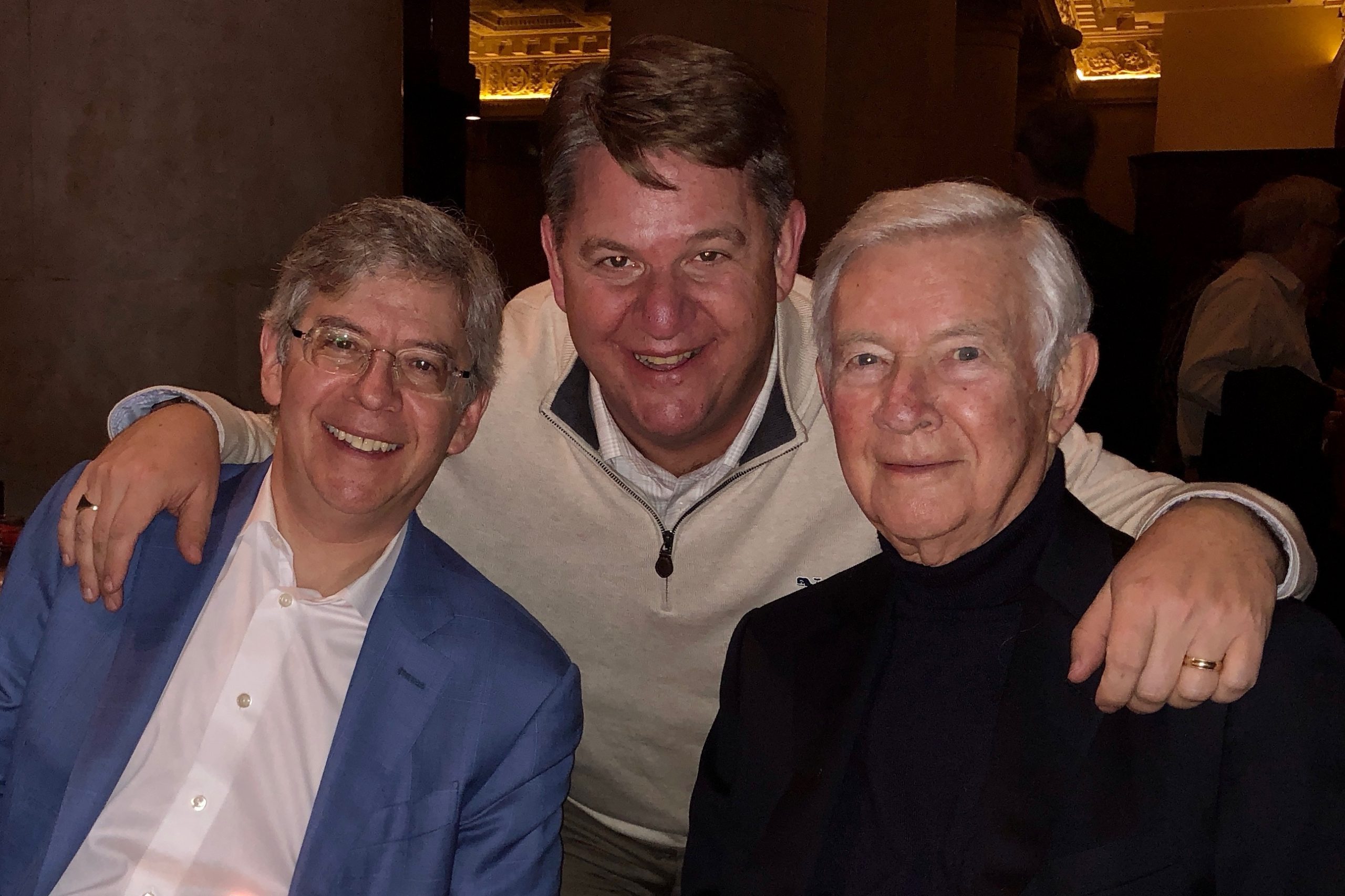
    Mr. Aaron (right) was close with his sons Morrie (left) and Steve.Courtesy of the family

    He cherished his family, everyone said, and he and his wife toured the world together. He was dapper and debonair. He liked to explore downtown city streets between meetings and answer the phone with “Hello there.”

    “He set the standard for hard work and integrity,” his son Morrie said, “always coupled with kindness, compassion, and generosity.”

    “He was the definition of a gentle man,” his son Steve said. His family said: “His was a life lived fully, purposefully, and with a really, really big heart.”

    In addition to his wife, children, and brother, Mr. Aaron is survived by eight grandchildren and other relatives.

    Mr. Aaron “was the definition of a gentle man,” his son Steve said.Courtesy of the family

    Services were held earlier.

    Donations in his name may be made to Penn State Hillel, 180 S. Garner St., State College, Pa. 16801; and the Jewish Federation of Greater Philadelphia, 2 Commerce Square, 2001 Market St., Suite 2300, Philadelphia, Pa. 19103.

  • He called himself ‘the Beast,’ and he killed six people in six months. A jury has convicted him of all crimes.

    He called himself ‘the Beast,’ and he killed six people in six months. A jury has convicted him of all crimes.

    He called himself “the Beast,” and he killed six people in six months.

    Several of his victims were retail store workers who gave up cash or goods during robberies, and he decided to shoot them anyway. One of the victims was his mother — he shot her at her office because he wanted the payout from her life insurance policy.

    On Tuesday, Keith Gibson, 44, was delivered a measure of accountability for his killing spree — one of the worst in recent city history — when a jury convicted him of four counts of first-degree murder and related crimes for the killings he committed in the city in 2021.

    He was immediately ordered to serve four consecutive life sentences in prison. That’s on top of the seven life sentences he had already been handed for two murders and a string of robberies he committed in Delaware.

    The case attracted attention when the crimes happened five years ago, in part because some of Gibson’s targets were compliant and effectively defenseless when he shot them. In one murder, at a Dunkin’ store in Fairhill, surveillance video showed an employee speaking with Gibson for several minutes and handing him cash before he shot her in the head and left her for dead.

    Surveillance video showed Keith Gibson inside the Dunkin’ before he shot and killed Christine Lugo in June 2021. Courtesy of Philadelphia police

    Assistant District Attorneys Jeffrey Hojnowski and Katie Wood called Gibson’s crimes despicable.

    “These were regular, ordinary people, fellow Philadelphians going about their business, trying to work, and they were gunned down callously, needlessly,” Hojnowski said. “This was never about the money. This is about control. This is about dominance.”

    The case also stood out because of questions about why Gibson had been free to kill in the first place. In April 2021, he was jailed in Delaware for a probation violation, and a probation officer told a judge that police considered Gibson a suspect in his mother’s killing. But the judge ordered Gibson released, and in the weeks after, he went on to kill three more people.

    The weeklong trial that led to his conviction in Philadelphia relied heavily on surveillance video and ballistics evidence. Testing showed that Gibson had used the same revolver in every crime, and officers in Wilmington found the gun as they arrested him for robbing a Rite Aid store.

    A former friend, Amanda Masteller, took the stand and testified that Gibson, who she said referred to himself as “the Beast,” carried that revolver everywhere — including into her house and around her children when she let him stay in a spare room from time to time.

    She wanted to tell him to stop coming over, she said, but the gun and his aggressive demeanor left her afraid of what might happen if she did so.

    “I was petrified of this man,” she said.

    Gibson’s crimes

    Gibson’s killing spree began Jan. 28, 2021, at Al-Madinah Traders store in Germantown. There, he rummaged through the shop and stole several watches. He forced employees Roy Caban and Eric Flores into a back room, where he shot Flores in the head and Caban in the back as he tried to flee.

    The following week, Gibson set out after his own mother.

    Christine Gibson, 54, was shot and killed by her son, Keith Gibson, in February 2021. She worked as the director of a mental health program at a community center in East Falls.Courtesy of David Thornton

    Christine Gibson, 54, told family members she was afraid of her son and wanted him to move out of her North Philadelphia home. And, prosecutors said, she had made plans to remove him as the beneficiary of her life insurance policy.

    On the morning of Feb. 8, Keith Gibson accompanied her to the United Peers Community Center in East Falls, where she worked as the director of a mental health counseling program. Once inside, he took her to a small office room in the rear of the building and shot her in the back of the head. Her body was found two days later.

    Soon after, probation officials in Delaware sought to have Gibson held in jail, filing paperwork saying he was a suspect in his mother’s killing and that violated the terms of his probation from a 2010 manslaughter conviction.

    But Superior Court Judge Vivian L. Medinilla declined to extend Gibson’s time in custody. He was released in late April.

    A few weeks later, in late May, Gibson robbed an AT&T store in Elsmere, Del., of cash and phones, and shot and killed the store attendant before stealing her car.

    And in early June, his crimes continued in Philadelphia.

    Surveillance video played at trial showed Gibson wandering the city on foot before dawn on June 5. After leaving his house on the 2700 block of North Croskey Street at 4:25 a.m., evidence showed, Gibson walked about a mile and a half to the Dunkin’ at Fifth Street and Lehigh Avenue.

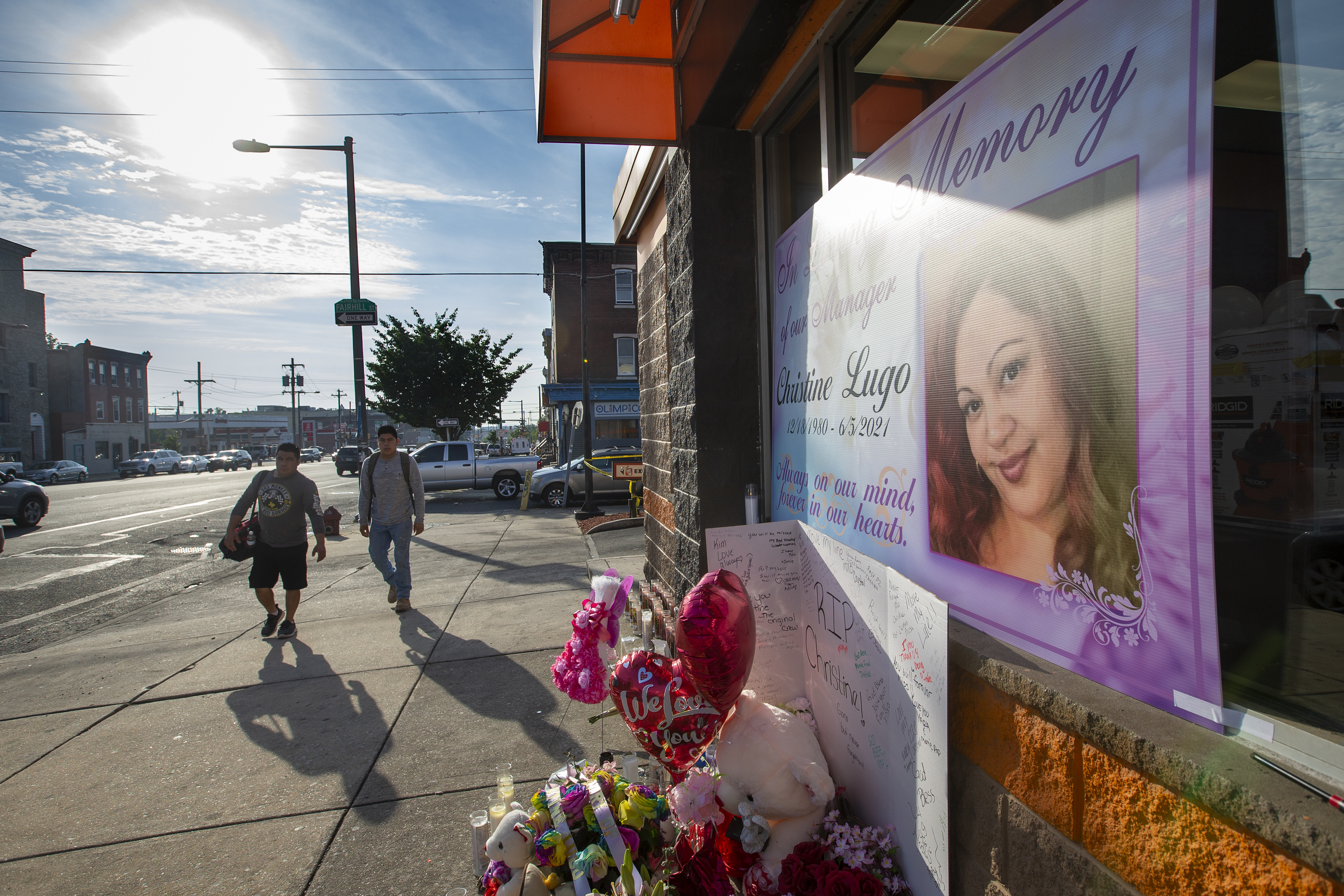
    Christine Lugo was unlocking the store to start her shift when Gibson walked over to her with his gun and shoved her inside.

    Christine Lugo was killed during a robbery at the Dunkin at 532 W Lehigh Ave. on June 5, 2021.

    Cameras from inside the store captured the lengthy encounter. Lugo did not appear to panic, and was not aggressive toward Gibson. Instead, she could be seen shrugging at times and showing Gibson her wallet, as if to suggest she didn’t have anything for him to take.

    Eventually, she sat down on a chair in a closet-size office and gave Gibson about $300 from the cash register trays.

    Gibson then glanced at his watch, shot Lugo in the head, and walked out.

    Later that day, he went to Wilmington, where he shot and killed Ronald Wright, 42, during a robbery.

    His string of crimes began to unravel there three days later, when he robbed a Wilmington Rite Aid and stole a bag of cash — with a tracking device inside. Police quickly arrested him with a revolver behind a rowhouse. Ballistics tests later showed the same gun had been used at Al-Madinah Traders and in the killings of Gibson and Lugo.

    Tips from the public identifying him in surveillance footage then bolstered the investigation. After Lugo was killed, police released some footage from the incident to try to identify a suspect. Masteller — his former friend from Delaware — said she saw it and called to tell police the man in the video was Gibson.

    Gibson’s attorneys, Jonathan Strange and Brian Johnson of the Defender Association, said homicide detectives rushed to tie Gibson to other crimes as a means of closing old, unsolved cases. They failed to collect or test certain evidence, Johnson said, including surveillance video and DNA in some of the cases.

    “The police had to take the easy way out,” he said.

    Following his convictions, Gibson, in a lengthy ramble, said he was not happy with his legal representation and intended to appeal his convictions. He was not guilty, he said. And he only briefly addressed his victims’ families, saying: “I’m extremely sorry for your loss.”

    It brought no comfort to the loved ones of his victims who had filled the courtroom throughout the trial.

    Lugo’s children, Frances Rodriguez and Christian Lugo, said the disturbing video of their mother’s death will remain etched in their memories. Still, as prosecutors played it several times, they stayed to watch.

    Left to right: Frances Rodriguez, Christine Lugo, Christian Lugo, and another family member celebrate Christmas.Courtesy of Frances

    “I didn’t want my mom to be alone,” said Rodriguez, 27. “She already had to experience it alone already.”

    Lugo, originally from Massachusetts, had a vibrant laugh and believed fiercely in giving people second chances, they said. She had two children and three grandchildren.

    Also in the courtroom Tuesday were members of Gibson’s family, who had spent years praying he would be held accountable for killing his mother.

    David Thornton, 68, said his nephew stole the golden years of his sister’s life.

    Christine Gibson overcame years of addiction, he said, and went on to earn a master’s in sociology from Widener, bought a house in Philly, and was working a job she loved. She was strong, outgoing, and full of joy.

    She had told Thornton she was afraid of her son, he said, but did not want to call the police.

    “She’d say, ‘That’s my son,’” Thornton said. “That was her only child.”

    They never imagined it would come to this.

    “Some things,” he said, “are not meant to be understood.”