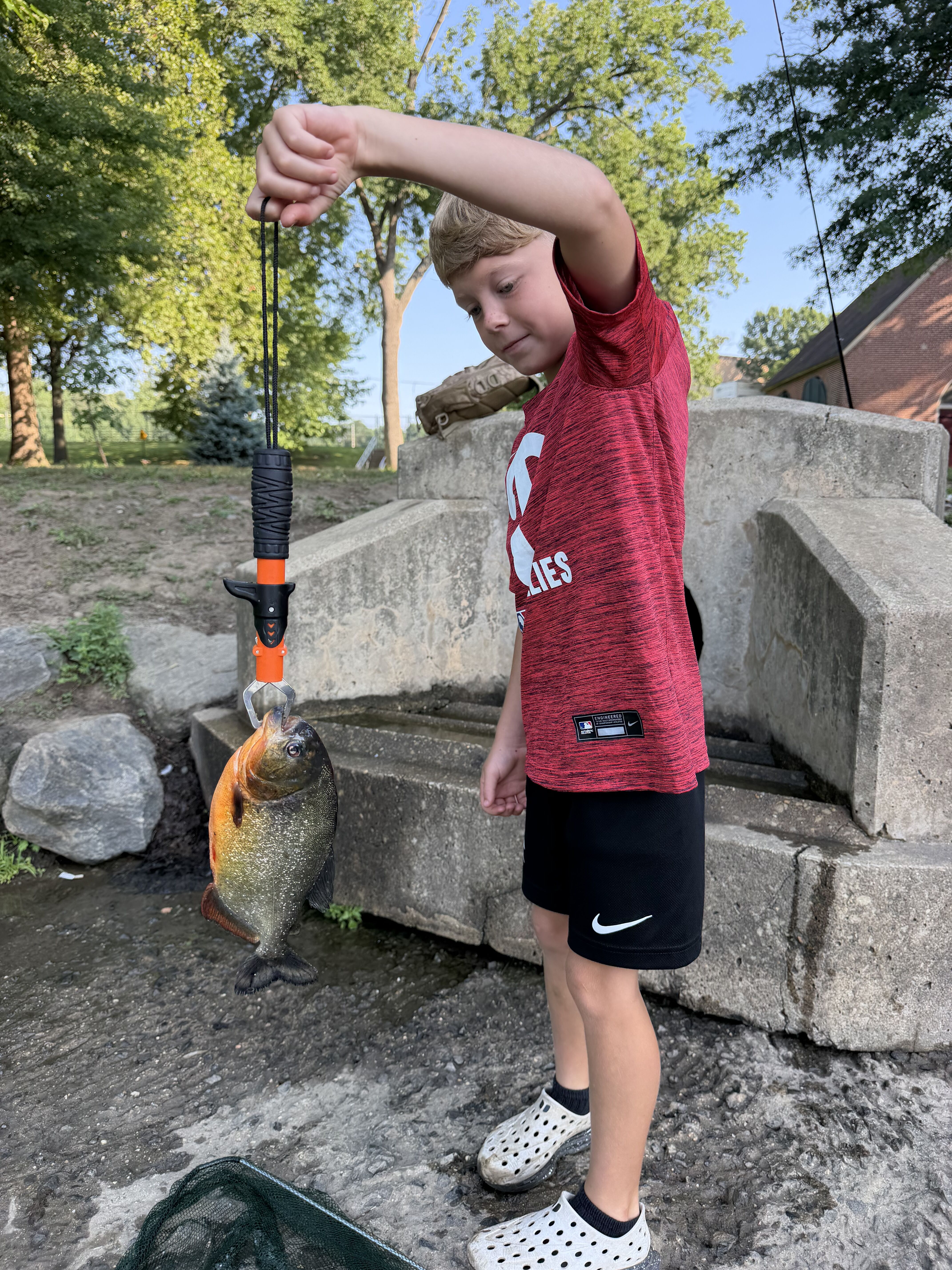
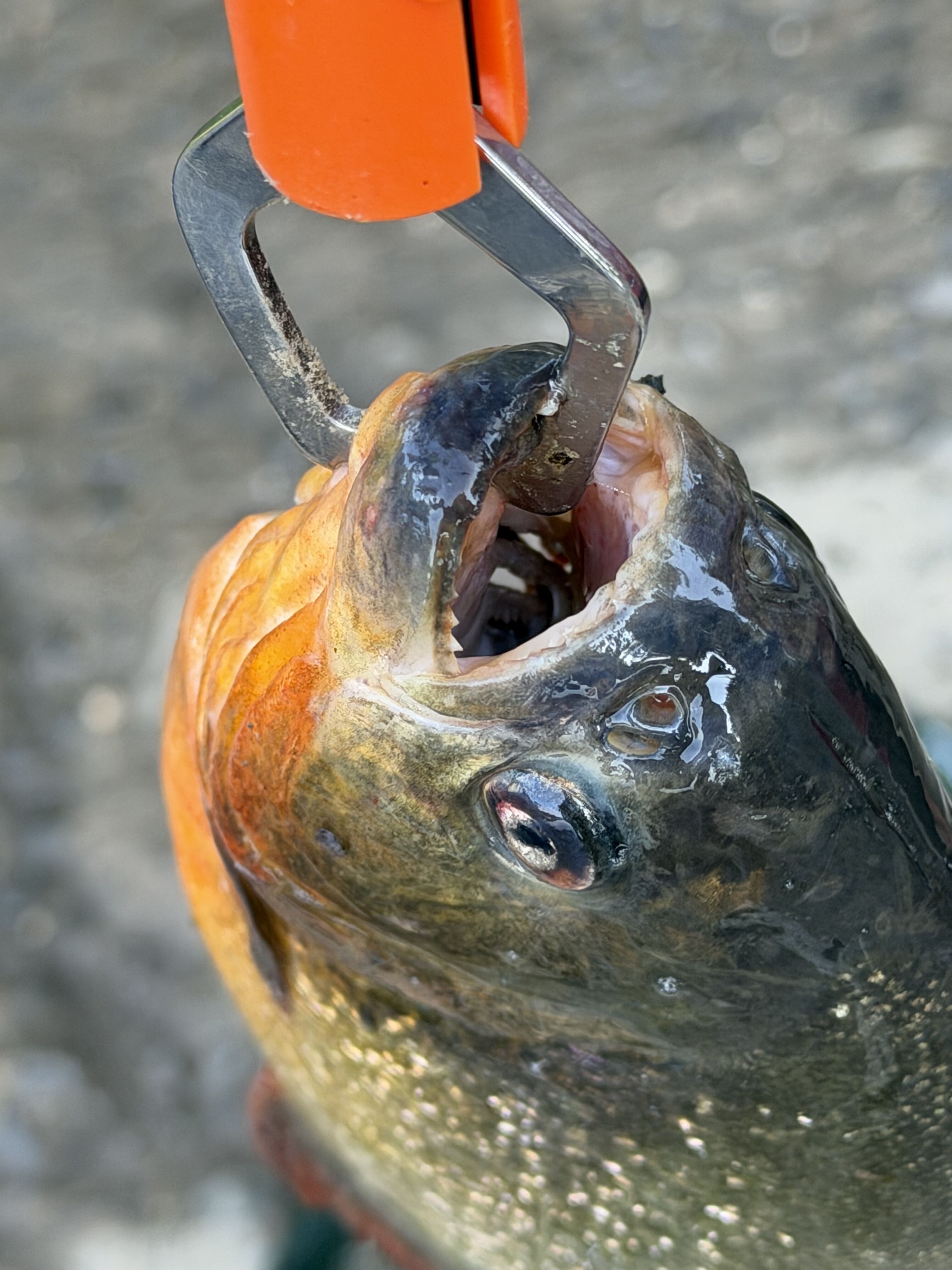
When 8-year-old angler Seamus Coffey reeled in a 2-pound, red-bellied creature with menacing teeth last weekend, he knew exactly what he had caught.
“That’s a piranha!” Mike Coffey recalled his son screaming on the banks of Ridley Park Lake.
Surely, his father thought, Seamus was mistaken — this must just be a bluegill or sunfish or a bass. A quick reverse image search confirmed Seamus’ hunch.
“No, Dad,” Seamus, who loves watching fishing videos on YouTube, insisted, “that’s a piranha.”
Pictured here, the piranha at the center of Seamus Coffey’s recent virality.Courtesy of Mike Coffey
Now, Seamus is a budding influencer and wannabe YouTuber. Brands are sending him fishing gear, according to de facto manager and agent Mike, who is fielding media requests and running a GoFundMe for filming equipment. Their new Instagram persona, @ReelTalkPiranha, bills them as the “father-and-son duo who took down the infamous Delco Piranha.”
“I understand it’s an extremely, extremely rare circumstance to catch the fish that we did, but we did not expect anything like this,” Mike Coffey said of their virality.
Seamus, meanwhile, has not quite internalized his newfound fame. His bashful TV appearances have been clipped for social media — “I’m everywhere,” Coffey recalled his son saying while scrolling on the couch — but he “doesn’t really understand how big it is.”
Saturday, Aug. 8, started as a normal day of fishing for the Coffeys. Armed with frozen shrimp, they cast their reels hoping to maybe catch a catfish. After a little more than an hour, Seamus pulled in the piranha.
Mike Parker, spokesperson for the Pennsylvania Fish and Boat Commission, said biologists visually confirmed it was a “species of piranha.” No other piranhas have been reported at the lake.
The South American tropical fish was likely a pet whose owner dumped it in the Delco lake — a crime punishable by misdemeanor charges or fines, according to Parker.
“If you have one of these exotic pets and you can no longer take care of it … you have to understand you’re responsible for that animal,” Parker warned. “Releasing it isn’t only illegal, but it’s really cruel.”
While the catch was concerning and unusual, Parker said, his agency does not believe this is a serious or ongoing threat. Frankly, he said, tropical fish cannot survive a Pennsylvania winter. (Mike Coffey said he killed the fish humanely and threw it back into the water.)
“A lot of things happen for a reason,” Coffey said. Seamus “had a lucky catch that day and it took off.”
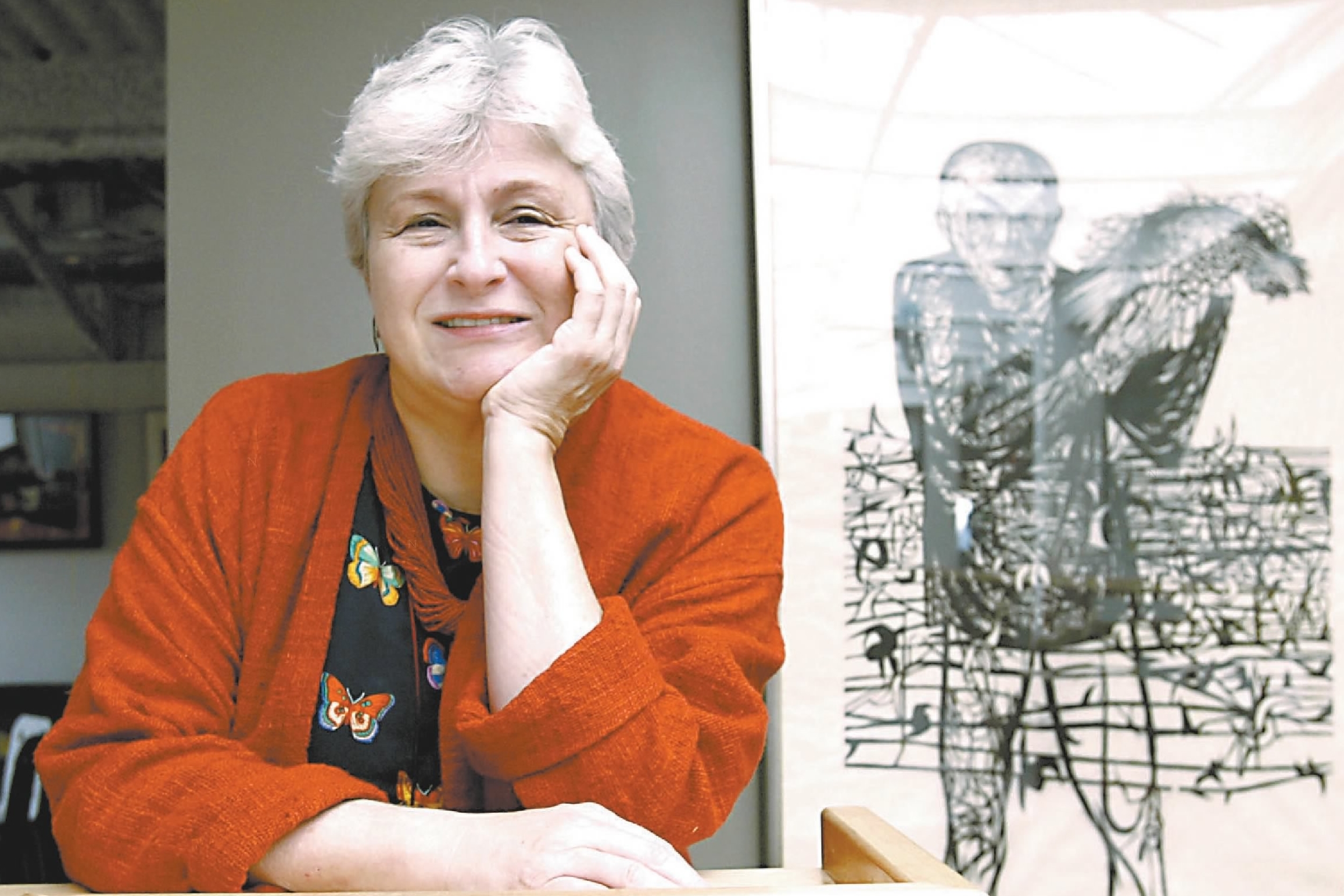
Thora Jacobson, 77, of Philadelphia, award-winning former chief executive officer at the Fleisher Art Memorial, former executive director at the Philadelphia Art Alliance, former director of design review for Mural Arts Philadelphia, former chief operating officer for Philagrafika, former chair of the Philadelphia Art Commission, onetime adjunct instructor at Drexel University, independent curator, artist, mentor, Mummers Parade judge, and much more, died suddenly Sunday, Aug. 2, at her home. The exact cause of her death has not been determined.
Born and reared in Ridley Park, Delaware County, Ms. Jacobson became interested in art education, administration, and conservation at Trinity Washington College in Washington in the 1960s. She settled in South Philadelphia after college in the 1970s and spent the next 50 years organizing, promoting, and inspiring local artists and art organizations.
“Philadelphia richly deserves to be known as a place that honors its own,” she told The Inquirer in 2006.
She joined Fleisher in 1972, rose to CEO in 1983, and left in 2006 to work over the next two decades at Philagrafika, Mural Arts Philadelphia, the Philadelphia Art Alliance, and elsewhere. During her 34 years at Fleisher, she developed its Center for Works on Paper, the Community Partnerships in the Arts program, and the Challenge series juried competition.
She also oversaw three capital campaigns and told The Inquirer that her priority was “seeing connections and possibilities between and among artists, institutions, and their constituencies.” A colleague said on Facebook: “To many of us she was Fleisher.”
John Ittmann, former curator at the Philadelphia Museum of Art, told The Inquirer in 2006: “Thora is a real firecracker. She has a wonderful type of energy that is really infectious.”
Ms. Jacobson was also chair of the Philadelphia Art Commission for a decade, interim director of operations for the Asian Arts Initiative, vice president of the Philadelphia Volunteer Lawyers for the Arts, trustee of the National Guild of Community Arts Education,member of the American Swedish Historical Museum,and, most recently, a visual arts management consultant.
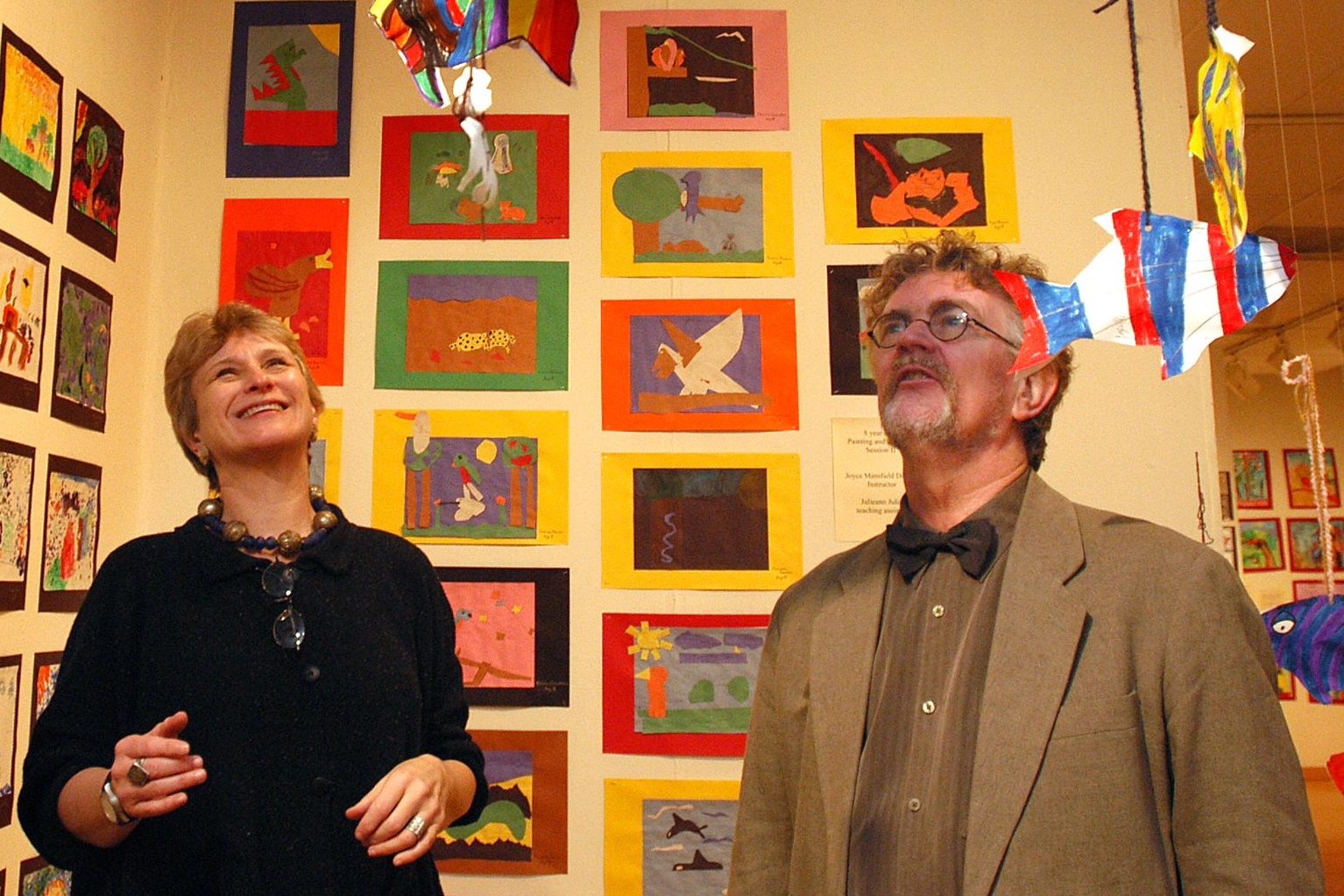
Ms. Jacobson and fellow curator Warren Angle admire an exhibition at the Fleisher Art Memorial in 2002. April Saul / Staff Photographer
“Thora was kind and clear,” colleagues at Social Impact Studios said on Facebook, “but firm as she pushed us to keep tweaking things until they were as strong as they could be.”
She was an adjunct instructor at Drexel University from 2010 to 2014 and led research projects at Drexel and the University of Pennsylvania on social impacts of art in Philadelphia neighborhoods. Her first job out of college was coordinator of the student center at the Art Museum.
She curated and juried shows, and wrote forwards and essays for art books and catalogs. She drew in her spare time and judged the Mummers Parade for years.
She was featured in The Inquirer and Daily News, and appeared in the 1992 TV art documentary Monuments in Love. In 2006, she earned the Visionary Woman Award from Moore College of Art and Design, and was honored for lifetime achievement by Tri-State Artists Equity.
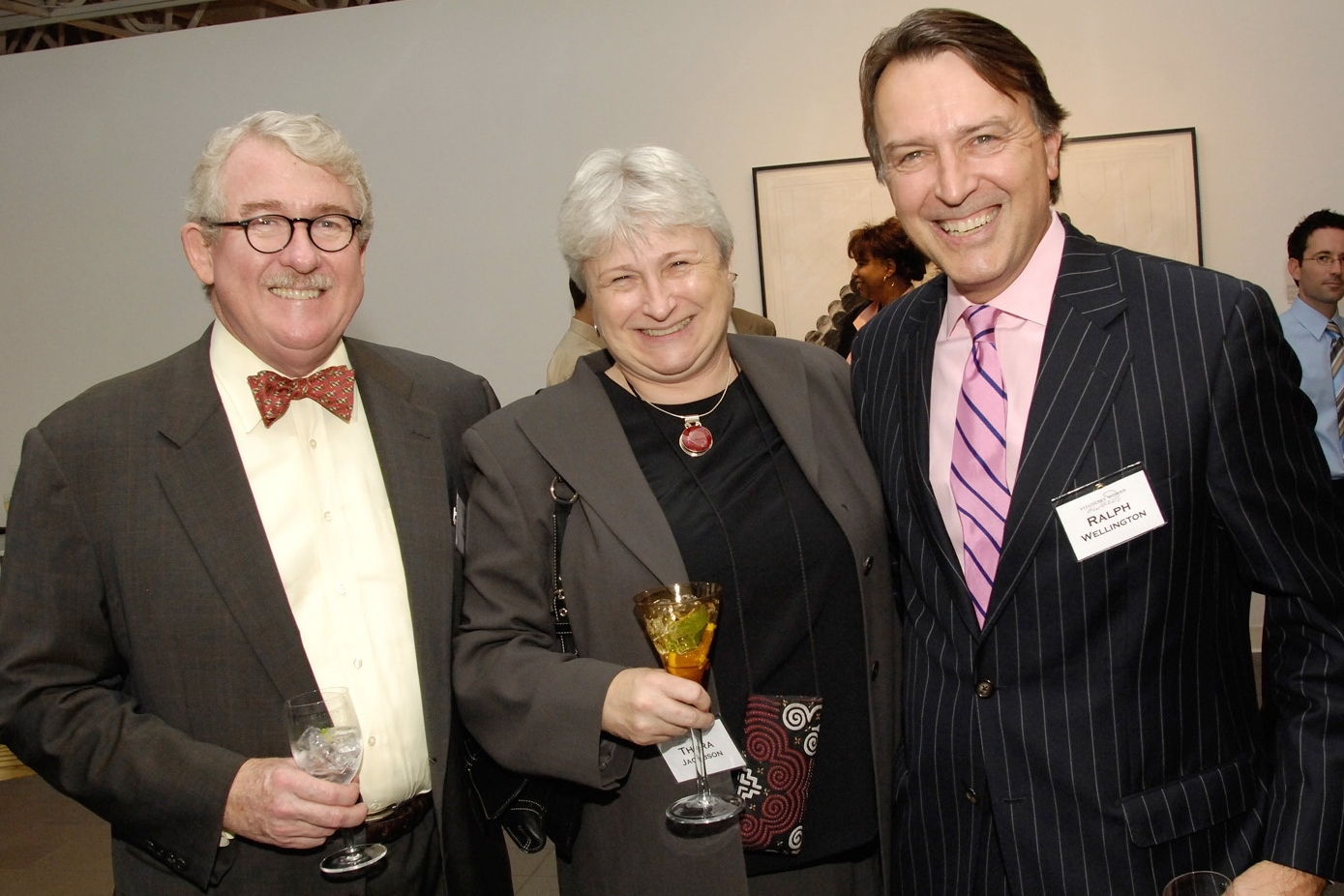
Ms. Jacobson, standing between Jim Straw, to the left, and Ralph Wellington to her right, earned the Visionary Woman Award from Moore College of Art & Design in 2006.Gary Horn Photography
“She’s really respected throughout the arts community in Philadelphia,” Happy Fernandez, then president of Moore, said in 2006. Anne d’Harnoncourt, then director of the Art Museum, said Ms. Jacobson’s “impact has been enormous.”
William Valerio, director and CEO of the Woodmere museum, said: “Thora was a towering figure in the arts of Philadelphia, a builder of institutions whose accomplishments are lasting.”
Thora Elizabeth Jacobson was born Feb. 19, 1949, in Ridley Park. She was the youngest of three children; her father died when she was 3. She played field hockey in high school, was fascinated by words and language, and graduated from the old Holy Child Academy in Sharon Hill.
She met her husband, Antonio Sorgini, when he was taking classes at Fleisher, and they married in 1980 and had a son, Antongiulio. Her husband died in May.
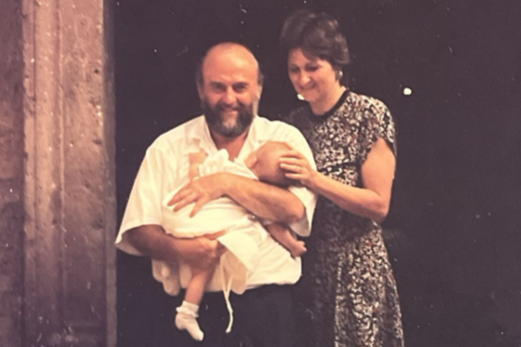
Ms. Jacobson, her husband, Antonio Sorgini, and their son, Antongiulio, lived in South Philadelphia.Courtesy of the family
Ms. Jacobson was a talented seamstress and baker. She did humorous impersonations, collected art, and enjoyed working with young people.
Friends noted her “many kindnesses” and “decades-long advocacy for artists and the cultural community” in online tributes. Woodmere’s Valerio said: “She was both a strong voice and a warm friend to many.”
Her son said: “She had a sharp wit and relished cheerful banter among friends and colleagues. Above all, she took the work of mentorship very seriously.”
In addition to her son, Ms. Jacobson is survived by a sister and other relatives. A brother died earlier.
Friends noted Ms. Jacobson’s “many kindnesses” and “decades-long advocacy for artists and the cultural community.”Courtesy of the family
A celebration of her life is to be held later.
Donations in her name may be made to the Fleisher Art Memorial, 719 Catharine St., Philadelphia, Pa. 19147; and Mural Arts Philadelphia, 1727-29 Mount Vernon St., Philadelphia, Pa. 19130.
Ms. Jacobson was a talented seamstress and baker. Mark Garvin, / Philadelphia Museum of Art
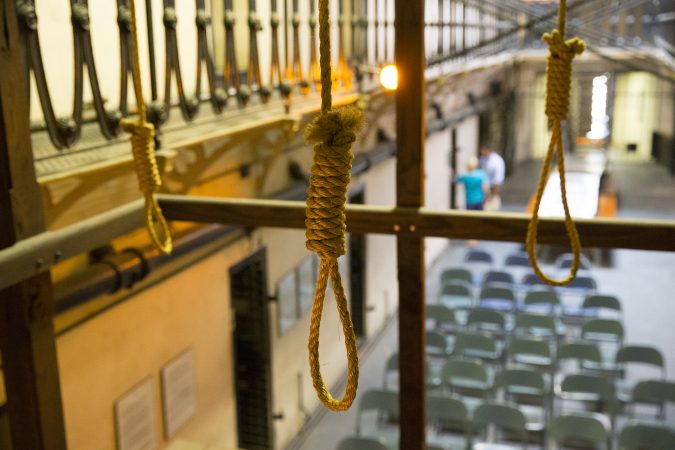
Ten Irish Catholics from the hard coal region went to the gallows, convicted of murder in a long-running labor war against the all-powerful coal companies. Another 10 would be hanged over the next few years, for a total of 20. Their trials made a mockery of justice, with a coal company president as prosecutor, a Pinkerton detective hired by the company as the star witness, and Irish Catholics excluded from the jury.
The hanged men were called Molly Maguires, a name straight out of Ireland, where a secret society using that moniker battled the landlords on behalf of starving peasants during the horror of the 1840s potato famine. These Mollies disguised themselves in women’s clothing, or straw clothing, or whiteface or blackface. And they timed their killings around major holidays.
That’s because the Molly Maguires were merely the flip side of a group quite familiar to Philadelphians — the mummers. The connection explains many of the mysteries about the Mollies — where the name came from, why the Mollies wore odd disguises, why they did their killing around high points of the calendar, and why they were revived in Pennsylvania amid resistance to the Civil War draft.
In Ireland, mummers were more actors than musicians. They visited every home in a district around New Year’s and collected money by putting on a skit that always featured a killing. The money paid for a party for the whole community. Groups like the mummers performed this kind of trick or treat around other big holidays — St. Brigid’s Day on Feb. 1, Easter, the summer solstice and Halloween.
During the potato famine, small bands of men — dressed in the women’s clothes or the straw of the mummers — began going from house to house, collecting money for the hungry. But these men weren’t mummers. They were Molly Maguires. And when they didn’t get what they wanted, or when landlords evicted tenant farmers, the mock killing of the mummers became the very real violence of the Molly Maguires.
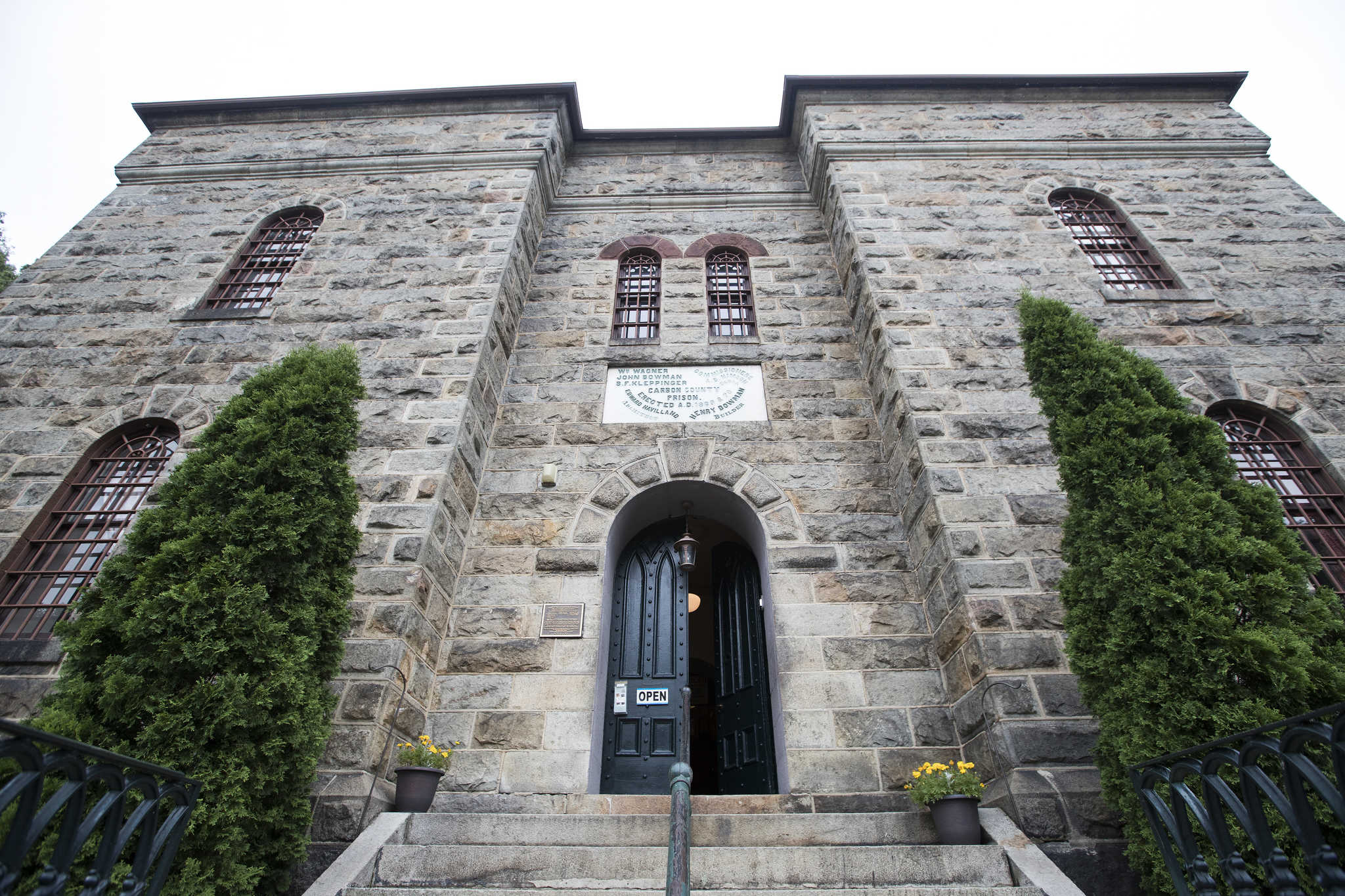
The entrance to the former Carbon County Jail in Jim Thorpe, Pa., where seven Irish coal miners were hanged in 1877.CHARLES FOX / Staff Photographer
The killings often took place around the days that the mummers celebrated, to signal that the Mollies were acting on behalf of the community. The three most celebrated Molly murders in Ireland came within a day or two of St. Brigid’s Day, the summer solstice, and Halloween.
The name itself sounds like something from the mummers’ play. A female character often had names that began with the letter M — Molly Masket or Mary Ann McMonagle. And, curiously, Molly Maguire wasn’t always Molly — a number of death threats were signed “Mary Ann Maguire.” The similarity between “Mary Ann McMonagle” and “Mary Anne Maguire” underlined the links between the mummers and the Mollies.
Famine emigration led many from the Molly Maguire heartland to the booming anthracite industry in Northeastern Pennsylvania. It was one of the few rural places in the United States where famine immigrants settled in such concentrated numbers that the folkways of the Irish countryside were transplanted wholesale, including mummery — and its associated pattern of violence. In 1848, a man acquitted of killing an Irishman was murdered in Schuylkill County, on Dec. 30. The killer, an Irishman, had whitened his face like a mime or a mummer.
Mummery had long been established in Philadelphia, but a peculiar offshoot, called the fantasticals, emerged in Northern Liberties before the Civil War, as a protest against mandatory militia service. At the time, able-bodied men between ages 21 and 45 were regularly required to muster for militia drill. This meant a day without pay — and the fantasticals protested by making a mockery of it.
They showed up for drill in ridiculous costumes, with giant wooden swords, or in some cases the leg of a deer. This mockery widened from muster day to mummers parades around Christmas and the Fourth of July and Halloween, and spread beyond Philadelphia.
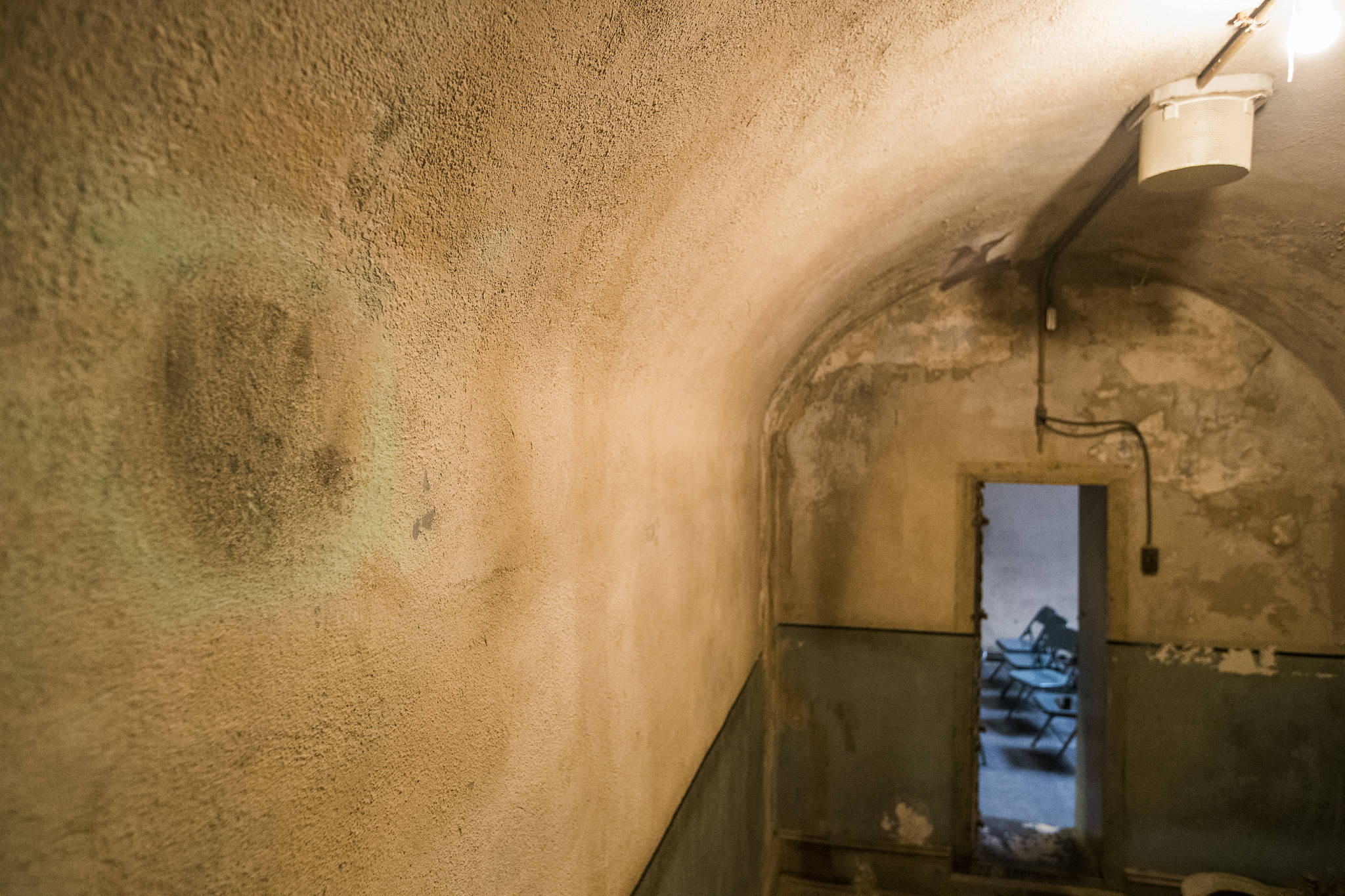
Before one of the Molly Maguires was hanged, he put his hand on the dirty floor of his cell in the former Carbon County Jail and then placed it firmly on the wall proclaiming, “This handprint will remain as proof of my innocence.”CHARLES FOX / Staff Photographer
In 1855, the Pottsville militia was called out after a mine boss was beaten in Branchdale, Schuylkill County. Though just four men attacked him, the militia rounded up 28 Irish Catholics. Adding insult to arrest, the militia then played a Protestant anthem from Ulster, “The Boyne Water,” which celebrated the defeat of Catholic Ireland.
It just so happened that the fantasticals made their first appearance in Schuylkill County that very year, marching in Pottsville on Christmas Day. The whole performance mocked the Pottsville militia and its music. The captain wielded a giant wooden sword, the rest were dressed in “every imaginable burlesque costume,” and the band was drunk — and played that way. In 1857, when the militia was used to break a strike by largely Irish mine workers in Cass Township, the fantasticals appeared in Schuylkill Haven on the Fourth of July and in Cressona on Dec. 26.
A few short years after those anti-militia mummers parades, opposition to compulsory militia service in the Civil War led to the revival of the Molly Maguires. The man who administered the 1862 militia draft in Schuylkill County was a nativist Republican who saw conscription as a way to sweep large numbers of Irish Catholic Democrats into the maw of a bloody war. He set unfairly high conscription quotas for heavily Irish Cass Township, then urged that the draftees be shipped out before a crucial election.
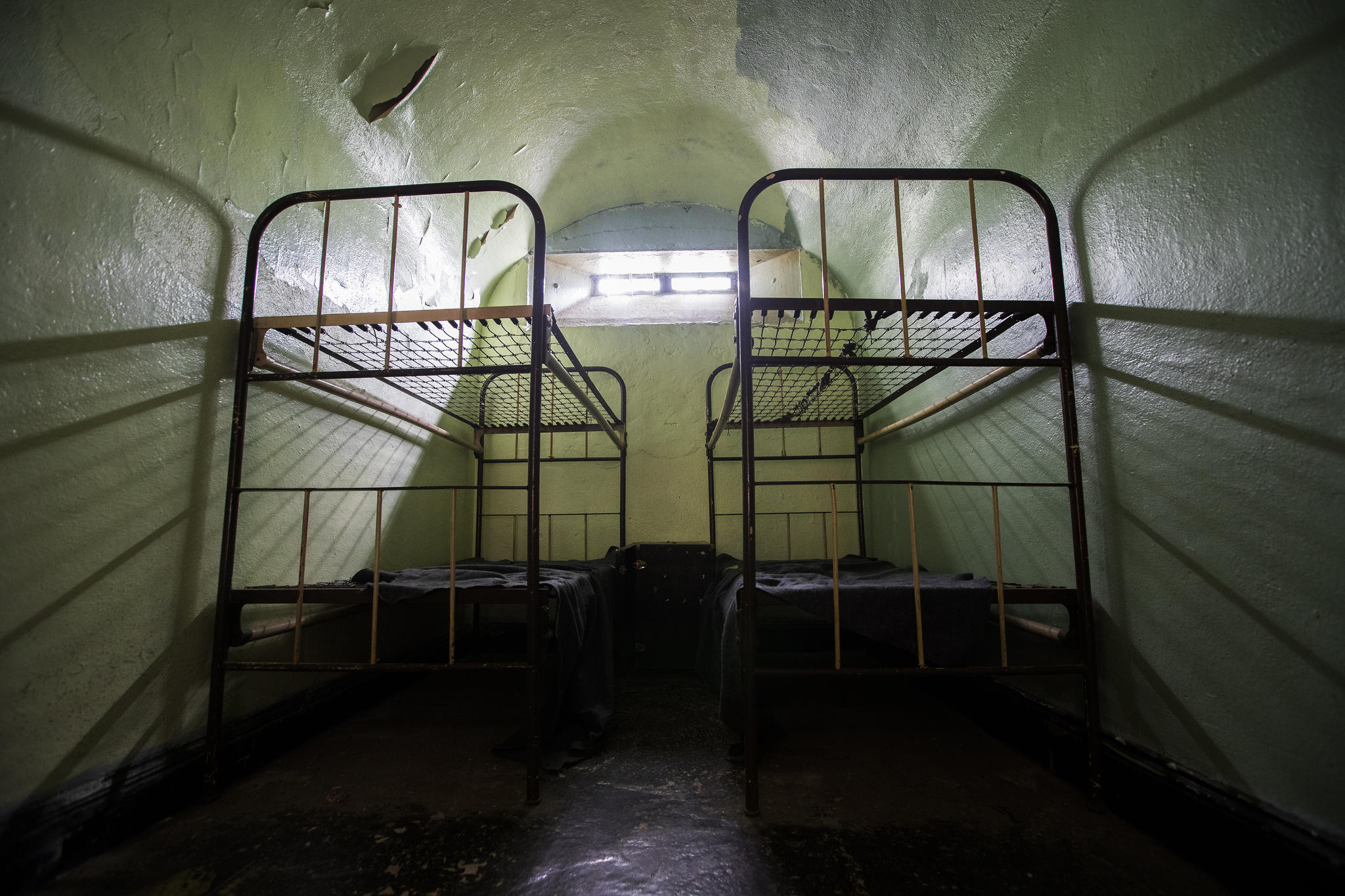
A cell in the former Carbon County Jail in Jim Thorpe, Pa.CHARLES FOX / Staff Photographer
In response, Irish mine workers went out on strike, marching under arms with a fife and drum from mine to mine. Two months later, they went out on strike again, calling themselves Molly Maguires. When a government crackdown appeared imminent, the Mollies targeted residents who had shown government sympathies by volunteering for the military.
On Jan. 2, 1863, five men fatally shot an Irish mine worker home wounded from the Union Army, then cheered for the Confederate president. Over the next nine days, two former militia men were attacked in Cass Township. A few days after Halloween, gunmen with false whiskers and blackened faces killed a mine owner who had been helping to enforce conscription.
Note the progression. In the last half of the 1850s, some Schuylkill County residents were making fun of the militia, but by 1862, they were on strike to oppose the militia draft, and as 1862 edged into 1863, they were shooting former militia members around New Year’s. As in Ireland, what started as mummer revelry ended as Molly Maguire rebellion.
The Molly troubles raged for another 15 years, ending only when a Pinkerton infiltrated the organization. The ensuing executions showed that the Mollies were no match for the coal companies and the state of Pennsylvania when it came to dealing death at high points of the calendar. The biggest killing — the hanging of 10 men on June 21, 1877 — came on the summer solstice.
This Fourth of July will be unlike any in recent memory. As the nation marks its 250th anniversary, Philadelphia and the surrounding region are packed with celebrations — and fireworks displays. From the city and suburbs to South Jersey and the Shore, there are dozens of opportunities to catch a show.
Whether you’re staying in Philadelphia, heading to the suburbs, or spending the holiday down the Shore, here’s where to find Fourth of July fireworks across the region.
Wawa Welcome America: 🕙 July 4, 5 p.m. 📍Christina Aguilera and Philadelphia native Jill Scott headline a concert followed by fireworks, 2600 Benjamin Franklin Parkway, Philadelphia, Pa., 19130, 🌐 july4thphilly.com
Conshohocken Fireworks Display: 🕙 July 3, 9:15 p.m., 📍The fireworks will take place at Sutcliffe Park, but the borough is closing the park and surrounding areas to the public due to the size of the display. (They advise you to watch the show from another vantage point in town.), 🌐 conshohockenpa.gov
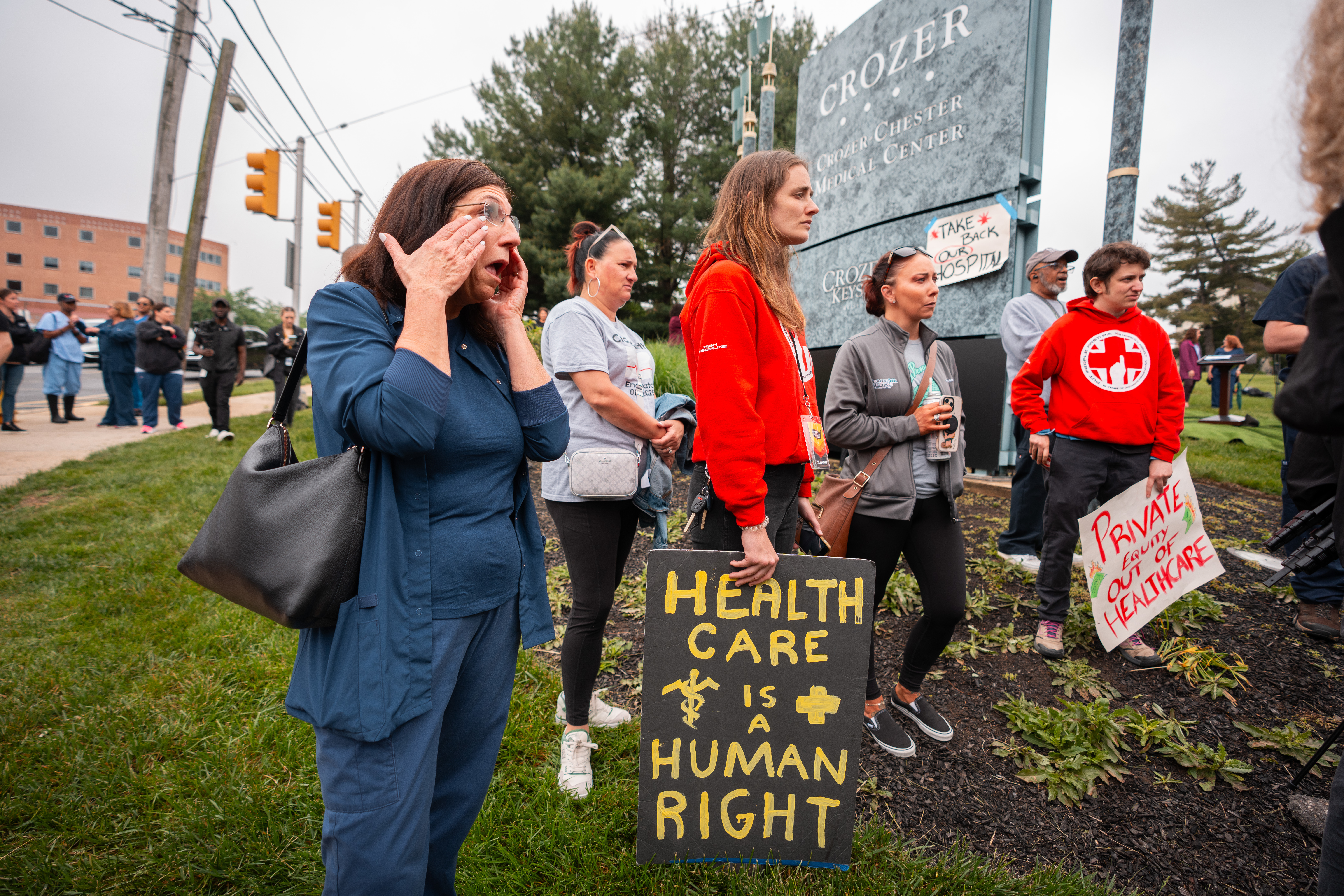
Dawn Pierce felt heartbroken last spring when she learned that Crozer-Chester Medical Center was closing.
The hospital had long been a lifeline in a city with limited healthcare services. Many Chester residents, like Pierce, were unsure where to turn for care when the hospital’s for-profit owner, California-based Prospect Medical Holdings, declared bankruptcy and shut down Crozer and Taylor Hospital in Ridley Park last spring.
“I don’t think of myself as one that will sit around and watch things happen, but I felt hopeless,” Pierce said.
Nearly a year later, Pierce and other residents say the community was left with major healthcare gaps: There are no primary care doctors or pediatricians in town. Locals who received routine care at the hospital had to switch to doctors outside the city, dealing with long drives or rides on public transportation. Some are going without care.
And many worry about whether they can make it to another hospital in time during a medical emergency.
Janice Cimabue, left, and Jamie Blair, center, with Put People First PA, after a news conference outside of the recently closed Crozer Medical Center in Delco, in Philadelphia, May 15, 2025. Jessica Griffin / Staff Photographer
These concerns have emerged through grassroots canvassing by One Pennsylvania, which shared its findings at a news conference this month. In recent months in Chester, organizers have knocked on 4,300 doors to gauge residents’ thoughts on Crozer’s closure and encourage them to advocate for better healthcare options in the city.
The membership group focuses on issues including housing rights and environmental justice. Originally founded as part of a 2011 Pittsburgh campaign by the labor union SEIU, it became an independent organization in 2015 and expanded into the Philadelphia area in 2016.
Pierce, who heads its Chester chapter, counts herself relatively lucky: While she saw specialists at Crozer, her primary care physician was at a different health system. But her brother and his significant other spent most of last year looking for a new doctor after Crozer closed.
“I do think they finally found someone, but at this point those visits are not near Chester. They’re 20 to 30-plus minutes away,” Pierce said.
Residents told One Pennsylvania organizers they felt relief that Chester officials did find a solution for EMS services lost in the closure. The city contracted with VSMC, an ambulance company, for higher-level care on the go, including blood transfusions.
“The restoration of EMS services and ambulance for our city — this matters,” Pierce said at the event held outside a downtown church on a recent Saturday. “However, EMS is a bridge. It’s not the final destination.”
(function() {
var l2 = function() {
new pym.Parent(‘he_chester’,
‘https://media.inquirer.com/storage/inquirer/projects/innovation/arcgis_iframe/he_chester.html’);
};
if (typeof(pym) === ‘undefined’) {
var h = document.getElementsByTagName(‘head’)[0],
s = document.createElement(‘script’);
s.type = ‘text/javascript’;
s.src = ‘https://pym.nprapps.org/pym.v1.min.js’;
s.onload = l2;
h.appendChild(s);
} else {
l2();
}
})();
Chester Mayor Stefan Roots told residents at the news conference that he met recently with representatives from the Crozer property’s new owner, for-profit Chariot Equities, which says it wants to restore medical services to the campus.
Roots said he couldn’t provide many details about a plan for the 64-acre campus that straddles Chester and Upland Township in Delaware County, which Chariot purchased last month for $10 million. Chariot said at the time it planned to operate a “right-sized” hospital and emergency department at the facility.
The new ownership comes after government-supported efforts failed to convince other local health systems last year to form a new nonprofit to run Crozer-Chester and other Crozer Health facilities.
Chester Mayor Stefan Roots told city residents that he met recently with representatives from the Crozer property’s new owner, for-profit Chariot Equities, which says it wants to restore medical services to the campus. Tyger Williams / Staff Photographer
Roots said the new owner has impressive plans, but it could take years to bring back medical services, if successful. “It’s going to take some time, it’s going to take some money, and all we can do right here is to readjust,” he said.
Delaware County Council voted Wednesday to end a disaster declaration over lost EMS services in the wake of Crozer’s closure, since communities left without services, like Chester, had been able to contract with other EMS providers, WHYY reported.
Chester resident Andrea Robinson say she’s still feeling the impact of the lost medical services.
Robinson had to find new doctors after the closure, and a family member is now traveling farther to receive care for a mental health condition once treated at Crozer. And while other area hospitals are taking patients from Chester, the influx of new patients has at times led to long wait times elsewhere.
“We are truly in need of medical services now,” she said.
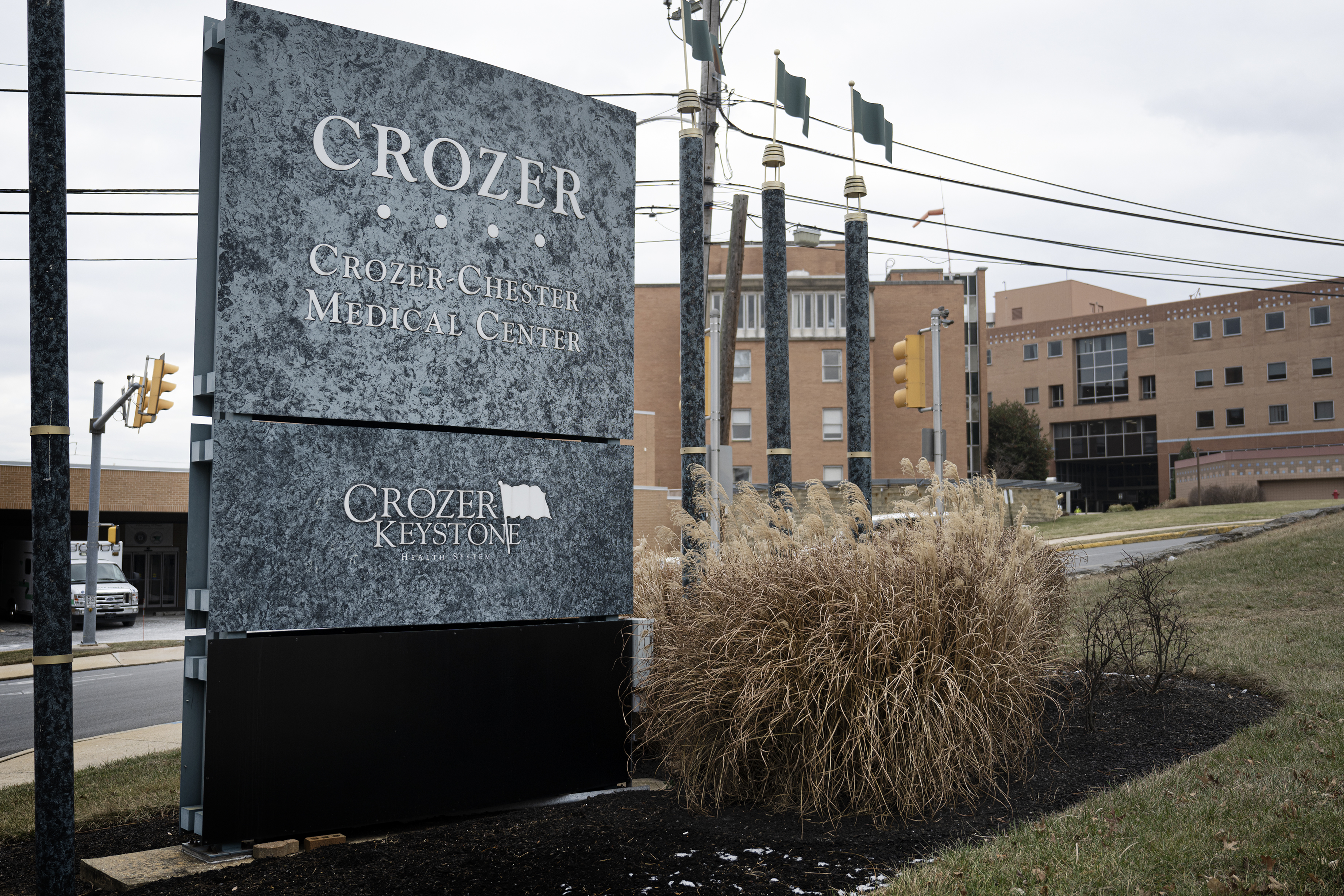
The new owner of the defunct Crozer-Chester Medical Center wants to restore hospital and emergency services to the 64-acre campus that straddles Chester and Upland Township in Delaware County.
Newly formed Chariot Equities completed the $10 million purchase Wednesday. The for-profit entity said it expected within six months to have an agreement with a health system that would operate a “right-sized” hospital and emergency department at the facility that had been the county’s largest provider of those services before closing last year.
The idea is then to open the first phase within two years, Chariot said in a statement.
Chariot did not say how much it would spend on refurbishing Crozer-Chester, which had suffered from years of neglect under its two previous owners.
Chariot’s partner at Crozer-Chester is Allaire Health Services, a Jackson, N.J.-based for-profit operator of nursing homes.
The partners said they are in talks with regional and national nonprofit health systems regarding an operating partnership, but provided no details. The amount of money needed for the project would likely depend on what prospective tenants would want to do at the property.
“Our belief in Delaware County’s future, and the community’s need for sustainable healthcare access, made this an effort worth committing to well before the finish line,” said Yoel Polack, Chariot’s founder and principal.
Little is known about the new owners. Polack worked in healthcare real estate in the New York City area before setting his sights on redeveloping Crozer-Chester.
Federal records list Allaire’s CEO Benjamin Kurland as an owner of 20 nursing homes, including three in the Philadelphia area. Chariot’s statement said Allaire owns a total of 29 facilities in five states.
Main Line Health has been involved in discussions about reopening emergency services at three former Crozer hospitals — Crozer-Chester Medical Center, Springfield Hospital, and Taylor Hospital — at the request of state lawmakers and the property owners, Ed Jimenez, CEO of Main Line Health, said Wednesday at a Riddle Hospital event.
Jimenez said he would “entertain the concept” of restoring emergency services at one of the hospitals as part of a partnership with other health systems, but only if it can be done on a break-even basis.
All three of the former hospital buildings visited by Main Line officials are in poor condition and were stripped of medical equipment after the closures. Main Line’s experts estimated it would cost between $15 million and $20 million just to make the emergency department at Taylor functional, Jimenez said.
ChristianaCare, Delaware’s largest health system, considered acquiring Crozer in 2022. Instead, it took a different path to expansion in Southeastern Pennsylvania. It is planning to open two micro-hospitals in Delaware County. The nonprofit system also took over five former Crozer outpatient locations. Its credit rating was recently downgraded by one notch because of lower profitability.
The importance of Crozer-Chester
Crozer-Chester closed in early May during the bankruptcy of owner Prospect Medical Holdings Inc., a for-profit company based in California, and after the failure of government-supported efforts to form a new nonprofit owner for Crozer-Chester and other Crozer Health facilities.
Crozer-Chester was particularly important as a safety-net provider for a low-income area of Delaware County that has few other nearby options. The Crozer system, which had four hospitals, was the county’s largest health system and largest employer for many years.
Two local Democratic officials, State Rep. Leanne Krueger and Delaware County Council member Monica Taylor, said they were encouraged by the approach being taken by Chariot and Allaire.
At Taylor Hospital, the other Crozer hospital that closed last year, new owners are also looking for healthcare tenants. Local investors bought the Ridley Park facility for $1 million. It is less than four miles from Crozer-Chester.
The same group agreed last week to pay $1 million for Springfield Hospital, another facility that had previously shut down under Prospect ownership.