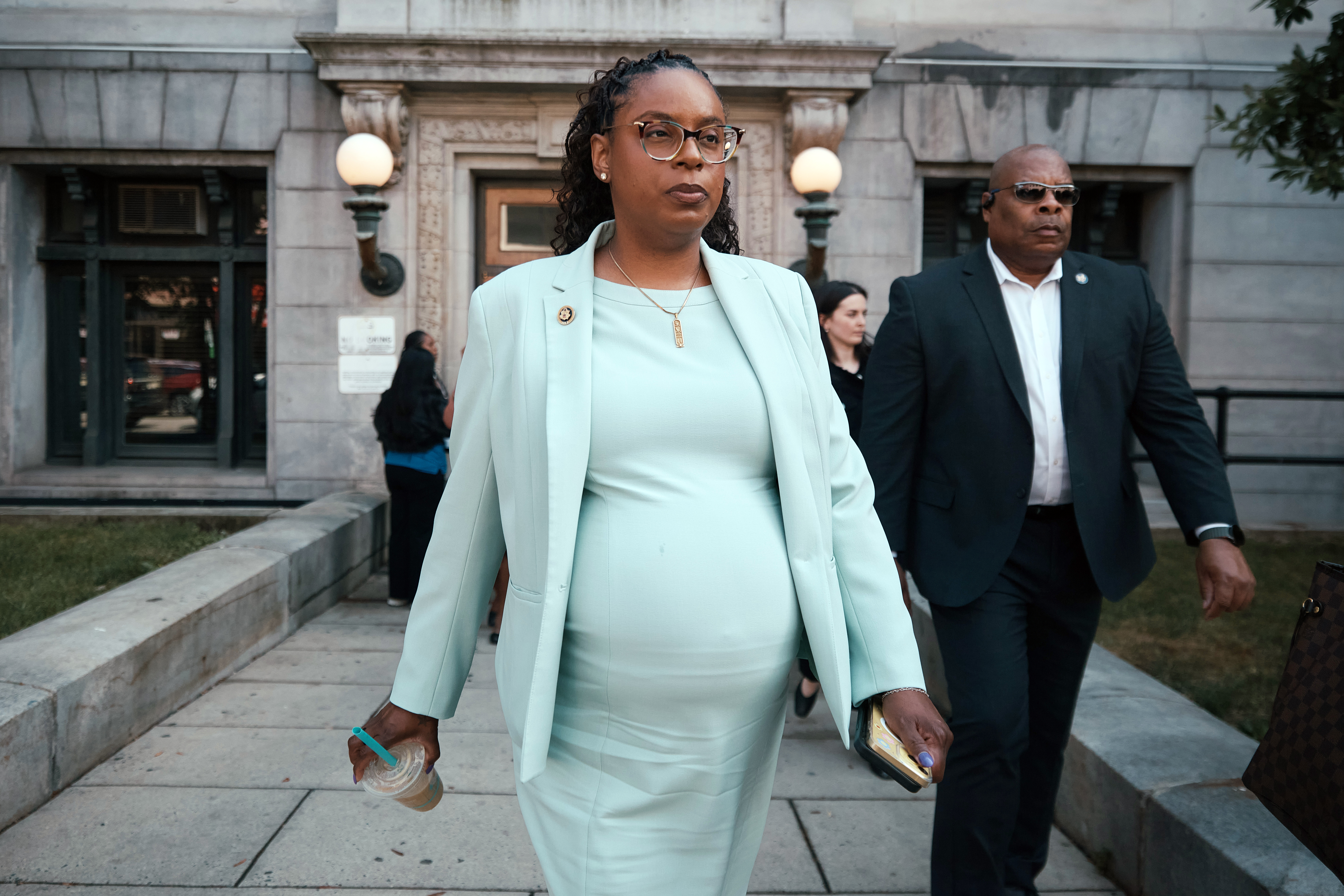
U.S. Rep. LaMonica McIver hasn’t put her life on hold to fight what she sees as totally unfounded charges by the Trump administration that she supposedly assaulted a U.S. Immigration and Customs Enforcement (ICE) officer during a protest last year.
Instead, the first-term Democratic congresswoman is expecting her second child next month, she’s up for reelection in November, and because of Congress’ backward policies on parental leave (as in, there are none), she continues to put in long hours representing New Jersey’s 10th Congressional District, which includes her hometown of Newark.
Lurking in the background, however, is the knowledge that if convicted on two charges of assaulting an ICE officer, she could be sentenced to as much as 17 years in prison.
It’s way more than most people in her situation could handle.
McIver’s inner strength is next level.
She is running for reelection on Nov. 3 while fighting efforts by the Trump administration to make an example out of her. McIver is also repping her constituents in Newark in Washington, D.C., all while caring for — and expanding — her family.
Her journey to motherhood hasn’t been easy. McIver, 40, has spoken openly about her yearslong struggles with fibroids, her use of in vitro fertilization (IVF), and her opposition to President Donald Trump’s merciless immigration enforcement campaign. She hopes her candor resonates with women who also are trying to balance career, pregnancy, and motherhood.
Meanwhile, she is scheduled to give birth to her second child on Oct. 16. After she delivers, McIver will become one of fewer than 20 members of Congress ever to have done so.
My jaw dropped during the interview in which McIver informed me that as a member of Congress, she isn’t entitled to maternity leave. Postpartum, McIver also won’t be able to cast votes for legislation remotely or by proxy.
“They give you nothing,” McIver said. “It makes no sense that you have to give birth and instead of focusing on healing and nursing, you have to literally put that to the side and share that with getting back to work. It’s honestly disgusting. It’s unbelievable in 2026 that this is where we are still at.”
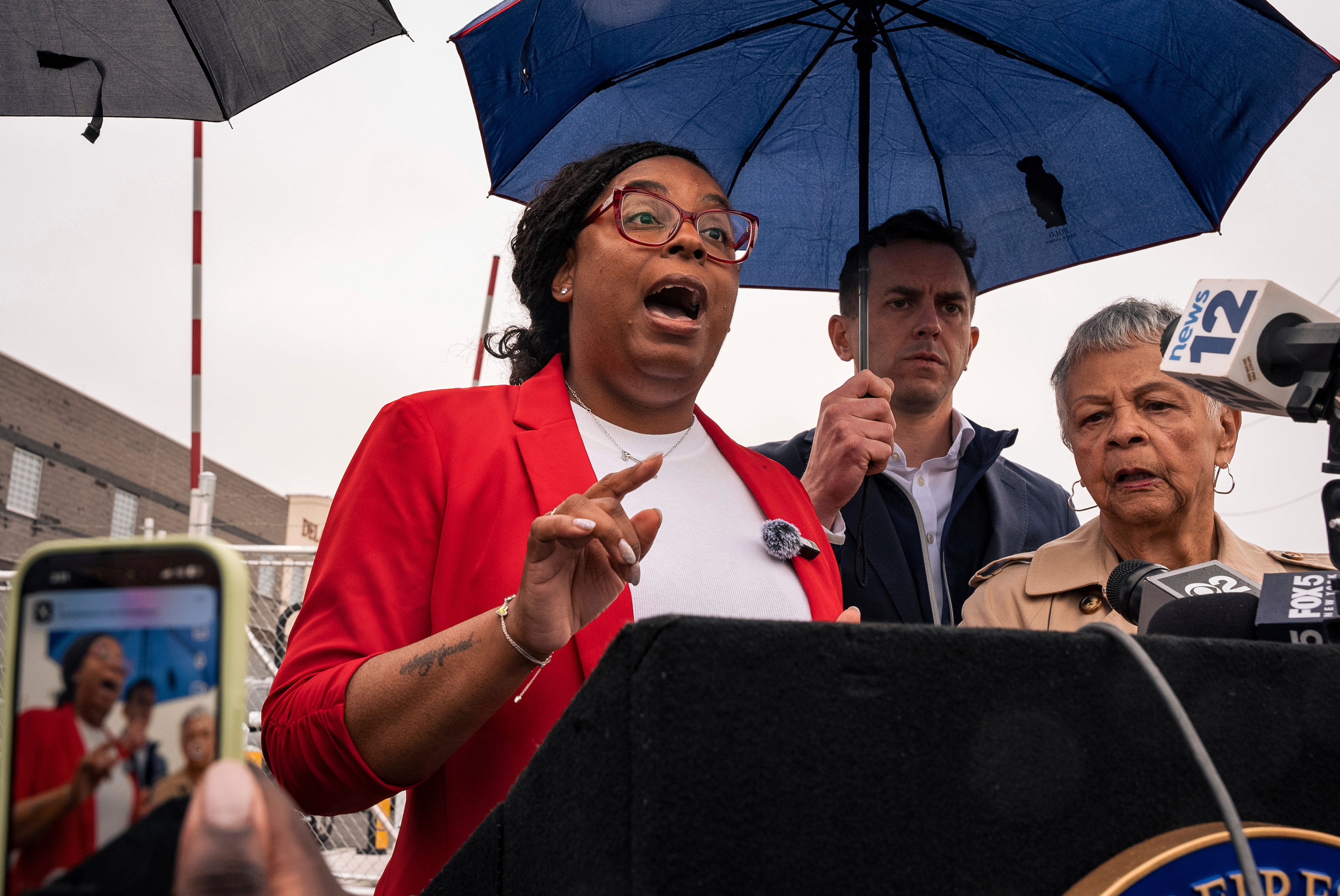
U.S. Rep. LaMonica McIver (D., N.J.) speaks to reporters after Newark Mayor Ras Baraka was arrested while protesting at the Delaney Hall ICE detention center in May 2025.Angelina Katsanis
Legislation that would have greatly helped her and other members of Congress in her position failed to garner adequate Republican support to pass last year. McIver blamed House Speaker Mike Johnson, among others, whom she said “don’t give a damn — and don’t want to make this a place that works for moms because they don’t want moms here.”
After the election on Nov. 3, McIver intends to immediately return to Washington and get back to work. Luckily, she will have help from her “great village” that includes her mother. “I’m a stickler about not missing votes,” McIver pointed out, adding, “There are so many things that Republicans are going to be trying to do.”
McIver, along with several other elected officials, had been attempting to inspect conditions at Delaney Hall, a 1,000-bed facility along an industrial stretch of land near Newark Liberty International Airport in May 2025 when a scuffle broke out.
McIver placed herself next to Newark Mayor Ras Baraka to shield him during the melee. I’ve watched the video numerous times. It doesn’t show her throwing a punch or striking anyone. No one was injured, either. But that didn’t stop Alina Habba, a former defenselawyer for Trump who briefly served as a U.S. attorney inNew Jersey, from filing assault charges against McIver.
McIverattempted to get the charges dismissed. In August, an appeals court ruled that McIver’s actions were nonlegislative and not protected by constitutional immunity, which clears the way for legal proceedings against her to proceed.
Glynda C. Carr, the founder of Higher Heights for America PAC, described what happened as a “flash point” of the anti-immigration detention center movement that future generations will read about in history books.
“This is bigger than LaMonica McIver,” Carr said, adding that the case could establish a baseline for whether elected officials will be permitted to conduct oversight of ICE detention centers without fear of prosecution.
As for McIver, I’m sure her case will be tied up in the courts until after Trump leaves office, and then thrown out once new people come into office. Meanwhile, becausemembers of Congress are prohibited from accepting pro bono legal work, McIver has to raise money to pay her legal bills, which are expected to exceed $1 million.
It’s a lot to juggle, along with being pregnant, serving as a member of Congress, and being under attack by a government hell-bent on making life more difficult for working women, especially African American women.
One in four likely Pennsylvania GOP voters has not heard of the state’s Republican candidate for governor, as Gov. Josh Shapiro continues to pull ahead with less than six weeks remaining until Election Day, according to a new poll.
According to the poll, Shapiro’s lead has now expanded beyond the advantage he held the month before the 2022 election against State Sen. Doug Mastriano (R., Franklin). Shapiro went on to beat Mastriano in that election by nearly 15 percentage points, or 800,000 votes — a drubbing that the GOP vowed not to repeat.
(function(){function e(){window.addEventListener(`message`,function(e){if(e.data[`datawrapper-height`]!==void 0){var t=document.querySelectorAll(`iframe`);for(var n in e.data[`datawrapper-height`])for(var r=0,i;i=t[r];r++)if(i.contentWindow===e.source){var a=e.data[`datawrapper-height`][n]+`px`;i.style.height=a}}})}e()})();
Pennsylvania Republicans endorsed Garrity in September 2025 — an unprecedented early nod to unify behind her in an effort to put up a stronger fight against Shapiro after the party largely withheld its support for far-right Mastriano. Garrity has won statewide twice and received the most votes in Pennsylvania history for a statewide office, a record previously held by Shapiro. In January, President Donald Trump endorsed Garrity, calling her “an America First Patriot.”
But building on that early enthusiasm has proven to be a challenge for Garrity, who for months has struggled to raise money, compete with Shapiro’s $60 million war chest, and gain name recognition in the critical battleground state where registered Democratic voters narrowly outnumber Republicans.
Garrity, 63, who entered politics in 2020 after a long career in the U.S. Army Reserve, raised only $1.8 million this summer and spent $1.5 million, according to her latest campaign finance filing, posted Tuesday. Shapiro raised $13.3 million during that time and spent $31 million.
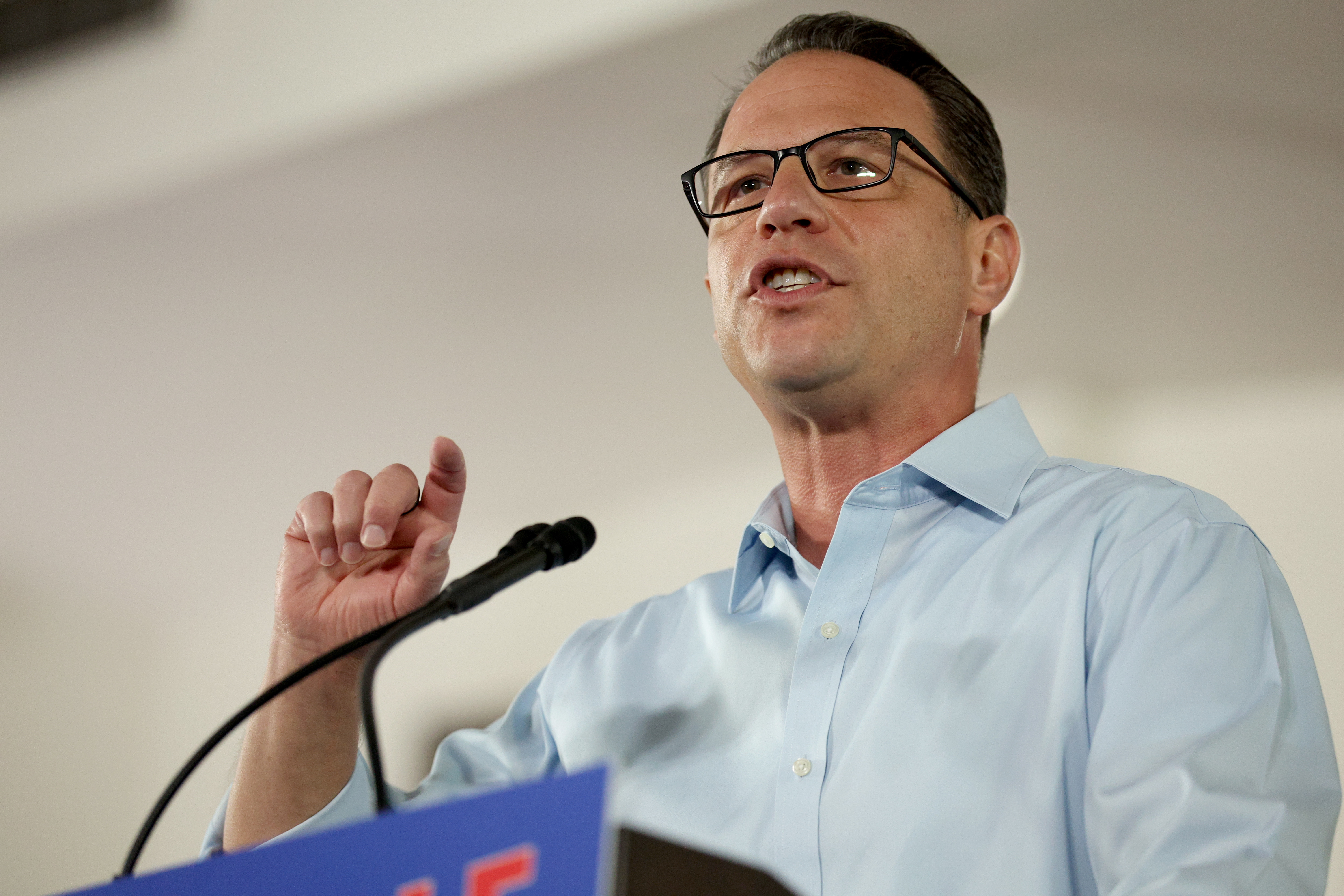
Gov. Josh Shapiro addresses the audience during a rally for congressional candidate Bob Brooks at the United Steelworkers Union Hall in Bethlehem, Pa. on Sunday, July 26, 2026.David Maialetti / Staff Photographer
And while Shapiro has dramatically increased his advertising spending on TV and streaming services to top $27 million this year, Garrity has spent a total of $744,000 on ads so far, according to media tracking firm AdImpact.
Both Shapiro and Garrity have released ads attacking each other for their past support for data center development, an increasingly unpopular issue among both Republicans and Democrats. Garrity’s ad criticizing Shapiro has been viewed about 802,000 times in the Philadelphia media market, according to AdImpact. Shapiro’s commercial labeling Garrity as “Pennsylvania’s number one fan of data centers” has been viewed 416 million times.
(function(){function e(){window.addEventListener(`message`,function(e){if(e.data[`datawrapper-height`]!==void 0){var t=document.querySelectorAll(`iframe`);for(var n in e.data[`datawrapper-height`])for(var r=0,i;i=t[r];r++)if(i.contentWindow===e.source){var a=e.data[`datawrapper-height`][n]+`px`;i.style.height=a}}})}e()})();
“Within the data right now, Josh Shapiro is a favorite son in the state of Pennsylvania, and they see him as doing a fantastic job,” said Don Levy, the director of the Siena Research Institute, which conducted the poll of 615 likely Pennsylvania voters from Sept. 15 to 21. “Barring double lightning bolts or a triple rainbow, he’s going to win.”
Garrity’s lack of campaign spending has allowed Shapiro to define her in the race, experts have said.
George Stanton, 77, a registered Republican from Lebanon County who participated in the poll, said he will support Garrity in November. He said Shapiro’s attack ad about Garrity’s past support for data centers, which he said he agrees with, helped him learn more about her positions.
Voters trust Shapiro more than Garrity on all of the top issues facing them, the poll found, including the state’s economy, the cost of living, data centers and artificial intelligence companies, and vaccine policy. In recent weeks, Shapiro has been embroiled in a battle with U.S. Health and Human Services Secretary Robert F. Kennedy Jr., whom he has blamed for spreading misinformation as Pennsylvania experienced a deadly measles outbreak. And at a summit in Pittsburgh last week, Shapiro called for more regulation of AI companies but said innovation of the technology should still be harnessed.
(function(){function e(){window.addEventListener(`message`,function(e){if(e.data[`datawrapper-height`]!==void 0){var t=document.querySelectorAll(`iframe`);for(var n in e.data[`datawrapper-height`])for(var r=0,i;i=t[r];r++)if(i.contentWindow===e.source){var a=e.data[`datawrapper-height`][n]+`px`;i.style.height=a}}})}e()})();
Scott Byers, 79, a Republican from Westmoreland County who supported Trump in 2024, is planning to vote for Shapiro this fall because “he just seems to be more in line with the public, with the feelings of his constituents.”
That includes Shapiro’s position on AI and data centers, which Byers believes should be more difficult to build. All he knows about Garrity’s views is what he catches on commercials — but it does not feel comprehensive, said Byers, who participated in the poll.
“I think technology in itself is going a bit beyond what is necessary. I feel that it’s hard to pinpoint, but I just feel that there’s too much emphasis on technology,” Byers said.
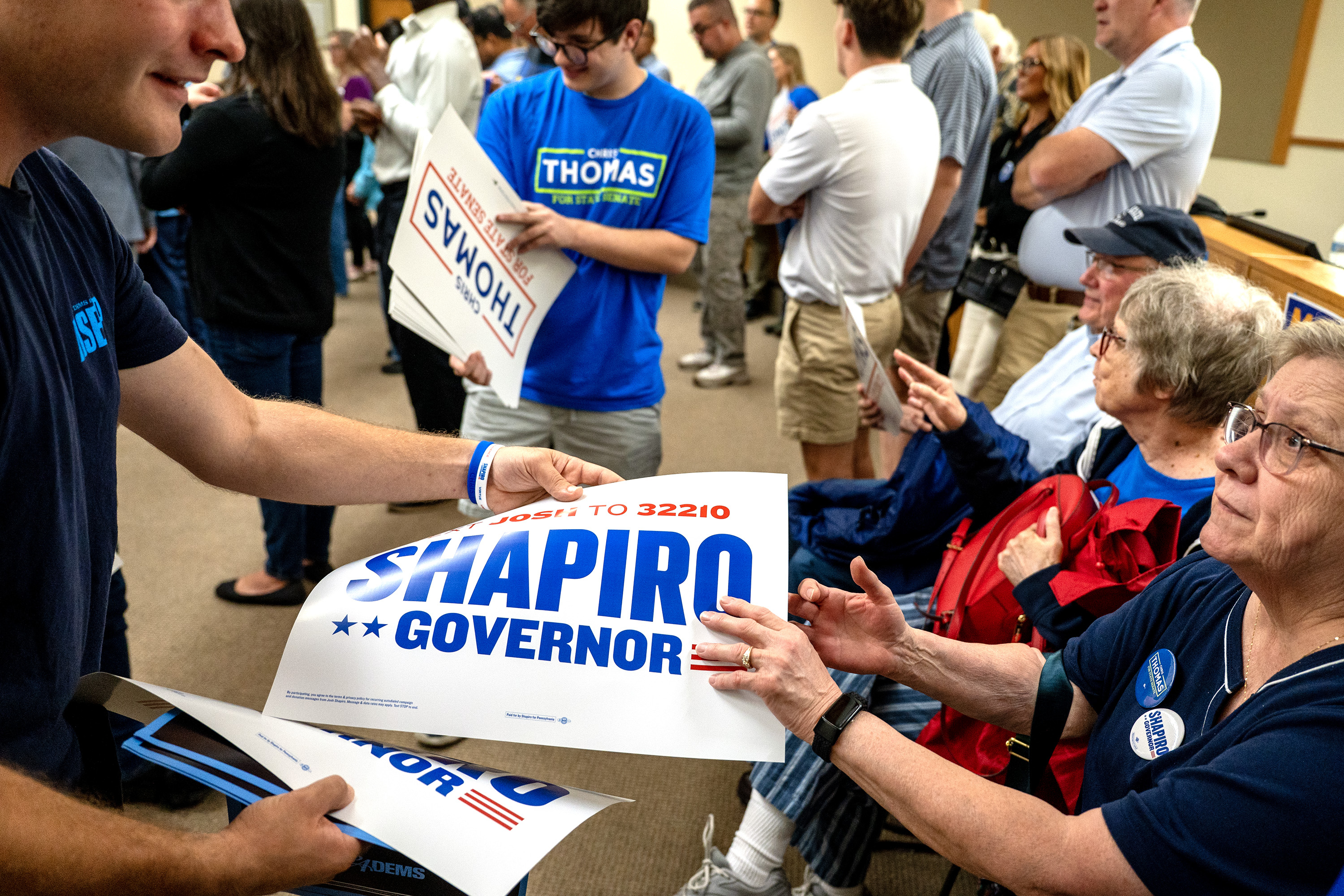
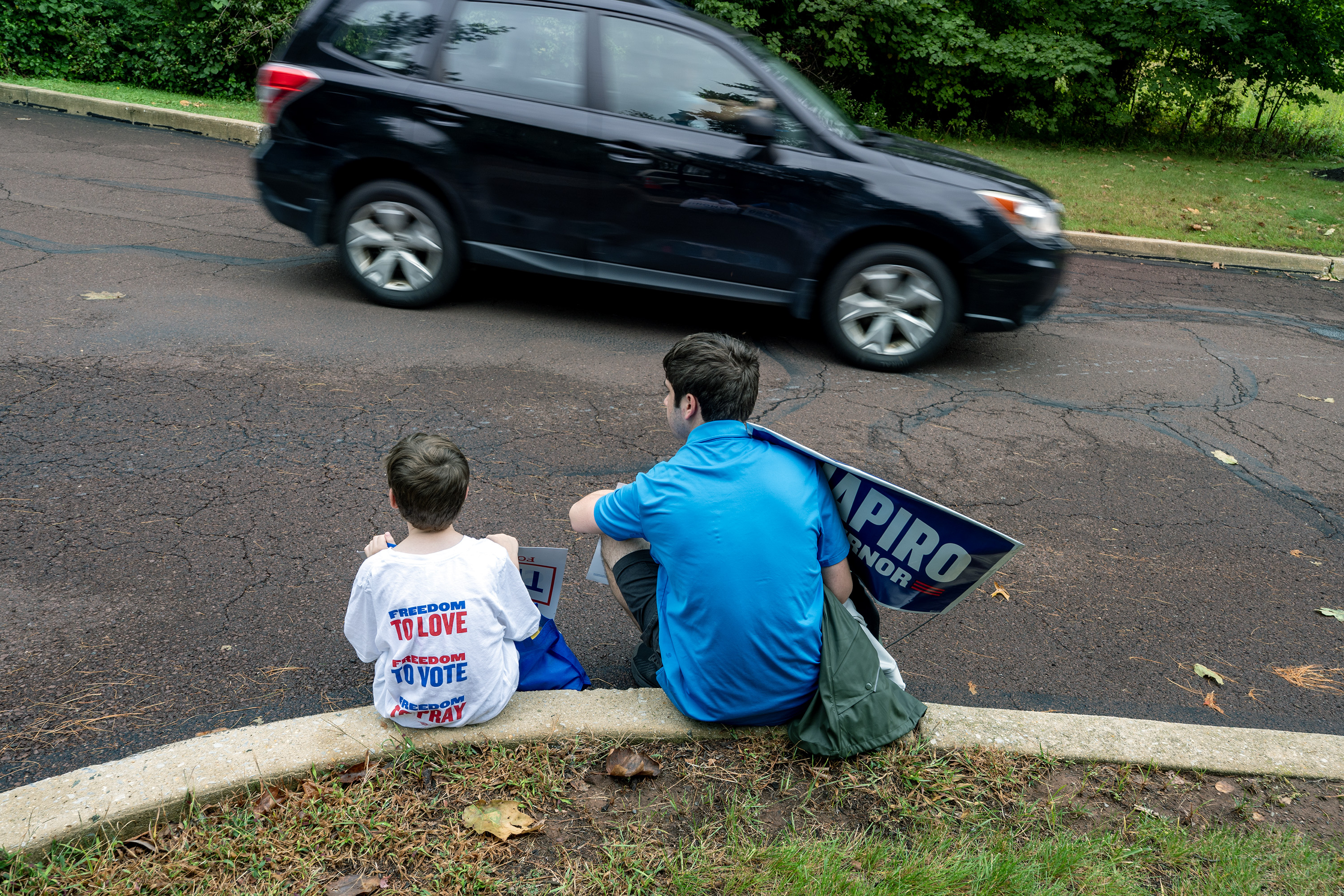
Campaign volunteers hand out signs to supporters of Gov. Josh Shapiro and Democratic Pa. Senate candidate Chris Thomas at a rally in Towamencin, Montgomery County before heading out to canvass on Sunday, Sept. 29, 2026.Tom Gralish / Staff Photographer
Approximately 60% of likely voters strongly approve or somewhat approve of the job Shapiro is doing as governor, according to the poll. That includes 30% of Republican voters, 89% of Democratic voters, and 59% of independents in the critical swing state where Shapiro maintains high popularity.
As a moderate politician, Shapiro has been able to capture most independent voters and even win over some Republicans, according to the poll.
Lesa Yeager, 63, considers herself an independent voter with centrist views who voted for a third-party candidate in the 2024 presidential election. She is an ardent union supporter and also thinks the nation should have a strong border. She said she trusts Garrity, as the state’s treasurer, to do a better job handling Pennsylvania’s economy.
But she is supporting Shapiro this November, in large part, because of his work on schools.
“I like that he’s very pro-education,” she said. “I am a fan of charter schools because I sent my kids to charter schools.”
Two of her children, now 35 and 37, benefited from smaller classroom sizes and adjustable curriculums, she said.
Yeager said she has also reached her limits with Trump’s behavior during his second term and believes Shapiro would continue to represent the state positively.
“I just think Trump is such a bully and so mean and just does whatever he wants, and I just want someone who isn’t that,” Yeager said.
She appreciates the Republicans who distance themselves from Trump. “But it’s tough to tell who is and who isn’t, a lot of times, and I would rather vote for someone I know isn’t going to support Trump on a lot of the things that he does,” she added.
Still, Garrity has found some backing among Pennsylvania’s electorate, though even some of those supporters say they don’t know much about her.
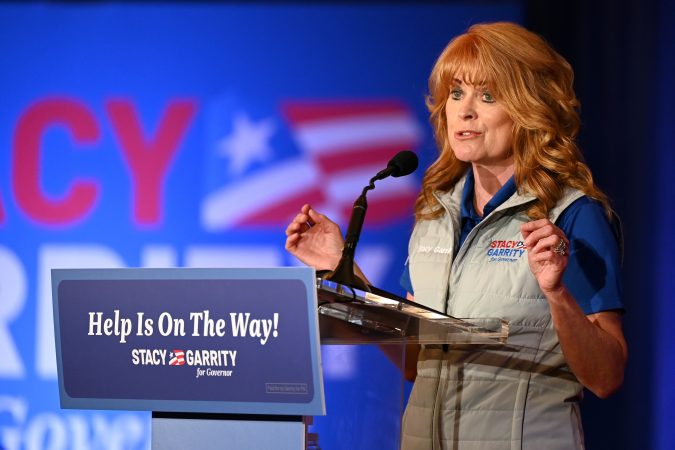
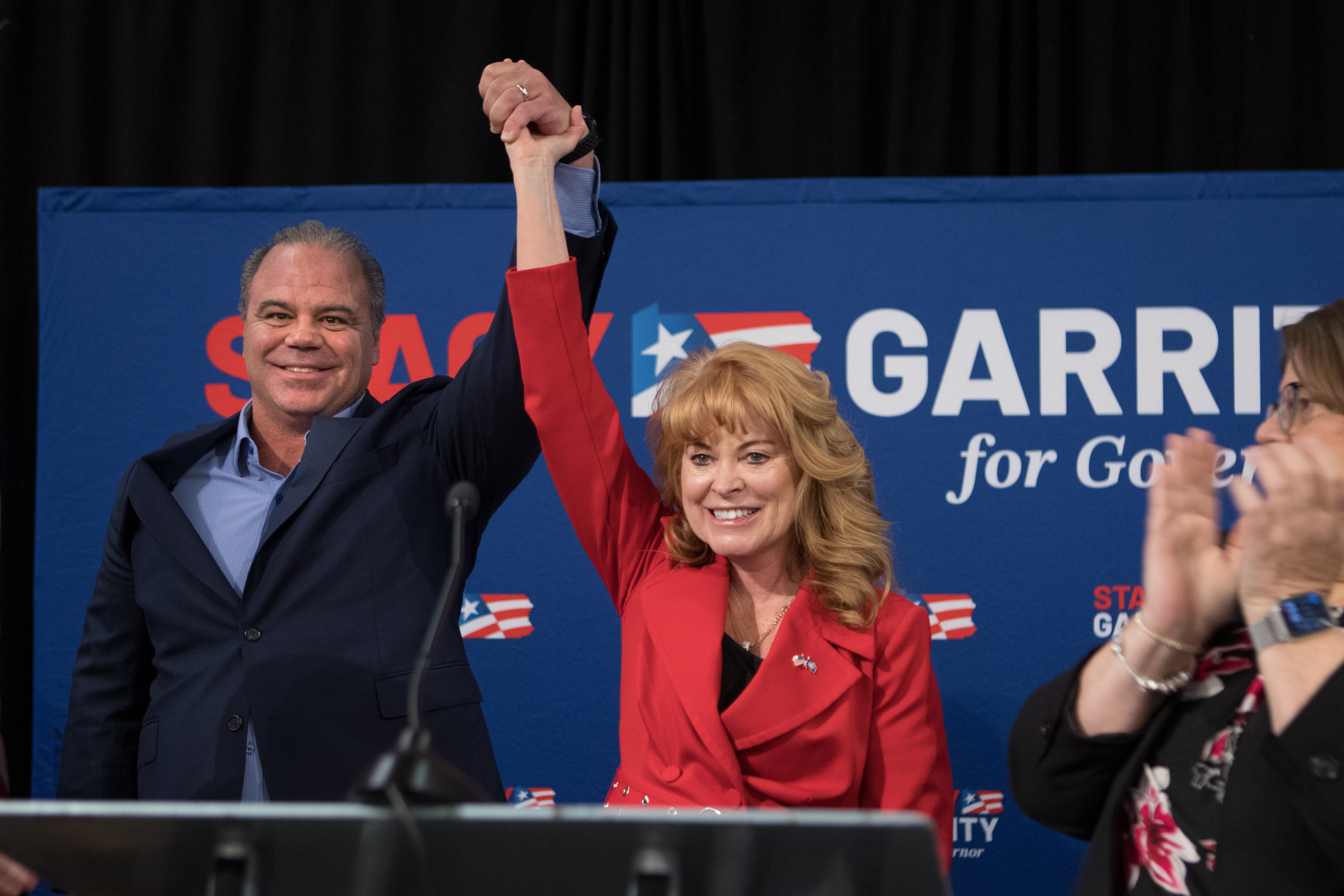
GOP gubernatorial nominee Stacy Garrity and her running mate Jason Richey hold up their arms in Harrisburg, Pa., Saturday, February 7, 2026. Kalim A. Bhatti / For The Inquirer
Susan Roller of Lancaster said she plans to vote for Garrity this fall because “she’s more responsible and will protect our freedoms.” Roller, who is retired, said she is particularly distressed about Shapiro’s positions supporting access to abortion and encouraging vaccines.
But as far as getting to know more about Garrity, Roller, 72, said she has not “seen a lot” of messaging on television about her.
In 2022, Shapiro did not participate in any debates while he maintained a double-digit lead over Mastriano, declining the Republican’s requests as an “unserious stunt.” Shapiro held a 13-percentage-point lead over Mastriano in a New York Times/Siena poll conducted that October — a closer margin than Shapiro’s lead over Garrity this year.
(function(){function e(){window.addEventListener(`message`,function(e){if(e.data[`datawrapper-height`]!==void 0){var t=document.querySelectorAll(`iframe`);for(var n in e.data[`datawrapper-height`])for(var r=0,i;i=t[r];r++)if(i.contentWindow===e.source){var a=e.data[`datawrapper-height`][n]+`px`;i.style.height=a}}})}e()})();
The 2022 midterm election was a much different political moment for Democrats, said Levy of the Siena Research Institute.
“That was a point in time when the Democratic star was on the decline,” he added. “Everything was a bit of a referendum on Democrats, on the job that [former President Joe] Biden was doing, how we were coming out of the pandemic.
“The overall political climate in which the ’26 election is taking place vs. ’22 is really kind of night and day,” Levy said.
Staff writers Joe Yerardi and Fallon Roth contributed to this article.
A majority of Pennsylvania voters view U.S. Sen. John Fetterman (D., Pa.) more as a Republican than a Democrat as he continues to heavily criticize his party and side with President Donald Trump in some major policy areas, according to an Inquirer/New York Times/Siena University poll published Thursday.
For the first time in polling conducted by Siena University on behalf of The Inquirer and the New York Times, a plurality of likely voters in the state have a negative view of Fetterman.
The senator is viewed “somewhat” or “very” unfavorably by 47% of voters and favorably by 42%, according to the poll of 615 likely voters from Sept. 15 to 21. That’s an 11-percentage-point swing since the organizations’ poll in August found Fetterman maintained an overall positive favorability rating.
Four years after he flipped a Republican-held seat with a promise to be Democrats’ 51st vote in the Senate, just 26% of likely voters consider Fetterman as more of a Democrat than a Republican, the poll found.
A majority — 57% — view him as more of a Republican.
(function(){function e(){window.addEventListener(`message`,function(e){if(e.data[`datawrapper-height`]!==void 0){var t=document.querySelectorAll(`iframe`);for(var n in e.data[`datawrapper-height`])for(var r=0,i;i=t[r];r++)if(i.contentWindow===e.source){var a=e.data[`datawrapper-height`][n]+`px`;i.style.height=a}}})}e()})();
“He insists that he’s not going to be changing parties. However, a lot of people are afraid of that because of the way he has voted,” said Sandra Boyles, a retired teacher and Democrat in Fayette City who believes “a lot of people feel betrayed” by the senator.
Nearly three-quarters of Democrats see Fetterman as a Republican. And roughly half of Republicans feel the same way, as do a similar proportion of independents.
Fetterman’s party loyalty has become a pressing question — not just for his own political future, but also for which party controls the U.S. Senate during the final two years of Trump’s presidency.
Democrats need to win at least four competitive Senate races in Trump-friendly states to win the majority, an uphill battle that has seemed like more of a possibility in recent weeks as the president’s popularity lags.
Independent election experts consider Democrats to have a real chance of winning states like Texas, Iowa, and Alaska. Ohio, North Carolina and Maine are also official Democratic targets. Even Kansas, which Trump won by 16 percentage points in 2024, appeared to raise some level of concern for Republicans when Vice President JD Vance tried to boost the GOP incumbent this month.
Neither of Pennsylvania’s U.S. Senate seats is on the ballot this fall. But if Democrats retake the majority by one or two votes, Fetterman’s role as a wild card — even one who votes with Democrats the vast majority of the time — could have an impact as his party tries to rein in or reverse the president’s agenda.
“That would definitely be a concern of mine,” said Boyles, 74.
(function(){function e(){window.addEventListener(`message`,function(e){if(e.data[`datawrapper-height`]!==void 0){var t=document.querySelectorAll(`iframe`);for(var n in e.data[`datawrapper-height`])for(var r=0,i;i=t[r];r++)if(i.contentWindow===e.source){var a=e.data[`datawrapper-height`][n]+`px`;i.style.height=a}}})}e()})();
Fetterman has not said whether he will seek a second term in 2028, and he has repeatedly rejected the idea that he would switch parties.
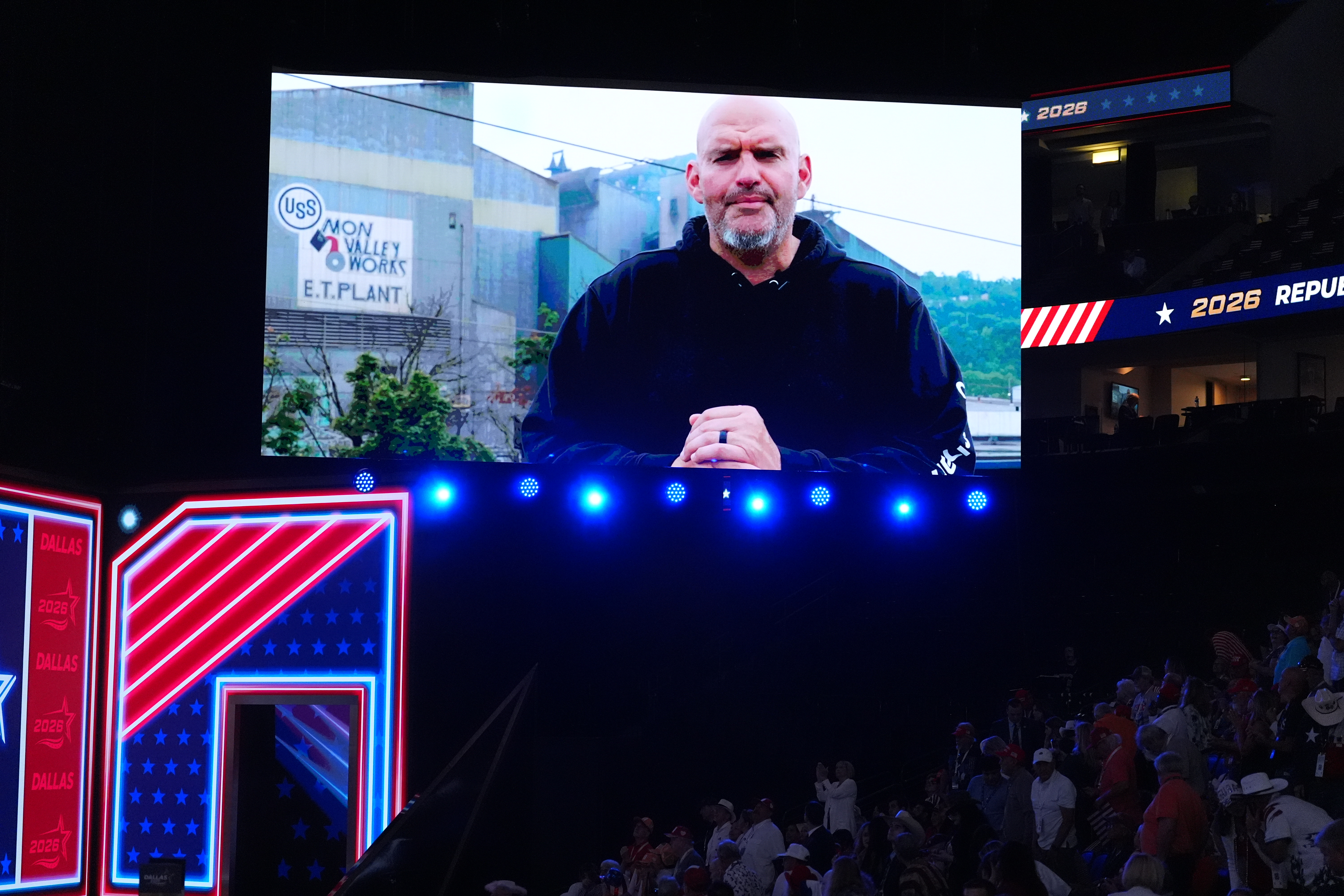
“I’m a lifelong Democrat who votes overwhelmingly with my party — and should the Senate flip in November, I will still be the 51st vote that I ran on,” he said in a statement while facing a new round of criticism for appearing by video at the GOP convention in Dallas this month.
Pennsylvania’s U.S. Senators John Fetterman (left) and Dave McCormick appear together on June 29 to promote the savings accounts for kids that were a signature piece of President Trump’s One Big Beautiful Bill Act.Tom Gralish / Staff Photographer
Fetterman’s Democratic colleagues have tried to keep him in the fold.
U.S. Sen. Kirsten Gillibrand, a New York Democrat and chair of the Democratic Senatorial Campaign Committee, said this week that Fetterman is a “very reliable Democratic vote.” As she leads her party’s effort to win the Senate races,Gillibrand said, she does not have, nor has heard others having, concerns about Fetterman’s role in a slim Democratic majority.
“I’m very grateful that Sen. Fetterman is serving in the U.S. Senate as a Democrat, and I think he will continue to do so,” Gillibrand said.
Still, Fetterman has supported parts of Trump’s immigration enforcement agenda, the war in Iran, and some of the president’s nominees. Senate Democratic leaders would likely try to act as a check on Trump in each of those areas if they win the majority for the next two years.
Fetterman has also left the door open to leaving the Democratic Party if it makes opposition to Israel an official party stance. The senator has not explained exactly what that situation would look like, though he has been highly critical of Democrats when they push back against the Israeli government’s war against Hamas.
With the three-year anniversary of the conflict approaching on Oct. 7, more than 70,000 Palestinians have been killed and nearly all Gazans have been displaced, according to the Council on Foreign Relations. Critics say Israel’s military response has been excessive, while Fetterman has said he supports the war in order to root out Hamas fighters who initiated the war by killing more than 1,200 people in Israel in a terrorist attack.
The latest poll of Pennsylvania voters shows Fetterman’s position is out of step with a majority of voters.
Among Pennsylvania likely voters, 60% are against the U.S. providing additional economic and military support to Israel, compared with 34% who support it.
Four in five Democrats, and about a third of Republicans, oppose the aid to Israel. In a sign that Fetterman would face a challenging reelection campaign, 63% of Democrats said they would support a candidate who opposed aid to Israel.
(function(){function e(){window.addEventListener(`message`,function(e){if(e.data[`datawrapper-height`]!==void 0){var t=document.querySelectorAll(`iframe`);for(var n in e.data[`datawrapper-height`])for(var r=0,i;i=t[r];r++)if(i.contentWindow===e.source){var a=e.data[`datawrapper-height`][n]+`px`;i.style.height=a}}})}e()})();
Victor Oyola, 47, of Philadelphia, said he considers himself a conservative Democrat and has no issues with politicians supporting Israel’s right to exist. But Fetterman has been more of a voice for the foreign nation than for his home state, he said, while also showing limited interest in other aspects of his position.
“You don’t want to do the job, but you’re strongly supporting Israel over Pennsylvania?” said Oyola, who works in retirement management. “Everything is Israel, Israel, Israel. But what about Pennsylvania, Pennsylvania, Pennsylvania?”
Reports of Fetterman’s lack of interest in doing routine aspects of his job as a senator also appear to have played a role in how Pennsylvanians view him.
In a widely circulated story earlier this month, the Wall Street Journal reported that Fetterman tried to evade meetings with leaders at Children’s Hospital of Philadelphia and with wounded veterans, as well as a funeral for three York County police officers who were killed while on duty.
Donald Harer, a Democrat from Northumberland who voted for Fetterman in 2022, said that he saw the story and that it seemed like the senator has “really not held his end of the bargain and done his job the way he’s supposed to.”
As an Army veteran who served in Iraq, Harer said, he was particularly disappointed in Fetterman’s reported refusal to meet with wounded veterans.
“When he campaigned, when he first started to run, he seemed like a go-getter,” said Harer, an operations manager for a grocerystore. “But he let a lot of people down. I kind of call him a traitor.”
Don Levy, the director of the Siena Research Institute, which conducted the poll, said he did not know if changes in Fetterman’s favorability ratings since last month could be attributed to the recent national attention on him.
But with recent polls continuing to show Fetterman’s widespread cross-party support, his position as a Democratic darling for the GOP and antagonist for Democrats “looks pretty baked in,” Levy said.
“The Republicans have now grown in their favorability for him, which may be a reflection of them starting to feel like ‘he’s one of us,’” Levy added. “And Democrats are even more upset with him for moving away from what they believe they elected him to do.”
Staff writers Joe Yerardi and Gillian McGoldrick contributed to this article.
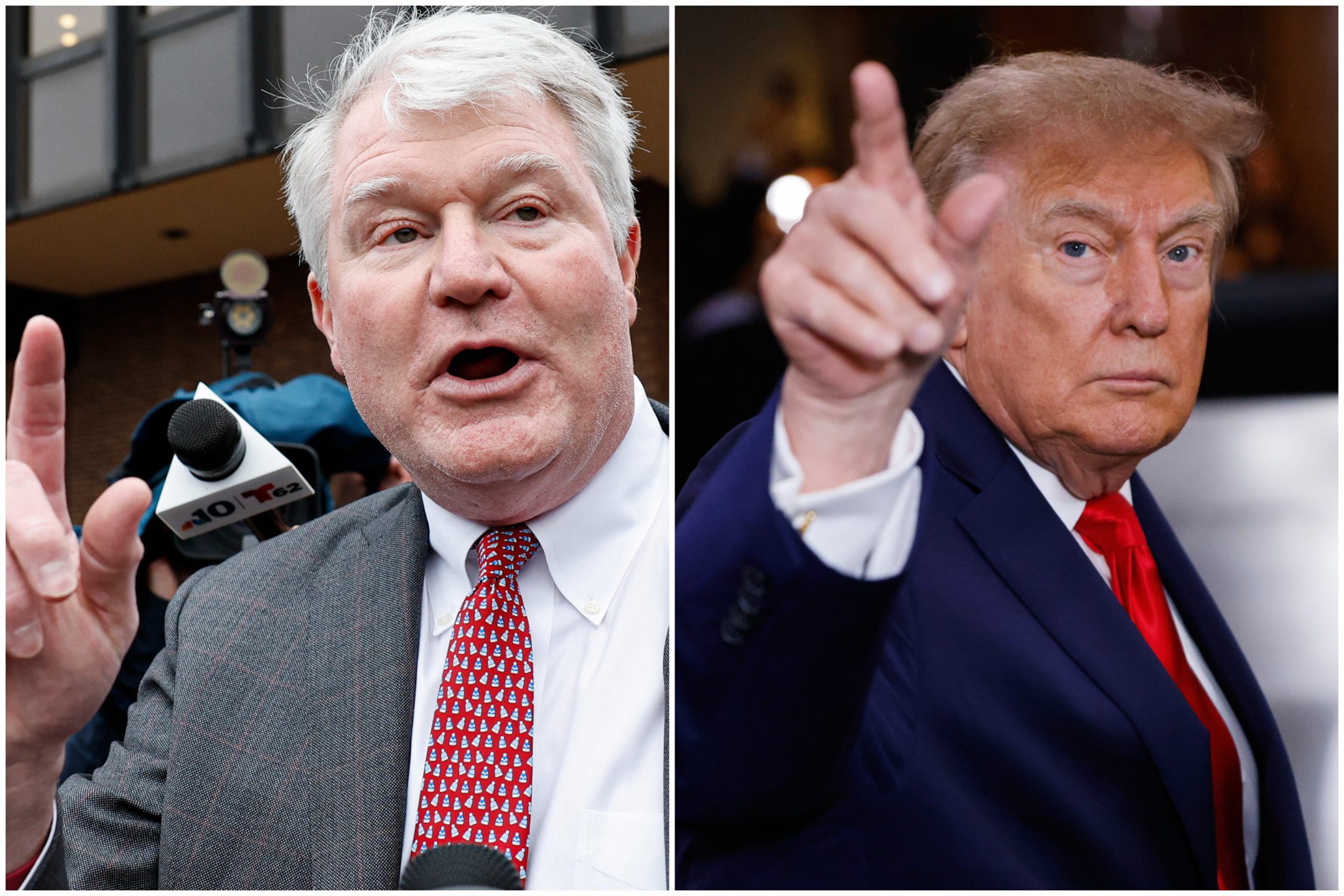
John Dougherty was for years an unparalleled kingmaker in Philadelphia’s Democratic Party — a charismatic labor leader and fundraiser who helped anoint a generation of future mayors, City Council members, state and federal legislators, judges, and governors.
Some of Dougherty’s key supporters in his clemency push, The Inquirer has learned, included two former Republican congressmen; Dougherty’s lawyer, who once ran as a Republican for mayor and, later, for U.S. Senate; and a onetime candidate for Philadelphia City Council with ties to organized labor, who said he was one of Trump’s earliest local backers.
All had relationships with Dougherty, owing to his years of political activism as head of Local 98 of the International Brotherhood of Electrical Workers — even if his support mostly benefited fellow Democrats.
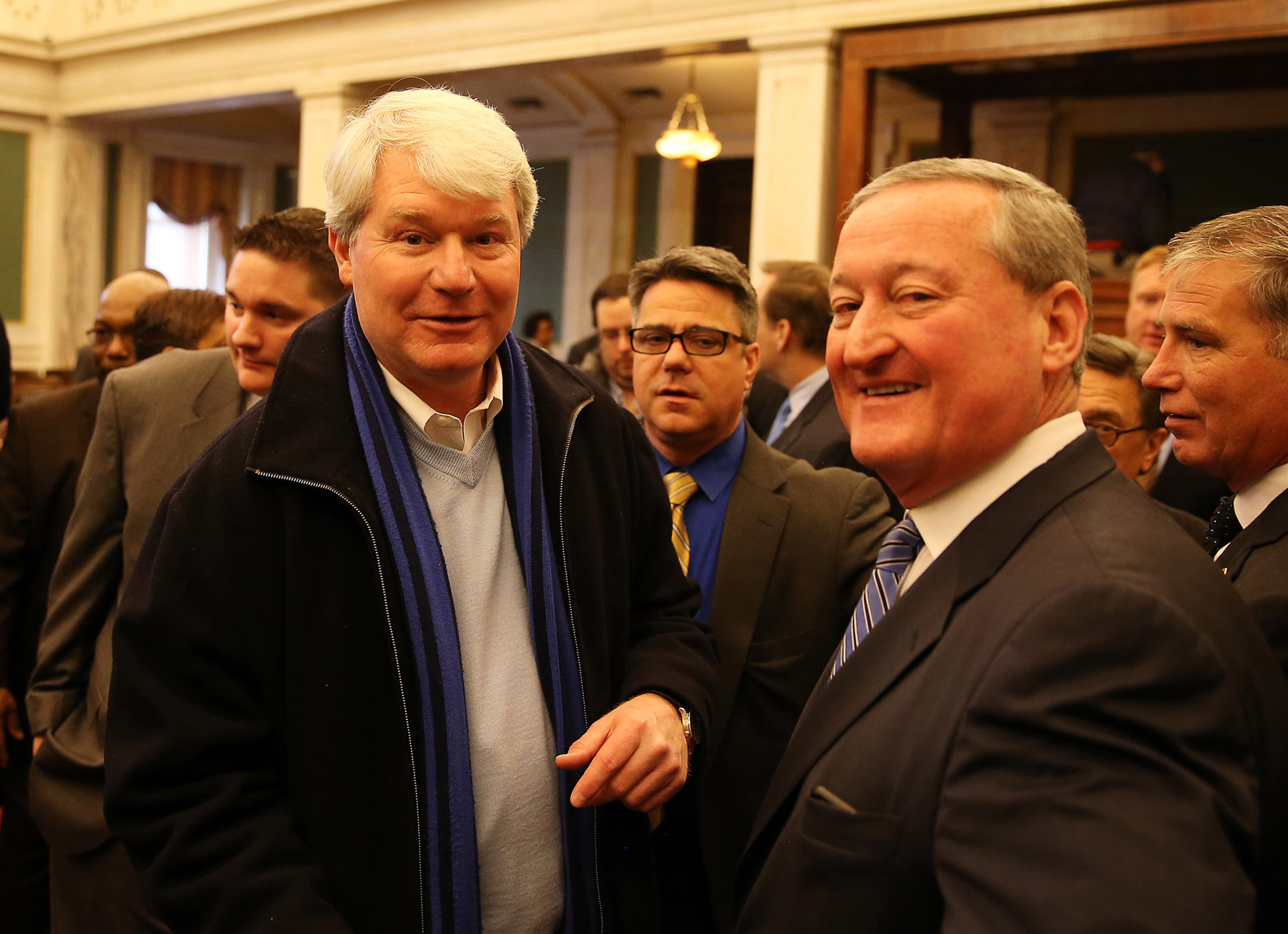
John Dougherty in 2015 with then-City Councilmember Jim Kenney. The two were childhood friends, and Dougherty helped support Kenney’s successful mayoral campaign.
The former Council candidate, Daniel Pellicciotti, said his efforts to help Dougherty included meeting with Trump at the White House and speaking with him over the phone. Pellicciotti said that he told Trump about the significant health challenges faced by Dougherty’s wife, Cecelia, and that Trump was sympathetic to Dougherty’s situation — and willing to send him home.
“He just said, ‘This is crazy.’ Exact words,” Pellicciotti said. “‘He needs to be home with his wife, taking care of her. Besides, it would be cheaper for the government.’”
Former U.S. Rep. Lou Barletta, meanwhile, said he signed a letter to Trump last year and contacted anyone he could “just to try to get this on the president’s radar.”
He said that he had been following Cecelia Dougherty’s health situation closely and that advocating for her husband “became a personal thing for me.” Earlier this year, he attended a court hearing in Reading at which Dougherty begged a judge to be released.
“I’m very thankful that the president had the compassion to put politics aside and do the right thing,” said Barletta, who met Dougherty in the early 2000s as mayor of Hazleton.
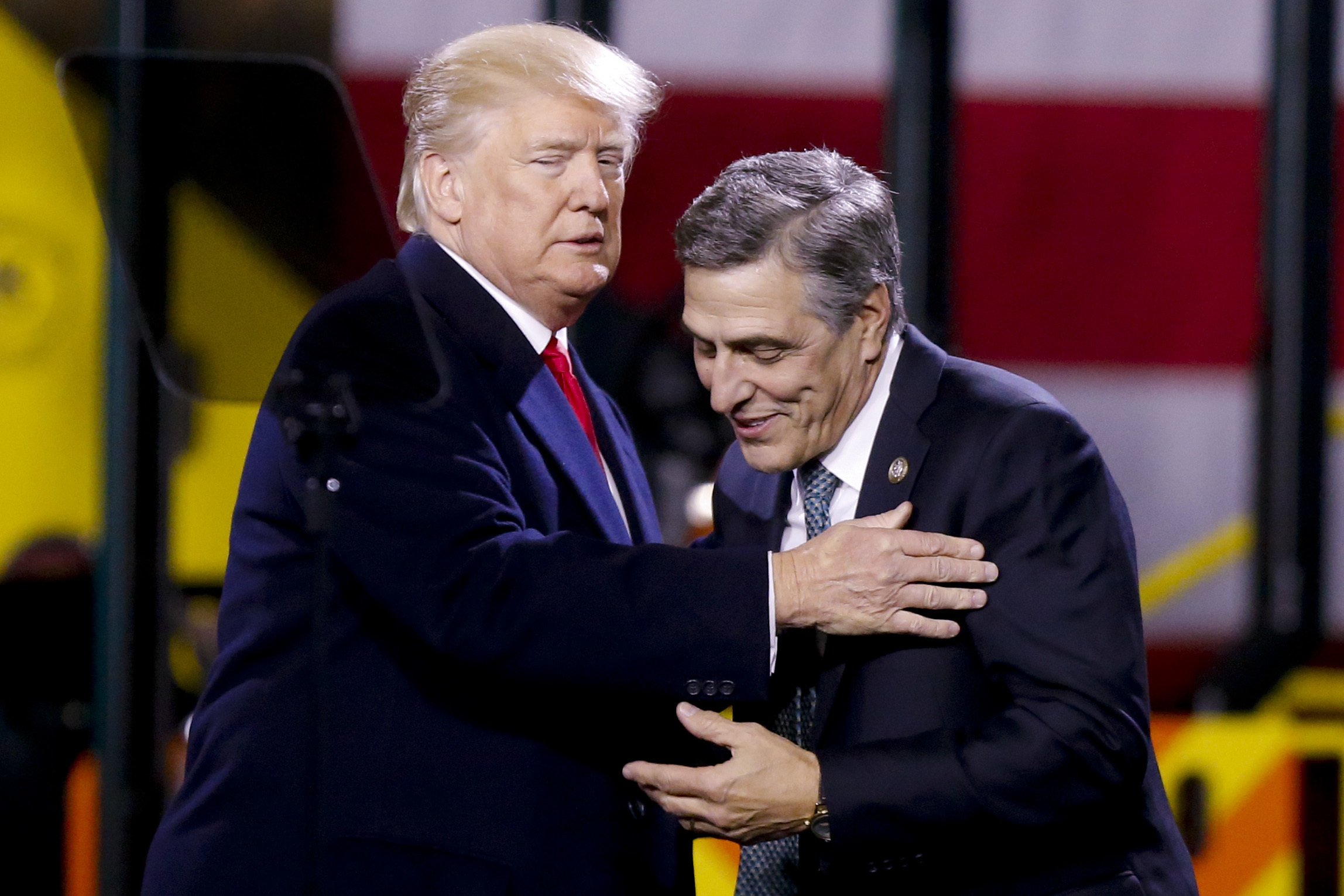
President Donald Trump with then-Rep. Lou Barletta in 2018.Keith Srakocic
And Rick Santorum, a former U.S. senator who competed against Trump for the GOP’s presidential nomination in 2016, said he “did what he could to be helpful” in supporting Dougherty’s efforts.
“Those two years Dougherty spent in jail away from his wife were probably 20 years because I know how much he loves her and how much he was really hurting,” Santorum said. “So to me, this was the humanitarian thing to do, and I supported it.”
The backing from GOP pols may help explain how Trump — a famously partisan president — ended up granting clemency to a longtime Democrat in one of America’s bluest cities. Trump was soundly defeated in Philadelphia in each of his three elections, and some of Dougherty’s longtime Democratic allies were among his fiercest critics.
The Republican lobbying might also add context to Dougherty’s decision to change his voter registration and join the GOP. Dougherty — long known as Johnny Doc — switched parties not long after being released this month from a federal penitentiary in Lewisburg, Pa.
Dougherty has not spoken publicly since his release, and his lawyer, George Bochetto, said Dougherty was focused on caring for his wife.
Bochetto, who ran for Philadelphia mayor in 1999 and U.S. Senate in 2022 — both times as a Republican — generally declined to discuss details about the lobbying effort. He did say he had been in regular communication with White House aides about Cecelia Dougherty’s health challenges, and he called Trump’s decision “a magnificent gesture of compassion.”
The White House press office did not respond to questions about who was involved in advocating for Dougherty. A spokesperson said only that the commutation was granted to let him “care for [his] terminally ill wife.”
Multiple attempts at release
Dougherty and Bochetto had taken several paths to try to secure an early release from his six-year sentence, which began in 2024 after Dougherty was convicted in separate bribery and embezzlement trials.
A few months after Dougherty reported to prison, Bochetto filed emergency motions asking U.S. District Judge Jeffrey L. Schmehl to allow Dougherty to serve the remainder of his term on house arrest so he could be his wife’s primary caretaker.
Schmehl denied those requests twice — including after a hearing in May at which Dougherty testified about how he was the only person who could provide the type of round-the-clock assistance his wife needs. She has long been paralyzed and largely nonverbal after suffering a debilitating brain injury.
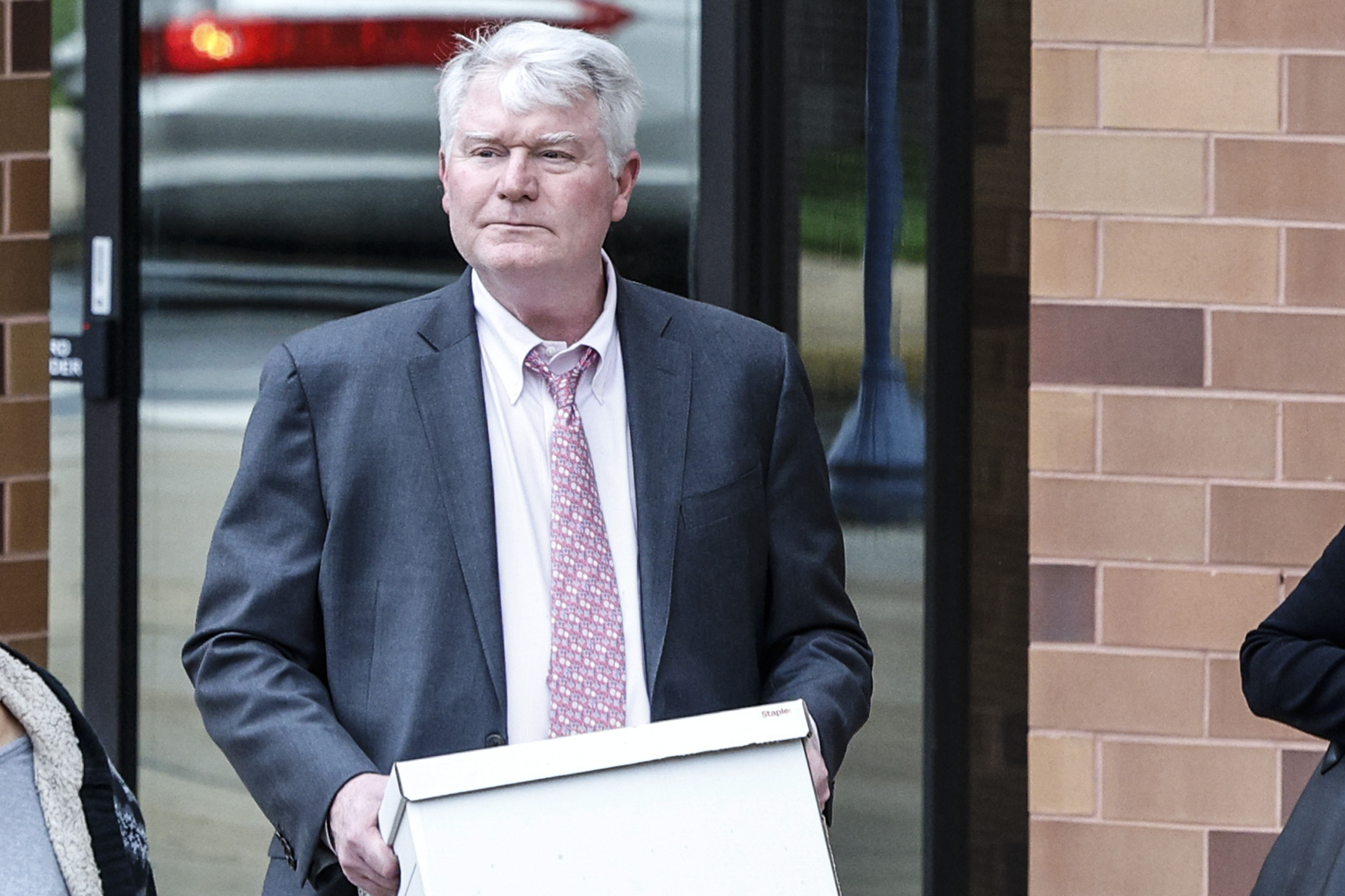
John Dougherty in 2024.Steven M. Falk / Staff Photographer
After failing to persuade the judge, Dougherty turned to others in his orbit as the request pivoted toward the White House — where Trump, as president, has wide latitude to commute sentences and grant pardons in federal cases.
But his allies, including Pellicciotti, persisted. A former business agent for the laborers union, he said he was friends with Cecelia Dougherty before he knew her husband, and he has known both for decades.
A former Democrat and nephew of the late Councilmember Francis Rafferty, Pellicciotti ran unsuccessfully for Council in 2003 with backing from Dougherty’s electricians union. He said he switched his registration to Republican when Trump ran for president and backed his 2016 campaign.
“Nobody in Philly was really backing him. I have a lot of respect for him. He don’t forget his friends,” Pellicciotti said.
In addition to their politics, Pellicciotti, 64, of Roxborough, shared something else with Trump: a felony conviction. Pellicciotti pleaded guilty in 2005 to bribing a Philadelphia public official with cash in exchange for obtaining a designation for his demolition company as a woman-owned business.
When Pellicciotti was sentenced to probation and a fine the following year, Dougherty and other union members were in the courtroom to pat him on the back.
That experience with the criminal justice system did not come up in Pellicciotti’s conversations with Trump, however. “I really think it had strictly to do with him doing the right thing for John and Celi,” he said.
Help among friends
Barletta and Santorum declined to provide many details about the depths of their advocacy but agreed that their central motivation was support for Dougherty and his wife.
In addition to Dougherty’s long friendship with Barletta, his ties to Santorum date to 2006, when his former union, Local 98, backed Santorum’s unsuccessful reelection campaign against Democratic challenger Bob Casey.
Santorum said Dougherty was always uncharacteristically gracious about acts that benefited his members — despite the senator’s political affiliation.
“Johnny cared enough that he said, ‘Well, look, this guy has done more for my workers and those families than anybody, and we’re going to support him,’” Santorum said.
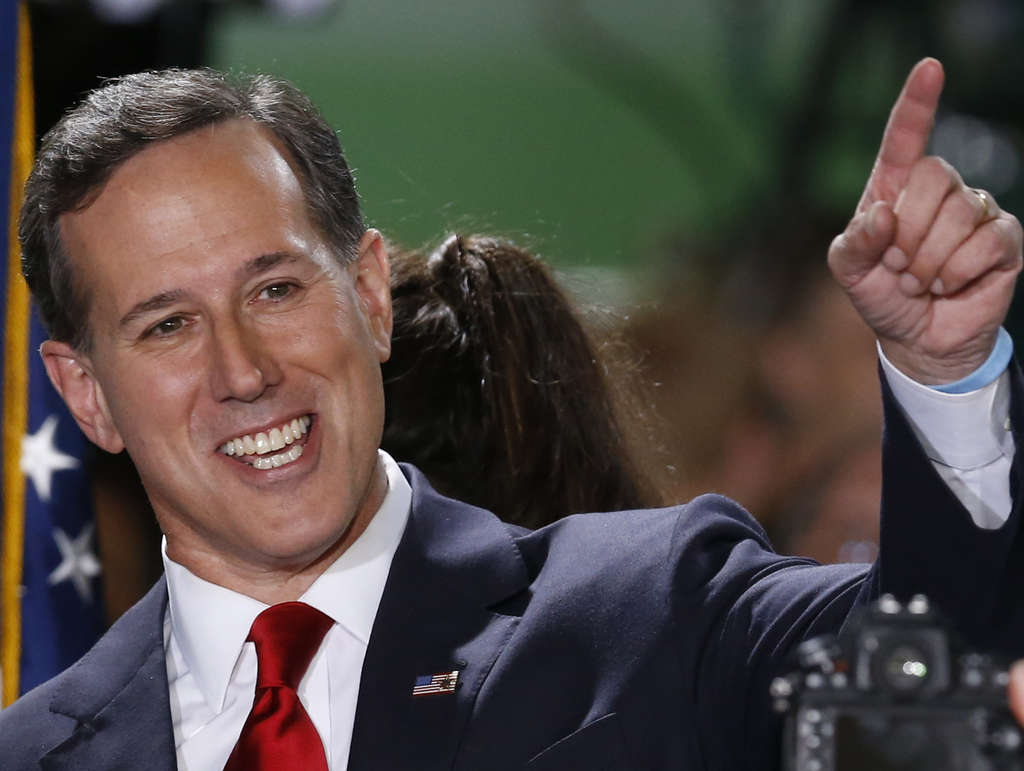
Former U.S. Sen. Rick Santorum announcing his candidacy for the 2016 presidential race.KEITH SRAKOCIC / Associated Press
Other local figures with ties to Trump who were rumored to have helped Dougherty’s lobbying — such as Philadelphia lawyers Michael van der Veen and William J. Brennan, who represented Trump during his second impeachment trial — declined to say if they were involved.
In any case, Trump made Dougherty’s release official earlier this month. In addition to cutting his prison term short, the commutation erased Dougherty’s obligation to pay about $1.6 million in restitution.
Pellicciotti, for his part, was glad that Trump bestowed mercy on his longtime associate.
“All credit goes to God,” he said. “We did a lot of praying about it.”
Staff writers Gillian McGoldrick and Anna Orso contributed to this article.
Gov. Josh Shapiro has raised more than $60 million toward his reelection effort since he took office, his campaign said Tuesday.
According to the campaign, those preliminary figures mean that the first-term Democratic governor has added $13.3 million to his war chest since June, as he maintains a significant fundraising edge over his Republican opponent Stacy Garrity.
Filings on Tuesday showed Garrity had raised around $1.8 million this cycle, with her campaign coffers nearing $3 million. After spending $1.5 million, she will enter October with roughly $1.4 million cash on hand.
So with a massive cash advantage, where will Shapiro’s campaign money go? And could anyone else benefit from his spending?
Even as he pulls ahead in polls, Shapiro has spent heavily on advertising. His campaign has promised he’s keeping his foot on the gas through Election Day in efforts to secure his own victory andelect Pennsylvania Democrats up and down the ballot in hopes of flipping the state Senate and electing Democrats in four battleground congressional districts. He’s donated roughly $5.7 million in total to the state party to fuel theeffort, an additional $2.5 million since June, according to his campaign.
Beyond the November election, he’s widely expected to launch another campaign as a 2028 presidential prospect. Although the law prevents him from transferring his gubernatorial campaign money into a political action committee that funds a run for president, that doesn’t mean he’ll spend all his fundraised money before this year’s election, experts said.
In the governor’s race, the first checks he owes are paying for campaign staff salaries, spending money on advertising, and renting leases for field offices, among other costs, according to campaign experts. As a careful politician, he’d likely also want to reserve a fair amount of cash for surprise developments in the race, they said.
But after all of Shapiro’s receipts are accounted for, experts said, a potentially large stock could remain available, presenting him with options for how to spend it — if at all.
Daniel Weiner, the director of elections and government at the Brennan Center for Justice, said Shapiro has several options available.
“It is incredibly common for candidates who are not facing an especially competitive race to still try to raise money hand over fist and amass a war chest,” Weiner said. “It can be used to fund a future run for office of one sort or another. It can also be used, increasingly in this era of very deregulated money in politics to just build a general political machine.”
Keeping it in the party
Shapiro, who has maintained high favorability among both Democrats and Republicans, has established himself as a formidable fundraiser, bringing in dollars from across the commonwealth and the nation. Donors can give him as much as they’d like, since there is no limit on political contributions in Pennsylvania, said Matthew Foster, a professor of political science at American University.
“There’s a lot of ways for politicians to use political cash to help their allies and to help their team,” said Michael Beckel, an expert on money in politics at Issue One, a Washington, D.C.-based bipartisan nonprofit. “They can spread that money around to help people who need it. And there’s certainly a lot of people who might potentially want help from a big name like Governor Shapiro.”
Pennsylvania law allows Shapiro to transfer endless amounts of money from his campaign account to other state candidates. His campaign said he had not given any money directly to state candidates,but that he has supported them in other ways.
He is also not allowed to transfer money from his gubernatorial campaign to any congressional candidates.
Instead, he has poured money into the state party.
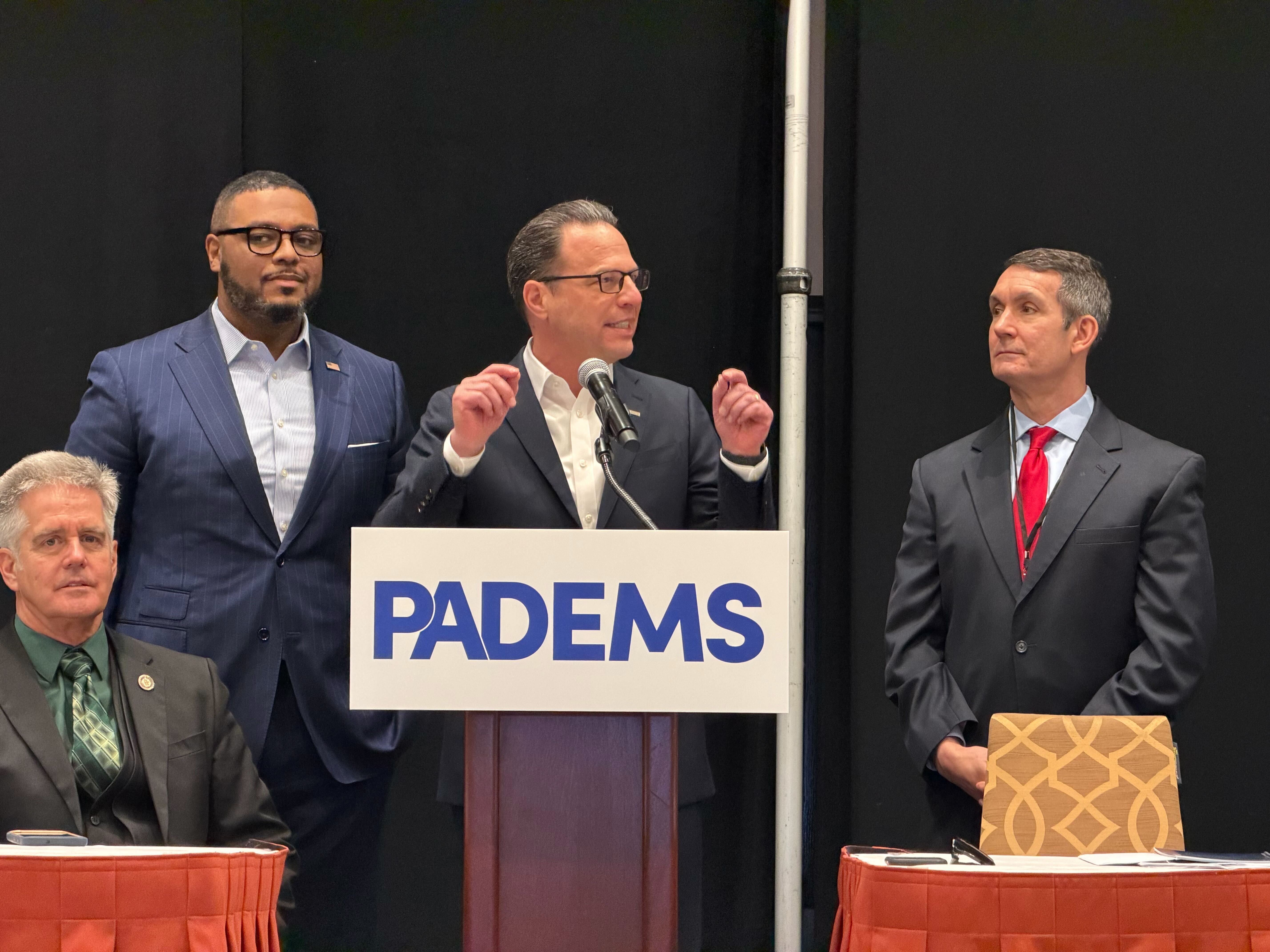
Pennsylvania Gov. Josh Shapiro accepts the endorsement for a second term as governor at the state Democratic Party’s winter meeting in Harrisburg on Feb. 7, 2026.Gillian McGoldrick
Since last fall, Shapiro has given $5.7 million to the state Democratic Party and its election effort. That money is used to benefit Shapiro as well as state Senate and congressional candidates by pooling funds for their field offices, signage and volunteers.
“A donation to the state party historically has helped get the vote out statewide,” said Philadelphia-based Democratic strategist Adam Erickson.
Plus, donating to the state party versus national groups helps to ensure the money is spent on Pennsylvania races, Weiner added.
Pennsylvania Republicans have held on to the state Senate for more than 30 years, even as the House chamber and governor’s mansion have swapped partisan control and are currently both occupied by Democrats.
This year, Democrats have “a strong opportunity to flip the state Senate,” Erickson said, but that the effort will take “an unprecedented amount of spending” from Shapiro and the state party.
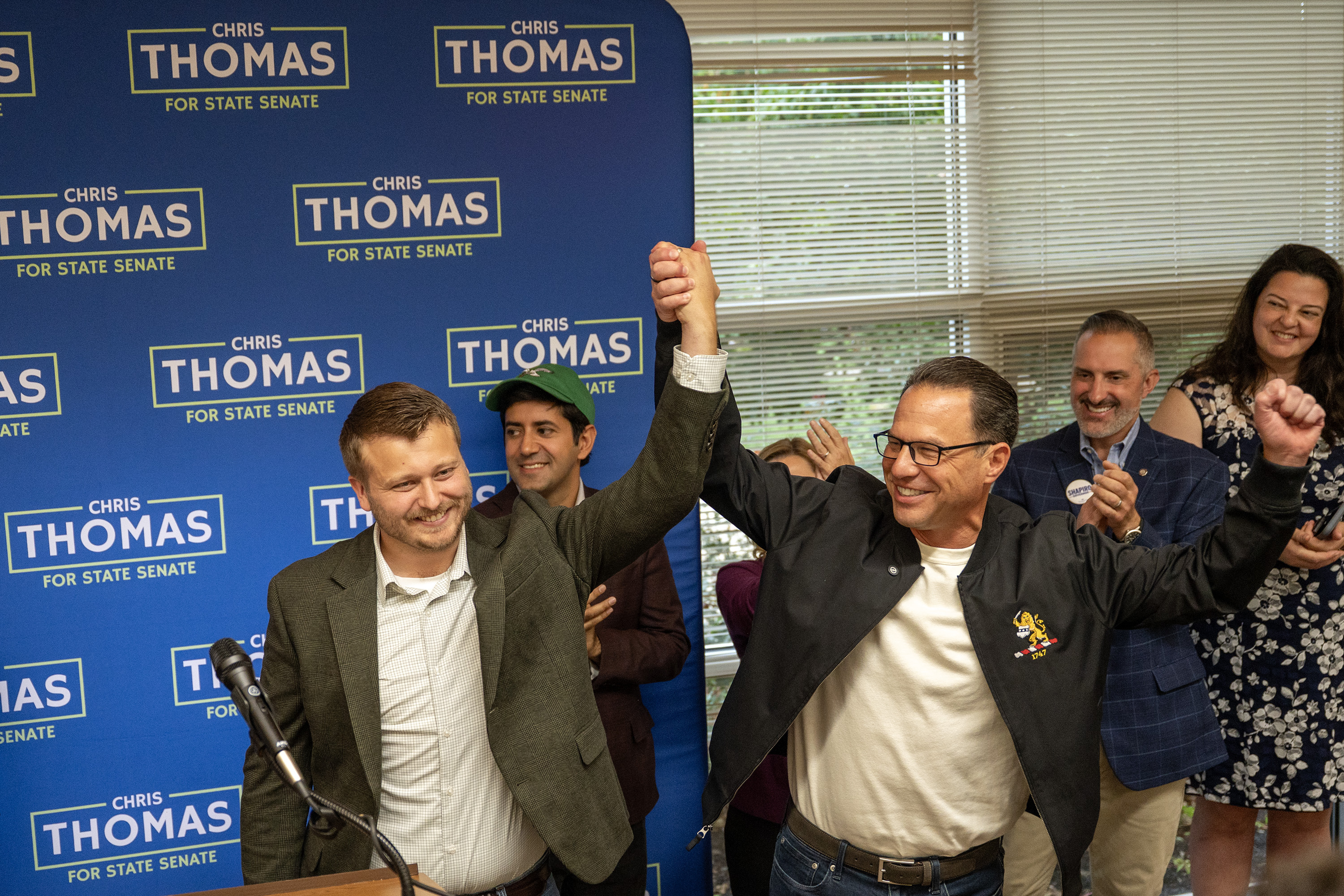
Often, Shapiro has appeared alongside candidates at campaign events, rather than donating to them. On Sunday, Shapiro joined Democrats in Chester and Montgomery Counties to kick off door-knocking and phone-banking efforts benefitting several legislative candidates, such as state House candidate Elizabeth Moro in Chadds Ford and state Senate candidate Chris Thomas in Harleysville.
“Under Governor Shapiro’s leadership, the Party is rallying support all across the Commonwealth and putting Democrats in a strong position to win everywhere this November,” said Manuel Bonder, a spokesperson for Shapiro’s campaign.
Campaign volunteers hand out sign to supporters of Gov. Josh Shapiro and Democratic Pa. Senate candidate Chris Thomas at a rally in Towamencin, Montgomery County before heading out to canvass Sunday, Sept. 29, 2026. Tom Gralish / Staff Photographer
Tim Ford, an attorney who handles legal concerns for Democratic campaigns in Pennsylvania, said Shapiro’s sizable bank account is “also a flex to show he’s capable of raising this kind of money,” and another clue that he may be eyeing a higher office.
If Shapiro does choose to run for president, he’s not allowed to legally transfer his state-level campaign fundraising to a federal political action committee associated with his campaign.
“One thing that I think people get wrong is they believe that he’s raising money for his next office,” Erickson said.
Governor Shapiro (left) and Democratic congressional candidate Bob Brooks (right) greet supporters during a campaign event at the United Steelworkers Union Hall in Bethlehem on July 26, 2026.David Maialetti / Staff Photographer
That would put him at a slight disadvantage compared to any sitting federal elected officials who can spend their campaign funds on a presidential run and who are also speculated 2028 presidential contenders, including U.S. Rep. Alexandria Ocasio-Cortez and U.S. Sens. Mark Kelly and Jon Ossoff, who has been the top fundraiser this midterm cycle.
Still, Shapiro’s cash stockpile “sends a message that he’s been a successful fundraiser,” Beckel said. “While past performance doesn’t guarantee future results, he certainly would try to [leverage] that to his advantage to say, ‘I’ve been a successful fundraiser in the past, I will be a successful fundraiser in the future’.”
Former staff or associates could create a federal super PAC, a type of political action committee that can take in and spend unlimited contributions but must do so independently of a candidate and without directly coordinating with the campaign. Shapiro could repurpose his state campaign account into that super PAC, Weiner said, but he would have no say on the messaging in ads or how money is spent.
While this practice of loose coordination skirts the spirit of the law, Weiner said it often goes unenforced.
“In theory, super PACs are supposed to be independent from candidates, but in practice, they work hand-in-glove with them,” he said.
Former staffers of Maryland Democratic Gov. Wes Moore, another potential 2028 contender, have established the Unity First PAC. Moore has headlined fundraisers for the group, but is not technically in control of the PAC.
California Democratic Gov. Gavin Newsom, who may also run for president, launched a super PAC called Campaign for Democracy. The PAC has poured $1.7 million into state party and legislative committee races, mostly in South Carolina, where Democrats will hold the first contest of the presidential primary race in 2028.
There are no official records that Shapiro, or those associated with him, have created a super PAC, according to FEC filings.
Super PACs have earned a negative reputation in some circles, particularly among Democrats who view them as a means to give wealthy donors outsized influence on elections. But in 2028, Shapiro and other Democrats will be under pressure to use all the tools available to them, Weiner said.
It’s a difficult bind, said Faith Williams, who works on anti-corruption and accountability efforts at Common Cause, a democracy-focused nonprofit.
“Our system is not good,” she said. “But at the moment everyone is playing in it, and that I think that makes it even harder to reform it because it’s hard to have the genuine desire to reform a system that currently benefits you.”
Shapiro could also develop a nonprofit organization with his campaign funds. The 501(c)(4) groups, which can spend on political ads but cannot make electoral activity their primary focus, are under no legal obligation to disclose their donors. In some cases, this opens the door to donations from so-called “dark money” groups, or those that obscure the role of their funders.
Experts pointed out that he could also use his leftover money for his second gubernatorial inauguration or donate it to charity. And, in an unlikely maneuver, Williams said Shapiro could refund his donors and ask everyone to donate again to a federal campaign.
But the best way to get from Pennsylvania to Pennsylvania Avenue, Erickson said, would be to ensure success in the statewide elections this year.
“Playing a large role in flipping the state Senate will put him in the best position going into 2027 and beyond for any larger aspirations,” he said.
Brothers Desmond DeBaun, 5, and David Hayman, 16, after a rally with Gov. Shapiro and Democratic Pa. Senate candidate Chris Thomas in Montgomery County Sunday, Sept. 29, 2026. Tom Gralish / Staff Photographer
During the whirlwind spectacle of his daughter’s Sept. 1 wedding, business leader Duvi Honig noticed his guest, Lt. Gov. Dale Caldwell, was sharing his business card and private cell phone number with everyone he met.
Honig said he told Caldwell to stop — he was there as a friend and he wanted him to relax and have fun. Caldwell assured him that in his role as Gov. Mikie Sherrill’s liaison to the business community, he was happy to help anyone in need, Honig recalled.
So when Honig read the news days later that Caldwell, a minister, was the subject of a monthslong ethics investigation for allegedly giving business cards to women he wanted to date, among other claims, he said he had to defend the lieutenant governor. No one else seemed to be speaking up for him, he said.
“I thought, ‘What the heck is this?’ What I witnessed — him being overly nice to everyone — is being used against him?” said Honig, a Lakewood resident and founder of the national Orthodox Jewish Chamber of Commerce. “He is a special person. He is accessible to anyone and he has no agenda.”
Lt. Gov. Dale Caldwell plays with a soccer ball at the Collingswood World Cup fan fest on July 19.Courtesy Camden County
Now that Caldwell’s name and political future are tied to an investigation — which Sherrill will not confirm but is privately being carried out by a former state attorney general — some of his friends and colleagues are rushing to his defense to answer the question: Who is Dale Caldwell?
Before the investigation became public, Sherrill, a rising star in the Democratic Party, had been hitting the road for the party’s candidates in key congressional races, transferring the gubernatorial powers and responsibilities to Caldwell when she left the state.
But she has since curtailed her travel while the investigation drags on amid Republican criticism and concerns from members of her own party, according to three veteran Democrats who were involved in her campaign or have ties to her administration who were not authorized to comment publicly.
“She is failing at the most important time” by not being able to campaign, said one veteran adviser.
The governor recently made trips to New York City for a 9/11 memorial event and a live interview with the Atlantic, but she did not make Caldwell acting governor because of an exception that allows travel across the river.
“We’re not going to speculate about the Governor’s schedule, but her priorities are always guided by the best interests of New Jerseyans,” Sherrill spokesperson Sean Higgins said in a statement.
Gov. Mikie Sherrill (right) stands beside New York Mayor Zohran Mamdani at the National September 11 Memorial in lower Manhattan on Sept. 11, 2026. Hiroko Masuike
Democratic power players have privately expressed frustration that Sherrill has left them in the dark about the probe while Republicans call for Caldwell’s resignation. Sherrill said in a statement days after the news broke that “any credible report must be fully examined and addressed.”
The veteran campaign adviser, who is close to both Caldwell and Sherrill, said the two have not spoken directly with each other as the investigation proceeds.
A senior campaign adviser, impressed with Caldwell’s resuméand “unblemished public record,” recommended the pick. It dramatically raised his public profile to new heights in a role that would entrust him to lead the state in Sherrill’s absence.
The 66-year-old divorced minister with degrees from Princeton University and the University of Pennsylvania previously served as the first Black president of Centenary University. He worked as deputy commissioner of community affairs in former Democratic Gov. James McGreevey’s administration more than 20 years ago.
Lt. Gov. Dale Caldwell embraces his daughter Ashley Caldwell after she introduced him at Sherrill’s election night party in East Brunswick on Nov. 4, 2025.Tom Gralish / Staff Photographer
He also held a seat on the New Brunswick Board of Education for nearly three decades and founded charter schools in Asbury Park and Trenton.
Last year, the state comptroller’s office interviewed Caldwell, a founder and then-board president at the College Achieve Greater Asbury Park Charter School, as part of its ongoing investigation into whether the school had violated public contract laws and misused public funds.
Caldwell is the first man and third Black person to serve as lieutenant governor. He quickly embraced the opportunity to be Sherrill’s No. 2, a campaign adviser said.
“Their dynamic [between Sherrill and Caldwell] was terrific. Reports coming back on his appearances were all very positive and they got off on a strong start on inauguration day, as far as I knew,” the adviser said.
One person close to the campaign, however, said after the election Caldwell asked others how he should do the job.
“You are there as the governor’s person. You report to the governor and chief of staff,”the source said. “He laughed. I think he was trying to do his own thing.”
New Jersey Gov. Mikie Sherrill and Lt. Gov. Dale Caldwell celebrate their victory on Nov. 4, 2025, in East Brunswick.Kevin R. Wexler, Kevin R. Wexler
The investigation, sparked by at least one anonymous complaint, began more than four months ago, according to the campaign adviser.
The complaint accused Caldwell of bringing uninvited women to events andhanding his business card out to women he wanted to date. And a state employee accused him of making inappropriate comments, the New York Times reported.
Caldwell declined a request for an interview through a spokesperson. His attorney, Thomas Calgagni in Newark, did not respond to requests for comment.
Caldwell denied the allegations and suggested racism was a factor in a May 28 letter to the state’s chief ethics officer, noting that he is “the first single Black man to serve at this level in government,” and that “in this current political environment, false accusations, especially against people of color, seem to be commonplace,” which was first reported by BINJE.com.
“I have never asked anyone out on a date, ‘hit on,’ or pursued anyone romantically while conducting official business as Lieutenant Governor and Secretary of State,” his letter said. “Throughout my career in government, higher education, nonprofit leadership, ministry and public service, I have consistently conducted myself professionally and respectfully.”
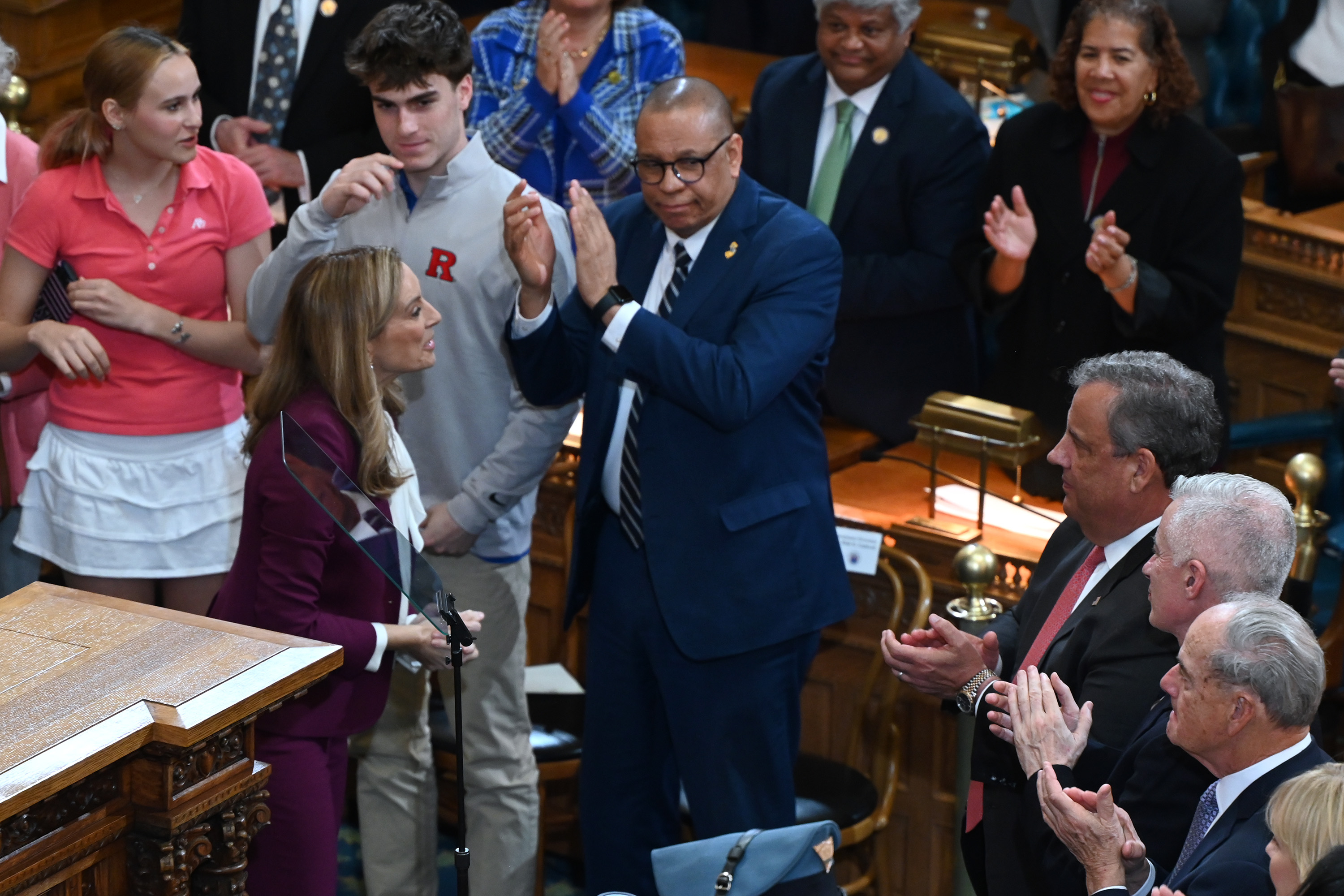
Lt. Gov. Dale Caldwell (center) applauds as Gov. Mikie Sherrill finishes her budget address March 10 in the Assembly Chamber at the New Jersey State House.Tom Gralish / Staff Photographer
Former congressional candidate Tim Alexander, an Atlantic County-based civil rights attorney, got to know Caldwell while working on the campaign trail for Sherrill in South Jersey last year. He sang Caldwell’s praises and said he believes he is “good for the state.”
Alexander, a former detective, said Caldwell supported his congressional bid but stepped away to avoid a conflict as the new secretary of state, which he called a “testament to his character.” The former candidate, who is Black, said he cannot believe race is a factor in the allegations without knowing more.
“Dale has impeccable credentials, and he also has Black skin. So there’s a lot that I could opine on, but when it comes to investigations, I got to leave it out. … If we have confirmation bias, it turns the investigation to trash,” he said.
Fighting back, with help
Last week, a small band of friends and colleagues spoke out to condemn the vague allegations, the snail’s pace of the investigation, and the permanent harm to Caldwell’s reputation no matter the outcome.
Felicia Simmons of Asbury Park was one of several friends to rush to Caldwell’s defense last week by questioning the legitimacy of the investigation. She helped organize one of the events in question — the Whitesboro Black History Gala, an event in April recognizing the preservation efforts of the state’s first planned Black community, located in Cape May County.
Simmons said she invited the lieutenant governor to hand out proclamations to honorees. She said she saw no questionable behavior on his part.
“It was very meaningful for him to be here,” she added.
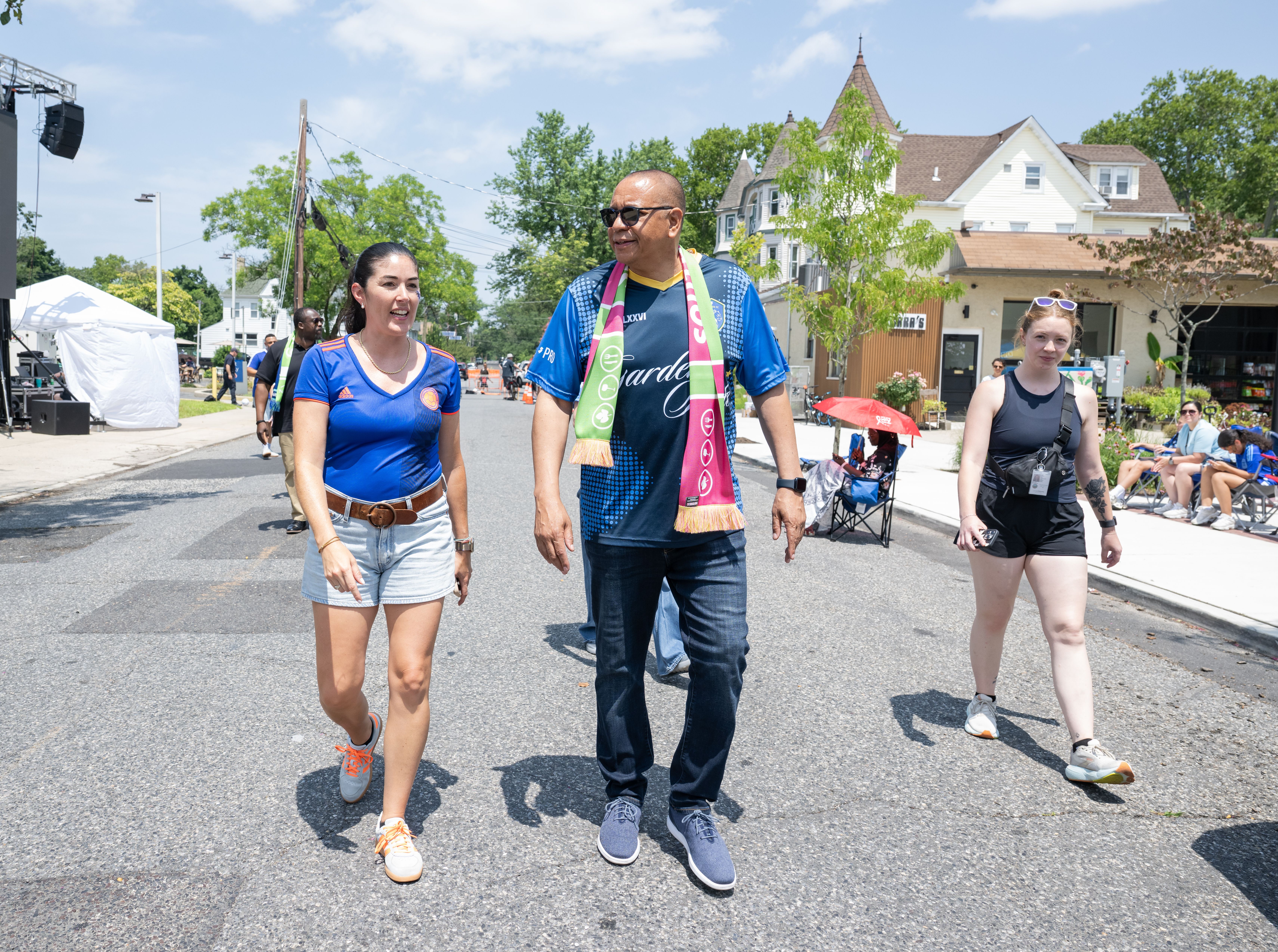
Lt. Gov. Dale Caldwell walks with Collingswood Mayor Daniela Solano-Ward in Collingswood on July 19 before reports of the investigation.Courtesy Camden County
Caldwell’s staff alerted her prior to the event that he would be bringing guests, which is not unusual because many dignitaries seldom travel alone, Simmons said.
And after all these months, no one from former Attorney General Christopher Porrino’s law firm, which is leading the probe, has spoken to her yet — even after she issued a statement criticizing investigators for not contacting her.
“I feel highly offended,” she said.
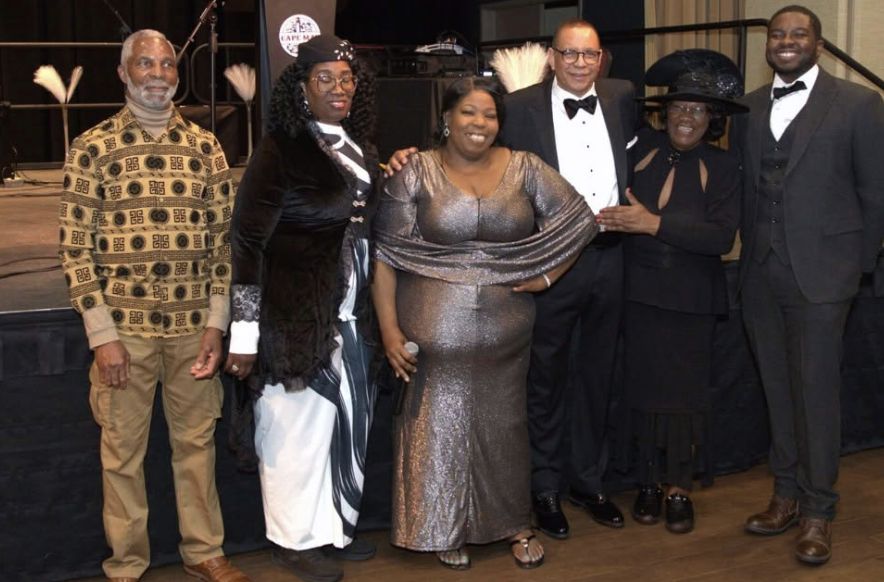
Lt. Gov. Dale Caldwell (third from the right) attended the Whitesboro Black History Gala in April, at the invitation of Felicia Simmons (center). He is the target of an ethics investigation after an anonymous complaint said he acted inappropriately around women, including at this event. Simmons denies the allegation.Courtesy of Felicia Simmons
Caldwell “comes from a line of men with integrity,” noting his father marched with the Rev. Dr. Martin Luther King Jr., she said.
“I truly believe Gov. Mikie Sherrill made the right choice picking this man and we can’t just sit back,” Simmons said. “These awful allegations could follow him for the rest of his life.”
Albert Stark, from the Philadelphia- and Marlton-based law firm Stark & Stark, also came to Caldwell’s defense in an interview, calling him a reliable friend and public servant. Stark said Caldwell, a pioneer in bringing tennis to young Black youth, helped establish the National Junior Tennis and Learning network in Trenton.
When he first heard about the scandal, Stark said, he wondered: “Who was setting him up?”
They haven’t spoken since the investigation was publicized, he said, but he offered this advice: “‘Just be yourself. You’re a terrific guy.’ He has got nothing to be ashamed of.”
‘They are trying to destroy his integrity’
Before the investigation leaked, Caldwell spent his summer visiting with business leaders and elected officials throughout the state, including in South Jersey. Local leaders did not comment on the accusations but said they appreciated Caldwell spending time in the region.
Collingswood Mayor Daniela Solano-Ward said Caldwell visited her small borough for the second time for its World Cup fan fest. Caldwell kicked a soccer ball around with the mayor, thanked volunteers, and fist-bumped Deputy Mayor Amy Henderson Riley’s daughter. He posed with local vendors, smiled in front of a “giggle juice slushies” menu at Racoon Taproom, and chatted with kids at the All Fired Up! pottery studio.
Lt. Gov. Dale Caldwell poses at Racoon Taproom in Collingswood on July 19.Courtesy Camden County
“He was kind and respectful, and seemed like he was very engaged in the things we were saying,” she said, noting that their interactions were limited.
As acting governor he visited Campbell’s and the Philadelphia 76ers training facility in Camden for an economic development tour in August, and he returned later that month for a Chamber of Commerce Southern New Jersey resource fair alongside Camden Mayor Vic Carstarphen, a Democrat who declined to discuss Caldwell.
Thank you to @ChooseNJ and Camden Community Partnership for showing me some of the great work the City of Camden is doing to strengthen its economy and expand opportunity.
The Governor and I are committed to making sure Camden – and every community across the state – thrives. pic.twitter.com/95zIkO3KNy
— Lieutenant Governor Dale Caldwell (@LtGovCaldwellNJ) August 21, 2026
New Jersey Democrats have not been rushing to defend Caldwell, who has become a complicated topic for them with the extent of the allegations against him unclear.
Gerard Cleaves, a professor at Pillar College, a private evangelical Christian school in Newark, said he was angry at the Democrats who, he believes, are “out there fanning the smoke” by leaking tidbits of the investigation and not offering public support.
“They are trying to destroy his integrity,” he said.
“I am an old, white male Republican conservative who worked very hard to get [Sherrill’s GOP opponent] Jack Ciattarelli elected,” said Cleaves, who said he met the lieutenant governor at Fairleigh Dickinson University, where Caldwell taught from 2018 to 2023. When Caldwell joined Sherrill’s ticket, Cleaves said, he told his colleagues they “would be hard to beat” based on Caldwell’s resumé and character.
Caldwell has not missed their Wednesday morningBible study lessons since news of investigation broke earlier this month, Cleaves said.
“He doesn’t appear stressed. He knows in his heart who he is. He has told me he will not resign. He is not going to give up,” he said.
More than a year and a half into President Donald Trump’s second term, U.S. Rep. Brian Fitzpatrick has voted against the White House and the GOP more than any other House Republican.
Yet, he has still voted with the president and his party nearly 70%and 77%of the time, respectively, during this congressional term, according to a new Inquirer analysis.
Fitzpatrick’s nuanced voting record has become a focal point of Democrats’ campaign against the five-term GOP incumbent from purple Bucks County this fall.
HisDemocratic challenger, Bob Harvie, argues that Fitzpatrick has been a “rubber stamp” for Trump’s policies and the GOP establishment when it matters most. Meanwhile, Fitzpatrick continues to tout his moderate, bipartisan brand that has proved successful in elections past.
Both of those assertions will be tested in front of voters this November as Fitzpatrick defends his swing district seat in a heated race in the 1st Congressional District, which includes all of Bucks County and a sliver of Montgomery County. Trump narrowly lost the district in 2024, despite winning Bucks County.
Fitzpatrick is voting with the president and his party less frequently during the current Congress, which began last year, than he did during the two years of Trump’s first term, when the GOP also held the majority, The Inquirer found in a comprehensive analysis of the Bucks County lawmaker’s 5,064 roll-call votes since he joined Congress nearly a decade ago.
(function () {window.addEventListener(‘message’, function (e) { var message = e.data; var els = document.querySelectorAll(‘iframe[src*=”‘ + message.id + ‘”]’); els.forEach(function(el) { el.style.height = message.height + ‘px’; }); }, false); })();
The data underscore how Fitzpatrick, the last remaining GOP U.S. representative in the Philadelphia suburbs, is able to simultaneously straddle party lines and talk about his disdain for the two-party system while also serving as a key vote in the Republican conference— a cocktail of qualities that has made him difficult to unseat in years past.
This year, Democrats are hoping that a focus on affordability issues amid a national environment that has become increasingly unfavorable to Republicans will be what it takes to unseat Fitzpatrick.
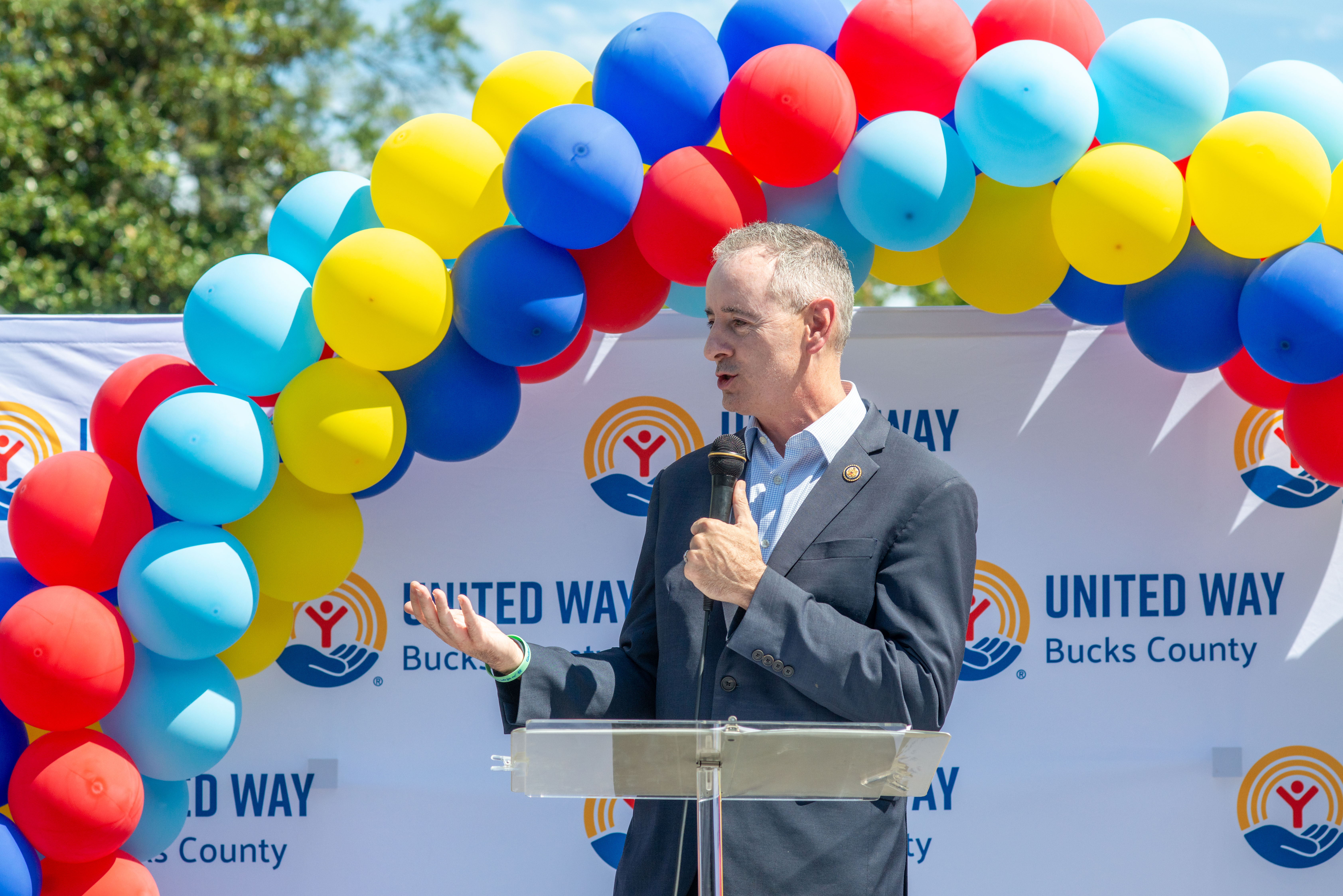
U.S. Rep. Brian Fitzpatrick (R-Pa.) makes remarks in support the grand opening of the new headquarters and expanded financial stability center for United Way Thursday, Sept. 10, 2026 at United Way of Bucks County Headquarters in Levittown.William Thomas Cain / For The Inquirer
When Fitzpatrick does — and doesn’t — back Trump
Trump and the Bucks County Republican have had their fair share of tense moments, including the president threatening the lawmaker in May for voting against him.
Fitzpatrick has continued tovote against the president recently, including on a war powers resolution torestrict Trump’s military actions in Iran.
“[Fitzpatrick’s] bosses are his constituents back home,” Heather Roberts, a spokesperson for the Fitzpatrick campaign, said in a statement. “Political party retaliation has zero impact on his decision-making.”
Since January 2025, Fitzpatrick has voted with the Trump administration’s 133 stated positions on congressional votes 93 times, according to the analysis.
(function () {window.addEventListener(‘message’, function (e) { var message = e.data; var els = document.querySelectorAll(‘iframe[src*=”‘ + message.id + ‘”]’); els.forEach(function(el) { el.style.height = message.height + ‘px’; }); }, false); })();
Fitzpatrick voted with Trump on several high-profile GOP bills, including the SAVE Act, a controversial overhaul of voting laws, and the Laken Riley Act, legislation also supported by some Democrats that requires federal authorities to detain undocumented immigrants arrested for theft-related crimes, issues that Roberts maintained 1st District voters of both parties support.
Fitzpatrick’s votes have also aligned with the White House on other legislation related to immigration, law enforcement, energy, and renaming the Gulf of Mexico the “Gulf of America.”
At the same time, no other House Republican has been less loyal to the president in this time frame. That includes every GOP member from Pennsylvania, many of whom are staunch supporters of Trump. Republicans like U.S. Reps. Ryan Mackenzie, Rob Bresnahan, and Scott Perry, who are defending their seats in contentious swing-district races, vote with Trump more than 90% of the time.
Both Mackenzie and Bresnahan spoke at Trump’s Republican midterm convention in Dallas this month, but Fitzpatrick — the only GOP member of Congress from Pennsylvania not endorsed by Trump — did not attend.
(function(){function e(){window.addEventListener(`message`,function(e){if(e.data[`datawrapper-height`]!==void 0){var t=document.querySelectorAll(`iframe`);for(var n in e.data[`datawrapper-height`])for(var r=0,i;i=t[r];r++)if(i.contentWindow===e.source){var a=e.data[`datawrapper-height`][n]+`px`;i.style.height=a}}})}e()})();
The final bill had enough GOP support — 218 members voted yes — to pass without Fitzpatrick’s vote.
Harvie, Fitzpatrick’s Democratic challenger, contended that Fitzpatrick “has mastered the art of the meaningless gesture and breaks with Trump only when he gives him a hall pass.”
“[Voters] want somebody who’s going to go there and fight for them,” Harvie said. “And, you know, people’s lives aren’t better than they were 10 years ago. And Brian Fitzpatrick and Donald Trump are the big reasons why.”
Roberts said Harvie’s criticism is “absurd” and has been “debunked many times over and in every single election cycle.” She also criticized Harvie’s voting record and said he has not exercised similar levels of independence during his time as Bucks County commissioner and Falls Township supervisor.
Back in Trump’s first term in office, Fitzpatrick sided with the White House on 59% of votes — 81% of the time in 2017-18, but dropping to almost 42% in the following two years, after Democrats gained control of the U.S. House in the 2018 midterms.
Fitzpatrick voted with his party roughly 60% of the time during both the 117th and 118th Congresses, when Biden was in office and the GOP had the majority for the latter two years of his term.
The lawmaker played a key role in getting Biden’s signature bipartisan infrastructure law passed, drawing sharp attacks from fellow Republicans when he was one of 13 GOP members to support it in the House.
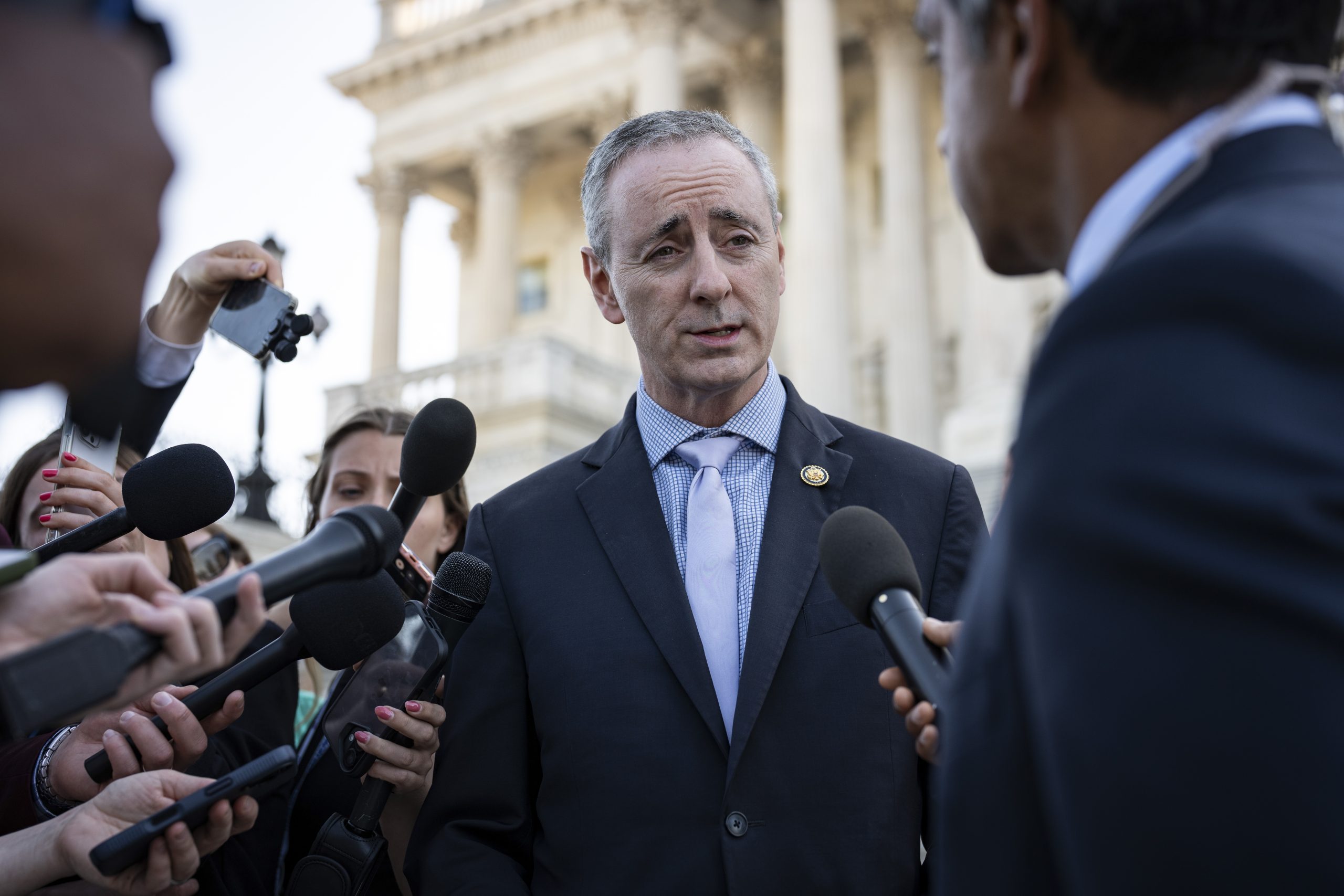
Rep. Brian Fitzpatrick (R-Pa.) speaks to reporters after the House passed an Iran war powers resolution on Capitol Hill in Washington, on Wednesday, June 3, 2026. Haiyun Jiang
What about the GOP?
Fitzpatrick’s alignment with the House Republican Conference has fluctuated depending on which party is in power.
During this Congress, when the GOP holds a narrowmajority in the U.S. House, Fitzpatrick has voted with his party 77% of the time, meaning he has split from Republicans 107 times on 472 party unity votes, defined by CQ Roll Call as instances when a majority of voting Republicans oppose a majority of voting Democrats.
That figure is the highest of his career, the analysis shows, though still far below the median of Republicans. It was a similar story during Fitzpatrick’s first term during the 115th Congress in 2017-18, when Trump was in office and Republicans had the House.
By contrast, Fitzpatrick was the least loyal to his party during the 116th Congress in 2019-20 — at 55% — when Trump was still in office, but the GOP did not have the gavel.
A congressional lawmaker’s votes are dependent on which bills make it to the floor. Currently, that is up to House Speaker Mike Johnson, a Louisiana Republican, whom Fitzpatrick has criticized for his reluctance to bring some bipartisan bills for a vote if Trump opposes them.
Fitzpatrick has introduced 249 bills as lead sponsor, and just under half — 123 — have a bipartisan group of cosponsors.
“The numbers and percentages will change from year to year based entirely on what votes are put on the House Floor,” Roberts said in her statement. “The best measure of independence is how often, and on which issues, does one vote against their own political party, regardless of who the President is and regardless of who the Speaker is.”
(function(){function e(){window.addEventListener(`message`,function(e){if(e.data[`datawrapper-height`]!==void 0){var t=document.querySelectorAll(`iframe`);for(var n in e.data[`datawrapper-height`])for(var r=0,i;i=t[r];r++)if(i.contentWindow===e.source){var a=e.data[`datawrapper-height`][n]+`px`;i.style.height=a}}})}e()})();
Jim Worthington, a major GOP donor in Bucks and owner of the Newtown Athletic Club, said Fitzpatrick’s record is representative of the purple county, home to a plethora of split-ticket voters, and shows that he is able to go against power structures in Washington.
“When you have someone who’s willing to stand up to the power of the majority and take a stand, that’s the type of guy you want,” Worthington said. “It’s pretty lonely when there’s 216 other people in your party voting for something, and you’re voting no. It takes guts, and that’s what he’s doing.”
Over the course of his time in Congress, Fitzpatrick has defected from his fellow House Republicans on votes related to economic and public finance issues, but has agreed with his caucus most on legislation connected to international affairs.
Of the 10 closest votes in which Fitzpatrick diverged from the GOP this year, three were decisive votes that blocked GOP amendments to bills.
Two others were votes in which he supported Democratic motions that fell just short of passing.
Fitzpatrick also joined Democrats in voting against fiveGOP amendments to bills thatpassed by one vote.
US Rep Brian Fitzpatrick speaks during the Garden of Reflection remembrance ceremonies Friday, Sept. 11, 2026 at Garden of Reflection in Yardley, Pennsylvania. The Garden of Reflection is Pennsylvania’s official state memorial honoring all 2,973 victims of the September 11 terrorist attacks, with a special tribute to 18 local residents from Bucks County, Pennsylvania.William Thomas Cain / For The Inquirer
What does this mean for the midterms?
At the U.S. Capitol on Wednesday, Fitzpatrick stood alongside members of the bipartisan Problem Solvers Caucus that he cochairs, condemning the redistricting wars both parties have engaged in and unveiling legislation to prevent a similar situation in the future.
He said in an interview that both Trump and Democrats were “wrong” to kick-start a gerrymandering spree.
“There are so many forces pulling us away from the center, when most Americans are in the center,” he said.
Fitzpatrick has been working to run on that centrist message back at home — even as he wages an aggressive ad campaign against Harvie.
But will his brand and well-fundraised campaign help him in a disadvantageous national political environment for Republicans this year?
Brittany Crampsie, a Democratic consultant in Pennsylvania, said 1st District voters should consider whether they, too, agree with Trump a majority of the time, noting that Fitzpatrick creates an “illusion” that he is independent from the president or his party.
“[Fitzpatrick] doesn’t have enough to celebrate, and voters don’t want to see him pat himself on the back for only supporting this administration 75% of the time,” Crampsie said.
She said that Fitzpatrick’s voting record will not help him survive a blue wave this time around because the issues facing the country, such as the cost of living, are too dire amid what she calls a “change election.” Crampsie said Harvie should continue to focus his campaign on both Fitzpatrick’s record and kitchen-table issues.
“Making a campaign all about opposition to Trump, we’ve seen, is not successful,” Crampsie said. “Voters want a new vision. They want a new platform. They want new ideas, and that’s what Bob Harvie is offering.”
Worthington, the GOP donor, predicted that Fitzpatrick will once again be victorious this year, noting the lawmaker’s massive coalition of labor support,which would typically go to a Democratic candidate, and voters’ desire for a moderate candidate.
“He’s a free, independent thinker. At the end of the day, he tries to do what’s right for everybody, for the majority of people,” Worthington said.
“That’s the problem — there’s too many extremes. You’re either one side or the other. It shouldn’t be like that.”
Staff writer Sam Janesch contributed to this article.
Republican U.S. House contender Joseph “Dr. Joe” Arminio was removed from a panel Thursday featuring candidates in Delaware races after he repeatedly misgendered Democratic U.S. Rep. Sarah McBride.
Things unraveled at the Siegel Jewish Community Center in Wilmington, where the Jewish Federation of Delaware’s Jewish Community Relations Committee coordinates a candidates forum every two years. The event featured candidates for U.S. Senate, U.S. House of Representatives, attorney general, state treasurer, and auditor of accounts.
McBride will face Republican Arminio in November for the state’s only U.S. House seat.
Arminio, a Wilmington native, political scientist, author, and educator, campaigned largely on inflation. His responses to a 2026 voter questionnaire indicate several anti-LGBTQ+ policy positions. In 2008, he ran unsuccessfully for Congress in Maryland. He did not receive the Delaware GOP’s endorsement, which went to Earl Cooper.
At the public event, Arminio repeatedly referred to McBride using he/him pronouns and later called her a “gentleman.”
In the first incident, Arminio’s remarks were met with boos from the crowd. After he spoke, moderator Ken Grant warned him to follow the forum’s rules for proper decorum.
The first time Republican US House candidate “Dr. Joe” Arminio referred to Rep. Sarah McBride (D) as a man during Thursday’s debate at the Siegel Jewish Community Center in Talleyville. He was warned for his comment. #netdepic.twitter.com/j4EaMOL84W
“If you fail to show respect to anyone else on this stage, you’ll be asked to leave,” Grant said.
Arminio acknowledged the incident during one of his forum responses.
“I committed an error before,” he said. “I do acknowledge it. It’s not the first error I’ve made in this campaign, or at any point in my future life.”
But minutes later, Arminio misgendered McBride again, pointing at her and DemocraticSen. Chris Coons and calling the two of them “gentlemen.” The crowd started booing again, and Arminio’s microphone was cut off.
McBride said on stage she wanted Arminio to stay and be able to talk about his platform, but organizers held firm.
Arminio told 6abc he planned to address the incident. He did not immediately respond to The Inquirer’s request for comment.
The Human Rights Campaign describes the political climate for transgender people and the LGBTQ+ community as an ongoing crisis amid legislative hostility, federal rollbacks, and discrimination. The organization estimates there are more than 2 million transgender people across the country.
Experts say misgendering a trans person can range in severity from a microaggression or macroaggression to explicit harassment depending on the intent, frequency, and context. Studies show the LGBTQ+ community is more likely to experience harassment, discrimination, and violence than cisgender and heterosexual people.
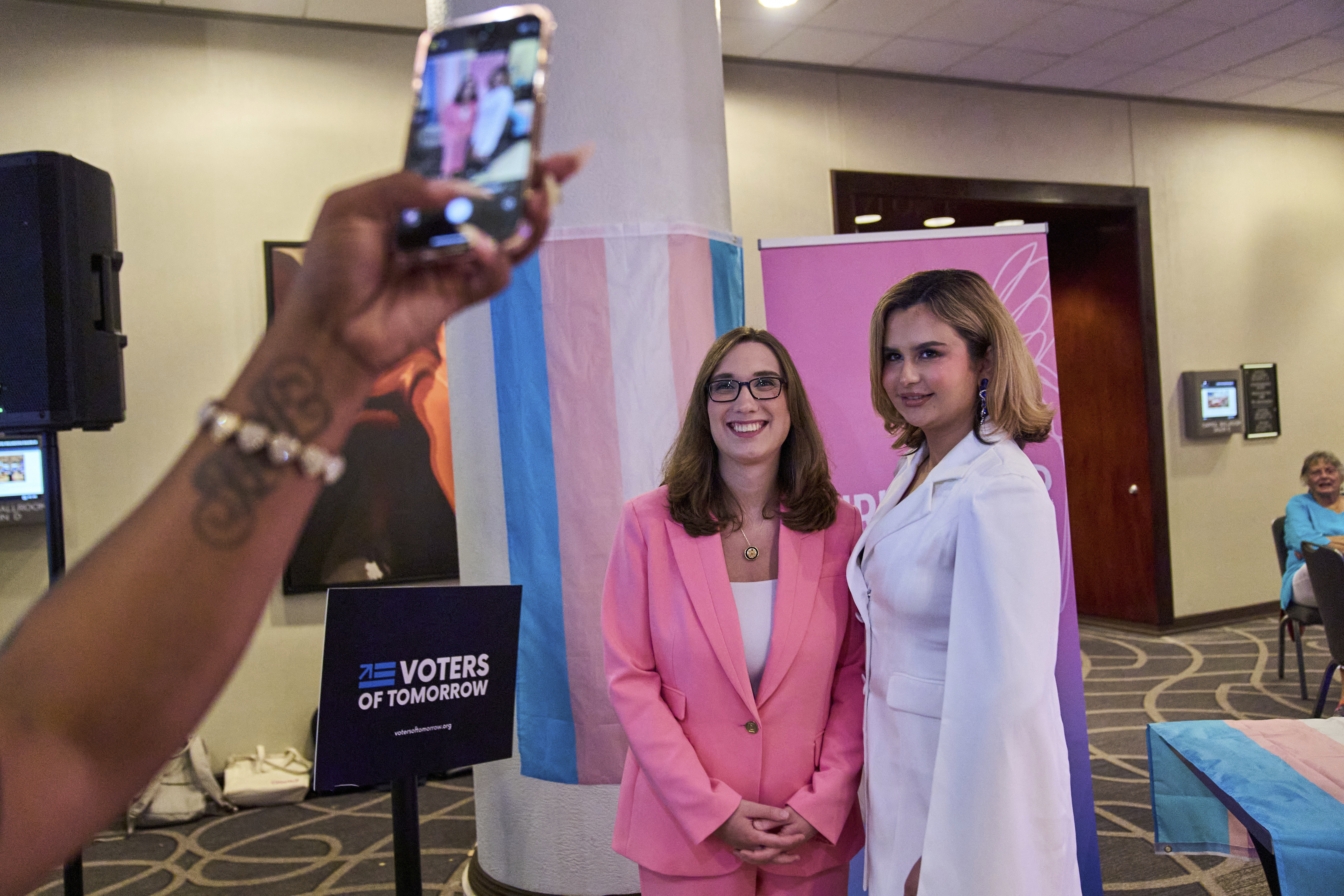
Bella Bautista, 22, right, a trans woman, has a photo taken with Rep. Sarah McBride, D-Del., the first trans woman to be a member of Congress, during a reception held by the Christopher Project in June 2025.Jacquelyn Martin
McBride, who was previously a state senator, has been targeted by transphobic attacks across her career.
After being elected to Congress, Rep. Nancy Mace (R., S.C.) introduced a resolution banning transgender women from using women’s facilities in the U.S. Capitol. Speaker Mike Johnson also implemented a policy restricting restroom access in the Capitol and House offices to a person’s “biological sex,” which experts say is a politicized term to describe someone’s assigned sex at birth.
The policies were viewed as a way to directly target McBride, the only openly trans person serving in either chamber. McBride has also been repeatedly misgendered.
Last year, Rep. Keith Self (R., Texas) called McBride “Mr. McBride.” She quipped back, calling him “Madame Chair.” Others stepped in on McBride’s behalf, but the exchange got heated, and the session ended early with Self refusing to honor McBride’s identity.
Other House Republicans have continued to use male pronouns and honorifics while referring to McBride during interviews, debates, and on social media.
The representative has worked across the aisle with politicians whose views on the LGBTQ+ community don’t align with hers. She says her job in public office is to represent her state’s priorities and, in turn, normalize trans visibility.
At the forum, Mike Katz, a former Democratic state senator and now the GOP’s endorsed candidate for U.S. Senate, said Arminio’s actions were uncalled for and apologized to the crowd. Following the event, in a lengthy Facebook post, he called for Arminio to withdraw from the race, calling it a matter of “respect.”
Grant, the event’s moderator, said ground rules were shared with candidates in advance and were clear: “treat everyone on stage with respect.”
“When a candidate declined to do so after a clear and public warning, the rules were applied — as they would have been for any candidate, of any party, on any subject,” he said. “I want the focus to remain where it belongs: on the nine candidates who spent the evening answering voters’ questions thoughtfully and civilly, and on the hundreds of Delawareans who came, in person and online, to listen.”
McBride appears to be taking the incident in stride.
“I am always so proud to represent Delaware and Delawareans,” she wrote in a statement Friday. “Nothing — and certainly not politicians seeking to go viral — will ever distract me from my laser focus on lowering the cost of gas, groceries, housing, childcare, and healthcare.”
Gov. Josh Shapiro is dominating Pennsylvania’s media markets in his reelection campaign, spending more than $24 million with less than seven weeks left until the Nov. 3 election — and trouncing his GOP challenger, State Treasurer Stacy Garrity, who has spent a small fraction of that on ads.
Shapiro, a Democrat seeking reelection and potentially a 2028 White House bid, has spent more than $2.4 million on advertisements per week since Aug. 25 from his campaign war chest of more than $50 million, according to media tracking firm AdImpact. One ad pitches Garrity as “Pennsylvania’s #1 fan ofdata centers,” and in another, Shapiro boasts about his efforts to cap energy costs. He has also released a number of audience-specific ads to reach Black and Latino voters, including a radio advertisement in Spanish in the Lehigh Valley.
A clearer picture of Shapiro’s full campaign haul will become public this week, with updated campaign financial filings due Tuesday. The last filing deadline for state candidates was in June. But Shapiro’s multimillion-dollar flurry of ad buys offers early insight into his strategy heading into November in a race where he holds a double-digit polling lead — and where he is hoping to achieve downballot wins in the statehouse and critical congressional districts.
Garrity has spent just $743,000 on ad buys so far, and paid out only $672 last week, according to AdImpact. No top GOP groups, such as the Republican Governors Association or the Jeffrey Yass-backed Commonwealth Leaders Fund, have purchased TV ads supporting Garrity, and she has struggled to fundraise to compete with Shapiro, a popular incumbent who has raised more money than any governor since at least 2010.
State Treasurer and Republican candidate for governor Stacy Garrity is seen on a big screen as she speaks to supporters before the arrival of President Donald Trump at Mack Trucks in Macungie Tuesday, June 23, 2026. Tom Gralish / Staff Photographer
Shapiro’s mass ad buys despite his commanding lead in the polls indicate the governor is a risk-averse politician, said Christopher Borick, a political science professor at Lehigh University.
“He’s cautious. He wants to make sure nothing goes awry, and to do that, you buy insurance,” Borick said.
“The governor has also been clear that the midterms run through Pennsylvania — and he is leading the fight to win critical races up and down the ballot in order to flip the House, put a check on Donald Trump’s chaos, cruelty, and corruption, and get even more stuff done,” said Manuel Bonder, a spokesperson for Shapiro’s campaign.
Garrity, meanwhile, has spent the lion’s share of her ad buys on a digital social media video campaign called “Twilight Justice,” which promises the future release of bombshell details about Shapiro. She has also released an attack ad about Shapiro’s past support for data centers, but it has been seen by far fewer eyes than those Shapiro is reaching in his multimillion-dollar ad campaigns. Both Shapiro and Garrity initially embraced data centers, though both shifted their positions as the projects became increasingly unpopular among Democrats and Republicans.
Matthew Beynon, a spokesperson for Garrity’s campaign, declined to comment on whether top GOP groups will get involved in the Pennsylvania governor’s race in the coming weeks. But he said any pro-Shapiro mailer or TV ad “is just another reminder to the people of Pennsylvania that Josh Shapiro sold them out.”
“All the money in the world will not help Josh Shapiro paint over his administration’s failed economic record or erase his ethics scandals that have cost the taxpayers of Pennsylvania and embarrassed the entire commonwealth,” Beynon added.
Data center power play
The regulation of data centers and artificial intelligence have become key issues in midterm races nationwide, including in the Pennsylvania governor’s race, where Shapiro’s past support for the projects appeared to be the biggest test of his popularity.
Shapiro changed his position last month and subsequently began running attack ads against Garrity for her past support of the unpopular centers. Garrity has also changed her position, from initially advocating for the rapid development of data centers around Pennsylvania to now calling for “a pause” on their development. Shapiro, in an executive order signed last month, will now require any prospective data center developers to meet a number of environmental and energy factors in order to build in Pennsylvania.
“That’s why you’ve seen this enormous ad buy that she can’t even come close to matching, when, in reality, he’s as exposed as her on the issue, but she doesn’t have the resources,” Borick said.
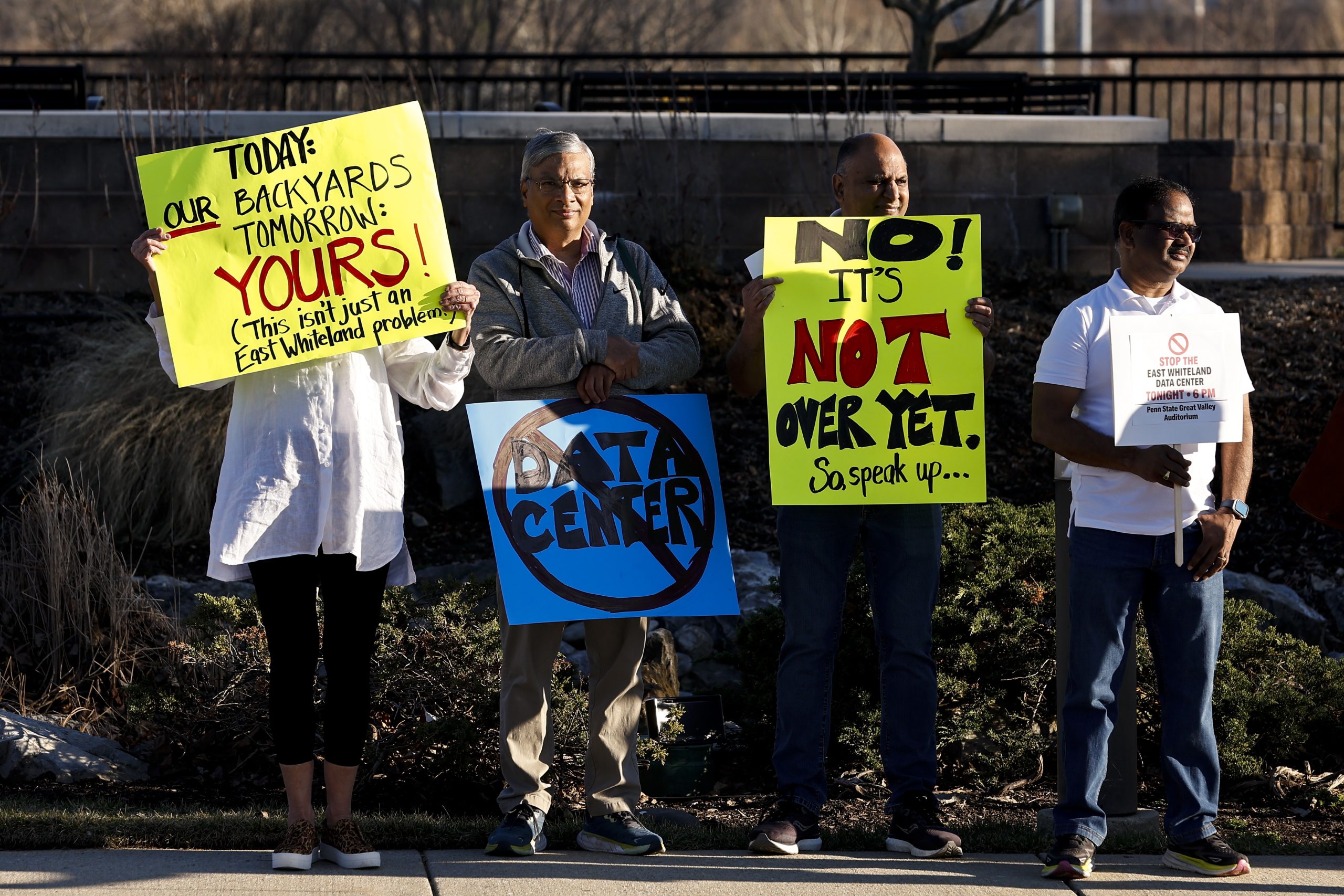
People protest the expanded data center before the East Whiteland Planning Commission meeting held at Penn State Great Valley on Monday, March 9, 2026 in Malvern, Pa.Monica Herndon / Staff Photographer
Pennsylvania Republicans endorsed Garrity in September 2025 — an unprecedented early nod that helped clear the field for her as the party’s nominee. President Donald Trump endorsed her in January, calling her an “America First Patriot.” She ran unopposed in the primary election, and top GOP leaders said they wanted to wage a stronger fight against Shapiro this time than in 2022, when far-right State Sen. Doug Mastriano (R., Franklin) won the endorsement in a crowded field and the state GOP largely did not financially support his candidacy.
Despite all of the additional time to drum up support, Garrity has struggled to raise funds and has yet to be able to cash in on Trump’s backing. As of Thursday, she had spent just $300,000 more than Mastriano had at this point in the race. Shapiro, meanwhile, has spent less this election than he did at the same point in 2022, when he spent $28 million as of mid-September.
“When you’re making comparisons to the amount of money Doug Mastriano raised, it’s a really troubling sign,” Borick added.
Gov. Josh Shapiro on Thursday called on the federal government to enact new guardrails on artificial intelligence, days after a number of tech industry figures raised concerns about the danger posed by AI’s rapid development.
As he spoke in Pittsburgh, the Democratic governor was critical of both House Speaker Mike Johnson (R., La.) and President Donald Trump for refusing to erect such safety measures “whether out of willful ignorance or personal greed.”
And, he said, he does not believe that concern about this technology “is a hoax, as our president has called it.”
But as he urged more regulation of the industry, he also warned against adopting an overly pessimistic view of the technology.
“I am not a doomer. I don’t think it is inevitable that AI is going to take over the world, or that someone will misuse it to kill us all or to do harm,” Shapiro said.
Shapiro’s appearance at the AI Horizons PGH Summit, sponsored by Microsoft and the Bank of New York, helps position the governor as a leader on the issue among Democrats.
Last week, former President Barack Obama urged Democrats running for the White House to define the risks of AI, according to the Washington Post.
That advice — and Shapiro’s speech — followed warnings from AI executives last week that the technology is developing too quickly, and that it poses threats to human life.
“I won’t lie to you — there are real dangers,” said Anthropic CEO Dario Amodei, adding that the development of AI has accelerated much faster than he had expected.
Shapiro —who has consistently led his November opponent, Stacy Garrity, in polls — is widely expected to pursue a presidential run in 2028 after this fall’s reelection contest.
A growing concern among voters, AI is expected to continue being a significant issue for candidates, and Shapiro has shifted his stance in recent months to reflect questions about the technology.
In August, he issued an executive order that restricts data center development in the state, a noticeable shift from when he enthusiastically supported a $20 billion commitment from Amazon last year to build at least two data centers in Bucks and Luzerne Counties.
Shapiro now says future developments require local approval for projects to receive state permits, which in effect may block many developments from moving forward.
“The real folks I listen to are the people of Pennsylvania,” Shapiro told Politico before Thursday’s speech.
In contrast to the growing voices calling for AI guardrails, President Donald Trump on Monday wrote on social media that the only guardrail the industry needed it already had: “a STRONG AND SMART (High IQ!) PRESIDENT.”
Shapiro, in his speech, said he is calling on the federal government to establish “strict rules of the road” regarding AI, and then to enforce those rules.
“I’ve called on the federal government to step up and regulate the AI industry, just like they do for nearly every other industry,”he said.
Industry leaders should not exclusively guide the regulatory process, Shapiro said. The government should also work with leading researchers.
What is vital, Shapiro said, is establishing rules that require independent third-party oversight of “frontier” — most advanced — models, increasing transparency into the development of these models, and prioritizing safety.
Protections might mean placing some limits on technology sharing and slowing down frontier AI development until we can be sure that these systems are safe, Shapiro said.
Acknowledging that building a regulatory network from the ground up is hard work, Shapiro took a jab at Congress, and Johnson in particular, when he said “too many in Congress are content to do absolutely nothing.”
Shapiro noted that the speaker adjourned the House until after the election just days after companies issued “apocalyptic” warnings about the real dangers of AI.
“He has abdicated his responsibility to lead at a time when we cannot afford weakness and retreat,” Shapiro said of Johnson.
The United States should work with other nations on an international consensus on how to use AI, but that is hard to do when Trump has “isolated” us from the world, Shapiro said.
When Trump meets with Chinese President Xi Jinping next week, Shapiro said, he hopes Trump will “leave bluster and the showmanship at the door” and engage productively with him.
As for the home front, Shapiro said, “I’ll be leading the conversation here in Pennsylvania for safe and responsible use of AI.”