BRIGANTINE, N.J. — With its full moon and stacked high tides over multiple days, last week’s nor’easter left Shore towns with some of the worst flooding and erosion since Hurricane Sandy.
In dramatic fashion, the nor’easter produced some feared Shore scenarios: dunes sliced into cliffs, beaches vertically eroded, popular restaurants flooded to the point of closing altogether for the season, water lapping into ground floors, cars ruined. Days later, firefighters were responding to raging electrical fires, at least one of which was linked to a flood-soaked golf cart.
Still, the nor’easter was also a testament of what went right, a test of flood resilience tactics implemented in the 14 years since Sandy — a series of flood pumps in Brigantine, an elevated artery in Ocean City, raised homes throughout the Shore — that prevented a much worse outcome.
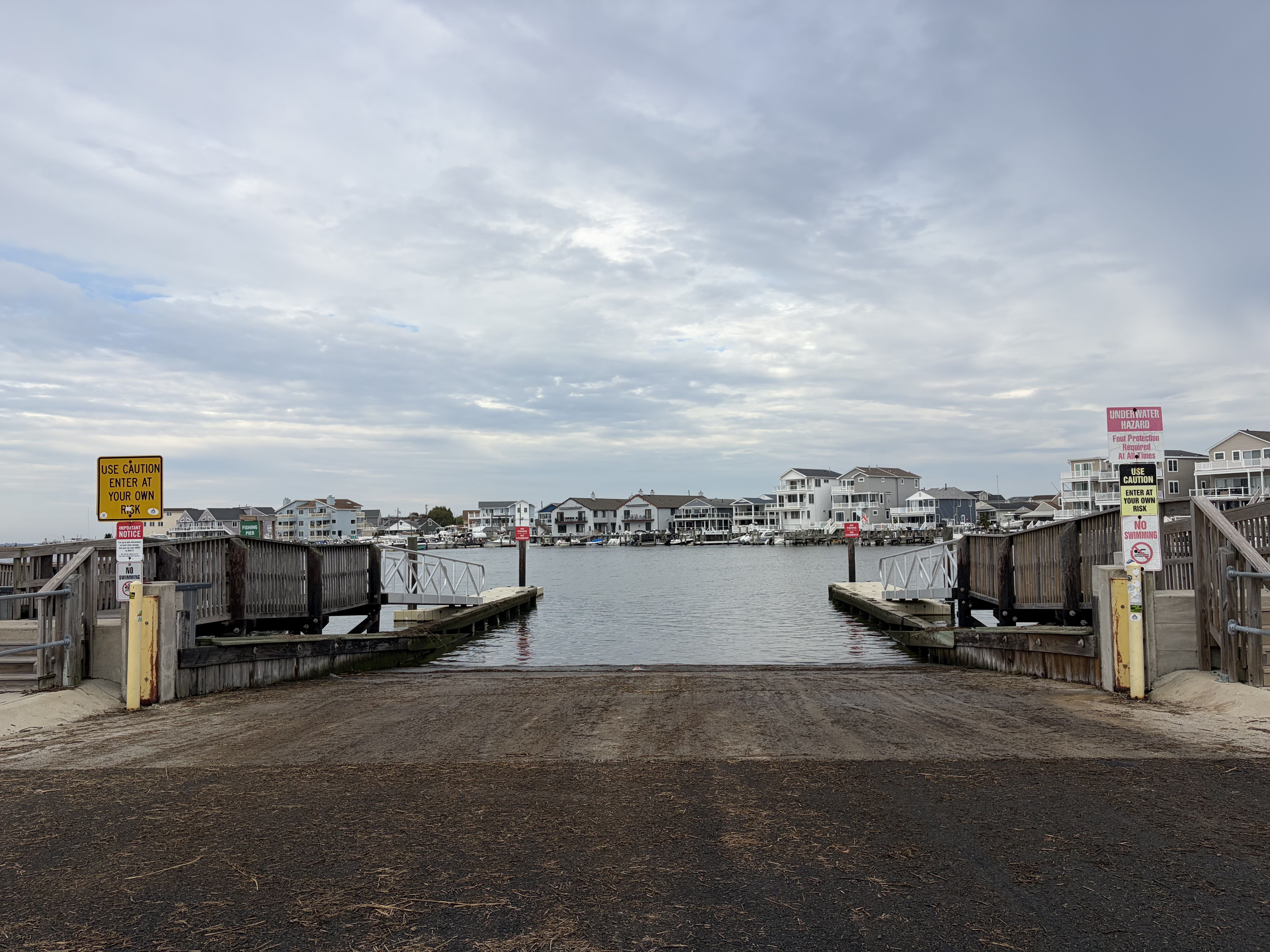
During the September 2026 nor’easter, metal floodgates were brought in to the city’s Municipal Boat Ramp by the city of Brigantine to physically block flood waters.John CunnionBrigantine’s municipal boat ramp was previously an entry way to devastating flooding. But city officials installed flood pumps and metal gates to keep the water off the island, and to drain the island between high tides.Amy S. Rosenberg / staff
‘Our girl took a beating’
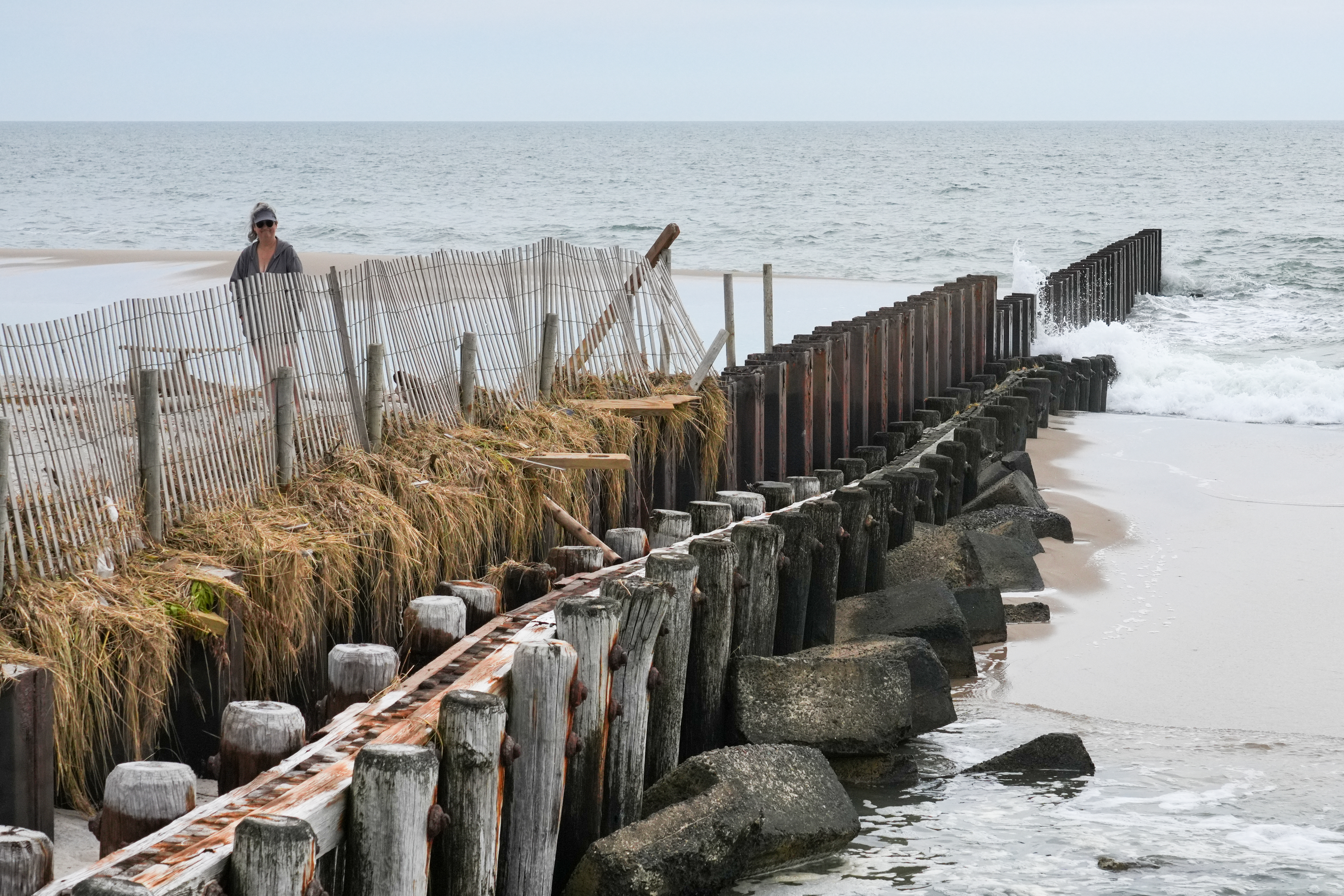
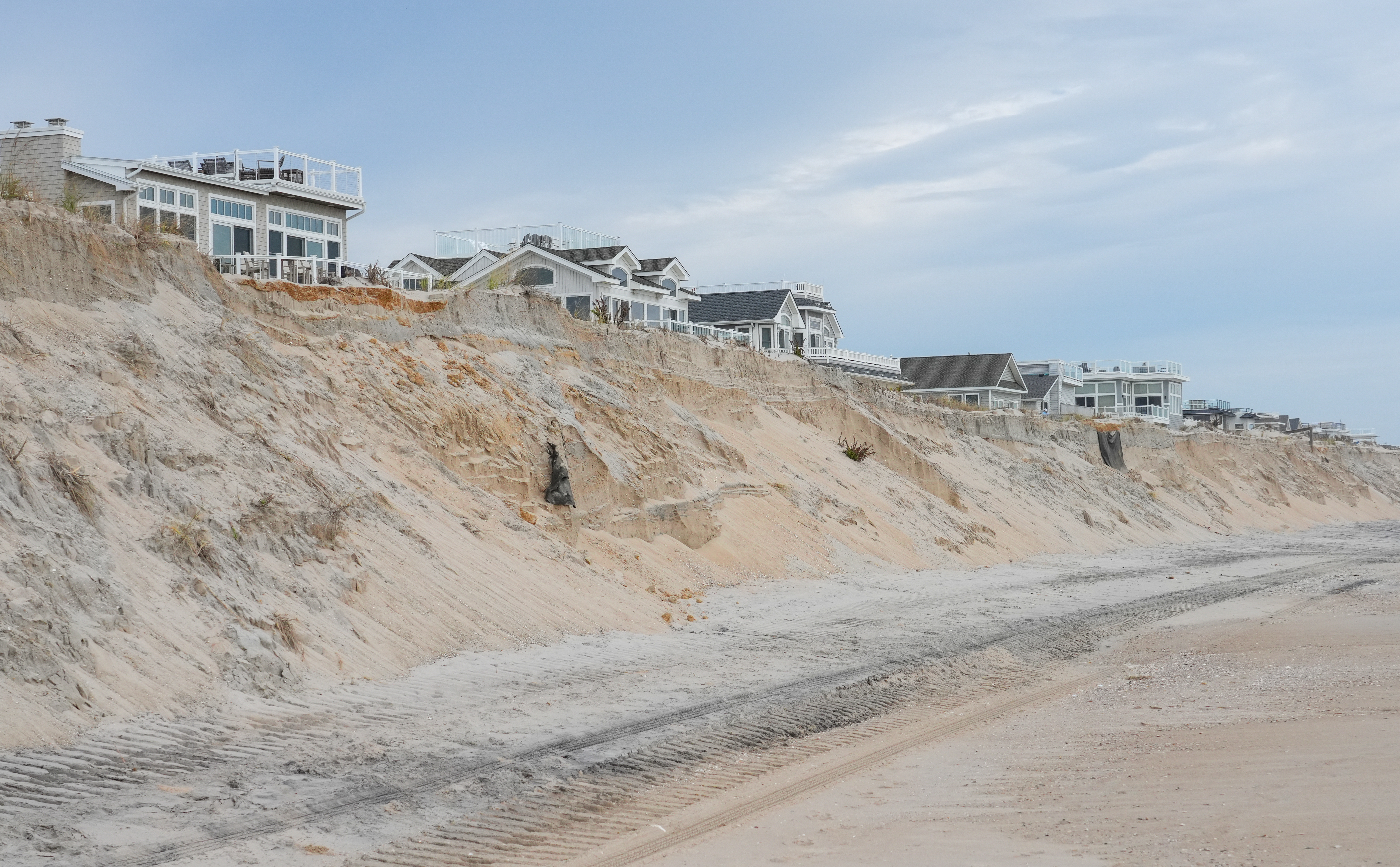
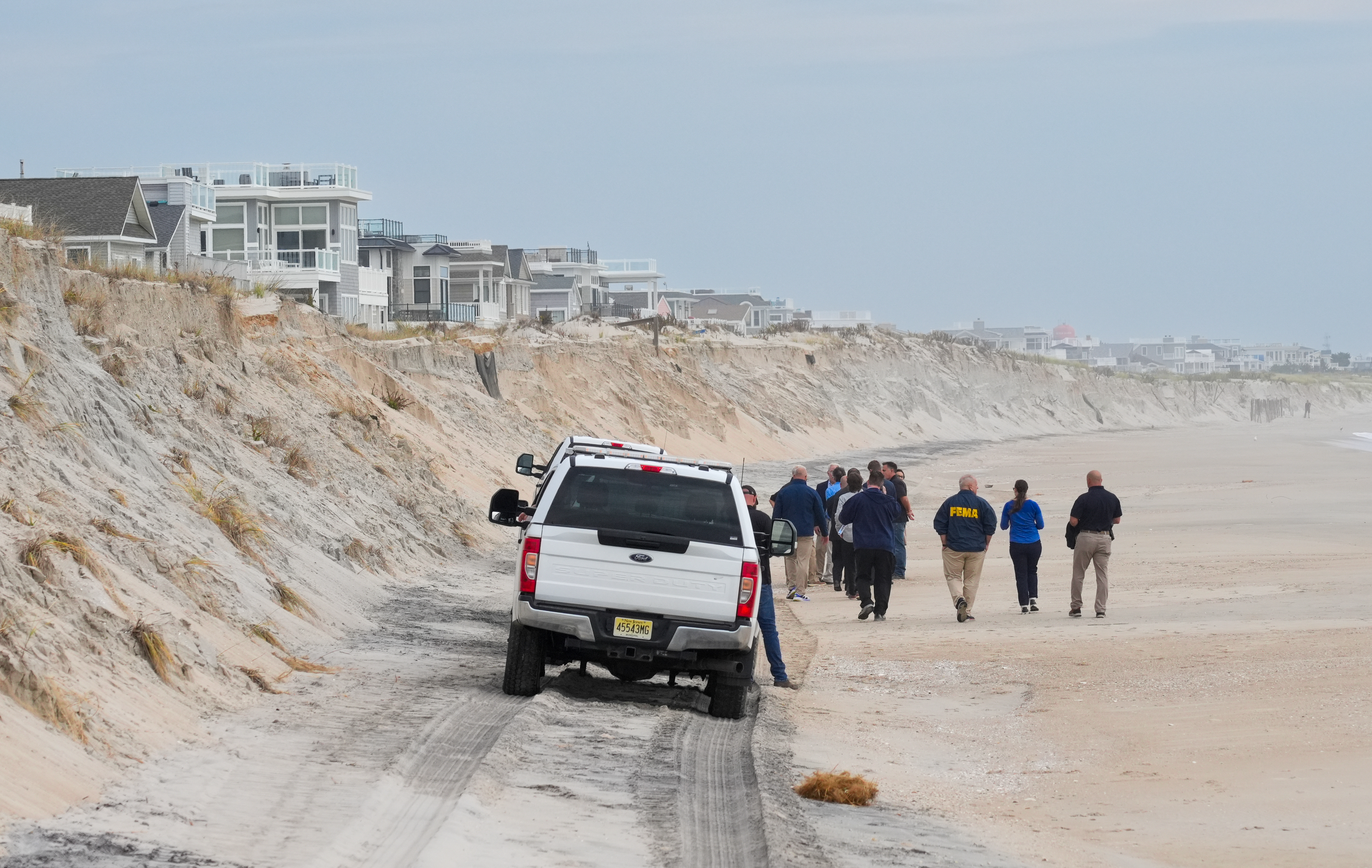
In parts of Holgate, Brigantine, Atlantic City, and North Wildwood, the storm left cliffs six feet or higher, cutting off access to the beach at multiple street ends. Vertical erosion uncovered old structures including rotting old wooden piers.
Streets in Long Beach Township, West Wildwood, and Atlantic City took on water through multiple days of high tide, damaging residential garages and other ground floor spaces.
Abby Mason, of Pottstown, looks at storm damage in Holgate on Thursday.Tim Hawk / For The Inquirer
On Sigsbee Avenue, contractor Vincent Allen of B. Grigoletto Contractors was ripping out ruined insulation and dry wall on two houses, both second homes.
He noted that since Sandy, a lot of the smaller homes had been torn down and replaced by elevated homes, where the ground floors are not, technically, living spaces. “Basically, if you lived on the bay, you got water,” he said. “This wasn’t as high as Sandy, nowhere near it.”
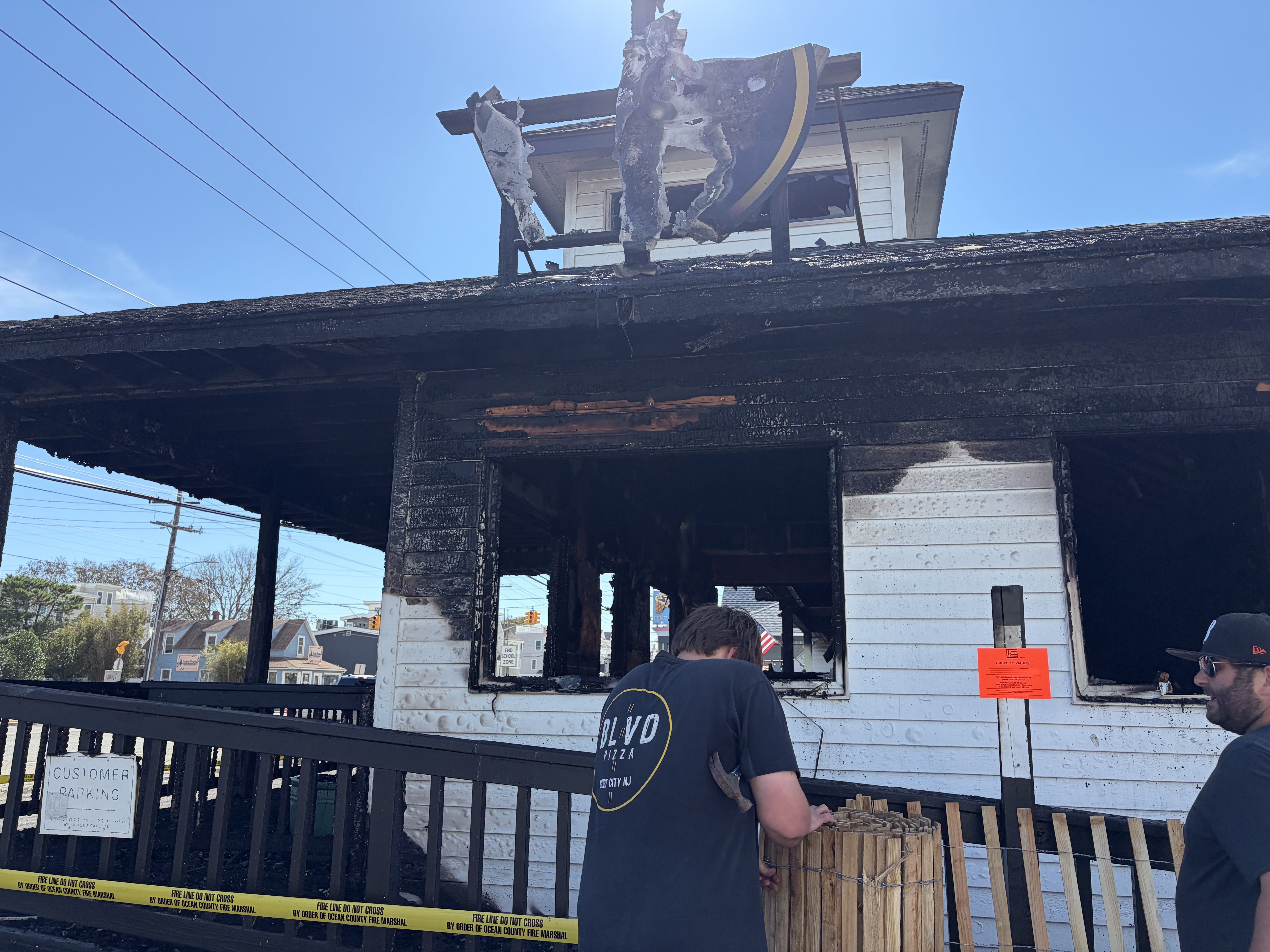
Owner Mike Franzoni at what’s left of his BLVD Pizza in Beach Haven, which was flood damaged days before a fire broke out.Amy S. Rosenberg / staff
On Long Beach Island and Atlantic City, numerous businesses were mopping up or closing early for the season after flood damage.
“We are truly sick to our stomachs, and it hurts,” Moments at Scannicchios, a restaurant on Fairmount Avenue in Atlantic City, said in a Facebook post. “In the end we will reopen.” The restaurant asked people to help out a nearby corner bodega, El Rinconcito Grocery, it said lacked similar resources.
On Long Beach Island, the ruined insides of the Dockside Diner were strewn across the front of the restaurant. “Our team, our family, is safe,” the owners wrote on Facebook. “But our old girl Dockside took a beating.”
Nearby, Mike Franzoni looked at the charred remains of BLVD Pizza’s Beach Haven location, which suffered flood damage and had a fire a few days later. Another location, in Surf City, was undamaged.
Storm damage in Holgate on Thursday.Tim Hawk / For The Inquirer
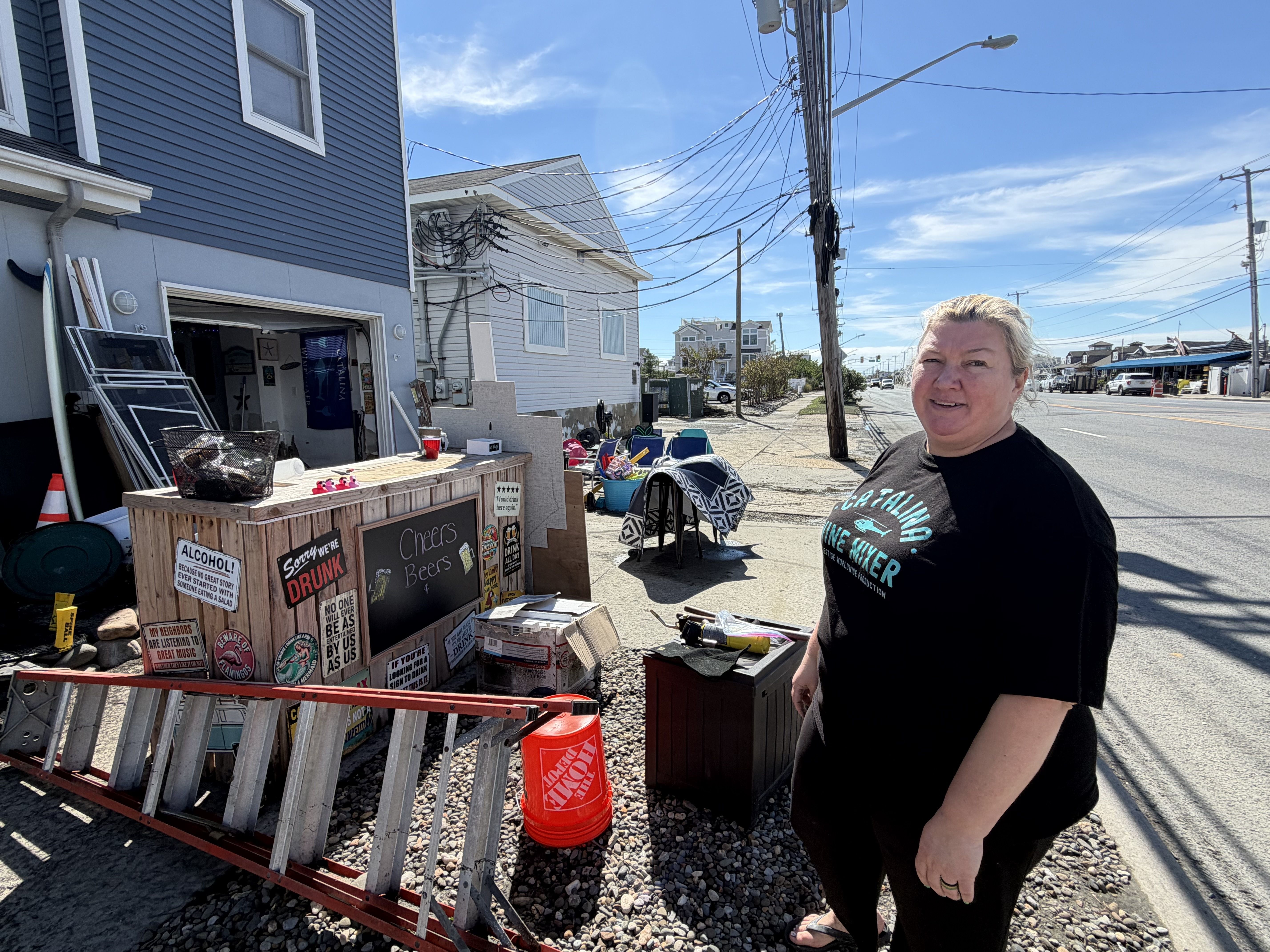
On Long Beach Island, the beloved “karaoke garage,” belonging to the family of Diane O’Donnell, 80, of Yardley, Pa., took on two feet of water, half of Sandy levels.
Last week, an Indigo Girls song was playing out of the space where Kelly Kolbjornsen and her family would recruit people to stop and sing karaoke on their way down Long Beach Boulevard.
“It’s part of having a beach house, but it’s a little overwhelming,” Kolbjornsen said.
‘A good gauge’
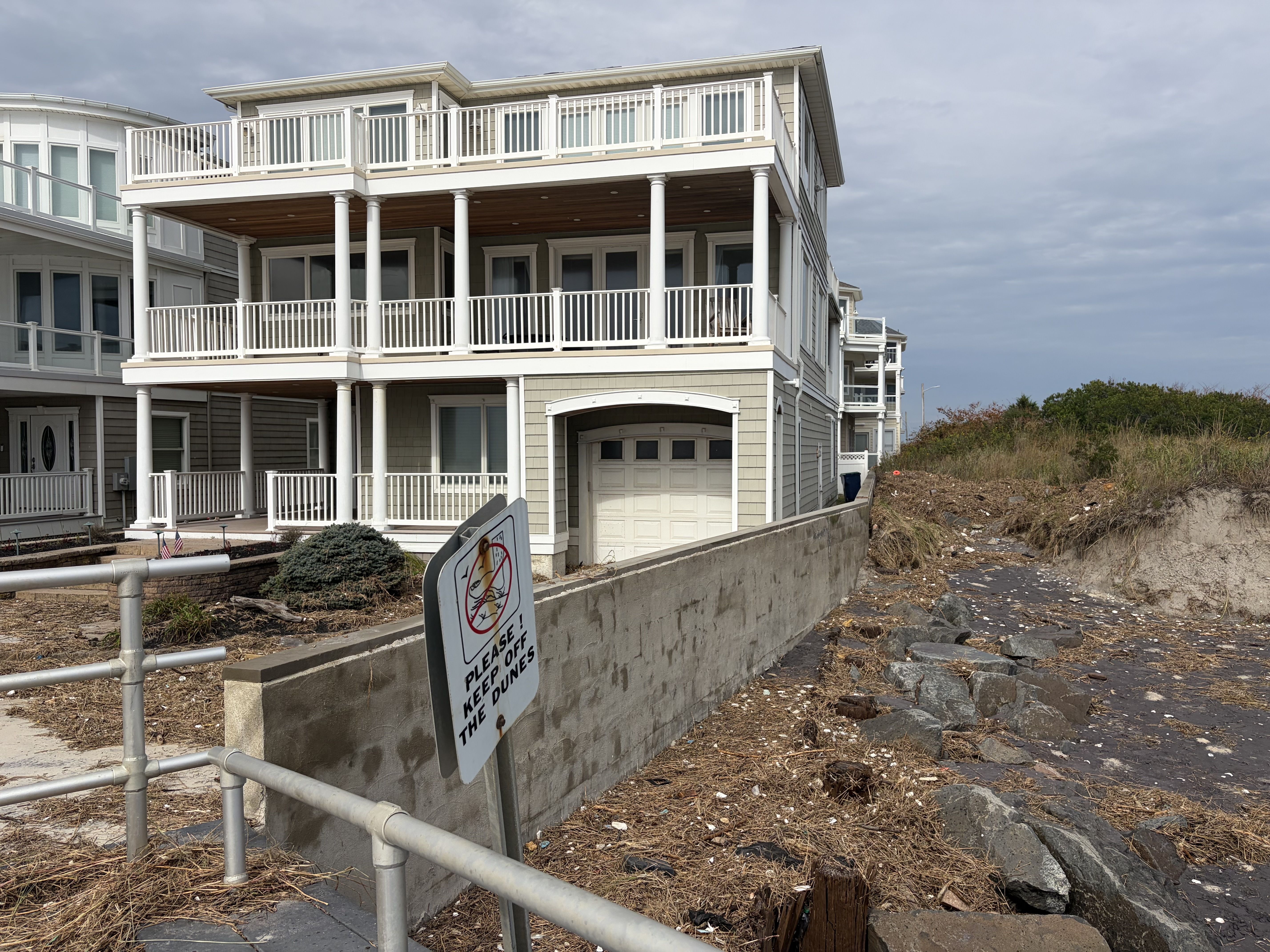
New Jersey Gov. Mikie Sherrill and U.S. Rep. Jeff Van Drew brought representatives from FEMA and the Army Corps of Engineers to focus on severe damage to ramps from Brigantine’s concrete promenade in the north end and the near breaching of a private retaining wall that was the only line of defense after surging waves destroyed dunes at the promenade’s edge.
But Mayor Vince Sera also pointed out that neighborhoods devastated during Sandy remained mostly damage-free.
“We put floodgates in before the storm came into Brigantine,” he said. “They closed all of the floodgates and prevented a lot of water from coming in. On each low tide, they let the water out to drain, and closed them again for the next high tide.
“Any water that comes into the streets, we have pumps around the island,” he said. “It pushes the water out over the bulkhead and back into the bay. It drains the island.”
Residents near those points of vulnerability took note.
“Without the pumps, it would have been horrible,” said Terri Cunnion, whose home sits on Bayshore Avenue across from the boat ramp, a major thoroughfare of flooding during Sandy (when the previous home on her lot was destroyed). “Without those gates, this block wouldn’t be.”
Through multiple high tides, last weekend’s floodwaters never got past the lip of the garage in the Cunnion’s house, whose living spaces are built 14 feet to new elevation standards.
Ocean City’s newly elevated Roosevelt Boulevard was also credited with mitigating damage from the nor’easter, staying above floodwaters and allowing an evacuation route, said Mayor Jay Gillian. The road was reconstructed so that portions were raised by 12 to 20 inches.
During Hurricane Sandy, bay waters roared right up Brigantine’s municipal boat ramp and surged across Bayshore Road, totaling houses with four feet of water.
Since the installation of eight permanent flood pumps and two portable flood buster pumps, vulnerable spots like Bayshore Drive and the neighborhood around the town’s golf course are newly fortified. In addition, bulkheads were raised.
U.S. Rep. Jeff Van Drew, together with federal, state, and local officials, tour storm damage in Holgate on Thursday.Tim Hawk / For The Inquirer
Atlantic City, similarly, installed pumps at its Atlantis Avenue station and rebuilt bulkheads in Chelsea and Chelsea Heights. It has yet to complete similar projects in its Ducktown neighborhood, which saw major flooding last weekend, leaving some businesses with tens of thousands of dollars in equipment and merchandise loss.
Van Drew pointed to other improvements since Sandy that protected utility infrastructure and homes. Homes that were elevated had ground levels that allow water to flow in and then out, he noted. He is advocating a permanent $1 billion “Coastal Trust Fund,” funded by revenue from federal offshore oil and gas leases to provide a stable source of funding for beach fills, dune restoration, and other coastal remediation.
“The good news is we’ve done a lot of good work,” Van Drew said. “We’ve hardened a lot of structures. When you look at electrical substations, in many cases, they’ve been raised. When you look at transmission lines, rather than being on wooden poles, they are now on industrial grade steel lines that are actually put on much, much stronger holes.”
Kelly Kolbjornsen looks at the damaged bar from her garage, where she and her family recuited passers by to sing karaoke, on Wednesday, days after the nor’easter.Amy S. Rosenberg / staff
‘Sacrificial sand projects’
On an Oct. 1 tour from Long Beach Island to North Wildwood, Van Drew made the case for continued beach replenishment funding, despite the storm eating through a good chunk of the $99 million in recent beach replenishment, most recently in Sea Isle City, Strathmere, Ocean City, Avalon, and Stone Harbor.
D. Lee Forsgren, the performing assistant secretary for the Army for Civil Works, who oversees the Army Corps, made a point of calling beach replenishment projects “sacrificial sand projects.” He compared the engineered beaches to your car’s “crumple zones” that are made to take the initial beating.
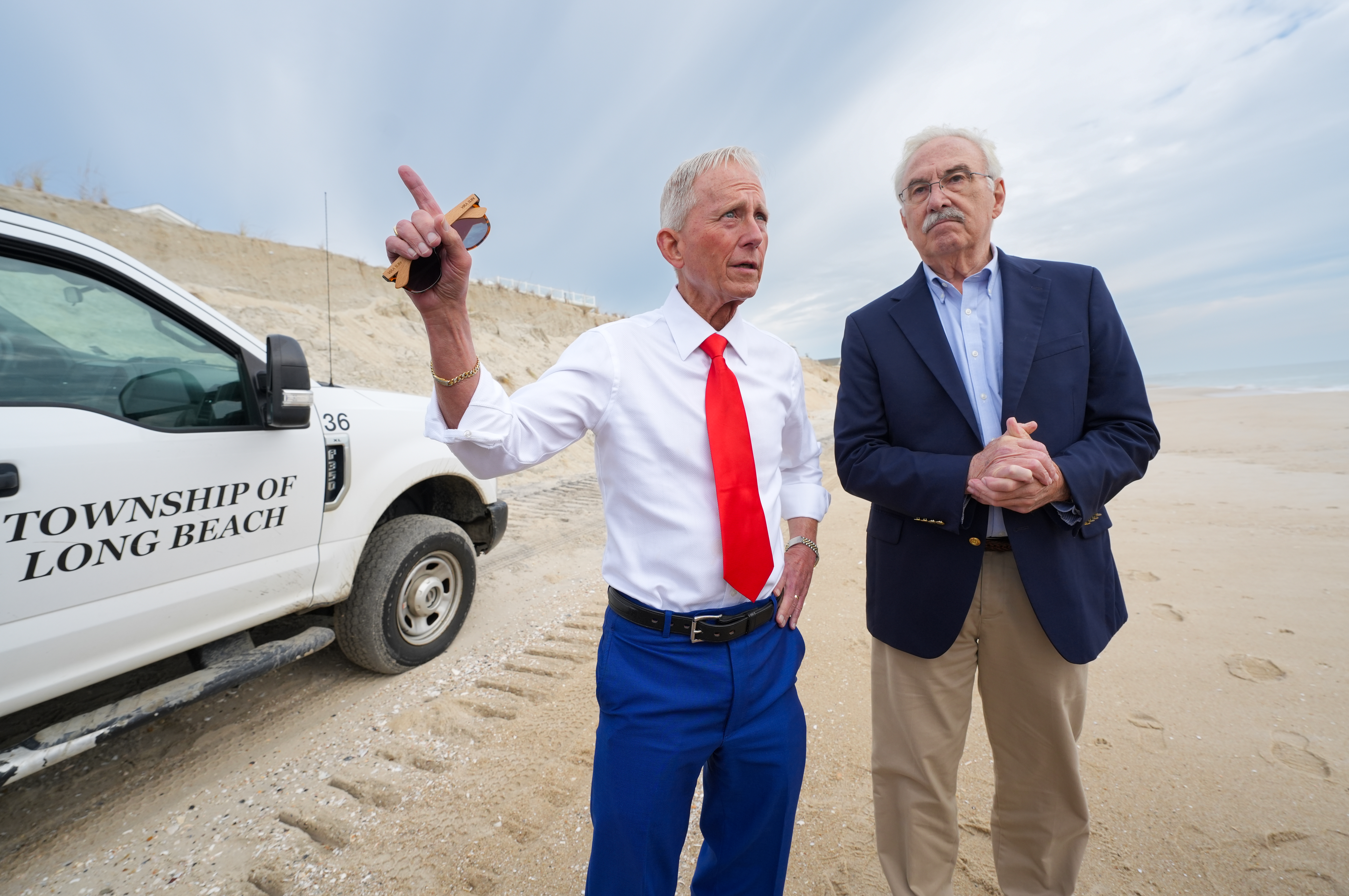
U.S. Rep. Jeff Van Drew (left) talks with Holgate Mayor Joseph H. Mancini in front of beach erosion in Holgate on Thursday.Tim Hawk / For The Inquirer
“We don’t put sand on these beaches to make them pretty beaches,” he said. “They are designed for storm damage reduction.”
Still, he cautioned Van Drew that “the best opportunity to really make progress would be with a supplemental appropriation associated with the storm because there’s not a lot of pocket change sitting around in the core budget.”
That will require a disaster declaration from Sherrill, who toured Brigantine on Tuesday.
Aside from more sand, Van Drew said the towns, state, and Army Corps were looking at funding hard structures — like jetties, groins, and seawall extensions — as ways to keep the elevated tides that accompany storms from overwhelming beaches.
A house on Brigantine’s north end belonging to Clay and Lori Goldsmid and other nearby homes were spared major damage during the recent nor’easter.Amy S. Rosenberg / staff
In Brigantine, Mayor Sera rode out the storm at the tip of the promenade, watching railings get blown off, dunes disappear, and the nearby retaining wall nearly buckle. He said city officials had compiled a list of who was in nearby homes in case of an emergency evacuation.
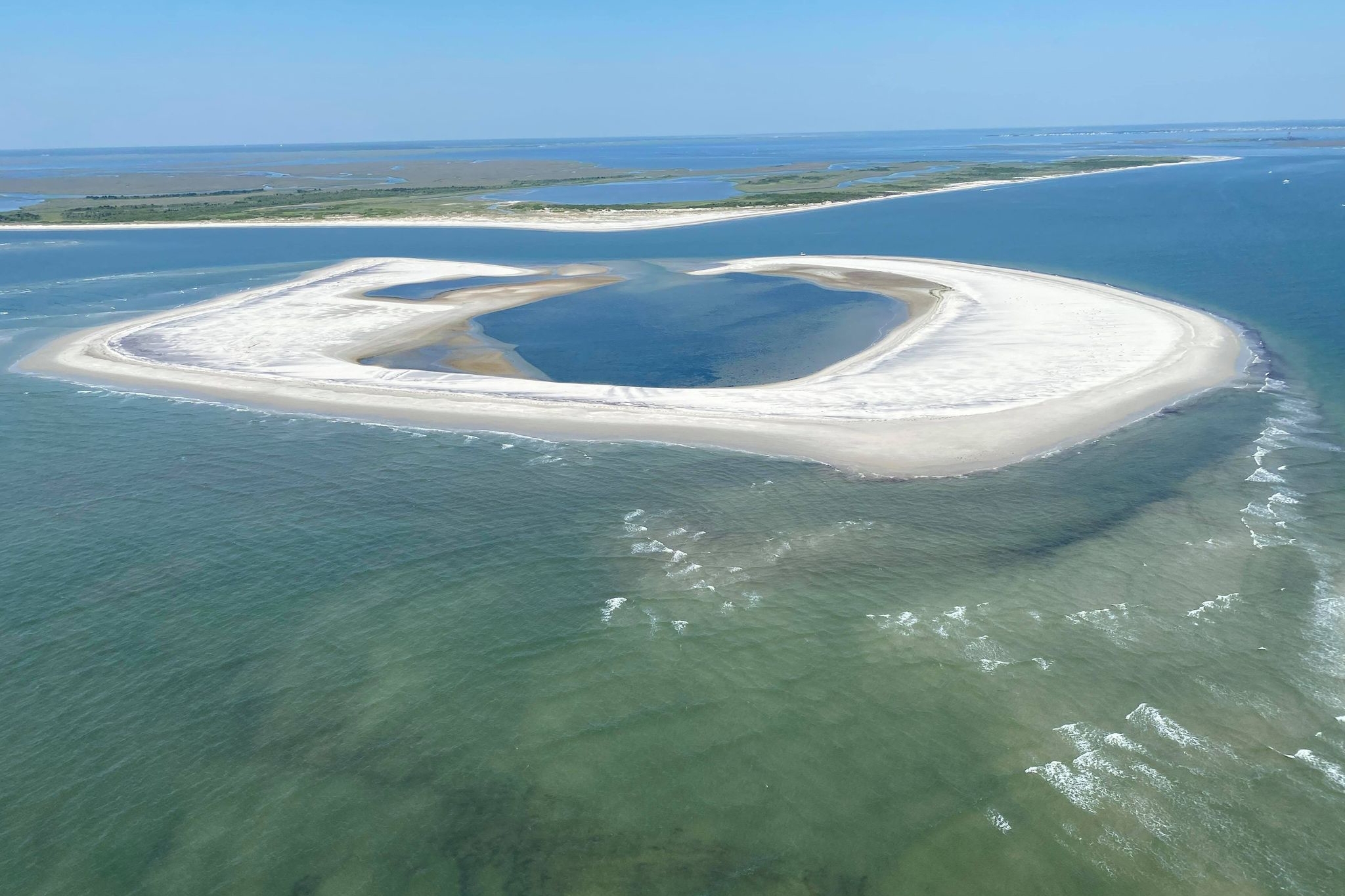
He is seeking to extend the promenade another 250 feet north, and says the state is studying whether adding hard structures to keep the sand in place will help a situation where a sandbar that has in recent years grown into what is now called Horseshoe Island is starving Brigantine of sand.
The city’s flood mitigation efforts since Sandy have resulted in a 25% discount for residents on flood insurance, he said. And he wholeheartedly recommends flood pumps and gates to other municipalities, like Ventnor, whose Ventnor Heights section was cut off at both ends by flooding for hours during high tides.
Sera and other knows the big storms will come again, probably this winter, with the El Niño warming in the equatorial Pacific.
With sea levels rising, some residents who came out to see the federal officials in Brigantine wanted to know about timelines.
“How fast is fast,” interrupted Louise Seitel, of nearby Absecon, as officials spoke of extending the seawall.
“A study is probably going to be 18 months,” Nate Barcomb, an Army Corps deputy district engineer based in Philadelphia, acknowledged.
“Government is tough,” Van Drew said.
Aerial photograph of New Jersey’s Horseshoe Island in June 2021.N.J. Department of Environmental Protection / U.S. Fish & Wildlife Service
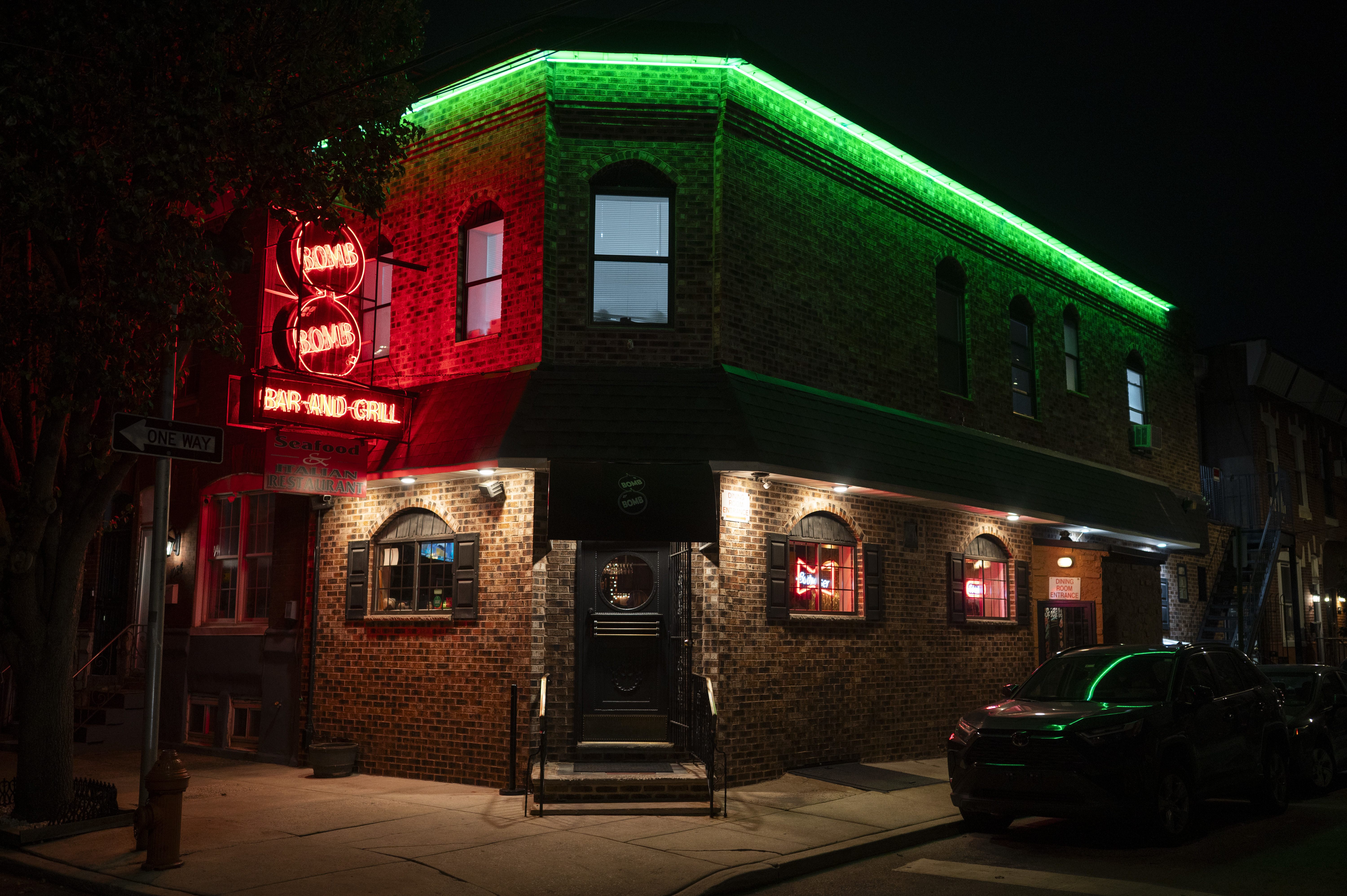
Bomb Bomb Bar, the old-time South Philadelphia tavern revived last year by chef Joey Baldino, has been named to the New York Times’ 2026 list of the best restaurants in America — Philadelphia’s only entry this year.
The city placed two restaurants — Mawn and Meetinghouse — on the list last year, Little Walter’s in 2024, and three — El Chingón, Kalaya, and My Loup — in 2023. Previous Philadelphia-area selections include Andiario, Gabriella’s Vietnam, Down North Pizza, Laser Wolf, and the now-closed Korshak Bagels.
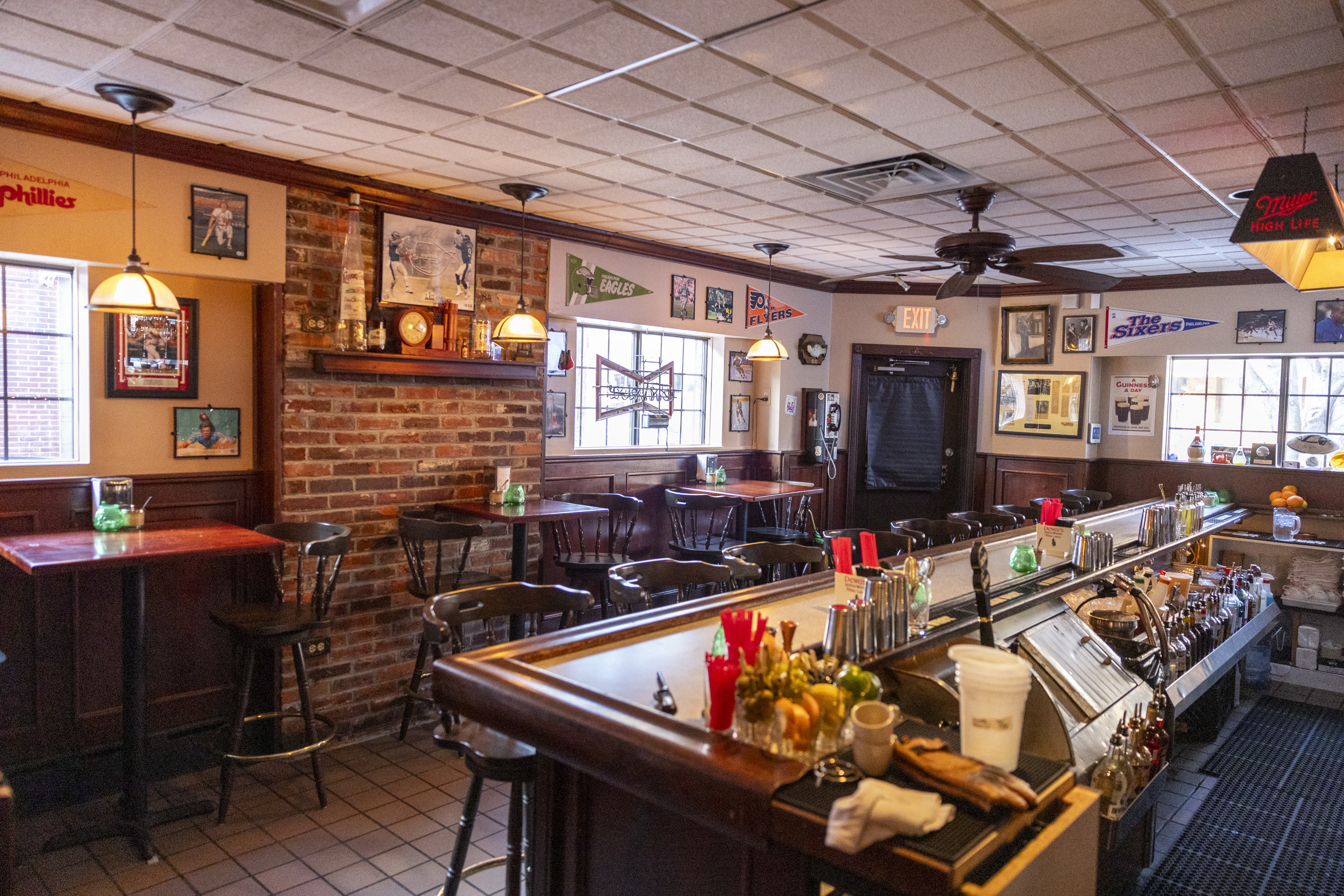
The front bar area of Bomb Bomb Bar.Tyger Williams / Staff Photographer
The Times praised Baldino’s ability to bridge old-school and contemporary red-sauce Italian cooking, describing him as a “singular talent” in the genre.
Baldino also owns Palizzi Social Club in Passyunk Square — itself a lovingly restored South Philly institution — and Zeppoli, a 35-seat BYOB in Collingswood.
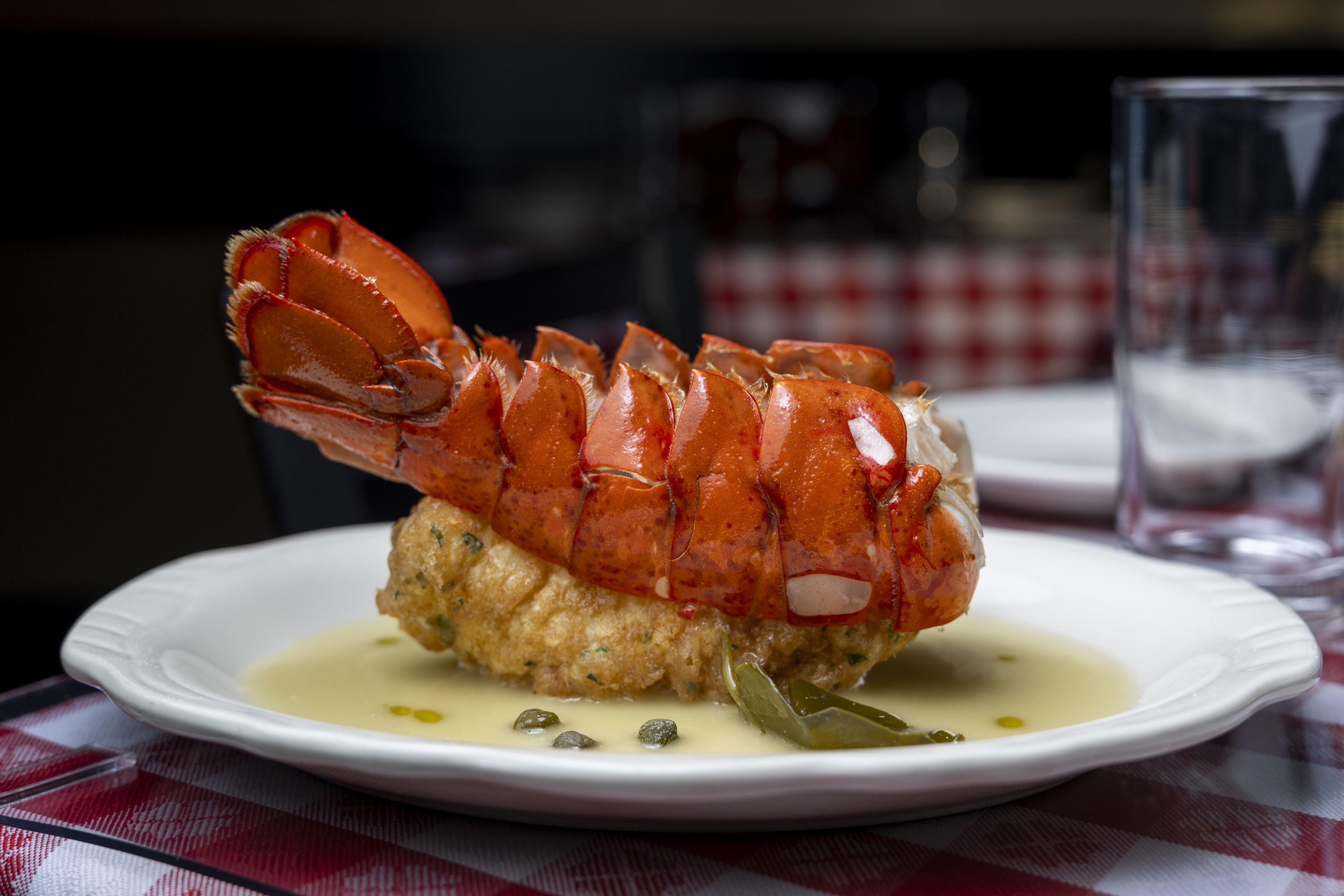
Bomb Bomb still looks much like the Lower Moyamensing neighborhood bar it has long been, but the Times said its stuffed calamari, mussels fra diavolo, and lobster francese reveal the transformation. It called those dishes “as poetically reverent as a heartfelt eulogy” and summed up the experience as finding a remembered neighborhood joint “better than ever.”
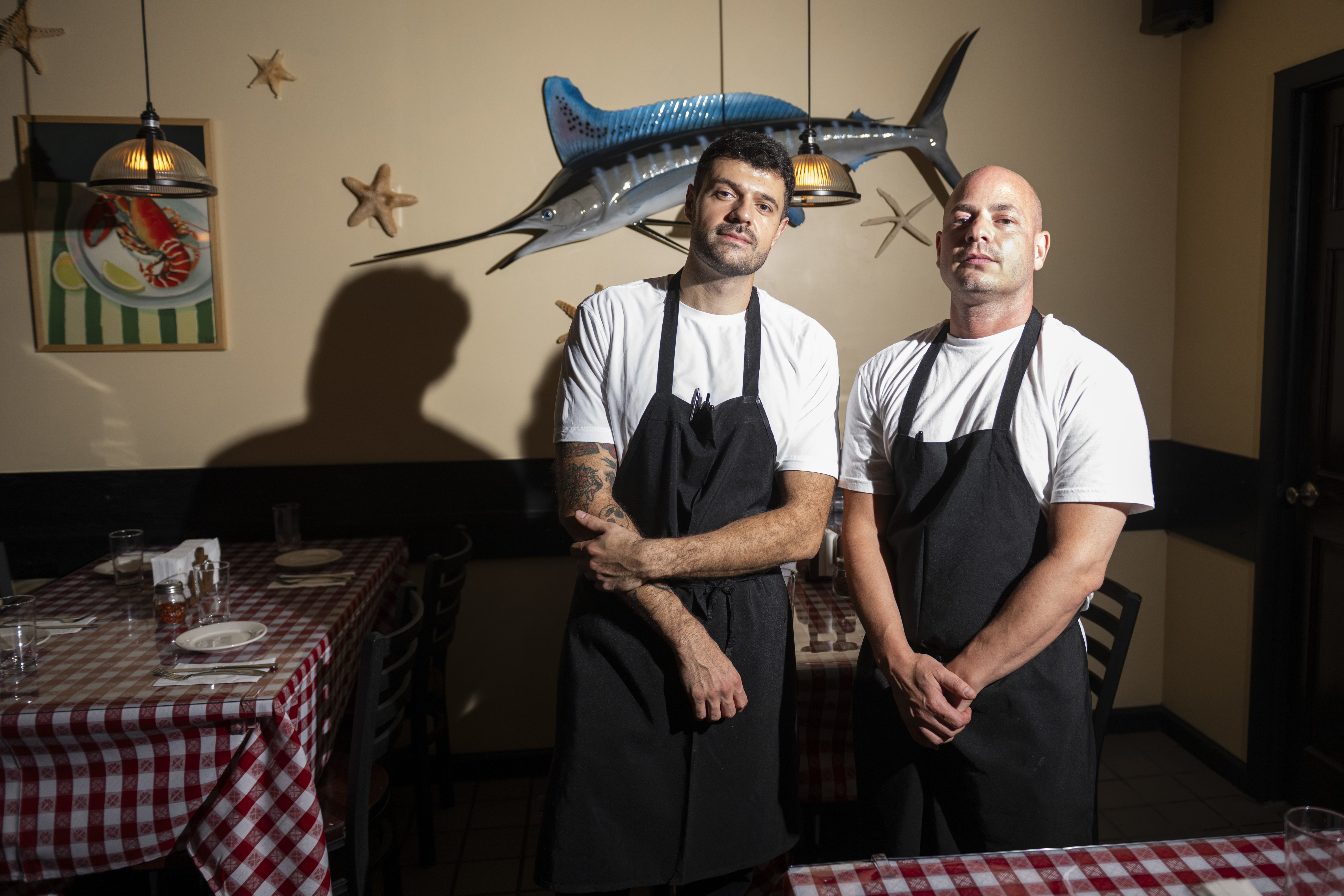
Bomb Bomb Bar owner Joey Baldino (right) with chef de cuisine Max Hachey in the dining room.Allie Ippolito / For The Inquirer
That assessment echoes Inquirer critic Craig LaBan’s February review, in which he called Baldino “Italian South Philly’s culinary preservationist-in-chief” and praised him for retaining Bomb Bomb’s essential character while elevating its seafood cooking and drinks.
Bomb Bomb’s rear dining room offers a $65 fixed-price menu, while the front bar is more casual. LaBan particularly admired the mussels fra diavolo — among the best versions he had eaten — along with the lobster francese, stuffed calamari, crab cakes, and black-ink spaghetti. Inquirer staffers later singled out Bomb Bomb’s crab cake and lobster shells among their best dishes of the week.
The acclaim adds another chapter to a South Philly institution with an unusually colorful back story. As The Inquirer reported in 2024, it dates from 1936, when a chef left his job at a South Philadelphia bar and grill to work at Bob’s, a new bar at 1026 Wolf St. His former boss ordered him to return. When the chef refused, Bob’s was firebombed in the middle of the night. No one was injured, but the blast shattered windows and “rocked houses to their foundations,” as a news article reported.
The Inquirer’s front-page story on Feb. 17, 1936, of a firebombing on the future site of Bomb Bomb Bar.Inquirer archives
When the chef rebuffed his former boss again, a second bomb went off. This time, according to lore, the chef returned to his old job.
By the time Frank Barbato Sr. bought Bob’s in 1951, everybody just called it the Bomb Bomb. Barbato began a 73-year family run built around seafood and red-gravy dishes and, later, barbecue, which was added to help the restaurant stand out. His son Frank Jr. and daughter-in-law, Deb, eventually took over.
The couple retired in late 2024, and Baldino bought the business in early 2025. He reopened it that October after a deliberately restrained renovation.
Reached by text Tuesday, Baldino called the Times recognition a “huge honor” and praised his staff, including chef de cuisine Max Hachey and manager Jack Kearney.
“We may have been blown up twice but we’re still cranking out some great food,” he wrote, adding two bomb emojis.
Bomb Bomb Bar at Warnock and Wolf Streets in South Philadelphia.Allie Ippolito / For The Inquirer
The vintage and collectible cars stacked behind glass at Fishtown’s new Cannonball club may be the obvious attraction, but founder Chris Allen thinks people need another reason to stick around — and, more important, to come back.
That’s where the focaccia sandwiches come in.
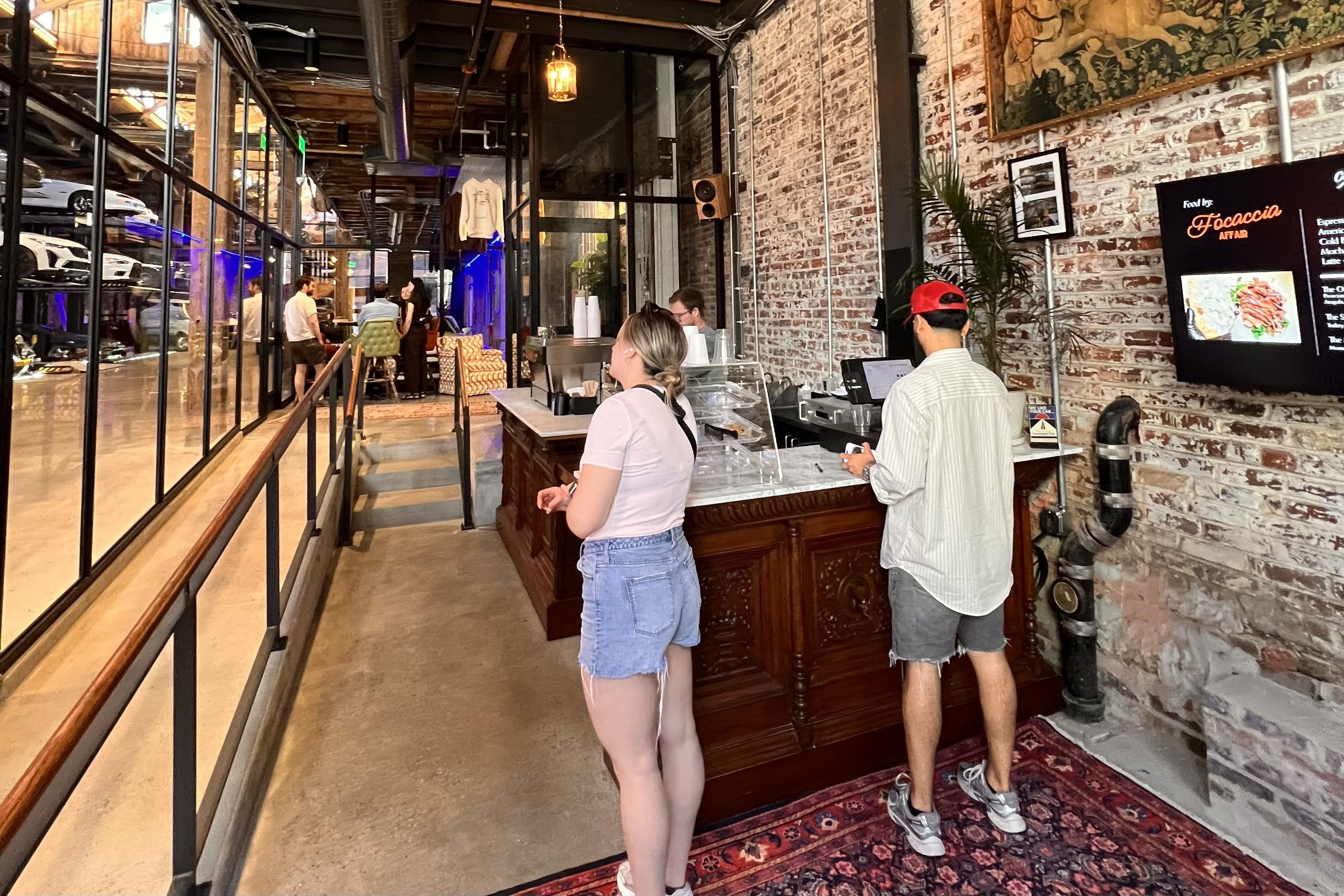
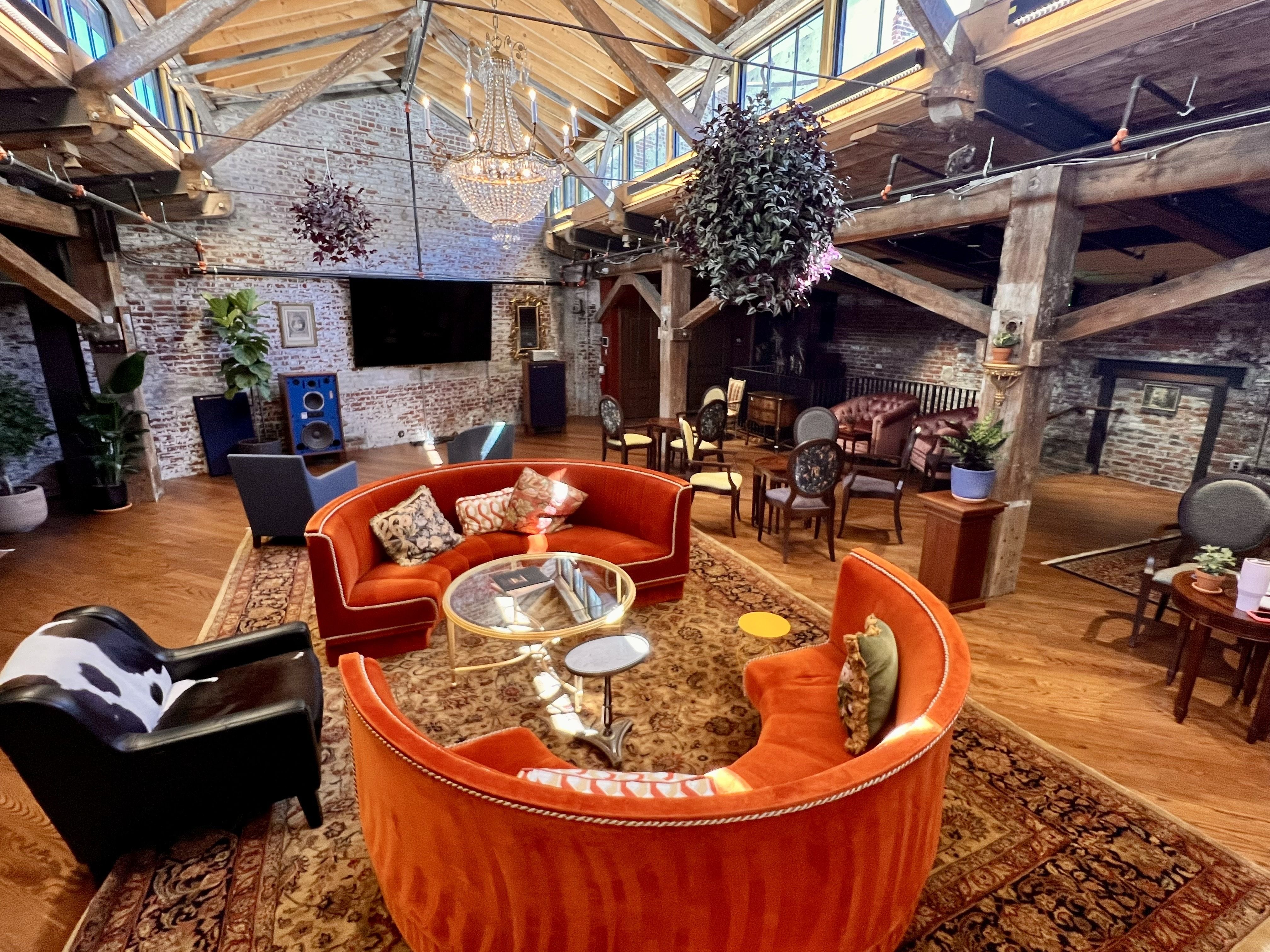
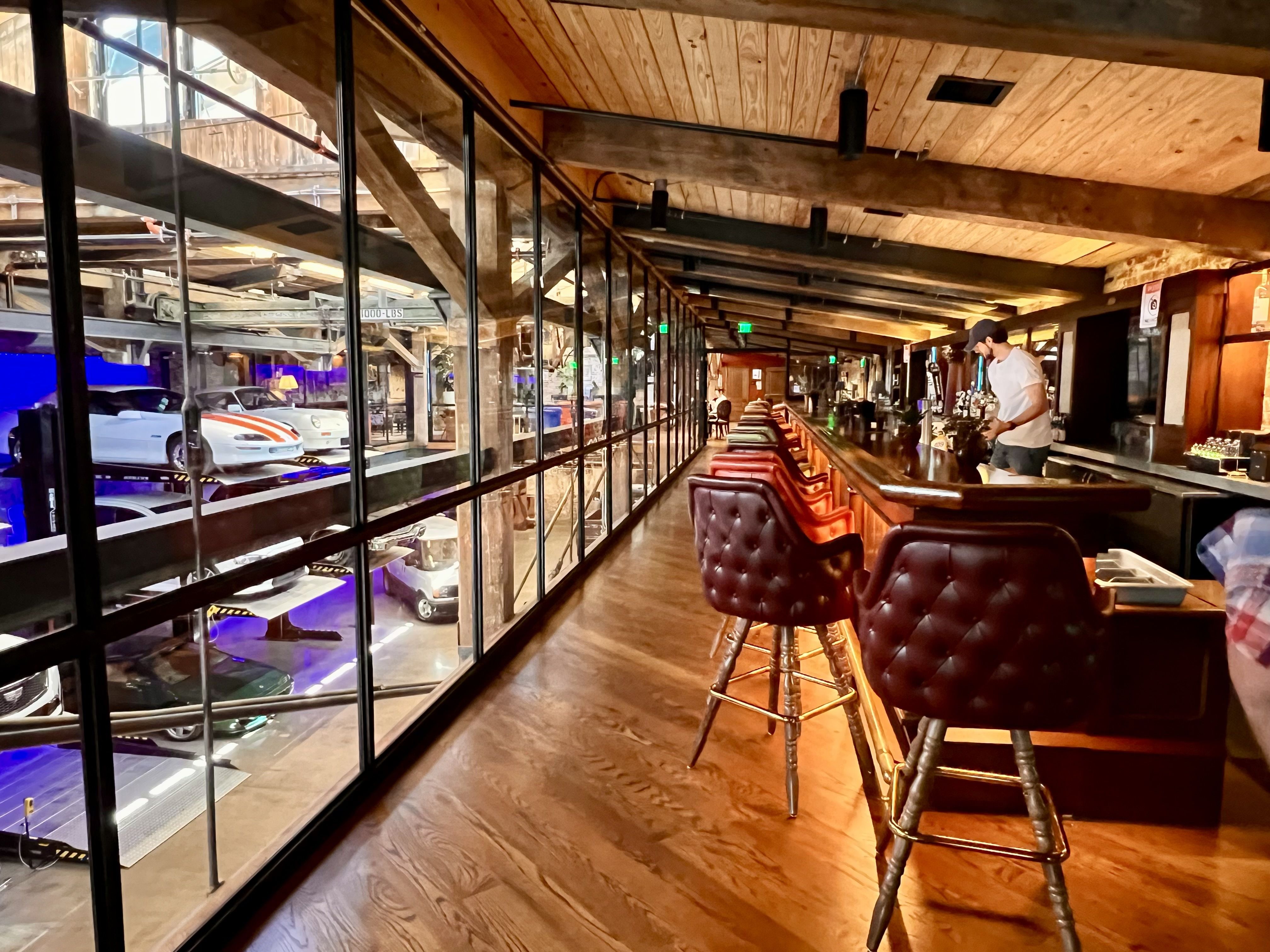
Cannonball, the new private club for car enthusiastsnear the Fillmore, has brought in Focaccia Affair — a fledgling business from Anthony Santucci and Gianluca Mazzarelli — to run its food operations. The club, housed in the sprawling former Morse Elevator Works at 1105 Frankford Ave., combines car storage with social and coworking space, a bar, and a public-facing cafe where you can gawk at classic cars through the window while sipping espresso.
Focaccia Affair’s cafe at Cannonball serves walk-ins.Michael Klein / Staff
The cafe, open to anyone, is where Santucci’s focaccia sandwiches take center stage. He’s offering two sandwiches, plus cookies and coffee, to start.
Santucci, whose family operates Santucci’s Original Square Pizza, developed the bread after moving to San Diego before the pandemic. He had initially considered expanding his family’s pizza business there but began experimenting with focaccia as table bread and as a possible addition to the pizza operation.
The experiment eventually became something else.
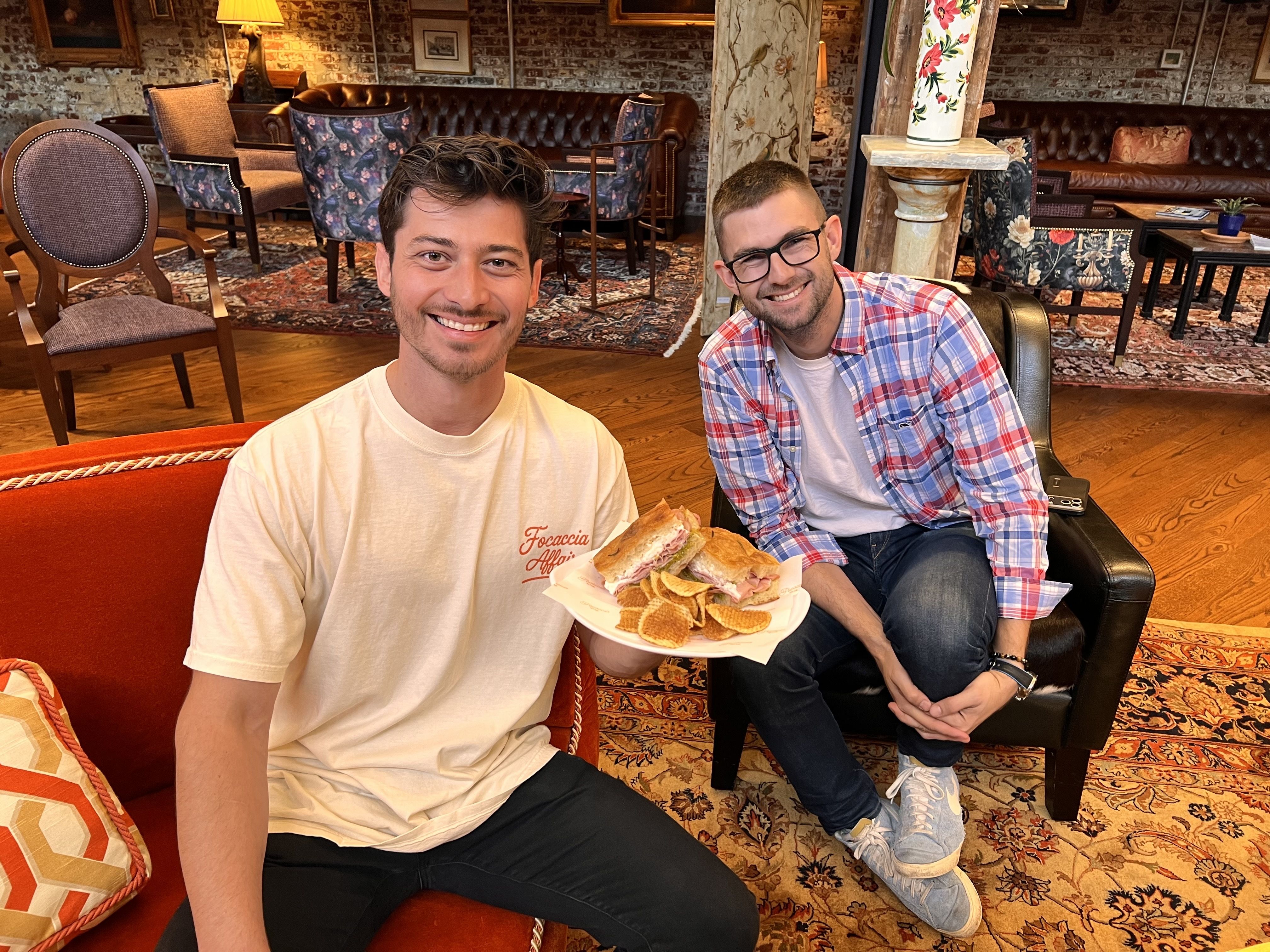
Santucci and Mazzarelli, a former VIP manager at Barstool on Sansom Street, were friends whose common bonds include hockey and Italian food. After Santucci returned from a 2024 trip to Italy raving about a focaccia sandwich he had eaten, the two made one using the recipe he had been developing.
Focaccia Affair’s Anthony Santucci (left) and Cannonball founder Christopher Allen in the mezzanine seating area.Michael Klein / Staff
Focaccia Affair grew from there, although quietly. Santucci and Mazzarelli started testing the sandwiches over the last year through small catering orders and by dropping off food for restaurant staffs around Philadelphia.
The business is now making its formal debut on two fronts: at Cannonball, where it’s open daily, and at Barstool Sansom Street in Washington Square West. The Barstool menu, which started Thursday, is more extensive than Cannonball’s: six focaccia sandwiches, crostini (on focaccia), burgers on brioche buns, salads, and appetizers.
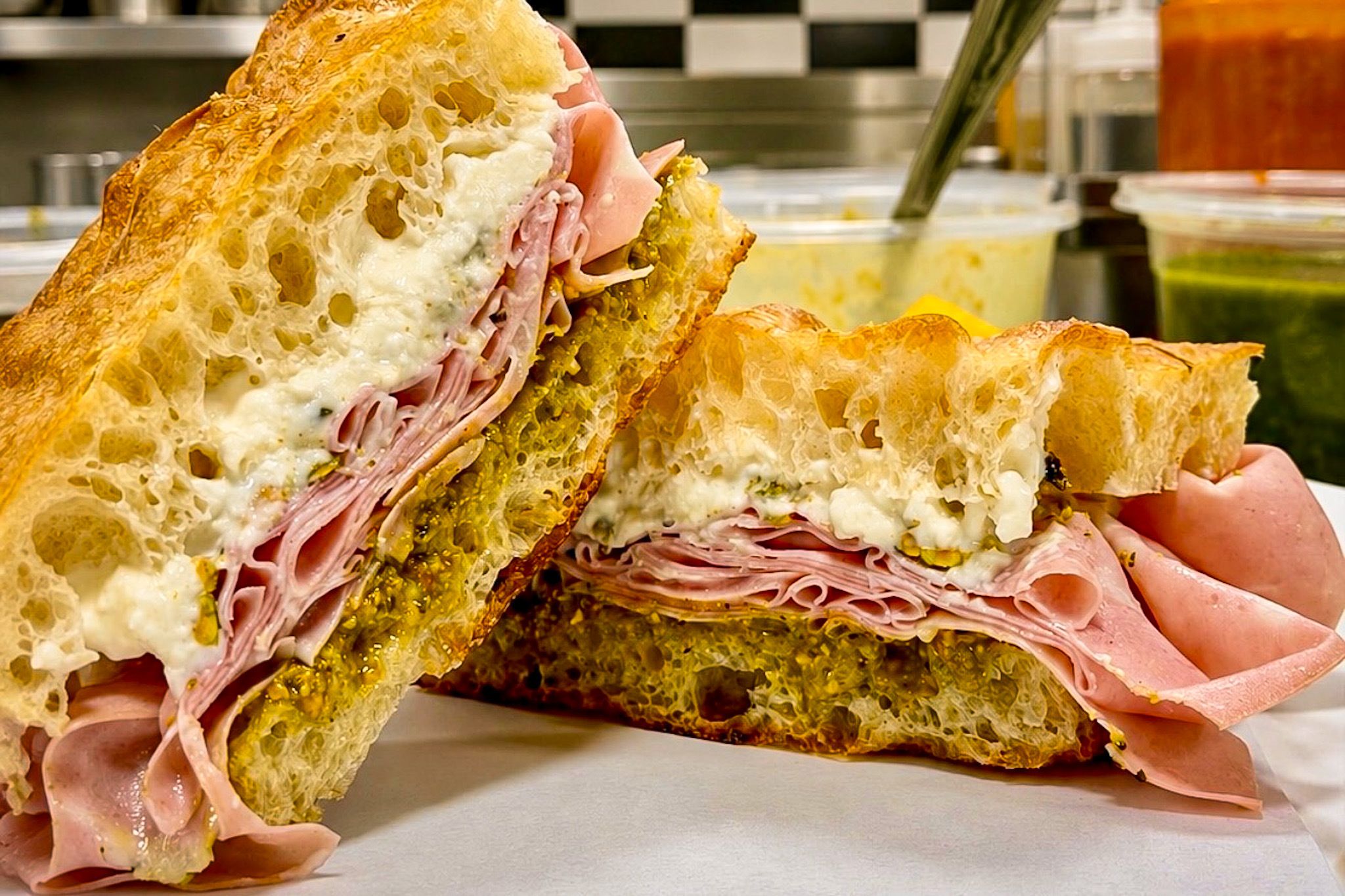
Santucci said the bread — which took months of development — is baked after a 48-hour cold fermentation. The result is focaccia with a crispy crust and fruity olive oil flavor. Its sturdy interior holds up to substantial fillings without turning the sandwich into a sloppy mess.
Seating on the mezzanine at Cannonball, 1105 Frankford Ave.Michael Klein / Staff
Cannonball’s cafe will generally offer two or three focaccia sandwiches at a time, rotating them seasonally. Currently, the Muse combines mortadella and stracciatella, a pairing that puts the bread’s structure to good use. (It also survives a test that many sandwiches do not: refrigeration. Gently reheated in a toaster oven the next day, I found the bread just as good.) The Situationship layers sliced turkey, goat cheese, arugula, and fig jam between focaccia, the jam’s sweetness playing against the peppery greens and tangy cheese.
Santucci has begun developing breakfast versions; the first combines soft-scrambled eggs and bacon with house-made Calabrian chile-infused hot honey. Pastries are being developed, too, including a pumpkin cinnamon roll with brown-butter icing.
Cannonball’s members-only bar overlooks the car storage.Michael Klein / Staff
Focaccia Affair also oversees food for Cannonball members and their guests upstairs. Dinner starts at 4 p.m. daily with a six- to eight-item menu modeled on Italian aperitivo culture: smaller dishes designed for sharing rather than conventional entrées. Fresh pastas and additional desserts are expected to join the menu in October.
Allen said food was essential to his plan for Cannonball, because even a spectacular collection of automobiles has limits as a daily attraction.
“You can visit the most amazing car collection in the world, but after 15 or 20 minutes, you want to sit down, have a coffee, and eat a sandwich,” he said. “Most of all, you want a reason to come back tomorrow.”
Focaccia Affair, 1105 Frankford Ave., instagram.com/focaccia_affair. Hours: 6:30 a.m. to 3 p.m. weekdays; 8 a.m. until roughly 3:30 or 4 p.m. weekends.
Butter chicken has taken an indirect route to South Street’s Pronto Pizza: from its roots in North India to a Pakistani family kitchen in Northeast Philadelphia, then into an Italian American pizza shop and, finally, onto a roll.
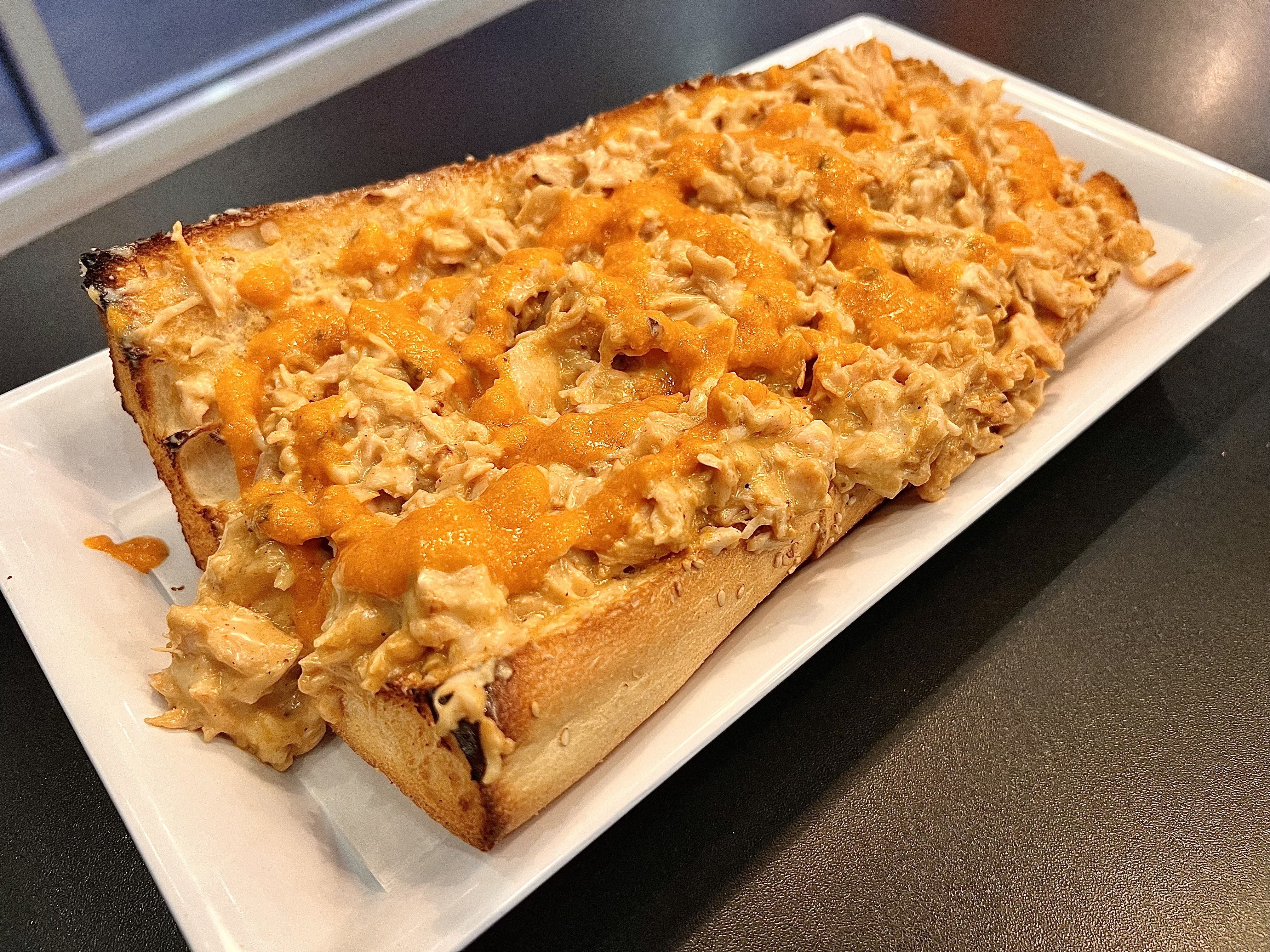
At Pronto, just off Broad Street, it’s a secret menu item. Owner Umair Cheema tops chopped marinated chicken with Cooper Sharp and butter chicken sauce based on his mother Asma’s recipe. The $12 sandwich is Cheema’s addition to a citywide assortment of cheesesteak variations that includes versions made with oxtail and salmon.
Cheema does not skimp. He lightly toasts the Liscio’s roll before adding nearly a pound of a mixture of chicken and melted cheese. Then comes a ladle or two of the rich butter sauce, which comes perilously close to gilding the lily.
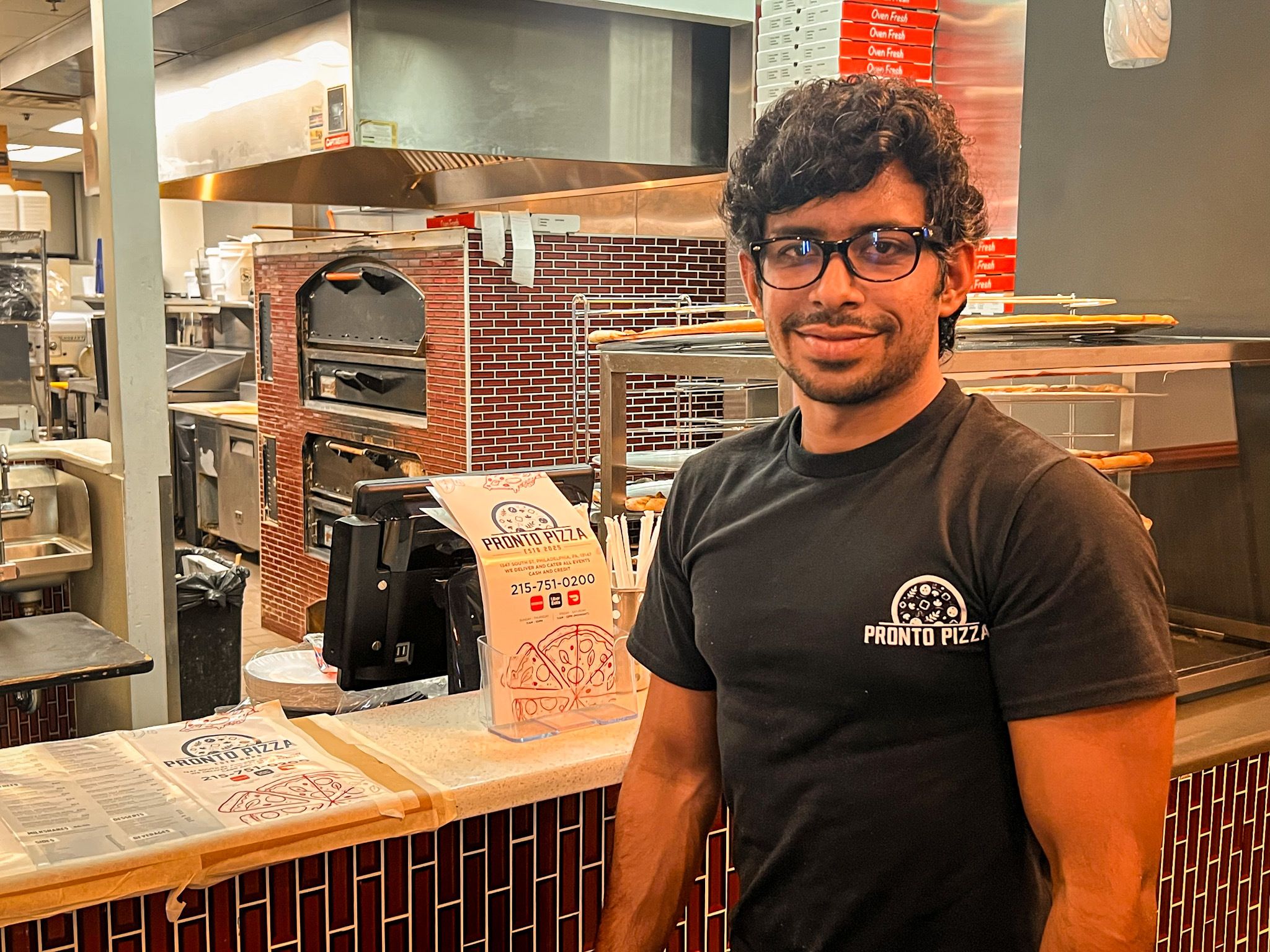
Umair Cheema owns Pronto Pizza, 1347 South St., which previously was LaScala’s Pronto.Michael Klein / Staff
Cheema, 28, had eaten plenty of butter chicken in Pakistan, but he credits his younger brother, Adil, with inspiring Pronto’s version. After the family moved to Northeast Philadelphia in 2019, Adil routinely asked their mother to cook for him.
“One day my mom made butter chicken, and I was like, ‘Mom, this is outstanding. This is the kind of butter chicken I eat at restaurants,’” Cheema said.
A staple entree on Indian restaurant menus in the United States, butter chicken typically features yogurt-marinated chicken in a mild, creamy tomato sauce seasoned with onions, garlic, and spices such as garam masala, turmeric, cumin, and coriander. The dish has proved adaptable to other formats. Chef Reuben Asaram, for example, has incorporated it into his Mexican-Indian “Reubychanga.”
Pronto is also not the area’s only shop making a butter chicken cheesesteak. Double Down Kitchen at Ridge Hall in Ambler serves one alongside versions made with jerk chicken and bulgogi-marinated rib-eye.
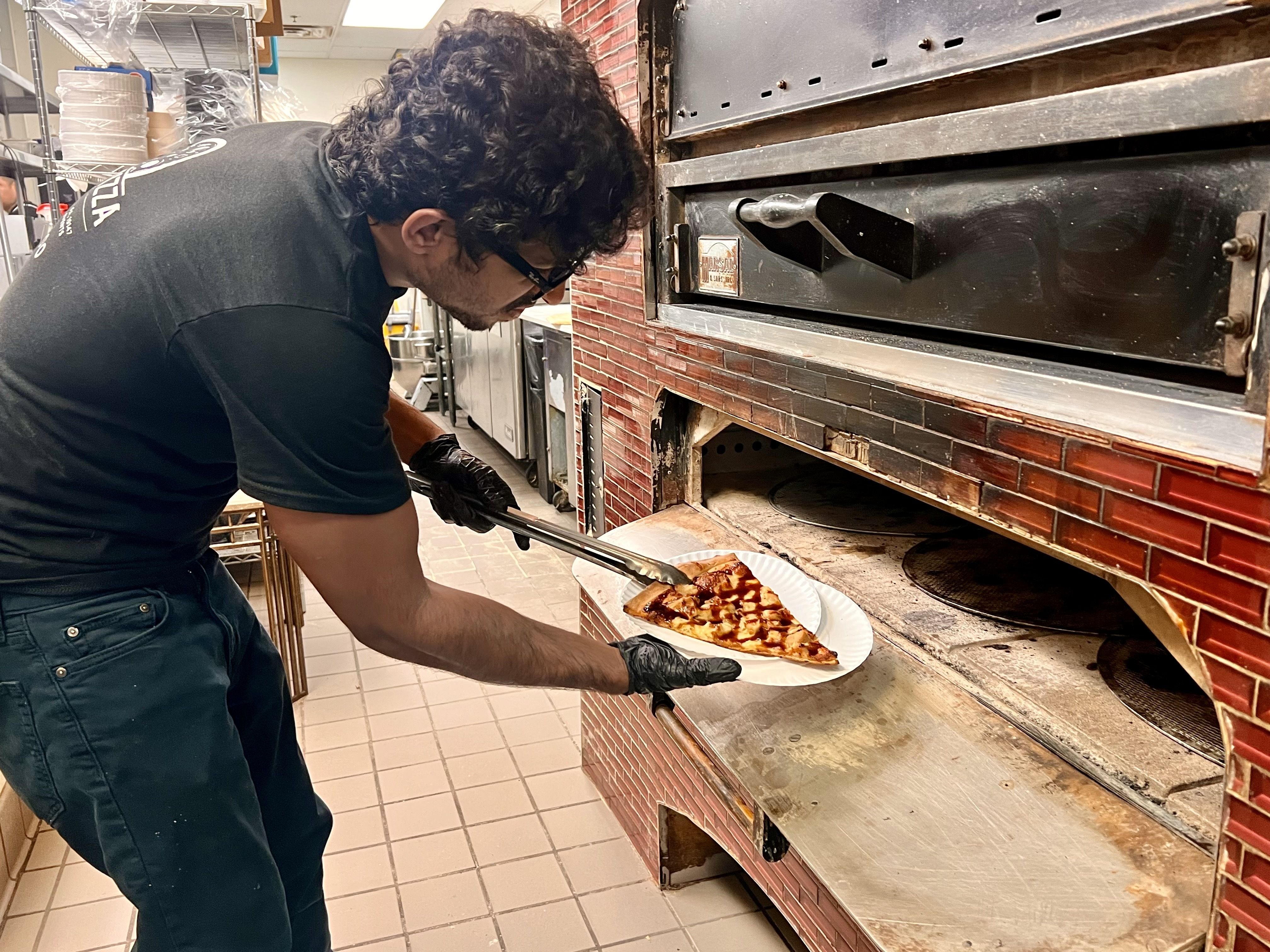
Owner Umair Cheema pulls a slice of pizza from the oven at Pronto Pizza, 1347 South St.Michael Klein / Staff
Cheema’s sandwich is part of his effort to broaden the menu at Pronto, which he bought from restaurateur Rob LaScala. He largely retained LaScala’s offerings of pizza, sandwiches, wings, pasta, meatballs, chicken Parmesan, and grilled salmon platters.
Cheema had not expected to enter the pizza business. After arriving from Pakistan, where his father had worked as a banker, he took a job at Kabobeesh, his aunt’s West Philadelphia restaurant. His father was diagnosed with severe diabetes soon afterward, while his mother found warehouse work.
“I took charge,” Cheema said. “I was like, ‘Let me deal with all of this now. It’s my time to handle this.’”
His opportunity came when an uncle learned that Naz’s Pizza in Chester was for sale.
“He called me and said, ‘Someone is really desperate. They want to sell their pizza shop. I know you have some money saved. If you really want to look into it, I’ll help you out, too.’”
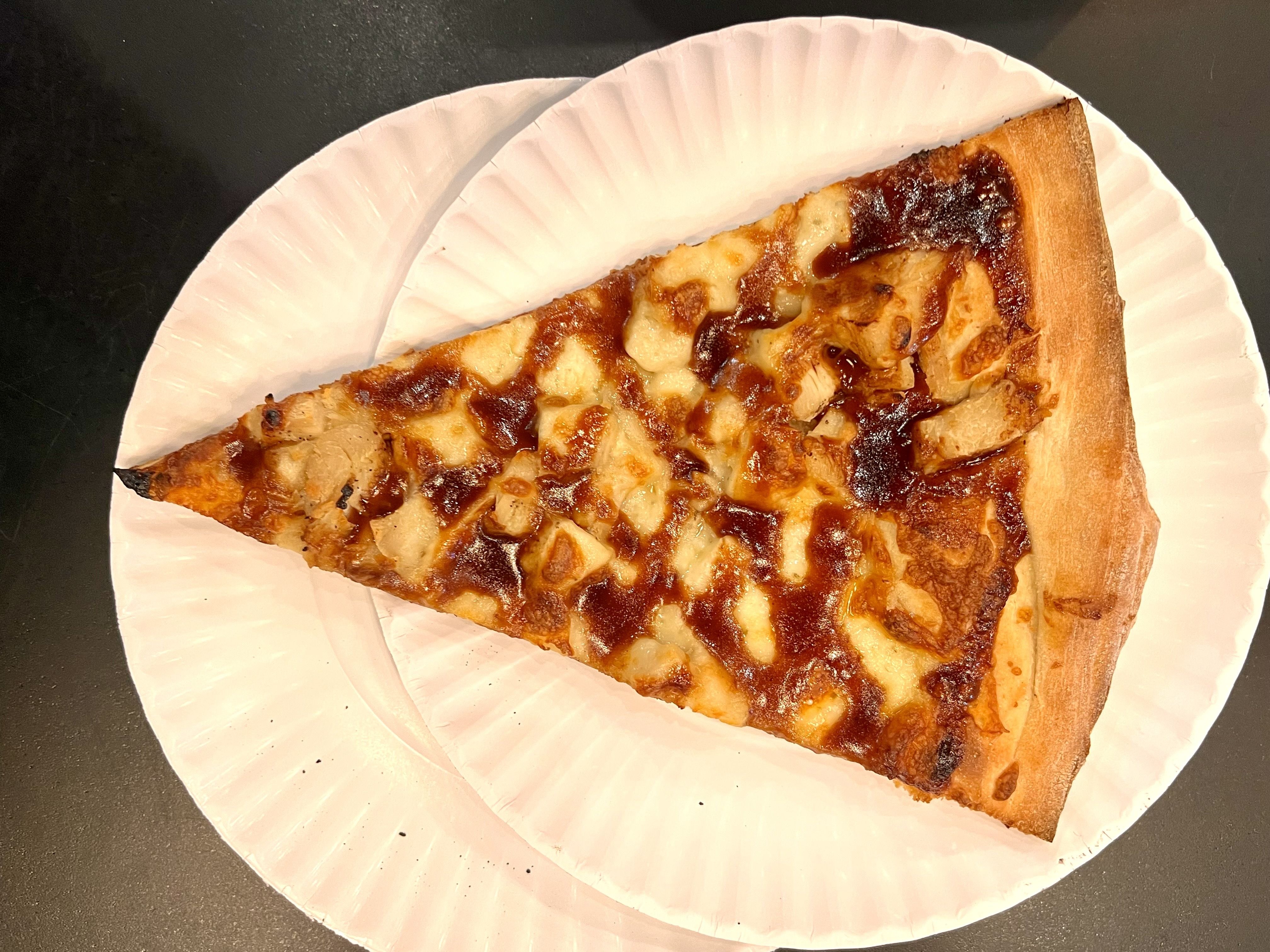
Barbecue chicken pizza slice at Pronto Pizza, 1347 South St.Michael Klein / Staff
Cheema drove to Chester the next day and arrived around 3 p.m., hardly primetime at most pizzerias. “I saw people coming in and the phones ringing,” he said. “That means a business is working. So I told my uncle, ‘Everything seems OK. They are short a couple of things, but we can fix it.’”
Cheema and his uncle bought the shop, and Cheema said sales doubled within six months. They eventually expanded to six shops before dividing the business to pursue separate growth; Cheema sold off the Chester store. Besides the Pronto at 1347 South St., Cheema owns another Pronto in Torresdale, Holme Style Pizza near Holme Circle, and Old English Style Pizza in Olney.
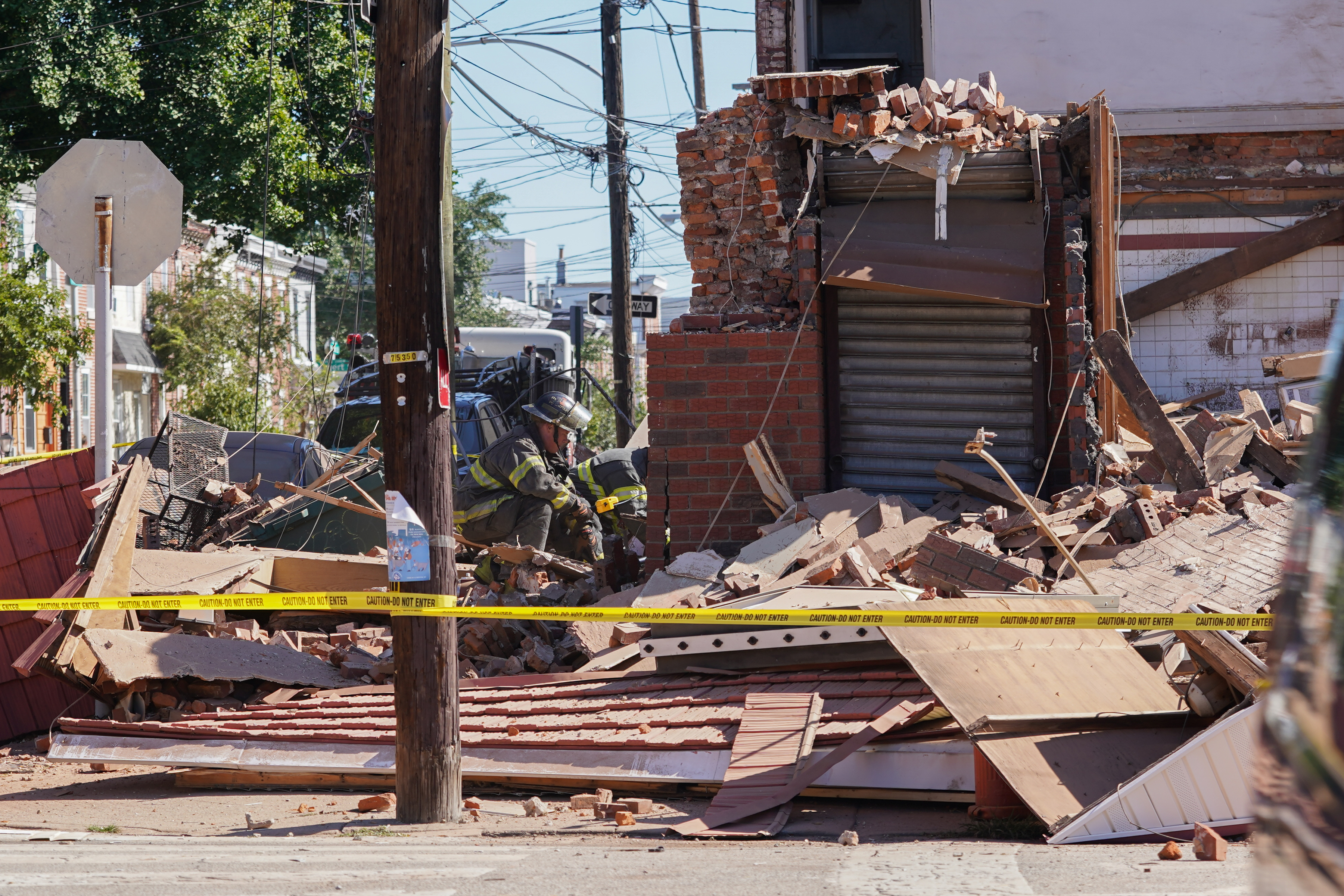
His most serious setback came in September 2022, when the three-story East York Street building housing Key Pizza, his busiest shop, collapsed. “You couldn’t tell there had been a pizza shop there the night before,” Cheema said. Construction work next door was blamed.
The roll-up door and some bricks are all that remained of Key Pizza at 2329 E. York St. after its collapse on Sept. 14, 2022.Jessica Griffin / Staff Photographer
No injuries were reported, but he lost the business, and the resulting insurance litigation was resolved only recently, about 3½ years later, he said.
Cheema does not plan to rebuild Key. He is focused instead on Pronto, its catering operation, and potential additional locations. The butter chicken cheesesteak gives him a way to integrate his family’s cooking into the kind of business in which he found his footing.
“Everybody in Philly knows what a cheesesteak is, and there are so many good places out there already selling cheesesteaks that are famous for them,” he said. “But I wanted to do something different, and something that still relates to Philly.”
This fall’s restaurant openings reflect an industry hedging its bets: established operators expanding into the suburbs and repurposing familiar spaces, and newcomers pursuing narrowly drawn concepts built around omakase, caviar, Korean barbecue, cocktails, and live-fire cooking.
I count about five dozen restaurants in the region’s pipeline, with Italian concepts (no surprise), all-day service, and experience-driven dining recurring throughout the list. In addition to 60 restaurants opening between now and late December, two other restaurants are expanding: Lovat Square in Chestnut Hill is adding dinners and Palm Vintage across from City Hall is adding nighttime sushi service.
By comparison, last year’s fall roundup covered 53 restaurants. All of those opened except for three that are now a full year behind schedule: Adda in Fishtown is shooting for October, Ayat near Rittenhouse Square is aiming for November, and Brunch Bulls in Point Breeze is targeted for December. (Although this year has seen its share of closings, especially among longstanding restaurants, each of last fall’s restaurants is still open.)
Brand new and notable
Aogami (4343 Main St.): Underground sushi is coming to Manayunk as chef Tom LoMonte joins chef Moon Krapukthong to offer a 16-course omakase in a 20-seat BYOB setting beneath Krapukthong’s Yanako and neighboring Chabaa Thai Bistro, starting Sept. 25. LoMonte — a veteran of Zama, Izakaya by Yanaga, Pod, and Yanaga Kappo Izakaya — will lead the omakases at 6 p.m. Fridays and Saturdays; reserved sushi-bar seatings will run Wednesdays, Thursdays, and Sundays alongside hand rolls and à la carte service. LoMonte describes the atmosphere as energetic and less formal than typical omakase counters. Upstairs, Yanako will continue serving rolls, sushi platters, udon, tempura, and yakitori.
The Buttery (1099 Germantown Ave.): Malvern-based bakery and cafe the Buttery is preparing a Philadelphia location at Piazza Alta in Northern Liberties, near Scusi and Terra Grill. It recently opened a Bryn Mawr location and expanded its original Malvern operation into dinner service with Neapolitan pizza and shareable plates. An opening date has not yet been shared.
Nick & Nora’s Oyster Dive (560 Stokes Rd., Medford): Michael and Jeniphur Pasquarello (La Chinesca, Piccolina) are bringing a raw bar and American kitchen to a corner space with a large deck at Ironstone Village. The broader menu will include steak frites, burgers, fish, vegetables, and small plates, says Michael Pasquarello, who hopes to open in 60 to 90 days.
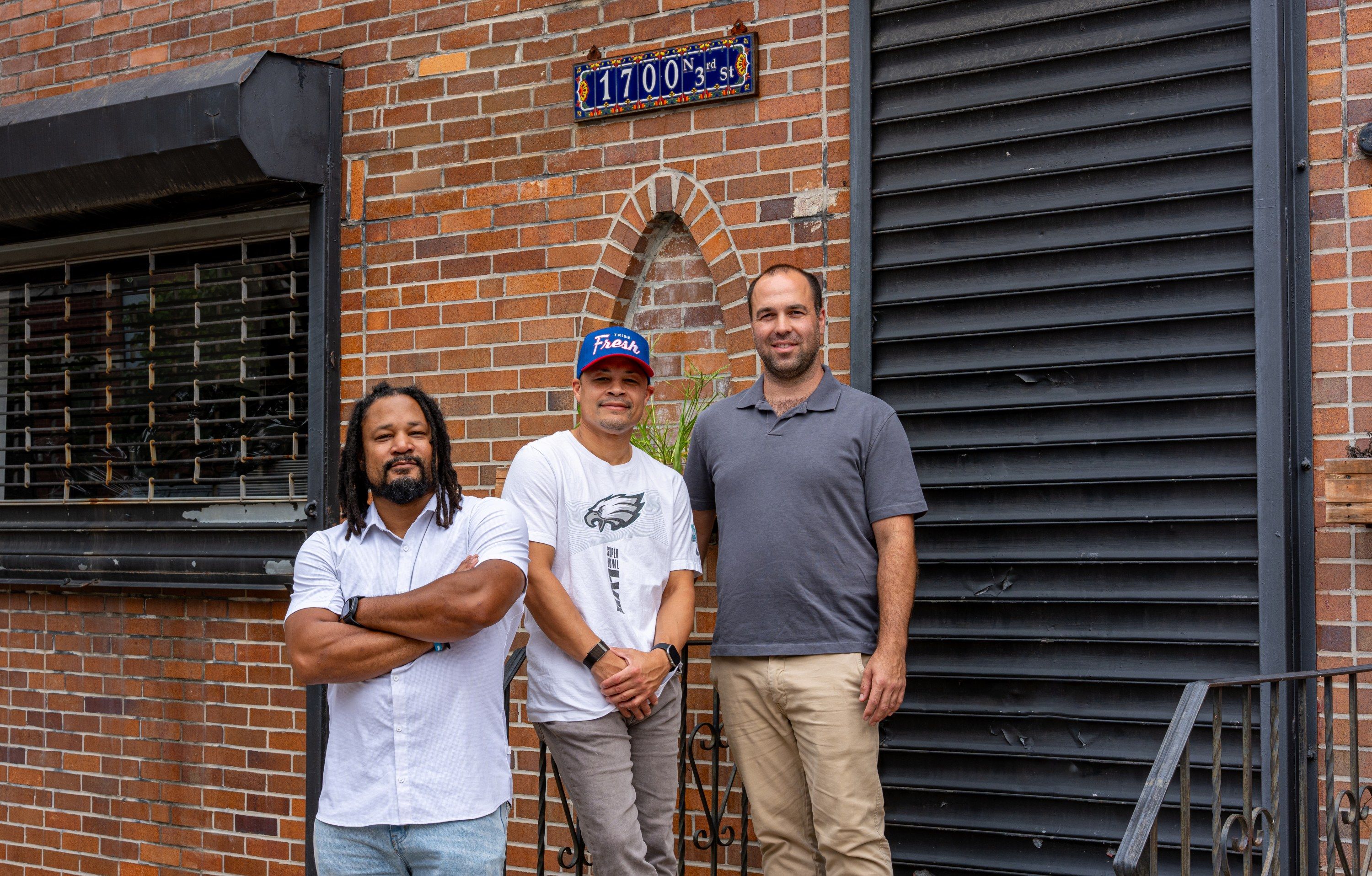
Chef Chaz Brown (left) is partnered with his brother Clifford Brown (center) and John Skeele in Rumblefish, 1700 N. Third St.Mike Prince
Rumblefish(1700 N. Third St.): Chef Chaz Brown is targeting November for this 900-square-foot, fast-casual Caribbean fish-fry restaurant at Third Street and Cecil B. Moore Avenue. Brown — a Trinidadian American chef whose resumé includes Nobu, Le Bec-Fin, Fatty Crab, and television’s Top Chef — will focus on invasive species such as lionfish, snakehead, green crab, and Chesapeake Bay blue catfish when available. (The catfish turned heads at the recent Oxtail Exchange at Forman Arts Initiative.) Brown uses gluten-free corn flour with Trinidadian spice blends and serves the fish on po’boy-style rolls baked by Angelo’s Bakery in Conshohocken. The mostly takeout operation will have counter seating, a 25-seat covered patio, slaws, fries, sea-moss drinks, and Solo Kola Champagne.
Pennsylvania suburbs
Alessandro’s Enoteca (915 W. Lancaster Ave., Bryn Mawr): Alex Fiorello’s third restaurant will bring a bar-focused Italian concept to the former Enoteca Tredici space in Bryn Mawr Village in mid-to-late October. Fiorello and culinary director Matt Arcomone, whose resumé includes Osteria, Vetri, and Palladino’s, are planning house-made pastas, wood-fired pizzas, live-fire cooking, and dry-aged meats. It’s intended to have a stronger evening and bar scene than Fiorello’s Wayne restaurants.
Bruzi (281 Montgomery Ave., Bala Cynwyd): Two couples with Calabrian roots plan to open this Southern Italian restaurant in the former Aldar Bistro in late fall. Expect house-made pastas and Calabrian dishes such as fusilli with slow-cooked meat sauce, baked lamb, and grilled tuna, plus cocktails and an opening list of about 100 Italian wines.
Capperini (137 S. Easton Rd., Glenside): Eastern Montco will get an upscale Italian-Mediterranean destination with a liquor license from Ilya Vorobey and partners including members of the team behind Capri in Queen Village. Vorobey is aiming for October or November.
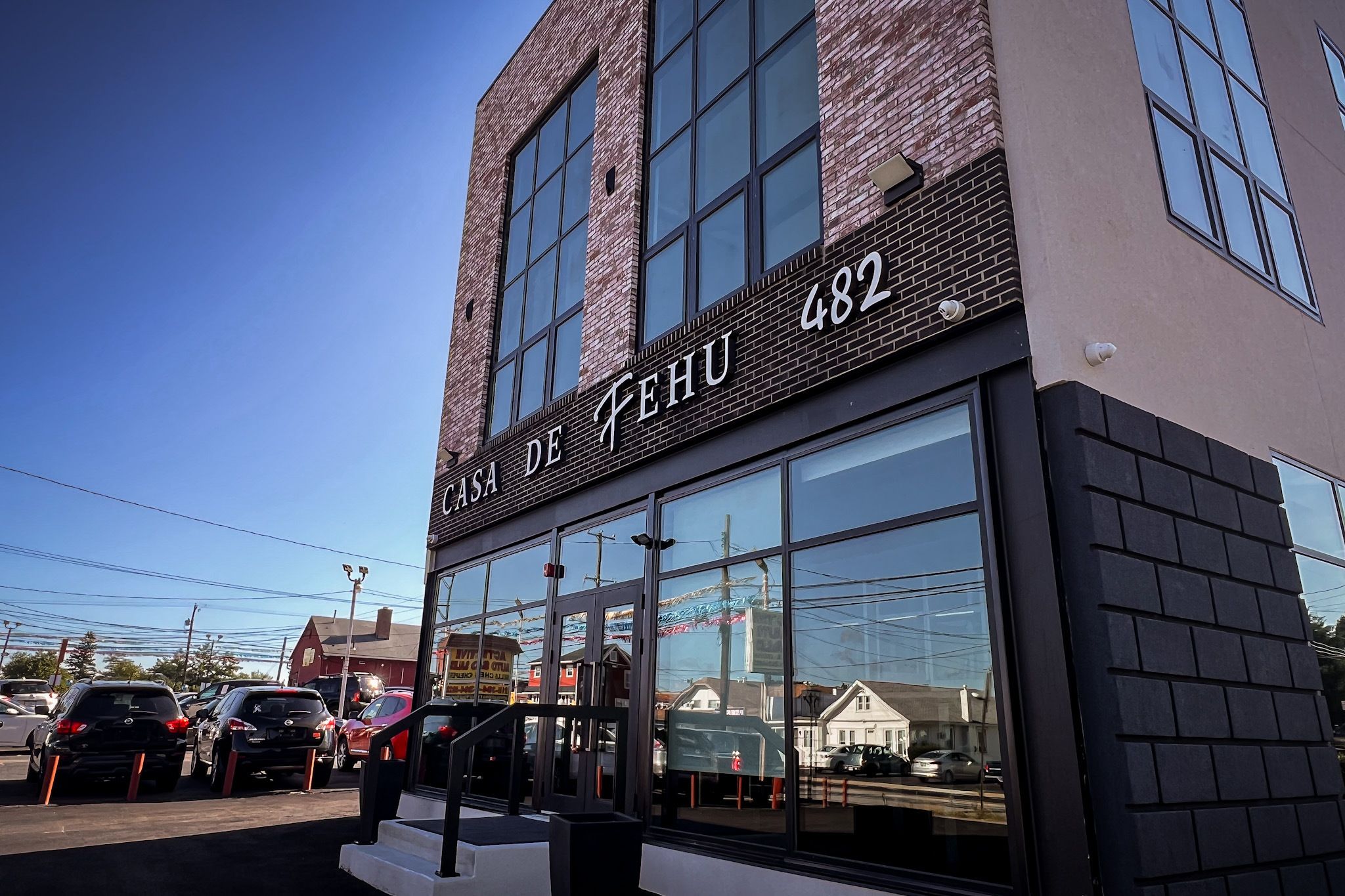
Casa de Fehu, 482 Jacksonville Rd., Hatboro.Michael Klein / Staff
Casa de Fehu (482 Jacksonville Rd., Hatboro): Hatboro couple Anthony Shalamov and Anastasia De Roy are developing this polished restaurant with European-inspired cooking and an upscale atmosphere, possibly with a tie-in to a local brewery that would allow alcoholic drinks. Shalamov is targeting an October soft opening.
Cecilia (266 E. Fourth St., Bridgeport): The team behind Blue Bell Inn and the Copper Crow is just about ready to open this contemporary American bar-restaurant in the extensively renovated former Taphouse 23. The roomy property includes a large patio and a wood-burning oven. The menu emphasizes familiar American dishes, positioning this as an all-purpose neighborhood destination.
Donatelli’s (1 Washington Ave., Newtown): Restaurateur Habib Troudi, who owns Panache and Ristorante Castelloin Blue Bell, is behind a top-to-bottom overhaul of the former Rocco’s at the Brick in downtown Newtown. He said he is hoping to open the Italian steakhouse in October.
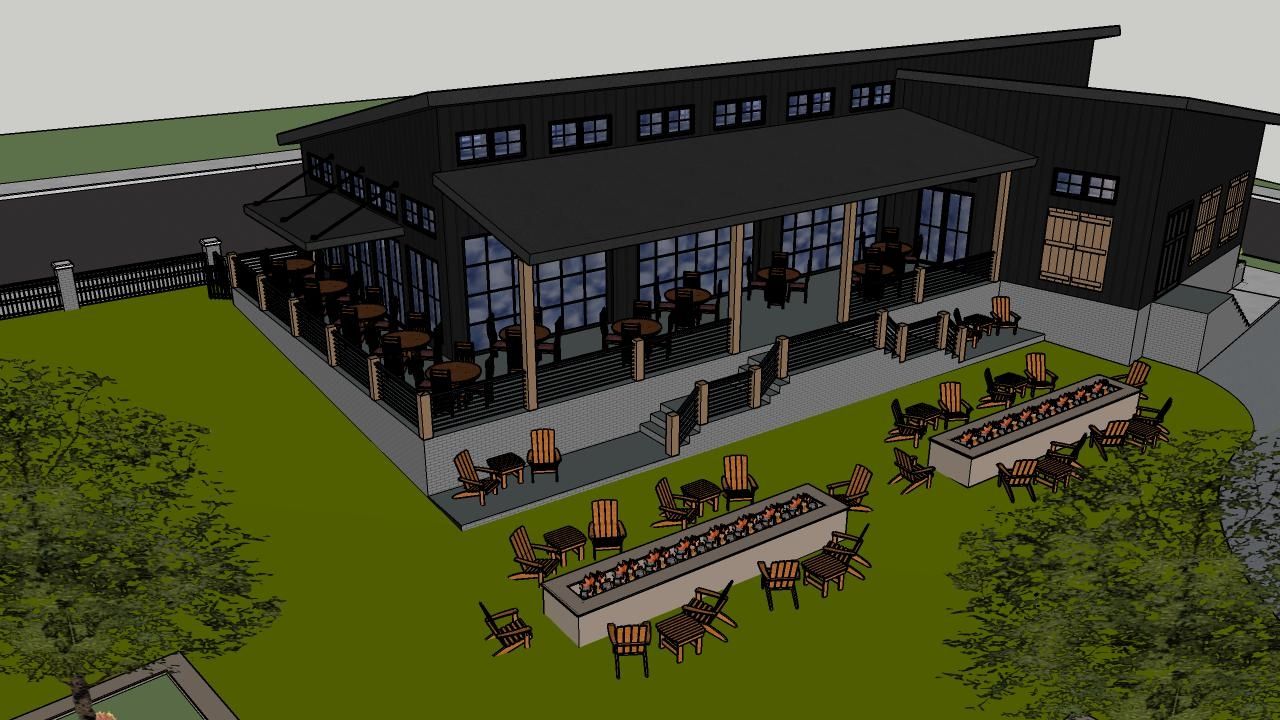
Rendering of the Garden by Pieri Winery, 127 E. Elm St., in Conshohocken.Courtesy of Christina Pieri
The Garden by Pieri Winery (127 E. Elm St., Conshohocken): Winery owner Christina Pieri and restaurateur Brian Pieri (StoneRose, Bar Lucca, Cerdo) are targeting a mid-October opening of their year-round indoor-outdoor restaurant beside the Schuylkill River Trail, an offshoot of Christina’s Coopersburg winery. A wood-fired kitchen will serve seasonal American food, including brick-oven pizzas, focaccia sandwiches, salads, steaks, and fish, at lunch and dinner Tuesday through Sunday. The property will include a covered patio, fire tables, a turf area, and pickleball and bocce courts.
The Hungry Hub (11 S. Orange St., Media): Media native Cassidy Moretti and her mother, Glenda, are taking over the former Rivalry Cafe with a family-run breakfast and lunch operation. The Hungry Hub also plans later hours and a late-night menu, broadening its role beyond that of a conventional daytime cafe. An Oct. 1 opening has been announced.
The Iron Oven (58 S. York Rd., Hatboro): Alex Nalbandian’s Southampton bar-restaurant — known for an expansive American menu, cocktails, craft beer, brunch, and dishes ranging from wings and burgers to flatbreads and entrees — is adding a second location in eastern Montco: the former Ross & Co. He’s aiming at November.
Lazy Dog(160 N. Gulph Rd., King of Prussia): The California-based bar, known for Rocky Mountain lodge imagery and a broad American menu, is targeting late 2026 at the King of Prussia Mall.
Luna (129 E. Butler Ave., Ambler): FineLine Hospitality, which recently opened Academy Grill in Fort Washington, is behind a stylish revamp of Dettera in downtown Ambler. Chef Marie Lavizzo-Mourey will base her menu on the 20-plus countries bordering the Mediterranean. The project is on track for fall.
Martini & Roz(523 W. Lancaster Ave., Wayne): Fearless Restaurants is turning Wayne’s former Bertucci’s into an ambitious, 300-seat Southern Italian restaurant named for founder Marty Grims’ parents, Martin and Roslyn. Menu will include crudo, oysters, steaks and chops, wood-fired pizzas, house-made pastas, and charcuterie. It will feature two open kitchens, a cheese cave, a tasting counter, and extensive outdoor seating.
Maru (2922 Conestoga Rd., Glenmoore): David Backhus and the team behind the former Oori restaurants are in the early days of a fast-casual Korean-inspired restaurant at their former Collective Coffee & Bakery. Think Korean fried chicken sandwiches, wings, and tenders, supplemented by mochi doughnuts and specialty Collective coffee.
Nudy’s Cafe (122 Park Ave., Willow Grove): Prolific suburban breakfast-and-lunch operator Ray Nudy hopes for late September for his latest diner, across from Marshalls in Willow Grove.
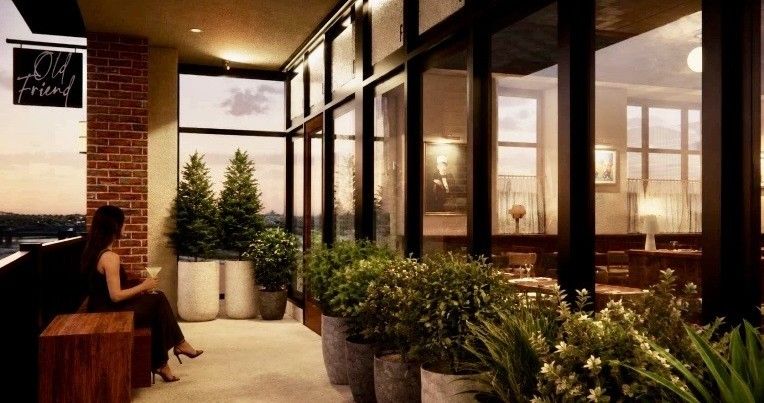
Old Friend (166 E. Lancaster Ave., Wayne): Childhood friends Larry Kagan and Chas McFeely are behind this contemporary American grill, with former Fork executive chef Sam Henzy leading the kitchen. The 86-seat restaurant will center on live-fire cooking in a Josper oven, with dry-aged fish, poultry, and larger proteins intended for sharing. Its compact wine list will be closely tied to the food. A late-fall opening is planned in the Apartments at Wayne Station.
Opus (201 Birch St., Kennett Square): Square Roots Collective will open this 125-seat New American restaurant Sept. 11 in the former temporary home of Hank’s Place, next to the Artelo hotel. Executive chef Matthew Anderson, formerly of Longwood Gardens and Winterthur, plans seasonal dishes, such as Kennett Square mushroom bisque, butternut squash agnolotti, herb gnocchi, and dayboat scallops. The two-story space includes a cocktail lounge, terraces, and work by local artists. Profits will support community projects and nonprofits.
Salt (840 W. Lancaster Ave., Devon): Rich Kim of North Wales’ acclaimed Salt predicts late December for his redevelopment of Devon’s former La Jonquille and Shiraz property into a second Korean barbecue concept, followed in 2027 by Yugo, a carousel sushi restaurant, upstairs.
The Still on State (18 W. State St., Doylestown): Only days open at the Doylestown Inn, this Irish pub-inspired bar/restaurant fills the former Hattery Stove & Still space; it’s paired with an on-site microdistillery called the Tilted Brim.
Taco Heart (120 Coulter Ave., Ardmore): Nano Wheedan is bringing his South Philadelphia breakfast-taco shop to the Ardmore Farmers Market, its first expansion beyond its East Passyunk-area home. Expect Austin-style flour tortillas and breakfast tacos built around eggs, potatoes, beans, bacon, brisket, and house salsas. Opening is set for Oct. 5.
Top Dog Cocktails (110 E. State St., Kennett Square, and 2012 Frankford Ave., Fishtown): Ken Smuckler’s cocktail company plans two vinyl listening rooms this fall inspired by Japanese jazz kissas. Kennett Square’s 750-square-foot space partners with local music venue Kennett Flash, while Fishtown’s 350-square-foot flagship — arguably the neighborhood’s smallest bar — will feature a 15-seat bar, two-turntable DJ station, and retail.
Tusk (50 N. Main St., Doylestown): Mike and Joy Grafenstine, owners of Roberts Block in Glenside and Bonnet Lane Family Restaurant in Abington, are taking over the former Water’s Edge wine bar, combining the martini-and-wine-bar airs of Roberts Block with approachable upscale American comfort food. Target is October.
Vintner’s Table (24 Cricket Ave., Ardmore): Andrea and Marco Folino, behind Kutztown’s Folino Estate Winery, are opening a third location of their Italian-inspired wine bar, salumeria, and lifestyle boutique in downtown Ardmore in October.
New Jersey suburbs
Akira 70 Omakase (249 Marlton Pike, Cherry Hill): Ming “Frank” Zheng is expanding his Japanese holdings — he owns Akira Sushi in Voorhees and Moorestown — with an omakase experience in a former fur salon.
Banjara Indian Bistro (687-689 Berlin-Cross Keys Rd., Sicklerville): Vaneet Chopra, whose family operates Cross Culture in Haddonfield and previously ran Banjara in Chestnut Hill, is bringing the Banjara name to Sicklerville; its dine-in starts Thursday.
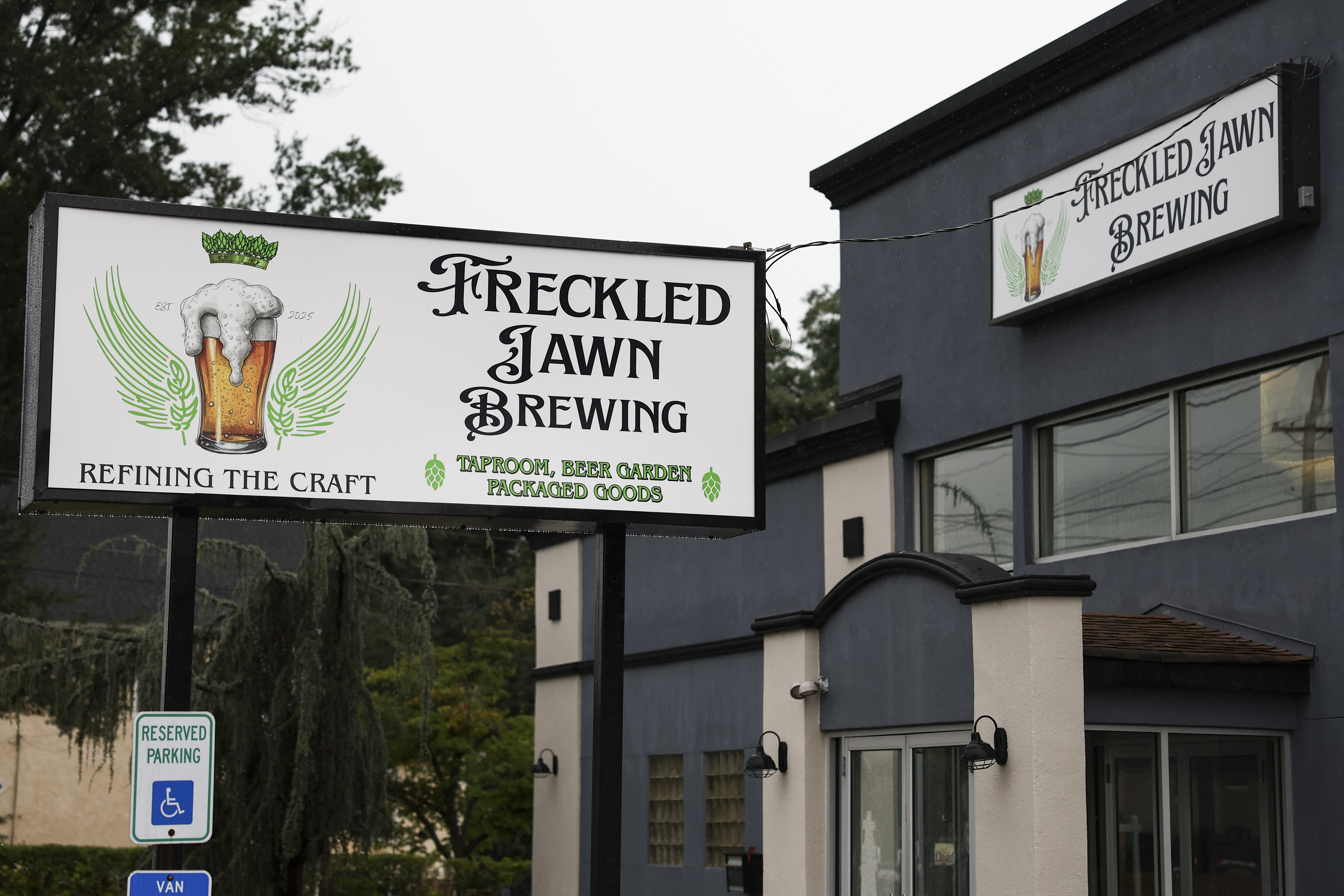
Freckled Jawn Brewing(1003 N. Evergreen Ave., Woodbury): Woodbury residents John Wagner and Colleen Gibson are taking over the former Eight & Sand Beer Co., which closed in June after 10 years. Targeting the first week of October, the brewery will introduce new branding and a fresh lineup of approachable beers, emphasizing natural and locally sourced ingredients when possible.
Irishtown Steaks (155 S. Burlington St., Gloucester City): Donkey’s Placealumnus Dave Murphy is targeting Halloween for his steak shop, joining recent Gloucester City entries Lillo’s and Pudge’s Pub. Murphy will use rolls from Boaggio’s, which has a bakery in town.
Penny’s Bagels (212 Kings Highway East, Haddonfield): Chris Fetfatzes and the Happy Monday Hospitality Group (Wine Dive, Grace & Proper) are developing this long-delayed bagel shop in downtown Haddonfield, now with an October target.
Pizzeria Cusumano (872 Haddon Ave., Collingswood): Announced back in September 2021, this passion project from South Jersey’s Sal Cusumano is finally about to start offering his Roman-inspired squares and neo-New York rounds, but “I don’t want to box myself into a certain style.” Cusumano, a third-generation pizzaiolo, is planning a small shop with limited seating. This week, he said it will open in October for sure.
Philadelphia
Adda (1700 Frankford Ave.): New York’s Unapologetic Foods — behind Dhamaka, Semma, and the original Adda — is bringing its energetic Indian cooking to Fishtown, across from the 19125 post office. Expect regional dishes in an informal setting, continuing the restaurant group’s practice of pushing beyond familiar Indian American standards. Originally expected in fall 2025, the Philadelphia location is now targeting an October opening.
Ayat (2021 Sansom St.): Abdul Elenani’s New York-based Palestinian restaurant — first announced in spring 2024 — is looking at a November opening in the former Roxy Theater near Rittenhouse Square. Ayat is known for generous portions of mansaf, maklouba, mezze, grilled meats, and other homestyle Palestinian dishes.
The bar at Bar Caviar, 256 S. 16th St.Kenneth Schutz
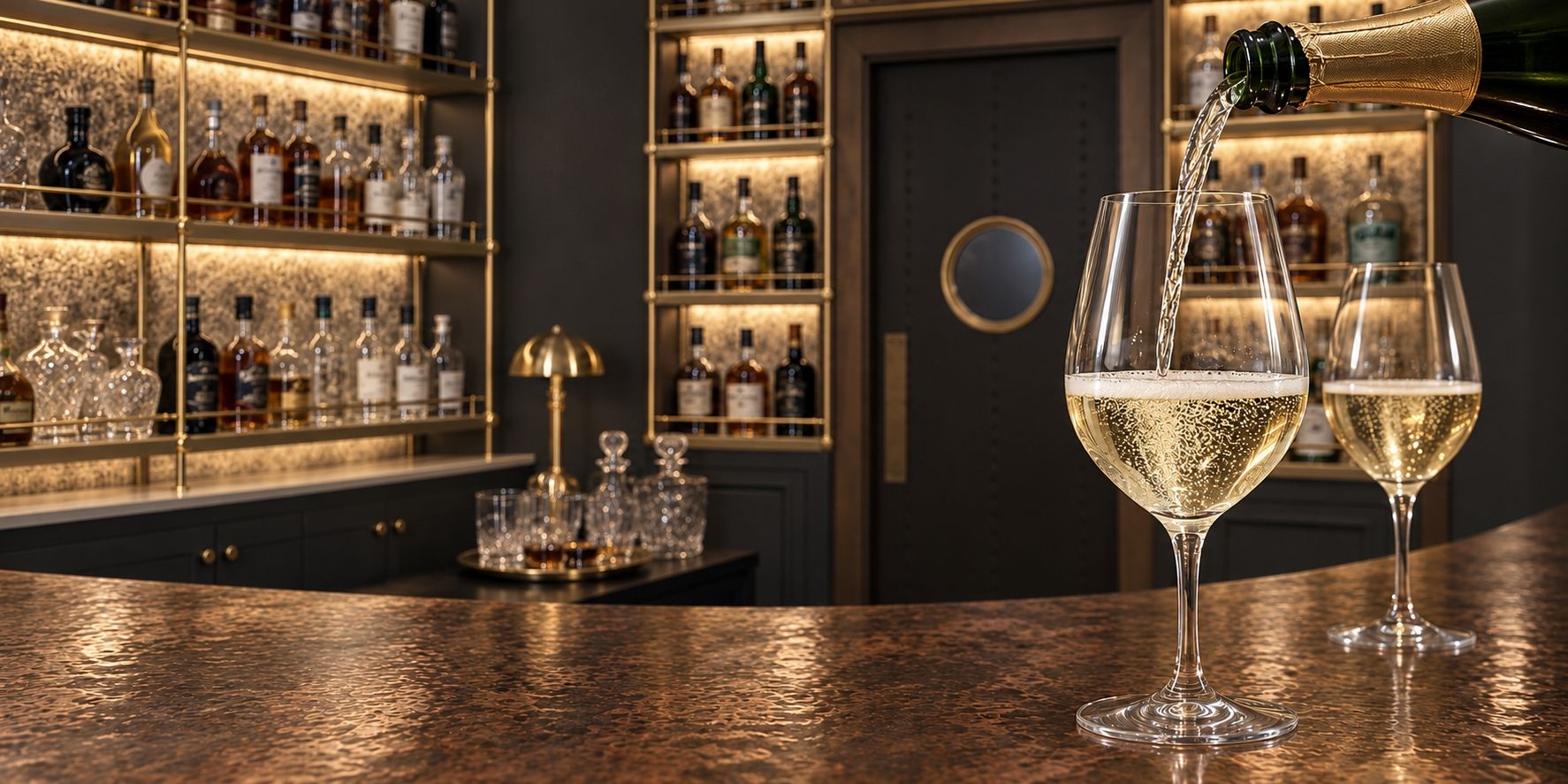
Bar Caviar (256 S. 16th St.): Opening in early October in the Dwight D Hotel in Rittenhouse, this bar will pair caviar and seafood with 50 varieties of Champagne and a full wine program in a setting that’s more neighborhood than hushed luxury lounge. Executive chef Greg Vassos’ contemporary American menu, informed by classical French technique and Japanese precision, will feature raw-bar selections, caviar-focused dishes, and seasonal small plates. The restaurant also will operate Parallel, a caviar program emphasizing careful sourcing and extended maturation. In 2027, Vassos plans to follow with Fall Line, a Mid-Atlantic-focused tasting-menu restaurant.
Brunch Bulls (1638 W. Passyunk Ave.): Brothers Derrick “Dee” Long and Jarrick “Jakk” Long are behind this all-day brunch/dinner/dessert restaurant in Point Breeze. They say they’ll be open by December.
Call Your Mother (262 S. 19th St., 1500 Frankford Ave., 12th and Sansom Streets): The lively, Washington-based “Jew-ish” bagel chain is making a three-location push into Philadelphia, starting this week with its Fishtown debut. Menu includes bagel sandwiches, schmears, latkes, coffee, and deli-inspired specials.
Carolyn’s Modern Vietnamese (2015 Walnut St.): This week, chef Carolyn Nguyen opens her deeply personal successor to Revolution Taco, which she co-owned in the space for a decade. Her menu brings together her family’s Vietnamese cooking, the seafood boils and Southern food of her Louisiana childhood, French culinary technique, and the freewheeling flavor combinations that defined her earlier ventures. The 33-seat restaurant serves dinner, and alcohol, in a spare, contemporary dining room.
Corte (1175 Ludlow St.):Corio partners Ryan Mulholland, chef David Feola, and James Smith are taking over the former Mulherin’s Pizzeria at East Market, between Iron Hill Brewery and Mi Vida. Feola will lead a menu built around house-made pastas plus proteins, vegetables, and small plates cooked in the large Mugnaini wood-burning oven. Mulholland will oversee daily operations and oversee an Old World-leaning wine list and cocktails inspired partly by forgotten recipes from century-old books. The dark-wood, earth-toned restaurant is targeting a fall opening.
DiDi (3748 Lancaster Ave.): DanDan owners Kevin and Catherina “Cat” Huang say they are “within a month or two” of opening their fast-casual pan-Asian concept at the Triad apartment building in Powelton Village. DiDi will join Kabobeesh, Karak Cha House, Shibam Coffee, Two Locals Brewing, and other businesses in the growing complex at 38th and Lancaster.
Divers Club (733 S. Fourth St.): Queen Village is in line to get a neighborhood wine bar from Susan Freeman, Chris Fetfatzes, and Heather Annechiarico (Grace & Proper, Wine Dive) in a former hair salon that sits on the same stretch as Famous 4th Street, Southwark, Ambra, and Fitz on 4th. Fetfatzes describes the mood as “dark, scrappy, and European — somewhere between a Paris backstreet wine bar and a graffitied Berlin hangout.”
Eggcetera Haus (625 S. Sixth St.): Husband-and-wife team Rey Tamaka and Vina Kencana soon will turn the former Redcrest Kitchen into an all-day bar-restaurant. Tamaka, previously the chef at an Old City brunch restaurant, plans breakfast, lunch, and dinner, moving from specialty coffee and morning dishes into pastas, steaks, cocktails, and comfort food at night. The couple expects daily service, giving the Queen Village-Bella Vista border another full-day neighborhood option.
Field Day (923 N. Second St.): James Beard Award-winning bartender and author Danny Childs and his wife, Katie, have a fall opening targeted for their casual regional cocktail bar in Northern Liberties, next to Cescaphe Ballroom. Childs’ drinks will use locally farmed, foraged, and fermented ingredients. Executive chef Melissa McGrath, known for her work at the idled Sweet Amalia Market & Kitchen, will offer Pennsylvania Dutch-inspired snacks, sandwiches, and tomato pies. Highballs, house-made sodas, boozy gelati, and walk-in seating will help keep the mood informal.
Habibi Supper Club (1515 E. Passyunk Ave.): Miled Finianos is giving his itinerant Lebanese dinner series a permanent home on East Passyunk — possibly by the end of year — serving late breakfast and lunch before he offers ticketed, multicourse suppers.
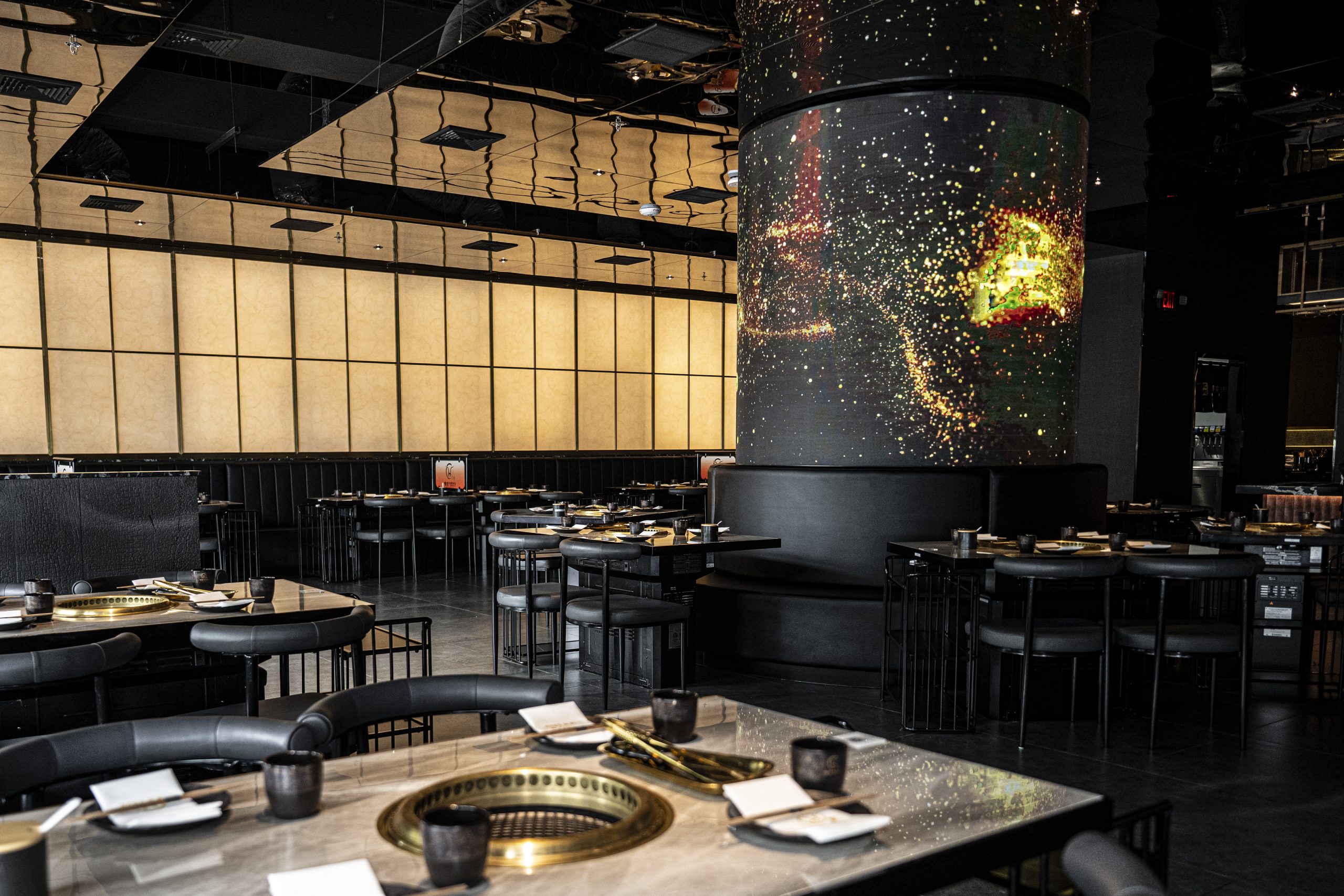
HYO (1222 Walnut St.): Nightlife veteran Justin Jordan plans an October opening for this Korean tabletop barbecue restaurant behind Hearsay, his indoor-outdoor sidewalk bar and listening lounge. Guests will enter HYO through a phone booth inside Hearsay. The restaurant is part of Jordan’s multilevel entertainment complex, which also includes Celine and the forthcoming Chancellor Room event space and karaoke lounge.
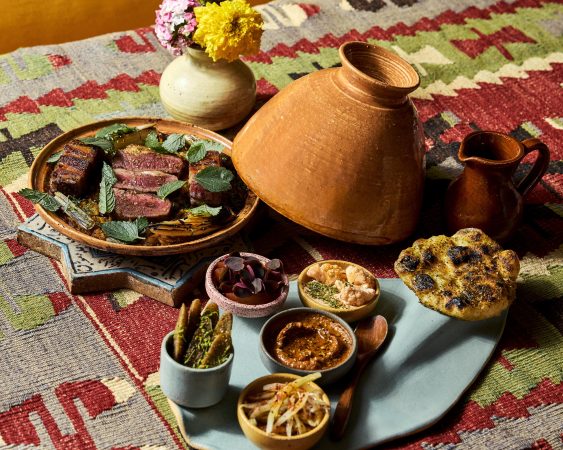
Jean (161 W. Girard Ave.): Emmett chef Evan Snyder and partner Julian van der Tak are going upstairs with a 15-seat tasting menu restaurant opening this fall. Snyder and chef de cuisine Antonio Pizzo will prepare a 12-course menu centered on a 7-foot wood-burning hearth, drawing on Algeria, Tunisia, coastal Morocco, and the southern Mediterranean for culinary influences. A tagine will roast throughout dinner before being served family-style.
Kato (1832 Frankford Ave.): Mei Meichef-owner Jay Ho is taking over the former Izakaya Fishtown space for a restaurant inspired by his Taiwanese father and the food Ho grew up eating. Influences from Korean, Thai, and Vietnamese cooking will broaden the menu. Ho, who hopes to open in late fall, plans to retain the front bar while replacing the rear sushi counter with additional seating that can double as a private dining area.
Lovat Square(184 E. Evergreen Ave.): Former Four Seasons sommelier Damien Graef and journalist Robyn Semien opened this Chestnut Hill wine shop and tasting room in February, offering small-production bottles, wines by the glass, and light fare. The couple, who also own Brooklyn’s Bibber & Bell wine shop, will debut a full dinner menu by the end of September.
Macaluso’s (3101 S. 13th St.): Realtor Joel Gruenke and restaurateur Mark D’Andrea, long-ago roommates at Valley Forge Military Academy, are looking at an early October opening of this white-tablecloth Italian restaurant at 13th Street and Packer Avenue, near the sports complex. D’Andrea’s family owns RoadHouse in Staten Island, N.Y. Gruenke says the moderately priced menu will stick to traditional Italian cooking and offer a full bar. Parking will be available across the street.
Mylar Bar (1636-38 S. Ninth St.): Hospitality veterans Liv Arterbridge and Gina Piccari are turning the former Dino’s Party Center into a festive neighborhood bar inspired by the building’s history. They promise something nostalgic, playful, and deliberately unserious. Drinks will include martinis, punches, classics, and draft beer. Chef Colin White, formerly of Sally and Emmett, will oversee shareable “party snacks,” larger plates, and desserts available late.
Nippy’s on South (1312 South St.): Nurse and first-time restaurateur Nikia Peterson has purchased the former Ms. Tootsie’s building for an ambitious restaurant and bar. Peterson plans a polished setting with seafood towers, steaks, Asian and Caribbean influences, a substantial happy hour, and weekend brunch. The project will revive a prominent South Street property that had remained closed since restaurateur KeVen Parker’s death in 2021.
O’Morrey’s (1720 Sansom St.): Chefs Biff Gottehrer and Kenjiro Omori are developing a cocktail bar on the former site of Genji, the Japanese restaurant created by Omori’s father. The name is a cheeky rendering of the Omori family name. Plans call for a comfortable neighborhood bar in the spirit of the Ripplewood, where both chefs work, with cocktails and a serious food component. Their second joint project, Tako Taco, is months away at the former Bing Bing Dim Sum in South Philadelphia.
Palm Vintage (1414 S. Penn Square): Houston Yang and Mike Beja, who opened this day-to-night cafe and cocktail bar across from City Hall in the Residences at the Ritz-Carlton, are close to expanding into a nighttime scene with cocktails, sushi, oysters, caviar, and light food in a lush, tropical-inspired room meant to offer an escape from Center City.
Panco (2300 S. Croskey St.): Chef Ryo Igarashi, whose background includes Tokio Global and Maru Global (noted for its takoyaki balls), is behind a corner shop in West Passyunk whose menu will focus on Japanese cutlets. He says it’s opening soon.
Philly Curio (2240 Frankford Ave.): Tattoo Arts Convention founder Troy Timpel is creating an intimate Kensington restaurant-bar around his private collection of curiosities (think tribal masks, skeletal displays, taxidermy, and glass-topped tables containing preserved animals). Inspired partly by Savannah’s Alligator Soul, Timpel has discussed a Cajun-Creole menu with small plates and unconventional proteins such as rattlesnake. Drinks are expected to include cocktails, wine, bottled beer, and limited drafts. Target is November.
Philly Po’Boy (102 W. Berks St.): Brothers Chris and Greg Lynch are bringing a taste of New Orleans to the storefront beneath the Berks station of the Market-Frankford Line. Chris spent years cooking in New Orleans, while Greg’s Philadelphia background includes Starr Restaurants and LMNO. Plans call for classic powdered-sugar-dusted beignets, gumbo, and a mix of classic and specialty po’boys like fried shrimp, oysters and roast beef “debris,” plus fries, Creole potato salad, and café au lait from coffee roasted by Applied Arts in New Orleans.
Santé Social(1546 E. Passyunk Ave.): Sommelier Daniel Solway is giving his roving dinner series a permanent home across from the Singing Fountain. The approximately 30-seat space will function less like a conventional restaurant than a flexible hospitality venue, hosting wine dinners, tastings, classes, collaborations, private events, and some walk-in service. Cocktails are being developed with Danny Childs of Slow Drinks and Field Day, while changing chefs and collaborators may shape the food programming.
Somedays Bakery (1601 Walnut St.): Hand-laminated croissants are the foundation of this Queens-rooted bakery, which deals in sandwiches, salads, soft serve, and coffee. It’s targeting the end of the month.
Thalassa (918 N. 28th St.): Matt Maltepes is looking at late October or early November for his Greek-inspired cafe in Fairmount that will serve baklava, croissants, and house-made ice cream in flavors that change weekly. Savory offerings will include small plates such as feta grilled cheese with honey, avocado toast, and bagels with cream cheese. The drinks menu will feature European-style coffee preparations, including frappes and Freddo espresso.
Looking ahead
Two major projects are now on the docket for January, as the owners don’t want to compete with the holiday-season madness:the Pelican Club, Stephen Starr’s flashy Greek-themed restaurant taking shape in the former Devon Seafood Grill on Rittenhouse Square, and the yet-to-be-named “punk French” restaurantthat chefs Justin Bogle and Arthur Cavaliere are creating at the former Winnie’s Manayunk.
The long-closed Mermaid Bar in Mount Airy will retain its name under the new ownership of pizzaiolo Dan Gutter and business partner Alex Carbonell of Circles & Squares and Pizza Plus. The project, announced earlier this year, is aiming at a summer 2027 rollout.
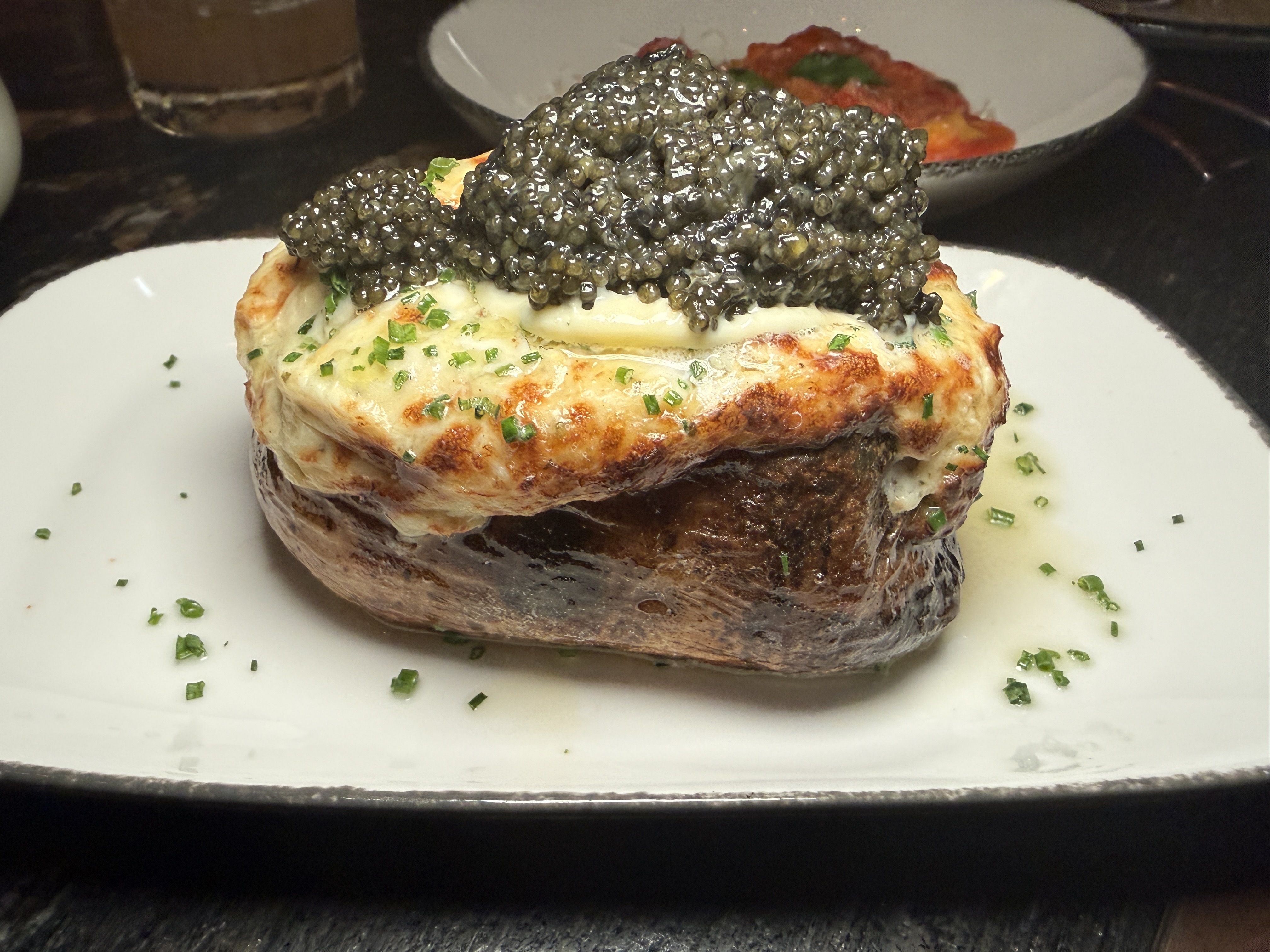
When the baked, crab au gratin-stuffed potato with a caviar “blackout” was placed in front of me at Mr. Edison’s bar, the man sitting next to me looked upon it with wonder. His eyes were transfixed upon the spud, which spewed crab cream — lightly broiled, like the top of a classic French onion soup — and lots of fish eggs from its potato casing. After he watched me take one bite and then another, he leaned over and asked, “Is that as good as everyone says?”
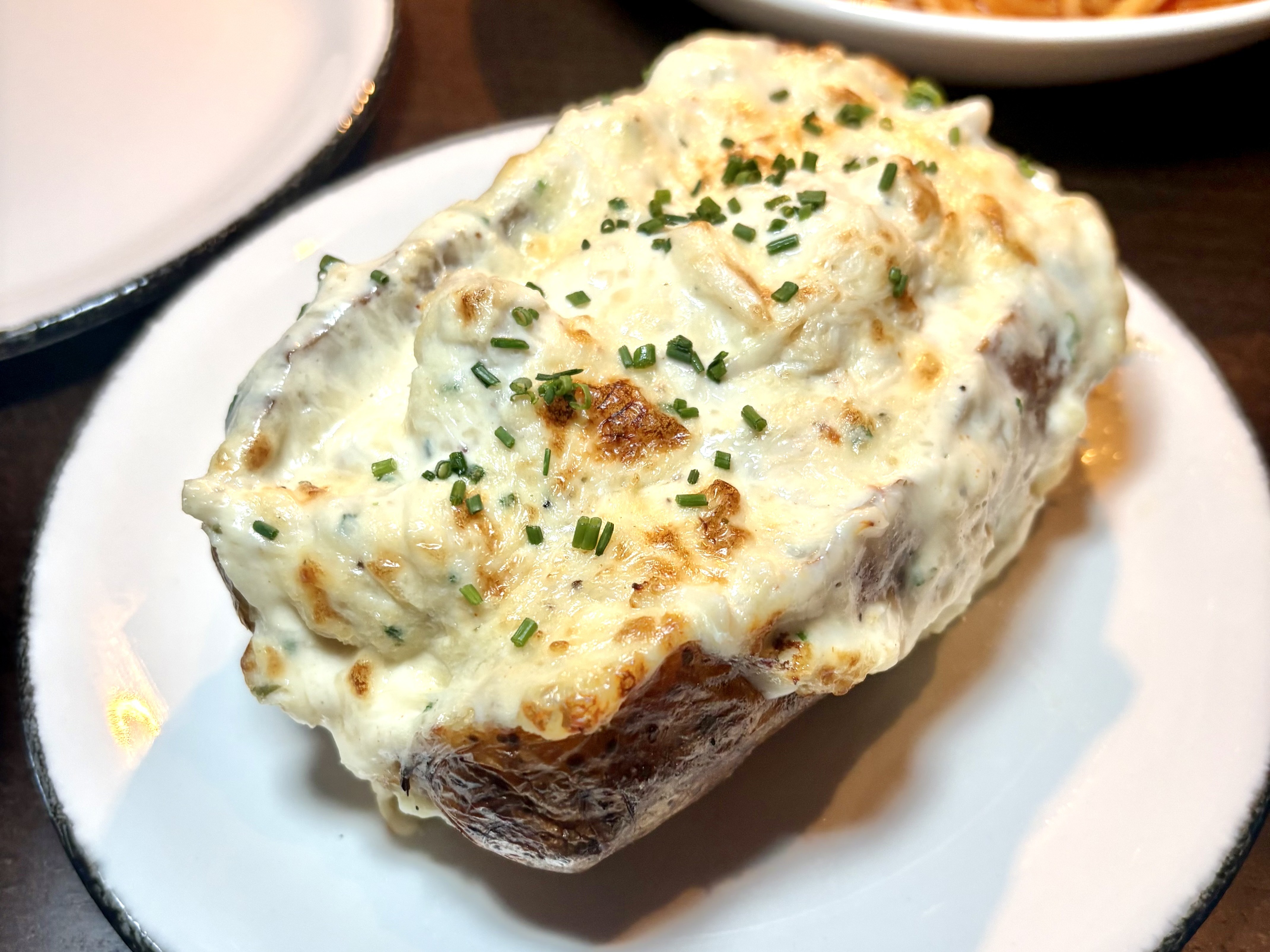
The $48 baked potato at Mr. Edison comes stuffed with crab imperial.Craig LaBan / Staff
Short answer: It is not. I wanted this absurdly expensive baked potato to be good. I love that baked potatoes, of all things, have been trending in the last year. And besides, my colleague, restaurant critic Craig LaBan, liked the non-caviar-topped version of it. It was one of the few bright points of his review of the splashy new restaurant in the Bellevue hotel: “The restaurant’s $48 baked potato, stuffed with nearly half a pound of sweet lump crab au gratin, was the most memorable thing I ate at Mr. Edison,” he wrote.
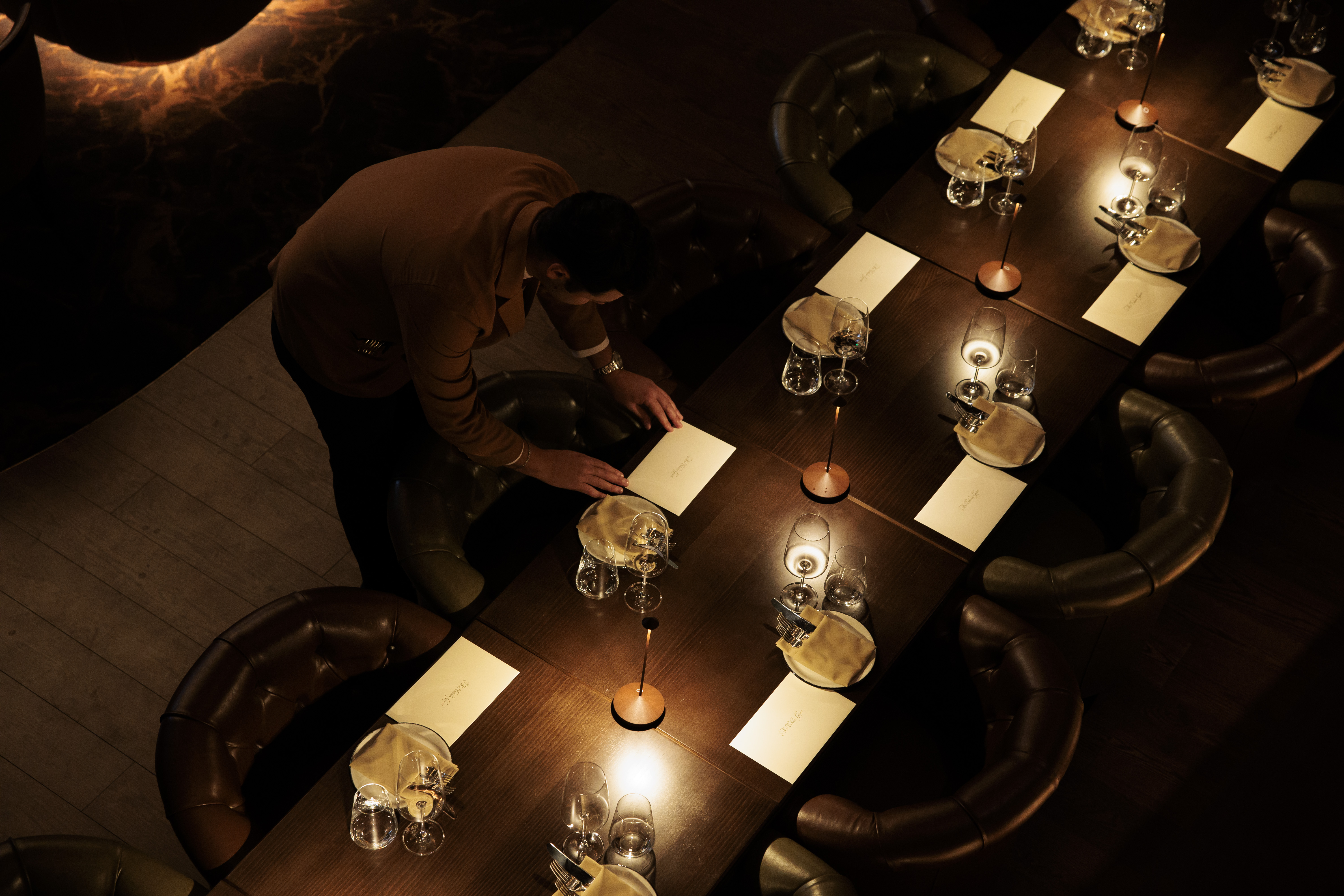
Thomas Angelina straightens the menus during service at Mr. Edison in the Bellevue Hotel on Tuesday, Aug. 18, 2026 in Philadelphia.Monica Herndon / Staff Photographer
The same restaurant can offer experiences that diverge widely, justas not all potatoes are created equal.
Alas, the baked potato I was served at Mr. Edison was all mush. “Well, a baked potato is usually all mush,” you might say. But think about a classic baked potato. There’s the crisp and chew of bacon bits; the gooeyness of melted cheese; bright, tangy, cold sour cream; a sharp pop of chives, all before you even get to the potato part. Precisely the kind of baked potato that’sall-you-can-eat for $15 on Wednesdays at Wine Dive, not even two blocks from Mr. Edison.
And if you’re eating a jacket potato from Mod Spuds in Graduate Hospital (five blocks away from Mr. Edison, with much better baked potatoes), you cantrust great attention was paid to making sure the potato skin is crispy.
The caviar-ladenbaked potato at Mr. Edison costs almost six times what a potato at Mod Spud’s costs. Is it six times better? It is not. There is always a chasm between cost and value. When it comes to the Mr. Edison’s baked potato, that chasm is very wide.
The ideas behind the dishes at Mr. Edison aren’t terrible. Cream belongs on a baked potato, and so there it is. People love crab. So there’s crab in that cream. And people love caviar, so put that on there, too. But somewhere along the way, it seems that the kitchen forgot to make the final result delicious in addition to expensive.
But we’re not really talking about an $88 potato here, are we?
We’re talking about that upcharge, the caviar that catapults a $48 baked potato (still wildly expensive) into the stuff of legend — or at least, the stuff that makes food writers like me write articles about it, including a $55 slice of pizza (it comes with caviar), a $59 pancake (it also comes with caviar, but thankfully, it’s delicious even without it), or a $140 cheesesteak (it comes with truffles, foie gras, and champagne).
My colleague Michael Klein, who wrote about that $55 slice of pizza from Marina’s Pizza, said that it felt like a stunt. Indeed, caviar is seemingly everywhere now. Give me all the high-quality caviar all the time. But caviar for caviar’s sake? It’s starting to feel like it’s going the way of truffle oil.
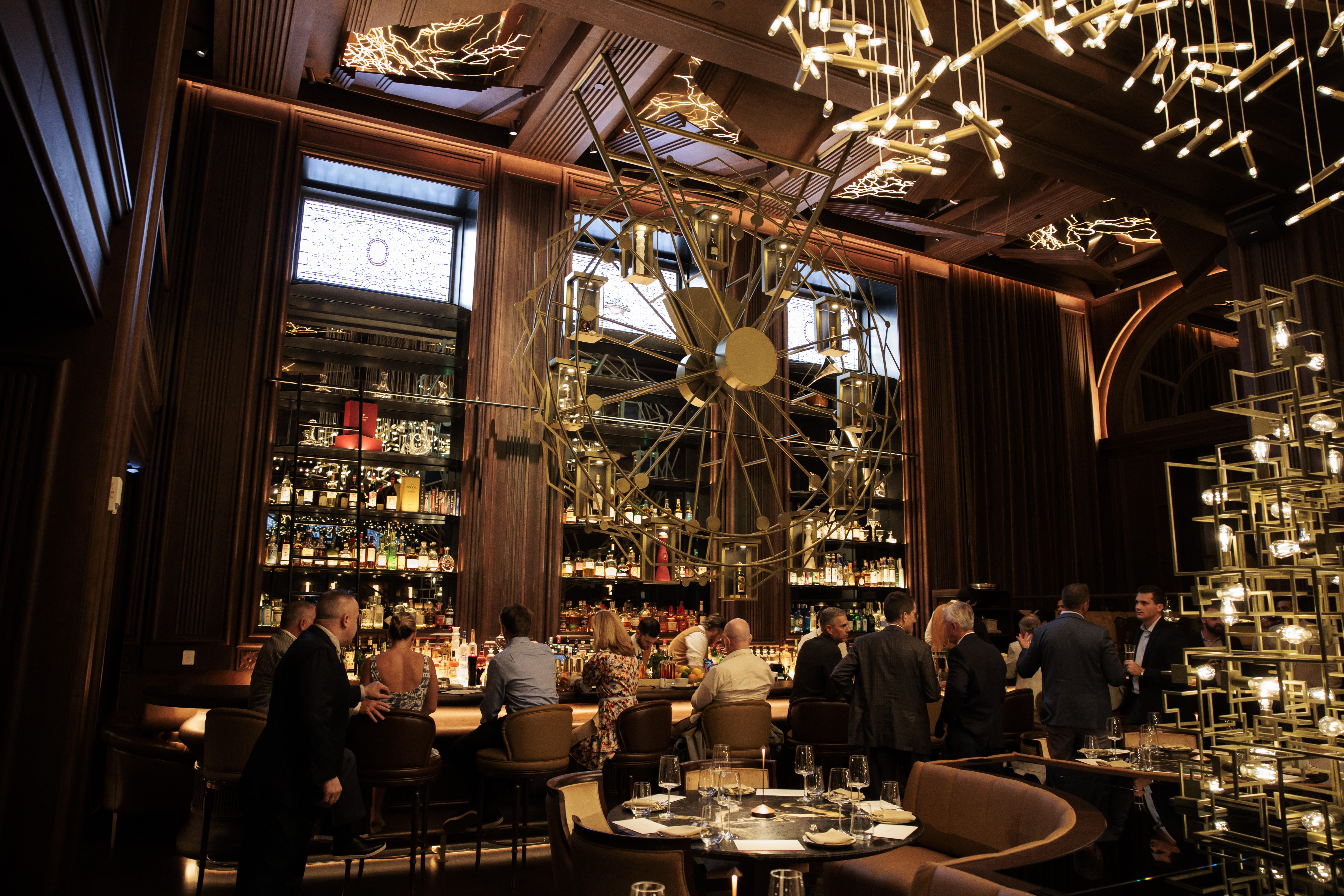
The bar at Mr. Edison in the Bellevue Hotel on Tuesday, Aug. 18, 2026 in Philadelphia.Monica Herndon / Staff Photographer
Beware: Caviar is great. Baked potatoes are great. But more caviar and/or money does not buy you a better baked potato. It does, however, buy you the privilege of eating a baked potato in the company of a live pianist, sitting under a Ferris wheel that houses equally astonishingly expensive bottles of liquor.
In our quest to keep you up to date on the restaurant scene, here are 12 spots that opened in the last few months. One example is Ogyu (shown above), which took over Ardmore’s former Iron Hill Brewing. It’s a grill-it-yourself Japanese steakhouse from the owner of the nearby Osushi.
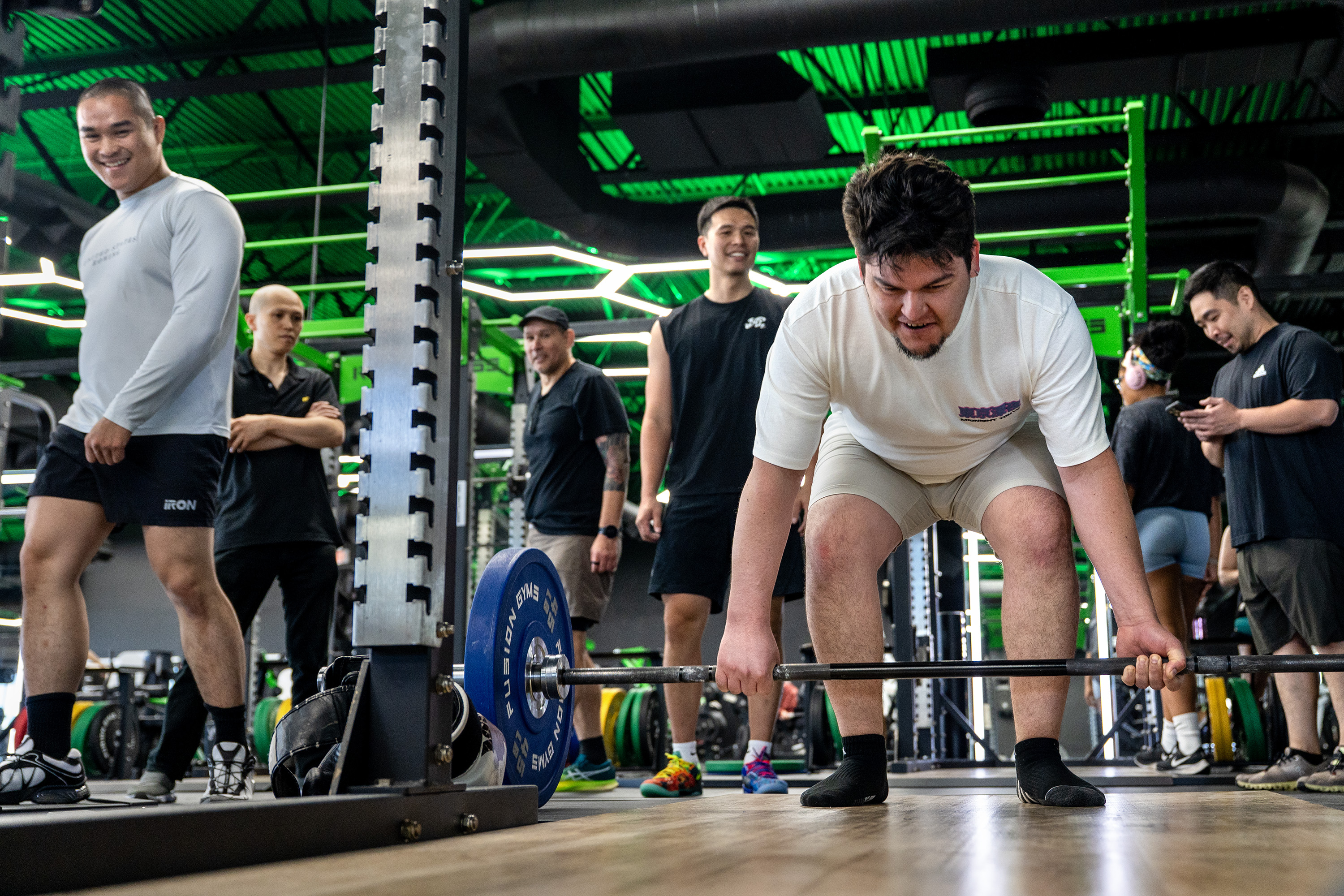
You have to be in shape to lug around 100-pound salmon and tuna. Kiki Aranita found a group of sushi chefs who routinely lift weights. As they say in the maki game: no pain, no grain.
A couple didn’t want their local drinking spot to shut down for good. Sarah Nicell writes that they found a solution: They bought it.
The lines are long, and the branding is adorable. Kiki Aranita visits Kyo Matcha in Chinatown.
Pinot grigio is wildly popular for a good reason, and wine writer Marnie Old explains where the best ones come from.
Poe is expanding
Sandwichmeister N.A. Poe will expand the hours of his kitchen operation at Poison Heart next week while preparing to open a new Poe’s Sandwich Joint location by the end of the year.
Starting Tuesday, Poe’s will operate seven days a week out of Poison Heart, 931 Spring Garden St., where he’s run the cocktail bar’s kitchen since last September. Daytime service will be pickup, takeout, and delivery only; Poison Heart itself will not open for daytime bar or dine-in service.
Poe, the nom de plume of Richard Tamaccio Jr., is not disclosing the new joint’s location or opening date. “We look forward to the freedom to do things our way without interference or apologies,” he said.
The move follows Poe’s split with Human Robot Brewing Co., where he had operated since 2019. His last day at Human Robot’s Kensington location is Thursday. Cantina La Martina will take over Human Robot’s kitchens at both Kensington and Brewerytown. Poe also parted company with the Monto, a new Old City bar.
At Poison Heart, Poe’s will operate from 11 a.m. to 9 p.m. Sunday through Tuesday and 11 a.m. to 6 p.m. Wednesday through Saturday. Poison Heart’s regular Wednesday-through-Saturday evening service will continue, with Poe’s classics and specials added to the menu.
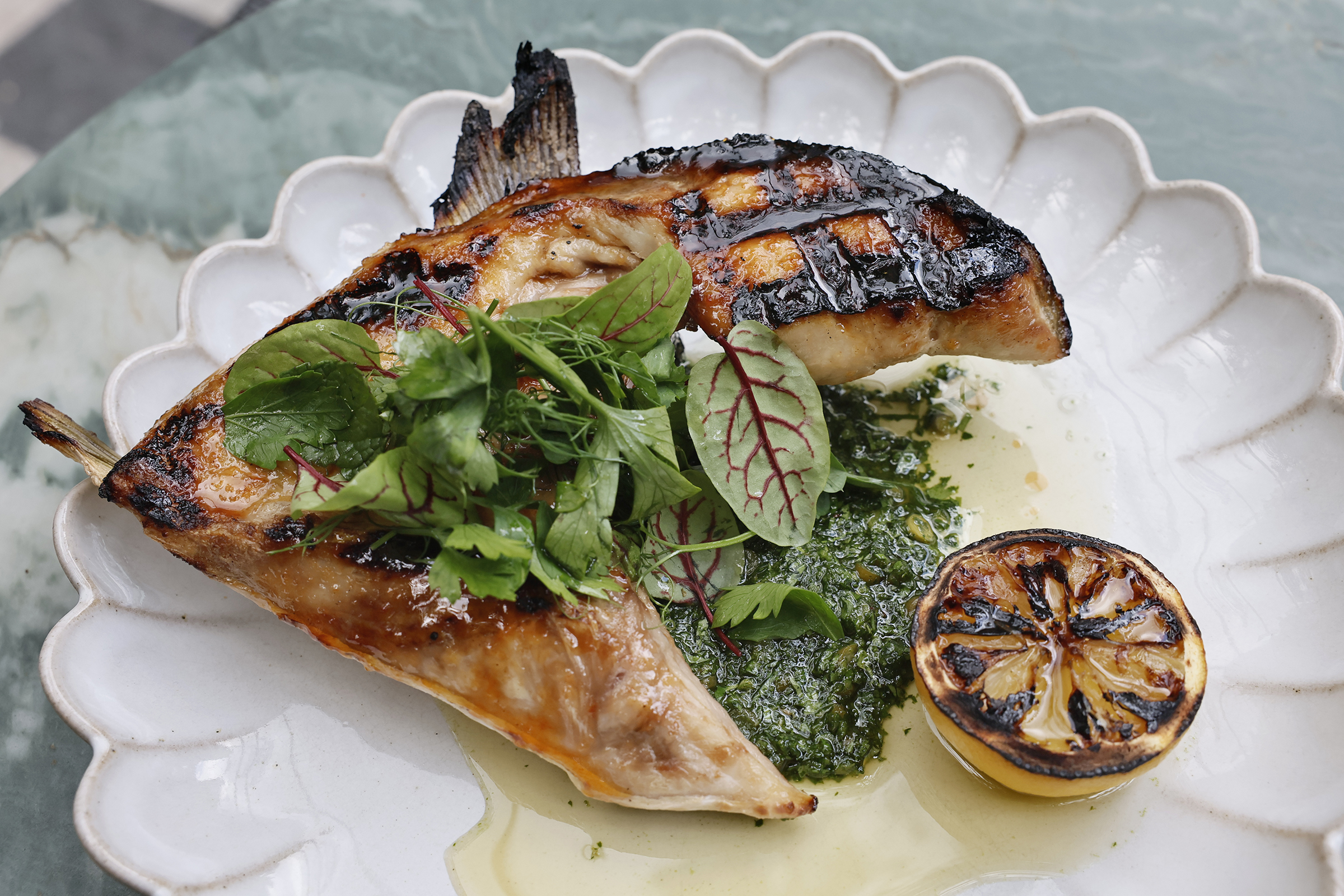
Two tasty bright spots of a staycation for Emily Bloch and her boyfriend included hamachi collar and poolside swordfish skewers. In other words: There’s great fish to be had in Fishtown.
Scoops
Old Friend, an upscale restaurant with a wood-fired grill and a chef with a Center City pedigree, is coming to the Main Line later this year.
Corte, on its way to the former East Market home of Mulherin’s Pizza, will have an Italian backbone, focusing on handmade pasta and cooking from the wood-fired oven. If that sounds like University City’s Corio, that’s because the same crew is behind it.
Big Charlie’s Saloon, the nationally known Kansas City Chiefs-theme bar in South Philadelphia that closed with the owner’s death last December, is under agreement of sale. The buyers’ plans don’t include NFL memorabilia.
Restaurant report
We’re in a New York state of mind:
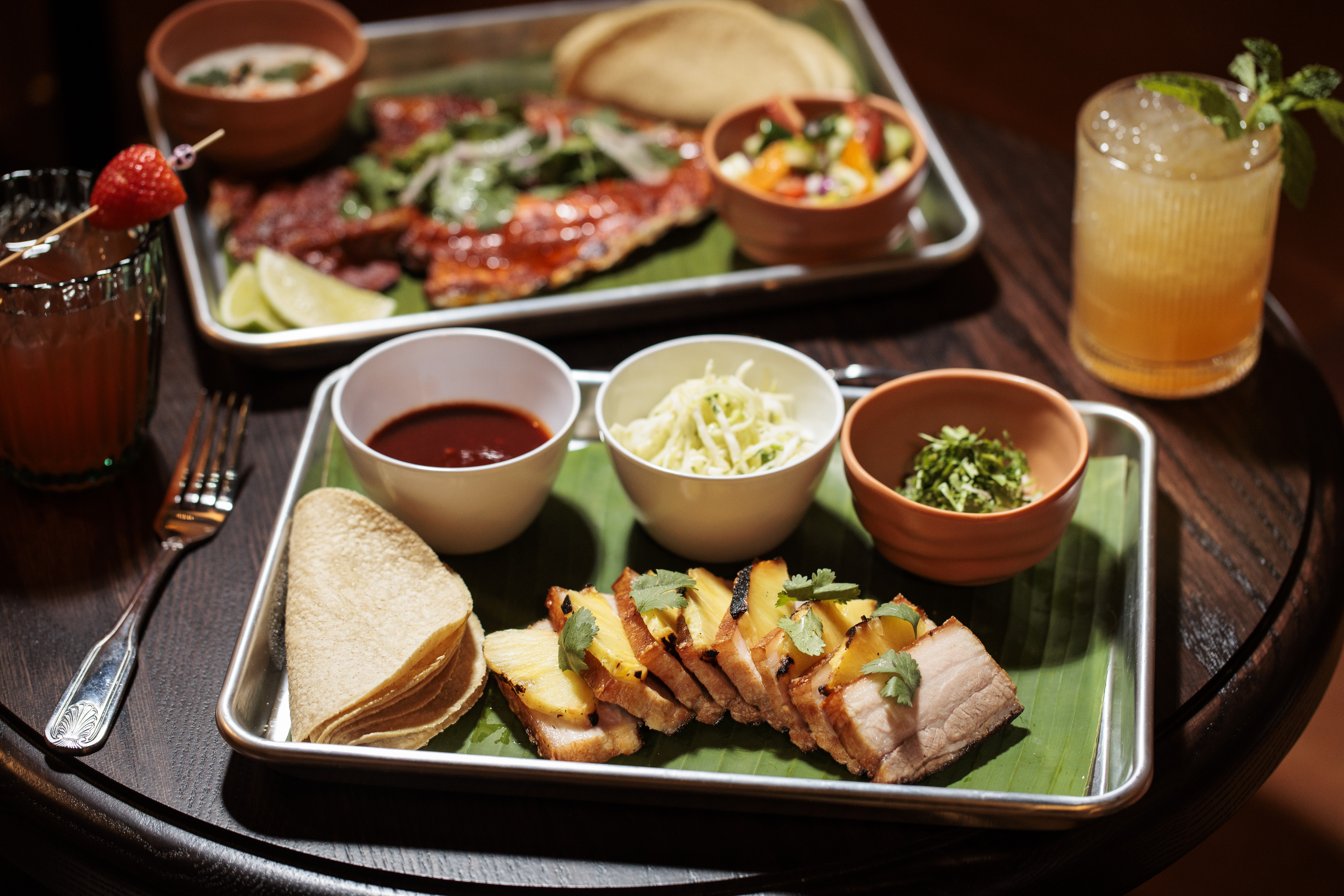
Dorade asado and pork belly al pastor (shown above) are two dishes offered at the new Mixteca, the Kensington offshoot of a Manhattan agave-focused coctelería from two James Beard Award-winning bartenders. Beatrice Forman heads to the former Martha for a look around.
Smash burgers and fries are the hook at 7th Street Burger, a fast-growing Manhattan-based burger chain that just opened the first of four Philadelphia-area locations in Fishtown. Kiki Aranita takes a bite.
Briefly noted
Jose Pistola’s 19-year run in Center City has ended. Its related bars in Fishtown and South Philadelphia are unaffected.
Mount Masala Himalayan Cuisine (300 White Horse Rd., Voorhees) will host a Nepal disaster-relief fundraiser on Thursday, Sept. 10 from 5 p.m. to closing under the auspices of South Jersey Food Scene. It’s a $25 buffet of Nepali-Himalayan dishes for dine-in or takeout, with all sales donated to the Nepalese government for flood relief.
🥂 New Jersey has permanently allowed the sale and delivery of to-go alcoholic beverages in towns that permit it.
Ask Mike anything
Did Philip Korshak ever open his store, Korshak Picnic Provisions? — Joan M.
Back in February, Phil Korshak, the poet-baker who left town in 2023 after closing his cult-favorite Korshak Bagels, thought he’d open his quirky corner store at 13th and Reed Streets by May. However, “you have no idea how many contractors, electricians, and plumbers go to Europe and Japan in the summertime,” he told me in June. This week, Korshak said the store — now called Korshak Parkside Provisions — is in the health department inspections queue and he’s expecting equipment deliveries. “Let’s call it October,” he told me.
📮 Have a question about food in Philly? Email your questions to me at mklein@inquirer.com for a chance to be featured in my newsletter.
By submitting your written, visual, and/or audio contributions, you agree to The Inquirer’s Terms of Use, including the grant of rights in Section 10.
Anthony Bourdain spent much of his career telling audiences that the best way to understand a place was to resist the easy story about it.
Tony, the new movie about his formative summers in Provincetown, Mass., might have taken that advice.
Director Matt Johnson’s film is an affectionate, funny, atmospheric, and beautifully acted origin story about the future chef, writer, and television personality. Its smartest decision is to avoid trying to encompass Bourdain’s entire life, which ended with his suicide in 2018 at age 61.
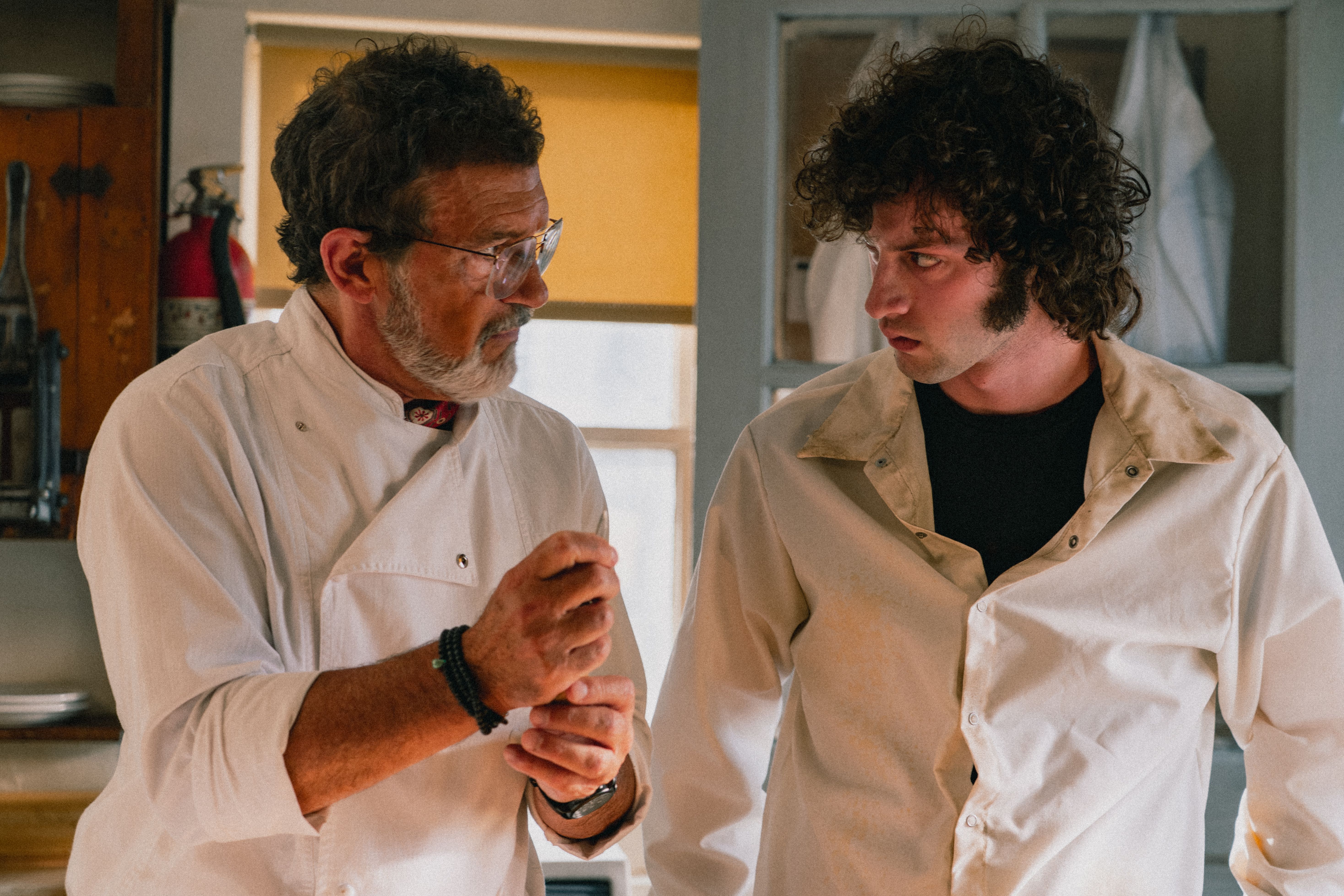
Antonio Banderas (left) as a chef-mentor with Cherry Hill native Dominic Sessa as Anthony Bourdain in “Tony.”A24
Instead, Tony concentrates on the period when a privileged, unhappy teenager from New Jersey stumbled into a restaurant kitchen and discovered a world more exciting than his own.
The historical outline is true. The story Tony builds around it is considerably less so.
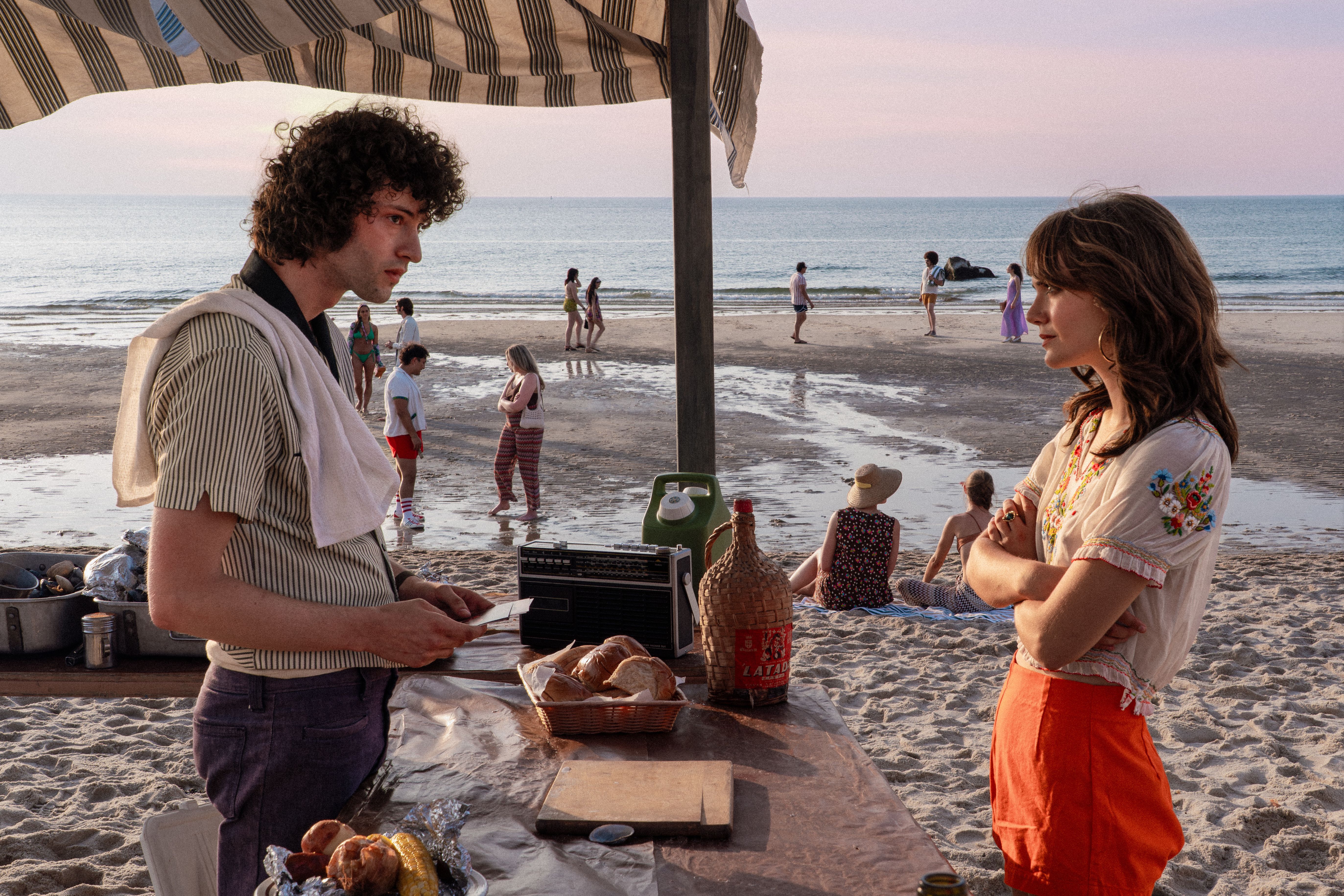
Cherry Hill nativeDominic Sessa, who made an impression in The Holdovers, plays Bourdain at 19: a Vassar student, would-be writer, romantic, poseur, and world-class pain in the a—. He arrives in Provincetown chasing both an idea of himself and Nancy Putkoski (Emilia Jones), his girlfriend and eventual first wife.
Sessa wisely avoids a Bourdain impersonation. Rather than reproduce the familiar television cadence or Parts Unknown mannerisms, he gives us a young man who has not yet earned the persona he is trying on.
Bourdain later described his younger self as spoiled, narcissistic, miserable, and self-destructive. Tony takes him at his word. This Tony is clever but not nearly as clever as he thinks, hungry for experience but desperate for other people to notice him having it.
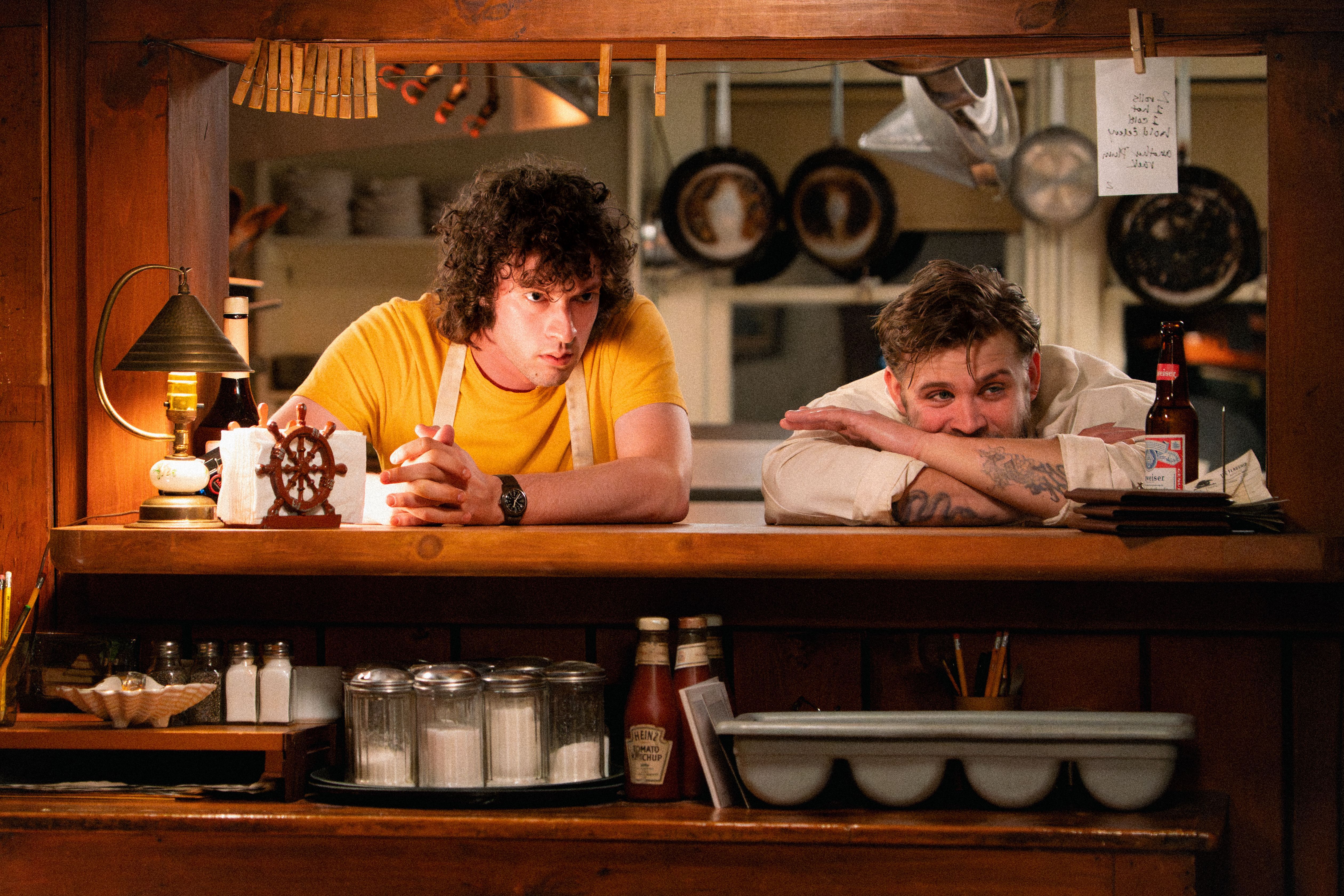
The movie becomes much more interesting once he lands a job washing dishes at the Flagship, a waterfront seafood restaurant in Provincetown that Bourdain renamed the Dreadnaught in Kitchen Confidential.
Here Johnson has something unusually valuable for a biopic: Bourdain’s own account of being seduced by the restaurant life.
He remembered the Flagship cooks as pirates and gods, former hippies, drifters, and hard-living professionals who drank, swore, stole, screwed, and seemed afraid of nothing. To a sheltered young man searching for an identity, they represented an intoxicating alternative to his comfortable world.
Cherry Hill native Dominic Sessa as Anthony Bourdain with Emilia Jones as Nancy, his girlfriend, in “Tony.”A24
Tony is at its best capturing that attraction.
The kitchen is hot, filthy, profane, sexually charged, and physically punishing. The cooks haze newcomer Tony, who starts in the dish pit and discovers he likes being useful, gradually working his way toward cooking.
Sessa is especially good at conveying Tony’s fascination with people who seem more authentic than he feels.
Leo Woodall plays Sal, a charismatic cook with the confidence, appetites, and recklessness Tony envies. Antonio Banderas supplies the opposite influence as Ciro, the restaurant’s chef-owner, a disciplined professional who sees something worth cultivating in the callow teenager.
Both are effective characters. But neither should be mistaken for straightforward biography.
That is the complication at the center of Tony.
The movie draws from the opening sections of Bourdain’s 2000 memoir, Kitchen Confidential, and his later recollections in a 2014 Parts Unknown episode. With thin source material, Johnson and his cowriters have filled the gaps aggressively.
Johnson has acknowledged that he compressed Bourdain’s several formative summers in Provincetown into one, set in 1975. Nancy was real and worked at Spiritus Pizza, a gathering place in Bourdain’s Provincetown years. The Flagship was real, and Bourdain began there as a dishwasher. His fascination with its swaggering cooks comes directly from his writing.
Much of the rest is interpretation. Relationships are reshaped and characters are combined. Experiences Bourdain described retrospectively become revelations occurring in real time.
That is hardly unusual for a biopic, and some of the inventions work.
Nancy is not merely the girlfriend waiting to recognize the greatness everyone in the audience knows is coming. She is often the person least impressed by Tony’s performance of himself, and Jones gives her enough intelligence and independence to puncture his pretensions.
Banderas brings a quiet dignity to a movie otherwise swimming in adolescent testosterone. But Ciro appears largely to be a composite created to give Bourdain something his own account of Provincetown did not provide so neatly: a moral mentor.
Sal serves the opposite function. He represents the seductive outlaw kitchen culture Bourdain embraced — drugs, sex, appetite, danger — and its costs.
The arrangement is dramatically efficient: two models of the man Tony might become.
It is also awfully tidy.
Bourdain’s relationship with restaurant culture was more complicated. The same world that gave him purpose also gave him permission to indulge some of his most destructive instincts. He understood that contradiction particularly well in middle age, when he returned to Provincetown for Parts Unknown and discussed his past with considerably less nostalgia.
Tony occasionally seems reluctant to live with that ambiguity.
Johnson, cinematographer Michael Bauman, and production designer Ryan Warren Smith compensate with a Provincetown rendered in a hazy mid-1970s glow. The movie moves languidly between the restaurant, Nancy, parties, beaches, and the community around him. At its best, it feels less like a conventional biopic than a memory of a summer whose significance became clear only later.
Some of Bourdain’s later literary observations are handed to his teenage self, a familiar biopic trick that makes young geniuses sound suspiciously like their accomplished older selves.
That is unfortunate because one of the interesting things about Bourdain’s story is how long it took him to become Anthony Bourdain.
He did not emerge from Provincetown as the finished article. He still had the Culinary Institute of America, decades of restaurant work, addiction, failure, writing, celebrity, television, travel, and reinvention ahead of him.
What Provincetown gave him was simpler: restaurants.
Bourdain found satisfaction in washing dishes and learning to cook. He discovered a tribe whose confidence and camaraderie fascinated him and people whose lives bore little resemblance to his cushy upbringing. Eventually he recognized that cooking might offer something writing had not yet provided — a place to belong.
Those facts are compelling enough without forcing them into a neat transformation.
That is why Tony succeeds when it stops trying to show us the instant Anthony Bourdain became Anthony Bourdain. The more it simply observes a confused young man falling in love with restaurant life, the closer it gets to the truth.
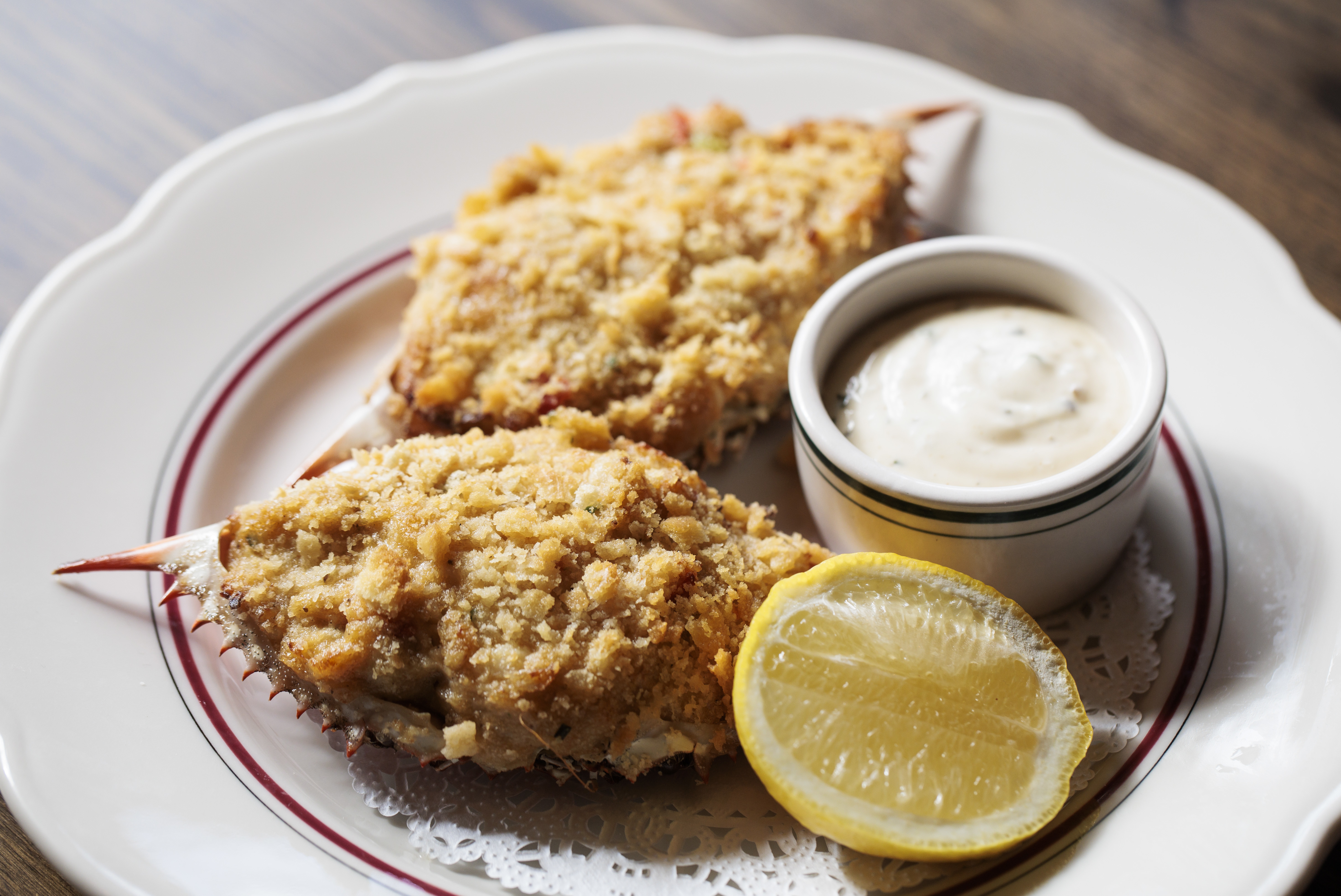
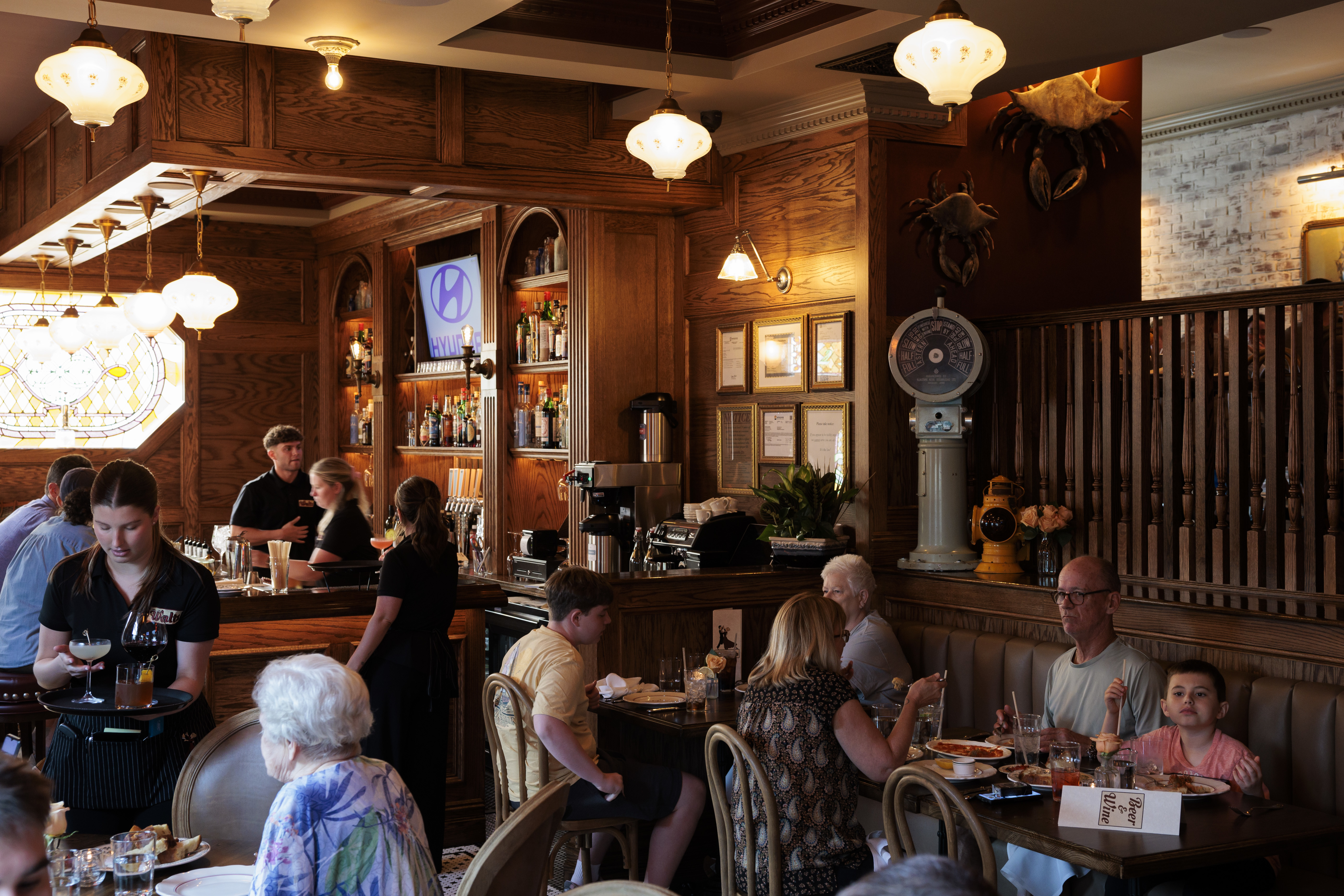
If you didn’t know better, you could be convinced — as you slide a spoonful of lightly breaded crab cake out from its stuffed shell, gaze at the soft light pouring through stained glass windows, and sip a frosty martini — that Waltz, at Front and Ritner, has been dancing on this corner of deep South Philadelphia for decades.
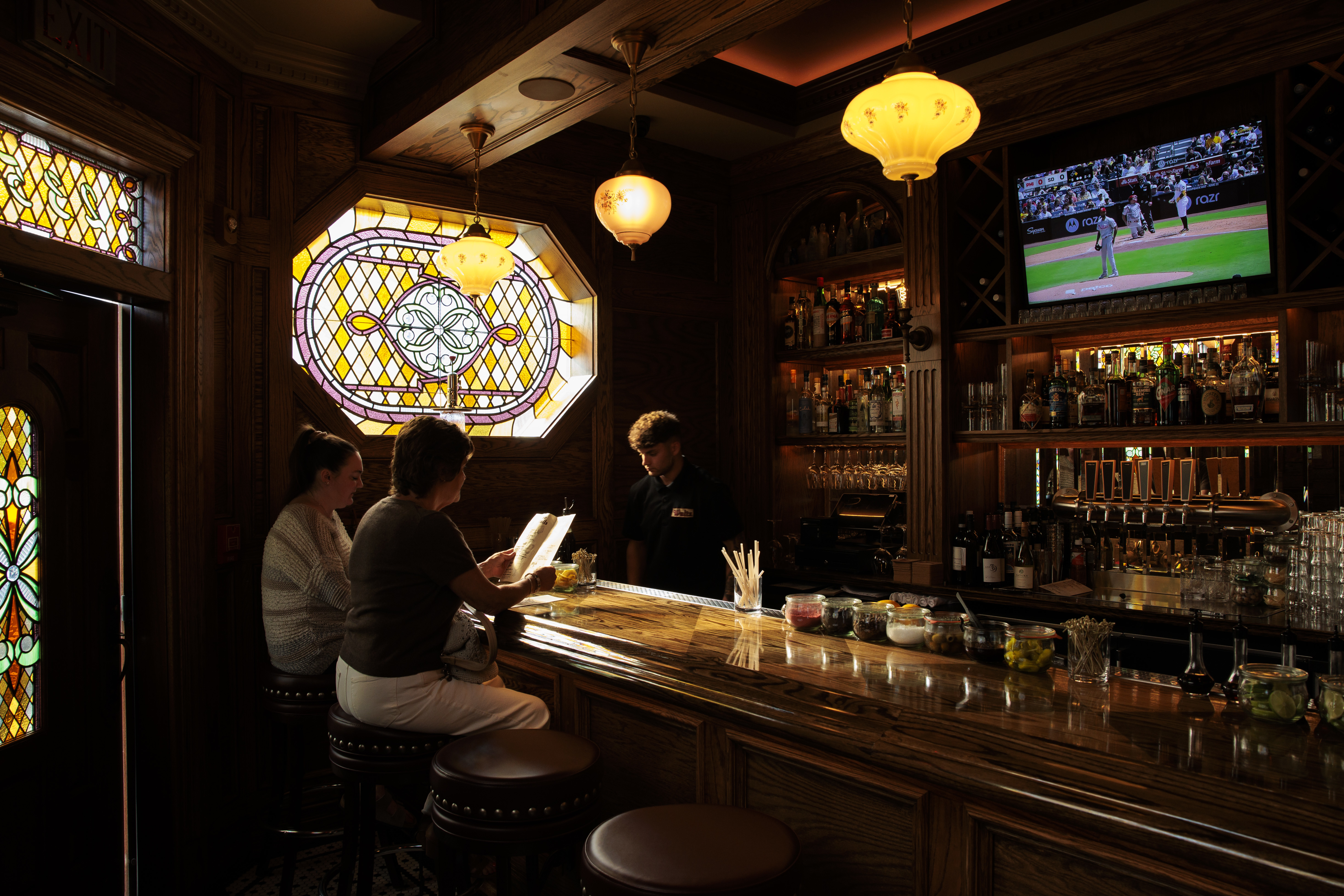
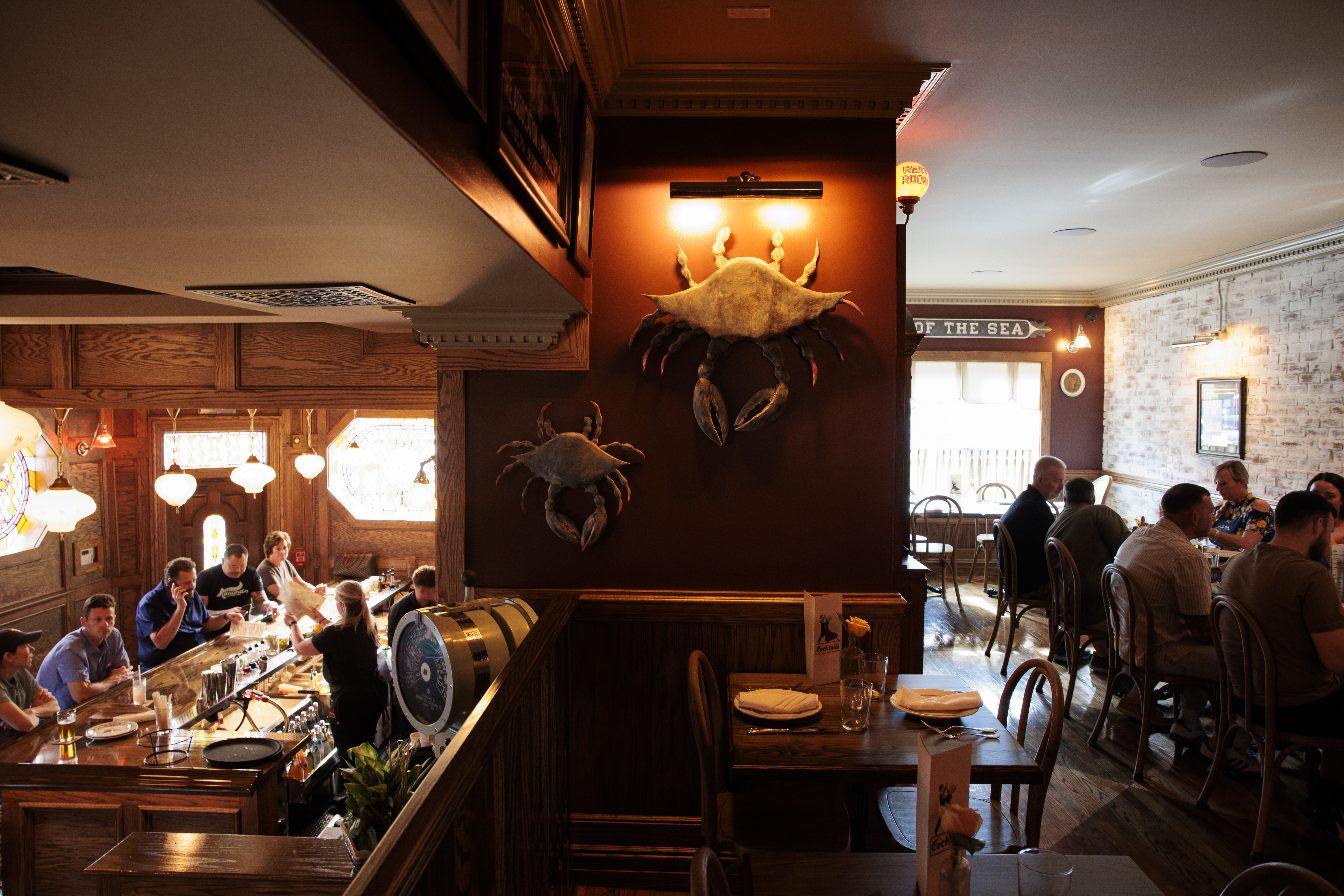
Cue the crowds that reliably fill the bentwood chairs in its wood-paneled downstairs bar and the bustling upper dining room even on weekdays. Forks angle through heaping platters of spaghetti while the Delfonics, O’Jays, and other Philly soul greats croon in the background. The vintage vibes here are pristine — except for the fact that Waltz is not vintage at all, but a five-month-old passion project thatunpretentiously delivers a style of polished Italian American dining that’s been on the slow fade for decades due to demographic shifts and changing tastes.
Celine Tobin and Joey Dougherty work at Waltz on Wednesday, May 27, 2026 in Philadelphia.Monica Herndon / Staff PhotographerThe bar at Waltz on Wednesday, May 27, 2026 in Philadelphia.Monica Herndon / Staff Photographer
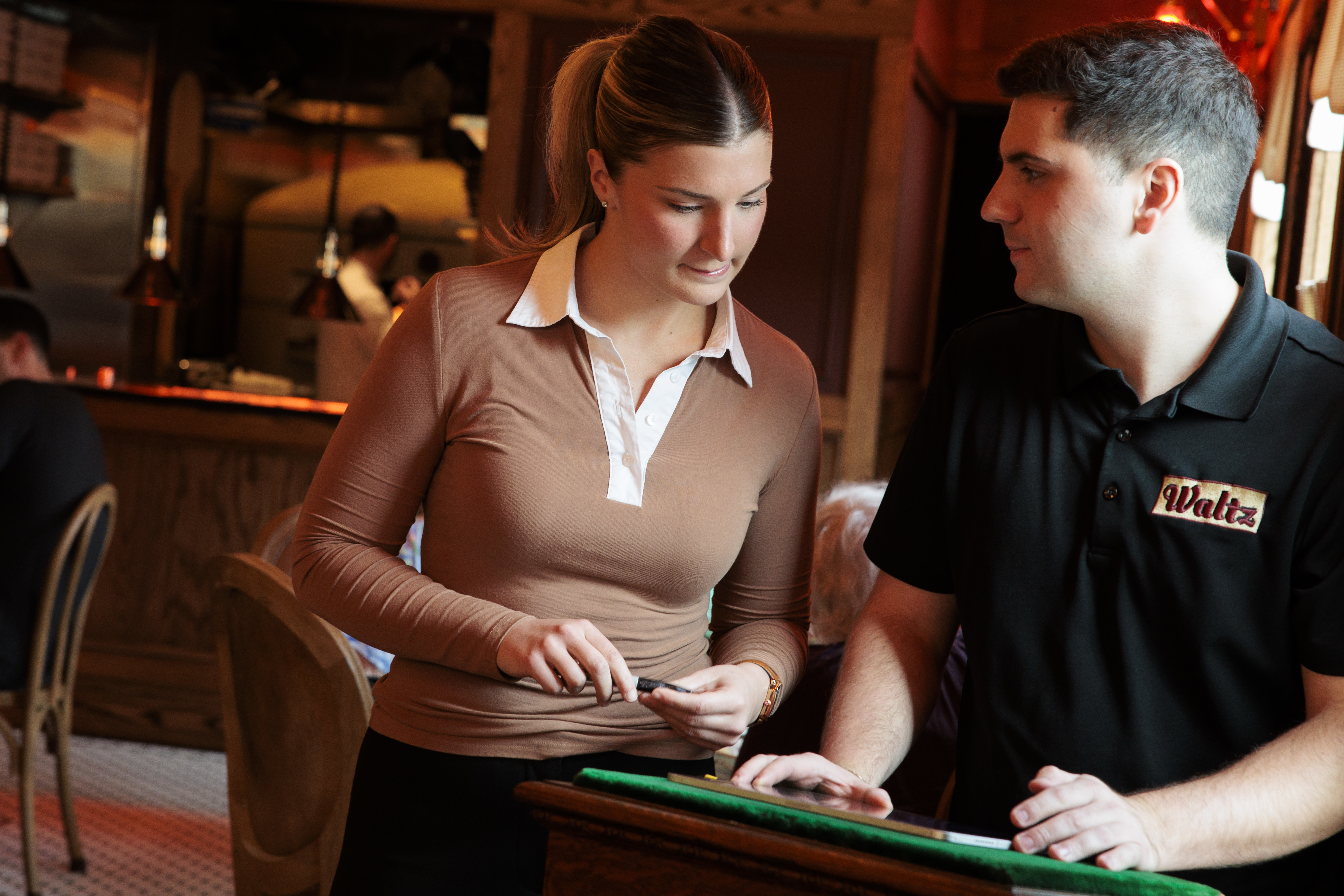
This restaurant’s charm is more than just a wistful nod to “they don’t build ’em like that anymore” nostalgia. Waltz is anything but stale from the moment you’re greeted warmly at the maître d’ stand, most likely attended by manager Celine Tobin, who also happens to be co-owner Joey Dougherty’s girlfriend. A wood-fired oven beckons from just beyond in the partially open kitchen, where the 800-degree hearth fuels a menu built around pizzas, roasted meats, and house pastas.
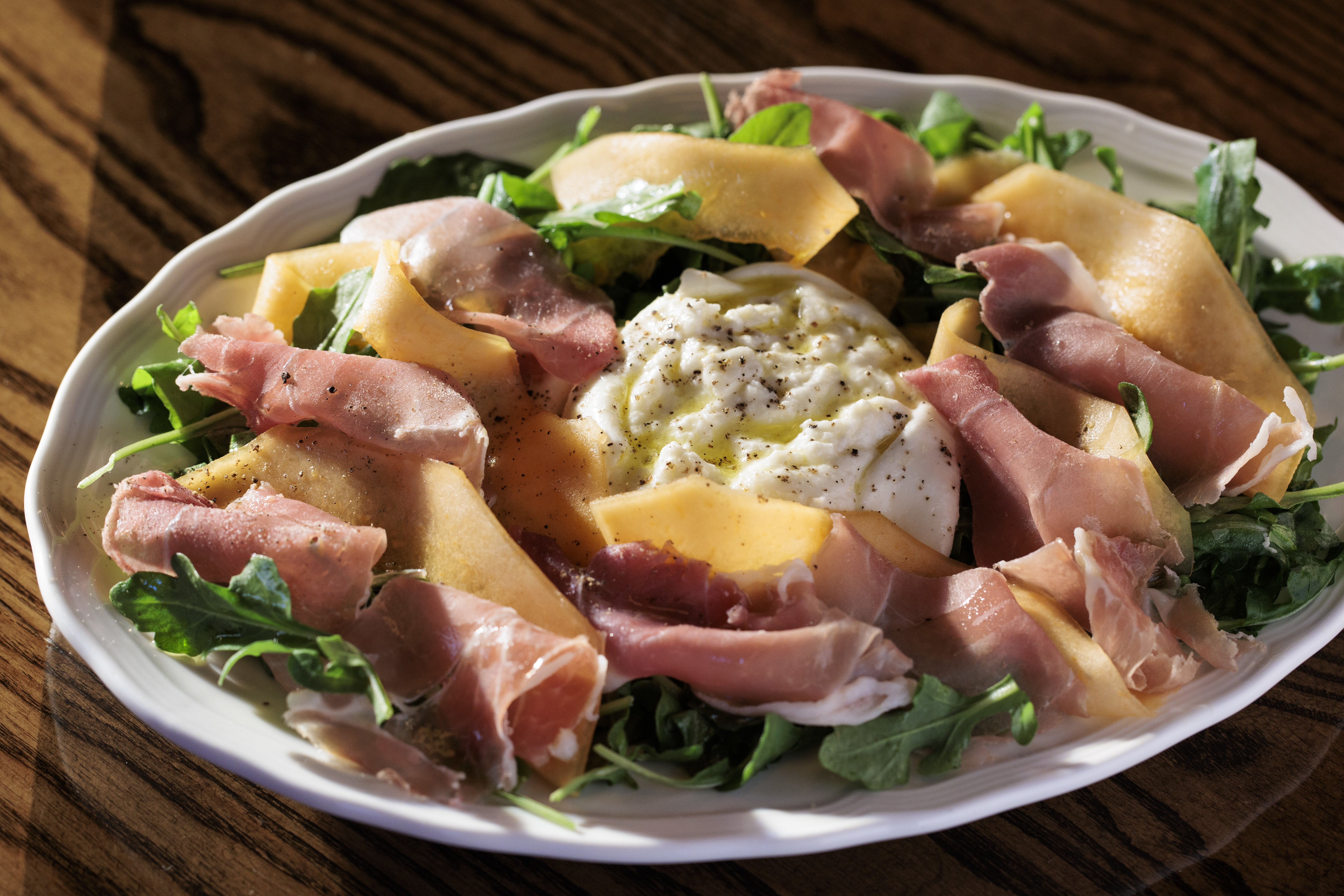
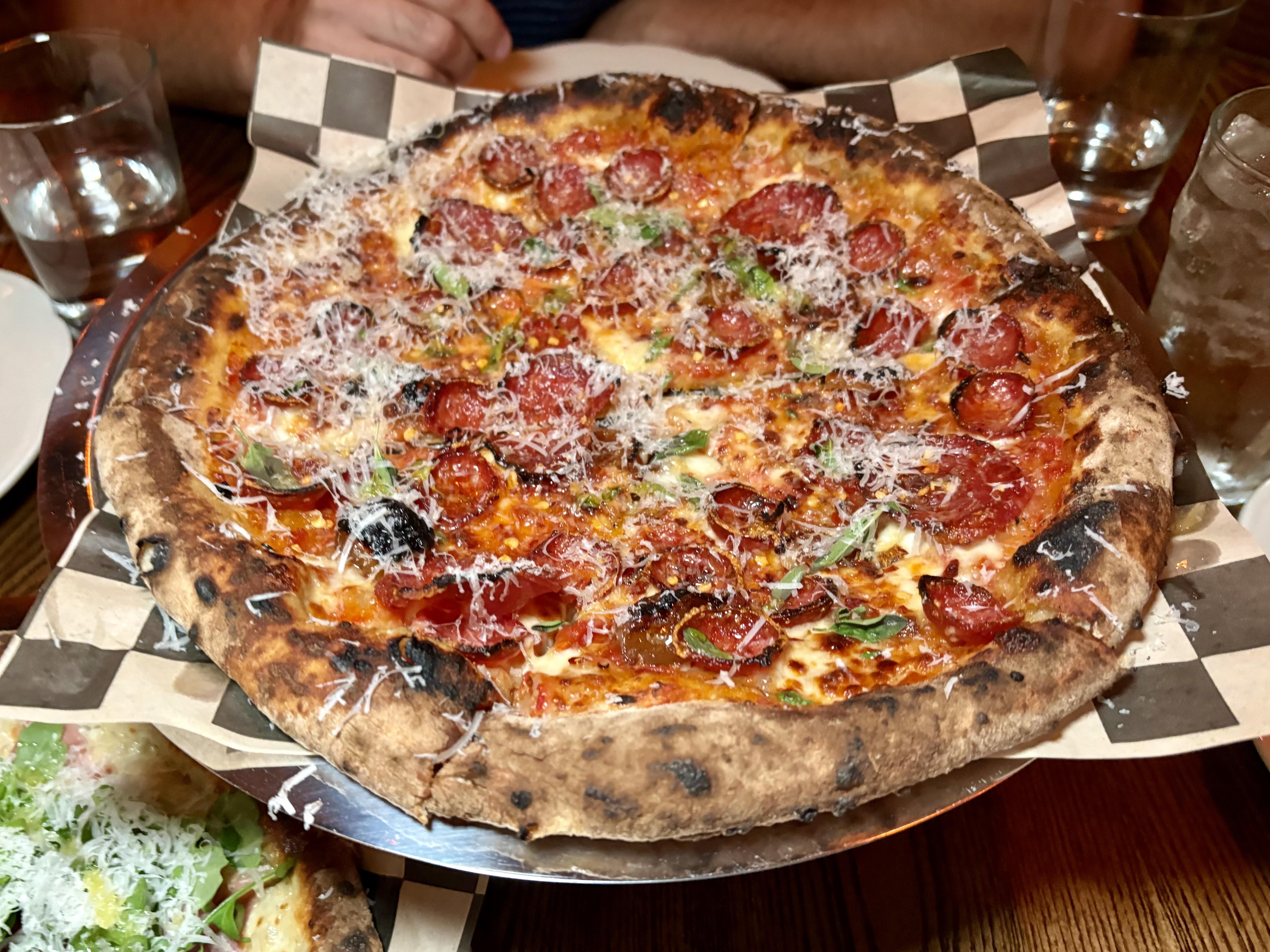
The menu, conceived and implemented by consulting chef Eric Leveillee, formerly of Lacroix at the Rittenhouse, is key to Waltz’s allure, offering a familiar repertoire of popular dishes, then raising the bar with added elements of craft. The mozzarella is hand-pulled from Caputo Bros. Creamery curds just before service, so the milky white burrata — its core stuffed with rosemary-infused mascarpone — is extra sweet when draped with salty pink curls of prosciutto, juicy cantaloupe, and peppery green olive oil. The pizzas are made from sourdough, which lends their crusts an extra crackle, complexity, and tang.
The burrata with prosciutto, melon, and olive oil at Waltz on Tuesday, Aug. 4, 2026, in Philadelphia.Monica Herndon / Staff Photographer
Thehouse-extrudedpastas gain extra vibrance from their springy texture. There’s noticeable resilience in the wide lumache elbows, for example, whose bounce stands up to a spiced blush sauce that’s not simply rich with cream and fistfuls of crab, but boosted by the depth of a freshly steeped crab stock. That pasta, as well as the signature appetizer of crab cakes, is a nod to the hard-shell history of this address’ previous occupant, Anthony’s Crab House.
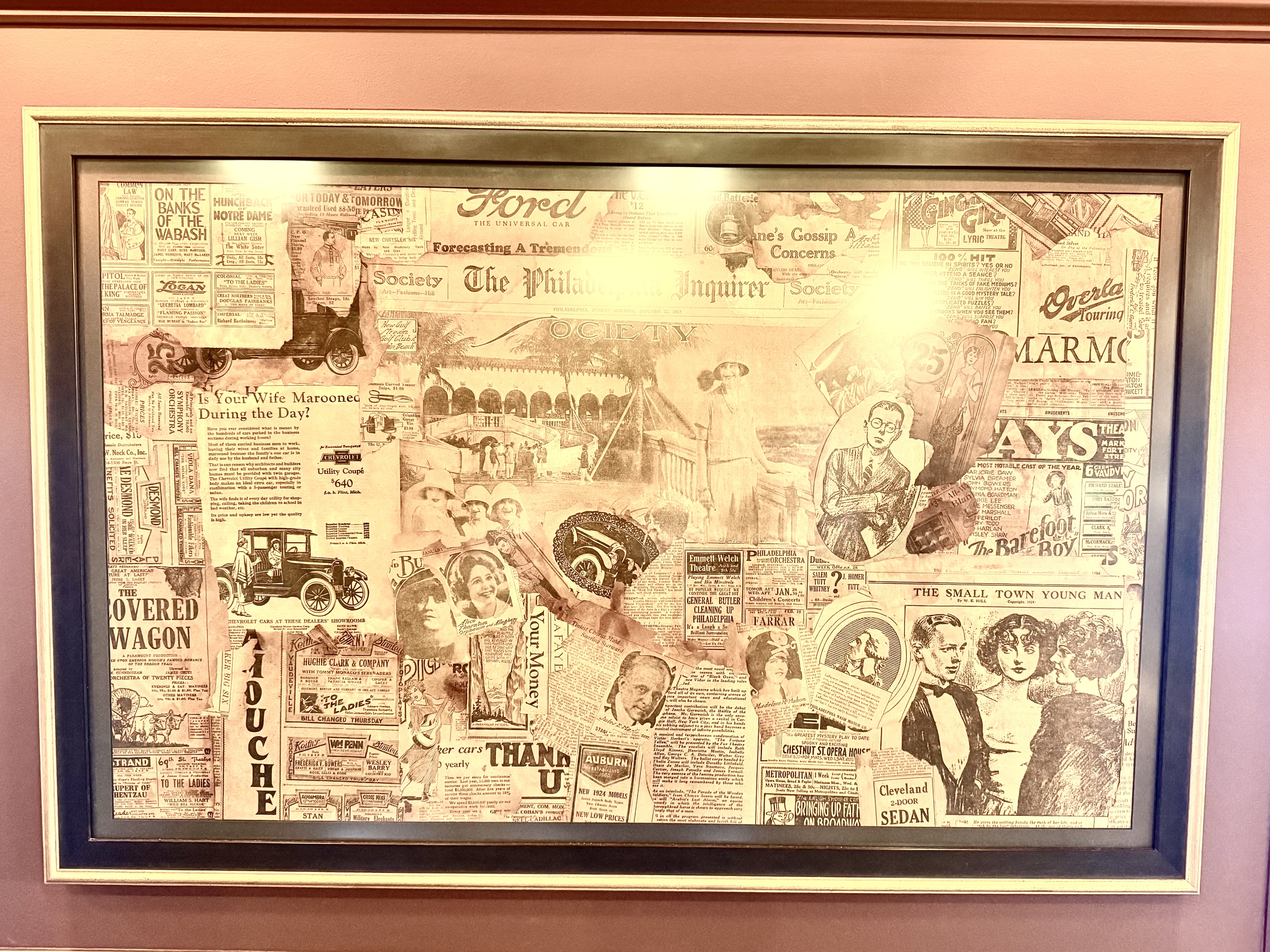
Waltz is a wordplay tribute to the Whitman neighborhood at the city’s southeasternmost corner, an area near the port bordered by railyards and strip malls rich in casual dining options (John’s Roast Pork, Wolf Burger, Oregon Diner, and the newly opened Angelo’s location), but slim on date-night draws. Dougherty aimed to answer that need by rehabbing this corner haunt, which had fallen into disrepair a block from his family’s contracting business, Dougherty Electric. As such projects often go, an intended modest facelift turned into a major renovation: The Doughertys created a wider opening between the dining rooms in two adjoining properties, restored the exterior brick by brick, and completely rebuilt the interior, down to the framed collage of 1924 editions of The Inquirer that had been used inside the walls as insulation.
The stuffed crabs at Waltz on Wednesday, May 27, 2026 in Philadelphia.Monica Herndon / Staff PhotographerThe interior of Waltz on Wednesday, May 27, 2026 in Philadelphia.Monica Herndon / Staff Photographer
Based on the craftsmanship of the fixtures, from the millwork of the wood paneling to the barroom tiles, vintage pendant lights, and even the beautifully outfitted marble bathrooms downstairs, it’s clear the Doughertys used many of their professional contacts here.
They might want a rebate, though, from their HVAC guy. The air-conditioning in the nautical-themed upper dining room cut out halfway through a meal with my boss on a 100-degree day, awkwardly leaving us sweatyover our peperoncini-spiked martinis and the crisply fried fritto misto.
The interior of Waltz on Wednesday, May 27, 2026 in Philadelphia.Monica Herndon / Staff PhotographerThe sourdough piccante pizza at Waltz includes pepperoni, soppressata, hot honey, and onion agrodolce.Craig LaBan / Staff
It’s a tribute to the kitchen that our table remained upbeat despite the sticky heat. The carbonara pizza — a white pie with béchamel and fontina scattered with salty nuggets of guanciale and a golden glaze of egg yolk — was my favorite pizza of that first visit. The piccante — a red pie with pepperoni, soppressata, hot honey, and sweet-tart onion agrodolce — was my pick on a return meal when the AC, thankfully, was working again.
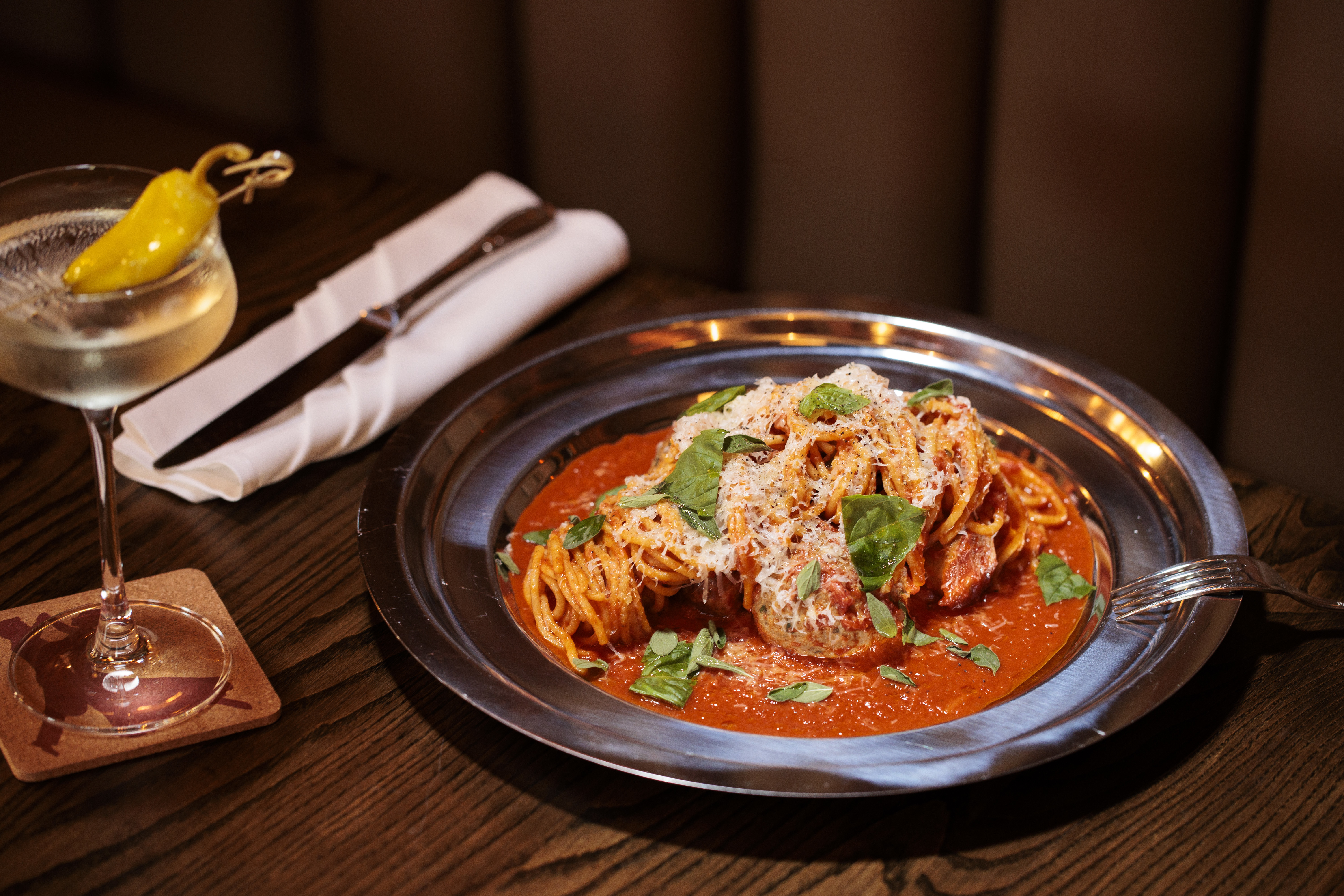
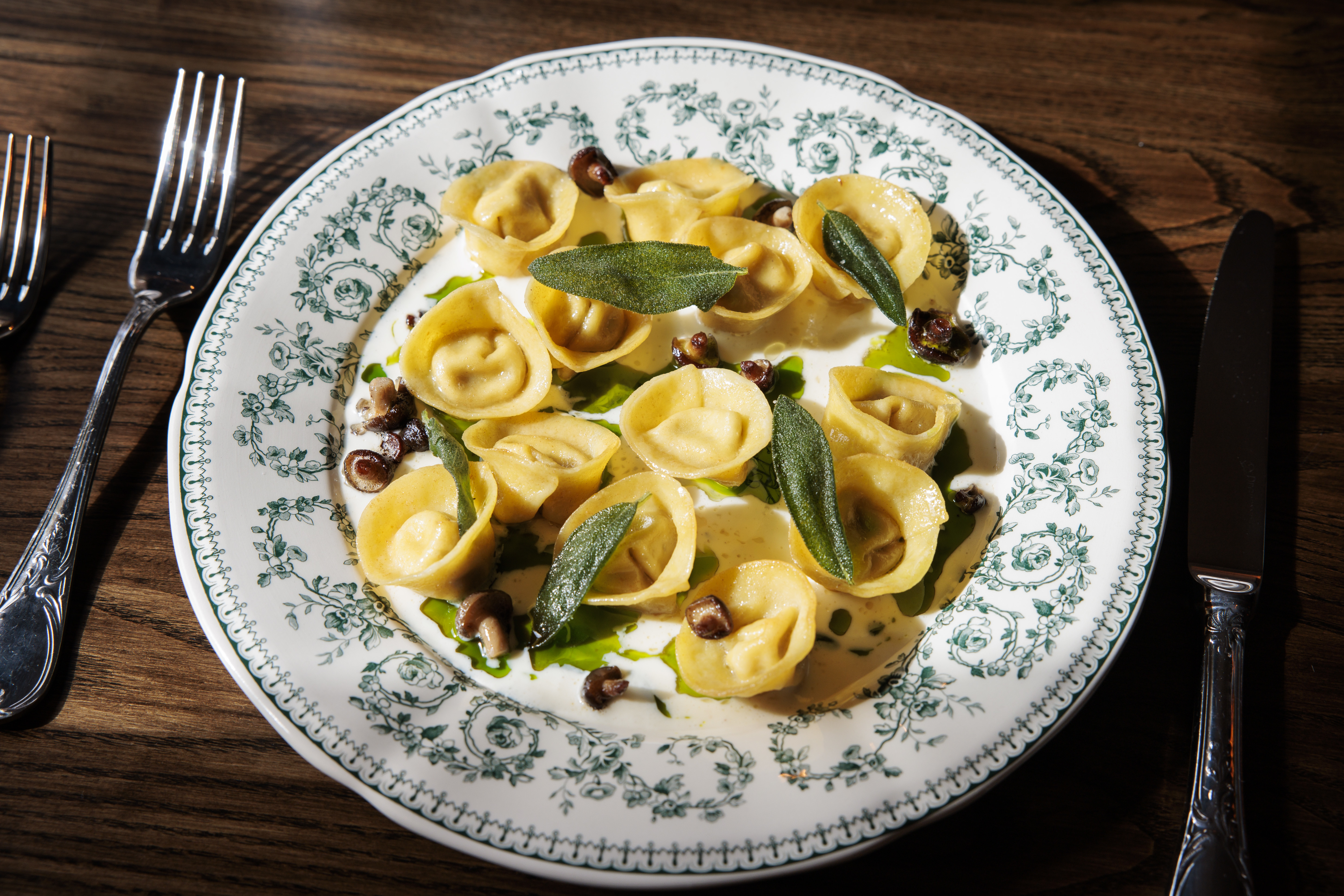
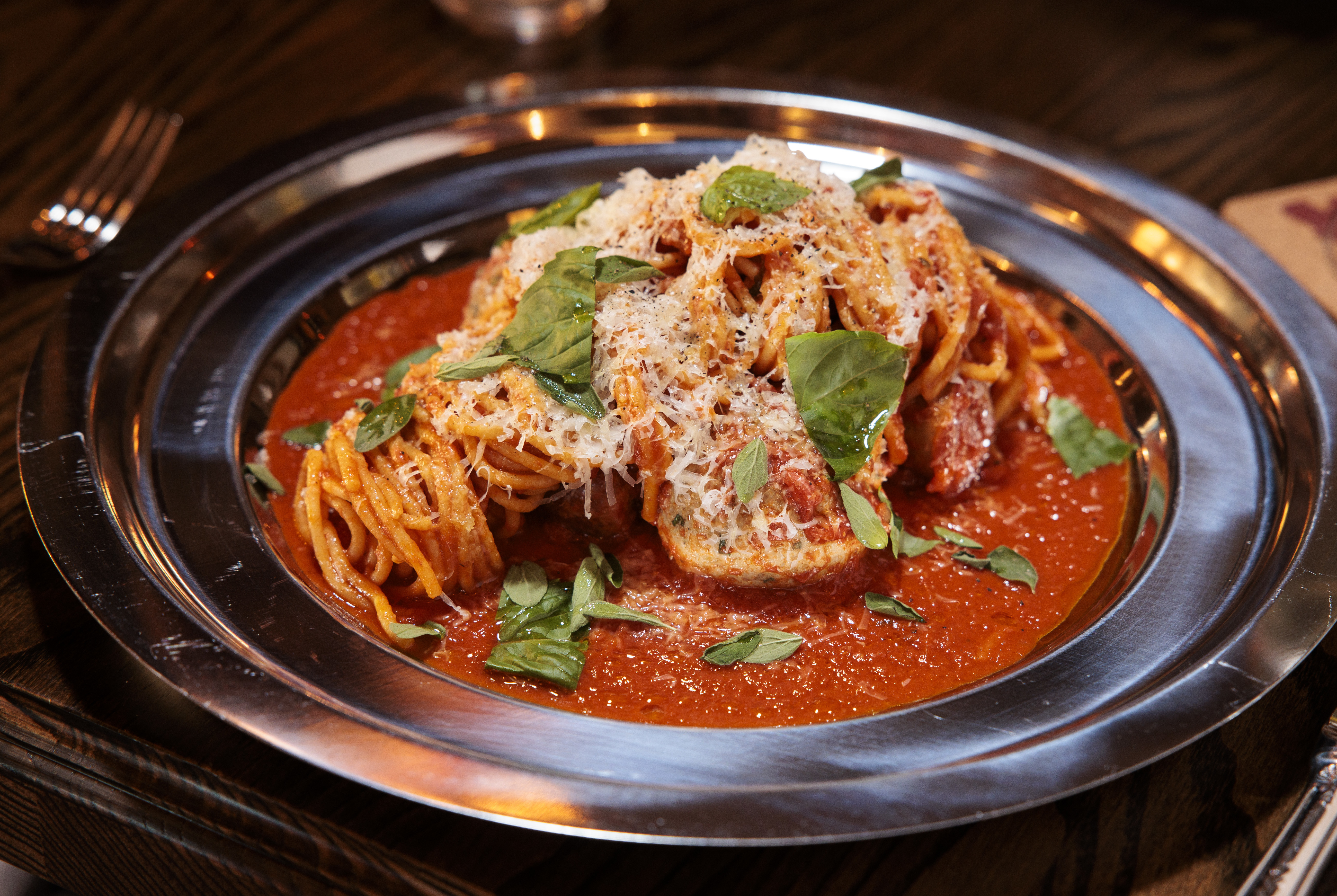
The pastas at Waltz are also consistently excellent, including deftly folded tortellini stuffed with mushrooms in Parmesan cream sauce, and the ruffled-edge ribbons of pappardelle that cradled rustic duck ragù. The snap of fresh noodles lend the already irresistible silver platter of spaghetti with meatballs and sausage in red sauce extra oomph. It was so zesty, I couldn’t help but wonder how this Sunday gravy became a treasured tradition of the Dougherty family in this historically Irish enclave of South Philly.
The tortellini at Waltz on Wednesday, May 27, 2026 in Philadelphia.Monica Herndon / Staff PhotographerThe spaghetti and meatballs at Waltz on Tuesday, Aug. 4, 2026 in Philadelphia.Monica Herndon / Staff Photographer
“We call it ‘Gus’ gravy,’” says Dougherty, noting that his father, Donald “Gus” Dougherty, also a partner at Waltz, learned the recipe in 2008 from some Italian friends he met while he was serving 18 months in federal prison at Fort Dix for defrauding the IBEW Local 98 electricians union, formerly run by his close (but unrelated) associate, John “Johnny Doc” Dougherty. “He’s made it every Sunday since.”
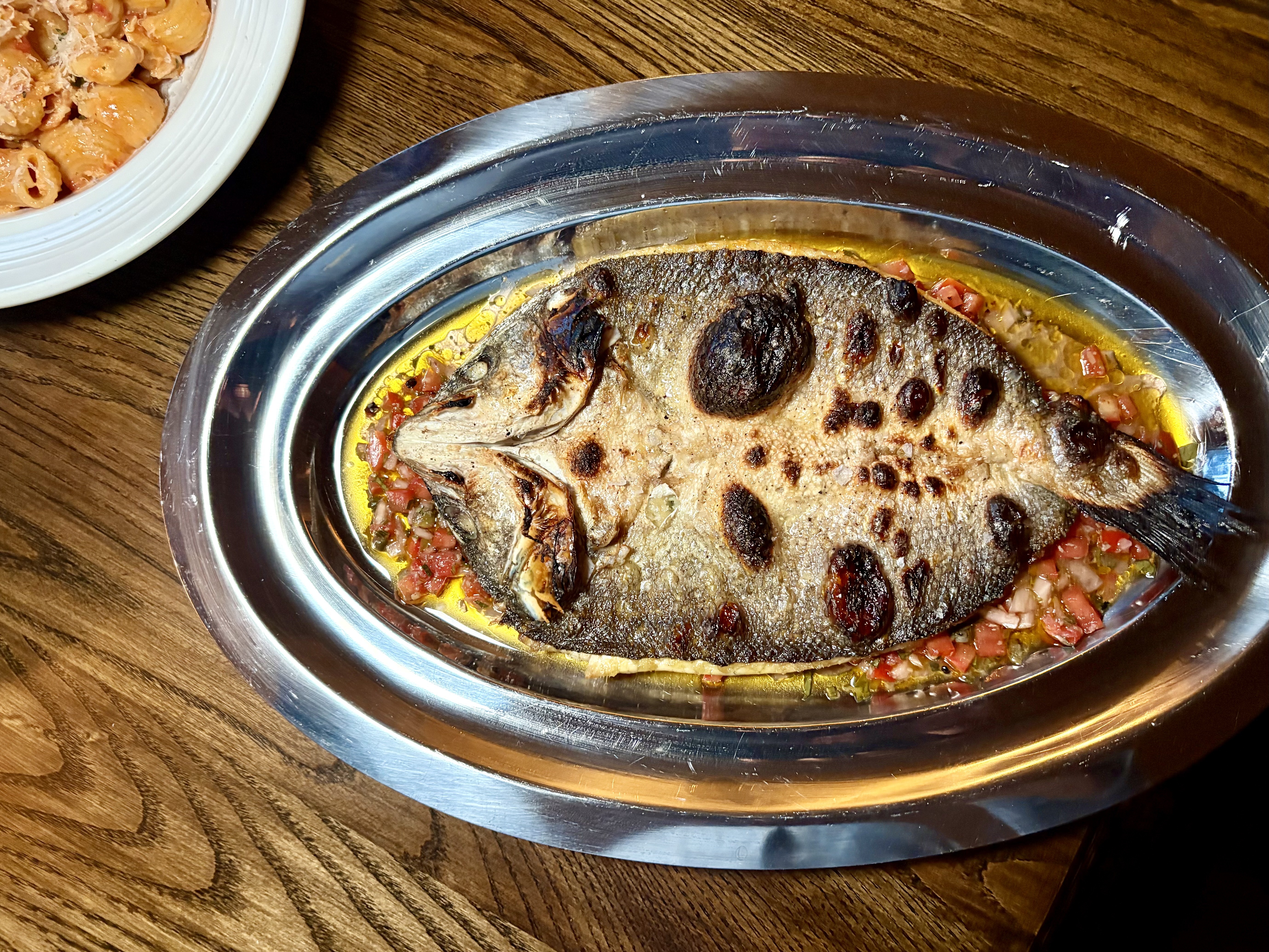
That gravy also features prominently on the chicken Parm, although that is one dish here I found unexciting. Yes, the sharing portion is gigantic, which, at $30, is a reminder that prices here are very fair. But the breading had gone so soggy in all that red sauce the exterior was almost fluffy, leaving this Parm one-dimensional. Your best bets for the handful of large-format sharing dishes emerge from that wood hearth; the heat-blistered silver skin of a butterflied whole branzino, for example, is fantastic over the tangy vinaigrette — called sauce vierge — of fresh tomatoes, capers, and a splash of chili oil that makes it glow.
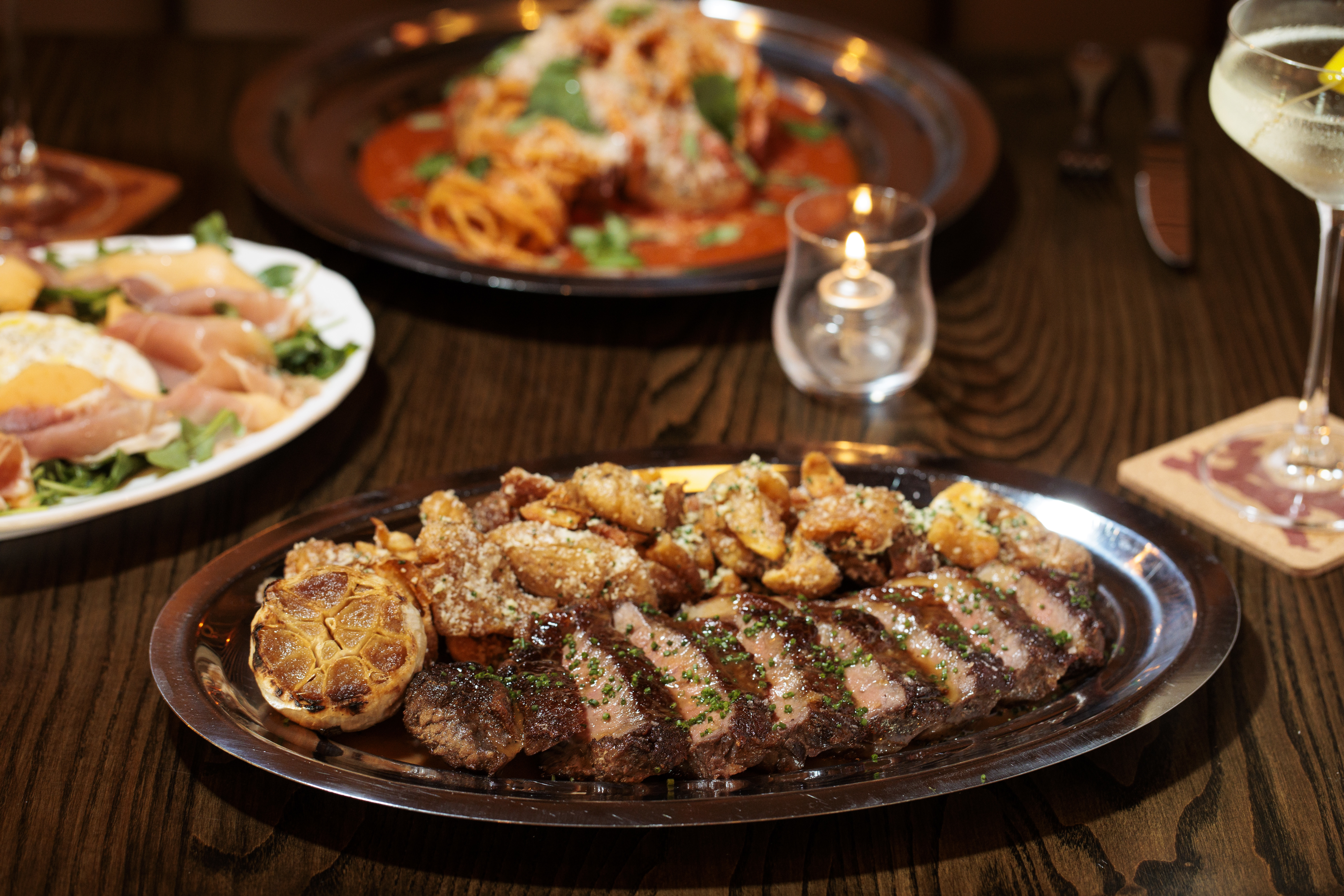
The superbly tender 14-ounce strip steak, meanwhile, roasted to a perfect medium-rare in that pizza oven, was one of the more memorable cuts of beef I’ve eaten this year. It arrivedfanned over a silver platter beside shatteringly crisp fried fingerling potatoes and a head of sweet roasted garlic glossed in a black peppercorn jus that’s a telltale perk from Leveillee’s years of sauce work in French kitchens.
The 14-ounce New York strip steak with smashed fingerling potatoes, roasted garlic, and black pepper jus at Waltz on Tuesday, Aug. 4, 2026 in Philadelphia.Monica Herndon / Staff PhotographerThe whole branzino at Waltz is roasted in the wood-fired oven and paired with a tomato and caper vinaigrette.Craig LaBan / Staff
Between that steak, the crab cakes, pastas, and the retro tavern vibe, I can see why some have likened Waltz to a combination of the Saloon and the newly revived Bomb Bomb Bar. Waltz’s still-evolving repertoire isn’t quite that proven or deep yet, even if I have little doubt executive chef Sergio Mateo — an alum of Ambra, Whetstone, and Lacroix who’ll be carrying the menu forward once Leveillee’s consultancy is finished — has the skills to get there.
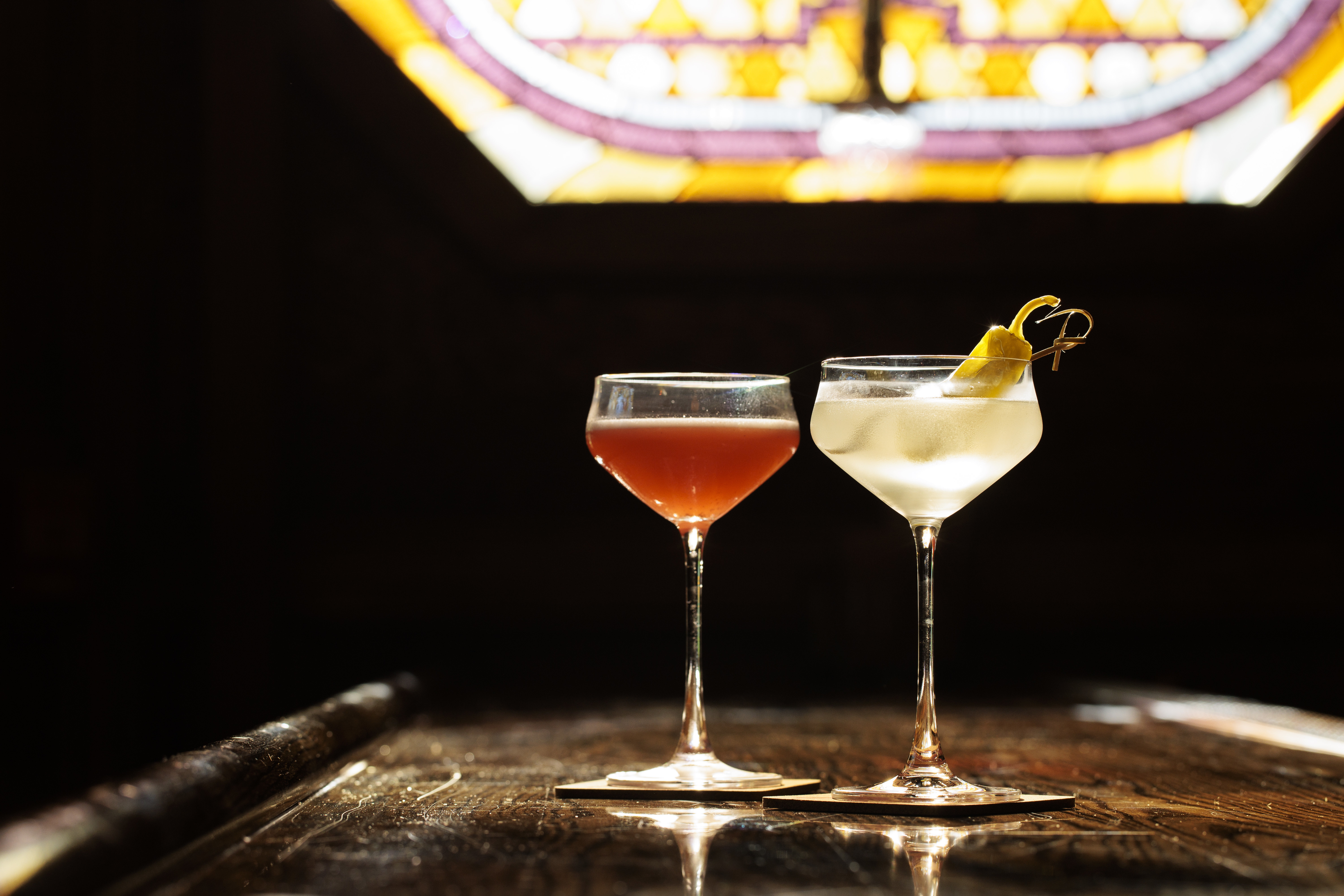
Waltz’s drink program has a bit further to go. The cocktails offer some trendy twists to classics but occasionally landed shy of their promise (the weak foam on the Fluffy Negroni Sour, for example, had deflated by the time it arrived). The potentially clever concept of a cocktail list organized by glass shapes fumbled over its own format: The Centerbe-spiked Waltz Whit Me camein a large martini coupe instead of the Nick and Nora tulip touted on the menu.
The Blush Sour and the Pepperoncini Tini at Waltz on Tuesday, Aug. 4, 2026 in Philadelphia.Monica Herndon / Staff Photographer
At a very reasonable $15 or less a cocktail, however, it’s hard to complain loudly. Joey Dougherty is admirably determined not to overprice Waltz for a neighborhood that currently doesn’t have many upscale dining options. The small wine list is also full of basic Italian wine values for $13 a glass or less, and a tiny reserve bottle list for a Super Tuscan or Brunello di Montalcino. Dinner as a whole is fairly priced considering the quality, with check averages of $55 to $65 including beverage, before tax and tip.
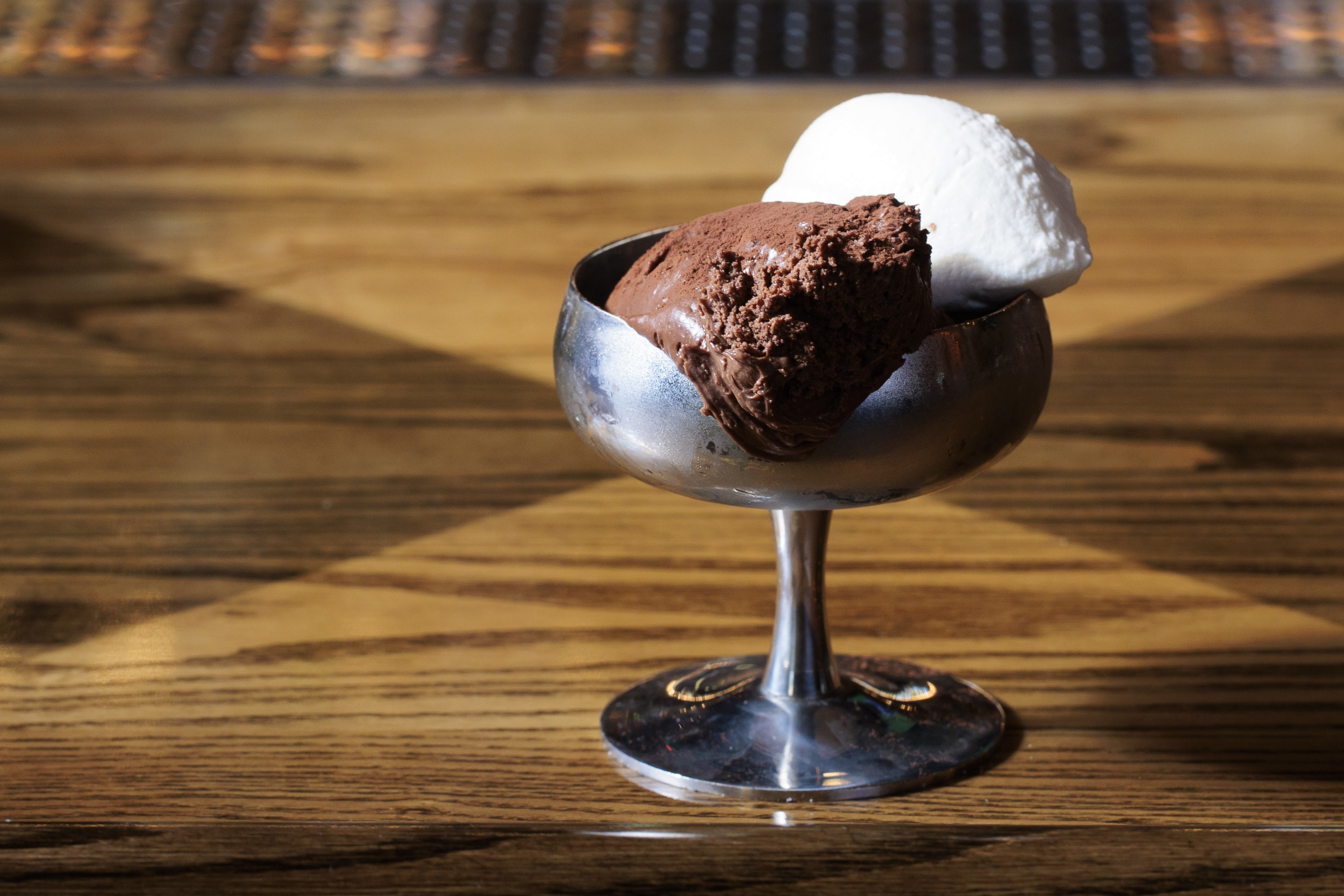
Dinner finishes up strong with good scratch versions of common desserts. The made-to-order tiramisu, whose lady fingers are dunked to order in coffee then layered with sweet cheese, is somewhat controversial among traditionalists who expect it to be already fully saturated, but I enjoyed the faint crunch of those biscuits softening while we ate. There were no quibbles over the lusciously rich chocolate mousse, which is made with 70% Valrhona chocolate and served with raspberry compote and amaretto whipped cream.
The lusciously rich chocolate mousse, made with 70% Valrhona chocolate and served with raspberry compote and amaretto whipped cream, at Waltz on Wednesday, May 27, 2026, in Philadelphia.Monica Herndon / Staff Photographer
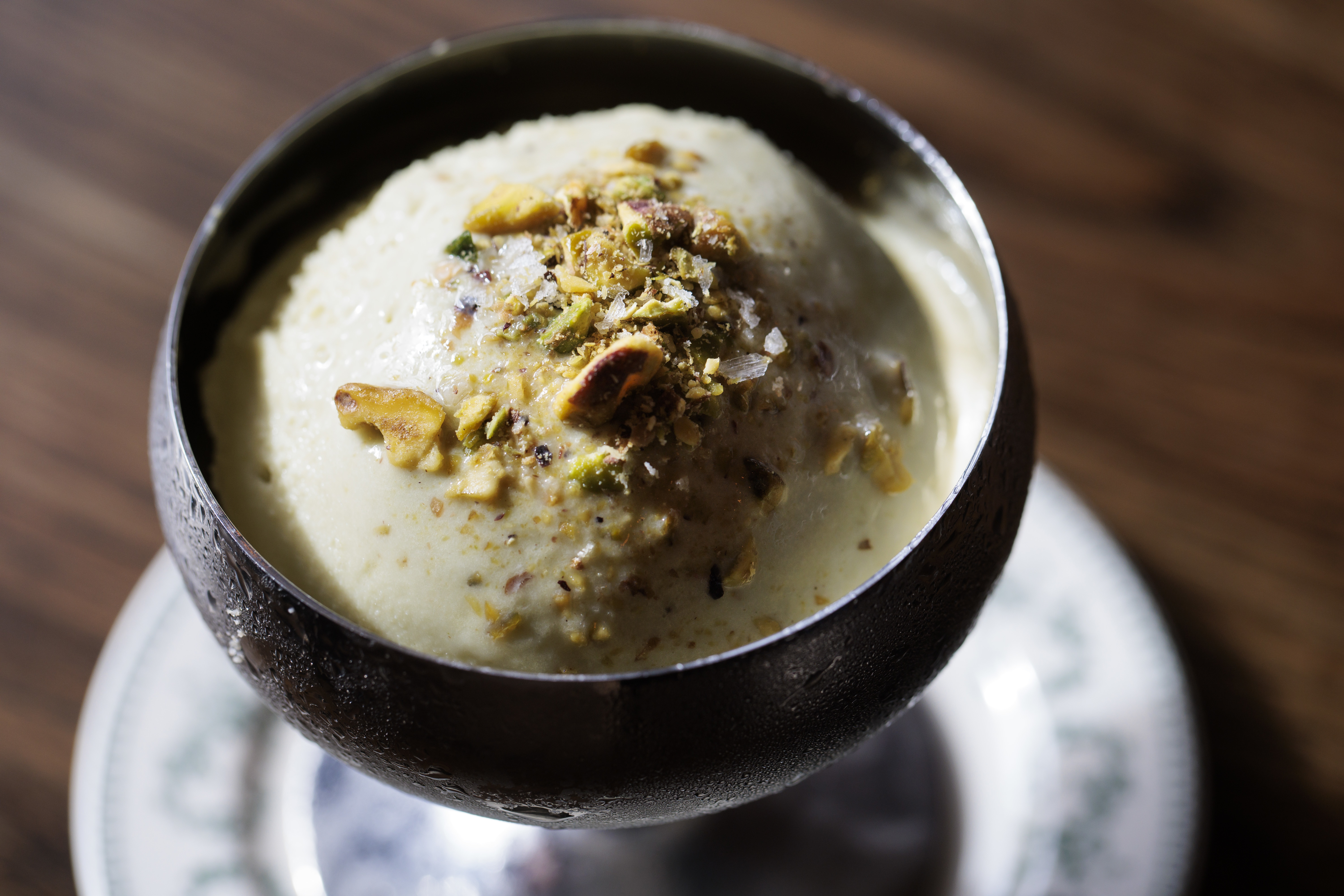
Waltz’s finest finishing moves are the exceptional gelati, which are spun daily before service so the textures remain spoonably soft and vivid of flavor. The pistachio is always my go-to, and didn’t disappoint here, but I could also taste the real Tahitian beans (not extract) steeped into the vanilla. I was thoroughly charmed by the Andes Mint flavor topped with a dusting of the grated chocolate-and-crème de menthe candies. Even better was the strawberry sorbetto, which doubled down on berry flavor with a crimson glaze of strawberry compote.
If you’re going to build a new restaurant that feels like an old soul inspired by another era, these are just the kinds of fresh touches required to appeal to diners today.
Pistachio gelato at Waltz on Wednesday, May 27, 2026 in Philadelphia.Monica Herndon / Staff Photographer
Pizzas and pastas: $16-$24; larger sharing plates, $30-$50.
The bar dining room is wheelchair accessible through a side door, but the bathrooms, located in the basement, are not.
About 50% of the menu is gluten-free or can be modified, including availability of gluten-free pastas.
Menu highlights: House burrata with prosciutto and melon; stuffed crabs; fritto misto; pizzas (carbonara, piccante); lumache pasta with spicy crab vodka sauce; tortellini; pappardelle with duck ragù; spaghetti with meatballs and sausage; New York strip steak; branzino; house gelati (pistachio; Andes mint); strawberry sorbetto.
Drinks: Classic cocktails with modern twists are categorized by glass shape (highball, coupe, Nick and Nora) but perplexingly not always served in the advertised glass. The drinks themselves are solid, not spectacular, but fairly priced at $15 or less. The small wine list offers affordable Italian basics, including a Pecorino white and a plush Piemonte Rosso I’d drink all night for $11 a pour.
The owners of Waltz restaurant in South Philadelphia made a collage of articles from a 1924 Inquirer that was found during renovations in the walls of the building at Front and Ritner, where it was used for insulation.Courtesy Waltz restaurant / Joey Dougherty
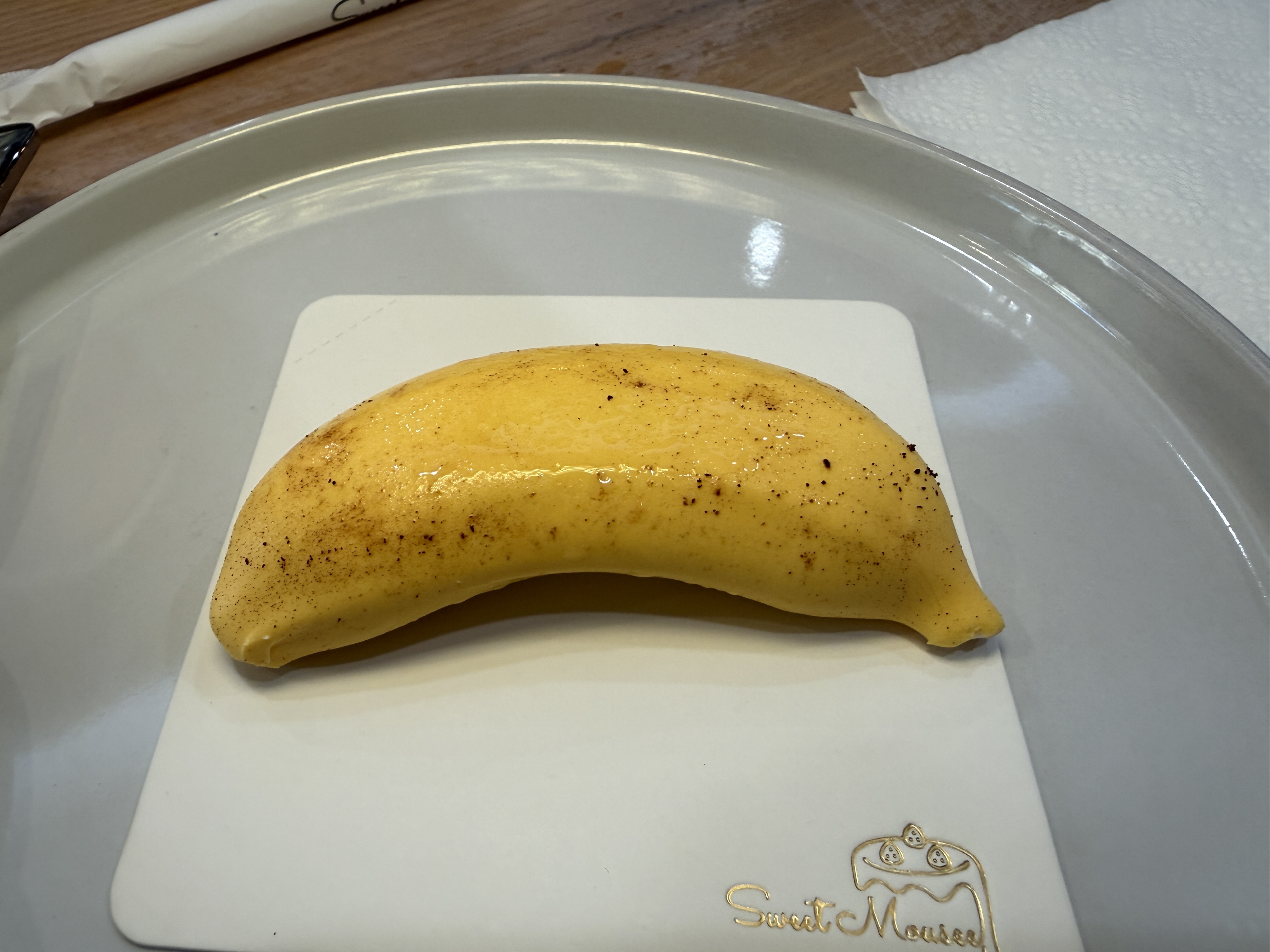
Bananas are trending everywhere, but especially at cocktail bars and cafes, which use fresh bananas, banana liqueur, banana extract, and even banana peel. Kiki Aranita isn’t alone in suggesting it might be “the next pumpkin spice.”
Phillies fans are bringing way more than hoagies and cheesesteaks into Citizens Bank Park. Beatrice Forman winds up and delivers a fun read about the BYO eats you’ll find in the stands. Curried tuna salad, anyone?
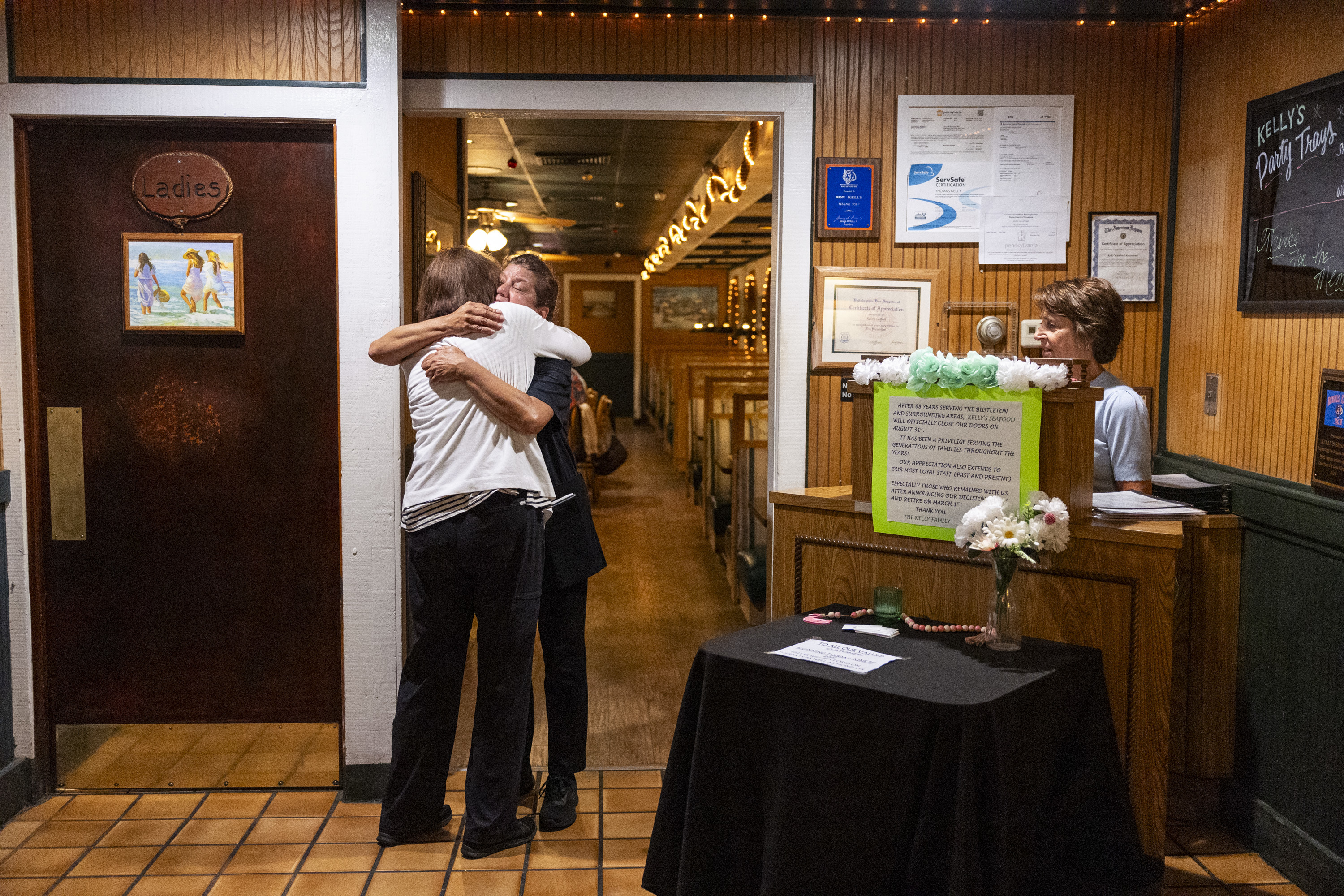
Kelly’s Seafood has been a Northeast Philly fixture, serving generations of families — and plenty of snapper soup. Now, as the family prepares to close, longtime customers are returning for one last meal, stocking their freezers, and saying goodbye.
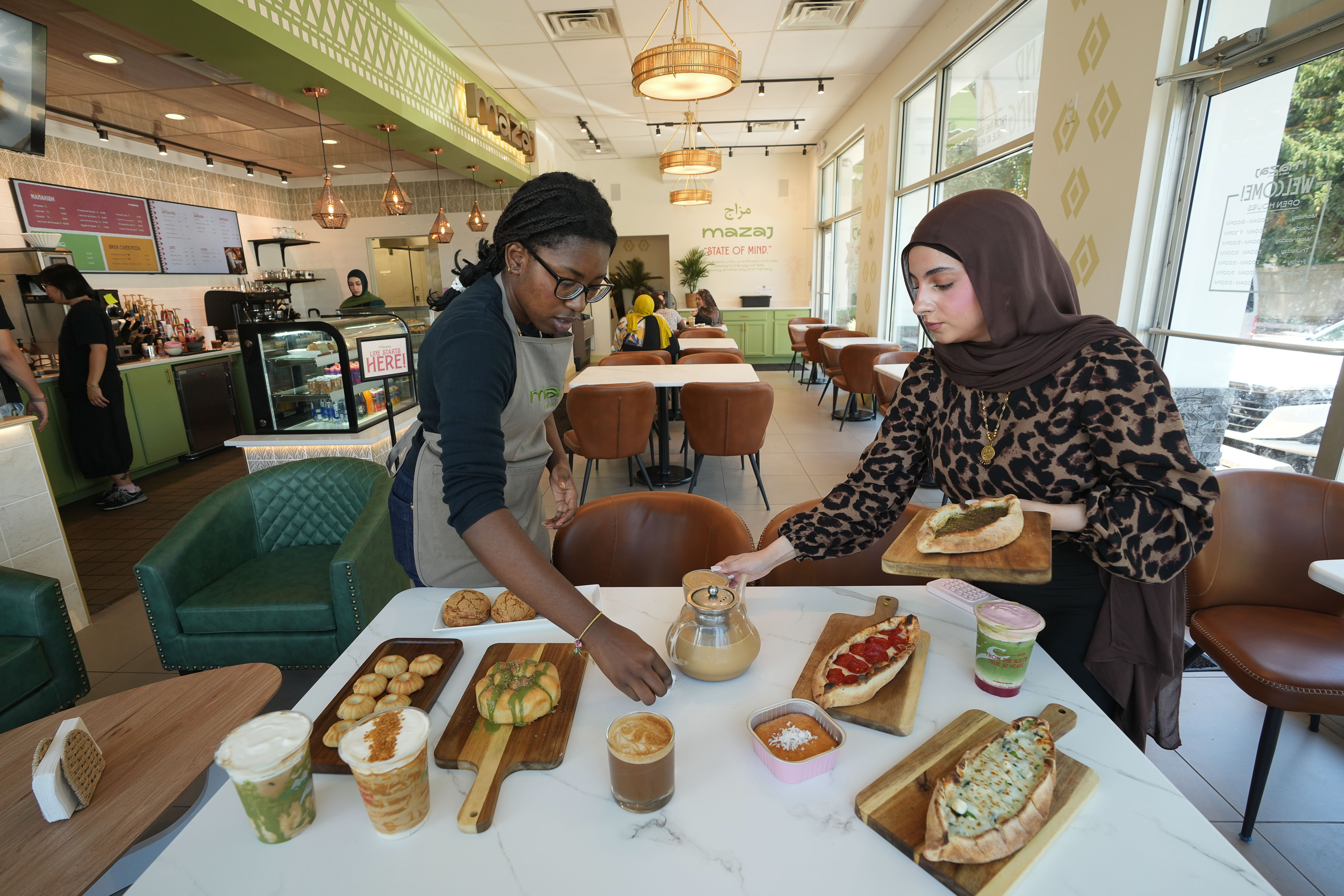
Mazaj, an offshoot of the twin Malooga restaurants, has landed in Willow Grove with Yemeni coffee, Middle Eastern pastries, a drive-through, and a plan to expand.
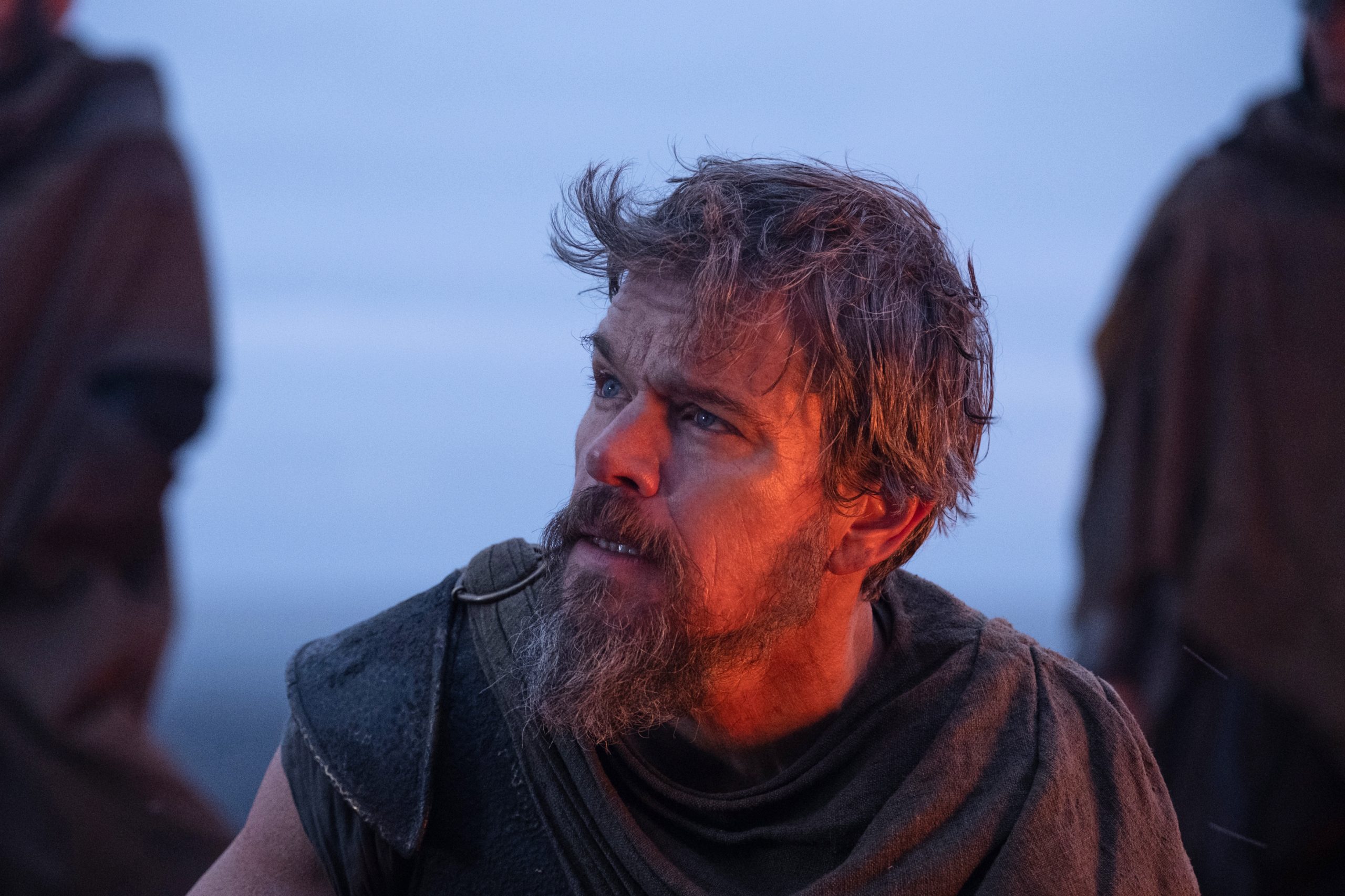
The Odyssey by Christopher Nolan has plenty of monsters, mayhem, and spectacle — but where’s the feast? Kiki Aranita, a classics scholar in her past life, explains what Homer’s heroes would have eaten, and where to embark on your own culinary odyssey around Philly.
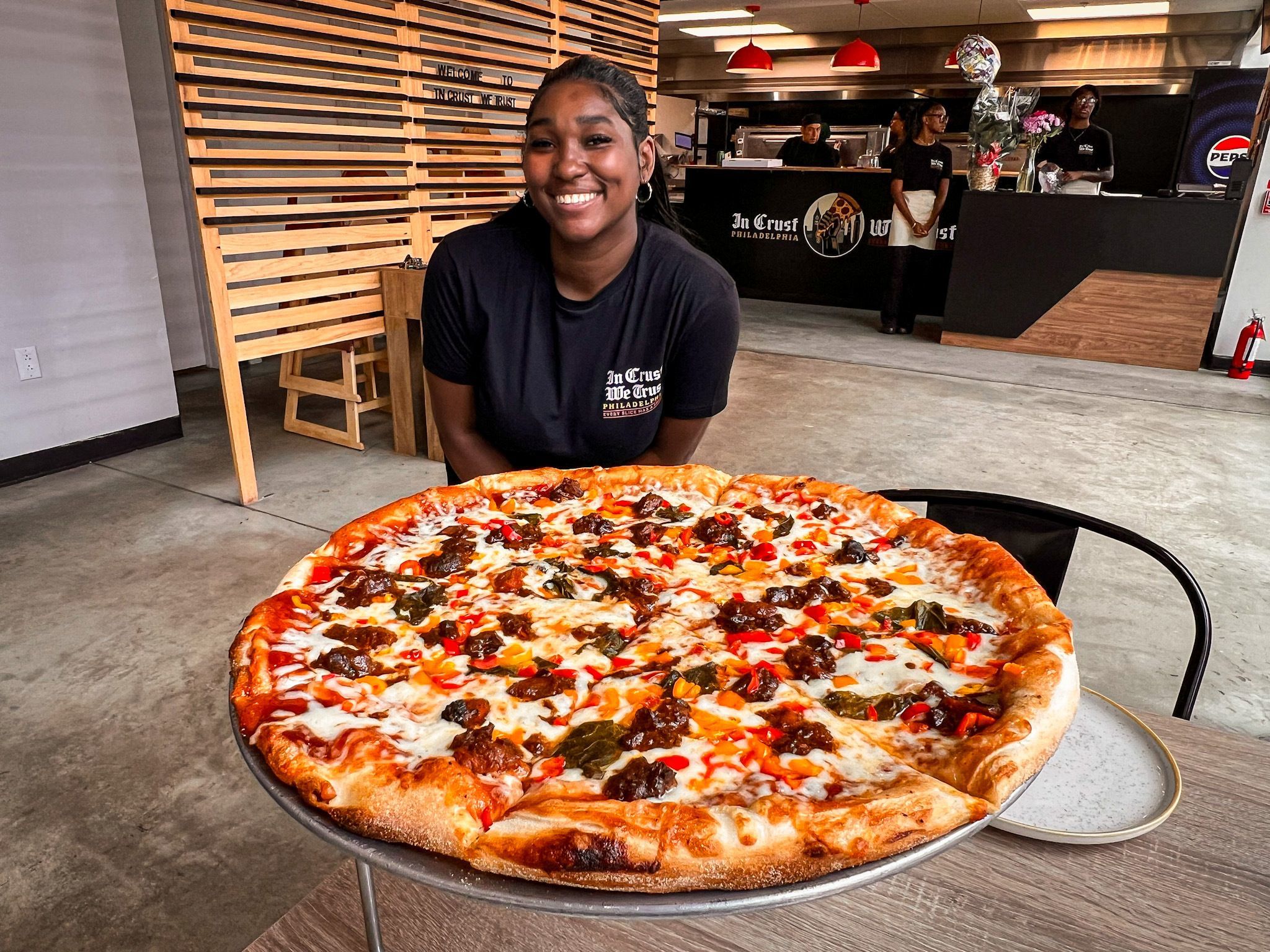
In Crust We Trust has joined the pizza boom now underway in Fishtown. Anyae Wilson-Worley’s pizzeria is offering something none of the others are: a taste of Philly-style Black culture.
In other pizza news: Dave Portnoy, the Barstool Sports founder, visited the Philadelphia area last week to shoot a handful of “One Bite Pizza Reviews,” whose scores in previous years have transformed the fortunes of a neighborhood pizzeria.
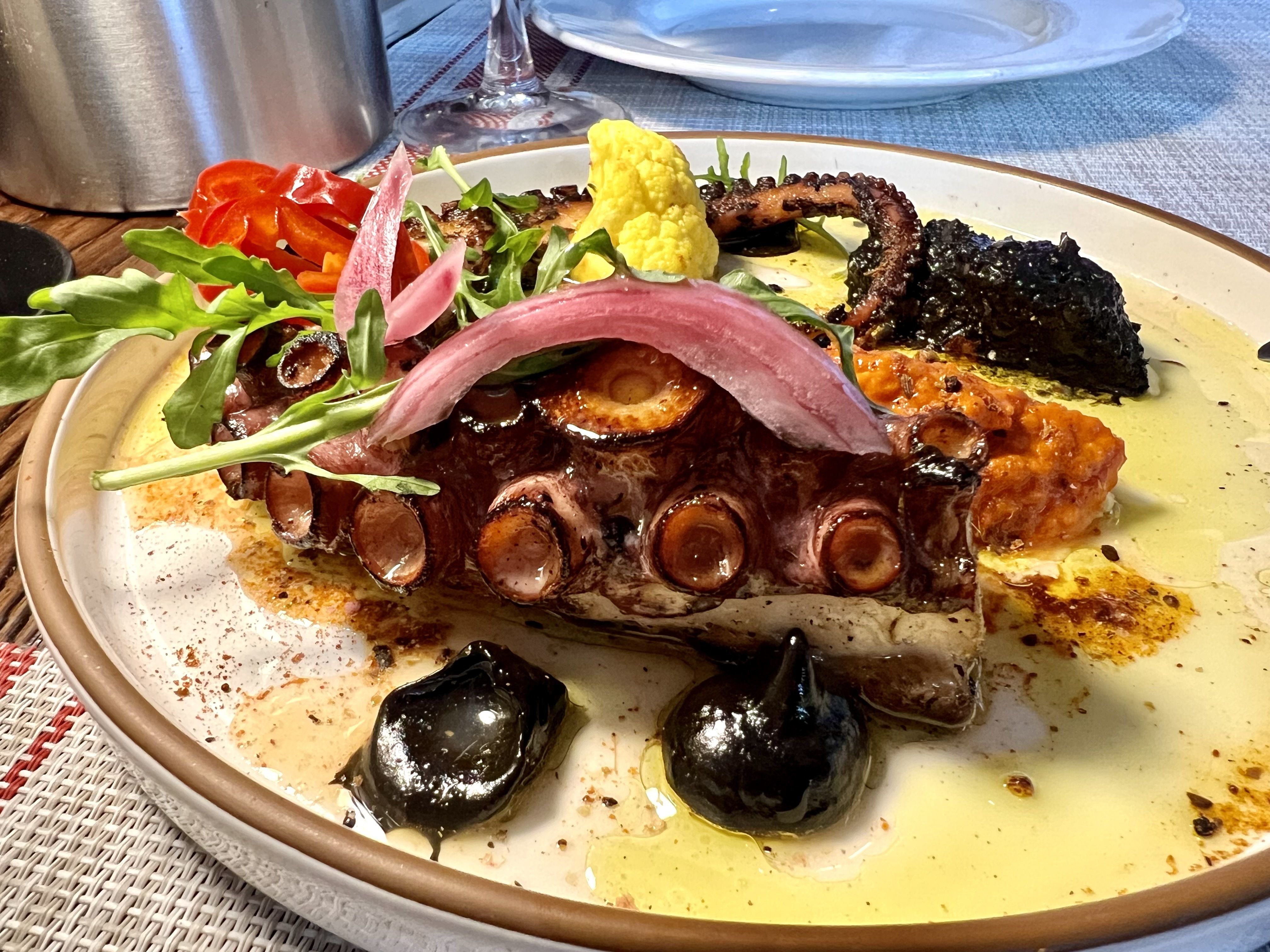
What a joy: Dunking chunks of octopus into the almond romesco and black garlic purée at Stina in West Passyunk. For another treat, writes Hira Qureshi, don’t miss the spanakopita.
Scoop
The Pub in Pennsauken, which sits on 6 acres, is being offered for sale for the first time in 26 years. The steakhouse institution is closed now for summer break, but the owner insists that it will reopen next month — unless a deal is magically struck.
Restaurant report
Recipe Philly, whose menu is built around recipes submitted by local home cooks, opens Monday at 1401 Arch St., a splashy, 175-seat redo of the long-ago McDonald’s at Broad and Arch. Funded by retired business executive Ed Baumstein (above), the restaurant will serve lunch and dinner, featuring dishes from 31 cooks who also will appear in a reality TV series now being shopped around.
Among them:
Germantown data analyst Chyan Adams Bentley (above), 30, drew inspiration for her honey-chipotle shrimp tostadas from a rooftop cooking class she took in Guatemala.
Pete O’Byrne (above), 60, of Jeffersonville, contributed a pork chop crusted with Pecorino Romano, panko, and shortbread Girl Scout cookies. “The Girl Scouts are one of my customers,” said O’Byrne, who sells production printers and software. “I know when the truck comes in.”
Nayha Hussain (above), 24, a Spring Garden software engineer who has cooked since age 12, elevated a home-style Pakistani coconut curry with Chilean sea bass. Since Recipe is a 15-minute walk from her place, “it’s my local neighborhood restaurant that has my dish on it,” she said.
You’ll be hearing a lot about Anh Em, which soft-opened last weekend at 21st and Titan Streets in Point Breeze. Anna Huynh and husband Victor Nguyen are behind the 50-or-so-seater specializing in Vietnamese comfort food, mixing classics with home-style dishes (like crispy bánh xèo, above, and the beef carpaccio dish known as bò tái chanh), inspired by what the couple grew up eating. Chef is Nguyen, who managed Tango and once co-owned a Chinatown bubble-tea shop; he oversees a 20-seat bar pouring local beers from 24 taps, plus cocktails. The couple retained the former Madeira Indian Grill’s exposed brick while adding burgundy booths, light-blue accents, lanterns, and shelving built by Nguyen and their son. Here’s the soft-opening menu.
Anh Em, 1252 S. 21st St. Hours: 4 p.m.-2 a.m. Wednesday-Monday. Closed Tuesday.
Briefly noted
The 2026 Michelin Awards will return to New York City for its ceremony. Reminder that its inspectors are scouring Philadelphia in advance of the December announcements.
Heytea, the expanding Chinese tea shop, enters the Philadelphia market Friday at 1001 Arch St. in Chinatown. Drinks will be buy-one/get-one from Friday-Sunday.
With Ember & Ash still closed after a June 24 fire, chef Scott Calhoun will cook at Cartesian Brewing (1326 E. Passyunk Ave.) from 4-8 p.m. Saturday. Using yakitori grills in the courtyard, Calhoun will serve dishes including octopus “dogs,” a Filet-O-Fish-inspired skate sandwich, ’nduja-stuffed piquillo peppers, and sourdough with romesco, along with Cartesian’s beverages.
Javelin (1811 Fairmount Ave.) will host chef Carlos Wills of Ogawa Sushi & Kappo for a maguro kaitai, or tuna-cutting ceremony, Aug. 18. Starting at 5 p.m., Wills will break down a 250- to 300-pound bluefin tuna for a multicourse tasting ($170 plus tax/tip) including sashimi, nigiri, hand rolls, and tuna marrow with uni and caviar. Richie Tray will serve Cambodian-inspired appetizers and cocktails. Reserve via Toast.
Libertee Grounds (1600 W. Girard Ave.) will host a Cooper DeJean look-alike contest on Aug. 27. Doors/registration at 5 p.m., contest at 6:30 p.m. Signup via Instagram.
❓Pop quiz
Why can red Côtes-du-Rhône wines such as Ogier Artésis remain relatively affordable?
A) Rhône producers are prohibited from aging their wines in pricey oak barrels.
B) Grenache can produce large crops of flavorful grapes even in dry conditions.
C) French law limits the markup on Côtes-du-Rhône wines.
D) The wines are made primarily from surplus Syrah grapes, and this is the source of the expression “Qué Syrah Syrah.”
What do you know about the sale of Ardana in Bucks County? — Cindy S.
The Cristou family announced last week that they’ve sold their Ardana Food & Drink location in Newtown, Bucks County, to Rob LaScala after 3½ years. LaScala tells me that the Ardana name and Cypriot-inspired menu will remain for about two months before he transitions to LaScala’s Fire, his semicasual Italian concept. LaScala, who also owns Chicken or the Egg in Marlton and Beach Haven, is on fire with Fire, as there are nearly a dozen locations now, plus New Jersey expansion plans for Freehold, Bridgewater, and Cherry Hill. The Cristous still retain their Ardana and KC Prime Steakhouse, both in Warrington.
📮 Have a question about food in Philly? Email your questions to me at mklein@inquirer.com for a chance to be featured in my newsletter.
By submitting your written, visual, and/or audio contributions, you agree to The Inquirer’s Terms of Use, including the grant of rights in Section 10.