This summer, a strange spate of posts popped upin neighborhood Facebook groups:
“Found a parrot in south philly,” one post said, “… anyone missing it? Singing its little heart out.”
“Lost bird!” said another.
Then another: “Please get this parakeet back home!”
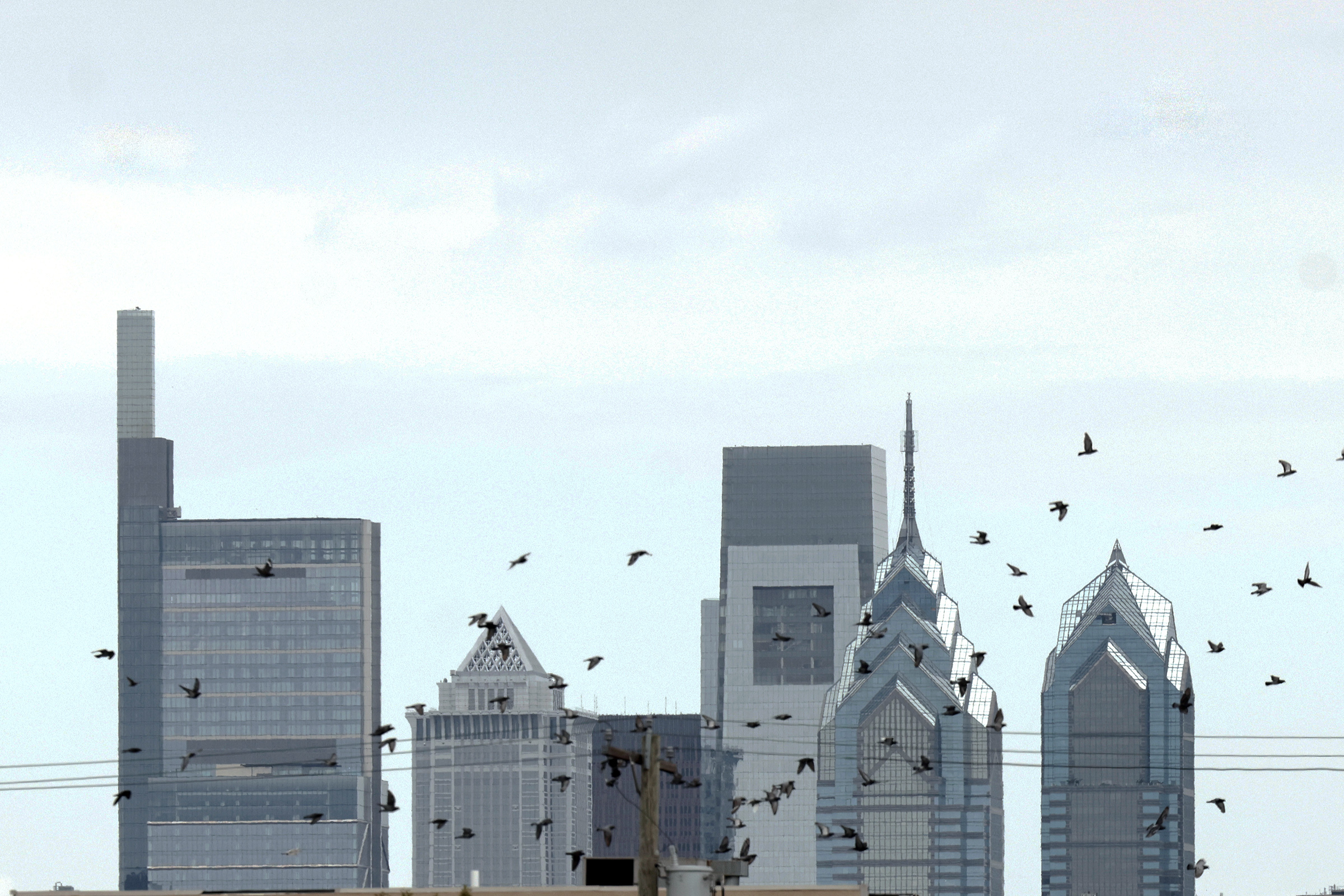
In the last few months, the number of these posts — alerting people to loose or lost exotic birds, like parrots, parakeets, or budgerigars, throughout Philadelphia — has seemingly, anecdotally, increased. One person on Reddit noticed this trend and wrote, “WTH is with all these lost birds around Philly? Did a pet store close and just let a bunch of birds loose?”
No official entity could confirm or quantify this phenomenon: The Pennsylvania Game Commission deferred questions to local animal welfare groups. The Animal Care and Control Team of Philly, which gets less than a dozen calls a year about pet birds, a spokesperson said, hasn’t noticed an uptick in those calls.
Nor had any other avian-related groups, like the Audubon Society, Bird Safe Philly, or the Schuylkill Center for Environmental Education, which all noted they primarily or exclusively deal with wild birds. No one had asked the Philadelphia Zoo to take in any surrendered or lost exotic birds, a spokesperson said. And multiple pet store chains did not respond to questions about whether they lost a flock of birds.
Susan Tyson, an avian veterinarian and owner of Avian & Exotic Philly Vet in Old City, said her clinic has treated four loose budgerigars, or “budgies,” so far this year, including at least two since July.
“We’ve always had people finding loose animals,” Tyson said, “but I’d probably say in the last maybe four years it’s increased.”
Is there a bird liberation movement?
This isn’t a captive bird mutiny. Tyson believes most of these birds inadvertently escaped from homes or pet stores. Navin Sasikumar, president of the Delaware Valley Ornithological Club (DVOC), suggested some might have been intentionally abandoned by their owners.
“Probably other people who have pet birds saw [the posts] and thought, ‘Hey, these birds are being rescued — I have birds that I don’t want anymore, maybe they’ll be rescued too,’” Sasikumar said.
“Or it could just be extra attention,” he said. “There might have been other escaped birds around, but no one was really paying attention until one [post] caught on.”
Tyson agreed that social media might be feeding this perceivedproliferation. “It’s like monitoring for breast cancer,” she said. “We’re doing it more, so we’re seeing it more.”
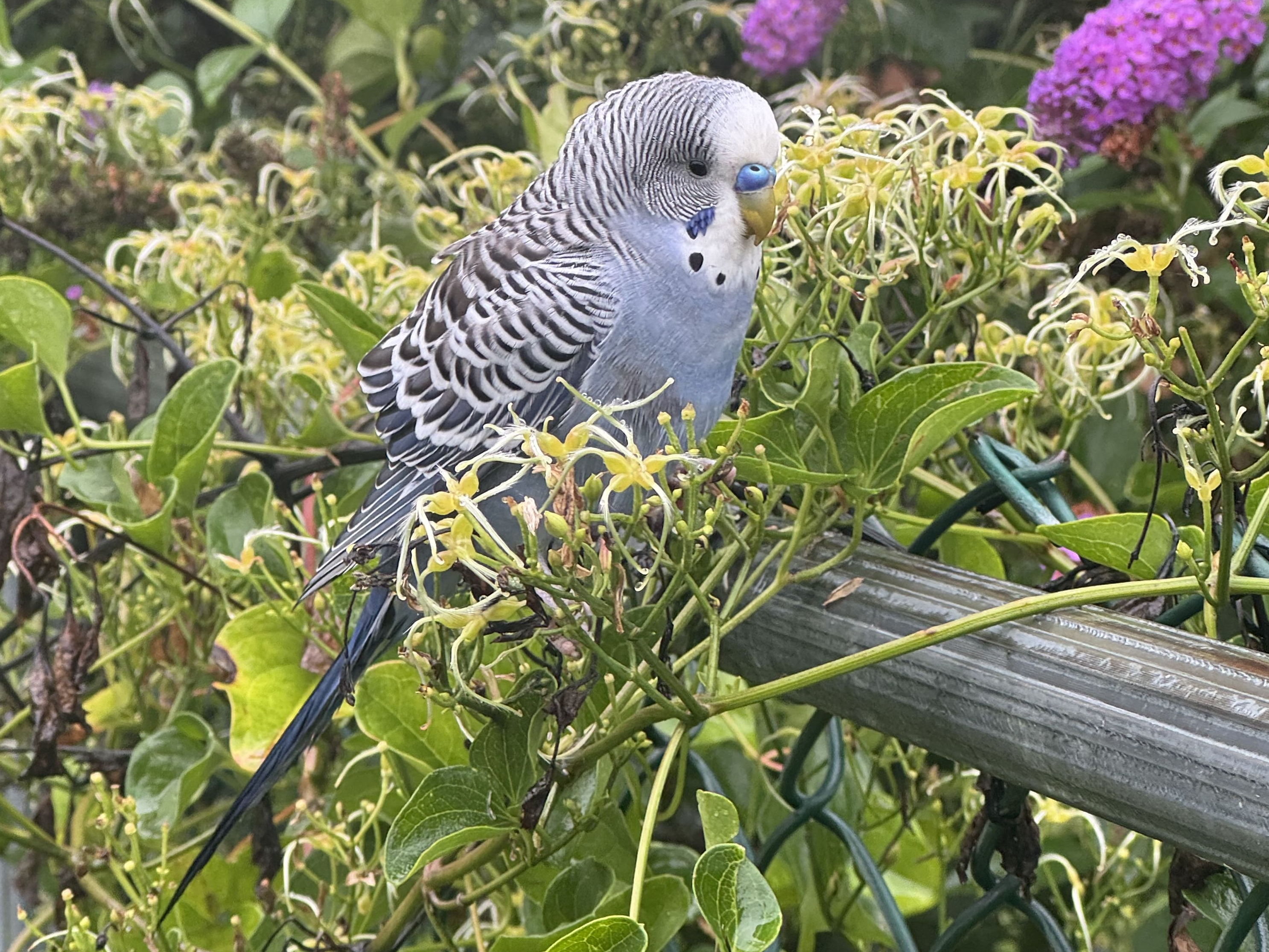
In late September, one of these wayward fledglings found itself in George Armistead’s Upper Roxborough backyard. He was sitting on his porch about 5 p.m. on Sept. 22 when “this thing” — a baby-blue budgie — “dropped out of the sky.”
“I was just totally flabbergasted,” Armistead, 52, said. A lifelong birder and former president of the DVOC, Armistead said he’s seen only a couple non-native budgies and maybe a handful of other exotic birds loose on the streets of Philadelphia.
This budgie’s plumage seemed fresh and uniform, and it was banded with a small ring typically used for research, tracking, or breeding, which lead Armistead to think it wasn’t a house pet. Instead, he thought maybe “a crateful of these things got loose.” (Tyson said there have been cases of birds getting loose while being delivered or transported.)
On a recent September evening, “this thing” — a baby-blue budgie — “dropped out of the sky” and into George Armistead’s Upper Roxborough backyard.Courtesy of George Armistead
Armistead doesn’t support the caged bird trade — he called it “unnatural,” akin to keeping killer whales in aquariums — but he captured the creature, fearing for its own safety in the elements.
Think freeing pet birds is kind? Experts say it isn’t
The greatest risk these loose birds pose is to themselves, experts said: Tropical species will likely be picked off by raptors or killed by the Pennsylvania winter. And while releasing a caged bird might sound idyllic, “the reality is much more ugly,” said Victoria Sindlinger, a senior at the University of Pennsylvania and founder of its Quackers Bird Club.
“It’s just really not going to be suited for life outside or life in this climate, and it is going to die,” Sindlinger said, “and unfortunately, it’s probably going to not be the quickest death.”
Ultimately, rescuing and caring for these animals is up to “individual people’s goodwill,” Sasikumar said. Tyson advocates for all pet birds to be microchipped, like cats or dogs. Her military macaw, Suzy, is microchipped, she said. Sindlinger added that bird ownership should not be taken lightly.
Meanwhile, Armistead’s budgie — which he’s been calling “Pudgie” — has taken up a residence in his spare bedroom, away from the family’s very curious cat. He’s looking to find Pudgie a permanent, loving home.
For now, he said, “my wife has gotten rather attached to it.”
In early August, Philadelphia Zoo had the honor of being celebrated as part of Philadelphia’s “52 Weeks of Firsts,” recognizing the people, places, and ideas that have made our city a birthplace of American innovation.
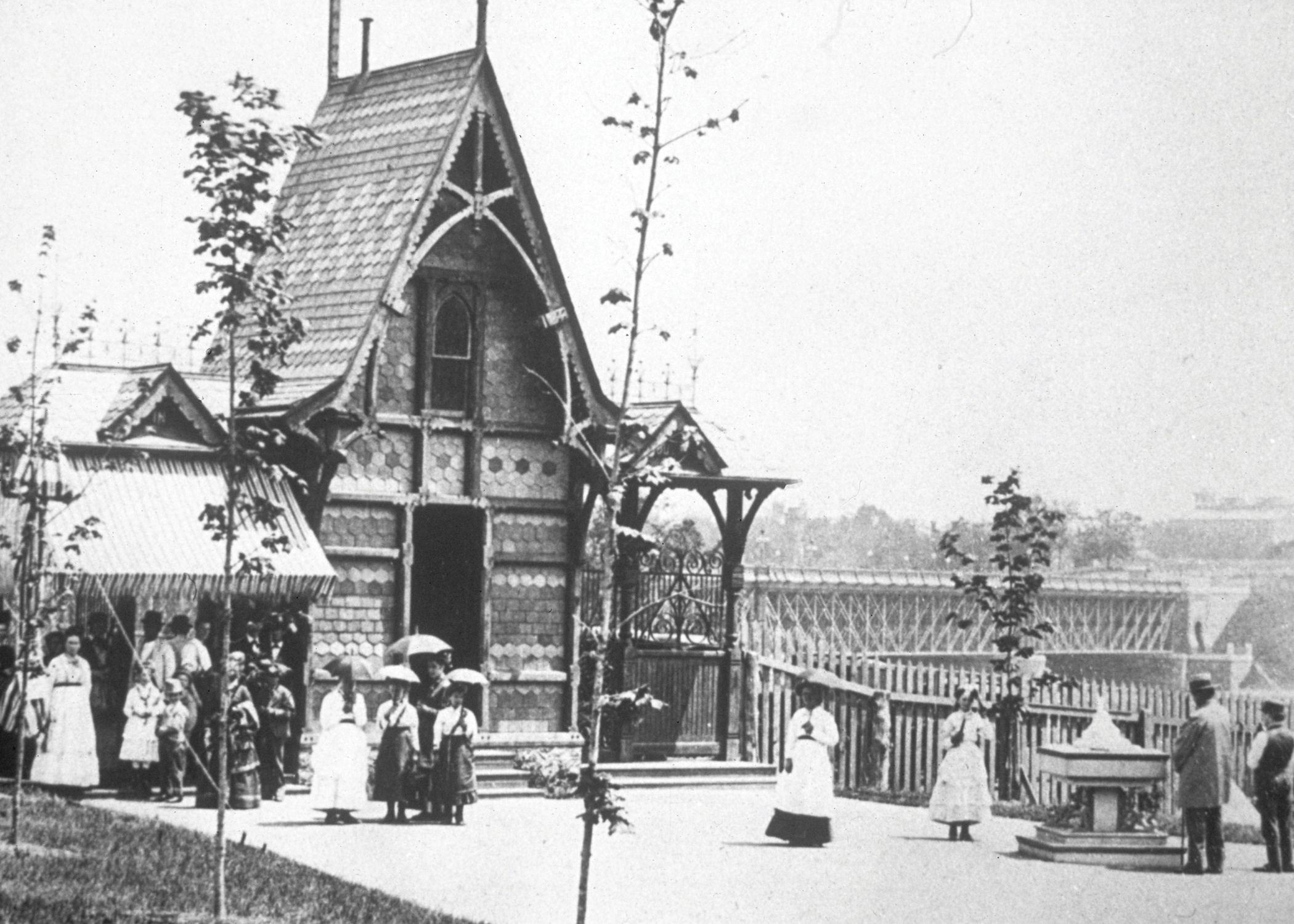
Our place on that list is well-established. Chartered in 1859 and opened in 1874, Philadelphia Zoo is America’s first zoo. But what makes us most proud is not simply that we were first. It is what we have done with that distinction, and what it challenges us to do next.
The Philadelphia Zoo on opening day, July 1, 1874.The Philadelphia Zoo
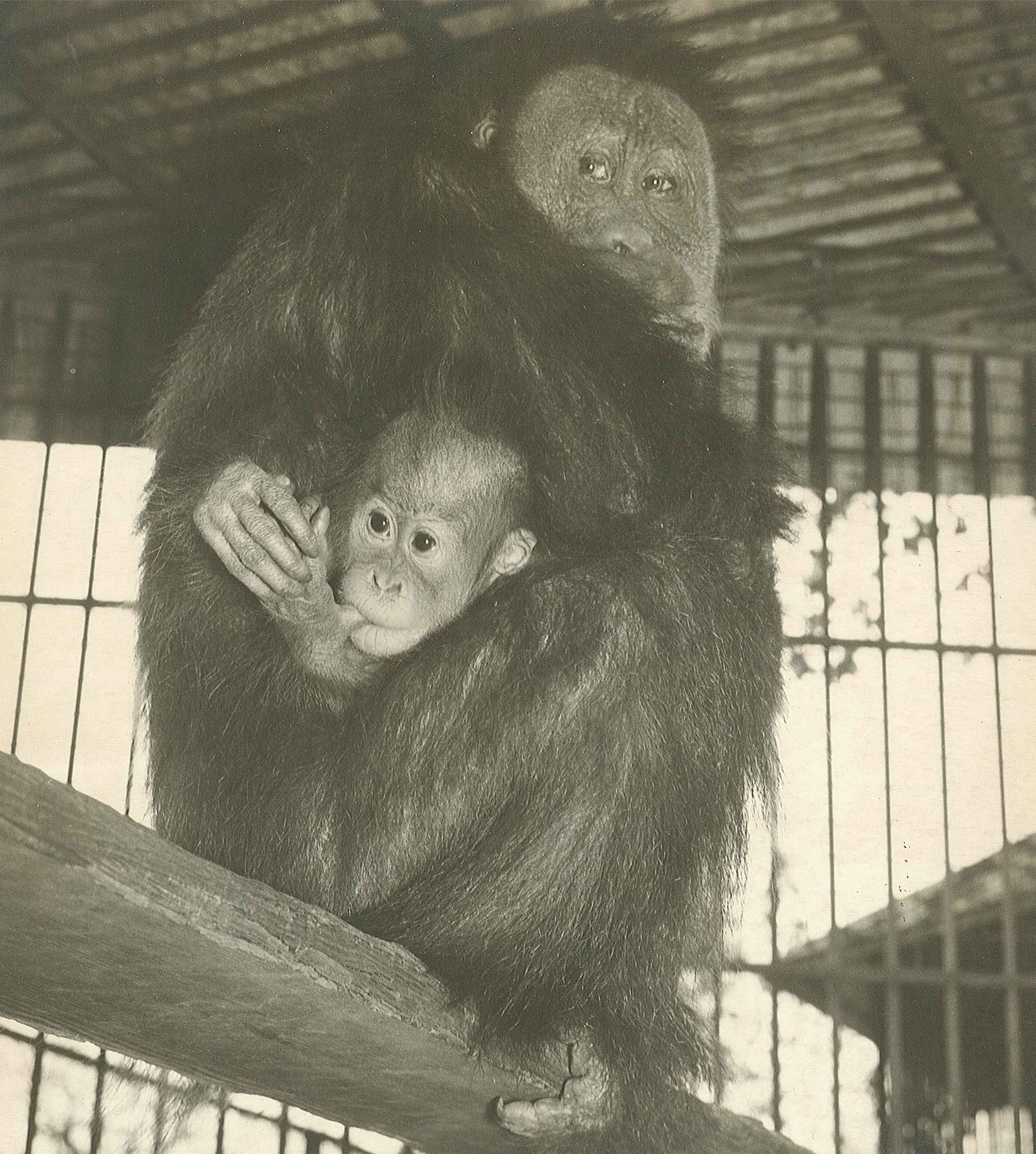
For more than 150 years, Philadelphia Zoo has pioneered advances in animal care, conservation, education, and the visitor experience. We recorded the first successful births of orangutans and chimpanzees in a U.S. zoo, and opened the nation’s first children’s zoo.
At the Philadelphia Zoo, Momma Maggie and Baby Lucky, the first orangutan born in an American zoo, in 1928.The Philadelphia Zoo
More recently, we created Zoo360, a first-in-the-world network of trails that gives animals greater opportunities to move, explore, and make choices while allowing visitors to experience wildlife from an entirely new perspective.
Those innovations matter. But the most important thing a zoo can create is not a record or a “first.” It is a connection. When a child comes face-to-face with an animal they have only seen on a screen, suddenly that animal is more than an image or an abstraction. It is alive, individual, and extraordinary. And perhaps that child begins to understand that we humans are animals, too, connected to an astonishing web of life we have both the privilege and responsibility to protect. It led both of us to the work we do today.
During America’s 250th anniversary, Philadelphia Zoo is not only looking backward. We are asking what we can build together for the next 250 years.
The story we tell about wildlife conservation often centers on grand gestures — a landmark law, a sweeping treaty, a species pulled back from extinction’s edge by heroic intervention. But grand gestures only occur because ordinary people, over and over, choose to act in ways too small to make headlines.
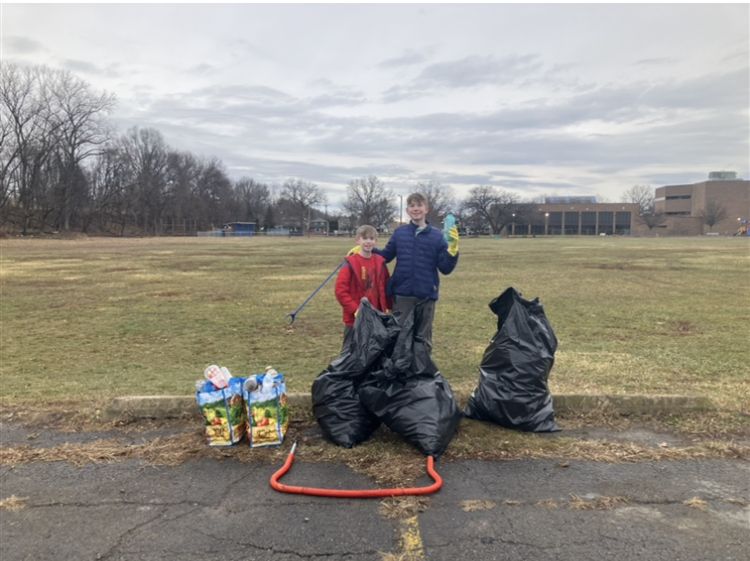
As part of the Philadelphia Zoo’s 250,000 Actions for Animals Challenge, two young boys picked up nearly 80 pounds of trash at a park in Wilkes-Barre, Pa.Courtesy of the Philadelphia Zoo
Through our 250,000 Actions for Animals Challenge, we are asking Philadelphia — and the world — to complete a quarter million individual actions by the end of 2026 that make life better for animals, habitats, and the people who share space with them.
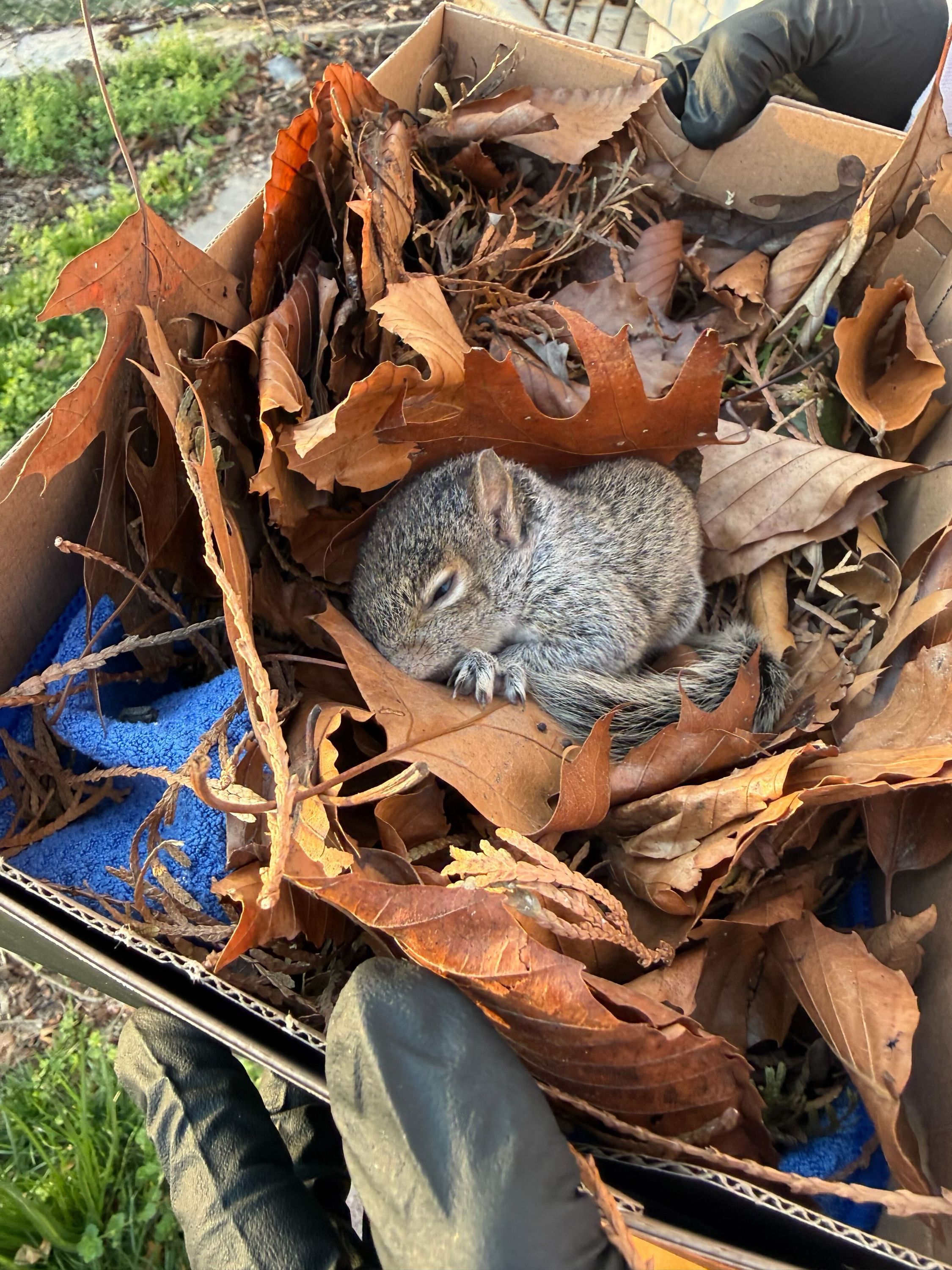
When a baby squirrel fell out of its nest, a Manayunk resident took care of them overnight and transported them to a rescue the next day.Courtesy of the Philadelphia Zoo
Some actions are wonderfully simple: Plant native flowers. Pick up litter. Refill a bird bath. Make a sustainable swap. Participate in a wildlife survey. Help an animal in need. Introduce a child to nature. None of them require expertise or money. They require only the decision to act, repeated.
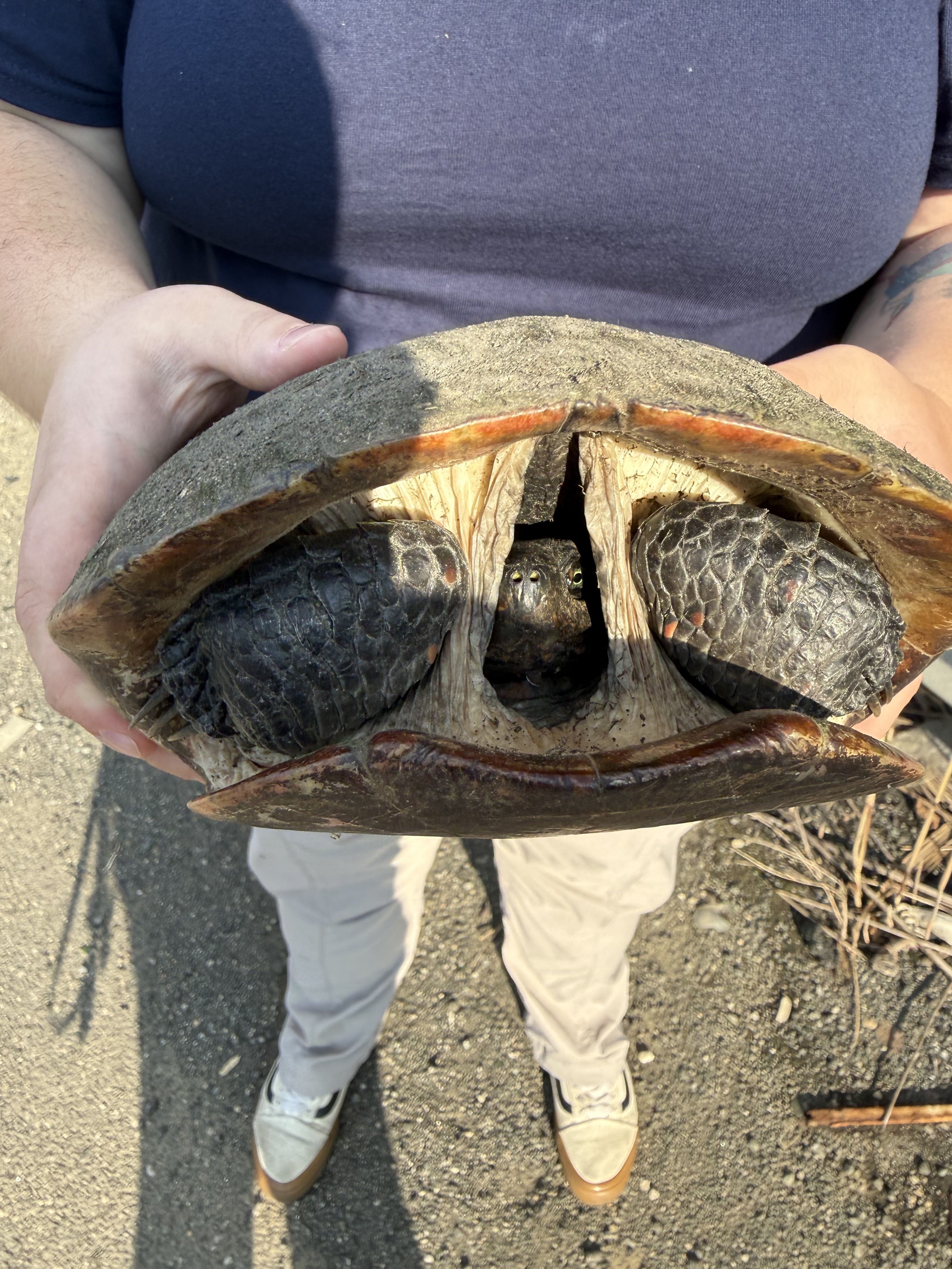
An individual in Philadelphia saved an endangered red-bellied turtle who was caught in the middle of crossing a busy highway.Courtesy of the Philadelphia Zoo
Our community is answering the call. A Tinicum resident has stopped traffic to help snapping turtles safely cross a four-lane highway.
A family in Mantua planted 500 plants and bulbs in memory of a city worker who died in the line of duty.
Neighbors in Fort Washington faithfully refill bird baths and tend butterfly gardens.
A mother and toddler in the Lehigh Valley have spent two summers raising caterpillars into monarch butterflies, and their backyard is now a thriving ecosystem the monarchs return to.
These individual actions will never appear on a list of Philadelphia firsts. But multiply them by 250,000, and they become something remarkable. In many ways, this is how change has always been made — through individual choices repeated until they become collective action.
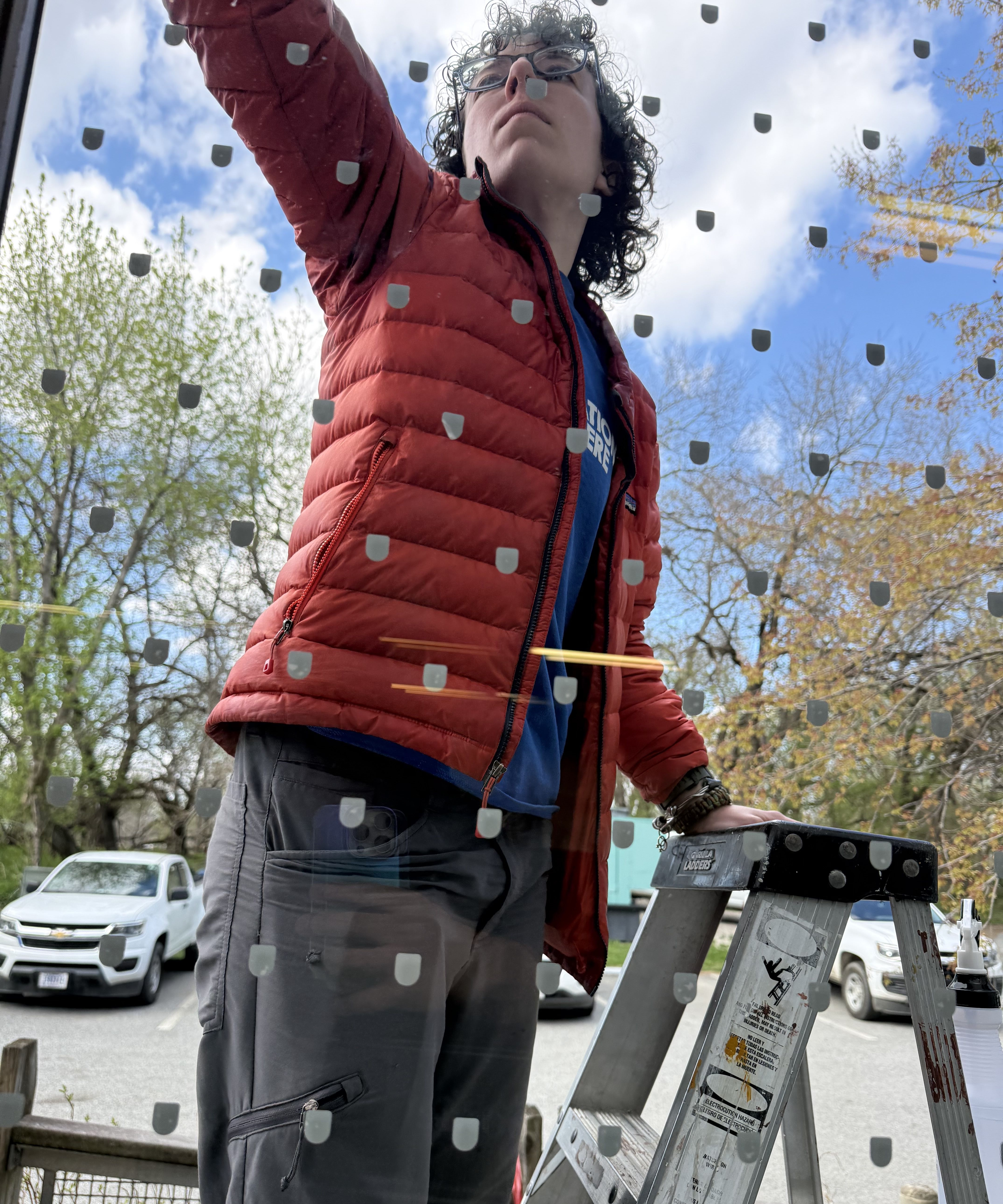
An individual helped install bird-safe window decals at John Heinz National Wildlife Refuge in Tinicum.Courtesy of the Philadelphia Zoo
Philadelphia Zoo is proud to have been first. We are proud of the generations of people who have made this institution a leader in wildlife conservation, education, animal care, and innovation.
But as Philadelphia and America celebrate 250 years, our greatest responsibility is not simply to honor what came before us. It is to decide what we want the next 250 years to look like — for wildlife, for people, and for the planet we share.
Our future won’t be written by a handful of grand gestures, but by a multitude of individual actions — turtle by turtle, season by season, neighbor by neighbor — growing into something much bigger: a movement.
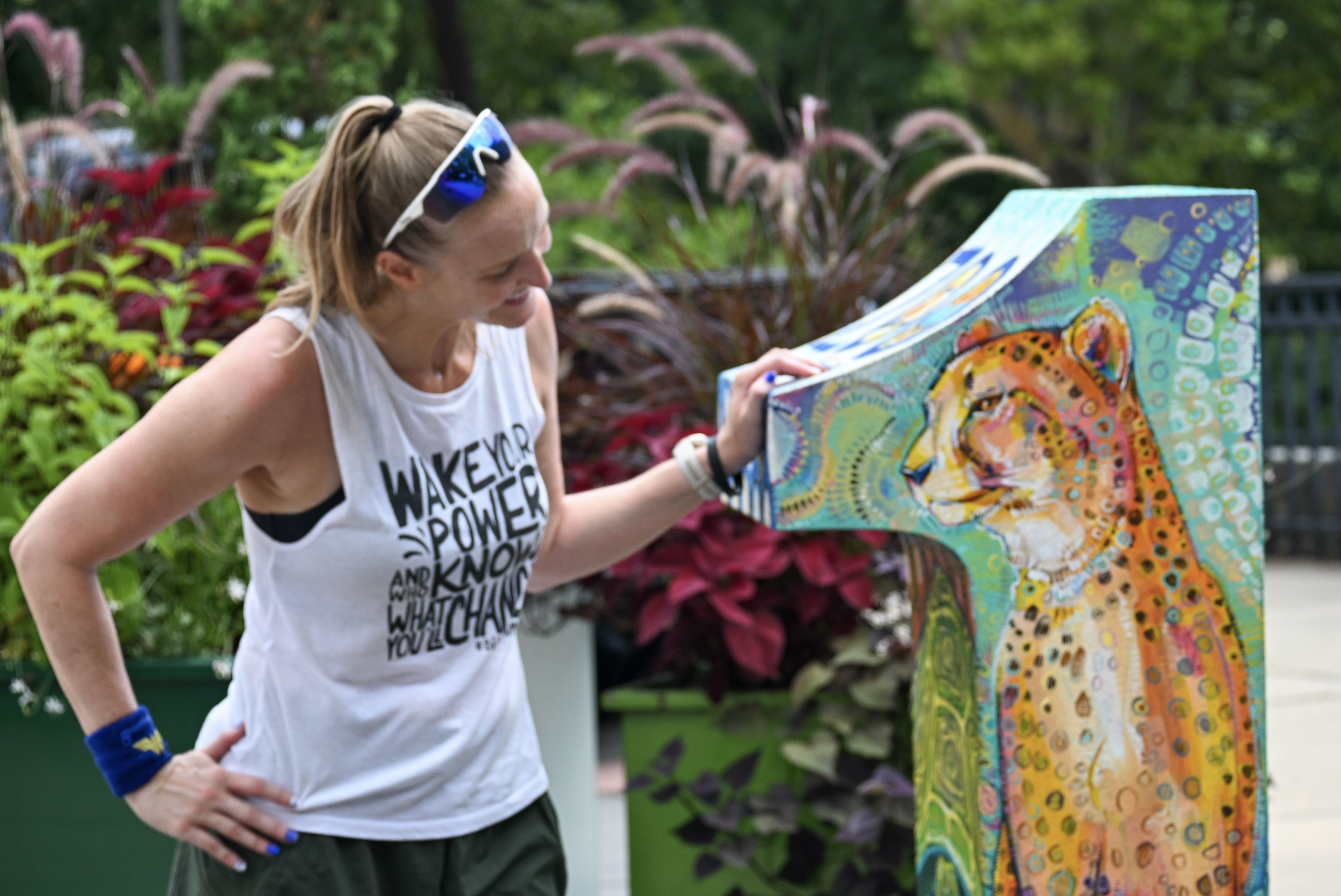
Christine Barnabic had already run a 5K at Belmont Plateau on Saturday morning when, still in her running gear, she hopped on her scooter and headed from her home in Fairmount to the Philadelphia Zoo. Her purse held commemorative pencils and a tattered punch card.
“It’s just really neat to recognize these firsts in America,” Barnabic, 42, said.
The Philadelphia Zoo, for its part, was the first public zoo to open in the United States, in 1874. It is just one stop along the Philadelphia Historic District’s “52 Weeks of Firsts” events that celebrate Philly’s history and cultural significance by showcasing things that happened here first.
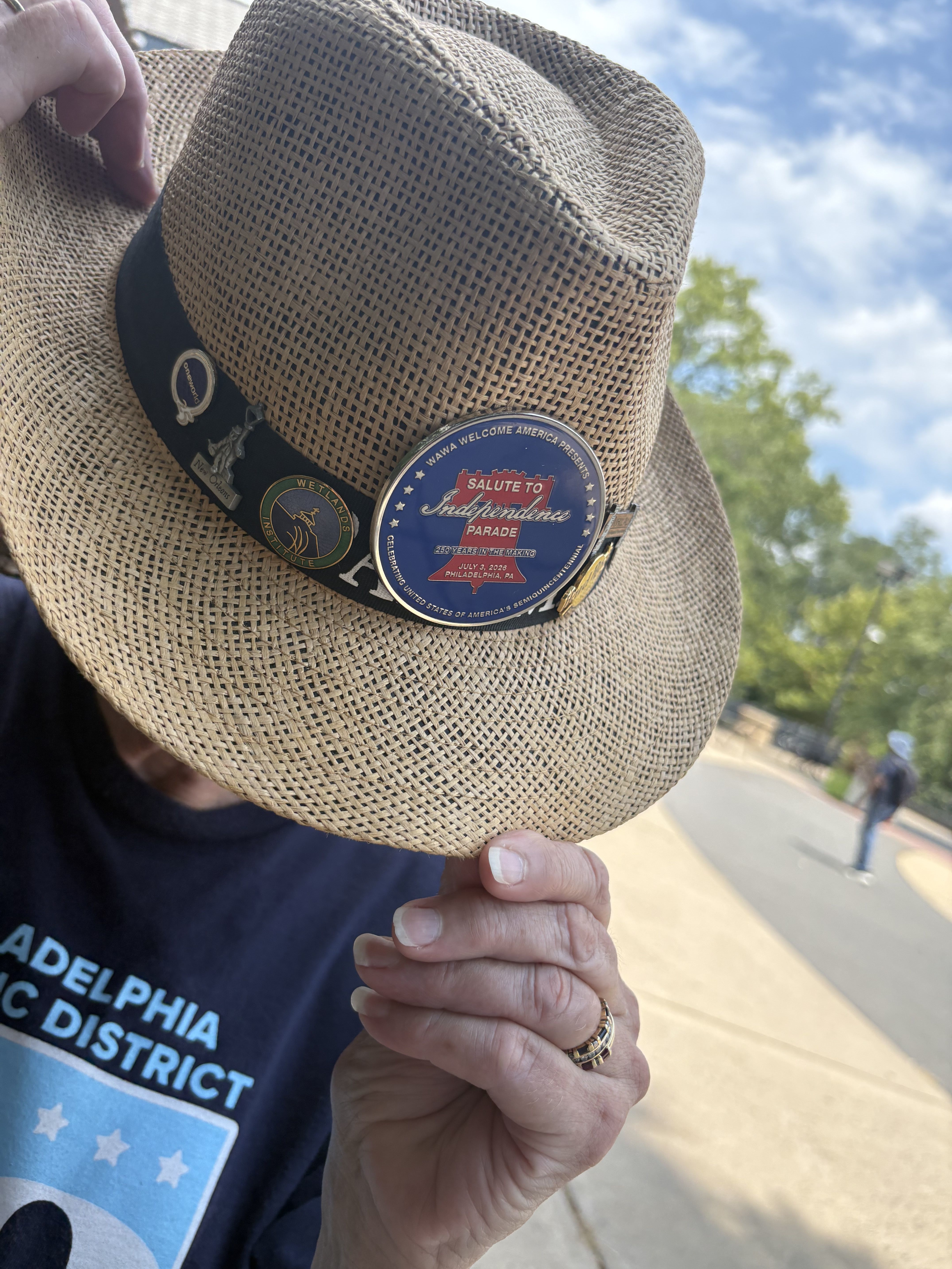
Amanda Meiluch displays her hat adorned with pins for America’s 250th as part of the city’s 52 Weeks of Firsts celebrations Saturday, Aug. 8, 2026.Brett Sholtis
She started posting selfies taken at each firstival and was stunned to learn she had won a prize pack including a Slinky, a record of old songs, tickets to the Betsy Ross House and Eastern State Penitentiary, and free admission to adult circus classes — each gift celebrating a historic milestone that happened in Philly.
Barnabic said she is no history expert, but she is an enthusiast. She manages a company that does fitness tours for people who are in town for conferences or staying at hotels. To her, checking off the firstivals also boosted her knowledge.
“And people are very friendly here,” she said.
Todd Marcocci at Under the Sun Productions has been coordinating the events for the historic district. He said he knows at least four people who have attended all 32 events so far.
The firstivals are often held at popular public locations, and many, like Barnabic, have been drawn in and kept coming back, Marcocci said. The zoo commemoration, for example, was held near the Ferris wheel, which is open to the public, no ticket required.
“It’s been great, because each week there is variety. It’s beyond education. You think you know a lot about history, but everyone learns something here,” Marcocci said.
He has his own side quest: He is gathering commemorative items from all of the firstivals that he plans to give to the Historical Society of Pennsylvania for posterity.
These days, Arnold leads history tours a couple of days a week for Grim Philly. He said he enjoys showing people the U.S. post office, the First Continental Congress, the first use of the phrase “United States of America,” and the invention of the Slinky, which can all be traced back to a four-block area in Old City.
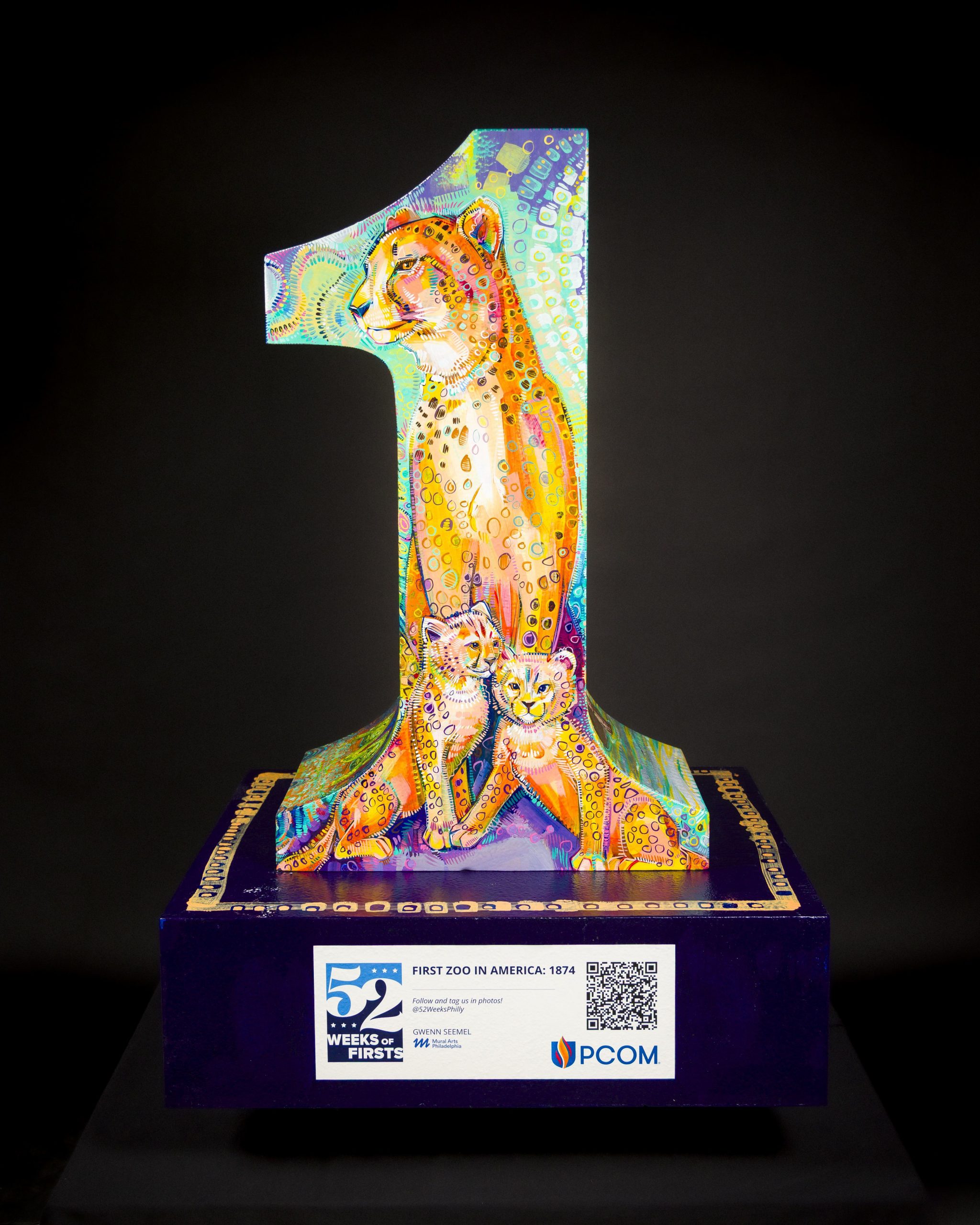
Artist Gwenn Seemel’s No. 1 captures many of the Philadelphia Zoo’s first milestones.Gwenn Seemel and Colibrà Workshop
“It’s just wonderful. As I say to my tourists, everything started here,” Arnold said.
For anyone feeling left out, 20 more firstivals remain on the calendar. They highlight everything from the first people to live in the region (at Penn Museum’s new Native North America Gallery) to the first modern detective story, “The Murders in the Rue Morgue,” written in 1841 by then-Philadelphia resident Edgar Allan Poe.
(And yes, Philly invented cheesesteaks and water ice, according to the historic district, and forthcoming food-themed celebrations are on the list, too.)
For the firstival diehards, the weekly events have also fostered a kind of community, said Amanda Meiluch, who took the train in from Penndel to volunteer at the event.
She did not start out as a volunteer, but after a few weeks, she decided to make it official.
In the process, the retired accountant has befriended other regulars — one of whom gave her a hat after dealing with a particularly sunny day. A week later, they saw each other again, and her friend was delighted to see that Meiluch had adorned the hat with pins celebrating the city’s history.
“She made me happy. And I made her happy. That’s all you can do in this world,” Meiluch said.
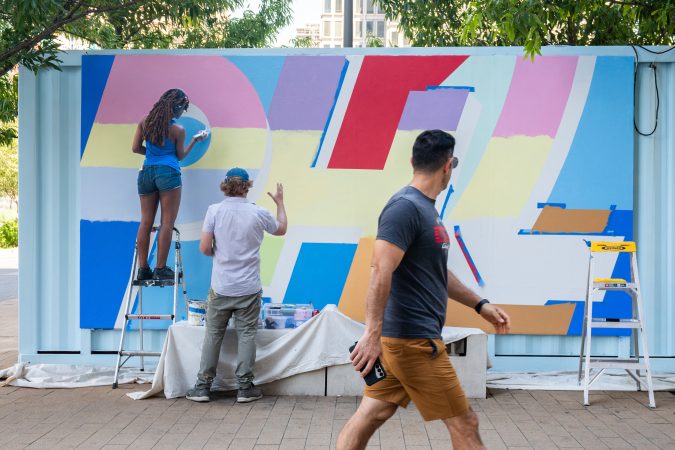
In past years, the city’s budget process has followed a certain pattern for Mural Arts Philadelphia and other groups.
The mayor’s proposed budget lists city funding at one level; City Council and others advocate for modifications at a higher level; and the budget goes back to the mayor and is finalized with the higher allocation in place.
This year was different.
Philadelphia’s nationally acclaimed program that puts colorful murals in neighborhoods and provides jobs was hoping for a boost in city funding.
Instead, the budget ultimately agreed to by Mayor Cherelle L. Parker’s administration and City Council cut funding to Mural Arts — from $5.1 million in fiscal year 2026 to $3.7 million in 2027.
Likewise the Philadelphia Cultural Fund. The group — which awards hundreds of grants to arts groups throughout the neighborhoods — was looking for increased funding in the city’s newly approved $7.1 billion budget for the fiscal year starting July 1.
But the arts nonprofit, established by the city recently, learned that it will get substantially less — $3.5 million instead of the $5 million it received from the city for the fiscal year now ending.
As a result, both groups say they will have to make deep cuts to programs.
Philadelphia’s arts and culture sector had greeted the start of Parker’s term 2½ years ago with optimism for increased funding. Today, it is “alarmed” by the cuts to Mural Arts and the Cultural Fund, said Patricia Wilson Aden, president and CEO of the Greater Philadelphia Cultural Alliance.
“We always say that your budget tells a story, and I have to say that the cultural community is disappointed and frustrated with the story being told by this FY27 budget,” she said. “Cutting the budget of signature programs like Mural Arts by 26% or decreasing funding to the Philadelphia Cultural Fund, that’s going to have ramifications throughout the city.”
Parker was not available for comment, a spokesperson said.
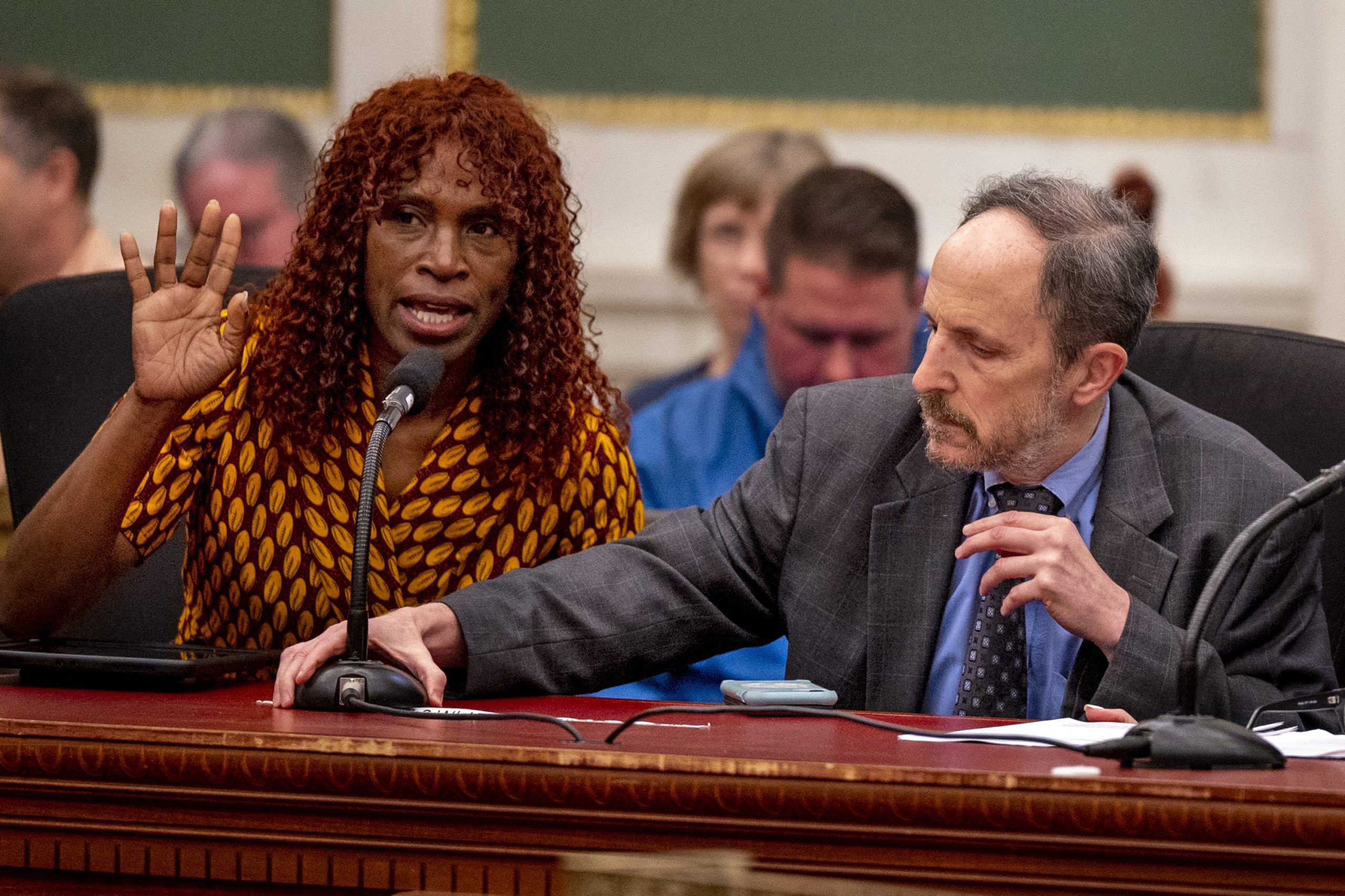
Valerie V. Gay (left) chief cultural officer with the City’s Office of Arts, Culture and the Creative Economy, and finance director Rob Dubow (right) testify at a Philadelphia City Council hearing, Aug. 8, 2024 on the collapse of the University of the Arts.Tom Gralish / Staff Photographer
Valerie V. Gay, the city’s chief cultural officer, said it was the city’s view that funding for the two groups had remained flat from 2026 to 2027, since the base allocation stayed the same and it was only the added amount that did not come through — though she allowed that “absolutely I can see how it can be perceived.”
A ripple effect
The resulting cuts at both groups promise to be substantial. The Cultural Fund will be forced to reduce the number of grants it had been expecting to distribute in the coming year, from 332 to 232. It has changed its eligibility requirements, which will eliminate grants to a pool of midsize organizations currently eligible.
“It’s going to be a ripple effect. People are going to feel it and communities are going to feel it,” said Philadelphia Cultural Fund executive director Gabriela Sanchez.
“An investment in the Philadelphia Cultural Fund is more than a budget line item,” Sanchez wrote in a statement distributed by the group. “Funding to PCF represents how the city values neighborhood theaters, cultural centers, museums, arts education programs, festivals, dance companies, community storytelling initiatives, music programs, and cultural traditions that bring Philadelphians together. These spaces are where young people discover their creativity, where seniors find connection, where communities celebrate their heritage, and where residents gather across lines of difference.”
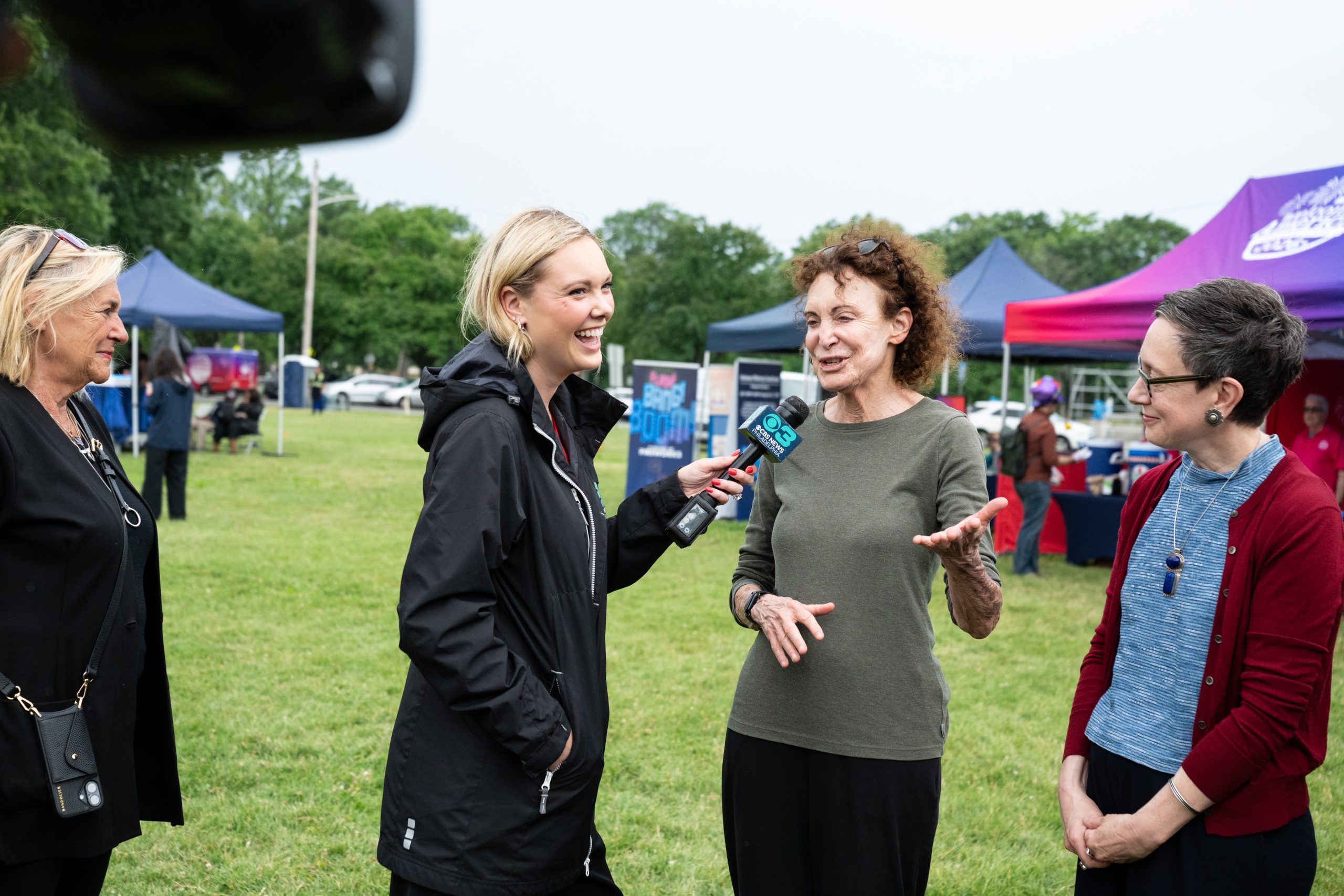
Jane Golden (center right) speaks with press at the Wawa Welcome America media preview for the Philly Fair 250, outside the Please Touch Museum in West Philadelphia, June 18, 2026. Mural Arts held a ceremonial unveiling of a 10-story-high mural replica, originally titled ‘CityKids Speak On Liberty,’ and created by Keith Haring.
Mural Arts director Jane Golden declined to comment, but an initial assessment from the group obtained by The Inquirer says that “hundreds of residents in at least 15 Philadelphia communities will lose the opportunity to develop public art projects,” and that opportunities for paid work, job training, and mentorship through the Mural Arts Restorative Justice program will be reduced by 25%.
Mural Arts will also have to cut by 75% its program of restoring and preserving the city’s murals, “putting at risk community landmarks that took years and significant public investment to create,” the impact statement reads.
Of the program reductions at both groups, Gay said: “I am always sad that any cuts are made or that any organizations are unable to do the work they thought they were going to be able to do. That’s always a sad time for us, and I’m looking forward to when we are a fully funded sector.”
A city spokesperson was unable to provide a full list of groups that in past years had received higher allocations after advocacy from City Council and others, but this year did not.
What’s behind the cuts
Aden says arts and culture has seen some significant recent “wins” from city government. Among them is the advancement of a referendum that, if approved by the mayor and then by voters this fall, would enshrine the city’s office of arts and culture, called Creative Philadelphia, in the City Charter.
The city has approved $500,000 a year to develop and implement a cultural plan for Philadelphia that would document financial needs and could identify potential pathways to establishing funding.
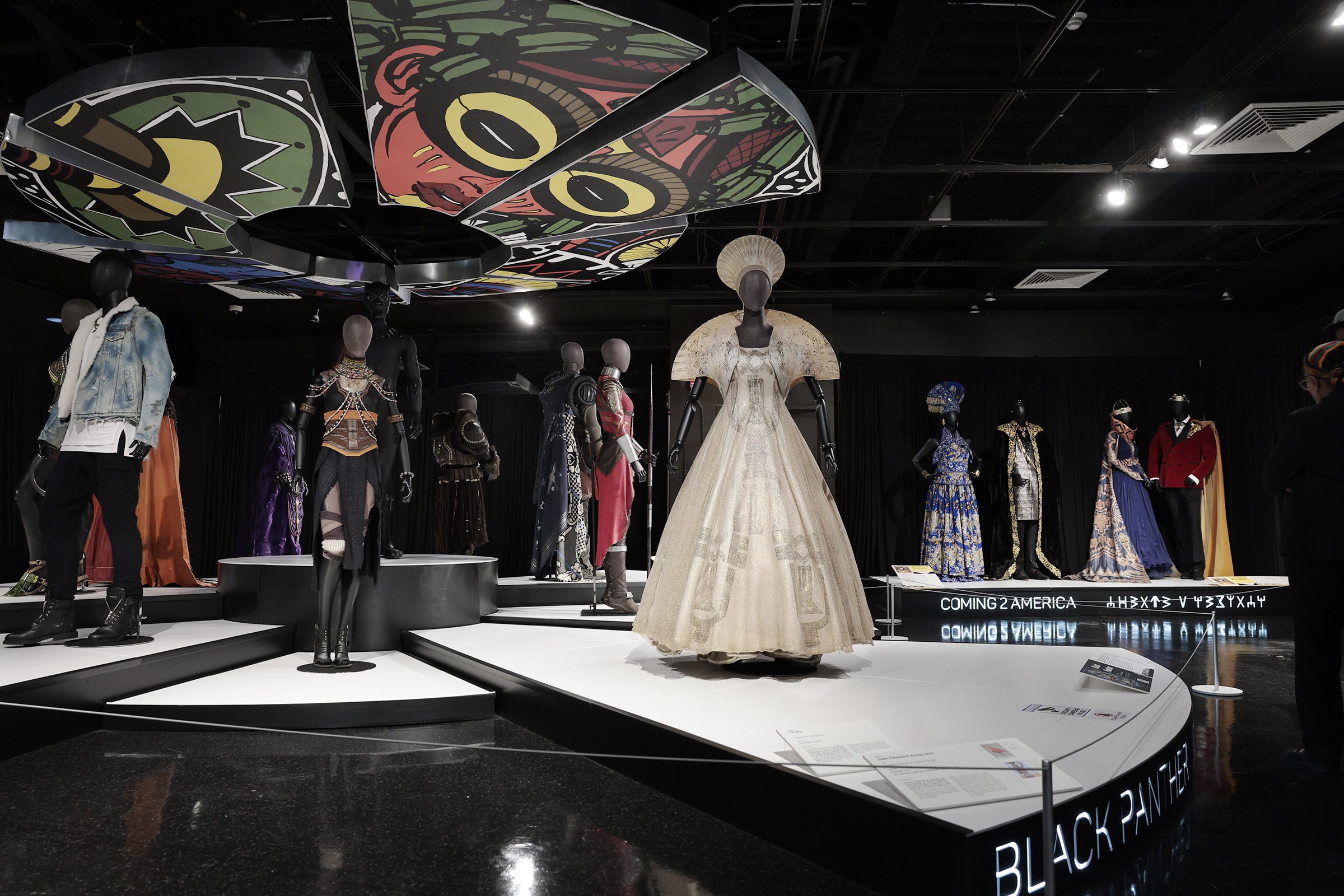
The ‘Ruth E. Carter: Afrofuturism in Costume Design’ exhibition at the African American Museum in Philadelphia, Nov. 1, 2025.Elizabeth Robertson / Staff Photographer
Sometimes the city’s support is for regular operations, and other times it is for specific capital projects. In an unusually large commitment, the city has pledged $50 million to the African American Museum in Philadelphia for its relocation to the Benjamin Franklin Parkway.
The city is providing nearly $32.5 million to arts and culture in FY27, according to a list provided by Parker’s office. While that total includes small items that might seem mundane — paying utility bills at various facilities, for instance — it also shows multimillion-dollar allocations to the Philadelphia Museum of Art, Dell Music Center, and Philadelphia Zoo.
But the arts and culture sector often finds itself fighting for adequate funding in the annual budget process. Arts leaders and others say it has been standard practice in recent memory that funding is listed at one level in the mayor’s proposed budget and after City Council testimony in budget hearings ends up being higher.
This year, the mayor “could have funded [the arts] at a higher amount,” as she did last year, but did not do so, Councilmember Rue Landau said.
The cuts came after a budget that passed without a series of tax increases proposed by Parker, including a $1 tax on rideshare services, after failing to win support from City Council. After Council signaled it would reject Parker’s tax proposals, the administration would not agree to any last-minute line items for new funding requests from lawmakers.
Councilmember Isaiah Thomas, a consistent arts supporter who, like Landau, is an ex-officio Mural Arts board member, said that with the lack of new tax revenue and the city’s extra allocation of $48 million to cover the Philadelphia School District’s budget shortfall, the funding pie for other allocations got smaller.
“This budget year, a lot of attention and advocacy went toward schools,” Thomas said. The funding cuts to Mural Arts and the Cultural Fund were “extremely unfortunate,” he said, “and I wish we could have done something different.”
The need for ‘predictable, stable, reliable’ funding for the arts
While the city’s budget is now final, there is another potential window of opportunity for funding through a midyear budget transfer process in which the city might see expenditures in certain areas coming in lower than expected, and then transfer money from those categories to other areas.
Asked whether funds might be restored through a budget transfer to Mural Arts or the Cultural Fund, Gay said:
“I think anything is on the table, but I also think nothing is guaranteed.”
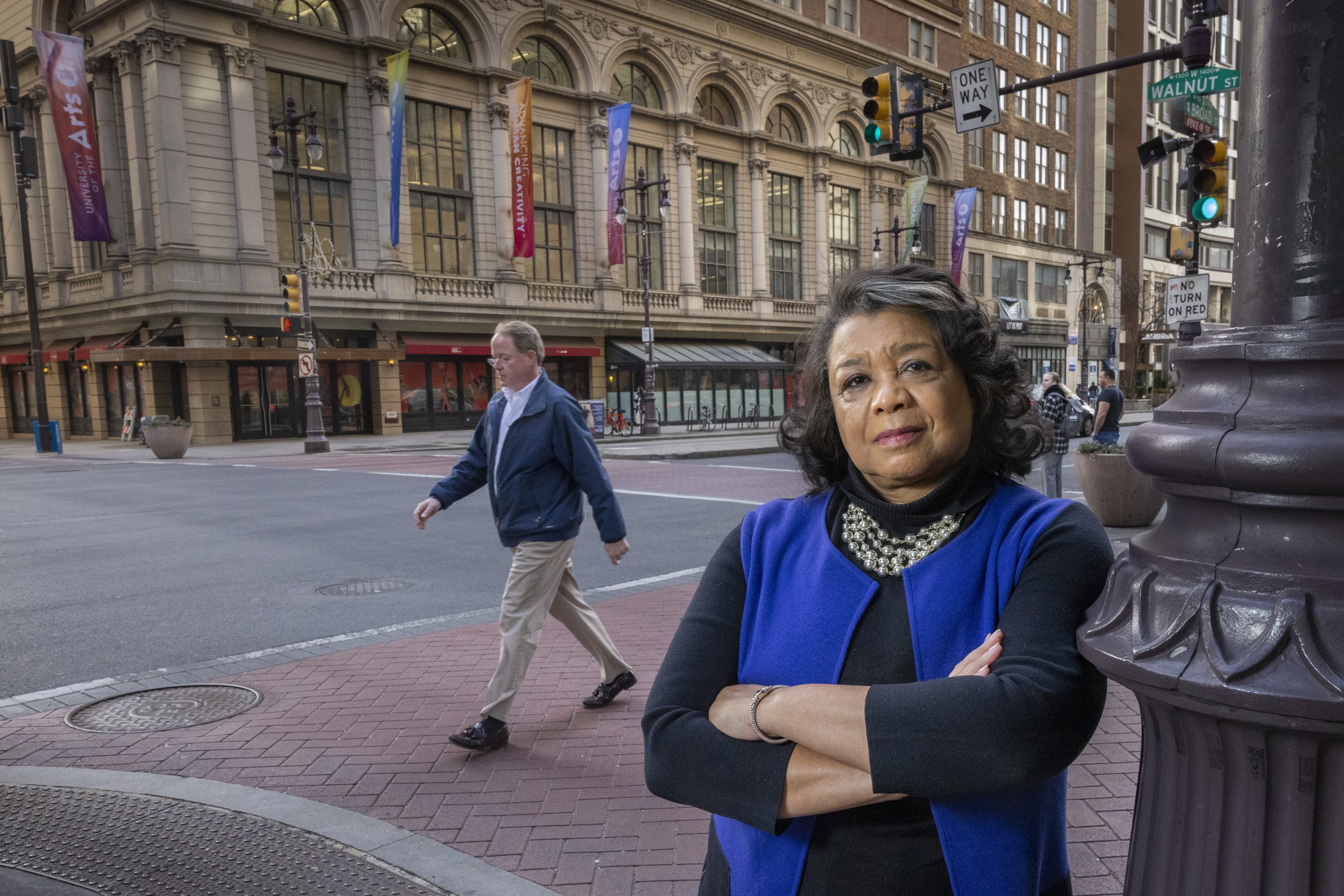
Patricia Wilson Aden, president and CEO of the Greater Philadelphia Cultural Alliance, at S. Broad Street and Walnut along the Avenue of the Arts, Feb. 15, 2023.Alejandro A. Alvarez / Staff Photographer
Any restoration of funds would happen after arts groups have already put cuts in place, and this kind of unpredictability “makes planning by these organizations very, very difficult,” Aden said.
“The practice of underfunding the arts and having Council and other entities have to go on an advocacy campaign to increase funding is illogical,” Landau said. “It is clear as day that we should be supporting the arts with additional funding every single year, so we don’t have to go through this and it won’t ever be a question mark for them.”
What is really needed, Aden said, is a dedicated arts fund in Philadelphia and the region.
“We’ve seen other regions benefit from this predictable, stable, reliable funding. And instead, here in Philadelphia, each year we have this conversation about increases and decreases and their impact. We are sometimes left to the will and whim of elected officials, and we would like to take the creative economy out of the political realm and put it solidly within our larger civic interest, so that it is stable and has the investment that is required to reach its full potential.”
Staff writer Anna Orso contributed to this article.