Tag: PFAS

  • EPA will spend $2.5M in Camden to clean up site where giant dirt pile caused underground contamination

    EPA will spend $2.5M in Camden to clean up site where giant dirt pile caused underground contamination

    A 45-foot-high pile of illegally dumped construction fill that once marred Camden’s Bergen Square neighborhood was removed several years ago.

    But contamination still lurks beneath, including lead, arsenic, and PFAS — known as “forever chemicals.”

    Now, the U.S. Environmental Protection Agency has awarded a $2.5 million grant to excavate and clean up the 1.6-acre site by scooping out and disposing of a four-foot-deep layer of ground, now leveled with crushed stone.

    The grant was announced Thursday at a news conference with regional EPA administrator Michael Martucci, Camden Mayor Victor Carstarphen, U.S. Rep. Donald Norcross (D., N.J.), and other officials.

    “It’s a brownfield grant,” Martucci said, noting the money would be used to assess the site and clean it so it can be used for a productive purpose.

    “There’s underground contamination,” he said. “To return the site to beneficial reuse, we need to complete the environmental cleanup.”

    Martucci said the money would be awarded after Camden finds a developer for the site and submits plans for its new use.
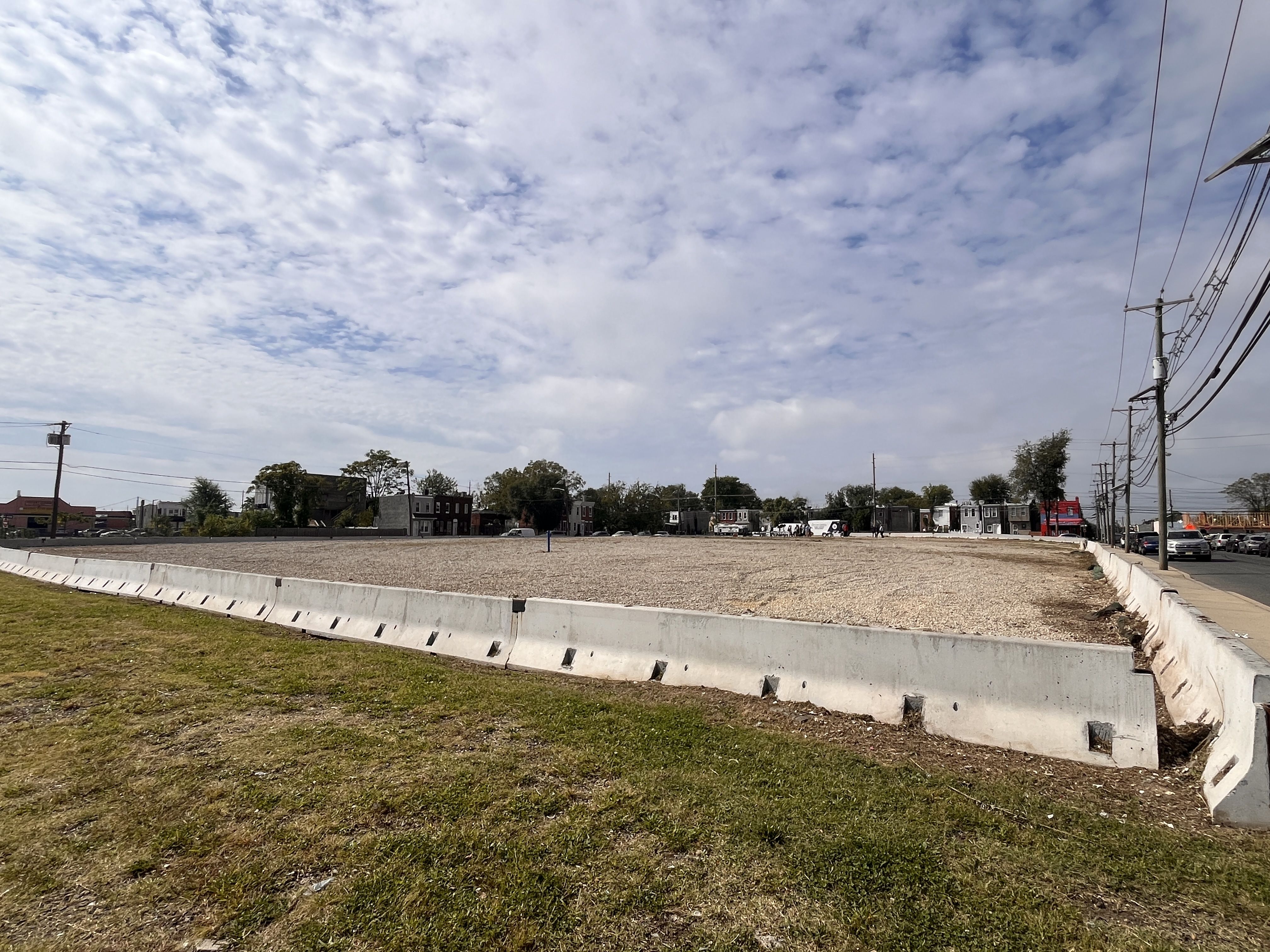
    The site of a former tower of dirt at 7th and Chestnut Streets in Camden, N.J. is now covered in crushed stone.Frank Kummer

    Hope for a neighborhood

    Carstarphen said the cleanup brings more hope to the blighted neighborhood.

    “This is a great day for our community,” Carstarphen said. “It’s been a long, long journey.”

    The pile, the result of years of dumping construction fill and other material at the site, grew so big that it loomed over a lone home on the 600 block of Chestnut Street.

    Covered with weeds, it towered above an intersection with debris, including tires and broken concrete. Some of the waste spilled onto city property.

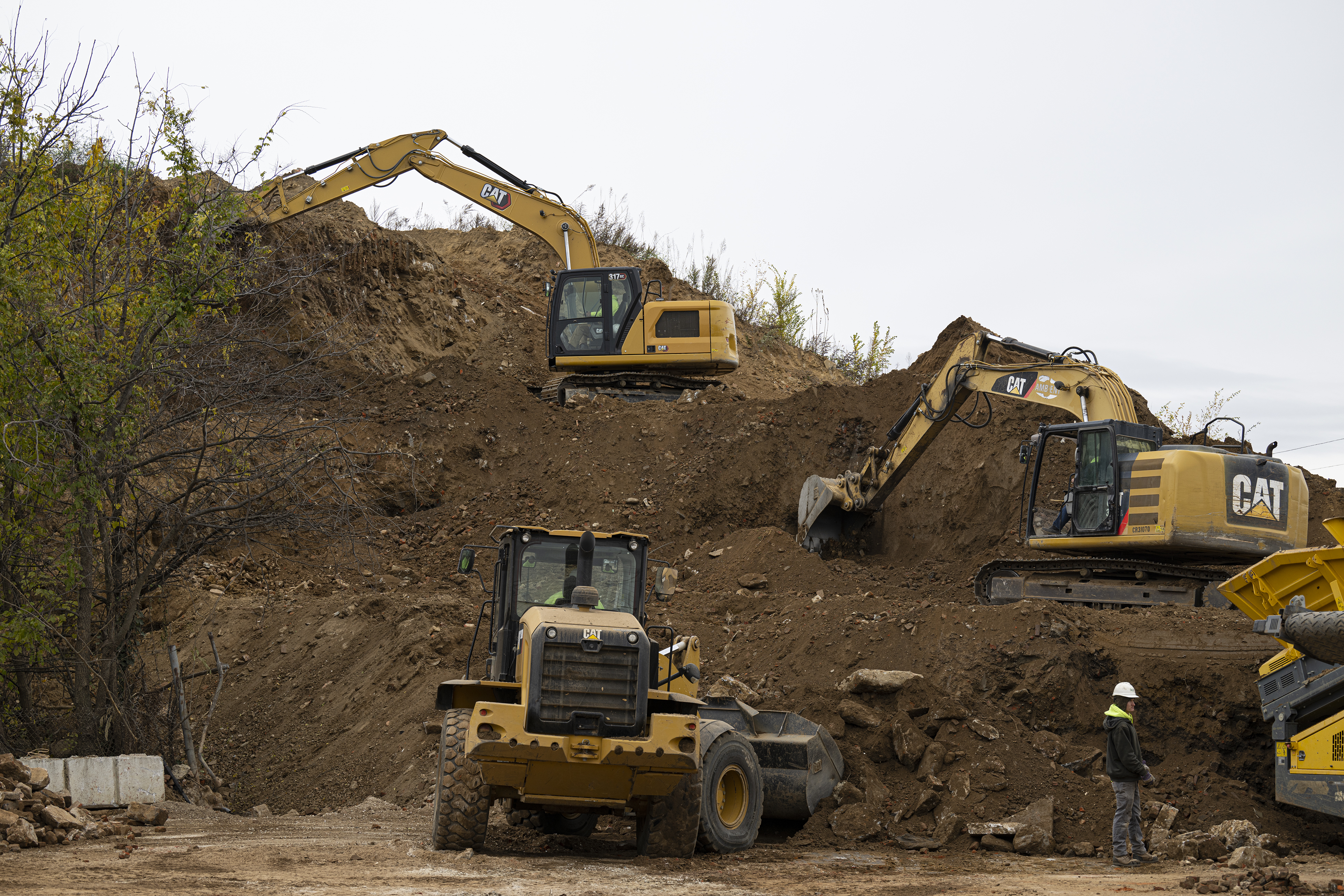
    The pile was removed by the city in 2024. In all, crews removed 4,000 tons of solid waste, 100 tons of tires, and 15 drums.
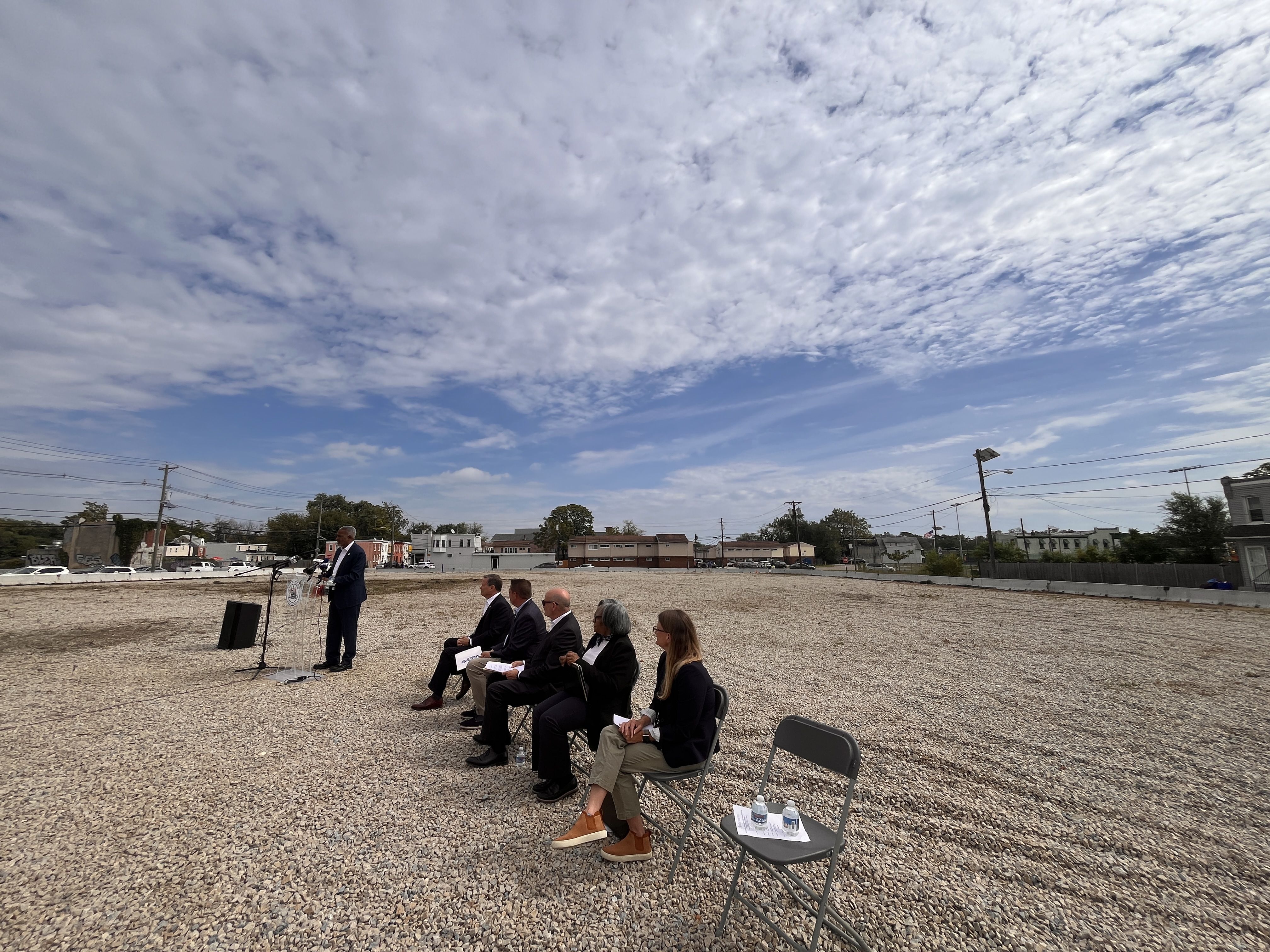
    Camden Mayor Victor Carstarphen speaks during a press conference about the cleanup of the site on Chestnut Street. Next to the mayor, from left, are U.S. Rep. Donald Norcross, U.S. Environmental Protection Agency regional administrator Michael Martucci, Camden County Commissioner Jeffrey Nash, Camden Redevelopment Agency executive director Olivette Simpson, and BRS Inc. engineer Jennifer Taylor.Frank Kummer

    Long a blight on Bergen Square

    The New Jersey Department of Environmental Protection sued one former owner and longtime operator of the site, S. Yaffa & Sons Inc.

    The 2021 suit alleged the company “unlawfully imported and stockpiled solid waste on their Camden property, including contaminated fill material, construction and demolition debris, and waste tires,” and resisted taking action after receiving numerous violation notices and an order to stop. The company sold the property in 2019, according to the suit.

    The suit also noted that Camden, with a “significant low-income and minority population,” has “been disproportionately exposed to high-polluting facilities.”

    The city shut down the site in April 2021 as an illegal dump.

    It entered into an agreement with multiple agencies in July 2022 to authorize action to take the land through foreclosure. In September 2022, officials seized the land, then owned by a contractor. Some of the land was on both sides of the street.

    Officials began removing the pile in 2023 and finished in June 2024, leaving a large open space that immediately changed the character of the neighborhood.
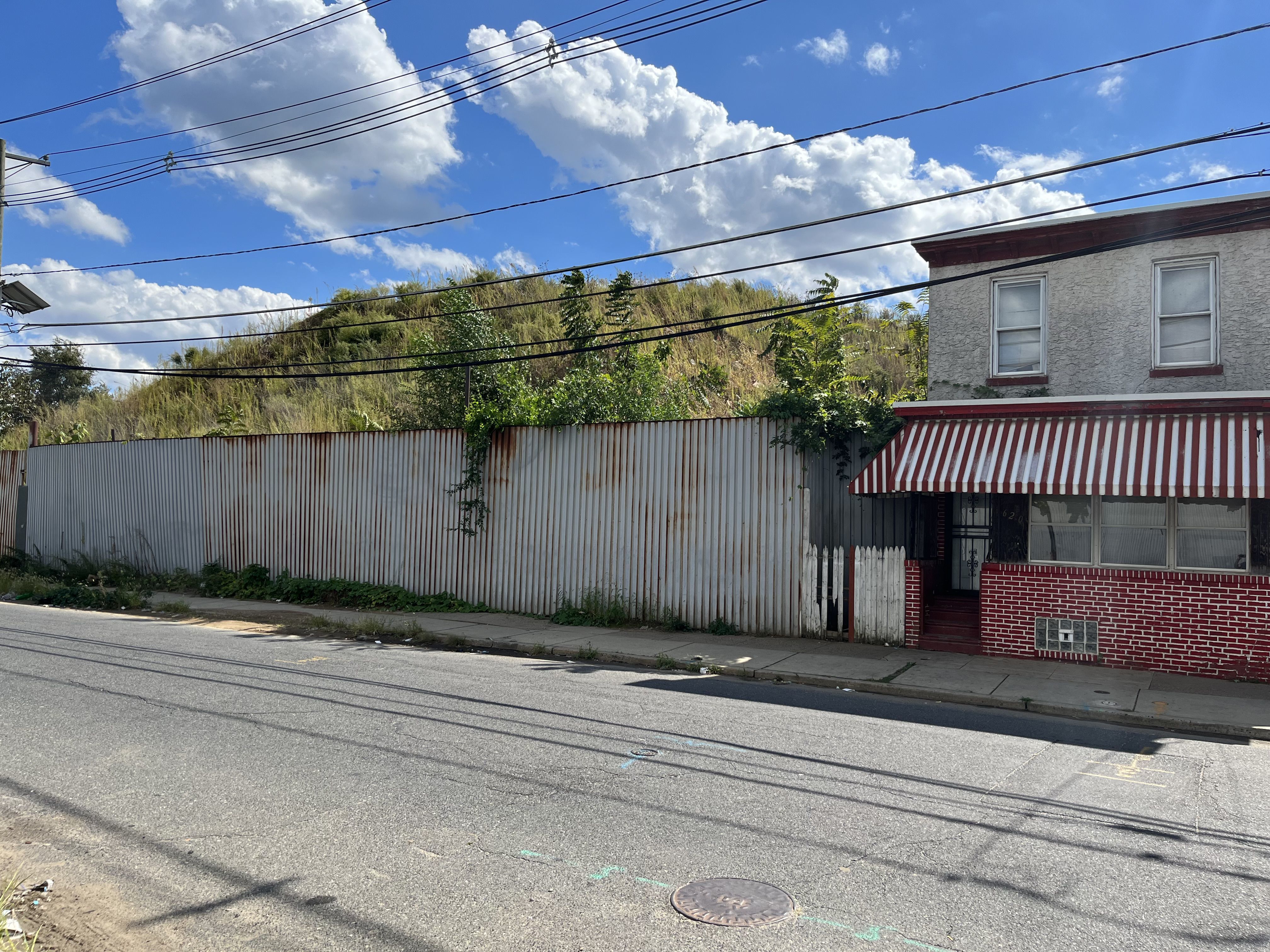
    File: When the dirt pile still stood next to a home on Chestnut Streets in Camden. Frank Kummer

    Next steps

    Olivett Simpson, executive director of the Camden Redevelopment Agency, said an estimated 11,800 tons of soil will be removed and the site will then be covered with clean soil.

    Camden is currently assessing what kind of redevelopment will work on the site, which is zoned for industrial and commercial buildings. Simpson said the city has already held meetings to engage the community on the site’s future, which will likely include retail and housing.

    Jennifer Taylor, an engineer with BRS Inc., a brownfield consulting firm, is working with the city to evaluate redevelopment opportunities and expects a plan to be adopted by the end of the year.

    The ground underneath must be made suitable for people to use the property, Taylor said.

    “We want the momentum of this site not to go away,” Taylor said.

    A new home was being built less than a block from the site as she spoke, something officials said would have been unlikely had the pile still stood.
  • Microplastic pollution found in 100% of Delaware River tributaries tested

    Microplastic pollution found in 100% of Delaware River tributaries tested

    Fleece fragments in a washer flow into a wastewater treatment plant. A plastic bag blows into a stream. A water bottle washes down a storm drain.

    All can end up in the region’s waterways as microplastics smaller than a grain of rice and find their way into drinking water and the stomachs of animals and fish.

    This kind of microplastic pollution was detected in 22 stream and river segments across the Delaware River watershed, according to a new survey of waterways by the nonprofit advocacy group PennEnvironment Research and Policy Center.

    Researchers analyzed water samples from sites along the Delaware River and its tributaries across Pennsylvania, New Jersey, Delaware, and New York.

    The research was conducted in partnership with the nonprofit Environment New Jersey Research and Policy Center. Scientists with the Academy of Natural Sciences at Drexel University helped analyze the results, which were released Wednesday during a news conference at Fairmount Water Works.

    Contamination was found in the Delaware and Lehigh Rivers and the Schuylkill. It was found in Neshaminy Creek in Bucks County, Brandywine Creek in Chester County, and Cooper River in Camden County. And it was found along the Christina River in Delaware.

    Drexel’s lab analysis confirmed microscopic plastic at every sampled site, highlighting what the researchers say is a widespread environmental threat.

    “We can look at a waterway, and it might be free of litter, it might be free of visible plastic pollution, but that doesn’t necessarily mean it’s clean,” said Faran Savitz, an advocate for PennEnvironment. “The big takeaway is that we should be concerned. The depth, the breadth of this plastic pollution is staggering.”

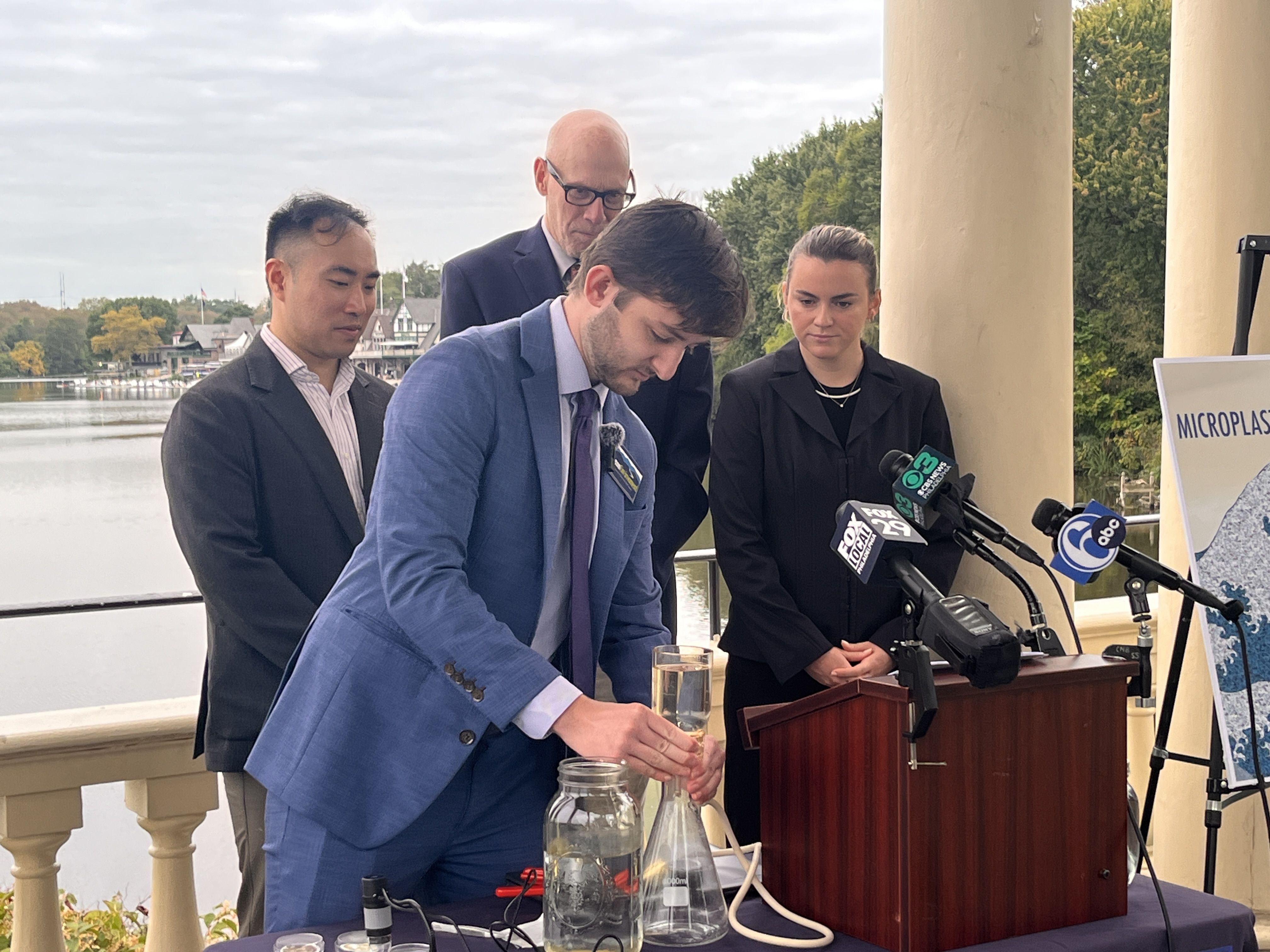
    Faran Savitz with PennEnvironment demonstrates water testing. In the background from right are: Lizzy Mulvenna, with Environment New Jersey Research & Policy Center; David Velinsky, senior scientist, Academy of Natural Sciences; and Derek Ho, microplastics researcher, University of Pennsylvania.Frank Kummer

    Where do microfibers come from?

    Waterways in and around Philadelphia emerged as significant focal points in the survey results.

    Samples drawn from the Delaware River in Philadelphia tested positive for multiple categories of microplastics including microfibers, microfragments, and microfilm, as did other waterways. Microbeads, often found in cosmetic products, were also found in the Christina River.

    Microplastics are defined as fragments of less than 5 mm in length.

    The synthetic microfibers came primarily from clothing and textiles. Rigid microfragments from items such as fishing line were found in 82% of locations. And flexible microfilm from bags and packaging appeared in 77%.

    (function(){function e(){window.addEventListener(`message`,function(e){if(e.data[`datawrapper-height`]!==void 0){var t=document.querySelectorAll(`iframe`);for(var n in e.data[`datawrapper-height`])for(var r=0,i;i=t[r];r++)if(i.contentWindow===e.source){var a=e.data[`datawrapper-height`][n]+`px`;i.style.height=a}}})}e()})();

    Microplastics have been found in humans

    Researchers explained that laundering synthetic garments releases millions of microfibers that wastewater treatment facilities are unable to completely filter out before they are discharged into local streams.

    However, because plastic does not biodegrade but continuously fractures into tiny fragments, filters capture only a portion of plastic entering a waterway.

    Savitz said PennEnvironment’s study did not release the concentrations of microplastics because it did not want to compare one waterway or state against another.

    The findings carry ecological and public health implications, as microplastics can block digestive tracts in wildlife and absorb toxic chemicals like PCBs and PFAS that bioaccumulate up the food chain, the report stated.

    On average, humans ingest approximately 5 grams of plastic weekly, which is roughly equivalent to the weight of a credit card. Microplastics have been found in human blood, lung tissue, and organs, the researchers said.

    Plastics are also routinely found in wildlife, including sea turtles, birds, and whales. About 60% of all seabirds have ingested plastic, with that number rising.

    The environmental advocates are urging state and local leaders to enact policies such as producer responsibility for plastic packaging, bans on single-use foam and plastic bags, strict limits on pre-production plastic pellets, and enhanced drinking water filtration systems.

    Microbeads once used in personal care products were phased out under President Barack Obama in 2015. But many of those products still linger on household shelves.

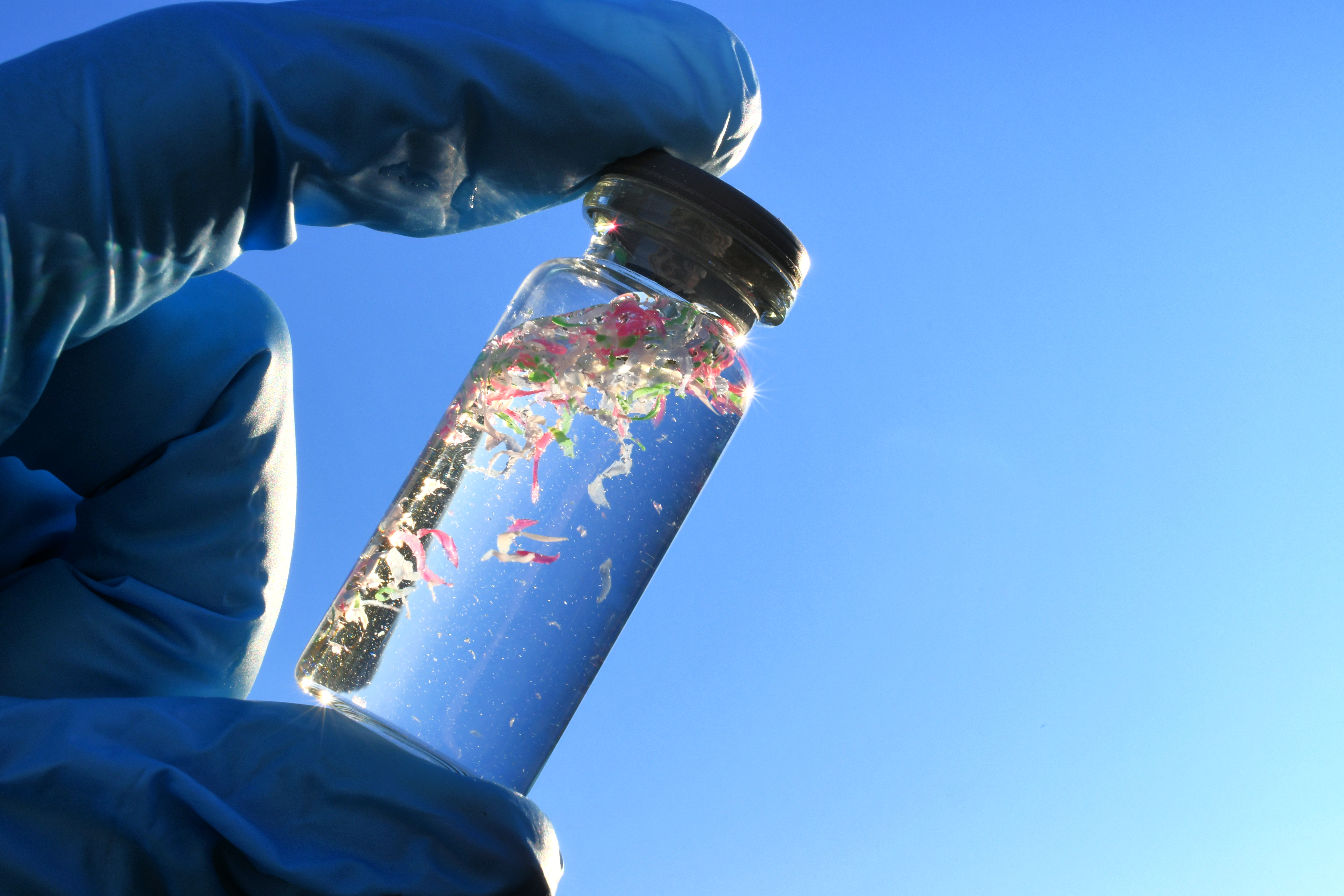
    File: A glass vial containing water and microplastic pollutionGetty Images

    Philadelphia’s drinking water

    Philadelphians get their drinking water from the Delaware River and the Schuylkill. Most microplastics are filtered out at the Philadelphia Water Department’s wastewater treatment plants, but some particles still get through.

    In 2025, PWD removed 4.6 tons of plastic litter from the Delaware and the Schuylkill, alongside an estimated 1,000 tons of plastic extracted through sewer maintenance, the researchers stated.

    PWD said in an online report that it is “unclear whether microplastics pose a danger to human health,” noting that the risk could depend on the level of exposure, the type of plastic, and the size of the particles.

    But it noted that research suggests some are harmful to fish and animals and can build up in the organs or bloodstream over time.

    “PWD is always investigating advanced treatment technologies that may eliminate microplastics and other impurities,” the report stated.

    David Velinsky, a senior scientist at the Academy of Natural Sciences of Drexel University, said, “plastics and microplastics are everywhere, from our clothing to the ubiquitous water bottle.”

    When plastics and microplastics are not properly disposed of or recycled, he said, they break down into ever smaller pieces.

    They “can travel great distances through both the air and in the water,” Velinsky noted.

    A plea for ‘producer responsibility’

    To combat pervasive plastics, advocates are urging federal and state lawmakers to enact targeted reforms, including the federal Plastic Pellet Free Waters Act currently before Congress, and state-level producer responsibility legislation for plastic packaging.

    Savitz emphasized that shifting financial and operational burdens back onto manufacturers is critical to curbing waste at its source.

    At least seven states have passed producer responsibility laws, though not all are in effect, according to the Product Stewardship Institute. Those states include Washington, Oregon, California, Colorado, Minnesota, Maryland, and Maine.

    “If we can shift the burden back onto companies that create this waste in the first place,” Savitz said, “we can actually reduce the waste, encourage recycling, and make these broader, more systemic changes.”

  • Phillies installed artificial turf at FDR Park field without environmental permit, record shows

    Phillies installed artificial turf at FDR Park field without environmental permit, record shows

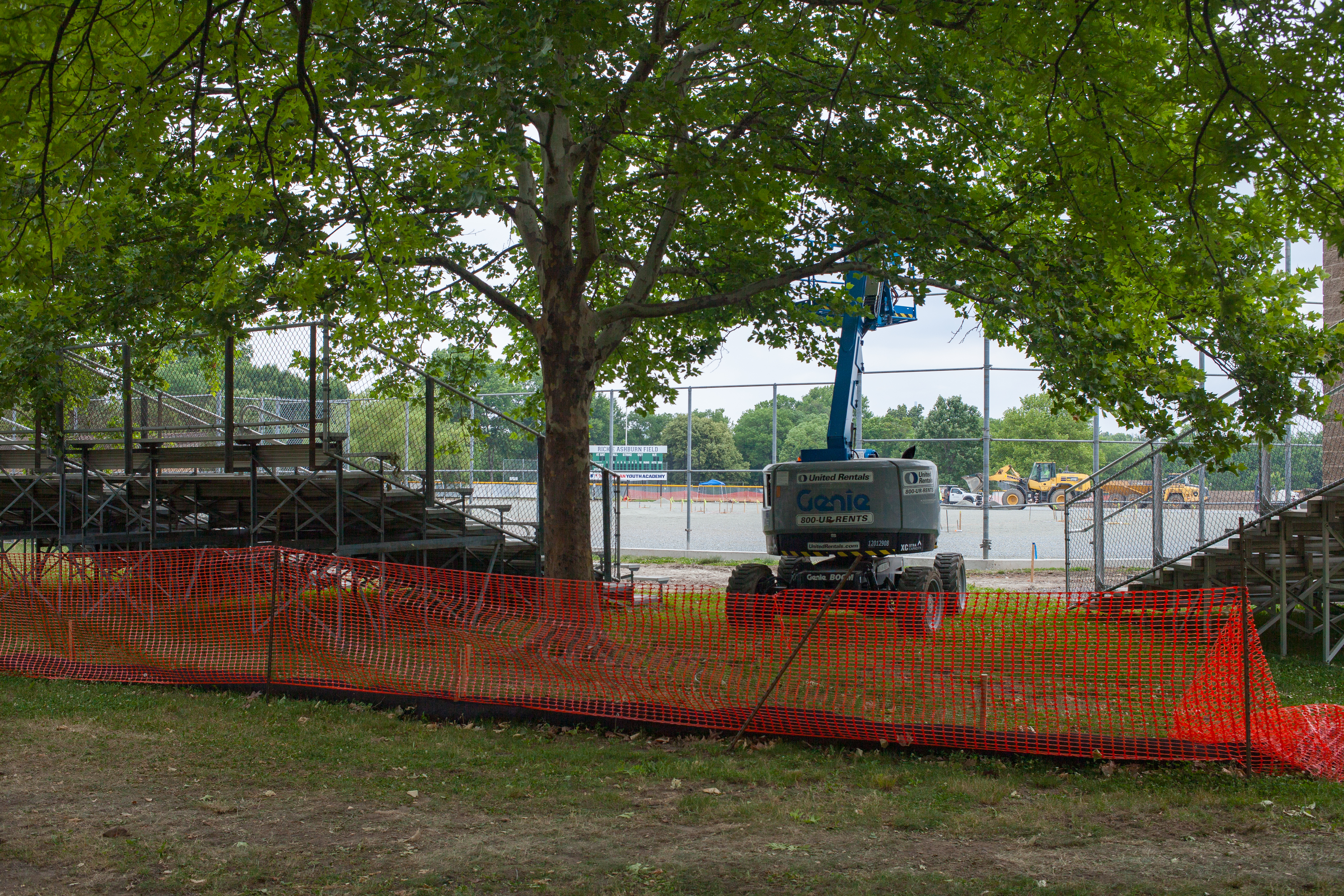
    The Philadelphia Phillies installed artificial turf at Ashburn Field in FDR Park in July but still have not obtained a required state permit, according to Pennsylvania Department of Environmental Protection records.

    Major League Baseball and Phillies Charities Inc. held a ribbon-cutting for the renovated field, named after Hall of Famer Richie Ashburn, on July 10. It was part of festivities leading up to the MLB All-Star Game.

    The renovation of the decades-old field included removing natural grass in favor of a “high-performance synthetic turf system and upgraded drainage” at the five-acre complex, according to an MLB news release.

    However, documents from the Pennsylvania Department of Environmental Protection (DEP) show that the Phillies never obtained the required permit designed to address erosion control and stormwater release at the site.

    Under Pennsylvania law, anyone disturbing more than one acre of ground is required to obtain a permit for stormwater discharges before beginning the work and explain how the work will affect drainage going forward.

    DEP spokesperson Robyn Briggs said in an e-mailed statement that the agency is “currently reviewing the Phillies’ permit application and the compliance situation at the site. Because this matter is still under review, DEP cannot comment on whether any enforcement action or penalty will be taken.”

    The permit review is listed as “paused,” the statement said, because the DEP is still waiting for the Phillies to address outstanding issues.

    “Once the necessary information is received, DEP can continue its review,” the statement said.

    City approval?

    Bonnie Clark, a spokesperson for the Phillies, said in an e-mailed statement that “the recent upgrades to Richie Ashburn Field were undertaken in coordination with the city and relevant governmental agencies.”

    Clark said the city authorized the work to proceed while permit applications were in process so the upgraded field could host All-Star Week events.

    “We expect to obtain all necessary final approvals as early as next week,” Clark said.

    Clark did not specify who at the city, or what department, the Phillies were working with. City officials did not respond to requests for comment.

    When asked if this was proper procedure, Briggs reiterated that the DEP is “reviewing the compliance situation at the site” and noted the state law that requires the stormwater permit for construction-related earth disturbance.

    Typically, state law supersedes city authority.

    What is Ashburn Field?

    Ashburn Field was part of an investment MLB made in Philadelphia’s youth baseball community for the 1996 All-Star Game. The field, owned by Philadelphia as part of its park system, is managed by the Phillies. It is the first large turf field installed at FDR Park.

    MLB said the newly renovated field will serve about 8,000 participants in the Phillies Reviving Baseball in Inner Cities and Youth Academy programs, “while providing a weather-resistant playing surface in an area where rain often forces cancellations.”

    ‘Deficient’

    The Phillies notified the DEP they were applying for a permit on May 13.

    On May 27, the DEP sent a letter to the Phillies notifying the team that it needed additional information and logged 32 items that needed to be addressed, according to documents obtained by The Inquirer. That letter noted that final plan drawings had not been submitted, other drawings failed to include the project’s boundary, and not all water discharge areas were noted.

    A local engineering firm hired by the Phillies responded in June to each point.

    On July 7, the DEP sent another letter to the Phillies again noting technical deficiencies. And it sent another letter on July 24, about two weeks after the ribbon cutting, noting an outstanding deficiency and telling the Phillies to resubmit information in coordination with the Philadelphia Water Department.

    The permit is still listed as pending on the DEP website.

    The fight against artificial turf at FDR Park

    Adding artificial turf to Ashburn Field is the latest in a yearslong debate about changes to FDR Park.

    In 2019, the city’s parks and recreation department released a master plan to overhaul FDR Park, including the installation of 12 artificial turf fields in the footprint of a former golf course. (Those fields are separate from Ashburn Field.)

    The department said average rainfall left sections of the park unusable for days because of frequent flooding. Officials predicted that flooding would only worsen because of climate change and said artificial turf fields would provide better flood control. The plan would require cutting down dozens of trees.

    But that was pre-pandemic.

    As COVID restrictions shut down the world, the golf course returned to a wild state and became a beloved space by dog owners, hikers, and birders. They nicknamed the space “the Meadows.”

    Local opposition to the city’s plan grew, with critics objecting to the use of artificial turf amid natural lands. A grassroots group of South Philadelphians formed the Coalition to Save the Meadows, which has been vocal in its efforts to stop the park overhaul.

    At the same time, the fields drew support from youth athletic clubs.

    In March 2024, 11 South Philly residents filed suit calling for a stop on all work across FDR Park.

    In May, Orphans’ Court Judge Sheila Woods-Skipper denied the critics’ request to temporarily stop work on the park as the trial played out.

    In a recent social media post, the Coalition to Save the Meadows asked why the Phillies were allowed to move forward on Ashburn Field without the permit.

    “PA DEP regulations and permitting requirements exist for a reason: to protect our waterways, watershed, and the people and wildlife that depend on them,” the post read. “So how was this project allowed to move forward without a permit — and will there be consequences?”

    A legacy of artificial turf

    Although Citizens Bank Park, the home of the Phillies, has a natural grass field, the team is no stranger to artificial turf.

    The Inquirer reported in 2023 that six former members of the Phillies who played on the artificial turf field at the former Veterans Stadium died of brain cancer.

    The article noted that the death of former Phillie David West in 2022 came at a time when there was growing scientific concern about the perils of PFAS, known as “forever chemicals” because of their resistance to breaking down.

    PFAS were used to make the AstroTurf that was used at Veterans Stadium. The Vet opened in 1971 and was demolished in 2004.

    For Ashburn Field, the Phillies also installed AstroTurf. However, AstroTurf says on its website that it now uses a PFAS-free formula. A company news release on Ashburn Field said the infill for the new turf uses an organic material made from cork and olive.