Tag: Parc

  • Philly’s Mexican bakeries are whipping up pan de muerto, or bread of the dead

    Philly’s Mexican bakeries are whipping up pan de muerto, or bread of the dead

    If you peruse the shelves of a Mexican bakery or grocery store this weekend, you may happen upon rounds of brioche-like bread covered with white sesame seeds, coated in sugar (maybe dyed pink or red), decorated with strips of dough that form a knobby X pattern, and often scented with orange blossom water.

    It’s pan de muerto, or bread of the dead, a traditional sweet bread to celebrate Día de los Muertos, the Mexican holiday observed every year on Nov. 1 and 2.

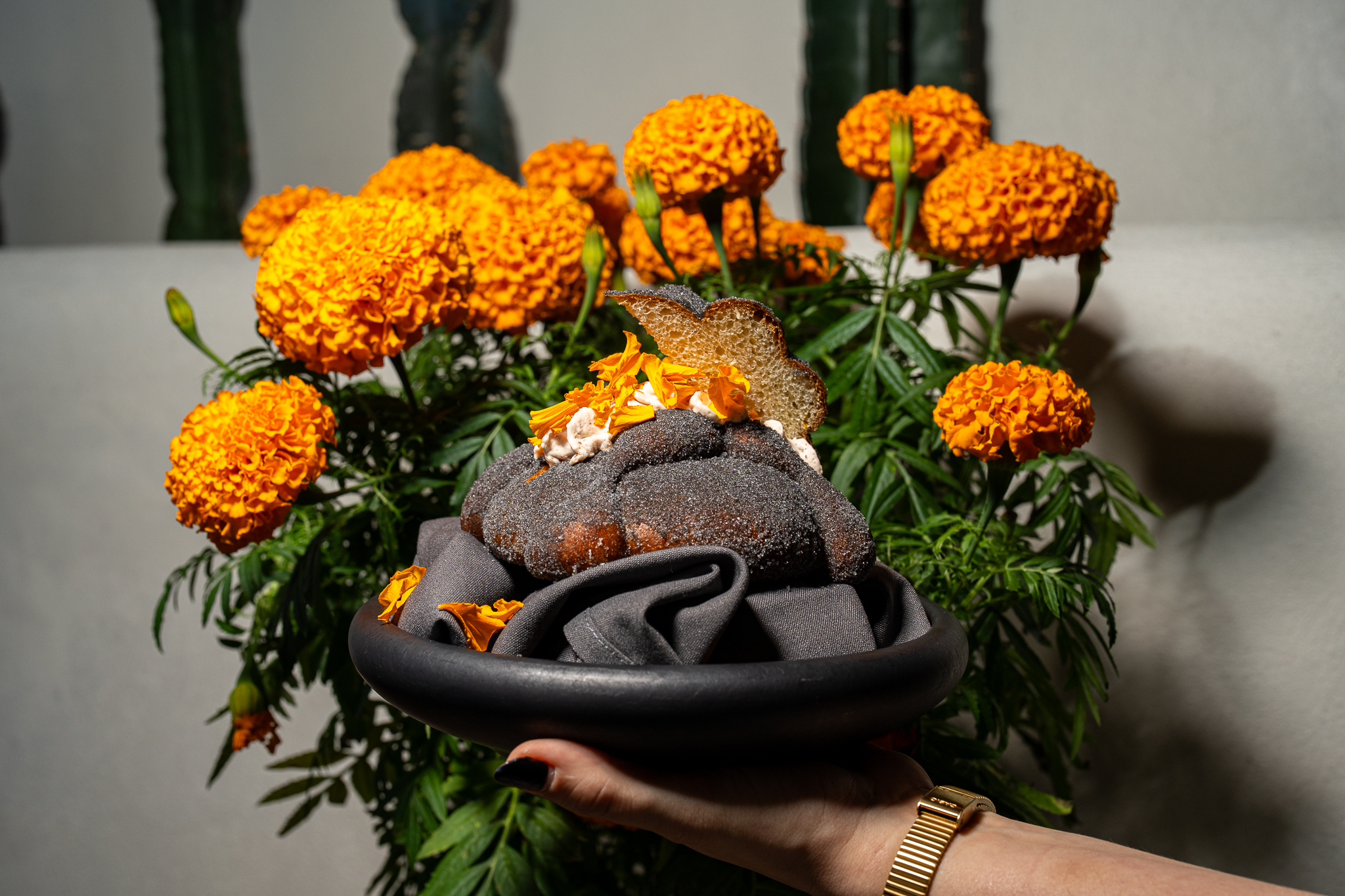
    Traditional pan de muerto — round loaves with rolled strips of dough pressed onto their glossy tops in a cross pattern — are meant to evoke skeletons. (The central knob of dough symbolizes a skull, while the pink or red sugar scattered over the bread’s surface represents the heart and blood of those sacrificed in pre-Hispanic rituals.) The bread can come in individual-sized buns or large, wheel-size loaves.

    You can, of course, eat pan de muerto right away, but it is also placed first on ofrendas, or altars, decorated with marigolds, candles, and pictures of the deceased, before being eaten.

    Amigos Bakery makes pan de muerto at its two South Philly locations (1155 S. Ninth St., in the Italian Market, and 2327 S. 12th St., just south of Wolf Street). It’s part of the 12-year-old bakery’s traditional repertoire — they’re a neighborhood go-to for tres leches cakes and fruit-studded rosca de reyes bread.

    At Amigos, the small, palm-sized loaves are shiny and sprinkled with sesame seeds. You’ll find them in the bakery case, along with happy face-decorated cookies and small cakes. A sugar-coated variety in larger loaves is available via preorder.

    In Mexico City, pan de muerto is scented with orange blossom water, though many different flavors and ingredients can be found in regional variations across Mexico. Pan de muerto also can often incorporate cempasúchil, or marigolds, which are central to Día de los Muertos. The flowers are believed to guide the souls of departed loved ones back from the spirit world to the living, to visit their family members. The flower petals are also used as culinary ingredients.

    Juan Carlos Aparicio, chef-owner of El Chingón, is baking cempasúchil-flavored conchas this weekend only, then switching to pan de muerto on Monday, Nov. 2. The bread will be available every weekend in November at the original El Chingón in South Philly, at 1524 S. 10th St.

    Frankie Ramirez, the executive chef and co-owner of Amá, goes all out for Día de los Muertos, baking loaves of pan de muertos in various sizes, both as a menu special and as adornment for the ofrenda that takes over Amá’s lounge area. (Ramirez and his staff will start to build the altar on Saturday night; it will be complete by 5 p.m. on Sunday.)

    Last year, Ramirez baked 30 large loaves that sat on the ofrenda — then went home at the close of the holiday with very pleased staff members — and 30 smaller ones stuffed with chocolaty champurrado cream as part of a tasting menu.

    This year, he will be serving pan de muerto as an a la carte special. “We do a traditional brioche with flour, sugar, butter, milk, yeast, and eggs, and infuse the dough with agua de azahar — or orange blossom water — and orange zest,” said Ramirez, who proofs the dough overnight. “Then we brush them with clarified butter and coat them with totomoxtle ash, which we make from burnt corn husks, tortillas, or canela [cinnamon].”

    Ramirez plans on playing around with other flavors like butter-pecan this year, too.

    Ramirez’s first job, at age 12, was at the erstwhile San Carlos bakery in Mexico City. “I started out by cleaning the floors, then the sheet pans, and then little by little, they let me help shape the masa,” he remembers. “And then on holidays, the huge days, everyone would work overnight to make pan de muerto for Los Pinos [the historic official residence of the president of Mexico].”
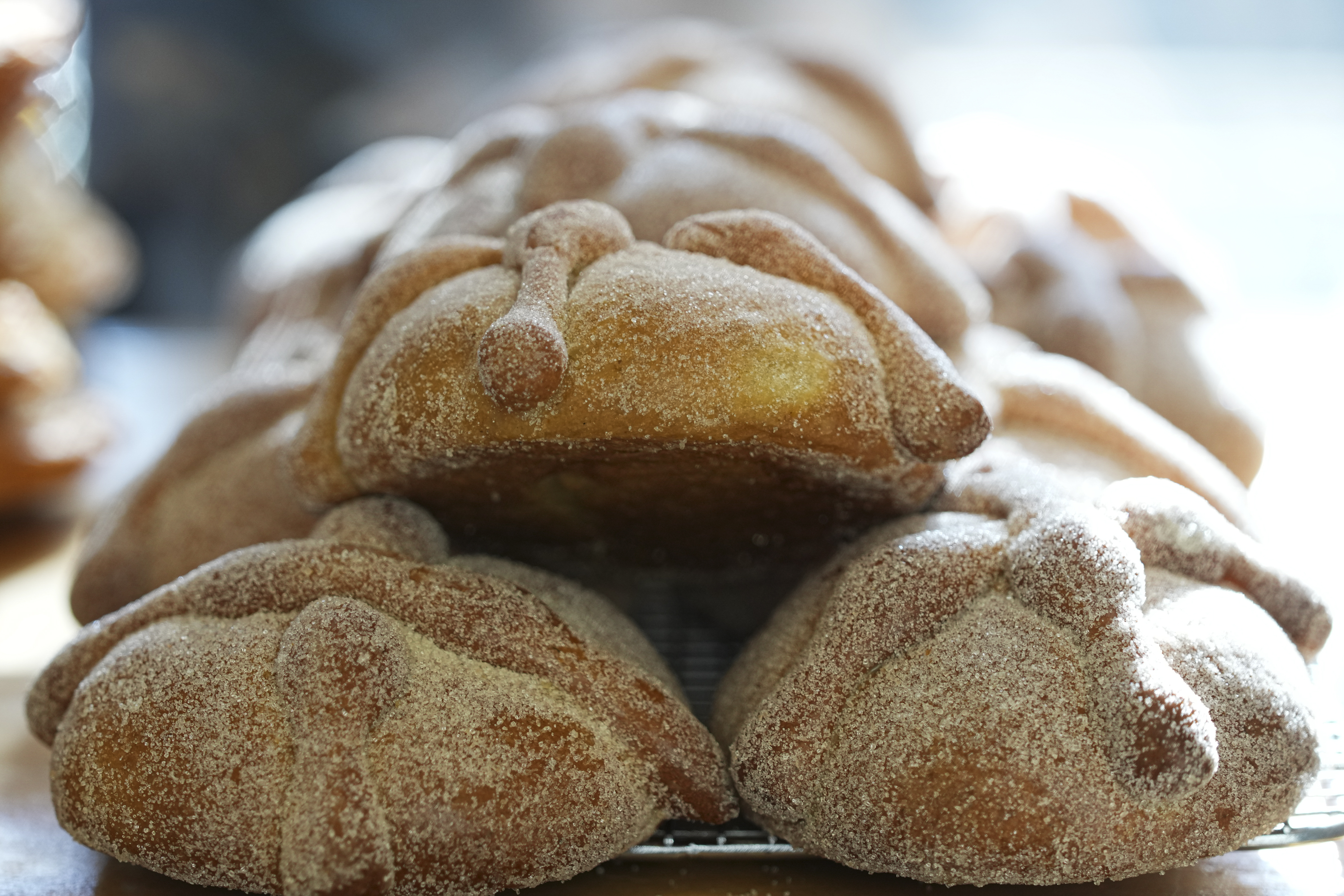
    Pan de muerto, or “bread of the dead,” traditional for Mexico’s Day of the Dead, sits for sale at a bakery in the San Rafael neighborhood of Mexico City, Thursday, Oct. 17, 2024. (AP Photo/Fernando Llano)Fernando Llano

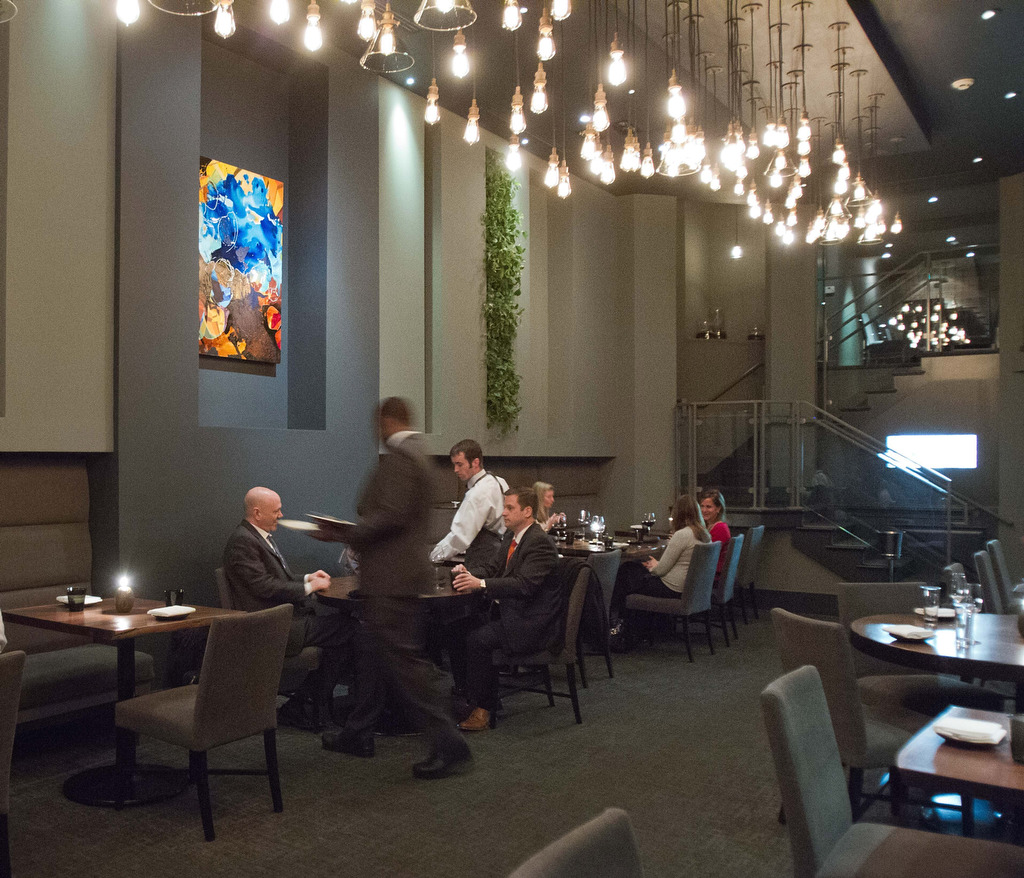
    Ramirez took what he learned about baking pan de muerto at San Carlos and has brought it to all the kitchens he has worked in, including Parc, LMNO, and finally, his own at Amá, baking the breads for his fellow staff every year for Día de los Muertos.

    It’s a joyful, delicious way to remember those who have passed. “I’m not a baker,” said Ramirez. “But I absolutely love making pan de muerto.”
  • Two childhood friends grew up to become top chefs. Now, they’re opening a ‘punk French’ restaurant together in Manayunk

    Two childhood friends grew up to become top chefs. Now, they’re opening a ‘punk French’ restaurant together in Manayunk

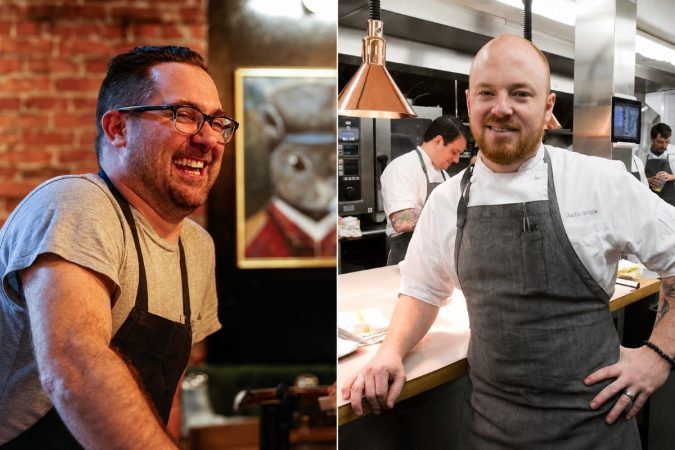
    After nearly four decades of friendship and two careers that took them in different directions, chefs Arthur Cavaliere and Justin Bogle are working together.

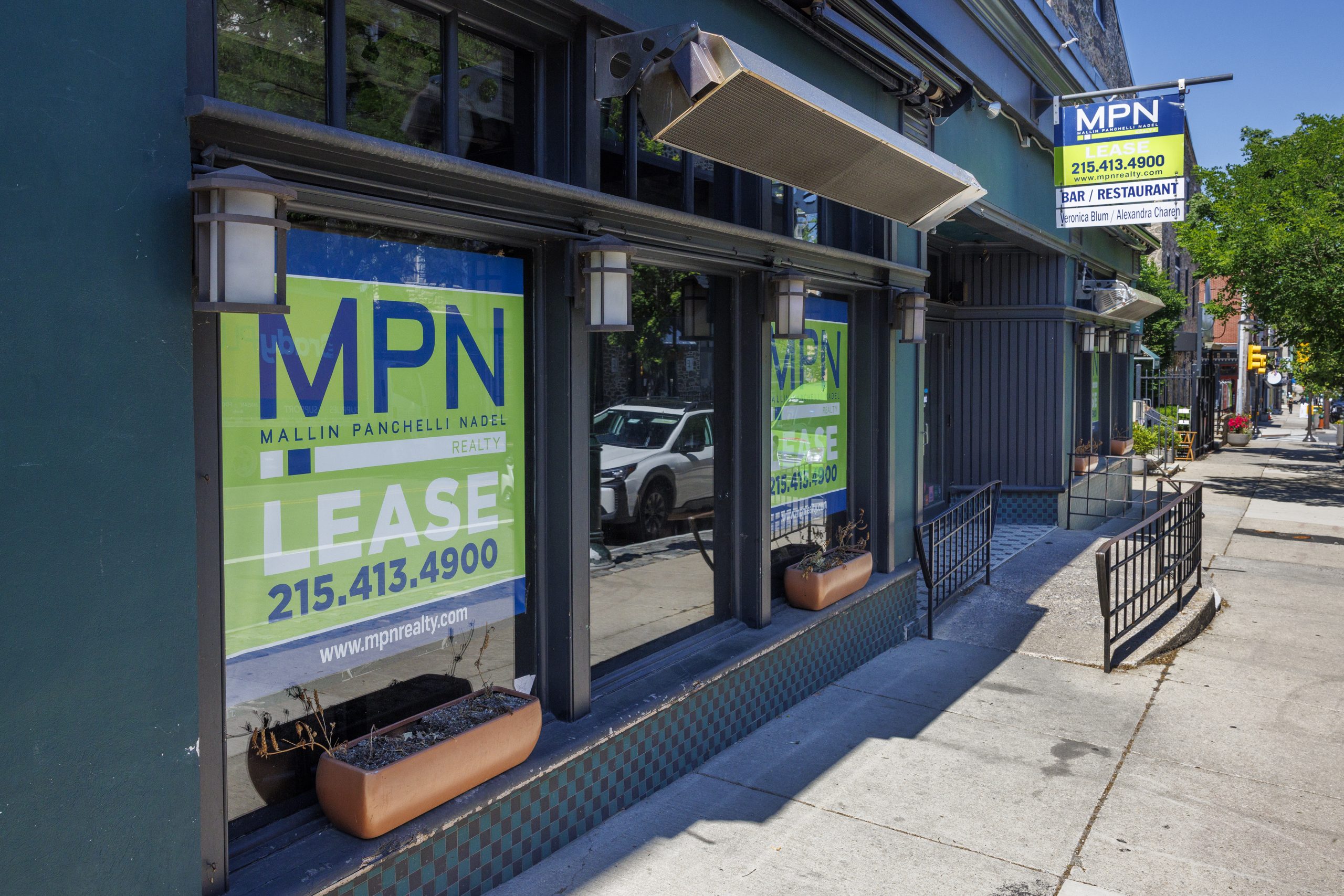
    The Roxborough natives and best friends since third grade, both 45, have signed a lease for the former Winnie’s Manayunk space on Main Street near Roxborough Avenue, where they plan to open a new restaurant in late fall. Though they are keeping most details, including the name, under wraps, they describe the project cryptically as a “punk French” restaurant inspired by the neighborhood that helped shaped them.

    The former Winnie’s at 4266 Main St. in Manayunk.Alejandro A. Alvarez / Staff Photographer

    For both, the restaurant represents the fulfillment of a dream they have shared since they started cooking together as teenagers.

    “Artie and I have been best friends since grade school,” Bogle said. “We always had this vision, this pipe dream, that someday we would join forces and do something together.”

    The two met at Shawmont Elementary in Roxborough and got their start in the late 1990s working for chef Derek Davis at his string of restaurants then on Main Street. Their careers soon diverged.

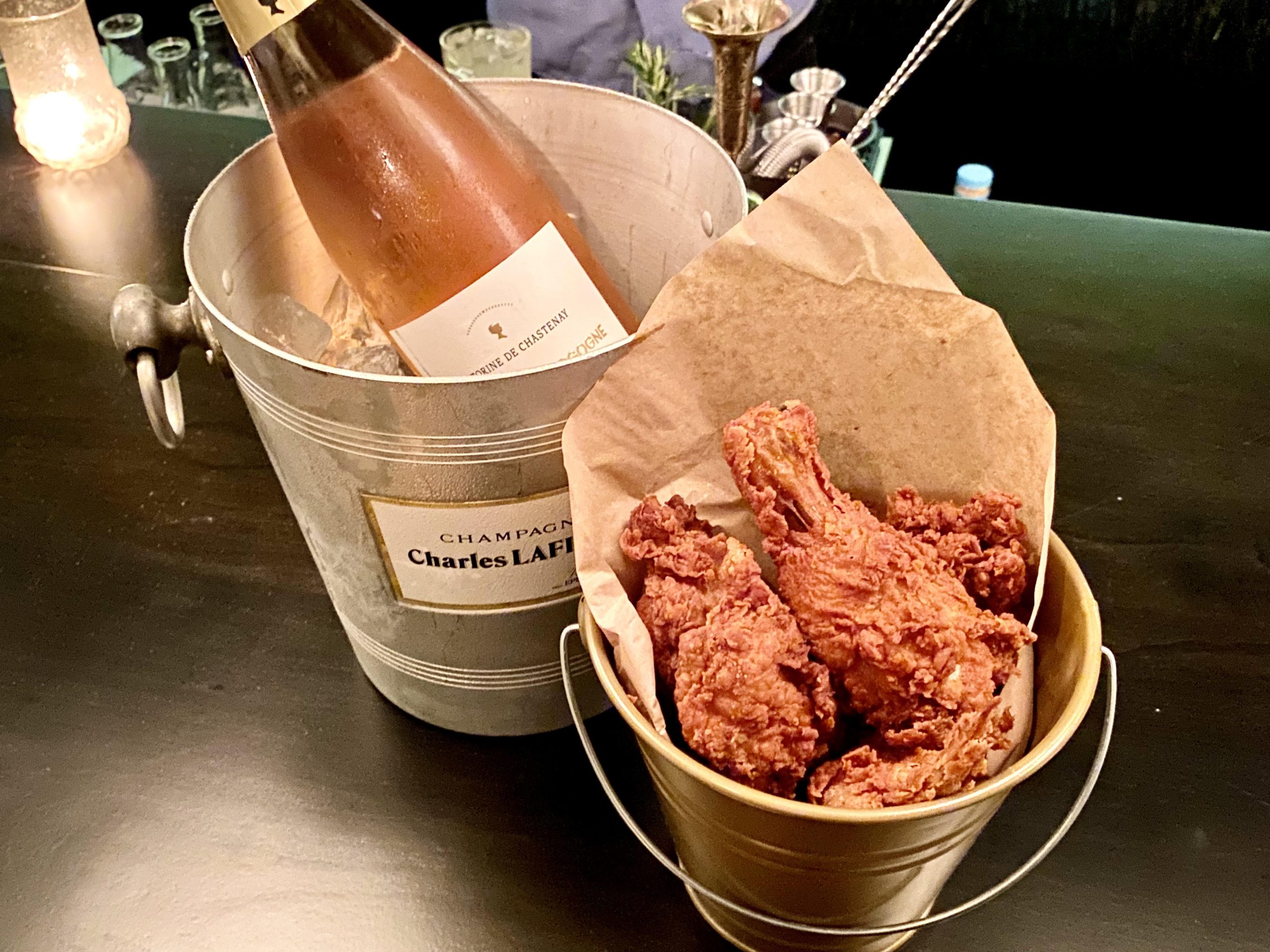
    Cavaliere is a longtime consulting chef. Among the gems he created was the shatteringly crispy chicken at the former Bar Poulet at 20th and Walnut Streets. He came up through Philadelphia kitchens including El Vez and Parc, where he was executive chef, and headed to chef Michel Richard’s orbit in Washington, before opening In Riva, Black Squirrel Pub & Haunt, and Foghorn in East Falls. He left that partnership last year.

    Chef Arthur Cavaliere’s fried chicken was a signature at Bar Poulet, which was open in 2021-22 at 2005 Walnut St. Michael Klein

    Bogle, who attended Walnut Hill College, cooked at Striped Bass and Alma de Cuba before heading to New York, where he became one of the youngest American chefs to lead a two-Michelin-starred restaurant at Gilt. In 2013, he returned to Philadelphia to open Avance — the successor to Le Bec-Fin — and after its 2014 closing joined Garces Group as corporate executive chef. He later returned to New York, where he spent years with Union Square Hospitality Group, most recently as executive chef of Manhatta.

    Family drew him home after nearly two decades in New York.

    “I knew I needed to give my kids a backyard,” Bogle said. “Raising three kids in a two-bedroom apartment wasn’t the goal for me.”

    Avance, led by Justin Bogle, had a 10-month run after Le Bec-Fin’s closing at 1523 Walnut St.David M Warren / Staff Photographer

    He left Manhatta last spring, relocated his family to the area last August, and immediately resumed planning with Cavaliere. They spent the past year evaluating Main Street locations before settling on the former Winnie’s, which closed last November.

    “When the right space presented itself, it was a no-brainer,” Bogle said.

    The partners are keeping quiet about the menu, name, and design while they refine the concept. Bogle will oversee the kitchen and said the long-term plan extends beyond a single restaurant. “We have goals and aspirations to do more than just this,” he said.

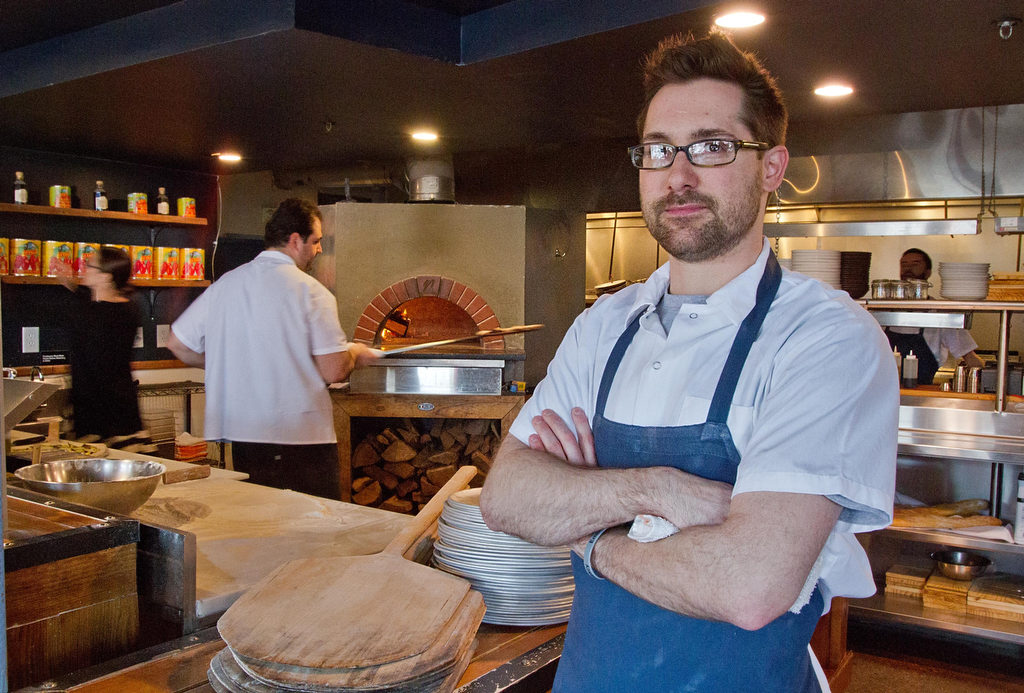
    Chef-owner Arthur Cavaliere at In Riva in 2013. Working the pizza oven at rear is sous chef Biff Gottehrer, now at Ripplewood, the Refectory, and Izzy’s.David M Warren / Staff Photographer

    If construction and permitting stay on schedule, they hope to open in November. If delays push the project into December, they are likely to wait until after the new year.

    Cavaliere said the concept is rooted in “friendship, memory, and the neighborhood that raised” them.

    “Their decision to invest in Manayunk is another testament to the strength of the neighborhood and the continued momentum of its dining scene,” said Veronica Blum of MPN Realty, who brokered the lease with Alex Charen. “It’s especially rewarding to help bring operators of this caliber to a community that values independent concepts.”

    For Bogle, returning to Main Street with the friend he has known since childhood carries a significance beyond opening another restaurant.

    “For us to come back to where it all started, plant our roots there, and have some fun — it has been a goal for a long time,” he said. “We’re just really excited about the opportunity.”