Tag: Olney

  • Neighbors question what they really knew about their Olney block amid ‘House of Horrors’ probe

    Neighbors question what they really knew about their Olney block amid ‘House of Horrors’ probe

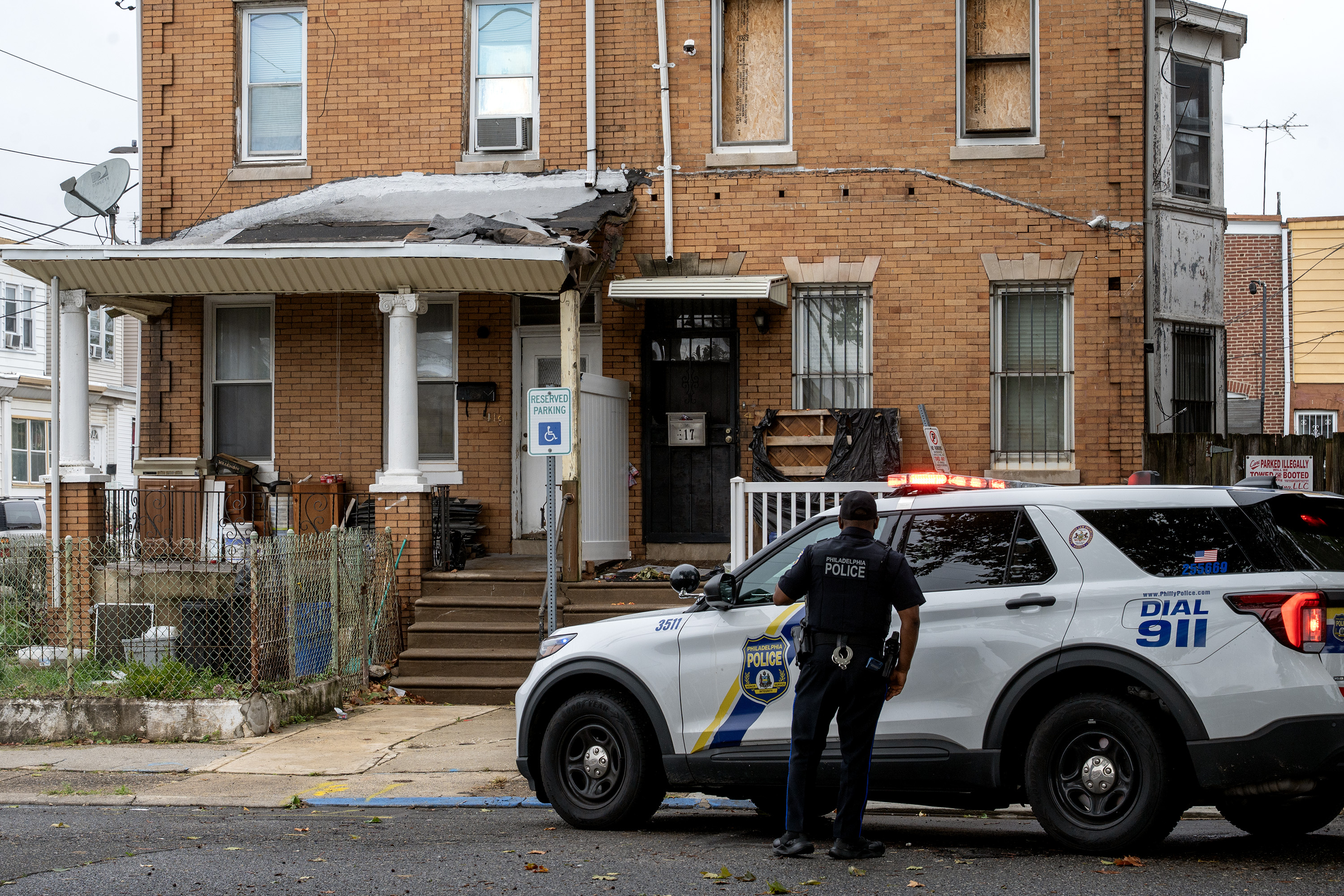
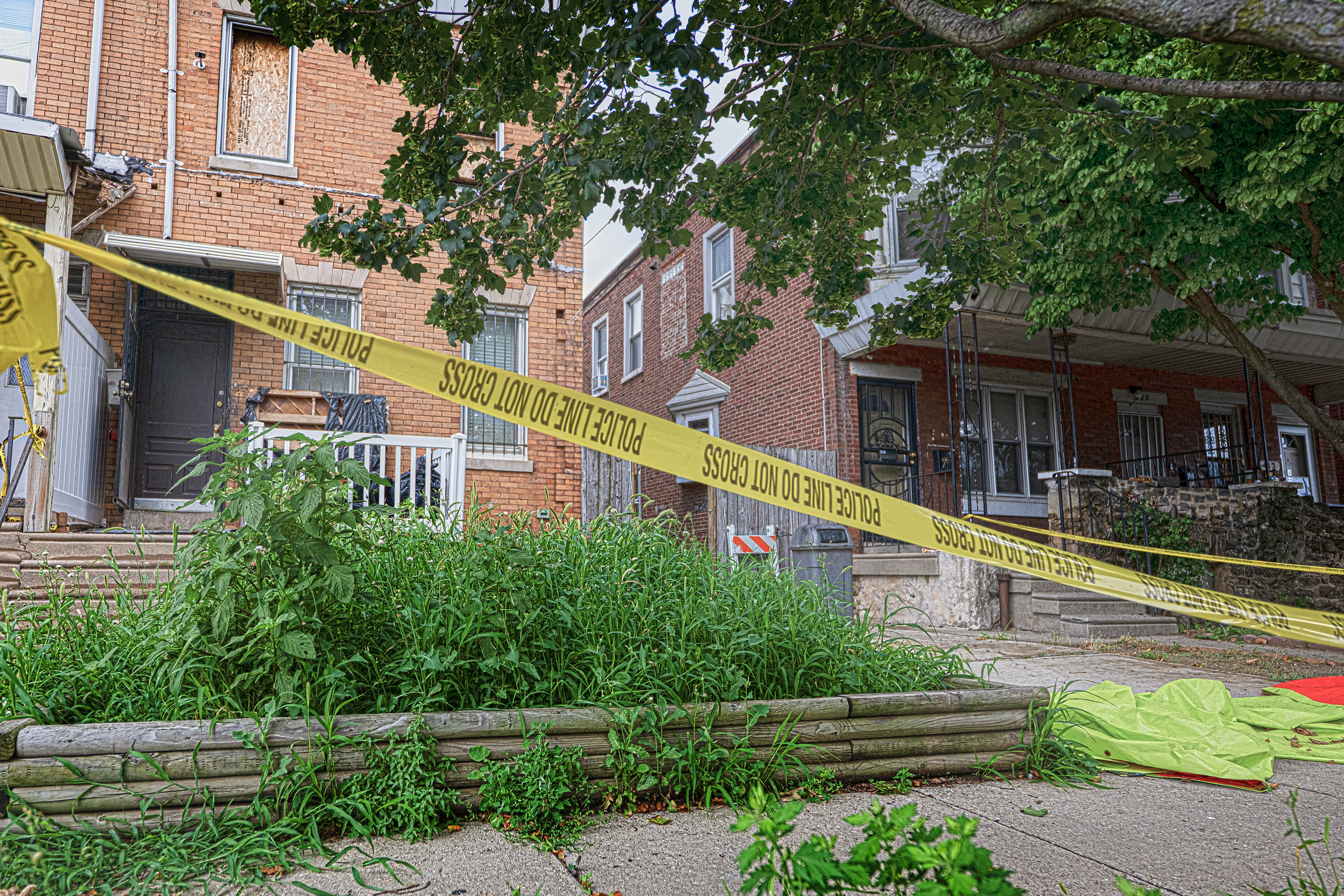
    On Monday morning, a gray speckled cat stretched two long paws up the steps of the sepia-toned three-story home at 417 West Chew Ave. Moments later, a man dressed in a white suit gently kicked a blue-bootied foot in its direction.

    No unauthorized personnel would be entering the Olney “House of Horrors” anytime soon — feline or otherwise — not on the watch of the FBI and Philadelphia police.

    Monday marked the beginning of a fresh week of investigative work inside the home that became known for the drug, sex, and porn enterprise Raymond “R.C.” Horsch ran inside the brick walls. Horsch, who died last year at 82, is now linked to at least seven missing women, and left behind a trove of photos and videos investigators believe show real and staged violence and, possibly, murders.

    Police declined to discuss what investigators are looking for, only revealing that law enforcement would be in the area until around mid-October.

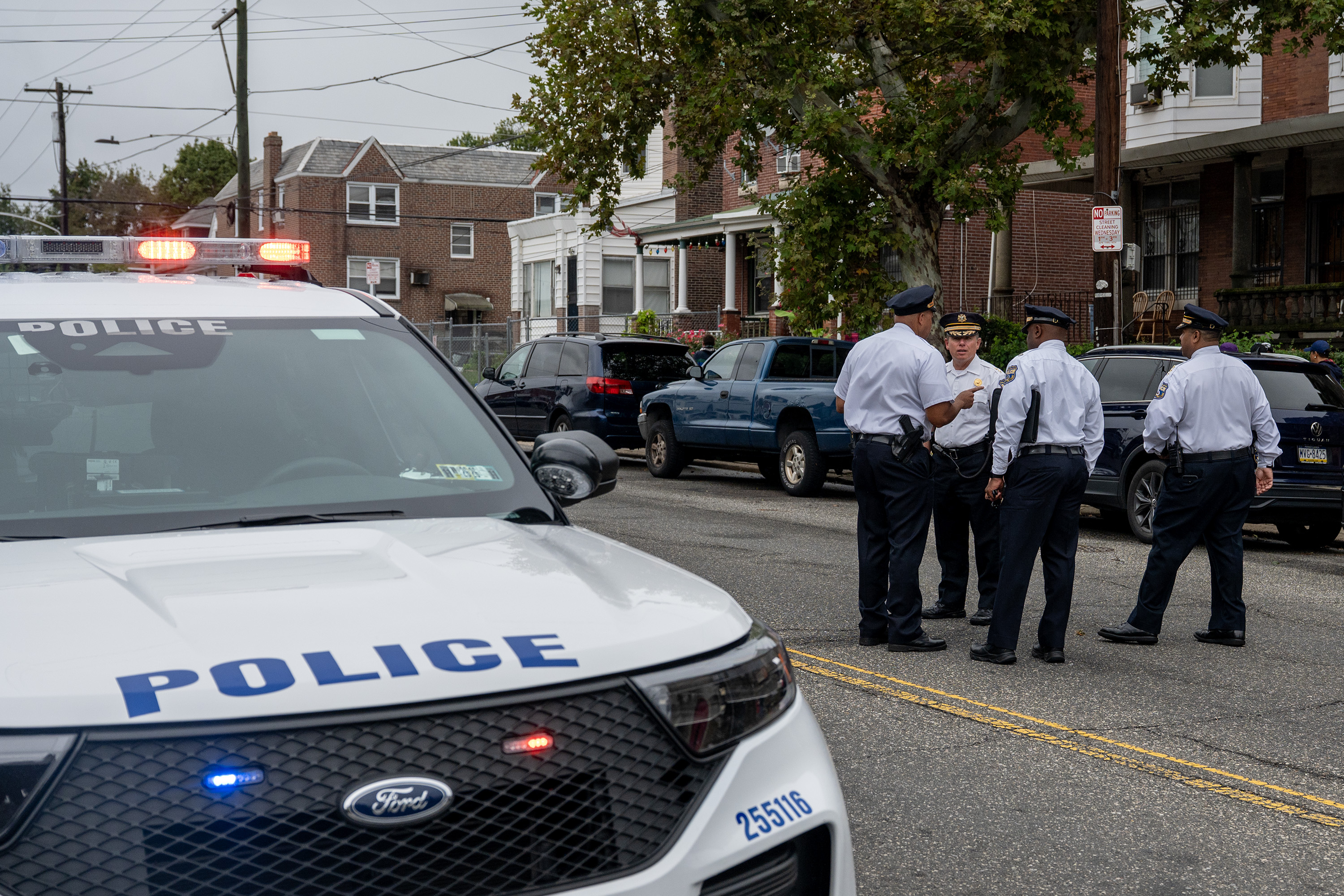
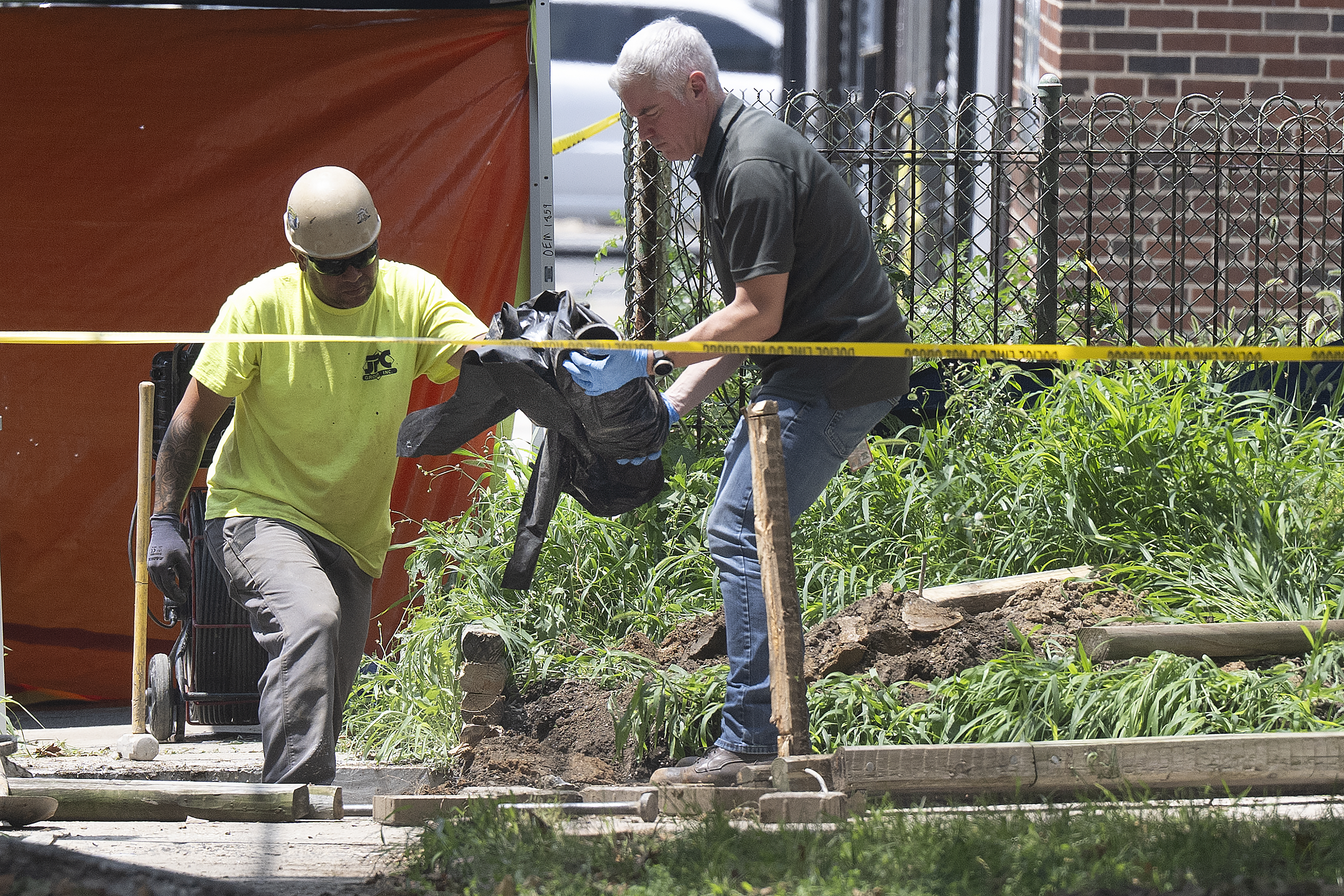
    However, yellow and red crime tape and police cars around the perimeter wouldn’t curb the curiosity of pedestrians, workmen, food delivery drivers, students, children, and former neighborhood residents who passed by the scene Monday.
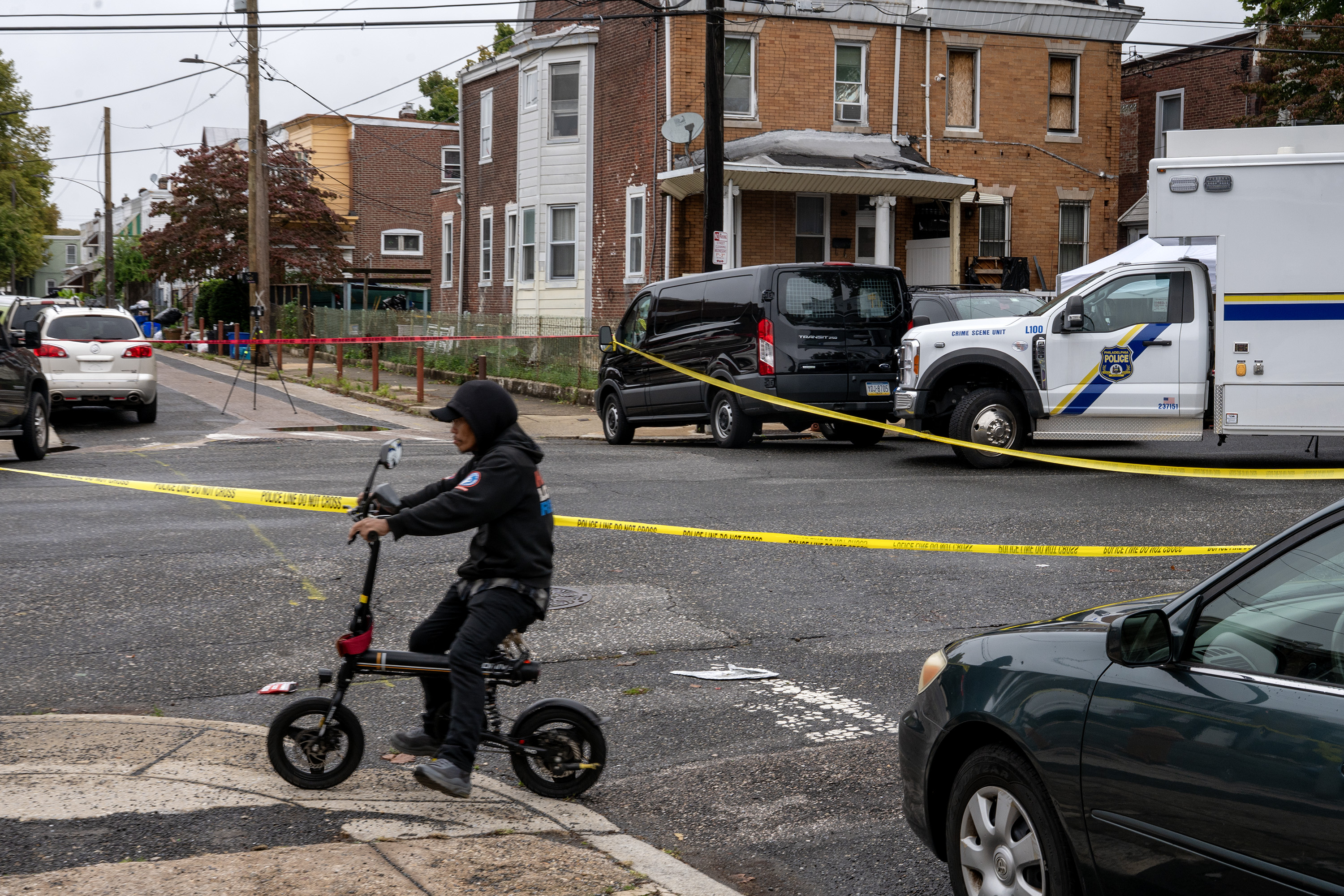
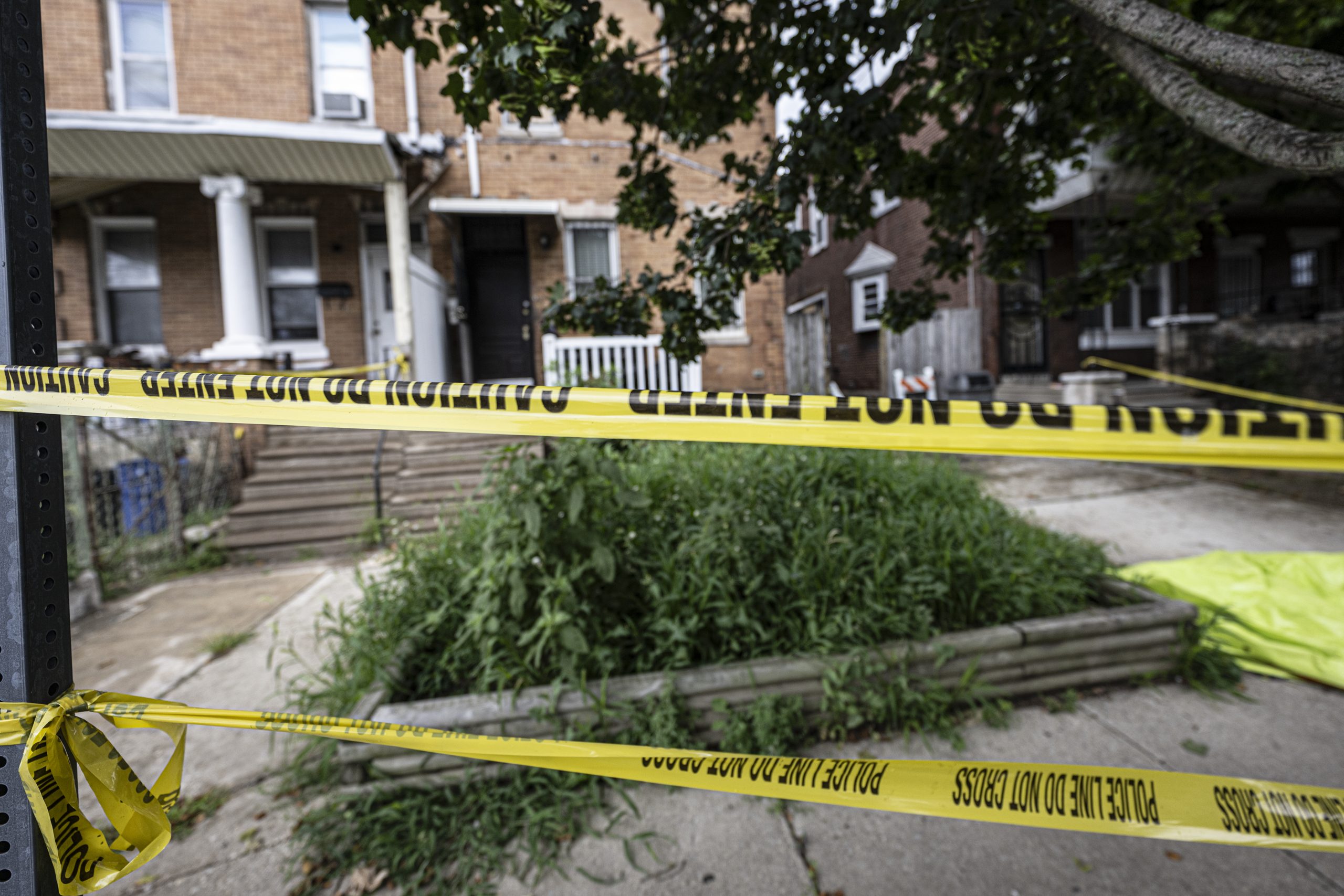
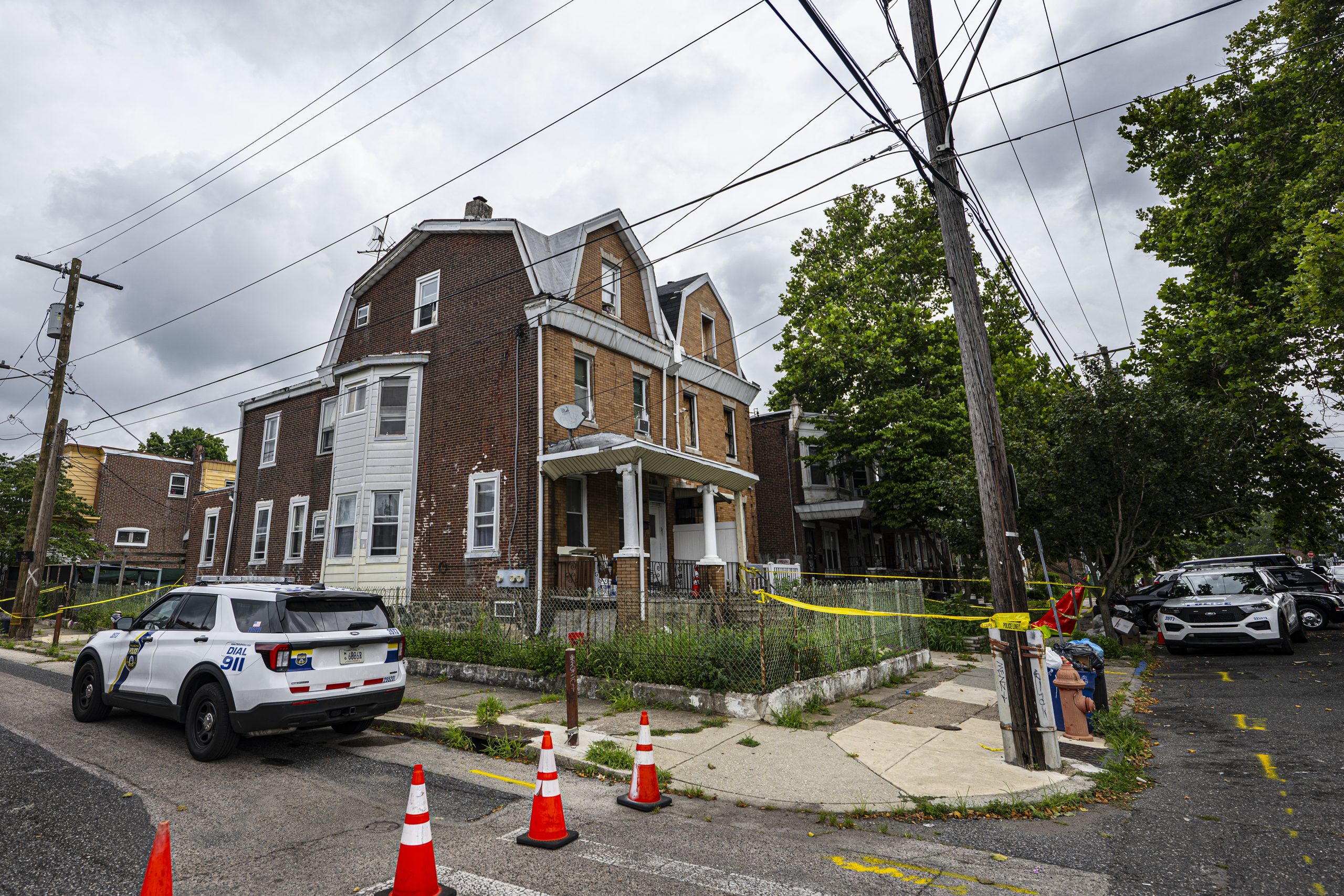
    The scene outside the former home of Raymond “R.C.” Horsch on Chew Avenue. Tom Gralish / Staff Photographer

    Throughout the morning, residents ducked under crime tape only to be chastised by police. Cars slowed to a stop as they drove perpendicular to West Chew and caught a glimpse of the law enforcement vehicles clustered around the home. When a toddler wearing a backward baseball cap and plaid shirt pointed at the home, his guardian turned their walk around.

    Around noon, 31-year-old Fernanda Gabriela Armijos Nugra parked her car around the block and got out wearing white sweatpants, a scrunchie in her hair, and turquoise bands in her braces. She lives seven houses away from Horsch’s, she said.

    Knowing what went on so close to her and her girls, ages 5, 8, and 15, has transformed her attitude about the neighborhood, she said.

    “I walk around here with my daughters, and we really are afraid about what happened in that house,” she said in Spanish.

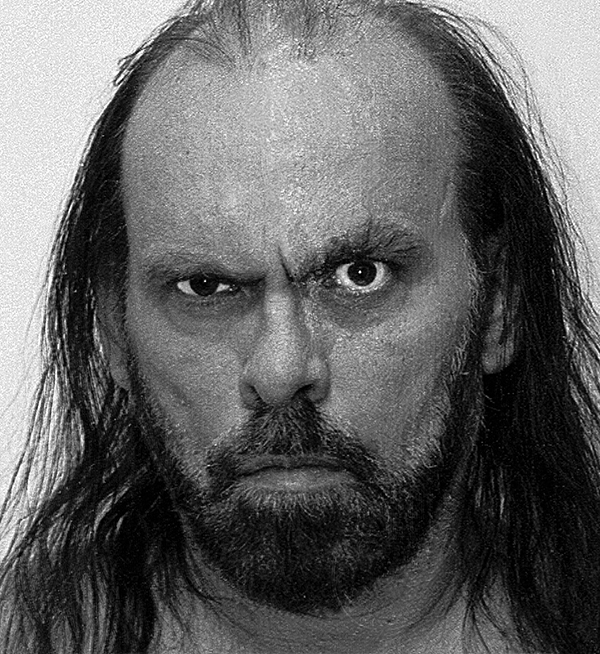
    Though she never suspected the home could be linked to violence or murders, she said she had a bad feeling about the men who lived there, Horsch and his son, Eugene. Eugene Horsch is now in prison on federal charges from a June car stop near Independence Hall in which authorities recovered the fake ID of a missing woman.

    “I used to see the son sitting on the steps of that house all the time and I’d tell my husband, ‘There goes a man with a really mean look on his face,’” she said. “When I saw the news, I was in shock.”

    She’s only lived in the area two years and is now contemplating moving. The same is the case for Imani Hardy, 30.

    “I don’t want to be here,” Hardy said from her parked car as she watched investigators come and go. “I just want to provide a different life for my kids.”

    She and her sons didn’t encounter Horsch, as far as she knows, but the knowledge that his operation was so close is haunting, she said.

    It’s chilled the atmosphere in the neighborhood. And something about that change feels permanent, she said.

    “We still have to live our normal lives, but being as though we were in a neighborhood where someone was doing horrific things to people … It makes people be more alert,” Hardy said.
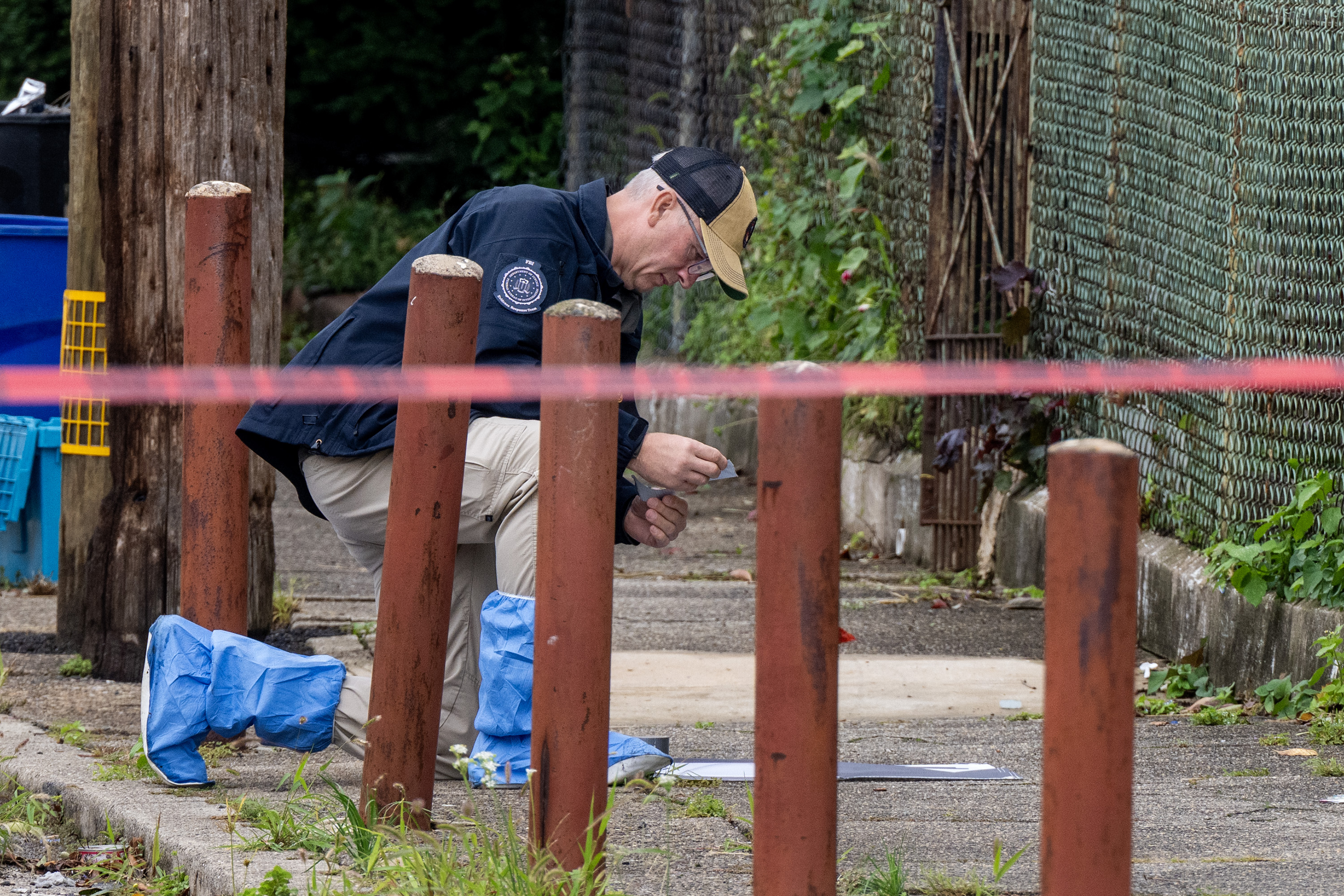
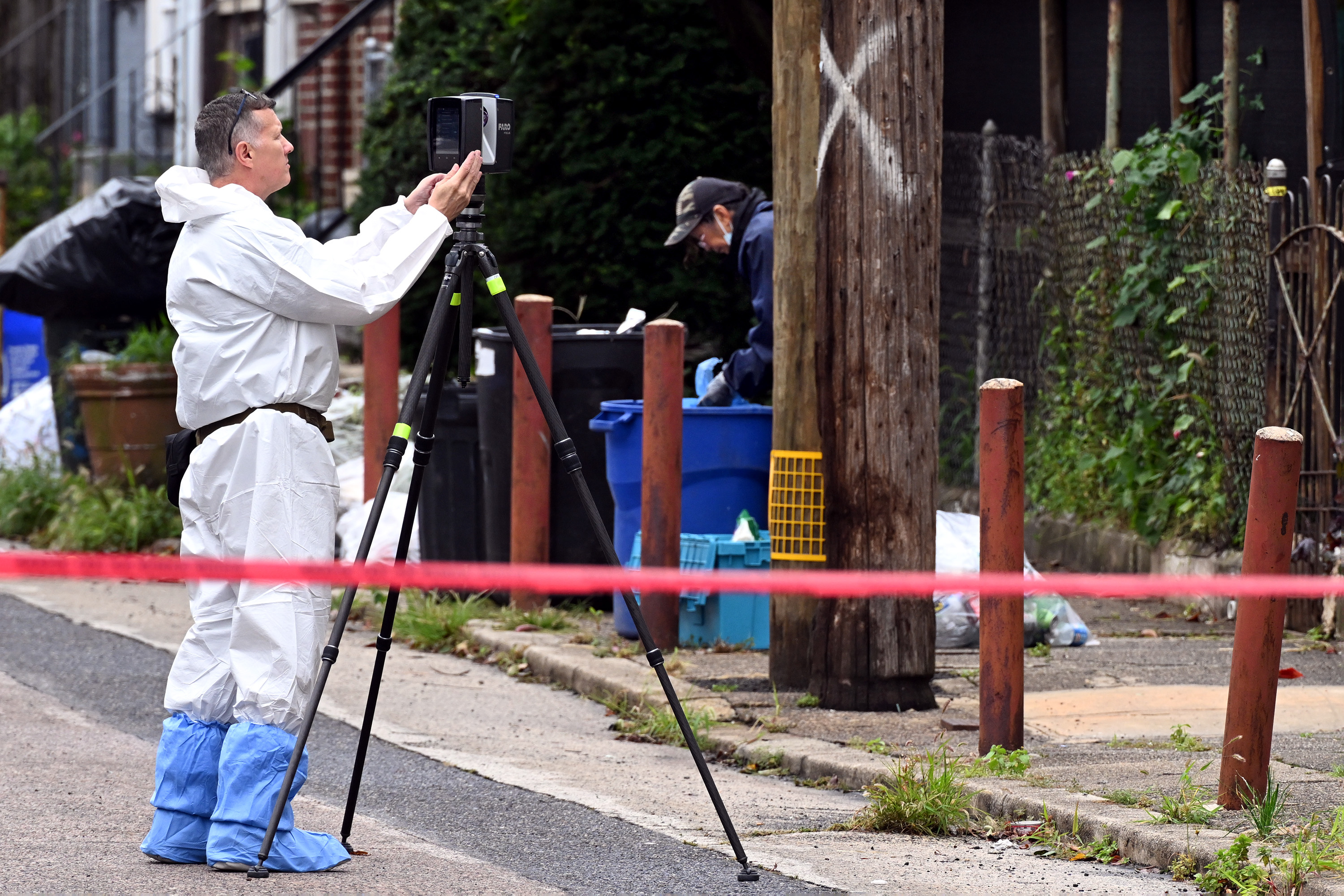
    A member of the FBI Evidence Response Team outside on Monday during the beginning of a fresh week of investigative work inside the homeTom Gralish / Staff Photographer

    Officers and reporters lifted police tape to help people on the cordoned-off block get out in their cars. Police kept watchful eyes over everyone who came and left, whether it be a neighbor on a bike or two workmen rolling boxes on a dolly up to the front door of a home beside Horsch’s. A squirrel darted toward the Horsch home on a telephone wire and turned back once the whirring of a drone grew louder.

    Alexis Velez, a befreckled 18-year-old with Shirley Temple-esque corkscrew curls, lives about five minutes from the Horsch house. It’s smack between her and her grandmother’s home. She used to walk by the Horsch house daily to catch the bus to get to high school. She thinks about what could have been if she’d been in the wrong place at the wrong time.

    “It’s terrifying, just thinking about it. I could have been one of those victims. I’m in the vicinity,” she said.

    She’s now a freshman at La Salle University studying psychology, she said. Maybe one day she’ll come to learn what possesses the human mind to pursue violence. But, for now, it’s hard to wrap her head around it.

    “I just think it’s insane,” she said.

    The neighborhood had felt like a safe place where people looked out for one another, Velez said.

    As she headed home, she struck up a conversation with two women. Sisters Theresa Yantz, 64, and Diane Matynka, 68, grew up in the Olney neighborhood but both now live in Lebanon, near Hershey. The two wanted to show Yantz’s daughter, Cara, 35, where they grew up and just how near it was to the Horsch house.

    “We wanted to drive by and show her, how close that we hung out,” Yantz said after she and her sister whipped out their phones and started taking photos. “That’s why we’re here being so nosy.”

    Yantz, Matynka, and Velez chatted about how the neighborhood changed since the sisters were children. Both sisters lived in Olney in the mid-1960s to late 1970s, and Yantz did another stint there in the early 1980s.

    When Yantz and Matynka were young girls, they’d play on their bikes outside until the street lights came on. Decades later in the same neighborhood, Velez has had to persuade her protective father that he doesn’t need to chaperone her to class each day anymore.

    Lately, though, she’s had a change of heart.

    “After this, I might have him walk me a couple times,” she said.
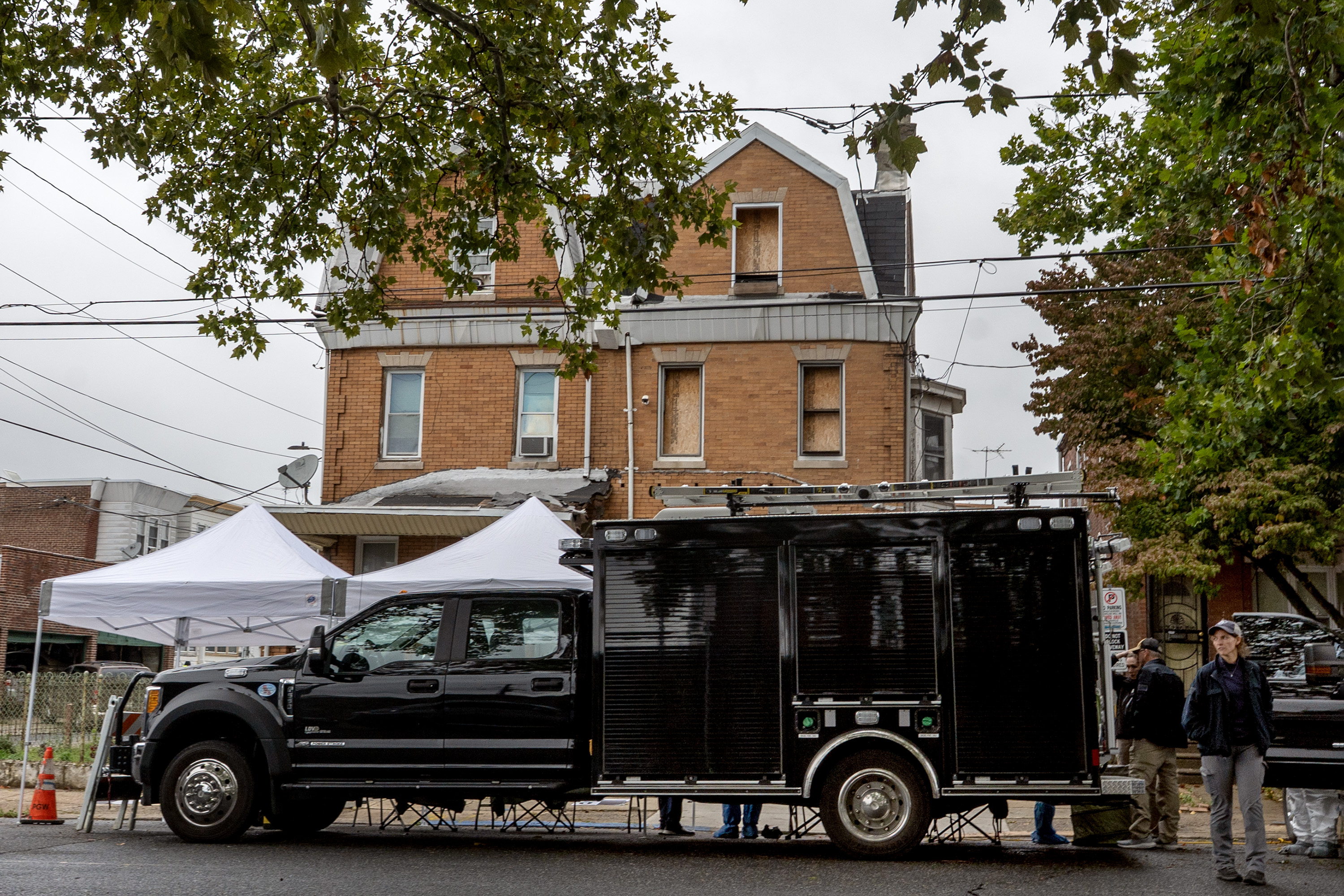
    The scene outside the former home of Raymond “R.C.” Horsch on Chew Ave. on Monday.Tom Gralish / Staff Photographer
  • Philadelphia police tell Olney residents they will use heavy equipment to search the Horsch property

    Philadelphia police tell Olney residents they will use heavy equipment to search the Horsch property

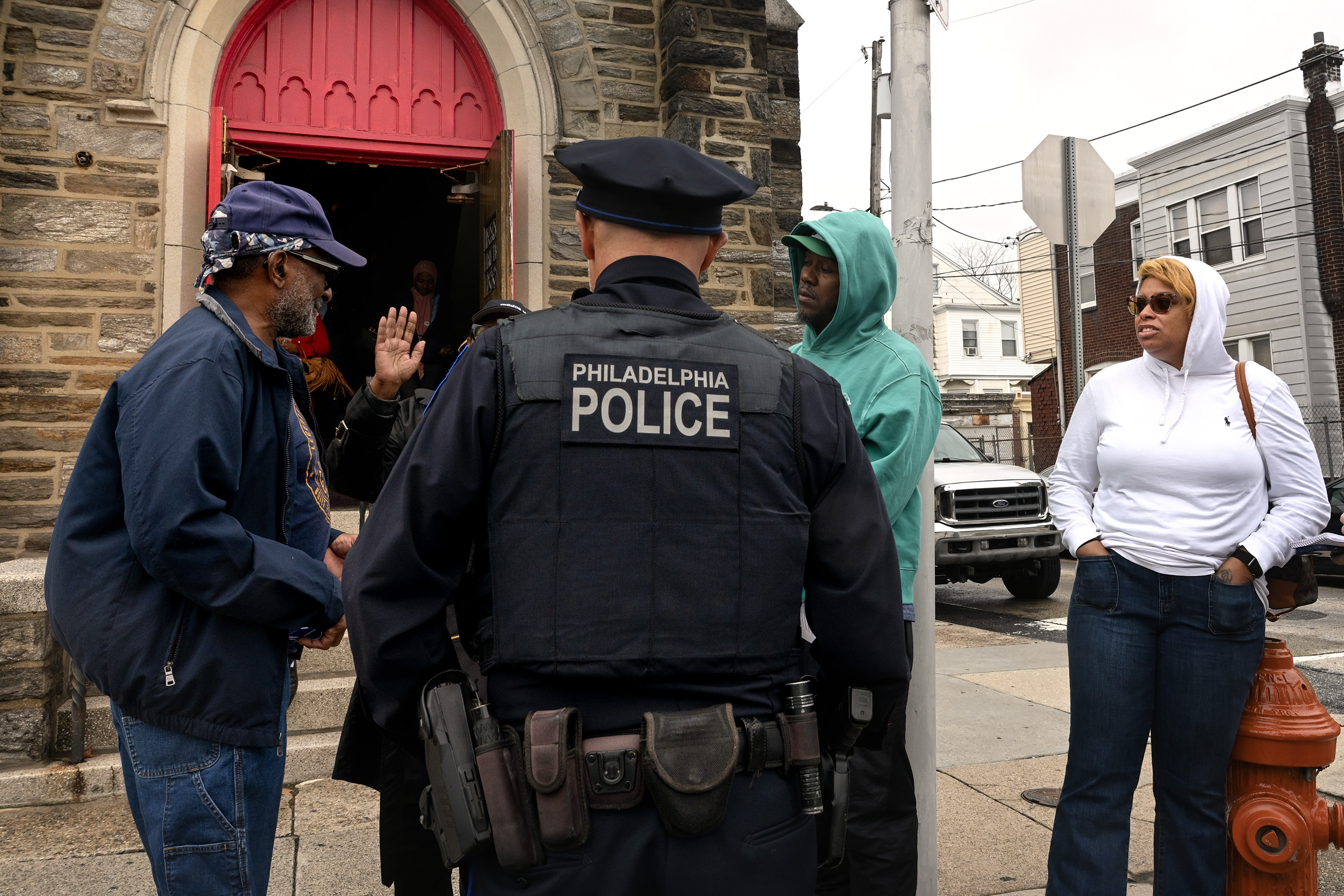
    Residents, police, and elected officials gathered in an Olney house of worship Sunday afternoon to discuss how the investigation into the infamous “house of horrors” down the street would play out in the coming weeks.

    “You’re going to see a lot of equipment,” Philadelphia Police Homicide Unit Staff Inspector Ernest Ransom said.

    Ransom also told the crowd of about 100 inside the Olney Baptist Church that there could be a large police presence around the home of the late Raymond “R.C.” Horsch on West Chew Avenue on Monday and Tuesday. But he declined to say exactly what investigators would be doing there.

    Police leadership leave Olney Baptist Church on Chew Avenue on Sunday, Sept. 27, 2026, after a community meeting organized by the Philadelphia Police Department ahead of another planned search of the home of Raymond “R.C.” Horsch a few blocks away.Tom Gralish / Staff Photographer

    Horsch, who died last year at 82, ran a drug, sex, and porn operation out of the three-story, brick twin home. He left behind more than a million photos and videos in a vast digital archive, which investigators believe shows real and staged violence, and, possibly, murders.

    Horsch is now linked to at least seven missing women.

    “This is still a very active and ongoing investigation,” First Deputy Commissioner John Stanford told the crowd.

    Starting on Oct. 5, police said they will be bringing in “heavy” equipment onto the 400 block of Chew Avenue.

    Police declined to say more about the kind of equipment or what exactly they would be looking for. Even though the investigation would focus primarily on Horsch’s home, Ransom said there would be street closures — mostly during daytime hours — and parking restrictions through Oct. 16.

    Residents would still be allowed in and out of their homes, Ransom said, but cars that weren’t moved during the restricted hours would be towed to a neighboring street.

    “We will not be ticketing cars,” he said.

    Ransom said fliers would be posted in the neighborhood before Oct. 5 with more details about the parking restrictions.

    “It’s going to be a large project,” Ransom said.

    When asked whether the operation would be concluded by Oct. 16, police said it could take longer.

    “I do wanna say to you, just for the purpose of being able to manage expectations, think in your mind that this is probably gonna be the month of October,” Stanford said.

    Residents didn’t probe for too many details about the investigation, mostly asking about logistics, crowds, social media influencers lingering around the area, and the future of Horsch’s dilapidated home.

    “Hopefully, when you’re finished, you’ll tear it down,” resident Alice Hunter said.

    One local business owner, who declined to identify himself to a reporter, expressed concern about the street closures affecting his business.

    “I lost a ton,” the man said of investigation-related disruptions.

    Residents were also apprehensive about the “lore” surrounding the case, both locally and beyond, telling police that “TikTokers” are coming to take photos and videos of the Horsch home.

    “You have the social media folks, people on YouTube-ers, just coming and taking photos and what not,” resident Sarah Duncan said. “That can be a disruption and alarm some of the kids.”

    During the meeting, a lone police cruiser sat outside Horsch’s home. Stanford said residents should expect to see a cruiser there indefinitely.

    Police remain outside the home of Raymond “R.C.” Horsch on Chew Avenue on Sunday, Sept. 27, 2026, while a few blocks away residents were attending a community meeting organized by the Philadelphia Police Department ahead of another planned search of the home.Tom Gralish / Staff Photographer
  • Raymond Horsch had access to a Kensington crematorium linked to illegal body parts sales, years before missing persons investigation

    Raymond Horsch had access to a Kensington crematorium linked to illegal body parts sales, years before missing persons investigation

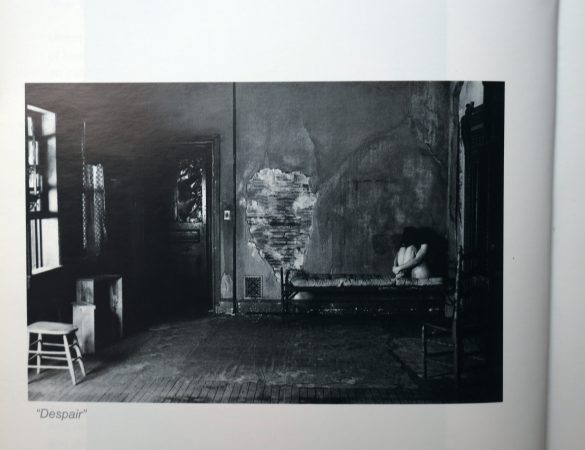
    Years before police launched an investigation into the missing women connected to Raymond “R.C.” Horsch, the late pornographer stood inside a Kensington art gallery and presented what appeared to be the autopsy photos of a dead, unidentified woman.

    His exhibition at the 2014 show ended with a video of the woman’s body being loaded into an incinerator — footage that he said was filmed at “a Kensington warehouse where the city morgue would send unidentified remains,” according to a review published on an art blog at the time.

    “The Medical Examiner totally botched the autopsy and didn’t even bother to sew her up properly. My horrible photograph is all that is left of her, the only trace of her short, sad existence,” Horsch wrote in a release promoting the exhibition. “She has nothing else, not even a name.”

    While Horsch was known to distort, embellish, or completely fabricate events, a law enforcement source and people familiar with this period of his life said this much is true: The pornographer had access to a Kensington crematorium connected to the notorious Garzone Funeral Home, which was shuttered over illegal body parts sales.

    There, sources said, Horsch gave an employee drugs and cash in exchange for access to the crematorium so he could photograph and film the remains of the dead.

    The funeral home and crematorium operated until 2007, when state authorities brought charges against the family-run business alleging the owners were selling body parts on the black market, according to court records and news reports.

    Horsch, who died in May 2025 of a lung condition, was not named or charged in that scandal.

    But police are looking into Horsch’s relationship to the crematorium as part of a sprawling local and federal investigation into at least seven missing women, according to a law enforcement source who spoke on the condition of anonymity to discuss an ongoing probe.

    No bodies have been found, and five women police have identified as likely deceased went missing from 2016 to 2023, years after the crematorium connected to the Garzone Funeral Home had closed. Police are still investigating the women’s whereabouts, including ongoing searches for evidence in Horsch’s Olney home and basement.

    The case has been complicated by Horsch’s tendency to blur fact and fiction, and many of his pornographic works featured staged death scenes and fake blood. But police have also recovered numerous videos and photos from Horsch’s home they have said seem to show real violence and actual killings.

    At least as far back as the early 2000s, Horsch was known to prowl the streets of Kensington, offering drugs and cash to women in exchange for starring in his violent pornographic films.

    He was public about his obsession with taking degrading photographs of women in addiction. Years after Horsch staged his 2014 art show in Kensington, he uploaded a photo series to his website featuring women “imagining and acting their own deaths” interspersed with images of fatal overdose victims. In a description of the gallery, Horsch wrote he took the photos in “unknowing collaboration with the Philadelphia Medical Examiner,” as well as local paramedics.

    The Philadelphia Medical Examiner’s Office declined to confirm whether the city sent unclaimed corpses from the morgue to the Garzones’ crematorium.

    Louis and Gerald Garzone, who together operated the crematorium connected to the funeral home under the name Liberty Cremations, pleaded guilty to selling over 240 corpses to a New York-based biomedical tissue company in 2008. The tissue cutters illegally stripped the bodies for bones, tendons, and organs, then sold them to hospitals.

    Some of the tissue was infected with disease, officials said at the time, and was transplanted into patients without their knowledge. Law enforcement seized the crematorium and funeral home as part of the criminal case, court records show.

    Horsch once bragged that he had access to the crematorium through an employee named “George,” whom he paid with drugs, and had filmed a scene for a movie there, according to a woman who worked with Horsch on several films beginning in 2003. She spoke on condition of anonymity to avoid being publicly linked to the pornographer.

    Gerald Garzone said in a phone interview that he had never heard of Horsch and had no knowledge of corpses being photographed in his former business. He acknowledged knowing a man named George from the neighborhood but declined to say whether he had ever employed him.

    “I don’t know anything about that,” he said.

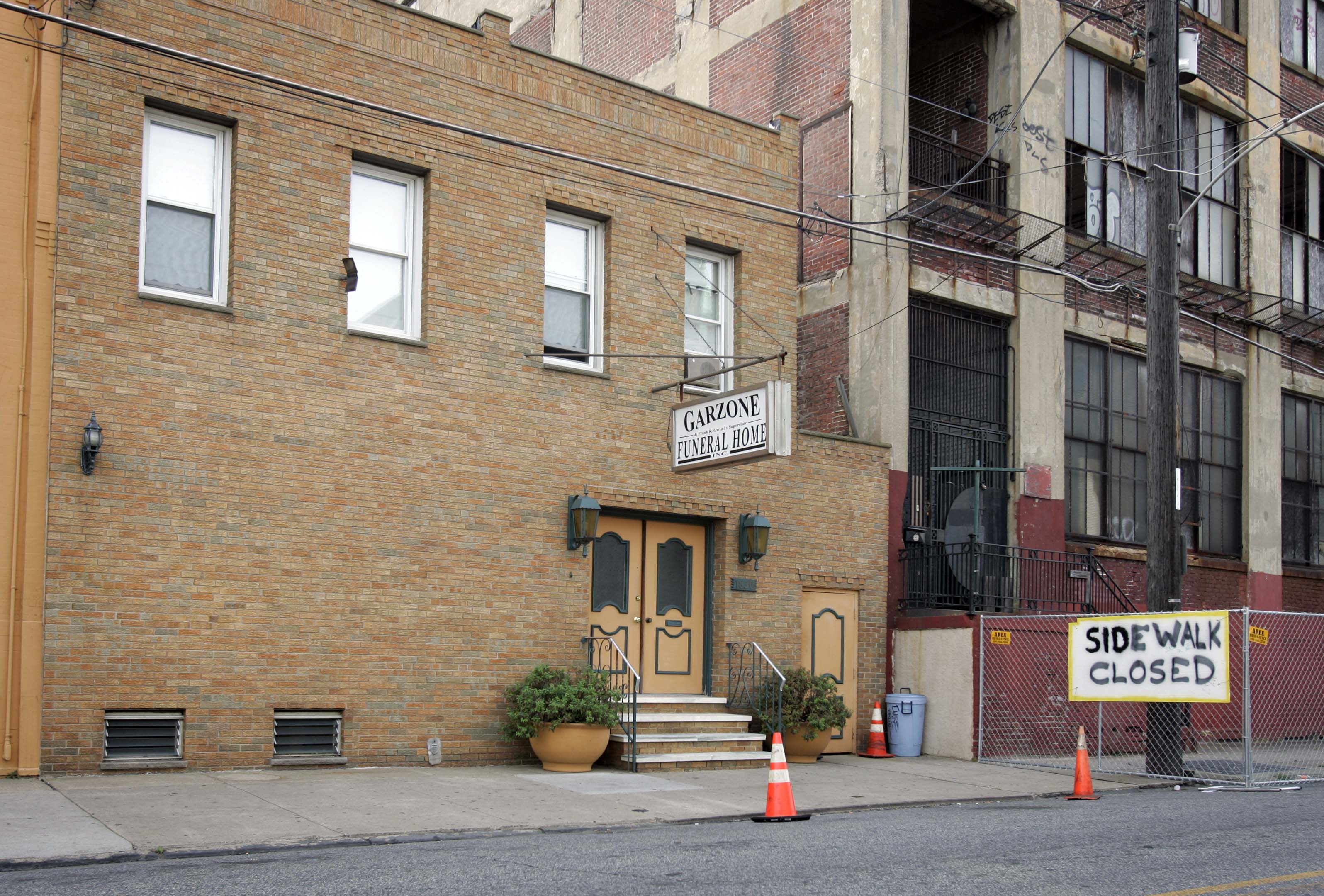
    A 2007 file photo of the Garzone Funeral Home at 1830 E Somerset St., in Philadelphia.Laurence Kesterson / Staff Photographer

    Four people familiar with Horsch and Garzone’s business operation identified the man as George Newsome, a Kensington resident who lived a block away from the crematorium at a house on Ruth Street that Horsch was known to frequent.

    Newsome was arrested for heroin possession in 2011, court records show, and again for cocaine possession in 2013. He died a year later, according to an obituary.

    Investigators continue to sort through more than a million photos and videos on hard drives recovered from Horsch’s home on West Chew Avenue. Local and federal investigators said they have reviewed about 30% of the materials so far and have identified 58 different people in the footage.

    Among them, police said, are images of four women who appear to be dead: Maribel Fresses; Gabrielle Amarando; a 25-year-old whose identity relatives asked to remain private; and a woman in her mid-20s whom investigators are still working to identify. Police said they also recovered footage of Horsch filming himself choking 27-year-old Nicole Fusaro with a zip tie until she was dead.

    Police began searching Horsch’s Chew Avenue property shortly after a chance car stop on June 19 involving his son, Eugene, uncovered an ID in the name of Blair Tonzelli, who was reported missing in 2023.

    Investigators then began reexamining the disappearance of Amy McHale, Raymond Horsch’s ex-wife, who was last seen at the Olney home in 2016.

    Inside the property, police found five urns full of cremains, two of which police are still working to identify. The basement contained vats of unknown chemicals and a 55-gallon drum with connections to a sewer drain. There were also pages of writings that referenced serial killer Ted Bundy and described how someone enjoyed hurting a woman with a zip-tie.

    Raymond Horsch had previously written in self-published novels about dissolving a woman’s body in chemicals. Police have sent the chemicals and liquids recovered from the basement to a specialized lab in Chicago for testing.

    Eugene Horsch remains incarcerated on federal gun and drug charges. He has not been accused of any violent crimes involving the missing women.

  • Cousin of a Raymond Horsch victim criticizes police for sharing graphic details at news conference before telling family

    Cousin of a Raymond Horsch victim criticizes police for sharing graphic details at news conference before telling family

    Jonathan Halloran-Koren said he watched with horror as Philadelphia police brass described the graphic details of his cousin Nicole Fusaro’s killing during a Wednesday news conference.

    Deputy Police Commissioner Frank Vanore said investigators recovered videos that show Raymond “R.C.” Horsch giving her drugs and money, then handcuffing her to a bed. Horsch, naked and holding a camera, with another mounted in the corner of the room, then used pliers to put a zip tie around the woman’s neck until she fell unconscious, Vanore said.

    None of this, Halloran-Koren said, had been shared when he and his mother had met with homicide detectives about her case just four hours earlier. All they were told, he said, was that Horsch had filmed himself strangling her.

    “I didn’t need to know that. The public didn’t need to know that,” Halloran-Koren said of the details shared in the news conference. “I’ve seen some really graphic and horrible things in my life, but to turn around and hear how my cousin died in a press conference, all I could feel was deep sadness, sorrow, and rage.”

    On Thursday, Halloran-Koren, a security consultant, sent a letter to Mayor Cherelle L. Parker and members of City Council, calling the action of city police officials “appalling.”

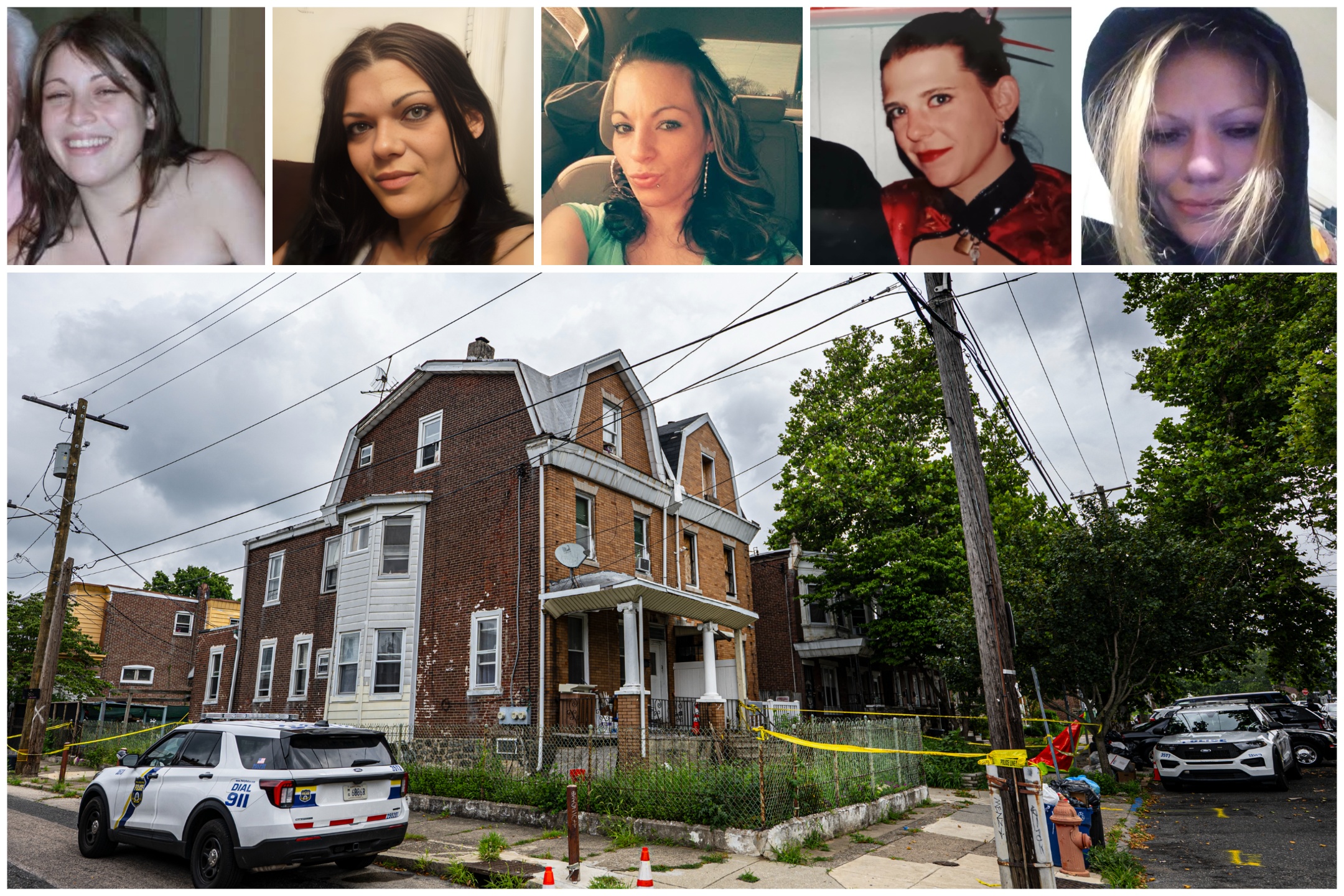
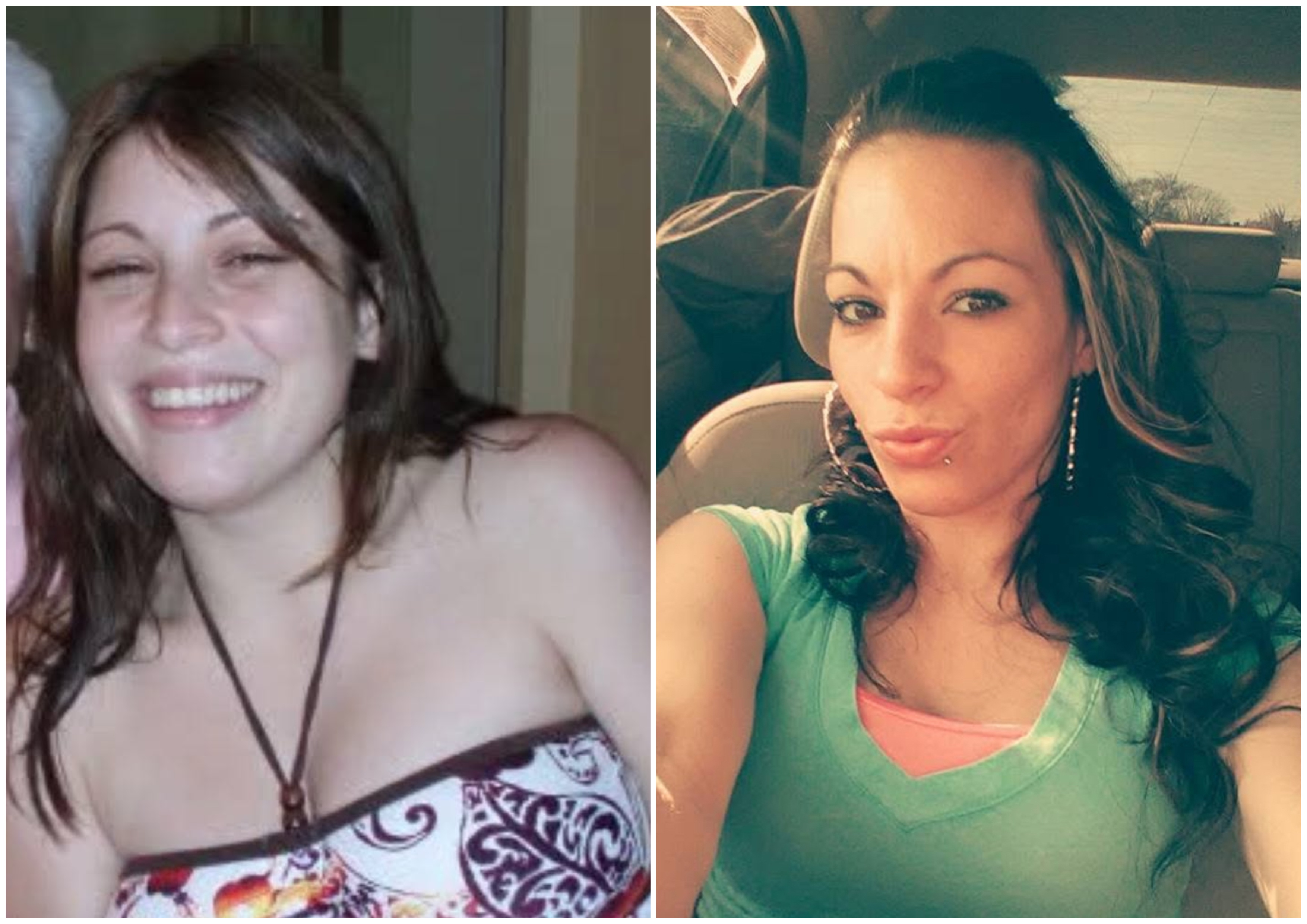
    (Top from left) Gabrielle Amarando, Nicole Fusaro, Maribel Fresses, Amy McHale, and Blair Tonzelli. Nicole Fusaro, Gabrielle Amarando, and Maribel Fresses are presumed dead. Blair Tonzelli and Amy McHale are still missing, but were last seen at Horsch’s home.Obtained by The Inquirer

    Sgt. Eric Gripp, a spokesperson for the police department, said detectives traveled to northern New Jersey to speak with the family members ahead of the news conference Wednesday, though he declined to discuss the details of a private conversation.

    The department did not name Fusaro during the news conference, in deference to other relatives.

    “Our deepest sympathy remains with every family whose loved one may be connected to this extraordinarily complex and deeply troubling investigation,” Gripp said, and police will “pursue every lead, work to locate the missing women, and provide verified information to their families as responsibly and compassionately as possible.”

    Joe Grace, a spokesperson for the mayor’s office, referred questions to the police department.

    Fusaro’s case is part of a sprawling local and federal investigation into the drug, sex, and porn operation Horsch ran out of his home on West Chew Avenue in Olney. Police now say Horsch, who died last year at 82 from lung disease, is linked to seven dead or missing women.

    Police tape entrance of the home of Eugene Albert Horsch on West Chew Avenue in the Olney section of Philadelphia as investigators search for possible evidence Tuesday, July 21, 2026.Jose F. Moreno / Staff Photographer

    While sifting through more than a million photos and videos recovered on Horsch’s hard drives, police said, investigators have recovered footage that appeared to show five women lifeless, including Fusaro, Maribel Fresses, and Gabrielle Amarando. There are also two unnamed women: a 25-year-old whose identity relatives asked to remain private, and a woman in her mid-20s investigators are still working to identify.

    Two other women — Blair Tonzelli, reported missing in 2023, and Amy McHale, Horsch’s ex-wife, who disappeared in 2016 — were also reportedly last seen at the Olney home, which Horsch shared with his son, Eugene. The younger Horsch is in prison on federal charges stemming from his June 19 arrest after a car stop near Independence Hall. In the car, a federal park ranger found a fake ID with Tonzelli’s name, which launched the investigation.

    Fusaro, 27, was last seen in Kensington on July 19, 2018. Her mother, Diane, spent years searching the streets for her only child before she died in January 2020. Fusaro’s father, Thomas, died in 2009.

    Halloran-Koren had fallen out of touch with his family after years living overseas, but reconnected with them in 2020 and learned his cousin was missing, he said. He started working with friends of his aunt and cousin to try to find her.

    In 2024, he said, he filed a report with the National Missing and Unidentified Persons System, and Fusaro’s information was later entered into the national database.

    Nicole Fusaro was reported missing in 2018 when she was 27. Police believe she was killed by Raymond “R.C.” Horsch in his Chew Avenue home.Courtesy of Jonathan Hallo

    In August, after police identified Fusaro as the woman Horsch appeared to have killed, detectives met with one of Fusaro’s paternal relatives to notify them of the discovery. The relative, who declined to speak with an Inquirer reporter, asked police not to publicly release her name.

    Several weeks later, that relative told Halloran-Koren what police had told him: that they believed his cousin was dead. Halloran-Koren, a cousin on Fusaro’s mother’s side, then identified her publicly because he said he wanted her story to be known.

    “Nicole deserved to have people fighting for her when she was missing. She deserves people fighting for her now,” he said. “I will make sure that happens.”

    Halloran-Koren later contacted city police and requested additional information. Detectives scheduled a meeting with him and his mother on Sept. 16 to formally notify them of her likely death.

    He learned more, he said, from watching his television several hours later.

    In his letter to Parker and Council members on Thursday, Halloran-Koren said he understood the police department had “an obligation to provide information to the public and answer legitimate questions from the press.”

    “But there is an enormous difference between legitimate public disclosure and providing a victim’s family with less information about their loved one’s death than is subsequently provided to the public only hours later,” he said.

    He said he hopes to review the department’s handling of the case, and whether police violated any laws or internal policies in their communication with his family.

    “Our family deserved better,” he wrote. “Nicole deserved better.”

  • Police find more photos of women who appear dead in pornographer R.C. Horsch’s home, bringing the number of missing to 7

    Police find more photos of women who appear dead in pornographer R.C. Horsch’s home, bringing the number of missing to 7

    Police have recovered images they believe show two additional women dead inside the residence of the late Raymond “R.C.” Horsch, officials said Wednesday — bringing the total number of dead or missing women linked to the violent pornographer’s Olney twin home to seven.

    The discovery marked the latest turn in a sprawling local and federal investigation into the drug, sex, and porn operation Horsch ran out of his home. Horsch left behind a digital archive of more than a million photos and videos that detectives now believe shows a mix of real and staged violence — as well as potential killings.

    During a news conference Wednesday, Deputy Police Commissioner Frank Vanore said investigators recovered photos that showed a 25-year-old woman unconscious, with visible injuries, inside the Chew Avenue home where Horsch and his son, Eugene, lived for decades.

    The woman, who was from Philadelphia, had not been reported missing, police said. Vanore declined to identify her at the request of her family.

    Detectives also recovered images showing another woman lifeless with injuries. Investigators have not yet been able to identify her, Vanore said, but she appeared to be in her mid-20s.

    Nicole Fusaro was reported missing in 2018 when she was 27. Police believe she was killed by Raymond “R.C.” Horsch in his Chew Avenue home.Courtesy of Jonathan Hallo

    Vanore also confirmed that police recovered a video that appeared to show Horsch strangling a woman. Horsch used two cameras — one mounted in the room, and another that he held — to film the assault, he said. In the video, he said, the woman used drugs before Horsch gave her money and handcuffed her to the bed. He was naked and tightened a zip tie around her neck until she became unconscious, Vanore said.

    That woman has been identified by a family member as Nicole Fusaro, who went missing in 2018 at the age of 27.

    Police last month also announced they recovered images that appeared to show two women dead inside the home: Maribel Fresses, who was 27 when she was reported missing in February 2018, and Gabrielle Amarando, who went missing in September 2012 at the age of 22.

    Vanore said the metadata of those images shows both were photographed in 2017.

    Police have not recovered any human remains.

    Gabrielle Amarando, (left) missing since 2012 and Maribel Fresses, 27, reported missing in 2018. Police believe they were killed inside the Olney home.Obtained by The Inquirer

    Horsch died last year at age 82 of lung issues.

    Special Agent Wayne Jacobs, of the FBI in Philadelphia, said federal agents have been assisting city homicide detectives in downloading and sorting through the excessive amount of digital evidence. So far, he said, they have reviewed about 30% of the existing materials.

    “The objective here is thoroughness, not simply speed,” he said.

    Vanore said investigators have identified 58 people in the images and videos they have reviewed. Of those, five women appeared to be dead.

    There are 10 other women who subsequently died of an overdose elsewhere, he said. Police have interviewed 16 people who are still alive, he said. They are still working to track down 25 others.

    The investigation has been protracted, in part because Horsch spent decades producing pornography that often focused on the brutalization of women in addiction — producing photos and videos for books, movies, and his website that featured women in various staged scenarios, including being drowned, shot, and strangled.

    “Some of this is playacting, and some of it we believe could be real,” Vanore said. “But we’re not there yet. We don’t want to end our investigation before it even — we’re not even in the middle of it. There’s a lot more to unpack.”

    Police Commissioner Kevin Bethel (left) looks on as Ryan Gallagher, of the forensics lab, speaks Wednesday.Elizabeth Robertson / Staff Photographer

    Police Commissioner Kevin Bethel also counseled patience. A large team of detectives, he said, was diligently and carefully reviewing the materials and working to ensure any identified victims and their families are handled with care.

    “We have a duty to those families who are all concerned about whether their loved one lost their lives in that house, or maybe somewhere else,” he said. “And so we’re going to take the time, we’re going to put the effort in. We’re going to do all the things that we have at our disposal.”

    Police started searching the home of Raymond Horsch, and his son Eugene, at 417 Chew Ave. in June. Jose F. Moreno / Staff Photographer

    Police will search the home again

    Police started looking into Horsch and his son, Eugene, in June, after a car stop near Independence Hall.

    A U.S. park ranger encountered Eugene Horsch and a woman inside his black BMW on June 19, police said. When the officers questioned them, the woman produced a fake ID in the name of Blair Tonzelli, a woman who had been missing since 2023. Police searched the car and found two guns, drugs, a cattle prod, and a phony federal drug enforcement badge.

    Local and federal law enforcement spent weeks searching the home on Chew Avenue and found additional drugs and weapons, as well as a basement holding vats of mysterious fluids and a 55-gallon drum leading to a water line.

    Police also recovered five urns containing cremated remains. Ryan Gallagher, the police department’s assistant director of forensics, said authorities now believe those urns hold the ashes of Raymond Horsch, his sister, and a friend. Investigators are still working to identify the other two, he said.

    Tests for DNA and of the chemicals in the basement remain ongoing.

    FBI Philadelphia Special Agent in Charge Wayne Jacobs (center) looks to Deputy Police Commissioner Frank Vanore (left) during a press conference, regarding the Raymond “RC” Horsch case, at the Philadelphia Police Headquarters on Wednesday, September 16, 2026.Elizabeth Robertson / Staff Photographer

    The case expanded when investigators learned Raymond Horsch’s ex-wife, Amy McHale, had been reported missing in 2016, and was also last seen at the home.

    Police then excavated the yard of the home in search of physical evidence linked to the missing women.

    Vanore said investigators have not recovered any digital evidence as to the whereabouts of Tonzelli or McHale.

    Eugene Horsch, 44, remains in federal custody on drug and gun charges. Vanore said investigators have not found evidence that connects him to the dead or missing women.

    Bethel said police intend to return to the Chew Avenue home in the coming weeks to recover additional materials, and will meet with neighbors.

    Staff writer Barbara Laker contributed to this article.

  • Nicole Fusaro, missing since 2018, identified as woman who police believe Raymond Horsch killed

    Nicole Fusaro, missing since 2018, identified as woman who police believe Raymond Horsch killed

    The woman who police believe was killed by pornographer Raymond Horsch on camera has been identified by family members and law enforcement sources as Nicole Amanda Fusaro, who has been missing since July 2018.

    Fusaro was 27 when she was last seen in Kensington, and after she disappeared, her mother, Diane, combed the streets of the Philadelphia neighborhood looking for her only child. Diane died in January 2020 without answers, and Fusaro’s father, Thomas, had died in 2009. That left Fusaro’s friends and her cousin, Jonathan Halloran-Koren, to continue searching and hoping that one day she might turn up.

    Last month, investigators recovered a video on one of numerous hard drives recovered from Horsch’s decrepit Olney home while in search of clues for other missing persons linked to the property. Law enforcement sources said they believe the video shows Horsch strangling Fusaro to death.

    Nicole Fusaro was reported missing in 2018 when she was 27. Police believe she was killed by Raymond “R.C.” Horsch in his Chew Avenue home.Courtesy of Jonathan Hallo

    Police met with a member of Fusaro’s extended family several weeks ago to alert them of the discovery. Those relatives asked police not to publicly release her name. The relatives declined to speak with a reporter this week.

    Halloran-Koren, in an interview, said those relatives told him Thursday that police had visited their home in recent weeks with the news of his cousin’s death.

    He said he wants her name to be known so that she is not forgotten.

    “Hopefully more attention will be made to missing persons so this doesn’t happen again,” he said, adding that he is still seeking additional information from law enforcement.

    The police department is legally required to release the names of homicide victims, as they consistently do in a typical case. But because Fusaro’s body has not been found, the Office of the Medical Examiner has not ruled her death a homicide, creating a legal gray area.

    Police also have no suspect to charge: Horsch died last year, at the age of 82, of a lung condition.

    Sgt. Eric Gripp, a spokesperson for the police department, said the investigation into the Horsch home at 417 Chew Ave. remains extensive and ongoing. He said officials expect to provide an update to the public next week.

    “As part of that investigation, detectives have spoken with numerous family members, witnesses, and other individuals, and continue to review evidence gathered during the investigative process,” he said in a statement. “Because this is an active investigation, we are not confirming the identities of any individuals who may be connected to specific evidence or discussing information that has been shared privately with families.”

    Last month, police officials announced that they recovered photographic evidence that appeared to show two other missing women — Maribel Fresses and Gabrielle Amarando — dead inside the home.

    Fresses’ and Amarando’s bodies have also not been recovered, and the medical examiner has similarly not ruled a cause or manner of death. Their families gave the department permission to release their names.

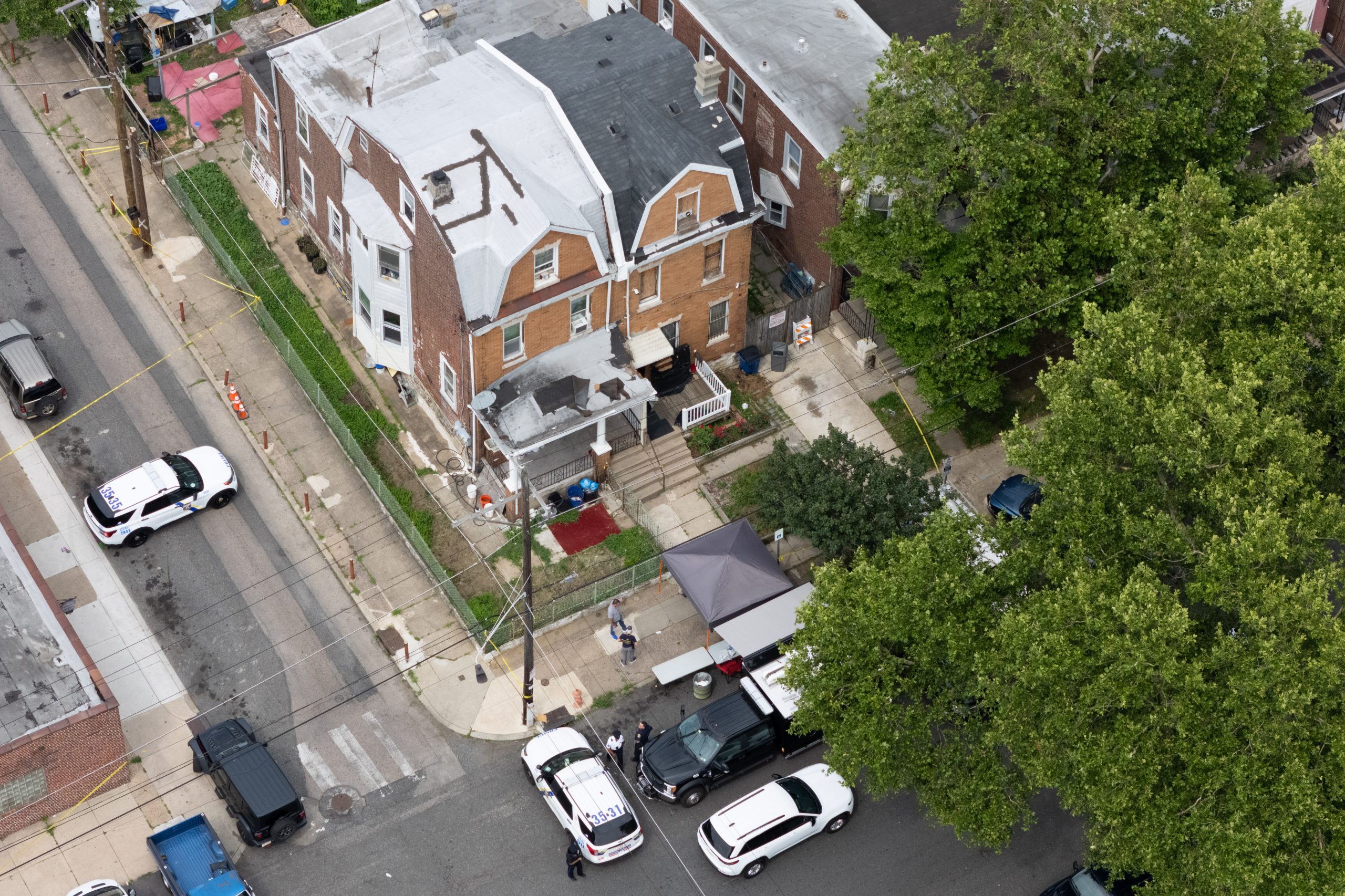
    Investigators searched the home of Eugene Albert Horsch on West Chew Avenue (grey roof) in the Onley section of Philadelphia in June 2026.Gabriel Coffey / Staff

    Fusaro is the fifth dead or missing woman to be tied to the home on Chew Avenue where Horsch lived with his son, Eugene, for decades. Raymond Horsch lured women in addiction with drugs and cash to star in his violent pornographic videos and photos.

    Halloren-Koren said he had come to terms with the reality that his cousin likely died several years ago after so much time had passed without a sighting.

    “I came to grips with that,” he said, of her death. “How it happened is something that is going to take me a little while.”

    Fusaro, who was raised in Northeast Philadelphia, attended George Washington High School, according to her Facebook page. She had dark brown hair and striking, light eyes, and was known as an outgoing young woman who enjoyed being around friends and family.

    Halloren-Koren said she was light-hearted and loved animals. As kids, he said, she enjoyed watching Vampire Diaries and listening to all types of music, from Green Day to the Notorious B.I.G.

    After Halloren-Koren moved overseas for work in 2003, he said he only saw her at sporadic family reunions. His family, he said, was splintered and scattered across the region, and Fusaro’s parents both struggled with addiction. His cousin started using drugs in her late teens, he said, and she fell deeper into addiction in her 20s before drifting into the streets of Kensington.

    When Halloran-Koren sought to reconnect with family in 2020, he learned his cousin was missing and tried to help his aunt’s friends find her, he said. He spoke to women across Kensington who knew her and heard various theories, including that she was last seen getting into a car near Kensington and Allegheny Avenues.

    He asked the women, he said, whether there were any strange men in the neighborhood, and they scoffed — this was Kensington, and there were men like that everywhere.

    But there were a few he said they mentioned: a guy who drove a van without a license plate, and a “creepy” man with the last name Horsch who picked up women on the Avenue.

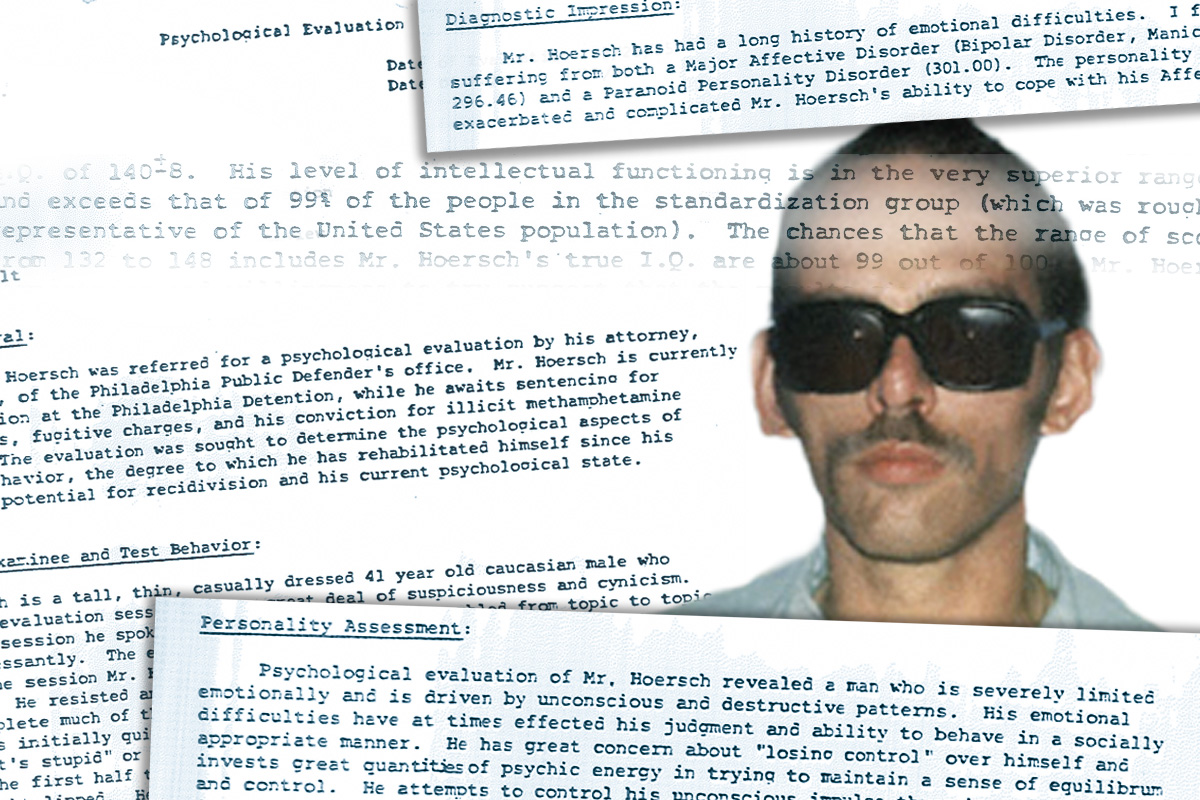
    Raymond Horsch underwent a psychological examination in 1985 with results showing an above-average intelligence, deep-rooted emotional problems, and a diagnosis of a paranoid personality disorder.John Duchneskie / Staff Illustration / Photo obtained by The Inquirer

    Horsch was known to trawl the streets of Kensington in search of sex workers, photographing some from the shadows. He’d offer to pay them in drugs and cash to be featured in his films or photos, often using drugs and in fantasies of being beaten, strangled, or killed.

    He had a lengthy criminal record for manufacturing drugs and other non-violent crimes. And while his ex-wife, Amy McHale, was last seen at his home in 2016 before she went missing, he was never charged with any crimes connected to her disappearance before he died last year.

    The investigation into his connection to the missing women began June 19, after his 44-year-old son, Eugene, was arrested near Independence Mall.

    A federal park ranger found a fake ID in the car in the name of Blair Tonzelli, another woman who was reported missing in 2023, and was last seen at Horsch’s home. Police then interviewed women who said Eugene Horsch had bragged about knowing how to use chemicals to melt bodies in his basement.

    Eugene Horsch has only been charged with illegal drug and weapons violations and has not been linked to any of the disappearances. He is currently in a federal detention center awaiting trial.

    After arresting Eugene Horsch, local and federal law enforcement searched the Horsch home, at 417 W. Chew Ave., even excavating the yard for clues to the disappearance of Tonzelli and McHale. They found drugs, guns, a 55-gallon drum and vats of liquid, as well as a mysterious letter referencing putting drug-addicted women out of their misery.

    Police also recovered dozens of hard drives that they said contained hundreds of thousands of images and videos — including some that showed several women presumably dead at the home. Investigators continue to pore over those materials to determine how far Horsch’s crimes extended and who was involved.

  • ‘Consumed by anger’: Inside the 1985 psych profile of Raymond Horsch

    ‘Consumed by anger’: Inside the 1985 psych profile of Raymond Horsch

    Federal authorities learned four decades ago that Raymond “R.C.” Horsch — a man whose Olney home is now linked to five dead or missing women — was a manipulative criminal who was “consumed by anger,” according to a psychological profile obtained by The Inquirer.

    “He is grandiose, mistrustful, suspicious, and excessively controlling,” the psychologist, Don Seraydarian, wrote in 1985 as part of a federal drug manufacturing case.

    At the time of the exam, a wiry, 41-year-old Horsch had just been captured after spending several years on the run in New Zealand to escape criminal charges. Prior to absconding, he had spent the previous decade producing a mobster-backed pornographic film, counterfeiting cash, and running a meth lab.

    Ahead of his sentencing on the drug charges in Philadelphia, Horsch’s defense team commissioned the four-hour clinical assessment that concluded he likely suffered from bipolar and paranoid personality disorders. The report was filed along with a motion seeking lenient sentencing, with Seraydarian writing that prison time for Horsch would likely “increase his hostility and sense of alienation.”

    “He feels this unfocused rage was the source of his criminal behavior,” Seraydarian wrote.

    The full report, obtained by The Inquirer through a federal records request and not previously reported, is a window into the mind and early childhood of the criminal pornographer at the center of an expanding investigation into a series of missing women.

    The Inquirer reported last week that police believe a video recovered from Horsch’s Olney property shows him strangling a woman to death on camera, according to law enforcement sources. Police also said they recovered photos on Horsch’s hard drives that appeared to show two other women who went missing in the 2010s alive — and then dead — inside his Chew Avenue home.

    While Horsch was an established pornographer with a criminal record by 1985, he had never been charged with any violent offenses before he died in May 2025, at the age of 82. Still, the psychological report showing insight into Horsch’s unstable mental state was presented to law enforcement decades before he was linked to any disappearances.

    Court records show federal prosecutors reviewed the 1985 case file again during Horsch’s 2009 indictment in a separate drug manufacturing case. Seven years later, his ex-wife, Amy McHale, went missing after being last heard from at his Chew Avenue home. Another woman was reportedly last seen at the property in 2022.

    It is unclear whether police reviewed Horsch’s psychological profile as part of their ongoing investigation, or in these prior missing persons cases.

    Michael Yoder, a retired FBI special agent who spent nearly a decade as a criminal profiler in the Behavioral Analysis Unit, reviewed the exam notes at The Inquirer’s request. He said that it was unusual for such an exam to be conducted for a drug case, but that he saw overwhelming hallmarks of psychopathy in the description of Horsch, and said the report would have been a red flag for criminal profilers.

    “If you were to give me this report and I knew nothing about this person, and knew nothing about the crimes he committed, I would say you have a potential serial killer on your hands,” Yoder said.

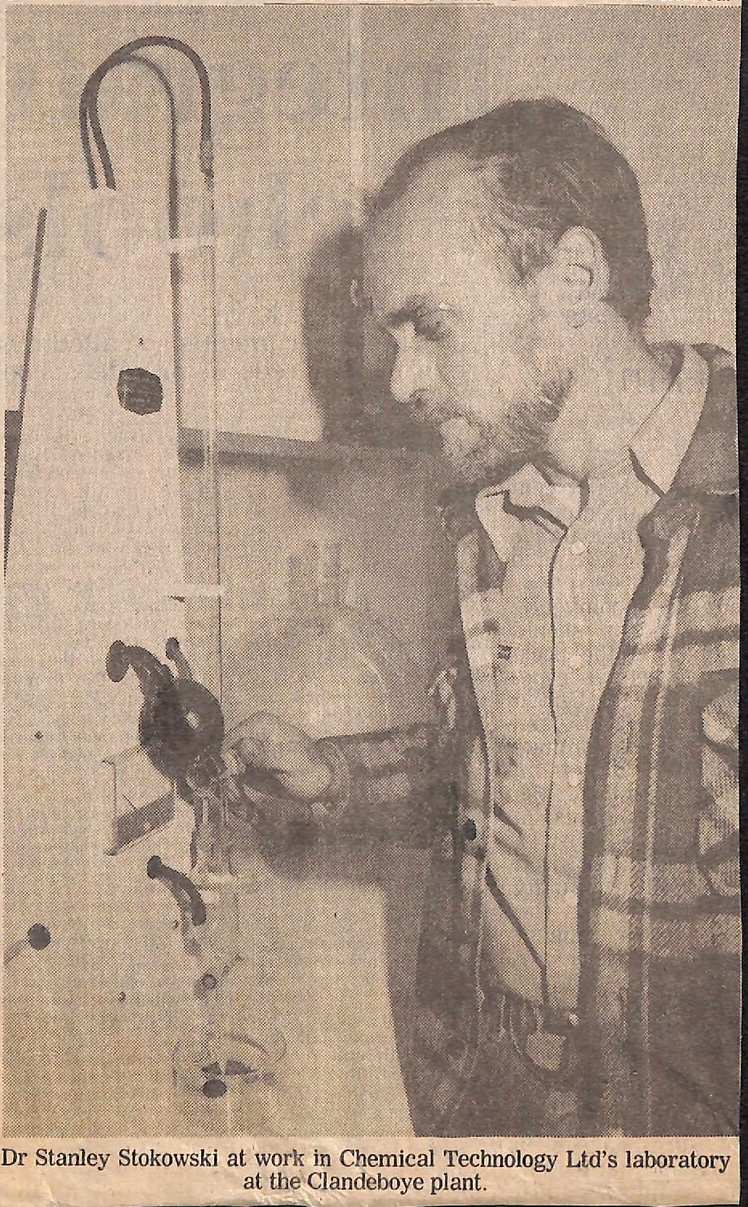
    A clipping from a 1982 news article in New Zealand, where Horsch found work at an ethanol plant under the stolen identity of “Stanley Stokowski.”Custom

    The report notes that during the interview, Horsch chain-smoked, dodged questions, and downplayed his crimes. He referred to himself in the third person when discussing his illegal activities, as if they were “events from someone else’s life.”

    He ultimately opened up to Seraydarian about his insecurities and resentments, describing himself as a social misfit. Money was not Horsch’s motivation for committing crimes, the psychologist determined.

    “He has great concern about ‘losing control’ over himself and invests great quantities of psychic energy in trying to maintain a sense of equilibrium and control,” Seraydarian wrote.

    Seraydarian, in an interview this week, confirmed he had written the notes but could recall only that Horsch was “very bright.”

    The report also offered insights into Horsch’s childhood.

    He described a pleasant early life — raised on a farm in Bucks County by a father he called “strict but fair” and a mother who was a “salt of the earth type.” But when he was 12 or 13, he said, he had a “philosophical split with his family” that affected their relationship. He then began to rebel in high school and was later expelled from two colleges.

    The report states that Horsch was an “extremely bright man” with a 140 IQ, and that he was a hard worker who could be rehabilitated as a productive member of society. It detailed an “erratic but prolific” life across the U.S. and New Zealand while he worked as a chemist, computer analyst, and photographer.

    “I go from job to job because once I learn something, I want to go to something else,” Horsch explained.

    And yet, the report noted, Horsch “has not been able to attain any financial success.”

    Horsch told the psychologist that he had never abused drugs or alcohol, in part because “I can’t stand being out of control.” He said he had no fears or phobias, but sometimes stayed awake for several days at a time.

    Seraydarian said Horsch was “very protective” of his wife and then-4-year-old son, Eugene. They were the “most important things in his life.” Horsch said he would never commit another crime because “now I’m hurting them as well as myself.”

    But his crimes continued.

    In the years that followed, Horsch was unabashed about his prolific career as a law breaker and a shock-seeking pornographer. He later sought to use the psychological report to cultivate his desired public image as a highly intelligent villain and psychopath, constructing a mythology around himself that blurred the line between his art and his life.

    In 2014, a Wikipedia user named “S.E. Stokowski” — which was Horsch’s alias while on the lam in New Zealand — created a page for the pornographer and made more than 150 edits over the years, according to the page’s public revision history. One entry referenced Horsch’s psychological exam as testament to his supposed intellect and sociopathic tendencies.

    As Horsch aged, he cast himself as an empathetic serial killer in his films and writings.

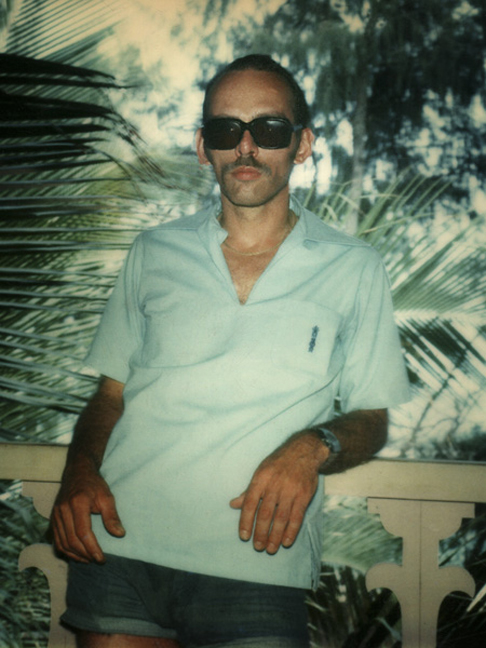
    Horsch at an unspecified location in the 1980s.Obtained by The Inquirer

    The 1985 psychological profile noted that Horsch’s only real friend or support system at that time was his then-wife, Anna Ferkuniak, who had a “therapeutic and rehabilitative effect” on him. He said his main wishes were to spend time with his family, live in a rural or isolated area so he could “deal with society as little as possible,” and have a better understanding of quantum physics.

    Ferkuniak died of a drug overdose in 1989, less than two years after Horsch was released from federal prison.

    Horsch later told an interviewer he was full of anger over her death, saying his wife “bailed out and left me with a kid to raise.” Following her death, he moved to the suburbs in Bucks County, co-opened a barbecue restaurant, and raised Eugene as a single father.

    There, Horsch pursued a pornographic career that mainly featured sexual violence toward women in addiction. In his photos, films, and self-published novels, he used these women as models for his psychosexual fantasies, often depicting their deaths by drowning, hanging, or strangulation.

    Federal and local law enforcement agencies are again assessing Horsch’s life after a June 19 car stop near Independence Hall involving his son, Eugene, turned up a fake ID in the name of a missing woman and led police on an extensive search of the Horsch home in Olney. Eugene Horsch is in federal custody, charged with possessing a gun, which is usually illegal for someone convicted of a felony.

    Police continue to sort through the hundreds of thousands of images, videos, and pages of writing on the hard drives recovered from the dilapidated and boarded-up twin where the father and son lived together.

    Investigators have so far recovered at least one video that appears to show Raymond Horsch killing a woman inside the property, sources said, as well as “dark and graphic” images of two other missing women — Maribel Fresses and Gabrielle Amarando — alive inside the home, and then dead. Law enforcement sources say the number of missing women connected to the home could grow as the investigation continues.

    Police have not publicly confirmed that either Raymond or Eugene Horsch is believed to have killed anyone, and they have not recovered any bodies.

    Raymond Horsch long maintained that the often gruesome violence in his films and photographs was staged. As an older man, however, he also professed that he was running out of boundaries to push.

    “The problem,” he said in a 2013 interview, ”is I have no fantasies left.”

    Inquirer reporters Max Marin and Ryan Briggs will host a Reddit AMA in the r/Philadelphia subreddit on Friday at 1 p.m. You can ask them questions there about the Olney investigation and the life of Raymond Horsch.

  • Police believe a new video shows violent pornographer Raymond ‘R.C.’ Horsch killing a woman on camera, sources say

    Police believe a new video shows violent pornographer Raymond ‘R.C.’ Horsch killing a woman on camera, sources say

    Philadelphia police have recovered video footage that they believe shows the late pornographer Raymond “R.C.” Horsch killing a woman on camera, law enforcement sources said.

    The footage, discovered on a hard drive inside Horsch’s house in Olney, appeared to show him strangling the woman at his home, said the sources, who spoke on the condition of anonymity to discuss an ongoing investigation.

    Police have not disclosed the woman’s identity, but have notified a relative, the sources said. It was not immediately clear when the footage was taken, and the sources said police have not found her body.

    Deputy Police Commissioner Frank Vanore declined to comment Friday. The department has said it is working with forensic experts to discern the authenticity of the materials on the 50 hard drives found in the house, a process that could take months.

    The discovery is the most significant breakthrough yet in the sprawling investigation, and means that at least five missing women are now linked to the Chew Avenue property where Horsch lived for decades with his son, Eugene.

    Police have digital evidence that they believe indicates at least three of those women are dead, according to the sources. Earlier this month, police said they recovered images that showed two women who had been reported missing were inside the home and were later photographed dead there. The new footage adds a third victim.

    Police block the entrance to 417 W. Chew Ave. during an investigation in June. Jose F. Moreno / Staff Photographer

    Sources said police expect the number of missing women connected to the home to grow as investigators sort through the hundreds of thousands of videos, photos, and pages of writings recovered on the hard drives at Horsch’s house.

    The development also means police may have to confront the possibility that the property and hard drives hold evidence of killings that went undetected for years — and at the hands of a man who spoke and wrote publicly about his fantasies of killing women for decades with little scrutiny.

    Police have not found any human remains in the house.

    Horsch died in May 2025, at the age of 82, from lung issues.

    Horsch built a career luring women in addiction in Kensington to his home with drugs and cash. He photographed and featured them in pornographic films that often depicted graphic violence — including hangings, stranglings, and drownings. He adopted the persona of an “empathetic” serial killer who murdered addicts to end their pain, and he claimed his writings were autobiographical, yet laced with threads of fiction that often left his audience wondering what was real.

    Two weeks ago, police said they had recovered “dark and graphic” images on the hard drives that indicated Maribel Fresses, missing since 2018 at the age of 27, and Gabrielle Amarando, who was 22 when she was reported missing in 2012, were dead.

    Gabrielle Amarando, (left) missing since 2012 and Maribel Fresses, 27, reported missing in 2018. Police believe they were killed inside the Olney home.Obtained by The Inquirer

    Police said they had not recovered footage of the women being killed, but instead had images of both women alive inside the house — and then dead. Officials have not determined what happened to their bodies.

    But sources say police have since discovered additional footage that is far more disturbing.

    The investigation began this summer after a chance encounter near Independence Hall.

    On June 19, police said, a U.S. park ranger came upon Eugene Horsch near Sixth and Market Streets acting suspiciously inside his black BMW. When officers searched the car, they found drugs, two illegal guns, a cattle prod, and a fake drug enforcement badge. What’s more, the woman who was with him presented a license in the name of Blair Tonzelli, who had been reported missing in 2023.

    Documents show that police interviewed people connected to Eugene Horsch who said he had bragged about knowing how to mix chemicals that could melt human remains and make a body so small “it could be flushed down a toilet.”

    Records show that Tonzelli was reportedly last seen at the Horsch house in 2022, and Raymond Horsch posted at least one nude photograph of her — with a black eye and bloody lip — on his website. Her friends reported her missing in February 2023.

    Raymond Horsch’s ex-wife, Amy McHale, who went missing in 2016, was also last seen at the Chew Avenue house. Investigators have since renewed the inquiry into her disappearance.

    Amy McHale.Courtesy of the family of Amy McHale

    Local and federal law enforcement searched the Horsch home in the weeks that followed the car stop and said they found an “astonishing” amount of evidence: five urns of cremated remains, more than 20 containers full of unknown chemicals and oily substances, and 50 hard drives and other electronic devices holding more than 600,000 images, 70,000 videos, and 10,000 pages of writings and drawings.

    Police also found additional guns and drugs. And in the weeks that followed, investigators excavated the yard of the Chew Avenue home and recovered a piece of a pipe for additional forensic testing.

    Police continue to investigate the whereabouts of Tonzelli and McHale.

    Eugene Horsch, 44, remains in federal custody, charged with illegal gun possession. Police have declined to say whether they believe he played a role in his father’s business. He has not been charged with any crimes connected to the women’s deaths or disappearances.

    His attorney has declined to comment.

  • ‘I knew she was gone’: Police say at least two missing women likely killed inside Olney home linked to violent pornography

    ‘I knew she was gone’: Police say at least two missing women likely killed inside Olney home linked to violent pornography

    Philadelphia police now believe at least two women were killed inside the decrepit Olney home at the center of a sprawling missing persons investigation, officials said Wednesday — a stunning breakthrough in a probe that began nearly two months ago after a chance encounter near Independence Mall.

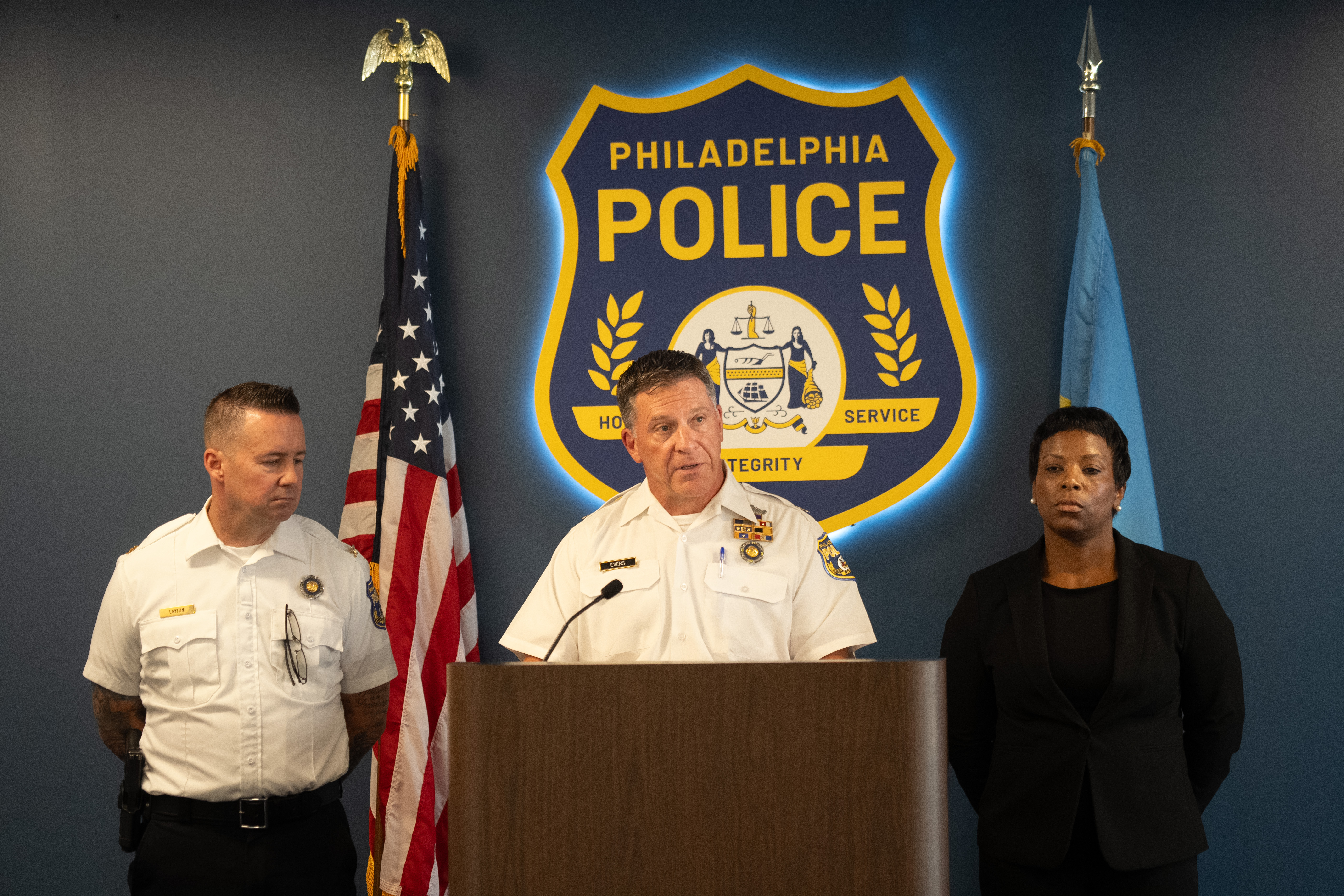
    Inspector Raymond Evers said homicide detectives had recovered photos and videos on hard drives inside the home that appeared to show the deaths of two women who had been reported missing — neither of whom had been previously linked to the case.

    Evers identified the women as Maribel Fresses, who was 27 when she was reported missing in February 2018, and Gabrielle Amarando, who went missing in September 2012 at the age of 22.

    The announcement at a Wednesday news conference was the latest and most striking development in a case that has drawn national attention since police launched an investigation in June into the disappearances of two other women last seen at the home of Eugene Albert Horsch, 44, and his late father, Raymond “R.C.” Horsch.

    Eugene Albert Horsch, 44, of Philadelphia.Courtesy of Philadelphia police

    Evers said the two-month search of the home, on the 400 block of West Chew Avenue, involved over 95 search warrants and surfaced an “astonishing” array of evidence: five urns of cremated remains, more than 20 containers full of unknown chemicals and oily substances, and 50 hard drives and other electronic devices holding more than 600,000 images, 70,000 videos, and 10,000 pages of writings and drawings.

    Inside one of those hard drives, Evers said, detectives found images and videos that appeared to show Fresses and Amarando alive inside the house — followed by “graphic and dark” depictions of what appeared to be their dead bodies.

    But the investigation is complicated, he said, because police have not recovered any human remains inside the home. And forensic tests of the substances in the basement, and of what initially appeared to be blood inside the house, did not test positive for human blood or DNA, law enforcement sources have said.

    Without the bodies, he said, the Philadelphia Office of the Medical Examiner cannot officially declare the women dead. He said the case would likely have to go through Orphans’ Court.

    Philadelphia Police Inspector Raymond Evers gives an update on the investigation into the house on Chew Avenue.Jessica Griffin / Staff Photographer

    Still, he said, the medical examiner’s office said that “if the images and the video are real and not altered in any way,” the women are dead.

    Police are still working to determine when the women died.

    Eugene Horsch has not been charged with any crimes connected to the women’s deaths or disappearances. Evers declined to say whether investigators believed he — or his father, a creator of erotic and pornographic art — may have been involved.

    “Eugene lived there. He lived there for a long time. His dad lived there for a long time,” Evers said when asked about their possible connection to the deaths.

    He said investigators had reviewed only about 5% of the digital materials so far and had hundreds of thousands more to go through.

    A lawyer for Eugene Horsch did not immediately respond to a request for comment Wednesday.

    The missing women

    Police said they notified the families of Fresses and Amarando on Wednesday morning.

    Ricardo Fresses, 61, said that, in his gut, he had known his daughter, Maribel, or “Bella,” was dead.

    “She called me every day. Absolutely every day she called me, and one day she stopped calling me,” he said. “And as the years went by I knew she was gone.“

    His daughter grew up in Holland, Bucks County, he said, and started using drugs in high school.

    “She was a beautiful girl, a loving girl, always daddy’s girl,” he said, even as she slipped into opioid addiction.

    He last saw her on June 19, 2018. They met for a slice of pizza in Kensington, and he gave her $50. He never heard from her again. He reported her missing shortly after.

    “It’s a horrible situation that my family has to go through,” he said about what police found inside the hard drive.

    Amarando’s family said the news followed 14 years of hope that she might finally turn up.

    ”I’m just so devastated. This brings some closure, but it still hurts,” said Lora Timmons, Amarando’s stepmother. “She was a sweet little girl. She was always just such fun to be with. She and her father were best friends.”

    Timmons said Amarando, who grew up in Doylestown, had been interested in modeling from a young age but “always found the wrong crowd.” She had struggled with addiction since she was a teen, her stepmother said.

    Amarando would often come to visit Timmons, who lives in North Carolina, and her sisters, but they lost contact in September 2012.

    ”She just went away,“ she said. “We searched here and there but we never found her. … We always thought she was just off doing her drug thing, living her life.”

    Timmons had not heard of the Horsches until Wednesday.

    ”I always hoped I’d see her again,” she said. “I didn’t want to think the worst.”

    Police declined to say how the women might have known Raymond or Eugene Horsch.

    For decades before his death, Raymond Horsch offered drugs, cash, and shelter to women struggling with addiction, in exchange for nude photo and video shoots. Horsch’s visual works featured graphic violence — and sometimes death scenes. He also penned semi-autobiographical novels featuring serial killers who preyed on women in addiction.

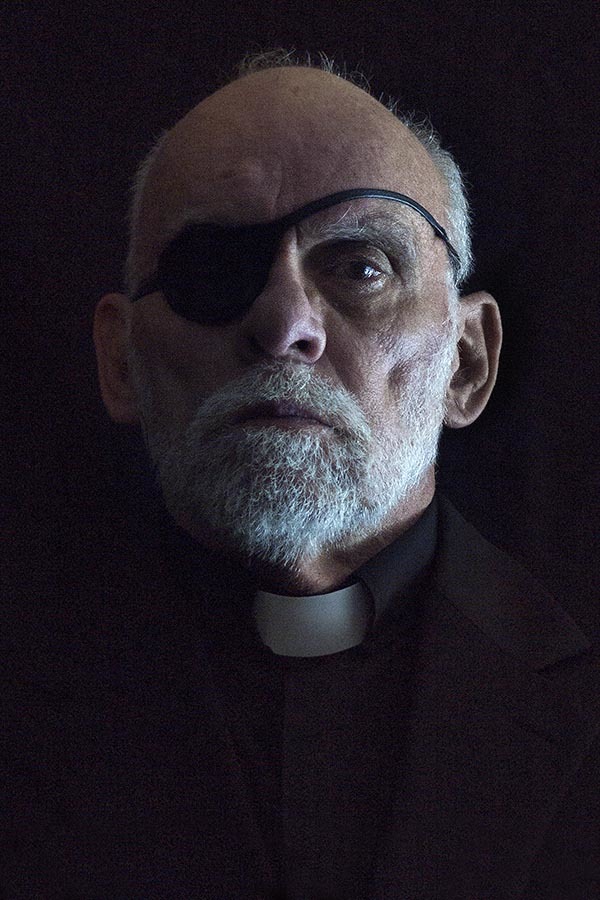
    Raymond “R.C.” Horsch in character for a film role, 2014.S. E. Stokowski / Wikimedia

    How the case began

    Wednesday’s developments came nearly two months after police began combing through the Horsch home in connection with at least two other missing women, following a chance encounter near Independence Mall.

    On June 19, a U.S. park ranger saw Eugene Horsch and a woman acting suspiciously inside his parked BMW. After searching the car, the officer found drugs, guns, and various other weapons, along with a counterfeit U.S. Drug Enforcement Administration badge.

    The woman with Horsch was also found with a fake ID in the name of Blair Tonzelli, a woman who was reported missing in 2023 and last seen at Horsch’s Olney home.

    That also renewed suspicions about Horsch’s father, who died in May 2025. Raymond Horsch’s ex-wife, Amy McHale, was reported missing in 2016 and last heard from at the Chew Avenue house.

    A witness later told police that Tonzelli was a home healthcare aide who had worked for Horsch’s father, and that she believed Tonzelli and Eugene Horsch had a disagreement over money, according to law enforcement sources.

    Investigators interviewed people who knew Horsch and were told that, in the past, he had bragged about killing people and melting their bodies with chemicals in his basement, said the sources, who spoke on the condition of anonymity to discuss an ongoing investigation. Horsch, they said, said he could make a body so small it “could be flushed down a toilet.”

    Workers and police investigators remove pipes and debris at the entrance to the home of Eugene Albert Horsch on West Chew Avenue in the Olney section of Philadelphia as investigators search for possible evidence on July 22.Jose F. Moreno / Staff Photographer

    Since the June arrest, Horsch has remained in federal custody on charges related to illegal gun possession. Police continued to search the Olney home in hopes of learning the whereabouts of Tonzelli and McHale.

    They went so far as to excavate the home’s yard and remove a pipe to test for DNA.

    FBI agents, meanwhile, continued examining hundreds of pages of text messages, handwritten and typed documents, CDs, and videos — including many of Raymond Horsch’s artistic works.

    It was in there, police said, that there was evidence of Fresses’ and Amarando’s deaths.

    Fresses’ father said the discovery confirmed his worst fears. For months, years even, he said, he would wake up in the middle of the night and drive through Kensington. He would look into the faces of the women on the streets, hoping he would see his Bella.

    “But I was just hurting myself because I knew she was gone,” he said. “I knew in my heart that my daughter was not around anymore.“

  • Feds will take over gun case of Olney man at center of missing women investigation, as Philly DA withdraws charges

    Feds will take over gun case of Olney man at center of missing women investigation, as Philly DA withdraws charges

    Federal prosecutors will take over the criminal case against the Olney man whose house is at the center of a sprawling investigation into the fate of two missing women, officials said Thursday.

    Assistant District Attorney Alyssa Amoroso withdrew the charges the Philadelphia DA’s office had filed against Eugene Albert Horsch for illegal gun and drug possession Thursday morning, telling a city judge that the U.S. Attorney’s Office would instead handle the case.

    Horsch, 44, has been in federal custody since June after a U.S. park ranger encountered him and another woman inside a black BMW near Independence Hall, acting suspiciously. Police said they searched Horsch — who was not allowed to possess guns because of felony convictions — and found a switchblade and a glass pipe in his pants, as well as two illegal guns, drugs, and a phony federal drug enforcement badge in his car.

    And then, in an unsettling twist, the woman with Horsch presented a fake ID bearing the name of a woman, Blair Tonzelli, who had been reported missing in 2023.

    Horsch was charged with illegal gun and drug possession after his June 19 arrest, and was held on $500,000 bail.

    About a week later, he was charged with a federal firearms violation, allowing him to be held in federal custody until trial.

    Eugene Albert Horsch, 44, of Philadelphia.Courtesy of Philadelphia police

    In the days after Horsch was arrested with the weapons in Center City, local and federal investigators searched his decrepit twin house on Chew Avenue and found another gun, as well as materials to grow marijuana.

    They also discovered a trove of more concerning materials — barrels of chemicals in the basement, several urns holding cremated remains, supplies to make counterfeit IDs, documents tied to at least two women who have been missing for years, and a handwritten letter that described hurting people and mentioned the serial killer Ted Bundy.

    A woman also told investigators Horsch had told her he knew how to use chemicals to melt bodies in the basement.

    As officials investigated the whereabouts of Tonzelli, the woman whose name appeared on the ID handed to park rangers, they learned that she was reportedly last seen at the Chew Avenue house in late 2022.

    They also found that another missing woman was last seen at the address. Amy McHale, the ex-wife of Horsch’s deceased father, Raymond “R.C.” Horsch, disappeared in June 2016.

    In the months since the investigation began, police have repeatedly searched Horsch’s home, excavated its yard to recover pipes to test for DNA, and pored over hundreds of pieces of documents and Horsch’s devices in hopes of learning the fate of the missing women.

    Law enforcement sources said none of the items recovered from inside the home — including what initially appeared to be significant amounts of blood — tested positive for blood or either woman’s DNA. It was not immediately clear if the tests of the excavated pipes have been completed.

    The strange, complex backstory of Eugene Horsch and his father has also clouded portions of the investigation.

    Raymond “R.C.” Horsch in 1999.S. E. Stokowski / Wikimedia

    Raymond Horsch was a porn actor and director who produced films and self-published novels that often featured women in addiction in violent fantasies — including some that depicted various ways to kill women. He cast himself in some of the stories as an “empathetic” serial killer who preyed on addicted women to end their suffering, and billed the books as stories that combined real details from his life story with his fantasies.

    Investigators have since found themselves working to sort fact from fiction in discerning whether anything more sinister happened inside the home, or if it was just a den for troubled drug users.

    Eugene Horsch’s lawyer, Jerome Brown, has said his client did nothing wrong. Brown did not attend Thursday’s hearing.

    Horsch, too, did not appear in court. He remains in federal custody as Philadelphia homicide detectives and federal officials continue to investigate.