A 13-year-old boy was charged with murder and related crimes after fatally shooting a 16-year-old boy in a Norristown home, authorities said Thursday.
The shooting happened the morning of Sept. 22 at a residence on the 700 block of Arch Street, where prosecutors said Daniel Hawkins-Boyce fatally shot the victim, William Boyd.
Hawkins-Boyce came into possession of a Ruger .380 handgun a week before the shooting, according to the affidavit of probable cause for his arrest. It was not clear how he did so. He told police he “found” it, the document said.
Hawkins-Boyce and Boyd were hanging out in the home’s basement and had recently smoked marijuana when he accidentally discharged the firearm, striking Boyd in the face, the affidavit said.
Hawkins-Boyce called 911, and detectives arrived to find him on the front porch with his mother, where he told them he was responsible for the shooting.
Hawkins-Boyce did not live at the home where the shooting occurred, authorities said. He told investigators that he’d taken the gun to meet Boyd, and that he’d checked to make sure it wasn’t loaded.
In the basement, he told police, he left the gun unattended when he went to the use the bathroom for 10 or 15 minutes.
When he returned, he said, he noticed the gun was in a different position than where he left it.
Hawkins-Boyce told police he began scrolling the social media app TikTok and tapping the gun’s trigger with his index finger, and the gun went off.
After the shooting, he ran home and awakened his mother to tell her what happened, the affidavit said.
Montgomery County District Attorney Kevin Steele said in a statement Thursday that evidence showed the teen had “recklessly fired the firearm at the victim.”
The firearm was reported stolen in Philadelphia in June, according to the affidavit.
Steele said Hawkins-Boyce was charged as an adult in accordance with state law, but he said the case would likely move to juvenile court after a review from a judge.
The teen was arraigned on Sept. 30 and is being held at the Montgomery County Juvenile Detention Center on a $200,000 bail.
He is expected to appear in court for a preliminary hearing on Oct. 14.
Tiny Bridgeport, tucked off Route 202 between King of Prussia and Norristown, has long had its food landmarks. Since 1955, it’s been the home of Suzy-Jo Donuts and Franzone’s Pizzeria.
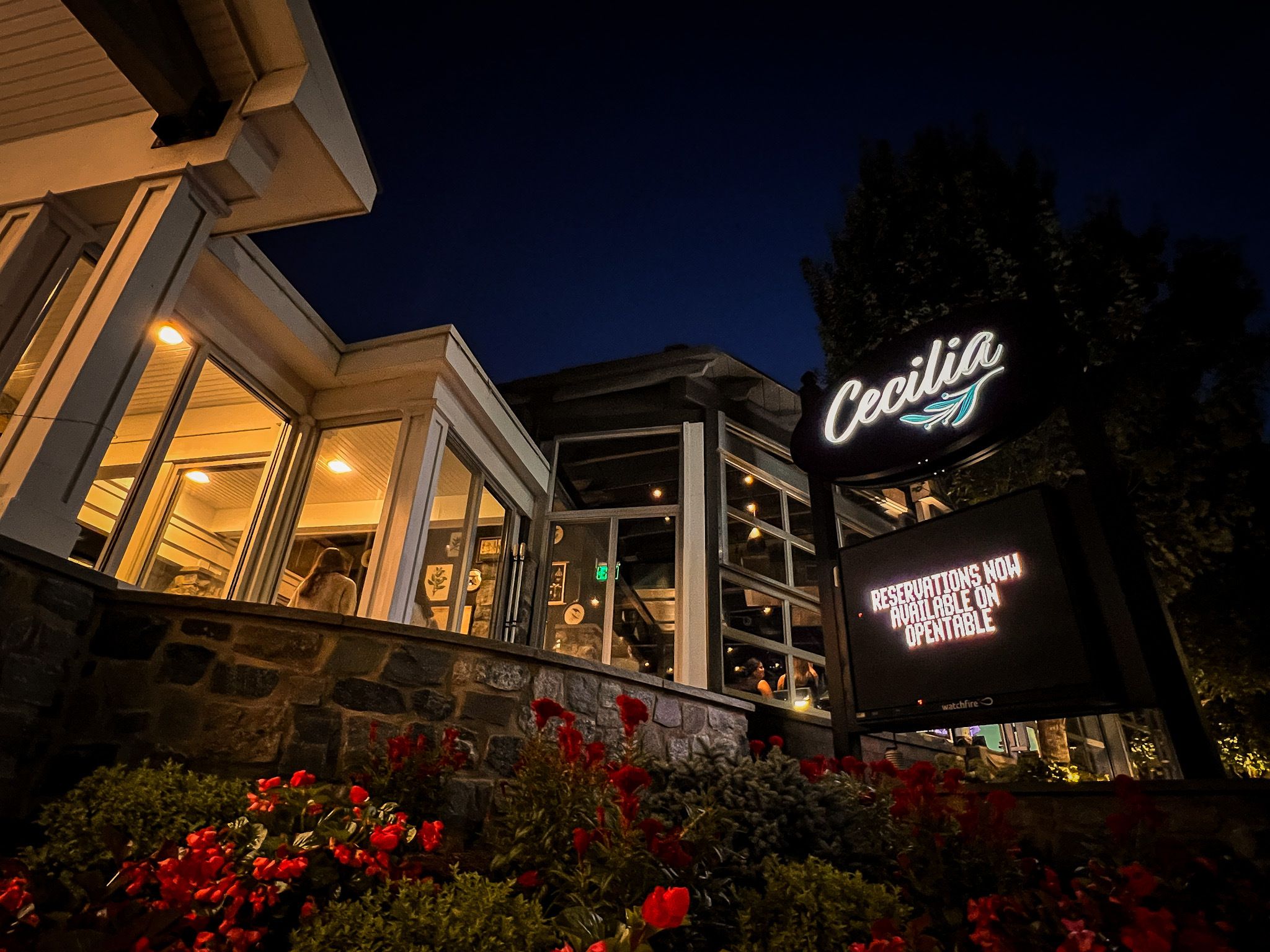
Now comes the polished Cecilia, which opened Monday in the former Taphouse 23, following an extensive renovation by Scott Dougherty and Bruce Goodman, whose holdings include Copper Crow in Horsham and the Blue Bell Inn in Blue Bell (featured in The Inquirer’s 2024 edition of The 76).
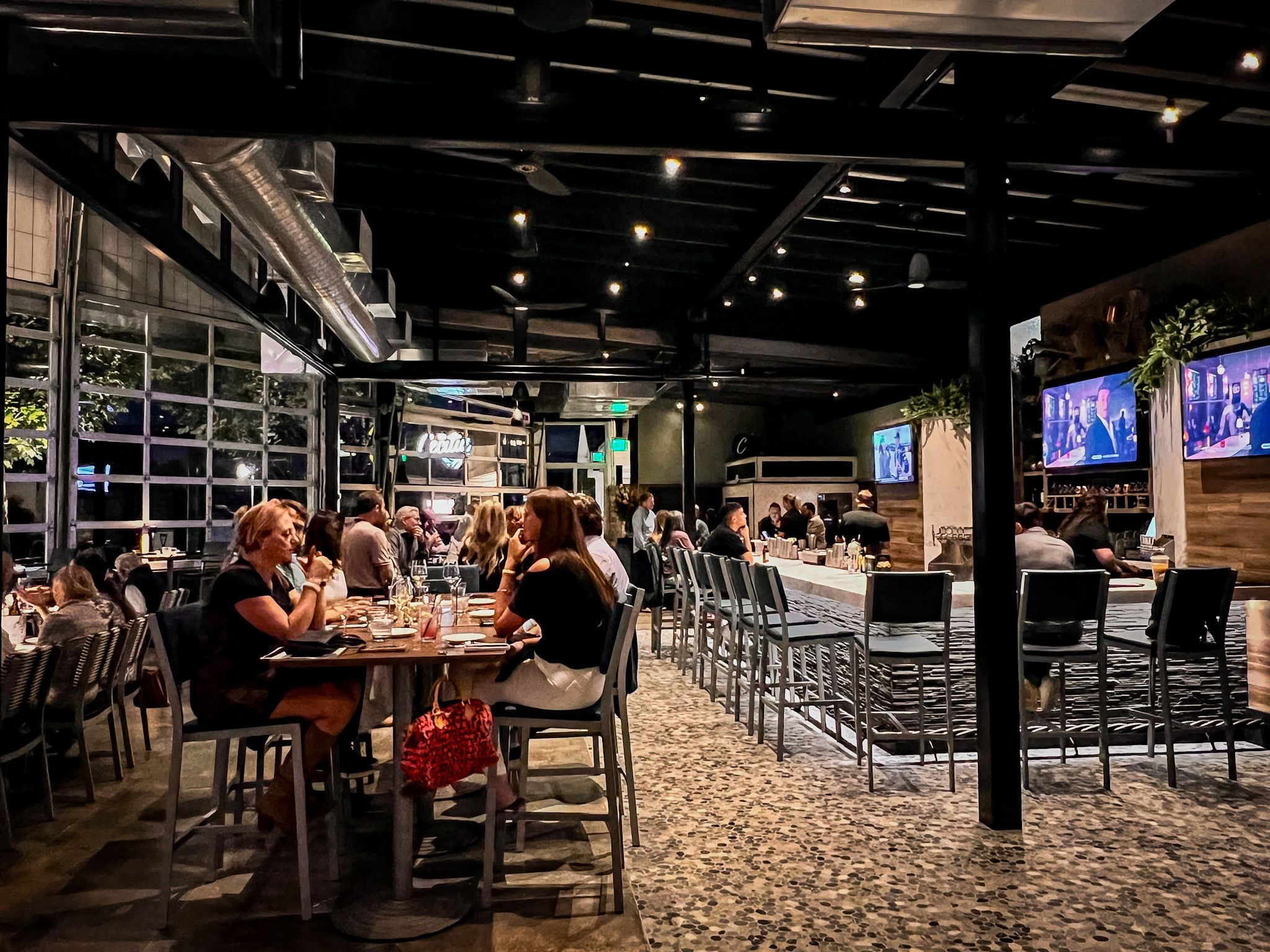
Lounge at Cecilia, 266 E. Fourth St., Bridgeport.Michael Klein / Staff
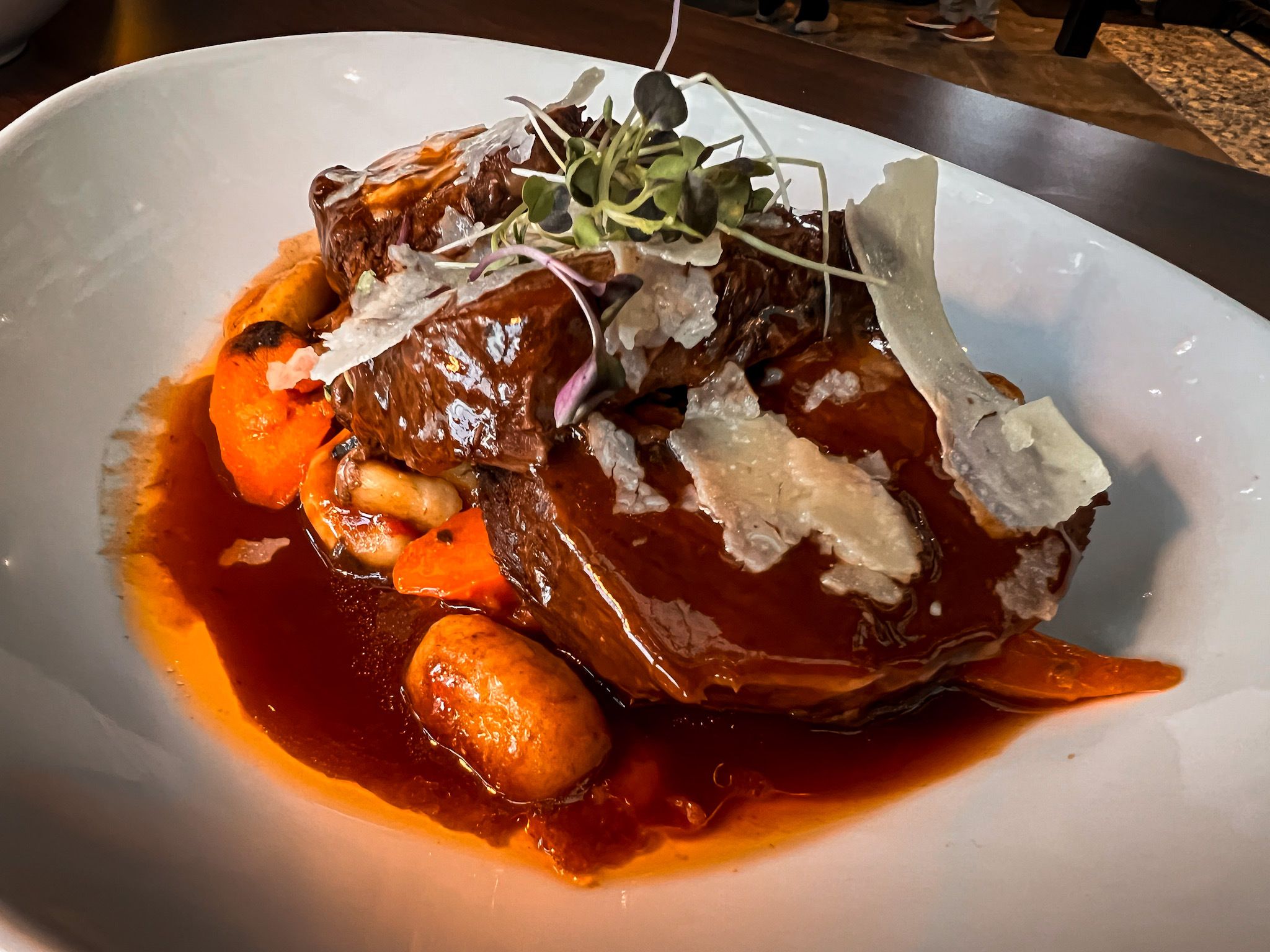
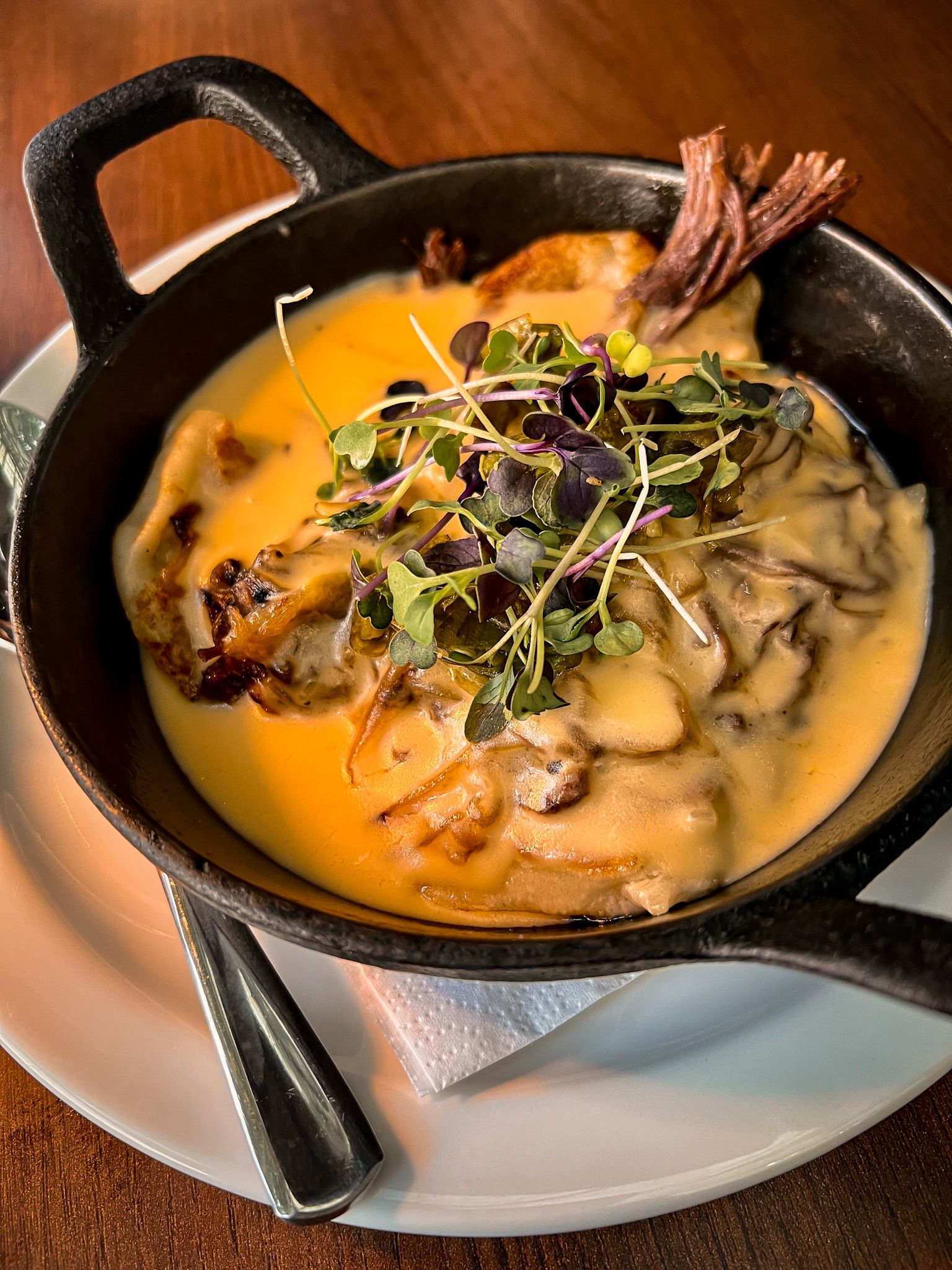
Chef Peter Sherba, the Blue Bell Inn veteran who oversees the group’s kitchens, created Cecilia’s contemporary American menu. Early favorites during weekend previews included a wagyu French dip sandwich; a tuna tataki appetizer, whose seared rare ahi slices are topped with avocado, ponzu, Fresno chilies, and compressed pineapple; pierogies from Ambler’s Pierogie Kitchen napped in braised short rib, Cooper Sharp sauce, caramelized onions, and roasted long hots; and two hearty, autumnal entrees: a beef bourguignon-style short rib called “Meat and Potato” (the potato here is gnocchi), as well as a 12-ounce apple cider-glazed pork chop over Yukon Gold mashed potatoes. There’s brick-oven pizza, too. Prices range from the high teens for appetizers to just over $30 for mains.
The roughly 300-seat restaurant represents a substantial makeover of Taphouse 23, which closed last year. Judi Goodman, who designs the restaurant group’s interiors, shrank the main bar by about 40%, making room for banquettes and lower dining tables. The partners also installed new lighting, wall coverings, furniture, artwork, TVs, and sound equipment.
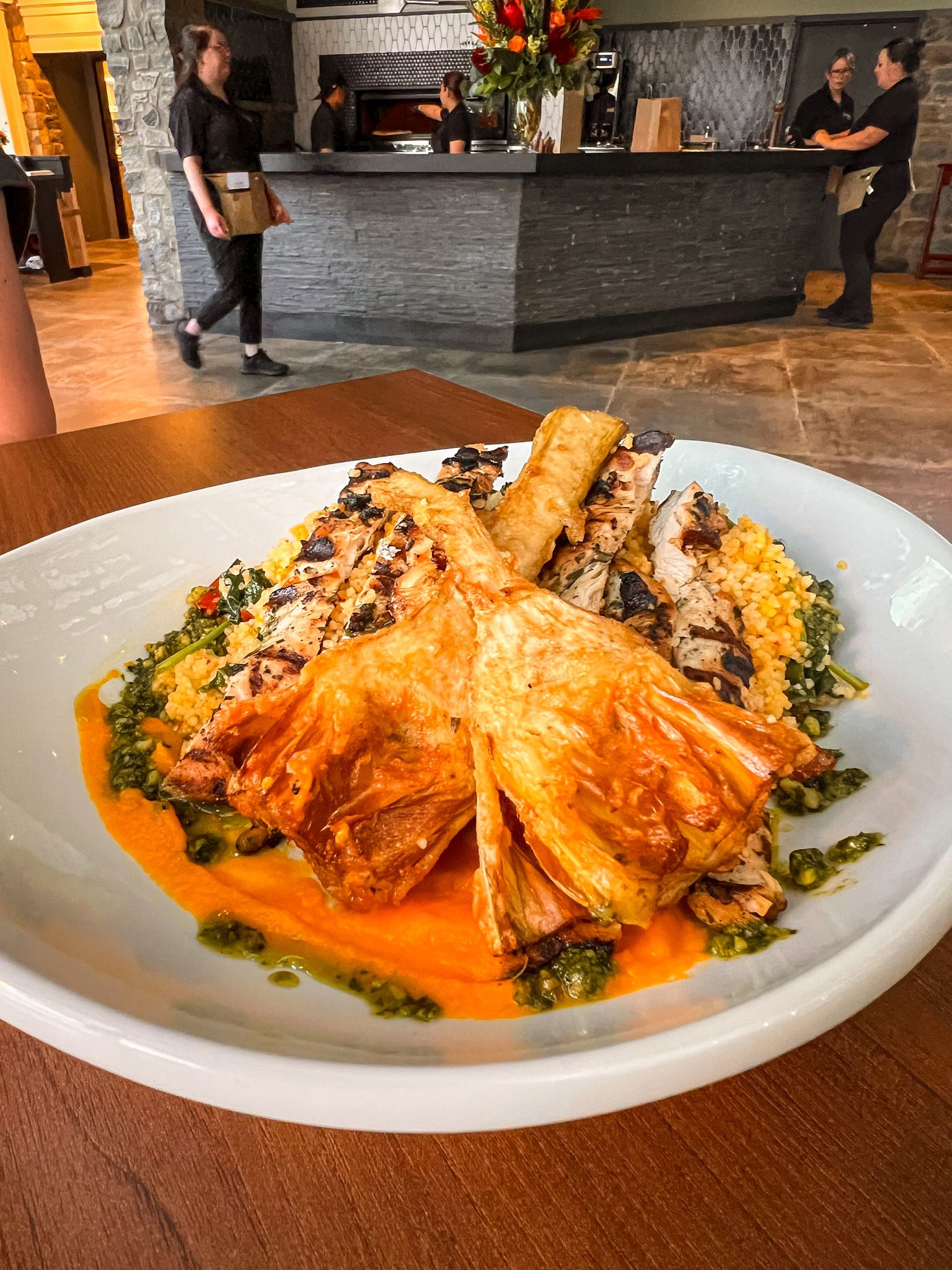
Cecilia, 266 E. Fourth St., Bridgeport, on Sept. 16, 2026.Michael Klein / StaffLounge at Cecilia, 266 E. Fourth St., Bridgeport, on Sept. 16, 2026.Michael Klein / StaffCouscous at Cecilia, 266 E. Fourth St., Bridgeport, on Sept. 16, 2026.Michael Klein / StaffGarlic and herb bread loaf with warm goat cheese pesto spread at Cecilia, 266 E. Fourth St., Bridgeport, on Sept. 16, 2026.Michael Klein / StaffPierogies with braised short rib and Cooper Sharp sauce at Cecilia, 266 E. Fourth St., Bridgeport, on Sept. 16, 2026.Michael Klein / Staff
An adjoining space has been transformed into what the owners call the Greenhouse, with garage doors that can open in warmer weather. The parking lots and landscaping also were redone.
Taphouse 23 opened in 2014 under Bridgeport businessman Gary Johnson — Judi Goodman’s brother — replacing a joint called the Point. After Johnson died in 2021, his family decided to ease out of the restaurant business, Dougherty said. Cecilia is named in tribute to the Johnson children’s mother.
Dougherty said Cecilia will aim to reach beyond Bridgeport to build its customer base, drawing from Blue Bell, King of Prussia, and Conshohocken — all 10 to 20 minutes away.
Cecilia, 266 E. Fourth St., Bridgeport. Hours: 11:30 a.m. to 9 p.m. Sunday to Thursday, 11:30 a.m. to 10 p.m. Friday and Saturday.
The Bensalem Township School District has selected longtime district administrator Victoria Velazquez as its next superintendent, after its previous superintendent resigned this spring amid a budget shortfall.
Velazquez, who has worked for the district for 12 years, is expected to be appointed superintendent at a school board meeting Sept. 23, the Bucks County Intermediate Unit said in a statement Friday.
“I am deeply honored and grateful for the opportunity to continue serving the Bensalem Township School District as district superintendent,” Velazquez said in a statement.
Noting that her daughter graduated from Bensalem, Velazquez said, “It is my home, and it is a community I care deeply about and am incredibly proud to serve.”
Velazquez was selected to lead the 6,400-student district after a search led by the Bucks County Intermediate Unit that drew 27 applicants from five states, according to the intermediate unit.
Deborah King, the Bensalem school board president, said in a statement that she had watched Velazquez “lead with humility, diligence, integrity, and a genuine love for Bensalem.”
“She knows this community, she believes in this community, and she understands that our students must remain at the heart of every decision we make,” King said.
Velazquez has worked in Bensalem as assistant to the superintendent for K-12 administration, director of elementary curriculum and instruction/federal programs, and supervisor of data and assessment/federal programs.
As interim superintendent, Velazquez worked with the board on organizational systems and fiscal stewardship “during a consequential period for the district,” the intermediate unit said in the statement.
Before coming to Bensalem, Velazquez worked as a principal in the School District of Philadelphia and the Norristown Area School District. She received bachelor’s and master’s degrees from Temple University, a principal certification from Drexel University, and a doctorate in educational leadership, management, and policy and superintendent certification from Seton Hall University.
If approved on Sept. 23, Velazquez will be sworn in as superintendent on Oct. 1 at Bensalem High School, the intermediate unit said.
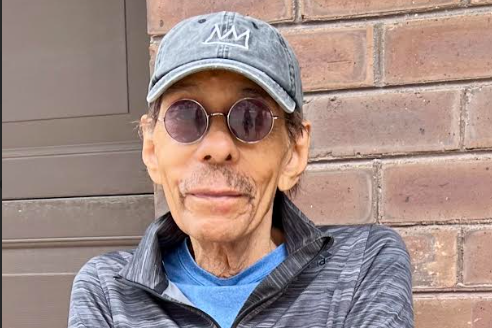
William Johnson Jr., 95, of Philadelphia, a former Army dentist in France who later practiced for more than 40 years in Northwest Philadelphia, and a star distance runner at Norristown Area High School, the Penn Relays, and elsewhere, died Wednesday, Aug. 26, of congestive heart failure at his home near the Philadelphia Museum of Art.
Dr. Johnson grew up in Norristown, was part of his high school’s meet-winning mile and two-mile relay teams, and enlisted in the Army after graduating from New York University in the 1950s. His mother, Mary, wanted him to be a doctor. So, after she died when he was 6, he went on to earn a dental degree at Meharry Medical College in Nashville.
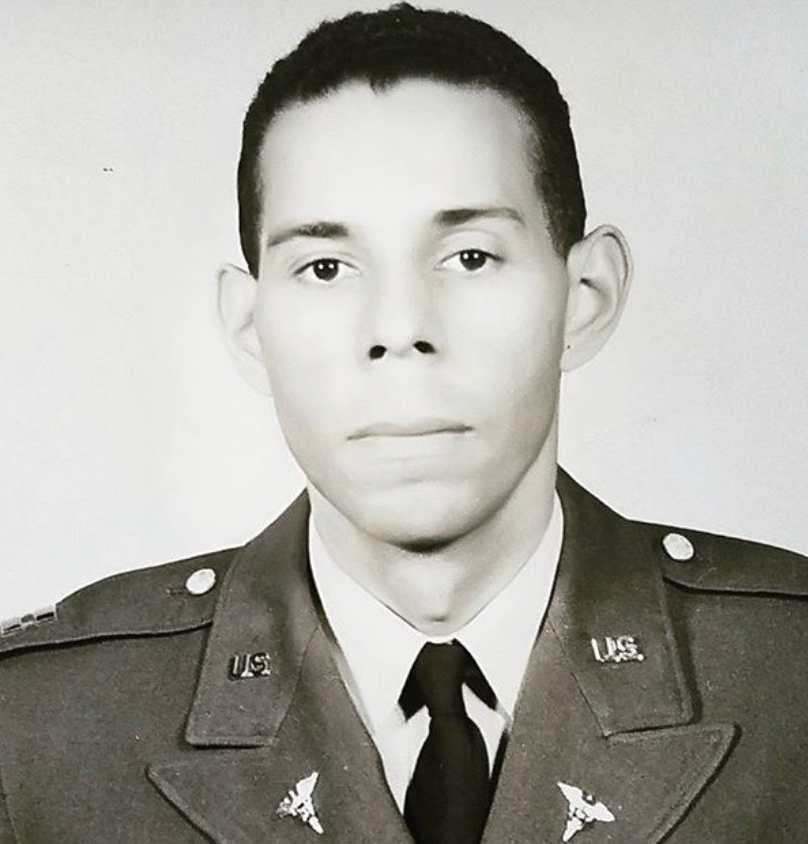
He spent five years as an Army dentist in France in the 1960s, reveled in the sophisticated social and cultural atmosphere in Paris at the time, and set up his own practice in the 1970s for what he saw were underserved communities around Chew Avenue and Slocum Street. He and his family lived above the first-floor office, and his son, Bill, and daughter, Jacqueline, both worked with him for a time.
“When we were young, he would tell us to stop running when he had patients,” his daughter said. His son processed X-rays and did other chores in the back room. “On Saturdays,” he said, “the office would be full of people of color. That’s how much he was needed.”
Dr. Johnson was an Army dentist in France. Courtesy of the family
Dr. Johnson finally retired in 2014, at 83. Even then, his wife, Liz, said, “his loyal patients were reluctant to see him retire.”
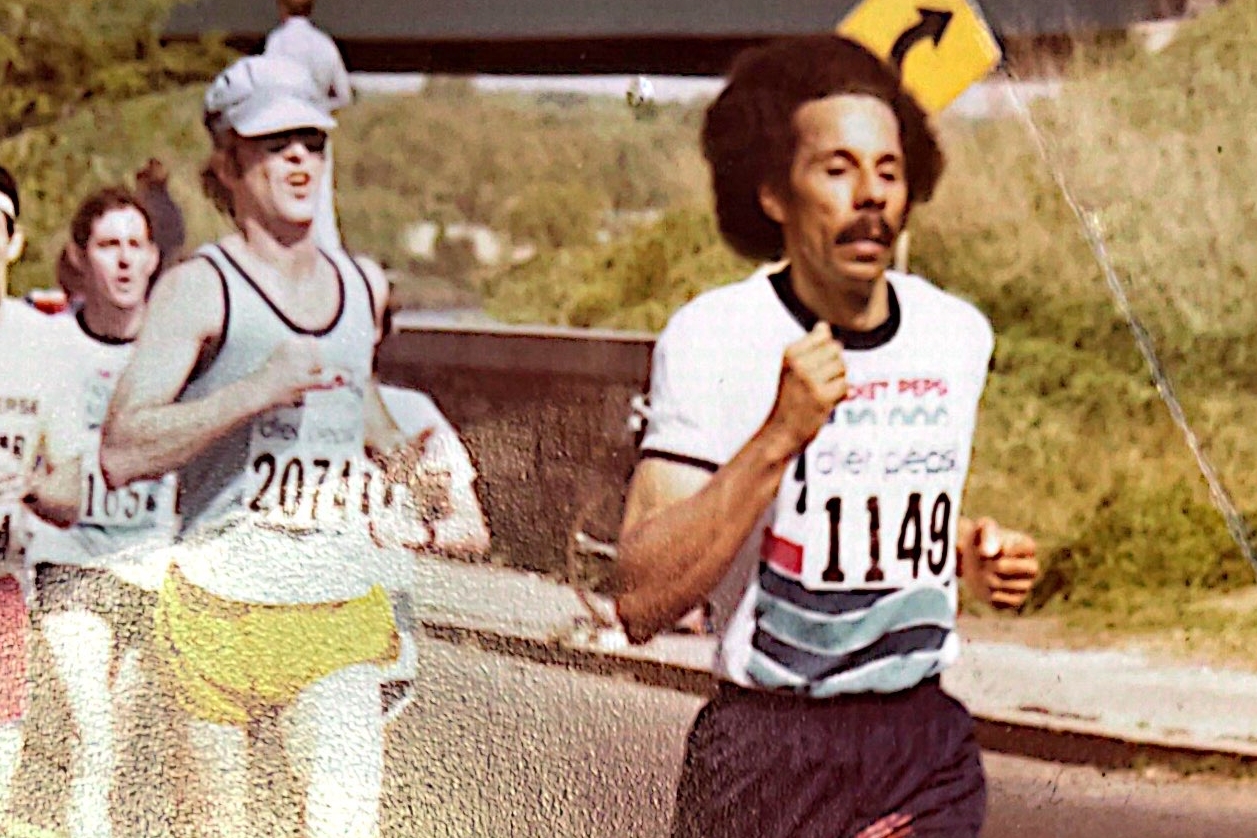
Away from his patients, Dr. Johnson was a dedicated runner who rarely missed a daily workout. Wednesdays were half days at the office, so he saved his most grueling runs of the week for then.
“He wore a ski mask sometimes when it was cold,” his son said, “and when he was done it would be covered with ice.”
He won mile relay, two-mile relay, and other long distance races in high school in the 1940s, ran for the college team at NYU, and later finished first in masters division races at the Penn Relays. He was a longtime member of the Freedom Striders running club and most often ran in the lead pack in the Broad Street Run and other big road races.
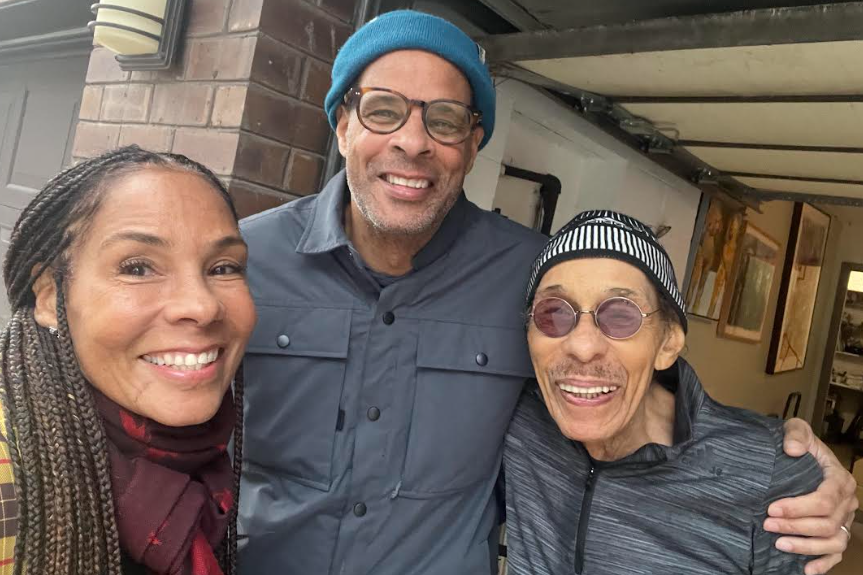
Dr. Johnson (right) doted on his daughter, Jacqueline, and son, Bill.Courtesy of the family
He was also an amateur historian who loved to hash over stories about the old days in Philadelphia and Norristown. “He was analytical and liked to laugh,” his son said. “He was a model for me about the value of hard work and being humble.”
William Johnson Jr. was born Feb. 24, 1931, in Norristown. He lived with his father, William Sr., sister Jean, and brother Eddie after his mother died, and developed what his children called a “deep sense of family, independence, and faith.”
He played football as well as track in high school, joined the Alpha Phi Alpha fraternity at NYU, and worked in the New York garment district to make money. He enlisted in the Army after graduation to attend dental school.
He met Susie Jeffries in Tennessee while at Meharry, and they married, lived in Orléans, France, and moved to Philadelphia after he left the Army. They had two children. They divorced later.
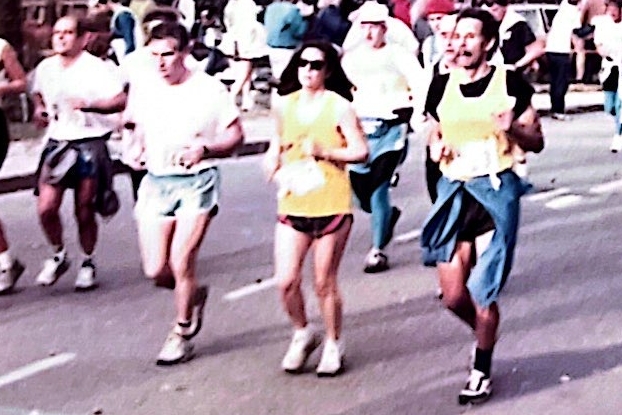
Dr. Johnson and his wife, Liz, were both dedicated runners. Courtesy of the family
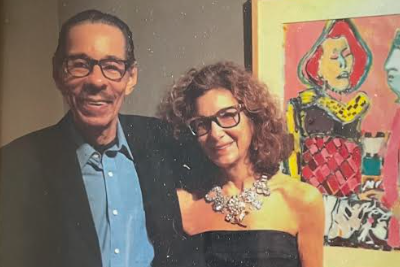
In the 1990s, Dr. Johnson moved to the Art Museum area and married Liz Goldberg, also a dedicated runner. He and his wife traveled the world together, and she called him “an exuberant and colorful spirit” who “brought energy and joy to those around him.”
Dr. Johnson was interested in fashion, especially Ralph Lauren, and he and his daughter shopped together frequently. He liked music, French food, art shows, and gardening.
His son said: “A lot of people have told me: ‘Your dad was the best.’”
In addition to his wife, children, and former wife, Dr. Johnson is survived by four grandchildren and other relatives. His sister and brother died earlier.
Private services were held earlier.
Donations in his name may be made to Meharry Medical College, 1005 Dr. D.B. Todd Jr. Blvd., Nashville, Tenn. 37208.
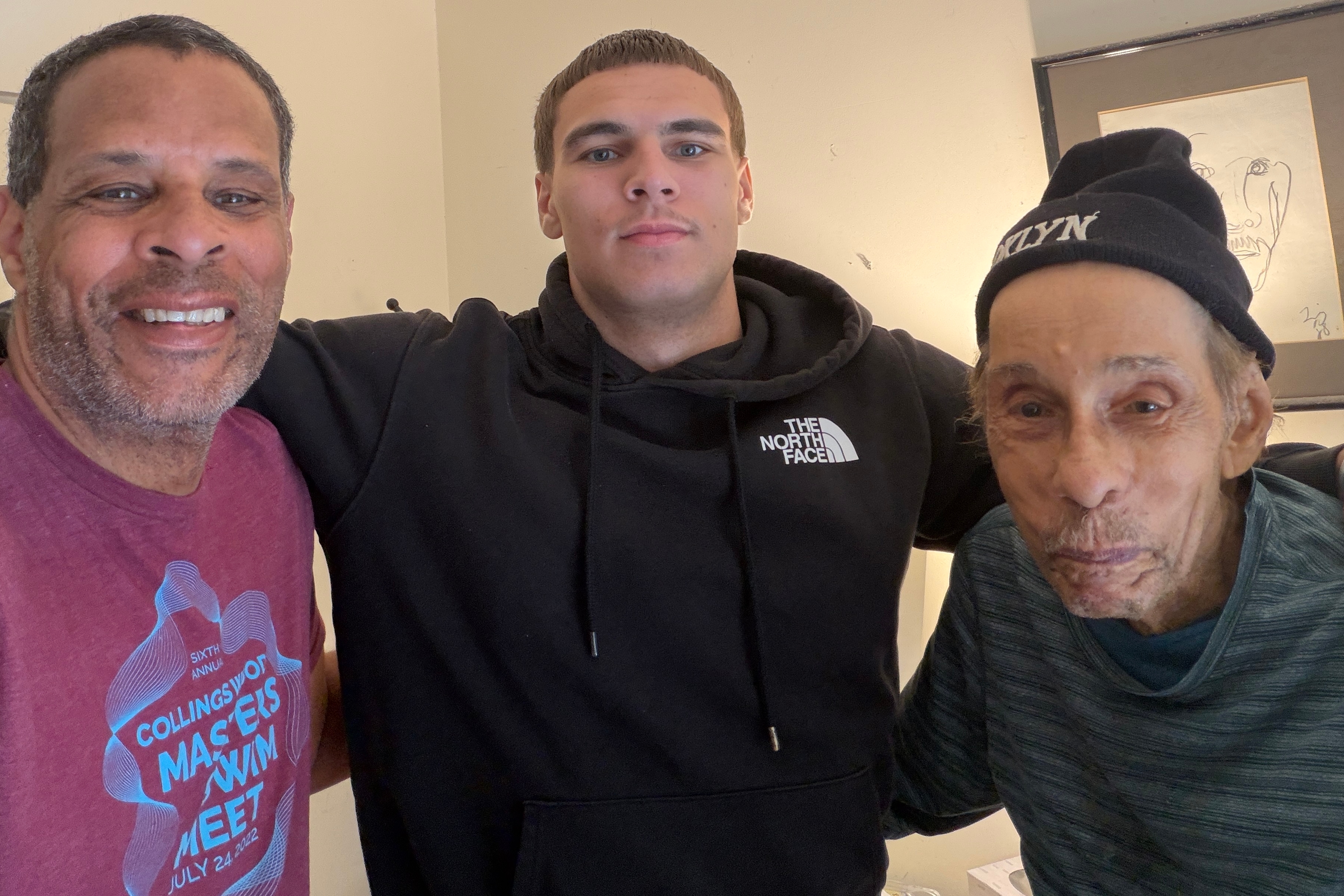
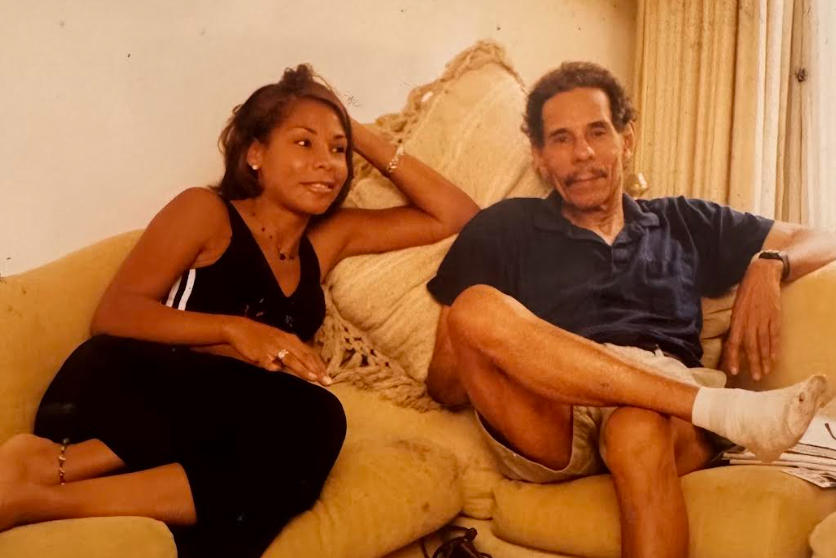
Dr. Johnson, right above and below, enjoyed time with his family. Courtesy of the family
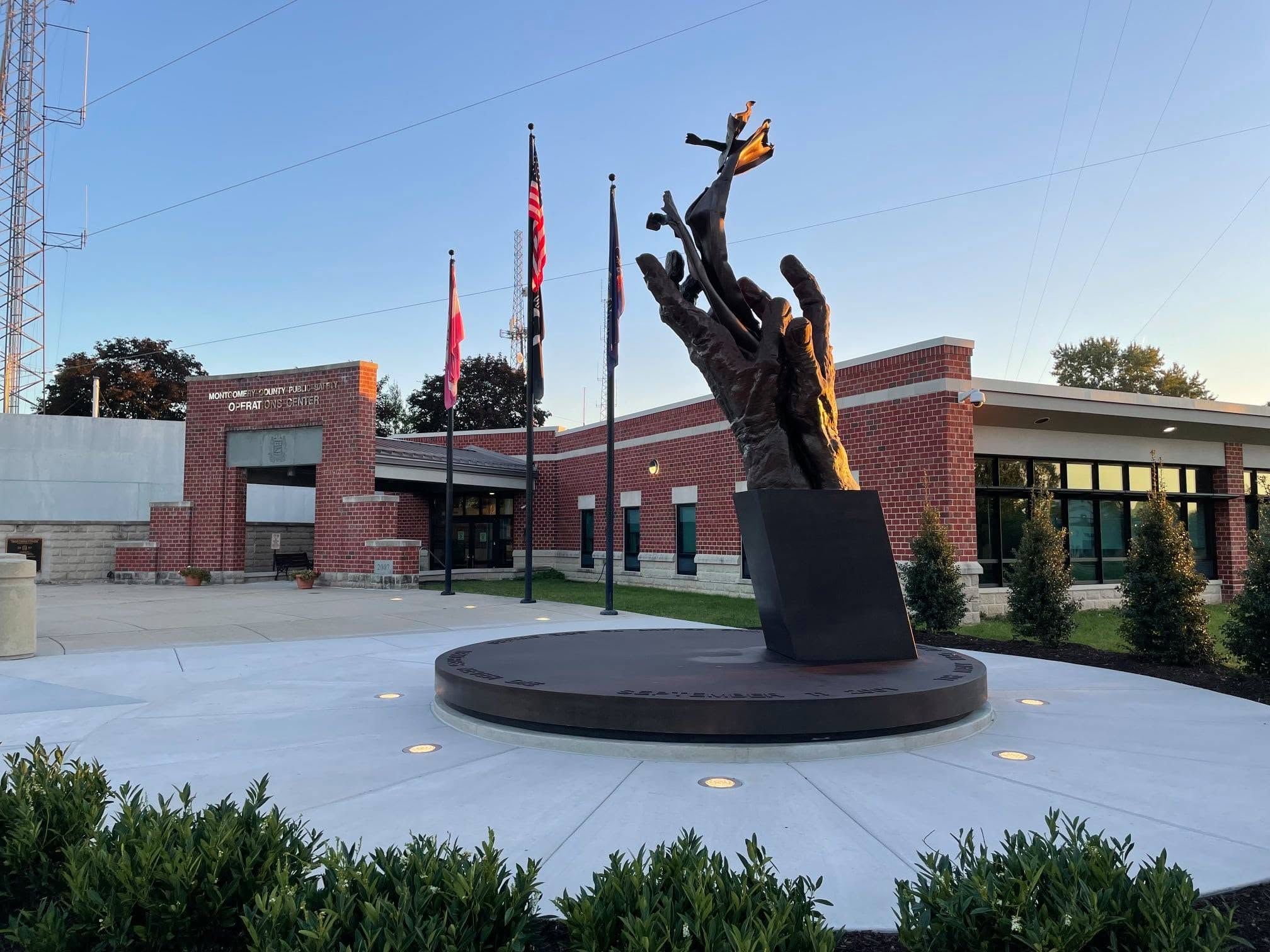
Montgomery County will move its 9/11 memorial to Elmwood Park in Norristown on Sept. 1 in advance of the 25th anniversary of the terrorist attack.
The goal is to make the memorial more accessible for county residents and visitors than it is at its current location at the county’s emergency operations center in Eagleville, Jamila H. Winder, chair of the Montgomery County Board of Commissioners, said in a statement.
The monument, which was commissioned by the Montgomery County Board of Commissioners in 2003, was created by sculptor Sassana Norton, who used an I-beam from the North Tower of the World Trade Center in the 18-foot monument honoring victims and first responders. It was erected at the Montgomery County Courthouse in September 2005and then moved to the Eagleville campus in 2021 due to courthouse construction.
Members of the public are invited to watch the procession of the memorial starting at 9 a.m. on Sept. 1. The monument will travel from Eagleville through Lower Providence and West Norriton Townships to Elmwood Park in Norristown. The procession will be accompanied by a Norristown Police Department motorcycle escort as well as other first responders and representatives from across the county.
A rededication ceremony will be held at 10 a.m. on Sept. 11 at Elmwood Park.
“Norristown is proud to host the County’s 9/11 Memorial in Elmwood Park,” Rashaad Bates, president of Norristown Municipal Council, said in a statement. “We are honored to provide a permanent home where residents can gather to remember, reflect, and pay tribute to those whose lives were forever changed on September 11.”
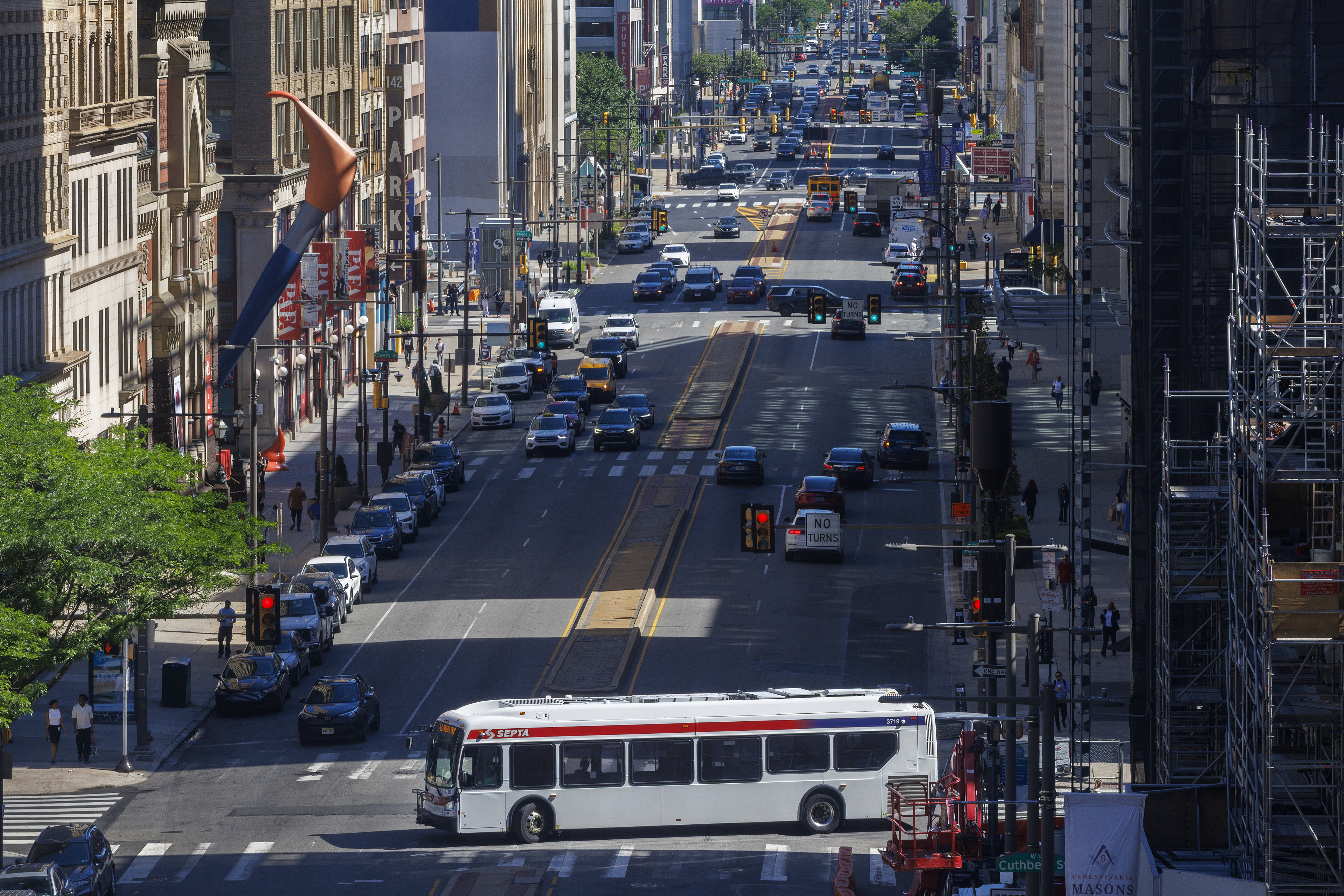
The first phase of SEPTA’s bus network overhaul begins Aug. 23, and Brandon Miller is mobilizing hundreds of employees for a final push to meet face-to-face with riders in the days leading up to the changes and during the first week after they take effect.
“It’s a blitz,” said Miller, manager of planning programs at SEPTA, describing discussions at “pop-ups” as an effective way to help people navigate the new network.
Unlike some transit agencies, SEPTA has not done a comprehensive redesign of its bus network in its 58-year history. The agency has publicly pushed to do so since 2021, but change was delayed by opposition, political wrangling, and, later, a two-year fiscal crisis.
Originally the “Bus Revolution” was supposed to happen all at once, but SEPTA ultimately decided to phase in changes to routes.
“I think there’s more willingness to accept the fact that … we need to make the bus network a little bit more efficient,” Nemiroff said. “We need to make the system more attractive for people.”
Some routes with low ridership or that duplicate nearby service will be eliminated. Others will be extended or run more frequently, and two new routes will be added.
What routes will change?
New and expanded routes: Route 72, a new crosstown bus running along Cheltenham Avenue, and the new Route 76 bus from Columbus Commons to Rising Sun and Olney. Route 45 will be extended to provide service to the Navy Yard, and Route 79 will be extended from South Philadelphia into University City.
Eliminated routes: 35, 47M, 62, 78, 80, 89, and 106.
Riders can call SEPTA customer service at 215-580-7800 or email specific questions to planning@septa.org.
I want to talk to someone in person.
Beginning Monday, street teams will conduct “pop-up” visits at key transit hubs at various times between 6 a.m. and 8 p.m.
Next week, visits will include South Broad Street and Snyder Avenue, Cedarbrook Plaza, Hunting Park Station for changes to Route 53, Spring Garden Station, and Willow Grove Mall.
Staff are also attending community events.
When will changes happen?
The majority of changes will take effect Sunday, Aug. 23, followed by the Route 105 extension and elimination of Route 106 on Monday, Aug. 24.
Phase 3 changes are planned to begin in June 2027.
Phase 4 changes are planned to begin in Fall 2027. Many details are still being worked out.
Why redesign the bus network?
SEPTA launched its bus redesign efforts in earnest after ridership declined 13% from 2013 to 2019, a drop attributed to slow speeds, reliability problems, and competition from ridesharing companies. And that was before the COVID-19 pandemic.
Bus ridership rebounded faster than it did on other transit services, but SEPTA’s thinking is that simplifying the network will make it easier to use, with more frequent service on fewer or shorter routes.
Will bus stops be changed?
Stops will disappear during the first phase on routes that are eliminated, but there will be no wholesale changes yet.
Having more stops per mile provides access to more people, but closely spaced stops can also slow buses and make them less reliable.
Early plans for Philadelphia’s bus network redesign aimed to “rebalance” stops by spacing them farther apart to improve speed. But the idea has been unpopular.
SEPTA may revisit the issue later.
More questions about the New Bus Network?
Email transportation reporter Thomas Fitzgerald at tfitzgerald@inquirer.com.
Tori Bauver was sitting at home on July 11 when the sky outside of the Wyndon Apartments in Wynnewood began to darken. Bauver watched the clouds roll in, then the rain come, blowing “literally sideways” outside her window. She remembers leaning in to see the darkening landscape and noticing that rain had begun to penetrate her windows. Then the “outside went stark white” and water started pooling on her windowsills.
“I was like, ‘Oh, my God. This is gonna flood. This apartment’s gonna flood,’” she said.
The light fixture above Bauver’s bed filled with water, then poured over the edges. The ceilings began to leak, then one by one, they collapsed. The building’s roof ripped off, and Bauver had a clear, and unsettling, view of the sky from her living room.
Bauver, now a resident of West Chester, where she and her partner moved after breaking the lease on her Wynnewood apartment, had been living in the Wyndon Apartments for two years when the July microburst storm tore through Lower Merion, destroying her home and more than $5,000 of her and her partner’s belongings. She was one of dozens of suburbanresidents who emerged from the storm with damaged property and a devastated home.
As the Philadelphia region sees hotter and more humid summers, flash flooding, extreme precipitation, and life-threateningstorms have become a more common feature of daily life.Weather eventsmarked by downed trees, dangerous flash floods, waterlogged roadways, and eroded bridges are, more and more,forcing suburban residents and cash-strapped local governments to pour millions into repair and resilience projects, all while large swathsof the region’s infrastructure are built to withstand weather patterns of a bygone era, one in which storms like July’s microbursthappened once in a decade, rather than multiple times a summer.
As the region’s weather patterns intensify, officials and climate experts say the municipal mosaic of Philadelphia’s suburbs faces unique challenges when it comes to planning for a future marked by climate change.
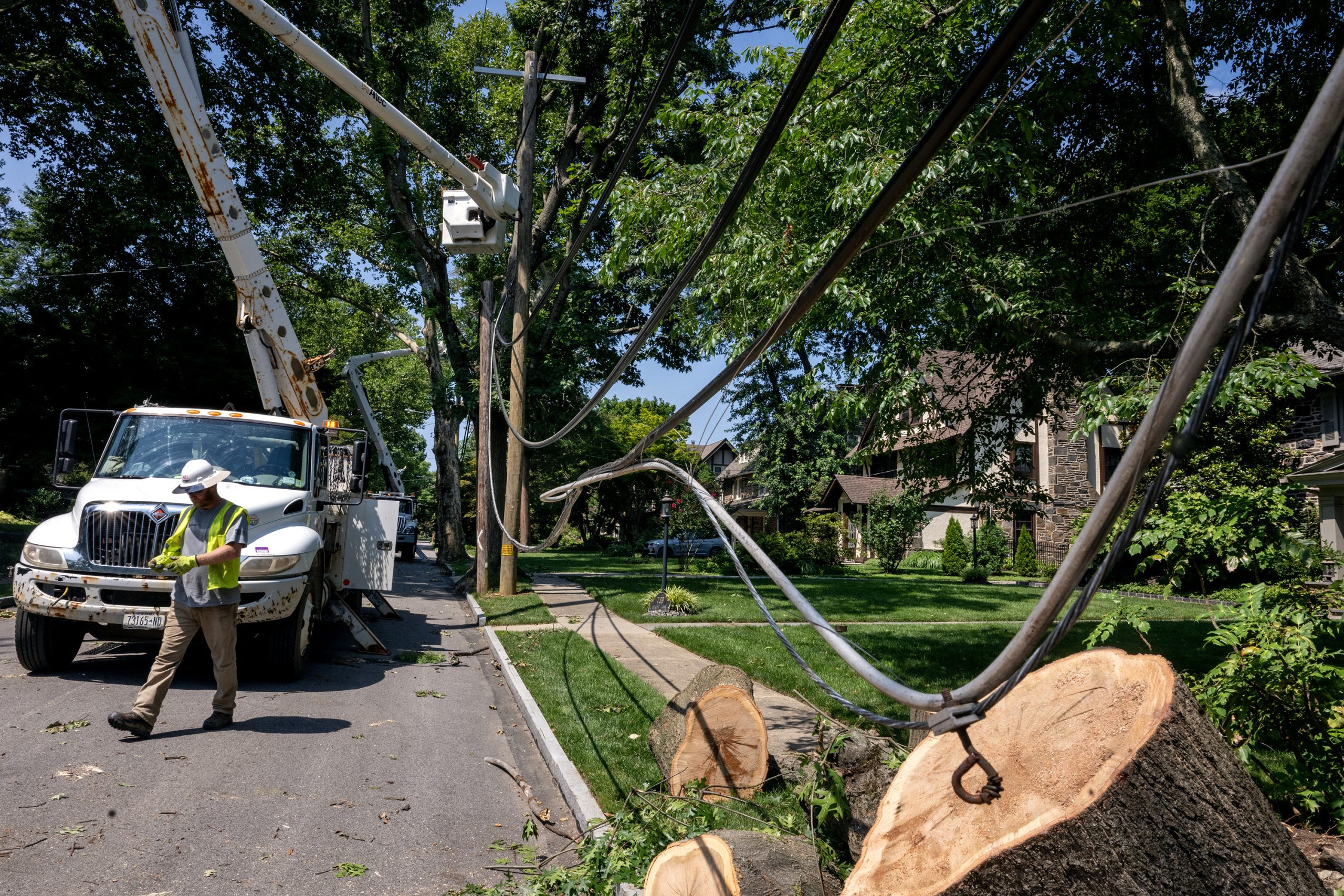
Utility workers restore power in Merion Station on July 13 after a microburst storm ripped through parts of Philadelphia and Montgomery County.Tom Gralish / Staff Photographer
The Philadelphia region’s changing weather
The average July temperature in Philadelphia has risen 4.4 degrees since 1940. In the 1900s, Philadelphia averaged four days per year with temperatures above 95 degrees, according to a 2024 EPA report. This summer, Philly has seen six days with high temperatures above 95 degrees, according to the National Weather Service. By the end of the 21st century, that number could climb to more than 50 days per year.
Hotter weather means more precipitation, and more frequent and intense rain events. For every 1.8 degrees the air temperature increases, the amount of water the atmosphere can hold increases by 7%.
“The infrastructure we have now is not always built to a standard to accommodate the extreme weather we’re seeing now,” said Chris Linn, manager of the Office of Resilience and Environment at the Delaware Valley Regional Planning Commission.
AsRay Courtney, a Lower Merion commissioner and chair of the township’s sustainability committee, said, “We get a 100-year storm every year.”
Cars in a flooded parking lot at the Ferry Avenue PATCO station in Camden on July 6. Philadelphia and its suburbs have been hit with numerous flash floods this summer, as an increasingly hot and humid atmosphere gives way to more extreme weather.Tom Gralish / Staff Photographer
Flooding as ‘the biggest and most common hazard’
The impacts of intense storms are multitudinous and cascading, and the topography of Philadelphia’s suburbs can make it particularly difficult to find effectivesolutions.
Linn said flooding is “the biggest and most common hazard that communities face,” and it presents the most “consistent and pervasive” issues for municipal leaders.
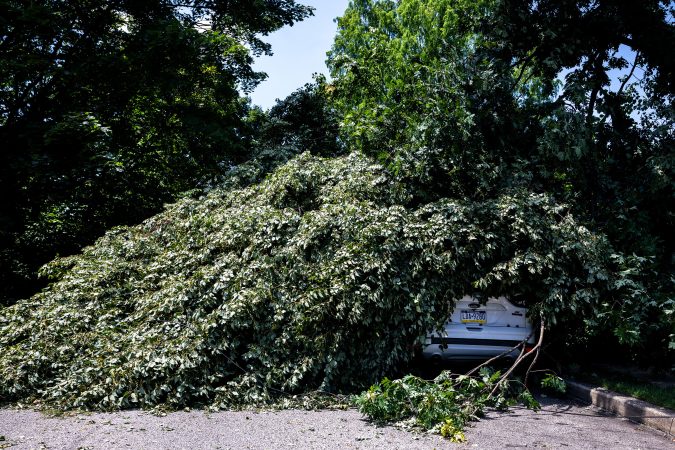
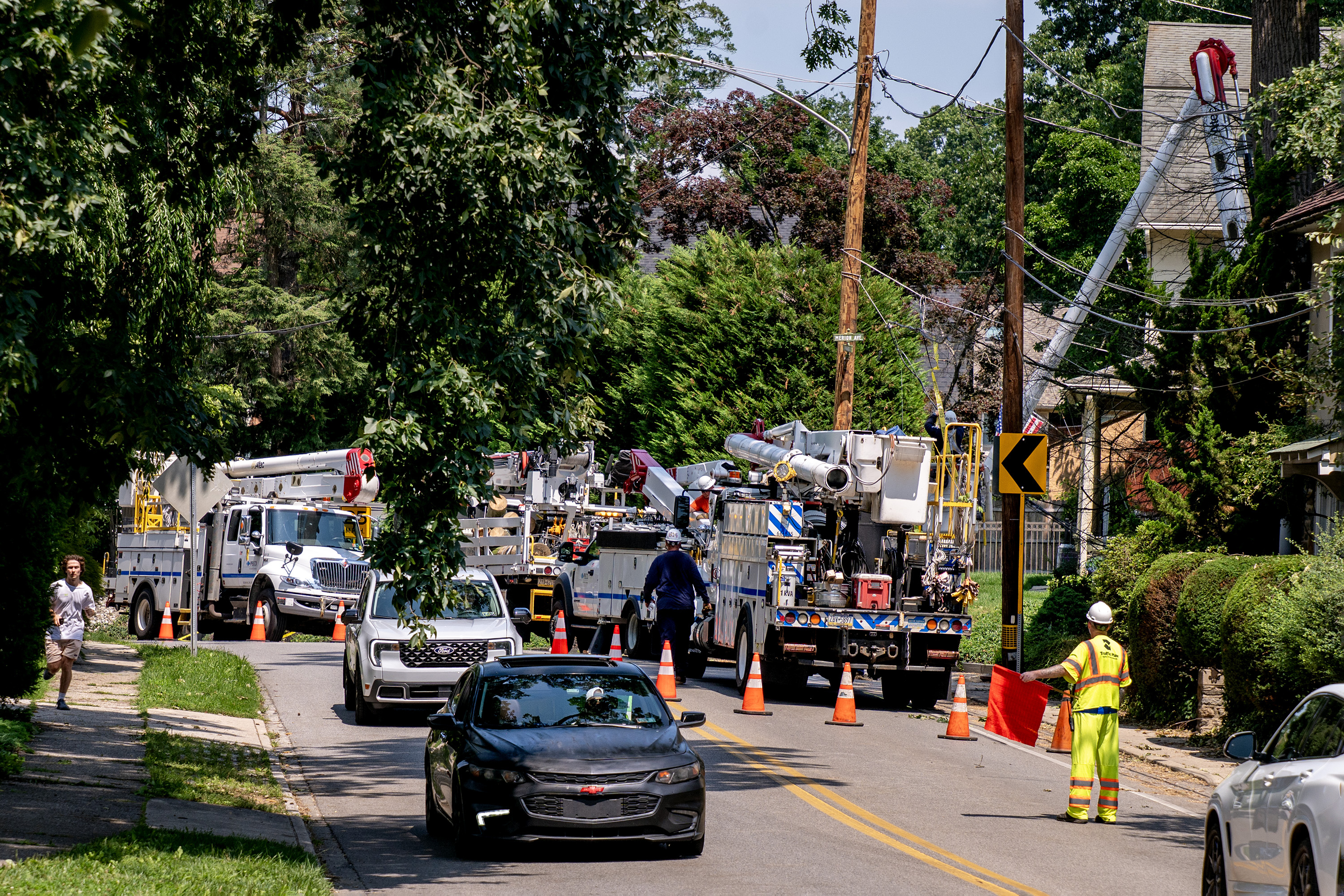
Intense precipitation and flash floods, which have been a constant this summer, can disrupt transit, turn roads into rivers, and endanger residents’ lives. High winds and saturated soil frequently bring down trees, damaging homes and cars and knocking out overhead power lines. Disruptions to power can be particularly dangerous when residents are left without fans or air-conditioning during hot summers.
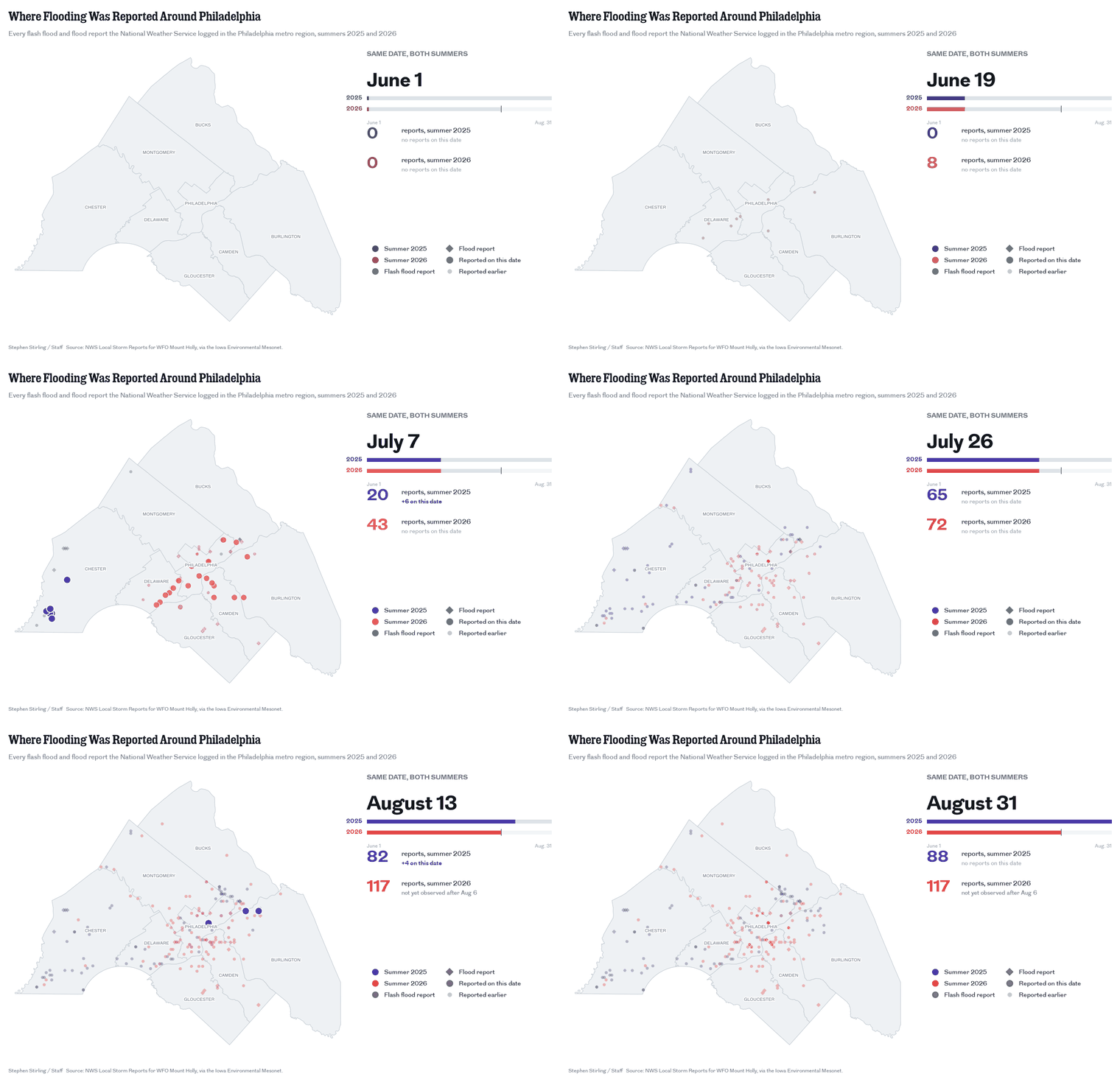
Flooding has been reported more than 200 times in the Philadelphia region over the last two summers.Stephen Stirling
“I see roads flooding consistently, trees coming down, power going out, and then our local government spending resources every time one of these storms happens. It’s overtime costs and tree costs, and then also all the private citizens having to spend costs cleaning up trees and other debris,” Courtney said.
“These unlikely, freak events are really the ones that break us,” said Matthijs Bouw, architect and professor at the University of Pennsylvania’s Stuart Weitzman School of Design.
A key tool for managing extreme weatheris stormwater systems, or the collection of drains, basins, ditches, and pipes that collect rainwater and snowmelt and move it from developed areas into local waterways. Stormwater systems are critical in moving water off impervious, or impenetrable, surfaces, like the parking lots, paved roads, and shopping centers often found in the suburbs.
The more developed a suburb is, the more runoff a storm will produce, increasing flooding risks, said Franco Montalto, professor of civil, architectural, and environmental engineering at Drexel University.
Yet many municipalities are contending with aging stormwater systems that require costly repairs. Lower Merion’s 2018 Comprehensive Stormwater Management Plan listed aging pipes, undersized infrastructure, operational costs, and increasing flooding as challenges for the township. Many of Philadelphia’s suburban communities are composed of buildings that predate a 1978 state law requiring counties and local governments to plan with stormwater management in mind.
Some communities are more vulnerable to climate impacts than others, with density, land cover, wealth, and the state of repair of existing infrastructure as factors. A 2021 climate change vulnerability analysis by Montgomery County found denser, water-proximate communities like Norristown and Pottstown to have some of the highest risk of increased stresses due to climate change. Greener, more rural parts of the county like New Hanover and Marlborough Townships presented lower risks.
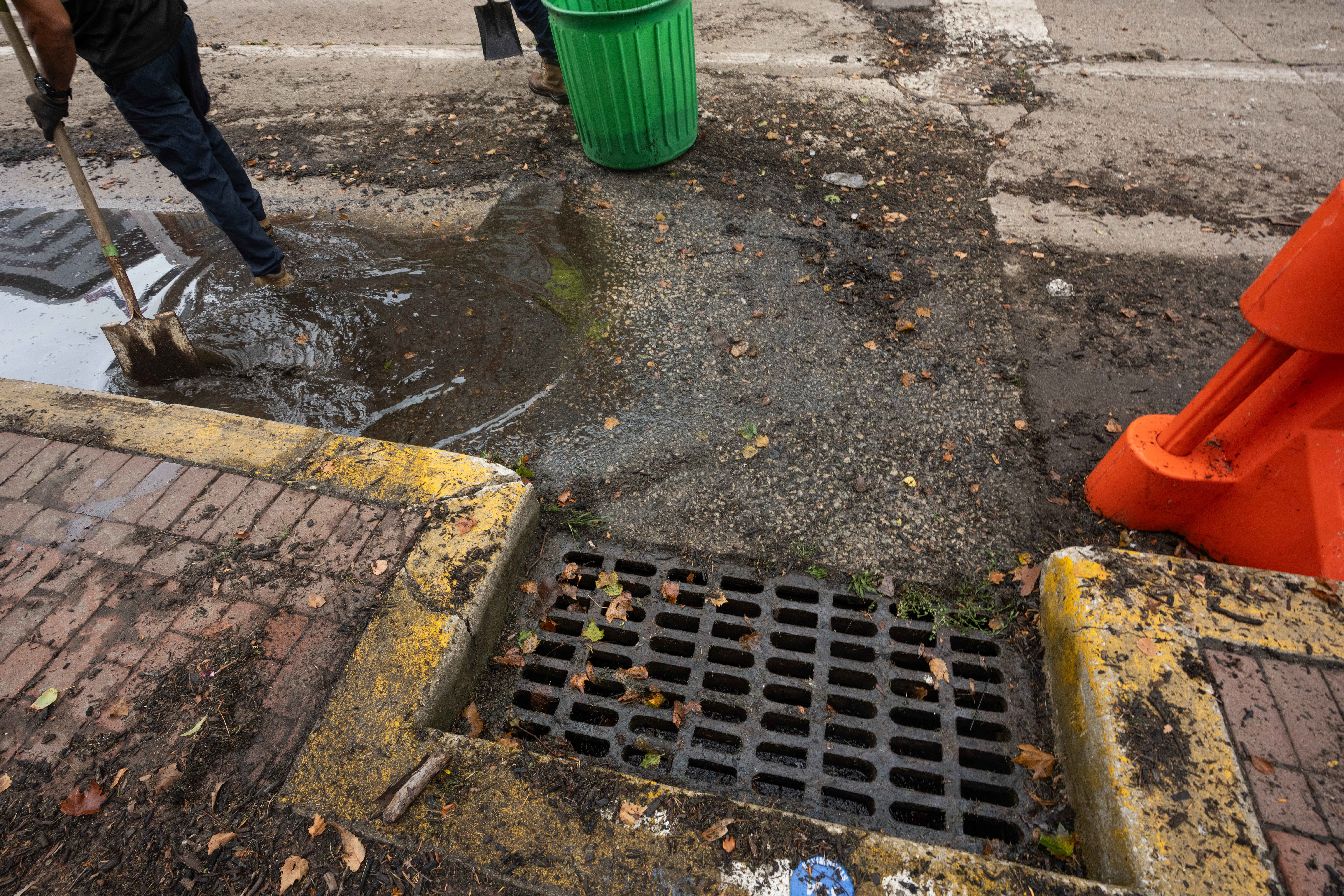
The aftermath and clean up of flooding in Camden on July 6. Stormwater systems are a critical tool for local governments to manage flooding. Jessica Griffin / Staff Photographer
How can communities mitigate impacts?
Experts described a range of interventions for managing climate impacts, from constructing rain gardens to rewriting zoning ordinances.
Maintaining a healthy tree canopy and building rain gardens can help rainwater permeate into the ground. Larger infrastructure efforts like stream restoration projects and floodplain maintenance can help stabilize the built environment.
However, Linn said, these interventions “don’t necessarily address more severe or catastrophic flooding in terms of mitigating those impacts.”
Long-term climate resilience, experts said, relies on making land-use and zoning decisions that preserve floodplains and natural drainage patterns and ensure stormwater systems can manage our new, rainy reality.
Montalto is interested communities that have become “safe to flood,” or that have created parks, parking lots, road medians, and other open spaces that trap water during floods, then properly drain it, keeping it away from buildings and roads. A basketball court built below a park, for example, can fill with water during a storm and slowly drain, mitigating runoff (one was recently installed in New York City). Copenhagen’s Cloudburst Management Plan, adopted in 2012 after a major storm, is a blueprint of sorts in Montalto’s mind.
However, bringing “safe to flood” infrastructure to Philly’s suburbs may be a far-out goal.
In the vast suburbs, the collection of boroughs, townships, and county lines makes unified action difficult, and forces officials to think along municipal, not watershed, lines. On the Main Line alone, rainfall and snowmelt drain into a collection of dozens of creeks and streams that do not start or stop where a municipal boundary is drawn, making it difficult to take coordinated and effective action when it comes to flood mitigation along certain waterways.
Finding the funding to repair and replace stormwater infrastructure, too, can be taxing, as local governments stare down costly projects, even with the availability of state and federal grants.Political will factors in, with municipalities differing in their desire and ability to use taxpayer dollars to tackle climate issues.
Philly’s suburbs, like the city, are also often old, dense, and built out, making it hard to retrofit them to be more climate-sensitive.
“So many of our communities are built out and have been built out for a long time, so the vulnerabilities and the challenges are built in to the community,” Linn said.
Utility workers restore power along Wynnewood Avenue in Merion Station on July 13.Tom Gralish / Staff Photographer
Solving ‘complex issues’ in Montgomery County
Despite the challenges, progress is being made, said Montgomery County Commissioner Jamila Winder.
Montgomery County in 2025 led a flood mitigation planning study for the 362-square-mile Perkiomen Creek Watershed, which stretches across Montgomery, Bucks, Berks, and Lehigh Counties. The study identified flood-prone areas, evaluated mitigation tactics, and worked to build a framework for long-term resilience. The county is currently in the process of carrying out a floodplain restoration project along the Wissahickon Creek in Whitemarsh Township. Both projects came to fruition after Hurricane Ida tore through the region, bringing record floods and killing multiple people.
The county has repaired 30 structurally deficient bridges since 2017 and has repaved dozens of miles of road. County workers also removed 200 dangerous trees earlier this year, resulting in a significant drop in emergency phone calls about tree damage, Winder said.
Lower Merion in 2021 hired its first full-time sustainability manager and in 2023 completed its first sustainability plan. Radnor Township has adopted a comprehensive climate plan, and Haverford Township has set out to achieve 100% zero-carbon renewable power by 2035.
The Pennsylvania Department of Environmental Protection in January announced more than $17 million in funding for environmental projects across the state, including stream restoration and stormwater management.
Winder said, “We’re seeing that when we work across federal, state, county, and local leadership, that we can come together to solve some of these complex issues.”
This suburban content is produced with support from the Leslie Miller and Richard Worley Foundation and The Lenfest Institute for Journalism. Editorial content is created independently of the project donors. Gifts to support The Inquirer’s high-impact journalism can be made at inquirer.com/donate. A list of Lenfest Institute donors can be found at lenfestinstitute.org/supporters.
Even as a boy in New York, he loved language, literature, and poetry. He earned a bachelor’s degree in English, took graduate classes at the University of Missouri School of Journalism, and could recite lines from Shakespeare, Wordsworth, and Frost on demand.
He was generally calm and reasonable, too, his sons said. “He didn’t get upset easily,” his son Mark said.
His vocabulary was extensive, and he could spell practically any word. So it is no surprise that he spent 50 years, from the early 1950s to his retirement in 2002, as an editor, page designer, and reporter for The Inquirer, the Bulletin, the Morning Call of Allentown, the Pottstown Mercury, the Honolulu Star-Bulletin, and the Evening Tribune in Hornell, N.Y.
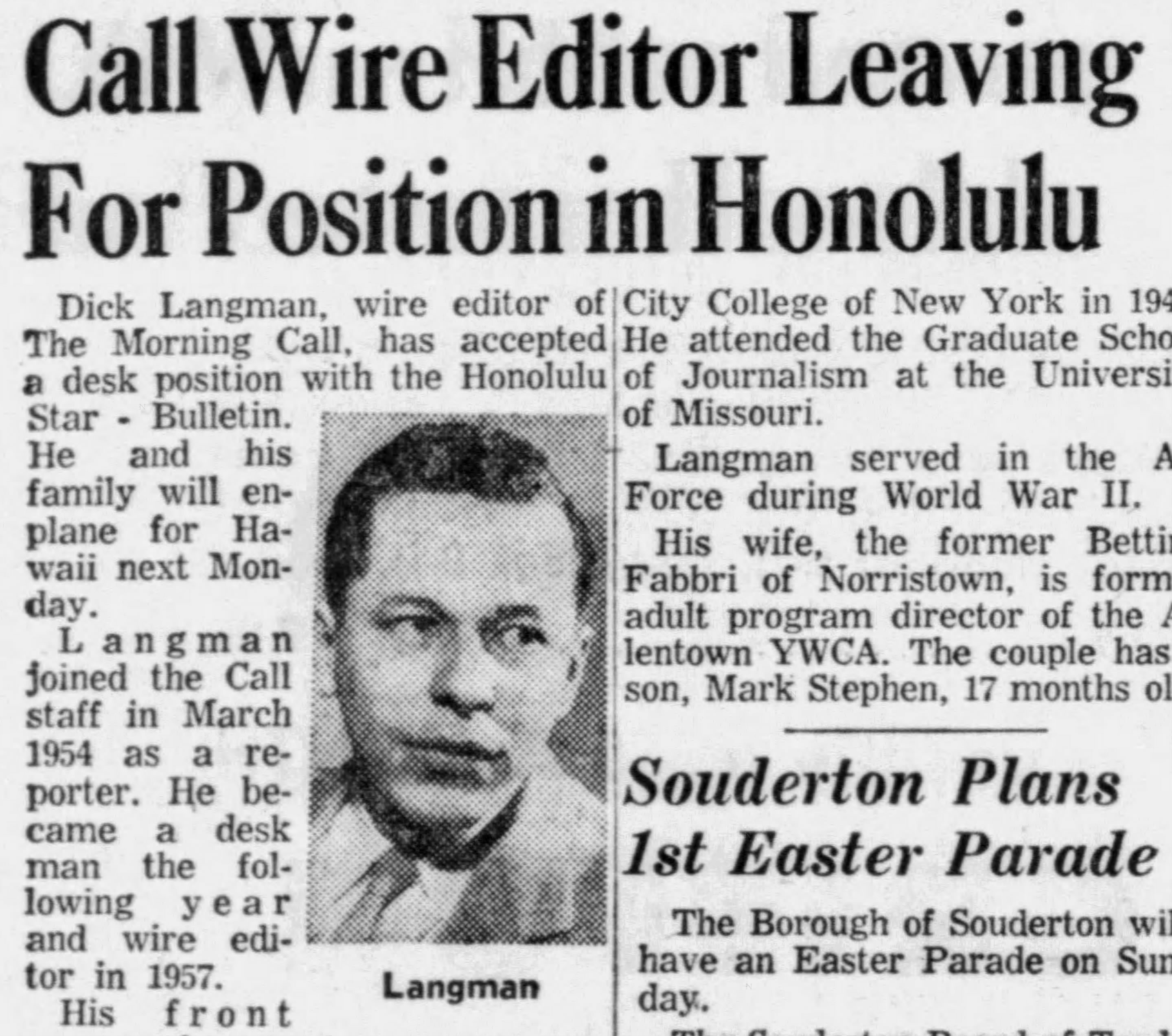
The Morning Call published this story in 1959 when Mr. Langman left to work in Hawaii.Newspapers.com
He joined The Inquirer in 1981 and worked mostly nights for 21 years as a copy editor, assistant news editor, and suburban assigning editor. Former colleagues at The Inquirer called him a “meticulous” editor, “enormously patient,” and “a man of great integrity” in online tributes.
He won an award from the old Pennsylvania Newspaper Publishers Association in 1957 for a front page he designed for the Morning Call and spent 20 years as assistant city editor and news editor at the Bulletin. “I’m glad that I had a chance to work with him,” a former Inquirer copy desk colleague said. “What a pro.” Another said: “I could not have had a better teacher.”
On Saturday, June 13, Dick Langman died of complications from pneumonia at Bryn Mawr Hospital. He was 99.
Long before he came to Philadelphia in 1961, Mr. Langman was a seasoned newspaperman. He honed his reporting skills as a writer at the Evening Tribune in New York and the Mercury in Pottstown.
Mr. Langman and his wife, Betty, married in 1954.Courtesy of the family
In January 1954, he opened a Page 1 story for the Mercury with: “From clomping around in wooden shoes in Holland to wearing modern footwear in Bechtelsville is a long way, and Mrs. LaVerne Fronheiser is glad to be home. She’s not too glad, however, because her husband had to stay in Germany, where he’s stationed with the infantry.”
On Page 1 in March 1954, he wrote: “They had need of a chaplain yesterday at borough hall. He could have served well the 50 moaners and groaners whose cars were tagged for parking violations.”
He moved on to the Morning Call and covered high school sports and other news. He left for Honolulu in 1959 and became sports editor at the Star-Bulletin. But he missed the East Coast and returned to work at the Bulletin in Philadelphia in 1961.
“Hawaii is one of the loveliest places in the world,” he told the Morning Call. But his wife, Betty, had roots in Norristown, he said, and they both got homesick.
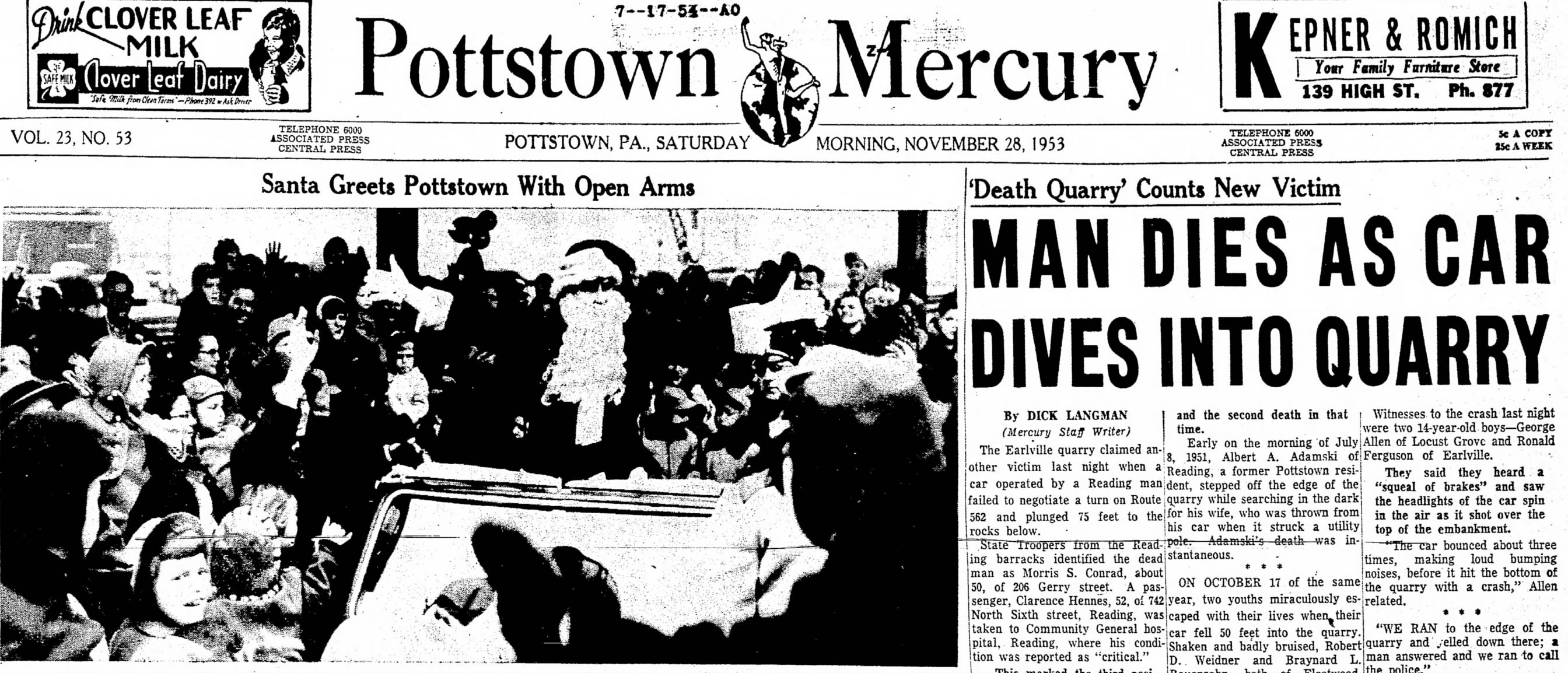
Mr. Langman wrote this Page 1 story for the Pottstown Mercury in 1953.Newspapers.com
Earlier, after college, Mr. Langman worked briefly for the Associated Press in New York and as a statistician for what is now the Elias Sports Bureau. He enlisted in the Army after high school in 1944, went to active duty in 1945, and served until the end of World War II.
At The Inquirer, a former colleague recalled, Mr. Langman edited a story about a horse that had injured a leg. Naturally, he tried to find out which leg was hurt.
“Dick was a painstaking editor,” his former colleague said on Facebook, “and a master in getting the details right.”
Richard Langman was born Sept. 5, 1926, in New York. He graduated from Stuyvesant High School and earned a bachelor’s degree at City College of New York in 1948.
Mr. Langman enjoyed cooking and shared his favorite recipes with colleagues at The Inquirer.Dick Langman
He met Betty Fabbri, the society editor at the Mercury, and they married in 1954. The Morning Call announced their union in its Breakfast Chatter column by saying: “Best wishes to reporter Dick Langman, who walks the long mile in Norristown Sunday with Bettina.”
He and his wife had sons Mark, Peter, and Andrew, and lived in Allentown, Ardmore, and the Quadrangle retirement community in Haverford. His wife died in 2017.
Mr. Langman and his wife shared wanderlust, and they went to Russia, Austria, Hungary, Europe, and elsewhere. They visited Italy 10 times, France three times, and Cape May as often as possible.
They liked to cook together, too, and he shared his favorite recipes with colleagues at The Inquirer. At the Bulletin, he became part of the “old bulls” lunch group.
He submitted his own prewritten obituary to his funeral director long before it was needed and said: “He enjoyed classical music, poetry, mystery novels, and British mystery and comedy.” He also liked crossword puzzles, fishing, table tennis, classic movies, and duplicate bridge.
He cheered for the New York Yankees baseball team and the Green Bay Packers and Penn State football teams.
“He delighted in jokes and was a real fan of the Marx Brothers,” his son Peter said. “When we were children and a local movie theater would feature a Marx Brothers film for one night, my parents made sure that we went. Fond memories indeed.”
In addition to his sons, Mr. Langman is survived by two grandchildren and other relatives.
Services were held earlier.
Donations in his name may be made to the Lenfest Institute for Journalism, 100 S. Independence Mall West, Suite 600, Philadelphia, Pa. 19106.
Gabriella’s Vietnam, the acclaimed South Philadelphia restaurant known for showcasing regional Vietnamese cooking, will close in mid-December after nearly six years as chef-owner Thanh Nguyen searches for a new home.
Nguyen began looking for another location last fall after the building at 1837 E. Passyunk Ave., near Mifflin Street, was sold. She has continued operating under a month-to-month lease while planning the restaurant’s next chapter.
The building’s new owners, Bharat Bist and Gigi Giri — who operate Mount Masala in Voorhees and Nepali Momo Kitchen in Spring Garden — plan to open a yet-to-be-named Himalayan restaurant there early next year. Giri said the menu will combine Mount Masala’s bold stews with Nepali Momo Kitchen’s extensive lineup of momos, the steamed, filled dumplings.
“I have a dream to do something different,” said Giri, whose husband, Bist, is the chef.
The couple also plan to open a shop serving coffee and momos on Third Street near South Street within the next two months.
Nguyen said she and Giri reached an agreement that allowed Gabriella’s to remain open through mid-December.
“Gigi was very sweet and nice,” Nguyen said. “She didn’t kick me out right away, and she gave me a year.”
Gabriella’s backstory and future plans
Gabriella’s, which opened in February 2021 in the former home of Ange Branca’s Saté Kampar, has earned widespread acclaim. It appeared on The Inquirer‘s 76 list and was named to the New York Times’ 2022 list of Best New Restaurants.
The restaurant helped broaden Philadelphia’s understanding of Vietnamese cuisine beyond pho and bánh mì, centering its menu on dishes from across Vietnam’s regions. Among its specialties are lemongrass clams and a catfish hot pot, dishes rarely found elsewhere in the city.
For Nguyen, Gabriella’s also fulfilled a longtime personal ambition.
“I came to the U.S. and went to school for my family, not for me,” said Nguyen, who left the University of Pennsylvania one English composition class short of completing an undergraduate degree in biochemistry. “I wanted to make a business like my family did.”
She told The Inquirer’s Craig LaBan that her parents own a seafood market in Ho Chi Minh City, formerly Saigon, and initially disapproved when she entered the restaurant business with her husband, Chris.
The couple began building their restaurant company in the suburbs in 2012, opening Banh Mi Bar & Bistro in Norristown, followed by Melody’s Grillhouse in Ambler. Gabriella’s Vietnam, named for their younger daughter, marked a shift toward a more ambitious menu focused on traditional Vietnamese cooking beyond the country’s best-known dishes.
Nguyen hopes her next restaurant will have a full liquor license, allowing her to expand the beverage program alongside the food. Gabriella’s now operates under a satellite license through Five Saints Distilling that permits it to serve Pennsylvania-produced spirits, including the vodka used in its signature pho cocktail.
Developing those drinks sparked an unexpected passion for mixology, Nguyen said, and she envisions her next restaurant having a larger cocktail program and a menu of bar snacks to complement its Vietnamese cuisine.
“I had several restaurants in the suburbs, but when I came to Philly, I realized Philly was really missing traditional Vietnamese food besides bánh mì,” Nguyen said. “There are so many other foods popular in Vietnam that don’t get as much focus. And I want people to try it.”
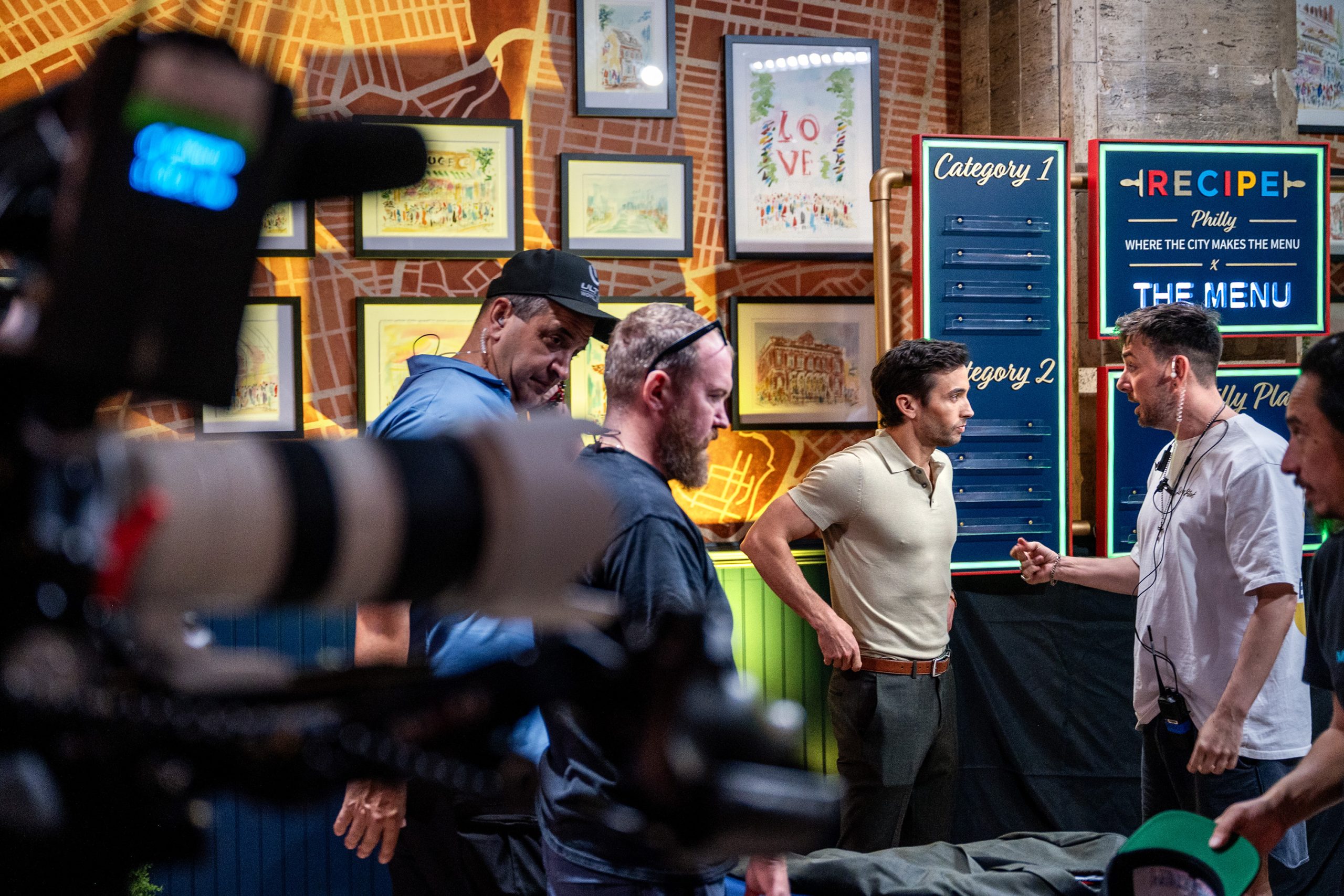
Here’s your first look at Recipe Philly, where home cooks — not pro chefs — contribute the recipes to create the menu. It’s also the basis for a reality series, filming now in advance of the restaurant’s mid-August opening.
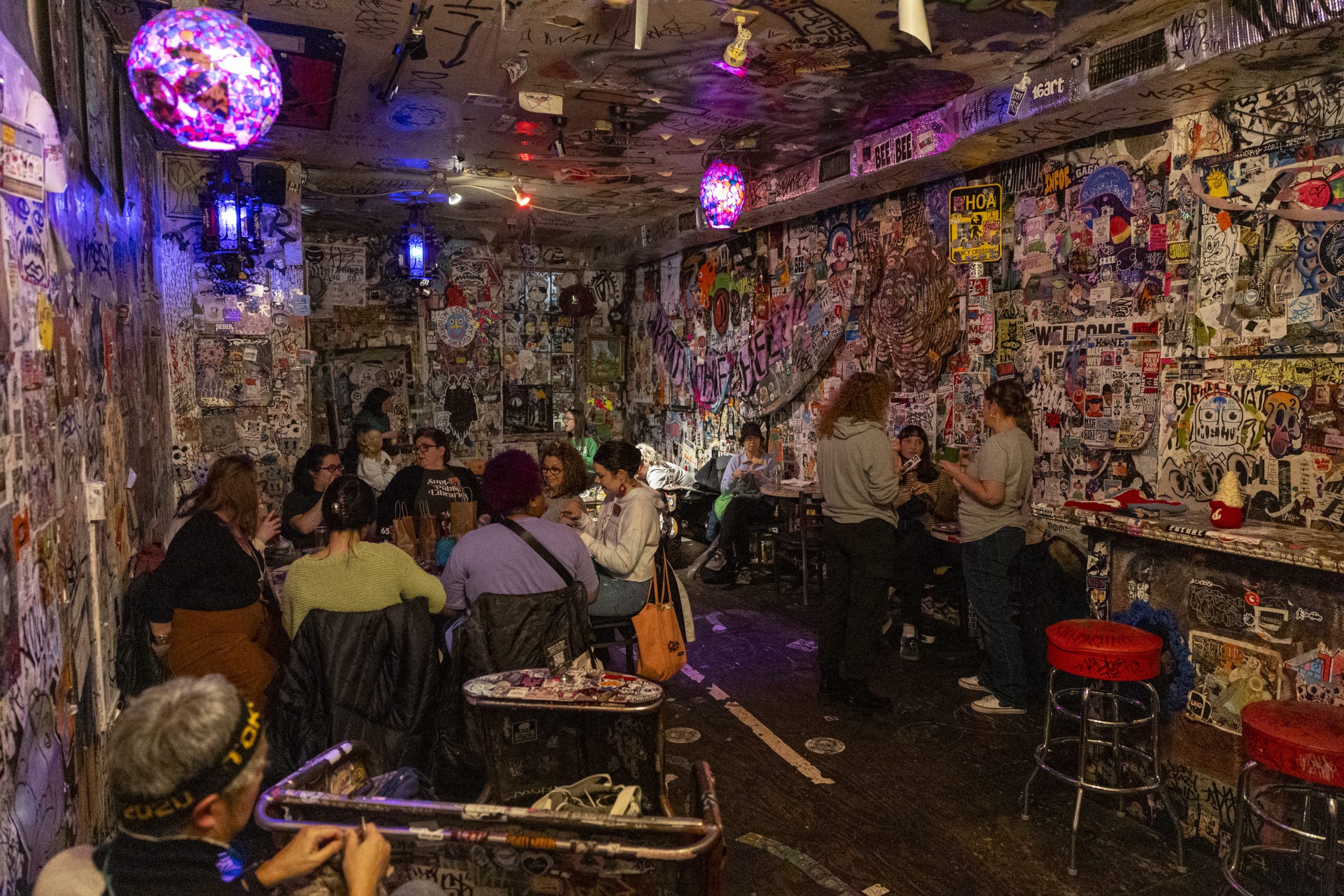
Tattooed Mom has hosted countless drag shows and burlesque performances since it opened on South Street in 1997. But the city has shut down those events (but not the bar itself) over a missing assembly license. Getting one could take six months, its owner tells Beatrice Forman.
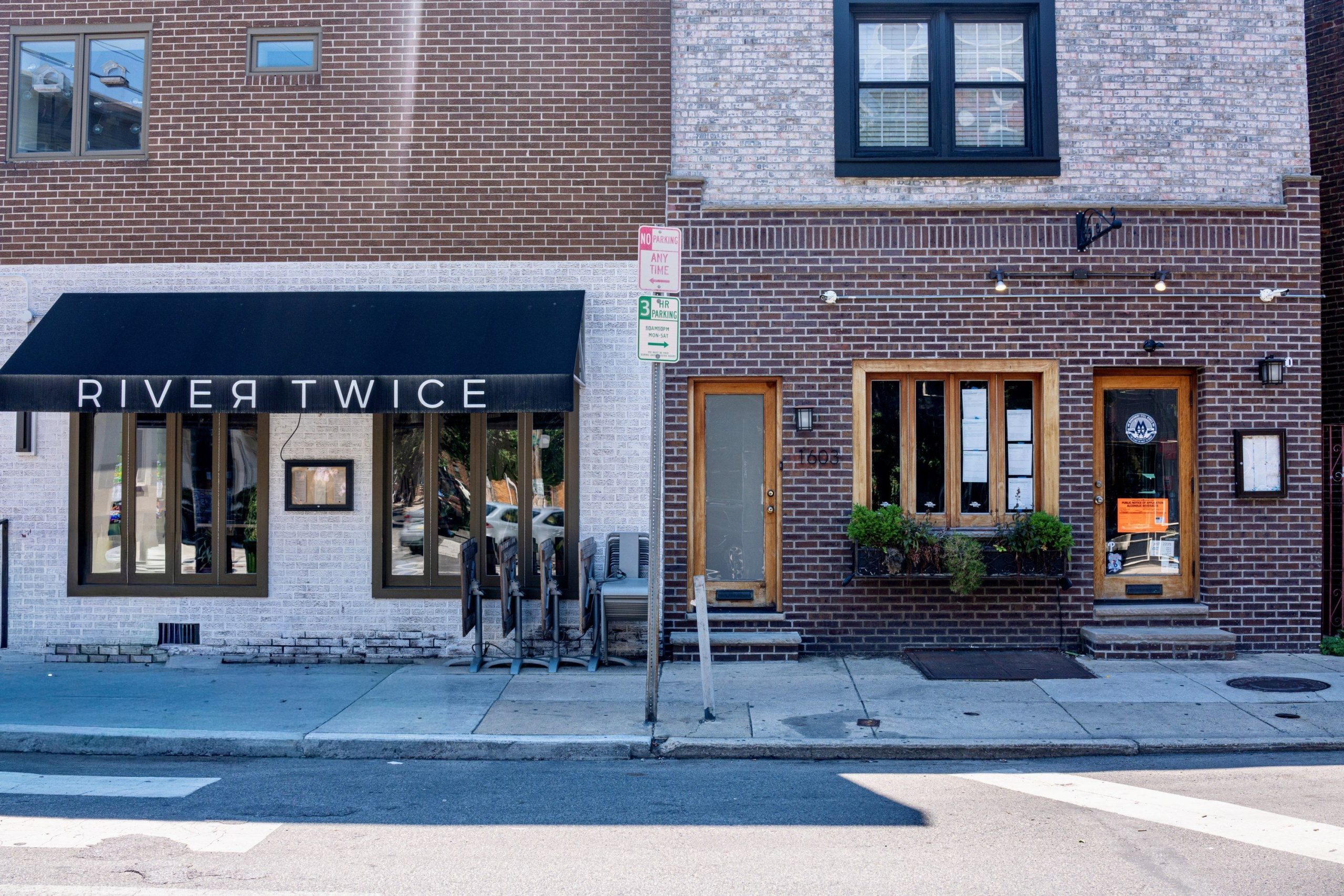
River Twice on East Passyunk is expanding next door, and that means a real bar, more seating, and new opportunities to eat one of our favorite burgers.
Critic Craig LaBan visits Terra Grill, a newcomer from globetrotting chef Laurent Tourondel in Northern Liberties’ Piazza Alta, where he found “a textbook chophouse vibe” and a “something for everyone” menu. Read on for his review.
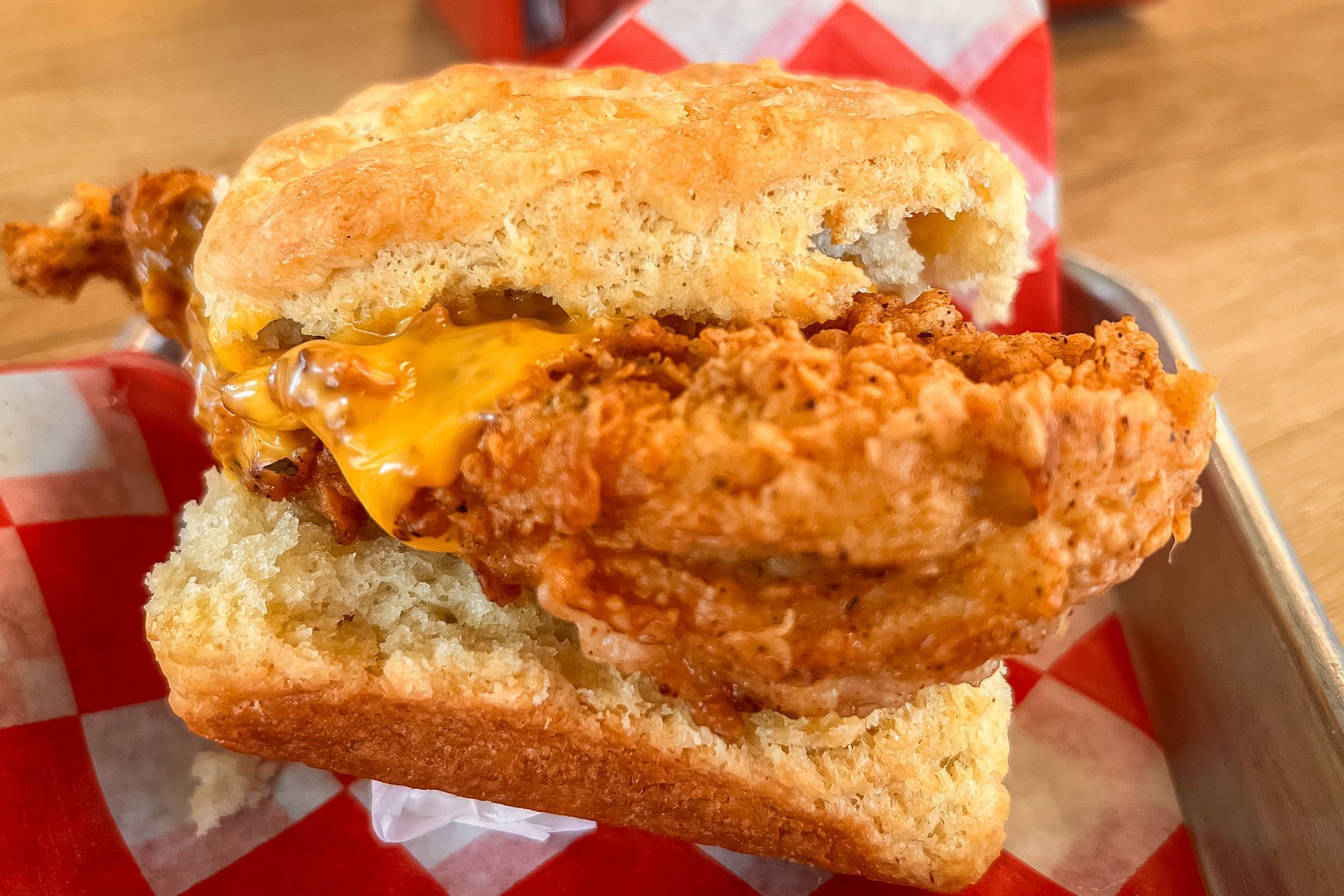
The food team caught up with a tasty chicken biscuit sandwich in Plymouth Meeting, hot dogs in Bella Vista, loaded fries in Northern Liberties, and a winning bowl of gyu-don from a food truck.
Scoops
Eggcetera Haus will replace the shuttered Redcrest Kitchen at Sixth and Bainbridge Streets, likely in the next few weeks. Husband-and-wife team Rey Tamaka and Vina Kencana will operate the all-day bar-restaurant. Tamaka, who spent the last six years as head chef at an Old City brunch restaurant, will oversee a modern American menu spanning breakfast, lunch, and dinner, while Kencana will manage operations. Breakfast will feature specialty coffee from Philadelphia’s Vibrant Coffee Roasters, with dinner service adding pasta, steaks, cocktails, and comfort food. Hours will be 8 a.m.-9 p.m. daily. Queen Village/Bella Vista will get another all-day option next spring when Sabrina’s Cafeopens at Fifth and Bainbridge, down the block from mainstay Famous 4th Street.
Sabrina’s Cafe — speaking of which — is behind a new venture aimed at the late-night crowd. Spence De Abreu, the 21-year-old son of Sabrina’s founders Robert and Raquel De Abreu, is hoping for a late-July opening of Big Spence’s, a sandwich operation at 1816 Callowhill St., a few doors from the Art Museum-area Sabrina’s. It will run via delivery services and pickup (no seating), offering six sandwiches at launch, with additional menu items expected over time. Initial hours will vary, with service planned as late as 2 a.m. during the fall, when college students are back. Opening is tentatively scheduled for July 29.
Scampi, chef Liz Grothe’s Queen Village Italian-ish restaurant, has added a beverage program in partnership with Northeast Philly winemaker Camuna Cellars. The tie-in allows spirits and beer options from Pennsylvania producers, including Fell to Earth vermouthery. BYOB is OK, with a $15-per-bottle corkage fee. Scampi also has collabs planned for August: Percy (at Percy) on Aug. 21; Habibi Supper Club (at Scampi) on Aug. 23; and an Italian American pasta night with chef Wyatt Piazza at Kiddo on Aug. 30.
Chimney Rustic Ales closed its brewery in Hammonton, N.J., in June 2025, in anticipation of opening in Philadelphia. Brewmaster/owner Dan Borrelli is seeing light at the end of a city-permitting tunnel, so he’s looking at a late-2026 opening at 2153 E. Lehigh Ave. in Kensington. Borrelli said this location will have a full kitchen and a chef (to be named later) serving what he calls “elevated bar food, with some seafood mixed in.” Borrelli had a seafood truck called Minnow Seafood Co. “We’re not trying to earn a Michelin star,” he said. “We just want to serve food that’s a little more upscale than you’d typically find at a brewery or neighborhood bar.” He specializes in lagers but also offers IPAs — because “they make up about 60% of the market, so you kind of have to have them.”
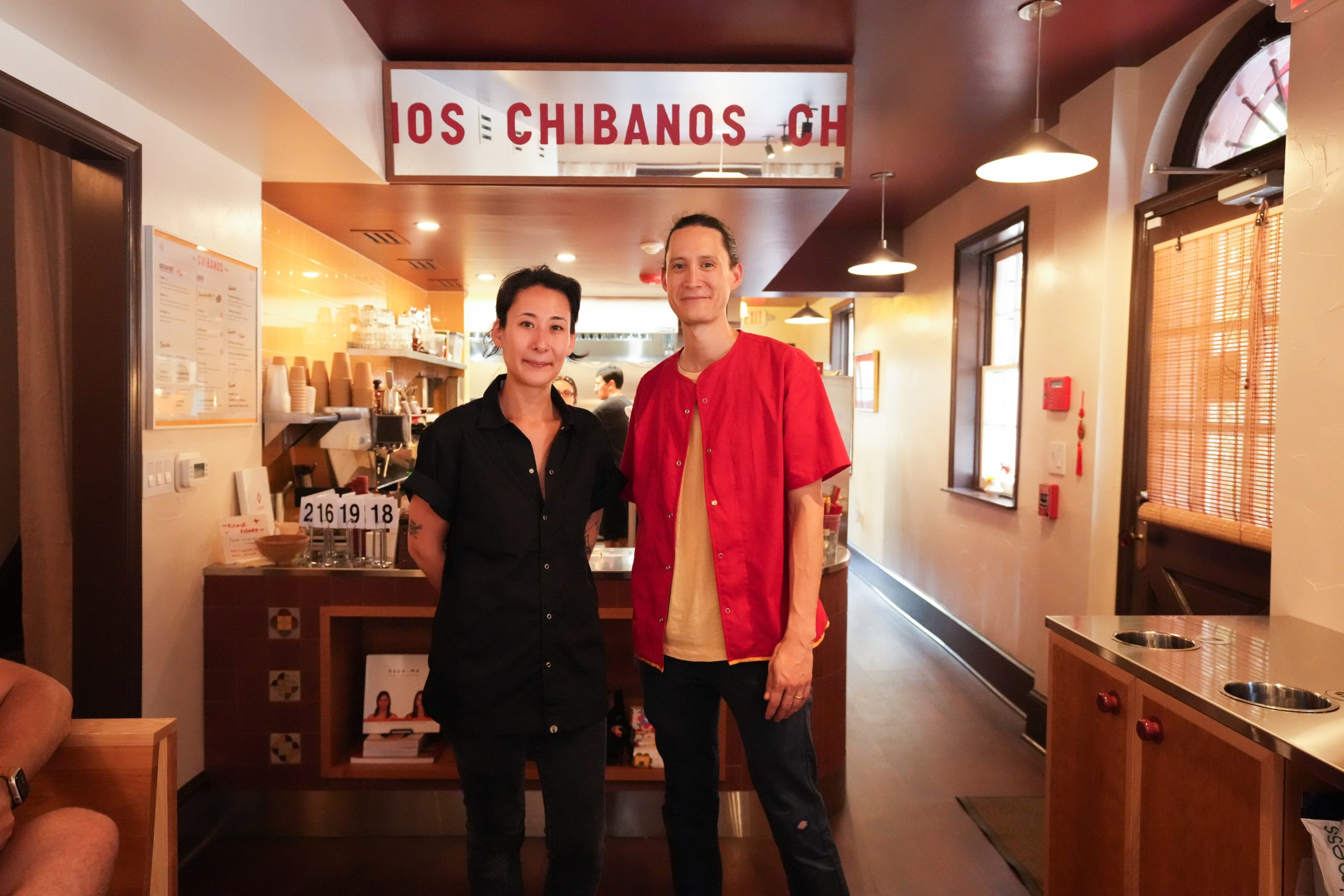
Chibanos has opened at the former Effie’s in Washington Square West, and Delco-raised owner Evan Fong Jaroff expresses his Chinese-Cuban background through pressed sandwiches, fried yuca, flan, and croquetas. Beatrice Forman tells a fascinating story of food and culture.
Call Your Mother, the D.C. bagel-sandwich chain, has signed a third Philly lease before the first shop even schmeared its first bagel.
EMei’s Dan Tsao is taking over a fourth landmark restaurant location — the home of Old Original Bookbinder’s — as part of the Sichuan restaurant’s ambitious expansion.
Briefly noted
Townsend on East Passyunk Avenue has been closed since early May after extensive water damage from a fire next door. Chef/owner Tod Wentz has swung part of the French menu to Oltremare, his Mediterranean seafooder at 2121 Walnut St. “Townsend at Oltremare” offers a hybrid menu from Townsend executive chef Alex Nissley through at least the end of the summer.
Baby’s Kusina & Market in Brewerytown returns Thursday, two weeks after a plumbing issue caused a flood. One change: Dinner service has been paused for the foreseeable future. Meanwhile, Baby’s will do a popup at 11 a.m. Monday at Farina Di Vita (250 Catharine St.) with a roast pork adobo sandwich.
Hop Sing Laundromat (1029 Race St.) is pricing all cocktails at $12 for the summer, discounted from $17-$21; it’s open from 5 p.m. Thursday-Saturday.
❓Pop quiz
Local bartenders have been foraging recently for what prized ingredient to make amaro?
🚗 Winners! Last week’s quiz asked you to guess how many miles Craig LaBan put on his car while scouting restaurants for his Jersey Shore dining package. We had a tie — the total was 1,034 and two readers guessed 1,000, so I ordered a runoff. Jan D. of Norristown submitted “1,005” (29 miles under) while Ed H. of Philadelphia offered “1,066” (32 miles over). What’s 3 miles among friends? I’m sending Inquirer swag to both, along with my sincere thanks for reading.
Please update us on a couple of bakeries, like Manna near Norris Square and Del Buono’s, where McMillan’s was in South Jersey. — Scot T.
Saif Manna, adding a brick-and-mortar location at 110 W. Berks St. in Kensington, is aiming for a soft-opening of Manna Bakery tomorrow, followed by a grand opening on July 30. Meanwhile, the PR machine is revving up for the opening of Del Buono’s, in a partnership with Al DiBartolo’s custom-cake studio DiBartolo’s Kakery, at 15 Haddon Ave. in Haddon Township’s Westmont section. Soft opening is planned for mid-August, with an Aug. 29 grand opening tied to Haddon Township Summer Music Festival.
📮 Have a question about food in Philly? Email your questions to me at mklein@inquirer.com for a chance to be featured in my newsletter.
By submitting your written, visual, and/or audio contributions, you agree to The Inquirer’s Terms of Use, including the grant of rights in Section 10.