In the wake of the devastating 2010 earthquake in Haiti, Camille Joseph and his family left the island for a better life in Philadelphia.
Joseph found that in the city, said his sister, Ophtanie. But his life was tragically cut short on Sept. 11, when first responders found the 25-year-old in the parking lot of a bustling Nicetown shopping center suffering from a gunshot wound to the chest.
He was pronounced dead shortly after arriving at Temple University Hospital. Police have not identified a suspect or motive as they continue to investigate.
More than a week after the crime, Joseph’s family members and detectives remain puzzled by the killing.
Family members say they cannot fathom why anyone would have wanted to hurt Joseph, a mechanic and a security guard at the Center City bar Time.
“It’s not fair,” said Ophtanie Joseph, who is urging anyone with information about her brother’s death to come forward. “This doesn’t make any sense.”
Sources close to the investigation said the incident began after Joseph pulled into the shopping center parking lot on the 2800 block of Fox Street in his SUV that evening.
Meanwhile, another SUV being driven by a person police have yet to identify also pulled into the lot and crashed into a wall, the source said.
Investigators believe Joseph and the driver of the crashed SUV then got into an altercation before Joseph was shot and killed, though they have yet to figure out why the two parties interacted.
After the shooting, the damagedSUV fled the parking lot along with Joseph’s SUV, which investigators believe was being driven either by a shooting suspect or someone who was traveling with Joseph.
Police were called to the scene around 5:20 p.m. and later discovered Joseph’s vehicle abandoned nearby.
Investigators are now seeking search warrants for security footage from businesses in the shopping center in an effort to piece together the moments before Joseph’s killing and identify a suspect.
Ophtanie Joseph said her brother’s death was a tragedy.
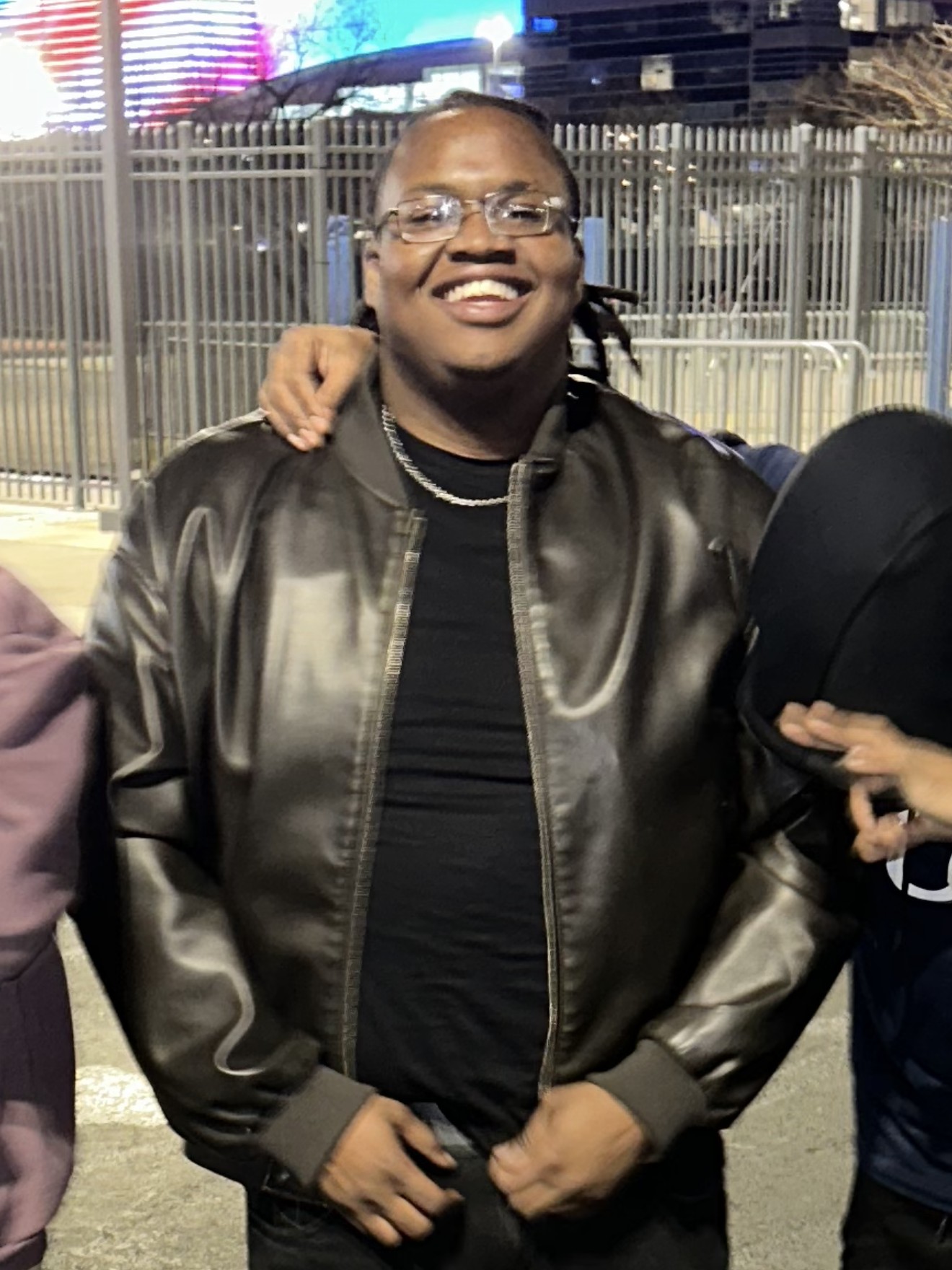
A photo of Camille Joseph.Ophtanie Joseph
He had built a life in Philadelphia after their family left Haiti, she said, attending Benjamin Rush High School, where he played the tuba in the school band and competed in soccer and baseball.
After graduation, he went to trade school to become a mechanic, following the path of his father, his sister said.
He worked at auto shops around the city and was quick to help out friends and family when they had car trouble, she said.
Most recently he worked in security at Time, a whiskey bar and restaurant on Sansom Street. Ophtanie Joseph said her brother loved his job, where he met musicians and local celebrities who passed through the lively establishment and event space.
Camille Joseph was supposed to clock in at 6 p.m. the evening of his killing, his sister said. She later learned that managers began to worry when he never showed up.
“His life wasn’t supposed to stop here,” Ophtanie Joseph said. “He had a lot of dreams: He wanted to have his own mechanic shop, he wanted to travel. He didn’t deserve this.”
Joan M. Satterthwaite, 92, of Philadelphia, talented tailor and seamstress, longtime office administrator for the Mayor’s Commission on Aging, volunteer, and community caretaker, died Tuesday, Aug. 4, of sepsis at Jefferson Washington Township Hospital in Gloucester County.
Adept at designing, constructing, fitting, and altering garments of all kinds, Ms. Satterthwaite worked at the Botany 500 factory at Broad Street and Lehigh Avenue, and for other clothing manufacturers in Philadelphia, for more than 20 years. She could do every job on the intricate clothing assembly line, her son Kevin said, and she did them fast and well.
She joined the International Ladies’ Garment Workers’ Union in the 1950s and supplemented her weekday work by producing gowns, dresses, suits, and other clothing for family, friends, church choirs, wedding parties, and local businesses.
She made Halloween costumes for her two sons when they were young and tailored suits when they were older. She designed a wedding dress for her daughter-in-law.
She could duplicate many patterns by looking at them just once. Over the years, she collected eight sewing machines. “Her craftsmanship and attention to detail earned her the admiration and loyalty of countless clients,” her family said in a tribute.
Her son Kevin said: “We would call her an entrepreneur today.”
In the mid-1980s, Ms. Satterthwaite left garments and became certified in office administration and computer technology at the old Philadelphia School of Office Technologies. For a decade, she worked for the Joseph Shein Law Firm.
She tried to retire in the mid-1990s. But she impressed officials at the Mayor’s Commission on Aging so much as a client that they recruited her as a receptionist and administrative assistant. Sheleft that job in 2018, at 85.
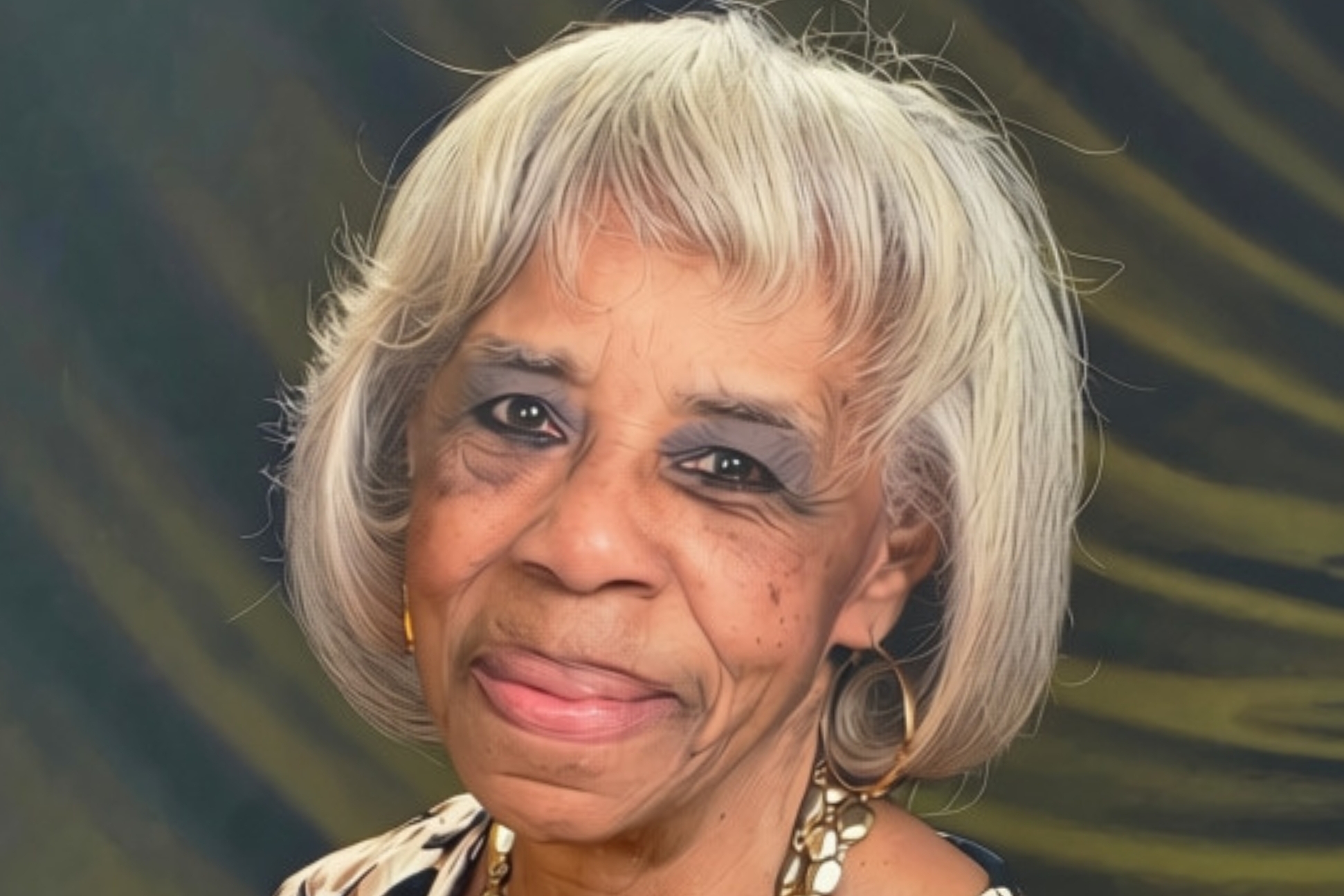
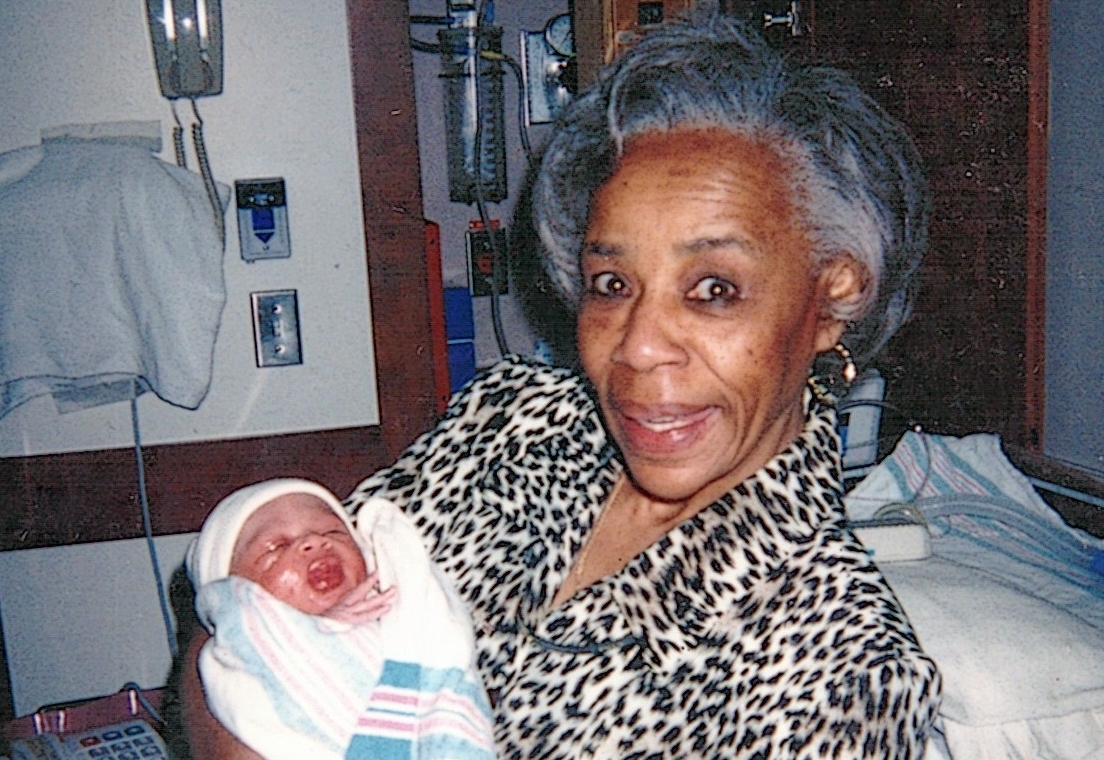
Ms. Satterthwaite reared her sons in Philadelphia. Courtesy of the family
After that, she volunteered with veterans groups, was active in the community, and opened her home to anyone in need. “If someone asked for help,” her son Kevin said, “she was there.”
Her family said: “Joan’s life was a testament to perseverance, faith, compassion, and determination. Her kindness, generosity, and genuine concern for others became hallmarks of a life well lived.”
A friend said online: “Ms. Joan was the nicest person ever. … Her kind spirit reminded me of my grandmother.”
Joan Marie Watts was born Dec. 28, 1933, in North Philadelphia. Her mother died when she was 2, and she was reared by her grandfather and his wife.
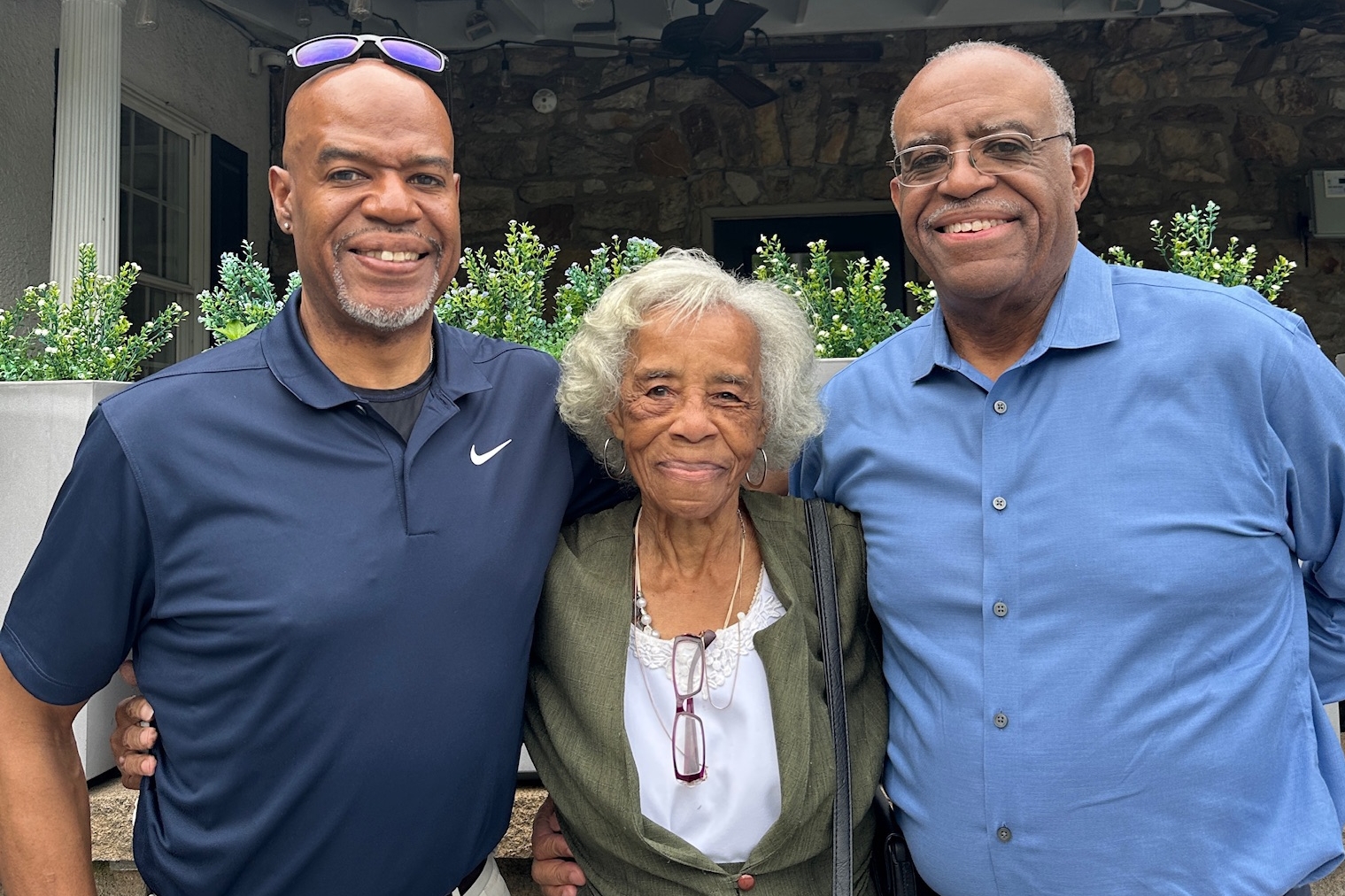
Ms. Satterthwaite doted on her grandchildren.Courtesy of the family
She studied tailoring and sewing at William Penn High School and graduated in 1952. She married Charles Satterthwaite in 1953, and they had sons Kevin and Eric. Her husband died earlier.
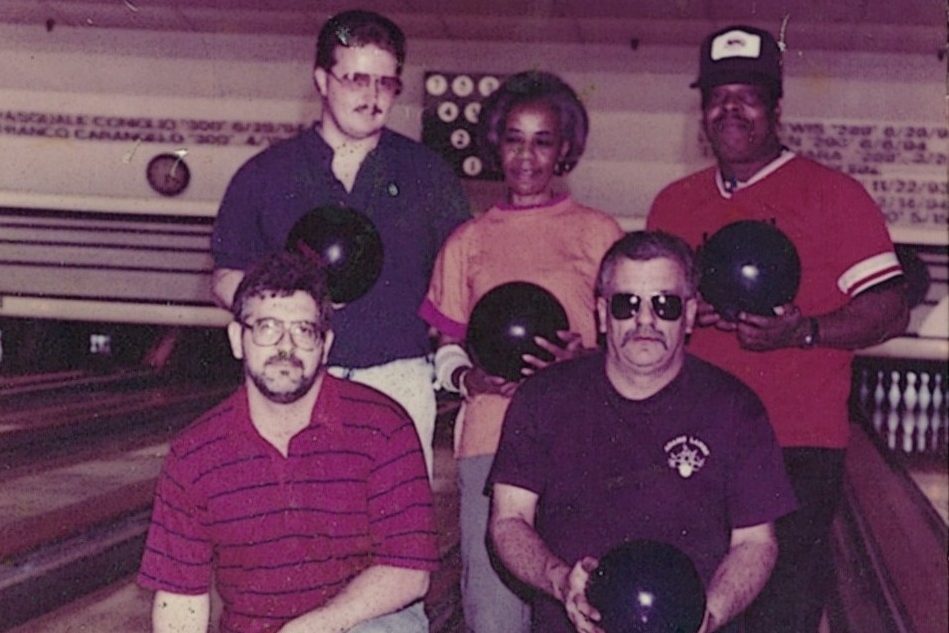
Ms. Satterthwaite was a member of Triumph Baptist Church for more than 35 years, and she went to breakfast with others often after Sunday service. She had breakfast with her sons on Saturdays, bowled every week for 30 years, hosted memorable family gatherings on holidays, and pored over puzzle books when she was older to stay sharp.
Her family noted her “warm heart, generous spirit, and love of people” in a tribute and said: “Her kindness, patience, and genuine concern for others left a lasting impression on all who knew her.”
She doted on her family and told them often that education was a key to success. She lived in Nicetown and Logan, and most recently in Washington Township.
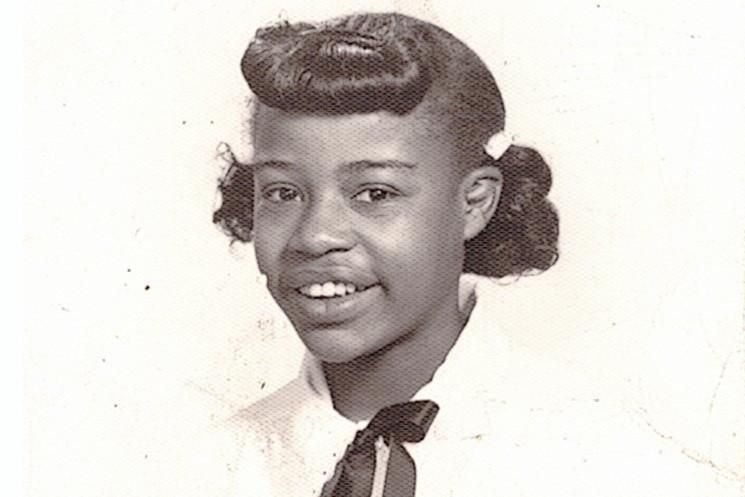
Ms. Satterthwaite graduated from William Penn High School. Courtesy of the family
Her son Eric praised her “unwavering belief that nothing in life was more important than family.” Her son Kevin said: “She was welcoming and warm. She liked being around people. Her life force kept her going.”
In addition to her sons, Ms. Satterthwaite is survived by four grandchildren, two sisters, a brother, and other relatives. Two brothers died earlier.
Services were held earlier.
Donations in her name may be made to Triumph Baptist Church, 1648 W. Hunting Park Ave., Philadelphia, Pa. 19140.
Ms. Satterthwaite bowled every week for decades. Courtesy of the family
The Philadelphia District Attorney’s Office is investigating ties between one of DA Larry Krasner’s top advisers and a man serving life in prison after prosecutors learned that the official sent the man money years ago and did not disclose it.
G. Lamar Stewart, chief of external engagement and government affairs in the DA’s office, said he sent $100 to Anthony Sutton in January 2021 to support Sutton’s mentorship program, “Mann Up,” for men incarcerated at State Correctional Institute Phoenix.
Sutton, 61, who is serving life in prison for killing a man in Germantown in 1984, has been appealing his conviction for more than a decade.
The issue came to light last week, after the prosecutors assigned to Sutton’s appeal were reviewing his prison records and noticed that Stewart was among those who had sent Sutton money in recent years.
The records showed Stewart did so only once, Krasner said.
The payment raised concerns, in part because Stewart had organized and participated in meetings between Sutton’s defense attorney, Krasner, and prosecutors about the case, according to a source familiar with the matter.
Krasner’s office has opposed Sutton’s appeal and said his profession of innocence lacked merit.
When the prosecutors discovered the payment, it was quickly brought to the attention of Krasner, who then asked his office’s special investigation unit to investigate, according to multiple sources familiar with the case. The inquiry remains ongoing.
Stewart, who is also senior pastor of Taylor Memorial Baptist Church in Nicetown-Tioga, was working as the head of the office’s community engagement unit at the time of the donation. In an interview, he said he used his own money to support Sutton’s program as part of the faith-based charitable work he does to assist families and community organizations across the region every holiday season.
“I thought that the work that they were doing was positive, transformative, and it was geared to helping reduce violence in Philadelphia and to make communities and families whole,” he said.
He said he did not know of any way to reach the organization other than to send it through Sutton directly. “I was very intentional to make sure that my name was listed because when you’re not trying to hide anything, you just do things above the board,” he said.
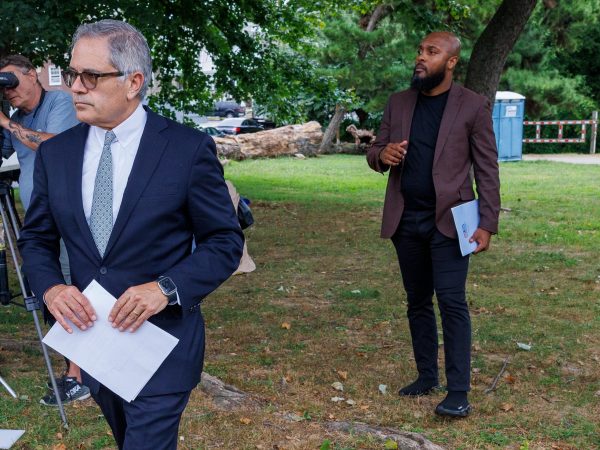
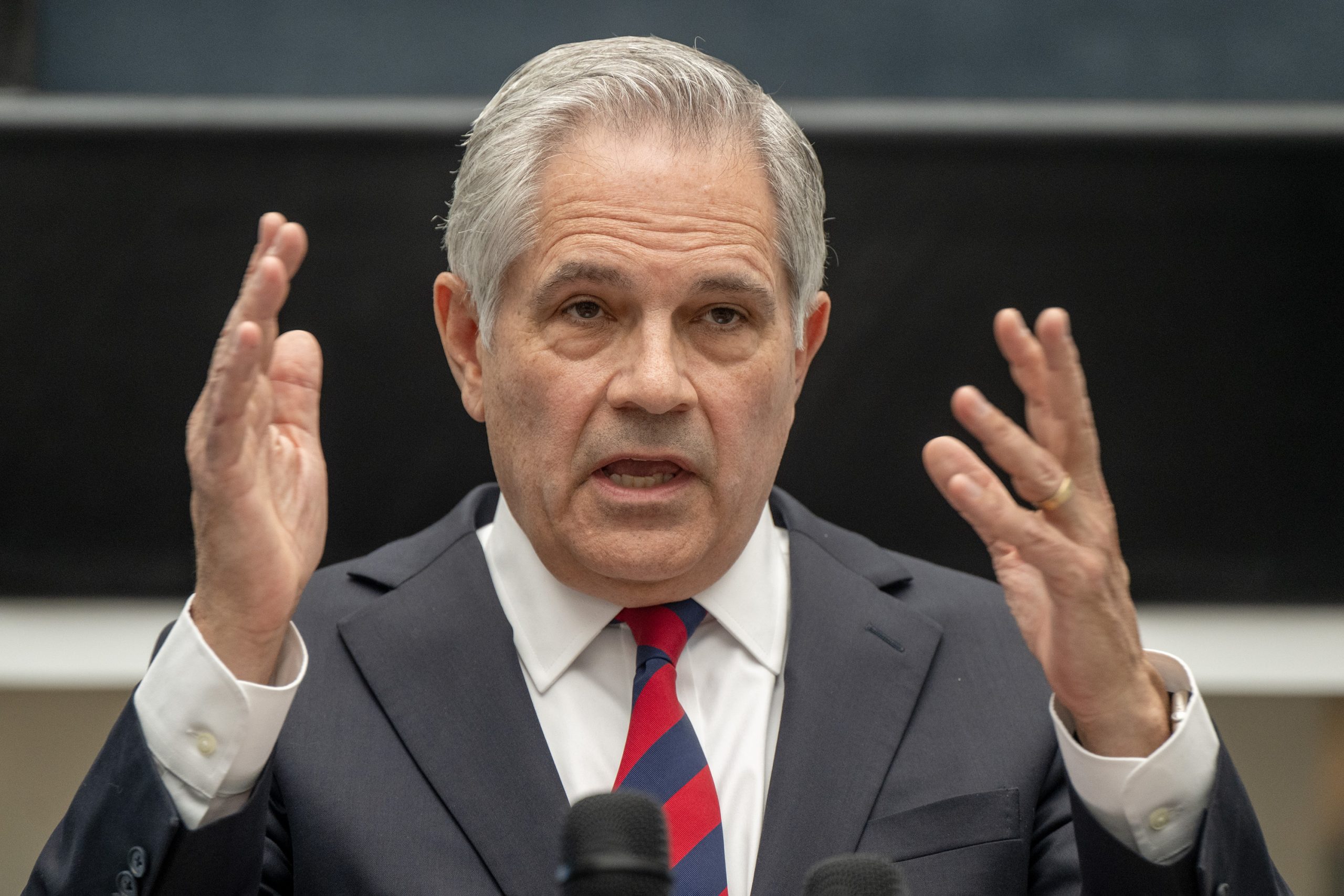
District Attorney Larry Krasner (left) and G Lamar Stewart, head of the Community Engagement and Government Affairs at the DA’s Office, outside the President’s House in Independence National Historical Park in February 2026.Tom Gralish / Staff Photographer
During a brief hearing in Sutton’s case on Monday, Assistant District Attorney David Napiorski, supervisor of the office’s law division, told Common Pleas Court Judge Giovanni O. Campbell that his attorneys needed additional time to investigate Sutton’s case after they found that someone in the office had put “money on the defendant’s books in prison.”
“That needs to be investigated by the office thoroughly before we can take any further action,” Napiorski told the judge.
Stewart said he did not try to influence the outcome of the appeal or advocate for Sutton. He acknowledged that he attended at least one meeting about Sutton’s case, but said his job requires him to coordinate and attend meetings with Krasner.
Krasner said that he saw no issue with Stewart’s donation or subsequent participation in meetings, and that his office’s inquiry and prosecutors’ comment in court Monday “establishes integrity.”
“G. Lamar Stewart gave a small amount of money for an organization … and then this office decided to oppose Mr. Sutton’s request. Where’s the issue?” he asked.
He added: “Any rock we haven’t flipped yet, we will flip. Preliminarily, it seems quite clear that this was a donation given for a completely legitimate purpose.”
Sutton did not immediately respond to a request for comment sent through a messaging app for people in prison. His attorney, Jason Javie, said Tuesday that he did not know anything about Stewart’s payment to Sutton and declined to discuss the matter further.
“My focus is 110% on the exoneration of Mr. Sutton,” he said.
The revelation comes amid mounting scrutiny over Krasner’s office’s handling of post-conviction matters. In a forceful ruling last month, the Pennsylvania Supreme Court said Krasner’s office had a pattern of misleading judges when seeking to overturn old murder convictions.
Last week, in a separate, controversial federal appellate case, a former assistant district attorney in Krasner’s office said prosecutors were “colluding” with defense attorneys to find the most effective way to have the murder conviction thrown out. And then, on Monday, in a striking court filing in that same contentious case, two supervisors in the law division said Krasner had instructed them to litigate the matter in a way that would “protect the office.”
And now, the office is investigating a case connected to Stewart, who has worked in the DA’s office since 2019 and is one of Krasner’s most trusted advisers.
District Attorney Larry Krasner at a press conference in May, denouncing criticism of his office leveled by Republican members of the House Judiciary Committee.Tom Gralish / Staff Photographer
Stewart, who is paid $154,500 annually, oversees the office’s community engagement, public affairs, and communications strategies, and acts as a conduit between Krasner and other public officials. Since Robert Listenbee retired as first assistant district attorney in January, Krasner has not named a successor — and several prosecutors say Stewart, who is not a lawyer, has effectively absorbed parts of that job. He often helps coordinate sensitive matters in cases, including relocating victims and witnesses.
He is respected by many in city government and across the community. Mayor Cherelle L. Parker, speaking at Krasner’s inauguration ceremony in January, mentioned Stewart as one of the office’s most essential staffers.
“District Attorney Krasner, as a moment of personal privilege, I want you to know that G. Lamar Stewart is one of the most committed, committed, committed members of your team in engaging in community outreach, and he represents you well, sir,” she said to applause.
Stewart, born and raised in Germantown and North Philadelphia, served in the U.S. Army and worked for the Philadelphia Police Department before joining Krasner’s team in 2019. At his church, he runs a nonprofit called Taylor Made Opportunities that offers job support and mentorship to young men in the neighborhood, and supports families of homicide victims.
Stewart said he donates to community organizations, and provides meals, Christmas gifts, and other means of support to crime victims’ families each year, using his personal money.
He does not typically disclose those donations to the DA’s office, he said, and it has never been a problem.
“My Christian faith is rooted in giving, in love, in showing up for the least of these, showing up for those who have been harmed, for showing up for those who are trying to rehabilitate and be accountable for the harm they caused to bring healing to our community,” he said. “For anyone to suggest that me giving through a faith lens, in the interest of good for community, is problematic for me, that is an infringement upon my faith tradition and my religious rights.”
Krasner said he did not think it was necessary for Stewart — or other employees in the office — to disclose donations.
“I don’t know that it makes sense to require 700 employees, especially if they’re doing so on a faith basis, to disclose everyone they give donations to,” he said. “It’s certainly something we could think about.”
In Stewart’s case, his money went to support a program run by Sutton, better known as Benny Doo, who was sentenced to life in prison after a jury convicted him of first-degree murder in the shooting death of Richard Berry in the Pelham section of Germantown in December 1984. In the early 1980s, prosecutors said, Berry hired Sutton and other members of his crew, called the “Ghostbusters,” to retrieve jewelry that had been stolen from him, and agreed to pay with “a few ounces of blow and a couple thousand dollars.”
Berry never paid up, and after he started avoiding Sutton and his crew, Sutton killed him, prosecutors said.
But Sutton said prosecutors violated his right to a fair trial when they failed to turn over police documents — including polygraph results and police interviews with several witnesses — to his defense attorney. One man who testified at trial has also since come forward to recant his testimony.
Prosecutors, in a court filing in May, said Sutton failed to show how those issues could have changed the outcome of his trial. His appeal, prosecutors wrote, was untimely and lacked merit.
Even as it grapples with having less money to award next year, the Philadelphia Cultural Fund on Wednesday announced this year’s grants to arts and culture groups across the city. The fund is dispersing $5.6 million to 322 organizations representing arts and culture of all types, said Cultural Fund executive director Gabriela Sanchez.
“We have theater, we have dance, we have visual arts, poetry open mics, historic sites, sculpture gardens — it truly ranges across all genres,” Sanchez said.
The 2026 grants also reach beyond Philadelphia’s downtown marquee groups into all sections of the city.
“We are funding Districts 1 through 10, and that is exciting,” she said, referring to the city council districts into which the city is divided.
The Philadelphia Cultural Fund is an important source of money for arts groups, but especially for smaller ones. It is drawing more attention this year after the city’s budget process for fiscal year 2027 left the agency with a cut in funding. Instead of the $5 million it received from the city in FY26, it will now see only $3.5 million.
As a result, it will have to cut the number of grants it gives out in 2027. Although there is currently no specific target for how large that reduction will be, it could mean grants going to 100 fewer groups.
“When you look at 100 organizations that could be funded, that’s terrible, a painful thing to navigate,” said Sanchez. “We have to get creative to find other pathways to meet the need.”
Shakespeare in Clark Park in 2023 performing “Two Gentlemen of Verona” in its rock musical adaptation by composer Galt MacDermot and lyricist John Guare.Charles Fox / Staff Photographer
In the wider world of arts funding, the grant amounts are relatively modest — either $12,875 or $23,375 — but they are critical to many groups, and the funding can have a compound effect.
Artcinia, for instance, is a small nonprofit with a Center City business address, but the organization brings concerts into a wide swath of neighborhoods — 200 performances in a five-year period, reaching 9,000 audience members in Fox Chase, Nicetown, Hunting Park, Manayunk, and elsewhere, according to a recent summary prepared by the group.
Its largest chunk of revenue comes from foundations, of which the money from the Cultural Fund is a part.
That grant is “significant, about 12% to 15% of our operating budget this year,” said Jake Kelberman, Artcinia’s artistic co-director and director of operations. The group presents music in various genres and has engaged hundreds of professional musicians, and, if the funding disappears, “it’s sad that it’s going to affect the volume of programming we can do,” he said.
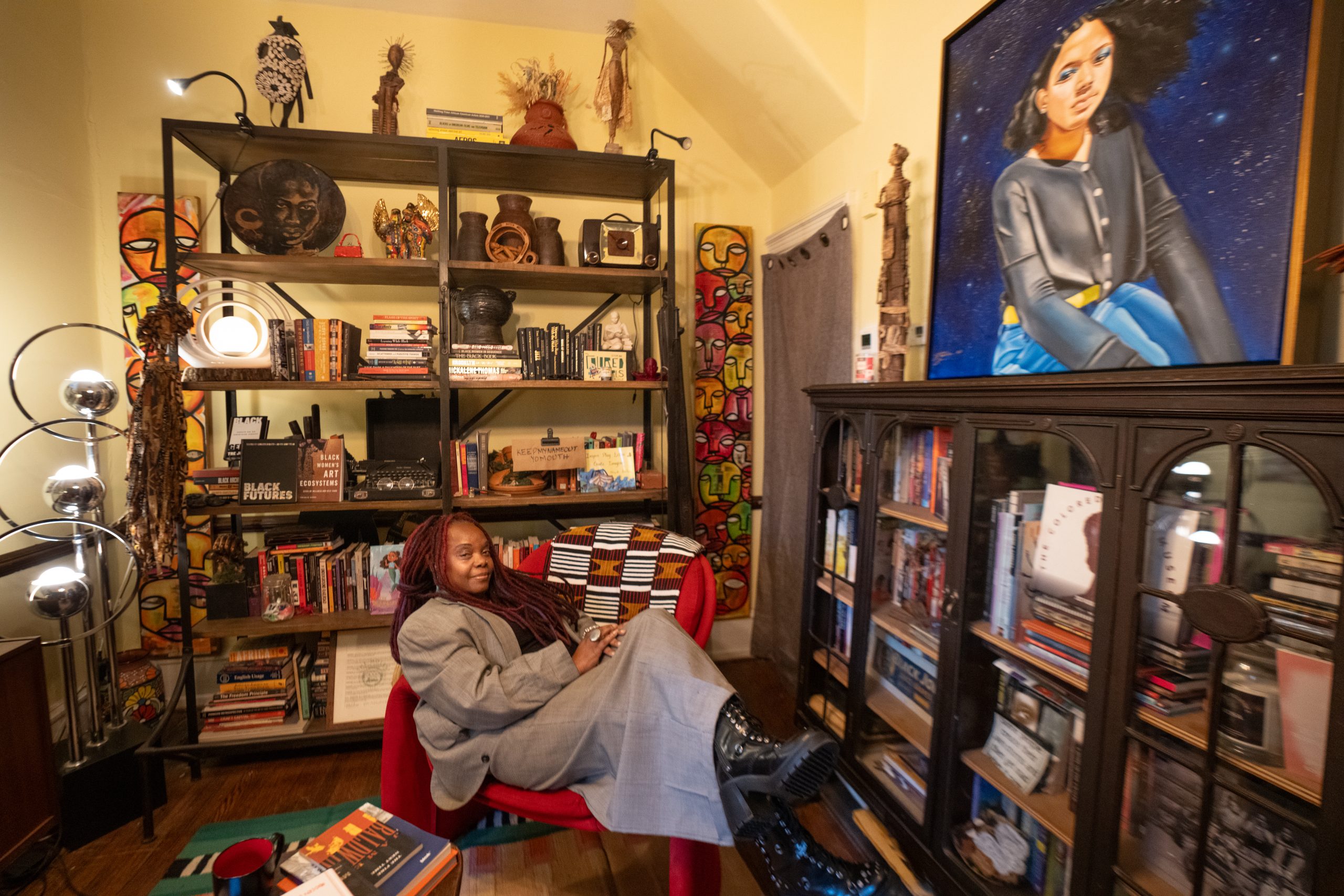
Colored Girls Museum founder and executive director Vashti DuBois at the museum in Germantown.Jessica Griffin / Staff Photographer
Two notable aspects of the Philadelphia Cultural Fund are the fact that it’s money that can be used for general operations (as opposed to being restricted to a specific project, which often requires raising additional money); and that there is no requirement that the money be matched with money from other sources.
These factors makes the kind of funding available from the fund increasingly rare, says Eric César Morales, development director of Movimiento Administradores de Arte en Pensilvania.
“This money from the Cultural Fund is what stabilizes the sector as a whole, because it allows grassroots organizations to become competitive and grow,” said Morales.
Movement of Arts Administrators in Pennsylvania, or MAAP, has often received money from the fund since its inception during the pandemic, Morales said, including $23,375 in this latest round. The money has a salutary effect on the local arts ecosystem; MAAP aims to increase arts access for BIPOC individuals and communities in Pennsylvania by giving Spanish-speaking artists training and resources in navigating the often tricky process of applying for funding.
Morales says that the $1.5 million reduction to the Cultural Fund may not sound like a lot, but with other sources of funding decreasing or threatened, “it’s evidence of a shrinking sector.”
Of the impending city cuts to the fund for FY27, Sanchez said:
“It’s obviously the worst-case scenario that we have to plan for, and I think that it’s also the reality. I hope that people take note of this change and become engaged in the way that they see fit — to talk to their council members around the importance of arts and culture in their neighborhood. That is a form of resilience and also action.”
Michelle “MiMi” Gravley changed addresses frequently during her childhood in the 1990s, but rarely with a moving truck.
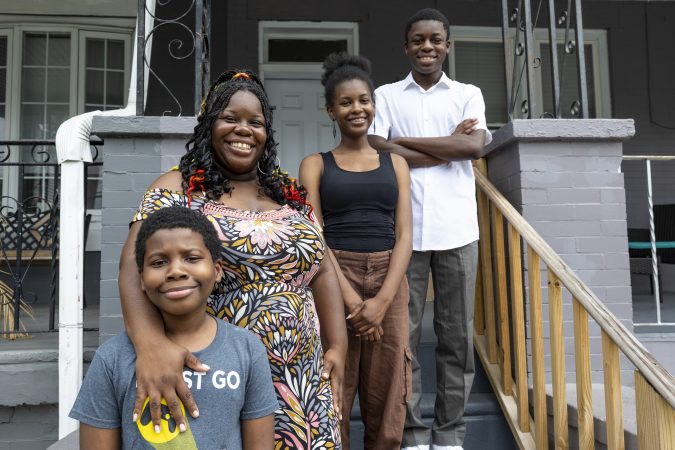
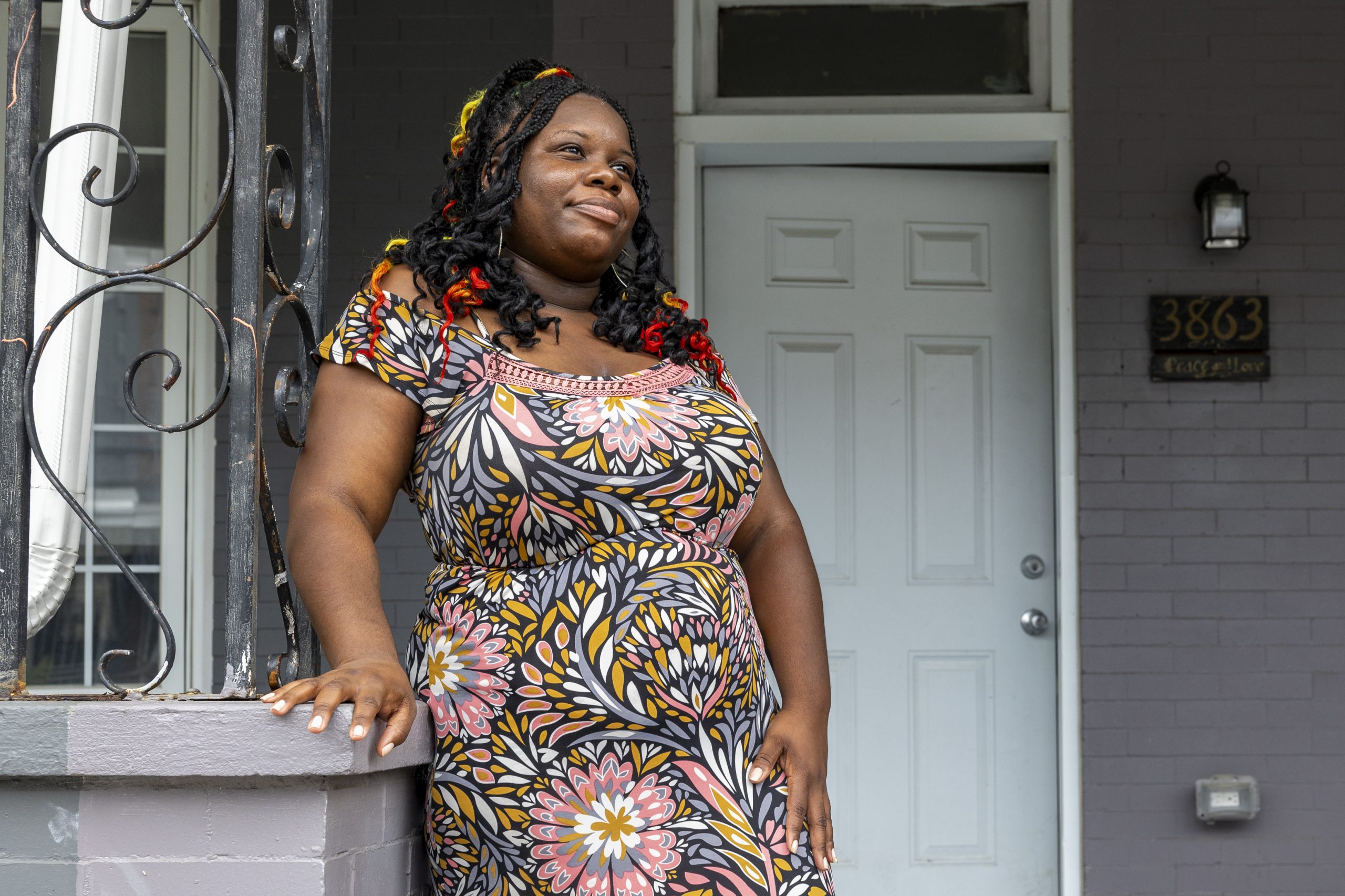
With her belongings in boxes and plastic bags, she would often find herself lodging at others’ houses in rooms her single mother could afford to rent. So it meant the world to Gravley, herself a single mother, last fall when she bought her first house, a rowhouse in North Philadelphia.
Gravley, 38, is no longer battling housing instability. But she has spent much of her adult life poor, including nearly two decades straight of government assistance, and wants a different fate for her three children. So she’s looking at wealth — specifically her house and her high-yield savings accounts — as something that can help her children avoid poverty as adults.
“I just want them to be OK,” Gravley told me, referring to her daughter, Buttons, 17, and her sons, Chippy, 14, and Boots, 11. “And when they have their kids, their kids is OK. And just, just breaking up generational curses.”
Gravley is one of the parents I spoke with recently in the Philadelphia area who wants to help their children build wealth to break the cycle of poverty in their families. Their goal is to bequeath something — whether it be modest savings or a piece of real estate — to help counter the pull of intergenerational poverty.
They face long odds: Only 16% of children who spend at least half their childhood poor go on to be economically successful, one study found. But there are emerging ideas and policies designed for children that some believe could improve those odds.
I’ve been a business reporter for more than a decade, with a keen interest in how wealth is built and deployed. I’ve had conversations with people from across the economic spectrum, from workers earning minimum wage to C-suite executives and billionaires. I closely follow developments about wealth and personal finance. And lately, I’ve been noticing growing momentum and innovation around wealth-building policies for children — some of which could impact the children or grandchildren of people like Gravley.
In my reporting, two relatively new wealth-building programs stand out. The first is baby bonds, which are government-run trust funds designed to benefit poor children. The other program is Trump Accounts, which are private investment accounts available to all children that allow nonprofits, philanthropic groups, and other entities to target contributions at low-income zip codes. Each has its pros and cons.
Because the creation of baby bonds and Trump Accounts are relatively recent developments (Connecticut approved the first statewide baby bond program in 2021; Trump Accounts were launched this year), there aren’t yet any long-term studies that directly assess their impact on poor populations. But advocates of early wealth accounts, as they are often called, point to supporting evidence from similar initiatives, including Education Savings Accounts. They also argue that structural changes in the economy necessitate a new kind of social contract with America’s young people.
Of her children’s financial future, MiMi Gravley says, “I just want them to be OK.”Aidan T. Gallo / Staff Photographer
“Younger generations face economic headwinds that older generations have not — student loans, unaffordability of housing, starting a family, probably declining Social Security benefits,” said Ray Boshara, a senior policy adviser with the Aspen Institute and Washington University in St. Louis who helped design the framing for Trump Accounts and a similar precursor plan by former Sen. Bob Casey, 401Kids.
He added: “They face a transformed economy. So part of the real purpose of Trump Accounts, I think, is … to give them start-up capital at age 18 to counter these economic headwinds.”
Gaining steam
Across the country, efforts rooted in baby bonds or Trump Accounts are either active, forthcoming, or undergoing serious consideration.
The framework for baby bonds was proposed in a 2010 paper by Darrick Hamilton, founding director of the Institute of Race, Power and the Political Economy at the New School, and William Darity Jr., an economist and social scientist at Howard University and Duke University.
Connecticut launched its CT Baby Bonds program in 2023. It automatically enrolls children whose births are covered by Medicaid. The idea is straightforward enough: When participants turn 18 and complete a financial literacy course, they can claim at least a five-figure sum that can only be used for specified wealth-buildingactivities, such as buying a home or starting a business.
Trump Accounts, also known as 530A accounts, were signed into law last year and took effect this month. Children who are enrolled in the program by their parents could potentially receive $1,000 from the U.S. government. When the enrollee turns 18, the account becomes a traditional IRA and can be used for a variety of purposes, though the tax consequences are lower if used for postsecondary education, a first home, or retirement.
Unlike baby bonds, Trump Accounts were not specifically designed for poor children. And one criticism is that wealthier families will likely contribute more than poor families, which would worsen wealth inequality. But what’s notable about them is that they allow third parties such as employers or philanthropists to contribute cash or stock directly to children in low-income neighborhoods.
For instance, the Dell family pledged funds for every American child in specific zip codes, while the Dalio family and financier Brad Gerstner pledged funds to children in Connecticut and in Indiana, respectively.
Attention in the Keystone State
It’s still early, but for now, the idea of helping poor children build a foundation of capital for the future appears to be drawing bipartisan interest. And in Pennsylvania, policymakers have started paying attention.
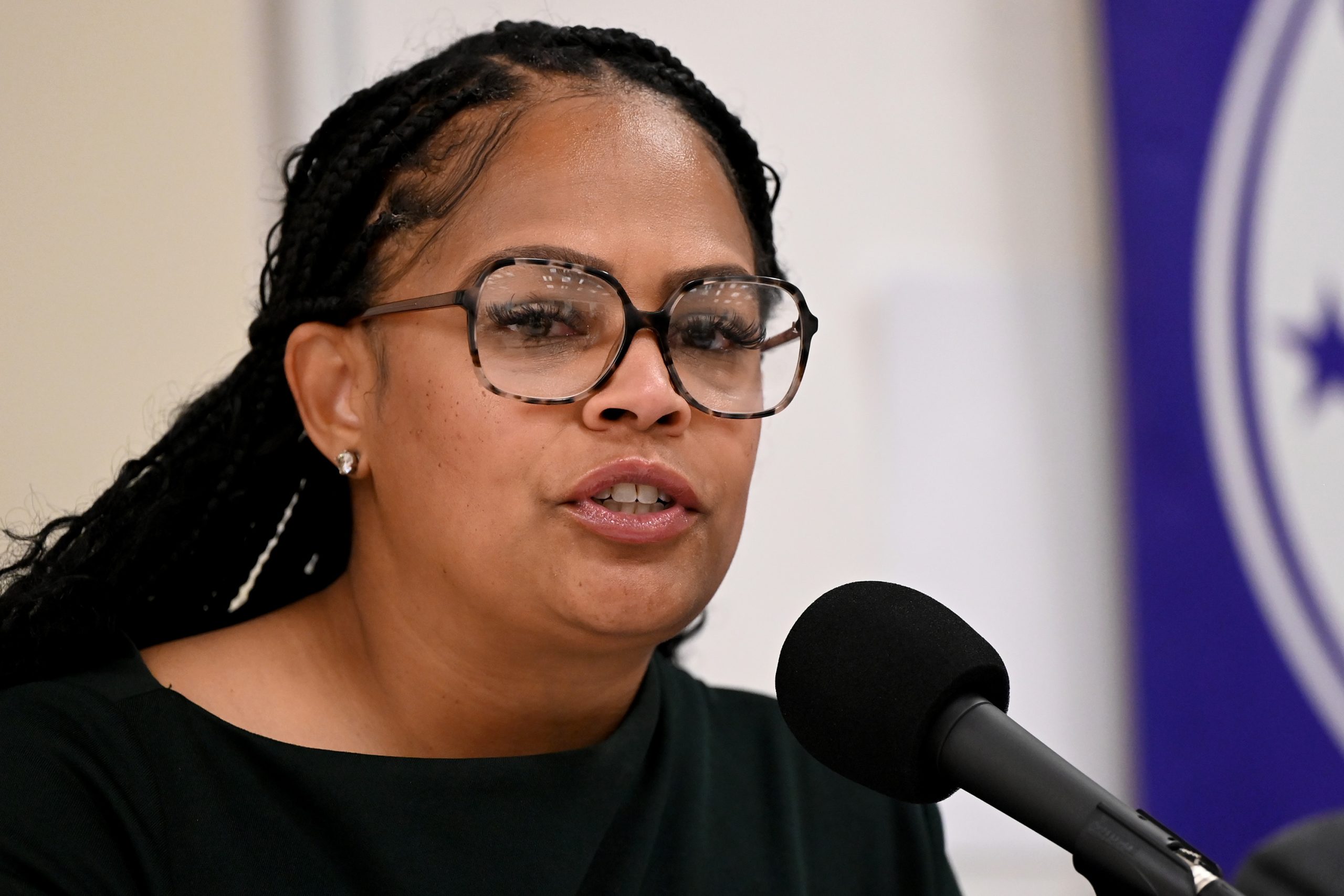
“Baby bonds have been a topic of a lot of focus because we all want to make sure that we are creating long-term economic mobility and really breaking the cycles of financial insecurity early,” said State Rep. Morgan Cephas, a Democrat whose district covers West Philadelphia. “So these are some models that we’ve been looking at … and are absolutely looking to do more.”
State Rep. Martina White, a Republican whose district covers Northeast Philadelphia, said Trump Accounts can be a “great tool for working families” and planned to look further into the concept of baby bonds.
Her initial preference, she said, would be to model baby bonds like a college endowment, in which the funding source for the program would come from interest or investment earnings, as opposed to directly from taxpayer dollars.
“I think that the fact that more legislative bodies and governments are looking into ways that we can provide the tools for working families to build their wealth — I think that’s phenomenal, and we should be doing more of that,” White said. “But also helping make sure that government is getting out of the way, too.”
Democratic State Rep. Morgan Cephas said baby bonds have been a focal point for her party “because we all want to make sure that we are creating long-term economic mobility.”Tom Gralish / Staff Photographer
Although baby bonds haven’t been proposed in Pennsylvania’s legislature, the state does have an early wealth initiative through its Keystone Scholars program, which puts $100 into an account that Pennsylvania students can use toward their education costs.
In Philadelphia, there aren’t any initiatives specifically targeting wealth building for children. But there are programs that aim to advance overall wealth access and accumulation. One of the latest is Philly Saves, which, upon implementation, would give workers a way to save for retirement if their current jobs don’t offer retirement plans.
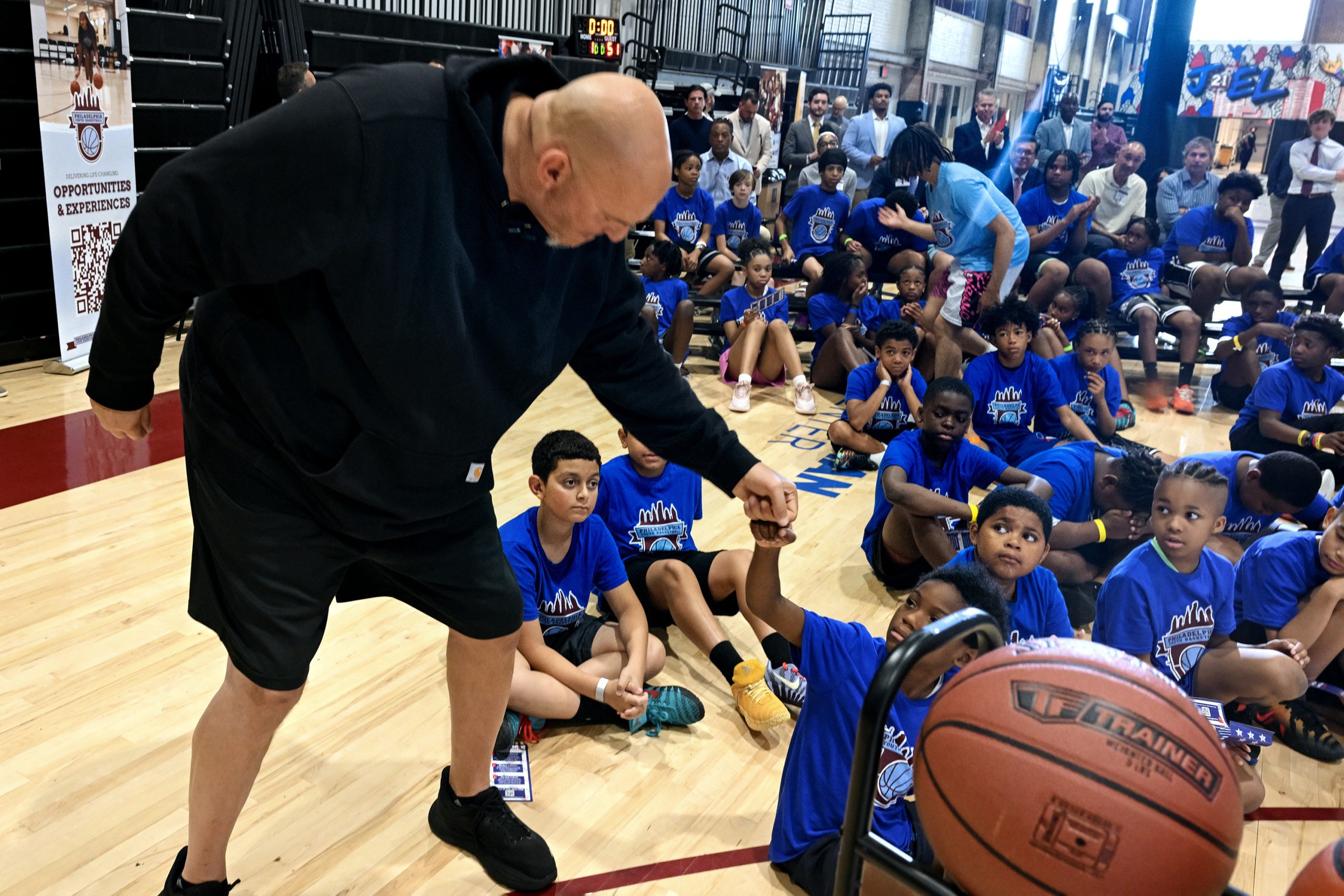
Last month, Sens. John Fetterman and Dave McCormick made a joint appearance in Nicetown, where they urged parents to sign up for Trump Accounts. Fetterman seemed to anticipate that some listeners might be dubious about the program and presume it is politically partisan because of its name.
“Do not fall into that political trap,” Fetterman said. “This isn’t some radical thing. … Do this for your child.”
Even if early wealth initiatives arrive soon in Pennsylvania, it may be too late to have a big impact on older children because the accounts need time to grow.
For Gravley, that means early wealth policies could impact her children but will likely yield larger sums for her future grandchildren. Gravley said she welcomes them as long as there’s some kind of financial literacy involved.
“If you give these children … $10,000 with no instructions, good luck with that,” she said. “It has to be instructions with it, but I think it could be a big stepping stone.”
Darity, the social scientist who helped conceive the idea for baby bonds, said early wealth accounts will have different maximum outcomes based on their design, even if they each grew at 1% above the inflation rate.
For instance, the baby bonds plan he coauthored would turn $60,000 into $72,000 over 18 years at that growth rate (no annual contributions allowed). A federal baby bonds plan proposed by New Jersey Sen. Cory Booker ($1,000 deposit; maximum yearly government contributions of $2,000) would grow to about $41,000 at those terms. For Trump Accounts, a $1,000 deposit and maximum yearly private contributions of $5,000 would grow to $100,000 in 18 years.
While Trump Accounts have the highest growth potential, low-income families who don’t have thousands to contribute annually won’t have “a transformative sum of money at the end of the 18 years,” Darity said.
Because both programs are still so new, we’re decades away from seeing the results of any long-term studies on the efficacy of baby bonds or Trump Accounts once participants reach adulthood. But research into other programs suggests that external interventions in wealth building can have positive outcomes.
For instance, a long-term study of Oklahoma’s SEED OK program found that newborns who randomly received $1,000 in state funds had, by age 14, higher educational expectations, greater social-emotional development, and more family-contributed savings for college compared with those who didn’t.
A 2015 global study of roughly 10,000 households found that asset interventions — like giving impoverished families an income-producing asset, cash assistance, and skills training — had positive economic outcomes well after the program stopped.
Those findings are part of a growing body of evidence from other asset-building experiments that “already points in a consistent direction,” said William Elliott, founding director of the Center on Assets, Education, and Inclusion at the University of Michigan.
That direction, Elliott said, indicates that early wealth accounts should be a pillar of a new social contract with Americans — especially in an age when higher education debt can stall wealth creation.
“The current policy setup strongly favors those who already have wealth,” Elliott said. “And so you don’t have meritocracy happening. To get there, you can’t just give [people] a job anymore, because there’s a gap between wages and productivity. You also have to give them some wealth to make their effort and ability pay off.”
During an appearance in Nicetown with Sen. Dave McCormick, Sen. John Fetterman urged parents to sign up for child wealth-building accounts.Tom Gralish / Staff Photographer
The landscape in Philadelphia
There are more than 300,000 Philadelphians living below the poverty line, according to Pew Charitable Trusts — that translates to about $33,000 annually for a family of four. While the poverty rate here has declined to 19.7% from 26% over the past decade, Philadelphia still has the second-highest poverty rate among large U.S. cities.
Other figures show the prevalence of low-income households in our city.
Gravley, the only worker in her household of four, makes about $40,000 annually.
Raising Pennsylvania’s minimum wage above $7.25 may help workers locally; all of the commonwealth’s neighboring states have higher wage floors. But it could also be untenable for some small businesses.
For Gravley, her home is an asset that could help her family long term, but there’s little it can do to improve her economic prospects today. Despite holding three degrees — an associate in culinary arts, an associate in early childhood education, and a bachelor’s degree in leadership and organizational change — she still regularly grapples with the challenge of making ends meet.
As a program coordinator at Strawberry Mansion High School, Gravley said her expenses are usually about $2,200 per month, which means she typically has about $100 per month for the high-yield savings accounts she manages for herself and her children.
At one point she invested in the stock market but pulled out because she didn’t understand it.
It’s been this way for more than a decade for Gravley. As a recipient of Supplemental Nutrition Assistance Program and Medicaid benefits, she is making enough to cover needs, but financial security and financial growth for her family appear largely out of reach.
“[Welfare] helps, but it’s nothing programmed to get me out of the food stamp thing. Because you tell me to get the degrees and get the better job, and I’m trying to do that, or I did that, and it’s still not enough money. So where is the money?”
Jared Council is a business journalist based in Philadelphia. He was part of a team at the Wall Street Journal recognized as a finalist for the 2022 Pulitzer Prize in explanatory reporting for a series about the 1921 Tulsa Massacre. He is currently a program manager at Every Voice, Every Vote, a civic information and engagement program at the Lenfest Institute for Journalism.
The Inquirer is one of two dozen news organizations powering the Philadelphia Journalism Collaborative. Follow us at @PHLJournoCollab. This article is part of a national initiative exploring how geography, policy, and local conditions influence access to opportunity. Find more stories at economicopportunitylab.com.