Nearly 6 million Reading Terminal Market visitors, a mix of locals and tourists, spent $1.2 billion in Philadelphia last year, according to a new study on the economic impact of the historic Center City market.
It’s the first time the nonprofit Reading Terminal Market Corp. has commissioned such a report, and the stats solidify the market’s status as “a beloved civic institution, and a powerful and vital economic engine for Philadelphia and Pennsylvania,” said Annie Allman, CEO and general manager. With the report, Allman said she is encouraging “continued investment in the market, its merchants, and its infrastructure.”
It highlighted the market’s importance to lower-income residents, with 18 Reading Terminal merchants accepting SNAP and EBT benefits. This accounts for about 55% of the Center City merchants who accept food-assistance programs, according to the report. Reading Terminal Market is considered the largest EBT- and SNAP- redemption location in Pennsylvania.
“Every dollar spent here is a dollar invested in Philadelphia — in our merchants, our hospitality industry, our neighbors, and our future,” Allman said in a statement.
The “Feeding the City, Fueling the Economy” report — released Tuesday and conducted by the Philadelphia firm Econsult Solutions at Reading Terminal Market Corp.’s request — found that the market has contributed about $126 million worth of annual economic activity to the city of Philadelphia and $146 million to the Commonwealth of Pennsylvania. These figures include direct spending at the market’s more than 75 vendors, as well as the subsequent spending by those vendors and the employees they pay.
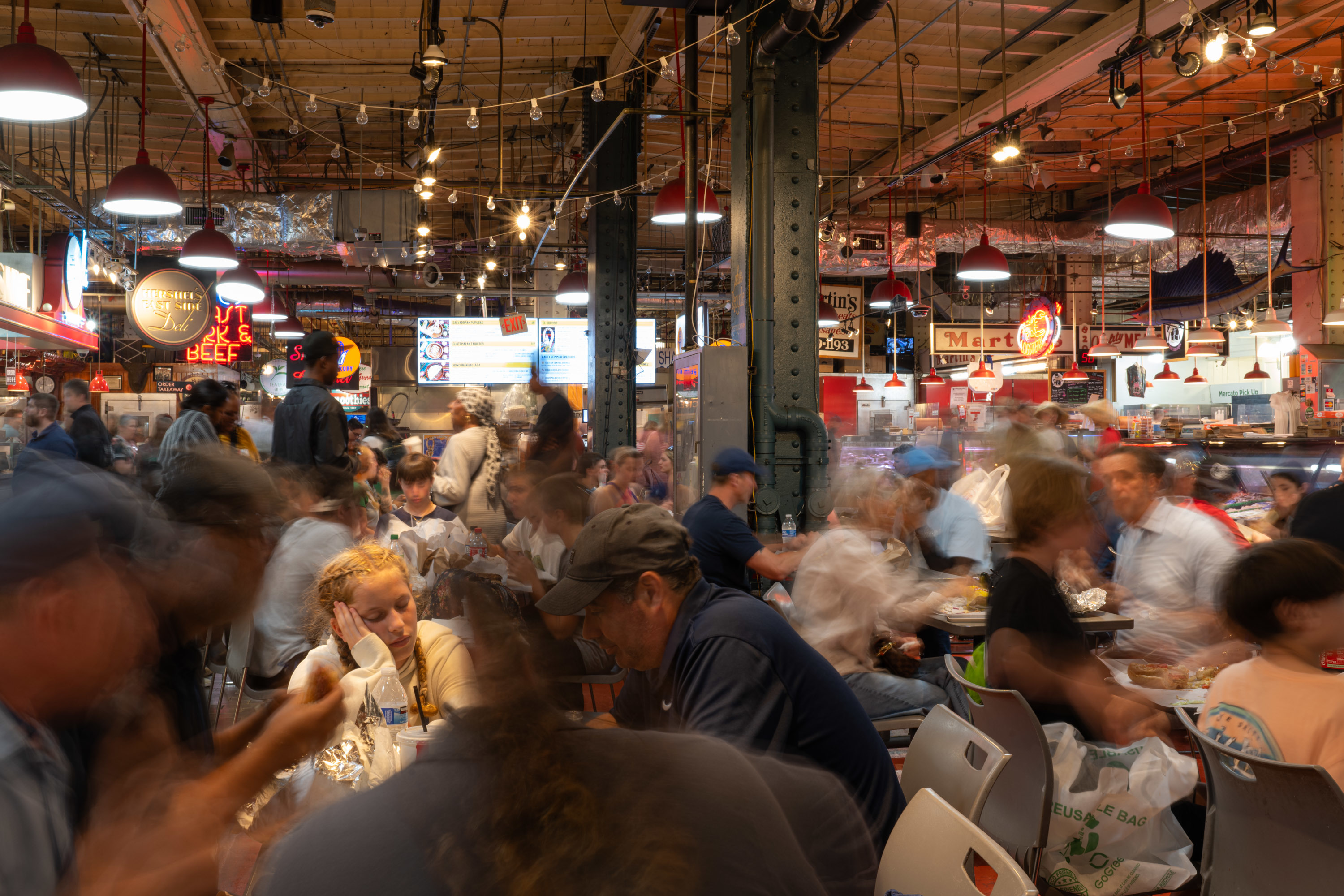
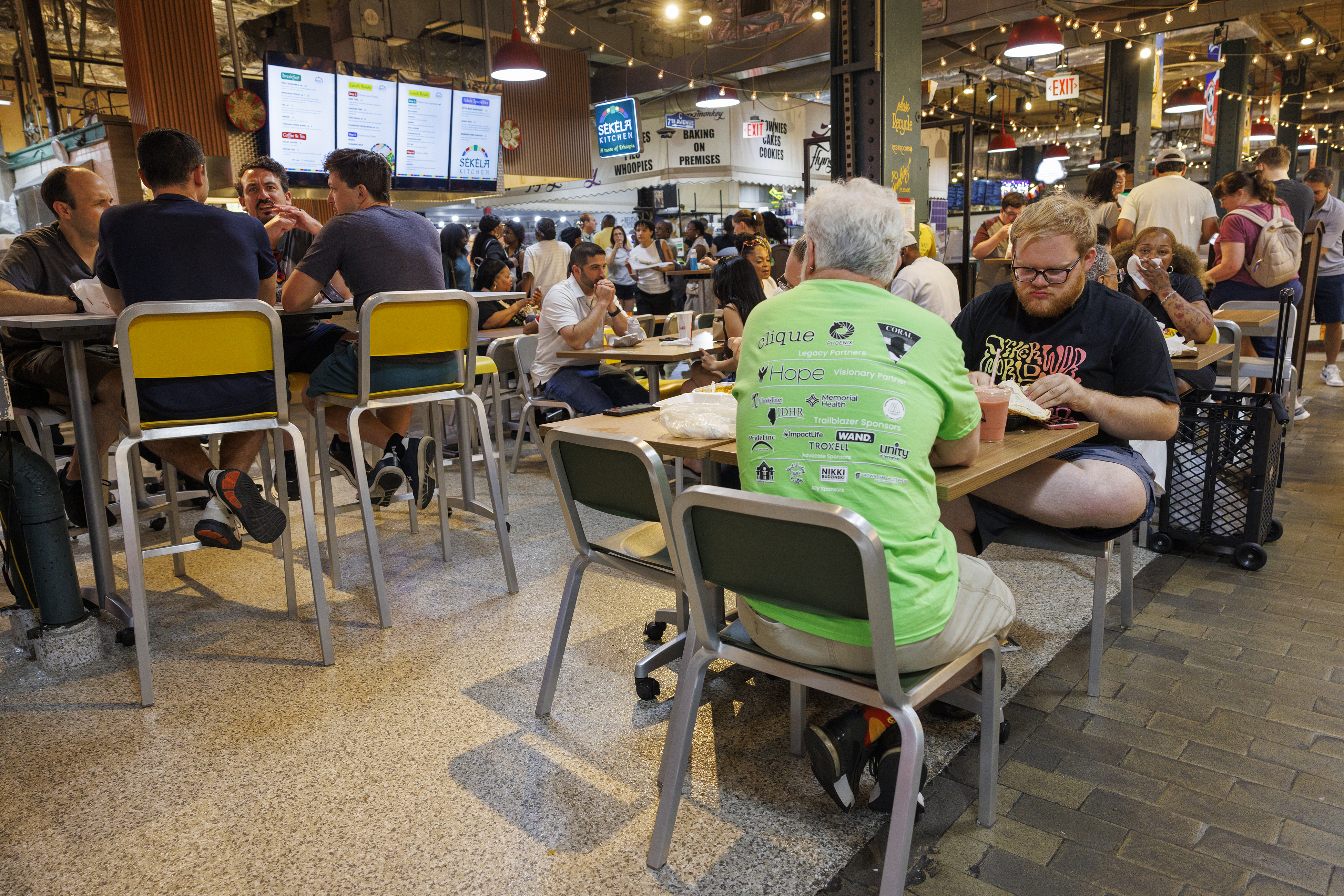
Diners at the Reading Terminal Market in June.Alejandro A. Alvarez / Staff Photographer
The new report found just over half of the market’s visitors last year, 3.1 million customers, were visitors staying overnight in the region, while the rest were Philly-area residents.
Some Reading Terminal customers may have first heard of the market online, on a podcast, or on TV and streaming programs: The report found that Reading Terminal reached 10.8 billion people through these kinds of media mentions, equaling $81 million in “publicity value.”
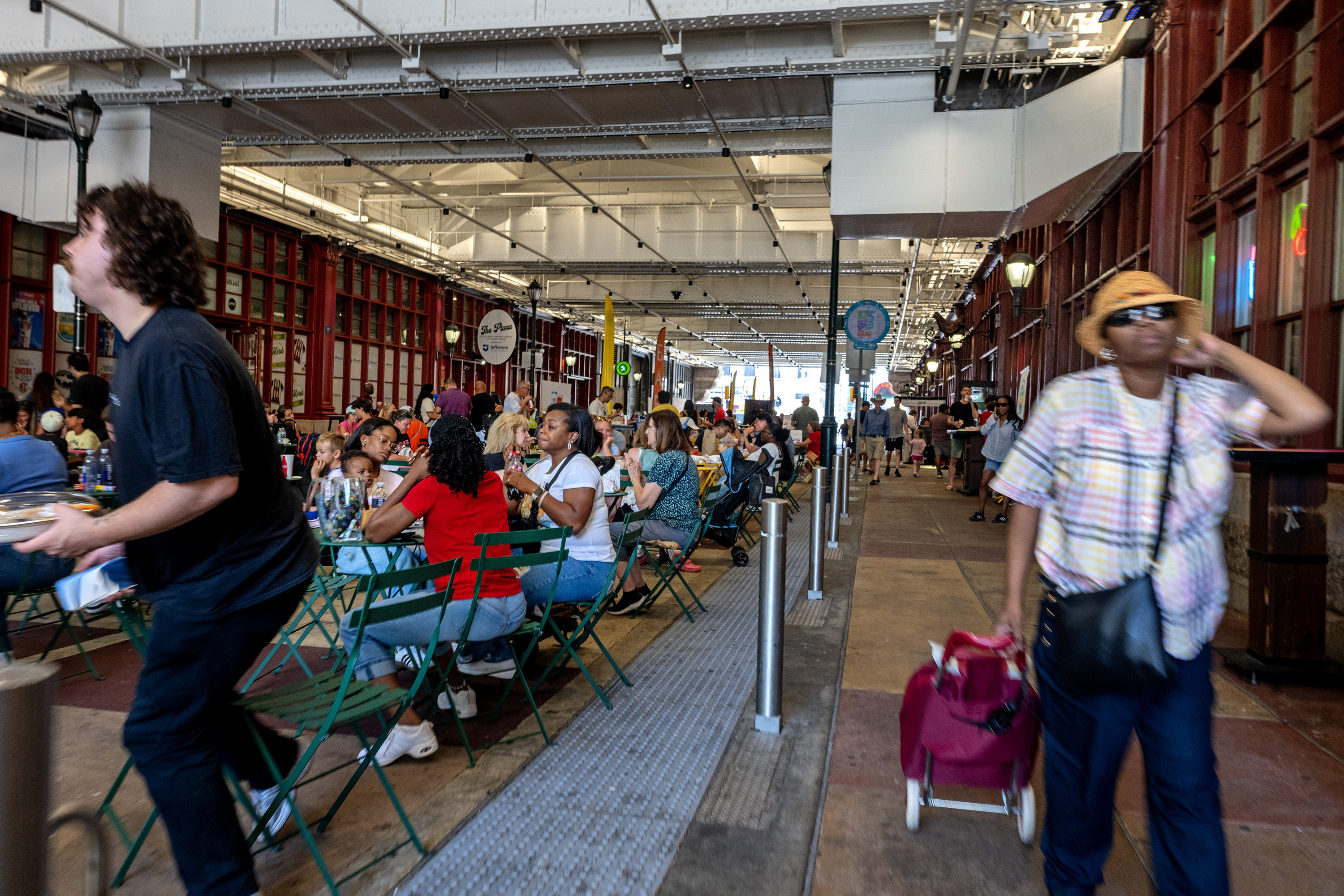
People enjoy the pop-up outdoor area on Filbert Street at Reading Terminal Market in July. Tom Gralish / Staff Photographer
Between the market’s merchants and the corporation that runs it, Reading Terminal pays nearly 700 full-time-equivalent employees a combined $39 million a year, according to the report.
And market partners spend about $6.1 million a year on capital improvements, which include mechanical, plumbing, and electrical upgrades, as well as larger undertakings like the 2022 Filbert Street Project that added 15,000 square feet of pedestrian-friendly outdoor space.
Founded in 1893, Reading Terminal is one of the country’s oldest continuously operating markets. Spanning nearly 80,000 square feet along 12th Street, between Arch and Filbert Streets, the market sells everything from fresh produce and seafood to meats and homemade baked goods.
At its quick-service restaurants, customers can find Caribbean cuisine, Asian street food, Filipino-fusion eats, Thai food, falafel, cheesesteaks, and vegan bites.
Allman, CEO and general manager, said 2026 “brought unprecedented global attention” to Philadelphia. This summer, the city hosted the World Cup, America’s 250th birthday celebrations, and the MLB All-Star Game. Any economic impact those events had on Reading Terminal Market, however, would be reflected in next year’s report.
Correction: This story has been updated to reflect that $1.2 billion is the estimated total spend by Reading Terminal Market visitors in Philadelphia, not in the market alone. It also reflects how much market partners spent on capital improvements.
Parks and Recreation Commissioner Susan Slawson said she approved renovations to FDR Park’s Ashburn Field without required statepermitting because she wanted renovations to be complete by the MLB All-Star Game.
The missingpermit was designed to address erosion control and stormwater release at the site.
“We were mindful of the waterways and natural areas within FDR Park,” Slawson said of the decision. “All erosion and sediment controls were in place during construction, and safety was never an issue.”
Slawson told WHYY last week that approving projects without proper permits is not how the department “typically” handles projects, but she allowed the work to proceed “to accommodate the MLB All-Star Game.”
Typically, state law supersedes city approvals.
The city’s parks department actively manages “the natural areas within FDR[Park]to protect water quality and support healthy natural systems while balancing the park’s important role in active recreation,” Slawson said.
Missing permits
In the lead up to the MLB All-Star Game,which took place in July at Citizens Bank Park, the MLB and the city partnered to renovate the 28-year-oldAshburn Field.
However,as first reported by The Inquirer last month, the Phillies and the city did not receive a required permit from the state’s Department of Environmental Protection. The permit was designed to address erosion control and stormwater release at the site.
The Phillies applied for the permit May 13, according to the Department of Environmental Protection’s website. Nearly two weeks later, the department sent the Phillies a letter denying the permit, citing 32 issues the team would need to address before receiving the permit to continue renovations. That letter noted that final plan drawings had not been submitted, other drawings failed to include the project’s boundary, and not all water discharge areas were noted.
A local engineering firm hired by the Phillies responded in June to the May letter.
On July 7, the Department of Environmental Protection sent another letter to the Phillies noting technical deficiencies. It sent another letter July 24, about two weeks after the ribbon cutting, noting an outstanding deficiencyandadvisingthe Phillies to resubmit information in coordination with the Philadelphia Water Department.
What’s next
Bonnie Clark, a spokesperson for the Phillies, said the team metwith the Water Department last week and was continuing to remedy issues to obtain the permit.
The permit is still pending on the Department of Environmental Protection website. DEP spokesperson Robyn Briggs declined to comment on possible enforcement actions or penalties as internal deliberations continue.
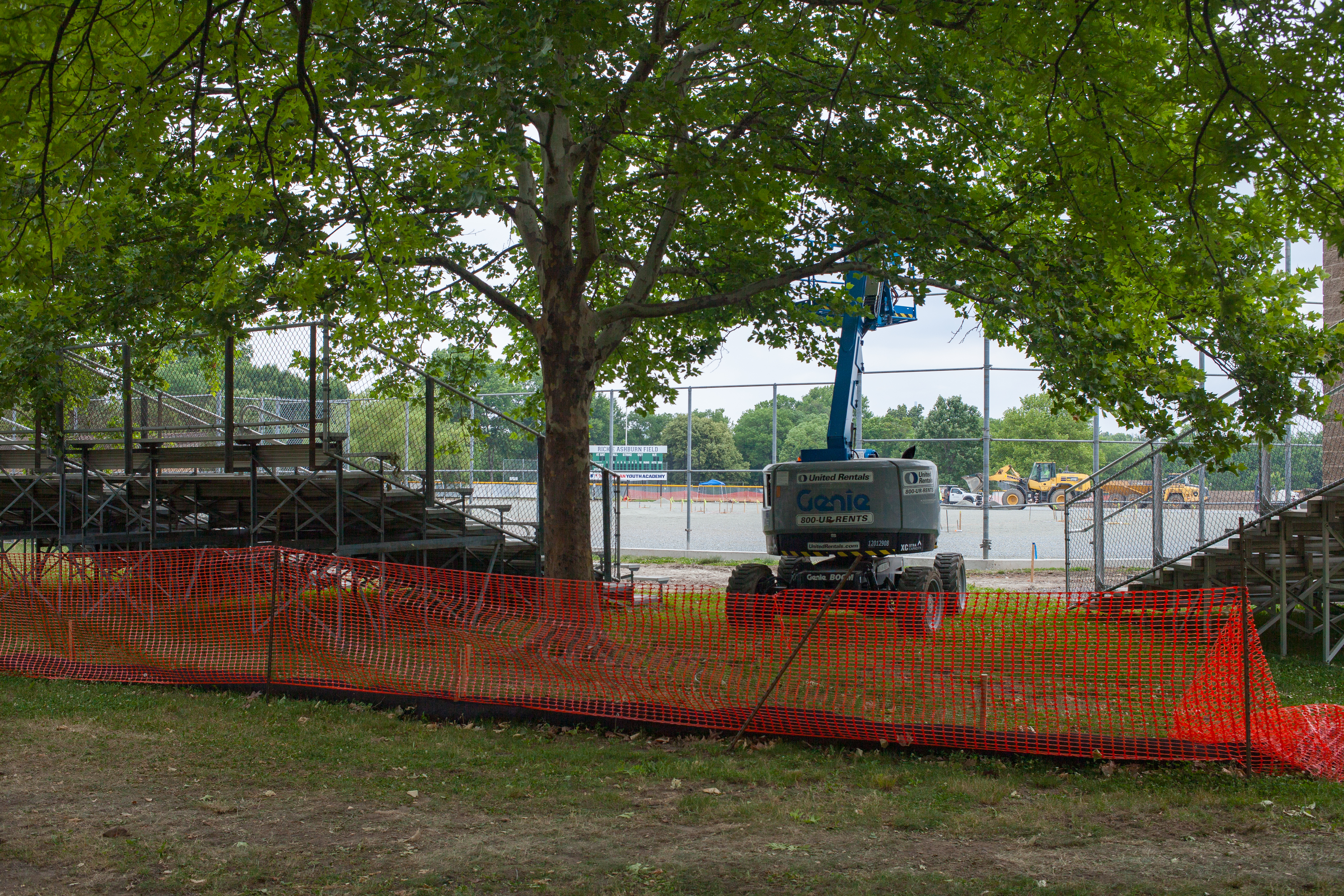
The Philadelphia Phillies installed artificial turf atAshburn Field in FDR Park in July but still have not obtained a required state permit, according to Pennsylvania Department of Environmental Protection records.
Major League Baseball and Phillies Charities Inc. held a ribbon-cutting for the renovated field, named after Hall of Famer Richie Ashburn, on July 10. It was part of festivities leading up to the MLB All-Star Game.
The renovation of the decades-old field included removing natural grass in favor of a “high-performance synthetic turf system and upgraded drainage” at the five-acre complex, according to an MLB news release.
However, documents from the Pennsylvania Department of Environmental Protection (DEP) show that the Phillies never obtained the required permit designed to address erosion control and stormwater release at the site.
Under Pennsylvania law, anyone disturbingmore than one acre of ground is required to obtain a permit for stormwater discharges before beginning the work andexplain how the work will affect drainage going forward.
DEP spokesperson Robyn Briggs said in an e-mailed statement that the agency is “currently reviewing the Phillies’ permit application and the compliance situation at the site. Because this matter is still under review, DEP cannot comment on whether any enforcement action or penalty will be taken.”
The permit review is listed as “paused,” the statement said, because the DEP is still waiting for the Phillies to address outstanding issues.
“Once the necessary information is received, DEP can continue its review,” the statement said.
City approval?
Bonnie Clark, a spokesperson for the Phillies, said in an e-mailed statement that “the recent upgrades to Richie Ashburn Field were undertaken in coordination with the city and relevant governmental agencies.”
Clark said the city authorized the work to proceed while permit applications were in process so the upgraded field could host All-Star Week events.
“We expect to obtain all necessary final approvals as early as next week,” Clark said.
Clark did not specify who at the city, or what department, the Phillies were working with. City officials did not respond to requests for comment.
When asked if this was proper procedure, Briggs reiterated that the DEP is “reviewing the compliance situation at the site” and noted the state law that requires the stormwater permit for construction-related earth disturbance.
Typically, state law supersedes city authority.
What is Ashburn Field?
Ashburn Field was part of an investment MLB made in Philadelphia’s youth baseball community for the 1996 All-Star Game. The field, owned by Philadelphia as part of its park system, is managed by the Phillies. It is the first large turf field installed at FDR Park.
MLB said the newly renovated field will serve about 8,000 participants in the Phillies Reviving Baseball in Inner Cities and Youth Academy programs, “while providing a weather-resistant playing surface in an area where rain often forces cancellations.”
On May 27, the DEP sent a letter to the Phillies notifying the team that it needed additional information and logged 32 items that needed to be addressed, according to documents obtained by The Inquirer. That letter noted that final plan drawings had not been submitted, other drawings failed to include the project’s boundary, and not all water discharge areas were noted.
A local engineering firm hired by the Phillies responded in June to each point.
On July 7, the DEP sent another letter to the Phillies again noting technical deficiencies. And it sent another letter on July 24, about two weeks after the ribbon cutting, noting an outstanding deficiencyandtelling the Phillies to resubmit information in coordination with the Philadelphia Water Department.
Adding artificial turf to Ashburn Field is the latest in a yearslong debate about changes to FDR Park.
In 2019, the city’s parks and recreation department released a master plan to overhaul FDR Park, including theinstallation of 12 artificial turf fields in the footprint of a former golf course. (Those fields are separate from Ashburn Field.)
The department said average rainfall left sections of the park unusable for days because of frequent flooding. Officials predicted that flooding would only worsen because of climate changeand saidartificial turf fields would provide better flood control. The plan would require cutting down dozens of trees.
But that was pre-pandemic.
As COVID restrictions shut down the world, the golf course returned to a wild state and became a beloved space by dog owners, hikers, and birders. They nicknamed the space “the Meadows.”
Local opposition to the city’s plan grew, with critics objecting to the use of artificial turf amid natural lands. A grassroots group of South Philadelphians formed the Coalition to Save the Meadows, which has been vocal in its efforts to stop the park overhaul.
At the same time, the fields drew support from youth athletic clubs.
In March 2024, 11 South Philly residents filed suit calling for a stop on all work across FDR Park.
In May, Orphans’ Court Judge Sheila Woods-Skipper denied the critics’request to temporarily stop work on the park as the trial played out.
In a recent social media post, the Coalition to Save the Meadows asked why the Phillies were allowed to move forward on Ashburn Field without the permit.
“PA DEP regulations and permitting requirements exist for a reason: to protect our waterways, watershed, and the people and wildlife that depend on them,” the post read. “So how was this project allowed to move forward without a permit — and will there be consequences?”
A legacy of artificial turf
Although Citizens Bank Park, the home of the Phillies, has a natural grass field, the team is no stranger to artificial turf.
The article noted that the death of former Phillie David West in 2022 came at a time when there was growing scientific concern about the perils of PFAS, known as “forever chemicals” because of their resistance to breaking down.
PFAS were used to make the AstroTurf that was used at Veterans Stadium. The Vet opened in 1971 and was demolished in 2004.
For Ashburn Field, the Phillies also installed AstroTurf. However, AstroTurf says on its website that it now uses a PFAS-free formula. A company news release on Ashburn Field said the infill for the new turf uses an organic material made from cork and olive.
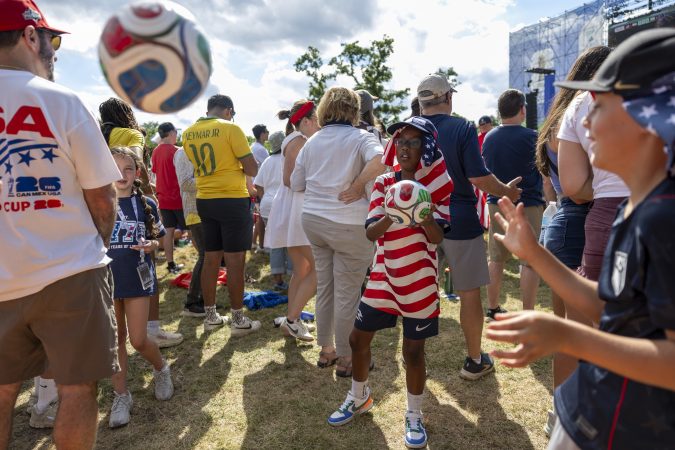
As the afterglow of the world’s largest sports tournament and the country’s formal 250th birthday party in Philadelphia fades, the city is returning to its regularly scheduled programming.
But those months of celebrations came with significant investments into the city: building up the Benjamin Franklin Parkway, hosting Grammy Award-winning stars, renovating Lemon Hill to welcome half a million people, and, of course, the cleaning and maintenance work that made Philadelphia look fresher than it has in years.
SEPTA and the city partnered to landscape and beautify major traffic intersections, sometimes with a new mural provided by Mural Arts Philadelphia. SEPTA stations alsoreceived a much-needed deep clean and graffiti removal, all before and during the summer celebrations.
PHLASH buses got an extra stop to get to Lemon Hill; fans got free rides on the Broad Street Line after World Cup games. And, just as the international fans packed up their bags to head home, it’s time for many of those features to go, too.
But what about all the things staying in Philly? The city is not getting just generational memories and a summer party out of the deal. Here are some of the major legacy projects remaining in Philadelphia for years to come, perhaps even until the tercentennial celebration in 2076.
(function(){function e(){window.addEventListener(`message`,function(e){if(e.data[`datawrapper-height`]!==void 0){var t=document.querySelectorAll(`iframe`);for(var n in e.data[`datawrapper-height`])for(var r=0,i;i=t[r];r++)if(i.contentWindow===e.source){var a=e.data[`datawrapper-height`][n]+`px`;i.style.height=a}}})}e()})();
New mini soccer pitches across Pennsylvania
Location: Throughout Pennsylvania.
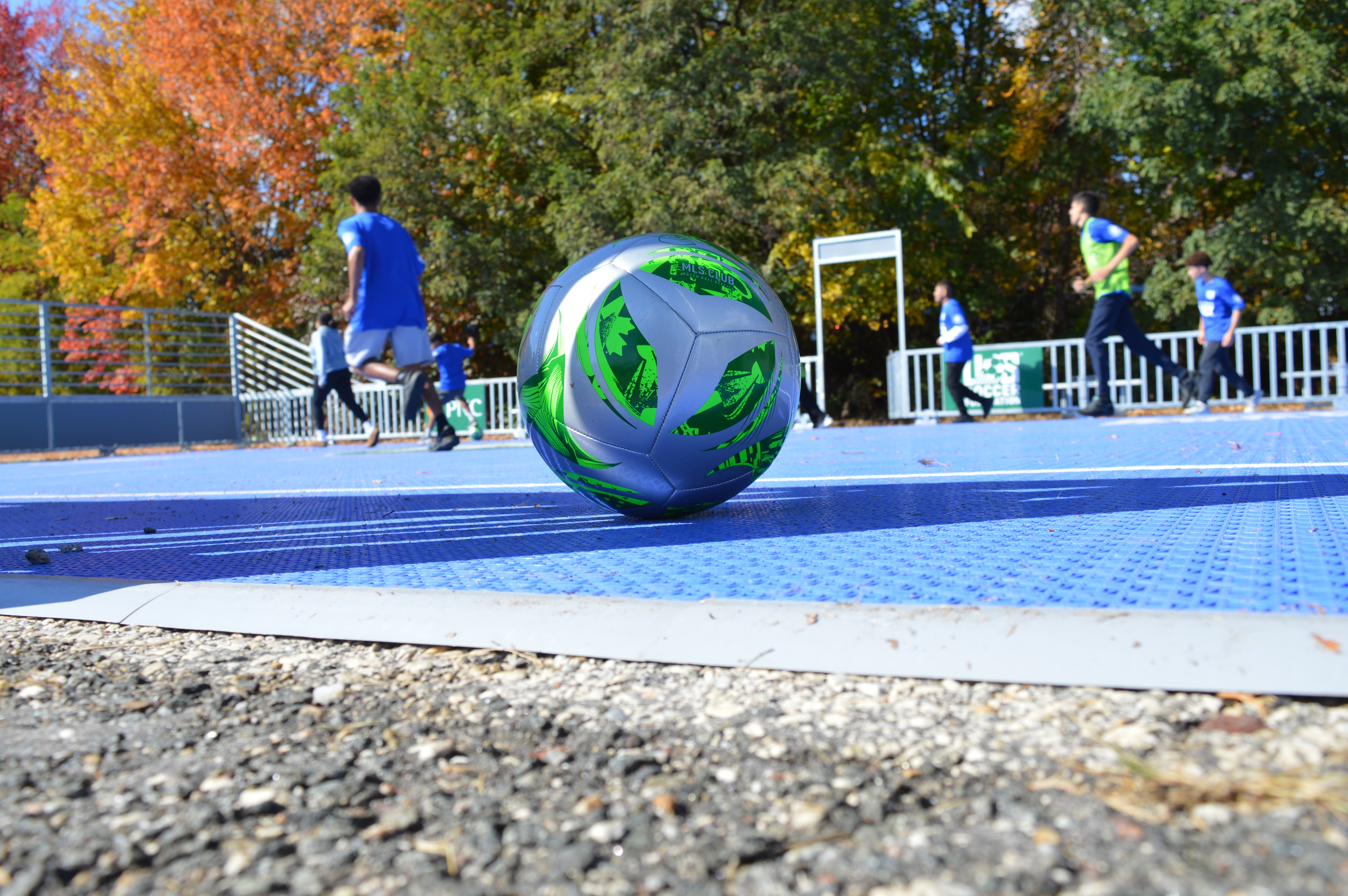
The project: How does the United States grow the next crop of elite soccer players? By making it easier to play soccer starting at a young age. At least 13 mini soccer pitches are being installed at schools, recreation centers, and parks across Pennsylvania.
The first two of Philly’s mini pitches were installed at West Oak Lane’s Building 21 and the Swenson Arts and Technology High School in Northeast Philadelphia. According to the U.S. Soccer Foundation, which is overseeing the project, each mini pitch costs $150,000 to install.
The U.S. Soccer Foundation has committed $2 million to install mini-soccer fields like this one in Northeast Philadelphia ahead of the 2026 FIFA World Cup.Kerith Gabriel
Who is behind it: The city and several nonprofits and private companies are backing this initiative, mostly through a $2 million investment from Philadelphia Soccer 2026, the city’s host committee for the 2026 men’s World Cup. Additional backers include the Philadelphia School District, Independence Blue Cross, and Comcast, among others. The U.S. Soccer Foundation is administering the funds and overseeing the installation of the pitches.
The project: The transformation of Fishtown’s TipTop Playground into two mini, enclosed turf soccer pitches, with additional event space and field lighting for night play. The pitches are now open for kids and adults.
Fishtown’s street soccer park will host leagues, free training clinics, and youth soccer programs. Casual pickup soccer is available outside of scheduled programming, led by Street Soccer USA, the organization that helps run such soccer parks across the country.
Who is behind it: You guessed it: Bank of America and Visa. Street Soccer USA will run programming at the park in collaboration with local groups.
Lemon Hill Park
FIFA President Gianni Infantino, center, will visit Lemon Hill Park on Thursday, April 10 for an operational planning tour of Philadelphia Soccer 2026’s FIFA Fan Festival siteJose F. Moreno / Staff Photographer
Location: Sedgley Drive and North Lemon Hill Drive.
The project: Lemon Hill Park received some updates ahead of hosting the official FIFA Fan Festival, and is now getting a much-needed makeover after 39 days of World Cup festivities. The restoration of the grass is underway, with more permanent amenities soon to be constructed.
Some upgrades are complete:
Other upgrades are coming soon:
Who is behind it: Philadelphia Soccer 2026 is committing $4 million to park upgrades, with help from the city, to repair the grass fields, bring new modern amenities to parts of the park, and outfit the space with new electrical service, provided by Peco, to prepare for future large events.
FDR Park’s Ashburn Field
The MLB is renovating Ashburn Field in FDR Park, a city field managed and maintained by the Phillies that hosts a variety of youth baseball programs.Colin Evans / For The Inquirer
Location: 1500 Pattison Ave.
The project: Ashburn Field at FDR Park has been resurfaced with a new turf field, meant to better handle wet weather conditions. The 135,000-square-foot field was built in 1998, using funds generated from the 1996 MLB All-Star Game in Philadelphia.
Who is behind it: Major League Baseball and the Phillies, as part of a combined investment of more than $5 million in various projects tied to the 2026 MLB All-Star Game, including revitalizing the Negro Leagues Memorial Park and mural at 44th Street and Parkside Avenue in West Philly.
Independence National Historical Park
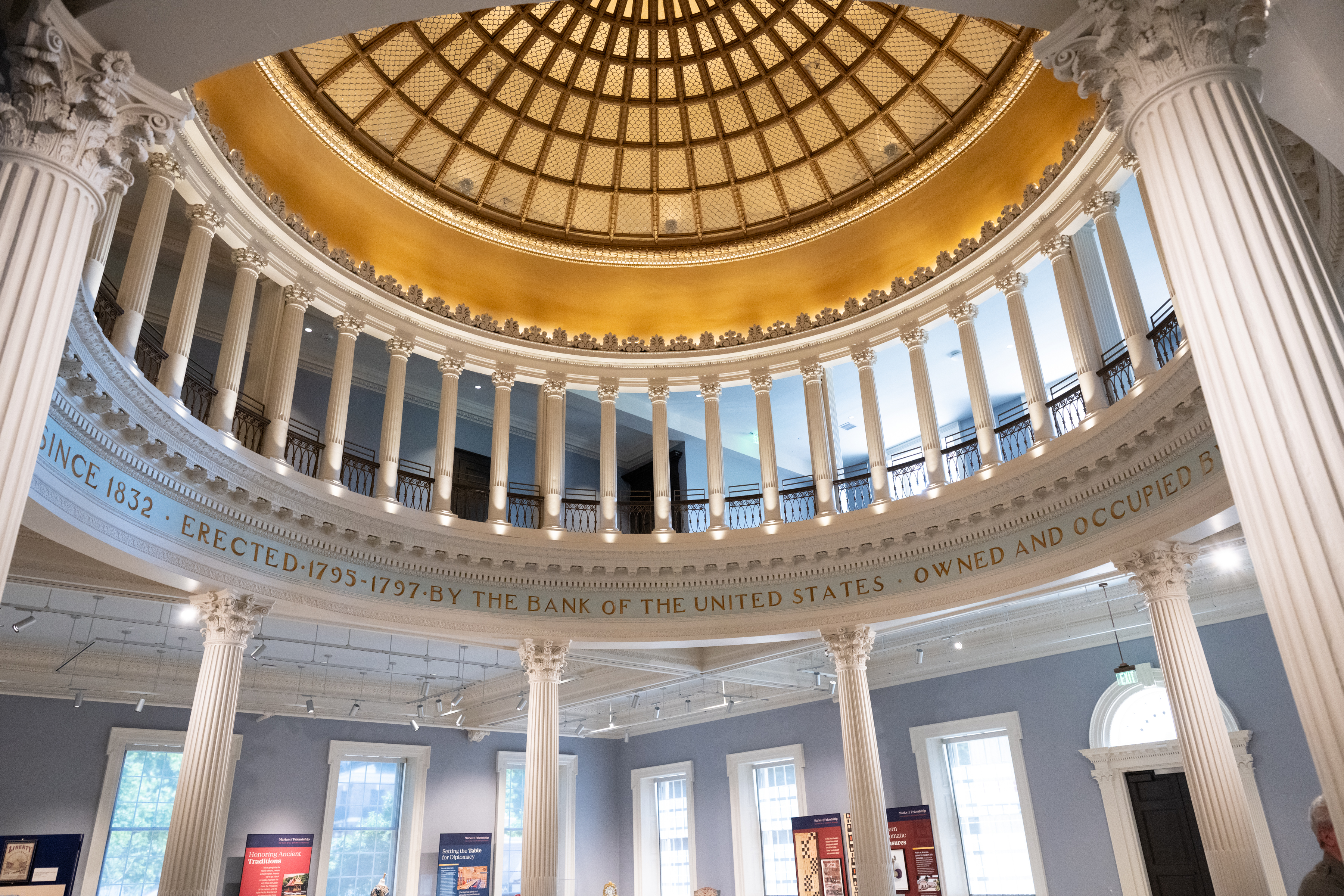
The rotunda inside the First Bank of the United States is pictured on Monday, June 29, 2026 in Philadelphia.Erin Blewett / For The Inquirer
Location: 599 Market St.
The project: Several improvements have already come to Independence National Historical Park and Independence Mall to commemorate the nation’s Semiquincentennial, and more are on the way. They include:
A $3.9 million “Join or Die” sculpture on Independence Mall, inspired by the truncated snake in Benjamin Franklin’s cartoon of the same name. The 46-foot-long granite work is expected to be unveiled this fall.
Beautification and horticultural work. This includes work at the Benjamin Rush Garden at Third and Walnut Streets, which showcases the 1976 Bicentennial Bell, a 10-ton Liberty Bell replica gifted by Queen Elizabeth II.
The reopening of the First Bank of the United States, on Third Street between Walnut and Chestnut Streets. The bank had been closed for 50 years but is now open for visitors thanks to a $43 million renovation.
Who is behind it: Independence Historical Trust, the city, the state, private foundations, philanthropists, and legacy groups.
Germantown Historical Society Visitor Center
Location: 5501 Germantown Ave.
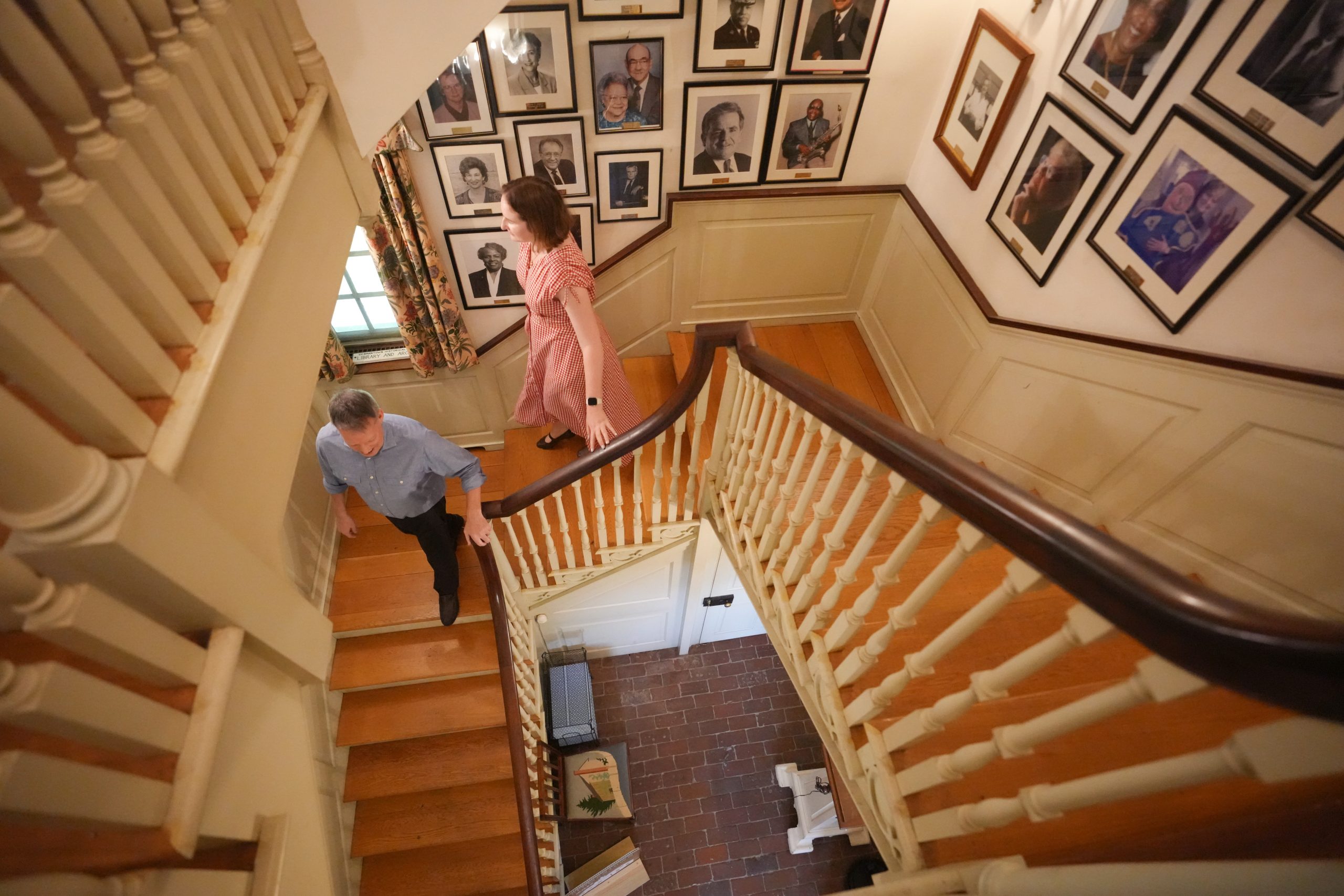
Tuomi Forrest, executive director at the Germantown Historical Society, and Kaila Temple, curator of collections at GHS, at the Germantown Historical Society building located at 5501 Germantown Ave. in Philadelphia, July 21, 2026.Jessica Griffin / Staff Photographer
The project: The Germantown Historical Society has its first visitors center, thanks to a $100,000 renovation of a section of its headquarters. It is modest but will host rotating exhibits, maps and pamphlets, and a gift shop.
Historic Germantown consists of various landmarks and attractions in Northwest Philly, including the Aces Veterans Museum, Awbury Arboretum, and the Germantown White House, where George Washington once lived.
Who is behind it: The Funder Collaborative for the Semiquincentennial, a philanthropic group organized by the Connelly Foundation that donated to many initiatives and projects related to the 250th anniversary celebration.
When Mayor Cherelle L. Parker faced questions about spending on Philadelphia’s Fourth of July concert, she promised a “fiscal impact report” that would help determine how the economic benefits of the concert and other major events in Philadelphia during 2026 compared with their cost to city taxpayers.
It turns out the city will have to spend a bit more taxpayer money to get to the bottom of that inquiry.
The finance department is looking to hire a consulting firm for up to $75,000 to provide “economic analysis services to better understand the economic and fiscal impact of Philadelphia’s 2026 events and related activity on the local economy,” according to a contract opportunity posted on the city’s website last week. Responses are due Aug. 5.
The contract solicitation calls for an evaluation of “event-related visitation, tourism activity, and associated economic activity” and estimates of “state and local tax revenues generated by event-related economic activity,” among other things. But it does not ask the consultant to produce an accounting of the city’s spending on those events.
Andrew Richman, a top attorney in the city law department, said the administration will also produce an analysis of the city’s spending related to the major events hosted in Philly during 2026, including the nation’s 250th birthday, FIFA World Cup games, and the MLB All-Star Game.
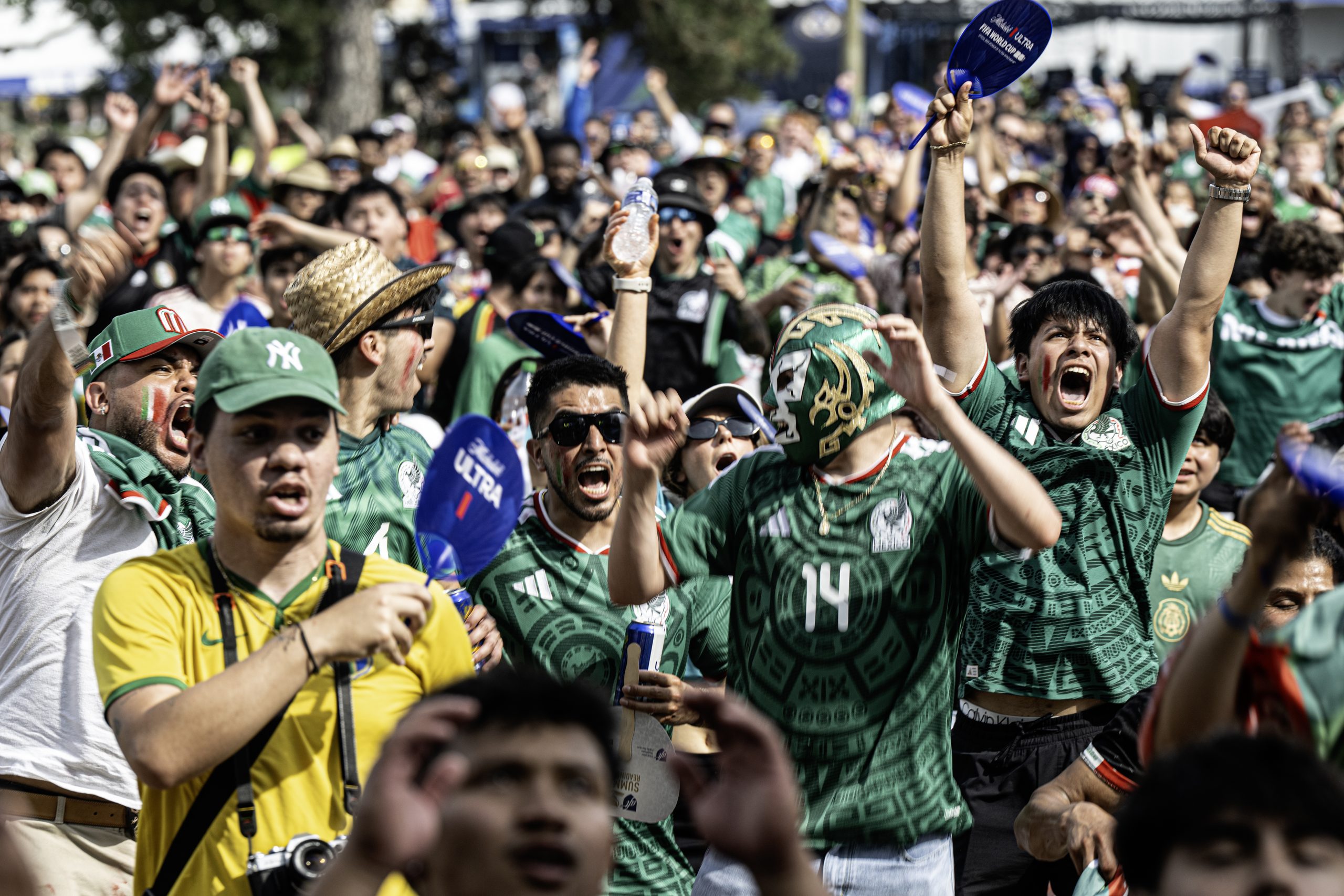
Fans celebrate after Mexico scores against South Africa while watching the FIFA World Cup opening match on a giant screen during the opening day of the FIFA Fan Festival at Lemon Hill on Thursday, June 11, 2026, in Philadelphia.Jose F. Moreno / Staff Photographer
“As a standard operating procedure in the Parker administration, there will be financial accounting that details every dollar and cent spent on 2026-related activities, analysis including all expenses, and economic impact of all activities and investments associated with 2026,” Richman said.
The mayor’s office did not respond to a request for comment on when that accounting will take place.
Parker instead hired ESM Productions, a for-profit company led by well-known concert producer Scott Mirkin, and renamed the event the “One Philly: Unity Concert for America,” a version of her slogan, “One Philly: A United City.”
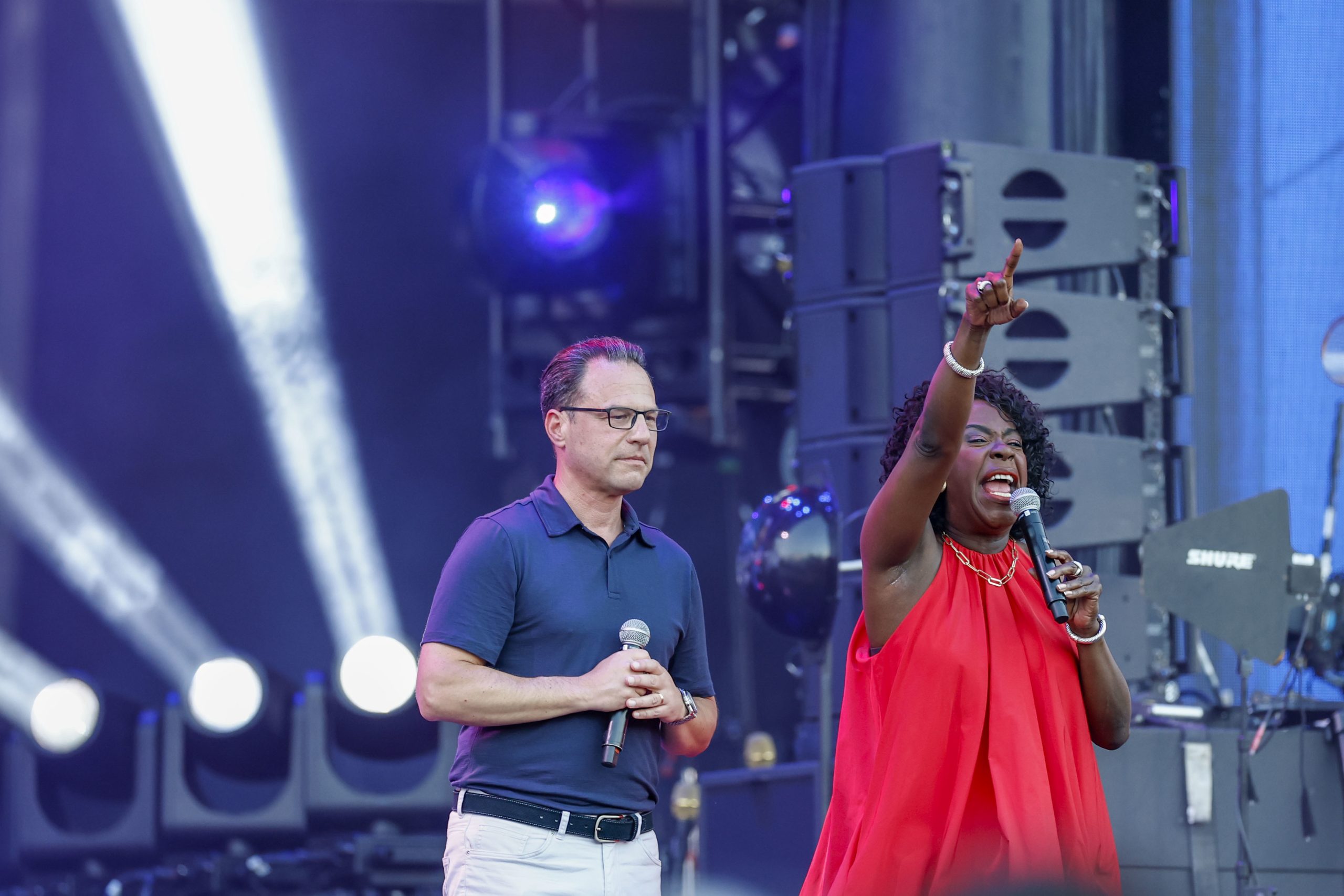
Pennsylvania Governor Josh Shapiro and Philadlephia Mayor Cherelle L. Parker at the One Philly: Unity Concert for America on the Benjamin Franklin Parkway on Saturday, July 4, 2026, in Philadelphia.Yong Kim / Staff Photographer
The changes resulted in a much more expensive concert than in years past. The city agreed to pay ESM about $15.5 million to put on the show, The Inquirer reported after obtaining the contract. The previous year’s concert cost Welcome America about $3 million, a source with knowledge of the event told The Inquirer.
Those sums did not include costs related to city employees, such as sanitation workers and overtime for police officers who worked the event.
The city’s coming analyses, however, will include all of 2026’s major events, not just the concert.
Parker has said her administration will spend $120 million on this year’s celebrations, and she has pledged to ensure communities across Philadelphia, not just Center City, benefit from the investment, which includes beautification projects in neighborhood commercial corridors and funding for block parties and events across the city. The administration has not yet provided details on how much was dedicated to the concert or any other specific event this year.
“At the end of our celebration, you will be able to see an accounting of how that $120 million was spent,” Parker said at a July 1 news conference.
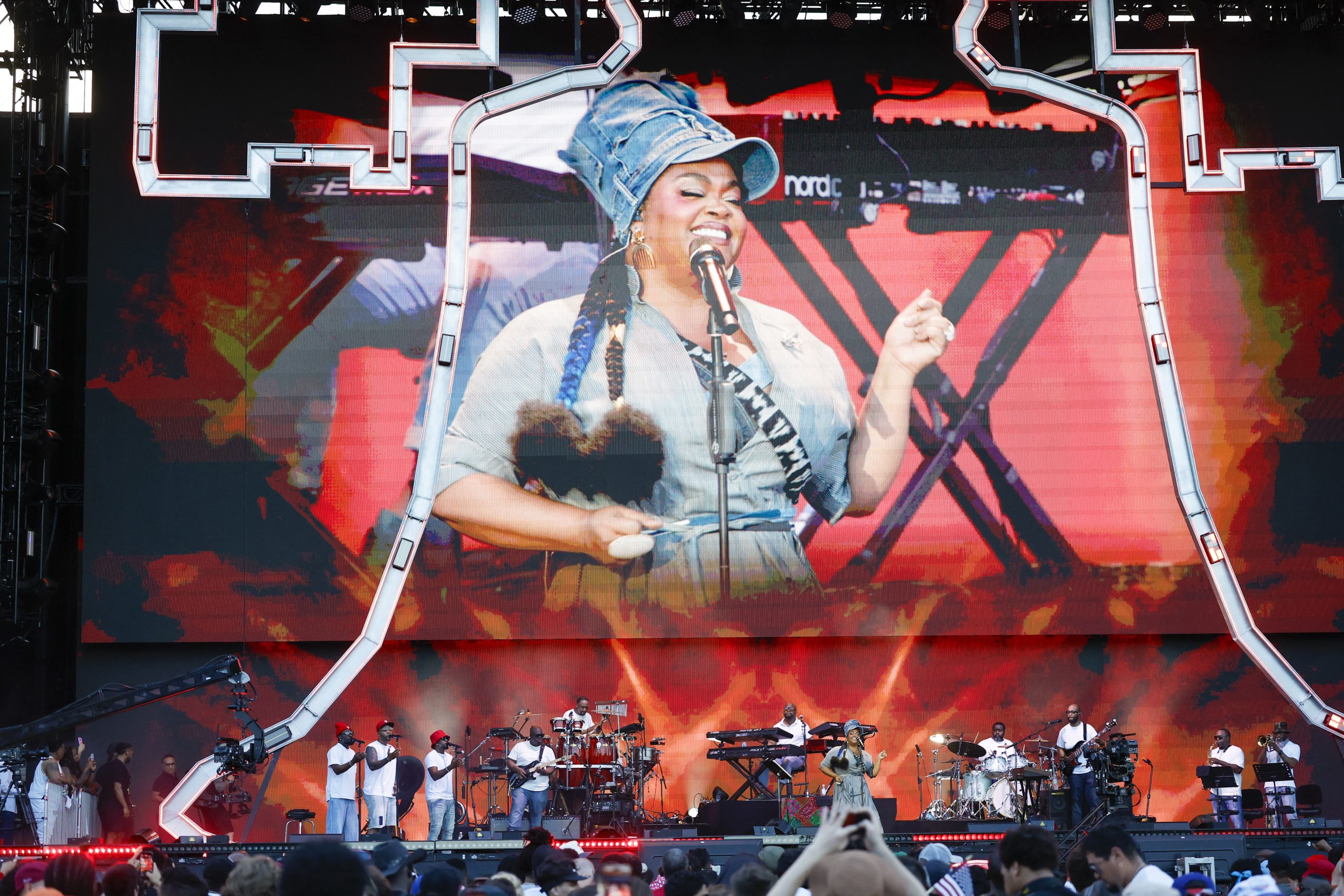
Jill Scott takes to the stage for One Philly: Unity Concert for America on the Benjamin Franklin Parkway on Saturday, July 4, 2026, in Philadelphia.Yong Kim / Staff Photographer
Economic impact analyses produced by paid consultants often include rosy estimates that public officials use to justify priorities. Academics who study their work for years have cited issues including inflated assumptions for visitors’ spending and understated or omitted opportunity costs for economic activity displaced by a large project or event.
“Most economic impact studies are commissioned to legitimize a political position rather than to search for economic truth,” John L. Crompton, a professor at Texas A&M University, wrote in an influential 2006 paper published in the Journal of Travel Research. “Often, this results in the use of mischievous procedures that produce large numbers that study sponsors seek to support a predetermined position.”
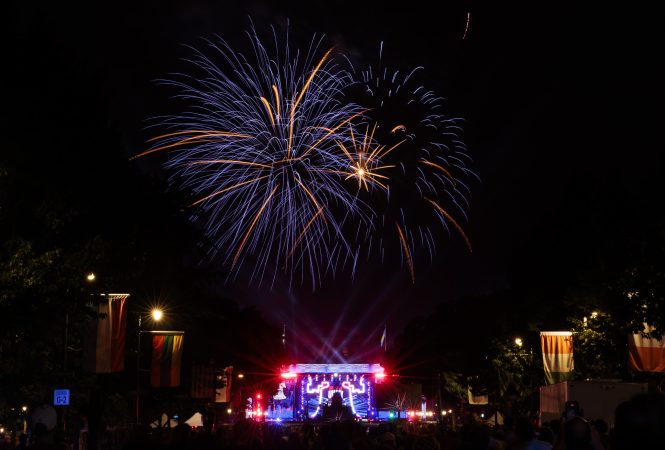
This year’s July Fourth concert was supposed to be headlined by Christina Aguilera, but the pop star ended up not taking the stage after the city paused the event around 9 p.m. due to the storm. The show resumed shortly after midnight, pushing the fireworks to about 2:30 a.m. July 5.
All other scheduled performers went ahead with their sets, including the Roots, Jill Scott, Meek Mill, DJ Jazzy Jeff, and Will Smith, who said Parker reached out to him personally to ensure he came back after the weather delay.
Philly may be among the James Beard Awards’ most valuable players, but it won’t be their next host.
The Philadelphia Convention & Visitors Bureau — the organization that brought the Michelin Guide to Philly last year — doesn’t plan to pursue a bid to host the James Beard Foundation’s annual awards ceremony, a spokesperson told reporters Monday.
Considered to be the restaurant industry’s Oscars, the Beard Awards have celebrated the best in food service and media across the United States every spring since 1991.
“Recognition through the awards can be transformative — driving visibility, strengthening businesses, and creating new opportunities for recipients both immediately and over time,” the Beard Foundation said last week in a statement announcing a request for information from potential host cities. “These benefits extend to the host destination as well: The multiday event showcases the local culinary community while generating national media attention and meaningful economic impact.”
Hosting the awards also comes with significant price tag: The Beard Foundation is asking interested cities to commit to spending a minimum of $4 million for the first year, with annual increases of up to 5% after. Cities can source the money through a mix of cash investment, sponsorships, and public sector funds.
Cities can send in preliminary information — including an estimate of hotel stock, prospective venues, and responses to short-answer questions — to the Beard Foundation through Aug. 7. Selected applicants will then be invited to submit official proposals. The next host will be announced in early 2027.
Philly has likely ruled itself out.
“Our mission is to attract citywide conventions, meetings, and major events that generate significant overnight visitation and hotel demand,” Convention & Visitors Bureau spokesperson Jaime Martorana wrote over email. “After reviewing the James Beard Awards’ event hosting requirements, we’ve determined they aren’t fully aligned with the PHLCVB’s mission and mandate.”
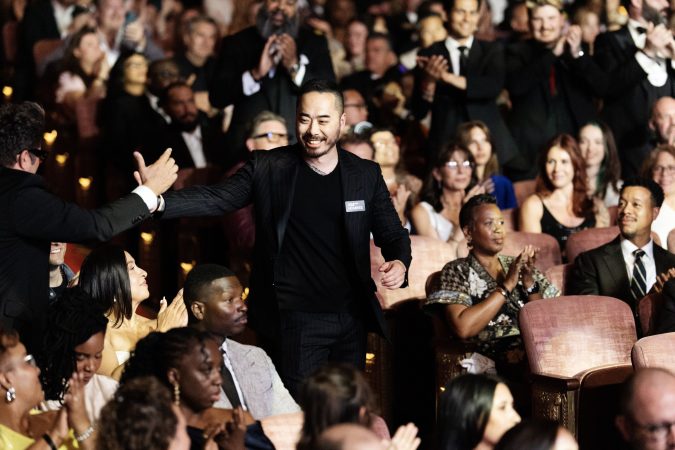
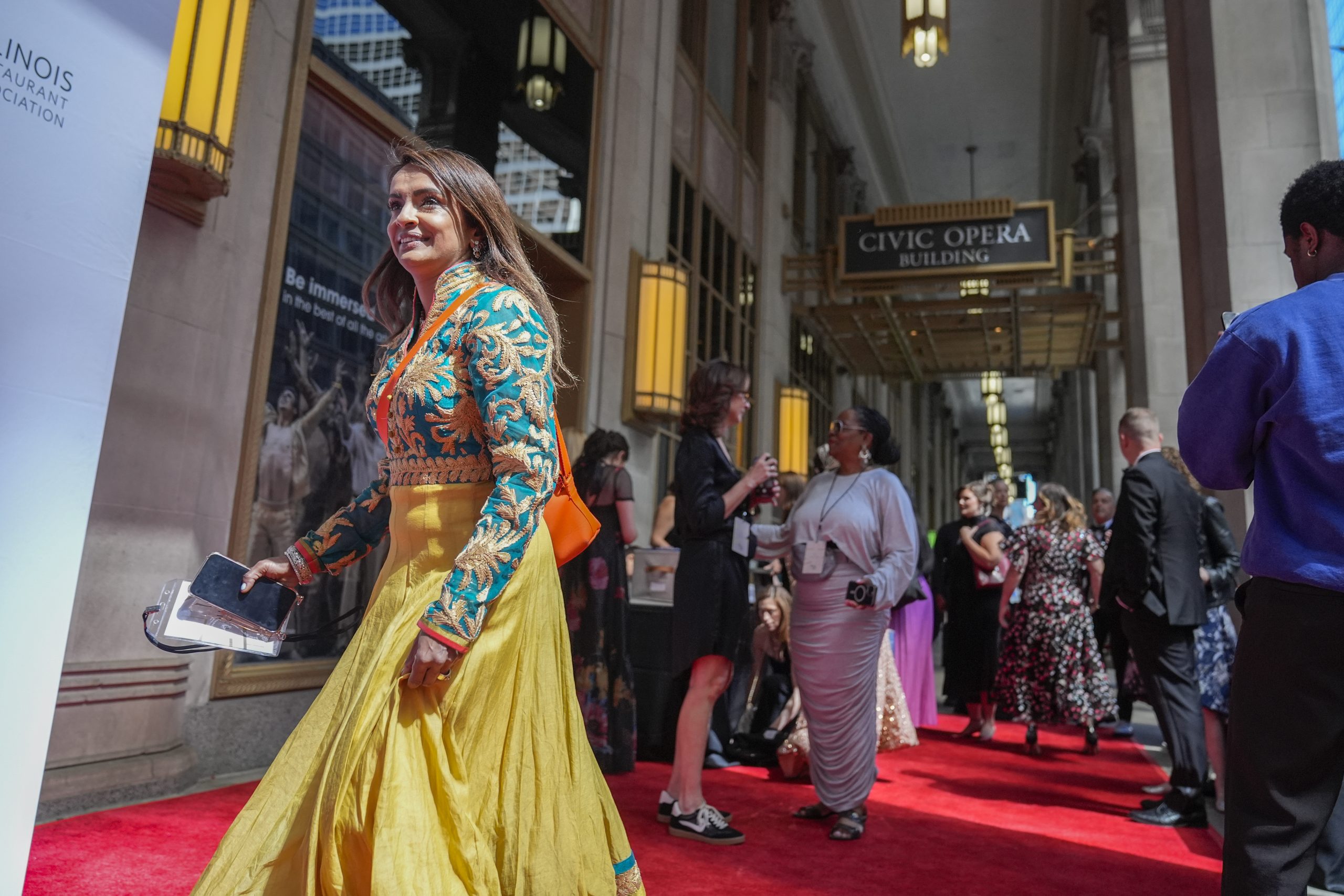
People arrive at the 2024 James Beard Awards in Chicago. The Oscars of the restaurant industry is looking for a new city to host the awards from 2029 to 2033.Erin Hooley
Philly’s untouched resumé
It’s unclear which hosting requirements don’t match up with the Convention & Visitors Bureau’s mandate of bringing major events to Philly.
Reviewed by The Inquirer, the seven-part application asks cities to detail the high-profile events it has hosted in the last three years, outline its transit options, and explain how their restaurant scene upholds values of “culinary excellence, sustainability, inclusion, [and] accessibility.”
Philadelphia spent the past two months juggling nonstop major events, from six World Cup matches, the MLB All-Star Game, and, perhaps biggest of all, the nation’s 250th birthday. All the while, the city’s estimated 19,000 hotel rooms reached a record-high 90% occupancy as hundreds of thousands visited Philly. Even the delay-plagued, chronically-underfunded SEPTA rose to the occasion, with expanded service, free fare, and dance parties.
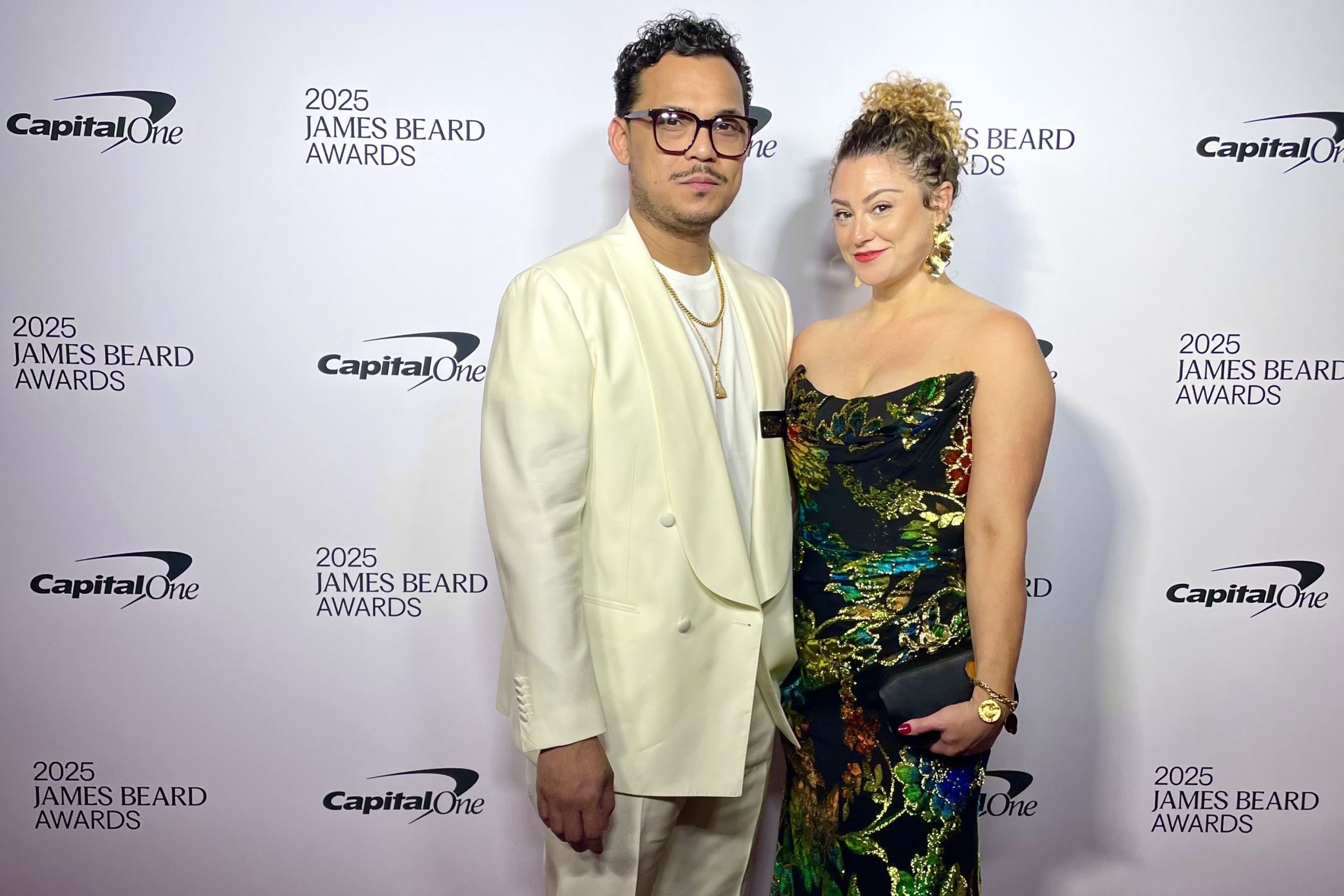
Hanna Williams (left) and husband, Chad, at the 2025 Michelin Guide Northeast Cities awards at the Kimmel Center in Philadelphia. Their restaurant, Friday Saturday Sunday, is the only local restaurant to have a James Beard Award and a Michelin Star.Elizabeth Robertson / Staff Photographer
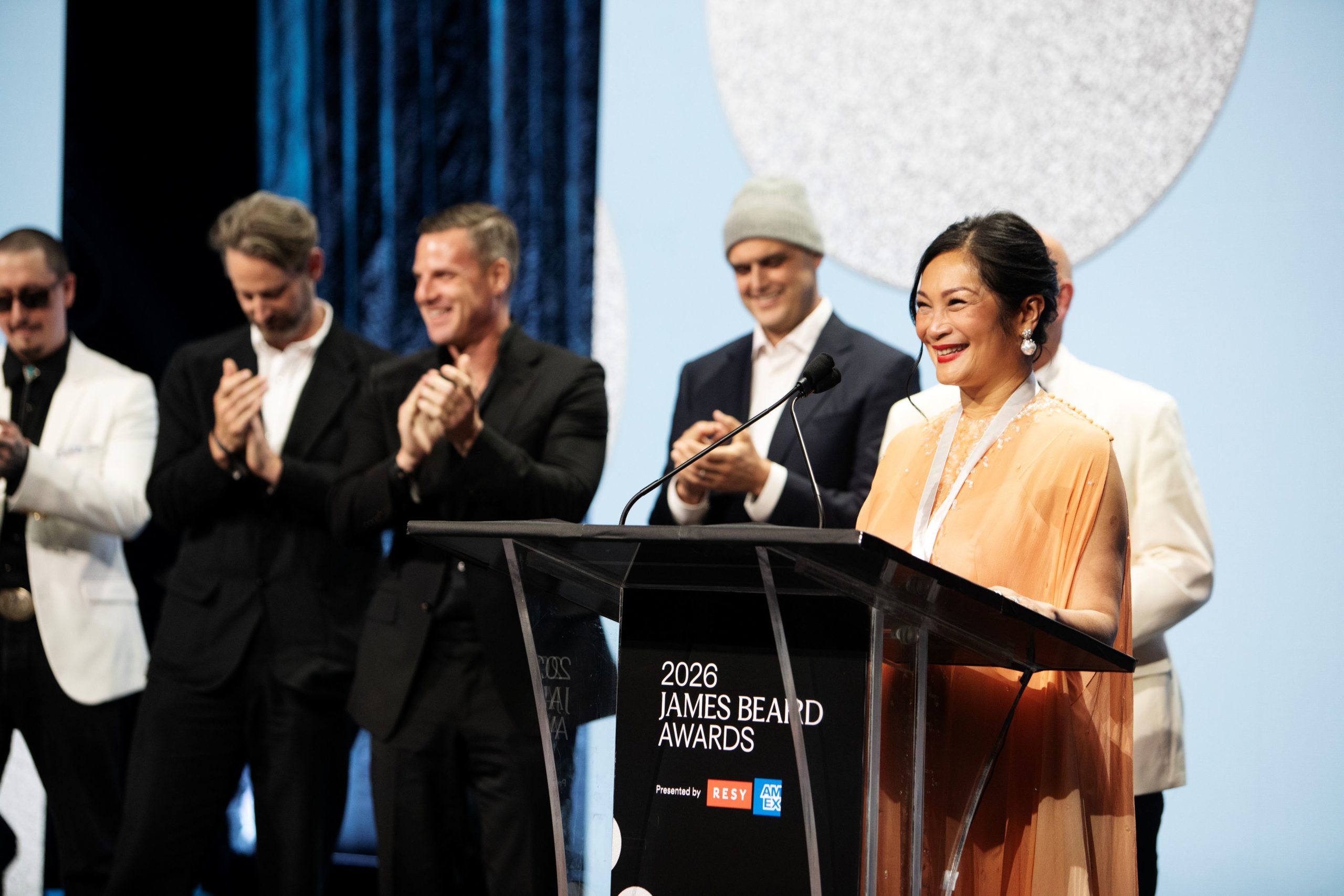
Philly is also a James Beard Awards darling, fielding finalists nine out of the past 10 years. In June, chef Chutatip “Nok” Suntaranon’s Thai restaurant, Kalaya, won outstanding restaurant, while Royal Sushi & Izakaya’s Jesse Ito was named Best Chef, Mid-Atlantic, a region that spans New Jersey, Delaware, Maryland, Virginia, and Washington.
Visit Philadelphia, the city’s official tourism nonprofit, has worked with the James Beard Foundation since 2016, including hosting the 2020 nominee announcement and several dinner and marketing events in the years since.
“It seems to me like we should at least be having a conversation about what the relative merits of hosting are, especially since the Beards have been very good to us,” said Jonathan Deutsch, the director of Drexel University’s Food Lab and a previous judge for the Beard Awards’ media and leadership categories.
Deutsch and others in the local food scene say it’s a mistake for Philly not to try, forgoing at least a little bit of the momentum Philly has built as a destination for world-class dining and tourism. Freelance journalist and Inquirer contributorAdam Erace — who chaired the Beard Awards Mid-Atlantic subcommittee from 2010 to 2020 — highlighted that Philly’s status as a Northeast corridor city with a reliable airport makes it easy for nominees to commute.
Mawn’s Phila Lorn (left) and Rachel Lorn at the 2025 James Beard Awards in Chicago. Lorn won emerging chef that year.Courtesy of Rachel Lorn
“We’ve spent the past 10 years pushing as a city to grow. If anybody’s ready, we’re ready,” said chef Chad Williams, whose Rittenhouse Square restaurant Friday Saturday Sunday won the James Beard award for Outstanding Restaurant in 2023 and was a finalist for Outstanding Bar in June.
What could Philly miss out on?
In a few words: millions of dollars in economic impact.
The 2026 James Beard Awards in Chicago generated $8.3 million in direct spending from the operational costs associated with putting on the ceremony, plus offsite spending by attendees, according to a report the foundation commissioned from the Oxford Economics Co. That direct spending turned into $17 million in overall economic impact on the greater Chicago area, including $1.2 million in local and state tax revenue.
Philadelphia chefs are acknowledged at the Michelin Guide announcements at the Kimmel Center Tuesday, Nov. 18, 2025, in Philadelphia.Elizabeth Robertson / Staff Photographer
Erace and Deutsch, who both have attended the Beard Awards, describe it as a weekend of dinners, pre-parties, after-parties, and pop-ups that encourage attendees to eat and drink in the host city. This year’s awards included roughly 41 events in the days leading up to the ceremony, Illinois Restaurant Association president Sam Toia told the Chicago Sun-Times.
The restaurant awards’ voting body — composed of anonymous judges with industry experience selected via committee — is only allowed to vote for restaurants they’ve eaten at in the past year, explained Erace. This gives Chicago a small leg up. Hosting the awards enables more judges to eat in the city and speak to its restaurants’ quality.
“It seems like a missed opportunity,” said Deutsch. “You have top chefs, journalists, cookbook authors, passionate foodies … who are paying a couple of thousand dollars over the weekend for airfare, dining, and a hotel just to experience the awards.”
What about the Michelin Guide?
Last year, the Convention and Visitor’s Bureau successfully bid to bring the Michelin Northeast Cities Guide — and its award ceremony — to Philly for the first time.
“Now that the busiest period of our 2026 event calendar has concluded, we’ll be reconnecting with the restaurants and chefs recognized in the Guide to better understand how the first half of the year performed and how Michelin recognition has supported their businesses,” Martorana said.
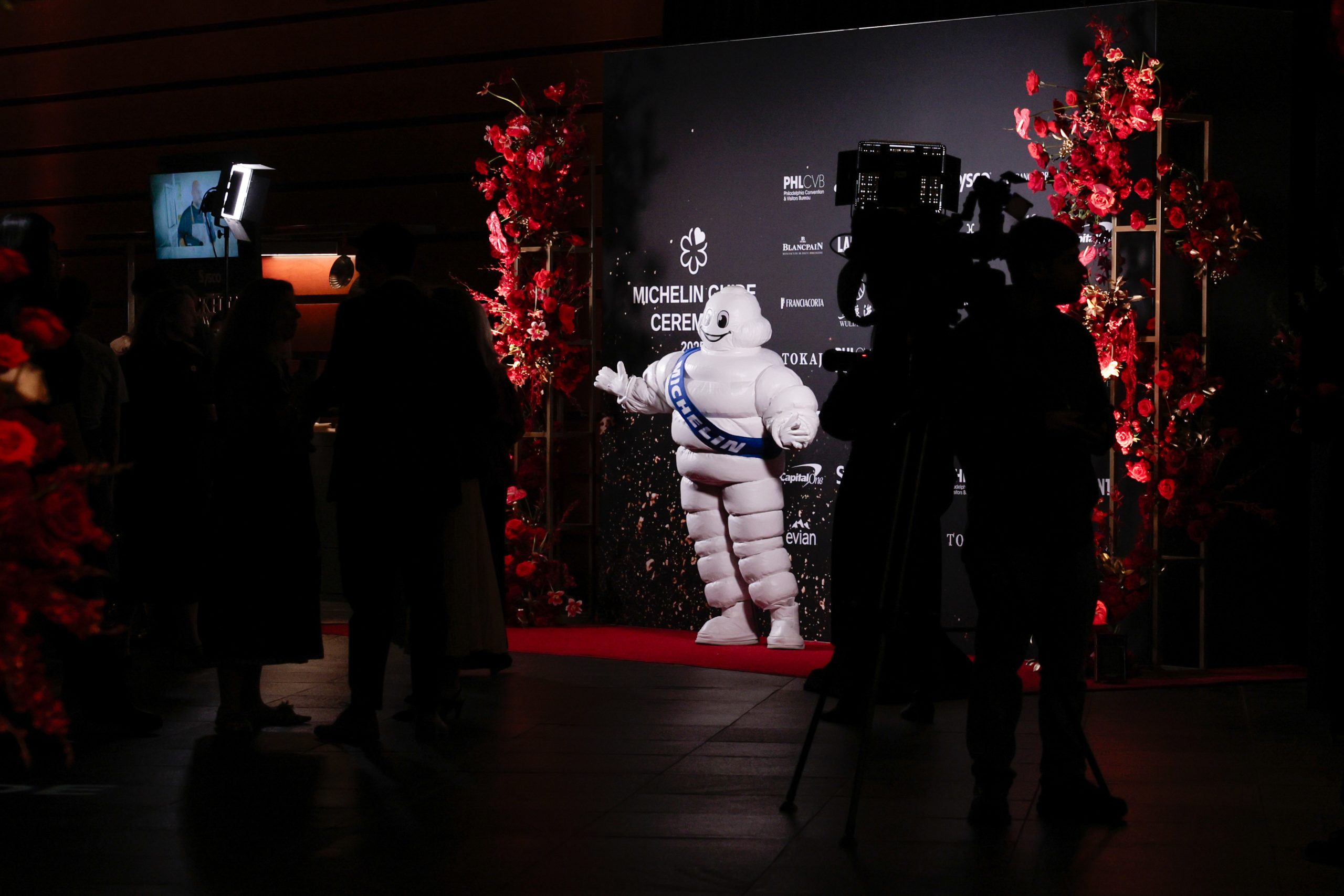
The Michelin Man, whose name is Bibendum, arrives at the Michelin Guide announcements at the Kimmel Center, on Tuesday, Nov. 18, 2025, in Philadelphia.Elizabeth Robertson / Staff Photographer
It’s still unclear how much it cost to court the guide, or how much it boosted Philadelphia overall. The Philadelphia Convention & Visitors Bureau declined to share how much it paid Michelin and has yet to make data available about the spending generated by Michelin’s newfound Philadelphia presence.
Cities pay to be included in the Michelin Guide, often cobbling together funding from a mix of tourism organizations, public investment, and sponsorships. The price of admission is steep: Boston and Atlanta both paid upward of $1 million to bring the Michelin Guide to their cities, while Texas raised $2.7 million from Dallas, Austin, San Antonio, Fort Worth, and Houston to get a dedicated Texas guide. Some locals, like Virginia and Buffalo, rebuffed Michelin entirely, calling the fees unsustainable.
In Philly, the Michelin Guide and the James Beard Awards can appear to be an echo chamber, with the same set of restaurants receiving praise from both. Williams — whose restaurant Friday Saturday Sunday is the city’s only restaurant to receive a Michelin Star and a Beard Award — said each accolade generated “equal” bumps in reservations.
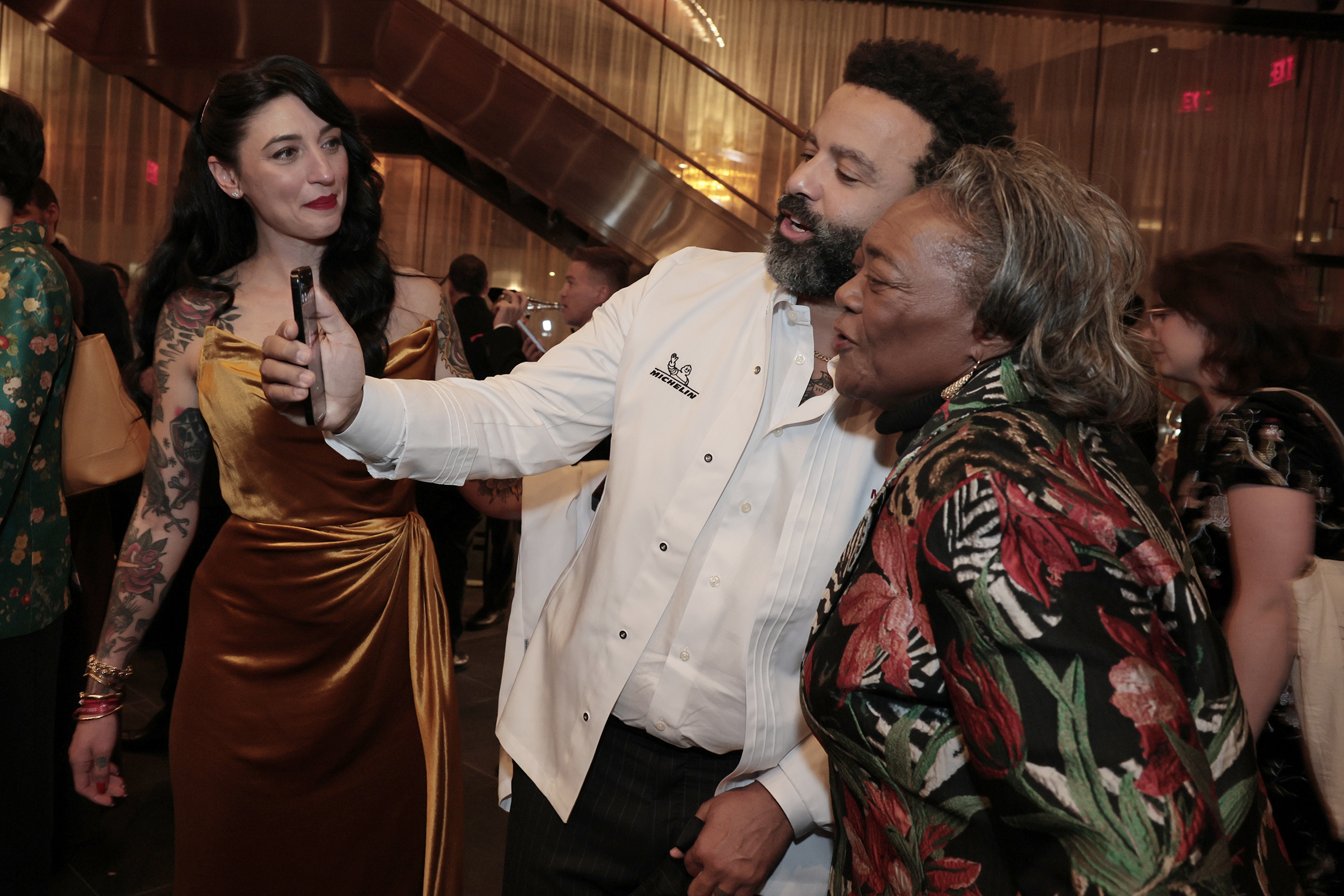
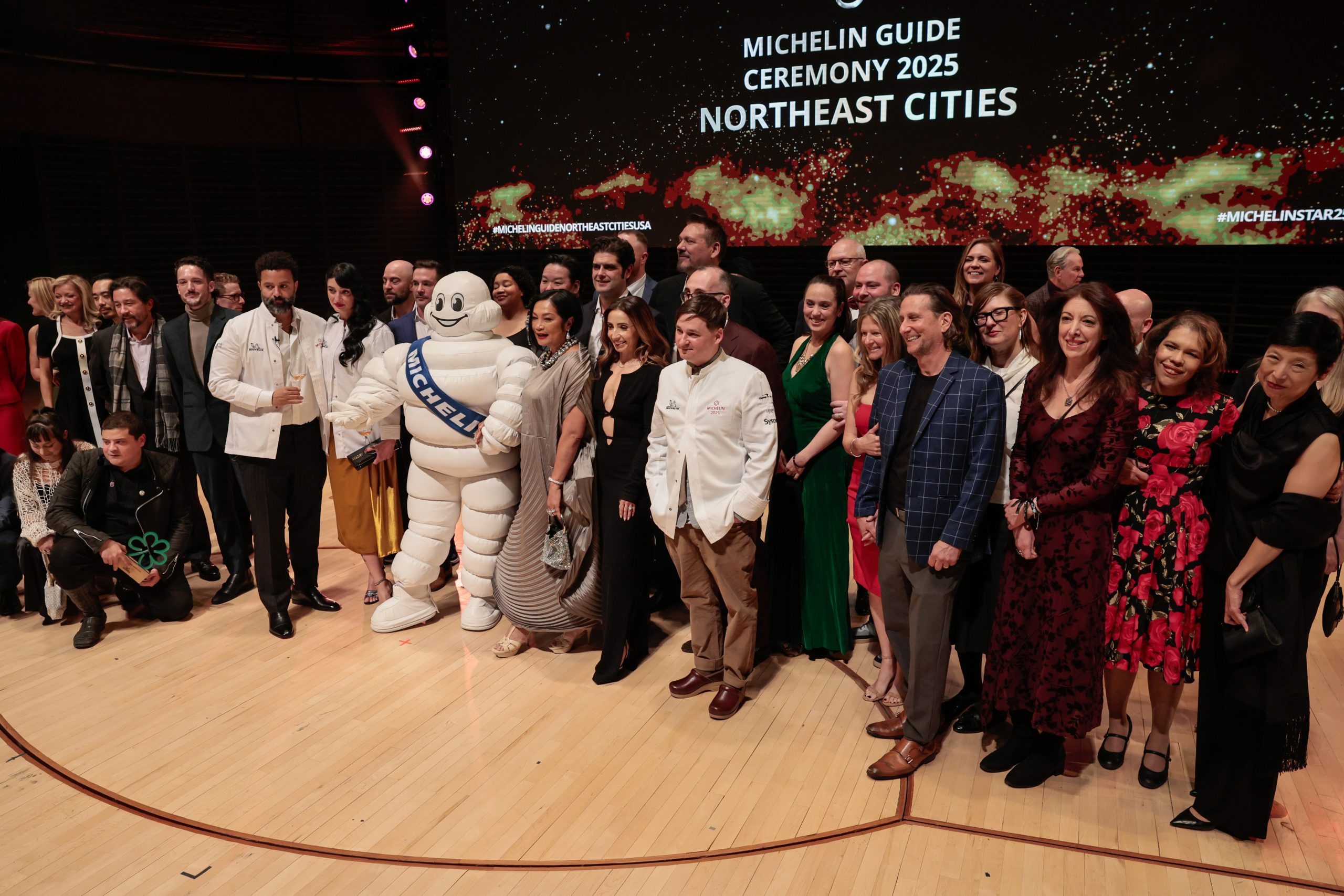
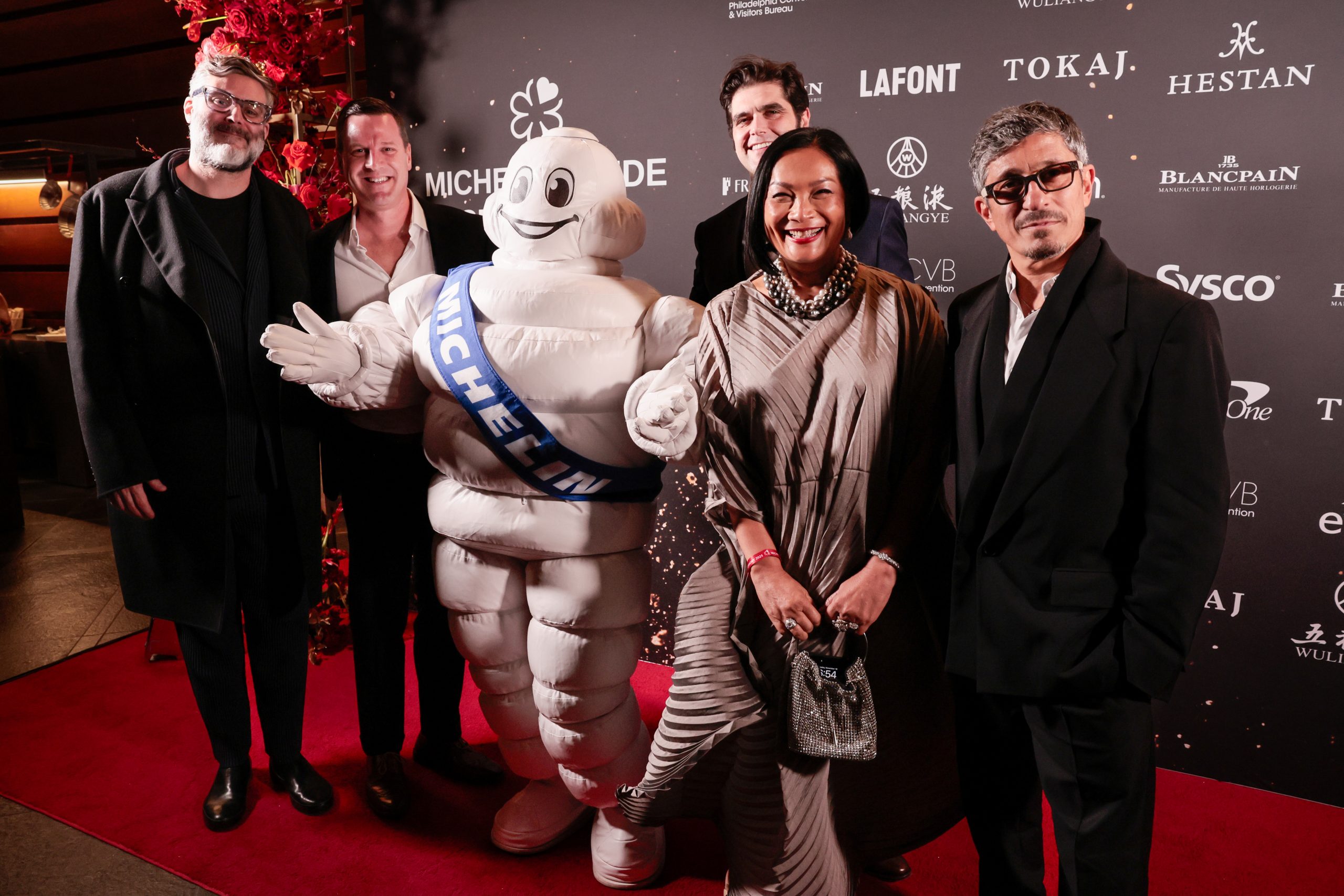
From left: Joe Beddia, Greg Root, Nick Kennedy (rear), Chutatip “Nok” Suntaranon, and Roland Kassis, with the Michelin Man at the Michelin Guide announcement event at the Kimmel Center Tuesday, Nov. 18, 2025, in Philadelphia.Elizabeth Robertson / Staff Photographer
The sameness begs the question: Does Philly need both?
Deutsch wondered if the city’s decision to not go for the Beard Awards has to do with “fine-dining fatigue,” or if the powers that be feel like “they spent a lot of money to check that box for the next few years,” he said.
The Michelin Guide is technically the better bet — at least numbers-wise, Erace acknowledged.
“Thirty-something restaurants get some kind of recognition, and they can take that to the bank forever,” he said. “With the Beards, there’s only so many winners every year.”
It’s been a big year for Philadelphia. The cradle of American democracy has been in the public eye during the nation’s Semiquincentennial and a series of sporting events that have brought visitors from across the world — all to rave reviews.
In a sign of how far we’ve come from the bad old days of apathy and deterioration, the City of Brotherly Love and Sisterly Affection rose to the challenge and then some.
Those in town for the PGA Tour in nearby Aronimink, the FIFA World Cup and Fan Festival at Lemon Hill, Major League Baseball’s All-Star Game, and the country’s 250th birthday mostly raved. A visiting Brazilian fan called Philadelphia “the most beautiful city” he’d ever seen. A level of effusive praise that stunned many residents who are accustomed to scorn, not admiration.
Officials must now take the planning, determination, and can-do attitude they brought to making the city succeed on the world stage and prove they can make Philadelphians proud even after the spotlight has dimmed.
Fifty years ago, during America’s Bicentennial, many in the city rightly felt its best days were long gone.
Then-Mayor Frank Rizzo, known for his brutal tactics as police commissioner, scared visitors away after he requested federal troops out of fear of protests. No soldiers came to the city, and the planned demonstrations went off without any bloodshed. Still, Rizzo’s warning did little to change the city’s blossoming reputation as a dead-end town.
Philadelphia could never lose its place in U.S. history, but its status as the workshop of the world would never return. Instead, it became known as a symbol of America’s urban decline. Blight spread, violence proliferated, employers left, and quality of life deteriorated. This, in turn, fostered the rise of the “negadelphian,” residents and former residents who expected the worst of the city, its teams, and its people at every turn.
Over time, this sentiment came to dominate conversations about our city. People who had never set foot in the Delaware Valley could all tell the story of how Eagles fans threw snowballs at Santa, while the terms “Filthadelphia” and “Killadelphia” became common.
That negativity was rarely in sight this summer, as Philadelphia put its best face forward to wow the crowds who focused on the city’s history, architecture, walkability, and friendliness. Even much-maligned and chronically underfunded SEPTA reopened long-closed concourses and seamlessly ferried fans to their destinations.
The challenge for city officials now is to keep the momentum going. After all, while the city’s faults may have been sanded down for guests, residents know them all too well.
Mayor Cherelle L. Parker has received positive feedback from residents on cleanliness, and homicide has declined to rates not seen since the 1960s, but many of the city’s day-to-day challenges remain. Taxes on workers and businesses are high enough to impede commercial activity and push residents out of the city and into the suburbs. A lack of job opportunities continues to be the top reason people leave our region.
Our city’s underfunded educational system is scheduled to close 17 schools soon. The city’s parks and libraries make do with fewer resources than their peers. Brutal transit service cuts could occur next year unless Harrisburg acts.
Fortunately, the summer of sports may also point to a way out of these long-standing issues.
Throughout the year, ordinary Philadelphians mobilized to help show off their city. Around 3,000 people signed up to serve as volunteers during the World Cup. Others chose to become Phambassadors through the Visitor Center, working to showcase the city.
This grassroots energy should be harnessed and turned into political power that can keep Philadelphia moving forward.
Ultimately, it isn’t enough to simply change the way outsiders talk about our city. For Philadelphia to truly move beyond its decades-long reputation, Philadelphians must truly believe the hype.
The World Cup, the PGA Championship, and the Major League Baseball All-Star Game, the most daunting events in this Summer of Sports Celebration, are finished here.
Philly is undefeated.
“This summer proved what we have always known: Philadelphia is built to host world-class events,” said Mayor Cherelle L. Parker. “Our city shined on the national and international stage.”
It was hot, and it was rainy, but hey, that’s Philly in July. At least the big three events didn’t have to deal with the current wildfire smog.
Think about it. So many things could have gone wrong.
There could have been embarrassing incidents involving the Department of Homeland Security, ICE, and other complications involving our suddenly inhospitable visitation policies in the United States.
“Worry number one was, with the influx of all of these people from all over the world into the city, making sure it was a peaceful experience for them,” said Dan Hilferty, the Flyers’ governor and CEO of Comcast Spectacor, who also served as co-chair of Philadelphia Soccer 2026 and is a Philly-area native.
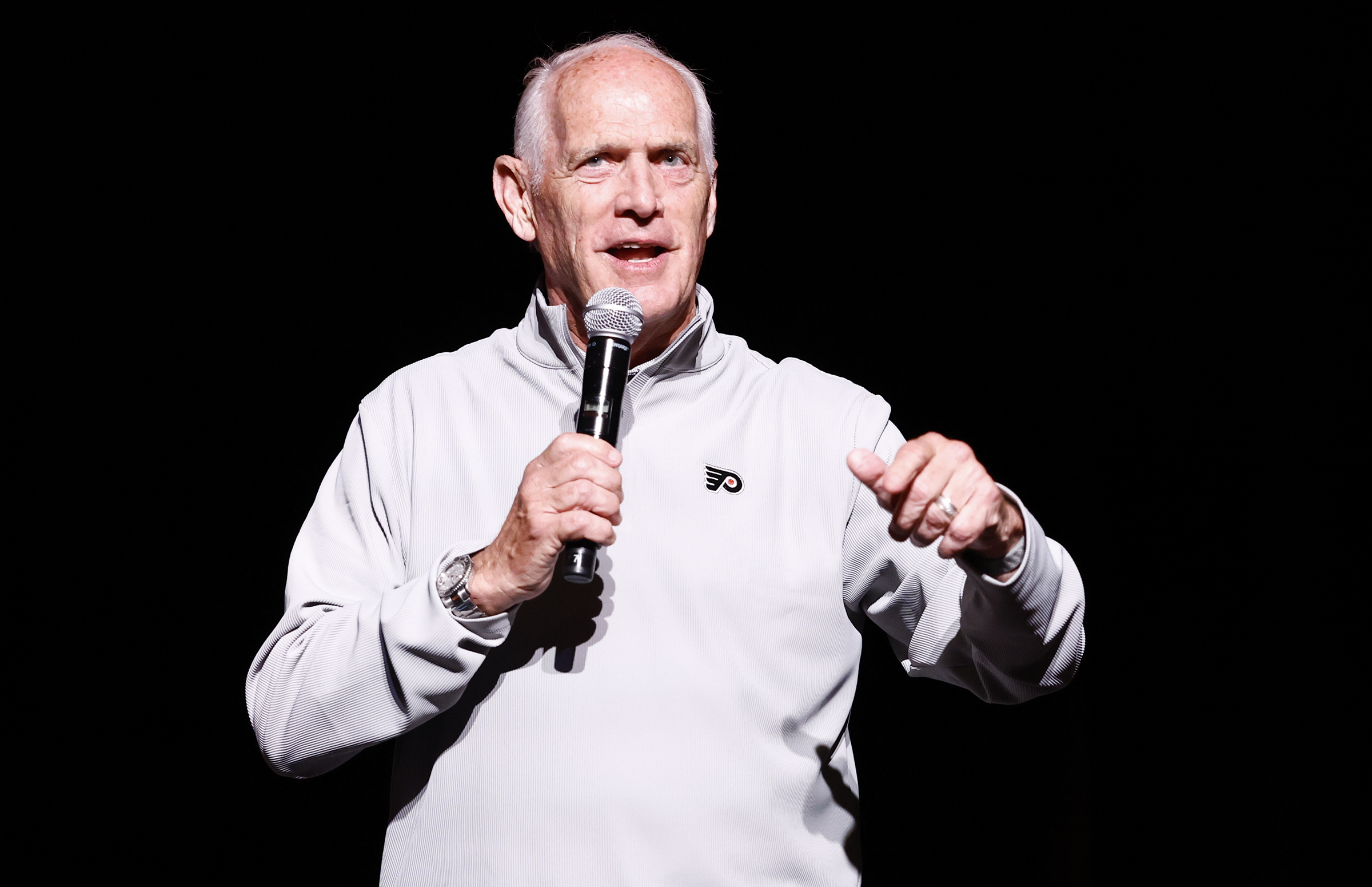
Chairman & CEO of Comcast Spectacor and Governor of the Flyers Dan Hilferty said this summer’s local events gave him “real hope” in troubled times. Yong Kim / Staff Photographer
It was peaceful, Hilferty said, relieved.
“We live in troubled times, not only in America but around the world. Sports can be a soft diplomacy effort,” he said. “To see people come to our city and us, as Philadelphians, welcome them with open arms — people of different faiths, different races, different nationalities — commingling in a peaceful and exciting environment … I witnessed that. It gave me a real hope for a more friendly future.”
There could have been incidents on the streets of Philadelphia — crime or intimidation or boorishness — that would further entrench stereotypes about American cities, especially East Coast cities, and especially Philly. Nope.
There could have been incidents in the golf crowds, the soccer crowds, and the baseball crowds. Nope. Local cops, state police, and private security kept cool and kept everyone in line.
There could have been massive traffic problems, vociferous price gouging, public transportation disasters. On the whole, however, there was none of it. Hotels and short-term rental agencies offered reasonable options, some of them including public transportation vouchers in the rental price. Smart routing and parking rules kept cars at the sites flowing. And Philly subway rides stayed at $2.90 a pop while New York and New Jersey charged almost 10 times their normal fares. It might have taken a while to get onto the Broad Street Line after matches, but fans were patient, and the trains ran on time.
“SEPTA really stepped up big,” Hilferty said.
Philadelphia and its surrounding area, on the 250th anniversary of the signing of the Declaration of Independence, was glorious.
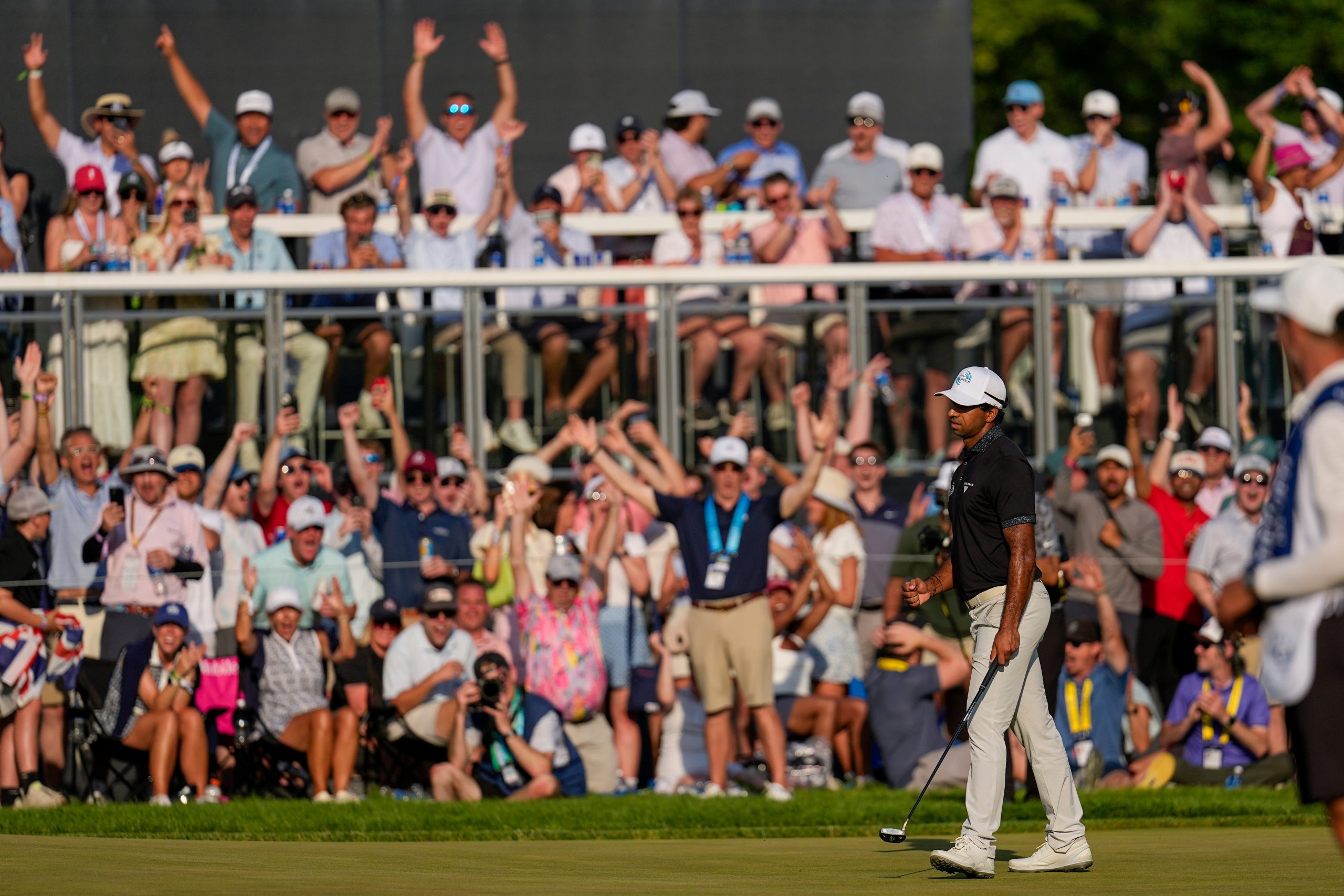
Aaron Rai’s PGA Championship triumph at Aronimink was worthy of celebration, as was the success of the event itself. Carolyn Kaster
Aronimink Golf Club stood strong as a major-championship venue, and, just as critically, Philly golf fans made the obnoxious New Yorkers at Shinnecock and Bethpage Black look bestial by comparison. Actually, there was no comparison: Philly golf fans once again proved to be the best in the country.
“The crowd had great energy.” That was from Scottie Scheffler, Texas native and Cowboys fan, who had been heckled mercilessly in his opening round. “It was all in good fun.”
The World Cup, the biggest event in Philly since the Sesquicentennial Exposition held 100 years ago, in which 10 teams played six games in a span of 21 days — including Iraq, a country with which the U.S. has a recent war history — held the largest possibility of calamity. There was none.
Philadelphia, its law enforcement, its public transport, its politicians, and, more than anything else, its businesses and residents, literally could not have acquitted themselves better. From the specially installed pitch at Lincoln Financial Field (renamed Philadelphia Stadium for the World Cup), to the neighborhood restaurants and bars, to the sites at the South Philly sports complex that accommodated visitors, to the Lemon Hill Fan Festival that sometimes had crowds of 50,000, all you heard were stories of camaraderie and welcome.
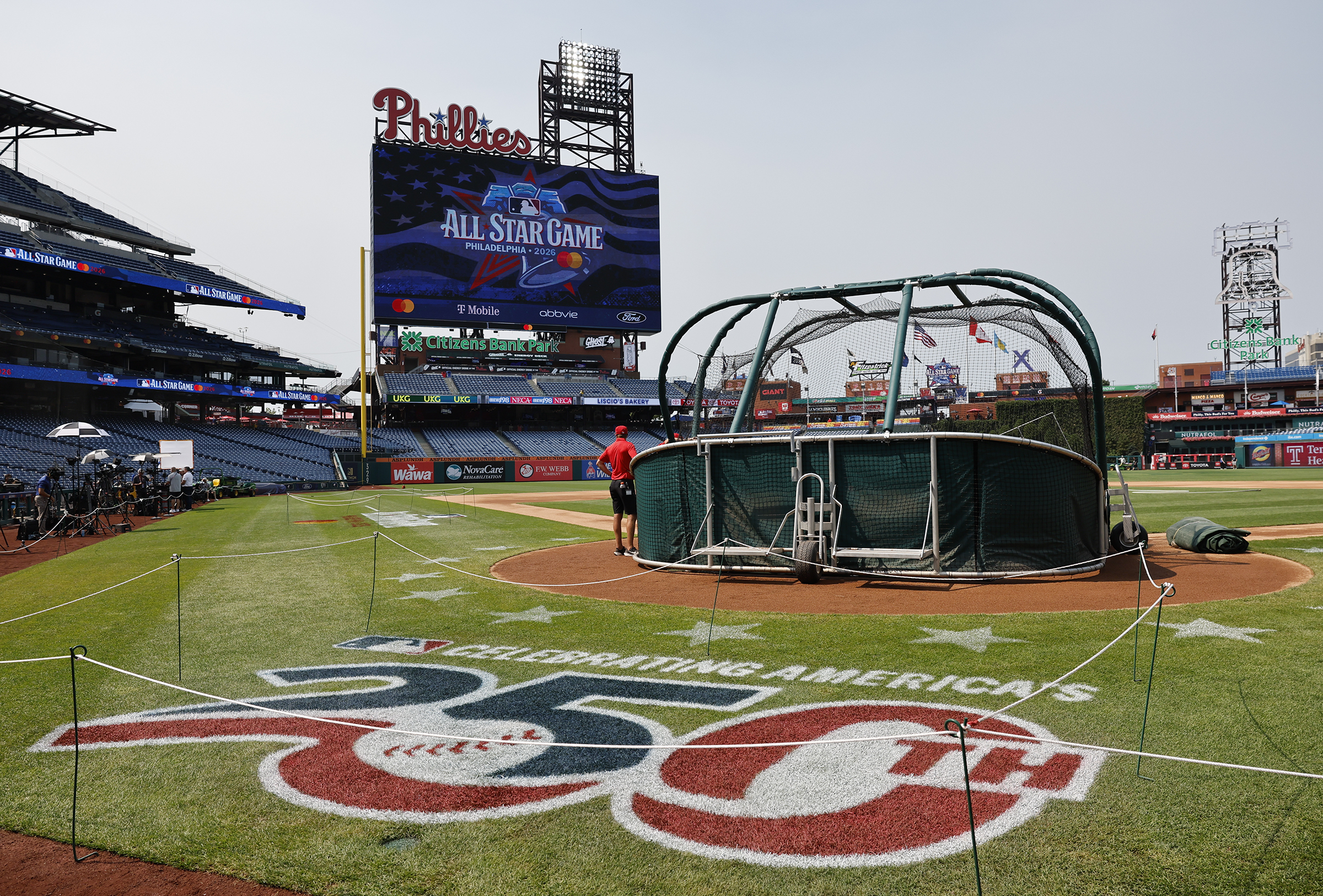
And, finally, this past week, MLB and the Phillies collaborated on five days of celebration capped by two nights of baseball magic that not only went off without a hitch but, really, incorporating the pomp and pageantry, were without compare. The key moment: The Sandlot interlude.
For five minutes after the fourth inning Tuesday, 10 kids joined 10 players on the field as fireworks exploded and Ray Charles sang “America the Beautiful” from the scoreboard screen, a tribute to a scene from the 1993 kids’ baseball movie The Sandlot. It even got to me, and I don’t like the movie or fireworks.
The game itself wasn’t great, but the Home Run Derby on Monday was superb. It was almost everything the Phillies could have wished for.
“Together, these were not simply successful events,” said Phillies CEO John Middleton, also a Philly-area native. “They were defining moments that elevated both Major League Baseball and the City of Philadelphia, leaving a legacy that will endure for years to come.”
The MLB All-Star Game was a culmination of the city’s summer of big events. Yong Kim / Staff Photographer
David Montgomery, the late Phillies CEO who dreamed of having Citizens Bank Park host the midsummer classic in the middle of this special summer, surely is smiling down from above.
It’s hard to overstate how unlikely it was that all of these events went off without an appreciable glitch. I’ve worked with the PGA of America, with FIFA, and with MLB. They are not particularly streamlined, seamless organizations. Combine the balkiness of those organizations and the history of glitches and missteps in Philadelphia’s past, there always was a chance that things might go haywire here this summer.
But between Pennsylvania’s state government, local municipalities and city governments — more than 40 entities in all — and the golf course, the baseball team, and the guy who runs the Flyers, anyone who watched or attended the big three events should know that the efforts on a local level cannot be credited too much.
“People came from across Philadelphia, our region, the nation, and the world, and, by every measure, they experienced the very best our city has to offer,” Mayor Parker said.
Now, as the World Cup final in North Jersey closes down these 10 weeks of spotlight — there will be one more watch party at Lemon Hill in Fairmount Park, 2 p.m. to 8 p.m. Sunday for the Spain-Argentina final — the folks in charge and the folks they represent can breathe sighs of relief and stick their chests out, proud of the concept, the planning, and the execution of a summertime run such as the region has never seen.
To be fair, incidents and accidents at other World Cup sites in the U.S., Canada, and Mexico were virtually nonexistent. But few venues faced the unique logistical and cultural challenges you get in Philadelphia.
The bigwigs made sure to monitor the situation.
Pennsylvania Governor Josh Shapiro and Philadelphia Mayor Cherelle L. Parker celebrated the city’s big events along with their constituents and visitors from all over the world. Yong Kim / Staff Photographer
Mayor Parker went to Lemon Hill and commingled with Mexico soccer fans. She, Gov. Josh Shapiro (a Montco native), and the owners kept running into each other at the various events, their attendance less choreographed appearances than invested fandom and stewardship. They wanted to make sure everything was OK.
Before the first World Cup match in Philadelphia, Hilferty and his wife, Joan, walked across the parking lot from his office at the Xfinity Mobile Arena to the Stateside Live! open-air bar. There, they saw Ecuador fans in yellow jerseys exchanging partisan chants with orange-clad Ivory Coast supporters — then exchanging cellphones so they could take pictures for each other.
Ivory Coast won the match. The fans shared drinks in the parking lot and subway rides home.
“After the first match,” Hilferty said, “I felt really good.”
Philadelphia fans did more than fill the seats during Major League Baseball’s All-Star Week. They also helped turn the event into one of the strongest retail performances in the history of the Midsummer Classic.
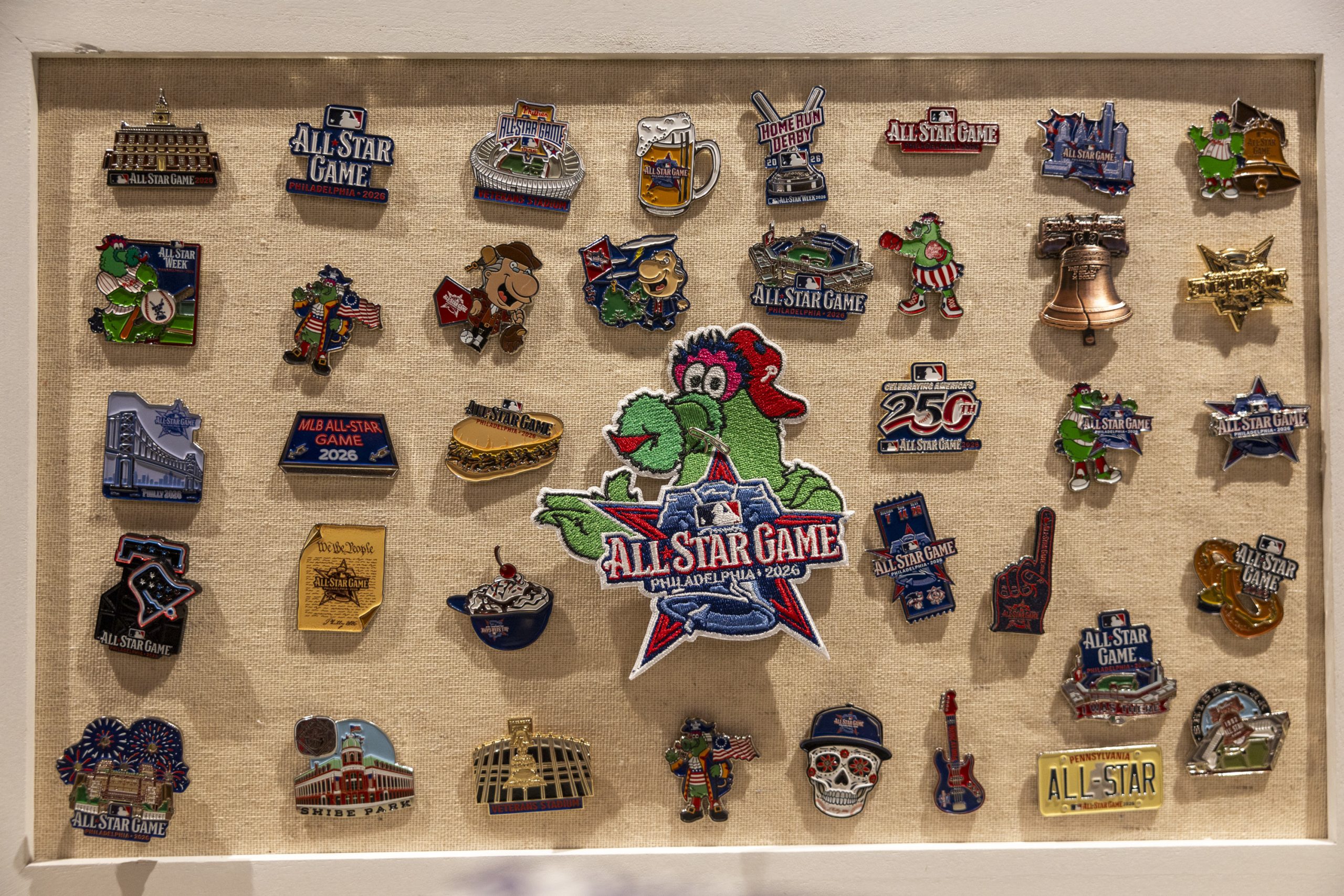
Major League Baseball does not disclose dollar figures for merchandise sales. But the MLB said fans bought a record number of souvenirs and collectibles, including jerseys, caps, and especially collectible pins — more than 12,000 sold over three days at Citizens Bank Park alone.
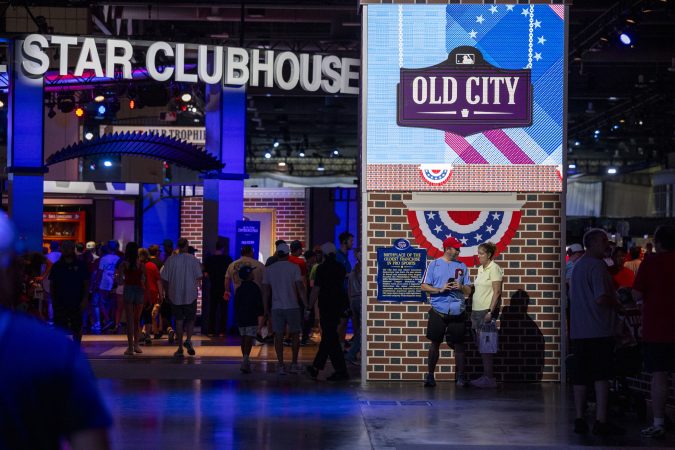
The biggest draw was the All-Star Village at the Convention Center, where 111,616 people attended the four-day fan festival, according to Jamie Leece, MLB’s senior vice president of global consumer products. That made it the most-attended All-Star fan event since Los Angeles in 2022, the year MLB shortened the festival from five days to four. Leece noted that the Los Angeles event also included a free outdoor component that Philadelphia did not have.
The crowds translated directly into sales.
Pins, on display at the retail store at Citizens Bank Park, were a hot seller during All-Star Week.Tyger Williams / Staff Photographer
Through Tuesday, merchandise sales at the official MLB shop inside All-Star Village, operated by Fanatics, exceeded the previous sales record set at the 2022 fan festival by double-digit percentages. Sales also were up 45% from the 2025 All-Star celebration.
Across every retail channel — including All-Star Village, Citizens Bank Park, and MLBShop.com — total merchandise sales matched the record-setting performance from the 2022 All-Star Week in Los Angeles.
At Citizens Bank Park, merchandise sales during All-Star Week rose 25% from 2025. MLB, working with the Phillies and Aramark, operated retail outlets during the HBCU Swingman Classic, the Futures Game, MLB’s 3-on-3 event, the Home Run Derby, and Tuesday night’s All-Star Game.
Online demand also surged, with sales up 34% over the previous year’s All-Star Week, producing the second-best online All-Star retail performance since MLB launched its e-commerce business in 1998.
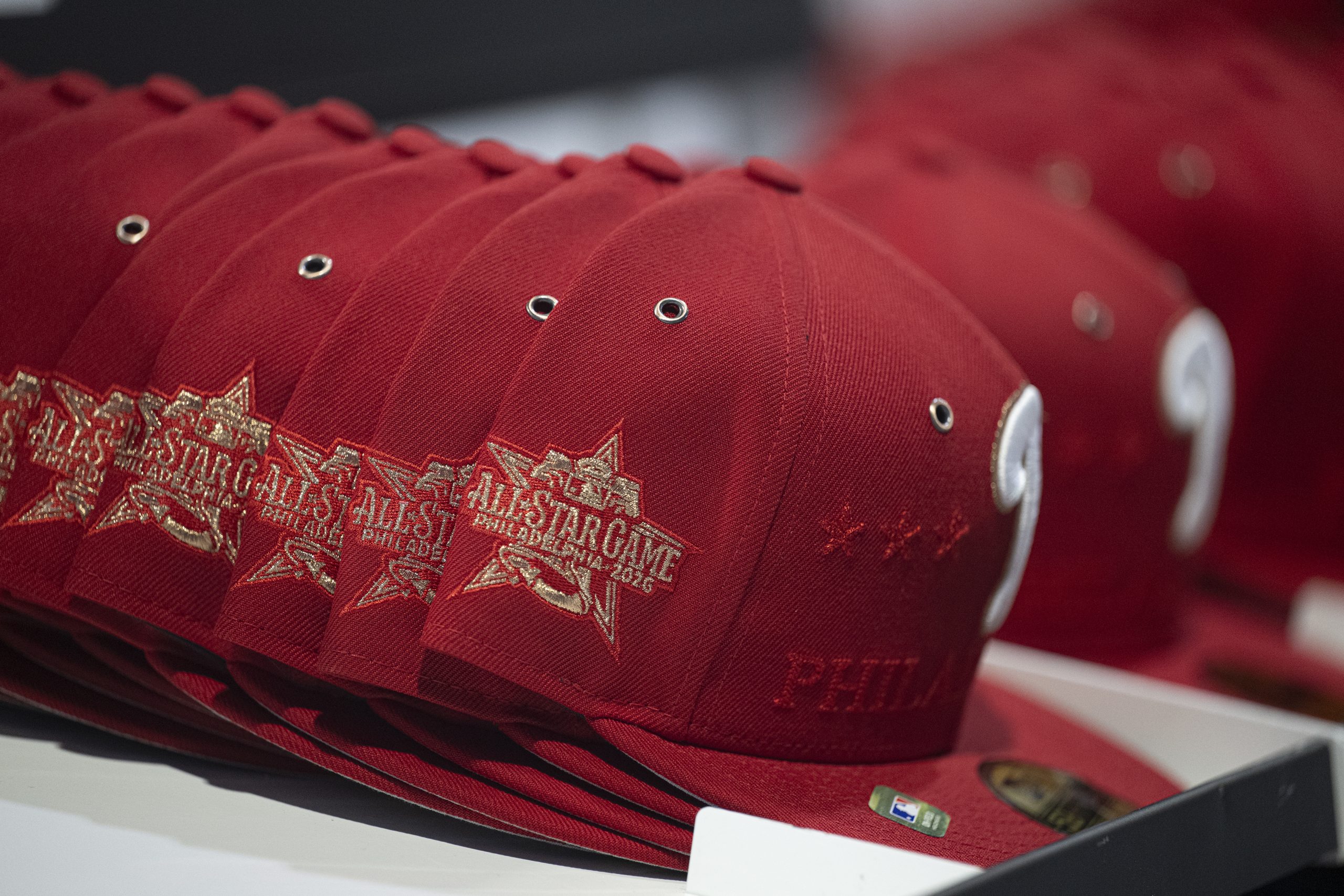
Headgear accounted for 25% of merchandise sales, according to MLB.Jose F. Moreno / Staff Photographer
Leece credited Philadelphia’s fan base for helping drive the record performance.
“Philadelphia fans are deeply passionate and loyal,” he said. “They showed up hours before our events to celebrate, they deeply supported their team and favorite players, and that came through in the retail experience.”
MLB would not identify its top-selling items, although headwear accounted for a quarter of all sales. Leece said demand was broad across the merchandise lineup, which consisted entirely of Phillies- and All-Star-branded products sold at All-Star Village.
As for any unsold merchandise, Leece said some will be offered online, while the rest will be donated to a local charity that has yet to be determined.
Mike Harkins collects old ticket stubs. Harkins estimates he has over 500 physical tickets from events he’s attended in the past, kept in journals, scrapbooks, and in storage.
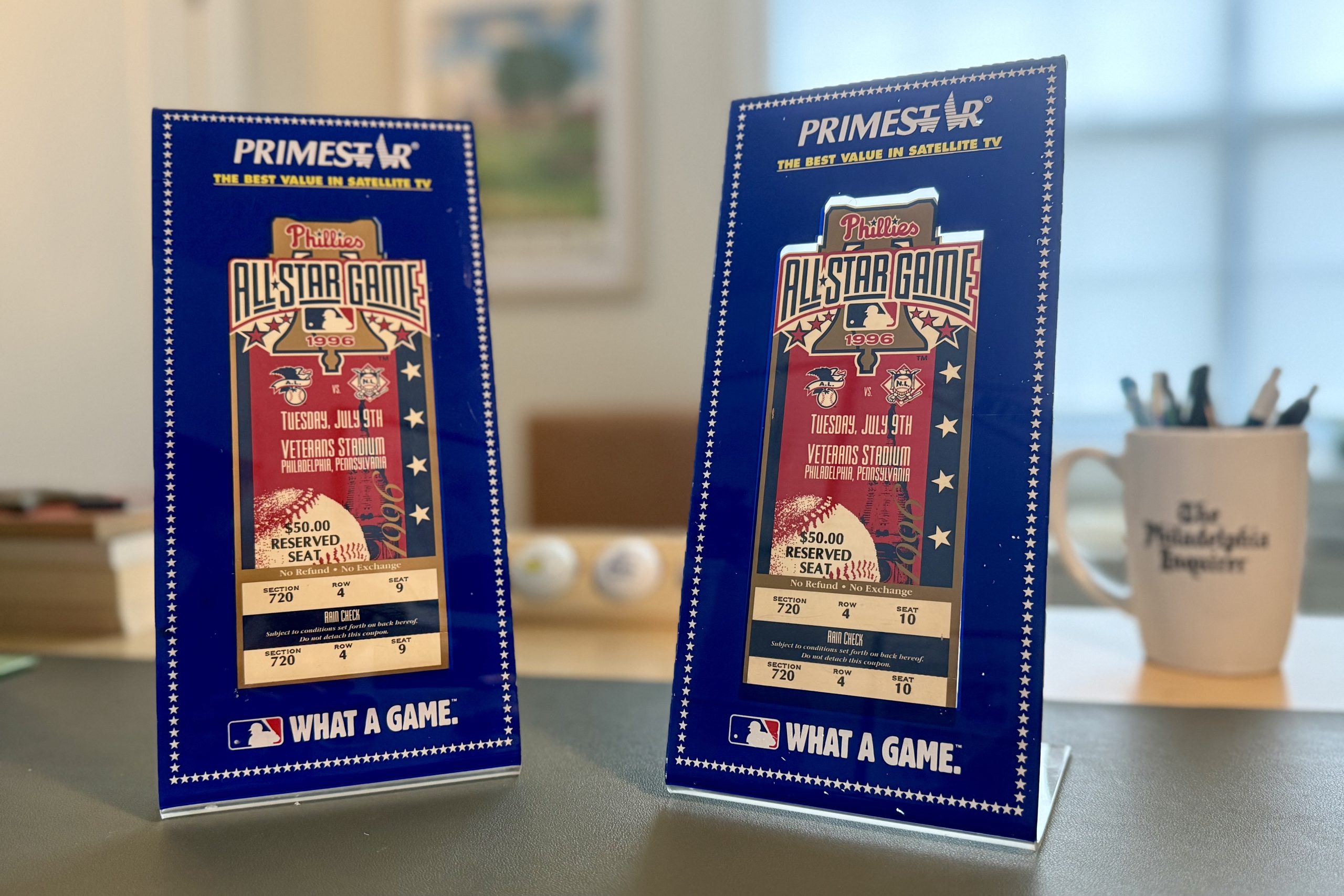
One of his favorites as a kid was from the 1996 All-Star Game, held at Veterans Stadium. Harkins, who was 11 years old and grew up in South Jersey, attended both the game and the Home Run Derby with his father. It was one of his most special childhood memories, and every time he looks at that stub, it takes him back to that moment.
The physical tickets from the 1996 MLB All-Star Game were already keepsake items. They even handed out plastic ticket holders at the game.Matt Mullin / Staff
So, for the 2026 All-Star Game, Harkins decided to print out a physical ticket stub for himself, to remember the moment. He then printed out 250 more, to hand out to fans at the ballpark hoping for that same experience.
“I had the thought, that kids that are going to this game, like when I was 11 in 1996, they’re not going to have that souvenir ticket to bring home,” Harkins said. “Truthfully, kids didn’t really seem that excited about them, but all of their parents were gung-ho when I handed them the ticket stubs.”
Everyone received the same section, row, and seat number, each of which carried a special meaning. Harkins picked Section 126 because “Chase Utley is No. 1 in my book.” The row (20) and seat (08) numbers combine to make 2008, honoring the Phillies’ 2008 World Series title, the first Philly championship Harkins experienced.
On the back of each ticket, he included a message:
“I hope the newer generations of baseball fans can appreciate having a physical memento to remember this night with,” he wrote. “Maybe, thirty years from now, you’ll still have this ticket. I hope you look back on this night as fondly as that 11-year-old from 1996 still does.”
He got the idea after attending a concert in Mexico last month. Harkins met a couple from Denver, who printed out individual tickets of their own to celebrate their trip, and gave him one. As an avid ticket stub collector, he immediately started brainstorming.
Over the last decade-and-a-half, sports teams, concerts, and events have largely turned away from issuing physical tickets, instead relying on mobile tickets and QR codes. The Phillies started the process of turning their season ticket holders toward digital tickets in 2014, eliminating physical tickets entirely in 2020 during the pandemic. Mobile tickets can be more convenient, but don’t make for the same kind of keepsake.
“I’ll see an Eagles game from 2008, where it was blistery, and I can just remember being freezing cold that night against the Carolina Panthers on a Monday,” Harkins said. “It makes me think of the people that I was able to share that experience with and sometimes the result, sometimes good, sometimes bad.”
One of those people at Tuesday’s All-Star Game was Cheryl Spielvogel, the longtime peanut vendor whose call of “Peeeeeanuts!” is a familiar refrain for Citizens Bank Park regulars. Harkins happily told Spielvogel, who has been slinging the ballpark snack for over 50 years, that she helped provide “the soundtrack to my childhood.”
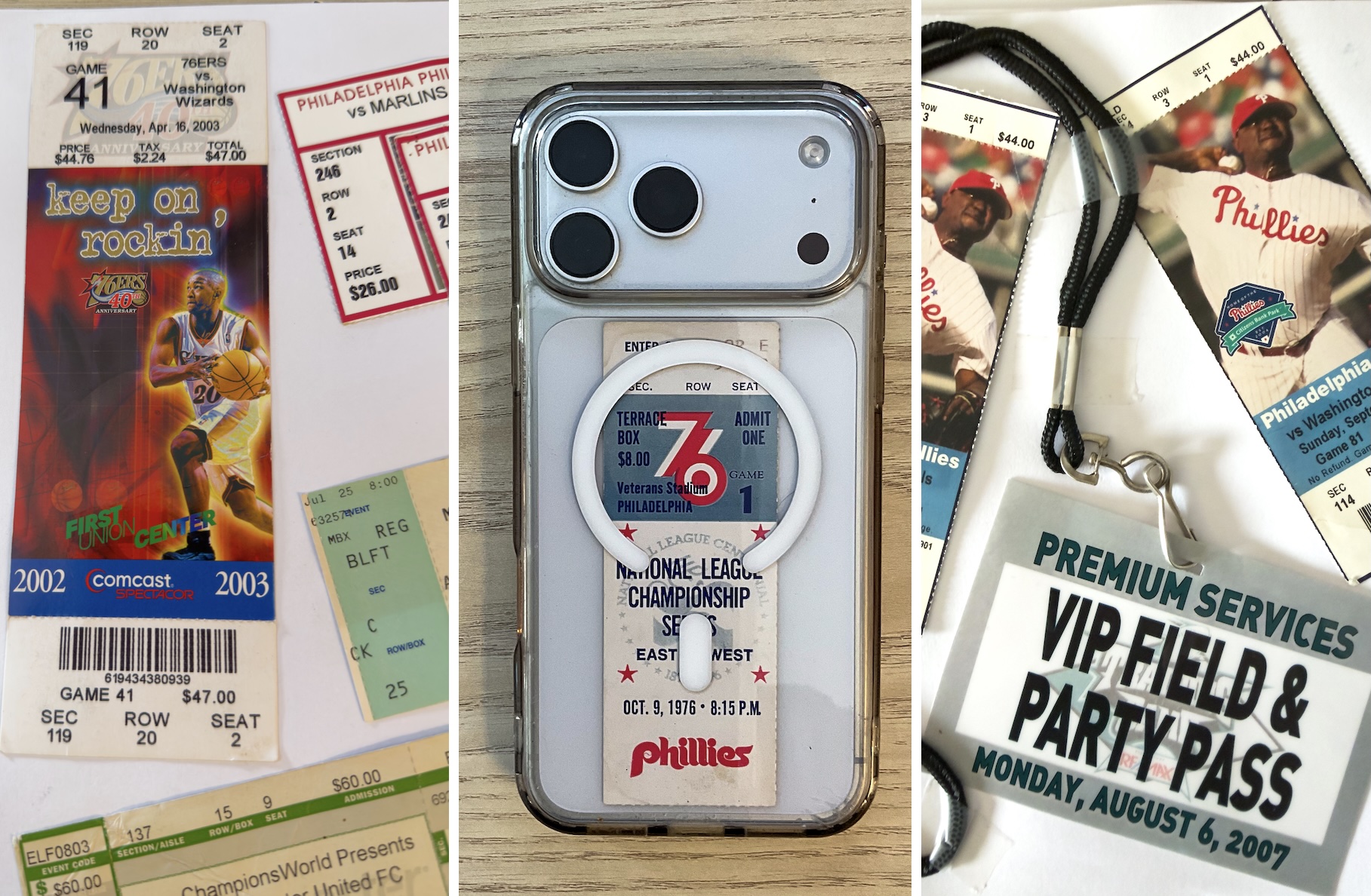
A look at some of the tickets in Harkins’ collection, including Michael Jordan’s last game (left), the 1976 NLCS, kept in his phone case (center), and Phillies tickets from their 10,00th loss and their playoff clinching win in 2007 (right).Courtesy of Mike Harkins
Harkins, who was a member of the famed Wolf Pack (in honor of former Phillies pitcher Randy Wolf) a quarter century ago, said the best ticket in his collection is from the Phillies’ regular season finale in 2007, when they clinched a playoff berth with some help from the Mets. He and his friends listened from the parking lot as Tom Glavine gave up seven runs in the first inning for New York against the Marlins, and were “floating” the rest of the day at Citizens Bank Park.
He even got to meet Dontrelle Willis, who started that game for the Marlins and now works for Fox Sports, at the All-Star red carpet at Independence Mall, and hear the story of that game from his side. Later, at the ballpark, Harkins got to meet the fan known as Marlins Man, a regular behind home plate at big-ticket events around the country. Laurence Leavy, the lawyer behind the orange Miami Marlins jersey, was confused when Harkins first handed him the stub, but was thankful once he realized what he had received.
Harkins considers himself a baseball history fanatic, and said the people who loved physical tickets the most were the ushers at the Bank, many of whom share that same passion for Phillies history.
He hopes the All-Star weekend and the ticket can help spark that in someone else.