Tag: Middle Child

  • Main Line to get a buzzy new restaurant led by a Fork and Vernick alum

    Main Line to get a buzzy new restaurant led by a Fork and Vernick alum

    One of the year’s more closely watched Main Line restaurant projects now has a name, a chef, and a clearer identity.

    Old Friend, a contemporary American grill built around live-fire cooking, is targeting a late-fall opening in downtown Wayne with former Fork executive chef Sam Henzy leading the kitchen.

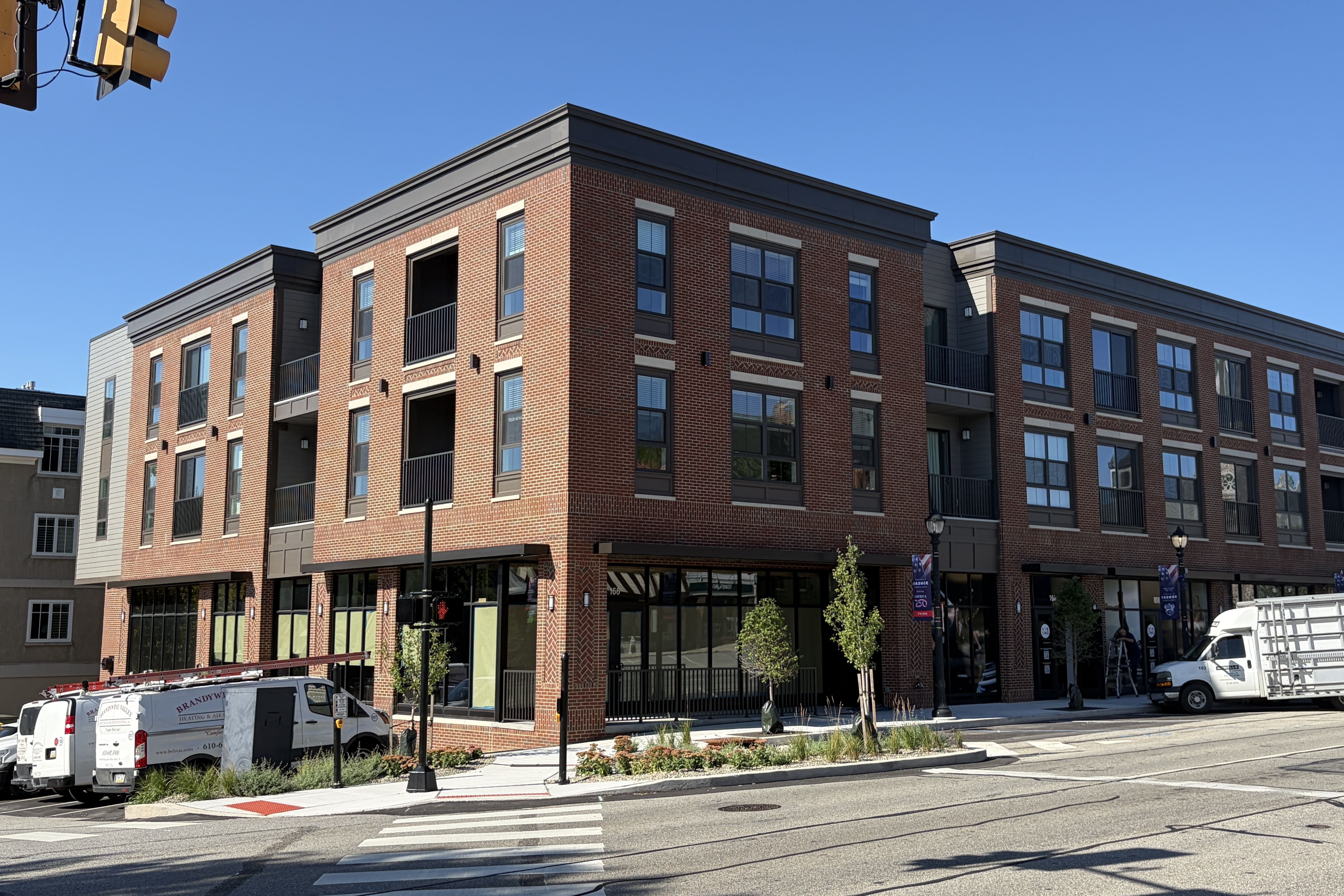
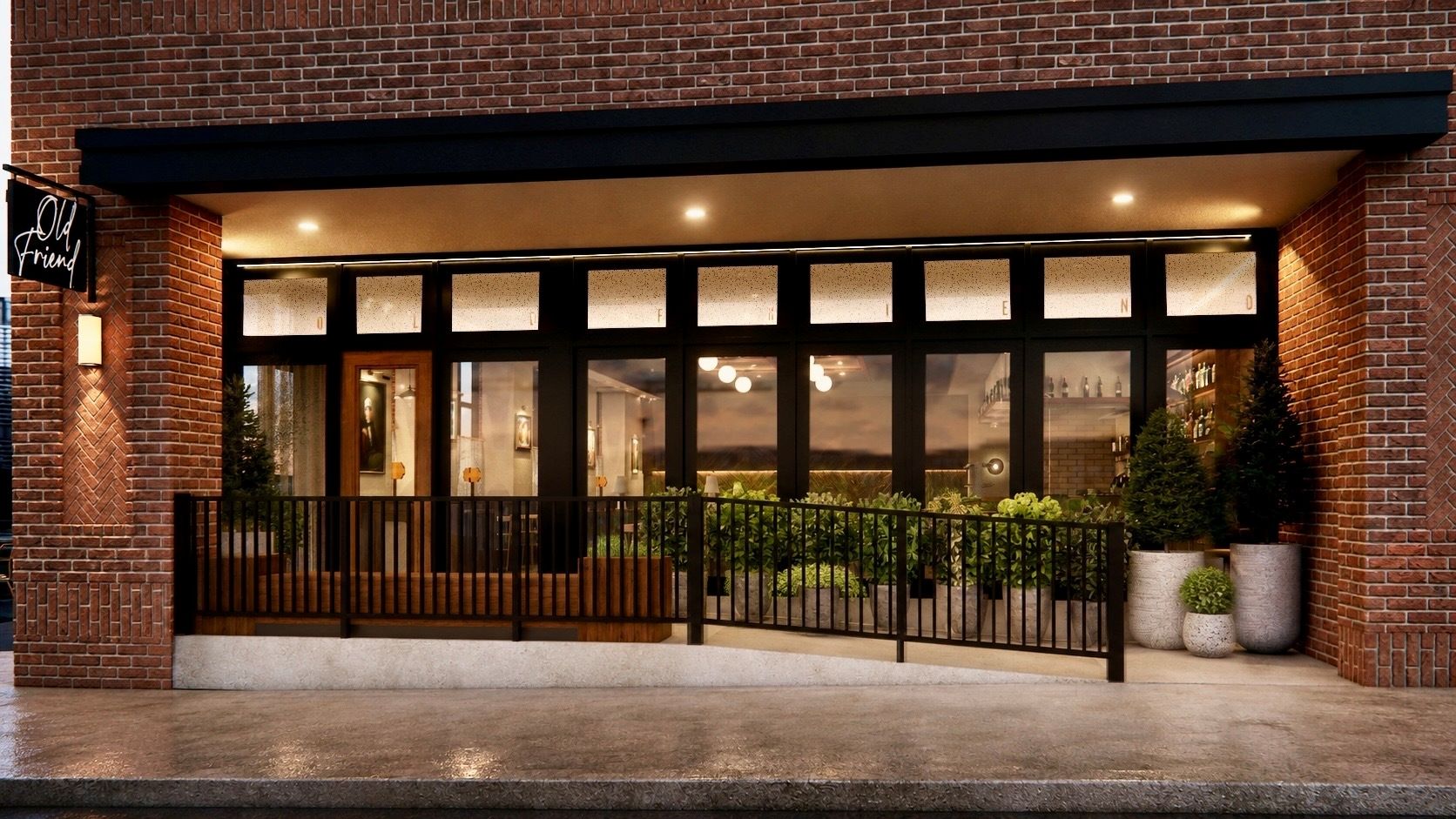
    The 86-seat restaurant — 78 in the dining room and eight at the bar — will be at 166 E. Lancaster Ave., in a newly constructed ground-floor retail space at Lancaster and Louella Avenues that is part of the Apartments at Wayne Station. It is amid Wayne’s restaurant row, across from Maison Lotus and Rosalie, and just a few blocks from At the Table, White Dog Cafe, and the North Wayne Avenue dining strip.
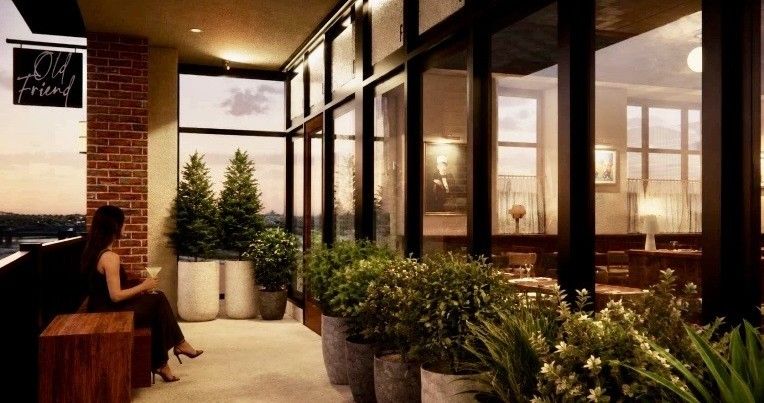
    Rendering of Old Friend, 166 E. Lancaster Ave., Wayne.Stokes Architecture & Design
    Architectural rendering of the facade of Old Friend, 166 E. Lancaster Ave., Wayne.Stokes Architecture & Design

    Old Friend is the creation of Larry Kagan and Chas McFeely, who met in 1984 at Welsh Valley Middle School and later attended Harriton High. McFeely, an advertising copywriter who lives in Alameda, Calif., has family ties to the Main Line and returns frequently.

    Kagan, who works in financial services and is a partner in the Campus sports complex in Downingtown, offered the first public outline of the project at a March Radnor Township Board of Commissioners hearing for its liquor-license transfer, describing an unnamed grill restaurant “that’s going to have the soul of a steakhouse.”

    Kagan told The Inquirer this week that the name “old friend” describes his relationship with McFeely: “It’s someone between friend and family — someone you can pick up at any time, you can be yourself.” The name, he said, also reflects the sort of relationship they hope to develop with customers.

    Kagan acknowledges that neither he nor McFeely is a restaurateur. They brought in Stove & Co. chef-owner Joe Monnich as a consultant to develop the concept and assemble the operating team. Monnich will remain in a leadership role while continuing at Stove & Co., whose holdings include Stove & Tap and Joey Chops.
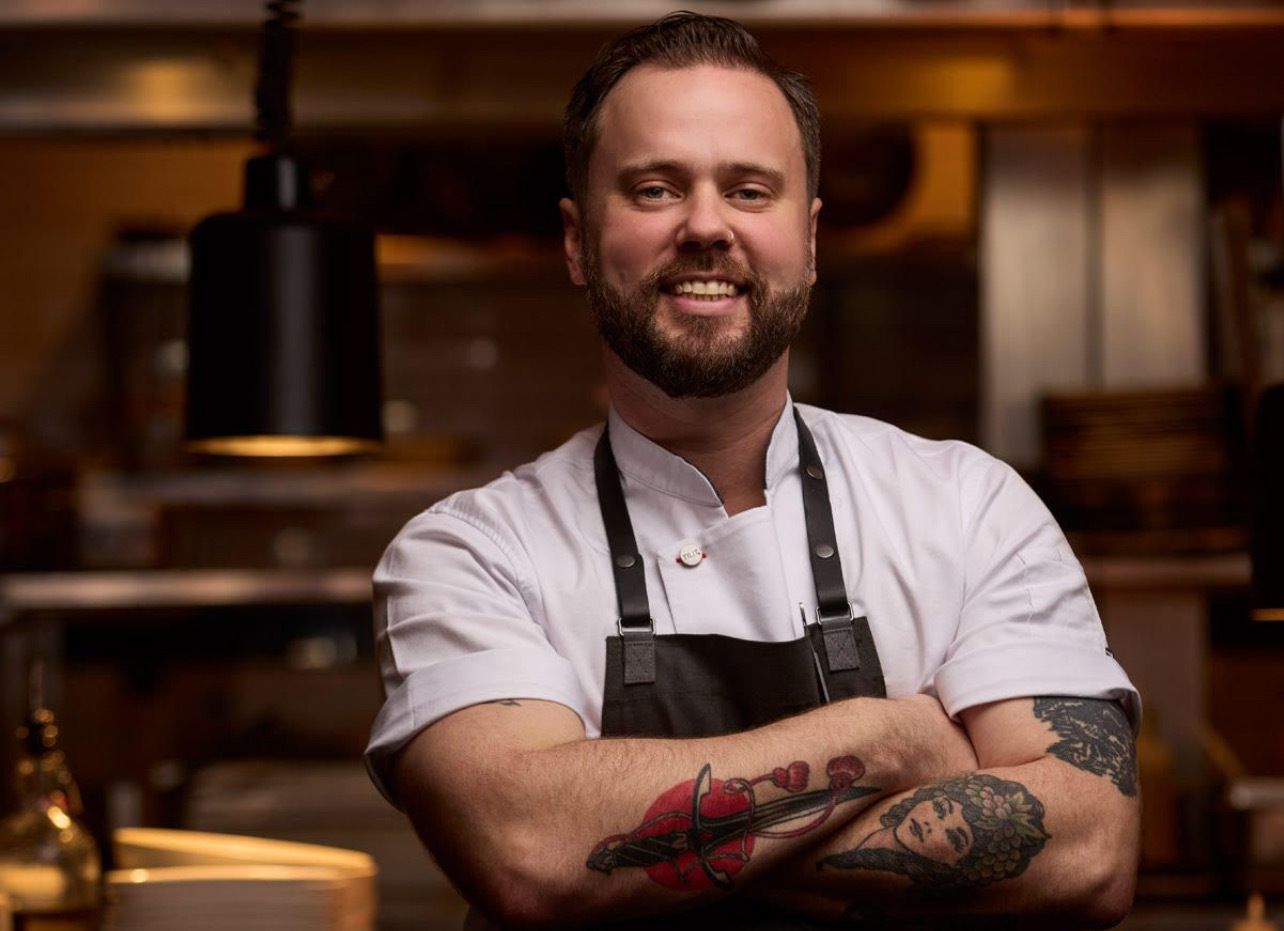
    Sam Henzy in 2025, when he joined Fork as executive chef.Courtesy of Fork

    The connection to Henzy came through Monnich. The two met at Morimoto when Henzy was about 20 and, as he puts it, “green as grass.”

    “Joe was the first chef who pushed me really hard, but he did that great older-brother thing of pushing somebody while being there to answer questions,” Henzy said. “He really took me under his wing.”

    They remained friends as Henzy built his career. He did not know the name of the Wayne restaurant until he recently visited the space with Monnich and the owners.

    “When they told me it was going to be called Old Friend, it just made me smile,” Henzy said, “because that’s how I think of Joe.”

    Henzy, who grew up in Delaware, is best known locally for his two years as executive chef at Fork in Old City. His resumé also includes Middle Child Clubhouse, Vernick Food & Drink, Noma in Copenhagen, and Quince and Angler in San Francisco.

    Henzy’s experience with live-fire cooking began during a six-month internship at Noma. He remembers touring the cutting-edge restaurant and encountering a Josper charcoal grill set up in a makeshift shack out back.

    “In that moment, I was like, ‘Oh, I’m taking that station,’” Henzy said.

    He eventually did, spending the final three months of his internship on the Josper. Later, he sought out Vernick Food & Drink in part for its wood-burning oven. His most intensive live-fire experience came at Angler, where he was executive sous chef and the cooking line had no conventional stoves.

    “It’s just fires,” Henzy said. “It’s fires everywhere you look.”

    Old Friend will bring him back to that style of cooking. Its open kitchen will center on a charcoal-fired Josper combination grill and oven, which Kagan calls the restaurant’s “engine.”

    Designed by Stokes Architecture & Design, the restaurant will feature reclaimed mushroom wood, an oak bar, and an open, firebrick-lined hearth that will put the Josper in view of the dining room.

    Kagan calls Old Friend a contemporary American grill. The developing à la carte menu will move from small and medium plates to larger-format proteins intended for sharing. The wine list will be compact and closely matched to the food.

    Fish — including some dry-aged fish — as well as poultry and other proteins will be cooked on the Josper. Henzy gained experience dry-aging fish at Angler and wants to explore the technique further at Old Friend.

    “I think dry-aging fish is both an underused and a misunderstood technique,” he said.

    Old Friend also represents a move away from what became Henzy’s signature at Fork. Pasta may appear on the menu, but it will not be a focus. At Fork, he said, its popularity “took on a life of its own,” sometimes overshadowing the rest of the menu.

    “I’m really big on never resting on my laurels and taking on new challenges,” Henzy said.

    After years away froma live fire-fueled kitchen, Henzy said, “I’ve really been itching to get back into the flames.”
  • Middle Child’s BLT season has arrived. This is how they prepare for the frenzy.

    Middle Child’s BLT season has arrived. This is how they prepare for the frenzy.

    Philadelphians know it’s officially peak summer thanks to a recent announcement: the beginning of BLT season at Middle Child, where the seasonal sandwiches draw lines down the block.

    “We become Pat’s and Geno’s but instead of making cheesesteaks all day, we’re making BLTs,” said Matt Cahn, the owner of the Center City sandwich shop Middle Child and Fishtown’s Middle Child Clubhouse. You won’t see fresh tomatoes on the menu at any other time of the year, but come mid-July: “It’s just BLT, BLT, BLT,” said Cahn.

    You could say tomato season is Middle Child’s Super Bowl. It is intense but short. BLTs are only made for about four weeks, when tomatoes are at their best. It starts Wednesday, July 22 at 11 a.m. (9 a.m. on ensuing days) until sell-out. Each location makes roughly 200 to 250 sandwiches per day.

    While there are other top-tier tomato sandwiches in town — don’t miss the River Twice entry, adorned with gamtae and a quenelle of caviar, for example, or Loretta’s in Headhouse, with herbed aioli and the same vaunted produce as Middle Child’s — none stir up quite as much fervor.

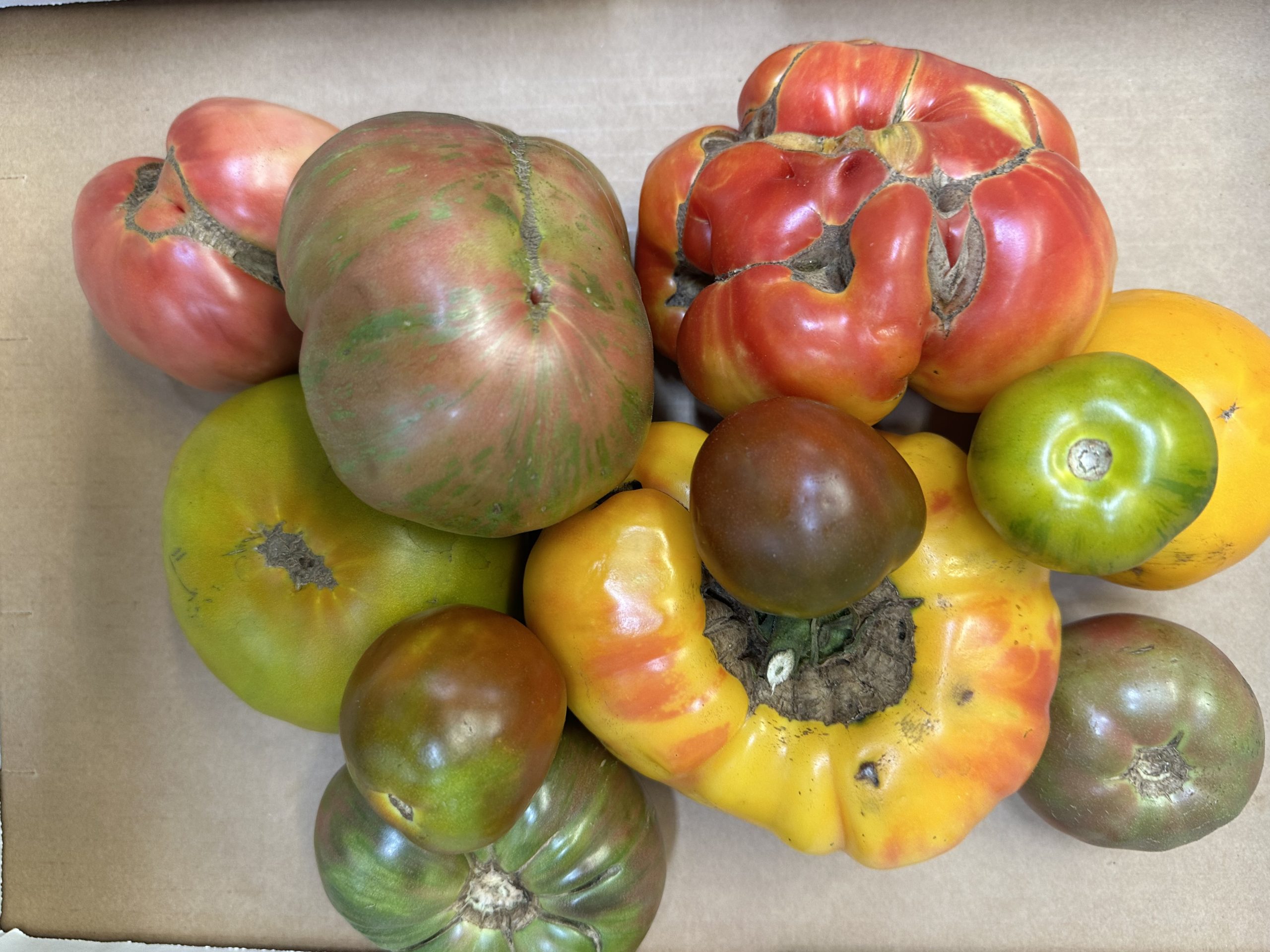
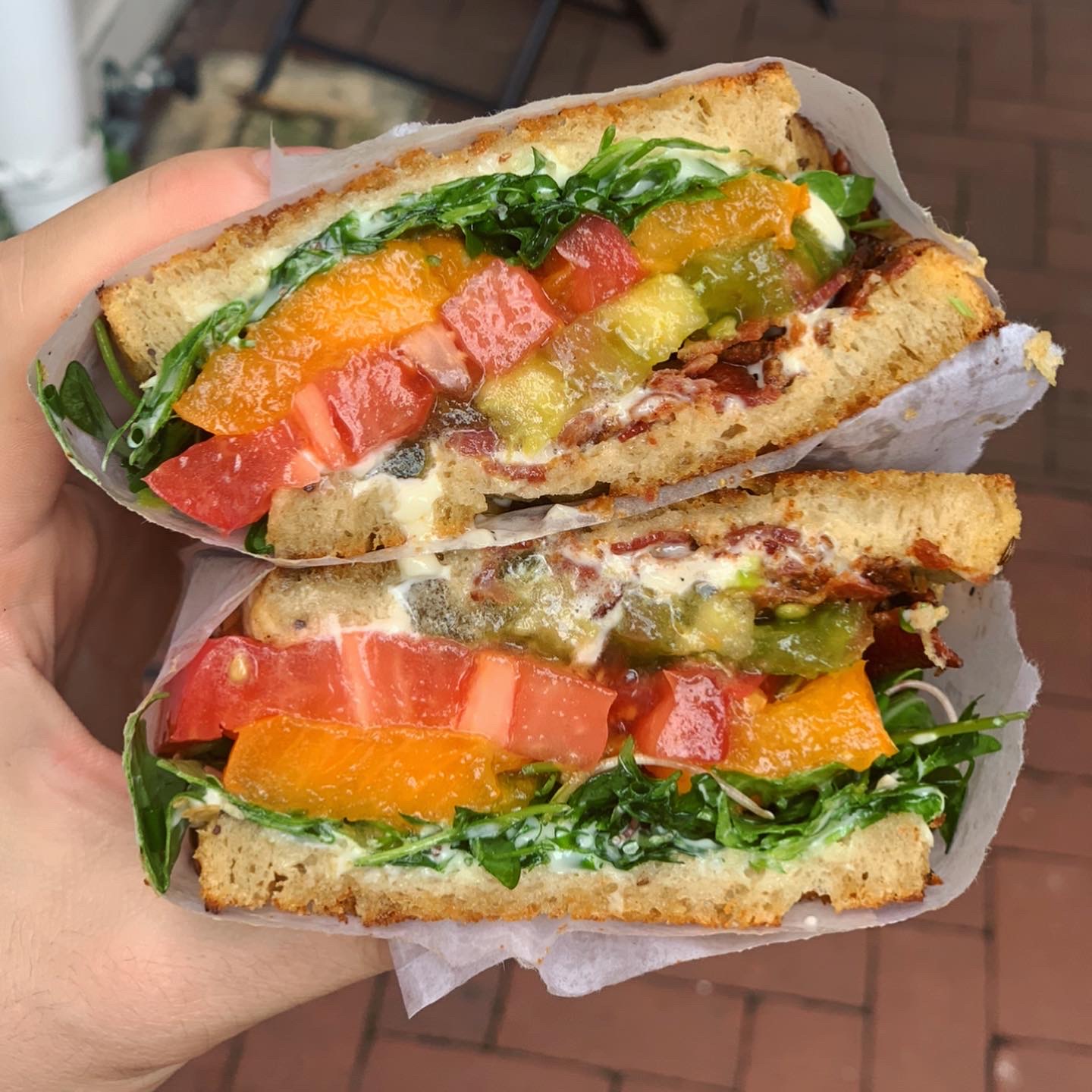
    Middle Child’s tomatoes, cut into thick, rainbow-hued slabs, always come from Urban Roots Farm in Newtown Square. Tomatoes arrive at peak ripeness, and they only have a shelf life of about two days.

    “These tomatoes are really expensive,” said Cahn. They’re about $38 to $40 per flat or case, which means there’s $2.60 worth of tomatoes on each sandwich. “It costs more than the turkey does on turkey sandwiches.”

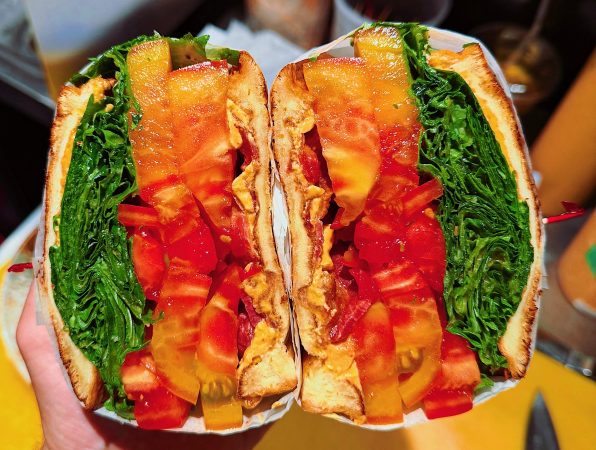
    Their classic BLT ($16) consists of those tomatoes, five pieces of Leidy’s bacon (“Nothing fancy … because the sandwich is all about the tomatoes,” said Cahn), Duke’s mayonnaise, and locally grown arugula dressed with tomato vinaigrette all sandwiched on slices of rye bread from Merzbacher’s bakery. The sandwich can also be made vegetarian (substituting bacon for avocado), vegan (with avocado and veganaise), and gluten-free.

    The famed BLT at Middle Child with local heirloom tomatoes at peak ripeness.Matt Cahn

    The BBLT ($21) is served on a LeBus ciabatta, and that second “B” stands for a whole ball of Jersey-made burrata from Lioni Latticini. It also features a chili-tomato jam, made of tomato scraps and usually Calabrian chilis, though Cahn has been experimenting with red chili flakes and gochujang this year.

    This year, for the first time, Middle Child Clubhouse will offer a slightly different evening BLT, with thick-cut slab bacon, for $18 — if Clubhouse’s tomato supply lasts till dinner service. Cahn said he expects even more tomatoes in a week or two, meaning more availability for dinner BLTs.

    Waste not

    This is Middle Child’s ninth tomato season since opening in 2017, and every year, the cult obsession with the sandwiches has grown. Every season, Cahn tweaks the processes of both selling and making the sandwiches.

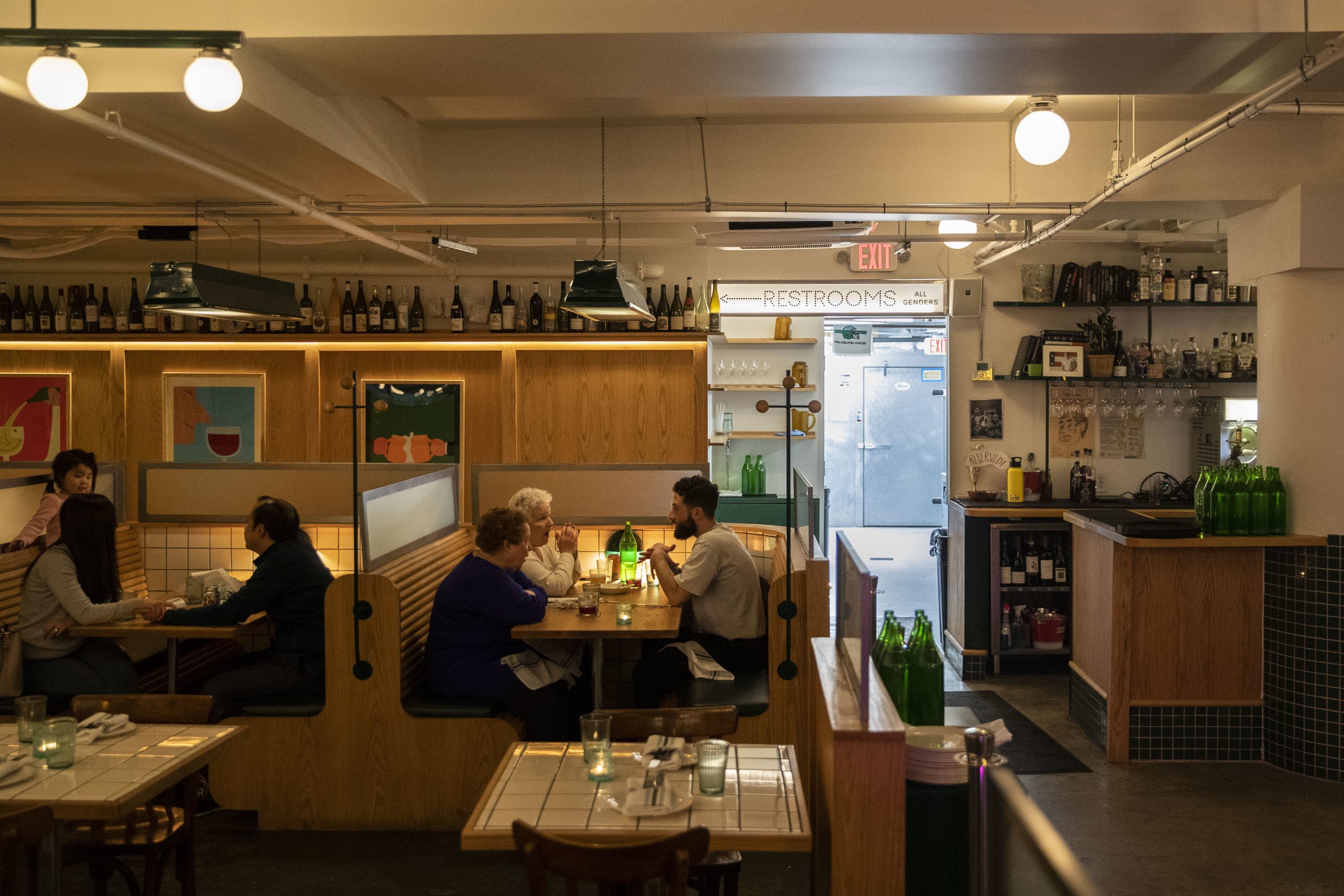
    Diners at Middle Child Clubhouse, 1232 N Front St. in Fishtown in February 2022.MONICA HERNDON / Staff Photographer
    Tomatoes from Urban Roots Farm in Newtown Square, Pa.Matt Cahn

    Tomatoes are particularly delicate. They’re perfectly ripe for only a day or two before they start turning to mush and growing mold. And because they’re cored and sliced to lie flat, they generate a lot of waste. The tomato scraps, along with tomato “seconds” — or tomatoes a little too soft to slice — go into that chili-tomato jam and the tomato vinaigrette that dresses the arugula.

    The base for both of those sauces is tomato water, which Middle Child’s team collects every day.

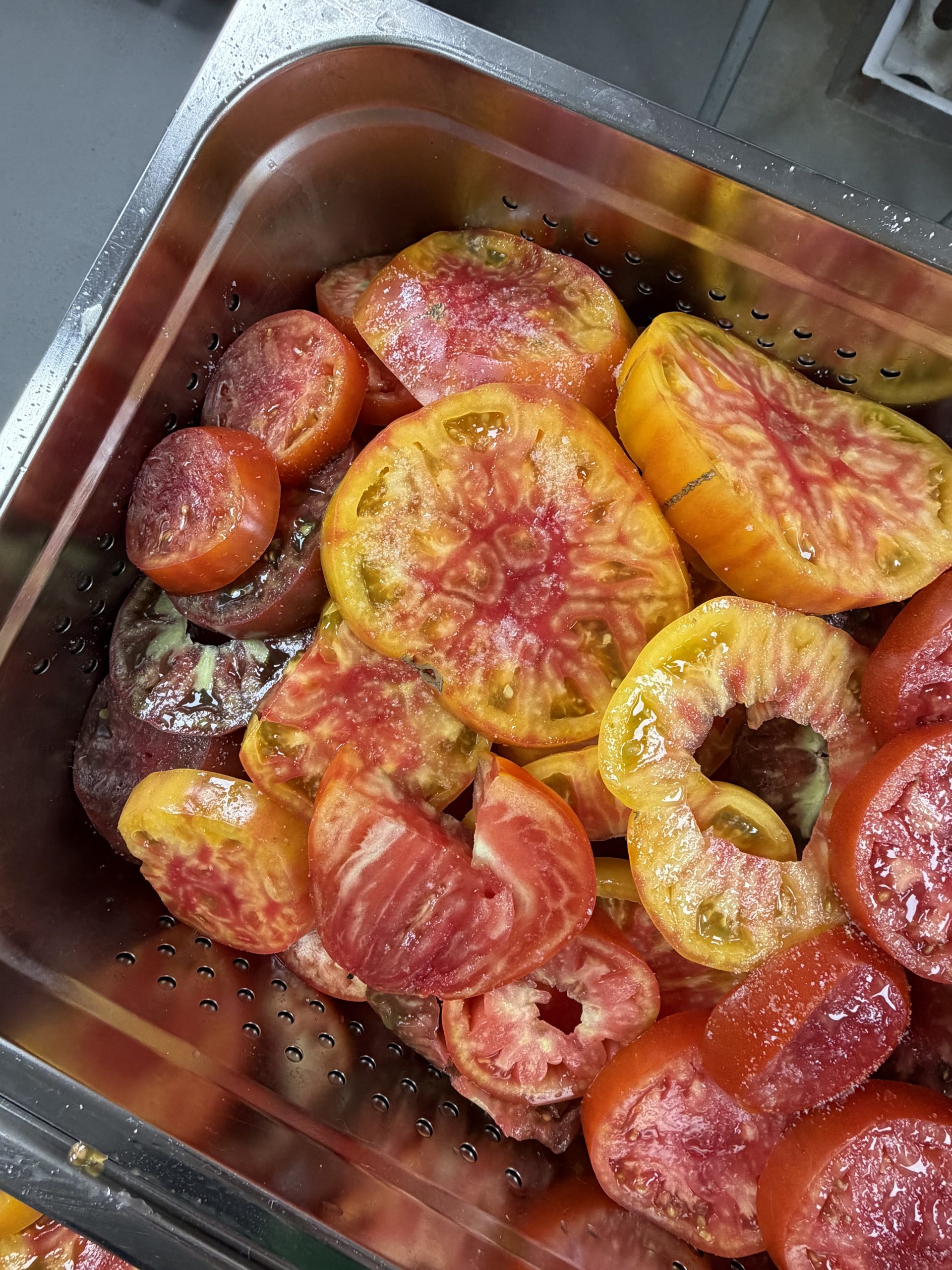
    “Every morning we treat the tomatoes like steaks. We season them a couple hours before service with Diamond Crystal kosher salt, then shingle them on a perforated pan and layer the shingles,” said Cahn. Gravity presses down the layers and the tomato water accumulates below. It’s a boon to Middle Child Clubhouse’s bartenders: In past years, they have made tomato agua fresca, tomato water ice, frozen tomato pops, and tomato martinis with the salty tomato water.

    Middle Child slices and salts the Urban Roots tomatoes before assembling them into sandwiches.Matt Cahn

    What to expect

    There are some loosely enforced “rules” during BLT season. First, you should eat the sandwich within 10 minutes of receiving it.

    Second, embrace the wait. Middle Child will turn off online orders in the thick of BLT season to prevent customers from jumping the actual line. Cahn encourages customers to enjoy the madness. “Part of the fun is going and [waiting]. People are chatting and getting to know each other and there’s a lot of debate over whether or not it’s worth the hype,” said Cahn.

    “The first week is really crazy, but in a couple weeks, once the tomato plethora has really come in,” the lines get more manageable, Cahn said. And they move quickly, thanks to a full week of BLT training, in which the staff practices until they’ve mastered every detail, down to meticulously wrapping the final product.

    “The sandwich is a structural game of Jenga,” said Cahn.