Tag: Michael Solomonov

  • Planned protest against Jewish-owned Philly restaurants draws ire, security, and feelings of unease

    Planned protest against Jewish-owned Philly restaurants draws ire, security, and feelings of unease

    Philadelphia business leaders and elected officials are condemning a planned bike-ride protest against half a dozen eateries owned by Jewish restaurateurs, days before the cyclists are set to gather in Center City.

    The “Boycott Ride” has drawn ire internationally in recent days, as many have denounced the anticipated action — planned for the eve of Kristallnacht on Sunday — as antisemitic and hateful. In response, city, state, and congressional leaders have called for increased security, and Philadelphia’s Jewish community have rallied behind the businesses.

    “Everyone has the right to peacefully protest and express their political views,” Philadelphia Mayor Cherelle L. Parker said in a statement. “But singling out businesses because their owners are Jewish is unacceptable and has no place in our city.”

    It’s unclear how many people will participate in the bike ride or how the organizers plan to express their dissent. An Instagram post promoting the demonstration had less than 800 likes as of Saturday morning. Meanwhile, a counter, “community food crawl” has galvanized, encouraging people to patronize the targeted businesses this weekend.

    Philadelphia police said Thursday they were monitoring the protest and will “take appropriate measures to maintain public safety,” and a spokesperson for Gov. Josh Shapiro said his administration and state police were working with local authorities ahead of Sunday.

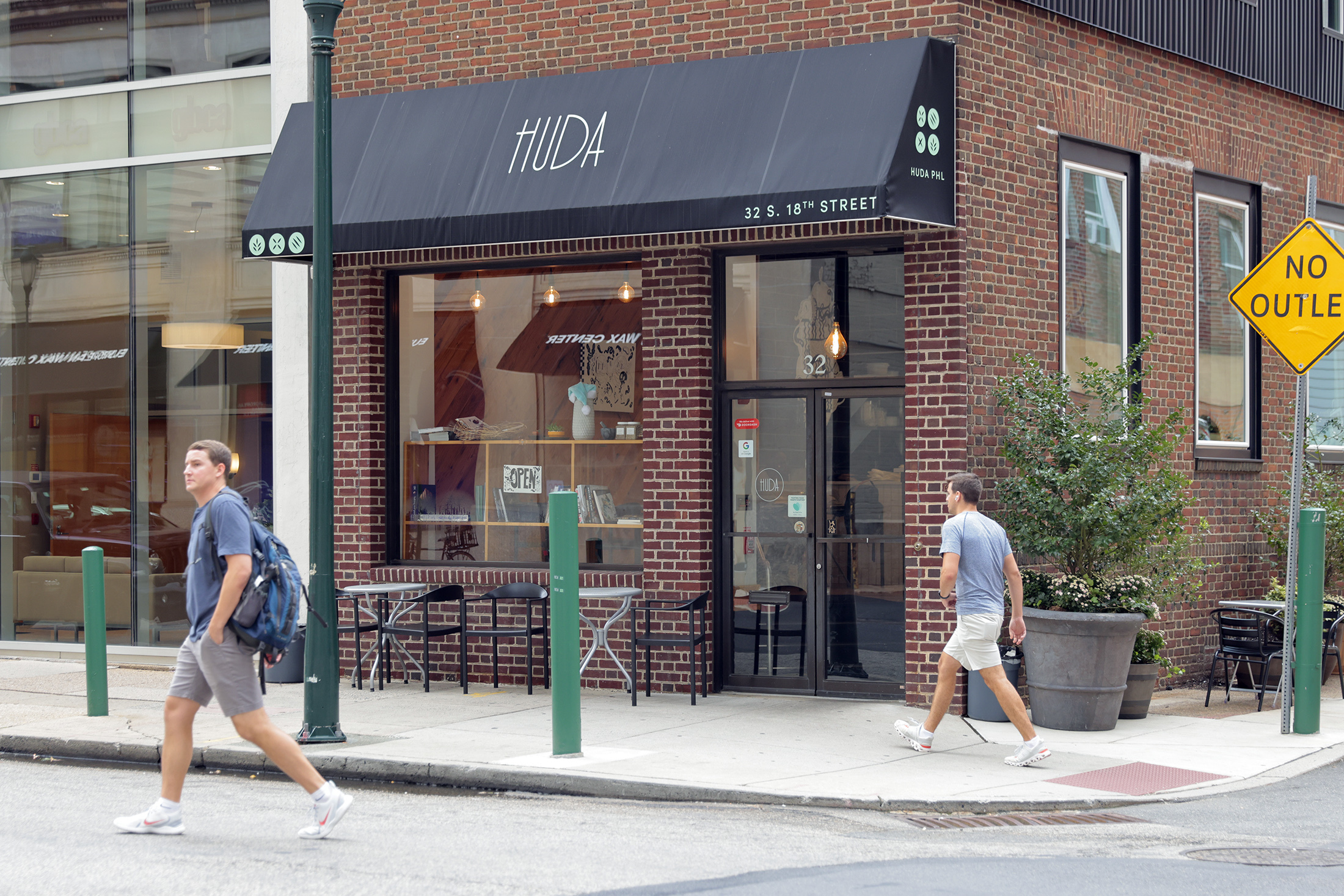
    Organizers of the “Boycott Ride” said on Instagram the cycling demonstration was intended to show pro-Palestinian solidarity and protest six businesses they say are “Zionist establishments”: Mac Mart, K’Far Cafe, Huda, Goldie, Dizengoff, and Schlesinger’s Deli. A widely circulated flier reads, “No business for Zionists! These Zionist Establishments must go! Not in our city!”

    Allan Domb, owner of Schlesinger’s Deli and a former Philadelphia city councilmember, called the boycott “unsettling.”

    “This group wants to see our businesses shut down because we’re Jewish,” he said in a phone interview. “Imagine if this was another group that was being targeted — everybody would be up in arms.”

    In a statement, the Jewish Federation of Greater Philadelphia denounced the bike ride as an attempt to “intimidate Jewish businesses or drive them out of Philadelphia.” The federation, and others, have also taken issue with the boycott’s timing: The protest is planned for the eve of the 88th observance of Kristallnacht, an organized attack on Jewish businesses, homes, and synagogues in Nazi Germany in 1938. During Kristallnacht, Nazis assaulted and killed Jewish people, imprisoned about 26,000 Jewish men in concentration camps, and burned more than 1,400 synagogues, according to the U.S. Holocaust Memorial Museum.

    “Publicly identifying Jewish-owned businesses and declaring that they must go sends a message to Jewish Pennsylvanians that they are unwelcome in the economic and civic life of their own communities,” said Andrea Martin, commissioner of the Pennsylvania Human Relations Commission.

    “Such efforts to intimidate, marginalize, and exclude Jewish business owners should concern every Pennsylvanian who believes in equal rights and the dignity of all people,” Martin said.

    On Saturday, the ride’s organizers — a group called Philly Bike On Your Left — posted a statement to Instagram that said in part, “our ride has been grossly misrepresented.”

    “We firmly stand with indigenous Palestinians in their struggle for freedom and justice,” the statement read. “Let us be clear: the reason we are calling for a boycott of these businesses is because of their support for Israel.”

    The statement also addressed the protest’s timing: “We plan rides around people’s schedules. Palestinians need our support now. Any suggestions about the timing of our ride are simply false.”

    Another group, Boycott CookNSolo — a movement protesting the restaurant group that owns Goldie, K’Far Cafe, and Dizengoff, among others — came to Philly Bike On Your Left’s defense, writing on Instagram that all the restaurants’ owners “have made statements and/or raised funds” in support of Israel in the war. Since the Oct. 7 Hamas attack on Israel, when Hamas militants killed 1,200 people and took 251 hostages, Israel has responded with an offensive that has killed more than 74,000 Palestinians, according to Gaza’s Health Ministry.

    Boycott CookNSolo called the social media fury and attention a “coordinated campaign to discredit and villainize the organizers,” while “disingenuously conflating Zionism with Judaism and invoking Kristallnacht.”

    “Hate has no place in our community or directed at small businesses working hard to feed their families and bring joy to others,” Mac Mart owner, Marti Lieberman, said in a statement. “Since day one, Mac Mart has welcomed everyone, regardless of background, culture, religion, or beliefs.

    “Our mission has always been simple: Make people happy with delicious comfort food. That’s what we’re going to continue doing.”

    A spokesperson for CookNSolo — co-owned by Israeli-born chef Michael Solomonov — did not immediately respond to emails seeking comment. Solomonov and CookNSolo have previously come under scrutiny for fundraising for an Israeli nonprofit.

    Tensions escalated in December 2023 when pro-Palestinian protesters chanted, “Goldie, Goldie, you can’t hide, we charge you with genocide” outside of the falafel shop. Those chants drew rebukes from local leaders up to the White House.

    Huda’s owner, Yehuda Sichel, was not immediately available for comment.

    Both Domb and Lieberman said they’ve received an outpouring of support.

    “Right now, it’s just meant to be a bike ride, but there’s a lot of attention,” Domb said. “We want to keep it peaceful, calm.

    “And I actually think the noise might be greater than the reality.”
  • A South Jersey food anchor folds amid a staffing crisis and rising costs

    A South Jersey food anchor folds amid a staffing crisis and rising costs

    Ashley Coyne had dealt with plenty of staffing problems in nearly 11 years of running Goodbeet, her health-focused restaurant in Haddon Township’s Westmont section. But nothing could top one week in September.

    One kitchen employee was out for surgery. Another broke his wrist and fingers. The kitchen manager landed in the emergency room with a badly sliced thumb. Then a front-of-house employee was injured playing volleyball.

    Goodbeet owner Ashley Coyne in the restaurant kitchen in Haddon Township. Allie Ippolito / For The Inquirer

    Coyne had to shut down her kitchen for two consecutive days because she had nobody to cook.

    “I was like, ‘I’m done,’” she said.

    And she was.

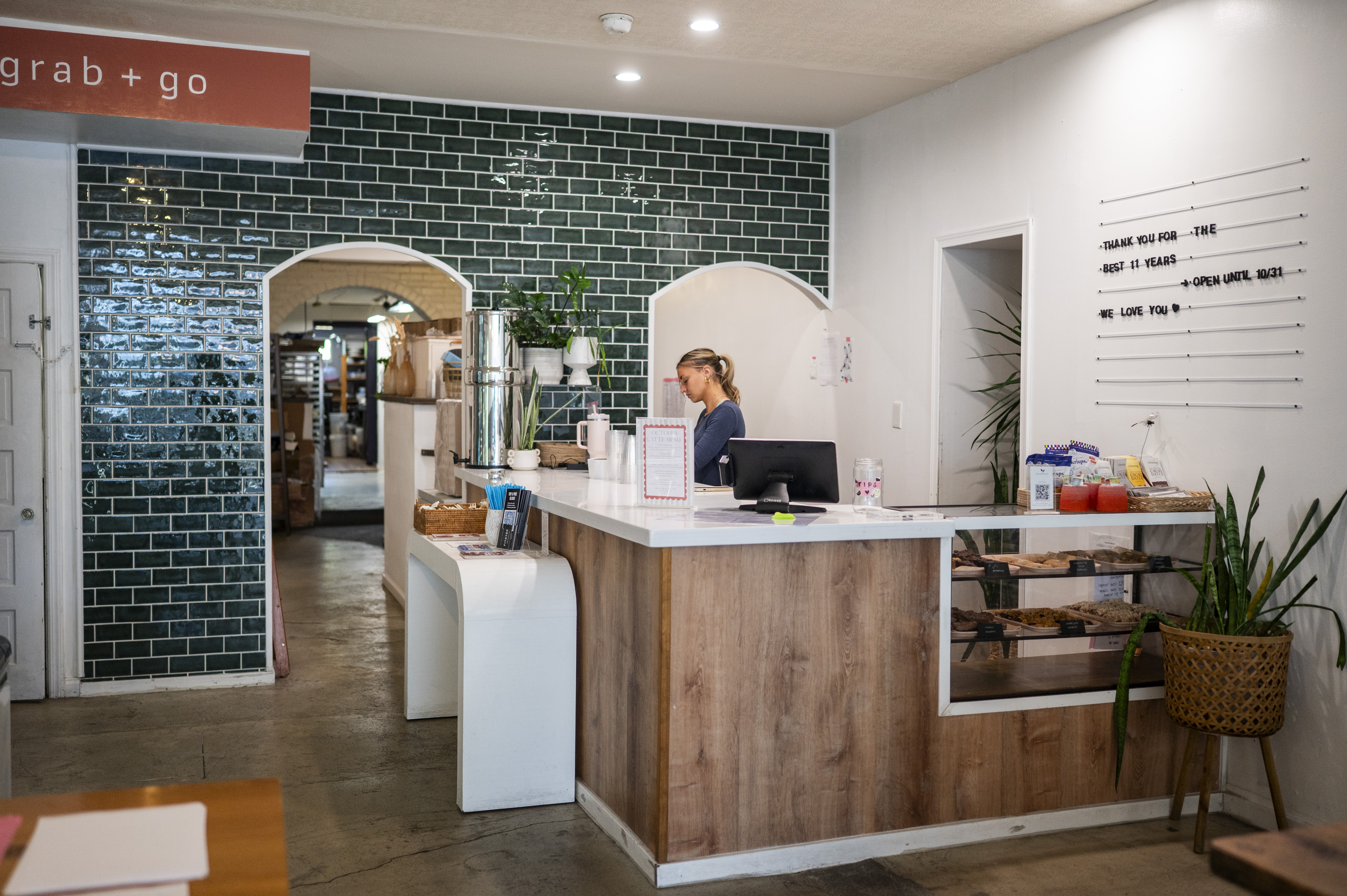
    Goodbeet ended full kitchen and dine-in service last Friday. The storefront at 29 Haddon Ave. will continue selling coffee, smoothies, baked goods, and prepared foods through Oct. 31. Coyne plans to continue Goodbeet as a wholesale and online business, offering sauces, dressings, plant-based meatballs, prepared meals, salads, and desserts for pickup and delivery.

    A shifting climate

    For Goodbeet, an anchor on Haddon Avenue’s commercial strip, the competitive landscape has changed dramatically.

    “We used to be a destination,” Coyne, 39, said. “People would travel serious distances to come here. Now, they don’t have to.”

    When Coyne opened in 2015 as Heart Beet Kitchen, restaurants devoted to plant-based, gluten-free, and health-conscious food were relatively uncommon in South Jersey. Today, plant-based dishes are fixtures at chains such as Sweetgreen, Cava, and Chopt, while supermarkets and convenience stores have expanded their prepared-food offerings.

    A quinoa Caesar salad from Goodbeet.Allie Ippolito / For The Inquirer

    Coyne, who rebranded the restaurant in 2021, responded by broadening the menu. After a decade of serving no animal products, she began allowing customers to add chicken and salmon to bowls in 2025. In September, she introduced a salmon bowl and fried chicken sandwich.

    The decision drew angry responses from some longtime vegan customers, including criticism directed at employees. But Coyne said the additions increased sales and attracted families whose members wanted different kinds of food.

    “We sell so much chicken,” she said. “It brought in new customers.”

    The changes came as the plant-based restaurant business faced competing trends. While 60% of American households purchased plant-based foods in 2025, according to the Plant Based Foods Association, U.S. food-service sales of plant-based proteins fell 7% that year, according to an analysis by Good Food Institute. Vegan food has entered the mainstream, but it’s apparently come at the expense of vegan restaurants.

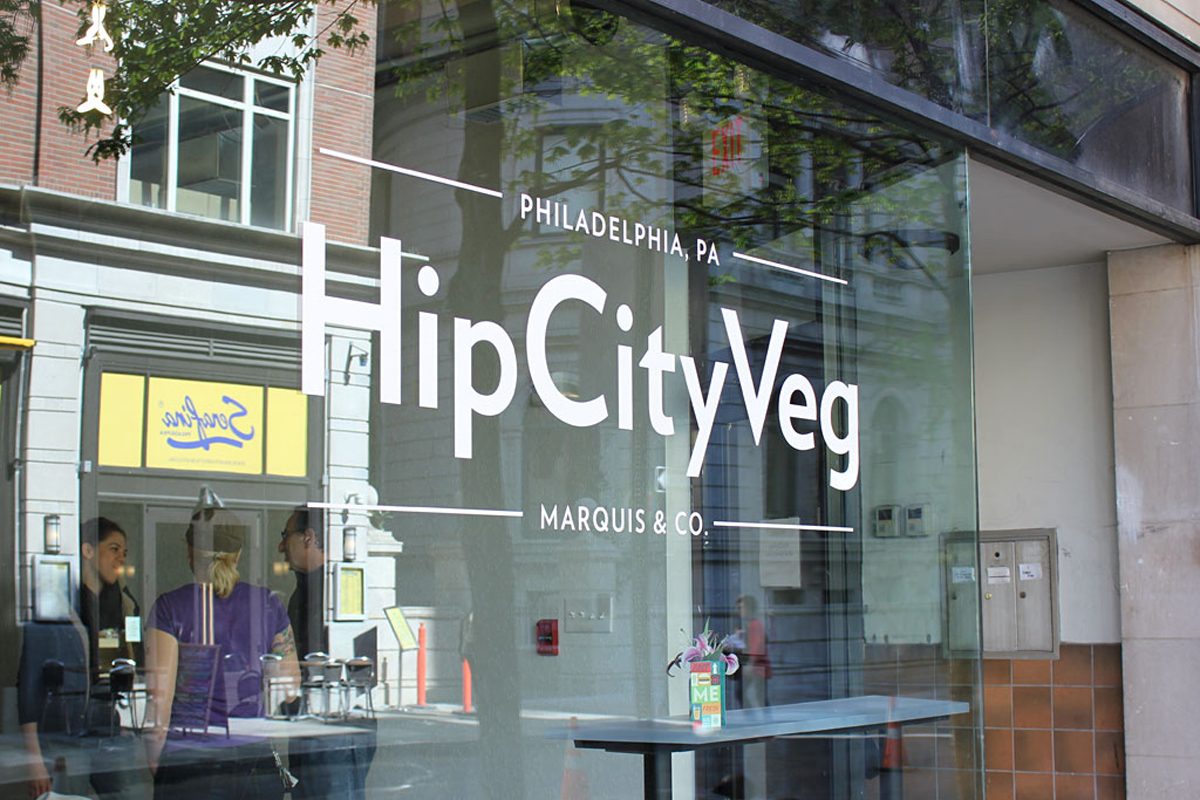
    HipCityVeg, which had expanded to New York and Washington, now has one location: Its original storefront near Rittenhouse Square.Michael Klein / Staff

    In the Philadelphia region, several vegan fast-casual operators have contracted. HipCityVeg opened in 2012 and grew to a chain in Philadelphia, its suburbs, D.C., and New York; today, it’s down to its original Rittenhouse location. Goldie, the vegan falafel chain that restaurateurs Steve Cook and Michael Solomonov opened in 2017, reduced its footprint from four Philadelphia shops to one over the summer, citing slower weekday lunch business and changing consumer-spending habits.

    The pressures extend beyond vegan restaurants. Sweetgreen, the national salad-and-bowl chain, reported a 6.2% decline in same-store sales in the second quarter of 2026.

    The broadened menu did not eliminate Goodbeet’s financial constraints. Coyne said she could not raise prices enough to fully offset rising food and labor costs without risking the loss of customers.

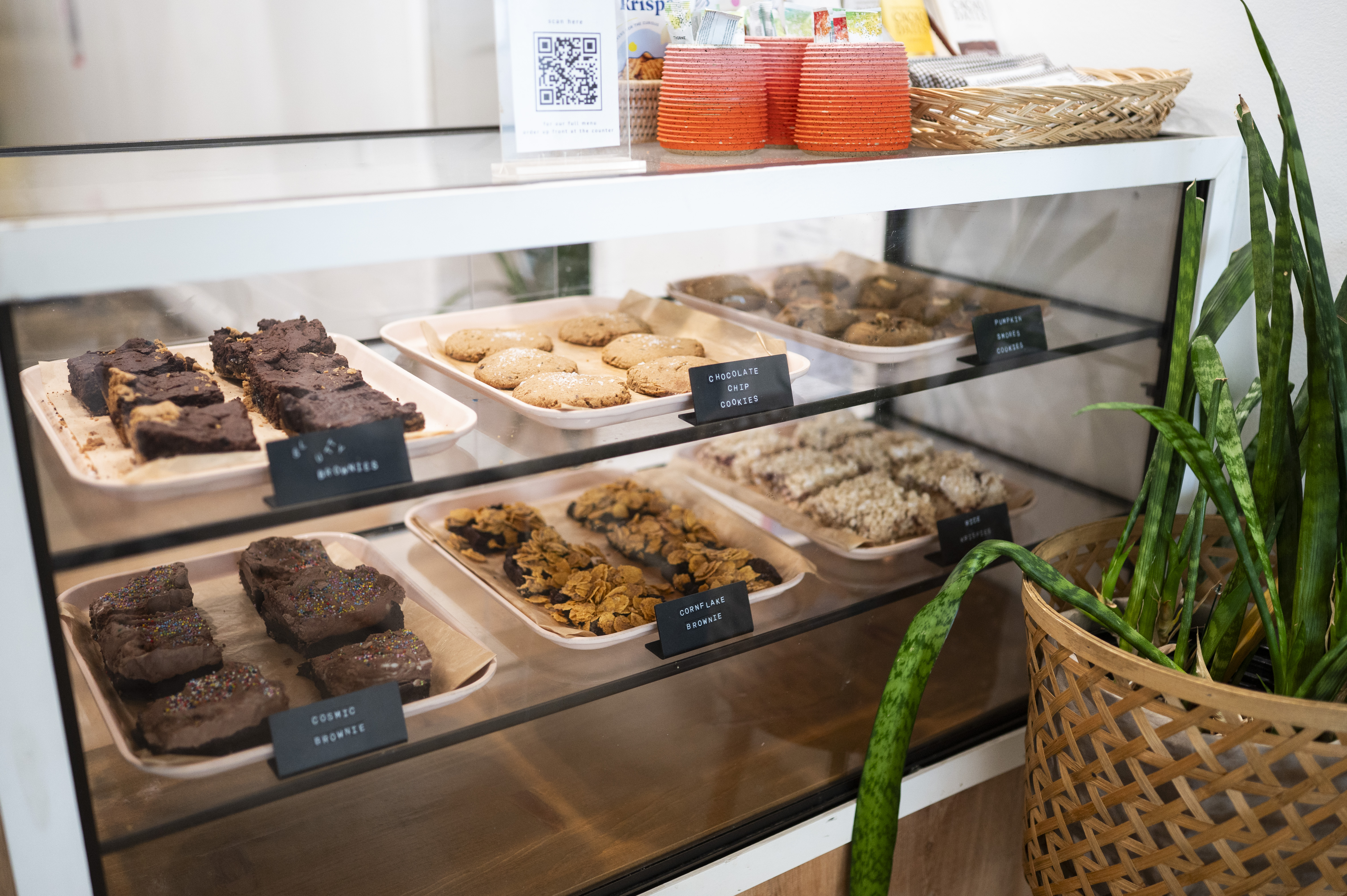
    The pastry case at Goodbeet on Oct. 7.Allie Ippolito / For The Inquirer

    Staffing issues

    Yet the problem that ultimately closed the kitchen was not the cost of ingredients. It was keeping the kitchen staffed.

    Before the pandemic, Coyne employed several full-time kitchen workers. More recently, she said, nearly everyone on her staff had another job. One employee teaches and works at Goodbeet nights and weekends. Another works only Fridays. Her cook also works at Wonder, the prepared-food and delivery chain.

    Coyne generally pays $18 to $20 an hour, while some applicants seek $25. She understands why workers need more money, but said Goodbeet cannot necessarily offer enough hours to support full-time employment.

    “People just aren’t as invested or committed to one place anymore, because they can’t be,” she said.

    Goodbeet’s counter on Oct. 7, as the walk-in business winds down.Allie Ippolito / For The Inquirer

    For a single-location restaurant with a small staff, even a few absences could disrupt operations. Unlike chains that can shift employees between stores, Coyne had no backup kitchen crew.

    The early days

    Coyne was 26 when she began developing Goodbeet after losing her marketing job with the Philadelphia Wings. Her family had restaurant-industry experience, but she had never run a restaurant herself.

    Her prospective landlord initially turned her down. She returned several months later, convinced him to give her a chance, and opened with a lease she remembers as barely more than a page.

    Customers lined up on the opening day in 2015. Within months, she signed a lease for an Ocean City location. She later expanded into Bordentown and operated a separate concept, Poppy Taco, inside nearby Reunion Hall. All eventually closed, leaving Westmont as Goodbeet’s sole storefront.

    The exterior of Goodbeet, a plant-forward restaurant, is closing at the end of this month in Westmont, N.J. on Wednesday, Oct. 7, 2026.Allie Ippolito / For The Inquirer

    The pandemic initially brought a surge in business. Coyne kept the restaurant operating, set up an outdoor pickup table, and found customers eager for food they considered healthy.

    The longer-term strain emerged around 2023. As operating costs increased and staffing became more difficult, Coyne began expanding meal preparation, grab-and-go offerings, and wholesale accounts, packaging products such as plant-based burgers and meatballs for other businesses.

    She was gradually building a business less dependent on daily restaurant service. But the intensity of September’s staffing crisis prompted her to close the kitchen.

    “Five years ago, I would have handled it,” Coyne said. “I’ve worked every single job in this restaurant. I’ve cooked, I’ve done the front of the house, I’ve done everything.”

    This time, she couldn’t bring herself to fill the shifts.

    Next steps for Goodbeet

    Coyne owns the building and is discussing a possible lease with an experienced restaurateur who wants to open a small café there, potentially in January.

    Meanwhile, she and Glenda Navas, a cook who has worked for her for nearly a decade, plan to retain Goodbeet’s wholesale accounts and launch an online store.

    Coyne hopes to concentrate on the parts of the business she believes can continue to grow.

    “We’re not disappearing,” she said.

    Still, the end of storefront service means losing more than a place to buy a meal.

    Goodbye messages from customers are laid out on a table at Goodbeet.Allie Ippolito / For The Inquirer

    Since announcing the closing, Coyne has watched customers return to tell her what Goodbeet meant to them. Some recall picking up desserts during the pandemic, when a restaurant visit was one of their few outings. Others describe a welcoming place where employees knew their families and their lives.

    Jay Lassiter, 54, of Cherry Hill, isn’t vegan. He visits once or twice a week, usually after going to the gym next door.

    Last week before the dine-in closing, he said Goodbeet offered something he had difficulty finding elsewhere: food he felt good about eating in a place where he felt comfortable.

    A goodbye message is on the wall at Goodbeet.Allie Ippolito / For The Inquirer

    Since the announcement, he has watched customers coming in more often, hugging Coyne and sharing their memories.

    “It’s almost like a shiva,” he said. “People are coming to pay their respects because we all know what’s coming.”

    Lassiter knows he will still be able to buy some of Goodbeet’s food. But that isn’t quite the same.

    “There are a hundred things about this place that I’m going to miss,” he said. “But I think a safe, hospitable place to make healthy choices and be surrounded by good people is the thing that I’m going to miss the most.”