Tag: Mawn

  • Just one Philly restaurant hits the New York Times’  best restaurant list this year

    Just one Philly restaurant hits the New York Times’ best restaurant list this year

    Bomb Bomb Bar, the old-time South Philadelphia tavern revived last year by chef Joey Baldino, has been named to the New York Times’ 2026 list of the best restaurants in America — Philadelphia’s only entry this year.

    The city placed two restaurants — Mawn and Meetinghouse — on the list last year, Little Walter’s in 2024, and three — El Chingón, Kalaya, and My Loup — in 2023. Previous Philadelphia-area selections include Andiario, Gabriella’s Vietnam, Down North Pizza, Laser Wolf, and the now-closed Korshak Bagels.
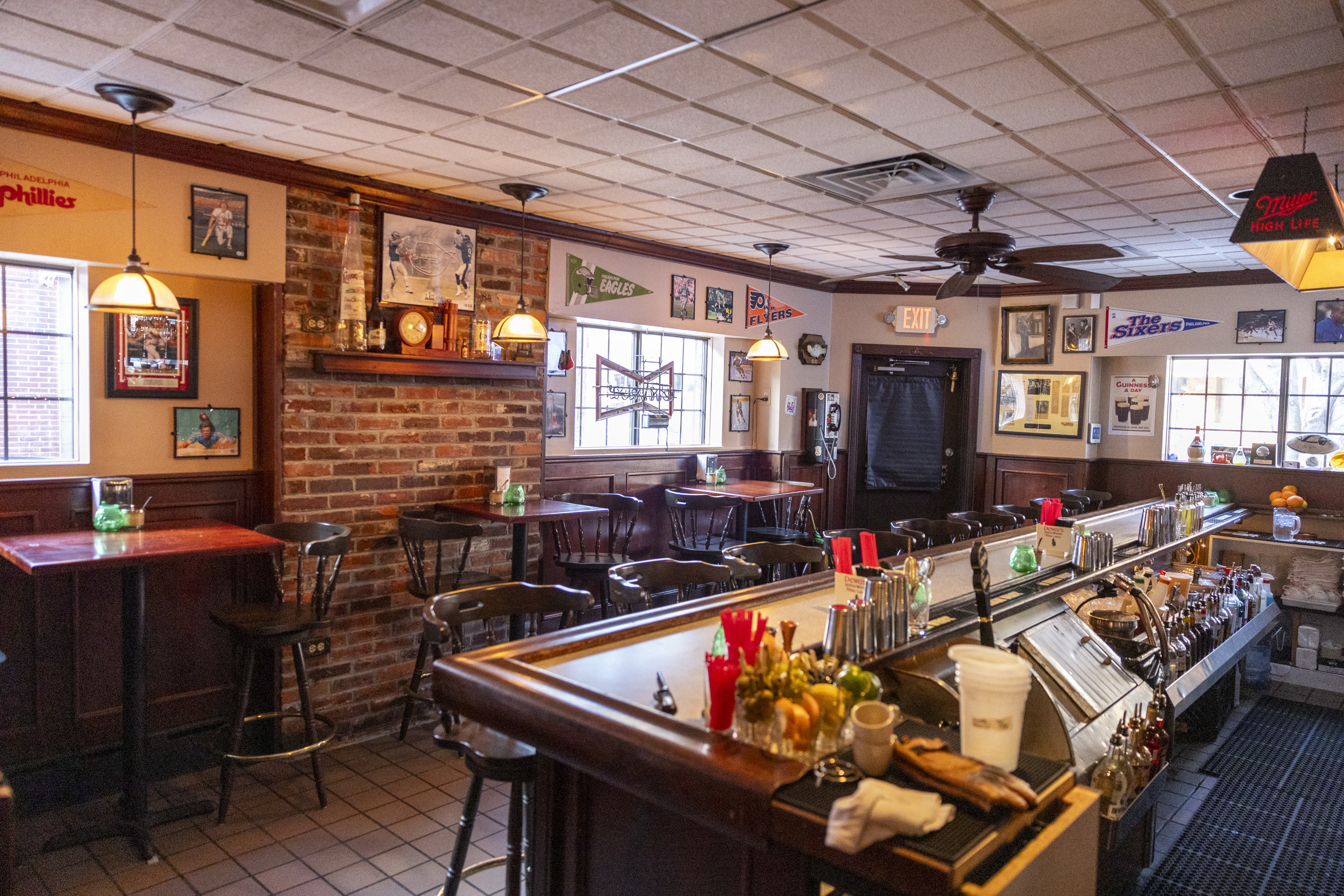
    The front bar area of Bomb Bomb Bar.Tyger Williams / Staff Photographer

    The Times praised Baldino’s ability to bridge old-school and contemporary red-sauce Italian cooking, describing him as a “singular talent” in the genre.

    Baldino also owns Palizzi Social Club in Passyunk Square — itself a lovingly restored South Philly institution — and Zeppoli, a 35-seat BYOB in Collingswood.

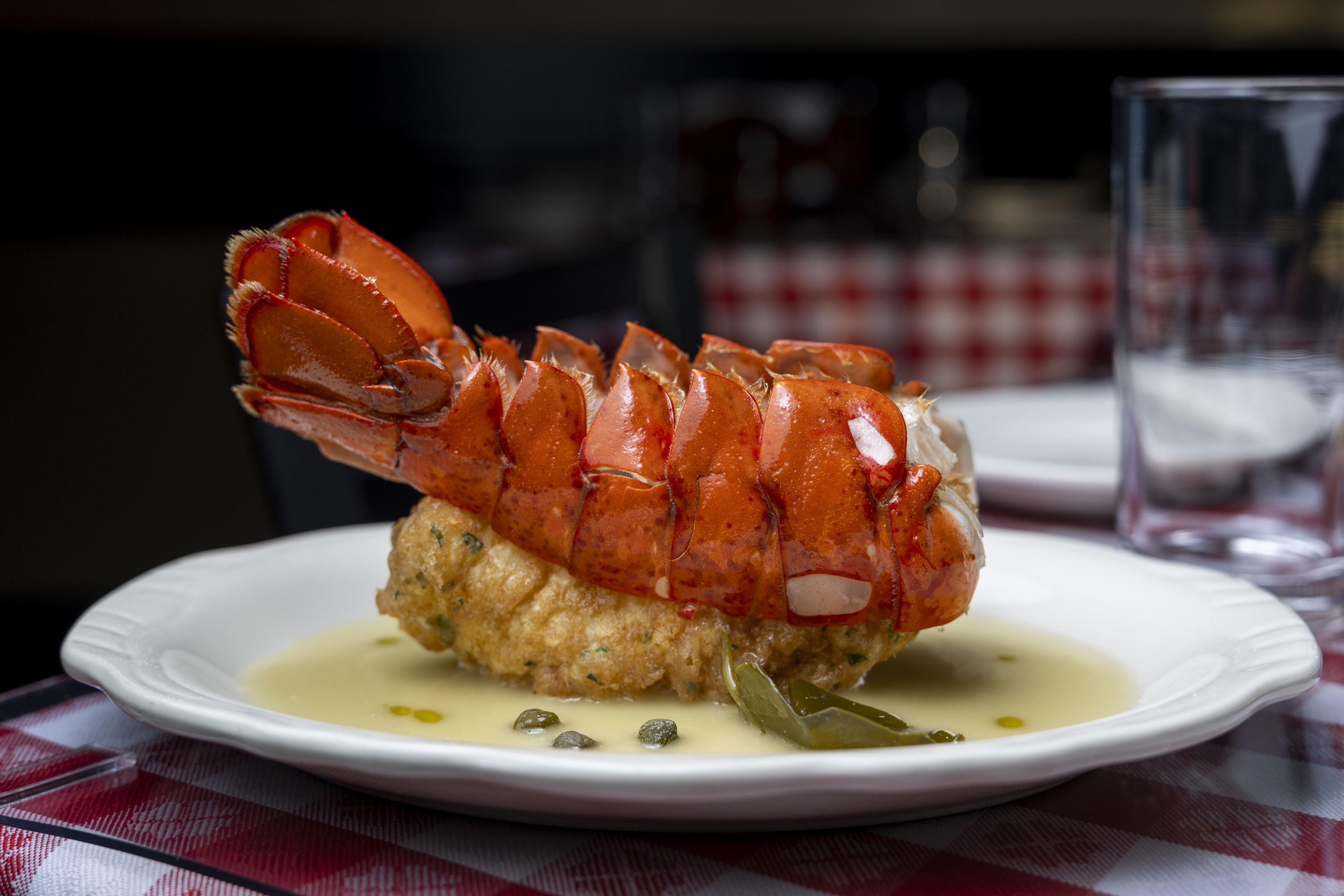
    Bomb Bomb still looks much like the Lower Moyamensing neighborhood bar it has long been, but the Times said its stuffed calamari, mussels fra diavolo, and lobster francese reveal the transformation. It called those dishes “as poetically reverent as a heartfelt eulogy” and summed up the experience as finding a remembered neighborhood joint “better than ever.”
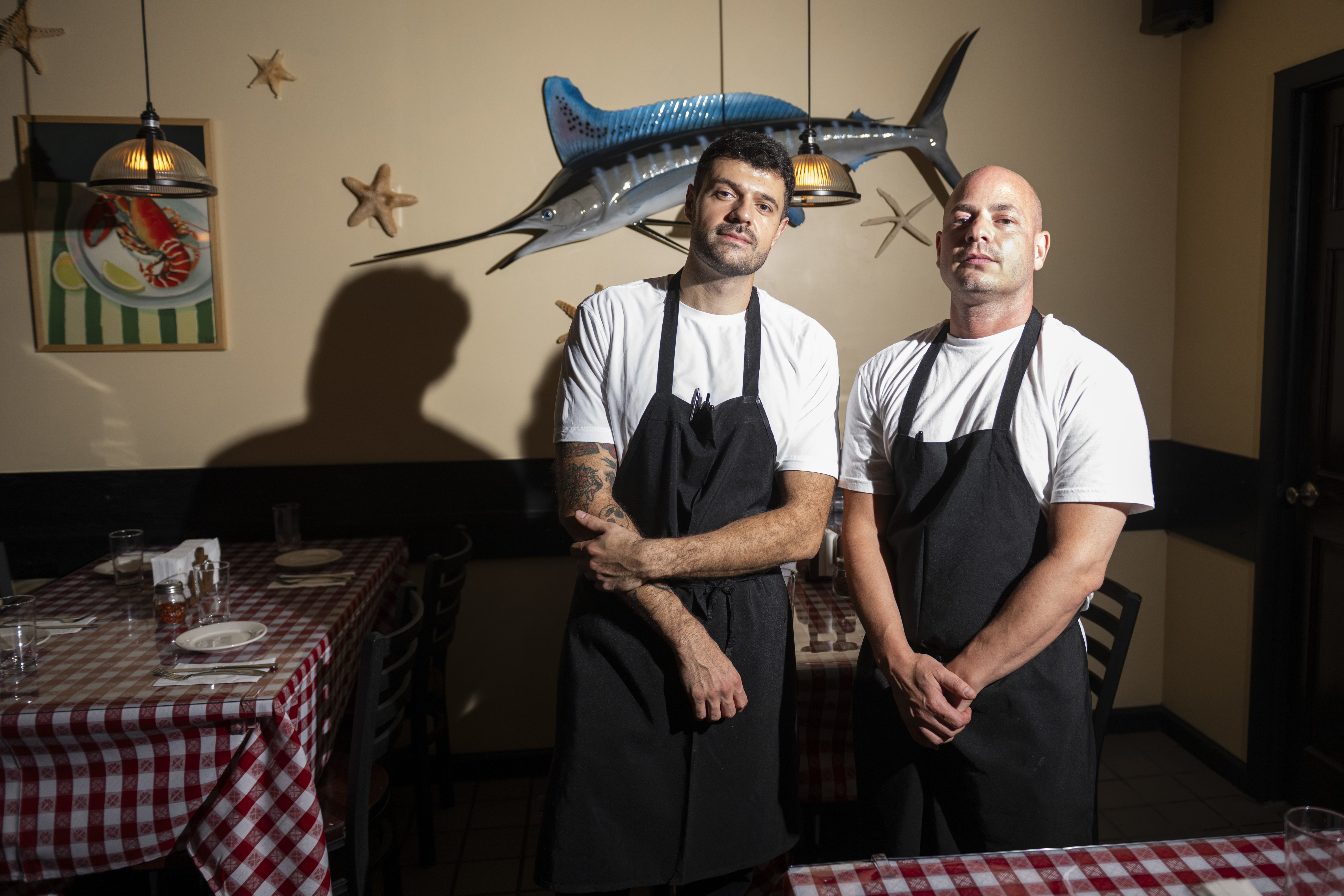
    Bomb Bomb Bar owner Joey Baldino (right) with chef de cuisine Max Hachey in the dining room.Allie Ippolito / For The Inquirer

    That assessment echoes Inquirer critic Craig LaBan’s February review, in which he called Baldino “Italian South Philly’s culinary preservationist-in-chief” and praised him for retaining Bomb Bomb’s essential character while elevating its seafood cooking and drinks.

    Bomb Bomb’s rear dining room offers a $65 fixed-price menu, while the front bar is more casual. LaBan particularly admired the mussels fra diavolo — among the best versions he had eaten — along with the lobster francese, stuffed calamari, crab cakes, and black-ink spaghetti. Inquirer staffers later singled out Bomb Bomb’s crab cake and lobster shells among their best dishes of the week.

    The acclaim adds another chapter to a South Philly institution with an unusually colorful back story. As The Inquirer reported in 2024, it dates from 1936, when a chef left his job at a South Philadelphia bar and grill to work at Bob’s, a new bar at 1026 Wolf St. His former boss ordered him to return. When the chef refused, Bob’s was firebombed in the middle of the night. No one was injured, but the blast shattered windows and “rocked houses to their foundations,” as a news article reported.

    The Inquirer’s front-page story on Feb. 17, 1936, of a firebombing on the future site of Bomb Bomb Bar.Inquirer archives

    When the chef rebuffed his former boss again, a second bomb went off. This time, according to lore, the chef returned to his old job.

    By the time Frank Barbato Sr. bought Bob’s in 1951, everybody just called it the Bomb Bomb. Barbato began a 73-year family run built around seafood and red-gravy dishes and, later, barbecue, which was added to help the restaurant stand out. His son Frank Jr. and daughter-in-law, Deb, eventually took over.

    The couple retired in late 2024, and Baldino bought the business in early 2025. He reopened it that October after a deliberately restrained renovation.

    Reached by text Tuesday, Baldino called the Times recognition a “huge honor” and praised his staff, including chef de cuisine Max Hachey and manager Jack Kearney.

    “We may have been blown up twice but we’re still cranking out some great food,” he wrote, adding two bomb emojis.
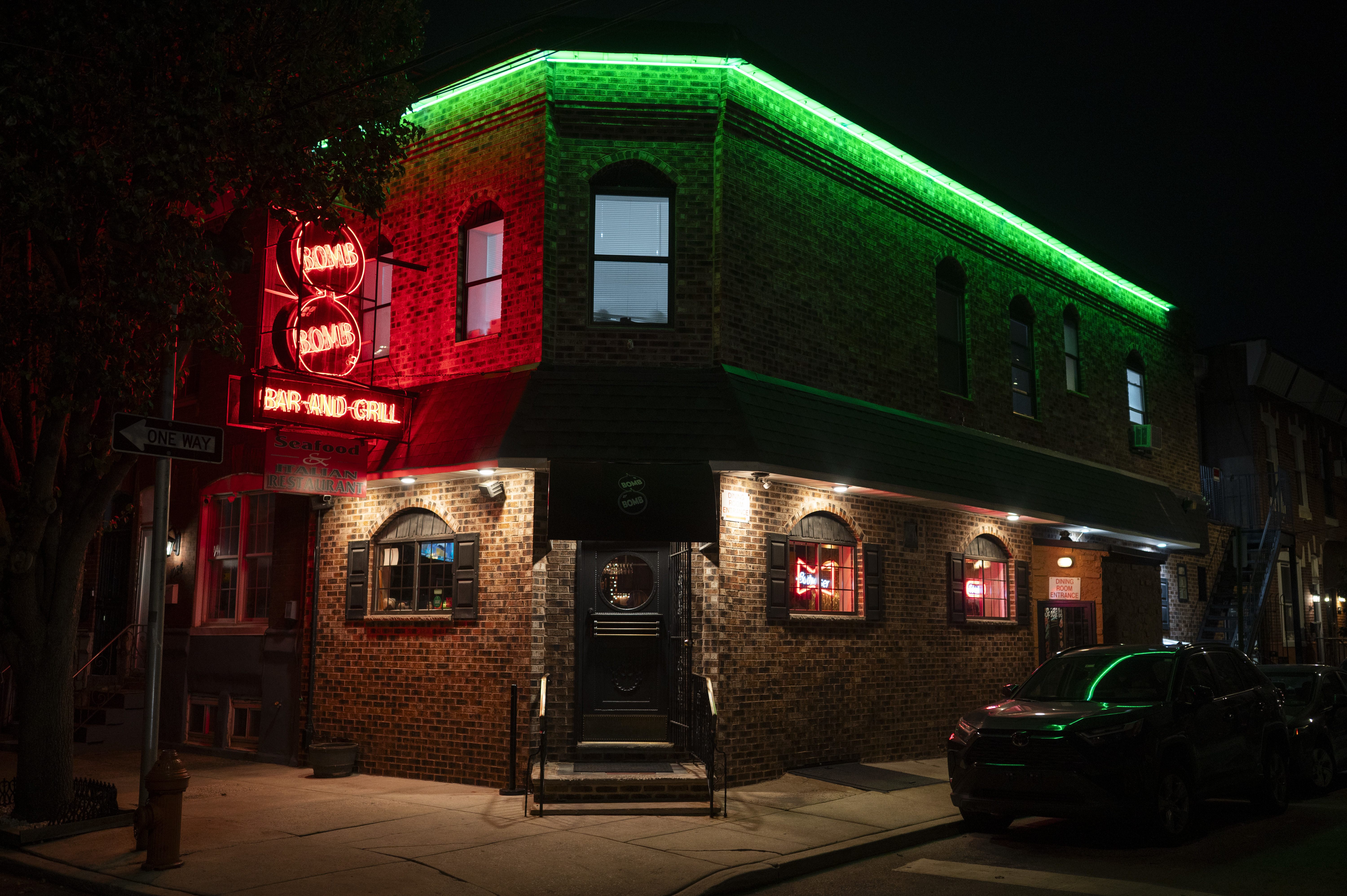
    Bomb Bomb Bar at Warnock and Wolf Streets in South Philadelphia.Allie Ippolito / For The Inquirer
  • Two Philly spots make Bon Appétit’s best new restaurants list

    Two Philly spots make Bon Appétit’s best new restaurants list

    Food magazine Bon Appétit released its annual best new restaurants list on Monday, and it includes two Philadelphia restaurants.

    Honeysuckle, Omar Tate and Cybille St.Aude-Tate’s fine-dining restaurant in North Philadelphia, and Sao, Phila and Rachel Lorn’s East Passyunk oyster bar, were among the 19 establishments that made the cut. They joined restaurants in New York City, San Francisco, Chicago, Seattle, Nashville, and Birmingham, Ala., and more.

    The unranked list defines new restaurants as those that opened between March 2025 and March 2026. Scouts visited restaurants in 43 U.S. cities and rated them according to seven criteria: flavor, technique, hospitality, ambiance, cultural significance, innovation, and sense of place.

    To be considered the best, “a restaurant must serve dishes and drinks that are complete in terms of flavor and technique, from the pre-meal cocktails to dessert, like an album with no skips,” wrote Bon Appétit editor-in-chief (and former Inquirer food editor) Jamila Robinson.

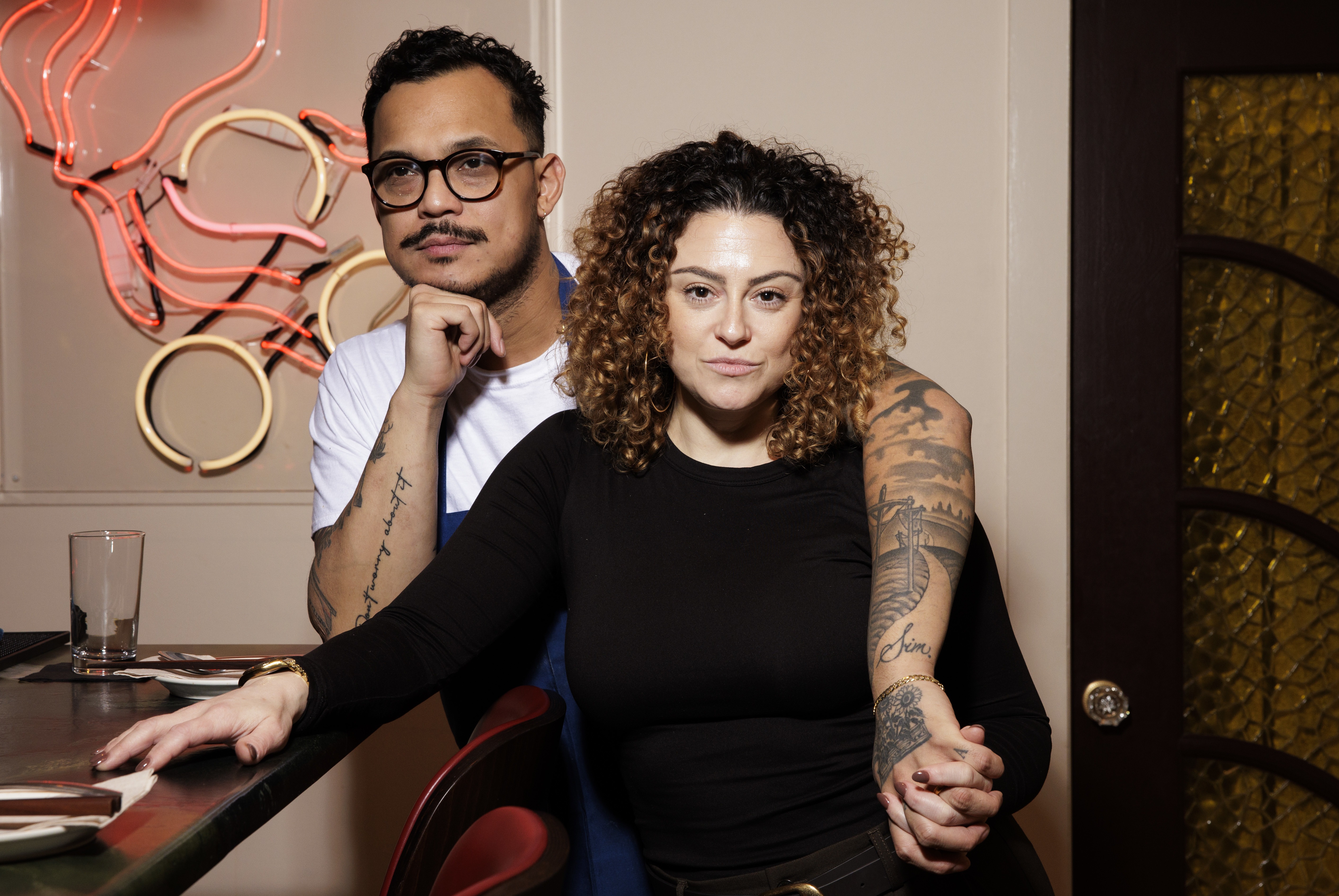
    Partners and chefs Cybille St.Aude-Tate and Omar Tate, who opened Honeysuckle at 611 N. Broad St. in April 2025.Clay Williams

    Tate and St.Aude-Tate opened Honeysuckle at 611 N. Broad St. in April 2025. The restaurant’s five-course tasting menu evolved from the couple’s beloved West Philly café-market, Honeysuckle Provisions, which closed in 2024. The couple uses the menu to weave a dynamic and complex narrative about how the Black diaspora has shaped American food culture.

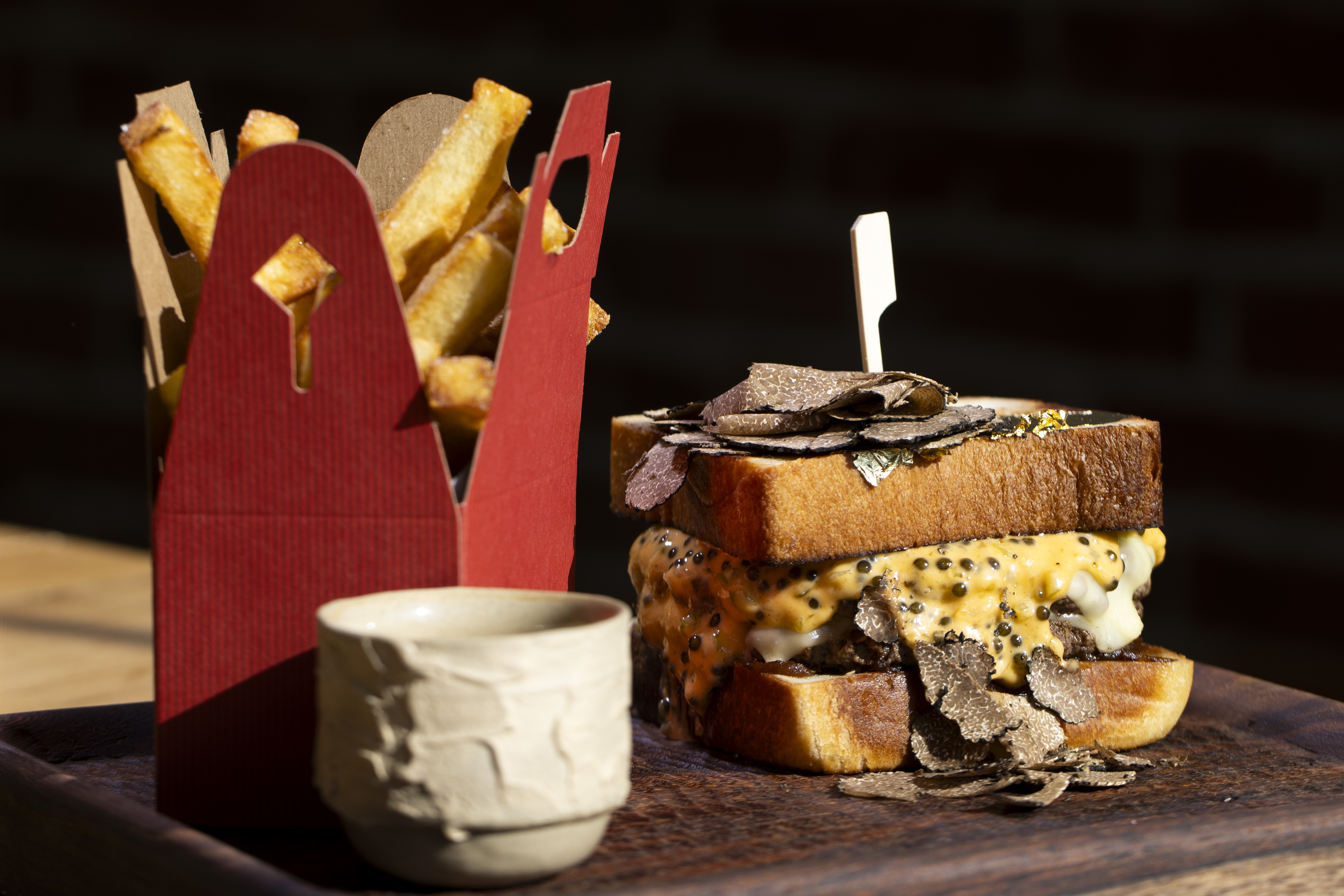
    Inquirer critic Craig LaBan called the new Honeysuckle “joyful [and] irreverent” with a “vibrant” flow of new ideas, from the caviar-topped and gold-flecked McDonald’s Money burger to a a cocktail inspired by Haiti’s national drink of clairin and lime. The restaurant landed a spot on The Inquirer’s 2025 edition of The 76, while Tate and St.Aude-Tate were first-time semifinalists for Best Chef, Mid-Atlantic at the 2026 James Beard Awards. Honeysuckle is also recommended by the Michelin Guide.

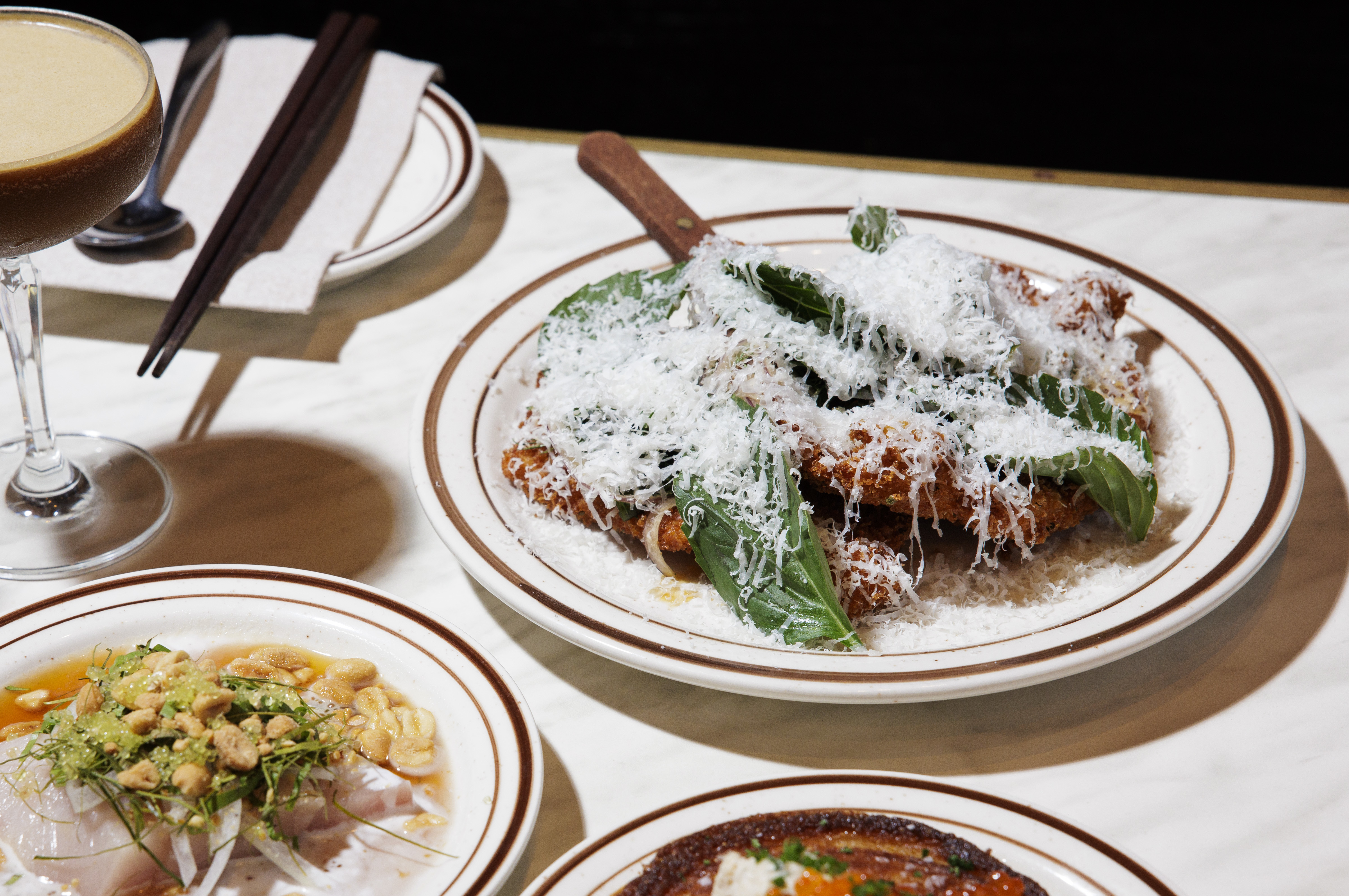
    The Mawn Cutlet at Sao, the East Passyunk Avenue oyster bar from married restaurateurs Phila and Rachel Lorn.Monica Herndon / Staff Photographer

    “Chefs Omar Tate and Cybille St.Aude-Tate deliver a showstopping walk through nostalgia, pop culture, Philadelphia, and Black American history through dishes that spark new reflection and conversation,” Robinson wrote of Honeysuckle.

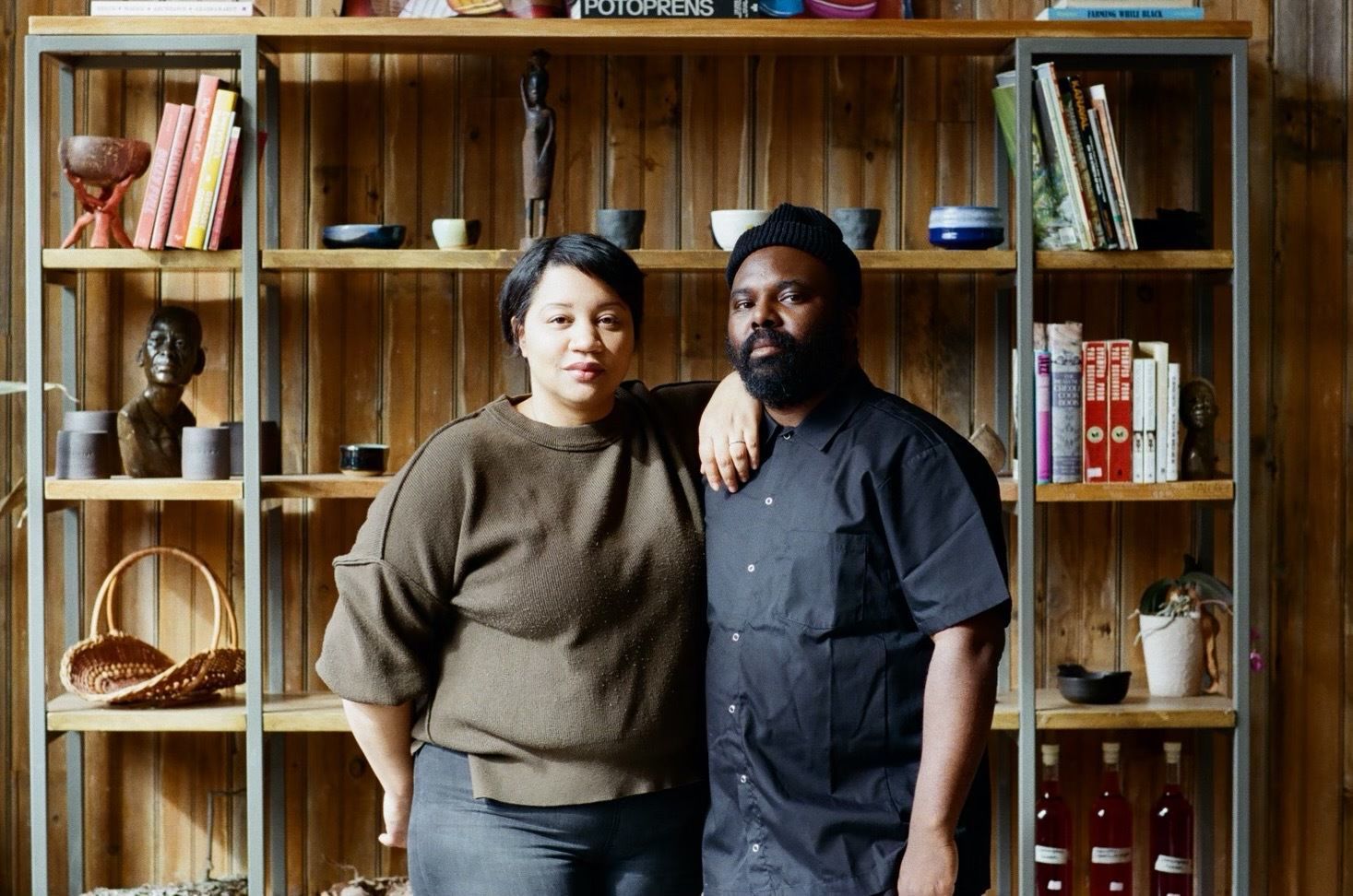
    Chef Phila Lorn and his wife, Rachel, opened Sao at 1710 Passyunk Ave. in September 2025 as a follow-up to their acclaimed Cambodian noodle house, Mawn, where Lorn earned a Beard Award for Emerging Chef in 2025 alongside commendations from Food & Wine, the New York Times, and The Inquirer.

    Phila (left) and Rachel Lorn (right) own Cambodian noodle bar Mawn and oyster bar Sao. Bon Appétit has named Sao one of the country’s best new restaurants of 2026.Monica Herndon / Staff Photographer

    While Mawn is known for being one of the toughest reservations in town, Sao isn’t far behind. The 33-seat oyster bar combines favorites from the noodle bar — like the papaya salad and beef skewers — with dishes that meld Phila’s Cambodian heritage with South Philly’s Italian American ethos, such as the ultra-thin Mawn chicken cutlet coated in a fish sauce caramel and a rendition of crab gravy made with coconut curries.

    Sao serves dishes “that hit like uppercuts,” Bon Appétit food director Chris Morroco wrote. “Enjoy letting your taste buds get knocked around when you least expect it.”

  • Philly’s kitchen professionals endure one heat wave after another

    Philly’s kitchen professionals endure one heat wave after another

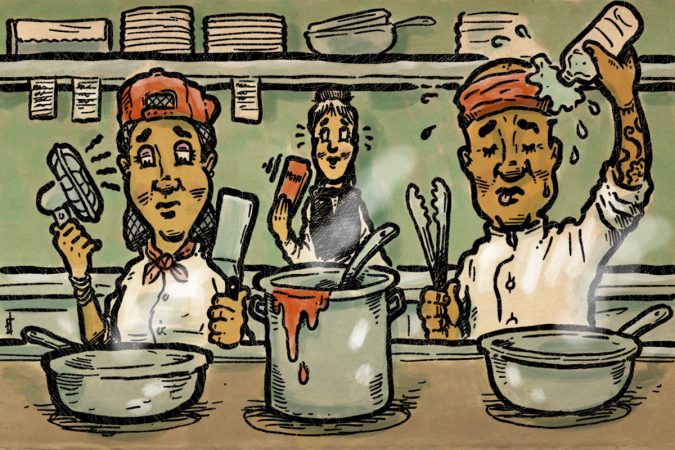
    Even on 100-degree days, Philly’s chefs and cooks are still in the kitchen. For the most part, they only call it quits when the food they’re making can’t take the heat.

    How do they make it through their stifling shifts? The answer comes down to preparedness, hydration, and lots of icy treats to lower body temps and boost morale.

    Restaurant kitchens can easily run 10 or 20 degrees higher than whatever the temperature is outside, abetted by hot fryers and stoves, plus wood-fired grills and ovens that hover around 500 degrees.

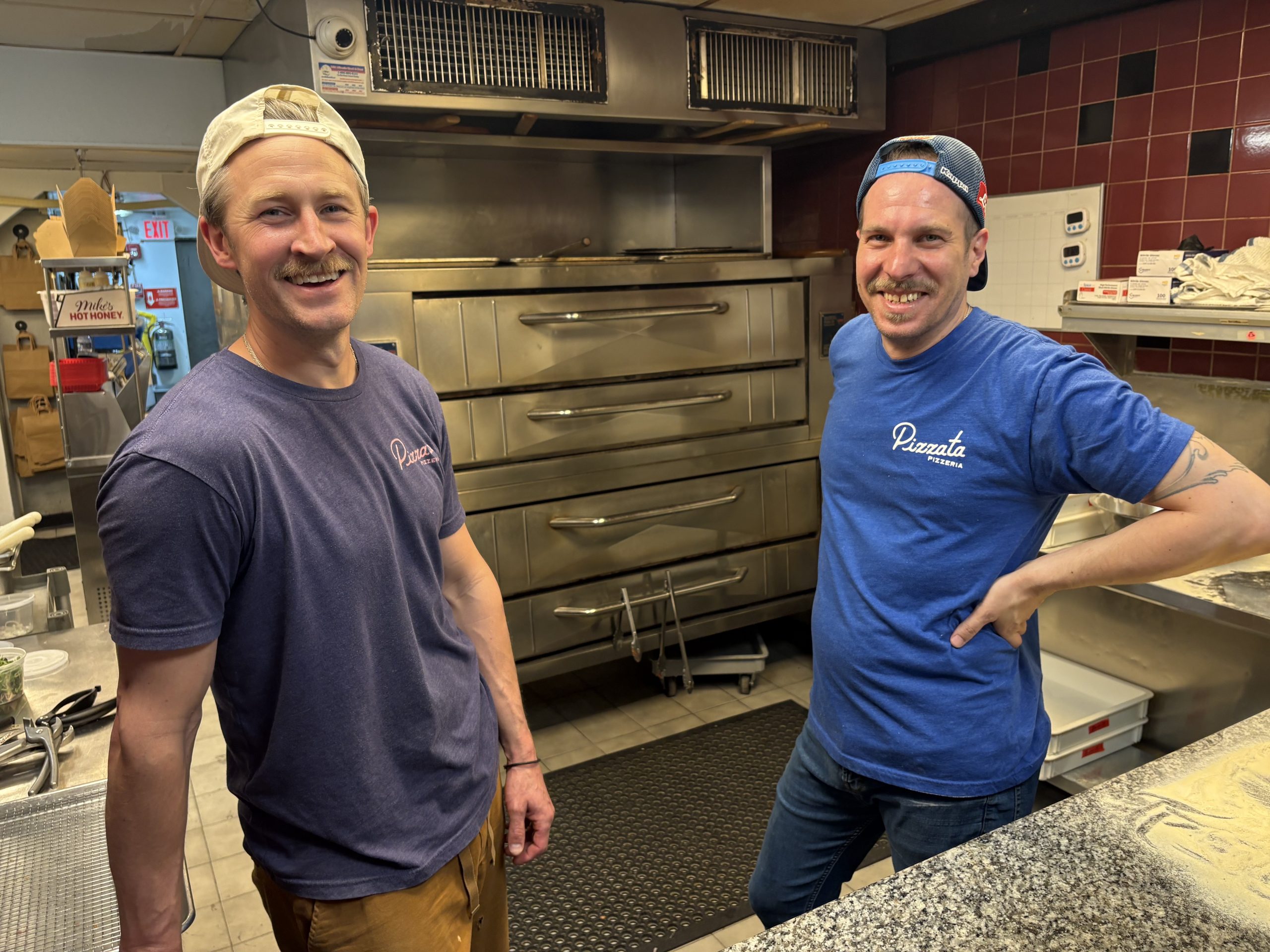
    The planning for heat waves starts long before the mercury rises. At Pizzata Pizzeria‘s South Philly location, recently added split-unit air conditioners and commercial kitchen fans have kept temperatures moderate. “They have been tremendously beneficial and helpful to our staff,” said owner Davide Lubrano Lavadera. “For our Rittenhouse spot, we didn’t have a chance to install these units, so we added an evaporative air cooler there.”

    Pizzata Pizzeria co-owners and chefs Vinny Gallagher and Davide Lubrano Lavadera pose in the kitchen of their original pizzeria location on 22nd Street near Fitler Square.Craig LaBan / Staff

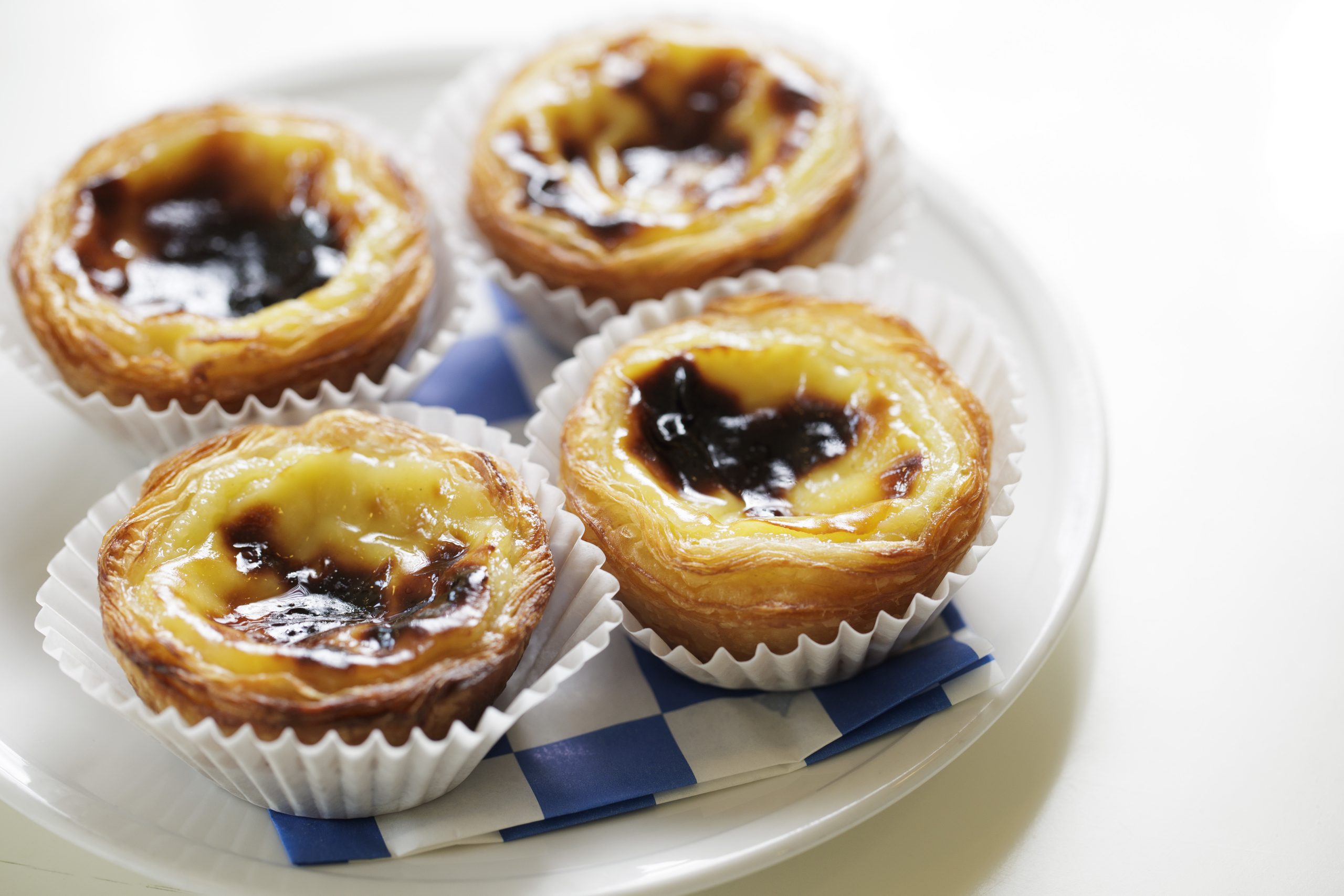
    Two weeks ago, when temperatures spiked over 100 degrees three days in a row, Gilda chef-owner Brian Mattera warned customers on social media that the cafe would close if the heat tipped above 120 degrees in the kitchen — besides being uncomfortable, it would compromise the cooking. The flaky, laminated dough for Gilda’s signature pastéis de nata is notoriously temperamental, Mattera said.

    “Our pastry chef, Sophia Fiorenza, is the star of the show. When she comes to me and says the temperature is one or two degrees up, she’s not being dramatic,” Mattera said. “The dough is tacky and difficult to work with. It’s unfortified and it can feel like papier mache.”

    When the kitchen temperature is too high, the dough expands and falls off the sheeter, the machine that folds the dough into its many layers. “We say the dough is angry with us,” Mattera said.

    The pastéis de nata at Gilda get harder to make in hot weather. Monica Herndon / Staff Photographer

    Even in Gilda’s diminutive space, with just six gas burners and a flat-top, Mattera needs five separate HVAC units to maintain the perfect temperature for the dough, around 70 degrees. They weren’t enough to keep the kitchen open during early July’s heat waves: Gilda’s crew called it a day when the temperature behind the line reached 137 degrees.

    When the heat’s that intense, Mattera has a trick. “I’ll get a deli container of ice water, bring it into the bathroom, pour it over my head, and go back on the line.”

    Chefs in nontraditional kitchens also battle the heat. Josh Broder owns Root to Fruit, a vegan meal-delivery service that operates out of the Culinary Collective commissary space in the Bridesburg neighborhood. “We’ve basically become professional heat dodgers. We start cooking earlier, pack our delivery bags like they’re headed to the Arctic with insulated bags and extra ice packs, and everyone’s usually carrying a water bottle in one hand and a spatula in the other,” he said.

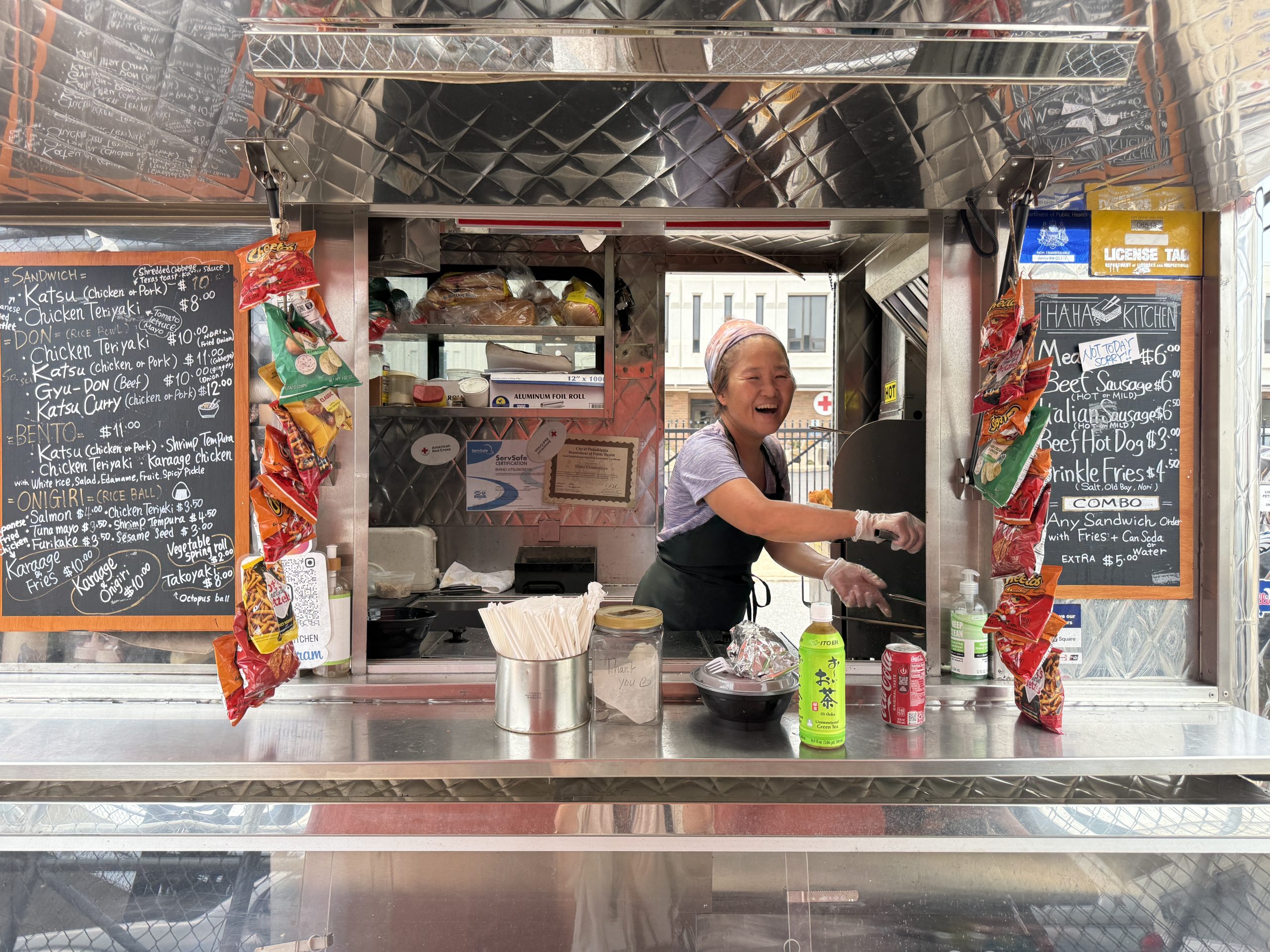
    Shiho Utsonomiya, the chef operator of Haha’s Kitchen, rarely closes the tiny food cart she has operated at the corner of Seventh and Spring Garden Streets since 2018. But she was forced to break for a few days leading up to July 4 this year, when the heat became unbearable. She closed the cart Wednesday for the same reason.

    Shiho Utsunomiya in her food cart during a heat wave.Kiki Aranita / Staff

    “It’s been getting hotter every year,” she said. “Winter, I don’t mind! Minus 17 degrees, no problem. But the heat just kills me.” She’s surrounded by a burner, steam tables, a fryer, and rice cooker. She’s enhanced her setup this year with a rechargeable fan with a mister.

    Utsonomiya’s location has a significant benefit: free ice from her best customer. United Refrigeration’s offices are nearby and her cart is popular with their workers.

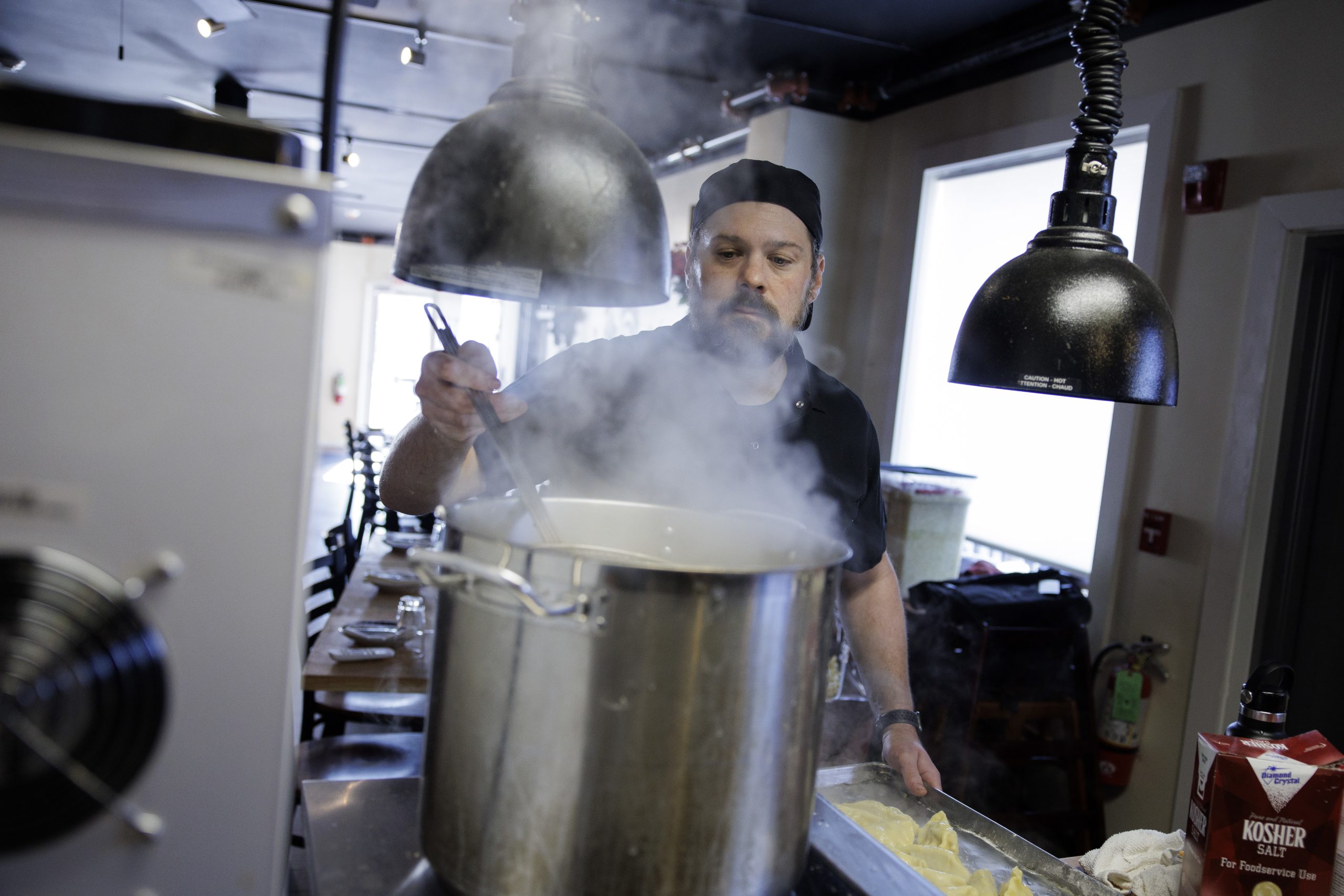
    Extreme heat also prompted Little Walter’s — where the wood-fired grill casts off 120-degree heat, according to chef-owner Michael Brenfleck — to close in early July. Brenfleck said reservations were light during the holiday weekend, but the same could not be said of the following Friday, when the restaurant was nearly fully booked. That presents a challenge in itself: The busier the restaurant, the hotter it is inside.

    Chef Michael Brenfleck cooks pierogi at Little Walter’s in Philadelphia on Wednesday, Sept. 4, 2024.Monica Herndon / Staff Photographer

    “Every person’s body radiates a certain number of BTUs, both in the kitchen and in the dining room,” said Brenfleck. His solution: “We’re going to put some cold specials on the menu, like a chilled pickle soup.”

    Brenfleck and Phila Lorn, the chef-owner of Sao and Mawn, were both amazed their respective staff endured the heat without complaint.

    “The real ones plan for these times and problem-solve,” Lorn said. “It amazes me to see my chefs in the kitchen crushing it. They’re eating popsicles, [mopping themselves with] cold wet towels, using Gatorade powder, but I swear to you, not one complaint from the back of house.”

    Liberty Kitchen staff trades tomato pie for soft serve on hot days. Monica Herndon / Staff Photographer

    Heat waves tend to foster community among restaurants — especially when there’s an ice cream shop involved. On the hottest days, the staff at Liberty Kitchen trades boxes of tomato pie with 1-900-ICE-CREAM, according to Liberty Kitchen chef Beau Neidhardt. “They’ll give us individual cups of soft serve for our staff. It’s very neighborly.”

    For many restaurant workers, it’s just part of the job.

    “We aren’t doing anything that needs to be applauded,” said Mattera. “At the end of the day, we’re all professionals. This is what we do. We can handle the heat.”