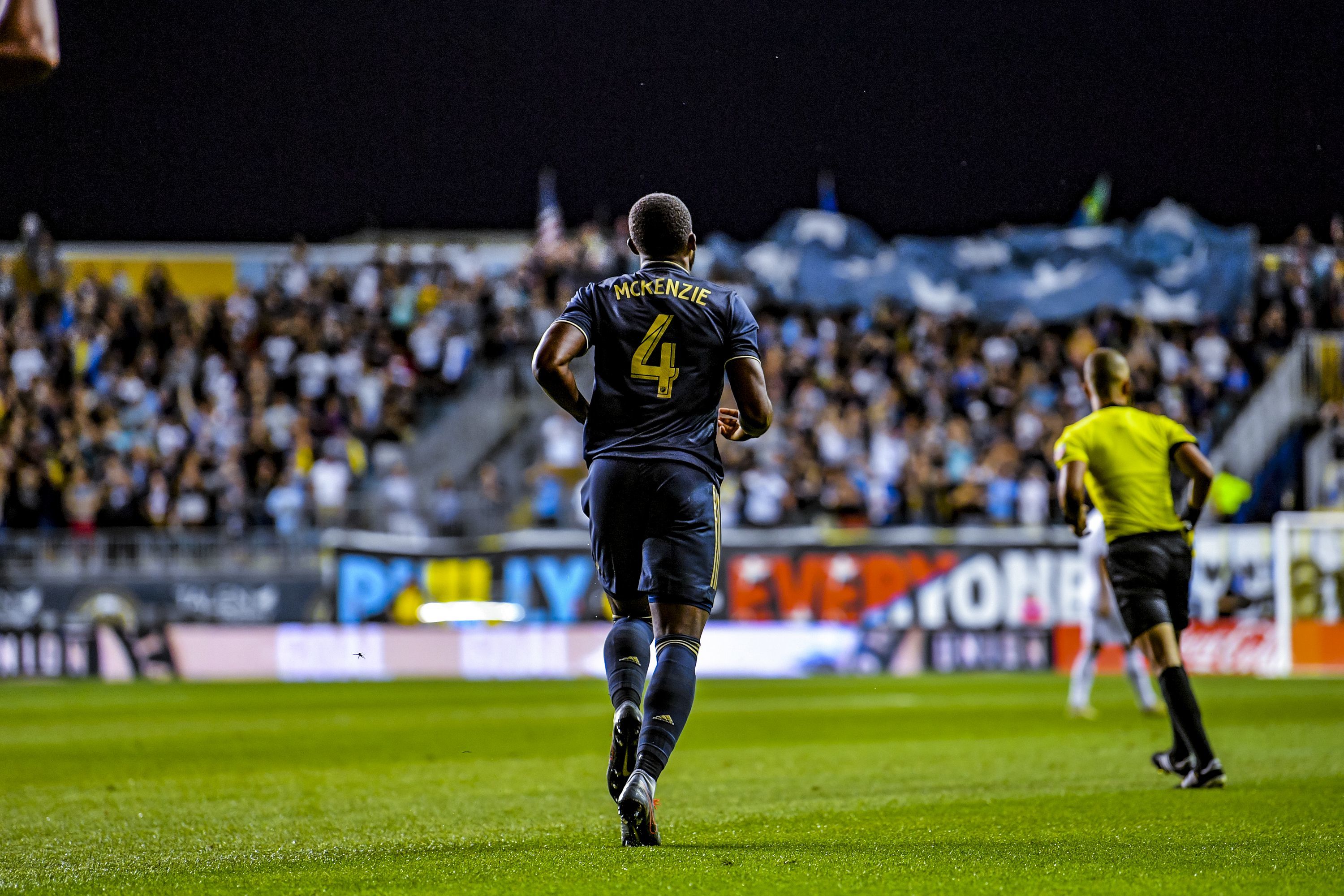
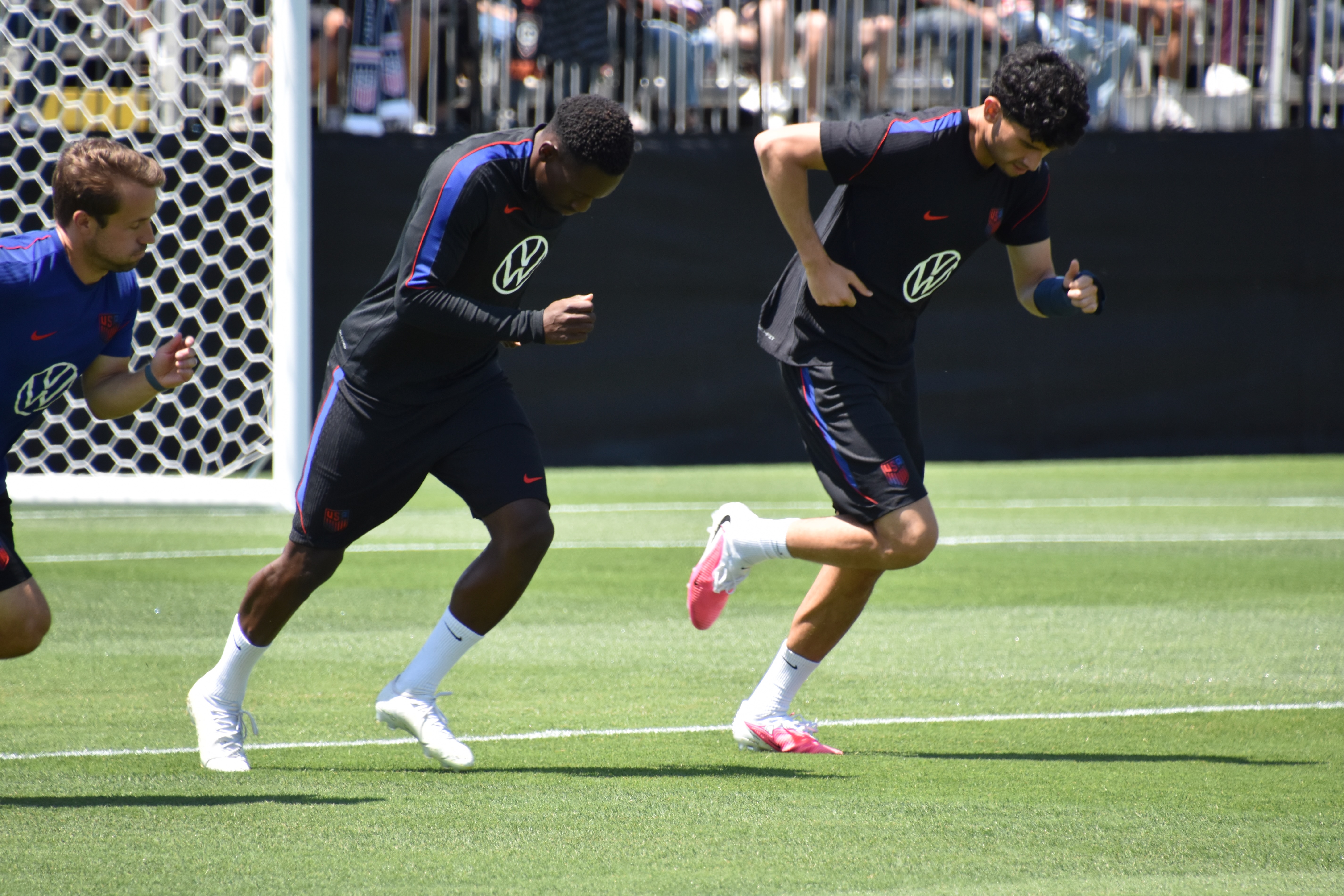
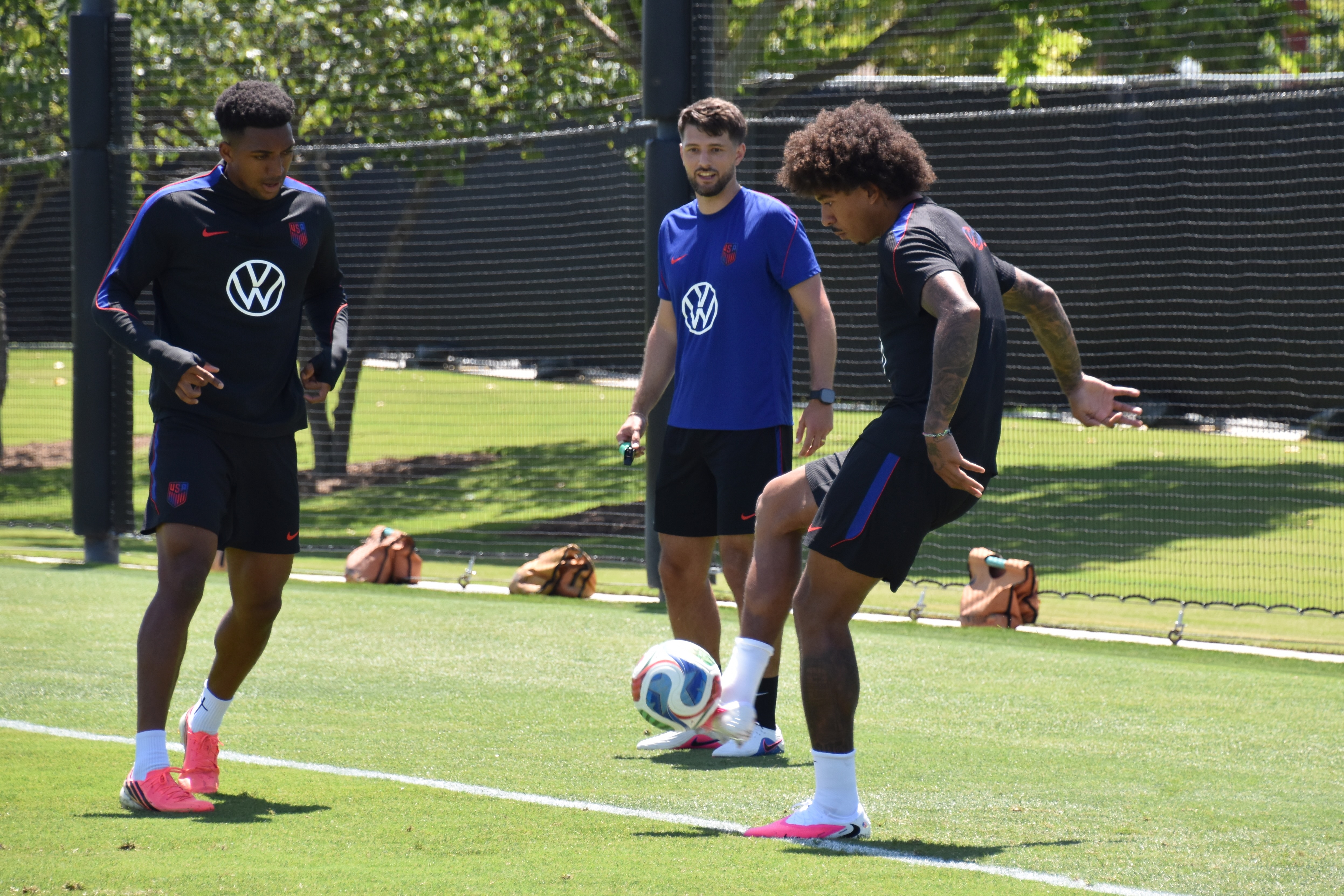
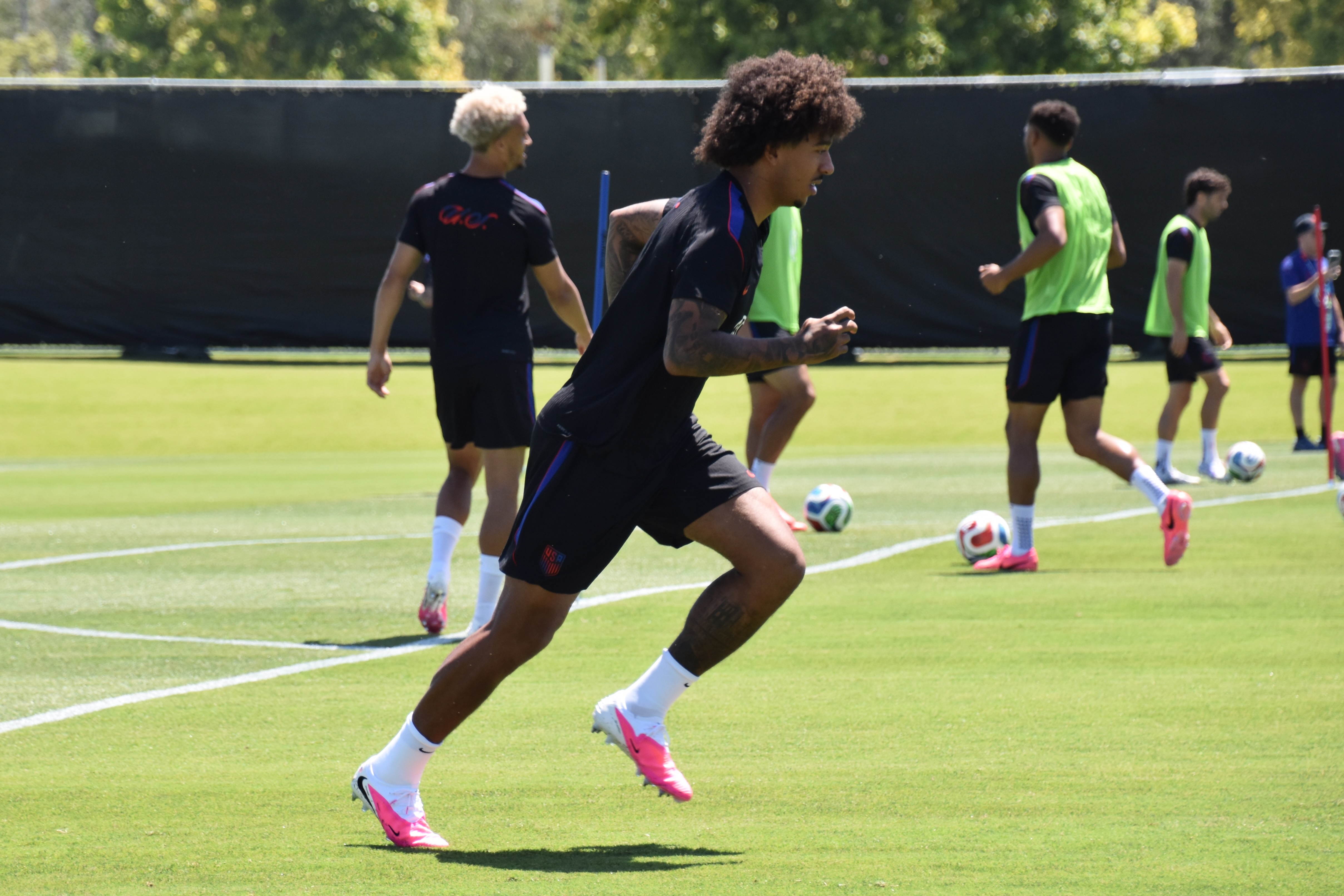
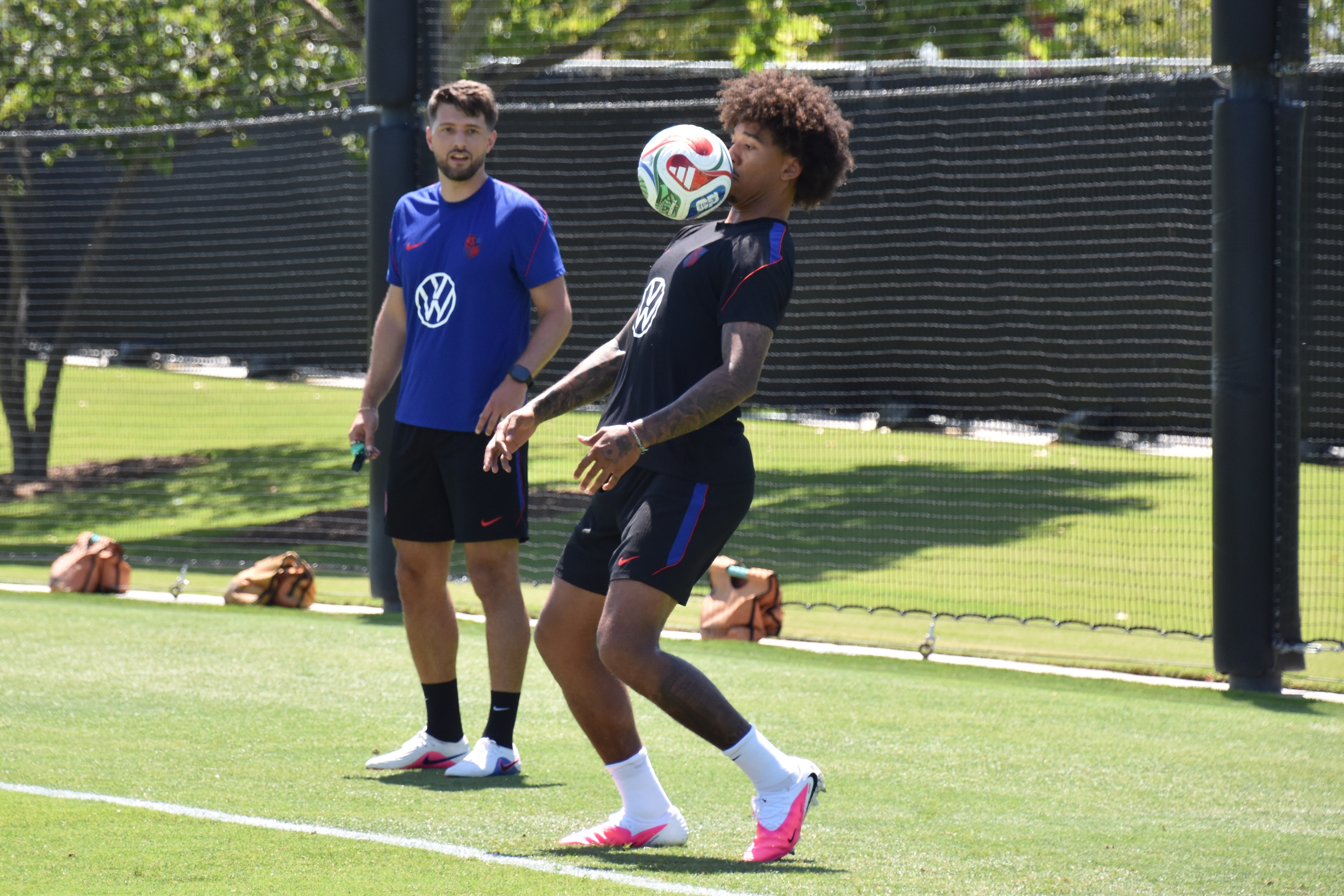
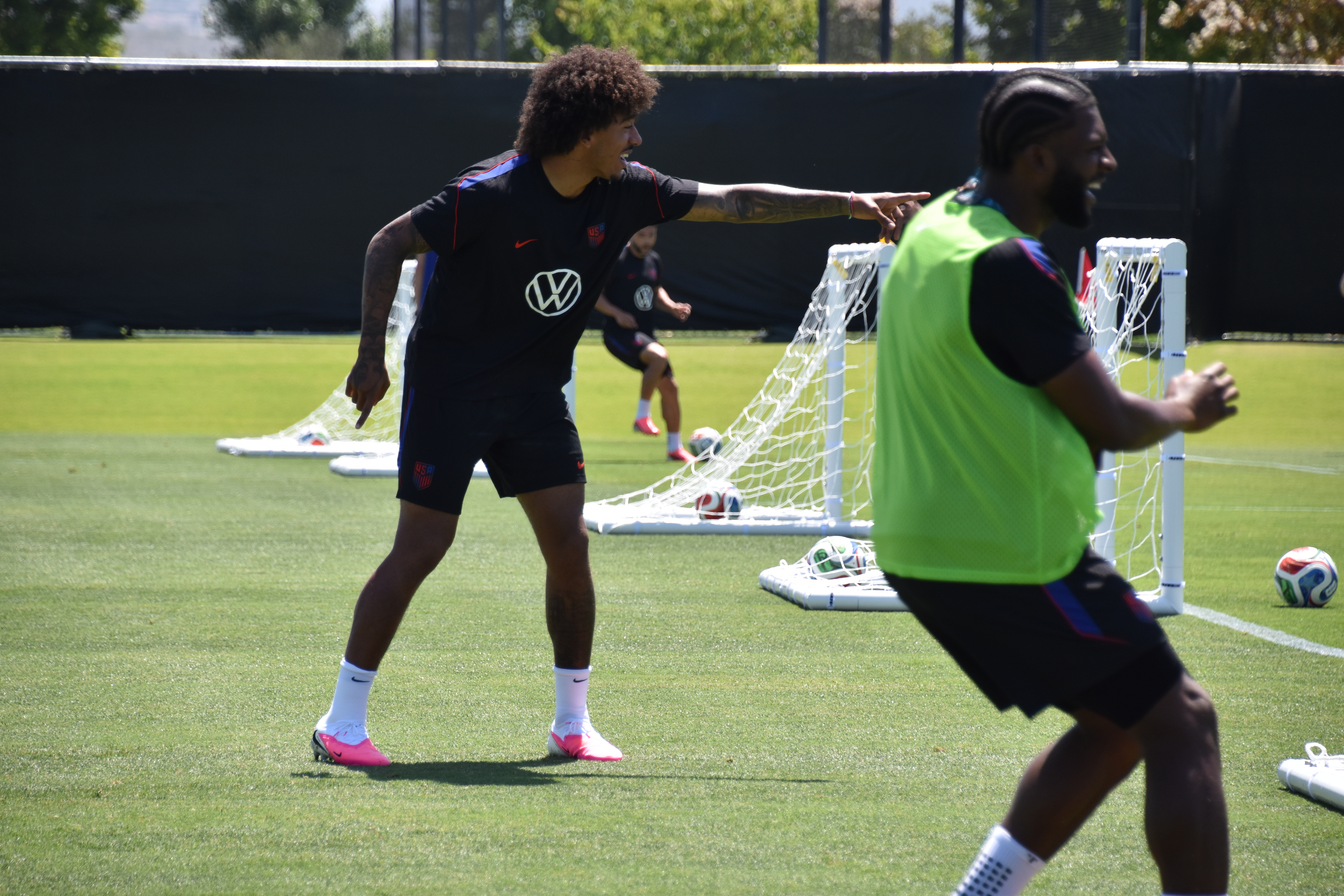
Mark McKenzie still can’t quite put his finger on it, but a return to Chester feels right.
On Wednesday, his professional career came full circle when the Union officially announced that he will join the team on Jan. 1 via a designated player contract during January’s FIFA transfer window. McKenzie, 27, will return to the club “that took a chance on him” when he joined its first team in 2018, after grooming the central defender for years in its youth academy and developmental teams.
He will enter coming off a year as a mainstay on the backline of Toulouse in France’s Ligue 1, with performances that caught the eye of U.S. national team coach Mauricio Pochettino. That landed him a spot on this past summer’s 26-man roster for the FIFA World Cup.
— U.S. Soccer Men's National Team (@USMNT) May 26, 2026
So how did the Union ultimately land McKenzie? It definitely took some convincing. He had options from other clubs in Europe, and his decision to return wasn’t just a simple phone call from Union brass. However, to hear McKenzie tell it, when he was looking for what would come next in his now nine seasons as a professional, Philly checked a lot of boxes.
“I don’t think it was necessarily a ‘who called who,’” said McKenzie. “It was more of I was looking for something next in my career, and to be honest [initially, I] couldn’t pinpoint exactly what that was. Some players want more money. Some players want to play in certain leagues, or play in the [UEFA] Champions League. Some players just want to go home.
“I think for me it was a mix of different things. And my agent and I were on the same page with what I wanted and what I envisioned for that next step. So we were putting out feelers and figuring out what that would look like.”
With that as the mindset, McKenzie said his agency representation at The.Team met with Union sporting director Jon Scheer and others on whether a move back would even be viable. It took stages, but according to McKenzie, it worked out that Philly felt like the right choice for the Bear, Del., native, with several family members still in the area.
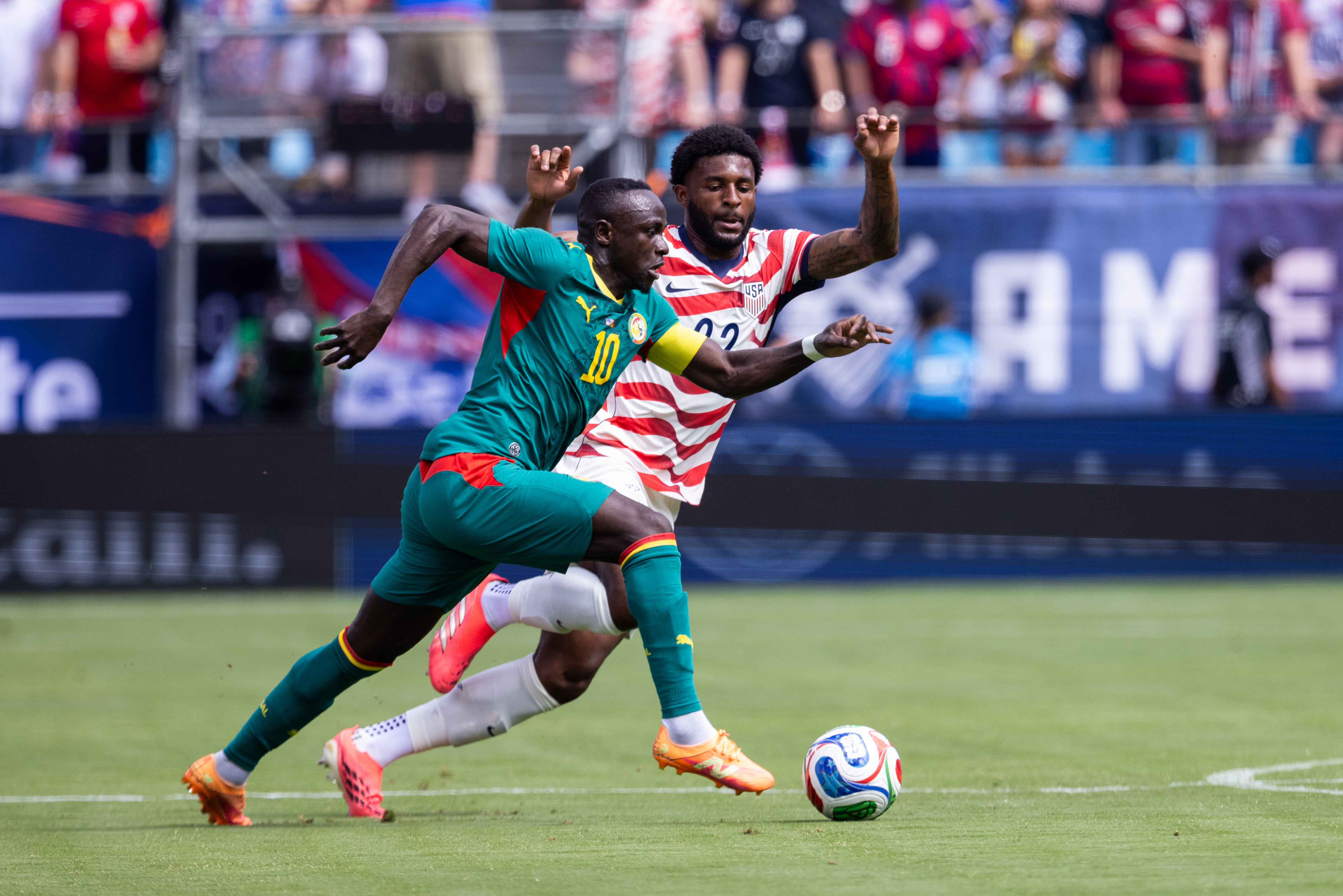
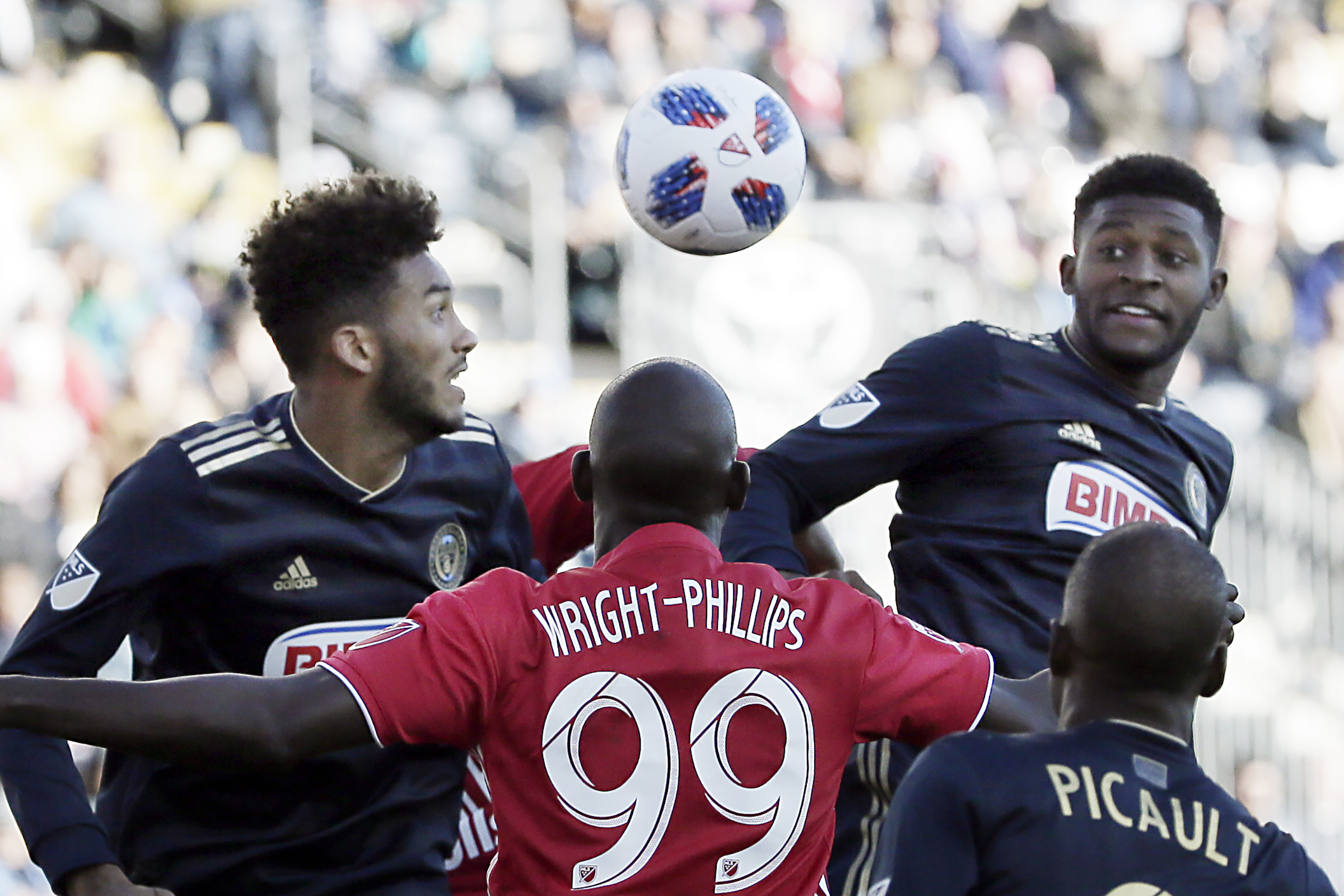
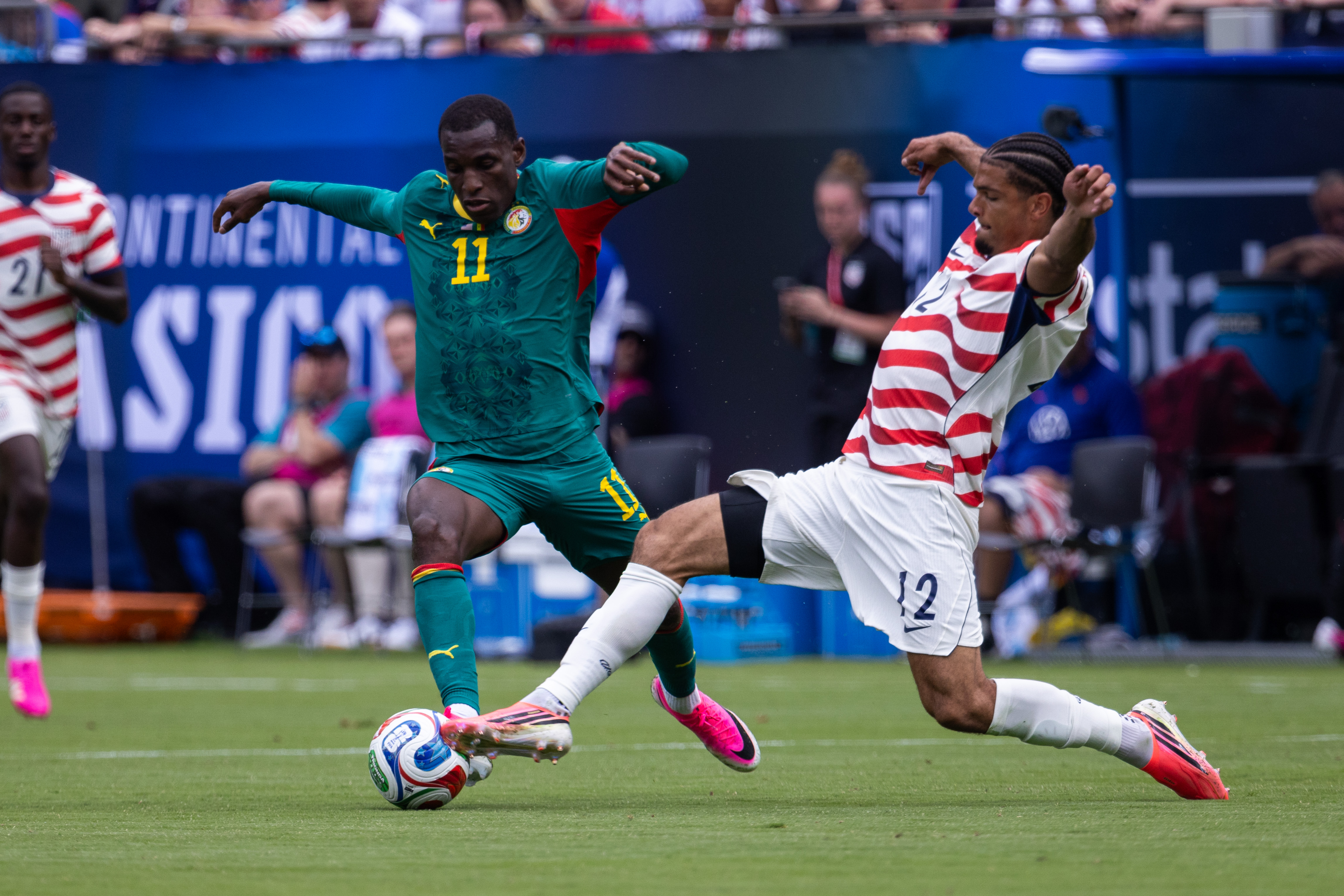
In May, Mark McKenzie (center, right) battles Senegal forward Sadio Mané during an exhibition match ahead of the World Cup.Scott Kinser
Scheer told The Inquirer that convincing McKenzie meant a face-to-face with him and his representation, meeting McKenzie outside of the country just before preparations began for the World Cup.
“We went out to Spain to speak with him and his agent, and for us it was more a gauge to see where his head was at and what he wanted to do next,” said Scheer. “It wasn’t necessarily easy, as he had options, but at the end of the day, I think we offered a package and an opportunity for him to come home and that’s something he wanted.”
The dollar amount of that total package remains to be seen but could be revealed when the Union holds their official news conference to announce McKenzie, scheduled for a virtual conference later today at 12:30 p.m. For McKenzie, who is expected to rejoin the team on a designated player contract, he says coming home will still allow him to “continue to develop.”
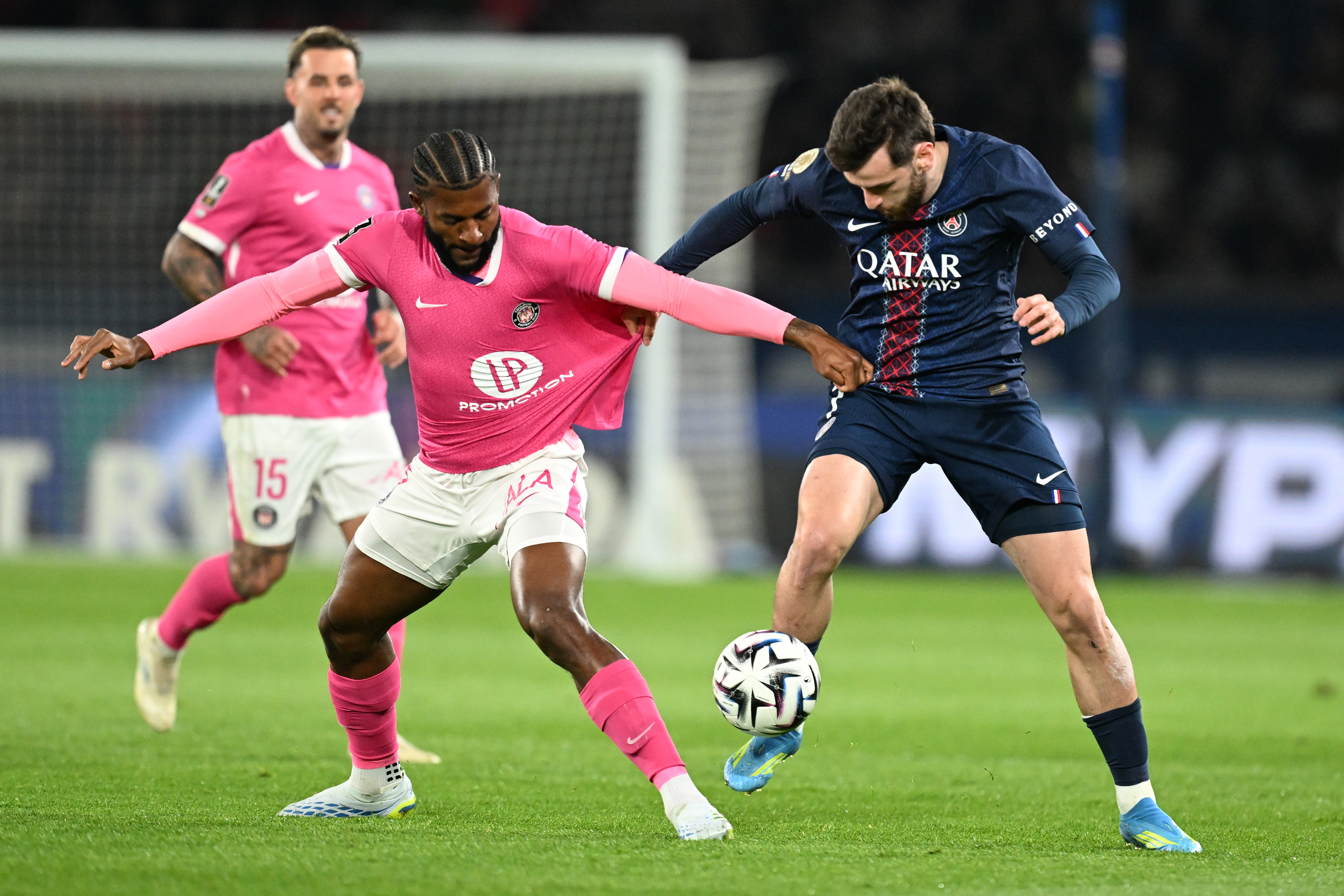
Mark McKenzie (left) spent three seasons with French Ligue 1 club, Toulouse FC. Emma Da Silva
Success in bunches
Even before his departure for Europe, McKenzie knew immense success with the Union. As a homegrown player, he played along the club’s back line for former coach Jim Curtin, and helped guide the team to three consecutive playoff appearances from 2018-20.
The 2020-21 season saw him head to Belgium’s Genk on a transfer valued at $6 million. He’d celebrate winning the Belgian Cup later that season with Genk, and go on to play two more seasons before a move to France’s Ligue 1 and finding himself a mainstay on Toulouse’s starting 11. It was his performances there that enabled him to earn that spot on the national team roster for the World Cup.
Mark McKenzie has gone the full 90' in Toulouse's last eight games, keeping FIVE clean sheets as the French side have only lost once since the start of December 🇺🇸💪 pic.twitter.com/Q5PCzoEZ8p
He says that all of those stops along the way have helped him grow as a player and as a person in his professional career, choosing to go the gradual approach to stardom as opposed to a big splash that felt unnatural.
“There was the possibility to go to maybe a bigger league or to a different club [from the Union my first time around], but I think for me, I wanted to take steps that were right for me,” McKenzie said. “I feel that too many times, especially young players, they get fixated on the idea of going to maybe a big club or going somewhere that looks optically like the thing to do, and then end up regretting it, or end up going and bouncing along.
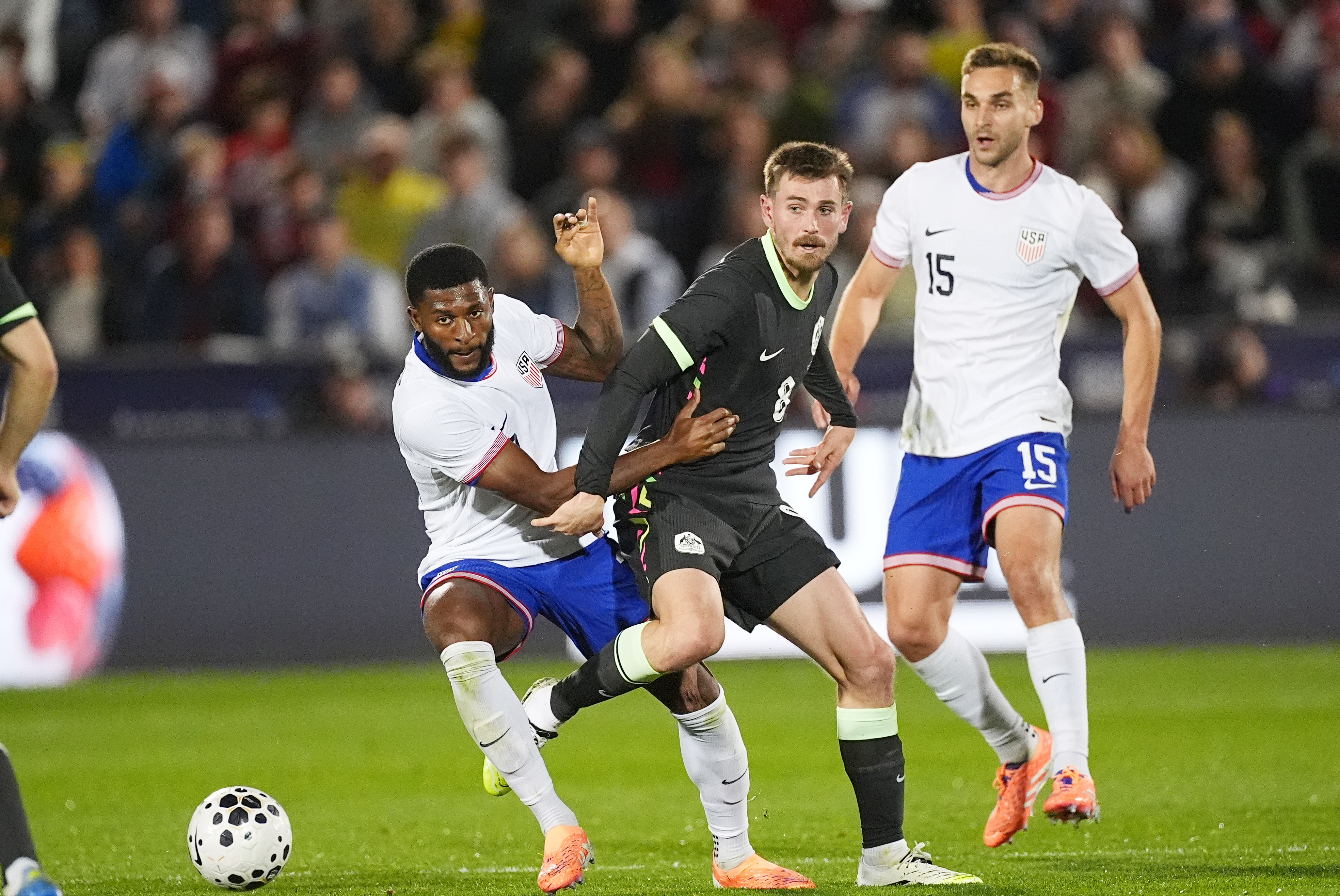
Mark McKenzie (left) battles Australia’s Connor Metcalfe during their international friendly last year. David Zalubowski
“I wanted to go somewhere where I can develop, where I can play meaningful minutes, where I could be seen for the player I was and the person I was, and still be challenged in the same way. And going to Belgium from Philly was like that first step for me in getting my feet wet in Europe.”
Dive deeper and McKenzie says the moves all along the way were more strategic, in terms of acclimating to the rigors of European soccer than being thrust into it from the outset.
“I was able to experience the [UEFA] Champions League, Europa League and Conference League and after going through those years, it was like, all right, well, what’s the next step now? It was a strategic step of how can I make sure that I’m one, playing week in and week out, and two, still playing against some of the best players in the world and showcasing what I can do against the best in the world.”
Now McKenzie says he gets the opportunity to do that, surrounded by the familiar confines of the Union’s sprawling complex in Chester and in front of familiar faces of family and friends he had to say goodbye to while plying his trade overseas.
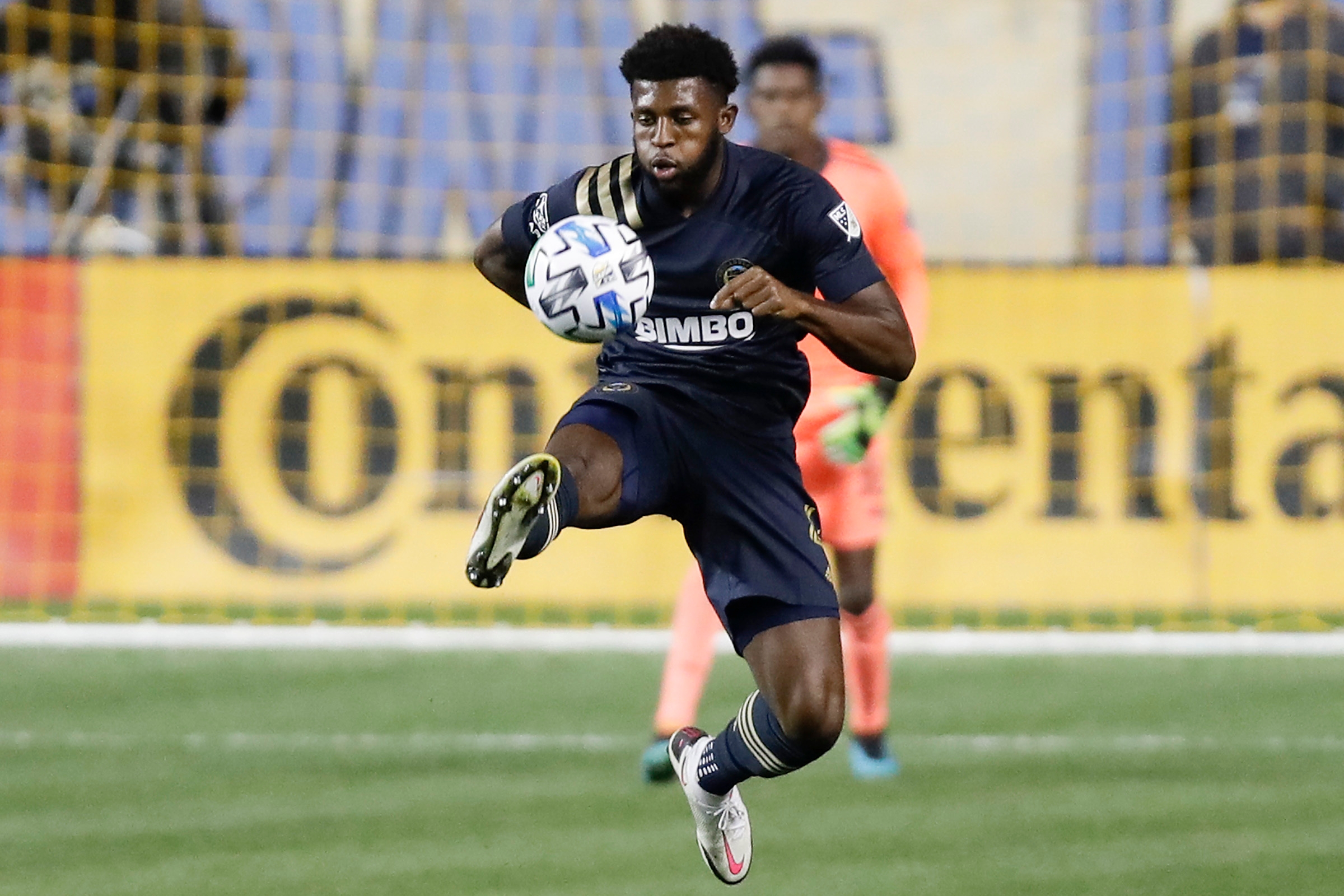
Union defender Mark McKenzie plays against the New England Revolution in 2020.YONG KIM / Staff Photographer
Family comes first
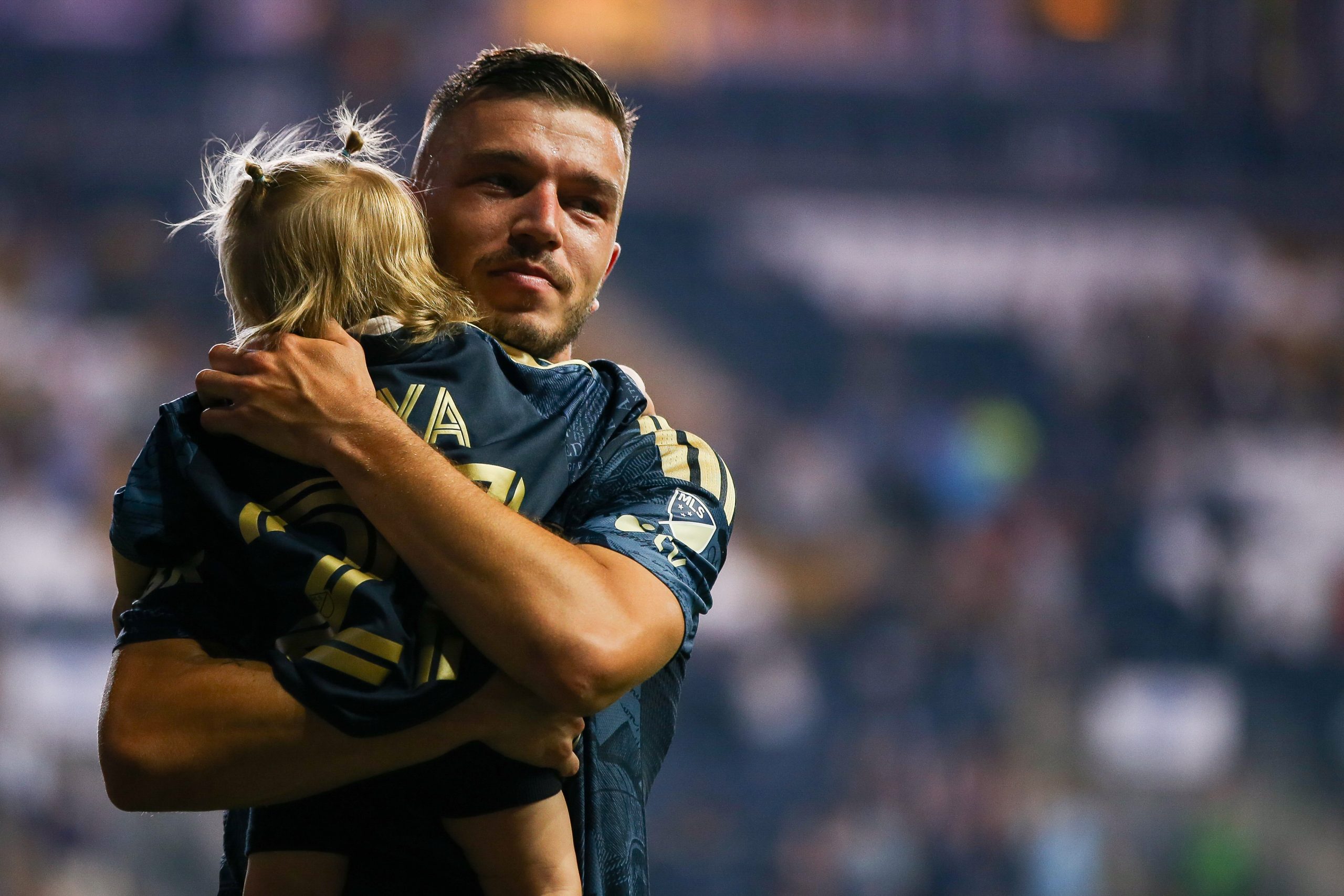
Just before the start of the 2025 Gold Cup, McKenzie and his wife, Carley, welcomed their first child, Micah. For the new father, it meant several sleepless nights, getting acclimated to the rigors of parenting on top of preparing for a major tournament. In November, while McKenzie was back in Philly as a member of the U.S. national team, he noted that he was still balancing fatherhood and his thriving professional career.
So how much did having family and friends minutes away instead of a world away factor into his decision to return, especially having a new, young family of his own?
Mark McKenzie led the USMNT in prayer after the Americans moved on to the Round of 16 🙏 pic.twitter.com/scEBXAO3ow
“It’s huge, man,” McKenzie said. “I think about the years that I’ve been in Europe, and you get the opportunity for family to come visit, be together and watch games. But now, the opportunity to walk off the field, to come back home and laugh and talk to a lot of the same people? That adds more to your career or who you are as a player than sometimes the wins and losses do.
“At the end of the day, when I look back at my career, I’m just a product of who my family is and how strong my support system is. So, for me to come back here, not only make sure that they feel that love, but also my family at the Union … family is a core value, you know, and that’s what’s pushed me to get to where I am today. It’s a big part of the reason why I made the decision to come back here, and it’s going to be a big part of the reason why we’re successful as a club.”
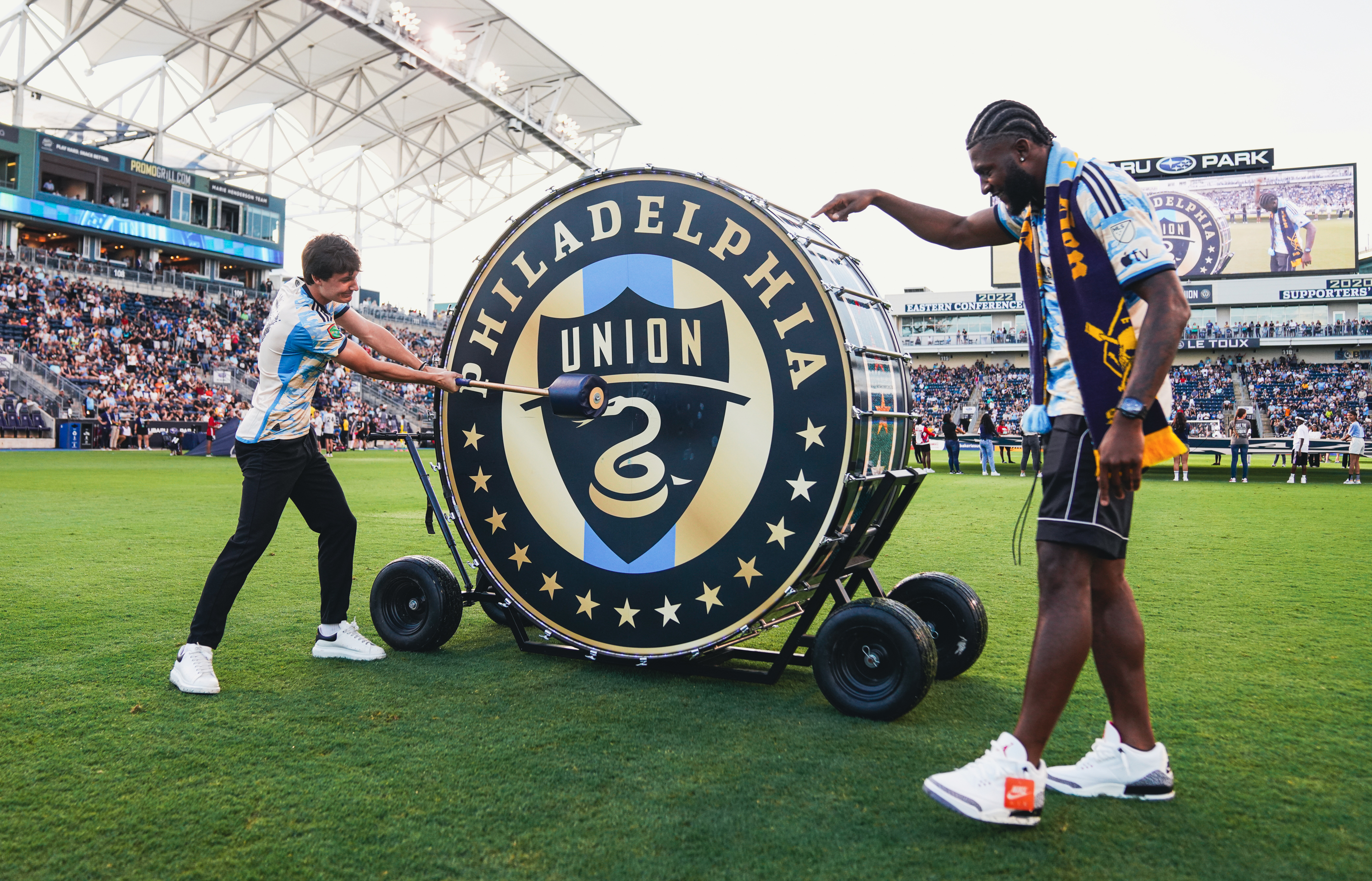
Mark McKenzie and fellow former Union player Paxten Aaronson bang the ceremonial drum ahead of a match in 2023. Philadelphia Union
On Saturday, McKenzie was in Chester and watched the Union deliver a 4-2 win over Orlando City, setting a franchise record as they now revel in an unbeaten streak of 12 games. McKenzie opened the match with the ceremonial banging of the drum on the field. It not only started the game, but also the countdown of his return to the field in a few short months.
When asked what that moment was going to feel like, McKenzie was a man of few words, but he had one that spoke volumes.
“Surreal,” he said. “Yeah, I think that’s the best way to describe it.”
FAYETTEVILLE, Ga. — When Auston Trusty turned pro with the Union a decade ago, the club’s youth academy was just starting to find its footing.
Now everyone knows about it, and the waves of players it has produced for the club and the U.S. national team. Trusty knows better than most, as the Media native is on the academy’s board.
But the scale of how far things have come in less than a decade has hit especially hard this week. The 28-year-old is sharing the field with the newest Union youngsters to break through: Cavan Sullivan, Neil Pierre, and Frankie Westfield.
“Yeah, it’s crazy. I still think of myself as the young kid from Philadelphia, but now these guys are,” Trusty told The Inquirer on Thursday in an interview at U.S. Soccer’s national training center, before the team headed to Orlando to prepare for Saturday’s game against Peru (4:30 p.m., TNT, Telemundo 62).
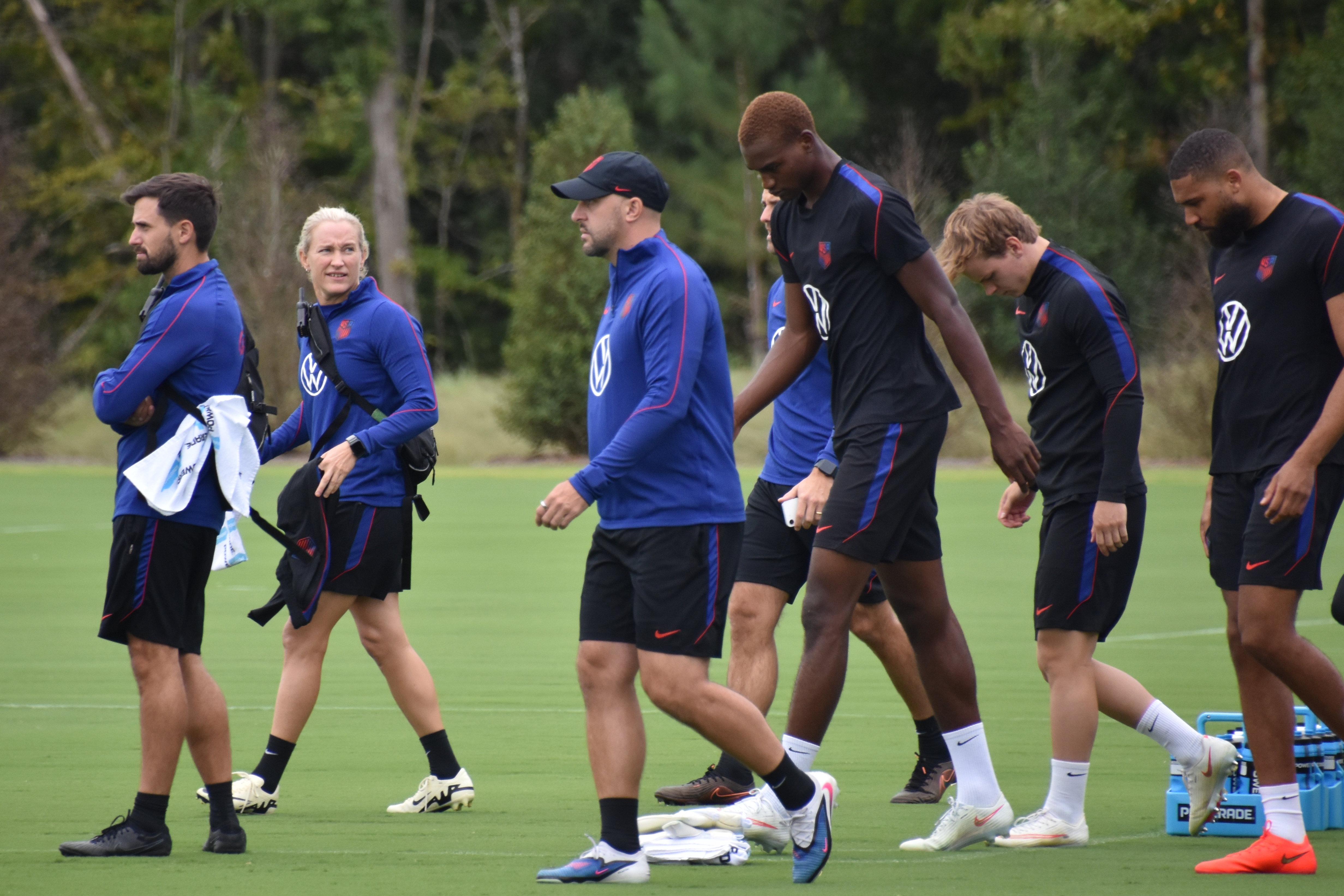
Cavan Sullivan (second from left) on the ball in front of Auston Trusty during a drill at Thursday’s practice.Jonathan Tannenwald
“The way they look at me, they all know my history,” he said. “They all know where I came from, how I came from it, and I’ve been that person they’ve been trying to aspire to be. I’m really appreciative, I’m really grateful, and it’s a blessing that I’m able to be that person for them.”
It feels long ago, at least in soccer terms, that Trusty turned down a scholarship offer to the University of North Carolina in the summer of 2016. He signed with the Union just days before he’d have headed to Chapel Hill. Back then, such a move was seen as unusual.
“College, at the time, was probably the smarter move to other people,” he recalled. “To me, signing pro, I was taking a risk for myself. So it kind of opened that pathway for all these kids to come after me, and it’s pretty cool.”
A year after Trusty’s move, Mark McKenzie left Wake Forest following his freshman season, and Brenden Aaronson backed out of a verbal commitment to Indiana.
Auston Trusty (left) and Mark McKenzie together during their playing days with the Union.
The tide had turned, and there was no going back. By the time Frankie Westfield turned pro in 2024 instead of going to Penn State, no one batted an eye.
On Thursday, Trusty and Westfield had lunch together after teaming up in one of the morning’s training drills.
“From what I’ve known from him, and from what I’ve heard, he’s a great player [with a] great mindset,” Trusty said. “Him, along with the other players from [the] Union, it’s really cool to see how far they’ve come, together and individually, and also their mindsets. … It’s their first time, so maybe they’d be hesitant, but they have great mindsets, and that’s what I really want to see.”
It was obvious to ask about Pierre, a fellow centerback with so much potential. Trusty hadn’t talked with him much yet as of Thursday, mainly due to travel delays coming over from his club home at Celtic in Glasgow, Scotland. But Trusty has seen highlights, including of Pierre’s four goals for the Union this year, and is happy to have another Union centerback with the national team.
Neil Pierre (third from right) is always easy to spot in a crowd thanks to his 6-foot-6 frame.Jonathan Tannenwald
“He seems [like] a really good guy, seems good as a person, as a player, seems like he has a lot of talent,” Trusty said. “Obviously, his physical attributes — he’s really tall, and I think a lot of times people can focus on physical attributes. I’m really excited to see how he is on the ball, how he is as a player.”
And of course, there’s Sullivan. Trusty has known the 16-year-old and his family for a while, so he hasn’t just seen the player through Union games.
“He’s a humble kid, and he’s a grinder,” Trusty said. “He has that Philadelphia Union mindset where you know you don’t take it for granted, you go out there and grind, and you make the most of it. But he’s a humble kid, and he comes from a good family as well.”
It will strike some people that Trusty focused on Sullivan’s humility. To outsiders, the talk is of cockiness and a hype train. But Trusty knows the difference between that and the right kind of confidence.
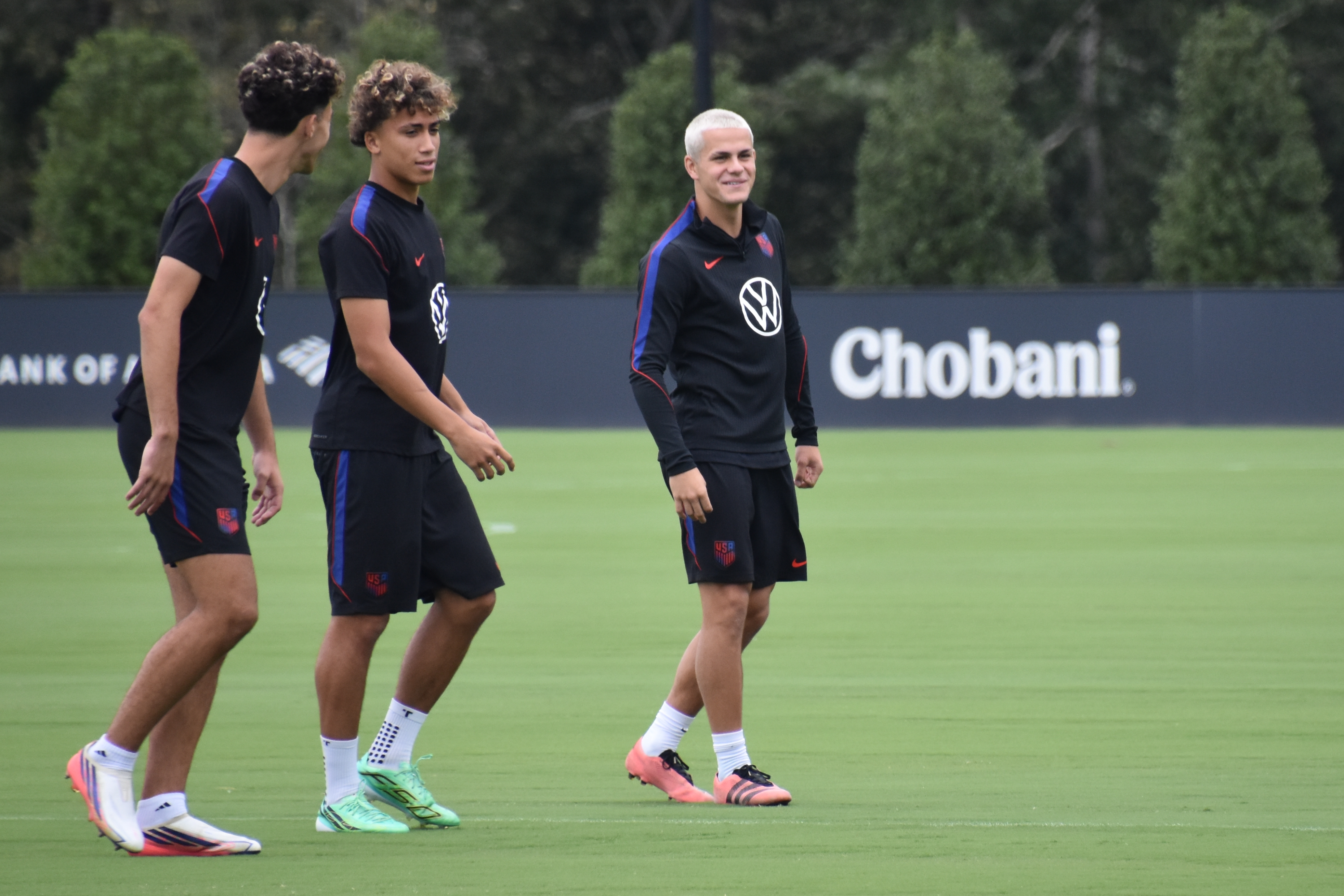
Cavan Sullivan (right) cracking a smile at the start of Thursday’s practice.Jonathan Tannenwald
“You see him off the pitch, see how he approaches a game, how he starts a game, how he approaches his transactions with teammates and coaches, and the game itself with his own play,” he said. “But during it, if someone’s going to do stepovers, someone’s scoring goals, and they’re celebrating, or if they show confidence on the pitch, that is exactly what you want to see. I don’t want an attacker, or any player, on the pitch that’s not confident.”
Given that, he concluded: “So if someone’s feeling themselves, someone’s confident in their ability and backs themselves, all power to him.”
Now the time has come for Sullivan and the other newcomers to make their first marks at a new level.
“It’s for the more veteran, more established players to lead the young guys, and guys who could possibly get their first caps, to make sure they know what this team’s about,” Trusty said. “When you wear this crest, you’re not just representing yourself. You’re representing your teammates, your coaches, but everyone that’s ever believed in you, and an entire nation that’s behind you. So it really means a lot.”
Nearly six years after the Union launched Mark McKenzie to his career in Europe, the centerback is coming back to Chester.
Multiple sources with knowledge of the deal confirmed to The Inquirer that the 27-year-old will rejoin his old team in January, moving from French club Toulouse. The Union will pay a transfer fee of around $2.5 million, a number first reported by The Athletic.
Along the way, he became one of the top American centerbacks in Europe, and a regular with the U.S. national team. McKenzie has 30 caps, was part of this summer’s World Cup, and narrowly missed out on the 2022 squad.
Mark McKenzie during his playing days with the Union.YONG KIM / Staff Photographer
Now the expectation is he will form a centerback pairing with one of the Union academy’s newest gems, Neil Pierre. The 6-foot-7 18-year-old is drawing raves from scouts around the world, reportedly including Spain’s Barcelona. Of course there could be a big offer for Pierre at some point, but it is clear that the Union want McKenzie and Pierre to play together.
There’s also the intrigue of the “sprint season” to start 2027 that will lead to MLS’s calendar flip in the summer. Bringing in McKenzie in January could put the Union in a strong place for that competition, with Cavan Sullivan not leaving for Manchester City until the end of the calendar year.
The transfer fee will make him a Designated Player, at least for as long as MLS’s current roster rules stay in place — they might change next year along with the calendar flip. The salary might, too, when the time comes, though that isn’t known yet. But it’s a certainty that McKenzie will immediately become be a cornerstone of the club.
McKenzie is still young enough to have good reason to stay in a top European league for a while, perhaps with one more move on from Toulouse if he could earn it. And he did have to be convinced that coming back to Philadelphia was the right move for soccer reasons.
Mark McKenzie (left) playing for Toulouse against French powerhouse Paris Saint-Germain last season.Emma Da Silva
But the Union have wanted for some time to bring him back. They made a strong sales pitch, starting before the World Cup. McKenzie was receptive to it.
The soccer side of it had to come first. Once he was on board, the off-the-field side could make sense, too — especially raising his young son in the United States. McKenzie is a strong family man, and many of his relatives traveled around the country to watch him at the World Cup.
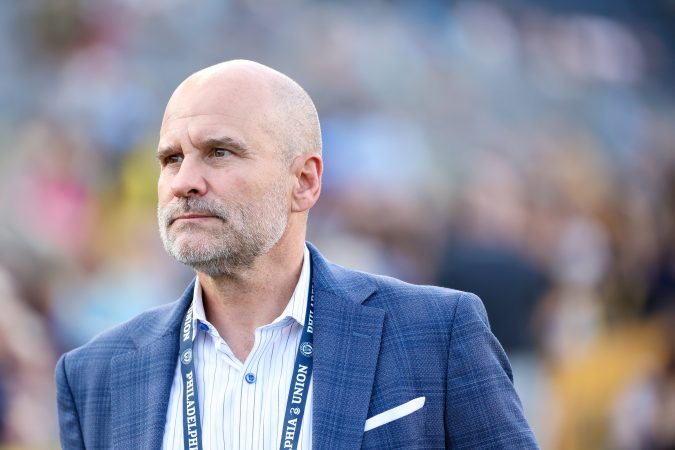
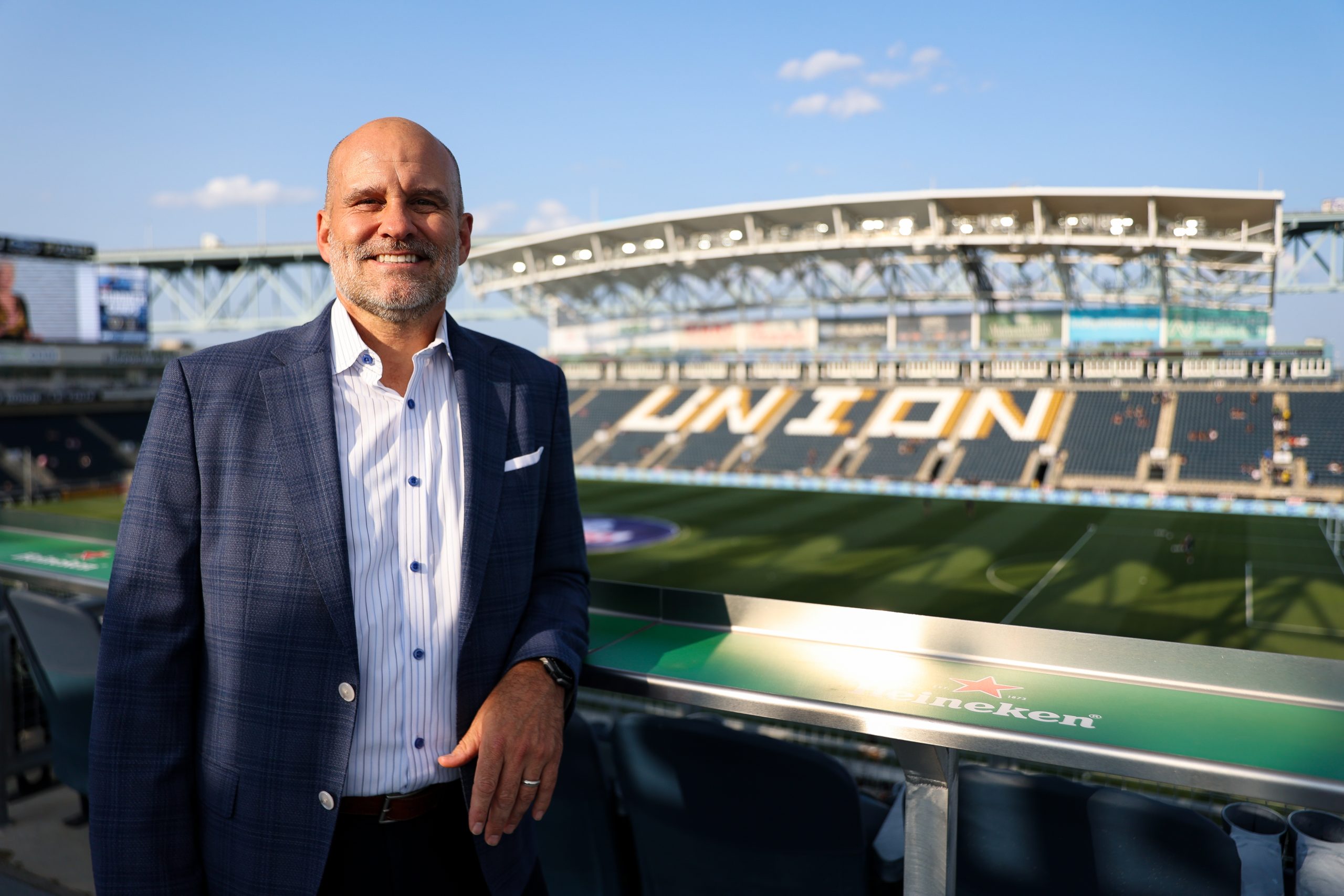
Union president Tim McDermott wants to clear a few things up.
McDermott, 51, who has hit multiple stops along the Philly professional sports highway as a former executive with both the Eagles and Sixers, is in his 11th year with the Union.
He’s been able to do a lot with what some might view as a little by resource standards when it comes to the first team — though he readily contends the money is there from ownership “should the right situation present itself.”
But in a town like Philadelphia, he’s well aware that success, when it comes to sports teams, is a year-over-year proposition. From an optics standpoint, after finishing off another successful season last year, winning their second Supporters’ Shield under a first-year head coach, depending on who you ask, the team has temporarily fallen off the precipice of relevancy — at the worst possible time.
With the eyes of the world on soccer courtesy of this summer’s FIFA World Cup, this was supposed to be the Union’s moment, showcasing itself as a powerhouse club in America’s domestic league situated in a city fortunate enough to be one of 16 that hosted FIFA’s grand event.
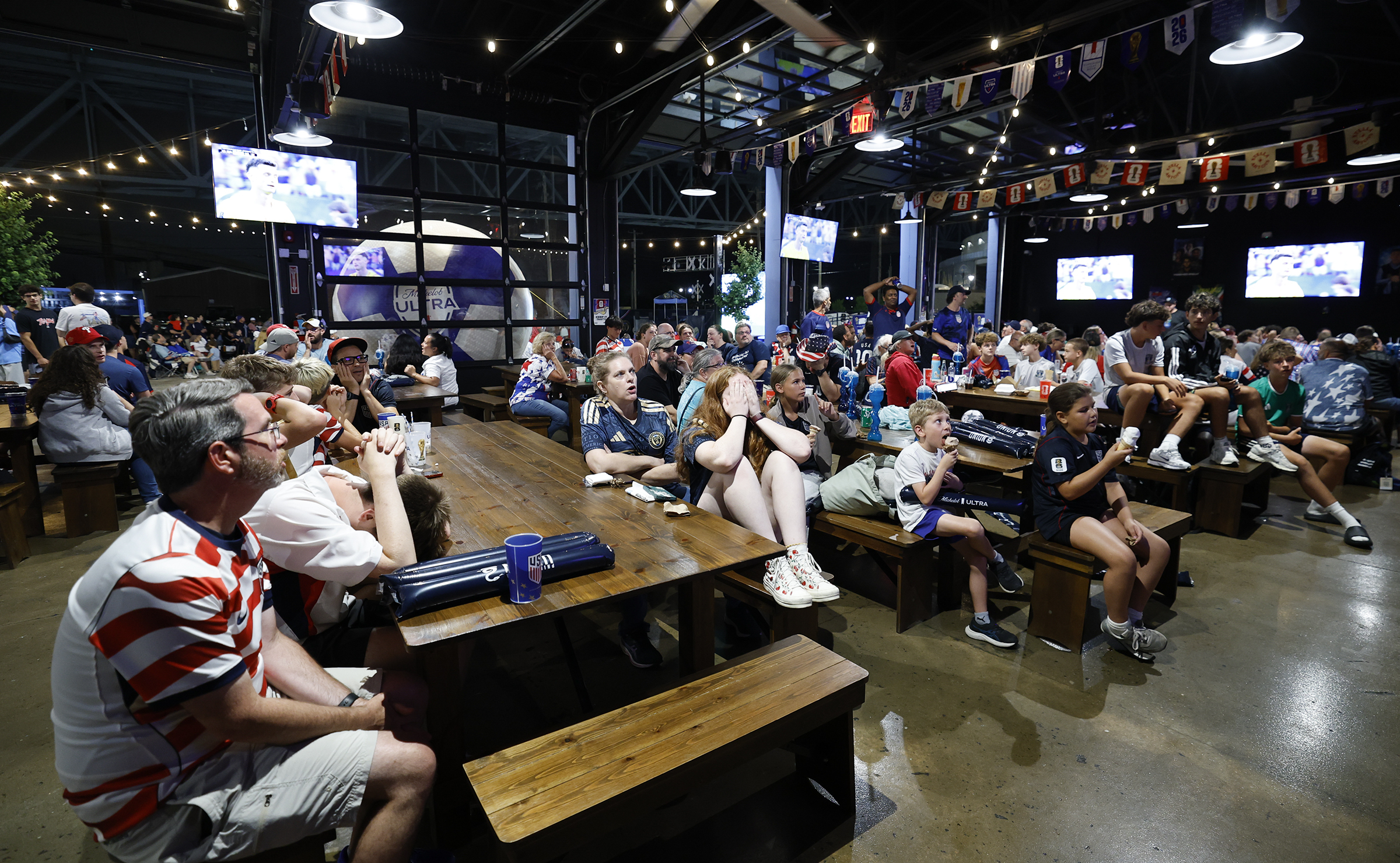
The Union hosted a series of jam-packed watch parties for the World Cup at Union Yards in Chester. However, it went into the World Cup break with just one win and was forced to take a hard look at where the club was going. Yong Kim / Staff Photographer
Instead, the Union limped into MLS’ World Cup break with issues both on and off the field, winning just one game and mired in the drama of its head coach losing a locker room and its sporting director undergoing league-mandated sensitivity training after allegations of misconduct were substantiated.
It forced a reset of almost everything. Ownership let both the coach and sporting director go, ushering in a fresh start in the player personnel department for a team that desperately needed it.
That lack of success has also ushered in reflection, as McDermott explained during a recent interview with The Inquirer. A reset that forced everyone from ownership on down to take a look at the club, not just in its current state, but visualize what the future looks like with the sport getting fresh eyes, courtesy of the World Cup.
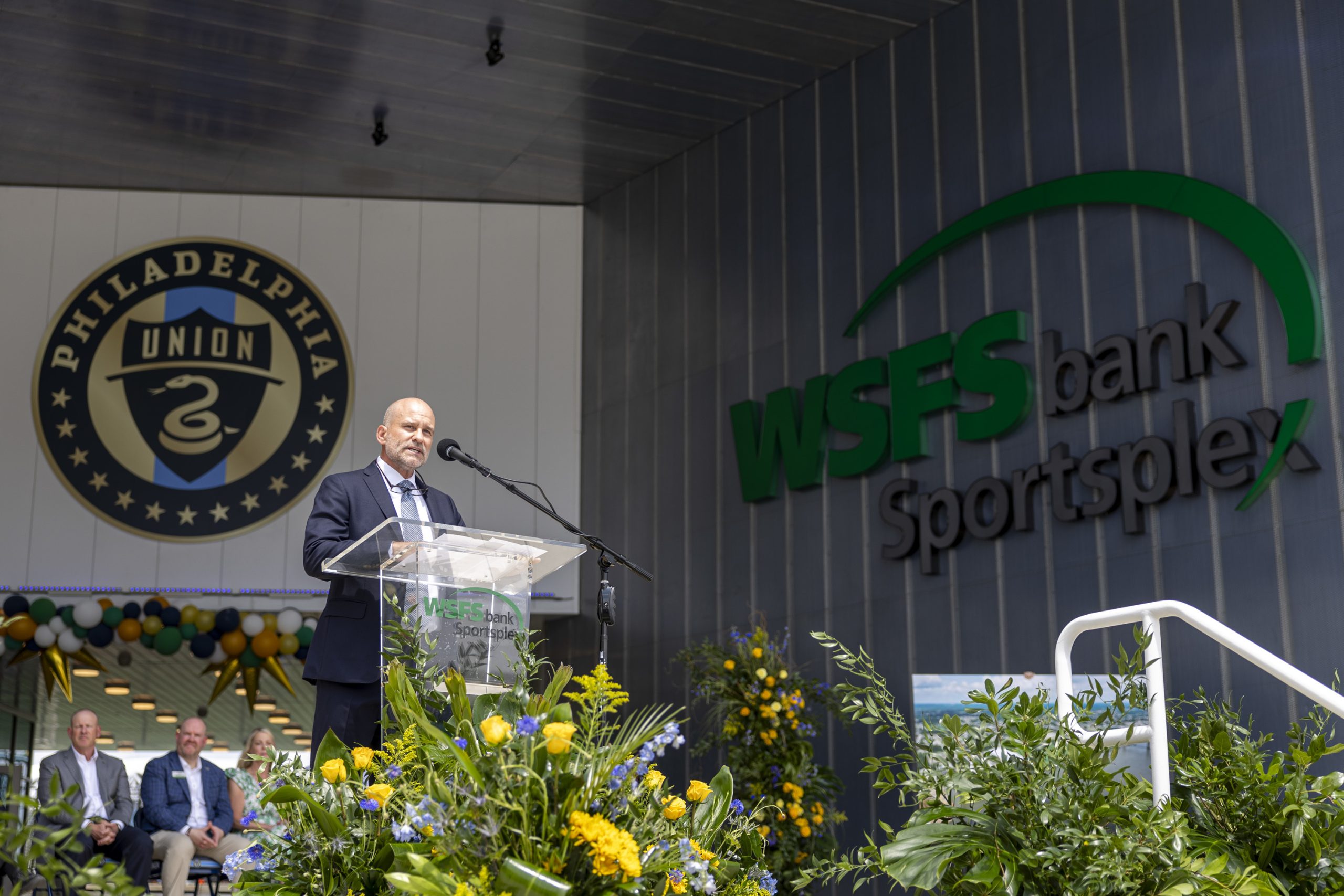
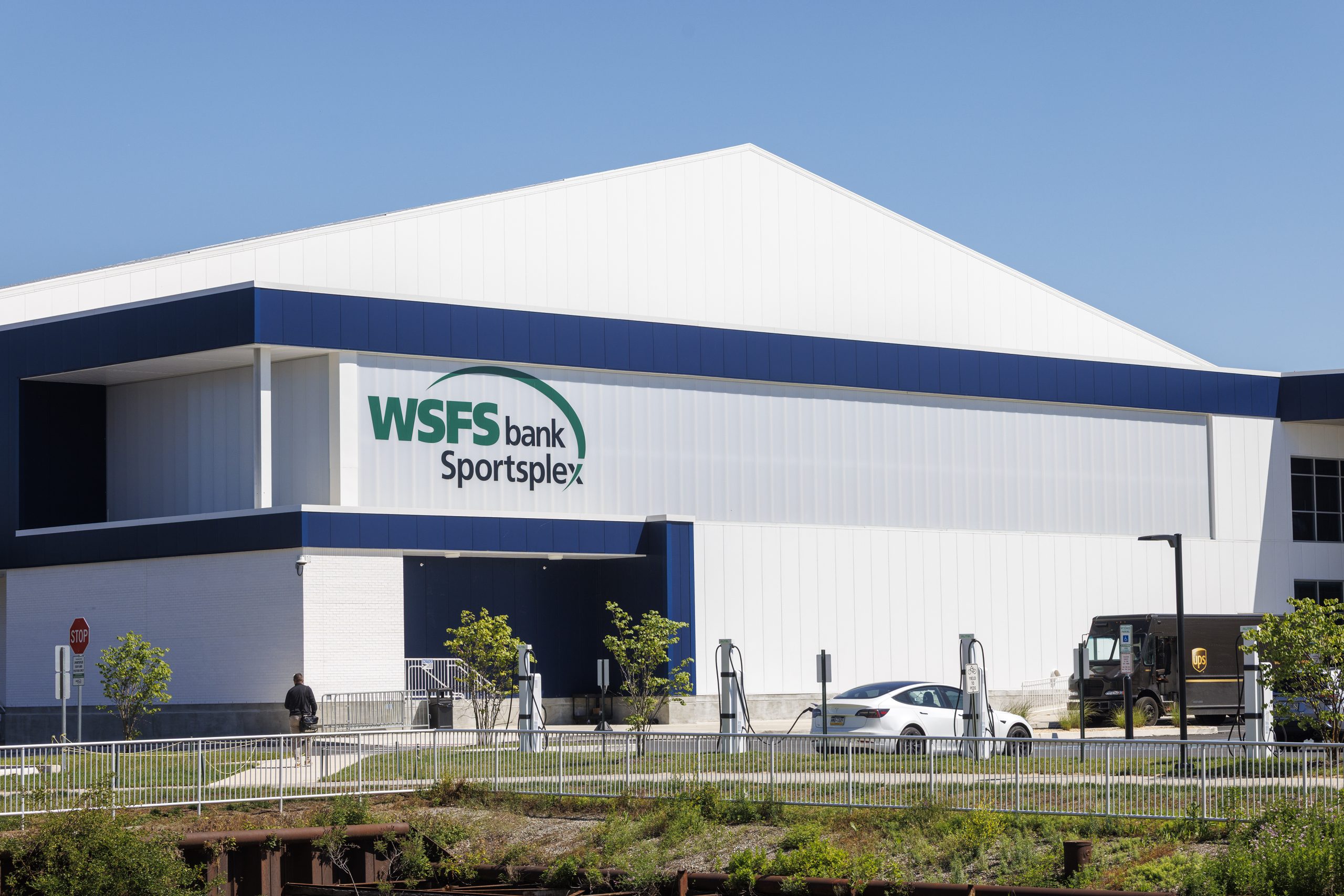
Tim McDermott spearheaded the launch of the WSFS Bank Sportsplex in Chester, a 170,000-square-foot indoor facility complete with a series of outdoor fields, which opened last July. Tyger Williams / Staff Photographer
It’s a wide-ranging analysis, and it comes in two tiers. On one hand, you have devout ticket-paying supporters of the club, who contend that the Union doesn’t spend enough, that they rely on youth over experienced, world-renowned talent to win games.
Some say that among a hodgepodge of players, where is the one that you can build a team around? They’ll point to teams like defending champions Inter Miami, whose budget and star power dwarfs that of the Union.
Or Los Angeles FC, or Orlando City, or Vancouver, or…
McDermott will stop you right there. While he admits that those teams have readily found success with bringing in European stars to build a roster around, their model is very different. McDermott told The Inquirer that an annual investment of $10 million is spent on developing within the Union’s academy system, fostering the growth in everything from its school, YSC Academy, to coaching staffs, to maintaining the sprawling WSFS SportsPlex, basecamp for the Union’s youth movement.
“If you look at the entirety of how we do things, it does rely heavily on youth development,” said McDermott. “We’ve been very good at that, and we’ve been recognized as being the best at that.
“If you look at our [first team] payroll, we’re toward the bottom, and that’s what I think people get upset about, and it’s a fair statement. But what I would say is there’s lots of ways to bring players in, right? You can go free agency, you can go to transfers, you can transfer in the market, or you can bring people in from the league, outside the league, etc. There’s lots of different ways to do it. And we’ve chosen many of those methods, but we’ve [also] chosen heavily in youth development.”
But that’s the other issue. Retention of those young players. Over the last few years, the Union has brokered many of those it groomed within its system for substantial transfer fees to and from other clubs.
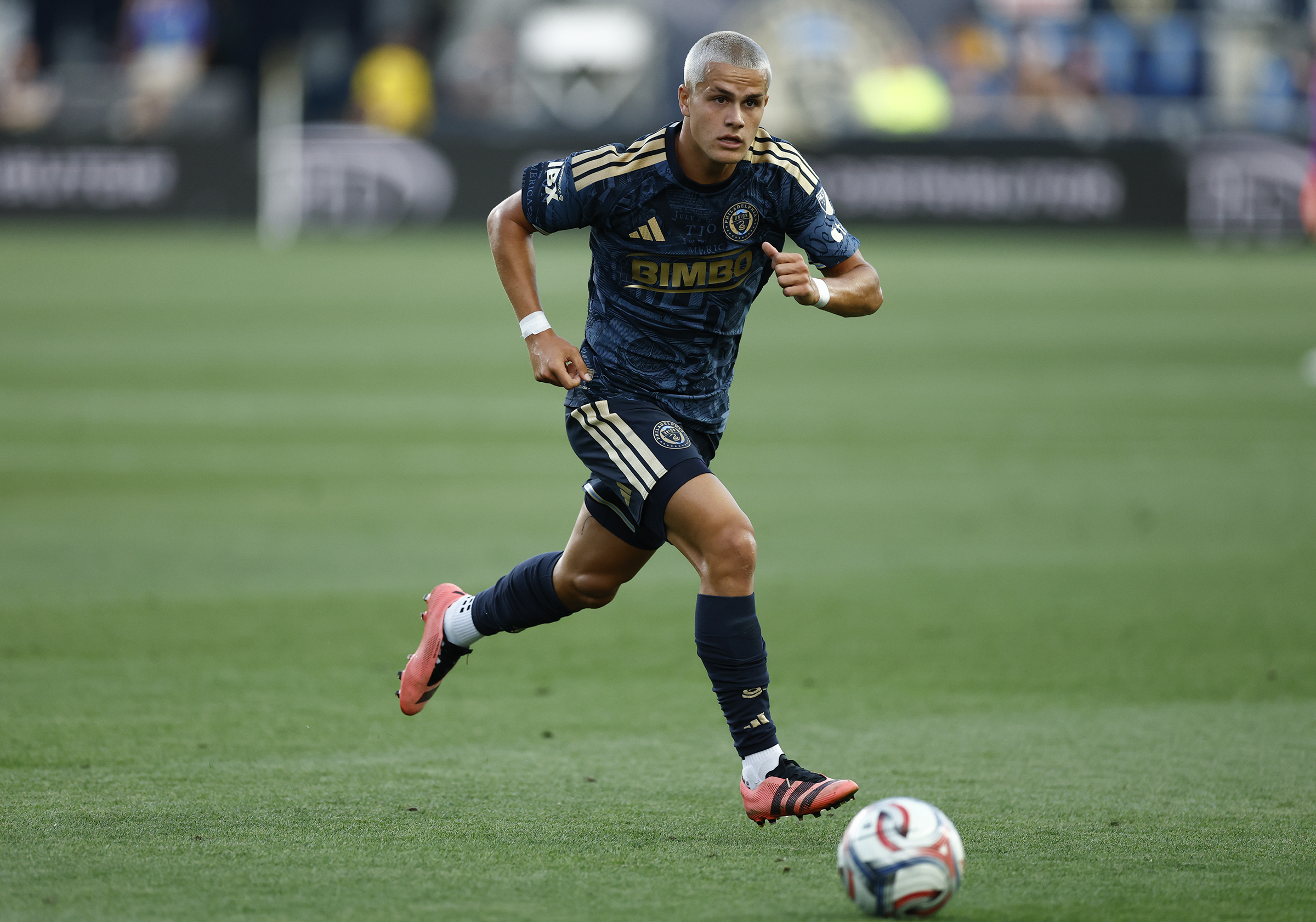
Perhaps its biggest young star at the moment, midfielder Cavan Sullivan, is set to move to Manchester City upon turning 18, and U.S. men’s national team standouts like Brendan Aaronson, Mark McKenzie, and Matt Freese were all shipped elsewhere. All of this has prompted the Union to be labeled as a “selling club” by many who say that comes first and that the franchise and ownership are content with just getting into the postseason but not doing anything more to lift a trophy.
Union midfielder Cavan Sullivan, a rising American star who hailed from the Union’s youth academy, is set to head to Manchester City as part of a $5 million transfer fee to the English club. Yong Kim / Staff Photographer
“I totally agree. I don’t think they’re wrong; I don’t think they’re wrong at all, but I think that’s more of a big picture problem that’s out of our immediate control,” McDermott said. “I want this not just for the Philadelphia Union, but for the MLS to grow. There needs to be a point in time where the players that are coming through our youth academies are starting to say, ‘No, I don’t want to leave. I want to do it here in my hometown.
“I think it has to also be on the players themselves [who] are not always looking overseas. We’re developing players, and we’re transacting in MLS, but keeping them in the lab right here is what’s going to elevate MLS to a higher profile.”
‘Our goal is to win’
As McDermott tells it, new sporting director Jon Scheer has been “working the phones heavily.” He says the club knows it needs to bring in new players, and added that there’s a board with “bigger name players” that they’re “actively working” to bring in. However, he contends it has to be a player that fits the club’s current methodology, a high-pressing team that will attack opponents from the outside, and frustrate defenders with dizzying diagonal runs wherever space allows.
The World Cup has offered a great look into some potential names, but at the time of this report, it seemed like it was only a discussion.
“I’ll just tell you right now, we’ve fielded calls for potential players over the last two weeks,” said McDermott. “We have a weekly call with ownership, myself, and Jon Scheer, and these names come up. But the question is always what does that do for our team?
“On the other side, we field calls about our own players and we may or may not transact on a player because we want to make sure that our focus is winning, right? What’s the point of the transaction if it’s going to make us less competitive? Maybe now’s not the time to do it. But you’re always balancing that.
“If somebody makes you an offer, you don’t know if that offer will be there a year from now, right? So you’re always trying to balance that. Our focus is we must win. The goal is not just to develop players to sell them. Our goal is to win.”
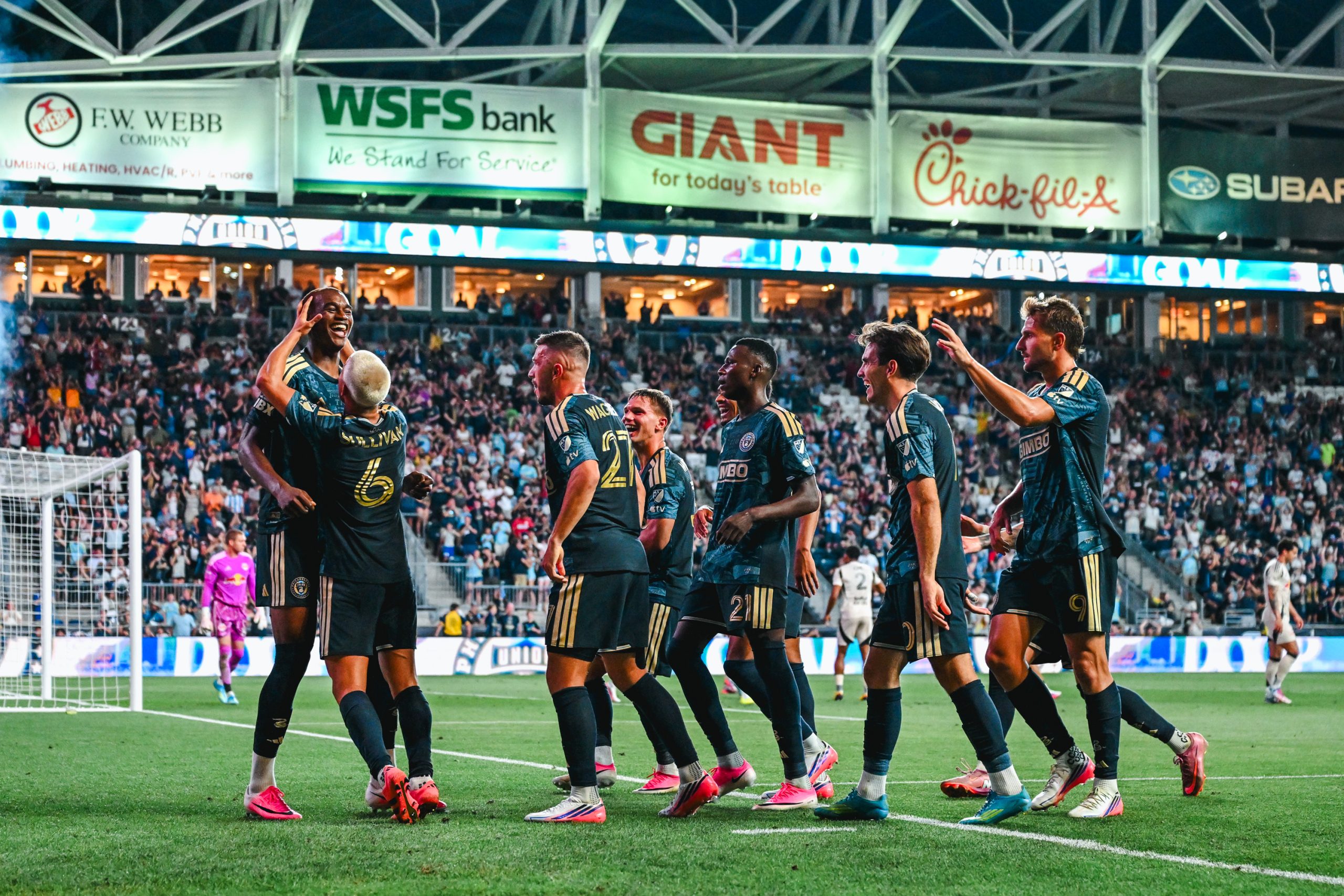
Bringing back players like Union left back Kai Wagner (27) cements that the team is looking to align itself with players that want to play in Philadelphia. Isaiah Vazquez / For The Inquirer
A place in Philly
McDermott inherited a hurdle when he joined the Union in 2016. How do you maintain relevancy as Philadelphia’s Major League Soccer representative from 18 miles away in Chester?
He knows that while the team’s marketing efforts aim to keep a grip on the collective consciousness of a city, as it’s stood since its inception, the Union’s success of filling up a stadium each game day heavily relies on people getting in their vehicles and navigating the I-95 corridor. But there begs a question. How many more fans could the club have with a stadium or a facility in Philly proper, situated somewhere fans can access the team by SEPTA, their bike, or even walk?
When asked the question, McDermott noted that the Union isn’t unique in being the only MLS franchise with a stadium outside city limits, and he’s right. Several clubs represent cities with stadiums outside their city limits, but many have begun to realize that there’s a real need to inhabit the city that emblazons your crest.
One of the more recent examples is the Chicago Fire, which last year announced plans for a $750 million, 22,000-seat stadium to be constructed downtown, financed entirely by team ownership.
It’s the type of move that inherently brings interest, and aligns the team more with being a part of the city. McDermott recognizes that too, and didn’t disagree that there is a connection lost by way of the Union’s footprint in Chester. However, in the same breath, he acknowledges just how good Chester has been for the growth of the club.
For the last 16 years, the Union have enjoyed an immense amount of success at Subaru Park, which opened as PPL Park in 2010. Philadelphia Union
But, according to McDermott, that doesn’t mean that the Union isn’t “actively studying” how to replicate what Chicago did.
“We have a great relationship with Delaware County and with Chester; that’s been phenomenal, and they’re incredible supporters of ours,” McDermott said. “But I would say at a more macro level, if you look at all of the teams that have come into the MLS in the last decade, where are they located? A lot of them, not all, but a lot of them are in a downtown location. That fact is not lost on us. I think it’s fair to say we’re proactively studying is that something we need to look at in the future? And is our future in an environment that looks like that?”
The exterior of WSFS bank Sportsplex in Chester.Alejandro A. Alvarez / Staff Photographer
As it stands, the Union sits on infrastructure, to the tune of over $300 million, when you consider the cost to build the stadium in 2010 for a reported $122 million, the newly designed WSFS SportsPlex, which came in at a $100 million price tag just last year, in addition to its annex for the first team, offices, and school in the adjacent Wharf Building.
“We are very comfortable where we are right now,” McDermott said. “It’s been a fantastic relationship. I think we’ve done a lot in terms of the development that we’ve done in Chester. But thinking about what a move downtown or some other place [within the city] would look like, I think it’s fair to say we have to be aware of it, studying it and being thoughtful to see if our future would be brighter if we were in a situation like that. So, I can say that yes, we’re actively studying that process and what that would look like.”
‘Still have our homework to do’
Perhaps the portion of the sitdown with McDermott where his eyes lit up was the notion that growth and expansion of the club comes from getting people out to matches. It’s a fair point, considering the Union’s gameday experience has been repeatedly lauded as one of the best in MLS, winning a J.D. Power Award for best fan experience just a year after McDermott joined the club in 2017.
Amanda Young Curtis, the club’s vice president of communications, told the Inquirer that fans who attend just three matches are significantly more likely to lock in as season ticket holders.
She said that it comes down to a few facets beyond just increasing brand awareness, but it’s everything from capturing new fan data to wooing potential first-time attendees with discounted tickets to, and perhaps most importantly, “converting attendees into repeat visitors.”
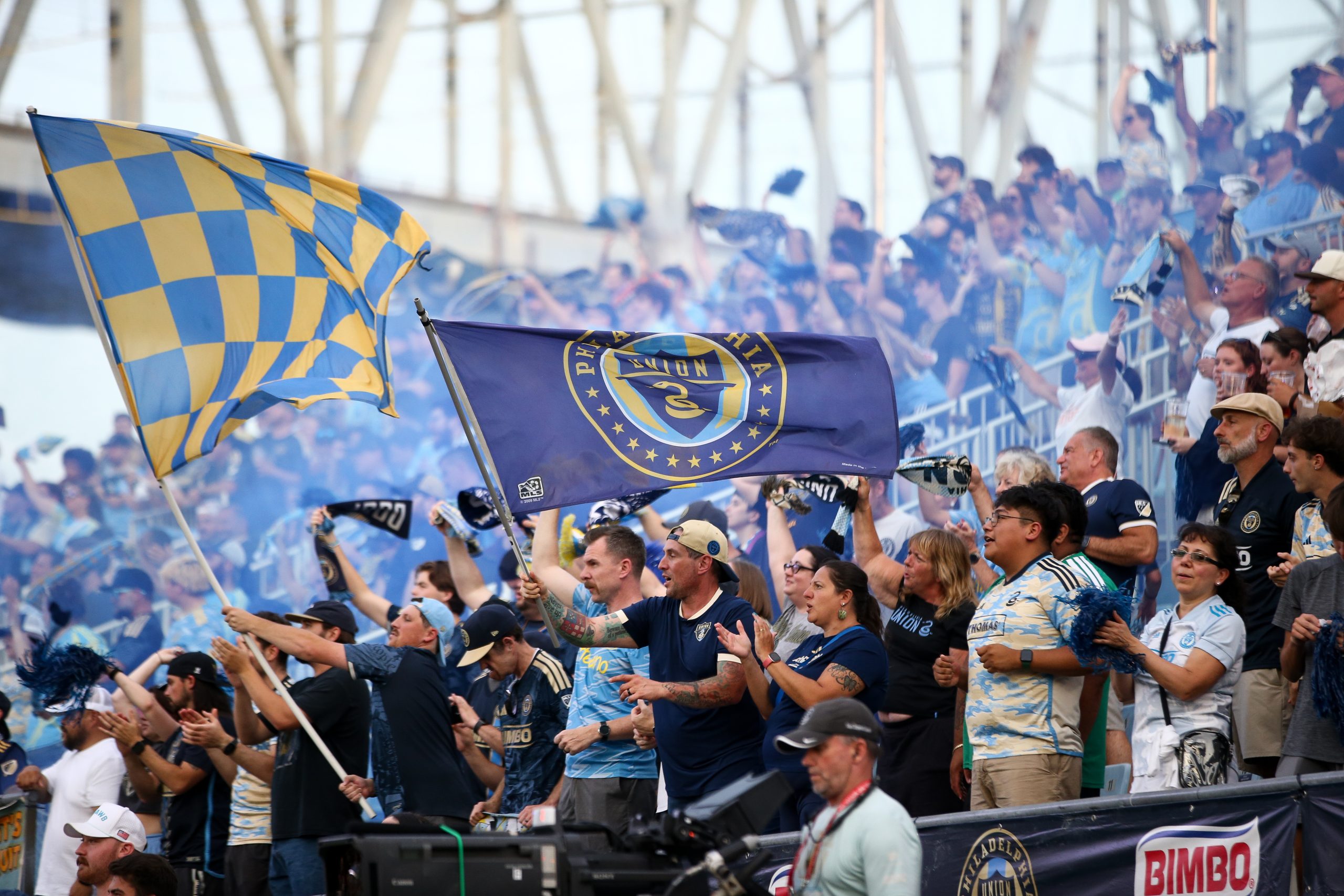
The Sons of Ben have been a devout supporters group for the club. To McDermott, a goal of ushering in more fans to the Union brand has to be the ultimate goal. Isaiah Vazquez / For The Inquirer
McDermott agreed, and added:
“We need to make sure that not only do they come and have a good time, but we’re actively always thinking about how do we get them back two more times. The likelihood of locking them in jumps pretty significantly. It’s why we’ve initiated this whole concept around trial and retention, and I believe that the momentum from the World Cup offers a major strategic opportunity for us to do that.”
But an area where McDermott says the Union still has their work cut out for them is cultivating stronger partnerships with youth clubs from an awareness standpoint so young players and their parents gravitate to the Union as supporters.
And for the youth coaches clutching pearls thinking that the Union is trying to woo a player away from their club, McDermott says it’s not about that. In fact, this notion transcends recruiting. Kind of…
“I think there’s two parts,” McDermott said. “There is the fan development part, and there’s the kind of talent identification part, and they somewhat link together. I’ll go back again to when my kids were 6, 7, 8 years old, and I was on the sideline of my daughter’s games. I looked down the sideline, and I saw all these parents wearing Eagles green.
Union president Tim McDermott contends that while the team has celebrated an immense amount of success, more is yet to come through the planning being done behind the scenes. Isaiah Vazquez / For The Inquirer
“I know we’ll be successful when I look down the sideline at a kid’s game and they are wearing blue and gold. I had many different instances like that where I felt like parents and the kids that were in the youth soccer ecosystem weren’t necessarily matriculating to being a Philadelphia Union fan, and we still have our homework to do to change that.”
McDermott knows the Union has work to do across the board from a grassroots perspective on up. In the immediate, righting the ship in an forgiving league like MLS is the goal, and the club is off to a strong start coming out of the World Cup break, winning two consecutive matches for the first time this season following wins against Red Bull New York and an impressive Saturday win over Seattle, two teams that if the season ended today would be playoff-bound.
It’s a great start in the eyes of a guy like McDermott, who contends his approach has always been to win. And listening to him speak now, it appears that talks are happening between ownership and team leadership about doing so — at all costs.
“As president, my job is solely focused on how can we win, across the board,” McDermott said. “I want to win; everyone in this organization wants that, but the culture is always and has to be first and foremost. You gotta have guys that want to play for each other, that believe in the system, that care for each other, that love one another and that are good quality character people.
“I think on the whole, we’ve really been doing a great job with that over the years. I’m not just talking about where we’re at today, but I’m talking about the last six, seven, eight years; we’ve been building towards having success, and we’ve had success. We’ve won a lot over the last five, six years, so our design works. I think [this reset] provides a real look at what we need to do to get back to that, and in the conversations we’re collectively having daily, I have no doubt that we’ll get there. None.”
Purchase the front page reprint of The Philadelphia Inquirer from Saturday, July 25, 2026, featuring LeBron James following the news that he was joining the 76ers.
IRVINE, Calif. — The first men’s soccer World Cup on U.S. soil in 32 years kicks off this week, with great anticipation in Philadelphia and nationwide. That’s true for the 26 players of the U.S. team, too, as they seek to make a lasting mark on the tournament and the sport.
Here’s what to know about each of the players whom manager Mauricio Pochettino picked for his squad. They’re listed by position, then in alphabetical order.
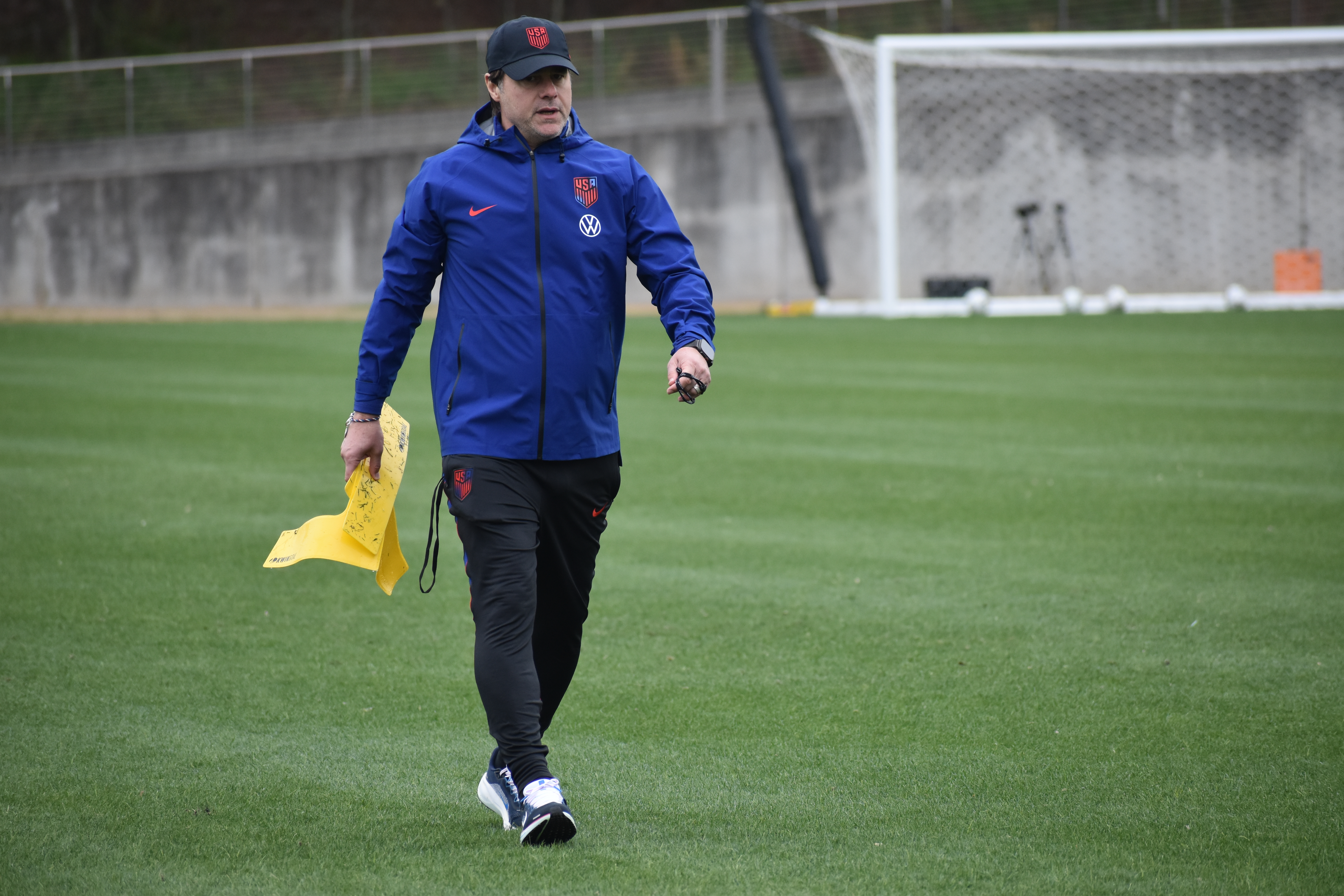
U.S. manager Mauricio Pochettino.Jonathan Tannenwald
Goalkeepers
Chris Brady
Jersey number: 26 Age: 22 Club: Chicago Fire Hometown: Naperville, Ill. Height and weight: 6-foot-3, 170 pounds Senior national team games (Caps): 1
A clear and understandable third on the depth chart, he was picked to gain experience for what should be more trips to World Cups in the future.
Chris Brady (left) is on the team to get experience for the future.Jonathan Tannenwald
Matt Freese
Number: 24 Age: 27 Club: New York City FC Hometown: Wayne, Pa. Height and weight: 6-3, 194 Caps: 15
His rise through Harvard, the Union, New York FC, and now the national team might be the most underappreciated story of this U.S. squad. Freese made his senior U.S. debut last summer and immediately became Pochettino’s No. 1 netminder. Now, he seems on the cusp of starting at the World Cup, though the manager has repeatedly not committed to naming the starter in advance.
Matt Freese in the U.S. net when the Americans played Paraguay at Subaru Park last November.Elizabeth Robertson / Staff Photographer
Matt Turner
Number: 1 Age: 31 Club: New England Revolution Hometown: Park Ridge, N.J. Height/weight: 6-3, 185 Caps: 54
The starter from the last World Cup until the start of last summer, when the last of a few subpar performances cost him his spot. He’s been better than Freese statistically in MLS this year, but wasn’t as good with the national team in March.
Until a few days ago, we’d have listed him as an outside back who can also play centerback. But he did very well in a more central spot in the two pre-World Cup warmup games. Now, he might take the role again, especially early in the group stage as Chris Richards finishes rehabbing an injury.
Alex Freeman is the son of former Eagles and Packers wide receiver Antonio Freeman.Jonathan Tannenwald
Mark McKenzie
Number: 22 Age: 27 Club: Toulouse, France Hometown: Bear, Del. (though born in the Bronx, N.Y.) Height/weight: 6-0, 183 Caps: 29
Talented, charismatic, humble, and owner of one of the best resumes of any U.S. defender. His path from the Union to Belgium’s Genk to a stalwart of France’s Ligue 1 is the ideal path for a player to follow. Though he’s prone to occasional big mistakes, he also does a lot to make up for them.
Mark McKenzie (center) is one of the best-performing U.S. defenders in Europe.Jonathan Tannenwald
Tim Ream
Number: 13 Age: 38 Club: Charlotte FC Hometown: St. Louis Height/weight: 6-1, 176 Caps: 82
He’s been the captain almost since the start of Pochettino’s tenure in late 2024. Age is catching up to him, but his role in the locker room is unquestioned. If Pochettino sticks with a 3-4-2-1 tactical formation, that will give Ream some cover for having slowed down.
Tim Ream’s experience made him manager Mauricio Pochettino’s choice for captain.Jonathan Tannenwald
Chris Richards
Number: 3 Age: 26 Club: Crystal Palace, England Hometown: Birmingham, Ala. Height/weight: 6-2, 192 Caps: 36
The most irreplaceable player on the back line, his absence from the warmup games due to torn ankle ligaments was crystal clear. He seems close to returning to action, but until he’s officially on the field, U.S. fans will be understandably worried.
It may be impolite to say he’s last on the depth chart at this position, but it’s true — and his performances in the warmup games didn’t help his case to change that. Facing Kai Havertz and Nicolas Jackson is a different level from MLS. If Robinson was picked as insurance against Richards having to withdraw, that’s understandable, but he was Pochettino’s most-criticized choice.
Eleven years ago, he was a fast-rising prospect in the Union and U.S. youth ranks. Only now, though, all this time and five clubs later, has he finally made it to the biggest stage. He still cherishes his Philly area roots, serving on the Union academy’s board.
He’s better as a left wingback in a 3-4-2-1 than as a left back in a 4-2-3-1, especially on defense. Other than that, he was an easy choice to be Antonee Robinson’s backup on that side of the field.
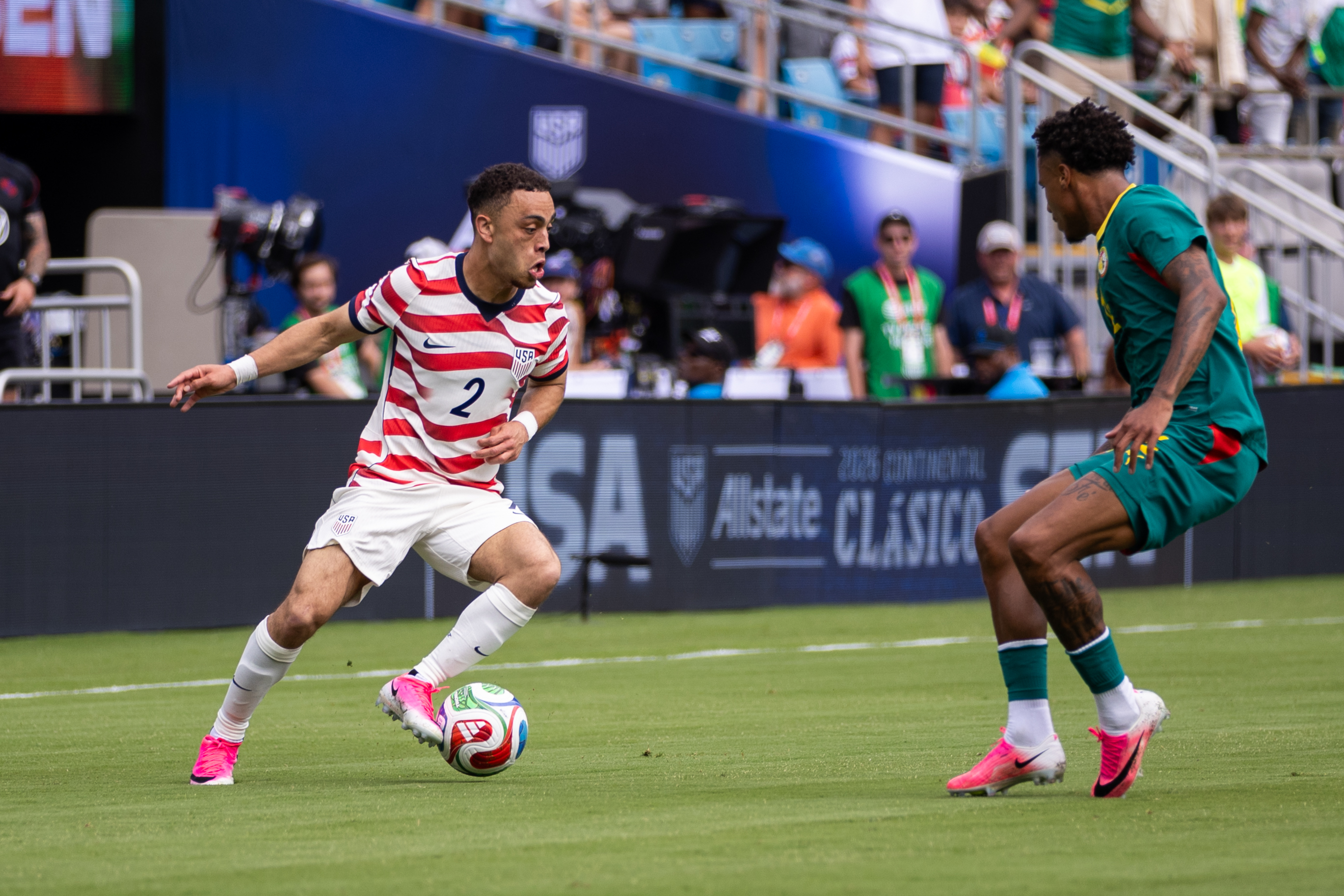
Simply put, a special talent. He’s a havoc-wreaking talent on the right flank, and can pitch in on the left if needed. Dest has also improved his defensive game lately. The 3-4-2-1 setup is perfect for unleashing him.
Sergiño Dest (left) is a dynamic force for the U.S. on the flank.Scott Kinser
Antonee Robinson
Number: 5 Age: 28 Club: Fulham, England Hometown: Liverpool, England Height/weight: 6-0, 152 Caps: 54
Not far from Richards on the irreplaceable ranking. Left back has long been the toughest position for the U.S. to find talent at, but Robinson has had it locked down for five years — at least when he’s healthy. He’s a big presence in the locker room, too.
Antonee Robinson is a key player on the field and in the locker room for the U.S.Jonathan Tannenwald
Joe Scally
Number: 23 Age: 23 Club: Borussia Mönchengladbach, Germany Hometown: Lake Grove, N.Y. Height/weight: 6-0, 174 Caps: 26
For a while, it seemed he wouldn’t make the cut, with Dest and Freeman ahead of him at right wingback. Then he did enough at club level down the stretch of the Bundesliga season to earn the call. It also helps that he can also step in at centerback or defensive midfielder if needed.
He’s officially listed on the roster as a forward, but could play attacking midfield or wingback — and he’s done all three over time. The last of them feels likely in a 3-4-2-1 setup, so that’s why he’s listed here for now. If Pochettino switches to a 4-2-3-1, Weah’s best fit is as a winger instead of an isolated right back. But while that’s for arguing over, his talent, creativity, and pedigree are unquestioned.
Tim Weah (left) is the son of Liberian soccer legend George Weah, but has now carved out his own career in the world’s game.Jonathan Tannenwald
Central/defensive midfielders
Tyler Adams
Number: 4 Age: 27 Club: Bournemouth, England Hometown: Wappingers Falls, N.Y. Height/weight: 5-9, 159 Caps: 54
No longer the official captain, but the unofficial one for years. On the field, on camera, and in the locker room, the U.S. doesn’t have a better leader. Unfortunately, as we’re about to get into, a lack of depth at this position puts him in a tricky spot. Can he avoid yellow cards in the first two games so he isn’t suspended for the big finale against Turkey’s stars?
Although Tyler Adams (left) isn’t officially the U.S. captain anymore, he remains one of the team’s biggest leaders.Jonathan Tannenwald
Sebastian Berhalter
Number: 14 Age: 25 Club: Vancouver Whitecaps Hometown: Columbus, Ohio (born in London, England) Height/weight: 5-9, 154 Caps: 13
He’s another unlikely success story, but the son of former U.S. manager Gregg Berhalter earned his spot. Sebastian helped the Vancouver Whitecaps reach last year’s MLS Cup and Concacaf Champions Cup finals, and with the national team combines hard work with great skill at set pieces. In fact, he might be the best at them on the roster. Could that earn him a starting spot next to Adams?
The veteran was so far out of Pochettino’s picture that he went on vacation at the start of the September FIFA window. Then the manager suddenly needed him, and Roldan answered the call. It immediately felt like he’d never left, and he hasn’t left since then.
It isn’t his fault that this is the end of the depth chart. Will Pochettino regret not bringing Tanner Tessmann or Aidan Morris, both of whose talents merited inclusion? World Cups have a habit of nailing managers on the biggest risk they take. Jürgen Klinsmann learned it the hard way by leaving Landon Donovan home in 2014, and Gregg Berhalter bet a lot on benching Gio Reyna in 2022.
Cristian Roldan (center) has been a familiar face to U.S. fans for years.Jonathan Tannenwald
Attacking midfielders
Brenden Aaronson
Number: 11 Age: 25 Club: Leeds United, England Hometown: Medford, N.J. Height/weight: 5-10, 150 Caps: 58
Making his second straight World Cup team makes him the standard-bearer for Philadelphia on soccer’s global stage. So does earning a stalwart role at one of England’s most historic clubs, even if the first priority has been just staying in the Premier League. He’s happy to embrace being a role model for everyone back home, and now has the added emotional boost of a new wedding ring.
He’s a near-lock as a starter, but where will he play? The obvious answer of on the field can’t be enough. Will he be an attacking midfielder, the role he probably fits best, but potentially exposing the lack of depth behind him? Or will Pochettino slot McKennie next to Adams to try to get another playmaker on the field, and hope it doesn’t unbalance things?
He isn’t officially Captain America, but he knows better than anyone that that’s his unofficial designation. It took much of his decade-long national team career to become comfortable in that spotlight, and it still doesn’t always fit him easily. But he also knows better than anyone that if he delivers when it counts at the World Cup, he can carry his country to greatness.
Christian Pulisic remains the biggest star on the U.S. men’s team.Jonathan Tannenwald
Gio Reyna
Number: 7 Age: 23 Club: Borussia Mönchengladbach, Germany Hometown: Bedford, N.Y. (born in Sunderland, England) Height/weight: 6-1, 174 Caps: 38
For all his talent — and it’s up there with Pulisic — he only just did enough for club and country to make this squad. If he comes off the bench as expected, he might not have much time in games to make an impact. There will be real pressure to deliver.
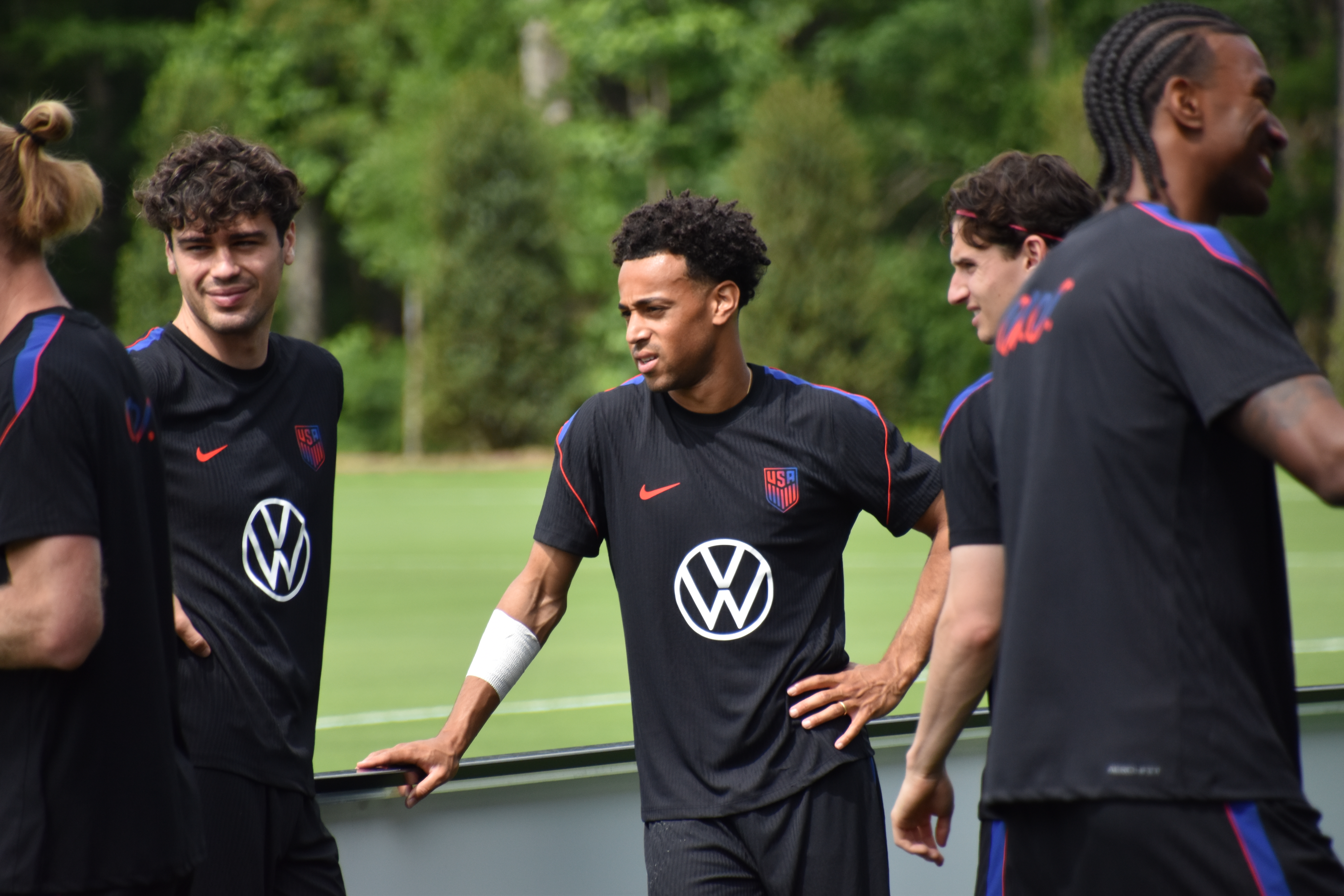
His raw talent isn’t in question. Whether he can show it at a World Cup might be. Pochettino clearly likes Tillman, giving him lots of playing time. But things don’t always work right when he and McKennie are on the field. If Berhalter goes next to Adams and McKennie starts, Tillman might be relegated to a supersub — and have to compete with all the other candidates for minutes.
Malik Tillman has a lot of skill, but we’ll see how he shows it in the World Cup.Jonathan Tannenwald
Alejandro Zendejas
Number: 26 Age: 28 Club: Club América, Mexico Hometown: Juárez, Mexico and El Paso, Texas Height/weight: 5-6, 146 Caps: 14
He gets two hometowns because he grew up on both sides of the border, carrying the dreams of being a child of immigrants. The world’s game opened doors, and he charged through them from FC Dallas’ youth academy to Mexico’s Club America. Add a mix of skill and graft on the field, and you get a popular pick for this team.
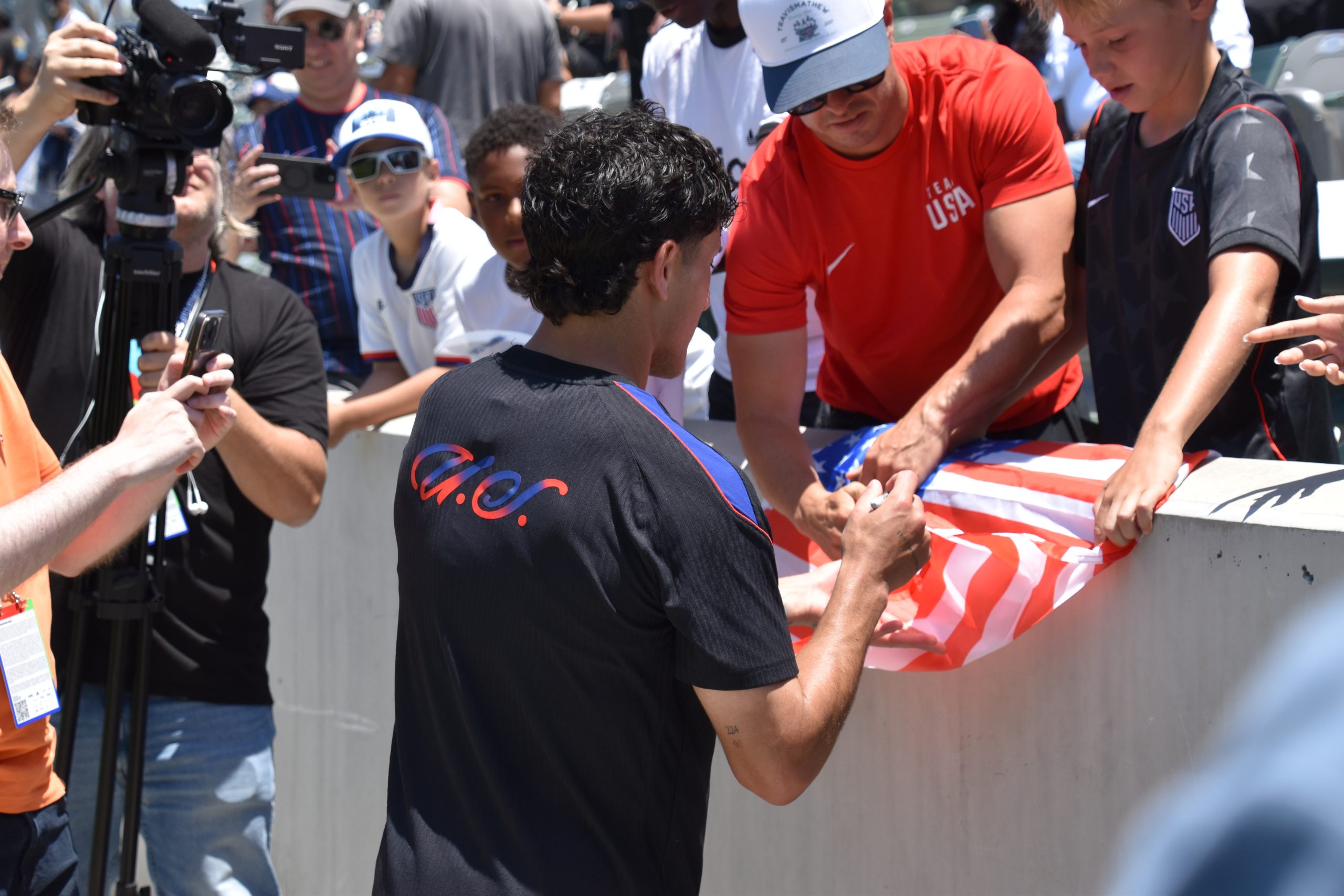
Alejandro Zendejas autographing a fan’s American flag during the U.S. team’s open practice a few days ago.Jonathan Tannenawld
Forwards
Folarin Balogun
Number: 20 Age: 24 Club: AS Monaco, France Hometown: London, England Height/weight: 5-10, 161 Caps: 27
He was recruited in 2023 with all the pomp of a college football team chasing a star quarterback. Though injuries since then limited his appearances, he has shown overall why U.S. Soccer was right to push for him. Now the biggest payoff moment of all has arrived.
The last and most controversial cut from the 2022 World Cup team, he has finally made it four years later. He put in a terrific amount of work in that time, including having to overcome a move from FC Dallas to Germany’s Augsburg that didn’t work out. But he was always strong with the national team, scoring big goals and hustling all over the field. Like Zendejas, a lot of U.S. fans will root for him in particular.
Ricardo Pepi (right) and Folarin Balogun (left) running together during a U.S. practice.Jonathan Tannenawld
Haji Wright
Number: 19 Age: 28 Club: Coventry City, England Hometown: Los Angeles Height/weight: 6-3, 174 Caps: 20
The last player to score a goal for the U.S. men at a World Cup, and the first formally listed as a striker to do so in 20 years. At club level, he was a key player for Coventry this season to help the Sky Blues earn promotion back to the Premier League after 25 years in lower leagues. Though he’s third on this U.S. depth chart, his size and speed should ensure he gets on the field.
IRVINE, Calif. — It only took two words for one of the U.S. men’s soccer team’s most important players to get everyone talking.
“I’m ready,” star centerback Chris Richards said before Wednesday’s practice, and after a few days on the field, where he looked good in his recovery from torn ankle ligaments.
“It’s a World Cup, so I’ll make myself ready regardless,” he continued as he stood in front of a big pack of media, a sign of the World Cup’s arrival and his importance. “I’m feeling good. Maybe a little swollen, but nothing tape can’t help. … If there’s any time to sacrifice yourself, it’s now. I want to play Friday, but I’m not the one making the decision.”
Richards suffered the injury on May 17, playing for his club team, England’s Crystal Palace. He hasn’t featured in a game for club or country since then, which is four total: the May 24 Premier League finale, the May 27 UEFA Europa Conference League final, and the U.S.’s two World Cup warmup games.
Chris Richards running during Wednesday’s practice.Jonathan Tannenwald
“When I first came out of the injury, I was pretty devastated, and I was honestly fearing the worst,” he said, later adding: “The first time I could probably relax was when I did get the diagnosis. After the game, my ankle was huge, and I came off in a boot and crutches. When I saw the diagnosis I was like, ‘All right, cool — whatever it takes, I have to make it for this first game.’”
He made the bench for the Conference League final, and the TV cameras caught him running onto the field at the final whistle to celebrate with teammates. That was a good sign. But it’s still nothing like a live game, and that’s now the question.
“I think the first time I really realized that I would be 100% for Friday was probably last week,” Richards said. “It was a lot of massages, a lot of ice, a lot of compression, things like that. But once I was finally on the pitch, it felt good. And I think that was the main thing.”
It also helps that the U.S. will have seven days between its first and second group games, with the latter June 19 against Australia in Seattle. The Americans’ World Cup opener is Friday vs. Paraguay (9 p.m., Fox 29) in Inglewood, Calif.
Chris Richards getting up close with the ball during a drill.Jonathan Tannenwald
“We have enough time between the games where I can get some recovery in,” Richards said. “So for me, if I can start on Friday, it’s not going to put the rest of the tournament in jeopardy for me.”
Granted, that was his opinion, and he has given it to U.S. coaches when asked.
“Every time they’ve asked me, I’ve told them I’m good — even when I first got into camp, I told them I’m good,” Richards said. “I think they’ve seen the progression over the last few weeks, and they’ve definitely seen me personally. I think I look good on the pitch now. Hopefully it’s been a good sign for them … Whatever they decide on Friday, I’ll back them, but I want to be on that field on Friday.”
He added that he has not been told if he’ll be subject to a minutes limit in the game.
Chris Richards (left) hasn’t played in a live game since May 17.Jonathan Tannenwald
“I’ve done full practices the last few days, and I think y’all have seen the intensity of our practices — they’re not light,” the Alabama native said. “So I feel good, no reaction to it, and I’m confident for what’s to come.”
Richards noted the minor controversy that arose when U.S. manager Mauricio Pochettino accused Crystal Palace of not being fully transparent about his status. He tried to be sympathetic to both sides.
“Palace wanted me to potentially be available for the Conference League final — which I understand, it’s a final — and it took me two days to get here [to U.S. camp] as well,” he said. “I expected it. I’ve had ankle injuries before, and there wasn’t really any setback. It was just a case of getting swelling down, then seeing what it’s like being on the pitch, and it just sometimes can take a little bit longer than expected.”
He said, “the initial diagnosis was day to day, but I think for me I was a bit more two to three weeks. We were right on schedule, and I feel good right now.”
Richards’ teammates know how much he means to the group. Fellow centerback and longtime friend Mark McKenzie spoke about that soon after Richards’ turn at the mic.
“To see that live, to see the rehab work he’s put in, whether it’s on the field and working with a lot of the performance coaches, trying to get that ankle exposed to as many different actions as possible,” the Union alumnus said, “and then off the field, you talk about recovery, you talk about every modality you could possibly think of and modalities you probably don’t even know about. Doing everything possible to get himself as fit as he could be for this game.”
As Richards spoke, former U.S. centerback Marcelo Balboa stood nearby. Now a media member, recalled his own race to make the 1994 World Cup after tearing his ACL in April 1993 — an era when recoveries could last over 12 months.
But he made it just in time to play in the tournament, started all four U.S. games, and almost scored an all-time goal when a bicycle kick attempt against Colombia went just wide.
“Never trust a player,” Balboa said with a laugh, but also some seriousness. “A player will always tell you he feels great and he’s ready to go. I think they have to evaluate how he is in training, if he’s full contact, if he’s ready to go 90 minutes, or is it better to make sure he’s ready for the rest of the tournament.”
He also emphasized that for a player, “mentally is the biggest part.” Judging by Richards’ remarks, he certainly seemed ready — even as Balboa’s words are a good reminder of the big picture.
“I wouldn’t put myself in the position if I didn’t think I could do everything 100%,” Richards said. “Part of playing this sport is you’re going to have some pain at some point, and I’m totally OK with that as long as functionally I’m good. That’s the No. 1 thing for me.”