Tag: King of Prussia

  • The can’t-miss fall festivals and markets to visit around Philadelphia

    After a summer of nonstop action — the World Cup, Major League Baseball’s All-Star Game, the festivities surrounding the nation’s 250th birthday — things have finally calmed a bit in Philadelphia.

    But that doesn’t mean there’s not plenty still to come this fall.

    The area will once again host a variety of festivals and markets in the coming weeks and months, celebrating everything from food to the arts and everything in between.

    Here’s a guide to what’s in store.

    Philly Halal Food Festival

    Now entering its fourth year, the festival celebrates Muslim-owned establishments in and around Philly. Last year’s version featured more than 100 vendors and 6,000 attendees.

    📅 Sept. 19,📍King of Prussia Mall, 160 N. Gulph Road, King of Prussia, Pa. 19406, 🌐 phillyhalalfoodfest.com

    Scene of the swan boats from the 2023 Delaware River Festival held both in Philadelphia and Camden.Partnership for the Delaware Estuary

    Delaware River Festival

    The event combined two former festivals, the Partnership for the Delaware Estuary’s Coast Day and Alliance for Watershed Education’s River Days Festival. Expect lots of family-friendly activities, from ferry rides and pedal boats to crafts and water-related education. Events take place at both Penn’s Landing on the Pennsylvania side of the river, and Wiggins Park on the New Jersey side.

    📅 Sept. 26, 10 a.m. to 4 p.m., 💵 ,📍101 N. Columbus Blvd., Philadelphia, Pa. 19106 and 2 Riverside Dr., Camden, N.J. 08103, 🌐 delawareriverfest.org.

    Mt. Airy Arts Festival

    Held at Allens Lane Park, this fourth-annual festival features live performances, food, an art market featuring the work of local vendors — but also the opportunity to make some art yourself, with stations for painting, printmaking, and ceramics.

    📅 Oct. 3, 11 a.m. to 4 p.m., 💵 Free,📍601 W. Allens Lane, Philadelphia, Pa. 19119, 🌐 allenslane.org.

    First Fridays at Cherry Street Pier

    First Fridays return to the Cherry Street Pier, complete with artist studio tours, markets, and exhibit openings along the Delaware River. Upcoming dates are Aug. 7, Sept. 4, Oct. 2, Nov. 6, and Dec. 4. Events begin at 4 p.m.

    📅 Various dates, 💵 Free,📍121 N. Columbus Blvd, Philadelphia, Pa. 19106, 🌐 cherrystreetpier.com

    St. Nicholas of Tolentine Italian Festival

    Since 1987, St. Nicholas of Tolentine Parish has held this annual event dedicated to Italian culture. The day kicks off with a 10:30 a.m. Mass and subsequent neighborhood religious procession, and there’s plenty of live music, Italian food, and family-friendly activities.

    📅 Oct. 4, noon to 8 p.m., 💵 ,📍1700 S. 9th St. Philadelphia, Pa. 19148, 🌐 stnicksitalianfestival.com

    OURfest

    This three-day event in and around Philly’s Gayborhood celebrates National Coming Out Day. Things kick off Oct. 9, with a variety of pre-parties and kickoff events. The following day, Oct. 10, is a night of dancing at Voyeur Nightclub, and the festival concludes with a parade on Oct. 11.

    📅 Oct. 9-11, times vary, 💵 Prices vary by event,📍Various locations, 🌐 phillygaycalendar.com

    Made in Philadelphia Fall Market

    The fall market this year celebrates its 10th year at Dilworth Park near Philly’s City Hall. Held over three days in October, this pet-friendly event brings a slew of artists and makers together, from jewelry and photography to glassware and woodwork.

    📅 Oct. 9-10 (noon to 8 p.m.) and Oct. 11 (noon to 6 p.m.), 💵 Free,📍1 S. 15th Street, Philadelphia, Pa. 19102, 🌐 madeinphila.com

    Scrapple & Apple Festival

    A day of celebration in honor of one of Pennsylvania’s most iconic foods: the Dutch breakfast meat, scrapple. Reading Terminal Market turns into a scrapple haven, as vendors offer a variety of scrapple-themed items. There’s live entertainment, cooking demonstrations — even a scrapple-sculpting competition (held Oct. 15, the Thursday before the festival).

    📅 Oct. 17, 10 a.m.-5 p.m., 💵 Free entry, pay as you go,📍1136 Arch St., Philadelphia, Pa. 19107, 🌐 readingterminalmarket.org
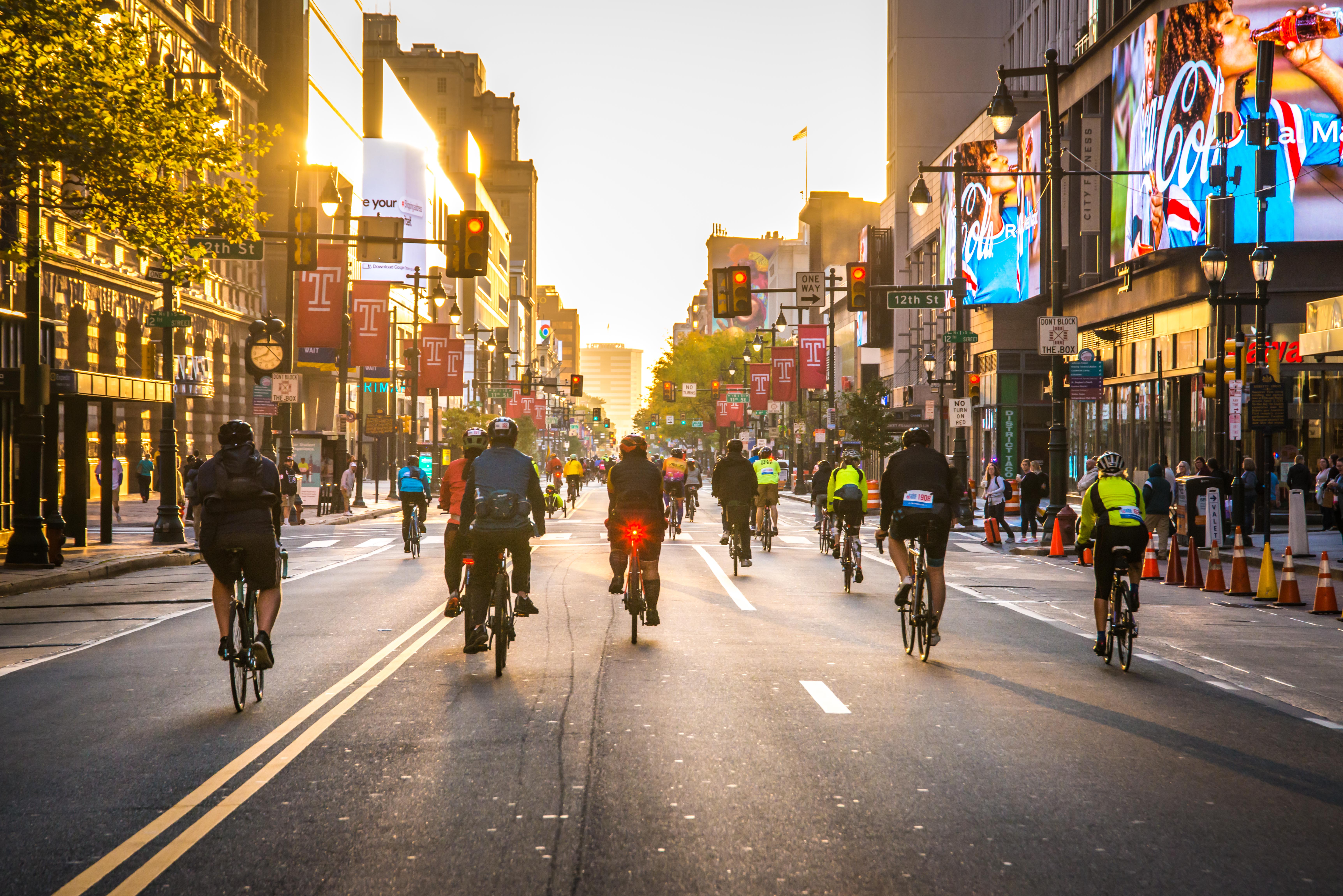
    The fifth annual Philly Bike Ride kicks off at the Philadelphia Art Museum on Saturday, Oct. 17.Courtesy of Philly Bike Ride

    Philly Bike Ride

    Now in its fifth year, this annual ride takes cyclists past some of the city’s top landmarks. The 20-mile course is closed to traffic, making it a great event for riders of all ages and experience levels. Afterward, celebrate with food trucks and a beer garden. Registration is required; early-bird prices (through July 12) range from $43 to $200.

    📅 Oct. 17, 7:30 a.m., 💵 Prices vary,📍Benjamin Franklin Pkwy., Philadelphia, Pa. 19130, 🌐 phillybikeride.com

    East FallsFest

    There’s live music all day, pumpkin decorating for kids, and a variety of items from local shops, crafters, and artisans. Local vendors will be on hand, with a beer garden from Wissahickon Brewing.

    📅 Oct. 17, 11 a.m. to 5 p.m., 💵 Free admission,📍Ridge and Midvale Avenues, Philadelphia, Pa. 19129, 🌐 discovereastfalls.org

    Manayunk Fall Festival

    Last year’s inaugural event went so well that organizers are running it back. Main Street will be taken over by local artists and vendors, food trucks, live music, and — ahem — a mac and cheese crawl.

    📅 Oct. 17, 11 a.m. to 4 p.m., 💵 Free admission,📍Main Street, Manayunk, Philadelphia, Pa., 19127 🌐 manayunk.com

    Philly Coffee Festival

    The 23rd Street Armory hosts this annual celebration of all things coffee. More than 20 roasters have already been lined up (with more expected soon) for this two-day event that also includes food and live music.

    📅 Oct. 17-18, 9 a.m. to 4:30 p.m., 💵 Tickets are $25-$73,📍22 S. 23rd St., Philadelphia, Pa. 19103, 🌐 phillycoffeefestival.com

    Cherry Hill Harvest Festival

    More than 100 artists, crafters, and vendors are expected at this year’s annual family-friendly festival held at Croft Farm. Mechanical Brewery will have a beer garden, plus there’s free pumpkins, a petting zoo, and live entertainment.

    📅 Oct. 18, noon- 4 p.m., 💵 Free entry, pay as you go,📍100 Bortons Mill Rd., Cherry Hill, N.J. 08034, 🌐 chnj.gov

    Community Arts Center Fall Fest

    This free event gives visitors a peek behind the scenes of the Community Arts Center in Wallingford. There’s 30 vendors, plus demos and tours, art activities for children, and a pumpkin-painting contest — plus live music. For a full schedule of the day’s events, check out the Community Arts Center website.

    📅 Oct. 25, 11 a.m. to 4 p.m., 💵 Free admission,📍414 Plush Mill Road, Wallingford, Pa. 19086, 🌐 communityartscenter.org

    Philly Flannel Fest

    The Braid Mill in Germantown hosts this fourth annual fall festival, with food trucks, wine and cocktails, local bands and DJs, and a craft marketplace. Early-bird tickets are available at a steep discount if purchased before Oct. 1.

    📅 Oct. 25, noon-5 p.m., 💵 $20 for entry ($12.51 before Oct. 1), pay as you go,📍346 E. Walnut Lane, Philadelphia, PA 19144, 🌐 phillyflannelfest.com

    The first-ever Inquirer Food Festival was held last year at the Fillmore in Fishtown. This marks the event’s second year.

    The Inquirer Food Fest

    The city’s premier food festival returns to the Fillmore this fall, featuring a lengthy lineup of top area restaurants. Sao, Pine Street Grill, and The Bread Room are among the participants already confirmed for this year’s event. There’s also an empanada-making workshop from chef Jezabel Careaga, with music from DJ Na$h, plus the chance to try off-menu dishes.

    📅 Nov. 14, 11 a.m. to 6:30 p.m., 💵 Ticket prices vary,📍29 E. Allen St, Philadelphia, Pa. 19123, 🌐 foodfest.inquirer.com
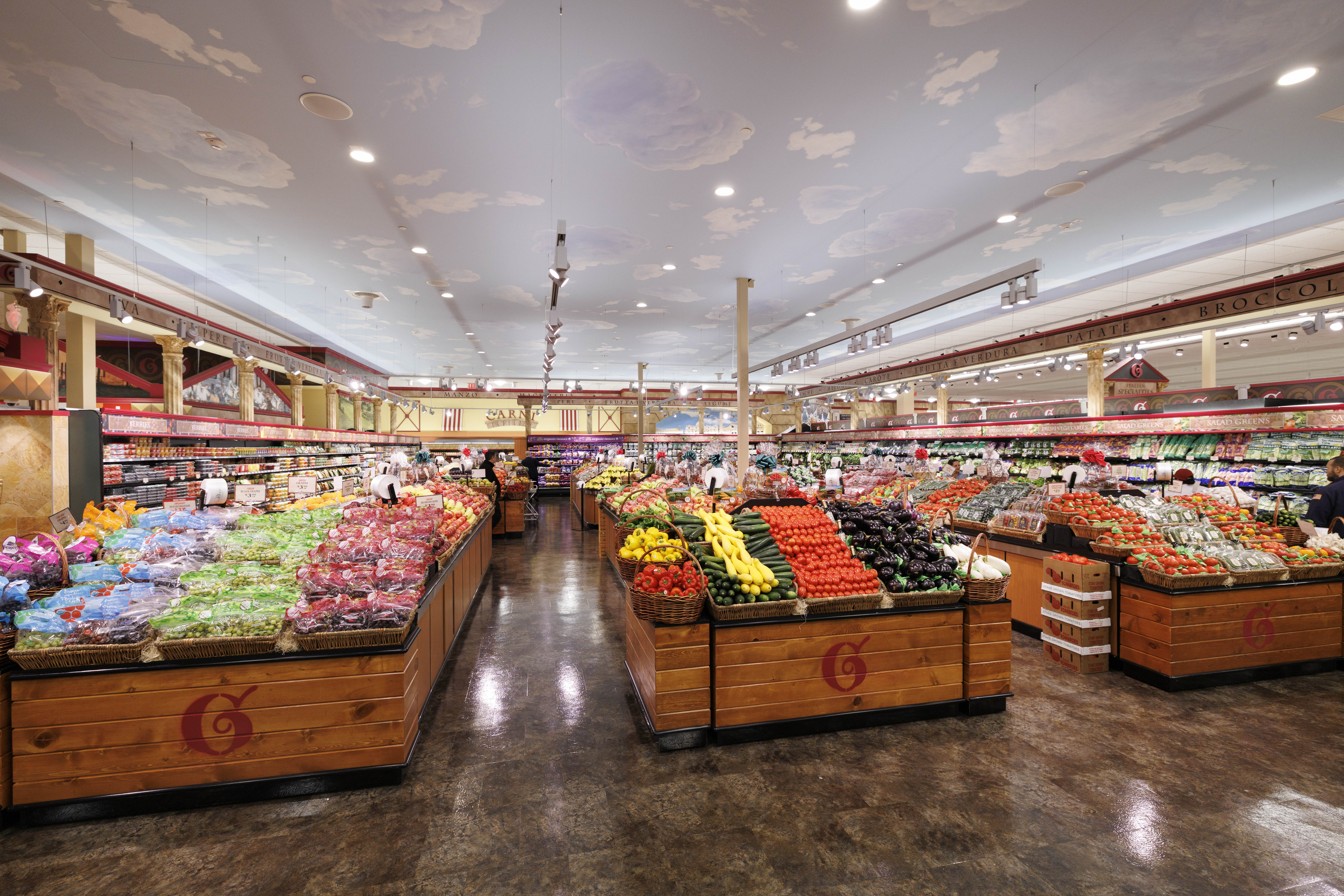
  • Uncle Giuseppe’s, a gourmet Italian grocer, is coming to King of Prussia and Moorestown

    Uncle Giuseppe’s, a gourmet Italian grocer, is coming to King of Prussia and Moorestown

    Uncle Giuseppe’s Marketplace, a New York-based chain of high-end Italian supermarkets, is expanding into the Philadelphia area.

    The company recently announced plans to open stores in King of Prussia and Moorestown in late 2027.

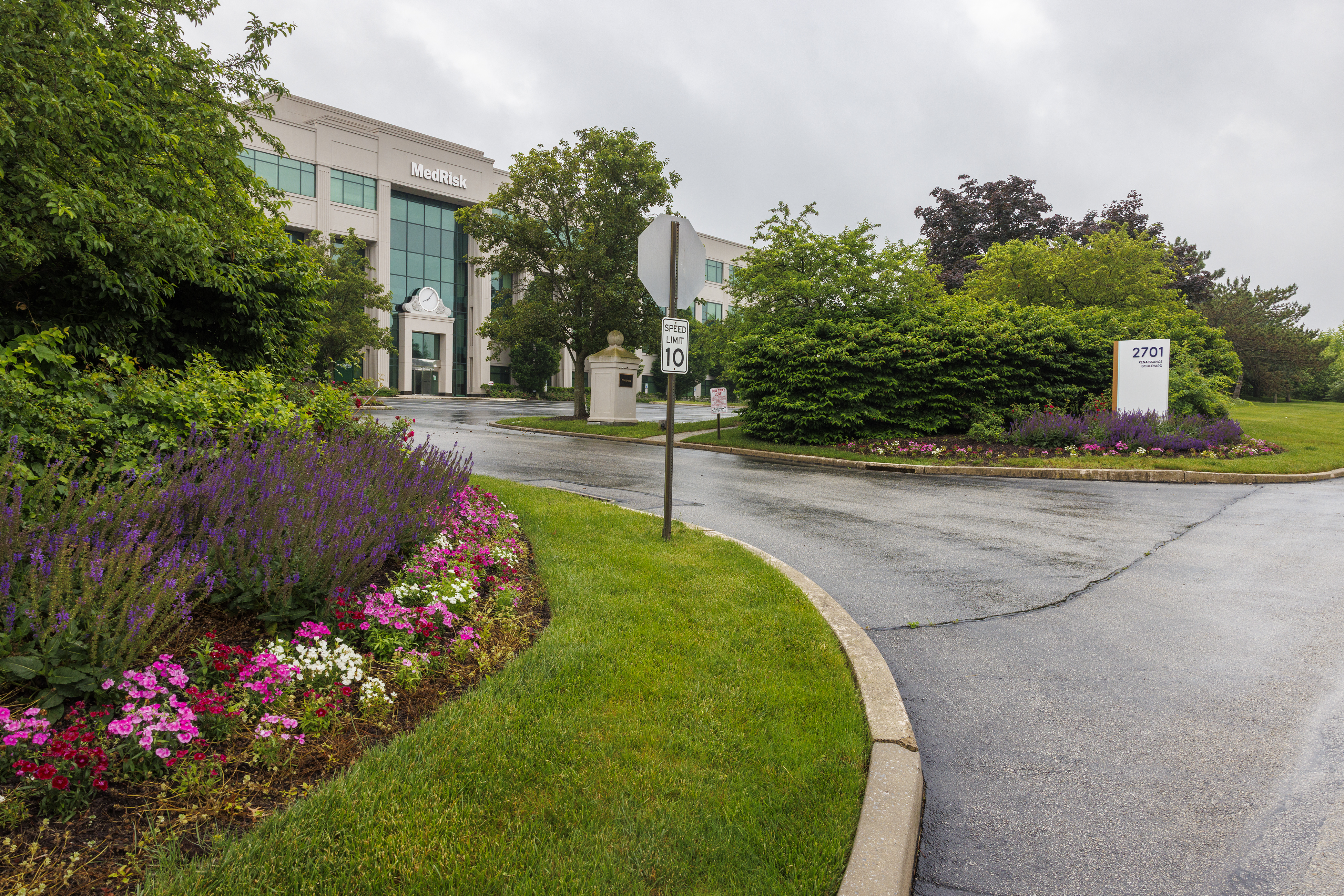
    The King of Prussia market, the chain’s first Pennsylvania location, is set to open at 320 W. DeKalb Pike, the site of the closed Hobby Lobby in the DeKalb Plaza shopping center.

    The Moorestown store, the first in South Jersey, will be located at 1311 Nixon Dr., replacing the Barnes & Noble and PetSmart in the East Gate Square complex.

    Each of the new locations will be about 58,000 square feet.

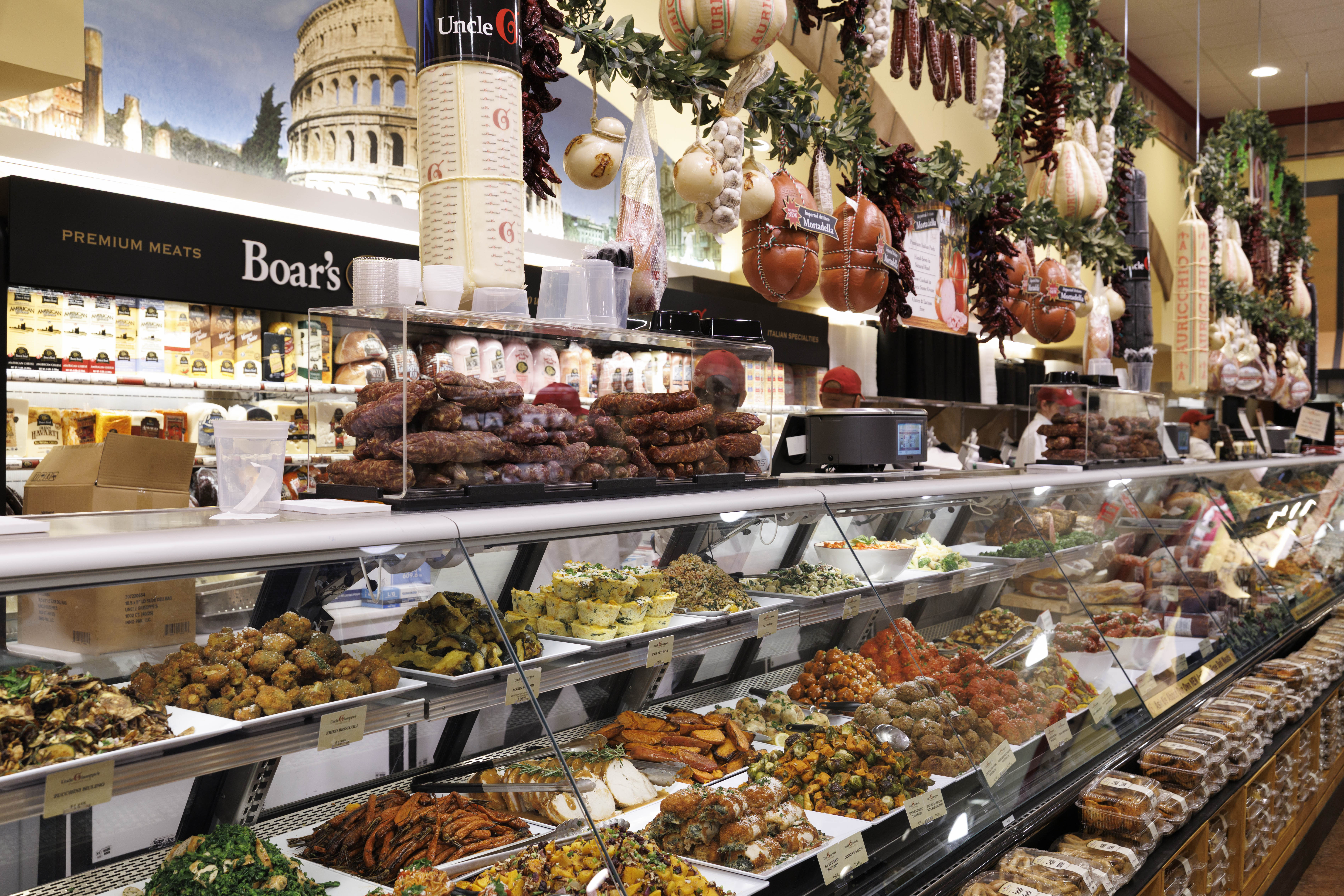
    The inside of a recently opened Uncle Giuseppe’s Marketplace in New York.Courtesy Uncle Giuseppe's Marketplace

    “King of Prussia and Moorestown are two markets we’ve been looking at for some time,” Carl DelPrete, CEO and cofounder of Uncle Giuseppe’s Marketplace, said in a statement. “We look for communities where we believe our stores will be a good fit and where customers are looking for fresh, quality food and good service.”

    Founded on Long Island in 2001, Uncle Giuseppe’s now operates 13 locations in New York and North Jersey.

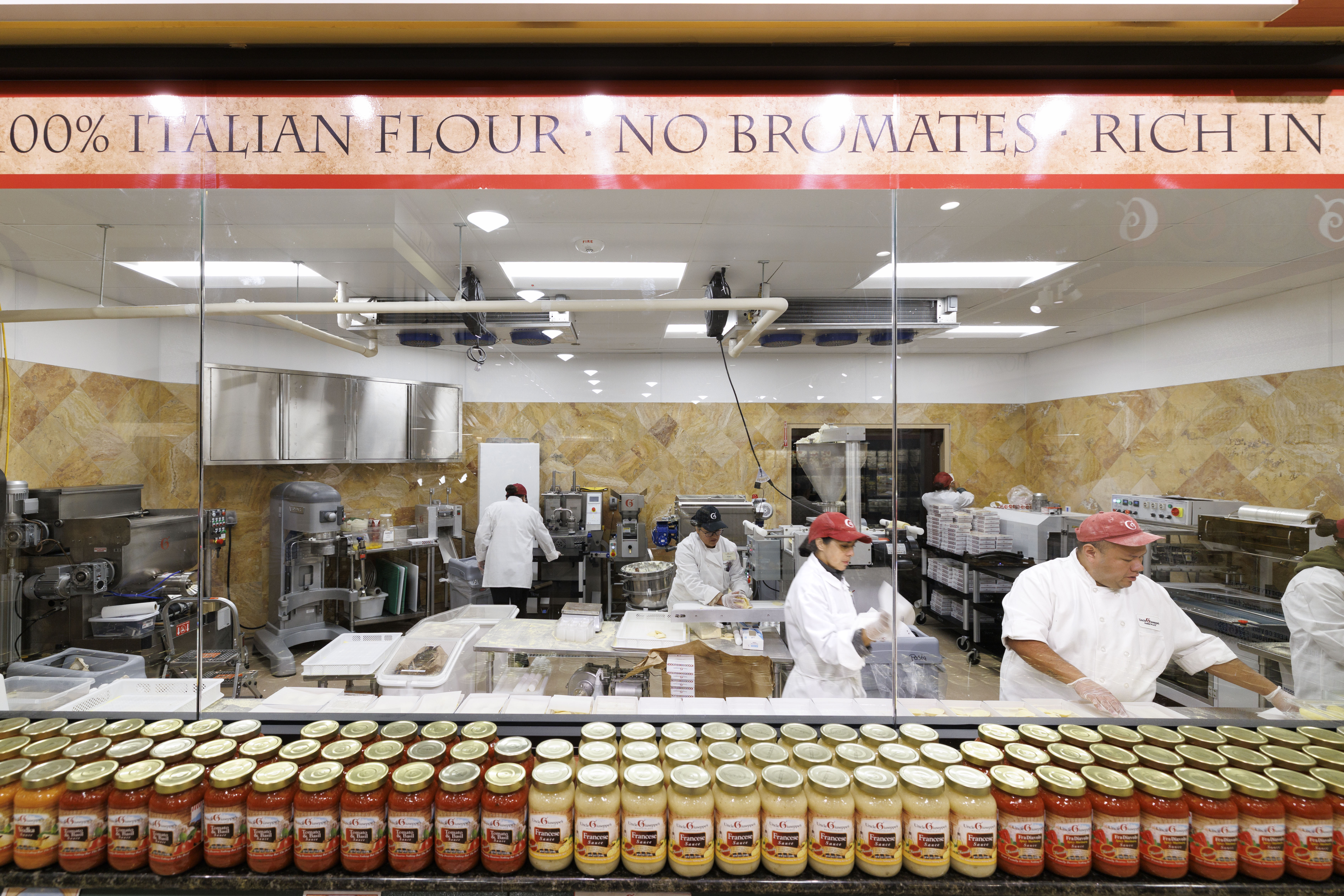
    Every store sells made-in-house mozzarella, homemade pasta, prepared foods, fresh produce, specialty cheeses, imported Italian products, natural and organic items, and more traditional groceries. Each market also has full-service meat and seafood departments, an Italian deli, a scratch bakery, and a catering department.

    Customers can watch workers make pasta at a recently opened Uncle Giuseppe’s Marketplace in New York.Courtesy Uncle Giuseppe's Marketplace

    Company executives call shopping at Uncle Giuseppe’s an experience, one in which customers can watch pasta, mozzarella, and bread being made and see meats being cut to order.

    The company is expanding as some other chain grocers contract — and some consumers cut back due to higher prices.

    Earlier this year, Amazon closed all of its brick-and-mortar Amazon Fresh stores, including six in the Philadelphia region, and Grocery Outlet bargain market closed dozens of stores nationwide, including eight in the Philadelphia area.

    Gourmet grocers have not been spared. Di Bruno Bros., the Philly-based Italian-food retailer, closed three of its five locations this winter, two years after being acquired by Wakefern Food Corp., the North Jersey-based supermarket cooperative that operates ShopRite.

    Despite industry uncertainty, Uncle Giuseppe’s is not the only grocer expanding. Sprouts, the organic supermarket chain, is adding stores, too, including in Havertown, Limerick, and Washington Township.

    The Washington Township outpost will be up and running Sept. 11, with the Limerick store to follow Oct. 2. The Havertown location is set to open in early 2027.

    Opening dates, store hours, and other information about Uncle Giuseppe’s new stores will be announced next year, company executives said.

  • Universal Health Services wants to create something new with Talkspace acquisition

    Universal Health Services wants to create something new with Talkspace acquisition

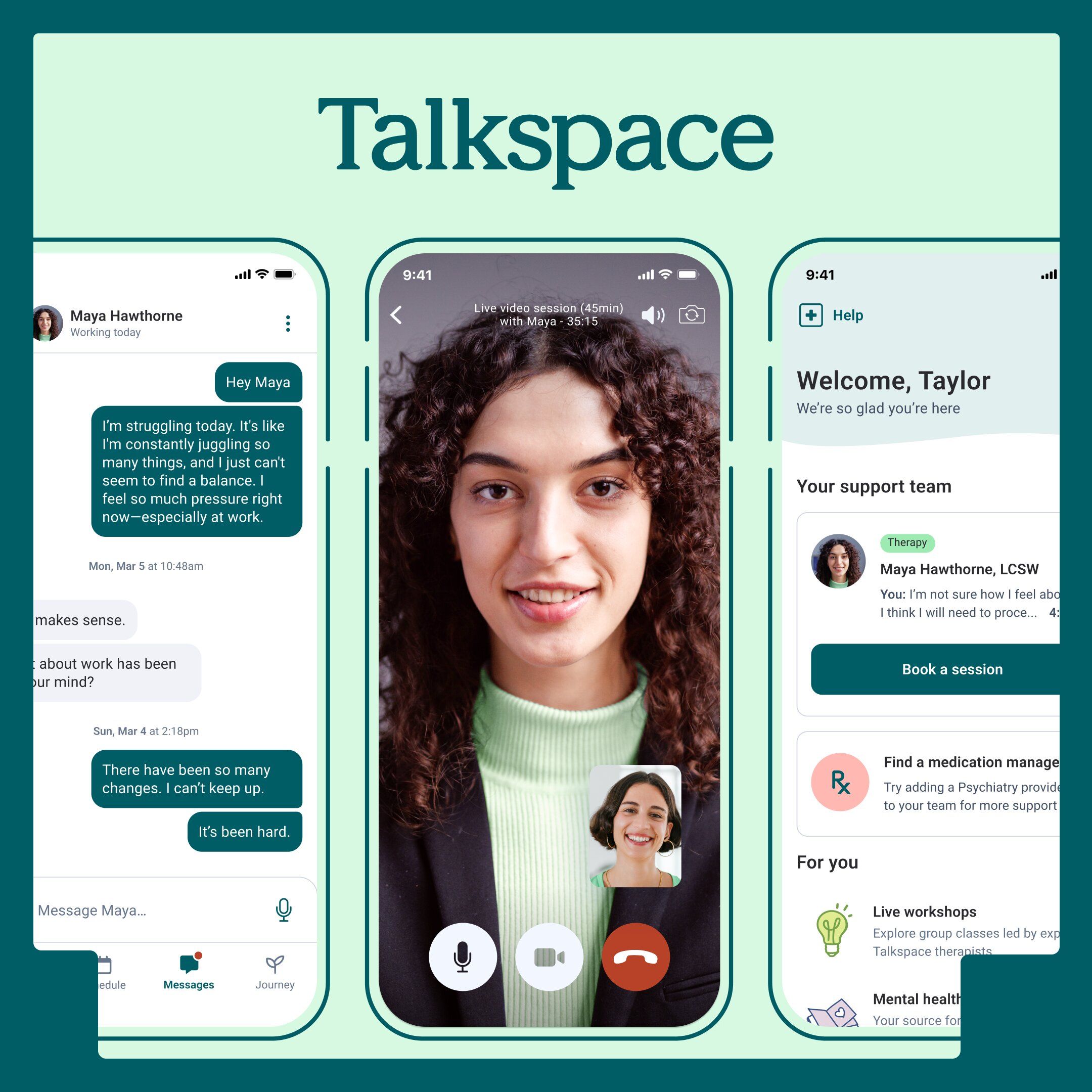
    Universal Health Services Inc. has long dominated as the nation’s largest provider of behavioral health services through its network of 182 hospitals and 110 outpatient facilities.

    Last week, the King of Prussia company added a new dimension, completing the acquisition of Talkspace Inc., a virtual behavioral health company, for $835 million. It was UHS’s biggest deal in 15 years.

    “We look at this as a real significant moment for healthcare,” UHS CEO Marc D. Miller said in an interview Tuesday. “It’s not simply a transaction for the company, but creating something in behavioral health that hasn’t existed.”

    UHS’s goal is to create what Miller described as a new mental health continuum of care — including an AI agent introduced in June with human oversight and immediate intervention by licensed clinicians for safety if needed.

    Talkspace’s network of 6,000 therapists conducted 933,000 treatment sessions with patients covered by insurance or employee assistance plans in the first half of this year. It had an additional 5,000 active patients who paid directly for the service during that period, according to Talkspace’s quarterly report.

    The New York-based company reported $123.4 million in revenue and a $7.8 million net loss for the first six months of 2026.

    UHS’s behavioral health arm had $3.9 billion in revenue and $773 million in profit before taxes in the six months that ended June 30. Philadelphia-area facilities include Friends Hospital in Philadelphia, Horsham Clinic in Ambler, and KeyStone Center in Chester.

    UHS also owns the largest behavioral health company in the United Kingdom. Including its 30 acute-care hospitals, UHS’s six-month revenue totaled $9.1 billion.

    The Inquirer spoke with Miller about how Talkspace is expected to complement UHS’s current business. This interview has been lightly edited for length and clarity.

    What made Talkspace attractive to UHS?

    By acquiring Talkspace for UHS, we’re creating the industry’s first nationally scaled end-to-end connected continuum in all of behavioral healthcare. Nobody has what we now have. For example, you can go to Talkspace to get treatment on your phone through the app, access therapists wherever you are, whatever’s comfortable for you. The vast majority are patients that UHS never would have touched.

    Now, they’re going to know about UHS, so it would be natural that if they need excess care after they’ve had some care with Talkspace, they’re going to immediately be referred to all of the different options that UHS offers. On the flip side, we’re now going to have this Talkspace option after somebody’s either in one of our more intensive outpatient programs or an inpatient, so we can quickly say, as part of your aftercare, you might want to go to Talkspace, which is a subsidiary of UHS.

    The concept makes sense. How do you make it work?

    It’ll be totally integrated. Most of the insurers that they’re contracted with we’re contracted with, so there won’t have to be huge changes. There are some different contracts, and there will certainly be some things to work out, and there are some small pockets where they’re with somebody that we’re not. But for the most part, that’s not a big concern.

    As far as the referral networks, we’re just doubling what we have. So there’s the current referral networks that go into UHS. There’s the current referral networks to Talkspace that are vastly different.

    We’re now going to put this together, and we’re going to kind of double up the opportunities to both companies. It’s incredibly positive.

    Talkspace’s AI agent Tee has gotten attention. Why is it different from using ChatGPT or Claude like a therapist?

    Tee was purpose-built for mental health. Rather than just adapting a general purpose chatbot to a clinical context, this was built for this. That’s a huge difference. This was built by mental health experts who had safety and privacy in mind, and it was designed to complement human care.

    People right now are going to ChatGPT and Claude and all these things and asking them questions that are totally disconnected, totally disjointed from any care they could be getting. If they’re not getting care, they’re really relying on something that is not expert to help them in a most serious endeavor.

    Editor’s note: This article has been updated to correct UHS’s revenue and profit for the six months that ended June 30.

  • Jason Kelce gets a new gig at ESPN and a new teammate: Pat McAfee

    Jason Kelce gets a new gig at ESPN and a new teammate: Pat McAfee

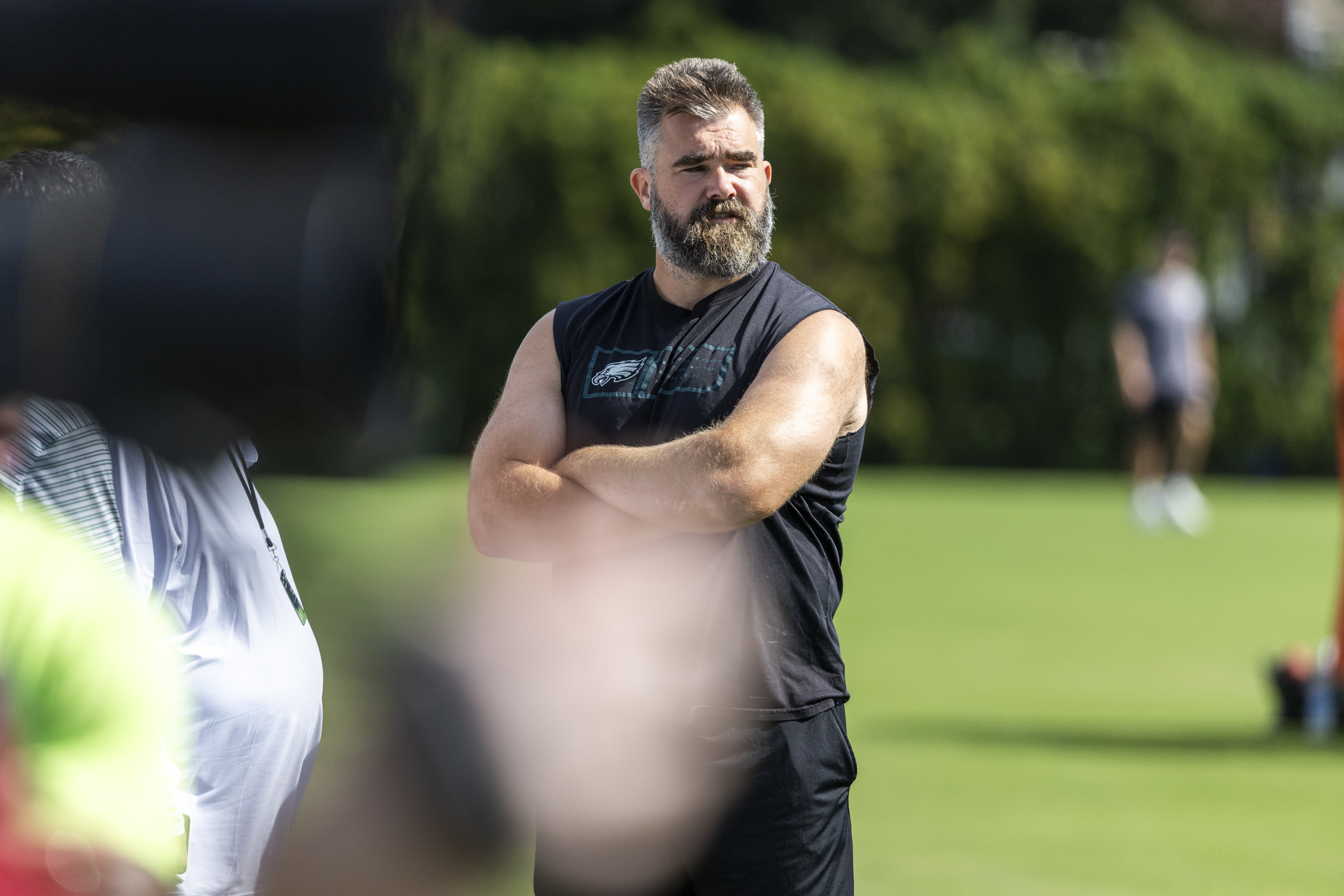
    Jason Kelce spent 13 seasons with the Eagles. Now he’ll get the chance to call a Birds game.

    The former offensive lineman turned podcaster and ESPN announcer is jumping to the booth to call a handful of NFL games this season on the NFL Network, the network announced.

    Kelce will join play-by-play announcer Dave Pasch and Hall of Famer Kurt Warner to call four games, including the Eagles’ Week 5 matchup against the Jacksonville Jaguars in London on Oct. 11.

    Here are the four games Kelce, Pasch, and Warner are slated to call:

    • Week 4: Colts at Commanders in London (Oct. 4)
    • Week 5: Eagles at Jaguars in London (Oct. 11)
    • Week 7: Steelers at Saints in Paris (Oct. 25)
    • Week 16: TBD matchup (Dec. 26)

    ESPN inherited seven NFL games as part of its purchase of the NFL Network. The remaining three will be called by play-by-player Bob Wischusen and one-time Eagles executive Louis Riddick.

    Molly McGrath will serve as sideline reporter for both teams.

    Joe Buck and Troy Aikman are back to call Monday Night Football, with King of Prussia native Lisa Salters and Laura Rutledge on the sidelines. Because of his role as a consultant with the Miami Dolphins, Aikman won’t have access to practice facilities or team practices this season, the same restrictions placed on Tom Brady.

    Jason Kelce is entering his third NFL season with ESPN. Yong Kim / Staff Photographer

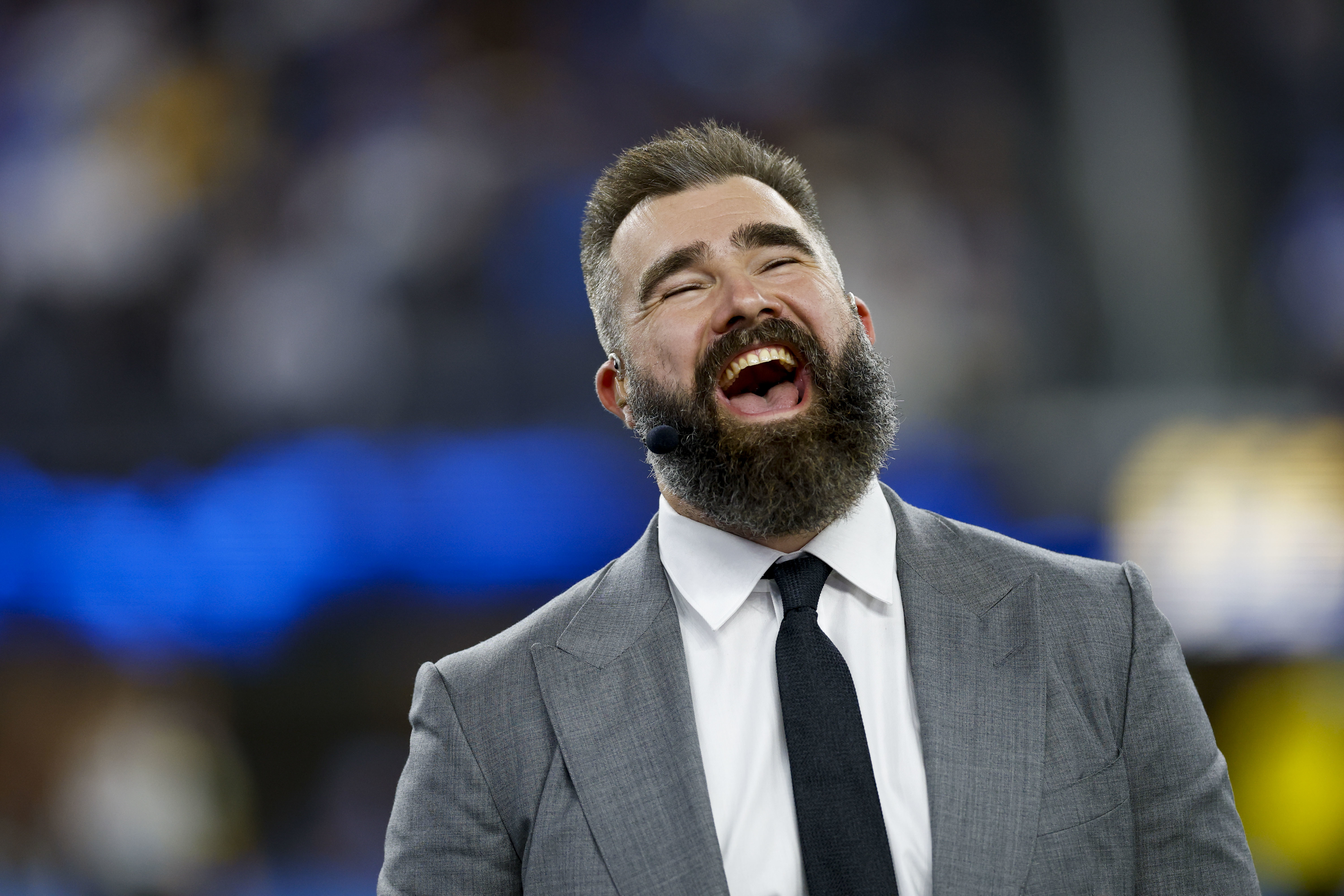
    While Kelce has yet to call a full NFL game, he did swap out his South Philly tuxedo for a suit to call part of a 2024 Eagles game alongside Monday Night Football’s Buck and Aikman.

    “I think I got better as it went. There were a couple [of moments] trying to figure out where you fit in and what to say,” Kelce said following the game. “In the heat of the moment, you have to offer a perspective or something the viewer can take and enjoy … it’s difficult.”

    Kelce will also be back for his third season as a studio analyst on ESPN’s Monday Night Countown alongside Marcus Spears and host Scott Van Pelt. The show is adding two new analysts: Jason McCourty (replacing Ryan Clark, who was laid off last month) and Pat McAfee, ESPN’s omnipresent star who will still host his daily show and continue as a co-host of College Gameday.

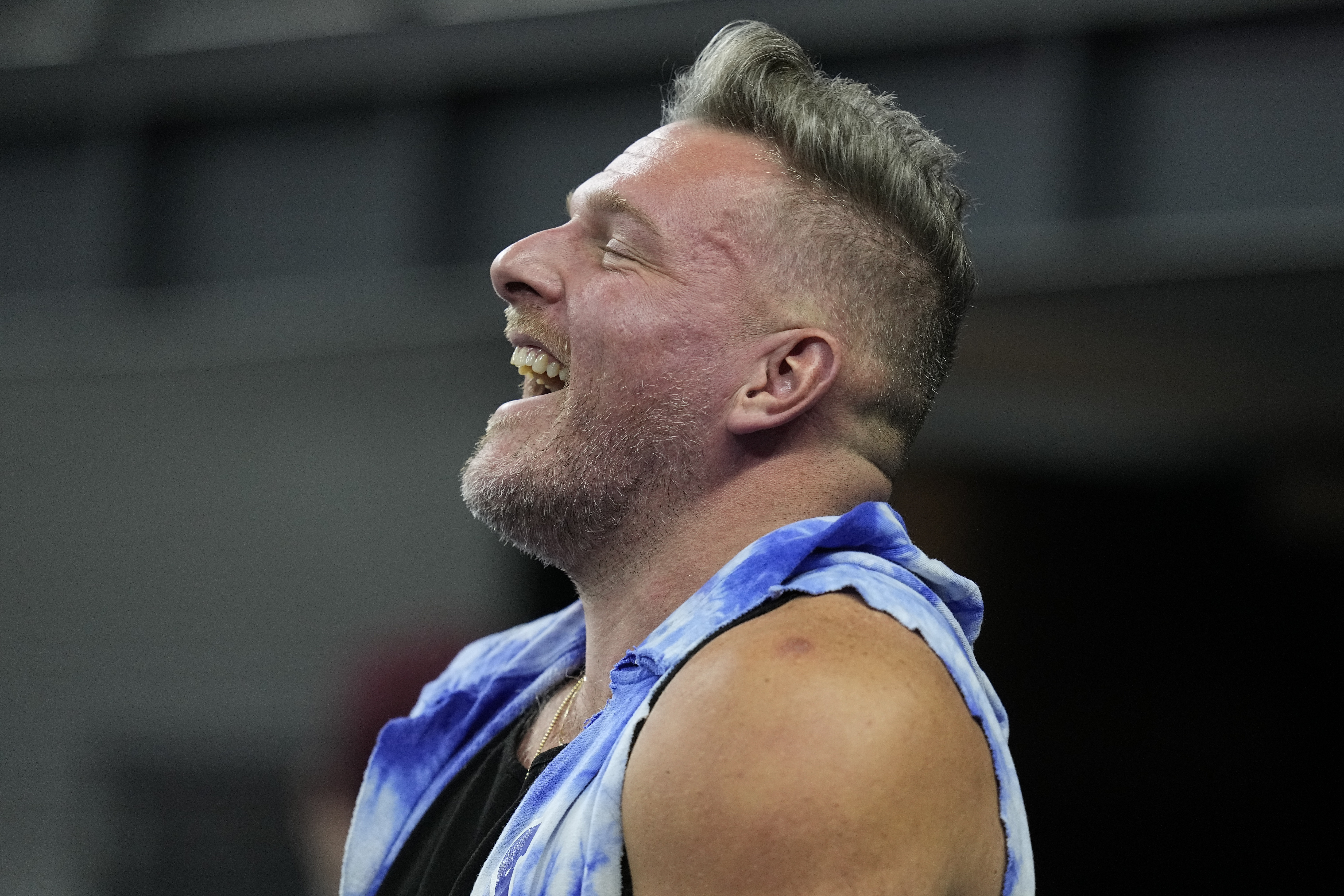
    Pat McAfee will join Jason Kelce on “Monday Night Countdown” this season. Darron Cummings

    Kelce is in the final year of a three-year deal he signed with ESPN in 2024. During that time, he’s appeared on the network’s coverage of the Masters and The Golf League, and a five-episode stint as a late-night host in Philly.

    He also launched a new YouTube series called Kelce Versus, which features the former offensive lineman trying out other sports, including driving for NASCAR and learning how to dunk a basketball (which he did in front of a live crowd in Los Angeles in June). It’s unclear how many episodes there will be.

    Kelce also remains a presence at Eagles training camp and continues to host the popular New Heights podcast with his brother, Kansas City Chiefs tight end Travis Kelce.

    Exhausted? Some fans are, too. But Kelce has a lot of time to fill since having retired from the Eagles in 2024 and is focused on bucket-list stuff he couldn’t do during his playing days.

    “We’re definitely capitalizing on the ability to go and do random things,” Kelce told CBS analyst and Eagles pregame announcer Ross Tucker on his podcast last month. “Maybe too much. We got to talk as a team, but it’s been fun.”

  • Some of Philly’s oldest restaurants are closing or changing hands. What’s going on?

    Some of Philly’s oldest restaurants are closing or changing hands. What’s going on?

    An unusually visible collection of Philadelphia-area restaurant institutions is reaching a turning point at the same time — with some closing for good and others seeking buyers as a generation of longtime owners reaches retirement age.

    At Kelly’s Seafood, the end is definite. The Northeast Philadelphia restaurant will close this month as its owners retire, ending a run spanning three generations of the Kelly family. So will Steve Stein’s Famous Deli, whose history in the Northeast also reaches back nearly 70 years.

    Elsewhere, the outcomes are less certain.

    Cherry Street Tavern has been around for a century at 22nd and Arch Streets.Tyger Williams / Staff Photographer

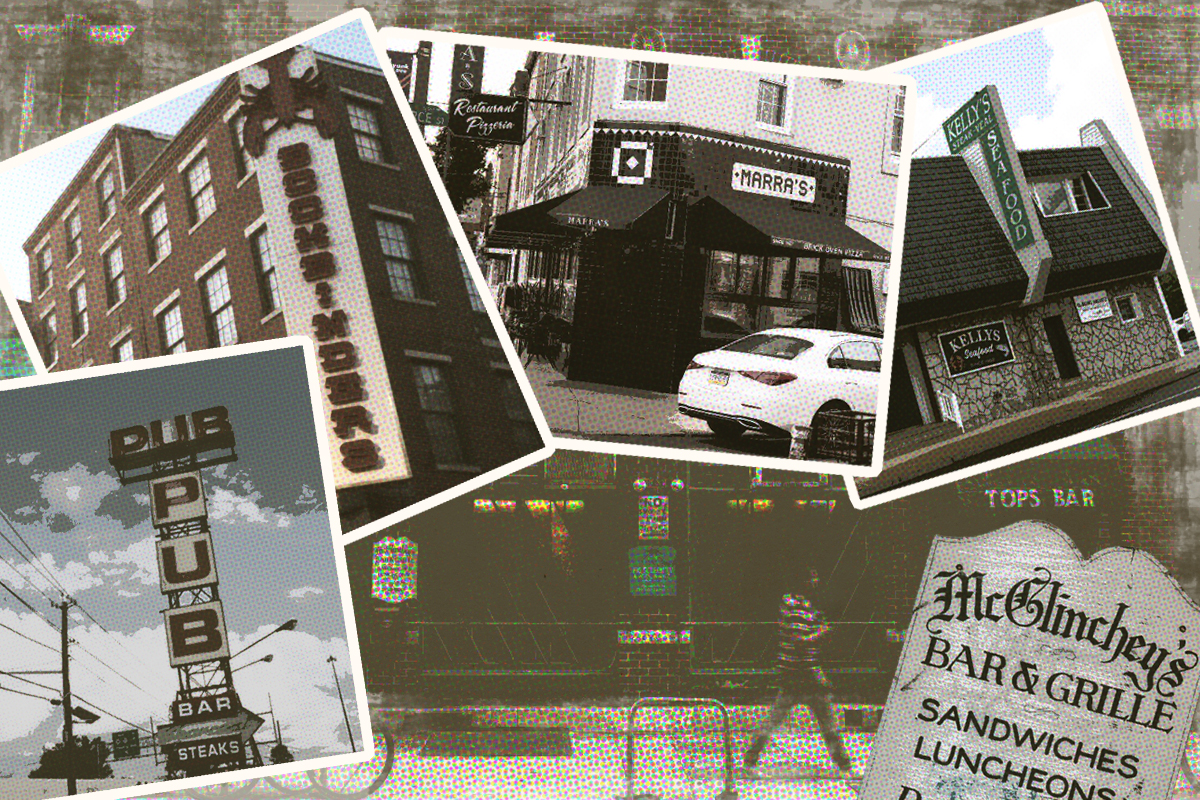
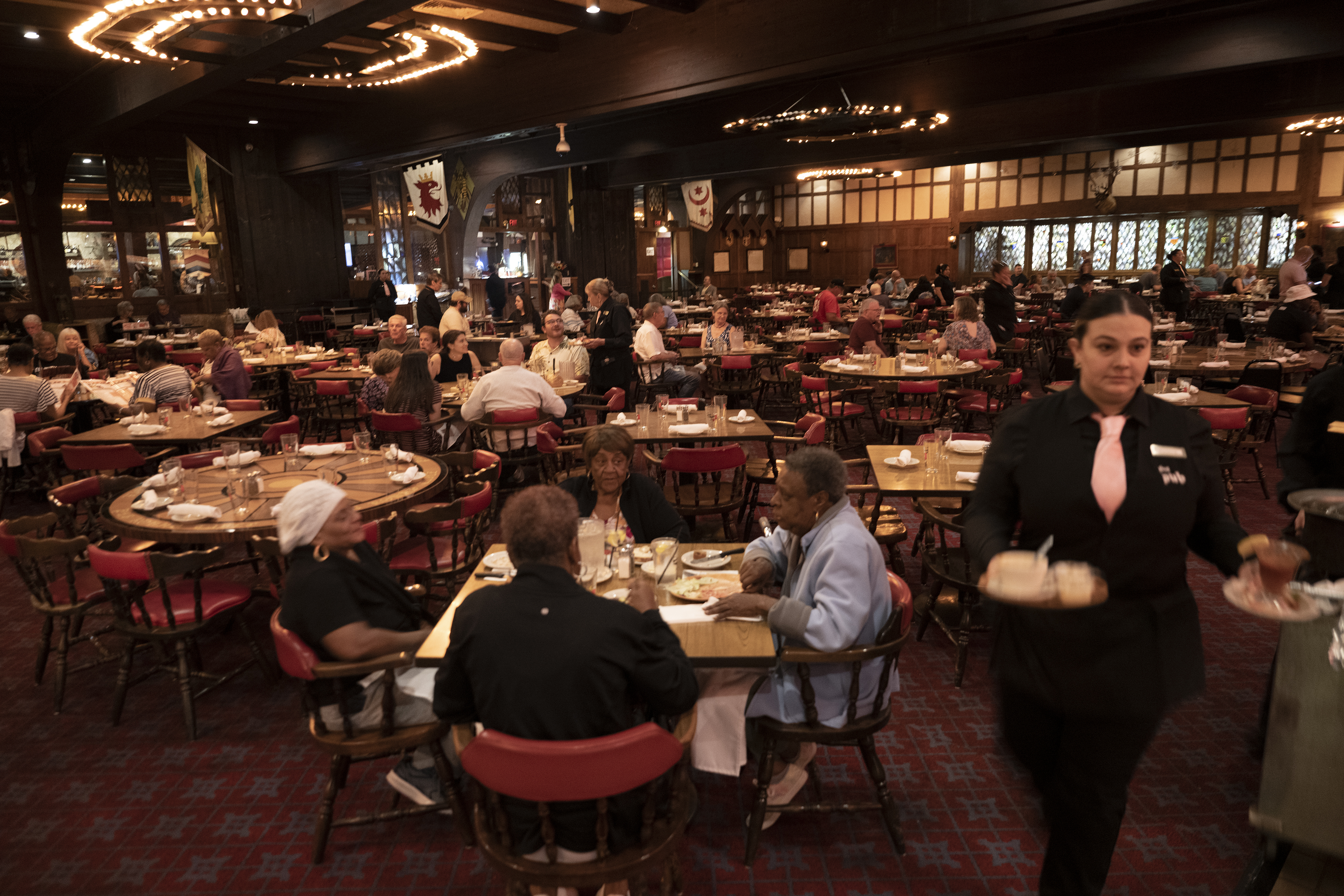
    The Pub, the sprawling Pennsauken steakhouse known for its open hearth, medieval decor, and thousand-plus seats, is on the market. The restaurant, which dates to 1951, is not closing: It is on its customary summer break and is scheduled to reopen Sept. 18.

    The owners of Cherry Street Tavern, the Logan Square bar that has operated for more than a century, are looking for a buyer after 50 years of stewardship by the Loughery family. The buildings that housed Mamma Maria’s, the East Passyunk Italian restaurant that opened in 1992, went up for sale this month. Aldar Bistro in Bala Cynwyd has been sold after 34 years and will give way to an Italian restaurant called Bruzi.

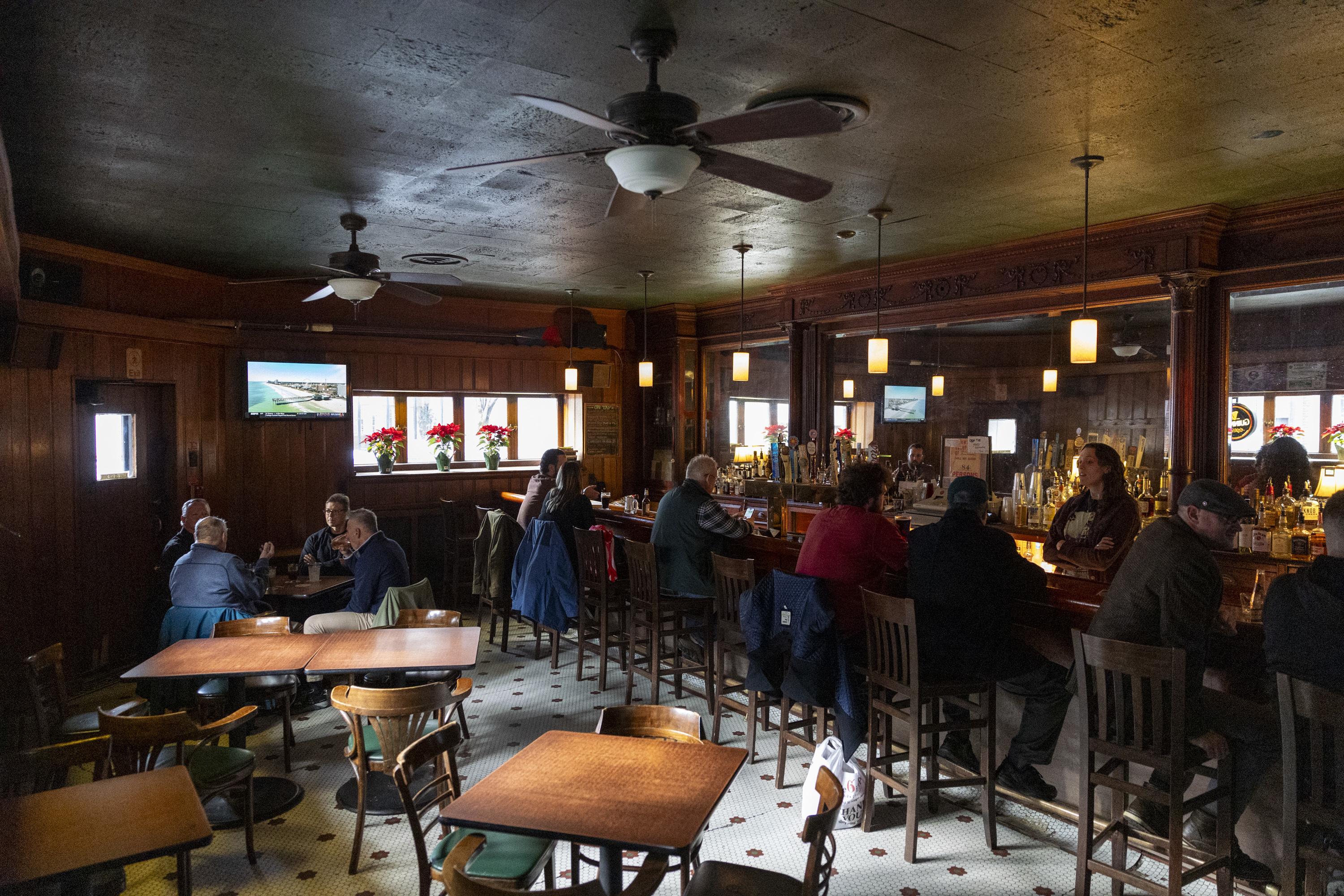
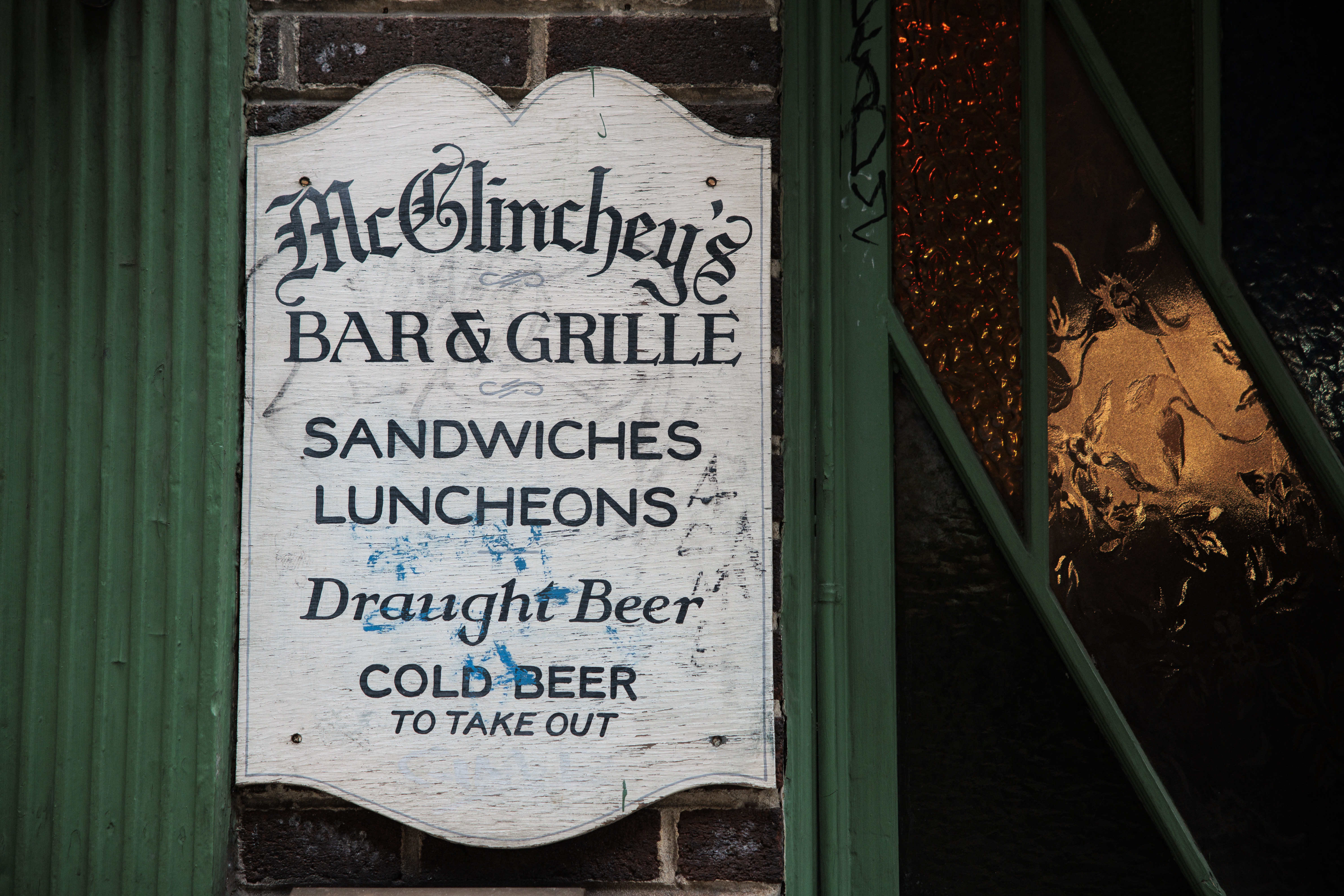
    McGlinchey’s, the Center City dive that closed last year after nearly 90 years, is back on the market after a prospective buyer walked away from a deal for the building.

    McGlinchey’s, at 259 S. 15th St., after its closing in August 2025.Monica Herndon / Staff Photographer

    And the nearly 40-year-old Jake’s & Cooper’s Wine Bar in Manayunk is being marketed for sale as owner Bruce Cooper looks toward retirement.

    Restaurants have always turned over, and the recent activity does not appear to reflect a restaurant market in retreat. The Inquirer counted 86 Philadelphia-area restaurant closings in 2025, while more than 100 new restaurants and bars were on the drawing board for 2026. What distinguishes many of the businesses now closing or being sold is their longevity: They survived for decades, weathering the pandemic and recent increases in food and labor costs, before their owners reached retirement.

    ‘The gray wave’

    People in the restaurant, liquor, and real estate businesses say the turnover is part of a broader generational transition among small businesses as longtime owners reach retirement without children interested in taking over.

    Jim Creed, handling Jake’s listing, calls it the “gray wave.”

    “You’ve got operators who have been in business 40 or 50 years, and they don’t have heirs who want to take over the business,” said Creed, a senior vice president with CBRE.

    His father, also Jim Creed, knows the issue from the other side. He opened Creed’s Seafood & Steaks in King of Prussia in 1982 and, at 78, has no immediate plans to sell. “I go to the restaurant every night,” he said. “It’s actually fun.” But when he does decide to close, he said, his children don’t want to take over.

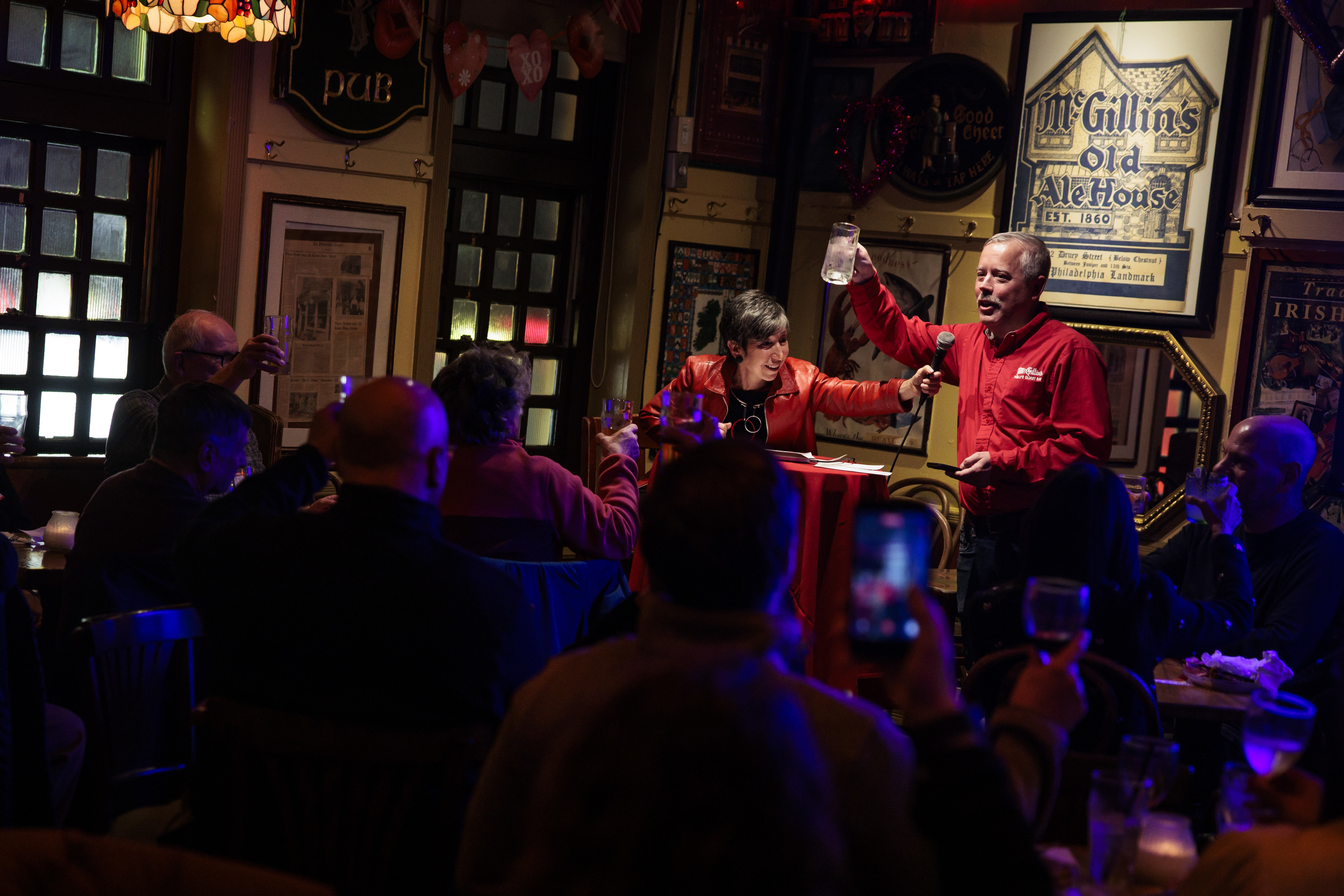
    For the counterexample, consider McGillin’s Olde Ale House in Center City. Open since 1860, it has survived through generations of owners; the Spaniak family has run it since 1958, with Chris Mullins Jr. now the third generation involved. There are no plans to sell. “It’s part of my DNA, part of our customers’ DNA, part of our staff’s DNA,” Mullins told The Inquirer this year.

    Irene Levy Baker and Chris Mullins Jr. lead a toast at McGillin’s on Tuesday, Feb. 3, 2026 in Philadelphia. Attendees gathered for a book talk on “Cheers to McGillin’s: Philly’s Oldest Tavern” on Tuesday.Monica Herndon / Staff Photographer

    Ed Taraskus has watched generations of restaurant and bar owners come and go over 50 years of practicing liquor licensing law. He could not say whether the current number of sales and closings constitutes a statistical trend, but said the succession problem is familiar.

    “The parents retire and the children don’t want to get into the business — because it’s a hard business,” he said.

    Taraskus said the hours can be punishing for small family operators. His clients also complain about finding employees willing to work nights and weekends. Drinking habits have changed, he said, and some businesses are still feeling the effects of the pandemic.

    Taraskus knows the succession question personally. His South Philadelphia family owned a small restaurant and tavern, but his father discouraged him from entering the business. When his parents retired in the 1960s, they sold.

    Real estate on the line

    Retirement can present a second question for operators who own their buildings: What, exactly, are they selling?

    A restaurant may have value as a going business, but decades of appreciation can make the underlying real estate a substantial part of an owner’s nest egg. Sometimes the economics favor a different restaurant — or an entirely different use.

    Douglas Green, a principal at commercial real estate brokerage MSC, said the value of restaurant real estate is closely tied to the sales a location can support and, consequently, the rent an operator can afford.

    “The more volume they do, the more rent they can pay,” Green said.

    That means a location can be worth more to another restaurateur if the existing operator is underperforming. And in some cases, Green said, a restaurant may no longer be the property’s most valuable use at all.

    “At some point, perhaps the building becomes obsolete,” Green said. “Perhaps the highest and best use of the real estate is no longer a restaurant.”

    Those possibilities are playing out among the region’s longtime establishments.

    The Pub restaurant near the former Airport Circle in Pennsauken in 2024.Jose F. Moreno / Staff Photographer

    At the Pub, the Gelman family is seeking a buyer for the restaurant and its roughly 6.3 acres on Kaighns Avenue near the former Airport Circle. The family has operated it since Marc Gelman bought it in 2000.

    “I don’t think there’s one thing in general why we’re selling, but it’s time for a new steward — if you will — of the business, or the property,” Marc’s son David Gelman said.

    At Cherry Street Tavern, at 22nd and Arch Streets, the Loughery family hopes to find a buyer who understands what generations of regulars value about the place.

    McGlinchey’s illustrates the other possibility. Its nearly 5,000-square-foot property at 259 S. 15th St. is listed for $2.45 million, including the liquor license, bars, and McGlinchey’s name, as either a turnkey bar and restaurant or a redevelopment opportunity.

    Decisions for buyers

    Creed said longevity itself can tell a prospective buyer something about a restaurant property.

    “Anytime you have operating longevity, that speaks to the real estate,” he said. “When you have a concept that has been in operation for 40 years, clearly the real estate has something to do with that, too.”

    The retirement of one operator does not necessarily mean the end of restaurant use.

    The former Mixto space is set to become the revival of South Philadelphia bar Toll Man Joe’s.Charles Fox / Staff Photographer

    Mixto closed July 12 after nearly 24 years at 1141 Pine St. Within weeks, restaurateur Lori Penrose bought the property and announced plans to revive her former South Philadelphia sports bar, Toll Man Joe’s, there.

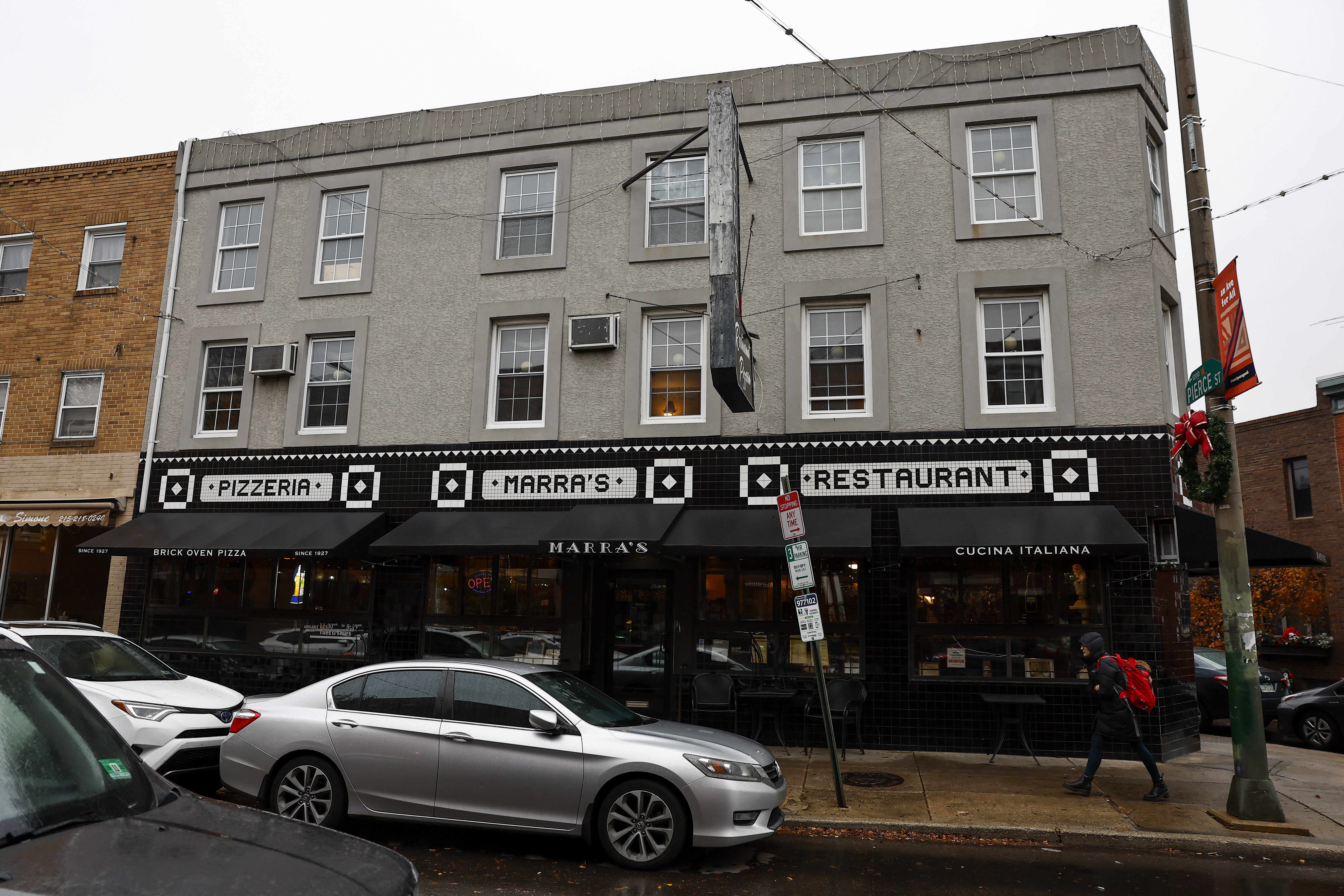
    Emei owner Dan Tsao has pursued that strategy on a larger scale. Over roughly a year, he acquired or leased four landmark restaurant properties: the former John Henry’s Pub in Ardmore, Marra’s on East Passyunk Avenue, the former Irish Pub in Rittenhouse, and the Old Original Bookbinder’s/Olde Bar property in Old City. All four are intended to remain in hospitality use.

    The exterior of Marra’s Restaurant on East Passyunk Avenue is due to become a branch of Dan Tsao’s burgeoning restaurant group. Monica Herndon / Staff Photographer

    “There are pros and cons to both,” Tsao said of taking over an existing restaurant rather than starting with a new space. “But with an existing restaurant space, especially a legacy restaurant, it already has a place in the neighborhood, and a place in the memories and hearts of generations of customers.”

    Such properties may also have much of the expensive infrastructure required to operate a restaurant.

    But for Tsao, the attraction isn’t purely economic.

    “I also like the idea of preserving some of that history,” he said, “while giving the space a new chapter.”

  • Is Trump-touted Freedom Fuel from Venezuela? | Will Bunch Newsletter

    What a difference three words can make. For weeks, the American body politic has watched the strange relationship between Donald Trump and his ever-present 35-year-old aide Natalie Harp in a state of puzzled silence. Then, Georgia Democratic Sen. Jon Ossoff spoke at a weekend rally and said that Trump “doesn’t want to do the job” and would rather “build his ballroom and travel with Natalie on their apparently defenseless flying palace.” The floodgates opened — on social media and sites like the Drudge Report and in angry retorts from the White House that only threw gasoline on the controversy. It goes to show what Democrats can accomplish when they’re not afraid to speak the truth.

    If someone forwarded you this email, sign up for free here.

    An expert raises questions about Freedom Fuel and Venezuelan oil

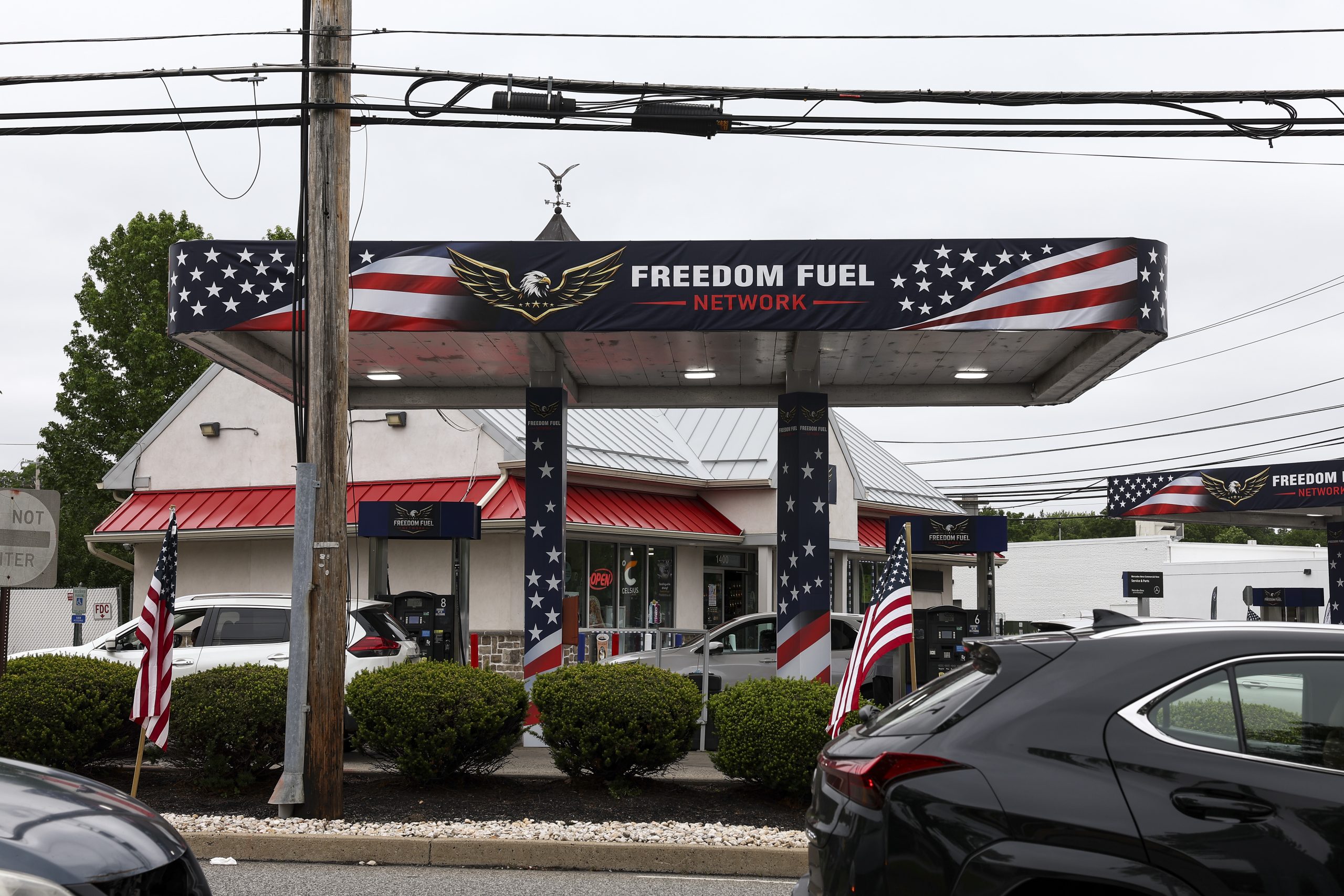
    The Freedom Fuel Network gas station at 1400 Dreshertown Rd. in Dresher last month.

    For a government that seems to be in your face 24 hours a day, the Trump regime has managed to produce more mysteries than Sir Arthur Conan Doyle. Where’s Melania? Why was the president’s butt sticking way out at his last event? But here in Philadelphia, one Donald Trump-linked mystery has confounded motorists for weeks.

    Why is Trump-promoted Freedom Fuel, a web of 29 service stations that popped up out of nowhere this summer, able to continue to sell gas cheaper than its rivals down the street?

    The mostly suburban stations in Southeastern Pennsylvania and South Jersey burst onto the scene with prices at $3.47 a gallon — lower than anything since Trump’s disastrous war of choice against Iran launched in late February — and continue to undercut their competitors by about 10-20 cents per gallon. Experts have said that’s not sustainable, unless the stations are somehow getting their gasoline on the cheap.

    Now a former high-level State Department official in the Barack Obama administration is trying to connect the dots between the Freedom Fuel conundrum and the ongoing questions about millions of barrels of crude oil Trump has bragged that the United States has taken out of Venezuela.

    Jonathan Winer, who recently wrote about Freedom Fuel and Venezuela for the Washington Spectator and discussed his findings on the Court of History podcast, doesn’t connect all the dots, but his research is a reminder of how little the American public knows about the aftermath of the Trump regime’s January assault on Venezuela that captured strongman Nicolás Maduro and installed a friendlier head of state.

    The Inquirer and other outlets have reported extensively on Freedom Fuel stations in Greater Philadelphia, including its ties to pro-Trump Republican ex-mayor of Evesham Township, N.J., Randy Brown, who signed Freedom Fuel’s certificate of formation. Former commodities trader Yoni Gontownik — a major donor to GOP causes and a New Jersey-based pro-Israel political action committee — also signed those papers.

    Trump promoted the launch of Freedom Fuel on his Truth Social feed, but the White House has denied direct involvement in the flag-themed gas stations, and so has the company itself. “Freedom Fuel Network is a privately owned and proudly patriotic company — along with its convenience store operators, haulers, sign companies, and operational partners — that answered President Trump’s call to action to lower prices at the pump,” it proclaims on its website.

    Veterans in tracking the complicated oil market remain baffled. “People can’t mysteriously get fuel at a lower price and continue to offer that,” Winer said on the podcast. “You could, of course, do a very short promotion, but you basically can’t [sustain] it.”

    It may be a total coincidence, but the giant enigma that is Freedom Fuel and its cheap gasoline surfaced at exactly the same time the president boasted about the cheap oil the United States is supposedly getting from the resource-rich South American nation his troops invaded.

    “We’re taking their oil,” Trump proclaimed about Venezuela while in Las Vegas earlier this month. “To the victor belong the spoils.” He added that what America has taken has paid for the brief January war “many, many, many times.” But analysts know next to nothing about what is actually happening to as much as one million barrels of oil that Venezuela produces every day.

    Winer pointed to a couple of common bonds between the efforts to market low-cost gasoline here in Philly and White House efforts to control the flow of Venezuelan oil.

    The first is the role of Jarrod Agen, executive director of the National Energy Dominance Council inside the White House, who posted two photos of himself giving a thumbs-up at a new Freedom Fuel station in Philadelphia when it opened on the July 4 weekend. Both Agen and the president himself insisted that the new gas retailer is proof of what the Trump regime is doing to lower prices at the pump.

    Winer noted that Agen was also a key member of an American team that traveled to Caracas in April, met with the Trump-backed new president, Delcy Rodríguez, and came home bragging of new commodities deals, including in the oil sector.

    The second overlap that Winer points to involves a Texas-based global commodities firm, Mercuria, which announced on May 1 that it had reached a major deal with Venezuela under what it called a “White House-supported initiative.” The announcement featured a photo of a top Mercuria official posing with Agen.

    Mercuria told the Washington Post, which has also investigated Freedom Fuel, that it has no involvement with Freedom Fuel. Yet Gontownik, the trader listed as a backer of Freedom Fuel, was also listed as recently as March in campaign finance reports as an executive with Mercuria. But he also insists that he no longer works for the Texas firm — which has been linked to other Trump-regime commodities initiatives. (The ex-Philly journalist Maureen Tkacik, investigations editor at American Prospect, also raises a lot of questions about the role of Mercuria, Gontownik, and the firm Blue Owl Capital, which Trump invested in earlier this year.)

    It must be stressed again that all of these connections are circumstantial. At the same time, this much cannot be disputed: The American people have not been given the most basic information about the extent of U.S. involvement in the Venezuelan oil trade, how much money is involved, or where all that money is going at a time when the price of crude oil has skyrocketed.

    I could not agree more with Winer’s plea that Congress go after the U.S. Treasury, State, and Energy Departments that are sitting on undisclosed records of U.S.-linked oil transactions — even though realistically that might have to wait until Democrats gain a foothold on Capitol Hill next year. He also called on the media to dig deeper, which is why I wanted to amplify Winer’s early-stage reporting.

    Look, we all want to pay less for gas, which is why motorists have been lining up at Freedom Fuel pumps since the stations opened last month. But most of us don’t want to live in a dying empire where a strongman’s tin soldiers steal a sovereign nation’s buried treasure so that favored insiders can profit. We still have no idea what’s been done in Venezuela in our name, and we need to find out.

    Yo, do this!

    • It’s great that people — especially younger people — are returning to brick-and-mortar movie theaters in the long, hot summer of 2026, but the quality of the releases hasn’t really matched the boffo box-office numbers. That may change starting this weekend with the release of Tony, a movie that could have been titled “Becoming Anthony Bourdain.” The film stars Dominic Sessa playing the future chef, author, and beloved TV traveler as a lanky, awkward 19-year-old, spending a summer on Cape Cod and learning to embrace his love for the kitchen — and humanity. I’m really looking forward to this one.
    • There are two must-read articles out this week from Adam Bonica, a Stanford University professor who specializes in money and politics. The first is his lengthy investigation into dodgy fundraising practices by top Democratic Party committees and leaders, in which endless spam fundraising emails have hit home with susceptible elderly donors, some of whom have drained their life savings. The second is the story behind the story of how both the New York Times and the “Never Trumper” website the Bulwark both chickened out on publishing Bonica’s essential journalism. The cowardice of the elite media in America’s authoritarian moment is beyond disheartening.

    Ask me anything

    Question: Why aren’t more Democrats supporting and campaigning on the 32 hour work week? It seems like a policy that would appeal to working people across the political spectrum. — brown cloud (@milehighdsa.bsky.social) via Bluesky

    Answer: Good question. One political leader, Vermont Sen. Bernie Sanders, has aggressively pushed the 32-hour workweek without a reduction in pay, noting that this would pass the productivity gains of the computer era back to the workers who are being more productive. So, yeah, what’s not to like? It’s certainly true that a lot of Democrats, especially centrists, are heavily dependent on campaign contributions from corporate types who don’t like the idea of a shorter workweek. But I think ultimately, Democratic cowardice on these pro-worker issues goes all the way back to the Ronald Reagan era, and a fear that they’ll be branded by the GOP as the party of “free stuff.” But this isn’t free stuff. We’ve earned it.

    What you’re saying about …

    Last week’s question about how Democrats should view the primary success of leftists such as Michigan Senate hopeful Abdul El-Sayed drew a response that was both robust (despite the summer doldrums) and fairly unanimous. Proposals from the progressive movement like Medicare-for-All and taxing the wealthy, you agreed, are long overdue. Tom Lees noted that the GOP is trying to find the most extreme democratic socialists, but that “the [Rep. Alexandria Ocasio-Cortez] branch which supports ideas similar to European Social Democrats is the group that is getting people excited.” Craig Strimel added that leftist candidates have failed in the past, but “I also believe that we are so far deep in the current fiasco, and so damned close to total collapse of democracy, that we really are in an all-or-nothing situation right now.”

    📮 This week’s question: Georgia Democratic Sen. Jon Ossoff has caused something of a political earthquake with his blunt criticisms of Donald Trump, including a reference to his ever-present young aide Natalie Harp. Has Ossoff crossed a line of incivility that’s a bad look for Dems, or are his criticisms a breath of fresh air? Please email me your answer and put the exact phrase “Ossoff comments” in the subject line.

    Backstory on Jason Arday, casualty in the ‘war on woke’

    Torchbearer Jason Arday carries the Olympic flame on the torch relay leg between Sutton and Merton in London in July 2012.Joe Giddens

    There are two kinds of people in this world. There are normal folks who maybe get a slight whiff of news from the TV or when they boot up their computer, and never heard of a man named Jason Arday. Then there are people who (like me) spend far too much of their day on social media, and now know all about the charismatic Cambridge professor — the youngest Black man to reach those heights in the university’s long history — who came under fire for alleged plagiarism and biographical exaggerations.

    The allegations apparently simmered from the day of Arday’s 2023 appointment, but boiled over in recent weeks. He acknowledged some citation errors in his 2015 doctoral thesis — mistakes that Liverpool John Moores University called “honest and reasonable” — but the allegations kept coming. They were fueled by a Cambridge colleague and self-proclaimed “race realist” who went on British national TV to lambaste Arday as “not smart” and label him as merely a diversity hire.

    The famously not-laid-back British press went wild on the controversy, with literally hundreds of articles about Arday — not just the Fleet Street tabloids, but even the august Times of London, which ran 60 stories. The media frenzy over the young, dreadlocked sociology of education professor didn’t stop when Arday resigned his Cambridge post, saying that “the relentless accusations, speculation and public commentary have taken a profound toll on me and on those I love.” The media frenzy didn’t even stop when Arday was found dead in his home last Friday. He was 41.

    Just one day after Arday’s body was found, Julia Hartley-Brewer, a host on a Rupert Murdoch-owned U.K. TV network, told her audience that Arday “was a liar and a fraud who was rightly exposed for what he really was by academics and journalists who were simply doing their job.”

    I’m sorry, but as a lifelong journalist, I never realized that hounding a professor who wasn’t perfect but was loved by his students to his early death is part of the job. To the contrary, I think that good journalism might involve noting that scores of white professors and authors who’ve been caught and admitted to plagiarism or similar issues have been allowed to apologize and go on with their careers. And that bad journalism might be implying that Arday’s middling issues are some kind of commentary on any and every academic with darker skin — as opposed to researching the systemic racism that leaves a supposedly enlightened school like Cambridge with 0.4% Black professors, in an England that’s 4.2% Black.

    The ghouls who hounded Arday to his death didn’t work in a vacuum. They tapped into a disgusting narrative that way too many journalists and self-appointed public intellectuals are spreading not just in the U.K. and the rest of Europe, but here in the United States. They think the righteous COVID-19-era outcry against police brutality and a grossly unequal society was some kind of mania they’ve branded “Woke 1.0.” Never mind that the police were never defunded in 2020, not even close. The nattering nabobs of anti-wokeness won’t rest until every college classroom or airplane cockpit is made safe for white privilege.

    Let me do my job as an opinion writer and tell you what I think about these mostly aging, mostly white, mostly male pundits who have so little to say about right-wing fascism that’s in power in America and on the rise in Britain and instead desperately cling to their status from the perceived threat of a few Black intellectuals. With key elections approaching on both sides of the pond, they opportunistically saw Arday as their latest chance to stir up white voters and preserve the status quo, even if that means tolerating an authoritarian police state. Now, a once-promising Black professor is a casualty in their glorious “war on woke.” Have they no shame?

    What I wrote on this date in 2020

    As I noted in this space a couple of weeks ago, there’s so much about the peak year of the COVID-19 pandemic that we’ve successfully tried to forget. That includes much about the consequential yet somehow anemic showdown between Donald Trump and Joe Biden, which included their virtual, prepackaged summer conventions. On this date six years ago, I grumpily covered the Democratic National Convention from my couch in Delco and — stop me if this sounds familiar — complained that the party was ducking progressive issues. “If viewers didn’t notice what the Democrats left out in their tightly scripted telethon so focused on Trump’s coronavirus failings and his paranoid style — such as climate change, gun violence, and the other things that young people across America have been marching for — the history books might.”

    Please read the rest: “The future is a no-show at telethon-style DNC.”

    Recommended Inquirer reading

    • I’ve cut back on column writing this month, mainly because I’m working on a long-term investigation that I’m really excited about. In my one piece published this weekend, I took a deeper dive into the stunning reports that winter drone attacks on fishing boats off the coast of Ecuador — with eight sailors missing and presumed dead — were a covert operation by Donald Trump’s CIA. This callous disregard for innocent human life is the latest example of a White House death cult that must be held to account by a new Congress, and eventually by prosecutors.
    • It’s truly remarkable the extent to which public opposition to the data centers that support artificial intelligence, or AI, has gone from near zero to 60 mph (or maybe 80) in a matter of months — especially here in Pennsylvania. With public unrest over these behemoths around their air and noise pollution and impact on electric bills, as well as growing discomfort with AI itself, becoming a key issue in the fall election, The Inquirer has been all over this story. On Tuesday, veteran business columnist Joseph M. DiStefano looked at how major contractors are hoping that demand for new data centers will get them through an otherwise sluggish economy. That might be a pipe dream if municipalities respond to voters by rejecting these proposals, as happened last week with a massive facility planned for suburban King of Prussia. You’re going to want to read The Inquirer’s in-depth coverage of this debate before you vote in November, which means it’s time to finally subscribe. What have you been waiting for?

    By submitting your written, visual, and/or audio contributions, you agree to The Inquirer’s Terms of Use, including the grant of rights in Section 10.

  • What you need to know about SEPTA’s bus route changes

    What you need to know about SEPTA’s bus route changes

    The first phase of SEPTA’s bus network overhaul begins Aug. 23, and Brandon Miller is mobilizing hundreds of employees for a final push to meet face-to-face with riders in the days leading up to the changes and during the first week after they take effect.

    “It’s a blitz,” said Miller, manager of planning programs at SEPTA, describing discussions at “pop-ups” as an effective way to help people navigate the new network.

    “This is the evolution of the ‘Bus Revolution,’” Miller said.

    Unlike some transit agencies, SEPTA has not done a comprehensive redesign of its bus network in its 58-year history. The agency has publicly pushed to do so since 2021, but change was delayed by opposition, political wrangling, and, later, a two-year fiscal crisis.

    Originally the “Bus Revolution” was supposed to happen all at once, but SEPTA ultimately decided to phase in changes to routes.

    The process has been quieter this time around.

    Dan Nemiroff, SEPTA’s director of city service planning, , said people are more open to the need for changes, especially after SEPTA had to shut down bus routes last year because of a budget deficit. A court ordered those cuts reversed, and the agency later received an infusion of cash from PennDot.

    “I think there’s more willingness to accept the fact that … we need to make the bus network a little bit more efficient,” Nemiroff said. “We need to make the system more attractive for people.”

    In the first wave, 30 routes will be affected in some way.

    Some routes with low ridership or that duplicate nearby service will be eliminated. Others will be extended or run more frequently, and two new routes will be added.

    What routes will change?

    New and expanded routes: Route 72, a new crosstown bus running along Cheltenham Avenue, and the new Route 76 bus from Columbus Commons to Rising Sun and Olney. Route 45 will be extended to provide service to the Navy Yard, and Route 79 will be extended from South Philadelphia into University City.

    Eliminated routes: 35, 47M, 62, 78, 80, 89, and 106.

    I have specific questions. How can I ask SEPTA?

    There will be a Zoom session on Aug. 19 from 6 p.m. to 7 p.m. Register here to attend.

    Miller said the talk is informally called “back-to-school,” with more discussion of the changes’ effects on students than in previous meetings.

    SEPTA has a webpage dedicated to Phase One changes, as well as an overview of the New Bus Network.

    Riders can call SEPTA customer service at 215-580-7800 or email specific questions to planning@septa.org.

    I want to talk to someone in person.

    Beginning Monday, street teams will conduct “pop-up” visits at key transit hubs at various times between 6 a.m. and 8 p.m.

    Next week, visits will include South Broad Street and Snyder Avenue, Cedarbrook Plaza, Hunting Park Station for changes to Route 53, Spring Garden Station, and Willow Grove Mall.

    Staff are also attending community events.

    When will changes happen?

    The majority of changes will take effect Sunday, Aug. 23, followed by the Route 105 extension and elimination of Route 106 on Monday, Aug. 24.

    What areas are most impacted?

    How can I find alternative routes?

    SEPTA’s website provides alternative routes. Look up your route here.

    What other changes are planned?

    Phase 2 changes are planned to begin in February.

    Phase 3 changes are planned to begin in June 2027.

    Phase 4 changes are planned to begin in Fall 2027. Many details are still being worked out.

    Why redesign the bus network?

    SEPTA launched its bus redesign efforts in earnest after ridership declined 13% from 2013 to 2019, a drop attributed to slow speeds, reliability problems, and competition from ridesharing companies. And that was before the COVID-19 pandemic.

    Bus ridership rebounded faster than it did on other transit services, but SEPTA’s thinking is that simplifying the network will make it easier to use, with more frequent service on fewer or shorter routes.

    Will bus stops be changed?

    Stops will disappear during the first phase on routes that are eliminated, but there will be no wholesale changes yet.

    Philadelphia had the shortest median distance between bus stops of any large U.S. city as of 2021, at 564 feet. Pittsburgh’s median distance was 623 feet, while Chicago’s was 673 feet.

    Having more stops per mile provides access to more people, but closely spaced stops can also slow buses and make them less reliable.

    Early plans for Philadelphia’s bus network redesign aimed to “rebalance” stops by spacing them farther apart to improve speed. But the idea has been unpopular.

    SEPTA may revisit the issue later.

    More questions about the New Bus Network?

    Email transportation reporter Thomas Fitzgerald at tfitzgerald@inquirer.com.

  • King of Prussia data center complex is rejected by Upper Merion Township officials

    The Upper Merion Township Board of Supervisors unanimously rejected a proposed 5-million-square-foot AI data-center campus that had sparked pushback from residents, a lawsuit from the developer, and accusations of mistreatment and intimidation.

    After the decision was made at a Thursday night meeting, some in the crowd applauded, danced, and high-fived one another. The rejection came after three hours of fiery exchanges between the developer, Brian O’Neill, and township officials.

    O’Neill and his team said they were prepared to go over each of the township’s comments about his five proposed sites in the King of Prussia area. But officials said it was too little, too late, and asked if O’Neill’s team was “filibustering.”

    “Are you asking us to not present those facts in defense of those plans when it’s clear all you want to do is deny our plan and go home tonight?” said O’Neill. He later said township officials were violating state and local planning codes, an allegation they denied.

    “Your attempt here to lecture us is considered an intimidation. And I don’t want to see our professional staff bullied or coerced,” said William Jenaway, vice chair of the Upper Merion Township Board of Supervisors. “Intimidation, coercion and bullying are not good qualities in a professional leader.”

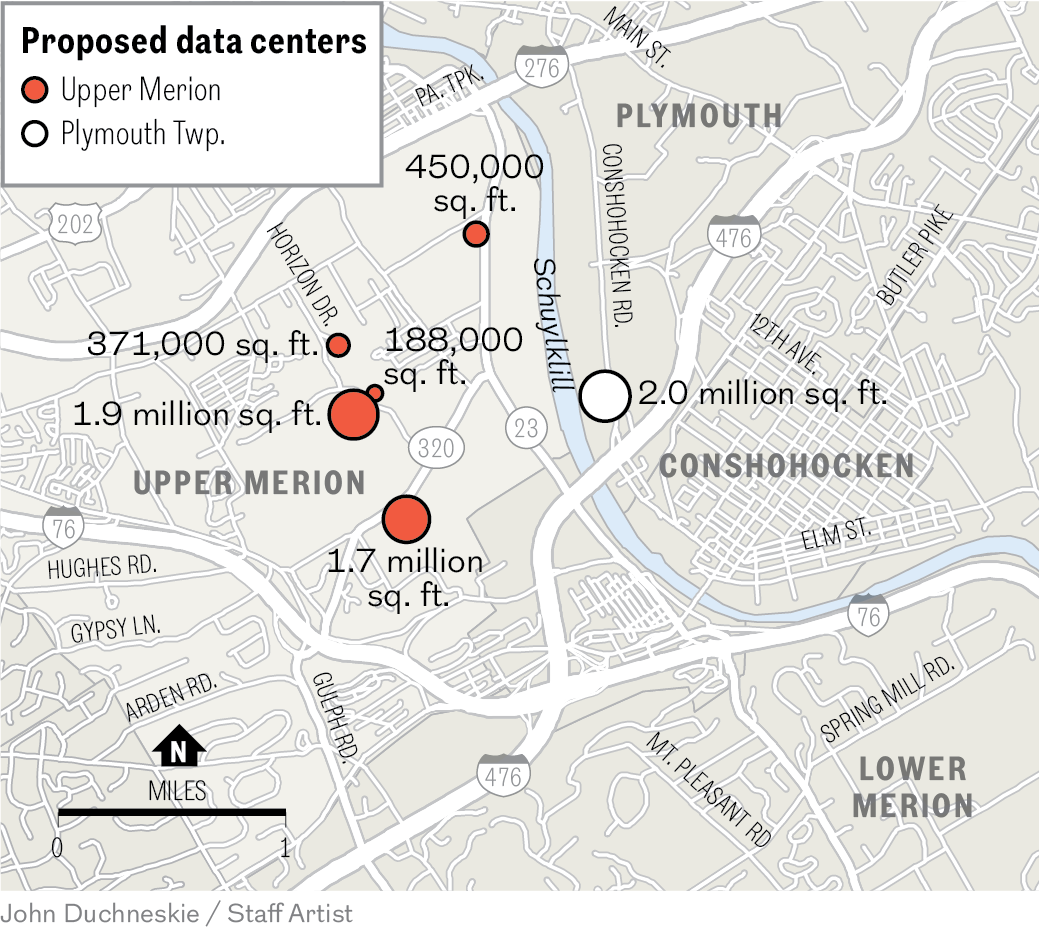
    O’Neill, a longtime real-estate developer, has recently turned his sights to data centers. He first proposed building one of the controversial cloud-storage facilities in nearby Plymouth Township. In Upper Merion, he wants to build a data center complex on five properties in the township’s Swedeland section, a small residential and industrial area between West Conshohocken and Bridgeport.

    A map of the proposed data centers in Upper Merion and Plymouth TownshipsJohn Duchneskie

    Those projects aren’t dead: O’Neill can appeal the board’s denial, as chair Tina Garzillo told him Thursday.

    “Don’t you worry about that,” said O’Neill, before walking out of the Upper Merion Area Middle School auditorium to a chorus of boos.

    The board’s decision came after months of contention and a whirlwind two days of legal back-and-forth.

    O’Neill on Wednesday sued the township, its planning commission, and its board of supervisors, saying they violated his legal right to an extension and treated him unfairly during the development review process. Soon after, Montgomery County Court Judge Garrett D. Page ordered the township to halt proceedings and decisions related to the data centers until a hearing next week.

    Citing the ruling, Edmund J. Campbell, an attorney for O’Neill, declined to make a presentation on two of the five proposed data-center sites at an Upper Merion Township Planning Commission meeting on Wednesday night.

    Late Thursday afternoon, however, Page vacated his previous order, allowing the township board of supervisors to proceed with its meeting as planned. On the agenda: A vote on O’Neill’s request for an extension until Sept. 30, and votes on the five proposed data centers.

    After an hour of public comment, all but one of which was from residents opposing the data centers, the township’s board of supervisors voted to deny O’Neill’s extension requests. The board then moved on to vote on the land development plans for each of the five sites.

    One by one, the plans were denied unanimously by the five-person board.

    Each vote was met with loud cheers from attendees.

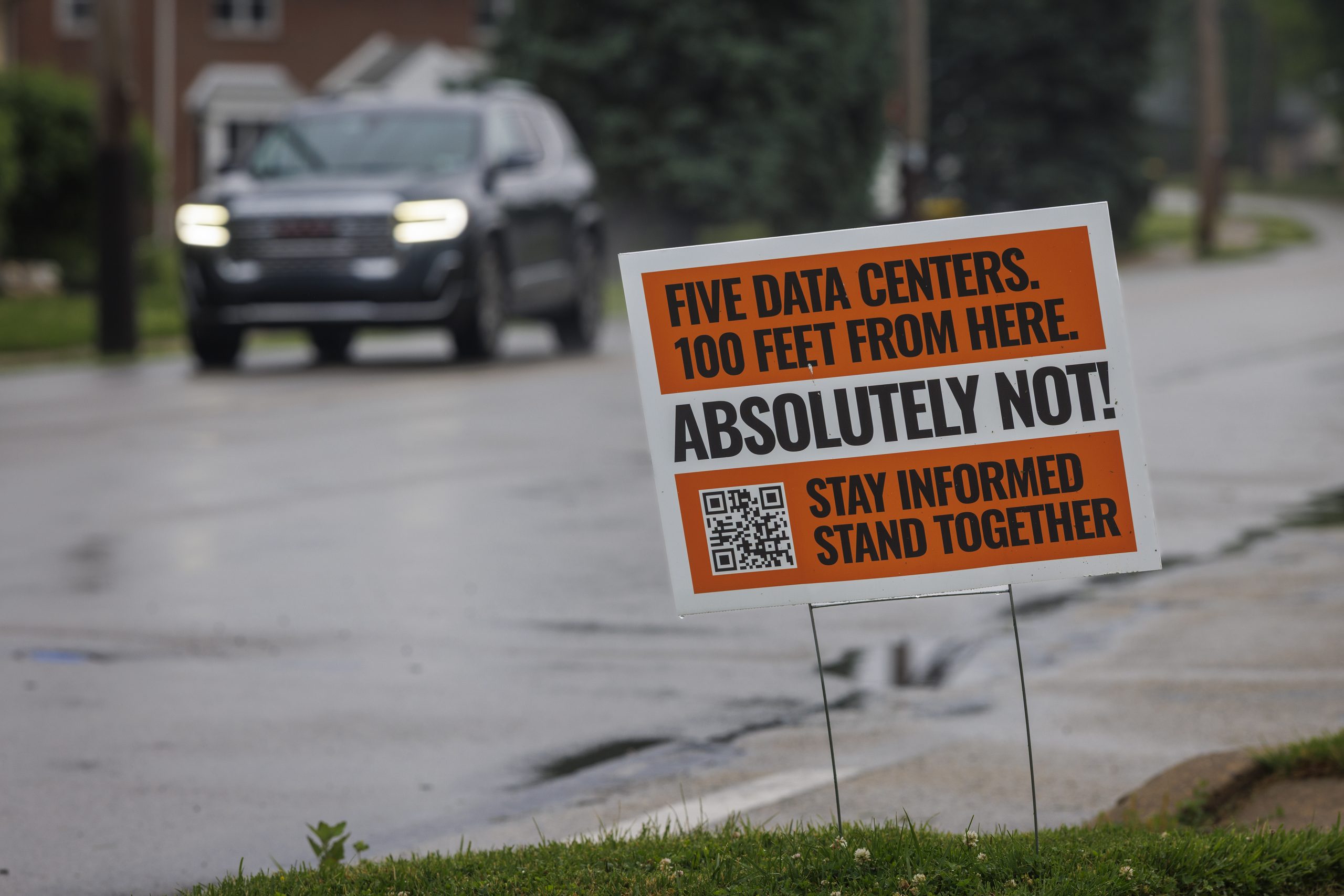
    For months, residents have rallied against O’Neill’s plans, packing township meetings and putting up bright orange lawn signs opposing the projects. About 18,000 people had signed a Change.org petition against the Upper Merion data centers as of Thursday. Some neighbors have expressed concerns about pollution, light, noise, electricity prices, property values, and quality of life.

    Upper Merion residents opposed to the data centers have put up these lawn signs.

    “I’m really proud to stand here tonight with each and every other concerned resident,” Courtney Smith said Thursday. “We all have something important here to fight for.”

    “The people here are here because they care deeply about the long-term interest of our communities,” Montgomery County Commissioner Neil K. Makhija said during his comments in opposition of the plan. The commissioner said the supervisors’ decision would have ramifications beyond the county, as communities across the region and the country weigh data-center development.

    O’Neil has said his data centers would benefit Upper Merion and “change the world for the better.” While the developer has declined to specify who exactly would operate the centers, he has indicated the facilities would use AI-powered biotech in conjunction with his existing life-sciences complex, Discovery Labs.

    One of the sites where Brian O’Neill wanted to build a data center in Upper Merion.Alejandro A. Alvarez / Staff Photographer

    O’Neill has said his data centers would comply with the highest environmental standards, emitting little light and noise. They would operate on a closed-loop system, requiring no outside water, he said, and provide their own power.

    The developer has also said they’d be an economic boon to the area. Last week, he released an economic impact study that said the Upper Merion centers would result in more than 10,000 jobs during its construction and then generate more than $55 million a year in local tax revenue.

    At Thursday’s board of supervisors meeting, however, Upper Merion Township Tax Collector Evelyn Ankers disputed those figures, and said O’Neill has failed to pay taxes on his properties in the past.

    Across the Schuylkill, a data-center fight rages on between O’Neill and some residents of Plymouth Township, where the developer wants to build a 2-million-square-foot facility on a shuttered steel mill outside Conshohocken.

    The developer recently filed a legal challenge to the Plymouth Township zoning ordinance, and has exchanged accusations of mistreatment with township leaders. News of O’Neill’s actions in Plymouth Township prompted a rebuke from Gov. Josh Shapiro, who had previously encouraged data center development in the commonwealth.

    A date has not been set for the next Plymouth Township meeting, though officials indicated it would be sometime in September.

  • A new federal ‘Data Center Bill of Rights’ took lessons from Philly suburbs and Western Pa. fracking country

    WASHINGTON — A new federal proposal to enact protections for communities opposed to the proliferation of data centers has drawn inspiration from both the Philadelphia suburbs and Western Pennsylvania fracking country.

    The Data Center Bill of Rights is one of several national efforts to address a growing dissatisfaction with data centers, which have so far faced few restrictions at either the federal or state level in Pennsylvania.

    U.S. Rep. Ro Khanna, a California Democrat and Bucks County native considering running for president in 2028, said his home state should be doing more.

    He introduced the federal legislation after a recent tour across Pennsylvania that he said was designed to hear from communities that have lost manufacturing jobs and other economic opportunities.

    Data center concerns came up more than any other issue, he said — leading him to incorporate new ideas into the bill he already had in the works, and to call for a pause on data center development in Pennsylvania until further protections and local controls are enacted.

    A statewide pause would be more than what Gov. Josh Shapiro — another potential 2028 Democratic contender — has proposed as he seeks to enact data center guidelines. It would also be less than other Democrats, both in Pennsylvania and nationally, who have called for more robust moratoriums. Shapiro’s Republican challenger this year, Treasurer Stacy Garrity, has also called for a pause but not for an extended moratorium.

    “I was surprised by the anger about it in Pennsylvania,” Khanna said in an interview after his 15-county tour. “In other states, people are sometimes opposed in local communities, local pockets. But not this widespread anger.”

    Khanna, a Council Rock High School graduate who has represented Silicon Valley in Congress since 2017, spoke about the Data Center Bill of Rights during his tour but said afterward that it was “partly inspired” by the concerns he heard in the communities similar to the ones where he grew up.

    He said he was alarmed by the complaints he heard outside Philadelphia, where five data centers have been proposed in close proximity to each other in King of Prussia and another 2-million-square-foot data center is proposed in Conshohocken.

    “As a kid, I used to go to Conshohocken and the King of Prussia Mall. I’m familiar with that area,” Khanna said. “You can’t ride roughshod over what Delaware County wants or when Montgomery County wants.”

    The legislation would declare that communities have the right to reject data centers through a “transparent community process” or allow them with specific protections. That includes demanding that data centers don’t lead to higher electricity rates, that they use renewable energy sources and disclose their water consumption, and “pay their fair share of state and local taxes.”

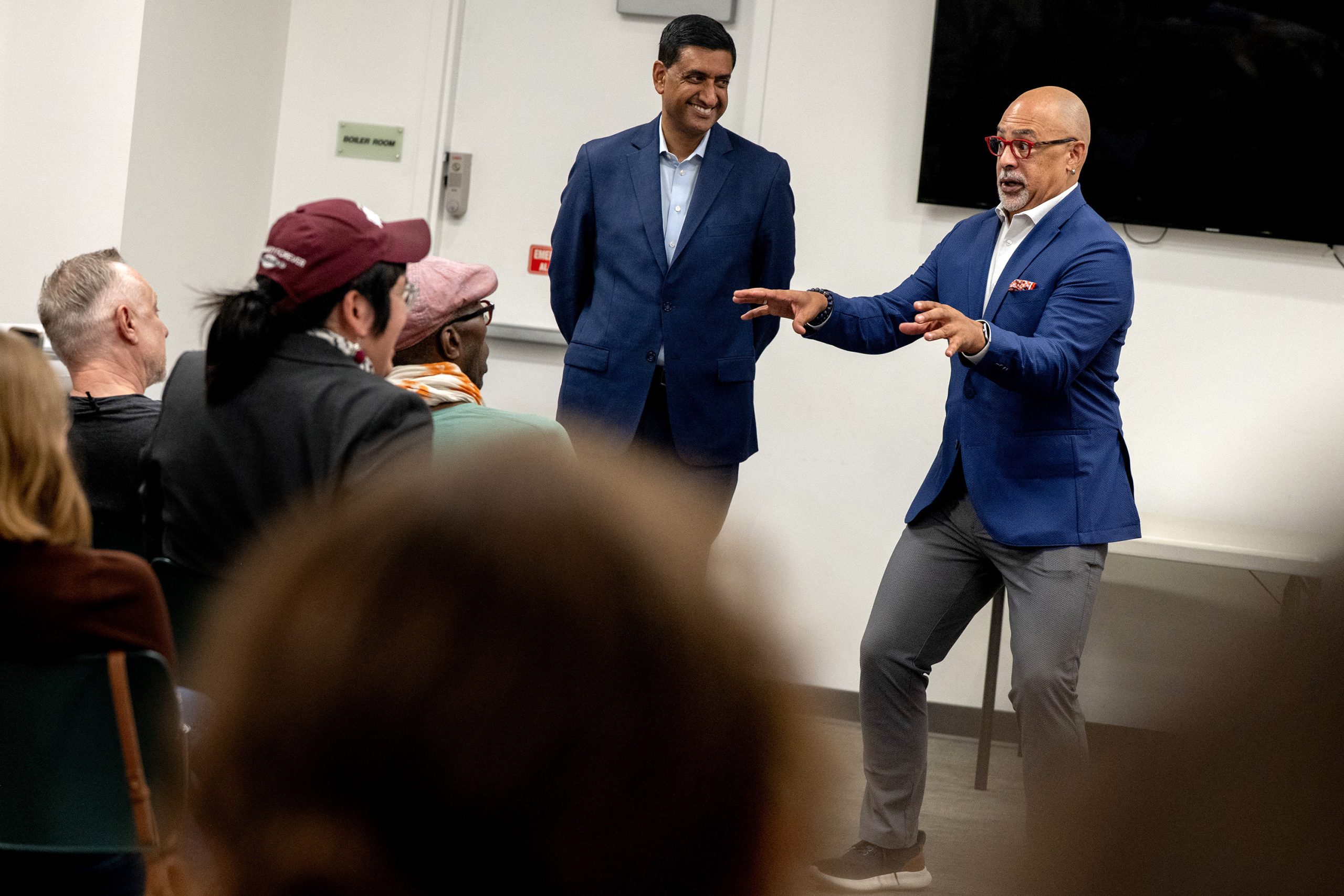
    State Rep. Chris Rabb (right) joins U.S. Rep. Ro Khanna (left) Tuesday, July 28, 2026, as he stops on his “Made in PA: New Economic Patriotism Tour” at the City Institute Library on Rittenhouse Square.Tom Gralish / Staff Photographer

    One specific provision, Khanna said, was informed by his visit in Washington County with individuals who are paid to host natural gas wells on their properties. It was there that he said he learned of community demands for oil and gas well sites to be at least 2,500 feet from residences. That buffer was a recommendation from a 2020 grand jury report released by Shapiro when he was serving as attorney general and that outlined health and safety issues caused by fracking in the Marcellus Shale region.

    The recommendation was not followed, and advocates are continuing to push for extending the buffer from the current distance of 500 feet, according to Inside Climate News.

    Khanna’s bill of rights would call for data centers to be built no closer than 2,500 feet from residences, schools, childcare facilities, hospitals or nursing homes. He said the environmental and health hazards for data centers aren’t the same as fracking but they should be kept at a distance from communities that don’t want to live directly next to them.

    “At least they were offering royalty checks in the cases of fracking,” Khanna said. “[Data center developers are] not even giving the communities checks. It’s just kind of like, ‘OK, we’re going to build.’ What does the community get out of it? I literally don’t understand it.”

    Data center advocates have argued their development is critical in winning an artificial intelligence war with China, and that they will bring construction and some skilled jobs to communities that need them.

    Even the staunchest advocates, though, have acknowledged the public blowback.

    “I do think that data centers in Pennsylvania have raised legitimate concerns,” U.S. Sen. Dave McCormick (R., Pa.) said during a recent telephone town hall as he continued to promote them in the competition with China and their creation of “thousands of jobs.”

    When developers are making their pitch, McCormick said they should come with commitments to protect energy costs and overuse of water, use local labor, invest in the community and pay taxes.

    “That should be part of the deal up front,” McCormick said during the telephone town hall in late July. “With all those facts, then the local community can decide whether they want the data center or not. And if they choose not to, that’s their choice.”

    Khanna said he’s hoping for bipartisan support as he introduces the bill of rights idea. He’ll also be competing with other proposals — like one from fellow progressives U.S. Rep. Alexandria Ocasio-Cortez (D., N.Y.) and U.S. Sen. Bernie Sanders (I., Vt.) called the AI Data Center Moratorium Act. The bill would enact an immediate federal moratorium on data center construction until other safeguards are passed into law, including some of the ideas Khanna and McCormick have proposed, like around utility costs.

    Several Pennsylvania state-level laws have been proposed, though the legislature did not address them during its busy budget season earlier this spring and summer. Lawmakers also left Harrisburg without ending tax breaks aimed at incentivizing data center construction even though the idea had garnered widespread support.

    “They shouldn’t be getting these tax breaks to build,” Khanna said. “That’s absurd when you’ve got hyperscalers that are making trillions of dollars.”

    The fact that many of those ultra-wealthy corporations are based in his district made the issue a politically dicey situation for him, but also one that the possible presidential hopeful said he was willing to take on.

    “We’ve got to pause it in states like Pennsylvania,” Khanna said. “Some of my own constituents aren’t going to like that.”

  • This tween could have met Jalen Hurts. Instead, he used his Make-A-Wish to host a carnival for a homeless shelter

    This tween could have met Jalen Hurts. Instead, he used his Make-A-Wish to host a carnival for a homeless shelter

    On a mild April day, 12-year-old Sam Okyere reviewed his wish list with his mom during their drive to the Make-A-Wish Foundation’s Bala Cynwyd office.

    First choice: Legoland and Disney World.

    Second choice: meeting Eagles Jalen Hurts and Saquon Barkley.

    Third choice: hanging out with Philly rapper Lil Uzi Vert.

    But when Sam, his mom, and two members of the Make-A-Wish crew squeezed into the office’s tiny Lego-themed room for the official discussion, something different flashed to mind.

    “I want to help the homeless,” Sam told them.

    Sam has sickle cell disease. He’s endured a lifetime in and out of hematologists’ offices, white-knuckling through blood transfusions and bursting into hospitals when “pain crises,” agonizing sensations caused by disruption in the blood flow, tore through his body. This was his chance to do one completely selfish thing, and he chose to be selfless.

    “Are you sure this is what you want to do?” Maude Gambrah, Sam’s mom, asked as she started the car to drive them home to Drexel Hill. She knew Sam had a soft spot for homeless people. He was always encouraging her to give money to panhandlers around Philly. But this was his only wish.

    “Yeah, Mommy,” he responded. “This is what I want to do.”

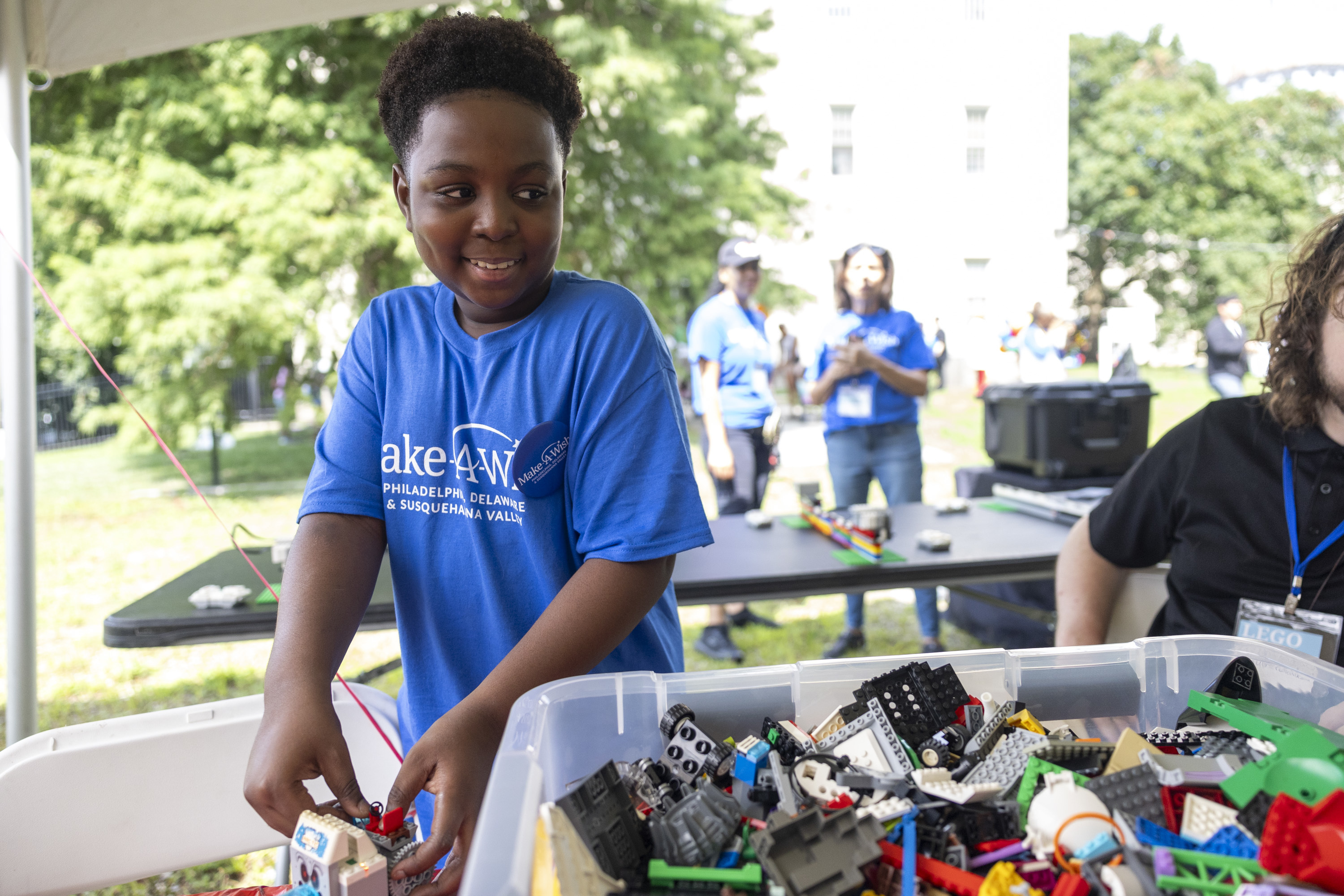
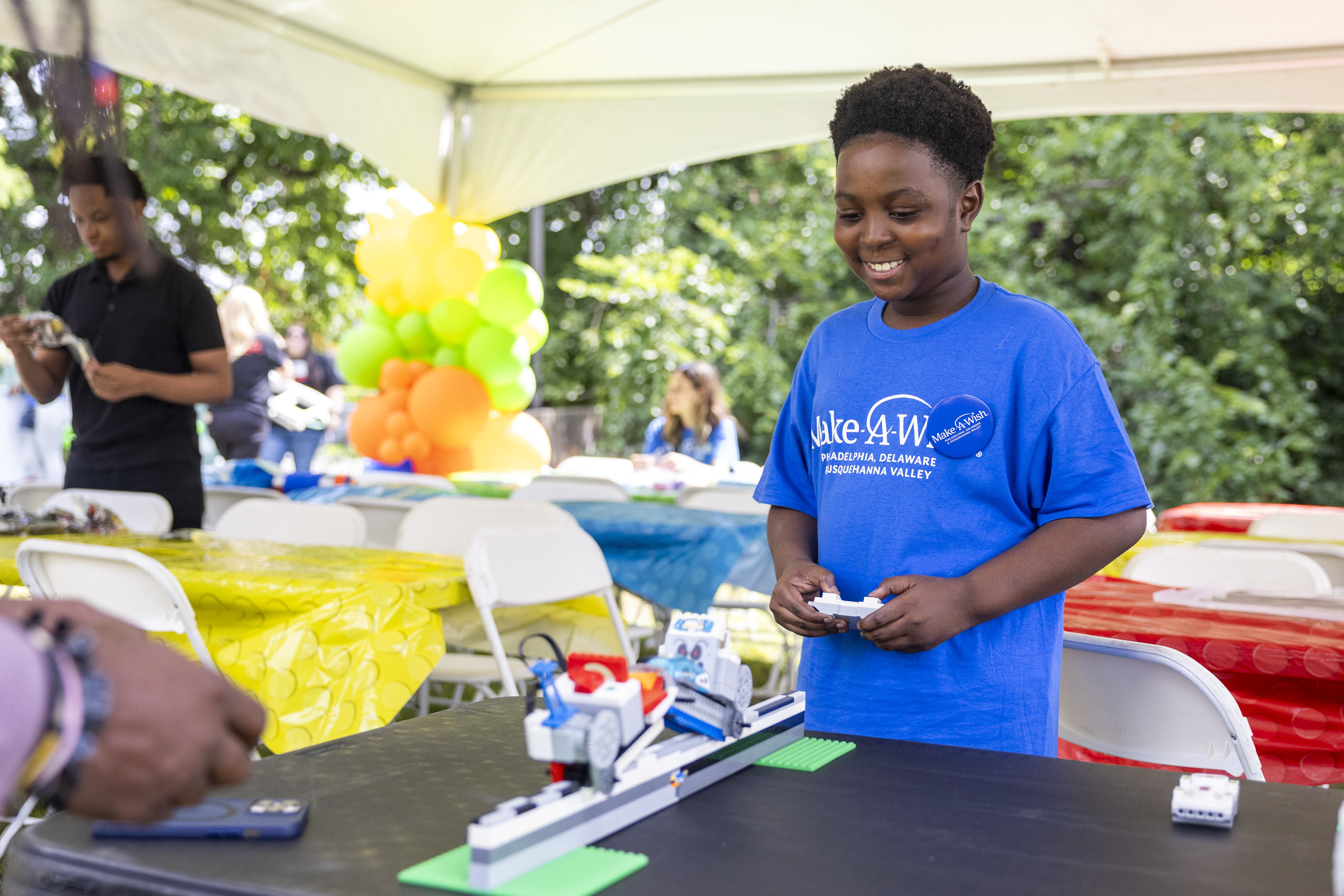
    Make-A-Wish settled on Families Forward Philadelphia, a homeless shelter in West Philly, as the recipient of Sam’s wish and hosted a monthlong donation drive for the facility leading up to “Sam’s Perfect Day” last month. The carnival-style extravaganza on the shelter’s front lawn, attended by dozens of families experiencing homelessness as well as Sam and his family, featured Lego displays, a petting zoo, a Lego-inspired bounce castle, and water ice provided by Sam’s family’s Southwest Philly water ice business, Willkay’s.

    Making a wish a reality

    Word of the wish quickly spread around the office of Make-A-Wish Philadelphia, Delaware, & Susquehanna Valley following the April meeting. Anika Goyal, one of the staffers responsible for carrying out wishes, knew this one had to be hers.

    The chapter, which grants about 335 wishes a year, regularly fulfills shopping sprees, vacations to Disney World, and room makeovers, but it rarely gets one like Sam’s, Goyal said.

    So Goyal got to work. Sam emphasized that helping homeless children, specifically, was important to him, so Goyal selected Families Forward as the beneficiary shelter because it emphasizes keeping families intact during their stays.

    She reached out to small businesses and nonprofits — as many as she could find that also had Make-A-Wish connections. Oshun Family Center, which Goyal asked to host a table on Black maternal health and to distribute childcare kits, was founded by a mom of a Make-A-Wish recipient. Jam-Rock Kitchen, a local Jamaican restaurant owned by another Make-A-Wish family, slathered up their jerk chicken and spiced up their rice and peas for the big day.

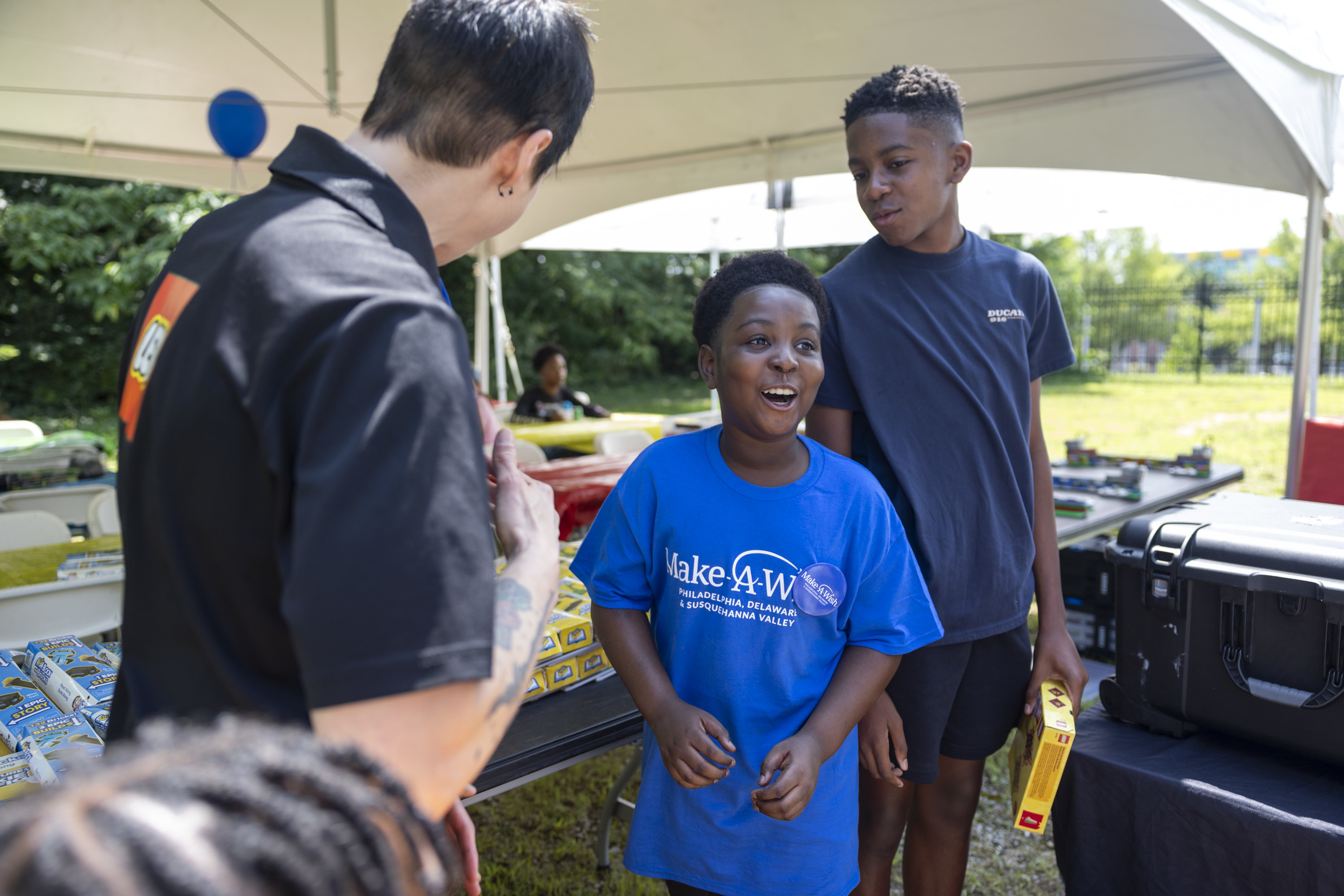
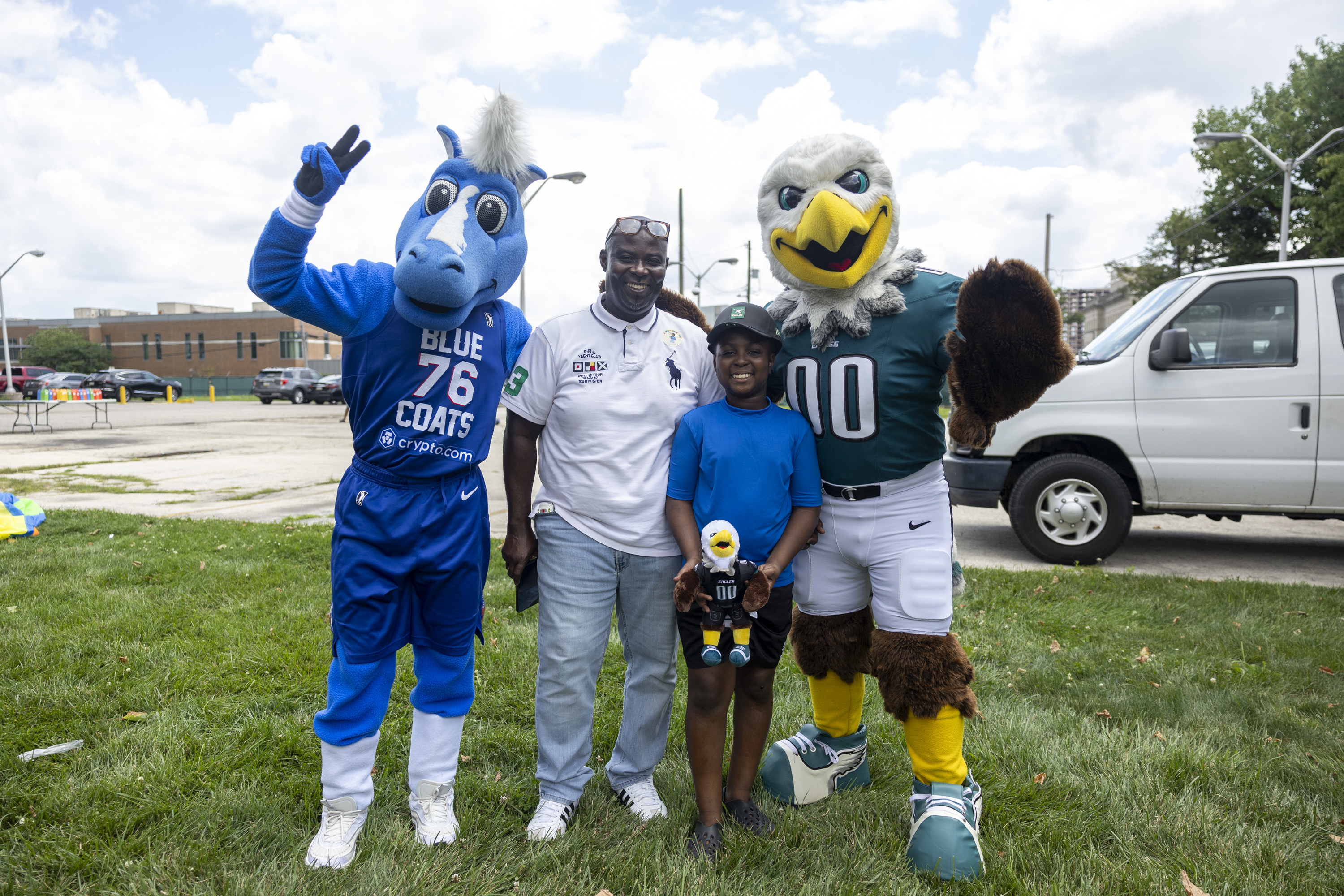
    Goyal also looped in staff at the King of Prussia Lego store, a former contestant on the reality TV competition series LEGO Masters, and Swoop, the Philadelphia Eagles mascot, to make the event quintessentially Sam.

    Alana Deluca, manager at King of Prussia’s Lego store, talks to Sam Okyere, 12, during his Make-A-Wish donation drive and block party.Tyger Williams / Staff Photographer

    “It’s not about him,” Goyal said. “But it is about him.”

    As Goyal and the Make-A-Wish team prepared the logistics, Sam contended with a life-altering decision. Sickle cell can be treated through a bone marrow transplant. The ideal donor is a sibling who is a match. Will Okyere, Sam’s 25-year-old brother, was. So Sam and his family scheduled a transplant for the end of August. The process starts with chemotherapy and ends with in-home isolation for several months, requiring Sam to miss most of his seventh-grade year with his friends.

    “It’s a bummer,” Sam said. “But, it’s like, anything to get me better.”

    “I just want to get sickle cell over and done with,” he added.

    Sam Okyere, 12, hanging out with his friend Mosiah Saddick, 12, during Sam’s Perfect Day at Families Forward Philadelphia homeless shelter.Tyger Williams / Staff Photographer

    While sickle cell disease is not inherently fatal, it can increase the risk of life-threatening infections, acute chest syndrome, stroke, and chronic organ damage, particularly without medications or interventions such as a bone marrow transplant or gene therapy.

    Cynthia Norris, Sam’s attending hematologist at Children’s Hospital of Philadelphia, who referred Sam for the wish, said he stood out among all her eligible patients because he has the most severe variation of the disease and has had a number of complications. His grace and thoughtfulness, she said, also set him apart.

    “He’s just a very special young man,” Norris said. “He has so much empathy.”

    Sam Okyere, 12, with his dad Akwasi Okyere, Delaware Blue Coats mascot Coaty, and Philadelphia Eagles mascot Swoop during Sam’s Perfect Day Make-A-Wish donation drive and block party at Families Forward Philadelphia homeless shelter.Tyger Williams / Staff Photographer

    Living out a perfect day

    After months of waiting and preparation, Sam’s Perfect Day finally arrived.

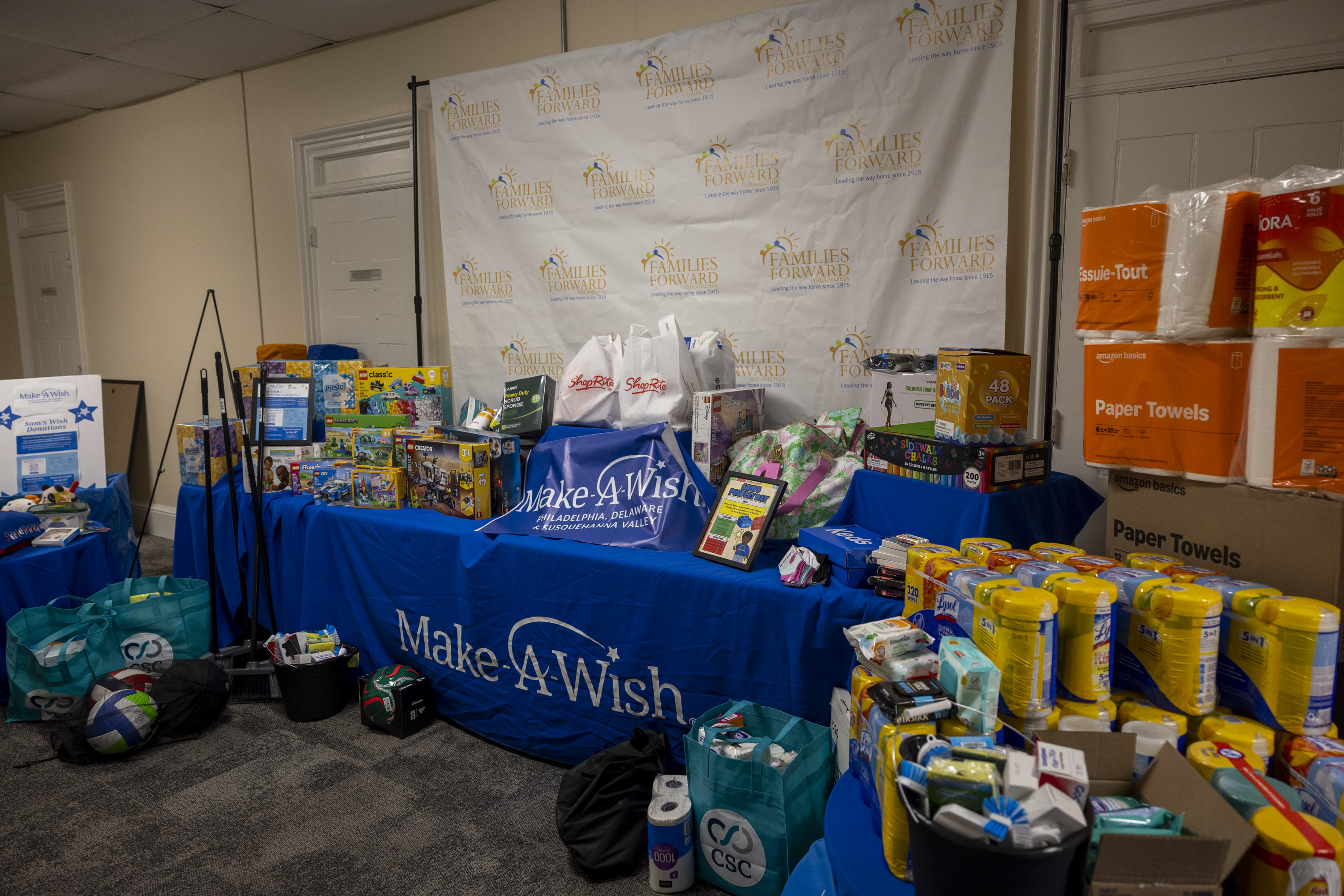
    Shiny new yellow, red, and blue soccer balls and Hula-Hoops lined the main hall of the Families Forward office building. Tubs along the mirroring wall brimmed with sunscreen bottles, toothbrushes, and soap. A giant poster sandwiched in the middle bore Sam’s likeness in Lego form — tiny Afro and all.

    Some of the donations for Sam Okyere’s Perfect Day Make-A-Wish donation drive and block party.Tyger Williams / Staff Photographer

    Families Forward could never have afforded this bounty on its own, said Jessica Main, the nonprofit’s chief development officer. Grant money the shelter receives is often tied to specific types of services like mental health and education. Its budget for toys and recreational materials is around $3,000 annually, Main estimated. That would probably barely cover the glimmering new basketball hoop and sports equipment Sam’s donation drive brought in.

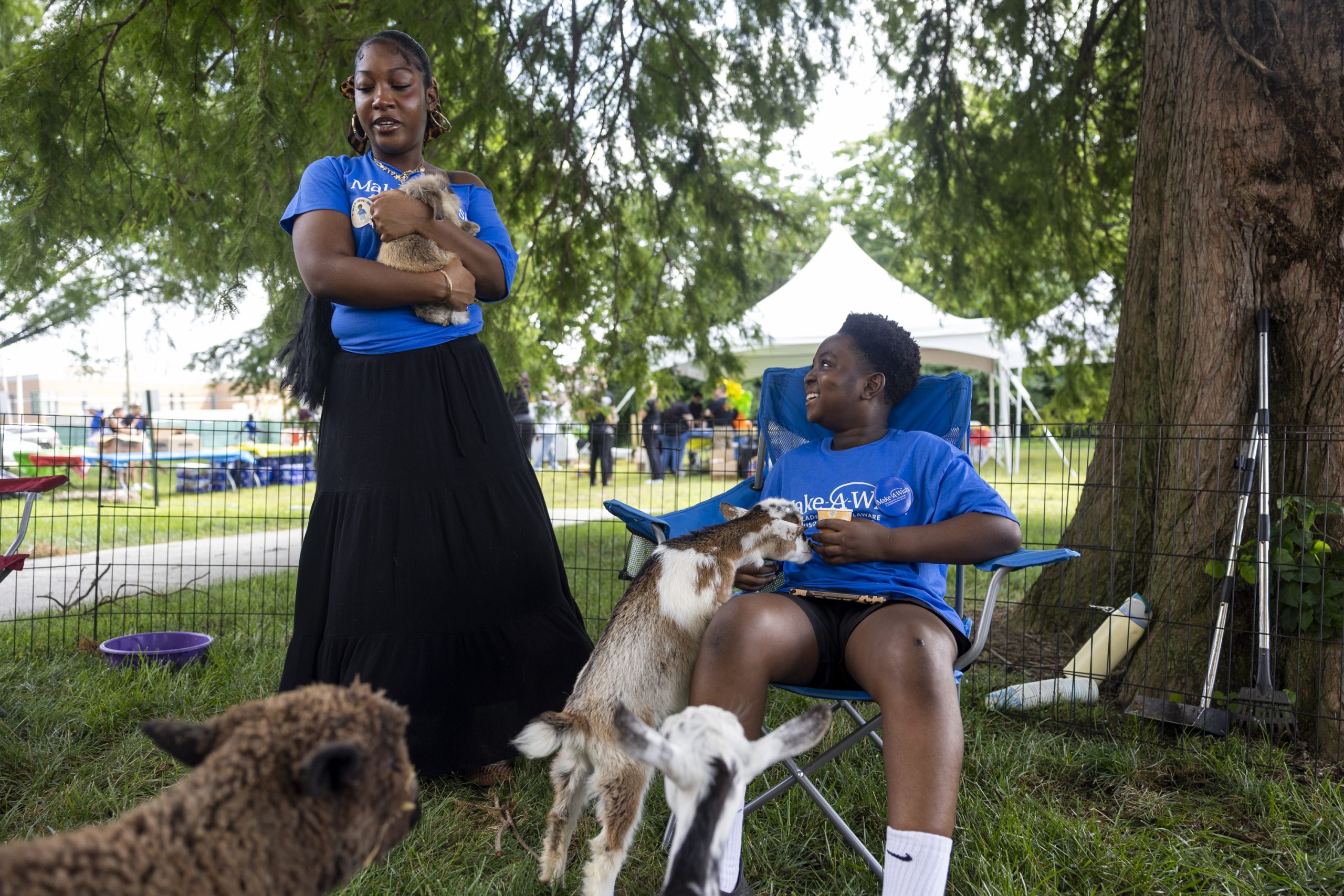
    Sam Okyere, 12, with his sister, Kayla, at the petting zoo during his Make-A-Wish donation drive and block party at Families Forward Philadelphia homeless shelter.Tyger Williams / Staff Photographer

    Sam nestled into a blue canvas chair in the petting zoo as two goats nibbled food out of Dixie cups he held in each hand.

    “I’m naming this one Ashton,” Sam announced to no one in particular, looking at a brown and white goat.

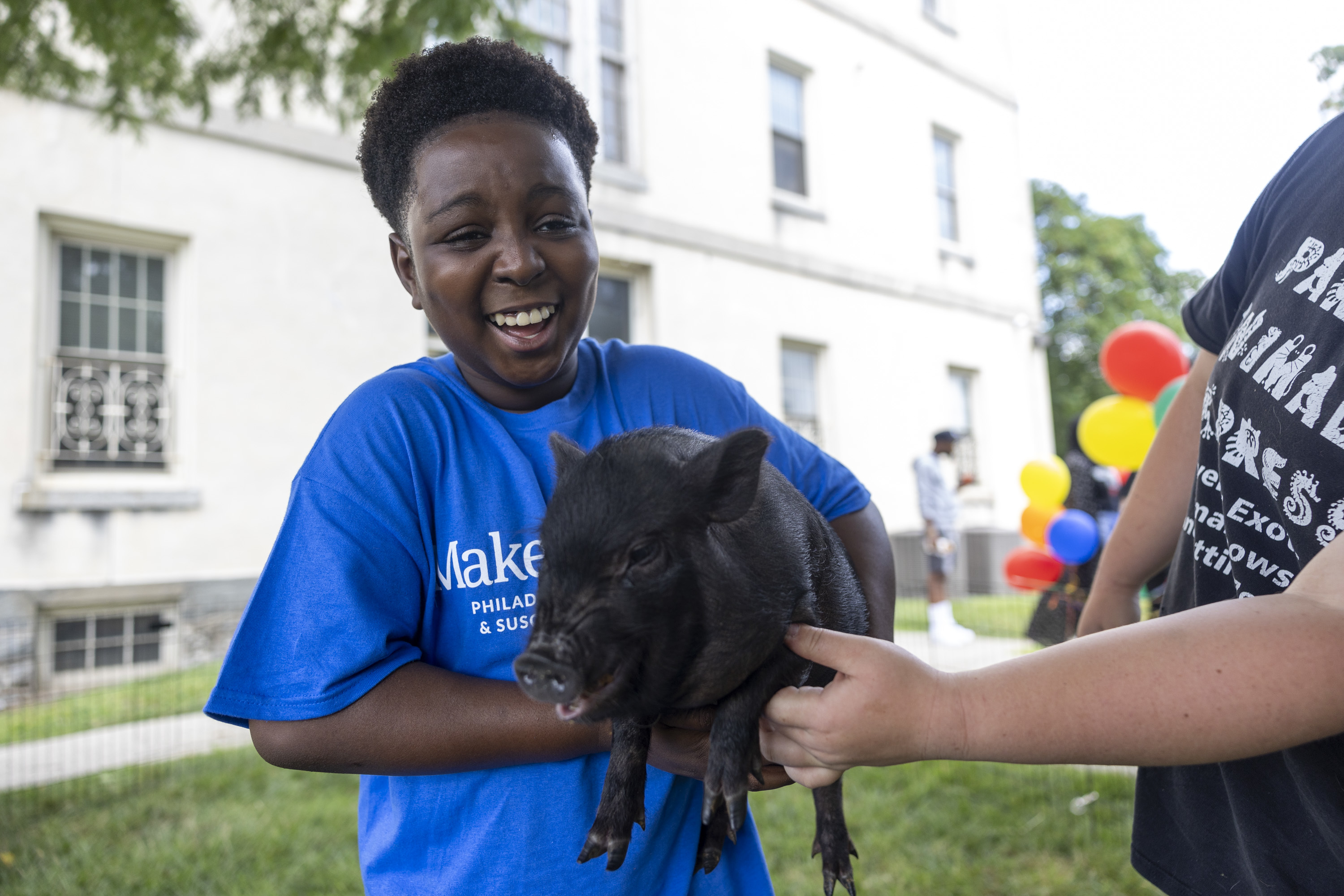
    “Food! Anybody want food,” he shouted to the tiny goats (one wearing a feathered bowler hat), bunnies, and one black pig that dragged its rotund paunch on the ground wherever it went.

    Sam Okyere, 12, is holding Penelope the pig at the petting zoo during his Make-A-Wish donation drive and block party at Families Forward Philadelphia homeless shelter in Philadelphia, Pa., on Wednesday, July 29, 2026.Tyger Williams / Staff Photographer

    “Zane, Kai, Lloyd,” he said, pointing at two goats and then the pig, naming all after characters on his favorite show Ninjago, which the uninitiated will be unsurprised to learn is a show about Legos.

    Soon a 3-year-old named Saga, wearing a white dress smattered with images of heart-shaped lollipops, entered the petting zoo enclosure, mouth agape as she stood eye-to-eye with the recently named Ashton the goat and gently patted the silver nubs on either side of its bony head. This was her first experience with farm animals.

    Her mother, Quechera Jowers, 32, followed closely. The pair have lived at the shelter for about four months.

    “I’m not going to lie, it’s a little nostalgic,” Jowers said, taking in the carnival sights as they waited in line for cotton candy, which, based on crystallized red formations encrusted around Saga’s mouth, it appeared she’d already indulged in.

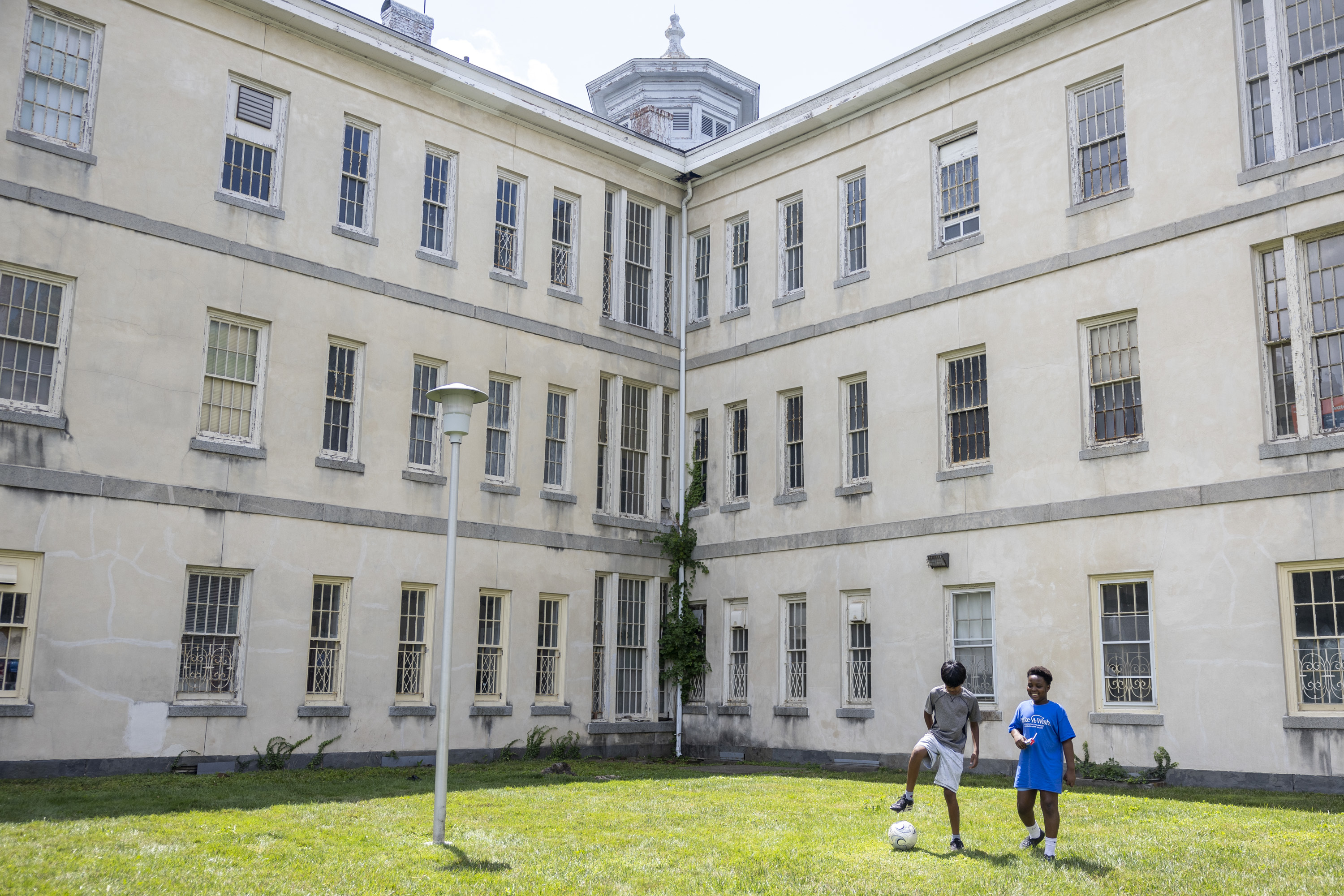
    Throughout the afternoon, gleaming toddler cheeks transformed into butterfly wings, kitten whiskers, and dragon scales with face paint. Pink and purple beads were strung into friendship bracelets, and technicolor swimsuits (each child got one through Sam’s donation drive) grew soaked from a sprinkler raining down on the kids as they descended an inflatable slide adjoined to the bounce castle. Navigating the pipe system of the old converted asylum-turned-shelter facility was the challenge of the morning, Main said.

    Beyoncé blared from a portable DJ booth, chubby fingers grasped balloons on strings and absentmindedly released them into the stratosphere, and a topless toddler with wild curls boogied near the mouth of a bubble machine, a diaper band peeking out from his khaki shorts.

    Sam Okyere, 12, is trying out the DJ set with Nashirah Felder, of Fishtown, during his Perfect Day Make-A-Wish donation drive and block party at Families Forward Philadelphia homeless shelter in Philadelphia, Pa., on Wednesday, July 29, 2026.Tyger Williams / Staff Photographer

    Sam, meanwhile, alternated between the Lego games, petting zoo, and basketball station.

    After discreetly lowering his game controller in the middle of a Lego joust, allowing a friend to overtake his spacecraft and win the game, Sam sauntered over to the goats situated in a kennel in the back of a truck to bid them farewell.

    Sam Okyere, 12, plays against Corey Samuels, 41, of Princeton, N.J., a LEGO Masters winner, during his Make-A-Wish donation drive and block party at Families Forward Philadelphia homeless shelter in Philadelphia, Pa., on Wednesday, July 29, 2026.Tyger Williams / Staff Photographer

    “I don’t want them to leave,” he mused as he delicately scratched a tan one on the chin and, with an understated graciousness rare to find in adults, let alone children, allowed the petting zoo staff to take them away.

    As the afternoon drew to a close, Sam settled into a chair in the hallway full of donations and futzed with a small Lego vehicle. An event organizer informed him that the Lego store employees offered to gift him all the leftover toys. Sam politely declined and requested they instead be given to the kids at the shelter.

    Asked in the final moments what could have made Sam’s Perfect Day more perfect, he contemplated.

    “Nothing,” he resolved.

    Nothing at all.