Tag: How I Bought This House

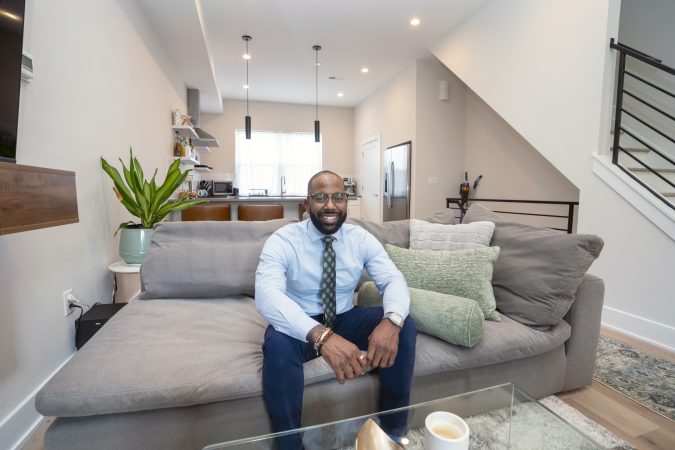
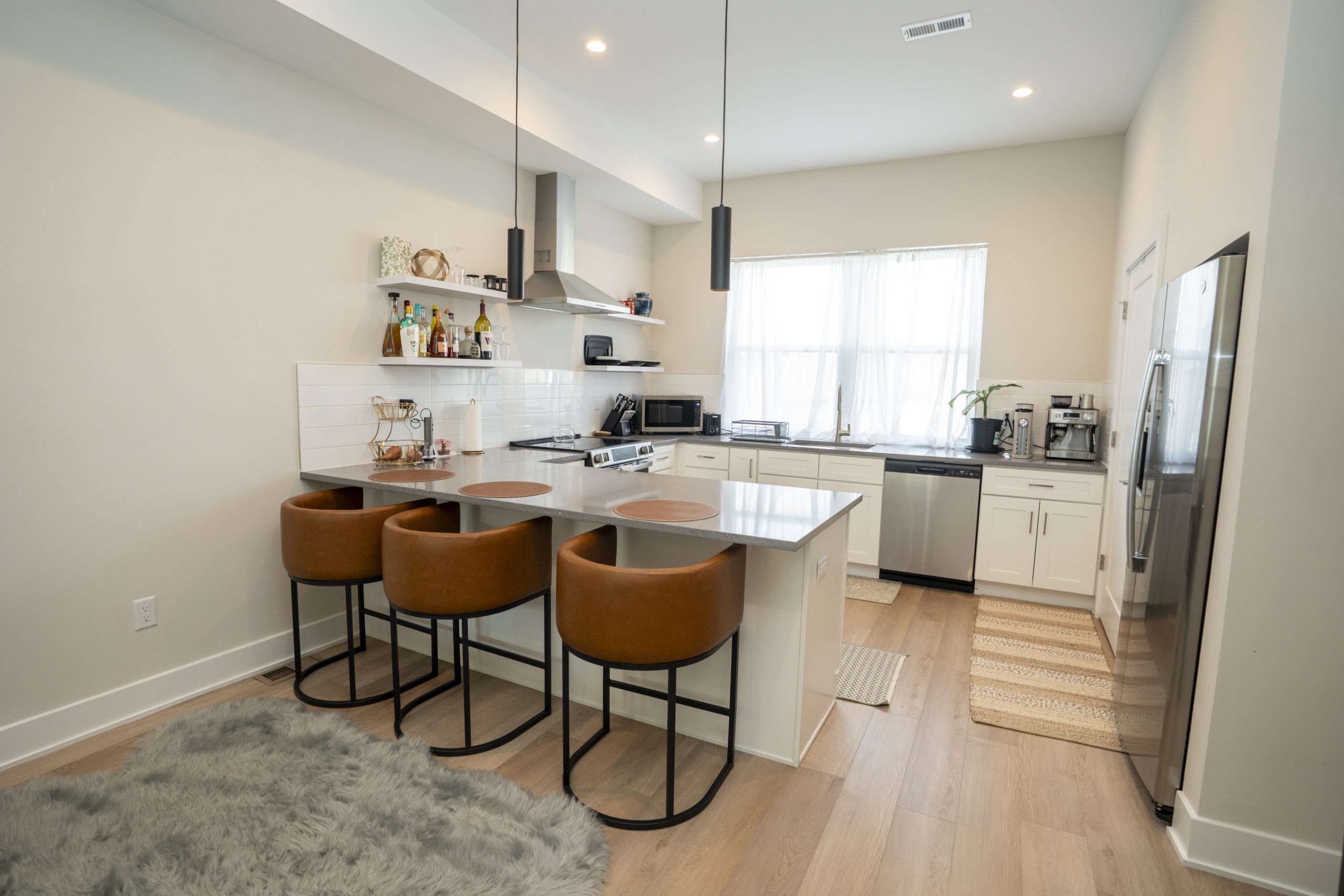
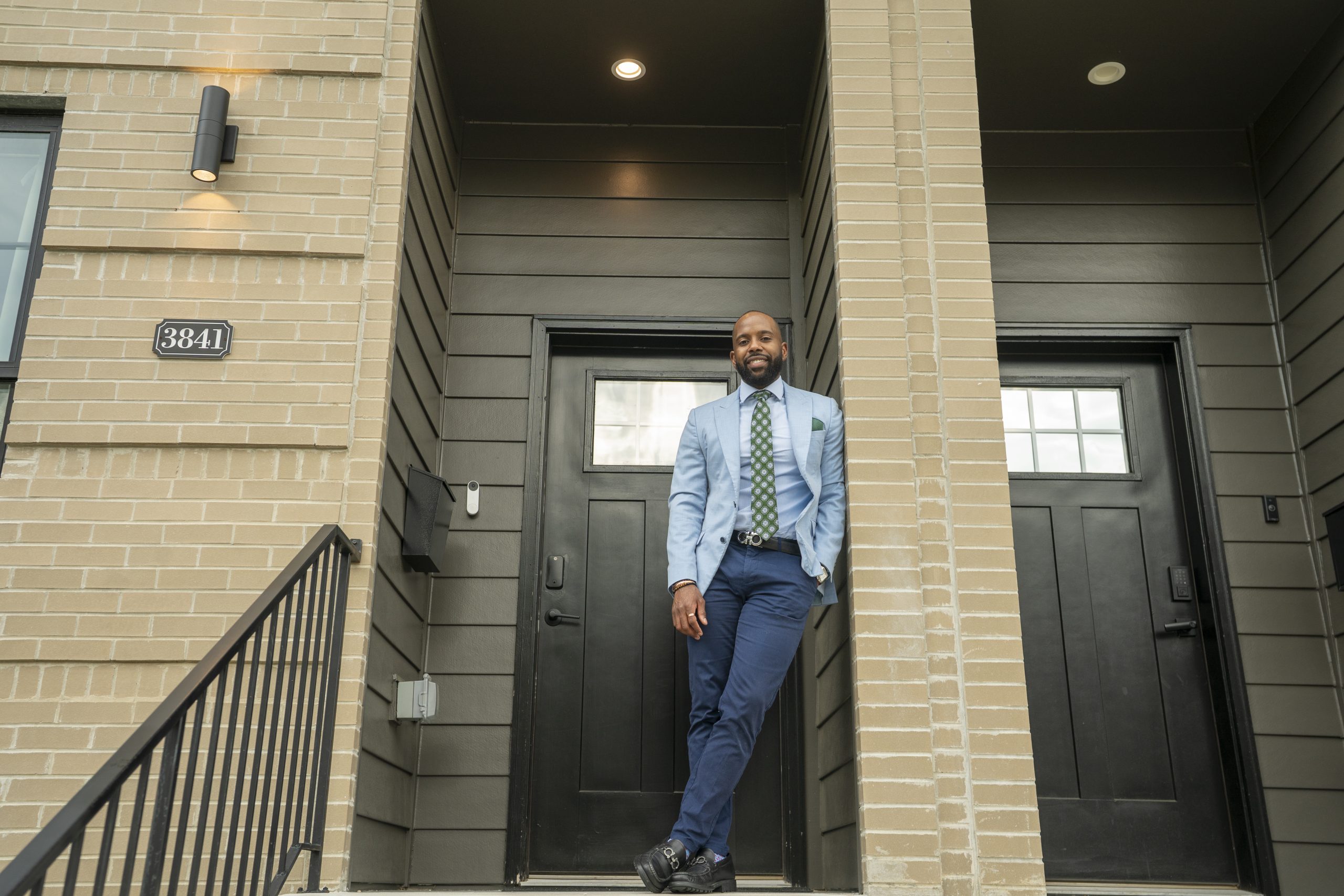
  • I report on how people buy houses. Here’s what I got wrong buying mine.

    I report on how people buy houses. Here’s what I got wrong buying mine.

    As a reporter for “How I Bought This House,” The Inquirer’s series that shares the stories of how people purchased homes, I’ve spent a lot of time asking people about, well, how they bought their houses. How much they offered. What they waived. What they regretted. I’ve learned all sorts of tips and tricks, strategies, and common mistakes to avoid.

    So when I bought my first house this August in Philadelphia, I fancied myself savvier than the average first-time buyer. I knew, for instance, that the appropriate response to discovering knob-and-tube wiring is to run in the opposite direction, and that only a fool would waive the inspection.

    I headed into the process eager and overly confident, sure I’d be able to nab the perfect house well below the asking price and secure a mortgage at the lowest possible interest rate. I’d planned to use things I learned while helming this column, like seller assists and mortgage buydowns, to finagle the seller into practically giving me the house for free.

    Then I found a house I really wanted, and I learned that knowing what to do is one thing. Doing it when you are terrified that someone else might buy your dream house is another.

    Most of the hacks I picked up flew out the window the second another couple showed up at the open house. Faced with a competitive seller’s market, I quickly folded on things I would’ve previously considered nonnegotiable.

    Like the inspection. While I didn’t waive it entirely, I did agree to it being “information only,” meaning I gave up my right to ask the seller to fix or pay for anything. Information-only inspections can strengthen your offer when you can’t afford to pay more, but they can still end up costing you in the form of a hefty repair bill.

    Looking back, I wish I had done a full inspection. I didn’t know the details of the other offers, but I doubt anyone else waived theirs. When the report came back with a list of necessary repairs totaling $15,000, I was stuck.

    I knew from interviewing dozens of buyers that people often use inspection findings to negotiate a seller’s credit. I would’ve liked to ask for one to cover some of the $12,000 it cost to replace the cloth wiring. But because I’d agreed to an information-only inspection, my only real option was to walk away. I believe this is what people in business call giving away your leverage.

    And speaking of giving away leverage, I don’t know why I offered over the asking price except that fear is a powerful motivator. And by that point, I had developed a healthy fear of being outbid.

    I had already been outbid on two houses, both of which sold for more than $40,000 above asking. This time I could afford to offer more, so I did, even though I didn’t know what the other offers were.

    In a less panicky state, I might have remembered something I’d heard again and again reporting on homebuyers: If someone else offered more than us, the seller would probably circle back and ask if I could match them. That would’ve been a good time to go above the asking price. Instead, I did it right out of the gate. To borrow another phrase from the business community, I negotiated against myself.

    Thankfully, not everything I learned from How I Bought This House was for naught. While debating ways I could fend off the competition I was convinced was trying to steal my house, I remembered a couple from Collingswood who hoped to avoid a bidding war. They had bought and sold several homes before, so they knew how to put together an irresistible offer. One of the things they did was waive the mortgage contingency.

    When you waive the mortgage contingency, you’re essentially telling the seller that your financing is your problem, not theirs. If your loan falls through, you can’t back out of the deal and get your earnest money back. You have to be able to buy the house one way or another.

    It sounds risky — especially if you’re still planning to use a mortgage — but I felt it was a risk I could safely take. My lender was confident I’d be approved.

    Plus, I knew the seller would find it appealing because sellers love certainty. Waiving the mortgage contingency gave them the security of an all-cash offer without requiring us to actually make one. A true “win-win,” as my friends in business would say.

    Of course, I have no idea whether it won us the house, but after spending so much of the process paying extra to calm my own nerves, it felt good to finally strengthen my offer for free.

    If I learned anything from buying my first house, it’s that you should decide what you’re willing to spend, waive, or risk before you fall in love. Then stick to it. I didn’t. But I still got the house. And I don’t have any regrets.
  • She put in an offer on a ‘granny special’ in South Philly before her partner set foot inside | How I Bought This House

    She put in an offer on a ‘granny special’ in South Philly before her partner set foot inside | How I Bought This House

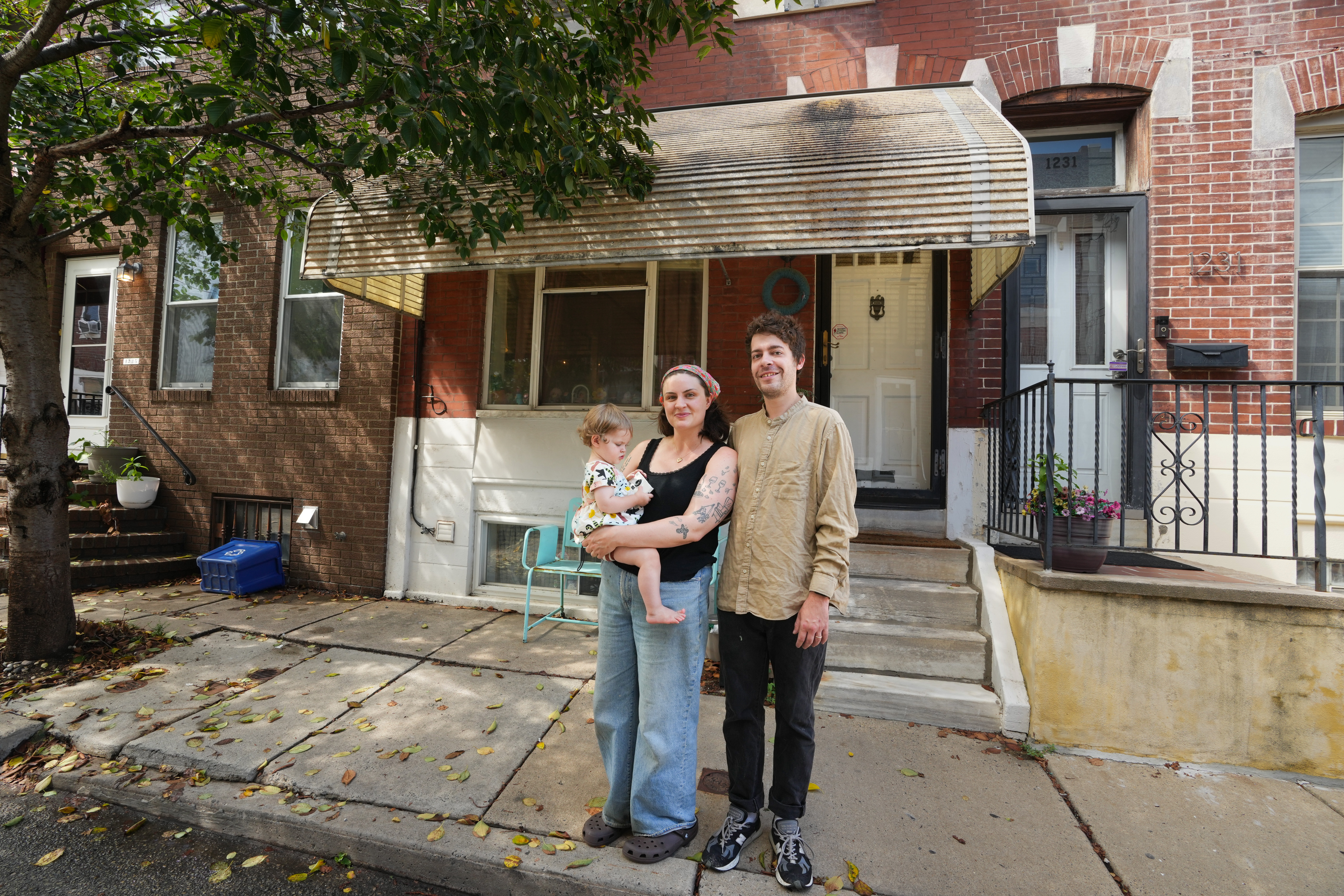
    The buyer: Joanna Jaeger, 32, general manager at Bart’s Bagels.

    The house: A 894-square-foot rowhouse with two bedrooms and 1½ baths built in 1920 in Lower Moyamensing.

    The price: Listed for $236,900; purchased for $233,000.

    The agent: Martha Lutz, OCF Realty.

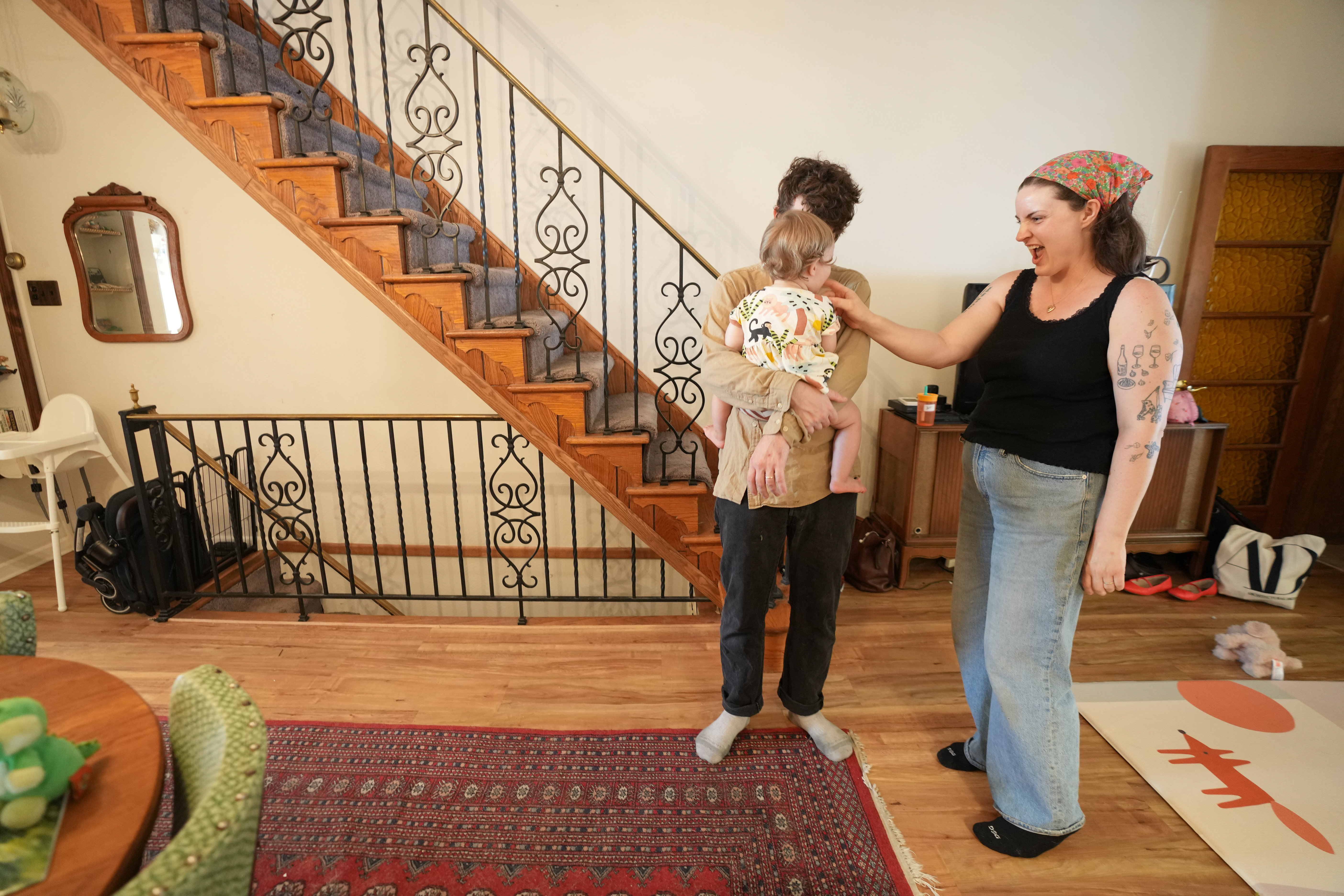
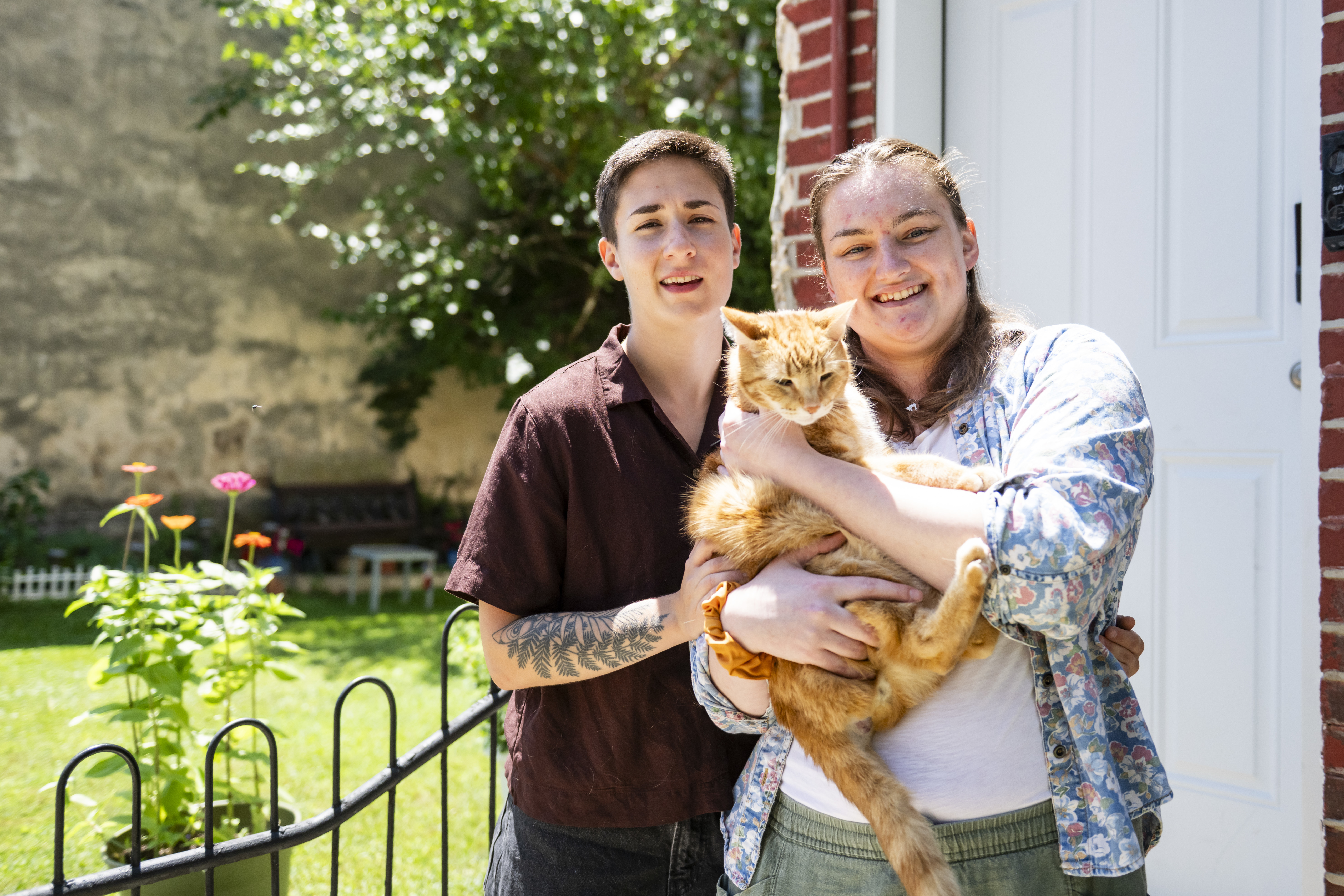
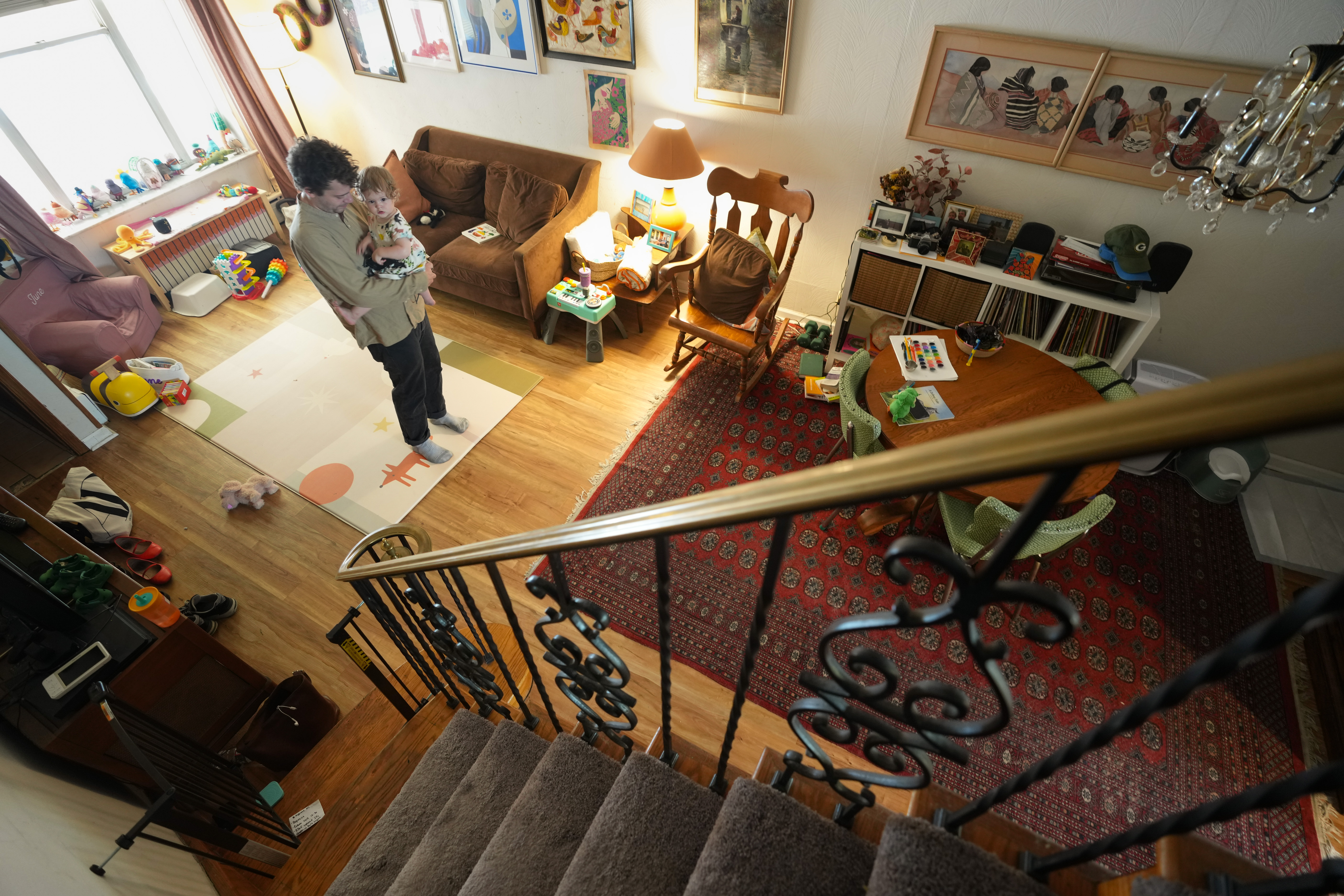
    Adrian Schraufnagel and June on the first floor. Jessica Griffin / Staff Photographer

    The ask: Joanna Jaeger and her boyfriend, Adrian Schraufnagel, were tired of their one-bedroom in West Philly and fed up with renting in general. When their landlord announced a $200 rent increase in 2022, they notified him they would be moving out in 90 days.

    The clock was ticking to find a new home.

    They wanted a move-in ready place that wouldn’t immediately require expensive repairs. And after renting in West Philly for six years, they were eager to move across the river, to be closer to restaurants and more public transit. They also wanted to live within walking distance of a dog park.

    With a ceiling of $250,000, they hoped to find something closer to $230,000.

    Joanna Jaeger’s mother paid for the floors to be redone. Jessica Griffin / Staff Photographer

    The search: Jaeger enlisted a friend and coworker to be her real estate agent. They visited a series of newly renovated houses because Jaeger thought they would require the fewest repairs after move-in. She put in an offer on one but didn’t get it. She was becoming increasingly panicked.

    “I was like, ‘Oh my god, we’re running out of time!’” Jaeger recalled.

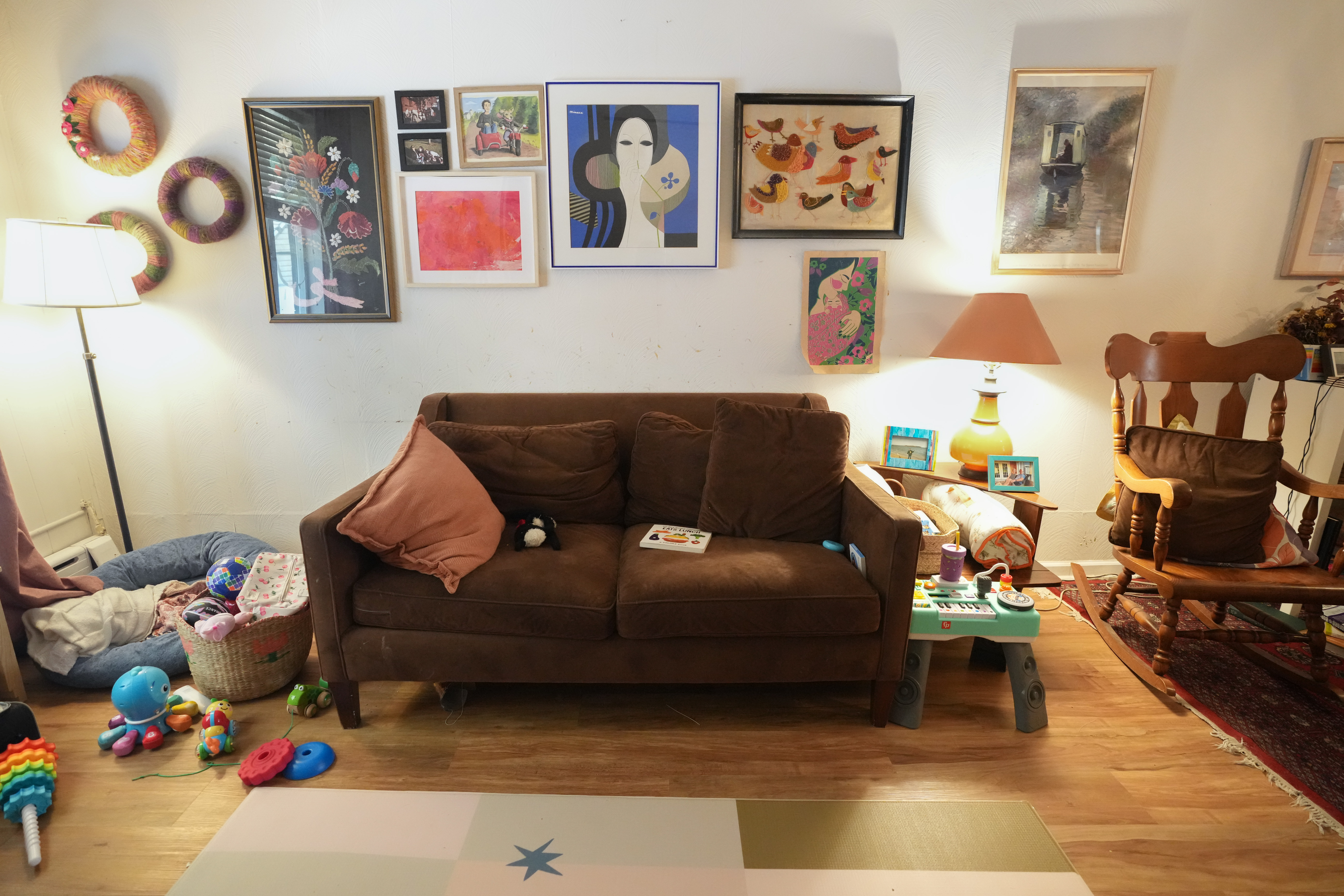
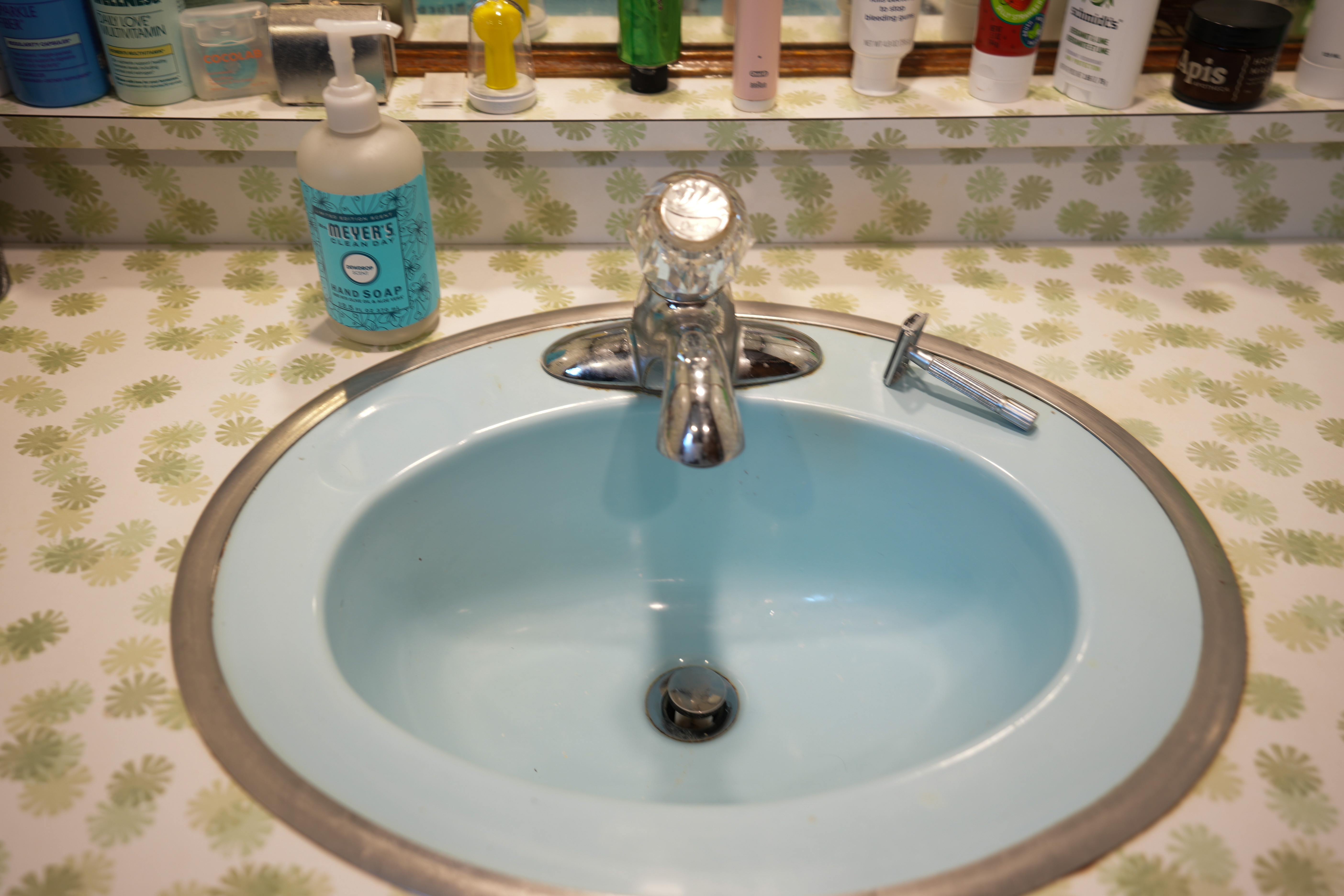
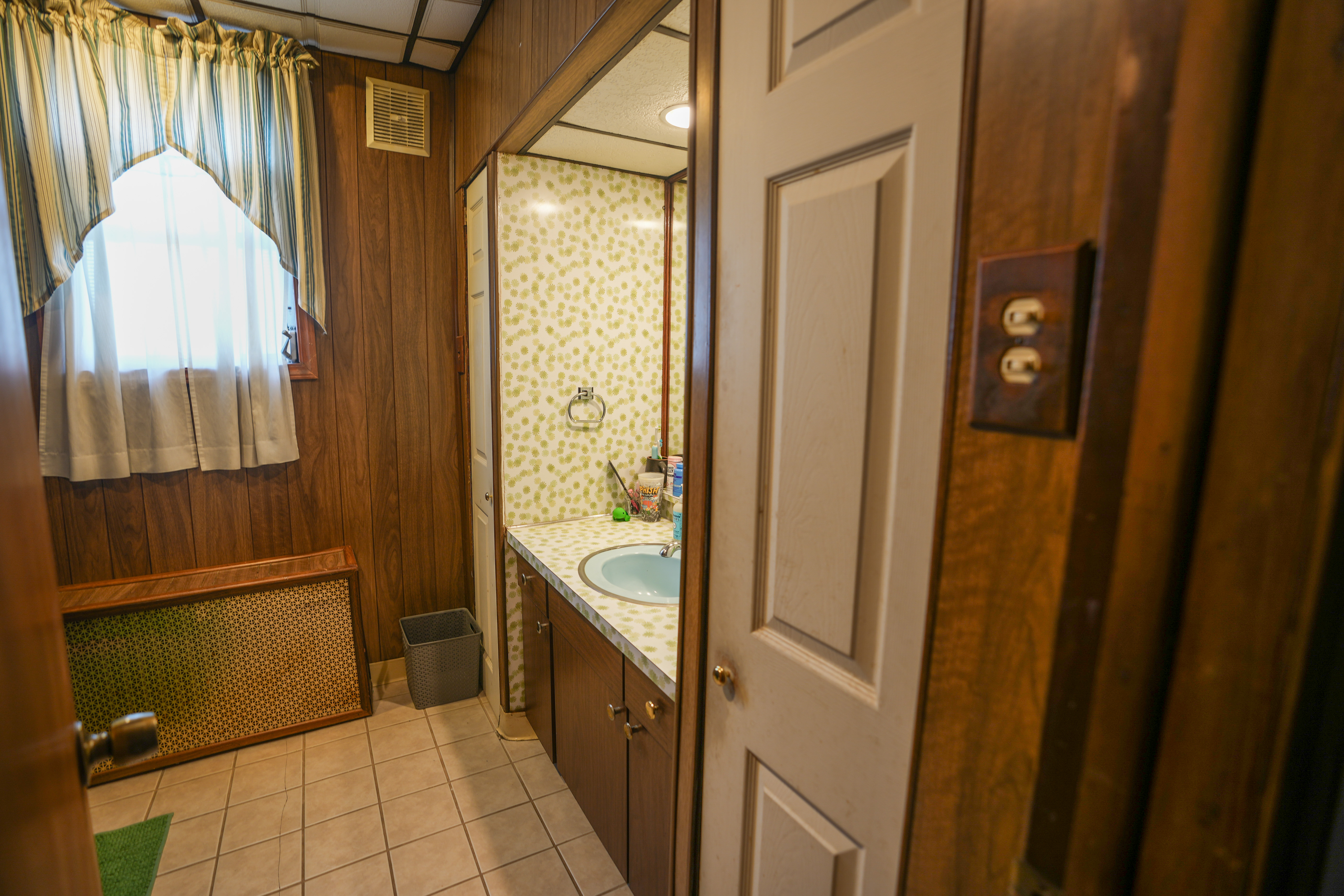
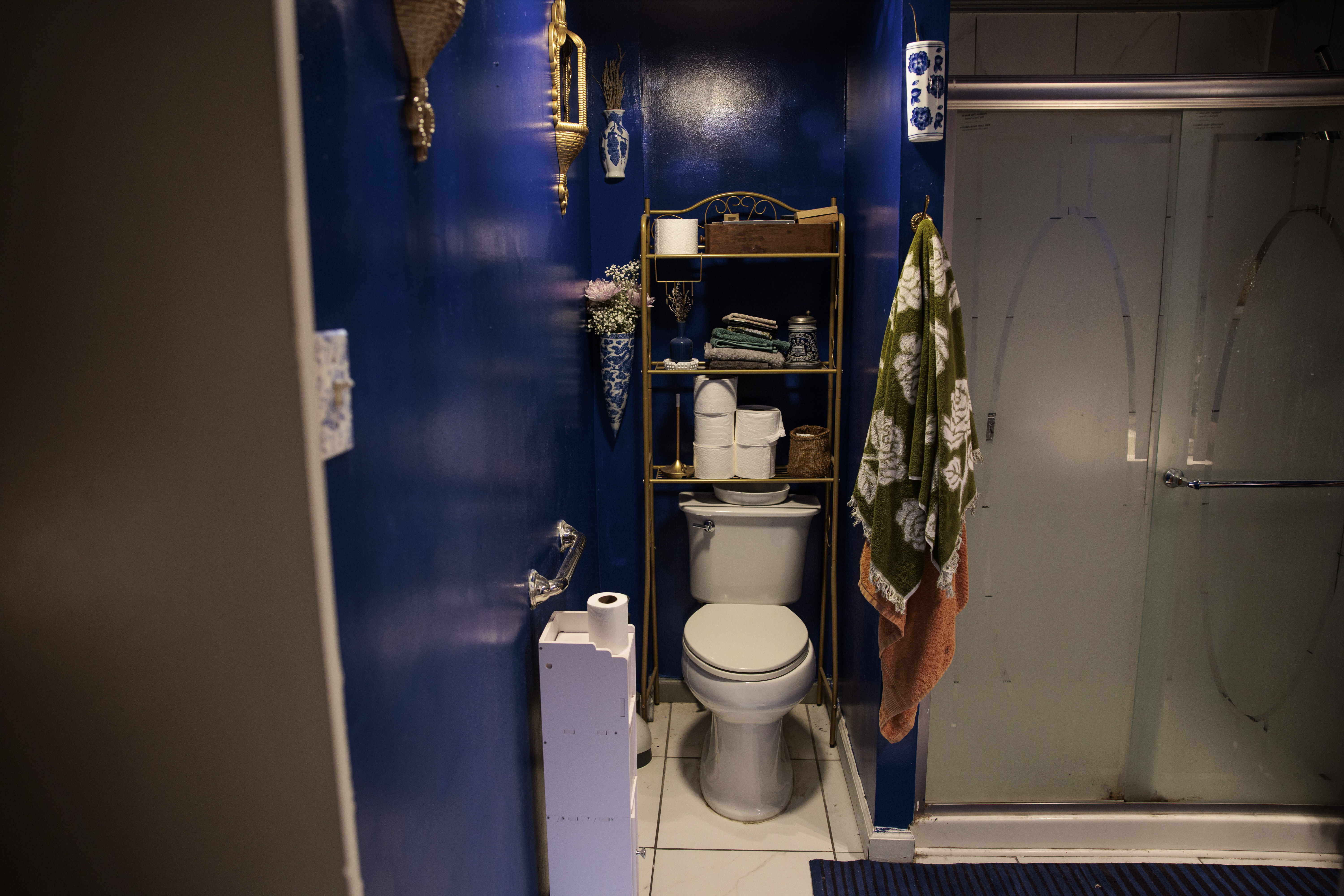
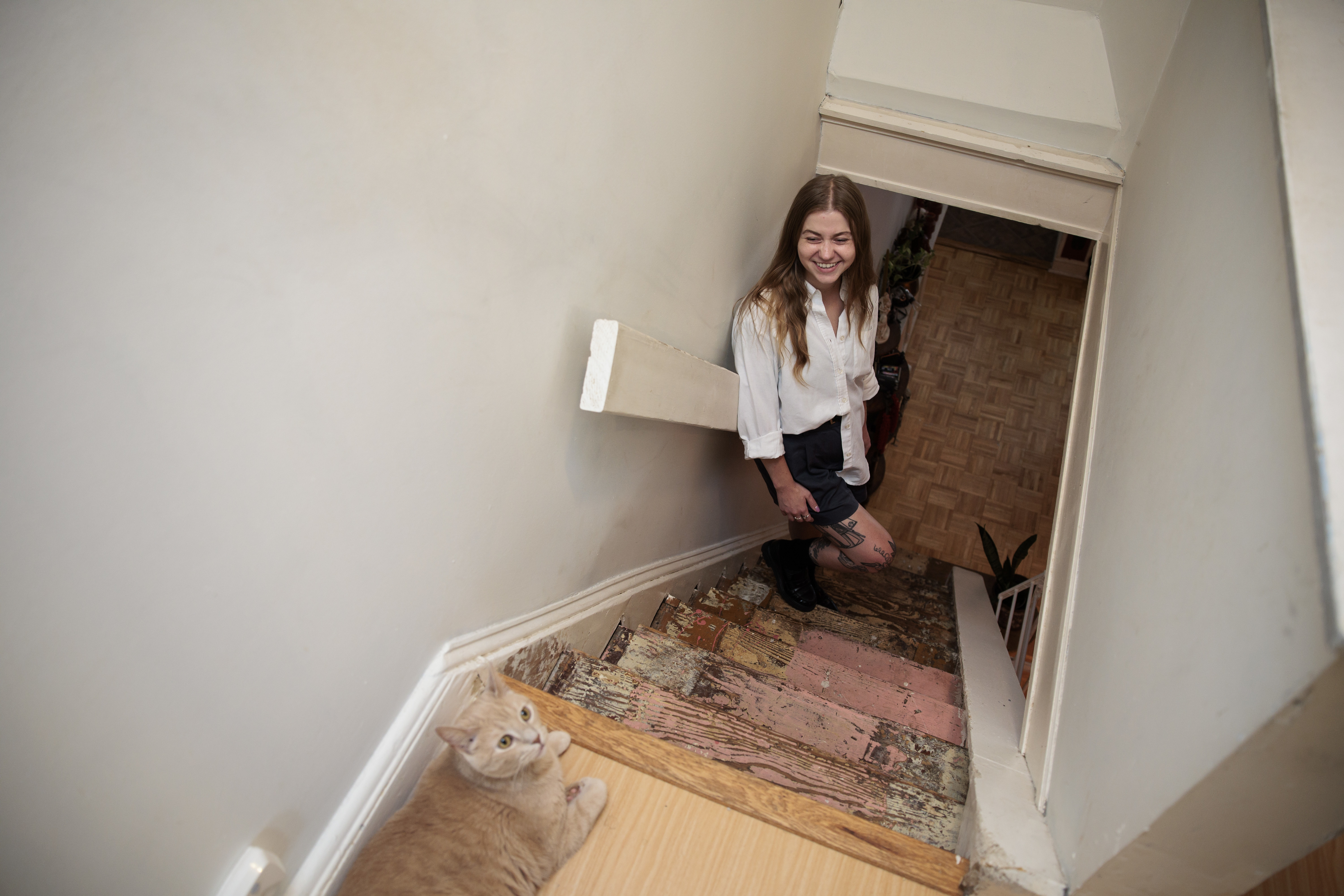
    Then, in April she saw an intriguing house on Zillow. It was a “granny special,” she said, featuring wall-to-wall purple shag carpeting and an upstairs bathroom paneled in dark wood with a ’70s floral motif around the sink. When she visited, there was a framed portrait of Frank Sinatra on the basement wall.

    Jaeger immediately loved the ’70s floral motif around the bathroom sink and the pale blue sink and tub. Jessica Griffin / Staff Photographer

    “It felt so cozy,” Jaeger said. “You could tell whoever lived there took a lot of pride in the house.”

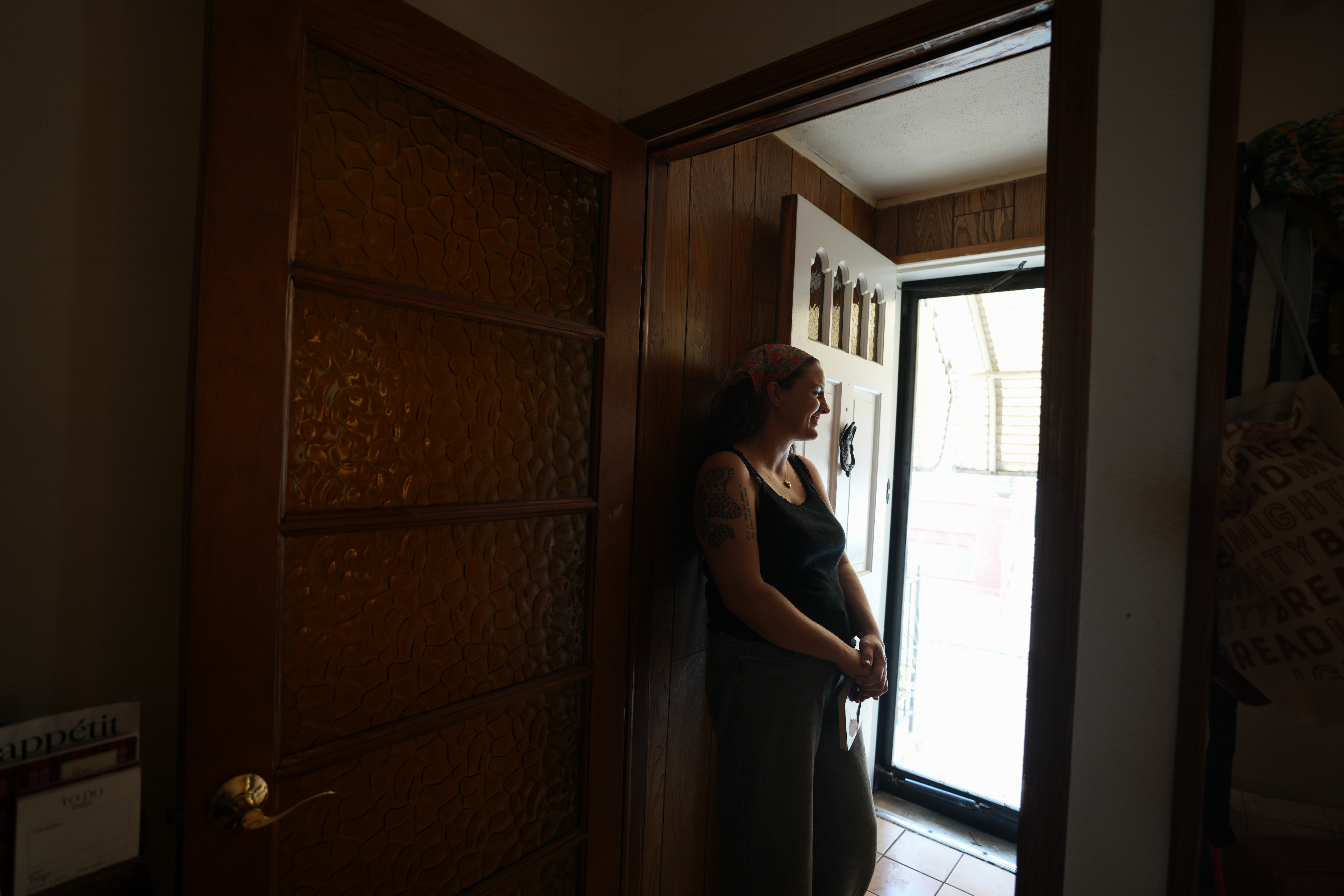
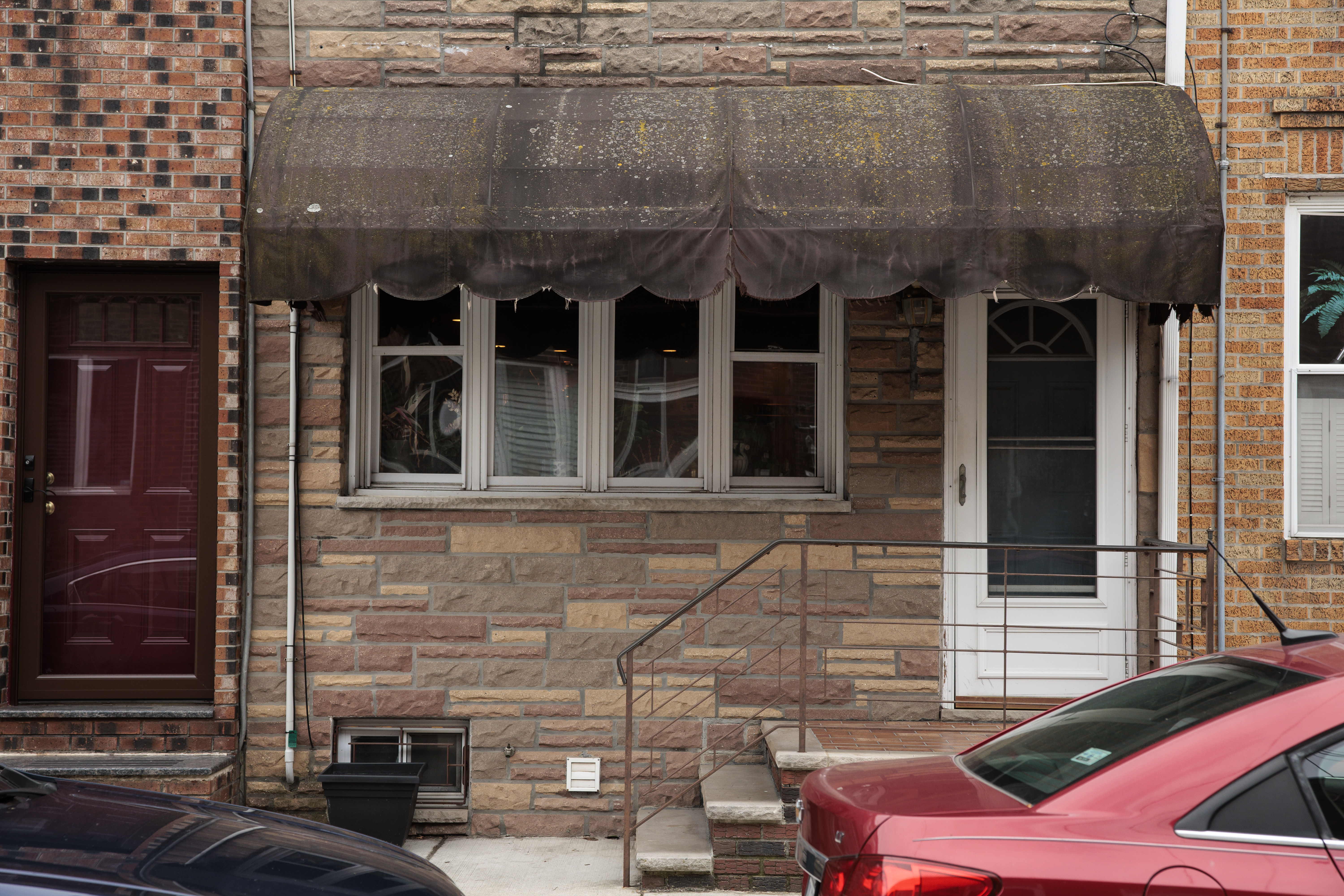
    Though she had been looking at recently flipped houses, she especially liked the old-school South Philly features, including the awning out front and the amber-colored textured glass in the vestibule.

    The house was walking distance to Marconi Plaza and close to the bus and the Broad Street Line.

    Joanna Jaeger immediately loved the textured amber glass in the vestibule of the South Philly house. Jessica Griffin / Staff Photographer

    The deal: Jaeger told Schraufnagel that because of their tight deadline, he wouldn’t get to see the house in person before she put in an offer. He trusted her.

    “He usually follows the vision that I propose,” she said.

    She put in an offer for $233,000, an amount slightly under asking that her agent still deemed “respectful.” The sellers accepted the next day.

    Whoever lived there took a lot of pride in the house, Joanna Jaeger thought when she visited the home. Jessica Griffin / Staff Photographer

    An inspection found the house in good condition. The main issues were an electrical system with cloth insulation — a feature in many older homes that would make an electrical panel upgrade more expensive — and basement tiles likely made from asbestos. They were already painted over by the previous owners.

    “We’ve never tested it because we don’t really want to know,” Jaeger said.

    Adrian Schraufnagel and Joanna Jaeger ripped up the purple shag carpeting on the floors themselves. Jessica Griffin / Staff Photographer

    The money: A friend advised Jaeger not to buy a house with a boyfriend, and Schraufnagel’s credit score would have negatively impacted their interest rate.

    So Jaeger decided to buy the house herself. She qualified for a first-time homebuyer loan for $11,650 through Pennsylvania Housing Finance Agency and was able to negotiate a $2,500 seller assist after the inspection. The closing costs on the house were $13,364.

    Though she had saved up $15,000 to put toward the house, she ended up withdrawing only $9,214 from her savings for a $10,000 down payment.

    Schraufnagel contributes to the monthly payments, though the deed is in Jaeger’s name. With a 5.625% interest rate, the couple’s monthly payments are $1,274, plus $121 per month for mortgage insurance.

    Joanna Jaeger said buying her South Philly home made her feel grounded enough to have a child. Jessica Griffin / Staff Photographer

    The move: Jaeger closed on the home in early June 2022, and she and Schraufnagel moved in the day before their West Philly lease ended.

    They rented a U-Haul for large items and packed smaller ones into Jaeger’s Prius. A new neighbor saw them unloading boxes and offered to help, a sign of the close-knit community they were joining.

    “They are still very fabulous neighbors,” Jaeger said.

    When Jaeger’s parents visited for the first time, her dad suggested replacing the dated bathroom. “This bathroom is why we bought the house!” she told him.

    The bathroom is paneled in dark wood, one of the old-school features Joanna Jaeger loved about the house. Jessica Griffin / Staff Photographer

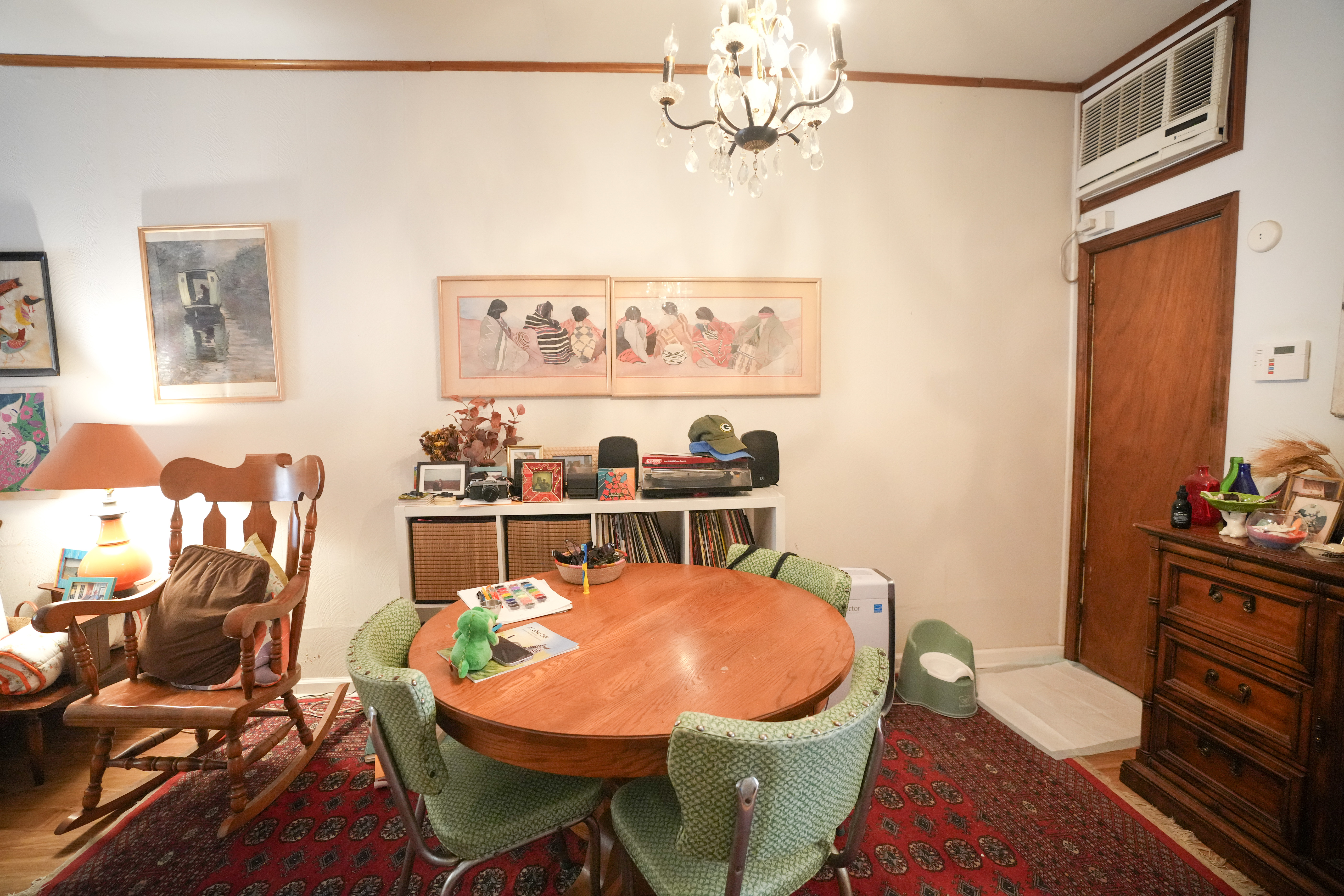
    Life after close: Jaeger and Schraufnagel ripped up the purple carpets from the first floor, the bedrooms, and the hallways themselves, and Jaeger’s mother contributed $10,000 to install new vinyl plank floors. But the work wasn’t done by the time they moved in, so they had to camp out in a corner of the living room for two days.

    The house has already been a site of major life changes. Jaeger and Schraufnagel married in 2023 and welcomed their first child, June, last year.

    A set of June’s paints. Jessica Griffin / Staff Photographer
    “If we hadn’t bought our house, we probably would have decided not to have a kid,” Jaeger said. “Moving into our house gave me a big sense of grounded-ness.”

    The house still has its quirks: The bedrooms are connected by a closet, so if both closets are open, there’s a passageway between them. And sometimes Jaeger and Schraufnagel will come across something like mismatched molding that was clearly done by an amateur in a DIY spirit.

    Even so, they don’t plan to move any time soon.

    “We’re gonna own this house forever,” Jaeger said, “and probably live in this house forever.”

    Did you recently buy a home in the Philadelphia area or South Jersey? Share the story of how you did it. Email Inquirer real estate reporters at properties@inquirer.com.

  • She borrowed $11,000 from her 401(k) to transform a ‘total dump’ in South Philly | How I Bought This House

    She borrowed $11,000 from her 401(k) to transform a ‘total dump’ in South Philly | How I Bought This House

    The buyer: Tessa Maropis, 29, property manager for her family’s realty business in Texas.
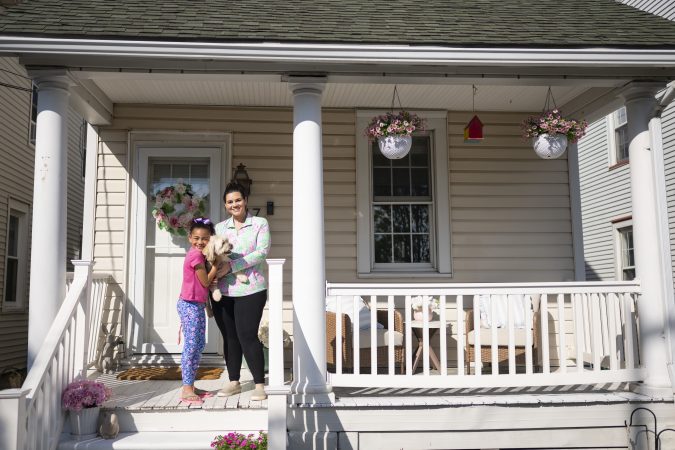
    The house: An 896-square-foot rowhouse in South Philly with three bedrooms and one bath built in 1923.

    The price: Listed for $280,000; purchased for the same.

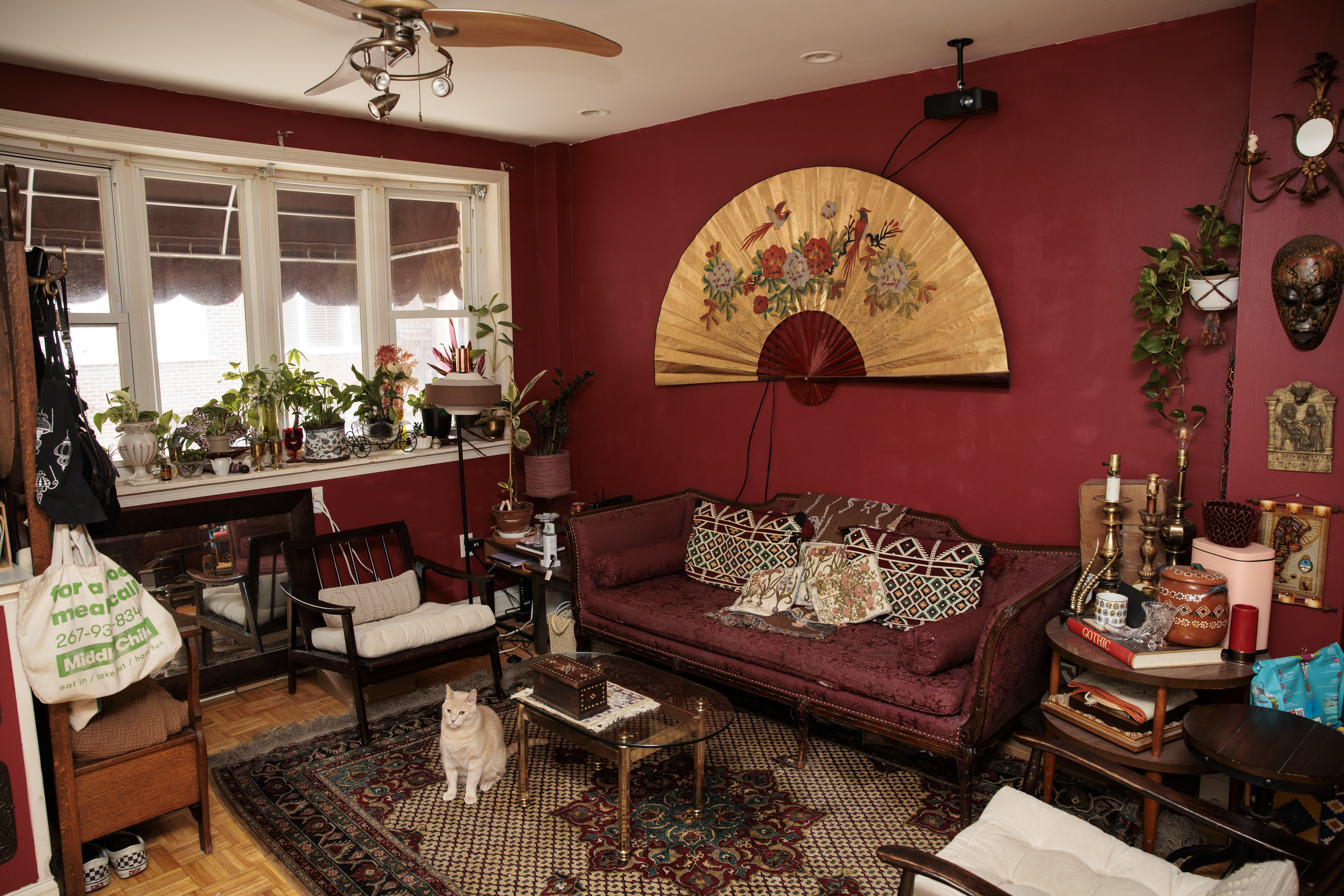
    Maropis knew her mahogany and silk couch would fit perfectly in the living room. Monica Herndon / Staff Photographer

    The agent: Salvatore Emma, Exit Elevate Realty.

    The ask: Maropis moved to Philly from Austin, Texas, in 2022 for a job, bringing her then-boyfriend with her. They signed a 15-month lease in South Philly but broke up after five months. Then they kept living together.

    When the lease finally ended, Maropis wanted to start fresh. She hoped to find a rental with a bathtub and a private outdoor space that retained its original details. She didn’t want millennial gray or a sleek Ikea remodel.

    The bathroom at Maropis’ house. Monica Herndon / Staff Photographer

    She also knew she wanted to stay in the 19147 zip code. A frightening incident had left her committed to the area: Two weeks after arriving in the city, Maropis was drugged at a bar and left near her house, she said. A good Samaritan found her and drove her safely home, unharmed.

    “As much as something terrible happened,” she said, “it showed me how surprisingly gentle and kind the community here was.”

    Maropis said she “lucked into the best community” in South Philly. Monica Herndon / Staff Photographer

    The search: Maropis had bad luck on the rental market; the apartments she liked kept getting snapped up. As her search dragged on, she found what seemed like a perfect house, but the owners were offering only a short-term lease because they planned to sell soon. Not wanting to move immediately, Maropis looked into buying the house. She prequalified for a mortgage but didn’t have enough cash to make the monthly payments affordable.

    It dawned on her that buying could be a real option if she found a less expensive place.

    The appeal: The first house her agent showed her had attracted little interest. It was filthy; the stairs and second floor hallway were covered in poorly maintained blue shag carpeting from the 1960s, and there were holes punched in the smoke-stained walls.

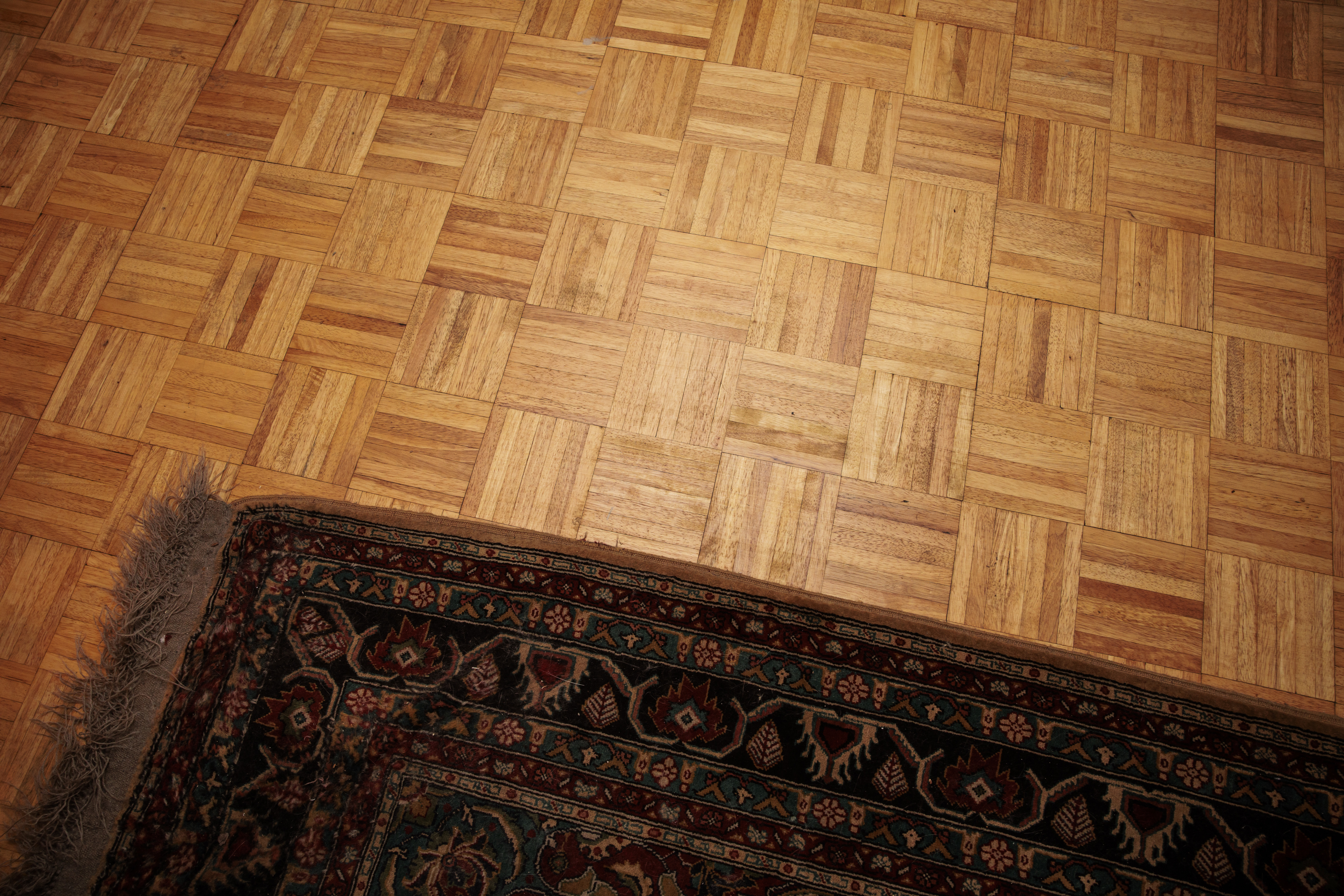
    Maropis especially loved the original bamboo parquet floors in the living room. Monica Herndon / Staff Photographer

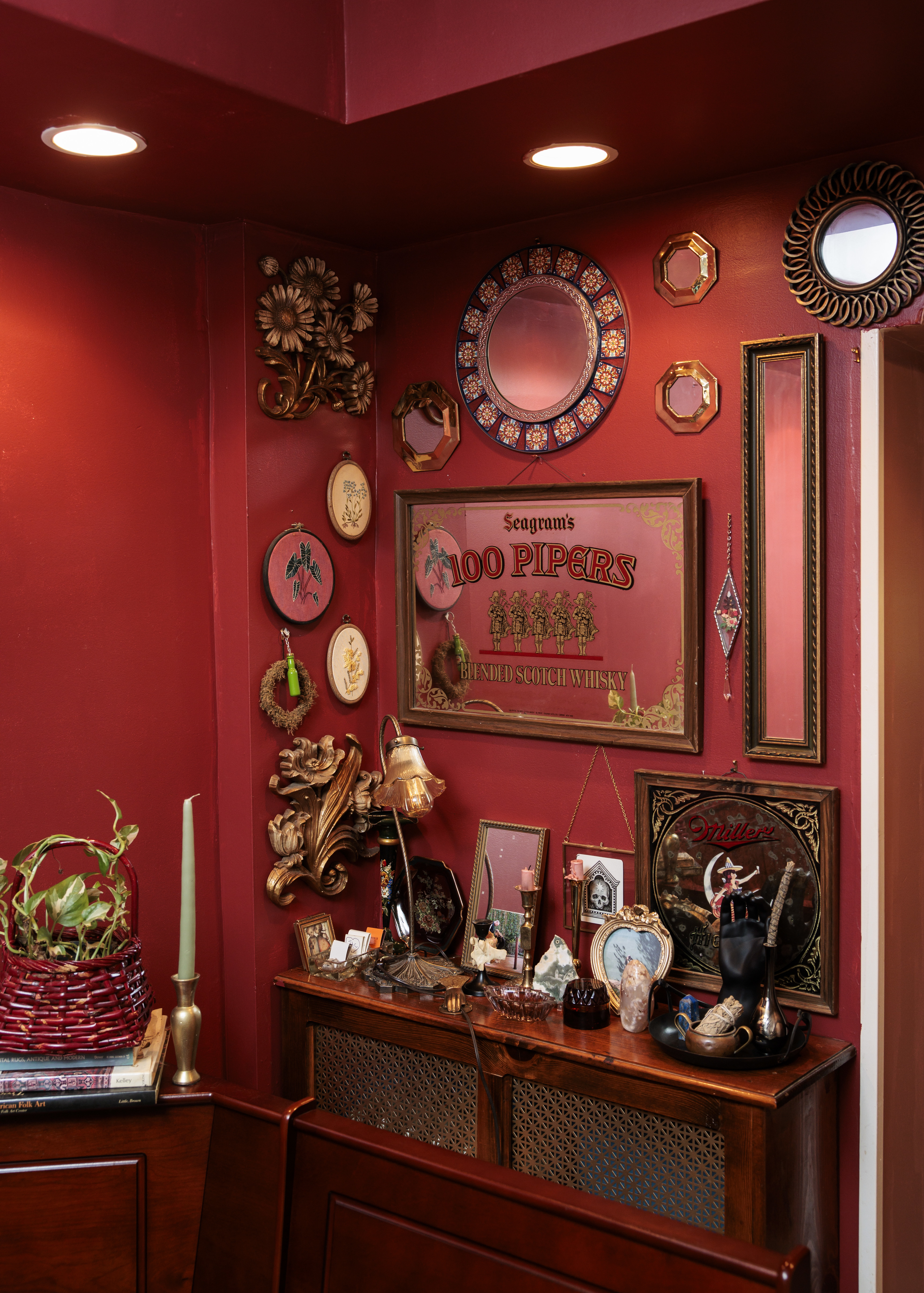
    “It was a total dump, so every person who looked at it hated it,” Maropis said. Yet right away she loved the wooden radiator covers, which looked like Victorian mantelpieces with brass grates, and the bamboo parquet floor in the living room. She could already picture a place for her mahogany and silk couch.

    She had grown up fixing houses, and she thought she could manage about 99% of the problems herself.

    “It had great bones and just needed somebody to love it a little bit,” she said. “The first time I toured it, I had a little tingle of the feeling that maybe I could actually live here.”

    The radiators have wooden covers with brass grates. Monica Herndon / Staff Photographer

    The deal: From the outset, Maropis knew she was in a good position to negotiate because the owners wanted to sell quickly. Her agent was in the same brokerage as the seller’s agent, so they were both incentivized to make it work.

    Maropis describes the stairs as the bane of her existence. Monica Herndon / Staff Photographer

    She also had leverage because of the state of the house. The inspection revealed lead pipes in the basement, a furnace that was leaking carbon monoxide, and a foundation partly chewed through by termites.

    The house had a reverse mortgage so the sellers did not want to budge on the purchase price. But Maropis negotiated a $15,000 seller’s assist, which went partly toward her closing costs and partly toward her down payment. She visited twice more before deciding to buy.

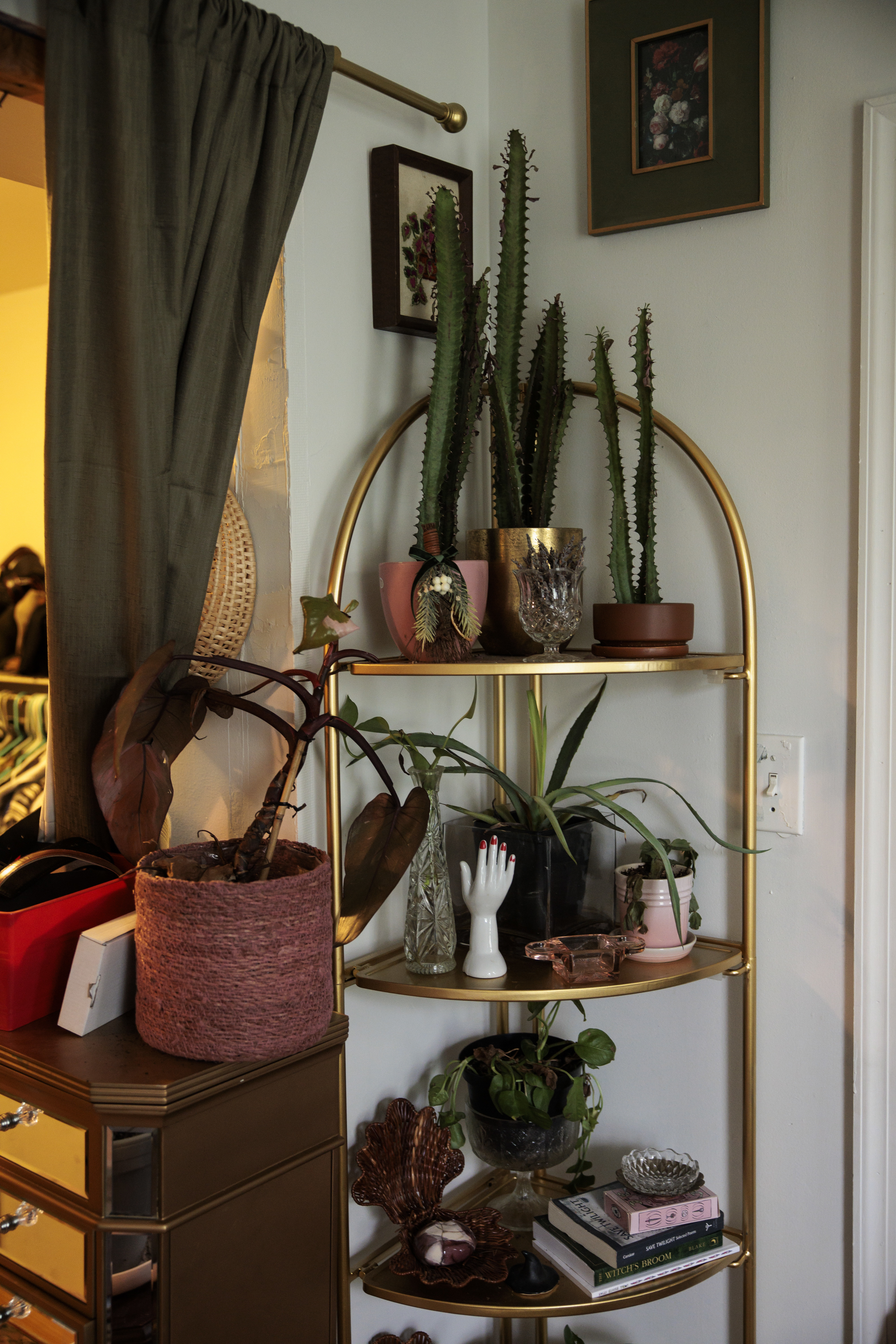
    Plants fill a corner shelf. Monica Herndon / Staff Photographer

    The money: Maropis’ decision to buy was clinched when she learned she could withdraw money from her 401(k) to put toward her down payment. For three years she had been working for the consulting company GLG, contributing 7% of her salary to her 401(k), with an equivalent company match.

    “I always considered my 401(k) Monopoly money because I don’t really think my generation will ever be able to retire,” she said. She ultimately withdrew $11,000 from her retirement account to buy the house.

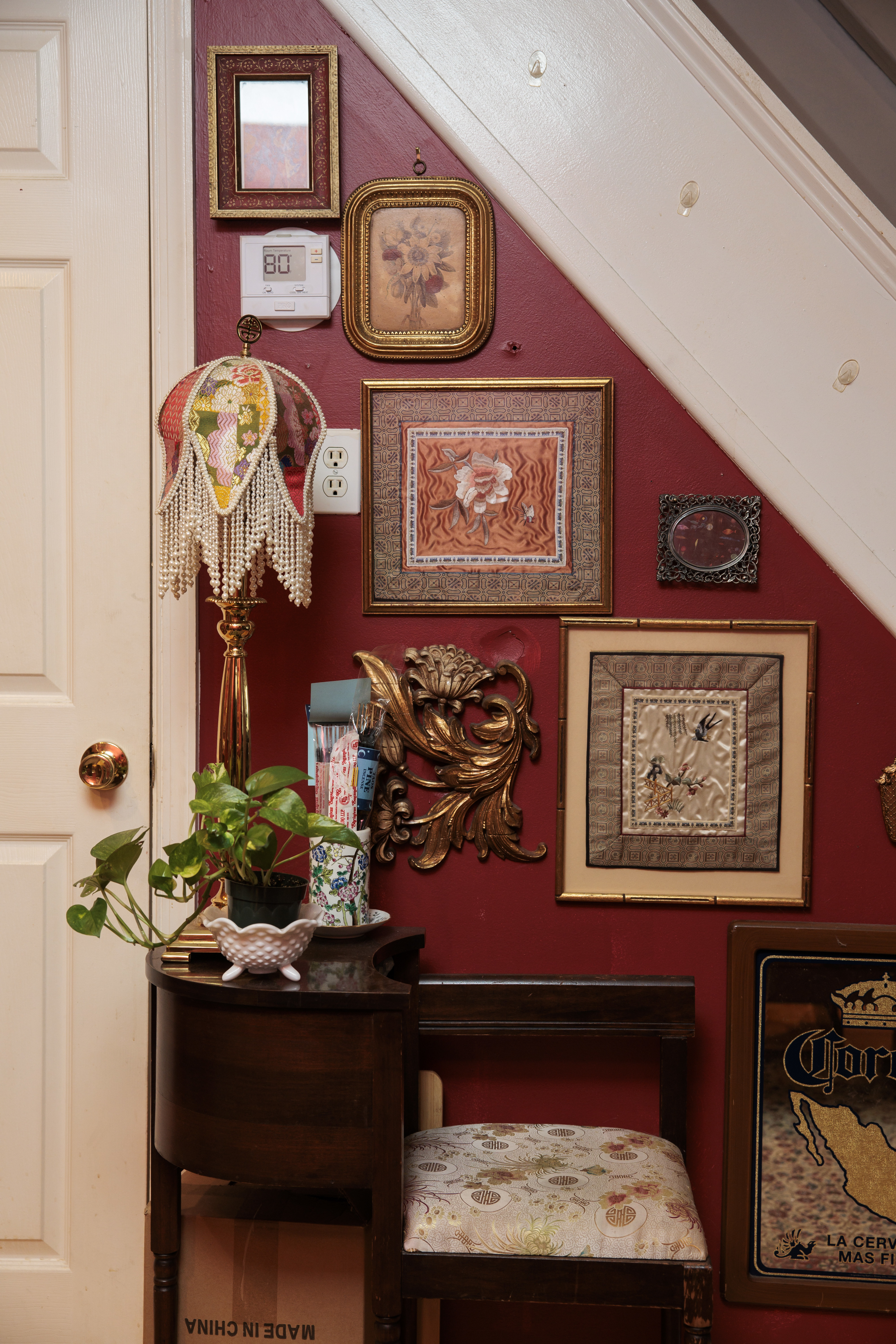
    Maropis described her style as Victorian modern; she felt the house had an “old-school feel.” Monica Herndon / Staff Photographer

    She then used her end-of-year bonus to put down an additional $5,000, bringing her down payment to 6%. She secured a Federal Housing Administration (FHA) loan for the rest, with an interest rate of 6.2%. Because of the seller’s assist, she paid only $2,100 in closing costs.

    She wanted to keep her monthly costs under $2,000, but ended up paying $2,200 per month until she refinanced in winter 2024, bringing her monthly payments down to $1,800.

    The move: Maropis closed on the house at the end of March 2023, two days after her 26th birthday.

    She moved in two weeks later, with the help of Broad Street Movers and her dad, who had flown in from Texas.

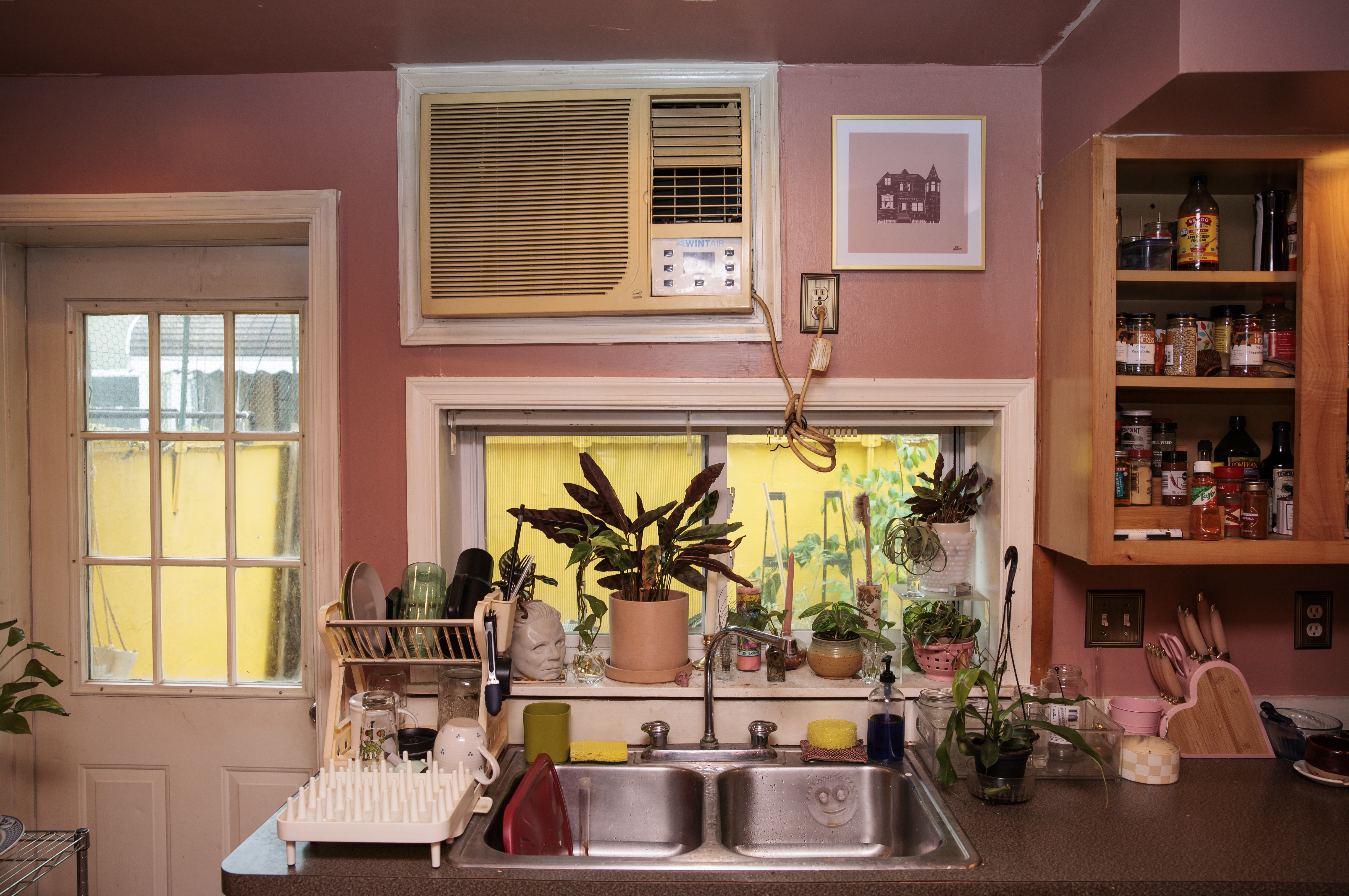
    Maropis said her next project is a renovation of the tiles, countertops, and appliances in the kitchen. Monica Herndon / Staff Photographer

    Life after close: Maropis’ life as a homeowner began with hours of scrubbing. She hired a contractor to tear out the carpets and replace them with luxury vinyl plank, but he did a shoddy job, and the vinyl is already peeling.

    Three months after moving in, she was laid off, which scuttled some of her financial plans. She had aimed to pay back her 401(k) from her salary that same year but instead owed a small tax penalty.

    Still, she’s thrilled with her home and the community it brought her. Her now-husband moved in with her in 2024, and they share two cats, Daddy and Little Cat. Grumpy’s Tavern is nearby, and she says the dive bar regulars are like her neighbors.

    Her next big project will be renovating the kitchen, replacing the counters, tiles, and appliances.

    “The progress of this house,” she said, “is one of the things I absolutely love the most.”

    Did you recently buy a home in the Philadelphia area or South Jersey? Share the story of how you did it. Email Inquirer real estate reporters at properties@inquirer.com.

  • VA loan helped two 23-year-olds buy a home in Germantown | How I Bought This House

    VA loan helped two 23-year-olds buy a home in Germantown | How I Bought This House

    The buyers: Mia Spolansky, 23, U.S. Air Force active duty military personnel, and Annabel Harp, 23, daycare worker and early childcare assistant

    The house: A 784-square-foot home in Germantown with two bedrooms and one bathroom built in 1950.

    The price: Listed for $250,000, sold for $265,000.

    The agent: Christine Mantwill with REMAX

    The ask: Mia Spolansky, originally from Willow Grove, and her partner, Annabel Harp, originally from Hagerstown, Md., were ready to move out of their one-bedroom rental apartment in Mount Airy and buy their first home. They both liked the area’s access to nature for running and biking in Wissahickon Valley Park, plus a location that allowed for easy commuting to their jobs. They didn’t want to stray too far.

    The kitchen in Mia Spolansky and Annabel Harp’s home in Germantown.Allie Ippolito / For The Inquirer

    “We were looking to buy in Mount Airy,” Spolansky said. “Those prices were out of our range, so we decided on Germantown.” They started their search in November.

    The search: Harp and Spolansky began touring homes in East Germantown with their real estate agent. They wanted to be efficient with their space, so they narrowed the search to smaller homes. They were seeking a rowhouse for both the neighborly feel and value.

    “A lot of detached homes were out of our price range,” Spolansky said.

    They also wanted an older home “with some character” but with modern amenities. They toured six houses and all of them felt too large or had issues. Their agent helped Spolansky access the multiple listings sites used by real estate professionals so she could browse, and one house caught her eye.

    The appeal: With their agent’s help, Harp and Spolansky went to see the house that day. It was a two-bedroom with a front patio and backyard, which was not yet on the market.

    When they visited, they were delighted that “the neighbors actually came up and introduced themselves,” Spolansky said, “We were like, whoa, this is an actual community.”

    The empty lot next to their home, which the pair uses to garden, growing peppers and cucumbers.Allie Ippolito / For The Inquirer

    The house was an older style with new appliances — exactly what they were looking for — and the owners had renovated both the bathroom and kitchen and installed central air and heat in 2021. “It was nicer than I grew up with,” Spolansky said. The couple put an offer in right away.

    The deal: Harp and Spolansky made an offer on a Thursday. The sellers had an open house scheduled for the following Saturday. The sellers said they would accept the offer and cancel the open house if the couple agreed to go $15,000 over asking to beat the potential offers they might get from the open house.

    Harp and Spolansky agreed and closed in mid-April.

    The money: They purchased the home for $265,000 after negotiation. They used a VA Home Loan of $270,000 and put 0% down. The mortgage interest rate is 5.625%. They received a $5,500 seller credit for some repairs needed. The closing costs were $1,780. The monthly payment is $1,834 with escrow, interest, and principal.

    The move: They moved in late May, with a two-month buffer period until the lease on the apartment ended.

    They used a moving company to ease the process, which helped, because the home had small doors and tight corners.

    The inspector had found some rotten floor joists in the basement, but after move-in, the couple realized there was water getting in as well. They brought in a masonry company to waterproof the wall and added a chimney liner when their carbon monoxide detector started going off. They also had some electrical and AC issues.

    The dining room in Mia Spolansky and Annabel Harp’s home.Allie Ippolito / For The Inquirer

    “I’ve only ever lived in rentals,” Spolansky said. “My family doesn’t have experience with upkeeping a house. I think having a buddy or known contractor come on the inspection would’ve been helpful, especially for negotiations because I didn’t know how much it costs to put in a chimney liner.”

    However, the pair remain satisfied with their choice and their ability to manage repairs themselves, rather than rely on a landlord.

    Life after close: The couple and their cat, Morty, have adjusted well. After living in a one-bedroom, they love the space, including their backyard and front porch, especially in the summer for barbecuing and being outside. The Wissahickon is a five-minute bike ride away. The rowhouse is exposed on one side to an empty lot, which the pair uses to garden, growing peppers and cucumbers they got from their neighbors. They especially love the community.

    “We go to parties, clean up the block, do community events,” Spolansky said. “I never had that before. Knowing our neighbors has been the biggest plus. Having good neighbors, you can’t replace that.”

    Did you recently buy a home in the Philadelphia area or South Jersey? Share the story of how you did it. Email Inquirer real estate reporters at properties@inquirer.com.

  • They sold two Wildwood vacation condos, then found their dream split-level in Brigantine | How I Bought This House

    They sold two Wildwood vacation condos, then found their dream split-level in Brigantine | How I Bought This House

    The buyers: Nick Matteo, an accountant, and Sandy Matteo, a nurse, both 63.

    The house: A 2,282-square-foot split-level coastal colonial with 3 bedrooms and 2½ baths built in 1993.

    The price: Listed for $699,000; purchased for $650,000.

    The agent: Maria Sacco Handle, Berkshire Hathaway HomeServices Fox & Roach-Margate

    The ask: The Matteos were ready to sell the home in Willow Grove where they raised their family to fulfill the dream of moving year-round to the Shore. They wanted a place that their children and grandchildren would want to visit and that would combine their love of the Shore during the summer with enough year-round community appeal.

    “By the time I was 58, I was trying to convince my wife to move down there full time in Wildwood,” Nick said. “That took a lot of convincing.”

    Nick and Sandy Matteo wanted a home that combined their love of the Shore with enough community to keep it interesting all year long. Vernon Ogrodnek / For The Inquirer

    The search: The Matteos shared two condos with another family in Wildwood and initially focused on the Wildwoods in their search. But people kept talking to Sandy about the charms of Brigantine.

    “People were telling us that you’ll get much better value than you would in Wildwood,” Sandy said.

    They were very close to making an offer on a house in Wildwood, when Sandy decided they should drive back up the Garden State Parkway, down the Atlantic City Expressway, and over the bridge to Brigantine.

    “We looked at 10 houses in two days in Wildwood,” Nick said. “We found one we thought we liked, looked at it the second time, and put a bid in for $130,000 less than the asking price of $880,000. The offer never made it to the seller.”

    In Brigantine, they fell immediately in love with a split-level house facing the golf course with a for sale sign out front.

    “It was 5:30 p.m., and I looked on my phone and saw a couple places, and we drove by here,” Sandy said. “I said, ‘This is the one.’ ”

    They called the listing agent from out front of the home, and she offered to show it to them the next day. “I said, ‘No, we’re about to buy a house. Can you show it to us, you know, any chance tonight?” Sandy recalled.

    “She said, I’ll be there in 15 minutes.’”

    Nick and Sandy Matteo were in love at first sight with this Brigantine split-level. They called the real estate agent from the car. Vernon Ogrodnek / For The Inquirer

    The appeal: Although the house needed some upgrades, it immediately spoke to them, combining the Shore location, across from Brigantine’s golf course, with the sturdy bones of a year-round house. “We went from one split-level to another,” said Nick.

    “We came in and I saw the staircase, and the fact that it was all split-level, I just love that,” Sandy said.

    The deal: The house was listed for $699,999, and they offered $600,000. The seller came back at $650,000, which they accepted. The seller, whose sisters had lived in the house, later offered a $1,000 credit for the non-working oven.

    The money: Nick says that once he was able to sell the shared condos in Wildwood, one for $450,000 and the other for $569,000, the couple cleared enough money to start their search. They started with a budget of $800,000.

    Selling their family home in Willow Grove, which they’d bought in 1992 for $152,000, meant they would be able to pay off the mortgage soon after closing. But to get there, they first put 20% down, and the rest in a 6.25% mortgage. Once the money from the Willow Grove sale comes in (sale price was $640,000), Nick says they will pay off the Brigantine mortgage.

    “Brigantine was economical for us,” Nick said. “It will allow us to maybe buy other things, like a pontoon boat.”

    The move: They closed on the Brigantine house May 29 but didn’t make the full-time move until July 16, after their Willow Grove house sold. Sandy went down first with the movers.

    Life after close: The first week after they moved in, the drains backed up with seaweed and other unappealing things, requiring an urgent visit from the plumbers from Zoom Drain. The oven needs replacing, and the Matteos are awaiting the installation of a new deck, a hot tub, and new shrubbery out back. They’d like to freshen the facade and get to some other upgrades, like central air, but have discovered the near impossibility of getting contractors down the Shore in summer.

    The oven is one of the things that needs to be replaced or updated at Nick and Sandy Matteo’s Shore house. Vernon Ogrodnek / For The Inquirer

    Despite those challenges, the family is ecstatic. Their son, daughter-in-law, and 6-month-old grandson claimed a sunny upstairs room with a bay window, and everyone is raving about the view of the golf course and community garden across the street.

    “My kids are elated,” Nick said. “They want to come down every weekend. My daughter-in-law said, ‘I’m going to bring the baby, and I’m going to set up shop down there.’ That was just the home run.”

    They’ve been warned about Brigantine’s notorious buzzing greenheads, but otherwise think they’ve found a warm and active year-round community, with Atlantic City right over the bridge if they need any excitement. The beach is just a few blocks away.

    “I love it,” Sandy said. “It’s a true community.”

    Did you recently buy a home in the Philadelphia area or South Jersey? Share the story of how you did it. Email Inquirer real estate reporters at properties@inquirer.com.

  • He thought buying a house meant leaving Philly. He was proven wrong in East Falls. | How I Bought This House

    He thought buying a house meant leaving Philly. He was proven wrong in East Falls. | How I Bought This House

    The buyers: Eric Murchison, 35, vice president and commercial loan officer

    The house: A 2,617-square-foot townhouse in East Falls with 4 bedrooms and 3 baths built in 2025.

    The price: Listed for $525,000; purchased for $490,000.

    The agent: Marvin Capps, Marvin Capps Realty, Inc.

    The kitchen of Murchison’s new East Falls townhouse.Jessica Kourkounis / For The Inquirer

    The ask: The idea of buying in Philly had begun to feel impossible to Eric Murchison.

    Born and raised in North Philly, he’d watched prices in the city skyrocket for years, convincing him that in order to own a nice home, he’d need to move somewhere like Texas. He’d already begun telling friends that he’d be gone within two or three years.

    But when a work client urged him to think about buying in his home city — Why would you leave your hometown? Why not own a piece of it? — he began to think seriously about the possibility.

    “I kind of couldn’t sleep at night after he said that to me,” Murchison said.

    What he was looking for wasn’t extravagant. He wanted a garage and a rooftop space, along with a separate bathroom for his 16-year-old daughter — which he didn’t have in his rental in Bala Cynwyd. And to be “in an area where you could visually see that developers are in this space.”

    He hoped to find all that under $500,000, even as his real estate agent tried to temper expectations.

    “When I said ‘under a half-million,’” Murchison recalled, “he said, ‘Eric, are you kidding me? That’s [probably] not going to happen.’”

    Eric Murchison, 35, on the front steps of his new East Falls townhouse.Jessica Kourkounis / For The Inquirer

    The search: By his own admission, Murchison’s search was “very spontaneous and random.” He’d see a potential home while searching online during his lunch break and decide to go check it out.

    One — a duplex near Temple University — was well over his budget, at $750,000. (He’d liked the idea of buying a duplex and renting out one of the units while living in the other.)

    Another home he liked in South Philly was priced around $550,000, with no wiggle room. “The guy just was not budging on the price,” Murchison said.

    Discouraged, he let his property manager know that he was renewing his lease for the following year.

    The primary suite includes a walk-in closet.Jessica Kourkounis / For The Inquirer

    The appeal: The first time he came across his future home was on Zillow. It was also on his drive to work, so he’d passed it on his commute, admiring the newly constructed townhouses.

    But when he randomly met the developers through work, he said, it felt like kismet.

    The development was across from a cemetery and a bit over budget at $525,000. But it was just a 10-minute drive to Center City and a half-mile walk to Kelly Drive, where Murchison liked to go running. He liked the neighborhood, too, which he felt was poised for a boom.

    Murchison turned one of the home’s four bedrooms into an office and meditation space.Jessica Kourkounis / For The Inquirer

    Because it was a newly constructed home, it was part of a city program that provides a 10-year tax abatement to buyers who bought into certain new construction projects in the city.

    “But what ultimately made me move on it was that feeling like, ‘This feels like it could be home,’” he said. “I remember having that feeling, and seeing my daughter, envisioning us like having popcorn and watching TV, and I kind of had in mind where I could put the furniture.”

    By the time he toured a second time, he was sold.

    The first floor of Murchison’s new townhouse. At 2,617 square feet, it’s more than twice the size of his previous rental. Jessica Kourkounis / For The Inquirer

    The deal: Listed at $525,000, Murchison initially offered $480,000 before settling on $490,000, with a 6% seller’s assist.

    Though it was a new home, an inspection turned up some minor issues — a loose faucet and a noisy kitchen range fan — that the developer agreed to fix.

    The money: Murchison was prepared to put 3% down on the new home. But when he inquired with another lender, he said, he was able to get a more attractive deal, in which a down payment wasn’t required.

    “I actually got a refund at settlement because I had the 6% seller’s assist,” he said. “So the only down payment was like transfer tax, closing cost, all those things.”

    Today, his mortgage is $3,400 — $400 more than his previous rent — and because of the tax abatement, he pays just $68 a month in taxes, he said, instead of the roughly $500 he’d otherwise owe.

    The primary bathroom in Murchison’s new townhouse.Jessica Kourkounis / For The Inquirer

    The move: With the money he was able to save by not putting down the 3% down payment, he was able to pay for movers, plus a nice dinner for his first night in his new home.

    He moved in the same day he closed on the home. “I closed Feb. 6, I think at like 10 a.m., [and] the movers were done by 1 p.m.,” he said.

    Life after close: At more than 2,500-square-feet, the new home dwarfs Murchison’s previous rental, which was about 1,000 square feet.

    In addition to bedrooms for both him and his daughter, he also has a meditation/prayer room.

    Eric Murchison’s daughter’s bedroom in his new East Falls townhouse.Jessica Kourkounis / For The Inquirer

    So far, he’s had one small renovation project done — removing some shelving in a hallway between his bedroom and bathroom — with plans to make two more improvements in the not-too-distant future: adding a sauna, as well as some shade to the rooftop.

    He considers himself “very happy” with his new home, and hopes his story inspires other Philadelphians that homeownership in the city remains possible.

    “People need to know — especially Philadelphia natives who think they have to leave — like, hey, if you have a good real estate agent and you have creative financing, you might as well buy.”

    A rooftop deck is one of amenities Murchison was seeking in his new home. He got it.Jessica Kourkounis / For The Inquirer

    Did you recently buy a home in the Philadelphia area or South Jersey? Share the story of how you did it. Email Inquirer real estate reporters at properties@inquirer.com.

  • Buying Haddonfield home was ‘one of the greatest accomplishments of my life’ | How I Bought This House

    Buying Haddonfield home was ‘one of the greatest accomplishments of my life’ | How I Bought This House

    The buyer: Amanda Caroccio, 41, child and adolescent psychiatric nurse-practitioner

    The house: A 966-square-foot home in Haddonfield with two bedrooms and two bathrooms built in 1924.

    The price: Listed for $385,000, sold for $407,500.

    The agent: Christy Oberg, Weichert Realtors

    The ask: Amanda Caroccio, originally from Ocean City, N.J., was living in an apartment in Haddon Township when she reevaluated her long-term goals and decided she wanted to buy a home for her and her daughter, Giuliana, 8.

    Amanda Caroccio (right) thought owning a home was out of reach for her as a single mom to 8-year-old Guiliana. She’s proud of her home in Haddonfield.Allie Ippolito / For The Inquirer

    “Owning a house had always been in the back of my mind, but as a single mom, for a long time I didn’t think it was going to happen,” said Caroccio. She had money put away, but in September 2024, she began working overtime to build savings.

    “There were months where I worked every single day,” she said. She cut out spending, including shopping and dinners out, except for special occasions.

    The search: Education was Caroccio’s top priority for home location, and she was impressed with the Haddonfield School District. “My main goal was Haddonfield,” she said, “but I was open to Haddon Township.” Caroccio started searching in February 2025, hoping to beat the spring competition. Her budget was up to $600,000, but she was looking for something small to keep expenses down. “I wanted something that didn’t need a significant amount of upgrades,” she said.

    Caroccio installed new carpet in the two bedrooms. Allie Ippolito / For The Inquirer

    They looked at several twins which Amanda liked, but her agent pointed out that each one had some potential structural problems, and Caroccio worried about issues with the neighboring homes.

    The appeal: In mid-March, the house that she ended up buying went on the market. She saw it on Zillow, and texted her agent. It was exactly what she had been looking for. The house she’d found was in the center of downtown Haddonfield and walkable. Plus, it looked updated and like it would not need major renovations — a big priority in Caroccio’s search.

    “It was my version of hitting the lottery,” said Caroccio, “because it had every single thing on my checklist: updated, small, close to downtown, within walking distance of schools.” They toured it that night.

    The deal: Other people were interested, and the sellers asked for each bidder’s best offer. Caroccio offered $405,000. The sellers came back with a counteroffer of $410,000, and Caroccio negotiated to $407,500. The home inspector said that for a house built in 1924, it was in good condition. The builder-grade windows would need updating, and there were some issues with the back deck. She got a seller credit for some repairs needed, but, “nothing major.” They went under contract six days after it went on the market, and closed on April 11, 2025, only two months after Caroccio had started her search.

    The money: She purchased the home for $407,500 after negotiation. It was originally listed for $385,000. She received a $6,000 seller credit. She put $41,000 down (10%), and her mortgage interest rate is 6.625%. Her closing costs were $19,000. She received a $3,000 grant credit through the Freddie Mac ⁠Homeownership Preservation Foundation (HPF) BorrowSmart Access Program which she put toward closing costs. Her monthly payment is $3,021 with escrow, interest, and principal.

    The kitchen features stainless steel appliances. Allie Ippolito / For The Inquirer

    The move: To save money, Caroccio moved herself with the help of family, rather than using a moving company. “Because of the timeline with my apartment lease, I had about 10 weeks until I had to be out,” she said. She had to break her lease, paying a 1½-month rent fee, because the home-buying process had gone much faster than she’d imagined.

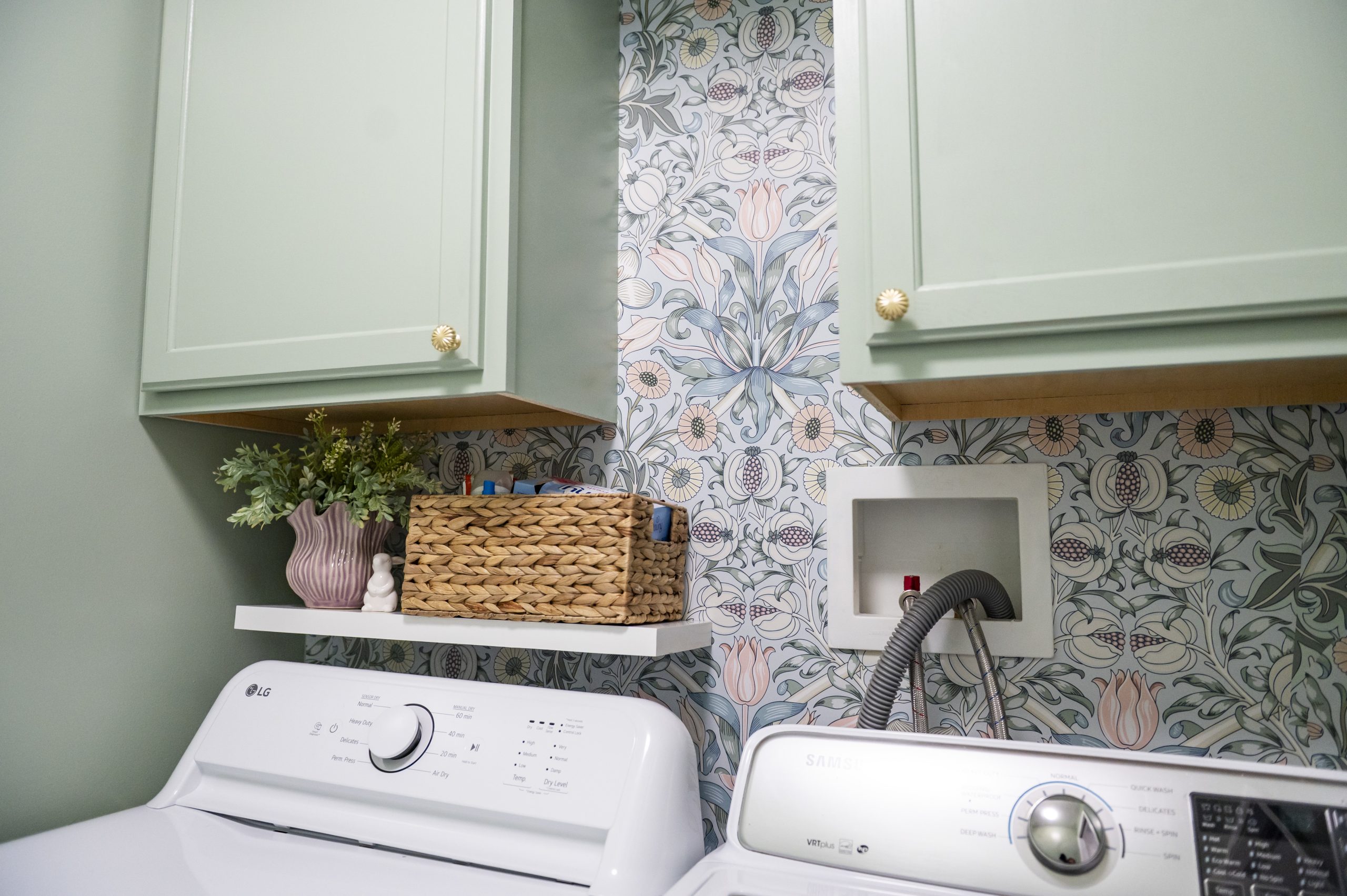
    She moved gradually, getting rid of old things, and making aesthetic upgrades to the new house. She hired people to install carpets in the bedroom, painted throughout, and hung Morris & Co. wallpaper in the laundry room. She also had the outdated builder-grade upstairs windows replaced after breaking one while painting. She and Giuliana moved in on June 30, 2025.

    Caroccio added floral wall paper to the laundry room.Allie Ippolito / For The Inquirer

    Life after close: After a year in their new home, Caroccio and Giuliana are settled in. Giuliana completed this past school year in Haddonfield. They adopted a dog, Simba, a Havanese. Caroccio has been pleased with the ease of upkeep, and with a manageable gas and electric bill over the winter, which allowed her to keep saving. Because it’s a smaller house, she said, “our cost of living is lower, so I’ve been able to meet all of our financial goals.” Her total mortgage payment is also less than what she was previously paying in rent.

    “Purchasing this home has been one of the greatest accomplishments of my life,” said Caroccio. “We could not be happier with this house.”

    Did you recently buy a home in the Philadelphia area or South Jersey? Share the story of how you did it. Email Inquirer real estate reporters at properties@inquirer.com.

  • He cut his rent by $2,000 a month. Then he bought a $165,000 house in Southwest Philly. | How I Bought This House

    He cut his rent by $2,000 a month. Then he bought a $165,000 house in Southwest Philly. | How I Bought This House

    The buyer: Dylan Foglesong, 28, program manager

    The house: A 1,150-square-foot townhouse in Southwest Philly with two bedrooms and two bathrooms built in 1925.

    The price: Listed for $180,000; purchased for $165,000.

    The agent: Kristie Bergey, Coldwell Banker

    The ask: Dylan Foglesong felt like he was overpaying for his apartment. He was spending $2,600 a month, plus utilities, for a two-bedroom place in Manayunk, and the money was going toward a place he would never own.

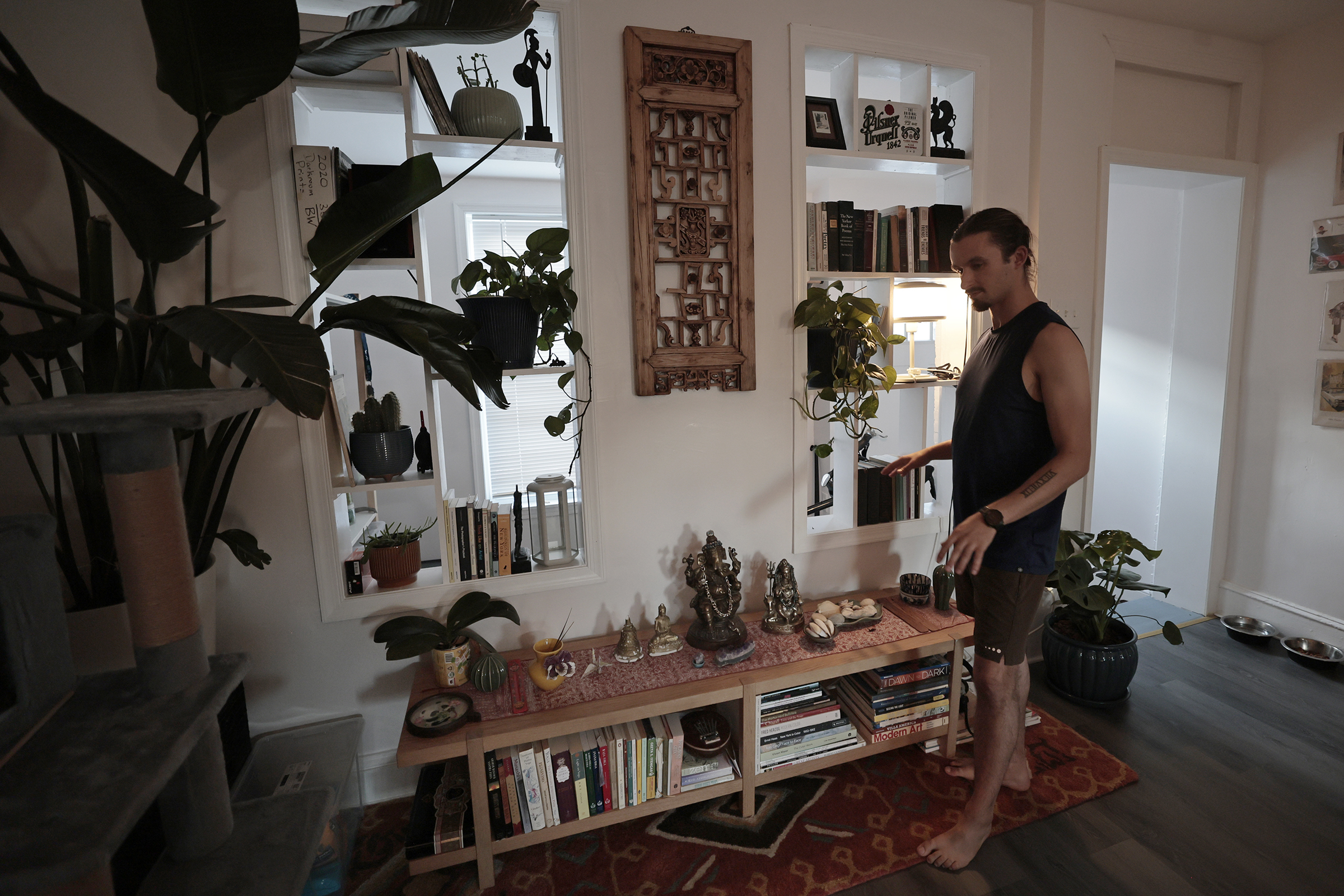
    Dylan Foglesong tends to an area he calls the shrine in his home.Elizabeth Robertson / Staff Photographer

    After six months, he paid the fee to break his lease and moved into a house with friends. His rent dropped to $600 a month, and because he was subletting month-to-month, he could leave whenever he wanted. He was saving more than $2,000 a month, and he realized he could put that money toward buying a house.

    Foglesong had a simple wish list. As an avid cyclist, he wanted to be near multiple bike paths. He also wanted outdoor space, two usable bedrooms, and a low price. He did not care about central air or polished finishes. “I just wanted a cheap place that worked,” he said.

    The search: Foglesong started searching in January, focusing on a small section of Southwest Philadelphia near Bartram’s Garden and the trail network along the Schuylkill. He wanted to remain close to Center City so he could bike to work.

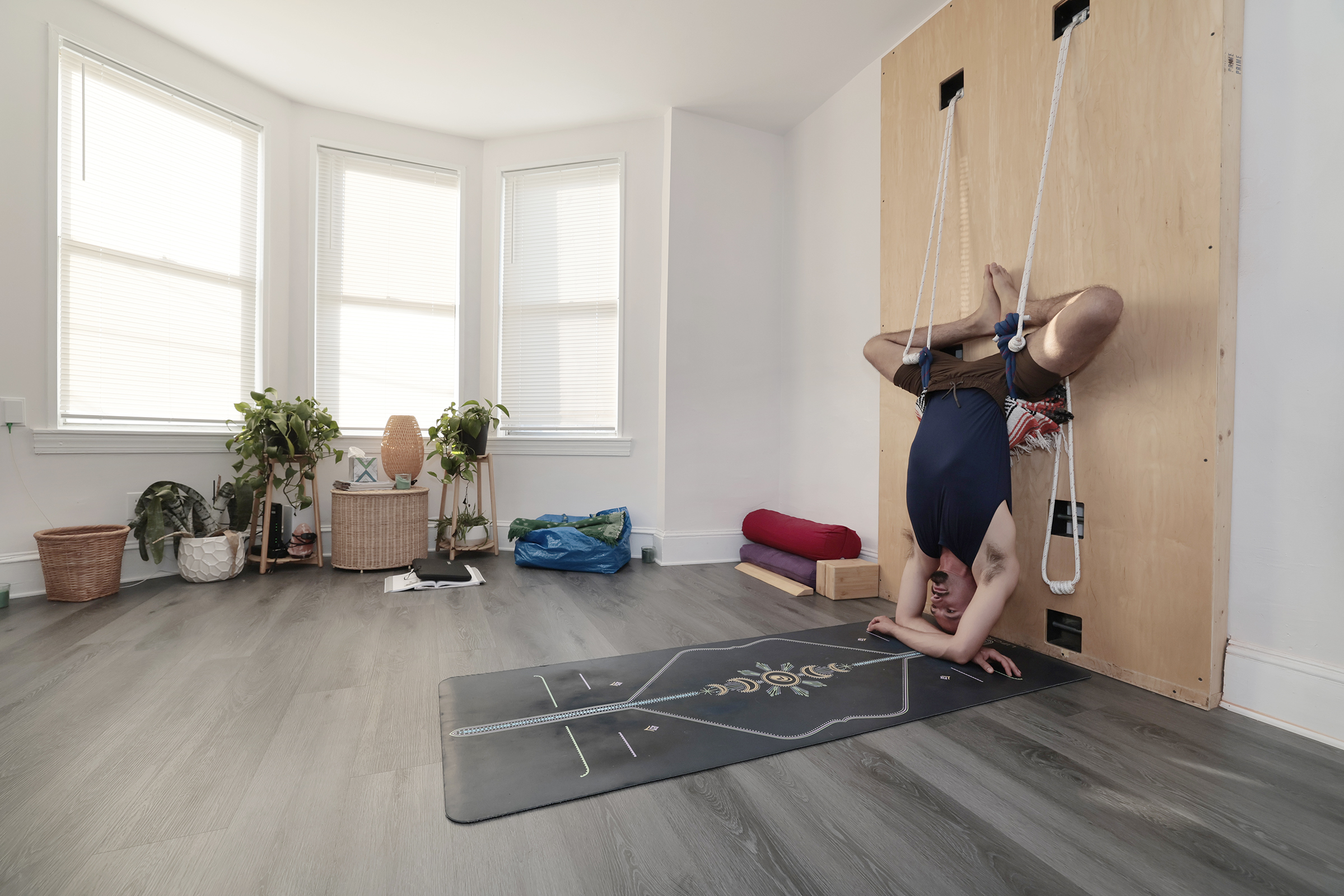
    Foglesong uses the rope wall to work out in the studio of his home.Elizabeth Robertson / Staff Photographer

    He saw five houses. The first one was in his ideal location, but the floors were scratched and coming up, the kitchen looked decades out of date, and the upstairs had the cramped three-bedroom layout he wanted to avoid. It would have taken too much work to reach a point where he was not “barfing every morning at how much of an eyesore it was,” he said.

    The only other serious contender had a large backyard, a clean basement, and an updated kitchen. But a quarter of the ceiling in one upstairs room appeared to be collapsing because of a leak. The house was listed for about $212,000. Foglesong offered $190,000, figuring he could use the difference to repair the roof, but the seller rejected the offer.

    The appeal: The fifth and final house had a great layout. Both rooms upstairs were large. It also recently had “a really thoughtful renovation,” Foglesong said. The updates included a new HVAC system and appliances, while the house also had a finished basement with high ceilings, outdoor space, and an enclosed front porch where he could store his bikes.

    Foglesong also liked the location on a quiet side street with little through traffic. “It’s on the kind of street that you wouldn’t drive down unless you lived there or you knew someone who lived there,” Foglesong said. Most of the houses on the block were occupied, which made the neighborhood feel established.

    Dylan Foglesong is reflected in a mirror that hangs, next to classic car ads, in the foyer of his home.Elizabeth Robertson / Staff Photographer

    The deal: The house had initially been listed for a little more than $181,000 before the seller lowered the price to $180,000. It had been on the market for roughly five months by the time Foglesong saw it.

    He offered $170,000 and asked the seller to contribute 3% toward closing costs. They declined the closing assistance but countered at $165,000. The lower price ended up saving Foglesong the same amount of money, so he accepted.

    The inspection was clean, save for one issue with the electrical. When Foglesong called Peco to arrange service, he learned that the house was not legally connected, even though the power was on. An electrical inspection found that the breaker box needed work, and the seller hired an electrician to set it up properly. But Foglesong still could not transfer the service into his name until the seller paid thousands of dollars in outstanding utility balances. The whole thing “seemed a little sus,” Foglesong said, but it worked out.

    The money: Foglesong put 3% down, or $4,950. Including his closing costs, he paid about $11,600 out of pocket to buy the $165,000 house. His mortgage rate is 6.25%. Today, his monthly payment, including property taxes, is $1,300.

    He already had some savings when he moved in with roommates, but the drop in rent allowed him to build the rest quickly. He estimates that he was saving nearly $3,000 a month. Within 3½ months, he had accumulated enough to cover the down payment and closing costs. “You take that little compromise for a couple of months,” Foglesong said about moving in with friends, “and all of a sudden you have $11,000 in your bank account.”

    The move: Foglesong closed in April and moved his belongings from the shared house into a 10-foot U-Haul. Everything fit in one load, and he completed the move over two days without hiring movers or asking friends to help.

    He managed it alone because he did not own much heavy furniture. His couch comes apart into sections, and he sleeps on a futon that he could fold and carry over his shoulders. For everything else, he improvised. “You put a blanket on the stairs, slide the furniture down,” Foglesong said. “You figure it out.”

    Life after close: At first, buying the house felt less momentous than Foglesong expected. He had imagined “a really grand, movie-montage sequence,” he said, but moving in felt much like any of the other moves he had made during his 10 years in Philadelphia.

    But as the weeks passed, the difference between his new home and the others became clearer. He was no longer paying rent for a place that belonged to someone else. He owned the house, and the monthly payment was within his budget. “It’s very grounding to wake up in a place that you can afford,” Fogelson said.

    The experience also reinforced his belief that young buyers may need to reconsider what they expect from their first home. “You have to be realistic about what you can access right now,” Foglesong said. “Your first house doesn’t have to be your dream home.”

    Editor’s note: This article has been updated to correct real estate agent Kristie Bergey’s name.

    Did you recently buy a home in the Philadelphia area or South Jersey? Share the story of how you did it. Email Inquirer real estate reporters at properties@inquirer.com.

  • His dream Shore house popped up on his phone over lunch at a Wildwood tavern | How I Bought This House

    His dream Shore house popped up on his phone over lunch at a Wildwood tavern | How I Bought This House

    The buyer: Jacob Wilson, 43, attorney.

    The house: An 800-square-foot two-bedroom, 1½-bath bungalow built in 1930 in Wildwood.

    The price: Listed for $444,000; purchased for $441,000.

    The agent: Marion Rowland, ReMax Surfside.

    The ask: Wilson lives in Venice Beach, Calif., but grew up in Wildwood and Atlantic County and missed the East Coast. When he was a toddler, the family lived at the Regency in North Wildwood, where his parents were the offseason managers. “It was around the time The Shining came out, and my aunt used to tease them about living there with my sister and me when the whole of Wildwood was shut down!“ he said.

    Wildwood was in his DNA for good. His dream was to buy a second home in Wildwood, a place with some old Shore charm, where he and the family could gather and revive traditions.

    The search: Wilson’s aunt is a local real estate agent in Wildwood, and they “combed the market for months,” he said.

    He put in an offer on a renovated triplex in Wildwood Crest toward summer’s end in 2024 but was outbid. “It got 12 other offers above the asking price,” Wilson said. “They were asking $575[000] I was willing to pay them $600,000.”

    After a day of house hunting in September 2024, the two sat down for lunch at the Dogtooth Bar & Grill. “We saw a listing two blocks away pop up,” he said. “We drove over to the house and started the process.”

    The appeal: As soon as he walked in the house, Wilson said he thought, “I know what I need to make this good.”

    The house checked a lot of boxes for him: charm, old-school bungalow feel, close to the ocean.

    Jacob Wilson added a dishwasher to the kitchen along with other improvements at his home in Wildwood.Vernon Ogrodnek / For The Inquirer

    “My mom’s been a Realtor in the area for 40 years,” he said. “She has a 1900 Victorian. I’ve always admired the work my parents did on that home. My cousin had a Craftsman bungalow. It reminds me of houses here in Venice.”

    Both Wilson and his aunt appreciated being able to buy an original property in Wildwood and not tear it down.

    “I have deep ties to Wildwood,” he said. “I really didn’t want to do that.”

    A house across from his was recently torn down and a triplex built in its place. Plus, his house has a backyard.

    “That just doesn’t exist anymore,” he said. “In the offseason, I can hear the waves from my backyard.”

    The deal: Wilson said he put in an offer for the asking price and beat two other offers. “The house sold in three days,” he said. The inspection revealed some termite damage, and the seller reduced the price by $3,000, he said.

    “The work to remedy the problem was estimated to be over $10,000,” he said, “and it cost me around $15,000 altogether with foundation work and pest treatment.”

    Because of the competitive environment, he said, “I took the $3,000 reduction to make the sale happen.”

    Jacob Wilson wanted his Wildwood property to feel “like a modern beach house” and was happy that the previous owners had redone the floors with light gray planks. Vernon Ogrodnek / For The Inquirer

    His aunt was proud of him for buying and preserving a house in Wildwood, he said, the place where two of his grandparents were born.

    The money: Wilson did it in a traditional way: 20% down payment, a mortgage with the local Ocean First Bank. “Kudos to Ocean First,” he said. “They don’t sell the mortgage.” His mortgage rate was 7%, higher due to its being an investment property, he said.

    Using the property part of the summer as a weekly rental and a longer-term winter rental covers his mortgage, he said. “I don’t really have too many out-of-pocket expenses,” he said. “Taxes are $4,000 a year. Utility bills a few hundred a month.”

    The move: There were some changes. He liked the way the former owners used gray plank boards to replace the original parquet wood that made it “more like a modern beach house.”

    But, Wilson said, “some things inside were a little too country.”

    “I wanted to make it more beachy,” he said. There was shelving in the doorways that he got rid of, and some closets that inexplicably had the doors removed and curtains put up. Luckily, he found the original doors in the attic and put them back on. He replaced the door knobs and repainted the entire interior.

    “The big thing that showed up was termite damage,” he said. “I had to do a lot of foundation work when I bought the place.” He replaced the old insulation with spray insulation, he said, and installed a dishwasher and new refrigerator.

    “A lot of things like that to make it look sharp,” he said.

    A cozy bedroom in the Wildwood bungalow. Vernon Ogrodnek / For The Inquirer

    Life after close: This will be his second summer using the Wildwood bungalow. He’s spending a month there over June and July and expecting a stream of visitors to revive old family traditions. He plans to block out more time for himself in the shoulder seasons.

    “It’s all kind of like nostalgia for me because we spent so much time there as a kid,” he said.

    “I had a lot of strong feelings about going back,” he said. “As an adult, I appreciate it more.”

    About six months after he bought the house, “Someone called me and asked if I was interested in selling it,” he said. No way.

    “Keeping it long term is my goal,” he said. “I feel like I made a good investment choice. No regrets.”

    Did you recently buy a home in the Philadelphia area or South Jersey? Share the story of how you did it. Email Inquirer real estate reporters at properties@inquirer.com.

  • A Chestnut Hill home was an ‘amazing deal,’ even with the cost of a new septic system | How I Bought This House

    A Chestnut Hill home was an ‘amazing deal,’ even with the cost of a new septic system | How I Bought This House

    The buyers: Rebecca, 43, surgical oncological nurse, and Ryan Taylor, 43, chief financial officer

    The house: A 3,250-square-foot home in Chestnut Hill with five bedrooms and 4½ bathrooms built in 1898.

    The price: $925,000. Originally listed for $1,100,000.

    The agent: Jacob Markovitz, Elfant Wissahickon Realtors

    Rebecca and Ryan Taylor’s home in Chestnut Hill became “an amazing deal” after they negotiated for repairs, the couple said. Erin Blewett / For The Inquirer

    The ask: Originally from Westchester, N.Y., and Wayne, respectively, Rebecca and Ryan Taylor have been in Chestnut Hill since they bought their first house there in 2017. They loved their other house — a 1920s twin off Germantown Avenue with beautiful architecture, and the place where they’d had their two children, Lily, 3, and Asher, 5. But they felt the need for more space.

    “We wanted property for the kids to run around, at least four bedrooms, and two-plus bathrooms,” said Rebecca.

    The search: The couple were on the lookout for a new house since they had their second child. But it had to be right, so they took their time exploring options. School districts were a big factor in their decision. “We hadn’t fully decided if we wanted to stay in the city or not,” said Rebecca.

    They toured a few houses in Glenside, but that didn’t feel like the right fit. Eventually, they decided they wanted to do whatever they could to stay in Chestnut Hill and upped their search in the area with their agent.

    The family of four wanted several bathrooms in their new home. This one has 4 and a half. Erin Blewett / For The Inquirer

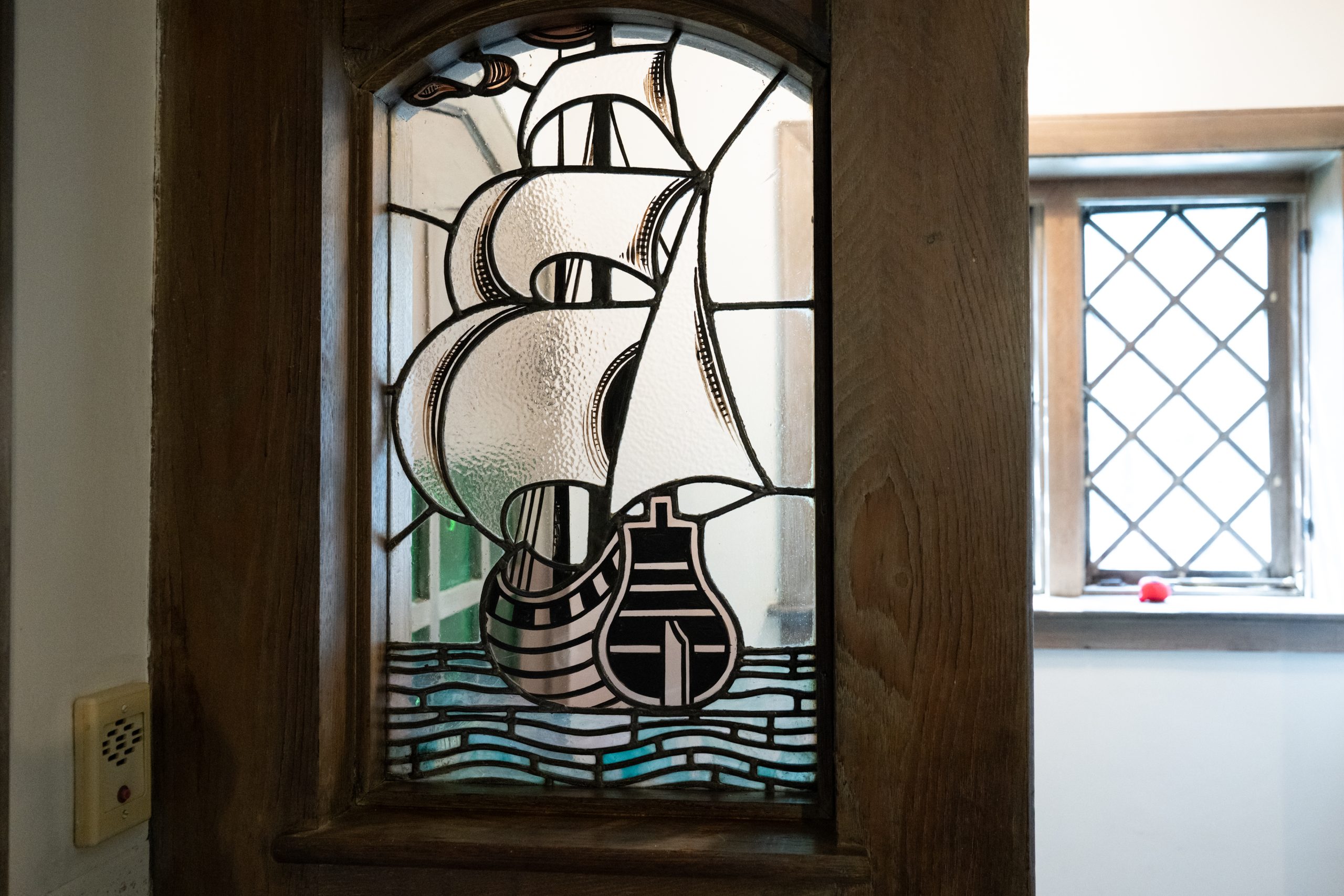
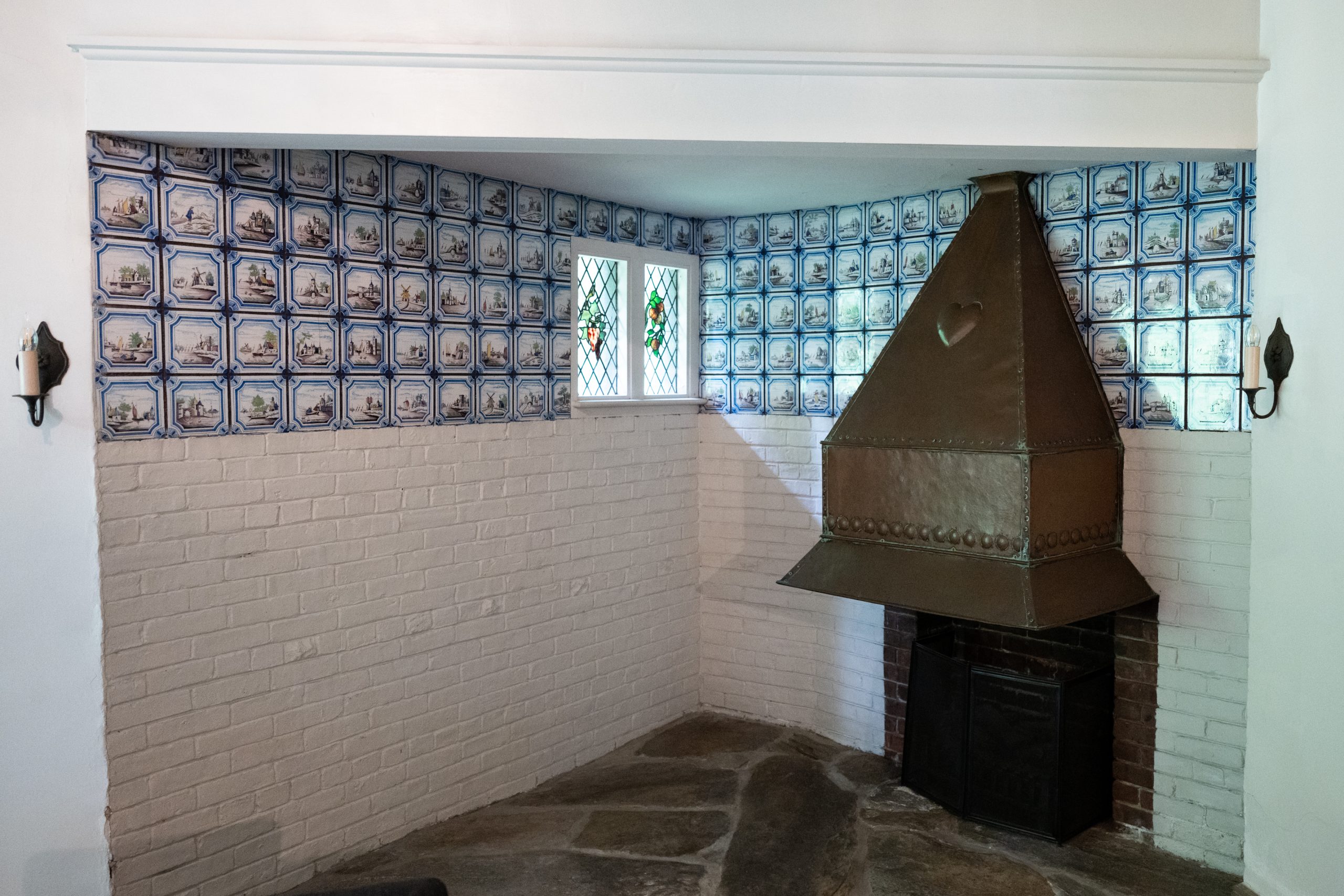
    The appeal: After two years of searching, their agent found a five-bedroom, 4½-bathroom house, listed in an estate sale. They both fell in love with the historical details: heart carvings in the stairwell, stained glass all over the house, as well as the Dutch tiling in the dining room.

    “There’s craftsmanship that you can’t find anymore,” Ryan said. “This house was built largely by hand 127 years ago.”

    Plus, the location was right: Chestnut Hill, with its small-town feel, city access, and plentiful nature.

    “The community with small children is huge,” she said. “There’s so many trees. You can hike in the Wissahickon, and Pastorius Park is right in town.”

    Equally important was public transportation. Rebecca’s commute on the Chestnut Hill West Line to Center City would take only 40 minutes.

    But the house was old and in need of repairs.

    The deal: The Taylors were surprised to find the house’s septic system was eroded, and they had to use a private septic system, rather than city water management. An initial evaluator told them they might not be able to put in a new septic at all.

    A nautical stained glass window in the front entryway of the Taylors’ home. The couple loved the historical details of the old home. Erin Blewett / For The Inquirer

    “That was scary. We backed out from the deal because we felt like, ‘Oh my God, this wouldn’t be a livable house.’ I mean, what would we do?” said Rebecca.

    When they took steps to walk away from the sale, their agent suggested they ask the sellers to drop $100,000 so they could figure out the issue. They agreed, and the sellers accepted their negotiated offer on the house in a verbal contract. The Taylors then listed their own home, which sold within a week.

    “We got an amazing deal on this,” said Ryan.

    The money: They purchased the home for $925,000 after negotiation. It was originally listed for $1,100,000. The mortgage rate is 6.625%. They borrowed $740,000 (80%). The down payment was $185,000, paid with the proceeds from the sale of their previous home, which they sold for $675,000. The closing costs were $42,500, and their monthly payment is $5,750 with escrow, interest, and principal.

    The move: They closed on Aug. 6, 2025, and moved in shortly after, going on a preplanned vacation to the beach the day after move-in. They immediately had the original quarter sawn floors refinished in white oak.

    Outdoor space for the kids and natural light were selling points in the Chestnut Hill home. Erin Blewett / For The Inquirer

    “The floors had a dark stain,” Rebecca said. “As soon as we did the floors, the whole house lit up.”

    They had a lot of work planned, including the new septic system, so they rented a house in Conshohocken for a month while the larger renovations were ongoing.

    Life after close: The house needed significant renovations and repairs, which Ryan estimated at $200,000 so far.

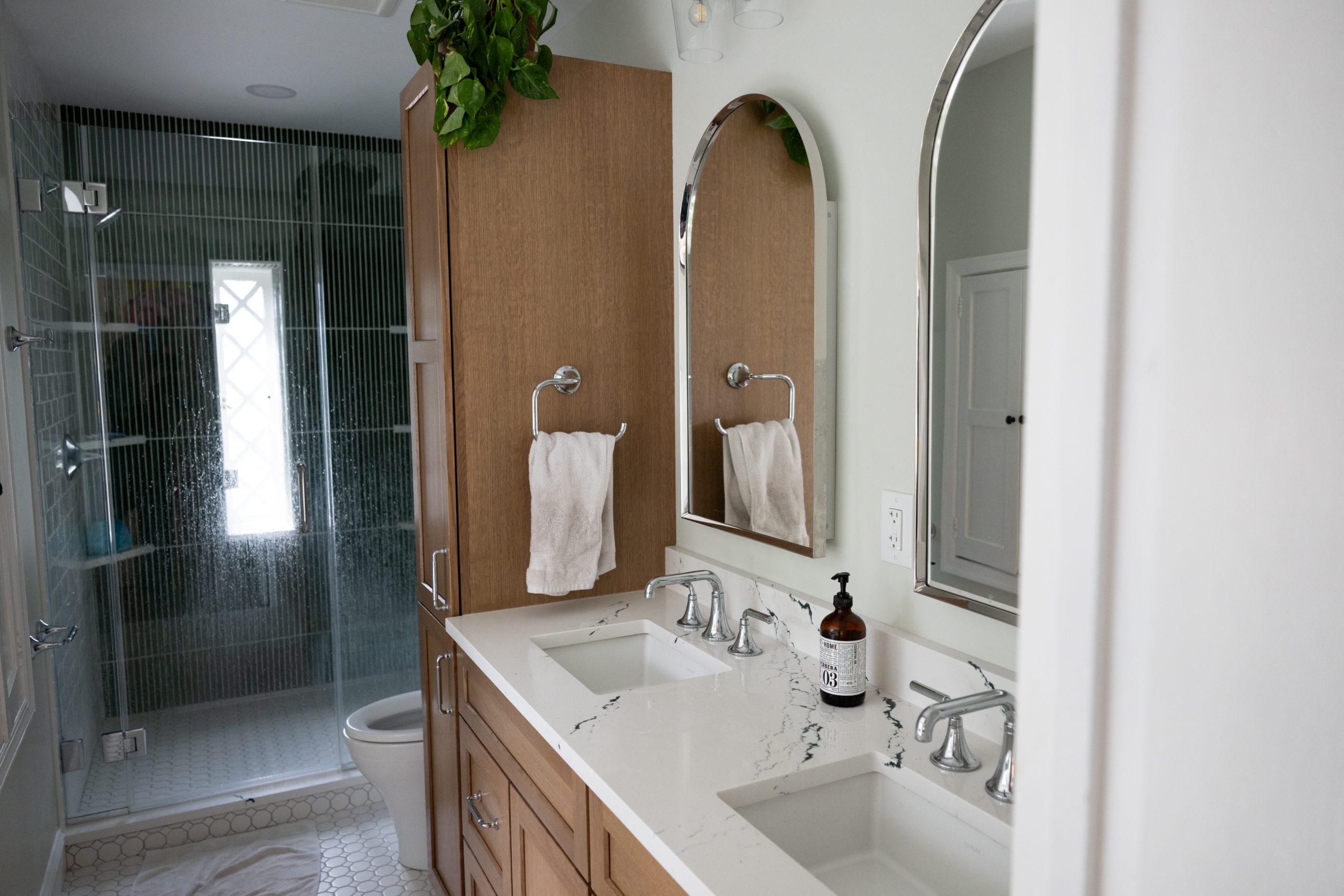
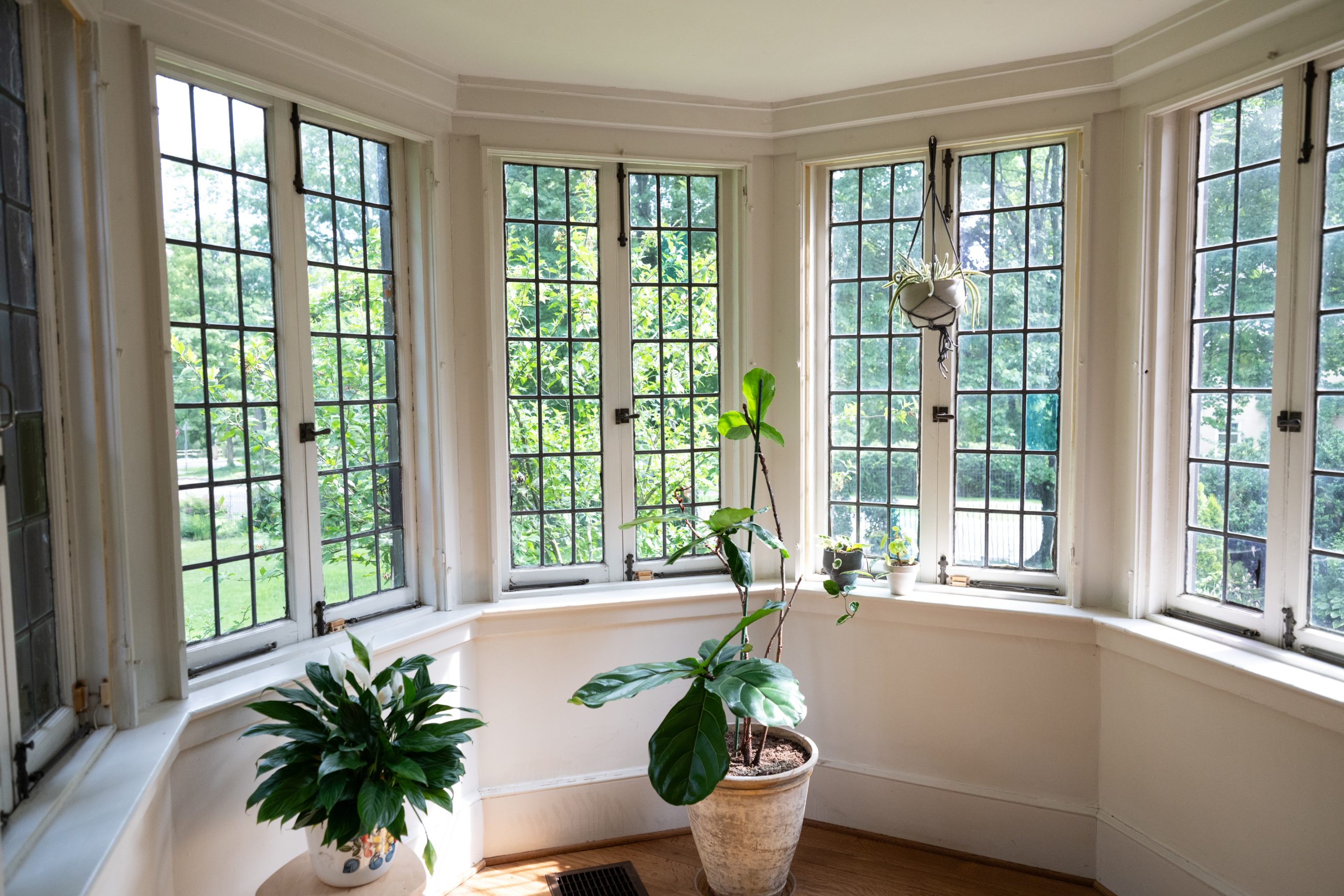
    Projects included asbestos removal in the basement, replacing the septic system, refinishing the floors, replacing the roof on the garage, renovating the kitchen, renovating the master bathroom, replacing the windows, landscaping with privacy hedges and tree removal, and converting a second-floor closet into a laundry room. The windows in the sunroom had been plastered over, so they exposed those. They wanted to make the bathroom feel luxurious with green tones and exposed the brick of the old stove in their kitchen.

    After investing in their first round of repairs, they find the home to be peaceful and idyllic, with trees and greenery outside and a natural flow inside. “It’s been a wonderful transition, a wonderful home. The house is just easy to live in,” said Rebecca.

    Details like Dutch tiles in the kitchen made the Chestnut Hill home appealing. Erin Blewett / For The Inquirer

    Did you recently buy a home in the Philadelphia area or South Jersey? Share the story of how you did it. Email Inquirer real estate reporters at properties@inquirer.com.