Tag: Hollywood

  • Eagles vs. Rams: A mystifying trend the Birds must fix, and everything else to know ahead of Sunday’s game

    Eagles vs. Rams: A mystifying trend the Birds must fix, and everything else to know ahead of Sunday’s game

    A normal NFL halftime typically lasts between 12 and 14 minutes, give or take, from the final first-half whistle to third-quarter kick.

    For Eagles coaches, it’s a pretty frenetic period. Offensive coordinator Sean Mannion takes an express ride on an elevator down from the coaches’ booth and gets together with his staff. They talk about the looks they’re seeing, the notes they’ve taken.

    “We quickly put together and chart our course for the second half, communicate it with the players, and then we’re out,” Mannion said Thursday.

    Nick Sirianni, who usually is pretty guarded, didn’t want to go into too much detail about the halftime routine when asked about it a day later. But he did mention that the idea is to be making adjustments on the fly between series as the game goes on.

    “That’s so important that they’re going through that process at that time because halftime, there may be certain things that you say, ‘OK, we can’t get that drawn up right,’” he said. “‘Hey, we want to put this in here. Hey, we can’t get that drawn up. Draw it up for halftime. We’ll put it in there.’

    “There are some things that are saved for halftime, but the majority of it is happening within the game.”
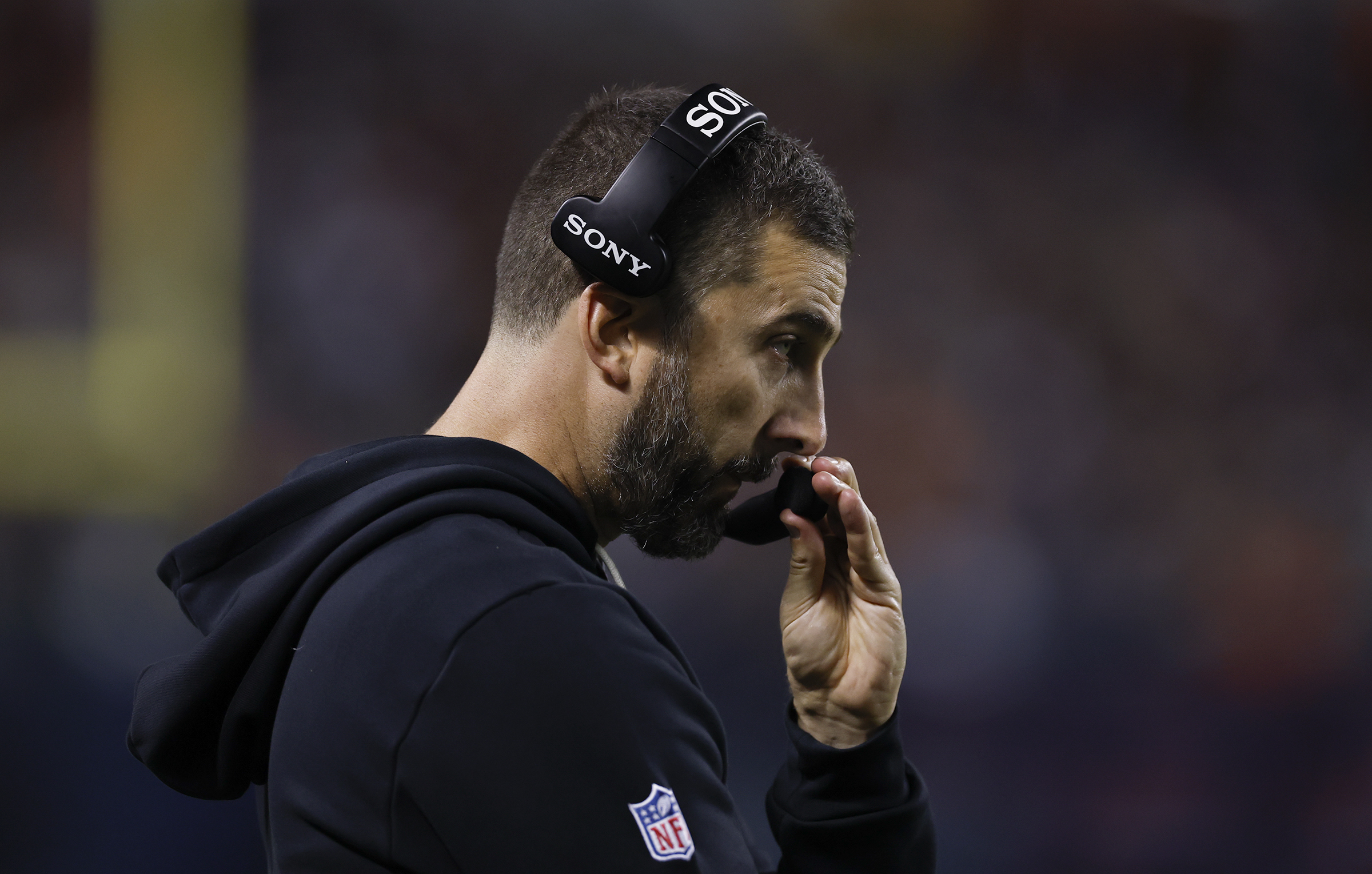
    Nick Sirianni and the Eagles are looking to bounce back after their first loss of the season.Yong Kim / Staff Photographer

    Regardless of when and how the Eagles are adjusting, whatever is happening at halftime might need a makeover. It’s only been three games, but no one is worse in the third quarter right now than the Eagles, who have eight three-and-outs on 11 third-quarter drives. That’s three more than anyone else in the NFL.

    There have been various reasons for each punt. No series is identical. The Eagles have had negative runs, negative swing passes, penalties, and other detrimental plays. But the play sequencing and planning certainly has contributed. It’s something Mannion, a first-time play caller, said the staff is trying to correct.

    “Certainly, as a staff and as a team, we’re working through getting better there,” Mannion said. “You hate to do a lot of nice things in the first half of some of these games and kind of fall into a rut in the second half.

    “We’re working at that. We’re attacking it each day to be better there coming out of halftime.”

    — @Jeff_Neiburg

    If someone forwarded you this email, sign up for free here.

    ❓Have a question you want answered in a future edition? Email us back for a chance to be featured in the newsletter.

    How to watch Eagles vs. Rams

    The Eagles and Rams kick off at 1 p.m. Sunday at Lincoln Financial Field. The game will be aired on Fox29 and called by the network’s top duo of play-by-play man Kevin Burkhardt and analyst Tom Brady. Erin Andrews and Tom Rinaldi are the sideline reporters.

    As usual, Merrill Reese and Mike Quick will have you covered for the local radio broadcast on 94 WIP.

    Looking to watch the game somewhere in the city with fellow Eagles fans? Here’s our latest list of places to watch.

    Final injury report
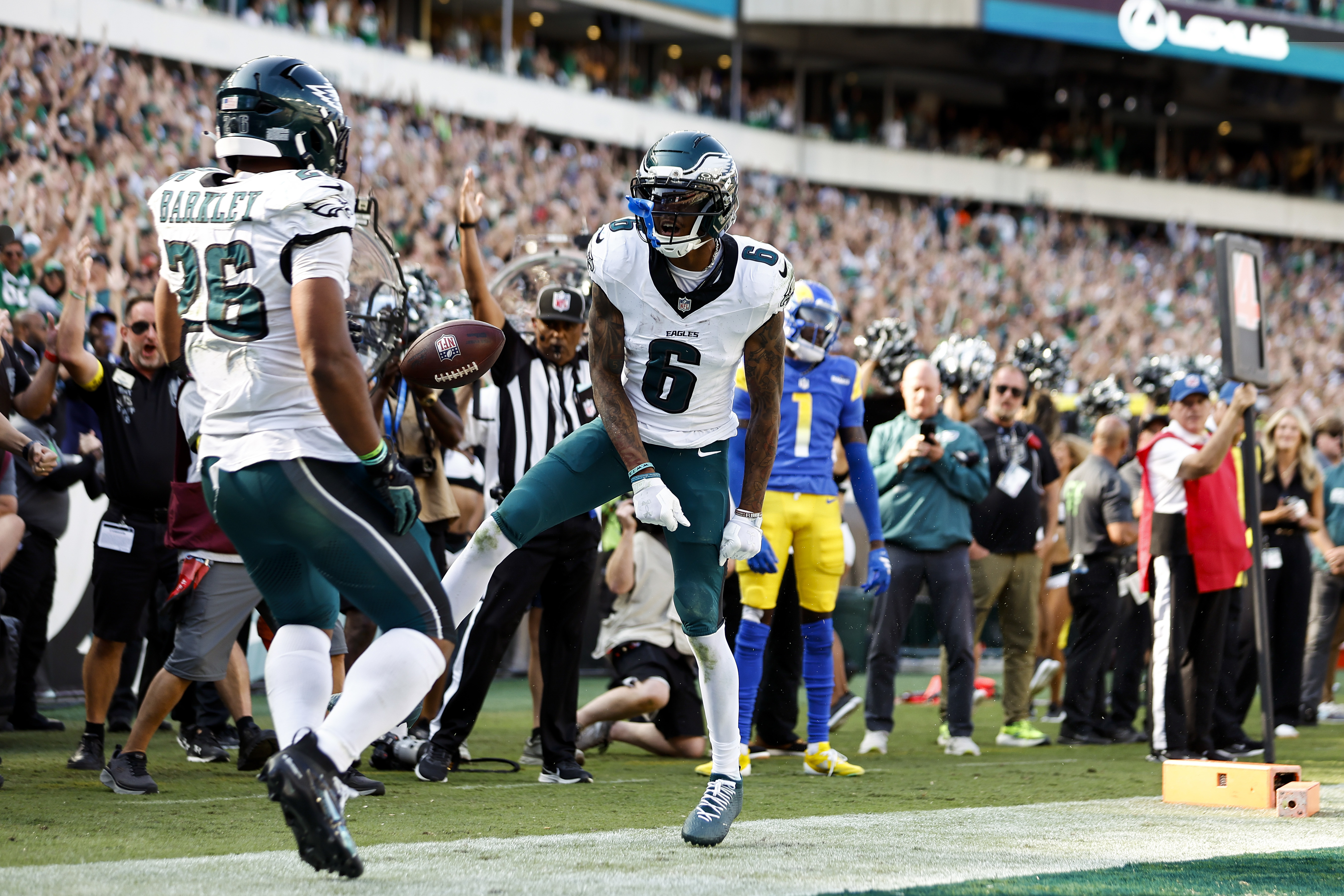
    DeVonta Smith scored a big fourth-quarter touchdown against the Rams last season, but he won’t be available for Sunday’s game — and likely longer.Monica Herndon / Staff Photographer

    Eagles

    Fixing the ugly third-quarter trend won’t get any easier with DeVonta Smith slated to miss Sunday’s game with a hamstring injury. He may be out beyond this week, too.

    The Eagles also will be without a key defensive starter in Zack Baun, who remains in the concussion protocol. Those absences mean Dontayvion Wicks is slated to be the No. 1 wide receiver on Sunday while Jeremiah Trotter Jr. is the next man up at linebacker.

    Out

    • WR DeVonta Smith (hamstring)
    • LB Zack Baun (concussion)
    • TE Dallas Goedert (knee)
    • S Marcus Epps (groin)
    • WR Hollywood Brown (ankle)
    • T Fred Johnson (knee)

    Rams

    Puka Nacua is on track to the return for the Rams, who, entering Week 3 and dating back to when he was drafted in 2023, were averaging 6.1 yards per play with Nacua on the field, compared to 5.1 yards when he’s off the field. But the big news of the day Friday came when Sean McVay ruled Aaron Donald (back) out.

    Donald came out of retirement and rejoined the team after training camp. His absence means Los Angeles is without two of the better defensive front-seven players in the NFL in Donald and Myles Garrett, who is on injured reserve with a knee injury.

    Out

    • DT Aaron Donald (back)
    • TE Terrance Ferguson (ankle)
    • CB Jaylen Watson (shoulder)

    Questionable

    • TE Colby Parkinson (shoulder)
    • OLB Josaiah Stewart (groin)

    Storylines to watch

    Smith’s absence is a big blow to the Eagles. In previous seasons, they have withstood the loss of Smith or A.J. Brown knowing the other would be out there. Can Wicks provide the same comfort? We’ll find out Sunday, and maybe next week in London, too.

    “Being me,” Wicks said Thursday when asked what gives him confidence he can thrive in a larger role. “I already had that confidence. Been had it.”

    The team’s best pass catcher being out comes at a pivotal time for an offense that needs to start putting things together. The Eagles haven’t successfully married their run and pass games the way they said they wanted to. The running game showed some signs of life in the first half on Monday night, and the Eagles will hope to build off of that Sunday.

    Our Eagles Week 4 preview show

    What went wrong Monday, and what can we expect Sunday vs. the Rams? Plus, what are the biggest concerns so far for the Eagles? I broke it down with my colleague Olivia Reiner earlier this week in our latest Gameday Central pregame show.

    Be sure to check out the latest episode of unCovering the Birds, including a fresh mailbag. And after the game, Ryan Novozinsky will be live from the press box breaking down the action.

    Latest Week 4 odds

    The Eagles are a home underdog for the first time since 2023. They were 10-1 when they hosted the San Francisco 49ers in Week 13 of the 2023 season. A 42-19 beat down at Lincoln Financial Field started a late-season collapse.

    Check out this week’s odds and props here.

    Eagles-Rams predictions
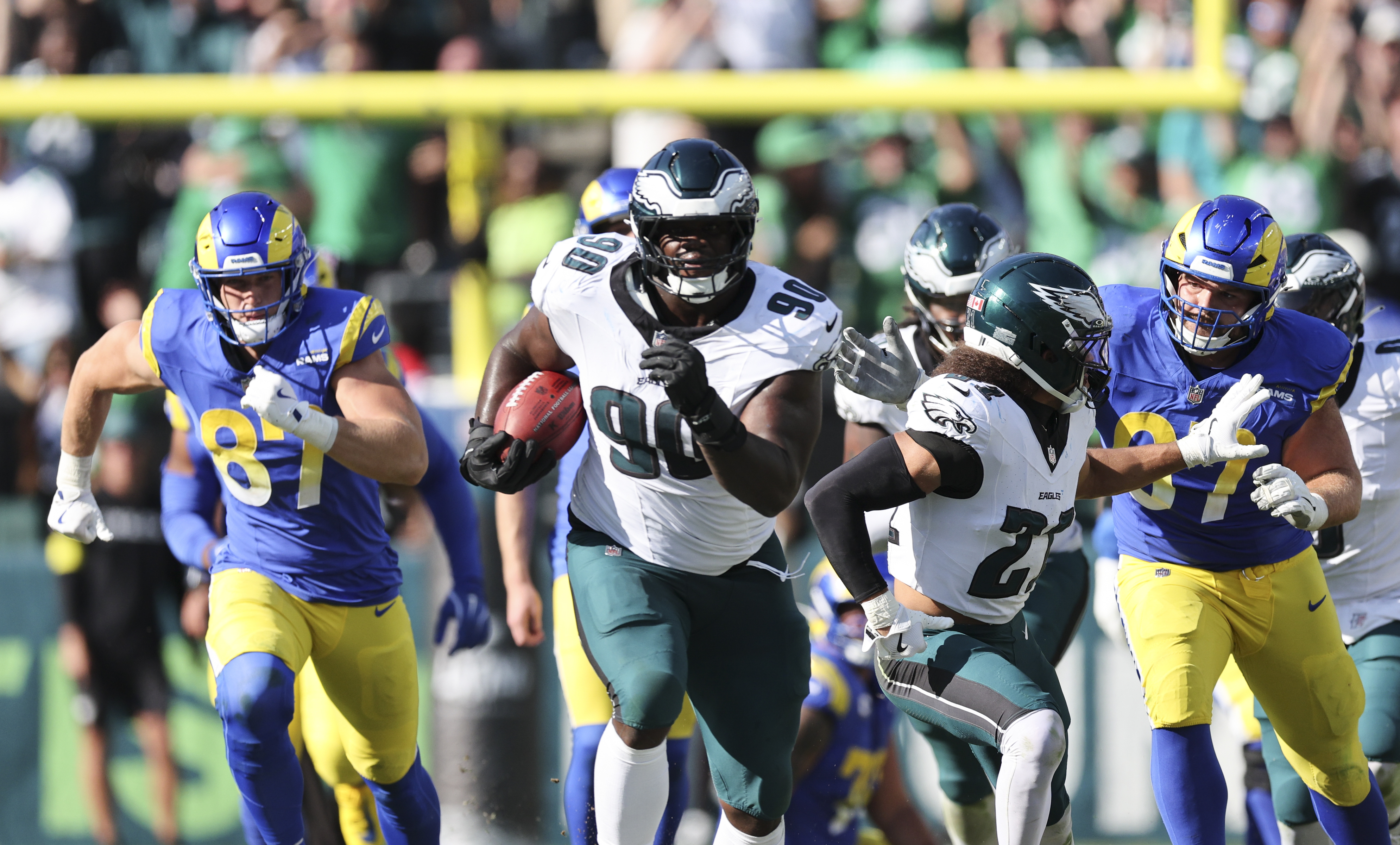
    Jordan Davis and the Eagles blocked a last-second field goal attempt last season to complete their comeback win against the Rams.David Maialetti / Staff Photographer

    A clean sweep, all by double digits. That means the Eagles probably win by two scores, right?

    Check out the reasoning behind our picks and McLane’s keys to the game. As for the rest of the country, here’s a look at the national media predictions for Sunday.

    One number to know

    32.9% — That’s DeVonta Smith’s target share through three games. Brandon Graham, now away from football and in the podcasting world, got some traction last week after the Eagles’ Week 2 win when he said he thought Jalen Hurts was playing freely and not having to force the ball to certain players.

    Maybe he meant the way the offense is designed gives Hurts more answers, or maybe he was referring to Hurts not having to force the ball to A.J. Brown. Either way, the numbers tell a different story. If Smith’s target share number holds up, he would have the highest single-season target share of any Eagles player since at least 2000, according to Next Gen Stats.

    Smith is slated to miss this week’s game and possibly next week’s in London. Goedert still isn’t back from injury. Hurts is going to have to put his trust in others.

    There are other numbers worth paying attention to this week, too.

    What the Eagles are saying
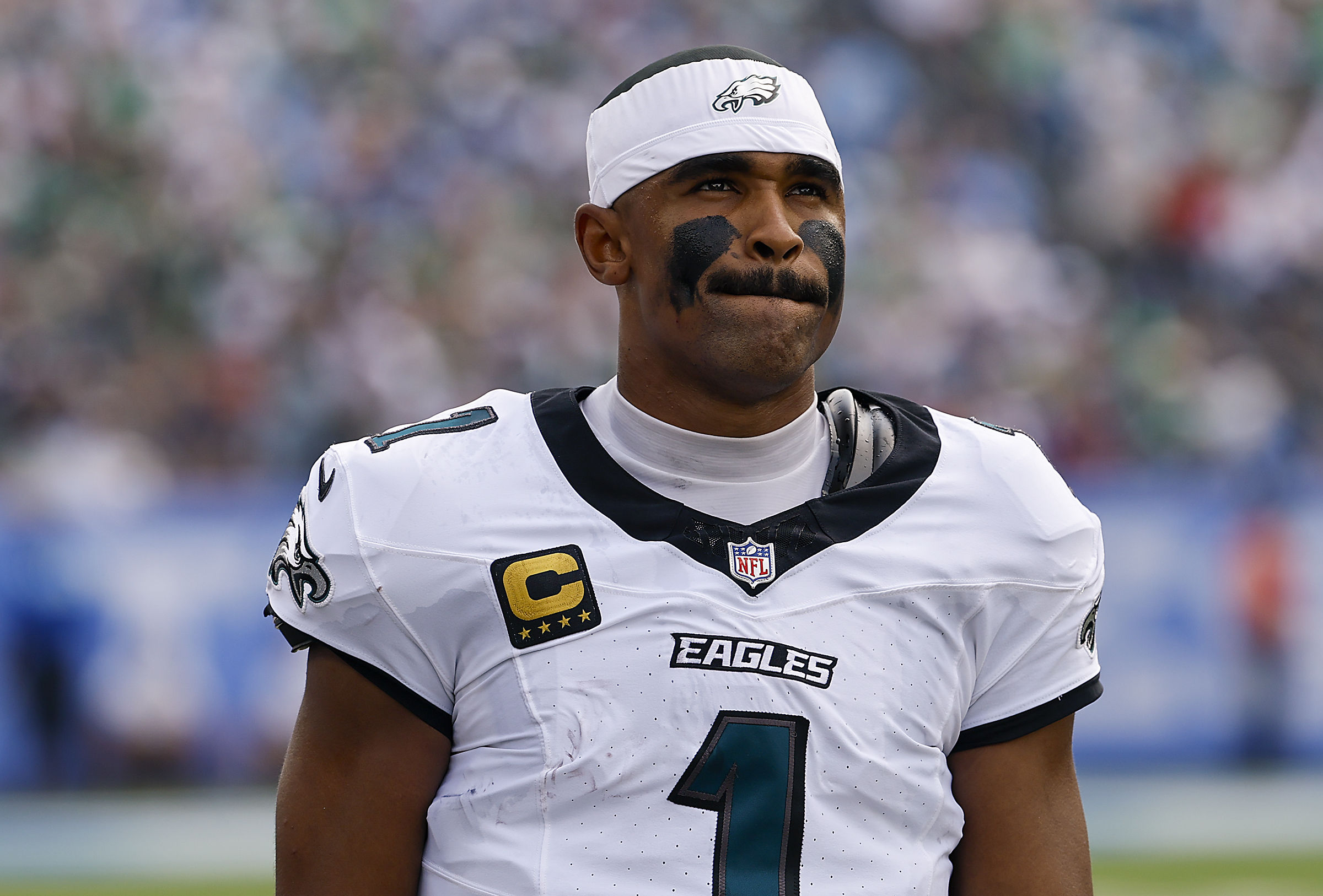
    Eagles quarterback Jalen Hurts against the Tennessee Titans on Sunday, Sept. 20, 2026 in Nashville, Tenn.Yong Kim / Staff Photographer

    “Who are we?”

    Well, that’s kind of existential, Jalen.

    But it’s the question the quarterback said he posed to the locker room in the aftermath of their 27-7 loss on Monday night.

    “Ask yourself that question because that’s a choice you can make, and being deliberate and intentional on how we move forward, so we can continue to improve,” Hurts said.

    Here’s more on Hurts challenging his teammates to look inward.

    What the Rams are saying

    “Humility is one play away if you’re sleeping on somebody, so we don’t take anybody lightly at the end of the day,” Davante Adams said.

    The Rams are road favorites Sunday afternoon in Philly, but they know wins don’t come easy in the NFL.

    Rams QB Matthew Stafford on the Eagles: “They’re always a tough out, especially at their place.”

    It won’t be snowing this time, though.

    McVay gets to coach against one of his former quarterbacks, too, in Mannion.

    What else we’re reading and watching

    Thanks for reading. The weekly Eagles newsletter will be back again next Saturday sent to your inbox all the way from London, where the Eagles take on the Jacksonville Jaguars in Week 5.

  • Main Line cannabis payments operator charged with $9 million fraud

    Main Line cannabis payments operator charged with $9 million fraud

    A Lower Merion businessman who raised $9 million from more than 50 Main Line, pro sports, and Hollywood investors for Kind Financial, his marijuana payment-processing business, was charged by federal prosecutors Tuesday with five counts of fraud.

    The businessman, David Dinenberg, “fraudulently induced dozens of people into buying shares of Kind” by supplying false sales and business information, and “misleading the investors into believing that their entire investments were being used” for the company, not “diverted” for his personal use, according to charges filed in Philadelphia federal court. Dinenberg did not return calls seeking comment.

    The U.S. Attorney also called on Dinenberg to forfeit $9 million prosecutors contend he had raised from investors by fraud.

    Kind worked his networks of friends and business contacts to raise money from singer John Legend; former tennis star Andy Roddick and his actress-model wife, Brooklyn Decker; former Sixers manager Billy King; former Eagles star Brian Westbrook; investor Lindy Snider, whose family once owned the Flyers; and dozens more, according to investor lists.

    Investors had spoken to federal investigators.

    But Snider and others who invested in Kind, then tried to keep the company going after the board confronted Dinenberg about his spending and he left in 2023, said Wednesday that they had no advance notice of the criminal charges.

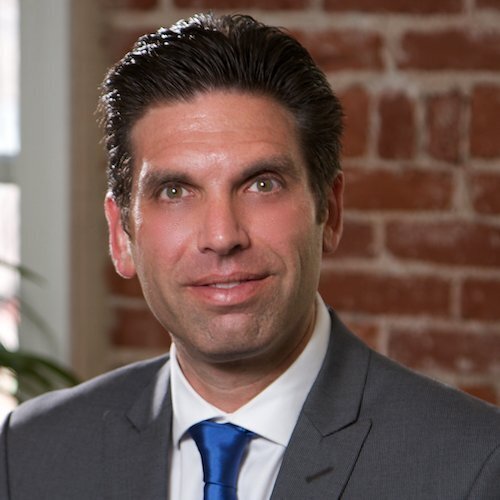
    David Dinenberg, who headed Kind Financial, hoped to serve cannabis growers at a time when few banks would do business with the industry. He has been charged with fraud and accused of embezzling.Kind Financial

    Instead of using all the money to build his marijuana business, Dinenberg allegedly “embezzled” more than $750,000 to pay for “unauthorized personal expenditures,” including family members’ school tuition, a luxury California rental home, and country club memberships. Prosecutors say he lied to investors by exaggerating sales and prospects for Kind.

    Dinenberg is also accused of stealing $175,000 from Rhode Island, which had hired Kind to collect cannabis fees from growers.

    Prosecutors say Dinenberg was supposed to forward that money to the state, less a small transaction payment, but began keeping the fees, and reported money that should have gone to the state as company revenue.

    Dinenberg started Kind in 2012 to process cannabis transactions that were legal in some states but prohibited under federal law. The legal complexity discouraged national banks from working with cannabis businesses, but also created what Dinenberg persuaded investors was an opportunity for his company to focus on serving legal-cannabis pioneers.

    The prosecutors depict Dinenberg as a successful fundraiser who founded a series of related companies, hiring two friends and a “family connection” to run the business in 2014, and tapping each of the three employees to help fund Kind.

    Kind in 2015 acquired cannabis-farm payments software from Colorado-based Agrisoft Development Group, which had clients in Colorado and a few other states, and used that relationship to land a software development partnership with Microsoft that won national media coverage.

    After the Microsoft deal, Kind won the Rhode Island contract. But Kind’s cash flow from the Rhode Island work was so meager that Dinenberg stopped paying his lawyers and stopped paying Kind employees — while keeping the tax and Social Security deductions he had withheld for them, prosecutors said.

    Dinenberg issued glossy investor documents that projected sales of under $500,000 in 2016 would zoom to over $10 million in 2017 and $40 million in 2018 — with “no factual basis” for the unaudited financial reports, their “false” revenue data, and baseless projections, prosecutors allege.

    In 2019, Dinenberg closed a business deal with pioneering cannabis investor Hartstreet Holdings and Colorado-based Herring Bank to develop a KindPay app to pay cannabis transactions through the Mastercard payment network, according to the prosecutor’s charges.

    At first, it worked: “In 2020 and 2021, KindPay was working and some dispensaries even had KindPay kiosks” to enable sales, according to prosecutors.

    But in 2021, Mastercard figured out that KindPay was used for marijuana sales, and cut the service off, according to prosecutors.

    By 2023, Dinenberg had taken more than $750,000 from Kind bank accounts to cover personal expenses. Confronted by an employee, Dinenberg admitted he’d stolen money but claimed the total was $80,000, according to prosecutors. He resigned May 4 of that year.

    Snider and other investors looked at ways to keep the company going, but its websites have since gone dark.

    “The company has been defunct for some time, and it’s truly a shame what has happened,” said Snider in an email after learning of the charges. She declined further comment.

  • The Phillies camera operator who brings you the best slo-mo shots from the ballgame just released a stellar jazz album

    The Phillies camera operator who brings you the best slo-mo shots from the ballgame just released a stellar jazz album

    Greg Farnese always loved to sing.

    “I had a tape recorder I would sing into,” said the South Jersey jazz vocalist.

    “I was one of those kids holding a brush in the mirror, singing Billy Joel songs. I was that kid.”

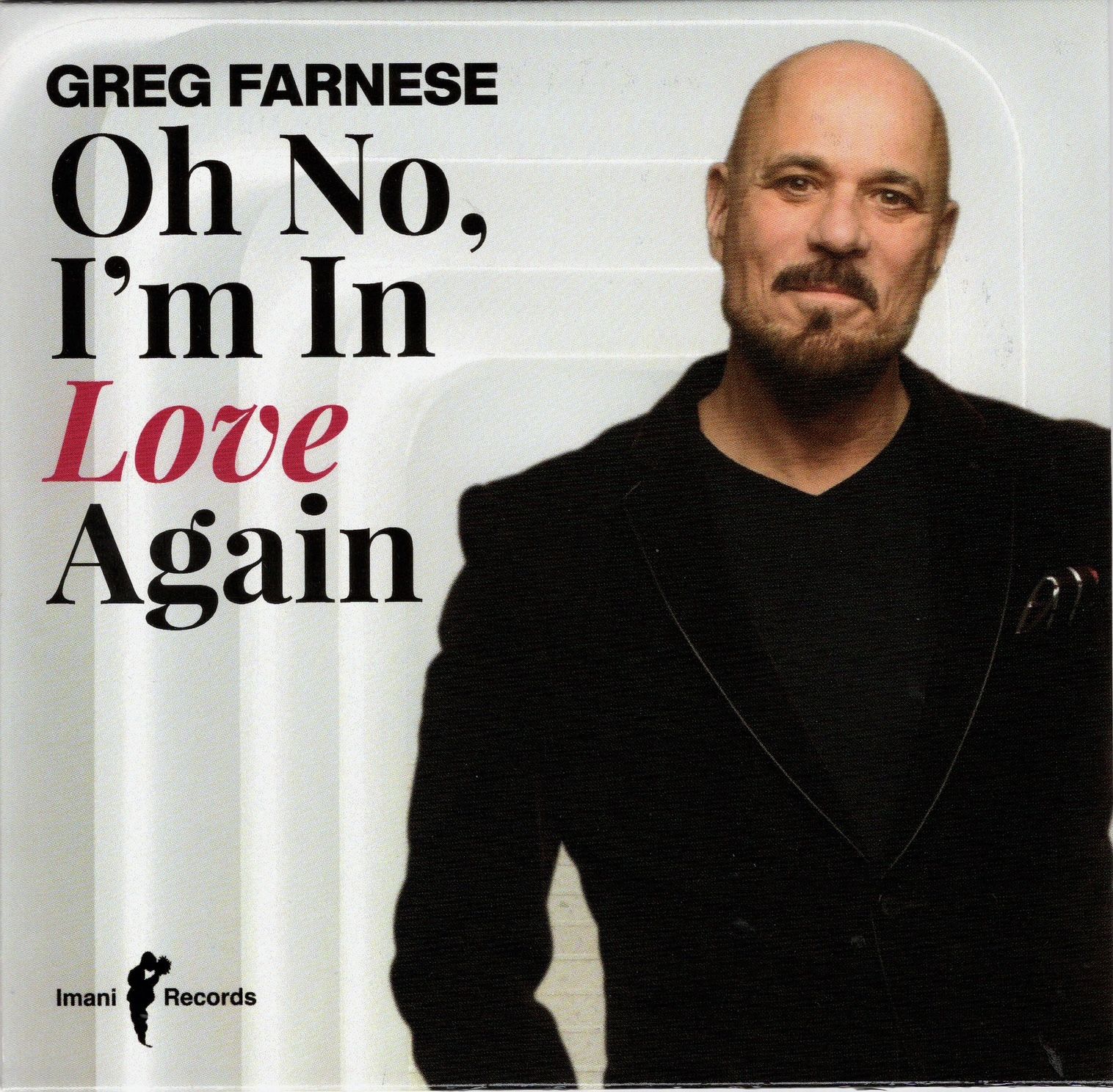
    But it was a roundabout route to the stage for Farnese, whose debut album, Oh No, I’m in Love Again, was just released on Philly jazz pianist Orrin Evans’ Imani Records.

    First, he followed his father, Aldo Farnese — the star of Philadelphia children’s television shows Dickory Doc and Adam Android in the 1960s and 1970s — in pursuing an acting career. After a stint in Hollywood working in production and scoring some small movie and TV roles, he came home to Philly in the mid-1990s.

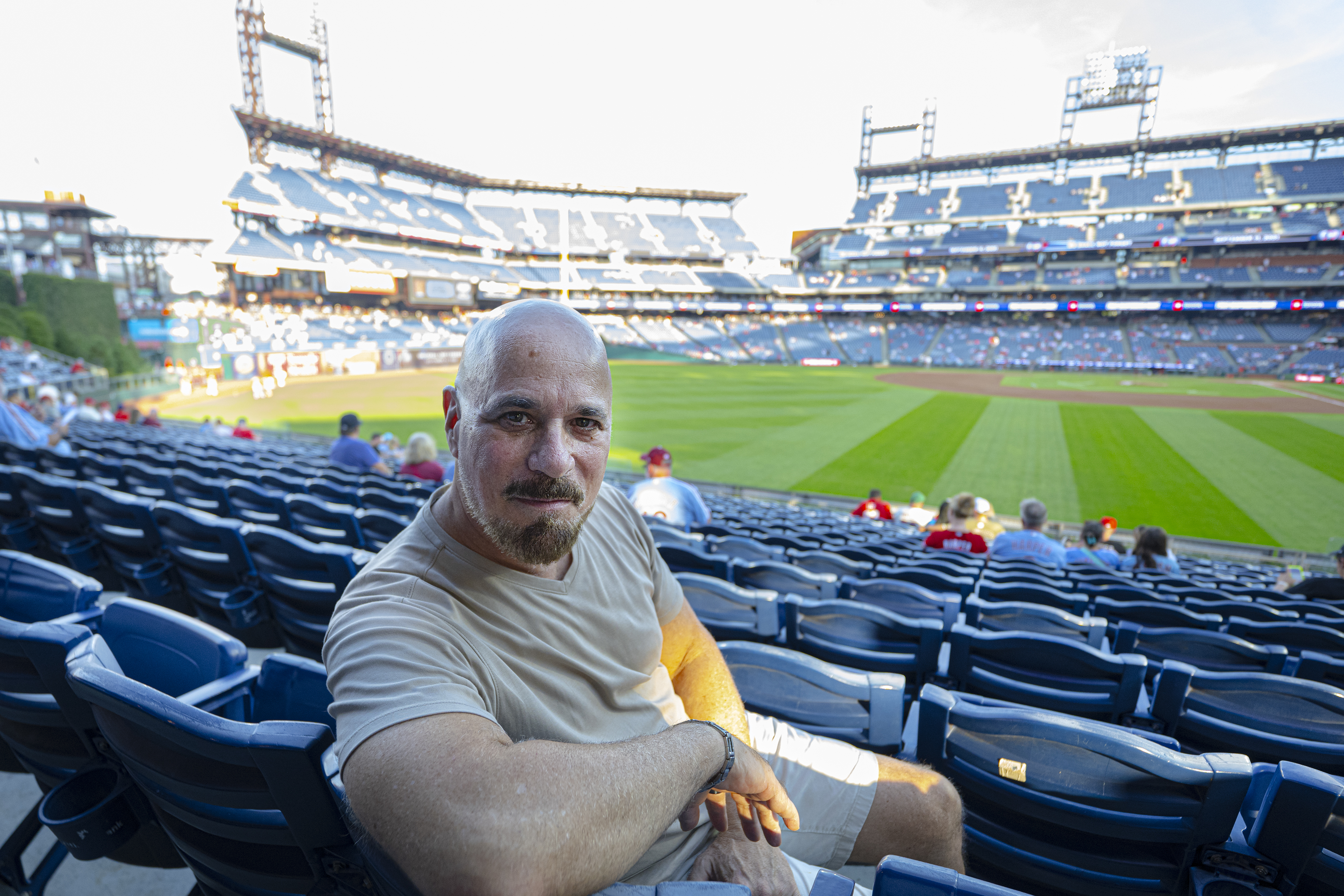
    Since then, Farnese has had a day job — actually, usually a night job — as a TV camera operator for the Phillies, first at Veterans Stadium and, since 2004, at Citizens Bank Park. He operates a super slo-mo camera from the left field power alley in front of Ghost Energy Deck (formerly Harry the K’s).

    By 2012, Farnese was long settled into that job, and also working Sixers and Flyers games for NBC Sports Philadelphia. In 2012, he won an Emmy for his work on the World Series.

    But then he felt — as he puts it speaking via Zoom from his home in Woolwich Township, Gloucester County, while his golden retrievers Bailey and Oliver lounge on a sofa behind him — “a tap on the shoulder.”

    The cover image to Greg Farnese’s album “Oh No, I’m in Love Again.”Courtesy of Imani Records

    “When I was a kid, my father would sing throughout the house. We would say ‘Dad, you’ve got a great voice, you should be a singer,’” Farnese said. “And he would go, ‘Meh,’ and kind of blow us off.”

    Then one day, he said, “I was singing while putting my son’s air hockey table together.” His wife, Laurie, said “Greg, you’ve got a beautiful voice. You should sing.”

    “I started to go ‘Meh …’ — and then I stopped myself. Because I remembered that as a child, I thought my father was wasting his talent.

    “So I said: ‘Get me a karaoke machine for Christmas, and I’ll start working on my voice.’ And that’s what I did.”

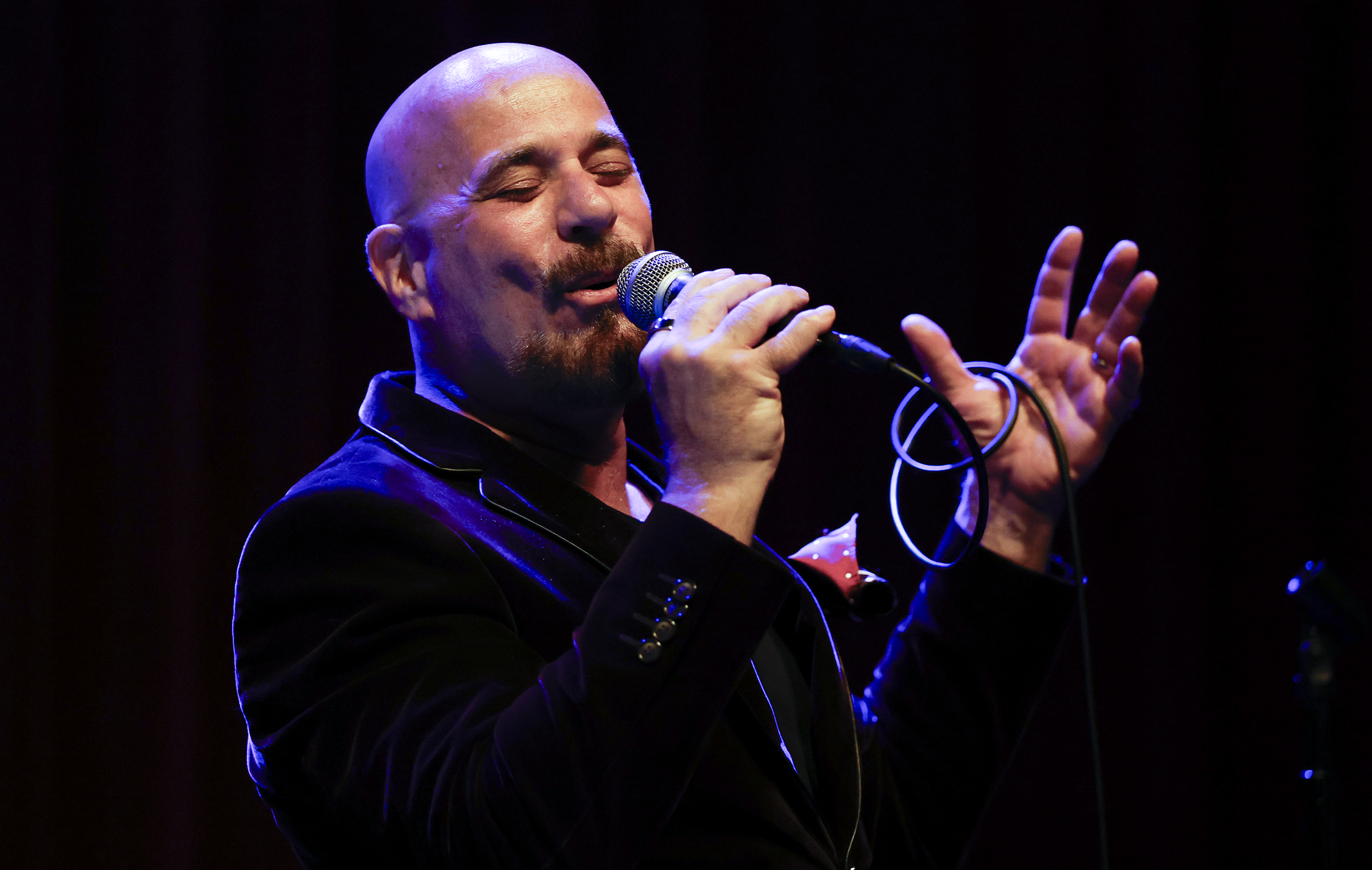
    Farnese, who will perform at Tim McCloone’s Supper Club in Asbury Park on Oct. 4 and the Exit 0 Jazz Festival in Cape May on Oct. 23, is a poised vocalist and skilled song interpreter. Oh No! I’m in Love Again features two originals, including the title cut, both written with Alan Gardner, a former collaborator with Farnese’s father.

    Greg Farnese, a television cameraman and musician, is photographed Wednesday, Sept. 10, 2026, at Citizens Bank Park in Philadelphia, where he works as a camera operator in left field. Farnese, a crooner, recently released his debut album, “Oh No, I’m in Love Again,” on Grammy-nominated Philadelphia pianist Orrin Evans’ Imani Records. Farnese also works as a Phillies television cameraman for NBC Sports Philadelphia, stationed nightly in the left-field power alley.Jose F. Moreno / Staff Photographer

    ‘The magician canceled, can you come down and sing a song?’

    The album, whose polish belies that it was recorded in a single day at MorningStar Studios in Montgomery County, features Philly jazz players like drummer Leon Jordan Sr. and horn arrangements by trumpeter Elliot Bild.

    Along with a delicate version of Johnny Mercer’s “Dream” accompanied by guitarist Paul Bollenbock, the album includes Green Day, Oasis, and Tears for Fears songs, all artfully rearranged to make familiar sound fresh.

    It’s been a long road of confidence building for Farnese to work with a musician as accomplished as Evans, a three-time Grammy nominee who this spring was named artistic director of the Seattle Repertory Jazz Orchestra. (He’ll split his time between Seattle and Philly.)

    Speaking between innings during a recent Phillies-Astros game — an 11-7 win, thanks to a Kyle Schwarber grand slam — Farnese calls Evans “so smart and honest, and a great pianist. It’s like having Quincy Jones in my corner.”

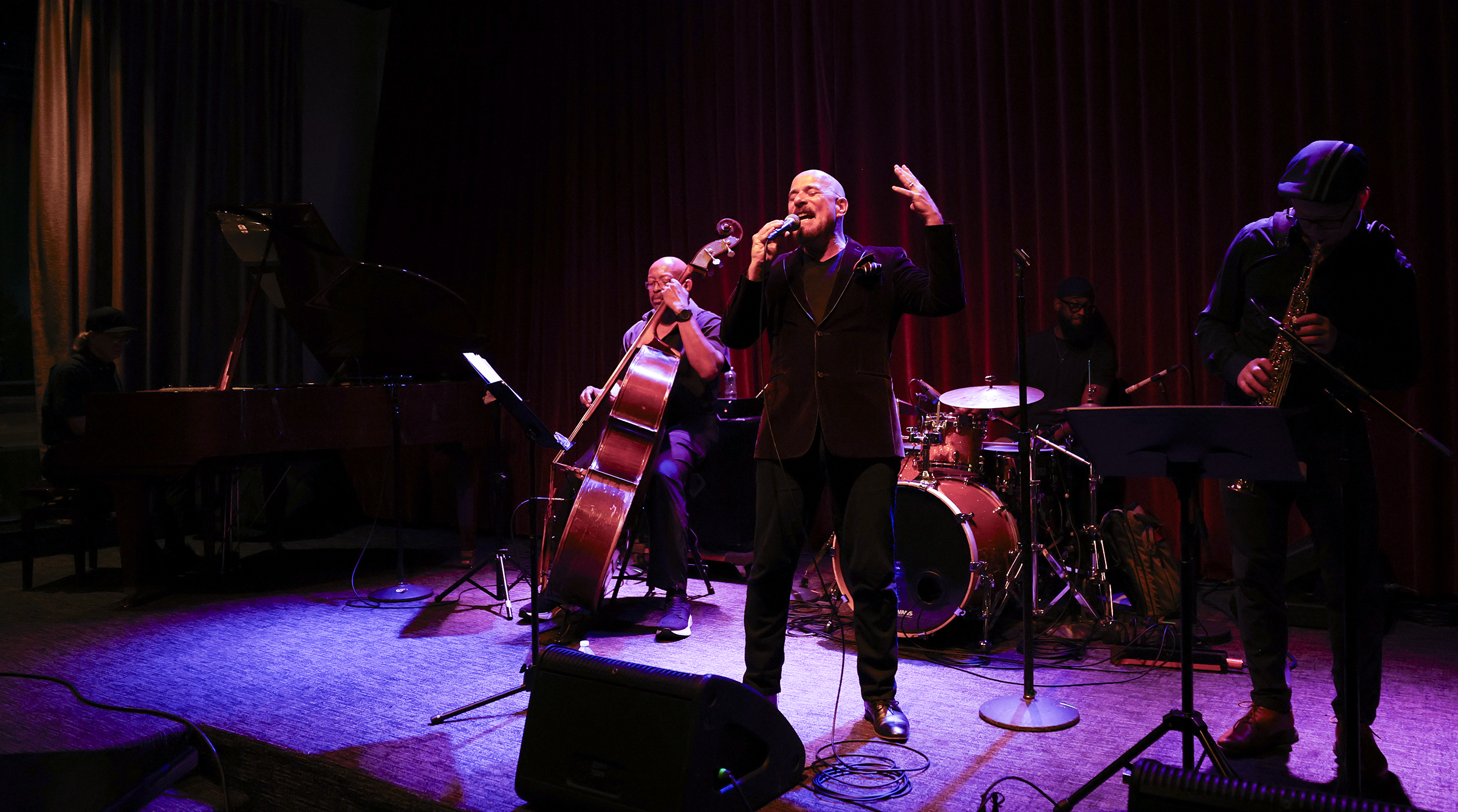
    Greg Farnese (center) performs at the World Stage in University City on Sept. 18, 2026. Farnese just released his debut album, “Oh No, I’m in Love Again.”Yong Kim / Staff Photographer

    “I started out singing in pizza parlors,” said Farnese, 62. “My wife is a psychologist and she used to work at nursing facilities. She called me one day and said, ‘The magician canceled, can you come down and sing a song?’

    “I told her no, I’m not ready yet. She said, ‘Get the hell down here, just do it!’ I was afraid, and I was so self-conscious about being good.”

    But as Farnese sang the 1940s standard “Moonlight in Vermont” to an elderly audience in Egg Harbor Township, he had a revelation.

    “The two ladies in the front started crying. I was bringing them back to when they were young. That moment I realized that it wasn’t really about me. It was about the effect the music had on the audience. I saw them crying and I thought: This is what I want to do.”

    Since then, Farnese has surrounded himself with first-class musicians and sung in area jazz clubs and private events, while also traveling for gigs in New York and Chicago.

    Working with the Phillies suits his ambitions. Knowing his schedule months in advance, he books shows when the team is on the road.

    “We’ve brought him on a couple of times to sing ‘Take Me Out to the Ballgame,’” said Phillies TV play-by-play announcer Tom McCarthy. “I love his energy. He just brings so much professionalism and creativity and knows how to get the crowd involved. He’s an entertainer.”

    Farnese put an exclamation point on one of the Phillies most memorable wins this year.

    “Schwarber hit a home run to center field onto Ashburn Alley,” McCarthy said of the Aug. 23 walk-off win. “It was an amazing comeback, and there was elation from the Phillies fans. But then Greg’s camera moved over to the Cardinals fans who had the total opposite reaction. It really buttoned up the story. It was just awesome.”

    ‘What would Ray Charles do with a Green Day song?’

    Evans wasn’t all that familiar with Farnese’s music before he decided to produce Oh No, I’m in Love Again and put it out on his label, home to artists like Philly keyboard player Luke Carlos O’Reilly and Los Angeles drummer Tina Raymond.

    Choosing who to work with isn’t about “it has to be the best vocalist, or the best saxophonist. It’s if somebody asks me to help them, and I believe in them as a human being.”

    Though he “wasn’t super-duper familiar with Greg’s singing,” Evans said, “I knew some of the people he was playing with. So I know this person doesn’t play with slouches, so he can’t be a slouch.”

    The key to success in recording, Evans says, was trust.

    “I just like working with people I like. And I know that if we can vibe off the bandstand, there’s no way we’re not going to vibe on the bandstand.

    “One of the best things I can say about Greg is his desire and ability to learn. He has an inquisitive spirit. He’s not done evolving. I really love this record, and I’m excited for the next one because of him.”

    “I love jazz and swing music,” Farnese said. “You know, Bennett, Bublé, Sinatra. That’s my wheelhouse. But growing up I was exposed to all these different styles. Everything from Simon and Garfunkel and the Beatles to Curtis Mayfield and Puccini.

    “So I’m creating a vocal style that combines songs I really love in jazz arrangements. What would Ray Charles do with a Green Day song? What would Duke Ellington do with a Blood, Sweat & Tears song? I want to be my own artist that creates my own music in my own style.”

    “I have a great job at NBC Sports Philadelphia. But when I got that tap on the shoulder, that was God saying. ‘This is not what you’re supposed to be doing.’ And being a middle-aged man, this is not a dress rehearsal. This is it. Now’s the time.”

    Greg Farnese will perform Oct. 4 at Tim McCloone’s Supper Club, 1200 Ocean Ave N, Asbury Park, timmcloonessupperclub.com and Oct. 23 at the Exit 0 Jazz Festival, Cape May, exitzerojazzfestival.com.

  • WHYY’s ‘Fresh Air’ host Terry Gross is at the center of catfish-style scams targeting stars and media personalities

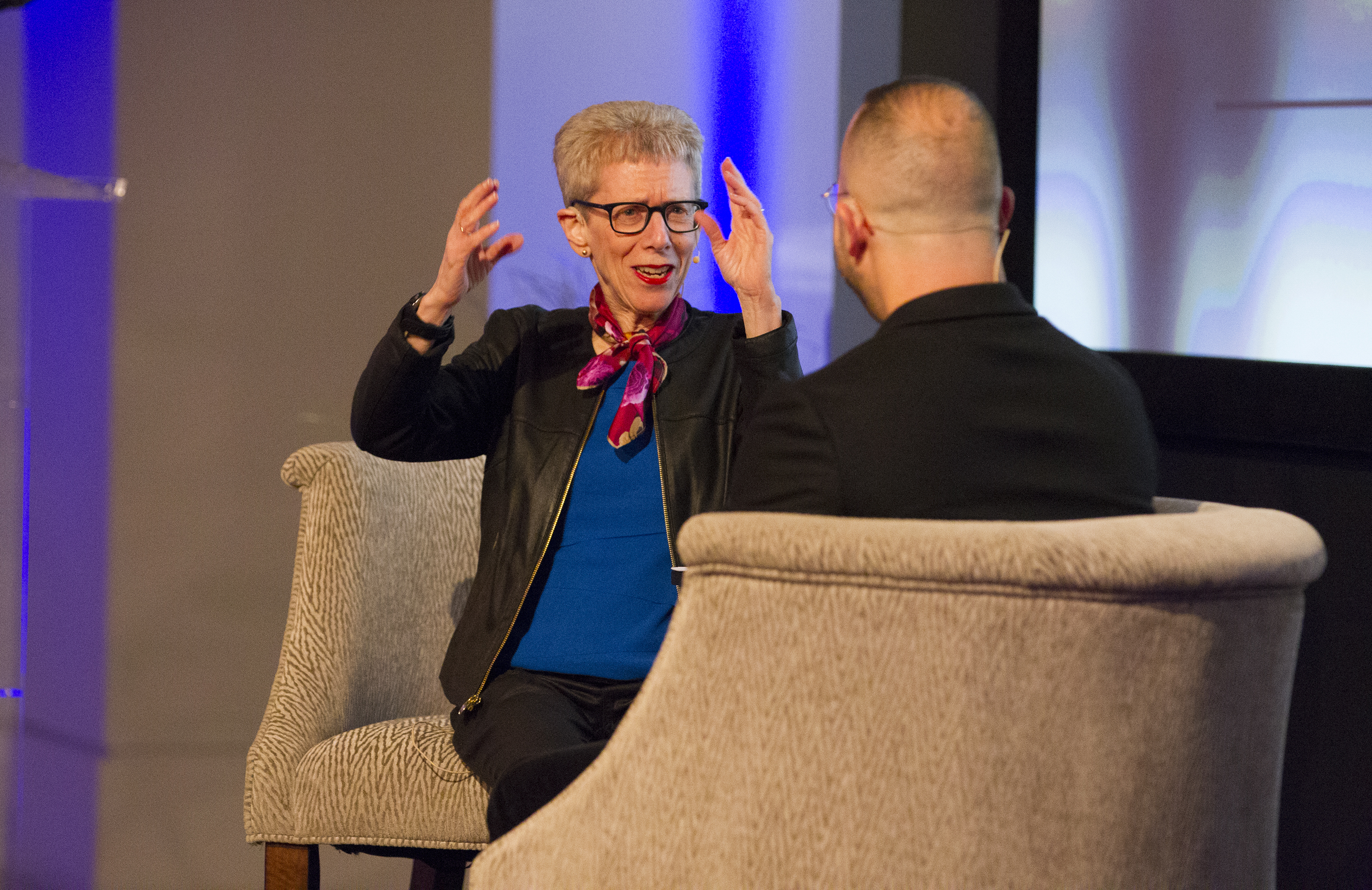
    WHYY’s ‘Fresh Air’ host Terry Gross is at the center of catfish-style scams targeting stars and media personalities

    Comedy writer Bruce Vilanch was enamored.

    He had received an email from WHYY’s Terry Gross, herself, asking to be interviewed on NPR’s Fresh Air.

    “It was so articulate and so like her,” the writer told the Hollywood Reporter. She laid out talking points and a run of show, according to Vilanch. “It felt real.”

    But when Vilanch jumped on their scheduled video call, Gross was nowhere to be found. It finally dawned on Vilanch: He had been scammed. And he was not alone.

    A recent string of scams and catfish-style attempts targeting stars and other media personalities are using Philly’s own Gross as the bait. Vilanch says he was the latest victim.

    “If somebody claiming to be Terry Gross contacts you for an interview, it is a scam,” the comedian said in a Facebook post last week. He encouraged other potential victims to contact NPR and WHYY.

    Online forums reveal a number of recent catfishing attempts involving someone purporting to be Gross.

    “These impersonation scams are increasingly common,” said Siwei Lyu, digital media forensics expert and director of the Institute for Artificial Intelligence and Data Science. “Authors are a particularly attractive target because an unexpected invitation from a prominent host or podcast can seem both flattering and plausible.”

    It is unclear if one person is behind all of the Fresh Air-centered fraud or if multiple impostors are responsible. Lyu says scam scripts and techniques are easily shared, adapted, and copied, “so the same premise can be used by many unrelated actors.”

    On a Facebook group for authors, a writer posted in July about being approached by Fresh Air and asked to donate money. Months earlier, psychologist Steven Pinker, author of The Better Angels of Our Nature, said he was similarly approached by “Terry Gross” via a fake Gmail account as part of a scam targeting authors.

    In Vilanch’s case, he said “Gross” asked him for money to support NPR’s nonprofit public radio efforts amid government cuts. He told the Hollywood Reporter that he thought the request was odd, but that enough credibility within the email chain had been established. So he went for it.

    From there, the scammers prepped him for Fresh Air, sending interview questions and scheduling their virtual interview. When the big day arrived, Vilanch was greeted by two video boxes: a screen that read “NPR,” and one with a man who identified himself as “Mike,” the new interviewer. When Vilanch eventually bailed, he sent a final message, according to the Hollywood Reporter: “Whoever you are, I hope you enjoy the paltry sum that I sent.”

    Then he reached out to NPR and WHYY. WHYY confirmed it was aware of the scams and investigating.

    “WHYY, NPR and Fresh Air with Terry Gross & Tonya Mosley are aware of fraudulent emails in which individuals have impersonated Terry and members of the Fresh Air team attempting to deceive potential guests,” the news organization said in a statement. “As the article in The Hollywood Reporter mentions, other programs and podcasts have also been the subject of these scams.”

    The Fresh Air situation is one of several podcast/radio scams targeting Hollywood. According to the Hollywood Reporter, Broadway actor Seth Rudetsky was targeted by a scammer posing as Nikki Glaser who solicited a podcast interview in exchange for a fee. Later, Rudetsky also received an invitation from someone supposedly working on Amy Poehler’s podcast, Good Hang.

    In addition to money, some of the scams also target the victim’s social media accounts or login credentials.

    Sportswriter Jemele Hill said someone once lied and claimed to be booking her for a new Facebook show hosted by Rob Dyrdek of Ridiculousness. She handed over her Facebook credentials. It took weeks to get them back, she wrote in an X post. “It’s a very sophisticated operation.”

    In April, figure skater and personality Adam Rippon told a story on his podcast about being similarly catfished by someone purporting to be on Katie Couric’s podcast via Facebook Live. The follow-through scammed him out of his own Facebook credentials.

    “I know I made a grave error,” he said. His Facebook account was ultimately suspended.

    A spokesperson for WHYY added that Fresh Air cohost Tonya Mosley has been the named catfish in similar scams, imploring would-be guests to send money in exchange for a radio slot. As a nonprofit organization, WHYY says, it never requests payment for interviews, nor does it pay guests to be interviewed on any of its programs.

    “Any communication asking a prospective guest to pay a fee — or offering payment for an interview while claiming to represent WHYY or Fresh Air — should be treated as suspicious,” the statement said.

    It is unclear if any of the scams are connected. What they all have in common, though, is their apparent leverage of a celebrity figure along with heavy use of AI to capture the alleged host’s voice and flatter victims with deep-cut knowledge about their work. Lyu said generative AI’s rise in popularity and usage makes hoaxes like this even easier, allowing scammers to quickly personalize messages and operate at a greater scale.

    “The technology is new, but the underlying strategy is classic social engineering,” Lyu said. “Establish trust through a recognizable identity, then use that trust to obtain money or account credentials.”

    WHYY said it is concerned about its own brand and credibility being used in this case.

    “We take the misuse of our journalists’ and programs’ names seriously and are concerned that scammers are exploiting the trust audiences and guests place in Fresh Air,” WHYY said. “We are working with law enforcement to address the situation.”

  • Film attendance has been diminishing, but not at BlackStar. It’s bigger than ever.

    Film attendance has been diminishing, but not at BlackStar. It’s bigger than ever.

    Across Hollywood, industry leaders are cheering the “return” of summer moviegoing.

    Last month, Variety published a cover story titled “The Box Office Bounces Back,” which celebrates attendance levels not seen since before the COVID-19 pandemic, and a projected $10 billion in domestic profits this year. Carried both by blockbusters like The Odyssey and lower-budget hits like Obsession, the article claims that “everyone had it wrong” about the cinematic appetite of Gen Z and the future of the art form. Actor/director Seth Rogen finds a “sense of optimism” among studio heads that mirrors “how it felt 15 years ago.”

    Yet, buried at the end of the effusive piece is the familiar admission that “industry watchers” also know that ”there aren’t enough films geared to women or Black or Hispanic ticket buyers.”

    Nehad Khader, the BlackStar Film Festival director, at the 2020 festival at the Mann Center for the Arts in Philadelphia.Daniel Jackson

    Which begs the question: To where — or to what — exactly do they want us to return?

    Experts in the article and elsewhere credit the apparent shift in cinematic habits to a generation raised on YouTube and Letterboxd that is now antsy to get off their phones, for the apparent shift in cinematic habits. But it remains unlikely that the most influential voices behind internet culture — namely Black creators — will be the ones to benefit from these observations.

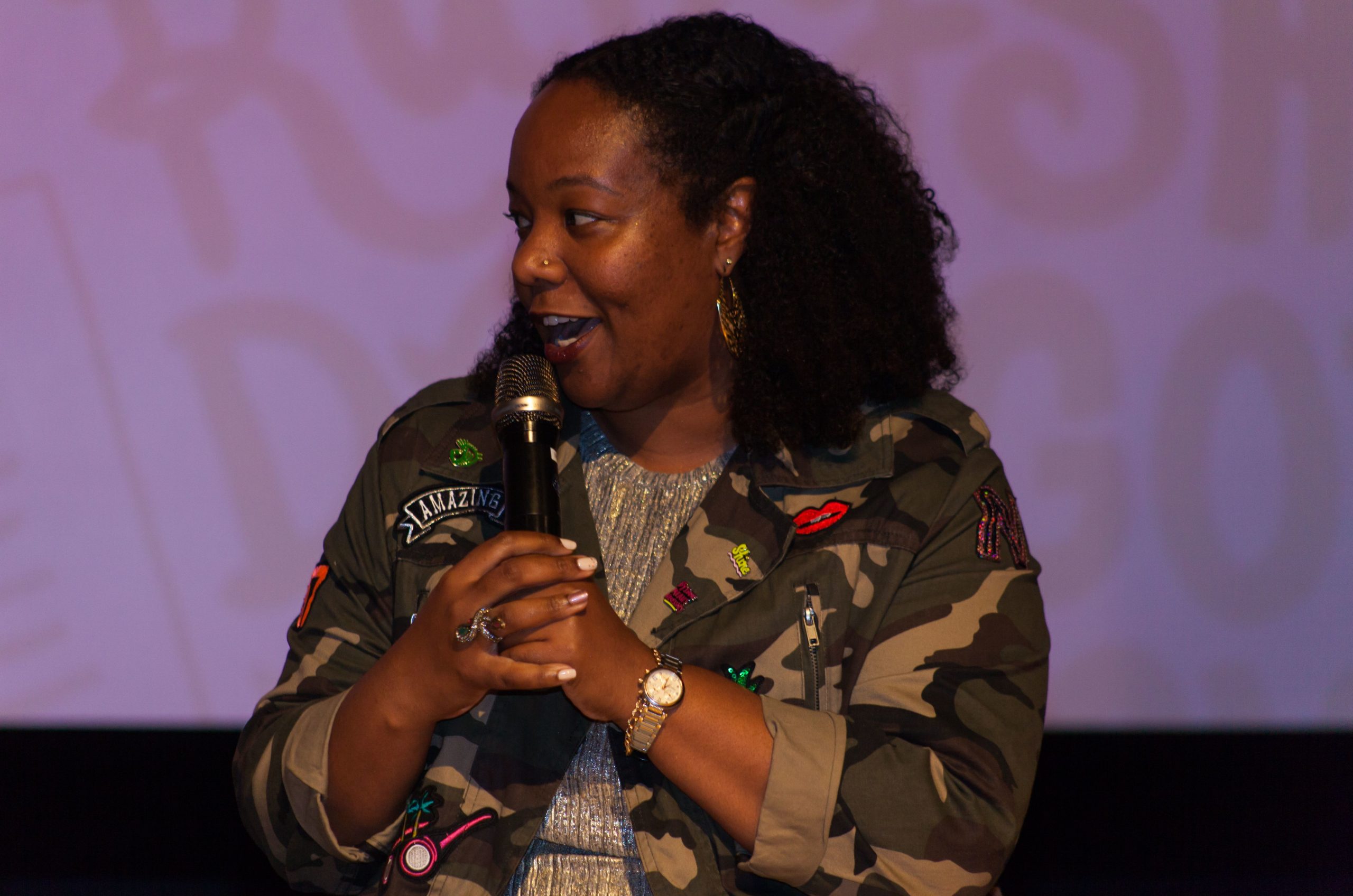
    Maori Karmael Holmes, the founder of the BlackStar Film Festival and current chief executive and artistic officer of BlackStar Projects, at the BlackStar Film Festival at the International House in Philadelphia in 2015.Daniel Jackson

    Despite the fact that people of color bought the majority of opening weekend tickets for five of the Top 10 films released in theaters last year (including Ryan Coogler’s Sinners), and specifically represent “the majority of the audience share” for the most profitable genres of film (horror and animation), most of the mainstream excitement around the rising fortunes at the box office has focused on white directors like Backrooms’ Kane Parsons.

    At the BlackStar Film Festival, we’ve felt the disconnect between the cinematic doomsayers of the past few years and the reality on the ground at our festival, which also started 15 years ago and has substantially grown since the onset of the pandemic.

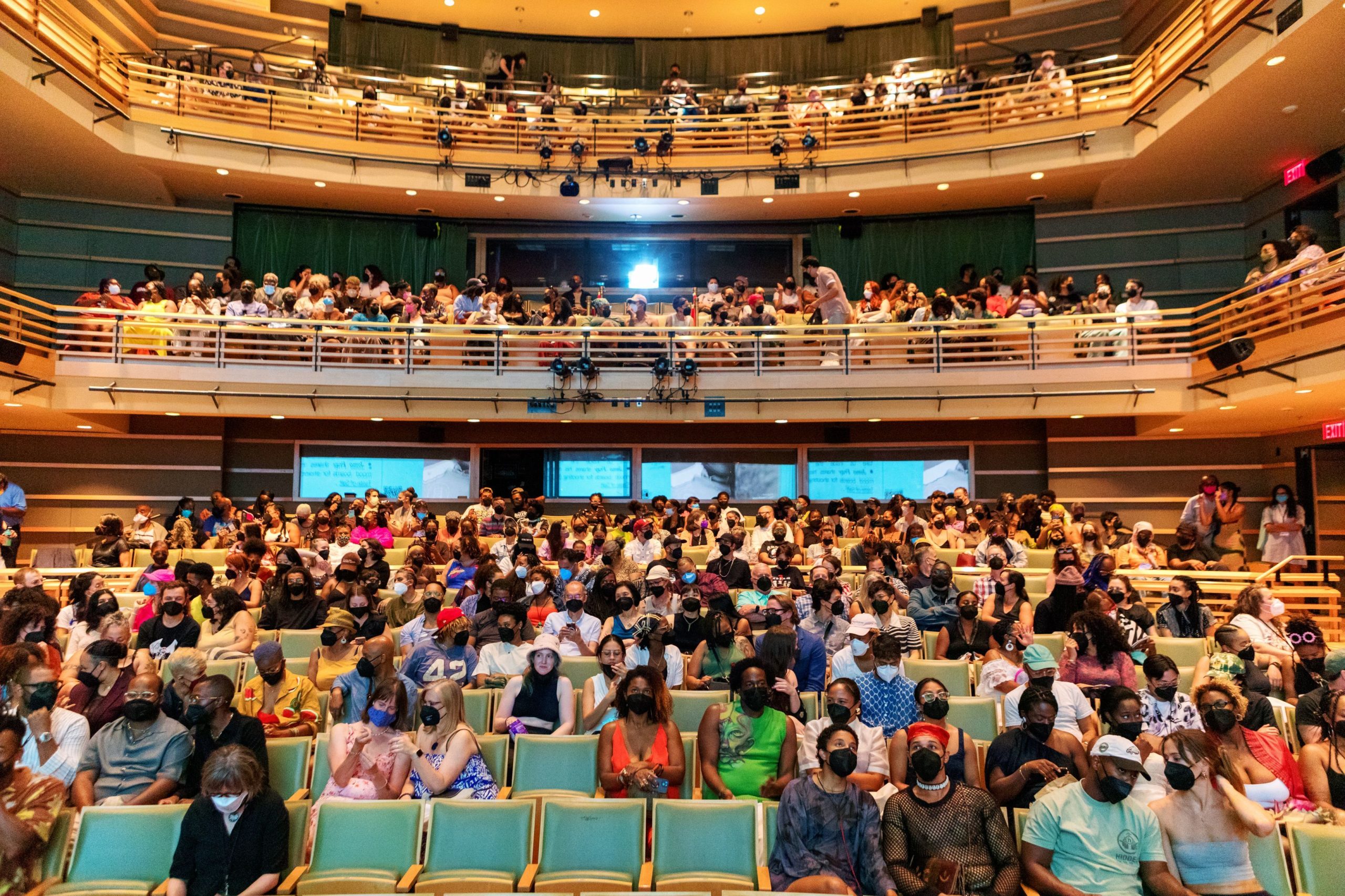
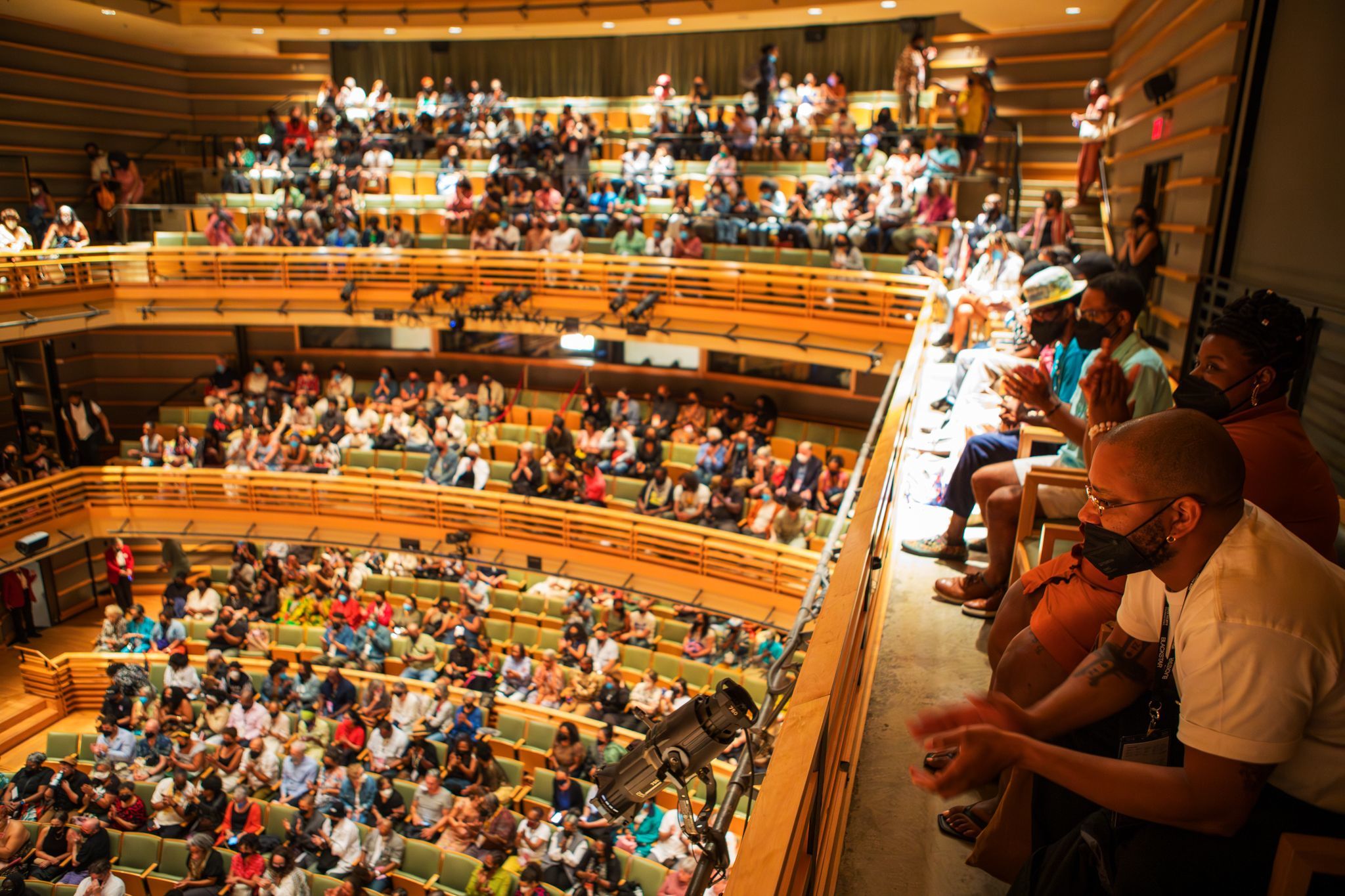
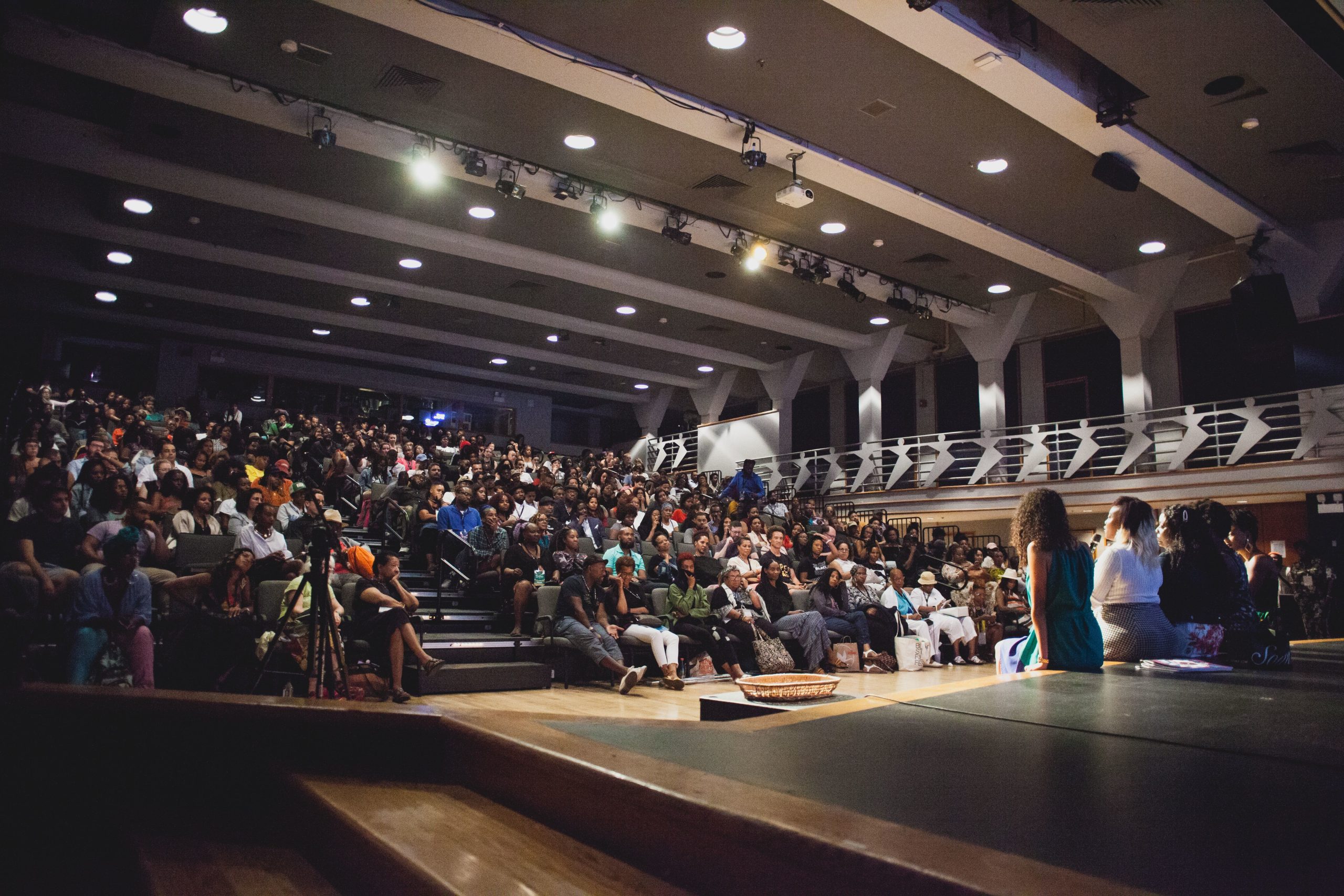
    The audience at the 2024 BlackStar Film Festival at the Kimmel Center’s Perelman Theater in Philadelphia.Daniel Jackson

    In 2024, while the same publications were fearing disaster based on still-dipping box office receipts, we were experiencing record attendance in Philadelphia at a festival where masking was still required. This included a sold-out screening of Shatara Michelle Ford’s Dreams in Nightmares on opening night that brought over 500 people into the Kimmel Center to watch the world premiere of a feature film rooted in Black queer culture.

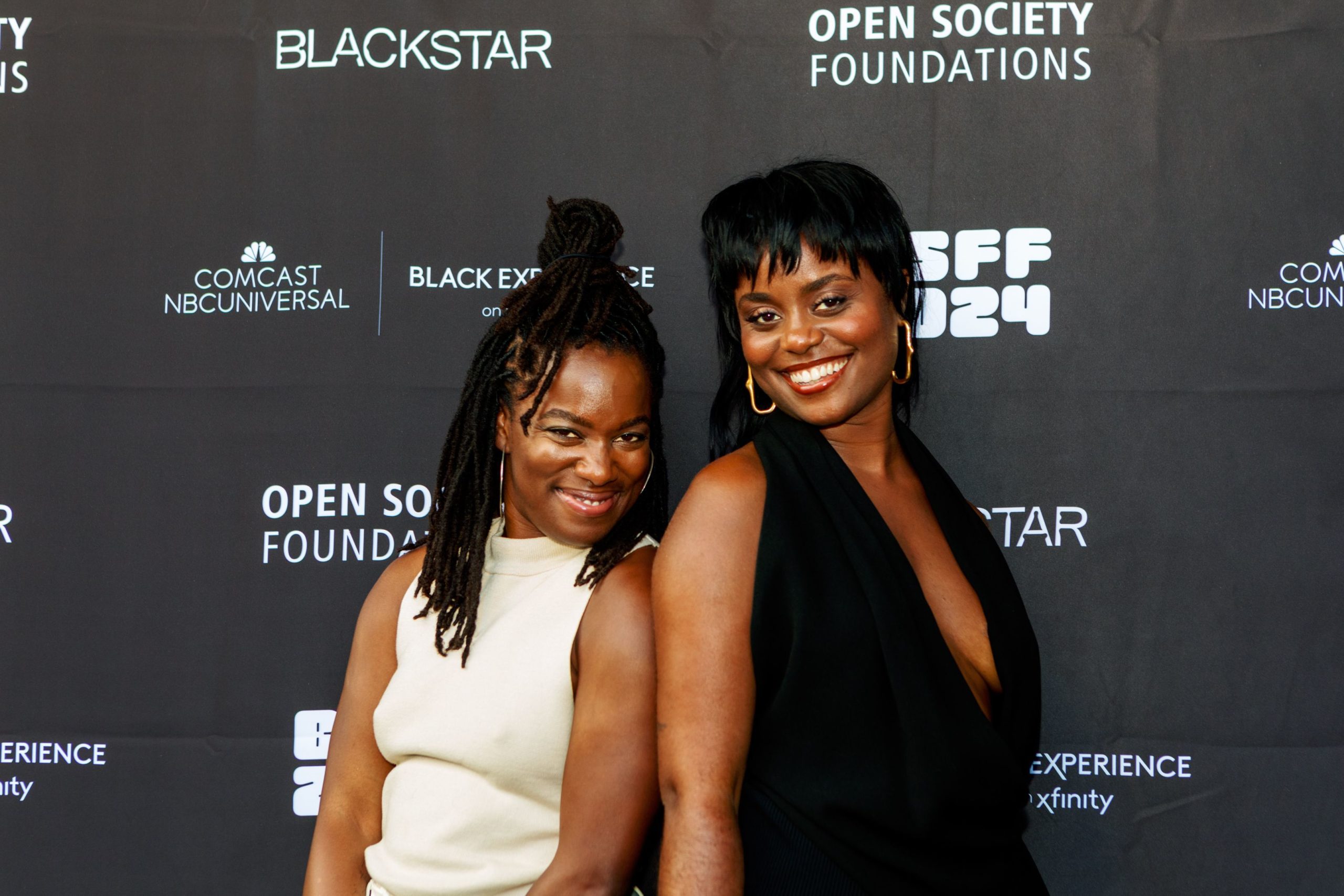
    Director, producer, and writer Shatara Michelle Ford (left) and actor and singer Denée Benton at the 2024 BlackStar Film Festival at the Kimmel Center in Philadelphia.Daniel Jackson

    It was an unforgettable moment of intergenerational joy and community safety that felt very much like the future of moviegoing to us.

    We’ve never doubted the desire for the kind of space that BlackStar provides, but we have felt, like many sister organizations in the field, the impact of a film industry with limited imagination that’s still reliant on very narrow measures of “success.”

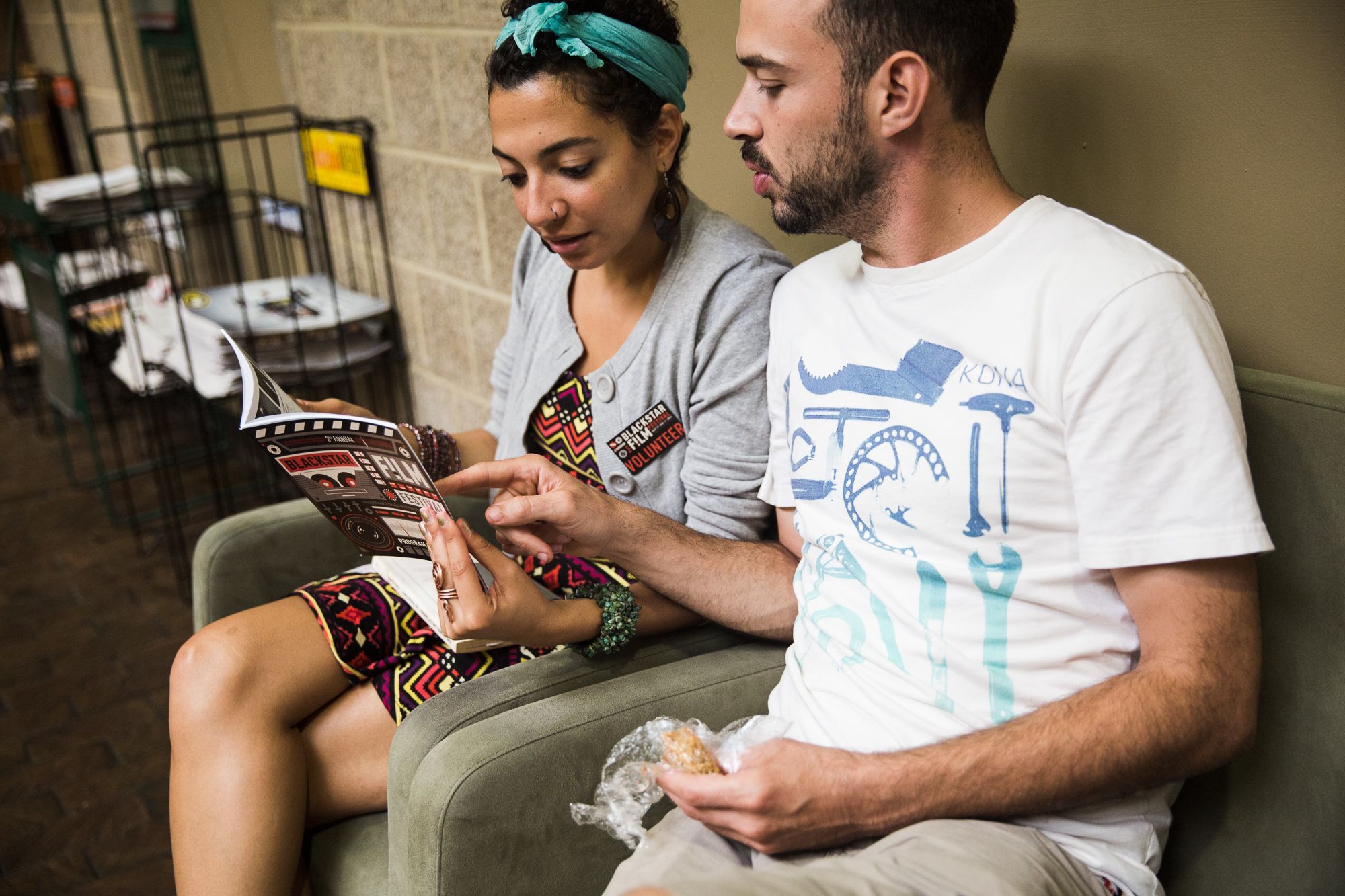
    In 2014, Nehad Khader (left) and Jacob Winterstein at the BlackStar Film Festival at the International House in Philadelphia. Khader first became involved with BlackStar as a volunteer, but later took on programming and senior roles within the organization, and now serves as the festival director.Jati Lindsay

    Funding for our nonprofit, BlackStar Projects, started to dwindle in 2024, not based on our numbers — which were, again, on the rise — but based on a lack of corporate interest in Black independent cinema after an initial influx of support during the racial reckoning that followed the killing of George Floyd in 2020.

    As much as things change in Hollywood, they seem to stay the same — or at least attempt to return to the median.

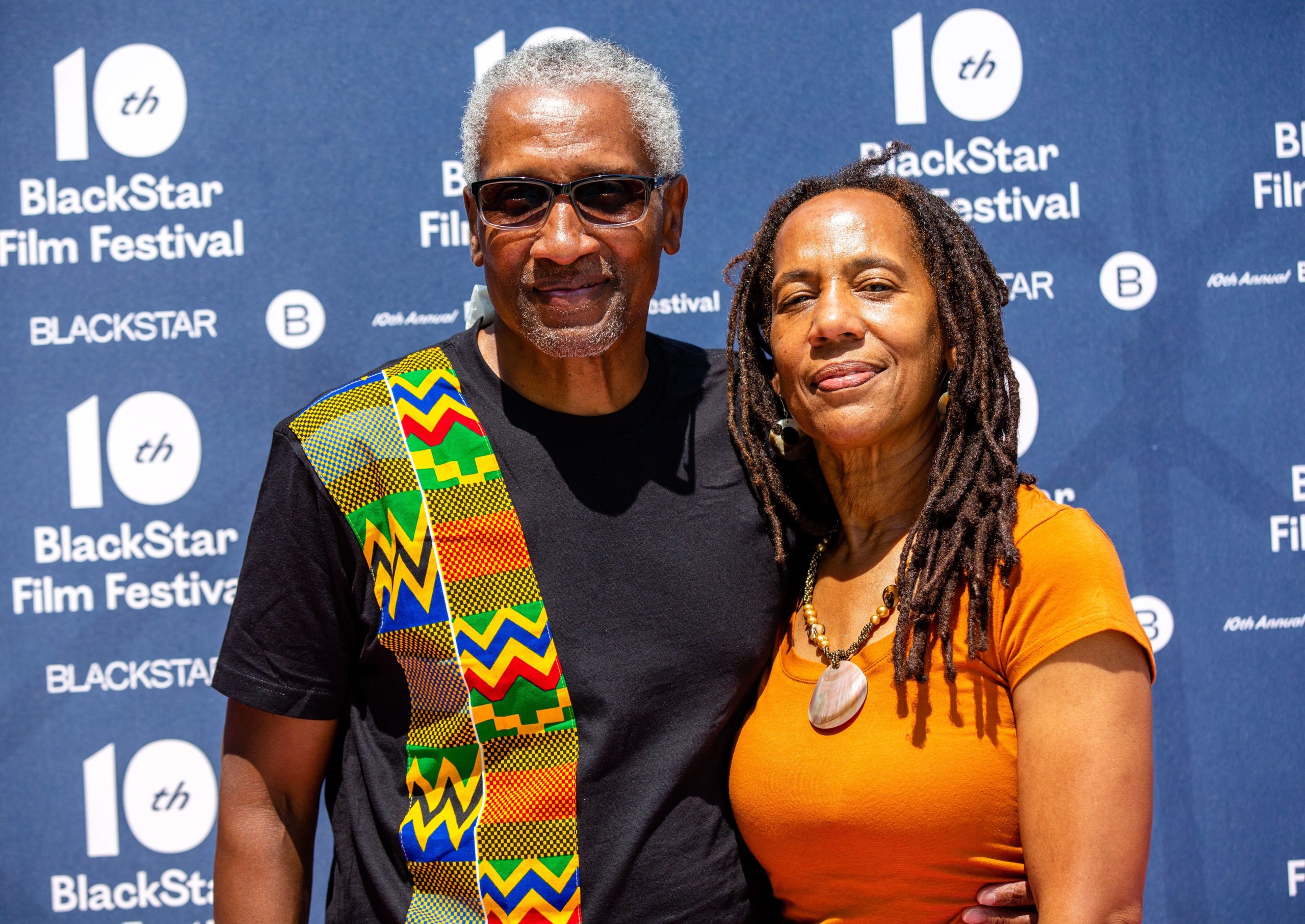
    Former MOVE members and independent filmmakers Mike Davis Sr. and Debbie Davis at the 2021 BlackStar Film Festival at the Annenberg Center for the Performing Arts in Philadelphia.Daniel Jackson

    Which is why box office results have always been an imperfect indicator of film trends or what audiences crave. Especially if you’re interested in building a sustainable, care-based ecosystem for filmmaking which challenges rather than sustains the status quo.

    A more interesting question than which movies make the most money, particularly given the state of the world, is which movies are contributing to real change? Which filmmakers can speak to and for the people working to free us from white supremacist capitalism?

    As we celebrate the 15th edition of the BlackStar Film Festival this week, we have ample evidence that what Black, brown, and Indigenous communities want is a space that actually brings us together around such movies; not just to watch, but to talk, critique, celebrate, learn, laugh, and cry.

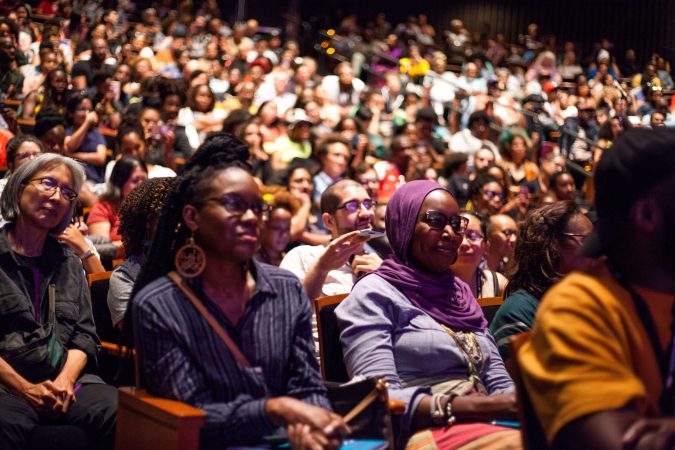
    The 2025 audience at the BlackStar Film Festival at the Kimmel Center Perelman Theater in Philadelphia.Daniel Jackson

    In 2025 we started using the tagline “Cinema for Liberation,” but from the beginning BlackStar has been committed to building environments where films are seen as tools for broader social change. And we’ve watched our audience expand even as we’ve stuck to our values and insisted on centering care amid the most challenging moments.

    Maybe flying under the radar is how we have managed to sustain this for so long, but nevertheless, if the film industry is truly looking for a model on how to build and retain an audience long term, they could try looking here.

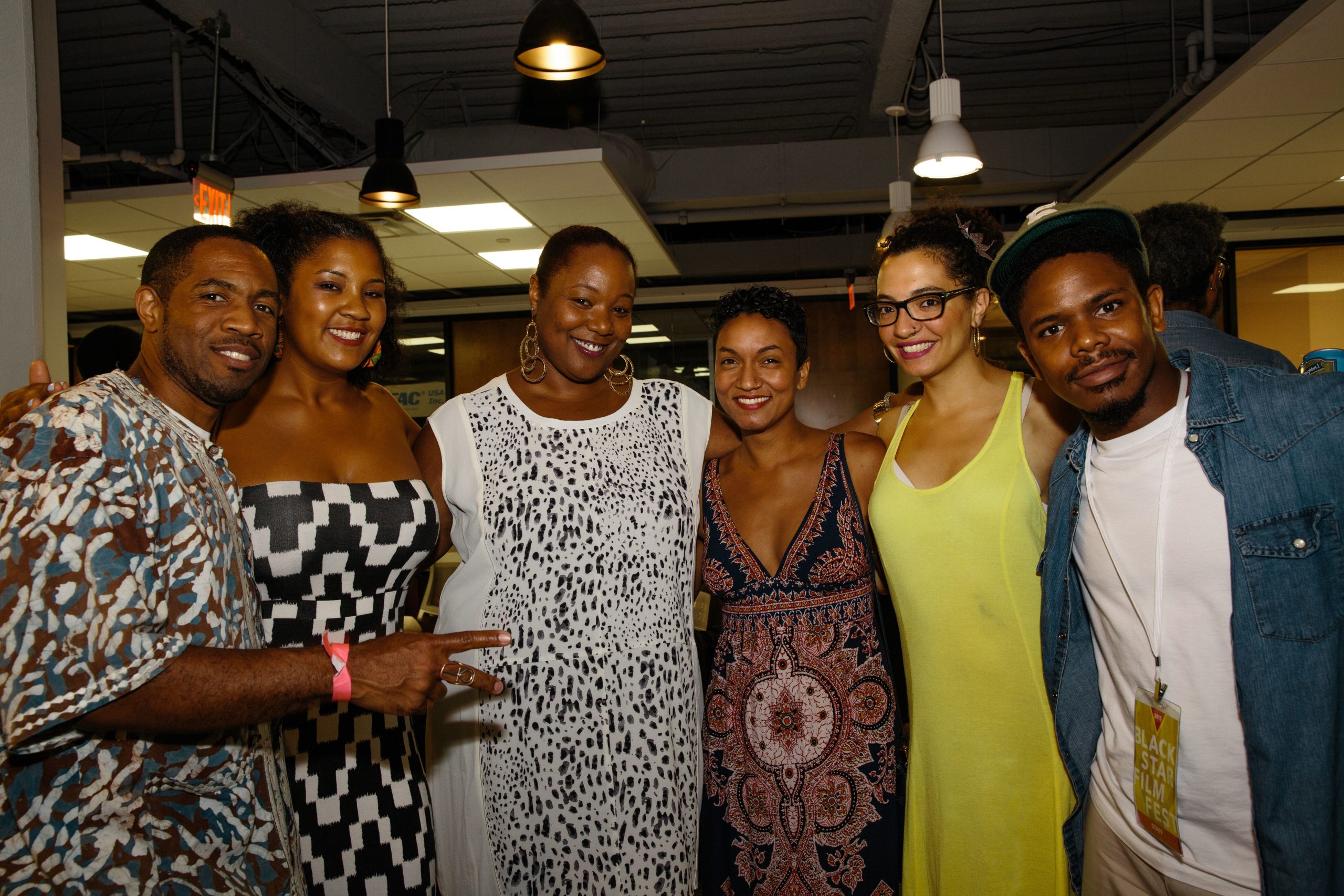
    The BlackStar Film Festival producing committee (from left to right), Louis Manon, Lauren Jane Holland, Maori Karmael Holmes, Nuala Cabral, Nehad Khader, and Lendl Tellington at Pipeline Philly in 2015.Gralin Hughes

    We pride ourselves on our curation, facilitated by some of the world’s greatest programmers, but there’s no doubt that the context in which our films play is just as important. Too many of those in charge of arts institutions have devalued the importance of safety, in the physical and emotional sense, referencing the losses of the pandemic without thinking of the mass loss of life.

    The pandemic wasn’t a business problem to solve, but rather a health crisis to adapt to, compounded by racist, misogynistic, and oppressive state policies that made — and continue to make — it frightening to gather in large groups. What our model proves, though, is that leaning into your politics rather than shying away from them is a pathway to keeping your audience coming back, summer after summer.

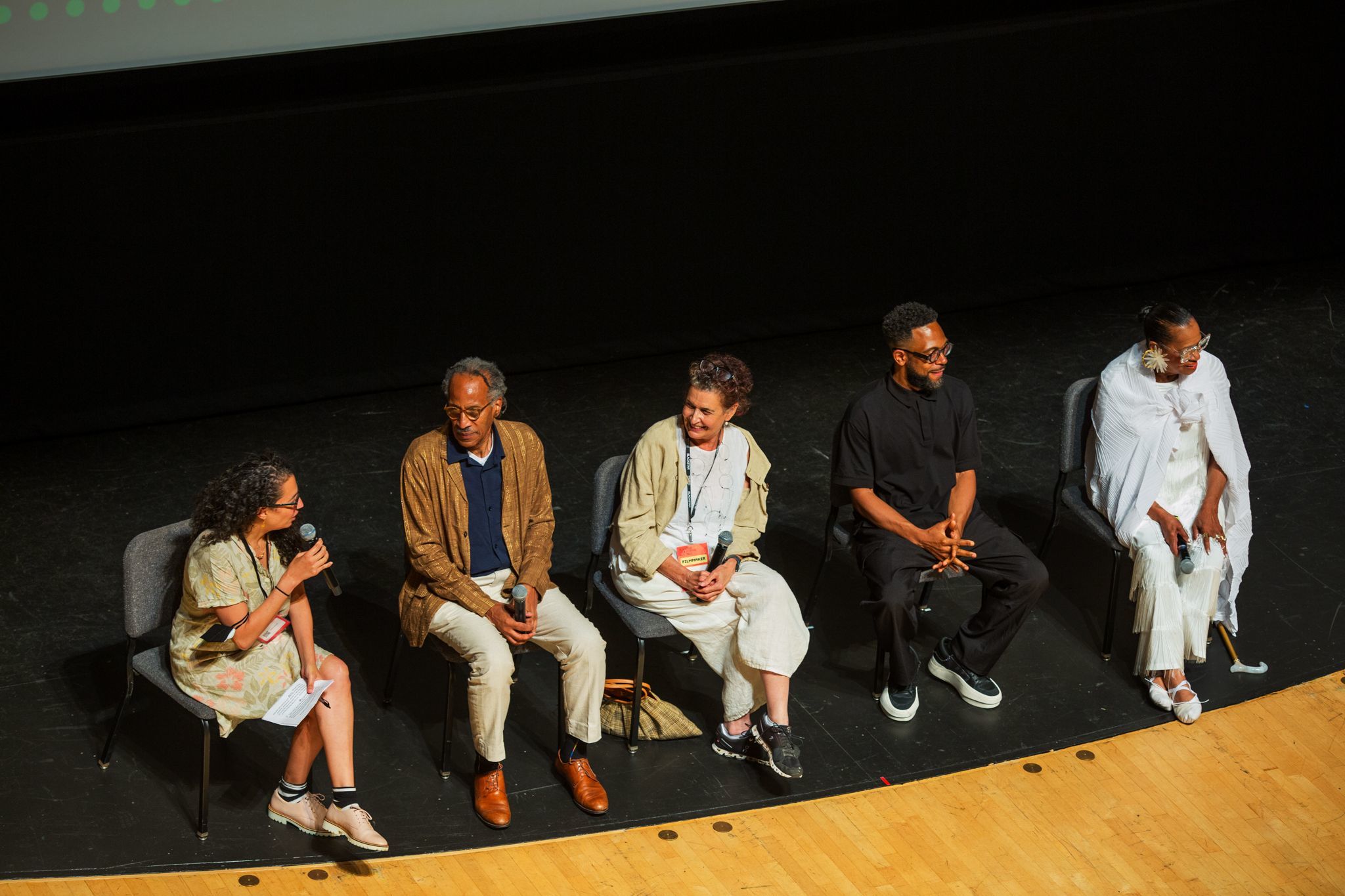
    From left to right, BlackStar Film Festival director Nehad Khader; MacArthur Prize winner, filmmaker and Scribe Center founder Louis Massiah; Venezuelan film director and editor Monica Henriquez; Emmy Award-winning composer and drummer Jerome Jennings; and Eleanor Traylor, scholar and chair of the department of English at Howard University, during a panel presentation on the work of Toni Cade Bambara, at the 2025 BlackStar Film Festival at the Kimmel Center Perelman Theater in Philadelphia.Daniel Jackson

    This looks like a goal of making every screening as accessible as possible, giving a documentary about the formidable late cultural worker and author Toni Cade Bambara the spotlight moment at the 2025 festival — knowing her ideas would speak to the moment — or by leaning into our values and showing up in solidarity with our people in Haiti, Palestine, Sudan, and beyond, in these moments of human-made catastrophe and genocide.

    It also means, since 2012, paying filmmakers and thinkers in a way that feels respectful, knowing that many of them are not making back the money they’ve spent to produce their work.

    It’s not only BlackStar that makes this radical space possible, but the vibrant organizing and artistic history in Philadelphia. As outlined in Robin D.G. Kelley’s Freedom Dreams, there has been a legacy of Black internationalism in our liberation movements — specifically so in Philadelphia.

    The crowd at the BlackStar Film Festival at the International House in Philadelphia, 2019.Daniel Jackson

    By Black internationalism, we mean a global, transnational framework in which Black Americans connect our struggles to those of worldwide anti-colonial liberation movements. For example, this fall we’re proud to launch the “People’s Cinema Club” at the Village of Industry and Art, a weekly film series in collaboration with some of the city’s diverse independent cinema organizers, including cinéSpeak, the Philadelphia Asian American Film Foundation, and the Philadelphia Latino Arts and Film Festival.

    At BlackStar, we’re not interested in returning to a Hollywood system that was built to exclude and demean us, but we are invested in learning from our elders and ancestors who have been using moving images to expand our vision since the advent of the art form.

    What we find in that archive is a long history of independent screenings, festivals, and organizing around cinema as a tool to dream bigger and organize together, across racial and class lines. We see the filmmakers of color we platform not just as artists, but as the architects of the better world in which we want to live.

    The 2026 BlackStar Film Festival takes place from Aug. 6 to 9, at venues across the city. For a full schedule of events, click here.

    Maori Karmael Holmes is the founder of the BlackStar Film Festival and chief executive and artistic officer of BlackStar Projects. Nehad Khader is the BlackStar Film Festival director.